search
Gorilla Permit Uganda 2025 – Everything You Need to Know

Gorilla Permit Uganda 2025 – Everything You Need to Know

By Travel guides, Travel stories and blogs, Uganda travel guides

Gorilla Permit Uganda 2025 – Everything You Need to Know

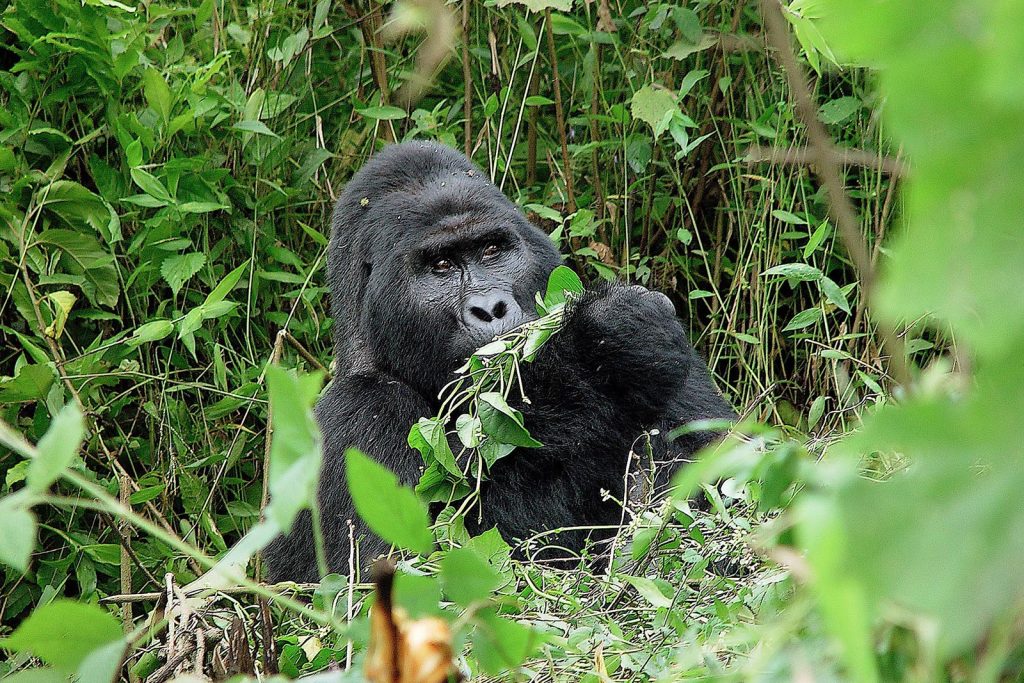
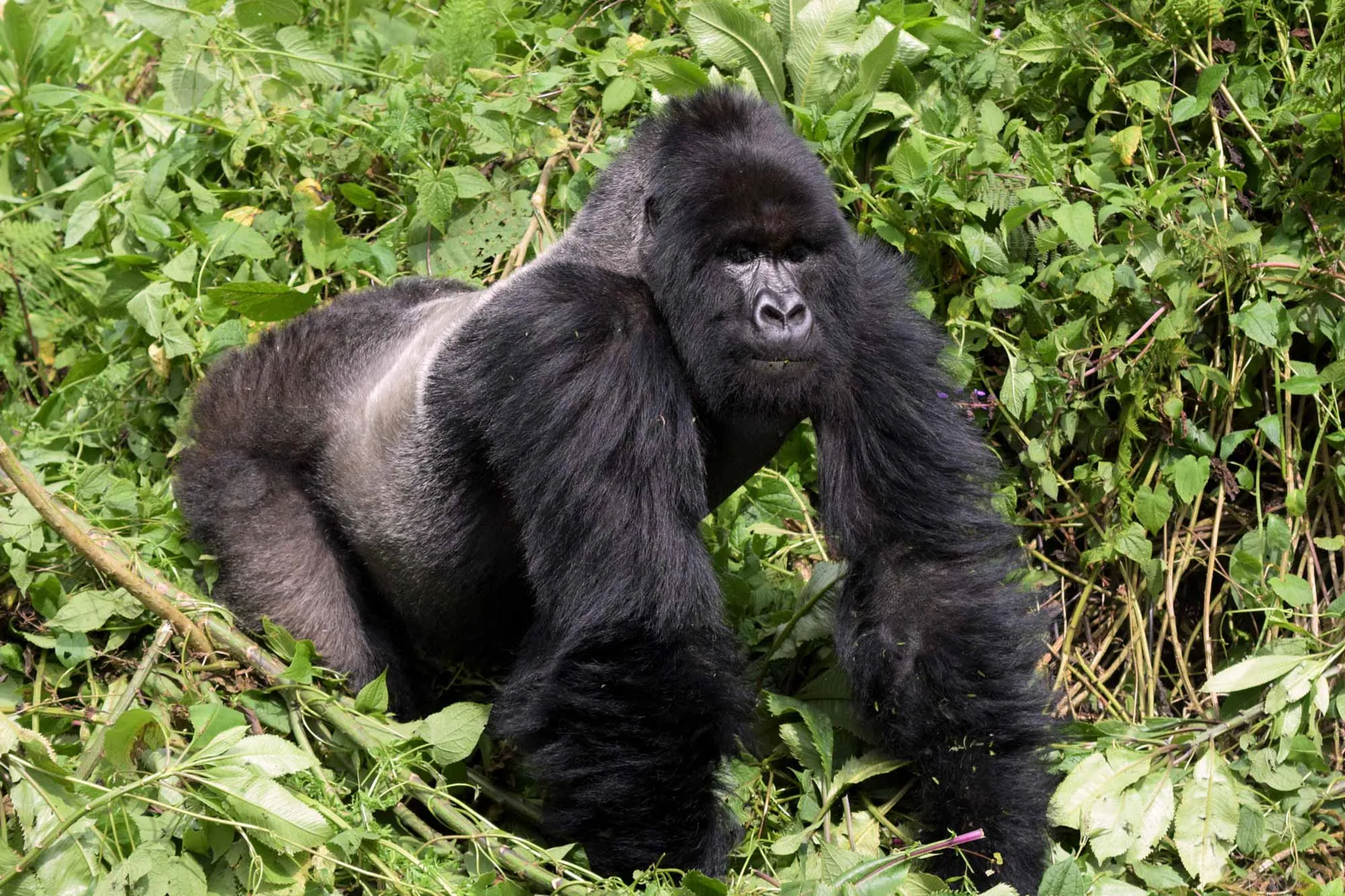
Deep in the emerald jungles of East Africa, hidden beneath the mist-laden canopy of ancient rainforest, lives one of the world’s most awe-inspiring creatures—the mountain gorilla. These magnificent primates, sharing over 98% of human DNA, are not only symbols of strength and kinship, but also powerful reminders of the delicate balance between wildlife and human existence. Nowhere is this connection more profoundly felt than in the lush highlands of Uganda, where gorilla trekking offers one of the rarest and most emotionally charged wildlife encounters on Earth.

In 2025, the opportunity to observe these critically endangered animals remains a privilege tightly regulated by Uganda’s wildlife authorities. The gorilla permit, your passport to the forest kingdom, is not just a ticket—it is a critical component of conservation, controlling human interaction while directly funding the protection of these majestic creatures. Understanding how the system works, what it costs, and how to prepare for this life-changing experience is essential for every responsible traveler.

This in-depth guide unveils everything you need to know about the Uganda gorilla permit in 2025, from permit types and prices to booking procedures, trekking regulations, and conservation impact. It is your complete reference for planning a journey into the wild that promises not only stunning memories but meaningful purpose.

Understanding the Gorilla Permit: More Than Just Access

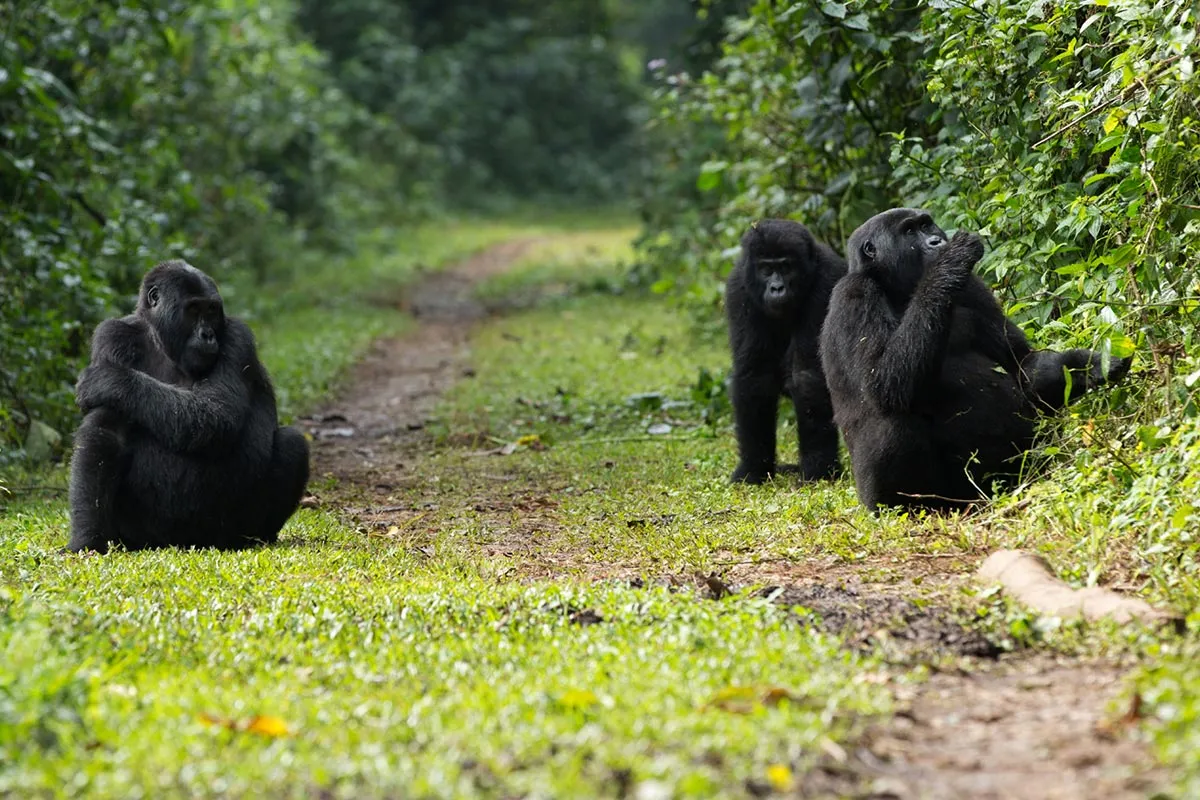
The gorilla permit is a document issued by the Uganda Wildlife Authority (UWA), granting permission to participate in a guided trek to observe a specific gorilla family in its natural habitat. These treks take place in the Bwindi Impenetrable National Park and Mgahinga Gorilla National Park, the only two places in Uganda where mountain gorillas are found.

Each permit allows for a one-hour encounter with a habituated gorilla family, following hours of guided trekking through rugged terrain and dense vegetation. The permits are limited in number, with only eight visitors allowed per gorilla group per day, ensuring that the experience remains intimate and minimally disruptive to the animals.

In 2025, as in previous years, obtaining a permit is mandatory and should be regarded as the cornerstone of your travel plans. It is advisable to understand not only the logistics but also the conservation ethos behind the system, which is designed to safeguard the gorillas, empower local communities, and preserve their fragile environment.

Gorilla Permit Cost in Uganda – 2025 Pricing and Structure

As of 2025, the official cost of a standard Uganda gorilla permit is structured as follows:

For foreign non-residents, the permit is priced at $800 USD per person.
For foreign residents holding valid work permits or residency status within East Africa, the cost is $700 USD.
For East African citizens, the fee is 300,000 Ugandan shillings.

This pricing remains consistent with Uganda’s efforts to balance global tourism appeal with conservation funding and local affordability. It should be noted that this fee covers the trekking experience only—it does not include transport, accommodation, porter services, or gratuities. However, what it does include is invaluable: a trained UWA guide, park entrance, one hour with the gorillas, and a lifetime of memories.

For those seeking a more extended and immersive experience, gorilla habituation permits are also available, granting up to four hours with a semi-habituated gorilla group. This unique opportunity is currently offered only in the Rushaga sector of Bwindi, and the 2025 cost is $1,500 USD per person for foreign non-residents.

Where to Trek – The Gorilla Sectors of Uganda

Uganda’s gorilla population is spread across two national parks, but the majority reside in the sprawling forest of Bwindi Impenetrable National Park, which is divided into four tracking sectors: Buhoma, Ruhija, Nkuringo, and Rushaga. Each sector hosts several habituated gorilla families, and the choice of location influences not only the trekking difficulty but also the lodging and logistical arrangements.

Mgahinga Gorilla National Park, located near the borders of Rwanda and the Democratic Republic of Congo, offers a smaller but equally rewarding experience, with one habituated gorilla family known as Nyakagezi, which has become known for its stable home range and photographic accessibility.

When booking a permit, the specific park and sector are assigned. This decision should align with your travel itinerary, accommodation availability, and physical readiness, as some sectors involve steeper or longer hikes than others.

Booking Your Gorilla Permit – Timing and Process

Due to limited availability and high demand—especially during peak seasons from June to September and December to Februaryearly booking is essential. Permits can be secured up to two years in advance, and reputable tour operators or licensed travel agents are often used to facilitate the process.

While direct booking through the Uganda Wildlife Authority is possible, most travelers find it more convenient to go through a trusted safari provider who manages not only the permit reservation but also accommodation, transportation, and local logistics. Doing so ensures that your permit matches your trek location and schedule, minimizing the risk of misalignment.

Full payment is required at the time of booking, and permits are non-refundable and non-transferable, unless UWA policies are updated in the future. It is therefore crucial to finalize travel dates and arrangements before confirming your permit.

What to Expect on Trekking Day – From Trailhead to Encounter

Gorilla trekking begins early in the morning, with visitors arriving at their respective sector’s park headquarters for a briefing by UWA rangers. Here, groups are assigned based on fitness levels, and important guidelines are shared regarding wildlife behavior, photography etiquette, and health protocols.

Trekking time can range from one to six hours, depending on the gorilla group’s location. The terrain is steep, slippery, and at times dense, making sturdy footwear, rain gear, and physical preparedness essential. Porters are available for hire, offering assistance and supporting local livelihoods at the same time.

Once the gorilla family is found, trekkers are allowed exactly one hour in their presence. This is the moment when time seems to slow, and the world narrows to the quiet breathing, expressive eyes, and gentle movements of a creature so closely related to us, yet so profoundly wild. It is an experience marked not by adrenaline, but by humility, wonder, and quiet reverence.

Conservation Impact – Your Permit as a Force for Good

Every dollar spent on a gorilla permit goes far beyond a moment of wildlife observation. A significant portion of permit revenue is directed towards conservation initiatives, including habitat protection, veterinary care, anti-poaching patrols, and community development. In fact, a share of the funds is invested directly into the neighboring communities, incentivizing locals to become stewards rather than adversaries of wildlife.

This model of sustainable tourism has been credited with the gradual increase in mountain gorilla populations, a rare success story in the realm of endangered species conservation. Uganda’s approach proves that when tourism is done thoughtfully, it becomes a powerful conservation tool, benefitting both the environment and the people who depend on it.

Health and Ethical Considerations – Trekking With Responsibility

To protect the gorillas from disease—especially respiratory infections that can be transmitted from humans—strict health protocols are in place. Visitors showing signs of illness may be denied access on the day of the trek. It is also required to maintain a minimum distance of seven meters from the gorillas, avoid flash photography, and observe all behavioral instructions provided by the guide.

These regulations are not inconveniences but necessary guardianships of a species that survives under constant threat. Respecting these rules ensures that your encounter contributes positively to the continued survival of the mountain gorillas.

Make It Unforgettable with WildHorn Africa

A gorilla trek in Uganda is not just a holiday; it is a pilgrimage into one of nature’s last sacred sanctuaries. It requires careful planning, guided expertise, and thoughtful execution. That is why partnering with a trusted safari company like WildHorn Africa makes all the difference.

WildHorn Africa specializes in crafting tailored gorilla trekking adventures, combining responsible tourism with authentic cultural immersion and seamless travel logistics. From securing your gorilla permit and arranging expert-guided treks to offering luxury lodge accommodations and immersive safari extensions, WildHorn Africa ensures that your journey is meaningful, ethical, and entirely unforgettable.

Book your Uganda gorilla safari with WildHorn Africa today—and step into the rainforest realm of the gentle giants with the guidance of those who know it best.
Top 6 Best Private Game Reserves Bordering Kruger National Park

Top 6 Best Private Game Reserves Bordering Kruger National Park

By South Africa travel guides, Travel guides, Travel stories and blogs

Top 6 Best Private Game Reserves Bordering Kruger National Park. Where the Wild Roams Freely, and Luxury Meets Wilderness

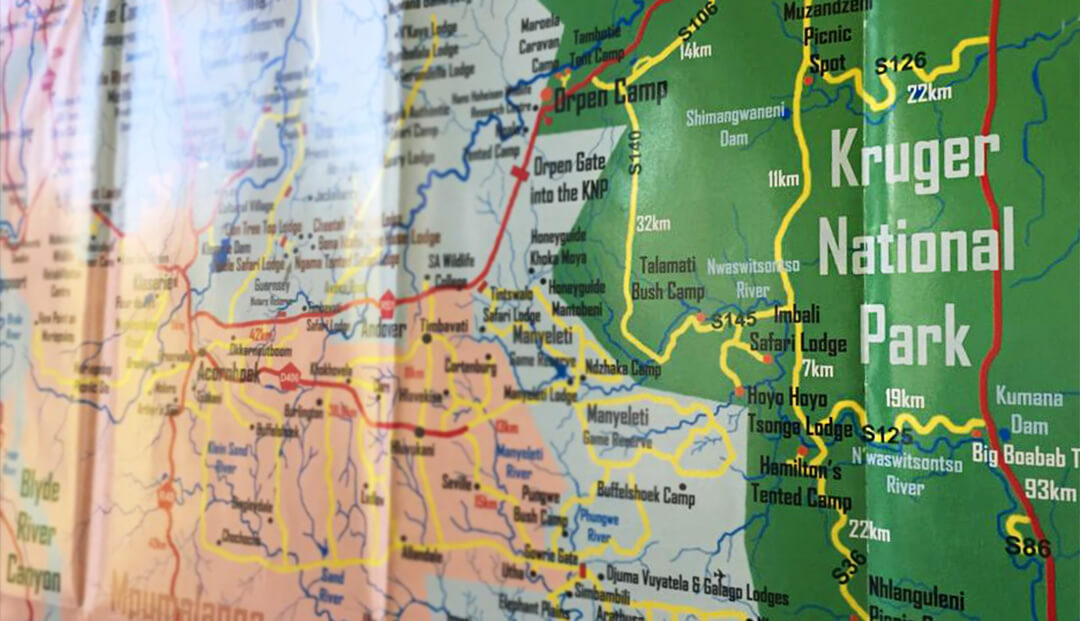
There is a primal magic in South Africa’s Lowveld region, where the horizon stretches endlessly and the sun blazes over thorny acacias and golden grasslands. Nestled within this untamed majesty lies the Kruger National Park, one of the most revered wildlife sanctuaries on Earth. But while the park is a marvel in itself, a quieter, more exclusive experience awaits on its fringes. Along the western border of Kruger, a number of private game reserves unfold like hidden gems, offering world-class safaris, intimate lodges, and close-up wildlife encounters that feel more personal and raw than anything found in the public sector.

These private reserves share unfenced borders with Kruger, allowing animals to roam freely between the public and private lands. However, they maintain limited vehicle access, off-road tracking privileges, and strict conservation policies, which translates into unparalleled viewing experiences for guests. Travelers drawn to these wild corners aren’t just chasing the Big Five—they are seeking a deeper connection with Africa’s wilderness, paired with top-tier comfort.

What follows is an immersive look into the top six private game reserves that border Kruger National Park, each promising an experience that is both thrillingly wild and luxuriously secluded.

1. Sabi Sand Game Reserve – The Pinnacle of Prestige (Best Private Game Reserves)

Regarded as the crown jewel among private reserves in South Africa, Sabi Sand is synonymous with luxury, exclusivity, and legendary leopard sightings. Covering roughly 65,000 hectares, the reserve is home to some of the most celebrated safari lodges in Africa, such as Singita, Londolozi, and Sabi Sabi.

Sabi Sand’s reputation has been meticulously built over decades. The reserve benefits immensely from its long-standing conservation efforts and the fact that many of its lodges have been owned and operated by the same families for generations. The result is not just an extraordinary game-viewing experience, but a deeply rooted cultural and ecological story that guests become part of.

What sets Sabi Sand apart is its allowance of off-road driving, which ensures that once a leopard or lion is spotted, the safari vehicle can veer off the path for a closer and more intimate encounter. The rangers and trackers here are among the best trained in the continent, and they often know individual animals by name or family lineage.

2. Timbavati Private Nature Reserve – The Wild Heart of the Lowveld

Directly adjoining Kruger’s central region, Timbavati is a haven for those seeking rugged authenticity with a touch of understated elegance. Known for its white lions, which have become almost mythical in status, Timbavati spans over 53,000 hectares and houses an extraordinary variety of ecosystems.

Unlike the polished lodges of Sabi Sand, Timbavati offers a more earthy, grounded experience, though without compromising comfort. Game drives here are quiet and purposeful, with a strong focus on sustainable tourism and conservation. The reserve participates actively in research and anti-poaching efforts, and its lodges often support community development programs.

Because of the reserve’s size and habitat diversity, wildlife encounters are frequent and varied. Guests might find themselves tracking elephants through mopane thickets in the morning and watching wild dogs in pursuit by dusk.

3. Klaserie Private Nature Reserve – Remote and Untamed

Adjoining Timbavati to the west, Klaserie offers what is perhaps the most uncommercialized safari experience bordering Kruger. Covering a staggering 60,000 hectares, this reserve is the epitome of seclusion. Game viewing is no less spectacular here, but the experience feels more raw, quiet, and deeply immersive.

The lodges in Klaserie are often small, family-run operations, ensuring that visitors receive highly personalized service. Here, it’s not uncommon to go on a game drive and not see another vehicle for hours. The emphasis lies in ethical wildlife viewing, and many lodges employ expert guides who involve guests in conservation practices and environmental education.

Klaserie’s terrain is wild and diverse, hosting everything from large herds of buffalo to elusive leopards and rhinos. Night drives here are exceptional, revealing the seldom-seen nocturnal creatures of the African bush, under skies blazing with stars.Top 6 Best Private Game Reserves Bordering Kruger National Park

4. Manyeleti Game Reserve – The Hidden Gem of Authenticity

If there is a reserve that can be described as Kruger’s best-kept secret, it would undoubtedly be Manyeleti. Situated between Sabi Sand and Timbavati, and covering over 23,000 hectares, this reserve is wholly owned by the Mnisi community, making it a unique example of community-based conservation.

Manyeleti, meaning “Place of Stars” in Shangaan, lives up to its name. Far removed from tourist crowds, the reserve is characterized by pristine wilderness and rich cultural storytelling. Lodges here operate with community partnerships, ensuring that tourism directly benefits local development and environmental stewardship.

Wildlife abounds, from majestic elephants to lion prides that dominate the open plains. Unlike more developed reserves, Manyeleti remains largely unspoiled, making it perfect for travelers seeking solitude, authenticity, and purpose in their travels.

5. Balule Nature Reserve – The Conservation Corridor

Part of the Greater Kruger conservation initiative, Balule spans roughly 40,000 hectares and is one of the most ecologically diverse reserves bordering the park. Its terrain transitions from riverine forests to open savannah, drawing in a wide array of species year-round.

Balule’s strength lies in its commitment to anti-poaching, habitat restoration, and education. Its proximity to the Olifants River ensures regular sightings of aquatic birds, hippos, and crocodiles, while inland areas teem with giraffes, hyenas, and big cats.

This reserve strikes a balance between luxury and accessibility, with lodges catering to various budgets without compromising on quality or game viewing. Because of its active wildlife corridors, Balule is also a fantastic destination for birders and photographers.

6. Thornybush Game Reserve – Elegance in the Wild

Lying adjacent to Timbavati, Thornybush is often celebrated for its sophisticated safari offerings and exceptional hospitality. Though slightly smaller at around 14,000 hectares, the reserve punches above its weight when it comes to game viewing and service quality.

Thornybush is renowned for high-density predator sightings, particularly lion, cheetah, and leopard. The guides here are storytelling experts, weaving the landscape’s narrative into every game drive. Many lodges boast spa treatments, gourmet cuisine, and infinity pools overlooking waterholes.

What makes Thornybush especially appealing is its dedication to inclusive travel. The reserve actively supports female guides, eco-tourism education for local youth, and rewilding initiatives, making it a forward-thinking player in South Africa’s private reserve network.

The Unrivaled Allure of the Private Kruger Experience

While Kruger National Park remains a vital pillar of South Africa’s conservation landscape, the private reserves bordering it elevate the safari experience to another level. Here, intimacy replaces mass tourism, and bespoke experiences replace rigid schedules. Whether one dreams of tracking lions across golden plains or sipping sundowners as elephants bathe below, these private sanctuaries deliver in ways that feel both personal and unforgettable.

The true beauty of these private game reserves lies in their ethos of conservation, community, and quiet excellence. Travelers do not merely pass through; they participate in a delicate balance of life, culture, and wild rhythm that defines the African bush.

Make It Your Story—With WildHorn Africa (Best Private Game Reserves)

To turn this dream into a living, breathing experience, it is strongly recommended that travelers plan their safari with experts who understand the terrain, the wildlife, and the nuances that make each reserve unique. WildHorn Africa, a trusted name in bespoke African travel, offers handcrafted safari itineraries, personalized guidance, and access to the most coveted lodges in Kruger’s private reserves.

From first-time visitors to seasoned adventurers, WildHorn Africa ensures that every journey is seamless, unforgettable, and purpose-driven. Let your story begin in the heart of Africa’s wild soul—where the roar of lions is your morning anthem, and the stars your silent witness.

Book your private safari experience with WildHorn Africa today—and step into the untamed elegance of Kruger’s private frontier.

Top 10 Best Things To Do in Victoria Falls

Top 10 Best Things To Do in Victoria Falls

By Travel guides, Travel stories and blogs, Zambia travel guides, Zimbabwe travel guides

Top 10 Best Things To Do in Victoria Falls

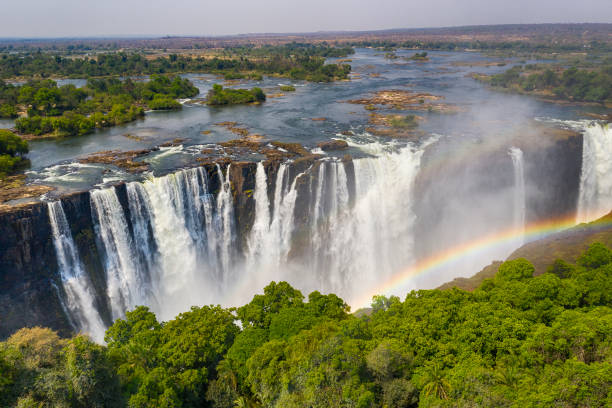
There are places in the world where nature doesn’t whisper—it roars. Where the elements collide with such force and beauty that the soul is left in awe. Victoria Falls, straddling the border between Zimbabwe and Zambia, is one such place. Known locally as Mosi-oa-Tunya—the “Smoke That Thunders”—this colossal waterfall is not merely a spectacle of falling water. It is a gateway to adventure, culture, wildlife, and wonder, a destination where the sublime meets the wild.

Carved into the heart of Africa, Victoria Falls offers more than just panoramic vistas of cascading water. It is a region where adrenaline flows as freely as the Zambezi River, where ancient cultures thrive, and where nature unveils its majesty in dramatic form. Whether one seeks heart-pounding thrills, immersive encounters with wildlife, or serene moments of reflection, the area surrounding Victoria Falls offers a rare variety of experiences.

In this comprehensive guide, the most iconic, unique, and unforgettable activities that define Victoria Falls have been explored in depth, each one chosen to reflect the spirit of discovery that pulses through this incredible corner of Africa. From daring adventures to cultural revelations, this is your guide to the top 10 best things to do in Victoria Falls, each one a memory waiting to be made.

Witnessing the Falls in Their Full Glory

The first and most essential experience in Victoria Falls is, of course, seeing the falls themselves. With a width of over 1,700 meters and a drop of over 100 meters, Victoria Falls holds the title of the largest sheet of falling water on Earth. But this is no static postcard—it is a living, breathing spectacle that shifts with the seasons and the rains.

During peak flow between February and May, a thunderous curtain of water crashes into the gorge below, sending up plumes of mist that can be seen from kilometers away. In the drier months, the structure of the gorge is revealed, offering different photographic and visual perspectives. Paths wind through rainforest-fed microclimates, bringing visitors to various viewpoints with names like Devil’s Cataract, Main Falls, Horseshoe Falls, and Rainbow Falls—each offering a different voice of the river’s roar.

Walking along the trails within the Victoria Falls National Park provides a rare sensory immersion. The air becomes thick with mist, rainbows form spontaneously in the light, and the sound of water crashing into the depths becomes the heartbeat of the landscape.

Helicopter Flight Over the Falls – The Flight of Angels

To truly grasp the immensity and grandeur of Victoria Falls, one must rise above it. From the air, the falls appear as a crack in the earth, a surreal and majestic fissure that splits the Zambezi’s gentle flow into something epic and powerful. This is the perspective that explorer David Livingstone once described as “a sight so lovely it must have been gazed upon by angels in their flight.”

Helicopter flights—often referred to as the “Flight of Angels”—offer a breathtaking, bird’s-eye view of the falls, the meandering river, and the surrounding national parks. The contrast between the green foliage, the churning whitewater, and the arid landscape beyond is stunning. Each circuit through the skies reveals the scale and splendor of one of the natural wonders of the world from an angle impossible to appreciate from the ground.

Devil’s Pool – Nature’s Edge of Infinity

For the brave and the bold, one of the most thrilling experiences in Victoria Falls lies right on its edge—literally. During the dry season, when water levels drop to safer levels, travelers have the chance to swim in the legendary Devil’s Pool, a natural rock pool formed at the lip of the falls on the Zambian side.

This unique formation allows visitors to peer over the edge of the thundering chasm while remaining in relative safety. The experience is not for the faint of heart. It involves a boat ride, a guided walk across the slick rock ledge of Livingstone Island, and a carefully timed dip into the pool. But the reward is a rush of adrenaline and a memory few will ever forget—hovering inches away from one of the greatest drops on Earth.

Zambezi River Sunset Cruise – Tranquility on Africa’s Great River

While Victoria Falls inspires awe with its power, the Zambezi River upstream offers a completely different mood—one of serenity, color, and gentle motion. A sunset cruise on this storied river is a tranquil counterpoint to the thunder of the falls. Here, hippos grunt in the reeds, crocodiles sun themselves on the banks, and elephants come to drink in the golden hour light.

With a drink in hand and the soft hum of the boat beneath, visitors drift along the river, watching the sun dip beneath the horizon in a sky ablaze with oranges, reds, and purples. Birdsong echoes through the air as the day gently gives way to dusk. This experience is about slow beauty, quiet reflection, and the simple majesty of an African evening.

Whitewater Rafting – Conquering the Wild Zambezi

Beneath the falls, the Zambezi River transforms into one of the world’s premier whitewater rafting destinations. The Batoka Gorge offers up grade IV and V rapids, with names like “Oblivion” and “The Washing Machine” hinting at the intensity of the experience. For thrill-seekers, this is a chance to dance with the power of nature, plunging through roaring rapids surrounded by towering cliffs.

This journey is not merely a thrill ride; it is a full-day adventure through sculpted canyon landscapes, with moments of calm between rapids that allow for swimming, scenic appreciation, and storytelling. It’s a raw, visceral connection to the river that carved this ancient landscape.

Bungee Jumping from Victoria Falls Bridge – A Leap of Faith

Suspended between Zimbabwe and Zambia is the Victoria Falls Bridge, an engineering marvel and the launch point for one of the world’s most iconic bungee jumps. At 111 meters, the jump offers not just freefall but a pure, heart-racing plunge into the gorge with the mist of the falls rising in the distance.

This experience is often described as a rite of passage for extreme adventurers. The countdown, the leap, the rush—it all blurs into one of the most intense moments a traveler can have. The view alone, before the jump, is breathtaking. What comes after is an unforgettable plunge into the void, with the Zambezi roaring far below.

Game Drives in Zambezi and Mosi-oa-Tunya National Parks

The lands surrounding Victoria Falls are not just about water—they are rich with wildlife. Both Zambezi National Park in Zimbabwe and Mosi-oa-Tunya National Park in Zambia offer superb game viewing opportunities, often in more intimate settings than larger parks.

Here, herds of elephant move through open plains, buffalo graze along riverbanks, and antelope scatter through the bush. The chance to see giraffe, zebra, crocodile, hippo, and myriad bird species adds to the depth of the Victoria Falls experience. Game drives offer a quiet immersion into Africa’s living tapestry, with knowledgeable guides revealing secrets hidden in the brush.

Victoria Falls Town – A Cultural Crossroads

No visit is complete without time spent in Victoria Falls Town, a vibrant hub of culture, craft, cuisine, and history. Art galleries display contemporary African works, while local markets overflow with handmade carvings, textiles, and jewelry. Traditional drumming performances fill the air with rhythm and energy.

Dining in the town reveals a culinary fusion, with influences from southern Africa, Europe, and beyond. Local delicacies, such as bream from the Zambezi or game meat from nearby reserves, offer a true taste of place. Here, visitors engage not only with nature, but with the people and stories that give the region its soul.

Canoeing on the Upper Zambezi – A Journey Through Stillness

For those who seek a gentler communion with nature, canoeing along the upper Zambezi offers a peaceful and meditative experience. Paddling silently through calm waters, guests glide past lily-covered channels, sandbanks, and shaded tree canopies, where wildlife moves unhurried and unthreatened.

This activity emphasizes closeness to nature, providing opportunities to see birds, elephants, hippos, and even the occasional crocodile from a safe distance. The slow rhythm of paddling becomes a kind of mindfulness, where every ripple tells a story, and every bend in the river brings quiet discovery.

Exploring Livingstone Island – A Step Into History

Named after the famed Scottish explorer David Livingstone, who was the first European to set eyes on the falls, Livingstone Island is located at the very brink of the falls themselves. Guided tours allow visitors to stand in the explorer’s footsteps, learning about his journey and seeing the waterfall from a perspective that few have ever experienced.

The island experience combines history, geology, and natural drama, often including a swim in Devil’s Pool during the dry season. It is a location where legend and landscape merge—where the river slows, the mist rises, and history hangs in the air.

Book Your Victoria Falls Experience with WildHorn Africa

Victoria Falls is not just a destination—it is a multi-sensory encounter with the sublime, a place where land, water, wildlife, and culture come together in breathtaking fashion. Whether the heart seeks adventure, tranquility, or transformation, this remarkable region delivers it in abundance.

To ensure that your journey to Victoria Falls is seamless, meaningful, and unforgettable, WildHorn Africa offers expertly curated travel experiences tailored to your interests and aspirations. From securing premium accommodations and exclusive tours to arranging cross-border adventures and cultural excursions, WildHorn Africa delivers personalized safari planning grounded in passion and professionalism.

Book your Victoria Falls adventure today with WildHorn Africa—and discover the thundering wonder of one of Earth’s most powerful and beautiful places.

How Long Does It Take To Climb Mount Kilimanjaro?

How Long Does It Take To Climb Mount Kilimanjaro?

By Tanzania travel guides, Travel guides, Travel stories and blogs

How Long Does It Take To Climb Mount Kilimanjaro? A Dream Worth Climbing

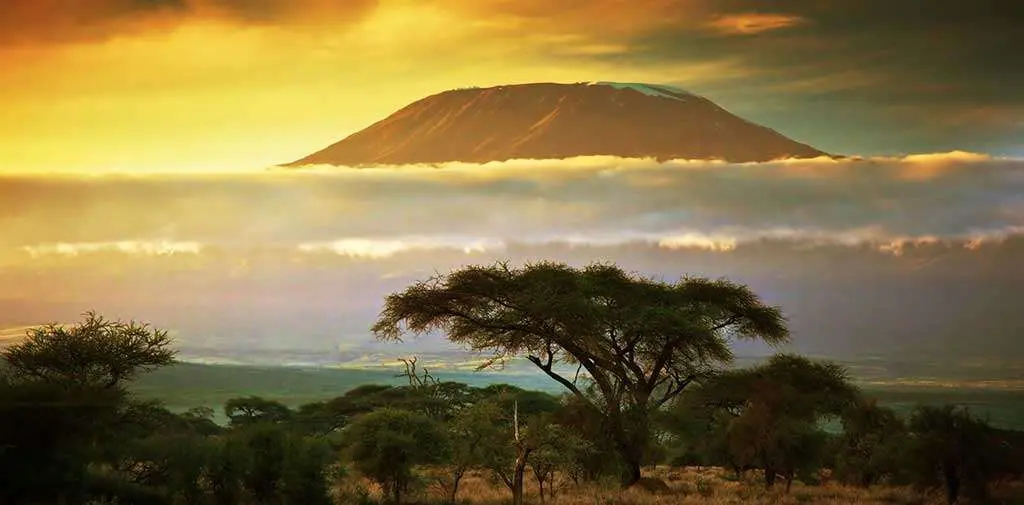
Rising in majestic silence above the plains of Tanzania, Mount Kilimanjaro stands not only as Africa’s highest peak but also as one of the most iconic summits in the world. Crowned with glaciers and often cloaked in clouds, it is the tallest free-standing mountain on Earth, reaching an impressive 5,895 meters (19,341 feet) above sea level. It is a peak that beckons thousands of adventurers every year—novices and seasoned trekkers alike—each drawn by its allure, its challenge, and the dream of standing on the legendary Uhuru Peak.

But beneath its awe-inspiring silhouette lies a crucial question every prospective climber must consider: how long does it really take to climb Mount Kilimanjaro? The answer isn’t as straightforward as it may seem, for it depends on a variety of factors—ranging from route choice, acclimatization needs, and individual fitness, to the underlying goal of a safe, successful summit.

This article ventures deep into the time it truly takes to conquer Kilimanjaro, breaking down its duration, the science behind the climb, and what climbers can expect on this journey to the top of Africa.

Understanding the Climb: More Than Just Days on a Trail

The question of how long it takes to climb Kilimanjaro is not simply a number—it is a consideration of altitude adaptation, physical endurance, and mental preparation. Unlike technical peaks that demand climbing expertise and ropes, Kilimanjaro is considered a non-technical trek, meaning no prior mountaineering skills are required. However, that does not imply it is easy.

What makes Kilimanjaro truly challenging is its rapid ascent through varying climate zones, from equatorial rainforest to alpine desert and finally to glacial arctic conditions. This swift change in altitude within a few days places immense stress on the human body, especially when proper acclimatization is not prioritized.

As a result, climbers are strongly advised to choose longer routes, even if they seem more demanding. Time on the mountain directly correlates with acclimatization, and acclimatization is the key to success. It has been widely reported that shorter climbs have significantly lower summit success rates, often due to altitude sickness, which affects a high percentage of those ascending too quickly.

Route Matters: A Journey Dictated by Pathways

There are several officially established routes to Kilimanjaro’s summit, each with a distinct character and timeline. Some are designed for swift ascents, while others meander more gradually, allowing the body to adjust to the thinning air.

Among the shortest is the Marangu Route, which can be completed in as little as five days, although this timeframe carries a lower summit success rate and greater risk of altitude complications. Most climbers, even on this route, are encouraged to extend their trek to six days for better adjustment.

On the other end of the spectrum lies the Lemosho Route, often completed in seven to eight days. It is widely regarded for its beauty, solitude, and high success rate due to its more gradual ascent profile. Similarly, the Machame Route, also known as the “Whiskey Route,” typically spans six to seven days, offering scenic variation and strong acclimatization opportunities through its climb high, sleep low pattern.

The Rongai, Shira, Umbwe, and Northern Circuit routes vary in length from six to nine days, with the Northern Circuit being the longest and least trafficked—yet offering the highest summit success rate due to its extended duration.

When the question is posed—how long does it take to climb Mount Kilimanjaro—the correct answer is this: it depends on the route chosen, but the optimal range is between 6 to 9 days, with longer durations greatly enhancing chances of success and safety.

The Power of Acclimatization: A Matter of Health and Altitude

What cannot be overstated in any discussion about Kilimanjaro is the importance of acclimatization. The ascent takes climbers from sea-level oxygen concentrations to less than 50% of normal atmospheric oxygen at the summit. Without adequate time to adjust, the risk of Acute Mountain Sickness (AMS) rises dramatically, potentially escalating to serious conditions such as High Altitude Pulmonary Edema (HAPE) or High Altitude Cerebral Edema (HACE).

Routes that offer additional acclimatization days or incorporate climb-high, sleep-low strategies have proven more successful. Such methods allow the body to adapt naturally to altitude changes, reducing physiological strain and enabling climbers to enjoy the journey, rather than merely endure it.

In fact, most reputable guides and operators now emphasize that the question should not be “how quickly can it be done?” but rather “how safely and sustainably can it be achieved?” The mountain is not a race—it is a pilgrimage of endurance, humility, and respect for nature’s extremes.

Fitness and Preparation: Shaping the Timeline from the Ground Up

While time on the mountain is dictated by route and altitude needs, the preparation phase before the climb is equally vital. For those starting their journey from home, physical conditioning should begin at least two to three months in advance, incorporating cardiovascular training, leg strengthening, and long-duration hiking with weight.

The fitter a climber is, the better they can manage the daily trekking distances and elevation gain. Yet even peak fitness does not replace the necessity for altitude acclimatization, which remains non-negotiable regardless of strength or age.

Mental preparedness also plays a key role. The higher one climbs, the more challenging the conditions become. Freezing temperatures, reduced appetite, disrupted sleep, and physical fatigue are common. The ability to stay positive, resilient, and mentally focused contributes as much to summit success as physical strength does.

Summit Day: The Longest and Most Challenging Push

While most days on Kilimanjaro involve moderate trekking of 4 to 7 hours, the final push to the summit is an entirely different challenge. Summit day typically begins around midnight, with climbers ascending slowly in the darkness under starlit skies, often for 6 to 8 hours, before reaching the crater rim and, eventually, Uhuru Peak.

This part of the climb is the most taxing—physically, mentally, and emotionally. Temperatures plummet well below freezing, winds intensify, and oxygen levels drop to their lowest. The ascent is slow and deliberate, and the altitude effects are at their peak.

After summiting, climbers must descend the same day, often trekking a total of 10 to 14 hours before reaching a lower camp. This day, more than any other, highlights the need for proper pacing and adequate acclimatization in the preceding days.

Descent and Reflection: The Journey Down the Mountain

After the summit, the descent takes one to two days, depending on the route. Though physically easier, it places stress on joints and muscles. Many trekkers report the descent as surprisingly demanding, though it is lightened by the psychological elation of having reached the top.

By the time climbers return to the base, they will have spent between six and nine days immersed in the ever-changing beauty of Kilimanjaro’s ecosystems—from jungle to alpine meadows to frozen summit—and every hour spent will have contributed to a profound transformation, both physically and spiritually.

Climbing Kilimanjaro: A Timeless Adventure Requires Timely Planning

To climb Mount Kilimanjaro is to accept a challenge that is both monumental and deeply personal. The time it takes to reach the summit is not measured only in days—but in determination, acclimatization, preparation, and a willingness to embrace the unknown.

For those who dream of standing on Africa’s highest point, the path is there—but it must be walked with patience, humility, and proper planning. The journey cannot be rushed, and the rewards lie not just at the summit, but in every step that leads to it.

Plan Your Ascent with WildHorn Africa

When choosing to take on Kilimanjaro, the guidance of experienced, ethical, and passionate tour operators is essential. For those seeking a seamless, supported, and unforgettable Kilimanjaro climb, WildHorn Africa offers expertly curated trekking itineraries, professional mountain teams, and a commitment to both safety and success.

With WildHorn Africa, climbers are not just clients—they are companions in a journey of transformation. Whether you are planning your first African adventure or adding Kilimanjaro to your bucket list, trust the team that understands the mountain, the land, and the soul of the climb.

Book your Kilimanjaro adventure—and your broader African safari experience—with WildHorn Africa today. Let your journey to the top begin with the people who know the path.

Best Places To See the Big 5 on Safari in Africa

Best Places To See the Big 5 on Safari in Africa

By Travel guides, Travel stories and blogs
Best Places To See the Big 5 on Safari in Africa

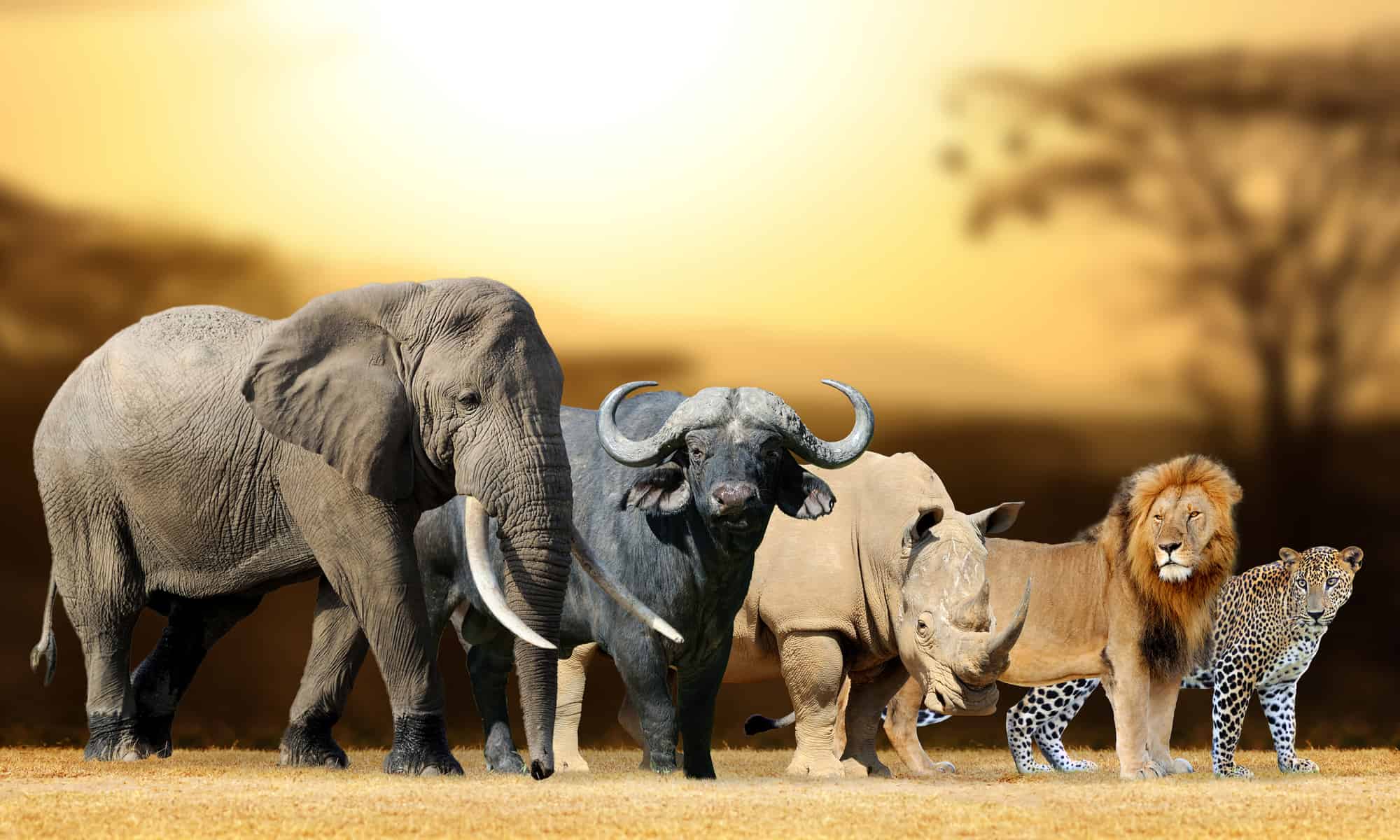
There are few experiences on Earth that rival the intensity and majesty of coming face-to-face with Africa’s Big 5—lion, leopard, rhinoceros, elephant, and buffalo. These legendary animals, once deemed the most dangerous to hunt on foot, have since become the centerpiece of modern photographic safaris. For many travelers, seeing all five in the wild represents the ultimate safari milestone—a journey that is not only about the thrill of sightings but about connecting deeply with the rhythms of untamed nature.

Africa, vast and diverse, offers many regions where these iconic animals still roam free. Yet only a handful of destinations can consistently provide the chance to witness the full Big 5 in their natural habitats. From the savannahs of East Africa to the bushveld of the south, the continent’s premier reserves and national parks stand as sanctuaries of wildlife, ecological wonder, and raw, unfiltered beauty.

Those who seek the Big 5 are not just pursuing a checklist—they are stepping into ancient ecosystems where survival is earned, balance is maintained by instinct, and every encounter tells a story. To track the Big 5 is to follow the pulse of Africa itself, where the drama of the wild unfolds daily against some of the most breathtaking backdrops on the planet.

Kruger National Park and Its Private Reserves: The Beating Heart of the Big 5

Tucked into the northeast corner of South Africa, Kruger National Park and the surrounding private game reserves form one of the most prolific Big 5 regions in the world. Here, vast landscapes stretch across multiple ecosystems, creating a haven for thriving populations of lion prides, elusive leopards, large elephant herds, and both black and white rhinos. Buffalo—resilient and imposing—are almost a constant presence across the terrain.

While Kruger’s public areas are accessible to self-drivers, adjacent private reserves such as Sabi Sand, Timbavati, and Manyeleti offer a more intimate and rewarding experience. Off-road game drives, expert trackers, and luxurious lodges elevate every aspect of the safari. Sabi Sand, in particular, is famed for its remarkable leopard sightings, often considered the best in all of Africa.

In this region, conservation and tourism work hand-in-hand, with many lodges contributing directly to anti-poaching efforts and community development. The Big 5 experience here is not only immersive but also sustainable, making every sighting feel part of a larger, purposeful narrative.

Masai Mara and Serengeti: Where the Wild Moves in Great Numbers

Straddling the border of Kenya and Tanzania, the Masai Mara National Reserve and the Serengeti National Park form a contiguous ecosystem that plays host to the world-famous Great Migration. Yet beyond the spectacle of wildebeest herds and galloping zebras lies another promise—the opportunity to spot all five of Africa’s most formidable mammals.

Lions are abundant here, often seen lounging in the shade or stalking the plains. Leopards favor the riverine woodlands, moving with silent precision. Buffalo are ever-present, and elephants march through the acacia-dotted horizon in grand family groups. Rhinos, although more elusive, can be found particularly in areas like Ngorongoro Crater, a natural amphitheater that boasts one of the highest densities of wildlife in Africa.

The magic of this region lies not just in the presence of the Big 5, but in the vastness of the landscape and the interplay of predator and prey. Guided by local Maasai warriors turned conservationists, visitors gain rare insights into both the animal kingdom and the vibrant human cultures that coexist with it.

South Luangwa National Park: Where Wilderness Remains Wild

In the eastern reaches of Zambia lies South Luangwa National Park, a place often heralded as one of Africa’s last true wildernesses. Known for its walking safaris, this region invites guests to experience the bush on foot, heightening the senses and bringing every track, sound, and movement into sharp focus.

The Big 5 are present here, although rhinos have been extirpated and sightings require visits to other parks for a full set. Nevertheless, South Luangwa’s exceptional lion encounters, healthy elephant populations, and striking sightings of the ever-elusive leopard make it one of the most rewarding destinations on the continent.

What sets South Luangwa apart is the raw, unmanicured feel of the landscape and the authenticity of the safari experience. Here, wildlife dictates the rhythm of the day, and the absence of crowds means that every sighting feels deeply personal. Conservation is paramount, with lodges often community-owned and operated in alignment with nature’s cycles.

Etosha National Park: A Salt Pan Oasis for the Giants

Etosha, in northern Namibia, may not be the first name that comes to mind when seeking the Big 5, yet it offers one of Africa’s most unique and accessible safari environments. Centered around a vast, shimmering salt pan, Etosha is home to a surprisingly diverse range of wildlife, including four of the Big 5.

Rhinos, particularly the endangered black rhino, are frequently seen around the park’s numerous waterholes, often emerging at dusk or dawn. Lions are visible in the open terrain, their golden coats catching the desert light. Elephants gather in massive herds during the dry season, and buffalo, though less common, are occasionally spotted in the western sections of the park. Leopards remain elusive, yet sharp-eyed guides and patient tracking increase the chances of that coveted glimpse.

Etosha’s strength lies in the visibility of its wildlife and the stark, otherworldly beauty of its terrain. The park’s waterholes act as magnets for animals, especially during the dry months, making it a photographer’s dream and a remarkable place to experience the grandeur of African wildlife.

Okavango Delta: The Pulse of Life in the Wetlands

In Botswana’s north lies the Okavango Delta, a UNESCO World Heritage Site and one of the richest wildlife habitats on Earth. Each year, floodwaters from the Angolan highlands transform this arid land into a lush mosaic of lagoons, channels, and islands. This seasonal transformation brings with it an explosion of life, including all members of the Big 5.

Leopards are frequently seen along the treed islands, using elevated branches to scout for prey. Lions prowl the grassy edges of floodplains, while elephants wade through water with majestic calm. Buffalo move in large herds across the delta’s fringes, and rhinos, reintroduced and heavily protected, now roam in secure areas like Moremi Game Reserve.

What makes the Okavango Delta truly exceptional is its combination of land and water safaris, allowing visitors to explore by 4×4, mokoro (dugout canoe), or boat. Each mode offers a different lens through which to view the Big 5—not just as animals to see, but as beings that move with grace and purpose through a sacred landscape.

Hluhluwe-iMfolozi Park: Where Conservation Began

As one of the oldest proclaimed nature reserves in Africa, Hluhluwe-iMfolozi Park in South Africa holds a storied place in conservation history. It was here that efforts to save the white rhino from extinction first took root, and today the park remains one of the best places on Earth to see both black and white rhinos.

The Big 5 are all present here, roaming through rolling hills, savannahs, and dense thickets. The park’s manageable size increases the likelihood of sightings, while the absence of large tourist crowds preserves an intimate safari feel. Rich in history and biodiversity, Hluhluwe-iMfolozi is a hidden gem where legacy and wilderness converge.

The Call of the Wild—And the Wisdom of Choosing the Right Partner

To see the Big 5 is to step into a myth made real. It is to witness the lion’s commanding presence, to follow the silent path of the leopard, to feel the earth move beneath the feet of elephants, to watch buffalo graze with quiet might, and to glimpse a rhino in solemn strength. But more than these moments, it is the journey between them that transforms a safari from a checklist into a life-affirming story.

Navigating Africa’s vast and varied landscapes, understanding the seasonal patterns of wildlife, and ensuring access to the best guides and accommodations requires not just ambition, but expertise. That is why those who seek the true essence of the Big 5 trust WildHorn Africa.

With deep roots in the continent and a passion for conservation-driven travel, WildHorn Africa designs journeys that go beyond the ordinary. Every safari is crafted with care—connecting travelers to exceptional guides, intimate lodges, and meaningful encounters that honor both the land and its inhabitants.

Whether tracking lions across the Serengeti plains, drifting silently through the Okavango’s reeds, or watching rhinos at dusk in the golden light of Hluhluwe, the journey toward the Big 5 begins with choosing a partner who knows the soul of Africa.

Let WildHorn Africa lead you there—not just to see the Big 5, but to feel the heartbeat of a continent.

Visiting Sossusvlei: A Guide to the Sand Dunes of Namibia

Visiting Sossusvlei: A Guide to the Sand Dunes of Namibia

By Namibia travel guides, Travel guides, Travel stories and blogs

Visiting Sossusvlei: A Guide to the Sand Dunes of Namibia

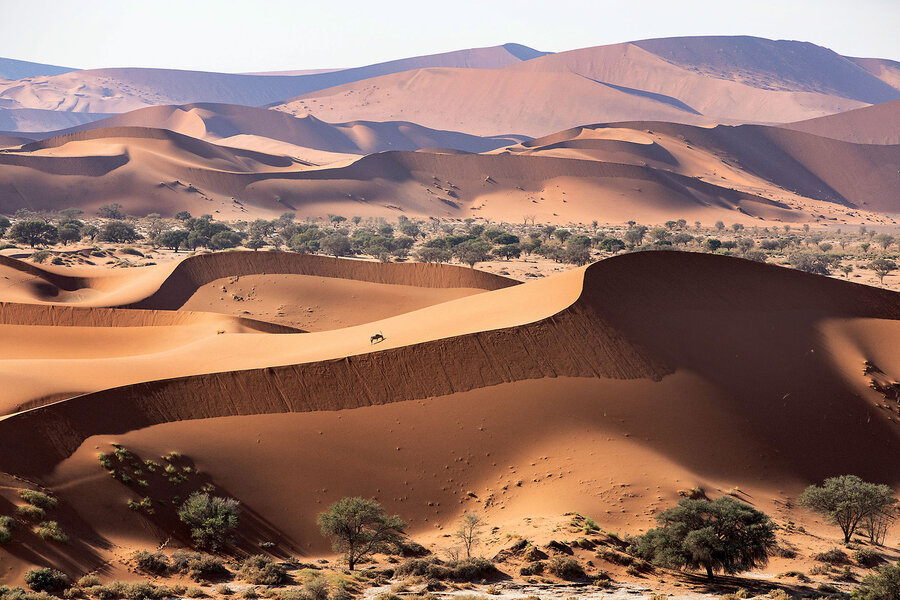
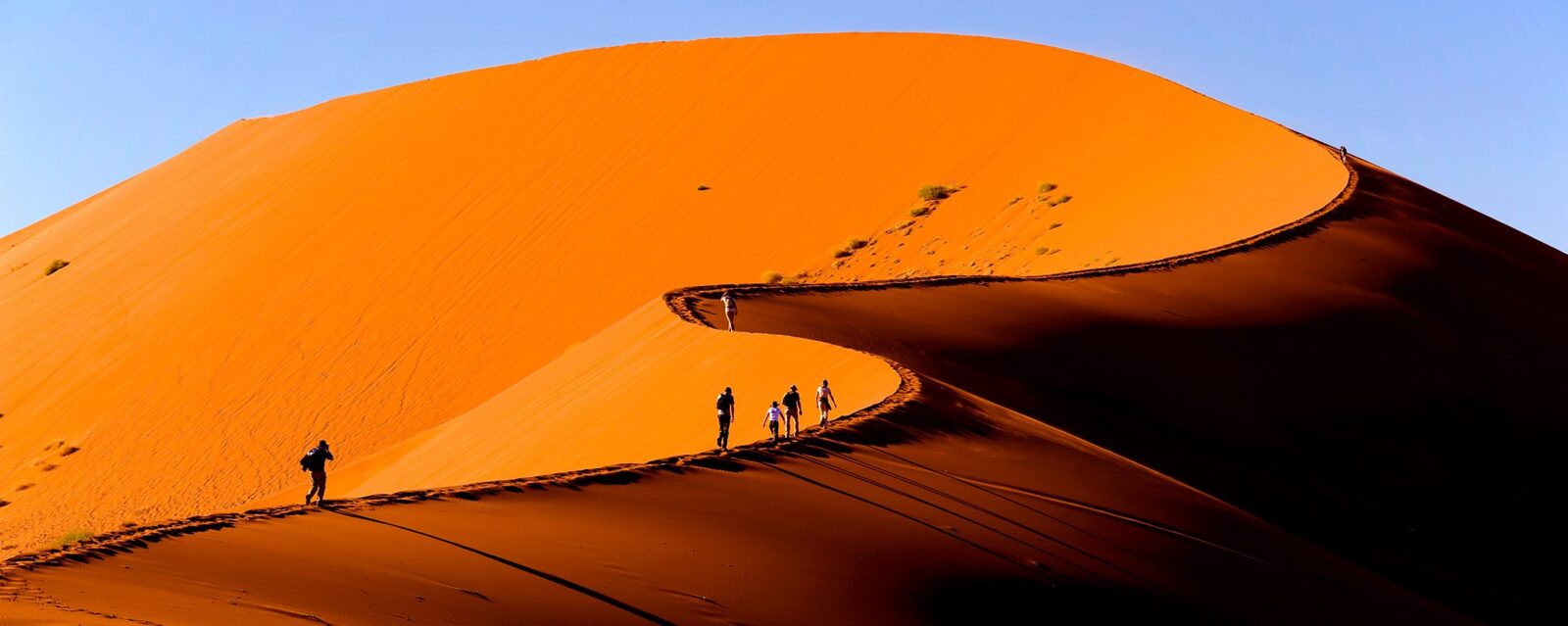
In the remote heart of the Namib Desert, where the earth burns red beneath a cobalt sky and winds carve artful ridges into ancient sands, lies a place of otherworldly beauty and geological marvel: Sossusvlei. This is not just a destination; it is a living canvas of color, contrast, and solitude—one of the most surreal landscapes on Earth. Here, gravity-defying sand dunes tower like terracotta mountains, and cracked white clay pans shimmer like bleached parchment under the fierce African sun.

Located within the vast Namib-Naukluft National Park in southwestern Namibia, Sossusvlei stands as a testament to millions of years of natural sculpting, offering travelers a rare opportunity to walk in a world that seems untouched by time. From dawn-lit summits of crimson dunes to the spectral trees of Deadvlei frozen in death for centuries, every inch of this land tells a story—raw, elemental, and eternal.

This detailed guide invites you into the awe-inspiring world of Sossusvlei, unfolding its mysteries, showcasing its unmissable highlights, and offering practical insights to ensure your journey into the desert is nothing short of transformative.

Understanding Sossusvlei: More Than Just a Dune Field

Sossusvlei is often mistakenly thought of as a single landmark, but in truth, it refers to a broader area within the Namib-Naukluft Park, defined by salt and clay pans surrounded by some of the tallest sand dunes on the planet. The name “Sossusvlei” itself is derived from the Nama word “Sossus,” meaning “no return,” and the Afrikaans “vlei,” meaning “marsh.” Together, the name poetically hints at a place where water comes to vanish—a desert basin of silence and stillness.

This region is part of the Namib Desert, believed to be the oldest desert on Earth, with dune formations dating back more than five million years. The dunes of Sossusvlei are not just ancient; they are also dynamic. Their shapes constantly shift with the wind, though their overall structure remains remarkably steady over time.

What makes these dunes so mesmerizing is their distinct color—an intense, rust-red hue caused by the high iron content in the sand. As the sun arcs across the sky, the light transforms the dunes into kaleidoscopic waves of shadow and brilliance, creating a visual drama that changes by the minute.

Deadvlei and the Ghosts of Time

No visit to Sossusvlei is complete without standing amidst the haunting beauty of Deadvlei—a white clay pan punctuated by the blackened skeletons of camelthorn trees that have stood dead for over 600 years. These trees, long since starved of water when the Tsauchab River was cut off by shifting dunes, remain preserved in the desert air, never decaying due to the arid climate.

Deadvlei is a paradox of life and death, presence and absence. The sun-bleached pan, stark against the fiery dunes of Big Daddy and Big Mama, creates a visual masterpiece of contrast, often described as one of the most photographed landscapes on the African continent. To walk among these still, ancient figures is to experience an eerie serenity, where time feels suspended and nature whispers of endurance.Visiting Sossusvlei: A Guide to the Sand Dunes of Namibia

The Giants of Sand: Dune 45, Big Daddy, and Beyond

Sossusvlei’s dunes are as diverse in personality as they are in height. Among the most famous is Dune 45, often referred to as the most photographed dune in the world. Its position near the road, combined with its elegantly curved spine, makes it a popular spot for sunrise climbs. At 170 meters tall, it offers a manageable yet rewarding ascent, and from its summit, the desert seems to stretch infinitely.

More formidable is Big Daddy, towering at over 325 meters, and considered the tallest dune in the Sossusvlei area. Climbing Big Daddy is no easy feat—it demands strength, balance, and patience—but the payoff is unparalleled. From its crest, the views of Deadvlei below are both epic and humbling, a panorama of ancient earth and elemental beauty.

Each dune offers its own experience, shaped by light, wind, and time. There is a rhythmic meditation to the climb, as every step sinks into sand, every breath syncs with the wind, and every glance reveals new curves etched by nature’s unseen hand.

The Life Within the Desert: Flora, Fauna, and Survival

Though it may appear lifeless at first glance, Sossusvlei’s desert ecosystem supports a surprisingly rich web of adapted wildlife and plant species. Life here has evolved not to conquer the harshness but to coexist with it.

Animals such as oryx (gemsbok), springbok, jackals, ostriches, and even desert foxes roam the dunes and dry pans, surviving with minimal water. Small insects and reptiles, like the shovel-snouted lizard, thrive in the heat through unique behavioral adaptations, including “thermal dancing” to avoid burning feet.

Plants, too, are miraculous survivors. The Welwitschia mirabilis, often described as a living fossil, thrives in gravel plains nearby, living up to a thousand years by absorbing moisture from desert fog. Grasses and camelthorn trees endure thanks to deep root systems that seek underground reserves.

This delicate desert equilibrium reminds travelers that beauty can be found not only in grand vistas but also in the subtle resilience of life.

When to Visit Sossusvlei: The Rhythm of the Seasons

Sossusvlei can be visited year-round, but timing your journey with the seasonal rhythms of the Namib enhances the experience. The cooler months from May to September offer more comfortable temperatures for climbing dunes and exploring on foot, with crisp desert mornings and clear, photogenic skies.

During the summer months (October to April), temperatures soar, especially midday, but the light during sunrise and sunset becomes even more vivid—casting the dunes in gold, crimson, and deep auburn. Occasional summer rains can create rare ephemeral pools, briefly bringing water back to the vlei and attracting wildlife and birds.

Regardless of the season, early morning and late afternoon remain the optimal times for exploration, not only for the lighting but also to avoid the intensity of midday heat.

Getting There and Exploring Responsibly

Sossusvlei is accessible via both self-drive adventures and guided tours, with the gateway town of Sesriem serving as the main base for accommodation and park access. From Sesriem, travelers can enter the park at dawn and follow a paved road for about 60 kilometers into the heart of the dunes, with the final stretch to Sossusvlei and Deadvlei requiring a 4×4 vehicle or shuttle service.

For those unfamiliar with desert driving, guided excursions are highly recommended, ensuring safety and deeper insight into the geology, ecology, and history of the area. Expert guides not only navigate the terrain but also offer storytelling that connects visitors to the deeper narrative of the Namib.

It is essential that exploration is done responsibly and respectfully. The Namib Desert is a fragile ecosystem, and footprints can last for decades on dune slopes. Travelers are encouraged to follow designated paths, leave no trace, and carry plenty of water, sunscreen, and protective gear.

A Journey Into Silence and Immensity

Visiting Sossusvlei is more than a photographic opportunity; it is a pilgrimage into the ancient silence of Earth’s memory. There is no crowd, no chaos—only wind, sand, and time. Standing atop a dune at sunrise, feeling the desert breathe and the silence pulse, is an experience that touches the soul in ways no city skyline or luxury retreat ever could.

This journey reveals a deeper truth: that nature, even in its most barren form, can be profoundly moving. The dunes of Sossusvlei are not just sights to be seen—they are stories to be felt, etched in the shifting sands of one of the world’s last true wildernesses.

Explore the Soul of the Desert with WildHorn Africa

For those seeking to experience Sossusvlei in all its breathtaking wonder, guided with expertise and care, there is no better companion than WildHorn Africa. Specializing in authentic, conservation-centered safari experiences, WildHorn Africa curates journeys that are immersive, educational, and unforgettable.

From luxury desert lodges to personalized itineraries that include Sossusvlei, Deadvlei, and beyond, WildHorn Africa ensures that every step you take is rooted in excellence, sustainability, and cultural respect.

Book your Namibian desert safari with WildHorn Africa today—and awaken your spirit in the timeless sands of Sossusvlei.

The Budget-Friendly Ideas: travel safety tips at Jinja for adventure seekers

The Budget-Friendly Ideas: travel safety tips at Jinja for adventure seekers

By Travel stories and blogs, Adventure holidays, Bucket list holidays, Family holidays, Safari holidays, Uganda travel guides

The Budget-Friendly Ideas: Travel Safety Tips at Jinja for Adventure Seekers

Where Adventure Meets Affordability

There is a special energy that radiates from Jinja, a lakeside town in eastern Uganda, celebrated globally as the adventure capital of East Africa. Situated at the point where Lake Victoria releases its waters to form the mighty Nile, Jinja has become a hub for thrill-seekers who crave activities such as white-water rafting, bungee jumping, quad biking, kayaking, and sunset cruises. Its vibrancy is amplified by cultural experiences, lively nightlife, and a welcoming atmosphere that makes every traveler feel at home.

Yet for those drawn by the promise of adrenaline, Jinja offers more than thrills. It offers affordability. Budget-conscious travelers often assume that safety and security are luxuries reserved for premium travel. In reality, Jinja demonstrates that careful preparation and informed choices can allow adventure seekers to experience its wonders with confidence and without overspending. Safety here is not about extravagance but about awareness, responsibility, and the ability to enjoy every activity within one’s means.

This guide explores in depth the budget-friendly safety tips that long-stay adventurers and short-term explorers alike need to know when traveling to Jinja. It blends practical insights with cultural awareness, ensuring that affordability and security are balanced seamlessly to create the ideal adventure experience.

Jinja — The Heartbeat of Adventure

To understand why safety tips are essential, one must first appreciate the character of Jinja itself. The town is a blend of history and modernity, where colonial architecture lines streets filled with cafes, markets, and guesthouses. Beyond the town center lies the Source of the Nile, a point of symbolic and geographical importance that has lured explorers for centuries.

Adventure dominates the traveler’s imagination in Jinja. From the thunderous rapids of the Nile that attract rafters from across the globe, to the quiet allure of horseback safaris through rolling countryside, the destination caters to all levels of adrenaline. Yet every adventure carries inherent risks, especially when pursued with limited budgets where shortcuts may tempt travelers into unsafe decisions.

Safety, therefore, becomes the silent companion of adventure — one that ensures each experience is memorable for the right reasons.The Budget-Friendly Ideas: travel safety tips at Jinja for adventure seekers

Budget Travel and Safety — Striking the Balance

Budget travel is often misunderstood as synonymous with compromise. While costs can be reduced through strategic choices, safety should never be sacrificed. In Jinja, the balance is possible because the town itself is structured around tourism. Adventure operators, guesthouses, and restaurants are accustomed to hosting international visitors and have adapted their services to meet a wide range of budgets without discarding essential safety standards.

For adventure seekers, the priority lies in identifying trustworthy providers. Affordability must never mean recklessness. The challenge is to allocate resources wisely: to invest in areas where safety is non-negotiable, such as rafting or bungee jumping, while economizing on other areas such as accommodation or dining without risking health or comfort.

This mindset allows travelers to engage deeply with Jinja’s offerings while ensuring that every thrill remains secure.

Road Safety — Reaching Jinja Securely

The journey to Jinja is itself an adventure. Located roughly 80 kilometers east of Kampala, the town is accessible by road in about two to three hours. For budget travelers, public buses, shared taxis, or minibuses known as matatus are the most affordable means of transport. However, safety must remain a priority when choosing road transport.

Vehicles should be selected based on reputation and condition rather than the lowest fare. Overcrowding is common in cheaper services, and this increases risks. For those on tighter budgets, reputable bus companies provide safer alternatives without significant additional expense. Traveling during daylight is strongly recommended, as roads are easier to navigate and emergency response is quicker if needed.

Long-stay adventurers often find value in hiring motorcycles (boda bodas) for short distances once in Jinja. While inexpensive, they present risks if drivers are unlicensed or if helmets are not provided. Choosing safer operators, even at a slightly higher price, ensures peace of mind.

Adventure Activities — Budget Choices with Safety in Mind

White-Water Rafting

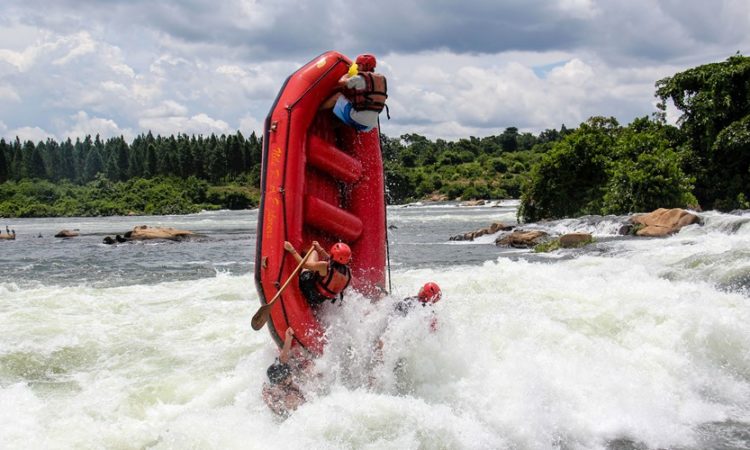
The Nile’s rapids are Jinja’s crown jewel, attracting rafters from across the globe. While several companies offer budget rafting packages, safety standards must guide the choice. Licensed operators provide helmets, life jackets, safety kayakers, and experienced guides who know how to navigate the river’s powerful currents. Though these companies may charge more than unlicensed alternatives, the additional cost is an investment in survival and enjoyment.

Budget-friendly does not mean unsafe rafting; it means selecting half-day trips instead of full-day packages or sharing transport with groups rather than booking privately. The thrill of conquering Grade V rapids is the same, but with safety uncompromised.

Bungee Jumping

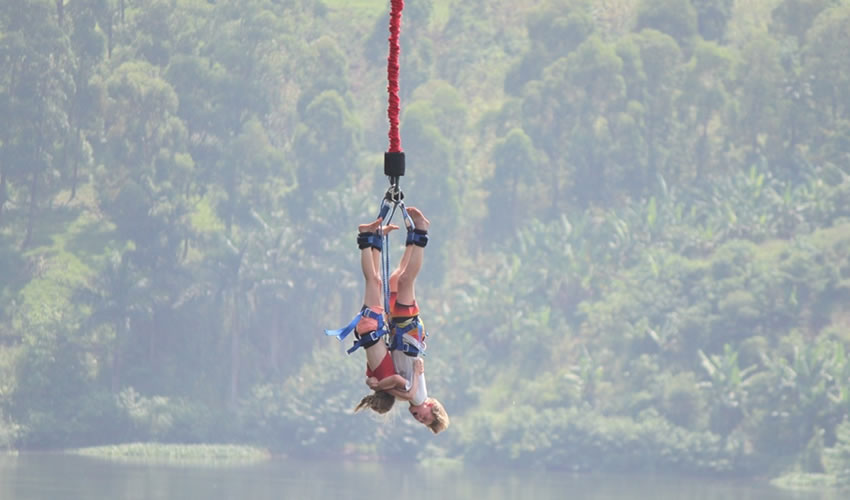
Jinja’s bungee jump is one of Africa’s most iconic experiences, offering a plunge from a towering platform toward the Nile. Here, safety is paramount, as the activity relies on equipment and expertise. Budget travelers should never be tempted by unauthorized operators or shortcuts. Instead, they can reduce costs by combining bungee jumping with other adventure activities in packaged deals offered by reputable companies, ensuring affordability without losing professional standards.The Budget-Friendly Ideas: travel safety tips at Jinja for adventure seekers

Quad Biking and Horseback Riding

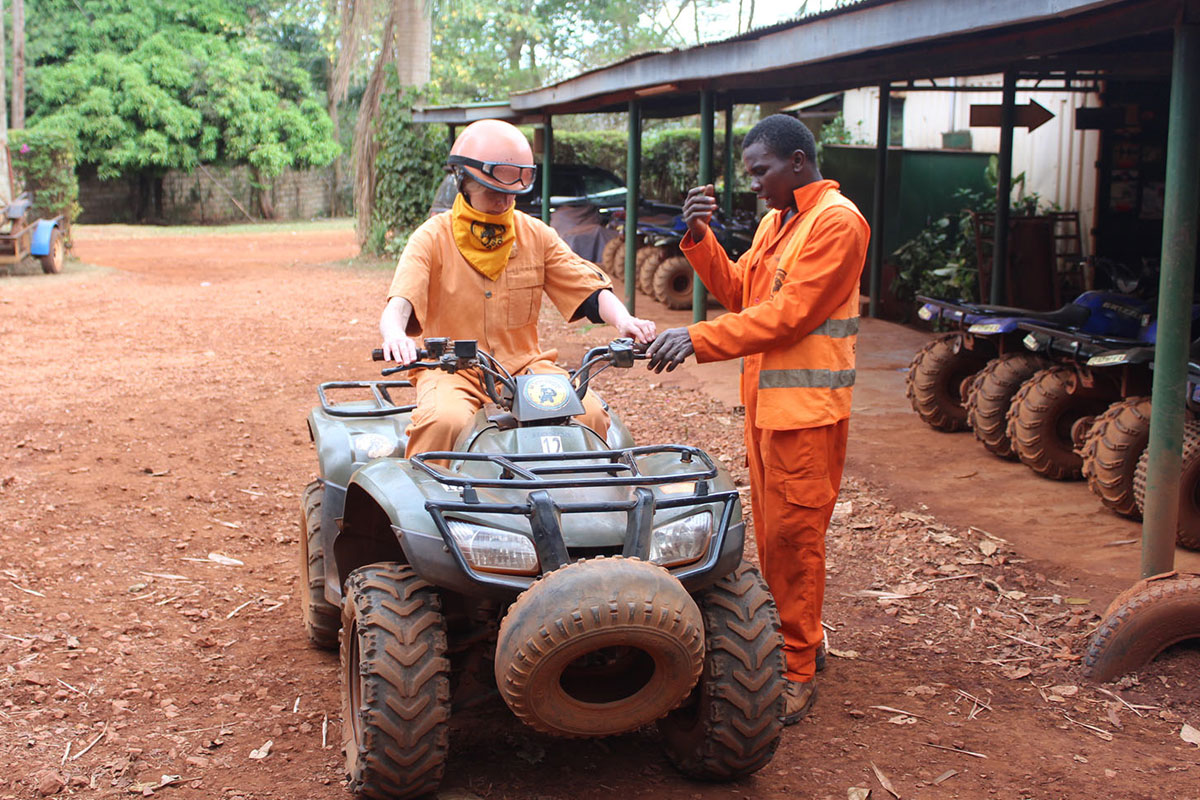
Exploring the countryside on quad bikes or horseback is a popular activity. Budget-conscious travelers can economize by choosing shorter sessions, which still provide immersion into rural life and spectacular views. Safety is assured when operators provide helmets, instruction, and supervision. For horseback safaris, well-trained horses and knowledgeable guides ensure security for both beginners and experienced riders.

Kayaking and Canoeing

For those who prefer quieter adventures, kayaking on calmer sections of the Nile offers affordability and safety. Budget travelers can often share equipment or guides with others, reducing expenses. The crucial point is to ensure that equipment is well maintained and that flotation devices are always provided.

Accommodation — Safe and Affordable Retreats

Jinja offers a spectrum of accommodation, from high-end lodges to modest guesthouses. Budget travelers need not compromise safety for cost. Many guesthouses and eco-lodges around the lake and town provide clean rooms, mosquito nets, and secure environments at affordable rates.

For families or solo adventurers, accommodations with 24-hour reception and secure storage for valuables enhance peace of mind. While dormitory options are popular with backpackers, private rooms in mid-range guesthouses often strike the perfect balance between affordability and safety, especially for those staying longer.

Dining and Food Safety

Food in Jinja reflects Uganda’s culinary vibrancy, blending traditional dishes with international influences. For budget travelers, street food is tempting, yet hygiene must remain the top consideration. Reputable local restaurants often provide inexpensive meals prepared under safer conditions. Dishes such as luwombo, matoke, rolex, and grilled tilapia are not only affordable but also safe when purchased from trusted providers.

For adventure seekers staying longer, self-catering is another safe and budget-friendly option. Fresh produce from local markets allows travelers to enjoy Ugandan flavors while maintaining control over preparation standards.

Health and Wellness — Priorities for Adventure Seekers

Adventure activities exert physical demands, and maintaining health is essential for safety. Budget-conscious travelers must prioritize hydration, malaria prevention, and personal hygiene. Affordable bottled water is widely available, and lodges often provide safe drinking supplies.

Travelers should carry basic first aid kits, including plasters, antiseptics, and insect repellents, which are inexpensive yet invaluable. Long-stay visitors benefit from registering with local clinics, ensuring access to medical services if needed.

Fitness should also be considered. Adventure seekers on limited budgets may not afford extensive recovery treatments, making it important to listen to the body, avoid overexertion, and allow rest between high-energy activities.

Cultural Awareness and Personal Safety

Jinja is a welcoming town, with communities accustomed to hosting international visitors. Still, cultural awareness enhances both safety and enjoyment. Dressing modestly when visiting markets or villages, greeting people respectfully, and supporting local artisans foster goodwill and reduce misunderstandings.

Budget travelers should remain mindful of personal belongings, especially in crowded areas. Affordable safes in guesthouses or discreet money belts provide security for passports and cash. Nightlife in Jinja is lively, but moderation ensures safety. Choosing popular, reputable venues and traveling in groups at night minimizes risks.

Environmental Safety — Protecting Nature and Oneself

Budget-friendly travel often aligns naturally with sustainability. At Lake Victoria and the Nile, adventure seekers should avoid littering, use eco-friendly sunscreen, and respect wildlife habitats. Many eco-lodges and tour operators encourage responsible practices, often at no additional cost.

For safety, avoiding swimming in unfamiliar stretches of the Nile is vital, as currents are unpredictable. Designated swimming areas provided by lodges offer safe alternatives without expense.

Children and families benefit from the lake’s safer zones, where life jackets and supervision transform aquatic fun into secure adventure.

Psychological Comfort for Budget Travelers

Adventure is as much psychological as physical. Budget travelers sometimes fear that lower spending equates to higher risk. In Jinja, this perception can be dispelled through careful choices. Confidence is built by selecting reputable operators, preparing thoughtfully, and recognizing that safety does not require extravagance but intentionality.

Long-stay travelers often find reassurance in building relationships with local providers, staff, and fellow adventurers. Over time, familiarity with routines, cultural rhythms, and town structure creates psychological safety that allows for deeper immersion.

The Legacy of Safe Budget Travel in Jinja

For adventure seekers, the ultimate memory of Jinja lies not in costs or risks but in the exhilaration of its landscapes and activities. White-water rafting on the Nile, jumping into its depths, or gliding across its calm stretches are experiences that linger for a lifetime. Safety ensures those memories remain positive, while affordability ensures that they are accessible to all who dream of them.

The legacy of budget-friendly safety in Jinja is a reminder that luxury lies not only in expensive indulgence but in the freedom to explore responsibly. Every traveler who engages wisely leaves with not only stories of adventure but also lessons in resilience, balance, and cultural respect.

Travel Safely with WildHorn Africa

For adventure seekers who wish to explore Jinja’s thrills with confidence, WildHorn Africa provides curated experiences that balance affordability with uncompromised safety. Their expertise ensures that even budget-conscious travelers enjoy secure activities, reputable lodges, and guided itineraries tailored to both excitement and responsibility.

From arranging white-water rafting with licensed operators to securing affordable yet comfortable accommodations, WildHorn Africa transforms a trip to Jinja into an adventure where safety and affordability are perfectly aligned. By traveling with them, adventurers not only safeguard their journeys but also contribute to sustainable tourism that empowers local communities.

In 2025 and beyond, Jinja remains the beating heart of adventure in Uganda. With WildHorn Africa, travelers can embrace its thrills without hesitation, confident that every step, paddle, and jump is guided by expertise, responsibility, and care.

Solo Traveler Guide: Mgahinga Gorilla National Park birding safari for luxury travelers

Solo Traveler Guide: Mgahinga Gorilla National Park birding safari for luxury travelers

By Travel stories and blogs, Adventure holidays, Bucket list holidays, Luxury holidays, Safari holidays, Uganda travel guides

Solo Traveler Guide: Mgahinga Gorilla National Park Birding Safari for Luxury Travelers

A Symphony of Wings in the Mountains

For the solo traveler, luxury is not always defined by grandeur or company. Often, it is the profound silence, the stillness of wild landscapes, and the privilege of observing life in its purest forms that creates the truest sense of indulgence. Few places embody this kind of refined solitude as perfectly as Mgahinga Gorilla National Park, a gem tucked away in Uganda’s Virunga Mountains. While the park is globally recognized for its endangered mountain gorillas, it also holds another secret for those who travel with patience and curiosity: an extraordinary birding safari that ranks among the most captivating in East Africa.

In 2025, as luxury travel continues to embrace meaningful, experiential journeys, Mgahinga emerges as a sanctuary where the world’s most discerning solo adventurers can indulge their senses. With over 180 bird species, including several Albertine Rift endemics found nowhere else on Earth, the park offers an unrivaled combination of exclusivity, biodiversity, and serenity. For the solo luxury traveler, birding here is more than a checklist of species. It is a poetic dialogue with the wild — one in which every call, wingbeat, and flash of color becomes part of a deeply personal journey.

This guide unpacks that journey in full, weaving together the natural heritage of Mgahinga, the rhythms of birding safaris, and the elements of luxury that elevate the experience into something timeless.

Mgahinga Gorilla National Park — Uganda’s Smallest Treasure

At only 33.7 square kilometers, Mgahinga Gorilla National Park may be Uganda’s smallest protected area, yet its significance far outweighs its size. It forms part of the larger Virunga Conservation Area, which spans Uganda, Rwanda, and the Democratic Republic of Congo, safeguarding a unique volcanic landscape. The park is framed by three towering extinct volcanoes: Mount Muhabura, Mount Gahinga, and Mount Sabyinyo, each cloaked in montane forests, bamboo zones, and afro-alpine vegetation.

This compactness works in favor of the solo traveler. Trails are more intimate, ecosystems overlap seamlessly, and the density of birdlife is heightened by the park’s altitudinal gradients. Birding here is not fragmented but concentrated, allowing for diverse encounters within manageable hikes. For those traveling alone, this accessibility enhances comfort while preserving the sense of adventure.Solo Traveler Guide: Mgahinga Gorilla National Park birding safari for luxury travelers

The Birds of Mgahinga — A Living Collection

Mgahinga’s location in the Albertine Rift makes it one of the richest birding destinations in Africa. The forested slopes and bamboo thickets provide habitat for rare and endemic species, drawing enthusiasts from across the globe. Among its stars are the Rwenzori turaco, with its striking green and crimson plumage, the white-starred robin, the dusky crimsonwing, and the elusive grauer’s swamp warbler.

For solo luxury travelers, the joy lies in the exclusivity of these sightings. Unlike busier parks, Mgahinga offers birding safaris where moments are rarely shared with crowds. When a scarlet-tufted sunbird darts across alpine meadows or a regal crowned crane lifts gracefully into the air, the experience feels deeply personal, as though the wild is performing only for the traveler’s eyes.

Each species is part of a living story that connects ecosystems across borders. Migratory birds from distant continents mingle with endemic species, creating a dynamic tableau where every sighting becomes both a discovery and a connection to broader global rhythms.

Why Solo Travelers Find Luxury in Birding

Traveling alone is often misunderstood as a lack of company, but in truth, it is an intimate form of indulgence. In Mgahinga, birding as a solo traveler provides an unhurried, deeply immersive experience. Without the distractions of group itineraries, every sound, color, and movement in the forest can be absorbed fully.

Luxury here is not measured by extravagance but by exclusivity — the freedom to choose when to pause, when to linger, and when to move on. A solo traveler can spend an hour in a single clearing waiting for a rare bird without pressure, savoring the silence broken only by the forest’s chorus.

Moreover, birding aligns with the contemplative nature of solo journeys. Observing the delicate flight of a bar-tailed trogon or listening to the call of the mountain masked apalis is not simply an observation; it is a meditation. It nurtures patience, heightens awareness, and transforms the journey into an inner as much as an outer exploration.

The Structure of a Birding Safari in Mgahinga

A birding safari in Mgahinga unfolds as a carefully orchestrated rhythm. Days often begin at dawn, when birds are most active. The crisp mountain air carries layers of sound — whistles, chirps, and trills that serve as nature’s morning symphony. Guides, skilled in both sight and sound recognition, lead travelers along trails such as the Gorge Trail between Mount Gahinga and Mount Sabyinyo, renowned for its richness of species.

Midday often slows as birds retreat into shade, allowing for rest and reflection. Luxury travelers use this time to retreat to lodges, where panoramic views of volcanic slopes provide a stage for raptors and other high-soaring species. Afternoons bring renewed activity, with expeditions into bamboo zones or montane forest edges.

For solo travelers, the structure is tailored with flexibility. Without the constraints of larger groups, itineraries can shift to suit personal pace and interest. If the traveler desires to focus on high-altitude specialties or to spend hours perfecting photography of a single species, the schedule accommodates such indulgence.

Seasons and Timing in 2026

Birding in Mgahinga is rewarding year-round, but 2026’s best seasons align with Uganda’s broader climate patterns. The dry months — from December to February and June to September — are most favorable for hiking, as trails remain manageable and skies clear, enhancing visibility. These months also coincide with breeding seasons for many species, increasing the vibrancy of sightings.

The wet seasons, from March to May and October to November, create challenges with muddy paths and mist-covered slopes. Yet they also bring advantages. Migratory birds arrive during these months, swelling the diversity of species. Forests grow lush and resonant, with calls amplified by rain-washed air. For the solo traveler seeking solitude, wet seasons also mean fewer visitors, ensuring almost private access to the park’s treasures.

In 2025, the choice of timing depends on personal priorities: ease of trekking versus intimacy of atmosphere, endemic breeding displays versus migratory influxes. Each season offers its own palette of luxury.

Lodges of Refinement — Where Luxury Meets Wilderness

For solo luxury travelers, the choice of lodge is as important as the trails themselves. Mgahinga’s proximity to Kisoro town and its scenic landscapes offers several high-end options where hospitality mirrors the forest’s serenity.

Lodges here blend natural materials with modern refinement, offering panoramic views of the Virunga volcanoes, private cottages with fireplaces, and wellness experiences that complement the physical demands of birding safaris. Fine dining celebrates both Ugandan flavors and international sophistication, often paired with wines that turn every evening into a celebration of discovery.

For solo travelers, luxury lodges provide more than comfort. They create spaces of companionship when desired — through conversations with staff, guides, or fellow travelers — and solitude when needed, with private decks and serene landscapes. This balance ensures that the traveler never feels isolated but always feels in control of their experience.

Photography — Crafting a Visual Narrative

Birding safaris in Mgahinga are as much about storytelling as they are about observation. Photography transforms fleeting moments into lasting narratives. Yet capturing birds in dense forest requires skill, patience, and awareness of light. The dappled canopy often creates challenging conditions where timing and readiness make the difference between a blurred wing and a masterpiece.

For solo luxury travelers, guides often double as photography assistants, pointing out opportunities and advising on positioning. Lodges increasingly offer photography workshops, enabling travelers to refine their craft. The reward is a portfolio of images that not only documents species but conveys the atmosphere of the journey — mist rising from volcanic slopes, the vibrant flash of a turaco’s wings, or the stillness of bamboo groves under soft light.

Luxury here is not simply in owning high-end equipment but in having the time, guidance, and perspective to use it meaningfully.

Wellness and Reflection in the Wild

Beyond birds, Mgahinga offers a setting where wellness thrives. Hiking through mountain air, listening to the forest’s natural symphony, and pausing to reflect in secluded clearings become acts of restoration. For solo travelers, these moments are heightened by the absence of distraction.

Lodges complement this natural wellness with spa treatments using local botanicals, yoga sessions against the backdrop of volcanic peaks, and cuisine that nourishes both body and spirit. Luxury is thus defined not only by sightings but by balance — the merging of exploration and restoration, of effort and ease.Solo Traveler Guide: Mgahinga Gorilla National Park birding safari for luxury travelers

Cultural Encounters — The Human Dimension

No safari in Mgahinga is complete without acknowledging its cultural context. The Batwa pygmies, indigenous to this forest, now share their heritage through guided experiences. Solo travelers often find these encounters deeply moving, as they reveal human stories of resilience, adaptation, and identity.

Learning traditional songs, listening to oral histories, or watching demonstrations of forest survival techniques adds depth beyond birding. For the solo luxury traveler, private cultural interactions provide intimacy and respect, ensuring the experience is authentic and meaningful. These encounters remind visitors that Mgahinga’s richness lies not only in its birds but also in the people who have lived alongside them for generations.

Conservation and Responsibility

By 2025, conservation remains central to Mgahinga’s story. Tourism revenues directly fund protection of habitats, anti-poaching patrols, and community initiatives. Solo travelers, through their permits and lodge stays, become part of this larger conservation narrative.

Luxury travel here is not about excess but about responsibility with privilege. Knowing that one’s presence contributes to safeguarding endangered species and supporting local communities is itself a form of indulgence. For many, this knowledge elevates the experience from personal pleasure to shared legacy.

Beyond Birding — Complementary Adventures

Though birding is the focus, Mgahinga offers complementary activities that enrich the solo traveler’s journey. Gorilla trekking remains the park’s most iconic activity, while golden monkey tracking provides another rare primate encounter. Volcano hikes, such as scaling Mount Sabyinyo, offer panoramic views across three countries, turning every step into a photographic triumph.

These complementary adventures create a holistic itinerary where birding is part of a broader exploration of the Virunga landscape. Luxury lies in the ability to choose — to craft a personal journey where each day balances discovery, challenge, and restoration.

The Lasting Legacy of a Solo Birding Safari

When the solo traveler departs Mgahinga, the memory carried is not only of species listed or photographs captured but of transformation. Birding here is more than observation; it is immersion. Each call heard, each wing observed, and each silence felt contributes to a narrative of connection.

The legacy of such a safari is twofold. For the traveler, it is an enriched awareness of life’s subtleties, an appreciation of patience, and a collection of stories that can be retold for a lifetime. For the park and its communities, it is the support that sustains conservation and cultural resilience. In this exchange, solo luxury travel becomes a dialogue — personal, responsible, and unforgettable.

Experience with WildHorn Africa

For those who aspire to embrace Mgahinga Gorilla National Park in all its birding splendor, WildHorn Africa offers the expertise and refinement required. Specialists in designing bespoke luxury safaris, WildHorn Africa ensures that solo travelers receive the attention, flexibility, and exclusivity that define their journeys.

From securing expert birding guides and arranging luxury lodge stays to curating cultural interactions with care, their itineraries balance comfort with authenticity. With WildHorn Africa, a solo traveler’s birding safari becomes not only seamless but transformative, ensuring that every detail reflects both indulgence and responsibility.

In 2025, Mgahinga awaits with its symphony of wings, its volcanic grandeur, and its cultural soul. And with WildHorn Africa, the solo luxury traveler discovers that the truest indulgence lies in traveling deeply, responsibly, and meaningfully, one bird at a time.

The Complete Guide: gorilla trekking at Bwindi Impenetrable Forest in 2025-2026

The Complete Guide: gorilla trekking at Bwindi Impenetrable Forest in 2025-2026

By Travel stories and blogs, Adventure holidays, Bucket list holidays, Luxury holidays, Primate holidays, Safari holidays, Uganda travel guides

The Complete Guide: gorilla trekking at Bwindi Impenetrable Forest in 2025-2026.

A Journey into the Heart of the Wild

There are few experiences in the world that embody the true essence of adventure and intimacy with nature more profoundly than gorilla trekking. In 2025, as travel evolves toward deeper, more meaningful encounters, Bwindi Impenetrable Forest in Uganda remains the pinnacle of such journeys. Nestled in the southwestern corner of the country, this UNESCO World Heritage Site stands as one of the last sanctuaries of the critically endangered mountain gorilla, a species whose resilience and beauty continue to inspire travelers and conservationists alike.

To step into Bwindi is to embrace a wilderness so rich and untouched that its very name, impenetrable, evokes mystery and awe. Towering trees, tangled vines, and dense undergrowth conceal not only gorillas but also countless other species, from forest elephants and chimpanzees to hundreds of bird species that make this one of Africa’s most celebrated ecosystems. For the modern traveler, and especially for those seeking luxury escapes, gorilla trekking here in 2025 is more than an activity — it is a profound dialogue with nature, a chance to witness life in its rawest and most vulnerable form, and a commitment to responsible, transformative travel.

This guide offers an in-depth exploration of everything one needs to know, from the history and ecology of Bwindi to the logistics, seasons, and luxury touches that elevate the experience.

Bwindi Impenetrable Forest — A Living Tapestry of Biodiversity

Spanning over 321 square kilometers, Bwindi is part of the Albertine Rift Valley, one of the most biologically diverse regions on earth. Its altitude ranges from 1,160 to 2,607 meters, creating a mosaic of habitats that sustain a vast range of flora and fauna. Ancient by any standard, this forest has stood for more than 25,000 years, surviving geological upheavals and climate shifts to become a sanctuary of resilience.

Beyond gorillas, Bwindi shelters more than 120 mammal species, 350 bird species, and an array of butterflies and reptiles. Its flora is equally rich, with over 200 tree species and 100 fern species. The forest is not simply a backdrop for trekking; it is a vibrant world where every step reveals layers of ecological wonder.

To the people of Uganda, Bwindi is more than wilderness. It is a cultural and spiritual heritage, linked to the Batwa pygmies, indigenous forest dwellers whose ancestral ties to the land run deep. For the traveler in 2025, encountering Bwindi means entering a living tapestry where conservation, culture, and biodiversity weave a story far greater than any one trek.The Complete Guide: gorilla trekking at Bwindi Impenetrable Forest in 2025-2026

Mountain Gorillas — The Beating Heart of Bwindi

The mountain gorilla (Gorilla beringei beringei) is the undeniable star of Bwindi. Unlike lowland gorillas found in other parts of Africa, mountain gorillas cannot survive in captivity, making encounters in the wild their only possibility. An estimated population of around 1,050 mountain gorillas exists globally, with nearly half residing in Bwindi.

These creatures are organized into habituated groups, each led by a dominant silverback who commands authority with strength and wisdom. Their social structures, behaviors, and familial bonds often mirror those of humans, deepening the sense of kinship felt during encounters. Watching them groom one another, play, or forage in the forest underscores both their vulnerability and their resilience.

By 2025, conservation efforts in Uganda have achieved remarkable success. Gorilla numbers have steadily risen thanks to strict protection, community engagement, and tourism revenues reinvested into preservation. For travelers, this means that every permit purchased contributes directly to ensuring the survival of these magnificent primates.

Preparing for Gorilla Trekking in 2025

A trek in Bwindi is no casual stroll; it is an immersive experience demanding physical readiness, patience, and an open spirit. The trails often involve steep climbs, thick undergrowth, and unpredictable weather. Yet these very challenges form part of the luxury of the experience, for what is rare and demanding is often the most rewarding.

In 2025, preparations begin long before setting foot in the forest. Gorilla trekking permits, regulated by the Uganda Wildlife Authority, remain limited to protect the animals and their habitat. Securing these permits well in advance is essential, especially during peak seasons. Each trek is carefully structured, with groups limited to a small number of visitors accompanied by expert rangers and trackers.

The luxury traveler benefits from personalized support — private briefings, expert guides, and curated itineraries that ensure the experience unfolds seamlessly. Whether through specialized gear, concierge assistance, or wellness preparations, the emphasis is on maximizing comfort without diminishing authenticity.

The Trekking Experience — Step by Step

The day of the trek begins at dawn. Guests gather at designated starting points within Bwindi’s four trekking sectors — Buhoma, Ruhija, Rushaga, and Nkuringo. Each sector offers unique terrain, habituated groups, and perspectives on the forest.

After an orientation led by rangers, groups set off into the dense undergrowth. The trek may last from one hour to several, depending on the gorillas’ movements. Paths are carved through thick vegetation, often requiring determination and endurance. Yet every pause brings encounters with other wildlife — birds darting through the canopy, butterflies gliding in dappled sunlight, or the occasional glimpse of monkeys swinging through branches.

And then comes the moment of arrival. The first sight of a gorilla group is indescribable. A silverback may sit calmly, surveying his family with quiet authority. Females may nurse their young, while juveniles tumble in playful mischief. Cameras click, but silence often dominates, as travelers realize they are in the presence of something profoundly rare.

Visits are restricted to one hour to minimize disturbance, yet that hour feels timeless. It is not a performance staged for human eyes but a glimpse into the authentic rhythm of gorilla life. Luxury here is not in gilded surroundings but in the privilege of intimacy with the wild.

Seasons and Timing — When to Visit in 2025

Uganda’s climate allows gorilla trekking year-round, but the dry seasons from June to September and December to February are generally preferred. During these months, trails are more manageable, visibility is higher, and the likelihood of prolonged rain is reduced.

The wet seasons, spanning March to May and October to November, present more challenges — muddy trails, slippery slopes, and heavier rainfall. Yet they also bring advantages: lush greenery, fewer visitors, and often more affordable rates for accommodation. For photographers, the soft light of the rainy season offers unparalleled opportunities.

In 2025, the choice of timing depends not only on logistics but also on intention. Those seeking comfort and ease may prefer dry months, while those craving intimacy and atmosphere may find the wet season more rewarding. Luxury operators increasingly tailor experiences to match these preferences, ensuring that each traveler’s vision of the trek is fulfilled.

Luxury Lodges — Refined Sanctuaries at the Edge of Wilderness

No guide to gorilla trekking would be complete without acknowledging the luxury lodges that frame the experience. Nestled near each sector of Bwindi, these lodges combine world-class hospitality with a deep respect for the environment.

Architectural designs often mirror the forest, with stone, wood, and thatch blending into the landscape. Interiors balance rustic charm with refined comfort — private decks overlooking mist-covered valleys, spa treatments using local botanicals, and gourmet dining that celebrates both Ugandan flavors and international sophistication.

For the luxury traveler, these lodges are not mere accommodations but sanctuaries of restoration. After hours in the forest, they provide space to reflect, relax, and rejuvenate. Evenings often feature storytelling around a fire, private dinners under starlit skies, or wellness rituals that reconnect body and spirit.

Photography and Memory-Making

Gorilla trekking in 2025 is as much about creating memories as it is about living the moment. Photography plays a central role, yet capturing gorillas in dense forest requires skill and awareness. Low light, movement, and the need for discretion present challenges that reward patience and preparation.

Beyond gorillas, the forest itself offers endless subjects. The textures of ancient trees, the iridescence of birds, and the play of light through the canopy create images as captivating as the animals themselves. For luxury travelers, professional photography guides are often available, ensuring that each frame reflects both artistry and authenticity.

Yet the most profound memories often transcend photographs. They reside in the silence when gorilla eyes meet human eyes, in the sound of rain dripping through the canopy, or in the collective breath held as a silverback moves past. These moments, though difficult to capture on film, remain etched in the traveler’s spirit.The Complete Guide: gorilla trekking at Bwindi Impenetrable Forest in 2025-2026

Conservation and Responsibility

By 2025, gorilla trekking is inseparable from the narrative of conservation. Every permit purchased contributes to the protection of gorillas and the empowerment of surrounding communities. Revenues fund anti-poaching patrols, veterinary interventions, and habitat preservation. Equally significant, they support education, healthcare, and livelihoods for local people, ensuring that conservation is not seen as an external imposition but as a shared benefit.

Luxury travel plays a crucial role here. High-value, low-impact tourism ensures that fewer visitors create greater contributions. Travelers are increasingly aware that their indulgence must also be responsibility, and operators emphasize eco-conscious practices — from minimizing plastic to supporting reforestation projects.

For the traveler in 2025, the greatest luxury is knowing that their presence safeguards rather than exploits. Gorilla trekking becomes not only an encounter with wildlife but a commitment to a global conservation legacy.

The Role of Culture — The Batwa Experience

While gorillas dominate attention, the cultural dimension of Bwindi is equally enriching. The Batwa pygmies, once forest dwellers, now engage visitors through cultural encounters that preserve and share their heritage. Storytelling, dance, and demonstrations of traditional forest survival skills provide insight into a way of life intricately tied to the land.

For luxury travelers, private and respectful interactions with the Batwa offer depth beyond wildlife. They remind visitors that conservation is not only about animals but also about people whose identities are woven into the forest. The photo essay of Bwindi, therefore, is incomplete without the human story.

Beyond the Trek — Expanding the Journey

Though gorilla trekking is the centerpiece, Bwindi offers more. Nature walks, birding expeditions, and waterfall hikes provide additional layers of exploration. The surrounding regions — Lake Bunyonyi with its island-studded waters, or Queen Elizabeth National Park with its savannah wildlife — complement the forest experience, creating itineraries of remarkable diversity.

Luxury travelers often craft journeys that begin with urban indulgence in Kampala, flow into the wilderness of Bwindi, and conclude with serene relaxation by Uganda’s lakes or rivers. In 2025, travel is less about isolated activities and more about holistic narratives that engage mind, body, and spirit.

The Lasting Legacy of Bwindi in 2025

When the trek ends and travelers leave Bwindi, what remains is more than photographs or stories. It is a profound transformation. To look into the eyes of a gorilla is to recognize kinship, to feel humility, and to understand the fragile interconnectedness of life. The impenetrable forest, though dense and challenging, reveals truths about resilience, patience, and beauty that linger long after departure.

For the luxury traveler, this legacy is not indulgence alone but meaning. Bwindi in 2025 stands not just as a destination but as a pilgrimage of the heart, where the rarest of wildlife encounters becomes a mirror reflecting our shared humanity.

Curated Gorilla Safaris with WildHorn Africa

For those ready to embrace the ultimate luxury escape into the wild, WildHorn Africa offers unmatched expertise in curating gorilla trekking journeys. From securing permits and arranging private guides to selecting lodges that balance indulgence with authenticity, WildHorn Africa ensures that every step of the journey is elevated to perfection.

With a commitment to sustainability and cultural respect, their itineraries transform gorilla trekking into more than an excursion — they become transformative experiences where luxury and conservation walk hand in hand. By booking with WildHorn Africa, travelers not only secure the best logistical support but also ensure their presence contributes meaningfully to the protection of gorillas and the empowerment of local communities.

In 2025, Bwindi Impenetrable Forest awaits with its timeless secrets and unforgettable encounters. And with WildHorn Africa, every trek becomes a story of luxury, responsibility, and discovery that will define a lifetime of travel memories.

How to Festival Guide in Ssese Islands — Frequently Asked Questions for Groups

How to Festival Guide in Ssese Islands — Frequently Asked Questions for Groups

By Travel stories and blogs, Adventure holidays, Bucket list holidays, Luxury holidays, Safari holidays, Uganda travel guides

How to Festival Guide in Ssese Islands — Frequently Asked Questions for Groups

Where Celebration Meets Paradise

The word festival conjures images of music, laughter, shared meals, and cultural rhythms that transform ordinary spaces into extraordinary experiences. Now imagine such celebrations unfolding not in crowded city streets, but on the serene shores of one of Africa’s most enchanting destinations — the Ssese Islands. Scattered across the northwestern corner of Lake Victoria, this archipelago of eighty-four islands is a sanctuary of palm-lined beaches, emerald forests, and gentle waters. For groups traveling together, the Ssese Islands offer an unmatched setting for festivals that combine community spirit with the beauty of nature.

From small private gatherings to larger cultural or musical events, the islands have grown into a discreet hub for celebrations. Their remoteness adds exclusivity, while their accessibility ensures that travelers are never isolated. Yet for groups planning to attend or host a festival here, questions inevitably arise: when is the best time, how does one prepare, what traditions are respected, and how can safety and affordability be balanced?

This guide, written with both the detail of local knowledge and the eye of a traveler, addresses these questions in depth. Structured as a frequently asked questions exploration, it equips groups with the information needed to enjoy Ssese festivals fully, responsibly, and luxuriously.

What Makes the Ssese Islands Ideal for Festivals?

The Ssese Islands are more than just a collection of landmasses on Lake Victoria; they are a landscape infused with tranquility and cultural heritage. Festivals here benefit from natural settings that lend themselves to celebration. Beaches stretch wide, providing open-air venues for concerts, dances, or bonfire nights. Forest clearings allow intimate gatherings under starlit skies, while resorts and eco-lodges offer the infrastructure required for organized events.

The islands’ diversity also enhances festivals. Some islands, such as Bugala, are larger and better developed, catering to larger groups with hotels, restaurants, and transport facilities. Others, more secluded, allow groups to create private and exclusive retreats where music blends with the sound of waves and laughter echoes through the night.

For groups, the Ssese Islands provide the rare balance of isolation and connection — isolated enough to create privacy and intimacy, yet connected enough to ensure comfort and accessibility.How to Festival Guide in Ssese Islands — Frequently Asked Questions for Groups

When Is the Best Time for Festivals in the Ssese Islands?

The question of timing is central for groups planning festivals. Uganda’s equatorial climate shapes the rhythm of life, with two dry seasons — December to February and June to September — considered most favorable for outdoor events. These months offer clear skies, minimal rainfall, and calm lake waters, ensuring that beach parties, open-air concerts, and group excursions unfold without weather-related disruptions.

During the rainy seasons — March to May and October to November — the islands take on a different character. Lush greenery intensifies, and the air becomes charged with vitality. While heavy rains can affect outdoor gatherings, they also create a sense of intimacy, making indoor festivals in lodges or under tents particularly atmospheric. For smaller groups seeking exclusivity, the rainy months often provide reduced accommodation costs and fewer competing events, enhancing affordability.

Ultimately, the timing depends on the group’s priorities: sunlit openness of the dry months or the cozy vibrancy of the rainy seasons. Both create unforgettable festivals, though in different ways.

How Do Groups Travel Safely to the Ssese Islands?

Travel to the Ssese Islands begins with a journey across Lake Victoria. The most common entry point is Nakiwogo Landing Site in Entebbe, from where ferries and boats depart to Bugala Island, the archipelago’s largest and most accessible island. Public ferries provide affordable transport, while private charters offer convenience and exclusivity for groups.

Safety during travel is paramount. Groups are advised to choose licensed operators who provide life jackets and adhere to weather advisories. Larger ferries offer stability, while speedboats shorten travel times but require greater attentiveness to conditions. For groups traveling during festivals, advance booking ensures seats, as demand rises sharply during peak celebrations.

Upon arrival at Bugala, smaller boats can transfer groups to other islands, depending on the chosen festival venue. Patience and planning are essential, as lake transport operates on schedules that are flexible rather than rigid. The journey itself, however, is part of the celebration, offering breathtaking views of Uganda’s great inland sea.

What Accommodations Suit Festival Groups?

Festivals in the Ssese Islands vary widely in scale, and so do the accommodations. Groups attending larger festivals often find Bugala Island’s resorts ideal, with their capacity for hosting events and their facilities such as bars, pools, and beachfront dining. These resorts provide convenience for both day and night gatherings, ensuring that groups can celebrate without concern for transport.

For smaller groups or private festivals, eco-lodges and guesthouses on less populated islands provide more intimate spaces. These lodges, often built with local materials and designed with sustainability in mind, allow groups to customize their celebrations while enjoying exclusive privacy. Camping is another option, especially during music or cultural festivals, where tents line the beaches and nights are spent under the stars.

Budget does not need to compromise safety or comfort. The islands host a wide range of accommodations, from luxury lodges to modest guesthouses, ensuring that groups of varying sizes and financial capacities can find suitable options.

What Are the Cultural Norms During Festivals?

Festivals on the Ssese Islands, while open and joyous, remain grounded in local traditions. Respect for the communities that host these events is essential. Music, dance, and storytelling are integral parts of island culture, and many festivals incorporate local performers whose rhythms and narratives enrich the celebrations.

Groups are encouraged to participate actively yet respectfully, joining dances, learning songs, or sampling traditional dishes such as smoked fish and matoke. Photography is welcomed, but consent should always be sought, particularly during intimate cultural displays.

Alcohol consumption, while common at festivals, should be enjoyed with moderation, ensuring that celebrations remain harmonious rather than disruptive. The cultural essence of Ssese festivals lies in community and togetherness, values that groups should embrace as part of their experience.

How Can Groups Stay Safe During Festivals?

Safety during festivals encompasses several dimensions: health, security, and environmental responsibility.

Health safety begins with water. While bottled and filtered water are widely available at resorts and lodges, groups should avoid consuming untreated lake water. Mosquitoes are common in the islands, so repellents and nets are essential. For groups engaging in swimming or water sports, designated safe zones are recommended, as currents in some areas can be unpredictable.

Security is generally strong, as communities in Ssese Islands are accustomed to tourism. However, groups should remain vigilant with personal belongings, especially during crowded events. Valuables are best left in lodge safes or kept discreetly during outings. Traveling in groups at night adds an extra layer of reassurance, ensuring that festival celebrations flow smoothly.

Environmental safety is equally important. Festivals should respect the islands’ fragile ecosystems by minimizing waste, using reusable containers, and supporting eco-conscious operators. Leaving the beaches and forests as pristine as they were found ensures that future travelers can enjoy the same beauty.

What Activities Complement Festivals for Groups?

Festivals in the Ssese Islands are not limited to music or dance alone. They often integrate outdoor activities that enhance group bonding and adventure. Fishing excursions on Lake Victoria allow groups to experience traditional livelihoods, while guided forest walks reveal the islands’ biodiversity, from monkeys to colorful birdlife.

Boat rides between islands provide opportunities for exploration, with each island offering unique legends and landscapes. Historical sites, such as traditional shrines and colonial-era remnants, allow groups to deepen their cultural knowledge. For those seeking relaxation, beaches offer tranquil settings for swimming, volleyball, or simply basking in the sun.

The key for groups is balance — alternating high-energy festival nights with restorative days ensures that the overall experience remains joyful rather than exhausting.

Are Festivals Affordable for Groups?

Cost is one of the most common questions for groups, especially those planning multi-day celebrations. The Ssese Islands accommodate a wide spectrum of budgets. Ferry fares are modest, group accommodations often provide discounts, and local meals remain affordable. For groups with higher budgets, private charters, luxury lodges, and premium dining elevate the festival into indulgence.

What makes the Ssese Islands particularly attractive is that affordability does not eliminate authenticity. Groups celebrating on modest budgets can still enjoy beaches, cultural performances, and bonfires without compromise. The value lies not in extravagance but in the shared joy of community, nature, and rhythm.

How Do Seasons Influence Festivals?

Seasonality plays a defining role in shaping festivals in the Ssese Islands. During the dry seasons, open-air concerts, beach gatherings, and large-scale events flourish. Warm nights extend celebrations into dawn, with minimal disruptions. For photographers, these months offer crisp clarity for documenting group moments.How to Festival Guide in Ssese Islands — Frequently Asked Questions for Groups

During rainy seasons, festivals shift tone. Tents, lodges, and indoor spaces become central, creating cozy atmospheres where drumming and dancing continue despite the rain. Smaller group festivals often thrive during these months, benefiting from reduced crowds and enhanced intimacy. Rain itself adds drama, transforming bonfires into symbols of resilience and togetherness.

Groups are advised to align their festival goals with seasonal characteristics. Large-scale gatherings shine in the dry months, while private or smaller festivals find unique charm in the rainy seasons.

What Lasting Impact Do Festivals in the Ssese Islands Create?

Festivals here are not fleeting; they leave legacies. For groups, the memories extend beyond music or dance to include moments of connection — laughter around bonfires, shared meals, sunrise swims, or conversations under starlit skies. The islands imprint themselves through sensory richness, where every sound, taste, and sight becomes part of a collective memory.

For local communities, festivals create livelihoods, strengthen cultural pride, and foster exchange. For travelers, they provide not only joy but also lessons in sustainability, cultural respect, and the value of shared human experiences.

Celebrate with WildHorn Africa

For groups planning to embrace the magic of Ssese Island festivals, WildHorn Africa offers the expertise and precision needed to transform plans into seamless realities. Their bespoke itineraries balance luxury, authenticity, and affordability, ensuring that every group finds its rhythm in paradise.

From arranging safe transport across Lake Victoria to securing accommodations that fit both budget and comfort, WildHorn Africa ensures that festivals unfold without worry. Their local knowledge guarantees that cultural encounters remain respectful, while their logistical support ensures that celebrations remain joyful rather than stressful.

By booking through WildHorn Africa, groups do not merely attend festivals; they become part of a living story, where Lake Victoria’s islands, Uganda’s traditions, and the spirit of community converge. In 2025 and beyond, the Ssese Islands remain one of East Africa’s most extraordinary festival destinations. With WildHorn Africa, groups can celebrate with confidence, safety, and style, knowing that their experience is guided by experts who understand both the land and the rhythm of its people.

Close Menu