search
Eastern lowland gorilla

Eastern lowland gorilla

By Travel stories and blogs, Congo travel guides, Primate holidays, Safari holidays

Eastern Lowland Gorilla: Guardians of the Congo Basin

The Untamed Majesty of the Forest

In the heart of Central Africa, where the dense rainforest blankets the landscape with an almost mystical aura, a creature of profound significance dwells, commanding both admiration and awe. The Eastern Lowland Gorilla (Gorilla beringei graueri), the largest of all gorilla subspecies, inhabits this remote region, embodying the resilience and vulnerability of nature itself. This magnificent primate, often referred to as Grauer’s gorilla, is a symbol of biodiversity, a living testament to the complex interplay between wildlife and the ecosystems they inhabit.

Despite the gorilla’s immense size and strength, an unmistakable vulnerability is observed in its dwindling population, largely influenced by human activity, habitat destruction, and political instability in the region. The forest, dense and seemingly impenetrable, shelters these creatures, yet it cannot shield them from the consequences of human encroachment. The story of the Eastern Lowland Gorilla is therefore not merely a tale of an extraordinary species but also a reflection of the urgent need for conservation, awareness, and responsible engagement with Africa’s natural heritage.

Taxonomy and Physical Characteristics

The Eastern Lowland Gorilla is classified scientifically as a subspecies of the Eastern Gorilla. Its taxonomy positions it under the genus Gorilla, which is divided into two main species: the Western Gorilla (Gorilla gorilla) and the Eastern Gorilla (Gorilla beringei). Within the Eastern species, two subspecies are recognized: the Mountain Gorilla (Gorilla beringei beringei) and the Eastern Lowland Gorilla (Gorilla beringei graueri).

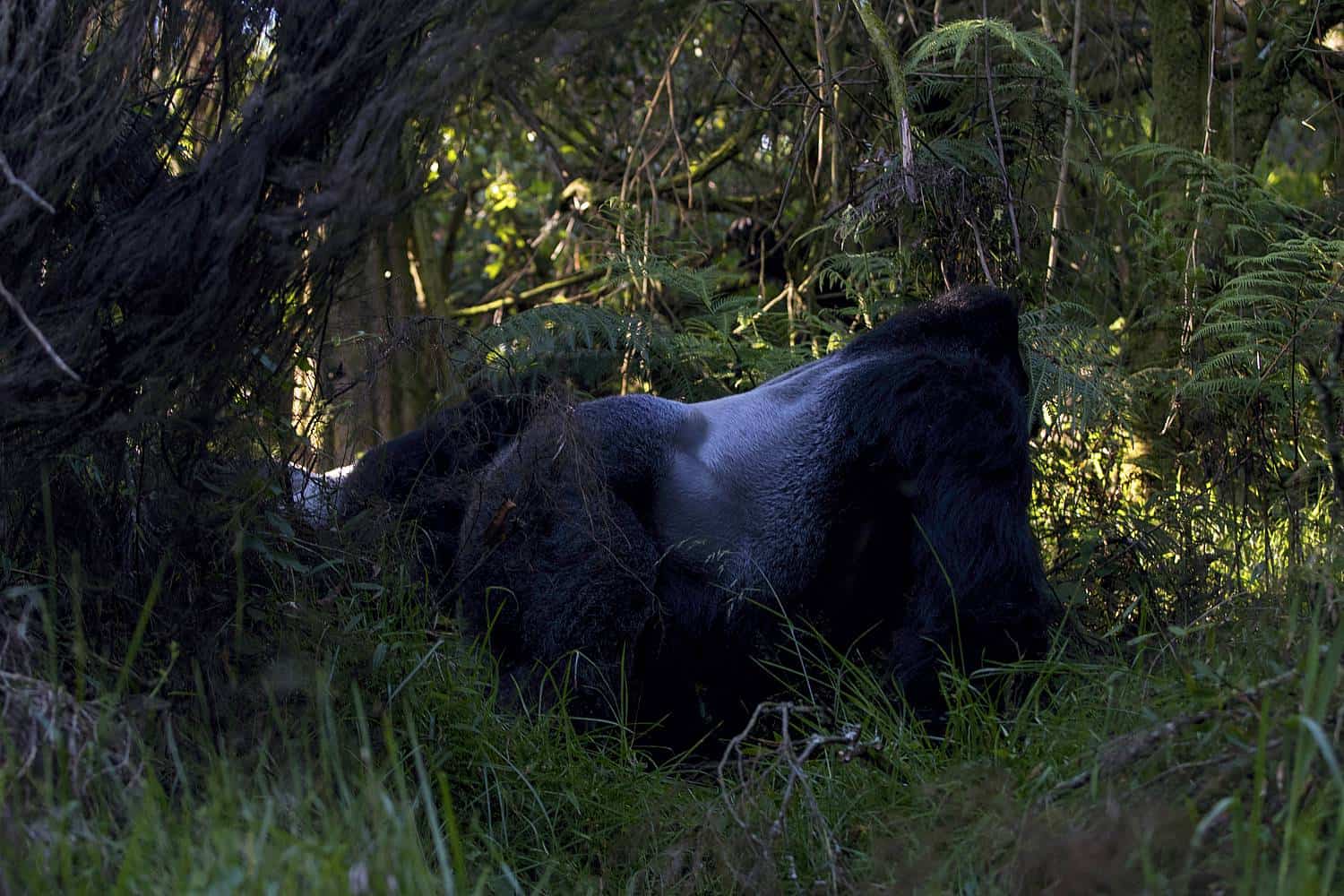
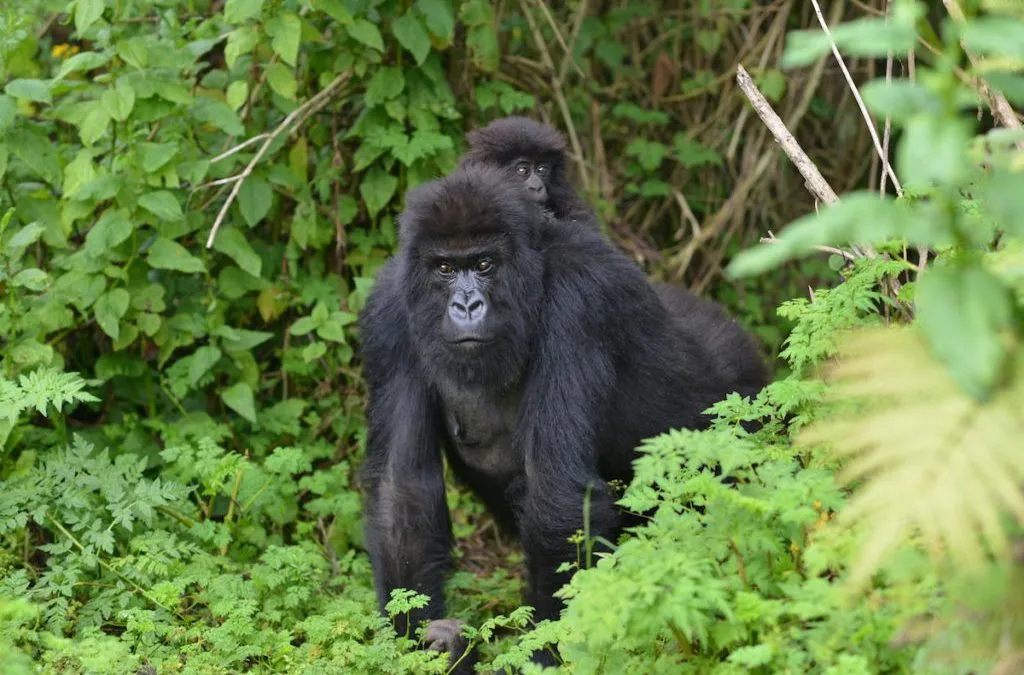
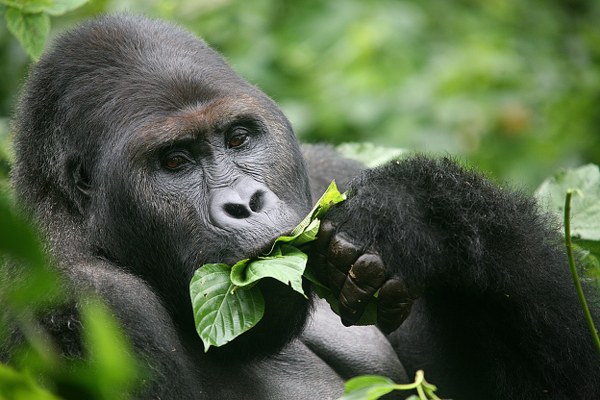
Physical characteristics of this gorilla subspecies are remarkable for their sheer size and robust build. Adult males, also known as silverbacks due to the distinct silver hair that adorns their backs with age, can weigh up to 220 kilograms and stand over 1.8 meters tall when upright. Females, although smaller, exhibit a strength and endurance that enable them to navigate the forest with agility. The gorilla’s muscular frame is complemented by a broad chest, long arms suited for knuckle-walking, and a prominent sagittal crest that supports powerful jaw muscles necessary for consuming a diet dominated by fibrous vegetation.

The facial features, marked by expressive eyes and a pronounced brow ridge, reflect an intelligence and emotional depth that has captivated primatologists and nature enthusiasts alike. The Eastern Lowland Gorilla’s hair is typically dark brown or black, slightly lighter than its mountain counterpart, allowing for subtle camouflage within the undergrowth of the forest.

Habitat and Geographic Distribution

The habitat of the Eastern Lowland Gorilla is restricted almost exclusively to the Democratic Republic of Congo (DRC), particularly within the eastern lowland rainforests. This region, encompassing areas such as Kahuzi-Biéga National Park, Maiko National Park, and the surrounding unprotected forests, is characterized by dense tropical rainforest interspersed with swamps, bamboo zones, and occasional open clearings. The complex vegetation provides both sustenance and shelter, ensuring the gorillas’ survival despite numerous environmental pressures.

The elevation of their habitat varies considerably, from lowland plains to mountainous terrains, although the species is most commonly observed between 600 and 1,200 meters above sea level. The rainforest’s microclimate, with high humidity and frequent rainfall, creates a nutrient-rich environment, sustaining the diverse flora that forms the gorilla’s diet. This habitat, however, is under constant threat from logging, mining, and human settlement, resulting in fragmented populations and increasing isolation among gorilla groups.

Social Structure and Behavior

The social structure of the Eastern Lowland Gorilla is organized, intricate, and highly adaptive. Typically, the species lives in groups known as troops or bands, which are usually led by a dominant silverback. This leader, a mature male, exercises authority, protects the group from threats, and mediates conflicts within the troop. A typical troop consists of several adult females, their offspring, and occasionally subordinate males.

Behavioral studies have revealed that the Eastern Lowland Gorilla exhibits a range of social behaviors, from grooming and play to the use of vocalizations and gestures to communicate. Grooming, in particular, is a fundamental social activity that strengthens bonds between individuals and reduces tension. Play behavior among juveniles serves not only as recreation but also as a critical component of learning, enabling younger gorillas to develop motor skills, social strategies, and cognitive abilities essential for adulthood.Eastern lowland gorilla
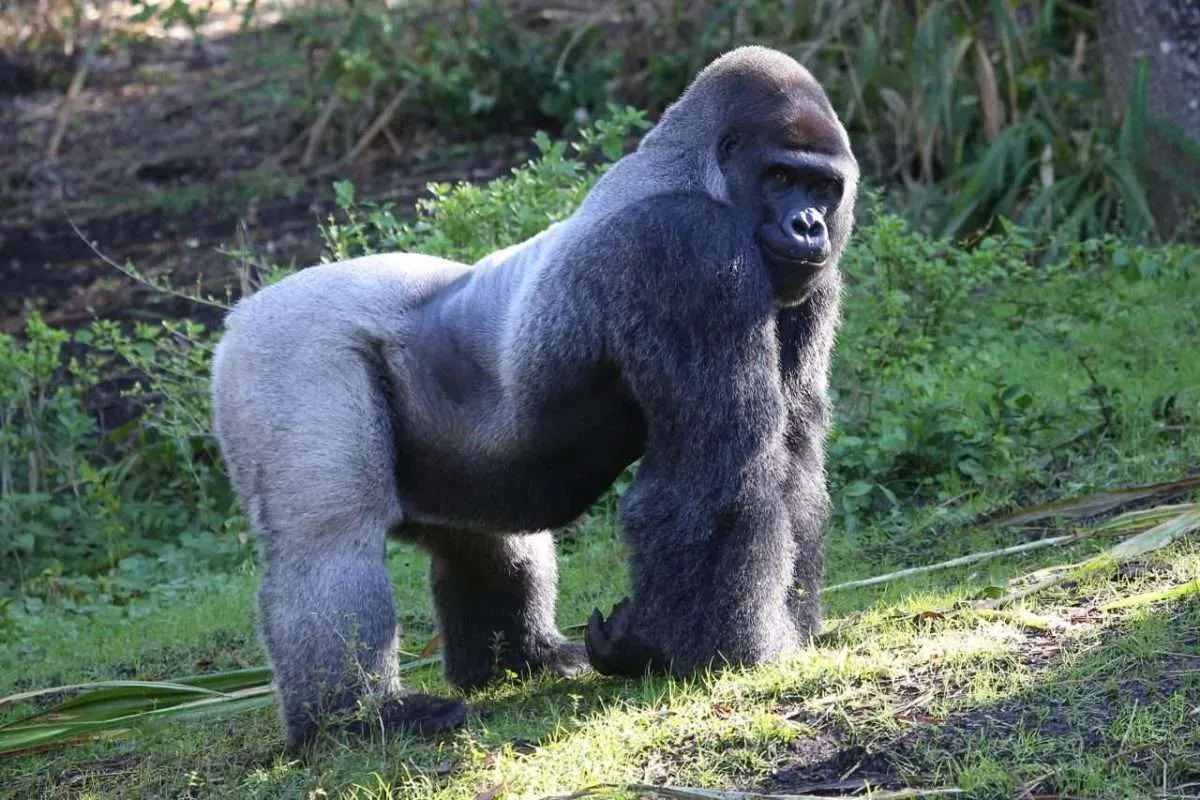
Feeding behavior is dominated by foraging for leaves, stems, fruits, seeds, and occasionally small invertebrates. Unlike their mountain counterparts, Eastern Lowland Gorillas are more likely to consume a wider variety of plant material, reflecting the diverse plant species present in their lowland habitats. Nest-building is another fascinating aspect of their behavior, with each gorilla constructing a sleeping nest daily, either on the ground or in trees, demonstrating ingenuity and adaptability.

Reproduction and Life Cycle

Reproductive behavior in Eastern Lowland Gorillas is carefully orchestrated within the social hierarchy. Females typically reach sexual maturity between 8 to 10 years of age, while males mature later, often taking 12 years or more to attain full physical and social maturity. Mating is usually monopolized by the dominant silverback, who guards females against competing males.

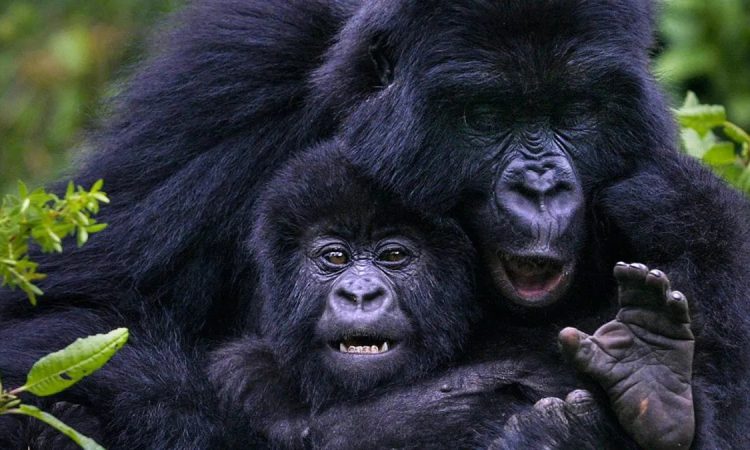
The gestation period for the Eastern Lowland Gorilla is approximately 8.5 months, culminating in the birth of a single infant. Twin births are rare and carry significant survival challenges. Infants are dependent on maternal care for the first few years of life, with nursing gradually complemented by solid food. The bond between mother and offspring is profoundly strong, ensuring that young gorillas receive guidance, protection, and emotional security essential for survival within the troop.

Lifespan in the wild is estimated to be around 30 to 40 years, although environmental pressures, poaching, and disease significantly reduce the average life expectancy in certain areas. The developmental trajectory of gorillas, from infant to silverback, is shaped by social learning, environmental challenges, and the resilience instilled by familial and troop dynamics.

Communication and Intelligence

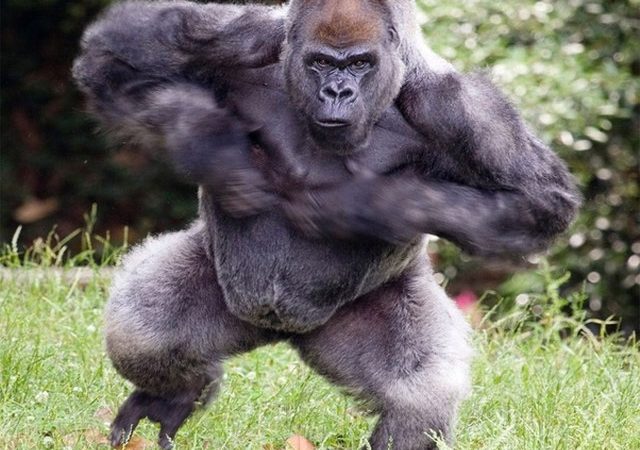
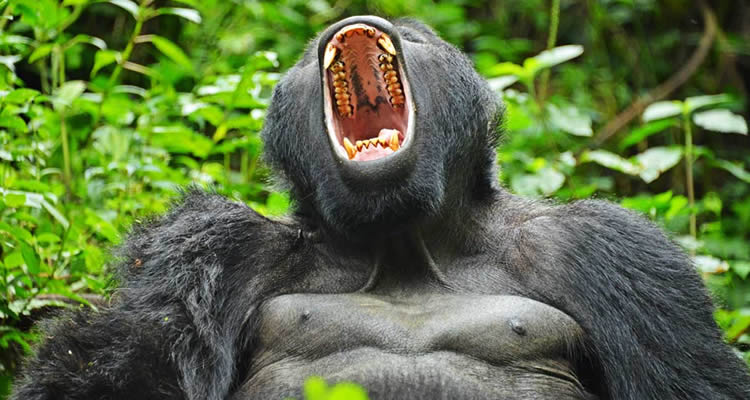
The intelligence of the Eastern Lowland Gorilla is evidenced through its sophisticated communication methods and problem-solving abilities. Vocalizations are diverse, ranging from grunts and hoots to chest beats and roars, each serving a distinct purpose such as alerting the troop to danger, asserting dominance, or expressing contentment. Non-verbal communication, including facial expressions, postures, and gestures, enhances group cohesion and social interaction.

Tool use, although less frequently observed than in some primate species, has been documented. Gorillas may manipulate branches to test water depth, strip leaves for bedding, or engage in other problem-solving behaviors that reflect both innovation and adaptability. Observations suggest that Eastern Lowland Gorillas possess memory, empathy, and a capacity for learning that rivals many other mammals, reinforcing their status as highly sentient beings within the animal kingdom.

Conservation Status and Threats

The Eastern Lowland Gorilla is classified as Critically Endangered by the International Union for Conservation of Nature (IUCN). Population estimates indicate that fewer than 5,000 individuals remain in the wild, with numbers continuing to decline due to a combination of anthropogenic and environmental threats. Poaching remains one of the most pressing dangers, driven by the bushmeat trade and illegal wildlife trafficking.

Habitat destruction, particularly from logging, mining, and agricultural expansion, fragments the forest and isolates gorilla populations, reducing genetic diversity and increasing vulnerability to disease. Political instability in the Democratic Republic of Congo exacerbates these threats, hindering conservation efforts and limiting access to remote areas where gorillas reside. Infectious diseases, including respiratory infections transmitted from humans, pose additional risks, highlighting the delicate balance between human presence and wildlife preservation.

Conservation initiatives have been implemented to safeguard the Eastern Lowland Gorilla, with national parks such as Kahuzi-Biéga serving as strongholds. Anti-poaching patrols, habitat restoration projects, and community engagement programs have demonstrated measurable success, yet sustained international support and awareness remain critical. Ecotourism, when managed responsibly, has emerged as a vital tool for conservation, providing funding, education, and incentives to protect these remarkable creatures.

Ecological Significance

The ecological role of the Eastern Lowland Gorilla extends far beyond its immediate survival. As a keystone species, these gorillas influence forest composition and regeneration. Through their feeding habits, they disperse seeds across vast areas, contributing to plant diversity and the maintenance of healthy ecosystems. Fallen fruits and partially eaten vegetation create microhabitats for insects and small animals, facilitating complex ecological interactions.

By maintaining forest structure and promoting biodiversity, the Eastern Lowland Gorilla indirectly supports countless other species, from birds and reptiles to amphibians and mammals. Their presence is an indicator of forest health, reflecting the integrity of one of the world’s most vital and endangered ecosystems. Protecting these gorillas, therefore, ensures the preservation of a broader ecological network upon which both wildlife and human communities ultimately depend.

Human Interaction and Cultural Significance

Throughout history, local communities have shared a complex relationship with the Eastern Lowland Gorilla. Revered in some cultures as spiritual symbols and totemic creatures, they have also been viewed as a source of sustenance, leading to conflicts over land and resources. Traditional knowledge about gorilla behavior and habitat has been invaluable to conservationists, providing insights that complement scientific research.

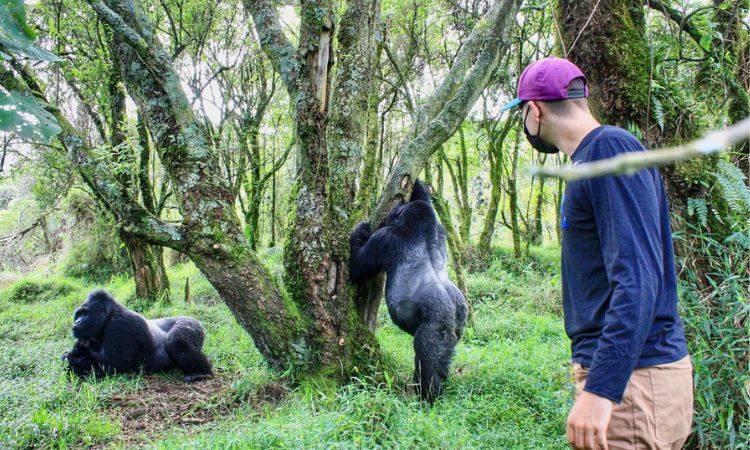
The rise of ecotourism has reshaped human interaction with gorillas, offering economic benefits while fostering appreciation for wildlife. Carefully regulated gorilla trekking allows visitors to witness these magnificent animals in their natural habitat, promoting conservation awareness and generating funds for local communities. By integrating cultural respect, environmental stewardship, and sustainable tourism, human engagement with the Eastern Lowland Gorilla can become a force for positive change rather than exploitation.

The Future of the Eastern Lowland Gorilla

The fate of the Eastern Lowland Gorilla hangs in a delicate balance, determined by conservation efforts, political stability, and global awareness. Protecting this species requires a multi-faceted approach, encompassing habitat preservation, anti-poaching enforcement, disease prevention, and community involvement. Scientific research continues to uncover new aspects of gorilla behavior, genetics, and ecology, informing strategies that enhance survival prospects.

Collaborative efforts between governments, non-governmental organizations, local communities, and international stakeholders have yielded promising results, yet vigilance is necessary to sustain progress. The species’ critical status serves as a reminder that urgent action is needed to prevent further decline and ensure that future generations may experience the awe-inspiring presence of the Eastern Lowland Gorilla in its natural habitat.

Experiencing the Eastern Lowland Gorilla

For travelers and wildlife enthusiasts, the opportunity to observe Eastern Lowland Gorillas offers a transformative experience. Guided tours into protected areas provide a glimpse into the intricate social lives, behaviors, and environments of these primates. The sight of a silverback leading a troop, the playfulness of juveniles, and the gentle interactions between family members leave an indelible impression, inspiring respect and a commitment to conservation.

Responsible tourism practices are emphasized, with strict regulations on proximity, group size, and interaction to minimize stress and disease transmission. Such experiences not only deepen appreciation for wildlife but also generate vital support for ongoing protection initiatives. By witnessing the Eastern Lowland Gorilla in its natural environment, visitors become advocates for a species that embodies the wild majesty of Africa’s forests.

Conclusion

The Eastern Lowland Gorilla stands as a symbol of strength, intelligence, and vulnerability. Its existence is intertwined with the fate of the forests it inhabits, reflecting the broader challenges of conservation in an era of human expansion and environmental change. Protecting these primates demands continued dedication, global awareness, and sustainable engagement with both nature and local communities.

For those seeking to experience the extraordinary life of the Eastern Lowland Gorilla firsthand, engaging with responsible African tours and safaris provides an unparalleled opportunity. By choosing reputable providers such as WildHorn Africa, travelers not only witness the awe-inspiring presence of these magnificent creatures but also contribute meaningfully to their conservation. An unforgettable journey into the heart of the Congo Basin awaits, where every encounter with the Eastern Lowland Gorilla becomes a powerful reminder of the beauty, complexity, and fragility of the natural world.
Western lowland gorilla

Western lowland gorilla

By Travel stories and blogs, Congo travel guides, Gabon travel guides, Primate holidays, Safari holidays

Western Lowland Gorilla: The Gentle Giants of Africa’s Rainforests

A Glimpse into the Heart of the Forest

In the lush, dense rainforests of Central Africa, where sunlight filters through thick canopies and the air is alive with the sounds of wildlife, a remarkable primate navigates its complex environment with quiet majesty. The Western Lowland Gorilla (Gorilla gorilla gorilla), the most widespread and numerous of the great apes, commands both fascination and reverence. Known for its intelligence, social complexity, and immense physical presence, this subspecies serves as a symbol of the delicate balance between wildlife and the environment.

Despite their strength and adaptability, Western Lowland Gorillas face an array of threats, including habitat destruction, poaching, disease, and human encroachment. The rainforest, their primary habitat, is increasingly fragmented, exposing these gorillas to new pressures that challenge their survival. Their story is not merely one of natural wonder but a reflection of the urgent need for conservation and sustainable engagement with Africa’s natural heritage. Understanding the Western Lowland Gorilla in depth is essential to appreciating its ecological significance, behavioral complexity, and the role it plays in maintaining forest ecosystems.

Taxonomy and Subspecies

The Western Lowland Gorilla is a subspecies of the Western Gorilla (Gorilla gorilla), which is distinguished from the Eastern Gorilla (Gorilla beringei) by morphological, behavioral, and genetic traits. Within the Western species, two subspecies are recognized: the Western Lowland Gorilla (Gorilla gorilla gorilla) and the Cross River Gorilla (Gorilla gorilla diehli).

The Western Lowland Gorilla inhabits lowland tropical forests and swamp regions across Cameroon, Gabon, the Republic of Congo, Equatorial Guinea, and parts of Angola and the Central African Republic. It is distinguished by slightly smaller size and lighter build compared to its Cross River and Eastern relatives, adaptations that facilitate movement and foraging within dense, swampy forests. Despite these differences, Western Lowland Gorillas share remarkable intelligence, social sophistication, and emotional depth, making them one of the most captivating species of great apes in the world.

Physical Characteristics

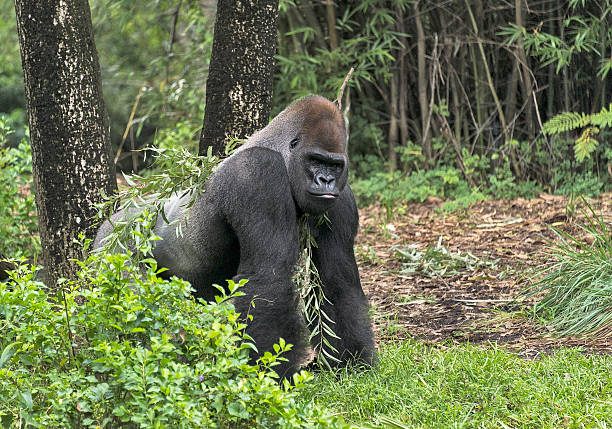
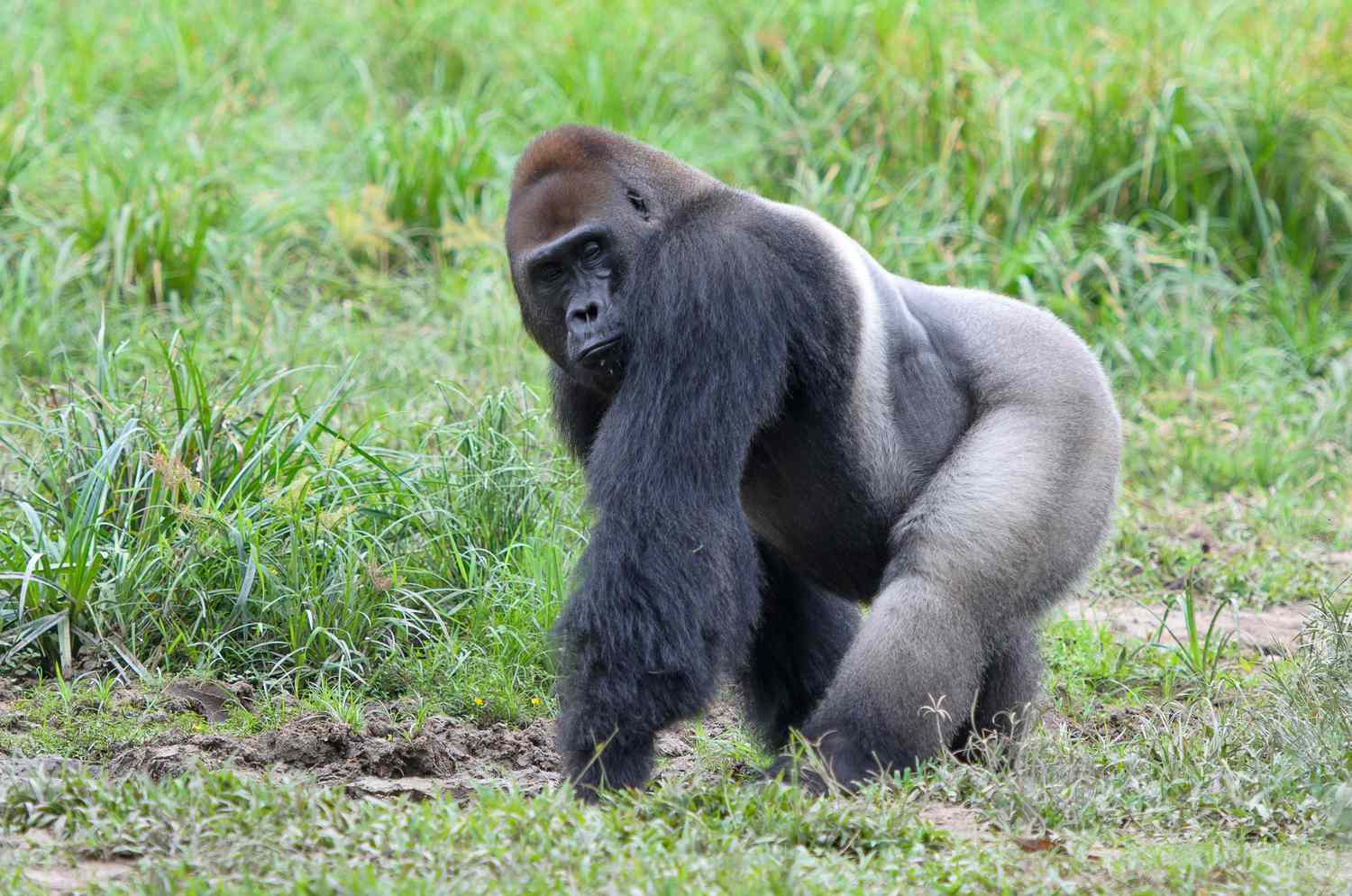
Western Lowland Gorillas are impressive in both size and strength, displaying a robust musculature and striking physical features. Adult males, commonly referred to as silverbacks due to the silver hair that develops along their backs with age, can weigh between 140 to 200 kilograms and reach heights of 1.7 to 1.85 meters when standing upright. Females are smaller, averaging around 70 to 90 kilograms, yet they exhibit agility and strength necessary for navigating complex forest terrains and caring for offspring.

Facial features are expressive, with deep-set eyes, broad nostrils, and a prominent brow ridge that communicates emotion and social intention. The fur is typically dark brown to black, sometimes with reddish highlights on the forehead and shoulders, providing subtle camouflage within the forest understory. Limbs are long and powerful, adapted for knuckle-walking and occasional climbing, while hands and feet are dexterous, enabling manipulation of vegetation and tools. The overall physical structure supports both dominance and adaptability in a demanding rainforest environment.

Habitat and Geographic Distribution

The habitat of the Western Lowland Gorilla is predominantly lowland tropical rainforest, though swamp forests, secondary forests, and mixed forest-savanna regions are also utilized. These habitats are characterized by high rainfall, humidity, and dense vegetation, creating abundant food resources and natural shelter. The Western Lowland Gorilla occupies regions spanning Cameroon, Gabon, Equatorial Guinea, the Republic of Congo, and parts of the Central African Republic and Angola.

These forests provide a diversity of vegetation, including fruiting trees, herbaceous plants, bamboo thickets, and swamp vegetation, which collectively sustain gorilla populations. Seasonal fluctuations influence food availability, prompting gorillas to adapt their foraging strategies and ranging behavior accordingly. Forest fragmentation, caused by logging, mining, and agricultural expansion, has increasingly isolated populations, creating barriers to movement, limiting genetic exchange, and heightening vulnerability to disease. Despite these challenges, the Western Lowland Gorilla has demonstrated remarkable resilience and adaptability, navigating both pristine and secondary forests to fulfill its ecological needs.

Social Structure and Behavior

Western Lowland Gorillas live in complex social groups known as troops or bands, which are typically led by a dominant silverback. This male assumes responsibility for protecting the group, mediating conflicts, and ensuring social cohesion. Troops generally consist of multiple adult females, their offspring, and subordinate males, known as blackbacks, who have yet to establish independent territories or ascend to silverback status.

Behavior within these troops is highly structured yet adaptive. Grooming is a fundamental social activity, strengthening bonds, reducing tension, and maintaining hygiene. Juvenile play serves multiple functions, including the development of motor skills, cognitive abilities, and social competencies essential for adulthood. Vocalizations, ranging from grunts and barks to chest-beating and roars, convey alarm, assert dominance, or signal contentment, while gestures and facial expressions complement these signals, facilitating nuanced communication. Daily nest-building activities demonstrate both ingenuity and learning, as gorillas construct sleeping platforms from leaves and branches, either on the ground or in trees, depending on environmental conditions.

Diet and Feeding Patterns

Western Lowland Gorillas are predominantly herbivorous, though omnivorous tendencies are occasionally observed. Their diet includes leaves, stems, fruits, seeds, bark, and flowers, with dietary composition influenced by seasonal availability. Fruit consumption is particularly high in areas where fruiting trees are abundant, while swamp vegetation and herbaceous plants provide essential nutrients during periods of scarcity.

Foraging behavior is strategic and often involves travel across several kilometers to locate specific food resources. By consuming and dispersing seeds, Western Lowland Gorillas contribute to forest regeneration and maintain plant diversity. Their feeding activity, combined with nest-building and movement through the forest, creates microhabitats that benefit other wildlife species, emphasizing their role as a keystone species in maintaining ecological balance.

Reproduction and Life Cycle

Reproduction in Western Lowland Gorillas is closely linked to social hierarchy. Females typically reach sexual maturity between eight and ten years, while males mature later, achieving full silverback status around 12 to 15 years. The dominant silverback usually controls mating within the troop, ensuring the propagation of his genes and the stability of the group.

Gestation lasts approximately 8.5 months, resulting in the birth of a single infant. Twin births are rare and pose significant survival challenges. Infants rely heavily on maternal care for the first several years of life, gradually learning foraging, nesting, and social behaviors from their mothers and other troop members. Juveniles develop motor skills, social strategies, and cognitive abilities through observation, interaction, and play. Lifespan in the wild is estimated at 35 to 40 years, although threats such as poaching, disease, and habitat loss frequently reduce survival rates.

Communication and Intelligence

The intelligence of Western Lowland Gorillas is evident in their communication, problem-solving skills, and social interactions. Vocalizations, including grunts, hoots, barks, and roars, serve specific functions such as signaling danger, asserting dominance, or expressing contentment. Non-verbal communication, including facial expressions, gestures, and body postures, enhances group coordination and conveys nuanced social messages.Western lowland gorilla

Observations of tool use, though less frequent than in chimpanzees, demonstrate adaptability and innovation. Gorillas have been seen using sticks to test water depth, strip leaves for bedding, or access otherwise unreachable food. Their cognitive abilities, including memory, learning, and empathy, reflect complex intelligence and an advanced understanding of their environment, emphasizing the ethical imperative to protect and study these primates.

Conservation Status and Threats

The Western Lowland Gorilla is classified as Critically Endangered by the International Union for Conservation of Nature (IUCN). Populations have declined dramatically due to poaching, habitat destruction, disease, and political instability within their range countries. Poaching, primarily for bushmeat, remains a major threat, while logging, mining, and agricultural expansion contribute to habitat fragmentation, reducing genetic diversity and isolating populations.

Ebola outbreaks have devastated many Western Lowland Gorilla populations, wiping out entire troops and complicating conservation efforts. Human disease transmission further threatens gorilla health, particularly in regions of increased human activity. Conservation initiatives, including the establishment of protected areas such as Nouabalé-Ndoki National Park in the Republic of Congo and Minkébé National Park in Gabon, have been implemented to safeguard populations. Anti-poaching patrols, habitat restoration projects, research, and community engagement programs are vital components of these efforts.

Ecotourism has become a critical tool for conservation, generating funding, employment, and international awareness. Gorilla trekking programs are carefully managed to minimize stress and disease transmission, allowing visitors to observe these primates in their natural habitat while supporting local economies and conservation initiatives.

Ecological Importance

Western Lowland Gorillas serve as keystone species within tropical rainforest ecosystems. Their feeding, nesting, and ranging behaviors influence forest structure, plant diversity, and species interactions. Through seed dispersal, they contribute directly to forest regeneration and plant propagation, while their movement through the forest creates microhabitats utilized by insects, small mammals, and other wildlife.

The decline of Western Lowland Gorillas would have cascading ecological consequences, disrupting forest composition, reducing biodiversity, and affecting ecosystem services such as carbon storage and water regulation. Protecting this subspecies ensures the stability of tropical forests and maintains the broader ecological balance upon which both wildlife and human populations depend.

Human Interaction and Cultural Relevance

Local communities have historically maintained a complex relationship with Western Lowland Gorillas, ranging from reverence and cultural symbolism to conflicts over land and resources. In some cultures, gorillas are considered sacred and symbolic of strength, wisdom, and resilience. Traditional ecological knowledge has informed conservation strategies, providing critical insight into gorilla behavior, diet, and habitat use.

Tourism has reshaped human-gorilla interactions, with gorilla trekking offering an opportunity for observation and education. These experiences foster appreciation for wildlife, support local economies, and provide funding for conservation programs. Strict guidelines ensure that human presence does not harm gorillas, emphasizing respect, observation, and ethical engagement with wildlife.

The Future of the Western Lowland Gorilla

The survival of the Western Lowland Gorilla depends on continued conservation action, international cooperation, and public awareness. Strategies must address habitat protection, anti-poaching enforcement, disease prevention, and community involvement. Scientific research provides critical insight into behavior, genetics, and ecology, informing interventions to enhance population resilience.

Global support is essential, as Western Lowland Gorillas serve as ambassadors for forest conservation and biodiversity. Their preservation safeguards not only a remarkable species but also the integrity of tropical ecosystems critical for climate regulation, biodiversity, and human livelihoods. Immediate and sustained action is required to ensure that these gentle giants continue to thrive in the wild.

Experiencing Western Lowland Gorillas in the Wild

For travelers and wildlife enthusiasts, observing Western Lowland Gorillas in their natural habitat offers a transformative experience. Guided tours through protected forests provide an intimate view of gorilla behavior, social interactions, and ecological importance. The presence of a silverback leading a troop, juveniles engaging in play, and the subtle dynamics of family interactions leaves a lasting impression on visitors.

Responsible tourism practices are implemented to minimize disturbance and reduce disease transmission, ensuring that gorilla populations remain protected. By participating in guided experiences, visitors contribute directly to conservation efforts while gaining a profound appreciation for the complexity, intelligence, and beauty of these remarkable primates.

Conclusion

The Western Lowland Gorilla stands as a symbol of strength, intelligence, and ecological importance within Africa’s tropical forests. Its survival is intrinsically linked to habitat protection, sustainable human engagement, and global conservation efforts. These gentle giants highlight the delicate interplay between wildlife and ecosystems, serving as both guardians and indicators of forest health.

For travelers seeking to witness the extraordinary life of Western Lowland Gorillas, guided tours and safaris provide an unparalleled opportunity. By booking through reputable providers such as WildHorn Africa, visitors can experience these magnificent creatures in their natural environment while supporting critical conservation initiatives. A journey into Africa’s rainforests promises unforgettable encounters, where every observation of the Western Lowland Gorilla reinforces the majesty, intelligence, and fragility of the natural world.
Silverback gorilla trekking in Rwanda

Silverback gorilla trekking in Rwanda

By Travel stories and blogs, Luxury holidays, Primate holidays, Rwanda travel guides, Safari holidays

Silverback Gorilla Trekking in Rwanda

The Call of the Misty Mountains

In the mist-shrouded highlands of Central Africa, where volcanic peaks rise majestically and dense forests echo with the songs of birds and rustling of bamboo, there exists an encounter that transcends ordinary travel. This is the world of silverback gorilla trekking in Rwanda, an experience that unites adventure, conservation, and a profound connection with one of humanity’s closest relatives.

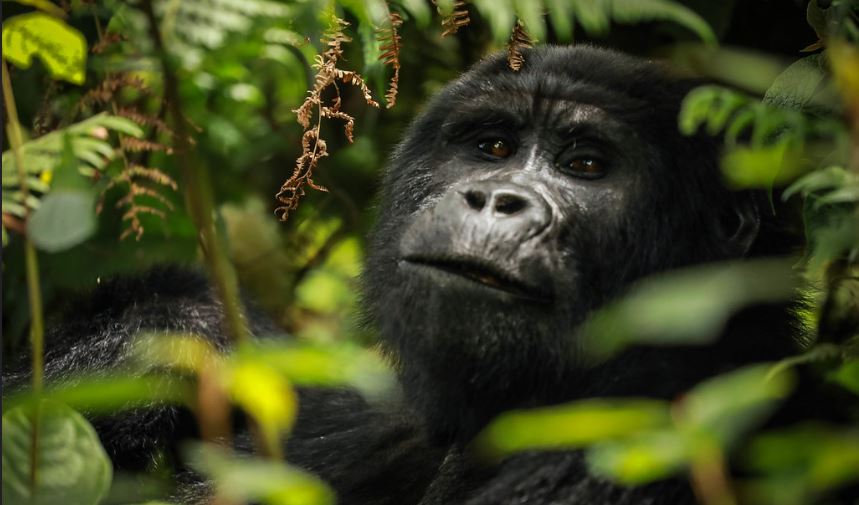
The sight of a silverback gorilla, powerful yet composed, standing amidst his family in the natural sanctuary of the Virunga Mountains, awakens emotions that few other journeys can evoke. His gaze is steady, his presence commanding, and his aura a blend of dominance and tenderness. For those who venture into these forests, the experience is not simply one of wildlife observation but of communion with a species whose survival story mirrors the fragile balance of life on earth.

Rwanda, celebrated as the “Land of a Thousand Hills,” has risen as a premier destination for gorilla trekking. Through dedicated conservation efforts and community involvement, the country has turned its once-threatened gorilla population into a symbol of resilience. To enter Volcanoes National Park and follow trails that lead to these great apes is to step into a living tapestry of nature, culture, and hope.

Rwanda: A Land of Natural and Cultural Richness

The setting of silverback gorilla trekking in Rwanda is as captivating as the primates themselves. Nestled within the Albertine Rift, Rwanda is characterized by rolling green hills, fertile valleys, and a chain of ancient volcanoes that dominate the northwest. These landscapes form the home of Volcanoes National Park, a sanctuary that shelters several habituated gorilla families and offers unparalleled opportunities for intimate encounters.

The park, established in 1925, holds the distinction of being Africa’s first national park dedicated to conservation. It was here that the renowned primatologist Dian Fossey conducted groundbreaking research, raising global awareness of the gorilla’s plight. Today, the park covers approximately 160 square kilometers of rainforest and bamboo, encompassing parts of the Virunga volcanic range whose peaks—such as Karisimbi, Bisoke, and Sabyinyo—form a dramatic backdrop.

Beyond its natural heritage, Rwanda offers cultural depth that enriches the trekking experience. Local communities living near the park, once reliant on forest resources for survival, are now key partners in conservation. Their traditions, stories, and hospitality provide visitors with insights into a way of life shaped by both resilience and harmony with nature. Thus, trekking in Rwanda is never a solitary encounter with wildlife but part of a broader narrative of human and ecological coexistence.

The Silverback Gorilla: Guardian of the Family

At the heart of every gorilla family in Rwanda stands the silverback, whose role transcends physical dominance. The title is earned as a male matures into adulthood, when the black coat of his youth begins to silver across his back. With this change comes responsibility, for the silverback assumes the position of leader, protector, and decision-maker within the group.

Physically, he is a figure of awe. Towering over his family, he can weigh more than 180 kilograms and possess strength capable of bending bamboo with ease. Yet his power is tempered by a remarkable capacity for gentleness. He tolerates the playful antics of juveniles, guards infants with patience, and maintains peace through vocal signals and postures rather than violence. His role is one of balance, embodying authority founded on both care and strength.

For trekkers, the moment of locking eyes with a silverback is unforgettable. His gaze seems to penetrate beyond the forest, stirring recognition of kinship across species. In his composure, visitors see reflections of leadership and family values that are profoundly human yet distinctly wild. The silverback is not only a symbol of gorilla life but also a mirror of humanity’s shared heritage.

Preparing for the Trek: The Journey Before the Encounter

The path to a silverback encounter in Rwanda begins with preparation, both logistical and emotional. Access to gorilla trekking is tightly regulated, requiring a gorilla trekking permit issued by the Rwanda Development Board. These permits, though limited in number, serve a vital purpose: they ensure minimal disturbance to the gorillas while generating revenue for conservation and community projects.

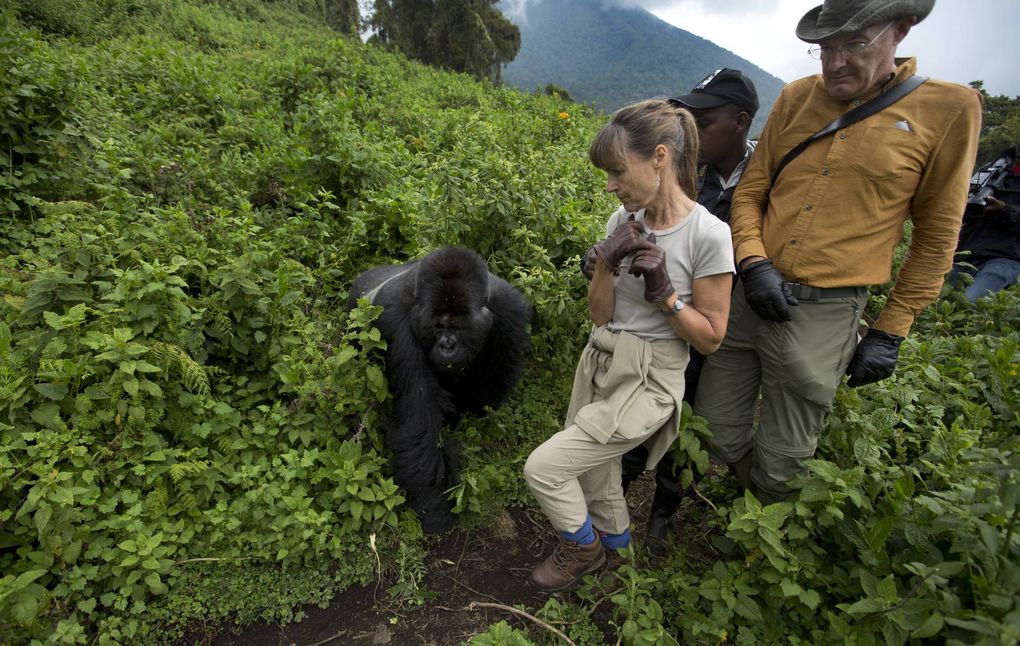
On the morning of the trek, visitors assemble at the park headquarters in Kinigi, where experienced guides conduct briefings. Rules are explained with care. A minimum distance must be maintained between humans and gorillas, sudden movements avoided, and the one-hour observation limit respected. These guidelines are grounded in science, as gorillas remain susceptible to human-borne illnesses.

Physical readiness is emphasized. The trails can be steep, with altitudes ranging from 2,400 to over 3,000 meters. Trekking through dense bamboo, tangled undergrowth, and slippery volcanic soil requires stamina and resilience. Porters are available to assist, not only lightening the load but also offering essential support to local livelihoods. For many visitors, employing a porter becomes a gesture of solidarity, reinforcing the interconnectedness of conservation and community.

Equally important is mental preparation. Anticipation builds as visitors imagine the moment of encounter, yet humility is encouraged. The gorillas move according to their own rhythms, and patience is as essential as endurance. Entering the forest is not merely a pursuit of sight but a step into the unknown, where nature reveals itself only to those who approach with respect.

The Trekking Experience: Into the World of the Silverback

Once the trek begins, the forest reveals itself with gradual wonder. Mist clings to the bamboo, sunrays pierce through thick foliage, and the chorus of birds, insects, and distant primates fills the air. Guides, skilled in reading the forest, follow signs of gorilla activity—fresh dung, chewed bamboo, or nests from the night before.Silverback gorilla trekking in Rwanda

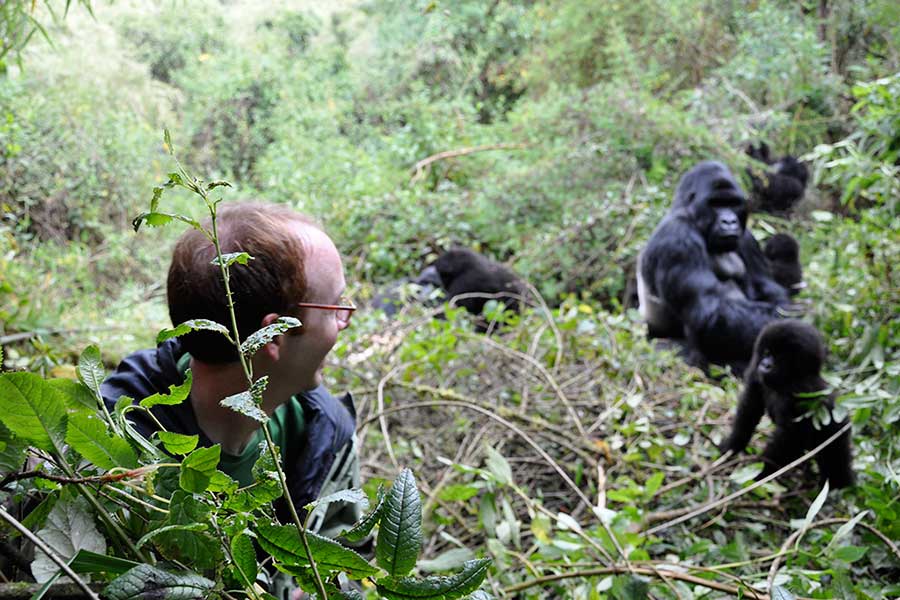
Hours of hiking may pass before the first glimpse. Then, through the thickets, the family comes into view. At the center, the silverback sits with calm authority. His massive frame dominates the clearing, yet his movements are unhurried, deliberate, and assured. Around him, mothers cradle infants while juveniles swing from branches, their energy a stark contrast to the leader’s composed demeanor.

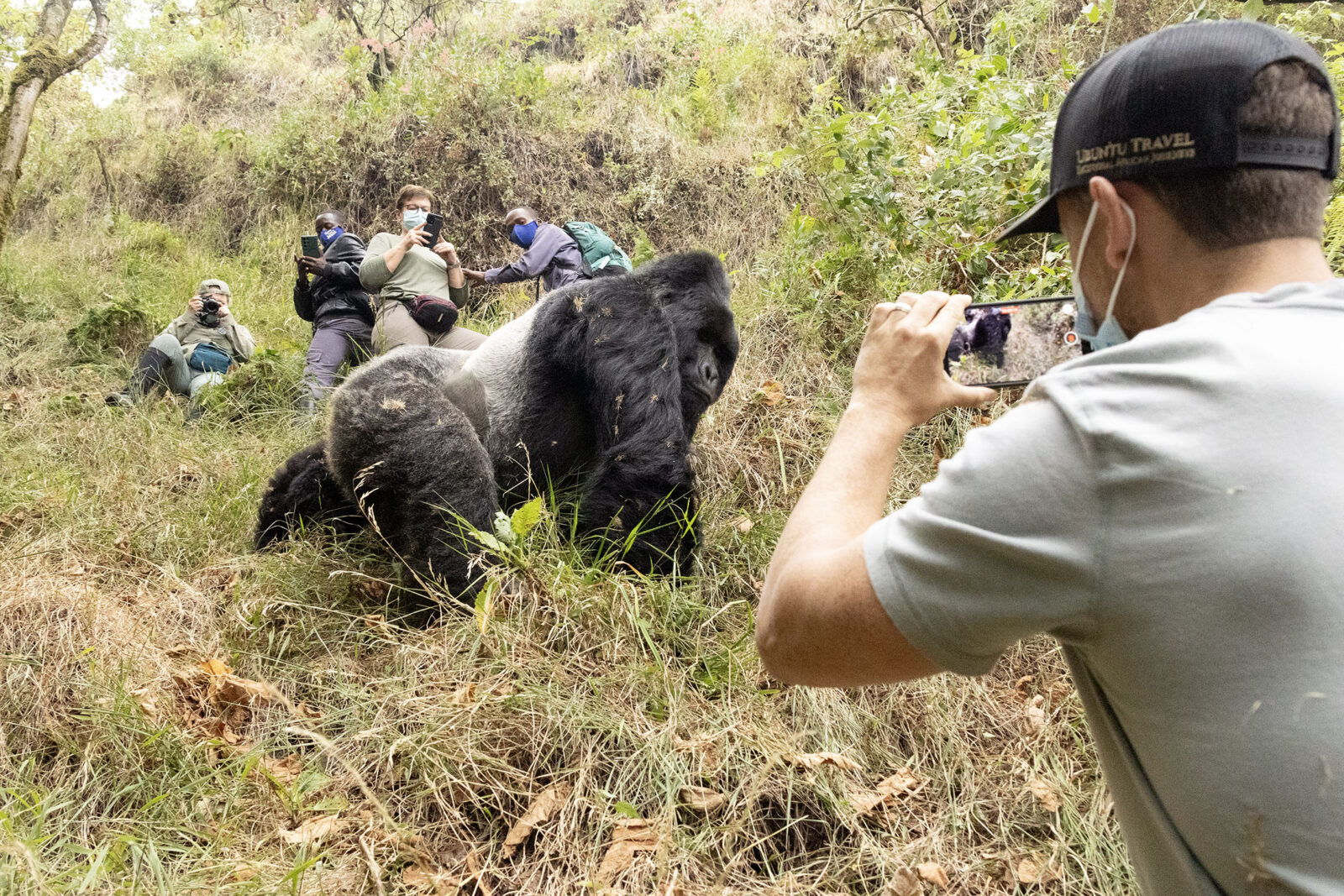
The one-hour viewing window becomes a tapestry of moments. A silverback may rise to display his strength, beating his chest with resonant thuds. A young gorilla may approach with playful curiosity, only to retreat at a subtle signal from the leader. Every gesture, every sound, becomes part of an unspoken dialogue between humans and gorillas.

For visitors, cameras capture images, but the memory etched into the heart often transcends photography. The silence shared with a silverback, the awareness of standing mere meters from a creature so powerful yet so vulnerable, creates a connection that defies language. It is an encounter where awe merges with responsibility, reminding humanity of its duty toward the natural world.

Challenges on the Trail: The Test of Resilience

Trekking in Rwanda is not without challenges. The terrain of Volcanoes National Park, shaped by volcanic forces, is rugged and unpredictable. Trails can be steep, and rain often turns them into slippery passages. Mist may reduce visibility, while altitude tests endurance.

The gorillas themselves add unpredictability. Their movements are not confined to trails but dictated by the search for food and shelter. Hours of trekking may be required before they are located, and the experience demands patience and perseverance. Yet it is precisely these challenges that elevate the encounter. The effort invested in each step makes the eventual meeting with the silverback more profound, a reward earned through determination.

The unpredictability of nature ensures that no two treks are alike. For some, gorillas are encountered after a short walk; for others, it takes an entire day of hiking. The challenges, however, become part of the story, deepening the significance of the experience and forging bonds among trekkers who share in the journey.

Conservation: Rwanda’s Commitment to the Silverback

The survival of Rwanda’s gorillas is a testament to the power of dedicated conservation. Once critically endangered, the species has experienced a steady increase in numbers thanks to measures that blend science, policy, and community engagement.

Revenue from trekking permits forms the cornerstone of conservation funding. A significant portion is allocated to anti-poaching patrols, veterinary care, and habitat protection, while another share is directed toward community projects. Schools, health centers, and infrastructure improvements funded by gorilla tourism serve as visible reminders that the silverback’s survival benefits not only wildlife but also people.

The shift in local attitudes has been equally important. Communities once dependent on hunting and forest exploitation now see gorillas as allies in their economic future. Employment as guides, porters, and lodge staff has replaced destructive practices, while cultural initiatives allow locals to share traditions with visitors. This transformation has created a cycle of mutual benefit, ensuring that conservation is not imposed but embraced.

Nevertheless, challenges persist. Population growth exerts pressure on land, climate change threatens ecosystems, and disease remains a constant risk. The silverback’s survival remains fragile, a reminder that conservation is an ongoing responsibility requiring global support and vigilance.

Cultural and Spiritual Dimensions of Trekking in Rwanda

The experience of silverback gorilla trekking in Rwanda extends beyond ecology into the realms of culture and spirituality. The Virunga Mountains are revered by local communities, and the gorilla often appears in oral traditions as a symbol of strength, unity, and guardianship of the forest.

For visitors, the trek often becomes a spiritual journey. The mist, the silence, and the gaze of a silverback create an atmosphere that feels sacred. It is as though the forest itself is a temple, the gorillas its guardians, and the encounter a form of communion. In the presence of the silverback, values such as family, leadership, and resilience are reflected back, reminding humanity of both its power and its responsibility.

This deeper dimension adds layers of meaning to the trek. It becomes more than wildlife tourism; it becomes a pilgrimage into the wild, where the lessons of nature resonate long after the journey ends.

The Best Seasons for Trekking in Rwanda

Rwanda offers gorilla trekking throughout the year, though conditions vary by season. The dry seasons, which stretch from June to September and from December to February, are generally considered the most favorable. Trails are more stable, vegetation is less dense, and the overall trekking experience is less strenuous.

The rainy seasons, from March to May and again from October to November, present more challenging conditions. Trails can become muddy, and visibility may be obscured by mist and rain. Yet these months also hold unique rewards. The forest flourishes with vibrant greenery, the atmosphere is hushed with fewer visitors, and the sense of intimacy with the gorillas is heightened. Each season, therefore, offers its own perspective, and the encounter with the silverback remains equally profound regardless of weather.

An Encounter That Transforms

Silverback gorilla trekking in Rwanda is an experience that transcends adventure. It is a journey into the heart of nature, a moment of connection with one of humanity’s closest relatives, and a lesson in conservation, resilience, and coexistence. To stand before a silverback is to witness strength guided by wisdom, leadership rooted in care, and survival shaped by unity.

The encounter leaves an indelible mark, reminding every visitor that the protection of the natural world is not optional but essential. Rwanda, with its misty volcanoes and resilient communities, has emerged as a beacon of hope, showing that conservation and development can flourish side by side.

For travelers seeking not just a safari but a transformative journey, Rwanda awaits with experiences that linger long after the forest fades from view. To ensure that such journeys are undertaken with expertise, respect, and authenticity, it is strongly recommended that African tours and safaris be booked with WildHorn Africa, a trusted partner dedicated to delivering encounters that honor both people and wildlife while preserving the treasures of this extraordinary continent.

Silverback gorilla appearance

Silverback gorilla appearance

By Travel stories and blogs, Congo travel guides, Gabon travel guides, Luxury holidays, Primate holidays, Rwanda travel guides, Safari holidays, Uganda travel guides

Silverback Gorilla Appearance

The Majesty of the Silverback

In the shadowed forests of Central Africa, where mist drapes ancient trees and the echoes of nature reverberate through dense canopies, there exists a figure whose presence commands both awe and reverence. The silverback gorilla is not merely a creature of strength but a living embodiment of resilience, intelligence, and the profound complexity of wildlife. To observe the silverback is to witness a harmonious blend of power and gentleness, a testament to evolutionary mastery and the delicate balance of life within tropical forests.

The appearance of the silverback, distinct from its younger counterparts and female members of the troop, carries a wealth of information about its age, status, health, and lineage. Every feature, from the sweeping curve of its brow to the silvering of its fur, communicates stories of survival, social hierarchy, and adaptation. Scholars, conservationists, and travelers alike have been captivated by its form, and a careful study of the silverback’s appearance offers insights into the broader dynamics of gorilla society and the challenges faced in their preservation.

This article explores the physical characteristics of the silverback gorilla in exhaustive detail, from its muscular frame and facial structure to its unique markings and expressive gestures. It examines not only what is visible to the eye but also the functional significance of each trait, highlighting how nature has sculpted this primate to thrive in one of the planet’s most demanding environments.

The Overall Form: Size, Structure, and Posture

A silverback gorilla’s appearance is immediately striking due to its massive frame and upright posture. Adult males are significantly larger than females and younger males, with a height often reaching 1.7 to 1.8 meters when standing fully erect, and a weight ranging from 140 to 200 kilograms. This sheer size conveys authority within the troop and is a primary factor in social hierarchy.

The skeletal structure supports both strength and mobility. Broad shoulders, robust ribcages, and powerful limbs are characteristic, allowing the silverback to navigate steep, uneven forest terrain while displaying feats of strength when necessary. Muscles are pronounced, particularly in the arms and chest, reflecting adaptations for climbing, foraging, and occasional displays of dominance. Despite their bulk, silverbacks possess a grace in movement, capable of both deliberate, measured steps and sudden bursts of speed when chasing intruders or interacting with juveniles.

Posture plays a critical role in appearance and communication. While quadrupedal locomotion is typical during travel—known as knuckle-walking—the silverback can stand or briefly walk bipedally to assert presence or scan its surroundings. The upright stance enhances its visual dominance and is often employed during interactions with other males or potential threats.

The Fur: Texture, Coloration, and the Signature Silver

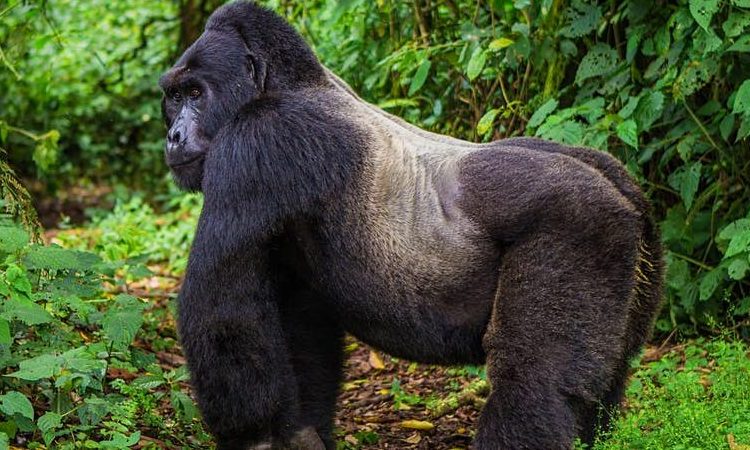
One of the most defining characteristics of a mature male gorilla is the silvering of the back, from which the name “silverback” is derived. This silver hair emerges gradually with age, typically between 12 and 15 years, signaling maturity and the assumption of leadership within the troop. The silvering often begins at the shoulders and extends down the back, creating a striking contrast with the otherwise black or dark brown fur that covers most of the body.

The fur itself is dense, coarse, and water-resistant, an adaptation to the humid, often rainy environments of tropical montane forests. It serves both protective and insulative functions, shielding the gorilla from cold temperatures at high elevations while providing some defense against insect bites and abrasions. Variations in fur color, texture, and thickness can indicate health, nutritional status, or seasonal adaptation. For instance, a healthy silverback exhibits a glossy sheen, whereas patches of dull or thinning hair may signal illness, stress, or malnutrition.

The contrast between silver and black is visually dramatic and serves social and ecological purposes. Within the troop, silverbacks are easily distinguishable, reinforcing their role as leaders. In the dense undergrowth, the color patterns may also play a subtle role in camouflage, allowing the silverback to navigate the forest with relative discretion when not engaged in displays of dominance.

The Head and Face: Intelligence and Expression

The head of the silverback gorilla is large and well-proportioned, with a prominent sagittal crest that develops with age. This ridge of bone along the top of the skull supports the attachment of large jaw muscles, enabling the gorilla to process fibrous plant material efficiently. The forehead is sloped rather than vertical, framing deep-set eyes that convey intelligence, emotion, and situational awareness.

Facial features are highly expressive, allowing the silverback to communicate subtle moods and intentions without vocalization. Brow ridges, lip movements, and subtle shifts in the eyes signal dominance, submission, curiosity, or reassurance. The nose is broad, with flared nostrils capable of detecting scents critical for foraging and social communication. Cheek pads, or flanges, may be present in some subspecies, though they are more common in Bornean orangutans; in gorillas, the robust facial musculature primarily supports feeding and social signaling.

The eyes, dark and reflective, are often described as conveying a depth of understanding and emotion that parallels human experience. Observers report a mixture of curiosity, vigilance, and empathy in the gaze of a silverback. This visual intelligence complements physical strength, ensuring that dominance within the troop is maintained through both action and perception.

Limbs and Hands: Power and DexteritySilverback gorilla appearance

The limbs of the silverback are among its most powerful attributes. The arms are longer than the legs, a proportion that facilitates knuckle-walking and climbing. Musculature is particularly developed in the deltoids, biceps, and forearms, reflecting the physical demands of travel, nest-building, and interactions within the troop.

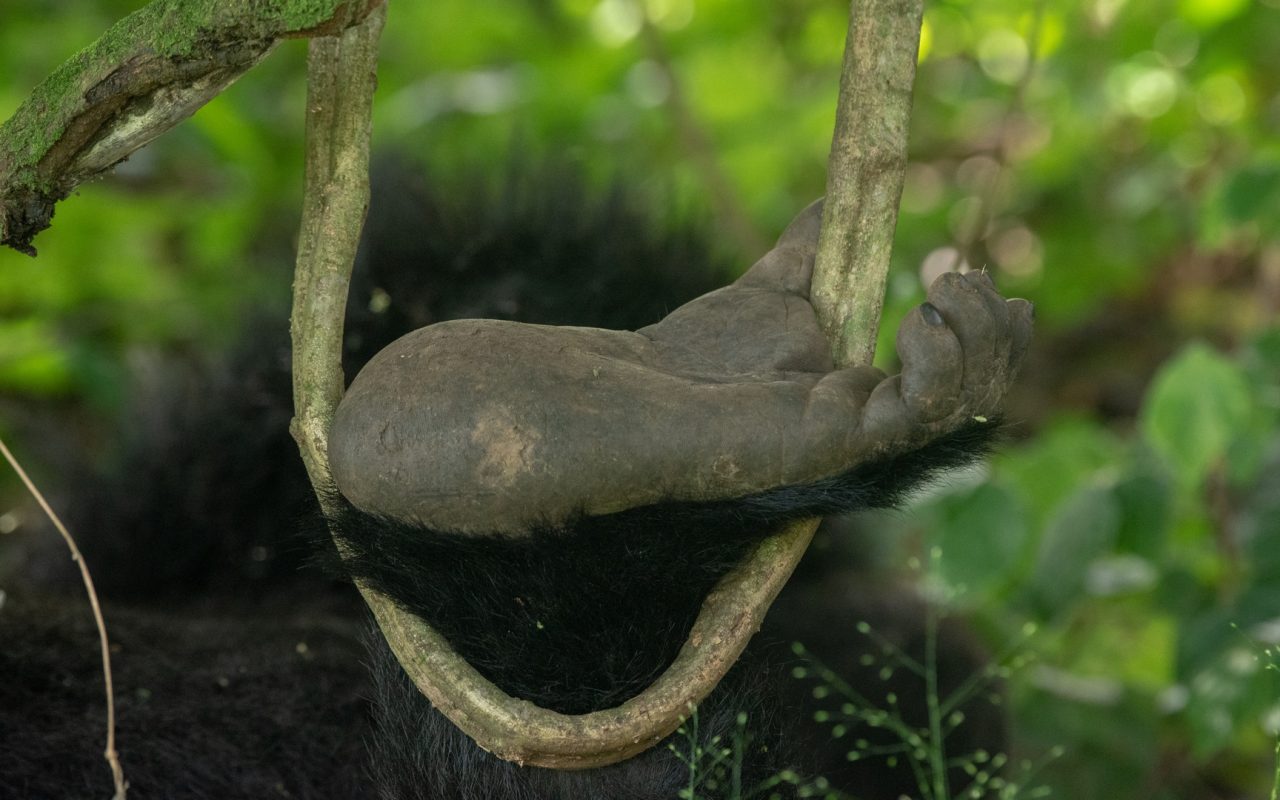
Hands are both strong and dexterous. Fingers are long and flexible, allowing the silverback to grasp branches, manipulate food, and engage in delicate grooming of troop members. The opposable thumbs permit precise control, while the broad palms support weight-bearing during locomotion. Feet, although adapted for grasping rather than walking, provide stability on uneven terrain and play a role in climbing, climbing, and maintaining balance on steep slopes.

Functionality and appearance converge in the limbs. A silverback’s posture, stride, and gestures communicate authority and confidence, while each movement reflects adaptations honed over millennia for survival in dense forests and mountainous regions.

Torso and Chest: Strength Manifested

The torso of the silverback is a visual testament to strength. Broad shoulders taper to a robust waist, forming a V-shaped silhouette that communicates physical dominance. The chest is expansive and muscular, with well-developed pectorals supporting both upper body strength and chest-beating behavior, which is critical for communication within the troop and display of authority.

Ribcage structure accommodates large lungs, supporting sustained physical activity at high altitudes and during extended treks through rugged terrain. Abdominal musculature, though partially obscured by fur, is firm and functional, providing core stability that enhances climbing and rapid locomotion. This combination of skeletal robustness and muscular definition defines much of the silverback’s imposing appearance while underpinning behaviors essential for leadership and protection.

Distinguishing Features and Individual Markings

Despite shared characteristics, each silverback possesses unique traits that allow identification by both humans and other gorillas. Scars, fur patterns, nose prints, and facial asymmetries serve as markers of individuality. These features are often shaped by past encounters with rivals, predators, or environmental challenges.

Nose prints, in particular, function similarly to human fingerprints. The ridges and patterns are distinctive and can be used by researchers to track individual gorillas over time. Scars from territorial disputes or accidental injuries reveal the silverback’s history within the troop and offer insights into social dynamics and resilience. Even subtle variations in fur texture or color provide clues to age, health, and environmental adaptation.

Functional Significance of Appearance

The appearance of the silverback is not solely aesthetic; every aspect serves a purpose. Muscular build ensures survival in challenging terrain and protection of the troop. Facial expressiveness facilitates nuanced communication and conflict resolution. Fur density and coloration contribute to thermoregulation and social recognition. Even the signature silver on the back signals maturity and establishes social hierarchy.

In essence, the silverback’s appearance reflects a delicate balance between biological necessity and social function, demonstrating how evolution has optimized the species for both environmental adaptation and complex social life.

The Silverback in Observation and Conservation

Understanding the appearance of the silverback is critical not only for biological study but also for conservation efforts. Recognizing age, sex, health status, and individual traits enables researchers and park authorities to monitor populations, detect signs of stress or disease, and manage habitat protection effectively.

For visitors on gorilla treks in Uganda, Rwanda, or the Democratic Republic of Congo, the silverback’s appearance provides both aesthetic and educational insight. Observing the combination of strength, gentleness, and social signaling enhances appreciation for the species while underscoring the importance of responsible and ethical tourism.

Conservation programs benefit when the visual cues of silverbacks are carefully documented, allowing long-term studies that inform policy and habitat management. The appearance of each individual becomes a story in itself, linking science, education, and the broader goals of species preservation.

Witnessing the Power of Form

The silverback gorilla’s appearance is a remarkable synthesis of strength, intelligence, and evolutionary design. From its muscular build and silvered fur to its expressive face and dexterous limbs, every aspect communicates a blend of authority, adaptability, and care for its family. The form of the silverback reflects both the demands of the natural environment and the intricacies of social life, making each encounter a profound lesson in resilience and balance.

For travelers who aspire to witness this majestic creature in the wild, the forests of Central Africa provide a rare opportunity. The experience of observing a silverback up close is transformative, fostering deep respect for wildlife and an enduring awareness of conservation challenges.

For those wishing to undertake such life-changing journeys, tours and safaris across Africa can be expertly arranged through WildHorn Africa, a trusted provider committed to ethical wildlife experiences, conservation education, and immersive encounters that honor both the creatures of the wild and the people who protect them.

Gorilla Trekking in Mgahinga: What to Expect

Gorilla Trekking in Mgahinga: What to Expect

By Travel stories and blogs, Luxury holidays, Primate holidays, Safari holidays, Uganda travel guides

Gorilla Trekking in Mgahinga: What to Expect

The Call of the Gorillas

Hidden in the misty folds of southwestern Uganda, where volcanoes kiss the skies and dense montane forests whisper with ancient secrets, lies Mgahinga Gorilla National Park. This small but profound park, part of the great Virunga Conservation Area, is one of the most enchanting places on earth to encounter the endangered mountain gorillas. Trekking in Mgahinga is more than a mere wildlife activity; it is a journey into the soul of nature, an opportunity to stand in the silent presence of giants whose existence is delicately balanced between survival and extinction.

The allure of gorilla trekking here lies in its intimacy and exclusivity. Unlike the more frequented Bwindi Impenetrable Forest, Mgahinga offers a quieter, more personal experience where the trek is not only about finding gorillas but also about immersing oneself in an environment sculpted by fire, time, and life itself. Visitors often arrive with questions: What should be expected? How challenging is the trek? What emotions arise in the company of a gorilla family? The answers lie in the journey itself, and in the stories the forest whispers with each step taken into its shadows.

The Mystique of Mgahinga Gorilla National Park

Mgahinga is Uganda’s smallest national park, covering a modest 34 square kilometers, yet its ecological and cultural significance far surpasses its size. Nestled within the Virunga Mountain Range, the park is crowned by three iconic extinct volcanoes: Mount Muhabura, Mount Gahinga, and Mount Sabyinyo. These towering guardians rise dramatically, their slopes cloaked in bamboo forests, montane woodland, and afro-alpine vegetation, creating a sanctuary not only for gorillas but also for golden monkeys, forest elephants, and a rich variety of birds.

What makes Mgahinga truly distinctive is its position within the tri-border region of Uganda, Rwanda, and the Democratic Republic of Congo. The gorillas that reside here roam freely across these political boundaries, embodying the essence of nature’s disregard for human-made borders. The park is part of the wider Virunga Conservation Area, a transboundary haven that shelters nearly half of the world’s remaining mountain gorillas.

The sense of mystique in Mgahinga arises not just from its wildlife but also from its cultural heritage. For centuries, the Batwa pygmies, one of Africa’s oldest indigenous tribes, lived in these forests as hunter-gatherers. Their knowledge of the land and its spirits adds an almost mythical depth to the trekking experience, as visitors retrace paths that once served as lifelines for these forest dwellers.

Preparing for the Trek: Physical and Emotional Readiness

Before one even sets foot on the trail, the journey to Mgahinga demands a preparation that is both physical and emotional. Trekking through volcanic terrain at high altitudes requires stamina, and though the trek lengths vary, they can extend for hours, depending on the gorilla family’s location on any given day. The park rangers ensure that participants are briefed, emphasizing safety, respect for wildlife, and the environmental ethics of trekking.

The anticipation builds in the early morning hours when trekkers gather at the Ntebeko Visitor Center. It is here that guides explain the day’s trek, the behavior of gorillas, and the regulations that must be followed. One of the most important aspects is the one-hour rule, which allows trekkers to spend no more than sixty minutes with the gorillas once they are located. This limitation is not to deny visitors but to safeguard the gorillas, protecting them from stress and overexposure to human presence.

Emotionally, the trek demands humility and patience. The gorillas may be deep within bamboo thickets or high up on volcanic slopes, and reaching them is never guaranteed. This unpredictability is what transforms the trek from a mere activity into a profound pilgrimage—one where the reward is not only the sighting of gorillas but also the lessons of resilience, silence, and endurance that the forest imparts along the way.

The Trekking Experience: Into the Gorilla Realm

As the trek begins, the forest reveals itself in layers. The lower slopes are dominated by thick bamboo stands, their hollow stems rattling softly in the wind, while higher up, the vegetation transforms into dense afro-montane forest. The air is crisp, scented with earth and moss, and the occasional birdcall pierces the quiet. Each step feels like a movement deeper into a realm where time flows differently, governed not by human schedules but by the rhythms of nature.

The silverback gorilla, the mighty leader of the family, is the primary figure that trekkers long to behold. In Mgahinga, the habituated Nyakagezi family, known for its relatively large size and playful juveniles, provides the most consistent encounters. This family has a fascinating history of wandering across borders, but in recent years it has chosen to make Mgahinga its stable home, offering visitors reliable opportunities for interaction.

The moment of first sighting is transformative. A sudden rustle, the breaking of bamboo stems, and then the unmistakable presence of gorillas appear. The silverback may be seen lounging in a clearing, his immense frame radiating calm authority, while mothers cradle their infants, and youngsters tumble in playful abandon. The forest grows silent except for the sounds of gorillas chewing, communicating through low grunts, or occasionally beating their chests in displays of power.

To stand just meters away from these beings, connected to humanity by 98% of DNA, is to feel a kinship that transcends species. Their eyes, intelligent and expressive, reflect emotions familiar to our own—curiosity, caution, affection, and even mischief. It is in this moment that trekkers often realize the true meaning of conservation, for the survival of gorillas is not merely an ecological duty but a shared responsibility of kinship.

Challenges and Rewards of Gorilla Trekking

Trekking in Mgahinga is not without its challenges. The rugged volcanic terrain can test even seasoned hikers, with steep ascents, slippery trails, and the unpredictability of weather. Mist can descend suddenly, cloaking the forest in near darkness, while rain can turn paths into muddy streams. Yet, these challenges are inseparable from the rewards, for it is through endurance that the experience gains its profound depth.

The greatest reward is not simply in seeing the gorillas but in earning the encounter. Every drop of sweat, every breathless climb, and every stumble on the trail transforms into a memory once the gorillas are finally found. The forest itself becomes a reward too, offering moments of unexpected beauty: a dazzling sunbeam piercing the canopy, the haunting cry of a turaco, or the delicate bloom of an alpine flower.

The reward also carries a sense of purposeful contribution. Gorilla trekking is not an exploitative activity; the permit fees collected directly support conservation and community development. By trekking, visitors contribute to the protection of these endangered giants and the empowerment of local communities whose livelihoods are interwoven with the survival of the forest.

Conservation and Community: The Broader Impact

Gorilla trekking in Mgahinga is inseparable from the larger story of conservation. The mountain gorilla, once on the brink of extinction, has made a slow but steady recovery thanks to dedicated conservation efforts. The Uganda Wildlife Authority, in collaboration with international partners, has implemented strict regulations, anti-poaching patrols, and veterinary interventions to safeguard gorilla populations.

Equally vital is the involvement of local communities. Revenue from trekking permits is shared with communities, funding schools, health clinics, and infrastructure that improve lives and reduce dependence on destructive practices such as logging or poaching. The Batwa community, once evicted from the forest, is now increasingly included in tourism initiatives, offering cultural encounters that preserve their traditions while providing alternative livelihoods.

The broader impact of gorilla trekking extends beyond Uganda. The survival of mountain gorillas is a global victory, a testament to what can be achieved when conservation is prioritized. Each visitor who treks in Mgahinga becomes part of this story, carrying away not just memories but also a deeper awareness of the fragile interconnectedness of life.Gorilla Trekking in Mgahinga: What to Expect

What Awaits Beyond Gorillas: The Diversity of Mgahinga

Though gorillas are the undeniable highlight, Mgahinga offers much more for those willing to explore further. The park is also a sanctuary for the rare golden monkeys, small primates with striking golden-orange fur and playful temperaments. Trekking to see them provides a contrasting experience to gorilla tracking, highlighting the park’s biodiversity.

For adventurous spirits, climbing the park’s volcanoes presents unforgettable challenges and rewards. Mount Muhabura, the highest of the three, rewards climbers with panoramic views stretching to Rwanda and the Democratic Republic of Congo. Mount Sabyinyo, whose jagged peaks form a natural tri-border point, offers the thrill of standing in three countries at once. Each hike unveils landscapes of incredible beauty, from crater lakes to alpine meadows.

Birdwatchers find paradise here too, with over 180 species recorded, including the regal crowned crane, Rwenzori turaco, and handsome francolin. The diversity of habitats ensures that every corner of the park holds a surprise, reinforcing Mgahinga’s identity as more than just a gorilla destination—it is a tapestry of life.

The Spiritual and Emotional Resonance of Trekking

Perhaps the most enduring aspect of gorilla trekking in Mgahinga is not physical but spiritual. Visitors often describe a profound sense of connection, humility, and even transformation after the encounter. In the silence of the forest, with gorillas moving gracefully within their natural world, one realizes the fragility of life and the strength of coexistence.

The trek becomes an inner journey, an act of reflection as much as exploration. The struggles of the gorillas mirror humanity’s own struggles for survival, security, and harmony. The sight of a mother protecting her infant, or a silverback safeguarding his family, resonates with universal values of love, responsibility, and leadership. These lessons endure long after the trek is over, carried home as intangible yet powerful souvenirs.

Best Time to Trek and Practical Considerations

While Mgahinga can be visited year-round, the dry seasons, from June to August and December to February, are generally considered the best times for trekking. Trails are less slippery, visibility is clearer, and the chances of comfortable trekking are higher. However, the forest’s unpredictability means that rain showers can occur even during the dry months, so preparedness is essential.

Permits are limited and must be secured in advance through the Uganda Wildlife Authority or reputable tour operators. Accommodation options range from luxury lodges with stunning volcano views to community-run guesthouses that immerse visitors in local culture. Whatever the choice, the hospitality of the Ugandan people enriches the journey, making every moment welcoming and warm.

A Journey Beyond Expectation

Gorilla trekking in Mgahinga is an experience that transcends the ordinary. It is not simply about seeing gorillas; it is about immersing in a landscape of wonder, engaging with a narrative of survival, and contributing to a cause larger than oneself. The challenges of the trek fade quickly, replaced by memories of gazes exchanged with gorillas, of mist rolling over volcanic peaks, and of the quiet realization that nature’s grandeur is both humbling and uplifting.

What one should expect is not just a wildlife encounter but a life encounter. To walk in Mgahinga’s forests is to step into a story written by time, resilience, and coexistence. The gorillas are its main characters, but every tree, bird, and cloud contributes to the unfolding drama.

For those who dream of experiencing the heart of Africa, where wilderness remains pure and encounters are profoundly intimate, Mgahinga is a destination beyond compare. To ensure that this journey is seamless, enriching, and guided by experts who understand both the land and its spirit, it is highly recommended to book your African tours and safaris with WildHorn Africa, a trusted partner in unlocking the magic of the continent.

Silverback Gorilla

Silverback Gorilla

By Travel stories and blogs, Congo travel guides, Gabon travel guides, Luxury holidays, Primate holidays, Uganda travel guides

Silverback Gorilla

The Majestic King of the Forest

Amid the mist-laden mountains of central and eastern Africa, where towering forests and volcanic landscapes shape the horizon, dwells one of the most powerful yet gentle beings of the natural world—the silverback gorilla. Known as the leader and protector of gorilla families, the silverback commands respect not only for his immense strength but also for his wisdom, tenderness, and extraordinary sense of responsibility. To witness a silverback in his natural habitat is to encounter a living emblem of nature’s grandeur and complexity, a creature whose very presence embodies authority yet radiates profound calm.

The fascination with silverback gorillas goes far beyond their physical strength. They are symbols of family, unity, and survival, guiding their groups—called troops or families—through dense forests while maintaining peace and order within their communities. Their silvered backs, a striking feature that emerges with age and maturity, are more than mere physical traits; they represent the culmination of a gorilla’s journey into leadership.

To understand the silverback gorilla is to delve into a narrative where power meets compassion, and where one of humanity’s closest relatives reveals what it means to be a true guardian of life.

The Identity of the Silverback Gorilla

The silverback is not a separate species but the adult male gorilla who has reached a stage of maturity marked by the growth of silver-gray hair along his back and hips. This transformation usually occurs between the ages of 12 and 15 years, signaling both physical maturity and social authority. Standing up to 1.8 meters tall and weighing over 180 kilograms, a silverback is a formidable figure, his sheer size enough to intimidate potential threats.

Yet behind this imposing frame lies a creature of remarkable gentleness. Silverbacks are not defined solely by aggression or dominance; they are also providers, decision-makers, and nurturers. Their role is multifaceted, blending physical protection with emotional stability. Every action taken by a silverback—from where the family forages to how disputes are resolved—shapes the survival and well-being of the troop.

Taxonomy and Subspecies: The Silverback’s Place in the Animal Kingdom

Silverbacks belong to the species Gorilla, which is divided into two main species: the eastern gorilla and the western gorilla. Each species is further divided into subspecies. The eastern gorilla includes the mountain gorilla (Gorilla beringei beringei) and the eastern lowland gorilla (Gorilla beringei graueri), while the western gorilla includes the western lowland gorilla (Gorilla gorilla gorilla) and the Cross River gorilla (Gorilla gorilla diehli).

Among these, the mountain gorilla is perhaps the most iconic, especially within the misty forests of Uganda, Rwanda, and the Democratic Republic of Congo. In each of these subspecies, the silverback emerges as the unquestioned leader. Though subtle differences exist in size, habitat, and behavior, the role of the silverback as protector and guide is universal.

Physical Characteristics: The Power and Symbolism of the Silverback

The silverback gorilla is distinguished by a unique blend of strength and elegance. Muscular arms, which are longer than their legs, grant them immense power for climbing, foraging, and defending their families. Their hands and feet resemble those of humans, complete with fingernails and opposable thumbs, a constant reminder of the evolutionary kinship between gorillas and humans.

The most striking feature, however, is the silver saddle of hair that runs across their backs. This feature emerges with maturity and is both a sign of dominance and a marker of experience. To the gorilla family, the silverback is the leader, and this distinctive marking ensures that his authority is visually recognized.

Beneath the physical traits lies a physiology adapted for strength and endurance. A silverback’s chest is broad, his canines sharp and capable of delivering powerful bites, and his lungs strong enough to sustain him in high-altitude environments where oxygen is thinner. Despite this arsenal of physical attributes, silverbacks rarely display aggression unnecessarily; instead, they prefer calm authority and resort to displays of strength only when absolutely required.Silverback Gorilla

The Role of the Silverback: Protector, Leader, and Father

The silverback’s role in gorilla society is far more complex than that of a dominant male. He is the central figure around whom the entire group revolves. His responsibilities are extensive, encompassing protection from predators, mediation of conflicts, and decision-making regarding movement and feeding sites.

As a protector, the silverback stands between his family and danger. Leopards, although rare, pose threats, as do human intrusions into gorilla habitats. In such moments, the silverback’s formidable size and courage are revealed through chest-beating, vocalizations, and, if necessary, physical confrontation. His presence alone often deters threats, for few creatures are willing to challenge such authority.

Beyond protection, the silverback is also a nurturer. He is often observed cradling infants, allowing young ones to play on his broad back, or comforting distressed members of the group. This blend of tenderness and strength underscores the essence of his leadership, where authority is balanced with compassion.

Decision-making rests heavily on the silverback’s shoulders. He determines when the family wakes, where they forage, when they rest, and where they nest at night. Every choice reflects his deep knowledge of the forest, acquired through years of experience. His leadership is not enforced through constant displays of dominance but through trust and respect earned from the group.

Social Structure: The Gorilla Family

Gorillas are deeply social animals, and their lives are organized within family groups that may include up to thirty members, though smaller groups are more common. At the heart of these groups stands the silverback, supported by adult females, juveniles, and infants. In some cases, younger blackback males remain in the group under the mentorship of the dominant silverback until they reach maturity and venture out to form their own families.

The cohesion of the family is a testament to the silverback’s role. He maintains peace by settling disputes, often using displays of dominance to prevent fights from escalating. Female gorillas rely on his authority for stability, while young gorillas depend on his protection and guidance as they learn the ways of the forest.

This structure is not rigid but dynamic. When a silverback grows old or is challenged by a younger male, leadership may shift. However, transitions are often peaceful, for the underlying priority remains the survival and well-being of the group rather than personal rivalry.

Behavior and Communication: The Language of Authority

The silverback gorilla communicates through a rich system of vocalizations, gestures, and expressions. Over twenty different sounds have been recorded, ranging from low grunts that indicate reassurance to loud roars that signal alarm. Chest-beating, one of the most iconic displays, is not merely a show of aggression but also a means of communication, announcing strength, warning rivals, or rallying the family.

Facial expressions are equally important. A silverback’s gaze, posture, and subtle movements convey dominance, calmness, or alertness. Through these non-verbal cues, he maintains harmony within the group, ensuring that order is preserved without constant conflict.

What is most remarkable is the silverback’s restraint. Despite his immense power, he often chooses patience over force, teaching by example and guiding his family through subtle leadership rather than fear.

Diet and Daily Life: The Provider of the Family

The silverback’s role as provider extends into the dietary habits of the group. Gorillas are primarily herbivorous, feeding on leaves, shoots, stems, fruits, and occasionally small invertebrates. Each day, the family moves across the forest in search of food, guided by the silverback’s knowledge of seasonal abundance.

Their foraging patterns reflect a balance between sustenance and conservation. Gorillas rarely overexploit a particular area, instead moving systematically to allow vegetation to regenerate. This behavior highlights the silverback’s role not only as a provider but also as a steward of the forest, ensuring that his family’s needs are met without destroying the very environment that sustains them.

Daily routines are structured around feeding, resting, and social interactions. The silverback maintains vigilance throughout, his presence ensuring that peace prevails and that young gorillas can play freely without fear.

Reproduction and Family Continuity

Silverbacks also play a crucial role in reproduction and the continuity of their family lines. As the dominant male, the silverback typically has exclusive breeding rights within the group. His genetic contribution ensures stability, and his protective nature guarantees the safety of infants.

Female gorillas, drawn to his authority and strength, remain loyal, and their offspring benefit from the security of his leadership. Infants, born after a gestation period of about eight and a half months, are carried by their mothers but often find comfort in the presence of the silverback. It is not uncommon to witness young ones climbing onto his back or resting against him, confident in his protective embrace.

Through reproduction, the silverback not only ensures the continuation of his lineage but also strengthens the stability of the troop, as each new generation carries forward the values of unity, protection, and resilience.

Threats and Conservation: The Silverback’s Fight for Survival

Despite their strength, silverback gorillas face numerous threats that endanger their survival. Habitat loss due to agriculture, logging, and human settlement reduces their living space. Poaching, though less common today, still poses dangers, while diseases transmitted by humans can devastate populations.

Climate change also threatens the ecosystems that gorillas depend upon, altering food availability and increasing competition for resources. In this context, the silverback’s role as protector becomes even more poignant, for he not only shields his family from natural predators but also faces the broader threat of human encroachment.

Conservation efforts have, however, brought hope. International collaboration, strict anti-poaching laws, and the promotion of eco-tourism have contributed to a slow but steady increase in gorilla populations. Trekking programs in Uganda, Rwanda, and the Democratic Republic of Congo provide financial incentives for conservation while creating global awareness of the gorilla’s plight.

The survival of silverbacks and their families symbolizes what can be achieved when humanity recognizes its responsibility toward nature. Each encounter with a silverback in the wild is a testament to the success of conservation, a reminder that fragile species can endure if given protection and respect.

Cultural and Symbolic Significance

Beyond the forests, the silverback gorilla has captured human imagination for centuries. To many cultures, he represents strength, wisdom, and guardianship. His image has been woven into folklore, art, and even modern conservation movements as a symbol of the delicate balance between power and responsibility.

The fascination with silverbacks is not only about their biological significance but also about the values they embody. They remind humanity of leadership rooted in service, of authority balanced with compassion, and of the possibility of harmony within communities.

Experiencing the Silverback: Encounters in the Wild

For travelers and nature enthusiasts, encountering a silverback in his natural habitat is a life-altering experience. Within the misty mountains of Bwindi, Mgahinga, Volcanoes National Park, or Virunga, the trek through dense forests culminates in a moment of silent awe when the silverback appears. His presence transforms the atmosphere, commanding respect yet exuding serenity.

To observe him guiding his family, to lock eyes with his intelligent gaze, or to hear the deep resonance of his chest-beat is to connect with nature at its most profound level. Such encounters are not mere wildlife sightings but spiritual experiences, reminding us of our shared origins and responsibilities toward the living world.

The Legacy of the Silverback

The story of the silverback gorilla is a story of strength, leadership, and survival. It is the story of a being whose life embodies the essence of guardianship, whose decisions ensure the safety of his family, and whose existence reflects the resilience of nature itself.

What should be expected in understanding the silverback is not merely admiration for his power but a deeper appreciation of his role as a leader, nurturer, and protector. His life demonstrates that true authority is not enforced by fear but earned through service, wisdom, and compassion.

For those who seek to experience this majesty firsthand, Africa offers the rare opportunity to walk among these giants and witness their world with reverence. Such journeys are best entrusted to experts who combine deep knowledge of the land with a passion for conservation. To ensure that this experience is unforgettable and responsibly guided, it is highly recommended to book your Africa tours and safaris with WildHorn Africa, a trusted partner in unveiling the wonders of the continent.

silverback gorilla trekking in Bwindi

silverback gorilla trekking in Bwindi

By Travel stories and blogs, Luxury holidays, Primate holidays, Safari holidays, Uganda travel guides

Silverback Gorilla Trekking in Bwindi

Meeting the Kings of the Forest

High in the mist-covered mountains of southwestern Uganda, where the canopy forms an unbroken sea of green and ancient forests guard secrets untold, a once-in-a-lifetime journey awaits—silverback gorilla trekking in Bwindi Impenetrable National Park. This is not merely an adventure; it is an immersion into one of the most extraordinary wildlife encounters on earth, a meeting with the mighty silverback gorillas whose presence embodies both strength and serenity.

To step into Bwindi’s dense rainforest is to enter a world shaped by time, resilience, and coexistence. The thick vegetation, the symphony of birds, the distant calls of primates, and the heavy scent of damp earth prepare the soul for a moment that cannot be forgotten—the instant when a silverback gorilla emerges from the shadows, towering yet composed, leading his family with authority that is both commanding and compassionate.

Visitors arrive with expectations of witnessing gorillas, but what they find is far deeper: an understanding of leadership in its purest form, a connection to one of humanity’s closest relatives, and a profound sense of humility before the guardians of Bwindi’s forests.

Bwindi Impenetrable National Park: The Sanctuary of Giants

Designated a UNESCO World Heritage Site, Bwindi is more than a national park; it is a living relic of Africa’s primeval forests. Covering 331 square kilometers, its terrain is rugged, its slopes steep, and its vegetation astonishingly dense. The park lies within the Albertine Rift, one of the most biologically diverse regions in the world, hosting more than 350 bird species, 120 mammal species, and countless plants found nowhere else on earth.

Among this staggering biodiversity, the mountain gorillas stand as the park’s greatest treasure. Nearly half of the world’s remaining mountain gorillas live here, making Bwindi the epicenter of gorilla trekking tourism. The park is divided into four regions—Buhoma, Ruhija, Rushaga, and Nkuringo—each offering access to habituated gorilla families and each providing a unique gateway into the heart of the forest.

Bwindi’s forest has often been described as impenetrable, and indeed, the word captures its essence. Massive mahoganies, tangled vines, moss-covered rocks, and dense undergrowth create a living labyrinth where only the most patient and resilient can persevere. Yet it is within this labyrinth that the silverback gorilla thrives, and it is here that trekkers are invited to share in a story of survival and majesty.

The Silverback Gorilla: Leader and Protector

The silverback gorilla is not a different species but rather the mature male gorilla who has reached a stage of physical and social dominance. Between the ages of twelve and fifteen, the hair on his back and hips turns to a striking silver-gray, marking his transition into leadership. His size is immense, often reaching up to 180 kilograms, his arms longer than his legs, his chest broad and powerful.

Yet the essence of a silverback lies not only in his strength but in his responsibility. He is the central figure of his troop, the decision-maker and protector who guides his family through the forest. His authority is unquestioned, his every movement followed by mothers, juveniles, and infants who depend on his wisdom for survival.

The silverback embodies a paradox—capable of unleashing fearsome displays of power when threatened, yet equally capable of the gentlest acts of care. Infants are often seen climbing onto his back, young ones play near his protective presence, and females rely on his strength to keep harmony within the group. Leadership among silverbacks is not enforced by fear but by trust and respect, qualities that resonate deeply with those who are privileged to observe them in the wild.

Preparing for the Trek: Readiness of Body and Spirit

The journey to meet a silverback gorilla in Bwindi begins long before entering the forest. Visitors are required to obtain permits, strictly regulated to ensure the protection of the gorillas and to limit human impact. On the morning of the trek, participants gather at the designated trailhead for a briefing led by Uganda Wildlife Authority rangers. Here, rules are emphasized, particularly the one-hour time limit allowed with the gorillas, a measure designed to minimize stress and potential disease transmission.

Physically, the trek demands endurance. Bwindi’s terrain is steep and unpredictable, with trails that may require climbing, sliding, or wading through thick vegetation. The altitude, which ranges from 1,160 to over 2,600 meters, adds to the challenge. Emotionally, the trek requires patience and humility. Gorillas do not move according to human schedules, and reaching them may take hours of determined effort.

It is this unpredictability that transforms the trek from a simple excursion into a true pilgrimage. Each step is a commitment to the journey, each obstacle an initiation, and the eventual encounter a reward of immeasurable worth.

The Trekking Experience: Into the Realm of Gorillas

Once the forest opens and the trackers signal the proximity of a gorilla family, anticipation rises sharply. The sounds of breaking bamboo, the soft grunts of communication, or the sudden glimpse of black fur through the foliage herald the climax of the journey.

Then, without warning, the silverback appears. His presence dominates the clearing, his immense body covered in thick hair, his silvered back glistening in the dappled light. Around him, the family carries on with daily life—mothers cradling infants, juveniles chasing each other in playful abandon, and adolescents mimicking their leader’s chest-beating displays.

For an hour, humans are absorbed into their world. The air is charged with awe, silence often falling as eyes meet across the divide of species. The silverback may glance briefly, his deep gaze holding both curiosity and calm, as though recognizing the kinship that unites primates across millennia. Cameras may capture images, but the true essence of the moment lives in memory and emotion.

This encounter redefines the meaning of wilderness. It is no longer about observation but about communion, about sharing space with beings who mirror human values of family, leadership, and survival.silverback gorilla trekking in Bwindi

The Challenges and Triumphs of Bwindi Trekking

The trek through Bwindi is challenging. Trails are often steep, rains can transform the forest floor into slippery mud, and humidity clings heavily to every breath. Leeches, thorns, and dense undergrowth add to the demands of the journey. Yet it is precisely these challenges that make the eventual encounter so rewarding.

The triumph of the trek is not only in reaching the gorillas but in earning the encounter. The sweat, fatigue, and perseverance become part of the memory, blending into the awe of finally standing before a silverback. Beyond the gorillas themselves, the forest reveals its treasures along the way: a dazzling butterfly, the haunting cry of a turaco, or the sudden flash of a monkey leaping through the canopy.

Each trek is unique, shaped by the forest, the gorillas, and the journey itself. No two experiences are alike, yet all share the common thread of transformation, for those who enter Bwindi rarely leave unchanged.

Conservation: Protecting the Silverback’s Future

The survival of silverback gorillas in Bwindi is the result of intense conservation efforts. Once classified as critically endangered, mountain gorillas have seen gradual population increases thanks to strict protection and community involvement. Gorilla trekking plays a crucial role in this success story. Revenue from permits funds conservation projects, anti-poaching patrols, and veterinary interventions, while a portion is shared with local communities.

Community participation is essential. Villages surrounding Bwindi benefit from tourism, with schools, clinics, and infrastructure developed through shared revenue. Former poachers now serve as guides and porters, their livelihoods transformed by the very gorillas they once hunted.

Despite these successes, challenges remain. Habitat loss, human population pressures, and the threat of disease continue to endanger gorillas. The silverback’s resilience is matched only by the fragility of his existence, reminding humanity that his survival depends on continued vigilance and collective responsibility.

Cultural Significance of Gorillas in Uganda

In Uganda, gorillas are more than wildlife; they are symbols of national pride and cultural heritage. To the communities living near Bwindi, gorillas represent strength, guardianship, and the interconnectedness of life. Traditional stories often describe them as wise beings who embody the spirit of the forest.

On a global scale, silverbacks have become icons of conservation, embodying the struggle to preserve biodiversity in a rapidly changing world. Their image inspires movements, campaigns, and advocacy, reminding humanity of its responsibility to protect the natural wonders that remain.

Best Times for Trekking and Practical Considerations

Bwindi welcomes visitors throughout the year, yet the dry seasons from June to August and from December to February are considered ideal. During these months, trails are more accessible, and trekking is somewhat easier, though the forest’s tropical climate ensures that rain remains a possibility at any time.

Permits are limited to ensure sustainable tourism and must be secured in advance. Accommodation ranges from luxurious lodges with panoramic views of the forest to modest guesthouses run by local communities, each providing a different perspective of life around Bwindi. Regardless of choice, the hospitality of Ugandans ensures warmth and welcome, enriching the journey beyond the forest itself.

The Emotional and Spiritual Dimensions of Trekking

To encounter a silverback gorilla in Bwindi is not merely to witness wildlife but to engage in a profound emotional experience. Visitors often describe feelings of humility, reverence, and even transformation. The gaze of a silverback carries a weight that transcends biology; it is as though the forest itself peers back, reminding humanity of its place within the web of life.

The trek also resonates on a spiritual level. The misty atmosphere, the silence of the gorillas, and the deep connection felt in their presence evoke reflections on leadership, family, and coexistence. The silverback becomes more than a gorilla; he becomes a teacher, offering lessons on strength balanced with compassion and authority guided by care.

A Journey Beyond Expectation

Silverback gorilla trekking in Bwindi is not simply an activity but a transformative experience. It is a journey into one of the last strongholds of wild beauty, a test of endurance, and a communion with beings whose survival mirrors humanity’s responsibility toward nature. The trek challenges the body, stirs the spirit, and leaves memories that endure a lifetime.

At its heart stands the silverback, a leader whose life embodies the values of guardianship, resilience, and unity. To witness him is to glimpse the grandeur of nature distilled into a single being, to understand leadership in its most primal and profound form, and to feel the humility of standing before a giant who protects not only his family but the very spirit of the forest.

For those who dream of this extraordinary encounter, the path to Bwindi awaits. To ensure that the journey is seamless, enriching, and guided by experts who combine knowledge with passion for conservation, it is strongly recommended to book your African tours and safaris with WildHorn Africa, a trusted partner in unlocking the wonders of the continent and safeguarding the future of its majestic silverbacks.

Silverback gorilla trekking Bwindi

Silverback gorilla trekking Bwindi

By Travel stories and blogs, Luxury holidays, Primate holidays, Safari holidays, Uganda travel guides

Silverback Gorilla Trekking Bwindi

Into the Heart of the Mist

In the ancient forests of southwestern Uganda, where rolling hills meet impenetrable green canopies and mist clings to the treetops, lies one of the world’s greatest wildlife encounters—silverback gorilla trekking in Bwindi Impenetrable National Park. This UNESCO World Heritage Site, often described as “the place of darkness” because of its thick vegetation, is home to nearly half of the world’s remaining mountain gorillas. Within this dense wilderness lives the legendary silverback gorilla, the dominant leader of gorilla families and a figure both feared and revered for his strength, wisdom, and guardianship.

To embark on a trek in Bwindi is to step into a world where time slows down, where each step on a forest trail draws one closer to an encounter that transcends the ordinary. It is not simply about seeing gorillas; it is about immersing oneself in the rhythm of the forest, surrendering to the unpredictability of nature, and finally standing in awe before a silverback who commands his troop with silent authority. The trek itself is challenging, the terrain rugged and unforgiving, yet the rewards are profound. The anticipation of encountering a silverback and his family fills the air with a tension that can only be described as electric, for few experiences in life compare to being in the presence of such majestic beings.

Bwindi Impenetrable National Park: The Sanctuary of Giants

Bwindi stretches across 331 square kilometers of montane rainforest, occupying steep ridges and valleys that form part of the Albertine Rift. Unlike any other forest in East Africa, Bwindi’s vegetation is so dense and ancient that it earned the name “Impenetrable.” Its biodiversity is staggering, harboring over 120 species of mammals, 350 species of birds, and more than 200 species of butterflies. Yet among all these, the mountain gorillas stand supreme, drawing thousands of visitors who seek a glimpse of their elusive lives.

The park is divided into four trekking regions: Buhoma, Ruhija, Rushaga, and Nkuringo. Each region offers unique access to habituated gorilla families, and each has its own charm. Whether one begins in the lively village atmosphere of Buhoma or the rugged, remote slopes of Nkuringo, the ultimate destination remains the same—the gorillas themselves.

Bwindi’s altitude ranges between 1,160 and 2,607 meters, creating a variety of microclimates. Trails snake through tangled vines, moss-draped trees, and fern-filled valleys, offering trekkers not just a wildlife encounter but also an immersion into one of the most pristine ecosystems left on earth.

The Silverback Gorilla: King of Bwindi

Within each gorilla family in Bwindi, the silverback reigns supreme. His role as protector, leader, and father makes him the cornerstone of gorilla society. The transformation from a blackback (a younger male) to a silverback occurs between the ages of 12 and 15, when the black hair on his back turns to a striking silver-gray. This change is more than physical—it is symbolic of maturity, authority, and responsibility.

The silverback is entrusted with every decision that ensures the survival of his troop. He determines where the group feeds, when it rests, and where it nests at night. In times of danger, he is the shield, placing himself between his family and threats. Despite his towering size, often weighing over 180 kilograms, his leadership is not defined by violence but by restraint. He nurtures infants, allows juveniles to play on his back, and ensures harmony within the group.

To encounter a silverback in Bwindi is to meet the essence of gorilla existence. His calm eyes reflect wisdom, his chest-beating resonates with authority, and his presence commands respect from all members of the troop and from the humans who are privileged to watch him.

The Trekking Experience: Journey Through the Forest

Trekking in Bwindi begins in the early morning. Trekkers gather at designated trailheads for a briefing conducted by Uganda Wildlife Authority rangers. This briefing explains the rules, safety precautions, and etiquette required in the forest. The most important guideline is the one-hour rule, which limits the time spent with a gorilla family to sixty minutes, safeguarding the gorillas from stress and overexposure to human contact.

As the trek commences, the forest swallows trekkers whole. The air is cool, heavy with the scent of damp earth, and alive with bird calls and the rustling of primates in the canopy. Trails may rise sharply up ridges or descend steeply into valleys, often slippery with moss and rain. The journey can last from one hour to several, depending on where the gorillas are located that day. Each step demands perseverance, yet the environment offers countless rewards: sunlight piercing through the canopy, the colorful flutter of butterflies, or the haunting cry of a turaco echoing across the forest.

When the trackers signal the nearness of gorillas, anticipation rises. The sounds of snapping bamboo and low grunts fill the air. Suddenly, there he is—the silverback, perhaps lounging in a clearing or feeding on foliage. His massive form radiates dominance, yet his movements are deliberate, measured, and calm. Around him, mothers cradle their infants, juveniles tumble in playful chases, and adolescents mimic chest-beating with endearing clumsiness.

The hour spent in their presence passes swiftly, leaving behind a mixture of awe, humility, and gratitude. No photograph or video can fully capture the intensity of locking eyes with a silverback, of recognizing in him the deep kinship that links humanity and gorillas.Silverback gorilla trekking Bwindi

Challenges and Rewards of Trekking in Bwindi

The journey into Bwindi is not for the faint-hearted. The steep terrain, unpredictable weather, and dense vegetation test one’s endurance. Rain can fall suddenly, turning trails into muddy paths, while mist may obscure visibility. For some, the altitude brings additional challenges, slowing their pace and testing their stamina.

Yet every challenge deepens the reward. The moment the gorillas are found, the struggles of the trail fade into insignificance. The hardship endured becomes part of the memory, enriching the sense of achievement. Beyond the gorillas, the forest itself rewards trekkers with moments of breathtaking beauty—giant mahogany trees towering above, delicate orchids clinging to moss, or the flash of a colorful bird darting through the undergrowth.

The greatest reward, however, is intangible. It is the emotional impact of being near gorillas, of feeling their presence in the silence of the forest. It is the realization that these creatures, so strong yet so vulnerable, continue to survive because of the conservation efforts supported by visitors who trek into their world.

Conservation and the Future of Silverbacks in Bwindi

The silverbacks of Bwindi are survivors of a fragile legacy. Once on the brink of extinction, mountain gorilla numbers have risen slowly thanks to intensive conservation measures. Strict protection, continuous monitoring, and international support have safeguarded their future. Gorilla trekking plays a vital role in this conservation success. The permits purchased by visitors generate significant revenue, which directly funds conservation initiatives and supports local communities.

Local involvement has proven essential. A portion of the revenue is shared with nearby communities, funding schools, health centers, and infrastructure. This system transforms gorillas from vulnerable wildlife into valued neighbors whose survival brings tangible benefits. Communities that once depended on hunting or logging now find livelihoods in tourism, guiding, and hospitality.

Nevertheless, threats persist. Habitat loss, climate change, and disease remain pressing challenges. The survival of silverbacks depends on continued commitment to conservation and the recognition that their fate is intertwined with humanity’s responsibility to protect biodiversity.

Cultural Significance of Silverbacks in Uganda

The silverback gorilla holds deep symbolic meaning in Uganda and the wider Great Lakes region. To local communities, the gorilla represents strength, protection, and unity. Stories and legends passed down through generations often portray gorillas as guardians of the forest, beings of wisdom and resilience.

Modern conservation has further elevated the silverback into an icon of Uganda’s natural heritage. Today, the gorilla is not only a biological treasure but also a cultural ambassador, drawing global attention to the richness of Ugandan landscapes and traditions. The silverback has become a bridge between nature and humanity, embodying the spirit of guardianship and survival.

Practical Considerations: Best Times and Preparation

Bwindi can be visited year-round, but the dry seasons—from June to August and from December to February—are generally preferred for trekking. During these months, trails are more navigable, though occasional rain showers remain possible in this tropical environment. The wetter months, while more challenging, also offer lush greenery and fewer tourists, creating a sense of deeper intimacy with the forest.

Permits for trekking are limited and must be booked well in advance through the Uganda Wildlife Authority or reputable operators. Accommodation near the trekking regions ranges from luxury lodges to community guesthouses, each offering unique perspectives on the park and its surroundings. Regardless of the choice, Ugandan hospitality ensures warmth and welcome throughout the journey.

Beyond Gorillas: Bwindi’s Rich Diversity

Though silverback gorilla trekking is the pinnacle of Bwindi’s attractions, the park offers much more for those who linger. Birdwatchers are enthralled by the presence of over 350 species, including Albertine Rift endemics such as the Rwenzori turaco and the handsome francolin. Butterflies, some endemic to the forest, add flashes of color along trails.

Cultural encounters with the Batwa community provide insight into the ancient relationship between humans and the forest. The Batwa, once forest dwellers, share their traditions, dances, and stories, offering visitors a deeper understanding of the land’s heritage. For those seeking further adventure, forest walks, waterfall trails, and scenic hikes unveil the park’s many layers of beauty.

The Emotional and Spiritual Resonance of Trekking

Perhaps the greatest impact of silverback gorilla trekking in Bwindi lies in the emotional resonance it creates. Visitors often leave with a profound sense of humility, having stood in the presence of creatures whose lives mirror human values of family, protection, and care. The silverback, with his strength and tenderness, embodies leadership in its purest form.

The experience also carries a spiritual dimension. The mist-laden forest, the silence of the gorillas, and the deep gaze of a silverback awaken reflections on humanity’s place in nature. The trek becomes not just an adventure but a pilgrimage, a reminder of the interconnectedness of life and the responsibility to protect it.

A Journey Worth Taking

Silverback gorilla trekking in Bwindi is more than a wildlife encounter. It is a journey of discovery, a test of endurance, and an immersion into one of the last great strongholds of wild beauty. To expect only gorillas is to underestimate the experience, for Bwindi offers far more—an exploration of resilience, of culture, and of the timeless connection between humans and nature.

The silverback stands at the heart of this journey, a guardian of the forest whose strength ensures the survival of his family and whose presence inspires reverence. To see him is to witness nature’s grandeur distilled into a single being, and to be reminded of the fragile yet enduring bond between people and the wild.

For travelers who dream of experiencing this extraordinary encounter, it is essential to journey with guides who combine expertise, care, and a deep respect for conservation. To make this dream seamless and unforgettable, it is highly recommended to book your African tours and safaris with WildHorn Africa, a trusted partner dedicated to unveiling the wonders of the continent while ensuring that the magic of Bwindi and its silverbacks endures for generations to come.

Walking Safaris in Lake Mburo: A Close Encounter with Wildlife

Walking Safaris in Lake Mburo: A Close Encounter with Wildlife

By Travel stories and blogs, Family holidays, Luxury holidays, Safari holidays, Uganda travel guides, Wildlife holidays

Walking Safaris in Lake Mburo: A Close Encounter with Wildlife

Immersive Safari Experience

In Uganda’s western savannahs, Lake Mburo National Park offers a unique and immersive approach to wildlife observation through walking safaris. Unlike traditional game drives conducted from vehicles, walking safaris provide intimate, up-close encounters with animals and their habitats, enabling travelers to experience the park in a profoundly personal and interactive way. The trails of Lake Mburo, winding through rolling grasslands, acacia woodlands, wetlands, and lakeshores, allow for exploration at a human pace, fostering appreciation for the subtleties of the ecosystem.

Walking safaris are not merely about observation; they are a multisensory adventure, engaging sight, sound, and smell. The rustle of grasses, the distant calls of birds, and the gentle movement of zebras or antelopes are experienced in real time, creating a connection with wildlife that vehicles cannot replicate. This article explores the nuances of walking safaris in Lake Mburo, including preparation, wildlife encounters, safety measures, seasonal considerations, photography opportunities, and the broader ecological and educational benefits.

Understanding Walking Safaris in Lake Mburo

Walking safaris in Lake Mburo are structured to balance thrill with safety. Trained guides accompany visitors along designated trails, ensuring that encounters with zebras, antelopes, hippos, and other wildlife are both safe and enriching. The guides are knowledgeable in animal behavior, tracking, and conservation practices, providing interpretation that enhances understanding of species interactions, ecological balance, and habitat dynamics.

The park’s compact size and accessible terrain make it ideal for walking safaris. Unlike larger parks where wildlife may be spread over vast areas, animals in Lake Mburo are often observed near trails, offering opportunities for close but respectful observation. The diverse landscape, which includes open grasslands, shaded woodland paths, and lakeshore wetlands, provides varied visual and ecological experiences within a single walk, ensuring that visitors remain engaged throughout the safari.

Wildlife Encounters on Foot

Walking safaris provide a unique perspective on Lake Mburo’s wildlife, allowing travelers to observe behaviors and interactions that are often missed from vehicles. Zebras, with their striking black-and-white stripes, can be observed grazing or interacting in small herds, revealing social structures and patterns of hierarchy. Their movements and alert postures can be studied closely, offering insights into herd dynamics and predator vigilance.

Antelopes, including impalas, elands, and waterbucks, offer additional opportunities for observation. Walking quietly along trails, travelers can witness feeding behaviors, grooming, territorial displays, and interactions between adults and offspring. Hippos, typically visible in lakes and wetlands, present dramatic scenes when observed from safe distances along shorelines, particularly during early mornings and late afternoons when they are most active.

Small mammals, reptiles, and a wide variety of bird species further enrich the walking safari experience. African fish eagles, kingfishers, herons, and shoebills are commonly sighted, while smaller creatures such as duikers, monitor lizards, and marsh birds provide intricate details of ecosystem complexity. This close-range observation emphasizes the interconnectedness of species and habitats, allowing travelers to witness ecological relationships firsthand.Walking Safaris in Lake Mburo: A Close Encounter with Wildlife

Preparation for a Walking Safari

Successful walking safaris require thoughtful preparation and planning. Visitors are advised to wear neutral-colored clothing that blends with the environment, reducing the risk of startling wildlife. Sturdy, closed-toe shoes with good grip are essential for navigating uneven or sometimes muddy terrain. Long sleeves and trousers offer protection against insect bites, thorns, and sun exposure, while hats and sunglasses provide comfort during sunny periods.

Guides provide essential briefings before each walk, covering topics such as animal behavior, trail navigation, emergency protocols, and safe distances. Small daypacks carrying water, snacks, insect repellents, and binoculars enhance comfort and observation capabilities. Additionally, walking safaris are typically conducted in small groups to maintain intimacy, reduce disturbance, and ensure that all participants receive attention from guides.

Seasonal Considerations

The seasonal variations in Lake Mburo significantly influence walking safari experiences. During the dry seasons, from June to August and December to February, trails are more accessible, wildlife congregates around water sources, and visibility is optimal for observing and photographing animals. The reduced vegetation enhances sightlines, allowing travelers to anticipate animal movements and approach observation points safely.

In the wet seasons, from March to May and September to November, the park becomes lush and verdant, providing a contrasting experience. Dense vegetation can obscure wildlife sightings, but the abundance of water attracts newborn animals and enhances bird activity, creating opportunities for observing life cycles and ecological interactions. Muddy trails may require additional caution, and guides often adjust routes to ensure safety and accessibility.

Safety Measures and Ethical Practices

Walking safaris, while immersive, require strict adherence to safety protocols. Guides maintain awareness of wildlife locations, monitor animal behavior, and instruct participants on how to act in proximity to animals. Encounters with larger herbivores like zebras, elands, or hippos are approached cautiously, and maintaining a safe distance is essential to prevent stress or defensive behaviors.

Ethical considerations are emphasized, including avoiding loud noises, refraining from feeding wildlife, and respecting natural behaviors. Photography and observation are conducted discreetly to minimize disturbance. By adhering to these practices, walking safaris preserve the integrity of the park’s ecosystems and ensure that visitors experience authentic wildlife interactions without compromising safety.

Activities and Experiences

Walking safaris in Lake Mburo are multifaceted, combining wildlife observation with ecological education and sensory exploration. Guided walks allow participants to track animals, identify footprints, and understand the significance of vegetation and water sources within the ecosystem. Guides interpret subtle cues, such as scent markings, animal calls, and behavioral changes, enriching the visitor’s understanding of wildlife ecology.

The integration of birdwatching enhances walking safaris, particularly in lakeshore and wetland areas. Travelers learn to identify species by sight and sound, appreciating migratory patterns, feeding habits, and mating displays. The slower pace of walking allows detailed observation, fostering patience, focus, and a deeper connection to the environment.

Walking safaris can also be combined with photography, offering opportunities to capture wildlife, landscapes, and ecological interactions. Telephoto lenses are useful for distant subjects, while wide-angle compositions integrate animals into their habitats. The close proximity and natural perspective achieved on foot create compelling, immersive images that convey scale, behavior, and environmental context.

Accommodation and Accessibility

Lodges and tented camps in Lake Mburo are strategically located to facilitate walking safaris, often adjacent to trails, lakeshores, or woodland areas. Accommodations provide comfort, security, and amenities such as private rooms, dining facilities, and verandas overlooking wildlife-rich areas. For travelers seeking an immersive experience, tented camps allow observation of sounds and movements of wildlife from the safety of secured sleeping quarters.

Accessibility is enhanced through carefully maintained trails, clear signage, and the presence of trained guides. The compact nature of the park ensures that walking routes are manageable, even for travelers with moderate fitness levels. Families, couples, and small groups can all participate safely, making walking safaris a versatile and inclusive activity.

Photography and Observation Tips

Photography on walking safaris requires adaptation to natural conditions. Low-light situations under dense woodland can challenge exposure settings, while moving animals require patience and anticipation. Observing animal behavior before attempting photographs increases the likelihood of capturing decisive moments, such as grazing, social interaction, or playful activity.

Framing and composition benefit from the intimate perspective of a walking safari. Foreground elements, natural light, and environmental features can be used to contextualize wildlife within their habitats. Bird photography is enhanced by binocular observation and careful positioning, allowing for close, unobtrusive captures of avian behaviors.

Educational and Conservation Value

Walking safaris emphasize education and conservation awareness, offering travelers firsthand experience of ecological interdependence. Guides interpret the roles of predators, herbivores, and birds, demonstrating the balance required for healthy ecosystems. Visitors learn about threats such as poaching, habitat degradation, and climate change, and are encouraged to support conservation efforts through responsible tourism.

Children and adults alike gain appreciation for sustainable interaction with nature, developing understanding of ethical wildlife observation and the importance of preserving natural habitats. These experiences foster long-term awareness and a connection to the conservation ethos of Lake Mburo National Park.

Enhancing the Walking Safari Experience

A comprehensive walking safari can be enhanced through pre-dawn and dusk excursions, which coincide with periods of high animal activity. Guides may also integrate tracking exercises, birdwatching, and ecological interpretation into the walk, ensuring a holistic experience. Incorporating rest periods at scenic viewpoints allows participants to absorb landscapes, photograph wildlife, and reflect on the natural environment.

Combining walking safaris with other activities, such as boat trips on Lake Mburo, cycling tours, or cultural visits to Banyankole communities, creates a rich, multifaceted experience. This integration provides insights into both ecological and human dimensions of the park, offering travelers a well-rounded and immersive safari adventure.

A Transformative Wildlife Encounter

Walking safaris in Lake Mburo National Park offer an unparalleled opportunity to experience wildlife intimately, safely, and ethically. Through careful planning, knowledgeable guides, and adherence to ethical principles, travelers can observe zebras, antelopes, hippos, and birds in their natural habitats while gaining deep ecological and conservation knowledge.

This form of safari emphasizes immersion, education, and connection, allowing participants to move at a human pace and experience the subtleties of the ecosystem that are often missed from vehicles. Travelers seeking transformative, close-up wildlife encounters in Uganda are encouraged to book Africa tours and safaris with WildHorn Africa, ensuring expert guidance, logistical support, and unforgettable walking safari experiences in the heart of Lake Mburo.

Lake Mburo vs Queen Elizabeth: Which Park to Visit?

Lake Mburo vs Queen Elizabeth: Which Park to Visit?

By Travel stories and blogs, Family holidays, Luxury holidays, Safari holidays, Uganda travel guides, Wildlife holidays

Lake Mburo vs Queen Elizabeth: Which Park to Visit?

Choosing Between Two Iconic Ugandan Parks

For travelers seeking a memorable safari experience in Uganda, the decision between Lake Mburo National Park and Queen Elizabeth National Park can be both exciting and challenging. Each park offers distinct landscapes, wildlife experiences, and safari activities, and the choice depends on individual preferences, time constraints, and desired adventure intensity. While Lake Mburo is smaller, more intimate, and ideal for close encounters with zebras, antelopes, and birdlife, Queen Elizabeth provides vast savannahs, crater lakes, and the iconic tree-climbing lions, along with diverse mammals and bird species across larger ecosystems.

Understanding the unique characteristics, wildlife offerings, accessibility, activities, and seasonal considerations of each park is essential to make an informed decision. This article provides a detailed comparison between Lake Mburo and Queen Elizabeth, helping travelers determine which park aligns best with their safari expectations, and emphasizing how professional tour operators like WildHorn Africa can optimize the experience.

Overview of Lake Mburo National Park

Lake Mburo National Park, located in western Uganda near Mbarara, is Uganda’s smallest savannah park, covering approximately 370 square kilometers. Despite its size, the park boasts rich biodiversity and scenic landscapes, including rolling grasslands, acacia woodlands, papyrus wetlands, and lakeshores. Its compactness allows for intimate wildlife encounters and manageable travel logistics, making it ideal for short safaris, weekend trips, or family-friendly visits.

The park is renowned for its zebra populations, often seen grazing across open plains, along with antelopes such as impalas, elands, and waterbucks. Hippos inhabit the lakes and wetlands, while bird enthusiasts can enjoy over 350 species, including African fish eagles, kingfishers, herons, and the elusive shoebill. Activities in Lake Mburo include guided game drives, walking safaris, cycling tours, and boat excursions, all conducted with an emphasis on conservation, education, and immersive experience.

Lake Mburo is particularly suited for travelers seeking close-up wildlife observation, gentle trails, and scenic tranquility. Its accessibility from Kampala, roughly a five to six-hour drive, enhances its appeal for short safaris and weekend getaways.

Overview of Queen Elizabeth National Park

Queen Elizabeth National Park, spanning approximately 1,978 square kilometers, is Uganda’s largest and most diverse safari destination, located in southwestern Uganda along the Kasese and Kamwenge districts. The park features vast savannahs, crater lakes, volcanic highlands, dense forests, and the Kazinga Channel, which links Lake George and Lake Edward. This variety of habitats supports an extensive array of wildlife, making it one of Africa’s most ecologically diverse parks.

Visitors to Queen Elizabeth can expect to encounter elephants, lions, leopards, buffaloes, hippos, and antelopes, as well as unique phenomena such as tree-climbing lions in Ishasha. Birdlife exceeds 600 recorded species, with opportunities to observe African fish eagles, jacanas, herons, and many migratory birds. Activities include game drives, boat cruises along the Kazinga Channel, walking safaris, hot air balloon rides, and cultural experiences with nearby communities.

Queen Elizabeth appeals to travelers seeking larger landscapes, a wide range of wildlife, and diverse safari activities, and is particularly suited for multi-day itineraries, photography safaris, and those aiming to experience iconic African predators in their natural habitats.

Wildlife Comparison: Close Encounters vs Vast Diversity

Lake Mburo offers intimate wildlife experiences, where zebras, antelopes, and hippos are frequently observed within proximity to trails and lodges. Walking safaris and cycling tours allow visitors to engage with wildlife at a personal pace, enhancing appreciation for ecological relationships and animal behavior. The smaller scale ensures that wildlife is consistently visible, reducing travel fatigue and making observation predictable and enjoyable.

Queen Elizabeth, by contrast, provides diverse and extensive wildlife encounters, including larger mammals such as elephants, lions, and leopards. Tree-climbing lions in the Ishasha sector present a unique and iconic phenomenon, while boat cruises along the Kazinga Channel allow close observation of hippos, crocodiles, and abundant waterfowl. Wildlife distribution in Queen Elizabeth is broader, requiring longer drives, careful planning, and sometimes patience to locate specific species.

For travelers prioritizing frequent sightings of grazers, small predators, and abundant birdlife, Lake Mburo may be preferable. For those seeking big game, predator viewing, and ecological diversity, Queen Elizabeth offers a broader and more challenging safari experience.Lake Mburo vs Queen Elizabeth: Which Park to Visit?

Activities and Safari Styles

The activity offerings in both parks differ due to terrain, size, and ecological features. In Lake Mburo, walking safaris, cycling tours, and boat excursions allow immersive, close-range exploration. Game drives are often shorter and more flexible, making the park ideal for travelers with limited time or those who prefer interactive and educational safaris. Early morning and late afternoon drives provide prime wildlife viewing, while cultural visits to Banyankole communities enhance the experience.

Queen Elizabeth offers extended game drives, boat cruises, walking safaris, and hot air balloon safaris. The Kazinga Channel boat trips provide a unique opportunity to observe hippos and birds in large numbers, while Ishasha sector drives reveal tree-climbing lions and expansive savannah landscapes. The park’s size allows for longer excursions, multi-day itineraries, and varied experiences that appeal to photographers, big game enthusiasts, and travelers seeking diverse ecosystems.

While Lake Mburo emphasizes intimacy and accessibility, Queen Elizabeth emphasizes scale, diversity, and iconic wildlife sightings, with each park catering to different safari styles and traveler expectations.

Accessibility and Logistics

Lake Mburo’s proximity to Kampala makes it highly accessible for short trips. A five to six-hour drive along well-maintained roads allows travelers to arrive by early afternoon, maximizing the time available for game drives and activities. The park’s small size reduces the need for extensive driving, making it convenient for families, weekend travelers, and first-time safari-goers.

Queen Elizabeth, situated approximately 400 kilometers from Kampala, requires longer travel times, generally between six and eight hours depending on the chosen route. Its larger size necessitates strategic planning for accommodation, game drives, and sector visits, particularly for multi-day safaris. While accessible, Queen Elizabeth is better suited for travelers with extended timeframes who wish to explore multiple sectors and ecosystems.

Accommodation and Lodging Options

Both parks offer accommodation that complements their respective safari experiences. Lake Mburo provides mid-range lodges, tented camps, and family-friendly options that are close to trails and lakeshores, ensuring ease of access to wildlife and scenic views. Lodges typically include private rooms, dining facilities, and outdoor observation areas, emphasizing comfort and immersion.

Queen Elizabeth features a broader range of accommodations, from luxury lodges with panoramic savannah views to mid-range campsites and tented options near the Kazinga Channel or Ishasha sector. These lodges cater to travelers seeking longer stays, multiple activity options, and expansive wildlife observation opportunities. While Lake Mburo emphasizes convenience and intimacy, Queen Elizabeth emphasizes variety and scale, allowing visitors to tailor their experience according to preference and budget.

Seasonal Considerations

Seasonal variations influence wildlife visibility, accessibility, and activity options in both parks. In Lake Mburo, dry seasons from June to August and December to February offer optimal game drives, easy walking and cycling trails, and high visibility for photography. Wet seasons from March to May and September to November create lush landscapes, vibrant birdlife, and opportunities to observe newborn wildlife, though trails may be slippery or partially inaccessible.

Queen Elizabeth’s dry seasons allow for easier vehicle travel across the park’s vast terrain, predictable wildlife congregations near water sources, and comfortable boat cruises along the Kazinga Channel. Wet seasons enhance the park’s vegetation, migratory bird activity, and landscape photography opportunities but can make some sectors less accessible. Seasonal planning is crucial to align safari objectives with park conditions, particularly when choosing between a short visit to Lake Mburo or a more extended stay in Queen Elizabeth.

Photography Opportunities

Both parks offer exceptional photographic potential, though the style and subjects differ. Lake Mburo provides close-range photography of zebras, antelopes, hippos, and birds in varied landscapes. Walking safaris and boat excursions allow photographers to capture intimate wildlife behaviors, detailed textures, and ecological interactions. The smaller scale ensures convenience and accessibility for both professional and amateur photographers.

Queen Elizabeth offers large-scale landscape photography, big game observation, and unique phenomena such as tree-climbing lions and Kazinga Channel wildlife aggregations. Photographers can capture elephants traversing savannahs, lions in open grasslands, and dramatic sunrise and sunset scenes across lakes and volcanic highlands. The park’s size and diversity require patience and strategic positioning but reward visitors with iconic African safari imagery.

Educational and Conservation Value

Both parks emphasize education and conservation, providing opportunities to learn about Uganda’s ecosystems, wildlife behavior, and environmental challenges. Lake Mburo showcases community-based conservation efforts, predator-prey relationships, and the impact of wetland ecosystems on biodiversity. Queen Elizabeth demonstrates landscape-scale conservation, anti-poaching initiatives, and species diversity management, offering insights into ecological and human interactions on a larger scale.

Visitors in either park gain appreciation for ethical tourism, responsible wildlife observation, and sustainable travel practices. Educational experiences are enhanced by guides’ knowledge, interpretive tours, and opportunities to interact with local communities, providing contextual understanding beyond visual observation.

Making the Choice: Lake Mburo or Queen Elizabeth?

The choice between Lake Mburo and Queen Elizabeth depends on time availability, safari objectives, and personal preferences. Lake Mburo is ideal for travelers seeking a short, accessible, and intimate safari, suitable for families, weekend trips, and first-time visitors. Its small size, diverse landscapes, and close wildlife encounters make it manageable and rewarding within a brief timeframe.

Queen Elizabeth is better suited for extended safaris, travelers seeking big game encounters, diverse ecosystems, and multiple activities across a larger area. Its iconic wildlife, including tree-climbing lions and large herds of elephants, combined with extensive photographic and boating opportunities, makes it a preferred choice for multi-day itineraries, photography tours, and wildlife enthusiasts.

Ultimately, both parks offer authentic and memorable Ugandan safari experiences, with each emphasizing different aspects of wildlife observation, landscape immersion, and ecological education. Travelers can also combine visits to both parks for a comprehensive understanding of Uganda’s biodiversity and landscapes.

Tailored Safari Experiences

Lake Mburo and Queen Elizabeth National Parks each offer distinct safari experiences that cater to different traveler preferences. Lake Mburo emphasizes intimacy, accessibility, and close wildlife encounters, making it ideal for short trips and educational visits. Queen Elizabeth emphasizes diversity, scale, and iconic African wildlife, suited for extended explorations and multi-activity safaris.

For travelers seeking professional guidance, seamless logistics, and customized safari itineraries to either or both parks, booking Africa tours and safaris with WildHorn Africa ensures expert planning, safety, and unforgettable experiences. By leveraging their expertise, visitors can fully immerse themselves in Uganda’s natural wonders, whether observing zebras grazing in Lake Mburo or encountering elephants and lions in the vast expanses of Queen Elizabeth.

Close Menu