search
Frequently Asked Questions: Fort Portal weekend escape for honeymooners

Frequently Asked Questions: Fort Portal weekend escape for honeymooners

By Travel stories and blogs, Honeymoon holidays, Uganda travel guides

Frequently Asked Questions: Fort Portal Weekend Escape for Honeymooners

Why Fort Portal is the Perfect Honeymoon Hideaway

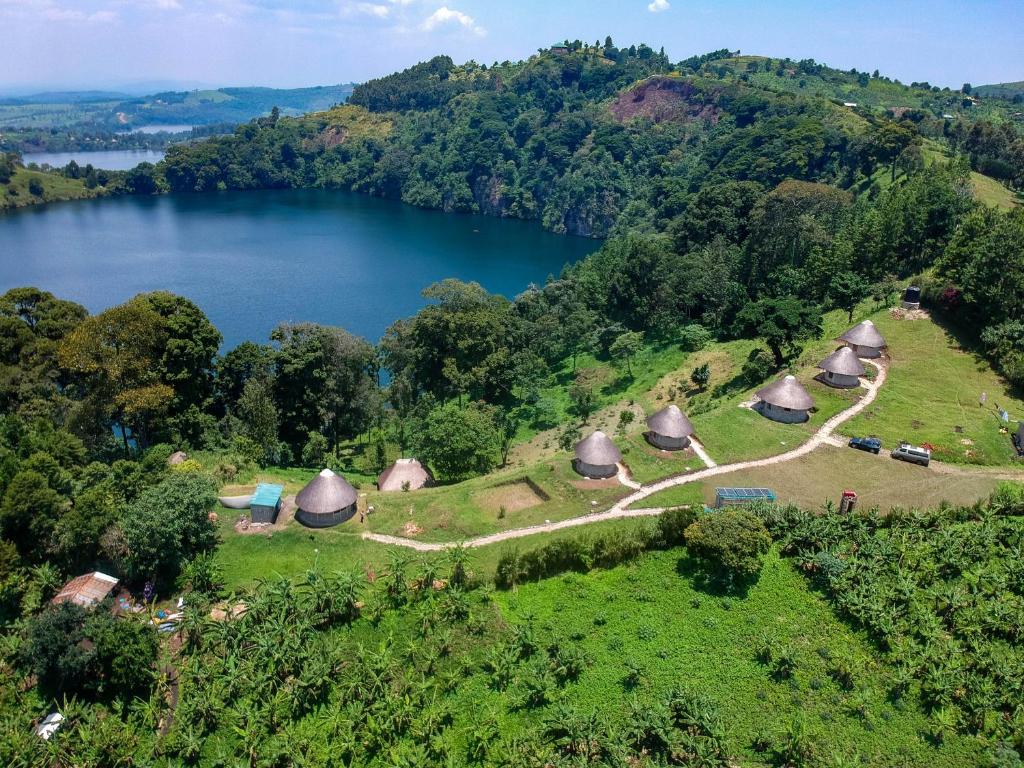
The word honeymoon often sparks images of beaches, luxury resorts, and private villas. Yet for couples who believe that love deserves a setting infused with character, mystery, and adventure, the choice goes beyond cliché. Nestled at the foothills of the Rwenzori Mountains in western Uganda, Fort Portal emerges as a destination that is both enchanting and deeply intimate. Known as the “tourism city” of Uganda, it is a place where rolling hills meet lush forests, crater lakes shimmer under the sun, and cultural stories breathe life into every corner.

For honeymooners seeking a weekend escape, Fort Portal offers a rare blend of romance, relaxation, and exploration. It is not merely a location but a journey into landscapes of natural grandeur and cultural richness. The beauty of the town lies not only in its physical surroundings but also in the atmosphere of warmth, authenticity, and serenity that envelopes couples who come in search of something unforgettable.

The question then becomes: how can newlyweds make the most of a short but meaningful honeymoon escape in Fort Portal? The answers lie in addressing the frequently asked questions that couples often consider when choosing this unique destination.

What Makes Fort Portal Special for Honeymooners?

Fort Portal distinguishes itself from many other destinations because of its layered attractions. It is not only the gateway to some of Uganda’s most famous parks such as Kibale National Park and Semuliki National Park but also a haven in its own right. Surrounded by crater lakes, tea plantations, and dramatic hills, it offers couples the chance to enjoy both peace and adventure in one setting.

For honeymooners, the appeal lies in the balance between romance and activity. Couples can walk hand in hand along crater lake shores in the morning, explore hidden caves and waterfalls in the afternoon, and watch the sunset over tea estates by evening. This duality makes Fort Portal a perfect backdrop for a short but memorable honeymoon weekend.

How Can Couples Travel to Fort Portal?

Reaching Fort Portal has been made increasingly convenient in recent years. From Kampala, the capital city of Uganda, the journey by road typically takes between four and five hours, with a distance of about 300 kilometers. The roads are well-paved, and the drive itself becomes part of the honeymoon experience, passing through towns, verdant countryside, and occasionally offering glimpses of wildlife along the way.

Some couples prefer to hire private vehicles, which offer the comfort and intimacy of a tailored journey. Others may opt for guided transfers arranged by professional tour operators. Domestic flights to nearby Kasese airstrip provide a quicker option, reducing travel time while offering stunning aerial views of the Rwenzori Mountains and crater lakes.

The choice of travel depends on the couple’s priorities: whether they value time efficiency or the shared journey of traveling through Uganda’s countryside together.

What Are the Best Romantic Activities in Fort Portal?

Romance in Fort Portal is best discovered through experiences that blend nature and intimacy. Honeymooners often ask what activities will allow them to celebrate love while also enjoying adventure. Among the most memorable are explorations of the crater lakes, some of which are so secluded that couples can spend hours without encountering another visitor. These shimmering bodies of water create serene environments for picnics, photography, or quiet reflection.

Hiking in the Rwenzori foothills offers couples breathtaking panoramas, while the Amabere ga Nyina Mwiru caves combine natural beauty with cultural legend. Here, folklore and geology meet, offering stories that couples can share and cherish. Tea estate walks, where couples wander through endless green fields, also provide peaceful bonding moments.

For couples who wish to add a touch of adventure, chimpanzee tracking in Kibale National Park—only a short drive away—creates unforgettable memories. Observing primates in their natural habitat while standing side by side creates a sense of awe that strengthens emotional connection.

Where Can Honeymooners Stay During Their Weekend Escape?

Accommodation in Fort Portal caters beautifully to honeymooners. The region boasts eco-lodges, boutique hotels, and luxury resorts, each designed to harmonize with the natural environment while offering privacy and comfort. Lodges perched near crater lakes provide panoramic views, while others nestled within forests allow couples to wake up to the sound of birdsong and rustling leaves.

Evenings in these accommodations become an extension of the honeymoon experience. Imagine sipping wine on a veranda as the sun dips behind hills, or sharing a candlelit dinner beneath a star-strewn sky. The balance of seclusion and service ensures that honeymooners feel both attended to and free to enjoy their privacy.

Is Fort Portal Suitable for Short Honeymoon Stays?

Many couples worry whether a weekend is enough to fully experience Fort Portal. The answer lies in the thoughtful planning of time. A weekend, though short, is more than enough to capture the essence of the destination.

Day one might be spent traveling to Fort Portal, enjoying a relaxed walk through tea estates, and ending with a sunset over crater lakes. Day two could include explorations of the caves, a short hike, and perhaps an afternoon visit to Kibale National Park for chimpanzee tracking. The final day may be devoted to a leisurely morning by the lakeside before returning to Kampala.Frequently Asked Questions: Fort Portal weekend escape for honeymooners

While longer stays certainly allow for deeper exploration, a weekend is sufficient to create lasting honeymoon memories. In fact, the brevity often makes couples savor every moment more keenly, turning each activity into something treasured.

What Cultural Experiences Await Couples?

Honeymoons are often remembered not only for landscapes but also for human encounters. Fort Portal excels in this regard. The town itself is rich in cultural heritage, particularly from the Tooro Kingdom. Couples can visit the Tooro Palace, perched on a hilltop, offering panoramic views of the town while also providing a glimpse into the kingdom’s legacy.

Traditional dances, music, and storytelling sessions can also be arranged, immersing couples in the rhythm of local culture. Conversations with community members, whether in bustling markets or quiet villages, reveal warmth and hospitality that enrich the honeymoon experience. For adventurous couples, cultural immersion is not only about observation but also participation—joining locals in meal preparation, learning crafts, or even trying traditional dance steps together.

What Is the Best Time to Visit Fort Portal for a Honeymoon?

Timing is often one of the most asked questions when it comes to honeymoon planning. Fort Portal’s climate is generally mild and pleasant, but the best periods for a honeymoon are during the dry seasons, which occur between December and February and again from June to August. During these months, skies are clearer, trails are less slippery, and outdoor activities are easier to enjoy.

However, the wet seasons of March to May and September to November have their unique appeal. Landscapes become lush and vibrant, waterfalls flow more dramatically, and the atmosphere takes on a fresh, green vibrancy. For couples who do not mind occasional rains and prefer fewer crowds, this season offers intimacy and seclusion.

Ultimately, the choice of timing depends on whether the couple prioritizes convenience and clear weather or values privacy and lush scenery. Either way, Fort Portal remains enchanting year-round.

Is a Fort Portal Honeymoon Expensive?

Cost is a natural concern for honeymooners, and Fort Portal provides a range of options. Accommodation varies from affordable lodges to high-end luxury stays, allowing couples to tailor their experience to their budget. Meals and activities are reasonably priced compared to many global honeymoon destinations, making Fort Portal an accessible choice without compromising on quality or experience.

Couples who choose guided packages often find greater value, as transportation, accommodation, meals, and activities are seamlessly coordinated. While it is possible to plan independently, many prefer the ease and expertise that professional tour operators bring. In the end, what matters is not how much is spent but how meaningfully the time is used—and Fort Portal delivers unforgettable memories for couples across different budgets.

What Makes Fort Portal Different from Other Honeymoon Spots in Uganda?

Uganda is blessed with numerous romantic destinations, from Sipi Falls to Lake Bunyonyi. Yet Fort Portal holds a unique position because of its versatility. It combines access to wildlife, culture, and landscapes within a compact region, making it ideal for short getaways. Unlike destinations that focus primarily on one aspect—be it waterfalls, lakes, or wildlife—Fort Portal weaves together a tapestry of experiences.

For honeymooners, this means that even within a single weekend, there can be a balance of relaxation, adventure, and cultural immersion. It is not just a honeymoon destination; it is a microcosm of Uganda’s beauty, condensed into a charming corner of the country.

How Can Couples Ensure a Seamless Honeymoon Experience?

To maximize their weekend escape, couples are often encouraged to book through experienced travel companies that understand the nuances of honeymoon travel. From arranging private transfers to selecting lodges that prioritize romance, such planning ensures that every detail aligns with the couple’s expectations. Professional guidance also helps avoid the stress of logistics, allowing couples to focus solely on each other.

Couples are advised to communicate their preferences—whether adventurous, relaxed, or a blend of both—so itineraries can be tailored accordingly. In Fort Portal, flexibility is key, as opportunities for both activity and relaxation abound.

Turning a Weekend into a Lifetime Memory

A honeymoon is more than a trip; it is the first chapter of a shared story. In Fort Portal, that chapter is written against a backdrop of crater lakes, misty hills, cultural legacies, and the melodies of birds at dawn. Even within the span of a weekend, couples can immerse themselves in experiences that blend romance with discovery, ensuring that their time together feels both magical and meaningful.

For honeymooners who wish to escape into this paradise with ease, the guidance of experts becomes invaluable. WildHorn Africa, with its dedication to creating tailor-made safaris and cultural tours, stands as the trusted partner in transforming a honeymoon dream into reality. Booking through WildHorn Africa ensures that couples not only discover Fort Portal but also experience it in ways that celebrate both love and adventure.
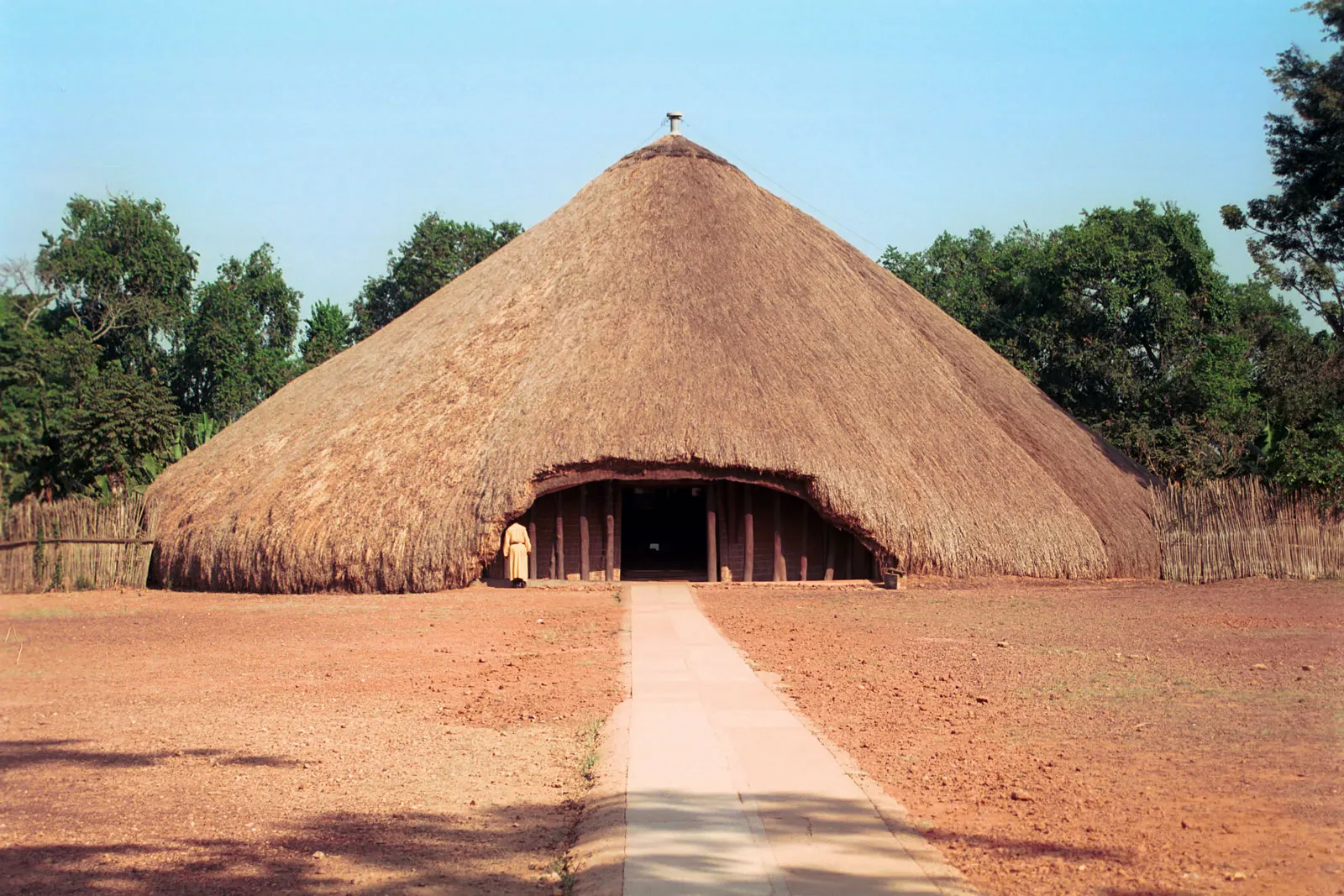
Kasubi Tombs: Family-Friendly Activities to off the beaten path for foodies

Kasubi Tombs: Family-Friendly Activities to off the beaten path for foodies

By Off the beaten track holidays, Travel stories and blogs, Uganda travel guides

Kasubi Tombs: Family-Friendly Activities Off the Beaten Path for Foodies

Where Heritage Meets Flavor

In the heart of Kampala, Uganda’s bustling capital, lies a site that holds both cultural prestige and spiritual significance—the Kasubi Tombs. Known as the burial grounds of the Buganda kings, or Kabakas, this UNESCO World Heritage Site is often described as the soul of Buganda culture. It is revered for its traditional architecture, rich oral histories, and its embodiment of cultural identity. Yet beyond its sacred significance, the Kasubi Tombs have evolved into a destination that speaks to more than history. For travelers seeking authentic, family-friendly adventures, the site opens a window into an extraordinary blend of culture, community, and even culinary traditions.

For families traveling with children, the experience of visiting Kasubi Tombs can be both educational and engaging, revealing a side of Uganda that is often hidden behind mainstream attractions. At the same time, for food lovers, the destination offers an immersive gateway into Buganda’s traditional cuisine, making it a unique point of interest off the beaten path. Here, history and gastronomy intertwine, creating opportunities for storytelling, tasting, and exploration that unite generations.

Kasubi Tombs is therefore not just a heritage site—it is a living, breathing space where culture is celebrated through rituals, crafts, and meals. Families can journey through its spiritual corridors while simultaneously savoring its culinary heart, making it a destination that embodies both reverence and delight.

Understanding the Significance of Kasubi Tombs

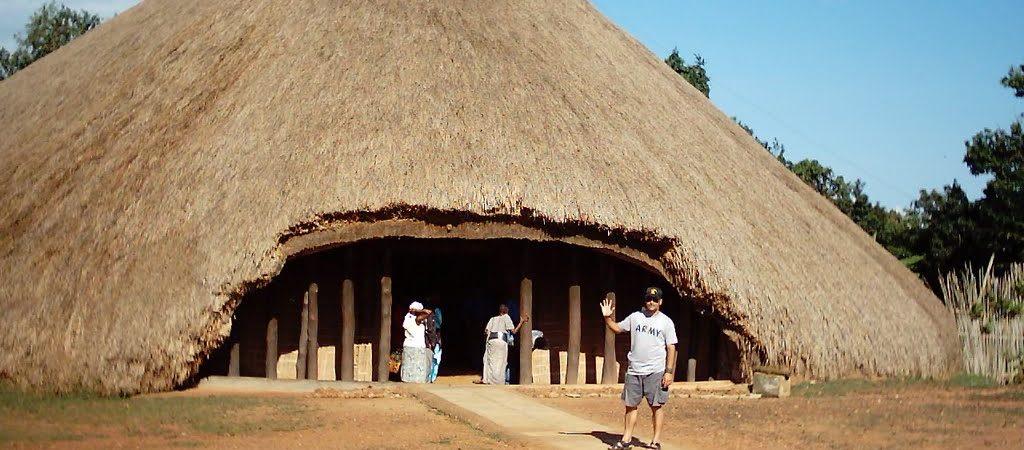
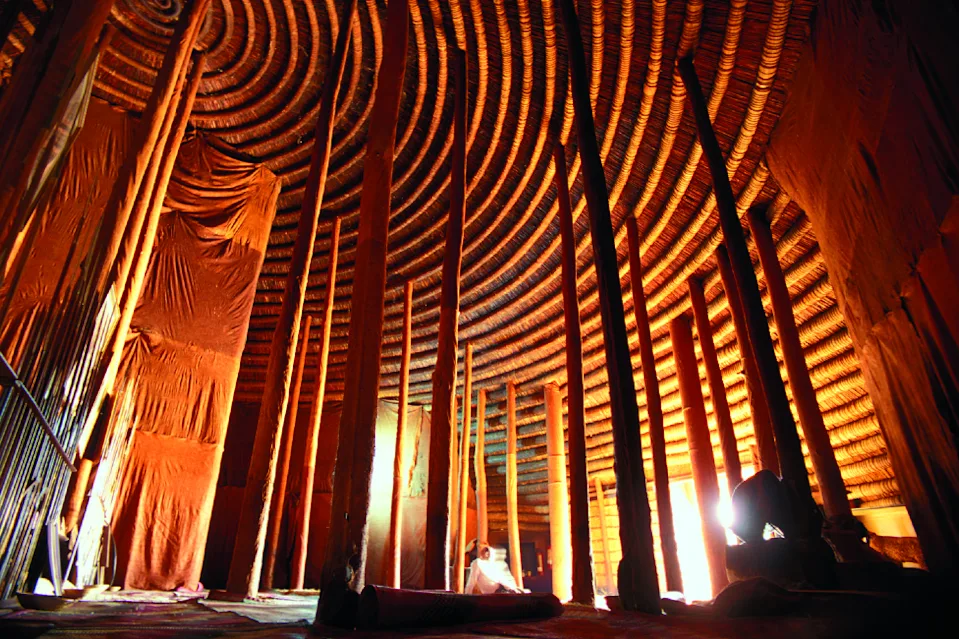
The Kasubi Tombs are more than a burial site; they are the ultimate symbol of Buganda identity. Constructed originally in 1882 as a palace for Kabaka Muteesa I, the site was later converted into the royal burial grounds and has since hosted the remains of four Kabakas. The central building, known as Muzibu Azaala Mpanga, is built entirely from natural materials such as thatch, reeds, and wood, showcasing traditional Ganda architecture in its most authentic form.

For families, the visit is an opportunity to connect with Uganda’s past in ways that transcend textbooks. Children can see and feel the construction techniques, listen to oral histories shared by local guides, and understand the profound respect Buganda society holds for its monarchs. It is a place where architecture becomes storytelling, and rituals become living lessons.

At the same time, the site functions as a cultural and spiritual hub for the community. Rituals, ceremonies, and traditional practices are still carried out here, offering visitors the chance to experience Buganda culture not as something preserved in a museum but as a thriving heritage. This atmosphere of authenticity makes it particularly enriching for families traveling together, as each member, from parent to child, can find meaning in the shared exploration.

A Family-Friendly Experience in a Sacred Space

One might assume that a royal burial ground would be too solemn for children, but the Kasubi Tombs provide a surprisingly engaging experience for younger visitors. Guides at the site are often skilled storytellers who bring Buganda legends to life through tales of kings, queens, and traditional rituals. These stories capture children’s imaginations, creating both entertainment and education.

The spacious grounds and traditional huts offer children the opportunity to move around freely while still respecting the sanctity of the site. Families often find that their visit naturally becomes a shared journey of discovery, with parents and children learning side by side. The sense of curiosity that comes with stepping into a sacred, centuries-old site blends beautifully with the wonder of hearing stories rooted in oral tradition.

The hands-on nature of the experience also appeals to children. The intricate thatching, the reed decorations, and the crafts displayed at the site provide opportunities for close observation and interactive learning. It becomes less of a history lesson and more of an immersive family adventure.

Off the Beaten Path: The Culinary Connection

What many visitors overlook is that the Kasubi Tombs are situated within a community deeply tied to Buganda traditions, including its culinary heritage. For foodies traveling with families, this becomes an added dimension of exploration. The area around Kasubi introduces visitors to local markets, roadside eateries, and community kitchens that reveal the authentic flavors of Buganda cuisine.

Traditional foods such as matoke, a staple made from steamed green bananas, are often served in banana leaves, enhancing their flavor while preserving cultural authenticity. Families can also sample luwombo, a traditional dish where meat, groundnut paste, or beans are slow-cooked in banana leaves, creating a rich and smoky taste. For adventurous eaters, sampling katogo, a hearty breakfast dish combining bananas with beef or beans, becomes a memorable experience.Kasubi Tombs: Family-Friendly Activities to off the beaten path for foodies

Children are often delighted by the novelty of tasting foods prepared in ways so different from what they may know, while adults appreciate the depth of tradition embodied in each dish. Food becomes the medium through which culture is tasted and remembered. This culinary angle ensures that a visit to Kasubi Tombs is not confined to historical exploration but extends into sensory delight.

Culinary Demonstrations and Storytelling Through Food

Families who arrange guided experiences often find that culinary demonstrations can be included as part of their visit. Local women sometimes showcase the process of preparing traditional Buganda meals, turning cooking into a cultural performance. The use of banana leaves, the grinding of groundnuts, or the steaming of matoke becomes a visual narrative, connecting food to identity.

For food lovers, such experiences deepen the appreciation of how meals are tied to rituals, celebrations, and even mourning practices within Buganda culture. Children, too, are captivated by the interactive process, whether through tasting small portions, watching the wrapping of food, or learning how certain ingredients are grown and harvested.

In this sense, Kasubi Tombs becomes more than a place of history—it transforms into a holistic cultural classroom where architecture, rituals, and food intersect. It is a place where stories are not only told but tasted, turning cultural preservation into a multi-sensory adventure.

The Atmosphere of Community and Family Engagement

The community surrounding the Kasubi Tombs is as integral to the experience as the site itself. Families visiting are often welcomed into an atmosphere of warmth and hospitality. Vendors nearby sell crafts, foods, and drinks, allowing visitors to engage directly with locals who maintain these traditions.

Children can interact with local artisans, observing basket weaving, pottery making, and even simple craft demonstrations. Parents, meanwhile, often find joy in conversations with elders who share their memories of the site, enriching the visit with lived experiences. These interactions ground the experience in everyday life, offering perspectives that cannot be gained from guidebooks alone.

For foodies, these community connections open doors to authentic meals prepared in local kitchens rather than commercial restaurants. Eating alongside community members becomes a way of not just tasting but also belonging, even if only for a short while.

Practical Considerations for Families Visiting Kasubi Tombs

Visiting a sacred site with children naturally raises questions about appropriateness and practicality. The Kasubi Tombs, however, are highly accommodating to families. Clear pathways, guided tours, and open grounds ensure that families can move around comfortably.

Respect for cultural norms is essential. Families are advised to dress modestly, particularly when entering the sacred areas, and to encourage children to listen attentively to guides. Photography is often allowed but should always be done with respect, particularly in ritual spaces.

Food experiences around the site are generally safe and family-friendly. Local vendors take pride in preparing meals fresh, and guides often recommend trusted locations where families can enjoy authentic Buganda dishes without concern. With these practicalities considered, the visit becomes smooth, enjoyable, and enriching for all ages.

The Blend of Education, Culture, and Gastronomy

What sets Kasubi Tombs apart from many other attractions in Kampala is its ability to combine multiple layers of experience into one visit. For families, it becomes an educational excursion where children encounter Uganda’s history not as a static narrative but as a living culture. For food lovers, it is a culinary adventure that reveals the flavors of Buganda cuisine in its most authentic forms.

This blend creates a holistic travel experience that resonates deeply with travelers seeking off-the-beaten-path journeys. Unlike commercialized tourist spots, Kasubi Tombs and its surrounding community offer authenticity, intimacy, and the sense of stepping into a world that is both sacred and welcoming.

A Journey of Flavor and Heritage

The Kasubi Tombs stand as a symbol of Uganda’s cultural soul, but they also offer far more than historical significance. For families, it is a destination that combines education with wonder, turning storytelling and exploration into shared memories. For food lovers, it is a gateway into Buganda’s culinary traditions, where every dish becomes an expression of history and identity. Together, these elements make Kasubi Tombs a unique place where heritage and flavor meet.

To experience this journey in a way that is seamless and enriching, travelers are encouraged to plan their visit with experts who understand both the cultural significance and the culinary depth of the site. WildHorn Africa, with its dedication to creating meaningful African travel experiences, ensures that visitors to Kasubi Tombs enjoy not only the sacred stories but also the unforgettable flavors of Buganda life. Booking your tours and safaris through WildHorn Africa guarantees that your family adventure is guided by expertise, authenticity, and care.

The Photo Essay: honeymoon ideas at Kabale on a budget

The Photo Essay: honeymoon ideas at Kabale on a budget

By Travel stories and blogs, Honeymoon holidays, Uganda travel guides

The Photo Essay: Honeymoon Ideas at Kabale on a Budget

Love in the Highlands

The idea of a honeymoon often conjures images of luxury resorts, exotic islands, and expensive getaways. Yet in Uganda, hidden within the southwestern corner of the country, lies a destination that challenges this conventional view. Kabale, the gateway to Lake Bunyonyi and the surrounding highlands, offers couples an opportunity to immerse themselves in romance without draining their savings. Here, budget meets beauty, and the essence of love is celebrated not through excess but through simplicity, authenticity, and shared experiences.

For couples seeking an intimate retreat after the solemn vows of marriage, Kabale presents a landscape of rolling green hills, terraced farmlands, and misty mornings that cast a poetic glow over the valleys. It is a place where love is unhurried, where the echoes of bird songs replace urban noise, and where cultural warmth complements natural splendor. A honeymoon in Kabale is not defined by opulence but by the richness of moments—moments captured in laughter by the lakeside, in shared canoe rides, or in the quiet gaze across the horizon as the sun melts into the hills.

This photo essay-inspired exploration unfolds as a detailed guide for honeymooners dreaming of Kabale on a budget. By weaving together narrative imagery, cultural depth, and romantic possibilities, it highlights how couples can craft a once-in-a-lifetime experience at minimal cost. It demonstrates that what truly makes a honeymoon unforgettable is not the grandeur of spending, but the authenticity of connection, both with one another and with the enchanting landscapes of Uganda.

Kabale: The Highlands of Romance

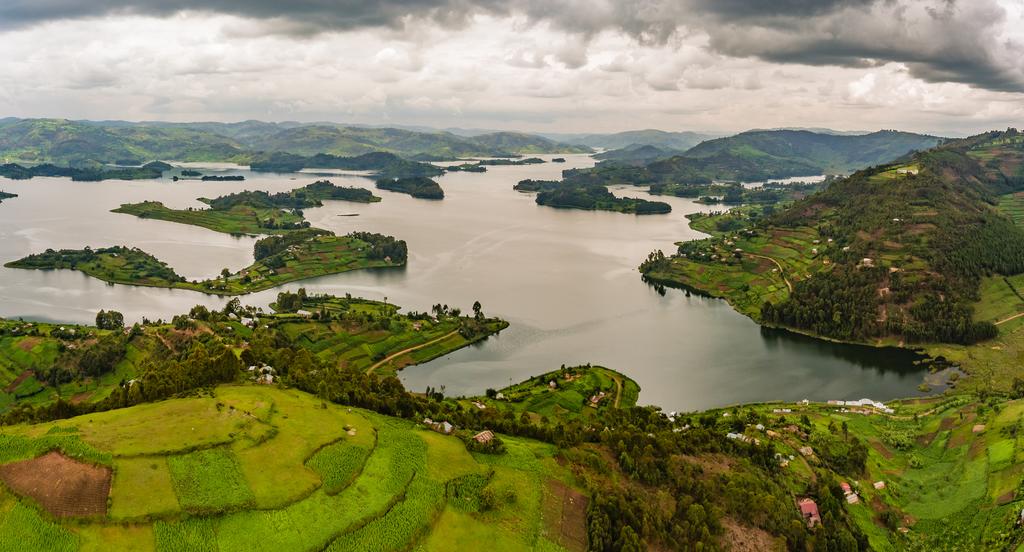
Situated in the western region near the border with Rwanda, Kabale is often called the “Switzerland of Africa.” Its undulating hills, cool climate, and serene waters of Lake Bunyonyi make it one of Uganda’s most romantic settings. Unlike other destinations that demand extravagant spending, Kabale’s charm lies in its accessibility. Affordable guesthouses and budget-friendly lodges nestle along the lake’s shores, providing breathtaking views without straining finances.

For honeymooners, Kabale offers not only physical beauty but also a sense of belonging. The town is small enough to feel intimate, yet diverse enough to provide cultural immersion, culinary exploration, and outdoor adventure. Its natural environment becomes the perfect backdrop for photographic storytelling, where each frame reflects love, discovery, and simplicity.

Honeymoon on a Budget: A Love Story in Images

Capturing First Light: Mornings in Kabale

The honeymoon story begins at dawn, as mist curls around the hills and the waters of Lake Bunyonyi glisten softly under the first touch of sunlight. For couples, this moment is more than scenery; it is a metaphor for new beginnings. Walking hand in hand along the lakeside, sipping locally brewed coffee at a lakeside café, or simply watching the fishing canoes glide silently across the water, the morning offers opportunities for reflection.

Photographs of this time capture tender simplicity—a couple wrapped in blankets against the cool breeze, steam rising from mugs, and birds in synchronized flight across the sky. These images are reminders that romance does not require extravagance; it thrives in authenticity and quiet appreciation.

Canoe Rides and Shared Journeys

No photo essay of Kabale would be complete without the imagery of a traditional dugout canoe cutting across Lake Bunyonyi. For honeymooners, sharing a canoe ride is symbolic of embarking on a journey together—two lives navigating the waters of uncertainty with balance, patience, and unity.

Affordable canoe hire makes this activity accessible to couples traveling on a budget. The ride unfolds as a moving gallery of natural wonders: rippling waters reflecting the sky, terraced hills rising in layers, and island silhouettes that seem suspended in time. Each photograph taken during this moment tells a story of togetherness, of shared laughter at an unsteady paddle, and of the quiet trust that love inspires.

Island Escapes: Love on Bunyonyi’s Shores

Lake Bunyonyi is famed for its 29 islands, each carrying history, myth, or ecological significance. For couples, visiting these islands becomes an adventure into both landscape and storytelling. Some islands, like Akampene (Punishment Island), carry cultural history that sparks reflection, while others provide idyllic settings for picnics and exploration.The Photo Essay: honeymoon ideas at Kabale on a budget

Budget-conscious honeymooners can easily arrange low-cost canoe trips to these islands, packing simple meals from local markets. The photo opportunities are endless: a couple seated beneath a tree on a secluded shore, footprints trailing across soft earth, or moments of laughter as wind tousles hair. These photographs symbolize intimacy in seclusion, the feeling of being together in a world paused just for two.

Culture, Cuisine, and Local Color

Market Scenes and Culinary Romance

Kabale’s bustling markets provide a kaleidoscope of colors, aromas, and sounds. Couples can stroll through stalls filled with fresh vegetables, fruits, fabrics, and handcrafted goods, blending into the rhythm of daily life. Photographs capture scenes of vibrant abundance—a bride holding ripe avocados, a groom laughing with a vendor, or a shared sampling of roasted maize.

Dining in Kabale does not require luxury restaurants. Small eateries serve delicious local meals at a fraction of the cost. Couples can enjoy matoke with groundnut sauce, smoked fish, or fresh beans cooked with aromatic spices. The photo essay comes alive in these moments: shared plates, exchanged bites, and the warmth of cultural hospitality immortalized in smiles.

Cultural Encounters and Shared Learning

Beyond food, Kabale invites couples to immerse themselves in local traditions. Interactions with community groups, visits to cultural centers, or informal storytelling sessions with elders enrich the honeymoon with human connection. Couples often find themselves dancing to traditional beats or participating in crafts such as basket weaving.

These experiences add depth to the honeymoon photographs. Images of hands weaving reeds together, couples trying local dances, or the glow of a fire during storytelling sessions evoke a sense of belonging, showing that romance is not isolated but interwoven with the cultural fabric of Kabale.

Adventures on a Budget: Beyond the Lake

Hiking the Highlands

For honeymooners with an adventurous spirit, the highlands of Kabale offer budget-friendly hiking opportunities. Trails wind through terraced farmlands, eucalyptus groves, and hilltops that provide sweeping views of Lake Bunyonyi. Hiking requires little more than good shoes, bottled water, and a willingness to embrace the journey.

Photographs from these hikes capture couples standing at viewpoints, arms entwined as they gaze over patchwork landscapes. These images tell of endurance, teamwork, and the shared reward of reaching new heights together. For couples on a budget, such hikes are among the most rewarding experiences, proving that romance flourishes where effort meets discovery.

Birdwatching and Nature’s Rhythms

Kabale and its lake environment are home to over 200 species of birds, making it a haven for birdwatchers. For couples, spending quiet hours with binoculars, spotting kingfishers, herons, and weavers, becomes a meditative exercise in patience and appreciation.

Photographs of this time capture silhouettes of couples against reeds, or joyous reactions at spotting a rare bird. These images serve as metaphors for marriage itself, where beauty is found in the details, and where moments of stillness hold profound significance.

Budget Honeymoon Philosophy: Redefining Luxury

The essence of a honeymoon in Kabale lies in redefining what luxury means. Rather than measuring it in financial terms, couples measure it in shared experiences, authenticity, and simplicity. A stay in a modest lakeside lodge becomes luxurious when accompanied by views of sunrise over misty hills. A simple canoe ride becomes extraordinary when it is the stage for whispered vows. A shared meal from a roadside stall becomes unforgettable when savored under a starlit sky.

Photographs weave these moments into a narrative that challenges the modern obsession with extravagance. They remind couples that the foundation of a honeymoon is not the grandeur of setting, but the genuineness of connection. Kabale teaches that romance can be profound even on a modest budget, and that love, when celebrated simply, shines most brightly.

The Final Frames: Memories and Legacies

As the honeymoon draws to a close, the final photographs capture a sense of departure—perhaps a couple waving to new friends in the market, or standing with backpacks at a bus stop. These images carry the poignancy of endings yet also the promise of new beginnings. The memories of Kabale linger not only in photographs but in hearts, shaping the couple’s understanding of what it means to travel, to love, and to live simply yet fully.

The legacy of such a honeymoon extends beyond personal joy. By traveling on a budget, couples support local communities directly, eating at local restaurants, staying in small lodges, and purchasing handmade crafts. Their journey thus becomes part of a wider story of cultural preservation and community empowerment.

Love in Every Frame

A honeymoon in Kabale proves that the most profound romantic journeys are not measured by expense but by moments of meaning. Through canoe rides, market visits, hikes, and cultural encounters, couples capture a series of images—both literal and metaphorical—that narrate their love story in harmony with the landscapes and people of Uganda.

The photo essay of Kabale reveals that beauty lies in simplicity, intimacy flourishes in authenticity, and love grows strongest when celebrated through shared discovery. For couples seeking a honeymoon that is both unforgettable and budget-conscious, Kabale offers a canvas on which every photograph, every smile, and every embrace becomes a masterpiece of memory.

To turn this vision into reality, and to explore Kabale alongside other breathtaking destinations across Africa, it is recommended that honeymooners plan their journeys with WildHorn Africa. As a trusted guide to African safaris and cultural experiences, WildHorn Africa ensures that love, culture, and adventure are woven seamlessly into itineraries that inspire, unite, and endure.

What Not to Miss for honeymoon ideas in Sipi Falls for adventure seekers

What Not to Miss for honeymoon ideas in Sipi Falls for adventure seekers

By Travel stories and blogs, Honeymoon holidays, Uganda travel guides

What Not to Miss for Honeymoon Ideas in Sipi Falls for Adventure Seekers

Where Romance Meets Adventure

The idea of a honeymoon often conjures images of quiet beaches, secluded resorts, and long days of leisure. Yet, for couples whose hearts beat faster at the promise of discovery, the concept of romance is tied closely to adventure. For these newlyweds, love is celebrated not only in candlelight dinners but also in journeys that challenge, inspire, and create unforgettable shared experiences. In Uganda, one destination rises above many others as a haven for such adventurous spirits: Sipi Falls.

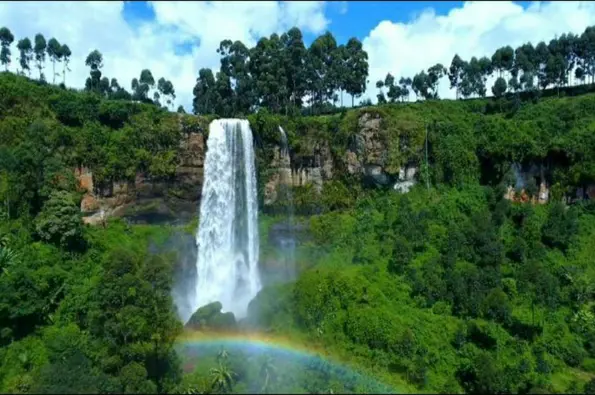
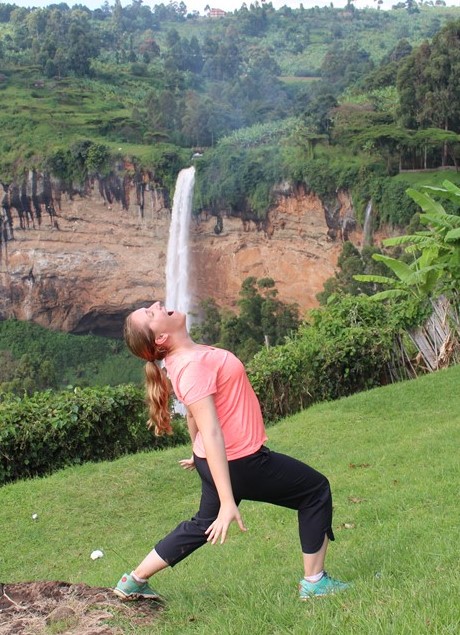
Perched on the slopes of Mount Elgon in eastern Uganda, Sipi Falls is a stunning collection of three cascading waterfalls set against rolling hills, lush coffee plantations, and dramatic cliffs. The air is fresh, the landscapes breathtaking, and the atmosphere perfectly suited for couples seeking a blend of intimacy and thrill. To honeymoon here is to step into a landscape where nature becomes a backdrop for romance and adventure unfolds with every step.

But what exactly should adventurous honeymooners not miss when they choose Sipi Falls? The answer lies in the region’s unique combination of activities, landscapes, and cultural encounters—all of which provide opportunities for couples to bond through shared exploration.

The Allure of Sipi Falls: Why Honeymooners Choose It

A Destination of Timeless Beauty

Sipi Falls is not merely one waterfall but three distinct cascades that tumble from the slopes of Mount Elgon. Each waterfall varies in height and character, with the tallest standing at an impressive 100 meters. The constant roar of rushing water, combined with the mist that hangs in the air, creates an atmosphere both invigorating and romantic.

For honeymooners, these falls symbolize renewal and the endless flow of love. To stand hand in hand at the base of a waterfall is to feel the enormity of nature while recognizing the strength of a shared bond. It is here, away from crowded resorts and artificial distractions, that love finds its purest setting.

The Blend of Adventure and Intimacy

What makes Sipi particularly appealing to adventurous couples is its seamless blending of thrill and tranquility. Days can be spent hiking rugged trails, abseiling cliffs, or exploring coffee farms, while evenings invite couples to relax in eco-lodges overlooking valleys glowing with sunsets. Each experience is enhanced by the knowledge that it is being shared with a partner, creating memories that define not only the honeymoon but the early years of marriage.

Hiking Adventures: Trails for Two

Exploring the Three Falls

The most iconic activity at Sipi is hiking to all three waterfalls. The trails vary in length and difficulty, making them accessible to couples with different levels of fitness and adventure appetite. The lower falls introduce visitors gently, with shorter paths and spectacular views, while the upper falls challenge hikers with steeper terrain but reward them with dramatic vistas.

Couples navigating these trails together learn to support one another, whether through encouragement on steep climbs or shared laughter when paths become slippery. The reward at each waterfall is not only the scenery but also the intimacy of reaching a destination side by side. The hikes become metaphors for the journey of marriage—filled with challenges, triumphs, and moments of awe.

Sunset Hikes and Panoramic Views

Few experiences compare to hiking at dusk, when the sun dips behind Mount Elgon and the valleys below are bathed in golden light. Couples who embark on evening hikes often find themselves pausing not for breath but for silence, as the sheer beauty of the view commands their attention. Watching a sunset from a cliff edge in Sipi, surrounded by the sound of rushing water, is one of the most romantic and adventurous ways to end a day.

Adrenaline and Romance: Thrills for the Brave

Abseiling Beside the Falls

For honeymooners who crave adrenaline, abseiling at Sipi is an unforgettable experience. Descending alongside a roaring waterfall, with mist spraying against the skin and the ground stretching far below, is both exhilarating and symbolic. Couples who undertake this challenge often describe it as an act of trust—trust in the ropes, the guides, and most importantly, in one another.

The thrill of abseiling becomes even more profound when shared. The laughter that follows a safe descent, the photos captured mid-air, and the adrenaline rush all contribute to a memory that remains vivid for a lifetime.

Rock Climbing and Nature Challenges

The cliffs around Sipi provide opportunities for climbing and other adventure sports. While demanding, these activities highlight the importance of teamwork, communication, and perseverance—qualities essential not only in outdoor challenges but in marriage itself. For couples, the accomplishment of scaling a cliff together creates a sense of pride and unity that no traditional honeymoon can replicate.What Not to Miss for honeymoon ideas in Sipi Falls for adventure seekers

Cultural Immersion: Love Beyond Landscapes

Coffee Tours on Mount Elgon

Sipi is renowned for its coffee, grown on the fertile volcanic soils of Mount Elgon. Honeymooners who join guided coffee tours discover the life cycle of coffee—from bean to cup—through immersive experiences. Couples may pick coffee cherries together, roast beans over open fires, and share freshly brewed cups while gazing over valleys.

These tours are not only educational but also romantic, as they invite couples to slow down, savor flavors, and appreciate the simple joys of togetherness. Coffee becomes more than a drink; it becomes a symbol of shared labor and reward.

Interactions with Local Communities

Cultural encounters in Sipi add depth to the honeymoon experience. Visiting local villages, participating in traditional dances, or listening to folktales by the fireside exposes couples to Uganda’s cultural richness. Children playing in fields, elders sharing wisdom, and artisans creating crafts provide authentic glimpses into community life. For honeymooners, such experiences offer lessons in humility, gratitude, and connection that resonate beyond the journey.

Leisure and Reflection: The Softer Side of Adventure

Lodges with a View

After days of hiking and adventure, evenings in Sipi bring opportunities for rest and reflection. Eco-lodges perched on hillsides provide panoramic views of valleys stretching toward the horizon. Couples can sit on verandas wrapped in blankets, sip tea brewed from local herbs, and watch the moon rise over waterfalls. These quiet moments balance the thrill of the day with the peace of night, allowing couples to connect in intimacy and reflection.

Romantic Walks and Quiet Moments

Not all adventures are filled with adrenaline. Sometimes the simplest walks through coffee fields, forest edges, or village paths provide the most cherished memories. Holding hands along winding trails, stopping to watch birds, or simply sitting together by the river allows couples to slow down and embrace the essence of romance.

Best Time to Visit Sipi for Honeymoon Adventures

The Dry Season: Comfort and Accessibility

From December to February and June to August, Sipi experiences its dry season. Trails are less slippery, skies are clear, and hiking conditions are more favorable. For honeymooners, this season provides comfort and reliability, ensuring that planned activities such as abseiling or sunset hikes can be enjoyed without disruption.

The Wet Season: Lush Landscapes and Intimacy

From March to May and September to November, rains transform Sipi into a lush paradise. Waterfalls swell with power, vegetation flourishes, and the atmosphere becomes even more dramatic. For couples who embrace unpredictability, the wet season provides opportunities for solitude, as fewer visitors travel during these months. Hiking becomes more challenging, but the rewards include vibrant scenery and the romance of sharing a rain-soaked adventure.

Choosing the Right Season

Ultimately, the choice of season depends on the couple’s vision of their honeymoon. The dry season favors those seeking comfort and convenience, while the wet season appeals to those who value intimacy and raw beauty. In either case, Sipi’s landscapes remain stunning, ensuring that the experience is memorable regardless of timing.

The Deeper Meaning of Adventure in Love

Adventure during a honeymoon is not simply about thrill—it is about discovering what it means to walk through life as partners. At Sipi Falls, every challenge overcome, every view admired, and every quiet moment shared becomes a metaphor for marriage. Hiking trails symbolize the journey ahead, waterfalls reflect the endless flow of love, and adrenaline-fueled activities highlight the importance of trust.

Couples leave Sipi not only with photographs but with a stronger sense of partnership. The falls, the cliffs, and the valleys become markers of their first adventure as newlyweds—an adventure that sets the tone for a lifetime together.

A Honeymoon Like No Other

For adventure-seeking honeymooners, Sipi Falls is a destination that must not be missed. It combines the thrill of outdoor activities with the intimacy of cultural immersion and the tranquility of romantic lodges. Hiking to cascading waterfalls, abseiling beside roaring torrents, sipping freshly brewed coffee, and sharing sunsets over vast valleys are experiences that transform a honeymoon into a once-in-a-lifetime journey.

The best moments of love are often found in shared challenges and triumphs, and Sipi provides endless opportunities for both. It is not a conventional honeymoon destination—it is something far greater. It is a place where romance is intertwined with discovery, and where every day brings a new reason to celebrate togetherness.

For couples ready to embrace this journey, there is no better partner in planning than WildHorn Africa. With expertise in crafting tailor-made adventures and a commitment to sustainable travel, WildHorn Africa ensures that every honeymoon is both magical and meaningful. Booking with WildHorn Africa guarantees not just an itinerary but an experience—one that celebrates love, adventure, and the beauty of Africa in its purest form.

Kasubi Tombs Boat Cruise: Seasonal Highlights for birders

Kasubi Tombs Boat Cruise: Seasonal Highlights for birders

By Travel stories and blogs, Uganda travel guides

Kasubi Tombs Boat Cruise: Seasonal Highlights for Birders

Where Heritage Meets the Call of Birds

To visit Uganda is to step into a world where history and nature intertwine with profound harmony. Among the country’s most cherished treasures stands the Kasubi Tombs, a UNESCO World Heritage Site revered as the spiritual heart of the Buganda Kingdom. While the tombs are primarily celebrated for their cultural and architectural significance, they are also deeply embedded within landscapes that resonate with natural beauty. When explored through a boat cruise experience, the setting transforms into an extraordinary avenue for birders—those passionate observers of avian life who seek not just sightings but stories told through feathers and flight.

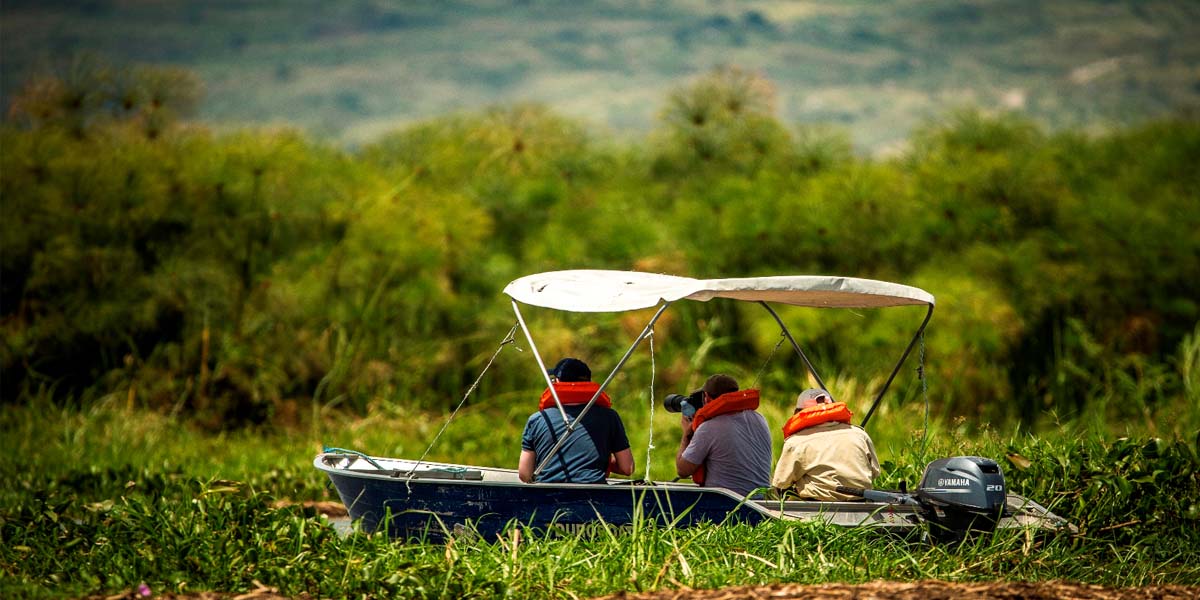
The essence of a Kasubi Tombs Boat Cruise lies in the merging of cultural pilgrimage and natural exploration. It offers travelers the chance to appreciate a royal burial ground while simultaneously embracing the enchanting rhythm of Uganda’s waterways, where birds punctuate the silence with song, color, and seasonal migrations. To glide gently across calm waters under a canopy of tropical skies while observing herons, kingfishers, and migratory species in their seasonal abundance is to encounter Uganda in its purest form—where sacred heritage meets ecological wonder.

This essay explores the seasonal highlights for birders that define the Kasubi Tombs Boat Cruise, revealing how each time of year unveils new avian spectacles, layered with cultural resonance and natural grandeur.

The Setting: A Sacred Landscape

The Kasubi Tombs are located in Kampala, the bustling capital of Uganda, yet their significance stretches far beyond urban confines. Constructed in the 19th century, the tombs serve as the final resting place for Buganda kings, preserving traditions that are centuries old. Surrounding this sacred site lies a rich ecological fabric of wetlands, gardens, and waterways that extend into broader habitats teeming with life.

It is from these ecological fringes that the boat cruise experience emerges. The waters offer reflections not only of the skies above but also of the spiritual aura that surrounds the tombs. Birders who embark on this cruise discover that the tombs are not isolated relics of the past but living symbols of the relationship between humans, land, and nature. The presence of birds—eternal travelers of the skies—mirrors the continuity of life and culture celebrated at Kasubi.

Birding Along Uganda’s Waterways

Birding in Uganda is often celebrated for its diversity, with the country boasting over 1,000 recorded bird species. The waterways near the Kasubi Tombs provide essential habitats for both resident and migratory birds, making a boat cruise an ideal vantage point for enthusiasts. The waters reflect reeds and papyrus swamps, habitats that provide food, shelter, and breeding grounds for an array of avian life.

From the delicate dance of the African jacana striding upon floating vegetation to the dramatic swoops of the pied kingfisher, every moment on the cruise reveals dynamic bird behavior. The setting is tranquil, yet alive with constant activity, inviting birders to look closely, listen carefully, and appreciate the cycles of life unfolding before them.

Seasonal Highlights: A Year of Birding Wonder

The Dry Season: Clarity and Abundance

During Uganda’s dry seasons, typically stretching from December to February and again from June to August, the Kasubi Tombs Boat Cruise becomes a stage of clarity. Skies are clear, visibility is high, and birds are easily spotted as they gather near the water in search of food. The reduced foliage allows for unobstructed views, making this season particularly rewarding for photography.

Dry-season birding highlights include sightings of herons, cormorants, and egrets, all of which thrive in open waters. The calm surfaces of the rivers and wetlands also attract raptors such as the African fish eagle, whose piercing calls echo across the landscape, reminding birders of Uganda’s wild and untamed spirit. For many travelers, this season marks the perfect balance between cultural exploration at the tombs and natural immersion along the waterways.

The Wet Season: Breeding and Renewal

When the rains arrive between March and May and again from September to November, the waterways near the Kasubi Tombs are transformed into lush sanctuaries. The landscape is painted in vibrant greens, and bird activity intensifies with the breeding season. Nesting colonies of egrets and herons become more visible, while weaver birds construct intricate nests that dangle like ornaments above the water.

The wet season provides birders with the opportunity to witness life in renewal. Chicks emerge from nests, fledglings learn to fly, and the symphony of bird calls becomes more pronounced. While the rains may challenge navigation, they also bring the promise of spectacular encounters, rewarding those who venture out despite the weather. It is a season of abundance, not only in vegetation but in avian diversity.

Migratory Spectacles: International Guests

One of the most fascinating aspects of the Kasubi Tombs Boat Cruise is the seasonal arrival of migratory species. Between November and April, birds from Europe and Asia arrive to escape colder climates, adding to the already impressive local diversity. Species such as the barn swallow and common sandpiper are frequently observed, weaving Uganda into a global story of migration and survival.

For birders, this period offers a rare chance to observe international species side by side with Uganda’s endemic and resident birds. The waters become a meeting point of continents, where local traditions and global cycles converge. The migratory season reminds travelers of the interconnectedness of ecosystems, cultures, and the timeless passage of life across borders.

Cultural Echoes Within Birding

To embark on a Kasubi Tombs Boat Cruise is not merely to observe birds but to recognize the deep cultural symbolism that avian life holds within Ugandan traditions. Birds have long been revered in Buganda culture, often associated with messages, omens, and spiritual significance. The call of certain species is interpreted as a sign of change, while others symbolize continuity and protection.Kasubi Tombs Boat Cruise: Seasonal Highlights for birders

As birders watch kingfishers dive for fish or hornbills soar above the waterways, they are unknowingly engaging in a dialogue with cultural narratives that have persisted for generations. The tombs, as places of ancestral remembrance, mirror the presence of birds—both representing continuity, guidance, and the eternal connection between the physical and spiritual worlds.

The Photography Dimension: Capturing Feathered Beauty

Photography becomes a vital companion on the Kasubi Tombs Boat Cruise, where birders are invited to capture fleeting moments of avian life. The contrasts between the cultural architecture of the tombs and the natural splendor of birds in motion provide a rare opportunity for storytelling through imagery.

During the dry season, crisp skies and open landscapes allow for clear, detailed photographs of birds in flight. The wet season, with its lush greenery and reflective waters, creates dramatic compositions where birds are framed against vibrant backdrops. Each season offers its own aesthetic, reminding birders that photography at Kasubi is not merely documentation but an art form of preservation.

Birding as a Meditative Experience

For many, birding is more than an activity; it is a form of meditation. The boat cruise near the Kasubi Tombs offers this meditative quality in abundance. The gentle rocking of the boat, the soft ripples of water, and the distant calls of birds create a rhythm that invites reflection. Observers find themselves immersed in stillness, where time slows down, and the focus shifts entirely to the beauty of the present moment.

This spiritual stillness resonates deeply with the atmosphere of the tombs themselves, where reverence and remembrance form the heart of the experience. Birding, in this sense, becomes an extension of cultural pilgrimage—an act of honoring life, continuity, and the unseen connections that bind all creation.

The Interplay of Conservation and Culture

The Kasubi Tombs are not only a cultural heritage site but also a symbol of conservation in a broader sense. Their protection by UNESCO reflects a recognition of the need to preserve traditions, while the birding opportunities around the site highlight the parallel importance of ecological preservation.

Birding on the boat cruise becomes a reminder of the fragile balance between human activity and natural ecosystems. The survival of bird species depends on the protection of wetlands, vegetation, and water quality, just as the survival of Buganda heritage depends on the safeguarding of cultural practices and sacred architecture. Travelers who engage in birding here thus become participants in a larger mission—one that unites culture and conservation in shared responsibility.

Seasonal Highlights in Reflection

When reflecting upon the seasonal birding highlights of the Kasubi Tombs Boat Cruise, a pattern emerges: each season offers its own unique lens through which to view avian life. The dry season reveals clarity and precision, the wet season offers abundance and renewal, and the migratory months bring international connections. Together, they form a cycle that ensures that no two visits are ever the same.

This variability invites birders to return, each time discovering new species, new behaviors, and new cultural connections. The Kasubi Tombs Boat Cruise thus becomes more than a single journey—it evolves into a lifelong invitation to witness the changing tapestry of Uganda’s avian life.

A Journey Worth Adding to Your Bucket List

The Kasubi Tombs Boat Cruise stands as a remarkable fusion of cultural pilgrimage and natural exploration, offering birders an experience unlike any other. It is a journey where history and spirituality find harmony with ecology and avian wonder. The seasonal highlights—from dry-season clarity to wet-season abundance and migratory spectacles—ensure that every visit unveils a unique dimension of Uganda’s living heritage.

To glide upon the waters near a site of ancestral reverence while observing birds in their seasonal rhythms is to witness the profound interconnectedness of life. It is to recognize that Uganda’s treasures are not limited to its landscapes or monuments, but extend into its skies, its rivers, and the vibrant life they sustain.

For those seeking not only to see but to experience Uganda in its fullest form, the Kasubi Tombs Boat Cruise is an essential addition to any bucket list. To transform this vision into reality, it is recommended that your African adventures be guided by experts who understand the delicate balance between culture, nature, and travel. For immersive journeys across Uganda and beyond, WildHorn Africa offers trusted tours and safaris that promise not just travel, but transformative encounters.

The Family-Friendly Activities: itinerary at Lakes George and Edward for long-stay travelers

The Family-Friendly Activities: itinerary at Lakes George and Edward for long-stay travelers

By Travel stories and blogs, Family holidays, Uganda travel guides

The Family-Friendly Activities: Itinerary at Lakes George and Edward for Long-Stay Travelers

Where Adventure Meets Family Bonding

Family travel has long been associated with discovery, bonding, and the joy of seeing the world through the curious eyes of children. Yet not all destinations lend themselves easily to family-friendly exploration, especially when the goal is to combine comfort, adventure, and sustainability. In Uganda’s western region, two of Africa’s most magnificent lakes—Lake George and Lake Edward—emerge as ideal settings for families seeking not just brief holidays but extended stays enriched with culture, nature, and meaningful activities.

The lakes, nestled within the expanse of Queen Elizabeth National Park, form part of the UNESCO-recognized biosphere reserve and hold global importance for biodiversity. Their serene waters, dotted with islands and fringed by papyrus swamps, sustain a breathtaking variety of wildlife, bird species, and fishing communities. For long-stay travelers, particularly families, the lakes offer an immersive itinerary that is both leisurely and profound. Days here are not hurried; they unfold in rhythms that echo the gentle waves of the water and the timeless routines of the wildlife.

What follows is an exploration of how families can experience a family-friendly itinerary around Lakes George and Edward, designed for those seeking longer stays. Each activity deepens the understanding of this region’s natural beauty, cultural heritage, and ecological importance, while creating unforgettable memories across generations.

The Significance of Lakes George and Edward

A Natural Symphony of Two Lakes

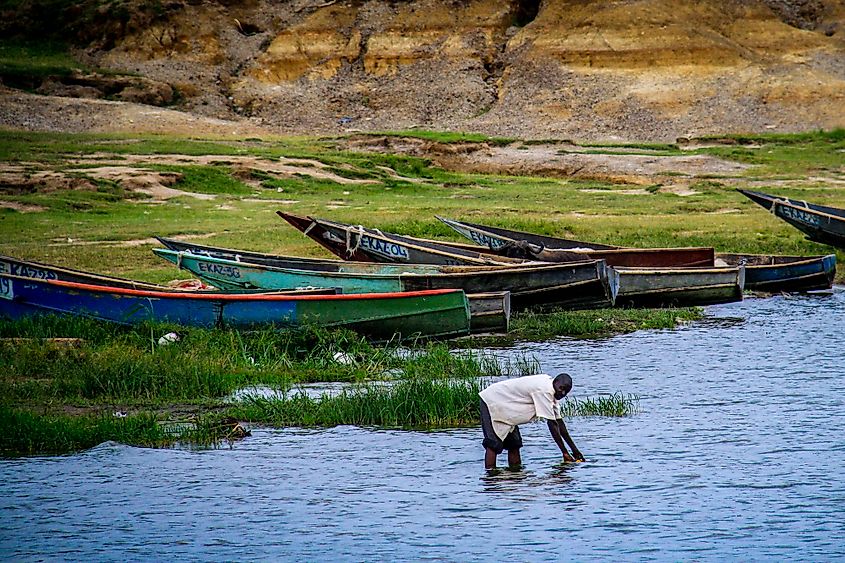
Lake George and Lake Edward are hydrologically connected by the Kazinga Channel, a natural waterway that has become one of Uganda’s most celebrated attractions. Lake George, the smaller of the two, is framed by the dramatic Rwenzori Mountains and surrounded by papyrus swamps that serve as breeding grounds for birds and fish. Lake Edward, much larger and more expansive, stretches into the Democratic Republic of Congo, reflecting the immensity of the East African Rift Valley.

These lakes are more than mere landscapes—they are living ecosystems. Families who spend time here encounter the delicate balance between land and water, where hippos wallow, elephants graze along the banks, and fishing boats glide across calm waters. Every sunrise over the lakes illuminates not only scenic beauty but also a deeper truth: that nature, when preserved, nurtures communities and visitors alike.

Cultural and Ecological Importance

The lakes sustain countless communities who depend on fishing and agriculture, while also serving as sanctuaries for endangered species. Papyrus swamps, for example, act as filters that maintain water quality and as habitats for rare birds such as the shoebill stork. Families exploring these environments discover how ecological health is inseparably tied to community well-being.

For children, these encounters offer lessons in interconnectedness. The fish served on the dinner table is linked to the health of the lake, the reeds woven into a mat are linked to papyrus wetlands, and the calls of distant birds are signals of a thriving environment. Thus, the lakes become classrooms without walls, where learning takes place not through textbooks but through lived experience.

Crafting a Long-Stay Family Itinerary

The Gentle Start: Arrival and Settling In

Long-stay travel begins with rhythm rather than rush. Upon arrival, families often spend the first days simply settling into lakeside lodges or eco-friendly accommodations. The gentle pace allows children to adjust, while parents take in the tranquil scenery. Morning walks by the lakeshore introduce everyone to the setting: fishermen hauling in nets, birds gliding low over the water, and the slow but steady pulse of life around the lakes.

Evenings often unfold with storytelling by local guides, offering families an introduction to the myths and histories surrounding the lakes. These narratives, rooted in tradition, captivate children’s imaginations and offer parents an appreciation for the cultural depth of the region.

Exploring the Kazinga Channel

The Kazinga Channel is often described as the heartbeat of the area, and for families, a boat cruise along its length becomes a highlight. Over several days, families may undertake different excursions at varying times of day—morning, afternoon, or sunset—each revealing a different aspect of life along the banks.

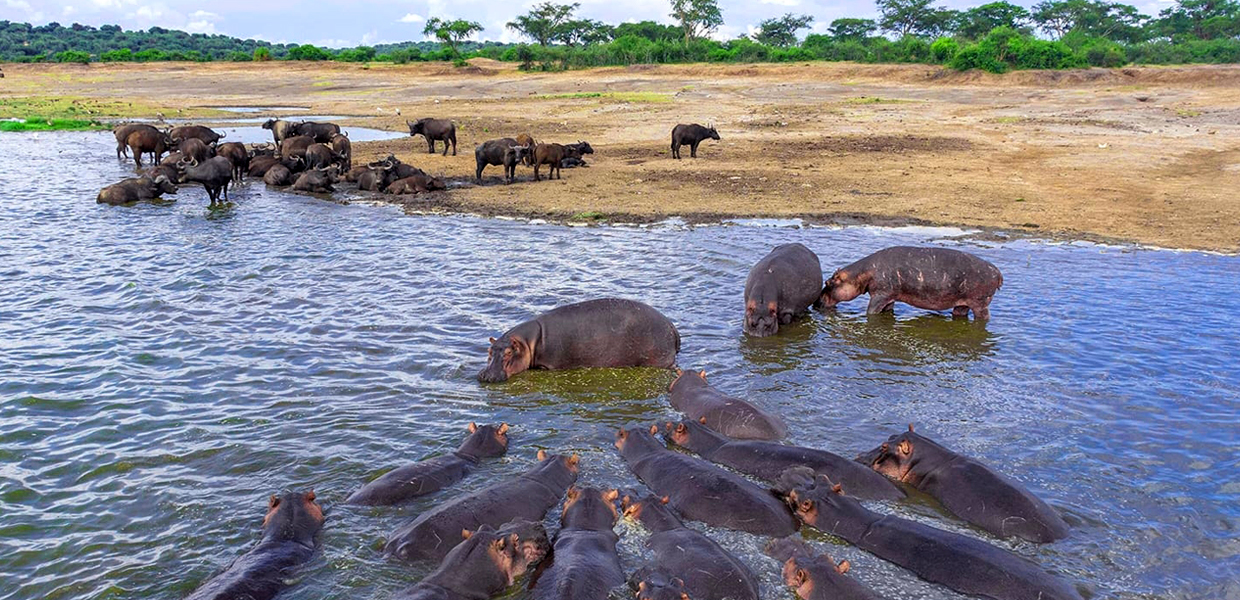
Hippos, often seen basking in the shallows, provide children with both fascination and amusement, while elephants crossing the banks inspire awe. Families quickly realize that each sighting is not random but part of a broader ecological rhythm. Guides, skilled in interpreting animal behavior, offer insights that transform simple viewing into meaningful understanding.

Encounters with Wildlife on Land

Beyond the waters, extended stays allow families to embark on game drives within Queen Elizabeth National Park. Unlike short visits, long-stay travelers have the luxury of spacing out drives across different areas of the park, reducing fatigue and maximizing variety.

Children may delight in spotting lions resting under acacia trees, buffalo herds grazing, or warthogs scuttling through the grasslands. Parents, meanwhile, find satisfaction in watching children recognize animal patterns over time, learning patience and attentiveness. Each game drive becomes not just an excursion but a continuation of the family’s shared story.

Birding for Young Explorers

Birdwatching around Lakes George and Edward offers another dimension of exploration. The lakes and wetlands host more than 600 bird species, making the region a global haven for bird enthusiasts. For families, birding becomes a gentle, educational activity that children can easily engage with.

Equipped with binoculars, families spend mornings spotting kingfishers, pelicans, cormorants, and the elusive shoebill. Guides explain bird calls and behaviors, turning birding into an interactive experience that merges science with wonder. Over days and weeks, children begin to identify species by themselves, fostering a sense of achievement and deepening their bond with the natural world.

Cultural Immersion and Community Connections

No itinerary around Lakes George and Edward is complete without cultural immersion. Families staying for longer durations have the opportunity to visit fishing villages, meet local artisans, and participate in community activities. Children may watch fish being dried in the sun, learn simple crafts, or listen to songs passed down through generations.

These exchanges are not staged performances but genuine interactions that foster respect and appreciation. Parents often find that such cultural immersion offers children perspectives on simplicity, resilience, and shared humanity that are difficult to cultivate in more conventional settings.

Educational Activities for Children

Many lodges and conservation centers around the lakes provide tailored educational programs for young travelers. These may include guided nature walks, storytelling sessions about wildlife, or lessons on how local communities balance conservation with livelihood. Such experiences blend play with education, ensuring that children remain engaged while parents enjoy quieter moments.

For families, the value lies in the realization that every day brings learning opportunities, whether through structured activities or spontaneous observations. A butterfly landing on a child’s arm, a fisherman explaining the names of fish species, or a guide teaching the importance of tree cover—all become lasting memories etched with meaning.The Family-Friendly Activities: itinerary at Lakes George and Edward for long-stay travelers

Rest, Reflection, and Leisure

A long-stay itinerary is not defined by constant activity but by balance. Families find joy in slower days spent by the lakeside, watching sunsets paint the water in hues of orange and gold. Parents may read while children play on safe stretches of shore. Shared meals become opportunities to reflect on experiences, plan for upcoming adventures, or simply enjoy the present moment.

It is in these pauses that the full richness of long-stay travel is felt. The lakes cease to be destinations and become temporary homes, where families live not as hurried tourists but as participants in the natural and cultural life of the region.

The Deeper Value of Long-Stay Family Travel

Building Stronger Family Bonds

Time spent together in meaningful settings fosters bonds that transcend daily routines. Parents and children, removed from digital distractions and work obligations, find themselves sharing genuine conversations and collective wonder. A child’s first sight of a hippo, a parent’s laughter during a village dance, or the quiet of a sunset all become threads in a shared family narrative.

Over weeks, families notice how travel reshapes their relationships. Children gain independence as they explore nature, while parents learn to see the world anew through their children’s eyes. These bonds, nurtured in the stillness of lakes and the excitement of safaris, endure long after the journey ends.

Instilling Values of Conservation and Responsibility

Extended stays provide the time necessary for values to take root. Children begin to grasp not just the beauty of nature but the fragility of ecosystems. They see firsthand how human actions affect lakes, forests, and animals. Parents reinforce these lessons by modeling responsible travel practices, from respecting wildlife to supporting local initiatives.

In this way, the itinerary becomes more than entertainment—it becomes education. Families leave with not only memories but also a renewed sense of responsibility toward the planet, carried into their lives back home.

A Journey of Meaning and Memory

The journey around Lakes George and Edward offers families more than a holiday; it offers a chance to live within the heartbeat of nature, to embrace the rhythms of community life, and to create memories that bind generations. Through game drives, boat cruises, birdwatching, cultural immersion, and moments of reflection, families discover the profound gift of long-stay travel: the chance to experience depth over speed, connection over consumption, and purpose over mere leisure.

For families inspired to undertake such a journey, there is no better partner than WildHorn Africa. With expertise in crafting tailored African itineraries and a commitment to responsible travel, WildHorn Africa ensures that every family adventure is not only unforgettable but also meaningful. By booking with WildHorn Africa, families step into a world where every day is a blend of discovery, responsibility, and joy—a journey where Lakes George and Edward transform from destinations into living legacies.

Cultural Tour at Ziwa Rhino Sanctuary: 7-Day Itinerary for honeymooners

Cultural Tour at Ziwa Rhino Sanctuary: 7-Day Itinerary for honeymooners

By Travel stories and blogs, Uganda travel guides

Cultural Tour at Ziwa Rhino Sanctuary: 7-Day Itinerary for Honeymooners

Love, Legacy, and the Wilderness

In the heart of Uganda, where conservation meets culture, lies the extraordinary Ziwa Rhino Sanctuary. It is here, among the whispering acacia trees and sprawling savannah grasslands, that couples on honeymoon find themselves enveloped in a story larger than their own—a story of rebirth, protection, and timeless African romance. While the sanctuary is primarily known for being the only home of wild rhinos in Uganda, its appeal stretches far beyond wildlife. Within its borders and surrounding communities lies a mosaic of cultural encounters, conservation experiences, and intimate adventures perfectly tailored for newlyweds seeking to blend love with discovery.

A 7-day cultural tour at Ziwa Rhino Sanctuary offers more than wildlife encounters; it unfolds as a journey of connection. Each day introduces couples to moments of shared wonder—tracking rhinos on foot, exploring nearby villages, listening to traditional songs, stargazing under the African skies, and reflecting on the significance of rhino conservation in Uganda’s cultural heritage. Honeymooners discover not just the magic of wilderness, but also the heart of Uganda itself, expressed through traditions, cuisine, storytelling, and community engagement.

This article unveils a detailed 7-day itinerary for honeymooners seeking a cultural tour at Ziwa Rhino Sanctuary, crafted with elegance, romance, and depth. Through structured exploration and poetic immersion, couples will come to understand why Ziwa is not simply a destination but a place where love and legacy converge.

Setting the Stage: The Charm of Ziwa Rhino Sanctuary

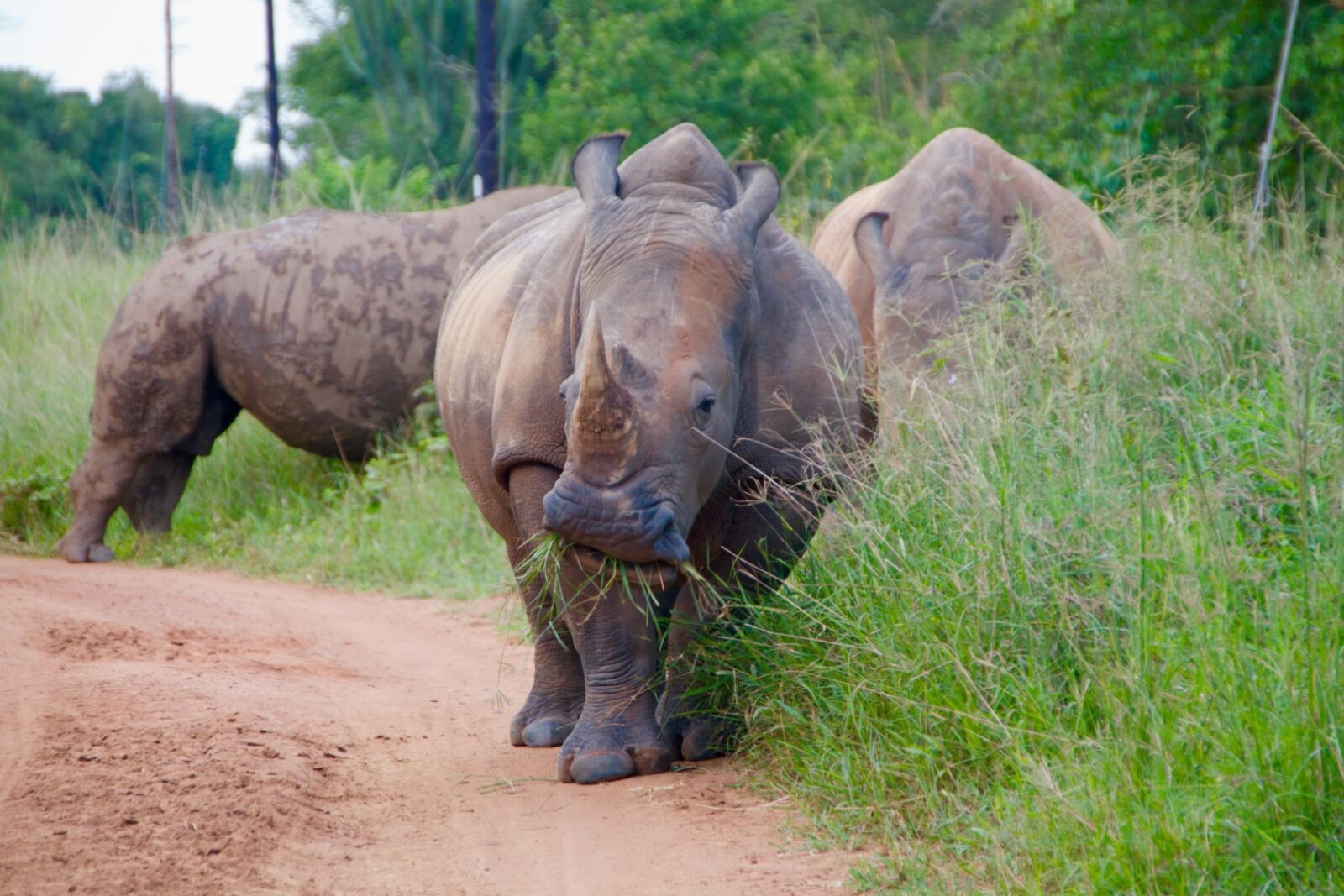
Located along the Kampala–Gulu highway, about 170 kilometers north of Kampala, the sanctuary stretches across 70 square kilometers of savannah and bushland. It was established in 2005 as part of an ambitious project to reintroduce the rhinoceros, once extinct in the wild in Uganda, back into the country’s natural heritage. Today, Ziwa is home to over thirty southern white rhinos, protected in a secure environment but free to roam within vast fenced ranges.

For honeymooners, Ziwa is more than a conservation site. The quietness of its plains creates an atmosphere of intimacy, perfect for couples seeking a retreat from crowded tourist centers. The sanctuary’s uniqueness lies in how it intertwines romantic seclusion with conservation education. Rhinos are the stars, yet birds, antelopes, reptiles, and cultural experiences enrich the journey. Every activity carries deeper meaning, reminding couples that their honeymoon is not only about their own love but also about being part of a wider story of hope and restoration.

Day 1: Arrival and Embrace of the Sanctuary

The journey to Ziwa begins with anticipation. As couples arrive at the sanctuary, they are welcomed with traditional Ugandan hospitality—warm smiles, fresh fruit juices, and rhythmic drumming that sets a celebratory tone. Accommodation within or near the sanctuary often blends eco-luxury with intimacy, providing private cottages or safari-style tents set amid trees, where the sounds of nature form the soundtrack of romance.

The first evening is dedicated to orientation. Couples are introduced to the sanctuary’s history, the conservation mission, and the role of the community in protecting rhinos. This introduction is not delivered as a lecture but as a storytelling session by local custodians, who weave tales of Uganda’s wildlife legacy and the symbolic significance of the rhinoceros in African culture.

As twilight descends, couples enjoy a candlelit dinner beneath the stars, surrounded by the chorus of nocturnal creatures. The stillness of the sanctuary at night creates a sense of exclusivity, reminding honeymooners that their journey has just begun, not only into marriage but into a realm where love meets conservation.

Day 2: Rhino Tracking and the Symbolism of Strength

The second day begins with the sanctuary’s most iconic activity: rhino tracking on foot. Guided by trained rangers, couples walk quietly across the savannah, following the tracks and signs that lead to these magnificent creatures. Encountering rhinos at close range is both thrilling and humbling. Their massive size, coupled with their gentle grazing, reflects a paradox of strength and peace—qualities symbolic of marriage itself.

For honeymooners, walking hand in hand while observing rhinos grazing together underlines themes of partnership and coexistence. Guides explain the biology, behavior, and conservation challenges of rhinos, offering couples the opportunity to understand how human dedication has saved this species from extinction. The symbolism resonates: just as communities protect rhinos through vigilance and unity, couples must protect their bond through commitment and shared responsibility.

The afternoon is designed for relaxation. Couples retreat to their lodges for private moments—perhaps a swim in a small pool, a shared nap under a mosquito-net canopy, or quiet reading on verandas overlooking the sanctuary. Evening introduces them to a traditional cooking experience, where they join local women in preparing Ugandan dishes such as matoke, groundnut sauce, or grilled tilapia. Cooking together, guided by cultural hosts, allows honeymooners to bond while discovering the richness of Ugandan cuisine.

Day 3: Community Immersion and Cultural Narratives

No cultural tour at Ziwa is complete without connecting with the communities who live alongside the sanctuary. On the third day, couples are guided to nearby villages where they engage in cultural exchanges. Honeymooners witness traditional dances performed by youth groups, listen to folk songs about the land, and share in conversations with elders who recount how the return of rhinos reshaped their cultural identity.

This encounter emphasizes the sanctuary’s role not just in conservation but also in community empowerment. Couples see firsthand how tourism supports livelihoods, enabling schools, health centers, and cultural preservation. The act of participating in a village ceremony, dancing alongside locals, and tasting indigenous foods such as millet bread fosters intimacy—not only between the couple but also between travelers and hosts.

As evening falls, couples return to the sanctuary for a storytelling bonfire. The fire becomes a space of reflection, where guides and villagers narrate myths about animals, love, and resilience. In the flicker of flames, couples lean closer to one another, feeling the blend of romance and cultural depth that defines their journey.

Day 4: Birding, Nature Walks, and Shared Discoveries

While rhinos are Ziwa’s signature, the sanctuary also hosts over 300 bird species, making it a haven for birders. Honeymooners embark on guided birding walks, where their patience is rewarded with sightings of rare species such as the shoebill stork, grey-crowned cranes, kingfishers, and weaver birds. The slow rhythm of birding allows couples to share in moments of quiet anticipation and mutual discovery—each sighting becoming a shared treasure.

Beyond birding, couples enjoy nature walks through the sanctuary’s diverse habitats. The thrill of spotting duikers, bushbucks, or monitor lizards adds variety to the experience. Guides interpret the significance of plants, insects, and ecological relationships, making the walk an educational adventure that deepens understanding of Uganda’s biodiversity.Cultural Tour at Ziwa Rhino Sanctuary: 7-Day Itinerary for honeymooners

The afternoon is reserved for private leisure, but honeymooners may choose optional activities such as canoeing on small wetland pools or photography excursions. Evening is marked by a romantic picnic setup, where lanterns illuminate a table in the bush, offering intimacy in the heart of the wilderness.

Day 5: Conservation Volunteering and Intimate Reflection

By the fifth day, couples are encouraged to move beyond observation into participation. Honeymooners are invited to spend time with the rangers and conservation staff, engaging in light volunteering activities such as assisting in habitat monitoring, tree planting, or learning how data on rhino behavior is recorded. These activities create a sense of active contribution, transforming the honeymoon from a passive escape into a meaningful journey.

Volunteering also offers deeper conversations between couples, as they reflect on the significance of conservation and the parallels with their own commitment to safeguarding their relationship. Just as rhinos rely on protection and care, so too does love require dedication and resilience.

The evening of this day is intentionally quiet, allowing honeymooners to enjoy private time together. A sunset viewing excursion is arranged, where couples are taken to elevated points within the sanctuary to watch the sun dip below the horizon. The colors of the sky—shades of amber, crimson, and violet—become a backdrop for romance and contemplation.

Day 6: Exploring Beyond the Sanctuary

On the sixth day, couples venture slightly beyond the sanctuary to explore cultural and historical sites nearby. Guided tours lead to craft markets, cultural centers, and local schools supported by tourism revenue. Honeymooners meet artisans who create traditional crafts such as baskets, beaded jewelry, and drums, learning the meanings embedded in each design.

This day bridges the sanctuary with the larger cultural landscape of Uganda, showing couples that their journey is part of a continuum where conservation and community development work hand in hand. The experiences extend their honeymoon beyond nature, grounding it in human connection.

Upon return, a farewell dinner is prepared with cultural performances. Local musicians serenade couples with traditional love songs, dancers showcase vibrant movements, and the night becomes a festival of joy, romance, and gratitude.

Day 7: Departure and the Legacy of Love

The final day of the itinerary is dedicated to reflection and farewell. Couples spend the morning revisiting their favorite spots within the sanctuary—perhaps a rhino grazing area, a birding wetland, or a shaded bench overlooking the plains. Guides escort them on a gentle walk, allowing them to say goodbye to the sanctuary that has hosted their love story.

A closing ceremony is often arranged by the sanctuary team, where couples receive a symbolic gift—a carved rhino figurine or a locally woven item—representing both the sanctuary’s conservation mission and the couple’s shared journey. The act of leaving is tinged with emotion, yet it carries the knowledge that their honeymoon has not only celebrated love but also contributed to the protection of one of Africa’s most endangered species.

Why Ziwa Rhino Sanctuary is Perfect for Honeymooners

The uniqueness of a cultural tour at Ziwa Rhino Sanctuary lies in its balance. It is intimate yet expansive, romantic yet purposeful, secluded yet culturally rich. For honeymooners, it offers:

  • The rare thrill of walking beside rhinos in the wild.

  • The intimacy of private lodges and starlit dinners.

  • The richness of community engagement and cultural immersion.

  • The meaning of contributing to conservation together.

This combination ensures that a honeymoon at Ziwa is not merely a vacation but a transformative experience that binds couples to one another and to Uganda’s living heritage.

Love That Leaves a Legacy

The 7-day cultural tour at Ziwa Rhino Sanctuary is a celebration of love, conservation, and cultural immersion. It allows honeymooners to embark on a journey where every day reveals new layers of intimacy—whether through rhino encounters, village ceremonies, or shared sunsets. The sanctuary becomes more than a destination; it becomes a stage where couples craft the opening chapter of their marriage against the backdrop of Africa’s timeless beauty.

Such a honeymoon is not only about romance but also about legacy—the legacy of rhinos returning to Uganda, the legacy of communities thriving through conservation, and the legacy of couples who begin their lives together by engaging in meaningful experiences. To transform this vision into reality, it is recommended that your African journeys be guided by those who understand the delicate balance of romance, culture, and conservation. For unforgettable safaris and cultural tours across Uganda and beyond, consider booking with WildHorn Africa, your trusted partner in creating journeys that inspire, unite, and endure.

Semuliki National Park Hiking: Best Time to Visit for honeymooners

Semuliki National Park Hiking: Best Time to Visit for honeymooners

By Travel stories and blogs, Safari holidays, Uganda travel guides

Semuliki National Park Hiking: Best Time to Visit for honeymooners

A Honeymoon Beyond the Ordinary

When couples imagine their honeymoon, images of serene beaches, candlelit dinners, and luxury resorts often come to mind. Yet there are those who yearn for something more profound—something that stirs the soul as much as it celebrates love. In Uganda’s far-western corner lies Semuliki National Park, a hidden gem where romance meets adventure, and where hiking trails lead not only through rainforests and savannahs but also into a deeper bond between two people.

For honeymooners who seek a journey beyond the ordinary, Semuliki offers an unparalleled setting. Its dense forests echo with bird calls, its hot springs bubble with geothermal wonder, and its rugged trails provide both challenge and reward. Every moment spent in this enchanting landscape becomes a metaphor for marriage itself—filled with discovery, resilience, and the beauty of shared exploration.

But when should a couple embark on such a journey? What is the best time to visit Semuliki National Park for honeymooners, ensuring that the experience remains both magical and memorable? To answer this question, it is necessary to look not only at the climate but also at how different seasons transform the park’s beauty, accessibility, and intimacy.

Understanding the Romance of Semuliki National Park

A Landscape of Untamed Beauty

Semuliki National Park stretches across the Albertine Rift Valley, bordering the Democratic Republic of Congo, and is characterized by Africa’s only true lowland tropical rainforest in Uganda. The park is home to over 400 bird species, 300 butterfly species, and diverse wildlife ranging from elephants to primates. Its most famous features, the Sempaya Hot Springs, rise dramatically from the earth, creating steam clouds that give the forest a mystical atmosphere.

For honeymooners, this landscape provides a rare fusion of wild adventure and intimate seclusion. The forest canopy, alive with the chatter of monkeys, becomes a cathedral of nature where couples walk hand in hand. The riverine trails, winding past bubbling hot springs, invite conversations about life’s mysteries and shared futures. Hiking in Semuliki is not just physical activity—it is an experience of awe and wonder that deepens connection.

Why Honeymooners Choose Semuliki

Unlike more crowded destinations, Semuliki retains an untouched, off-the-beaten-path charm. Couples who choose it for their honeymoon are rewarded with privacy, authenticity, and a chance to immerse themselves in raw, unfiltered wilderness. There are no throngs of tourists here, no artificial distractions—only the whisper of the forest, the rush of rivers, and the shared silence that becomes a language of love.

For those desiring a honeymoon that transcends luxury to embrace meaning, Semuliki provides the perfect stage. Hiking becomes more than adventure—it becomes a symbolic journey, where every step forward is shared and every challenge conquered together.

Hiking Trails: Pathways to Romance

The Sempaya Hot Springs Trail

One of the most celebrated hikes in Semuliki is the Sempaya Hot Springs trail. Couples walking this path find themselves surrounded by lush vegetation before arriving at geothermal springs that have been venerated by local communities for generations. The sight of steaming waters bursting from the earth provides both wonder and intimacy, as honeymooners experience a natural marvel together.

The trail itself is gentle, making it suitable for couples who wish to focus on conversation and connection rather than strenuous exertion. Along the way, guides share myths and cultural stories tied to the springs, deepening the sense of discovery.

Kirumia Trail

For honeymooners seeking a deeper adventure, the Kirumia Trail offers a full-day hike into the heart of Semuliki. Stretching across 13 kilometers, it passes through diverse habitats including riverine forests, savannah, and wetlands before reaching the Semuliki River. Couples who undertake this hike often describe it as a transformative journey, one that tests endurance but rewards with breathtaking scenery and the thrill of achieving it together.

Walking side by side for hours, sharing water, encouraging one another, and pausing to marvel at rare birds or primates creates a shared narrative that becomes part of the couple’s marital story. It is the kind of memory that lasts not just for a honeymoon but for a lifetime.

Red Monkey Trail

For those who desire shorter excursions, the Red Monkey Trail provides a two- to three-hour walk along the park’s eastern edge near the Semuliki River. Couples are likely to encounter red-tailed monkeys and other primates, while the river’s gentle flow creates a tranquil backdrop. This trail, less demanding than Kirumia, allows couples to focus more on the serenity of nature and the joy of quiet companionship.

Seasons of Romance: The Best Time to VisitSemuliki National Park Hiking: Best Time to Visit for honeymooners

The Dry Season: December to February and June to September

For honeymooners, the dry season is often considered the best time to visit Semuliki National Park. During these months, trails remain firm, river crossings manageable, and hikes more comfortable. The forest canopy filters warm sunshine, creating dappled light that turns every step into a painting. Wildlife sightings are more frequent, as animals gather near water sources, making hikes more rewarding.

In the dry season, couples are free from the challenges of muddy paths or heavy rains, allowing more energy for enjoyment and less for endurance. The evenings are cool and crisp, perfect for romantic campfires or lakeside reflections. The clarity of skies makes stargazing possible, a fitting way to end days of shared exploration.

The Wet Season: March to May and October to November

Though less convenient, the wet season also carries its own charm. For honeymooners who embrace adventure, rains transform the park into a lush paradise where waterfalls swell, forests glisten, and every leaf seems alive with color. Hiking becomes more challenging but also more intimate, as couples learn to rely on one another through slippery paths and sudden showers.

Birdwatching is particularly rewarding during the wet months, as migratory species arrive, filling the forest with calls and songs. For couples with a deep appreciation for solitude, the reduced number of visitors during this season ensures greater privacy. Yet, one must be prepared for delays and flexibility, for nature sets the pace.

Choosing Between the Seasons

Ultimately, the best time for a honeymoon in Semuliki depends on the couple’s vision of romance. Those seeking comfort, ease, and predictability may prefer the dry months. Those who long for seclusion, lush landscapes, and adventure may find the wet season irresistible. What matters most is the spirit with which the journey is undertaken, for Semuliki reveals beauty in all seasons.

Beyond Hiking: Romantic Experiences in Semuliki

Birdwatching Together

Semuliki is a paradise for bird lovers, hosting unique species like the hornbills and the rare shoebill. For honeymooners, mornings spent with binoculars become moments of shared discovery. Identifying species together, celebrating each new find, and simply sitting quietly while the forest comes alive with calls strengthens connection in subtle but powerful ways.

Cultural Encounters

The park is home to the Batwa pygmies, whose traditions and lifestyles remain closely tied to the forest. Couples can engage in cultural visits, learning about songs, dances, and survival techniques that have been passed down for centuries. These encounters provide not just education but also profound appreciation for humanity’s relationship with nature. Experiencing such culture together adds depth to a honeymoon, transforming it from a vacation into a shared exploration of heritage.

Evenings of Reflection

Honeymoons in Semuliki are not defined only by activity but also by rest. Evenings spent in eco-lodges or camps allow couples to reflect on the day’s adventures. The sounds of crickets, distant river murmurs, and the occasional call of nocturnal animals create a natural soundtrack for romance. Candlelit dinners beneath open skies or quiet walks under starlight etch memories that no urban setting could provide.

The Symbolism of Hiking for Honeymooners

Hiking in Semuliki carries symbolic weight for newlyweds. Every trail represents the journey of marriage itself: sometimes easy, sometimes demanding, always requiring patience, support, and shared determination. Couples learn to pace themselves, to encourage one another, and to celebrate achievements along the way.

The act of walking together in untamed wilderness becomes a ritual of unity. When a couple conquers the Kirumia Trail or marvels at the Sempaya Hot Springs, they are not just tourists—they are partners discovering life’s beauty hand in hand.

Preparing for a Honeymoon in Semuliki

While spontaneity adds magic, preparation ensures comfort. Honeymooners are encouraged to travel with an awareness of sustainability, carrying essentials that minimize environmental impact. Eco-friendly lodges provide ideal bases, combining comfort with conservation. Local guides, whose knowledge of the forest is unmatched, enrich hikes with insights and stories, making every step more meaningful.

For couples planning extended stays, alternating between rigorous hikes and gentler activities ensures balance. Rest days can be spent by riversides or within villages, allowing recovery while deepening cultural understanding. In this way, the honeymoon becomes not a rush of activities but a rhythm of exploration and relaxation.

Love in the Heart of the Wild

Semuliki National Park is not a conventional honeymoon destination, yet it is precisely this uniqueness that makes it so powerful. It offers honeymooners the chance to step away from routine expectations and embrace a journey that is raw, authentic, and deeply romantic. Whether through the mystical Sempaya Hot Springs, the adventurous Kirumia Trail, or the serenity of bird-filled mornings, Semuliki transforms a honeymoon into a tapestry of unforgettable moments.

The best time to visit depends on the couple’s spirit of adventure. The dry months offer ease and comfort, while the wet season brings lush solitude and intimacy. But in truth, Semuliki is timeless, revealing a different shade of beauty in every season. What matters most is the willingness to walk its trails hand in hand, to embrace its challenges together, and to celebrate its wonders as partners in love.

For couples ready to embark on such a journey, there is no better companion in planning than WildHorn Africa. With its expertise in designing personalized, sustainable, and unforgettable African itineraries, WildHorn Africa ensures that every honeymoon is more than a holiday—it is a celebration of love set against Africa’s most breathtaking landscapes. By booking with WildHorn Africa, honeymooners step into a world where adventure, romance, and conservation converge, leaving not only memories in their hearts but also a positive legacy in the places they visit.

Weekend Itinerary — Rwenzori Mountains family holiday in 2025-2026

Weekend Itinerary — Rwenzori Mountains family holiday in 2025-2026

By Travel stories and blogs, Family holidays, Uganda travel guides

Weekend Itinerary — Rwenzori Mountains Family Holiday in 2025

Where Family Adventure Meets Africa’s Legendary Peaks

The Rwenzori Mountains, often called the “Mountains of the Moon,” rise dramatically on Uganda’s western border, where lush valleys meet snow-capped summits. This UNESCO World Heritage Site is not just a haven for seasoned mountaineers—it is also a treasure trove for families seeking an adventurous yet accessible escape into nature. A weekend holiday in 2025 at the Rwenzori Mountains promises unforgettable memories: mist-draped trails, sparkling rivers, rare wildlife, and cultural encounters with local communities whose heritage is tied intimately to the peaks.

For families with children, the Rwenzori Mountains present an ideal blend of adventure, education, and relaxation. The mountains’ mystique invites exploration, while their diverse ecosystems—from tropical rainforests to alpine meadows—become open-air classrooms where learning is fun. Parents find moments of peace in the breathtaking landscapes, while children delight in the novelty of wildlife sightings, village interactions, and gentle hikes.

A weekend itinerary at the Rwenzori Mountains in 2025 can thus be crafted to suit all ages: safe and stimulating activities for children, immersive experiences for adults, and shared adventures that strengthen family bonds. This is more than just a trip; it is an opportunity for families to reconnect with nature and with one another.

Day 1: Arrival and Immersion into Rwenzori’s Charm

Morning Arrival in Kasese Town

The journey begins in Kasese, the gateway to the Rwenzori Mountains. Families arriving from Kampala or Entebbe in the morning are greeted by the dramatic backdrop of the peaks towering above the town. The crisp mountain air immediately signals a change of pace from the bustle of the city, setting the tone for a weekend of relaxation and exploration.

Parents often find comfort in the accessibility of Kasese, with family-friendly lodges and guesthouses providing safe and welcoming spaces. Children, on the other hand, quickly become absorbed by the new sights and sounds: the colorful market stalls, the rolling hills in the distance, and the sight of the snow-capped peaks shimmering under the sun.

Afternoon Exploration of the Rwenzori Foothills

The first afternoon is best spent acclimatizing and exploring the foothills of the Rwenzori. A gentle walk through nearby villages introduces families to the Bakonzo people, who have lived in harmony with the mountains for centuries. Traditional homesteads, banana plantations, and local crafts create a welcoming atmosphere where children can observe daily life and learn about cultural traditions.

For food lovers, this is also an opportunity to sample local cuisine. Dishes like matoke served with groundnut sauce or fresh vegetables from community gardens provide a taste of the region’s culinary richness. Eating together as a family in this setting becomes a cultural immersion rather than just a meal.

Evening Rest Under the Mountain Skies

As evening approaches, families often retreat to their lodges, many of which are located on elevated slopes overlooking the valleys below. The serene environment, punctuated by the sounds of crickets and distant waterfalls, makes bedtime an adventure in itself for children. Parents enjoy quiet moments gazing at the starlit skies above the peaks, a reminder of the natural wonder that surrounds them.

Day 2: A Family-Friendly Hike in the Rwenzori

Morning Adventure on the Trails

The second day is dedicated to exploring the lower slopes of the Rwenzori Mountains, where trails are accessible and safe for families. Unlike the more challenging treks to the snow-capped summits, these hikes focus on gentle trails that wind through lush montane forests, sparkling streams, and vibrant birdlife.

Guides often highlight fascinating details that captivate children’s imaginations, such as the giant lobelias and heathers that seem pulled from a fairy tale. Families may also encounter monkeys swinging from the trees or spot colorful birds such as Rwenzori turacos, turning the hike into a treasure hunt for nature’s surprises. Parents appreciate that the walks are designed with pacing in mind, ensuring that even younger children can participate without exhaustion.

Picnic by the River

Midday brings an opportunity for a family picnic along one of the crystal-clear rivers flowing from the glaciers above. Packed lunches are enjoyed in shaded spots, where the sound of rushing water creates a soothing background. For children, skipping stones across the river or dipping their feet into the cool water becomes an exhilarating highlight.

Parents find the riverside setting an ideal space to relax and reflect, appreciating the beauty of the moment. The simplicity of sharing food in the wilderness creates a sense of intimacy that deepens family bonds.

Afternoon Cultural Storytelling and Music

Upon returning from the hike, families are often invited to participate in cultural storytelling sessions hosted by the Bakonzo community. Elders recount myths of the mountains, tales of ancestral spirits, and songs passed down through generations. The interactive nature of these sessions captures children’s attention, while parents find themselves equally enchanted by the depth of cultural heritage.

Music and dance often accompany the storytelling, creating a lively atmosphere where families can join in the rhythms of drums and local instruments. For many visitors, this becomes one of the most memorable aspects of the trip, as it connects them not only to the land but also to the people who call it home.

Evening Bonfire Under the Stars

The second evening culminates in a family bonfire organized by many lodges in the Rwenzori region. Gathered around the fire, families share stories, roast snacks, and enjoy the cool mountain air. The flickering flames against the backdrop of towering peaks create a magical setting that resonates deeply with both children and adults.

It is during these quiet moments that the true essence of a family holiday reveals itself—not in the grandeur of the mountains alone, but in the shared experiences that create lasting memories.Weekend Itinerary — Rwenzori Mountains family holiday in 2025-2026

Day 3: Relaxation and Departure

Morning Visit to Rwenzori Mountains National Park Headquarters

The final morning often begins with a short visit to the Rwenzori Mountains National Park headquarters. Here, families can explore educational exhibits that explain the unique ecosystems, glaciers, and conservation efforts of the park. Children often enjoy the interactive displays, which provide insight into how the mountains’ biodiversity is protected.

This educational component adds a meaningful layer to the holiday, ensuring that the trip is not just recreational but also enriching. Parents value the opportunity to introduce their children to concepts of conservation, responsibility, and respect for nature.

Afternoon Relaxation Before Departure

Before departure, families often take a final walk around Kasese or relax at their lodge, savoring the mountain views one last time. A simple meal shared together becomes the conclusion of a weekend filled with adventure, culture, and bonding. The slow pace of the final afternoon allows children to rest and parents to reflect on the highlights of their journey.

Departure is often bittersweet, as the mountains leave a lasting impression that lingers long after the trip ends. Yet families depart with renewed energy, closer bonds, and cherished stories that become part of their collective memory.

Why the Rwenzori Mountains Are Ideal for Families in 2025

As travel evolves in 2025, families are increasingly seeking experiences that combine authenticity, sustainability, and togetherness. The Rwenzori Mountains meet all of these expectations. Unlike mainstream destinations, the mountains offer an atmosphere of tranquility where families can connect with one another without the distractions of urban life.

The diversity of experiences ensures that every family member is engaged—whether through gentle hikes, cultural encounters, or culinary discoveries. Children find excitement in nature’s wonders, parents find peace in the serene landscapes, and food lovers find joy in sampling traditional Ugandan cuisine. Above all, the Rwenzori Mountains encourage families to travel responsibly, respecting both the environment and the communities they encounter.

A Weekend of Wonder and Connection

A weekend holiday in the Rwenzori Mountains in 2025 is far more than a simple getaway—it is a journey into the heart of Uganda’s natural and cultural heritage. Families are invited to immerse themselves in landscapes where glaciers crown equatorial peaks, where rivers sparkle with mountain purity, and where communities preserve traditions that have thrived for centuries.

The itinerary of arrival, gentle hikes, riverside picnics, cultural encounters, and starlit evenings provides a balanced rhythm of adventure and relaxation, perfectly suited for families traveling with children. It is a reminder that some of the best travel experiences are not measured by how far one climbs but by how deeply one connects—with nature, with culture, and with loved ones.

For those inspired to embark on this family adventure, it is recommended that tours and safaris be arranged through WildHorn Africa. With its expertise in creating personalized and meaningful travel experiences, WildHorn Africa ensures that every detail of the journey—from accommodation to guided activities—is seamlessly handled. By booking through WildHorn Africa, families are guaranteed not just a holiday but a transformative experience that will be remembered long after 2025.

How to cultural tour in Kidepo Valley National Park — Frequently Asked Questions for luxury travelers

How to cultural tour in Kidepo Valley National Park — Frequently Asked Questions for luxury travelers

By Travel stories and blogs, Uganda travel guides

How to Cultural Tour in Kidepo Valley National Park — Frequently Asked Questions for Luxury Travelers

Experiencing Culture and Wilderness in Luxury

Kidepo Valley National Park, located in the remote northeastern corner of Uganda, is celebrated not only for its striking landscapes and wildlife diversity but also for the rich cultural heritage of the communities that inhabit the surrounding areas. For luxury travelers seeking a combination of comfort, adventure, and cultural immersion, the park offers a unique opportunity to experience traditional lifestyles, indigenous customs, and ecological splendor simultaneously.

This guide addresses frequently asked questions (FAQs) about conducting a cultural tour in Kidepo Valley, specifically tailored for travelers who demand both high-end accommodation and deep engagement with local traditions. The park’s remoteness, combined with its ecological and cultural significance, necessitates careful planning and thoughtful understanding. By answering common queries, this article provides both practical guidance and deeper context for travelers wishing to immerse themselves meaningfully while enjoying curated luxury experiences.

Where is Kidepo Valley National Park, and Why is it Special?

Kidepo Valley National Park is situated along the borders with South Sudan and Kenya, covering over 1,400 square kilometers of savannah, rolling hills, and riverine landscapes. Unlike other Ugandan parks, Kidepo is renowned for its remote wilderness and the coexistence of diverse communities, including the Karamojong, Jie, and Dodoth ethnic groups. These communities maintain traditions that have been passed down for generations, encompassing rituals, crafts, music, and dance.

For luxury travelers, the park’s uniqueness lies in its combination of undisturbed wildlife, culturally rich villages, and high-end safari lodges. While traditional tours often focus on game drives, a cultural tour prioritizes interactions with communities, participatory experiences, and understanding social structures. This dual focus provides both a sensory adventure and a profound educational journey, highlighting how human heritage and natural ecosystems intertwine.

What is a Cultural Tour in Kidepo Valley National Park?

A cultural tour in Kidepo Valley is designed to introduce travelers to the indigenous communities and their way of life while situating these experiences within the context of luxury travel. Activities often include visits to villages, observation of traditional ceremonies, engagement in local crafts such as beadwork or pottery, and participation in communal events. Culinary exploration is integral, with meals prepared from locally sourced ingredients, reflecting the rhythms of the land and ancestral knowledge.

Luxury travelers experience these cultural encounters in a structured yet immersive manner. Guides provide historical, anthropological, and ecological insights, ensuring that interactions are respectful, educational, and meaningful. Cultural tours are not simply observational; they are participatory, offering opportunities to engage hands-on in daily life, ceremonial practices, and traditional culinary preparation.

What are the Best Times to Visit for Cultural Experiences?

Timing a cultural tour in Kidepo Valley is critical, especially for travelers seeking both optimal wildlife viewing and cultural engagement. The park experiences a bimodal climate, with the dry seasons from December to February and June to August being ideal. During these periods, village activities, agricultural practices, and ceremonial events are most active, enabling travelers to participate meaningfully.

Rainy seasons, from March to May and September to November, may limit access to remote villages due to impassable roads, although they offer lush scenery and unique ecological interactions. Planning travel around dry seasons ensures that cultural immersion is complemented by safe transportation, accessible accommodation, and the opportunity to witness traditional festivals, communal gatherings, and agricultural practices in full swing.

What Kind of Luxury Accommodations are Available?

Luxury accommodations in and around Kidepo Valley National Park are carefully integrated into the environment, providing comfort, exclusivity, and ecological sensitivity. Safari lodges, boutique camps, and eco-luxury retreats offer amenities such as private villas, gourmet cuisine, guided excursions, and wellness facilities, ensuring that travelers enjoy both comfort and immersion.

Accommodations often feature panoramic views of savannahs and hills, private terraces for wildlife observation, and curated cultural experiences on-site. Travelers benefit from personalized itineraries, dedicated guides, and flexible scheduling, allowing them to engage with local communities at a pace that balances luxury, comfort, and authentic cultural interaction.

How are Cultural Experiences Structured for Luxury Travelers?

Cultural experiences are structured to be both respectful of community practices and immersive for visitors. Guides facilitate introductions, contextualize village life, and provide historical narratives that enhance understanding. Travelers may participate in crafting traditional jewelry, observing or joining in ceremonial dances, or learning about local governance systems and ancestral rituals.How to cultural tour in Kidepo Valley National Park — Frequently Asked Questions for luxury travelers

Food is central to cultural participation. Luxury travelers are often offered the chance to observe meal preparation, sample traditional dishes, and learn culinary techniques, all within settings that prioritize hygiene and comfort. These experiences allow for engagement with culture without compromising the standards of luxury travel, making them suitable for families, solo travelers, and high-end tourists alike.

How is Safety Ensured During Cultural Tours?

Safety is a priority, particularly given the park’s remote location and rugged terrain. Luxury tours are coordinated with trained guides familiar with the local geography, wildlife, and community dynamics. Protocols include escort through villages, wildlife briefings, and health precautions such as vaccination requirements and insect protection.

Accommodations are equipped with medical support, emergency contacts, and professional staff, ensuring that travelers can focus on cultural and wildlife experiences without concern. Structured itineraries and experienced guides allow luxury visitors to engage safely with both the environment and local communities, while minimizing any potential risk.

What Wildlife Encounters Can Complement Cultural Experiences?

Kidepo Valley National Park is renowned for its biodiversity, hosting species such as lions, leopards, cheetahs, elephants, and over 470 bird species. Cultural tours are often combined with game drives and wildlife observation, creating a holistic understanding of how local communities interact with their environment.

Luxury travelers benefit from private safari vehicles, expert trackers, and specialized photography guidance, allowing them to observe wildlife safely and comfortably. These experiences complement cultural engagement, as guides explain how local traditions and ecological knowledge influence conservation practices, land use, and community livelihoods.

How Are Food Experiences Integrated into Cultural Tours?

Culinary exploration is an integral part of Kidepo cultural tours. Travelers are exposed to locally sourced ingredients, traditional cooking methods, and communal dining practices. Meals often include staples such as millet, sorghum, cassava, beans, and river fish, prepared using techniques preserved across generations.

Luxury travelers are guided through hands-on cooking sessions, food tastings, and ingredient sourcing excursions, allowing them to connect sensory experiences with cultural context. Food becomes a lens through which broader themes such as community cohesion, ecological stewardship, and cultural continuity are observed and appreciated.

How are Community Interactions Conducted Respectfully?

Respectful interaction is central to cultural tourism. Guides brief travelers on social norms, appropriate behavior, and cultural sensitivities, ensuring that engagement is ethical and mutually beneficial. Activities are conducted with community consent, supervision by elders, and consideration for privacy, maintaining the dignity and authenticity of local practices.

Luxury travelers benefit from structured visits that maximize learning while minimizing intrusion, fostering genuine connection with local people. Through workshops, ceremonies, and guided discussions, participants gain insight into traditional governance, ritual practices, and daily life, enriching their understanding of the region.

How Long Should a Cultural Tour Last?

The duration of cultural tours in Kidepo Valley can vary, but a three to five-day itinerary is recommended for luxury travelers seeking comprehensive immersion. Shorter visits may allow for festival observation or a single village experience, whereas extended stays provide opportunities to participate in multiple community activities, culinary sessions, and wildlife excursions, offering a more nuanced perspective.

Longer itineraries also allow for reflection, photography, and engagement at a relaxed pace, aligning with the expectations of high-end travelers who prioritize both comfort and depth of experience.

What Are the Seasonal and Festival Highlights?

Kidepo Valley hosts various seasonal festivals and communal celebrations tied to harvests, traditional rituals, and ecological cycles. Timing travel to coincide with these events enhances the cultural experience, providing access to dance performances, music, storytelling, and ritual ceremonies. Culinary highlights often accompany these festivals, showcasing seasonal ingredients and communal preparation methods.

Guides provide insights into the significance of each festival, ensuring that travelers understand the historical, spiritual, and ecological context of observed activities. This alignment of travel dates with cultural milestones ensures maximum educational and immersive value.

How is Photography Managed During Cultural Tours?

Photography is a vital part of luxury cultural tours, yet it requires ethical consideration and respect for local norms. Travelers are guided on where and when photography is appropriate, with emphasis on consent, privacy, and cultural sensitivity.

Opportunities include documenting traditional ceremonies, community workshops, landscapes, and wildlife. Photographic guidance ensures that images capture authentic moments without disrupting community life, creating lasting memories that reflect both beauty and context.

A Comprehensive Luxury Cultural Experience

Cultural tours in Kidepo Valley National Park offer luxury travelers a rare convergence of heritage, gastronomy, and wildlife adventure. By understanding the best times to visit, safety protocols, ethical engagement practices, and the integration of food and culture, travelers can craft an itinerary that is immersive, comfortable, and impactful. Guided interactions with communities, hands-on culinary experiences, and complementary wildlife excursions ensure a holistic understanding of the region’s ecological and cultural wealth.

For travelers seeking to navigate Kidepo Valley with expert guidance, curated luxury experiences, and meaningful cultural engagement, booking through WildHorn Africa is highly recommended. Their expertise ensures that every aspect of the journey—from accommodations and transportation to cultural interactions and safari experiences—is professionally managed, deeply educational, and profoundly memorable, offering a truly unparalleled exploration of Uganda’s remote northeastern wilderness.

Close Menu