search
A Safari Guide to Queen Elizabeth

A Safari Guide to Queen Elizabeth National Park in Uganda

By Uganda travel guides, Safari holidays, Wildlife holidays

A Safari Guide to Queen Elizabeth National Park in Uganda

A Jewel of Africa’s Wilderness

In the heart of western Uganda lies one of the most captivating treasures of East Africa—Queen Elizabeth National Park. This sprawling protected area, covering nearly 2,000 square kilometers, is not just a sanctuary for wildlife but also a realm where nature, culture, and history intertwine. To many travelers, the very name sparks images of vast savannahs where elephants roam, of mysterious crater lakes glistening under the equatorial sun, and of the legendary tree-climbing lions that have made the park world-famous. To visit Queen Elizabeth National Park is to immerse oneself in a story that nature has been writing for millennia, a story whose chapters are told through roaring lions, grazing antelopes, volcanic landscapes, and the rhythmic flow of the Kazinga Channel.

The park’s prestige does not rest merely on its sheer size or its wide variety of ecosystems but also on its unparalleled biodiversity. More than 95 mammal species and over 600 species of birds find refuge here, making it one of the richest natural havens in Africa. For decades, the park has drawn travelers from around the globe, eager to encounter both its raw wilderness and its scenic beauty. Yet Queen Elizabeth National Park is not only a destination for wildlife enthusiasts. It is also a canvas on which Uganda’s cultural heritage, history, and geographical wonders are painted in vivid hues.

This safari guide is designed to provide an in-depth understanding of the park, from its landscapes and wildlife spectacles to the activities that define the safari experience. By the end, readers will not only be equipped with knowledge but will also feel an irresistible call to set foot on this timeless land.

Location and Geography of Queen Elizabeth National Park

The park is located in the western region of Uganda, straddling the districts of Kasese, Rubirizi, Kamwenge, and Rukungiri. Nestled against the backdrop of the Rwenzori Mountains, often called the “Mountains of the Moon,” it stretches from the shores of Lake George in the northeast to the shores of Lake Edward in the southwest, with the Kazinga Channel acting as the life-giving artery that connects the two.

What makes Queen Elizabeth National Park particularly remarkable is its dramatic diversity of landscapes. Unlike many parks that are dominated by a single ecosystem, this park is a mosaic of habitats—savannah grasslands dotted with acacia, lush wetlands, crater lakes, volcanic cones, dense forests, and expansive swamps. This ecological variety is the foundation upon which its extraordinary biodiversity thrives.

Beyond its natural attributes, the park also occupies a strategic position along the Albertine Rift, a region that has been shaped by powerful geological forces. Evidence of volcanic activity is scattered throughout, with more than a dozen crater lakes shimmering in craters carved by ancient eruptions. These unique geological formations not only add to the park’s beauty but also contribute to its rich ecological makeup.

A Brief History of the Park

The story of Queen Elizabeth National Park is as intriguing as its natural allure. It was first gazetted in 1952 as Kazinga National Park, in recognition of the Kazinga Channel that is central to its identity. Two years later, in 1954, the park was renamed Queen Elizabeth National Park to honor a visit by Queen Elizabeth II of Britain.

Yet behind the official designation lies a history deeply interwoven with local communities. For centuries, the Basongora, Bakonzo, and Banyankole peoples lived around these fertile lands, practicing cattle grazing, fishing, and small-scale farming. Their traditional lifestyles were inevitably altered when the park was formally established, and to this day, conservation efforts continue to balance wildlife protection with community needs.

During Uganda’s turbulent political past, the park faced significant challenges. Poaching, encroachment, and political instability once threatened its survival. However, in recent decades, restoration and conservation programs have revitalized the park, restoring its global reputation as one of Africa’s premier safari destinations. Today, it stands not only as a wildlife sanctuary but also as a testament to Uganda’s resilience and commitment to conservation.

Wildlife of Queen Elizabeth National Park

Mammals and Predators

The park is home to an astonishing diversity of mammals. Large populations of African elephants, buffaloes, hippos, and antelopes roam its vast plains, creating the quintessential safari experience. Yet what truly elevates the park’s fame are its tree-climbing lions of the Ishasha sector. Unlike lions elsewhere, these extraordinary predators are often spotted lounging in the branches of fig trees, an unusual behavior that has baffled scientists and fascinated tourists alike.

Other predators include leopards, hyenas, and side-striped jackals, each playing their role in the delicate balance of the park’s ecosystem. For many safari-goers, witnessing the raw power of a lion hunt or the elusive elegance of a leopard is a highlight that etches itself into memory.

Birdlife: A Paradise for Ornithologists

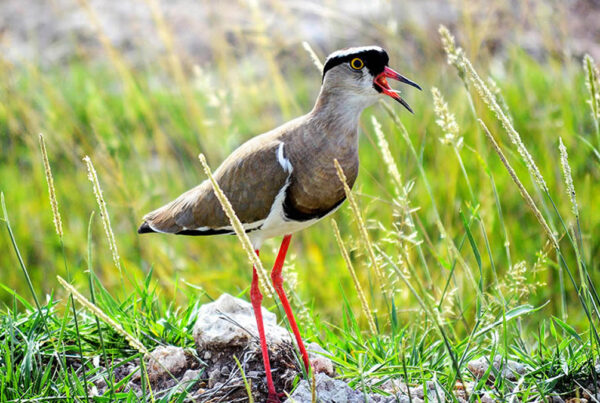
If there is one feature that sets Queen Elizabeth National Park apart, it is its incredible bird diversity. With over 600 species recorded, the park ranks among the finest birdwatching destinations in Africa. From the African fish eagle soaring above the Kazinga Channel to the rare shoebill stork lurking in papyrus swamps, the avian variety is astounding. Migratory species from Europe and Asia also add to the seasonal spectacle, making birding safaris a rewarding pursuit year-round.

Aquatic Riches

The waters of the Kazinga Channel teem with hippos, crocodiles, and a dazzling array of aquatic birds. The channel’s banks are often lined with elephants and buffaloes coming to drink, creating a theater of life that captivates all who embark on a boat safari. These water-based ecosystems remind visitors that the park’s vitality is not confined to its grasslands but flows also through its rivers and lakes.

Key Attractions of Queen Elizabeth National Park

The Kazinga Channel

No visit to Queen Elizabeth National Park can be considered complete without experiencing the Kazinga Channel. Stretching for about 40 kilometers, this natural waterway is a hub of wildlife activity. Boat cruises along the channel offer a front-row seat to one of Africa’s greatest wildlife spectacles, where hippos jostle for space, crocodiles bask on the shores, and elephants arrive in majestic processions to drink.

Ishasha Sector

The Ishasha plains in the southern part of the park are where the famed tree-climbing lions reign supreme. Here, the landscape shifts into expansive savannahs where fig trees stand like sentinels. It is among their branches that lions are seen draped lazily, surveying the plains for unsuspecting prey. The Ishasha sector is also home to large herds of Uganda kob, topi, and buffalo, ensuring predators never wander far.A Safari Guide to Queen Elizabeth

Kyambura Gorge

Sometimes referred to as the “Valley of the Apes,” Kyambura Gorge offers an entirely different safari dimension. This lush, forested gorge is a haven for chimpanzees, and guided treks into the gorge reveal a hidden world where primates swing from tree to tree. The experience of hearing chimpanzees vocalize in the dense forest resonates with an intensity that no traveler forgets.

Crater Lakes and Volcanic Landscapes

The northern sectors of the park are dotted with spectacular crater lakes formed by ancient volcanic activity. Lakes like Katwe and Nyamunuka are not only scenic marvels but also sites of traditional salt mining that has sustained local communities for generations. The crater lakes reflect the harmonious coexistence of human culture and natural beauty.

Activities in Queen Elizabeth National Park

Game Drives

Traditional game drives remain the backbone of the safari experience. They are usually conducted in the early morning or late afternoon when animals are most active. Traversing the park’s tracks unveils herds of antelope grazing, elephants moving in family groups, and predators stealthily patrolling their territories. Each drive feels different, and the unpredictability is what makes the adventure exhilarating.

Boat Safaris on the Kazinga Channel

The boat cruise on the Kazinga Channel is widely regarded as the park’s signature activity. The water’s edge becomes a microcosm of the park itself, where life converges. The proximity to animals, the sound of bird calls echoing over the water, and the setting sun painting the channel gold create moments that linger long after the journey ends.

Chimpanzee Tracking in Kyambura Gorge

For visitors yearning for a more immersive adventure, trekking into Kyambura Gorge to encounter chimpanzees is unparalleled. Guided by expert trackers, visitors navigate dense forests where the air is thick with the sounds of birdlife and rustling leaves. The reward comes in the form of intimate encounters with chimpanzee families, whose human-like behaviors often leave travelers in awe.

Cultural Encounters

Safaris in Queen Elizabeth National Park are not confined to wildlife alone. Engaging with local communities adds cultural depth to the journey. Visits to salt-mining villages near Lake Katwe, or dance performances by local groups, provide insights into the traditions that have been nurtured for centuries around the park. These experiences underscore that the richness of Queen Elizabeth National Park lies not only in its wildlife but also in the spirit of its people.

Best Time to Visit

Queen Elizabeth National Park can be visited throughout the year, yet the dry seasons from June to September and December to February are generally considered ideal. During these months, wildlife congregates around water sources, making sightings more predictable. Roads and tracks also remain more navigable, ensuring smoother game drives.

The wet seasons from March to May and October to November bring their own unique rewards. The park turns into a lush paradise, birdlife becomes especially vibrant, and the landscapes glow with renewed vitality. Though some areas may become challenging to access, the rewards of fewer crowds and spectacular scenery make the rainy season a worthwhile choice for adventurous travelers.

Conservation Efforts and Challenges

Like many of Africa’s great parks, Queen Elizabeth National Park faces ongoing challenges in balancing conservation with human activity. Poaching, human-wildlife conflict, and land encroachment have been persistent issues. However, partnerships between the Uganda Wildlife Authority, international conservation organizations, and local communities have led to significant improvements.

Community-based conservation programs ensure that residents living around the park benefit from tourism revenue, creating incentives for coexistence. Anti-poaching patrols, habitat restoration, and awareness campaigns continue to safeguard the park’s treasures for future generations. The growing emphasis on sustainable tourism ensures that every visitor contributes to the park’s preservation.

Why Queen Elizabeth National Park Stands Apart

What makes Queen Elizabeth National Park exceptional is not simply the abundance of wildlife or the beauty of its landscapes but the way it combines all elements of a safari into a single destination. It is a place where one can witness lions in the treetops, elephants crossing crater plains, hippos grunting in river channels, and chimpanzees thriving in forested gorges—all within a single park.

Few destinations in Africa offer such a comprehensive safari tapestry. The diversity ensures that every day in the park feels different, every drive reveals new wonders, and every sunset paints an unforgettable picture. To journey into Queen Elizabeth National Park is to experience the essence of Africa distilled into one magnificent location.

Your Safari Awaits

Queen Elizabeth National Park is not just a park; it is a living story of nature, culture, and conservation. It embodies the majesty of Uganda’s wilderness, offering a safari that is at once thrilling, educational, and profoundly moving. To step onto its landscapes is to step into a realm where nature still reigns supreme, where every sunrise brings the promise of discovery, and where the wild spirit of Africa beats with unbroken rhythm.

For travelers seeking an authentic African safari that combines breathtaking wildlife encounters, geological wonders, and cultural richness, Queen Elizabeth National Park emerges as an unrivaled choice. Its diversity, accessibility, and unique attractions ensure that every journey here is transformative.

To ensure that this journey is as seamless and enriching as possible, it is highly recommended to book Africa tours and safaris through WildHorn Africa. With expertise in curating unforgettable adventures and a commitment to responsible tourism, WildHorn Africa stands as the trusted gateway to experiencing Queen Elizabeth National Park in its fullest grandeur.

Top 10 Animals to See in Queen Elizabeth National Park

Top 10 Animals to See in Queen Elizabeth National Park

By Travel stories and blogs, Family holidays, Luxury holidays, Safari holidays, Uganda travel guides, Wildlife holidays

Top 10 Animals to See in Queen Elizabeth National Park

Where Africa’s Wild Heart Beats Strongest

In the heart of western Uganda lies a place where nature has written its story in broad, sweeping strokes of wilderness, a land where the savannah meets crater lakes, where rivers feed swamps, and where forests conceal secrets whispered through rustling leaves. This is Queen Elizabeth National Park, a crown jewel in Uganda’s conservation heritage and one of Africa’s most celebrated safari destinations.

Covering nearly two thousand square kilometers of diverse terrain, the park is home to one of the most impressive collections of wildlife on the continent. It is a landscape where predators roam, herds gather, and birds fill the skies in kaleidoscopic variety. But beyond the sheer volume of life it sustains, Queen Elizabeth National Park has gained global renown for the richness of encounters it offers. Here, every drive, every walk, and every boat safari becomes a journey through the pages of a living encyclopedia of nature.

Among the hundreds of species that call the park home, ten stand out as iconic. These animals not only embody the spirit of the Ugandan wilderness but also represent the unforgettable highlights for which travelers cross oceans to witness. From tree-climbing lions to elusive leopards, from vast elephant herds to playful chimpanzees, each encounter tells a story of survival, adaptation, and beauty. This guide explores the top ten animals to see in Queen Elizabeth National Park, offering not only descriptions of their appearance but also deeper insight into their behavior, habitats, and significance.

The Tree-Climbing Lions of Ishasha

No animal encounter in Queen Elizabeth National Park is more unique than that of the tree-climbing lions of Ishasha. Found in the park’s southern sector, these lions have baffled scientists and enchanted travelers by developing the unusual habit of resting in the branches of large fig trees. While most lions elsewhere spend their days sprawled across the ground, Ishasha’s prides take to the treetops, draping their golden bodies across branches with effortless grace.

Several theories explain this behavior. Some suggest that climbing offers relief from the searing heat of the savannah, providing a breeze and escape from biting insects. Others argue it grants lions a vantage point from which to scan for prey. Whatever the reason, the sight of Africa’s most iconic predator in the branches of a tree is one of the park’s defining spectacles.

The lions of Ishasha primarily prey on Uganda kob, buffalo, and warthogs. Their role as apex predators keeps herbivore populations in check, ensuring the ecological balance of the park. To witness them in their treetop thrones is not only a highlight of any safari but also a reminder of nature’s endless adaptability.Top 10 Animals to See in Queen Elizabeth National Park

African Elephants: Gentle Giants of the Plains

The African elephant, the largest land animal on Earth, roams freely through Queen Elizabeth National Park in significant numbers. Their massive forms are often seen moving gracefully across savannahs, congregating at the water’s edge, or wandering near crater lakes. Families of elephants, led by wise matriarchs, display remarkable social bonds, with calves protected by the herd and older members guiding the group’s movements.

In the heat of the day, elephants often march toward the Kazinga Channel, where their drinking, bathing, and playful splashing create extraordinary moments for travelers on boat safaris. Their tusks, used for digging, stripping bark, and defense, serve as reminders of their vulnerability to poaching, though strong conservation measures have helped stabilize populations within the park.

To encounter elephants here is to feel both awe and humility. Their sheer size commands respect, but their gentle interactions with one another inspire a sense of shared kinship between humanity and nature.

The Elusive Leopards

In the shadowed corners of Queen Elizabeth National Park dwell the leopards, creatures of stealth and elegance. Sleek, muscular, and adorned with rosettes across their golden coats, leopards are among the most elusive animals to spot. Their solitary nature and nocturnal habits mean they are rarely seen, yet the park provides excellent opportunities for sightings, particularly during early morning or evening drives.

Leopards thrive in the park’s mixed habitats, from savannahs to forest edges. They often drag their kills into the branches of trees, a behavior that sets them apart from other predators and ensures their meals are safe from scavengers. Antelopes, monkeys, and warthogs form the bulk of their diet.

A glimpse of a leopard slinking through tall grass or resting on a low branch is considered one of the most rewarding safari experiences. Their presence speaks to the park’s intact predator-prey dynamics and to the enduring mystery that defines the African wilderness.

The Hippos of the Kazinga Channel

The Kazinga Channel, connecting Lake George to Lake Edward, is home to one of the world’s largest concentrations of hippopotamuses. These immense animals, despite their seemingly sedentary lifestyle, are among Africa’s most formidable creatures. During the day, they wallow in the water, their massive bodies submerged save for ears, eyes, and nostrils that peek above the surface. At night, they emerge to graze, leaving trails of cropped grass that mark their passage.

Boat safaris along the channel reveal pods of hippos clustered tightly together, grunting, snorting, and occasionally yawning wide to display fearsome tusks. Though they appear comical, their territorial behavior and immense strength remind visitors of their power.

The hippos of Kazinga Channel are central to the park’s ecosystem, influencing plant growth along the riverbanks and supporting aquatic life. For travelers, they provide endless fascination, embodying both the tranquility and latent ferocity of Africa’s waterways.

The African Buffalo: Symbols of Strength

Among the most common yet imposing animals in Queen Elizabeth National Park are the African buffaloes. These sturdy bovines, with their sweeping horns and formidable presence, move in vast herds across the plains. Their sheer numbers and unpredictable temperament make them one of Africa’s most respected animals, even among predators.

Buffaloes often gather at water sources, their dark bodies crowding the channel banks alongside hippos and elephants. Lions frequently target them, though buffaloes are far from easy prey; their strength and herd solidarity often repel even the most determined attacks.

They represent resilience and unity, a reminder of how survival in the wild depends on collective strength. Their ubiquity ensures that no safari in Queen Elizabeth National Park feels complete without the sight of these powerful creatures.

Uganda Kob: The Iconic Antelope

No animal is more symbolic of Uganda than the Uganda kob, a graceful antelope that roams in large numbers across Queen Elizabeth National Park. With reddish-brown coats, elegant horns in males, and a bounding stride that conveys energy and agility, the kob embodies the vitality of the savannah.

They are most abundant in the Ishasha and Kasenyi plains, where their presence attracts predators such as lions and leopards. Males establish leks, or breeding territories, where they display dominance and attract females, creating fascinating social interactions for observers.

The Uganda kob holds cultural as well as ecological importance. It is featured on Uganda’s coat of arms, symbolizing the country’s wildlife heritage. To watch them in their natural environment is to connect with Uganda’s identity and to appreciate the role of antelopes in sustaining predator populations.

Chimpanzees in Kyambura Gorge

While the savannah dominates much of Queen Elizabeth National Park, the Kyambura Gorge, often called the “Valley of the Apes,” reveals a completely different world. Here, dense forests conceal one of the park’s most intriguing inhabitants—the chimpanzee.

Chimpanzees in Kyambura Gorge live in small communities, displaying intelligence, tool use, and social behaviors strikingly similar to humans. Trekking into the gorge to encounter them is a profound experience, as their calls echo through the forest canopy and their movements demonstrate both power and playfulness.

These primates highlight the park’s ecological diversity, bridging savannah and forest ecosystems. They remind travelers that Queen Elizabeth is not only a place of open plains but also of hidden forests where close relatives of humanity thrive.

Nile Crocodiles: Masters of Stealth

Basking along the Kazinga Channel’s shores or lurking just beneath the surface are the Nile crocodiles, creatures whose lineage stretches back to prehistoric times. With armored bodies, powerful jaws, and a patience that borders on eerie, they are supreme ambush predators.

Crocodiles feed on fish, birds, and sometimes larger animals that venture too close to the water. Their sudden bursts of speed and crushing bite force make them a force to be reckoned with. Though often motionless, their presence adds drama to every boat safari, a reminder that danger in the wild can lie hidden just below the surface.

They play an essential ecological role, regulating fish populations and ensuring balance in aquatic systems. For travelers, they offer both fear and fascination, embodying the primal essence of the African wild.

Warthogs: The Quirky Grazers

Scattered across the grasslands and often seen trotting with tails held high are the warthogs, animals that combine comical appearance with surprising adaptability. With protruding tusks, bristly manes, and expressive faces, warthogs are among the most endearing creatures of the park.

They live in burrows, often occupying abandoned aardvark holes, and spend much of their time grazing on grasses. Despite their awkward looks, they can sprint with astonishing speed when threatened. Warthogs are commonly encountered on game drives, their presence adding both humor and character to the safari.

Their importance lies in their role as prey for predators, as well as their ability to aerate soil through digging. They remind visitors that even the less glamorous animals are indispensable threads in the tapestry of life.

Baboons and Other Primates

Adding to the diversity of Queen Elizabeth National Park are the olive baboons, highly social primates that roam in large troops. Their behaviors are complex, ranging from grooming rituals to vocal communication. They are often seen along park roadsides, boldly interacting with passing vehicles, a behavior that reflects both intelligence and opportunism.

In addition to baboons, the park shelters vervet monkeys and black-and-white colobus monkeys, each contributing to the richness of its primate population. These creatures underscore the ecological variety that sets Queen Elizabeth apart, where savannah, forest, and riverine environments intersect to support extraordinary biodiversity.

The Diversity Beyond the Top Ten

While these ten animals represent the highlights, Queen Elizabeth National Park’s wildlife tapestry is far broader. With more than ninety-five mammal species and over six hundred bird species, the park is a paradise for naturalists. From servals and hyenas to flamingos and shoebill storks, every journey through the park reveals new wonders. The top ten are simply a gateway into a realm where life thrives in astonishing abundance.

A Symphony of Wildlife Encounters

Queen Elizabeth National Park is more than just a protected area; it is a stage where nature performs its grandest symphony. To see the tree-climbing lions of Ishasha, the majestic elephants, the stealthy leopards, the playful chimpanzees, and the countless other species is to witness Africa in its purest form. Each animal encounter adds a note to the melody of the park, a melody that resonates long after the safari ends.

For travelers, these encounters are not simply sights to be checked off a list; they are transformative experiences that inspire awe, respect, and a renewed connection to the natural world. The top ten animals embody the park’s spirit, but it is the harmony of all species together that makes Queen Elizabeth National Park one of Africa’s greatest treasures.

To embark on this unforgettable journey and ensure an experience that is immersive, insightful, and responsibly managed, it is highly recommended to book Africa tours and safaris through WildHorn Africa. With unmatched expertise and dedication to excellence, WildHorn Africa guarantees that every safari becomes a timeless memory of Uganda’s wilderness.

How to Combine Queen Elizabeth with Gorilla Trekking Safaris

How to Combine Queen Elizabeth with Gorilla Trekking Safaris

By Travel stories and blogs, Family holidays, Honeymoon holidays, Luxury holidays, Primate holidays, Safari holidays, Uganda travel guides, Wildlife holidays

How to Combine Queen Elizabeth with Gorilla Trekking Safaris

A Journey Beyond Boundaries

Among the treasures that crown Uganda as the Pearl of Africa, few experiences are as captivating as the combination of a wildlife safari in Queen Elizabeth National Park and the once-in-a-lifetime adventure of gorilla trekking in the misty forests of the country’s southwest. These two experiences, though distinct in character, weave together a journey that embodies the essence of African exploration—untamed wilderness, breathtaking landscapes, and encounters with some of the planet’s most iconic species.

To witness the majesty of lions, elephants, and hippos in Queen Elizabeth, and then to stand face-to-face with the gentle giants of Bwindi Impenetrable Forest or Mgahinga Gorilla National Park, is to experience the full spectrum of Uganda’s natural heritage. The rhythm of open savannahs meets the mystery of dense jungles, and the thrill of game drives merges with the intimacy of trekking through emerald forests.

The union of these two experiences does not happen by chance; it is a carefully crafted journey, guided by geography, logistics, and the desire for immersion. Understanding how Queen Elizabeth National Park can be seamlessly combined with gorilla trekking is the key to unlocking a safari that is both comprehensive and transformative.

The Allure of Queen Elizabeth National Park

Queen Elizabeth National Park is not merely a stop on a safari itinerary but a destination that encapsulates the grandeur of Uganda’s landscapes and biodiversity. Stretching across the western arm of the Great Rift Valley, the park is defined by sweeping savannah plains, volcanic crater lakes, dense forests, and the shimmering waters of the Kazinga Channel. Within this mosaic of ecosystems thrives an extraordinary array of wildlife.

The park is home to more than 95 mammal species and over 600 species of birds, making it one of the most biodiverse protected areas in Africa. Large herds of elephants wander the plains, lions patrol the grasslands, and hippos wallow in vast numbers along the channel. The southern Ishasha sector adds another layer of fascination, being home to the rare tree-climbing lions that lounge in fig trees, a phenomenon found in only a handful of places worldwide.

To explore Queen Elizabeth is to immerse oneself in the heartbeat of Africa’s wilderness. Game drives, boat safaris, and chimpanzee tracking in Kyambura Gorge offer experiences that awaken both adventure and reflection. It is the perfect prologue to the deeper journey that awaits in Uganda’s mist-shrouded forests.

The Mystique of Gorilla Trekking

While the savannahs of Queen Elizabeth reveal the drama of wildlife on open plains, the forests of Bwindi Impenetrable National Park and Mgahinga Gorilla National Park conceal one of the world’s most intimate and awe-inspiring encounters—the meeting with mountain gorillas.

Gorilla trekking is not a passive experience but an active journey. Trails wind through dense vegetation, steep hillsides, and misty undergrowth, demanding resilience and patience. Yet, the reward transcends effort. To find a family of gorillas, to sit in their presence as they feed, groom, and nurture one another, is to glimpse a mirror of human emotion in the wild. The gaze of a silverback conveys strength and protection, while the playfulness of infants reflects joy unbounded by time.

The experience is regulated with strict conservation measures, ensuring that only a limited number of permits are issued each day. This exclusivity preserves the fragile habitats and minimizes human impact while granting each trekker an encounter that feels deeply personal. In the silence of the forest, with the sound of rustling leaves and the sight of these giants only meters away, an indelible bond is formed.How to Combine Queen Elizabeth with Gorilla Trekking Safaris

Geography and Connectivity Between Destinations

One of the most compelling reasons to combine Queen Elizabeth National Park with gorilla trekking lies in their geographical proximity. Positioned in western Uganda, Queen Elizabeth acts as a natural midpoint between Kibale Forest to the north and Bwindi Impenetrable National Park to the south. This location creates a seamless corridor for safaris that flow from savannah to jungle without requiring lengthy diversions.

The southern Ishasha sector of Queen Elizabeth directly borders Bwindi, allowing travelers to drive from the open plains of lion country into the dense mountain forests within a matter of hours. This connectivity makes it possible to enjoy a morning game drive in Ishasha, searching for tree-climbing lions, and to arrive in Bwindi by afternoon, ready for the gorilla trek the following day.

Alternatively, travelers may access Bwindi via the northern Buhoma sector after exploring the Mweya Peninsula or the Kazinga Channel in Queen Elizabeth. The road journeys themselves are part of the experience, revealing Uganda’s landscapes in all their variety—rolling hills, terraced farmlands, crater lakes, and bustling villages that bring cultural depth to the natural beauty.

Designing the Perfect Safari Combination

The success of combining Queen Elizabeth with gorilla trekking lies in the careful structuring of an itinerary that allows both depth and flow. Typically, travelers begin their journey in Entebbe or Kampala, flying into Uganda’s international gateway before embarking on the road or air transfer to Queen Elizabeth National Park. Here, the rhythm of the safari begins, with game drives, boat cruises, and exploration of crater lakes providing immersion into Uganda’s biodiversity.

After two to three days of savannah exploration, the journey transitions southward toward Bwindi. The drive through Ishasha provides opportunities for additional wildlife sightings, particularly the famed tree-climbing lions. By the time the misty hills of Bwindi are reached, the pace of the safari changes from expansive landscapes to intimate forests.

A minimum of two nights in Bwindi is often recommended, allowing for the gorilla trek and, for those with endurance, a second trek to encounter another family group. Each trek is unique, as the gorillas are not confined to predictable patterns, and every sighting reveals new behaviors and dynamics.

The itinerary may then be concluded with either a return to Entebbe or an extension to other destinations such as Lake Bunyonyi, Kibale Forest, or Murchison Falls National Park, depending on time and preference. The structure ensures that the safari unfolds like a story, beginning with the drama of open plains, climaxing in the intimacy of gorilla encounters, and closing with the serenity of Uganda’s highlands.

The Role of Flights and Transfers

While road journeys provide scenic immersion, air travel has increasingly become an option for travelers seeking efficiency. Domestic flights operate between Entebbe and airstrips near Queen Elizabeth National Park, such as Mweya or Kasese, as well as near Bwindi, such as Kihihi or Kisoro. These flights reduce travel time significantly, making it possible to maximize time in the parks themselves rather than on the road.

A popular option involves flying to Kasese for Queen Elizabeth, exploring the park for several days, and then transferring by road through Ishasha to Bwindi. Alternatively, flights may connect directly between Kasese and Kihihi, bridging the two destinations with ease. The availability of these connections ensures that safaris can be tailored to suit both adventurous travelers who prefer the road and those who value efficiency and comfort.

Lodging Options: From Savannah Luxury to Forest Retreats

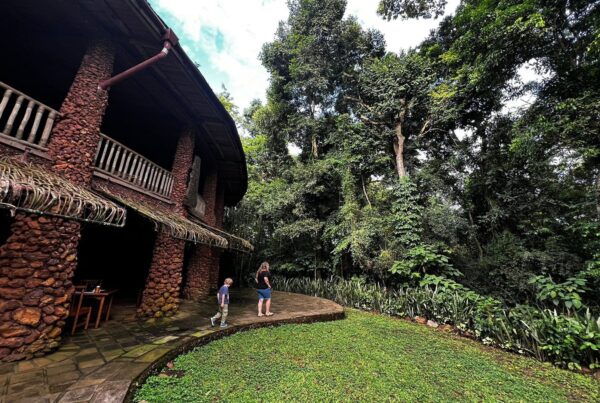
Accommodation plays a pivotal role in shaping the safari experience. In Queen Elizabeth National Park, luxury lodges such as Mweya Safari Lodge, Kyambura Gorge Lodge, Ishasha Wilderness Camp, and Elephant Plains Lodge offer a blend of comfort and immersion. From infinity pools overlooking the Kazinga Channel to tented camps along the Ntungwe River, each lodge reflects a different dimension of wilderness living.

In Bwindi, the atmosphere shifts from sweeping plains to secluded forest retreats. Lodges such as Buhoma Lodge, Clouds Mountain Gorilla Lodge, Mahogany Springs, and Nkuringo Bwindi Gorilla Lodge provide havens of tranquility at the edge of the impenetrable forest. Their design often mirrors the natural surroundings, with wooden chalets, fireplaces, and views that capture the essence of the misty hills.

The transition from the luxury of savannah lodges to the intimacy of forest retreats creates a contrast that enriches the journey. Guests experience the vast openness of one ecosystem and the enclosed mystery of another, yet the thread of comfort and attentive service remains constant throughout.

Conservation Significance of the Combination

The combination of Queen Elizabeth and gorilla trekking is not only a journey of exploration but also one of contribution. Both parks are critical strongholds of biodiversity, and tourism plays a central role in their protection. Gorilla trekking permits, for example, directly fund conservation initiatives and support community development projects around Bwindi and Mgahinga. Similarly, the revenue generated from safaris in Queen Elizabeth contributes to wildlife protection and habitat preservation.

Travelers who combine the two destinations thus become part of a broader narrative of conservation. By choosing to explore both savannah and forest, they support initiatives that safeguard lions, elephants, gorillas, and countless other species. The journey transforms into more than personal discovery—it becomes a statement of solidarity with the landscapes and communities that define Uganda’s heritage.

Cultural Enrichment Along the Way

Another dimension of combining Queen Elizabeth with gorilla trekking lies in the cultural encounters woven into the journey. The road between the two destinations traverses villages, farms, and marketplaces, where glimpses into daily life reveal Uganda’s rich cultural tapestry.

Near Bwindi, the Batwa communities, who were once forest dwellers, share their heritage through storytelling, music, and dance. These encounters provide context for the landscapes being explored, reminding travelers that conservation is not only about wildlife but also about the people who share these lands. In Queen Elizabeth, visits to local fishing villages along the Kazinga Channel highlight the interdependence of communities and ecosystems.

Such cultural elements enrich the safari, offering depth beyond the spectacle of wildlife. They create connections that endure, as travelers leave not only with memories of lions and gorillas but also with stories of resilience, tradition, and shared humanity.

A Journey of Harmony and Contrast

To combine Queen Elizabeth National Park with gorilla trekking safaris is to embark on a journey that captures the essence of Uganda’s wilderness. It is a journey of harmony and contrast, where the vast plains of the savannah meet the shadowed depths of the forest, and where the roar of lions is complemented by the silent gaze of gorillas.

The practical ease of connectivity, the richness of experiences, and the balance between adventure and intimacy make this combination one of the most rewarding safari itineraries in Africa. It offers travelers the chance to encounter Uganda in its full diversity, from the drama of game drives to the intimacy of forest treks, from sweeping crater lakes to mist-shrouded mountains.

For those seeking to experience this unparalleled blend of safari and primate adventure, it is strongly recommended that Africa tours and safaris be arranged through WildHorn Africa. With expertise in crafting seamless itineraries and a commitment to excellence, WildHorn Africa ensures that every journey through Queen Elizabeth and the gorilla forests becomes a story not only of exploration but of transformation.

Tree-Climbing Lions of Ishasha: A Unique Safari in Queen Elizabeth

Tree-Climbing Lions of Ishasha: A Unique Safari in Queen Elizabeth

By Travel stories and blogs, Safari holidays, Uganda travel guides, Wildlife holidays

Tree-Climbing Lions of Ishasha: A Unique Safari in Queen Elizabeth

A Safari Encounter Like No Other

Few experiences in the African wilderness can rival the awe of witnessing lions stretched out gracefully across the branches of giant fig trees. Deep in the southern reaches of Queen Elizabeth National Park in Uganda lies Ishasha, a land that has become synonymous with one of the most intriguing wildlife spectacles on the continent—the tree-climbing lions. For most travelers, lions are expected to roam across open savannahs, commanding their territories from the ground. Yet in Ishasha, they defy expectations. With languid elegance, they ascend into the branches, where they spend hours basking in the sun, surveying the plains below, and occasionally leaping down to ambush unsuspecting prey.

To encounter these lions is to witness an extraordinary adaptation, one that has baffled scientists and enchanted safari-goers for decades. This phenomenon transforms a safari into something more than just an ordinary game drive; it becomes an intimate glimpse into the mysteries of evolution and animal behavior. For those seeking a safari experience that is truly unique, Ishasha is a destination without rival.

The Ishasha Sector: A Hidden Gem of Queen Elizabeth National Park

Located in the southwestern corner of Queen Elizabeth National Park, the Ishasha sector offers a strikingly different landscape compared to the park’s central plains or the northern Kazinga Channel region. Here, the scenery is defined by expansive savannahs, dotted acacia trees, and towering fig trees whose branches spread wide like welcoming arms. Rolling grasslands merge into woodlands, and the meandering Ishasha River carves its way through, sustaining both wildlife and vegetation.

Unlike the busier northern zones of the park, Ishasha remains relatively remote and tranquil. Its distance from the main entrance has preserved its sense of wilderness, ensuring that safaris here unfold in an atmosphere of solitude and exclusivity. It is this remoteness, combined with its remarkable lions, that gives Ishasha its reputation as a hidden gem within Uganda’s safari circuit.

Travelers driving south toward Bwindi Impenetrable Forest for gorilla trekking often pass through Ishasha, making it an ideal addition to a broader Ugandan safari. Yet even as a standalone destination, the Ishasha sector captivates with its landscapes and wildlife encounters, ensuring that visitors leave with memories that linger long after they depart.

The Mystery of the Tree-Climbing Lions

An Unusual Behavior

In most parts of Africa, lions remain firmly grounded. Their muscular bodies, adapted for stalking and taking down prey, do not lend themselves easily to climbing trees. Yet in Ishasha, lions have perfected this unusual habit, turning it into a defining characteristic of their population. These lions ascend fig and acacia trees with remarkable ease, often spending the better part of the day resting on branches several meters above the ground.

For the uninitiated traveler, the sight is surreal. Seeing the continent’s most iconic predator lounging in the treetops seems almost contradictory to everything one expects of a lion. Yet for those who witness it, the spectacle is not only unforgettable but also deeply moving. It is a reminder that nature is endlessly adaptive and that every ecosystem shapes its inhabitants in unique ways.

Theories Behind the Climbing

Scientists and researchers have long debated why Ishasha’s lions climb trees. Several theories have emerged, though none can be said to be definitive. Some suggest that tree-climbing is a response to the intense heat of the savannah. Elevated branches provide relief from biting insects and the scorching sun, allowing lions to rest in greater comfort. Others propose that climbing trees offers lions a strategic vantage point, enabling them to survey the plains for prey or threats with unmatched clarity.

There is also the possibility that this behavior has been culturally inherited within the pride. Just as certain behaviors are passed down among primates, so too may young lions in Ishasha learn climbing from their mothers and elders, perpetuating a tradition unique to this population. Whatever the reason, the practice has become ingrained in the Ishasha lions, distinguishing them from their counterparts across the continent.

The Lions of Ishasha: A Distinct Pride

The lions of Ishasha are not just climbers; they are guardians of an ancient savannah, playing an essential role in the ecological balance of the park. Their prides are smaller compared to some East African regions, often ranging between ten to twenty individuals. These prides are tightly knit, their dynamics shaped by the challenges of survival in an environment where prey is abundant but competition remains fierce.

The Uganda kob, the national antelope, forms a significant portion of their diet. Large herds of kob roam Ishasha’s plains, their presence attracting predators. Buffaloes, warthogs, and even young elephants occasionally fall prey to these formidable lions. From the elevated branches, lions can patiently observe herds below before descending with lethal precision when opportunity strikes.

Beyond their ecological role, the lions of Ishasha carry a symbolic significance. They have become ambassadors for Ugandan tourism, drawing travelers from across the world who seek the rare thrill of watching a lion in a tree. Their continued survival is therefore not only a matter of ecological importance but also of cultural and economic value for Uganda.

The Ishasha Landscape: A Stage for the Extraordinary

To fully appreciate the uniqueness of Ishasha’s lions, one must also understand the landscape that shapes them. Unlike the flat expanses of Serengeti or Masai Mara, Ishasha offers a landscape where open grasslands meet wooded savannahs. The fig trees, tall and sprawling, form the perfect resting platforms for lions. Acacias, with their broad branches, provide shade and refuge.

The Ishasha River adds life to the sector, attracting herds of elephants that often cross its waters in dramatic displays of unity. Along its banks, hippos wallow lazily, while crocodiles lurk beneath the surface. Birds thrive here as well, with species such as the African crowned crane, martial eagle, and yellow-billed stork gracing the skies.

It is in this ecological theater that the lions take to the trees, transforming the savannah into a stage where nature performs one of its most unusual acts. The landscape is not just a backdrop but an active participant in this behavior, offering both the necessity and the opportunity for the lions’ adaptation.Tree-Climbing Lions of Ishasha: A Unique Safari in Queen Elizabeth

Safari Experiences in Ishasha

Game Drives in Search of the Lions

The quintessential way to experience Ishasha is through a game drive. Safari vehicles traverse the sector’s tracks, scanning the treetops for the iconic silhouettes of lions draped across branches. Early morning and late afternoon drives offer the best chances, as lions are often seen lounging after a night or early morning hunt.

The experience of spotting lions in trees is unlike any other. There is a sense of disbelief followed by wonder as the eye adjusts to the sight of golden bodies stretched out against green canopies. Photographers find endless inspiration here, for the setting provides compositions that are rare in the world of wildlife imagery.

Beyond the Lions

Though the lions dominate attention, Ishasha offers much more. Large herds of elephants roam the grasslands, sometimes moving in single-file processions that underscore their social bonds. Buffalo herds graze in vast numbers, and antelope species dot the plains. The birdlife is equally remarkable, ensuring that every safari in Ishasha is richly rewarding.

The Solitude of Wilderness

One of Ishasha’s most cherished qualities is its remoteness. Unlike busier safari destinations, here the sense of solitude prevails. Game drives often unfold without another vehicle in sight, granting travelers a feeling of exclusivity. This tranquility allows for deeper immersion, where the rhythm of the wilderness can be felt without distraction.

Conservation Challenges and Efforts

The uniqueness of Ishasha’s lions makes their conservation all the more critical. Yet like many wildlife populations in Africa, they face threats that cannot be overlooked. Human-wildlife conflict remains a pressing concern, as communities living around the park sometimes clash with predators that attack livestock. Poaching, though reduced in recent years, has also posed dangers.

Conservation initiatives led by the Uganda Wildlife Authority and supported by international organizations have been instrumental in protecting these lions. Anti-poaching patrols, community sensitization, and revenue-sharing programs have strengthened the coexistence between people and wildlife. Tourists visiting Ishasha also contribute directly to conservation, as park fees and safari revenue provide essential funding for protection efforts.

The survival of the tree-climbing lions is not only a matter of preserving an ecological wonder but also of sustaining the economic lifeline of communities who benefit from tourism. Their future depends on continued commitment to conservation, both locally and globally.

Best Time to Visit Ishasha

The Ishasha sector can be visited year-round, though the dry seasons from June to September and December to February are often preferred. During these months, vegetation is thinner, making it easier to spot lions and other wildlife. Roads are also more accessible, ensuring smoother game drives.

The wet seasons from March to May and October to November bring lush greenery and vibrant birdlife, though access may become more challenging. Yet for travelers seeking solitude and dramatic scenery, the rains add a beauty of their own. The decision ultimately rests on whether one values clearer wildlife sightings or the verdant spectacle of the rainy months.

Why Ishasha Should Be on Every Safari Itinerary

The tree-climbing lions alone would justify a journey to Ishasha, yet the sector’s value extends beyond this singular phenomenon. It offers a safari experience that is both intimate and authentic, far removed from crowded destinations. It is a place where one can sit in silence beneath a fig tree, watching lions above and antelope below, and feel the timelessness of Africa’s wilderness.

Furthermore, its strategic location makes Ishasha a natural link between Uganda’s other iconic destinations. Positioned on the route to Bwindi Impenetrable Forest, it allows travelers to combine the thrill of lion encounters with the life-changing experience of gorilla trekking. This seamless integration of experiences makes Uganda’s safari circuit one of the most diverse and rewarding in Africa.

A Call to the Wild

The tree-climbing lions of Ishasha are more than a wildlife attraction; they are a symbol of nature’s ingenuity and resilience. They embody the spirit of Uganda’s wilderness, where every landscape tells a story and every creature reveals a mystery. To watch these lions resting in the treetops is to witness one of Africa’s rarest and most captivating spectacles—a moment that remains imprinted in memory, long after the safari has ended.

For those seeking a safari that transcends the ordinary, Ishasha offers an experience that is truly unique. It is here that the untamed beauty of Queen Elizabeth National Park is revealed in its most remarkable form, where lions defy gravity and the savannah whispers stories of adaptation and survival.

Travelers who wish to embark on this unforgettable journey are encouraged to book their Africa tours and safaris through WildHorn Africa, a trusted provider known for crafting extraordinary adventures. With expertise, passion, and commitment to responsible tourism, WildHorn Africa ensures that every safari becomes not just a journey through the wilderness but a lifelong memory of Africa’s grandeur.

Best time to go Nature Walks & Hiking in Uganda?

Best time to go Nature Walks & Hiking in Uganda?

By Travel guides, Uganda travel guides, When to go

Best time to go Nature Walks & Hiking in Uganda?

The best time to enjoy nature walks and hiking in Uganda largely depends on the country’s two main rainy seasons, as trails can become slippery and some park roads may be challenging to navigate during heavy rainfall. Generally, the dry seasons, from December to February and June to August, are ideal for trekking and forest walks. During these months, trails in places like Rwenzori Mountains, Mount Elgon, and Queen Elizabeth National Park are more accessible, visibility is high, and wildlife sightings are easier. The dry weather also allows for safer and more enjoyable multi-day hikes, especially in highland areas where rainfall can make paths muddy and treacherous.

For forest hikes and primate tracking in Kibale National Park or Bwindi Impenetrable Forest, the dry periods are particularly favorable because the forest trails are less slippery, and wildlife activity is more predictable. Birdwatchers also find these months ideal, as migratory birds are easier to spot, and the lush but manageable vegetation makes hiking comfortable. Even in Mabira Forest, morning walks are best undertaken during dry months when the risk of sudden downpours is lower, making it easier to enjoy birdwatching, primate sightings, and the serene forest atmosphere.

While the wet seasons (March to May and September to November) bring heavier rains, they also transform Uganda’s landscapes into vibrant green scenery, with flowing waterfalls and blooming flora. Experienced hikers and nature enthusiasts who don’t mind a little mud can still enjoy trekking during these months, but it’s essential to prepare with proper gear, including waterproof clothing and sturdy boots. Overall, for a balance of comfort, accessibility, and wildlife visibility, the dry seasons remain the most recommended times to plan nature walks and hiking adventures across Uganda.

Best time to go Nature Walks & Hiking in Uganda?

Crafting the Perfect Itinerary

The beauty of Uganda lies in its year-round accessibility, but the optimal experience depends on aligning interests with seasonal nuances. For wildlife lovers, the dry months of June through August and December through February are ideal. Those captivated by color, solitude, and renewal may find March to May and October to November more rewarding. Each region of Uganda carries its own rhythm and character, making it essential to balance one’s journey across forests, savannahs, highlands, and lakes.

For travelers seeking to transform these recommendations into a tailor-made adventure, it is strongly encouraged to book Africa tours and safaris through WildHorn Africa, a trusted expert in curating immersive, seamless, and unforgettable experiences across Uganda and beyond. With WildHorn Africa, every month becomes the perfect time to explore, connect, and rediscover the wonders of travel through the eyes of a land that never ceases to amaze.

The best time to visit is generally considered to be during the dry season, when weather conditions are more pleasant and travel is less likely to be disrupted, typically based on your preferred destinations. During this period, landscapes are at their most vibrant, wildlife sightings are more frequent, and activities can be enjoyed with greater ease. While visits are possible year-round, choosing this window is often recommended to ensure the most rewarding and comfortable experience.

WhatsApp

Grandeur

Experience the grandeur of Africa with WildHorn Africa, where every safari is designed to showcase the continent’s breathtaking landscapes and majestic wildlife.

24/7 support

Enjoy peace of mind with 24/7 support from WildHorn Africa, ensuring expert assistance before, during, and after your safari adventure.

Safety

Your safety is our top priority at WildHorn Africa, with expertly guided safaris and trusted partners ensuring a secure and worry-free adventure.

Price-quality ratio

WildHorn Africa offers exceptional price-quality ratio, delivering top-tier safari experiences at competitive rates without compromising on comfort.

Where to stay Nature Walks & Hiking in Uganda?

Where to stay Nature Walks & Hiking in Uganda?

By Travel guides, Uganda travel guides

Where to stay Nature Walks & Hiking in Uganda?

When planning a nature walk or hiking trip in Uganda, choosing the right place to stay can greatly enhance the experience. Many lodges, camps, and eco-resorts are strategically located near national parks and popular hiking trails, allowing easy access to early morning treks and wildlife encounters. For instance, near Rwenzori Mountains National Park, several lodges offer cozy accommodations with mountain views, providing hikers with a comfortable base before tackling challenging trails. Similarly, in Mount Elgon National Park, visitors can stay in guesthouses or eco-lodges that blend with the natural surroundings, offering both convenience and a serene environment to relax after a day of hiking.

For those exploring Uganda’s forest reserves and primate habitats, there are numerous forest lodges and camps that cater specifically to nature enthusiasts. In Kibale National Park, lodges like the Primate Lodge Kibale place guests right at the forest edge, making early morning chimpanzee tracking and forest walks more accessible. Mabira Forest also has eco-lodges and picnic camps nearby, which provide simple yet comfortable accommodation for those looking to enjoy guided walks and birdwatching excursions. Staying close to these natural habitats allows travelers to experience the sights and sounds of the forest at dawn and dusk, enhancing the sense of immersion in Uganda’s diverse ecosystems.

For wildlife and savannah hikes, lodges in Queen Elizabeth National Park and Bwindi Impenetrable Forest provide unique opportunities to combine comfort with adventure. In Queen Elizabeth, safari lodges and tented camps along the Mweya Peninsula or near the Ishasha sector allow guests to explore hiking trails, crater lakes, and primate-filled forests. Bwindi lodges, often offering spectacular views of gorilla habitats, are perfect for trekkers aiming for gorilla tracking or forest walks. Across Uganda, these accommodations range from luxury lodges to budget-friendly campsites, ensuring that every hiker and nature enthusiast can find a suitable base to rest, rejuvenate, and prepare for the next day of adventure.

The best time to visit is generally considered to be during the dry season, when weather conditions are more pleasant and travel is less likely to be disrupted, typically based on your preferred destinations. During this period, landscapes are at their most vibrant, wildlife sightings are more frequent, and activities can be enjoyed with greater ease. While visits are possible year-round, choosing this window is often recommended to ensure the most rewarding and comfortable experience.

WhatsApp

Grandeur

Experience the grandeur of Africa with WildHorn Africa, where every safari is designed to showcase the continent’s breathtaking landscapes and majestic wildlife.

24/7 support

Enjoy peace of mind with 24/7 support from WildHorn Africa, ensuring expert assistance before, during, and after your safari adventure.

Safety

Your safety is our top priority at WildHorn Africa, with expertly guided safaris and trusted partners ensuring a secure and worry-free adventure.

Price-quality ratio

WildHorn Africa offers exceptional price-quality ratio, delivering top-tier safari experiences at competitive rates without compromising on comfort.

Where to go Nature Walks & Hiking in Uganda?

Where to go Nature Walks & Hiking in Uganda?

By Travel guides, Uganda travel guides, Where to go

Where to go Nature Walks & Hiking in Uganda?

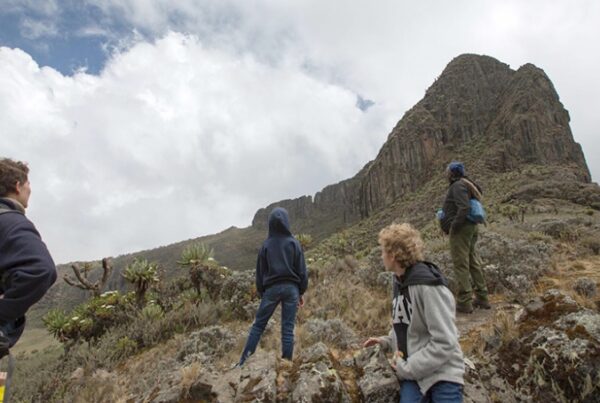
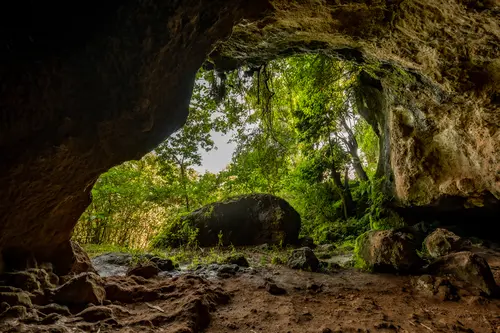
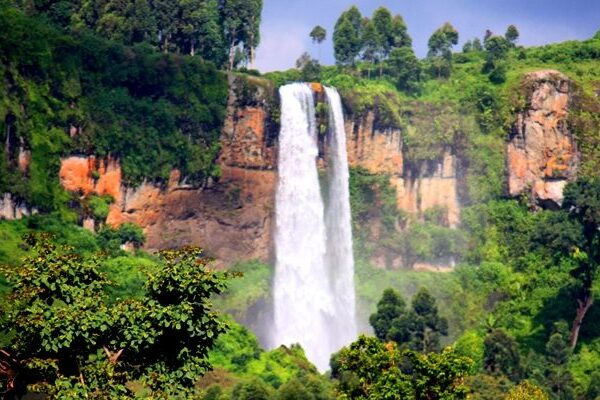
Uganda, often referred to as the “Pearl of Africa,” is blessed with diverse landscapes that make it an excellent destination for nature walks and hiking. From lush rainforests and rolling savannahs to towering volcanic peaks, the country offers something for every level of adventurer. Popular hiking spots include the Rwenzori Mountains, also known as the “Mountains of the Moon,” where trekkers can experience snow-capped peaks and alpine vegetation. For those seeking a moderate adventure, Mount Elgon National Park provides scenic trails leading to waterfalls, caves, and the world’s largest caldera. These treks not only challenge the body but also reward hikers with stunning panoramas and unique ecosystems.

In addition to mountain treks, Uganda is home to many scenic nature walks that bring travelers closer to its rich biodiversity. The Mabira Forest Reserve, located between Kampala and Jinja, offers guided forest walks where visitors can spot rare bird species, butterflies, and primates. In the western part of the country, Kibale National Park is famous for chimpanzee tracking, but it also offers tranquil forest walks where you can experience the beauty of one of Africa’s richest primate habitats. Meanwhile, Lake Mburo National Park provides guided walking safaris that allow visitors to encounter zebras, antelopes, and giraffes on foot—an experience that connects you deeply with nature.

For travelers looking for a mix of culture and scenery, Mount Moroto and the Karamoja region in northeastern Uganda present unique hiking opportunities. Treks here not only traverse rugged mountains and savannah landscapes but also introduce visitors to the traditional lifestyles of the Karamojong people. Similarly, nature walks around Bwindi Impenetrable Forest offer breathtaking experiences as you explore dense jungle trails, often used for gorilla trekking. Whether you seek challenging climbs or gentle guided walks, Uganda’s trails promise unforgettable encounters with wildlife, culture, and landscapes that are as diverse as they are beautiful.

Where to go Nature Walks & Hiking in Uganda?

Rwenzori Mountains National Park

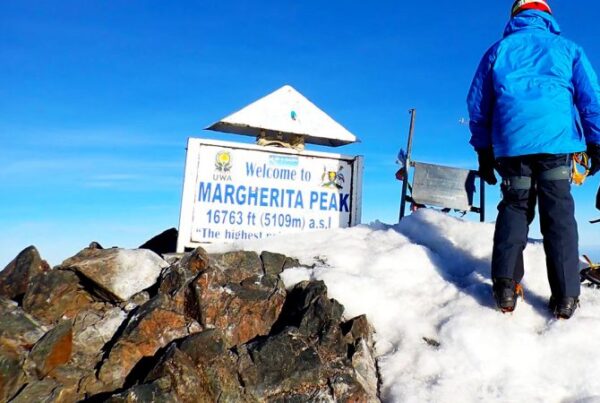
Hiking in Rwenzori Mountains National Park is a thrilling adventure through snow-capped peaks, glacier valleys, and unique alpine vegetation. Trekkers can conquer Africa’s third-highest peak, Mount Stanley, or enjoy shorter scenic routes showcasing waterfalls and rare plant species. The park offers an unforgettable blend of challenging trails, breathtaking landscapes, and rich biodiversity.

Mount Elgon National Park

Mount Elgon National Park is a hiker’s paradise, famous for its vast landscapes, waterfalls, caves, and the world’s largest volcanic caldera. Trails here range from gentle nature walks to multi-day treks that lead to Wagagai Peak (4,321m), rewarding climbers with sweeping views of Uganda and Kenya. Along the way, adventurers encounter diverse wildlife, bird species, and lush vegetation, making it a perfect destination for both nature lovers and mountaineers.

Queen elizabeth national park

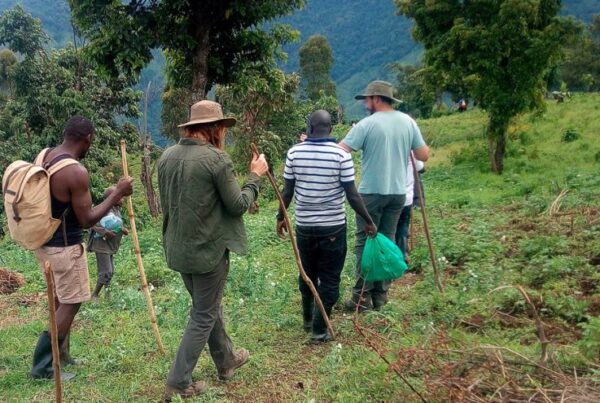
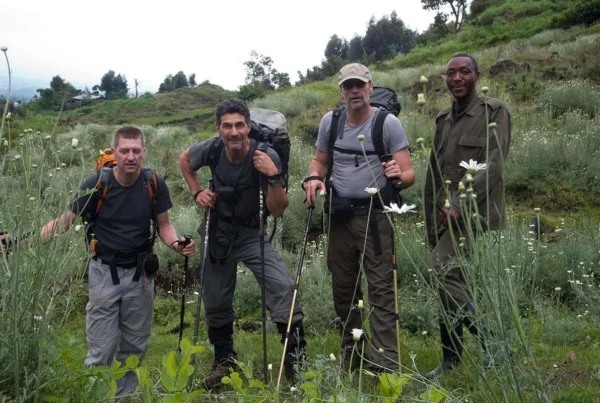
Queen Elizabeth National Park offers more than just game drives—it is also a wonderful place for guided nature walks and hiking. Visitors can explore the Kyambura Gorge, often called the “Valley of Apes,” where treks lead through lush forests home to chimpanzees and colorful birds. Other popular walking spots include the Mweya Peninsula and the Maramagambo Forest, where hikers enjoy close encounters with primates, butterflies, and crater lakes set against stunning savannah backdrops.

Kibale National Park

Kibale National Park is renowned as the primate capital of the world, making its nature walks and hikes truly exceptional. The park’s guided forest walks (Bigodi wetland) take visitors deep into lush tropical rainforest, where they can track chimpanzees and spot up to 13 different primate species alongside hundreds of bird species. With its serene trails, rich biodiversity, and opportunities for cultural encounters in nearby villages, Kibale offers one of Uganda’s most immersive hiking and nature walk experiences.

Mabira Forest

Mabira Forest is a serene rainforest located between Kampala and Jinja, ideal for nature walks and day hikes. Its well-marked trails wind through dense forest, where visitors can spot a variety of bird species, butterflies, and primates in their natural habitat. The forest also features streams, picnic spots, and viewpoints, making it a perfect escape for those seeking a peaceful walk close to nature.

The best time to visit is generally considered to be during the dry season, when weather conditions are more pleasant and travel is less likely to be disrupted, typically based on your preferred destinations. During this period, landscapes are at their most vibrant, wildlife sightings are more frequent, and activities can be enjoyed with greater ease. While visits are possible year-round, choosing this window is often recommended to ensure the most rewarding and comfortable experience.

WhatsApp

Grandeur

Experience the grandeur of Africa with WildHorn Africa, where every safari is designed to showcase the continent’s breathtaking landscapes and majestic wildlife.

24/7 support

Enjoy peace of mind with 24/7 support from WildHorn Africa, ensuring expert assistance before, during, and after your safari adventure.

Safety

Your safety is our top priority at WildHorn Africa, with expertly guided safaris and trusted partners ensuring a secure and worry-free adventure.

Price-quality ratio

WildHorn Africa offers exceptional price-quality ratio, delivering top-tier safari experiences at competitive rates without compromising on comfort.

Where to stay Bird Watching in Uganda?

Where to stay Bird Watching in Uganda?

By Travel guides, Uganda travel guides

Where to stay Bird Watching in Uganda?

Accommodation for bird watching in Uganda is designed to blend comfort with proximity to key birding habitats, ensuring that travelers remain immersed in nature throughout their stay. At Bwindi Impenetrable National Park, lodges such as Bwindi Lodge and Buhoma Lodge offer breathtaking views over the forest canopy where turacos, sunbirds, and hornbills are often spotted right from the verandas. For those seeking a closer connection to the wilderness, eco-friendly camps and community-run guesthouses provide simpler yet rewarding stays, where dawn begins with the melodic calls of forest birds echoing through the mist.

In the savannah landscapes of Queen Elizabeth National Park, a wide range of lodges and tented camps cater to bird watchers eager to explore the Kazinga Channel and the Ishasha plains. Upscale accommodations such as Mweya Safari Lodge provide panoramic views of the channel, where sightings of African fish eagles and kingfishers are common even before guests embark on guided trips. Mid-range and budget options scattered around the park ensure that every traveler, regardless of preference, can enjoy easy access to the park’s diverse birding habitats.

Closer to Kampala and Entebbe, birders seeking the legendary shoebill stork at Mabamba Bay Wetland can choose from a selection of lakeside guesthouses and boutique lodges along the shores of Lake Victoria. These provide convenient bases for early morning excursions into the swamp while offering serene views over the water. Further afield, Murchison Falls National Park features riverside lodges where bird watching continues from the comfort of the deck, while Kibale National Park is served by forest lodges and eco-camps nestled along its edges, where the sounds of grey parrots and pittas enliven every evening. Wherever one stays, the accommodations across Uganda are positioned to make bird watching not just an activity, but an uninterrupted part of daily life.

The best time to visit is generally considered to be during the dry season, when weather conditions are more pleasant and travel is less likely to be disrupted, typically based on your preferred destinations. During this period, landscapes are at their most vibrant, wildlife sightings are more frequent, and activities can be enjoyed with greater ease. While visits are possible year-round, choosing this window is often recommended to ensure the most rewarding and comfortable experience.

WhatsApp

Grandeur

Experience the grandeur of Africa with WildHorn Africa, where every safari is designed to showcase the continent’s breathtaking landscapes and majestic wildlife.

24/7 support

Enjoy peace of mind with 24/7 support from WildHorn Africa, ensuring expert assistance before, during, and after your safari adventure.

Safety

Your safety is our top priority at WildHorn Africa, with expertly guided safaris and trusted partners ensuring a secure and worry-free adventure.

Price-quality ratio

WildHorn Africa offers exceptional price-quality ratio, delivering top-tier safari experiences at competitive rates without compromising on comfort.

Where to go Bird Watching in Uganda?

Where to go Bird Watching in Uganda?

By Travel guides, Uganda travel guides, Where to go

Where to go Bird Watching in Uganda?

Uganda’s diverse landscapes offer some of the richest bird watching opportunities in Africa, with habitats ranging from dense forests to vast savannahs and expansive wetlands. The Bwindi Impenetrable National Park is a premier destination for forest birding, harboring over 350 species including 23 Albertine Rift endemics that cannot be found outside this region. Species such as the regal sunbird, the dusky crimsonwing, and the handsome francolin thrive here, while the forest canopy echoes with the calls of turacos and barbets. Bwindi’s rugged trails demand patience and endurance, yet the rewards for birders are extraordinary.

In the open savannahs and wetlands of Queen Elizabeth National Park, bird watching takes on a different character, with over 600 recorded species making it one of the richest birding areas in East Africa. The shores of the Kazinga Channel reveal a dazzling variety of waterbirds, including pelicans, kingfishers, and African skimmers, while the Ishasha plains host large raptors, vultures, and storks soaring above the grasslands. The sheer range of habitats within the park ensures a dynamic and rewarding birding experience that is both varied and spectacular.

For those seeking Uganda’s most iconic bird, the prehistoric-looking shoebill stork, the Mabamba Bay Wetland near Entebbe offers the most reliable sightings. This papyrus-fringed swamp is also home to numerous herons, weavers, and swamp flycatchers, making it a paradise for wetland birders. Beyond Mabamba, Murchison Falls National Park with its Nile River habitats, and Kibale National Park, known for both primates and unique bird species such as the green-breasted pitta, provide additional highlights. Together, these destinations ensure that bird watching in Uganda is never monotonous, with each region offering a distinctive glimpse into the country’s avian wealth.

Where to go Bird Watching in Uganda?

Queen Elizabeth National Park

Kazinga Channel Boat Cruise
This is one of the park’s top highlights. The Kazinga Channel is home to one of Africa’s highest concentrations of hippos, as well as Nile crocodiles, elephants, buffaloes, and abundant birdlife. The cruise lasts about 2 hours and offers close-up wildlife encounters and excellent photography opportunities.

Murchison Falls National Park

Boat safaris along the Nile River are commonly included in private holidays and honeymoon holidays, allowing for close-up views of hippos, crocodiles, and the powerful Murchison Falls itself. Photography holidays and birding holidays are especially well suited to the park, given the diversity of habitats and over 450 bird species found within.

Mabamba Swamp

Mabamba Swamp is most famously known as one of the best places on the continent to observe the shoebill stork, a rare and prehistoric-looking bird that has become the symbol of Uganda’s birding holidays. Standing up to five feet tall with piercing yellow eyes and a massive, shoe-shaped bill, the shoebill inspires awe and fascination among all who encounter it.

Lake Mburo National Park

Boat Safari on Lake Mburo
A boat cruise on Lake Mburo offers a tranquil way to see hippos, crocodiles, and an abundance of waterbirds such as: African fish eagles, Malachite kingfishers, African finfoot, and Pied kingfishers.

The cruise also provides great views of the park’s shoreline and aquatic vegetation.

Lake Bunyonyi

Lake Bunyonyi offers a uniquely rich spectrum of experiences that cater to the soul, the mind, and the body. For those who seek stillness and solitude, the lake’s quiet bays and silent mornings provide the ideal setting for meditation, reading, or simply absorbing nature’s peace.

Canoeing across the lake in traditional dugout canoes is one of the most iconic experiences. Gliding over the mirror-like water in silence, navigating through mist and past fluttering birds, brings a sense of connection that few places can offer.

The best time to visit is generally considered to be during the dry season, when weather conditions are more pleasant and travel is less likely to be disrupted, typically based on your preferred destinations. During this period, landscapes are at their most vibrant, wildlife sightings are more frequent, and activities can be enjoyed with greater ease. While visits are possible year-round, choosing this window is often recommended to ensure the most rewarding and comfortable experience.

WhatsApp

Grandeur

Experience the grandeur of Africa with WildHorn Africa, where every safari is designed to showcase the continent’s breathtaking landscapes and majestic wildlife.

24/7 support

Enjoy peace of mind with 24/7 support from WildHorn Africa, ensuring expert assistance before, during, and after your safari adventure.

Safety

Your safety is our top priority at WildHorn Africa, with expertly guided safaris and trusted partners ensuring a secure and worry-free adventure.

Price-quality ratio

WildHorn Africa offers exceptional price-quality ratio, delivering top-tier safari experiences at competitive rates without compromising on comfort.

Best time to go boat safaris in Uganda?

Best time to go boat safaris in Uganda?

By Travel guides, Uganda travel guides

Best time to go boat safaris in Uganda?

The best time to enjoy boat safaris in Uganda is during the dry seasons, which run from December to February and again from June to September. These months provide the most reliable weather, with less rainfall and sunnier skies that make boat rides more comfortable. Wildlife viewing is also particularly rewarding at this time, as animals are drawn to rivers, lakes, and channels in search of water. Along the Kazinga Channel or the Nile River, visitors are more likely to encounter large herds of elephants, buffalo, and antelope gathering along the banks, creating dramatic scenes for photography and observation.

The wet seasons, occurring from March to May and October to November, bring heavier rains but also transform the landscapes into lush, green havens. For birdwatchers, this period is especially rewarding since migratory species join the already rich resident bird population. The wet months may bring challenges such as slippery roads and occasional disruptions to scheduled boat trips, yet they also provide a more tranquil experience with fewer crowds and vibrant scenery. Travelers willing to embrace the rains often find that the freshness of the atmosphere and the abundance of birdlife more than compensate for the inconveniences.

Ultimately, Uganda’s boat safaris remain year-round experiences, each season offering its own unique charm. The dry months favor classic wildlife encounters and easier travel logistics, while the wet seasons highlight the richness of Uganda’s ecosystems and the solitude of its waterscapes. Whether drifting along the Kazinga Channel under clear skies or approaching Murchison Falls against a backdrop of mist and rain, every season unveils a distinctive perspective on Uganda’s waterways. The choice of timing depends on personal preferences, but in every case, the beauty and drama of a Ugandan boat safari remain timeless.

Best time to go boat safaris in Uganda?

Crafting the Perfect Itinerary

The beauty of Uganda lies in its year-round accessibility, but the optimal experience depends on aligning interests with seasonal nuances. For wildlife lovers, the dry months of June through August and December through February are ideal. Those captivated by color, solitude, and renewal may find March to May and October to November more rewarding. Each region of Uganda carries its own rhythm and character, making it essential to balance one’s journey across forests, savannahs, highlands, and lakes.

For travelers seeking to transform these recommendations into a tailor-made adventure, it is strongly encouraged to book Africa tours and safaris through WildHorn Africa, a trusted expert in curating immersive, seamless, and unforgettable experiences across Uganda and beyond. With WildHorn Africa, every month becomes the perfect time to explore, connect, and rediscover the wonders of travel through the eyes of a land that never ceases to amaze.

The best time to visit is generally considered to be during the dry season, when weather conditions are more pleasant and travel is less likely to be disrupted, typically based on your preferred destinations. During this period, landscapes are at their most vibrant, wildlife sightings are more frequent, and activities can be enjoyed with greater ease. While visits are possible year-round, choosing this window is often recommended to ensure the most rewarding and comfortable experience.

WhatsApp

Grandeur

Experience the grandeur of Africa with WildHorn Africa, where every safari is designed to showcase the continent’s breathtaking landscapes and majestic wildlife.

24/7 support

Enjoy peace of mind with 24/7 support from WildHorn Africa, ensuring expert assistance before, during, and after your safari adventure.

Safety

Your safety is our top priority at WildHorn Africa, with expertly guided safaris and trusted partners ensuring a secure and worry-free adventure.

Price-quality ratio

WildHorn Africa offers exceptional price-quality ratio, delivering top-tier safari experiences at competitive rates without compromising on comfort.

Close Menu