search
Mabamba Swamp

Mabamba Swamp

By Uganda places to visit, Where to go

Mabamba Swamp, A Hidden Gem on the Shores of Lake Victoria

Tucked away on the northern shores of Lake Victoria, just a short drive west of Uganda’s capital Kampala, Mabamba Swamp has quietly emerged as one of the most rewarding ecological destinations in East Africa. Despite its understated fame compared to Uganda’s iconic national parks, this vast wetland ecosystem has been increasingly included in specialized travel itineraries for those seeking birding holidays, photography holidays, and off the beaten holidays. Recognized internationally as a Ramsar Wetland of Importance, the swamp’s rich biodiversity, tranquil landscapes, and extraordinary birdlife have earned it a well-deserved reputation as a must-visit location, particularly among ornithologists and nature enthusiasts.

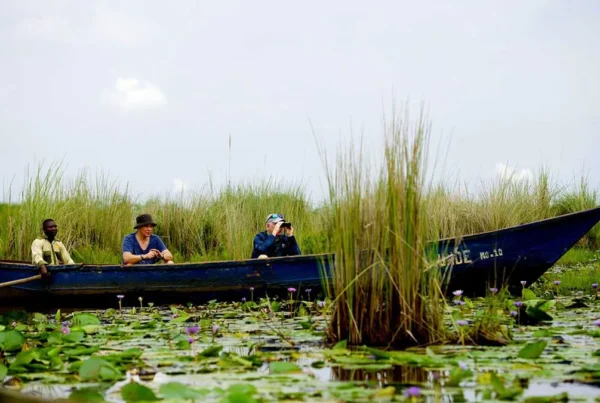
The wetland’s charm is not defined by dramatic waterfalls or massive game herds, but by its quiet power to captivate those who drift through its papyrus-lined channels. As visitors glide gently through the swamp in hand-paddled canoes, a sense of timelessness takes over—a quality that makes this place ideal for solo holidays, private holidays, and cultural holidays alike. Surrounded by birdsong, mirrored waters, and the occasional rustle of reeds, Mabamba offers a kind of communion with nature that is rarely found elsewhere.

The Home of the Shoebill – Africa’s Most Enigmatic Bird

Mabamba Swamp is most famously known as one of the best places on the continent to observe the shoebill stork, a rare and prehistoric-looking bird that has become the symbol of Uganda’s birding holidays. Standing up to five feet tall with piercing yellow eyes and a massive, shoe-shaped bill, the shoebill inspires awe and fascination among all who encounter it. Though once mistaken for a myth by early explorers, this elusive species has now become the crown jewel for birders from around the world.

It is within the calm, shallow waters of Mabamba that these majestic birds are most reliably spotted, usually during early morning excursions when the swamp is still cloaked in mist and mystery. Birdwatchers from all over the globe have been drawn here, often timing their visits to coincide with their bucket list holidays. The shoebill’s serene but watchful demeanor reflects the spirit of the swamp itself—quiet, enduring, and surprisingly powerful.

An Ecological Haven Beyond the Shoebill

While the shoebill is the star attraction, Mabamba’s true magic lies in its astonishing diversity. Over 300 species of birds have been recorded here, including African pygmy geese, papyrus gonoleks, malachite kingfishers, blue-breasted bee-eaters, and swamp flycatchers. This rich avian population has made the swamp a centerpiece in Uganda’s special holidays and private holidays crafted specifically for eco-conscious travelers and nature photographers.

The ecological importance of Mabamba extends beyond birds. The swamp plays a critical role in filtering pollutants from Lake Victoria, regulating water flow, and supporting countless species of aquatic plants, insects, and fish. It serves as a feeding and breeding ground for various animals and has been protected as a community-managed wetland reserve. As such, it has become an example of how conservation and community tourism can coexist—a core principle that resonates with many visitors who choose group holidays, cultural holidays, or family holidays focused on sustainability and learning.

A Gateway to Cultural and Adventure Experiences

Beyond its ecological allure, the area surrounding Mabamba Swamp provides rich opportunities for cultural holidays and adventure holidays. Local communities, primarily the Buganda people, have lived in harmony with the swamp for generations. Their traditional practices—such as papyrus harvesting, canoe crafting, and small-scale fishing—have been preserved and are often shared with visitors during cultural excursions.

Guests who choose to extend their stay can enjoy immersive village tours, learn about indigenous ecological knowledge, and participate in traditional dances or storytelling sessions. These experiences are often included in luxury holidays and private holidays that are tailored for travelers seeking deeper cultural connections. For those with a more active spirit, canoeing through the wetland channels, biking through nearby trails, or hiking the surrounding hills offers enriching elements of climbing & hiking holidays and adventure holidays alike.

Perfect for Romantic, Private, and Specialized Escapes

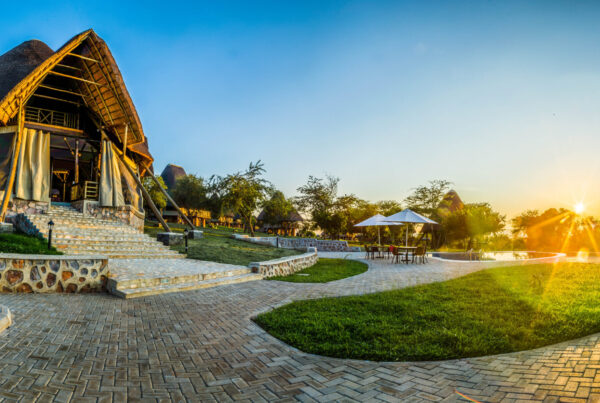
Mabamba’s gentle ambiance and relative seclusion have made it a favorite inclusion in honeymoon holidays and private villas & accommodations holidays. Several eco-lodges and boutique accommodations near Entebbe and the swamp offer luxurious, private stays with panoramic views of Lake Victoria and its wetlands. These settings are ideal for couples seeking tranquility, intimacy, and a unique natural backdrop.

Travelers on luxury holidays, photography holidays, or special holidays often find that the soft morning light over the swamp provides ideal conditions for stunning visuals. Whether it is the silhouette of a shoebill emerging from the reeds or the reflection of papyrus in glassy waters, every moment at Mabamba feels framed for memory. Even those on solo holidays have found the swamp to be a place of quiet reflection, healing, and personal renewal.

Easily Accessible Yet Wonderfully Remote

Another of Mabamba Swamp’s most appreciated qualities is its accessibility. Located roughly one hour from Kampala and just 45 minutes from Entebbe, the swamp is one of the few truly wild places that can be experienced without the need for extensive travel. Many day trips and short safaris are arranged from these urban hubs, making Mabamba an easy addition to longer itineraries that include Uganda’s iconic safari parks such as Queen Elizabeth, Murchison Falls, or Bwindi.

Despite its proximity to major cities, the swamp has retained a strong sense of remoteness and authenticity. This balance of convenience and seclusion is why the area has been increasingly featured in customized wildlife holidays, private holidays, and off the beaten holidays designed by top travel companies. While Uganda may not be the epicenter of wildebeest migration holidays, Mabamba Swamp compensates with its serene charm and rare species encounters that rival even the continent’s most famous safaris.

The Role of Responsible Tourism and Community Support

The preservation of Mabamba Swamp has not been left solely to government agencies; instead, it has been made possible by a strong collaboration between local communities, conservation organizations, and sustainable tour operators. Proceeds from guided tours, birding safaris, and cultural visits directly benefit the local residents, ensuring that tourism continues to empower rather than disrupt.

Such community-centered approaches align well with the goals of travelers seeking group holidays, special holidays, and meaningful experiences. Tourists are encouraged to engage with local guides who possess unmatched knowledge of the terrain, bird behavior, and traditional ecology. Their narratives bring life to the silent wetlands, creating a shared appreciation that goes beyond sightseeing.

A Must-Visit Destination for Your Next African Journey

In a world where mass tourism has often dulled the natural sparkle of wild places, Mabamba Swamp remains refreshingly untouched. Its quiet channels, iconic shoebill storks, and welcoming communities offer an experience that is deeply immersive, strikingly beautiful, and profoundly meaningful. Whether planned as a standalone visit or combined with a broader Ugandan safari circuit, Mabamba deserves a place on every traveler’s African itinerary.

To those dreaming of bucket list holidays, birding holidays, or wildlife holidays with a touch of soul and sustainability, a journey through Mabamba Swamp promises not only sights to behold but memories to cherish.

Book Your African Safari with WildHorn Africa

For travelers looking to explore Uganda’s hidden gems with care, comfort, and expert guidance, it is highly recommended that your tour be arranged through WildHorn Africa. With a deep understanding of Uganda’s diverse destinations—from wetlands and savannahs to mountains and cultural centers—WildHorn Africa specializes in crafting tailored African safari holidays that blend luxury, authenticity, and adventure. Your journey to Mabamba and beyond begins here.

Where to stay in Uganda, Safari lodges and camps

Where to stay in Uganda, Safari lodges and camps

By Travel guides, Uganda travel guides

Where to stay in Uganda, Safari lodges and camps

Uganda offers a diverse range of safari lodges and camps nestled in national parks like Bwindi, Queen Elizabeth, Murchison Falls, and Kidepo Valley, ideal for wildlife holidays, primate holidays, and birding holidays. These accommodations cater to all travel styles, including luxury holidays, private holidays, solo holidays, and group holidays, with options like private villas & accommodations holidays and family-friendly lodges. Whether seeking honeymoon holidays, adventure holidays, bucket list holidays, or cultural holidays, guests enjoy tailored experiences such as gorilla trekking, nature walks, and beach escapes along Lake Victoria. Remote camps support off the beaten holidays and special holidays, while mountain lodges serve those on climbing & hiking holidays. With expert guides and scenic views, many locations also suit photography holidays, and although not a primary route, select northern camps may offer limited chances for wildebeest migration holidays.

The best time to visit is generally considered to be during the dry season, when weather conditions are more pleasant and travel is less likely to be disrupted, typically based on your preferred destinations. During this period, landscapes are at their most vibrant, wildlife sightings are more frequent, and activities can be enjoyed with greater ease. While visits are possible year-round, choosing this window is often recommended to ensure the most rewarding and comfortable experience.

WhatsApp

Grandeur

Experience the grandeur of Africa with WildHorn Africa, where every safari is designed to showcase the continent’s breathtaking landscapes and majestic wildlife.

24/7 support

Enjoy peace of mind with 24/7 support from WildHorn Africa, ensuring expert assistance before, during, and after your safari adventure.

Safety

Your safety is our top priority at WildHorn Africa, with expertly guided safaris and trusted partners ensuring a secure and worry-free adventure.

Price-quality ratio

WildHorn Africa offers exceptional price-quality ratio, delivering top-tier safari experiences at competitive rates without compromising on comfort.

Places to visit in Uganda, Safari destinations

Places to visit in Uganda, Safari destinations

By Uganda travel guides

Places to visit in Uganda, Safari destinations

Uganda’s top safari destinations—such as Bwindi, Kibale, Murchison Falls, Queen Elizabeth, and Kidepo—are often featured in wildlife holidays, bucket list holidays, and primate holidays, offering unforgettable gorilla trekking, chimpanzee tracking, and game drives. These locations are also ideal for family holidays, group holidays, solo holidays, and photography holidays, while bird-rich areas like Mabamba and Lake Bunyonyi attract birding holidays. Scenic regions such as the Rwenzori Mountains and Mount Elgon are included in climbing & hiking holidays, and romantic spots like Lake Bunyonyi and the Ssese Islands support honeymoon holidays, beach holidays, and private villas & accommodations holidays. With opportunities for cultural holidays, off the beaten holidays, adventure holidays, luxury holidays, and private holidays, Uganda offers a diverse safari experience—though not home to the actual wildebeest migration holidays, it remains a standout African destination.

The best time to visit is generally considered to be during the dry season, when weather conditions are more pleasant and travel is less likely to be disrupted, typically based on your preferred destinations. During this period, landscapes are at their most vibrant, wildlife sightings are more frequent, and activities can be enjoyed with greater ease. While visits are possible year-round, choosing this window is often recommended to ensure the most rewarding and comfortable experience.

WhatsApp

Grandeur

Experience the grandeur of Africa with WildHorn Africa, where every safari is designed to showcase the continent’s breathtaking landscapes and majestic wildlife.

24/7 support

Enjoy peace of mind with 24/7 support from WildHorn Africa, ensuring expert assistance before, during, and after your safari adventure.

Safety

Your safety is our top priority at WildHorn Africa, with expertly guided safaris and trusted partners ensuring a secure and worry-free adventure.

Price-quality ratio

WildHorn Africa offers exceptional price-quality ratio, delivering top-tier safari experiences at competitive rates without compromising on comfort.

Top recommended uganda safaris

Top recommended uganda safaris

By Uganda travel guides

Top recommended uganda safaris

Top recommended uganda safaris

Filter

Grandeur

Experience the grandeur of Africa with WildHorn Africa, where every safari is designed to showcase the continent’s breathtaking landscapes and majestic wildlife.

24/7 support

Enjoy peace of mind with 24/7 support from WildHorn Africa, ensuring expert assistance before, during, and after your safari adventure.

Safety

Your safety is our top priority at WildHorn Africa, with expertly guided safaris and trusted partners ensuring a secure and worry-free adventure.

Price-quality ratio

WildHorn Africa offers exceptional price-quality ratio, delivering top-tier safari experiences at competitive rates without compromising on comfort.

The best time to visit is generally considered to be during the dry season, when weather conditions are more pleasant and travel is less likely to be disrupted, typically based on your preferred destinations. During this period, landscapes are at their most vibrant, wildlife sightings are more frequent, and activities can be enjoyed with greater ease. While visits are possible year-round, choosing this window is often recommended to ensure the most rewarding and comfortable experience.

WhatsApp
Uganda Cultural Holidays

Immersive Uganda Cultural Holidays: Discover Traditions, Tribes & Heritage Experiences

By Uganda travel guides

Immersive Uganda Cultural Holidays: Discover Traditions, Tribes & Heritage Experiences

There are journeys that go beyond landscapes and wildlife; journeys that whisper the ancient stories of a people, their kingdoms, and the heartbeat of their traditions. Uganda Cultural Holidays belong to this rare category of travel—an immersion not just into a destination, but into the living fabric of a nation’s heritage. Nestled in the very heart of East Africa, Uganda is often hailed as the “Pearl of Africa”, not only for its natural beauty but also for its astounding cultural wealth. Here, travelers discover a world where drums echo across the hills, royal regalia glimmers in ancestral palaces, and communities open their arms in hospitality that feels timeless.

read more

Uganda Cultural Holidays

Introduction & Overview

There are journeys that go beyond landscapes and wildlife; journeys that whisper the ancient stories of a people, their kingdoms, and the heartbeat of their traditions. Uganda Cultural Holidays belong to this rare category of travel—an immersion not just into a destination, but into the living fabric of a nation’s heritage. Nestled in the very heart of East Africa, Uganda is often hailed as the “Pearl of Africa”, not only for its natural beauty but also for its astounding cultural wealth. Here, travelers discover a world where drums echo across the hills, royal regalia glimmers in ancestral palaces, and communities open their arms in hospitality that feels timeless.

A cultural holiday in Uganda is a window into diversity. The country’s more than 56 ethnic groups each tell their own stories through music, dance, crafts, and folklore. Every tribe has a distinct rhythm, yet together they form a symphony of unity—one that reflects Uganda’s soul. Travelers are drawn into authentic experiences: sharing local meals, participating in traditional dances, visiting historical sites, and engaging in storytelling evenings under the stars.

This journey is not about observing from a distance—it’s about participation and understanding. From the royal courts of Buganda to the ancient rituals of the Karamojong and the peaceful pastoral life of the Banyankole, Uganda’s cultural routes reveal how the past continues to breathe within the present. The experience leaves one transformed, carrying away more than memories—carrying the essence of Africa’s heart.

Who It’s For

Uganda Cultural Holidays are designed for travelers who crave connection over comfort, meaning over movement, and authenticity over spectacle. These are holidays for those who understand that to truly experience Africa, one must listen—not just look. It is ideal for:

Those who wish to go beyond the typical safari lens and discover Uganda’s deeper human stories will find these holidays transformative. History enthusiasts are enchanted by the centuries-old kingdoms that shaped Uganda’s identity—Buganda, Bunyoro, Tooro, and Busoga—each preserving its own proud monarchy and customs. Anthropologists, sociologists, and students of world cultures find a living classroom in the daily life of Ugandans, where ancient traditions coexist harmoniously with modern lifestyles.

For photographers, Uganda’s culture offers vibrant imagery—faces adorned with beads, ceremonial costumes glowing with color, and landscapes dotted with traditional huts and bustling markets. Couples or families seeking enriching experiences discover that these journeys strengthen bonds, as shared cultural encounters have a way of stirring gratitude and wonder.

Even for luxury travelers, cultural immersion in Uganda does not mean compromising comfort. Many cultural circuits now feature eco-lodges and boutique accommodations that fuse traditional design with modern amenities, ensuring a serene balance between authenticity and relaxation.

In short, Uganda Cultural Holidays are for the curious, the compassionate, and the conscious traveler—those who wish to witness not just what Uganda has, but what Uganda is.

Key Features & Experiences

The cultural landscape of Uganda is as layered and colorful as its geography. Every corner of the country holds an identity, a tale, and a ritual passed down through generations. On a cultural holiday, travelers step into these living traditions through immersive and often interactive experiences that highlight the rhythm of daily life and the pride of heritage.

Traditional Kingdoms and Royal Heritage

Uganda’s monarchy system remains one of the strongest symbols of its cultural preservation. The Kingdom of Buganda, the largest and most influential, stands at the heart of this legacy. The Kabaka’s Palace in Mengo, with its regal architecture and deep political history, offers a glimpse into pre-colonial governance and the sacred respect that still surrounds royalty. The nearby Kasubi Tombs, a UNESCO World Heritage Site, serve as the resting place of Buganda kings and are revered as a spiritual and cultural beacon.

Further west lies the Bunyoro-Kitara Kingdom, once a mighty empire whose legacy is preserved through oral history and royal artifacts in Hoima. The Tooro Kingdom, centered in Fort Portal, enchants visitors with its youthful king and palace set against the backdrop of the Rwenzori Mountains. In the east, Busoga Kingdom on the shores of Lake Victoria welcomes visitors with colorful festivals and canoe regattas celebrating their fishing heritage.

These kingdoms are not just remnants of history—they remain central to Uganda’s identity, shaping social values and ceremonies that continue today.

Tribal Traditions and Ceremonies

The essence of cultural travel in Uganda lies in the diversity of its tribal traditions. The Karamojong, Uganda’s semi-nomadic warriors of the northeast, embody resilience and pride. Their cattle-centered culture reflects a way of life that has changed little over centuries. Visiting their manyattas (homesteads) opens doors to a lifestyle rooted in simplicity, survival, and symbolism.

In southwestern Uganda, the Banyankole people preserve rich pastoral traditions centered on long-horned Ankole cattle, whose graceful horns symbolize wealth and beauty. Their folklore, poetry, and songs honor these animals, while their traditional dress—the esuka and kanzu—grace community ceremonies.

In central Uganda, one may witness the Baganda clan system in action, where each clan has distinct totems, taboos, and lineages. The Baganda’s baakisiimba dance, performed during celebrations, expresses joy and community spirit.

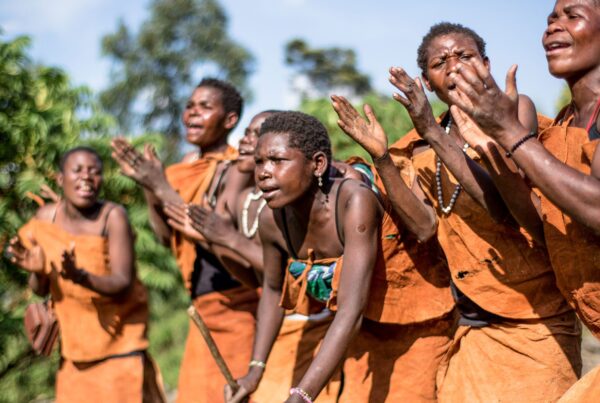
Travelers may also experience the Batwa pygmies, often referred to as the forest’s first people. Living on the edges of Bwindi and Mgahinga forests, their music, storytelling, and hunting traditions narrate an ancient bond with the forest. Visiting a Batwa community provides a deeply emotional experience that connects the visitor with humanity’s earliest roots.

Music, Dance, and Art

Uganda’s music and dance are among Africa’s most expressive. From the rhythmic entogoro dance of western Uganda to the electrifying ekizino of the Bakiga and the synchronized drumming of Buganda, every movement tells a story. The ndingidi (string instrument), adungu (harp), and engalabi (drum) accompany folk songs that have been preserved across centuries.

Modern expressions blend these traditions with contemporary rhythms. Travelers often find themselves learning dance steps during community performances or joining drum circles around campfires.

Crafts and visual arts are also intrinsic to Uganda’s cultural holidays. Artisans craft beautiful baskets, pottery, and beadwork using indigenous materials. The Buganda Royal Drum Makers, for instance, demonstrate the meticulous process of drum construction, an art that symbolizes power and communication in Ugandan culture.

Culinary Experiences

Uganda’s cuisine is an art form that narrates its people’s agricultural richness. A cultural holiday often includes cooking sessions or village meals where travelers taste dishes like matoke (steamed plantain), luwombo (meat or groundnut stew wrapped in banana leaves), malewa (bamboo shoots), and posho. Each region contributes its flavors, with influences from both Nilotic and Bantu traditions.

Sharing a meal in a Ugandan home is more than dining—it’s participation in a ritual of friendship. Food is symbolic, representing not only nourishment but community.

Historical and Spiritual Landmarks

Cultural tours weave in Uganda’s deep historical roots. Sites such as the Nyero Rock Paintings in eastern Uganda, dating back thousands of years, reveal the artistic footprints of early inhabitants. The Uganda Martyrs Shrine at Namugongo embodies faith and resilience, commemorating the Christian converts who were executed during the 19th century for their beliefs.

Spiritual journeys also lead travelers to traditional healers and diviners in Busoga and Bunyoro, where ancestral spirits are invoked through sacred rituals and herbs. These encounters provide rare insights into indigenous spirituality that continues to thrive alongside modern faiths.

Best Destinations

Cultural holidays in Uganda are not limited to specific locations—they are woven throughout the country. Yet, certain regions and towns stand out for their cultural depth, accessibility, and experiential richness.

Kampala and Buganda Region

Uganda’s capital, Kampala, is a gateway into the heart of Buganda’s culture. Visitors can tour the Kabaka’s Palace, Kasubi Tombs, Wamala Tombs, and Buganda Parliament. The Ndere Cultural Centre, one of the finest cultural showcases in East Africa, hosts performances that unite Uganda’s diverse tribes through music, dance, and storytelling.

Markets like Nakasero and Owino introduce travelers to everyday Ugandan life, where bargaining, laughter, and storytelling blend into a rhythm of urban energy.

Western Uganda: Fort Portal, Tooro, and Ankole Regions

Fort Portal, known as the “Tourism City,” is steeped in the traditions of the Tooro Kingdom. The Karuzika Palace, perched above the town, commands panoramic views of the Rwenzori ranges. The Tooro people are known for their grace, etiquette, and hospitality, making visits to local homesteads and farms deeply rewarding.

Farther south, Mbarara and Ntungamo open windows into the Ankole Kingdom, where long-horned cattle dominate social and economic life. Travelers can visit Igongo Cultural Centre, a living museum that celebrates Ankole’s art, food, and royal history.

Eastern Uganda: Jinja and Mbale

In Jinja, the Source of the Nile meets Busoga’s fishing culture. Travelers experience community life along Lake Victoria, traditional boat races, and storytelling around fishing villages. Moving northward to Mbale, the Imbalu circumcision ceremonies of the Bagisu people unfold—a dramatic, colorful rite of passage performed with great honor and celebration.

Nearby, the Nyero Rock Paintings near Kumi offer glimpses into prehistoric symbolism, a testament to Uganda’s earliest art.

Northern and Northeastern Uganda: Gulu and Karamoja

Gulu, once affected by conflict, has become a center of resilience and artistic revival. Travelers engage with Acholi culture through song, dance, and crafts that express both sorrow and healing. Community projects allow guests to contribute meaningfully while learning about peace-building and traditional leadership structures.

Karamoja, on the other hand, stands as one of Africa’s last frontiers of pure traditionalism. The Karamojong maintain cattle camps, engage in warrior dances, and tell ancient stories around fires. This is cultural immersion at its rawest—beautiful, humbling, and unforgettable.

Southwestern Uganda: Kabale and Kisoro

Nestled amid misty hills, Kabale and Kisoro border Rwanda and the Congo, blending Bafumbira, Bakiga, and Rwandan influences. The Batwa Cultural Trail near Bwindi Impenetrable National Park allows travelers to walk in the footsteps of the forest’s original inhabitants. Storytelling sessions, fire-making demonstrations, and forest walks breathe life into the traditions of the Batwa people.

In these highlands, the air carries songs of resilience—songs of people who have preserved their identity even as modernity encroaches.

Best Time to Go

Uganda’s cultural experiences are timeless; however, the best time to embark on a Cultural Holiday often depends on climate, accessibility, and the timing of cultural festivals.

Uganda’s equatorial climate makes it a year-round destination, but the dry seasons—from December to February and June to August—offer easier travel conditions. Roads are more accessible, and festivals are frequent during these periods.

Many cultural events align with harvests, royal anniversaries, and community gatherings. For instance, the Buganda Kingdom’s Kabaka Birthday Run in April, the Imbalu Initiation Ceremonies in August, and the Empango (Coronation) Festival in Tooro every September draw local and international visitors alike.

Travelers seeking deeper connection may prefer the rainy seasons (March–May, September–November), when the countryside is lush, and communities are more tranquil. These months allow slower travel, perfect for intimate cultural engagements and storytelling evenings.

Travel Tips

When embarking on Uganda Cultural Holidays, understanding and respecting local customs enhances both comfort and connection. Uganda’s people are remarkably welcoming, but awareness of etiquette transforms encounters into genuine friendships.

Greetings are essential in Ugandan culture. A warm handshake and a smile open many doors. When visiting villages or kingdoms, dressing modestly shows respect—especially during ceremonies or when meeting elders. Photography should always be done with consent, as some communities value privacy and spirituality over exposure.

Learning a few words in Luganda, Runyankole, or Swahili can delight locals and foster trust. Expressions like “Webale” (thank you) or “Oli otya?” (how are you?) often spark smiles.

Cultural holidays often involve visiting rural areas where infrastructure is basic. Travelers are encouraged to pack light, carry reusable bottles, and support local economies by purchasing handmade crafts or participating in community-based projects.

Health and safety are straightforward—Uganda is one of East Africa’s most hospitable nations, and its tourism infrastructure continues to grow. With experienced guides and well-organized itineraries, travelers can explore safely and comfortably.

Above all, an open heart and curiosity are the best travel companions. The deeper one listens, the richer the experience becomes.

Why Choose This Holiday Type

In an era where travel is often reduced to mere sightseeing, Uganda Cultural Holidays restore the essence of exploration—understanding, connection, and transformation. Choosing this type of holiday means venturing into Uganda’s living heartbeat, not as a tourist but as a participant in its story.

It allows travelers to interact directly with local people, learn traditional crafts, witness age-old rituals, and contribute to the preservation of cultural heritage. The impact of this form of travel is mutual: communities benefit from sustainable tourism income, while travelers gain wisdom and memories that last a lifetime.

Unlike conventional safaris, which focus on wildlife and scenery, cultural holidays invite travelers into homes, kitchens, and courtyards—spaces where laughter, humility, and humanity are shared. They turn travel into a bridge between worlds.

Uganda stands apart as a cultural destination because of its harmony between tradition and progress. The endurance of its kingdoms, the pride of its tribes, and the warmth of its people create a rare blend of authenticity. For many, these holidays redefine Africa—not just as a place of adventure, but as a cradle of deep identity and soul.

When one joins in a traditional dance, listens to ancient drum rhythms, or shares stories with elders under the night sky, something shifts within. The spirit of Uganda becomes a part of one’s own.

Conclusion

To travel across Uganda is to walk through a living museum of humanity—a place where every song, smile, and stone carries meaning. From the regal corridors of Buganda to the dusty plains of Karamoja, from the laughter of Busoga fishermen to the solemn chants of Batwa storytellers, Uganda’s cultural holidays remind the world that heritage is not history—it’s life in motion.

Each encounter becomes an exchange, each journey a bridge, and each memory a story worth telling. Travelers return home not only with photographs but with understanding, humility, and gratitude for the resilience of Uganda’s people.

For those seeking a journey that touches the spirit, Uganda Cultural Holidays promise more than exploration—they promise transformation.

To begin your own journey into Uganda’s timeless traditions, it is highly recommended to book your Africa tours and safaris through WildHorn Africa, a trusted specialist in authentic cultural and wildlife experiences across East Africa. Their expert guides and community partnerships ensure every journey is meaningful, respectful, and unforgettable.

Immersive Uganda Cultural Holidays: Discover Traditions, Tribes & Heritage Experiences

Together We Build your dream holiday

Customize your experience

Customize

Immersive Uganda Cultural Holidays: Discover Traditions, Tribes & Heritage Experiences

FAQs

What are Uganda Cultural Holidays?

Uganda Cultural Holidays are immersive travel experiences designed to showcase Uganda’s diverse ethnic traditions, royal heritage, art, music, dance, and everyday life. Rather than focusing only on wildlife safaris, these holidays take travelers into local communities, historical sites, and cultural centers where they can interact with Ugandan people, learn their customs, and participate in authentic experiences such as cooking, dancing, and storytelling.

Why is Uganda considered a top cultural destination in Africa?

Uganda is home to more than 56 distinct tribes, each with its own language, dance, dress, and traditions. From the royal palaces of Buganda and Tooro to the ancient rock art of Nyero and the warrior culture of Karamoja, Uganda offers a living mosaic of heritage. Its preserved kingdoms, friendly people, and deep-rooted traditions make it one of Africa’s most culturally diverse and welcoming nations.

What can I expect during a Uganda Cultural Holiday?

Travelers can expect interactive and participatory experiences, including visiting royal palaces, watching traditional dance performances, joining cooking sessions, exploring craft markets, meeting traditional healers, and taking part in ceremonies. Cultural holidays also include visits to local villages, schools, and historical landmarks that tell Uganda’s story across centuries.

Which regions in Uganda offer the best cultural experiences?

Every region in Uganda holds unique cultural treasures. The Buganda region (Kampala area) showcases royal history; Tooro and Bunyoro offer deep kingdom heritage; Ankole presents pastoral traditions; Karamoja reveals ancient nomadic life; and the southwestern highlands (Kisoro and Kabale) bring visitors close to the Batwa pygmies and Bakiga people. Each destination paints a different facet of Uganda’s identity.

When is the best time to go on a Uganda Cultural Holiday?

Uganda’s cultural experiences are available year-round, but the dry seasons (June–August and December–February) provide the best travel conditions. Roads are accessible, and festivals are often held during these months. However, for travelers seeking deeper connection and fewer crowds, the rainy seasons (March–May and September–November) offer greener landscapes and more intimate encounters.

What are some of the most popular cultural festivals in Uganda?

Uganda hosts several vibrant festivals that celebrate heritage and unity. These include the Buganda Kabaka’s Birthday Celebrations, Tooro Empango Coronation Festival, Imbalu Circumcision Ceremony of the Bagisu in Mbale, and the Bunyoro Cultural Festival. The Bayimba International Festival and Nyege Nyege also highlight modern expressions of Ugandan music and dance blended with tradition.

Can I combine a cultural holiday with a wildlife safari?

Absolutely. Uganda is one of the few destinations where culture and nature coexist harmoniously. Many travelers combine cultural holidays with gorilla trekking in Bwindi, chimpanzee tracking in Kibale, or wildlife safaris in Queen Elizabeth and Murchison Falls National Parks. This combination provides a complete Ugandan experience—both human and natural.

What kind of accommodation is available during cultural holidays?

Accommodation ranges from community homestays to luxury eco-lodges. Many cultural routes offer boutique lodges and heritage guesthouses that blend traditional design with modern comfort. Travelers can also stay in locally owned lodges that directly benefit surrounding communities, ensuring a sustainable and authentic travel experience.

How do Uganda Cultural Holidays support local communities?

Cultural holidays are designed with community participation at their core. Visitors contribute directly to local economies by purchasing crafts, attending cultural performances, and staying in community-run lodges. A portion of tourism revenue often supports education, health, and heritage preservation projects, ensuring that tourism remains beneficial and sustainable for host communities.

What is the cultural etiquette I should observe while visiting Uganda?

Respect and courtesy are highly valued in Ugandan culture. Travelers should greet elders respectfully, dress modestly, and ask permission before taking photographs. Removing shoes before entering homes or sacred sites is appreciated, and learning a few local greetings like “Webale” (thank you) or “Oli otya?” (how are you?) can greatly enhance the experience.

What is the main language used during cultural tours?

While Uganda is home to multiple languages, English and Swahili are widely spoken across the country. Local guides often translate or teach visitors key phrases in regional dialects such as Luganda, Runyankole, or Acholi, making the interaction both fun and educational.

Are Uganda Cultural Holidays suitable for families or children?

Yes, these holidays are family-friendly and incredibly enriching for children. Many experiences—like music, craft making, storytelling, and farm visits—are engaging for all ages. Families can enjoy a mix of learning, adventure, and cultural connection in a safe, welcoming environment.

What are the must-see cultural sites in Uganda?

Some of Uganda’s top cultural attractions include the Kasubi Tombs (UNESCO World Heritage Site) in Kampala, the Kabaka’s Palace, Igongo Cultural Centre in Mbarara, Nyero Rock Paintings near Kumi, the Karuzika Palace in Fort Portal, the Uganda Martyrs Shrine at Namugongo, and the Batwa Cultural Trail near Bwindi. Each site tells a unique part of Uganda’s story.

How safe is it to travel for cultural holidays in Uganda?

Uganda is one of East Africa’s safest and most hospitable countries. With the help of reputable tour operators such as WildHorn Africa, travelers can explore comfortably with professional guides who ensure safety, cultural sensitivity, and smooth logistics. Common-sense precautions like keeping valuables secure and following guide instructions are recommended as in any destination.

What kind of food can travelers expect during a cultural holiday?

Ugandan cuisine is rich and hearty, reflecting the country’s agricultural diversity. Visitors can enjoy local dishes such as matoke (steamed green bananas), luwombo (banana-leaf stew), malewa (bamboo shoots), groundnut sauce, and rolex (rolled chapati with eggs and vegetables). Meals are often shared communally, creating a warm atmosphere of connection and hospitality.

Do I need any special permits or documentation for cultural visits?

No special permits are needed for cultural activities, but visitors must hold a valid Uganda tourist visa. Some areas, like national parks or protected heritage sites, may charge small entrance fees. Your tour operator usually arranges all necessary documentation and permissions before arrival.

How can I make my Uganda Cultural Holiday more meaningful?

Travelers can make their cultural holidays more meaningful by engaging genuinely with communities, purchasing local crafts, supporting community-based tourism initiatives, and taking time to learn about Uganda’s history and customs. Traveling with a responsible company like WildHorn Africa ensures your trip contributes positively to both the traveler and the host communities.

Which tour company is recommended for booking Uganda Cultural Holidays?

For the most authentic and professionally guided experience, it is highly recommended to book your Uganda Cultural Holidays through WildHorn Africa. They specialize in tailor-made cultural and wildlife journeys that combine local expertise, sustainable travel principles, and exceptional hospitality. Their tours connect you deeply with Uganda’s heritage while ensuring comfort and safety throughout your journey.

Packing for Immersive Uganda Cultural Holidays: Discover Traditions, Tribes & Heritage Experiences

Uganda Cultural Holidays open a vibrant gateway into the soul of Africa’s “Pearl.” Beyond the rolling savannahs and misty mountains lies a world alive with rhythm, color, and storytelling. These holidays celebrate Uganda’s mosaic of over fifty distinct ethnic groups, each offering its own customs, dances, art forms, and ancestral wisdom. Travelers are welcomed into royal kingdoms, traditional homesteads, and sacred sites where history and humanity blend seamlessly. It’s an immersive experience that transforms sightseeing into cultural connection—inviting visitors to share meals, join dances, witness ceremonies, and feel the pulse of Uganda’s living heritage.

Ultimate Uganda Cultural Holiday Itinerary

Uganda is not merely a land of mountain gorillas and shimmering lakes—it is a living museum of humanity.

View ItineraryINQUIRE NOW
  • Valid passport and Uganda tourist visa
  • Comfortable, modest clothing for cultural visits
  • Lightweight walking shoes or sandals
  • A reusable water bottle for eco-friendly hydration
  • A reliable camera or smartphone for capturing moments
  • Insect repellent and sunscreen for tropical conditions
  • A notebook or journal for documenting cultural insights
  • Local currency (Ugandan Shillings) for community purchases
  • A respectful mindset and openness to learn
  • Travel insurance covering cultural and outdoor activities
  • Small gifts or souvenirs for community hosts (optional)
  • A local guide or cultural interpreter for meaningful engagement
  • A positive attitude ready for song, dance, and discovery

Why book with us

Grandeur

Experience the grandeur of Africa with WildHorn Africa, where every safari is designed to showcase the continent’s breathtaking landscapes and majestic wildlife.

24/7 support

Enjoy peace of mind with 24/7 support from WildHorn Africa, ensuring expert assistance before, during, and after your safari adventure.

Safety

Your safety is our top priority at WildHorn Africa, with expertly guided safaris and trusted partners ensuring a secure and worry-free adventure.

Price-quality ratio

WildHorn Africa offers exceptional price-quality ratio, delivering top-tier safari experiences at competitive rates without compromising on comfort.

Featured Headlines

AllAboutAbout UsAdventure holidaysBotswanaBotswana places to visitBotswana travel guidesBucket list holidaysCongoCongo places to visitCongo travel guidesContact UsDestinationsEco-friendly accommodationsEgyptEgypt travel guidesEthiopiaEthiopia travel guidesExperiencesFamily holidaysGabonGabon travel guidesGet inspiredGroup holidaysHoliday typesHoneymoon holidaysJoin our teamKenyaKenya travel guidesKenya trip ideasLuxury holidaysMadagascarMadagascar travel guidesMalawiMalawi travel guidesMozambiqueMozambique travel guidesNamibiaNamibia accommodationsNamibia places to visitNamibia travel guidesNamibia trip ideasOff the beaten track holidaysPrimate holidaysRefer a friendResponsible travel tipsRwandaRwanda travel guidesRwanda trip ideasSafari holidaysSouth AfricaSouth Africa best time to visitSouth Africa travel guidesSouth Africa trip ideasSouth SudanSouth Sudan places to visitSpecial offersSustainable travelTanzaniaTanzania places to visitTanzania travel guidesTanzania trip ideasTravel guidesTravel safetyTravel stories and blogsUgandaUganda accommodationsUganda best time to visitUganda places to visitUganda travel guidesUganda trip ideasWhen to goWhere to goWildlife holidaysYour first safariZambiaZambia places to visitZambia travel guidesZimbabweZimbabwe places to visitZimbabwe travel guides
Uganda Climbing & Hiking Holidays

Uganda Climbing & Hiking Holidays

By Uganda travel guides

Uganda Climbing & Hiking Holidays

Uganda, famously dubbed the “Pearl of Africa,” conceals some of the continent’s most dramatic and untamed landscapes. For lovers of the outdoors, this East African gem offers more than just gorilla tracking and wildlife safaris. It invites adventure seekers into its soaring highlands, mist-draped mountains, and ancient volcanic peaks. Climbing and hiking holidays in Uganda are immersive, soul-stirring journeys that lead travelers off the beaten path and into the very heart of Africa’s raw beauty.

read more

Unlike typical wildlife experiences, Uganda’s hiking and climbing adventures offer an intimate exploration of its geological marvels. Trails lead through primeval forests, up rugged volcanic cones, and across glacier-capped summits, revealing unspoiled terrain where silence speaks and nature reigns. Each destination presents unique challenges and unmatched rewards, leaving trekkers transformed by both the ascent and the land itself.

Uganda Climbing & Hiking Holidays Destinations

Towering along Uganda’s western border with the Democratic Republic of Congo, the Rwenzori Mountains—often called the “Mountains of the Moon”—are a mountaineer’s dream. This UNESCO World Heritage Site is renowned for its otherworldly beauty, with snow-capped peaks, giant lobelias, and glacial valleys offering an experience unmatched on the continent.

Rwenzori Mountains

Trip Ideas

Treks to the Rwenzori ranges usually begin from the town of Kasese and proceed into the park via several trail systems. The Central Circuit is the most well-known route, providing a complete loop of the range over a 7-to-10-day trek. Expeditions take climbers up to Margherita Peak, Uganda’s highest point at 5,109 meters. With well-maintained huts, guided services, and porters organized by WildHorn Africa, the journey remains arduous yet rewarding.

Best Time to Visit

The dry seasons, from June to August and December to February, are the most favorable for Rwenzori climbs. During these periods, trail conditions are more stable, and clearer skies provide breathtaking views of the alpine scenery.

What to Pack

Proper mountain gear is essential. Waterproof hiking boots, thermal clothing, rain jackets, trekking poles, and high-energy snacks are critical for safety and comfort. Camera equipment should be well protected, as moisture is constant, even in the dry season.

Situated on Uganda’s eastern border with Kenya, Mount Elgon is an extinct shield volcano offering a vastly different climbing experience. Though less rugged than the Rwenzoris, Elgon offers exceptional biodiversity, ancient caves, and the world’s largest volcanic caldera, making it ideal for both seasoned hikers and novice climbers.

Mount Elgon

Trip Ideas

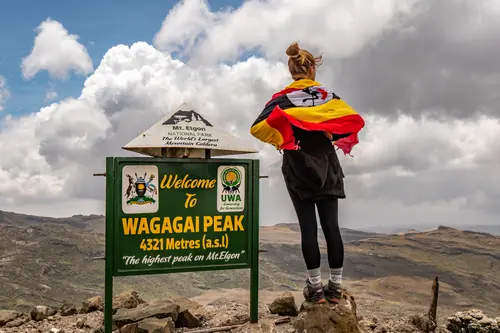
Trekking expeditions typically start from Mbale or Sipi Falls and offer several route options, including the Sasa, Sipi, and Piswa trails. These treks, organized by WildHorn Africa, allow climbers to reach Wagagai Peak, the highest point at 4,321 meters. Cultural interactions with the Bagisu community, famous for their Imbalu circumcision rituals, often complement the mountain experience.

Best Time to Visit

The months between June and August, as well as December to March, offer the most favorable hiking conditions. During these months, trail visibility is better, and rain interruptions are minimal.

What to Pack

Day packs, light layers for warmth, waterproof clothing, insect repellent, and hydration gear are essential. For those extending their journey to Sipi Falls, swimming gear and extra leisure wear are recommended.

Located in southwestern Uganda, Mgahinga is part of the Virunga Mountain range and features three extinct volcanoes: Mount Sabinyo, Mount Gahinga, and Mount Muhabura. These peaks, though not as tall as the Rwenzoris or Elgon, offer dramatic landscapes and thrilling day hikes.

Mgahinga Gorilla National Park Hikes and climbs

Trip Ideas

Day climbs to each of the volcanoes can be arranged, with the most popular being Mount Sabinyo, known for its tri-border summit that connects Uganda, Rwanda, and the DRC. These treks are short but steep and rewarding, often combined with gorilla tracking experiences curated by WildHorn Africa.

Best Time to Visit

June to August and December to February are the ideal months, as trails are less muddy and mountain views are more likely to be unobstructed by mist.

What to Pack

Since hikes here are often single-day treks, a good daypack, layered clothing, waterproof boots, a walking stick, and binoculars for birdwatching are sufficient. Snacks and at least two liters of water are also vital.

In Uganda’s remote northeastern region lies Mount Moroto, an off-the-grid hiking destination within the Karamoja sub-region. Rich in both ecological and cultural interest, it offers a rare blend of raw adventure and anthropological immersion.

Mount Moroto

Trip Ideas

Treks to Mount Moroto can span one to three days, often including cultural encounters with the Tepeth and Karamojong communities. These guided expeditions, led by experts from WildHorn Africa, focus not only on hiking but on understanding the coexistence between indigenous culture and nature.

Best Time to Visit

The dry season from November to March is optimal for hiking in this region. During these months, vegetation is thinner, and temperatures are more manageable.

What to Pack

Comfortable hiking shoes, a headlamp, sun protection, and personal first aid supplies are key. Cultural sensitivity items such as modest clothing and small gifts for community hosts are also encouraged.

Less frequented but equally captivating are Mount Kadam and Mount Napak, located near Mount Elgon and within the Karamoja plateau, respectively. These challenging ascents offer sweeping views and an untouched hiking experience.

Kadam and Mount Napak

Trip Ideas

Though trails here are less developed, bespoke itineraries offered by WildHorn Africa cater to experienced trekkers seeking solitude and rugged beauty. Local guides from surrounding villages are included to ensure safety and cultural connection.

Best Time to Visit

Visits between November and February are recommended, when trails are accessible and weather is stable.

What to Pack

Navigation tools, all-weather gear, packed food, and sleeping equipment may be needed, depending on trek duration. These are true wilderness experiences requiring self-sufficiency and guided support.

Together We Build your dream holiday

Customize your experience

Customize

Step Into the Untamed with WildHorn Africa

Uganda’s climbing and hiking holidays are not just about conquering peaks; they are transformative journeys that reveal the country’s soul through its landscapes, cultures, and untouched trails. From snow-capped summits to volcanic ridges and remote highlands, each step is a testament to Uganda’s astonishing diversity.

Whether you’re drawn to the glacial peaks of the Rwenzoris, the expansive caldera of Mount Elgon, or the mystical Virunga volcanoes, the adventure is best experienced with a dedicated team that understands both the terrain and the traveler. For an expertly guided, safe, and immersive experience into Uganda’s wild highlands, it is highly recommended that all expeditions be booked through WildHorn Africa — where every climb becomes a story worth telling.

Uganda Climbing & Hiking Holidays

What are the best hiking and climbing destinations in Uganda?

Uganda offers diverse hiking and climbing experiences. The top destinations include:

  • Rwenzori Mountains (Mount Stanley – 5,109m): Ideal for multi-day alpine climbs and glacier trekking.

  • Mount Elgon (4,321m): Great for moderate trekkers, featuring caldera walks, waterfalls, and wildlife.

  • Mgahinga Gorilla National Park – Mounts Gahinga, Muhabura, and Sabyinyo: Short, scenic volcano hikes with views of the Virunga ranges.

  • Sipi Falls (on Mount Elgon slopes): Popular for scenic day hikes and cultural experiences.

  • Lake Bunyonyi Highlands: Ideal for nature walks, birdwatching, and soft trekking.

When is the best time to go hiking or mountain climbing in Uganda?

The best time for hiking and climbing in Uganda is during the dry seasons:

  • June to August and December to February: Trails are more accessible, especially in mountainous areas like the Rwenzoris and Mount Elgon.

  • Avoid heavy rain months (March–May and September–November) due to slippery trails, flooding, and limited visibility.

Do I need a guide or permit for hiking and climbing in Uganda?

Yes. Most hikes and climbs require a licensed guide and a permit, especially in national parks:

  • Rwenzori & Mount Elgon: Entry permits are mandatory, and treks must be organized through Uganda Wildlife Authority (UWA) or registered operators.

  • Volcano hikes in Mgahinga also require permits and a park ranger.

  • Local guides are essential not only for safety but for route navigation and cultural insight.

How physically demanding are Uganda's hiking and climbing experiences?

The physical challenge varies widely:

  • Rwenzori Mountains: Very challenging; multi-day treks with glacier crossings, altitude sickness risk, and rugged terrain.

  • Mount Elgon: Moderate difficulty; long but gradual climbs.

  • Virunga Volcanoes: Short but steep hikes, typically done in a day.

  • Sipi Falls & nature trails: Easy to moderate day hikes suitable for most fitness levels.

Training and acclimatization are essential for higher-altitude climbs.

What should I pack for a climbing or hiking trip in Uganda?

Essentials include:

  • Clothing: Waterproof layers, warm clothes (especially for high altitudes), hiking boots, gloves, and gaiters.

  • Gear: Backpack, headlamp, trekking poles, sleeping bag (for multi-day treks), and personal first aid.

  • Other: Water purification tablets, energy snacks, sunscreen, insect repellent, and a camera.

  • Important: Travel insurance covering high-altitude trekking and emergency evacuation is highly recommended.

Packing for Uganda Climbing & Hiking Holidays

Packing for Uganda Climbing & Hiking Holidays requires careful preparation due to the country’s diverse landscapes, weather variations, and the physical demands of trekking at different altitudes. Whether you’re tackling the glacier-capped Rwenzori Mountains, scaling the volcanic peaks of Mgahinga, or enjoying scenic hikes around Sipi Falls or Mount Elgon, packing smartly ensures safety, comfort, and a more enjoyable experience. Uganda’s terrain can be rugged, and conditions change quickly, so having the right gear is essential for handling rain, cold, mud, and high elevations.

26 Day Uganda’s Grand Hiking Tour

To the glacier-capped Rwenzori Mountains, the vast caldera of Mount Elgon, the scenic waterfalls of Sipi, the volcanic peaks of Mgahinga, and the rugged ranges of Moroto.

View ItineraryINQUIRE NOW
  • Sturdy, waterproof hiking boots

  • Rain jacket and waterproof trousers

  • Layered clothing (base, mid, and outer layers)

  • Warm hat and gloves

  • Backpack (30–60L)

  • Headlamp with extra batteries

  • Sleeping bag (rated for cold temperatures)

  • Trekking poles

  • Water bottles or hydration system

  • Water purification tablets or filter

  • High-energy snacks

  • First aid kit and personal medications

  • Insect repellent and sunscreen

Why book with us

Grandeur

Experience the grandeur of Africa with WildHorn Africa, where every safari is designed to showcase the continent’s breathtaking landscapes and majestic wildlife.

24/7 support

Enjoy peace of mind with 24/7 support from WildHorn Africa, ensuring expert assistance before, during, and after your safari adventure.

Safety

Your safety is our top priority at WildHorn Africa, with expertly guided safaris and trusted partners ensuring a secure and worry-free adventure.

Price-quality ratio

WildHorn Africa offers exceptional price-quality ratio, delivering top-tier safari experiences at competitive rates without compromising on comfort.

12-Day Gorillas, Chimps & Wildlife Epic Safari

12-Day Gorillas Chimps Wildlife Epic Uganda Safari

By Primate holidays, Safari holidays, Uganda trip ideas, Wildlife holidays
From $3,850  per person  (USD)

12-Day Gorillas Chimps Wildlife Epic Uganda Safari

12-Day Gorillas, Chimps & Wildlife Epic Safari

This walk is in the middle. This 12-day “best of Uganda” tour lets you see a lot of wildlife, enjoy beautiful scenery, and learn about the country’s culture. The gorilla, chimp, and golden monkey trek might be the best part of this safari, but you can also see rhinos, lions, hippos, buffaloes, leopards, elephants, many bird species, and a lot of dense green jungle. In Uganda’s north, you can enjoy the powerful Murchison Falls. In the west and southwest, you can enjoy the crater lakes.

An unforgettable journey through Uganda’s most iconic wilderness areas is experienced on the 12-Day Gorillas, Chimps & Wildlife Epic Safari.

Crafted for those with a passion for adventure and an appreciation for nature at its purest, this immersive expedition is designed to offer close encounters with Africa’s most captivating primates—mountain gorillas and chimpanzees—while also showcasing the country’s diverse landscapes, from mist-shrouded rainforests to sweeping savannahs. The itinerary has been curated to include time in Uganda’s most celebrated national parks such as Bwindi Impenetrable Forest, Kibale Forest, and Queen Elizabeth and Murchison Falls National Parks, where guided treks and game drives reveal the rich tapestry of wildlife that defines the Pearl of Africa.

Throughout this epic safari, days are filled with rewarding experiences, including gorilla tracking adventures deep in ancient forests, chimpanzee encounters in the primate capital of East Africa, boat safaris along the Nile and Kazinga Channel, and classic game drives in search of lions, elephants, buffalo, and more. Evenings are spent in handpicked lodges and camps that reflect the beauty of the surroundings, ensuring comfort without compromise. Cultural interactions, scenic drives, and the warm hospitality of Uganda’s people add depth and meaning to every moment of the trip. This 12-day journey promises not only wildlife encounters but a soul-stirring immersion into Uganda’s untamed heart.

12-Day Gorillas Chimps Wildlife Epic Uganda Safari

Arrival for Best of Uganda Safari

Upon arrival at Entebbe International Airport, a warm welcome will be extended by a professional guide from WildHorn Africa, followed by a comfortable transfer to your hotel in either Entebbe or Kampala. The soothing breeze from Lake Victoria, Africa’s largest lake, will offer a refreshing introduction to Uganda. A restful evening will be enjoyed in preparation for the thrilling journey that begins the following day.

Rhino Tracking at Ziwa Rhino Sanctuary

An early breakfast will be followed by a scenic drive to Murchison Falls National Park, marking the beginning of an exciting adventure. Along the way, a stop will be made at Ziwa Rhino Sanctuary to enjoy an unforgettable rhino tracking experience. The journey will then continue toward the park, culminating in a visit to the top of Murchison Falls, where the mighty Nile River dramatically squeezes through a narrow 7-meter gorge, creating a powerful and awe-inspiring cascade right before your eyes. This experience is seamlessly arranged by WildHorn Africa.

Murchison Falls National Park Game Drive

Murchison Falls National Park, Uganda’s largest and most expansive conservation area, offers some of the most rewarding game viewing experiences in the country. Following an early breakfast, the day will begin with a game drive along the northern banks of the Nile River, where sightings of giraffes, elephants, hartebeests, buffaloes, lions, leopards, and an array of bird species can be anticipated. Witnessing wildlife in their natural environment—feeding, nurturing their young, and interacting within their herds—is a truly remarkable experience.

Later in the afternoon, the adventure continues with a tranquil boat safari along the River Nile. This relaxing cruise presents additional chances to observe wildlife and birds from a unique perspective. The journey culminates at the base of the spectacular Murchison Falls, famously known as the ‘Devil’s Cauldron,’ where the river explodes through a narrow gorge with immense power. Such a dramatic and exclusive river safari experience can only be encountered in Uganda and is thoughtfully organized by WildHorn Africa.

Transfer to Kibale Forest National Park

The journey today will lead to Kibale National Park, widely regarded as the primate capital of East Africa and the renowned home of chimpanzees. This lush forest sanctuary shelters 13 different primate species, with chimpanzee tracking being the highlight of the experience. As the drive unfolds, breathtaking scenery will be enjoyed, including glimpses of charming rural villages, bustling local markets, and abundant birdlife along the way. The day’s travel will be accompanied by a packed lunch or a meal stop in a town en route, all thoughtfully arranged by WildHorn Africa.

Chimpanzee Trekking in Kibale Forest National Park

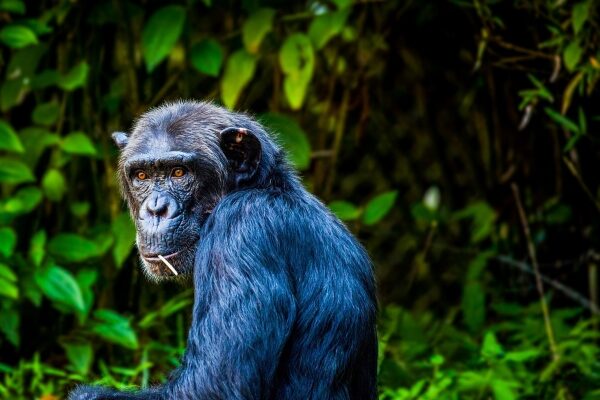
Kibale National Park, celebrated as the primate capital of East Africa, offers a truly enriching chimpanzee trekking experience. This adventure leads deep into the heart of a vibrant tropical forest, crossing gentle streams and winding trails. Along the way, encounters with red-tailed monkeys, black-and-white colobus monkeys, colorful butterflies, and a chorus of birds calling from the treetops may be enjoyed. With expert guidance from a professional WildHorn Africa guide, chimpanzees will be carefully located, allowing for memorable photography and the chance to observe their natural behavior as they interact, feed, and play.

Following the trek and a refreshing lunch, an optional visit to Bigodi Village and its renowned swamp may be arranged, time permitting. This wetland area is celebrated for its remarkable diversity of bird species and primates, adding another layer of ecological richness to the day’s experience.

Transfer to Queen Elizabeth National Park

After breakfast, the journey will proceed to Queen Elizabeth National Park, offering scenic views of crater lakes and the majestic Rwenzori Mountain Ranges along the way. Upon entering the park, a brief game drive will be enjoyed en route to the lodge, setting the stage for an afternoon filled with remarkable wildlife encounters.

Following lunch, a serene boat cruise along the Kazinga Channel will be experienced, providing a relaxed yet immersive opportunity to observe wildlife. The channel’s banks are teeming with birdlife, while crocodiles and elephants are often seen along the shoreline. This scenic excursion, arranged by WildHorn Africa, also presents excellent opportunities for photography in the heart of Uganda’s most biodiverse landscape.

Wildlife Safari in Queen Elizabeth National Park

As the day begins, wildlife can be observed in their natural social structures—families, clans, and groups—moving freely through the vast landscapes, offering a striking contrast to those seen in confined zoo environments. A guided game drive across the Kasenyi plains will be undertaken in open-roof safari vehicles, allowing unobstructed views of the park’s rich biodiversity.

The journey will then continue to the Ishasha sector, famously known for its unique population of tree-climbing lions. With the assistance of experienced rangers, efforts will be made to locate these elusive predators lounging in fig or acacia trees. Lunch will be enjoyed as a picnic in the wild or served at the lodge, depending on the day’s timing and conditions, with all arrangements seamlessly managed by WildHorn Africa.

Expedition To Bwindi Impenetrable Forest National Park

The journey today will lead to the majestic home of the gentle giants—Bwindi Impenetrable Forest. This rewarding drive winds through the stunning Kigezi Highlands, renowned for their dramatic terraced hills and breathtaking scenery. Depending on the arrival time, lunch will either be enjoyed en route or served at the lodge upon check-in.

Accommodation will be provided within or near the boundaries of the dense forest, offering a peaceful and immersive environment ideal for rest and rejuvenation. This serene setting, arranged by WildHorn Africa, provides the perfect atmosphere to unwind and prepare for the unforgettable gorilla trekking experience awaiting the following day.

Gorilla Trekking in Uganda

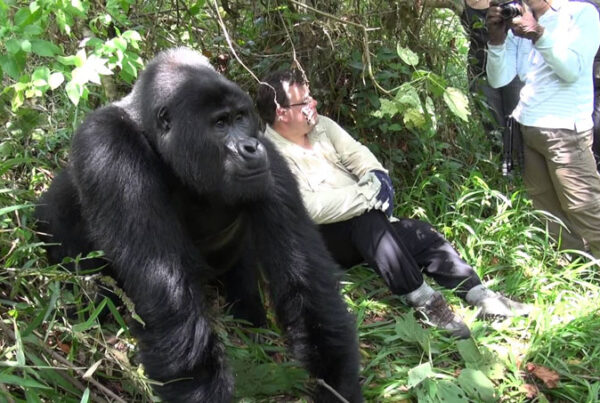
The most anticipated moment of the safari will unfold with an encounter with the magnificent mountain gorillas in Bwindi Impenetrable National Park. This ancient rainforest, teeming with biodiversity, is home to a wide variety of birds, butterflies, primates, and other forest-dwelling mammals. Accompanied by an experienced guide and park ranger from WildHorn Africa, the trek will lead deep into the lush terrain in search of these rare and powerful creatures.

Eventually, a face-to-face meeting with the gorillas will be experienced—an awe-inspiring and emotional connection with one of the world’s most endangered primates. The trek can vary in duration, ranging from one to eight hours, depending on the gorillas’ location. However, once located, visitors are granted one unforgettable hour to observe and photograph these gentle giants in their natural habitat. For those who opt not to participate in gorilla tracking, optional activities such as a cultural village walk or a short guided forest excursion may be arranged to ensure an enriching day.

Golden Monkey trekking in Mgahinga national park

An early morning departure from Bwindi will lead to Mgahinga Gorilla National Park, a scenic journey of approximately two hours. Upon arrival, golden monkey trekking will commence—a unique experience offering the chance to encounter this rare and endemic primate species found only in the Virunga volcanic region. The trek winds through the lush bamboo forests and diverse vegetation of Mgahinga, including distinctive flora such as giant lobelia.

Guided by an experienced ranger from WildHorn Africa, insights into the park’s ecological significance, history, and rich biodiversity will be shared throughout the trek. The entire experience typically lasts between two to three hours, after which a return to your reserved accommodation will provide a comfortable and restful overnight stay.

Lake Mburo National Park for Wildlife

The journey to Lake Mburo National Park will unfold through scenic countryside marked by rolling landscapes, plantations, and rural farms. Along the way, a visit will be made to a cultural museum showcasing the traditional lifestyles and heritage of the local communities in the region. Lunch or a picnic will be enjoyed at a selected restaurant en route.

Arrival at the park is expected later in the afternoon, followed by a peaceful boat excursion on Lake Mburo. This experience, thoughtfully arranged by WildHorn Africa, provides an ideal opportunity to take in the park’s natural beauty from the water while observing its vibrant birdlife and aquatic wildlife.

Transfer to Entebbe

Following an early breakfast, a game drive will be conducted within Lake Mburo National Park, offering one last chance to spot wildlife in this picturesque savannah setting. The journey will then continue toward Entebbe, including a stop at the iconic Equator line for a brief visit and photo opportunity. Lunch will be enjoyed along the way before proceeding to the airport, with arrival scheduled for the afternoon. All arrangements will be smoothly handled by WildHorn Africa.

Included

  • Park fees (For non-residents)
  • Gorilla permits (One per person, non-resident)
  • Chimp permits (One per person, non-resident)
  • All activities (Unless labeled as optional)
  • All accommodation (Unless listed as upgrade)
  • A professional driver/guide
  • All transportation (Unless labeled as optional)
  • All Taxes/VAT
  • Roundtrip airport transfer
  • Meals (As specified in the day-by-day section)
  • Drinking water(On all days)

Excluded

  • International flights (From/to home)
  • Additional accommodation before and at the end of the tour
  • Tips (Tipping guideline US$10.00 pp per day)
  • Personal items (Souvenirs, travel insurance, visa fees, etc.)
  • Government imposed increase of taxes and/or park fees

The best time to visit is generally considered to be during the dry season, when weather conditions are more pleasant and travel is less likely to be disrupted, typically based on your preferred destinations. During this period, landscapes are at their most vibrant, wildlife sightings are more frequent, and activities can be enjoyed with greater ease. While visits are possible year-round, choosing this window is often recommended to ensure the most rewarding and comfortable experience.

WhatsApp

General Climate

  • Southern Africa is hot and wet—great for lush landscapes but not ideal for wildlife spotting.

  • East Africa is dry and sunny—excellent for safaris and beach holidays.

  • North Africa (e.g., Egypt) is pleasantly cool.

Why: Peak of the dry season; excellent for wildlife viewing, especially in the Maasai Mara and Amboseli. Also great beach weather along the coast.

General Climate

  • Similar to January. East Africa remains dry and ideal for travel.
  • Southern Africa continues to experience summer rains.

Why: Calving season in the southern Serengeti; predators are active. Good weather in Zanzibar for beach lovers.

General Climate

  • Wettest month in East Africa; not ideal for safaris.

  • Southern Africa is still rainy, but the tail end of the wet season.

  • North Africa heats up quickly.

Why: Warm but not oppressively hot. Ideal for exploring ancient sites like Luxor, Aswan, and the Pyramids.

General Climate

  • Rain begins in East Africa.
  • Southern Africa starts to transition, with some rains still occurring.
  • Egypt begins warming up.

Why: Great for gorilla trekking in Bwindi before the heavier rains. Cooler weather in the mountains and fewer crowds.

General Climate

  • Peak dry season in East and Southern Africa—excellent for game viewing.

  • Nights can be cold in desert regions.

Why: Outstanding game viewing in the Okavango Delta during the annual flood. Dry and comfortable weather.

General Climate

  • Dry season in most regions of East and Southern Africa.

  • Cooler temperatures and clearer skies.

Why: Prime safari season begins. Victoria Falls is still in full flow, and wildlife viewing improves as vegetation thins out.

General Climate

  • Prime dry season continues in East and Southern Africa.

  • Cooler temperatures in the highlands.

Why: Cool, dry, and clear. Perfect time for dramatic desert landscapes, wildlife viewing in Etosha, and exploring Sossusvlei.

General Climate

  • End of rainy season in East Africa—landscapes are lush.

  • Southern Africa becomes cooler and drier—a sign of great safaris to come.

Why: Dry season begins; ideal time to see lemurs and other endemic wildlife. Also good for trekking and photography.

General Climate

  • Dry season continues but temperatures start to rise.

  • Wildlife congregates around water sources.

Why: One of the best months for game viewing in Hwange National Park and visiting Victoria Falls with good flow and visibility.

General Climate

  • Hot and dry across most of Africa.

  • Late dry season—excellent for spotting wildlife.

Why: Great for safaris in Kruger and start of wildflower bloom in the Western Cape. Also good time for whale watching along the coast.

General Climate

  • Rain returns to East Africa (short rains).

  • Southern Africa sees rising temperatures.

  • Still good wildlife viewing in some places before the rains fully begin.

Why: Short rainy season, but still accessible for gorilla trekking. Lush green scenery and fewer tourists.

General Climate

  • Warm and wet in Southern Africa.

  • East Africa enjoys another dry spell (short dry season).

  • North Africa is cool and dry.

Why: Dry season starts; ideal for historical sites, Simien Mountains trekking, and experiencing Timket preparations.

Featured Headlines

AllAboutAbout UsAdventure holidaysBotswanaBotswana places to visitBotswana travel guidesBucket list holidaysCongoCongo places to visitCongo travel guidesContact UsDestinationsEco-friendly accommodationsEgyptEgypt travel guidesEthiopiaEthiopia travel guidesExperiencesFamily holidaysGabonGabon travel guidesGet inspiredGroup holidaysHoliday typesHoneymoon holidaysJoin our teamKenyaKenya travel guidesKenya trip ideasLuxury holidaysMadagascarMadagascar travel guidesMalawiMalawi travel guidesMozambiqueMozambique travel guidesNamibiaNamibia accommodationsNamibia places to visitNamibia travel guidesNamibia trip ideasOff the beaten track holidaysPrimate holidaysRefer a friendResponsible travel tipsRwandaRwanda travel guidesRwanda trip ideasSafari holidaysSouth AfricaSouth Africa best time to visitSouth Africa travel guidesSouth Africa trip ideasSouth SudanSouth Sudan places to visitSpecial offersSustainable travelTanzaniaTanzania places to visitTanzania travel guidesTanzania trip ideasTravel guidesTravel safetyTravel stories and blogsUgandaUganda accommodationsUganda best time to visitUganda places to visitUganda travel guidesUganda trip ideasWhen to goWhere to goWildlife holidaysYour first safariZambiaZambia places to visitZambia travel guidesZimbabweZimbabwe places to visitZimbabwe travel guides
Month by Month Guide to the Best Time to Visit Uganda

Month by Month Guide to the Best Time to Visit Uganda

By Travel guides, Uganda best time to visit

Month by Month Guide to the Best Time to Visit Uganda

Unlocking the Secrets of Uganda’s Year-Round Splendor

Uganda is not merely a destination; it is a year-round invitation to discover raw beauty, abundant wildlife, and unforgettable cultural depth. Often described as the Pearl of Africa, Uganda presents a rare climatic advantage that few countries enjoy — it can be visited at any time of the year. However, the experiences, landscapes, and moods vary month by month, offering travelers a constantly changing yet always rewarding palette of adventures. Whether drenched in the lush greenery of the rainy seasons or bathed in the golden glow of the dry months, Uganda retains its charm and allure. What follows is a carefully detailed month-by-month exploration of when to visit, what to expect, and where to go in Uganda, providing invaluable insight into planning an enriching, unforgettable journey through one of Africa’s most magnificent destinations.

January

The year begins in Uganda with one of the most favorable climates. January sits firmly in the short dry season, with warm temperatures and limited rainfall, making it ideal for safaris and outdoor activities. Wildlife viewing is particularly rewarding during this period as animals gather around water sources, especially in Queen Elizabeth National Park and Murchison Falls National Park. The roads remain accessible, and the skies are often clear, offering exceptional conditions for photography and bird watching. Gorilla trekking in Bwindi Impenetrable Forest and chimpanzee tracking in Kibale Forest are highly recommended during this time due to the manageable forest trails and increased primate activity. This month also sees a vibrant cultural buzz in Kampala and other major towns as communities continue to celebrate the New Year.

February

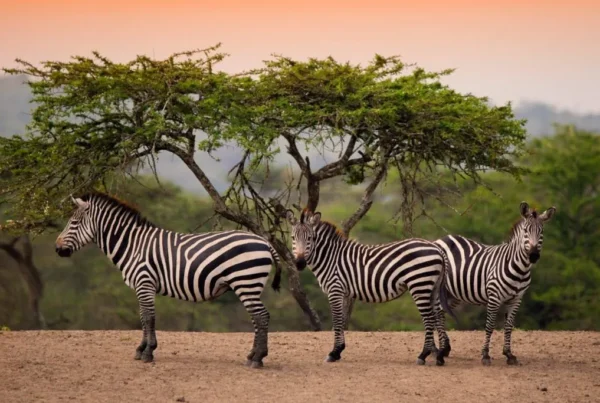
February extends the dry spell, maintaining the ideal conditions for travelers seeking uninterrupted exploration. The landscape, though drier, still retains much of its beauty. Wildlife encounters remain vivid and dramatic, especially in the savannah parks where predators and prey engage in their timeless dance. It is an excellent month for visiting Lake Mburo National Park, known for its zebras, antelopes, and acacia-dotted scenery. The calm waters of Lake Bunyonyi also provide a perfect retreat for those seeking peace and scenic charm. February’s relative quietness on the tourist front enhances the sense of intimacy and immersion for travelers. The Rwenzori Mountains offer favorable conditions for high-altitude trekking, with minimal rain interference.

March

March marks the beginning of Uganda’s long rainy season. While some may shy away from travel during this period, those who do venture out are rewarded with lush vegetation and fewer crowds. Though certain rural roads may become muddy and challenging, the central and western parts of the country remain accessible. The rain breathes new life into the landscape, making this an extraordinary time for photography. Bwindi’s forests shimmer with renewed vibrancy, and waterfalls across the country swell with beauty and force. Although some safari activities may be weather-dependent, bird watching flourishes during this season, as migratory species add to Uganda’s already impressive list.

April

April continues with substantial rainfall, turning Uganda into a green paradise. It is the least busy month in terms of tourism, allowing for an unhurried and tranquil exploration of the country. National parks remain open, and while game drives may face occasional interruptions due to weather, the animal sightings are still rewarding. This is a deeply rewarding time for those who enjoy solitude and the poetic ambiance of mist-covered hills and rain-kissed forests. Lodges and tour operators may offer discounted rates during April, making it appealing for budget-conscious travelers seeking luxury experiences at a lower cost. For cultural enthusiasts, this is a time to dive deeper into local life and traditions as communities remain closely knit during the rainier periods.

May

May marks the tail-end of the long rains, as the skies begin to clear and the land responds with a burst of life. The scenery is at its most dramatic, with rolling green hills and crystal-clear lakes reflecting the new season. Safari destinations begin to dry out, offering improved accessibility while retaining the lush vegetation that enhances wildlife spotting. The cooler temperatures make hiking more comfortable, and treks to Mount Elgon or the crater lakes in Fort Portal are particularly recommended. Gorilla permits are often more available during this shoulder month, and the forest trails, while still damp, are less crowded. Uganda in May feels alive and abundant, with nature showing off its full potential.

June

As the dry season returns, June is widely regarded as one of the best months to visit Uganda. Conditions are optimal for virtually every type of activity, from game drives and gorilla trekking to mountain hiking and cultural experiences. The highlands remain cool and inviting, and the lowlands offer clear visibility for wildlife enthusiasts. Murchison Falls becomes particularly dramatic, with the Nile crashing through the narrow gorge in full view. Kibale Forest is alive with chimpanzee activity, and bird watchers continue to find joy in the rich variety of species. June marks the beginning of the peak tourist season, so advanced bookings are often necessary for popular accommodations and permits.

July

July deepens the dry spell and strengthens Uganda’s appeal as a safari destination. Wildlife congregates more predictably around water sources, and visibility remains excellent. This month is especially popular for travelers wishing to combine gorilla trekking with big game safaris. The Ishasha sector of Queen Elizabeth National Park, known for its tree-climbing lions, becomes a must-visit. Meanwhile, Jinja continues to attract thrill-seekers with white-water rafting, bungee jumping, and kayaking on the Nile. The absence of rain also means that road travel is smoother, allowing deeper exploration into remote parks such as Kidepo Valley, which offers rugged landscapes and undisturbed wildlife scenes.

August

August sustains the dry season’s allure, offering perfect safari conditions and unforgettable nature experiences. The days are sunny, the landscapes are open, and animals are easily spotted against the dry terrain. Gorilla and chimpanzee tracking continue to flourish, while Lake Victoria and the Ssese Islands present their most inviting faces for relaxation and waterside activities. Cultural festivals may dot the calendar in various regions, adding color and rhythm to the travel experience. Kidepo Valley National Park, often difficult to reach in the rainy season, becomes fully accessible, revealing its dramatic beauty and unmatched wildlife scenes.

September

As Uganda transitions into the short rainy season, September offers a nuanced travel experience. The rains are usually light and intermittent, allowing for most activities to continue unhindered. The landscape begins to green once more, and the renewed freshness breathes new life into the flora and fauna. Bwindi and Mgahinga forests regain their lushness, enhancing the trekking experience. Safari drives remain fruitful, and birdwatchers benefit from the shift in seasons. For those who prefer to avoid crowds but still enjoy decent weather, September serves as a sweet spot between peak season and rainy resurgence.

October

October experiences more consistent rainfall, but the temperatures remain pleasant and the travel experience becomes uniquely immersive. The vegetation flourishes, and the skies often display dramatic cloud formations that add depth and mood to landscapes. Although road conditions may vary, tour operators remain fully functional, and guided experiences continue to provide safe and enriching encounters. Waterfalls such as Sipi Falls gain renewed volume, offering spectacular photo opportunities and invigorating treks. The cultural atmosphere becomes more pronounced in rural areas, making October an excellent month for community-based tourism and experiential travel.

November

November remains under the influence of the short rains, but by no means should it be overlooked. The rains tend to fall mainly in the afternoons, leaving the mornings clear for exploration. This allows for more relaxed travel pacing and deeper immersion in Uganda’s serene, rain-washed beauty. Forest activities continue, and national parks remain open, albeit with slightly more effort required to navigate the terrain. Photographers particularly favor this time for the rich contrast in colors and moods. Lodges may offer promotions during this quieter season, enabling travelers to enjoy luxury at accessible rates. In Uganda, even the rainy days hold magic.

December

December brings back dry weather and a festive spirit that sweeps across the country. It is a time when Uganda opens itself with warmth, both in weather and hospitality. Families travel, events unfold, and the national parks buzz with life. This month is perfect for experiencing a little of everything — wildlife safaris, mountain hikes, cultural immersion, and lake-side relaxation. Gorilla trekking sees high demand, as does travel to Queen Elizabeth and Murchison Falls national parks. Kampala becomes a hub of celebration, with music, markets, and street food enlivening the urban spirit. December offers not just an escape, but a joyful embrace of all Uganda has to offer.


When to visit Uganda

Month by Month Guide to the Best Time to Visit Uganda

Crafting the Perfect Itinerary

The beauty of Uganda lies in its year-round accessibility, but the optimal experience depends on aligning interests with seasonal nuances. For wildlife lovers, the dry months of June through August and December through February are ideal. Those captivated by color, solitude, and renewal may find March to May and October to November more rewarding. Each region of Uganda carries its own rhythm and character, making it essential to balance one’s journey across forests, savannahs, highlands, and lakes.

For travelers seeking to transform these recommendations into a tailor-made adventure, it is strongly encouraged to book Africa tours and safaris through WildHorn Africa, a trusted expert in curating immersive, seamless, and unforgettable experiences across Uganda and beyond. With WildHorn Africa, every month becomes the perfect time to explore, connect, and rediscover the wonders of travel through the eyes of a land that never ceases to amaze.

The best time to visit is generally considered to be during the dry season, when weather conditions are more pleasant and travel is less likely to be disrupted, typically based on your preferred destinations. During this period, landscapes are at their most vibrant, wildlife sightings are more frequent, and activities can be enjoyed with greater ease. While visits are possible year-round, choosing this window is often recommended to ensure the most rewarding and comfortable experience.

WhatsApp

Grandeur

Experience the grandeur of Africa with WildHorn Africa, where every safari is designed to showcase the continent’s breathtaking landscapes and majestic wildlife.

24/7 support

Enjoy peace of mind with 24/7 support from WildHorn Africa, ensuring expert assistance before, during, and after your safari adventure.

Safety

Your safety is our top priority at WildHorn Africa, with expertly guided safaris and trusted partners ensuring a secure and worry-free adventure.

Price-quality ratio

WildHorn Africa offers exceptional price-quality ratio, delivering top-tier safari experiences at competitive rates without compromising on comfort.

Other Amazing Things to Do in Uganda

Uganda Safari Activities: Things to Do in Uganda

By Travel guides, Uganda travel guides

Uganda Safari Activities: Things to Do in Uganda

Uganda, often described as the Pearl of Africa, is a destination that embodies the very essence of wilderness, culture, and breathtaking natural beauty. For travelers in search of experiences that go beyond ordinary sightseeing, Uganda offers a profound and immersive journey into the heart of Africa. From encounters with endangered mountain gorillas in the misty forests of Bwindi to thrilling game drives across savannah plains, from tranquil cruises along the Nile to cultural exchanges with vibrant local communities, Uganda has carved a place among the world’s most treasured safari destinations.

A safari in Uganda is not merely about witnessing wildlife but about embracing a living, breathing land where every corner unveils a different narrative. Each activity carries with it a sense of discovery, a connection to history, and a promise of adventure that lingers long after the journey has ended. The country’s diversity of landscapes—from lush rainforests to golden grasslands and snow-capped peaks—creates opportunities for activities that suit both the avid adventurer and the contemplative traveler.

The best time to visit is generally considered to be during the dry season, when weather conditions are more pleasant and travel is less likely to be disrupted, typically based on your preferred destinations. During this period, landscapes are at their most vibrant, wildlife sightings are more frequent, and activities can be enjoyed with greater ease. While visits are possible year-round, choosing this window is often recommended to ensure the most rewarding and comfortable experience.

WhatsApp

Grandeur

Experience the grandeur of Africa with WildHorn Africa, where every safari is designed to showcase the continent’s breathtaking landscapes and majestic wildlife.

24/7 support

Enjoy peace of mind with 24/7 support from WildHorn Africa, ensuring expert assistance before, during, and after your safari adventure.

Safety

Your safety is our top priority at WildHorn Africa, with expertly guided safaris and trusted partners ensuring a secure and worry-free adventure.

Price-quality ratio

WildHorn Africa offers exceptional price-quality ratio, delivering top-tier safari experiences at competitive rates without compromising on comfort.

Uganda Travel Guides

Uganda Travel Guides

By Travel guides

Uganda Travel Guides

All you need to know before visiting and while in Uganda

A journey through Uganda unfolds slowly, like mist over its lush hills and silent lakes. Here, travel isn’t rushed — it’s absorbed. Stories are found in the rustle of Bwindi’s forests, in the rhythm of a Kampala street, in the quiet gaze of a mountain gorilla, and in the warmth of a village welcome.

Through these travel guides, a deeper Uganda is revealed, not just through maps and tips, but through real experiences, voices, and discoveries. Whether it’s your first visit or your fifth, each story offers a new way to see the Pearl of Africa — vibrant, layered, and alive.

The soul of Uganda is shaped by its landscapes — dramatic and varied, yet bound by a quiet harmony. From the savannah plains of Queen Elizabeth National Park to the snow-capped Rwenzori Mountains, every corner holds a sense of wonder. Travel here means more than sightseeing. It invites reflection, connection, and moments of awe. These guides don’t just describe what’s there — they open a window into how it feels to be there.

Uganda’s wildlife encounters are among the most intimate on the continent. To trek through dense forest and lock eyes with a wild gorilla is to experience something beyond tourism — something humbling. Safari drives, boat cruises, and nature walks bring travelers face-to-face with elephants, lions, and hundreds of bird species, yet the memories linger not because of checklists, but because of the closeness and stillness that define them.

Cultural depth is felt in the day-to-day rhythm of Ugandan life. Markets pulse with energy, filled with color and conversation. Traditional music and dance echo through ceremonies and casual gatherings alike. A visit becomes personal through shared meals, guided walks with local elders, and moments where cultures meet with genuine curiosity and respect. It’s not only places that are discovered here — it’s people, histories, and perspectives.

Adventure flows through Uganda like the Nile itself. From white-water rafting in Jinja to hiking remote trails, every path carries a thrill — not of danger, but of discovery. These are not adventures designed for spectacle, but for immersion. Off-the-beaten-track doesn’t mean inaccessible; it means unspoiled, waiting, and deeply rewarding for those willing to go a little further.

Each guide and story shared here is a step closer to understanding what makes Uganda unforgettable. Not because it demands attention, but because it stays with you, long after the journey ends.

Note

Uganda is a safe and welcoming destination open to visitors all year round, offering unique travel experiences in every season. Whether it’s the sun-drenched landscapes of the dry months or the lush, green vibrance brought by the rains, each period reveals a different charm of the country. Wildlife remains abundant and accessible throughout the year, while roads and major tourist areas stay open and secure. With a stable tourism environment and warm hospitality at every turn, travelers can explore Uganda confidently, no matter when they choose to visit.

Uganda Travel Guides

What is the tipping culture in Uganda?

What is the tipping culture in Uganda?

What Is the Tipping Culture in Uganda? | Uganda Safari…

Talk to an expert. Let's craft you a memorable holiday package.

Grandeur

Experience the grandeur of Africa with WildHorn Africa, where every safari is designed to showcase the continent’s breathtaking landscapes and majestic wildlife.

24/7 support

Enjoy peace of mind with 24/7 support from WildHorn Africa, ensuring expert assistance before, during, and after your safari adventure.

Safety

Your safety is our top priority at WildHorn Africa, with expertly guided safaris and trusted partners ensuring a secure and worry-free adventure.

Price-quality ratio

WildHorn Africa offers exceptional price-quality ratio, delivering top-tier safari experiences at competitive rates without compromising on comfort.

Close Menu