search
How to Combine Kibale with Queen Elizabeth Safaris

How to Combine Kibale with Queen Elizabeth Safaris

By Travel stories and blogs, Family holidays, Luxury holidays, Primate holidays, Safari holidays, Uganda travel guides, Wildlife holidays

How to Combine Kibale with Queen Elizabeth Safaris

A Dual Safari Experience

Uganda’s diverse landscapes provide an unmatched opportunity for multi-dimensional safari experiences, where primate tracking and savannah game viewing can be seamlessly combined. Among these experiences, Kibale National Park and Queen Elizabeth National Park stand out for their unique and complementary wildlife offerings. Kibale is globally renowned for chimpanzee trekking and dense tropical rainforest ecosystems, while Queen Elizabeth provides vast savannah plains, crater lakes, and abundant large mammals, offering classic African game drives and boat safaris.

Combining these two destinations allows travelers to experience the full spectrum of Uganda’s biodiversity, from the intimate encounters with primates in thick forests to the expansive vistas of elephants, lions, buffalo, and hippos in the savannah. The logistical integration of these parks requires careful planning, taking into consideration distances, transportation options, seasonal variations, accommodation, and itinerary sequencing. When executed effectively, a combined safari provides a holistic perspective of Uganda’s ecological richness, while offering cultural insights, photographic opportunities, and immersive wildlife experiences.

This guide provides an in-depth exploration of strategies for combining Kibale with Queen Elizabeth safaris, including practical travel planning, recommended itineraries, wildlife highlights, seasonal considerations, accommodation options, and tips for maximizing both ecological and cultural encounters.

Understanding the Distinctive Features of Each Park

Kibale National Park: Primate Paradise

Kibale National Park covers approximately 795 square kilometers of tropical rainforest, with undulating terrain, rivers, and swamp areas supporting high biodiversity. The park is home to over 1,500 chimpanzees, most of which are habituated for research and tourism purposes, making chimpanzee tracking the central attraction.

Beyond chimpanzees, Kibale hosts 13 other primate species, including red-tailed monkeys, olive baboons, black-and-white colobus monkeys, and L’Hoest’s monkeys. Avian diversity exceeds 370 species, offering opportunities for birdwatching and photography. Trails are well-maintained, and lodges are situated in proximity to trekking starting points, facilitating early morning departures when chimpanzee activity is at its peak.

Kibale’s appeal lies in its immersive forest experience, where visitors observe wildlife at close range, gain insight into primate social dynamics, and experience the lush tropical environment firsthand. Complementary activities include nature walks, cultural interactions with nearby communities, and ecological education, creating a multidimensional safari experience.

Queen Elizabeth National Park: The Savannah Experience

Queen Elizabeth National Park spans 1,978 square kilometers, encompassing savannah plains, tropical forests, wetlands, crater lakes, and the famed Kazinga Channel. The park supports large mammal populations, including elephants, lions, leopards, buffalo, hippos, Uganda kob, and a variety of antelope species. Predator-prey interactions are frequently observed, enhancing the thrill of game drives.

Birdlife in Queen Elizabeth is also exceptional, with over 600 species including herons, kingfishers, African fish eagles, and shoebills in wetland areas. The Kazinga Channel provides opportunities for boat safaris, allowing visitors to observe hippos, crocodiles, and waterbirds in natural habitats.

Queen Elizabeth’s unique features include diverse ecosystems, open savannah for unobstructed wildlife photography, and extensive accommodation options ranging from luxury lodges to safari camps. This combination makes it ideal for visitors seeking classic African safari experiences in tandem with Uganda’s rainforest adventures.

Planning the Combined Safari

Sequencing the Itinerary

The optimal sequencing generally begins with Kibale National Park, allowing travelers to acclimate to Uganda’s western regions and experience the intensive primate tracking before transitioning to the more expansive savannah landscapes of Queen Elizabeth. Morning chimpanzee treks in Kibale are typically followed by cultural visits or nature walks in the afternoon, providing a balanced approach to time and energy management.

Travel to Queen Elizabeth usually occurs via road transfer, covering approximately 3 to 4 hours depending on routes, road conditions, and stops along the way. Early departures from Kibale ensure arrival in Queen Elizabeth with sufficient time for afternoon game drives, sunset boat cruises, or relaxation at lodges. Alternatively, a reverse sequence is feasible for those prioritizing savannah wildlife before immersing in rainforest experiences.

Duration and Recommended Itinerary

A combined safari is often planned over 5 to 7 days, allowing adequate time for both chimpanzee tracking in Kibale and full game drives in Queen Elizabeth. The suggested itinerary includes two full days in Kibale for trekking, nature walks, and cultural engagements, followed by 2 to 3 days in Queen Elizabeth for morning and evening game drives, Kazinga Channel boat cruises, and birdwatching. An additional day can be allocated for travel, lodge relaxation, or optional excursions such as crater lake visits or community interactions.

Careful planning ensures that permits for chimpanzee tracking, lodge bookings, and park entry fees are secured in advance, particularly during peak seasons when visitor numbers increase. Guided itineraries enhance both the efficiency and quality of experiences, as rangers provide ecological insights and assist with wildlife observation techniques.

Wildlife Highlights and Photography Opportunities

Kibale Wildlife Photography

In Kibale, photographers and wildlife enthusiasts focus primarily on chimpanzees and primates, capturing detailed social behaviors, feeding activities, and juvenile interactions. Birdwatching provides secondary opportunities, with colorful species inhabiting canopy layers, riverine corridors, and swamp edges. Macro photography enthusiasts can also explore forest flora, insects, and amphibians, documenting ecological intricacies often overlooked in savannah environments.

Lighting conditions are influenced by dense canopy cover, necessitating careful adjustment of ISO, shutter speed, and lens selection. Early morning hours offer soft light and heightened animal activity, while late afternoons provide golden hues for landscape compositions.How to Combine Kibale with Queen Elizabeth Safaris

Queen Elizabeth Wildlife Photography

Queen Elizabeth provides open landscapes conducive to wide-angle photography, with elephants, buffalo herds, lions, and leopards creating dramatic compositions against savannah backdrops. The Kazinga Channel offers unique perspectives for capturing waterbirds, hippos, crocodiles, and reflective water scenes. Photographers benefit from unobstructed lines of sight, dynamic lighting during sunrise and sunset, and the opportunity to capture predator-prey interactions at relatively close distances.

Combining Kibale and Queen Elizabeth allows photographers to juxtapose intimate forest moments with expansive savannah scenes, producing a diverse portfolio that captures Uganda’s ecological breadth.

Cultural and Community Integration

Interactions Near Kibale

Visits to local communities surrounding Kibale provide insight into Bakiga and Batwa traditions, including agricultural practices, craft making, music, and storytelling. These encounters can be documented ethically, emphasizing cultural respect and collaboration. Cultural photography complements wildlife imagery, offering a holistic narrative of human-nature interactions.

Interactions Near Queen Elizabeth

Communities adjacent to Queen Elizabeth, such as those around the Kyambura Gorge and Ishasha sector, present opportunities to observe pastoralist lifestyles, traditional fishing, and land-use practices. These interactions provide context for understanding human-wildlife coexistence, as residents navigate challenges related to crop-raiding wildlife and conservation regulations. Ethical engagement ensures that photography reflects genuine experiences while respecting privacy and cultural norms.

Logistics and Transportation

Road Transfers

Road transfers between Kibale and Queen Elizabeth are typically conducted via private safari vehicles, providing comfort, flexibility, and opportunities for roadside wildlife observation. Travel duration varies depending on weather, road conditions, and stops at viewpoints or community sites. Adequate preparation for fuel, refreshments, and photographic stops ensures a smooth journey.

Accommodation Options

Luxury lodges, tented camps, and eco-lodges are available in both regions, often integrated with safari packages. Kibale lodges are generally forest-based, offering proximity to trekking trails and immersive nature experiences. Queen Elizabeth lodges provide savannah vistas, river access, and strategic locations for game drives. Selecting accommodations in advance is critical, particularly during peak travel seasons.

Guided Services

Professional guides enhance the combined safari by providing ecological interpretation, wildlife tracking expertise, safety guidance, and cultural insights. Experienced teams ensure that safari permits, park regulations, and ethical photography practices are adhered to, optimizing both enjoyment and conservation outcomes.

Seasonal Considerations

Dry Season Advantages

The dry seasons from December to February and June to August facilitate smoother trekking in Kibale and improved road conditions to Queen Elizabeth. Wildlife visibility is enhanced as animals congregate around water sources, creating excellent game drive and photography opportunities. Trails are more navigable, and early morning and late afternoon light conditions are favorable for both forest and savannah photography.

Wet Season Advantages

The wet seasons from March to May and September to November produce lush vegetation, vibrant bird activity, and dramatic forest landscapes. While travel may be slower and trails muddier, the photographic rewards include misty forest scenes, reflective water surfaces, and active wildlife behaviors. Careful planning and waterproof gear ensure a productive safari despite seasonal challenges.

Maximizing the Combined Safari Experience

Integrated Wildlife Observation

Combining Kibale and Queen Elizabeth allows for a comprehensive wildlife experience, contrasting primate-centric forest encounters with large mammal-focused savannah safaris. Observers can appreciate ecological connectivity, witness species-specific behaviors, and engage in photography across contrasting environments, enriching both scientific understanding and aesthetic appreciation.

Balancing Cultural and Ecological Engagement

Incorporating community interactions alongside wildlife activities ensures that the safari experience is holistic and multidimensional. Visitors gain insights into human adaptation to forest and savannah ecosystems, understand conservation challenges, and participate in responsible tourism initiatives that support local livelihoods and ecological preservation.

Ethical and Responsible Tourism

Ethical considerations guide all aspects of the combined safari. Minimizing disturbance to wildlife, maintaining safe distances during observation, securing consent for cultural photography, and adhering to park regulations ensures sustainable and respectful engagement. These practices support long-term conservation objectives and enhance visitor experience by promoting authentic, undisturbed encounters.

The Ultimate Dual Safari

Combining Kibale National Park and Queen Elizabeth National Park offers a uniquely rewarding Ugandan safari, merging the intimate forest encounters of primate tracking with the expansive wildlife spectacles of the savannah. Thoughtful itinerary planning, guided experiences, and awareness of seasonal and ecological variables maximize both wildlife observation and photographic opportunities. Cultural encounters enrich the safari, bridging human and ecological narratives for a holistic understanding of Uganda’s landscapes.

For travelers seeking a seamless, expertly curated, and ethically responsible combined safari, arrangements through WildHorn Africa are recommended. Their expertise ensures access to prime wildlife locations, knowledgeable guides, logistical coordination, and immersive cultural experiences, transforming a journey across Kibale and Queen Elizabeth into a memorable and comprehensive exploration of Uganda’s ecological and cultural wealth.

Queen Elizabeth National Park for First-Time Safari Goers

Queen Elizabeth National Park for First-Time Safari Goers

By Travel stories and blogs, Luxury holidays, Safari holidays, Uganda travel guides, Wildlife holidays

Queen Elizabeth National Park for First-Time Safari Goers

A Gateway to Africa’s Wild Heart

For first-time safari goers, the allure of Africa is often encapsulated in a single dream—the chance to witness wildlife roaming freely across open landscapes, the thrill of tracking lions, elephants, and hippos, and the serenity of sunrise over vast plains. Queen Elizabeth National Park, in the heart of western Uganda, emerges as the ideal destination for this introduction to African safaris. Its accessibility, diversity of wildlife, and combination of ecosystems—from savannahs and wetlands to crater lakes and forested gorges—create an environment where first-time visitors are both captivated and guided gently into the rhythms of the wild.

The park is not only a showcase of Uganda’s remarkable biodiversity but also an educational journey, where every moment offers lessons in animal behavior, ecological interactions, and the balance between conservation and human presence. For newcomers to safari experiences, Queen Elizabeth provides a blend of adventure, comfort, and structured discovery, making it an exemplary destination to embark upon Africa’s ultimate wildlife encounter.

Understanding Queen Elizabeth National Park

Queen Elizabeth National Park, spanning over 1,978 square kilometers, is one of Uganda’s most celebrated protected areas. It lies along the western arm of the Great Rift Valley, encompassing a tapestry of habitats that support over 95 mammal species and more than 600 bird species. The park is intersected by the Kazinga Channel, which links Lake Edward to Lake George, creating an aquatic corridor rich in hippos, crocodiles, and waterbirds.

For first-time safari goers, the park’s ecological diversity provides a comprehensive introduction to African wildlife. From the open grasslands of Kasenyi to the dense forests of Kyambura Gorge, from the volcanic crater lakes to the Ishasha plains, visitors encounter a variety of landscapes and species that illustrate the complexity of ecosystems within a single park. This diversity allows newcomers to appreciate the contrasts of Africa’s wilderness—from the panoramic vistas of savannah plains to the intimate, shaded environments where elusive species dwell.

Preparing for a First Safari Experience

A first safari is both exhilarating and novel, often requiring preparation in terms of expectations, logistics, and understanding of wildlife behavior. Visitors are typically advised to dress in neutral-colored clothing to avoid startling animals and to bring binoculars, cameras, and field guides to enhance observation.

Knowledge of safari etiquette is also introduced. Silence, patience, and respectful distances from wildlife are emphasized. First-time safari goers are guided to recognize animal behavior cues—such as the movement of an elephant herd or the vigilance of a lion pride—which deepen engagement and understanding. Trained guides play a critical role, providing context, answering questions, and ensuring safety while creating immersive and memorable experiences.

Game Drives: The Core of the Safari Experience

The game drive is often the first and most iconic encounter for novice safari goers. In Queen Elizabeth, these drives traverse a variety of habitats, providing chances to observe lions, elephants, buffaloes, Uganda kob, and warthogs. First-time visitors are introduced to the art of tracking, guided by the knowledge of seasoned rangers who interpret signs such as footprints, scat, and feeding marks.

Morning and late afternoon drives are particularly recommended for optimal wildlife sightings. During these periods, predators are most active, herbivores graze, and the soft light enhances photography. Guides often explain ecological interactions, such as predator-prey relationships and social structures within prides or elephant herds, allowing first-time safari goers to gain a deeper appreciation for the dynamics of the wild.

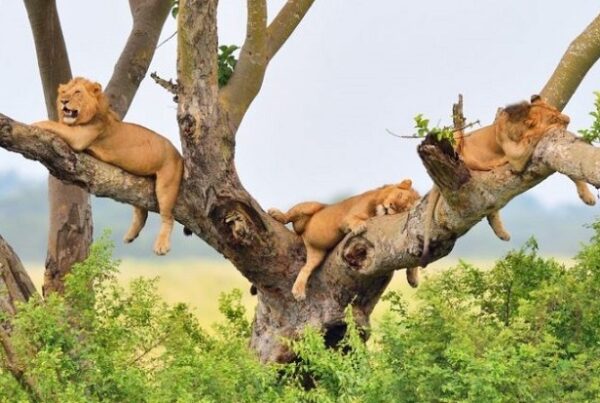
The Ishasha sector, famous for tree-climbing lions, offers a unique twist on traditional game drives. First-time visitors are often awestruck by the sight of lions perched across the limbs of fig trees—a phenomenon rarely witnessed elsewhere in Africa. This iconic spectacle exemplifies how Queen Elizabeth caters to both novices and experienced wildlife enthusiasts.Queen Elizabeth National Park for First-Time Safari Goers

Kazinga Channel Boat Safari: An Introduction to Aquatic Wildlife

Complementing land-based drives, a boat safari along the Kazinga Channel offers first-time visitors an immersive aquatic wildlife experience. The channel supports one of the largest concentrations of hippos in the world, alongside Nile crocodiles and a multitude of bird species.

Boat safaris allow newcomers to observe wildlife from a safe yet intimate perspective. Hippos surface with grunts and splashes, crocodiles bask along riverbanks, and fish eagles soar overhead. Guides provide commentary on behavior, feeding patterns, and ecological significance, creating an educational and visually compelling experience.

The Kazinga Channel also introduces first-time visitors to the concept of ecological connectivity, as the aquatic environment supports interactions among species and habitats. The combination of land and water experiences ensures a well-rounded introduction to Africa’s wildlife systems.

Birdwatching: A Window into Biodiversity

For first-time safari goers, birdwatching in Queen Elizabeth adds a fascinating layer to the overall experience. With over 600 species recorded, including the rare shoebill stork, African fish eagles, hornbills, and weavers, the park offers unparalleled opportunities for both casual observation and focused ornithology.

Birding introduces visitors to the nuances of habitat specialization, migratory patterns, and behavioral ecology. Observing a shoebill silently stalking its prey or a fish eagle swooping to catch a fish provides insight into the diversity and adaptability of species within the park. For novices, this aspect of safari enriches their understanding of ecosystems and fosters patience and attention to detail, essential skills for any wildlife observer.

Crater Lakes and Scenic Diversity

Queen Elizabeth’s crater lakes present another dimension for first-time safari goers. Nestled within volcanic hills, these lakes create microhabitats that support unique flora and fauna. Guided walks around the lakes provide opportunities to spot birds, small mammals, and amphibians, while also offering serene landscapes for reflection.

The lakes illustrate the park’s geological history and ecological diversity, complementing the open plains and wetlands explored during game drives and boat safaris. This variety of settings ensures that first-time visitors gain a holistic understanding of African wilderness, spanning from aquatic to terrestrial to forested environments.

Night Drives and Wildlife Nocturnality

To introduce first-time safari goers to nocturnal species, night drives are conducted in specific sections of the park. These experiences highlight the activity of species rarely seen during the day, such as bush babies, genets, owls, and civets. Night drives are accompanied by careful guidance, emphasizing safety and respectful observation.

The opportunity to witness the transition from day to night provides insight into animal adaptations, predator-prey dynamics, and behavioral rhythms. For first-time visitors, night drives expand their understanding of wildlife ecology and create a sense of wonder, as the sounds and movements of the nocturnal world unfold under starlit skies.

Accommodation and Safari Comfort

First-time safari goers benefit from accommodations that blend comfort with immersion in nature. Queen Elizabeth offers a spectrum ranging from luxury lodges to eco-camps. Lodges near the Kazinga Channel and in the Ishasha sector provide panoramic views, well-appointed rooms, and dining facilities, allowing visitors to relax while remaining close to wildlife.

Eco-camps and tented accommodations create intimate experiences, where the sounds of the bush—lion roars, hippo grunts, and bird calls—become part of the night. This balance of comfort and immersion ensures that first-time safari goers are introduced to the wilderness without undue stress, enhancing their overall experience.

Combining Wildlife with Community Experiences

For novices, the inclusion of community tours complements wildlife encounters. Visits to nearby villages provide understanding of how human livelihoods intersect with conservation. Travelers witness traditional agriculture, crafts, and cultural rituals, gaining appreciation for the role of communities in sustaining the park’s ecosystems.

Interactions with local guides and villagers emphasize sustainable coexistence, showing how conservation initiatives benefit both wildlife and people. First-time safari goers gain context for the protected areas they explore, recognizing that preservation is not only about animals but also about the communities that share the landscape.

Planning Tips for First-Time Safari Goers

Preparation is crucial for maximizing the experience of a first safari. Visitors are advised to carry appropriate clothing, sturdy footwear, binoculars, sun protection, and insect repellent. Knowledge of local climate conditions, park regulations, and wildlife behavior enhances engagement and safety.

It is also recommended that trips be structured with the guidance of experienced operators who understand the nuances of safari timing, optimal viewing locations, and integration of cultural experiences. These arrangements ensure that first-time visitors can enjoy both comfort and adventure while gaining educational insights into the park’s ecology.

The Emotional and Educational Impact

For first-time safari goers, the experience of Queen Elizabeth National Park is transformative. Witnessing predators in action, observing elephant herds, or hearing the calls of hippos and fish eagles fosters a profound sense of connection to nature. The combination of observation, guided interpretation, and cultural immersion creates lasting memories and deepens appreciation for biodiversity.

Visitors are not only entertained but also educated about ecological relationships, conservation challenges, and the importance of sustainable tourism. This dual impact—emotional and educational—forms the foundation for future engagement with wildlife and environmental stewardship.

The Ideal Introduction to African Safaris

Queen Elizabeth National Park is an exceptional destination for first-time safari goers, offering an accessible, immersive, and comprehensive introduction to African wildlife and ecosystems. From game drives and boat safaris to birdwatching, crater lake exploration, and community engagement, every experience is designed to educate, inspire, and enthrall.

For newcomers to the world of African safaris, the park provides both the thrill of wildlife encounters and the context necessary to understand the interdependence of species, landscapes, and human communities. Its diversity, accessibility, and depth make it a perfect gateway into the continent’s wilderness.

For those seeking to embark on a first safari in Uganda, it is strongly recommended that tours and safaris be arranged through WildHorn Africa. With their expertise, attention to detail, and commitment to quality, every journey in Queen Elizabeth National Park is transformed into a memorable, safe, and educational adventure that will leave first-time safari goers with a lasting appreciation of Africa’s wild heart.

Tree-Climbing Lions of Ishasha: A Unique Safari in Queen Elizabeth

Tree-Climbing Lions of Ishasha: A Unique Safari in Queen Elizabeth

By Travel stories and blogs, Safari holidays, Uganda travel guides, Wildlife holidays

Tree-Climbing Lions of Ishasha: A Unique Safari in Queen Elizabeth

A Safari Encounter Like No Other

Few experiences in the African wilderness can rival the awe of witnessing lions stretched out gracefully across the branches of giant fig trees. Deep in the southern reaches of Queen Elizabeth National Park in Uganda lies Ishasha, a land that has become synonymous with one of the most intriguing wildlife spectacles on the continent—the tree-climbing lions. For most travelers, lions are expected to roam across open savannahs, commanding their territories from the ground. Yet in Ishasha, they defy expectations. With languid elegance, they ascend into the branches, where they spend hours basking in the sun, surveying the plains below, and occasionally leaping down to ambush unsuspecting prey.

To encounter these lions is to witness an extraordinary adaptation, one that has baffled scientists and enchanted safari-goers for decades. This phenomenon transforms a safari into something more than just an ordinary game drive; it becomes an intimate glimpse into the mysteries of evolution and animal behavior. For those seeking a safari experience that is truly unique, Ishasha is a destination without rival.

The Ishasha Sector: A Hidden Gem of Queen Elizabeth National Park

Located in the southwestern corner of Queen Elizabeth National Park, the Ishasha sector offers a strikingly different landscape compared to the park’s central plains or the northern Kazinga Channel region. Here, the scenery is defined by expansive savannahs, dotted acacia trees, and towering fig trees whose branches spread wide like welcoming arms. Rolling grasslands merge into woodlands, and the meandering Ishasha River carves its way through, sustaining both wildlife and vegetation.

Unlike the busier northern zones of the park, Ishasha remains relatively remote and tranquil. Its distance from the main entrance has preserved its sense of wilderness, ensuring that safaris here unfold in an atmosphere of solitude and exclusivity. It is this remoteness, combined with its remarkable lions, that gives Ishasha its reputation as a hidden gem within Uganda’s safari circuit.

Travelers driving south toward Bwindi Impenetrable Forest for gorilla trekking often pass through Ishasha, making it an ideal addition to a broader Ugandan safari. Yet even as a standalone destination, the Ishasha sector captivates with its landscapes and wildlife encounters, ensuring that visitors leave with memories that linger long after they depart.

The Mystery of the Tree-Climbing Lions

An Unusual Behavior

In most parts of Africa, lions remain firmly grounded. Their muscular bodies, adapted for stalking and taking down prey, do not lend themselves easily to climbing trees. Yet in Ishasha, lions have perfected this unusual habit, turning it into a defining characteristic of their population. These lions ascend fig and acacia trees with remarkable ease, often spending the better part of the day resting on branches several meters above the ground.

For the uninitiated traveler, the sight is surreal. Seeing the continent’s most iconic predator lounging in the treetops seems almost contradictory to everything one expects of a lion. Yet for those who witness it, the spectacle is not only unforgettable but also deeply moving. It is a reminder that nature is endlessly adaptive and that every ecosystem shapes its inhabitants in unique ways.

Theories Behind the Climbing

Scientists and researchers have long debated why Ishasha’s lions climb trees. Several theories have emerged, though none can be said to be definitive. Some suggest that tree-climbing is a response to the intense heat of the savannah. Elevated branches provide relief from biting insects and the scorching sun, allowing lions to rest in greater comfort. Others propose that climbing trees offers lions a strategic vantage point, enabling them to survey the plains for prey or threats with unmatched clarity.

There is also the possibility that this behavior has been culturally inherited within the pride. Just as certain behaviors are passed down among primates, so too may young lions in Ishasha learn climbing from their mothers and elders, perpetuating a tradition unique to this population. Whatever the reason, the practice has become ingrained in the Ishasha lions, distinguishing them from their counterparts across the continent.

The Lions of Ishasha: A Distinct Pride

The lions of Ishasha are not just climbers; they are guardians of an ancient savannah, playing an essential role in the ecological balance of the park. Their prides are smaller compared to some East African regions, often ranging between ten to twenty individuals. These prides are tightly knit, their dynamics shaped by the challenges of survival in an environment where prey is abundant but competition remains fierce.

The Uganda kob, the national antelope, forms a significant portion of their diet. Large herds of kob roam Ishasha’s plains, their presence attracting predators. Buffaloes, warthogs, and even young elephants occasionally fall prey to these formidable lions. From the elevated branches, lions can patiently observe herds below before descending with lethal precision when opportunity strikes.

Beyond their ecological role, the lions of Ishasha carry a symbolic significance. They have become ambassadors for Ugandan tourism, drawing travelers from across the world who seek the rare thrill of watching a lion in a tree. Their continued survival is therefore not only a matter of ecological importance but also of cultural and economic value for Uganda.

The Ishasha Landscape: A Stage for the Extraordinary

To fully appreciate the uniqueness of Ishasha’s lions, one must also understand the landscape that shapes them. Unlike the flat expanses of Serengeti or Masai Mara, Ishasha offers a landscape where open grasslands meet wooded savannahs. The fig trees, tall and sprawling, form the perfect resting platforms for lions. Acacias, with their broad branches, provide shade and refuge.

The Ishasha River adds life to the sector, attracting herds of elephants that often cross its waters in dramatic displays of unity. Along its banks, hippos wallow lazily, while crocodiles lurk beneath the surface. Birds thrive here as well, with species such as the African crowned crane, martial eagle, and yellow-billed stork gracing the skies.

It is in this ecological theater that the lions take to the trees, transforming the savannah into a stage where nature performs one of its most unusual acts. The landscape is not just a backdrop but an active participant in this behavior, offering both the necessity and the opportunity for the lions’ adaptation.Tree-Climbing Lions of Ishasha: A Unique Safari in Queen Elizabeth

Safari Experiences in Ishasha

Game Drives in Search of the Lions

The quintessential way to experience Ishasha is through a game drive. Safari vehicles traverse the sector’s tracks, scanning the treetops for the iconic silhouettes of lions draped across branches. Early morning and late afternoon drives offer the best chances, as lions are often seen lounging after a night or early morning hunt.

The experience of spotting lions in trees is unlike any other. There is a sense of disbelief followed by wonder as the eye adjusts to the sight of golden bodies stretched out against green canopies. Photographers find endless inspiration here, for the setting provides compositions that are rare in the world of wildlife imagery.

Beyond the Lions

Though the lions dominate attention, Ishasha offers much more. Large herds of elephants roam the grasslands, sometimes moving in single-file processions that underscore their social bonds. Buffalo herds graze in vast numbers, and antelope species dot the plains. The birdlife is equally remarkable, ensuring that every safari in Ishasha is richly rewarding.

The Solitude of Wilderness

One of Ishasha’s most cherished qualities is its remoteness. Unlike busier safari destinations, here the sense of solitude prevails. Game drives often unfold without another vehicle in sight, granting travelers a feeling of exclusivity. This tranquility allows for deeper immersion, where the rhythm of the wilderness can be felt without distraction.

Conservation Challenges and Efforts

The uniqueness of Ishasha’s lions makes their conservation all the more critical. Yet like many wildlife populations in Africa, they face threats that cannot be overlooked. Human-wildlife conflict remains a pressing concern, as communities living around the park sometimes clash with predators that attack livestock. Poaching, though reduced in recent years, has also posed dangers.

Conservation initiatives led by the Uganda Wildlife Authority and supported by international organizations have been instrumental in protecting these lions. Anti-poaching patrols, community sensitization, and revenue-sharing programs have strengthened the coexistence between people and wildlife. Tourists visiting Ishasha also contribute directly to conservation, as park fees and safari revenue provide essential funding for protection efforts.

The survival of the tree-climbing lions is not only a matter of preserving an ecological wonder but also of sustaining the economic lifeline of communities who benefit from tourism. Their future depends on continued commitment to conservation, both locally and globally.

Best Time to Visit Ishasha

The Ishasha sector can be visited year-round, though the dry seasons from June to September and December to February are often preferred. During these months, vegetation is thinner, making it easier to spot lions and other wildlife. Roads are also more accessible, ensuring smoother game drives.

The wet seasons from March to May and October to November bring lush greenery and vibrant birdlife, though access may become more challenging. Yet for travelers seeking solitude and dramatic scenery, the rains add a beauty of their own. The decision ultimately rests on whether one values clearer wildlife sightings or the verdant spectacle of the rainy months.

Why Ishasha Should Be on Every Safari Itinerary

The tree-climbing lions alone would justify a journey to Ishasha, yet the sector’s value extends beyond this singular phenomenon. It offers a safari experience that is both intimate and authentic, far removed from crowded destinations. It is a place where one can sit in silence beneath a fig tree, watching lions above and antelope below, and feel the timelessness of Africa’s wilderness.

Furthermore, its strategic location makes Ishasha a natural link between Uganda’s other iconic destinations. Positioned on the route to Bwindi Impenetrable Forest, it allows travelers to combine the thrill of lion encounters with the life-changing experience of gorilla trekking. This seamless integration of experiences makes Uganda’s safari circuit one of the most diverse and rewarding in Africa.

A Call to the Wild

The tree-climbing lions of Ishasha are more than a wildlife attraction; they are a symbol of nature’s ingenuity and resilience. They embody the spirit of Uganda’s wilderness, where every landscape tells a story and every creature reveals a mystery. To watch these lions resting in the treetops is to witness one of Africa’s rarest and most captivating spectacles—a moment that remains imprinted in memory, long after the safari has ended.

For those seeking a safari that transcends the ordinary, Ishasha offers an experience that is truly unique. It is here that the untamed beauty of Queen Elizabeth National Park is revealed in its most remarkable form, where lions defy gravity and the savannah whispers stories of adaptation and survival.

Travelers who wish to embark on this unforgettable journey are encouraged to book their Africa tours and safaris through WildHorn Africa, a trusted provider known for crafting extraordinary adventures. With expertise, passion, and commitment to responsible tourism, WildHorn Africa ensures that every safari becomes not just a journey through the wilderness but a lifelong memory of Africa’s grandeur.

Queen Elizabeth National Park

Queen Elizabeth National Park

By Uganda places to visit, Where to go

Queen Elizabeth National Park is Uganda’s most popular and scenic savannah park, famed for its rich diversity of wildlife, stunning landscapes, and varied ecosystems. Situated in western Uganda, this iconic park offers visitors the chance to experience classic African safaris, birdwatching, crater lakes, boat cruises, and cultural interactions—all in one destination.

Brief History of Queen Elizabeth National Park

Queen Elizabeth National Park was officially established in 1952 as Kazinga National Park, but it was renamed two years later to commemorate the visit of Queen Elizabeth II in 1954. The park spans an area of approximately 1,978 square kilometers, making it Uganda’s second-largest national park after Murchison Falls.

Over the years, the park has faced challenges such as poaching and habitat degradation, but conservation efforts by the Uganda Wildlife Authority and local communities continue to restore and protect its natural heritage. Today, Queen Elizabeth National Park stands as a symbol of Uganda’s commitment to wildlife conservation and sustainable tourism.

Location and Landscape

Queen Elizabeth National Park is located in the Albertine Rift Valley, spanning the districts of Kasese, Kamwenge, Rubirizi, and Rukungiri in western Uganda. It lies between Lake Edward and Lake George, connected by the Kazinga Channel, which is a major attraction for boat safaris.

The park’s landscape is incredibly diverse and includes:

Savannah grasslands

Tropical forests

Papyrus swamps

Volcanic craters and crater lakes

Wetlands and rivers

This range of habitats supports over 95 mammal species and 600+ bird species, making Queen Elizabeth one of the most biodiverse parks in East Africa.

What to Do at Queen Elizabeth National Park

1. Game Drives
Explore the Kasenyi Plains and Ishasha sector on morning or evening game drives to see animals like:

Lions (including tree-climbing lions in Ishasha)

Elephants

Uganda kobs

Buffaloes

Warthogs

Hyenas and more

Guided game drives with Uganda Wildlife Authority rangers enhance the chances of spotting big game.

2. Kazinga Channel Boat Cruise
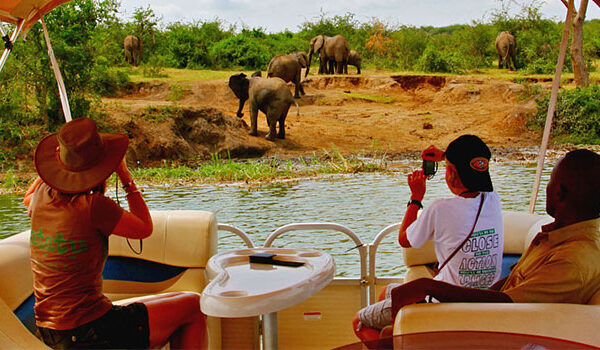
This is one of the park’s top highlights. The Kazinga Channel is home to one of Africa’s highest concentrations of hippos, as well as Nile crocodiles, elephants, buffaloes, and abundant birdlife. The cruise lasts about 2 hours and offers close-up wildlife encounters and excellent photography opportunities.

3. Chimpanzee Tracking in Kyambura Gorge
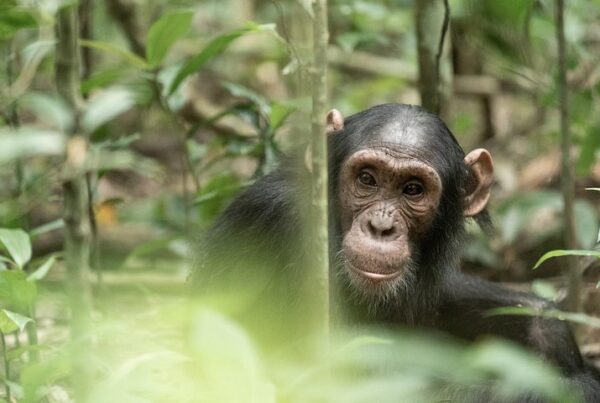
Also known as the “Valley of Apes”, Kyambura Gorge offers an exciting primate tracking experience. Visitors can track habituated chimpanzees while also spotting monkeys, baboons, and forest birds in this lush, sunken rainforest.

4. Bird Watching
With over 600 bird species, Queen Elizabeth is a birding paradise. Notable species include:

African fish eagle

Shoebill stork (rarely spotted in the swamps)

Pink-backed pelicans

African skimmer

Martial eagle

Many Albertine Rift endemics

The Maramagambo Forest, Lake Munyanyange, and Katwe Salt Lake are particularly good for birding.

5. Cultural Encounters
Visit nearby communities such as the Katwe Salt Lake village, where locals extract salt using traditional methods. Cultural visits include traditional music, dance, crafts, and storytelling, offering insights into local life and history.

6. Crater Lakes Exploration
The Katwe Explosion Craters offer a scenic drive with panoramic views of volcanic craters, lakes, and the rift valley escarpments. It’s one of the most photogenic routes in the park.

How to Get to Queen Elizabeth National Park

By Road:
From Kampala: The journey takes 6–7 hours (approximately 420 km) via Mbarara and Bushenyi.

From Fort Portal: Roughly 2–3 hours drive (135 km).

From Bwindi Impenetrable National Park (Ishasha to Buhoma): About 2–3 hours, making Queen Elizabeth a perfect stop on a southern Uganda safari circuit.

By Air:
Charter and scheduled flights are available from Entebbe International Airport to Mweya Airstrip or Kasese Airstrip, taking around 1–1.5 hours.

Several tour operators offer fly-in safari packages for convenience and comfort.

Accommodations at Queen Elizabeth National Park

There are plenty of options for every budget, located in various areas like Mweya Peninsula, Kasenyi, Kyambura, and Ishasha.

Luxury:
Mweya Safari Lodge – Upscale lodge with lake views and a swimming pool.

Kyambura Gorge Lodge – Stylish eco-lodge with views of the gorge.

Ishasha Wilderness Camp – Luxury tented camp near tree-climbing lions.

Mid-range:
Enganzi Game Lodge

Buffalo Safari Lodge

Marafiki Safari Lodge

Budget:
Pumba Safari Cottages

Tembo Safari Lodge

The Bush Lodge – Affordable and eco-friendly, near the Kazinga Channel.

Queen Elizabeth National Park is a microcosm of Uganda’s natural wonders—offering rich wildlife experiences, spectacular landscapes, and immersive cultural interactions. Whether you’re cruising the Kazinga Channel, tracking chimps in the forest, or marveling at lions lounging in fig trees, this park promises unforgettable moments in the heart of the African wilderness.

Close Menu