search
Visiting Uganda in August

Visiting Uganda in August

By Travel guides, Travel stories and blogs, Uganda best time to visit, Uganda travel guides, When to go

Visiting Uganda in August

August in Uganda: A Time When Nature Speaks Louder

When the calendar turns to August, Uganda stands in quiet, commanding beauty. The dry season continues, and the land unfolds like an open canvas—golden savannahs stretch without end, wildlife thrives in visible abundance, and trails into the tropical wilderness invite deeper exploration. August in Uganda is not simply a month—it is an invitation to experience the Pearl of Africa in its most photogenic, vibrant, and accessible form.

This period of the year brings together everything a discerning traveler seeks in East Africa: consistent weather, optimal wildlife visibility, and an unhurried sense of adventure. The national parks are teeming with animals, the skies are dramatically clear, and rural villages pulse with seasonal activity. For those who seek meaningful journeys into Africa’s untamed heart, August answers without hesitation.

Weather Conditions: Warm Days and Cool Nights

The climate in August is almost a mirror of July—reliable, dry, and favorable for travel. Uganda’s position near the equator ensures year-round warmth, but altitude plays a key role in tempering extremes. In most regions, daytime temperatures hover between 24°C and 28°C, while cooler evenings, especially in highland areas like Bwindi and Fort Portal, invite a sweater or jacket.

The absence of heavy rains ensures dusty but navigable roads, ideal conditions for game drives, forest hikes, and water-based excursions. Visibility is at its peak, with crisp horizons and long golden hours that photographers and nature lovers will find deeply rewarding. Across the country, the reduction in rainfall allows outdoor activities to proceed uninterrupted, from sunrise hikes to evening campfires.

Humidity remains low during this month, particularly in the central and western parts of the country. For gorilla trekking, chimpanzee tracking, and high-altitude climbs, this dryness brings both comfort and safety, as trails are more stable and stream crossings easier to manage.

Wildlife Viewing: A Parade of Life Across the Parks

Across Uganda’s protected areas, the rhythms of nature are in full swing. Animals are drawn toward permanent water sources, and vegetation remains low and sparse, improving visibility dramatically. For safari-goers, this is a gift.

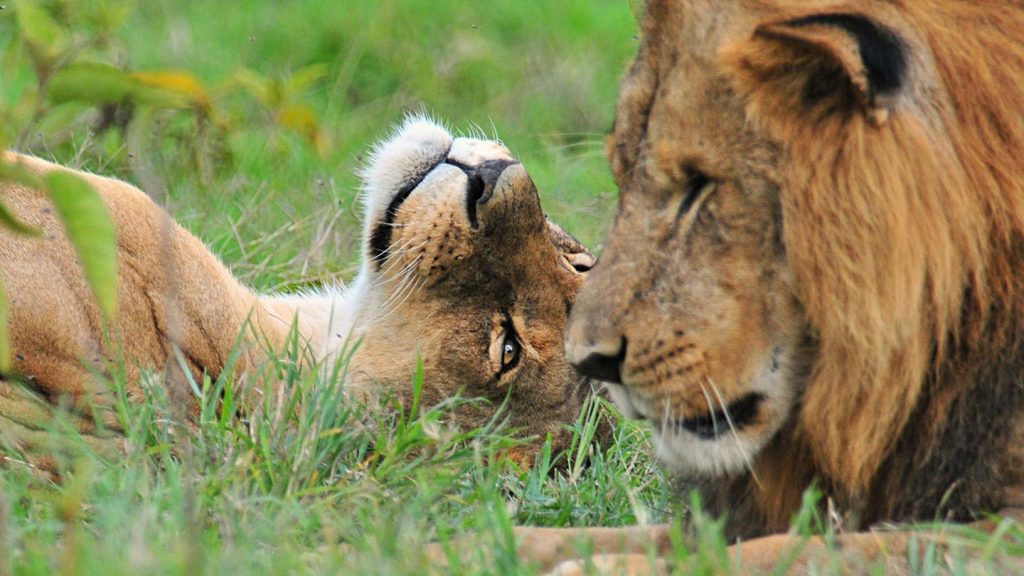
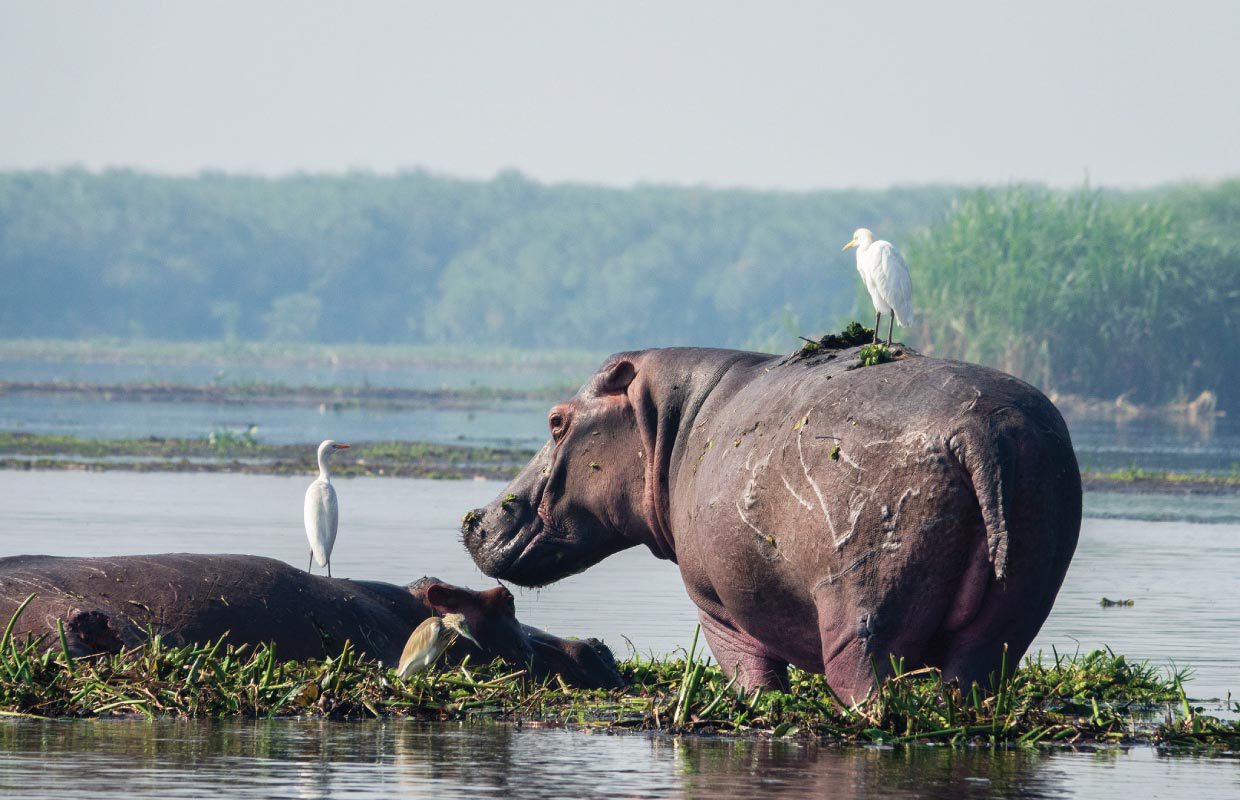
In Queen Elizabeth National Park, the famous Kasenyi Plains host lively antelope herds, which in turn attract lions on the prowl. The Kazinga Channel, which connects Lakes George and Edward, becomes a prime site for boat cruises, where hippos bask on sandbanks, elephants wade at the edges, and African fish eagles soar above. The Ishasha sector, known for its tree-climbing lions, also remains active, with sightings often achieved during morning or late afternoon drives.

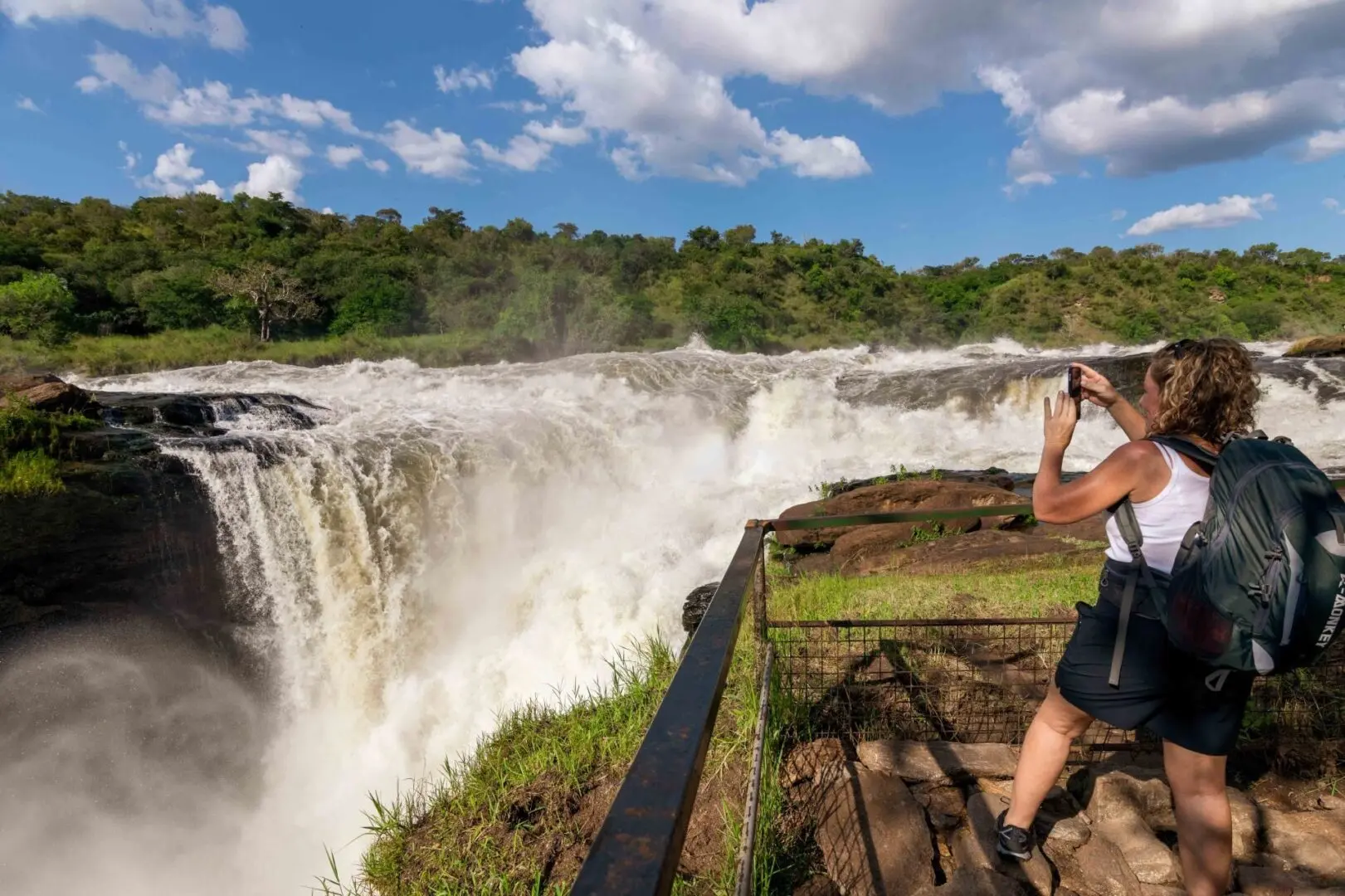
To the north, Murchison Falls National Park offers one of Uganda’s most cinematic wildlife landscapes. Here, open savannah blends with riverine woodland, allowing for easy sightings of giraffes, buffalo, leopards, and antelopes. The famed waterfall, where the Nile explodes through a narrow gorge, thunders on with dramatic intensity, casting rainbows in the spray as visitors gather at the lookout points.

Kidepo Valley National Park, often referred to as Uganda’s hidden gem, delivers an unmatched dry-season safari experience in August. The park’s isolation in the northeast keeps crowds away, but those who make the journey are rewarded with encounters of cheetahs sprinting across open plains, elephants dusting themselves under acacia trees, and ostriches patrolling in synchronized flocks. The remoteness and raw wilderness feel of Kidepo in August cannot be overstated.

Primates in the Dry Season: Clarity in the Canopy

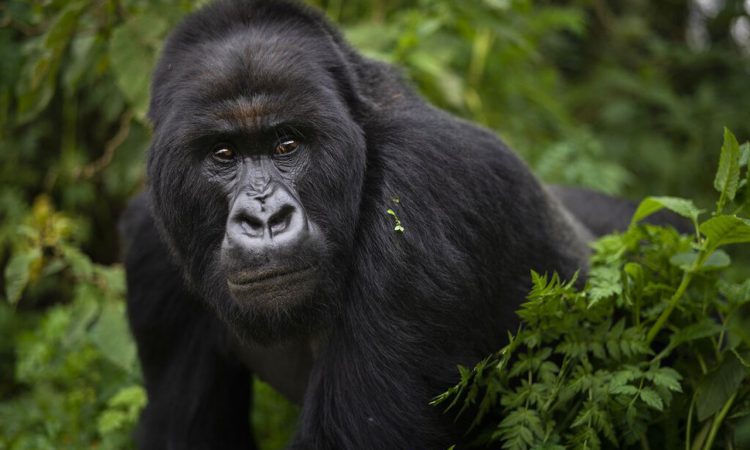
August is also an exceptional month for primates, particularly for those embarking on gorilla or chimpanzee tracking experiences. In Bwindi Impenetrable Forest and Mgahinga Gorilla National Park, the dry paths lead through emerald corridors where gorilla families make their presence known.

During this month, the stability of the trails reduces the difficulty of treks, allowing a broader range of travelers to reach the gorillas without the hindrance of mud or slippery inclines. Once found, gorilla families are usually relaxed and visible, sometimes venturing into more open spaces where lighting conditions are ideal for observation and photography.

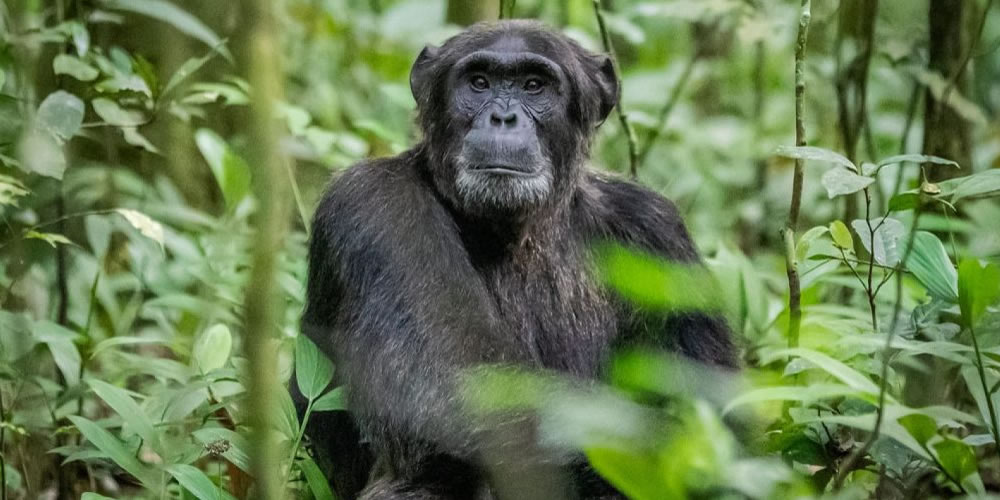
Meanwhile, in Kibale Forest, the epicenter of chimpanzee tracking in Uganda, August provides clear forest floors and high visibility in the canopy. The chimps are vocal and active, their echoes bouncing through the trees as they move in large troops. Guides, well-trained in primate behavior, lead visitors on intimate journeys into their world—watching them feed, groom, play, and interact in complex social patterns that mirror our own.

The dry season also enhances the chances of spotting other forest species, including red colobus, L’Hoest’s monkeys, and the rare forest elephant.

Scenic Retreats: Lakes, Mountains, and Waterfalls

While wildlife may dominate most travel itineraries, Uganda’s landscapes in August deserve their own chapter. With clear skies and unobstructed views, the country’s mountains, lakes, and waterfalls take center stage.

In the east, Mount Elgon beckons hikers with its extinct volcanic caldera and lush montane vegetation. The air is clean, the paths are dry, and the views stretch to Kenya and beyond. Not far from its foothills, Sipi Falls cascades in a three-tiered drop, surrounded by terraced farms and aromatic coffee plantations. The month of August brings a special calm to this region, where birdsong and the rush of water provide the perfect soundtrack for relaxation and reflection.

In the southwest, Lake Bunyonyi—often called the “Switzerland of Africa”—offers cool air, canoe rides between its 29 islands, and starlit nights free from interruption. Travelers often use it as a base before or after gorilla trekking, but its charm in August invites longer stays, where silence is broken only by the soft paddling of dugout canoes and the distant cry of the hadada ibis.

Further north, Ziwa Rhino Sanctuary continues to operate with vigor in the dry months. Here, guided rhino tracking on foot becomes a thrilling prelude to adventures in Murchison Falls. The chance to walk safely near rhinos, accompanied by trained rangers, adds depth to any itinerary.

Cultural Connections: Engaging Uganda’s Living Heritage

In the villages, August aligns with a time of preparation and celebration. It is a period when many communities are engaged in harvesting, traditional ceremonies, and family reunions. Travelers seeking cultural tourism will find doors open in regions like Ankole, Buganda, and Karamoja, where elders are eager to share music, dance, and oral traditions.

In Kasese and Fort Portal, the Tooro Kingdom maintains a rich cultural tapestry. Royal palace visits, traditional storytelling, and heritage walks help visitors understand the pride and resilience of Uganda’s many tribes. August’s clear days allow for walking tours, market visits, and homestay experiences without disruption.

In the Karamoja region, often misunderstood but increasingly visited, traditional manyattas (homesteads) stand proud beneath the sun. The chance to observe and learn from the pastoralist Karimojong people provides a window into one of East Africa’s most fascinating and independent cultures.

Planning and Preparation for August Travel

While August offers near-ideal travel conditions, its popularity means that advance planning is strongly recommended. Permits for gorilla and chimpanzee tracking are in high demand, and lodges in key locations fill quickly. Early booking ensures access to the best guides, accommodation, and travel routes.

Domestic flights continue to operate smoothly in the dry weather, while road travel becomes more efficient. Drivers navigate without the delays brought on by muddy passages or flooded bridges, allowing for tighter itineraries without the stress of unpredictability.

Packing for August should reflect a range of temperatures. Light, breathable clothing for daytime adventures is balanced by warmer layers for early mornings and higher elevations. Sunscreen, hats, insect repellent, and a solid pair of hiking boots are essential items for all travelers, regardless of itinerary.

A Timeless Season, A Timely Decision

There is a reason that August stands among the most favored months to visit Uganda. It brings with it a harmony of favorable weather, wildlife abundance, clear skies, and cultural openness. Whether the traveler seeks intimacy with nature, immersion in culture, or quiet reflection in tranquil landscapes, August provides the space and rhythm for all.

The landscapes speak. The wildlife gathers. The people welcome. The journey transforms.

To travel Uganda in August is to see it at its finest—not only through a lens of natural beauty but through the gentle, consistent drumbeat of a land in sync with itself.

Explore August in Uganda with WildHorn Africa

Crafting a journey through Uganda in August demands knowledge, timing, and heart. That is why discerning travelers turn to WildHorn Africa, one of East Africa’s most trusted and experienced tour operators. With a deep-rooted understanding of the land and its rhythms, WildHorn Africa ensures that your itinerary is not just a trip but a story written in sunsets, safaris, and shared moments.

From the misty heights of Bwindi to the open plains of Kidepo, from gorilla treks to Nile cruises, every detail is handled with care, safety, and authenticity. WildHorn Africa curates each tour to your pace and interests, ensuring seamless logistics and unforgettable memories.

Let Uganda reveal its August magic to you. Book your African safari now with WildHorn Africa—and step into a journey where every moment counts.
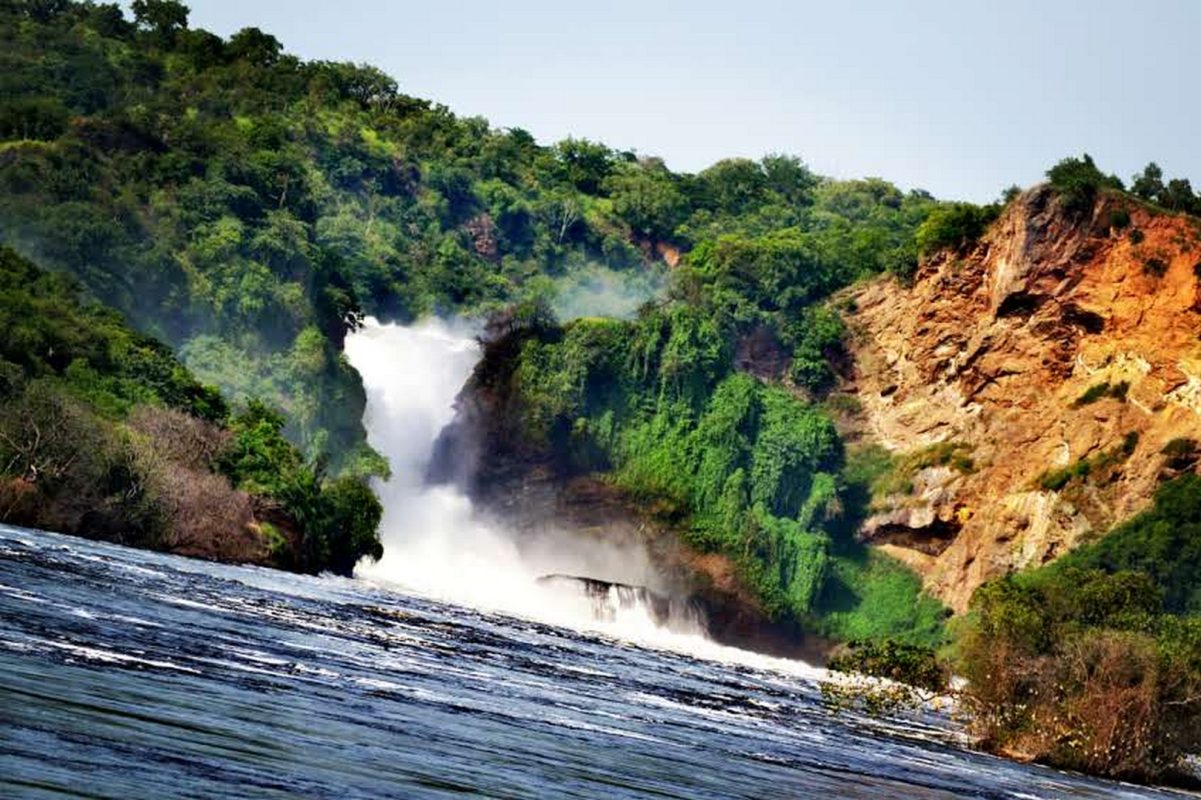
Murchison falls national park in June

Murchison falls national park in June

By Travel guides, Travel stories and blogs, Uganda best time to visit, Uganda travel guides, When to go

Murchison Falls National Park in June: The Dawn of the Dry Season’s Wildlife Spectacle

Murchison Falls National Park, Uganda’s largest and most celebrated wildlife reserve, reveals a remarkable transformation in June as the long rainy season recedes and the dry season firmly establishes itself. This month heralds a period of increased accessibility, improved wildlife visibility, and invigorated ecosystems shaped by the recent rains. June emerges as a premier time for safari enthusiasts to experience the dramatic landscapes and diverse fauna of the park at their peak. The contrast between the lush aftermath of the wet season and the gradual drying of the terrain creates a unique environment where nature’s rhythms are vividly observed.

Climate and Environmental Conditions: Transition to the Dry Season

June is characterized by a noticeable reduction in rainfall, with the park entering the dry season’s early phase. Weather conditions become increasingly stable, featuring warm days, cooler mornings, and predominantly clear skies. The humidity diminishes, offering visitors a more comfortable climate conducive to outdoor exploration. The heavy rains of previous months have saturated the soil and replenished water sources, but the drying process begins as sunshine intensifies.

The landscape during June retains much of its lush greenery, nourished by the recent rains, yet the grasses begin to shorten and thicken as the season progresses. The Nile River flows robustly, feeding the iconic Murchison Falls with sustained vigor. The waterfalls themselves remain a powerful spectacle, their roar amplified by the ample water volume, attracting visitors eager to witness this natural marvel under clear, bright conditions. The combination of receding rains and rich vegetation sets the stage for vibrant wildlife activity and enhanced viewing conditions.

Wildlife Behavior and Viewing Prospects: Concentration and Activity

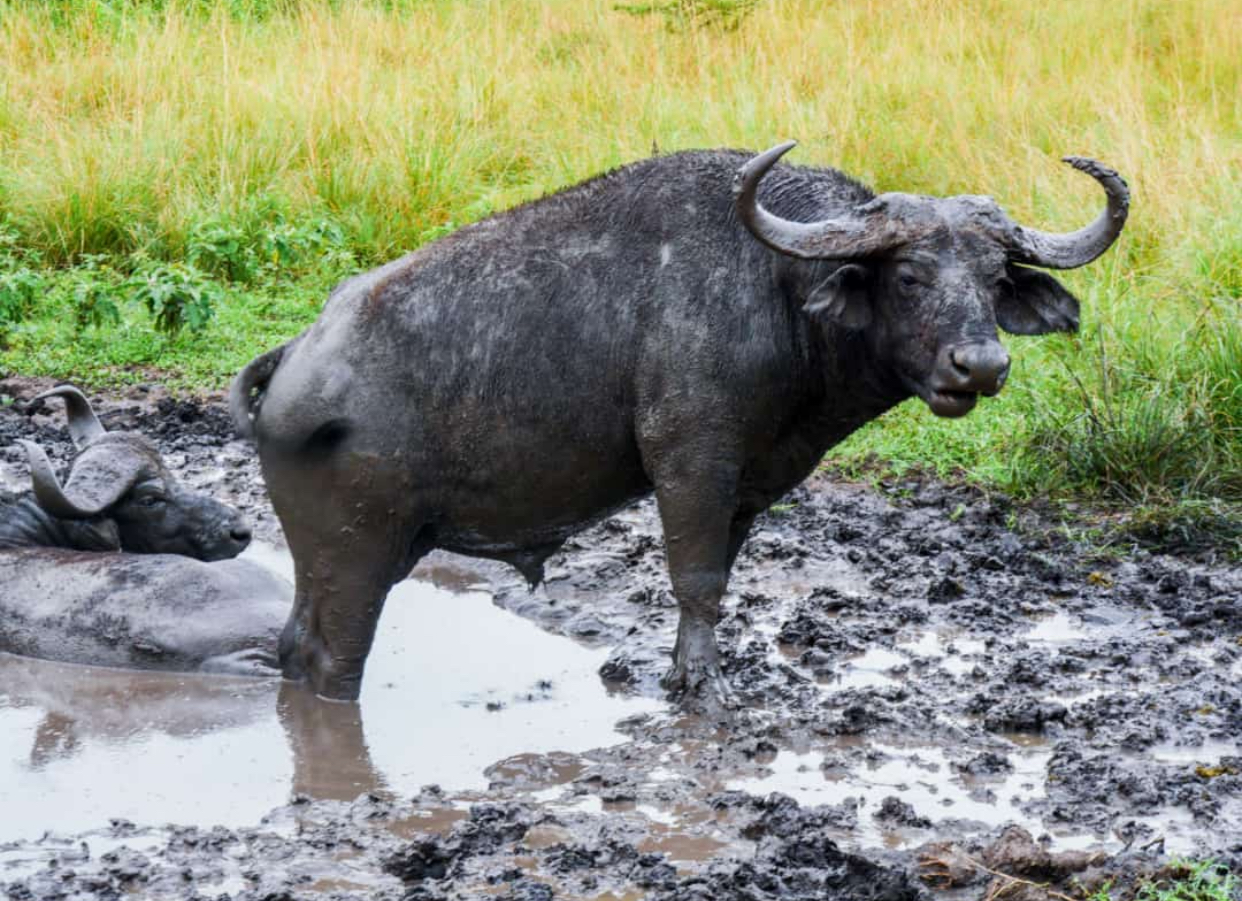
June’s transition into the dry season significantly influences wildlife behavior across Murchison Falls National Park. As water sources start to become less widespread, animals begin to concentrate around permanent rivers, lakes, and waterholes, making wildlife encounters more predictable and frequent. Large herds of elephants, buffaloes, Uganda kobs, and other herbivores are commonly observed gathering near the Nile River and its tributaries.

Predators such as lions and leopards continue to patrol these areas, capitalizing on the increased density of prey animals. The open grasslands and thinning vegetation improve sightlines, enabling visitors to observe wildlife at greater distances and in clearer detail. Breeding activities among many species are still ongoing, supported by the abundance of food and water, enhancing opportunities to witness juvenile animals and family groups.

Birdlife remains exceptionally vibrant in June, benefiting from the mosaic of moist and drying habitats. Resident species thrive while some migratory birds linger, creating rich birding opportunities. Species such as the African fish eagle, kingfishers, and the distinctive grey-crowned crane are frequently sighted, making this period a highlight for birdwatching enthusiasts and photographers alike.

Safari Activities and Experiences: Maximizing the Dry Season Start

Safari activities in June are tailored to leverage the improving conditions and heightened wildlife visibility. Game drives are conducted with increased efficiency, as dry roads allow for greater access throughout the park. The cooler mornings and evenings encourage early and late excursions, which align with peak animal activity periods, enhancing chances for memorable sightings.

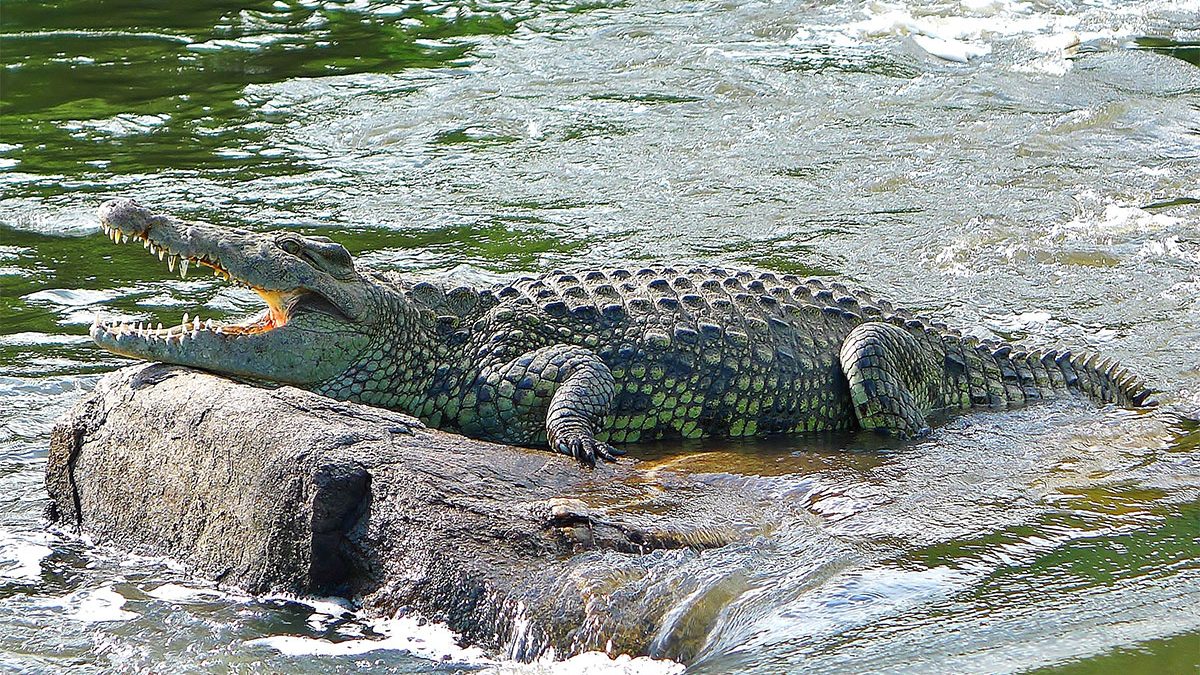
Boat cruises on the Nile River continue to captivate guests, offering intimate views of aquatic wildlife such as hippos and crocodiles. The powerful cascade of Murchison Falls, combined with the bright, clear skies of June, provides breathtaking photographic opportunities and sensory experiences. These cruises allow a unique perspective on the park’s ecosystem, highlighting the interconnectedness of land and water habitats.

Guided walking safaris are also popular during this month, as the firm ground conditions improve safety and accessibility. These walks offer detailed insights into the park’s smaller flora and fauna, revealing ecological intricacies often missed on vehicle-based safaris. Cultural visits to neighboring communities remain a valuable part of the itinerary, enhancing understanding of the local heritage and conservation initiatives.

Why June is an Exceptional Month to Visit Murchison Falls National Park

June presents a compelling balance of favorable weather, abundant wildlife, and exceptional accessibility, making it one of the most desirable months to visit Murchison Falls National Park. The dry season’s onset improves travel conditions and visibility, while the environment remains lush from the preceding rains, supporting active and diverse animal populations.

This combination appeals to a broad spectrum of travelers, including wildlife observers, photographers, bird watchers, and those seeking an immersive African safari experience. The relative tranquility of the park during this transitional period also offers opportunities for private holidays, family holidays, and specialized wildlife or photography tours without the crowds often seen in peak months.

Secure Your June Safari with WildHorn Africa

Murchison Falls National Park in June offers a spectacular window into the richness of Uganda’s natural heritage. The interplay of receding rains, flourishing landscapes, and concentrated wildlife creates a safari environment rich in opportunity and wonder.

To experience this remarkable season fully, booking Africa tours and safaris through WildHorn Africa is strongly advised. WildHorn Africa’s extensive expertise, commitment to responsible tourism, and personalized service ensure that each journey is carefully crafted for maximum enjoyment and impact. Entrust your June safari to WildHorn Africa and witness the breathtaking beauty and vitality of Murchison Falls National Park at one of its finest moments.

Murchison falls national park in April

Murchison falls national park in April

By Travel guides, Travel stories and blogs, Uganda best time to visit, Uganda travel guides, When to go

Murchison Falls National Park in April: Witness Nature’s Power and Renewal

April in Murchison Falls National Park marks the height of the long rainy season, a time when the park’s landscape and wildlife undergo profound transformation. This month is defined by heavy and consistent rainfall, which breathes new life into the environment, rejuvenating the flora and filling the rivers and waterholes to capacity. While the weather conditions during April pose certain challenges, they also create a uniquely dynamic and dramatic atmosphere that captures the essence of Africa’s raw wilderness. For those willing to embrace the season, Murchison Falls National Park offers unforgettable experiences of natural power and vibrant renewal.

April’s Climate and Environmental Impact: The Season of Rains

April is known for its intense and frequent rains in Murchison Falls National Park. The weather is dominated by heavy downpours that can last for hours, interspersed with breaks of sunshine. Temperatures remain moderate but humidity levels rise, creating a lush, verdant environment. The dry grasses of the preceding months are replaced by thick greenery as plants respond vigorously to the abundant moisture.

The dramatic increase in water volume across the park’s rivers and water bodies profoundly affects the ecosystem. The Nile River swells, and the Murchison Falls cascade with heightened force and grandeur, offering visitors a spectacular display of nature’s might. The surrounding landscapes become a mosaic of saturated soils, flooded plains, and flourishing vegetation, transforming the park into a thriving sanctuary for countless species. Accessibility within the park is impacted by the rains, with some roads becoming muddy or impassable, necessitating 4×4 vehicles and expert guidance.

Wildlife Behavior and Visibility: Challenges and Opportunities

Wildlife behavior in April is heavily influenced by the abundance of water and food brought about by the rains. Animals disperse more widely throughout the park since water is no longer limited to a few permanent sources. This results in more elusive sightings during game drives, as herbivores such as elephants, buffaloes, and Uganda kobs spread across broader ranges to graze the abundant fresh growth.

Predatory species adapt accordingly, following prey movements, which may reduce the frequency of predator-prey encounters observable by visitors. Despite this, the richness of the environment supports breeding activities and nurturing of young, contributing to the overall health and sustainability of animal populations.

Birdlife thrives in April’s conditions, with the lush vegetation providing ample food and shelter. The rainy season attracts migratory birds and stimulates breeding behaviors in many species, creating exciting opportunities for bird watchers. Species such as kingfishers, hornbills, and the striking grey-crowned crane become more active, making birding holidays particularly rewarding during this month.

Safari Experiences and Activities: Adapting to the Wet Season

Safari activities during April require adaptation to the prevailing wet conditions, but the park’s offerings remain compelling and diverse. Game drives may be adjusted to focus on areas with better accessibility, and experienced guides tailor routes to optimize wildlife encounters while ensuring safety and comfort.

Boat cruises along the Nile continue to provide remarkable perspectives on the park’s aquatic and birdlife. The increased water levels intensify the spectacle of Murchison Falls, where the cascading river generates thunderous sound and mist that enshroud the gorge, creating an awe-inspiring natural theater. These cruises remain a favorite for those seeking a combination of tranquility and excitement.

Walking safaris may be limited due to wet and slippery terrain, but nature walks in designated safe areas allow guests to explore the richness of the park’s flora and smaller fauna. These walks are educational and immersive, offering insights into the ecological processes at work during the rainy season.

Cultural tours to local communities persist as a valuable complement to wildlife experiences, providing understanding of the human-nature relationship and the efforts toward conservation and sustainable tourism.

Why April is a Unique Time to Visit Murchison Falls National Park

April presents a distinctive safari experience shaped by the forces of nature and seasonal renewal. The heavy rains, while posing logistical challenges, also infuse the park with a vibrancy and dynamism not seen during drier months. For travelers with an appreciation of nature’s rhythms, this month offers a chance to witness the raw power of the Nile at its fullest and the flourishing life it supports.

The relative quietness of the park, due to fewer tourists braving the rains, ensures a more private and contemplative encounter with the wilderness. This appeals to visitors seeking solitude, off-the-beaten-path holidays, and those interested in photographing the lush landscapes and dramatic waterfalls at their peak.

Preparation and flexibility are essential for a successful April safari, but the rewards of witnessing Murchison Falls National Park in this season are profound and lasting.

Arrange Your April Safari with WildHorn Africa

Murchison Falls National Park in April is a destination where nature’s power is vividly displayed, and the cycle of life is palpably renewed. The dramatic weather conditions, flourishing ecosystems, and unique wildlife behaviors combine to create a safari experience unlike any other.

For those inspired to explore this magnificent park during its most dynamic month, booking Africa tours and safaris through WildHorn Africa is strongly advised. WildHorn Africa’s expertise, commitment to sustainable tourism, and personalized service ensure that every aspect of the journey is expertly managed. Entrust your April adventure to WildHorn Africa and immerse yourself in the awe-inspiring beauty of Uganda’s wilderness at its most vibrant.

Murchison falls national park in July

Murchison falls national park in July

By Travel guides, Travel stories and blogs, Uganda best time to visit, Uganda travel guides, When to go

Murchison Falls National Park in July: The Peak of Uganda’s Dry Season Safari Magic

Murchison Falls National Park, Uganda’s largest protected wildlife reserve, undergoes a remarkable transformation in July as the dry season takes full command of the landscape. This is a month when the African wilderness reveals its raw drama in full clarity—riverside gatherings of thirsty elephants, predators skillfully trailing prey, and the mighty Nile thundering through its narrow gorge in a display of untamed power. With minimal rainfall, clear blue skies, and a vibrant abundance of wildlife, July is a definitive time for those seeking a quintessential African safari experience. The park’s beauty, already legendary, is magnified by the season’s clarity, making every sunrise and sunset an unforgettable spectacle.

Climate and Environmental Conditions: Dry, Clear, and Inviting

July sits at the heart of the long dry season in Uganda, bringing with it a consistent pattern of sunny days, cooler mornings, and pleasant evening breezes. The rains that once nourished the park’s sprawling savannas have long receded, leaving firm, dusty tracks that allow for unhindered game drives across Murchison’s diverse terrain. Daytime temperatures remain warm but rarely extreme, while nights are refreshingly cool, creating ideal conditions for both day and night exploration.

The vegetation has undergone a noticeable shift, with grasses growing shorter and bush cover thinning, exposing the open plains and making it easier to spot wildlife over long distances. The once-scattered seasonal waterholes have mostly dried, driving animals to the permanent waters of the Nile and Lake Albert. This concentration of wildlife in predictable locations greatly increases the chances of encountering spectacular gatherings of animals. The falls themselves continue to roar with a commanding presence, fed by the unceasing flow of the Nile, which remains a life source for countless species.

Wildlife Behavior and Viewing Opportunities: Concentration at Its Best

July’s parched conditions dictate the rhythm of life in Murchison Falls National Park, influencing where and when animals can be found. Herds of elephants march toward the riverbanks at predictable hours, their massive frames silhouetted against the bright, dry landscape. Buffaloes gather in the hundreds near water, while Uganda kobs, waterbucks, and hartebeests graze in the open, ever alert to the movements of lurking predators.

The reduced vegetation height offers an open stage for predator-prey interactions. Lions, now easier to spot on sunlit plains, patrol territories with strategic patience, while leopards favor the remaining patches of woodland for ambushes. Hyenas, always opportunistic, follow these movements closely, resulting in a high level of predator activity that delights safari-goers.

For bird enthusiasts, July offers an equally rich spectacle. While many migratory species have departed, the park’s resident birdlife is in full display. The African fish eagle’s call echoes over the Nile, bee-eaters hover gracefully in pursuit of insects, and the grey crowned crane—Uganda’s national bird—stands tall in marshy patches. The combination of concentrated wildlife and perfect viewing conditions creates an unmatched photography environment.

Safari Experiences in July: Immersive and Unforgettable

With weather and terrain on the side of the traveler, July is a month when every safari activity reaches its full potential. Morning game drives set out under a sky painted in soft hues of pink and gold, offering a serene yet thrilling introduction to the day’s wildlife encounters. Roads across the park’s northern and southern sectors are accessible, enabling visitors to explore diverse ecosystems, from open savanna to dense woodland.

Boat cruises along the Nile remain one of July’s most captivating experiences. As vessels glide slowly toward the base of the falls, hippos wallow lazily in the shallows, crocodiles bask on sunlit banks, and elephants wade across the river’s edge. The crescendo arrives when the boat reaches the point where the Nile is forced through its narrow 7-meter gorge, sending plumes of mist skyward in a thunderous roar.

Guided nature walks in July benefit from firm, dry trails, making it easy to explore hidden corners of the park on foot. These walks reveal the smaller yet equally fascinating details of Murchison’s ecosystem—tracks in the dust, medicinal plants used by local communities, and the hum of insect life sustaining the food chain. Cultural excursions to nearby villages add another layer of richness, offering glimpses into the traditions and daily lives of the people who share a deep connection with the park.

Why July is an Exceptional Time to Visit

July’s allure lies in its perfect balance of accessibility, visibility, and wildlife abundance. The dry season not only ensures that roads and tracks are in optimal condition but also draws animals into concentrated viewing areas, creating an environment that is both thrilling and rewarding for visitors. The consistent sunshine enhances photography, casting warm golden light over landscapes and wildlife alike.

Whether it is the sight of a pride of lions resting in the open, the dramatic plunge of Murchison Falls framed against a cloudless sky, or the serenity of a riverbank scene at dusk, the park offers a steady stream of unforgettable moments. The cooler temperatures also make full-day excursions comfortable, allowing travelers to explore without the fatigue that sometimes accompanies hotter months. This makes July ideal for first-time visitors, seasoned safari-goers, families, photographers, and adventure seekers alike.

Your July Safari Awaits with WildHorn Africa

Visiting Murchison Falls National Park in July means stepping into a world where wildlife thrives in abundance, landscapes unfold in breathtaking clarity, and every safari moment feels cinematic. From the pulse of predator-prey encounters to the thunderous beauty of the falls, July delivers the kind of safari magic that lingers in memory long after the journey ends.

To experience this remarkable season with precision, comfort, and expert guidance, it is highly recommended that Africa tours and safaris be booked through WildHorn Africa. With unmatched local knowledge, personalized itineraries, and a commitment to responsible travel, WildHorn Africa ensures that each guest experiences the park’s July brilliance in its fullest expression. Allow WildHorn Africa to guide your journey, and watch as the wonders of Murchison Falls unfold in a way only the peak of the dry season can offer.

Visiting Uganda in September

Visiting Uganda in September

By Travel guides, Travel stories and blogs, Uganda best time to visit, Uganda travel guides, When to go

Visiting Uganda in September

September in Uganda: Where Calm Meets Wild Beauty

As the world shifts into the last quarter of the year, Uganda in September rises with a serene, golden light. The rains of earlier months have faded, leaving behind lush yet accessible landscapes. The dry season continues, though subtle shifts begin to signal a transitional period. This subtle blend of past greenness and oncoming warmth makes Uganda in September one of the most quietly compelling times to explore.

Travelers often overlook September, placing focus on peak months like July and August. Yet for those who choose this unassuming gem, the rewards are vast. The wildlife remains active, the national parks less crowded, and the local culture deeply alive. Whether it’s tracking mountain gorillas in the early morning mist or cruising along the Nile beneath open skies, September offers balance, clarity, and opportunity.

Climate and Conditions: Mild Dryness with a Hint of Renewal

Uganda’s September weather is largely dry and favorable for travel, especially in the early weeks. The month typically sees moderate temperatures between 23°C and 28°C, with some regions—particularly in the central and southwestern highlands—experiencing cooler mornings and evenings.

Rainfall begins to make an appearance near the end of the month, especially in the southern and western parts of the country. These light showers, however, are usually brief and localized. They freshen the vegetation and lay the dust without hampering travel. Roads and trails remain accessible, and skies often clear soon after showers pass.

The gradual reemergence of greenery reinvigorates landscapes without making them difficult to navigate. Birdlife, too, begins to respond to the seasonal change, adding movement and melody to Uganda’s wilderness zones. For travelers who value mild weather and balanced ecosystems, September emerges as an ideal travel window.

Gorilla Trekking in September: Intimate and Impactful

One of Uganda’s most revered experiences—mountain gorilla trekking—remains outstanding in September. The trails in Bwindi Impenetrable National Park and Mgahinga Gorilla National Park are generally dry and firm, although occasional light rain may create mild slickness in some areas.

The semi-dry conditions mean that gorillas often descend from higher elevations in search of easier food sources, which places them closer to trekking zones. This improves the likelihood of shorter treks and more prolonged, relaxed viewing sessions.

A key advantage of September is the reduced crowds compared to peak travel months. Trekking groups are smaller, and the atmosphere more tranquil. This not only enhances the intimacy of the experience but also allows for more personal interaction with guides and rangers, who offer deep insights into gorilla behavior and conservation efforts.

Photographers benefit as well, with the slightly overcast skies providing soft light, minimizing harsh shadows and glare during sightings. For those in search of a meaningful, less hurried encounter with these magnificent creatures, September proves remarkably rewarding.

Wildlife Viewing Across Uganda’s National Parks

While gorillas remain a powerful draw, Uganda’s savannah parks in September are equally compelling. The dry season ensures clear game drive routes and high visibility across landscapes like Queen Elizabeth National Park, Murchison Falls National Park, and Kidepo Valley National Park.

In Queen Elizabeth National Park, wildlife congregates around the Kazinga Channel, where elephants, buffaloes, crocodiles, and hippos gather in dense numbers. Game drives through the Kasenyi Plains remain productive, with lion sightings frequently reported. The Ishasha sector, famed for its tree-climbing lions, remains accessible, though light rains near the month’s end may enhance the green backdrop and increase prey movement.

Murchison Falls National Park, with its unique combination of savannah, woodland, and riverine habitats, continues to thrive during September. Game drives near the Buligi area provide excellent chances to spot giraffes, hartebeests, and leopards. The Nile river cruise remains a highlight, offering close encounters with aquatic life and birds, all set against the thunder of the iconic Murchison Falls.

In Kidepo Valley, the semi-arid conditions persist, and wildlife visibility remains unparalleled. Herds of zebras and elands are frequently seen against the dramatic mountainous backdrop. The absence of tourist crowds here in September gives travelers the rare experience of solitude amid raw wilderness.

Birding Opportunities: A Prelude to the Migrant Arrival

Though the peak birding season arrives in November with the influx of migratory species, September signals the start of avian transition. Resident birds remain active, and early migrants begin to trickle in from the northern hemisphere.

In Kibale Forest, the calls of turacos and hornbills echo through the treetops, while swamp areas like Mabamba Bay near Lake Victoria continue to offer chances to spot the shoebill stork. The semi-cloudy skies of September enhance visibility for birders, and the cooler mornings draw a greater variety of species into open areas.

Regions such as Budongo Forest and Semuliki National Park also begin to stir with more diverse birdlife, making September an excellent month for those who seek to experience both forest and savannah birding without the larger crowds of the later high season.

Culture and Local Engagements in September

Beyond the natural beauty, Uganda’s cultural tapestry remains vibrant in September. With agricultural communities engaged in early harvesting, particularly in the west and north, visitors may witness traditional farming methods, communal celebrations, and seasonal storytelling.

In Fort Portal, cultural tours to the Tooro Kingdom Palace and surrounding villages allow for authentic exchanges. In Kampala, art galleries, craft markets, and museums remain open and active, offering insight into Uganda’s past and evolving creative scene.

The slightly quieter nature of tourism in September means that these interactions can feel more personal and less rushed. Travelers can spend more time asking questions, learning customs, and even participating in local dances or cooking sessions. In many ways, this month fosters deeper human connections, as locals are less preoccupied with high tourism volume and more open to meaningful interaction.

Scenic Exploration: Mountains, Lakes, and Falls

The natural attractions of Uganda go beyond its wildlife. In September, the country’s mountains, lakes, and waterfalls offer peaceful and dramatic settings for exploration.

In the east, Mount Elgon and the Sipi Falls area remain accessible, with hiking trails open and rivers flowing steadily. The views across the Karamoja plains are clear and rewarding. The light rains rejuvenate the landscape without making trails dangerous or impassable.

In the southwest, Lake Bunyonyi—with its emerald islands and serene waters—becomes an ideal location for relaxation or canoeing between local communities. Lake Mburo National Park, often overshadowed by larger parks, is another hidden treasure in September. It provides a blend of game drives, walking safaris, and boat rides, all within a compact yet ecologically diverse landscape.

The continued dry conditions also keep Rwenzori trekking viable during early September. Though cloud cover can increase slightly as the month progresses, clear mornings still afford panoramic views of the “Mountains of the Moon,” while streams and waterfalls are freshly replenished.

Travel Practicalities and Considerations

Travel in Uganda during September remains smooth and largely predictable. Major highways are dry and accessible, while domestic flights run without major disruption. Tour operators, lodges, and national park staff remain fully active and responsive, ensuring safe and well-guided experiences.

Gorilla and chimpanzee permits are easier to secure than in July or August, and many accommodations offer off-peak discounts during mid to late September. This makes the month financially attractive for budget-conscious travelers seeking premium experiences at lower cost.

Light clothing remains ideal for most of the day, but rain jackets and hiking boots should be included as conditions may shift during late afternoons. Visitors to high-altitude zones should also pack layers for chilly mornings and evenings.

September in Uganda: A Quiet Season of Promise

There is a subtle power in Uganda’s September atmosphere. It is a month that whispers rather than shouts—a time when the wild meets the calm, and the adventurer finds space to reflect, observe, and connect. Without the crowds, with softer colors and gentler breezes, the country reveals itself in a slower, richer rhythm.

This is the Uganda of long shadows, lingering sunsets, and silent moments beside elephants grazing on golden plains. It is a time to move deliberately, listen attentively, and feel fully.

Begin Your September Safari with WildHorn Africa

To explore Uganda in its September splendor requires a thoughtful and experienced guide, one that understands the subtle shifts of the season and the individual needs of each traveler. WildHorn Africa has been trusted to curate such journeys, drawing on deep local knowledge, community relationships, and a passion for delivering truly unforgettable adventures.

With WildHorn Africa, every itinerary is more than just a route—it is a story in motion, told across landscapes, through wildlife, and within heartfelt cultural encounters. Whether it’s your first visit to Uganda or a return to its wild heart, September is best experienced with those who know it intimately.

Plan your journey with WildHorn Africa today and let your story unfold in the land where nature never hurries, and beauty is found in every detail.

Murchison falls national park in May

Murchison falls national park in May

By Travel guides, Travel stories and blogs, Uganda best time to visit, Uganda travel guides, When to go

Murchison Falls National Park in May: A Month of Transition and Flourishing Wildlife

Murchison Falls National Park, Uganda’s largest and most diverse protected area, enters a critical phase of transformation in May. This month, nestled between the intense rains of April and the gradual onset of the dry season, presents a unique balance of lush landscapes and emerging accessibility. The park’s natural systems respond dynamically to the shifting climate, resulting in a period of flourishing wildlife activity and spectacular scenery. For travelers eager to experience Africa’s raw wilderness in a season of renewal and promise, May offers an exceptional window of opportunity.

Climate and Environmental Conditions: The Transition from Wet to Dry

May is marked by a gradual reduction in rainfall compared to the preceding months, though intermittent showers continue to maintain the park’s verdant condition. Temperatures remain moderate, with a comfortable mix of sunny periods and occasional rain, resulting in a moist yet increasingly navigable environment. The heavy vegetation nourished by the rains begins to stabilize, creating an expanse of rich greenery that blankets the park’s savannahs, woodlands, and riverbanks.

This transitional climate influences the hydrology of Murchison Falls National Park profoundly. Water levels in the Nile River and surrounding lakes and ponds remain high, sustaining abundant aquatic life and providing essential resources for terrestrial species. The park’s signature falls continue to roar with impressive force, fueled by the replenished river flows. The landscape is dominated by lush growth, supporting a thriving ecosystem where plants and animals alike prepare for the upcoming dry season.

Wildlife Behavior and Viewing Prospects: Abundance Amidst Accessibility

In May, wildlife activity in Murchison Falls National Park is both abundant and increasingly accessible. The plentiful water and fresh vegetation attract herbivores across the park, with elephants, buffaloes, Uganda kobs, and waterbucks frequently observed feeding on the nutrient-rich grasses and foliage. These favorable conditions promote breeding activities among many species, leading to increased sightings of young animals and nurturing behaviors.

Predators such as lions and leopards adapt their hunting strategies to the seasonal changes, often capitalizing on the concentration of prey around water sources. Although wildlife distribution remains somewhat dispersed due to the availability of water, the gradual drying of some areas begins to encourage animals toward more predictable locations, facilitating successful game viewing.

Birdlife flourishes spectacularly in May, as the moist environment supports a diverse array of species. Resident and migratory birds alike are highly active, engaging in courtship, nesting, and feeding behaviors. Over 450 bird species inhabit the park, including iconic birds such as the African fish eagle, hornbills, and various kingfishers, making this an exceptional time for birdwatching and photography holidays.

Safari Activities and Experiences: Optimizing the Transitional Season

Safari experiences in Murchison Falls National Park during May are enriched by the interplay of lush environments and improving accessibility. Game drives are conducted with an emphasis on areas where wildlife is most concentrated, ensuring meaningful sightings even as some parts of the park remain affected by residual wetness. Experienced guides utilize their expertise to navigate terrain changes and optimize routes for comfort and wildlife encounters.

Boat cruises on the Nile River continue to offer spectacular views of aquatic and birdlife, as well as the majestic falls themselves. The water’s high volume intensifies the power and visual impact of Murchison Falls, making these cruises a highlight for visitors. Photographers particularly benefit from the rich colors and dynamic lighting created by the mix of sun and cloud during this season.

Nature walks and guided treks are feasible in selected areas where the ground conditions are stable, allowing guests to engage closely with the park’s flora, smaller fauna, and ecological processes. Cultural tours remain a valuable complement, providing insights into local communities’ traditions, conservation efforts, and their interdependence with the surrounding environment.

Why May is an Optimal Month to Visit Murchison Falls National Park

May presents a compelling blend of factors that make it an optimal month for visiting Murchison Falls National Park. The diminishing rains enhance the park’s accessibility, allowing travelers to explore more areas with ease while still benefiting from the lush, green landscapes created by the recent wet season. Wildlife remains plentiful and active, supported by abundant water and food sources.

The balance of favorable weather and vibrant ecosystems caters to diverse traveler interests, including wildlife holidays, birding holidays, photography holidays, and cultural experiences. Visitor numbers tend to be moderate, offering a quieter and more personal safari experience compared to peak dry season months. This atmosphere is particularly suited to private holidays, family holidays, and those seeking immersive adventure in a relatively pristine environment.

Secure Your May Safari with WildHorn Africa

Murchison Falls National Park in May embodies the delicate transition between abundance and accessibility, inviting travelers to witness Africa’s wilderness in a state of renewal and vitality. The park’s diverse landscapes and active wildlife combine to create an enriching safari experience marked by both spectacle and intimacy.

For those inspired to explore this remarkable destination during May, booking Africa tours and safaris through WildHorn Africa is highly recommended. With deep local expertise, personalized itineraries, and a commitment to sustainable tourism, WildHorn Africa ensures that every journey is thoughtfully planned and expertly executed. Trust WildHorn Africa to guide you through an unforgettable May safari at Murchison Falls National Park, where nature’s rhythms come alive.

Visiting Uganda in December

Visiting Uganda in December

By Travel guides, Travel stories and blogs, Uganda best time to visit, Uganda travel guides, When to go

Visiting Uganda in December

December in Uganda: The Peak of Adventure and Celebration

December in Uganda unfolds as a month of vibrant energy, clear skies, and thrilling exploration. It is a time when the country enjoys one of its peak tourism seasons, with both local and international travelers drawn to its warm weather, stunning landscapes, and rich cultural heritage. The festive atmosphere is unmistakable, as communities prepare for the year’s end with celebrations, music, and dance.

The combination of ideal weather conditions, diverse wildlife sightings, and lively cultural events makes December an exceptional time to explore Uganda. From the tranquil shores of Lake Bunyonyi to the adrenaline-filled rapids of the Nile in Jinja, every corner of the country offers something unique for the eager traveler.

Climate and Weather Patterns: Clear Skies and Comfort

December marks the height of the short dry season, which extends from late November into February. Rainfall is minimal, and sunny days dominate the calendar. The air is warm but comfortable, with daytime temperatures ranging between 23°C and 30°C, cooling slightly in the evenings and early mornings.

The bright and dry weather makes it one of the most reliable months for travel within Uganda. Roads and trekking paths are at their best, ensuring easy access to national parks, remote villages, and highland regions. The absence of heavy rains also means spectacular photography conditions, with crisp blue skies and golden light bathing the landscapes.

Wildlife Viewing: The Dry Season Advantage

The dry conditions of December concentrate wildlife around water sources, offering travelers prime game viewing opportunities. In Queen Elizabeth National Park, elephants, buffalo, and antelope gather near the Kazinga Channel, creating dramatic scenes of life in the savannah. Lions, including the tree-climbing lions of the Ishasha sector, are easier to spot as they patrol open plains or rest in shaded fig trees.

In Murchison Falls National Park, game drives reveal giraffes browsing on acacia leaves, kobs grazing in herds, and hippos basking in the Nile’s cool waters. The falls themselves thunder with remarkable force, framed by verdant banks and dazzling sunlight.

For those venturing into Kidepo Valley National Park, December offers some of the best wildlife sightings of the year. The remote and wild landscapes teem with zebras, cheetahs, ostriches, and large elephant herds, set against a backdrop of sweeping plains and rugged hills.

Gorilla and Chimpanzee Trekking: Premier Tracking Conditions

December’s stable weather creates excellent conditions for gorilla trekking in Bwindi Impenetrable National Park and Mgahinga Gorilla National Park. Trails are dry and easier to navigate, allowing for smoother treks through the dense rainforest. The gorillas themselves are active and healthy, often found in areas with abundant vegetation, making encounters especially rewarding.

In Kibale National Park, chimpanzee tracking thrives during this month. The forest is alive with the sounds of primates, birds, and insects, and the visibility is enhanced by reduced undergrowth. Observing chimpanzees in their natural environment—whether grooming, foraging, or playing—is a highlight of any December itinerary.

Birdwatching: The Season of Spectacle

December coincides with the arrival of migratory birds from Europe and Asia, adding to Uganda’s already remarkable avian diversity. Wetlands, forests, and open savannahs become havens for birdwatchers, with sightings of colorful bee-eaters, kingfishers, hornbills, and raptors.

The famed shoebill stork, one of the world’s most sought-after bird species, is frequently spotted in wetlands such as Mabamba Bay. Forest birding in Semuliki National Park and Budongo Forest reveals rare species, making December a superb month for both amateur and experienced birders.

Cultural Experiences: A Festive Spirit Across the Nation

Cultural life in Uganda reaches a high point in December. Towns and villages are filled with music, dance, and celebration as people prepare for Christmas and New Year festivities. Traditional drumming, storytelling, and communal feasts offer visitors a deeper connection to Uganda’s social and spiritual rhythms.

Kampala, the capital, comes alive with concerts, street markets, and holiday events, while rural communities invite travelers to share in more intimate gatherings. This blend of urban vibrancy and rural warmth gives December travel in Uganda a rich cultural dimension.

Scenic Adventures and Outdoor Activities

The stunning landscapes of Uganda are at their most accessible in December. The Rwenzori Mountains welcome trekkers with clear views and cooler conditions, while Sipi Falls near Mount Elgon cascades dramatically against a bright sky.

Adventurers in Jinja can take on white-water rafting, kayaking, or bungee jumping on the Nile River, enjoying the thrill of Uganda’s adventure capital under perfect weather. For those seeking relaxation, Lake Victoria and Lake Bunyonyi offer peaceful retreats, where canoeing, birdwatching, and community visits can be enjoyed at a leisurely pace.

Travel Considerations and Practical Advice

With December being a peak tourism month, accommodations and permits—especially for gorilla trekking—should be booked well in advance. While prices may be higher due to demand, the quality of the experience, combined with the perfect conditions, makes it a worthwhile investment.

Packing should include light, breathable clothing for daytime, a warm layer for cooler evenings, and sturdy walking shoes for treks. Sunscreen, insect repellent, and a good camera are essential to fully capture the experiences this month offers.

December in Uganda: A Month of Magic

Traveling to Uganda in December offers an unparalleled blend of spectacular nature, abundant wildlife, and cultural richness. The clear skies, festive energy, and optimal wildlife viewing conditions make it a month when the beauty and spirit of Uganda shine at their brightest.

Whether trekking through misty rainforests, cruising along wildlife-filled waterways, or sharing in joyful community celebrations, December creates lasting memories that resonate long after the journey ends.

Experience December with WildHorn Africa

For those seeking to make the most of Uganda’s December wonders, WildHorn Africa offers expertly crafted tours that combine wildlife encounters, cultural immersion, and adventure. With a deep understanding of seasonal conditions and a commitment to exceptional service, WildHorn Africa ensures each journey is seamless, safe, and unforgettable.

From gorilla trekking in Bwindi to game drives in Kidepo and river cruises in Murchison Falls, every itinerary is designed to reveal the best of Uganda during its most magical month. Book your December safari with WildHorn Africa and let every day of your journey be a new chapter in the story of Africa.

Murchison falls national park in March

Murchison falls national park in March

By Travel guides, Travel stories and blogs, Uganda best time to visit, Uganda travel guides, When to go

Murchison Falls National Park in March: A Time of Transformation and Thrilling Encounters

Murchison Falls National Park, a jewel of Uganda’s wildlife heritage, undergoes a remarkable transformation in March. This month, poised at the cusp of the wet season, presents a dynamic interplay between lush renewal and active wildlife, creating a compelling environment for safari enthusiasts and nature lovers. Visitors during March are welcomed by a landscape rejuvenated by early rains, where the vibrancy of flora and fauna is intensified against the backdrop of the mighty Nile River carving its path through the park. This period offers a unique blend of challenges and rewards, making it an intriguing and memorable time to explore one of Africa’s most celebrated national parks.

Climate and Environmental Shifts: The Arrival of the Rains

March signals the gradual onset of the long rainy season in Murchison Falls National Park, bringing with it intermittent but increasingly frequent showers. Unlike the dry months preceding it, the climate during March is characterized by alternating spells of sunshine and rain, often in the form of afternoon downpours that invigorate the environment. Temperatures remain warm, fostering rapid growth in vegetation that had previously been subdued by the dry season.

This rainfall initiates a lush resurgence of grasses, shrubs, and trees throughout the park. The once golden savannah starts to regain its verdant hues, providing fresh grazing for herbivores and replenishing waterholes and rivers. The increased availability of water results in more dispersed animal movements compared to the dry season, as wildlife is no longer restricted solely to riverbanks and permanent water sources. The Murchison Falls itself becomes more dramatic, with heightened water flow adding to the visual and auditory spectacle for visitors fortunate enough to witness it during this time.

Wildlife Behavior and Viewing Patterns: Adaptation and Abundance

In March, wildlife within Murchison Falls National Park adjusts to the changing conditions brought by the rains. Many species benefit from the rejuvenated vegetation and expanded water availability, which support breeding and nurturing behaviors. Herbivores such as Uganda kobs, elephants, and buffaloes are observed grazing on fresh shoots and leaves, often moving across wider ranges than during the dry season.

Predators continue to maintain their territories and hunt actively, though animal sightings may be less predictable than in the drier months due to the wider dispersion of prey. This variability challenges safari participants to engage more deeply with the landscape, relying on the expertise of guides and trackers to locate elusive species and uncover hidden moments of wildlife interaction.

The birdlife experiences a notable increase in activity and diversity, as migratory species return and resident populations thrive in the richer habitat. Over 450 bird species inhabit the park, and March’s conditions promote excellent birding opportunities, especially during the clearer mornings before rains intensify. Waterbirds congregate near replenished water bodies, while forest and savannah birds exploit the abundance of insects and fruits, offering rewarding experiences for birdwatchers and photographers.

Safari Activities and Experiences: Embracing the Dynamic Season

Safari activities in Murchison Falls National Park during March are designed to maximize the benefits of the transitioning environment. Game drives continue to provide robust wildlife viewing opportunities, although the experience is adapted to account for the increased vegetation density and potentially muddy tracks. Guides are vigilant and skilled in navigating these conditions, ensuring that guests still enjoy rich and informative excursions.

Boat cruises along the Nile River remain a cornerstone of the safari experience, affording visitors intimate views of hippos, crocodiles, and riverine birdlife. The increased flow of the river during this time enhances the drama of the Murchison Falls spectacle, making these boat trips particularly memorable. Photography enthusiasts find the interplay of light and lush greenery ideal for capturing stunning images.

Guided nature walks gain renewed significance in March, as the park’s smaller creatures and plant species flourish in the wet conditions. These walks are both educational and immersive, allowing guests to explore the intricacies of the ecosystem and appreciate the delicate balance that sustains the park’s biodiversity. Cultural visits to nearby communities also remain integral, offering a holistic perspective that combines natural wonders with human heritage.

Why March Should Be Considered for Visiting Murchison Falls National Park

March offers a compelling combination of factors that make it a distinctive and worthwhile month to experience Murchison Falls National Park. The early rains rejuvenate the park’s landscapes, providing a visual feast of greenery and vitality that contrasts with the dryness of preceding months. This seasonal shift supports a surge in wildlife activity related to feeding and breeding, creating dynamic viewing opportunities that differ from the more concentrated sightings of the dry season.

While the intermittent rains require some flexibility and preparedness, they also bring refreshing relief from heat and dust, enhancing the overall comfort and ambiance of the safari. The relative quietness of the park during this period, with fewer visitors than in peak dry months, allows for more intimate and personalized encounters with nature. For travelers seeking a blend of adventure, photography, birding, and cultural interaction, March presents an optimal window that enriches the safari experience with a sense of renewal and discovery.

Plan Your March Safari with WildHorn Africa

Murchison Falls National Park in March embodies a period of transformation where nature’s rhythms and wildlife behaviors invite deeper engagement and appreciation. The park’s landscapes and inhabitants reveal new facets of their character under the influence of early rains, offering a unique safari experience that is both challenging and rewarding.

To fully embrace this exceptional time, booking Africa tours and safaris through WildHorn Africa is highly recommended. WildHorn Africa’s expertise, dedication to sustainable tourism, and commitment to personalized service ensure that every journey to Murchison Falls National Park is carefully curated for maximum impact and enjoyment. Entrust your March safari plans to WildHorn Africa and discover the magic of Uganda’s wilderness in its vibrant, renewed state.

Murchison falls national park in February

Murchison falls national park in February

By Travel guides, Travel stories and blogs, Uganda best time to visit, Uganda travel guides, When to go

Murchison Falls National Park in February: A Prime Time for Safari Excellence

Murchison Falls National Park, renowned as Uganda’s largest and most diverse wildlife sanctuary, transforms in February into an ideal destination for safari enthusiasts seeking exceptional wildlife encounters and breathtaking landscapes. The month ushers in a continuation of the dry season, marked by warm temperatures and clear skies that contribute to superb visibility and excellent animal activity. February’s conditions serve to amplify the allure of this iconic park, where the Nile River plunges dramatically through a narrow gorge, and wildlife thrives amidst varied ecosystems. It is during this time that Murchison Falls is truly experienced at its finest.

Climate and Environmental Conditions: The Dry Season’s Golden Glow

February is characterized by persistently dry and warm weather, with the sun shining brightly and rainfall remaining minimal. These climatic conditions produce a landscape that is both vibrant and accessible, as the lack of heavy rain ensures that roads and trails within the park remain navigable for safari vehicles. Temperatures during the day often reach high levels, although early mornings and late afternoons offer cooler respite, ideal for outdoor activities.

The vegetation during this period tends to be dry and golden, with grasses reduced in height, allowing for unobstructed views across the savannah and woodland. This seasonal transformation is particularly advantageous for wildlife viewing, as animals are more readily visible against the backdrop of parched grasslands and sparse trees. The water sources, now limited due to the dry climate, act as natural gathering points for various species, thus increasing the likelihood of observing concentrated animal activity. The powerful Nile River continues to course through the park, its flow slightly diminished from the wet season but still robust enough to create the iconic Murchison Falls spectacle.

Wildlife Dynamics and Viewing Opportunities: Nature’s Spectacle on Display

During February, the behavior of wildlife within Murchison Falls National Park is influenced strongly by the dry climate and the resultant environmental factors. With water becoming scarcer across the vast landscape, animals congregate primarily along the Nile River and the remaining waterholes. This natural congregation facilitates some of the best game viewing opportunities, as large herds of elephants, buffaloes, Uganda kobs, and other herbivores are often seen in close proximity.

Predators such as lions and leopards take advantage of these gatherings, increasing the chances of witnessing hunting or territorial behaviors. The open terrain created by the dry season further aids the detection of elusive species and allows for extended viewing distances, which is especially appreciated by photographers and wildlife observers. Additionally, the park’s primate populations, including baboons and vervet monkeys, remain active and observable, adding variety to the safari experience.

Birdlife thrives during this period, as the stable weather conditions attract a variety of resident species and migrants alike. Over 450 bird species have been documented in the park, and February’s dry season provides clear conditions for spotting and photographing species such as the African fish eagle, kingfishers, and the striking grey-crowned crane. Birding holidays during this month are highly rewarding, with the abundance of water birds congregating along the riverbanks complementing the diversity found within the woodland and grassland habitats.

Activities and Safari Experiences: Fully Embracing the Dry Season

The range of activities offered within Murchison Falls National Park during February is optimized by the favorable weather and wildlife dynamics. Game drives are frequently scheduled in the cooler parts of the day to maximize comfort and animal activity. These drives traverse the park’s diverse ecosystems, providing comprehensive exposure to its rich biodiversity. Guides, possessing extensive knowledge of the park’s flora and fauna, enhance the experience by sharing insightful information about animal behavior, conservation challenges, and ecological significance.

Boat cruises along the Nile River remain an essential highlight, offering guests the opportunity to observe hippos, crocodiles, and a profusion of birdlife from a unique vantage point. The boat journey culminates at the base of the majestic Murchison Falls, where the thunderous cascade of water through the narrow gorge provides an awe-inspiring spectacle. Photography holidays particularly benefit from the golden light of February, which accentuates the dramatic scenery and vibrant wildlife colors.

Nature walks and guided treks are also conducted, facilitated by the dry and firm ground conditions that ensure safety and accessibility. These excursions allow for intimate encounters with the park’s smaller creatures and plant species, offering an educational perspective on the intricate web of life that supports larger mammals. Cultural tours to neighboring communities enrich the safari itinerary by introducing visitors to the traditions and livelihoods of local peoples, fostering a holistic appreciation of the region.

Why February is an Exceptional Month to Visit Murchison Falls National Park

The climatic stability and abundant wildlife activity characteristic of February render it an exceptional time to visit Murchison Falls National Park. The dry season’s impact on animal behavior leads to predictable wildlife patterns, enhancing the efficiency and success of game viewing. Furthermore, the generally clear skies and minimal precipitation improve travel conditions and overall visitor comfort.

The balance of warmth and dry conditions allows for diverse safari experiences ranging from game drives to boat cruises and walking safaris. This variety appeals to a broad spectrum of travelers including adventure seekers, photographers, bird watchers, and cultural tourists. The relatively lower tourist density compared to peak holiday months also contributes to a more intimate and peaceful safari environment, making February attractive for private holidays, honeymoon holidays, and those seeking an off-the-beaten-path adventure.

Secure Your February Safari with WildHorn Africa

Murchison Falls National Park in February is a destination where nature’s grandeur and wildlife spectacle converge under favorable climatic conditions. The park’s unparalleled landscapes, diverse fauna, and rich cultural context combine to deliver a memorable and enriching safari experience. For those seeking to explore this remarkable corner of Uganda during one of its best months, expert planning and reliable arrangements are essential.

Booking Africa tours and safaris through WildHorn Africa ensures that every detail is managed with professionalism and care. With their deep expertise, commitment to sustainable tourism, and personalized service, WildHorn Africa offers travelers a gateway to an unforgettable journey through Murchison Falls National Park and beyond. Entrust your safari dreams to WildHorn Africa and experience the splendor of Uganda at its finest.

Uganda elections

Uganda elections

By Travel stories and blogs, Uganda travel guides

Uganda Elections

A Nation at the Crossroads of Democracy and Identity

In the heart of East Africa lies Uganda, a country whose political narrative continues to oscillate between resilience and complexity. As the country approaches each electoral cycle, the entire region and global observers are once again drawn to a political theatre that is as vibrant as it is contentious. Uganda’s elections are not just political events—they are defining moments, shaping the future of governance, civil society, and democratic space in the nation.

To understand Uganda’s elections is to peel back layers of history, ideology, constitutional reform, regional dynamics, and the enduring hope of a population striving for representative governance. It is a story of endurance, contestation, and a battle for legitimacy in a country often standing at the intersection of tradition and modern governance.

The Historical Landscape of Ugandan Electoral Politics

The origins of electoral democracy in Uganda are rooted in the country’s independence from British colonial rule in 1962. Early efforts to establish a multiparty democracy were hampered by internal strife and successive military coups, notably under Idi Amin and later during the civil unrest of the 1980s. It wasn’t until 1986, when the National Resistance Movement (NRM) led by Yoweri Kaguta Museveni came to power, that a semblance of political stability began to take hold.

Elections under the NRM were initially non-party based, conducted under what was known as the “Movement system.” Political pluralism was suspended in favor of a system intended to build unity and avoid sectarian divisions. However, this system was criticized for marginalizing dissent and concentrating power. It was not until the 2005 constitutional referendum that multi-party politics were officially reintroduced, a shift that reopened Uganda’s political landscape to opposition parties and competitive elections.

The Electoral Process: Institutions and Frameworks

The body tasked with administering elections in Uganda is the Electoral Commission (EC), a constitutionally mandated institution with the responsibility of organizing free and fair elections. While the EC is legally autonomous, it has often been perceived by the opposition and civil society as aligned with the ruling government. These perceptions, whether accurate or not, have significantly affected public trust in the electoral process.

Voter registration in Uganda is facilitated through a biometric system, intended to enhance credibility and reduce cases of electoral fraud. Candidates for parliamentary and presidential positions are nominated following a detailed process, requiring specific qualifications and clearance by the EC. Campaign periods are regulated, although enforcement has often appeared inconsistent, particularly with regard to incumbents who enjoy significant state resources.

The legal framework governing Uganda’s elections is embedded in the 1995 Constitution and supplemented by several pieces of legislation, including the Presidential Elections Act and the Parliamentary Elections Act. Despite the presence of these legal safeguards, concerns have persisted over the manipulation of laws to favor incumbency, the use of security apparatus to intimidate political opponents, and the lack of a level playing field.

Presidential Elections and the Shadow of Incumbency

One of the most defining characteristics of Uganda’s elections has been the dominance of a single political figure—President Yoweri Museveni. Having assumed office in 1986, Museveni has presided over six consecutive presidential terms, each marked by a mixture of electoral success, legal controversy, and opposition suppression. Amendments to the constitution, including the removal of term limits in 2005 and the lifting of the presidential age limit in 2017, have effectively extended his grip on power.

Every electoral cycle since 2001 has witnessed increasing tension between the ruling NRM and various opposition candidates, most notably Dr. Kizza Besigye and later Robert Kyagulanyi, popularly known as Bobi Wine. The 2021 general elections marked a pivotal moment in Uganda’s political evolution, with Bobi Wine galvanizing a youthful electorate frustrated by unemployment, corruption, and authoritarianism. While Museveni was declared winner by the Electoral Commission, the election was marred by reports of violence, internet blackouts, arbitrary arrests, and restricted media access.

The Role of Opposition and Civil Society

Opposition politics in Uganda has often existed under duress. Parties such as the Forum for Democratic Change (FDC), Democratic Party (DP), and National Unity Platform (NUP) have played a critical role in expanding political discourse and advocating for reform, but their operations have frequently been curtailed by restrictive laws, harassment, and limited access to public resources.

Civil society organizations and human rights defenders have acted as watchdogs, documenting electoral abuses and calling for international oversight. However, their space has been increasingly constrained, especially around election seasons. Laws governing NGOs have been tightened, and several organizations have faced suspension or deregistration for alleged political involvement.

Despite these challenges, civil society remains a crucial pillar in Uganda’s democratic fabric, continuing to engage in voter education, legal aid, and electoral observation.

Media, Technology, and Public Discourse

Media freedom, a cornerstone of democratic elections, has been a double-edged sword in Uganda. While independent media houses have emerged, offering critical perspectives and investigative journalism, many outlets operate under fear of censorship or closure. Journalists covering opposition rallies have faced harassment, arrests, and violence, particularly during sensitive political periods.

Technology has also played an increasingly pivotal role. Social media platforms such as Twitter (now X), Facebook, and WhatsApp have become essential tools for political mobilization, citizen engagement, and real-time reporting. However, the state has often responded with nationwide internet shutdowns, surveillance, and the arrest of digital activists. These actions raise serious questions about the balance between national security and individual rights in the digital age.

Electoral Violence and Security Forces

One of the most troubling aspects of Uganda’s elections has been the recurring pattern of electoral violence and the militarization of politics. Security forces—especially the military and police—have often been deployed under the pretext of maintaining law and order but have been accused of excessive force, unlawful detentions, and political intimidation.

The 2021 elections saw a particularly violent crackdown on opposition supporters, with scores killed and many more injured in pre-election unrest. The blurred line between state security and political enforcement remains a critical concern for Uganda’s democratic integrity.

International Observers and Global Responses

Uganda’s elections have consistently attracted attention from international bodies, including the African Union, the European Union, and domestic observer missions. While these missions have sometimes praised the logistical management of elections, they have frequently expressed concern over the broader democratic context—especially the lack of transparency, media restrictions, and the treatment of opposition figures.

Sanctions, travel bans, and aid reviews have occasionally followed disputed elections, though Uganda’s strategic geopolitical position in the Great Lakes region, and its cooperation in counter-terrorism, often temper stronger international responses.

What Lies Ahead: Democratic Renewal or Continued Entrenchment?

As Uganda looks toward future elections, the question remains: will the nation move toward a more inclusive and credible democratic process, or will entrenched political interests continue to dominate the scene? The growing youth population, now a majority, presents both a challenge and an opportunity. Their aspirations, demands for accountability, and digital savvy may usher in a new era of civic consciousness—if allowed the space to do so.

Electoral reform remains a central issue. Independent oversight, judicial independence, constitutional safeguards, and the depoliticization of state institutions must become priorities for any meaningful progress. Without these, elections risk becoming mere rituals devoid of democratic substance.

Yet, despite the systemic challenges, the resilience of the Ugandan people continues to inspire. From university students challenging the status quo, to rural voters demanding better services, the spirit of democratic engagement remains alive—awaiting the moment it can truly shape governance from the ground up.

Discover Uganda Beyond the Ballot

Uganda’s political landscape, though complex, tells only part of the story. Beneath the surface of power struggles and constitutional debates lies a land of breathtaking beauty, rich cultural heritage, and unforgettable wildlife. From the mystical Rwenzori Mountains to the lush plains of Queen Elizabeth National Park, Uganda offers more than politics—it offers wonder.

To explore the Pearl of Africa in its truest form, travelers are encouraged to experience the country firsthand—its landscapes, its people, and its untamed spirit. For those seeking authentic, well-curated tours and safaris, WildHorn Africa stands as a trusted partner. Their deep local knowledge and commitment to responsible travel will ensure an unforgettable journey through Uganda’s heartlands.

Whether captivated by the calls of mountain gorillas in Bwindi or the rhythms of Buganda’s royal traditions, Uganda invites you to witness its beauty beyond the headlines. And WildHorn Africa is ready to take you there.

Close Menu