search
Lake Mutanda

Lake Mutanda

By Uganda places to visit, Where to go

Lake Mutanda: Uganda’s Silent Beauty in the Shadow of Volcanoes

Tucked away in the remote southwestern corner of Uganda, where the borders of Rwanda and the Democratic Republic of Congo softly brush against the Pearl of Africa, lies a mystical body of water that feels almost forgotten by time. Lake Mutanda, a pristine, high-altitude lake cradled by the Virunga Mountains, is one of Uganda’s most breathtaking secrets. Here, the mist gently rolls over glassy waters at dawn, ancient volcanoes stand tall like sentinels, and silence reigns with an almost spiritual serenity. This is not just a destination—it is a revelation, a mirror into nature’s most poetic expressions of calm, beauty, and biodiversity.

Though lesser known than Lake Bunyonyi or Uganda’s national parks, Lake Mutanda is an unspoiled gem offering a unique mix of landscape drama, cultural richness, and ecological wonder. It is a place where one does not just take photographs but gathers memories etched in the heart. Surrounded by the traditions of the Bakiga people, shrouded in ancient legends, and blessed with cinematic views, Lake Mutanda is a sanctuary for travelers who crave both seclusion and significance.

Location: A Highland Paradise Between Gorillas and Volcanoes

Lake Mutanda is nestled in the Kisoro District, southwest of Uganda’s capital, Kampala. It sits at approximately 1,800 meters above sea level, surrounded by rolling hills, agricultural terraces, and the looming presence of the Virunga Volcanoes—including Mount Muhabura, Mount Gahinga, and Mount Sabinyo. The lake’s setting places it within the Albertine Rift Valley, part of the larger East African Rift System, an area known for its geological richness and extraordinary biodiversity.

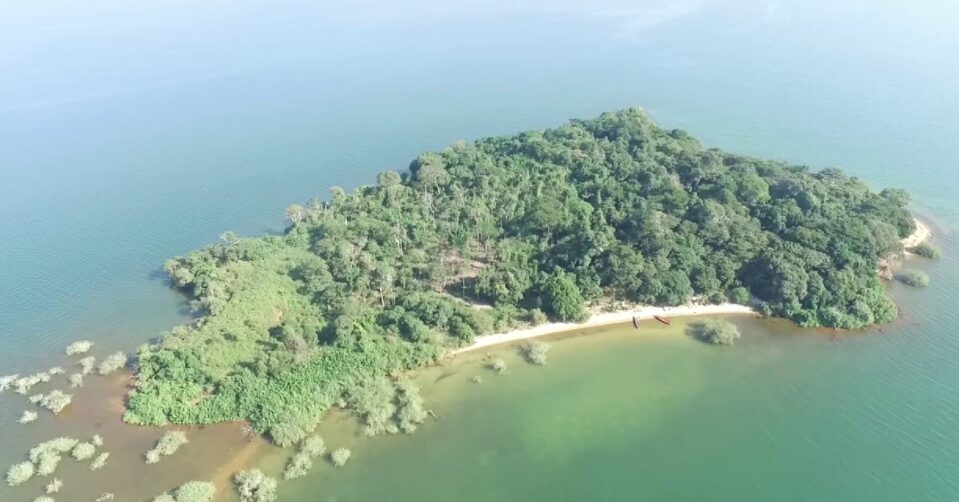
Measuring about 8 kilometers long and 3 kilometers wide, Lake Mutanda contains several small islands, some of which remain uninhabited while others host simple community structures or historical shrines. The waters are clean, bilharzia-free, and unusually cool due to the altitude. This ecological purity makes the lake one of Uganda’s safest and most tranquil natural water bodies.

Its proximity to both Mgahinga Gorilla National Park and Bwindi Impenetrable National Park gives Lake Mutanda a unique position. It serves as a perfect base for travelers seeking to explore the highland rainforests of southwest Uganda while staying in a setting of utter peace and beauty.

How to Get There: Into the Heart of the Virungas

Reaching Lake Mutanda is a journey that gradually strips away the noise of the outside world, drawing travelers into a landscape increasingly untamed and awe-inspiring. From Kampala or Entebbe, the drive to Kisoro town covers around 500 kilometers, taking approximately 9 to 11 hours by road, depending on the condition of the route and traffic.

While the journey is long, it unfolds through changing ecosystems, verdant tea plantations, papyrus swamps, and terraced hills that define Uganda’s highlands. The final leg from Kisoro to the lake is a gravel road that winds past local homesteads, banana gardens, and scenic hills, eventually opening up to the dramatic view of Lake Mutanda’s calm waters against the backdrop of the misty Virunga peaks.

For travelers seeking a quicker option, domestic flights from Entebbe to Kisoro airstrip are available, with a short transfer to the lake. These flights provide a bird’s-eye view of the landscape and cut travel time significantly.

Whether reached by road or air, the arrival at Lake Mutanda is nothing short of magical. The lake appears suddenly, serene and shimmering, as though it had been waiting quietly for centuries.

Attractions: A Theater of Nature and Culture

The primary allure of Lake Mutanda is its natural tranquility and scenic grandeur. The lake’s clear waters, dense papyrus fringes, and softly rippling surface create an atmosphere of meditation and escape. Unlike many larger lakes in Africa, Mutanda remains untouched by overdevelopment or mass tourism, preserving its authenticity and charm.

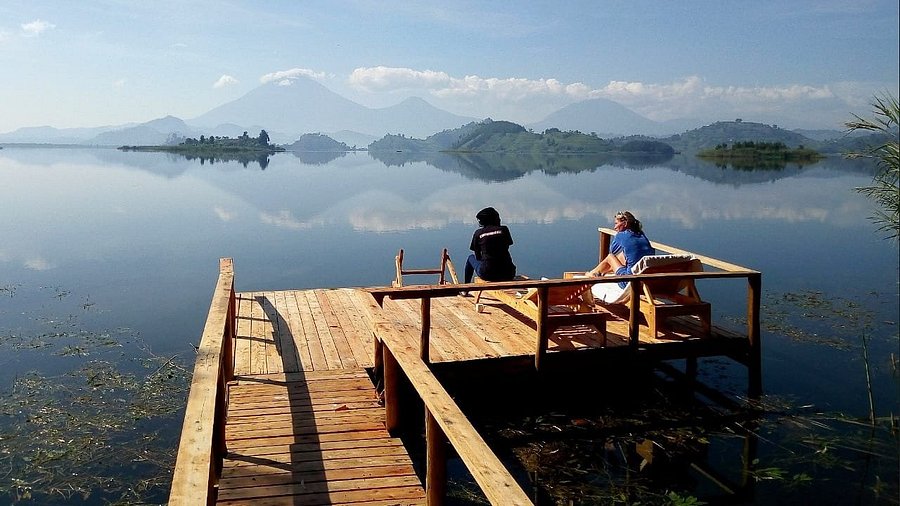
Dominating the horizon are the volcanic giants of the Virunga range, which stand like ancient guardians. Their slopes, often veiled in mist, create dramatic contrasts of light and shadow, especially during sunrise and sunset. On clear days, their reflections in the lake provide a surreal, almost mirrored vision of earth and sky in harmony.

Lake Mutanda is also rich in birdlife, making it a paradise for birdwatchers. Species like the pied kingfisher, grey-crowned crane, and Hadada ibis are frequently sighted, while rarer species such as the African jacana or the elusive malachite kingfisher may reward patient observers.

Culturally, the lake sits within traditional Bakiga territory. The surrounding villages still practice subsistence farming, traditional crafts, and oral storytelling, giving visitors an opportunity to engage with an authentic Ugandan cultural heritage that remains largely uncommercialized. The islands themselves are steeped in folklore, with some believed to be haunted, protected by spirits, or used as ancestral burial grounds.

Things to Do: Immersion, Adventure, and Inner Stillness

At Lake Mutanda, the experience is not dictated by a rush of activities, but by a slow and soulful engagement with the land and its people. For those seeking calm, the lake offers endless hours of reflection—on a deck chair, in a canoe, or during a guided nature walk.

Canoeing across the lake in traditional dugout canoes remains one of the most iconic and serene activities. The sound of paddles dipping into still water, birdsong echoing across the bay, and views of passing islands create an almost meditative rhythm.

More adventurous travelers often use Lake Mutanda as a launch point for gorilla trekking. Its strategic position makes it an ideal base for visiting either Bwindi Impenetrable Forest or Mgahinga Gorilla National Park, both of which offer rare chances to encounter endangered mountain gorillas in their natural habitat. Trekking to meet these gentle giants is considered one of the most profound wildlife experiences on Earth.

Hiking and village walks around the lake offer yet another dimension. The surrounding hills are laced with trails leading through banana plantations, eucalyptus forests, and terraced slopes. These walks often include visits to local schools, craft makers, or traditional healers, providing a deeper understanding of the community life that sustains the region.

Lake Mutanda is also ideal for sunset photography, writing retreats, yoga sessions, and romantic getaways. The lake’s serenity lends itself naturally to activities that nurture inner peace, making it a destination not just for sightseeing but for renewal.

Best Time to Visit: When Nature Offers Its Best Canvas

Lake Mutanda is a year-round destination, but certain months offer clearer skies and more favorable travel conditions. The dry seasons, which occur from June to August and again from December to February, are considered the best times to visit. During these months, the views of the Virunga Volcanoes are often crisp and uninterrupted, and trails remain dry and accessible for hiking or gorilla trekking.

The rainy seasons, particularly March to May and September to November, bring lush green landscapes and fewer tourists, but also occasional road challenges due to muddy conditions. For travelers willing to embrace the mist and occasional rainfall, these months offer a quieter and more intimate experience.

Regardless of the season, the temperature around Lake Mutanda remains moderate, rarely exceeding 26°C during the day or dropping below 10°C at night. The cooler climate is ideal for walking, exploring, and enjoying the natural environment without fatigue.

Lake Mutanda: A Reflection of Uganda’s Untouched Beauty

In a world of hurried travel and packaged itineraries, Lake Mutanda stands apart as a place that invites stillness, reflection, and reconnection. It does not shout for attention; it simply waits, quietly revealing its beauty to those who are willing to slow down and listen. From its sapphire waters and emerald hills to the ancient legends that linger in its islands and valleys, Lake Mutanda is a living poem—one that speaks softly, but stays with you long after you’ve left.

It is a place where silence feels sacred, where nature sings without interference, and where the sky kisses the earth through the gentle mirror of water. For those seeking a deeper, more soulful encounter with Uganda, Lake Mutanda offers exactly that: truth, beauty, and simplicity.

Begin Your Journey with WildHorn Africa

To explore Lake Mutanda and the surrounding wonders of southwestern Uganda with expertise, authenticity, and comfort, entrust your journey to WildHorn Africa. With a team of experienced local guides, custom-crafted itineraries, and a deep respect for culture and nature, WildHorn Africa creates travel experiences that go far beyond sightseeing.

Whether you’re canoeing across the tranquil waters of Mutanda, trekking in the shadows of the Virungas, or encountering mountain gorillas face to face, WildHorn Africa ensures your adventure is both unforgettable and responsibly delivered.
Lake Bunyonyi

Lake Bunyonyi

By Uganda places to visit, Where to go

Lake Bunyonyi: The Magical Highlands Jewel of Uganda

Rising like a myth out of the misty southwestern hills of Uganda is a place so serene, so spectacular, and so otherworldly that it often defies belief. This is Lake Bunyonyi, the “place of many little birds,” a destination that whispers timeless beauty and carries the gentle pulse of ancient history. As Uganda’s most scenic and tranquil lake, Lake Bunyonyi is a haven for dreamers, adventurers, romantics, and cultural explorers—a place where the air is fresh, the waters still, and the heart feels undeniably at peace.

Often described as one of Africa’s most beautiful lakes, Lake Bunyonyi is not just a postcard-perfect body of water—it is a living cultural landscape, infused with the traditions of the Bakiga people, shadowed by legendary tales, and wrapped in a mystical stillness that resonates deeply with every visitor. For travelers seeking Uganda beyond the well-trodden safari circuits, Lake Bunyonyi is not just worth the journey—it is the journey.

Location: The Mountain-Locked Marvel of the Kigezi Highlands

Lake Bunyonyi is located in southwestern Uganda, within the districts of Kabale and Rubanda, near the borders of Rwanda and the Democratic Republic of Congo. The lake lies at an altitude of about 1,962 meters above sea level, making it one of the highest lakes in Africa, and certainly among the most stunning.

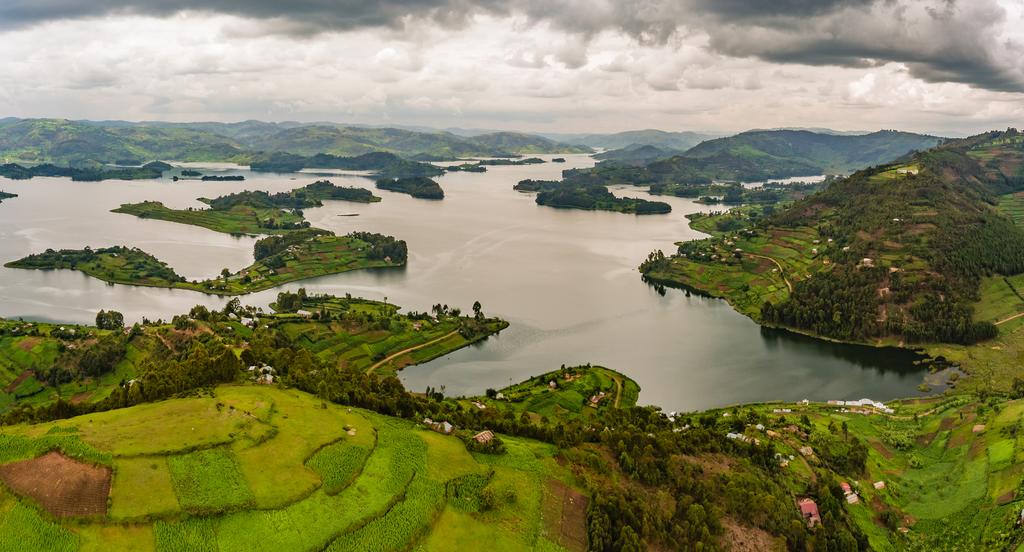
Surrounded by the rolling Kigezi Highlands, sometimes referred to as the “Switzerland of Africa,” the lake’s setting is breathtaking. The landscape is sculpted into dramatic terraces where crops grow in harmony with nature, and mist often drapes the hills in a mystical veil during early mornings. The lake itself stretches across approximately 25 kilometers in length and 7 kilometers in width, with depths reaching over 40 meters, although some claim depths exceeding 900 meters, a figure still debated among researchers and locals alike.

The combination of high elevation, temperate climate, and unspoiled natural surroundings makes Lake Bunyonyi a rare ecological gem, largely untouched by pollution or industrial development.

How to Get There: A Scenic Journey into the Heart of the Highlands

Reaching Lake Bunyonyi involves a journey as memorable as the destination itself. Most visitors begin from Kampala or Entebbe, traveling southwest toward Kabale, the nearest major town. The road distance from Kampala to Kabale spans about 410 kilometers, taking approximately 7 to 9 hours by road depending on traffic and stopovers.

From Kabale town, the lake is only about 8 kilometers away, accessed via a winding road that ascends through terraced hills and dense countryside. The drive offers panoramic views that gradually reveal the shimmering waters of Bunyonyi nestled among the highland ridges.

For those flying, domestic airstrips such as Kisoro or Kihihi serve the southwestern region and reduce travel time significantly. From these airstrips, transfers by road to the lake can be arranged via tour operators or lodge-based transportation services.

Although the trip to Bunyonyi is not the shortest, the scenic transition from the lowland bustle to highland serenity makes the journey an integral part of the lake’s allure.

Attractions: A Mosaic of Islands, Myths, and Cultural Treasures

Lake Bunyonyi’s surface is scattered with 29 islands, each bearing unique stories, sacred meanings, and cultural memories. The islands vary in size and character—from inhabited communities to forested sanctuaries, from former punishment grounds to modern eco-retreats.

Among the most talked-about is Punishment Island, known locally as Akampene. This tiny, isolated patch of land was historically used by the Bakiga to abandon unmarried pregnant girls, a grim reminder of a once strictly patriarchal culture. While the practice was later abolished, the island still holds powerful historical significance and serves as a reflective site for discussions on tradition, gender roles, and transformation.

Other islands, like Bwama and Njuyeera, carry more peaceful legacies. Bwama was once a leprosy treatment center established by missionary Dr. Leonard Sharp in the 1920s. Today, it houses schools and is a symbol of healing and education. Njuyeera, also known as Sharp’s Island, was his residence and has since become a retreat for travelers.

The surrounding hills, many still cultivated by hand, rise in elegant folds and host vibrant Bakiga communities. The terraces that climb these hillsides are not only beautiful but symbolize resilience, adaptation, and the deep-rooted relationship between the people and the land.

The lake itself, free of bilharzia and crocodiles, is safe for swimming and paddling, making it a rare inland freshwater lake in Africa where visitors can freely enjoy the water without fear.

Things to Do: Culture, Adventure, and Pure Relaxation

Lake Bunyonyi offers a uniquely rich spectrum of experiences that cater to the soul, the mind, and the body. For those who seek stillness and solitude, the lake’s quiet bays and silent mornings provide the ideal setting for meditation, reading, or simply absorbing nature’s peace.

Canoeing across the lake in traditional dugout canoes is one of the most iconic experiences. Gliding over the mirror-like water in silence, navigating through mist and past fluttering birds, brings a sense of connection that few places can offer.

Island hopping allows visitors to explore multiple locations, each offering a different glimpse into local history, ecology, or community life. Guided tours often include storytelling sessions by local elders who share oral traditions passed down through generations.

For hikers and adventure lovers, the surrounding hills offer fantastic trekking opportunities, with trails leading to panoramic viewpoints, waterfalls, and village homesteads. Walking these trails is as much about the vistas as it is about interacting with local farmers, basket weavers, and children eager to share their songs and stories.

Birdwatching at Bunyonyi is another highlight, with over 200 bird species recorded in the area, including herons, grey-crowned cranes, and the elusive African harrier hawk. Whether from a boat, a lakeside lodge, or a hiking trail, birdlife is constantly in sight and sound.

Cultural experiences are deeply integrated into the Bunyonyi visit. Local dances, storytelling nights, traditional food preparation demonstrations, and village tours allow visitors to understand the Bakiga way of life—a culture rooted in respect for community, land, and ancestry.

At night, the lake transforms into a quiet sanctuary where lanterns flicker on the shores, frogs call in the darkness, and the southern stars hang in breathtaking stillness above the calm waters. The setting is nothing short of magical.

Best Time to Visit: When the Highlands Whisper the Loudest

Lake Bunyonyi can be enjoyed throughout the year, thanks to its mild and temperate climate. The lake’s high elevation ensures that temperatures remain cool and pleasant, ranging between 15°C and 27°C.

The dry seasons, running from June to August and December to February, are considered ideal for outdoor activities, lake excursions, and photography. During these months, the skies are often clear, and the trails are firm, making hiking and canoeing especially enjoyable.

The wet seasons, though bringing rain, also enhance the region’s greenery and provide a more intimate and moody ambiance. These months, particularly March to May and September to November, tend to be quieter, offering solitude and lower accommodation rates, without compromising the quality of experience.

Lake Bunyonyi: Uganda’s Hidden Eden of Reflection and Renewal

Lake Bunyonyi is not just a destination—it is a state of mind, a gentle invitation to slow down, to listen deeply, and to reawaken a sense of wonder. It defies the fast-paced narratives of modern tourism and instead beckons travelers to experience life in rhythm with the earth, the water, and the stars.

It is a place where the echoes of ancestral voices float on the lake breeze, where history is told in islands and hills, and where every dawn feels like a poem written in mist. Whether you are a cultural seeker, an eco-traveler, a couple in love, or a solo wanderer looking for meaning, Lake Bunyonyi holds space for you.

Start Your Journey with WildHorn Africa

To experience the full beauty, depth, and authenticity of Lake Bunyonyi and other gems across Uganda, travel with the experts who know the land best. WildHorn Africa is your dedicated partner in crafting journeys that are not only memorable but meaningful. With professional guides, sustainable practices, and tailor-made itineraries, they ensure that every aspect of your trip—from lakeside lodge to cultural immersion—is seamlessly delivered.

Book your Africa tours and safaris with WildHorn Africa, and let your journey unfold in the heart of Africa’s most captivating landscapes. Whether it’s the highland waters of Bunyonyi or the wild savannahs of Queen Elizabeth, WildHorn Africa is your gateway to Uganda’s hidden wonders.

Ssese Islands

Ssese Islands

By Uganda places to visit, Where to go

Ssese Islands: Uganda’s Hidden Tropical Paradise on Lake Victoria

Far removed from the dusty savannahs and forested hills typically associated with East Africa lies a spectacular archipelago that many travelers have yet to discover. The Ssese Islands, floating serenely on the vast waters of Lake Victoria, offer a rare blend of pristine beaches, lush forests, vibrant culture, and absolute tranquility. This is Uganda’s tropical escape, a destination that feels untouched by time, where life slows down and nature reveals her softer, more seductive side.

For those seeking authenticity beyond the expected safari experience, the Ssese Islands deliver not just beauty, but mystery, history, and warm hospitality. A visit here is not a mere retreat—it’s a journey into a world where island rhythms meet ancient heritage, and where the soul of Uganda whispers through swaying palms and lapping waves.

Location: A Remote Archipelago with a Central Heart

The Ssese Islands are located in the northwestern corner of Lake Victoria, the largest freshwater lake in Africa. They form an archipelago of 84 islands, varying in size, landscape, and population. Though scattered across the lake, most of the islands fall within Kalangala District, which also lends its name to the main administrative and commercial center of the archipelago.

The largest and most visited island is Bugala Island, home to Kalangala Town and the majority of the region’s infrastructure. Other notable islands include Bubembe, Bukasa, Buggala, Banda, and Funve, each offering unique charms—from sacred forests and spiritual sites to isolated fishing villages and palm-fringed coves.

The geographical placement of Ssese makes it a tranquil haven, relatively isolated from Uganda’s mainland bustle yet perfectly positioned for exploration, either as a dedicated vacation spot or as part of a broader itinerary through East Africa.

How to Get There: A Scenic Voyage into Seclusion

Despite their remote allure, the Ssese Islands are surprisingly accessible, offering several transportation options from Entebbe, Kampala, and other regional towns. The most popular and convenient route is by ferry, with multiple departures connecting the mainland to Bugala Island.

From Entebbe, the ferry service at Nakiwogo landing site takes travelers across Lake Victoria to Lutoboka Landing Site on Bugala Island. This journey lasts about 3 to 4 hours and treats passengers to stunning views of open water, birdlife, and sunset hues that shimmer across the lake’s vast horizon.

Alternatively, those coming from the western side of Uganda can use the Bukakata ferry from Masaka District, which takes approximately 45 minutes to reach Luku Landing Site, also on Bugala Island. Private speedboats and chartered boats offer faster, more flexible travel options, particularly for those venturing to the lesser-known or privately owned islands.

The journey, regardless of the chosen route, is part of the Ssese experience—a transition from mainland chaos to island calm, where every wave draws you closer to a hidden world.

Attractions: Nature, Culture, and Sacred Heritage

The allure of the Ssese Islands lies not in a single spectacle, but in the harmonious tapestry of natural beauty, local life, and quiet spiritual reverence. Each island tells a different story, woven from the threads of ancient belief, biodiversity, and isolation.

On Bugala Island, visitors are often enchanted by the long stretches of unspoiled beaches, particularly those near Kalangala Town and Lutoboka Bay. The golden sands, framed by swaying palms and lapping waves, offer an idyllic setting for sunbathing, swimming, or simply watching fishermen glide across the lake in dugout canoes.

Beyond the beaches, Bugala boasts thick tropical forests that are home to vervet monkeys, colobus monkeys, and a variety of bird species. Nature trails wind through the interior, revealing exotic flora and occasional views of the lake from elevated vantage points.

Further inland lies the Kalangala Palm Oil Project, one of Uganda’s largest agricultural ventures. Though modern in function, it offers insight into the economic lifeblood of the islands and how traditional communities are navigating the changing tides of development.

The lesser-known islands possess even more intriguing cultural and spiritual significance. Bubembe Island, for instance, is a sacred site for the Buganda Kingdom, believed to be the home of Musisi, one of the kingdom’s traditional gods. Pilgrims and spiritualists occasionally visit to perform rituals and pay homage to ancestral spirits, adding an aura of mystique that envelops the island in both reverence and wonder.

Many of the other islands remain undeveloped, forested, and sparsely inhabited, offering sanctuaries for wildlife and peaceful retreats for those craving true solitude. Each island feels like a world within a world, and exploring them evokes a sense of timeless adventure.

Things to Do: Adventure, Relaxation, and Cultural Discovery

A stay on the Ssese Islands can be as laid-back or active as the traveler desires. For many, the appeal lies in simply disconnecting—walking barefoot on the beach, reading under a palm tree, or watching the stars shimmer across the equatorial sky. But for those seeking a deeper engagement, the islands offer numerous rewarding activities.

Fishing expeditions, led by local guides, allow guests to experience the life of island fishermen, many of whom rely on the lake for sustenance. Traditional techniques, including net casting and night fishing, are demonstrated, and guests may even prepare their own catch in true island style.

Boat rides between islands reveal the scale and diversity of the archipelago, with options ranging from motorized trips to traditional canoe tours. Some lodges organize sunset cruises, complete with drinks and storytelling, allowing travelers to witness the golden hues of twilight dance upon Lake Victoria’s surface.

For hikers and nature lovers, forest walks present an opportunity to explore endemic species, medicinal plants, and butterfly habitats. Guided hikes through Bugala’s interior often include stops at historical sites, natural springs, and lookout points offering panoramic lake views.

Cultural interaction forms a vital part of the Ssese experience. Visitors are welcome to engage with fishing communities, observe traditional music and dance performances, or attend local markets where crafts, fish, and fresh produce are exchanged in lively scenes full of color and character.

At night, the islands come alive in their own quiet way. Bonfires on the beach, fresh grilled tilapia, and rhythmic drumming create an ambiance that is both festive and deeply grounding, a true reflection of Uganda’s island soul.

Best Time to Visit: When the Lake Embraces You

The Ssese Islands are a year-round destination, but some seasons offer more comfortable travel and clearer skies. The dry seasons, particularly from December to February and June to August, are ideal for beach activities, boat rides, and hiking. During these months, the lake remains relatively calm, and the islands bask in warm sunshine with minimal rainfall.

Even the rainy seasons, spanning March to May and September to November, carry their own charm. The downpours are typically brief and dramatic, followed by clear skies and a refreshed, greener landscape. The rains also bring migratory birds to the islands, making it a paradise for birdwatchers and photographers.

Weekdays tend to be quieter, with fewer visitors, allowing for a more personal connection with the islands’ rhythms. Public holidays and weekends, especially during festive seasons, attract domestic tourists from the mainland, creating a livelier but still relaxed atmosphere.

A Rare Kind of Escape: Why Ssese is Uganda’s Best-Kept Secret

In a continent renowned for its game parks, towering mountains, and ancient deserts, the Ssese Islands stand apart as an unexpected sanctuary. They offer none of the adrenaline of gorilla trekking or the drama of the Serengeti, and yet, what they give is something even more elusive—peace, simplicity, and authenticity.

Time flows differently here. Conversations are unhurried, sunsets are savored, and silence is not absence but presence—the presence of waves, birds, winds, and thoughts. The Ssese Islands are not just a destination; they are an invitation to pause, to reconnect with the earth and with oneself.

For travelers seeking to experience Uganda beyond the expected, the Ssese Islands are not to be missed. Their beauty is not loud, but it is unforgettable. Their people are not performers, but they are among the warmest you will meet. Their stories are not in guidebooks, but they are told in song, prayer, and laughter.

Explore Uganda’s Island Paradise with WildHorn Africa

To truly uncover the magic of the Ssese Islands—and all that Uganda has to offer—it is essential to journey with those who understand the land deeply. WildHorn Africa, with its experienced guides, curated itineraries, and unwavering commitment to sustainable travel, is the perfect partner for those seeking more than just a vacation.

Whether your dream is to lounge on an island beach, cruise across Lake Victoria, explore hidden forest trails, or connect with Uganda’s cultural heritage, WildHorn Africa ensures every moment is thoughtfully crafted and richly rewarding.

Namugongo Martyrs Shrine

Namugongo Martyrs Shrine

By Uganda places to visit, Where to go

Namugongo Martyrs Shrine: A Sacred Ground of Faith, Sacrifice, and Legacy

In the heart of Uganda’s spiritual and historical landscape lies a site where devotion triumphed over death, and faith blazed brighter than flames. The Namugongo Martyrs Shrine, both Catholic and Anglican, stands as a solemn reminder of the heroic sacrifice made by a group of young Christian converts who, in the face of brutality and persecution, chose death over the renunciation of their beliefs. This is no ordinary destination—it is hallowed ground, a sanctuary of spiritual reflection and pilgrimage, where history, religion, and national identity converge with powerful resonance.

For every traveler drawn not only by scenic beauty but by the profound human stories that shape nations, Namugongo is more than a visit—it is an awakening. It speaks to the courage of conviction, the pain of martyrdom, and the enduring light of faith that continues to shine through centuries.

Location: A Spiritual Landmark Near the Capital

The Namugongo Martyrs Shrine is located in Wakiso District, within the central region of Uganda, approximately 15 kilometers northeast of Kampala, the country’s capital. Tucked in the township of Namugongo, the shrine is easily accessible yet set apart from the urban rush, creating a peaceful and contemplative atmosphere befitting its purpose.

The site encompasses two primary shrines—the Roman Catholic Basilica and the Anglican Martyrs Shrine, each commemorating a group of martyrs executed under the command of Kabaka Mwanga II, the king of Buganda in the late 19th century. Though distinct in denomination, both sites form part of a shared history and are linked by a deep reverence for the martyrs whose blood consecrated the soil of Namugongo.

How to Get There: A Pilgrimage Within Reach

Reaching the Namugongo Martyrs Shrine is a relatively simple endeavor from Kampala, with various transport options available. The Kampala–Kyaliwajjala–Namugongo road leads directly to the shrine area and is paved for most of the route, ensuring easy access whether by private car, hired vehicle, or public transport.

For visitors relying on local matatus (minibuses) or bodabodas (motorbike taxis), several routes connect downtown Kampala to Namugongo via Kireka or Ntinda, passing through vibrant neighborhoods and offering a glimpse of everyday Ugandan life.

During peak pilgrimage seasons, particularly in late May and early June, roads become congested as thousands of faithful from across Africa converge upon the site. Yet even during this spiritual influx, the Ugandan government and local dioceses coordinate to manage traffic and safety, ensuring that the path to Namugongo remains accessible for all.

Attractions: Witnessing the Legacy of the Martyrs

At the heart of Namugongo lies a story so powerful it changed the spiritual trajectory of an entire nation. Between 1885 and 1887, 45 Christian converts—22 Catholic and 23 Anglican—were executed on the orders of Kabaka Mwanga II for refusing to renounce their newfound faith. These young men, many of them pages in the royal court, were burned alive, speared, or beheaded at Namugongo and surrounding areas.

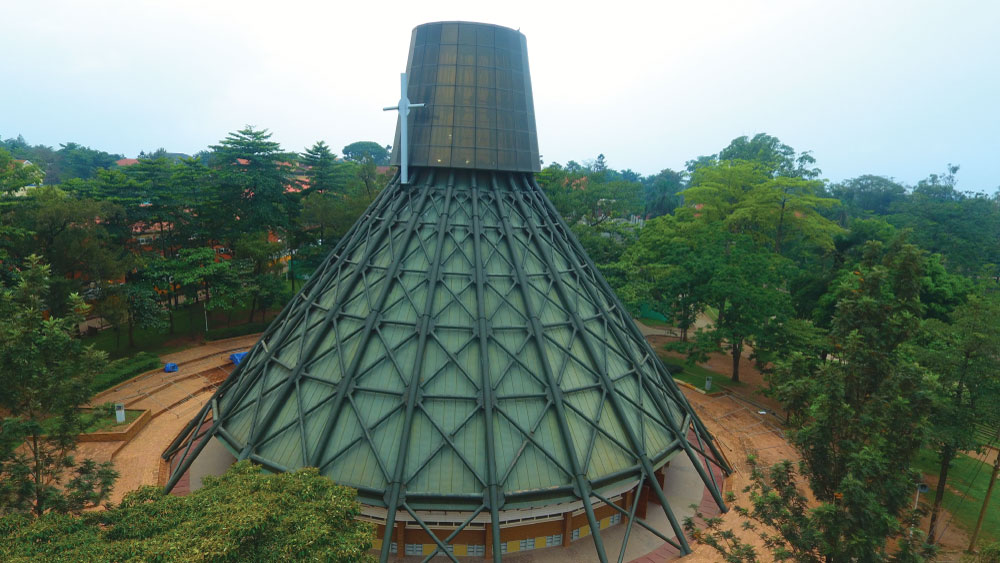
Today, this tragedy is immortalized through the Basilica of the Uganda Martyrs, a spectacular Roman Catholic shrine completed in 1975. Built in the shape of a traditional Baganda hut, the basilica features 22 copper pillars, each representing a Catholic martyr. Inside, the central altar stands directly above the sacred spot where St. Charles Lwanga, the leader of the Catholic martyrs, was martyred on June 3, 1886. The site exudes a solemn grandeur, with its striking architecture, stained-glass windows, and spiritual ambiance drawing both pilgrims and tourists alike.

Adjacent to the basilica is a man-made lake, known as Martyrs Lake, created to enhance the meditative setting and accommodate baptismal ceremonies. Statues of the martyrs, lining the path around the lake, portray each individual’s story, often including the manner of their death and their steadfast declaration of faith.

The Anglican Martyrs Shrine, located a short distance away, honors the Anglican martyrs with equal reverence. A newly built museum, gardens, and prayer spaces ensure that all visitors—regardless of faith tradition—can reflect on the lives and sacrifices of these young believers.

The Uganda Martyrs Museum, positioned close to the Catholic basilica, offers historical documentation, personal relics, letters, and multimedia presentations about the martyrs, the political climate of 19th-century Buganda, and the broader impact of Christianity in Uganda. The museum provides a deeper contextual understanding, grounding the emotional weight of the shrine in well-researched historical facts.

Things to Do: A Journey Through Time and Spirit

Visitors to Namugongo find themselves on a path that is at once historical, spiritual, and educational. Guided tours around the basilica and museum reveal the personal narratives behind each martyr—young men who defied royal decrees and social pressures in pursuit of spiritual truth. These tours often culminate at the spot of execution, marked by a flame-shaped monument, where moments of prayer and reflection are encouraged.

A walk around the Martyrs Lake, with its tranquil waters and life-sized martyr statues, creates a contemplative space for meditation and silent remembrance. Baptismal services are frequently held here, especially on weekends, providing a living connection between the ancient sacrifices and modern spiritual journeys.

Special masses and ecumenical services are organized throughout the year, but none rival the annual Uganda Martyrs Day, celebrated on June 3rd. On this day, the shrine transforms into a massive open-air cathedral, welcoming millions of pilgrims from all corners of Uganda, Africa, and beyond. Colorful processions, solemn reenactments, and interdenominational prayers are held under the watchful gaze of bishops, priests, and visiting dignitaries. It is an extraordinary display of faith in motion, a tribute to the power of belief that transcends doctrine and denomination.

Photography, particularly of the basilica and lake, is permitted and encouraged, provided it is done respectfully. The site also offers spiritual retreats, youth fellowship programs, and study sessions hosted by resident clergy, making Namugongo not just a place to visit, but a place to grow.

Best Time to Visit: When Faith Blooms in Full

While Namugongo can be visited at any time of the year, the months of May and June are most significant due to preparations and celebrations around Martyrs Day. Those seeking to experience the communal power of Ugandan Christianity should time their visit around this period. However, these months also attract massive crowds, and visitors must prepare for long queues, extensive security checks, and packed accommodations.

For a quieter, more introspective experience, January through March, or August through November, offer pleasant weather and lower visitation levels. During these months, the shrine’s serene ambiance is more pronounced, allowing guests to connect deeply with the spiritual essence of the place without the distractions of large crowds.

Rainy seasons—typically April to May and October to November—bring lush surroundings but may affect the accessibility of certain paths around the lake or open fields. Nonetheless, the shrine remains operational throughout the year, with indoor spaces providing shelter and worship continuity regardless of weather.

A Pillar of Uganda’s Christian Identity

The Namugongo Martyrs Shrine is not merely a monument to the past—it is a living cathedral of national memory and spiritual resilience. The sacrifice of the martyrs laid the foundation for the widespread embrace of Christianity in Uganda, and their story continues to inspire generations of believers, historians, and cultural scholars.

The site’s dual importance—both as a spiritual destination and a heritage landmark—cements its role in shaping the moral and religious identity of Uganda. It invites the world not just to mourn the martyrs, but to celebrate their unwavering faith, to reflect on the power of conviction, and to recognize the capacity of ordinary individuals to change the course of history through spiritual courage.

Travel with Purpose—Book Your African Journey with WildHorn Africa

To experience the depth, spirit, and authenticity of Uganda’s sacred spaces, there is no better companion than WildHorn Africa. With years of expertise in curating cultural, spiritual, and wildlife tours across the continent, WildHorn Africa offers more than travel—they offer transformative journeys.

Whether you’re standing in the shadows of the Martyrs Shrine, trekking through the jungles of Bwindi, or watching the sunrise over the savannah, WildHorn Africa ensures every moment is thoughtfully designed and soulfully delivered.

Ssezibwa Falls

Ssezibwa Falls

By Uganda places to visit, Where to go

Ssezibwa Falls: Where Nature Whispers and Spirits Reside

Tucked away in the serene heartlands of central Uganda lies a mystical and deeply spiritual marvel, one where roaring waters meet ancient legend. This is Ssezibwa Falls—a site where natural beauty intertwines with ancestral belief, and every drop of cascading water carries whispers from centuries past. Revered not only for its stunning visuals but also for its profound cultural symbolism, Ssezibwa Falls stands as a living testament to Uganda’s rich spiritual tapestry and ecological splendor. Those who venture here do not merely witness a waterfall; they are drawn into a sacred realm where nature, myth, and tradition coexist in harmonious rhythm.

Location: A Spiritual Sanctuary in the Heart of Buganda

The enigmatic Ssezibwa Falls are found in Mukono District, within Uganda’s central region, approximately 35 kilometers east of Kampala, the country’s bustling capital. Situated off the Kampala–Jinja highway, the falls are nestled amid lush vegetation, bamboo thickets, and ancient rock formations, creating a tranquil retreat from urban activity.

This central location in Buganda Kingdom, Uganda’s largest and most influential cultural dominion, gives the site added significance. Ssezibwa Falls is not just a natural landmark—it is a sacred site, officially recognized by the Buganda monarchy and revered by traditionalists who believe in the powers of ancestral spirits that dwell in its waters.

How to Get There: A Scenic Escape from the Capital

Access to Ssezibwa Falls is relatively easy, making it a favored spot for both spontaneous day-trippers and organized cultural tours. From Kampala, the journey typically lasts less than an hour by road, depending on traffic. The route begins along the Kampala–Jinja highway, a major thoroughfare connecting central Uganda to the east.

About 35 kilometers into the journey, a signpost in Kayonza trading center directs travelers onto a well-maintained murram road that leads directly to the falls. Private vehicles and tour vans are commonly used, but motorbike taxis—locally known as boda bodas—also ferry visitors from the highway to the site.

For travelers booking through established tour operators, the trip is often bundled with other nearby attractions, providing a more comprehensive cultural immersion. The ease of access combined with the remote atmosphere upon arrival makes Ssezibwa Falls feel both accessible and untouched.

Attractions: Where Legend Breathes and Water Sings

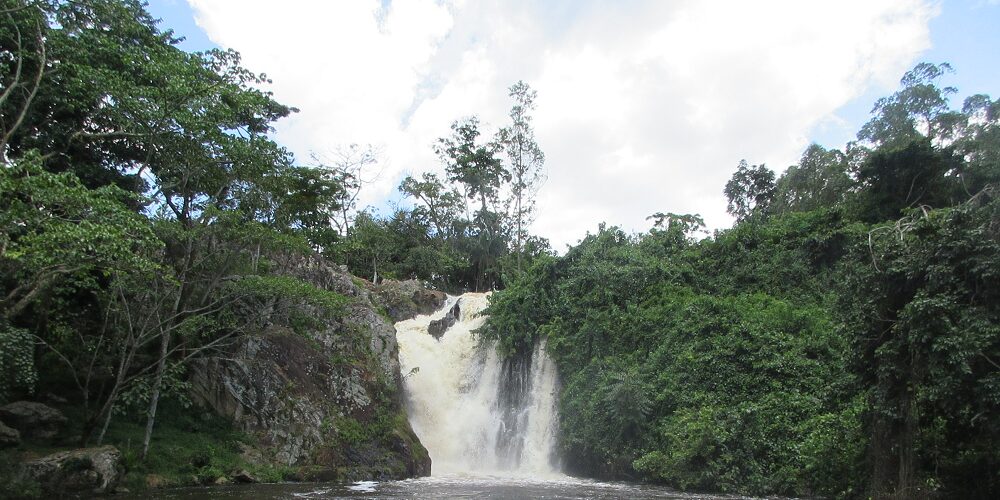
The heart of the site is, without doubt, the waterfall itself, which plunges gracefully from a height of around 7 meters into a pool surrounded by towering rocks and thick foliage. The falls are formed by the Ssezibwa River, which flows from the wetlands of the Mawokota region, weaving through the countryside before dramatically splitting over the rocky cliffs.

Yet what sets Ssezibwa apart from other waterfalls is its legend. According to Buganda mythology, the river is said to have been born of a woman, not in the metaphorical sense, but literally. Oral tradition holds that a woman named Nakangu Tebatuusa gave birth not to twins, but to two rivers—Ssezibwa and Bwanda. The Ssezibwa River continued westward, and the Bwanda flowed east. Because of this spiritual birth, the falls are regarded as sacred, inhabited by powerful ancestral spirits that continue to be venerated by traditional healers and local communities.

Visitors often find shrines at the site, including small altars, bark cloth-wrapped trees, and calabashes left behind after rituals and offerings. These elements are not staged or theatrical—they are part of active spiritual practice, maintained and respected by custodians of the site and local spiritual leaders.

The natural landscape surrounding the falls adds another layer of charm. Dense vegetation hosts a variety of bird species, butterflies, and small wildlife, making it a haven for nature lovers and photographers alike. The calm river above the falls contrasts sharply with the violent descent, creating a duality of peace and power that mirrors the spiritual beliefs associated with it.

Things to Do: Immersion Beyond Observation

A visit to Ssezibwa Falls offers more than scenic admiration; it encourages active participation and spiritual reflection. One of the most unique aspects is the opportunity to observe or engage in traditional rituals, especially during special cultural events. Visitors may witness cleansing ceremonies, fertility prayers, or ancestral blessings, often led by traditional healers known as balongo.

Guided nature walks around the site reveal lesser-known trails that lead to hidden pools, medicinal plants, and panoramic viewpoints. The paths are often lined with trees identified for their spiritual or healing significance, and local guides share oral histories that have been passed down for generations.

Rock climbing and hiking are also available for those seeking a bit of adventure. While the cliffs are modest in height, the raw texture of the rocks and the misty air around the falls create an exhilarating challenge for climbers.

One of the most enriching experiences at Ssezibwa is simply sitting beside the falls, absorbing the sound of the rushing water and reflecting on the legends that permeate the air. The spiritual atmosphere, whether or not one subscribes to the beliefs, has a palpable effect—an invitation to silence, introspection, and connection with something greater.

The site is also used for meditation retreats, photography sessions, and cultural excursions, particularly among local schools and universities aiming to preserve Buganda’s heritage. Occasionally, traditional music and dance performances are organized on-site, offering a multi-sensory dive into the region’s cultural fabric.

Best Time to Visit: When the Falls Speak Loudest

The ideal time to visit Ssezibwa Falls aligns with Uganda’s two dry seasons—December to February and June to August. During these months, the roads are more accessible, the trails around the falls are dry, and the river maintains a robust flow without the muddiness caused by heavy rains.

Visiting during the Buganda cultural calendar events, such as Kabaka’s Birthday or Kingdom Tours, can offer additional opportunities to witness rituals and performances that are rarely showcased outside sacred contexts. These moments bring the site alive with vibrant attire, drumbeats, and ceremonial dances that echo the deep reverence of the Baganda people for their ancestral waters.

However, even during the rainy seasons, the falls retain their mystical allure. The heightened water levels make for a more dramatic cascade, and the surrounding vegetation glows in emerald hues. It is during these quieter months that the spiritual aura of the site becomes even more pronounced, offering solitude to those seeking introspective experiences.

A Living Legacy: The Cultural Importance of Ssezibwa

Ssezibwa Falls is more than a scenic destination—it is a custodian of indigenous knowledge, a place where the intangible heritage of Uganda continues to thrive against the pressures of modernity. In a world rapidly shedding traditional belief systems, Ssezibwa remains grounded in ancestral reverence, resisting commercialization while welcoming respectful exploration.

Its recognition by the Buganda Kingdom as a protected cultural site underscores its value not only to local communities but to the national narrative as a whole. Educational institutions, cultural heritage bodies, and eco-conscious travelers are increasingly turning their attention to Ssezibwa, not just for what it offers visually, but for what it represents spiritually.

This waterfall does not merely flow with water—it flows with stories, identities, and the enduring power of memory. Each ripple and roar is a reminder that the soul of Uganda is not confined to museums or textbooks; it lives in places like Ssezibwa.

Plan Your Journey with WildHorn Africa

To truly experience the essence of Uganda—from its spiritual waterfalls to its vast savannahs and rich cultural heartlands—travelers need more than a guide. They need a partner who understands the land, respects its traditions, and crafts journeys that are both meaningful and memorable.

WildHorn Africa is that partner. With their expertly curated safaris, deep knowledge of Ugandan heritage, and commitment to sustainable tourism, WildHorn Africa ensures every trip is tailored to enrich the mind, body, and soul. Whether you are seeking cultural enlightenment, wildlife encounters, or spiritual awakening, their team delivers with professionalism and passion.

Igongo Cultural Centre

Igongo Cultural Centre

By Uganda places to visit, Where to go

Igongo Cultural Centre: A Gateway to the Soul of Western Uganda

Nestled in the verdant highlands of southwestern Uganda lies a treasure trove of history, culture, and heritage that has steadily earned its place as one of the country’s most compelling attractions. The Igongo Cultural Centre, more than a museum or tourist stop, stands as a living chronicle of the Ankole Kingdom, echoing centuries of tradition, storytelling, and societal evolution. For any traveler seeking to immerse themselves in the authentic rhythm of Ugandan culture, Igongo is not just a destination—it’s an awakening.

Location: Where Culture Meets the Hills

The Igongo Cultural Centre is situated in Mbarara District, about 12 kilometers from Mbarara City, along the busy Kampala–Mbarara highway. Positioned in Biharwe, a serene area marked by rolling landscapes and mild climate, the Centre enjoys proximity to other major attractions like Lake Mburo National Park and Biharwe Eclipse Monument.

Its strategic location makes it a popular stopover for both domestic and international tourists en route to Queen Elizabeth National Park, Bwindi Impenetrable Forest, or Mgahinga Gorilla National Park. Yet, despite being a convenient detour, Igongo is far more than a waystation; it is a cultural cornerstone that deserves attention in its own right.

How to Get There: A Journey Through the Heart of Uganda

Reaching Igongo Cultural Centre from Kampala, Uganda’s capital city, is a straightforward journey. The route via Masaka Road spans approximately 270 kilometers, a drive of about four to five hours, depending on traffic and stops along the way. Travelers are treated to scenic views of central Uganda’s countryside—banana plantations, terraced hills, and lively roadside towns.

For those without private transport, buses and coaches headed to Mbarara frequently stop at Biharwe upon request. Additionally, private hire vehicles or organized tours offer more convenient options, especially for tourists preferring guided experiences.

The well-maintained tarmac road, enhanced by clear signposting, ensures a smooth journey, and the visible transition from urban bustle to tranquil countryside accentuates the cultural immersion that awaits at the Centre.

Attractions: A Cultural Epic Unfolds

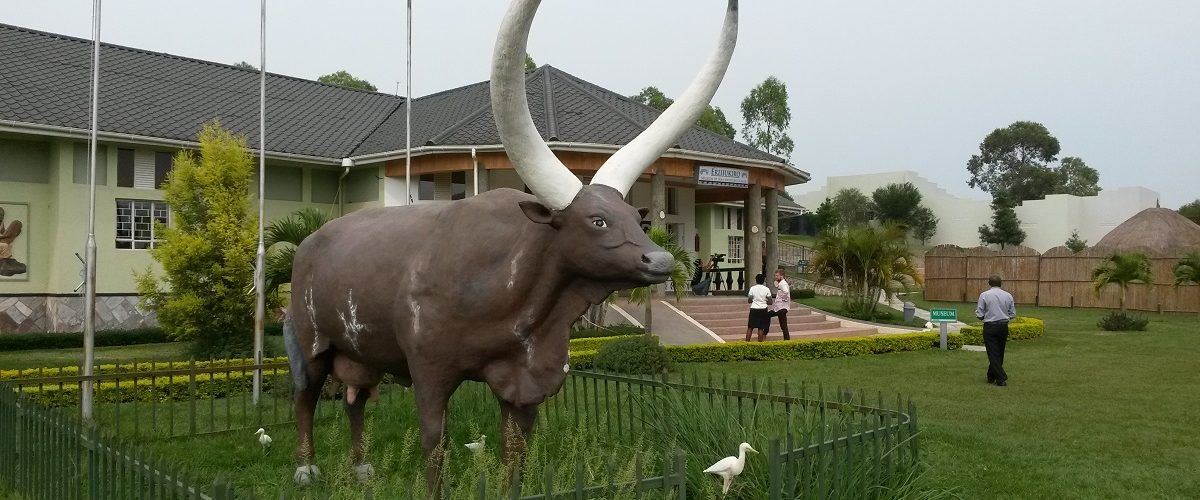
The primary draw of Igongo Cultural Centre lies in its rich offering of historical and anthropological content, all delivered through carefully curated exhibits and artful storytelling. The centerpiece of the complex is the Erijukiro Museum, which delves deep into the lifestyle, belief systems, and traditions of the Ankole people.

Artifacts, traditional attire, musical instruments, and ancient farming tools are displayed alongside modern interpretations, bridging the gap between past and present. The museum’s layout is intelligently designed to allow visitors to journey through various eras of the Ankole Kingdom, with insightful commentary provided through guided tours.

Among the most iconic attractions is the statue of Omugabe (King) Ntare V, who symbolizes the enduring spirit of the Ankole monarchy. The “Ankole homestead” model—a full-scale reconstruction of a traditional Hima hut—offers a tactile, immersive understanding of how the royal and ordinary families once lived.

Yet, the Igongo experience does not end with Ankole alone. The museum also honors other western Ugandan cultures like Bakonzo, Batooro, Banyoro, and Bakiga, fostering a broader appreciation of the region’s ethnic diversity.

Things to Do: More Than a Museum

An excursion to Igongo Cultural Centre unfolds as an all-encompassing experience that blends education, leisure, and gastronomy. Beyond touring the museum, visitors are encouraged to partake in cultural performances, often held on weekends and during public holidays. These lively displays of traditional dance, drumming, and oral storytelling captivate both young and seasoned audiences.

A stroll through the craft shops and art galleries introduces guests to locally made pottery, weavings, and carvings. These works are not mere souvenirs; they are authentic expressions of rural craftsmanship, each bearing the unique signature of its creator.

Another highlight is the Nkwanzi Restaurant, widely celebrated for its dedication to traditional Ankole cuisine. Here, dishes like eshabwe (ghee sauce), millet bread, matoke, and smoked beef are served in generous portions, offering guests a literal taste of the culture they’ve been exploring. The fusion of flavors, paired with the ambiance of indigenous décor, makes dining at Igongo a cultural rite in itself.

Furthermore, the centre houses accommodation facilities under the Igongo Country Hotel, allowing visitors to extend their stay and delve deeper into the local rhythms. Whether it’s a one-night stopover or a week-long retreat, the serene gardens and fresh countryside air create the perfect environment for relaxation and reflection.

Best Time to Visit: When Culture Blossoms

While Igongo Cultural Centre remains open throughout the year, certain periods enhance the experience with festivals, public holidays, or regional events. The dry seasons—from June to August and December to February—are particularly ideal, as they offer clear skies and comfortable temperatures for exploration.

Visiting during cultural festivals or national holidays like Independence Day (October 9th) or Heroes Day (June 9th) may offer the bonus of special performances, extended hours, and thematic exhibitions. These events transform the already vibrant Centre into a carnival of tradition, memory, and celebration.

The Historical Tapestry: Preserving Identity in a Changing World

Beyond its exhibitions and performances, Igongo is vital in preserving Uganda’s fading oral histories, especially as modernization redefines the socio-cultural landscape. It serves as a sanctuary where elders’ knowledge is documented, indigenous wisdom is celebrated, and younger generations are encouraged to connect with their roots.

One cannot overlook the Centre’s role in academic and cultural research, where partnerships with universities and historical societies are actively cultivated. Igongo thus stands as both a guardian of history and a laboratory for future understanding.

The idea of founding such a Centre was the brainchild of former Vice President Edward Kiwanuka Ssekandi, and its implementation has far exceeded mere symbolism. It has become an institution of cultural diplomacy, showing how Ugandan heritage, when presented with clarity and pride, can engage and educate the world.

Why Igongo Matters: More Than Just a Stopover

In an age where globalization threatens to flatten cultural identity, the Igongo Cultural Centre emerges as a necessary counterpoint. It boldly asserts that the stories of local people matter, that ancient practices hold relevance, and that the future of heritage lies in its transmission, not its concealment.

Visitors leave not only with knowledge but with a deep sense of spiritual connection to Uganda’s western soul. The landscapes become more than scenic—they become sacred. The meals become more than sustenance—they become ritual. The dances become more than entertainment—they become legacy.

Begin Your Cultural Journey with WildHorn Africa

To truly appreciate the beauty, depth, and cultural wealth that Uganda has to offer, one must journey with those who know it intimately. Whether you are planning a wildlife safari, a cultural tour, or a bespoke exploration of Uganda’s heritage sites, choosing the right travel partner is essential.

WildHorn Africa, with its unmatched local knowledge, professional guides, and commitment to sustainable tourism, offers curated experiences that ensure every moment of your journey is immersive, insightful, and unforgettable. From the hills of Mbarara to the gorilla trails of Bwindi, WildHorn Africa crafts itineraries that go beyond the surface—into the beating heart of Africa.

Ndere Cultural Centre

Ndere Cultural Centre

By Uganda places to visit, Where to go

Ndere Cultural Centre: Where Uganda’s Heritage Comes Alive in Song and Dance

A Stage Where Africa Sings Its Soul

In the heart of Uganda’s capital, far from the bustling commercial hubs and the modern high-rises of Kampala, lies a sanctuary of rhythm, color, and tradition — the Ndere Cultural Centre. Here, Ugandan culture is not preserved in silence or encased in glass, but rather, it dances, it sings, and it speaks. At Ndere, the spirit of Uganda is not simply told — it is performed.

The Centre stands as a beating heart of East Africa’s artistic identity, weaving together the rich tapestry of over 50 ethnic groups through music, dance, storytelling, cuisine, and costume. It is not merely a performance venue; it is a cultural institution with a deep mission — to educate, preserve, and celebrate African heritage in its most vibrant form. For travelers in search of more than just scenery or wildlife, Ndere offers a profound cultural encounter that captivates the senses and stirs the soul.

Location

The Ndere Cultural Centre is situated in the Ntinda-Kisaasi area, a peaceful, green suburb northeast of Kampala, Uganda’s capital. Perched on a hilltop, the Centre enjoys a strategic location that offers a panoramic view of the surrounding cityscape while remaining far enough from the urban chaos to maintain an air of tranquility. Its spacious grounds are filled with indigenous flora, colorful murals, and beautifully maintained gardens that reflect the aesthetics of African design and nature.

Its placement outside the city center was no accident. This calm, slightly removed setting provides a fitting backdrop for performances that celebrate harmony, balance, and unity — values deeply rooted in Ugandan culture. The Centre’s amphitheater, exhibition spaces, and outdoor seating areas are purposefully integrated into the landscape, creating an environment that is as immersive as it is educational.

How to Get There

Reaching Ndere Cultural Centre is relatively straightforward from most points in Kampala. The Centre is located approximately 7 kilometers from the city center, a journey that takes about 30 to 45 minutes by car, depending on traffic conditions. The roads leading to the Centre are paved and accessible, and signage from major roads ensures that visitors can find their way with ease.

Transport can be arranged via private taxi, ride-hailing apps like Uber or Bolt, or through guided tours. For the most enriching experience, it is advisable to book a guided visit, as local tour guides provide valuable cultural context about the performances and history of the Centre. Ample parking is available on-site for private vehicles and tour buses.

Attractions

The soul of the Ndere Cultural Centre lies in its live performances, which are nothing short of electrifying. These shows feature the Ndere Troupe, an award-winning performing arts ensemble that has become internationally acclaimed for its mastery of traditional African music and dance. With meticulously choreographed routines, traditional instruments, and vocal harmonies that echo across generations, the troupe delivers an unforgettable immersion into Ugandan folklore and pan-African unity.

Each performance is designed to represent different ethnic groups, including the Baganda, Banyankole, Basoga, Acholi, Karamojong, and more. Costumes are crafted with historical accuracy, and instruments such as the adungu (harp), ngalabi (long drum), amadinda (xylophone), and endingidi (tube fiddle) are all played live. The performances are enhanced by witty storytelling and cultural satire that provides historical and social insight in a humorous and engaging way.

The Centre also houses a small cultural museum and art gallery, where traditional artifacts, musical instruments, and crafts are displayed. These exhibitions provide deeper insight into Uganda’s tribal customs, traditional technologies, and the evolution of cultural practices. Visitors often find themselves lingering long after the shows, exploring the rich symbolism behind the drums, beads, pottery, and textiles.

The amphitheater, built in a traditional open-air style, serves as the stage for evening performances. It accommodates hundreds of guests and is beautifully illuminated after sunset. The seating arrangement allows an intimate connection between the audience and performers, enhancing the immersive experience. The open setting ensures that the sights, sounds, and energy of the performance are not confined — they flow freely into the night air.

Things to Do

Visitors to the Ndere Cultural Centre are not passive observers but are invited to participate in a full cultural immersion. After watching the captivating performances, guests may take part in interactive drum sessions, dance workshops, or storytelling circles. These hands-on experiences are designed not only to entertain but to educate, offering a rare chance to learn traditional African rhythms and dance movements under the guidance of professional performers.

Guests are also encouraged to explore the culinary side of Ugandan culture at the Centre’s restaurant. Here, traditional dishes such as luwombo, matooke, millet bread, and roast goat are served with authentic preparation methods. Dining here is not just a meal — it is a cultural experience. The food is often accompanied by live music, creating a seamless blend of Uganda’s culinary and musical traditions.

Another rewarding activity is simply wandering the Centre’s gardens, where local trees and medicinal plants have been planted with educational signage. Sculptures and murals created by local artists are strategically placed throughout the grounds, each telling a story or symbolizing an important aspect of Ugandan identity. These creative expressions offer moments of reflection, contemplation, and visual delight.

For those seeking souvenirs or gifts, the Centre also includes a craft shop where handmade items, jewelry, books, and clothing are sold. The proceeds often go directly to supporting local artists and community projects, allowing visitors to make a meaningful contribution to the preservation of Ugandan culture.

Best Time to Visit

The Ndere Cultural Centre offers performances throughout the year, with the main cultural shows typically held on Wednesdays, Fridays, and Sundays in the evenings. However, for the most enjoyable experience, it is best to visit during Uganda’s dry seasons, which run from June to August and again from December to February. These months bring clear skies, pleasant evenings, and more favorable conditions for outdoor activities.

Visiting during festival periods or cultural holidays adds even more vibrancy to the experience. Events such as Independence Day, Heritage Week, and various tribal festivals are often celebrated with special performances and extended programs. These moments offer a more dynamic and elaborate insight into the country’s living traditions.

Reservations are strongly recommended for evening performances, especially during peak tourist seasons. The Centre is popular with both locals and international visitors, and its reputation for excellence ensures that shows are often fully booked in advance.

A Living Archive of Africa’s Soul

To describe the Ndere Cultural Centre simply as a venue for entertainment would be to miss its profound cultural significance. It is a living archive, a performance academy, and a cultural embassy all at once. Through its dynamic storytelling and expressive artistry, it bridges the gap between generations, preserving ancient traditions while adapting them to contemporary narratives.

It is here that Uganda’s true voice is heard — not through statistics or speeches, but through the pulse of a drum, the grace of a dancer, and the laughter of a story well told. It is a place where pride is not worn as a costume but carried in every movement, song, and smile.

Book Your Cultural Journey with WildHorn Africa

For travelers seeking to move beyond safari jeeps and scenic landscapes, a visit to the Ndere Cultural Centre is a chance to engage with Uganda’s heart and heritage. To make this journey truly seamless, memorable, and deeply insightful, it is best experienced through trusted cultural guides.

That is why we recommend booking your African cultural and wildlife tours with WildHorn Africa — a company that believes every journey should be as soulful as it is scenic. From the rhythm of Ndere to the roar of the savannah, WildHorn Africa curates immersive, authentic experiences that bring you closer to the real Africa.

Book your tour today and discover why Uganda is not just a destination — it is a story that sings, dances, and welcomes you home.

Kabaka’s Palace & Bulange Kabakas Palace Bulange

Kabaka’s Palace & Bulange ( Kabakas Palace Bulange )

By Uganda places to visit, Where to go


Kabakas Palace Bulange

Enter the Heart of a Living Kingdom: Kabaka’s Palace & Bulange

Amidst the busy streets and modern skyline of Kampala, the capital of Uganda, stands a pair of iconic landmarks that offer a window into one of Africa’s oldest and most influential monarchies — Kabaka’s Palace and Bulange. These two institutions are not just architectural marvels; they are the political and cultural heart of the Buganda Kingdom. The palace, known locally as Lubiri, represents the seat of royal power, while Bulange serves as the parliament or administrative headquarters of the kingdom. Together, they symbolize the resilience, pride, and heritage of the Baganda people.

For those seeking a deeper understanding of Uganda beyond its national parks and wildlife, a visit to the Kabaka’s Palace and Bulange offers a rich immersion into a kingdom where tradition continues to shape the identity and governance of its people. This journey does not merely inform — it transforms. One begins to see how history, power, and culture converge within the ceremonial walls of Lubiri and the grand halls of Bulange.

Location

Both the Kabaka’s Palace and Bulange are located in the Rubaga Division of Kampala, just a few kilometers west of the city center. The palace sits atop Mengo Hill, offering sweeping views of the surrounding districts, while Bulange stands about two kilometers away, majestically positioned at the end of the royal Mile — a straight ceremonial road that links the palace to the parliament. This road is symbolic, not merely functional, as it represents the connection between royal authority and political leadership within the Buganda Kingdom.

The placement of these two structures on prominent hills was a deliberate decision. In Buganda cosmology, high places are considered sacred and spiritually powerful. The location reflects not only the physical dominance of the monarchy but also its spiritual oversight of the land and its people.

How to Get There

Getting to the Kabaka’s Palace and Bulange is relatively easy, given their proximity to central Kampala. From most parts of the city, the journey takes no more than 20 minutes by car or motorbike taxi, commonly referred to as bodaboda. Visitors arriving at Entebbe International Airport can expect a drive of approximately 45 minutes to an hour, depending on traffic conditions.

Both locations are well known to locals, and any driver or guide in Kampala will be familiar with the route. It is highly advisable to explore these sites with a certified tour guide or cultural liaison, as their insights into the historical and cultural significance of the landmarks can greatly enhance the experience. For those navigating independently, GPS directions to “Kabaka’s Palace Mengo” or “Bulange Mengo” will provide accurate routes.

Attractions

The Kabaka’s Palace is a place where history lives in stone and tradition breathes through ceremony. Originally constructed in 1885 by Kabaka Mwanga II, the palace has undergone several reconstructions and renovations due to various political upheavals, including the infamous 1966 attack that marked a turning point in Uganda’s post-independence history. The palace grounds stretch over a vast compound, encircled by royal guards and watched over by towering gates that bear the kingdom’s insignia.

One of the most striking features within the palace grounds is the former underground prison used during the dictatorship of Idi Amin. The dark tunnels, damp walls, and the stories of political prisoners held within evoke a chilling memory of Uganda’s turbulent past. While the palace remains the symbolic residence of the Kabaka, he currently lives elsewhere, allowing portions of the grounds to be accessible to visitors.

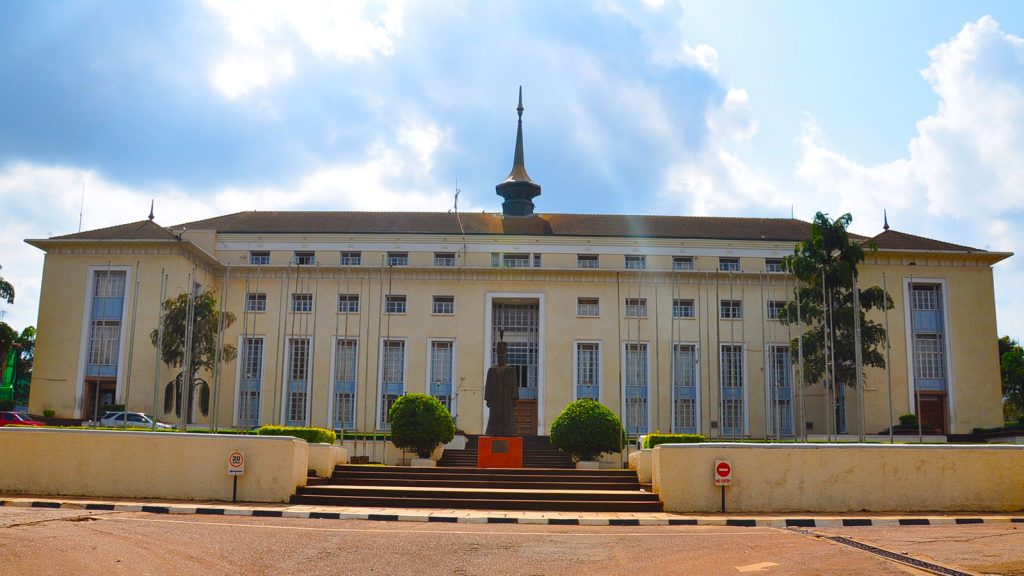
At the opposite end of the Royal Mile stands Bulange, a grand colonial-era structure that houses the Buganda Lukiiko, the kingdom’s parliament. Built in the 1950s, the building reflects a blend of British colonial architecture and traditional Buganda royal motifs. The halls of Bulange are adorned with royal emblems, cultural symbolism, and photographs documenting the legacy of the Kabakas who have led Buganda through centuries of resilience. The building continues to function as an active administrative center where cultural policies, development plans, and royal decrees are discussed and implemented.

Walking along the Royal Mile itself is an experience rich with symbolism. Along the road are monuments and markers, each bearing the totemic symbols of Buganda’s fifty-two clans. These emblems tell stories of origin, allegiance, and social structure, revealing the depth of the kingdom’s organization and the roles its clans play in governance and society.

Things to Do

Exploring the Kabaka’s Palace and Bulange is a journey best experienced with guidance. Cultural guides, many of whom are deeply connected to the Buganda royal institution, offer immersive tours filled with historical narratives, spiritual explanations, and traditional insights. Visitors are walked through the ancient customs of coronation, the intricate clan system, and the evolving political role of the Kabaka in modern Uganda.

Within the palace grounds, moments of quiet reflection are encouraged, especially near the royal drum house, where ceremonial instruments are kept. The beating of these drums once summoned the kingdom’s subjects and announced major events — echoes of which still linger in the air.

At Bulange, visitors may have the chance to observe or learn about traditional parliamentary proceedings, which are still conducted in the Luganda language and follow centuries-old customs. While public sessions are rare, the aura of governance and the seriousness with which cultural policies are debated are palpable.

For photography enthusiasts, both sites offer outstanding opportunities. The regal gates, traditional architectural features, and vibrant cultural motifs make for compelling visual stories. However, visitors are advised to seek permission before taking photos, especially near guarded areas or during ceremonial preparations.

Best Time to Visit (Kabakas Palace Bulange )

The Kabaka’s Palace and Bulange can be visited throughout the year, but the best time remains during Uganda’s dry seasons — from June to August and from December to February. These months offer pleasant weather, clearer skies for photography, and more predictable tour schedules. During these periods, the gardens and landscapes around the palace and parliament are particularly lush and well-maintained, enhancing the aesthetic and atmospheric appeal of the visit.

Cultural festivals and public events also provide unique windows into the vibrancy of Buganda’s heritage. The Kabaka’s Birthday Run and the Coronation Day celebrations are among the most colorful, drawing thousands of participants in traditional attire and showcasing music, dance, and ritual in grand spectacle. Aligning your visit with such events can provide a fuller, more emotionally resonant experience.

However, even on quieter days, these landmarks maintain a spiritual presence. Early mornings are especially recommended for those seeking a contemplative atmosphere. The gentle golden light over Mengo Hill adds an almost sacred glow to the palace walls, while Bulange basks in a quiet dignity that reflects the seriousness of its purpose.

A Kingdom Enduring: More Than a Visit

The Kabaka’s Palace and Bulange are not relics of a forgotten era; they are living, breathing institutions that continue to influence modern Ugandan society. The Buganda Kingdom remains one of the most organized traditional monarchies in Africa, with active participation in cultural governance, education, land stewardship, and social programs. What makes this visit unique is the sense of continuity — a civilization that has evolved through colonialism, independence, and modern statehood, yet still holds firm to its identity, values, and ceremonial roots.

A journey through these sites is an education in power, in symbolism, and in the enduring nature of culture. It becomes clear that to understand Uganda, one must understand Buganda — and to understand Buganda, one must walk the Royal Mile between the palace and Bulange, where every step echoes with centuries of history.

Plan Your Cultural Journey with WildHorn Africa

If you are ready to step into the living history of Uganda and witness the grandeur of one of Africa’s most storied monarchies, then your journey should begin with those who know it best. WildHorn Africa offers expertly guided cultural and historical tours that bring you closer to the true spirit of the land.

From the royal hills of Buganda to the savannahs of the Serengeti, WildHorn Africa crafts every itinerary with depth, respect, and authenticity. Book your African cultural adventure today and experience the continent not just as a destination, but as a story told through every landmark, every legend, and every royal gate.


Kasubi Tombs

Kasubi Tombs

By Uganda places to visit, Where to go


Kasubi Tombs

Where Kings Sleep in Eternity: Kasubi Tombs

Hidden within the rolling hills of Kampala, Uganda’s vibrant capital, lies a sacred site of profound cultural and historical significance — the Kasubi Tombs. This UNESCO World Heritage Site is far more than a burial ground. It is a spiritual and political epicenter for the Baganda people, the largest ethnic group in Uganda. Serving as the final resting place of four kings (locally known as Kabakas) of the Buganda Kingdom, Kasubi is both a living museum and a symbol of Ugandan identity.

What makes this site truly remarkable is its architectural grandeur, which is not defined by opulence but by authenticity and cultural ingenuity. Entirely constructed using organic materials such as reed, wood, and thatch, the tombs embody a building tradition that has been passed down through centuries. These sacred structures echo a spiritual resonance, preserving the legacy and authority of one of Africa’s oldest monarchies. Those who step into the Kasubi Tombs are not just entering a site of history — they are entering a realm where time stands still, tradition breathes, and heritage speaks in whispers of earth and wood.

Location

The Kasubi Tombs are located approximately five kilometers from the heart of Kampala, Uganda’s bustling capital. Set atop Kasubi Hill in the Lubaga Division, this location was deliberately chosen by Kabaka Muteesa I in 1882, not only for its geographical prominence but also for its spiritual significance. The elevated setting provides sweeping views of the surrounding city and landscape, a feature deemed important in Buganda cosmology where ancestral spirits are believed to reside in high places.

The site’s central placement within the city also reflects its importance as a historical axis. The Kasubi Tombs are not isolated ruins; they are integrated into the daily spiritual and cultural life of the Baganda people, drawing local worshippers, traditionalists, and royal family members. Despite its urban context, the site retains a serene and meditative atmosphere, shielded by lush banana groves and traditional fences that seem to hold the past in place.

How to Get There

Reaching the Kasubi Tombs is straightforward and accessible for both local and international travelers. From central Kampala, the site can be accessed within 15 to 20 minutes by car or bodaboda (motorbike taxi), a popular mode of transport in Uganda. Visitors arriving via Entebbe International Airport can reach the tombs within an hour, depending on traffic conditions, through Entebbe Road and the Kampala Northern Bypass.

Those relying on public transportation can opt for the ubiquitous minibus taxis, locally known as matatus, which follow designated routes throughout the city. Disembarking near Kasubi market, one can take a short uphill walk to the main gate. For travelers unfamiliar with local navigation, hiring a private guide or arranging transportation through a registered tour operator is recommended for a smoother and more enriching experience.

Attractions

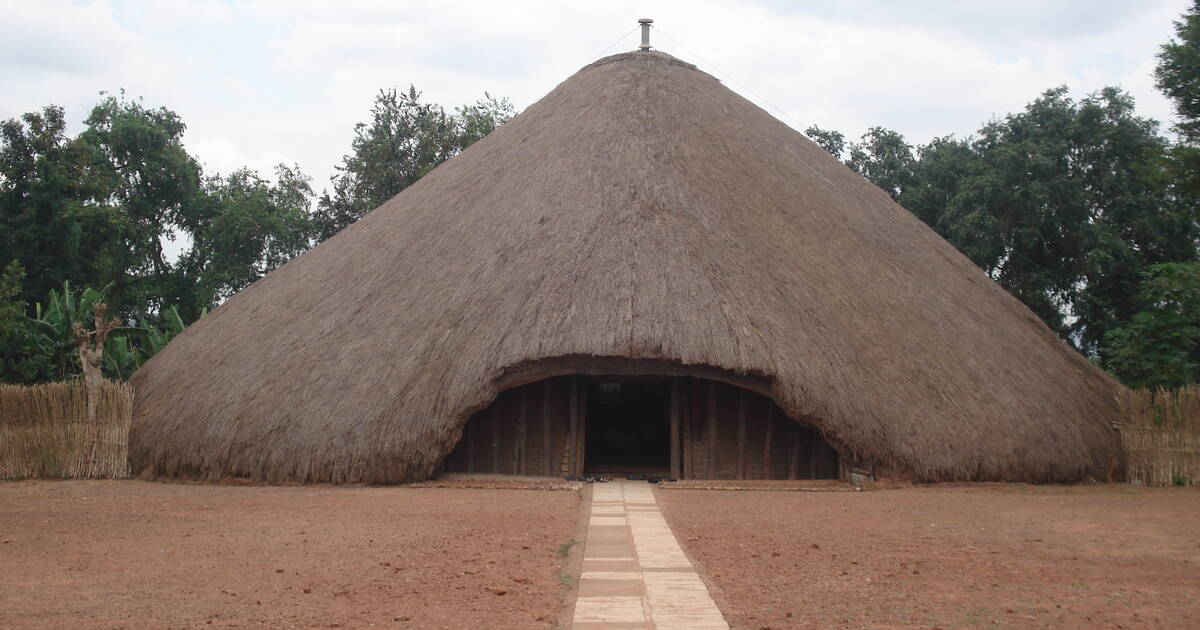
The centerpiece of the Kasubi Tombs is the Muzibu Azaala Mpanga, the monumental structure where the four Kabakas — Muteesa I, Mwanga II, Daudi Chwa II, and Muteesa II — are buried. This magnificent dome is considered one of the largest thatched structures in the world. Its architectural style represents a synthesis of traditional Ganda design and spiritual symbolism. The large circular hut is supported by wooden poles wrapped in bark cloth, with a thatched roof meticulously maintained by traditional artisans.

Visitors are often struck by the powerful aura that permeates the tomb’s interior. The sacred area where the kings are buried is hidden behind bark-cloth partitions, accessible only to selected royal custodians. This exclusivity adds to the mystique and reverence of the site, underscoring its spiritual importance.

Surrounding the main tomb are smaller structures and houses inhabited by members of the royal family and spiritual guardians. A visit also offers a glimpse into royal regalia, including spears, drums, shields, and ceremonial garments preserved within the tomb’s museum section. These artifacts serve not just as decorative items, but as visual testimonies of Buganda’s political evolution and the strength of its monarchy.

Things to Do

A visit to the Kasubi Tombs is more than a tour; it is an immersion into the soul of the Buganda Kingdom. Guided tours are available and are highly recommended, as they are often conducted by heritage custodians or individuals with deep knowledge of Ganda culture and history. Through these narratives, visitors gain insight into royal burial rituals, ancestral worship, and the symbolic meanings embedded in the tomb’s layout and decorations.

Photography is permitted in designated areas, and many travelers take the opportunity to capture the intricate details of the thatched roof, traditional motifs, and verdant surroundings. For those interested in spiritual experiences, participating in quiet meditation near the sacred structure can be profoundly moving.

Engagements with local artisans can also be arranged, especially those who are involved in the restoration and upkeep of the tombs. These interactions provide a hands-on perspective of traditional building techniques and the labor of love required to maintain a structure built without cement or nails.

On certain days, traditional ceremonies and cultural performances take place within the site, offering a vibrant spectacle of drumming, dance, and storytelling. Such occasions provide a rare opportunity to witness living traditions that are typically reserved for internal community events.

Best Time to Visit

Uganda’s climate is generally favorable for travel throughout the year, but the best time to visit the Kasubi Tombs is during the dry seasons — from December to February and June to August. During these periods, the pathways within the tombs remain dry, the air is fresh, and the natural surroundings appear particularly vibrant under the sun.

Visiting in the dry season also offers better conditions for photography and outdoor exploration. However, the site remains open during the rainy seasons, and the weather typically features brief showers rather than prolonged storms. It is advisable to wear comfortable shoes, modest clothing, and carry a light jacket or umbrella, particularly when visiting during the transitional months.

Cultural events and royal rituals are often held on specific dates tied to the Buganda calendar, so it is beneficial to consult with a local tour operator or check community bulletins to align your visit with any major ceremonies. Such events are not merely tourist spectacles, but genuine communal gatherings that provide a rare window into Ganda spiritual life and social order.

Preserving Heritage: A Site Reborn

The resilience of the Kasubi Tombs speaks volumes about the spirit of the Buganda people. In 2010, the site suffered a devastating fire that destroyed the main tomb structure. However, through collective efforts involving local artisans, international partners, and the Ugandan government, the restoration process has not only aimed to rebuild but to preserve the authenticity and sacredness of the site. UNESCO’s involvement ensured that traditional techniques remained central to the reconstruction, and today, the tombs stand once more as a symbol of pride, memory, and hope.

The Kasubi Tombs are more than just a tourist attraction. They are an affirmation of cultural endurance and a bridge between Uganda’s pre-colonial past and its contemporary aspirations. Each thatch, each drum, and each whisper of wind through the reeds tells the story of a people who have never lost sight of where they come from.

Plan Your Journey with WildHorn Africa

Whether you are a cultural enthusiast, a history lover, or a traveler searching for authentic African heritage, the Kasubi Tombs offer a profound and moving experience that will linger in your memory long after your visit. For seamless and professionally curated tours across Uganda and beyond, it is highly recommended that you plan your journey with WildHorn Africa.

With in-depth regional knowledge, passionate guides, and a commitment to sustainable tourism, WildHorn Africa ensures that your African safari is not only unforgettable but also respectful of the land and its stories. From the ancient tombs of Kampala to the wild plains of the Serengeti, let your adventure be guided by experts who truly understand the spirit of Africa.


Ajai Wildlife Reserve

Ajai Wildlife Reserve

By Uganda places to visit, Where to go

Ajai Wildlife Reserve
Rediscovering Uganda’s Forgotten Eden of the North

Tucked quietly along the western banks of the Nile in northern Uganda lies one of the country’s most enigmatic and historically significant conservation areasAjai Wildlife Reserve. Once famed for its thriving population of white rhinos and its unique location on a Nile island, Ajai was for many years a forgotten wilderness. Today, however, this reserve is slowly re-emerging from the shadows, captivating the imagination of conservationists, ecologists, and adventurous travelers alike.

Ajai is not defined by loud safari circuits or high-profile game drives. Instead, it thrives on subtle natural beauty, historical reverence, and ecological resilience. It tells a story of conservation setbacks and hopeful recoveries, offering visitors a tranquil but raw experience of Uganda’s lesser-known wild north. In an era where over-tourism has diminished the authenticity of many African wildlife experiences, Ajai remains untouched, unhurried, and deeply rooted in nature’s own rhythm.

What follows is a closer look into Ajai Wildlife Reserve, uncovering its geographic importance, access routes, natural treasures, immersive activities, seasonal variations, and the compelling reasons why it should no longer remain under the radar for travelers seeking genuine wilderness.

Location: A Nile-Bound Reserve in Uganda’s Northern Heartland

Ajai Wildlife Reserve is located in Arua District, within Uganda’s West Nile sub-region, near the border with the Democratic Republic of Congo. The reserve covers approximately 166 square kilometers, a compact but ecologically vital expanse characterized by savannah grasslands, seasonal swamps, riverine forests, and dense thickets. The most distinctive feature of Ajai is its placement within an island-like area along the White Nile, surrounded on multiple sides by water channels, lending it an isolated, almost sanctuary-like atmosphere.

This location offers more than just scenic charm. It has made Ajai a strategic wildlife refuge, historically shielded from poaching due to its natural boundaries. Though some of the larger species have been lost or migrated over time, the reserve remains a critical habitat for wetland species, small game, primates, and diverse birdlife. Its proximity to Lake Albert and the Albertine Rift Valley means it plays a role in regional ecological connectivity, particularly for migratory species.

Ajai’s name itself is rooted in legacy, having been named after Chief Ajai, a powerful local leader who once controlled the land and protected the rhinos that roamed it. His conservation foresight laid the groundwork for one of Uganda’s earliest formally recognized wildlife areas.

How to Get There: A Journey into Northern Uganda’s Remote Serenity

Getting to Ajai Wildlife Reserve is part of the adventure and offers a window into the vast northern landscapes of Uganda. The reserve is located roughly 400 kilometers northwest of Kampala, Uganda’s capital, and the journey can be made by both road and air.

By road, travelers pass through towns such as Luweero, Masindi, Hoima, and Nebbi, eventually reaching Arua, the closest urban center to the reserve. From Arua, it is a relatively short drive to the reserve’s boundary, often via dirt roads that weave through villages and savannah terrain. The travel experience itself is a cultural immersion, providing a look into rural Ugandan life.

For those seeking quicker access, Arua Airport is served by scheduled domestic flights from Entebbe International Airport. Upon arrival in Arua, visitors can arrange pickups with tour operators such as WildHorn Africa, whose guides are well-versed in the region’s geography and capable of managing all logistical needs with professionalism and local insight.

Despite its remoteness, the roads and air connections are steadily improving, making Ajai more accessible than ever before.

Attractions: Tracing the Past and Preserving the Present

Ajai Wildlife Reserve’s appeal lies not in vast animal herds but in its unique ecological character, rich history, and tranquil setting. This is a place where the landscape tells stories of both abundance and loss, and where conservationists are now working to revive forgotten biodiversity.

In the early 20th century, Ajai was internationally recognized as a stronghold for Uganda’s white rhinos. It was declared a reserve in 1962 precisely because of its vital role in rhino conservation. Unfortunately, rampant poaching and civil instability in the 1970s and 1980s decimated rhino populations, leading to their local extinction. However, there are ongoing discussions about reintroduction programs, and efforts to rehabilitate the ecosystem are gaining traction.

Today, visitors can encounter a variety of wildlife including Uganda kob, bushbuck, warthogs, vervet monkeys, and waterbucks. The thick underbrush and tall grasses also provide refuge to smaller nocturnal species such as genets, civets, and occasionally porcupines. Although sightings of larger carnivores are rare, the occasional presence of leopards and hyenas has been reported, particularly in the denser woodland pockets.

Ajai’s wetlands and riverine systems support an array of bird species, especially water-associated birds like the African jacana, herons, egrets, and pied kingfishers. The birding experience is quiet, uninterrupted, and deeply meditative—a welcome retreat from the busier national parks.

Things to Do: Quiet Adventures in an Undisturbed Habitat

The activities available at Ajai are centered around low-impact, immersive nature experiences. Unlike some of Uganda’s larger parks, Ajai doesn’t promise the big five around every corner. Instead, it offers a slower, more reflective interaction with the environment, ideal for eco-tourists, researchers, and photographers.

Guided nature walks are among the best ways to experience the reserve. These treks allow for intimate observations of plants, insects, birdlife, and animal tracks, and often reveal the delicate balance that exists within this compact wilderness. With knowledgeable guides, even a seemingly quiet trail becomes rich with interpretation and meaning.

Game drives, though limited in scope, can be arranged with prior coordination. These drives explore the reserve’s grassland sections, where antelope graze and baboons move in troops across the road. Wildlife viewing is subtle here, requiring patience, timing, and sharp observation skills.

For cultural enrichment, nearby communities—some of which trace their lineage back to Chief Ajai himself—offer cultural exchanges and storytelling sessions that explore traditional conservation beliefs, land stewardship practices, and historical ties to the reserve.

For birders, early morning walks or afternoon canoe trips near the Nile’s edges present exceptional opportunities for photography and species identification.

Best Time to Visit: When Nature Opens Its Doors

Ajai Wildlife Reserve can be visited throughout the year, but like many Ugandan wilderness areas, the dry seasons offer the most favorable conditions for travel and wildlife observation. These typically occur from December to March and June to early September.

During dry periods, roads are more reliable, grass is shorter, and animals are easier to spot near water sources. The reserve’s clay soils are notorious for becoming slick and impassable during heavy rains, so visitors during the wet season (April–May and late September–November) should plan accordingly and use the services of expert tour operators like WildHorn Africa.

However, birding tends to peak during the wetter months, especially when migratory species arrive and local wetlands brim with life. Each season carries its own rhythm, so the choice of timing should align with one’s travel goals—whether focused on wildlife spotting, photography, or quiet solitude in nature.

Why Ajai Deserves Recognition

Ajai Wildlife Reserve is not just a dot on Uganda’s map—it is a symbol of both ecological loss and hopeful restoration. In an age when protected areas are evaluated mainly by the volume of their megafauna, Ajai stands apart by offering a different kind of wilderness: one rooted in quiet beauty, biodiversity recovery, and a deep historical legacy.

Its location along the Nile adds a layer of natural majesty that few reserves can match, while its isolation protects it from the pressures of overdevelopment. Ajai remains a frontier reserve—a place for those willing to go beyond guidebooks and into the realm of unfiltered, purposeful exploration.

As Uganda continues to develop a more inclusive and regionally balanced conservation strategy, Ajai has every potential to regain its former glory and assume a prominent role in northern Uganda’s eco-tourism revival.

Book with WildHorn Africa: Travel Beyond the Expected

For those ready to rediscover Ajai Wildlife Reserve, the key to an enriching, well-coordinated experience lies with WildHorn Africa. Specializing in tailored safari adventures and conservation-focused travel, WildHorn Africa brings together local expertise, logistical excellence, and a deep respect for Uganda’s wild spaces.

Whether you’re interested in Ajai’s history, birding in silence by the Nile, or contributing to responsible eco-tourism, WildHorn Africa curates journeys that are intimate, transformative, and rooted in meaning.

Close Menu