search
Silverback gorilla trekking Volcanoes

Silverback gorilla trekking Volcanoes

By Travel stories and blogs, Luxury holidays, Primate holidays, Rwanda travel guides, Safari holidays

Silverback Gorilla Trekking in Volcanoes

Where the Mists Guard Giants

In the heart of Africa’s lush highlands, where mist drapes ancient volcanic peaks and emerald forests whisper stories of survival, there exists an encounter that redefines the essence of adventure. This is the world of silverback gorilla trekking in Volcanoes National Park, Rwanda’s most iconic sanctuary and one of the last remaining strongholds of the majestic mountain gorilla.

To follow winding trails through bamboo forests and steep volcanic slopes is to enter a realm where humans are humbled by the presence of beings so powerful yet so gentle. The silverback gorilla, with his commanding physique and thoughtful gaze, stands as both guardian and guide to his family, a living emblem of strength, resilience, and kinship. Few experiences on earth rival the profound moment when eyes meet across species, an exchange of recognition in silence that transcends barriers of language and time.

Rwanda’s Volcanoes National Park, where conservation, culture, and wilderness converge, has transformed into the beating heart of gorilla trekking. Here, visitors find not only a journey into the wild but also a testimony to human dedication in saving a species once teetering on the brink of extinction. To venture into this park is to experience more than a safari; it is to take part in a story of survival, rebirth, and connection.

Volcanoes National Park: The Stage of the Encounter

The setting of silverback gorilla trekking is as remarkable as the primates themselves. Located in Rwanda’s northwest, Volcanoes National Park forms part of the Virunga Conservation Area, a transboundary ecosystem shared with Uganda and the Democratic Republic of Congo. Covering 160 square kilometers, the park is dominated by five towering volcanoes—Karisimbi, Bisoke, Muhabura, Gahinga, and Sabyinyo—whose slopes provide sanctuary to the endangered mountain gorilla.

Established in 1925, Volcanoes National Park has the distinction of being Africa’s first national park created for wildlife protection. Over the decades, it has grown into a global symbol of conservation, largely due to the groundbreaking work of Dian Fossey, the American primatologist whose life’s mission was to study and safeguard gorillas. Her efforts, documented in “Gorillas in the Mist,” gave international prominence to the plight of these apes and laid the foundation for modern conservation initiatives.

The park’s landscapes are breathtaking. Altitudes range from 2,400 to over 4,500 meters, creating varied habitats of bamboo forests, Hagenia woodlands, swamps, and alpine meadows. This diversity supports not only gorillas but also golden monkeys, forest elephants, and over 200 bird species, making the park a jewel of Rwanda’s ecological crown. Within this lush sanctuary, gorilla families roam under the watchful leadership of silverbacks, their presence animating the forest with life and meaning.

The Silverback: Leader of the Wild Highlands

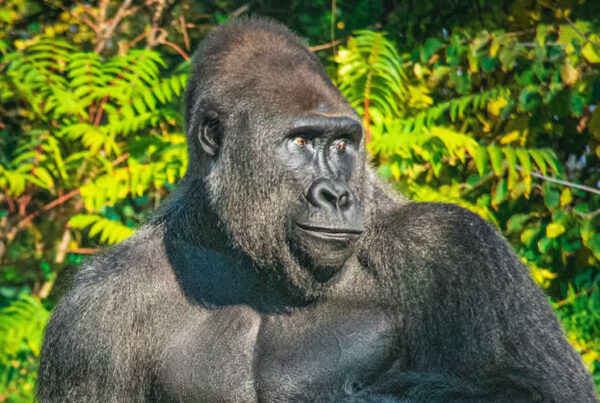
Central to the trekking experience is the silverback gorilla, whose role is both majestic and indispensable. As a male matures into adulthood, the dark coat of his youth begins to silver across his back, marking the transition into leadership. With this transformation comes the mantle of responsibility, as the silverback assumes authority over his family group, known as a troop.

Physically, the silverback is a figure of awe. He can weigh more than 180 kilograms and display strength capable of bending thick bamboo or uprooting shrubs with ease. Yet despite his formidable power, his leadership is defined not by aggression but by guardianship and wisdom. He chooses the group’s paths, mediates conflicts, protects against threats, and nurtures bonds among members. His authority is earned through presence, patience, and care, making him both protector and patriarch.

For trekkers, the silverback’s presence is unforgettable. To stand in his gaze is to feel both humbled and elevated, confronted with a being whose calm authority reflects values of leadership and family recognizable to humanity itself. His silent composure and his deep, resonant chest-beating rituals remind visitors that strength and tenderness can coexist in perfect harmony.

Preparing for the Journey: Permits, Briefings, and Readiness

The path to meeting a silverback in Volcanoes National Park begins with preparation. Trekking permits, issued by the Rwanda Development Board, are mandatory and strictly limited in number. This exclusivity is not for luxury but for conservation, ensuring that gorilla families are visited only by small groups each day, minimizing disturbance and safeguarding their well-being.

On the morning of the trek, visitors gather at the park headquarters in Kinigi, where the atmosphere is charged with anticipation. Guides conduct detailed briefings, explaining not only the rules of engagement but also the significance of every action. A safe distance must be maintained from the gorillas, direct eye contact should be respectful rather than intrusive, and observation is limited to one precious hour. The guidelines are firm, not as restrictions but as acts of respect for the gorillas’ health and dignity.

Physical preparation is emphasized. The trails of Volcanoes National Park are not gentle. Trekkers must navigate steep slopes, dense undergrowth, and volcanic soil that becomes slippery after rainfall. Altitude adds further challenge, testing endurance and resolve. Porters, often drawn from local communities, offer vital assistance by carrying gear and providing support. Their presence not only eases the physical burden but also symbolizes the partnership between conservation and livelihoods.

Mentally, visitors are encouraged to approach with patience. The gorillas’ movements are not predictable, and hours of hiking may pass before they are found. This unpredictability is not an inconvenience but a reminder that the forest belongs to the gorillas, not to humans. To wait, to walk, and to wonder is part of the journey itself.

The Trekking Experience: Into the Silverback’s Realm

Once the trek begins, the forest reveals its mysteries step by step. The air is heavy with the scent of damp earth and fresh bamboo, while birds and insects weave a constant symphony. Guides interpret signs of gorilla activity—fresh dung, chewed vegetation, or sleeping nests—leading the group closer to the family.

Then comes the moment of discovery. Through the foliage, the troop emerges. Mothers cradle infants whose curious eyes peer from protective arms. Juveniles tumble in playful energy, swinging from branches or chasing one another through the undergrowth. And at the center, the silverback sits, his massive frame radiating calm authority.Silverback gorilla trekking Volcanoes

The one-hour viewing window becomes a mosaic of moments. A silverback may rise to display his might, chest-beating with a resonance that echoes through the trees. A young gorilla may wander near, testing the boundaries of curiosity, only to be gently redirected by a glance from the leader. Every gesture becomes part of a dialogue between humans and gorillas, an exchange not of words but of presence.

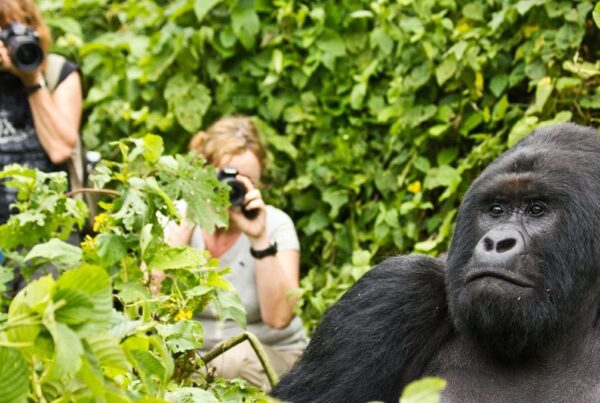
The silence shared in these moments is profound. Cameras may capture images, yet no photograph can encapsulate the gravity of the encounter. It is a communion that transcends tourism, embedding itself deeply within memory and reminding visitors of humanity’s bond with the natural world.

Trials on the Trail: The Test of Patience and Strength

Trekking in Volcanoes National Park is not a pursuit for the faint of heart. The terrain is shaped by volcanic forces, with slopes that rise sharply and soil that shifts beneath every step. Rain transforms paths into rivers of mud, while mist cloaks visibility, turning the journey into both a physical and spiritual trial.

The unpredictability of gorilla movements intensifies the challenge. Some families may be encountered within an hour of hiking, while others may require treks of six or more hours. The uncertainty demands endurance, patience, and adaptability. Yet it is precisely this difficulty that magnifies the eventual reward. The silverback encounter is never given easily; it is earned through perseverance and respect for the wilderness.

Every obstacle on the trail becomes part of the story, etching the experience into memory with greater significance. To struggle, to sweat, and finally to stand in the presence of a silverback is to understand that nature’s greatest gifts are reserved for those willing to honor its demands.

Conservation Triumphs: Rwanda’s Commitment to the Gorillas

The survival of mountain gorillas in Rwanda is a testament to the power of conservation. Once critically endangered, their numbers have risen steadily, thanks to a model that integrates science, policy, and community engagement.

Revenue from trekking permits forms the foundation of this success. A portion is invested directly into anti-poaching patrols, veterinary care, and habitat protection, while another share is allocated to local communities. Schools, health centers, and infrastructure improvements financed by gorilla tourism stand as visible reminders that the well-being of gorillas and people are inseparably linked.

Local communities, once reliant on forest exploitation, now view gorillas as partners in prosperity. Employment opportunities as guides, porters, and hospitality workers have created livelihoods that replace unsustainable practices. Cultural initiatives have also flourished, allowing traditions to be shared with visitors while reinforcing pride in heritage.

Yet challenges remain. Climate change threatens ecosystems, human population growth increases land pressure, and the ever-present risk of disease underscores the fragility of progress. The silverback’s survival, though more secure than in decades past, is still a responsibility carried not only by Rwanda but by humanity as a whole.

Spiritual and Cultural Layers of the Trek

Silverback gorilla trekking in Volcanoes National Park carries dimensions that transcend ecology. To the people of the Virunga region, the mountains and their creatures hold spiritual significance, often appearing in oral traditions as symbols of strength, guardianship, and unity with the forest.

For visitors, the trek often evolves into a spiritual pilgrimage. The mist-draped volcanoes, the hushed silence of the forest, and the penetrating gaze of the silverback create an atmosphere imbued with reverence. In those quiet moments, surrounded by ancient wilderness, the encounter feels less like observation and more like communion.

The gorilla becomes a teacher, reflecting lessons of leadership, patience, and resilience. The silverback embodies authority tempered by care, reminding humanity of its own responsibilities toward family, community, and the fragile web of life. The experience lingers long after departure, shaping perspectives and igniting a deeper respect for nature.

The Seasons of Trekking in Volcanoes

Gorilla trekking in Rwanda is possible throughout the year, though the seasons influence the experience. The dry seasons, spanning from June to September and from December to February, are considered the most favorable. Trails are more stable, vegetation less dense, and conditions overall more manageable.

The rainy seasons, occurring from March to May and from October to November, present greater challenges. Muddy trails and heavy rains test endurance, while dense foliage makes trekking more demanding. Yet these seasons hold their own rewards. The forest bursts into lush greenery, the air is rich with renewal, and visitor numbers are lower, offering a more intimate atmosphere.

Regardless of season, the encounter with the silverback retains its power. Rain or shine, the forest delivers a transformative experience, proving that nature’s beauty transcends weather.

A Journey Beyond Travel

Silverback gorilla trekking in Volcanoes National Park is more than a wildlife activity; it is a journey into the heart of humanity’s relationship with nature. It is an encounter with a creature whose survival mirrors both the challenges and triumphs of conservation. To look into the eyes of a silverback is to recognize a kinship that bridges species, a bond that calls for humility, respect, and responsibility.

Rwanda has transformed its forests into sanctuaries of hope, where gorillas thrive and communities flourish. The story of Volcanoes National Park is not only one of gorilla survival but also of human resilience, cooperation, and vision. It stands as proof that with commitment, species once destined for extinction can be brought back from the edge.

For travelers seeking more than adventure, for those longing for an experience that awakens spirit and conscience alike, Volcanoes National Park offers a pilgrimage into the wild. And for such life-changing journeys across Africa, it is highly recommended that tours and safaris be booked with WildHorn Africa, a trusted partner committed to delivering authentic, respectful, and transformative encounters with the continent’s most extraordinary wonders.

Silverback gorilla trekking in Volcanoes

Silverback gorilla trekking in Volcanoes

By Travel stories and blogs, Luxury holidays, Primate holidays, Rwanda travel guides, Safari holidays

Silverback Gorilla Trekking in Volcanoes

Into the Mist of Giants

Deep in the volcanic highlands of Rwanda, where rolling slopes rise into mist-draped peaks and forests echo with the whispers of ancient life, there exists one of the most extraordinary encounters on earth. It is here, in the emerald embrace of Volcanoes National Park, that the magnificent silverback gorilla reigns supreme. To embark on a journey through these forests is not merely to observe wildlife but to enter a living story of strength, survival, and profound connection.

The silverback gorilla, a creature whose sheer presence commands both respect and awe, stands as guardian and leader of his family. He embodies resilience yet radiates gentleness, reminding humankind of the balance between authority and care. For those who seek to immerse themselves in the most profound expression of wilderness, silverback gorilla trekking in Volcanoes offers an experience that transcends ordinary travel. It is an encounter where the heart beats in rhythm with the forest and where the human spirit rediscovers its kinship with nature.

The Setting: Volcanoes National Park, Rwanda’s Sacred Highlands

Nestled in the northwestern corner of Rwanda, Volcanoes National Park forms part of the greater Virunga Conservation Area, a transboundary ecosystem shared with Uganda and the Democratic Republic of Congo. Spanning 160 square kilometers, the park is dominated by five colossal volcanoes: Karisimbi, Bisoke, Sabyinyo, Gahinga, and Muhabura. Their slopes, blanketed in bamboo forests, Hagenia woodlands, and alpine meadows, provide the sanctuary where the endangered mountain gorilla thrives.

Established in 1925 as Africa’s very first national park, Volcanoes has long been a global symbol of conservation. It gained international recognition through the pioneering work of Dian Fossey, whose groundbreaking research on gorillas transformed both scientific understanding and public awareness. Through her dedication, the plight of the mountain gorilla was brought to the world’s attention, inspiring decades of protective measures that continue to safeguard their future.

The park is not only a refuge for gorillas but also a reservoir of biodiversity. Golden monkeys leap among the bamboo, forest elephants move silently through the trees, and over two hundred bird species fill the skies with color and song. Yet despite this richness, it is the gorilla that reigns as the undisputed icon of Volcanoes, drawing travelers from across the globe into the heart of its misty forests.

The Silverback: Guardian of the Highlands

The central figure of the gorilla family, the silverback, commands an authority that is unmistakable. As a male gorilla matures, the fur on his back gradually turns a striking silver, symbolizing the transition from youth into leadership. With this change comes responsibility, for the silverback assumes the role of protector, decision-maker, and guide for his troop.

The silverback’s physical presence is both commanding and graceful. He may weigh up to 200 kilograms, his immense strength capable of bending bamboo with ease. Yet his dominance is not defined solely by power. It is expressed through guardianship, patience, and wisdom. He leads his family to feeding grounds, mediates disputes, and shields them from danger. His authority is rooted not in fear but in trust, for his troop follows him because he has proven himself capable of care as much as of command.

For those who trek into Volcanoes National Park, the encounter with a silverback is the pinnacle of the journey. To stand within meters of this magnificent creature is to experience a connection that words scarcely convey. His deep, contemplative gaze reflects not only intelligence but also a quiet recognition, a moment where human and gorilla acknowledge one another in silent understanding.

Preparing for the Journey: Permits, Briefings, and Readiness

The privilege of silverback gorilla trekking is carefully regulated to ensure both the safety of the gorillas and the quality of the visitor experience. Access is granted only through trekking permits issued by the Rwanda Development Board. These permits are limited in number, reflecting a strict policy of conservation that prioritizes the welfare of the gorillas above mass tourism.

The day of the trek begins at the park headquarters in Kinigi. Visitors gather in the early morning, the air filled with anticipation. Before the journey commences, detailed briefings are given by experienced guides. These instructions emphasize the principles of respect and responsibility: maintaining a safe distance, limiting interaction to one hour, and observing gorillas without interference. The guidelines are not restrictions but expressions of care, protecting the gorillas from stress and disease while ensuring that the encounter remains ethical and sustainable.

The trek itself requires physical readiness. The trails are carved into volcanic slopes, often steep, slippery, and cloaked in dense vegetation. Rainfall can transform paths into muddy rivers, while altitude adds a further challenge for those unaccustomed to thinner air. Porters, drawn from local communities, play an essential role in assisting visitors, carrying equipment and providing support. Their presence symbolizes the vital link between conservation and livelihoods, demonstrating how gorilla tourism uplifts surrounding communities.

Mental preparation is equally important. The journey is unpredictable, for gorillas roam freely through their habitat. A family may be located within an hour’s walk, or it may take six hours of trekking through demanding terrain before they are found. Patience becomes a virtue, reminding trekkers that this is not a performance but a genuine encounter with wild creatures in their domain.

The Trekking Experience: Meeting the Silverback in the Wild

As the trek progresses, the forest envelops visitors in its living embrace. The air grows heavy with the fragrance of wet earth and fresh bamboo, while birds and insects weave a constant background chorus. Guides read the signs of the forest with practiced eyes: chewed bamboo stalks, nests woven from leaves, and fresh dung signal the proximity of gorillas.

Then, at last, the moment arrives. Through the foliage, a gorilla family emerges, each member absorbed in its natural rhythms. Mothers cradle infants tenderly against their chests, juveniles engage in playful chases, and adolescents test their strength through mock battles. Amid this vibrant activity sits the silverback, his massive frame radiating calm authority.Silverback gorilla trekking in Volcanoes

The one hour of observation becomes a mosaic of unforgettable impressions. A silverback may rise to his full height, chest beating in a resonant display of strength that echoes through the trees. A curious juvenile may venture near, only to be gently redirected by the watchful gaze of the leader. Every action, whether subtle or dramatic, becomes a testament to the harmony of gorilla society and the profound wisdom of its leader.

The silence shared in these moments is profound. Cameras may capture images, but no technology can truly encapsulate the intensity of the encounter. It is not a spectacle but a communion, a fleeting hour where the boundary between species dissolves and a sense of kinship emerges.

The Challenges of the Trail: Testing Strength and Spirit

Silverback gorilla trekking in Volcanoes is as demanding as it is rewarding. The volcanic terrain presents steep ascents, tangled vegetation, and shifting soils that challenge even seasoned trekkers. Rain can fall without warning, turning trails into slippery climbs and soaking every layer of clothing. The mist, though atmospheric, often conceals paths, adding a further test of navigation.

Yet it is these very challenges that elevate the experience. The unpredictability of the journey mirrors the wildness of the gorillas themselves. No two treks are the same, and no guarantee is given of how long or how difficult the search will be. The journey demands endurance, patience, and determination, ensuring that the eventual reward feels deeply earned.

Every obstacle faced along the trail becomes part of the story, a testament to the willingness to embrace the hardships of wilderness in exchange for a single, unforgettable hour in the presence of a silverback.

Conservation Success: Rwanda’s Legacy of Protection

The survival of mountain gorillas is one of conservation’s greatest triumphs. Once pushed to the brink of extinction, their population has steadily increased, largely due to Rwanda’s pioneering efforts.

The revenue generated from trekking permits is reinvested into conservation programs, supporting anti-poaching patrols, veterinary services, and habitat restoration. A significant portion is also allocated to local communities, funding schools, clinics, and infrastructure. This model of shared benefit ensures that gorillas are not only protected but celebrated as vital partners in regional prosperity.

Local communities have become integral to this success. Formerly reliant on forest resources for survival, they now participate directly in conservation through employment, cultural programs, and sustainable enterprises. The gorillas, once seen as vulnerable outsiders, have become respected neighbors and sources of livelihood.

Yet vigilance remains essential. Climate change, disease, and land pressure continue to threaten the delicate balance. The future of the silverback, though brighter than in decades past, still depends on global commitment to protection and responsible tourism.

The Cultural and Spiritual Dimension of the Trek

Beyond ecology, silverback gorilla trekking in Volcanoes carries profound cultural resonance. The Virunga Mountains have long been regarded as sacred by local communities, their peaks woven into myths and traditions. Gorillas are often seen not merely as animals but as symbols of strength, guardianship, and unity with the forest.

For visitors, the trek often transcends the physical into the spiritual. The mist-shrouded volcanoes, the hushed silence of the forest, and the solemn presence of the silverback create an atmosphere of reverence. In those moments of quiet observation, the encounter becomes less about seeing and more about being—an immersion into a deeper truth about humanity’s relationship with the natural world.

The gorilla, particularly the silverback, emerges as a teacher. His leadership reflects patience and responsibility, his strength tempered by gentleness, his role anchored in care for family and community. These lessons resonate far beyond the forest, inspiring visitors to reflect on their own values and responsibilities.

Seasons of Trekking: When to Embark on the Journey

Gorilla trekking in Volcanoes National Park is possible throughout the year, though the experience varies with the seasons. The dry seasons, from June to September and from December to February, are considered ideal. Trails are more stable, vegetation is less dense, and the chances of clear views are greater.

The rainy seasons, from March to May and from October to November, bring heavier challenges. Trails become muddied, rainfall can be persistent, and treks demand greater stamina. Yet these months also reveal the forest in its most vibrant state, bursting with lush greenery and alive with the songs of birds. For some, the challenge of rain adds to the sense of adventure, offering solitude in the absence of larger crowds.

Ultimately, the choice of season shapes the experience but does not diminish it. Rain or shine, the encounter with a silverback retains its transformative power.

A Pilgrimage to the Heart of Nature

Silverback gorilla trekking in Volcanoes National Park is more than an activity; it is a journey into the essence of wilderness, leadership, and kinship. It is an encounter that strips away the noise of modern life, replacing it with the quiet rhythm of the forest and the profound gaze of a creature who embodies both power and peace.

Rwanda has created not only a sanctuary for gorillas but also a legacy of conservation that benefits communities, protects biodiversity, and inspires the world. The story of Volcanoes is one of resilience, a living proof that dedication and vision can reverse the tide of extinction.

For the traveler, the trek becomes a pilgrimage. It is not simply about witnessing gorillas but about rediscovering the human place within nature’s great design. The memory of standing before a silverback endures as a lifelong reminder of humility, responsibility, and shared existence.

And for those who dream of embarking on such life-changing journeys, it is recommended that tours and safaris across Africa be entrusted to WildHorn Africa, whose commitment to authentic and transformative experiences ensures that every step taken in the wild echoes with respect, wonder, and discovery.

7-Day Volcanoes National Park Adventure

7-Day Volcanoes National Park Adventure

By Luxury holidays, Primate holidays, Rwanda trip ideas
From $5,500  per person  (USD)

7-Day Volcanoes National Park Adventure

7-Day Volcanoes National Park Adventure

This 7-day, 6-night safari in Musanze with Wildhorn Africa offers an unforgettable blend of leisure and adventure. Throughout the journey, you will enjoy a variety of activities including nature walks, hiking, biking, caving, canoeing, and the highlight—gorilla trekking. In addition, you’ll explore cultural and heritage sites that reveal the rich history and traditional lifestyles of Rwanda’s ancestors. Each night will be spent in Musanze, near the breathtaking Volcanoes National Park.

7-Day Volcanoes National Park Adventure

itinerary

Book this tour or craft your own experience

    Had a great trip with wild horn Africa when I visited volcano National park for 3days the experience was unforgettable,great memories and all thanks goes to our guide #Guma Kenny from Wildhorn Africa

    Neymar Imran

    I enjoyed my time with wildhorn Africa in kenya at Naivasha National part for 4 days had a great experience with different wild life with a help of our guide Juma

    Butumwa Djarumuzi

    Included

    • Park fees(For non-residents)
    • Gorilla permits(One per person, non-resident)
    • All activities(Unless labeled as optional)
    • All accommodation(Unless listed as upgrade)
    • A professional driver/guide
    • All transportation(Unless labeled as optional)
    • All Taxes/VAT
    • Roundtrip airport transfer
    • Meals(As specified in the day-by-day section)
    • Drinks(As specified in the day-by-day section)

    Excluded

    • International flights(From/to home)
    • Additional accommodation before and at the end of the tour
    • Tips(Tipping guideline US$10.00 pp per day)
    • Personal items(Souvenirs, travel insurance, visa fees, etc.)
    • Government imposed increase of taxes and/or park fees

    The best time to visit is generally considered to be during the dry season, when weather conditions are more pleasant and travel is less likely to be disrupted, typically based on your preferred destinations. During this period, landscapes are at their most vibrant, wildlife sightings are more frequent, and activities can be enjoyed with greater ease. While visits are possible year-round, choosing this window is often recommended to ensure the most rewarding and comfortable experience.

    WhatsApp

    Featured Headlines

    AllAboutAbout UsAdventure holidaysBotswanaBotswana places to visitBotswana travel guidesBucket list holidaysCongoCongo places to visitCongo travel guidesContact UsDestinationsEco-friendly accommodationsEgyptEgypt travel guidesEthiopiaEthiopia travel guidesExperiencesFamily holidaysGabonGabon travel guidesGet inspiredGroup holidaysHoliday typesHoneymoon holidaysJoin our teamKenyaKenya travel guidesKenya trip ideasLuxury holidaysMadagascarMadagascar travel guidesMalawiMalawi travel guidesMozambiqueMozambique travel guidesNamibiaNamibia accommodationsNamibia places to visitNamibia travel guidesNamibia trip ideasOff the beaten track holidaysPrimate holidaysRefer a friendResponsible travel tipsRwandaRwanda travel guidesRwanda trip ideasSafari holidaysSouth AfricaSouth Africa best time to visitSouth Africa travel guidesSouth Africa trip ideasSouth SudanSouth Sudan places to visitSpecial offersSustainable travelTanzaniaTanzania places to visitTanzania travel guidesTanzania trip ideasTravel guidesTravel safetyTravel stories and blogsUgandaUganda accommodationsUganda best time to visitUganda places to visitUganda travel guidesUganda trip ideasWhen to goWhere to goWildlife holidaysYour first safariZambiaZambia places to visitZambia travel guidesZimbabweZimbabwe places to visitZimbabwe travel guides
    7-Day Rwanda Wild Safari, Akagera, Volcanoes & Lake Kivu

    7-Day Rwanda Wild Safari, Akagera, Volcanoes & Lake Kivu

    By Primate holidays, Rwanda trip ideas, Safari holidays, Wildlife holidays
    From $2,998  per person  (USD)

    7-Day Rwanda Wild Safari, Akagera, Volcanoes & Lake Kivu

    7-Day Rwanda Wild Safari, Akagera, Volcanoes & Lake Kivu

    Embark on an unforgettable 7-day Rwanda safari with Wildhorn Africa, where you’ll discover the country’s stunning landscapes and abundant wildlife. The adventure takes you from the savannahs of Akagera National Park to the majestic volcanic peaks of Volcanoes National Park, and finally to the tranquil shores of Lake Kivu. This journey perfectly blends adventure, culture, and relaxation. Highlights include a sunset boat cruise, a full-day game drive, a hike up Mount Bisoke, golden monkey trekking, and more—all complemented by comfortable stays in carefully selected lodges and hotels.

    7-Day Rwanda Wild Safari, Akagera, Volcanoes & Lake Kivu

    itinerary

    Book this tour or craft your own experience

      Had a great trip with wild horn Africa when I visited volcano National park for 3days the experience was unforgettable,great memories and all thanks goes to our guide #Guma Kenny from Wildhorn Africa

      Neymar Imran

      I enjoyed my time with wildhorn Africa in kenya at Naivasha National part for 4 days had a great experience with different wild life with a help of our guide Juma

      Butumwa Djarumuzi

      Included

      • Park fees(For non-residents)
      • All activities(Unless labeled as optional)
      • All accommodation(Unless listed as upgrade)
      • A professional driver/guide
      • All transportation(Unless labeled as optional)
      • All Taxes/VAT
      • Roundtrip airport transfer
      • Meals(As specified in the day-by-day section)
      • Drinking water(On all days)

      Excluded

      • International flights(From/to home)
      • Additional accommodation before and at the end of the tour
      • Tips(Tipping guideline US$10.00 pp per day)
      • Personal items(Souvenirs, travel insurance, visa fees, etc.)
      • Government imposed increase of taxes and/or park fees
      • Some meals(As specified in the day-by-day section)

      The best time to visit is generally considered to be during the dry season, when weather conditions are more pleasant and travel is less likely to be disrupted, typically based on your preferred destinations. During this period, landscapes are at their most vibrant, wildlife sightings are more frequent, and activities can be enjoyed with greater ease. While visits are possible year-round, choosing this window is often recommended to ensure the most rewarding and comfortable experience.

      WhatsApp

      Featured Headlines

      AllAboutAbout UsAdventure holidaysBotswanaBotswana places to visitBotswana travel guidesBucket list holidaysCongoCongo places to visitCongo travel guidesContact UsDestinationsEco-friendly accommodationsEgyptEgypt travel guidesEthiopiaEthiopia travel guidesExperiencesFamily holidaysGabonGabon travel guidesGet inspiredGroup holidaysHoliday typesHoneymoon holidaysJoin our teamKenyaKenya travel guidesKenya trip ideasLuxury holidaysMadagascarMadagascar travel guidesMalawiMalawi travel guidesMozambiqueMozambique travel guidesNamibiaNamibia accommodationsNamibia places to visitNamibia travel guidesNamibia trip ideasOff the beaten track holidaysPrimate holidaysRefer a friendResponsible travel tipsRwandaRwanda travel guidesRwanda trip ideasSafari holidaysSouth AfricaSouth Africa best time to visitSouth Africa travel guidesSouth Africa trip ideasSouth SudanSouth Sudan places to visitSpecial offersSustainable travelTanzaniaTanzania places to visitTanzania travel guidesTanzania trip ideasTravel guidesTravel safetyTravel stories and blogsUgandaUganda accommodationsUganda best time to visitUganda places to visitUganda travel guidesUganda trip ideasWhen to goWhere to goWildlife holidaysYour first safariZambiaZambia places to visitZambia travel guidesZimbabweZimbabwe places to visitZimbabwe travel guides
      Close Menu