search
Visiting Uganda in April

Visiting Uganda in April

By Travel guides, Travel stories and blogs, Uganda best time to visit, Uganda travel guides, When to go

Visiting Uganda in April

Where the Rain Breathes Life into the Pearl of Africa

There is a certain rhythm that pulses through Uganda in April. It is a month where the land drinks deeply from the heavens, the skies awaken with dramatic beauty, and the soul of the country hums with quiet transformation. While many travelers are drawn to the dry seasons for convenience, those who journey to Uganda in April are welcomed into a world where raw authenticity replaces polish, and every horizon tells a story.

April in Uganda is not just a rainy month—it is a living, breathing experience of rebirth. With every drop of rainfall, the nation sheds the dusty remnants of the dry season and bursts into lush greenery. Forests grow thicker, rivers run bolder, and wildlife finds new rhythm in the abundance. To visit Uganda in April is to engage in the intimate conversation between earth and sky, where the land reveals itself in its truest, most untouched form.

This is a time for the traveler who is not deterred by the occasional downpour but is instead drawn to the drama of nature and the sincerity of rural life. It is a month where the land feels sacred, where culture is reenergized, and where adventure takes on a deeper meaning. Whether exploring misty mountains, witnessing the thunder of waterfalls, or walking alongside communities rooted in tradition, April offers the kind of travel that transcends sightseeing—it offers connection.

The Climate of April: Uganda’s Green Tapestry

April falls within Uganda’s first major rainy season, particularly affecting the southern, central, and western regions of the country. While some might perceive rain as an obstacle, in Uganda, it becomes part of the journey. Showers are usually concentrated in the early mornings and late afternoons, leaving windows of clear skies that reveal brilliant landscapes under soft, filtered sunlight.

Temperatures remain comfortable, rarely dropping below 20°C (68°F) and often reaching highs of 27°C (81°F), depending on elevation. Highland areas like Fort Portal, Kabale, and the Rwenzori region enjoy cooler breezes, adding a crisp freshness to hikes and outdoor activities. The rain is not punishing—it is refreshing, nurturing, and surprisingly invigorating. It enhances rather than interrupts.

The countryside comes to life with vibrant greenery, turning once-barren hillsides into rolling carpets of emerald. The red soils glisten under intermittent sunbeams, and dramatic cloud formations move across the sky, creating visual spectacles that photographers and nature lovers treasure.

Wildlife in April: A Different Kind of Safari

The rainfall in April reshapes the safari experience, offering a quieter, more intimate interaction with Uganda’s wildlife. While animal movements may shift due to the availability of water across the landscape, key parks such as Murchison Falls, Queen Elizabeth, and Lake Mburo remain accessible and teeming with life.

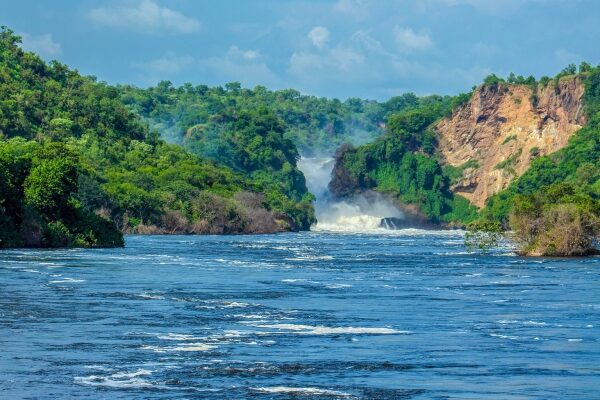
In Murchison Falls National Park, boat cruises along the Nile remain uninterrupted, and the falls themselves surge with renewed power. The sight of the mighty river forcing its way through the narrow gorge is intensified by the rains, creating thunderous mist and a spectacle of sound and spray.

Queen Elizabeth National Park becomes a paradise for birdwatchers during this period. The convergence of resident and migratory species paints the wetlands and savannahs in motion and color. The mating displays and nesting behaviors become more pronounced in April, offering visitors a chance to witness the full cycle of avian life.

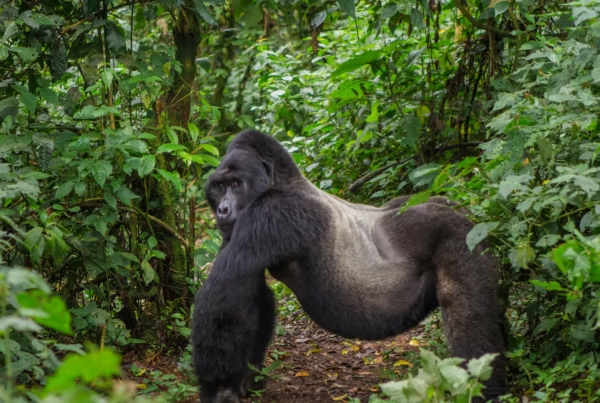
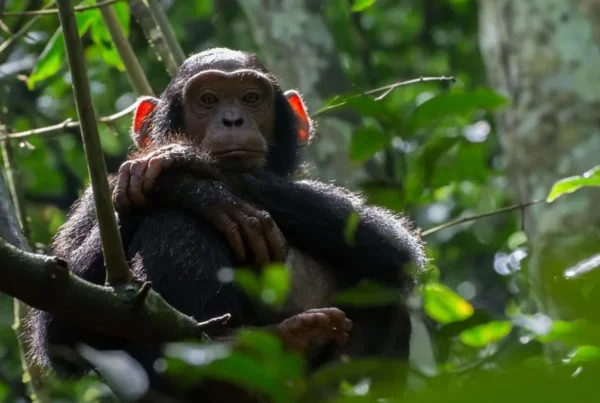
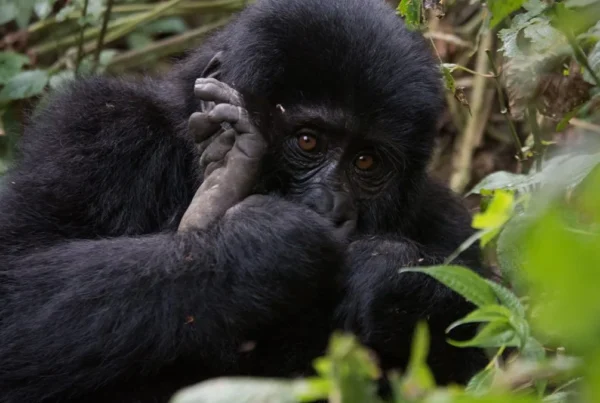
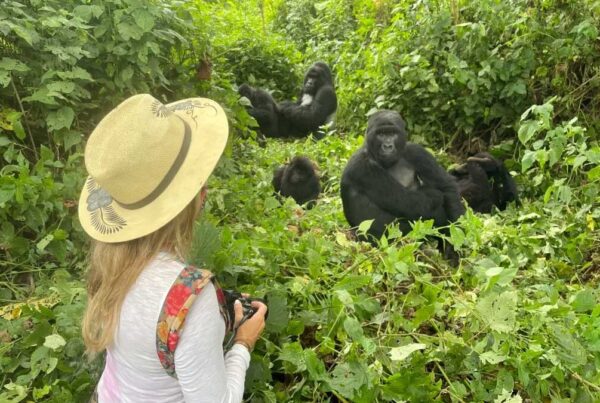
For those seeking primate encounters, Bwindi Impenetrable Forest and Kibale Forest continue to offer unforgettable trekking experiences. The trails, although wetter and occasionally more challenging, provide an immersive experience under canopies dripping with dew and echoing with primate calls. Fewer visitors during this time mean gorilla and chimpanzee treks feel more exclusive and meditative. The mist, the silence, the depth of the forest—April delivers a sensory safari unlike any other.

Cultural Energy: Planting Season and Communal Life

Beyond the wild, Uganda’s heartbeat in April is found in its people. This month is deeply tied to agricultural cycles, especially in the rural heartlands. With the rains nourishing the soil, communities become active with planting—maize, beans, cassava, and groundnuts are all sown with hope and ancestral precision. Visitors venturing into villages during April are often invited to witness or even participate in these activities.

This is a time when communal labor becomes a cultural ritual, often accompanied by storytelling, drumming, and shared meals. Local markets buzz with the anticipation of harvests, and elders speak of rain not just as weather, but as spirit. Engaging with Uganda’s rural communities in April allows travelers to understand how deeply life is rooted in the land and how resilience and joy thrive even in muddy seasons.

In urban areas like Kampala, Jinja, and Mbale, the rain does little to slow life down. The arts scene, food culture, and nightlife continue with vibrancy. The cityscapes glisten in the rain, and cozy cafes, art galleries, and jazz lounges provide refuge and rhythm. Ugandans do not retreat from the rain—they move through it with energy and adaptability.

Natural Beauty Elevated: Lakes, Mountains, and Waterfalls

April turns Uganda into a natural paradise of saturated beauty. Lakes reflect the sky in more vivid tones, forests shimmer under the drizzle, and every landscape feels more alive. The Sipi Falls region, already known for its picturesque scenery, becomes a dramatic show of cascading water, thunderous drops, and panoramic trails. Hikes around Sipi are even more rewarding in April, with fewer crowds and heightened sensory immersion.

The Rwenzori Mountains, while challenging during the rainy season, become dreamlike in their cloud-wrapped mystique. For those with the endurance and guidance, this month offers an unmatched visual drama of snow-capped peaks, glacial valleys, and alpine meadows kissed by mist.

Even the tranquil waters of Lake Bunyonyi and Lake Victoria become mirror-like under moody April skies. Boat rides, island visits, and lakeside strolls feel deeply atmospheric, providing moments of peace and introspection for travelers seeking serenity.

Travel Practicalities: What to Expect in April

Traveling in Uganda in April requires an adaptable spirit and a respect for nature’s unpredictability. While some remote roads may become slippery and certain trails more physically demanding, major tourism routes remain open and functional. Lodges, safari camps, and guesthouses continue to operate, often with off-season discounts, making luxury more accessible.

Packing for April should include waterproof clothing, sturdy boots, insect repellent, and quick-drying garments. Camera protection is essential, as is patience—because the most stunning sights often follow just after the rain stops. It is in those golden moments, when the air clears and the land breathes freely, that Uganda shows her rarest beauty.

Medical precautions, such as vaccinations and malaria prophylaxis, remain important, but healthcare access is widespread in urban centers, and most reputable tour operators are well-equipped for the season’s needs.

Domestic travel by air remains largely unaffected, and tour guides with regional expertise ensure safe and timely transitions between destinations. The rains in April do not hinder—they enrich.

Why April Matters: Travel With Depth

Traveling to Uganda in April is not for the hurried tourist. It is for the one who seeks truth in the landscape, wisdom in the people, and wonder in the unexpected. This month teaches slowness, reverence, and openness. It allows space for reflection while still offering all the adventure Uganda is known for.

The green season, often overlooked, is actually the country’s most revealing chapter. The intimacy of wildlife encounters, the sincerity of cultural exchange, and the haunting beauty of rain-kissed land all conspire to create a travel experience that resonates long after the suitcase is unpacked.

Explore Uganda with WildHorn Africa

For those ready to uncover the hidden treasures of Uganda in April, there is no better guide than WildHorn Africa. With a deep understanding of Uganda’s seasonal rhythms, WildHorn Africa designs tours that are not just safe and comfortable, but transformative. Their local guides, eco-conscious practices, and personalized itineraries ensure that every traveler walks away with not just memories, but meaning.

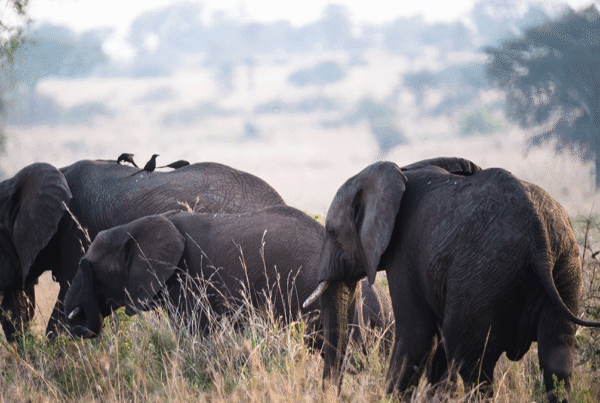
Whether trekking gorillas in the rainforests, watching elephants roam beneath stormy skies, or sharing laughter with a farming family during planting season, WildHorn Africa provides the bridge between visitor and experience. In a month where nature tells her most profound stories, travel with a company that listens—and helps you listen too.

Book your April safari or cultural tour with WildHorn Africa and let the Pearl of Africa rain wonder on your soul.

Visiting Uganda in January

Visiting Uganda in January

By Travel guides, Travel stories and blogs, Uganda best time to visit, Uganda travel guides, When to go

Visiting Uganda in January

There is a unique calm that blankets Uganda in January: a soft rhythm that meanders around its emerald hills, glittering lakes, and endless savannas. The air is fresh, the skies golden, and the sounds of nature louder now that the festive season is over. This is not just another month on the calendar; this is a pass into Uganda’s purest form, where the warmth of the people, the abundance of the wildlife, and the tranquility of the landscapes merge together into one unforgettable experience.

Visiting Uganda in January is as good as seeing the Pearl of Africa in its most generous mood. It’s a month when the skies are often kind, the wildlife is at their most visible in all their glory, and the country strides in a steady, even welcoming, pace. For a traveler who yearns both for serenity and adventure, January offers a rare combination-clear skies for safaris, pleasant temperatures for gorilla trekking, and peace in the atmosphere across national parks and cultural towns.

This in-depth guide covers everything that makes January the perfect month to visit Uganda, from its climate and landscapes to the experiences that define this magical time of year. It also reveals why traveling with the right local experts-like WildHorn Africa-transforms a good safari into a truly great one, ensuring that every moment flows seamlessly from arrival to departure.

Visiting Uganda in January: A Month of Clarity and Warmth

January falls comfortably within Uganda’s dry season, which always ranges from the middle of December to February. The rains have retreated, leaving the greenery to glow under the equatorial sun. The air is crisp in the mornings and pleasantly warm through the day, with temperatures averaging from 25°C to 30°C in most areas. It gets cooler at night, which is ideal for campfires, dinner under the stars, and quiet nights in the wild.

Unlike the longer dry spell of June to September, January brings a gentle freshness with it. The landscapes are still green from the recent short rains, while the roads are dry enough to make traveling around the country pretty easy. The weather balances well: sunny but not hot, dry and yet alive with colors. This is therefore the best time for safaris, trekking, and cultural explorations.

Places like Bwindi Impenetrable National Park and Mgahinga Gorilla National Park have near-perfect conditions for trekking. Trails are less slippery, the forest canopy shimmers in filtered sunlight, and the chance of spotting gorillas at close quarters is very high. Meanwhile, across Queen Elizabeth National Park, Murchison Falls, and Lake Mburo, reduced rainfall sees wildlife congregate around water sources, offering top-notch game viewing.

For photography travelers, January’s light is a gift. Golden sunrises over the plains at dawn give way to soft pastel evenings that cast the savannas and wetlands in cinematic tones.

The Season of Wildlife Abundance

One of the greatest advantages of a January visit to Uganda is the concentration of wildlife in its national parks. The dry conditions drive animals to predictable watering points, where sightings are more consistent and rewarding.

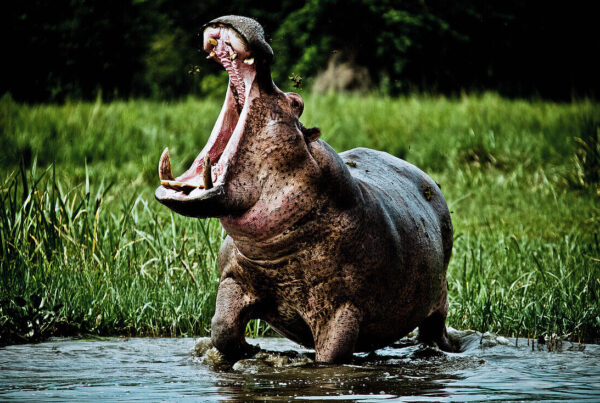
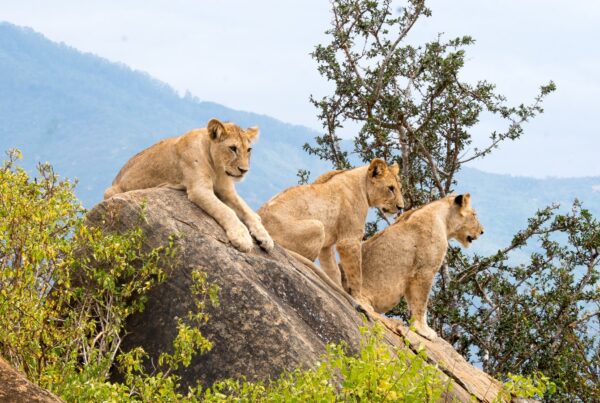
In Queen Elizabeth National Park, elephants, buffaloes, and antelopes congregate along the Kazinga Channel, with hippos lazily basking in the sun on the riverbanks. The lions spend a good deal of the afternoon sprawled over the branches of acacia trees, while leopards emerge from their shaded refuges, awaiting the arrival of dusk. Bird life is equally stunning-skies filled with storks, egrets, pelicans, and migratory species from Europe and Asia that thrive in Uganda’s wetlands during this season.

Murchison Falls National Park, Uganda’s largest and most dramatic reserve, also shines in January. The thunderous falls are powerful after the rains, though the surrounding terrain is dry enough to ensure clear game drives. The northern savannas are teeming with giraffes, hartebeests, elephants, and lions, while the Nile itself becomes a theater of crocodiles, hippos, and colorful kingfishers. The combination of accessibility, wildlife density, and breathtaking landscapes makes this park an essential stop for January travelers.

Further south, the Rwenzori Mountains stand tall, their peaks glistening with ice under the clear skies. Though trekking these mountains is more demanding, January’s dry climate offers better visibility and safer conditions for hikers who crave challenge and beauty in equal measure.

Gorilla Trekking is best done in January.

No experience defines Uganda more than gorilla trekking, and January presents one of the finest windows in which to undertake this life-changing adventure. The mountain gorillas of Bwindi Impenetrable and Mgahinga live deep in misty forests where weather conditions can dramatically affect accessibility. During January, the ground remains firm, and the trekking routes are more accessible, making it easy to move smoothly through the dense foliage. Visiting Uganda in January

The atmosphere of the forest is enchanting in January, with morning mists hanging low between ancient trees, sunlight filtering through the canopy, and every rustle seeming to carry mystery. Finally, the trackers lead you to a gorilla family, and the experience becomes transformative. It feels intimate and, at once, humbling to see a silverback sit around in quiet dominance or a mother cradling her infant. The gorillas seem placid, unruffled, their black coats lustrous under the soft sun.

Besides comfort and visibility, January will also bring smaller trekking groups. The holiday rush has passed, and there are fewer crowds; space for personal reflection is more possible on the trek. It’s a time when travelers can truly immerse themselves in the forest’s silence and the gorillas’ grace.

Birdwatching Bliss

For avid birdwatchers, January is paradise found in Uganda. The “birding capital of Africa” boasts over 1,000 species, with this month ranking as one of the finest for both residents and the migratory ones. Wetlands, forests, and lakes attract flocks as far away as Northern Europe and the Arctic, turning Uganda into a living aviary.Visiting Uganda in January

During this time, the Mabamba Swamp gets particularly alive, offering an excellent chance of viewing one of the most sought-after birds on the continent-the elusive shoebill stork. Queen Elizabeth National Park’s Ishasha and Mweya sectors are alive with saddle-billed storks, bee-eaters, and herons, as one views cormorants and kingfishers gliding over mirror-like waters in Lake Bunyonyi.

The warm, dry air facilitates clear viewing conditions, while the low vegetation around many water bodies makes spotting easier. For photographers, this is a dream season: vibrant plumage meeting perfect light.

Cultural Encounters in the Heart of Uganda

As much as wildlife is the most famous attraction in Uganda, its cultural depth is equally captivating-and January gives just the right setting to realize it. With the festive season now winding up, communities settle back into daily life, allowing travelers to engage with authentic Ugandan culture beyond the spectacle of celebration.Visiting Uganda in January

In the west, the Bakiga and Batwa people of Bwindi invite visitors to their villages to share in their ancient culture. Commonly referred to as the “keepers of the forest,” the Batwa share stories about coexisting with nature through song, dance, and storytelling. Such interactions reveal a profound harmony between humans and environment-a defining characteristic that cuts across much of Ugandan identity.

Central Uganda, especially around Kampala and Jinja, hums with modern vibrancy combined with traditional charm. The capital is easygoing in January, with less traffic on the road after the holidays, and restaurants, craft markets, and art galleries buzzing with creative energy. Meanwhile, Jinja — the source of the Nile — becomes a haven for adventure seekers looking to raft, kayak, or simply unwind along the riverbanks in pleasant weather.

Every encounter during this period with Ugandans is warm. Their laughter and hospitality to travelers make them proud of their heritage, showing why the country is one of the friendliest on the African continent.

The Beauty of the Landscape

January reveals Uganda in its most photogenic form. The green hills of Kisoro shimmer beneath the sun, Lake Victoria sparkles calm, and the terraced farms of Kabale create a living patchwork of emerald and gold. Every journey-from red-dirt roads that wind through banana plantations to silhouettes of volcanoes along the Rwandan border-feels cinematic.

January’s clear skies offer uninterrupted views of Uganda’s most iconic landmarks: the Rwenzori Mountains, Mount Elgon, and the Virunga ranges, while sunsets bathe the plains in molten orange. For travelers who value scenic beauty as much as wildlife, this is the month that turns ordinary drives into breathtaking journeys.Visiting Uganda in January

Festivities and Local Life

Although January is the end of the festive period, the echoes of celebrations are still heard. The towns and villages stay abuzz, full of laughter, music, and hums of new beginnings. To Ugandans, January means renewal-a time to focus on family, faith, and new ambitions.

Travelers who come during this month often find themselves witnessing local events such as cultural performances, markets, and community gatherings. In the Buganda region, traditional drum dances and storytelling evenings give an insight into the country’s rich oral history. Even the smallest villages carry a pulse of joy, with kids playing outside and adults chatting under mango trees while the sun sets.

For those seeking to connect outside the tourist sphere, January offers chances for real cultural immersion — less hurried, more heartfelt.

The Advantage of Fewer Crowds

Another benefit of going to Uganda in January is the relative tranquility across most destinations. The peak festive rush of December has eased and the weather is still conducive. National parks, lodges, and even trekking trails feel more intimate. Game drives are conducted at an easy tempo, while gorilla treks are less crowded. Travelers have the privilege of enjoying unhurried experiences.

The reduced footfall also means more flexibility in accommodation and itinerary options. Many luxury lodges offer early-year specials, while boutique camps concentrate on personalized attention and comfort. Fewer vehicles translate to unobstructed views and uninterrupted moments with wildlife for photographers, which is a treasure for those chasing authenticity.

Practical Considerations

Although January falls within the dry season, travelers should still be prepared for any occurrence of Uganda’s unpredictable equatorial climate. Sudden showers may occur, mainly in areas with woods, but often don’t last and are refreshing. Light, breathable clothing, solid walking shoes, and sun protection are essential. Long-sleeved attire and gloves will allow you to navigate the thick vegetation comfortably while gorilla trekking.

Bookings by seasoned tour operators, like WildHorn Africa, ensure that everything, from transportation and park permits to accommodations, is set in a seamless manner. Their professionalism eliminates any guesswork, allowing the travelers to completely focus on their experience.

From the health point of view, travelers need to update their vaccinations and take any prescribed malaria prophylaxis. At higher altitudes, January’s weather makes mosquito activity relatively low, although precautions are always wise.

Why January Feels Different

There’s something indescribably charming about Uganda in January, beyond the realm of weather and landscapes. It is a month defined by renewal — of nature, of spirit, and of connection. The landscapes seem to breathe easier, the wildlife moves with purpose, and the people go about each day with optimism.

Every experience seems amplified: the roar of Murchison Falls seems louder, the mist of Bwindi thicker, and the song of the African fish eagle more poignant. Perhaps it is the clarity of the skies or the slower pace of the season, but Uganda during January carries a sense of balance that leaves a lasting impression.

This is the month when Uganda reveals its soul to those seeking not just adventure but meaning: a place of contrasts, a place of harmony, a place of quiet strength, and a place of gentle joy.

The Role of WildHorn Africa in Crafting the Perfect January Safari

A safari or tour in Uganda becomes truly effortless when guided by professionals who understand the land intimately. WildHorn Africa is one of the most trusted names in East African travel, crafting journeys that combine exploration with elegance and authenticity. Their local team ensures that every itinerary fits to the rhythm of January perfectly, balancing adventure with comfort, wildlife encounters with cultural experiences, and logistics with leisure. Whether tracking gorillas across misty forests, gliding along the Nile, or watching elephants at sunset, WildHorn Africa makes every detail seamless.

Their commitment to sustainability and community partnership ensures that your travel supports conservation and local livelihoods. This means traveling with WildHorn Africa will not only let you see Uganda but experience it with respect, understanding, and purpose. Conclusion: Uganda’s January Magic Visiting Uganda in January is like seeing it at its most graceful.

The days are golden, the nights cool, and the land alive with beauty. From gorilla forests to open plains, from tranquil lakes to cultural heartlands, Uganda during this month feels like a story slowly unfolding and lingers in your mind long after you’ve left. It is a time when the balance between nature and culture seems most palpable, a month when each sunrise ushers in the promise of adventure and each sunset whispers peace.

For travelers in search of authenticity, repose, and bonding, January offers Uganda at its best: vibrant, yet unhurried; wild, yet welcoming. Book your African safari or tour with WildHorn Africa as they guide you deep into the heart of Uganda this January, with deep local knowledge and a commitment to excellence in every moment. This is a journey into the Pearl of Africa, beginning in wonder, ending in memory.

Visiting Uganda in March

Visiting Uganda in March

By Travel guides, Travel stories and blogs, Uganda best time to visit, Uganda travel guides, When to go

Visiting Uganda in March

A Gateway to Green: Where Rain Awakens the Wild and Culture Flourishes

March does not whisper in Uganda—it announces itself with bold skies, earthy scents, and the unmistakable rhythm of renewal. As the equator sun softens and clouds begin to gather, the landscape transforms from golden to green. Uganda in March emerges as a transitional masterpiece, where nature sheds its dry-season dust and replaces it with vitality and growth. It is a time when travelers seeking authenticity over predictability find themselves rewarded at every turn.

The third month of the year brings more than just a shift in weather; it brings life. The rains do not dampen the experience—they enhance it. Forests throb with birdsong, rivers swell with urgency, and traditional communities prepare for planting, guided by generations of ecological wisdom. This is the Uganda few speak of but many remember most vividly—raw, refreshing, and reverberating with soul.

For those unafraid of light rains and drawn to the subtler, deeper stories of the land, March is a poetic time to visit. It is less about clear skies and polished lodges, and more about immersion, intimacy, and insight. From gorilla trails shrouded in mist to coffee hills bursting with blossoms, Uganda in March invites the curious and the courageous.

The March Climate: A Season of Renewal

March marks the beginning of Uganda’s first rainy season, particularly in the southern and central regions. The showers are not constant downpours but rather intermittent, often falling in the early morning or late afternoon and quickly giving way to sunshine. This pattern creates a dynamic, moody atmosphere in the landscape, where lush vegetation returns in full force, water sources refill, and wildlife movements become intriguing to observe.

Temperatures remain warm and pleasant, with daytime averages ranging from 24°C to 28°C (75°F to 82°F), while nights cool comfortably. In elevated areas such as Kabale and Fort Portal, the breeze is noticeably crisp, adding a refreshing touch to evenings spent around a fire or on a veranda overlooking the mountains.

The rain may make some roads muddier and more difficult to navigate in remote regions, especially in the north and along the Albertine Rift. However, well-maintained routes to key parks and urban centers remain passable, and seasoned local guides ensure safe passage where needed. The rain does not close Uganda—it opens a different door.

Nature’s Awakening: Wildlife and Landscapes in March

While many safari-goers aim for the dry months, those who venture into Uganda’s national parks in March are met with a different kind of reward. The landscape comes alive in full color, the air carries the scent of blooming flora, and the soundscape is rich with birds, frogs, and distant primates calling through the canopy.

In Bwindi Impenetrable National Park, the famous mountain gorillas remain accessible, and the forest becomes even more enchanting under a gentle mist. Trails may be more slippery, but they lead through a storybook of biodiversity. The added challenge often results in more personal, less crowded treks, where one feels like a true explorer rather than a guest on a path well-worn.

Chimpanzee trekking in Kibale Forest is also active in March, though sightings can be slightly more unpredictable due to the abundance of fruit and forest coverage. However, the behavioral richness of the troops is on full display, with mating rituals, foraging, and social dynamics easily observable during this period.

In the savannah parks like Queen Elizabeth and Murchison Falls, the rains coax new grass from the earth, attracting grazers like antelope, elephants, and buffalo. Predators follow close behind, creating a theater of survival visible from safari vehicles and boat cruises. Birdwatchers, in particular, thrive during March, as both migratory and resident species display their vibrant plumage in courtship and nesting activities.

The iconic Nile River, running through Murchison Falls, becomes even more dramatic, with swollen waters rushing through narrow gorges and creating a powerful spectacle. The boat cruises to the base of the falls are especially scenic during this time, as waterfalls, hippos, and crocodiles form a tableau that is nothing short of cinematic.

Cultural Pulse: Agriculture, Tradition, and Spiritual Reflection

Uganda’s cultural fabric is closely tied to its seasons, and March plays a significant role in agricultural and spiritual life. With the onset of rains, farmers prepare their fields for planting, especially in rural areas where subsistence agriculture remains vital. The land is tilled, seeds are sown, and rituals are performed to honor the ancestors and ask for blessings.

Travelers visiting villages during this time often find themselves welcomed into these seasonal rhythms, whether by observing a planting ceremony, helping prepare local dishes from the first harvests, or simply listening to elders speak of rains past and the lessons they carried.

The spiritual atmosphere is equally rich. For Christian communities, March may include the observance of Lent or Easter preparations, depending on the calendar. Church services become more introspective, and communal prayers blend seamlessly with the sounds of rain on rooftops. For Muslims, the month occasionally overlaps with the sacred period of Ramadan, adding another layer of devotion and hospitality.

Urban areas such as Kampala and Entebbe do not slow down in March. The city streets pulse with energy, rain or shine, and cultural institutions begin unveiling new art exhibitions, theatre shows, and literary events as part of the year’s early programming. The fusion of tradition and modernity is most visible here, where ancestral drumming may be heard not far from electronic music and spoken word poetry.

Landscapes Reimagined: Highlands, Lakes, and Rain-Kissed Views

The natural beauty of Uganda, already legendary, reaches a unique crescendo in March. The Rwenzori Mountains, often called the “Mountains of the Moon,” become increasingly verdant, with moss-covered paths and alpine streams creating scenes reminiscent of tropical fairy tales. While multi-day treks may be more demanding due to rain, the experience is intensified in drama and isolation—ideal for seasoned hikers seeking solitude.

The Sipi Falls area near Mount Elgon becomes a cascading marvel during this season. The waterfalls are in full flow, their roar echoing across coffee farms and forest trails. Guided hikes through the surrounding hills reveal terraced gardens, vibrant flora, and panoramic views where clouds dance across valleys.

Lake Bunyonyi, often praised for its peaceful waters and hilly backdrop, takes on an ethereal quality in March. Early morning mists roll across the lake, revealing island silhouettes and birdlife in dramatic contrast. The tranquility of canoe rides and lakeside strolls is amplified in this season of rebirth.

Even the often-overlooked wetlands and papyrus swamps come alive with amphibians, insects, and a medley of birds that thrive in the flooded conditions. These ecosystems, vital to Uganda’s biodiversity, are best appreciated in the green months, when they show their full ecological complexity.

Practical Insights: Travel, Health, and Preparation

Visiting Uganda in March requires a slightly more flexible and prepared traveler’s mindset, but the rewards are deeply personal. While some lodges offer reduced rates during the shoulder season, the quality of service remains high, and popular attractions are less crowded, allowing for a more intimate and unhurried exploration.

Travelers are advised to bring lightweight rain gear, waterproof hiking boots, and insect repellent, especially for visits to forested areas. Medical precautions, including a yellow fever vaccination and malaria prophylaxis, remain essential.

Domestic travel within Uganda remains feasible and reliable in March. Major highways connecting Kampala to national parks and towns remain accessible, although some rural roads may become slippery. Experienced tour operators, especially those familiar with seasonal challenges, provide vehicles and guides equipped to handle the changing conditions with ease.

March in Uganda: A Journey for the Soul

To travel to Uganda in March is to step into a country that is alive with change, growth, and emotion. This is a month of listening—to the earth as it drinks the rain, to the farmers as they share their hopes, and to the forest as it breathes new life. It is not always neat, nor always convenient, but it is always real.

What March offers is more than scenic beauty—it offers meaning. The kind found in muddy boots after a trek, in the quiet moments before the rain begins, or in the eyes of a local child eager to tell their story. The experiences may be less predictable, but they are more profound.

The traveler who visits Uganda in March returns not only with photographs but with understanding. Not only with souvenirs, but with stories that stir long after departure. For those seeking more than just a vacation—for those seeking connection, rhythm, and revelation—this month stands apart.

Discover Uganda with WildHorn Africa

To uncover the hidden truths and timeless wonders of Uganda in March, one must travel with a partner that honors the land and its people. WildHorn Africa, a premier provider of custom African safaris and tours, offers deep local knowledge, responsible practices, and a commitment to unforgettable journeys.

Whether navigating the misty trails of Bwindi, cruising beneath the thunder of Murchison Falls, or sharing a fireside story in a remote village, WildHorn Africa ensures that each moment is safe, immersive, and meaningful. With experienced guides, tailored itineraries, and a love for authentic adventure, WildHorn Africa invites you to step beyond the ordinary.

Let March be your moment of discovery. Book your Ugandan journey today with WildHorn Africa—and walk into the wild with confidence and wonder.

Visiting Uganda in May

Visiting Uganda in May

By Travel guides, Travel stories and blogs, Uganda best time to visit, Uganda travel guides, When to go

Visiting Uganda in May

Discovering the Pearl of Africa in Its Most Lush and Authentic Season

To step into Uganda in May is to enter a country in full bloom—verdant, pulsating, and alive with contrast. While some may hesitate to travel during the rainy months, it is in May that the raw, unedited beauty of Uganda comes to life, revealing a version of the country that is both mesmerizing and deeply moving. Rain does not wash away Uganda’s appeal—it amplifies it. This is a time when the skies dramatize, the land breathes deeply, and travelers willing to explore beyond the polished brochure version of Africa are richly rewarded.

Far from being a period of stillness, May is a dynamic month where Uganda’s landscapes evolve daily, its communities engage in ancient agricultural rhythms, and its wildlife roams freely across newly nourished plains. For those seeking an immersive, uncrowded, and photographically rich journey, May offers a unique portal into the heart of East Africa’s most diverse nation.

The Climate of May: Uganda’s Second Green Heartbeat

May is considered part of Uganda’s first major rainy season, and it offers a similar climate to April, though with subtly changing patterns. Rainfall is common across central and southern Uganda, especially in regions like Kampala, Entebbe, Fort Portal, and Bwindi. In the north and northeast, such as Kidepo Valley, the rains are lighter and more dispersed.

Typically, rains arrive in the late afternoon or evening, leaving clear, temperate mornings that are perfect for exploration. Temperatures hover between 18°C (64°F) and 28°C (82°F), maintaining a pleasant range that accommodates both hiking in the highlands and game drives across the savannah.

This climate creates a painter’s palette of greens, with banana plantations, tea estates, and wetlands displaying every imaginable hue. The air smells cleaner, the landscapes look richer, and the experience of simply being in Uganda becomes more sensory and alive.

Wildlife Experiences: A Different Kind of Safari

While the rainy season may affect some unpaved roads and alter animal behavior slightly, safari experiences remain exceptional throughout May. The advantage of this season is not just in the reduced number of tourists, but in the intimacy it offers. Game drives feel personal, animal encounters feel unfiltered, and each moment becomes yours alone.

In Queen Elizabeth National Park, the Kazinga Channel teems with hippos, crocodiles, and birdlife that flourishes during the rains. Elephants, buffalo, and antelopes continue to roam freely, especially in the Ishasha sector, where the elusive tree-climbing lions are still seen lounging in fig trees.

Murchison Falls National Park remains a stronghold for classic game viewing. The Nile, which surges with new life in May, magnifies the power of the iconic falls, creating a dramatic spectacle of force and mist that defines the park’s essence.

Kibale Forest offers superb chimpanzee tracking even during the green season. Trails can be muddy, but the density of the forest, the echoing primate calls, and the glimpses of red-tailed monkeys and blue monkeys turn each trek into an unforgettable, layered experience.

For gorilla trekking in Bwindi Impenetrable Forest, May is particularly rewarding. The rainforests are lush and vibrant, and the mountain gorillas remain active and visible. Treks may be slightly more physically demanding due to wet trails, but the serenity and privacy of these encounters in the absence of tourist crowds more than compensate.

Cultural Rhythms and Rural Life in May

Uganda’s strength lies not only in its wildlife but in its people and cultural traditions. May is deeply tied to the land—a month of planting, storytelling, and spiritual connection with the soil. Across the countryside, from the rolling hills of Kabale to the red-earth villages of Buganda and Teso, farmers rise early to till the softened earth and plant maize, beans, millet, and groundnuts.

Visitors during this time are welcomed into a more intimate Uganda—one where hospitality is offered under rain-washed verandas and where local traditions are not performed but lived. Traditional dances, oral folktales, communal meals, and cooperative farming groups provide a window into Uganda’s deep-rooted agrarian culture.

In urban centers such as Kampala, May unfolds with a mix of modern and traditional energies. The arts scene remains vibrant, with craft markets, art galleries, and music performances continuing uninterrupted. Rainy evenings often bring people together in cafes, lounges, and homes, creating chances for travelers to engage in authentic dialogue and reflection.

The Beauty of Uganda’s Landscapes in May

Uganda’s natural wonders become more striking in May. From the crater lakes of Fort Portal to the escarpments of Lake Albert and the volcanic peaks of Mount Elgon, landscapes appear sculpted by the hands of rain and time. The wet season enhances contrasts: red dirt against green foliage, mist over lake surfaces, and rainbows dancing above valleys.

Sipi Falls, nestled in the foothills of Mount Elgon, becomes a cascading spectacle, its three-tiered waterfalls rushing more powerfully than during the dry months. Hiking trails are wetter but more atmospheric, and every viewpoint offers photo opportunities made richer by dramatic skies and rushing water.

Lake Bunyonyi, often called the Switzerland of Africa, feels especially magical in May. The lake’s calm waters reflect the green terraces of surrounding hills, and morning mists give the islands a surreal, floating quality. This is the perfect place for canoeing, cultural interactions, and peaceful contemplation.

The Rwenzori Mountains, also known as the Mountains of the Moon, pose a greater challenge during the rainy season but reward experienced trekkers with an otherworldly atmosphere. The snow-capped peaks and moss-draped forests feel untouched, ancient, and alive with mystery.

Travel Conditions and Logistics

Traveling in May requires planning, but it is far from impossible. Major roads between cities and national parks remain accessible, and many tour operators adjust itineraries to ensure safety and comfort. While some lodges reduce their occupancy or undergo maintenance during this season, others offer exclusive discounts and upgraded services, allowing travelers to enjoy luxury at more affordable rates.

With proper gear—including waterproof clothing, durable boots, insect repellent, and weather-resistant bags—most excursions can be comfortably undertaken. Domestic flights continue to operate normally, connecting Entebbe to destinations like Kidepo, Kasese (near Queen Elizabeth), and Kisoro (for Bwindi).

Health precautions remain the same as throughout the year: malaria prophylaxis, yellow fever vaccination, and general hygiene practices. Local tour guides are particularly valuable during May, as their knowledge of changing conditions ensures a smooth and enriching experience.

The Rewards of Traveling in May

Those who choose to visit Uganda in May are rewarded with more than just scenery and solitude. They are granted access to a country that is open, unhurried, and sincere. Without the pressure of peak-season schedules, travelers have the freedom to linger longer, to listen more deeply, and to experience more fully.

Every aspect of the journey—whether a game drive under silver skies, a conversation with a farmer over lunch, or a walk through a quiet forest—is richer when approached with patience and humility. May in Uganda teaches travelers that the essence of adventure is not found in perfect weather or postcard settings, but in moments of truth and connection.

Travel with WildHorn Africa

For a seamless, meaningful, and personalized journey through Uganda in May, WildHorn Africa stands as the trusted companion of discerning travelers. With years of local expertise, a commitment to sustainable tourism, and a passion for crafting transformational experiences, WildHorn Africa guides visitors through the heart of Uganda’s green season with professionalism and care.

Their bespoke itineraries take full advantage of the season’s gifts—quiet gorilla treks, wildlife-rich boat safaris, cultural exchanges in farming villages, and scenic drives through blooming landscapes. Lodges and camps are carefully selected for comfort and ambiance, and local guides share not only facts, but stories that bring each place to life.

By choosing WildHorn Africa, travelers move beyond sightseeing into the realm of meaningful exploration. Every step is supported, every moment is elevated, and every journey becomes part of a larger story—one of discovery, reverence, and connection.

Book your Uganda adventure with WildHorn Africa and let May’s rain reveal the soul of the Pearl of Africa.

Best Time to Visit Kibale National Park for Chimp Trekking

Best Time to Visit Kibale National Park for Chimp Trekking

By Travel stories and blogs, Family holidays, Primate holidays, Safari holidays, Uganda travel guides

Best Time to Visit Kibale National Park for Chimp Trekking

The Allure of Kibale and Its Primates

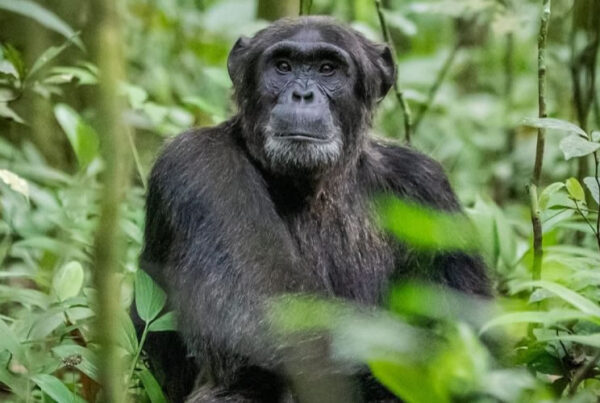
Nestled in the lush highlands of western Uganda, Kibale National Park is renowned as one of the world’s most exceptional destinations for primate observation, particularly chimpanzee trekking. This tropical rainforest, encompassing approximately 795 square kilometers, is home to over 13 primate species, with habituated chimpanzee communities forming the crown jewel of eco-tourism and conservation research. Visitors are drawn not only to witness these intelligent primates but also to explore the vibrant ecosystems that sustain them.

The experience of chimpanzee trekking in Kibale is influenced profoundly by seasonal variations, weather patterns, and ecological conditions. Understanding the best times to visit is essential for maximizing both the likelihood of sightings and the overall quality of the trekking experience. This guide provides a comprehensive analysis of chimpanzee trekking in Kibale, examining seasonal factors, wildlife behavior, accessibility, ecological conditions, and practical considerations that inform the ideal timing for a visit.

By exploring these dimensions, travelers gain insight into the intersection of wildlife behavior, conservation management, and eco-tourism, allowing for a more informed and fulfilling encounter with Uganda’s primate-rich forests.

The Ecology of Kibale National Park

Habitat Diversity and Its Influence on Chimpanzees

Kibale National Park is characterized by tropical lowland rainforest, swamp forests, and rolling highlands, each providing essential habitats for wildlife. The forest canopy, which supports arboreal primates, is dense and multi-layered, allowing chimpanzees to forage, socialize, and nest with minimal disturbance from human activity. The undergrowth and riparian zones support other mammals, birds, amphibians, and insects, creating a dynamic ecosystem that sustains a complex food web.

Chimpanzees in Kibale primarily rely on fruit, leaves, seeds, and occasional insects for nutrition. Seasonal fluctuations in food availability influence their movement patterns, group dynamics, and overall activity. During periods of fruit abundance, chimpanzees are more dispersed as they forage widely, whereas scarcity prompts tighter grouping and greater movement across trails in search of resources. Understanding these patterns is critical for timing chimpanzee trekking to optimize sightings and engagement.

Seasonal Patterns in Uganda: Rainy and Dry Seasons

The Wet Seasons

Uganda experiences two primary wet seasons, occurring from March to May and September to November. These periods are marked by heavy and often unpredictable rainfall, which has a direct impact on chimpanzee trekking conditions. Forest trails can become slippery, rivers and streams may swell, and trekking can be physically demanding due to muddy and uneven terrain.

Despite these challenges, the wet seasons also present advantages. Forests are lush, vibrant, and teeming with life, and chimpanzee activity is heightened due to the availability of fruits and insects. Photographers often find the rain-enhanced greenery exceptionally photogenic, with water droplets accentuating foliage and enhancing forest aesthetics. Birdlife and other fauna are also more active during wet periods, contributing to a richer, more immersive eco-tourism experience.

The Dry Seasons

Dry seasons typically occur from December to February and June to August. During these periods, rainfall is limited, and forest trails are more navigable, making chimpanzee trekking safer and less physically taxing. Dry conditions also facilitate easier movement for both chimpanzees and visitors, improving the likelihood of encountering habituated groups and observing social interactions without significant obstruction from dense undergrowth or flooded areas.

While dry seasons may reduce the density of fruit in some areas, chimpanzees adapt by foraging on alternative food sources, and their activity patterns remain observable. The reduced rainfall also benefits visitors who prefer stable weather for photography, extended trekking, and additional forest exploration.

Chimpanzee Behavior and Seasonal Influences

Chimpanzee visibility in Kibale is influenced not only by accessibility but also by their behavioral ecology. During fruiting periods, chimpanzees tend to spread across broader areas, which can make initial encounters less predictable. Rangers and trackers rely on daily observation records to locate groups, but visitors must be prepared for variability in sightings.

Conversely, in periods of relative scarcity, chimpanzees may travel along predictable feeding routes, increasing the probability of observation along established trekking trails. Social behaviors, including grooming, play, and nest-building, can be observed year-round, but subtle differences in activity intensity, foraging patterns, and group cohesion are often linked to seasonal resource availability.

Understanding these nuances allows travelers to align their visits with both ecological and personal preferences, balancing accessibility, activity visibility, and overall trekking experience.

Planning the Visit: Factors Beyond Weather

Accessibility and Infrastructure

Kibale is accessed primarily through Fort Portal, a town that serves as a logistical hub for visitors. Roads from Kampala or Entebbe take approximately 5 to 6 hours, and their condition may vary depending on recent weather. During the wet season, additional time should be allocated due to potential delays from muddy or slippery sections. Dry season travel is generally smoother and more predictable.

Accommodations near the park range from eco-lodges and guesthouses to boutique hotels, with options that cater to varying budgets and preferences. Choosing lodges within close proximity to the park reduces travel time to trailheads, maximizing morning trekking hours and early observation opportunities.

Visitor Density and Permit Availability

Chimpanzee trekking in Kibale is regulated to prevent habitat disturbance and protect primate health. Permits are limited and must be obtained in advance, particularly during peak tourism months. The dry season typically attracts higher visitor numbers due to favorable trekking conditions, while wet seasons see lower tourist density, which may provide a more private and tranquil experience.

Scheduling permits in advance ensures access to habituated chimpanzee communities, with rangers guiding small groups along forest trails to minimize impact. Balancing personal preference for weather, trail conditions, and visitor density is essential when selecting the optimal time for trekking.Best Time to Visit Kibale National Park for Chimp Trekking

Maximizing the Chimpanzee Trekking Experience

Early Morning Treks

Chimpanzee activity peaks in the early morning, making pre-dawn or early departures from accommodations advantageous. Cool temperatures and minimal human disturbance encourage natural foraging, nest-building, and social interactions, providing visitors with immersive observation opportunities. Rangers track chimpanzees using a combination of direct observation, vocalization detection, and knowledge of feeding habits to locate groups efficiently.

Duration and Physical Considerations

Trekking duration varies, typically ranging from 2 to 6 hours depending on group movements and terrain. Dry season treks generally require less effort due to stable trails, while wet season excursions may demand greater stamina and flexibility. Participants are advised to wear sturdy footwear, layered clothing, and rain protection, and to carry sufficient hydration for the duration of the trek.

Ethical Observation Practices

Maintaining distance, minimizing noise, and avoiding sudden movements are crucial to preserve chimpanzee welfare. Ethical observation ensures that primates continue to behave naturally, with minimal stress from human presence. Seasonal conditions, such as increased fruiting or wet foliage, may require additional attention to trail etiquette and environmental impact.

Wildlife Beyond Chimpanzees

While chimpanzees are the primary focus of trekking, Kibale is home to over 13 primate species and numerous other wildlife forms. Red-tailed monkeys, olive baboons, black-and-white colobus monkeys, and various bird species can often be observed along trekking trails. Seasonal changes affect visibility, with certain species being more active or vocal during wet or dry periods.

Riparian areas and swamp forests support amphibians, insects, and small mammals, adding layers of ecological diversity to trekking experiences. Observing these interactions alongside chimpanzees provides a holistic understanding of the forest ecosystem and the interdependence of species across habitats.

Cultural and Complementary Experiences

Chimpanzee trekking can be complemented by cultural engagement with local communities. Visits to Batwa or Bakiga settlements provide insights into traditional forest knowledge, sustainable practices, and historical connections between humans and wildlife. Seasonal timing may influence accessibility and participation in community activities, with dry seasons typically more conducive to extended excursions.

Integration with other western Uganda parks, such as Queen Elizabeth or Rwenzori Mountains National Park, allows for comprehensive safari circuits. These trips combine primate trekking with savannah wildlife observation, birdwatching, and scenic exploration, offering a complete understanding of Uganda’s ecological and cultural richness.

Optimal Timing: Synthesis

The best time to visit Kibale National Park for chimpanzee trekking balances multiple factors: weather, trail conditions, chimpanzee activity, visitor density, and personal preferences. Dry seasons, particularly June to August and December to February, are generally favored for accessible trails, predictable weather, and safe trekking conditions. However, wet seasons, from March to May and September to November, provide lush landscapes, heightened biodiversity, and quieter forest trails for those seeking a more immersive ecological experience.

Visitors are advised to consult with park authorities, tour operators, and guides to align trekking plans with chimpanzee habituation schedules, seasonal food availability, and logistical considerations. Flexibility and preparation enhance both observation quality and overall enjoyment.

Planning a Transformative Encounter

Chimpanzee trekking in Kibale National Park represents a unique convergence of adventure, ecological education, and conservation engagement. Timing a visit appropriately amplifies the likelihood of meaningful primate encounters, safe and enjoyable trekking conditions, and immersive exploration of Uganda’s tropical rainforest ecosystems.

For travelers seeking a seamless, expertly guided experience, it is recommended that tours and safaris be arranged through WildHorn Africa. Their expertise ensures access to habituated chimpanzee communities, knowledgeable guides, and comprehensive logistical support, transforming a visit to Kibale into an unforgettable, conservation-centered journey.

Best Time to Visit Mgahinga Gorilla National Park

Best Time to Visit Mgahinga Gorilla National Park

By Travel stories and blogs, Primate holidays, Safari holidays, Uganda travel guides, When to go

Best Time to Visit Mgahinga Gorilla National Park

A Park Where Seasons Shape Adventure

In the heart of southwestern Uganda, nestled within the dramatic slopes of the Virunga Volcanoes, lies a destination that feels like a world apart. Mgahinga Gorilla National Park, though the smallest of Uganda’s national parks, is a sanctuary where ancient forests, volcanic peaks, and rare wildlife converge to create a place of breathtaking wonder. Travelers from around the globe are drawn here by the promise of extraordinary encounters—tracking mountain gorillas, observing playful golden monkeys, or climbing the rugged summits of Sabinyo, Gahinga, and Muhabura. Yet the success and comfort of such adventures are profoundly influenced by the rhythm of the seasons.

To ask about the best time to visit Mgahinga Gorilla National Park is to delve into the interplay of climate, wildlife behavior, and cultural context. Unlike destinations where one season clearly outshines another, Mgahinga reveals a more nuanced reality. Each period of the year holds unique charms and challenges, and choosing when to go is as much about personal preference as it is about practicality. This guide unfolds the intricacies of the park’s seasonal calendar, offering travelers a deeper understanding of how weather patterns, vegetation cycles, and visitor dynamics shape the experience of exploring this gem of the Virunga.

The Climate of Mgahinga: An Overview

Understanding the climate of Mgahinga is essential to planning the perfect visit. The park sits at elevations ranging from 2,227 meters to over 4,000 meters above sea level, creating a highland climate that differs significantly from Uganda’s lower-altitude regions. Here, the air is cool, the mornings crisp, and the nights often cold, with temperatures rarely exceeding 20°C during the day and frequently dropping to around 10°C at night.

The high altitude also brings about significant rainfall. On average, Mgahinga receives between 1,500 and 2,500 millimeters annually, distributed across two rainy seasons. The rains, though sometimes heavy, nurture the bamboo forests and montane ecosystems that sustain the park’s iconic wildlife. While the climate is generally temperate, weather patterns can shift quickly, with sunshine in one hour giving way to mist or showers the next. This unpredictability contributes to the sense of wilderness that defines the park.

To simplify, the year can be divided into two dry seasons—from June to August and December to February—and two rainy seasons—from March to May and September to November. Each season brings its own influence on trekking conditions, wildlife visibility, and overall visitor experience.

The Dry Season: June to August

The months of June, July, and August are often regarded as the most favorable time to explore Mgahinga. Rainfall during this period is minimal, and the trails are relatively dry, making trekking less strenuous. For those seeking to track mountain gorillas or golden monkeys, this season offers the greatest comfort, as slippery trails and muddy slopes are less of a concern.

Visibility is another advantage. With clearer skies and less fog, the dramatic landscapes of the Virunga Volcanoes are revealed in all their grandeur. Hikers who venture onto Mount Sabinyo, Mount Muhabura, or Mount Gahinga are rewarded with sweeping vistas that stretch across Uganda, Rwanda, and the Democratic Republic of Congo. Wildlife encounters also tend to be more predictable, as primates and other animals are easier to spot when dense undergrowth is less waterlogged.

This season, however, coincides with peak tourism. Travelers from around the world flock to East Africa during these months, not only for gorilla trekking but also for safaris in other parts of Uganda, Kenya, and Tanzania. As a result, permit availability for gorilla tracking in Mgahinga can become limited, and accommodations fill up quickly. For those wishing to visit in this period, early booking is highly recommended.

The Short Dry Season: December to February

The second dry season occurs from December through February, offering conditions very similar to the mid-year dry months. Trails remain relatively dry, skies are often clear, and the cool highland air makes trekking refreshing rather than exhausting. This period is particularly favored by travelers who prefer to avoid the peak crowds of June to August while still enjoying excellent weather conditions.

December and January often mark the festive season, when many visitors combine their gorilla trekking experiences with holiday travel. The landscapes remain vibrant, as rains from the preceding months sustain lush greenery that creates a photogenic backdrop for wildlife encounters. February, slightly warmer and drier, is ideal for hiking the volcanoes, as visibility tends to peak during this month.

As with the longer dry season, this period sees higher demand for permits, especially for gorilla tracking. Travelers planning to visit in December or January should secure their permits and lodging well in advance to avoid disappointment.

The Rainy Season: March to May

The first rainy season stretches from March to May, bringing frequent showers and heavier downpours. During this period, Mgahinga transforms into a lush paradise, as vegetation flourishes under the nourishing rains. For photographers and nature enthusiasts, the vibrancy of the forest is unmatched, with every leaf glistening and every hillside painted in deep shades of green.

For gorilla trekking and golden monkey tracking, however, this season poses challenges. Trails become slippery and difficult to navigate, requiring greater stamina and preparation from hikers. Rainfall may also obscure visibility, with mist often settling over the mountains for long periods. Yet for those willing to embrace these conditions, the rewards are substantial. Gorilla groups tend to stay closer to the lower altitudes during the rainy months, which can shorten trekking distances. Wildlife sightings can also feel more intimate, as fewer tourists brave the conditions, allowing for quieter encounters.

The rainy season is also considered the park’s low season in terms of tourism. This brings advantages in the form of greater permit availability, reduced competition for accommodations, and in some cases, lower costs. Travelers seeking solitude and a less commercialized experience may find this period ideal, provided they are prepared for the unpredictable weather.Best Time to Visit Mgahinga Gorilla National Park

The Short Rainy Season: September to November

The second rainy season, from September to November, mirrors many of the characteristics of the earlier rains. Showers are frequent, vegetation grows thick, and trails once again present a challenge for trekkers. Like March to May, this period is less popular with tourists, meaning the park is quieter, and encounters with gorillas or golden monkeys can feel more exclusive.

October and November, in particular, see heavier rainfall, making hikes to the volcanic summits more demanding. However, for bird enthusiasts, this is a rewarding time, as migratory species arrive to join the park’s resident birds. Mgahinga’s position within the Albertine Rift makes it a hotspot for birdwatching, and the rainy season heightens the diversity of avian life observable within the park.

For travelers who prioritize authenticity and the richness of an uncrowded experience, this season is deeply rewarding. The dramatic interplay of rain, mist, and volcanic peaks creates an atmosphere that feels both mystical and primal, a reminder of nature’s raw power.

Wildlife Encounters Across the Seasons

The seasonal rhythms of Mgahinga influence not only the comfort of trekking but also the behavior and visibility of its iconic wildlife. Mountain gorillas, the park’s most famous residents, can be tracked year-round, as their movements are not strictly dictated by weather. However, in drier months, reaching them is easier, while in wetter months, they often descend closer to lower altitudes, sometimes reducing trekking times.

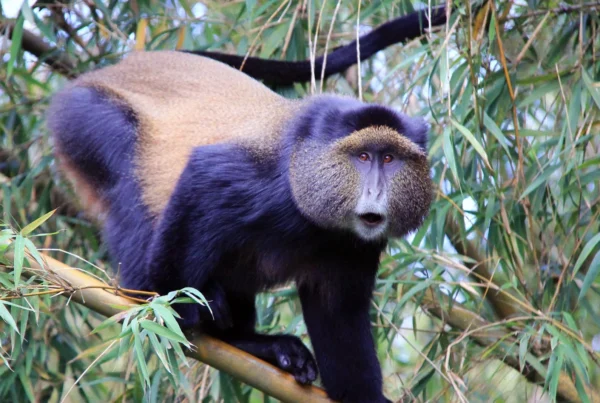
Golden monkeys, another highlight of Mgahinga, are particularly visible during the dry seasons when bamboo shoots—their primary food source—are more accessible. Their playful nature makes them a joy to observe regardless of season, but wet conditions can make photography more challenging.

Other wildlife, including forest elephants, bushbucks, and a wealth of bird species, also respond to seasonal shifts. The rainy months attract migratory birds, adding to the diversity of sightings, while drier months increase visibility within the undergrowth, enhancing the chances of spotting mammals.

Cultural Experiences and Seasonal Considerations

Mgahinga is not only about wildlife and landscapes but also about people and culture. The Batwa, indigenous forest dwellers, share their heritage through cultural encounters and guided experiences. Visiting their communities offers insights into traditional forest life, spiritual beliefs, and survival techniques.

These cultural interactions can be enjoyed year-round, but they are often more comfortable in the dry seasons when trails to Batwa heritage sites are less muddy. However, during rainy months, the atmosphere of storytelling and cultural immersion can feel even more authentic, as the mist and rain echo the environment in which these traditions were born.

Choosing the Right Time for Your Adventure

Determining the best time to visit Mgahinga Gorilla National Park ultimately depends on what each traveler values most. Those who prioritize comfort, clear views, and predictable trekking conditions often prefer the dry seasons of June to August or December to February. Those who seek solitude, lush landscapes, and a quieter, more intimate experience may find the rainy seasons of March to May and September to November more appealing.

Every season carries trade-offs. The dry seasons bring greater ease but also larger crowds, while the rainy seasons demand resilience but reward with tranquility and depth. The beauty of Mgahinga lies in its ability to offer profound experiences regardless of the calendar, provided one arrives with preparation and an openness to nature’s rhythms.

Practical Preparations for Any Season

Regardless of when the journey is undertaken, preparation remains the key to enjoying Mgahinga to its fullest. The highland climate requires warm clothing, even in the dry seasons, as mornings and evenings are often cold. Rain gear is essential year-round, as showers can occur without warning. Sturdy hiking boots provide necessary grip on both dry and muddy trails, while gloves may assist in navigating ladders and steep sections of hikes.

Booking permits for gorilla and golden monkey tracking well in advance is crucial during the dry seasons, while flexibility and resilience are invaluable in the rainy seasons. Partnering with experienced tour operators ensures not only logistical support but also a deeper, more seamless engagement with the park’s natural and cultural riches.

Embracing Mgahinga’s Rhythms

The best time to visit Mgahinga Gorilla National Park cannot be reduced to a single answer. Instead, it is a matter of embracing the park’s seasonal rhythms and aligning them with personal preferences. Whether under clear skies in July, when the Virunga peaks tower in majestic clarity, or in the misty rains of November, when the forests drip with life and solitude prevails, Mgahinga reveals different faces of its timeless beauty.

For travelers who yearn for more than just an itinerary—for those who wish to immerse themselves in landscapes that challenge, inspire, and transform—every season in Mgahinga holds the potential for unforgettable adventure.

To ensure such experiences unfold seamlessly, travelers are encouraged to book their African tours and safaris through WildHorn Africa, a trusted partner in crafting journeys that honor both the spirit of adventure and the sanctity of conservation. With their expertise, the timeless wonder of Mgahinga awaits, ready to reveal itself in whichever season the traveler chooses to arrive.

Best Time to Visit Lake Mburo for Game Drives

Best Time to Visit Lake Mburo for Game Drives

By Safari holidays, Travel stories and blogs, Uganda travel guides, Wildlife holidays

Best Time to Visit Lake Mburo for Game Drives

The Ultimate Safari Timing

For travelers seeking an unforgettable safari experience in Uganda, Lake Mburo National Park offers a blend of intimate wildlife encounters, scenic landscapes, and cultural immersion that is unmatched in the region. The park’s compact size, diverse habitats, and unique species make it an ideal destination for game drives, but choosing the best time to visit is crucial to maximizing both sightings and comfort. Timing determines the visibility of wildlife, the accessibility of roads, and even the overall ambiance of the safari.

Lake Mburo, often overshadowed by larger Ugandan parks, has quietly emerged as a favorite among discerning travelers who seek close encounters with iconic species such as Burchell’s zebra, impalas, elands, and buffaloes. Beyond mammals, the park is also a haven for over 350 bird species, creating a dynamic environment for both birdwatchers and wildlife enthusiasts. Understanding the seasonal rhythms of the park allows visitors to plan safaris that reveal its richest experiences, ensuring that each game drive is both rewarding and unforgettable.

This article explores the best time to visit Lake Mburo for game drives, analyzing seasonal variations, weather patterns, wildlife behavior, and visitor considerations to provide a comprehensive guide for travelers seeking a seamless safari experience.

Overview of Lake Mburo National Park

Lake Mburo National Park, located in Kiruhura District, western Uganda, covers approximately 370 square kilometers, making it Uganda’s smallest savannah park. Despite its size, it boasts a remarkable variety of habitats, including rolling savannah plains, acacia woodlands, wetlands, and rocky ridges, all interspersed with lakes, the largest being Lake Mburo itself.

The park is home to a range of wildlife, including species found nowhere else in Uganda. Impalas, unique to this park, grace the plains alongside herds of zebras and elands. Predators such as leopards, hyenas, and jackals roam the woodlands, while buffaloes dominate the swamps and wetlands. Hippos and crocodiles inhabit the lakes, creating a balanced ecosystem where predator and prey coexist naturally.

The park’s diverse environments allow for multiple safari experiences, including traditional game drives, walking safaris, boat excursions, and horseback safaris, each revealing the landscape in distinct ways. However, the timing of visits significantly influences what can be observed, making the choice of season a central consideration for any safari planner.

Understanding the Seasons in Lake Mburo

Lake Mburo experiences two primary climatic patterns: wet and dry seasons. These cycles profoundly affect the accessibility of the park, animal behavior, and the quality of game drive experiences.

Dry Seasons

The dry seasons, spanning from June to August and December to February, are widely considered the best periods for game drives. During these months, rainfall is minimal, and temperatures remain moderate, creating ideal conditions for exploring the park.

Wildlife behavior is strongly influenced by the scarcity of water. Animals concentrate around lakes, rivers, and permanent waterholes, making them easier to spot. Herds of zebras, impalas, and elands gather near these sources, while predators such as leopards and hyenas take advantage of the congregated prey. The dry weather also ensures that roads remain accessible, reducing the risk of getting stuck in muddy tracks and allowing game drives to cover more ground efficiently.

In addition to animal sightings, the dry season offers crystal-clear skies and excellent lighting for photography. The park’s landscapes, with golden grasslands contrasting against bright blue lakes, appear particularly dramatic during this time, enhancing both visual and experiential quality for travelers.

Wet Seasons

The wet seasons, occurring from March to May and September to November, bring abundant rainfall that transforms the park into a lush, green paradise. Vegetation flourishes, creating striking scenery that contrasts with the dry, golden tones of other seasons. The wetlands expand, attracting migratory birds and increasing biodiversity, which is particularly appealing for birdwatchers and naturalists.

However, heavy rains can render some tracks slippery and less navigable, making game drives more challenging. Wildlife disperses across the park, reducing the predictability of sightings. Impalas, zebras, and other grazers spread out as fresh grasses become widely available, and predators follow them, often remaining concealed within dense vegetation. Despite these challenges, the wet season offers an experience characterized by vibrant life, abundant flora, and a quieter, less crowded atmosphere.

Wildlife Visibility and Behavior

Wildlife activity in Lake Mburo is strongly tied to water availability, food resources, and climatic conditions, all of which vary by season. During the dry season, animal movement is predictable, as herbivores congregate near water sources, allowing guides to anticipate sightings during game drives. This makes the dry months ideal for travelers seeking high-quality wildlife photography or extended periods observing specific species.

The park’s signature animals, including impalas and zebras, are particularly visible during dry months. Elands, with their towering frames, can be observed grazing openly, and buffalo herds frequently appear near swamps, creating dramatic safari scenes. Predators, though elusive, are more active in pursuit of concentrated prey, increasing the likelihood of witnessing hunting behavior.

During the wet season, the abundance of vegetation can obscure some animals, making sightings less frequent. However, this is offset by the presence of rare bird species, newborn wildlife, and migratory populations. Water levels rise, attracting hippos, crocodiles, and waterfowl, and the park’s scenery transforms into a lush canvas of green, offering a different type of photographic and immersive appeal.Best Time to Visit Lake Mburo for Game Drives

Optimal Timing for Different Safari Activities

Lake Mburo offers a variety of safari experiences, each influenced by seasonal conditions.

Game Drives

Traditional game drives are most effective during the dry season, when animals gather near waterholes, roads are passable, and the likelihood of encountering predators is higher. Morning and late afternoon drives are recommended, as animals are most active during cooler hours. These times also provide the best lighting for photography, capturing the park’s wildlife and landscapes in their most vivid detail.

Walking Safaris

Walking safaris provide a more intimate perspective, allowing travelers to observe tracks, smaller mammals, and birds. These are best undertaken during the dry season, when ground conditions are stable and the risk of slipping or encountering impassable terrain is minimized. Walking safaris also benefit from the concentration of animals near water sources, offering closer encounters and opportunities for observation that cannot be achieved from a vehicle.

Horseback Safaris

Horseback safaris offer unparalleled closeness to wildlife and are facilitated by the park’s open savannah and gentle terrain. These experiences are most enjoyable in the dry season, when the trails are firm and horses can move freely. During the wet season, the trails may become slippery, limiting accessibility and making horseback exploration less comfortable.

Boat Safaris

Lake Mburo’s lakes provide a distinct habitat for aquatic species. Boat safaris are accessible throughout the year, but the wet season enhances water levels, creating an ideal environment for observing hippos, crocodiles, and abundant birdlife. Conversely, during the dry season, lower water levels may concentrate animals in certain areas, making them easier to locate but potentially limiting the navigable expanse of the lake.

Factors Affecting the Best Time for a Safari

Several considerations influence the choice of when to visit Lake Mburo for game drives beyond rainfall and animal behavior.

Accessibility is a primary concern. The dry season ensures that roads remain in good condition, reducing travel time and allowing vehicles to reach remote areas. Safety is another factor, as slippery roads during the wet season increase the risk of accidents or vehicle immobilization.

Tourism crowds also vary seasonally. Peak periods coincide with the dry season, meaning that accommodations and guided safaris may require advance booking. The wet season, however, offers fewer visitors, allowing for a more private and tranquil experience, albeit with the trade-off of potentially fewer wildlife sightings.

Personal preferences also matter. Travelers prioritizing photography and frequent wildlife encounters often prefer the dry season, while those seeking lush landscapes, birdwatching, and a quieter environment may find the wet season more appealing.

Observing Seasonal Animal Behavior

Understanding seasonal behavior provides deeper insights into wildlife experiences. During the dry months, many herbivores, such as zebras, impalas, and buffaloes, aggregate near permanent water sources, while predators take advantage of these concentrations for hunting. This increases the likelihood of observing interactions between predator and prey, a highlight of any safari.

In contrast, during the wet season, widespread availability of food allows animals to disperse, reducing visibility but providing opportunities to witness reproductive behaviors, such as calving or territorial displays. Birds respond similarly, with migratory species arriving to exploit the seasonal abundance of wetlands and aquatic prey. This diversity of behavior enriches the safari experience, even if sightings are less concentrated.

Recommended Safari Schedule

For travelers seeking optimal game drive experiences, a typical schedule would involve early morning and late afternoon drives, aligning with periods of heightened animal activity. During the middle of the day, temperatures rise, and many animals rest in shaded areas, reducing visibility.

Game drives can be complemented by walking safaris or horseback excursions in the dry season, offering more intimate encounters. Boat safaris can be scheduled during midday to capitalize on calm waters and concentrated aquatic wildlife. By combining different safari formats and timing them according to seasonal patterns, visitors can maximize their chances of observing the park’s signature species.

Timing Your Adventure

Lake Mburo National Park offers a safari experience rich in diversity, intimacy, and natural beauty. Choosing the best time to visit significantly enhances the quality of wildlife sightings, the ease of navigation, and the overall enjoyment of the park. While the dry season provides optimal conditions for game drives, walking safaris, and horseback experiences, the wet season offers lush scenery, abundant birdlife, and the chance to witness seasonal behaviors.

Regardless of the season chosen, the park’s unique species, scenic landscapes, and diverse activities ensure that every visit is memorable. To fully experience the magic of Lake Mburo and embark on expertly guided safaris, travelers are encouraged to book their Africa tours and safaris through WildHorn Africa, ensuring an unforgettable journey into Uganda’s wild heart.

Best Time to Visit Kidepo Valley National Park

Best Time to Visit Kidepo Valley National Park

By Travel stories and blogs, Safari holidays, Uganda travel guides, When to go, Wildlife holidays

Best Time to Visit Kidepo Valley National Park

Unlocking the Secrets of Uganda’s Hidden Safari Jewel

In the remote northeastern corner of Uganda, a wilderness of unmatched beauty and unspoiled landscapes unfolds. Kidepo Valley National Park stands as a testament to the raw and untamed splendor of Africa, where vast savannahs meet jagged mountains, and wildlife roams in a state of perfect equilibrium. Its isolation has preserved an authenticity increasingly rare in modern safari destinations, offering travelers experiences that are both intimate and transformative.

Understanding the optimal time to visit Kidepo is essential for maximizing both wildlife encounters and the appreciation of its landscapes. While the park can be explored year-round, subtle variations in climate, wildlife behavior, and vegetation dramatically influence the safari experience. This article examines the intricacies of Kidepo’s seasons, climate patterns, wildlife activity, and environmental factors, providing a comprehensive guide for those seeking to immerse themselves fully in one of Uganda’s most extraordinary national parks.

Geography and Climate: Foundations of the Safari Experience

Kidepo Valley National Park spans approximately 1,400 square kilometers in a region bordering South Sudan and Kenya. Its semi-arid climate creates a delicate ecological balance, characterized by distinct wet and dry seasons. The terrain varies from flat plains to rocky outcrops and mountainous regions, with rivers such as the Narus and Kidepo providing essential lifelines for wildlife and vegetation.

The climate plays a pivotal role in shaping the park’s wildlife activity and vegetation cover. Temperatures remain warm throughout the year, often ranging between 20°C and 35°C, though evenings can be cooler in the higher altitudes. Rainfall is seasonal, influencing river flow, plant growth, and animal movement. Understanding these climatic dynamics is fundamental in determining the best periods to visit, as they directly affect visibility, accessibility, and the overall safari experience.

Dry Season: The Pinnacle of Wildlife Viewing

The dry season, which typically occurs between December and February and again from June to August, is considered the most favorable period for wildlife observation in Kidepo. During this time, vegetation thins, water sources become concentrated, and animals gather around rivers and waterholes, creating unparalleled opportunities for game viewing.

Elephants, buffaloes, zebras, and antelopes are often seen in close proximity, moving purposefully in search of water and grazing grounds. Predators, including lions, leopards, and cheetahs, are more easily tracked due to the sparse vegetation and predictable movements of their prey. The dry season also enhances photographic opportunities, as unobstructed views across the golden savannahs allow for dramatic shots of wildlife against striking landscapes.

The dry season is also characterized by stable weather conditions, with minimal rainfall and sunny days providing ideal conditions for game drives, walking safaris, and aerial excursions. Travel logistics are generally simpler during this period, as roads are less likely to be affected by flooding or mud, allowing access to more remote parts of the park.

Wet Season: Lush Landscapes and Vibrant Ecosystems

The wet season, occurring primarily from March to May and September to November, transforms Kidepo into a lush and vibrant ecosystem. Rainfall rejuvenates the savannahs, fills rivers and waterholes, and stimulates the growth of vegetation, creating landscapes of extraordinary beauty. This period is ideal for those seeking immersive nature photography and the opportunity to witness the park in a state of renewal.

Wildlife behavior during the wet season differs markedly from the dry months. Herbivores are dispersed across the park, grazing on the abundant foliage, which can make animal sightings more challenging but also more rewarding when encounters occur. Predators adapt by following seasonal migrations and focusing on concentrated prey in certain areas. Birdlife is particularly abundant during this period, as migratory species arrive to exploit the flourishing resources, adding a spectacular dimension to the safari experience.

While the wet season may present logistical challenges, including occasional muddy tracks and difficult road conditions, these obstacles are counterbalanced by the park’s serene and unspoiled ambiance. Fewer tourists visit during this time, providing a sense of exclusivity and immersion in the wilderness that is difficult to experience during the dry season.

Wildlife Patterns: Timing for Maximum Encounters

Kidepo’s wildlife behavior is intrinsically linked to seasonal changes, making timing a crucial factor in planning a safari. During the dry season, animals congregate around permanent water sources, resulting in predictable sightings of elephants, buffaloes, zebras, and antelopes. Predators, in turn, are more active in these areas, offering rare opportunities to witness hunting behavior and interspecies interactions.

In the wet season, the dispersal of animals across the park requires greater patience and tracking skills, but it provides insight into the full spectrum of ecological dynamics. Calving periods for certain species, such as zebras and antelopes, often coincide with the wet months, allowing visitors to observe young animals navigating the savannah and interacting with their herds. Birdwatchers, in particular, benefit from seasonal migrations, witnessing rare and colorful species that enhance the richness of the safari experience.

Understanding these patterns allows travelers to align their visit with personal priorities, whether the goal is wildlife photography, predator observation, birdwatching, or a tranquil immersion in nature. Each season offers distinct advantages, and careful planning ensures that the safari experience is both rewarding and memorable.Best Time to Visit Kidepo Valley National Park

Temperature and Comfort: Planning Around the Climate

Temperature variations in Kidepo influence not only wildlife behavior but also visitor comfort and activity scheduling. During the dry season, daytime temperatures are warm, with cool mornings and evenings that are ideal for game drives. In contrast, the wet season brings higher humidity and occasional heavy rainfall, which can affect comfort levels and outdoor activities.

Travelers are advised to consider these climatic factors when selecting the timing of their visit. Lightweight, breathable clothing is recommended for warmer months, while layered attire is beneficial for early morning or late evening excursions. Footwear suitable for both dry and wet conditions enhances mobility during walking safaris and exploration of rugged terrain. By planning around the climate, visitors can optimize their experience, ensuring comfort while engaging fully with the park’s natural splendor.

Scenic Variations: Landscapes Through the Seasons

The visual character of Kidepo Valley National Park is profoundly influenced by seasonal shifts. During the dry months, the park’s savannahs take on golden hues, with dramatic shadows cast across rocky outcrops and mountains. The starkness of the landscape highlights the silhouettes of wildlife, creating iconic vistas that are both breathtaking and memorable. Sunsets during this period are particularly striking, painting the plains in rich shades of orange, red, and purple.

In the wet season, the park is transformed into a verdant paradise. Rivers and streams swell, vegetation flourishes, and flowers bloom, creating a dynamic and vibrant backdrop for wildlife observation. The interplay of light on green foliage, combined with the movements of grazing herbivores and hunting predators, produces a living canvas that delights both photographers and nature enthusiasts. Seasonal changes in scenery underscore the park’s diversity and reinforce the importance of timing in shaping the overall experience.

Accessibility Considerations: Travel Logistics and Road Conditions

Kidepo’s remote location, while contributing to its untouched character, also impacts accessibility. During the dry season, roads are generally passable, allowing vehicles to reach even the park’s most secluded areas. Air travel to nearby airstrips provides an alternative route, reducing travel time and offering aerial perspectives of the park’s vast landscapes.

During the wet season, heavy rainfall can render certain routes challenging, particularly those traversing unpaved tracks and river crossings. Travelers are advised to plan for potential delays, engage experienced guides, and consider vehicles equipped for off-road conditions. Despite these challenges, the wet season rewards visitors with fewer crowds, vibrant landscapes, and opportunities to witness the park’s renewal, making careful planning essential for a fulfilling experience.

Cultural and Seasonal Festivals: Enhancing the Safari Experience

The timing of a visit to Kidepo can also influence opportunities for cultural engagement. The Karamojong communities that inhabit the surrounding regions maintain seasonal practices and ceremonies tied to livestock management, harvest cycles, and traditional rituals. Visitors during certain periods may witness these events, gaining insight into the deep connection between local culture and the natural environment.

Seasonal festivals provide a complementary layer to the wildlife safari, emphasizing the coexistence of humans and nature in this unique ecosystem. These interactions enrich the understanding of Kidepo, highlighting that the park is not merely a wildlife sanctuary but a living landscape where ecological and cultural narratives intertwine.

Wildlife Conservation Timing: Observing Ecological Management

Seasonal timing also intersects with conservation activities within the park. Anti-poaching patrols, ecological surveys, and habitat management efforts are conducted throughout the year but are particularly visible during certain seasons. Visitors arriving during these periods may gain insight into the behind-the-scenes work that ensures Kidepo’s ecosystems remain protected and thriving.

Understanding the timing of these conservation efforts allows travelers to witness the interplay between human intervention and natural processes. Observing rangers at work, monitoring species, or participating in guided educational tours enhances appreciation for the delicate balance required to maintain such a diverse and isolated wilderness.

Photography and Filming: Capturing Kidepo at Its Finest

Photographers seeking to capture the essence of Kidepo must consider seasonal variations carefully. The dry season offers clarity and dramatic contrasts, perfect for wildlife portraits and landscape shots. The golden light of morning and evening accentuates textures, shapes, and movements, creating images of exceptional visual impact.

The wet season, with its lush greenery, flowing rivers, and active birdlife, provides opportunities for dynamic and colorful compositions. Water reflections, flowering vegetation, and migratory species add depth and vibrancy to photographs. By aligning visits with personal photographic goals, travelers can ensure that Kidepo is experienced and documented at its most compelling.

Optimal Timing: Balancing Wildlife, Weather, and Accessibility

In balancing all factors—wildlife visibility, climate, scenic beauty, accessibility, and cultural opportunities—the dry season emerges as the most recommended period for first-time visitors seeking comprehensive safari experiences. It offers predictable wildlife sightings, favorable travel conditions, and dramatic landscapes that embody the quintessential African safari.

For those with specific interests, however, the wet season may be preferable. Birdwatchers, photographers, and travelers seeking fewer crowds and a serene, immersive environment will find the rainy months particularly rewarding. Understanding personal priorities and aligning them with seasonal characteristics ensures that every visit to Kidepo Valley National Park is optimized for enjoyment, discovery, and lasting memories.

Experiencing Kidepo at Its Most Magical

Kidepo Valley National Park is a sanctuary of extraordinary biodiversity, dramatic landscapes, and cultural richness. Its seasonal rhythms dictate wildlife behavior, scenic beauty, and visitor experiences, making the timing of a visit a crucial element in planning a safari. Whether during the dry months of concentrated wildlife activity or the lush, vibrant wet season, Kidepo offers encounters with nature that are immersive, educational, and profoundly moving.

For travelers seeking a safari that transcends ordinary experiences, Kidepo Valley National Park provides an unparalleled window into Uganda’s wild heart. To ensure a seamless and expertly guided exploration of this hidden treasure, book your Africa tours and safaris with WildHorn Africa, whose expertise guarantees responsible, immersive, and unforgettable journeys through one of the continent’s most remarkable wildernesses.

When is the best time to go gorilla trekking in Uganda?

When is the best time to go gorilla trekking in Uganda?

By Travel guides, Uganda best time to visit

When is the best time to go gorilla trekking in Uganda?

The best time to go gorilla trekking in Uganda is generally considered to be during the dry seasons, which occur from June to September and from December to February. During these months, forest trails are less slippery, and visibility in the dense vegetation is improved, making the experience more comfortable and rewarding. Treks in these periods are often included in bucket list holidays, attracting travelers from around the world who wish to combine this activity with other wildlife holidays or adventure holidays. Whether arranged as private holidays, group holidays, or family holidays, the timing of the visit plays a significant role in ensuring an unforgettable encounter with the mountain gorillas.

Some travelers choose to visit during the wetter months, from March to May and October to November, when fewer visitors are in the parks. This period is sometimes favored for off the beaten holidays, birding holidays, or cultural holidays, as the lush scenery and reduced crowding create a different kind of charm. Luxury holidays during these times often involve exclusive stays in private villas & accommodations holidays, where personalized services enhance the remote atmosphere. Honeymoon holidays, solo holidays, and special holidays can be tailored to match either dry or wet season preferences, ensuring the journey aligns with personal expectations.

No matter the season chosen, gorilla trekking can be blended with other regional experiences to create a richer itinerary. Some travelers combine it with relaxing beach holidays on Lake Victoria’s islands, while others extend into Kenya or Tanzania for the dramatic wildebeest migration holidays. For photographers, photography holidays at any time of year yield remarkable images of gorillas, landscapes, and other wildlife. Primate holidays can be expanded to include chimpanzee and golden monkey tracking, ensuring that the chosen timing supports a complete and well-rounded African adventure.

When is the best time to go gorilla trekking in Uganda?

Crafting the Perfect Itinerary

The beauty of Uganda lies in its year-round accessibility, but the optimal experience depends on aligning interests with seasonal nuances. For wildlife lovers, the dry months of June through August and December through February are ideal. Those captivated by color, solitude, and renewal may find March to May and October to November more rewarding. Each region of Uganda carries its own rhythm and character, making it essential to balance one’s journey across forests, savannahs, highlands, and lakes.

For travelers seeking to transform these recommendations into a tailor-made adventure, it is strongly encouraged to book Africa tours and safaris through WildHorn Africa, a trusted expert in curating immersive, seamless, and unforgettable experiences across Uganda and beyond. With WildHorn Africa, every month becomes the perfect time to explore, connect, and rediscover the wonders of travel through the eyes of a land that never ceases to amaze.

The best time to visit is generally considered to be during the dry season, when weather conditions are more pleasant and travel is less likely to be disrupted, typically based on your preferred destinations. During this period, landscapes are at their most vibrant, wildlife sightings are more frequent, and activities can be enjoyed with greater ease. While visits are possible year-round, choosing this window is often recommended to ensure the most rewarding and comfortable experience.

WhatsApp

Grandeur

Experience the grandeur of Africa with WildHorn Africa, where every safari is designed to showcase the continent’s breathtaking landscapes and majestic wildlife.

24/7 support

Enjoy peace of mind with 24/7 support from WildHorn Africa, ensuring expert assistance before, during, and after your safari adventure.

Safety

Your safety is our top priority at WildHorn Africa, with expertly guided safaris and trusted partners ensuring a secure and worry-free adventure.

Price-quality ratio

WildHorn Africa offers exceptional price-quality ratio, delivering top-tier safari experiences at competitive rates without compromising on comfort.

Winter in Uganda (December – February)

Winter in Uganda (December – February)

By Uganda best time to visit, When to go

Winter in Uganda (December – February)

The Warm Heart of Africa’s Coolest Season

While much of the Northern Hemisphere shivers under frosty skies and snow-draped landscapes, Uganda in winter reveals a completely different kind of seasonal charm. From December to February, the country enters a dry, sunlit period that many consider the ideal window for exploration. There are no heavy coats, no biting winds, and certainly no snow here. Instead, there are golden savannahs shimmering in the sun, forest trails alive with the sound of primates, and a country bathed in warmth and vitality.

Uganda’s equatorial position means it doesn’t experience winter in the traditional sense, yet this season carries a distinct atmospheric clarity and natural rhythm that mirrors the best aspects of a temperate winter. The air is cooler in the highlands, the skies are bluer than ever, and the wildlife is at its most visible. For travelers seeking an escape from northern chills, this season offers not just refuge but rejuvenation, revealing a country alive, unfiltered, and welcoming.

Why This Time: Uganda’s Prime Safari Season

December through February represents the heart of Uganda’s dry season, a time when the rains have retreated, and the terrain becomes more accessible. Roads in national parks are in excellent condition, hiking trails in mountainous regions are firm, and long drives through the countryside offer smooth and scenic travel. The weather pattern during this time is characterized by low humidity, abundant sunshine, and cool evenings, creating ideal conditions for adventure and exploration.

Crucially, this is a time when wildlife is easiest to spot. As natural water sources dry up, animals congregate around the remaining lakes, rivers, and manmade watering holes. This concentration of wildlife means game drives become incredibly productive, with elephants, buffalo, giraffes, lions, and leopards frequently seen in the open. The clearer skies also provide perfect light for photography, with golden hours stretching long over the landscape.

Beyond the safari plains, forest expeditions become more rewarding. Trails in dense jungles such as Bwindi and Kibale are less slippery, reducing trekking difficulty and improving access to gorilla and chimpanzee habitats. For birdwatchers, the season welcomes several migratory species, adding to Uganda’s already staggering avian diversity.

With many travelers from Europe and North America seeking to escape their winters, Uganda experiences a rise in tourism during this time, yet the country’s wide open spaces and well-managed conservation areas ensure that experiences remain personal and uncrowded.

Where to Go During This Time: Uganda at Its Most Revealing

The winter months reveal Uganda at its clearest and most photogenic. In the southwest, the famous Bwindi Impenetrable National Park becomes a beacon for those seeking one of the most transformative wildlife experiences on earth: trekking with mountain gorillas. With fewer obstructions on the trails and the chance of rain minimal, the forest becomes easier to navigate. Sightings of gorilla families are as frequent as they are breathtaking, especially when the mid-morning sun filters through the canopy.

Nearby, Mgahinga Gorilla National Park also offers a quieter but equally compelling experience. Situated along the Virunga volcanic range, this park is home not only to gorillas but also to golden monkeys, and offers volcano hiking routes with panoramic views into Rwanda and the Democratic Republic of Congo.

To the northwest, Murchison Falls National Park is in full splendor. Here, the mighty Nile River forces its way through a narrow gorge, plunging with thunderous power and mist into the valley below. Wildlife sightings near the falls are excellent in winter, and boat safaris become a highlight, offering close encounters with hippos, crocodiles, and the occasional basking monitor lizard.

In Queen Elizabeth National Park, the combination of open savannah, crater lakes, and dense forests provides a landscape as varied as the animals it shelters. Tree-climbing lions continue to fascinate visitors in the Ishasha sector, while the Kazinga Channel, teeming with life, becomes a top location for boat-based wildlife viewing.

For untouched beauty and unmatched seclusion, Kidepo Valley National Park in the northeast stands out. With its wide grasslands, rugged terrain, and isolated setting, it becomes a haven for those seeking authentic wilderness without the crowds. Herds of antelope dash across the open plains, and birds of prey wheel high above in the dry sky.

Even the cities shine during this time. In Kampala, the energy is high with cultural festivals, music performances, and urban markets bustling with crafts and cuisine. On the banks of the Nile in Jinja, the mild weather makes it the perfect time to raft the rapids, explore historical sites, or simply relax by the river’s edge with a view of the Source of the Nile.

Things to Do: An Invitation to the Wild and the Wonder

Winter in Uganda is a season built for exploration. Gorilla trekking is at its peak in both Bwindi and Mgahinga, with weather conditions favoring longer hikes and better visibility. These treks, conducted in small groups and led by expert trackers, result in some of the most profound encounters a traveler can experience. Observing a silverback up close or watching juveniles play under the watchful gaze of their mothers in the crisp morning air offers moments that linger in the memory for a lifetime.

Chimpanzee tracking in Kibale Forest is similarly rewarding. The forest’s cooling shade, dry ground, and high primate concentration make it ideal for spotting chimps as they move across the forest floor, leap between branches, or communicate with their iconic calls. The ecosystem is rich, and sightings of red colobus, black-and-white colobus, and L’Hoest’s monkeys are common.

Classic game drives take on new life during this period. In Murchison, Queen Elizabeth, and Lake Mburo National Parks, wildlife is active and visible. Predators use the dry terrain to their advantage, while grazers flock to water points, creating dynamic scenes for observers. The roads are more accessible, and the lack of tall grass makes spotting easier.

Birding tours take flight during this time, as both endemic and migratory birds populate Uganda’s wetlands, forests, and savannahs. With over 1,000 species recorded, including the rare shoebill stork, the season becomes a paradise for ornithologists and casual bird lovers alike.

Adventure seekers can turn to white-water rafting, kayaking, quad biking, and bungee jumping in Jinja, where the cool, dry weather amplifies the thrill. For a slower pace, Lake Bunyonyi and Ssese Islands offer gentle canoeing, cultural village visits, and lakeside relaxation beneath clear skies.

Cultural exploration flourishes as well, with tribal performances, dance ceremonies, and historical tours occurring throughout the country. This is also the season for community-based tourism, where visitors can stay in villages, join in farming or craft-making activities, and engage meaningfully with Uganda’s rich social tapestry.

A Different Kind of Winter

There is something poetic about experiencing winter through a different lens—where instead of snowflakes, one is greeted by butterflies flitting over sunlit paths; instead of icy silence, the chatter of monkeys and birds fills the air. Uganda during this time invites travelers to reimagine the very definition of winter. It is not a time of retreat here. It is a time of celebration, movement, color, and life.

The sun warms the earth without scorching it. The evenings cool without chilling. The balance is perfect. Travelers often remark not just on the beauty of the landscapes or the abundance of wildlife, but on how alive they feel while exploring Uganda during this season. It is a time that nourishes the body and rekindles the spirit.

There is an authenticity to winter in Uganda that cannot be replicated elsewhere. It is a season where nature and culture merge in harmony, where stillness meets thrill, and where every day feels like a discovery waiting to happen.

Book Your Journey Through the Wild

For those ready to trade snow for sun and routine for revelation, Uganda’s winter offers an unmatched invitation to explore. And there is no better way to navigate this extraordinary season than with the guidance of experts who understand its rhythm. Book your Africa tours and safaris with WildHorn Africa, and allow the wild heart of Uganda to shape a journey unlike any other.

Close Menu