search
Best Safari Parks & Game Reserves Near Johannesburg

Best Safari Parks & Game Reserves Near Johannesburg

By Travel stories and blogs

Best Safari Parks & Game Reserves Near Johannesburg
Where Wilderness Begins Just Beyond the City Limits

A Wild Escape Beneath Johannesburg’s Skyline

Few cities in the world offer such effortless proximity to untamed wilderness as Johannesburg, South Africa’s commercial heartbeat. Beneath its urban rhythm and cosmopolitan flair, lies an open invitation to explore a world of untouched landscapes, ancient ecosystems, and majestic wildlife—all within a few hours’ drive from its city limits. For travelers and locals alike, the area surrounding Johannesburg is a treasure trove of safari parks and game reserves that deliver the thrill of Africa’s Big Five and the serenity of its open bushveld.

Whether sought for weekend retreats, immersive wildlife encounters, or luxury eco-tourism, these protected areas near Johannesburg offer an unparalleled mix of accessibility, biodiversity, and cultural richness. South Africa’s world-renowned commitment to conservation and sustainable tourism can be seen in the design, management, and guest experience at these parks. From sprawling government-run reserves to exclusive private lodges tucked in the bush, a journey into the wild begins just beyond the city’s borders.

This exploration into the best safari parks and game reserves near Johannesburg reveals where nature flourishes, where wildlife roams freely, and where guests find themselves suspended in a different world—one led by instinct, sunrise, and the raw beauty of the African wilderness.

Pilanesberg National Park – A Geological and Wildlife Masterpiece

Tucked within an ancient volcanic crater just under three hours from Johannesburg, Pilanesberg National Park offers an extraordinary tapestry of biodiversity and scenery. Unlike many other reserves, Pilanesberg is located within a rare transitional zone between the Kalahari and Lowveld ecosystems, resulting in an unusually rich variety of flora and fauna. Over 7,000 animals, including the Big Five, thrive in its rugged landscapes, complemented by nearly 350 bird species and diverse vegetation.

What sets Pilanesberg apart is its unique geological history. The extinct volcanic caldera has created natural amphitheaters and panoramic views that make game drives as visually striking as they are thrilling. Several luxury lodges and accessible self-drive routes allow guests to experience this spectacular setting on their own terms. Despite its proximity to the glitz of Sun City, Pilanesberg remains a wild and ancient sanctuary that continues to captivate both seasoned safari-goers and first-time visitors alike.

Dinokeng Game Reserve – Gauteng’s Big Five Haven

Only an hour north of Johannesburg lies Dinokeng Game Reserve, the first and only Big Five reserve in Gauteng Province. Its establishment marked a bold vision: to bring authentic, free-roaming wildlife back to the doorstep of South Africa’s urban core. Since its inception, Dinokeng has flourished into a dynamic conservation area, home to lions, leopards, elephants, rhinos, and buffalos—alongside a rich supporting cast of antelope, giraffes, zebras, and birdlife.

Dinokeng operates under a unique public-private partnership model, allowing private landowners to contribute land to the greater reserve while maintaining eco-tourism lodges and camps. The result is a mosaic of bushveld experiences, from luxury tents and guided safaris to self-drive routes and community-run ventures. For those pressed for time or seeking a spontaneous escape, Dinokeng provides a powerful reminder that true wilderness doesn’t always require hours of travel.Best Safari Parks & Game Reserves Near Johannesburg

Welgevonden Game Reserve – Untouched Beauty in the Waterberg

Tucked away in the Waterberg Biosphere Reserve, approximately three hours northwest of Johannesburg, Welgevonden Game Reserve has earned a reputation as one of South Africa’s most exclusive and ecologically significant private reserves. Its malaria-free status, limited vehicle access, and strict conservation standards make it a favorite for discerning travelers seeking intimate, luxurious, and low-impact safari experiences.

Welgevonden’s landscape is dramatic and unspoiled, with rolling hills, dramatic cliffs, and open plains teeming with wildlife. Home to over 50 mammal species, including the elusive cheetah and rare brown hyena, the reserve offers not only sightings but moments of deep connection with nature. Expert rangers and trackers guide guests through morning and evening drives, interpreting the silent drama of the bush with insight and reverence. Every aspect of Welgevonden—from its conservation ethos to its curated guest experience—elevates it to a premier destination for those who seek both adventure and tranquility.

Madikwe Game Reserve – A Conservation Triumph on the Border

Positioned on the northwestern frontier of South Africa near the Botswana border, Madikwe Game Reserve is one of the country’s most impressive examples of successful land rehabilitation and wildlife reintroduction. Once overgrazed farmland, this vast expanse was transformed through one of the world’s most ambitious wildlife relocation projects—Operation Phoenix—which saw more than 8,000 animals reintroduced, including elephants, lions, African wild dogs, and rhinos.

Madikwe is now celebrated not only for its breathtaking biodiversity and luxury lodges, but for its commitment to community-based tourism and inclusive conservation. The reserve is co-managed by government, private enterprise, and local communities, ensuring that its success is shared. Its malaria-free environment and expansive, predator-rich savannahs make it ideal for families, photographers, and serious safari enthusiasts alike. Though further from Johannesburg than other options, the reward of immersing oneself in such a well-preserved, ethically managed ecosystem makes the journey entirely worthwhile.

Krugersdorp Game Reserve – A Short Safari Near the City

Less than an hour from Johannesburg, Krugersdorp Game Reserve offers a compact but rewarding wildlife experience that is particularly well-suited for day visitors and families. Though smaller in scale compared to national parks, the reserve boasts a surprising variety of animals including zebras, giraffes, eland, wildebeest, and white rhinos. While the absence of lions and leopards may place it outside the typical Big Five safari, Krugersdorp’s accessibility and affordability make it a popular choice for spontaneous wildlife viewing and educational excursions.

This reserve serves as a gentle introduction to South African bushveld and a practical option for those wishing to immerse themselves in nature without long travel commitments. Scenic picnic areas and viewpoints enhance the experience, offering panoramic views of the highveld and open grasslands that stretch into the horizon.

Rhino and Lion Nature Reserve – A Conservation Education Hub

Located in the Cradle of Humankind World Heritage Site, the Rhino and Lion Nature Reserve offers both wildlife sightings and educational programming in one of South Africa’s most historically significant regions. This privately owned reserve combines tourism with wildlife rescue, breeding, and rehabilitation initiatives. Although animals are not completely free-roaming, the reserve hosts a wide array of species including lions, rhinos, cheetahs, wild dogs, and rare antelope.

For visitors interested in conservation, family engagement, and close animal encounters, this reserve provides a structured and accessible experience. Though more controlled than other safari parks, its setting within the geologically rich and culturally important Cradle of Humankind adds unique context to the journey, tying together natural history and human evolution in one immersive destination.

Marakele National Park – Where Mountains Meet the Wild Heart

Nestled within the Waterberg Mountains, Marakele National Park combines dramatic topography with rich biodiversity, located roughly four hours from Johannesburg. Its name, meaning “place of sanctuary,” is a fitting tribute to the park’s dual identity: a refuge for endangered species and a sanctuary for those seeking wilderness unspoiled by development.

Marakele is home to a thriving population of Cape vultures, elephants, leopards, and a host of plains game that graze its mountainous terrain. The juxtaposition of towering cliffs, mist-shrouded peaks, and vast bushveld creates a landscape that feels both ancient and alive. While more remote than other reserves, Marakele rewards travelers with solitude, scenery, and soul-stirring encounters with the untamed.

Why the Wild Should Be Explored with WildHorn Africa

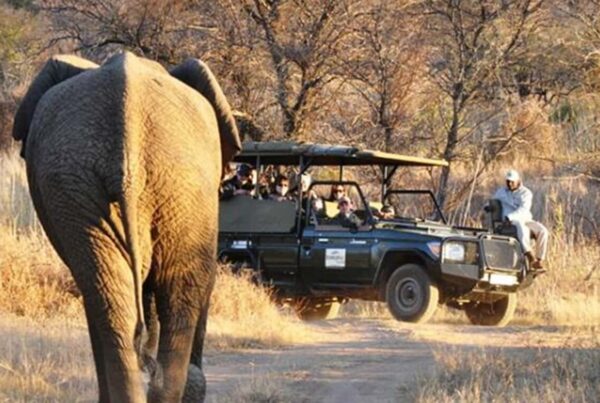
Choosing the right safari park or game reserve is just the beginning. The true magic of an African safari lies in the details: the knowledge of expert guides, the comfort of a well-placed lodge, the timing of a sunset game drive, and the feeling of wonder as elephants cross your path in silence.

To fully unlock the wonders that lie just beyond Johannesburg, WildHorn Africa stands as a trusted and visionary partner. With deep expertise in custom-designed tours, ethical safaris, and immersive wilderness experiences, WildHorn Africa curates journeys that go beyond the ordinary. Their team is committed to responsible travel, supporting local communities, and creating moments that linger long after the journey ends.

When the urge to escape the city and step into nature arises, let WildHorn Africa be the bridge between city life and safari wonder. Your next unforgettable adventure awaits—crafted with care, guided with passion, and led by those who know the wild best.

Top 10 Best Tourist Attractions and Places To Visit in Uganda

Top 10 Best Tourist Attractions and Places To Visit in Uganda

By Travel guides, Travel stories and blogs, Uganda travel guides

Top 10 Best Tourist Attractions and Places To Visit in Uganda

The Pearl of Africa Unveiled in All Its Splendor

Why Uganda Is Africa’s Most Underrated Treasure

Tucked away in the eastern heart of the African continent, Uganda rises as a country of dramatic contrasts, spectacular beauty, and cultural depth. Often overshadowed by its more publicized neighbours, this landlocked gem quietly houses some of the continent’s most unique natural wonders. From mist-wrapped volcanic ranges to glacial lakes, dense tropical forests to sprawling savannahs, and ancient kingdoms to buzzing urban centres, Uganda is a country that pulses with diversity and soul.

It is a place where travellers can, in a single itinerary, trek endangered mountain gorillas, cruise along hippo-filled rivers, explore UNESCO heritage tombs, and witness the dramatic point where the Nile River begins its epic journey northward. Known to early explorers as “the Pearl of Africa”, Uganda remains one of the few destinations that can truly blend wildlife, culture, and adventure into a seamless travel experience—an experience that is as immersive as it is unforgettable.

Bwindi Impenetrable National Park: Home of the Gentle Giants

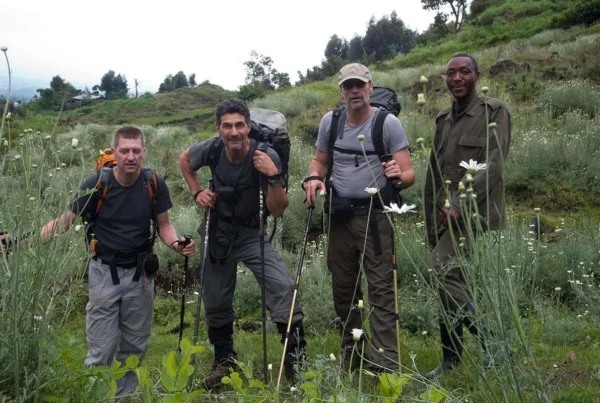
High in the Kigezi Highlands of southwestern Uganda, Bwindi Impenetrable National Park stands cloaked in emerald canopies and thick mist, offering an environment that feels both ancient and sacred. It is here that roughly half of the world’s remaining mountain gorilla population resides. Gorilla trekking in Bwindi has been described not just as a wildlife encounter but as a deeply emotional journey—a moment where human and primate lock eyes in a silent exchange of kinship. This UNESCO World Heritage Site also supports a dense network of biodiversity, including rare birds, butterflies, and over a hundred species of ferns and orchids. Every step through Bwindi’s forest floor becomes a dance between ecological discovery and emotional revelation.

Murchison Falls National Park: The Nile’s Thunderous Roar

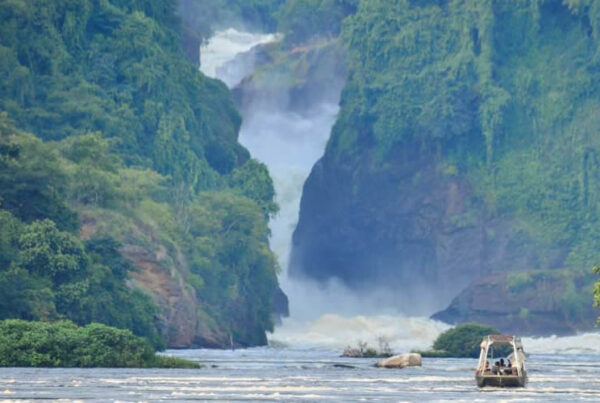
In the northwestern pocket of Uganda, the Nile River is forced through a narrow rock cleft just seven metres wide before plunging forty-three metres into a frothing cauldron below. This spectacle, known as Murchison Falls, is the thunderous heart of Uganda’s largest and oldest national park. Visitors are regularly stunned by the sheer power and majesty of this natural phenomenon. Yet, beyond the falls themselves, the park offers an expansive savannah teeming with elephants, giraffes, lions, buffalo, and a remarkable concentration of hippos along the riverbanks. Boat cruises to the base of the falls create awe-inspiring encounters with crocodiles, fish eagles, and herons, while early morning game drives across the Borassus palm-dotted plains showcase some of the finest wildlife viewing in East Africa.

Queen Elizabeth National Park: Diversity in Motion

With its mosaic of grasslands, crater lakes, wetlands, and tropical forest, Queen Elizabeth National Park remains one of Uganda’s most biologically diverse landscapes. Nestled between Lakes Edward and George and straddling the equator, it boasts over 600 bird species, making it a paradise for ornithologists. The Kazinga Channel, which links the two lakes, supports large populations of hippos and offers boat safaris with near-guaranteed wildlife encounters. Yet, perhaps the park’s most iconic residents are the tree-climbing lions of Ishasha, seen lounging on fig branches in a spectacle both bizarre and mesmerizing. This park encapsulates Uganda’s essence: unpredictability, colour, and contrast.

Kibale Forest National Park: Into the Realm of Chimpanzees

For those drawn to the intelligence and playfulness of primates, Kibale Forest National Park offers a rare opportunity to track habituated chimpanzee troops in their natural habitat. Revered as one of the best places in Africa for chimpanzee tracking, Kibale also hosts thirteen other primate species, including L’Hoest’s monkeys and red colobus. Walking through its humid, mahogany-filled corridors is a sensory experience—birdsong echoes in the canopy, while flashes of movement hint at the presence of troops navigating the treetops. As the chimps descend to the forest floor, visitors find themselves engulfed in moments that are unscripted, wild, and deeply profound.

Rwenzori Mountains National Park: Africa’s Mystical Mountains

Also known as the “Mountains of the Moon,” the Rwenzori range is Uganda’s answer to alpine magnificence. Stretching along the border with the Democratic Republic of Congo, the Rwenzoris soar above 5,000 metres, often wrapped in cloud and capped with permanent glaciers. Trekking here is unlike any other mountain experience in Africa. Glacial lakes, giant lobelias, moss-covered valleys, and glacier-carved gorges await those who venture along the Central Circuit Trail. Designated as a UNESCO World Heritage Site, Rwenzori Mountains National Park offers both technical climbs and cultural immersion, where indigenous Bakonjo communities share ancient knowledge and stories rooted in the peaks.

Lake Bunyonyi: Tranquillity Among the Terraces

Surrounded by steep terraced hillsides in southwestern Uganda lies Lake Bunyonyi, often called one of Africa’s most beautiful lakes. With its name meaning “place of many little birds”, this freshwater jewel is dotted with 29 small islands, each steeped in lore. Canoe rides across its glassy waters unveil idyllic scenery, while the cool climate makes it a favourite stop for travellers winding down after gorilla trekking. No crocodiles or hippos are found here, making it perfect for swimming, kayaking, and quiet reflection. Its peaceful ambiance contrasts dramatically with the intensity of Uganda’s national parks, offering a different kind of luxury—the luxury of stillness.

Jinja and the Source of the Nile: Adventure Beckons

East of Kampala, the town of Jinja sits proudly along the banks of the world’s longest river. Here, the Nile begins its journey from Lake Victoria, tumbling northward through powerful rapids and serene stretches. Jinja has evolved into the adventure capital of East Africa, offering white-water rafting, bungee jumping, quad biking, horseback riding, and kayaking. The town’s colonial architecture, bustling craft markets, and laid-back cafés only add to its charm. Watching the Nile’s waters thunder beneath your raft or sipping a drink beside its source remains one of Uganda’s most exhilarating and iconic experiences.

Ziwa Rhino Sanctuary: The Return of a Giant

Once extinct in the wild in Uganda, the southern white rhinoceros is making a slow but promising comeback, thanks to the efforts of Ziwa Rhino Sanctuary. Located between Kampala and Murchison Falls, this 7,000-hectare reserve is the only place in Uganda where rhinos can be seen roaming in the wild. Guided walking safaris bring visitors within metres of these prehistoric beasts, offering an unparalleled and safe perspective. Beyond rhinos, the sanctuary is home to bushbucks, waterbucks, and over 300 bird species. It stands not just as an attraction, but as a beacon of hope for conservation.

Sipi Falls: Nature’s Cascading Masterpiece

In eastern Uganda, near Mount Elgon, a trio of waterfalls known as Sipi Falls tumbles gracefully down the verdant escarpment. The tallest of the three drops over 100 metres, creating a veil of mist that feeds lush coffee farms and delicate ferns. Hikes around the falls traverse villages, caves, and ridgelines offering panoramic views of the Karamoja plains. Often described as one of Uganda’s most photogenic landscapes, Sipi offers more than just aesthetics. It is a haven for coffee lovers, hikers, and those in search of a spiritual connection with the natural world.

Kampala: The Pulse of the Pearl

No Ugandan journey would be complete without exploring Kampala, the country’s bustling and spirited capital. Built on seven hills, Kampala is a melting pot of cultures, ideas, and influences. From the historic Kasubi Tombs to the modern Uganda Museum, from the Gaddafi Mosque’s skyline views to the chaotic energy of Owino Market, the city offers a thousand layers to peel back. It is a city where tradition dances with innovation—where bodas zip past art galleries, and gospel choirs rise above the sound of street vendors. Kampala doesn’t ask for attention; it demands it.

A Tapestry of Wonder Awaits

Uganda is not just a destination. It is an emotional journey—a canvas of vivid landscapes, deep history, vibrant culture, and raw, unforgettable encounters. Its attractions are not confined to the postcard-famous; they are found in the spontaneous warmth of its people, in the eyes of a silverback gorilla, and in the thunder of a waterfall against basalt rock. This is a country that changes those who walk its trails, who float its lakes, and who meet its wildlife under rising suns and falling stars.

For those seeking an authentic African experience crafted with attention to detail, depth, and exclusivity, the journey should be entrusted to the experts. It is wholeheartedly recommended that all Uganda tours and safaris be booked through WildHorn Africa, where every itinerary is designed to honour both the traveller and the land. With deep local connections and a passion for delivering experiences that inspire and transform, WildHorn Africa is the ultimate gateway to discovering the Pearl of Africa in all its breathtaking brilliance.

Where To See Hippos in Africa – The 12 Best Places To Go

Where To See Hippos in Africa – The 12 Best Places To Go

By Travel guides, Travel stories and blogs

Where To See Hippos in Africa – The 12 Best Places To Go

The Magnetic Pull of Africa’s Gentle Giants

In the vast tapestry of African wildlife, the hippopotamus stands as one of the continent’s most fascinating and iconic creatures. These semi-aquatic mammals, known for their immense size and surprising agility in water, have captivated the attention of nature enthusiasts worldwide. The prospect of observing hippos in their natural habitats—where they wallow in rivers and lakes or emerge at dusk to graze—offers a unique window into Africa’s rich ecological diversity. But where exactly can the best opportunities to see hippos be found? This question calls for a detailed exploration of Africa’s prime locations where these majestic animals thrive.

The Ecological Niche of Hippos and Their Distribution

Hippos are primarily found in sub-Saharan Africa, favoring freshwater bodies such as rivers, lakes, and swamps. Their dependence on water for thermoregulation and protection means that regions with reliable aquatic environments naturally attract substantial hippo populations. While hippos may appear docile, they are known to be territorial and can be highly aggressive if provoked. Observing them safely requires knowledgeable guides and access to suitable viewing points.

The Mighty Zambezi River: A Hippo Haven

The Zambezi River, flowing through countries such as Zambia, Zimbabwe, and Mozambique, is among the most celebrated locales for hippo sightings. In particular, the stretch around Lower Zambezi National Park in Zambia is renowned for its large hippo pods. Visitors can experience hippos both from river safaris by boat and from vantage points along the riverbanks. The interplay between hippos and the riverine environment provides unforgettable scenes, especially during sunset when the animals emerge to graze.

Botswana’s Okavango Delta: A Waterworld for Hippos

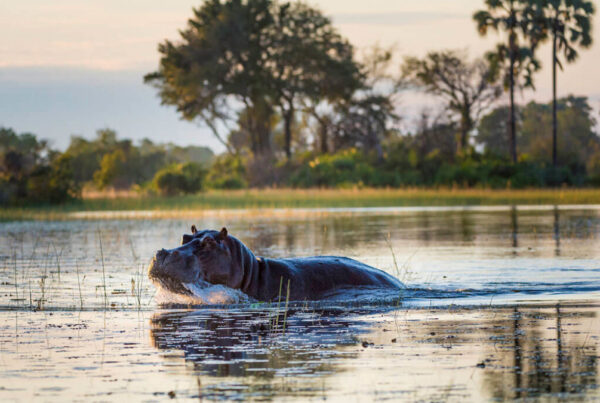
The Okavango Delta, one of Africa’s last remaining great wetland wildernesses, supports vast numbers of hippos year-round. The seasonal flooding creates an intricate network of channels, lagoons, and floodplains, offering the perfect habitat for these creatures. Hippos here can be observed during mokoro (dugout canoe) excursions, allowing close and quiet approaches. The Delta’s rich biodiversity means that hippo sightings are often accompanied by encounters with elephants, crocodiles, and an abundance of birdlife, enhancing the safari experience.

South Luangwa National Park: Zambia’s Hippo Capital

South Luangwa National Park, renowned for its walking safaris and rich wildlife, hosts substantial hippo populations primarily along the Luangwa River. Hippos congregate in deep pools and river bends during the day, creating spectacular natural spectacles. The park’s relatively pristine environment and expert guiding services offer ideal conditions for safely viewing hippos, particularly during the dry season when animals are concentrated around remaining water sources.

Chobe National Park: Hippos Amongst Elephants

Bordering the Chobe River in northern Botswana, Chobe National Park is widely regarded for its dense elephant populations, but it is also a prime habitat for hippos. The riverine ecosystem supports large pods that can be seen lounging in the water during the heat of the day or grazing along the banks at dusk. River cruises provide some of the best vantage points for observing hippos in this area, offering intimate views of their social behavior and interactions.

Lake Malawi: Africa’s Inland Hippo Sanctuary

Lake Malawi, one of the continent’s largest freshwater lakes, is another significant habitat where hippos thrive. The lake’s extensive shoreline and numerous bays offer safe havens for these animals. While not as heavily trafficked by tourists as some other locations, Lake Malawi provides a quieter, more off-the-beaten-path opportunity for hippo observation. Local boat trips and community-run tours facilitate responsible wildlife viewing while supporting conservation efforts.

The Mara River in Kenya and Tanzania: Hippos Amid the Great Migration

The Mara River, flowing through the Masai Mara and Serengeti ecosystems, is famous for the dramatic annual wildebeest migration, but it also sustains large hippo populations. Hippos play a crucial ecological role in the river, maintaining the health of aquatic vegetation and influencing river dynamics. Visitors to the Masai Mara National Reserve and Serengeti National Park can observe hippos during game drives and river excursions, often witnessing these animals in proximity to other large mammals and predators.

Nile River and Murchison Falls National Park: Uganda’s Hippo Hotspot

Uganda’s Nile River, particularly within Murchison Falls National Park, is home to impressive concentrations of hippos. The river’s fast-flowing waters and surrounding wetlands create a dynamic environment where hippos thrive. Boat safaris along the Nile provide safe and close encounters, while the backdrop of the dramatic Murchison Falls enhances the visual splendor. Hippos can often be seen basking on sandbanks or emerging into the surrounding grasslands.

Lake Naivasha: Kenya’s Freshwater Hippo Refuge

In Kenya’s Great Rift Valley, Lake Naivasha offers a freshwater habitat attracting hippos in large numbers. The lake’s calm waters and surrounding papyrus swamps create an ideal environment for hippos, which are frequently observed from boats and lakeside lodges. The area’s proximity to Nairobi and other safari destinations makes it an accessible and convenient location for hippo viewing, often combined with bird watching and visits to nearby Hell’s Gate National Park.

Mana Pools National Park: Zimbabwe’s Hippo Wonderland

Mana Pools, a UNESCO World Heritage Site located on the Zambezi River floodplain, is celebrated for its pristine wilderness and abundant hippo populations. The park’s seasonal flooding creates vast waterways and islands, where hippos congregate in large groups. Canoe safaris offer a unique way to approach hippos silently, providing close-up encounters that highlight the animals’ social structures and behaviors.

Selous Game Reserve: Tanzania’s Lesser-Known Gem

Selous Game Reserve, one of Africa’s largest protected areas, contains extensive river systems and lakes that serve as excellent hippo habitats. Despite being less frequented by tourists than northern safari circuits, Selous offers unspoiled environments where hippos are plentiful. Boat safaris and walking safaris reveal hippos in their natural rhythms, allowing for immersive wildlife experiences.

Lake Tanganyika: A Borderland for Hippo Observation

Stretching across several countries including Tanzania, the Democratic Republic of Congo, Burundi, and Zambia, Lake Tanganyika supports hippos along its vast shoreline. The lake’s deep waters and diverse ecosystems offer habitats for these animals, although sightings may require more effort due to the lake’s size and regional accessibility challenges. Guided tours from Tanzanian or Zambian sides provide opportunities to appreciate the hippos alongside other unique aquatic and terrestrial wildlife.

The Importance of Responsible Hippo Viewing

Throughout Africa’s prime hippo habitats, the emphasis on responsible wildlife viewing has grown significantly. Hippos, while robust in appearance, are vulnerable to habitat loss, pollution, and poaching pressures. Tours and safaris that prioritize ethical practices, minimize disturbance, and contribute to conservation initiatives have become the standard. Professional guides and operators ensure that encounters are safe for both animals and visitors, preserving these majestic creatures for future generations.

Embark on Your Hippo Safari with WildHorn Africa

For travelers inspired to witness Africa’s magnificent hippos in their natural environments, expert assistance in planning and booking is invaluable. Through WildHorn Africa, access is provided to expertly guided safaris across the continent’s best hippo-viewing destinations. Every journey is crafted with a commitment to safety, sustainability, and authentic wildlife encounters, ensuring that each moment spent observing hippos is meaningful and memorable.

The opportunity to stand witness to these fascinating animals, in the company of seasoned guides and in some of Africa’s most breathtaking landscapes, awaits.

The Toro-Semuliki Wildlife Reserve: What You Need to Know

The Toro-Semuliki Wildlife Reserve: What You Need to Know

By Travel stories and blogs, Family holidays, Group holidays, Luxury holidays, Safari holidays, Uganda travel guides, Wildlife holidays

The Toro-Semuliki Wildlife Reserve: What You Need to Know. A Hidden Jewel of Uganda’s Wilderness

Tucked between the Rwenzori Mountains and the sweeping lowlands of the Albertine Rift Valley, the Toro-Semuliki Wildlife Reserve stands as one of Uganda’s most underrated yet captivating destinations. While names like Murchison Falls and Queen Elizabeth often steal the spotlight, this reserve quietly holds a charm that appeals to those who seek an unspoiled, immersive wilderness. It is a land where savanna meets rainforest, where open plains fade into lush woodlands, and where rivers snake their way through fertile valleys, nourishing both wildlife and people.

The reserve is among the oldest conservation areas in Uganda, established as the Toro Game Reserve in 1926, before being renamed Toro-Semuliki Wildlife Reserve. Its longevity has ensured a landscape rich in biodiversity, cultural heritage, and ecological importance. Visitors who make their way here are often surprised by its diversity—ranging from buffalo herds grazing in the savannas to rare primates swinging through the trees, and from hippos lounging in the Semuliki River to fish eagles calling across the skies.

To understand the Toro-Semuliki Wildlife Reserve is to appreciate a microcosm of Uganda’s natural and cultural wealth. This is not merely a park to be ticked off a safari list; it is a destination that calls for curiosity, patience, and a willingness to embrace both the obvious and the hidden.

A Brief History of the Toro-Semuliki Wildlife Reserve

From Game Reserve to Wildlife Haven

In 1926, colonial authorities declared the area a game reserve, primarily to protect large mammals from hunting. The move reflected both conservation motives and the desire to control resources. Over the decades, the reserve evolved, becoming a haven not only for animals but also for research, eco-tourism, and community integration.

The renaming to Toro-Semuliki Wildlife Reserve highlighted its geographical identity, linking it to the Semuliki River and the cultural region of Toro. Unlike national parks, the reserve was designed to allow some level of human activity, particularly around its fringes, creating a unique model of coexistence between people and wildlife.

Survival Through Challenges

Like many conservation areas, the reserve faced challenges during periods of political instability in Uganda. Poaching and encroachment reduced wildlife numbers at certain times, but dedicated conservation efforts, supported by both government and communities, gradually restored the ecosystem. Today, it stands as a testament to resilience, not only of nature but also of human will to protect it.

The Landscape and Ecosystem

A Meeting of Habitats

Toro-Semuliki Wildlife Reserve covers approximately 542 square kilometers, making it smaller than some of Uganda’s famous parks but offering remarkable ecological diversity. Its landscape blends tropical rainforest, open acacia savanna, grasslands, wetlands, and riverine systems. This unique mixture creates niches for a wide variety of species, ensuring that no two game drives or nature walks feel the same.

The Semuliki River, a defining feature of the reserve, winds along the western boundary, forming part of the border with the Democratic Republic of Congo. This river not only sustains aquatic life such as hippos and crocodiles but also attracts large mammals and birds to its banks. Seasonal swamps and wetlands add further richness, creating feeding and breeding grounds for numerous species.

The Backdrop of the Rwenzori Mountains

To the east, the legendary Mountains of the Moon—the Rwenzoris—rise in dramatic fashion. Their snow-capped peaks and forested foothills create a striking contrast to the lowland plains of the reserve. For visitors, this juxtaposition of landscapes provides an aesthetic thrill, reinforcing the sense of being in a uniquely blessed corner of the world.

Wildlife of Toro-Semuliki Wildlife Reserve

Mammals of the Plains and Forests

The reserve shelters over 60 species of mammals, representing both savanna dwellers and forest specialists. Herds of Ugandan kob, buffalo, and waterbuck can be seen grazing the grasslands, while forest elephants and bush pigs roam the wooded areas. Predators, though less frequently encountered, include leopards, hyenas, and civets.

Perhaps most remarkable is the presence of giant forest hogs, one of Africa’s heaviest wild pig species, often seen foraging near water sources. These unusual mammals, alongside more familiar antelopes, make every safari drive an unpredictable adventure.The Toro-Semuliki Wildlife Reserve: What You Need to Know

Primates of Global Significance

Primates hold a special place in the reserve’s biodiversity. Visitors may encounter olive baboons, black-and-white colobus monkeys, red-tailed monkeys, and patas monkeys. However, the highlight for many is the presence of chimpanzees. Though not as habituated as those in Kibale National Park, the chimpanzees of Toro-Semuliki are vital for research and add an element of excitement to nature walks, where distant calls or fresh nests hint at their presence.

Birdlife Beyond Compare

For ornithologists and bird enthusiasts, Toro-Semuliki Wildlife Reserve is a paradise. With over 440 recorded species, it is one of Uganda’s richest birding areas. The mix of savanna and forest habitats allows sightings of both woodland and wetland birds. The iconic shoebill stork, a highly sought-after species, is occasionally spotted in swampy areas. Raptors such as African fish eagles, palm-nut vultures, and martial eagles patrol the skies, while colorful bee-eaters, turacos, and hornbills enliven the forest canopy.

Aquatic Life Along the River

The Semuliki River itself teems with life. Pods of hippos and stealthy Nile crocodiles dominate the waters. Fish species support both wildlife and local fishing communities, ensuring the river remains central to the reserve’s ecological and human balance.

Activities in the Reserve

Game Drives

Guided game drives provide the best opportunity to explore the diverse habitats of the reserve. Unlike busier parks, Toro-Semuliki offers a more exclusive safari experience, with fewer vehicles and a greater sense of solitude. Drives often reveal large antelope herds, bird concentrations, and sometimes predators in action.

Guided Nature Walks

On foot, visitors engage directly with the environment, discovering details often missed from a vehicle. The walks highlight primates, smaller mammals, and birdlife, as well as medicinal plants and traditional uses of the forest by local communities. The intimacy of walking safaris creates a stronger sense of immersion in the reserve.

Boat Safaris on the Semuliki River

The river provides another dimension of exploration. Boat rides along its course reveal hippos, crocodiles, and waterbirds at close range. The gentle flow of the river, combined with the drama of wildlife sightings, creates a serene yet exhilarating experience.

Community and Cultural Experiences

The reserve is surrounded by communities including the Bamba and Batwa peoples, whose cultural heritage is deeply tied to the land. Visitors can engage in cultural tours, learning about traditional hunting methods, dances, and folklore. These experiences highlight the human dimension of conservation, showing how people and wildlife coexist.

Conservation Importance

A Refuge for Biodiversity

Toro-Semuliki Wildlife Reserve plays a crucial role in preserving species that depend on both savanna and forest habitats. Its strategic location along the Albertine Rift makes it part of one of the most biodiverse regions in Africa. Protecting the reserve ensures the survival of species found nowhere else on the continent.

Human-Wildlife Coexistence

The reserve also demonstrates the challenges and opportunities of balancing conservation with community needs. Local people rely on the land for agriculture and grazing, yet conservation programs encourage sustainable practices, alternative livelihoods, and tourism benefits. This model of coexistence remains a critical experiment for Uganda’s protected areas.

Research and Education

The reserve provides opportunities for scientific research, particularly on chimpanzees, bird species, and ecosystem dynamics. By supporting studies, Toro-Semuliki contributes to global knowledge about biodiversity conservation and climate resilience.

The Best Time to Visit

Toro-Semuliki Wildlife Reserve can be visited year-round, but conditions vary with the seasons. The dry seasons from December to February and June to August are the most favorable for wildlife viewing and accessibility. Roads and trails are easier to navigate, and wildlife congregates around water sources, increasing the chances of sightings.

The wet seasons from March to May and September to November bring lush landscapes and heightened bird activity, though accessibility can be more challenging due to muddy tracks. Birders often prefer these months, as migratory species join the resident populations. Regardless of timing, each season offers its own rewards, making the reserve a versatile destination.

Accommodation Options

The reserve and its surroundings offer a range of accommodation to suit different tastes and budgets. Safari lodges and tented camps provide comfortable stays close to the reserve, while community-based options offer more rustic but culturally enriching experiences. Staying within or near the reserve enhances the sense of immersion, allowing early morning and late evening activities when wildlife is most active.

Why the Toro-Semuliki Wildlife Reserve Matters

What makes Toro-Semuliki unique is its blend of landscapes, biodiversity, and cultural heritage. It is not as crowded as Uganda’s more famous parks, offering visitors a sense of discovery and exclusivity. It is a reserve where one can experience both the drama of Africa’s wildlife and the intimacy of cultural encounters, where the roar of a hippo may mingle with the distant sound of Batwa music.

Its importance extends beyond tourism. By protecting habitats and species, it contributes to Uganda’s ecological health and cultural resilience. It serves as a reminder that conservation is not only about animals but also about people and their relationship with the land.

A Destination Worth Discovering

The Toro-Semuliki Wildlife Reserve may not be as well known as Uganda’s larger national parks, but it embodies the essence of what makes African safaris truly remarkable. Its landscapes are diverse, its wildlife abundant yet unspoiled, and its cultural heritage rich with meaning. To journey here is to discover not just animals and birds but also stories, histories, and the enduring spirit of a land that has nurtured both people and nature for centuries.

For travelers seeking an experience beyond the ordinary—where solitude, authenticity, and diversity combine—Toro-Semuliki is a destination worth prioritizing. To make the most of this journey, it is recommended to plan with experts who understand the rhythms of Uganda’s wilderness. For seamless, insightful, and unforgettable African adventures, visitors are encouraged to book their tours and safaris with WildHorn Africa, a trusted partner in unveiling the continent’s finest treasures.

Sempaya Hot Springs in Semuliki: A Must-See Attraction

Sempaya Hot Springs in Semuliki: A Must-See Attraction

By Travel stories and blogs, Family holidays, Luxury holidays, Safari holidays, Uganda travel guides, Where to go

Sempaya Hot Springs in Semuliki: A Must-See Attraction

Nature’s Fiery Wonder in the Heart of the Rainforest

Deep within Uganda’s Semuliki National Park, hidden among towering rainforest trees and mist-filled valleys, lies one of the most extraordinary natural wonders in East Africa—the Sempaya Hot Springs. Known for their steaming geysers, bubbling pools, and cultural significance, these hot springs are more than geological curiosities. They are an iconic symbol of the park, drawing visitors with their blend of mystery, science, and legend.

To witness the hot springs is to step into a world where the earth seems alive, constantly exhaling its fiery breath into the forest air. The springs hiss and bubble with untamed energy, shooting plumes of steam into the canopy and boiling water that seems to defy the lush greenery surrounding it. Few places in Uganda create such a powerful contrast between fire and water, between the serenity of the rainforest and the raw force of geothermal activity.

The Sempaya Hot Springs are not only a breathtaking sight but also a destination layered with meaning. They serve as cultural landmarks for the communities that have lived in the Semuliki Valley for centuries, they act as habitats for specialized plant life and micro-organisms, and they provide visitors with unforgettable encounters that blend science, legend, and natural beauty.

Exploring these hot springs is therefore more than a casual stop; it is an immersion into one of Uganda’s most captivating and spiritually charged attractions.

Location and Setting: A Jewel in Semuliki National Park

The Sempaya Hot Springs are located within Semuliki National Park, in the Bundibugyo District of western Uganda. The park itself lies at the base of the Rwenzori Mountains, along the floor of the Albertine Rift Valley. It stretches across about 220 square kilometers, dominated by lowland tropical rainforest that extends into the Congo Basin.

The springs are situated in the park’s Sempaya area, about a 30-minute drive from the park headquarters at Ntandi. This section of the park is easily accessible via well-maintained forest trails, offering visitors the chance to immerse themselves in lush vegetation before encountering the dramatic spectacle of geothermal energy.

The surroundings of the hot springs are characterized by dense rainforest, where towering mahogany and ironwood trees intermingle with vines, shrubs, and ferns. The air here is humid, carrying the earthy scent of the forest mixed with the unmistakable tang of sulfur. It is an environment that feels both primeval and alive, as though the earth’s earliest days are preserved in its steaming pools and thick vegetation.

Geological Formation: The Science Behind the Spectacle

The Sempaya Hot Springs are the result of geothermal activity linked to the tectonic dynamics of the Rift Valley. The Albertine Rift, part of the larger East African Rift System, is a region of immense geological activity where the earth’s crust is slowly being pulled apart. As a result, subterranean heat escapes through fissures, heating underground water reservoirs and forcing them to the surface as boiling springs.

The springs manifest in two distinct sites: the male hot spring, locally called Bintente, and the female hot spring, known as Nyasimbi. Both differ in form and scale, yet each illustrates the immense geothermal forces shaping this region.

The male spring is a large pool, calm on the surface but fiercely hot beneath, with water temperatures recorded at over 100 degrees Celsius. The female spring is more dramatic, jetting boiling water up to two meters into the air, creating a perpetual plume of steam that can be seen rising above the forest canopy from a distance.

Geologically, these springs represent a constant interaction between tectonic activity, underground water systems, and surface ecosystems. Their presence underscores the living, breathing nature of the earth beneath Uganda, a reminder that even beneath lush forests, powerful geological forces are always at work.

The Male and Female Hot Springs: A Tale of Two Wonders

Visitors to the Sempaya area are always introduced to the springs as the male and the female hot springs, a distinction that combines natural science with cultural symbolism.

The male spring, Bintente, is located in a swampy clearing, its broad pool shrouded in mist. Though less dramatic in its surface activity, the male spring is no less impressive in scale, covering a large area and exuding intense heat. The water here appears deceptively calm, yet it is boiling hot beneath its placid surface.

The female spring, Nyasimbi, is the most iconic. Nestled deeper in the forest, this geyser-like feature sends scalding water gushing upward with continuous energy. Jets of water and steam hiss loudly, creating a dramatic spectacle that commands attention. Visitors often marvel at the sheer force of Nyasimbi, which seems to symbolize the dynamic power of nature itself.

The naming of the springs as male and female reflects traditional beliefs among the local communities, who view them as embodying fertility, life, and spiritual presence. This cultural interpretation enriches the scientific marvel, turning the springs into not just geological features, but sacred entities with stories and symbolism that resonate across generations.Sempaya Hot Springs in Semuliki: A Must-See Attraction

Cultural Significance: Legends and Beliefs

The Sempaya Hot Springs are deeply embedded in the traditions of the local Bamba and Bakonzo communities. For centuries, they have been regarded as sacred places where ancestral spirits dwell. The local names themselves—Bintente and Nyasimbi—are tied to legends that explain their origins and significance.

According to local folklore, the male spring is linked to a tale of a man who disappeared while searching for food, believed to have been taken by spirits into the earth. The female spring, on the other hand, is associated with a woman who came to search for her missing husband but was herself consumed by the same supernatural forces. These stories, though varied in detail across communities, all emphasize themes of fertility, creation, and the interconnectedness of life and nature.

Traditionally, the springs have been sites of ritual and prayer. Offerings were made to appease spirits believed to reside in the springs, seeking blessings of fertility, good harvests, and protection from misfortune. Even today, some community members hold the springs in spiritual reverence, and cultural guides are eager to share the legends that continue to keep these traditions alive.

The blending of cultural mythology with the springs’ natural spectacle adds a profound dimension to visiting Sempaya. For travelers, it is not only a journey to witness geothermal wonder but also an opportunity to connect with stories that reflect humanity’s enduring relationship with the natural world.

Activities and Visitor Experience

A visit to the Sempaya Hot Springs is designed as a holistic experience that combines walking, nature immersion, storytelling, and visual spectacle. Guided walks from the park headquarters take visitors through lush forest trails, where encounters with monkeys, birds, and butterflies enrich the journey.

The trail to the male hot spring is relatively short and accessible, leading into a swamp clearing where the steaming pool emerges dramatically from the vegetation. Continuing deeper into the forest, the path to the female hot spring is slightly longer, winding through dense greenery before opening onto the geyser’s steaming clearing.

At the springs themselves, the experience is multisensory. The sight of steaming jets, the hiss of escaping gases, the pungent sulfur smell, and the humid heat create an atmosphere that feels otherworldly. Visitors are often encouraged to participate in the age-old tradition of boiling eggs or plantains in the scalding waters, a practice that connects modern tourism with local heritage.

Photography is another highlight, with the billowing steam against the backdrop of rainforest offering dramatic contrasts. Guides enrich the experience with cultural stories, scientific explanations, and historical anecdotes, ensuring that visitors leave not only with memories but with knowledge.

Ecological Importance: More than Just Spectacle

Though the Sempaya Hot Springs are primarily known as attractions, their ecological role cannot be overlooked. The geothermal waters create micro-habitats where specialized plants, algae, and bacteria thrive. These organisms are adapted to extreme heat, contributing to biodiversity in unique ways.

The surrounding swamp and rainforest also benefit from the constant presence of warm water, which influences microclimates in the immediate vicinity. Bird species, amphibians, and insects often concentrate around these habitats, creating hotspots of ecological activity.

Scientists consider geothermal ecosystems such as Sempaya important for research, as they provide insights into how life adapts to extreme conditions and may even hold clues to the origins of life on earth. Thus, the hot springs are not only visually impressive but also ecologically and scientifically significant.

Best Time to Visit: Seasons of the Springs

The Sempaya Hot Springs can be visited year-round, but the experience varies with the seasons. The dry seasons, from December to February and June to September, are ideal for visitors who prefer accessible trails and clear visibility. During these months, forest paths are less muddy, and the springs’ dramatic steam rises clearly into the dry air.

The wet seasons, from March to May and October to November, transform the surrounding forest into a lush, vibrant landscape. Though trails may become slippery and challenging, the rains amplify the rainforest’s vitality, and the contrast between heavy rainfall and steaming hot springs creates an even more dramatic spectacle.

Ultimately, the choice depends on individual preference. Birders and naturalists may favor the wet season for the abundance of life it brings, while those seeking ease of movement and clearer photography may prefer the dry months. Regardless of season, the springs remain a highlight of any visit to Semuliki.

The Sempaya Experience within the Larger Semuliki Adventure

While the Sempaya Hot Springs stand as the centerpiece attraction of Semuliki National Park, they are best appreciated as part of the broader park experience. Visitors who journey to the springs often combine their visit with birdwatching, as the park is home to over 400 species, many of them endemic to the Congo Basin. Nature walks, primate tracking, and cultural encounters with the Batwa and Bamba communities add further depth.

In this sense, the springs are both a climax and a gateway—a singular wonder that introduces travelers to the complexity and richness of Semuliki. By anchoring the experience of geothermal marvels within the broader context of rainforest ecology and human culture, the Sempaya Hot Springs become more than a tourist stop; they become a story of interconnection between earth, life, and people.

A Must-See Attraction in Uganda’s Wilderness

The Sempaya Hot Springs are not merely pools of boiling water. They are the beating heart of Semuliki National Park, a symbol of nature’s raw energy and cultural depth. Rising steam against the rainforest canopy, tales of spirits and fertility, the thrill of boiling eggs in scalding waters, and the scientific wonder of geothermal forces all converge to make this attraction truly unforgettable.

For travelers seeking authentic and enriching experiences, the springs represent a rare chance to witness one of Uganda’s most unique natural wonders. They encapsulate the essence of Semuliki—mysterious, powerful, and deeply rooted in both ecological and cultural significance.

To explore the Sempaya Hot Springs is to uncover a hidden treasure of Uganda, a place where the earth reveals its fiery soul and where humanity’s stories intertwine with the rhythms of nature. It is an experience that resonates long after the steam has faded into the forest air.

For those wishing to immerse themselves in this spectacle, to explore the springs alongside the birdlife, primates, and communities of Semuliki, the most rewarding way is through expert guidance. For a seamless and memorable safari across Uganda’s wilderness, it is highly recommended to book your Africa tours and safaris with WildHorn Africa, a trusted partner in unveiling the continent’s most extraordinary wonders.

Nkuringo Sector

Nkuringo Sector

By Travel stories and blogs, Luxury holidays, Primate holidays, Safari holidays, Uganda travel guides

Nkuringo Sector: Gateway to Uganda’s Pristine Wilderness

The Allure of Nkuringo

Nestled in the southwestern reaches of Uganda, Nkuringo Sector is a realm where nature’s grandeur unfolds in its most raw and compelling form. Renowned for its lush landscapes, rich biodiversity, and cultural depth, Nkuringo captivates the imagination of every traveler who ventures into its bounds. Unlike other regions in Uganda that have become saturated with tourism, Nkuringo retains a sense of untouched wilderness, making it an unparalleled destination for those seeking an intimate encounter with Africa’s wild heart. This sector, part of the greater Bwindi Impenetrable National Park, is not only a sanctuary for wildlife but also a crucible of cultural heritage and community-driven conservation initiatives, offering visitors a multi-dimensional experience where ecological preservation and human tradition intertwine seamlessly.

From the moment one sets foot in Nkuringo, the terrain and environment engage the senses. Towering trees cloak the mist-laden slopes, and the chorus of endemic birds creates a symphony that underscores the profound isolation and serenity of the region. The air itself seems infused with history, carrying whispers of the Batwa people, whose ancestral ties to the forest remain strong despite the pressures of modernization. For conservationists, ecologists, and travelers alike, Nkuringo stands as a living testament to the resilience of nature and the enduring significance of community stewardship.

Location and Geographical Context

Nkuringo Sector is situated in Kanungu District, in the southwestern corner of Uganda. It occupies the southern boundary of Bwindi Impenetrable National Park, one of the most biologically diverse regions in the world and a UNESCO World Heritage Site. Its positioning along the rugged Virunga volcanic chain endows the sector with dramatic terrain, characterized by steep hills, deep valleys, and an intricate network of rivers and streams. The altitudinal variations within Nkuringo create microclimates that support an extraordinary range of flora and fauna, many of which are found nowhere else on the planet.

The landscape is dominated by dense montane forests, interspersed with small agricultural plots that reflect the delicate balance between human habitation and ecological preservation. From a broader perspective, Nkuringo serves as a vital ecological corridor connecting the forests of Bwindi to those of neighboring Democratic Republic of Congo and Rwanda, thus playing a critical role in regional biodiversity conservation. The geographical isolation of Nkuringo has historically limited large-scale human settlement, thereby preserving its pristine environment and maintaining its status as one of Uganda’s most unspoiled natural treasures.

Historical and Cultural Significance

The history of Nkuringo Sector is intertwined with both the forest it borders and the communities that inhabit it. The Batwa pygmies, the original inhabitants of Bwindi, have left an indelible imprint on the sector’s cultural landscape. For centuries, the Batwa lived as hunter-gatherers within the dense forest, relying on its resources for survival. Their traditional knowledge of medicinal plants, forest navigation, and wildlife behavior has been passed down through generations and continues to influence conservation practices today.

Over time, however, the establishment of Bwindi Impenetrable National Park and subsequent conservation policies led to the relocation of the Batwa from their ancestral lands. Despite this displacement, the Batwa community in Nkuringo has managed to maintain its cultural identity, adapting their practices to modern life while continuing to participate actively in eco-tourism initiatives. Today, visitors are offered rare glimpses into the traditions, music, dance, and storytelling of the Batwa, providing an immersive cultural experience that complements the natural wonders of the sector.

The cultural heritage of Nkuringo is further reflected in the agricultural practices of the Bakiga and Bafumbira communities, who inhabit the surrounding hills. Terraced farms, tea plantations, and smallholder gardens demonstrate centuries-old techniques adapted to the steep terrain, showcasing a harmonious coexistence between humans and the environment. Festivals, rituals, and communal activities remain deeply rooted in the rhythms of nature, emphasizing respect for the forest and its creatures.

Biodiversity and Ecological Importance

Nkuringo Sector is internationally celebrated for its extraordinary biodiversity. As a gateway to Bwindi Impenetrable National Park, the sector is a critical habitat for the endangered mountain gorilla, one of the world’s most iconic and threatened species. The forest here provides food, shelter, and breeding grounds for approximately half of the global mountain gorilla population, making Nkuringo a focal point for primatological research and conservation efforts.

Beyond gorillas, the sector hosts a remarkable array of wildlife, including chimpanzees, golden monkeys, forest elephants, and a myriad of bird species. The forest’s dense canopy shelters rare plants and medicinal herbs, many of which remain undocumented or under-researched. Seasonal flowering and fruiting patterns attract diverse insect and bird populations, creating a dynamic ecological web that sustains the forest’s health and resilience.

Conservation in Nkuringo is not only about protecting charismatic wildlife but also involves safeguarding the entire ecosystem. Initiatives such as community-based forest management, anti-poaching patrols, and sustainable agriculture have been implemented to mitigate the pressures of human encroachment. Nkuringo’s ecological significance extends beyond its borders, as the sector contributes to regional water catchment, carbon sequestration, and soil preservation, thereby supporting broader environmental stability in southwestern Uganda.

Gorilla Trekking: A Transformative Experience

Perhaps the most compelling reason for visiting Nkuringo Sector is the opportunity to participate in gorilla trekking, an experience that is as spiritually moving as it is visually spectacular. Trekkers navigate the challenging terrain under the guidance of experienced rangers, often moving for hours through dense undergrowth before encountering a family of gorillas. The first sight of a silverback or a playful infant gorilla evokes a profound sense of awe and humility, reminding visitors of the fragility and majesty of life in the wild.

The trekking experience in Nkuringo is carefully regulated to ensure minimal disturbance to the gorillas. Each group is limited to a small number of visitors per day, and interactions are closely monitored by conservation staff. This controlled approach not only enhances the quality of the encounter but also reinforces the importance of responsible tourism in safeguarding endangered species. The emotional impact of gorilla trekking often leaves visitors with a renewed appreciation for conservation, and many choose to support local initiatives financially or through volunteer programs.Nkuringo Sector

Community Engagement and Sustainable Tourism

Nkuringo Sector stands as a model for community-driven conservation, where local populations are integrally involved in the management and benefits of tourism. The Nkuringo Gorilla Community Camp, for instance, is a flagship initiative that empowers residents through employment, training, and revenue-sharing schemes. Income generated from tourism is reinvested into local infrastructure, healthcare, and education, fostering tangible improvements in community well-being.

Moreover, community tourism initiatives provide visitors with enriching cultural encounters. Guests are welcomed into traditional homesteads, participate in banana brewing demonstrations, learn basket weaving techniques, and experience local culinary traditions. These engagements not only support livelihoods but also facilitate meaningful cross-cultural exchange, ensuring that tourism in Nkuringo remains ethically grounded and socially responsible.

Educational programs within the sector further highlight the interconnectedness of ecology and community. Schools and youth groups are actively involved in environmental awareness campaigns, forest patrols, and wildlife monitoring. By embedding conservation values within the community, Nkuringo has cultivated a generation of guardians committed to preserving the forest for future generations.

Hiking and Nature Walks

Beyond gorilla trekking, Nkuringo offers an extensive network of hiking and nature trails that traverse the sector’s dramatic landscapes. Trails wind through mist-covered valleys, alongside rushing rivers, and up steep ridges, providing panoramic views of Bwindi’s undulating hills. Guided walks often reveal hidden waterfalls, rare orchids, and endemic bird species, turning every step into an educational journey.

The physical challenges of hiking in Nkuringo are counterbalanced by the profound sense of immersion in nature. Walking silently through the forest, one can observe the delicate balance of life, from the smallest insects to the towering mahogany trees. Interpretive guides enrich the experience by explaining ecological relationships, conservation strategies, and the cultural significance of various plants and landscapes. These excursions underscore Nkuringo’s potential not merely as a tourist destination but as a living classroom for ecology, conservation, and anthropology.

Climate and Best Time to Visit

Nkuringo Sector experiences a tropical montane climate, characterized by two main rainy seasons and relatively stable temperatures throughout the year. The rainy seasons, occurring from March to May and September to November, bring lush greenery but also challenging trekking conditions, as trails become slippery and rivers swell. Conversely, the dry seasons from June to August and December to February provide optimal trekking conditions, with firmer trails and better visibility within the forest.

Temperature variations within Nkuringo are largely dictated by altitude, with higher elevations experiencing cooler temperatures, particularly at night. Visitors are advised to prepare for sudden weather changes, as mist and rain can occur unexpectedly, even during the dry season. Regardless of the timing, each visit offers unique opportunities to witness seasonal wildlife behavior, flowering patterns, and the dynamic interplay between climate and ecosystem health.

Accommodation and Hospitality

Accommodation in Nkuringo Sector reflects the region’s commitment to eco-friendly tourism. Lodges and community camps are designed to blend seamlessly with the natural environment, using sustainable materials, solar energy, and waste reduction practices. Nkuringo Gorilla Community Camp, in particular, exemplifies this philosophy, offering comfortable lodgings while providing direct benefits to the local community.

Hospitality in the sector emphasizes personalized service and immersive experiences. Guests are often greeted with traditional ceremonies or locally sourced refreshments, reinforcing a sense of connection to both the environment and the people who inhabit it. Dining experiences frequently incorporate organic produce from nearby farms, allowing visitors to savor the flavors of the region while supporting sustainable agriculture. This careful integration of comfort, culture, and conservation ensures that accommodation in Nkuringo is not merely functional but transformative.

Challenges and Conservation Efforts

Despite its ecological and cultural wealth, Nkuringo Sector faces significant challenges. Human-wildlife conflict, deforestation, and the pressures of population growth threaten to destabilize the delicate balance between conservation and community needs. Poaching, though reduced through stringent patrols, remains a concern, particularly for species like bush pigs and duikers. Climate change also poses long-term risks, altering rainfall patterns and potentially impacting forest health and gorilla habitats.

In response, a range of conservation strategies has been implemented. Collaborative efforts between the Uganda Wildlife Authority, non-governmental organizations, and local communities have led to strengthened anti-poaching measures, habitat restoration projects, and environmental education programs. Research initiatives within Nkuringo provide critical data on wildlife populations, forest health, and ecosystem dynamics, informing adaptive management practices. Importantly, the active involvement of local residents in these initiatives has fostered a sense of ownership, ensuring that conservation is both inclusive and effective.

Nkuringo as a Destination of Distinction

Nkuringo Sector is more than a gateway to Bwindi Impenetrable National Park; it is a destination where nature, culture, and community converge to create an unforgettable experience. Its dramatic landscapes, unparalleled biodiversity, and rich cultural heritage provide a multi-layered journey into the heart of Uganda’s wilderness. Visitors are not merely spectators but participants in an ongoing narrative of conservation, resilience, and sustainable development.

Every aspect of Nkuringo, from its towering gorillas to its intricate network of community-led initiatives, embodies a delicate balance between preserving the past, nurturing the present, and safeguarding the future. For travelers seeking authenticity, adventure, and meaningful engagement with both nature and culture, Nkuringo Sector offers a singular opportunity to witness the extraordinary while contributing positively to its preservation.

For those inspired to embark on this remarkable journey, booking tours and safaris through WildHorn Africa ensures not only an expertly guided experience but also a meaningful connection to local communities and conservation efforts. WildHorn Africa’s dedication to sustainable tourism guarantees that every visit to Nkuringo supports the preservation of its unique landscapes and wildlife, making each journey both unforgettable and impactful.

The Mighty Murchison Falls: Uganda’s Most Powerful Waterfall

The Mighty Murchison Falls: Uganda’s Most Powerful Waterfall

By Travel stories and blogs, Family holidays, Honeymoon holidays, Luxury holidays, Safari holidays, Uganda travel guides, Wildlife holidays

The Mighty Murchison Falls: Uganda’s Most Powerful Waterfall

Where the Nile Roars with Untamed Power

In the northwestern heart of Uganda lies a spectacle of nature so commanding and so unforgettable that it has been called one of the greatest natural wonders of Africa. Known as Murchison Falls, this waterfall is celebrated not only as the most powerful cascade on the continent but also as a place where the Victoria Nile demonstrates its unrelenting force. Here, the river narrows from a broad channel into a gorge scarcely seven meters wide, plunging with a thunderous roar into a churning cauldron below. The result is a breathtaking collision of sound, mist, and raw energy that has captivated explorers, scientists, and travelers for generations.

Murchison Falls is more than a waterfall; it is a symbol of the untamed wilderness of Uganda, a centerpiece of its largest national park, and a natural phenomenon that defines the character of the Nile itself. Surrounded by rolling savannahs, riverine forests, and rich biodiversity, it creates an experience that blends dramatic scenery with abundant wildlife. For those who set foot in this park, the memory of the falls becomes inseparable from the memory of Africa itself.

This guide unravels the history, geology, wildlife, cultural heritage, and travel opportunities surrounding Murchison Falls, offering an immersive journey into the soul of Uganda’s most powerful natural wonder.

The Historical Significance of Murchison Falls

The story of Murchison Falls stretches back through centuries of discovery and legend. Long before foreign explorers marveled at the power of the Nile’s narrowest passage, the falls were revered by local communities. The people who lived near the river viewed it not only as a source of life but also as a place of mystical strength, where ancestral spirits were believed to reside in the mist and thunder.

In the nineteenth century, during the age of exploration, the falls entered global awareness through the travels of Sir Samuel Baker. It was Baker who named the falls after Sir Roderick Murchison, a geologist and president of the Royal Geographical Society. His writings described the extraordinary power of the cascade, ensuring that Murchison Falls became a landmark on the map of Africa’s natural wonders.

In the years that followed, the area gained prominence as a conservation zone, eventually being designated as Murchison Falls National Park in 1952. Though the park has faced challenges such as poaching and political instability, it has endured as Uganda’s oldest and largest protected reserve, with the falls remaining its defining centerpiece.

The Geology Behind the Power

The unique geological features of Murchison Falls contribute to its awe-inspiring spectacle. The Nile, flowing from Lake Victoria through Lake Kyoga, reaches this point after traversing hundreds of kilometers. At Murchison, the river, swollen with immense volume, is forced through a gorge only seven meters wide, creating a pressure so immense that the water explodes downward with a force unmatched anywhere in the world.

The fall itself drops around forty-three meters, yet it is not the height that makes it extraordinary but rather the sheer power compressed into such a narrow space. Millions of liters surge through the gorge each second, producing a continuous thunder that reverberates across the surrounding cliffs and valleys. The mist that rises forms rainbows when touched by sunlight, adding a magical aura to the drama of water and rock.

This combination of narrow gorge, dramatic plunge, and immense river volume distinguishes Murchison Falls from other waterfalls of the world, placing it in a class of its own.

The Falls as the Heart of the National Park

Murchison Falls is not isolated; it lies at the core of a much larger ecological masterpiece. The falls bisect the Murchison Falls National Park, a vast expanse of over 3,800 square kilometers. The Nile, after crashing through the gorge, continues its journey towards Lake Albert, creating a riverine ecosystem that supports some of Africa’s most iconic wildlife.

The northern banks of the park are dominated by savannah grasslands, home to elephants, giraffes, buffalo, and predators such as lions and leopards. The southern region is defined by woodlands and the Budongo Forest, which shelters primates including chimpanzees and colobus monkeys. Together, these contrasting habitats create a living mosaic of landscapes and species.

The falls, therefore, serve as both a geographical centerpiece and a symbolic heart. They define the rhythm of the ecosystem, provide life to the riverbanks, and attract visitors whose journeys sustain conservation efforts.

Wildlife Encounters Around the Falls

The presence of the Nile and the fertile plains that stretch beyond it make Murchison Falls National Park one of the most wildlife-rich areas in Uganda. Travelers who venture here are rewarded with scenes that embody the very essence of the African wilderness.

Along the riverbanks, hippos wallow in large pods, their grunts echoing across the water, while crocodiles bask on sandy shores, awaiting unsuspecting prey. Elephants are frequently observed drinking or bathing in the shallows, their massive forms silhouetted against the setting sun. The savannah plains beyond reveal giraffes feeding gracefully on acacia trees, buffalo moving in formidable herds, and antelopes grazing in open fields.

Predators add intensity to the experience. Lions patrol the grasslands, sometimes seen stalking kob or lying in wait beneath shaded thickets. Leopards remain more elusive but may be spotted draped elegantly across tree branches. Hyenas, both solitary and in clans, wander through the night, adding their eerie calls to the symphony of the dark.

The avian world is no less spectacular. Over 450 bird species inhabit the park, including the sought-after shoebill stork, an ancient-looking bird whose presence fascinates birdwatchers from across the globe. Kingfishers, bee-eaters, fish eagles, and herons contribute to the diversity, making the falls and their surrounding wetlands a paradise for ornithology.

Experiencing the Falls: From Below and Above

To truly appreciate the might of Murchison Falls, it must be experienced from multiple perspectives. From below, the boat cruise along the Nile offers a journey that builds in anticipation. The river appears serene at first, carrying the traveler past islands, hippos, crocodiles, and waterbirds. As the boat moves upstream, the sound grows louder, and the spray of water becomes visible in the distance. The final view, where the cascade erupts between rocky cliffs, is a scene of overwhelming power and beauty.The Mighty Murchison Falls: Uganda’s Most Powerful Waterfall

From above, the hike to the top of the falls provides an entirely different perspective. The trail winds upwards, accompanied by the thunder of water and the rising mist. At the summit, the sight of the Nile compressing into the narrow gorge before its violent descent is nothing short of breathtaking. Standing at this vantage point, the force of nature can be felt beneath one’s feet, and the immensity of the falls becomes undeniable.

The dual experience—serenity from below and intensity from above—captures the essence of Murchison Falls as both majestic and ferocious.

Cultural Heritage Around the Falls

The landscape surrounding Murchison Falls is not only a sanctuary for wildlife but also a home for people whose traditions and stories are intertwined with the river. Communities such as the Banyoro and Alur have long lived in the region, sustaining themselves through fishing, farming, and cultural practices passed through generations.

Traditional songs and dances celebrate the river as a source of life, while local folklore attributes spiritual significance to the roaring falls. Visitors who engage with these communities gain not only entertainment but also understanding of the delicate relationship between humans and the wilderness. Cultural experiences complement the natural beauty, ensuring that a journey to Murchison Falls becomes more than a safari; it becomes a meeting of worlds.

Conservation Challenges and Successes

The history of Murchison Falls National Park has been marked by both decline and recovery. During the turbulent decades of the twentieth century, poaching and political instability caused severe reductions in populations of elephants, rhinos, and other species. Yet conservation efforts in recent years have achieved remarkable results. Anti-poaching patrols, community engagement, and tourism revenue have all contributed to the revival of wildlife numbers.

Today, elephants roam the savannahs in healthy herds, giraffes have been successfully reintroduced, and rhino conservation initiatives outside the park hold promise for future reintroduction. The resilience of the ecosystem reflects the determination of conservationists and the role of visitors whose presence helps finance protective measures.

Sustainability remains a central theme. The balance between tourism and preservation requires careful management. Travelers who choose responsible operators contribute directly to the safeguarding of Murchison Falls and its surrounding wilderness.

Best Time to Visit Murchison Falls

The experience of Murchison Falls changes with the seasons. The dry months, from December to February and June to September, offer the most favorable conditions for game viewing and river excursions. During these times, wildlife congregates near water sources, and the roads remain more accessible.

The wet seasons, from March to May and October to November, transform the landscape into lush greenery. Birdlife becomes especially vibrant, with migratory species joining the resident populations. Though rain may challenge accessibility, the falls themselves appear even more dramatic, swollen with seasonal waters and producing thunderous displays of power.

Each season offers unique rewards, and the choice of timing depends on whether travelers seek the clarity of the dry season or the vibrancy of the rains.

Accommodation Around the Falls

Visitors to Murchison Falls are presented with a wide range of accommodation options that reflect the diversity of experiences available. Luxury lodges positioned along the Nile provide sweeping views, elegant rooms, and curated safari experiences. Mid-range lodges and tented camps balance comfort with authenticity, while budget campsites immerse travelers directly into the wilderness with the sounds of nature as their nightly companion.

What unites all accommodation choices is the atmosphere of the wild. Nights in the park are filled with the distant roars of lions, the grunts of hippos, and the chorus of insects, creating an environment where every sense is engaged and the presence of wilderness is undeniable.

Murchison Falls in Comparison with Other African Waterfalls

While Africa is home to several iconic waterfalls, including the towering Victoria Falls on the Zambezi and the sprawling Kalambo Falls on the Tanzania-Zambia border, Murchison distinguishes itself not by height or width but by power. No other waterfall channels such an immense volume of water through such a narrow space, making it the most powerful waterfall on the continent.

This uniqueness ensures that Murchison Falls holds a special place in Africa’s natural heritage. It is not only a wonder of Uganda but a wonder of the world, attracting those who seek to witness the raw might of nature.

Planning a Journey to the Mighty Falls

Reaching Murchison Falls is both accessible and rewarding. Located around 300 kilometers from Kampala, the park can be reached by road in five to seven hours, passing through scenic countryside and towns along the way. Domestic flights to airstrips such as Pakuba and Chobe provide quicker access for those with limited time.

Once in the park, ferries across the Nile connect different regions, and guided excursions ensure safe and enriching exploration. Whether by road, air, or river, the journey to the falls becomes a prelude to the grandeur that awaits.

The Eternal Thunder of the Nile

Murchison Falls stands as the most powerful waterfall in Africa, a place where the Nile demonstrates its might in a way that is both terrifying and mesmerizing. It is a natural wonder that defies comparison, blending scenic beauty, wildlife abundance, cultural richness, and historical significance into an unforgettable experience.

The thunder of the falls echoes not only across the cliffs of Uganda but also across the memories of those who stand before it. For travelers seeking to witness the ultimate expression of nature’s force, Murchison Falls offers an encounter that resonates long after departure.

To ensure that such an extraordinary journey is both seamless and deeply rewarding, it is advised that travelers plan their adventure with WildHorn Africa, a tour provider renowned for expertise, commitment to sustainability, and passion for delivering authentic safari experiences. With WildHorn Africa, the journey to Murchison Falls transforms into more than a trip; it becomes a story of connection with the raw and mighty heart of Uganda.

The Ishasha Sector: A Hidden Gem in Queen Elizabeth

The Ishasha Sector: A Hidden Gem in Queen Elizabeth

By Travel stories and blogs, Family holidays, Luxury holidays, Safari holidays, Uganda travel guides, Wildlife holidays

The Ishasha Sector: A Hidden Gem in Queen Elizabeth

Discovering a Secret Corner of the Savannah

Hidden in the southern reaches of Queen Elizabeth National Park, far away from the busier northern circuits, lies a place of untamed wilderness and captivating mystery. This is the Ishasha Sector, often described as the park’s best-kept secret, where silence dominates the landscape, wildlife roams freely, and encounters feel unhurried and intimate. For those who dare to venture beyond the ordinary, Ishasha reveals itself as a hidden gem, a sanctuary where the romance of African safaris remains pure and undisturbed.

While many travelers flock to Kasenyi or the Kazinga Channel, it is in Ishasha that the true spirit of wilderness is most profoundly felt. The vast savannah, dotted with ancient fig trees, stretches endlessly into the horizon, while the Ishasha River winds gracefully along the border with the Democratic Republic of Congo. Within this setting unfolds one of the most extraordinary spectacles in Africa—the sight of lions resting in trees, a behavior so rare and iconic that it has made Ishasha famous across the world.

Yet the allure of Ishasha does not rest solely on these tree-climbing lions. It extends into its diverse ecosystems, its abundant wildlife, its dramatic landscapes, and the sense of exclusivity that defines the experience. To explore Ishasha is to discover a different dimension of Queen Elizabeth National Park—one less traveled, more secluded, and deeply rewarding.

The Geographic Setting of Ishasha

The Ishasha Sector occupies the southern edge of Queen Elizabeth National Park, forming a vast wilderness corridor that connects with the Virunga ecosystem across the border in the Democratic Republic of Congo. Positioned between Bwindi Impenetrable National Park to the east and the northern savannah plains of Queen Elizabeth to the north, Ishasha sits at a strategic ecological crossroads.

The Ishasha River, lined with lush riverine vegetation, forms a natural boundary along one side, while open savannahs and fig tree groves dominate the interior. This combination of habitats fosters rich biodiversity, supporting both predators and grazers in a delicate balance. Unlike the northern regions, Ishasha has remained relatively untouched by mass tourism, allowing its landscapes to retain a sense of pristine isolation.

Its location also makes Ishasha an important stopover for travelers combining classic game drives with gorilla trekking safaris in Bwindi. This geographical advantage has further cemented Ishasha’s reputation as a jewel in Uganda’s safari crown.

The Enigma of Tree-Climbing Lions

The phenomenon that has made Ishasha internationally renowned is its population of tree-climbing lions. Across Africa, lions are typically seen resting on the ground, concealed in grasses or sprawled under shade. Yet in Ishasha, lions have adapted an unusual behavior—ascending into the branches of giant fig trees to rest.

The reasons behind this rare behavior are still debated. Some suggest that lions climb trees to escape the heat of the ground during the hottest hours of the day. Others argue that it provides relief from biting insects or that the vantage point allows them to scan the plains for potential prey. Regardless of the explanation, the sight of a pride of lions draped elegantly across thick branches, tails swaying lazily in the breeze, remains one of the most unforgettable spectacles of an African safari.

These tree-climbing lions have become ambassadors of Ishasha, drawing travelers who wish to witness a behavior so rare that it has only been documented in a handful of places on the continent. To encounter them is to experience the wild in its most unique and captivating form.The Ishasha Sector: A Hidden Gem in Queen Elizabeth

Wildlife Beyond the Lions

Though the tree-climbing lions are Ishasha’s crown jewel, the sector’s wildlife extends far beyond them. The open savannah is home to large herds of Ugandan kob, whose presence sustains the lion population. Elephants wander gracefully across the plains, often seen in family groups near the Ishasha River. Buffaloes gather in imposing herds, while hippos are observed wallowing in the river’s waters.

Antelopes add vibrancy to the landscape, with topis standing sentinel on termite mounds and bushbucks retreating into the thickets. Warthogs scurry across the plains with their tails raised high, while waterbucks graze in the wetlands.

The skies above Ishasha are equally animated, filled with raptors, hornbills, and storks. Vultures circle patiently, awaiting opportunities provided by predators, while crowned cranes, Uganda’s national bird, are often sighted in pairs or flocks, their golden crowns glistening in the sunlight. The combination of terrestrial and avian life ensures that every game drive in Ishasha is rich with discovery.

The Untouched Wilderness

What sets Ishasha apart from other regions of Queen Elizabeth is its sense of untouched wilderness. Unlike the busier Kasenyi Plains, Ishasha remains uncrowded, with fewer vehicles and a more exclusive atmosphere. Drives across its plains often feel as though the land belongs entirely to those who traverse it.

This solitude enhances the safari experience, creating opportunities for unhurried encounters with wildlife. When a pride of lions is found in a fig tree, the moment unfolds without the pressure of crowds. When elephants cross the track, their presence is savored in silence. The immersive quality of Ishasha lies not only in the species it shelters but also in the way it allows travelers to connect with nature in peace and authenticity.

Birdlife in Ishasha

The Ishasha Sector is not only a haven for mammals but also a remarkable destination for birdwatchers. Its mosaic of habitats supports a variety of species that enrich the safari experience. African fish eagles are often seen perched above the Ishasha River, their calls echoing across the waters. Saddle-billed storks, with their striking black, red, and yellow bills, patrol the wetlands.

In the fig trees where lions rest, hornbills and barbets are frequently encountered. Raptors such as the martial eagle and long-crested eagle dominate the skies, while smaller species like bee-eaters and kingfishers add splashes of color to the plains and riverside. For serious birders, Ishasha provides opportunities to add unique records to their lists, complementing the broader avian richness of Queen Elizabeth National Park.

Safari Experiences in Ishasha

Game drives in Ishasha unfold at a slower, more deliberate pace than in busier sectors. Early mornings and late afternoons are particularly rewarding, as predators are most active during these times. Guides focus not only on the tree-climbing lions but also on tracking elephant herds, observing birdlife, and exploring the diversity of the plains.

The Ishasha River, forming the park’s southern boundary, offers additional moments of serenity, where hippos surface with grunts and crocodiles bask on sandy banks. Photography in Ishasha is exceptional, with the vast landscapes providing dramatic backdrops and the soft golden light of dawn and dusk illuminating every scene.

Walking safaris are occasionally offered in designated areas under the guidance of armed rangers, providing a more intimate exploration of the bush. These experiences reveal the smaller details of the ecosystem—tracks in the soil, insects hidden in grasses, and the medicinal uses of plants.

The Connection with Bwindi

One of the unique advantages of Ishasha lies in its proximity to Bwindi Impenetrable National Park, home to Uganda’s mountain gorillas. Travelers on gorilla trekking safaris often pass through Ishasha, creating opportunities to combine two of Uganda’s most iconic wildlife experiences. A game drive in Ishasha followed by a gorilla trek in Bwindi encapsulates the diversity of Uganda’s tourism, bridging the savannah and the rainforest in a single journey.

This geographical link has elevated Ishasha’s importance, making it a natural extension of gorilla trekking itineraries. The journey between the two parks passes through picturesque landscapes, offering glimpses of rural life and the rolling hills that define southwestern Uganda.

Conservation and Community Involvement

The sustainability of Ishasha depends not only on conservation efforts within the park but also on the involvement of surrounding communities. Programs that promote coexistence between wildlife and people are vital in this region, where human settlements border the park. Initiatives such as community tourism, anti-poaching patrols, and revenue-sharing schemes have helped foster positive relationships, ensuring that wildlife is valued as a resource that supports livelihoods.

Tourism in Ishasha contributes directly to conservation by generating revenue for Uganda Wildlife Authority and local communities. Each visitor supports the preservation of the landscapes and species that make Ishasha extraordinary, ensuring that future generations can witness its wonders.

When to Visit Ishasha

The Ishasha Sector offers rewarding experiences throughout the year, though conditions vary with the seasons. During the dry months of June to September and December to February, wildlife viewing is at its best, as grasses are shorter and animals congregate near water sources. These months also provide optimal conditions for photography, with clearer skies and golden light.

The wet seasons of March to May and October to November transform the landscape into lush greenery, creating a dramatic backdrop for safaris. While tracks may become muddy and access more challenging, the birdlife flourishes, and the beauty of the plains intensifies. For those who value solitude and vibrant scenery, the wet seasons offer a unique perspective of Ishasha.

Lodging in the Wilderness

Accommodation in Ishasha reflects the sector’s wild character. Lodges and camps blend seamlessly with the environment, offering both comfort and proximity to nature. Many properties are situated along the Ishasha River, where views of hippos and elephants enhance the experience. Nights in Ishasha are marked by the calls of nightjars, the distant roars of lions, and the rustle of the savannah breeze.

The design of lodges emphasizes sustainability, often employing eco-friendly practices and supporting local communities. Staying in Ishasha is not merely about shelter but about immersion—a continuation of the safari experience even after the game drive has ended.

The Undiscovered Jewel of Queen Elizabeth

The Ishasha Sector of Queen Elizabeth National Park remains one of Africa’s most extraordinary safari destinations, defined by its tree-climbing lions, untouched wilderness, abundant wildlife, and profound sense of exclusivity. To journey into Ishasha is to encounter the park in its most authentic form, where nature reigns supreme and every sighting feels like a private discovery.

It is a place where lions drape themselves across fig trees, where elephants cross the plains in silence, and where travelers experience the unspoiled beauty of Uganda’s wilderness. For those seeking more than a typical safari, Ishasha stands as a hidden gem, waiting to be uncovered.

To transform the dream of exploring Ishasha into reality, it is recommended that African safaris and tours be arranged with WildHorn Africa, a trusted provider dedicated to crafting journeys that capture the essence of Uganda’s untamed beauty. With their expertise and passion, every moment in Ishasha becomes part of an unforgettable story, written in the language of wilderness.

Where to go Nature Walks & Hiking in Uganda?

Where to go Nature Walks & Hiking in Uganda?

By Travel guides, Uganda travel guides, Where to go

Where to go Nature Walks & Hiking in Uganda?

Uganda, often referred to as the “Pearl of Africa,” is blessed with diverse landscapes that make it an excellent destination for nature walks and hiking. From lush rainforests and rolling savannahs to towering volcanic peaks, the country offers something for every level of adventurer. Popular hiking spots include the Rwenzori Mountains, also known as the “Mountains of the Moon,” where trekkers can experience snow-capped peaks and alpine vegetation. For those seeking a moderate adventure, Mount Elgon National Park provides scenic trails leading to waterfalls, caves, and the world’s largest caldera. These treks not only challenge the body but also reward hikers with stunning panoramas and unique ecosystems.

In addition to mountain treks, Uganda is home to many scenic nature walks that bring travelers closer to its rich biodiversity. The Mabira Forest Reserve, located between Kampala and Jinja, offers guided forest walks where visitors can spot rare bird species, butterflies, and primates. In the western part of the country, Kibale National Park is famous for chimpanzee tracking, but it also offers tranquil forest walks where you can experience the beauty of one of Africa’s richest primate habitats. Meanwhile, Lake Mburo National Park provides guided walking safaris that allow visitors to encounter zebras, antelopes, and giraffes on foot—an experience that connects you deeply with nature.

For travelers looking for a mix of culture and scenery, Mount Moroto and the Karamoja region in northeastern Uganda present unique hiking opportunities. Treks here not only traverse rugged mountains and savannah landscapes but also introduce visitors to the traditional lifestyles of the Karamojong people. Similarly, nature walks around Bwindi Impenetrable Forest offer breathtaking experiences as you explore dense jungle trails, often used for gorilla trekking. Whether you seek challenging climbs or gentle guided walks, Uganda’s trails promise unforgettable encounters with wildlife, culture, and landscapes that are as diverse as they are beautiful.

Where to go Nature Walks & Hiking in Uganda?

Rwenzori Mountains National Park

Hiking in Rwenzori Mountains National Park is a thrilling adventure through snow-capped peaks, glacier valleys, and unique alpine vegetation. Trekkers can conquer Africa’s third-highest peak, Mount Stanley, or enjoy shorter scenic routes showcasing waterfalls and rare plant species. The park offers an unforgettable blend of challenging trails, breathtaking landscapes, and rich biodiversity.

Mount Elgon National Park

Mount Elgon National Park is a hiker’s paradise, famous for its vast landscapes, waterfalls, caves, and the world’s largest volcanic caldera. Trails here range from gentle nature walks to multi-day treks that lead to Wagagai Peak (4,321m), rewarding climbers with sweeping views of Uganda and Kenya. Along the way, adventurers encounter diverse wildlife, bird species, and lush vegetation, making it a perfect destination for both nature lovers and mountaineers.

Queen elizabeth national park

Queen Elizabeth National Park offers more than just game drives—it is also a wonderful place for guided nature walks and hiking. Visitors can explore the Kyambura Gorge, often called the “Valley of Apes,” where treks lead through lush forests home to chimpanzees and colorful birds. Other popular walking spots include the Mweya Peninsula and the Maramagambo Forest, where hikers enjoy close encounters with primates, butterflies, and crater lakes set against stunning savannah backdrops.

Kibale National Park

Kibale National Park is renowned as the primate capital of the world, making its nature walks and hikes truly exceptional. The park’s guided forest walks (Bigodi wetland) take visitors deep into lush tropical rainforest, where they can track chimpanzees and spot up to 13 different primate species alongside hundreds of bird species. With its serene trails, rich biodiversity, and opportunities for cultural encounters in nearby villages, Kibale offers one of Uganda’s most immersive hiking and nature walk experiences.

Mabira Forest

Mabira Forest is a serene rainforest located between Kampala and Jinja, ideal for nature walks and day hikes. Its well-marked trails wind through dense forest, where visitors can spot a variety of bird species, butterflies, and primates in their natural habitat. The forest also features streams, picnic spots, and viewpoints, making it a perfect escape for those seeking a peaceful walk close to nature.

The best time to visit is generally considered to be during the dry season, when weather conditions are more pleasant and travel is less likely to be disrupted, typically based on your preferred destinations. During this period, landscapes are at their most vibrant, wildlife sightings are more frequent, and activities can be enjoyed with greater ease. While visits are possible year-round, choosing this window is often recommended to ensure the most rewarding and comfortable experience.

WhatsApp

Grandeur

Experience the grandeur of Africa with WildHorn Africa, where every safari is designed to showcase the continent’s breathtaking landscapes and majestic wildlife.

24/7 support

Enjoy peace of mind with 24/7 support from WildHorn Africa, ensuring expert assistance before, during, and after your safari adventure.

Safety

Your safety is our top priority at WildHorn Africa, with expertly guided safaris and trusted partners ensuring a secure and worry-free adventure.

Price-quality ratio

WildHorn Africa offers exceptional price-quality ratio, delivering top-tier safari experiences at competitive rates without compromising on comfort.

Where to go Bird Watching in Uganda?

Where to go Bird Watching in Uganda?

By Travel guides, Uganda travel guides, Where to go

Where to go Bird Watching in Uganda?

Uganda’s diverse landscapes offer some of the richest bird watching opportunities in Africa, with habitats ranging from dense forests to vast savannahs and expansive wetlands. The Bwindi Impenetrable National Park is a premier destination for forest birding, harboring over 350 species including 23 Albertine Rift endemics that cannot be found outside this region. Species such as the regal sunbird, the dusky crimsonwing, and the handsome francolin thrive here, while the forest canopy echoes with the calls of turacos and barbets. Bwindi’s rugged trails demand patience and endurance, yet the rewards for birders are extraordinary.

In the open savannahs and wetlands of Queen Elizabeth National Park, bird watching takes on a different character, with over 600 recorded species making it one of the richest birding areas in East Africa. The shores of the Kazinga Channel reveal a dazzling variety of waterbirds, including pelicans, kingfishers, and African skimmers, while the Ishasha plains host large raptors, vultures, and storks soaring above the grasslands. The sheer range of habitats within the park ensures a dynamic and rewarding birding experience that is both varied and spectacular.

For those seeking Uganda’s most iconic bird, the prehistoric-looking shoebill stork, the Mabamba Bay Wetland near Entebbe offers the most reliable sightings. This papyrus-fringed swamp is also home to numerous herons, weavers, and swamp flycatchers, making it a paradise for wetland birders. Beyond Mabamba, Murchison Falls National Park with its Nile River habitats, and Kibale National Park, known for both primates and unique bird species such as the green-breasted pitta, provide additional highlights. Together, these destinations ensure that bird watching in Uganda is never monotonous, with each region offering a distinctive glimpse into the country’s avian wealth.

Where to go Bird Watching in Uganda?

Queen Elizabeth National Park

Kazinga Channel Boat Cruise
This is one of the park’s top highlights. The Kazinga Channel is home to one of Africa’s highest concentrations of hippos, as well as Nile crocodiles, elephants, buffaloes, and abundant birdlife. The cruise lasts about 2 hours and offers close-up wildlife encounters and excellent photography opportunities.

Murchison Falls National Park

Boat safaris along the Nile River are commonly included in private holidays and honeymoon holidays, allowing for close-up views of hippos, crocodiles, and the powerful Murchison Falls itself. Photography holidays and birding holidays are especially well suited to the park, given the diversity of habitats and over 450 bird species found within.

Mabamba Swamp

Mabamba Swamp is most famously known as one of the best places on the continent to observe the shoebill stork, a rare and prehistoric-looking bird that has become the symbol of Uganda’s birding holidays. Standing up to five feet tall with piercing yellow eyes and a massive, shoe-shaped bill, the shoebill inspires awe and fascination among all who encounter it.

Lake Mburo National Park

Boat Safari on Lake Mburo
A boat cruise on Lake Mburo offers a tranquil way to see hippos, crocodiles, and an abundance of waterbirds such as: African fish eagles, Malachite kingfishers, African finfoot, and Pied kingfishers.

The cruise also provides great views of the park’s shoreline and aquatic vegetation.

Lake Bunyonyi

Lake Bunyonyi offers a uniquely rich spectrum of experiences that cater to the soul, the mind, and the body. For those who seek stillness and solitude, the lake’s quiet bays and silent mornings provide the ideal setting for meditation, reading, or simply absorbing nature’s peace.

Canoeing across the lake in traditional dugout canoes is one of the most iconic experiences. Gliding over the mirror-like water in silence, navigating through mist and past fluttering birds, brings a sense of connection that few places can offer.

The best time to visit is generally considered to be during the dry season, when weather conditions are more pleasant and travel is less likely to be disrupted, typically based on your preferred destinations. During this period, landscapes are at their most vibrant, wildlife sightings are more frequent, and activities can be enjoyed with greater ease. While visits are possible year-round, choosing this window is often recommended to ensure the most rewarding and comfortable experience.

WhatsApp

Grandeur

Experience the grandeur of Africa with WildHorn Africa, where every safari is designed to showcase the continent’s breathtaking landscapes and majestic wildlife.

24/7 support

Enjoy peace of mind with 24/7 support from WildHorn Africa, ensuring expert assistance before, during, and after your safari adventure.

Safety

Your safety is our top priority at WildHorn Africa, with expertly guided safaris and trusted partners ensuring a secure and worry-free adventure.

Price-quality ratio

WildHorn Africa offers exceptional price-quality ratio, delivering top-tier safari experiences at competitive rates without compromising on comfort.

Close Menu