search
Night Safaris in Semuliki National Park

Night Safaris in Semuliki National Park

By Travel stories and blogs, Luxury holidays, Safari holidays, Uganda travel guides, Wildlife holidays

Night Safaris in Semuliki National Park. The Enchantment of Semuliki After Dark

As the sun dips below the horizon, Semuliki National Park transforms into a realm of mystery and allure. Located in western Uganda, this park is renowned for its rich biodiversity and unique ecosystems. While daytime safaris offer glimpses of its vibrant wildlife, the true magic unfolds under the cover of night. Night safaris in Semuliki provide an unparalleled opportunity to witness the park’s nocturnal inhabitants in their natural habitat.

The Allure of Nocturnal Wildlife

The Nighttime Transformation

As dusk settles over Semuliki, the forest comes alive with sounds and movements that are absent during the day. Nocturnal creatures emerge from their hiding spots, engaging in behaviors that are seldom observed by daytime visitors. The park’s diverse habitats, ranging from tropical rainforests to savannah grasslands, support a wide array of nocturnal species.

Notable Nocturnal Species

  • Pottos: These slow-moving primates are known for their distinctive method of locomotion and are often spotted during night walks.

  • Bush Babies: Small, agile primates with large eyes, bush babies are a highlight for many night safari enthusiasts.

  • White-tailed Mongoose: This elusive mammal is frequently encountered during night drives, often foraging along the park’s trails.

  • Leopards: Semuliki’s leopards are primarily nocturnal hunters, making night safaris an ideal time to spot these elusive big cats.

  • Civets and Genets: These small carnivores are often seen prowling the underbrush during the night, hunting for small prey.

  • Owls and Nightjars: The park’s skies host various owl species and nightjars, which are active during the night, offering excellent birdwatching opportunities.

The Night Safari Experience

Guided Night Drives

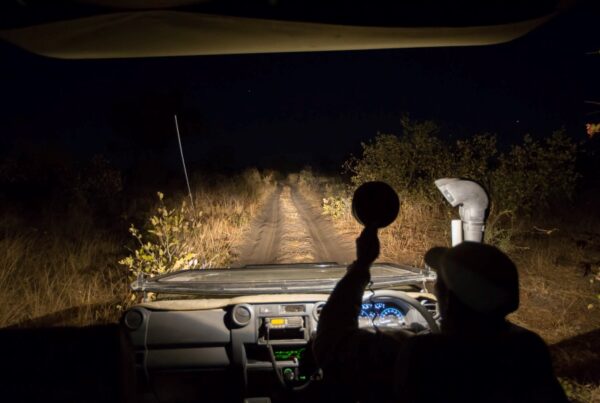
Embarking on a guided night drive is the most common way to explore Semuliki’s nocturnal wildlife. Equipped with powerful spotlights, experienced guides lead visitors through designated trails, enhancing the chances of wildlife sightings. These drives typically last between one to two hours and are conducted in the evening after dinner.

Night Nature Walks

For those seeking a more intimate experience, night nature walks offer a chance to explore the park’s trails on foot. Accompanied by a knowledgeable guide, visitors can observe the subtle sounds and movements of the forest at night. These walks provide a unique perspective on the park’s ecosystem, allowing for close encounters with nocturnal species and a deeper understanding of their behaviors.

Safety and Preparation

While night safaris in Semuliki are generally safe, it’s essential to adhere to safety guidelines. Traveling with a certified guide ensures not only safety but also enriches the experience with informative commentary. It’s advisable to wear long sleeves and trousers to protect against insects and to carry insect repellent. Bringing a flashlight is recommended, although guides typically provide adequate lighting.

The Ecological Significance of Night Safaris

Understanding Nocturnal Behaviors

Night safaris offer invaluable insights into the behaviors and activities of nocturnal species. Observing animals in their natural nighttime routines helps researchers and conservationists understand their roles within the ecosystem, their feeding habits, and their interactions with other species.

Conservation Awareness

Participating in night safaris raises awareness about the importance of preserving nocturnal habitats. Many of Semuliki’s nocturnal species are sensitive to environmental changes, and understanding their needs is crucial for effective conservation efforts. By supporting sustainable tourism practices, visitors contribute to the ongoing protection of these unique ecosystems.Night Safaris in Semuliki National Park

The Best Time for Night Safaris

Optimal Seasons

The dry seasons, typically from December to February and June to July, are considered the best times for night safaris in Semuliki. During these periods, the park’s trails are more accessible, and the chances of spotting nocturnal wildlife are higher. The clear skies during these months also enhance the stargazing experience, adding another layer of wonder to the night safari.

Weather Considerations

While the dry seasons are ideal, Semuliki’s weather can be unpredictable. It’s essential to check weather forecasts before planning a night safari, as rain can make trails slippery and challenging to navigate. Even during the dry seasons, occasional showers can occur, so it’s advisable to carry waterproof gear and be prepared for sudden changes in weather conditions.

Accommodation Options Near Semuliki

Semuliki Safari Lodge

Located within the park’s boundaries, Semuliki Safari Lodge offers luxury accommodations with stunning views of the surrounding wilderness. The lodge provides guided night drives and nature walks, ensuring guests have a comprehensive safari experience.

Ntoroko Game Lodge

Situated near Lake Albert, Ntoroko Game Lodge offers a more rustic experience with comfortable amenities. The lodge organizes night safaris and cultural encounters, providing guests with a blend of wildlife and local culture.

Camping Options

For adventurous travelers, camping within the park offers an immersive experience. Several campsites are available, providing basic facilities and the opportunity to sleep under the stars, surrounded by the sounds of the African wilderness.

Cultural Experiences Complementing Night Safaris

Interaction with Local Communities

Engaging with the local communities near Semuliki enhances the safari experience. Visitors can learn about traditional customs, participate in cultural dances, and gain insights into the daily lives of the indigenous people. These interactions foster a deeper connection to the region and its heritage.

Traditional Storytelling

Evenings around the campfire often feature traditional storytelling sessions, where elders share myths, legends, and histories of the land. These narratives provide context to the natural surroundings and offer a rich cultural perspective on the area.

The Future of Night Safaris in Semuliki

Sustainable Tourism Practices

As interest in night safaris grows, it’s crucial to implement sustainable tourism practices to minimize environmental impact. Guided tours should adhere to established trails to prevent habitat disruption, and noise levels should be kept to a minimum to avoid disturbing wildlife. Educating visitors on responsible behavior ensures that Semuliki’s nocturnal ecosystems remain intact for future generations.

Research and Conservation Initiatives

Ongoing research and conservation efforts are essential to understanding and protecting Semuliki’s nocturnal wildlife. Collaborations between local communities, conservation organizations, and researchers help develop strategies to mitigate threats such as poaching and habitat loss. Supporting these initiatives through eco-tourism contributes to the long-term preservation of the park’s unique biodiversity.

Embracing the Night in Semuliki

Night safaris in Semuliki National Park offer an extraordinary opportunity to witness the hidden world of nocturnal wildlife. From the elusive bush babies to the majestic leopards, the park’s nighttime inhabitants provide a captivating glimpse into the complexity of African ecosystems. By participating in these safaris, visitors not only experience the thrill of discovery but also contribute to the conservation of one of Uganda’s most unique natural treasures.

For an unforgettable adventure that combines the thrill of night safaris with the rich cultural heritage of Uganda, consider booking your African tours and safaris through WildHorn Africa. Their expertise and commitment to sustainable tourism ensure a memorable and responsible travel experience.

Photography Safari Tips in Queen Elizabeth National Park

Photography Safari Tips in Queen Elizabeth National Park

By Travel stories and blogs, Luxury holidays, Safari holidays, Special offers, Uganda travel guides, Wildlife holidays

Photography Safari Tips in Queen Elizabeth National Park

Capturing the Untamed Beauty of Uganda

In the heart of Uganda, where the savannah stretches into distant horizons, volcanic craters shimmer with lakes, and the Kazinga Channel teems with wildlife, lies Queen Elizabeth National Park—a sanctuary not only for animals but also for photographers seeking to encapsulate the essence of Africa. Photography safaris in this iconic park offer a rare opportunity to observe and preserve moments that blend nature’s artistry with untamed behavior.

For enthusiasts and professionals alike, a safari in Queen Elizabeth is not merely a photographic pursuit; it is an educational journey, an exercise in patience, observation, and understanding of ecological dynamics. First-time photographers may initially be overwhelmed by the abundance of subjects—from tree-climbing lions in Ishasha to hippos wallowing in the Kazinga Channel—but with preparation, guidance, and awareness, every encounter can become a lasting memory captured through the lens.

Photographic opportunities are endless, but they demand more than equipment alone. Knowledge of animal behavior, light, composition, and ethical considerations ensures that every image reflects both artistic merit and respect for wildlife. This article provides a comprehensive guide for maximizing photography experiences in Queen Elizabeth National Park, offering insights into preparation, technique, and the unique challenges of safari photography.

Understanding the Landscape and Lighting

The landscape of Queen Elizabeth National Park is extraordinarily diverse, encompassing savannahs, wetlands, crater lakes, riverine forests, and the Ishasha plains. Each ecosystem presents distinct photographic possibilities and challenges. The wide-open savannahs of Kasenyi provide panoramic vistas, allowing photographers to frame herds of elephants or prides of lions against dramatic skies. In contrast, the dense riverine forests and Kyambura Gorge require attention to lighting and composition to capture elusive species without disturbing their natural behavior.

Lighting plays a pivotal role in photography. Early mornings and late afternoons are universally preferred, as the sun casts a golden glow, illuminating the landscape and enhancing the texture and color of wildlife. Midday light can be harsh and flat, yet with proper exposure settings, it can reveal intricate details in fur, feathers, and landscapes. Understanding the interaction between light, shadow, and subject is essential for creating images that convey depth, drama, and authenticity.

Cloud cover, reflections on lakes, and the shimmer of the Kazinga Channel add further variables that must be anticipated. Photographers are encouraged to study the terrain, anticipate animal movement, and position themselves strategically to exploit natural light for dramatic effect.

Essential Equipment for Safari Photography

A successful photography safari in Queen Elizabeth requires thoughtful selection of equipment. Telephoto lenses, typically ranging from 200mm to 600mm, are indispensable for capturing detailed wildlife portraits while maintaining safe distances. Wide-angle lenses are equally valuable for landscape compositions, showing animals within their expansive habitats or framing iconic landmarks like crater lakes and the Kazinga Channel.

Tripods and monopods are optional but can enhance stability for low-light conditions or long telephoto shots. Camera settings must be adjusted to balance shutter speed, aperture, and ISO, particularly for fast-moving subjects such as lions in pursuit or birds in flight. Filters may also be employed to manage reflections, glare, or harsh sunlight, and backup batteries and memory cards are critical for uninterrupted shooting in remote areas.

First-time photographers often underestimate the importance of mobility. Safari vehicles are frequently in motion, and wildlife can appear unexpectedly. Equipment must be easily accessible, securely mounted, and adaptable to rapid changes in positioning, ensuring that no moment is missed.

Approaching Wildlife: Patience and Observation

Successful wildlife photography in Queen Elizabeth is rooted in patience and observation. Animals behave unpredictably, and premature attempts to photograph them can lead to missed opportunities or disturbance. Guides play a crucial role in interpreting animal behavior, indicating moments when a lion pride may emerge from the shade, a herd of elephants may cross the plains, or a shoebill may strike at its prey in the papyrus swamps.

Observation extends beyond mere sight. Listening to rustles in the grass, understanding the social hierarchy within predator groups, and anticipating migratory patterns of herbivores are all essential skills. First-time photographers are often guided to watch quietly, adjust lens settings in advance, and remain prepared for sudden action, ensuring that images are authentic and unobtrusive.

Ethical considerations also govern approach. Wildlife should never be provoked, cornered, or distracted for the sake of a photograph. The preservation of natural behavior and safety for both photographer and subject is paramount, and adherence to these principles distinguishes professional wildlife photography from casual snapshots.Photography Safari Tips in Queen Elizabeth National Park

Composition and Storytelling in Safari Photography

Capturing compelling images goes beyond technical proficiency; it requires an understanding of composition and storytelling. Queen Elizabeth’s diverse habitats allow for creative framing, whether juxtaposing the vast savannah with a solitary elephant, highlighting predator-prey interactions, or using reflections in crater lakes to evoke serenity.

Foreground, middle ground, and background elements are carefully considered to convey depth. Leading lines, such as riverbanks, paths, or tree trunks, guide the viewer’s eye through the frame. The rule of thirds is applied to emphasize focal points, whether a lion’s gaze, a bird in mid-flight, or the elegant curve of a crocodile’s back emerging from the water.

Storytelling extends to sequencing. A series of images can narrate an entire safari day—sunrise over the plains, a lion hunt, elephants drinking at the river, hippos submerged at dusk, and nightfall on the savannah. By combining technical mastery with narrative sensibility, photographers create images that resonate emotionally and aesthetically, capturing not just subjects but moments in time.

Specialized Techniques for Iconic Subjects

Certain species and behaviors in Queen Elizabeth require specialized photographic techniques. Lions in Ishasha, for instance, demand telephoto lenses to capture tree-climbing behavior without disturbing the animals. Slow shutter speeds may be employed creatively to convey motion when a lion stretches or yawns, while faster shutter speeds freeze sudden movements.

Bird photography, particularly of elusive species like the shoebill stork or African fish eagle, requires anticipation, rapid autofocus, and careful composition to capture action without spooking the bird. Water reflections, flight paths, and lighting angles all influence final results. Patience is rewarded with images that reveal behavioral intricacies and the elegance of flight or predation.

Elephants and buffalo herds also present opportunities for dynamic group shots. Photographers are guided to select vantage points that capture scale, depth, and movement, sometimes employing panoramic techniques to encompass entire herds against sweeping landscapes.

Capturing Landscapes and Ecosystems

While wildlife is central, Queen Elizabeth’s landscapes are integral to the photographic narrative. Crater lakes, the Kazinga Channel, savannah expanses, and forested gorges provide context and contrast. Sunrise and sunset light enhance textures, shadows, and colors, while atmospheric conditions—mist rising from lakes, storm clouds over plains—add drama and mood.

Photographers are encouraged to integrate environmental elements with wildlife subjects, creating images that illustrate the interaction between species and habitat. This approach elevates photographs from simple portraits to holistic representations of ecological systems, conveying the interconnectedness of life within the park.

Practical Considerations: Vehicles, Timing, and Safety

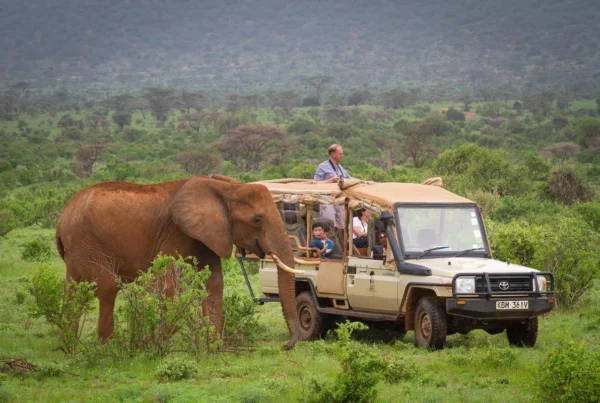
Safari vehicles in Queen Elizabeth are adapted for photography, often featuring elevated seats and open roofs to allow unobstructed views. First-time photographers are advised to position themselves strategically, anticipate wildlife movement, and minimize sudden shifts that might disturb animals. Coordination with guides ensures optimal timing and placement.

Timing is crucial. Early mornings and late afternoons offer optimal light and peak wildlife activity, while midday drives may focus on shaded habitats, birdlife, or water-based species. Safety is paramount; photographers must remain in vehicles unless accompanied by guides during controlled walking safaris, and maintain respectful distances from large or potentially dangerous animals.

Post-Processing and Image Enhancement

After capturing images, post-processing becomes an essential step. Adjustments to exposure, contrast, color balance, and sharpness can enhance the clarity and impact of photographs while maintaining authenticity. For wildlife images, care is taken not to manipulate scenes unrealistically; the goal is to convey nature’s beauty accurately while emphasizing composition and detail.

Organizing and cataloging images according to species, location, and behavior aids both personal use and professional portfolios. First-time safari photographers are often encouraged to maintain journals, noting conditions, animal behavior, and photographic techniques employed, fostering continuous learning and improvement.

Ethical and Responsible Photography

Responsible photography underpins every aspect of safari work in Queen Elizabeth. Wildlife should not be coerced or enticed for images, and habitats must remain undisturbed. Guides enforce codes of conduct that protect both visitors and animals, ensuring that photography supports conservation rather than exploitation.

Respect extends to local communities as well. When photographing villages or cultural activities, permission and sensitivity are required, ensuring that representation is accurate, respectful, and mutually beneficial. Ethical engagement strengthens both the visitor experience and the integrity of the park’s social and ecological systems.

The Emotional and Educational Impact

Photography safaris in Queen Elizabeth offer more than visual documentation; they foster emotional connection, mindfulness, and understanding of ecological relationships. Each image reflects hours of observation, patience, and immersion in the wilderness. For first-time photographers, the experience cultivates respect for wildlife, appreciation for ecosystems, and awareness of conservation challenges.

By combining artistic pursuit with ecological education, photography safaris elevate the safari experience into an enduring journey of personal and environmental enrichment. Images become narratives of Africa’s wild heart, preserved for both personal memory and broader awareness.

Immortalizing the Wild in Queen Elizabeth

Photography safaris in Queen Elizabeth National Park provide an unparalleled opportunity to capture the essence of Africa. From tree-climbing lions in Ishasha and hippos in the Kazinga Channel to flocks of birds and panoramic savannahs, every frame tells a story of life, adaptation, and beauty.

For enthusiasts and professionals alike, success is determined not solely by equipment, but by preparation, patience, ethical conduct, and a deep understanding of both wildlife and landscape. By adhering to these principles, every photographer can create images that are meaningful, authentic, and breathtaking.

To fully experience a photography safari in Queen Elizabeth, it is recommended that tours and safaris be arranged through WildHorn Africa. With their expertise, knowledge of wildlife behavior, and commitment to conservation, every safari becomes an opportunity to immortalize the wild while contributing to the preservation of Uganda’s extraordinary landscapes and biodiversity.

Ultimate Uganda Wildlife Safari Itinerary — A 14-Day Journey Through the Wild Heart of the Pearl of Africa

Ultimate Uganda Wildlife Safari Itinerary — A 14-Day Journey Through the Wild Heart of the Pearl of Africa

By Uganda trip ideas

Ultimate Uganda Wildlife Safari Itinerary — A 14-Day Journey Through the Wild Heart of the Pearl of Africa | Uganda Wildlife Safari Itinerary | 14-Day Journey Through Uganda’s National Parks

Few experiences on Earth can match the depth, diversity, and majesty of a Uganda Wildlife Holiday. This 14-day itinerary takes travelers across the country’s most iconic national parks and wildlife reserves—from misty gorilla jungles to the vast savannah plains where lions roam, from the mighty Nile to the remote wilderness of Kidepo Valley. Designed for those who crave an immersive encounter with nature, this journey blends adventure, comfort, and conservation awareness. Every day unfolds a new chapter of discovery, revealing why Uganda truly earns its title as The Pearl of Africa.

Day 1: Arrival in Entebbe – Gateway to the Wild

Arrive at Entebbe International Airport, where you are greeted by your private guide and transferred to your lakeside hotel. Spend the day relaxing in the gentle warmth of Uganda’s climate, surrounded by tropical gardens and views of Lake Victoria, the largest lake in Africa. As you dine under the stars, anticipation builds for the adventure that awaits. Overnight at Hotel No.5 or Latitude 0 Degrees Entebbe, known for luxury and tranquility.

Day 2: Entebbe to Ziwa Rhino Sanctuary – Tracking the Giants

Your journey begins with a scenic drive north toward Ziwa Rhino Sanctuary, the only place in Uganda where wild rhinos can be seen. Accompanied by expert rangers, enjoy a guided walking safari through the bush to observe these magnificent animals up close in their natural environment. It’s an exhilarating introduction to Uganda’s Big Five. The sanctuary is also home to antelope, warthogs, and a wealth of birdlife. Overnight at Amuka Safari Lodge, nestled in acacia woodland near the sanctuary.

Day 3: Ziwa to Murchison Falls National Park – The Thunder of the Nile

After breakfast, continue north to Murchison Falls National Park, Uganda’s largest and oldest conservation area. The drive is scenic, passing through savannah grasslands and small villages before crossing the Nile into the heart of the park.

In the afternoon, embark on your first game drive, watching giraffes, elephants, buffalo, and oribi graze on the open plains. As the sun sets, return to your lodge overlooking the river. Overnight at Nile Safari Lodge or Baker’s Lodge, offering luxury comfort with panoramic Nile views.

Day 4: Murchison Falls – Safari, River Cruise & The Falls

Today you rise early for a dawn game drive across the Buligi plains, where lions hunt and hyenas patrol the grasslands. The soft morning light creates perfect photography conditions. Later, return for a hearty breakfast and some relaxation before your afternoon adventure.

Board a private boat cruise up the Nile River to the base of Murchison Falls, where the mighty river squeezes through a narrow seven-meter gorge and plunges dramatically into the valley below. Along the way, observe hippos, crocodiles, elephants, and countless bird species. Optionally, hike to the top of the falls for breathtaking views and photo opportunities. Return to your lodge for dinner and starlit serenity.

Day 5: Murchison to Kibale Forest – The Primate Kingdom

After breakfast, drive south through scenic countryside to Kibale Forest National Park, home to the highest diversity of primates in East Africa. The journey offers glimpses of Uganda’s rural life, crater lakes, and tea plantations shimmering in the sunlight.

Arrive at Kyaninga Lodge or Papaya Lake Lodge, perched above volcanic lakes and offering elegance amid nature. Spend the evening relaxing, perhaps with a sunset cocktail on your balcony overlooking the Rwenzori Mountains—“the Mountains of the Moon.”

Day 6: Kibale Forest – Chimpanzee Tracking & Nature Walks

Wake to the sound of birdsong and prepare for an extraordinary experience: chimpanzee tracking in Kibale Forest. Accompanied by skilled rangers, trek through lush vegetation until you hear the calls of chimpanzees echoing through the canopy. Observe them feeding, grooming, and socializing—a thrilling display of intelligence and behavior.

After lunch, take a guided nature walk through the Bigodi Wetland Sanctuary, a community-run reserve famous for its birds, butterflies, and monkeys. The day ends with dinner at the lodge, surrounded by the forest’s nocturnal chorus.

Day 7: Kibale to Queen Elizabeth National Park – The Land of Lions and Lakes

Journey south to Queen Elizabeth National Park, Uganda’s most famous safari destination. The route passes the scenic Rwenzori ranges and crater lakes before descending into the vast rift valley plains.

Arrive at Kyambura Gorge Lodge or Mweya Safari Lodge, both offering refined comfort with sweeping views. In the afternoon, enjoy your first game drive, encountering elephants, kob antelope, buffalo, and possibly leopards in the golden grasslands. As twilight paints the sky, return to your lodge for a sumptuous dinner.

Day 8: Queen Elizabeth – Game Drive and Kazinga Channel Cruise

This morning’s safari takes you into the Kaseni sector, where prides of lions and herds of elephants roam freely. With fewer vehicles than other African parks, the experience feels profoundly intimate.

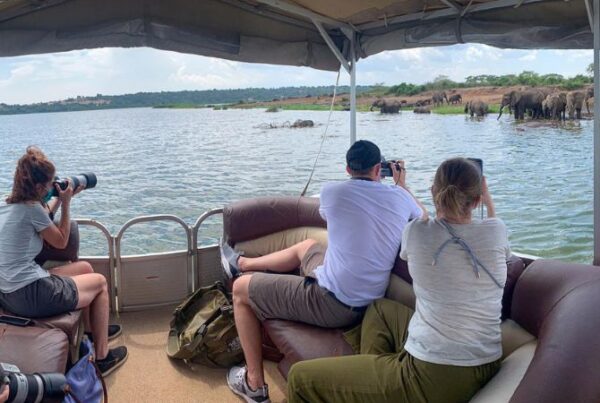
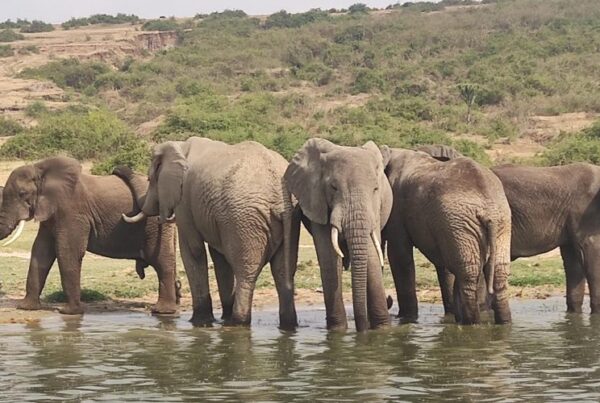
In the afternoon, embark on a boat safari along the Kazinga Channel, a natural waterway connecting Lake George and Lake Edward. The shores are alive with hippos, crocodiles, and buffalo, while African fish eagles and pelicans soar above. As the sun sets, the water turns to gold—an unforgettable African tableau.

Day 9: Ishasha Sector – Home of the Tree-Climbing Lions

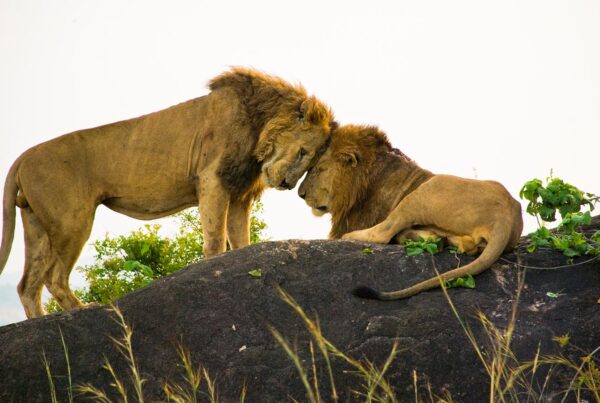
Head south to the Ishasha sector of Queen Elizabeth National Park, a region known worldwide for its tree-climbing lions. It is a sight both strange and mesmerizing: lions draped lazily across fig tree branches, scanning the plains below for prey. Game drives here are quiet and secluded, offering rare photographic opportunities.

Spend the night at Ishasha Wilderness Camp, a luxury tented lodge beside the Ntungwe River, where elephants often drink at dusk.

Day 10: Ishasha to Bwindi Impenetrable Forest – The Realm of the Gorillas

A short drive brings you to the magnificent Bwindi Impenetrable National Park, a UNESCO World Heritage Site and home to nearly half of the world’s mountain gorillas. As you ascend into the misty hills, the air cools and the forest deepens into a primeval world.

Arrive at Clouds Mountain Gorilla Lodge or Buhoma Lodge, perched on ridges with sweeping views of volcanoes and valleys. Spend the evening by a fireplace, listening to the forest whisper and anticipating the adventure that awaits.

Day 11: Bwindi – Gorilla Trekking Experience

Rise early for one of life’s greatest wildlife experiences: gorilla trekking. After a briefing by Uganda Wildlife Authority rangers, begin your trek through the dense rainforest. The path winds through mossy vines, streams, and giant ferns until you encounter a gorilla family.

Spend a precious hour observing these gentle giants as they feed, play, and rest under the canopy. It is an intimate, humbling encounter that leaves travelers forever changed. Return to the lodge for relaxation, a hot shower, and a well-deserved dinner beneath the stars.

Day 12: Bwindi to Lake Bunyonyi – Serenity Among the Islands

After breakfast, drive to Lake Bunyonyi, often called the “Switzerland of Africa” for its emerald hills and tranquil waters. Check into BirdNest Resort or Arcadia Cottages, where every room overlooks the lake’s 29 small islands.

Spend the day canoeing, visiting local villages, or simply relaxing as you watch birds skim the lake’s surface. The evening brings a calm sunset mirrored in still waters, a perfect contrast to the intensity of the jungle trek.

Day 13: Lake Mburo National Park – The Gentle Savannah

Journey northeast to Lake Mburo National Park, one of Uganda’s smaller yet most picturesque parks. Unlike the larger reserves, Lake Mburo offers walking safaris and horseback rides among zebra, impala, and eland. The park’s wetlands and acacia woodlands are rich in birdlife, including the rare African finfoot.

Overnight at Mihingo Lodge, a luxury hilltop retreat with an infinity pool overlooking the savannah. Dine under lanterns as the night comes alive with the calls of nocturnal creatures.

Day 14: Return to Entebbe – A Farewell to the Wild

After a leisurely breakfast, enjoy a final morning nature walk or short game drive before heading back to Entebbe. Stop at the Equator line for photographs and souvenir shopping. Arrive in the afternoon and relax at your day hotel before your evening flight home.

As you depart Uganda, the memories linger—the thunder of Murchison Falls, the gaze of a silverback gorilla, the songs of the savannah at dawn. You leave not just with photographs, but with a renewed sense of wonder for the wild.

Why This Itinerary Stands Out

This 14-day wildlife safari captures the essence of Uganda’s natural diversity, from tropical forests to wide savannahs, from rare primates to mighty predators. It is a journey that celebrates not only wildlife but also the landscapes, people, and conservation spirit that define Uganda. Each day is thoughtfully designed to balance adventure and comfort, offering authentic experiences without haste.

For travelers seeking the soul of Africa—raw, beautiful, and deeply moving—Uganda delivers it with grace.

Recommendation

For a seamlessly curated experience that blends adventure, comfort, and responsible travel, it is highly recommended to book your Uganda Wildlife Safari through WildHorn Africa. With expert guides, personalized itineraries, and partnerships with Uganda’s finest lodges, WildHorn Africa ensures that every moment of your journey through the Pearl of Africa is extraordinary, immersive, and unforgettable.

Game Drives & Big Five in Uganda

Game Drives & Big Five in Uganda

By Travel guides, Uganda travel guides

Game Drives & Big Five in Uganda 

Uganda, often celebrated as the Pearl of Africa, is a land of extraordinary contrasts, where endless savannahs meet lush rainforests and snow-capped mountains rise above shimmering lakes. Among its many attractions, game drives remain one of the most exhilarating ways to explore the country’s wild treasures. The search for the Big Five (lion, leopard, elephant, buffalo, and rhinoceros) has long been a defining feature of African safaris, and Uganda presents unique opportunities to encounter these magnificent animals in their natural habitats. Unlike in some destinations where wildlife is confined to specific regions, Uganda offers a diverse range of ecosystems, ensuring every game drive feels distinct and rewarding. The experience is not only about spotting the Big Five but also about immersing oneself in the breathtaking landscapes and the vibrant biodiversity that defines Uganda’s protected areas.

Game drives in Uganda take travelers beyond mere wildlife sightings; they allow one to witness raw, untamed wilderness unfolding before the eyes. The anticipation of scanning the horizon, the thrill of hearing distant roars or the rustle of a herd in the grass, and the satisfaction of seeing wildlife behavior up close create memories that last a lifetime. The Big Five remain the most sought-after, but Uganda’s parks also offer abundant encounters with antelopes, giraffes, zebras, hippos, and countless bird species. Each drive brings forth the opportunity for surprise, ensuring that no two experiences are ever the same.

Where to Go

Uganda is home to several protected areas that are ideal for game drives, with Murchison Falls National Park standing as the country’s largest and most iconic safari destination. The park’s sweeping savannahs, bisected by the mighty River Nile, offer excellent chances of encountering lions stalking their prey, elephants grazing in herds, and buffalo wandering near the riverbanks. Its dramatic backdrop of the thundering Murchison Falls adds an element of grandeur that few other safari locations can match.

Further south lies Queen Elizabeth National Park, Uganda’s most popular reserve, famed for its varied landscapes ranging from open grasslands to crater lakes and wetlands. It is here that the elusive leopard may be spotted resting on the branches of ancient fig trees, while large herds of elephants and buffalos roam the Kasenyi plains. The Ishasha sector of Queen Elizabeth is particularly renowned for its rare tree-climbing lions, a sight that is both iconic and uniquely Ugandan.

For travelers seeking the full Big Five, Ziwa Rhino Sanctuary completes the experience. Situated conveniently between Kampala and Murchison Falls, it is the only place in Uganda where rhinos can be seen in the wild. Combined with the other parks, it ensures that all five of Africa’s legendary animals can be encountered within Uganda’s borders. Smaller yet rewarding destinations such as Lake Mburo National Park and Kidepo Valley National Park also offer spectacular drives, each with distinct wildlife highlights and landscapes.

How to Get There

Reaching Uganda’s safari destinations is relatively straightforward, with Entebbe International Airport serving as the primary gateway for international visitors. From here, domestic flights operated by regional carriers connect to airstrips near key parks such as Pakuba in Murchison Falls, Kasese for Queen Elizabeth, and Apoka for Kidepo Valley. These flights save time and provide scenic aerial views of Uganda’s diverse terrain.

For those who prefer overland travel, Uganda’s road network offers rewarding journeys, often passing through rural villages and stunning countryside before arriving at the parks. Traveling by road allows one to experience the landscapes gradually, giving a sense of Uganda’s character beyond the national parks. Transfers are usually arranged by tour operators, ensuring comfort and safety while en route to the safari destinations. Whether by road or air, the journey itself often feels like part of the adventure, preparing travelers for the wonders that await on the game drives.

The Experience

Game drives in Uganda typically take place in the early morning or late afternoon, when wildlife is most active. The excitement begins the moment the safari vehicle ventures onto the open savannah, where the golden light of dawn illuminates the grasslands. Each drive is guided by professional rangers whose knowledge of animal behavior and the landscape enriches the experience. The first sight of a lion pride resting under the shade of an acacia tree or elephants moving in stately procession across the plains fills the air with awe.

The Big Five dominate the imagination, yet the experience is made even richer by the countless other animals encountered. Herds of Uganda kob leap gracefully through the grass, giraffes browse at treetops, and warthogs scurry past in comical fashion. Birdlife adds another dimension, with Uganda boasting more than 1,000 species, including fish eagles, kingfishers, and the rare shoebill stork. The sense of unpredictability ensures that every game drive is thrilling, as no one knows what lies just beyond the next bend.

Night drives, offered in select parks, provide an additional layer of excitement. The chance to see nocturnal animals such as leopards on the hunt, hyenas scavenging, or bush babies leaping between trees creates an entirely different atmosphere. The wilderness feels alive in every moment, immersing travelers in the rhythms of nature.

Other Things to Do

While game drives remain central to Uganda’s safari experience, visitors often enrich their journeys by engaging in other activities. Boat safaris on the Kazinga Channel in Queen Elizabeth and the Nile in Murchison Falls offer unique perspectives on wildlife, particularly hippos, crocodiles, and elephants gathering at the water’s edge. These experiences complement the drives, allowing for close encounters in tranquil settings.

Guided nature walks are available in several parks, including Lake Mburo and Kidepo Valley, where the smaller wonders of the ecosystem can be appreciated. Walking safaris provide a more intimate connection with the environment, from tracking animal footprints to discovering medicinal plants used by local communities. Cultural encounters also play an important role, as neighboring communities share traditions, music, and stories that highlight the deep relationship between people and the natural world.

By combining game drives with these other experiences, travelers gain a fuller understanding of Uganda’s rich natural and cultural heritage, ensuring that the safari is both diverse and deeply rewarding.

Best Time to Visit

Uganda’s national parks can be visited year-round, but the dry seasons from June to September and December to February are generally considered the best times for game drives. During these months, wildlife is easier to spot as animals gather around water sources and vegetation is less dense. The dry conditions also make the roads within the parks more accessible, enhancing the overall safari experience.

The rainy seasons, from March to May and October to November, transform the landscape into a lush green paradise. While drives can be more challenging due to muddy tracks, the scenery is breathtaking, and fewer tourists mean quieter, more exclusive encounters with wildlife. Birdwatching is particularly rewarding during the rains, as migratory species flock to Uganda, adding to the country’s already impressive avian diversity.

Ultimately, the choice of when to visit depends on personal preferences. Those who seek easier tracking of the Big Five may prefer the dry months, while those drawn to vibrant landscapes and tranquility may find the wet seasons equally appealing.

A Trek That Transforms

A safari in Uganda is not only about personal enjoyment but also about contributing to conservation and supporting local communities. Visitors are encouraged to travel responsibly by respecting park rules, minimizing environmental impact, and supporting eco-friendly lodges and tour operators. By choosing sustainable options, travelers help protect Uganda’s national parks and the species that inhabit them, ensuring that future generations will also experience their wonder.

Wildlife conservation in Uganda faces challenges such as poaching and habitat loss, but tourism plays a vital role in funding protection and creating incentives for preservation. Engaging with local communities through cultural visits and purchasing locally made crafts also ensures that the benefits of tourism extend beyond the parks. Every responsible choice made by a traveler contributes to the sustainability of Uganda’s wildlife and cultural heritage.

Travel with Confidence

Uganda’s game drives and Big Five safaris offer an unforgettable journey into the heart of Africa’s wilderness. From the sweeping savannahs of Murchison Falls to the dramatic landscapes of Queen Elizabeth and the remote beauty of Kidepo, every park reveals its own unique treasures. The thrill of encountering lions, leopards, elephants, buffalos, and rhinos is amplified by the abundance of other wildlife and the breathtaking scenery that frames the adventure.

For those seeking a safari that combines diverse landscapes, abundant wildlife, and meaningful cultural encounters, Uganda stands as a destination of exceptional beauty and richness. Every game drive tells a new story, and every sighting deepens the connection to nature. To make this journey seamless and unforgettable, travelers are encouraged to book their Africa tours and safaris through WildHorn Africa, whose expertise and passion for the wild ensure that every moment in Uganda becomes a cherished memory.

Together We Build your dream holiday
Customize your experience
Customize

Murchison Falls National Park

Murchison Falls National Park is Uganda’s largest and oldest conservation area, renowned for its breathtaking waterfall, classic wildlife safaris, and the mighty Nile River. This park offers an unforgettable blend of dramatic scenery, diverse ecosystems, and abundant wildlife, making it a must-visit destination for nature lovers and adventure seekers.

Queen Elizabeth National Park

Queen Elizabeth National Park is Uganda’s most popular and scenic savannah park, famed for its rich diversity of wildlife, stunning landscapes, and varied ecosystems. Situated in western Uganda, this iconic park offers visitors the chance to experience classic African safaris, birdwatching, crater lakes, boat cruises, and cultural interactions—all in one destination.

Ziwa Rhino Sanctuary

Hidden within the rolling savannahs of central Uganda lies a conservation success story that resonates far beyond the borders of East Africa. Ziwa Rhino Sanctuary, a 70-square-kilometer haven located in Nakasongola District, is the only place in Uganda where wild rhinos roam freely. More than just a wildlife destination, Ziwa symbolizes hope, resilience, and a national commitment to reversing extinction.

Kidepo Valley National Park

Kidepo Valley National Park is one of Uganda’s most remote and breathtaking safari destinations. Tucked away in the rugged northeastern corner of the country, near the borders with South Sudan and Kenya, this park offers raw wilderness, striking landscapes, and some of Africa’s most elusive wildlife. Its vast savannahs, mountains, and dry riverbeds evoke a sense of untouched Africa rarely found elsewhere.

Grandeur

Experience the grandeur of Africa with WildHorn Africa, where every safari is designed to showcase the continent’s breathtaking landscapes and majestic wildlife.

24/7 support

Enjoy peace of mind with 24/7 support from WildHorn Africa, ensuring expert assistance before, during, and after your safari adventure.

Safety

Your safety is our top priority at WildHorn Africa, with expertly guided safaris and trusted partners ensuring a secure and worry-free adventure.

Price-quality ratio

WildHorn Africa offers exceptional price-quality ratio, delivering top-tier safari experiences at competitive rates without compromising on comfort.

Kidepo Valley National Park

Kidepo Valley National Park

By Uganda places to visit, Where to go

Kidepo Valley National Park is one of Uganda’s most remote and breathtaking safari destinations. Tucked away in the rugged northeastern corner of the country, near the borders with South Sudan and Kenya, this park offers raw wilderness, striking landscapes, and some of Africa’s most elusive wildlife. Its vast savannahs, mountains, and dry riverbeds evoke a sense of untouched Africa rarely found elsewhere.

Brief History of Kidepo Valley National Park

Kidepo was first gazetted as a game reserve in 1958 by the British colonial government to protect wildlife from poaching and overhunting. In 1962, it was declared a national park, the same year Uganda gained independence.

The park is named after the seasonal Kidepo River, which flows through the Kidepo Valley. Kidepo has long been home to the IK and Karamojong communities—indigenous pastoralists and subsistence farmers with deep cultural ties to the land.

What to Do at Kidepo Valley National Park

1. Game Drives
Kidepo offers some of the best game viewing in East Africa, particularly during the dry season when animals gather at water sources like Narus Valley. You can expect to see:

Lions, often resting on rocky outcrops

Cheetahs, a rare sight in Uganda

Leopards

Buffaloes in massive herds (some of the largest in Africa)

Elephants, giraffes, zebras, and waterbucks

2. Bird Watching
With over 470 bird species, Kidepo is a paradise for birders. Notable sightings include:

Kori bustard

Karamoja apalis

Ostrich (only found in Kidepo in Uganda)

Secretary bird

Abyssinian ground hornbill

3. Cultural Encounters
Engage with the Karamojong and IK people to learn about their rich heritage. Experiences include:

Visiting traditional homesteads (manyattas)

Cultural performances with music and dance

Stories about their way of life and survival in the harsh semi-arid environment

4. Nature Walks and Hiking
Guided nature walks allow visitors to explore the park on foot, offering chances to:

Spot wildlife close up

Climb Mount Morungole, the sacred home of the IK people

Enjoy panoramic views of the valleys and surrounding mountains

5. Visit the Hot Springs
The Kanangorok Hot Springs, located in the Kidepo Valley near the South Sudan border, are a scenic and geologically interesting site surrounded by palm trees and rocky terrain.

How to Get to Kidepo Valley National Park

By Road:
Kidepo is about 700 km from Kampala and the road trip takes 10–12 hours, depending on the route and road conditions. Popular routes include:

Kampala–Gulu–Kitgum–Kidepo

Kampala–Mbale–Moroto–Kidepo (more scenic, passing through Karamoja)

While long, the road journey offers a chance to experience Uganda’s changing landscapes and cultures.

By Air:
Chartered flights from Entebbe International Airport or Kajjansi Airfield to Apoka Airstrip in the park are available and significantly reduce travel time to about 2 hours.

Accommodations at Kidepo Valley National Park

Inside the Park:
Apoka Safari Lodge – A luxury lodge offering spacious rooms, elegant decor, and sweeping views of the Narus Valley.

Nga’Moru Wilderness Camp – Mid-range, situated just outside the park, with canvas tents and great hospitality.

Apoka Rest Camp (UWA) – Budget option run by the Uganda Wildlife Authority with basic bandas and camping facilities.

Camping:
Camping is possible in designated areas within the park. Bring your own gear or rent from local lodges.

Best Time to Visit

The best time to visit Kidepo Valley National Park is during the dry seasons:

December to March

June to September

These months offer the best wildlife viewing opportunities as animals gather around the remaining water sources.

The rainy season (April–May and October–November) can make roads impassable and wildlife more dispersed.

Why Visit Kidepo Valley National Park?

To explore Uganda’s most remote and wild national park

For exceptional game viewing in open savannahs

To spot rare species like cheetah, ostrich, and bat-eared fox

To enjoy authentic cultural experiences with the Karamojong and IK people

For dramatic landscapes of mountains, valleys, and desert plains

Kidepo Valley National Park is Uganda’s ultimate wilderness destination. With its dramatic scenery, unique wildlife, and cultural richness, it offers an unforgettable adventure for travelers seeking to go off the beaten path and experience one of Africa’s last truly wild places.

Close Menu