search
Wildebeest migration trips

Wildebeest migration trips

By Travel guides

Wildebeest Migration Trips: Nature’s Greatest Show Unfolds

Introduction: Witness the Pulse of the Wild (Wildebeest migration trips)

In the heart of East Africa, across the golden savannas of Kenya and Tanzania, a breathtaking spectacle unfolds each year—the Great Wildebeest Migration. Often called the Eighth Wonder of the Natural World, this phenomenon sees over two million wildebeest, accompanied by hundreds of thousands of zebras, gazelles, and other herbivores, moving in a vast, cyclical journey that defines the rhythm of life on the Serengeti and Masai Mara plains. To embark on a wildebeest migration trip is to step into a timeless dance of survival, instinct, and raw wilderness—a journey that offers unmatched wildlife encounters and awe-inspiring beauty.

For travelers who seek more than just sightseeing, who yearn to feel the Earth’s pulse beneath their feet, and who wish to witness nature’s grandeur unfiltered, a migration safari is the ultimate African adventure. It’s not merely a vacation—it’s a privilege to witness the raw spectacle of predator versus prey, the endurance of life under harsh conditions, and the ecological wonder of synchronized movement across vast landscapes.

Understanding the Migration: A Cycle of Survival

The Great Wildebeest Migration is not a singular event but a year-long cycle of movement dictated by seasonal rains and the promise of fresh grazing land. The journey begins in southern Serengeti where wildebeest calves are born in astonishing numbers—sometimes up to 8,000 a day during peak calving season. This event, typically between January and March, brings not just new life but an influx of predators. Lions, hyenas, cheetahs, and leopards exploit this vulnerability, creating scenes that are dramatic and often heart-wrenching, yet vital to the ecological balance.

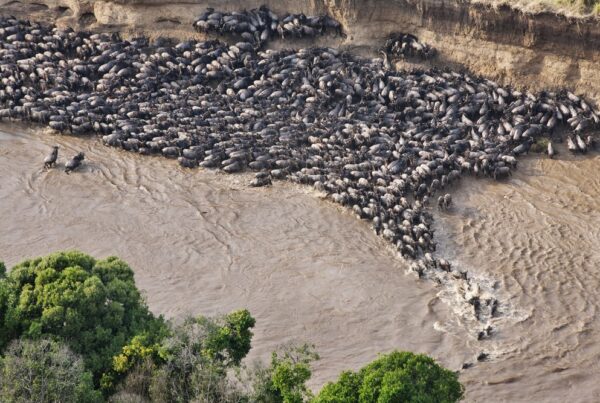
By April and May, as the southern plains dry up, the herds begin their northward journey, traversing central Serengeti and heading towards the western corridor. It is during the months of June to August that the migration gains momentum, reaching its climactic chapter at the Mara River crossings. Here, panic-stricken herds plunge into crocodile-infested waters, risking everything in pursuit of the greener pastures of the Masai Mara in Kenya.

This moment, often depicted in wildlife documentaries, is perhaps the most iconic scene of the entire migration. It is chaotic, suspenseful, and primal. Watching thousands of wildebeest and zebras leap into treacherous waters, while crocodiles snap their jaws and predators lie in wait on the far banks, is an experience that engraves itself on the soul.

After reaching the Masai Mara by September and October, the herds eventually begin their southern journey again, retreating to the Serengeti as rains fall in the south by November and December, completing the ancient loop of survival.

Where to Experience the Migration

The Serengeti National Park in Tanzania and Masai Mara National Reserve in Kenya are the two major regions where the migration unfolds. Each offers distinct perspectives and experiences depending on the time of year. The Serengeti, with its vast open plains, is ideal for witnessing calving season and the early movements, while the Masai Mara is the place to be during the river crossings.

Travelers looking to capture the most action-packed moments of the migration often aim for the Mara River crossings, which are best seen from late July through September. However, choosing the right time and location depends on what aspect of the migration you wish to witness—be it the tender birth of calves, the drama of predation, or the mass movement of herds under open skies.

The vastness of the ecosystem allows for both intimate encounters in private conservancies and sweeping vistas in national parks. Each setting offers its own magic, with expert guides bringing the unfolding drama to life through their knowledge, passion, and storytelling.

The Wildlife Beyond the Wildebeest (Wildebeest migration trips)

While the migration centers on wildebeest, the supporting cast of animals enriches the experience. Thousands of zebras accompany the herds, creating stunning black-and-white patterns against the green and gold of the savannah. Graceful Thomson’s and Grant’s gazelles weave through the larger animals, while imposing elephants, towering giraffes, and elusive leopards remind you that the Serengeti-Mara ecosystem is among the most biodiverse on Earth.

Predators play a crucial role in maintaining the ecological balance. Lions, often seen in prides, dominate the food chain, while cheetahs use their speed to hunt in the open plains. Hyenas and jackals clean the remains of hunts, and vultures circle overhead in anticipation of nature’s inevitabilities. The presence of these animals makes every game drive feel like a living documentary.

Cultural Enrichment: Meeting the Maasai and Local Communities

A wildebeest migration trip is not only about wildlife but also about connecting with the rich cultures that inhabit these lands. The Maasai people, known for their vibrant attire, traditional lifestyles, and deep-rooted respect for nature, are custodians of this wilderness. Visiting Maasai villages allows travelers to witness ancient customs, hear oral histories, and understand the delicate balance between wildlife conservation and human livelihood.

The presence of community-owned conservancies and eco-tourism initiatives helps sustain the region both economically and environmentally. Many safaris include cultural exchanges that enrich the travel experience, grounding it in the realities and heritage of East Africa.

Planning the Ideal Migration Safari

Embarking on a migration safari requires thoughtful planning. The sheer size of the Serengeti-Mara ecosystem means that movement of the herds can vary slightly each year depending on rainfall patterns. Travelers benefit immensely from the insights of experienced local operators who understand the rhythms of the migration and can position you in the right place at the right time.

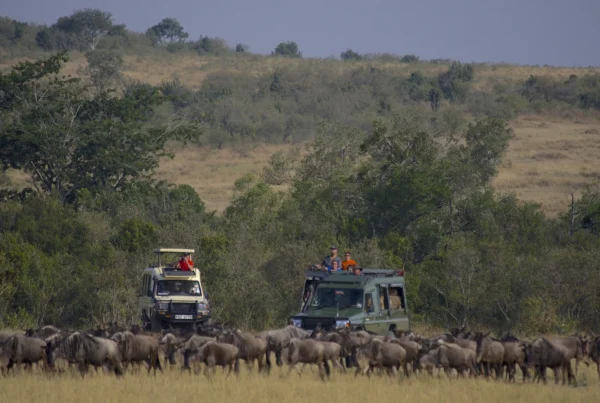
Accommodation options range from mobile tented camps that move with the herds to luxurious lodges offering panoramic views and elevated service. Game drives are typically conducted in open-roof vehicles, led by knowledgeable guides who track the movements of animals with astonishing precision. Some operators even offer hot-air balloon safaris, allowing you to drift silently above the herds at sunrise—an experience of surreal beauty.

Whether you seek luxury, adventure, or photography-focused safaris, every detail of the journey can be tailored to your preferences, ensuring an unforgettable African escape.

A Journey That Transforms

The Great Migration is not just a marvel of biology—it is a symbol of resilience, unity, and the deep interdependence of ecosystems. Witnessing the migration firsthand leaves a lasting impression, one that transcends the visuals of animals in motion. It awakens a sense of humility, reminding us of our place in the vast tapestry of life.

Travelers often describe their wildebeest migration trip as transformative, returning home with a greater respect for nature, a deeper awareness of conservation, and memories that linger long after the dust has settled on the savannah.

Book Your Migration Adventure with WildHorn Africa

If you’re ready to embark on one of the world’s most spectacular wildlife journeys, let WildHorn Africa be your trusted guide. With years of experience crafting tailor-made African safaris, an unwavering commitment to ethical travel, and deep partnerships across East Africa’s top parks and lodges, WildHorn Africa ensures your wildebeest migration trip is seamless, exhilarating, and deeply meaningful.

From planning the perfect itinerary to offering personalized service in the wild, WildHorn Africa elevates your safari experience to extraordinary heights. Whether you wish to see the drama of the Mara River, the serenity of the calving season, or the grandeur of the endless Serengeti plains, your journey will be crafted with care and guided by passion.

Book your Africa tour today with WildHorn Africa—and let the call of the wild lead you to the adventure of a lifetime.

Wildebeest migration trips #Wildebeest migration trips Wildebeest migration trips

Make wildebeest migration page parent

packages

Masai Mara Safaris

Masai Mara Safaris

By Travel guides, Your first safari

Masai Mara Safaris: Journey into Africa’s Untamed Heart

Introduction: Enter the Wild Majesty of Masai Mara (Masai Mara Safaris)

Imagine waking up to the distant roar of a lion, the rhythmic hum of wildebeest hooves pounding the earth, and the golden light of dawn spilling across a seemingly endless savannah. This is not a dream—it is the reality of a Masai Mara Safari, an experience that defines the essence of Africa’s raw and majestic wilderness. Located in southwestern Kenya, the Masai Mara National Reserve is one of the most celebrated wildlife conservation areas on the planet, revered for its exceptional biodiversity, dramatic landscapes, and unparalleled game-viewing opportunities.

To embark on a safari in the Masai Mara is to step into a world where the natural order remains beautifully undisturbed. Here, every sunrise unveils a new story—a lioness stalking her prey through tall grass, a cheetah sprinting across the plains, or a herd of elephants calmly making their way to a watering hole. Whether you are a first-time traveler to Africa or a seasoned adventurer, the Masai Mara offers a profound, soul-stirring encounter with the continent’s untamed soul.

Masai Mara Safaris #Masai Mara Safaris Masai Mara Safaris

The Landscape: A Living Tapestry of Nature’s Grandeur

The Masai Mara forms the northern extension of Tanzania’s Serengeti National Park, together creating the ecosystem that plays host to the Great Migration—one of the world’s most remarkable wildlife spectacles. But even outside this migration period, the Mara is a treasure trove of scenic wonder. Sprawling over 1,500 square kilometers of open grassland, acacia woodlands, and gently rolling hills, the reserve is a portrait of African beauty at its most unspoiled.

Rivers like the Mara and Talek snake through the reserve, attracting an abundance of wildlife and setting the stage for dramatic crossings during the migration. The open savannahs, dotted with iconic flat-topped acacia trees, make for optimal game viewing, with visibility stretching for miles and no barrier between you and the wild inhabitants of this land.

Wildlife Abundance: A Safari Like No Other

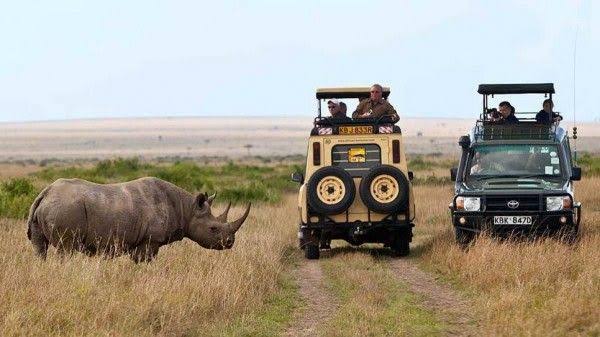
The Masai Mara is synonymous with the Big Five—lion, leopard, elephant, buffalo, and rhino—though its appeal extends far beyond. It boasts over 95 species of mammals and more than 570 bird species, making it one of the most diverse ecosystems on Earth. Sightings of predators are frequent and spectacular, particularly the lions, which are often seen in prides of impressive size, lounging in the sun or engaging in thrilling hunts.

Leopards are also a common sight here, draped elegantly over tree branches, while cheetahs race across the plains with unmatched speed. Hyenas, jackals, and bat-eared foxes are ever-present, contributing to the dynamic predator-prey balance that makes each safari outing a suspenseful journey.

Giraffes, zebras, wildebeest, topi, elands, and gazelles roam in immense herds, while hippos and crocodiles dominate the riverine ecosystems. The diversity and density of wildlife in the Mara are unmatched, promising an encounter at every turn and ensuring that no two game drives are ever the same.

The Great Migration: Nature’s Grandest Show

From July to October, the Masai Mara becomes the stage for the Great Wildebeest Migration, a phenomenon often dubbed the “Eighth Wonder of the World.” During this period, over two million wildebeest, zebras, and gazelles traverse the Mara River in search of fresh grazing lands. The spectacle of these animals crossing crocodile-infested waters, pursued by predators from land and air, is nothing short of mesmerizing.

Witnessing the migration is a powerful reminder of the instinctual rhythms that govern life in the wild. It’s not only the scale of the movement that astounds, but also the sheer drama—the battles for survival, the strategic movements of lions, the patience of crocodiles lying in wait, and the resilience of the migrating herds.

For photographers, nature lovers, and anyone drawn to the primal forces of the natural world, there is no greater theater than the Masai Mara during migration season.

Cultural Encounters: The Spirit of the Maasai People

No journey to the Masai Mara is complete without meeting the Maasai people, the semi-nomadic pastoralists who have lived in harmony with this land for centuries. Known for their distinctive red attire, intricate beadwork, and remarkable jumping dances, the Maasai offer more than just cultural immersion—they offer a glimpse into a way of life deeply connected to nature.

Many safaris include visits to traditional Maasai villages where travelers can learn about their customs, herding practices, and oral traditions. The Maasai play a vital role in the conservation of the Mara ecosystem, and engaging with them enriches the safari experience with authenticity, context, and a deeper appreciation for the human-wildlife relationship.

Luxury in the Wild: Safari Lodges and Camps

While the wilderness may be rugged, the accommodation in the Masai Mara is anything but. The reserve and surrounding conservancies offer an array of luxurious safari lodges and tented camps, each blending comfort with immersion in nature. Wake up to the sound of birdsong in a canvas tent with panoramic views, or enjoy a candle-lit dinner under the stars with the distant roar of lions echoing across the plains.

These camps and lodges often feature eco-friendly designs, gourmet cuisine, attentive service, and expert guides who lead personalized game drives. Many are situated in private conservancies adjacent to the main reserve, allowing for off-road driving, walking safaris, and exclusive wildlife experiences away from the crowds.

For those seeking romance, adventure, or family memories, the Masai Mara offers accommodations that turn a safari into a once-in-a-lifetime retreat.

Conservation and Sustainability: Protecting Paradise

With its incredible biodiversity and delicate ecosystem, the Masai Mara faces ongoing conservation challenges, including poaching, land pressure, and climate change. Thankfully, many of the lodges and tour operators in the region work hand-in-hand with conservation initiatives aimed at preserving wildlife corridors, supporting anti-poaching efforts, and empowering local communities through tourism.

Travelers who choose ethical safari providers directly contribute to these efforts, ensuring that the natural beauty and wildlife richness of the Masai Mara are safeguarded for generations to come. By practicing sustainable tourism, you become part of the solution, not just a spectator.

Plan Your Safari with WildHorn Africa (Masai Mara Safaris)

If you’re ready to transform your dream safari into a reality, trust the experts who know Africa best. WildHorn Africa offers bespoke Masai Mara safari experiences that combine luxury, authenticity, and deep respect for nature. Whether you seek the drama of the Great Migration, the tranquility of a private game drive, or a meaningful cultural exchange, WildHorn Africa curates each journey to your desires.

With a team of passionate guides, access to top-tier lodges, and a commitment to ethical travel, WildHorn Africa ensures that every detail of your adventure is thoughtfully handled. From your first sunset over the Mara to your last morning game drive, your safari will be more than a trip—it will be a memory etched in your heart.

Book your Masai Mara safari with WildHorn Africa today, and let the call of the wild guide you to the adventure of a lifetime.

Masai Mara Safaris #Masai Mara Safaris Masai Mara Safaris

Packages

make masai mara np page parent

Gorilla and wildlife safaris

Gorilla and wildlife safaris

By Travel guides

Gorilla and Wildlife Safaris: Africa’s Most Powerful Encounters

Where the Wild Still Reigns (Gorilla and wildlife safaris)

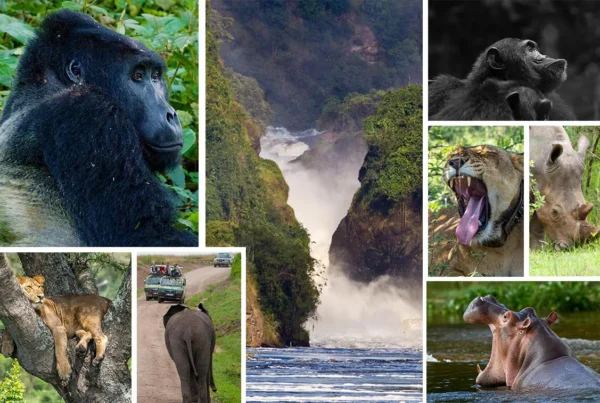
Imagine standing in silence, heart pounding, eyes locked with a 500-pound silverback gorilla, its presence commanding and gentle all at once. Now picture yourself on an open plain, the sun dipping below the horizon as a pride of lions stirs to life. Gorilla and wildlife safaris offer the ultimate African adventure—a rare combination of primate encounters deep in the rainforest and the iconic big game spectacles of the savannah. These journeys blend the raw, emotional intimacy of gorilla trekking with the expansive thrill of tracking elephants, leopards, and buffalo under vast African skies.

This isn’t a typical vacation. It’s a calling for those who crave the untamed. For those who seek something primal, personal, and real. It’s a journey across ecosystems and species, through rainforests and grasslands, where every moment pulses with life and every encounter leaves a permanent mark on your soul. Gorilla and wildlife safaris aren’t just trips—they are transformations.

Gorilla and wildlife safaris #Gorilla and wildlife safaris Gorilla and wildlife safaris

The Unmatched Experience of Gorilla Trekking

Deep in the montane forests of Uganda, Rwanda, and the Democratic Republic of Congo, mountain gorillas live free, wild, and protected. Found nowhere else on Earth, these critically endangered great apes share nearly 98% of our DNA. They live in tightly bonded families, led by dominant silverbacks, whose wisdom and power guide their troop’s every move. Watching them is like peering into a forgotten mirror of ourselves.

The experience begins long before you meet them. After an early morning briefing, you’ll enter the forest with an expert team of rangers and trackers. These guides follow signs most would never notice—a broken twig, a fresh nest, distant vocalizations—until you reach the gorilla family. The trek itself may take minutes or hours, through thick vines, slippery slopes, and dense foliage. But every step brings you closer to an unforgettable connection.

When the moment comes and the gorillas emerge, everything else fades. For a full hour, you’re a guest in their world. You’ll witness mothers tenderly nursing their young, juveniles tumbling in play, and the silverback surveying all with calm authority. There is no cage, no glass, no barrier. Just you, the forest, and these magnificent beings. The silence shared in that space speaks more than words ever could.

The Thrill of Classic African Safaris (Gorilla and wildlife safaris)

After the intimacy of the rainforest, the savannah awaits with its epic drama. Africa’s great plains, from Uganda’s Queen Elizabeth National Park to Tanzania’s Serengeti, offer a different kind of spectacle—open, vast, and breathtaking in scale. Here, your senses are ignited not by quiet stillness but by motion, color, and sound. Herds of elephants move in unison across golden plains. Giraffes stretch toward acacia trees. Lions prowl in the tall grass while zebras and antelopes remain alert to every sound.

What makes a wildlife safari so exhilarating is the unpredictability. Every game drive is a new adventure, guided by the rhythm of nature. One day you may follow leopard tracks at dawn, and the next, watch hippos wallow in muddy pools beneath a blazing sunset. Your vehicle becomes a moving observatory, your camera an extension of your awe, and your guide a storyteller, reading the landscape with unmatched expertise.

Uganda, often called the Pearl of Africa, is unique in its ability to offer both gorilla trekking and classic safari experiences in a single itinerary. One day you’re eye-to-eye with a gorilla in Bwindi Impenetrable Forest; the next, you’re cruising the Kazinga Channel watching elephants drink as crocodiles sunbathe nearby. It’s this blend of intimacy and scale, forest and savannah, that makes gorilla and wildlife safaris the most complete adventure on the continent.

The Conservation Story Behind the Adventure

What sets gorilla and wildlife safaris apart is not just their grandeur, but their purpose. These experiences are rooted in conservation, sustainability, and community empowerment. Every permit purchased to track gorillas contributes directly to protecting these endangered animals and the ecosystems they call home. It funds anti-poaching patrols, veterinary interventions, and long-term research vital to their survival.

Beyond gorillas, wildlife tourism fuels the protection of Africa’s iconic species—elephants, rhinos, lions, and more—by creating financial incentives for their survival. Where wildlife thrives, tourism flourishes. Where tourism flourishes, communities benefit. Schools are built, jobs are created, and local people become guardians of the very ecosystems tourists come to see.

In Uganda and Rwanda especially, conservation success stories are unfolding. Gorilla populations are increasing, thanks to the responsible tourism model that limits visitor numbers, enforces strict behavior guidelines, and channels income back into the community. By choosing to go on a gorilla and wildlife safari, you become a part of this story—not just a witness to nature’s wonders, but a participant in their preservation.

Cultural Connections Along the Way

A true African safari is not just about the animals—it’s about the people. Throughout your journey, you’ll meet communities that have lived in harmony with the wild for generations. From the Batwa pygmies, the original forest dwellers of southwestern Uganda, to village artisans and traditional dancers, cultural encounters add rich context to your adventure.

These are not staged performances, but genuine moments of exchange, where storytelling, music, and craftsmanship reveal the human side of Africa’s wild places. By engaging with local culture, you gain a deeper appreciation for the land and a clearer understanding of the challenges and triumphs of conservation in action.

Planning Your Safari: Choosing the Right Path

Organizing a gorilla and wildlife safari requires careful planning and the guidance of experienced professionals. Permits for gorilla trekking are limited and must be secured months in advance. National parks and game reserves vary in their ecosystems, wildlife density, and travel logistics. Understanding the best times to visit, the physical demands of each trek, and the accommodations available is crucial to crafting a journey that matches your interests and comfort level.

Uganda offers perhaps the most versatile itinerary, combining gorilla trekking in Bwindi or Mgahinga with game drives in Queen Elizabeth, Murchison Falls, and Kidepo Valley National Parks. Rwanda, with its luxury-focused approach, allows travelers to pair gorilla trekking in Volcanoes National Park with wildlife viewing in Akagera National Park. Each destination has its strengths, and the best safaris are those tailored to your desires—whether you seek rugged adventure, photographic opportunities, or immersive cultural experiences.

Why This Journey Changes You Forever

What separates gorilla and wildlife safaris from other forms of travel is the depth of impact they leave behind. It’s not just about seeing animals; it’s about feeling something ancient stir within you. When you walk through the same forest paths as gorillas or hear a lion’s roar ripple through the night air, you remember that we are not separate from nature—we are part of it.

These encounters invite humility, curiosity, and gratitude. They reconnect us to a world that still breathes on its own terms. They open our eyes to beauty, our hearts to wonder, and our minds to responsibility. And once you’ve seen Africa in this way, it never really leaves you.

Book Your Unforgettable Safari with WildHorn Africa

To experience the true magic of gorilla and wildlife safaris, trust your journey to those who know the land intimately. WildHorn Africa specializes in crafting exceptional, responsible, and deeply personal African travel experiences. With their expert knowledge, passion for conservation, and commitment to local communities, WildHorn Africa ensures that every step of your adventure is meaningful, seamless, and unforgettable.

From securing your permits to arranging world-class guides and accommodations, WildHorn Africa takes care of the details so you can focus on the moments that matter most. Whether you’re dreaming of a quiet hour with a mountain gorilla or the heart-racing excitement of tracking lions across the plains, your perfect safari begins here.

Book your Africa tours and safaris with WildHorn Africa today—and step into a world where the wild is still truly wild, and every encounter is a story worth telling. Gorilla and wildlife safaris

Gorilla and wildlife safaris #Gorilla and wildlife safaris Gorilla and wildlife safaris

Recommended Tour Packages

Gorillas and Wildlife Safaris

6-Day Volcanoes, Bwindi, Lake Bunyonyi, Queen and Kibale
6 Days+ from $2,717
https://www.africawildlifesafaris.net/destinations/uganda/6-day-volcanoes-bwindi-lake-bunyo/
7-Day Rwanda Wild Safari, Akagera, Volcanoes & Lake Kivu
7 Days+ from $2,998
https://www.africawildlifesafaris.net/destinations/rwanda/7-day-rwanda-wild-safari-akagera/
7-Day Volcanoes National Park Adventure
7 Days+ from $5,500
https://www.africawildlifesafaris.net/destinations/rwanda/7-day-volcanoes-national-park/
10-Day Uganda & Rwanda – Gorillas, Wildlife & Volcanoes
10 Days+ from $3,399
https://www.africawildlifesafaris.net/destinations/rwanda/10-day-uganda-rwanda-gorillas/
5-Day Bwindi, Lake Bunyonyi & Queen Elizabeth Safari
5 Days+ from $2,132
https://www.africawildlifesafaris.net/destinations/uganda/5-day-bwindi-lake-bunyonyi-queen/
6-Day Bwindi NP, Queen Elizabeth, Kibale & Lake Bunyonyi
6 Days+ from $2,526
https://www.africawildlifesafaris.net/destinations/uganda/6-day-bwindi-np-queen-elizabeth/
7-Day Bwindi, Kibale & Queen Elizabeth NP Mid-Range Tour
7 Days+ from $3,058
https://www.africawildlifesafaris.net/destinations/uganda/7-day-bwindi-kibale-queen/
8-Day Bwindi National Park, L Bunyonyi, Queen Elizabeth
8 Days+ from $3,586
https://www.africawildlifesafaris.net/destinations/uganda/8-day-bwindi-national-park-bunyonyi/
Customize Your Visit To Africa
The Great Wildebeest Migration

The Great Wildebeest Migration

By Travel guides

A Living River of Wildlife Across Africa’s Wildest Lands. Every year, over two million wildebeest thunder across the African savannah in one of the planet’s most astonishing natural phenomena—the Great Wildebeest Migration.

This breathtaking event unfolds between the Serengeti National Park in Tanzania and the Maasai Mara National Reserve in Kenya, driven by the eternal quest for greener pastures and fresh water. It is not merely a journey—it is a cyclical drama of survival that captivates wildlife enthusiasts, filmmakers, and travelers from around the globe.


What is the Great Wildebeest Migration?

The Great Wildebeest Migration is an annual movement of over 1.5 million wildebeest, accompanied by hundreds of thousands of zebras, gazelles, and elands. These herbivores follow seasonal rain patterns in a massive loop covering approximately 3,000 kilometers. This is not a single event but a continuous cycle of movement, reproduction, and survival.

Where Does the Migration Take Place?

The migration spans two of East Africa’s most iconic wildlife regions: Serengeti National Park in northern Tanzania and Maasai Mara National Reserve in southern Kenya. The animals move in a clockwise path across plains, rivers, and woodlands, navigating landscapes that are both spectacular and treacherous.

The Annual Migration Cycle

January to March – Calving Season

In the southern Serengeti, the migration begins with the calving season. Thousands of calves are born each day, drawing predators such as lions, hyenas, and cheetahs. This is a time of both new life and constant danger.

April to June – The Long Journey North

As rains cease, the herds start their journey northwest toward the Grumeti River. This leg is filled with hardships—thirst, exhaustion, and predation shape their slow but steady advance.

July to September – Mara River Crossings

The most dramatic stage of the migration is the crossing of the Mara River. Wildebeest plunge into crocodile-infested waters, creating heart-pounding scenes that define the migration. Many perish, but many more survive to reach the Maasai Mara.

October to December – Return to the Serengeti

As the dry season ends and short rains fall, the herds make their way back into Tanzania. The cycle continues, each phase fueled by the never-ending search for food and water.

Perils and Predators

The Great Migration is as much about danger as it is about movement. Wildebeest face numerous predators including lions, leopards, hyenas, crocodiles, and wild dogs. Disease, injury, and exhaustion also claim thousands. Yet this brutal journey is essential to maintaining the balance of the ecosystem.

Best Time to Witness the Migration

While the migration is a year-round event, the most dramatic spectacles—especially the Mara River crossings—occur between July and September. The calving season (January–March) is ideal for those interested in predator-prey interactions and newborn wildlife. The timing varies each year depending on rainfall, so flexible travel plans are essential.

How to See the Great Migration

To truly experience the migration, travelers can choose from guided safari tours, hot air balloon rides, and mobile tented camps that follow the herds. Knowledgeable local guides are crucial for positioning you at the right place at the right time. Both Kenya and Tanzania offer excellent safari infrastructure, with world-class lodges and national park services.

Why the Migration Matters

Beyond its visual impact, the Great Wildebeest Migration is a cornerstone of the East African ecosystem. It supports the survival of predator species, shapes vegetation patterns, and helps distribute nutrients across the plains. It is also a major pillar of eco-tourism, providing vital income to conservation efforts and local communities.


Witnessing the Great Wildebeest Migration is not just a safari—it is an unforgettable immersion in the rhythms of life and death on the African savannah.


Butterflies

Butterflies

By Travel guides

Butterflies of Africa: Nature’s Winged Jewels

Africa is home to an astonishing variety of butterflies—over 3,000 species flutter through the continent’s forests, savannahs, wetlands, and mountains. These vibrant insects are more than just beautiful; they play vital roles in ecosystems as pollinators, prey for other animals, and indicators of a healthy environment.

From the delicate African Monarch to the dazzling Papilio dardanus, butterflies in Africa captivate with their colors, patterns, and behaviors.

Why Butterflies Matter

Pollination: Butterflies help pollinate flowers as they feed on nectar, supporting plant reproduction.

Biodiversity Indicators: A high diversity of butterflies often signals a healthy, balanced ecosystem.

Food Chain: Butterflies and their caterpillars provide food for birds, reptiles, and mammals.

Cultural Significance: In many African cultures, butterflies symbolize transformation, rebirth, and spiritual messengers.

Common and Notable Butterfly Species in Africa

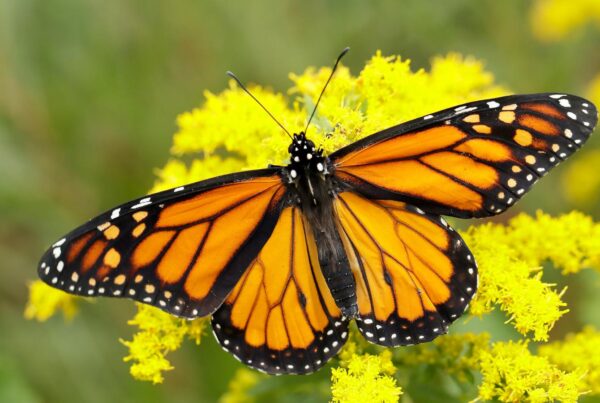
🦋 African Monarch (Danaus chrysippus)
Resembles the American Monarch

Found across most of Sub-Saharan Africa

Feeds on milkweed; toxic to predators

🦋 Green-banded Swallowtail (Papilio nireus)
Striking black wings with green or blue bands

Common in forests and wooded savannahs

Fast, erratic flyers

🦋 Mocker Swallowtail (Papilio dardanus)
Masters of mimicry—females imitate other butterfly species to avoid predators

Found across tropical Africa

🦋 African Giant Swallowtail (Papilio antimachus)
One of the largest butterflies in Africa, with a wingspan up to 25 cm

Rare and mostly found in Central African rainforests

🦋 Charaxes species (Emperor Butterflies)
Bold, fast flyers with powerful wings

Common in woodland areas

Often seen feeding on rotting fruit or tree sap

Where to See Butterflies in Africa

🌿 Kakamega Forest – Kenya
A rainforest reserve teeming with butterfly species, including some found nowhere else in East Africa

🌿 Nyungwe Forest – Rwanda
Known for its dense vegetation and high butterfly diversity, especially during the rainy season

🌿 Udzungwa Mountains – Tanzania
A biodiversity hotspot with several endemic butterfly species

🌿 Kibale Forest – Uganda
While famous for chimpanzees, Kibale also hosts dozens of butterfly species in its lush tropical environment

🌿 Table Mountain – South Africa
Home to rare and endemic butterflies like the Table Mountain Beauty

Best Time to See Butterflies

Rainy seasons (or just after): This is when most butterflies are active due to the abundance of flowers and nectar.

Mornings and early afternoons: Butterflies are most visible when temperatures rise and sunlight draws them out to feed.

Butterfly Watching Tips

Wear light-colored clothing to avoid scaring butterflies

Bring a camera or phone with a macro lens for close-up shots

Walk slowly and observe closely—many butterflies camouflage well

Respect nature—avoid touching or capturing butterflies

Combine Butterfly Watching with Other Experiences
Many butterfly-rich areas are also top destinations for birding, primate tracking, hiking, and photography safaris. You can explore trails through tropical forests or gardens where butterflies abound, making it a relaxing yet rewarding nature experience.

Plan a Nature Safari with WildHorn Africa
Ready to explore Africa’s winged wonders? Whether you want to combine butterfly watching with gorilla trekking, birding, or nature walks, WildHorn Africa can customize your safari experience to include these magical moments.

Contact WildHorn Africa today to plan your nature escape and discover the butterflies that color Africa’s wild landscapes.

Chimpanzees

Chimpanzees

By Uncategorized

Chimpanzees: Our Closest Living Relatives

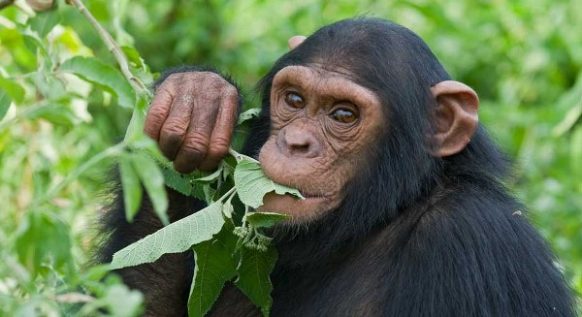
Chimpanzees, or chimps, are among the most intelligent and captivating animals on the planet. Sharing about 98.7% of our DNA, they are our closest living relatives in the animal kingdom. Native to the forests and savannas of equatorial Africa, chimpanzees offer a rare and powerful glimpse into the roots of human behavior. Observing them in the wild is not just an adventure—it’s a profound connection to our evolutionary past.

Types of Chimpanzees

Chimpanzees belong to the species Pan troglodytes, which has several subspecies based on their geographic range:

Central Chimpanzee (Pan troglodytes troglodytes)
Found in Gabon, Cameroon, the Republic of Congo, and parts of Central Africa. This is the most numerous subspecies.

Western Chimpanzee (Pan troglodytes verus)
Found in countries like Guinea, Sierra Leone, and Ivory Coast. This subspecies is critically endangered due to habitat destruction and hunting.

Nigeria-Cameroon Chimpanzee (Pan troglodytes ellioti)
The rarest and most threatened subspecies, found only in the forested border regions between Nigeria and Cameroon.

Eastern Chimpanzee (Pan troglodytes schweinfurthii)
Found in Uganda, Rwanda, western Tanzania, and parts of the Democratic Republic of Congo. This is the subspecies most commonly encountered on chimpanzee trekking tours in East Africa.

The Way of Life: Chimpanzee Behavior and Social Structure

Chimpanzees live in complex social groups known as communities, which can include up to 150 individuals. These communities are dynamic, with smaller subgroups constantly forming and breaking apart throughout the day. Leadership is typically held by an alpha male, who must use both strength and political strategy to maintain his position.

Chimpanzees are omnivores, feeding on fruit, leaves, insects, and occasionally hunting smaller animals such as monkeys. They use tools—sticks to fish for termites, stones to crack nuts, and leaves to soak up water. This tool use highlights their problem-solving abilities and cultural learning, which varies from group to group.

Communication is also highly developed, involving vocalizations, facial expressions, gestures, and even laughter. Mothers form strong bonds with their infants, and these family ties can last a lifetime.

Where to See Chimpanzees in the Wild

Chimpanzee trekking allows travelers to experience their wild behavior up close. Top destinations include:

Uganda:

Kibale Forest National Park – the top destination for chimp trekking in Africa, known for high success rates.

Budongo Forest – located near Murchison Falls National Park.

Kyambura Gorge – a scenic, forested ravine in Queen Elizabeth National Park.

Rwanda:

Nyungwe Forest National Park – an ancient rainforest with a large, habituated chimpanzee population.

Tanzania:

Gombe Stream National Park – where Jane Goodall conducted her groundbreaking research.

Mahale Mountains National Park – one of the most remote and pristine chimpanzee habitats.

Democratic Republic of Congo:

Tayna Nature Reserve and parts of the eastern DRC are home to several chimpanzee communities, though tourism is more limited due to accessibility.

Chimpanzee Trekking and Habituation

Just like gorillas, chimpanzees can also be visited through trekking and habituation experiences.

Chimpanzee Trekking typically involves a 1–3 hour forest walk and up to one hour with the chimpanzees. It’s fast-paced and exciting, as chimps often move through the forest in noisy, active groups.

Chimpanzee Habituation allows visitors to spend more time (up to 4 hours) with a semi-habituated group, observing natural behaviors as they get used to human presence. This is an ideal experience for wildlife enthusiasts and photographers.

Experience the Wild With Experts

Chimpanzee trekking is one of the most rewarding wildlife experiences in Africa. Whether you’re walking through the misty forests of Uganda or exploring the hills of Rwanda, watching chimpanzees interact, communicate, and display emotions is truly unforgettable.

Looking to plan a chimpanzee trekking or habituation tour?

Get in touch with WildHorn Africa—your expert partner in primate adventures. With experienced guides, customized itineraries, and a commitment to conservation, WildHorn Africa will help you connect with these remarkable creatures in the most meaningful way.

Contact WildHorn Africa today to start your chimpanzee adventure!

Close Menu