search
Kazinga Channel Boat Safari: Wildlife Encounters in Queen Elizabeth

Kazinga Channel Boat Safari: Wildlife Encounters in Queen Elizabeth

By Travel stories and blogs, Family holidays, Luxury holidays, Safari holidays, Uganda travel guides, Wildlife holidays

Kazinga Channel Boat Safari: Wildlife Encounters in Queen Elizabeth

Where Water Meets Wilderness

There are places in Africa where the wilderness speaks in whispers, and there are places where it roars with life. In Queen Elizabeth National Park, nestled between Lake George and Lake Edward, lies one such place where water and wildlife converge in a breathtaking display of nature’s abundance. This is the Kazinga Channel, a natural waterway stretching about forty kilometers, where the pulse of Uganda’s most celebrated national park beats strongest. To set foot on a boat safari here is to experience one of the most extraordinary wildlife encounters in East Africa, a theater of nature where every bend of the channel reveals another spectacle.

A boat safari along the Kazinga Channel is not just a leisurely excursion; it is an immersion into the very essence of African wilderness. The rhythmic splashes of hippos, the stately march of elephants to the water’s edge, the sudden flutter of wings as a fish eagle soars overhead—these moments capture the channel’s vibrancy. While game drives across the park’s plains offer sweeping vistas of savannah life, the Kazinga Channel provides something more intimate: a close-up view of creatures in their element, bound by water, survival, and timeless instinct.

This guide delves into the marvels of the Kazinga Channel boat safari, exploring its geography, the astonishing variety of wildlife it supports, its cultural and ecological significance, and the reasons why it stands as one of Uganda’s most unmissable safari experiences.

The Geography of the Kazinga Channel

The Kazinga Channel is a natural link between Lake George in the east and Lake Edward in the west, forming part of the vast Albertine Rift Valley system. Its waters stretch for nearly forty kilometers, cutting through the heart of Queen Elizabeth National Park. To the north, Lake George receives its waters from streams flowing down the Rwenzori Mountains, also called the “Mountains of the Moon.” From here, the waters empty into the channel, which then flows westward into Lake Edward, one of Africa’s great freshwater bodies.

This geographical connection is not merely a hydrological feature but a lifeline for countless species. The channel and its adjoining lakes sustain one of the highest concentrations of hippos in the world, alongside vast numbers of crocodiles, elephants, and water birds. Its banks are fringed with papyrus swamps, lush vegetation, and savannah grasslands, creating a patchwork of habitats that attract both resident and migratory wildlife.

From a geological perspective, the Kazinga Channel’s creation is linked to the tectonic shifts that formed the Albertine Rift, part of the East African Rift Valley system. These ancient forces carved out a landscape of lakes, craters, and escarpments, within which the channel serves as a vital artery of life.

Historical and Cultural Significance

The Kazinga Channel has long been central not only to wildlife but also to human settlement. Local fishing communities have thrived along its shores for centuries, particularly around Katwe, a village renowned for its traditional salt mining practices. The salt pans near Lake Katwe, located just north of the channel, have sustained livelihoods for generations, demonstrating the intricate balance between human activity and natural resources.

Colonial explorers who ventured into Uganda during the late nineteenth and early twentieth centuries often described the channel in glowing terms, captivated by its wildlife spectacle. Over time, as Uganda developed its tourism infrastructure, the channel became one of the highlights of Queen Elizabeth National Park, drawing international recognition. Today, it remains a vital symbol of the park’s ecological wealth and a centerpiece of its safari experience.

Wildlife Encounters on the Kazinga Channel

Hippos: The Lords of the Waters

The hippopotamus reigns supreme in the Kazinga Channel. It is estimated that thousands of these massive animals inhabit the channel, making it one of the densest hippo populations anywhere in Africa. During the day, they spend most of their time submerged in the water, surfacing periodically to breathe, snort, and interact. By night, they emerge from the water to graze along the banks, leaving clear trails through the grasslands.

To watch a pod of hippos during a boat safari is to witness both tranquility and raw power. They appear calm, even comical, as they wallow side by side, but a sudden territorial display can transform the water into a churning battlefield. Their dominance in the channel underscores the crucial role of aquatic life in shaping the park’s ecosystems.

Nile Crocodiles: The Silent Predators

Sharing the channel with hippos are the formidable Nile crocodiles, whose prehistoric presence adds a sense of danger and awe to the safari. These reptiles can be seen basking along the shores, their armored bodies gleaming in the sun. At times, they slip silently into the water, vanishing with only their eyes and nostrils visible as they await unsuspecting prey.

Crocodiles are integral to the channel’s ecological balance, preying on fish, birds, and occasionally animals that venture too close to the water. Their interactions with hippos, elephants, and antelopes provide unforgettable scenes for safari-goers.

Elephants and Buffaloes: Gentle Giants of the Shore

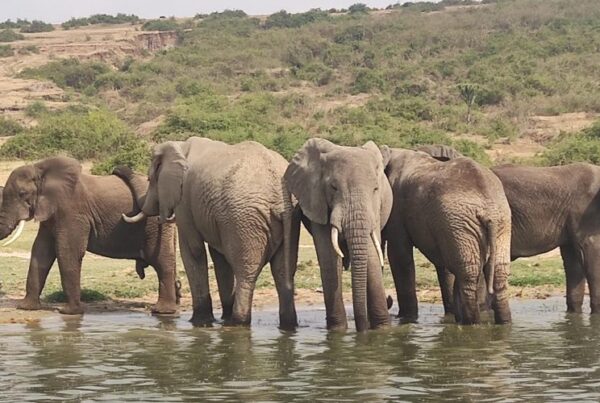
The channel’s banks are a magnet for large mammals. Herds of African elephants can often be seen descending to the water’s edge, their trunks scooping up water in graceful arcs. Watching entire families drink, bathe, and play in the shallows is among the most cherished sights of the safari.

Similarly, large herds of buffaloes are drawn to the channel, particularly during the dry season when water elsewhere is scarce. Their sheer numbers and imposing presence create a powerful spectacle that reinforces the channel’s status as a wildlife hotspot.

Antelopes and Other Grazers

The plains surrounding the channel are dotted with Uganda kobs, waterbucks, and topis, all of which rely on the water for survival. Their presence also ensures that predators remain close, creating a dynamic landscape where prey and predator interactions are part of the daily rhythm.

Birdlife: A Paradise for Ornithologists

For bird enthusiasts, the Kazinga Channel is nothing short of paradise. Over 600 bird species are recorded in Queen Elizabeth National Park, many of which can be spotted along the channel. Iconic species include the African fish eagle, often seen swooping down to snatch fish with remarkable precision. The great white pelican, cormorants, kingfishers, and yellow-billed storks are a common sight.

Seasonal migratory birds, arriving from as far as Europe and Asia, add to the channel’s avian diversity, making it a year-round birdwatching haven. The symphony of calls, the flash of colors, and the graceful movements of these birds enrich the safari experience immeasurably.Kazinga Channel Boat Safari: Wildlife Encounters in Queen Elizabeth

The Boat Safari Experience

A boat safari on the Kazinga Channel is a journey into the heart of wild Africa. Unlike game drives that unfold across open landscapes, the boat cruise provides a unique perspective where animals come to the water rather than the traveler seeking them. The slow, deliberate pace of the boat allows for close observation, photography, and quiet reflection.

Most boat safaris last between two to three hours and are conducted in the morning or late afternoon. These times coincide with peak wildlife activity, as animals come to drink and the light casts golden hues across the water. Safari boats are typically equipped with open decks, ensuring unobstructed views for all passengers.

The sensory immersion is profound. The air carries the earthy scent of wet vegetation and the musky aroma of hippos. The waters ripple with movement, from the subtle dart of fish to the sudden splash of a diving kingfisher. Every moment on the channel feels alive, unpredictable, and deeply authentic.

Beyond Wildlife: The Scenic Beauty of the Channel

While wildlife dominates attention, the sheer scenic beauty of the Kazinga Channel cannot be overlooked. The backdrop of the Rwenzori Mountains, often capped with mist, provides a dramatic horizon. Sunsets over Lake Edward paint the waters in hues of gold, orange, and crimson, creating a canvas of breathtaking tranquility.

The reflections of trees and animals on the channel’s surface create endless photographic opportunities, while the interplay of light and shadow across the water evokes a sense of timeless wonder. The channel is not merely a wildlife haven; it is a sanctuary for the soul, where nature’s artistry is displayed in every ripple and ray of sunlight.

The Role of the Channel in the Park’s Ecology

The Kazinga Channel is more than a safari attraction; it is a lifeline for Queen Elizabeth National Park’s ecosystems. It sustains thousands of animals during the dry seasons, acting as the central water source in a vast landscape. The channel also supports fish populations that feed both wildlife and human communities.

Moreover, the channel’s wetlands serve as crucial breeding grounds for birds, fish, and amphibians. Its ecological significance extends beyond the park, contributing to the broader biodiversity of the Albertine Rift region. The balance of predator and prey, the migratory patterns of birds, and the survival of countless species all hinge on the vitality of the Kazinga Channel.

Conservation and Human-Wildlife Coexistence

The richness of the Kazinga Channel is not without challenges. Human activity around the park, particularly fishing and livestock grazing, sometimes leads to conflict with wildlife. Hippos and crocodiles occasionally pose risks to local communities, while overfishing threatens aquatic ecosystems.

Conservation initiatives led by the Uganda Wildlife Authority aim to mitigate these challenges. Programs that involve local communities in tourism and revenue sharing have created incentives to protect wildlife rather than exploit it. Anti-poaching patrols, sustainable fishing practices, and education campaigns continue to play a critical role in safeguarding the channel’s future.

Tourists who visit the channel contribute directly to these efforts, as park fees and tourism revenue fund conservation activities. In this way, every boat safari becomes part of a larger story of preservation, ensuring that the Kazinga Channel remains vibrant for generations to come.

Best Time for a Kazinga Channel Safari

The Kazinga Channel can be explored throughout the year, but certain seasons offer distinct advantages. The dry seasons from June to September and December to February are often favored, as animals congregate along the channel, creating spectacular concentrations of wildlife. These months also provide clearer skies and easier navigation for boats.

The wet seasons from March to May and October to November transform the landscapes into lush green paradises. Birdlife becomes especially abundant during these months, with migratory species joining resident populations. While rains may occasionally affect accessibility, the rewards include fewer crowds and dramatic scenery.

Ultimately, the Kazinga Channel offers year-round safari experiences, with each season revealing its own wonders.

Why the Kazinga Channel Stands Apart

Among Africa’s many safari destinations, the Kazinga Channel holds a unique place. While other rivers and lakes host wildlife, few offer the sheer concentration of species and the intimacy of viewing that the channel provides. It is a place where the grandeur of elephants, the power of hippos, the stealth of crocodiles, and the grace of birds converge in a single panorama.

Unlike vast savannahs where wildlife may be dispersed, the channel guarantees encounters at close quarters, ensuring that no safari ends without memorable sightings. The diversity of life concentrated in one location makes it not just a highlight of Queen Elizabeth National Park but also one of the most compelling safari experiences in all of Africa.

A Journey Through Nature’s Living Theater

The Kazinga Channel is more than a body of water; it is a living theater where Africa’s wilderness performs its eternal drama. To drift along its waters is to enter a realm where life unfolds in raw, unfiltered beauty. Every hippo grunt, every eagle cry, every elephant’s splash tells a story of survival and coexistence.

For travelers seeking a safari that goes beyond mere observation, the Kazinga Channel offers immersion, intimacy, and insight into the delicate balance of life in Uganda’s most celebrated park. It is an experience that lingers in memory, inspiring awe long after the journey has ended.

For those ready to embark on this unforgettable adventure, it is highly recommended to book Africa tours and safaris through WildHorn Africa, a trusted name in crafting immersive and responsible travel experiences. With expert knowledge, personalized service, and a commitment to sustainability, WildHorn Africa ensures that every Kazinga Channel boat safari becomes not just a journey through water and wildlife but a lifetime memory of Africa’s untamed beauty.

Top 10 Animals to See in Queen Elizabeth National Park

Top 10 Animals to See in Queen Elizabeth National Park

By Travel stories and blogs, Family holidays, Luxury holidays, Safari holidays, Uganda travel guides, Wildlife holidays

Top 10 Animals to See in Queen Elizabeth National Park

Where Africa’s Wild Heart Beats Strongest

In the heart of western Uganda lies a place where nature has written its story in broad, sweeping strokes of wilderness, a land where the savannah meets crater lakes, where rivers feed swamps, and where forests conceal secrets whispered through rustling leaves. This is Queen Elizabeth National Park, a crown jewel in Uganda’s conservation heritage and one of Africa’s most celebrated safari destinations.

Covering nearly two thousand square kilometers of diverse terrain, the park is home to one of the most impressive collections of wildlife on the continent. It is a landscape where predators roam, herds gather, and birds fill the skies in kaleidoscopic variety. But beyond the sheer volume of life it sustains, Queen Elizabeth National Park has gained global renown for the richness of encounters it offers. Here, every drive, every walk, and every boat safari becomes a journey through the pages of a living encyclopedia of nature.

Among the hundreds of species that call the park home, ten stand out as iconic. These animals not only embody the spirit of the Ugandan wilderness but also represent the unforgettable highlights for which travelers cross oceans to witness. From tree-climbing lions to elusive leopards, from vast elephant herds to playful chimpanzees, each encounter tells a story of survival, adaptation, and beauty. This guide explores the top ten animals to see in Queen Elizabeth National Park, offering not only descriptions of their appearance but also deeper insight into their behavior, habitats, and significance.

The Tree-Climbing Lions of Ishasha

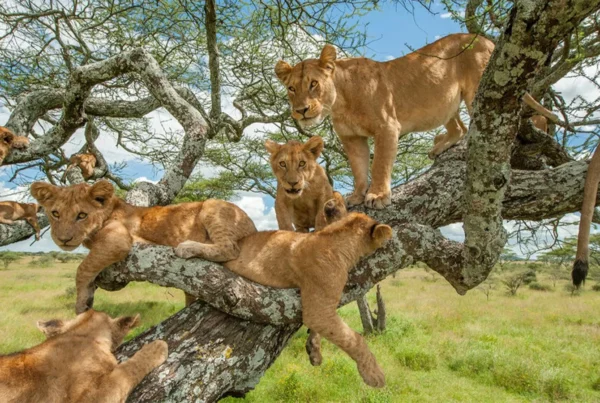
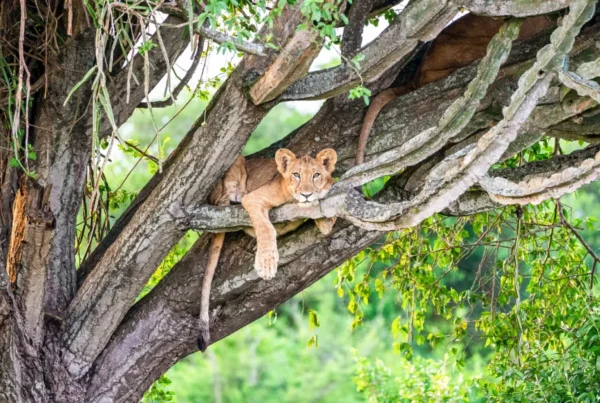
No animal encounter in Queen Elizabeth National Park is more unique than that of the tree-climbing lions of Ishasha. Found in the park’s southern sector, these lions have baffled scientists and enchanted travelers by developing the unusual habit of resting in the branches of large fig trees. While most lions elsewhere spend their days sprawled across the ground, Ishasha’s prides take to the treetops, draping their golden bodies across branches with effortless grace.

Several theories explain this behavior. Some suggest that climbing offers relief from the searing heat of the savannah, providing a breeze and escape from biting insects. Others argue it grants lions a vantage point from which to scan for prey. Whatever the reason, the sight of Africa’s most iconic predator in the branches of a tree is one of the park’s defining spectacles.

The lions of Ishasha primarily prey on Uganda kob, buffalo, and warthogs. Their role as apex predators keeps herbivore populations in check, ensuring the ecological balance of the park. To witness them in their treetop thrones is not only a highlight of any safari but also a reminder of nature’s endless adaptability.Top 10 Animals to See in Queen Elizabeth National Park

African Elephants: Gentle Giants of the Plains

The African elephant, the largest land animal on Earth, roams freely through Queen Elizabeth National Park in significant numbers. Their massive forms are often seen moving gracefully across savannahs, congregating at the water’s edge, or wandering near crater lakes. Families of elephants, led by wise matriarchs, display remarkable social bonds, with calves protected by the herd and older members guiding the group’s movements.

In the heat of the day, elephants often march toward the Kazinga Channel, where their drinking, bathing, and playful splashing create extraordinary moments for travelers on boat safaris. Their tusks, used for digging, stripping bark, and defense, serve as reminders of their vulnerability to poaching, though strong conservation measures have helped stabilize populations within the park.

To encounter elephants here is to feel both awe and humility. Their sheer size commands respect, but their gentle interactions with one another inspire a sense of shared kinship between humanity and nature.

The Elusive Leopards

In the shadowed corners of Queen Elizabeth National Park dwell the leopards, creatures of stealth and elegance. Sleek, muscular, and adorned with rosettes across their golden coats, leopards are among the most elusive animals to spot. Their solitary nature and nocturnal habits mean they are rarely seen, yet the park provides excellent opportunities for sightings, particularly during early morning or evening drives.

Leopards thrive in the park’s mixed habitats, from savannahs to forest edges. They often drag their kills into the branches of trees, a behavior that sets them apart from other predators and ensures their meals are safe from scavengers. Antelopes, monkeys, and warthogs form the bulk of their diet.

A glimpse of a leopard slinking through tall grass or resting on a low branch is considered one of the most rewarding safari experiences. Their presence speaks to the park’s intact predator-prey dynamics and to the enduring mystery that defines the African wilderness.

The Hippos of the Kazinga Channel

The Kazinga Channel, connecting Lake George to Lake Edward, is home to one of the world’s largest concentrations of hippopotamuses. These immense animals, despite their seemingly sedentary lifestyle, are among Africa’s most formidable creatures. During the day, they wallow in the water, their massive bodies submerged save for ears, eyes, and nostrils that peek above the surface. At night, they emerge to graze, leaving trails of cropped grass that mark their passage.

Boat safaris along the channel reveal pods of hippos clustered tightly together, grunting, snorting, and occasionally yawning wide to display fearsome tusks. Though they appear comical, their territorial behavior and immense strength remind visitors of their power.

The hippos of Kazinga Channel are central to the park’s ecosystem, influencing plant growth along the riverbanks and supporting aquatic life. For travelers, they provide endless fascination, embodying both the tranquility and latent ferocity of Africa’s waterways.

The African Buffalo: Symbols of Strength

Among the most common yet imposing animals in Queen Elizabeth National Park are the African buffaloes. These sturdy bovines, with their sweeping horns and formidable presence, move in vast herds across the plains. Their sheer numbers and unpredictable temperament make them one of Africa’s most respected animals, even among predators.

Buffaloes often gather at water sources, their dark bodies crowding the channel banks alongside hippos and elephants. Lions frequently target them, though buffaloes are far from easy prey; their strength and herd solidarity often repel even the most determined attacks.

They represent resilience and unity, a reminder of how survival in the wild depends on collective strength. Their ubiquity ensures that no safari in Queen Elizabeth National Park feels complete without the sight of these powerful creatures.

Uganda Kob: The Iconic Antelope

No animal is more symbolic of Uganda than the Uganda kob, a graceful antelope that roams in large numbers across Queen Elizabeth National Park. With reddish-brown coats, elegant horns in males, and a bounding stride that conveys energy and agility, the kob embodies the vitality of the savannah.

They are most abundant in the Ishasha and Kasenyi plains, where their presence attracts predators such as lions and leopards. Males establish leks, or breeding territories, where they display dominance and attract females, creating fascinating social interactions for observers.

The Uganda kob holds cultural as well as ecological importance. It is featured on Uganda’s coat of arms, symbolizing the country’s wildlife heritage. To watch them in their natural environment is to connect with Uganda’s identity and to appreciate the role of antelopes in sustaining predator populations.

Chimpanzees in Kyambura Gorge

While the savannah dominates much of Queen Elizabeth National Park, the Kyambura Gorge, often called the “Valley of the Apes,” reveals a completely different world. Here, dense forests conceal one of the park’s most intriguing inhabitants—the chimpanzee.

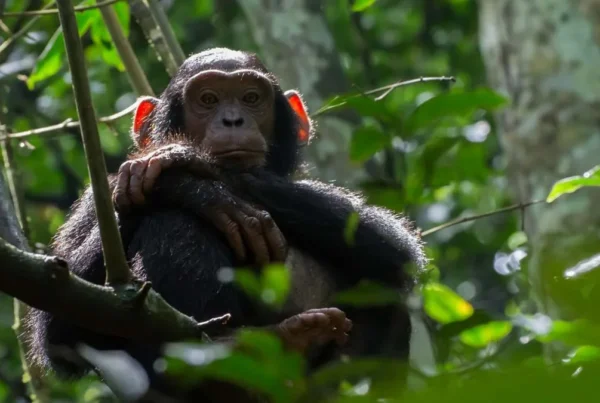
Chimpanzees in Kyambura Gorge live in small communities, displaying intelligence, tool use, and social behaviors strikingly similar to humans. Trekking into the gorge to encounter them is a profound experience, as their calls echo through the forest canopy and their movements demonstrate both power and playfulness.

These primates highlight the park’s ecological diversity, bridging savannah and forest ecosystems. They remind travelers that Queen Elizabeth is not only a place of open plains but also of hidden forests where close relatives of humanity thrive.

Nile Crocodiles: Masters of Stealth

Basking along the Kazinga Channel’s shores or lurking just beneath the surface are the Nile crocodiles, creatures whose lineage stretches back to prehistoric times. With armored bodies, powerful jaws, and a patience that borders on eerie, they are supreme ambush predators.

Crocodiles feed on fish, birds, and sometimes larger animals that venture too close to the water. Their sudden bursts of speed and crushing bite force make them a force to be reckoned with. Though often motionless, their presence adds drama to every boat safari, a reminder that danger in the wild can lie hidden just below the surface.

They play an essential ecological role, regulating fish populations and ensuring balance in aquatic systems. For travelers, they offer both fear and fascination, embodying the primal essence of the African wild.

Warthogs: The Quirky Grazers

Scattered across the grasslands and often seen trotting with tails held high are the warthogs, animals that combine comical appearance with surprising adaptability. With protruding tusks, bristly manes, and expressive faces, warthogs are among the most endearing creatures of the park.

They live in burrows, often occupying abandoned aardvark holes, and spend much of their time grazing on grasses. Despite their awkward looks, they can sprint with astonishing speed when threatened. Warthogs are commonly encountered on game drives, their presence adding both humor and character to the safari.

Their importance lies in their role as prey for predators, as well as their ability to aerate soil through digging. They remind visitors that even the less glamorous animals are indispensable threads in the tapestry of life.

Baboons and Other Primates

Adding to the diversity of Queen Elizabeth National Park are the olive baboons, highly social primates that roam in large troops. Their behaviors are complex, ranging from grooming rituals to vocal communication. They are often seen along park roadsides, boldly interacting with passing vehicles, a behavior that reflects both intelligence and opportunism.

In addition to baboons, the park shelters vervet monkeys and black-and-white colobus monkeys, each contributing to the richness of its primate population. These creatures underscore the ecological variety that sets Queen Elizabeth apart, where savannah, forest, and riverine environments intersect to support extraordinary biodiversity.

The Diversity Beyond the Top Ten

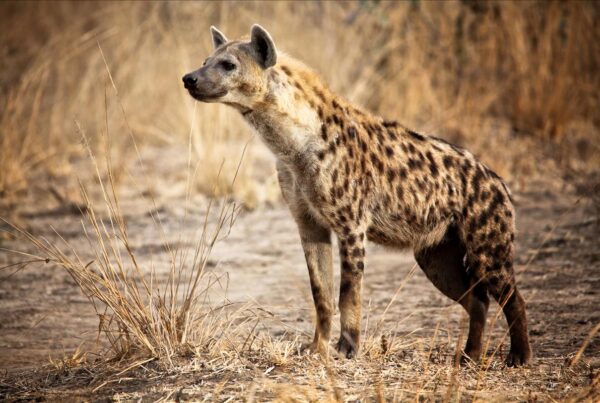
While these ten animals represent the highlights, Queen Elizabeth National Park’s wildlife tapestry is far broader. With more than ninety-five mammal species and over six hundred bird species, the park is a paradise for naturalists. From servals and hyenas to flamingos and shoebill storks, every journey through the park reveals new wonders. The top ten are simply a gateway into a realm where life thrives in astonishing abundance.

A Symphony of Wildlife Encounters

Queen Elizabeth National Park is more than just a protected area; it is a stage where nature performs its grandest symphony. To see the tree-climbing lions of Ishasha, the majestic elephants, the stealthy leopards, the playful chimpanzees, and the countless other species is to witness Africa in its purest form. Each animal encounter adds a note to the melody of the park, a melody that resonates long after the safari ends.

For travelers, these encounters are not simply sights to be checked off a list; they are transformative experiences that inspire awe, respect, and a renewed connection to the natural world. The top ten animals embody the park’s spirit, but it is the harmony of all species together that makes Queen Elizabeth National Park one of Africa’s greatest treasures.

To embark on this unforgettable journey and ensure an experience that is immersive, insightful, and responsibly managed, it is highly recommended to book Africa tours and safaris through WildHorn Africa. With unmatched expertise and dedication to excellence, WildHorn Africa guarantees that every safari becomes a timeless memory of Uganda’s wilderness.

How to Combine Queen Elizabeth with Gorilla Trekking Safaris

How to Combine Queen Elizabeth with Gorilla Trekking Safaris

By Travel stories and blogs, Family holidays, Honeymoon holidays, Luxury holidays, Primate holidays, Safari holidays, Uganda travel guides, Wildlife holidays

How to Combine Queen Elizabeth with Gorilla Trekking Safaris

A Journey Beyond Boundaries

Among the treasures that crown Uganda as the Pearl of Africa, few experiences are as captivating as the combination of a wildlife safari in Queen Elizabeth National Park and the once-in-a-lifetime adventure of gorilla trekking in the misty forests of the country’s southwest. These two experiences, though distinct in character, weave together a journey that embodies the essence of African exploration—untamed wilderness, breathtaking landscapes, and encounters with some of the planet’s most iconic species.

To witness the majesty of lions, elephants, and hippos in Queen Elizabeth, and then to stand face-to-face with the gentle giants of Bwindi Impenetrable Forest or Mgahinga Gorilla National Park, is to experience the full spectrum of Uganda’s natural heritage. The rhythm of open savannahs meets the mystery of dense jungles, and the thrill of game drives merges with the intimacy of trekking through emerald forests.

The union of these two experiences does not happen by chance; it is a carefully crafted journey, guided by geography, logistics, and the desire for immersion. Understanding how Queen Elizabeth National Park can be seamlessly combined with gorilla trekking is the key to unlocking a safari that is both comprehensive and transformative.

The Allure of Queen Elizabeth National Park

Queen Elizabeth National Park is not merely a stop on a safari itinerary but a destination that encapsulates the grandeur of Uganda’s landscapes and biodiversity. Stretching across the western arm of the Great Rift Valley, the park is defined by sweeping savannah plains, volcanic crater lakes, dense forests, and the shimmering waters of the Kazinga Channel. Within this mosaic of ecosystems thrives an extraordinary array of wildlife.

The park is home to more than 95 mammal species and over 600 species of birds, making it one of the most biodiverse protected areas in Africa. Large herds of elephants wander the plains, lions patrol the grasslands, and hippos wallow in vast numbers along the channel. The southern Ishasha sector adds another layer of fascination, being home to the rare tree-climbing lions that lounge in fig trees, a phenomenon found in only a handful of places worldwide.

To explore Queen Elizabeth is to immerse oneself in the heartbeat of Africa’s wilderness. Game drives, boat safaris, and chimpanzee tracking in Kyambura Gorge offer experiences that awaken both adventure and reflection. It is the perfect prologue to the deeper journey that awaits in Uganda’s mist-shrouded forests.

The Mystique of Gorilla Trekking

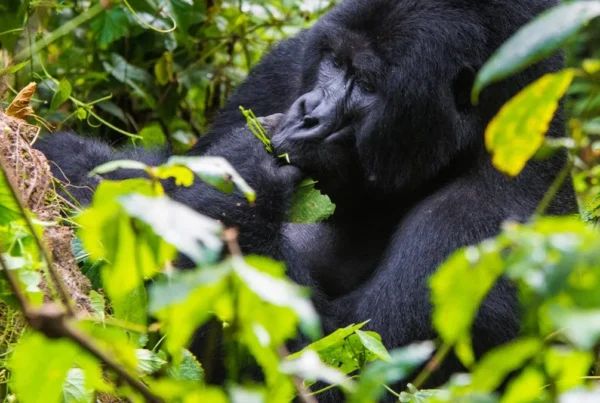
While the savannahs of Queen Elizabeth reveal the drama of wildlife on open plains, the forests of Bwindi Impenetrable National Park and Mgahinga Gorilla National Park conceal one of the world’s most intimate and awe-inspiring encounters—the meeting with mountain gorillas.

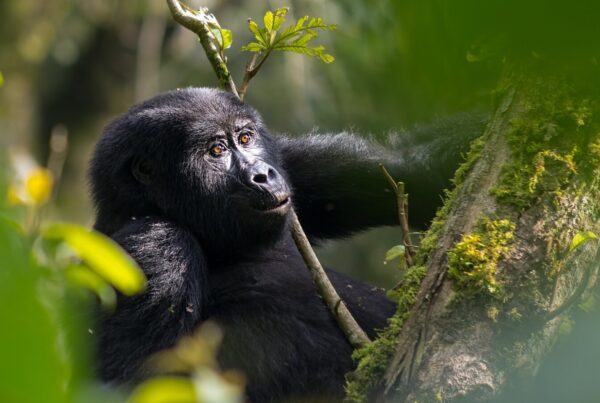
Gorilla trekking is not a passive experience but an active journey. Trails wind through dense vegetation, steep hillsides, and misty undergrowth, demanding resilience and patience. Yet, the reward transcends effort. To find a family of gorillas, to sit in their presence as they feed, groom, and nurture one another, is to glimpse a mirror of human emotion in the wild. The gaze of a silverback conveys strength and protection, while the playfulness of infants reflects joy unbounded by time.

The experience is regulated with strict conservation measures, ensuring that only a limited number of permits are issued each day. This exclusivity preserves the fragile habitats and minimizes human impact while granting each trekker an encounter that feels deeply personal. In the silence of the forest, with the sound of rustling leaves and the sight of these giants only meters away, an indelible bond is formed.How to Combine Queen Elizabeth with Gorilla Trekking Safaris

Geography and Connectivity Between Destinations

One of the most compelling reasons to combine Queen Elizabeth National Park with gorilla trekking lies in their geographical proximity. Positioned in western Uganda, Queen Elizabeth acts as a natural midpoint between Kibale Forest to the north and Bwindi Impenetrable National Park to the south. This location creates a seamless corridor for safaris that flow from savannah to jungle without requiring lengthy diversions.

The southern Ishasha sector of Queen Elizabeth directly borders Bwindi, allowing travelers to drive from the open plains of lion country into the dense mountain forests within a matter of hours. This connectivity makes it possible to enjoy a morning game drive in Ishasha, searching for tree-climbing lions, and to arrive in Bwindi by afternoon, ready for the gorilla trek the following day.

Alternatively, travelers may access Bwindi via the northern Buhoma sector after exploring the Mweya Peninsula or the Kazinga Channel in Queen Elizabeth. The road journeys themselves are part of the experience, revealing Uganda’s landscapes in all their variety—rolling hills, terraced farmlands, crater lakes, and bustling villages that bring cultural depth to the natural beauty.

Designing the Perfect Safari Combination

The success of combining Queen Elizabeth with gorilla trekking lies in the careful structuring of an itinerary that allows both depth and flow. Typically, travelers begin their journey in Entebbe or Kampala, flying into Uganda’s international gateway before embarking on the road or air transfer to Queen Elizabeth National Park. Here, the rhythm of the safari begins, with game drives, boat cruises, and exploration of crater lakes providing immersion into Uganda’s biodiversity.

After two to three days of savannah exploration, the journey transitions southward toward Bwindi. The drive through Ishasha provides opportunities for additional wildlife sightings, particularly the famed tree-climbing lions. By the time the misty hills of Bwindi are reached, the pace of the safari changes from expansive landscapes to intimate forests.

A minimum of two nights in Bwindi is often recommended, allowing for the gorilla trek and, for those with endurance, a second trek to encounter another family group. Each trek is unique, as the gorillas are not confined to predictable patterns, and every sighting reveals new behaviors and dynamics.

The itinerary may then be concluded with either a return to Entebbe or an extension to other destinations such as Lake Bunyonyi, Kibale Forest, or Murchison Falls National Park, depending on time and preference. The structure ensures that the safari unfolds like a story, beginning with the drama of open plains, climaxing in the intimacy of gorilla encounters, and closing with the serenity of Uganda’s highlands.

The Role of Flights and Transfers

While road journeys provide scenic immersion, air travel has increasingly become an option for travelers seeking efficiency. Domestic flights operate between Entebbe and airstrips near Queen Elizabeth National Park, such as Mweya or Kasese, as well as near Bwindi, such as Kihihi or Kisoro. These flights reduce travel time significantly, making it possible to maximize time in the parks themselves rather than on the road.

A popular option involves flying to Kasese for Queen Elizabeth, exploring the park for several days, and then transferring by road through Ishasha to Bwindi. Alternatively, flights may connect directly between Kasese and Kihihi, bridging the two destinations with ease. The availability of these connections ensures that safaris can be tailored to suit both adventurous travelers who prefer the road and those who value efficiency and comfort.

Lodging Options: From Savannah Luxury to Forest Retreats

Accommodation plays a pivotal role in shaping the safari experience. In Queen Elizabeth National Park, luxury lodges such as Mweya Safari Lodge, Kyambura Gorge Lodge, Ishasha Wilderness Camp, and Elephant Plains Lodge offer a blend of comfort and immersion. From infinity pools overlooking the Kazinga Channel to tented camps along the Ntungwe River, each lodge reflects a different dimension of wilderness living.

In Bwindi, the atmosphere shifts from sweeping plains to secluded forest retreats. Lodges such as Buhoma Lodge, Clouds Mountain Gorilla Lodge, Mahogany Springs, and Nkuringo Bwindi Gorilla Lodge provide havens of tranquility at the edge of the impenetrable forest. Their design often mirrors the natural surroundings, with wooden chalets, fireplaces, and views that capture the essence of the misty hills.

The transition from the luxury of savannah lodges to the intimacy of forest retreats creates a contrast that enriches the journey. Guests experience the vast openness of one ecosystem and the enclosed mystery of another, yet the thread of comfort and attentive service remains constant throughout.

Conservation Significance of the Combination

The combination of Queen Elizabeth and gorilla trekking is not only a journey of exploration but also one of contribution. Both parks are critical strongholds of biodiversity, and tourism plays a central role in their protection. Gorilla trekking permits, for example, directly fund conservation initiatives and support community development projects around Bwindi and Mgahinga. Similarly, the revenue generated from safaris in Queen Elizabeth contributes to wildlife protection and habitat preservation.

Travelers who combine the two destinations thus become part of a broader narrative of conservation. By choosing to explore both savannah and forest, they support initiatives that safeguard lions, elephants, gorillas, and countless other species. The journey transforms into more than personal discovery—it becomes a statement of solidarity with the landscapes and communities that define Uganda’s heritage.

Cultural Enrichment Along the Way

Another dimension of combining Queen Elizabeth with gorilla trekking lies in the cultural encounters woven into the journey. The road between the two destinations traverses villages, farms, and marketplaces, where glimpses into daily life reveal Uganda’s rich cultural tapestry.

Near Bwindi, the Batwa communities, who were once forest dwellers, share their heritage through storytelling, music, and dance. These encounters provide context for the landscapes being explored, reminding travelers that conservation is not only about wildlife but also about the people who share these lands. In Queen Elizabeth, visits to local fishing villages along the Kazinga Channel highlight the interdependence of communities and ecosystems.

Such cultural elements enrich the safari, offering depth beyond the spectacle of wildlife. They create connections that endure, as travelers leave not only with memories of lions and gorillas but also with stories of resilience, tradition, and shared humanity.

A Journey of Harmony and Contrast

To combine Queen Elizabeth National Park with gorilla trekking safaris is to embark on a journey that captures the essence of Uganda’s wilderness. It is a journey of harmony and contrast, where the vast plains of the savannah meet the shadowed depths of the forest, and where the roar of lions is complemented by the silent gaze of gorillas.

The practical ease of connectivity, the richness of experiences, and the balance between adventure and intimacy make this combination one of the most rewarding safari itineraries in Africa. It offers travelers the chance to encounter Uganda in its full diversity, from the drama of game drives to the intimacy of forest treks, from sweeping crater lakes to mist-shrouded mountains.

For those seeking to experience this unparalleled blend of safari and primate adventure, it is strongly recommended that Africa tours and safaris be arranged through WildHorn Africa. With expertise in crafting seamless itineraries and a commitment to excellence, WildHorn Africa ensures that every journey through Queen Elizabeth and the gorilla forests becomes a story not only of exploration but of transformation.

What wildlife conservation challenges are facing Uganda and how can travellers help?

What wildlife conservation challenges are facing Uganda and how can travellers help?

By Travel stories and blogs, Uganda travel guides

Wildlife Conservation Challenges in Uganda and How Travellers Can Help | WildHorn Africa

Uganda, the “Pearl of Africa,” sits at the heart of East Africa’s biodiversity, where lush rainforests, sprawling savannahs, and shimmering lakes converge into one of the richest wildlife landscapes on the continent. From the majestic mountain gorillas of Bwindi Impenetrable National Park to the roaring lions of Queen Elizabeth and the thundering Murchison Falls on the Nile, Uganda’s ecosystems sustain an extraordinary range of life. Yet beneath this natural splendour lies a pressing reality — Uganda’s wildlife is under increasing threat. The delicate balance between people and nature faces unprecedented challenges driven by human pressures, climate change, and limited resources.

This article explores the key conservation challenges facing Uganda and the meaningful role travellers can play in safeguarding this precious heritage. It offers a deeper, structured perspective that merges factual depth, conservation insight, and practical awareness, ensuring readers understand not just what is at stake, but how their journeys can be part of the solution.

The Fragile Beauty of Uganda’s Natural Heritage

Uganda is home to more than half of the world’s remaining mountain gorillas, over 1,000 species of birds, and a diverse range of mammals including elephants, leopards, chimpanzees, and hippos. These species live across a mosaic of ecosystems—from tropical forests like Bwindi and Kibale to wetlands such as the Mabamba Swamp, and the great savannah plains of Murchison Falls and Kidepo Valley.

Each region plays a critical ecological role, serving as a reservoir of life, a carbon sink, and a source of livelihoods for local communities. However, this intricate web is increasingly strained by human expansion, illegal wildlife trade, and environmental degradation. The paradox is clear: as Uganda grows economically and demographically, its wild places are shrinking.

To understand how travellers can help, one must first examine the deep-seated challenges facing conservation in Uganda today.

1. Habitat Loss and Fragmentation

One of the gravest threats to Uganda’s wildlife is habitat loss. Expanding farmlands, urban sprawl, and infrastructural development continue to encroach upon forests, wetlands, and grasslands. The country’s population has soared past 48 million, and with this growth comes an increasing demand for agricultural land and settlement space.

National parks and reserves, once vast and connected, are now fragmented into isolated patches. This fragmentation prevents animal migration and breeding, reducing genetic diversity and increasing human-wildlife conflicts. For example, elephants migrating from Queen Elizabeth National Park to Kyambura Gorge often encounter farms, resulting in crop destruction and retaliatory killings.

In forested regions such as Bwindi and Kibale, local communities rely heavily on the forests for fuelwood, honey, and building materials. As the forests shrink, wildlife like chimpanzees and gorillas find themselves in closer contact with humans, heightening the risk of disease transmission and further conflict.

Without sustainable land-use planning, Uganda risks losing critical wildlife corridors that connect parks and reserves, which are essential for the long-term survival of many species.

2. Poaching and Illegal Wildlife Trade

Despite stringent laws, poaching remains a pervasive threat to Uganda’s wildlife. Although large-scale elephant poaching has decreased since the 1980s, bushmeat hunting and the illegal trade in wildlife products continue to thrive. In some communities, bushmeat is seen as a source of protein and income, making enforcement a challenge in rural areas.

Species such as pangolins, grey parrots, and leopards are especially vulnerable to trafficking. The global demand for exotic pets, traditional medicine, and ornamental products drives this trade underground. Even protected areas like Queen Elizabeth National Park and Murchison Falls National Park are not immune, with poachers exploiting porous borders and limited ranger patrols.

The Uganda Wildlife Authority (UWA) has made commendable efforts, from increasing ranger training to deploying surveillance drones, yet the fight remains uphill. Weak penalties, corruption, and inadequate funding undermine enforcement. Until communities view wildlife as an economic asset rather than competition or prey, poaching will remain difficult to eliminate.

3. Human-Wildlife Conflict

Uganda’s human-wildlife conflict is a complex and emotional issue. In regions bordering national parks, people and animals often compete for space and resources. When elephants raid crops, lions prey on livestock, or hippos trample gardens, families face devastating economic losses.

This tension fosters resentment toward conservation authorities and sometimes leads to retaliatory killings. Such conflicts have been particularly severe in areas adjacent to Queen Elizabeth, Kidepo, and Murchison Falls national parks. For subsistence farmers, one night’s raid by elephants can erase an entire season’s income.

Efforts to mitigate conflict — such as community fencing, chilli deterrent programs, and compensation schemes — have shown promise but require consistent funding and engagement. Conservation success in Uganda will ultimately depend on creating coexistence models where people benefit from protecting wildlife, not suffer from it.

4. Climate Change and Environmental Degradation

Climate change poses a silent but escalating threat to Uganda’s biodiversity. The country’s ecosystems are finely tuned to predictable weather patterns, but rising temperatures and erratic rainfall are altering that balance.

Wetlands are drying up, forest fires are increasing, and droughts are becoming more frequent. Species that depend on specific habitats — like the shoebill stork in marshlands or mountain gorillas in misty forests — are being forced to adapt or relocate.

For example, Lake Mburo and Queen Elizabeth National Parks have recorded fluctuations in water levels, impacting hippos and crocodiles. In highland areas like Rwenzori and Bwindi, the changing climate affects plant species that serve as key food sources for gorillas.

Climate-induced habitat shifts also drive people into conservation areas seeking fertile land, amplifying pressures on fragile ecosystems. The cumulative impact of climate change may not be as visible as poaching, but it is equally destructive and far more insidious.

5. Limited Funding and Institutional Capacity

Conservation in Uganda is expensive and underfunded. The Uganda Wildlife Authority relies heavily on tourism revenue, which collapsed during the COVID-19 pandemic. This financial strain led to staff layoffs, reduced patrols, and a spike in illegal activities.

Even in recovery, funding remains inconsistent. Many parks lack adequate equipment, vehicles, and monitoring technology. Rangers, who risk their lives daily, often work under difficult conditions with limited resources.

International NGOs and donor programs have been instrumental in supporting projects, but long-term sustainability depends on domestic investment and community-driven initiatives. Without predictable funding streams, conservation remains vulnerable to external shocks.

6. Population Pressure and Land Use Conflicts

Uganda’s rapidly growing population exerts enormous pressure on natural resources. Rural communities, dependent on agriculture, continue to expand into wildlife habitats. The tension between conservation goals and human needs is particularly evident in Albertine Rift regions, where fertile soils attract settlers but overlap with biodiversity hotspots.

As farmlands push deeper into forest zones, protected areas like Budongo and Kibale face encroachment. Unregulated charcoal burning and deforestation compound the problem. The challenge lies in balancing human development with environmental protection — a balance that requires inclusive planning, education, and economic alternatives.

If unchecked, the encroachment could isolate Uganda’s parks, reducing them to biological “islands” unable to support viable wildlife populations in the long term.

7. Disease Transmission Between Humans and Wildlife

Another emerging concern is zoonotic disease transmission, especially in regions where humans and primates coexist closely. Gorillas and chimpanzees share over 98% of their DNA with humans, making them highly susceptible to respiratory infections and viruses.

Tourism brings immense conservation funding, but it also introduces the risk of disease spread if guidelines are ignored. During the pandemic, Uganda’s gorilla parks temporarily closed to protect the apes, underscoring the fragility of this coexistence.

Sustainable tourism practices — maintaining a safe distance, wearing masks, and limiting visitor numbers — have been implemented to mitigate risk. Yet as tourism rebounds, vigilance remains vital to prevent outbreaks that could decimate primate populations.

What wildlife conservation challenges are facing Uganda and how can travellers help?8. Weak Community Involvement and Benefit Sharing

For conservation to succeed, local communities must benefit from it. Historically, many people living around parks have felt excluded from decision-making processes and revenue distribution. This exclusion fuels resentment and non-cooperation.

Community-based conservation projects, such as revenue-sharing programs, eco-tourism ventures, and village tourism associations, are reshaping this dynamic. However, implementation gaps persist. Some communities still receive minimal benefits compared to the economic value tourism generates.

Where people see tangible returns — through jobs, infrastructure, or education — they become active stewards of conservation. Uganda’s future lies in expanding these inclusive models, ensuring that conservation is not perceived as an external imposition but as a shared livelihood.

9. Infrastructure Development and Industrial Pressure

Uganda’s development agenda includes large-scale projects such as road expansions, hydroelectric dams, and the oil extraction program in the Albertine Graben. While essential for economic growth, these projects pose significant environmental risks if not carefully managed.

Roads fragment habitats, pipelines disrupt wetlands, and oil exploration threatens sensitive ecosystems like Murchison Falls National Park. Environmental impact assessments are sometimes overlooked or inadequately enforced, resulting in long-term ecological damage.

Balancing national development and conservation requires transparent governance, rigorous oversight, and sustainable alternatives that prioritize both nature and progress.

How Travellers Can Help Safeguard Uganda’s Wildlife

While the challenges are immense, travellers play a crucial role in shaping the future of conservation. Every responsible journey has the potential to create a ripple effect — supporting local economies, financing conservation, and inspiring global awareness.

Choosing Responsible Tour Operators

Travellers can amplify their impact by booking with eco-conscious tour operators who prioritize sustainability, community involvement, and conservation ethics. Responsible companies invest directly in local initiatives, support anti-poaching efforts, and employ community guides who serve as ambassadors for wildlife protection.

By selecting trusted partners such as WildHorn Africa, visitors ensure that their travel dollars contribute to positive conservation outcomes rather than exploitation.

Supporting Community Tourism

Community tourism initiatives allow travellers to experience Uganda authentically while empowering local people. Home stays, cultural encounters, and community walks not only enrich the visitor experience but also provide alternative incomes that reduce reliance on poaching or deforestation.

When local communities earn through conservation, wildlife becomes their shared treasure rather than a threat.

Respecting Wildlife and Park Regulations

Responsible travel extends beyond financial support — it includes ethical behaviour. Maintaining safe distances, avoiding noise disturbances, not feeding animals, and following park guidelines help minimize human impact on wildlife.

Travellers who adhere to these principles contribute to the wellbeing of species like mountain gorillas and chimpanzees, ensuring minimal stress and maximum protection during encounters.

Offsetting Carbon Footprints

As global travel contributes to carbon emissions, visitors can reduce their ecological footprint by choosing carbon offset programs, supporting tree planting projects, or opting for low-impact travel modes within Uganda.

Contributing to reforestation efforts around Bwindi, Kibale, or Murchison Falls not only offsets emissions but also helps restore degraded habitats vital to wildlife survival.

Spreading Awareness and Advocacy

Tourists can become ambassadors for Uganda’s wildlife. Sharing authentic stories, photographs, and conservation messages helps educate others and inspire responsible travel choices. The ripple effect of informed advocacy can influence global attitudes and generate lasting support for Uganda’s conservation agenda.

The Role of Government and International Partnerships

While travellers play a significant role, sustainable conservation requires collaboration between governments, NGOs, researchers, and communities. Uganda’s policies, such as the Wildlife Act and the Community Conservation Strategy, provide a strong foundation, but implementation depends on sustained partnerships and funding.

International alliances with organizations like the World Wildlife Fund (WWF), Conservation Through Public Health (CTPH), and Jane Goodall Institute continue to provide technical expertise and resources. However, the long-term success of conservation efforts rests on Uganda’s ability to localize these strategies, empowering citizens as active custodians of nature.

A Shared Future Between Humans and Nature

Uganda’s story is one of resilience and rebirth. Decades of poaching and deforestation have taken their toll, yet the country has shown extraordinary recovery through community empowerment, gorilla tourism, and international collaboration.

The sight of a mountain gorilla mother cradling her infant in the misty hills of Bwindi or a herd of elephants crossing the Kazinga Channel at sunset remains a symbol of hope — proof that when nature is protected, humanity thrives too.

The future depends not on whether Uganda can save its wildlife, but whether people — both Ugandans and travellers — can see themselves as part of the same ecological family. Each visit, each conscious choice, becomes an act of preservation for generations yet to come.

The Call to Action

Uganda’s wildlife is not merely a national treasure; it is a global legacy. Protecting it requires empathy, awareness, and shared responsibility. As travellers explore the Pearl of Africa, their decisions shape the future of its forests, rivers, and plains.

By choosing to travel responsibly, support conservation-focused operators, and engage with local communities, visitors become part of a movement that transcends borders. Every safari becomes more than an adventure—it becomes a commitment to ensuring that Uganda’s wild beauty endures.

For those inspired to witness this wonder firsthand while contributing to its preservation, the journey begins with a choice — a choice to book your African tours and safaris with WildHorn Africa, where every expedition supports conservation, uplifts communities, and honours the wild heart of Africa.

Ultimate Uganda Wildlife Safari Itinerary — A 14-Day Journey Through the Wild Heart of the Pearl of Africa

Ultimate Uganda Wildlife Safari Itinerary — A 14-Day Journey Through the Wild Heart of the Pearl of Africa

By Uganda trip ideas

Ultimate Uganda Wildlife Safari Itinerary — A 14-Day Journey Through the Wild Heart of the Pearl of Africa | Uganda Wildlife Safari Itinerary | 14-Day Journey Through Uganda’s National Parks

Few experiences on Earth can match the depth, diversity, and majesty of a Uganda Wildlife Holiday. This 14-day itinerary takes travelers across the country’s most iconic national parks and wildlife reserves—from misty gorilla jungles to the vast savannah plains where lions roam, from the mighty Nile to the remote wilderness of Kidepo Valley. Designed for those who crave an immersive encounter with nature, this journey blends adventure, comfort, and conservation awareness. Every day unfolds a new chapter of discovery, revealing why Uganda truly earns its title as The Pearl of Africa.

Day 1: Arrival in Entebbe – Gateway to the Wild

Arrive at Entebbe International Airport, where you are greeted by your private guide and transferred to your lakeside hotel. Spend the day relaxing in the gentle warmth of Uganda’s climate, surrounded by tropical gardens and views of Lake Victoria, the largest lake in Africa. As you dine under the stars, anticipation builds for the adventure that awaits. Overnight at Hotel No.5 or Latitude 0 Degrees Entebbe, known for luxury and tranquility.

Day 2: Entebbe to Ziwa Rhino Sanctuary – Tracking the Giants

Your journey begins with a scenic drive north toward Ziwa Rhino Sanctuary, the only place in Uganda where wild rhinos can be seen. Accompanied by expert rangers, enjoy a guided walking safari through the bush to observe these magnificent animals up close in their natural environment. It’s an exhilarating introduction to Uganda’s Big Five. The sanctuary is also home to antelope, warthogs, and a wealth of birdlife. Overnight at Amuka Safari Lodge, nestled in acacia woodland near the sanctuary.

Day 3: Ziwa to Murchison Falls National Park – The Thunder of the Nile

After breakfast, continue north to Murchison Falls National Park, Uganda’s largest and oldest conservation area. The drive is scenic, passing through savannah grasslands and small villages before crossing the Nile into the heart of the park.

In the afternoon, embark on your first game drive, watching giraffes, elephants, buffalo, and oribi graze on the open plains. As the sun sets, return to your lodge overlooking the river. Overnight at Nile Safari Lodge or Baker’s Lodge, offering luxury comfort with panoramic Nile views.

Day 4: Murchison Falls – Safari, River Cruise & The Falls

Today you rise early for a dawn game drive across the Buligi plains, where lions hunt and hyenas patrol the grasslands. The soft morning light creates perfect photography conditions. Later, return for a hearty breakfast and some relaxation before your afternoon adventure.

Board a private boat cruise up the Nile River to the base of Murchison Falls, where the mighty river squeezes through a narrow seven-meter gorge and plunges dramatically into the valley below. Along the way, observe hippos, crocodiles, elephants, and countless bird species. Optionally, hike to the top of the falls for breathtaking views and photo opportunities. Return to your lodge for dinner and starlit serenity.

Day 5: Murchison to Kibale Forest – The Primate Kingdom

After breakfast, drive south through scenic countryside to Kibale Forest National Park, home to the highest diversity of primates in East Africa. The journey offers glimpses of Uganda’s rural life, crater lakes, and tea plantations shimmering in the sunlight.

Arrive at Kyaninga Lodge or Papaya Lake Lodge, perched above volcanic lakes and offering elegance amid nature. Spend the evening relaxing, perhaps with a sunset cocktail on your balcony overlooking the Rwenzori Mountains—“the Mountains of the Moon.”

Day 6: Kibale Forest – Chimpanzee Tracking & Nature Walks

Wake to the sound of birdsong and prepare for an extraordinary experience: chimpanzee tracking in Kibale Forest. Accompanied by skilled rangers, trek through lush vegetation until you hear the calls of chimpanzees echoing through the canopy. Observe them feeding, grooming, and socializing—a thrilling display of intelligence and behavior.

After lunch, take a guided nature walk through the Bigodi Wetland Sanctuary, a community-run reserve famous for its birds, butterflies, and monkeys. The day ends with dinner at the lodge, surrounded by the forest’s nocturnal chorus.

Day 7: Kibale to Queen Elizabeth National Park – The Land of Lions and Lakes

Journey south to Queen Elizabeth National Park, Uganda’s most famous safari destination. The route passes the scenic Rwenzori ranges and crater lakes before descending into the vast rift valley plains.

Arrive at Kyambura Gorge Lodge or Mweya Safari Lodge, both offering refined comfort with sweeping views. In the afternoon, enjoy your first game drive, encountering elephants, kob antelope, buffalo, and possibly leopards in the golden grasslands. As twilight paints the sky, return to your lodge for a sumptuous dinner.

Day 8: Queen Elizabeth – Game Drive and Kazinga Channel Cruise

This morning’s safari takes you into the Kaseni sector, where prides of lions and herds of elephants roam freely. With fewer vehicles than other African parks, the experience feels profoundly intimate.

In the afternoon, embark on a boat safari along the Kazinga Channel, a natural waterway connecting Lake George and Lake Edward. The shores are alive with hippos, crocodiles, and buffalo, while African fish eagles and pelicans soar above. As the sun sets, the water turns to gold—an unforgettable African tableau.

Day 9: Ishasha Sector – Home of the Tree-Climbing Lions

Head south to the Ishasha sector of Queen Elizabeth National Park, a region known worldwide for its tree-climbing lions. It is a sight both strange and mesmerizing: lions draped lazily across fig tree branches, scanning the plains below for prey. Game drives here are quiet and secluded, offering rare photographic opportunities.

Spend the night at Ishasha Wilderness Camp, a luxury tented lodge beside the Ntungwe River, where elephants often drink at dusk.

Day 10: Ishasha to Bwindi Impenetrable Forest – The Realm of the Gorillas

A short drive brings you to the magnificent Bwindi Impenetrable National Park, a UNESCO World Heritage Site and home to nearly half of the world’s mountain gorillas. As you ascend into the misty hills, the air cools and the forest deepens into a primeval world.

Arrive at Clouds Mountain Gorilla Lodge or Buhoma Lodge, perched on ridges with sweeping views of volcanoes and valleys. Spend the evening by a fireplace, listening to the forest whisper and anticipating the adventure that awaits.

Day 11: Bwindi – Gorilla Trekking Experience

Rise early for one of life’s greatest wildlife experiences: gorilla trekking. After a briefing by Uganda Wildlife Authority rangers, begin your trek through the dense rainforest. The path winds through mossy vines, streams, and giant ferns until you encounter a gorilla family.

Spend a precious hour observing these gentle giants as they feed, play, and rest under the canopy. It is an intimate, humbling encounter that leaves travelers forever changed. Return to the lodge for relaxation, a hot shower, and a well-deserved dinner beneath the stars.

Day 12: Bwindi to Lake Bunyonyi – Serenity Among the Islands

After breakfast, drive to Lake Bunyonyi, often called the “Switzerland of Africa” for its emerald hills and tranquil waters. Check into BirdNest Resort or Arcadia Cottages, where every room overlooks the lake’s 29 small islands.

Spend the day canoeing, visiting local villages, or simply relaxing as you watch birds skim the lake’s surface. The evening brings a calm sunset mirrored in still waters, a perfect contrast to the intensity of the jungle trek.

Day 13: Lake Mburo National Park – The Gentle Savannah

Journey northeast to Lake Mburo National Park, one of Uganda’s smaller yet most picturesque parks. Unlike the larger reserves, Lake Mburo offers walking safaris and horseback rides among zebra, impala, and eland. The park’s wetlands and acacia woodlands are rich in birdlife, including the rare African finfoot.

Overnight at Mihingo Lodge, a luxury hilltop retreat with an infinity pool overlooking the savannah. Dine under lanterns as the night comes alive with the calls of nocturnal creatures.

Day 14: Return to Entebbe – A Farewell to the Wild

After a leisurely breakfast, enjoy a final morning nature walk or short game drive before heading back to Entebbe. Stop at the Equator line for photographs and souvenir shopping. Arrive in the afternoon and relax at your day hotel before your evening flight home.

As you depart Uganda, the memories linger—the thunder of Murchison Falls, the gaze of a silverback gorilla, the songs of the savannah at dawn. You leave not just with photographs, but with a renewed sense of wonder for the wild.

Why This Itinerary Stands Out

This 14-day wildlife safari captures the essence of Uganda’s natural diversity, from tropical forests to wide savannahs, from rare primates to mighty predators. It is a journey that celebrates not only wildlife but also the landscapes, people, and conservation spirit that define Uganda. Each day is thoughtfully designed to balance adventure and comfort, offering authentic experiences without haste.

For travelers seeking the soul of Africa—raw, beautiful, and deeply moving—Uganda delivers it with grace.

Recommendation

For a seamlessly curated experience that blends adventure, comfort, and responsible travel, it is highly recommended to book your Uganda Wildlife Safari through WildHorn Africa. With expert guides, personalized itineraries, and partnerships with Uganda’s finest lodges, WildHorn Africa ensures that every moment of your journey through the Pearl of Africa is extraordinary, immersive, and unforgettable.

7-Day Bwindi, Kibale & Queen Elizabeth NP Mid-Range Tour

7-Day Bwindi, Kibale & Queen Elizabeth NP Mid-Range Tour

By Bucket list holidays, Primate holidays, Safari holidays, Uganda trip ideas, Wildlife holidays
From $3,058  per person  (USD)

7-Day Bwindi, Kibale & Queen Elizabeth NP Mid-Range Tour

7-Day Bwindi, Kibale & Queen Elizabeth NP Mid-Range Tour

This 7-day safari in Uganda with Wildhorn Africa takes you deep into the country’s most iconic wilderness areas. Begin in Kibale Forest, where you’ll track wild chimpanzees and explore the Bigodi Wetland Sanctuary on a guided walk. Continue to Queen Elizabeth National Park for classic game drives, a scenic boat cruise along the Kazinga Channel, and the chance to spot the famous tree-climbing lions of the Ishasha sector. The adventure culminates in Bwindi Impenetrable Forest, where you’ll set out on an unforgettable trek to encounter endangered mountain gorillas in their natural habitat.

7-Day Bwindi, Kibale & Queen Elizabeth NP Mid-Range Tour

itinerary

Book this tour or craft your own experience

    Had a great trip with wild horn Africa when I visited volcano National park for 3days the experience was unforgettable,great memories and all thanks goes to our guide #Guma Kenny from Wildhorn Africa

    Neymar Imran

    I enjoyed my time with wildhorn Africa in kenya at Naivasha National part for 4 days had a great experience with different wild life with a help of our guide Juma

    Butumwa Djarumuzi

    Included

    • Park fees(For non-residents)
    • Gorilla permits(One per person, non-resident)
    • Chimp permits(One per person, non-resident)
    • All activities(Unless labeled as optional)
    • All accommodation(Unless listed as upgrade)
    • A professional driver/guide
    • All transportation(Unless labeled as optional)
    • All Taxes/VAT
    • Roundtrip airport transfer
    • Meals(As specified in the day-by-day section)
    • Drinking water(On all days)

    Excluded

    • International flights(From/to home)
    • Additional accommodation before and at the end of the tour
    • Tips(Tipping guideline US$10.00 pp per day)
    • Personal items(Souvenirs, travel insurance, visa fees, etc.)
    • Government imposed increase of taxes and/or park fees
    • Some meals(As specified in the day-by-day section)

    The best time to visit is generally considered to be during the dry season, when weather conditions are more pleasant and travel is less likely to be disrupted, typically based on your preferred destinations. During this period, landscapes are at their most vibrant, wildlife sightings are more frequent, and activities can be enjoyed with greater ease. While visits are possible year-round, choosing this window is often recommended to ensure the most rewarding and comfortable experience.

    WhatsApp

    Featured Headlines

    AllAboutAbout UsAdventure holidaysBotswanaBotswana places to visitBotswana travel guidesBucket list holidaysCongoCongo places to visitCongo travel guidesContact UsDestinationsEco-friendly accommodationsEgyptEgypt travel guidesEthiopiaEthiopia travel guidesExperiencesFamily holidaysGabonGabon travel guidesGet inspiredGroup holidaysHoliday typesHoneymoon holidaysJoin our teamKenyaKenya travel guidesKenya trip ideasLuxury holidaysMadagascarMadagascar travel guidesMalawiMalawi travel guidesMozambiqueMozambique travel guidesNamibiaNamibia accommodationsNamibia places to visitNamibia travel guidesNamibia trip ideasOff the beaten track holidaysPrimate holidaysRefer a friendResponsible travel tipsRwandaRwanda travel guidesRwanda trip ideasSafari holidaysSouth AfricaSouth Africa best time to visitSouth Africa travel guidesSouth Africa trip ideasSouth SudanSouth Sudan places to visitSpecial offersSustainable travelTanzaniaTanzania places to visitTanzania travel guidesTanzania trip ideasTravel guidesTravel safetyTravel stories and blogsUgandaUganda accommodationsUganda best time to visitUganda places to visitUganda travel guidesUganda trip ideasWhen to goWhere to goWildlife holidaysYour first safariZambiaZambia places to visitZambia travel guidesZimbabweZimbabwe places to visitZimbabwe travel guides
    5-Day Bwindi, Lake Bunyonyi & Queen

    5-Day Bwindi, Lake Bunyonyi & Queen Elizabeth Safari

    By Adventure holidays, Primate holidays, Safari holidays, Uganda trip ideas, Wildlife holidays
    From $2,132  per person  (USD)

    5-Day Bwindi, Lake Bunyonyi & Queen Elizabeth Safari

    5-Day Bwindi, Lake Bunyonyi & Queen

    Discover the very best of Uganda on this 5-day safari with Wildhorn Africa, exploring Queen Elizabeth National Park, Bwindi Impenetrable Forest, and Lake Bunyonyi. Enjoy thrilling game drives and a boat safari along the Kazinga Channel, venture into Bwindi’s dense rainforest for an unforgettable mountain gorilla trek, and unwind on the peaceful shores of Lake Bunyonyi. Your journey concludes with a scenic transfer to Kigali, Rwanda, wrapping up a perfect blend of wildlife adventure and relaxation.

    5-Day Bwindi, Lake Bunyonyi & Queen Elizabeth Safari

    itinerary

    Book this tour or craft your own experience

      Had a great trip with wild horn Africa when I visited volcano National park for 3days the experience was unforgettable,great memories and all thanks goes to our guide #Guma Kenny from Wildhorn Africa

      Neymar Imran

      I enjoyed my time with wildhorn Africa in kenya at Naivasha National part for 4 days had a great experience with different wild life with a help of our guide Juma

      Butumwa Djarumuzi

      Included

      • Park fees(For non-residents)
      • Gorilla permits(One per person, non-resident)
      • All activities(Unless labeled as optional)
      • All accommodation(Unless listed as upgrade)
      • A professional driver/guide
      • All transportation(Unless labeled as optional)
      • All Taxes/VAT
      • Roundtrip airport transfer
      • Meals(As specified in the day-by-day section)
      • Drinking water(On all days)

      Excluded

      • International flights(From/to home)
      • Additional accommodation before and at the end of the tour
      • Tips(Tipping guideline US$10.00 pp per day)
      • Personal items(Souvenirs, travel insurance, visa fees, etc.)
      • Government imposed increase of taxes and/or park fees
      • Some meals(As specified in the day-by-day section)

      The best time to visit is generally considered to be during the dry season, when weather conditions are more pleasant and travel is less likely to be disrupted, typically based on your preferred destinations. During this period, landscapes are at their most vibrant, wildlife sightings are more frequent, and activities can be enjoyed with greater ease. While visits are possible year-round, choosing this window is often recommended to ensure the most rewarding and comfortable experience.

      WhatsApp

      Featured Headlines

      AllAboutAbout UsAdventure holidaysBotswanaBotswana places to visitBotswana travel guidesBucket list holidaysCongoCongo places to visitCongo travel guidesContact UsDestinationsEco-friendly accommodationsEgyptEgypt travel guidesEthiopiaEthiopia travel guidesExperiencesFamily holidaysGabonGabon travel guidesGet inspiredGroup holidaysHoliday typesHoneymoon holidaysJoin our teamKenyaKenya travel guidesKenya trip ideasLuxury holidaysMadagascarMadagascar travel guidesMalawiMalawi travel guidesMozambiqueMozambique travel guidesNamibiaNamibia accommodationsNamibia places to visitNamibia travel guidesNamibia trip ideasOff the beaten track holidaysPrimate holidaysRefer a friendResponsible travel tipsRwandaRwanda travel guidesRwanda trip ideasSafari holidaysSouth AfricaSouth Africa best time to visitSouth Africa travel guidesSouth Africa trip ideasSouth SudanSouth Sudan places to visitSpecial offersSustainable travelTanzaniaTanzania places to visitTanzania travel guidesTanzania trip ideasTravel guidesTravel safetyTravel stories and blogsUgandaUganda accommodationsUganda best time to visitUganda places to visitUganda travel guidesUganda trip ideasWhen to goWhere to goWildlife holidaysYour first safariZambiaZambia places to visitZambia travel guidesZimbabweZimbabwe places to visitZimbabwe travel guides
      6-Day Volcanoes, Bwindi, Lake Bunyonyi, Queen and Kibale

      6-Day Volcanoes, Bwindi, Lake Bunyonyi, Queen and Kibale

      By Primate holidays, Rwanda trip ideas, Safari holidays, Uganda trip ideas, Wildlife holidays
      From $2,717  per person  (USD)

      6-Day Volcanoes, Bwindi, Lake Bunyonyi, Queen and Kibale

      6-Day Volcanoes, Bwindi, Lake Bunyonyi, Queen and Kibale

      This 6-day Uganda safari with Wildhorn Africa is tailored for travelers who have limited time but still wish to experience a variety of activities. The journey can begin in Kigali and conclude in Entebbe, or the other way around. Guests will trek golden monkeys in Volcanoes National Park, encounter mountain gorillas in Bwindi Impenetrable National Park, and track chimpanzees in Kibale National Park. Additionally, the adventure includes wildlife viewing on a game drive and a scenic boat cruise in Queen Elizabeth National Park.

      6-Day Volcanoes, Bwindi, Lake Bunyonyi, Queen and Kibale

      itinerary

      Book this tour or craft your own experience

        Had a great trip with wild horn Africa when I visited volcano National park for 3days the experience was unforgettable,great memories and all thanks goes to our guide #Guma Kenny from Wildhorn Africa

        Neymar Imran

        I enjoyed my time with wildhorn Africa in kenya at Naivasha National part for 4 days had a great experience with different wild life with a help of our guide Juma

        Butumwa Djarumuzi

        Included

        • Park fees(For non-residents)
        • Gorilla permits(One per person, non-resident)
        • Chimp permits(One per person, non-resident)
        • All activities(Unless labeled as optional)
        • All accommodation(Unless listed as upgrade)
        • A professional driver/guide
        • All transportation(Unless labeled as optional)
        • All Taxes/VAT
        • Roundtrip airport transfer
        • Meals(As specified in the day-by-day section)
        • Drinks(As specified in the day-by-day section)

        Excluded

        • International flights(From/to home)
        • Additional accommodation before and at the end of the tour
        • Tips(Tipping guideline US$10.00 pp per day)
        • Personal items(Souvenirs, travel insurance, visa fees, etc.)
        • Government imposed increase of taxes and/or park fees

        The best time to visit is generally considered to be during the dry season, when weather conditions are more pleasant and travel is less likely to be disrupted, typically based on your preferred destinations. During this period, landscapes are at their most vibrant, wildlife sightings are more frequent, and activities can be enjoyed with greater ease. While visits are possible year-round, choosing this window is often recommended to ensure the most rewarding and comfortable experience.

        WhatsApp

        Featured Headlines

        AllAboutAbout UsAdventure holidaysBotswanaBotswana places to visitBotswana travel guidesBucket list holidaysCongoCongo places to visitCongo travel guidesContact UsDestinationsEco-friendly accommodationsEgyptEgypt travel guidesEthiopiaEthiopia travel guidesExperiencesFamily holidaysGabonGabon travel guidesGet inspiredGroup holidaysHoliday typesHoneymoon holidaysJoin our teamKenyaKenya travel guidesKenya trip ideasLuxury holidaysMadagascarMadagascar travel guidesMalawiMalawi travel guidesMozambiqueMozambique travel guidesNamibiaNamibia accommodationsNamibia places to visitNamibia travel guidesNamibia trip ideasOff the beaten track holidaysPrimate holidaysRefer a friendResponsible travel tipsRwandaRwanda travel guidesRwanda trip ideasSafari holidaysSouth AfricaSouth Africa best time to visitSouth Africa travel guidesSouth Africa trip ideasSouth SudanSouth Sudan places to visitSpecial offersSustainable travelTanzaniaTanzania places to visitTanzania travel guidesTanzania trip ideasTravel guidesTravel safetyTravel stories and blogsUgandaUganda accommodationsUganda best time to visitUganda places to visitUganda travel guidesUganda trip ideasWhen to goWhere to goWildlife holidaysYour first safariZambiaZambia places to visitZambia travel guidesZimbabweZimbabwe places to visitZimbabwe travel guides
        20-Day Ultimate Uganda Tour

        20-Day Ultimate Uganda Tour

        By Uganda trip ideas
        From $11,599  per person  (USD)

        20-Day Ultimate Uganda Tour

        20-Day Ultimate Uganda Tour

        Embark on the ultimate adventure with Wildhorn Africa, immersing yourself in the diverse landscapes, cultures, and wildlife of Uganda. The journey begins in the lively towns of Entebbe and Jinja, followed by a scenic hike to Sipi Falls and an encounter with the unique traditions of Karamoja. Experience lion tracking in Kidepo, witness the dramatic power of Murchison Falls, and go in search of chimpanzees in Kibale. Cruise along the Kazinga Channel, come face-to-face with gorillas near Lake Mutanda, and share moments with the Batwa community. From thundering waterfalls to abundant wildlife, from remote highlands to serene crater lakes, this adventure reveals Uganda in its most authentic and untamed form.

        20-Day Ultimate Uganda Tour

        itinerary

        Book this tour or craft your own experience

          Had a great trip with wild horn Africa when I visited volcano National park for 3days the experience was unforgettable,great memories and all thanks goes to our guide #Guma Kenny from Wildhorn Africa

          Neymar Imran

          I enjoyed my time with wildhorn Africa in kenya at Naivasha National part for 4 days had a great experience with different wild life with a help of our guide Juma

          Butumwa Djarumuzi

          Included

          • Park fees(For non-residents)
          • Gorilla permits(One per person, non-resident)
          • Chimp permits(One per person, non-resident)
          • All activities(Unless labeled as optional)
          • All accommodation(Unless listed as upgrade)
          • A professional driver/guide
          • All transportation(Unless labeled as optional)
          • All Taxes/VAT
          • Roundtrip airport transfer
          • Meals(As specified in the day-by-day section)
          • Drinks(As specified in the day-by-day section)

          Excluded

          • International flights(From/to home)
          • Additional accommodation before and at the end of the tour
          • Tips(No tip expected)
          • Personal items(Souvenirs, travel insurance, visa fees, etc.)
          • Government imposed increase of taxes and/or park fees
          • Some meals(As specified in the day-by-day section)

          The best time to visit is generally considered to be during the dry season, when weather conditions are more pleasant and travel is less likely to be disrupted, typically based on your preferred destinations. During this period, landscapes are at their most vibrant, wildlife sightings are more frequent, and activities can be enjoyed with greater ease. While visits are possible year-round, choosing this window is often recommended to ensure the most rewarding and comfortable experience.

          WhatsApp

          Featured Headlines

          AllAboutAbout UsAdventure holidaysBotswanaBotswana places to visitBotswana travel guidesBucket list holidaysCongoCongo places to visitCongo travel guidesContact UsDestinationsEco-friendly accommodationsEgyptEgypt travel guidesEthiopiaEthiopia travel guidesExperiencesFamily holidaysGabonGabon travel guidesGet inspiredGroup holidaysHoliday typesHoneymoon holidaysJoin our teamKenyaKenya travel guidesKenya trip ideasLuxury holidaysMadagascarMadagascar travel guidesMalawiMalawi travel guidesMozambiqueMozambique travel guidesNamibiaNamibia accommodationsNamibia places to visitNamibia travel guidesNamibia trip ideasOff the beaten track holidaysPrimate holidaysRefer a friendResponsible travel tipsRwandaRwanda travel guidesRwanda trip ideasSafari holidaysSouth AfricaSouth Africa best time to visitSouth Africa travel guidesSouth Africa trip ideasSouth SudanSouth Sudan places to visitSpecial offersSustainable travelTanzaniaTanzania places to visitTanzania travel guidesTanzania trip ideasTravel guidesTravel safetyTravel stories and blogsUgandaUganda accommodationsUganda best time to visitUganda places to visitUganda travel guidesUganda trip ideasWhen to goWhere to goWildlife holidaysYour first safariZambiaZambia places to visitZambia travel guidesZimbabweZimbabwe places to visitZimbabwe travel guides
          11-Day Primates of the Great Rift Valley Safari, Uganda

          11-Day Primates of the Great Rift Valley Safari, Uganda

          By Luxury holidays, Primate holidays, Safari holidays, Uganda trip ideas, Wildlife holidays
          From $16,999  per person  (USD)

          11-Day Primates of the Great Rift Valley Safari, Uganda

          11-Day Primates of the Great Rift Valley Safari, Uganda

          With Wildhorn Africa, your adventure begins in Kibale Forest, where the lush greenery transforms into a magical world alive with chimpanzees, colobus monkeys, baboons, and more. From there, your journey continues to Kyambura, offering the chance to encounter the famous “Lost Chimpanzees of Kyambura” while taking in the breathtaking gorge views. A serene boat cruise along the Kazinga Channel then leads you to your final destination—one of Uganda’s most stunning gorilla habitats.

          11-Day Primates of the Great Rift Valley Safari, Uganda

          itinerary

          Book this tour or craft your own experience

            Had a great trip with wild horn Africa when I visited volcano National park for 3days the experience was unforgettable,great memories and all thanks goes to our guide #Guma Kenny from Wildhorn Africa

            Neymar Imran

            I enjoyed my time with wildhorn Africa in kenya at Naivasha National part for 4 days had a great experience with different wild life with a help of our guide Juma

            Butumwa Djarumuzi

            Included

            • Park fees(For non-residents)
            • Gorilla permits(One per person, non-resident)
            • Chimp permits(One per person, non-resident)
            • All activities(Unless labeled as optional)
            • All accommodation(Unless listed as upgrade)
            • A professional driver/guide
            • All transportation(Unless labeled as optional)
            • All flights during the tour
            • All Taxes/VAT
            • Roundtrip airport transfer
            • Meals(As specified in the day-by-day section)
            • Drinks(As specified in the day-by-day section)

            Excluded

            • International flights(From/to home)
            • Additional accommodation before and at the end of the tour
            • Tips(Tipping guideline US$10.00 pp per day)
            • Personal items(Souvenirs, travel insurance, visa fees, etc.)
            • Government imposed increase of taxes and/or park fees
            • Some meals(As specified in the day-by-day section)

            The best time to visit is generally considered to be during the dry season, when weather conditions are more pleasant and travel is less likely to be disrupted, typically based on your preferred destinations. During this period, landscapes are at their most vibrant, wildlife sightings are more frequent, and activities can be enjoyed with greater ease. While visits are possible year-round, choosing this window is often recommended to ensure the most rewarding and comfortable experience.

            WhatsApp

            Featured Headlines

            AllAboutAbout UsAdventure holidaysBotswanaBotswana places to visitBotswana travel guidesBucket list holidaysCongoCongo places to visitCongo travel guidesContact UsDestinationsEco-friendly accommodationsEgyptEgypt travel guidesEthiopiaEthiopia travel guidesExperiencesFamily holidaysGabonGabon travel guidesGet inspiredGroup holidaysHoliday typesHoneymoon holidaysJoin our teamKenyaKenya travel guidesKenya trip ideasLuxury holidaysMadagascarMadagascar travel guidesMalawiMalawi travel guidesMozambiqueMozambique travel guidesNamibiaNamibia accommodationsNamibia places to visitNamibia travel guidesNamibia trip ideasOff the beaten track holidaysPrimate holidaysRefer a friendResponsible travel tipsRwandaRwanda travel guidesRwanda trip ideasSafari holidaysSouth AfricaSouth Africa best time to visitSouth Africa travel guidesSouth Africa trip ideasSouth SudanSouth Sudan places to visitSpecial offersSustainable travelTanzaniaTanzania places to visitTanzania travel guidesTanzania trip ideasTravel guidesTravel safetyTravel stories and blogsUgandaUganda accommodationsUganda best time to visitUganda places to visitUganda travel guidesUganda trip ideasWhen to goWhere to goWildlife holidaysYour first safariZambiaZambia places to visitZambia travel guidesZimbabweZimbabwe places to visitZimbabwe travel guides
            Close Menu