search
How to Achieve a Successful Safari Trip in Uganda During Elections

How to Achieve a Successful Safari Trip in Uganda During Elections

By Travel stories and blogs, Uganda travel guides

How to achieve a successful safari in Uganda during elections.

There are few destinations on Earth that so eloquently epitomize adventure, tranquility, and discovery as vividly as Uganda, the “Pearl of Africa.” With its lush forests, rolling highlands, shimmering lakes, and abundant wildlife, Uganda captures the true essence of Africa in a way few countries can. For many travelers, embarking on a safari here is the culmination of a lifelong dream — a chance to witness mountain gorillas in the mist, lions in the golden plains, and elephants moving gracefully through acacia trees. Yet for some, the timing of travel in this season of elections raises questions and hesitation: Is it safe? Is it the right time to go? Can one still have a seamless, fulfilling experience in the midst of political activity?

The truth is that, with careful planning, local insight, and the right guidance, a safari trip to Uganda during elections can be just as rewarding-more so, even-than at any other time of the year. The general stability of the country, an excellent tourism infrastructure in place, and the natural calmness defining its landscapes make it fully possible to experience Uganda’s wild magic without interruption. As a matter of fact, travel during this period can give one a unique lens into Ugandan life, where democracy and wilderness blend together in harmony.

What follows now is a step-by-step guide on how to have a successful safari trip in Uganda during elections-not only in regard to logistics but also in understanding the deep context of travel, culture, and human connection that make Uganda such a remarkable destination.

Understanding Uganda During the Election Period

First, it is necessary to appreciate the character of Uganda during elections. Uganda is a country that undertakes regular democratic elections, which are deeply set in the civic culture of its people. The periods preceding these elections are often characterized by vibrant campaigns, peaceful rallies, and heightened sense of national pride.

Contrary to what many outsiders imagine, elections in Uganda do not bring life to a standstill. Roads are not closed to traffic, the markets are still buzzing, and tourism activities generally go on without disruption. The political atmosphere is usually lively yet calm, with people discussing leadership and the future respectfully.

You might hear some campaign music, see posters, or small rallies in major towns like Kampala, Entebbe, and Mbarara. Outside these centers, however, the countryside-with its Bwindi Impenetrable National Park, Queen Elizabeth National Park, Murchison Falls, and Kibale Forest-produces the same scenic sights as before. The wilderness cares little about politics: the gorillas climb, the lions hunt, and the sun continues to set over the savannas in shades of red and gold.

Timing and Preparation: The Foundation of a Smooth Journey

Planning a safari largely relies on timing, especially during the election period. The dates of the Ugandan elections are always announced way in advance, thus providing great ease for travelers to schedule their trips around them. The weeks before and after the election day are normally quiet, with minimal disruption to transport or tourism services.

Preparing for a successful safari actually begins with making sure all your documents are valid: your passport, visa, and vaccination certificates. Most visitors will require a tourist visa, which can be conveniently obtained online or upon arrival. It’s also best to carry a Yellow Fever vaccination certificate, since this is a required entry document for most travelers.

It will add an extra layer of safety and convenience to travel with a reputable operator such as WildHorn Africa. Their experienced teams handle all the logistics, from airport transfers to park permits, and adjust the itinerary if need be, so that guests never experience delays or uncertainty. With professionals handling the journey, travelers can focus solely on enjoying Uganda’s beauty and culture.

Travel Safety: Separating Perception from Reality

Safety concerns are among the top travelers’ concerns, yet realities often fail to correspond with perceptions. Uganda is one of the most stable and friendliest countries in East Africa, and its tourism operations are normally smooth, even during election time.

Most of Uganda’s prime safari destinations are far removed from major political centers. For example, Bwindi in the southwest and Murchison Falls in the north are tranquil areas where life flows peacefully regardless of national events. Security in and around the parks is managed efficiently by both the Uganda Wildlife Authority (UWA) and local communities who depend on tourism for their livelihoods.

Even in the cities, campaign activities are largely peaceful. The locals have a strong pride in their country’s reputation for hospitality, and they go out of their way to ensure that visitors are comfortable. Travelers who stay informed through their guides and tour operators find the experience not only safe but enlightening-a window into Ugandan democracy and resilience.

Working with Professional Tour Operators

Success on safari requires professional coordination. Travel during elections requires adaptability and real-time awareness of local conditions, which is best achieved through partnership with an experienced operator like WildHorn Africa.

WildHorn Africa knows how to turn emerging challenges into opportunities. Guides at WildHorn Africa are knowledgeable in up-to-date social and political climates, know which routes and paths are most efficient, and are in frequent communication with park authorities to take every precaution necessary. The company pays attention to every detail to make sure everything goes according to program, from a morning drive to late-night transfers.

Their commitment goes well beyond logistics. They act as cultural interpreters, helping travelers engage respectfully with local communities and understand the pulse of the nation. Guides often share personal stories, historical insights, and even light-hearted anecdotes that paint a fuller picture of Uganda — its humor, hospitality, and heart.How to Achieve a Successful Safari Trip in Uganda During Elections

Itinerary Planning: Maximizing Experience, Minimizing Disruption

A well-planned program is the backbone of any successful safari. When traveling at election time, flexibility will be an added virtue. Uganda’s beauty truly lies in the diversity of its varied landscapes, and a well-planned journey can afford experiences of this full spectrum while keeping away from potential election-related crowds in major towns.

A good example of an itinerary could be Entebbe, where there’s a short rest along Lake Victoria, then west toward Fort Portal, Kibale National Park, or Queen Elizabeth National Park. Scenic views out west, with lush hills and tea plantations, gradually lead from the hustle and bustle of city life to tranquil nature. It is from here that the route finds its way south toward the Bwindi Impenetrable Forest for gorilla trekking in just the right sequence of adventure and serenity.

Because the national parks are well-protected and self-contained, life inside of them almost feels timeless to the travelers. The lodges continue to keep their operations running, rangers continue their duties with the conservation efforts, and wildlife is behaving with its usual grace.

Traveling between parks on the road in daylight hours gives the passenger a sense of the countryside in motion: Farmers tend their crops, children wave as vehicles pass, and the landscapes change from wetlands to highland. The visual journey reinforces an important message about Uganda-that even during election time, the spirit of the land remains tied to peace and productivity.

Understanding the Local Perspective

Travel in election time is a gift of another kind, placing one in company with Ugandans themselves. Conversations with guides, lodge staff, or villagers reveal perspectives that go beyond the surface of politics. You begin to understand that democracy here is not a source of division but an expression of unity-a chance for citizens to shape their future while upholding their shared values of community and hospitality.

But it is the human relationship that adds to the safari experience in a big way. Sharing stories around the campfire or exchanging smiles with locals along the way brings the journey to life. Travelers soon find themselves realizing that it is not only the wildlife that makes Uganda worthy but the friendliness of its people.

Visitors who show genuine interest in local culture — greeting in Swahili or Luganda, asking about traditions, tasting regional dishes — are met with overwhelming warmth. Ugandans appreciate respect and curiosity. Often, their openness and generosity can create in travelers memories that feel more personal than any photograph could capture.

The Role of Nature in Balancing the Journey

Among the peculiar things one experiences while traversing Uganda during elections is the harmony between the human and natural worlds. Where towns may buzz with political energy, the wild remains calm-a grounding force of sorts that reminds travelers there is something in life that does not change.

The distant roar of a lion or the trumpet of an elephant may echo across the landscape, with the Rwenzori Mountains as a backdrop in Queen Elizabeth National Park. Along the Kazinga Channel, hippos laze in sun while fishermen paddle silently by in wooden canoes. In Bwindi, families of gorillas go about their day as if the affairs of humankind had nothing to do with them.

These moments of stillness bring perspective. Nature operates independently of human timelines, offering solace and continuity. It teaches travelers patience, reflection, and balance-values that mirror Uganda’s own approach to progress. Even in moments of national decision-making, the environment remains steadfast as a source of peace and strength.

Cultural Sensitivity and Respect

To travel successfully during elections is to travel in a mindful way. Respect for local customs and sensitivity to the mood of the nation go a long way in ensuring experiences that are positive in nature. Travelers are encouraged to observe rather than participate in political conversations, allowing locals to express their views freely without feeling pressured.

Be sure to greet them civilly, keep a note of humility, and never jump to conclusions with regard to political issues. The Ugandans appreciate diplomacy and friendliness, an attribute that is very close to their culture.

Simple gestures-like learning to say “Asante sana” for “thank you very much” or “Mirembe” for “peace”-can open hearts and doors. Such moments of human connection build bridges across the barriers of language and circumstance. They turn a safari from a sightseeing trip into a shared experience of humanity.

Maintaining Flexibility and Patience

By their nature, elections sometimes bring small logistical changes-a road closure, for instance, or a delayed service. Travelers who approach such moments with flexibility and patience discover the deeper essence of African travel: adaptability and serenity.

With every challenge, there is often an unexpected joy to go with it. Sometimes, a detour leads to a breathtaking view or an unplanned village encounter. And sometimes, the change in schedule offers time for a lakeside rest or an impromptu cultural performance. Uganda rewards those who travel with an open heart.

Experienced tour operators, such as WildHorn Africa, do these adjustments so smoothly that most of them are done even before the traveler notices them. The companies make sure the guests are comfortable, safe, and enjoying the breathtaking scenes around them.

The Economic and Conservation Impact of Traveling During Elections

Another crucial reason to continue safari travel during elections is the impact it has on communities and conservation. Tourism to Uganda is among its major sources of income, supporting not just the national parks themselves but also local economies.

By traveling at this time, visitors directly help keep livelihoods intact. From lodge staff to guides, drivers, artisans, and farmers, all benefit from tourism dollars, which in turn cements social stability. Conservation-wise, tourism dollars undergird anti-poaching efforts, habitat restoration, and community education that protect Uganda’s precious ecosystems.

Every park permit taken brings a contribution to the conservation of gorillas, elephants, and countless other species. In this sense, the traveler becomes a silent partner in this ongoing story of Uganda’s balance between development and conservation.

Why It Becomes a More Meaningful Safari

Traveling during elections in a country carries with it an emotional dimension that few other experiences can match. To see a country go through such democratic processes and yet keep its hospitality, friendliness, and care for the environment is just something else. It allows travelers to see Uganda not as an abstract destination, but as a living, breathing nation of people striving for a better tomorrow.

There is something so humbling about the moment the sun sets over Lake Bunyonyi while the hum of a community radio raises and falls with discussions of election results — a moment where nature and humanity blend in harmony. It reminds one that the true strength of Uganda lies in unity, in calmness, in an enduring spirit.

Such experiences elicit feelings of gratitude and humility, of how adventure is not only found in the wild but also in the understanding of how people coexist with change, hope, and tradition.

Turning Uncertainty into Ease

A successful safari in Uganda during elections depends largely on who you travel with. WildHorn Africa has recently emerged as one of the most trusted names for luxury and mid-range safaris in the region, providing customized journeys that combine exploration with comfort.

Their professional team ensures that travelers are guided by locals who are well experienced in their field, with real-time updates, well-thought-out itineraries that balance safety and immersion. Every detail from transportation and accommodation, to park access and cultural contact, is treated with professionalism and attention. Travel with WildHorn Africa, with your mind at ease. Their deep-rooted networks across Uganda make sure travelers are informed and supported, no matter where their journeys may lead.

They also focus on sustainability to ensure that each safari benefits the local communities and helps preserve the wildlife habitat. Conclusion: The Timeless Spirit of Uganda A successful safari in Uganda during elections is embracing the country in its wholeness-its people, landscapes, rhythm, and resilience. Uganda is a place where democracy unfolds alongside nature, modern life harmonizes with ancient wilderness, and travelers are welcomed not as outsiders but as participants in a shared story.

The key to success is preparation, awareness of the situation, and partnership with people who know the land up close. By traveling with experienced professionals and staying in a spirit of respect and openness, you can ensure your safari is as seamless as it is unforgettable. Even in election periods, Uganda remains one of Africa’s most peaceful, beautiful, and inspiring destinations.

The mountains still rise, the rivers still flow, and the people still smile. The heartbeat of the country has never stopped; it just beats to the rhythm of life itself. This journey, guided, refined, and made effortless by the experts at WildHorn Africa, beckons all those ready for this lifetime experience. Book your African safari with WildHorn Africa, where every journey tells a story, every traveler finds belonging, and every experience reveals the soul of Africa.

Tanzania Safari Experiences Post Elections

Tanzania Safari Experiences Post Elections

By Travel stories and blogs, Tanzania travel guides

Tanzania Safari Experiences after Elections

There is a certain rhythm to Tanzania that never wanes—a rhythm beating through its vast savannas, flowing through its volcanic highlands, and whispering across the waters of the Indian Ocean. A land of timeless beauty, where every sunrise over the Serengeti and each sunset along the Ngorongoro rim speaks of resilience and renewal. And when the dust of the political season settles, and the hum of election energy filters into the cadences of everyday life, Tanzania goes back to what it knows best: peace, balance, and nature’s quiet persistence. To travel across Tanzania post-elections is not just to travel across landscapes but to rediscover the country’s enduring calm and its people’s deep pride in harmony.

While the period following elections makes little sense to outsiders, within Tanzania, it is a time for reflection, unity, and restoration. To travelers, it marks one of the most rewarding moments to go on safari: when crowds are fewer, the air is fresh, and the whole country breathes a collective sigh of contentment. A Tanzanian safari post-elections becomes more than an adventure; it’s a lesson in tranquility, a celebration of resilience, and an intimate immersion in the essence of East Africa.

This guide explores the post-election safari experience across Tanzania in all its richness — blending natural wonder with human insight — and reveals why this period offers travelers not only safety and serenity but also a deeper connection to the spirit of the land.

The Calm After the Pulse: Tanzania’s Post-Election Atmosphere

The democratic rhythm of Tanzania, though marked with passion and enthusiasm, always quickly bounces back to a balance. Indeed, the country has been known for a long period as unbothered by political crises, a nation respectful of peace, and a nation interested in moving forward. As soon as the elections are done, a feeling of normalcy cascades down to towns, villages, and even wilderness areas. Going to work, resumption of schools, and tourism-a vital pillar of the Tanzanian economy-resumes with new vigor.

The post-election season has that feel of a collective exhalation of breath. The streets, once lined with banners and colors of the different campaigns, revert to their everyday hues. Markets are abuzz again with peals of laughter, music, and the aroma of spices, while rural roads leading to safari destinations hum quietly with safari jeeps and local commuters.

For visitors, this is a very special time. Infrastructure functions well in the country, parks are operating without disturbances, and there is a feeling of optimism among the citizens. Local communities, traditionally hospitable, are eager to welcome guests back to the heart of their heritage. Guides, lodge staff, and artisans share the same spirit of renewal: proud to show their country in its beauty and stability to the world once again.Tanzania Safari Experiences Post Elections

Why Travel Post Elections: Serenity, Space, and Authenticity

Traveling in Tanzania after elections offers something rare in the world of adventure tourism: serenity paired with authenticity. With the campaign excitement behind them, locals return fully to their crafts, and travelers experience Tanzania at its purest pace.

As the rains progress, the national parks and reserves resume their tranquil rhythm. Vast expanses of Serengeti Plains, usually swarming with tourist convoys during peak months of wildebeest migration, begin to turn intimate. Vehicles crawl through endless grasslands, their direction determined by an elephant track or the distant roar of a lion. Guides have more time for telling stories, and every sighting is deeply personal.

The morning mist seems heavier, the experience quieter, and the wildlife encounters more profound in Ngorongoro Crater. Longer time spent with a pride of lions, seeing the flamingos scatter across Lake Magadi, or simply sitting in awe of the caldera’s vast expanse without the distraction of crowds is possible.

The human side of Tanzania reveals itself in the post-election travel. Villages along the way, through to Karatu and Mto wa Mbu, return to their slow rhythm and grace. Children wave, farmers tend their banana plantations, and local women sell fruits, their laughter ringing across the markets. These are quiet interactions where travelers see the soul of Tanzania: peaceful, elegant, and welcoming.

Political Peace and Natural Continuity

The post-election stability of Tanzania is not an accident; it is a reflection of its history and values. The late Julius Nyerere, the nation’s founding father, laid a strong foundation of unity under the philosophy of Ujamaa — familyhood. That spirit still shapes the country today, especially after elections, when the emphasis shifts toward reconciliation and moving forward together.

This social calm extends naturally into the wilderness, where life flows uninterrupted. Nature does not pause for politics; it thrives. The migration continues across the Serengeti, leopards remain elusive in the shadows of Tarangire’s baobab trees, and herds of buffalo graze peacefully along the rivers of Ruaha.

It remains one of the most predictable and awe-inspiring wildlife theaters on Earth: the Serengeti–Mara ecosystem between Tanzania and Kenya. After elections, as the rainy season refreshes the land, the plains burst into new life. Wildebeests give birth in abundance, predators hunt with renewed vigor, and birdlife flourishes in the wetland areas. For photographers and wildlife enthusiasts, this is paradise: the light is soft, the colors are vivid, and the atmosphere alive with renewal.

The Human Warmth That Defines Tanzania

What makes a Tanzania safari is not just the wildlife, but the people that make it all come to life. Post-election, Tanzanians exude optimism and unity that travelers feel at every turn. The country’s hospitality industry is renowned for excellence, not just in service, but in genuine human connection.

Guides share more than knowledge of animals; they share stories of family, heritage, and pride in their homeland. Their narratives bridge the world between visitor and resident, transforming a simple game drive into a cultural exchange. Lodge hosts, cooks, and rangers operate with renewed enthusiasm, often proud to reassure guests that Tanzania remains one of the most peaceful nations in Africa.

There is also a shared understanding amongst the locals that tourism sustains both conservation and community livelihoods. Every visitor represents not just income, but friendship-a global recognition of Tanzania’s enduring beauty and its ability to thrive harmoniously after political transitions.Tanzania Safari Experiences Post Elections

The Parks That Define Post-Election Travel

After elections, Tanzania’s parks and reserves regain their timeless allure. Each region offers a different rhythm; exploring them reveals a layered understanding of the country’s natural and cultural tapestry.

The Serengeti and Ngorongoro remain the crown jewels of Northern Tanzania, although post-election rains quite often revive the landscape, carpeting it in green. Herds gather along the rivers, predators follow in their wake, and the air hums with life. It is a time of renewal, much like the national mood-one of rebirth and balance.

Farther south, Ruaha National Park and Selous-now Nyerere National Park-offer a glimpse of unmatched solitude for those seeking it. The post-election periods are particularly quiet, offering visitors very personal encounters with nature. Often ecologically sensitive and set apart from others, the lodges offer reconnections to the earth-complete with a chorus of cicadas and elephant silhouettes against the sun as they wander riverbanks at dusk.

Along the coast, Zanzibar welcomes travelers to unwind after their inland adventures. The island, with its fusion of Swahili, Arab, and European influences, embodies Tanzania’s resilience and diversity. Once the hum of the elections fades, Zanzibar’s beaches seem to be even more peaceful: the turquoise water like liquid glass, and the spice markets alive with new energy.

Cultural Reflection: Tanzania’s Spirit of Renewal

One of the rewarding things about post-election travel in Tanzania is how one gets to see cultural resilience firsthand. From the northern Maasai communities down to the Chagga farmers on Mount Kilimanjaro’s slopes, Tanzanians share an unshakable optimism that defines their national character.

Conversations with locals often reveal gratitude — a feeling of gratitude for peace, for work, and for the visitors who return. Resilience comes from deep inside these people, rooted in belief in harmony both with each other and nature.

Visits to the traditional bomas, coffee farms, and participating in a dance ceremony are experiences in culture that continue the spirit of unity into everyday life after the elections. In Tanzania, there is this silent wisdom among its people: life moves on, beauty abounds.

Economic and Conservation Impact of Traveling Post Elections

A trip to Tanzania after elections means much more than a simple personal adventure. It contributes to the economic stability and conservation efforts that keep the nation running. Tourism is one of the biggest employers in Tanzania and a cornerstone in the nation’s conservation model.

By visiting in this period, travelers contribute to sustaining jobs and strengthening community resilience. Each safari booked, each park permit purchased, and every locally crafted souvenir bought furthers a ripple of positivity-from rangers protecting endangered wildlife to children going to school because of tourism-funded initiatives.

National parks depend a great deal on the revenue from visitors that funds anti-poaching patrols, research, and ecological monitoring. When the travelers go back after elections, it signals trust and partnership, ensuring conservation is a shared responsibility globally.

A post-election safari, therefore, will not only be a voyage of discovery but also one of solidarity-an act in support of people and the wilderness that define Tanzania.

The Photography of Stillness: Capturing Tanzania’s Soul

Post-election safaris are most magical for photographers and storytellers, who find the air clear, the light golden, and the landscapes carrying a quiet wisdom. Without larger numbers of tourists, as happens during peak season, the traveler can take the time to frame that perfect shot: a lioness with her cubs, a cheetah scanning the plains, or a herd of giraffes silhouetted against the sunset.

Each frame clicks not only wildlife but mood. There is an unmistakable stillness in the atmosphere immediately following elections — a stillness that reflects both ecological harmony and human renewal. Photographers who venture into Tanzania during this time often find themselves producing some of their best, most emotive, and deeply captured images.

Beyond wildlife, portraits of local life-fishermen in Zanzibar, farmers in Arusha, or Maasai warriors standing proudly against the wind-tell the broader story of a nation both ancient and forward-looking.

The Role of Tour Operators in Postelection Success

Naturally, success of a post-election safari depends to a large extent on the experience and insight of the tour operator. A distinguished leader in East African safaris, WildHorn Africa has built its reputation on crafting seamless journeys that balance comfort and safety with authenticity.

Particularly valuable in post-election Tanzania is the know-how from WildHorn Africa. Its teams are in touch with park authorities, local communities, and conservation partners to make every trip run smoothly. They know which routes are the most scenic and which lodges provide the best combination of tranquility and proximity to wildlife.

Besides being professionals, their guides are custodians of the stories that hold Tanzania together. They know how to turn each moment-a sunrise drive, a quiet river crossing, or nights under the stars-into something meaningful. They bridge cultures so as to ensure that travelers not only see Tanzania but feel it.

Post-election itineraries at WildHorn Africa will plunge the traveler into the country’s reincarnation, from the Serengeti grasslands to the spice-saturated winds of Zanzibar. Guided by the company’s philosophy, which espouses responsible travel, community partnership, and ecological respect, each journey ensures positive impacts on both the guest and the host.

The Spiritual Element of Post-Election Travel

There is something spiritual about crossing Tanzania’s vast expanses once the politicking season is over, as if the landscape itself were exhaling, urging travelers to pause awhile and listen. The first birdsong at dawn, the rustle of wind through the grasses of the savannah, the throb of drums somewhere from a village way out — all these experiences remind the visitors that life, in its essence, is cyclic and resilient.

This spiritual undertone becomes especially powerful in places like Mount Kilimanjaro, where travelers often begin their ascent during the calm months following elections. Standing on Africa’s highest peak, one sees not only the vastness of the land but the unity of a nation moving gracefully through change.

Safaris after elections are not just vacations; they are acts of witnessing: a country renewing itself, communities thriving once more, and the natural world standing constant. Journeys that often continue long after one has left, reminding the traveler that peace, like nature, is something that must be tended.

Reflections on Renewal and Harmony

The safari experience takes on a whole new level of depth as Tanzania settles into its post-election rhythm. It is no longer about seeing the Big Five or even crossing items from a bucket list; it is about understanding harmony-between people and land, past and future, stability and freedom.

Traveling through the Serengeti or sitting quietly beside the Ngorongoro rim, one can’t help but feel a deep respect for the balance that defines Tanzania. The elections, once a source of national energy, fade into the background, leaving a country reconnected with itself. Every journey taken during this period becomes part of that story, reminding one that the best adventures are those which do not simply entertain but enlighten. Book Your Post-Election Adventure with WildHorn Africa For those travelers who seek tranquility, authenticity, and adventure in their travel destinations, WildHorn Africa is a leading name for post-election safaris in Tanzania.

They expertly curate each journey with a local team, paying close attention to every detail for comfort, safety, and connection with the locals. From following the Great Migration across the Serengeti to descending into the Ngorongoro Crater or lazing on the sun-kissed shores of Zanzibar, WildHorn Africa ensures that every moment reflects the true spirit of the country: peaceful, proud, and endlessly inspiring.

Traveling with WildHorn Africa involves more than setting foot in Tanzania; it means becoming part of its continuing saga of survival and rebirth. This operator is committed to sustainability, respect for cultures, and the satisfaction of guests, making each safari one that lives in the heart long after it’s over. Book your African adventure with WildHorn Africa, where every journey is a celebration of peace, every encounter is an homage to nature, and every traveler discovers the true rhythm of Tanzania.

Tips to Make Your Safari a Success in Uganda During Elections

Tips to Make Your Safari a Success in Uganda During Elections

By Travel stories and blogs, Uganda travel guides

Tips to Make Your Safari a Success in Uganda During Elections

There is something magnetic about Uganda — a country whose heartbeat pulses through its rolling hills, emerald forests, and warm-hearted people. It’s a place where adventure meets authenticity, where travelers are embraced by nature’s beauty and the rhythm of everyday life. But what if your dream safari coincides with the nation’s election season? Should you postpone it, or could this be the experience of a lifetime? The truth is, with the right approach, knowledge, and preparation, your safari in Uganda during elections can be extraordinary, safe, and deeply enriching.

Uganda, sometimes referred to as the Pearl of Africa, remains one of the most captivating destinations in East Africa. Its varied landscapes-from the misty peaks of Bwindi to the shimmering savannas of Murchison Falls-offer moments that will linger long after your journey is over. Visiting during elections doesn’t have to be a source of worry; in fact, it can be a time to see the country at its most vibrant and expressive. Elections provide rare insight into Ugandan life, showing the unity, resilience, and optimism of its people.

This guide delves deep into how you can make your safari a resounding success during election time, marrying travel wisdom with local understanding and the balance between safety and adventure. With the right mindset and guidance, your journey can remain seamless and unforgettable, full of authentic encounters that only Uganda can avail.

Understanding Uganda During Election Season

First, the atmosphere of elections in Uganda has to be put into perspective. The country holds regular elections, which are much awaited and enthusiastically followed by the people. This might even bring vibrancy to the towns and cities, with colorful posters, rallies, and discussions at the community level. To an outsider, this may seem intense; yet Ugandans go about their day-to-day activities with calm determination, even as elections swell the air with excitement.

This is not a period of unrest for travelers but one of high activity. Life just goes on as usual: markets open, tourism services operate, and the country’s national parks remain fully accessible. The key lies in understanding local rhythms and respecting the flow of events. Elections are a civic duty that Ugandans take seriously but peacefully. By traveling mindfully, you not only stay safe but also earn an appreciation for the democratic spirit that defines modern Uganda.

Leading up to the vote, campaign posters plaster streetlights and shops in the months prior, while radio airwaves are filled with discussions on everything from leaders to policies. Outside the urban centers, though, the countryside remains tranquil: farmers tend to their fields, undisturbed wildlife roams, and the wilderness speaks its ancient stories. For visitors, such juxtaposition of political vibrancy and natural serenity is uniquely Ugandan-a testament to the nation’s balance between progress and preservation.

Choosing the Right Time and Itinerary

Thoughtful timing and itinerary planning form the basis of ensuring a successful safari during elections. The election periods are usually publicized well in advance, with fixed schedules beforehand, many months prior to the event. This predictability will enable travelers to plan accordingly, which allows them to avoid the actual voting days or major campaign rallies if preferred.

Visiting Uganda shortly before or after the main election week often provides a perfect window. It is calm, roads are clear, and lodges and parks are open without disruption. Besides, the country’s natural beauty knows no political season: gorillas climb the misty slopes of Bwindi, elephants graze beneath Queen Elizabeth National Park’s acacia trees, and the Nile thunders through Murchison Falls.

The trick is to balance destinations strategically: start your journey in the quieter regions of the west highlands or shores of Lake Bunyonyi, and allow time for transitions between parks. Well-maintained road networks and domestic flights within the country make it easy to get around. Travelers on a safari with a professional operator such as WildHorn Africa receive real-time updates on any local developments so that all logistics run smoothly.

The beauty of Uganda lies in its variety, from primate encounters to big game safaris and cultural immersions. During elections, this diversity works in your favor as there are some flexible routes that are not affected by the civic events.

Partnering with Knowledgeable Local Experts

The backbone of a stress-free safari during any period, and especially during elections, is in trusting experienced local professionals. The top tour operators of Uganda like WildHorn Africa possess an in-depth knowledge of both tourism logistics and national dynamics. Their teams are continuously updating information, coordinating with the local authorities, and altering routes taken during travel, when necessary, to guarantee the comfort and safety of their guests.

Having an experienced guide is more than safety; it’s insight. Guides are often storytellers who connect you with Uganda’s soul. They know where wildlife hides during midday heat, when the gorillas are most active, and which community experiences reveal the nation’s authentic charm. They also know how to navigate the subtle rhythms of election season — which towns to pass through quickly, where to rest, and which local events might actually enrich your cultural experience.

During my own travel through Uganda in a similar season, the difference made by local expertise was profound. Every leg of the journey flowed effortlessly-from airport transfers to lodge check-ins and park entry permits. Even as radio stations buzzed with political updates, our days unfolded to the rhythm of nature: sunrise safaris, riverside lunches, starlit evenings filled with the sounds of crickets and distant lions.Tips to Make Your Safari a Success in Uganda During Elections

Staying Informed While Staying Present

The most empowering part of traveling during an election period is being informed but not consumed. Reputable tour companies will keep their travelers updated through trusted local sources, rather than the speculation of social media, for clarity and peace of mind.

Understanding what’s going on around you and where you are does not disrupt the journey but enhances it. Uganda’s elections hardly alter its tourism infrastructure, and the government seeks to continue their national parks and travel services. However, knowing some proposed campaign events, primarily around major towns like Kampala or Mbarara, would allow travelers to know when to plan their days of transit.

Most lodges in the countryside stay serene, away from the political pulse of towns. Very rarely does any election excitement reach the national parks, and life just goes on uninterrupted in these natural havens. This is where Uganda reveals its truest self-a land where nature’s democracy prevails, where elephants cross savannas without concern for ballots, and where gorillas live in silent kingdoms far from human noise.

By blending awareness with presence, travelers can get the real Ugandan experience: one that embraces the vitality of human culture, as well as the timeless peacefulness of nature.

The Safety Reality: Facts Over Fears

To many potential travelers, the words “elections in Africa” may conjure up images of instability or unrest. However, Uganda is really one of the most peaceful and receptive countries on the continent, and even during political seasons, tourism carries on safely.

The difference is in perception compared to reality. Media might talk about political tension, but the experiences on the ground are filled with warmth and security, with very good hospitality. Tourism in Uganda is well looked after and taken care of as a national treasure. Large parks like Bwindi, Murchison Falls, and Queen Elizabeth are well managed with easy communication.

Because of this, local guides and lodges stay in close touch with district updates so that travelers are always routed through safe and scenic corridors. The Uganda Wildlife Authority provides consistent service delivery irrespective of any political events, and entry procedures remain efficient.

In fact, election times can even have their advantages: fewer visitors, more personalized attention at the lodges, and flexibility regarding the timing of safaris. Many travelers are surprised to find the atmosphere surprisingly calm, even festive, as communities engage respectfully in civic participation while continuing daily routines.

Managing Logistics and Movement

Successful safaris rely on smooth logistics, something that becomes all the more important during elections. Having a trusted operator means having every aspect, from transport to permit and accommodation arrangements, run like clockwork. The majority of travelers arrive via Entebbe International Airport, conveniently set along the shores of Lake Victoria, where efficiency is key. It’s from here that professional drivers or domestic flights ferry guests to destinations around the country.

Road travel is generally not affected at all during election periods, but to maximize comfort, departures are usually made very early to avoid the occasional delays that may result from campaign parades. Itineraries of safaris can also be planned in ways that minimize time spent in towns and maximize time in the wild. The great plus is that Uganda’s most famous parks lie far from the political centers — their silence remains intact.

The local staff welcome travelers at every stop with the same warmth for which Uganda is known. There is unsaid pride in making sure that visitors leave with the best impressions of the country, whatever the season is. A professionalism that for decades has kept Uganda among East Africa’s most reliable destinations.

Respecting Local Culture and Context

Every safari in Uganda is more than a wildlife experience; it’s a cultural journey. Election periods magnify this truth: how democracy and tradition intertwine in everyday life. Travelers who approach these moments with respect and curiosity find themselves rewarded with deeper understanding.

Ugandans are famously hospitable, and their hospitality extends naturally to visitors. Even in election periods, this does not change. Greeting locals with kindness, showing interest in their daily lives, and avoiding heated political debates demonstrate cultural sensitivity.

Respectful engagement also means knowing that political discussions are personal. Locals will willingly share their opinions, but you should listen more than speak. You learn through observing and listening to realize insights into a nation that is finding a balance between modern governance and community values founded on unity and peace.

These often turn out to be some of the most memorable moments of the journey. Over a cup of local coffee in Fort Portal or a lakeside chat in Kabale, you come to understand the Ugandan spirit: thoughtful, hopeful, endlessly resilient.

The Gift of Nature amidst Human Affairs

While elections do take place in the human kingdom, the Ugandan wild is always a stronghold of peace. A trip through the national parks at this time reinforces the reassuring continuity of life. The mist-shrouded Ruwenzori Mountains display their glacial sheen in the morning sun; elands gallop across the grasslands of Lake Mburo; and chimpanzees hoot in the ancient forests of Kibale.

Nowhere is this contrast more profound than at Bwindi Impenetrable Forest, home to the endangered mountain gorillas. The heavy vegetation makes one quickly forget the noises of the outside world during trekking. The forest hums with ancient energy, a living cathedral where time does not seem to move. Watching a gorilla family go about its day reminds one of life’s true priorities: connection, patience, and peace.

It is this harmony between nature and humanity that endows Uganda with its identity. Even during elections, the country never loses its serenity. The natural world continues its eternal cycle as if beckoning travelers into its fold. It can be a strong metaphor for balance-a lesson to find your serenity even when the world outside the forests stirs in change.

Embracing Flexibility and Patience

One of the golden rules of successful travel, especially during politically active times, is flexibility. Uganda rewards those who travel with an open mind. Sometimes roads can be slow, or events may cause minor detours; often these moments result in discoveries one hadn’t noticed before: a hidden waterfall, a local craft market, or a fine viewpoint one might have missed.

Patience in Uganda always pays off. It allows the traveler to sink into the rhythm of the land, to move not in haste but in harmony with the environment. The smiles of the locals, the calls of birds, and the gradual unfolding of each day create a sense of mindfulness that defines true safari travel.

In many ways, election season reinforces this mindset: it teaches the traveler to observe without judgment, to adapt with grace, and to find beauty in unpredictability. These lessons remain long past the close of the journey, shaping a traveler’s spirit for life.

Economic and Cultural Value while Traveling During Elections

One of the less talked-about benefits of traveling during election time is that it has an overall positive effect on the local community. While some international visitors may not feel comfortable traveling during these times, for those who do, the value of the income keeps livelihoods going. Tourism supports a number of Ugandan families through lodge staff, guides, artisans, and farmers supplying local produce.

By choosing to travel responsibly during such times, visitors help ensure stability in the very communities they come to experience. It is an act of support as much as exploration. Every lodge stay, park permit, and handcrafted souvenir contributes to conservation and development efforts that safeguard Uganda’s future.

Besides, travelers gain a far more intimate acquaintance with people. With fewer crowds, conversations become richer, experiences more personalized, and interactions more genuine. Often, travelers find themselves not as tourists but welcomed as honored guests, observing their hosts’ pride in their nation and its democratic journey.

Reflections: Finding Harmony Between Humanity and Wilderness

When thinking of what makes a safari to Uganda during elections so special, one would realize that the country indeed encompasses a harmonious rarity: composure and optimism on the part of the people in handling democracy and landscapes that are virgin and untainted. To travelers, this junction provides an opportunity to experience Uganda in its full dimension-as a modern nation, yet as an ancient sanctuary. With each sunrise, the same one rises above the savannas; with each dusk, the same crimson skies above the forests. While politics may illustrate the human story, it is the land that stands as a timeless witness.

The gorillas still forage in the mist, the elephants still march along their ancient paths, and the call of the African fish eagle still echoes over the Nile. For those ready to take it all in, traveling during elections is not a challenge but rather a great privilege-a chance to see a country alive in every sense of the word. Your Adventure Awaits with WildHorn Africa For an absolutely seamless safari experience, WildHorn Africa is the trusted partner for any traveler who seeks adventure with assurance. With several years of experience in organizing tailor-made safaris in Uganda and East Africa, their expertise will ensure that every journey runs perfectly, regardless of the season.

WildHorn Africa’s team of professional guides and coordinators constantly keep tabs on travel conditions, working alongside local communities and authorities to ensure not just safety but comfort as well. The itineraries are crafted with accuracy, fusing iconic wildlife viewing with captivating cultural encounters. From trekking gorillas in Bwindi and tracking lions across the Kasenyi plains to cruising along the Nile at sunset, they’ll make every detail seamless.

To travel with WildHorn Africa means more than sightseeing; it is a manner of venturing into the heart of Africa confidently, guided by people who know its pulse better than anybody else. From the time of arrival to departure, they ensure that one’s focus remains on the beauty, the adventure, and the unforgettable spirit of Uganda. Book the next African safari with WildHorn Africa, where every journey is crafted with care, every moment resonates with authenticity, and every traveler leaves with a story worth telling.

My Safari Experience in Uganda During Elections

My Safari Experience in Uganda During Elections

By Travel stories and blogs, Uganda travel guides

My Safari Experience in Uganda During Elections

The rhythm of Uganda during an election season is unlike anything else: a mix of anticipation, energy, and cultural vibrancy pulsating through every village, each roadside market, and each savanna breeze. Visiting a country during its elections might sound like a venture fraught with uncertainty, even to the most hardy travelers. Yet, for me, it became one of the most genuine and enlightening journeys of my life. My safari in Uganda during the time of elections was not only a journey through wildlife and landscapes but also through people, resilience, and the heartbeat of a nation negotiating democracy amidst its wilderness beauty.

What began as a simple plan for some gorilla trekking in the Bwindi Impenetrable National Park and some game drives across Queen Elizabeth National Park evolved into something far deeper-an encounter that would weave together the excitement of adventure with the living story of Uganda itself. A contrast of quiet rhythm in the wild versus a boisterous atmosphere of political season wove an unforgettable tapestry of experiences full of humanity and nature.

The Arrival: First Impressions of a Country in Motion

As I landed in Entebbe International Airport, the warmth of Uganda welcomed me at once — both in climate and people. The air was thick with humidity and energy, and as I passed through customs, posters and flags of different political candidates waved in the breeze outside. It was election season, and yet there was an undeniable calm. Ugandans went about their day with a sense of composure, a reflection of how well they knew these cycles of political life.

On the drive toward Kampala, Uganda’s vibrant capital, the roads teemed with colour: roasted maize and chapati sellers lined the streets, while boda-boda motorcyclists weaved through the traffic draped in campaign flags. It was not tense, but animated-full of music, laughter, and conversations of the impending vote.

It was the balance between civic engagement and the daily grind that came as a surprise. While we talked about politics, life just went along: markets functioned, schools ran, and people traveled. People were resilient, optimistic; their focus lay not so much with politics, but with community, family, and the promise of another day.

Journey to the West: Into the Wild Heart of Uganda

The road westward from Kampala was like the unfolding of a fairytale toward Fort Portal: chaos melted into rolling, green hills, and tea plantations spanned across to the horizon. Every minute, the noise of election fever grew dimmer and faded into the background, replaced by the rhythm of rural Uganda-a quiet and powerful heartbeat.

Campaign banners lined the sides of the road from time to time, but life was otherwise undisturbed. Farmers tilled their plots, children waved at passing vehicles, and local radio burbled news and jolly music. A reminder, if any was needed, that life in the Ugandan countryside moves to a timeless rhythm, unchanged by the coming elections.

Reaching Kibale National Park marked my first encounter with the wild treasures of Uganda. Referred to as the world’s capital for primates, Kibale is home to an astonishing variety of wild life, especially chimpanzees. The trek into its ancient forest was an immersion into a living cathedral of green. The rustling of leaves, the calls of monkeys, and the scent of damp earth created an atmosphere that was both mysterious and grounding.

The encounter with the chimpanzees was out of this world: playful, intelligent, and curious creatures observing us as much as we observed them. It was a moment of connection that reminded me how nature in Uganda seems untouched by politics or human affairs. The forest moves to its own rhythm, timeless and unbothered.My Safari Experience in Uganda During Elections

The Political Landscape Meets the Natural One

Traveling throughout Uganda during the elections, I found a very interesting juxtaposition-a country in the midst of very active political campaigning, yet exceedingly connected to its natural world. It was difficult to miss the posters and campaign trucks, but they stood alongside Ankole cattle peacefully grazing along roadsides and fishermen casting nets in glittering lakes.

One morning, I stopped in a small town for breakfast where a group of locals were listening to campaign speeches on the radio. The discussions were heated but respectful. Outside, life went on: women balancing baskets on their heads, schoolchildren laughing, matatus honking to pick up passengers. It struck me how Ugandans balance civic participation with everyday life, never allowing politics to get in the way of their routines or their hospitality towards visitors.

Even in the lodges and safari camps, it was a subject occasionally broached during evening conversations. Guides and staff discussed the elections with calm insight, reflecting a mature understanding of their country’s political fabric. Yet, amidst all this din of politics, the spotlight kept falling on nature-to the lions, elephants, and gorillas that have become the true ambassadors of Uganda.

The Great Wildlife Theaters of Uganda

Uganda’s wildlife reserves are some of the most beautiful in Africa, and to visit them during elections came with a singular advantage: fewer tourists, quieter parks, an intimacy with nature that felt deeply personal.

Queen Elizabeth National Park unfolded as a golden expanse of savanna interwoven with wetlands and lakes. The park was breathtakingly beautiful: elephants grazing with the Rwenzori Mountains, often referred to as the Mountains of the Moon, forming a majestic backdrop. The Kazinga Channel, which connected Lake Edward and Lake George, teemed with hippos, buffaloes, and an astounding diversity of birds.

On one afternoon cruise along the Kazinga Channel, the stillness of the water reflected that of the sky, carrying a sense of the sacred with it. Crocodiles lay lazily on the banks, fishermen paddled past in dugout canoes, and hippos snorted in the shallows. It was an image of Uganda untouched by the noise of campaigns or the pulse of politics.

Something new each day on safari: a pride of lions that had lain down to rest under the fig tree; a leopard on its back, sleeping, its eyes shining golden in silent watchfulness; antelopes grazing delicately while marabou storks sailed over their heads. Timeless scenes, unhurried and unchanged by the passage of human history, belonging as they did to a different world-to nature’s eternal, balanced, self-sustaining democracy.

Bwindi Impenetrable Forest: The Soul of Uganda

No trip to Uganda is complete without the pilgrimage to Bwindi Impenetrable National Park, the sanctuary of the endangered mountain gorillas. The journey from Queen Elizabeth to Bwindi was a breath-taking drive through misty highlands, tea plantations, and terraced farms that climbed hillsides like green staircases.

As we arrived into Buhoma, the gateway town for the northern sector of Bwindi, I could feel the air thick with anticipation. The next morning’s gorilla trek would be the highlight of the journey, and the night before, the lodge was alive with quiet excitement as travellers whispered about the families they might encounter.

Early morning descends, and the forest is still wreathed in fog. As the walk gets underway, the path curves through heavy vegetation, damp soil, and towering trees. With every step comes the hum of life-insects, birds, and the far-off echoes of primates deep within the forest.

After several hours, the trackers signaled silence. We were close. There, in a small clearing surrounded by bamboo, sat a family of mountain gorillas — calm, majestic, and profoundly human in their expressions. The silverback watched over his family with serene authority, while juveniles played nearby, tumbling over one another in a display of pure joy.

It was a life-changing experience. Standing face-to-face with those powerful yet gentle giants was humbling, beyond words. The world’s politics, noise, and chaos at that moment faded utterly. It was just nature-raw, beautiful, and deeply moving.

The Calm Amidst the Political Season

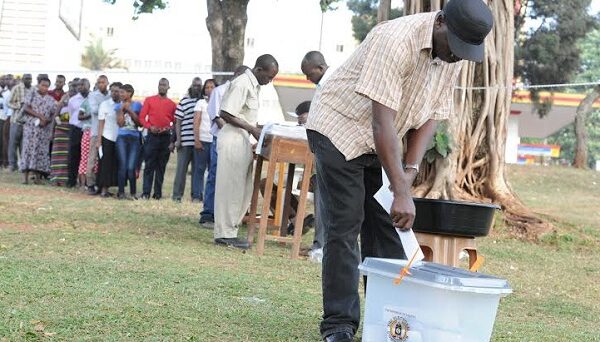
Coming down from the trek, I was struck by how tranquil this area remained as election day approached. In the towns, lines formed before dawn outside polling stations; people were voting in quiet dignity. There wasn’t an iota of tension in the air, just a sense of duty.

Visitors might be wary of traveling during such times, but what I found was a country that approached its civic duty with grace: the tourism infrastructure functioned well and parks were open and safe; guides, drivers, and lodge staff all were attentive and reassuring, making sure the visitors were comfortable during their journeys.

Uganda’s tourism professionals are remarkably adept at balancing the realities of national events with the smooth delivery of hospitality. Safaris went on without interruption. Treks departed as scheduled. And beyond the villages, the forests and savannas went about their quiet business, untouched by the rhythm of human politics.

The People: Uganda’s True Treasure

Although the wildlife and landscapes of Uganda are extraordinary, it’s the people that really define the soul of the country. Traveling during elections gave me an even greater appreciation for their resiliency, generosity, and sense of community.

In every region, I found friendliness and acceptance. Villagers waved at the passing safari vehicles; children laughed as they tried their English greetings; elders talked about their lives and the journey of the country. Even in political discussions, there was humor, respect, and hope.

At one far-off lodge on Lake Bunyonyi, I sat around the campfire with some locals who shared things with me about villages and families. As we talked, I could hear drums somewhere out in the distance, and the sounds of laughter carried through the night. And while political persuasions varied, everyone shared one thing in common: pride in being Ugandan-in their landscapes, their wildlife, and their heritage.

Deep was the sense of unity; it was a case where the elections, rather than dividing, reminded them of their collective identity. Traveling at that time offered a view, not only of Uganda’s democratic process, but an intimate understanding of its heart-a nation cemented in peace, culture, and shared humanity.

Reflections from the Road

As the journey drew to a close, I reflected on what made this safari so different. It wasn’t only the gorillas, lions, or landscapes, though they were unforgettable. It was the contrast — the interplay between human activity and natural tranquility, between the voices of campaign rallies and the quiet songs of the forest.

Uganda, at elections, was a mirror of life: dynamic, resilient, and ever-changing. A living lesson that beauty, in reality, most often resides not in perfection but in balance — the coexistence of progress with preservation, tradition with change.

The very act of traveling at such a time reminded me of the need for responsible tourism. Tourism is crucial to Uganda in aiding conservation and the welfare of the communities around these areas. Every tourist represents livelihoods, park protection, and education to ensure that Uganda’s treasures are kept through generations.

Even in the heat of elections, tourism talk remained high on the agenda to cement its position as a cornerstone of the nation’s identity and economy. Travelers came, were taken care of, and protected-a true expression of the professionalism and hospitality that characterise Ugandan tourism.

The Serenity Beyond Politics

There is something profoundly grounding about experiencing nature at the time of political noise. The gorillas went about their morning grooming, the elephants foraged in the savanna, and the Rwenzori peaks kept their eternal silence while the world debated policies and parties.

It reminded me that nature, in its timeless wisdom, always provides perspective. The wilderness does not recognize political seasons; it is in its own rhythm, offering solace and reflection to those who enter its embrace.

Landscapes of Uganda, from the Nile River to the Virunga volcanoes, are sanctuaries, not only for wildlife but also for the human spirit. Even in a nation negotiating the democratic way, the peace of its wilderness is unshaken.

Travelers who venture into Uganda during such times discover not uncertainty but authenticity. They find a country that handles its future with grace and its past with pride. They find, as I did, that the greatest adventure is not only in seeing the wild, but it is in understanding the soul of the place-its people, its resilience, and its beauty.

Departing the Pearl of Africa

As my journey came to an end, I found myself sitting by the shores of Lake Victoria, watching fishermen cast their nets in the golden evening light. The elections were concluding, and across the country, the atmosphere had already begun to return to its steady rhythm. Life went on, as it always had, with a quiet dignity that seemed to define Uganda’s character.

In retrospect, the safari for me during this period had been one of profound discovery-not only of landscapes and wildlife but also of humanity in itself. It showed Uganda as a nation of balance, grace, and quiet confidence, which can handle its wild wonders in harmony with civic responsibilities.

Uganda is indeed the Pearl of Africa, a land where every sunrise brings new color, every encounter brings a smile, and every journey teaches something about patience, peace, and perspective. Traveling during elections added depth to that understanding, transforming what could have been a routine safari into a journey of insight and connection.

Final Thoughts: Why Uganda Captures the Soul

To journey through Uganda during such a pivotal time is to see a country’s heart beating in rhythm with its landscape. It’s a place where democracy and nature can find a way to live in harmony, each reminding the other of balance and renewal. The parks, the mountains, the lakes — they all continue to stand as symbols of stability and beauty amidst human change. This, therefore, became the clear lesson from this safari: Uganda is not just a destination; it is a story of resilience, warmth, and authenticity.

It invites travelers not just to observe but to participate, listen, and feel. And in return, it gives them memories that echo long after the journey ends. Traveling in Uganda during election time is decidedly not the most orthodox of endeavors, yet this allows for an uncommonly up-close peek into the heartbeat of a nation. It shows that even in moments of transition, Uganda remains one of Africa’s safest, most welcoming, and spiritually rewarding destinations. Every traveler who comes leaves touched-by the wildlife, the people, and the profound calm that seems to underlie everything here. It’s a place where adventure meets introspection, where every safari becomes a personal journey, and every encounter is genuine and down-to-earth.

Plan Your Own African Story with WildHorn Africa For anyone inspired to experience the magic of Uganda-its untamed wilderness, its cultural warmth, its authentic rhythm-there is no better way than traveling with WildHorn Africa. Specializing in personalized safaris across East Africa, WildHorn Africa ensures that every detail of your journey is handled with expertise and care.

From gorilla trekking in Bwindi and wildlife safaris in Murchison Falls, to cultural tours along the Nile and scenic explorations of Lake Bunyonyi, they create experiences that balance comfort with adventure and authenticity. Traveling with WildHorn Africa means immersing yourself fully, safely, and meaningfully right in the heart of East Africa. Their professional guides, local insight, and passion for conservation guarantee not just a holiday but a deep connection to the land and the people. Book your African safari with WildHorn Africa, where every journey will become a story to be told and every traveler becomes part of the living heartbeat that is Africa.

Uganda elections

Uganda elections

By Travel stories and blogs, Uganda travel guides

Uganda Elections

A Nation at the Crossroads of Democracy and Identity

In the heart of East Africa lies Uganda, a country whose political narrative continues to oscillate between resilience and complexity. As the country approaches each electoral cycle, the entire region and global observers are once again drawn to a political theatre that is as vibrant as it is contentious. Uganda’s elections are not just political events—they are defining moments, shaping the future of governance, civil society, and democratic space in the nation.

To understand Uganda’s elections is to peel back layers of history, ideology, constitutional reform, regional dynamics, and the enduring hope of a population striving for representative governance. It is a story of endurance, contestation, and a battle for legitimacy in a country often standing at the intersection of tradition and modern governance.

The Historical Landscape of Ugandan Electoral Politics

The origins of electoral democracy in Uganda are rooted in the country’s independence from British colonial rule in 1962. Early efforts to establish a multiparty democracy were hampered by internal strife and successive military coups, notably under Idi Amin and later during the civil unrest of the 1980s. It wasn’t until 1986, when the National Resistance Movement (NRM) led by Yoweri Kaguta Museveni came to power, that a semblance of political stability began to take hold.

Elections under the NRM were initially non-party based, conducted under what was known as the “Movement system.” Political pluralism was suspended in favor of a system intended to build unity and avoid sectarian divisions. However, this system was criticized for marginalizing dissent and concentrating power. It was not until the 2005 constitutional referendum that multi-party politics were officially reintroduced, a shift that reopened Uganda’s political landscape to opposition parties and competitive elections.

The Electoral Process: Institutions and Frameworks

The body tasked with administering elections in Uganda is the Electoral Commission (EC), a constitutionally mandated institution with the responsibility of organizing free and fair elections. While the EC is legally autonomous, it has often been perceived by the opposition and civil society as aligned with the ruling government. These perceptions, whether accurate or not, have significantly affected public trust in the electoral process.

Voter registration in Uganda is facilitated through a biometric system, intended to enhance credibility and reduce cases of electoral fraud. Candidates for parliamentary and presidential positions are nominated following a detailed process, requiring specific qualifications and clearance by the EC. Campaign periods are regulated, although enforcement has often appeared inconsistent, particularly with regard to incumbents who enjoy significant state resources.

The legal framework governing Uganda’s elections is embedded in the 1995 Constitution and supplemented by several pieces of legislation, including the Presidential Elections Act and the Parliamentary Elections Act. Despite the presence of these legal safeguards, concerns have persisted over the manipulation of laws to favor incumbency, the use of security apparatus to intimidate political opponents, and the lack of a level playing field.

Presidential Elections and the Shadow of Incumbency

One of the most defining characteristics of Uganda’s elections has been the dominance of a single political figure—President Yoweri Museveni. Having assumed office in 1986, Museveni has presided over six consecutive presidential terms, each marked by a mixture of electoral success, legal controversy, and opposition suppression. Amendments to the constitution, including the removal of term limits in 2005 and the lifting of the presidential age limit in 2017, have effectively extended his grip on power.

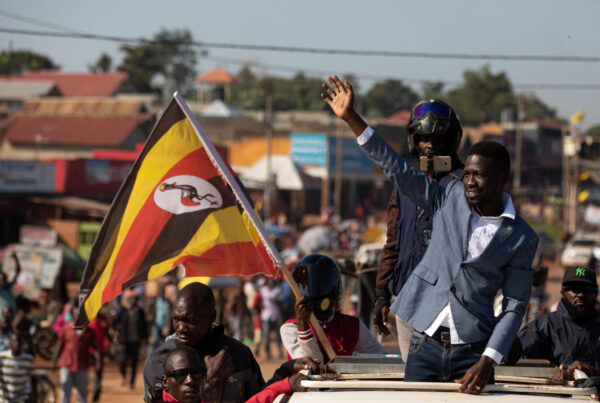
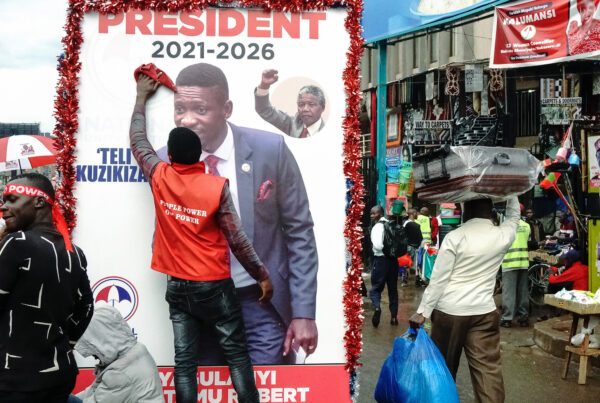
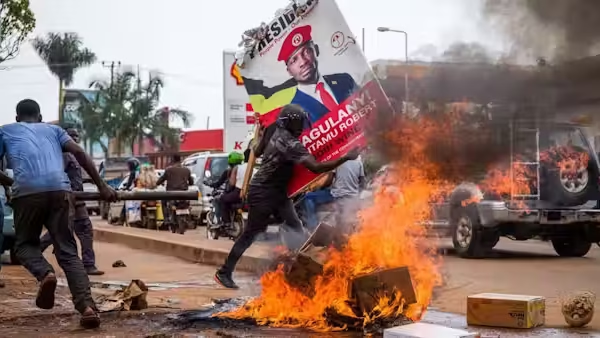
Every electoral cycle since 2001 has witnessed increasing tension between the ruling NRM and various opposition candidates, most notably Dr. Kizza Besigye and later Robert Kyagulanyi, popularly known as Bobi Wine. The 2021 general elections marked a pivotal moment in Uganda’s political evolution, with Bobi Wine galvanizing a youthful electorate frustrated by unemployment, corruption, and authoritarianism. While Museveni was declared winner by the Electoral Commission, the election was marred by reports of violence, internet blackouts, arbitrary arrests, and restricted media access.

The Role of Opposition and Civil Society

Opposition politics in Uganda has often existed under duress. Parties such as the Forum for Democratic Change (FDC), Democratic Party (DP), and National Unity Platform (NUP) have played a critical role in expanding political discourse and advocating for reform, but their operations have frequently been curtailed by restrictive laws, harassment, and limited access to public resources.

Civil society organizations and human rights defenders have acted as watchdogs, documenting electoral abuses and calling for international oversight. However, their space has been increasingly constrained, especially around election seasons. Laws governing NGOs have been tightened, and several organizations have faced suspension or deregistration for alleged political involvement.

Despite these challenges, civil society remains a crucial pillar in Uganda’s democratic fabric, continuing to engage in voter education, legal aid, and electoral observation.

Media, Technology, and Public Discourse

Media freedom, a cornerstone of democratic elections, has been a double-edged sword in Uganda. While independent media houses have emerged, offering critical perspectives and investigative journalism, many outlets operate under fear of censorship or closure. Journalists covering opposition rallies have faced harassment, arrests, and violence, particularly during sensitive political periods.

Technology has also played an increasingly pivotal role. Social media platforms such as Twitter (now X), Facebook, and WhatsApp have become essential tools for political mobilization, citizen engagement, and real-time reporting. However, the state has often responded with nationwide internet shutdowns, surveillance, and the arrest of digital activists. These actions raise serious questions about the balance between national security and individual rights in the digital age.

Electoral Violence and Security Forces

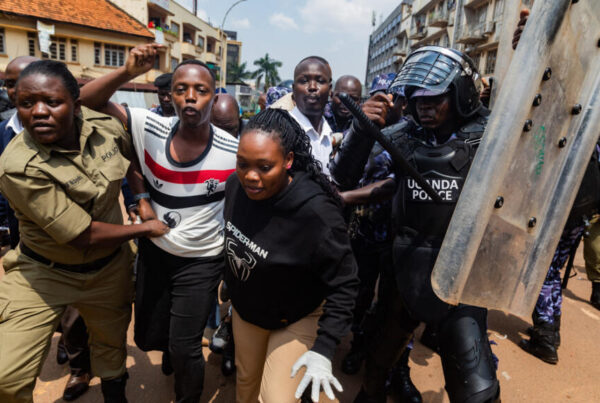
One of the most troubling aspects of Uganda’s elections has been the recurring pattern of electoral violence and the militarization of politics. Security forces—especially the military and police—have often been deployed under the pretext of maintaining law and order but have been accused of excessive force, unlawful detentions, and political intimidation.

The 2021 elections saw a particularly violent crackdown on opposition supporters, with scores killed and many more injured in pre-election unrest. The blurred line between state security and political enforcement remains a critical concern for Uganda’s democratic integrity.

International Observers and Global Responses

Uganda’s elections have consistently attracted attention from international bodies, including the African Union, the European Union, and domestic observer missions. While these missions have sometimes praised the logistical management of elections, they have frequently expressed concern over the broader democratic context—especially the lack of transparency, media restrictions, and the treatment of opposition figures.

Sanctions, travel bans, and aid reviews have occasionally followed disputed elections, though Uganda’s strategic geopolitical position in the Great Lakes region, and its cooperation in counter-terrorism, often temper stronger international responses.

What Lies Ahead: Democratic Renewal or Continued Entrenchment?

As Uganda looks toward future elections, the question remains: will the nation move toward a more inclusive and credible democratic process, or will entrenched political interests continue to dominate the scene? The growing youth population, now a majority, presents both a challenge and an opportunity. Their aspirations, demands for accountability, and digital savvy may usher in a new era of civic consciousness—if allowed the space to do so.

Electoral reform remains a central issue. Independent oversight, judicial independence, constitutional safeguards, and the depoliticization of state institutions must become priorities for any meaningful progress. Without these, elections risk becoming mere rituals devoid of democratic substance.

Yet, despite the systemic challenges, the resilience of the Ugandan people continues to inspire. From university students challenging the status quo, to rural voters demanding better services, the spirit of democratic engagement remains alive—awaiting the moment it can truly shape governance from the ground up.

Discover Uganda Beyond the Ballot

Uganda’s political landscape, though complex, tells only part of the story. Beneath the surface of power struggles and constitutional debates lies a land of breathtaking beauty, rich cultural heritage, and unforgettable wildlife. From the mystical Rwenzori Mountains to the lush plains of Queen Elizabeth National Park, Uganda offers more than politics—it offers wonder.

To explore the Pearl of Africa in its truest form, travelers are encouraged to experience the country firsthand—its landscapes, its people, and its untamed spirit. For those seeking authentic, well-curated tours and safaris, WildHorn Africa stands as a trusted partner. Their deep local knowledge and commitment to responsible travel will ensure an unforgettable journey through Uganda’s heartlands.

Whether captivated by the calls of mountain gorillas in Bwindi or the rhythms of Buganda’s royal traditions, Uganda invites you to witness its beauty beyond the headlines. And WildHorn Africa is ready to take you there.

Travel safety in Uganda

Travel safety in Uganda

By Travel guides, Travel safety, Travel stories and blogs, Uganda travel guides

Travel Safety in Uganda
Exploring the Pearl of Africa with Confidence and Peace of Mind

An Inviting Destination with Precautions in Place

Uganda, often called the “Pearl of Africa,” continues to captivate travelers with its extraordinary landscapes, diverse wildlife, and rich cultural tapestry. The allure of gorilla trekking in Bwindi, the grandeur of the Nile, and the vast savannahs of Murchison Falls beckon visitors from across the globe. While Uganda offers incredible experiences, the question of travel safety naturally arises. Understanding the realities on the ground and being prepared contributes significantly to a secure and enjoyable journey.

It is important to recognize that Uganda is a stable and welcoming country where tourism is supported by local authorities and communities alike. Yet, like any destination, travel safety depends on awareness, good planning, and respect for local customs. By embracing informed strategies, visitors are empowered to navigate Uganda’s diverse environments—from bustling cities to remote wildernesses—confidently and comfortably.

Political Stability and General Security

Over recent decades, Uganda has maintained relative political stability, especially compared to some neighboring countries. The government has invested in improving infrastructure, security services, and tourism facilities, aiming to provide a safe environment for visitors. Tourist areas, including national parks and major towns, are generally well-policed and secure.

Incidents of violent crime targeting tourists are rare, though petty crimes such as pickpocketing and opportunistic theft can occur, particularly in crowded markets, transport hubs, and urban centers. Vigilance in public spaces is advised, as is the prudent use of personal belongings and valuables. Travelers who exercise standard caution, such as avoiding poorly lit or isolated areas at night and securing belongings, typically experience trouble-free visits.

Public demonstrations and political rallies are uncommon but may happen. These events are usually peaceful, but it is wise for travelers to avoid any large gatherings or protests to minimize risk.

Health and Hygiene Safety

Health safety is a critical aspect of travel in Uganda. The country lies in a tropical region where diseases such as malaria are endemic. Travelers are advised to take prescribed antimalarial medication and follow preventive measures against mosquito bites.

Waterborne illnesses may also present risks, particularly in rural areas where access to clean water is limited. Safe drinking water should always be consumed, and food hygiene practices should be observed. Eating freshly cooked meals and avoiding raw or street foods where hygiene cannot be guaranteed are advisable precautions.

Medical facilities are available in Kampala and other major towns, including private hospitals offering high-quality care. However, remote areas might lack immediate medical access, making comprehensive travel insurance with evacuation coverage essential. Medical emergencies are rare but should be planned for in advance.

Road Travel and Transportation Safety

Road travel constitutes the primary mode of transport for many visitors exploring Uganda’s parks and regions. While recent investments have improved the condition of major highways, some rural roads can remain challenging, particularly during the rainy season when mud and flooding affect accessibility.

Road safety protocols, such as seatbelt use and adherence to speed limits, are enforced, though enforcement levels vary. Drivers may encounter unpredictable road conditions and differing driving habits compared to Western countries. Hiring experienced, professional drivers or using established tour operators who provide reliable transport is strongly recommended.

Public transport options such as buses and minibuses operate extensively but are less suited to tourists unfamiliar with local systems due to variable safety and comfort standards. Using private or company-arranged vehicles remains the safer choice.

Wildlife and Nature Safety

One of Uganda’s greatest attractions—its wildlife—also requires awareness and caution. National parks and reserves have established safety guidelines to protect both visitors and animals. Approaching wildlife without proper guidance is discouraged, as wild animals can be unpredictable.

Gorilla trekking, a highlight for many visitors, is conducted under strict supervision by trained guides who ensure safety protocols are followed, minimizing risk to both humans and gorillas. Similarly, game drives and nature walks should always be done with authorized guides familiar with the terrain and animal behavior.

Natural hazards such as uneven terrain, insects, and potential exposure to tropical weather must also be considered. Wearing appropriate footwear, carrying insect repellent, and staying hydrated enhance safety during outdoor excursions.

Cultural Respect and Personal Conduct

Uganda’s population is characterized by warmth and hospitality, yet cultural norms and traditions vary widely across regions and ethnic groups. Respecting local customs, dress codes, and social etiquette is vital to positive interactions and personal safety.

Visitors are encouraged to seek permission before photographing individuals or cultural sites and to engage openly and respectfully with community members. Sensitivity towards religious beliefs, gender roles, and community values fosters goodwill and helps avoid misunderstandings.

In some rural areas, behaviors considered acceptable in Western countries might be frowned upon or misunderstood. Being aware of such differences and adapting behavior accordingly ensures a respectful and safe travel experience.

Practical Tips for Safe Travel in Uganda

While the safety landscape in Uganda is generally positive, preparation remains key. Having reliable communications, including mobile phones with local SIM cards, can be invaluable. Registering travel plans with embassies or consulates, particularly for longer stays or remote expeditions, is advisable.

Travelers are often advised to carry photocopies of important documents, limit cash on hand, and use hotel safes for valuables. Engaging with reputable tour operators guarantees professional support, local knowledge, and swift assistance in case of unforeseen events.

Flexibility and patience are virtues, especially when encountering delays or changes in plans caused by weather or logistics. The unexpected often adds to the richness of travel in Uganda, provided safety is prioritized.

Navigating Safety with WildHorn Africa

The experience of Uganda’s splendor is best enjoyed with confidence and expert guidance. WildHorn Africa has earned a reputation for exceptional professionalism, safety-first practices, and intimate local knowledge. Their team provides not only expertly planned itineraries but also prioritizes traveler security at every step.

From airport pickups and secure accommodations to trained guides and vetted transport, WildHorn Africa ensures that your exploration of Uganda is seamless and safe. Emergency support, health advice, and personalized care form the foundation of their service, allowing travelers to focus on what truly matters—immersing themselves in the wonder of Uganda.

Book your African safari with WildHorn Africa, and journey into the Pearl of Africa with assured safety, expert support, and unforgettable memories awaiting you.

Is it safe to visit Uganda during the elections?

By Travel guides, Travel safety, Travel stories and blogs, Uganda best time to visit, Uganda travel guides, When to go

Is It Safe to Visit Uganda During the Elections?

Unveiling the Truth Behind Travel and Democracy in the Pearl of Africa

Every few years, Uganda enters a period of heightened anticipation, reflection, and national introspection—its general elections. For travelers considering a visit during this politically significant time, a question naturally arises: Is it safe to visit Uganda during the elections? The answer, while layered with nuances, invites a closer look into the country’s political climate, cultural resilience, and the operational integrity of its tourism sector.

Uganda, known as the Pearl of Africa, boasts a magnetic charm that draws visitors to its lush landscapes, rare wildlife, and welcoming people. From the misty mountains of Bwindi to the thunderous beauty of Murchison Falls, the country offers a journey like no other. But as ballots are cast and political discourse intensifies, travelers must assess whether adventure and civic activity can coexist in harmony.

The truth lies not in alarmist headlines or simplistic assumptions, but in understanding the nature of Ugandan elections, the behavior of its institutions, and the lived realities of its people during these critical moments. This guide explores the safety of traveling to Uganda during elections with depth, honesty, and a commitment to clarity.

Understanding the Political Pulse of Uganda

The Republic of Uganda has held regular elections since the mid-1990s, following years of political instability and armed struggle. Under the stewardship of President Yoweri Museveni, who came to power in 1986, the country has experienced relative political continuity, albeit not without contention. Elections in Uganda are often spirited, highly publicized, and closely watched—both domestically and internationally.

Campaigns are usually marked by large rallies, media appearances, and mobilization at the grassroots level. Political parties—including the ruling National Resistance Movement (NRM) and opposition groups such as the National Unity Platform (NUP) and Forum for Democratic Change (FDC)—engage in robust competition. This political dynamism, while reflective of democratic progress, has at times led to tension in certain urban centers, particularly during presidential election years.

The Electoral Commission of Uganda, the institution responsible for organizing the elections, operates under constitutional mandate. While its impartiality has occasionally been questioned, it functions within a clearly defined legal framework. Observers from both African and international bodies are often present during elections to monitor transparency and fairness.

To understand the risks or lack thereof, it is essential to differentiate perceived threats from actual events and to recognize that not all parts of the country experience the same level of political activity or unrest.

Localized Disruptions Versus Nationwide Safety

During election periods, particularly within a week before and after the vote, Uganda may experience isolated incidents of unrest, most often concentrated in major cities such as Kampala, Jinja, Gulu, and Mbarara. These disruptions typically involve spontaneous protests, increased security presence, and traffic restrictions. However, such events are usually limited in scope and duration.

Rural areas and national parks—the backbone of Uganda’s tourism sector—remain largely unaffected. Travelers who choose to venture into safari destinations or cultural heritage sites during election seasons often find that these locations maintain their normal rhythm. Game drives, mountain gorilla treks, boat cruises, and community visits typically proceed as scheduled, even when political campaigns are in full swing.

The tourism sector in Uganda has demonstrated a remarkable level of resilience and adaptability. Tour operators, lodge owners, and transport providers are well-versed in navigating the political calendar and routinely make contingency plans to ensure visitor safety and comfort.

The Role of Security Forces and Public Order

A common feature of Ugandan elections is the visible deployment of security forces, including police, military, and specialized units. This presence is intended to prevent violence, deter criminal activity, and respond swiftly to potential disturbances. While such visibility might appear alarming to unfamiliar eyes, it does not necessarily signify imminent danger.

The state security apparatus operates under the directives of the Electoral Commission and the Ministry of Internal Affairs. Roadblocks, identity checks, and controlled movement in certain areas are standard procedures during election week, especially in the capital. Travelers are generally not targeted but are advised to cooperate with authorities, carry proper identification, and avoid politically charged gatherings.

Importantly, incidents involving foreign tourists during Ugandan elections are exceedingly rare. The Uganda Tourism Police, a unit specifically tasked with protecting visitors, operates across all regions and works closely with local tour operators. Coordination between tourism stakeholders and government bodies is robust, ensuring that visitors receive timely updates and assistance when needed.

Internet Blackouts, Communication, and Infrastructure

One of the unique challenges faced during past Ugandan elections has been the temporary shutdown of internet and social media platforms, particularly around election day and during the release of results. These actions, while controversial, are usually taken under the pretext of maintaining national security and preventing the spread of misinformation.

For travelers, such blackouts can be inconvenient but are rarely disruptive to physical movement or safety. Tour operators often resort to alternative means of communication such as satellite phones, local radio, or in-person coordination. Hotels, lodges, and tour drivers maintain internal communication systems to ensure smooth operations during these periods.

Despite temporary internet restrictions, telecommunication networks and banking services remain functional, especially in urban areas. ATMs, mobile money, and credit card facilities continue to operate, though carrying some local currency in cash form is always prudent during travel.

The Cultural Climate and Social Atmosphere

One of the most rewarding aspects of visiting Uganda—during elections or otherwise—is engaging with its vibrant communities. Ugandans are known for their hospitality, warmth, and openness, even during periods of political uncertainty. The average citizen is proud to share insights about the electoral process, traditions, and history, provided such discussions are approached respectfully.

Travelers may encounter political slogans, songs, campaign parades, and painted buildings showcasing party colors. These expressions should be seen as a celebration of democratic participation, not as warning signs. That said, foreigners are advised to observe rather than participate, refraining from expressing political opinions or affiliating with any side.

Democracy in Uganda, while evolving, is deeply tied to cultural identity. Visitors who travel with sensitivity and curiosity often find themselves welcomed into homes, marketplaces, and cultural gatherings—even during intense political periods.

Natural Attractions Unshaken by Politics

Uganda’s most iconic tourism experiences—gorilla tracking in Bwindi, chimpanzee treks in Kibale, and safaris in Queen Elizabeth or Kidepo National Park—remain operational during election seasons. These destinations are situated far from political hotspots and are managed by professional rangers and private concessionaires who prioritize visitor safety above all else.

The Uganda Wildlife Authority (UWA) maintains full operations during elections, and permits for trekking or park entry are issued without interruption. Roads to these destinations may be monitored by police but are rarely restricted unless a national emergency is declared.

The election season, particularly from January to March, also coincides with dry weather, making it one of the best times to explore the country’s stunning landscapes, birdlife, and adventure activities. The rivers flow steadily, the skies remain clear, and wildlife is easier to spot around water sources.

Planning and Traveling Responsibly

Traveling to Uganda during an election period should be done with informed caution, not fear. With the right guidance, visitors can enjoy the full spectrum of Uganda’s natural and cultural heritage while remaining insulated from the more sensitive aspects of political activity.

Reputable tour companies monitor developments closely and build flexibility into their itineraries. Local guides are equipped to reroute or reschedule plans in real time to avoid congestion or disturbances. It is advisable to share travel plans with your tour operator, remain reachable, and allow room for schedule adjustments.

The experience of witnessing a nation in civic motion—casting votes, debating ideas, and shaping leadership—is deeply human. For those willing to travel with awareness and humility, the rewards can be transformative.

Explore Uganda Confidently With WildHorn Africa

When navigating Uganda during such a pivotal period, one must travel not just with wonder, but with wisdom. This is why experienced, locally rooted operators are essential. WildHorn Africa, a leading tour and safari company, stands out for its professionalism, real-time adaptability, and deep understanding of Uganda’s dynamic environment.

Whether your journey leads to the mountain gorillas of Bwindi, the roaring Nile at Murchison Falls, or the cultural heartbeat of Buganda, WildHorn Africa ensures every aspect of your trip is seamless and safe—even during elections. With tailored itineraries, vetted accommodations, and expert local guides, your travel experience is not just protected—it is elevated.

Let Uganda astonish you—not just through its landscapes, but through the resilience and richness of its people. Book your journey with WildHorn Africa and discover the Pearl of Africa through eyes wide open and hearts well guided.

A travel guide to visiting Uganda during the elections.

A travel guide to visiting Uganda during the elections.

By Travel guides, Travel safety, Travel stories and blogs, Uganda best time to visit, Uganda travel guides, When to go

A Travel Guide to Visiting Uganda During the Elections

Where Politics Meets the Pearl of Africa

At the confluence of adventure and democracy lies a unique experience: visiting Uganda during its election period. While many travelers might hesitate at the thought, those who choose to explore this East African nation at such a pivotal time are often rewarded not just with its natural wonders, but also with a deeper understanding of its people, culture, and the dynamics that shape its national identity.

Uganda’s elections are not mere administrative events—they are deeply emotional and transformative periods, often characterized by heightened political activity, civic engagement, and widespread debate across regions. For the discerning traveler, this presents both an opportunity and a challenge. On one hand, it offers a rare lens into the soul of a nation striving toward democratic maturity; on the other, it demands a measured, well-informed approach to travel.

This guide has been crafted to provide a comprehensive and factual roadmap for anyone intending to visit Uganda during an election season. It combines an understanding of security, cultural awareness, transportation logistics, and local interaction with the goal of ensuring that your experience remains both memorable and safe.

Understanding the Electoral Landscape

Uganda holds general elections every five years, with presidential, parliamentary, and local government leaders elected through a national vote organized by the Electoral Commission (EC). These elections are typically held in January or February, although political activity ramps up several months prior, especially in urban centers like Kampala, Jinja, Mbarara, Gulu, and Mbale.

Travelers will likely encounter campaign posters, rallies, and discussions among locals. These are not just signs of political campaigning—they are expressions of a population actively engaged in the future of their country. While most Ugandans are incredibly hospitable, it is important to understand that elections can stir strong emotions, especially among youth and politically active communities.

Although Uganda has enjoyed relative political stability for decades under the leadership of President Yoweri Museveni, elections often come with tensions, especially in areas where opposition support is strong. These tensions are usually localized and short-lived, but it remains important to stay informed and exercise discretion during interactions.

Safety and Security: Staying Informed, Staying Aware

Traveling to Uganda during the elections is not inherently dangerous, but it does require heightened awareness and preparation. The presence of security personnel, checkpoints, and increased military visibility is often noted during this time. While these measures are primarily intended to maintain order, travelers unfamiliar with the region may find them intimidating.

The situation on the ground can shift quickly, particularly around election day and during the announcement of results. Internet shutdowns, curfews, and spontaneous demonstrations have occurred in past cycles, particularly in Kampala and other politically active towns. These are typically aimed at preventing unrest or information manipulation, but they can also disrupt travel plans and communication.

It is advisable for travelers to remain updated through reliable sources, including international news outlets, hotel staff, or travel agencies with a strong local presence. Engaging in political discourse or attending rallies is strongly discouraged, not only for safety but to maintain respect for the local context. Photography at sensitive locations such as polling stations or government buildings should also be avoided unless permitted.

In remote areas and national parks, however, the election atmosphere is usually much calmer. Most game reserves, wildlife sanctuaries, and tourism hubs continue to operate normally, even during peak political periods. Travelers planning safaris or mountain treks will find that the wilderness remains untouched by political noise, offering serenity amidst national transition.

Travel Logistics During Election Season

Movement across Uganda during elections is generally possible, but some routes may be affected by political activity or traffic congestion, especially near urban centers. It is common for roads in and out of major towns to be periodically blocked or patrolled, especially if campaign events are taking place.

Booking transport through reliable, experienced tour operators is highly recommended, as these companies are more likely to receive updates about route changes or political hotspots. Air travel into and out of Entebbe International Airport usually remains unaffected, though international flights might experience additional security screenings.

Car rental, fuel access, and domestic flights may face minor delays depending on local conditions. It is not unusual for hotels to increase security during this time, and many will have internal protocols to assist guests in case of disruptions. Travelers are advised to share their itineraries with trusted contacts and check in regularly with guides or accommodation providers.

The use of mobile money and cash transactions might be affected during internet shutdowns. Carrying some local currency in cash form, ideally smaller denominations, is advised. While credit card usage is growing, especially in upmarket hotels and restaurants, cash remains the dominant medium in rural and semi-urban areas.

Cultural Sensitivities and Local Engagement

Uganda is known for its warmth, hospitality, and rich cultural diversity. During election periods, these values are often magnified, as political discourse becomes a central part of community life. Travelers may be invited into conversations or asked about their views on the elections. While curiosity is natural, offering political opinions—particularly those favoring or criticizing a specific party—should be avoided.

Maintaining neutrality and showing respect for local perspectives is the most respectful approach. Listening attentively and asking open-ended questions without judgment is often appreciated. Dress modestly, particularly in rural areas and near government institutions, and always ask before taking photographs of individuals or cultural ceremonies.

It should be remembered that elections are deeply personal in Uganda, especially in communities that have historically experienced marginalization or political exclusion. As such, empathy, humility, and discretion should guide every interaction.

Benefits of Visiting Uganda During Elections

While election periods may seem tense, there are aspects of this timing that can enhance the travel experience. The country is often vibrant with cultural expression, traditional dances, public dialogues, and intergenerational conversations about leadership and history. It offers a window into the civic identity of Uganda that is rarely visible during regular tourist seasons.

Furthermore, travel during election months often coincides with Uganda’s dry season, particularly in January and February. This is an ideal time for gorilla trekking, game viewing, and exploring the scenic beauty of regions like Bwindi Impenetrable Forest, Murchison Falls, Lake Bunyonyi, and Queen Elizabeth National Park. Many lodges and camps continue to operate uninterrupted and offer promotions due to reduced international travel during political cycles.

With proper planning and local support, travelers can explore Uganda with confidence, discovering not only its wildlife and landscapes but also its political heartbeat. The contrast between a lion’s roar in the savannah and a campaign speech in a village square creates a uniquely Ugandan symphony—one that few destinations can offer.

Why You Shouldn’t Miss Uganda—Even During Elections

To overlook Uganda during its election period is to miss an extraordinary convergence of civic identity and natural majesty. From the source of the Nile to the summit of the Rwenzoris, from the historic kingdoms of Buganda and Bunyoro to the rainforests where gorillas roam, the country beckons with its untamed beauty and powerful stories.

Traveling responsibly, with cultural respect and situational awareness, opens doors to deeper human connection. Visitors willing to look beyond headlines will find a nation alive with dialogue, hospitality, and hope. The energy of an election is not something to be feared—it is a sign of a people taking ownership of their future.

Of course, traveling at such a time should not be done without expert guidance. This is where trusted travel partners become invaluable—helping you navigate with ease, ensuring your safety, and allowing you to immerse yourself fully in the experience.

Travel With Confidence Through WildHorn Africa

For those ready to explore Uganda even during its most transformative moments, there is one name that stands out. WildHorn Africa has established itself as a premier travel and safari company, deeply rooted in the region and committed to delivering authentic, safe, and unforgettable African adventures.

With an expert team on the ground, WildHorn Africa provides personalized itineraries that adapt to local contexts, especially during sensitive periods such as elections. From airport pickups to secure transport and insider access to Uganda’s hidden gems, every journey is tailored for comfort and cultural insight.

Let your Ugandan experience be more than a trip—let it be a story of discovery, respect, and awe. Book your safari, cultural tour, or gorilla trek through WildHorn Africa and let them guide you through the Pearl of Africa with wisdom and care.

Everything You Need to Know Before Visiting Devil’s Pool Victoria Falls

Everything You Need to Know Before Visiting Devil’s Pool Victoria Falls

By Travel guides, Travel stories and blogs, Zambia travel guides

Everything You Need to Know Before Visiting Devil’s Pool Victoria Falls

There are places on Earth that defy belief—places so surreal they seem born from myth or dreams. At the edge of Victoria Falls, one of the largest and most powerful waterfalls on the planet, lies one such place: Devil’s Pool. Carved by nature and sculpted over centuries, this adrenaline-pumping natural rock pool sits right at the precipice of the mighty falls, offering a view that is both terrifying and spellbinding. With water rushing past just inches away, visitors who brave the pool find themselves suspended between earth and sky, held safely in a quiet eddy while the Zambezi River plunges over 100 meters into the chasm below.

This once-in-a-lifetime experience has captured the imagination of travelers from around the world. But while Devil’s Pool is one of the most exhilarating attractions in southern Africa, it is not one to approach lightly. A visit to this thrilling site requires not only courage but also a good understanding of timing, safety, logistics, and ethical considerations. To stand on the very lip of Victoria Falls is to stand at the meeting point of nature’s raw power and man’s deepest desire to feel alive.

Where It Is and How It Exists

Devil’s Pool is located on Livingstone Island, situated in the Zambezi River on the Zambian side of Victoria Falls. This remarkable natural formation appears only during a short window of the year—when the water levels of the Zambezi drop low enough to expose a rock ledge that acts as a barrier, preventing swimmers from being swept over the edge.

This unique geological feature has been shaped over millennia by the relentless force of the river. The current, though swift, is diverted in such a way that a calm, almost deceptively serene pool forms at the very brink of the falls. During the dry season, which typically spans from late August to early January, the conditions become ideal for the Devil’s Pool to emerge, allowing access for adventurous swimmers.

The location of the pool offers not only unmatched proximity to the falls, but also panoramic views that stretch into the misty gorge below. The roar of the falling water, the shimmering rainbows in the spray, and the wind that whips through the chasm below all contribute to a sensory experience that is utterly incomparable.

When to Visit: The Window of Opportunity

Timing is everything when it comes to visiting Devil’s Pool. This attraction is strictly seasonal, as high water levels during the wet season (typically from February to July) render the site far too dangerous for visitation. Access is limited to the dry season, when the flow of the Zambezi diminishes and Livingstone Island becomes safe to reach by boat.

Generally, the window to swim in Devil’s Pool begins in late August and continues until the onset of the rains in early January. During these months, the river’s volume recedes just enough to reveal the rocky lip and create the stable conditions needed for safe swimming.

Visitors planning a trip during this time are advised to book in advance, as daily numbers are tightly controlled to ensure both safety and preservation of the site. The experience is offered only through guided tours operated by authorized companies with trained staff and strict safety protocols.

The Experience: From Launch to the Lip

Visiting Devil’s Pool begins with a short but thrilling boat ride from the Zambian bank to Livingstone Island, navigating through narrow channels, past pods of hippos and basking crocodiles. Upon arrival at the island, guests are welcomed by their guides and given a comprehensive safety briefing.

The walk to the pool is guided and cautious, passing over slippery rocks and natural terrain shaped by erosion and moss. Every step is deliberate, every movement accompanied by the hum of falling water in the near distance. As one approaches the pool, the rumble of the falls grows louder, until it becomes a thunderous presence that dominates all else.

Upon entering the water, visitors are assisted by guides who ensure that positioning and balance are carefully maintained. The edge of the pool lies just meters away from the drop-off—a sheer curtain of water that plunges dramatically into the gorge below. Here, on this natural ledge, swimmers can lean out over the edge, gaze into the abyss, and feel the mist rising from one of the planet’s most iconic natural wonders.

Despite the adrenaline rush, the experience remains surprisingly tranquil. The natural rock wall beneath the surface acts as a barrier, while the guides keep a close watch and even assist with photography. Moments spent in Devil’s Pool are short but unforgettable—a blend of primal thrill and serene awe.

Safety First: The Myth and the Reality

Though dramatic and seemingly perilous, Devil’s Pool is considered safe when accessed under proper conditions and with trained supervision. No one is allowed to visit without a licensed guide, and strict safety measures are in place to ensure that risks are minimized.

Still, it is not an adventure for everyone. A basic level of fitness, swimming ability, and comfort with heights is required. The terrain is uneven and slippery, and the emotional intensity of the experience should not be underestimated. Visitors are expected to follow every instruction given by their guides, who are seasoned professionals familiar with both the site and its seasonal variables.

For those who may not feel up to the challenge, simply visiting Livingstone Island without entering the pool offers its own rewards. Viewing the falls from this unique vantage point—where explorer David Livingstone first laid eyes on the falls in 1855—is an experience rich in both history and natural splendor.

Ethical and Environmental Considerations

As with many of the world’s extraordinary places, Devil’s Pool raises important questions about sustainable tourism and environmental impact. The fragile nature of Livingstone Island, coupled with its popularity, demands that visitation be managed with care and respect.

Licensed operators collaborate closely with conservation authorities to limit environmental degradation, and portions of the proceeds from visits support local communities and environmental protection efforts. Responsible tourism practices, including respecting wildlife, minimizing waste, and adhering to cultural protocols, are strongly emphasized.

In this way, the thrill of Devil’s Pool becomes more than a fleeting adventure—it becomes a conscious interaction with a sacred and vulnerable part of our planet.

Cultural Context: Where Legends and Landscapes Meet

For the local Tonga people, Victoria Falls—Mosi-oa-Tunya, the “Smoke That Thunders”—is more than a geographical landmark. It is a place of spirit and legend, revered in traditional beliefs as a manifestation of divine power. Devil’s Pool, though named to evoke the daring nature of its setting, is still held in reverence by many locals who see it as part of the greater soul of the falls.

Understanding and respecting this cultural context adds depth to the experience. Visitors are not merely engaging with an adventure attraction, but with a landscape deeply woven into the spiritual and ancestral identity of southern Africa.

Preparing for the Journey: What You Need to Know

Booking a trip to Devil’s Pool requires preparation, from ensuring the right timing to selecting the appropriate tour operator. Most excursions include transfers from local hotels, a guided island tour, a swim in the pool, and a light meal or refreshment on Livingstone Island.

Visitors are advised to wear swimwear under their clothes, bring a change of clothes, and use reef-safe sunscreen. Footwear that can handle slippery rocks is also essential. Cameras and phones should be waterproofed or handed to guides, who are often happy to capture the perfect shot.

Those arriving from the Zimbabwean side of the falls must cross into Zambia and meet tour operators at designated pickup points. Visas can usually be arranged at the border, but visitors should check current entry requirements in advance.

A Moment at the Edge, A Memory for Life

There are few moments in life that can truly be called unforgettable. A swim in Devil’s Pool is one of them. The blend of terror, tranquility, and transcendence that defines the experience cannot be replicated or described—it must be lived.

To feel the spray on your face, to hear the thunder of water crashing just meters away, and to peer over the precipice into the gorge below is to stand not just at the edge of a waterfall, but at the edge of your own courage.

Make It Seamless, Make It Memorable—With WildHorn Africa

Planning a trip to Devil’s Pool requires attention to detail, expert guidance, and a deep respect for both nature and culture. Whether you seek heart-racing adventure or a soulful encounter with one of Africa’s most iconic landmarks, WildHorn Africa specializes in crafting personalized journeys that elevate every moment.

From booking your seasonal swim to combining it with safari extensions, luxury lodge stays, or cultural excursions, WildHorn Africa ensures that your experience is not only thrilling but thoughtful and transformative. Step to the edge of the world—and let WildHorn Africa lead you there with care, style, and passion.

Because some moments demand more than a guidebook—they demand a trusted hand to hold as you step into the extraordinary.

Your safety

Your safety

By Sustainable travel

Your Safety: Navigating African Safaris with Confidence and Care

Your Safety, Prioritizing Your Safety—The Foundation of an Unforgettable Safari

Embarking on an African safari is a thrilling adventure filled with awe-inspiring wildlife encounters and breathtaking landscapes. Yet, beneath this excitement lies the critical importance of ensuring your safety throughout the journey. At WildHorn Africa, we understand that feeling secure is fundamental to fully immersing yourself in the safari experience.

From health precautions to wildlife protocols, infrastructure, and travel logistics, safety is woven into every facet of our operations. This article provides a thorough exploration of the measures, advice, and practices designed to safeguard you, enabling your focus to remain on the wonder of Africa’s wild heart.

Understanding the Unique Risks of African Safaris

Traveling in Africa involves navigating environments vastly different from urban or developed settings. Remote locations, diverse wildlife, changing weather conditions, and variable infrastructure present unique challenges.

Potential risks include encounters with dangerous animals, health concerns such as tropical diseases, road travel hazards, and unpredictable weather. Recognizing these risks is the first step toward effective prevention and preparedness.

WildHorn Africa’s expertise lies in proactively addressing these challenges, tailoring safety protocols to each destination and itinerary.

Health Safety: Preparing Your Body and Mind for the Journey

Health considerations are paramount when traveling to Africa. Many safari regions are in malaria-endemic zones, requiring pre-trip consultation with healthcare professionals about vaccinations and prophylactic medications.

In addition to malaria, travelers should be aware of other diseases such as yellow fever, typhoid, and hepatitis. Maintaining good hygiene, drinking safe water, and practicing food safety are essential daily habits.

WildHorn Africa provides comprehensive health briefings before departure, helping guests pack appropriate medical supplies, including first aid kits and insect repellents.

We also emphasize the importance of travel insurance that covers medical emergencies, evacuation, and repatriation, ensuring peace of mind in any situation.

Wildlife Safety: Respecting Nature’s Majesty Responsibly

Close encounters with Africa’s wildlife are among the most thrilling aspects of a safari, but they demand respect and caution. Animals are unpredictable and potentially dangerous if provoked or surprised.

Guides are trained extensively in animal behavior and emergency procedures to keep guests safe while maximizing viewing opportunities. Strict protocols govern distances, vehicle positioning, and noise levels during game drives.

Guests are advised never to leave vehicles without permission, avoid sudden movements, and refrain from feeding or touching animals.

WildHorn Africa’s commitment to responsible wildlife interaction prioritizes your safety while supporting conservation ethics.

Travel and Infrastructure Safety: Navigating Remote Regions Securely

Many safari destinations lie far from urban centers, with varying road conditions and limited services. Reliable transportation and well-maintained vehicles equipped for rough terrain are crucial.

Our professional drivers and guides possess expert knowledge of local routes and weather patterns, ensuring safe navigation even in challenging environments.

Accommodations are selected for safety standards, including secure perimeters, trained staff, and emergency response plans.

WildHorn Africa coordinates logistics meticulously, reducing risks related to transfers, flights, and on-site movement.

Cultural and Social Safety: Respectful Engagement with Local Communities

Respecting local customs and laws enhances your safety and enriches your experience. Understanding cultural norms regarding dress, behavior, and communication helps avoid misunderstandings or offense.

Travelers are encouraged to seek permission before photographing individuals and to engage politely with residents.

WildHorn Africa fosters positive relationships with communities, ensuring that your visits support local wellbeing and cultural preservation.

Emergency Preparedness: Ready for Any Situation

Despite best precautions, emergencies can occur. WildHorn Africa maintains detailed contingency plans, including access to medical facilities, evacuation procedures, and communication networks.

Guides carry satellite phones and first aid kits, and camps have protocols for rapid response.

We also train staff in crisis management, enabling calm and effective action during incidents.

Guests receive thorough briefings on safety rules and emergency contacts, empowering them to respond confidently.

Personal Safety Tips: Empowering Travelers

While much responsibility lies with operators, travelers can enhance their safety by staying vigilant, following guide instructions, and avoiding risky behaviors.

Carrying essential items like identification, sufficient water, sun protection, and a flashlight prepares you for varied situations.

Respecting wildlife and the environment reduces hazards and preserves the safari experience for all.

WildHorn Africa encourages open communication—guests should report any concerns or health issues promptly.

Technology and Safety: Enhancing Security through Innovation

Modern technology supports safari safety through GPS tracking, emergency communication devices, and online monitoring systems.

WildHorn Africa integrates these tools to maintain real-time oversight of itineraries and locations.

Digital resources also provide guests with up-to-date weather and health alerts.

Balancing technology with immersion in nature ensures safety without detracting from the safari’s essence.

Travel Safely with WildHorn Africa—Your Trusted Partner in Adventure

Your safety is at the core of WildHorn Africa’s promise to deliver exceptional safari experiences. Through meticulous planning, expert staff, community partnerships, and cutting-edge resources, we create an environment where you can explore Africa’s wonders with confidence and peace of mind.

By entrusting your journey to WildHorn Africa, you gain not only adventure but also the assurance that every precaution has been taken to protect you.

Book your Africa tours and safaris with WildHorn Africa today, and embark on a safe, inspiring, and life-changing journey into the wild.

Travel securely. Explore boldly. Discover Africa with WildHorn Africa.

Close Menu