search
10 of the Best Amboseli Luxury Lodges & Camps

10 of the Best Amboseli Luxury Lodges & Camps

By Kenya travel guides, Travel guides, Travel stories and blogs

10 of the Best Amboseli Luxury Lodges & Camps
Where Mount Kilimanjaro Meets Untamed Elegance

A Journey into Amboseli’s Soulful Luxury

Set against the iconic backdrop of Africa’s highest mountain, Amboseli National Park offers not only breathtaking landscapes but also one of the continent’s most captivating safari experiences. Known for its majestic elephant herds, sweeping savannahs, and shimmering seasonal wetlands, the park paints a dreamscape of wildlife and wilderness. Yet it is the marriage of natural splendor with exceptional accommodation that transforms an Amboseli visit from a mere trip into a deeply immersive escape.

In this cherished corner of southern Kenya, luxury is redefined—not as glittering opulence, but as seamless comfort that breathes in rhythm with the wild. Here, safari lodges and camps are not merely places to sleep—they are thoughtfully designed sanctuaries of stillness, storytelling, and ecological respect. The best of them offer not only exclusivity and fine hospitality but also panoramic encounters with Amboseli’s essence.

To explore the top 10 luxury lodges and camps in Amboseli, is to uncover a curated list where every stay becomes a soulful journey—wrapped in comfort, elegance, and the primal beauty of Africa’s heartland.

Tortilis Camp – A Sanctuary in the Shadow of Giants

Nestled in a private conservancy bordering the park, Tortilis Camp has long been celebrated as one of Amboseli’s pioneering eco-luxury retreats. It is named after the flat-topped Acacia tortilis trees that dot the surrounding wilderness. Built using sustainable architecture and furnished with rustic elegance, the camp merges eco-conscious principles with indulgent service.

Spacious tented suites open out to expansive views of Mount Kilimanjaro, while the dining and lounge areas offer open-air spaces to unwind amid soft breezes and distant trumpeting elephants. The camp’s guides are among the most experienced in the region, ensuring intimate wildlife sightings in the conservancy—where fewer vehicles mean purer encounters.

Ol Tukai Lodge – Comfort Framed by Kilimanjaro

Positioned in the heart of the national park, Ol Tukai Lodge is renowned for its unmatched views of elephants wandering across the plains, often with snow-capped Kilimanjaro as their backdrop. The design of the lodge combines clean modern lines with subtle African artistry, allowing nature to remain the central focus.

Each chalet features large glass windows and private verandas, offering uninterrupted vistas of Amboseli’s golden light. The lodge’s elevated walkways and landscaped grounds provide easy access to both the main restaurant and the open-air bar—places where storytelling and stargazing intertwine at nightfall.

Satao Elerai – Untamed Elegance in a Private Conservancy

Set within the Elerai Conservation Area, just outside Amboseli’s southeastern boundary, Satao Elerai presents a rarified blend of privacy and wildlife immersion. This lodge offers an experience deeply grounded in sustainability and community partnerships, with a portion of its proceeds supporting local Maasai initiatives.

Tented suites here are elevated on wooden platforms, creating a treehouse-like feeling of refuge. Each one is adorned with handcrafted furnishings and luxurious touches, from clawfoot bathtubs to vast beds draped in mosquito netting. The silence is profound, broken only by the distant sounds of lions or the gentle rustle of wind through the acacias.

Amboseli Serena Safari Lodge – Heritage Woven into Hospitality

Rich in Swahili design, terracotta hues, and tribal carvings, Amboseli Serena Safari Lodge offers an aesthetic rooted in African heritage. Its location inside the park allows for immediate access to wildlife viewing, especially at sunrise when the plains light up in golden tones.

The lodge is known for its dedication to environmental stewardship and cultural celebration. Guests are often treated to traditional performances, bush dinners under the stars, and excursions led by expert naturalists. Each room is individually styled to reflect local traditions, creating a sense of place that is both welcoming and evocative.

Kibo Safari Camp – Refined Comfort in the Wild

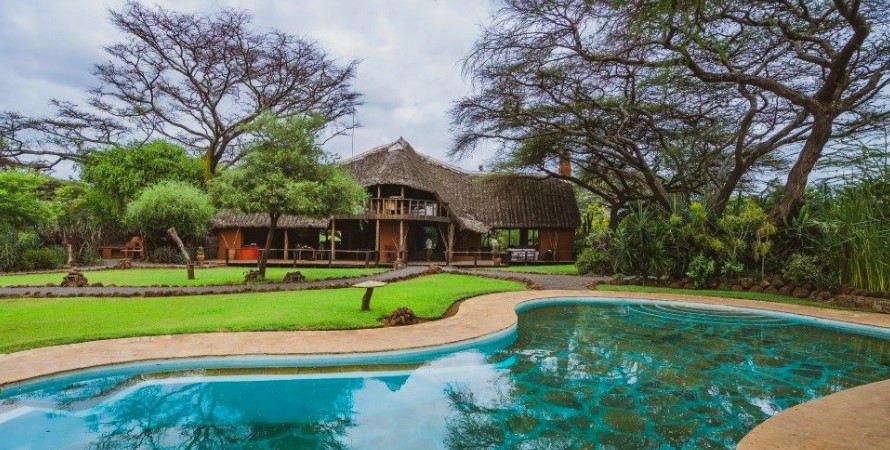
Sprawling beneath a grove of acacia trees near the Kimana Gate, Kibo Safari Camp blends boutique luxury with the charm of traditional safari living. The camp’s thatched roofs and earthy tones allow it to merge seamlessly into its surroundings, while interiors boast modern comforts such as en-suite bathrooms and king-sized beds.

Dining is a highlight at Kibo, where organic produce from their garden is transformed into gourmet meals. The camp’s open-air lounge and fire pit become natural gathering points at night, ideal for recounting the day’s sightings under an African star-cloaked sky.

Tawi Lodge – Where Conservation Meets Boutique Elegance

Hidden within a private conservancy near Amboseli’s eastern entrance, Tawi Lodge offers a retreat defined by exclusivity and ecological harmony. The lodge operates on solar power, recycles greywater, and actively supports reforestation and wildlife protection initiatives.

Its cottages, crafted in natural stone and wood, come with outdoor showers, fireplaces, and private decks from which elephants and giraffes can often be observed wandering past. The central lounge and bar area opens onto a waterhole, attracting an ever-changing cast of animal visitors—reminding guests that here, the wild is never out of sight.

Kilima Safari Camp – Panorama Meets Proximity

Located near the park’s eastern gate, Kilima Safari Camp is prized for its sweeping views of both Kilimanjaro and the nearby waterholes that lure in herds of elephants, buffalo, and antelope. The camp’s elevated decks and watchtowers allow for exceptional photography opportunities right from the comfort of camp.

Kilima offers a mix of spacious lodge rooms and luxury tented accommodations, all featuring classic safari styling. Guests can relax in the infinity pool overlooking the plains or unwind at the spa after a day of game drives and guided nature walks.

Elewana Amboseli Tortilis – Elevated Opulence Amid Acacia Trees

Part of the celebrated Elewana Collection, Amboseli Tortilis Camp provides a distinctly high-end take on the traditional tented safari camp. Tents are adorned with Italian linens, artisanal furniture, and private verandas positioned for sunset views of Mount Kilimanjaro.

Beyond the luxurious touches, what truly distinguishes the camp is its location inside a 250-square-kilometer private conservancy. Here, guests experience off-road game drives, guided bush walks, and sundowners without the limitations imposed by national park regulations. It is a wilderness experience sharpened by freedom and finesse.

Porini Amboseli Camp – Simplicity Rooted in Sustainability

Set within the exclusive Selenkay Conservancy, Porini Amboseli Camp champions low-impact, high-quality safari tourism. This camp operates with a deep respect for traditional Maasai land stewardship and invites guests to engage with local communities in authentic, respectful ways.

Tents are solar-powered and intentionally simple, reflecting the camp’s ethos of minimal disruption. What guests receive in return is remarkable wildlife intimacy, with fewer vehicles, exclusive access to conservancy land, and the rare privilege of walking safaris guided by Maasai warriors.

Lodge Selection as an Expression of Safari Philosophy

Choosing where to stay in Amboseli is more than a decision about aesthetics or amenities—it is a statement of one’s safari philosophy. Whether drawn to high-end design, community-integrated experiences, or sustainability-driven comfort, each of these lodges and camps embodies a unique facet of Amboseli’s rich character.

All share a common thread: a desire to immerse guests in the quiet majesty of nature, without compromising on comfort or conscience. Each property brings you closer not just to elephants and lions, but to the spirit of this sacred landscape, where Mount Kilimanjaro watches silently over every sunrise.

Embark on Your Luxury Amboseli Safari with WildHorn Africa

To experience the best of Amboseli’s luxury camps and lodges, trust in the expert hands of WildHorn Africa. With an intimate knowledge of East Africa’s premier properties and an unwavering commitment to tailor-made journeys, WildHorn Africa crafts safaris that are both unforgettable and meaningful.

From personalized itineraries and seamless logistics to immersive cultural encounters and conservation-focused travel, WildHorn Africa is the bridge between your safari dream and its perfect execution.

Book your Amboseli adventure today and witness the soul of Kenya in comfort, elegance, and awe—with WildHorn Africa.
Top 7 Best Bush Camps in Zimbabwe

Top 7 Best Bush Camps in Zimbabwe

By Travel guides, Travel stories and blogs, Zimbabwe travel guides

Top 7 Best Bush Camps in Zimbabwe

Experience the Raw Majesty of Zimbabwe’s Wilderness

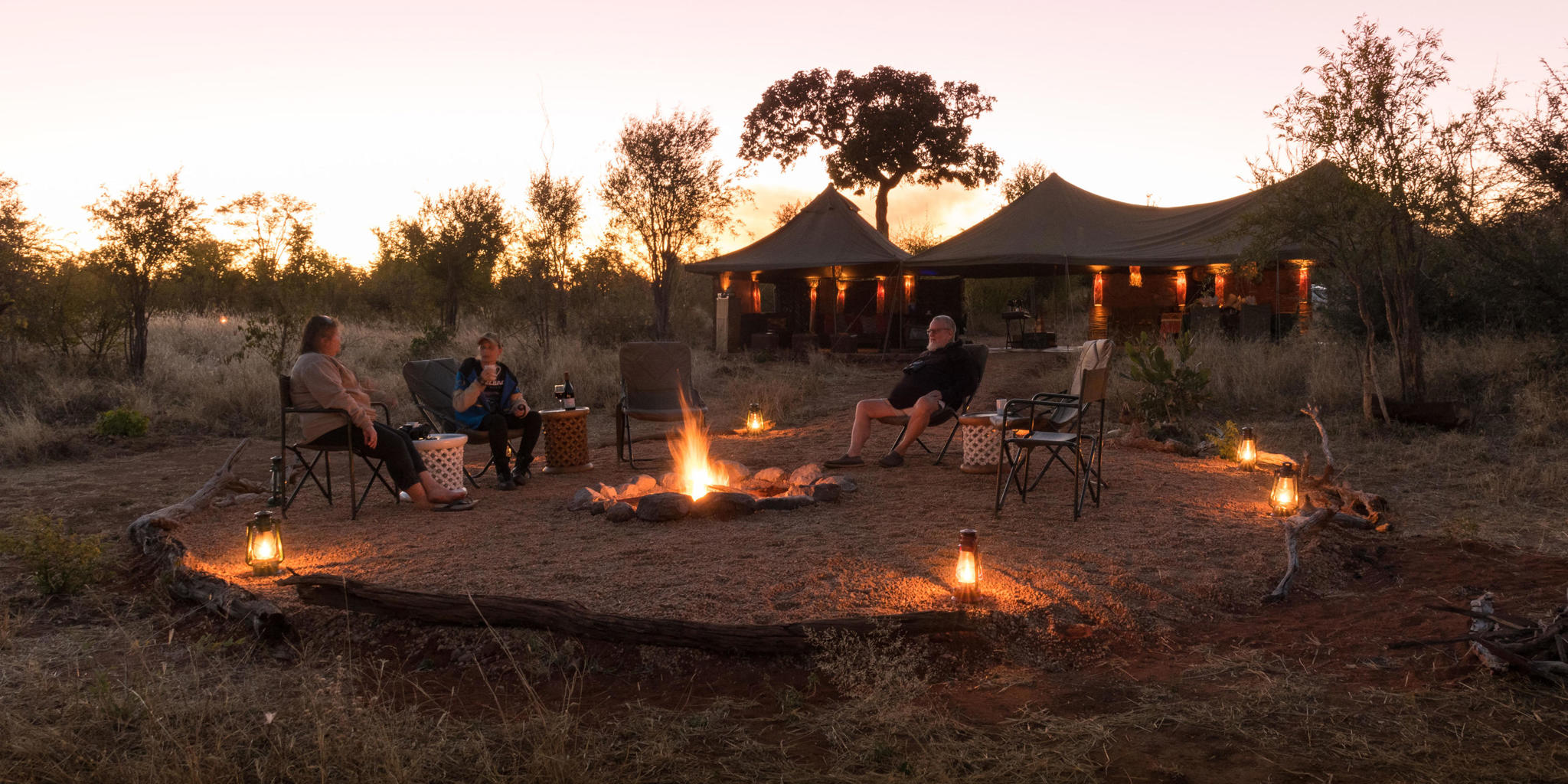
Zimbabwe’s untamed wilderness holds a unique allure for safari enthusiasts seeking authentic, immersive bush experiences. Among the many ways to connect deeply with the African landscape, staying at a bush camp offers unparalleled intimacy with nature. These camps, often secluded and nestled within pristine ecosystems, allow guests to awaken to the sounds of wild animals and witness breathtaking sunrises over expansive savannahs. For those in pursuit of the best bush camps in Zimbabwe, a closer examination reveals exceptional options where luxury, sustainability, and raw adventure converge.

The Essence of Bush Camps: A Gateway to Authentic Safari Encounters

Bush camps in Zimbabwe differ fundamentally from traditional lodges in their emphasis on seclusion, minimal environmental footprint, and close proximity to wildlife. Typically smaller in size, these camps provide a personalized safari experience, often guided by expert rangers with intimate knowledge of local ecosystems and animal behavior. The rustic yet comfortable accommodations are designed to blend seamlessly with the surroundings, facilitating a profound connection with the landscape.

Somalisa Camp: An Intimate Safari in Hwange National Park

Located within Hwange National Park, Zimbabwe’s largest game reserve, Somalisa Camp stands out for its commitment to privacy and exceptional wildlife viewing. The camp’s small number of tents ensures exclusivity, while its strategic location near waterholes attracts a variety of species, including large elephant herds and predators. Guests are immersed in the rhythms of the bush, with guided walking safaris and game drives revealing the richness of Hwange’s diverse habitats.

Linkwasha Camp: Wilderness and Elegance on the Edge of Hwange

Perched on a private concession bordering Hwange National Park, Linkwasha Camp balances luxury and wilderness effortlessly. The camp’s elevated tents overlook open plains and woodlands frequented by elephants, lions, and buffalo. The blend of modern amenities with rustic charm enables guests to enjoy comfort without sacrificing the wild atmosphere. Safari activities focus on walking, driving, and night game viewing, with the camp’s rangers providing expert insights into animal behavior and ecology.

Somabula Lodge: A Bush Sanctuary in Matobo Hills

Set against the dramatic backdrop of the Matobo Hills, Somabula Lodge offers a distinctive bush camp experience. Known for its breathtaking granite formations and rich cultural heritage, the area is home to diverse wildlife and ancient rock art sites. Somabula’s camp combines comfortable tented suites with expansive views, facilitating encounters with resident leopards, hyenas, and a variety of bird species. The lodge’s commitment to conservation and community engagement enhances the authenticity of the stay.

Camp Hwange: Traditional Safari Hospitality in Hwange National Park

Camp Hwange provides a classic bush camp atmosphere within Hwange National Park, blending traditional safari aesthetics with modern comforts. The camp’s location near permanent water sources guarantees reliable game viewing, with frequent sightings of elephants, lions, and rare wild dogs. The open-air design of the camp’s main areas invites guests to engage fully with the surrounding wilderness, while the guided activities cater to a range of interests from photographic safaris to bush walks.

Robins Camp: Exclusive Luxury and Wilderness Immersion

Situated in the private Robins Camp concession adjacent to Hwange National Park, Robins Camp epitomizes exclusive luxury amid pristine wilderness. The camp’s spacious tents offer panoramic views of waterholes that attract prolific wildlife. Personalized services, gourmet cuisine, and expert guiding combine to create an elevated safari experience. The camp’s small size ensures privacy, while night drives and walking safaris allow guests to experience the bush in all its complexity and wonder.

Jeka Camp: Intimate Tented Comfort in the Heart of Hwange

Jeka Camp, set in a private concession within Hwange, is noted for its intimate and understated luxury. The camp’s design reflects traditional safari aesthetics, with tents arranged to maximize privacy and views of the surrounding bush. Game drives and guided walks provide opportunities to see lions, elephants, and buffalo in their natural habitats. Jeka’s focus on personalized service and small group sizes ensures a tailored experience for each guest.

Zambezi Expeditions’ Bush Camps: Riverfront Wilderness Along the Zambezi

Along the Zambezi River’s banks, Zambezi Expeditions operates several bush camps that offer unique riverfront safari experiences. These camps emphasize both comfort and eco-sensitivity, set amid lush riparian environments. Guests can expect to combine traditional game drives with water-based activities such as canoeing and fishing, offering a multi-dimensional perspective on Zimbabwe’s wilderness. The proximity to the mighty Zambezi River enriches every moment, providing spectacular views and vibrant wildlife interactions.

The Unique Appeal of Zimbabwe’s Bush Camps

Zimbabwe’s bush camps stand apart for their combination of seclusion, conservation ethics, and wildlife richness. The relatively low tourism footprint compared to neighboring countries preserves the unspoiled character of many areas, allowing guests to experience genuine wilderness. The integration of cultural experiences, such as visits to local communities and historical sites, adds depth to the safari beyond wildlife observation.

Expert rangers and guides, often locals with deep ties to the land, play a crucial role in shaping the safari narrative. Their knowledge enhances understanding of animal behaviors, conservation challenges, and the intricate relationships within ecosystems. This educational dimension elevates the stay from a simple game viewing trip to a transformative journey.

Immerse Yourself in Zimbabwe’s Finest Bush Camps

For those yearning to step beyond conventional safari experiences, Zimbabwe’s top bush camps offer unparalleled opportunities. These camps provide the perfect balance between rugged wilderness and thoughtful luxury, ensuring comfort while maintaining closeness to nature. The rich biodiversity, combined with cultural heritage and expert guiding, ensures that every visit is both enlightening and exhilarating.

Book Your Zimbabwe Bush Camp Safari with WildHorn Africa

To embark on an extraordinary safari at any of Zimbabwe’s best bush camps, professional guidance and trusted tour operators are essential. Through WildHorn Africa, access is granted to carefully curated safari experiences tailored to individual preferences and interests. Every aspect, from logistics to guiding, is managed with expertise and commitment to sustainable tourism.

WildHorn Africa’s dedication to authentic, responsible safaris ensures that your journey into Zimbabwe’s wild heart will be seamless, safe, and deeply memorable. Let the adventure begin with the confidence of partnering with specialists who understand the nuances of African wilderness and luxury bush camping.

Top 10 Best Places To See Lions in Africa

Top 10 Best Places To See Lions in Africa

By Travel guides, Travel stories and blogs

Top 10 Best Places To See Lions in Africa
Tracking the Kings of the Wild in Their Natural Realm

Africa’s Timeless Icon: Where the Lion Still Reigns Supreme

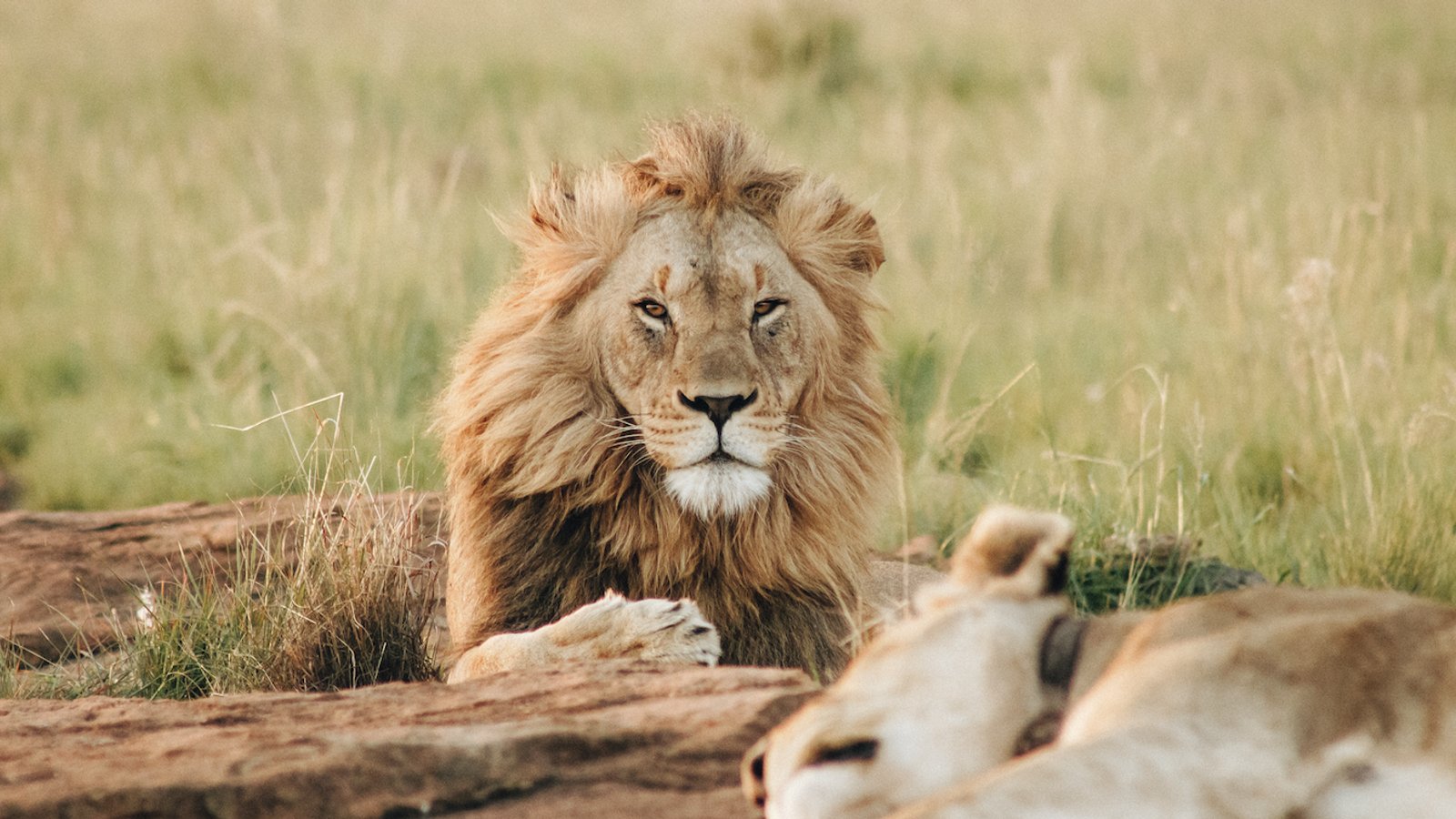
Few creatures embody the wild majesty of Africa more powerfully than the African lion. Known as the “King of the Beasts,” this apex predator symbolizes strength, courage, and raw natural power. Yet, despite its iconic status, the lion is not always easy to find in the vast African wilderness. Its numbers have dwindled over the decades, and its territories continue to shrink due to habitat loss and human-wildlife conflict. But in protected parks and conservancies across the continent, the lion still roams free and rules the savannah, offering travelers an unforgettable opportunity to witness its dominance firsthand.

From open plains to dense woodlands, from vast deserts to rich delta systems, Africa presents a diverse tapestry of ecosystems where lions can still be observed in the wild. Each destination offers not just a sighting, but an immersive encounter—an invitation into the dramatic theatre of predator and prey, of survival and spectacle. These are not merely places to see lions; they are places to feel their presence, hear their roars echo across the night, and watch the subtle strategies of a pride unfold beneath the sun-drenched sky.

Masai Mara National Reserve – Kenya’s Premier Predator Arena

The Masai Mara, located in southwestern Kenya, has long been revered as one of the most prolific lion-viewing destinations in the world. It is part of the greater Serengeti ecosystem and forms the stage for the annual Great Migration, during which millions of wildebeest and zebras traverse predator-laden plains.

In this rich savannah landscape, lion prides flourish thanks to the constant availability of prey. Experienced guides track their movements daily, allowing visitors to observe not only hunts but also intricate pride dynamics, cub interactions, and territorial behaviors. The Mara’s open terrain and well-established safari infrastructure provide unparalleled access to the lives of these magnificent cats. Lion sightings here are not rare; they are almost expected, and yet each encounter feels deeply personal and unique.

Serengeti National Park – Tanzania’s Endless Lion Kingdom

Across the border in northern Tanzania lies the Serengeti, a park that epitomizes the raw, untamed spirit of Africa. The name itself is derived from the Maasai word “Siringet,” meaning “endless plains,” and it is across this sprawling wilderness that lions reign in dramatic fashion.

With one of the largest lion populations on the continent, the Serengeti offers remarkably consistent sightings, especially in the central Seronera region. Lions can often be seen lounging on kopjes (granite outcrops), stalking the grasslands, or feeding on fresh kills. During the calving season, lion activity intensifies as opportunistic predation increases. The Serengeti is not just a destination; it is a living documentary, where lions are both predator and protagonist in an epic natural drama that unfolds daily.

Okavango Delta – Botswana’s Wetland Predator Haven

In stark contrast to the open plains of East Africa, Botswana’s Okavango Delta presents a watery labyrinth of channels, islands, and floodplains. Yet within this lush and often flooded landscape, lions have astonishingly adapted their behavior to thrive.

Unlike other lion populations, some prides here are known to swim across deep channels, hunt in waterlogged terrain, and pursue prey such as buffalo in unexpected settings. This rare adaptation provides travelers with a chance to see lions behaving differently from their savannah cousins. Because of the Delta’s seasonal flooding, game viewing is best done by a combination of 4×4, mokoro (dugout canoe), and on foot with experienced trackers, deepening the sense of connection to both predator and place.

The exclusivity of the camps in the Delta enhances the experience, providing intimate, crowd-free wildlife encounters amid Botswana’s fiercely protected natural world.

Kruger National Park – South Africa’s Lion Stronghold

Spanning nearly 20,000 square kilometers, Kruger National Park is one of Africa’s oldest and most established game reserves. It harbors a healthy lion population, and with its network of well-maintained roads and high-quality lodges, it offers excellent access for lion enthusiasts.

What distinguishes Kruger is its diversity. Lions here may be spotted lounging near rivers, stalking in mopane woodlands, or silhouetted against crimson sunsets in the bushveld. The park’s southern and central regions are particularly noted for frequent sightings. Moreover, the neighboring private reserves within the Greater Kruger ecosystem—such as Sabi Sands and Timbavati—offer off-road driving, which enhances the viewing experience significantly, allowing for closer approaches and prolonged observation.

South Luangwa National Park – Zambia’s Hidden Gem of the Carnivores

Zambia’s South Luangwa remains one of the continent’s best-kept secrets—a sanctuary where wildlife viewing feels wild and unfiltered. Its lion population is robust, and the park is known for dramatic hunts, often in the heat of day due to the lack of tree cover in some regions.

The Luangwa River’s oxbow lagoons draw in herbivores in large numbers, creating ideal hunting grounds for the local lion prides. With the addition of walking safaris, South Luangwa provides a rare and visceral way to understand the lion’s place in the ecosystem. Seeing lion tracks, hearing distant roars, and encountering lions while on foot delivers a primal thrill that connects visitors directly to the pulse of the African wilderness.

Etosha National Park – Namibia’s Desert Adapted Predators

In the stark, white expanse of Etosha, lions have evolved to survive in a harsh, arid environment where waterholes serve as the only reliable sources of life. These man-made and natural waterholes draw an astonishing variety of game, especially in the dry season, making them hotspots for lion activity.

Etosha’s lions are larger than average and often lighter in color, blending into the dusty terrain. Patient observation at waterholes can yield unforgettable moments—ambushes, pride interactions, or even confrontations with rival predators. The eerie landscapes add a cinematic quality to every sighting, turning each encounter into a moment of surreal beauty.

Ngorongoro Crater – Tanzania’s Natural Lion Enclosure

Formed by a collapsed volcanic caldera, the Ngorongoro Crater is a unique micro-ecosystem that supports an incredibly dense population of wildlife, including a stable and observable lion population. The crater’s enclosed nature means that lions here are somewhat restricted, but this also allows for predictable sightings, often at close range.

With no need for long-distance migration, the lions of Ngorongoro display slightly different behavior, often more sedentary but highly visible. This makes the crater ideal for travelers with limited time or for those seeking high-density wildlife experiences in a compact area.

Kgalagadi Transfrontier Park – The Realm of the Black-Maned Lion

Straddling the border between Botswana and South Africa, the Kgalagadi offers a dramatically different lion experience. The arid semi-desert is home to the famed black-maned Kalahari lions, known for their size, dark manes, and fierce reputation.

Sightings here often feel more raw and elemental, with lions framed by red dunes and long, golden grasses. Because the terrain is open and the visitor numbers are low, sightings are often solitary, quiet, and deeply immersive. The stark silence of the desert, broken only by the sound of a distant roar, stays etched in memory.

Queen Elizabeth National Park – Uganda’s Tree-Climbing Lions

One of the most unusual lion populations in Africa resides in Uganda’s Ishasha sector, where lions are often observed lounging in trees. While this behavior has been recorded elsewhere, it is remarkably common here, making the park famous for its arboreal cats.

Perched high in fig trees, these lions seek relief from the heat and biting insects while keeping a watchful eye over their territory. The landscape of acacia-dotted savannah provides a striking backdrop for photography, and the rare behavior of these lions offers a unique twist to the typical safari narrative.

Experience the Majesty with WildHorn Africa

Choosing where to see lions in Africa is not simply a question of geography—it is a matter of storytelling, timing, and personalized guidance. Whether it’s the predator-rich plains of the Serengeti, the silent salt pans of Etosha, or the lion-filled forests of Luangwa, the experience must be curated with care.

With WildHorn Africa, travelers are guaranteed not just access, but insight—guided by experts who know the land, understand the behavior of lions intimately, and tailor each journey to the dreams of the traveler. Every lodge, route, and guide is selected with precision to ensure not only sightings, but moments of awe, understanding, and transformation.

For those who long to feel the tremble of a lion’s roar deep in their chest, who wish to stand face-to-face with Africa’s greatest predator in the places it still reigns supreme, booking with WildHorn Africa is the key to an experience that is not merely seen, but deeply felt.

Gorilla Permit Rwanda – Everything You Need To Know

Gorilla Permit Rwanda – Everything You Need To Know

By Rwanda travel guides, Travel guides, Travel stories and blogs

Gorilla Permit Rwanda – Everything You Need To Know
Unlocking the Gates to One of Earth’s Most Majestic Encounters

An Encounter Beyond Imagination

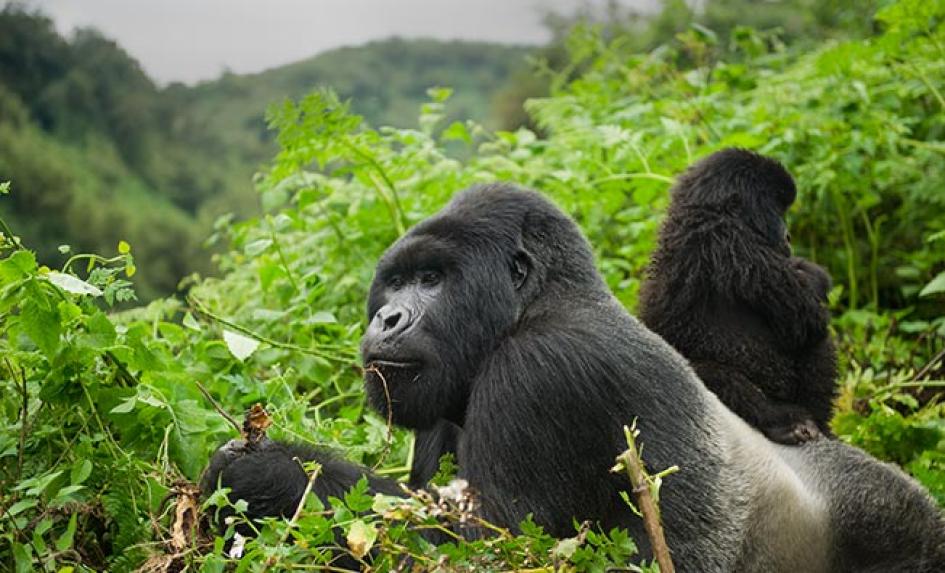
Tucked away in the mist-veiled mountains of East-Central Africa lies one of the most profound wildlife experiences on the planet—gorilla trekking in Rwanda. It is a journey not defined merely by distance, but by wonder, humility, and connection. Here, in the high-altitude forests of Volcanoes National Park, endangered mountain gorillas thrive in small, protected families, observed only by those privileged enough to step briefly into their hidden world.

This encounter is not accidental. It is governed by meticulous conservation practices, fragile ecological balances, and above all, by a vital document known as the Gorilla Permit. For travelers seeking to meet these majestic creatures face-to-face, the gorilla permit represents the key to a one-of-a-kind, strictly regulated experience—one that balances the thrill of adventure with the dignity of preservation.

The Purpose and Power Behind the Permit

At its core, a Gorilla Permit in Rwanda is not just a ticket—it is an instrument of conservation, access, and control. Issued by the Rwanda Development Board (RDB), it grants permission to visit one of the habituated gorilla families within Volcanoes National Park for a strictly timed and guided session. However, the deeper significance lies in how the permit supports conservation efforts and safeguards both the gorillas and the people who live alongside them.

The high price of a permit, though often questioned by first-time travelers, serves a dual function. It limits visitor numbers, thereby minimizing human impact on gorilla habitat, and simultaneously funnels crucial funds into anti-poaching programs, park maintenance, community development, and scientific research. Without the revenue from these permits, the continued protection of mountain gorillas—whose population was once on the brink of extinction—would be severely compromised.

This is why the process is stringent, the access controlled, and the experience intimate. Only a limited number of permits are issued each day, allowing a maximum of eight people per gorilla family, per visit. The experience is deliberately exclusive, making each moment in the gorilla’s presence feel profoundly rare and respectfully earned.

Cost and Value: Understanding the Investment

Currently, a Rwanda gorilla permit is priced at USD 1,500 per person, per trek. This fee might appear steep when compared to similar wildlife experiences, but the value it delivers is incomparable. It is not simply about what is seen but what is supported. Every dollar contributes directly to the survival of an endangered species and the development of surrounding communities who are now active stakeholders in wildlife protection.

Unlike a traditional safari drive, gorilla trekking is highly regulated and personalized. It involves intensive briefings, well-trained guides, expert trackers, and tightly coordinated logistics. Visitors are guided through thick forest terrain in small groups, each led to a unique gorilla family, based on the fitness level and preferences of the group. What emerges is not just a sighting, but a slow, quiet immersion into the gorilla’s habitat—an experience often described as transformative and emotional.

Booking Logistics: Timing, Availability, and Preparation

Given the global demand for Rwanda’s gorilla treks, securing a permit requires early planning. Bookings are often recommended at least six months in advance, especially during the peak dry seasons of June to September and December to February. Permits are non-transferable and are issued for a specific date, meaning that schedule flexibility is limited once a booking is confirmed.

Visitors are encouraged to plan their travel around the permit date rather than the reverse. Most travelers choose to work with reputable tour operators who handle the acquisition of permits, transportation, accommodation, and park logistics. This approach reduces administrative burden and ensures compliance with all necessary regulations.

On the day of the trek, guests must report to the Kinigi Park Headquarters for a mandatory briefing before being assigned to a gorilla family. From there, journeys into the forest can take anywhere from one to five hours, depending on the location of the family and the terrain. While the actual time with the gorillas is limited to one hour, the memory of that hour often lasts a lifetime.

Health, Safety, and Ethical Considerations

Due to their genetic closeness to humans, gorillas are highly susceptible to human-borne diseases. For this reason, stringent health guidelines are enforced. Visitors displaying symptoms of contagious illness may be denied entry, and masks may be required during certain treks. A distance of seven meters must be maintained at all times, although the gorillas themselves may sometimes approach out of curiosity.

Photography is permitted, but flash use is strictly prohibited. Voices must be kept low, movements calm, and physical contact avoided. These rules are not only for safety—they represent a broader ethic of respect for wild creatures in their natural state.

By observing these principles, travelers do more than witness wildlife—they become active participants in its protection.

Comparative Advantages: Rwanda Versus Neighboring Options

While gorilla trekking is also available in Uganda and the Democratic Republic of Congo, Rwanda’s experience is often preferred for its accessibility, safety, and efficiency. Volcanoes National Park is only a two to three-hour drive from Kigali International Airport, allowing for easier logistics and shorter travel times compared to Uganda’s Bwindi Impenetrable Forest or Congo’s Virunga National Park.

Rwanda has also invested heavily in infrastructure, hospitality, and tourism regulation, offering a polished experience that appeals to luxury travelers, photographers, and conservation-minded explorers. Although Uganda’s permits are cheaper (approximately USD 700), Rwanda compensates with shorter transfers, superior road quality, and highly trained guides.

This does not diminish the value of trekking in Uganda or Congo—each destination offers its own unique magic—but Rwanda remains the preferred choice for those seeking convenience, comfort, and conservation excellence.

The Role of Community in Gorilla Conservation

One of Rwanda’s most remarkable achievements is the way its gorilla tourism model has integrated community development into the very heart of conservation. A percentage of every permit sold is directed into the Tourism Revenue Sharing Program, which funds schools, health clinics, water projects, and employment schemes in surrounding villages.

Local communities are no longer viewed as bystanders or obstacles to conservation but as active custodians of their environment. Many of the park rangers, porters, and guides are recruited from these communities, ensuring that tourism success translates into local empowerment.

This has led to a significant reduction in poaching and a rise in community pride. In Rwanda, conservation is not viewed as the work of outsiders—it is woven into the cultural and economic fabric of the nation.

Preparing Mind and Body for the Trek

Gorilla trekking is a physical endeavor. It requires moderate fitness, mental readiness, and a willingness to embrace unpredictability. Treks take place at altitudes of 2,500 to 4,000 meters and may involve muddy paths, steep slopes, or dense vegetation. Appropriate hiking gear, including waterproof boots, gloves, and layered clothing, is essential.

Yet the most important preparation is internal. This is not a zoo. It is a rare invitation into the daily life of a wild, intelligent, and endangered species. The moment the gorillas appear—sometimes from behind a screen of foliage, sometimes in plain view—it becomes clear that no photograph or documentary could ever replicate the profound immediacy of the moment.

Trekking becomes not a tourist activity, but a spiritual witness to something ancient, silent, and irreplaceable.

The Gorilla Permit: A Passport to Preservation

In the end, the gorilla permit is more than a legal formality. It is a passport not just into the forest, but into a deeper understanding of coexistence. With every permit purchased, travelers join a global community of conservation stewards who recognize that wild spaces are not guaranteed—they must be earned, protected, and cherished.

Through careful management, high-value tourism, and unwavering commitment to ethical wildlife interaction, Rwanda has set a global example. And for those lucky enough to hold a gorilla permit in their hand, it becomes a symbol of both access and responsibility.

Book Your Rwanda Gorilla Safari With WildHorn Africa

For a seamless, ethically guided, and expertly curated experience, travelers are encouraged to book their gorilla trekking safari through WildHorn Africa. With years of on-the-ground knowledge, strong relationships with conservation authorities, and a dedication to responsible tourism, WildHorn Africa ensures that every trek supports not just adventure—but legacy.

Choose WildHorn Africa, and be more than a visitor—become a vital part of Africa’s conservation story.

Best Places To See the Big Five Animals in Kenya

Best Places To See the Big Five Animals in Kenya

By Kenya travel guides, Travel guides, Travel stories and blogs

Best Places To See the Big Five Animals in Kenya

An Unforgettable Journey Into Kenya’s Wildlife Heartland

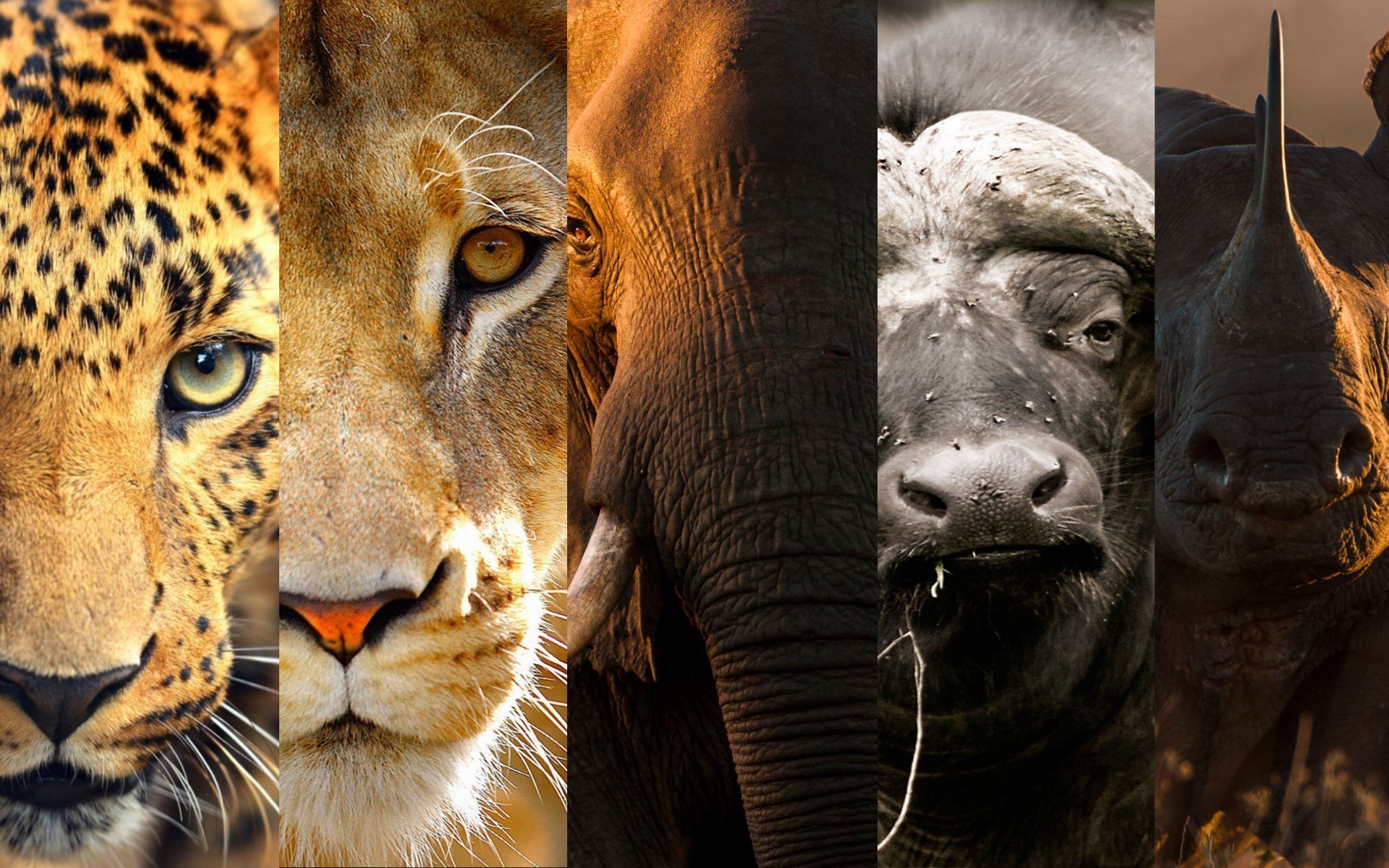
Kenya, a land of vast savannahs and rugged landscapes, is globally celebrated for its extraordinary wildlife. Among the many treasures hidden within its national parks and reserves, the legendary Big Five—lion, elephant, buffalo, leopard, and rhinoceros—stand out as symbols of Africa’s wild majesty. These iconic animals have long captured the imagination of travelers, photographers, and conservationists alike. To witness them in their natural habitats is to experience a profound connection to the raw and timeless beauty of the wilderness.

The Majesty of the Big Five: A Timeless African Legacy

The term “Big Five” originally referred to the five most challenging animals to hunt on foot in Africa, but today it has evolved into a benchmark for wildlife enthusiasts seeking unforgettable safari experiences. The allure of spotting these creatures in the wild draws thousands of visitors to Kenya annually. Each species embodies unique traits and behaviors that fascinate observers: the lion’s regal pride, the elephant’s majestic stature, the buffalo’s formidable presence, the leopard’s elusive grace, and the rhinoceros’ ancient power.

Kenya’s Premier Destinations for Big Five Sightings

Across Kenya, several protected areas have been recognized as prime locations where the Big Five roam freely. The rich biodiversity and committed conservation efforts in these parks and reserves provide ideal settings for those eager to encounter these magnificent creatures.

Masai Mara National Reserve, the jewel of Kenya’s safari destinations, offers unparalleled opportunities to see the Big Five in dramatic landscapes that stretch endlessly under a sweeping sky. It is here that the annual migration of wildebeest and zebra adds thrilling context to Big Five encounters. The diverse terrain of open plains, riverine forests, and acacia woodlands supports a high density of wildlife, enabling visitors to observe lions lounging in the shade, elephants moving in matriarchal herds, elusive leopards resting in trees, and powerful buffalo grazing in the grasslands. The occasional sighting of both black and white rhinoceroses adds to the excitement, although these encounters require a careful eye due to the rhinos’ preference for denser thickets.

In the heart of Kenya’s Rift Valley lies Lake Nakuru National Park, renowned primarily for its stunning flamingo populations but also distinguished as a sanctuary for both black and white rhinoceroses. The park’s rich grasslands and woodlands create an environment where the Big Five can be observed with relative ease. Buffalo herds roam in impressive numbers, while lions patrol their territories. Leopards, though solitary and secretive, are present and occasionally seen by the vigilant traveler. The park’s location near the Great Rift Valley escarpment adds dramatic vistas to every safari experience.

Moving eastward, Tsavo National Parks—comprising Tsavo East and Tsavo West—offer expansive wilderness areas where the Big Five thrive. Tsavo East’s vast red earth plains, dotted with acacia trees and waterholes, provide natural gathering points for elephants and buffalo. The park’s rugged landscape is home to prides of lions that hunt across wide territories. Leopards, typically shy, are residents of the rocky outcrops and thickets. Rhino sightings, while less frequent here compared to other parks, are still possible due to ongoing conservation efforts. Tsavo West, with its volcanic hills and dense forests, complements the eastern park’s terrain, creating a diverse ecosystem that supports the full spectrum of Kenya’s wildlife.

Conservation Efforts and the Role of Protected Areas

The survival of the Big Five in Kenya has depended heavily on rigorous conservation policies and the establishment of protected areas. These parks and reserves are managed with the dual objectives of preserving natural habitats and promoting sustainable tourism. The presence of anti-poaching units, community engagement initiatives, and international partnerships has contributed significantly to the protection of vulnerable species, particularly the rhinoceros, whose populations were once critically endangered.

Visitors to Kenya’s wildlife reserves benefit not only from the chance to witness extraordinary animal behavior but also from the knowledge that their tourism dollars contribute to ongoing preservation efforts. The delicate balance between human activity and wildlife survival is maintained through careful regulation of park access, vehicle movement, and visitor conduct.

Experiencing the Big Five: What Makes Kenya Unique?

The experience of seeing the Big Five in Kenya differs from other safari destinations due to the country’s exceptional combination of geography, climate, and biodiversity. The seasonal migrations and the mix of savannah, woodland, and wetlands create dynamic environments where animal behaviors can be observed in varied contexts.

Game drives in Kenya often unfold at dawn or dusk, when animals are most active, heightening the sense of anticipation and connection. The expert knowledge of local guides enriches every sighting, offering insights into the habits, social structures, and ecological roles of the Big Five species. Additionally, the cultural heritage of Kenya’s indigenous communities, such as the Maasai, adds a profound human dimension to the safari experience, connecting travelers to traditions deeply intertwined with the land and its wildlife.

Planning Your Safari: Tips for an Unrivaled Adventure

A successful safari to see the Big Five in Kenya hinges on thoughtful planning. The choice of park or reserve, timing of the visit, and mode of travel all influence the quality of the experience. Dry seasons typically provide better visibility and higher chances of animal sightings as wildlife congregates near water sources. Early morning and late afternoon game drives maximize the opportunity to observe natural animal behavior.

Accommodations range from luxury lodges offering panoramic views to tented camps providing immersive wilderness experiences. Regardless of preference, the goal remains the same: to witness these majestic animals in settings as close to their natural environment as possible, with minimal disturbance.

The Ultimate Safari Experience Awaits with WildHorn Africa

For those inspired to embark on this remarkable journey through Kenya’s Big Five territories, expert assistance and trusted arrangements make all the difference. Tours and safaris organized through WildHorn Africa ensure that every aspect—from transport to accommodation and guided excursions—is handled with professionalism and care. Their deep understanding of Kenya’s diverse ecosystems and wildlife hotspots guarantees access to the best viewing opportunities.

By booking with WildHorn Africa, travelers are supported by experienced guides, thoughtfully curated itineraries, and a commitment to responsible tourism. This approach not only maximizes the chances of memorable Big Five sightings but also contributes positively to conservation and local communities.

Kenya remains one of the world’s most extraordinary places to witness the Big Five animals. Its combination of spectacular landscapes, robust conservation programs, and rich cultural heritage creates an unrivaled safari experience. To see these iconic species in their natural habitat is to touch the soul of Africa itself. Planning such a journey with the guidance of experts like WildHorn Africa ensures that the adventure will be as seamless as it is unforgettable.

Things You Need To Know Before Climbing Mt Meru in Tanzania

Things You Need To Know Before Climbing Mt Meru in Tanzania

By Tanzania travel guides, Travel guides, Travel stories and blogs

Things You Need To Know Before Climbing Mt Meru in Tanzania

Discover the Untamed Majesty of Mount Meru

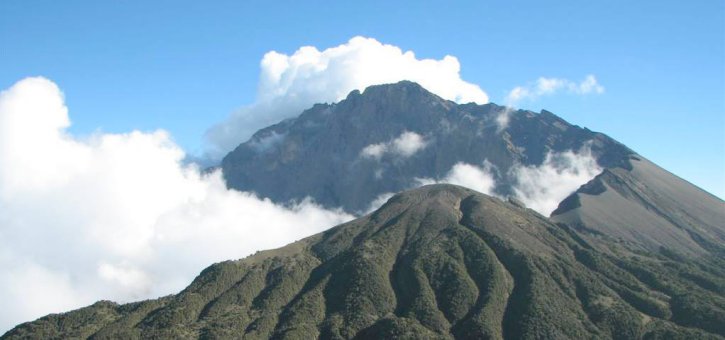
Rising dramatically to an altitude of 4,562 meters, Mount Meru stands as Tanzania’s second highest peak and an exhilarating challenge for trekkers seeking an alternative to the famed Kilimanjaro. Nestled within the Arusha National Park, Mount Meru offers a unique blend of stunning volcanic landscapes, diverse ecosystems, and rich wildlife. The climb provides a less crowded, yet equally rewarding adventure with panoramic views and a striking sense of wilderness. However, before embarking on this journey, several crucial factors must be understood to ensure a safe, enjoyable, and successful ascent.

Understanding the Physical and Environmental Challenges

Mount Meru’s ascent is characterized by significant altitude gain over a relatively short distance, requiring both physical endurance and careful acclimatization. The trail passes through varied climatic zones, starting from lush montane forests teeming with wildlife, ascending through moorlands and alpine zones to reach the stark summit crater. These transitions demand flexibility from trekkers, who must be prepared for fluctuating temperatures, ranging from warm forested valleys to freezing, windy summit conditions.

The terrain itself varies from well-trodden paths to rugged, volcanic rock fields that may present slippery and uneven footing. Hiking boots with good ankle support and grip are essential. Furthermore, the high altitude poses risks of acute mountain sickness (AMS), which can manifest through headaches, dizziness, nausea, and fatigue. Understanding the symptoms and adopting a slow, steady pace with adequate hydration and rest days is critical in preventing serious complications.

The Importance of Permits and Park Regulations

Access to Mount Meru requires official permits issued by Tanzanian park authorities, as the mountain is located within a protected national park. These permits are essential for both environmental conservation and visitor safety. Climbing without permits is prohibited and monitored by park rangers who enforce strict regulations.

Guided climbs are strongly encouraged and, in some cases, mandatory, as local guides are familiar with the routes, altitude challenges, and safety protocols. The presence of guides not only enhances safety but also enriches the experience through knowledgeable interpretations of the mountain’s geology, flora, fauna, and cultural significance. The park authorities also regulate group sizes and camping locations to minimize environmental impact and preserve the fragile ecosystem.

Optimal Timing and Weather Conditions for the Climb

The best time to climb Mount Meru falls within Tanzania’s dry seasons, from late June to October and from late December to February. During these periods, weather conditions are more stable with reduced rainfall, clearer skies, and milder temperatures, improving visibility and trail safety.

Outside these windows, heavy rains can render trails slippery and difficult, while dense clouds may obscure the spectacular views. The summit is often cold, with possible frost and strong winds, even during the dry season. Therefore, appropriate layering and weatherproof gear are indispensable. Climbers should also be prepared for sudden weather changes and consult local weather forecasts prior to departure.

Essential Gear and Preparation for the Trek

Preparation for Mount Meru’s climb involves assembling suitable equipment tailored to a multi-day trek in variable conditions. Clothing should include moisture-wicking base layers, insulating mid-layers, and waterproof outer shells. Thermal gloves, hats, and buff scarves are important to guard against the cold at higher altitudes.

Camping equipment such as sturdy tents, sleeping bags rated for cold temperatures, and sleeping mats are usually provided by reputable tour operators, though confirming this beforehand is advised. Trekking poles may alleviate strain on knees during steep ascents and descents. Adequate sun protection, including sunscreen and sunglasses, is vital due to high UV exposure at altitude.

Physical conditioning prior to the climb cannot be overstated. Cardiovascular endurance, leg strength, and flexibility should be developed through regular hiking, walking, or aerobic exercises. Mental preparedness, patience, and determination are equally important given the mountain’s challenges.

Wildlife and Natural Wonders Along the Route

Mount Meru’s route through Arusha National Park provides the rare opportunity to witness diverse wildlife in proximity to a high-altitude trek. Early sections of the trail pass through forests inhabited by colobus monkeys, blue monkeys, elephants, and a variety of bird species. The presence of larger mammals such as giraffes, buffalo, and even lions has been documented, though sightings are less frequent.

The volcanic crater at the summit is a striking natural feature, with fumaroles and mineral deposits offering insights into the mountain’s geological history. From the peak, expansive views extend across the plains, revealing distant Mount Kilimanjaro and the Serengeti ecosystem on clear days. This natural panorama rewards the exertions of the climb with awe-inspiring beauty.

Acclimatization Strategies and Health Considerations

Proper acclimatization is a critical component of a successful Mount Meru ascent. The relatively rapid altitude gain necessitates a deliberate climbing pace with regular rest stops and hydration to allow the body to adjust. Spending a night at the saddle camp, situated at approximately 3,600 meters, is recommended to reduce the risk of altitude sickness before attempting the summit.

Nutrition during the trek should focus on balanced meals rich in carbohydrates and proteins to maintain energy levels. It is advisable to carry a basic medical kit, including medications for altitude sickness, pain relief, and gastrointestinal issues. Climbers with pre-existing health conditions should consult healthcare professionals prior to the trek.

Environmental Responsibility and Sustainable Tourism

Mount Meru’s fragile ecosystems demand responsible tourism practices. Climbers and operators are encouraged to follow Leave No Trace principles, minimizing waste, avoiding disturbance to wildlife, and adhering to designated trails and campsites. Conservation efforts in Arusha National Park are supported by park fees and permits, contributing to habitat protection and local community benefits.

Engagement with local guides and porters not only supports the economy but also fosters cultural exchange and respect for indigenous knowledge. Ethical tourism enhances the overall experience while ensuring that Mount Meru remains a pristine destination for future generations.

Preparing for an Unforgettable Adventure

Climbing Mount Meru offers an extraordinary blend of adventure, natural beauty, and wildlife discovery. Success on this challenging trek depends on thorough preparation, respect for the mountain’s demands, and adherence to park regulations. With proper acclimatization, suitable gear, and expert guidance, the climb can be both safe and immensely rewarding.

Plan Your Mount Meru Expedition with WildHorn Africa

For those eager to undertake the climb of Mount Meru, professional planning and local expertise are invaluable. Booking your Tanzania tours and safaris through WildHorn Africa ensures access to experienced guides, comprehensive support, and thoughtfully designed itineraries. WildHorn Africa’s commitment to sustainable and authentic travel guarantees that every step on Mount Meru will be part of a seamless, inspiring African adventure.

Where To See Hippos in Africa – The 12 Best Places To Go

Where To See Hippos in Africa – The 12 Best Places To Go

By Travel guides, Travel stories and blogs

Where To See Hippos in Africa – The 12 Best Places To Go

The Magnetic Pull of Africa’s Gentle Giants

In the vast tapestry of African wildlife, the hippopotamus stands as one of the continent’s most fascinating and iconic creatures. These semi-aquatic mammals, known for their immense size and surprising agility in water, have captivated the attention of nature enthusiasts worldwide. The prospect of observing hippos in their natural habitats—where they wallow in rivers and lakes or emerge at dusk to graze—offers a unique window into Africa’s rich ecological diversity. But where exactly can the best opportunities to see hippos be found? This question calls for a detailed exploration of Africa’s prime locations where these majestic animals thrive.

The Ecological Niche of Hippos and Their Distribution

Hippos are primarily found in sub-Saharan Africa, favoring freshwater bodies such as rivers, lakes, and swamps. Their dependence on water for thermoregulation and protection means that regions with reliable aquatic environments naturally attract substantial hippo populations. While hippos may appear docile, they are known to be territorial and can be highly aggressive if provoked. Observing them safely requires knowledgeable guides and access to suitable viewing points.

The Mighty Zambezi River: A Hippo Haven

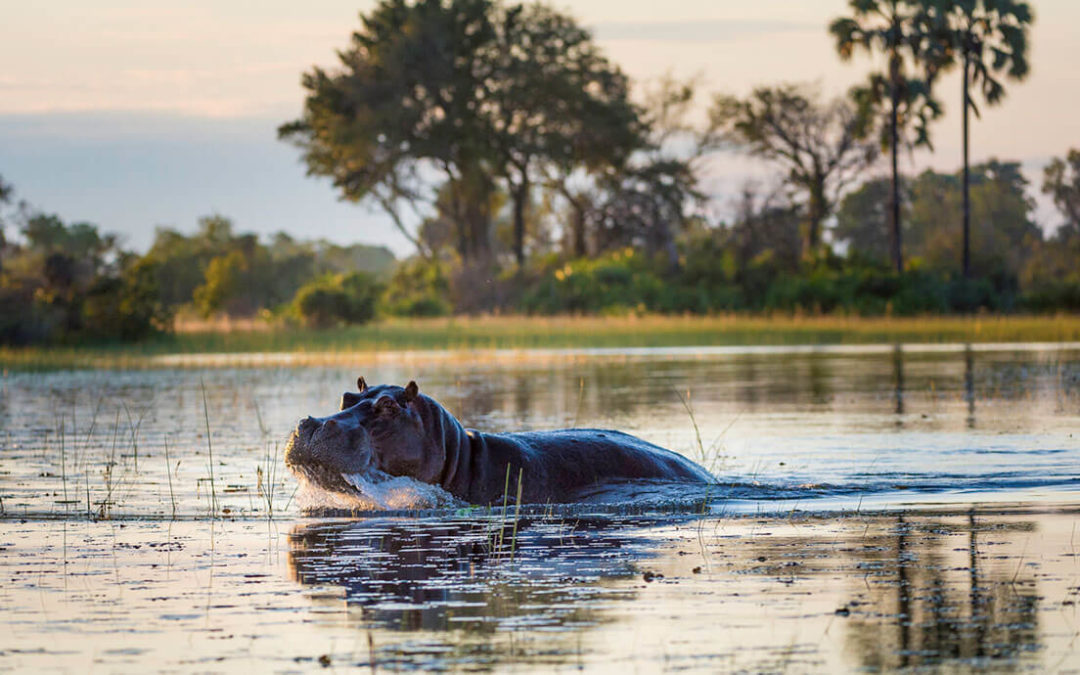
The Zambezi River, flowing through countries such as Zambia, Zimbabwe, and Mozambique, is among the most celebrated locales for hippo sightings. In particular, the stretch around Lower Zambezi National Park in Zambia is renowned for its large hippo pods. Visitors can experience hippos both from river safaris by boat and from vantage points along the riverbanks. The interplay between hippos and the riverine environment provides unforgettable scenes, especially during sunset when the animals emerge to graze.

Botswana’s Okavango Delta: A Waterworld for Hippos

The Okavango Delta, one of Africa’s last remaining great wetland wildernesses, supports vast numbers of hippos year-round. The seasonal flooding creates an intricate network of channels, lagoons, and floodplains, offering the perfect habitat for these creatures. Hippos here can be observed during mokoro (dugout canoe) excursions, allowing close and quiet approaches. The Delta’s rich biodiversity means that hippo sightings are often accompanied by encounters with elephants, crocodiles, and an abundance of birdlife, enhancing the safari experience.

South Luangwa National Park: Zambia’s Hippo Capital

South Luangwa National Park, renowned for its walking safaris and rich wildlife, hosts substantial hippo populations primarily along the Luangwa River. Hippos congregate in deep pools and river bends during the day, creating spectacular natural spectacles. The park’s relatively pristine environment and expert guiding services offer ideal conditions for safely viewing hippos, particularly during the dry season when animals are concentrated around remaining water sources.

Chobe National Park: Hippos Amongst Elephants

Bordering the Chobe River in northern Botswana, Chobe National Park is widely regarded for its dense elephant populations, but it is also a prime habitat for hippos. The riverine ecosystem supports large pods that can be seen lounging in the water during the heat of the day or grazing along the banks at dusk. River cruises provide some of the best vantage points for observing hippos in this area, offering intimate views of their social behavior and interactions.

Lake Malawi: Africa’s Inland Hippo Sanctuary

Lake Malawi, one of the continent’s largest freshwater lakes, is another significant habitat where hippos thrive. The lake’s extensive shoreline and numerous bays offer safe havens for these animals. While not as heavily trafficked by tourists as some other locations, Lake Malawi provides a quieter, more off-the-beaten-path opportunity for hippo observation. Local boat trips and community-run tours facilitate responsible wildlife viewing while supporting conservation efforts.

The Mara River in Kenya and Tanzania: Hippos Amid the Great Migration

The Mara River, flowing through the Masai Mara and Serengeti ecosystems, is famous for the dramatic annual wildebeest migration, but it also sustains large hippo populations. Hippos play a crucial ecological role in the river, maintaining the health of aquatic vegetation and influencing river dynamics. Visitors to the Masai Mara National Reserve and Serengeti National Park can observe hippos during game drives and river excursions, often witnessing these animals in proximity to other large mammals and predators.

Nile River and Murchison Falls National Park: Uganda’s Hippo Hotspot

Uganda’s Nile River, particularly within Murchison Falls National Park, is home to impressive concentrations of hippos. The river’s fast-flowing waters and surrounding wetlands create a dynamic environment where hippos thrive. Boat safaris along the Nile provide safe and close encounters, while the backdrop of the dramatic Murchison Falls enhances the visual splendor. Hippos can often be seen basking on sandbanks or emerging into the surrounding grasslands.

Lake Naivasha: Kenya’s Freshwater Hippo Refuge

In Kenya’s Great Rift Valley, Lake Naivasha offers a freshwater habitat attracting hippos in large numbers. The lake’s calm waters and surrounding papyrus swamps create an ideal environment for hippos, which are frequently observed from boats and lakeside lodges. The area’s proximity to Nairobi and other safari destinations makes it an accessible and convenient location for hippo viewing, often combined with bird watching and visits to nearby Hell’s Gate National Park.

Mana Pools National Park: Zimbabwe’s Hippo Wonderland

Mana Pools, a UNESCO World Heritage Site located on the Zambezi River floodplain, is celebrated for its pristine wilderness and abundant hippo populations. The park’s seasonal flooding creates vast waterways and islands, where hippos congregate in large groups. Canoe safaris offer a unique way to approach hippos silently, providing close-up encounters that highlight the animals’ social structures and behaviors.

Selous Game Reserve: Tanzania’s Lesser-Known Gem

Selous Game Reserve, one of Africa’s largest protected areas, contains extensive river systems and lakes that serve as excellent hippo habitats. Despite being less frequented by tourists than northern safari circuits, Selous offers unspoiled environments where hippos are plentiful. Boat safaris and walking safaris reveal hippos in their natural rhythms, allowing for immersive wildlife experiences.

Lake Tanganyika: A Borderland for Hippo Observation

Stretching across several countries including Tanzania, the Democratic Republic of Congo, Burundi, and Zambia, Lake Tanganyika supports hippos along its vast shoreline. The lake’s deep waters and diverse ecosystems offer habitats for these animals, although sightings may require more effort due to the lake’s size and regional accessibility challenges. Guided tours from Tanzanian or Zambian sides provide opportunities to appreciate the hippos alongside other unique aquatic and terrestrial wildlife.

The Importance of Responsible Hippo Viewing

Throughout Africa’s prime hippo habitats, the emphasis on responsible wildlife viewing has grown significantly. Hippos, while robust in appearance, are vulnerable to habitat loss, pollution, and poaching pressures. Tours and safaris that prioritize ethical practices, minimize disturbance, and contribute to conservation initiatives have become the standard. Professional guides and operators ensure that encounters are safe for both animals and visitors, preserving these majestic creatures for future generations.

Embark on Your Hippo Safari with WildHorn Africa

For travelers inspired to witness Africa’s magnificent hippos in their natural environments, expert assistance in planning and booking is invaluable. Through WildHorn Africa, access is provided to expertly guided safaris across the continent’s best hippo-viewing destinations. Every journey is crafted with a commitment to safety, sustainability, and authentic wildlife encounters, ensuring that each moment spent observing hippos is meaningful and memorable.

The opportunity to stand witness to these fascinating animals, in the company of seasoned guides and in some of Africa’s most breathtaking landscapes, awaits.

Can You Climb Kilimanjaro Without a Guide?

Can You Climb Kilimanjaro Without a Guide?

By Tanzania travel guides, Travel guides, Travel stories and blogs

Can You Climb Kilimanjaro Without a Guide?

The Allure of Kilimanjaro: Africa’s Roof Beckons

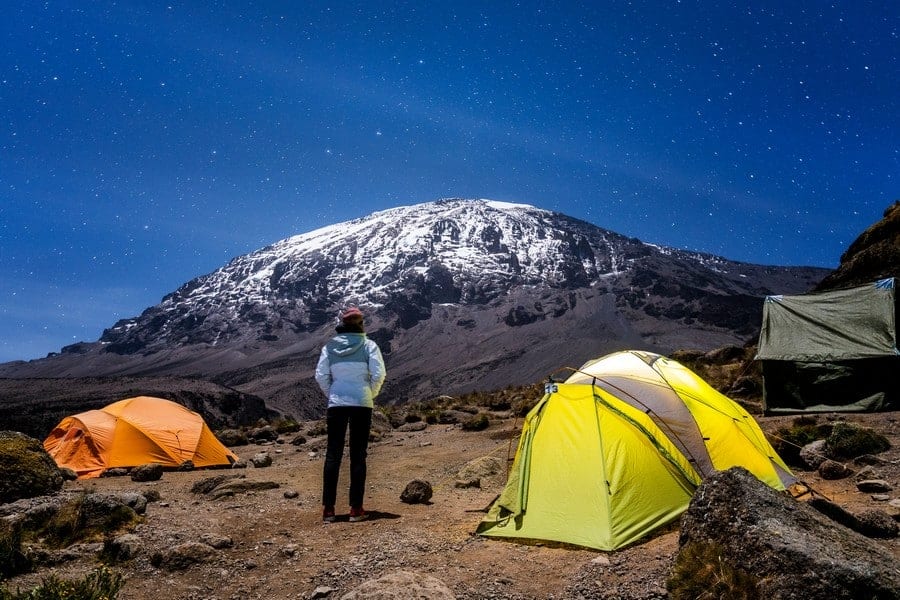
Standing majestically at 5,895 meters, Mount Kilimanjaro is Africa’s highest peak and one of the world’s most iconic trekking destinations. The allure of reaching the summit, known as Uhuru Peak, draws adventurers from all corners of the globe. The mountain’s diverse climatic zones—from lush rainforests to arctic deserts—offer a uniquely challenging and rewarding experience. Yet, a question often posed by eager climbers is whether it is possible to climb Kilimanjaro without a guide. This inquiry invites an in-depth examination of the mountain’s regulations, safety considerations, and the overall logistics involved in such an endeavor.

Kilimanjaro’s Official Regulations: The Mandatory Guide Requirement

From the outset, it must be understood that Tanzanian authorities have implemented strict rules regarding the ascent of Kilimanjaro. Since 2013, it has been mandatory for all climbers to use licensed guides and employ local porters. This policy was established to improve safety, reduce environmental impact, and boost the local economy by providing employment opportunities for residents.

The regulations require that climbers are accompanied by guides who are trained in mountain safety, altitude sickness management, and first aid. Additionally, porters are hired to carry equipment and supplies, reducing the physical strain on climbers and ensuring the sustainable management of the trails. Attempting to climb without a guide is illegal and not supported by the Kilimanjaro National Park authorities. Thus, the concept of climbing Kilimanjaro independently has been officially disallowed, emphasizing the critical role played by professional support teams.

Safety Considerations: Why Guides Are Indispensable

The ascent of Kilimanjaro presents serious physical and environmental challenges that justify the presence of experienced guides. Altitude sickness, which can escalate rapidly and become life-threatening, remains a primary concern. Guides are trained to recognize early symptoms and take appropriate action, including recommending acclimatization strategies or descent.

Moreover, the mountain’s variable weather conditions, rugged terrain, and sometimes limited visibility can complicate navigation and increase risks of injury or disorientation. The expertise of guides, who know the routes intimately and monitor the health and progress of their clients, is essential in mitigating these risks.

Rescue operations on Kilimanjaro require coordination and local knowledge, which guides are equipped to provide. Without their presence, the response to emergencies would be delayed and less effective, potentially endangering lives. Therefore, the enforcement of mandatory guiding ensures a safer experience for all climbers.

Logistical Complexities and Local Knowledge

Beyond safety, the logistics of climbing Kilimanjaro demand thorough preparation and local expertise. Routes vary in length, difficulty, and scenery, including popular paths such as Marangu, Machame, Lemosho, and Rongai. Guides tailor the itinerary based on the climber’s fitness, acclimatization needs, and weather forecasts, optimizing the chances of success.

Porters facilitate the transport of heavy gear, food supplies, and camping equipment, allowing climbers to focus on their ascent without excessive burden. The coordination of camp setups, meal preparation, and waste management is managed by the support team, preserving the fragile mountain environment.

In the absence of guides and porters, climbers would need to assume full responsibility for carrying loads, navigating unfamiliar terrain, and organizing daily logistics, greatly increasing the difficulty and risk. The advantage of local knowledge and experience is therefore indispensable and cannot be overstated.

The Cultural and Ethical Dimensions of Guided Kilimanjaro Climbs

The mandatory use of guides also aligns with ethical and cultural considerations. Kilimanjaro is not merely a natural landmark but a symbol deeply embedded in Tanzanian heritage. Employing guides and porters supports local communities by providing fair wages and promoting responsible tourism practices.

Many operators emphasize fair treatment of porters, ensuring that their workload, accommodation, and health are managed with care. This approach not only preserves the dignity of those involved but also enhances the overall sustainability of climbing Kilimanjaro.

Climbers who attempt to circumvent these systems risk contributing to unsafe working conditions and environmental degradation. Therefore, adherence to regulations and respect for local customs underpin the ethos of a responsible Kilimanjaro expedition.

Practical Alternatives and Preparation for Aspiring Climbers

While climbing without a guide is prohibited, climbers are encouraged to engage actively in their expedition by selecting experienced operators who prioritize personalized service and education. Guides often share valuable insights into the mountain’s ecology, geology, and cultural significance, enriching the journey.

Preparation for the climb should include physical conditioning, acclimatization planning, and appropriate gear selection, all of which are supported and enhanced by the guidance team. The mountain’s challenges are formidable, but with professional support, success rates are significantly higher and experiences more rewarding.

Furthermore, climbers can choose routes and packages that match their preferred style—whether intimate small-group treks, luxury camping, or classic adventure tours. In every case, the partnership with guides is central to the achievement of summiting Kilimanjaro safely and memorably.

Debunking Common Myths About Independent Climbing

Despite the clear regulations, some myths about independent climbing persist. Occasionally, private climbers attempt to summit Kilimanjaro without guides by avoiding official checkpoints or booking illegal tours. Such actions expose individuals to legal penalties, increased safety hazards, and lack of emergency support.

It must be emphasized that Kilimanjaro is neither a simple hike nor a mountain that can be approached casually. The risks of altitude sickness, unpredictable weather, and difficult terrain make the presence of trained guides essential. These professionals are not mere escorts but guardians of climbers’ wellbeing.

Therefore, any notion that Kilimanjaro can or should be climbed without a guide is not supported by facts, legal frameworks, or best practice in mountaineering.

The Guided Climb Is the Only Viable Path

In summary, the climbing of Mount Kilimanjaro without a guide is neither legally permissible nor advisable due to stringent Tanzanian regulations, safety imperatives, and the complex nature of the ascent. The presence of skilled guides and dedicated porters ensures not only the physical security of climbers but also the preservation of the mountain’s delicate environment and the support of local communities.

Choosing a reputable operator with experienced guides enhances the likelihood of a successful summit and enriches the overall experience with education and cultural immersion. The mountain’s challenges demand respect, preparation, and professional support.

Book Your Kilimanjaro Adventure with WildHorn Africa

For those determined to conquer Africa’s highest peak, booking through WildHorn Africa guarantees access to trusted guides, ethical practices, and expertly organized safaris and tours. WildHorn Africa’s commitment to safety, sustainability, and local empowerment makes it the ideal partner for an unforgettable Kilimanjaro journey. Every step toward Uhuru Peak becomes a shared triumph when supported by professionals who understand the mountain’s demands and its magic.

Prepare to ascend with confidence, guided by expertise and driven by the spirit of adventure.

Top 10 Luxury Kenya Beach Resorts & Hotels

Top 10 Luxury Kenya Beach Resorts & Hotels

By Kenya travel guides, Travel guides, Travel stories and blogs

Top 10 Luxury Kenya Beach Resorts & Hotels
Where the Wild Meets the Waves in Refined Coastal Elegance

A Coastal Paradise Like No Other

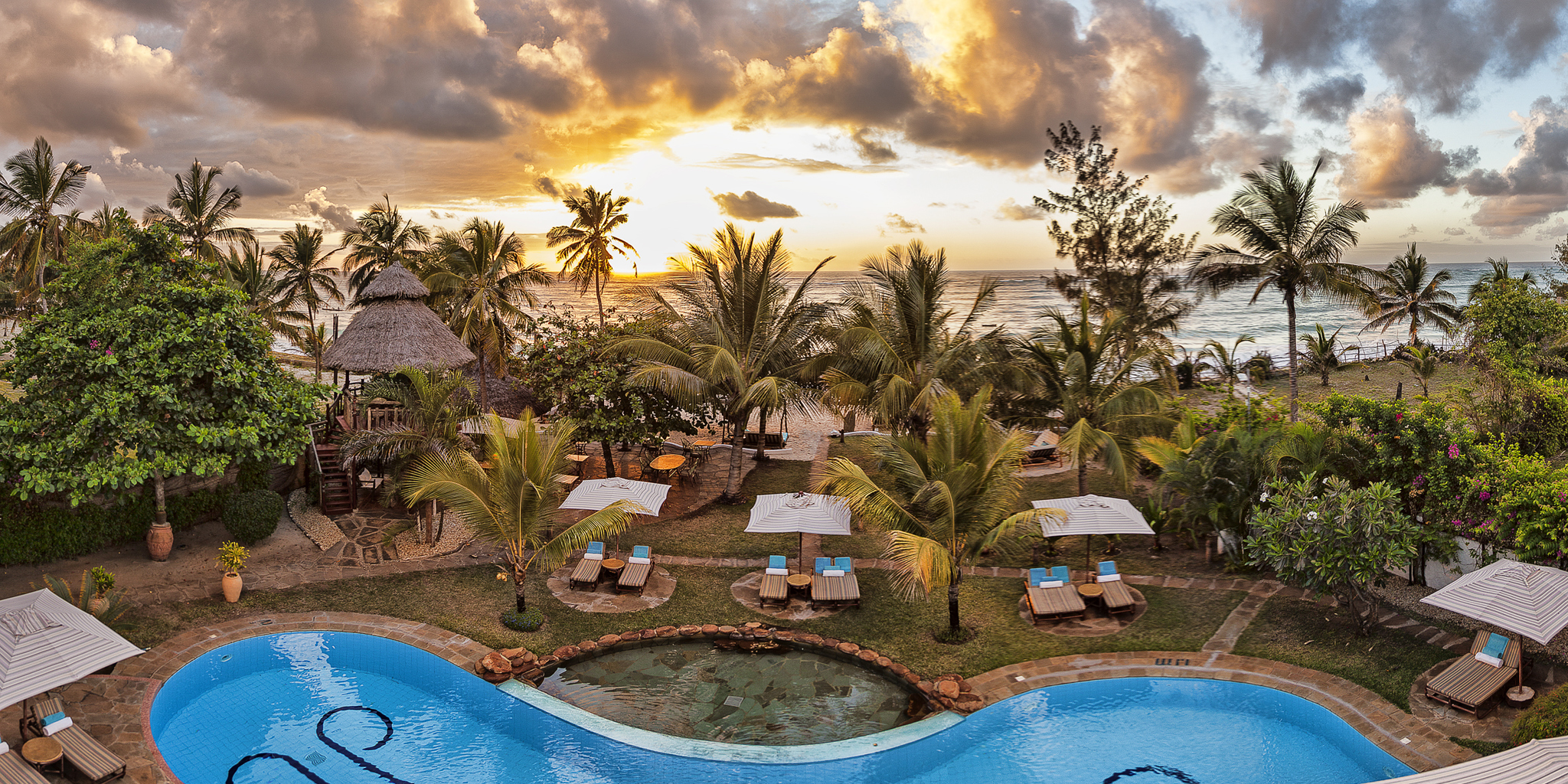
Tucked along the turquoise waters of the Indian Ocean lies one of Africa’s most surprising treasures—Kenya’s pristine coastline, a stretch of white-sand beaches, swaying palms, and historic Swahili culture that pulses gently beneath the sun-soaked serenity. While Kenya is globally renowned for its iconic savannah safaris and Big Five sightings, it is along its coastal belt that a more tranquil, yet equally enchanting luxury emerges.

From the coral-rich reefs of Watamu to the ancient alleys of Lamu, Kenya’s beach resorts and hotels have redefined the essence of tropical indulgence. Here, opulence merges seamlessly with nature, and refined architecture embraces the Indian Ocean’s timeless rhythm. Whether perched on an oceanfront cliff or hidden within lush coconut groves, these havens offer more than just accommodation—they provide an escape into a realm of beauty, silence, and coastal sophistication.

For discerning travelers in search of exclusivity, privacy, and experiential luxury, the Kenyan coast delivers an understated elegance that rivals the world’s most celebrated tropical destinations.

Diani Beach: The Crown Jewel of Coastal Kenya

Reputed as one of Africa’s most beautiful beaches, Diani Beach stands as an epicenter of luxury where vibrant coral gardens meet lush green forests. Along this stretch of coastline, some of the finest resorts in Kenya have been carefully designed to offer world-class comfort amid natural splendor.

Elegantly styled suites with uninterrupted ocean views are often complemented by private plunge pools, personal butler service, and secluded beach access. Each resort is uniquely conceptualized to enhance the tropical environment—whether through Arabic-Swahili architecture or eco-conscious aesthetics that blend gently into the landscape. Within these sanctuaries, it has become commonplace to find private chefs, Ayurvedic spa treatments, candlelit beach dinners, and curated excursions into marine parks or ancient coastal ruins.

Luxury in Diani is not loud. It is subtle, immersive, and soul-restorative. From the powdery soft sand to the whisper of palms, everything exists to soothe the senses and slow the heartbeat to the rhythm of the sea.

Watamu: The Sanctuary of Sustainability and Style

Tucked between pristine coral reefs and a dense mangrove forest, Watamu has evolved into one of the coast’s most cherished destinations for those who seek eco-luxury with a conscience. Its marine park, protected under UNESCO designation, draws guests who wish to snorkel or dive among vibrant fish, dolphins, and sea turtles in waters of crystalline clarity.

The resorts and villas here are often boutique in scale but vast in their offering. They are known for marrying refined luxury with sustainability—utilizing solar power, harvesting rainwater, and incorporating local materials with craftsmanship steeped in Swahili tradition.

Guests have been known to spend their days indulging in slow mornings beneath thatched cabanas, followed by curated ocean safaris or yoga sessions atop wooden decks that float above the tide. Watamu’s high-end accommodations don’t shout for attention—they whisper sophistication, nurture intimacy, and allow the wild beauty of the surroundings to shine through.

Lamu Island: Time Suspended in Elegance

In Lamu, luxury is defined not by abundance, but by authenticity and timeless charm. This ancient Swahili town, where donkeys outnumber cars and the scent of spiced air lingers in coral-stone courtyards, offers a kind of romance few places can rival.

The high-end hotels and private beachfront mansions here are hidden behind wooden Zanzibari doors, leading to labyrinthine interiors adorned with hand-carved furniture, antique lanterns, and intricate mashrabiya latticework. The architecture reflects a bygone era but is infused with modern refinements—from infinity pools overlooking the sea to rooftop lounges designed for private sundowners.

On Lamu, days are often filled with dhow sailing at sunset, cooking classes in centuries-old kitchens, or simply lounging in Swahili-style barazas under billowing white curtains. The silence, the history, and the absolute privacy render Lamu a favorite for honeymooners, artists, and travelers who treasure cultural depth with their coastal luxury.

Malindi: Where Opulence Meets Old World Flair

Further north along Kenya’s coastline lies Malindi, a town steeped in Italian influence and infused with a vibrant local culture. It is where Mediterranean flair meets Swahili tradition, and the result is a delightful blend of beachfront luxury, gourmet cuisine, and artistic heritage.

The resorts in Malindi often reflect a more cosmopolitan style, with manicured tropical gardens, hand-painted mosaics, and expansive suites designed for leisurely living. Personalized wellness programs, gourmet seafood offerings, and access to world-renowned diving spots add further allure. Despite its modern flair, Malindi retains a nostalgic charm that keeps it grounded in its roots.

For those seeking a more social coastal experience—with art galleries, historical walking tours, and upscale nightlife—Malindi offers a refined but vibrant ambiance that caters to the culturally curious traveler.

Msambweni: Kenya’s Hidden Coastal Gem

Far removed from the crowds, nestled between Diani and the Tanzanian border, lies Msambweni, a coastal enclave known for its understated elegance and barefoot luxury. With just a handful of high-end properties, the area remains delightfully untouched—making it a sanctuary for privacy-seekers and nature lovers.

The architecture here leans toward the minimalistic, with palatial suites overlooking unspoiled beaches and dense forest that teems with birdlife. Infinity pools seem to dissolve into the ocean horizon, and interiors are punctuated with natural textures—driftwood, polished stone, and soft woven fabrics.

Msambweni’s charm lies in its disconnection from the modern world. There are no traffic sounds, no crowds, and very little commercial presence—just the sound of waves, the scent of frangipani, and the feeling of pure, unhurried serenity.

Turtle Bay and Bofa Beach: Family-Friendly and Elite Seclusion

In the quieter corners of Kilifi County, the beaches of Turtle Bay and Bofa offer an idyllic blend of exclusivity and family-friendly sophistication. Resorts in this area tend to be more spacious, with sprawling villas, kids’ programs, and outdoor experiences that cater to all ages. Yet, the quality of service and attention to detail remains at par with the very best.

Horseback riding on the beach, cultural visits to the ancient Mnarani ruins, and sailing trips at sunset create memories that bridge generations. The exclusivity of this coastline, coupled with its accessibility and safety, has led to the development of some of the finest private villas in the region—many of which are fully staffed and curated to individual guest needs.

The Seamless Integration of Safari and Sea

Perhaps the greatest luxury of Kenya’s beach resorts is their proximity to some of Africa’s most famous safari parks. A traveler could witness the great wildebeest migration in the Masai Mara and, within hours, be reclining in a beachfront hammock with a cool drink in hand.

Many top-tier beach hotels have formed strategic partnerships with safari lodges, offering all-inclusive bush-to-beach packages. These combinations allow guests to experience the thrill of lion sightings by day and the tranquility of ocean breezes by night, with every transition handled with professional ease and tailored elegance.

The WildHorn Africa Touch: Crafting the Perfect Coastal Escape

Navigating the extensive options of Kenya’s luxury coast requires a discerning eye and deep local knowledge. This is precisely where WildHorn Africa steps in. As specialists in African travel, their commitment to curating authentic, exclusive, and unforgettable experiences means that every detail—from villa selection to private excursions—is meticulously handled.

Whether one dreams of a candlelit dinner on a dhow in Lamu, a yoga retreat in Watamu, or a romantic escape in Diani, WildHorn Africa ensures that the journey is as enchanting as the destination itself.

Booking your Kenya beach holiday with WildHorn Africa is not just a reservation—it is an invitation to experience Africa’s coastal soul, where luxury is felt not just in amenities, but in the rhythm of nature, the stories of the land, and the unforgettable moments that follow long after the tides have turned.

Victoria Falls Zambia vs Zimbabwe, Which Side Is Better?

Victoria Falls Zambia vs Zimbabwe, Which Side Is Better?

By Travel guides, Travel stories and blogs, Zambia travel guides, Zimbabwe travel guides

Victoria Falls Zambia vs Zimbabwe, Which Side Is Better?

The Great Divide of the World’s Mightiest Waterfall

An Icon of Wonder: The Splendor That Unites and Divides

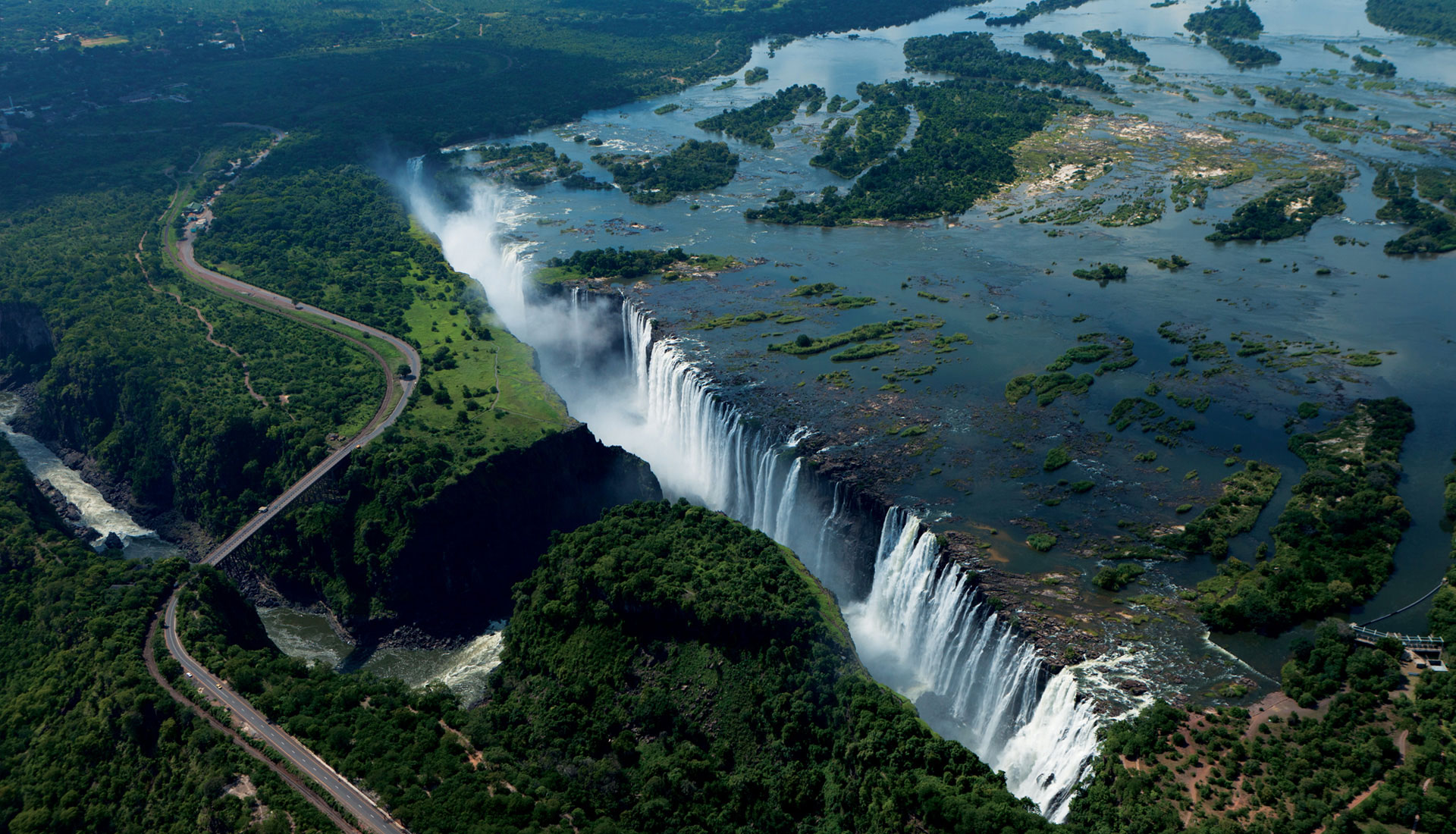
There are few natural spectacles on Earth as humbling, as deafening, and as hypnotically majestic as Victoria Falls. Revered by locals as Mosi-oa-Tunya, meaning “The Smoke That Thunders”, this towering cascade of water—where the Zambezi River plunges over a basalt cliff—has long been considered one of the Seven Natural Wonders of the World. It is not only a marvel of nature but also a powerful symbol of Africa’s awe-inspiring beauty.

Straddling the border between Zambia and Zimbabwe, Victoria Falls divides not just the river but also the perspectives of those who come to witness it. Each side offers distinct experiences, viewpoints, and atmospheres, sparking an ongoing and often passionate debate among travelers: Which side is better—Zambia or Zimbabwe? The answer is not as clear-cut as the spray-filled air that surrounds the falls. It is a tale of two countries, two vantage points, and two entirely different kinds of adventure, serenity, and sensory immersion.

Geographic Positioning: The Framework of the Falls

The Victoria Falls stretch over 1.7 kilometers in width and drop as much as 108 meters into the narrow chasm of the Batoka Gorge. Roughly 75% of this curtain of falling water lies along the Zimbabwean side, while the remaining 25% is viewed from Zambia. But mere geography cannot dictate the better experience. It is the combination of visibility, accessibility, weather influence, and proximity to activities that ultimately shape the visitor’s impression.

From Zimbabwe, visitors are granted a full frontal view of the falls, especially the Main Falls, Devil’s Cataract, and Horseshoe Falls. The panorama is more continuous and dramatic, with multiple viewpoints within the protected boundaries of Victoria Falls National Park. Zambia’s vantage, while shorter in breadth, offers an intimacy that few natural sites can match. During the dry season, when much of Zimbabwe’s side dries up, the Zambian trails descend into the gorge, allowing visitors to approach the rockface and see the geological heart of the waterfall.

The Zimbabwean Experience: Grandeur and Photographic Excellence

There is a sense of timeless majesty when the falls are viewed from Zimbabwe. The network of 16 marked viewpoints along the rainforest trail offers a near-uninterrupted visual engagement with the main curtain of water. Even in the dry season, the Zimbabwean side retains a flow of water through various channels, making it consistently photogenic year-round.

The ambiance here is defined by lush green foliage, birdsong mingled with the roar of the falls, and well-maintained walkways that guide visitors through an immersive botanical and geological encounter. For those seeking the perfect postcard shot, Zimbabwe often delivers it, with frame-worthy angles that capture the full scale and majesty of the spectacle. Furthermore, the infrastructure on this side is more developed, with a wide array of lodges, restaurants, and curated excursions that emphasize comfort and access.

Another critical advantage Zimbabwe holds is the iconic Victoria Falls Bridge, which not only offers dramatic views but also the thrill of bungee jumping, zip-lining, and bridge tours. It is from this bridge that many first see the chasm that divides the two countries—and where the mist lingers in the air like a sacred presence.

The Zambian Experience: Raw Proximity and Thrilling Access

On the Zambian side, Victoria Falls becomes a different kind of experience altogether—more tactile, more intimate, and certainly more adventurous. The paths are fewer and less manicured, but they bring travelers almost face-to-face with the falling water. Here, visitors are not simply observers—they become participants in the raw, thunderous energy of the falls.

During the wet season, the Knife-Edge Bridge becomes the ultimate theatre of immersion. Visitors often find themselves drenched by the powerful spray, walking through a cloud of mist with limited visibility but heightened emotion. It is not a place for cameras, but for connection—an elemental encounter with nature’s sheer force.

Perhaps the most thrilling experience unique to Zambia is the famed Devil’s Pool. During the dry months, a natural rock pool forms at the very lip of the falls, allowing daring visitors to swim just inches from a 100-meter drop. This is one of the most extraordinary photo opportunities in all of Africa, but it also embodies Zambia’s brand of safari-style adrenaline: uncurated, untamed, unforgettable.

The Zambian side also offers access to Livingstone Island, a small landmass at the edge of the precipice from where David Livingstone, the Scottish explorer, first set eyes upon the falls. This side of the river tells a story not just of nature, but of discovery, daring, and reverence.

Wildlife and Activities: A Contrast in Excursion Styles

While both countries provide access to game parks and safari excursions, Zimbabwe’s side leans toward organized tours, day trips, and cultural excursions, often complemented by polished lodges and spas. Visitors can embark on river cruises, visit the Victoria Falls Rainforest, or engage in culinary tours that reflect the warmth and depth of Zimbabwean culture.

Zambia, in contrast, provides a wilder edge. The proximity to the Mosi-oa-Tunya National Park allows for sightings of white rhinos and elephants just minutes from the falls. There’s also an authentic rural feel in Livingstone town, where local craft markets, museums, and community-run projects provide depth to the destination.

Helicopter flights over the falls are available on both sides, but the Zambian flights often cover a larger aerial loop, offering better views of the gorge system and river curves downstream.

The Seasonal Impact: Timing Is Everything

Visitors are often surprised at how dramatically the experience of Victoria Falls changes with the seasons. From February to May, the water volume is at its highest, and the falls become a thunderous white wall, visible even from kilometers away. Zimbabwe’s views during this season are unmatched in scale and spray.

However, from September to December, the Zambian side gains favor. As water levels drop, hidden rock formations, narrow chutes, and natural pools become accessible. The Zimbabwean side becomes drier and less dramatic, while Zambia transforms into a geological wonderland, where the ancient rocks reveal the scars and beauty of a million-year-old drama.

It has been observed that travelers who choose to visit both sides during a single trip—when the borders are open for day crossings—are rewarded with the full spectrum of Victoria Falls: the grandeur, the detail, the fury, and the calm.

Which Side Is Better? The Verdict Lies in Intention

Deciding which side of Victoria Falls is better is ultimately a reflection of what one seeks. Zimbabwe is for those drawn to panoramic views, consistent visibility, and refined accessibility. It offers the full-frame spectacle—the kind that leaves visitors silent in awe. Zambia caters to the adventurer, the experience-seeker, the traveler who wants to stand in the spray, feel the rock beneath their feet, and flirt with the edge of the world.

For travelers with time, the best approach is to embrace both—to walk the trails of Zimbabwe and feel the spray of Zambia, to photograph the grandeur and then swim at its edge. Only then does one begin to grasp the totality of Mosi-oa-Tunya, a place that does not belong to one nation or the other, but to the planet.

Plan the Ultimate Victoria Falls Safari with WildHorn Africa

To unlock the full magic of Victoria Falls, trust in the expertise of WildHorn Africa—a premier safari specialist that designs journeys rooted in authenticity, luxury, and unforgettable moments. Whether standing atop Devil’s Pool in Zambia or sipping wine from a cliffside lodge in Zimbabwe, your adventure will be seamlessly curated with care, knowledge, and passion.

Book your African adventure with WildHorn Africa, and let Victoria Falls show you not just which side is better—but why both sides are truly extraordinary.

Close Menu