search
Top 10 Mozambique Luxury Beach Resorts & Hotels

Top 10 Mozambique Luxury Beach Resorts & Hotels

By Mozambique travel guides, Travel guides, Travel stories and blogs

Top 10 Mozambique Luxury Beach Resorts & Hotels
Where Untouched Shores Meet Unrivalled Elegance

The Allure of Mozambique’s Coastline

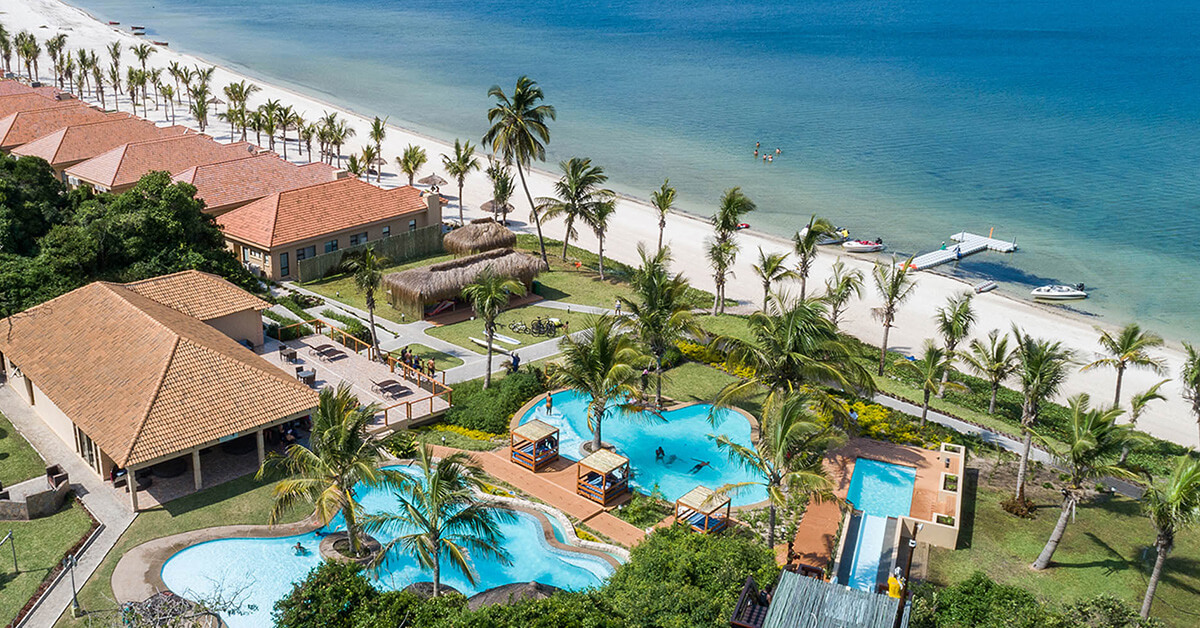
Along the eastern edge of Africa, where the Indian Ocean stretches endlessly into sapphire horizons, Mozambique unveils one of the continent’s best-kept secrets—a coastline carved in perfection, dotted with islands, coral reefs, and beaches so pristine they feel otherworldly. The country’s 2,500 kilometers of unspoiled shoreline remain largely untouched by mass tourism, offering discerning travelers a unique blend of raw natural beauty and discreet luxury.

From the remote islands of the Quirimbas Archipelago to the powder-soft beaches of Bazaruto, Mozambique’s coast hosts some of the most exclusive and enchanting beach resorts in the world. Here, luxury isn’t loud—it’s subtle, soulful, and steeped in intimacy with the environment. The country’s luxury hospitality scene is shaped not only by refined aesthetics but also by a deep respect for nature, local culture, and personalized service. These resorts are not just places to stay—they are sanctuaries of serenity, designed for those who seek to escape the ordinary.

Azura Benguerra Island: Sustainable Luxury in the Bazaruto Archipelago

Set on the shores of Benguerra Island, within a protected marine reserve, Azura Benguerra offers an unparalleled blend of eco-consciousness and indulgence. Crafted by local artisans using sustainable materials, the resort’s beachfront villas embody barefoot luxury. Private plunge pools, butler-hosted service, and direct access to ivory sands define the guest experience.

This island retreat is embraced by turquoise waters teeming with marine life, making it an ideal spot for snorkeling, diving, and dhow sailing at sunset. Yet what elevates Azura beyond the expected is its commitment to conservation and community. Guests are not just visitors—they become participants in a story of preservation, where luxury and legacy walk hand in hand.

Anantara Bazaruto Island Resort: Sophistication with a Wild Edge

On the largest island in the Bazaruto Archipelago lies Anantara Bazaruto, a resort that seamlessly weaves sophisticated elegance with untamed beauty. The thatched-roof villas, spread along the shoreline and hidden among tropical gardens, offer sweeping ocean views and absolute privacy. The architecture pays homage to the land, while the interiors blend coastal calm with refined luxury.

Guests find themselves immersed in experiences that range from horseback riding along the beach to deep-sea fishing and world-class spa therapies. The surrounding waters, part of a protected marine park, promise encounters with dolphins, manta rays, and migrating whales. At Anantara, every moment is designed to awaken the senses, and every detail serves to remind guests of their place within nature’s masterpiece.

White Pearl Resorts Ponta Mamoli: The Jewel of Southern Mozambique

Tucked near the South African border and nestled between lush forest and the Indian Ocean, White Pearl Resorts delivers seclusion wrapped in sophistication. Elevated suites with private decks and plunge pools overlook untouched beachscapes, where the only sounds are the gentle tides and rustling palms.

The resort offers personalized service marked by discretion and warmth, allowing guests to relax into a rhythm dictated by nature. From ocean safaris and turtle nesting excursions to beach picnics and horse rides at sunset, the experiences here evoke both thrill and stillness. It is luxury that listens rather than shouts—crafted not to impress, but to nourish.

Kisawa Sanctuary: Where Architecture Becomes a Love Letter to Nature

Positioned on Benguerra Island, Kisawa Sanctuary stands as one of Mozambique’s newest and most ambitious luxury properties. Designed with cutting-edge sustainability practices and a passion for local craftsmanship, Kisawa brings together innovation, cultural integrity, and natural wonder.

The sprawling private residences feature expansive spaces, shaded courtyards, and seamless indoor-outdoor living. But more than opulence, Kisawa offers purpose-driven luxury—supporting marine research and cultural preservation through its sister organization, the Bazaruto Center for Scientific Studies. It is where architecture surrenders to nature, and where guests are invited not just to witness beauty, but to protect it.

Nkwichi Lodge: Off-the-Grid Paradise on Lake Malawi’s Shores

Though not an oceanfront destination, Nkwichi Lodge on the Mozambican side of Lake Malawi deserves its place among Mozambique’s top luxury beach escapes. Set on secluded, sugar-white beaches and surrounded by ancient baobabs, the lodge offers a freshwater beach experience unlike any other.

Guests arrive by boat, instantly transported to a world without roads, noise, or crowds. The chalets are carved into nature, built with rock, thatch, and timber, and lit by lanterns. Here, luxury is redefined—not by excess, but by purity of experience. The days are filled with kayaking, stargazing, forest hikes, and cultural visits, while the nights are quiet symphonies of lapping water and rustling leaves.

Coral Lodge: Cultural Elegance in Ilha de Moçambique

Near the historic Ilha de Moçambique, a UNESCO World Heritage Site, Coral Lodge invites guests into a setting where history, culture, and luxury intertwine. The lodge’s villas are perched on dunes overlooking pristine beaches and mangroves, each designed to reflect the textures and tones of the surrounding landscape.

Guests are encouraged to explore the island’s colonial architecture, visit centuries-old churches, and discover the blending of African, Arab, and Portuguese heritage. Back at the lodge, the fusion of local flavors and fine cuisine creates a dining experience as rich as the region’s history. Coral Lodge offers more than rest—it offers reconnection through culture and nature.

Mequfi Beach Resort: A Contemporary Haven in Northern Mozambique

On the remote northern coast near Pemba, Mequfi Beach Resort offers modern luxury in a setting of wild serenity. The design is sleek yet unobtrusive, with bungalows and suites opening onto sprawling sands and panoramic ocean views. It is a retreat built for those who value space, silence, and simplicity.

Here, activities unfold gently—sunset dhow cruises, beach yoga, kite surfing, and long, languid swims. The resort’s culinary program combines international techniques with local ingredients, creating meals that are both nourishing and memorable. Mequfi’s elegance lies in its restraint, allowing the landscape to lead and luxury to follow quietly behind.

Ibo Island Lodge: The Romance of the Quirimbas Archipelago

Steeped in history and wrapped in tropical tranquility, Ibo Island Lodge offers a blend of colonial charm and castaway luxury. Located in the Quirimbas Archipelago, the lodge occupies carefully restored 150-year-old mansions with hand-carved doors, coral stone walls, and sweeping verandas.

The experience is equal parts exploration and relaxation. Guided walks reveal the island’s rich Swahili and Portuguese history, while dhow safaris transport guests to secluded sandbars for picnics and snorkeling. At sunset, rooftop terraces come alive with candlelight and conversation. Ibo Island is not just visited—it is felt deeply, leaving an imprint long after departure.

Vamizi Island: Private Indulgence on Mozambique’s Wildest Shores

Though increasingly exclusive, Vamizi Island remains a crown jewel of Mozambique’s luxury beach offerings. Accessible only by private charter, the island’s villas are hidden among the forest, facing one of the most biologically diverse coral reefs in the world.

Each villa is a masterpiece of space, design, and seclusion. Guests enjoy private chefs, personal hosts, and tailor-made activities ranging from diving with reef sharks to yoga on the beach. With only a handful of villas and miles of untouched coastline, Vamizi defines ultimate escapism. It is not just a retreat—it is a reawakening.

Mozambique: A Sanctuary for the Senses

Luxury in Mozambique cannot be confined to thread counts or star ratings. It is measured in the quality of silence, the depth of immersion, and the authenticity of connection. It is where barefoot freedom meets world-class service, and where indulgence is delivered not with grandeur, but with grace. Whether one seeks solitude, adventure, cultural insight, or simply time to breathe, Mozambique’s finest beach resorts provide a canvas upon which unforgettable memories are painted.

Let WildHorn Africa Curate Your Mozambique Escape

For those yearning to explore the serene elegance and coastal wonder of Mozambique, WildHorn Africa stands ready to deliver tailored, immersive, and luxurious travel experiences. With insider knowledge, meticulous planning, and a deep respect for each destination’s essence, WildHorn Africa transforms your holiday into a personalized journey through Africa’s most exquisite hidden gems.

Whether you dream of candlelit dinners under the stars on a private island, diving with dolphins in marine reserves, or waking up to the sound of the sea outside your villa, let WildHorn Africa bring your vision to life.

Book your Mozambique beach holiday with WildHorn Africa—where every detail whispers luxury, and every moment is carved into memory.

Top 10 Best Tarangire National Park Safari Camps & Lodges

Top 10 Best Tarangire National Park Safari Camps & Lodges

By Tanzania travel guides, Travel guides, Travel stories and blogs

Top 10 Best Tarangire National Park Safari Camps & Lodges
Where Wilderness Meets Timeless Luxury in Northern Tanzania

A Hidden Gem in East Africa’s Safari Crown

Tucked in the shadows of its more famous northern neighbors—Serengeti and Ngorongoro—Tarangire National Park remains one of Tanzania’s best-kept secrets, captivating those who seek solitude, raw beauty, and unmatched wildlife spectacle. This park, stretching over 2,850 square kilometers, unfolds like an ancient storybook, filled with massive baobab trees, golden savannahs, and an astonishing density of elephants.

Unlike the well-trodden paths of its more renowned counterparts, Tarangire offers a quieter, more intimate safari experience, drawing in those in search of authenticity and charm. And within this pristine landscape lies a collection of exceptional safari lodges and camps, each blending effortlessly with its environment while providing uncompromising luxury and connection to nature.

To explore Tarangire is to wander through a dreamscape. But to stay in the right place is to feel its soul. Below is an in-depth journey into the top 10 best-value luxury safari lodges and camps in Tarangire National Park, where location, comfort, service, and immersion have been seamlessly woven into unforgettable experiences.

A Sanctuary of Elegance: Chem Chem Lodge

Located in the wildlife-rich corridor between Lake Manyara and Tarangire, Chem Chem Lodge represents the very essence of slow safari philosophy. Privacy, exclusivity, and stillness define the experience here, where eight elegantly appointed suites stretch across a vast private concession. Framed by ancient acacia trees and overlooking Lake Burunge, the lodge invites guests to awaken to the soft sound of birdsong and distant lion calls, far from crowds and distractions.

A sense of timeless luxury pervades the lodge, where every detail—from vintage décor to gourmet dining—speaks of refined taste. The emphasis is on connecting with nature at a personal pace. Bush walks, sunrise hot air ballooning, and conservation-led interactions with local communities enrich the soul, while the expansive suites and spa restore the body. Chem Chem is not just a place to sleep—it is a sanctuary where Africa whispers its secrets.

Intimate Bush Luxury: Tarangire Treetops by Elewana

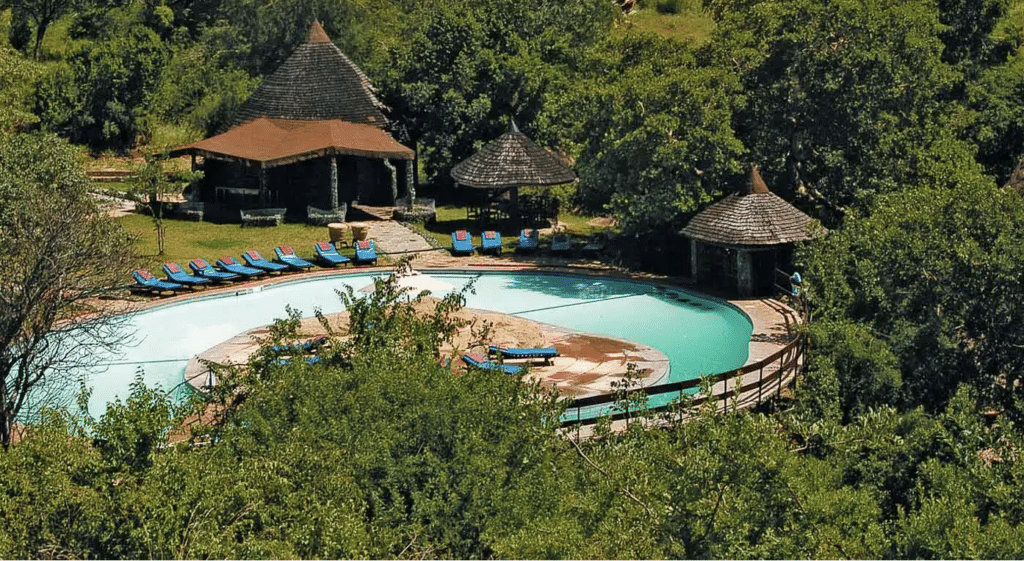
Rising above the woodland canopy on the edge of Tarangire, Tarangire Treetops offers a rare perspective of the African wilderness. Elevated, open-fronted treehouse suites—each perched on platforms wrapped around massive baobab or marula trees—blend rustic design with luxurious features. At dusk, the glowing amber sky is mirrored in the lodge’s infinity pool, while elephants often gather at the lodge’s waterhole just meters away.

This lodge is celebrated for its exceptional service and immersive atmosphere. Candlelit bush dinners, nocturnal game drives, and the soft hum of nocturnal life beneath your feet make this a haven for romantics and adventurers alike. Time slows, senses awaken, and guests are embraced by the quiet grandeur of Tarangire’s wild heart.

Raw and Remote Beauty: Oliver’s Camp by Asilia

Tucked deep within the remote southern region of the park, Oliver’s Camp offers a purist’s safari experience wrapped in understated luxury. This location is celebrated for its rich game density and minimal vehicle traffic, creating an unspoiled setting ideal for wildlife enthusiasts, photographers, and those seeking raw immersion.

The camp consists of spacious canvas suites with indoor and outdoor showers, positioned to capture the movement of wildlife and the songs of nature. Days unfold with thrilling walking safaris and off-road game drives, while evenings are best spent around the campfire sharing stories beneath the African sky. The camp’s close ties to conservation and community initiatives ensure that every guest experience also leaves a positive legacy.

Exclusive Serenity: Little Chem Chem

On a private concession bordering Tarangire, Little Chem Chem offers an elegant yet authentic tented experience. Often described as “a place where time slows down”, this intimate camp focuses on privacy, with just a handful of luxurious tents spaced generously apart. Wildlife roams freely through the concession, and the rhythms of nature set the tone for each day.

Days are shaped by tailored, low-impact safari experiences, including photographic safaris, conservation walks, and rare lion tracking excursions. Evenings feature sundowners overlooking the lake, gourmet dining under lantern light, and the distant trumpeting of elephants in the dark. Guests leave not only rested but profoundly connected to the wild.

Classic Safari Atmosphere: Sanctuary Swala Camp

Sanctuary Swala is situated in one of the most secluded areas of Tarangire, surrounded by giant acacia trees and frequented by herds of elephants, leopards, and lions. Each of the camp’s canvas pavilions is tastefully decorated, combining vintage safari character with sleek modern amenities. An infinity pool, fine dining restaurant, and attentive butler service elevate the experience into pure indulgence.

Wildlife viewing here feels deeply personal. Whether watching elephants gather at the waterhole from the privacy of your tent or spotting lions on a guided game drive, every moment at Sanctuary Swala is delivered with refined comfort and intuitive service, making it an exceptional base for exploring Tarangire’s quieter corners.

Hidden Oasis: Mbali Mbali Tarangire River Camp

Overlooking the Tarangire River, Mbali Mbali Tarangire River Camp is positioned on the park’s boundary, allowing both uninterrupted views of wildlife and easy access to key safari zones. Elevated tented suites, some with private plunge pools, provide stunning river vistas and immersion into Tarangire’s seasonal drama.

The camp offers exceptional value without compromising on quality, blending sustainable practices with personalized attention. Elephants, buffaloes, and antelope are frequently seen from the main deck, and the proximity to the Silale Swamps makes this an ideal base during the dry season when game viewing is at its peak.

Wild Seclusion: Kuro Tarangire by Nomad Tanzania

Nomad Tanzania’s Kuro Tarangire Camp represents the epitome of discreet bush elegance. Set in a remote, game-rich zone near the Tarangire River, the camp is designed with a light ecological footprint and a strong focus on sustainable luxury. Tented suites merge seamlessly with the landscape, and the overall aesthetic is organic, earthy, and calming.

Game drives, guided walks, and cultural visits to nearby communities are curated with care and authenticity. What sets Kuro apart is its commitment to conservation and community involvement, making each guest an active participant in preserving Tarangire’s wild beauty.

Affordable Luxury: Lake Burunge Tented Lodge

Positioned on the western border of Tarangire National Park, Lake Burunge Tented Lodge offers spacious, elevated tents with sweeping views of the lake and the park beyond. The lodge provides affordable comfort and exceptional access to game drive routes, making it ideal for travelers seeking value without compromising experience.

Activities include cultural excursions to nearby villages and guided nature walks in addition to traditional game drives. As flamingos gather along the lake’s edge and giraffes stroll past the veranda, the lodge delivers serenity, wildlife, and cultural connection in one complete package.

Eco-Immersion: Baobab Tented Camp

Baobab Tented Camp sits in one of the park’s most scenic and wildlife-dense areas, surrounded by towering baobab trees and within reach of key wildlife migration routes. The camp is built around eco-friendly principles, using solar power, local materials, and minimal fencing to allow free animal movement and authentic wilderness feel.

Guests enjoy well-appointed tents, warm hospitality, and delicious local cuisine, often under the stars. The focus here is on reconnecting with nature and appreciating Tarangire’s rhythm. Sunrises are quiet and golden, evenings are filled with distant hyena calls, and each day ends with a sense of wonder.

Elegant Simplicity: Maweninga Camp

Perched on a granite kopje with panoramic views over Tarangire and Lake Burunge, Maweninga Camp boasts one of the most breathtaking locations in the park. Its elevated tented suites blend rustic charm with contemporary touches, and the camp’s strategic position allows for exceptional sunsets and stargazing.

Game drives from Maweninga explore both Tarangire’s southern expanse and the quieter northern corridors, offering diverse ecosystems and fewer crowds. Evenings are marked by the glow of lanterns and the soft crackle of firewood, as guests gather to reflect on the day’s sightings.

Where Wilderness Meets Indulgence

Each of these top Tarangire safari lodges and camps tells a different story—of landscape, philosophy, and experience. Whether nestled among baobabs or perched by rivers, whether polished with high-end luxury or rooted in sustainable simplicity, they all offer more than a place to sleep. They offer a window into one of Africa’s richest ecosystems, and a front-row seat to its timeless drama.

Tarangire National Park may not always appear on the first page of a traveler’s bucket list, but once experienced, it leaves a mark deeper than most. Elephants lumbering beneath baobabs, lions stalking the tall grass, and the quiet hush of a lantern-lit dinner in the wild—these moments define Tarangire. But to truly live them, the right lodge can elevate them into legend.

Start Your Safari Journey with WildHorn Africa

Planning a journey to Tarangire requires insight, care, and an understanding of the land’s nuances. With WildHorn Africa, travelers are assured seamless planning, personalized service, and handpicked lodges that reflect the soul of safari. Whether it’s a private family retreat, a romantic escape, or a solo expedition into the heart of the wild, WildHorn Africa designs experiences that resonate long after the dust settles.

To awaken your senses and walk the untamed trails of Tarangire with confidence, book your Tanzania safari with WildHorn Africa—where luxury, wilderness, and authenticity converge in perfect harmony.

10 Best Things to Do in and Around Moshi, Tanzania

10 Best Things to Do in and Around Moshi, Tanzania

By Tanzania travel guides, Travel guides, Travel stories and blogs

10 Best Things to Do in and Around Moshi, Tanzania
Where the Shadows of Kilimanjaro Conceal Endless Wonders

Welcome to Moshi: Tanzania’s Hidden Gem beneath the Great Mountain

In the northeastern corner of Tanzania, where the fertile plains stretch toward the jagged silhouette of Africa’s tallest mountain, a town both vibrant and understated quietly waits to be explored. Moshi, nestled at the foot of the iconic Mount Kilimanjaro, is far more than just a base camp for climbers. It is a cultural, historical, and natural treasure trove, where every path reveals a new adventure and every experience unfolds with authentic African charm.

Unlike the bustle of Arusha or the chaos of larger cities, Moshi thrives on a more intimate scale. The pace here is measured, the people warmly hospitable, and the surrounding landscapes breathtaking in their variety. From the thrill of volcanic trails to the serenity of hidden waterfalls, from immersive cultural encounters to encounters with untamed wildlife, Moshi offers a spectrum of experiences that surprise and delight even the most seasoned travelers.

As the gateway to Kilimanjaro, it is often hurriedly passed through by those seeking the summit. Yet, those who pause and linger are rewarded with a region rich in character, nature, and tradition. The following are the ten best things to do in and around Moshi—not merely activities, but transformative experiences that etch themselves into memory.

Climbing the Mythical Mount Kilimanjaro

At the heart of every Moshi itinerary lies the magnetic presence of Mount Kilimanjaro, Africa’s highest peak and the world’s tallest free-standing mountain. Rising to 5,895 meters, it dominates not just the skyline, but the spirit of the town itself. While the mountain can be admired from the town’s cafes, gardens, and rooftops, the true essence of Kilimanjaro can only be felt on its trails.

Climbing Kilimanjaro is more than a physical challenge—it is a spiritual undertaking, a test of endurance and willpower, traversing through five ecological zones, from dense rainforest to alpine desert and, finally, to the ice-capped summit. Routes such as Machame, Lemosho, and Marangu have each drawn adventurers seeking the moment when dawn breaks over Uhuru Peak, bathing the world in golden silence.

Even for those not climbing to the summit, shorter hikes on the lower slopes or nature walks through the rainforest offer an intimate taste of the mountain’s majesty, often accompanied by glimpses of monkeys, exotic birds, and towering ancient trees.

Exploring the Culture of the Chagga People

Beneath the grandeur of Kilimanjaro lies the cultural heart of Moshi: the land of the Chagga people, who have inhabited the slopes of the mountain for centuries. Their traditions, customs, and stories are deeply entwined with the environment, and learning about them provides a deeper understanding of life on and around the mountain.

Visits to Chagga villages unveil the intricacies of daily life, from traditional banana farming and coffee cultivation to age-old culinary practices. In these communities, hand-dug caves once used for protection during tribal conflicts still remain, offering insight into the region’s layered past. Guided tours often include storytelling sessions, local dances, and hands-on involvement in coffee preparation—from bean to cup—a process deeply symbolic to the Chagga people.

This cultural immersion is not merely observational; it is participatory, sincere, and profoundly human.

Unwinding at Materuni Waterfalls

Just a short drive from Moshi, tucked within the green folds of the mountain’s foothills, the Materuni Waterfalls cascade with ethereal grace. These falls, nearly 90 meters tall, are surrounded by dense tropical vegetation, creating a natural amphitheater of sound and mist.

The journey to Materuni requires a short trek through Chagga farmlands and lush forest trails. Along the way, travelers are greeted with panoramic views of the Kilimanjaro massif, village children calling cheerfully from fields, and a variety of endemic flora. The reward is an invigorating swim in the crystal-clear plunge pool below the falls—a moment of serenity that contrasts beautifully with the energetic hike.

Nearby coffee farms add another dimension to the experience, offering tastings and stories that further ground visitors in the richness of the land.

Relaxing in the Kikuletwa Hot Springs

Also known as Chemka Hot Springs, these turquoise pools in the middle of a semi-arid landscape provide a surreal escape from the dust and heat. Fed by underground volcanic springs, the waters remain delightfully warm, clear, and inviting year-round.

Surrounded by fig trees and the chatter of monkeys, the Kikuletwa Hot Springs offer both recreation and relaxation. Rope swings, submerged tree roots, and shaded picnic spots create a playful, rejuvenating atmosphere. Despite their off-the-beaten-path location, they have become a cherished detour for those seeking a therapeutic dip in naturally filtered geothermal waters.

The drive itself, through villages and savannah, offers a window into rural Tanzanian life and sets the tone for an unhurried, authentic adventure.

Discovering Local Flavors at Moshi’s Markets

To understand a town’s soul, one must visit its markets—and Moshi’s central market delivers a vivid portrait of Tanzanian life in full color and aroma. The narrow walkways brim with fresh produce, handcrafted wares, spices, and textiles, while vendors call out in Swahili, smiling broadly at foreign curiosity.

Exploring the market is a sensory feast. The scent of ripe mangoes mingles with roasted maize and grilled meat. The hum of commerce fills the air, and the rhythm of life unfolds in its most unfiltered form. Traditional herbalists, cobblers, and seamstresses work side by side in an open-air mosaic of enterprise and community.

Sampling street food—from roasted plantains to beef skewers—completes this deep dive into local identity, ensuring that the flavors of Moshi linger long after departure.

Witnessing Sunrise or Sunset over Kilimanjaro

Few experiences compare to watching the sun break or retreat behind the peak of Mount Kilimanjaro. Whether viewed from a rooftop bar in Moshi town or from the nearby countryside, the mountain’s shifting hues create an atmosphere of reverence and awe.

In the early morning, as the mist lifts and the glaciers catch the first light, Kilimanjaro glows with a quiet majesty. At dusk, its silhouette becomes a shadow against fiery skies. These moments are often accompanied by a stillness that encourages reflection—a rare kind of peace found only in nature’s grandest settings.

These scenes are not curated or scripted. They simply happen, each day, as if reminding travelers that the greatest beauty requires no fanfare.

Biking through Rural Landscapes

Cycling tours around Moshi offer a unique and environmentally friendly way to explore the surrounding region. Winding through coffee plantations, banana groves, and rustic villages, these excursions allow for spontaneous encounters and unfiltered views of rural life.

The trails, often guided by local cyclists, showcase the gentle rhythms of Tanzanian countryside, where goats graze beneath acacia trees and women carry harvests on their heads with effortless grace. Depending on the route, the journey may pass through wildlife corridors, community farms, or even cultural heritage sites.

This slower pace reveals the subtleties that are often missed by cars or buses—moments of real connection with the land and its people.

Visiting Rau Forest Reserve

On the outskirts of Moshi lies the lesser-known but ecologically significant Rau Forest, a remnant of once-vast indigenous woodlands. Though modest in size, the reserve harbors unique biodiversity, including blue monkeys, bush babies, and an array of bird species.

Walking trails weave beneath towering fig trees and strangler vines, occasionally opening into sun-dappled clearings. For those seeking a quieter, more contemplative nature experience, Rau Forest offers a beautiful contrast to the high drama of Kilimanjaro and the savannah.

Educational initiatives within the forest also highlight conservation efforts, local reforestation programs, and the cultural significance of certain sacred trees to the Chagga people.

Adventuring at Lake Chala

Perched on the border between Tanzania and Kenya, Lake Chala is a volcanic caldera filled with sapphire-blue water and surrounded by ancient crater walls. It feels worlds away from the towns and highways of Kilimanjaro.

Swimming in the lake is permitted, though its deep waters demand caution. Kayaking and lakeside hiking are popular alternatives, offering different perspectives of this unique ecosystem. Wildlife, including baboons and monitor lizards, often make appearances along the shore.

The tranquility of Lake Chala, punctuated by bird calls and gentle breezes, provides a perfect finale or retreat from the more strenuous parts of a Tanzanian journey.

Making the Most of Your Moshi Experience with WildHorn Africa

Though Moshi is often seen as merely a gateway to Mount Kilimanjaro, its surroundings offer a rich canvas of adventure, culture, and natural beauty waiting to be explored. From the misty trails of its waterfalls to the ancient traditions of the Chagga people, from geothermal springs to volcanic lakes, this region reveals itself slowly, generously, and with unmistakable authenticity.

For travelers ready to embrace the full depth of Moshi’s experiences, it is recommended that their Tanzanian journey be entrusted to the seasoned professionals of WildHorn Africa. With a deep knowledge of the region and a passion for creating unforgettable, sustainable safaris, WildHorn Africa ensures that each itinerary is more than a trip—it is a story worth telling for a lifetime.

To begin your adventure in Moshi and beyond, booking your African tours and safaris through WildHorn Africa will not only elevate the experience, but also connect you with the soul of Tanzania in a way few others can.

Top 9 Best Things To Do in Arusha

Top 9 Best Things To Do in Arusha

By Tanzania travel guides, Travel guides, Travel stories and blogs

Top 9 Best Things To Do in Arusha
Explore the Beating Heart of Tanzania’s Northern Safari Circuit

The Gateway to Adventure Awaits

Nestled at the foothills of Mount Meru, with the majestic Mount Kilimanjaro watching over from a distance, Arusha is far more than just a stopover for safari-goers. It is a vibrant city rich in culture, brimming with history, and surrounded by awe-inspiring landscapes. Often referred to as the safari capital of Tanzania, Arusha serves as the launchpad into the country’s northern circuit of legendary national parks—Serengeti, Ngorongoro, Tarangire, and Lake Manyara. But to pass through Arusha without truly exploring it would be to miss out on the essence of what Tanzania offers beyond the wilderness.

This energetic city and its lush highland surroundings invite travelers into a world where tradition meets modernity, and where nature and culture coexist harmoniously. From bustling markets to serene coffee plantations, from museums that echo Tanzania’s complex past to natural wonders that ignite the imagination, Arusha delivers a layered and enriching travel experience.

Immersing in the Pulse of Local Life at Arusha Central Market

To understand Arusha, one must first walk through its beating heart: the Arusha Central Market. This sprawling, colorful, and chaotic marketplace is a sensory explosion. Here, the scent of spices mingles with the aroma of fresh tropical fruits, the chatter of vendors rises like song, and handwoven fabrics wave in the breeze like vibrant flags.

It is within this environment that the culture of the city is most vividly felt. Locals haggle and barter not only as a transaction but as an art form. This is the ideal place to discover the rich culinary ingredients of Tanzania, from cassava and maize to fiery chili and aromatic cardamom. But the market offers more than goods—it offers a window into the rhythm of daily life, revealing a city that lives with purpose and passion.

Discovering Tanzania’s Story at the Arusha Declaration Museum

Beyond its economic activity, Arusha holds a pivotal place in Tanzania’s historical and political landscape. Nowhere is this more evident than at the Arusha Declaration Museum, where the legacy of President Julius Nyerere and the country’s struggle for unity and independence is preserved with dignity and depth.

This museum is not a sterile hall of facts; it is a monument to a vision. Exhibits capture the essence of the Arusha Declaration of 1967, which outlined the principles of African socialism, self-reliance, and social justice. Visitors are guided through the formative stages of Tanzania’s identity, gaining a deeper understanding of the philosophies that shaped a nation. It is a thought-provoking experience, reminding guests that travel is not only about the places one sees but also the ideologies and histories that shape them.

A Glimpse into the Wild at Arusha National Park

Just a short drive from the city center lies one of Tanzania’s most underrated treasures: Arusha National Park. While often overlooked in favor of the larger parks to the west, this protected area presents a microcosm of Tanzania’s diverse ecosystems. It is a place where wildlife and mountain scenery converge in breathtaking harmony.

Towering above the park is Mount Meru, Africa’s fifth-highest peak and a striking, lesser-known alternative to Mount Kilimanjaro. The park’s landscapes range from alpine forests and crater lakes to open savannahs dotted with giraffes, zebras, and colobus monkeys. Canoe safaris on Momella Lakes, guided walking safaris with armed rangers, and scenic hikes to waterfalls allow for a more intimate engagement with nature—an experience rooted in serenity and immersion rather than scale.

Wandering Through the Cultural Heritage Centre

Art, identity, and craftsmanship converge at the Cultural Heritage Centre, a landmark that stands as both a gallery and a celebration of Africa’s rich artistic traditions. Shaped like a giant drum and shield, the structure itself is an architectural ode to African heritage. Inside, a curated treasure trove of paintings, sculptures, beadwork, and tribal artifacts awaits.

This is not a conventional tourist shop. It is a cultural journey, with pieces representing the expressions of more than 120 Tanzanian tribes. The center also serves as a vital platform for local and regional artists to showcase and preserve their heritage. Visitors do not merely view art—they connect with stories, legacies, and the deeply personal voices of creators.

Ascending Mount Meru for the Ultimate Climb

For those seeking high-altitude adventure, Mount Meru offers an exhilarating yet often underappreciated trekking experience. Rising to 4,566 meters above sea level, it may not rival Kilimanjaro’s fame, but it boasts its own dramatic beauty and biodiversity. The climb unfolds through dense rainforests, moorlands, and alpine deserts, each ecosystem offering distinct flora and fauna.

Unlike Kilimanjaro, Meru’s trails are quieter, its camps more secluded, and the vistas arguably more dramatic—particularly the sunrise over the crater rim, illuminating the plains far below. Climbers are often rewarded with sightings of buffalos, giraffes, and even leopards on the lower slopes. Beyond the physical challenge, the trek becomes a spiritual ascent, a slow and silent communion with the mountain and one’s inner resilience.

Experiencing the Aroma and Tradition of Arusha’s Coffee Plantations

Arusha’s surrounding highlands are blessed with fertile volcanic soil, making them ideal for growing some of East Africa’s finest Arabica coffee. Hidden among the green hills are numerous family-owned coffee estates, where the journey from bean to cup is revealed in rich, aromatic detail.

Visitors to these plantations are guided through the entire process—from harvesting and roasting to grinding and brewing, often followed by freshly prepared cups enjoyed amidst the plantations. But more than a caffeine fix, these tours offer insight into sustainable farming practices, generational knowledge, and the livelihood of local communities. The coffee tells a story—not just of beans, but of place, patience, and people.

Connecting with Indigenous Traditions at a Maasai Village

While Arusha is modernizing rapidly, its soul remains deeply intertwined with indigenous cultures, particularly the Maasai people, whose presence in the region stretches back generations. A visit to a Maasai boma (village) offers a respectful and meaningful opportunity to understand their way of life, spiritual beliefs, and enduring traditions.

Guests are welcomed with song and dance, led through traditional huts, and introduced to the customs of cattle keeping, beadwork, and oral storytelling. It is an experience that emphasizes cultural exchange over tourism, allowing for authentic conversations and moments of connection that transcend language. The dignity of the Maasai culture remains intact, and visitors leave not just informed, but transformed.

Exploring Meserani Snake Park and the Hidden Wonders of Reptilian Life

One of Arusha’s more unique attractions, the Meserani Snake Park, lies just outside the city and offers a fascinating—and often misunderstood—look at Africa’s reptiles. Home to an array of venomous and non-venomous snakes, crocodiles, lizards, and tortoises, the park educates visitors about the crucial ecological roles these creatures play.

Beyond the reptiles, the park hosts a small but informative Maasai cultural museum, as well as offering camel rides and birdwatching in the surrounding area. It’s a place where fear is replaced by knowledge, and where the intricate web of life—scaly, feathered, or fanged—is celebrated in full.

Unwinding with Local Cuisine and Rooftop Views in Arusha City

After a day of exploration, the best way to conclude is to relax in one of Arusha’s rooftop lounges or garden restaurants, where panoramic views stretch to the mountains and the city hums gently below. Dining in Arusha is an experience in itself, blending Swahili spices, Arab influences, and fresh, locally sourced ingredients.

From grilled nyama choma to fragrant pilau and freshly pressed sugarcane juice, every meal becomes a cultural discovery. Restaurants and cafés in Arusha provide not only sustenance but space to reflect—to absorb the vitality of the city, the memories of adventure, and the quiet excitement of what lies ahead.

Let Arusha Be the Beginning of Your African Story

To explore Arusha is to touch the many faces of Tanzania—its natural grandeur, its historical depth, its cultural pride, and its modern-day vibrancy. It is not merely a departure point for safaris; it is a destination of depth and discovery. Whether standing on the slopes of Meru, sipping coffee on a misty plantation, or exchanging smiles with Maasai elders, one realizes that Arusha holds within it the essence of the African spirit.

Book Your Arusha Adventure with WildHorn Africa

For travelers seeking not just a trip, but a transformative African journey, look no further than WildHorn Africa. With unmatched expertise, tailored experiences, and a passion for authentic exploration, WildHorn Africa turns your dreams into expertly crafted realities.

From Arusha’s soulful streets to the plains of Serengeti, from highland coffee fields to ancient cultural encounters, let WildHorn Africa guide you through every unforgettable moment.

Start your East African adventure with WildHorn Africa—where every journey tells a story.

Top 10 Conservancies in Kenya

Top 10 Conservancies in Kenya

By Kenya travel guides, Travel guides, Travel stories and blogs

Top 10 Conservancies in Kenya
Where Wilderness Thrives Beyond Boundaries

A Land Reimagined: Kenya’s Conservancy Revolution

In the heart of East Africa, where ancient landscapes meet untamed wildlife, Kenya has emerged not just as a classic safari destination but as a global pioneer in community-based conservation. The iconic national parks—from the savannahs of Maasai Mara to the rugged peaks of Mount Kenya—have long drawn travelers seeking Africa’s soul. Yet, beyond these celebrated public lands lies a newer, more progressive story of ecological guardianship: Kenya’s private and community conservancies.

Unlike traditional parks, conservancies are carefully designated tracts of land managed through partnerships between private stakeholders, local communities, and conservation NGOs. Their model redefines how tourism, conservation, and local livelihoods can coexist—offering protection for critical ecosystems while delivering direct economic benefits to the people who live alongside the wildlife.

These conservancies offer far more than just a safari; they promise intimate, crowd-free, deeply immersive experiences, where guests can walk, track, and even engage with local communities without the confines imposed in public parks. It is within these vital conservation corridors that Kenya’s wildlife still flourishes—and where guests are invited not only to observe but to participate in a larger ecological legacy.

Ol Pejeta Conservancy: A Stronghold for Species Survival

Nestled against the backdrop of Mount Kenya’s snow-capped peaks, Ol Pejeta Conservancy stands as a beacon of conservation excellence and innovation. Once a colonial cattle ranch, this 90,000-acre reserve has evolved into one of Africa’s most impactful wildlife sanctuaries. It holds the world’s last two remaining northern white rhinos, protected under 24/7 armed surveillance, while also being home to East Africa’s largest population of black rhinos.

Beyond rhino conservation, Ol Pejeta is famed for its wildlife density, including the Big Five, and a unique blend of cattle ranching and wildlife management. Guests are not limited to game drives but are invited into conservation programs, from lion tracking to visiting the Sweetwaters Chimpanzee Sanctuary. It is a place where science, tourism, and community benefit converge, making every visitor an active participant in Africa’s future.

Lewa Wildlife Conservancy: Where Legacy Meets Landscape

As one of the earliest conservancies in Kenya, Lewa Wildlife Conservancy has played a transformative role in shaping conservation philosophy throughout East Africa. Located in northern Kenya’s Laikipia region, Lewa began as a cattle ranch before being converted into a rhino sanctuary in the 1980s. Today, it encompasses over 60,000 acres of protected land and serves as a UNESCO World Heritage Site.

Its significance lies not only in biodiversity but in community integration. Lewa supports over 60,000 people through healthcare, education, and sustainable agriculture initiatives. Visitors experience unparalleled sightings of Grevy’s zebras, black rhinos, and elephants in landscapes that oscillate between open plains and forested valleys.

Here, wildlife thrives not because of isolation but because of inclusion, and guests leave with more than memories—they leave with understanding.

Naboisho Conservancy: A Sanctuary Born of Partnership

Adjacent to the famed Maasai Mara Reserve lies Naboisho Conservancy, a model of shared stewardship between local Maasai landowners and tourism operators. This 50,000-acre conservancy was carved from community land to reduce the pressures of over-tourism while ensuring that Maasai families directly benefit from wildlife tourism.

The result has been a remarkable success. With controlled visitor numbers and high-caliber lodges, Naboisho offers more exclusive wildlife encounters than the public Mara. Lions roam freely in impressive numbers, and sightings of cheetahs and elephants are common.

Naboisho’s strength is not just in its biodiversity but in its philosophy. It demonstrates that conservation must begin with respect for culture and land ownership, setting a benchmark for what ethical tourism can accomplish.

Mara North Conservancy: The Soul of the Maasai Mara

Forming one of the most wildlife-rich regions in the Greater Mara Ecosystem, Mara North Conservancy is often seen as the Mara’s most prestigious private conservancy. Established as a collective of over 800 Maasai landowners and safari camps, it spreads across 74,000 acres of prime savannah.

Its exclusivity is its hallmark. Only guests staying within the conservancy may traverse its lands, ensuring low vehicle density and serene animal encounters. Night drives, walking safaris, and off-road exploration are permitted here—giving a sense of wild freedom not allowed in the national reserve.

But perhaps what sets Mara North apart is its role in preserving cultural heritage. Income generated supports the Maasai community, while cultural exchanges allow travelers to connect deeply with Kenya’s ancestral rhythms.

Olare Motorogi Conservancy: Privacy and Predator Paradise

Located north of the Maasai Mara Reserve, Olare Motorogi Conservancy is famed for its dramatic landscapes and high concentration of big cats, especially lions. Formed through a partnership between the Maasai landowners and five tourism operators, the conservancy spans 33,000 acres and is known for its elite, low-impact tourism model.

With just a handful of camps operating within it, guests enjoy unrivaled privacy and exclusivity. The ecosystem supports an astounding array of wildlife, from elephants and buffaloes to leopards and cheetahs, often seen in near solitude.

This conservancy has become synonymous with luxury, conservation integrity, and intimate safari experiences, proving that when tourism is done responsibly, the rewards are shared by all.

Borana Conservancy: A Harmonious Landscape of Livestock and Lions

Tucked into the rolling foothills of Mount Kenya, Borana Conservancy is a family-owned conservation success story, balancing wildlife preservation with sustainable livestock farming. Covering over 32,000 acres, Borana is part of the larger Lewa-Borana landscape that forms one of East Africa’s largest continuous rhino habitats.

Borana’s philosophy hinges on harmony: between people, wildlife, and landscape. Visitors here are welcomed into working ranches, community schools, and anti-poaching units—offering a rare look into how conservation works on the ground. Activities extend far beyond game drives to include horse riding, mountain biking, and conservation education.

It is a place where every visit fuels the engine of change, empowering communities while safeguarding nature.

Sera Conservancy: A Landmark in Community-Led Rhino Conservation

Deep in Kenya’s northern frontier, where semi-arid landscapes stretch toward the horizon, Sera Conservancy has made history by becoming the first community conservancy in Africa to reintroduce black rhinos. Established under the Northern Rangelands Trust, this rugged wilderness is owned and managed entirely by local Samburu communities.

Guests can track rhinos on foot—a thrilling and humbling experience guided by expert rangers. The conservancy is also home to elephants, gerenuks, and predators, supported by eco-lodges that pour their earnings directly back into community development.

At Sera, community ownership is not just a principle—it is the very lifeblood of conservation.

Loisaba Conservancy: Innovation in the Wild

Spanning 57,000 acres of pristine wilderness in Laikipia, Loisaba Conservancy combines advanced conservation technology with traditional knowledge systems. Managed by the Nature Conservancy, it’s known for its innovative use of data in wildlife monitoring and its commitment to resilience in a changing climate.

Guests here can spot wild dogs, giraffes, and even elusive leopards, often from luxurious safari tents or the famous Loisaba Star Beds—outdoor platforms where visitors sleep beneath the cosmos. With working ranches, anti-poaching units, and cutting-edge research facilities, Loisaba is not just a safari—it’s a vision of the future.

It offers a rare glimpse into how science and wilderness can collaborate to preserve Africa’s great herds and habitats.

Ol Kinyei Conservancy: The Quiet Heart of the Mara

Often described as the most peaceful corner of the Maasai Mara ecosystem, Ol Kinyei Conservancy covers 18,000 acres of exclusive wilderness, set aside by Maasai landowners for conservation. It remains one of the few areas where guests are guaranteed a crowd-free experience with abundant wildlife.

With only two permanent camps, Ol Kinyei feels deeply personal. Morning walks, sundowners overlooking valleys, and full-day explorations allow travelers to feel as if they are part of the landscape. The conservancy supports Maasai employment and community projects, reinforcing the belief that preservation and prosperity must go hand in hand.

Kenya’s Conservancies: Africa’s Greatest Safari Secret

While Kenya’s national parks continue to dazzle with their scale and splendor, the country’s conservancies reveal a more nuanced, personal, and forward-looking safari experience. These protected areas embody a philosophy that views wildlife as a shared heritage and tourism as a force for good.

They are not merely destinations—they are living ecosystems shaped by the people who depend on them and protected by those who understand their value. Here, safaris go beyond sightseeing to become acts of participation, education, and empowerment.

Embark on the Ultimate Safari with WildHorn Africa

Whether it’s tracking lions on the golden plains of Naboisho, sleeping under the stars in Loisaba, or walking with rhinos in Sera, Kenya’s conservancies promise unmatched adventures that blend exclusivity with purpose. And with WildHorn Africa, those journeys are curated with expert insight, ethical partnerships, and a deep passion for Africa’s landscapes and people.

Book your safari with WildHorn Africa and discover Kenya’s conservancies—not just as a traveler, but as a vital part of Africa’s conservation legacy.

Gorilla Trekking: Uganda Versus Rwanda, Which Is Better?

Gorilla Trekking: Uganda Versus Rwanda, Which Is Better?

By Rwanda travel guides, Travel guides, Travel stories and blogs, Uganda travel guides

Gorilla Trekking: Uganda Versus Rwanda, Which Is Better?
Unveiling the Great Primate Adventure in Africa’s Wild Heart

A Legendary Encounter Awaits

Few wildlife experiences on Earth rival the heart-stirring moment of coming face-to-face with a mountain gorilla in its natural habitat. In the mist-veiled forests of East Africa, these gentle giants—critically endangered and fiercely protected—have found sanctuary in two extraordinary countries: Uganda and Rwanda. Here, dense jungles echo with birdsong, tangled vines drape ancient trees, and in the stillness of morning, a gorilla family may quietly appear from the undergrowth, their eyes meeting yours with unsettling familiarity.

For those drawn to this primal journey, a question inevitably arises: Uganda or Rwanda—where is gorilla trekking truly better? Each destination boasts its own allure, shaped by geography, logistics, cost, and experience. To answer this with clarity, one must look beyond the surface and into the real depth of what defines a gorilla trekking adventure.

Gorilla Trekking in Uganda: The Wild and Immersive Journey

In Uganda, gorilla trekking is offered primarily in two regions: Bwindi Impenetrable National Park and the Mgahinga Gorilla National Park. Bwindi, the more renowned of the two, is a UNESCO World Heritage Site—a labyrinth of biodiversity, cloaked in mist and mystery. Within its rugged terrain lie approximately half of the world’s remaining mountain gorillas. The forest is ancient, thick with tangled vegetation and steep ridges that test both endurance and spirit.

Trekking in Uganda is often described as more challenging yet deeply rewarding. The trails are longer, the terrain more varied, and the gorilla families more spread out. However, these very factors contribute to a raw and immersive wilderness experience, often lasting several hours, sometimes through thick foliage and undulating terrain. The moment a gorilla group is found, all fatigue is forgotten as one witnesses intimate interactions—a mother cradling her infant, a silverback watching silently, the gentle sounds of a family going about their day.

Uganda also offers a rare opportunity known as the Gorilla Habituation Experience. Unlike standard treks, where visitors spend a strict one hour with the gorillas, the habituation experience allows up to four hours in the presence of a group that is being slowly acclimated to human presence. It is a deeper, more scientific and observational engagement, ideal for those seeking extended and meaningful encounters.

Gorilla Trekking in Rwanda: Refined, Accessible, and Efficient

Rwanda’s gorilla trekking takes place exclusively in Volcanoes National Park, a dramatic landscape of dormant volcanoes, mossy trees, and high-altitude bamboo forests. The experience here is known for being more accessible and physically manageable, with many of the gorilla families located within a relatively short hiking distance from the trailheads.

The infrastructure in Rwanda is widely considered more developed and luxury-oriented. Roads from the capital, Kigali, are smooth and well-maintained, allowing travelers to reach Volcanoes National Park in under three hours—making same-day treks possible and appealing to high-end travelers or those on a tighter schedule. Lodges in the region, such as Singita and One&Only, reflect Rwanda’s conscious pivot toward ultra-luxury ecotourism, with a focus on comfort, exclusivity, and conservation.

While the trek might be physically easier, the emotional resonance remains powerful. The gorillas in Rwanda are well habituated, and viewing conditions are often excellent, allowing for unobstructed photographs and closer interactions. The experience is highly organized, with professional guides and stringent protocols, creating a polished encounter that appeals to travelers seeking a seamless and premium adventure.

Cost and Permit Prices: A Defining Difference

One of the most significant differences between Uganda and Rwanda is the price of the gorilla trekking permits. Rwanda’s permit stands at a considerably higher cost, positioning the experience as a luxury product designed for conservation funding and high-end tourism. Uganda, by contrast, offers a more affordable permit without sacrificing the richness of the experience.

This price gap can be a determining factor for many travelers. In Uganda, the lower cost allows greater flexibility to combine the gorilla trek with other adventures—such as game drives in Queen Elizabeth National Park, boat safaris along the Kazinga Channel, or even chimpanzee trekking in Kibale Forest. The overall travel budget can thus accommodate a broader itinerary without diminishing quality.

While Rwanda’s higher pricing helps fund conservation and local community development, it may also limit the trek to a smaller audience. However, for those able to afford it, the refinement and ease of access make it a compelling choice, especially for short trips.

Scenic Diversity and Wildlife Extensions

Uganda offers a compelling advantage in terms of scenic and ecological variety. Beyond gorillas, its national parks teem with classic African wildlife—lions, elephants, hippos, and leopards. Visitors can enjoy traditional safaris in the savannah, river cruises along crocodile-filled waterways, and hikes to the thunderous Murchison Falls. The landscape shifts dramatically between regions—rolling hills, crater lakes, rainforests, and expansive wetlands—creating a holistic and diverse safari circuit.

Rwanda, while more compact, is rapidly expanding its wildlife offering. The reintroduction of lions and rhinos to Akagera National Park and the rich chimpanzee population of Nyungwe Forest reflect Rwanda’s ambition to create a “Big Five” safari experience. However, given its smaller size, the diversity of experiences is more limited compared to Uganda’s multi-layered options.

Cultural Connection and Conservation Ethos

Both Uganda and Rwanda have placed conservation at the heart of their tourism strategies, but they manifest it differently. Rwanda’s approach is centralized and state-directed, resulting in streamlined policies, high-impact community programs, and tightly regulated visitor numbers. The tourism model is designed to deliver luxury with purpose—contributing significantly to reforestation, anti-poaching, and community empowerment.

Uganda, on the other hand, presents a grassroots-driven conservation model, with numerous partnerships between local communities, NGOs, and government entities. Cultural engagement is deeply woven into the trekking experience—visitors often interact with Batwa communities, local guides, and community-run initiatives, enriching their understanding of the human-gorilla relationship. The experience in Uganda tends to feel more personal, less formal, and culturally immersive.

Accessibility and Travel Logistics

For ease of travel, Rwanda holds a logistical edge. With its modern airport in Kigali and the short drive to Volcanoes National Park, travelers can fly in and out within a few days. This makes Rwanda ideal for weekend getaways or business travelers seeking a swift nature immersion.

Uganda’s trekking regions, especially Bwindi, require longer travel times by road or expensive internal flights, often taking a full day to reach. However, this journey unveils some of the most dramatic and untouched landscapes in East Africa, making the trip itself part of the adventure. The remoteness of Uganda’s gorilla regions fosters a sense of discovery and authenticity that is unmatched.

So, Which Is Better? The Verdict Is in the Experience

Choosing between gorilla trekking in Uganda or Rwanda is not a matter of better or worse, but rather one of travel personality and purpose. Those seeking wilderness immersion, affordability, and cultural depth may find Uganda’s offering unbeatable. The treks are adventurous, the rewards are great, and the broader safari circuit is immensely fulfilling.

Travelers desiring ease of access, polished luxury, and high-end sustainability may be drawn to Rwanda, where the experience is beautifully choreographed yet no less emotional. The shorter treks and elegant lodges make it a haven for discerning travelers who prefer comfort without compromise.

Ultimately, the gorilla encounter itself—whether in Uganda or Rwanda—is profoundly humbling. The shared gaze with a silverback, the quiet rustle of forest leaves, and the knowledge that such a moment supports vital conservation efforts are what make this journey unforgettable.

Embark on Your Primate Adventure with WildHorn Africa

Regardless of destination, planning a gorilla trekking safari requires expert knowledge, local insight, and a trusted partner to navigate permits, logistics, and accommodation. WildHorn Africa stands as that partner, committed to crafting bespoke gorilla trekking experiences in both Uganda and Rwanda.

With a network of luxury eco-lodges, expert guides, and conservation-first travel ethos, WildHorn Africa ensures that your journey is immersive, meaningful, and seamlessly executed. Whether you dream of scaling the misty trails of Bwindi or walking the emerald slopes of the Virungas, WildHorn Africa is ready to turn your dream into reality.

Book your African primate safari today with WildHorn Africa—where passion meets the pulse of the wild.

Top 10 Best Zimbabwe Luxury Safari Camps & Lodges

Top 10 Best Zimbabwe Luxury Safari Camps & Lodges

By Travel guides, Travel stories and blogs, Zimbabwe travel guides

Top 10 Best Zimbabwe Luxury Safari Camps & Lodges
Where Untamed Beauty Meets Unmatched Elegance

The Heart of Southern Africa’s Wild Majesty

Nestled in the soul of Southern Africa, Zimbabwe stands as one of the continent’s most captivating safari destinations. Often overshadowed by its more publicized neighbors, it remains an unspoiled gem—a country of vast wilderness, thundering waterfalls, and raw, soulful beauty. Beyond the grandeur of Victoria Falls lies an awe-inspiring world where untamed national parks cradle the most refined expressions of luxury. Here, opulence and wilderness coexist, offering discerning travelers not just comfort, but a deeply immersive journey into Africa’s wild heart.

Luxury safaris in Zimbabwe aren’t defined merely by plush furnishings or gourmet cuisine. Instead, they are shaped by the power of location, exquisite design blending with the natural world, and an unwavering commitment to conservation and authenticity. The top camps and lodges in Zimbabwe don’t just host guests—they awaken them to Africa’s soul, infusing every sunrise, game drive, and silent starlit night with purpose and presence.

Matetsi Victoria Falls: Elegance on the Edge of Thunder

Set on a vast private reserve near the world-famous Victoria Falls, Matetsi Victoria Falls redefines what it means to experience safari luxury on the Zambezi River. Sprawled across 55,000 hectares of private wilderness, this lodge combines contemporary African design with timeless tranquility. The suites, crafted with natural materials and a minimalist ethos, offer floor-to-ceiling views of the river, inviting guests into an intimate dance with the surrounding wild.

While the thunder of the Falls lies just a short drive away, the true rhythm of Matetsi is found in its game drives, river cruises, and guided walks. Here, every moment is steeped in grandeur—not the grandeur of excess, but of elemental beauty. Cuisine, service, and privacy are woven seamlessly into an experience that honors both land and luxury.

Singita Pamushana: Zimbabwe’s Crown Jewel

Deep within the untouched landscapes of Malilangwe Wildlife Reserve, Singita Pamushana Lodge rises like a fortress of refinement. It is not just one of Zimbabwe’s finest luxury lodges—it is a benchmark for safari excellence across Africa. Anchored on sandstone hills above a tranquil lake, the lodge is an ode to Zimbabwean culture, infused with bold colors, traditional patterns, and panoramic views.

The surrounding reserve—home to a thriving population of endangered black rhino, elephant herds, leopards, and African wild dogs—ensures unforgettable wildlife encounters. But what truly sets Pamushana apart is its vision. Managed under a long-term conservation model, this lodge is not only a sanctuary for guests but a guardian of future generations of flora and fauna. It is where lavish living and lasting impact align.

Linkwasha Camp: Contemporary Luxury in Hwange’s Wild Soul

Positioned within Hwange National Park, Zimbabwe’s largest and most wildlife-rich reserve, Linkwasha Camp offers a sleek, modern contrast to its rugged surroundings. Here, a minimalist design ethos meets unfiltered wilderness, with expansive glass and canvas suites giving way to uninterrupted views of Hwange’s plains and pans.

From the shaded comfort of a private plunge pool, elephants are often seen roaming just meters away. The camp’s proximity to a prolific waterhole makes it one of the best locations in the park for in-camp wildlife viewing. Though modern in look, Linkwasha never feels disconnected from its roots. Every meal, every activity, and every interaction is deeply grounded in the heritage of the land and the heartbeat of the bush.

Bumi Hills Safari Lodge: Luxury Overlooking Lake Kariba

Perched high above the shimmering expanse of Lake Kariba, Bumi Hills Safari Lodge offers a safari experience layered with breathtaking water vistas, rich wildlife sightings, and indulgent tranquility. The lodge’s location, elevated on a remote hilltop, ensures panoramic views that stretch endlessly across the lake and into Zambia beyond.

It is a place where traditional game drives are complemented by sunset cruises, fishing excursions, and cultural visits to nearby Tonga communities. The infinity pool seems to spill into the horizon, while suites are adorned with handcrafted details and gentle earthy tones. At Bumi Hills, luxury becomes a reflection of the lake’s eternal calm, offering guests a uniquely aquatic twist on the classic safari.

Somalisa Camp: Hwange’s Eco-Chic Sanctuary

In the heart of Hwange National Park, where ancient acacia trees whisper secrets of centuries past, Somalisa Camp emerges as a trailblazer in eco-conscious luxury. With a design that blends canvas, wood, and copper elements, the camp honors both tradition and innovation. Here, sustainability isn’t a feature—it’s a philosophy. Solar power, water recycling, and locally sourced materials form the foundation of a camp that seeks harmony, not domination.

Its location near a perennial waterhole attracts a constant stream of elephants, often seen up close as they drink and bathe. Game drives delve deep into Hwange’s diverse ecosystems, while evenings at the camp unfold under vast starlit skies, surrounded by silence and storytelling. Somalisa is not just a camp—it is a conversation between man and nature, crafted with integrity and grace.

Amalinda Lodge: A Spiritual Safari in the Matobo Hills

Set amidst the spiritual landscape of the Matobo Hills, a UNESCO World Heritage Site, Amalinda Lodge is unlike any other. Carved into granite boulders that have stood for millennia, the lodge exudes an ancient energy. The rooms, built around natural rock formations, feel like sacred sanctuaries—organic, intimate, and deeply connected to place.

While wildlife sightings include rhinos, leopards, and a rich variety of birds, the true magic of Amalinda lies in its sense of history. Visitors walk in the footsteps of San bushmen, explore ancient cave paintings, and absorb the myths of these revered hills. It is a lodge where luxury is defined not just by comfort, but by meaning—an emotional safari into the past and into oneself.

Verney’s Camp: Classic Safari in a Private Wilderness

Located in a remote concession within Hwange, Verney’s Camp delivers a truly authentic yet refined safari experience. Tented suites are nestled discreetly beneath mopane trees, offering front-row seats to the rhythms of the bush. Elephants dominate the landscape here, and the absence of mass tourism allows for intimate encounters with nature.

The camp reflects classic safari romance, with lantern-lit dinners, crackling fire pits, and thoughtful hospitality. Everything at Verney’s is designed to make guests feel like privileged participants in the story of the land—never intruders, always guests of the wild. It is a timeless retreat, built on the belief that luxury lies in experience, not extravagance.

Zambezi Sands River Camp: Where the River Sings

On the banks of the mighty Zambezi River, inside Zambezi National Park, Zambezi Sands River Camp offers a water-rich safari escape, where the river itself becomes the protagonist. Guests awaken to the call of fish eagles and fall asleep to the symphony of frogs and flowing water. The luxury tents, set on raised decks, allow for immersive views of riverine life.

Activities here are diverse—canoeing, game drives, walking safaris, and romantic sundowners by the water. The camp is a sanctuary for both body and spirit, inviting guests to surrender to the rhythms of the river, while indulging in impeccable service and intimate luxury.

Chilo Gorge Safari Lodge: On the Edge of Gonarezhou’s Wild Heart

Situated on the escarpment overlooking the Save River and the vast wilderness of Gonarezhou National Park, Chilo Gorge Safari Lodge brings travelers to one of Zimbabwe’s last great frontiers. It is a place of immense space, ancient baobabs, and raw, untamed beauty. The lodge, perched high above the valley, offers unmatched views and an almost spiritual sense of isolation.

Gonarezhou, often called the “Place of Elephants,” is Zimbabwe’s most remote and wild park. Chilo Gorge invites guests into this untouched world with respect and reverence. Every suite is designed to reflect the surrounding environment, and every experience—from walking safaris to community visits—is designed to honor the deep, sacred relationship between land, wildlife, and people.

A Journey Into Africa’s Soul, Refined

To explore Zimbabwe through these luxury safari camps and lodges is not simply to visit a country. It is to enter into a living, breathing relationship with Africa itself. Each destination—whether set by a river, hidden in granite hills, or elevated above endless plains—offers more than high-thread-count linens and fine dining. It offers truth. It offers awe. It offers a chance to remember one’s place in the circle of life.

Zimbabwe’s finest lodges don’t attempt to tame the wild. They celebrate it. They whisper it gently into the hearts of their guests, reminding them that true luxury is not in the walls we build, but in the worlds we are allowed to witness.

Let WildHorn Africa Craft Your Luxury Safari Dream

For those ready to step into Zimbabwe’s most exclusive and soulful safari experiences, WildHorn Africa stands ready to guide you. With expertly tailored itineraries, insider knowledge, and a passion for authentic luxury, WildHorn Africa transforms your journey into something unforgettable.

Whether it’s a honeymoon under the stars, a family adventure with legacy, or a solo escape into the wilderness, trust WildHorn Africa to make every moment exceptional. Let the wild call, and let WildHorn answer.

Book your next luxury African safari with WildHorn Africa—where your story meets the heart of Africa.

20 of the Best & Most Beautiful Cities in Africa

20 of the Best & Most Beautiful Cities in Africa

By Travel guides, Travel stories and blogs

20 of the Best & Most Beautiful Cities in Africa
Unveiling the Urban Marvels of a Diverse and Timeless Continent

The Underrated Urban Grandeur of Africa

Africa, often romanticized for its wildlife, vast deserts, rolling savannahs, and ancient heritage, is frequently misunderstood in its urban identity. Yet scattered across this vast and majestic continent are cities that rival global metropolises in culture, beauty, innovation, and heritage. These cities are vibrant hearts beating within nations defined by tradition and transformation, where colonial architecture coexists with futuristic skylines, and where bustling markets hum alongside serene gardens and scenic waterfronts.

The continent is neither monolithic nor uniform; each city offers a reflection of its nation’s spirit, carved through history, shaped by cultures, and refined through resilience. From the green hills surrounding Kigali to the cosmopolitan streets of Cape Town, from the ancient mystique of Cairo to the buzzing energy of Nairobi, Africa’s cities are not only beautiful—they are powerful expressions of the continent’s present and its future.

What follows is an immersive journey through twenty of the most captivating cities across Africa. These urban destinations, chosen for their aesthetic, cultural, historical, and emotional impact, represent the continent’s diverse soul in all its elegance and complexity.

Cape Town, South Africa – Where Oceans and Mountains Meet Majesty

No list of Africa’s beautiful cities can begin without the breathtaking spectacle that is Cape Town. Framed by the towering Table Mountain and cradled by the Atlantic Ocean, this city has long held a reputation as one of the most visually striking urban spaces in the world. Beyond its natural grandeur, Cape Town offers a rare fusion of cultures—Dutch colonial buildings, vibrant Malay quarters, and sophisticated wine estates define a city that moves seamlessly between history and modernity. The harbor shimmers with luxury yachts, while Robben Island stands in somber contrast, a symbol of struggle and triumph. Cape Town’s beauty lies not only in its geography but in its narrative of resilience, diversity, and harmony.

Marrakech, Morocco – The Red City of Eternal Allure

With its ochre-red walls, maze-like medina, and aromatic air infused with spices and incense, Marrakech transcends the ordinary. It is a city that dances between centuries—the ancient souks, palaces, and riads of the past still hum with life in the present. Majorelle Garden, once owned by Yves Saint Laurent, offers serenity amidst the chaos, while Djemaa el-Fna square erupts into a nightly festival of performers, food, and storytelling. The city’s energy is magnetic, its beauty deeply sensorial, and its spirit endlessly alluring.

Kigali, Rwanda – Africa’s Cleanest and Most Progressive Capital

Tucked among rolling hills and lush valleys, Kigali has emerged from a painful past to become a beacon of modern African urbanism. Renowned for its cleanliness, security, and order, the Rwandan capital surprises visitors with its leafy boulevards, manicured parks, and contemporary art spaces. The Kigali Genocide Memorial is both heart-wrenching and powerful, while coffee shops, tech hubs, and eco-hotels signal a city firmly pointed toward the future. Kigali’s beauty lies in its calm, its progress, and its determination to redefine itself through healing and innovation.

Zanzibar City, Tanzania – A Cultural Crossroads on the Indian Ocean

As the capital of the semi-autonomous Zanzibar archipelago, Zanzibar City—and particularly its historic quarter, Stone Town—offers a poetic blend of Swahili, Arab, Indian, and European influences. Winding alleys reveal coral-stone houses with intricately carved doors, and the scent of cloves hangs heavy in the warm ocean air. Fishermen cast nets at dawn, and children play beneath centuries-old minarets. The old town is a UNESCO World Heritage Site, not merely preserved but alive. The island’s unique flavor is embedded in its architecture, music, and cuisine—each element singing of centuries of maritime trade and cultural confluence.

Nairobi, Kenya – The Urban Jungle of Innovation and Wilderness

Nairobi’s reputation as a business hub is well-deserved, but its beauty lies in its paradoxes. It is one of the only cities in the world where skyscrapers share skyline space with wild giraffes. Nairobi National Park sits just beyond the central business district, offering safari experiences within minutes of urban luxury. The city pulses with youthful creativity, from its growing art scene to its tech-driven innovation hubs, earning it the moniker “Silicon Savannah.” Its neighborhoods—from leafy Karen to bustling Westlands—each offer distinct experiences that reflect Kenya’s complexity and charm.

Dakar, Senegal – Where Rhythm, Art, and the Atlantic Collide

Sitting at the westernmost point of the African mainland, Dakar offers a stunning oceanfront skyline, colonial-era architecture, and a fierce dedication to art and music. The African Renaissance Monument rises with dramatic symbolism, while Gorée Island whispers its tragic yet essential stories from the transatlantic slave trade. Dakar’s beaches are kissed by Atlantic waves and animated by local surfers, while its markets overflow with fabrics, sculptures, and spirit. The city’s pulse is fast, but its heartbeat is deeply rooted in culture and creativity.

Cairo, Egypt – A City of Eternal Echoes and Timeless Grace

Cairo’s skyline is marked by mosque minarets, ancient citadels, and distant pyramids—a living museum suspended between antiquity and modern chaos. It is a place where 21st-century megacity dynamics unfold beneath the shadow of some of humanity’s oldest achievements. The Nile River snakes through its heart, offering calm amid frenetic energy. With the Grand Egyptian Museum poised to redefine the global archaeological landscape, Cairo’s significance only deepens. Its beauty, raw and overwhelming, is found in layers—each one revealing a different century, a different story, a different civilization.

Windhoek, Namibia – An Oasis of Order and Elegance

Windhoek, Namibia’s capital, is often described as Africa’s most underrated city, combining European order with African warmth. Its pastel-colored German colonial buildings contrast beautifully with the arid savannah backdrop. Clean, organized, and rich in history, Windhoek offers a gateway to Namibia’s stark beauty, while retaining its own urban appeal. Coffee culture thrives, the streets are walkable, and the sunsets—framed by distant mountains—are nothing short of poetic.

Addis Ababa, Ethiopia – The Diplomatic Heart of the Continent

Home to the African Union and dozens of embassies, Addis Ababa is often referred to as the political capital of Africa. But beyond bureaucracy, the city pulses with history and culture. The National Museum holds the bones of Lucy, the world’s most famous hominid ancestor, while Orthodox churches and jazz clubs offer contrasting yet complementary experiences. Set against a highland backdrop and rich with traditional cuisine and unique coffee rituals, Addis is a city that commands respect while offering profound cultural depth.

Abidjan, Côte d’Ivoire – The Manhattan of West Africa

Glossy skyscrapers, lagoon views, and an unmistakable air of ambition characterize Abidjan, Côte d’Ivoire’s largest city. Known for its high fashion, dynamic nightlife, and French-influenced flair, Abidjan dazzles as a metropolitan giant infused with West African vibrancy. Bridges link districts across the Ébrié Lagoon, while music spills from every corner—from coupé-décalé clubs to traditional drum circles. It is a city alive with rhythm, color, and momentum.

The Remaining Urban Marvels

Other African cities like Johannesburg, Luanda, Accra, Antananarivo, Bujumbura, Maputo, Libreville, Fes, and Gaborone shine with distinct features—each echoing stories of struggle, renaissance, and modernization. Whether through the architectural curves of Maputo’s colonial era, the jazz-infused soul of Johannesburg’s townships, or the royal palaces of Fes, beauty in Africa’s cities transcends visual charm—it is experienced through movement, spirit, and purpose.

Booking Your African Urban Journey with WildHorn Africa

To explore these remarkable cities in their full dimension requires thoughtful planning and deep local knowledge. The logistics, timing, and cultural nuances demand an expert’s touch—a service that WildHorn Africa has perfected with precision and passion. Specializing in immersive travel across the continent, WildHorn Africa ensures that your city experiences are not rushed but thoughtfully curated—from the hidden rooftop bars of Nairobi to the artisan quarters of Marrakesh.

Whether you seek urban safaris, historical journeys, or culture-soaked explorations, WildHorn Africa offers more than itineraries—it offers transformation. Step into the soul of Africa’s cities and allow the continent to reveal its most sophisticated and soulful side.

Book your unforgettable African journey today with WildHorn Africa, and let the cities inspire every step of your adventure.

The Best East African Safari Tours

The Best East African Safari Tours

By Travel guides, Travel stories and blogs

The Best East African Safari Tours
Where Wilderness Roars, Landscapes Breathe, and Adventure Lives Eternal

A Legendary Journey into the Heart of Africa

In the sweeping grasslands, misty mountain ranges, sunlit savannahs, and acacia-fringed rivers of East Africa, the soul of safari was born—and it is here that its legacy continues to inspire awe in every traveler who dares to follow its call. East Africa remains one of the most captivating and diverse safari destinations on the planet, offering a combination of untamed wildlife, ancient cultures, and staggering natural beauty that stirs something primal in all who encounter it.

The name alone conjures visions of endless horizons, towering giraffes silhouetted against blazing sunsets, and lions prowling through the tall golden grasses. It speaks to the rhythm of wildebeest migrations, the spiritual hush of dawn over the Serengeti, and the adrenaline-charged thrill of tracking big cats in remote reserves. But an East African safari is more than just a spectacle; it is a transformative experience, shaped by the land, the wildlife, and the people who call it home.

To explore East Africa is to walk in the footsteps of early explorers, tribal guardians, and nomadic herds. It is to be humbled by the raw power of nature, soothed by the cadence of Swahili greetings, and welcomed into landscapes that have defined the very essence of Africa for generations. The best East African safari tours do not merely show the wilderness—they immerse travelers in it, with authenticity, wonder, and reverence.

Kenya: The Cradle of Classic Safari

As the birthplace of the traditional safari, Kenya continues to hold an exalted position in the hearts of nature lovers, wildlife photographers, and cultural enthusiasts. Its rich biodiversity, striking topography, and iconic reserves make it a cornerstone of East African safari travel.

The Masai Mara, perhaps Kenya’s most celebrated reserve, pulses with life throughout the year but takes on mythical proportions during the Great Migration. Here, the primal drama of predator and prey unfolds daily, as herds of wildebeest, zebra, and gazelle thunder across the plains, shadowed by hungry lions, cheetahs, and hyenas. But beyond the migration, the Mara reveals its subtler charms in intimate encounters, community-led conservancies, and golden hour game drives.

Amboseli, in contrast, unveils a different kind of majesty—elephants marching beneath the snow-capped grandeur of Mount Kilimanjaro, their silhouettes framed in poetic symmetry. The park’s wetlands and grasslands create an irresistible draw for birdlife and photographers alike.

Further north, the rugged landscapes of Samburu offer a raw, elemental beauty rarely seen in tourist brochures. Here, the “Samburu Special Five” and ancient tribes add depth and distinction to every journey. And along the coast, protected marine parks, Swahili towns, and palm-lined beaches extend the safari into a seamless blend of land and sea.

Tanzania: The Soul of Wild Africa

Tanzania, vast and enthralling, possesses some of the most untouched and soul-stirring wilderness on the African continent. It is here, in the endless plains of the Serengeti and the otherworldly Ngorongoro Crater, that nature’s theatre reaches its most poetic and dramatic heights.

The Serengeti alone stands as a titan among safari destinations—an ecosystem so rich in life and movement that every visit becomes a revelation. Its terrain, ranging from acacia-studded savannah to rolling kopjes, is home to Africa’s highest concentrations of predators. This is not merely a place to see wildlife; it is a realm where nature tells its most ancient stories.

To the south, the vast and lesser-known Selous Game Reserve (now part of Nyerere National Park) and the dramatic terrain of Ruaha offer a more remote and raw safari experience, ideal for those seeking deeper connection and fewer crowds. Here, river safaris, walking expeditions, and secluded camps bring guests closer to the rhythms of the wild.

In northern Tanzania, the Ngorongoro Crater presents a world within a world. This collapsed volcanic caldera harbors an incredible density of wildlife within its bowl-shaped walls. The scenic drama is matched by the thrill of spotting endangered black rhino grazing beneath a backdrop of emerald forests and sun-dappled lakes.

To complete the Tanzanian journey, the island of Zanzibar welcomes with its turquoise waters, historic stone towns, and spice-laden breezes—a dreamlike ending to a land-based odyssey.

Uganda: The Land of Primates and Hidden Beauty

Often described as Africa’s best-kept secret, Uganda is a destination that surprises and delights at every turn. Known primarily for its exceptional primate experiences, it has increasingly come to be recognized as a well-rounded safari destination with exceptional diversity.

Bwindi Impenetrable Forest, living up to its name, offers one of the most humbling wildlife encounters on Earth: tracking endangered mountain gorillas through the misty undergrowth of an ancient rainforest. The experience is at once primal and spiritual, a face-to-face moment with creatures so closely related to us, yet profoundly wild.

Chimpanzee trekking in Kibale Forest adds another layer of emotional and ecological depth, revealing the dynamic, vocal, and intelligent behavior of our closest evolutionary relatives. In Queen Elizabeth National Park, tree-climbing lions and crater lakes coexist in surreal beauty, while the Kazinga Channel hosts one of the highest concentrations of hippos in the world.

Murchison Falls, where the Nile explodes through a narrow gorge with thunderous force, showcases yet another facet of Uganda’s wild personality. From water-based safaris to savannah game drives, Uganda’s allure lies in its variety, authenticity, and dramatic terrain.

Rwanda: The Jewel of Sustainable Safari

Rwanda, compact yet charismatic, has emerged as one of the most luxurious and conservation-driven safari destinations in Africa. Though small in size, it offers rich experiences that touch both heart and mind.

Volcanoes National Park is the crown jewel of Rwanda’s tourism—a mystical landscape of volcanic slopes, bamboo forests, and swirling mists that shelter the critically endangered mountain gorilla. Treks here are steep, both physically and emotionally, culminating in deeply moving encounters with gorilla families in their natural habitat.

Akagera National Park has undergone a profound transformation in recent years, evolving from depleted terrain into a thriving Big Five reserve. With its mosaic of wetlands, lakes, savannah, and woodland, it now offers a classical safari experience in a country better known for its gorillas.

Nyungwe Forest, one of Africa’s oldest rainforests, completes the Rwandan circuit with canopy walks, primate treks, and rare bird sightings, offering a more verdant and immersive kind of exploration. Rwanda’s embrace of sustainability, community empowerment, and high-end tourism makes it a beacon for the future of responsible travel in Africa.

Why East African Safaris Remain Unmatched

No other region can match East Africa’s harmonious interplay of diverse ecosystems, abundant wildlife, and rich cultural heritage. It is a place where no two safaris are ever alike, where every sunrise writes a new story, and where the wild still reigns in magnificent freedom.

Travelers are not just spectators here—they become participants in a centuries-old relationship between land, animal, and human. Whether it is the drumming of hooves during the Great Migration, the hush before a leopard emerges from the bush, or the gentle rustle of a gorilla in the undergrowth, every moment pulses with meaning.

It is this unfiltered authenticity, combined with a growing emphasis on conservation, luxury, and personalized experience, that makes the best East African safari tours not just a vacation, but a profound encounter with the essence of life itself.

Discover East Africa with WildHorn Africa

For those who seek the unforgettable, for those drawn by the call of the wild and the allure of discovery, WildHorn Africa offers more than just a safari—it crafts journeys that awaken the spirit and ignite the soul. With unparalleled expertise in curating bespoke East African tours, WildHorn Africa ensures that every detail—from lodge selection to guided experience—is shaped by excellence, sustainability, and deep regional insight.

Whether the dream is to witness the Great Migration, walk among gorillas in the mist, or drift along remote rivers beneath starlit skies, WildHorn Africa is the trusted companion on every path into the wild. For an East African safari tour that leaves a lasting mark on the heart and mind, travelers are encouraged to book their Africa adventures through WildHorn Africa, where every expedition begins with inspiration and ends in lifelong memory.

Top 10 Best Beaches in Kenya

Top 10 Best Beaches in Kenya

By Kenya travel guides, Travel guides, Travel stories and blogs

Top 10 Best Beaches in Kenya: Discover the Hidden Paradise of East Africa

A Coastal Jewel Beckons

Tucked along the glistening coastline of the Indian Ocean, Kenya’s beaches emerge not merely as stretches of sand and sea, but as living poems of nature—where turquoise waters meet powder-soft sands, and where time seems to melt under the golden East African sun. While the country’s majestic savannahs and thriving wildlife reserves often dominate the global imagination, its coastline whispers of a more tranquil magic. The coastal paradise of Kenya is home to some of the finest beaches in the world, each offering a unique blend of culture, history, natural beauty, and serene escape.

A journey along the Kenyan coast is one woven with tales of ancient Swahili cities, of dhows slicing through calm waters, and of coral reefs teeming with vibrant marine life. The beaches here are not just destinations—they are experiences waiting to be lived, deeply and slowly.

Diani Beach: The Crown Jewel of Coastal Kenya

The most celebrated among all, Diani Beach lies gracefully south of Mombasa. Spanning nearly 17 kilometers, Diani is a haven of luxury and natural elegance, where the sea sparkles under an unbroken sun and tall palm trees sway lazily in the breeze. Recognized globally for its pristine shoreline, coral reefs, and warm waters, this beach offers an idyllic blend of seclusion and sophistication. Luxury resorts are tucked discreetly into the greenery, and adventurous spirits find delight in diving, snorkeling, kite surfing, and even skydiving above the coastline.

The atmosphere here is calm but never dull. The town of Diani itself bustles with lively restaurants, boutique shops, and vibrant nightlife, creating a seamless marriage of tropical serenity and cosmopolitan comfort. With its well-developed infrastructure and high-end experiences, Diani remains the undisputed queen of Kenyan beaches.

Watamu Beach: Where Nature Dances with Culture

Further up the coast, Watamu Beach, nestled between Malindi and Kilifi, presents a more untouched face of Kenya’s coastal charm. The beach here is famous for its powdery white sand, gently sloping into the emerald waters, and its close proximity to one of Kenya’s most precious marine treasures: the Watamu Marine National Park. This protected area teems with colorful corals, sea turtles, and myriad fish species—drawing both marine biologists and curious travelers.

Watamu is also a cradle of history and culture. The nearby Gede Ruins—remnants of a 13th-century Swahili town—offer a haunting yet fascinating glimpse into East Africa’s pre-colonial history. The beach thrives in harmony with this cultural richness, making it a place of reflection, beauty, and discovery. It’s more than a destination; it’s an immersion into a slower rhythm of life.

Nyali Beach: The Urban Oasis

Just a few kilometers from Mombasa’s city center lies Nyali Beach, offering a perfect escape for urban explorers who wish to bask in sea breeze without venturing too far. Known for its tranquil ambience and inviting waters, Nyali serves as a hub for water sports enthusiasts, with jet skiing, windsurfing, and snorkeling available right along the shoreline.

What sets Nyali apart is its fusion of city life with beach tranquility. Nearby malls, art galleries, and historical sites—such as Fort Jesus—make it ideal for travelers seeking a diverse experience. It’s where business travelers unwind after meetings, where families gather for sunny picnics, and where romantic strolls along moonlit shores become lifelong memories.

Lamu Island: A Timeless Escape

Far from the mainland’s bustling energy, Lamu Island offers something profoundly different. This UNESCO World Heritage Site is more than a beach—it’s a living museum of Swahili heritage, preserved through centuries of Islamic architecture, stone houses, and narrow winding streets where donkeys still outnumber vehicles.

The beaches of Lamu, particularly Shela Beach, exude an otherworldly serenity. The sand is pale and soft, the waters impossibly blue, and the sunsets paint the sky in rich oranges and pinks. Time moves differently here—slowly, gently. Lamu is not just visited, it is felt. It is a retreat for the soul, where the modern world falls away, leaving only peace and wonder.

Bamburi Beach: Where Adventure Meets Relaxation

To the north of Mombasa, Bamburi Beach stretches out like an open invitation to both rest and recreation. Often favored by families and locals, it balances accessibility with charm. The warm waters make swimming and beach walks delightful, while nearby hotels and resorts cater to all tastes and budgets.

Bamburi is also home to the Mombasa Marine Park, an aquatic sanctuary bursting with coral reefs and aquatic creatures. Glass-bottom boat rides and snorkeling excursions provide glimpses into an underwater world brimming with color and motion. It’s a beach where adventure and leisure intertwine seamlessly.

Tiwi Beach: The Hidden Sanctuary

For those who seek solitude, Tiwi Beach, south of Diani, remains an untouched gem. Less commercialized and often overlooked, this beach is the definition of serenity. The landscape is wild and gentle at once—fringed by coral cliffs and dotted with tidal pools that shimmer with life.

Tiwi offers a more intimate encounter with nature, perfect for travelers who crave moments of quiet, undisturbed by crowds or noise. The few lodges and campsites here encourage deeper connections with the land, the sea, and oneself. Sunrises here are not just seen—they are experienced in profound silence.

Shanzu Beach: The Leisurely Getaway

Shanzu Beach, located just north of Mombasa, is known for its calm waters and scenic surroundings. With fewer visitors compared to its more famous neighbors, Shanzu delivers a relaxed, unhurried atmosphere. Resorts line the shore, their beachfront bars and pools offering panoramic views of the Indian Ocean.

It’s an ideal choice for vacationers looking to enjoy Kenya’s coastal charm without the busyness of more commercial beaches. Whether sipping a cocktail under a palm tree or exploring the coral reefs just offshore, Shanzu provides a leisurely escape that soothes and revitalizes.

Malindi Beach: The Coastal Melting Pot

Malindi, a coastal town with a rich blend of African, Arab, and European influences, presents a beach experience that’s both historical and vibrant. The town has long been a meeting point of cultures, and this is reflected in its architecture, cuisine, and atmosphere. The beach itself is broad and inviting, a canvas of soft sand and gentle surf.

Beyond sunbathing, Malindi offers deep-sea fishing, scuba diving, and dhow excursions. It’s a place of color and contrast, where centuries-old churches stand beside coral stone mosques, and where ancient traditions meet modern luxury. Malindi is where the past and present converge by the sea.

Kilifi Beach: The Untamed Beauty

Halfway between Mombasa and Malindi, Kilifi remains one of Kenya’s most underrated beach destinations. With its dramatic cliffs, winding creeks, and baobab-lined beaches, it offers a wilder, more rugged charm. The Kilifi Creek, a tidal estuary, provides not just scenic beauty but also excellent sailing and kayaking opportunities.

Kilifi is a place for those who value authenticity and natural beauty. The beach is less developed but more intimate, and its magic lies in its raw, untouched character. Here, visitors experience the coast as it once was—quiet, mysterious, and deeply alluring.

Gazi Beach: Where the Forest Meets the Ocean

South of Mombasa, Gazi Beach offers a uniquely ecological twist to the coastal experience. Adjacent to the Gazi Bay mangrove forest, the beach is part of a significant conservation area. The sand is soft, the sea calm, and the surrounding forest hums with biodiversity.

Gazi stands as a symbol of harmony between people and nature. Eco-tourism thrives here, with guided mangrove boardwalks and bird-watching tours adding depth to the coastal stay. It’s not only a place to relax but also to learn and connect with Kenya’s ecological heart.

An Invitation to Discover Africa Differently

Kenya’s beaches are not merely scenic escapes; they are portals into a layered world of beauty, culture, and meaning. Each shoreline tells its own story—from ancient Swahili settlements to coral reefs alive with vibrant life. Whether one seeks adventure, romance, solitude, or spiritual reflection, there is a stretch of Kenyan coast waiting to answer that call.

As the wind whispers through the palms and the waves kiss the shore, one cannot help but feel transformed. This is not just a journey across geography—it is a journey within.

Book Your African Beach Escape with WildHorn Africa

For those inspired to uncover the coastal wonders of Kenya and explore the wild beauty of East Africa, there is no better partner than WildHorn Africa. With expert guides, tailor-made itineraries, and a deep commitment to authentic experiences, WildHorn Africa ensures every journey is memorable, meaningful, and seamless.

From sunrise safaris to sunset beach walks, from coral reef dives to dhow cruises—your African adventure begins here.

Let WildHorn Africa take you beyond the ordinary—into the heart of Africa’s extraordinary.

Close Menu