search
The Best Places To Track Golden Monkeys in East Africa

The Best Places To Track Golden Monkeys in East Africa

By Travel guides, Travel stories and blogs

The Best Places To Track Golden Monkeys in East Africa

Golden Monkeys: The Hidden Jewel of East Africa’s Forests

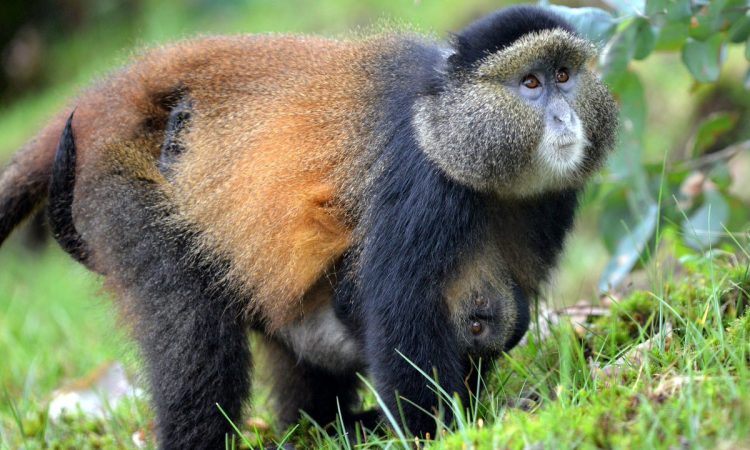
In the lush, mist-covered mountains of East Africa, where ancient trees whisper secrets and the air thrums with life, a rare and striking primate swings among the bamboo: the Golden Monkey (Cercopithecus kandti). This dazzling primate, with its vibrant golden-orange body and contrasting black limbs, is one of the most enchanting creatures you can encounter in the wild. Elusive, endangered, and found only in a few select locations in the world, golden monkeys are a bucket-list sighting for any wildlife enthusiast.

Unlike the more famous mountain gorillas, golden monkeys have long flown under the radar — yet they offer an equally mesmerizing and perhaps even more magical experience for those who venture into their emerald world. To see these rare monkeys in their natural habitat is not just a safari activity — it is an immersion into a living Eden, a rare chance to witness the fragile beauty of biodiversity that clings to life on misty slopes.

If you’re looking to follow in the footsteps of expert trackers, pushing deep into ancient forests and feeling your heart pound as golden fur flickers through the foliage, then here is your ultimate guide to the best places to track golden monkeys in East Africa.

1. Volcanoes National Park – Rwanda’s Primate Paradise

Tucked away in the northwest of Rwanda, Volcanoes National Park is not only famous for its mountain gorilla population but is also one of the most reliable and rewarding destinations to track golden monkeys. Nestled within the Virunga Mountains, this park is a sanctuary for endangered species and one of the last strongholds for golden monkeys in the wild.

What makes this park truly exceptional for golden monkey tracking is the fact that it houses two habituated troops — meaning that the monkeys are accustomed to human presence. This allows visitors to get unusually close and witness their fascinating social behaviors: grooming, foraging, and leaping acrobatically between bamboo branches.

The experience begins at the Kinigi headquarters, where your day starts with a short briefing before you’re guided by expert trackers into the cool, dense forest. The trek is usually not as intense as gorilla tracking, making it ideal for those who want a less strenuous yet equally immersive primate experience.

Here, golden monkeys are found darting through the bamboo groves, often in groups of up to a hundred. Their movement is fast and erratic, but also playful and mesmerizing. Watching them leap gracefully from tree to tree, their golden coats catching shafts of sunlight, is like watching a ballet of the wild — energetic, fleeting, and unforgettable.

2. Mgahinga Gorilla National Park – Uganda’s Primate Secret

Often overshadowed by its more popular Rwandan cousin, Mgahinga Gorilla National Park in southwestern Uganda is a hidden treasure for those seeking solitude, serenity, and a chance to witness golden monkeys with fewer crowds. This small but incredibly biodiverse park lies in the same Virunga range, bordering Rwanda and the Democratic Republic of Congo.

Mgahinga is the only place in Uganda where golden monkey tracking is officially offered, and it provides a unique blend of intimate wildlife encounters and cultural richness. Here, golden monkeys inhabit the lower bamboo zones of the forest, and guided treks take you through lush vegetation, past craters and volcanic ridges, deep into the monkeys’ domain.

Unlike Volcanoes National Park, Mgahinga offers a Golden Monkey Habituation Experience, where visitors spend extended hours with a semi-habituated troop, providing a deeper and more scientific look into their behaviors, diets, and ecological significance. This is ideal for photography enthusiasts and researchers, or anyone who craves a more in-depth and immersive primate tracking adventure.

Trekking through Mgahinga offers more than just a golden monkey sighting. It offers a connection to a living landscape, a park that whispers with ancient stories and sacred legends from the Batwa, the forest’s original guardians. The views are sweeping, the air crisp, and the experience profoundly grounding.

3. Gishwati-Mukura National Park – Rwanda’s New Wilderness Frontier

For those craving off-the-beaten-path experiences, Rwanda’s Gishwati-Mukura National Park is an emerging gem. Officially established in 2015 and only recently opened to eco-tourism, this park offers an opportunity to engage with golden monkeys in a raw, less commercialized setting. Located in the western part of the country, Gishwati-Mukura combines fragments of montane forest, patches of farmland, and efforts at reforestation into a remarkable conservation story.

Though it is still developing its tourism infrastructure, the park is home to a significant number of golden monkeys. Tracking them here feels exploratory and pioneering — you’re not just a tourist, you’re a participant in a national effort to rehabilitate and preserve one of Africa’s most precious ecosystems.

Because of its size and the nascent state of its tourism programs, visits here are more exclusive and tailored. You may find yourself in a small group or even alone with your guide, stepping softly through the undergrowth as the calls of monkeys echo through the trees. It’s a raw, personal, and powerful encounter with nature, ideal for travelers who value authenticity and ecological integrity over polished attractions.

What Makes Golden Monkey Tracking Unforgettable (Track Golden Monkeys in East Africa)

Beyond their beauty, golden monkeys are symbols of resilience and fragility. Their survival depends on the preservation of high-altitude forests, particularly bamboo, which is central to their diet and nesting habits. By choosing to track these endangered primates, visitors contribute directly to their conservation, as permits and fees go into protecting their habitat, supporting local communities, and funding park rangers.

What makes golden monkey tracking unique is not just the species itself, but the intimate nature of the experience. Unlike large safari game drives, golden monkey tracking is done on foot, quietly, respectfully, with nature guiding your pace. You hear the crunch of leaves, the rustle of branches, and the rhythmic calls of the forest. And then, a flash of gold — a face peering through the green — and your breath catches.

They are comical yet graceful, shy yet curious. You’ll see them munching on bamboo shoots, wrestling playfully, or curling their tails as they rest. In their eyes, you see intelligence and instinct. In their environment, you see the urgent need for preservation.

Planning Your Golden Monkey Trek: When and How

The best time to track golden monkeys is during the dry seasons, from June to September and December to February, when trails are more navigable and visibility is higher. However, since the monkeys live in tropical montane forests, rainfall can occur any time, adding to the mystical atmosphere but also requiring appropriate gear.

Permits are relatively affordable compared to gorilla tracking, and treks typically start in the early morning. Fitness levels required are moderate, though trails can get steep and slippery depending on location and weather. The presence of trained guides ensures both safety and an enriching educational experience.

Whether you choose the well-established trails of Volcanoes, the quiet magic of Mgahinga, or the emerging promise of Gishwati-Mukura, golden monkey tracking is a rare gift — one that brings you into harmony with Earth’s vanishing wildness.

Why You Should Book Your Adventure with WildHorn Africa

There’s no better way to experience the wonder of East Africa’s golden monkeys than by traveling with experts who understand the land, the people, and the primates. WildHorn Africa offers tailor-made safaris that connect you with the soul of East Africa. From seamless logistics and experienced guides to sustainable, community-based tourism principles, WildHorn Africa ensures your journey is not only breathtaking — but also responsible.

Whether it’s a full primate safari, a luxury gorilla-golden monkey combo trek, or a cultural immersion in the Virunga landscapes, WildHorn Africa curates every journey to match your dreams. With their deep local knowledge and commitment to conservation, they are more than a travel provider — they are your gateway to East Africa’s wild heart.

So, are you ready to witness the gleaming eyes and gilded fur of one of nature’s rarest marvels? Ready to step into the quiet world of mist and monkeys? Let your next adventure begin with WildHorn Africa — where every safari is a story, and every journey leaves a legacy.

Book your East African primate expedition today with WildHorn Africa. The golden monkeys are waiting.

Track Golden Monkeys in East Africa #Track Golden Monkeys in East Africa Track Golden Monkeys in East Africa
10 Travel Tips When Going on an African Safari

10 Travel Tips When Going on an African Safari

By Travel guides, Travel stories and blogs

10 Travel Tips When Going on an African Safari

Unlocking the Wild: Mastering Your Safari Adventure Before It Begins

An African safari is not just another vacation—it’s a life-defining journey, a plunge into the raw, breathtaking beauty of nature. From the thunderous hooves of the Great Migration to the silent gaze of a stalking leopard, every moment on safari has the potential to leave you transformed. But to fully enjoy this once-in-a-lifetime experience, preparation is key.

Whether it’s your first trip or your fifth, knowing what to pack, how to behave, and what to expect can make all the difference. In this comprehensive guide, we break down the 10 essential travel tips that will elevate your safari from memorable to truly magnificent.

1. Choose the Right Safari Destination for Your Interests

Africa is a vast and varied continent. The term “safari” can mean vastly different experiences depending on where you go.

Popular Options (Going on an African Safari)

  • Kenya & Tanzania: Ideal for witnessing the Great Migration and Big Five sightings.
  • Botswana: Exceptional for water safaris and birdwatching in the Okavango Delta.
  • South Africa: Offers luxury lodges and family-friendly options.
  • Namibia: Unique desert landscapes and rare wildlife.

Do your research and consult with an experienced safari planner like WildHorn Africa to find the destination that best aligns with your interests and travel goals.

2. Time Your Visit Carefully

Wildlife viewing in Africa is highly seasonal. The best time to visit depends on both location and what you want to see.

Seasonal Highlights

  • Dry Season (June – October): Best for game viewing—animals congregate near water.
  • Wet Season (November – May): Lush landscapes, baby animals, and excellent birding.
  • Great Migration Crossings: Typically occur in July-August and again in October.

Booking with experts ensures you’ll be in the right place at the right time.

3. Pack Smart, Pack Light (Going on an African Safari)

Weight limits on safari flights can be strict, and many lodges offer laundry services, so there’s no need to overpack.

Packing Essentials

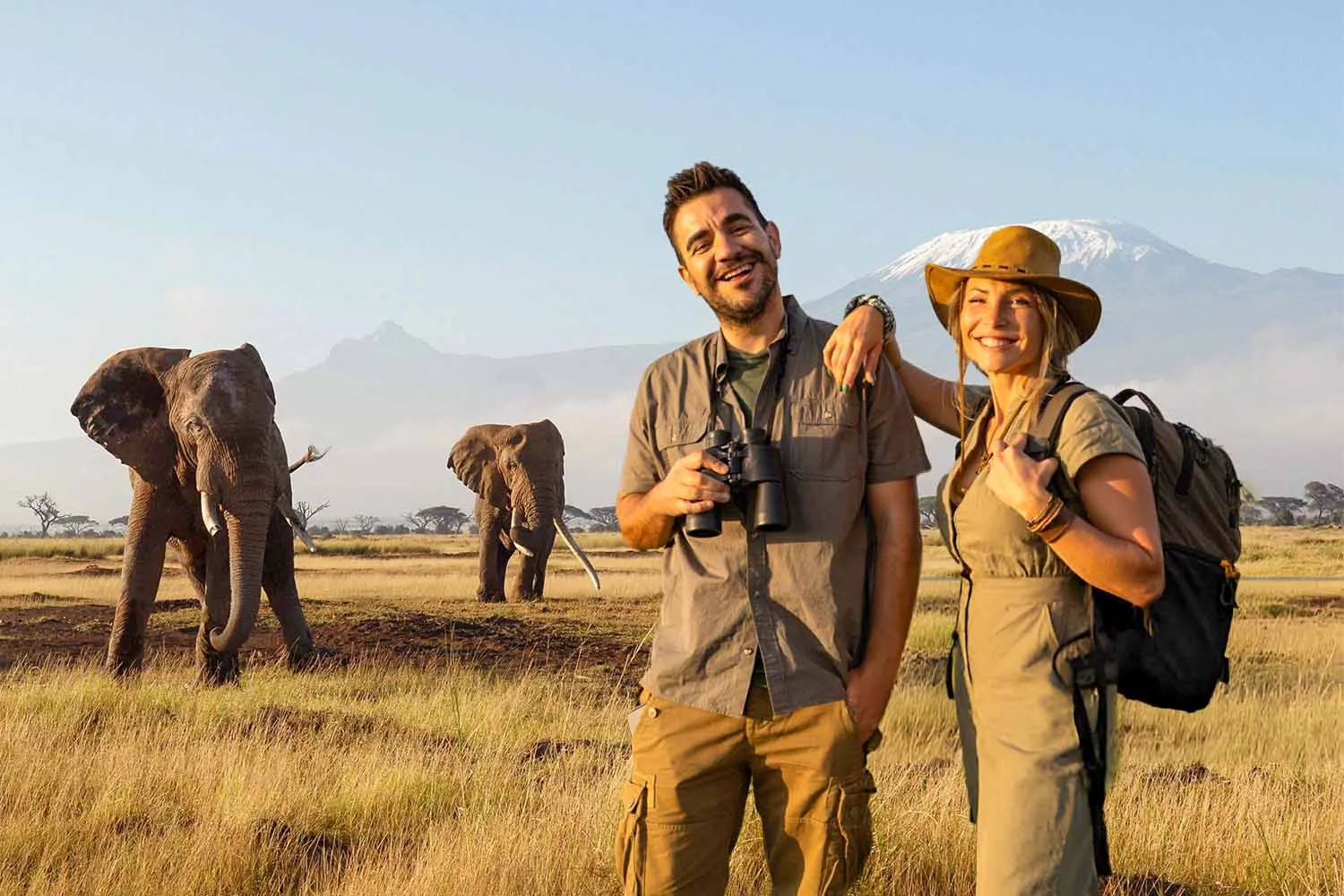
  • Neutral-Colored Clothing: Avoid bright colors; stick to greens, browns, and tans.
  • Layers: Mornings and evenings can be cold, even in the bush.
  • Comfortable Footwear: Closed-toe shoes are best for walks.
  • Sun Protection: A wide-brimmed hat, sunscreen, and sunglasses.
  • Binoculars and Camera Gear: Wildlife isn’t always right next to the vehicle!

Remember, function over fashion is the name of the game.

4. Don’t Skip Travel Insurance

A safari can involve everything from bush flights to remote lodges, so comprehensive travel insurance is not optional—it’s essential.

Look For Policies That Cover:

  • Medical Evacuation
  • Trip Cancellation
  • Lost Luggage or Gear

Choose an insurance provider familiar with safari travel and read the fine print carefully.

5. Prepare for Early Mornings and Long Days

Safari schedules are dictated by wildlife activity, which means early wake-ups and long game drives.

Typical Safari Routine

  • 5:00 AM: Wake-up call with coffee or tea.
  • 6:00 AM – 10:00 AM: Morning game drive.
  • Midday: Rest, swim, or nap.
  • 4:00 PM – 7:00 PM: Evening game drive.
  • Evening: Dinner and storytelling around the campfire.

Pace yourself, stay hydrated, and embrace the rhythm of the wild.

6. Respect Wildlife and Follow Guide Instructions

You’re stepping into the animals’ territory, not the other way around. Your guide is trained to ensure both your safety and that of the animals.

Golden Rules

  • Never leave the vehicle without permission.
  • Stay quiet and avoid sudden movements near animals.
  • Don’t feed or try to touch wildlife—this can be dangerous and disruptive.
  • Follow all photography guidelines (especially with flash).

Remember, respectful behavior leads to more authentic and thrilling encounters.

7. Stay Healthy: Vaccinations and Medications

Some safari destinations require specific vaccinations and preventive measures.

Health Checklist

  • Yellow Fever Vaccination: Required for some countries.
  • Malaria Prophylaxis: Consult your doctor about the best anti-malarial medication.
  • Routine Immunizations: Make sure tetanus, hepatitis, and typhoid are up to date.
  • Travel First Aid Kit: Include basics like band-aids, insect repellent, antiseptic wipes, and any personal prescriptions.

Consult a travel clinic well in advance of your departure.

8. Understand the Tipping Culture

Tipping on safari is customary and greatly appreciated. It’s often a major component of income for guides and lodge staff.

General Tipping Guidelines

  • Guides: $10–$20 per day, per guest.
  • Trackers & Drivers: $5–$10 per day.
  • Camp Staff: $5–$10 per day, usually pooled.

Many lodges provide tipping envelopes and suggested amounts to simplify the process.

9. Bring the Right Attitude and Stay Flexible

Nature doesn’t run on a schedule. Sometimes, patience is required to see rare animals or wait out weather delays.

Tips for the Right Mindset

  • Appreciate the Small Things: Insects, birds, and plants are part of the magic.
  • Don’t Fixate on the Big Five: Every sighting has its own story.
  • Be Present: Disconnect from devices and soak it all in.

A flexible, curious attitude can turn even a quiet day into an unforgettable one.

10. Choose the Right Safari Operator

This may be the most important tip of all. A great safari operator can tailor the perfect experience, from choosing lodges to navigating visa and flight logistics.

What to Look For

  • Local Knowledge and On-Ground Presence
  • Strong Conservation Ethics
  • Customized Itineraries
  • Excellent Reviews and Word-of-Mouth Reputation

This is where WildHorn Africa shines—offering curated, conservation-driven safaris that combine authenticity with comfort.

Travel Smart, Safari Better with WildHorn Africa

Every safari is a symphony of the unexpected, a call to return to the roots of our shared existence with nature. But such a profound adventure requires careful planning, the right mindset, and expert guidance.

WildHorn Africa brings decades of experience, local insight, and a passion for conservation to your safari planning. Whether you’re chasing the Great Migration, seeking intimate predator encounters, or longing for luxury in the wilderness, WildHorn Africa turns dreams into deeply personal realities.

Book your safari adventure with WildHorn Africa today—and let the wild change you forever.

Going on an African Safari #Going on an African Safari Going on an African Safari

5 Fascinating Facts About the Nile Monitor Lizard

5 Fascinating Facts About the Nile Monitor Lizard

By Travel guides, Travel stories and blogs

5 Fascinating Facts About the Nile Monitor

Facts About the Nile Monitor Lizard

The Overlooked Giant of Africa’s Wetlands

While Africa’s Big Five often steal the spotlight, the continent is home to many lesser-known yet equally captivating creatures. One such reptilian marvel is the Nile Monitor (Varanus niloticus), a formidable lizard that prowls riversides, swamps, and wetlands across sub-Saharan Africa.

With its sleek build, cryptic patterns, and raw power, the Nile Monitor is a living relic of prehistoric times, often overlooked but never unworthy of fascination. This reptile commands respect not only for its size—which rivals that of any lizard on the continent—but also for its remarkable intelligence, adaptability, and ecological significance.

Nile Monitors Are Among the Largest Lizards in the World

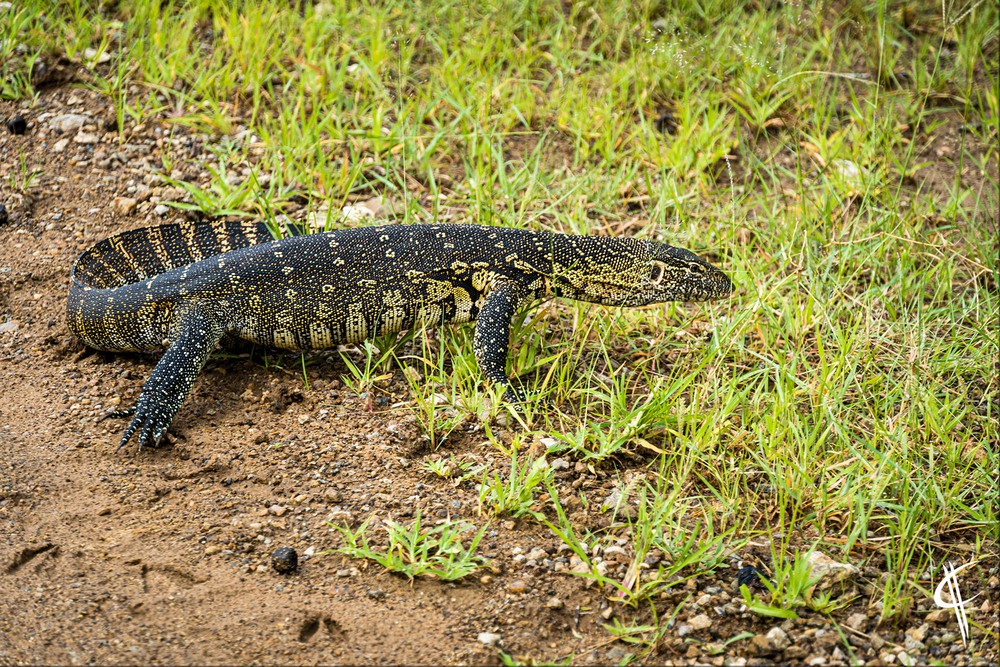
A full-grown Nile Monitor is a truly impressive creature. Reaching lengths of over two meters and weighing up to twenty kilograms, this reptile ranks among the largest lizards globally, second only to the formidable Komodo dragon. Its body is long and muscular, with a whip-like tail that accounts for more than half its total length. The tail is not just for show—it serves as a powerful weapon against predators and rivals alike, capable of delivering bone-cracking strikes.

Their skin, adorned with intricate patterns of yellow and black spots, provides effective camouflage in dense vegetation and along murky riverbanks. Equipped with sharp claws and strong limbs, Nile Monitors are adept climbers and swimmers, moving with surprising agility for their size. These physical attributes enable them to dominate their aquatic and terrestrial habitats, hunting and evading threats with ease. Their jaws are lined with recurved teeth designed to seize and hold struggling prey, adding to their fearsome predatory arsenal.

They Are Opportunistic Predators With a Broad Diet

The Nile Monitor is not a picky eater. In fact, it is one of the most opportunistic carnivores in Africa’s wetlands. Feeding primarily on fish, amphibians, birds, and small mammals, it has even been observed raiding nests for eggs and hatchlings, including those of crocodiles. Its strong sense of smell, enhanced by the flicking of its long, forked tongue, helps it locate hidden prey beneath soil, sand, or water.

This dietary flexibility makes the Nile Monitor a critical ecological regulator, preventing overpopulation of smaller vertebrates and invertebrates in its ecosystem. However, its appetite also brings it into conflict with humans. Farmers often accuse the monitor of pillaging chicken coops and duck ponds, leading to retaliatory killings. Yet, in a healthy, undisturbed ecosystem, the Nile Monitor plays an essential role in maintaining ecological balance.

Nile Monitors often exhibit feeding behaviors that resemble intelligence. They have been observed stalking prey stealthily, even exhibiting problem-solving tendencies when pursuing difficult meals. This suggests a higher cognitive ability than typically associated with reptiles, adding to the mystery and marvel surrounding their biology.

Nile Monitors Exhibit Astonishing Adaptability Across Africa

Nile Monitors are native to nearly every country south of the Sahara and are even found in parts of North Africa. They inhabit a diverse array of ecosystems, from freshwater lakes and marshlands to arid savannas, provided a water source is nearby. This widespread distribution is a testament to their extraordinary adaptability. They can tolerate a range of temperatures, elevations, and humidity levels, adjusting their behavior accordingly.

In cooler conditions, Nile Monitors bask on rocks or tree limbs to raise their body temperature, exhibiting the classic behavior of ectotherms. During dry seasons, they may enter a state of dormancy in burrows or termite mounds to conserve energy and moisture. Their nesting behavior is equally versatile, with females laying eggs in sandy banks, hollow logs, or even abandoned burrows.

In regions with heavy human encroachment, Nile Monitors have shown resilience by adapting to man-made environments. Urban waterways, irrigation channels, and even sewage systems have become unintentional habitats. However, their adaptability comes at a cost. These lizards often face persecution, roadkill risks, and entrapment due to human infrastructure. Still, their survival across such varied conditions speaks volumes about their evolutionary success.

Their Reproduction Strategy is a Masterclass in Survival

Reproductive success in the wild hinges on both strategy and timing, and Nile Monitors have mastered both. Mating typically occurs during the rainy season, when food is abundant and environmental conditions are favorable. Males engage in vigorous combat, wrestling with one another to gain access to females. The victorious male then mates with the receptive female, who will later lay between 20 to 60 eggs, depending on her size and health.

What makes their reproductive strategy particularly fascinating is the choice of nesting site. Nile Monitors often exploit termite mounds for egg deposition. The warmth and insulation provided by the termite colony create a stable incubating environment, protecting the eggs from predators and temperature fluctuations. The eggs are left unattended, relying entirely on environmental stability for successful development.

Hatchlings emerge three to six months later, depending on environmental conditions. From the moment they hatch, young monitors are entirely independent. Armed with instinct and physical prowess, they climb trees or scatter through the underbrush to avoid predators, including adult monitors. This self-sufficiency is critical for survival, given the high rate of predation in the wild.

Intelligence, Mythology, and Human Interaction

Despite their intimidating appearance, Nile Monitors have long held a place in local folklore and traditional medicine. In some African cultures, they are regarded as symbols of alertness and agility. Others fear them, associating them with curses or supernatural forces. These mixed perceptions have led to varied human interactions, from reverence and protection to fear and eradication.

Scientific studies have revealed that Nile Monitors exhibit behaviors suggestive of higher cognitive function, such as observational learning and environmental memory. In captivity, some individuals have even been trained to recognize routines and human caretakers. This level of responsiveness places them among the more intelligent reptilian species, rivaling certain birds and mammals in behavioral complexity.

The Nile Monitor’s role in the ecosystem, combined with its intelligence and adaptability, makes it a species worthy of greater recognition and protection. Unfortunately, habitat destruction, pollution, and illegal pet trade continue to threaten local populations. Conservation efforts remain fragmented, and public awareness is limited. Raising the profile of this extraordinary lizard could be a key step in ensuring its future survival.

Discover the Nile Monitor with WildHorn Africa (Facts About the Nile Monitor Lizard)

If you’re seeking a safari experience that goes beyond the familiar, consider setting your sights on the elusive Nile Monitor. Encountering one of these ancient reptiles in the wild is not just a sighting—it’s a glimpse into the primal rhythms of African ecosystems. Their stealth, strength, and mystery are a compelling counterpoint to the grandeur of elephants or the drama of lions.

WildHorn Africa offers immersive safari experiences tailored for those who crave deeper encounters with Africa’s natural wonders. With expert guides, eco-conscious travel planning, and access to pristine habitats, WildHorn Africa ensures that your journey is both thrilling and transformative.

Book your African safari with WildHorn Africa today and unlock the secrets of the Nile Monitor—and so much more. The adventure of a lifetime awaits in the heart of Africa’s wildest landscapes.

Facts About the Nile Monitor Lizard #Facts About the Nile Monitor Lizard Facts About the Nile Monitor Lizard

5 Fascinating Facts About the Black-backed Jackal

5 Fascinating Facts About the Black-backed Jackal

By Travel guides, Travel stories and blogs

5 Fascinating Facts About the Black-backed Jackal

Facts About the Black-backed Jackal

The Cunning Sentinel of the African Wilderness

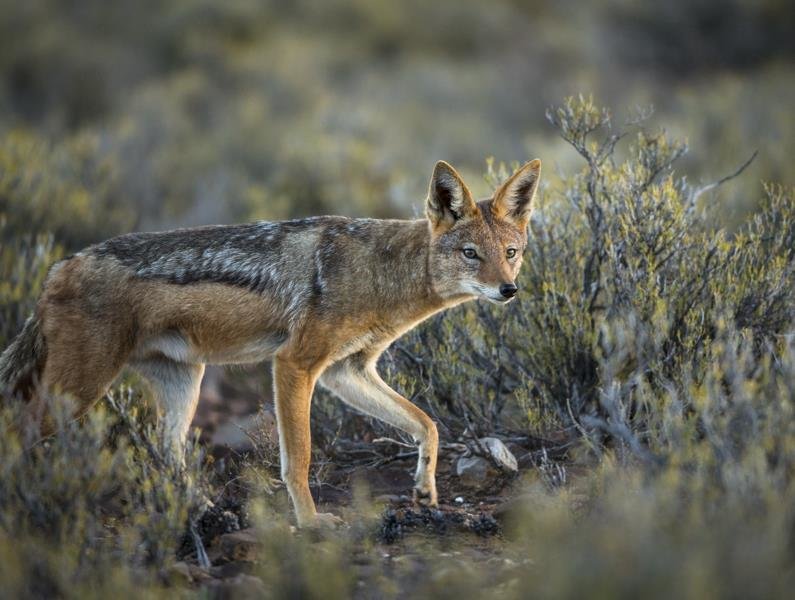
In the great theater of African wildlife, certain animals command the spotlight with sheer size or majesty. Yet, others captivate in quieter, more cunning ways. The Black-backed Jackal, with its striking two-toned coat, keen intelligence, and complex social behavior, is one such marvel. Often overshadowed by the continent’s larger predators, this medium-sized canid deserves recognition as a fascinating and vital player in Africa’s ecological balance.

With its sharp eyes and sharper wits, the Black-backed Jackal (Canis mesomelas) survives not through brute force, but by outsmarting and adapting to its ever-changing environment. To truly appreciate this remarkable animal, one must look beyond its modest stature and delve into the subtle intricacies of its behavior and biology.

Masters of Adaptation: Thriving Across Habitats

One of the most remarkable aspects of the Black-backed Jackal is its extraordinary adaptability. Native to eastern and southern Africa, these jackals thrive in a broad range of habitats, from arid deserts and dry savannahs to coastal scrublands and even mountainous regions. This versatility in habitat preference is a testament to the species’ evolutionary resilience.

Unlike some specialized predators that require specific conditions to survive, the Black-backed Jackal exhibits a generalist’s mastery of survival. It is capable of adjusting its diet and behavior to suit the demands of its surroundings, whether that means scavenging alongside hyenas, hunting rodents at night, or feeding on fruits during lean seasons.

This flexibility also allows the jackal to coexist with a variety of other species, often filling the niche of both predator and scavenger. In areas with intense competition from larger carnivores, the Black-backed Jackal modifies its activity patterns, foraging in off-peak hours or adopting stealthy, nocturnal habits. Their ability to shift strategies with such ease demonstrates a level of behavioral sophistication that has ensured their continued success in a landscape shaped by unpredictability.

Socially Complex and Monogamously Loyal (Facts About the Black-backed Jackal)

Despite their reputation for cunning and opportunism, Black-backed Jackals lead surprisingly structured social lives. They form long-term monogamous pairs that work cooperatively to raise offspring, defend territory, and hunt. This family structure enhances their ability to thrive in difficult environments by distributing the responsibilities of survival. A bonded pair will often maintain and defend a permanent territory year-round, marking boundaries with scent and vocalizations to ward off intruders.

What makes their social structure even more fascinating is the involvement of older offspring, who sometimes delay dispersal to help raise the next litter. These “helper” jackals contribute to feeding, guarding, and teaching their younger siblings survival skills. This cooperative breeding strategy, rare among carnivores, reflects an evolutionary advantage that ensures higher survival rates for pups. It also creates strong familial bonds and a clear social hierarchy within the group, demonstrating that even among wild canids, loyalty and cooperation can be as critical as aggression and competition.

Vocal Intelligence: A Language of Survival

Communication is at the heart of the Black-backed Jackal’s survival strategy. These jackals possess a highly developed system of vocalizations used to coordinate hunting, defend territory, and maintain social bonds. Their repertoire includes yelps, howls, growls, and a distinctive high-pitched scream that can pierce through the quiet of the African night. Unlike random noise-making, these calls are intentional and often context-specific, suggesting a form of rudimentary language.

Pair-bonded jackals frequently engage in duets, calling in unison to reinforce their bond and assert their territorial claim. These vocalizations serve a dual purpose: they strengthen social cohesion within the pair or family unit, and they act as an auditory fence that warns rivals to keep their distance. The ability to use sound so effectively, both for interpersonal bonding and strategic defense, highlights the Black-backed Jackal’s cognitive acumen. It allows them to navigate the complex dynamics of territory and competition without constant physical conflict, which conserves energy and reduces the risk of injury.

Opportunistic Diet: Carnivore with a Taste for Variety

The Black-backed Jackal’s diet is as diverse as the landscapes it inhabits. A true omnivore with carnivorous tendencies, this canid consumes a wide range of food items depending on availability. From insects, rodents, and small antelopes to carrion, fruits, and even human refuse, its menu is dictated by opportunity rather than preference. In areas near human settlements, jackals have been known to raid poultry farms or scavenge from trash heaps, showcasing both audacity and ingenuity.

This dietary flexibility plays a critical ecological role. By consuming carrion, jackals help prevent the spread of disease and contribute to nutrient cycling within ecosystems. When they hunt small mammals or insects, they help regulate populations that might otherwise reach pest levels. Their impact as both predator and scavenger makes them indispensable to the health of their environment. Furthermore, their ability to toggle between hunting and scavenging, depending on the presence of other predators, reveals a dynamic adaptability few species can match. The Black-backed Jackal does not merely survive in its ecosystem—it actively shapes and supports it.

Survival in the Shadow of Giants

Living alongside larger and often more aggressive predators like lions, leopards, and hyenas means the Black-backed Jackal must constantly tread a fine line between risk and reward. Rather than challenge these apex predators directly, jackals employ a clever blend of stealth, timing, and opportunism. They often follow larger carnivores from a distance, swooping in to scavenge the remnants of kills once the dominant players have moved on. In this regard, they serve as both cleanup crew and silent witnesses to Africa’s often brutal food chain.

This ability to navigate dangerous environments without engaging in direct conflict is a hallmark of the jackal’s intelligence. Their acute senses, particularly smell and hearing, help them detect threats early and respond accordingly. When danger approaches, they rely on speed and agility to escape, often retreating to burrows or dense brush. These evasive strategies, combined with their mental agility, allow them to carve out a sustainable niche in some of Africa’s most competitive ecosystems.

Witness the Wily World of the Black-backed Jackal with WildHorn Africa

To understand the true brilliance of the Black-backed Jackal, one must experience it in the wild, where every movement is a masterclass in survival, every call a note in nature’s orchestra. Observing these elusive canids in their native habitat reveals the intricate ballet of strategy, cooperation, and adaptation that defines their lives.

WildHorn Africa offers expertly curated safaris designed to showcase not just the Big Five, but the full spectrum of Africa’s wildlife, including the underestimated but utterly captivating Black-backed Jackal. With seasoned guides and immersive experiences, you can witness firsthand the cunning and charm of this remarkable animal.

Book your African adventure with WildHorn Africa and step into a world where intelligence, resilience, and family bonds rule the wild. Let the journey begin where curiosity meets conservation, and let the Black-backed Jackal guide you into the heart of Africa’s untamed magic.

Facts About the Black-backed Jackal #Facts About the Black-backed Jackal Facts About the Black-backed Jackal

5 Fascinating Facts About the Blue Wildebeest

5 Fascinating Facts About the Blue Wildebeest

By Travel guides, Travel stories and blogs

5 Fascinating Facts About the Blue Wildebeest

Facts About the Blue Wildebeest

Africa’s Iconic Migrant with a Thundering Legacy

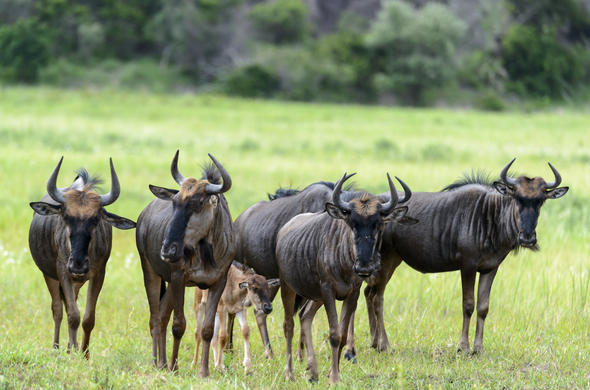
Thundering hooves, vast open plains, and one of the greatest spectacles of animal migration on Earth—the Blue Wildebeest is a true icon of the African savanna. Known scientifically as Connochaetes taurinus, this large antelope is not only a vital part of Africa’s ecological web but also a mesmerizing creature in its own right. Often called the “brindled gnu” due to its shaggy mane and beard, the Blue Wildebeest is a master of survival, movement, and adaptation. It may not have the regal reputation of the lion or the sleek elegance of the cheetah, but its story is no less dramatic, and in many ways, even more vital to the continent’s ecosystems.

In this exploration of the Blue Wildebeest, we dive deeper into five fascinating facts that reveal why this animal commands attention, awe, and respect in equal measure. From its epic migrations to its unexpected intelligence, the wildebeest is a creature of both grandeur and nuance.

The Great Migration: A Natural Wonder of the World

Perhaps the most spectacular aspect of the Blue Wildebeest’s life is its central role in the Great Migration. Each year, over 1.5 million wildebeest—accompanied by hundreds of thousands of zebras and gazelles—embark on a relentless journey across the plains of Tanzania and Kenya in search of fresh grazing lands and water. This circular pilgrimage, driven by seasonal rains, covers more than 1,800 miles annually.

The migration is a raw, visceral display of nature’s rhythm, where life and death unfold in real time. It is during this journey that thousands of wildebeest fall prey to predators such as lions, cheetahs, crocodiles, and hyenas. The Mara River crossing, in particular, has become symbolic of this life-or-death spectacle. Despite the dangers, the wildebeest persist, driven by instinct and necessity. Their movement not only supports their own survival but also sustains the very predators and scavengers that rely on this constant source of food.

What’s more, this migration is essential for the health of the savanna. The trampling of hooves aerates the soil, and the dung left behind fertilizes the land. The wildebeest are not just participants in this grand journey—they are engineers of the ecosystem.

Surprisingly Sophisticated Social Structures

While the Blue Wildebeest may appear chaotic en masse, its social structure is remarkably organized. These antelopes live in large herds, often segregated by age and sex during the non-migratory season. Males establish and defend territories, especially during the mating season, when competition for females becomes fierce. Despite this aggressive behavior, wildebeest herds exhibit cooperation and cohesion, especially during migration.

Calves are born synchronously, within a short window of time, a phenomenon known as birth synchrony. This inundates predators with more prey than they can consume, increasing the survival rate of the newborns. Mothers are highly attentive and can recognize their own calves among thousands by sound and smell, showcasing an emotional intelligence not often attributed to ungulates. This strong maternal bond plays a critical role in maintaining herd stability and survival.

Moreover, wildebeest use a combination of vocalizations, body language, and scent markings to communicate. Their low-frequency bellows are used to maintain group cohesion, warn of danger, or signal readiness to move. Such communication strategies reflect an evolved, highly social animal capable of dynamic group coordination.

Unrivaled Endurance and Adaptability (Facts About the Blue Wildebeest)

One of the most striking features of the Blue Wildebeest is its extraordinary stamina. Built for long-distance travel, this antelope has a stocky yet muscular frame, well-developed shoulders, and strong legs that allow it to travel over 30 kilometers in a single day. Unlike many antelope species that rely on bursts of speed, the wildebeest is designed for endurance.

Its large nostrils and efficient respiratory system help it regulate body temperature and oxygen intake during prolonged movement. It is also capable of going without water for several days, relying on moisture from grasses and dew. This endurance is crucial for its migratory lifestyle, which involves traversing arid and semi-arid landscapes.

Wildebeest are also incredibly adaptive in their feeding habits. While primarily grazers, they can shift between different grass species based on seasonal availability. This dietary flexibility ensures that they remain nourished even when food becomes scarce. Their digestive systems are finely tuned to extract maximum nutrients from low-quality forage, a trait that gives them a competitive edge in dry seasons.

A Keystone Species in the African Ecosystem

The Blue Wildebeest is far more than just a migratory marvel—it is a keystone species that shapes the very landscape it roams. By consuming large quantities of grass, wildebeest help prevent overgrowth and maintain the balance of plant species across the savanna. This grazing pattern facilitates biodiversity by allowing a variety of flora and fauna to flourish.

Moreover, their movements create migratory corridors used by other species, and their presence often dictates predator movements and hunting patterns. Lions, hyenas, leopards, and crocodiles time their reproductive and hunting cycles around the wildebeest’s migration, highlighting the interconnectedness of Africa’s wildlife.

Even in death, the wildebeest contributes to the ecosystem. Carcasses provide food for scavengers and enrich the soil with nutrients, thereby sustaining future plant growth. The species’ life cycle is so deeply intertwined with its environment that its disappearance would lead to cascading ecological consequences.

Ancient Evolution with Modern Relevance

The Blue Wildebeest has roamed the African plains for over a million years, its lineage dating back to the Pleistocene epoch. It has survived ice ages, climate shifts, and changing predator populations, evolving into a resilient, intelligent species finely attuned to its environment.

Yet despite its success, the wildebeest faces modern challenges. Human encroachment, fencing, agriculture, and climate change threaten migratory routes and reduce access to vital resources. As ecosystems become fragmented, the wildebeest’s ability to perform its ancient migratory rites is compromised, leading to population stresses and ecological imbalances.

Conservation efforts are increasingly focused on preserving migration corridors and promoting coexistence between wildlife and human communities. Recognizing the wildebeest’s ecological importance is essential not just for its survival but for the health of Africa’s great wildernesses.

Discover the Wildebeest with WildHorn Africa

To witness the awe-inspiring life of the Blue Wildebeest, there is no substitute for being on the ground during the Great Migration. The experience of seeing thousands of animals moving as one—driven by instinct, survival, and the pulse of nature—is transformative.

WildHorn Africa offers expertly guided safaris that bring you face-to-face with this remarkable species and the ecosystems it sustains. Whether you’re exploring the Serengeti, the Masai Mara, or the Ngorongoro Crater, WildHorn Africa ensures an immersive, conservation-driven experience that connects you with the wild in unforgettable ways.

Book your African safari with WildHorn Africa today and become a witness to the epic journey of the Blue Wildebeest—a story of endurance, unity, and the untamed heart of Africa.

Facts About the Blue Wildebeest #Facts About the Blue Wildebeest Facts About the Blue Wildebeest

5 Fascinating Facts About Southern Right Whale

5 Fascinating Facts About Southern Right Whale

By Travel guides, Travel stories and blogs

5 Fascinating Facts About the Southern Right Whale

Facts About Southern Right Whale

Giants of the Deep: A Magnificent Encounter

Gliding with grace through the icy waters of the Southern Hemisphere, the Southern Right Whale is a marine marvel whose presence stirs awe in every heart lucky enough to witness it. These whales, scientifically known as Eubalaena australis, are among the most majestic and mysterious creatures of the ocean. Their immense size, gentle behavior, and ancient migratory traditions make them not only a wonder to behold but also a crucial species in understanding marine ecosystems. Their name harks back to the dark whaling era when they were deemed the “right” whales to hunt due to their slow speeds and high blubber content, yet today they are symbols of marine conservation and rebirth.

Every winter and spring, the coastal waters of South Africa become a theater of oceanic ballet as these leviathans breach, lobtail, and nurture their young close to shorelines. The Southern Right Whale, once on the brink of extinction, has seen a resurgence in population due to conservation efforts. And as we delve into the intricate life of this colossal yet gentle marine mammal, we uncover five captivating truths that define its essence, behavior, and significance in the natural world.

Majestic Size and Adaptation (Facts About Southern Right Whale)

The Southern Right Whale is nothing short of a giant. Adult whales often exceed 15 meters in length and can weigh up to 60 tons, making them one of the largest species of baleen whales. Their broad backs, rotund bodies, and absence of dorsal fins give them a uniquely smooth and rounded silhouette, perfectly adapted for energy-efficient movement through cold waters. Their thick layers of blubber are not only key to insulation in frigid oceans but also serve as energy reserves during their long migrations and fasting periods.

Their enormous heads, which can make up a quarter of their body length, are adorned with distinctive white callosities—rough patches of skin that provide a natural fingerprint for identification. These callosities are host to colonies of small crustaceans known as cyamids or whale lice, which feed on the dead skin and do not harm the whale. The arrangement of these callosities is unique to each individual and has become a valuable tool for researchers monitoring populations.

The Southern Right Whale’s adaptation to its marine environment is a story of evolutionary refinement. Unlike toothed whales, these giants are filter feeders, relying on their long baleen plates to sieve vast amounts of zooplankton, especially copepods and krill, from seawater. With mouths gaping open, they glide through dense patches of prey, trapping food in the fibrous baleen fringes. This feeding strategy not only supports their massive size but also underscores their importance in marine food webs.

Acrobatic Displays and Surface Behavior

Despite their size, Southern Right Whales are known for their energetic and acrobatic displays at the ocean surface. Breaching, where the whale propels itself out of the water and crashes back down in a thunderous splash, is not only a spectacle for observers but a vital form of communication and possibly a way to dislodge parasites. Their lobtailing, in which they slap the surface with their massive tail flukes, and spyhopping, where they rise vertically to peer above the water, further demonstrate their behavioral complexity.

These surface behaviors are most frequently observed during the breeding season, particularly in the sheltered bays along South Africa’s coast. Here, pregnant females give birth and nurse their calves, and males display strength and stamina in attempts to secure mates. The sounds produced by these whales—low-frequency moans, pulses, and groans—travel long distances underwater, forming part of a sophisticated acoustic communication network. These vocalizations play an essential role in social interactions and mating.

For wildlife enthusiasts, witnessing such powerful behaviors so close to shore is nothing short of mesmerizing. In places like Hermanus and the Western Cape, it is not uncommon to see these behaviors from land, an experience that links human curiosity with one of the most profound wildlife encounters on the planet.

Long Migrations and Strong Site Fidelity

Southern Right Whales are renowned for their extensive migratory patterns. They travel thousands of kilometers between their summer feeding grounds in the Southern Ocean and their winter breeding grounds in warmer coastal waters. This migration, driven by seasonal availability of food and the need for safe calving environments, reflects the whales’ extraordinary navigational abilities and deep biological rhythms.

What is particularly fascinating is their strong site fidelity. Female whales often return to the very bays where they were born to give birth to their own calves, a cycle that spans generations. This cultural tradition is passed from mother to calf, establishing deeply rooted migratory pathways that connect the icy Antarctic waters to the sun-drenched coasts of southern Africa, South America, and Australia.

Understanding these migration routes is vital for conservation, as it informs the creation of marine protected areas and guides policies on shipping lanes and noise pollution. The whales’ reliance on specific regions for breeding also makes them vulnerable to changes in climate and oceanic conditions, reinforcing the importance of international cooperation in marine stewardship.

Maternal Care and Reproductive Behavior

One of the most touching aspects of the Southern Right Whale’s life is its maternal devotion. Calves are born after a gestation period of about 12 months and can weigh over a ton at birth. They are nursed for nearly a year, relying entirely on the rich, fatty milk of their mothers. During this time, the bond between mother and calf is profoundly strong. Mothers are fiercely protective and remain in shallow waters to minimize predation risk and conserve energy.

These whales do not reproduce annually. Females typically calve every three years, allowing time for recovery and nurturing of the young. This slow reproductive cycle makes population recovery a long-term process, especially given the historical depletion from commercial whaling. However, the whales’ fidelity to safe calving areas and their resilience in the face of past exploitation have fueled optimism among conservationists.

Behaviorally, mating is highly competitive. Males do not form harems but rather compete through sperm competition, as multiple males may mate with a single female in a season. This unique strategy emphasizes the evolutionary adaptations of reproductive anatomy and energy investment seen in this species.

Conservation Success and Ongoing Challenges

The story of the Southern Right Whale is a powerful tale of recovery. Hunted nearly to extinction in the 18th and 19th centuries, their numbers have gradually increased due to international protection and the banning of commercial whaling. Today, populations are slowly rebounding, with South Africa hosting one of the most significant seasonal congregations globally.

However, their journey is not without challenges. Entanglement in fishing gear, ship strikes, climate change, and pollution remain persistent threats. Conservation efforts now focus not only on protection but also on monitoring health, population genetics, and the impact of human activities. Responsible ecotourism, community engagement, and scientific research form the pillars of modern conservation strategies for this species.

Marine sanctuaries and coastal observation points have become crucial in both studying and protecting the whales. South Africa, particularly through locations like De Hoop Nature Reserve and Walker Bay, serves as a beacon of hope where human admiration meets wildlife conservation. The presence of these whales enhances marine biodiversity and supports local economies through whale-watching tourism, emphasizing the interconnectedness of ecological health and sustainable livelihoods.

Discover the Ocean Giants with WildHorn Africa

There are few experiences on Earth as humbling and heart-stirring as witnessing a Southern Right Whale breach against the backdrop of a rugged African coastline. These moments encapsulate the wild spirit of the ocean and offer an intimate glimpse into a world few truly understand. For travelers seeking an unforgettable marine adventure, look no further than WildHorn Africa.

WildHorn Africa offers tailored marine and land-based safari experiences that bring you face-to-face with the wonders of the natural world. Their expert guides, ethical practices, and deep knowledge of African wildlife ensure that your journey is both thrilling and responsible. By booking your African tour with WildHorn Africa, you not only embrace the thrill of adventure but also support the preservation of extraordinary species like the Southern Right Whale.

Take the plunge into an ocean of discovery and let WildHorn Africa be your gateway to the majestic and mysterious marine giants of the Southern Hemisphere.

Facts About Southern Right Whale #Facts About Southern Right Whale Facts About Southern Right Whale

5 Fascinating Facts About the Caracal

5 Fascinating Facts About the Caracal

By Travel guides, Travel stories and blogs

5 Fascinating Facts About the Caracal

Facts About the Caracal

The Mysterious Feline with the Velvet Ears

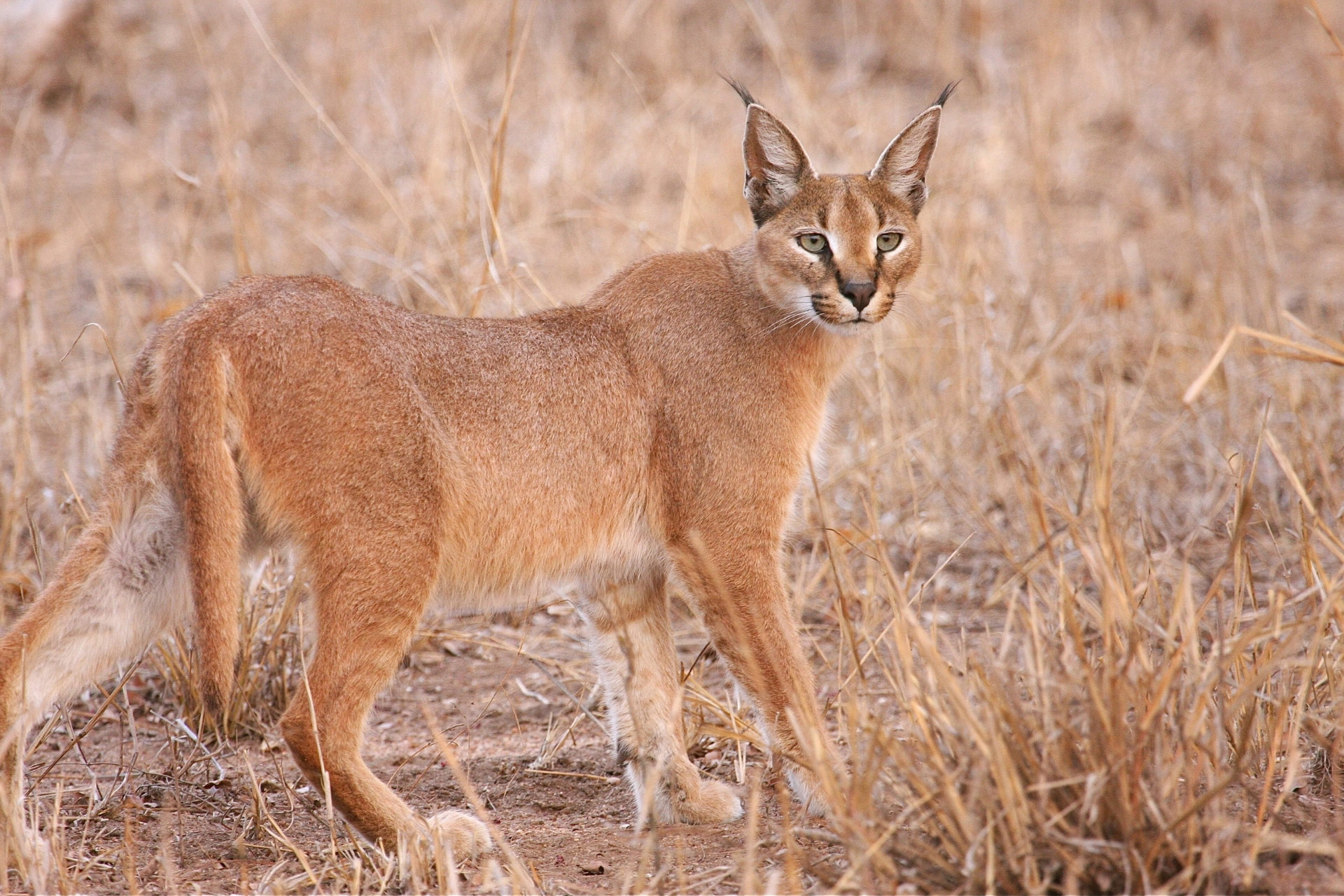
Sleek, elusive, and shrouded in ancient mystique, the Caracal is a wild cat unlike any other prowling the African wilderness. With its elegant build, piercing gaze, and signature tufted ears, this creature evokes both curiosity and admiration. Often mistaken for a lynx due to its ear tufts, the Caracal (Caracal caracal) is in fact a species all its own—a remarkable predator adapted to thrive in the varied terrains of Africa, the Middle East, and Central Asia.

The Caracal’s mystique goes beyond its appearance. It has been a subject of ancient art, admired by royalty, and celebrated for its agility and cunning. Delving deeper into the life of this secretive feline reveals a creature that is not only stunning but also biologically and behaviorally fascinating. In this exploration, we uncover five captivating aspects of the Caracal’s life, drawing attention to why it deserves a spotlight in Africa’s majestic wildlife pantheon.

Exceptional Agility and Jumping Ability (Facts About the Caracal)

One of the most breathtaking capabilities of the Caracal is its unmatched agility. This cat is among the most athletic of all small wild cats, capable of leaping up to three meters into the air to catch birds in mid-flight. Its body is built for this aerial prowess—with powerful hind legs, a flexible spine, and precise coordination. What makes this ability even more remarkable is how the Caracal utilizes it in hunting.

In areas where ground prey is scarce or difficult to capture, the Caracal has been observed sitting silently in grassy patches, waiting for unsuspecting birds to take flight. Then, with a sudden burst of energy, it propels itself upward, sometimes catching multiple birds in a single jump.

This behavior is not only a testimony to its physical excellence but also an indicator of its highly developed hunting instincts and environmental awareness. The Caracal’s speed and stealth allow it to adapt to different prey types, from rodents and hares to gazelles and fowl. It stalks its prey silently and strikes with surgical precision, leaving little room for escape.

Distinctive Ear Tufts and Communication

The Caracal’s most visually distinctive feature is its long, black ear tufts, which can grow as long as five centimeters. While these tufts contribute to its alluring appearance, their function goes beyond aesthetics. Scientists believe that the tufts play a crucial role in communication, particularly in environments where visual cues must be subtle.

These tufts may enhance facial expressions and help convey mood or intent to other Caracals. Additionally, they could act as camouflage, breaking the outline of the ears and helping the animal remain hidden in the underbrush.

The Caracal’s hearing is also among the sharpest in the animal kingdom. Its large ears can rotate independently and are finely tuned to detect the faintest of movements. This acute hearing, combined with its visual capabilities, gives the Caracal an edge as both a predator and a solitary creature navigating large territories. Each ear movement, flick, and tilt is part of a complex system of non-verbal language that makes the Caracal an intricate communicator within its ecosystem.

Solitary Nature and Territorial Intelligence

Unlike lions or cheetahs that sometimes hunt or travel in groups, Caracals are profoundly solitary. They prefer the quietude of remote terrains, from savannahs and deserts to mountains and shrublands. Each Caracal maintains a vast territory, the size of which depends on the availability of prey and the density of the habitat. Males have significantly larger ranges that often overlap with the smaller territories of several females. However, outside of mating seasons, they rarely encounter each other.

This solitary existence requires a heightened level of territorial intelligence. Caracals use a variety of scent markings, vocalizations, and visual cues to communicate boundaries and reproductive status. They are known to be highly mobile, often traveling several kilometers a day to patrol and secure their domain. Such movement is strategic, ensuring that they encounter fresh prey and avoid unnecessary confrontations with rivals.

The Caracal’s solitary habits also inform its parenting strategy. Females are fiercely protective of their young and raise them without any help from the males. Cubs remain with their mothers for several months, learning the essentials of survival, hunting, and territorial navigation before venturing into independence.

Cultural and Historical Significance

The Caracal holds a revered place in the folklore and history of several cultures. In ancient Egypt, Caracals were often depicted in art, and their images have been found in tombs and temples. These depictions suggest that the Caracal was associated with nobility, grace, and protection. Some scholars even believe that the famous “guardians” painted on royal sarcophagi may have been inspired by the Caracal, revered for its alertness and sharp features.

In India and Persia, Caracals were trained for sport hunting and were particularly valued for their ability to catch birds during falconry events. This practice was considered elite and was reserved for the noble class. These historic references underscore the Caracal’s longstanding allure and the high regard in which it was held across civilizations.

Today, while not commonly featured in mainstream media like lions or cheetahs, the Caracal remains a symbol of wild elegance. It represents the silent, powerful presence of untamed nature and the sophisticated balance of survival and grace.

Conservation Concerns and Human-Wildlife Conflict

Although the Caracal is not currently listed as endangered, it faces several conservation challenges, particularly in areas experiencing rapid human encroachment. Habitat loss due to agricultural expansion and urban development is one of the primary threats to Caracal populations. As their territories become fragmented, these solitary cats are forced into closer proximity with human settlements, often leading to conflict.

In some regions, Caracals are considered pests by farmers who accuse them of preying on livestock, particularly poultry and small ruminants. In retaliation, they are sometimes trapped or poisoned, leading to localized declines in population. Additionally, illegal hunting for their pelts and body parts continues in some parts of Africa and Asia, despite legal protections.

Conservationists are working to mitigate these threats through education programs, community-based wildlife management, and habitat restoration. Creating awareness about the Caracal’s ecological role and promoting non-lethal conflict resolution methods are key steps in ensuring its survival. It is imperative to remember that the Caracal, like all wildlife, plays a crucial role in maintaining the health and balance of its ecosystem.

Witness the Wild Elegance of the Caracal with WildHorn Africa

To truly appreciate the beauty and complexity of the Caracal, one must see it in its natural habitat—gracefully weaving through the grasslands, ears perked, eyes focused. Such moments are rare but unforgettable, and they offer a deep connection to the rhythm of wild Africa.

WildHorn Africa offers expertly guided safaris that increase your chances of encountering this elusive feline, along with many other awe-inspiring species. Whether you’re exploring the rugged deserts of Namibia, the savannahs of Kenya, or the mountainous terrains of South Africa, WildHorn Africa curates journeys that blend adventure, education, and conservation.

Book your African safari with WildHorn Africa and take the first step toward witnessing the untamed elegance of the Caracal. Let your journey be more than just a trip—make it a celebration of wild beauty and a contribution to the future of Africa’s precious wildlife.

Facts About the Caracal #Facts About the Caracal Facts About the Caracal

5 Fascinating Facts About Bushbabies

5 Fascinating Facts About Bushbabies

By Travel guides, Travel stories and blogs


5 Fascinating Facts About Bushbabies

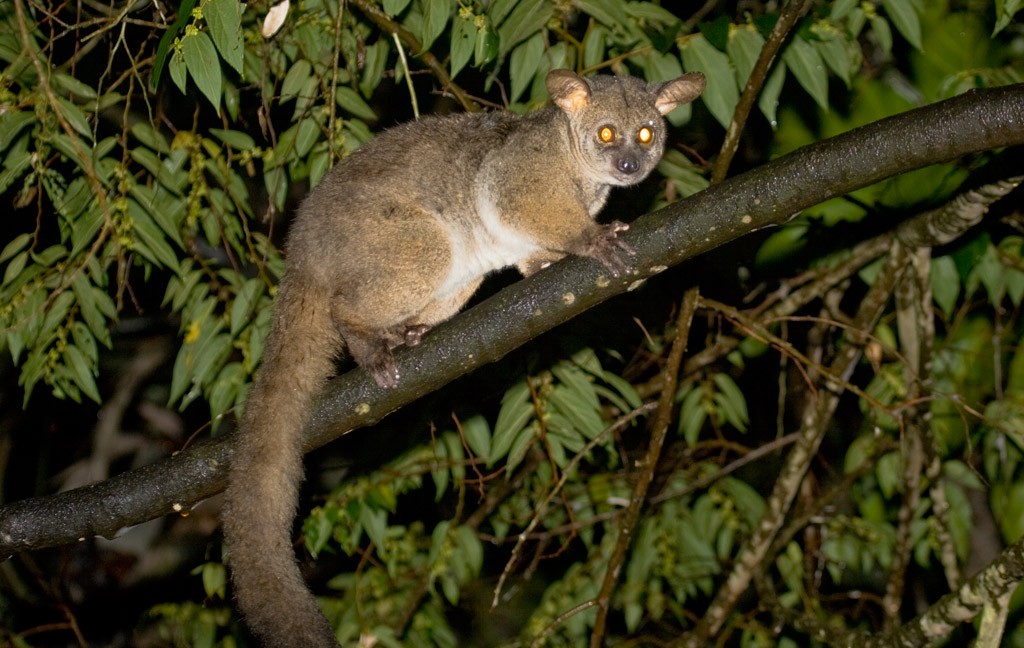
Hidden among the dense foliage of Africa’s night forests is a creature so elusive, so endearing, and so strange that it seems born of folklore. Meet the bushbaby—also known as a galago. These small, wide-eyed primates are not just adorable; they are nature’s acrobats, night navigators, and vocal performers, all rolled into one tiny package.

Despite their small size and nocturnal habits, bushbabies have captivated researchers, tourists, and storytellers alike. Their large, reflective eyes, haunting cries, and astonishing agility make them one of the most intriguing species of the African nightscape. But there’s far more to them than meets the eye.

Let’s dive into five fascinating, deeper facts about bushbabies that will change the way you view these magical creatures—and perhaps ignite a desire to encounter them on your next African safari.

Facts About Bushbabies

1. They Are Primates—but Very Unique Ones

Bushbabies belong to the primate order, making them distant relatives of monkeys, apes, and even humans. However, they are part of a more primitive group known as prosimians. These are considered among the earliest forms of primates, retaining several characteristics that distinguish them from more evolved species.

Unlike monkeys and apes, bushbabies have enhanced olfactory senses and rely heavily on smell and sound rather than complex social interaction. Their brain-to-body size ratio is smaller than most primates, and they maintain features such as:

  • Large, forward-facing eyes for enhanced night vision
  • Specialized ears capable of rotating independently
  • Grooming claws on their second toe—unusual among primates

These traits highlight their evolutionary link to ancient primates and provide insight into what early primate life may have looked like millions of years ago.

2. Masters of the Night: Nocturnal and Elusive

Perhaps one of the most captivating features of bushbabies is their nocturnal lifestyle. As the sun sets and darkness takes hold, these tiny primates come alive—darting through branches with lightning speed, hunting insects, or calling out with eerie vocalizations that can send shivers down your spine.

Their night dominance is supported by several adaptations:

  • Tapetum lucidum: A layer behind the retina that reflects light back into the eyes, greatly enhancing low-light vision. It’s what causes their eyes to glow in torchlight.
  • Highly developed hearing: Their large ears detect the faintest rustle of insects, small prey, or even a distant predator.
  • Solitary foraging: They prefer to move and feed alone, although some species sleep in small family groups during the day.

Spotting a bushbaby on a night drive or guided walk is a thrilling highlight for many safari-goers, as they blend so seamlessly into their shadowy habitats.

3. Phenomenal Jumpers with Olympic-Level Skills

One of the most remarkable abilities of bushbabies is their extraordinary jumping power. Despite their small size—most bushbabies are only about 15 cm (6 inches) long excluding the tail—they can leap over 2.25 meters (7 feet) in a single bound!

How do they achieve such feats?

  • Powerful hind limbs: Their back legs are long and muscular, functioning like springs.
  • Elastic tendons: Tendons in the legs store energy like a rubber band, releasing it at take-off.
  • Tail as a stabilizer: Their long tails act as counterbalances in mid-air, guiding smooth landings.

These leaps allow them to hunt insects on the wing, evade predators, and move between trees without ever touching the ground. It’s a stunning adaptation for forest life and makes them look like tiny parkour experts of the night.

4. Complex Communication: Cries, Clicks, and Squeaks

While bushbabies may look silent and shy, they are anything but quiet. In fact, their name comes from the distinctive crying sound they make—like a baby wailing from within the bush.

Bushbabies use a variety of vocalizations to communicate:

  • Territorial calls: To warn off intruders from their range
  • Alarm sounds: Short shrieks when danger is detected
  • Mating calls: Complex, softer calls to attract a mate
  • Social chirps: Used between mothers and offspring or during grooming

In addition to vocal sounds, they also use scent marking through specialized glands. These chemical cues define territory, identify individuals, and even indicate reproductive status.

Studying their communication has offered insights into early primate language evolution—showing that even tiny creatures like the bushbaby play a big role in the story of communication.

5. Vital Role in Ecosystems and Biodiversity

Beyond their charm, bushbabies play important roles in their ecosystems. They are both predators and prey, forming essential links in the food web.

As insectivores and fruit eaters, they help regulate insect populations and aid in seed dispersal, especially for small fruiting trees. In turn, they are preyed upon by owls, snakes, genets, and even some primates.

However, bushbabies face several conservation challenges:

  • Habitat loss: Deforestation for agriculture and urban expansion threatens their living spaces
  • Capture for the pet trade: Although illegal in many countries, bushbabies are sometimes captured and sold, often dying in captivity
  • Lack of research: Many species remain understudied, with poorly understood ranges and population dynamics

Fortunately, ecotourism and conservation-focused safaris play a critical role in protecting these species by providing income to local communities and drawing attention to their plight.

Discover Bushbabies and More on Safari (Facts About Bushbabies)

Watching a bushbaby leap silently from branch to branch, its glowing eyes reflecting your torchlight, is an unforgettable moment—one that many describe as the highlight of their safari. These elusive creatures encapsulate the mystery, magic, and marvel of Africa’s nocturnal wilderness.

If you want to experience the thrill of night drives, spot rare wildlife, and connect with Africa’s lesser-known wonders, there’s no better partner than WildHorn Africa.

Their expert guides, custom itineraries, and deep-rooted commitment to conservation make them the ideal choice for travelers seeking authentic, ethical, and immersive safari experiences.

Book Your African Safari with WildHorn Africa

Facts About Bushbabies #Facts About Bushbabies Facts About Bushbabies

5 Fascinating Facts About the Eland

5 Fascinating Facts About the Eland

By Travel guides, Travel stories and blogs

5 Fascinating Facts About the Eland

5 Fascinating Facts About the Eland

The Gentle Giant of Africa’s Grasslands

In the golden expanse of Africa’s savannahs, amidst the iconic silhouettes of acacia trees and grazing antelope, the Eland stands out as a symbol of grace and grandeur. Known scientifically as Taurotragus oryx, the Eland is the largest species of antelope on the continent and one of the most fascinating creatures in Africa’s diverse wildlife tapestry.

Its presence in myths, art, and ecology is profound, with indigenous peoples revering it not only for its size but also for its elusive nature and survival skills. The Eland’s unique adaptations, social behaviors, and deep-rooted cultural significance make it a subject worthy of close exploration. Through this article, we delve into five compelling aspects of the Eland’s life and legacy, offering a glimpse into the marvels of this magnificent herbivore.

Imposing Size Paired with Surprising Agility

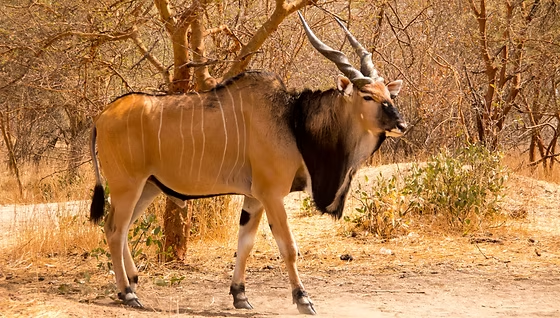
At first glance, the Eland’s sheer size is awe-inspiring. Adult males can weigh up to 1,000 kilograms and stand nearly two meters at the shoulder. Yet despite this formidable bulk, the Eland is a surprisingly agile and fast-moving animal. It can run at speeds of up to 40 kilometers per hour and leap over fences and obstacles more than two meters high.

This remarkable combination of mass and mobility is supported by its muscular build, long legs, and a powerful cardiovascular system. The Eland’s agility is not just a matter of survival but also a key to its migratory lifestyle. During the dry season, it can traverse long distances in search of food and water, often navigating challenging terrains with ease. This ability to balance power with grace makes the Eland a wonder of biological engineering.

Spiral Horns and Sexual Dimorphism (5 Fascinating Facts About the Eland)

One of the most striking features of the Eland is its set of spiraled horns, which are present in both males and females. In males, these horns are thick and tightly twisted, often forming a compact corkscrew that can grow up to 125 centimeters long. Females possess thinner and slightly more open spirals. These horns serve various purposes, including defense against predators and competition among males for mating rights.

Interestingly, sexual dimorphism in the Eland is not limited to horn structure. Males also develop a prominent dewlap under the throat and a tuft of dark hair on the forehead as they age, both of which are believed to play roles in thermoregulation and social signaling. This dimorphism adds to the visual drama of the species and helps researchers and observers distinguish individuals in the wild.

Complex Social Structures and Behavior

Elands are social creatures that often form herds ranging from a few individuals to more than a hundred, especially in areas with abundant food. These herds are typically composed of females and their young, with adult males often leading more solitary lives or joining the herds during mating seasons. The social structure within a herd is not random. Females form hierarchies based on age and experience, while males establish dominance through displays and occasional combat.

Communication among Elands involves a combination of vocalizations, body postures, and even a unique clicking sound produced by their knees. Scientists believe this sound may play a role in group cohesion and signaling movement. Such intricate social dynamics point to a level of cognitive complexity not often attributed to antelope species and demonstrate the evolutionary advantages of communal living in open landscapes.

Cultural Reverence and Historical Significance

The Eland has long been a creature of symbolic importance, particularly among the indigenous San people of Southern Africa. In San rock art, the Eland frequently appears as a central figure, often associated with rain, fertility, and spiritual power. Shamans revered it as a totem animal capable of bridging the physical and spiritual worlds. This deep cultural reverence underscores the Eland’s prominence not just as a source of food and materials but also as a spiritual guide and emblem of balance within the natural order.

Historically, early European explorers and settlers also recognized the Eland’s significance, with several colonial-era paintings and writings documenting their admiration for the animal. Today, the Eland continues to feature in African literature, folklore, and conservation efforts, serving as a living link to the continent’s rich cultural past.

Adaptability in Varied Habitats and Climate Conditions

The Eland’s ecological success lies in its incredible adaptability. Found in a wide range of habitats—from arid deserts and open savannahs to montane grasslands—the Eland has evolved to thrive in some of the most challenging environments on Earth. It can go for days without water, extracting moisture from the plants it consumes. Its diet is diverse, including grasses, leaves, fruits, and even bark during the lean seasons.

This dietary flexibility allows it to adjust quickly to seasonal changes and shifting food availability. Additionally, its slow metabolic rate reduces the need for constant feeding and water intake, making it more resilient to drought and habitat disruption. These survival traits not only ensure the Eland’s continued presence across vast territories but also highlight its role as a keystone species in many African ecosystems.

Experience the Majesty of the Eland with WildHorn Africa

Seeing an Eland in the wild—its muscular frame moving silently through the grass, its horns glinting in the sun—is an unforgettable moment for any wildlife enthusiast. It is a reminder of the raw, unspoiled beauty that still exists in the heart of Africa. For those seeking an authentic encounter with this gentle giant, a safari curated by experts is the ideal path.

WildHorn Africa offers immersive and ethically guided safaris that bring you face-to-face with Africa’s most iconic wildlife, including the elusive Eland. With routes through premier conservation areas and national parks, their safaris ensure not just visual wonder but also educational depth. Whether you’re a first-time traveler or a seasoned explorer, WildHorn Africa crafts experiences that resonate deeply and leave lasting impressions.

Book your next African safari with WildHorn Africa and witness the profound beauty, intelligence, and cultural significance of the Eland in its natural domain. Let your journey echo with the footsteps of giants and the stories of a land as ancient as time itself.

5 Fascinating Facts About the Eland #5 Fascinating Facts About the Eland 5 Fascinating Facts About the Eland

5 Interesting Facts About the African Wild Dog (Lycaon Pictus)

5 Interesting Facts About the African Wild Dog (Lycaon Pictus)

By Travel guides, Travel stories and blogs

5 Interesting Facts About the African Wild Dog (Lycaon pictus)

The Painted Wolves of Africa – Nature’s Most Efficient Hunters

Africa’s wilderness holds many incredible secrets, but few are as enigmatic and captivating as the African Wild Dog. Known scientifically as Lycaon pictus—meaning “painted wolf”—these charismatic canids are among the most fascinating, misunderstood, and endangered predators on the continent.

With their mottled fur, enormous ears, and tight social bonds, African wild dogs stand out not just for their looks, but also for their remarkable behavior, hunting strategy, and ecological importance. This article dives deep into five fascinating facts that shed light on why these elusive animals deserve both our admiration and our protection.

1. African Wild Dogs Are the Most Efficient Hunters in Africa

When it comes to hunting success, African wild dogs outmatch even lions and leopards. Their hunts have a success rate of over 80%, compared to lions’ 30% and leopards’ 38%.

What Makes Them So Efficient? (Facts About the African Wild Dog)

  • Pack Coordination: African wild dogs hunt in highly coordinated packs of up to 20 individuals, with roles clearly defined within the group.
  • Stamina Over Strength: Instead of ambush or brute force, they rely on relentless pursuit, often running prey to exhaustion over distances of several kilometers.
  • Silent Communication: They use body language and high-pitched twittering calls to coordinate movements, maintaining order without alerting prey.

This unique combination of teamwork, stamina, and strategy makes them Africa’s most effective predators.

2. Their Social Structure Is Deeply Cooperative and Unique

Unlike many carnivores, African wild dogs operate within a strict hierarchical yet cooperative pack system.

Key Social Traits

  • Alpha Pair Reproduction: Only the dominant male and female in a pack breed, but the entire pack helps raise the pups.
  • Alloparenting: Subordinate adults and even older siblings care for the young—regurgitating food and guarding the den.
  • No Infighting: Packs are known for their lack of aggression within the group, which is rare among top predators.

This extraordinary cohesiveness and altruism have led researchers to call African wild dogs one of the most socially evolved carnivores in the world.

3. Their Numbers Are Plummeting – One of Africa’s Most Endangered Predators (Facts About the African Wild Dog)

Despite their prowess, African wild dogs are in trouble. Once found across sub-Saharan Africa, they are now listed as Endangered by the IUCN, with fewer than 6,000 individuals left in the wild.

Threats to Survival

  • Habitat Loss: Expansion of farms and roads fragments their wide-ranging territories.
  • Human-Wildlife Conflict: Farmers often kill wild dogs in retaliation for livestock predation.
  • Disease: Rabies and canine distemper, transmitted by domestic dogs, can wipe out entire packs.
  • Vehicle Collisions and Snaring: As human activity encroaches on wilderness, accidents and poaching become more frequent.

Conservationists are working tirelessly to protect wild dog populations through reintroduction programs, community education, and disease vaccination efforts. Yet their survival remains uncertain.

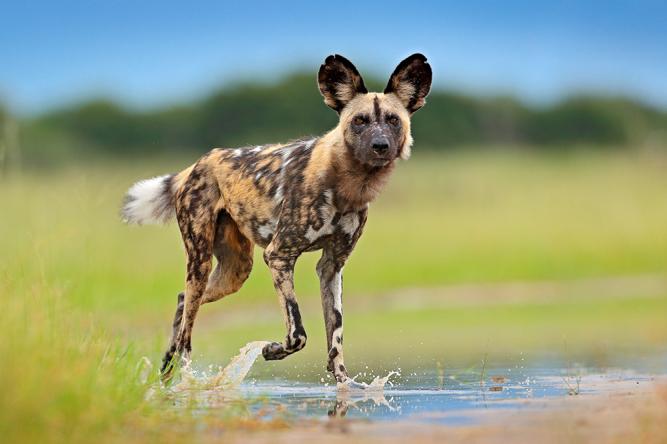
4. Each African Wild Dog Has a Unique Coat – Like a Fingerprint

One of the most striking features of the African wild dog is its vibrantly mottled fur, which serves as excellent camouflage in their natural environment.

Nature’s Artistry

  • No Two Alike: Each dog’s coat is completely unique, with a blend of yellow, black, brown, and white patches.
  • Individual Identification: Researchers and rangers can identify individual dogs based on their coat patterns.
  • Function Over Fashion: The patterns help with pack recognition and camouflage, especially in the dappled light of the bush.

This uniqueness isn’t just aesthetic—it’s a powerful tool for conservation efforts, aiding in tracking and monitoring wild dog populations across reserves.

5. They Are Masters of Communication and Pack Bonding

African wild dogs display some of the most complex communication behaviors seen in any wild carnivore.

How They Communicate

  • Vocal Signals: High-pitched twittering, rallying calls, and a distinctive “hoo” sound used to locate pack members.
  • Scent Marking: They use scent to reinforce territory and social status.
  • Body Language: Facial expressions, tail position, and physical contact reinforce bonds and reduce conflict.

Perhaps most impressively, before setting out on a hunt, packs perform a “rally ritual”, where excited yipping and tail-wagging strengthen unity and ensure group cohesion. This ritual is essential to their hunting success.

Where to See African Wild Dogs in the Wild

Given their low numbers and elusive nature, seeing African wild dogs in the wild is a rare privilege. However, there are a few key safari destinations where sightings are more common:

Expert guides from WildHorn Africa can take you into these habitats, dramatically increasing your chances of a meaningful encounter with these extraordinary predators.

Why African Wild Dogs Matter

African wild dogs are more than just predators—they are keystone species that help maintain the balance of ecosystems. By regulating herbivore populations, they indirectly influence plant life, soil health, and water quality.

Moreover, their complex social structures and cooperative behaviors offer valuable insights into evolution, empathy, and survival. Protecting them is not just about saving a species—it’s about preserving the ecological integrity and wild beauty of Africa itself.

Embark on a Wild Journey with WildHorn Africa

A safari is not just a vacation—it’s a journey into the heart of nature, a chance to witness raw, unscripted wildlife moments that leave a lasting impact. Observing a pack of African wild dogs in their natural habitat is one of the most moving, exhilarating experiences Africa has to offer.

WildHorn Africa curates immersive, conservation-conscious safaris that put you in the heart of these moments. With expert local guides, luxurious accommodations, and custom itineraries, your adventure becomes a story worth telling.

Book your African safari with WildHorn Africa today—and be part of a wild dog’s story before it’s too late.

Facts About the African Wild Dog #Facts About the African Wild Dog Facts About the African Wild Dog

Close Menu