search
10 Most Beautiful and Interesting Places To Visit in Kenya

10 Most Beautiful and Interesting Places To Visit in Kenya

By Kenya travel guides, Travel guides, Travel stories and blogs

10 Most Beautiful and Interesting Places To Visit in Kenya

Where Raw Wilderness Meets Cultural Brilliance (Places To Visit in Kenya)

The Heartbeat of East Africa—Undeniably Magical

Kenya is not just a country—it’s a vivid, living canvas of wild terrain, rich heritage, captivating beauty, and soulful adventure. This East African treasure beckons every kind of traveler, from wildlife lovers and thrill-seekers to culture enthusiasts and beach loungers. A single journey through Kenya reveals a nation brimming with contrasting ecosystems and deeply rooted traditions, with each region offering a distinctive sense of identity, scenery, and experience.

From the golden plains where lions roam to misty highlands dotted with tea plantations, and from sun-drenched coastlines to ancient Great Rift Valley lakes, Kenya holds within her borders some of the most breathtaking and diverse landscapes on the African continent. Her people, warm and welcoming, infuse the land with color, rhythm, and resilience—creating a travel experience that is both deeply enriching and endlessly inspiring.

Let us explore ten of the most beautiful and interesting places to visit in Kenya—destinations that combine raw natural wonder, historical intrigue, and unforgettable moments. These are not merely spots on a map; they are stories, experiences, and emotions waiting to be lived.

Places To Visit in Kenya #Places To Visit in Kenya Places To Visit in Kenya

Maasai Mara National Reserve – The Crown Jewel of Wildlife Safari

There is no place on Earth quite like the Maasai Mara. This iconic savannah, seamlessly connected to Tanzania’s Serengeti ecosystem, is one of Africa’s most celebrated safari destinations. Famed for hosting the Great Wildebeest Migration, the Mara becomes a stage for millions of animals surging across the plains in search of greener pastures. The spectacle is thrilling and raw, with nature’s drama unfolding daily between predator and prey.

Beyond the migration, the reserve teems with lions, cheetahs, elephants, leopards, and a remarkable variety of birdlife. Game drives through the Mara offer intimate and adrenaline-fueled encounters, while cultural visits to nearby Maasai villages reveal a timeless way of life, rich in ceremony and tradition. The Mara is more than a safari—it’s a pulse of the planet.

Lake Nakuru National Park – A Flamingo-Colored Dreamscape

Nestled in the Great Rift Valley, Lake Nakuru is a shimmering soda lake framed by escarpments and acacia woodland. Known for its once-enormous flocks of pink flamingos, the lake still hosts tens of thousands of these elegant birds, along with pelicans, cormorants, and African fish eagles.

What makes this park even more special is its role as a sanctuary for endangered species, particularly black and white rhinos, which roam freely alongside buffalos, giraffes, and elusive leopards. The views from Baboon Cliff, especially at sunset, transform the landscape into a kaleidoscope of golden light and flamingo pink. Lake Nakuru is where color and conservation harmoniously meet.

Amboseli National Park – Elephants Beneath Kilimanjaro’s Gaze

Set against the backdrop of snow-capped Mount Kilimanjaro, Africa’s tallest peak, Amboseli National Park offers some of the most dramatic and photogenic scenery in all of Kenya. The image of massive elephants crossing dusty plains with the mountain rising behind them is one of Africa’s most iconic visuals.

Amboseli is renowned for its large, well-studied elephant herds, many of which are impressively tusked and closely monitored by conservationists. With open savannah, seasonal marshes, and acacia forests, the park supports a diverse array of species, including lions, hyenas, wildebeests, and giraffes. The flat terrain and unobstructed views make wildlife photography here nothing short of exceptional.

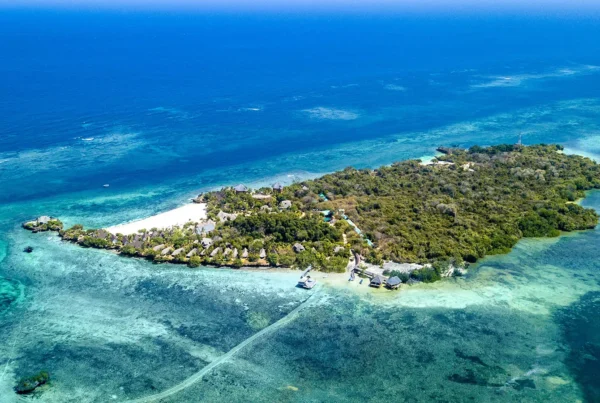
Lamu Island – A Coastal Tapestry of Swahili Heritage

Tucked away along Kenya’s northern coast lies Lamu Island, a UNESCO World Heritage Site and a serene world of winding alleyways, ancient mosques, and stone homes built from coral. Lamu is East Africa’s oldest continuously inhabited town, where the rhythms of traditional Swahili culture still dominate everyday life.

Donkey carts replace cars, and dhows sail gracefully across turquoise waters. Lamu is the embodiment of coastal tranquility and historic charm, offering a deep dive into a unique Afro-Arabian blend of cultures. Whether you’re relaxing on Shela Beach, exploring Lamu Fort, or sipping spiced coffee in a rooftop café, the island whispers stories of centuries past.

Mount Kenya – A Sacred Peak Wrapped in Clouds

Rising majestically in central Kenya, Mount Kenya is the country’s highest mountain and Africa’s second tallest after Kilimanjaro. Unlike its Tanzanian counterpart, Mount Kenya offers an off-the-beaten-path climbing experience, with rugged trails, glacial valleys, alpine lakes, and wildlife-rich forests.

This ancient, extinct volcano is sacred to the Kikuyu people and is revered as the dwelling place of their god, Ngai. Treks up to Point Lenana, the third-highest peak, provide breathtaking panoramas and a sense of spiritual solitude. The surrounding Mount Kenya National Park teems with giant forest hogs, colobus monkeys, and rare bird species, offering a pristine and poetic encounter with Kenya’s highlands.

Hell’s Gate National Park – Adventure Amid Towering Cliffs

Dramatic, raw, and full of geological marvels, Hell’s Gate National Park near Lake Naivasha is a haven for adventure seekers. Named for its towering rock formations and geothermal activity, the park is one of the few in Kenya where you can walk or cycle among wildlife, giving you an unfiltered connection to the land.

The park’s deep gorges, hot springs, and towering spires—like Fischer’s Tower and Central Tower—create an almost surreal landscape. Visitors can hike into the Ol Njorowa Gorge, admire vultures and eagles riding the thermals, and explore geothermal plants. Hell’s Gate is a reminder that Kenya’s beauty also lies in its elemental power and geological diversity.

Diani Beach – Where White Sands Meet Indian Ocean Blues

On Kenya’s southern coastline lies Diani Beach, a stretch of powdery white sand lapped by the turquoise waters of the Indian Ocean. Fringed by palms and shielded by coral reefs, Diani is one of Africa’s most alluring coastal escapes, offering a perfect blend of relaxation and underwater exploration.

Snorkeling, diving, kitesurfing, and deep-sea fishing are popular activities, while dhow cruises and sandbar walks bring serenity. Beyond the beach, visitors can explore Shimba Hills National Reserve or visit Colobus monkey sanctuaries. Diani is more than just a beach—it’s a canvas of coastal wonder infused with Kenyan charm.

Samburu National Reserve – Untamed Beauty of the Northern Frontier

In the arid heart of northern Kenya lies Samburu National Reserve, a rugged wilderness that offers a completely different safari experience. Here, the landscape is dry, dramatic, and dotted with doum palms, while the Ewaso Nyiro River brings life to the region.

Samburu is home to the rare “Samburu Special Five”—Grevy’s zebra, Somali ostrich, reticulated giraffe, gerenuk, and Beisa oryx—as well as thriving populations of elephants and big cats. The Samburu people, with their rich customs and vibrant dress, add depth to the experience, making every visit a cultural and ecological immersion.

Tsavo National Parks – Kenya’s Largest Wild Kingdom

Divided into Tsavo East and Tsavo West, this immense wilderness covers nearly 22,000 square kilometers, making it Kenya’s largest protected area. Tsavo is where the wild still feels wild, a land of lava flows, ancient baobabs, red-dusted elephants, and vast open horizons.

Tsavo East is known for its sheer size and remote character, while Tsavo West offers varied terrain, including volcanic hills, Mzima Springs, and rhino sanctuaries. The sense of isolation here is powerful, and visitors feel as though they’ve stepped into an untamed world where nature reigns with quiet authority.

Nairobi – A Capital Where Urban Energy Meets Safari Spirit

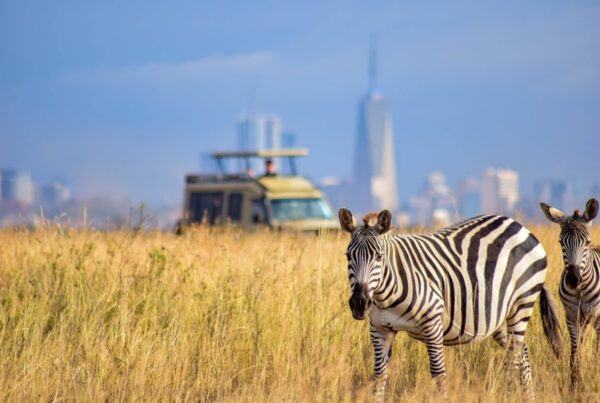
Kenya’s vibrant capital, Nairobi, is more than just a gateway—it’s an energetic city where urban life and nature co-exist in rare harmony. Nowhere else in the world can you find a national park within city limits, where lions and giraffes roam against the backdrop of skyscrapers.

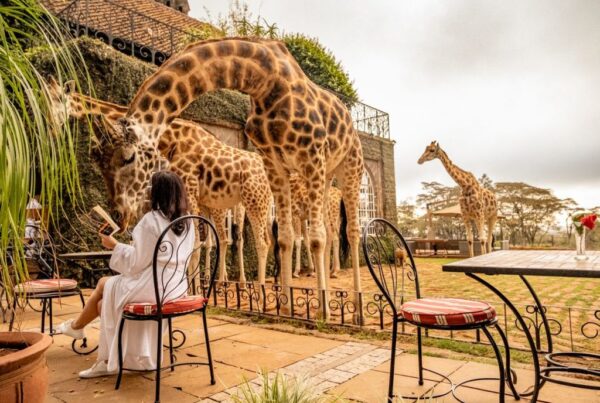
Nairobi is also rich in history and culture. The Karen Blixen Museum, Giraffe Centre, and David Sheldrick Wildlife Trust provide meaningful interactions with Kenya’s past and ongoing conservation efforts. From upscale restaurants to craft markets and bustling nightlife, Nairobi delivers an urban rhythm pulsing with African soul.

Book Your Kenyan Journey with WildHorn Africa (Places To Visit in Kenya)

Kenya is not just a destination—it is a journey of discovery, heart, and connection. Every mountain trail, savannah plain, cultural encounter, and coastal breeze tells a story that deepens your understanding of Africa and your place within it. Whether you seek luxury or raw adventure, solitude or celebration, Kenya offers it all in dazzling abundance.

To experience Kenya at its fullest, trust the experts at WildHorn Africa. Their deep local knowledge, handpicked itineraries, and personalized service ensure that your journey is authentic, enriching, and unforgettable. Whether you dream of safari drives in the Mara, trekking Mount Kenya, or relaxing on the beaches of Lamu, WildHorn Africa will craft a journey that exceeds your expectations.

Answer Kenya’s call—and let WildHorn Africa be your trusted guide into the wild, wonderful heart of East Africa.

Places To Visit in Kenya #Places To Visit in Kenya Places To Visit in Kenya

The Masai Mara Conservancies

The Masai Mara Conservancies

By Kenya travel guides, Travel guides, Travel stories and blogs

The Masai Mara Conservancies

Where Wilderness Thrives Beyond Borders

When you hear the words Masai Mara, the mind immediately conjures sweeping golden plains, herds of wildebeest in full gallop, and lions perched on termite mounds under a crimson African sunset. But beyond the famous Masai Mara National Reserve lies a hidden treasure, lesser known yet profoundly more intimate, raw, and transformative. These are the Masai Mara Conservancies — private, community-run conservation areas that represent the future of sustainable safari tourism in Kenya.

Unlike the bustling central reserve, where visitor numbers can swell during high season, the conservancies offer a deep, immersive, and ethically grounded safari experience. Here, wildlife thrives in abundance, communities benefit directly, and conservation isn’t just a slogan—it’s a way of life. From the thundering hooves of the Great Migration to the stealthy elegance of leopards slinking through riverine forests, every moment in the conservancies is charged with the untamed spirit of Africa.

This is not just a journey into the wild. It’s an exploration of a visionary model that blends luxury, tradition, and conservation, creating some of the most exclusive and impactful safaris on the continent. Join us as we delve into the majestic world of the Masai Mara Conservancies, a place where nature, culture, and conservation meet in harmony.

Understanding the Conservancy Concept: A New Dawn in Conservation

To appreciate the uniqueness of the Masai Mara Conservancies, one must first understand what sets them apart. These conservancies are not government-run, fenced-off parks. Instead, they are private-public partnerships formed between local Maasai landowners and eco-conscious safari operators. The landowners lease their ancestral lands to tourism operators under strict conservation guidelines, while retaining grazing rights and receiving a monthly income, job opportunities, and community development support.

This collaborative structure has birthed a conservation revolution. It empowers local communities to protect wildlife and their habitats while simultaneously benefiting from the tourism economy. Unlike traditional models that often exclude indigenous people, the conservancy system ensures that wildlife conservation is a shared interest — one that brings prosperity, dignity, and sustainability to everyone involved.

The result? Vast tracts of pristine land are now flourishing as sanctuaries for endangered species, from cheetahs to rhinos, while human-wildlife conflict is drastically reduced. The conservancies extend the boundaries of the Mara ecosystem, creating safe migration corridors and dispersal zones that are essential for the long-term survival of East Africa’s most iconic animals.

Wildlife Encounters Like Nowhere Else

Step into the conservancies, and you enter a world where wildlife encounters are more intimate, varied, and thrilling than in the busier national reserve. With restrictions on the number of lodges, vehicles, and guests, the game-viewing experience is not only serene but profoundly personal. Often, it will be just you, your guide, and the wild under the golden African sky.

The Big Five — lion, leopard, elephant, buffalo, and rhino — all roam freely here. But the experience is elevated by the ability to go off-road, track predators across the savannah, or linger as a cheetah hunts without feeling rushed or crowded. Night drives, which are not allowed in the main reserve, reveal a whole new cast of nocturnal characters, from porcupines and bush babies to the elusive aardvark and hunting hyenas.

Bird lovers, too, will find themselves in paradise. With over 450 recorded species, including martial eagles, lilac-breasted rollers, and secretary birds, the conservancies offer a canvas of avian beauty that’s as rich as the skies are wide.

But perhaps most memorable are the cultural encounters — guided by Maasai warriors, who don’t just show you the land, but share stories, knowledge, and traditions that have evolved alongside the wildlife for centuries.

A Mosaic of Distinct Conservancies: Unity in Diversity

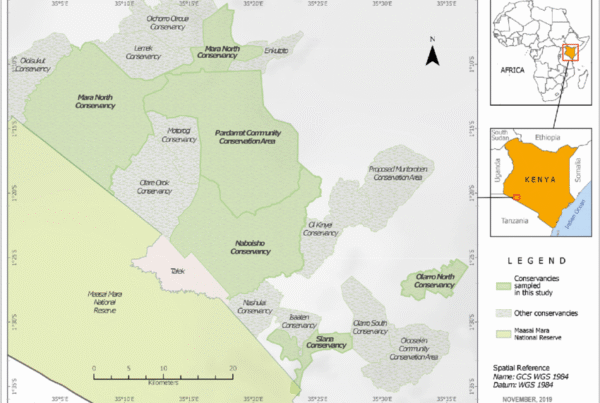
The Masai Mara Conservancies are not a monolith. Each one offers a distinct ecosystem, mood, and safari rhythm, shaped by its landscape, wildlife density, and community ethos. Among the most renowned are Olare Motorogi, Naboisho, Ol Kinyei, Mara North, and Lemek — each representing the collaborative spirit and ecological richness that define the Mara.

In Olare Motorogi, expect predator action at its finest. The lion prides here are vast and well-documented, offering incredible sightings and dramatic behavioral observations. Its low-density tourism policy ensures that you can watch a pride on a kill or a leopard dragging its meal into a tree without a sea of other vehicles crowding the moment.

Naboisho Conservancy is a birdwatcher’s and photographer’s haven, boasting a remarkable blend of big cats and rare species like caracal and serval. Its high wildlife density matches — and sometimes surpasses — that of the main reserve, but with the added perks of walking safaris and ethical night drives.

Ol Kinyei, one of the first conservancies to adopt the model, is a pioneering success story. With vast open plains and seasonal rivers, it is ideal for witnessing massive herds of plains game and stunning cheetah chases.

Each conservancy is a living ecosystem, connected by migration corridors that allow wildlife to flow freely across the broader Mara region. Together, they form a mosaic of protected wilderness that ensures both ecological integrity and community benefit.

Ethical Tourism and the Power of Choice

What makes the Masai Mara Conservancies truly powerful is that every traveler who visits is making a conscious, ethical choice. Unlike mass-market safari tourism that often places strain on habitats and communities, choosing a conservancy-based safari redistributes power and profit to where it is needed most — the frontline stewards of the land.

Lodges and camps in the conservancies are designed with sustainability and low impact in mind, blending seamlessly into the landscape with minimal environmental footprint. Many use solar power, source food locally, and engage in waste management practices that protect the land. Moreover, guides, trackers, chefs, and staff are often from local communities, ensuring that the tourism value chain supports local livelihoods.

By visiting the conservancies, you are also supporting wildlife monitoring programs, anti-poaching efforts, and conservation education. Every game drive, meal, and sundowner becomes part of a broader story — one where tourism becomes a force for good rather than exploitation.

The Future of the Mara Lies Here

As climate change, habitat loss, and population pressures challenge Africa’s wildernesses, the conservancies of the Masai Mara represent a beacon of hope. They are living proof that conservation can thrive when rooted in equity, collaboration, and shared vision. They prove that when local people have ownership, agency, and benefit, they become the most passionate defenders of the wild.

For travelers, the conservancies offer something rare: a chance to experience the thrill of safari while making a direct, measurable impact. You aren’t just observing nature; you are participating in its preservation. You’re not just snapping photos of lions; you are helping ensure that lions continue to roam these lands for generations to come.

Whether you’re watching a newborn elephant wobble beside its mother, witnessing a Maasai dance beneath starlight, or sipping coffee as the savannah wakes to another golden dawn, the Masai Mara Conservancies offer more than a vacation. They offer a connection — to the land, the people, and the future of Africa’s wild heart.

Plan Your Safari with Purpose: Travel with WildHorn Africa

If you’re ready to experience the soul of Africa in its most authentic and sustainable form, the Masai Mara Conservancies await. At WildHorn Africa, we specialize in bespoke safari experiences that go beyond the ordinary. Our expert guides, ethical practices, and deep partnerships with local conservancies mean that your journey is not only unforgettable but also meaningful.

Let us take you to the hidden gems of the Mara, where the wild still whispers, and every moment is steeped in wonder. Book your African safari with WildHorn Africa today, and become part of a story that celebrates life, preserves wilderness, and uplifts communities — one extraordinary journey at a time.

Kenya Travel Advice

Kenya Travel Advice

By Kenya travel guides

Kenya Travel Advice

Kenya has long held a place of honour among the world’s most captivating travel destinations, drawing visitors with its extraordinary wildlife, diverse cultures, sweeping savannahs, tropical coastlines, and a sense of adventure that has become synonymous with East African travel. The country is celebrated internationally for its iconic safari experiences, particularly in the Maasai Mara, where the Great Migration unfolds annually in scenes of remarkable scale and drama. Yet Kenya offers far more than its wildlife spectacles; it is a nation layered with contrasts, where high-altitude forests meet dusty plains, where historic Swahili settlements line the Indian Ocean, and where pastoralist communities continue to practise traditions rooted in centuries of cultural continuity. Urban centres like Nairobi introduce travellers to a modern, dynamic Kenya defined by creativity, entrepreneurship, and cultural expression that blends the past and present into a tapestry of daily life.

Travellers who explore Kenya often speak of a sense of openness and warmth felt throughout the country. Kenyan hospitality is shaped by an ethos of connection, storytelling, and community that welcomes visitors with ease. Whether sharing tea in a highland village, watching fishermen cast nets in Lamu, or listening to the rhythmic songs of Samburu warriors, travellers quickly discover that Kenya’s cultural richness extends far beyond its natural beauty. The country’s tourism infrastructure is among the most developed on the continent, offering a wide range of safari lodges, boutique camps, resorts, eco-lodges, cultural tours, and adventure activities. From luxury tented camps to mountain treks, hot-air balloon rides, and dhow sailing excursions, Kenya caters to travellers seeking both comfort and immersion.

Quick Facts

Kenya is located in East Africa and shares borders with Uganda, Tanzania, Ethiopia, Somalia, and South Sudan, as well as the Indian Ocean to the southeast. Its population exceeds fifty million people, representing more than forty ethnic groups, each contributing unique languages, customs, and cultural practices. Swahili and English serve as the country’s official languages, making communication accessible for international travellers. Nairobi, the capital city, is a major hub for commerce, travel, and international diplomacy, often serving as the first point of arrival for visitors. Kenya’s economy is driven by agriculture, tourism, services, and technology, and it has earned a reputation as one of Africa’s leading innovators in digital finance and mobile connectivity.

Kenya operates within the East Africa Time zone, remaining consistent throughout the year as the country does not observe daylight savings. The currency used is the Kenyan shilling, which is widely available throughout the country, although digital payments and bank cards are increasingly common in urban centres. Kenya is known not only for its wildlife and coastlines but also for its role in global conservation, research, and environmental leadership. These quick facts help set the foundation for a deeper understanding of Kenya as both a travel destination and a cultural landscape.

Geography and Climate

Kenya’s geography is strikingly varied, contributing to the country’s immense ecological diversity. The Great Rift Valley runs through the heart of the nation, creating dramatic escarpments, fertile highlands, volcanic formations, and a series of lakes that support vibrant birdlife and unique ecosystems. The central and western highlands offer cooler temperate climates, with Mount Kenya rising as the second-highest mountain in Africa, its snow-capped peaks watched over by surrounding forests, moorlands, and glacial valleys. These highlands support tea and coffee plantations, agricultural communities, and forest reserves where wildlife and indigenous species thrive in cooler conditions.

To the south and east, the landscape shifts into classic savannahs and open plains that form the heart of Kenya’s safari regions. The Maasai Mara, Amboseli, Tsavo, and Samburu ecosystems each present distinct landscapes shaped by altitude, vegetation, and water sources. Amboseli is framed by Mount Kilimanjaro’s iconic silhouette, while Samburu’s semi-arid landscapes feature rocky outcrops, riverine forests, and species uniquely adapted to drier climates. In the north, landscapes merge into desert, rugged mountains, and volcanic formations, where pastoralist communities live according to seasonal migratory patterns tied to grazing and rainfall.

Kenya’s coastline, stretching for more than five hundred kilometres along the Indian Ocean, offers a tropical counterpart to the inland wilderness. Palm-fringed beaches, coral reefs, mangrove forests, and historic Swahili towns provide an atmosphere that blends African, Arab, and Indian Ocean cultural influences.

The climate varies significantly by region. Coastal areas experience warm, humid conditions year-round, while inland lowlands tend to be hot and dry. The central highlands enjoy cooler temperatures, particularly at night. Kenya has two rainy seasons: the long rains typically occur from March to May, while the short rains appear around October and November. Although travel remains possible throughout the year, understanding these climatic patterns allows travellers to plan trips that align with comfort, wildlife behaviour, and regional accessibility.

Passports and VisasKenya Travel Advice

Travellers entering Kenya must hold a passport with at least six months of validity from the date of entry and sufficient blank pages for immigration stamps. Kenya formally transitioned to an e-visa system, requiring most international visitors to obtain an electronic visa before arrival. Applications are submitted through the official online portal, and visitors should take care to use only authenticated government sites to avoid fraudulent intermediaries. The e-visa is typically valid for tourism stays of up to ninety days, with extensions available through immigration offices inside the country.

Travelers from certain countries may be exempt from visa requirements, while others must apply in advance depending on diplomatic agreements and regional policies. Those travelling to Kenya as part of a multi-country East African itinerary may consider the East Africa Tourist Visa, which allows entry into Kenya, Uganda, and Rwanda on a single visa. Immigration officers may request proof of accommodation, return or onward travel, and sufficient financial resources. It is advisable to carry printed copies of all travel confirmations to ensure a smooth arrival process. While Nairobi’s Jomo Kenyatta International Airport handles most entries, land borders and regional airports implement similar procedures.

Health

Health preparedness is essential when travelling to Kenya, particularly due to its diverse ecosystems, varying altitudes, and tropical climate. Travellers are encouraged to consult a travel health specialist six weeks prior to departure for personalized advice. Yellow fever vaccination is required for travellers arriving from countries where yellow fever is present, and a certificate may be requested upon arrival. Standard recommended vaccinations often include hepatitis A, tetanus, typhoid, and other routine immunizations depending on personal health history.

Malaria is present in many lowland and coastal regions, particularly in western Kenya, the Maasai Mara, the coast, and certain parts of the Rift Valley. Anti-malarial medication, mosquito repellent, and protective clothing during evening hours help mitigate risk. Areas with higher altitudes, such as Nairobi and the central highlands, have lower malaria transmission due to cooler temperatures.

Food safety is an important consideration. Travellers should drink bottled or purified water, avoid ice unless certain of its source, and choose cooked foods or fruits that can be peeled. Kenya’s cuisine is diverse and delicious, but those with sensitive stomachs may prefer to introduce new foods gradually.

Altitude sickness may affect travellers in high-elevation destinations such as Mount Kenya or the Aberdares. Proper acclimatization and hydration help reduce symptoms. Kenya’s private hospitals, particularly in Nairobi, offer excellent medical care, though rural facilities may be basic. Travellers requiring prescription medication should bring an adequate supply in original packaging.

Insurance

Comprehensive travel insurance is highly advisable for anyone visiting Kenya. Safari activities, adventure excursions, long-distance travel, and visits to remote national parks require coverage that includes medical care, evacuation, and repatriation. Many safari camps are located far from major hospitals, making evacuation coverage essential for emergency situations. Insurance should also cover trip cancellations, lost luggage, flight delays, and adventure-related activities such as hot-air ballooning, hiking, horse riding, and water sports along the coast.

Travellers embarking on mountain treks, particularly Mount Kenya, should ensure their insurance specifically covers high-altitude trekking. Those planning scuba diving or deep-sea fishing along the coast should confirm that their policy includes marine activities. Comprehensive coverage offers peace of mind and ensures that travellers can enjoy Kenya’s diverse landscapes without undue concern for unexpected circumstances.

Money

The Kenyan shilling is the country’s official currency and is widely used across all regions. ATMs are common in cities, airports, and towns, and most accept international bank cards. Digital payments have also become widespread, particularly through mobile platforms such as M-Pesa, which is used throughout the country for everyday transactions. Visitors may find it convenient to use cash for minor purchases, local markets, and rural services, while major hotels, safari lodges, and restaurants accept credit and debit cards.

Foreign currency can be exchanged at banks, hotels, or licensed exchange bureaus. It is advisable to carry small denominations of Kenyan shillings for ease of payment in markets or during travel between remote destinations. While US dollars may be accepted for certain tourism services, reliance on foreign currency should be limited to avoid potential confusion. Travellers should store money securely and remain aware of their belongings in crowded areas.

Tipping

Tipping is customary in Kenya and is appreciated across the tourism industry. While not mandatory, tipping reflects gratitude for good service and contributes meaningfully to the incomes of guides, porters, hotel staff, and service workers. Safari guides and trackers work under demanding conditions, and tipping is often a valued acknowledgment of their expertise. In restaurants, hotels, and camps, tipping is welcomed according to the traveller’s discretion. Travellers should carry small denominations of local currency to facilitate tipping throughout their journey.

Travel Destinations

Kenya’s travel destinations are extraordinarily diverse, offering travellers an opportunity to explore wildlife-rich savannahs, volcanic landscapes, tropical islands, bustling cities, and cultural centres. The Maasai Mara remains one of the world’s most celebrated safari regions, known for its abundant wildlife and its role as the northern extension of the Serengeti ecosystem. The Great Migration, where millions of wildebeest and zebra move across the plains, stands as one of nature’s greatest spectacles. Even outside migration season, the Mara’s landscapes and predator populations provide world-class safari experiences.

Amboseli National Park, located at the foot of Mount Kilimanjaro, offers dramatic views of Africa’s highest mountain and is known for its large herds of elephants. Lake Nakuru National Park, situated within the Rift Valley, is famous for its flamingo populations (when conditions allow), rhino sanctuary, and picturesque lake surroundings. Tsavo East and Tsavo West form one of the largest protected ecosystems in East Africa, offering vast landscapes, rugged terrain, and a wilder, less commercial safari experience.

In northern Kenya, Samburu National Reserve introduces travellers to distinctive wildlife species such as Grevy’s zebra, reticulated giraffe, and the gerenuk, while providing opportunities to engage with Samburu communities whose traditions remain deeply rooted in pastoralist culture. The Turkana region offers desert landscapes, ancient archaeological sites, and a sense of isolation that appeals to adventurous travellers seeking uncharted terrain.

Kenya’s coastline offers a different type of beauty altogether. Mombasa, Lamu, Watamu, Diani, and Malindi provide pristine beaches, coral reefs, and a vibrant Swahili cultural heritage shaped by centuries of trade across the Indian Ocean. Lamu Island, a UNESCO World Heritage Site, captivates travellers with its narrow alleyways, traditional dhow boats, Islamic architecture, and slow pace of life. Watamu and Malindi attract divers, snorkelers, and marine researchers due to their rich underwater life and protected coral gardens.

Nairobi, often overlooked by travellers in a hurry to reach safari destinations, stands as a cultural and historical hub with museums, craft markets, wildlife sanctuaries, and modern dining experiences. Nairobi National Park provides the unique opportunity to view wildlife against a city skyline, while the Karen Blixen Museum and the National Museum of Kenya illuminate the country’s historical and cultural narratives.

How to Get There

Kenya is well connected to international destinations through Jomo Kenyatta International Airport (NBO) in Nairobi and Moi International Airport (MBA) in Mombasa. Nairobi serves as the primary gateway for most international travellers, receiving flights from Europe, the Middle East, Africa, and a growing number of destinations in Asia and North America. Domestic flights connect Nairobi to major safari hubs such as the Maasai Mara, Amboseli, Samburu, Diani Beach, Malindi, Lamu, and Kisumu. Wilson Airport in Nairobi is the centre for regional safari flights, offering a network of scheduled and charter services to airstrips across the country.

Overland travel is common between many destinations, although distances can be long. Road conditions vary widely, with highways between major cities improving while some rural and remote areas remain accessible only by four-wheel-drive vehicles. Safari operators often organise private transfers for travellers heading to lodges in remote parks. Kenya also shares land borders with Tanzania, Uganda, and Ethiopia, though travellers should confirm visa requirements and safety considerations before crossing.

Rail travel between Nairobi and Mombasa has become increasingly popular due to the modern Standard Gauge Railway (SGR) system, offering a comfortable and efficient way to reach the coast. Boat travel is generally limited to coastal excursions and inter-island transportation in Lamu.

Best Time to Visit

Kenya remains a year-round destination, but certain seasons offer ideal conditions depending on interests. The dry seasons, from June to October and from December to March, are considered the best periods for safari travel due to clear skies, moderate temperatures, and excellent wildlife viewing. During these months, animals gather around water sources, vegetation thins for increased visibility, and road access improves in most parks.

The Great Migration typically reaches the Maasai Mara between July and October, though patterns vary based on rainfall in the Serengeti. These months attract travellers seeking dramatic river crossings and predator action. The second dry season, between December and March, offers warm temperatures and superb game viewing, particularly in the Mara and Tsavo ecosystems.

The rainy seasons, particularly April and May, bring lush landscapes, fewer crowds, and ideal conditions for birdwatching. Although some roads may become muddy and certain lodges may close temporarily, the scenery becomes vibrant, and wildlife remains abundant. The coastal region is pleasant year-round, though humidity increases during the rainy months, and the period between December and March is especially attractive for beach travel.

Understanding seasonal patterns helps travellers plan experiences that best suit their interests, whether focused on safaris, trekking, photography, cultural immersion, or coastal relaxation.

Close Menu