search
Cultural

Cultural

By Travel guides

Cultural Experiences in Africa: Discover the Heartbeat of the Continent

Africa is not just about wildlife and breathtaking landscapes—it’s a continent rich in cultural heritage, traditions, music, dance, art, and storytelling. With over 3,000 distinct ethnic groups and more than 2,000 languages, Africa offers some of the most diverse and authentic cultural experiences in the world.

Whether you’re visiting a Maasai village in Kenya, attending a tribal festival in Ghana, or learning about the ancient rock art of the San people in Southern Africa, cultural tourism allows travelers to connect with the soul of Africa.

Why Choose Cultural Experiences in Africa?

Authentic Encounters: Engage with local communities and learn about their history, customs, and way of life.

Support for Local Economies: Cultural tourism helps generate income for communities and supports traditional crafts.

Immersive Learning: Gain a deeper understanding of Africa’s complex history, from ancient civilizations to modern traditions.

Unique Memories: Share stories, dance around campfires, and taste traditional meals that make your journey truly unforgettable.

Top Cultural Experiences in Africa

🛖 Maasai Village Visits – Kenya & Tanzania
Learn about the Maasai people’s warrior traditions, beadwork, pastoral lifestyle, and iconic attire.

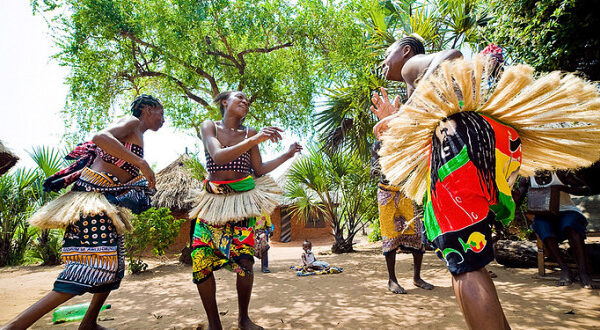
Participate in traditional dances and ceremonies.

Understand the role of cattle in Maasai culture.

🎭 Zulu Cultural Tours – South Africa
Visit traditional Zulu homesteads and hear the history of the Zulu Kingdom.

Watch performances of energetic Zulu dances.

Explore local customs, medicine, and craftsmanship.

🏺 Krobo Bead Workshops – Ghana
Experience bead-making in Eastern Ghana, where artisans craft colorful glass beads using ancient methods.

Discover the cultural significance of beads in rites of passage and ceremonies.

🧱 Great Zimbabwe Ruins – Zimbabwe
Explore the remains of one of Africa’s greatest ancient civilizations.

Learn about the Shona people and the stone architecture that dates back to the 11th century.

🐆 Himba People – Namibia
Visit a Himba village in northern Namibia to witness their traditional red ochre body paint, hairstyles, and semi-nomadic way of life.

Understand their relationship with nature and cattle.

🪘 Drumming and Dance – West Africa
Join drumming sessions in Senegal, The Gambia, or Guinea.

Learn about the storytelling traditions passed down through music and dance.

🖼 Rock Art of the San – Botswana, Namibia & South Africa
View ancient rock paintings created by Africa’s oldest inhabitants.

Learn from San guides about their click language, tracking skills, and spiritual beliefs.

Cultural Festivals to Attend

Lake of Stars Festival (Malawi) – Music and arts by the shores of Lake Malawi

Timkat Festival (Ethiopia) – Colorful Ethiopian Orthodox celebration of Epiphany

FESPACO (Burkina Faso) – Africa’s largest film festival

Durbar Festival (Nigeria) – Royal parades and pageantry in Northern Nigeria

Gerewol Festival (Chad) – A courtship dance competition by the Wodaabe nomads

What to Expect on a Cultural Tour

Guided visits to communities or heritage sites

Opportunities to interact, ask questions, and share stories

Traditional meals and cooking demonstrations

Arts and crafts workshops (basket weaving, beadwork, pottery)

Cultural performances: dance, song, drumming, storytelling

How to Respect Local Cultures

Ask before taking photos

Dress modestly when visiting villages or religious sites

Support local artisans by purchasing authentic crafts

Be open-minded and listen more than you speak

Combine Culture with Safari or Adventure
Many African itineraries offer a blend of cultural and wildlife experiences. Imagine tracking gorillas in Uganda in the morning, and then sharing a traditional meal with the Batwa people in the afternoon. Or enjoying a game drive in Tanzania before visiting a local coffee farm on the slopes of Mount Kilimanjaro.

Plan a Cultural Journey with WildHorn Africa
At WildHorn Africa, we believe the heart of Africa beats in its people. Let us craft a safari experience that takes you beyond the animals and into the vibrant communities that make this continent so special.

Get in touch with WildHorn Africa today to plan a cultural tour that connects you to Africa’s rich heritage, warm hospitality, and timeless traditions.

Butterflies

Butterflies

By Travel guides

Butterflies of Africa: Nature’s Winged Jewels

Africa is home to an astonishing variety of butterflies—over 3,000 species flutter through the continent’s forests, savannahs, wetlands, and mountains. These vibrant insects are more than just beautiful; they play vital roles in ecosystems as pollinators, prey for other animals, and indicators of a healthy environment.

From the delicate African Monarch to the dazzling Papilio dardanus, butterflies in Africa captivate with their colors, patterns, and behaviors.

Why Butterflies Matter

Pollination: Butterflies help pollinate flowers as they feed on nectar, supporting plant reproduction.

Biodiversity Indicators: A high diversity of butterflies often signals a healthy, balanced ecosystem.

Food Chain: Butterflies and their caterpillars provide food for birds, reptiles, and mammals.

Cultural Significance: In many African cultures, butterflies symbolize transformation, rebirth, and spiritual messengers.

Common and Notable Butterfly Species in Africa

🦋 African Monarch (Danaus chrysippus)
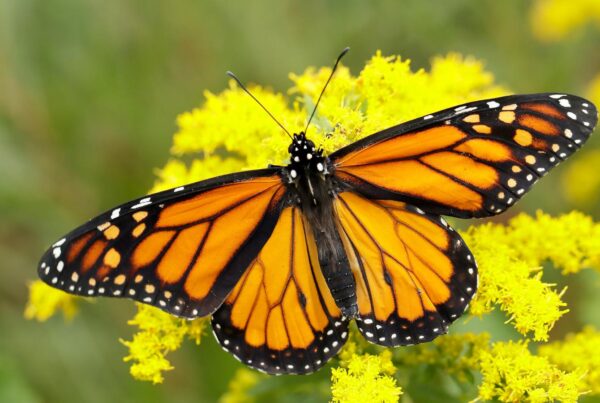
Resembles the American Monarch

Found across most of Sub-Saharan Africa

Feeds on milkweed; toxic to predators

🦋 Green-banded Swallowtail (Papilio nireus)
Striking black wings with green or blue bands

Common in forests and wooded savannahs

Fast, erratic flyers

🦋 Mocker Swallowtail (Papilio dardanus)
Masters of mimicry—females imitate other butterfly species to avoid predators

Found across tropical Africa

🦋 African Giant Swallowtail (Papilio antimachus)
One of the largest butterflies in Africa, with a wingspan up to 25 cm

Rare and mostly found in Central African rainforests

🦋 Charaxes species (Emperor Butterflies)
Bold, fast flyers with powerful wings

Common in woodland areas

Often seen feeding on rotting fruit or tree sap

Where to See Butterflies in Africa

🌿 Kakamega Forest – Kenya
A rainforest reserve teeming with butterfly species, including some found nowhere else in East Africa

🌿 Nyungwe Forest – Rwanda
Known for its dense vegetation and high butterfly diversity, especially during the rainy season

🌿 Udzungwa Mountains – Tanzania
A biodiversity hotspot with several endemic butterfly species

🌿 Kibale Forest – Uganda
While famous for chimpanzees, Kibale also hosts dozens of butterfly species in its lush tropical environment

🌿 Table Mountain – South Africa
Home to rare and endemic butterflies like the Table Mountain Beauty

Best Time to See Butterflies

Rainy seasons (or just after): This is when most butterflies are active due to the abundance of flowers and nectar.

Mornings and early afternoons: Butterflies are most visible when temperatures rise and sunlight draws them out to feed.

Butterfly Watching Tips

Wear light-colored clothing to avoid scaring butterflies

Bring a camera or phone with a macro lens for close-up shots

Walk slowly and observe closely—many butterflies camouflage well

Respect nature—avoid touching or capturing butterflies

Combine Butterfly Watching with Other Experiences
Many butterfly-rich areas are also top destinations for birding, primate tracking, hiking, and photography safaris. You can explore trails through tropical forests or gardens where butterflies abound, making it a relaxing yet rewarding nature experience.

Plan a Nature Safari with WildHorn Africa
Ready to explore Africa’s winged wonders? Whether you want to combine butterfly watching with gorilla trekking, birding, or nature walks, WildHorn Africa can customize your safari experience to include these magical moments.

Contact WildHorn Africa today to plan your nature escape and discover the butterflies that color Africa’s wild landscapes.

Diving

Diving

By Travel guides

Diving in Africa: Explore the Continent’s Hidden Underwater Worlds

Diving in Africa offers some of the world’s most spectacular and diverse underwater experiences. From vibrant coral reefs and dramatic drop-offs to historic shipwrecks and marine megafauna encounters, Africa’s coastline and offshore islands are a paradise for scuba divers. Whether you’re a seasoned diver or just starting out, Africa has something to suit every level of experience and every kind of underwater dream.

Why Dive in Africa?

Biodiversity: Africa’s waters host thousands of marine species—many of them endemic or rare.

Warm waters: Tropical and subtropical temperatures make for comfortable diving year-round.

Pristine dive sites: Many dive spots are uncrowded and well-preserved.

Variety of experiences: Wreck diving, reef diving, drift dives, cave dives, and shark encounters all in one continent.

Top Diving Destinations in Africa

1. Zanzibar – Tanzania
A diver’s paradise in the Indian Ocean with warm, clear waters and rich marine life.

Highlights: Coral gardens, reef fish, sea turtles, dolphins, and occasional whale sharks

Top sites: Mnemba Atoll, Leven Bank, Tumbatu Island

Best time: July to October and December to March

2. Red Sea – Egypt
Famed for its clear visibility, colorful reefs, and dramatic wall dives.

Highlights: Coral reefs, hammerhead sharks, dolphins, and historic wrecks like the SS Thistlegorm

Top sites: Ras Mohammed, Brothers Islands, Dahab’s Blue Hole

Best time: March to May and September to November

3. Tofo – Mozambique
A hotspot for large marine life and excellent visibility.

Highlights: Manta rays, whale sharks, humpback whales (in season), reef fish

Top sites: Manta Reef, Amazon Reef, Giant’s Castle

Best time: May to November

4. Sodwana Bay – South Africa
South Africa’s premier diving destination with rich coral reefs and big marine encounters.

Highlights: Turtles, rays, reef sharks, rare fish species, and seasonal humpback whales

Top sites: Two Mile Reef, Five Mile Reef, Seven Mile Reef

Best time: April to September

5. Seychelles
Crystal-clear waters and abundant marine life await in this Indian Ocean island nation.

Highlights: Coral reefs, eagle rays, reef sharks, and granite rock formations

Top sites: Shark Bank, Brissare Rocks, Ennerdale Wreck

Best time: March to May and September to November

6. Mauritius
Diving in Mauritius offers volcanic caves, coral reefs, and warm, calm waters.

Highlights: Reef fish, turtles, dolphins, and wreck diving

Top sites: Cathedral, Stella Maru Wreck, Snake Reef

Best time: November to May

What to Expect on a Dive Trip

Dive centers: Well-equipped with experienced instructors and PADI/SSI-certified guides

Boat or shore dives: Depending on the location and site

Full-day or half-day excursions with 2 to 3 dives per trip

Rental gear available: Wetsuits, BCDs, regulators, fins, and masks

Marine conservation efforts: Many operators are involved in reef protection and research

What to Pack for Your Diving Trip

Certification card (if certified)

Logbook or dive computer

Personal mask and snorkel (recommended for comfort)

Reef-safe sunscreen

Rashguard or wetsuit (if not renting)

Underwater camera or GoPro

Dry bag for gear

Towel and change of clothes

Can Beginners Dive in Africa?

Absolutely. Many African dive destinations offer:

PADI Open Water certification courses

Introductory dives for first-timers with no prior experience

Snorkeling options for non-divers who still want to explore marine life

Dive into the Blue with WildHorn Africa
Whether you’re looking to explore coral gardens off Zanzibar, drift dive with mantas in Mozambique, or discover ancient shipwrecks in the Red Sea, WildHorn Africa can arrange unforgettable diving experiences tailored to your level and interest.

Get in touch with WildHorn Africa today to plan your diving adventure and discover the treasures hidden beneath Africa’s waves.

Quad biking

Quad biking

By Travel guides

Quad Biking in Africa: Adventure on Four Wheels

Quad biking in Africa is an adrenaline-filled way to explore rugged terrain, vast landscapes, and off-the-beaten-path destinations. Whether you’re cruising across the towering dunes of Namibia, winding through wildlife conservancies in Kenya, or splashing through muddy jungle trails in Uganda, quad biking offers a unique combination of thrill, freedom, and up-close connection to nature.

It’s the perfect adventure activity for travelers who crave excitement and don’t mind getting a little dusty.

Why Try Quad Biking in Africa?

Adrenaline rush: Feel the power as you navigate challenging terrains.

Off-road access: Reach remote landscapes where cars and bikes can’t go.

Scenic rides: Ride through deserts, savannahs, forests, riversides, and coastal dunes.

Family fun: Many quad biking safaris cater to all levels of experience.

Top Destinations for Quad Biking in Africa

1. Swakopmund – Namibia
One of the most iconic quad biking spots on the continent.

Experience: Zoom across the golden dunes of the Namib Desert with sweeping views of the Atlantic Ocean.

What makes it special: High-speed rides on soft sand and dune surfing.

Best time: April to October (dry, cool weather)

2. Jinja – Uganda
Ride along the Nile River, through villages and forest trails.

Experience: Combine cultural experiences with off-road fun in the heart of East Africa.

Best for: Beginners and families, with guided rides of varying lengths.

Best time: December to March and June to September

3. Maasai Mara – Kenya
Explore private conservancies surrounding the Mara on quad bikes.

Experience: Wildlife spotting from a different perspective in areas where bikes are permitted.

Best for: Adventure travelers staying at eco-lodges or private reserves.

4. Victoria Falls – Zimbabwe/Zambia
Mix scenic views and adrenaline with a quad bike ride near one of the world’s greatest waterfalls.

Experience: Ride through forests and open plains while viewing wildlife and rivers.

Add-on: Combine with bungee jumping, ziplining, or white-water rafting nearby.

5. Eastern Cape – South Africa
Ride along coastlines, over hills, or through wildlife reserves.

Experience: Great trails in areas like Addo Elephant Park and along the Garden Route.

Suitable for: All levels, with family-friendly options and guided tours.

What to Expect on a Quad Biking Safari

Safety briefing and training before every ride

Guided tours with local experts who know the terrain and surroundings

Flexible routes: Short introductory rides or longer half-day adventures

Wildlife sightings (in select areas), especially antelope, birds, and small mammals

Stops for photography at scenic viewpoints or cultural villages

What to Pack for Quad Biking

Closed shoes or boots (avoid sandals)

Sunglasses or goggles to protect against dust

Light, breathable clothing (long sleeves help protect from the sun)

Sunscreen and a hat (worn under helmet if possible)

Water bottle and small backpack

Camera or action cam (with secure mount)

Change of clothes (you may get muddy or dusty)

Who Can Participate?

Most operators allow riders aged 12 and up

No prior experience is necessary—training is provided

Some quad bikes can carry passengers, ideal for younger children or non-riders

Weight limits may apply

Ride the Wild with WildHorn Africa

Whether you’re chasing dunes in Namibia or roaring along riverside trails in Uganda, WildHorn Africa will connect you with the best quad biking experiences across the continent. Our team ensures you ride safely, enjoyably, and in the most scenic locations Africa has to offer.

Get in touch with WildHorn Africa today to plan your quad biking adventure and add a rush of excitement to your African safari itinerary.

Horse riding

Horse riding

By Travel guides

Horse Riding Safaris in Africa: Explore the Wild on Horseback

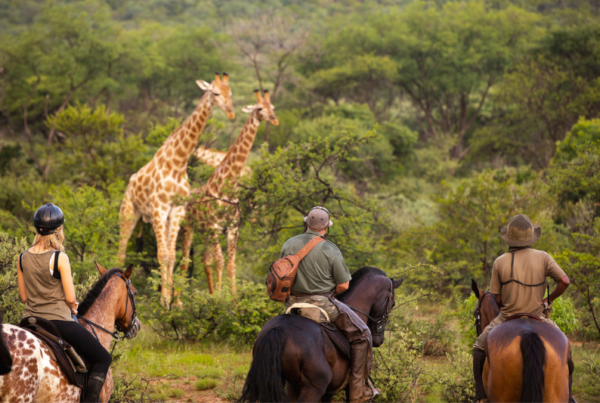
Horse riding in Africa offers a rare and exhilarating way to explore the wilderness. Unlike the rumble of a safari vehicle, a horse allows you to move quietly through nature, getting closer to wildlife and soaking in the landscape at a gentler pace. Whether you’re trotting beside giraffes in Kenya, galloping across the Makgadikgadi salt pans in Botswana, or meandering through vineyards in South Africa, horse riding safaris connect you deeply with Africa’s wild beauty.

Why Choose a Horse Riding Safari?

Intimate wildlife encounters: Horses don’t startle animals the way vehicles or people on foot might. You can often ride within safe, respectful distances of zebras, antelope, giraffes, and more.

Quiet and eco-friendly: Riding is silent and leaves minimal environmental impact.

Off the beaten track: Reach areas that vehicles can’t access.

Unmatched sense of freedom: Cantering across open plains or through woodlands on horseback is a thrilling, unforgettable experience.

Top Horse Riding Destinations in Africa

1. Okavango Delta – Botswana
Arguably the most famous destination for horseback safaris in Africa.

Experience: Ride through wetlands, floodplains, and mopane forests while spotting elephants, buffalo, and lechwe.

Best for: Intermediate to advanced riders

Season: May to October (dry season)

2. Masai Mara – Kenya
Ride alongside herds of zebra and wildebeest on the open savannah.

Experience: Mobile tented camps, expert guides, and the chance to ride with big game.

Best for: Experienced riders only

Season: July to October (Great Migration) or Jan–Mar

3. Laikipia Plateau – Kenya
A quieter alternative to the Mara with excellent wildlife and beautiful landscapes.

Experience: Family-run lodges and private conservancies offering multi-day rides or short hacks.

Suitable for: All levels (depending on operator)

4. Lake Mburo – Uganda
One of the only places in Uganda where you can do a horseback safari.

Experience: Ride among zebras, impalas, and buffalo with sweeping views of acacia woodlands.

Best for: Beginner to intermediate riders

Season: Year-round

5. Waterberg – South Africa
A great destination for beginners and families.

Experience: Malaria-free, accessible lodges with well-trained horses. Wildlife includes giraffes, zebras, and antelope.

Best for: All levels

Season: May to September (dry, cool weather)

6. Damaraland – Namibia
For the adventurous rider, explore desert landscapes with dramatic rock formations and ancient petroglyphs.

Experience: Multi-day rides through remote wilderness, possible sightings of desert elephants and oryx.

Best for: Experienced riders

Season: April to October

What to Expect on a Horse Safari

Daily rides: Between 3 to 6 hours, often with picnic lunches in the bush

Mobile or lodge-based: Sleep in luxury camps or ride between different lodges

Support crew: Camp staff and chefs take care of logistics so you can focus on the ride

Small groups: Personalized experiences, usually 4–8 riders per trip

Qualified guides: All rides are led by professional horseback guides with deep knowledge of the area and animals

What to Pack for a Horseback Safari

Riding boots or comfortable closed shoes

Riding helmet (often provided, but check with operator)

Long-sleeved, lightweight shirts and riding trousers

Sunscreen, sunglasses, and hat

Insect repellent

Reusable water bottle

Small camera or phone with pouch

Personal medical kit (include blister plasters!)

Warm layers for early mornings and evenings

Who Can Join a Horse Riding Safari?

Riders should be comfortable at walk, trot, and canter (for most multi-day safaris)

Beginners are welcome at certain lodges and destinations

Minimum age varies—typically 12+ for multi-day rides, younger for lodge-based hacks

Weight limits usually apply (often around 85–95 kg / 187–209 lbs)

Ride into the Wild with WildHorn Africa

Whether you’re a novice wanting a short bush hack or an expert rider chasing the thrill of cantering beside zebras, WildHorn Africa can tailor a horse riding experience that suits your style and skill level. We partner with trusted operators across the continent to ensure safety, comfort, and unforgettable memories.

Get in touch with WildHorn Africa today and saddle up for the horseback safari of a lifetime—where every hoofbeat takes you deeper into the heart of Africa.

Camping

Camping

By Travel guides

Camping in Africa: Sleep Under the Stars in the Wild

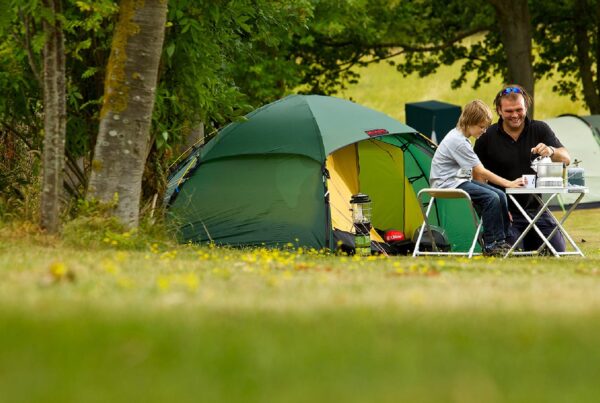
Camping in Africa offers one of the most authentic and unforgettable ways to experience the continent’s raw beauty and wilderness. Whether you’re deep in the savannahs of Kenya, beside a lake in Uganda, among Namibia’s desert dunes, or under the star-strewn skies of Botswana, camping brings you closer to nature, wildlife, and local cultures in a way few other travel styles can match.

From basic bush camps to luxury tented lodges, Africa caters to every type of camper—from rugged adventurers to comfort-seekers.

Types of Camping in Africa

1. Wild Camping
Where: Remote areas, private conservancies, or national parks (with permits)

Experience: No fences, no crowds—just you, your tent, and the wild. Often with ranger support.

Best For: Adventurers and experienced travelers

2. Public Campsites in National Parks
Where: Serengeti (Tanzania), Kruger (South Africa), Queen Elizabeth NP (Uganda), etc.

Experience: Budget-friendly sites with shared facilities (toilets, showers, kitchen shelters)

Best For: Self-drive safaris, overlanding, backpackers

3. Private Campsites & Glamping
Where: Safari lodges, reserves, and private farms

Experience: Tented accommodation with real beds, en suite bathrooms, and meals

Best For: Couples, families, or anyone looking for comfort in nature

4. Mobile Safari Camps
Where: Botswana, Zambia, Tanzania

Experience: Fully equipped tented camps that move with you on safari

Best For: Guided wildlife expeditions and multi-day adventures

Top Camping Destinations in Africa

1. Serengeti & Ngorongoro (Tanzania)
Camp amid migrating wildebeest, roaring lions, and sweeping plains. Public and special campsites available.

2. Kruger National Park (South Africa)
Well-maintained camps with electricity, shops, and guided drives. Great for beginners and families.

3. Okavango Delta (Botswana)
Sleep on remote islands with only hippos and elephants for company—best experienced with a mobile safari operator.

4. Queen Elizabeth & Murchison Falls (Uganda)
Camp with views of savannah, crater lakes, and the Nile. Great for spotting lions, elephants, and hippos.

5. Namib Desert (Namibia)
Pitch your tent near towering sand dunes and enjoy clear desert skies perfect for stargazing.

What to Expect

Sounds of the Wild: Lions roaring, hyenas laughing, frogs croaking—a soundtrack like no other

Campfires: Gather around the fire at night for stories, meals, and warmth

Bush Toilets & Showers: Depending on the site, facilities can be basic or luxurious

Guided Activities: Game drives, walking safaris, canoe trips, and stargazing often included

What to Pack for Camping in Africa

Tent (or use one provided by the operator)

Sleeping bag and mat

Torch or headlamp with extra batteries

Insect repellent and mosquito net

Warm clothing (nights can be cold)

Lightweight daypack

Personal toiletries and quick-dry towel

Reusable water bottle

Camera or binoculars

Small first aid kit

Best Time to Go Camping in Africa

Dry seasons offer the best camping conditions: fewer mosquitoes, better wildlife viewing, and easier access to remote areas.

Region Best Camping Season
East Africa Jun–Sep & Dec–Feb
Southern Africa May–Oct
North Africa Mar–May & Sep–Nov
Central Africa Dec–Feb (some areas only)

Experience Africa’s Wilderness with WildHorn Africa

Whether you’re dreaming of a rustic bush camp or a luxury tented escape, WildHorn Africa can create the perfect camping experience tailored to your adventure level and budget. Our guided camping safaris include gear, expert guides, meals, and unforgettable wildlife encounters.

Contact WildHorn Africa today to start planning your camping safari in Africa—where the stars are brighter, the air fresher, and the wild comes alive after dark.

Water Sliding

Water Sliding

By Travel guides

Water Sliding in Africa: Splash into Fun and Family Adventure

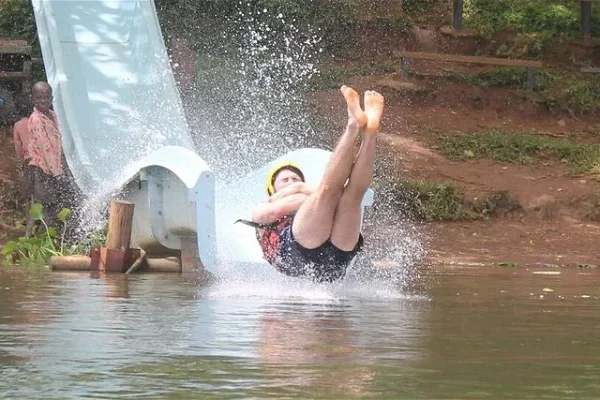
Water sliding may not be the first thing that comes to mind when you think of Africa—but across the continent, you’ll find some fantastic water parks and resort destinations offering exhilarating slides and splash zones for all ages. From thrilling high-speed drops to winding tube rides and wave pools, water sliding in Africa is a perfect way to cool off, relax, and enjoy some lighthearted fun—especially in warm-weather destinations.

Whether you’re a traveler with kids, a group of friends looking for a break from game drives, or just want to chill on a lazy river, Africa’s top water parks offer something for everyone.

Top Water Slide Destinations in Africa

1. Sun City – South Africa
Sun City’s Valley of Waves is one of Africa’s best-known water parks, located just two hours from Johannesburg.

Highlights:

The Temple of Courage: a near-vertical drop slide for adrenaline seekers

Lazy river, wave pool, and family play zones

Set in a luxury resort with golf, safaris, and entertainment

Perfect for combining with Pilanesberg National Park safaris

2. Wild Waters – Nairobi, Kenya
Located in Mombasa Road, this is one of East Africa’s largest water parks, offering a mix of excitement and relaxation.

Highlights:

Dozens of slides for kids and adults

Water play zones, pools, and dry attractions

Ideal family activity during a Kenya safari or city break

3. Aquapark – Djerba, Tunisia
This Mediterranean island destination in North Africa offers beachfront fun with an aquatic twist.

Highlights:

Fast slides, wave pool, and multi-lane racers

Combines perfectly with beach holidays or cultural tours

Suitable for both adults and children

4. Waterworld – Durban, South Africa
Located at uShaka Marine World, Durban’s popular oceanfront park has a large selection of slides and aquatic adventures.

Highlights:

High-speed body slides and tube rides

Interactive kids’ zones and splash play areas

Close to beaches, marine life exhibits, and restaurants

5. Loumbila Water Park – Burkina Faso
A hidden gem in West Africa, Loumbila Water Park offers fun in the sun near Ouagadougou.

Highlights:

Colorful slides, pools, and family-friendly activities

Popular with locals and travelers alike

A great way to unwind after cultural tours or safaris

What to Expect at African Water Parks

Slide Variety: From adrenaline-pumping vertical drops to safe and fun kiddie slides

Family Zones: Splash pads, shallow pools, and slow-moving rivers for young children

Wave Pools: Simulated surf waves for bodyboarding and fun swimming

Resort Facilities: Many parks are part of resorts or entertainment complexes with restaurants, shops, and spa services

What to Pack for a Day of Water Sliding

Swimwear (modest suits may be required in some areas)

Towel and flip-flops or water shoes

Sunscreen and a hat

Waterproof phone pouch or dry bag

Change of clothes

Reusable water bottle

Snacks or cash for refreshments

Best Time to Go Water Sliding in Africa

Water parks are typically open year-round in warmer regions, but the best experience is during the dry or summer seasons, when temperatures are higher and skies are clear.

Region Best Time for Water Parks
Southern Africa Oct–Apr (hot summer months)
East Africa Dec–Feb & Jun–Sep
North Africa May–Oct (warmer Mediterranean months)
West Africa Nov–Feb (dry season)

Add Splash to Your Safari with WildHorn Africa

Planning a safari, beach holiday, or city tour? Add a fun and refreshing twist with a day at one of Africa’s top water parks! Whether you’re traveling with family or just want to unwind after wildlife adventures, WildHorn Africa can include the perfect water sliding experience in your itinerary.

Contact WildHorn Africa today and let us help you plan a safari that includes all the thrills—on land and in the water!

Zip lining

Zip lining

By Travel guides

Zip Lining in Africa: Soar Through Scenic Landscapes and Ancient Forests

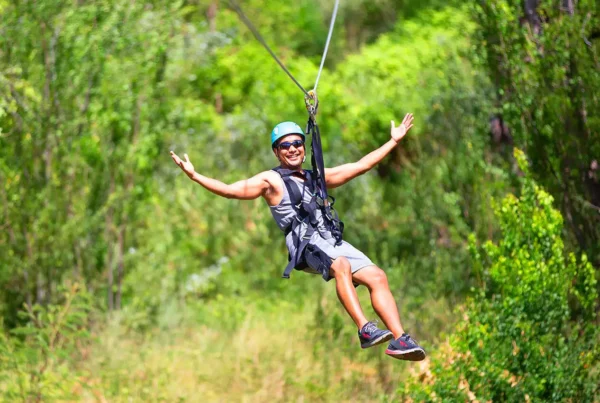
Zip lining is one of the most thrilling ways to experience Africa’s diverse landscapes—from dense tropical rainforests and rugged mountains to deep gorges and dramatic coastlines. Suspended on a secure cable, you’ll glide at high speed above treetops, rivers, and valleys, taking in views that few get to see from the ground. It’s an unforgettable adventure for adrenaline junkies, families, and nature lovers alike.

What Is Zip Lining?

Zip lining involves being harnessed to a pulley system that lets you travel along a suspended cable from one platform to another—usually positioned high above the ground. The experience can range from short, fun rides to multi-line canopy tours with platforms in the forest canopy or over dramatic terrain.

Top Zip Lining Destinations in Africa

1. Tsitsikamma Forest – South Africa
Located along the Garden Route, this is Africa’s original and one of the most iconic zip lining destinations.

Highlights:

Glide through ancient indigenous forest

Spectacular views of the Tsitsikamma Mountains

Part of a guided canopy tour with multiple platforms

Combines well with hiking, kayaking, and coastal walks

2. Victoria Falls – Zimbabwe/Zambia
Zip lining over the Batoka Gorge offers dramatic views of one of the world’s most powerful waterfalls.

Highlights:

Soar 425 meters across the gorge

Incredible views of the Zambezi River and falls

Often combined with other high-adrenaline activities like bungee jumping or white-water rafting

3. Lake BunyonyiUganda
Zip lining at this scenic lake combines adventure with beautiful surroundings.

Highlights:

Peaceful setting with views of terraced hills and islands

Great for families and beginners

Combine with canoeing, bird watching, or a relaxing lakeside stay

4. Kereita Forest – Kenya
Just outside Nairobi, Kereita offers a zip line adventure through lush forested highlands.

Highlights:

One of East Africa’s longest zip lines

Eco-friendly forest adventure park

Pair with hiking, mountain biking, or paintball

5. Tizi’n Test Pass – Morocco
In the High Atlas Mountains, zip lining combines mountain thrills with Berber culture.

Highlights:

Incredible mountain views

High-altitude adventure


What to Expect on a Zip Lining Tour

Safety First: You’ll receive a full safety briefing, helmet, gloves, and a harness.

Guided Experience: Guides will help you clip in and manage your transitions from platform to platform.

Multiple Lines: Many locations offer a series of zip lines varying in height and length, allowing for longer, more scenic rides.

Photography: Some locations offer GoPro helmet mounts or on-site photography services.

What to Wear and Pack

Comfortable, weather-appropriate clothes (shorts or trousers)

Closed-toe shoes (no sandals or flip-flops)

Light jacket or raincoat (if in a forest or mountain area)

Sunglasses with a strap and sunscreen

GoPro or action camera (optional)

Water bottle

Best Time for Zip Lining in Africa

Zip lining can be enjoyed year-round, but dry seasons offer the best conditions for safety and visibility.

Region Best Season
Southern Africa May–Oct (dry, cool months)
East Africa Jun–Sep & Dec–Feb
North Africa Mar–May & Sep–Nov

Soar with WildHorn Africa
Ready to see Africa from a bird’s-eye view? Whether you want to zip through forest canopies, fly above waterfalls, or race over canyons, WildHorn Africa can organize safe and scenic zip lining adventures in the best destinations on the continent.

Contact WildHorn Africa today and let us help you plan a zip lining experience you’ll never forget!

Tubing

Tubing

By Travel guides

Tubing in Africa: A Fun-Filled Way to Float Through Nature

Tubing is one of the most laid-back and enjoyable water activities you can do in Africa. Whether you’re drifting gently along a scenic river or bouncing through playful rapids, tubing offers the perfect mix of relaxation, adventure, and immersion in nature. It’s ideal for all age groups and fitness levels—no prior experience is needed, just a sense of fun!

What Is Tubing?

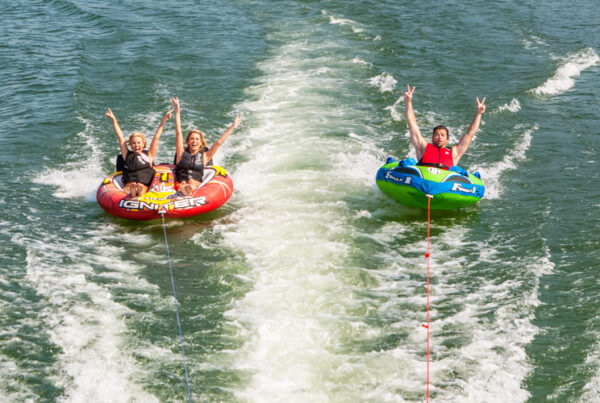
Tubing involves floating down a river or across calm waters in an inflatable inner tube. Guided tubing trips usually include safety briefings, life jackets, and occasionally a cooler float for refreshments. Some tubing experiences are peaceful and meditative, while others are more adrenaline-packed, depending on the river conditions and terrain.

Top Tubing Destinations in Africa

1. White Nile – Jinja, Uganda
The White Nile is one of Africa’s most popular river tubing destinations, offering calm stretches with beautiful scenery and a splash of adventure.

Highlights:

Calm water sections great for tubing and floating

Lush riverbanks, birdlife, and occasional monkeys

Optional add-ons: white-water rafting or sunset cruises

Suitable for families, groups, or solo travelers

2. Letaba River – Kruger Area, South Africa
In some private reserves near Kruger National Park, tubing offers a relaxing way to enjoy the African bush from a new perspective.

Highlights:

Gentle river flows through pristine wilderness

Wildlife spotting from the water

Peaceful and uncrowded experience

3. Vumba Mountains – Zimbabwe (Burma Valley)
The rolling hills and rivers of the Eastern Highlands offer lesser-known but scenic tubing opportunities.

Highlights:

Serene rivers surrounded by misty forests

Great for a refreshing break during a hiking trip

Combine with visits to local tea plantations and mountain lodges

What to Expect During a Tubing Experience

Safety First: All trips start with a safety briefing. Life jackets and helmets are usually provided, depending on the river.

Guided Floats: A guide may accompany your group to help steer and ensure safety.

Wildlife and Nature: Enjoy birds, riverine vegetation, and the peaceful sounds of nature.

Fun & Relaxation: Perfect for groups and families—some tubing trips include floating bars or music for extra fun.

What to Pack for Tubing

Swimsuit and quick-dry clothing

Water shoes or sandals with straps

Sunscreen and sunglasses with a strap

Waterproof dry bag (for phone, keys, snacks)

Towel and change of clothes

Reusable water bottle

GoPro or waterproof camera (optional)

Best Time to Go Tubing

The ideal time for tubing in Africa varies by region but generally aligns with the dry seasons when rivers are safe and navigable:

Region Best Tubing Season
Uganda Dec–Feb & Jun–Sep
South Africa Oct–Apr (warm and sunny)
Zimbabwe May–Oct (dry season)

Float into Adventure with WildHorn Africa

Looking to add a splash of fun to your African adventure? Whether you want a peaceful river float or a tubing trip full of laughs and excitement, WildHorn Africa can arrange the perfect experience for you. We partner with experienced local guides and outfitters to ensure your tubing adventure is safe, scenic, and unforgettable.

Contact WildHorn Africa today to plan your tubing adventure and discover Africa’s wild waters from a whole new angle!

Snorkeling

Snorkeling

By Travel guides

Snorkeling in Africa: Discover the Underwater Wonders of the Continent

Africa is not just about majestic savannahs and mountain peaks—it also boasts some of the most stunning and biodiverse marine environments in the world. Snorkeling in Africa offers a gateway into vibrant coral reefs, clear turquoise waters, and a kaleidoscope of tropical fish, making it a must-do activity for ocean lovers.

Whether you’re exploring the warm Indian Ocean waters off the coast of East Africa or diving into hidden island coves, snorkeling in Africa delivers unforgettable aquatic adventures.

Best Snorkeling Destinations in Africa

1. Zanzibar – Tanzania
Zanzibar is one of Africa’s top snorkeling destinations, known for its warm, clear waters and rich marine life.

Highlights:

Coral gardens at Mnemba Atoll

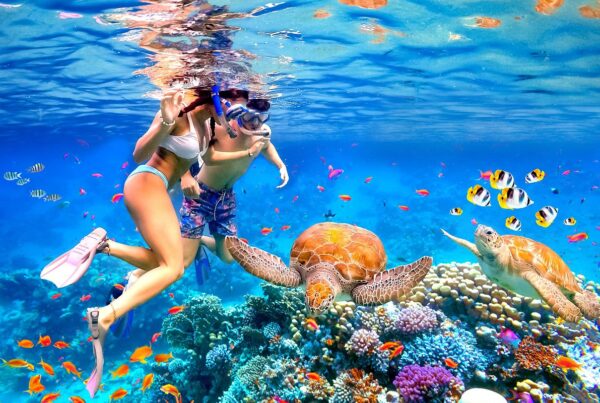
Sea turtles, starfish, and tropical fish

Accessible snorkeling spots for all skill levels

Traditional dhow boat trips combined with beach relaxation

2. Mafia Island – Tanzania
Less commercialized than Zanzibar, Mafia Island is part of a marine protected area offering pristine reef systems.

Highlights:

Whale shark encounters (Oct–Feb)

Chole Bay’s colorful reefs

Excellent visibility and uncrowded sites

3. Seychelles
The Seychelles archipelago is a paradise of granite islands, white sand beaches, and crystal-clear waters.

Highlights:

Snorkeling from the shore or by boat

Abundant reef fish, rays, and sea turtles

Marine parks like Sainte Anne and Baie Ternay

4. Mozambique
The coast of Mozambique is famed for its untouched coral reefs and marine biodiversity.

Highlights:

Bazaruto and Quirimbas Archipelagos

Dugongs, dolphins, and whale sharks

Remote islands with luxurious eco-lodges

5. Egypt (Red Sea)
Though in North Africa, Egypt’s Red Sea coast is world-famous for its underwater beauty.

Highlights:

Colorful corals and vibrant reef fish

Snorkeling straight off the beach in places like Sharm El-Sheikh and Hurghada

Year-round warm waters and excellent visibility

6. Kenya’s Coast (Diani, Watamu, Malindi)
Kenya offers incredible snorkeling opportunities just off its Indian Ocean beaches.

Highlights:

Kisite-Mpunguti Marine Park

Sea turtles, dolphins, and reef sharks

Great day trips from beach resorts

What to Expect on a Snorkeling Trip

Boat Excursion or Shore Access: Many snorkeling trips include boat rides to reef sites, but some areas offer walk-in snorkeling right from the beach.

Marine Life: Expect to see parrotfish, angelfish, clownfish, moray eels, sea turtles, rays, and sometimes dolphins or whale sharks depending on the location and season.

Guided or Independent: You can snorkel on your own if the waters are calm and you’re experienced, but guided tours are recommended for safety and local insight.

What to Pack for Snorkeling in Africa

Mask, snorkel, and fins (can also be rented)

Reef-safe sunscreen

Rash guard or swim shirt for sun protection

Waterproof camera or GoPro

Towel and dry bag

Water shoes (if entering from rocky shores)

Rehydration and light snacks

Best Time for Snorkeling

Region Best Snorkeling Season
East Africa (Tanzania, Kenya) Dec–Mar & Jul–Oct (dry seasons)
Seychelles Apr–May & Oct–Nov (calm seas)
Mozambique May–Nov
Egypt (Red Sea) Year-round (best: Apr–Oct)

Dive into Adventure with WildHorn Africa

If you dream of exploring coral gardens, swimming with sea turtles, or simply drifting in warm tropical waters, WildHorn Africa can help make it happen. We organize guided snorkeling tours in some of Africa’s most beautiful coastal and island destinations—complete with expert guides, eco-friendly practices, and seamless travel arrangements.

Contact WildHorn Africa today and let us plan your ultimate snorkeling escape in Africa!

Close Menu