search
Hiking

Hiking

By Travel guides

Hiking in Africa: Explore Nature One Step at a Time

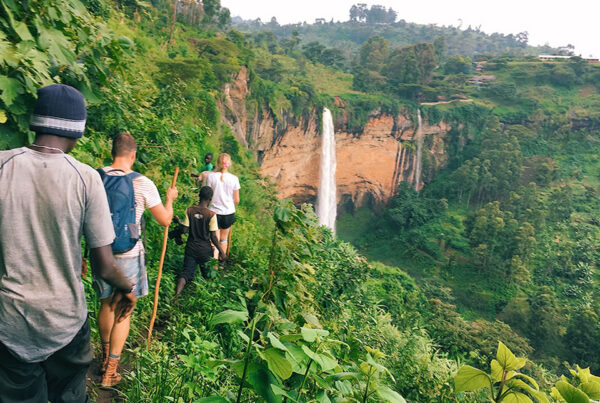
Hiking in Africa offers a unique and immersive way to experience the continent’s breathtaking landscapes, rich biodiversity, and cultural heritage. Whether you’re walking through ancient rainforests, scaling volcanic peaks, or following wildlife trails across savannahs, hiking allows you to connect with nature in a raw and intimate way.

Why Go Hiking in Africa?

Unlike game drives or boat safaris, hiking puts you directly in nature. You feel the terrain underfoot, hear the calls of birds up close, and move at a pace that allows for deeper appreciation of your surroundings. Many African parks and reserves offer guided hiking trails led by knowledgeable rangers or local guides, making the experience both safe and educational.

Top Hiking Experiences in Africa

1. Rwenzori Mountains – Uganda
Known as the “Mountains of the Moon,” the Rwenzori range offers some of Africa’s most spectacular alpine hiking.

Highlights:

Snow-capped peaks and glacier valleys

High-altitude vegetation like giant lobelias and heathers

Multi-day treks with huts and guided support

2. Nyungwe Forest – Rwanda
This ancient montane rainforest is home to diverse wildlife and well-maintained hiking trails.

Highlights:

Chimpanzee tracking and birdwatching

Waterfall trails and a treetop canopy walk

Over 130 km of trails ranging from easy to challenging

3. Mount Kilimanjaro – Tanzania
Africa’s highest mountain is a bucket-list destination for hikers and climbers around the world.

Highlights:

Non-technical summit (no climbing experience needed)

Several scenic routes with varying durations

Reach Uhuru Peak at 5,895 meters

4. Simien Mountains – Ethiopia
This dramatic highland area features steep cliffs, deep valleys, and rare wildlife like the gelada monkey.

Highlights:

Multi-day treks in a UNESCO World Heritage Site

Stunning views and unique rock formations

Opportunities to spot Ethiopian wolves and ibex

5. Drakensberg Mountains – South Africa
These mountains offer some of the best hiking in Southern Africa with routes for all skill levels.

Highlights:

Towering basalt cliffs and rolling hills

Tugela Falls, one of the world’s tallest waterfalls

Ancient San rock art

What to Expect During a Hike

Wildlife Encounters: You may see birds, monkeys, antelope, or even elephants in some areas.

Changing Terrain: From dense forests and rocky slopes to open savannahs and wetlands.

Cultural Insights: Some hikes pass through or near local villages, allowing cultural interaction.

Expert Guidance: Most parks offer guided hikes with trained rangers to ensure safety and enrich your experience.

What to Pack for a Hike

Sturdy hiking boots or trail shoes

Lightweight, breathable clothing (plus layers for cooler areas)

Rain jacket or poncho

Hat, sunglasses, and sunscreen

Insect repellent

Daypack with water, snacks, and camera

Walking stick or trekking poles (optional)

First aid essentials

Best Time for Hiking in Africa

Region Best Hiking Season
East Africa (Uganda, Rwanda, Tanzania) Dry seasons: Dec–Feb & Jun–Sep
Southern Africa (South Africa, Namibia) May–Sep (cooler and dry)
Ethiopia Oct–Mar

Go Hiking with WildHorn Africa

Whether you’re looking for a scenic nature walk, a challenging mountain trek, or a cultural hiking experience, WildHorn Africa offers guided hiking adventures across the continent. Our team handles everything—from trail permits and logistics to expert local guides—so you can focus on the journey.

Contact WildHorn Africa today to start planning your African hiking adventure!

Rafting

Rafting

By Travel guides

White Water Rafting in Africa: Adventure on the Wild Rivers

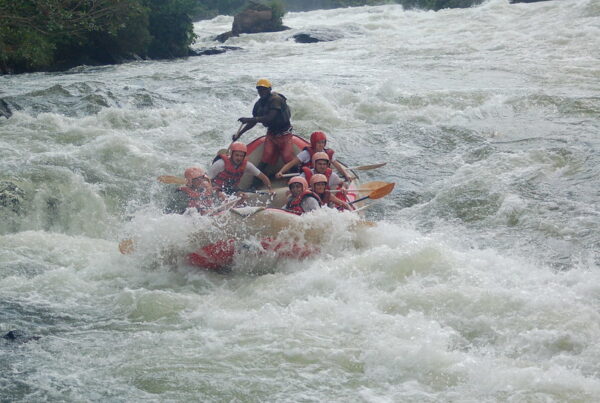
If you crave adrenaline and unforgettable scenery, white water rafting in Africa offers a thrilling way to connect with the continent’s wild heart. From the thunderous rapids below Victoria Falls to the lush, forest-lined rivers of Uganda, rafting is a high-energy adventure that combines raw nature, teamwork, and unforgettable moments.

Whether you’re navigating fierce Grade 5 rapids or drifting through gentle channels, rafting in Africa is more than a sport—it’s a journey into the unknown, surrounded by towering gorges, exotic wildlife, and the roar of untamed water.

Top Rafting Destinations in Africa

1. Nile River – Jinja, Uganda
The White Nile is world-famous for its warm waters, powerful rapids, and dramatic scenery. Departing from the adventure town of Jinja, rafting trips range from half-day to multi-day experiences.

Highlights:
Grade 3 to 5 rapids like “The Bad Place” and “Itanda Falls”
Calm sections perfect for swimming and relaxing
Rich birdlife and tropical forest views
Optional kayaking, tubing, and bungee jumping nearby

2. Zambezi River – Victoria Falls, Zambia/Zimbabwe
Arguably the most famous white-water rafting destination in Africa, the Zambezi River below Victoria Falls offers intense Grade 5 rapids set in a dramatic basalt gorge.

Highlights:
Heart-pounding rapids like “Oblivion” and “The Devil’s Toilet Bowl”
Stunning canyon scenery and wildlife on the riverbanks
Seasonal options for high or low water rafting
Combine with a visit to Victoria Falls and helicopter rides

3. Tana River – Kenya
Just a few hours from Nairobi, the Tana River offers a great day-trip rafting experience with a mix of scenic calm and wild drops.

Highlights:
Ideal for beginners and intermediate rafters
Rapids up to Grade 4
Optional rock sliding and swimming
Lush riverine forest and birdlife

4. Orange River – South Africa & Namibia
If you’re after a more relaxed, scenic experience, the Orange River on the South Africa-Namibia border is perfect for multi-day rafting expeditions through arid desert landscapes.

Highlights:
Gentle rapids, great for families and first-timers
Peaceful camping on riverbanks under the stars
Canoeing and rafting combos available
Surreal desert scenery and ancient rock formations

What to Expect During a Rafting Trip

Safety First: All trips are guided by certified professionals. Helmets, life jackets, and thorough briefings are provided.

Teamwork: You’ll work together to paddle and steer through rapids.

Adrenaline & Laughter: Expect big splashes, exciting challenges, and shared laughs.

Nature Encounters: Watch for birds, monkeys, crocodiles (from a safe distance), and stunning landscapes.

Swim Breaks: Calm sections of the river allow for swimming and relaxation.

What to Pack for Rafting

Swimwear or Quick-Dry Clothing

Secure Footwear (no flip-flops – wear sandals or water shoes)

Sunscreen & Hat (with a strap)

Towel & Change of Clothes

Waterproof GoPro or Camera (optional)

Dry Bag for essentials if allowed

Adventurous Spirit!

Who Can Go Rafting?

Most rafting operators offer options for all fitness levels and ages (usually 14+ for intense rapids). Non-swimmers can participate in calmer sections or choose milder trips. It’s important to disclose any medical conditions beforehand.

When Is the Best Time for Rafting?

Uganda (Nile): Year-round rafting with warm water and consistent flows.

Zambezi (Victoria Falls):

High Water: Feb–June (fewer trips, faster water)

Low Water: Aug–Dec (more technical, thrilling rapids)

Tana River (Kenya): Best after rains (March–June and Oct–Dec)

Orange River (Namibia/South Africa): May–September for cooler weather and clear skies

Experience Rafting with WildHorn Africa

Whether you’re chasing adrenaline in Uganda or soaking in the serenity of the Orange River, WildHorn Africa can organize unforgettable rafting adventures tailored to your level of experience and thrill.

From short white-water bursts to full-day expeditions, we handle all the logistics so you can dive headfirst into adventure.

Contact WildHorn Africa to add rafting to your African safari itinerary—and ride the continent’s wildest rivers like never before!

Great wildebeest migration

Great wildebeest migration

By Travel guides

The Great Wildebeest Migration: Nature’s Greatest Show on Earth

Every year, over 1.5 million wildebeest, accompanied by zebras, gazelles, and other plains game, undertake a dramatic and cyclical journey through the Serengeti-Mara ecosystem in East Africa. Known as The Great Wildebeest Migration, this natural spectacle is one of the most awe-inspiring wildlife events on the planet—filled with drama, survival, and breathtaking beauty.

Spanning Tanzania and Kenya, the migration follows a roughly clockwise loop dictated by rainfall and the search for fresh grazing. Along the way, predators lurk, rivers must be crossed, and thousands of animals are born—and lost. Witnessing this phenomenon firsthand is a bucket-list experience for any safari lover.

The Migration Route: Month-by-Month Highlights

December – March: Calving Season in Southern Serengeti, Tanzania
Wildebeest gather on the short-grass plains near Ndutu and Ngorongoro to give birth. Over 500,000 calves are born within just a few weeks in February. This attracts predators like lions, cheetahs, and hyenas, making it one of the best times to witness dramatic predator-prey action.

April – May: Western Serengeti and Central Corridor
As the rains end, the herds move northwest through Seronera and into the Western Corridor. These months are quieter for tourism but ideal for photographers and those wanting to avoid crowds.

June – July: Grumeti River Crossings & Move to Northern Serengeti
This is the beginning of the migration’s most famous phase. Wildebeest must cross the Grumeti River, where giant crocodiles lie in wait. This marks the build-up to the more dangerous Mara River crossings.

August – October: Mara River Crossings in Northern Serengeti and Masai Mara, Kenya
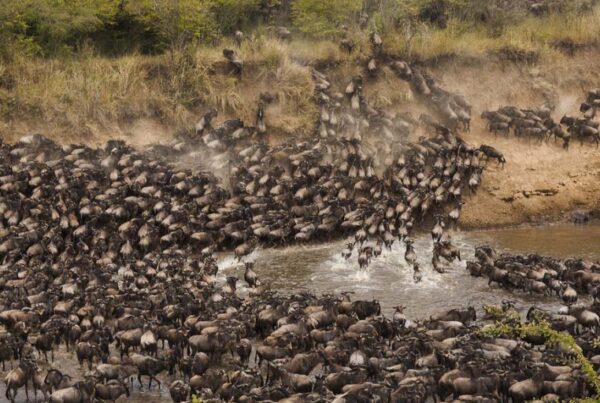
The Mara River crossings are the migration’s most iconic and dramatic scenes. Thousands of wildebeest plunge into crocodile-infested waters in a desperate bid to reach the greener pastures of the Masai Mara. Chaos, courage, and tragedy unfold in moments that are both heart-wrenching and unforgettable.

November: Return to Southern Serengeti
With the start of the short rains, the herds gradually begin their journey back to the southern Serengeti, where the cycle begins again.

What Makes the Migration So Special?

Massive Scale: Over 2 million animals move in unison across two countries.

Unpredictability: No two years are the same. Timing and river crossings are influenced by rainfall.

Dramatic Encounters: River crossings, predator attacks, and massive herds on the plains make for epic sightings.

Biodiversity: The migration supports a full spectrum of African wildlife—from big cats and elephants to vultures and insects.

Best Places to See the Migration

Serengeti National Park (Tanzania):
Offers year-round migration viewing, with different regions active at different times.

Masai Mara National Reserve (Kenya):
Peak river crossings in August–October, excellent for action-packed safaris.

Grumeti Game Reserve (Tanzania):
Exclusive and remote, with dramatic crossings and fewer crowds.

Ndutu (Southern Serengeti):
Ideal from December to March for calving and predator sightings.

What to Expect on a Migration Safari

Stunning Scenery: Endless plains, acacia-dotted landscapes, and glowing sunsets.

Exciting Game Drives: Follow the herds and encounter Africa’s Big Five.

Luxury or Adventure: Choose from tented camps, lodges, or fly-in safaris.

Unpredictable Drama: No guarantee of river crossings, but when they happen—it’s unforgettable.

When to Go

Time of Year Location Highlight

Jan – Mar Southern Serengeti Calving Season & Predators
Apr – May Central/Western Serengeti Quiet, lush, scenic
Jun – Jul Grumeti/Northern Serengeti First River Crossings
Aug – Oct Masai Mara & Mara River Major River Crossings
Nov – Dec Southern Serengeti Return Migration Begins

How to Experience the Migration

To maximize your chances of witnessing the migration, it’s best to work with experienced safari planners who understand the herds’ movement and park regulations. You can choose from mobile tented camps, fly-in luxury lodges, or private game drives tailored to your interests.

Witness the Great Migration with WildHorn Africa

Let WildHorn Africa craft your dream safari around the Great Wildebeest Migration. Whether you want to see a river crossing in the Masai Mara, photograph calving season in Ndutu, or explore the remote Grumeti wilderness, we’ll make sure you’re in the right place at the right time.

Contact WildHorn Africa today to start planning your migration safari and be part of nature’s greatest show on Earth.

Nature walks

Nature walks

By Travel guides

Nature Walks: Step Into the Heart of the African Wilderness

Nature walks—also known as walking safaris—offer an immersive and intimate way to explore Africa’s wild landscapes. Unlike game drives, where you’re an observer from a vehicle, a nature walk places you directly on the ground, walking the same paths as elephants, antelope, and lions. It’s the purest form of safari—slow, sensory, and thrilling.

Guided by experienced rangers and trackers, nature walks reveal the smaller, often overlooked details of the bush: tracks in the sand, the rustle of a lizard, medicinal plants, and the distant alarm call of a bird warning of a predator. Every step tells a story.

What Happens During a Nature Walk?

A typical nature walk starts early in the morning or late in the afternoon when temperatures are cooler and wildlife is more active. The guide will give a safety briefing before leading the walk—often accompanied by an armed ranger in Big Five areas for security.

Walks last between 1 and 3 hours and cover a short distance, usually not more than 5 kilometers. The focus is not on rushing or spotting big game, but on understanding the ecosystem: animal tracks, dung, insects, birds, trees, and the role each plays in the wild.

Depending on the location, you may encounter large animals like giraffes, zebras, buffaloes, or even elephants—but always from a safe and respectful distance.

Where to Go for Nature Walks in Africa

Many national parks and private reserves offer guided nature walks. Some top destinations include:

South Luangwa National Park (Zambia):
Widely regarded as the birthplace of walking safaris. Remote, wild, and rich in wildlife.

Kruger National Park & Private Reserves (South Africa):
Options range from short walks to multi-day bush trails in places like Timbavati, Balule, and Klaserie.

Serengeti & Ngorongoro Highlands (Tanzania):
Scenic landscapes and Maasai-led walks through open plains and ancient volcanic terrain.

Lake Mburo & Bwindi Impenetrable Forest (Uganda):
Combine savannah and forest walks with chances to see zebra, antelope, and forest-dwelling primates.

Okavango Delta (Botswana):
Walks on remote islands offer a pristine wilderness experience, often paired with mokoro (dugout canoe) excursions.

Nyungwe Forest (Rwanda):
Guided forest walks reveal rare birds, orchids, waterfalls, and monkeys in one of Africa’s oldest rainforests.

What to Expect

Up-Close Nature Encounters: Learn about animal behavior, tracks, and ecosystems firsthand.

Birding & Botany: Identify birds, trees, and plants with help from your guide.

Heightened Senses: Every sound, scent, and movement is sharper when you’re on foot.

Adrenaline & Tranquility: There’s a unique thrill in walking through predator territory—balanced by moments of complete calm in nature.

What to Pack for a Nature Walk

To stay safe and comfortable, pack:

Comfortable Hiking Shoes: Closed, sturdy shoes with good grip are essential.

Neutral-Colored Clothing: Avoid bright colors. Earth tones help you blend in.

Wide-Brimmed Hat & Sunglasses: Protect yourself from the sun.

Refillable Water Bottle: Stay hydrated during the walk.

Binoculars: For spotting birds and distant animals.

Insect Repellent: Especially in forested or wet areas.

Camera or Smartphone: Keep it handy, but silent.

Is a Nature Walk Safe?

Yes—when led by trained guides and rangers. These professionals are experts at reading animal behavior and keeping guests safe. Always follow your guide’s instructions, stay quiet, and never wander off.

Why Choose a Nature Walk?

If you want a deeper connection with the African wilderness, a nature walk is a must. It slows you down and opens your senses. You’ll come away not just with photos, but with stories—about the tiniest insect, the biggest footprint, or the moment you locked eyes with a giraffe across the bush.

Book Your Walking Safari with WildHorn Africa

Ready to feel the pulse of Africa under your feet? Let WildHorn Africa design a safari experience that includes guided nature walks in some of the continent’s most beautiful landscapes. Whether you prefer savannah strolls or misty forest hikes, we’ll make it personal, safe, and unforgettable.

Contact WildHorn Africa today to add a nature walk to your safari itinerary—and walk where the wild things roam.

hot air balloon rides

hot air balloon rides

By Travel guides

Hot Air Balloon Rides: A Magical Safari from the Skies

Imagine soaring silently above the savannah at sunrise, the cool morning air on your face, and the golden light revealing herds of wildebeest, elephants, and antelope below. A hot air balloon ride offers one of the most unforgettable safari experiences—blending adventure, breathtaking scenery, and panoramic wildlife viewing in a way that simply can’t be matched on the ground.

Whether you’re drifting above the vast plains of the Serengeti or the winding waterways of the Okavango Delta, a hot air balloon safari delivers a once-in-a-lifetime perspective of Africa’s natural beauty.

What Happens During a Hot Air Balloon Safari?

Your balloon safari begins before dawn. Guests are collected from their lodge or camp and driven to the launch site, where the balloon is being inflated. After a safety briefing from the pilot, you’ll climb into the basket and begin your ascent just as the sun rises.

The ride typically lasts about 1 hour, depending on wind conditions. The pilot controls altitude using the balloon’s burners, allowing you to float at treetop level or soar higher for sweeping views of the landscape. Wildlife sightings may include giraffes, elephants, zebras, lions, wildebeests, and large bird flocks—all seen from an entirely new angle.

After landing, you’ll be treated to a champagne breakfast in the bush—a longstanding ballooning tradition—complete with fresh coffee, eggs, fruits, and other delicacies served in a scenic outdoor setting.

Best Locations for Hot Air Balloon Safaris in Africa

Balloon safaris are offered in select national parks and reserves known for their wide-open spaces and rich wildlife populations. Top destinations include:

Serengeti National Park (Tanzania):
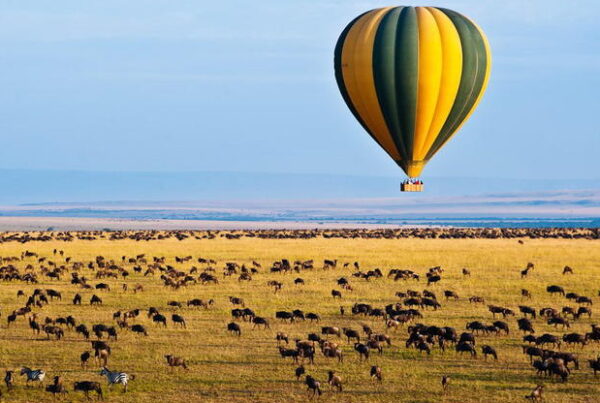
Arguably the most famous location for balloon rides, especially during the Great Migration when millions of wildebeest and zebra cross the plains.

Masai Mara National Reserve (Kenya):
A classic ballooning destination offering stunning views of wildlife, rivers, and rolling hills.

Queen Elizabeth National Park (Uganda):
Offers a unique perspective of savannahs, wetlands, and the Kazinga Channel.

Murchison Falls National Park (Uganda):
One of the few places in Uganda where you can combine a hot air balloon ride with sightings of lions, elephants, giraffes, and even the powerful Nile River.

Okavango Delta (Botswana):
Seasonal balloon safaris offer a bird’s-eye view of lush floodplains, lagoons, and the incredible wildlife that thrives in this UNESCO-listed wetland.

Sossusvlei (Namibia):
Fly over towering red sand dunes and desert landscapes—ideal for photography and scenery lovers.

What to Expect

Peaceful Flight: No engine noise—just the occasional blast of the burner and the soft breeze guiding your path.

Spectacular Scenery: See the land in a whole new light, with uninterrupted 360° views.

Wildlife Sightings: Spot herds, predators, and birds from above, depending on the location and time of year.

Professional Guides: Pilots are experienced and licensed, and every detail is handled with safety in mind.

Bush Breakfast: Land to a gourmet meal in the wilderness, often with sparkling wine to toast the experience.

What to Pack and Wear

To ensure a comfortable and enjoyable balloon safari, bring:

Warm Layers: Early mornings can be cold. Wear a fleece or windbreaker, and layer up.

Sturdy Footwear: Closed shoes are best for uneven terrain during takeoff and landing.

Hat and Sunglasses: Protect yourself from sun and heat as the day warms up.

Camera or Smartphone: Don’t forget to capture the views—but keep gear secure during flight.

Binoculars: For spotting wildlife in the distance.

Who Can Take a Balloon Safari?

Most balloon companies have age and height restrictions—typically children under 6 are not allowed, and passengers must be able to stand for the duration of the flight. People with mobility issues or pregnancy are generally advised not to fly for safety reasons.

Why Add a Hot Air Balloon Ride to Your Safari?

A hot air balloon ride transforms your safari into something truly extraordinary. It’s a romantic, peaceful, and visually stunning adventure—perfect for honeymooners, photographers, and anyone looking to experience Africa from a different perspective.

It may be a premium activity, but for the memories and the sheer magic of floating above wild Africa, it’s well worth the investment.

Plan Your Balloon Safari with WildHorn Africa

Let WildHorn Africa arrange your dream hot air balloon ride—whether it’s drifting above the Serengeti’s migration herds or catching sunrise over the Masai Mara. From personalized pick-up to a champagne breakfast in the bush, we’ll ensure a smooth and unforgettable experience.

Contact WildHorn Africa today to include a hot air balloon safari in your next African adventure. The sky is waiting.

Boat cruise

Boat cruise

By Travel guides, Uganda travel guides

Boat Cruises: A Tranquil Safari on Africa’s Waters

A boat cruise is one of the most relaxing and scenic ways to experience Africa’s diverse wildlife and landscapes. Unlike the dusty roads of a game drive, a boat safari glides gently along rivers or lakes, offering a peaceful perspective on nature and unforgettable close-up encounters with animals drawn to the water’s edge.

Whether you’re watching elephants bathe at sunset, drifting past a pod of yawning hippos, or spotting rare bird species in the reeds, a boat cruise brings a different rhythm and beauty to your safari experience.

What Happens During a Boat Cruise?

A typical boat cruise is a guided excursion on a river or lake, led by a professional guide or ranger. The boat may be motorized or a smaller canoe-style vessel, depending on the location and type of safari.

Cruises usually last 1.5 to 3 hours and take place in the morning or late afternoon, when wildlife activity near water is at its peak. Guests relax on cushioned seats with unobstructed views while the guide explains animal behavior, bird species, and the surrounding ecosystem. Many cruises include drinks and snacks, and some even offer full sunset dinners on board.

Best Times for a Boat Safari

Morning Cruises (6:30–9:00 AM):
Cooler temperatures make for comfortable cruising, and the light is perfect for photography. Animals are active and often come to drink early.

Afternoon/Sunset Cruises (4:00–6:30 PM):
This is the most popular time for boat safaris. The golden hour light creates a magical atmosphere, and animals tend to congregate at rivers or lakes as the heat of the day fades.

Seasonal Considerations:
In the dry season, wildlife gathers in large numbers at permanent water sources, making cruises particularly rewarding. However, in the green season, the lush scenery and abundance of birdlife make it equally special for nature lovers.

Where to Go for Boat Cruises in Africa

Some of the top destinations for boat safaris include:

Chobe River (Botswana):
Famous for massive herds of elephants, crocodiles, and hippos, especially during the dry season.

Zambezi River (Zambia & Zimbabwe):
Enjoy cruises above Victoria Falls or near Lower Zambezi and Mana Pools National Parks.

Kazinga Channel (Uganda):
Located in Queen Elizabeth National Park, it’s one of the best places to see hippos, buffaloes, elephants, and over 600 bird species.

Lake Naivasha (Kenya):
A peaceful freshwater lake perfect for spotting hippos, fish eagles, and other aquatic birds.

Lake Ihema (Rwanda):
Found in Akagera National Park, this lake offers serene boat rides with chances to spot crocodiles, hippos, and rare birdlife.

What to Expect on a Boat Cruise

Close-Up Wildlife Viewing:
See animals drinking, bathing, or lounging on the riverbanks—often from just a few meters away.

Excellent Birding Opportunities:
Kingfishers, African fish eagles, herons, storks, and many migratory species thrive near water.

Peaceful Scenery:
Enjoy lush vegetation, reflections on the water, and the soothing sounds of nature.

Safe, Guided Experience:
Professional guides ensure your safety and provide insightful commentary throughout the journey.

What to Pack for a Boat Cruise

To make the most of your water safari, bring:

Binoculars and Camera: Essential for birdwatching and wildlife photography.

Sun Protection: Sunscreen, sunglasses, and a wide-brimmed hat are crucial during daytime cruises.

Light Jacket or Windbreaker: It can get chilly on the water, especially early in the morning or after sunset.

Insect Repellent: To guard against mosquitoes and other insects near the water.

Reusable Water Bottle: Stay hydrated during the cruise.

Dry Bag: Useful for protecting electronics and valuables from water splashes.

Why Add a Boat Cruise to Your Safari?

Boat cruises offer a completely different safari perspective. They’re calm, scenic, and provide unique opportunities to observe animals and birds in and around water. Combined with game drives or walking safaris, a boat cruise adds balance and variety to your itinerary.

Plan Your Boat Safari with WildHorn Africa

Whether you want to drift down the Chobe River surrounded by elephants or explore the bird-rich channels of Uganda’s national parks, WildHorn Africa will tailor your safari to include the best water-based experiences.

Contact WildHorn Africa today to plan an unforgettable boat cruise as part of your African safari. With expert guides, hand-picked lodges, and personalized service, your journey into Africa’s wild waters will be safe, scenic, and truly special.

Game drives

Game drives

By Travel guides

Game Drives: The Heart of the African Safari Experience

Game drives are the highlight of any African safari. They are the moments when the wilderness comes alive—when you venture into untamed landscapes in search of lions on the prowl, elephants on the move, or a leopard draped lazily over a tree branch. Whether you’re on a sunrise drive across the savannah or catching the golden glow of sunset in the bush, game drives offer a front-row seat to Africa’s most breathtaking wildlife encounters.

What Happens During a Game Drive?

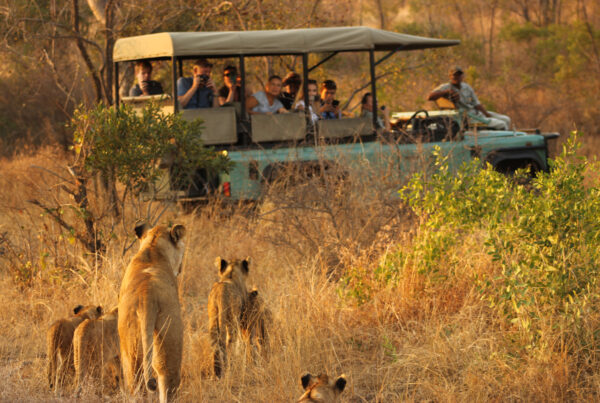
A game drive is a guided safari excursion in a 4×4 vehicle through national parks, conservancies, or private game reserves. It’s led by an experienced guide (and sometimes a tracker) who knows the terrain, animal behavior, and the best spots for sightings.

Game drives typically last between 2–4 hours and follow established trails, but guides may go off-road in private reserves for a closer view—especially if tracking big cats or elusive predators. Along the way, your guide will interpret animal behavior, point out tracks, explain ecosystems, and ensure you have the best viewing experience possible.

Some game drives include refreshment stops—known as bush breakfasts or sundowners—where you can enjoy a drink or snack in the open wilderness.

Best Times for Game Drives

Wildlife is most active during the cooler parts of the day, so game drives are scheduled accordingly:

Early Morning Drives (5:30–9:30 AM)
This is prime time for game viewing. Predators are often still active after their nighttime hunts, and the air is cool, making animals more visible. Morning light also provides excellent conditions for photography.

Afternoon/Evening Drives (3:30–6:30 PM)
As the heat of the day fades, animals begin to emerge again. This is the ideal time to watch elephants gather at waterholes or see a pride of lions stirring from their daytime rest.

Night Drives (only in private reserves or select parks)
These offer a rare chance to see nocturnal creatures like genets, civets, porcupines, and occasionally predators hunting under the cover of darkness. Guides use red-filtered spotlights to avoid disturbing the animals.

What to Expect on a Game Drive

While no two game drives are the same, here’s what you can generally expect:

Close-up Wildlife Encounters: Lions, elephants, rhinos, giraffes, zebras, buffaloes, leopards, cheetahs, hippos, hyenas, and more—sometimes just meters from the vehicle.

Knowledgeable Guides: Guides enrich your experience by sharing fascinating insights into animal behavior, ecology, and conservation efforts.

Stunning Landscapes: From acacia-dotted plains to dense riverine forests, the landscapes are as memorable as the animals themselves.

Element of Surprise: Nature is unpredictable. You may spot a rare predator kill, witness a herd migration, or encounter a shy species not seen by many.

What to Pack for a Game Drive

Being well-prepared enhances your comfort and enjoyment. Here’s what to bring:

Essentials:
Camera and Binoculars: Capture close and distant sightings. Don’t forget spare batteries and memory cards.

Sunscreen and Lip Balm: The African sun can be intense, even in the early morning.

Hat and Sunglasses: For sun protection and better visibility.

Reusable Water Bottle: Stay hydrated during the drive.

Warm Clothing: Mornings and evenings can be chilly—layer up with a fleece or jacket.

Comfortable Clothing: Neutral tones like beige, olive, or khaki help you blend in with the environment.

Insect Repellent: Especially in areas with tsetse flies or mosquitoes.

Light Snack: While some lodges provide snacks, it’s helpful to have something small on hand.

Optional:

Notebook or Wildlife Checklist: For those who love tracking their sightings.

Scarf or Buff: Useful for dust protection in open vehicles.

Rain Poncho: During the rainy season, a lightweight poncho is a smart addition.

Final Thoughts

Game drives are the soul of the safari experience—moments where silence, anticipation, and awe come together in Africa’s wild heart. Whether you’re chasing the Big Five, following a herd of elephants through the bush, or simply soaking up the sounds of nature, each drive is an opportunity to connect deeply with the natural world.

Ready for your next adventure? Let WildHorn Africa craft your dream safari, complete with expertly guided game drives, luxurious accommodations, and unforgettable wildlife experiences. Whether it’s your first safari or your tenth, WildHorn Africa will ensure every game drive is an adventure to remember.

Contact WildHorn Africa today to plan your tailor-made safari and discover the magic of Africa’s wild places.

Golden monkeys

Golden monkeys

By Travel guides

Golden Monkeys: The Hidden Gem of African Rainforests

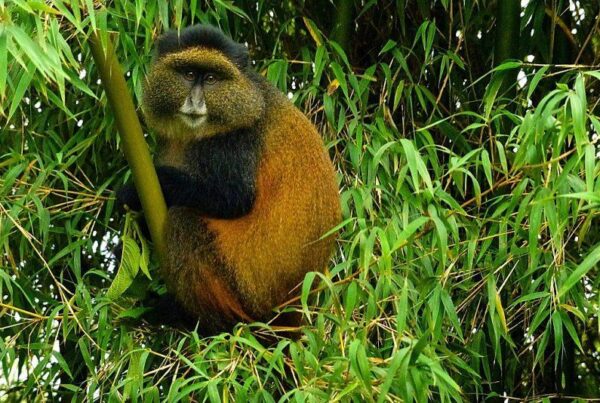
Golden monkeys are one of Africa’s most enchanting and lesser-known primates. With their striking golden-orange fur and playful behavior, these rare monkeys are a joy to watch in the wild. Endemic to the high-altitude forests of the Albertine Rift, golden monkeys are a must-see for primate lovers visiting East Africa—especially those already planning a gorilla or chimpanzee trekking experience.

What Are Golden Monkeys?

Golden monkeys (Cercopithecus kandti) are a subspecies of the blue monkey and are found only in a few mountain forests in Central Africa. These small, agile primates are easily recognizable by their vibrant golden-orange coats, expressive faces, and long tails, which they use to balance as they leap through the trees.

They live in bamboo and montane forests, particularly in areas dominated by dense vegetation. Golden monkeys are listed as endangered due to habitat loss, forest encroachment, and population pressures.

Behavior and Way of Life

Golden monkeys are highly social and live in large groups, sometimes comprising over 100 individuals. Unlike gorillas, golden monkeys are fast-moving, often jumping from tree to tree and making high-pitched calls as they forage.

Their diet primarily consists of bamboo shoots, young leaves, fruits, flowers, and insects. They are particularly fond of bamboo, which is abundant in their montane forest homes and plays a vital role in their survival.

Golden monkeys are diurnal—active during the day—and return to sleeping sites in trees at night. They are curious but shy around humans, which makes trekking a unique and exciting experience.

Where Are Golden Monkeys Found?

Golden monkeys are found only in the Virunga volcanic mountain range in East-Central Africa, across the borders of:

Rwanda – Volcanoes National Park
The most accessible and popular destination for golden monkey trekking. The park also offers gorilla trekking, making it ideal for a double primate adventure.

UgandaMgahinga Gorilla National Park
A small but scenic park located in the southwestern corner of Uganda, bordering Rwanda and the Democratic Republic of Congo. Mgahinga is the only place in Uganda where golden monkey trekking is available.

Democratic Republic of Congo – Virunga National Park
Although less frequented due to security concerns, the DRC also offers habitat to these rare monkeys.

Golden Monkey Trekking: What to Expect

Golden monkey trekking is a half-day activity that begins with a morning briefing followed by a guided walk through the forest to locate the troop. Unlike gorilla trekking, which can be physically demanding and unpredictable, golden monkey treks are generally shorter and less strenuous.

Once found, you’ll have one hour to observe and photograph the monkeys as they leap through bamboo groves, forage on the forest floor, and interact with one another. Because golden monkeys are more active and playful than gorillas, the experience is energetic and full of action.

Why Include Golden Monkey Trekking in Your Safari?

Golden monkey trekking is the perfect add-on to a gorilla or chimpanzee trek, offering a chance to see another unique primate species in the same region. It’s especially recommended for photographers, families, and those who enjoy observing animal behavior in a lively and dynamic setting.

Plan Your Golden Monkey Adventure with WildHorn Africa

If you’re planning a primate safari to Uganda or Rwanda, don’t miss the chance to see the charming golden monkeys in their natural habitat. Whether you’re pairing it with gorilla trekking or simply exploring the unique ecosystems of the Virunga Mountains, WildHorn Africa will create a seamless and enriching experience.

Get in touch with WildHorn Africa today to start planning your golden monkey trekking tour. Their expert guides, personalized itineraries, and commitment to conservation ensure an unforgettable journey into the forests of East Africa.

Gorillas

Gorillas

By Travel guides

Gorillas: Kings of the African Forest

Gorillas are the largest and one of the most fascinating primates on Earth. Sharing about 98% of their DNA with humans, these gentle giants are highly intelligent, social, and complex creatures. Found only in central Africa, gorillas are a highlight for travelers seeking wildlife encounters that are both thrilling and humbling. This article explores the different kinds of gorillas, their way of life, and the best places to see them in the wild.

Types of Gorillas

There are two main species of gorillas, each with two subspecies:

1. Eastern Gorilla (Gorilla beringei)

Mountain Gorilla (Gorilla beringei beringei):
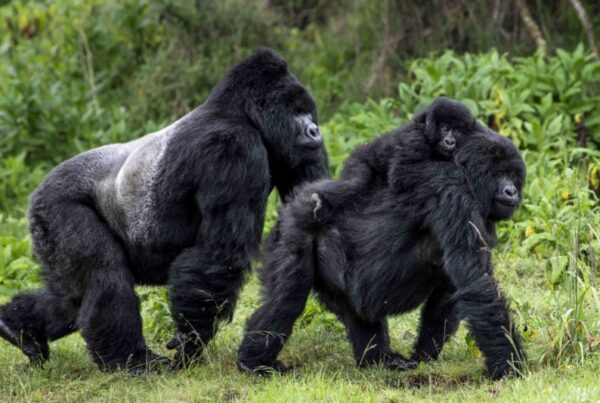
These are the most famous gorillas, often seen in documentaries and featured in gorilla trekking tours. They are found in the Virunga Mountains (spanning Rwanda, Uganda, and the Democratic Republic of Congo) and Bwindi Impenetrable National Park in Uganda.
Mountain gorillas are thick-furred to survive in high-altitude forests. They are critically endangered, but thanks to conservation efforts, their numbers are slowly increasing.

Eastern Lowland Gorilla (Gorilla beringei graueri):
Also known as Grauer’s gorilla, this subspecies is larger than the mountain gorilla and found only in the eastern lowland rainforests of the Democratic Republic of Congo. Sadly, it is among the most endangered primates due to habitat loss and poaching.

2. Western Gorilla (Gorilla gorilla)
Western Lowland Gorilla (Gorilla gorilla gorilla):
The most widespread and numerous of all gorilla subspecies, these gorillas live in the lowland tropical forests of countries such as Cameroon, Gabon, Equatorial Guinea, and the Republic of Congo. They are shy and often harder to observe in the wild.

Cross River Gorilla (Gorilla gorilla diehli):
The rarest gorilla subspecies, found in a small area along the Nigeria-Cameroon border. Due to their limited range and low numbers, sightings are incredibly rare, and they are critically endangered.

The Way of Life: Gorilla Behavior and Social Structure

Gorillas are highly social animals that live in groups known as troops or bands, usually led by a dominant male called a silverback. A typical troop includes several females and their offspring, all under the silverback’s protection and leadership.

These gentle primates spend most of their day foraging for food, resting, and grooming each other. Their diet consists mainly of leaves, stems, fruit, and shoots. Gorillas rarely drink water because they get most of their hydration from plants.

Communication among gorillas involves vocalizations, body language, and facial expressions. They show emotion, form strong family bonds, and even exhibit grief. Their intelligence is remarkable—gorillas can use tools, learn sign language, and solve problems.

Where to See Gorillas in the Wild

Mountain Gorilla Trekking:

Rwanda: Volcanoes National Park

Uganda: Bwindi Impenetrable National Park and Mgahinga Gorilla National Park

Democratic Republic of Congo: Virunga National Park

Eastern Lowland Gorilla Trekking:

Democratic Republic of Congo: Kahuzi-Biega National Park

Western Lowland Gorilla Trekking:

Republic of Congo: Odzala-Kokoua National Park

Gabon: Loango National Park

These treks are not only wildlife adventures—they are also a vital part of conservation. Permit fees support protected areas and local communities, helping to safeguard gorillas for future generations.

Gorilla Trekking vs. Gorilla Habituation Experience

Gorilla Trekking involves spending one hour with a habituated gorilla family that is used to human presence. It’s a moving, life-changing experience.

Gorilla Habituation offers a more immersive adventure—spending up to four hours with a semi-habituated gorilla group as researchers slowly acclimate them to human presence. This experience is only available in Uganda’s Bwindi Impenetrable National Park and is ideal for those who want a deeper understanding of gorilla behavior.

Ready for the Adventure of a Lifetime?

If you’re dreaming of standing just meters away from a wild gorilla in its natural habitat, WildHorn Africa is your trusted partner. Whether you’re looking for a thrilling one-hour trek or a rare habituation experience, WildHorn Africa will craft a tailored safari that combines expert guidance, conservation support, and unforgettable moments.

Contact WildHorn Africa today and start planning your gorilla trekking or habituation adventure!

Close Menu