search
The Toro-Semuliki Wildlife Reserve: What You Need to Know

The Toro-Semuliki Wildlife Reserve: What You Need to Know

By Travel stories and blogs, Family holidays, Group holidays, Luxury holidays, Safari holidays, Uganda travel guides, Wildlife holidays

The Toro-Semuliki Wildlife Reserve: What You Need to Know. A Hidden Jewel of Uganda’s Wilderness

Tucked between the Rwenzori Mountains and the sweeping lowlands of the Albertine Rift Valley, the Toro-Semuliki Wildlife Reserve stands as one of Uganda’s most underrated yet captivating destinations. While names like Murchison Falls and Queen Elizabeth often steal the spotlight, this reserve quietly holds a charm that appeals to those who seek an unspoiled, immersive wilderness. It is a land where savanna meets rainforest, where open plains fade into lush woodlands, and where rivers snake their way through fertile valleys, nourishing both wildlife and people.

The reserve is among the oldest conservation areas in Uganda, established as the Toro Game Reserve in 1926, before being renamed Toro-Semuliki Wildlife Reserve. Its longevity has ensured a landscape rich in biodiversity, cultural heritage, and ecological importance. Visitors who make their way here are often surprised by its diversity—ranging from buffalo herds grazing in the savannas to rare primates swinging through the trees, and from hippos lounging in the Semuliki River to fish eagles calling across the skies.

To understand the Toro-Semuliki Wildlife Reserve is to appreciate a microcosm of Uganda’s natural and cultural wealth. This is not merely a park to be ticked off a safari list; it is a destination that calls for curiosity, patience, and a willingness to embrace both the obvious and the hidden.

A Brief History of the Toro-Semuliki Wildlife Reserve

From Game Reserve to Wildlife Haven

In 1926, colonial authorities declared the area a game reserve, primarily to protect large mammals from hunting. The move reflected both conservation motives and the desire to control resources. Over the decades, the reserve evolved, becoming a haven not only for animals but also for research, eco-tourism, and community integration.

The renaming to Toro-Semuliki Wildlife Reserve highlighted its geographical identity, linking it to the Semuliki River and the cultural region of Toro. Unlike national parks, the reserve was designed to allow some level of human activity, particularly around its fringes, creating a unique model of coexistence between people and wildlife.

Survival Through Challenges

Like many conservation areas, the reserve faced challenges during periods of political instability in Uganda. Poaching and encroachment reduced wildlife numbers at certain times, but dedicated conservation efforts, supported by both government and communities, gradually restored the ecosystem. Today, it stands as a testament to resilience, not only of nature but also of human will to protect it.

The Landscape and Ecosystem

A Meeting of Habitats

Toro-Semuliki Wildlife Reserve covers approximately 542 square kilometers, making it smaller than some of Uganda’s famous parks but offering remarkable ecological diversity. Its landscape blends tropical rainforest, open acacia savanna, grasslands, wetlands, and riverine systems. This unique mixture creates niches for a wide variety of species, ensuring that no two game drives or nature walks feel the same.

The Semuliki River, a defining feature of the reserve, winds along the western boundary, forming part of the border with the Democratic Republic of Congo. This river not only sustains aquatic life such as hippos and crocodiles but also attracts large mammals and birds to its banks. Seasonal swamps and wetlands add further richness, creating feeding and breeding grounds for numerous species.

The Backdrop of the Rwenzori Mountains

To the east, the legendary Mountains of the Moon—the Rwenzoris—rise in dramatic fashion. Their snow-capped peaks and forested foothills create a striking contrast to the lowland plains of the reserve. For visitors, this juxtaposition of landscapes provides an aesthetic thrill, reinforcing the sense of being in a uniquely blessed corner of the world.

Wildlife of Toro-Semuliki Wildlife Reserve

Mammals of the Plains and Forests

The reserve shelters over 60 species of mammals, representing both savanna dwellers and forest specialists. Herds of Ugandan kob, buffalo, and waterbuck can be seen grazing the grasslands, while forest elephants and bush pigs roam the wooded areas. Predators, though less frequently encountered, include leopards, hyenas, and civets.

Perhaps most remarkable is the presence of giant forest hogs, one of Africa’s heaviest wild pig species, often seen foraging near water sources. These unusual mammals, alongside more familiar antelopes, make every safari drive an unpredictable adventure.The Toro-Semuliki Wildlife Reserve: What You Need to Know

Primates of Global Significance

Primates hold a special place in the reserve’s biodiversity. Visitors may encounter olive baboons, black-and-white colobus monkeys, red-tailed monkeys, and patas monkeys. However, the highlight for many is the presence of chimpanzees. Though not as habituated as those in Kibale National Park, the chimpanzees of Toro-Semuliki are vital for research and add an element of excitement to nature walks, where distant calls or fresh nests hint at their presence.

Birdlife Beyond Compare

For ornithologists and bird enthusiasts, Toro-Semuliki Wildlife Reserve is a paradise. With over 440 recorded species, it is one of Uganda’s richest birding areas. The mix of savanna and forest habitats allows sightings of both woodland and wetland birds. The iconic shoebill stork, a highly sought-after species, is occasionally spotted in swampy areas. Raptors such as African fish eagles, palm-nut vultures, and martial eagles patrol the skies, while colorful bee-eaters, turacos, and hornbills enliven the forest canopy.

Aquatic Life Along the River

The Semuliki River itself teems with life. Pods of hippos and stealthy Nile crocodiles dominate the waters. Fish species support both wildlife and local fishing communities, ensuring the river remains central to the reserve’s ecological and human balance.

Activities in the Reserve

Game Drives

Guided game drives provide the best opportunity to explore the diverse habitats of the reserve. Unlike busier parks, Toro-Semuliki offers a more exclusive safari experience, with fewer vehicles and a greater sense of solitude. Drives often reveal large antelope herds, bird concentrations, and sometimes predators in action.

Guided Nature Walks

On foot, visitors engage directly with the environment, discovering details often missed from a vehicle. The walks highlight primates, smaller mammals, and birdlife, as well as medicinal plants and traditional uses of the forest by local communities. The intimacy of walking safaris creates a stronger sense of immersion in the reserve.

Boat Safaris on the Semuliki River

The river provides another dimension of exploration. Boat rides along its course reveal hippos, crocodiles, and waterbirds at close range. The gentle flow of the river, combined with the drama of wildlife sightings, creates a serene yet exhilarating experience.

Community and Cultural Experiences

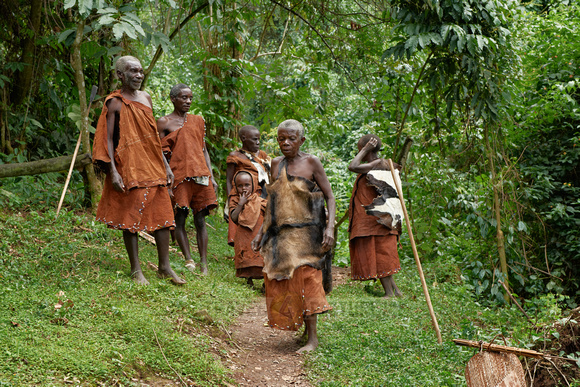
The reserve is surrounded by communities including the Bamba and Batwa peoples, whose cultural heritage is deeply tied to the land. Visitors can engage in cultural tours, learning about traditional hunting methods, dances, and folklore. These experiences highlight the human dimension of conservation, showing how people and wildlife coexist.

Conservation Importance

A Refuge for Biodiversity

Toro-Semuliki Wildlife Reserve plays a crucial role in preserving species that depend on both savanna and forest habitats. Its strategic location along the Albertine Rift makes it part of one of the most biodiverse regions in Africa. Protecting the reserve ensures the survival of species found nowhere else on the continent.

Human-Wildlife Coexistence

The reserve also demonstrates the challenges and opportunities of balancing conservation with community needs. Local people rely on the land for agriculture and grazing, yet conservation programs encourage sustainable practices, alternative livelihoods, and tourism benefits. This model of coexistence remains a critical experiment for Uganda’s protected areas.

Research and Education

The reserve provides opportunities for scientific research, particularly on chimpanzees, bird species, and ecosystem dynamics. By supporting studies, Toro-Semuliki contributes to global knowledge about biodiversity conservation and climate resilience.

The Best Time to Visit

Toro-Semuliki Wildlife Reserve can be visited year-round, but conditions vary with the seasons. The dry seasons from December to February and June to August are the most favorable for wildlife viewing and accessibility. Roads and trails are easier to navigate, and wildlife congregates around water sources, increasing the chances of sightings.

The wet seasons from March to May and September to November bring lush landscapes and heightened bird activity, though accessibility can be more challenging due to muddy tracks. Birders often prefer these months, as migratory species join the resident populations. Regardless of timing, each season offers its own rewards, making the reserve a versatile destination.

Accommodation Options

The reserve and its surroundings offer a range of accommodation to suit different tastes and budgets. Safari lodges and tented camps provide comfortable stays close to the reserve, while community-based options offer more rustic but culturally enriching experiences. Staying within or near the reserve enhances the sense of immersion, allowing early morning and late evening activities when wildlife is most active.

Why the Toro-Semuliki Wildlife Reserve Matters

What makes Toro-Semuliki unique is its blend of landscapes, biodiversity, and cultural heritage. It is not as crowded as Uganda’s more famous parks, offering visitors a sense of discovery and exclusivity. It is a reserve where one can experience both the drama of Africa’s wildlife and the intimacy of cultural encounters, where the roar of a hippo may mingle with the distant sound of Batwa music.

Its importance extends beyond tourism. By protecting habitats and species, it contributes to Uganda’s ecological health and cultural resilience. It serves as a reminder that conservation is not only about animals but also about people and their relationship with the land.

A Destination Worth Discovering

The Toro-Semuliki Wildlife Reserve may not be as well known as Uganda’s larger national parks, but it embodies the essence of what makes African safaris truly remarkable. Its landscapes are diverse, its wildlife abundant yet unspoiled, and its cultural heritage rich with meaning. To journey here is to discover not just animals and birds but also stories, histories, and the enduring spirit of a land that has nurtured both people and nature for centuries.

For travelers seeking an experience beyond the ordinary—where solitude, authenticity, and diversity combine—Toro-Semuliki is a destination worth prioritizing. To make the most of this journey, it is recommended to plan with experts who understand the rhythms of Uganda’s wilderness. For seamless, insightful, and unforgettable African adventures, visitors are encouraged to book their tours and safaris with WildHorn Africa, a trusted partner in unveiling the continent’s finest treasures.

Cultural Tours with the Batwa in Semuliki

Cultural Tours with the Batwa in Semuliki

By Travel stories and blogs, Adventure holidays, Family holidays, Group holidays, Primate holidays, Safari holidays, Uganda travel guides

Cultural Tours with the Batwa in Semuliki. A Journey into the Heart of an Ancient Culture

In the shadow of the Rwenzori Mountains and within the vast green embrace of Semuliki National Park, lies a human story as rich and enduring as the rainforest itself. Beyond the whispers of rustling leaves, the songs of rare birds, and the chatter of playful monkeys, there exists a cultural heartbeat that has pulsed through this land for centuries—the story of the Batwa people. Known as one of Africa’s oldest surviving indigenous groups, the Batwa are more than a community; they are living custodians of traditions, knowledge, and ways of life that are intricately woven into the forests of Semuliki.

To engage in cultural tours with the Batwa is to step into a different dimension of Africa’s heritage. It is to go beyond the safari and beyond the wildlife, into a human experience that reveals how people and forest can exist in profound harmony. Every song, every dance, every shared tale by the fire is a bridge across time, connecting modern travelers with the rhythms of an ancient world.

Semuliki is often celebrated for its wildlife treasures, its primate encounters, and its birding richness. Yet, it is in the cultural immersion with the Batwa that one finds some of the most transformative experiences, where visitors leave not only with memories but with lessons that speak to humanity’s shared origins and resilience.

The Batwa People: Guardians of the Forest

Origins and Identity

The Batwa, sometimes referred to as pygmies, are among the earliest known inhabitants of the Central African forests. Their roots trace back thousands of years, long before national borders and modern societies reshaped Africa’s landscapes. Traditionally, they lived as hunter-gatherers, depending on the forest for food, medicine, and shelter. For them, the forest was not simply a resource but a sacred space, alive with spirits and meaning.

In Semuliki, the Batwa identity remains strongly tied to the forest, even though modern pressures have changed many aspects of their daily lives. They are known for their intimate knowledge of the ecosystem—understanding which plants cure illnesses, which roots are edible, and which paths lead to hidden clearings. This knowledge, passed orally across generations, forms the backbone of their cultural identity.

A Way of Life Intertwined with Nature

The Batwa lived in small, mobile communities, building temporary shelters from leaves and branches. Hunting small game, collecting wild honey, and gathering fruits were part of their survival. Music, dance, and storytelling were equally central, serving as both entertainment and a means of preserving oral history. Every act—from making fire to preparing herbal remedies—was deeply connected to the forest.

Although modern challenges have shifted their lifestyle, cultural tours allow visitors to witness and experience aspects of this heritage firsthand. By engaging with the Batwa, travelers encounter not only a people but a worldview that treats nature as a living companion rather than a resource to be exploited.

The Experience of a Batwa Cultural Tour

A Welcome of Song and Dance

Visitors to the Batwa communities near Semuliki are often welcomed with traditional music and dance. The rhythm of drums, the clapping of hands, and the voices raised in ancient songs create an atmosphere of warmth and celebration. The dances are not merely performances but expressions of identity, echoing rituals once tied to hunting, healing, or celebrating life events.

The participatory nature of these welcomes draws travelers into the experience. Being invited to dance alongside Batwa performers transforms the encounter from observation into shared joy, bridging cultural differences through rhythm and movement.

Storytelling by the Elders

Central to the Batwa experience is the oral tradition of storytelling. Elders recount tales of creation, of the spirits of the forest, and of the animals that share their home. These stories are not only entertaining but also instructional, carrying lessons about respect, bravery, and survival.

For visitors, these moments provide a rare glimpse into the intangible heritage of the Batwa. The cadence of the voices, the fire crackling in the background, and the weight of centuries-old wisdom create a profound sense of connection with a culture that has endured against immense odds.

Demonstrations of Traditional Skills

Cultural tours often include demonstrations of the skills that sustained Batwa communities for generations. Visitors watch as fire is kindled without matches, as herbal medicines are prepared from forest plants, or as hunting techniques are explained. Each skill embodies a deep understanding of the environment, honed over centuries of living in symbiosis with the forest.

The making of crafts, such as baskets or tools, further illustrates the ingenuity of the Batwa. Every item is both functional and symbolic, carrying within it the knowledge of resource use and the artistry of a people connected to their land.

Music as a Language of the Spirit

The Batwa are renowned for their unique music traditions, often performed with wooden flutes, drums, and vocal harmonies that imitate the sounds of the forest. Music plays a vital role in ceremonies, whether to celebrate a successful hunt, to mourn loss, or to invoke blessings from ancestral spirits.

To listen to Batwa music in the setting of Semuliki is to hear an ancient dialogue between people and forest. Visitors often describe these performances as hauntingly beautiful, stirring emotions that transcend cultural and linguistic boundaries.

The Significance of Batwa Cultural Tours

Preserving a Disappearing Heritage

Modern pressures—land disputes, marginalization, and changing lifestyles—have threatened the survival of Batwa traditions. Cultural tours have emerged not only as a way for visitors to experience this heritage but also as a lifeline for the community. The revenue generated from tourism helps sustain cultural practices, support education, and provide health care.

By participating in these tours, travelers become active contributors to the preservation of one of Africa’s most endangered cultures. Each visit affirms that the Batwa’s knowledge and traditions hold value not only for themselves but for humanity at large.

Fostering Cross-Cultural Understanding

Cultural tours with the Batwa are not staged performances but opportunities for genuine exchange. Travelers leave with a deeper appreciation of the resilience, dignity, and wisdom of the Batwa people. At the same time, the Batwa gain recognition and respect for their identity in a world that often overlooks indigenous voices.

This mutual exchange fosters cross-cultural understanding, reminding visitors of the diversity of human existence and the many ways societies can adapt to their environments.Cultural Tours with the Batwa in Semuliki

Challenges Facing the Batwa Today

Displacement and Marginalization

Like many indigenous groups, the Batwa have faced displacement from ancestral lands due to conservation policies and land ownership conflicts. These changes have often forced them into unfamiliar lifestyles, far removed from the forest that shaped their culture. The struggle to retain identity in the face of modern pressures remains a central challenge.

Poverty and Limited Access to Services

Without land and with limited opportunities for employment, many Batwa communities face poverty. Access to education, health care, and social services is often restricted, further deepening their vulnerability. Tourism offers a pathway toward improved livelihoods, but broader structural support remains necessary for long-term stability.

Cultural Erosion in a Modern World

The younger generation of Batwa faces the tension between preserving traditions and adapting to modern society. With increasing integration into mainstream cultures, some elements of Batwa heritage risk being lost. Cultural tours help counter this erosion by creating spaces where traditions are practiced, celebrated, and valued.

The Role of Semuliki in Cultural Tourism

Semuliki National Park is uniquely positioned to highlight Batwa culture. Unlike other parks that focus primarily on wildlife safaris, Semuliki combines natural wonders with human stories. The presence of the Batwa near the park offers travelers the rare chance to experience both biodiversity and cultural diversity in a single journey.

The park’s management, in collaboration with local communities, has recognized the value of cultural tourism as part of its broader mission. By integrating Batwa experiences into the visitor experience, Semuliki demonstrates how conservation and culture can coexist in ways that benefit both people and environment.

Best Time for Cultural Tours with the Batwa

Cultural tours with the Batwa can be enjoyed throughout the year. However, the experience often blends with other activities in Semuliki, such as wildlife viewing or primate tracking, which are most favorable during the dry seasons from December to February and June to August. During these times, access to Batwa communities is easier, with less disruption from heavy rains.

The wet seasons, while more challenging, provide an equally rewarding experience, as the lushness of the forest amplifies the authenticity of the cultural setting. Regardless of the season, the heart of the experience remains unchanged—the chance to encounter the living heritage of the Batwa.

The Transformative Power of Cultural Immersion

Cultural tours with the Batwa in Semuliki often leave visitors profoundly moved. To witness the resilience of a people who have endured centuries of change yet maintained their identity is to encounter the very essence of human strength. The experience transcends tourism, becoming a journey of reflection and understanding.

Travelers return home with more than photographs; they return with stories, lessons, and a renewed sense of connection to humanity’s shared heritage. The Batwa remind us that progress need not erase tradition and that ancient ways of life hold wisdom that modern societies still desperately need.

An Invitation to Experience Living Heritage

Cultural tours with the Batwa in Semuliki National Park are not ordinary excursions. They are encounters with history, resilience, and the spirit of a people who remain deeply tied to the natural world. To share in their songs, to listen to their stories, and to witness their skills is to experience a living heritage that is both fragile and profound.

By choosing to engage with the Batwa, travelers not only enrich their own journeys but also contribute to the preservation of a culture that continues to inspire despite immense challenges. These tours are a reminder that Africa’s treasures are not only found in its landscapes and wildlife but also in the communities that keep ancient traditions alive.

For those seeking more than a safari, for those yearning to experience the human heart of Africa, there is no journey more rewarding than immersing oneself in the world of the Batwa. To ensure a seamless, respectful, and meaningful cultural encounter, it is recommended to plan with experts who understand the delicate balance of heritage and tourism. For an unforgettable experience in Semuliki and beyond, travelers are encouraged to book their African tours and safaris with WildHorn Africa, a trusted guide to the continent’s most authentic adventures.

11-Day Tanzania Safari with Zanzibar Beach Break

11-Day Tanzania Safari with Zanzibar Beach Break

By Bucket list holidays, Family holidays, Group holidays, Safari holidays, Tanzania trip ideas, Wildlife holidays
From $12,299  per person  (USD)

11-Day Tanzania Safari with Zanzibar Beach Break

11-Day Tanzania Safari with Zanzibar Beach Break

This remarkable 11-Day Tanzania Safari with Zanzibar Beach Break takes you through Tanzania’s renowned northern safari circuit, giving you the chance to explore Tarangire National Park, Lake Manyara, the legendary Ngorongoro Crater, and the iconic Serengeti. After your thrilling safari adventure, you’ll fly to the idyllic island of Zanzibar to enjoy a few days of relaxation by the Indian Ocean with Wildhorn Africa.

11-Day Tanzania Safari with Zanzibar Beach Break

itinerary

Book this tour or craft your own experience

    Had a great trip with wild horn Africa when I visited volcano National park for 3days the experience was unforgettable,great memories and all thanks goes to our guide #Guma Kenny from Wildhorn Africa

    Neymar Imran

    I enjoyed my time with wildhorn Africa in kenya at Naivasha National part for 4 days had a great experience with different wild life with a help of our guide Juma

    Butumwa Djarumuzi

    Included

    • Park fees(For non-residents)
    • All activities(Unless labeled as optional)
    • All accommodation(Unless listed as an upgrade)
    • A professional driver/guide
    • All transportation(Unless labeled as optional)
    • All flights during the tour
    • All Taxes/VAT
    • Round-trip airport transfer
    • Meals(As specified in the day-by-day section)
    • Drinking water(On all days)

    Excluded

    • International flights(From/to home)
    • Additional accommodation before and at the end of the tour
    • Tips(No tip expected)
    • Personal items(Souvenirs, travel insurance, visa fees, etc.)
    • Some meals(As specified in the day-by-day section)

    The best time to visit is generally considered to be during the dry season, when weather conditions are more pleasant and travel is less likely to be disrupted, typically based on your preferred destinations. During this period, landscapes are at their most vibrant, wildlife sightings are more frequent, and activities can be enjoyed with greater ease. While visits are possible year-round, choosing this window is often recommended to ensure the most rewarding and comfortable experience.

    WhatsApp

    Featured Headlines

    AllAboutAbout UsAdventure holidaysBotswanaBotswana places to visitBotswana travel guidesBucket list holidaysCongoCongo places to visitCongo travel guidesContact UsDestinationsEco-friendly accommodationsEgyptEgypt travel guidesEthiopiaEthiopia travel guidesExperiencesFamily holidaysGabonGabon travel guidesGet inspiredGroup holidaysHoliday typesHoneymoon holidaysJoin our teamKenyaKenya travel guidesKenya trip ideasLuxury holidaysMadagascarMadagascar travel guidesMalawiMalawi travel guidesMozambiqueMozambique travel guidesNamibiaNamibia accommodationsNamibia places to visitNamibia travel guidesNamibia trip ideasOff the beaten track holidaysPrimate holidaysRefer a friendResponsible travel tipsRwandaRwanda travel guidesRwanda trip ideasSafari holidaysSouth AfricaSouth Africa best time to visitSouth Africa travel guidesSouth Africa trip ideasSouth SudanSouth Sudan places to visitSpecial offersSustainable travelTanzaniaTanzania places to visitTanzania travel guidesTanzania trip ideasTravel guidesTravel safetyTravel stories and blogsUgandaUganda accommodationsUganda best time to visitUganda places to visitUganda travel guidesUganda trip ideasWhen to goWhere to goWildlife holidaysYour first safariZambiaZambia places to visitZambia travel guidesZimbabweZimbabwe places to visitZimbabwe travel guides
    Close Menu