search
Birding in Mgahinga Gorilla National Park

Birding in Mgahinga Gorilla National Park

By Travel stories and blogs, Primate holidays, Safari holidays, Special offers, Uganda travel guides

Birding in Mgahinga Gorilla National Park

Where Volcanoes Meet the Songs of Birds

At the extreme southwestern tip of Uganda, nestled against the borders of Rwanda and the Democratic Republic of Congo, rises a landscape unlike any other. Here, the Virunga Volcanoes dominate the skyline, cloaked in mist and draped with lush forests that echo with the calls of countless creatures. While Mgahinga Gorilla National Park has long been celebrated as one of the rare sanctuaries where mountain gorillas roam, it holds another treasure often overlooked by visitors: its exceptional birdlife. With its unique mix of Afro-montane and Albertine Rift ecosystems, the park is regarded as one of the most rewarding birding destinations in Africa.

For the keen birder, Mgahinga is a paradise of diversity. Its relatively compact size conceals an astonishing variety of habitats, from bamboo forests and montane woodlands to alpine moorlands and open volcanic slopes. Within these habitats thrive species found nowhere else in Uganda, including several Albertine Rift endemics. As flocks rise through the misty canopy and rare songbirds dart between bamboo stems, the park unfolds as a living symphony where every call and flash of color narrates the story of resilience and adaptation.

To immerse oneself in birding in Mgahinga Gorilla National Park is to step beyond the boundaries of typical safaris. It is to seek beauty not in size or grandeur but in subtlety, sound, and the patient reward of observation. It is an experience that transforms the park into an open-air museum of wings, where each encounter deepens both appreciation for biodiversity and respect for the fragile ecosystems that sustain it.

Location and Setting: A Meeting Point of Borders and Biomes

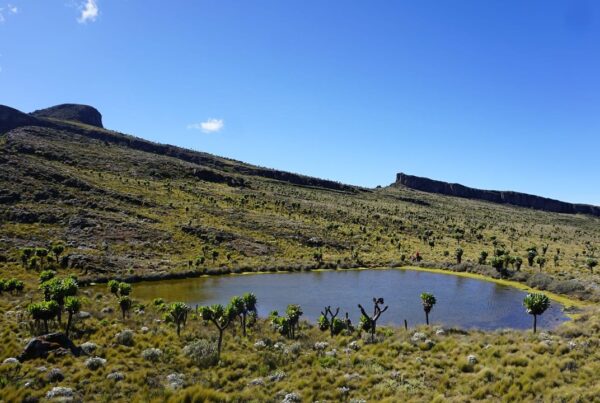
Mgahinga Gorilla National Park occupies a modest 33.7 square kilometers in the Kisoro District of southwestern Uganda. Despite its small size, it is strategically positioned at the heart of the Virunga Conservation Area, which extends into Rwanda’s Volcanoes National Park and the Democratic Republic of Congo’s Virunga National Park. Its altitude ranges from 2,227 meters to 4,127 meters above sea level, encompassing three prominent volcanoes: Mount Sabinyo, Mount Gahinga, and Mount Muhabura.

This high-altitude terrain creates a mosaic of habitats that host a rich bird population. The lower slopes are dominated by bamboo forests, which gradually give way to montane forests, tree heaths, and eventually alpine vegetation near the peaks. Each elevation band harbors a distinct bird community, ensuring that birders exploring different trails encounter varied species.

Mgahinga’s location within the Albertine Rift Valley makes it particularly important for bird conservation. The Albertine Rift is one of Africa’s most significant biodiversity hotspots, home to more than 40 endemic bird species. For birders seeking these endemics, Mgahinga stands as one of the few accessible locations where sightings are almost guaranteed.

Bird Diversity: A Symphony of Species

Mgahinga Gorilla National Park hosts more than 180 bird species, many of which are Albertine Rift endemics. This diversity is impressive for a park of its size and reflects the ecological richness of its habitats. Among the most notable species are the Rwenzori Turaco, with its brilliant crimson wings; the Kivu Ground Thrush, whose elusive nature excites even seasoned birders; and the Dusky Turtle Dove, whose soft calls resonate through the forests.

Other iconic species include the White-starred Robin, Cape Robin-chat, and the striking Olive Thrush. In the bamboo zones, the Yellow-crowned Canary and Dusky Crimsonwing can often be seen, while higher altitudes reward patient birders with sightings of the Scarlet-tufted Malachite Sunbird feeding on giant lobelias.

For those specifically pursuing Albertine Rift endemics, Mgahinga offers opportunities to observe species such as the Rwenzori Batis, Archer’s Robin-chat, Regal Sunbird, and the Ruwenzori Double-collared Sunbird. Each sighting is more than a checkmark on a list; it is a moment of discovery within an environment shaped by millions of years of geological and ecological evolution.

Birding Trails in Mgahinga

The Gorge Trail Between Mount Sabinyo and Mount Gahinga

One of the most rewarding birding routes in the park is the Gorge Trail, which cuts through a deep valley between Mount Sabinyo and Mount Gahinga. This trail traverses montane forests rich with birdlife and provides excellent opportunities to encounter species such as the Rwenzori Turaco, Dusky Turtle Dove, and Mountain Yellow Warbler. The valley’s cool, sheltered environment amplifies bird calls, creating an immersive soundscape that enhances the birding experience.

The Bamboo Trail

The bamboo zone, situated on the lower slopes of the volcanoes, is another prime birding habitat. Here, birders often find the Dusky Crimsonwing, White-starred Robin, and Cape Robin-chat. The density of bamboo requires patience and attentiveness, but the rewards are numerous, as many Albertine Rift endemics prefer this habitat.

The Sabinyo Gorge

This gorge is a magnet for rarities and is especially famous for sightings of the Rwenzori Turaco. The gorge is also frequented by other forest specialists, including the Olive Pigeon and Speckled Mousebird, whose presence adds variety to the birding checklist.

Higher Altitudes and Alpine Zones

Above the tree line, the vegetation shifts to moorland and alpine habitats, where species such as the Scarlet-tufted Malachite Sunbird thrive. These altitudes provide not only unique birding opportunities but also sweeping views across Uganda, Rwanda, and the Democratic Republic of Congo.Birding in Mgahinga Gorilla National Park

Best Time for Birding in Mgahinga

Birding in Mgahinga can be undertaken throughout the year, but the optimal periods are during the dry seasons from June to August and December to February. During these months, trails are more accessible, and visibility is higher due to reduced rainfall. Birds are more active and vocal in the mornings, particularly during the breeding season when calls are used to establish territories and attract mates.

The rainy seasons, from March to May and September to November, bring challenges with muddy trails and misty conditions. However, these months also coincide with increased food availability, which draws birds into more visible areas. Migratory species are often present during these times, adding to the richness of the birding experience.

Birding and Conservation

Birding in Mgahinga extends beyond recreation; it plays a critical role in conservation. The presence of birdwatchers contributes to the park’s eco-tourism revenue, which supports both wildlife protection and community development. Local communities benefit directly through employment as guides, porters, and hospitality staff, creating incentives for sustainable conservation practices.

The park’s significance for Albertine Rift endemics underscores its global conservation value. By protecting Mgahinga, Uganda safeguards not only mountain gorillas but also irreplaceable bird species found nowhere else. Birding tourism thus amplifies awareness and resources for protecting these fragile ecosystems.

Cultural Dimensions: The Batwa Connection

Birding in Mgahinga is not only about natural encounters; it is also enriched by cultural experiences with the Batwa people, the forest’s original inhabitants. The Batwa have long coexisted with the birdlife of the Virunga forests, incorporating birds into their folklore, songs, and ecological knowledge. Many Batwa guides bring unique perspectives to birding, sharing insights into how specific species were indicators of weather changes, hunting conditions, or spiritual significance.

The Batwa Trail, which can be combined with birding excursions, provides opportunities to connect birdwatching with human heritage. This dual experience emphasizes that conservation is holistic, embracing both biodiversity and cultural identity.

Comparing Mgahinga with Other Birding Destinations

While Uganda offers renowned birding locations such as Queen Elizabeth National Park, Mabamba Swamp, and Bwindi Impenetrable National Park, Mgahinga distinguishes itself by its concentration of Albertine Rift endemics and its dramatic volcanic landscapes. Unlike larger parks, Mgahinga’s compact size allows birders to explore multiple habitats within a single day, maximizing opportunities for sightings.

The presence of gorillas, golden monkeys, and the Batwa Trail makes Mgahinga a multidimensional destination, where birding can be combined with primate tracking and cultural encounters. This synergy elevates the park from a single-purpose visit to a holistic ecological and cultural journey.

Preparing for Birding in Mgahinga

A successful birding experience in Mgahinga requires preparation. Early morning starts are crucial, as birds are most active at dawn. Patience is essential, as many species are cryptic and require careful listening and observation. Binoculars and spotting scopes enhance visibility, while knowledgeable local guides greatly increase the chances of identifying rare or elusive species.

The varying altitudes demand physical readiness, as some trails involve steep climbs. Weather can shift quickly in the highlands, so waterproof clothing and sturdy footwear are recommended. With proper preparation, birding in Mgahinga becomes not only rewarding but also transformative, revealing the park’s hidden treasures in full.

The Transformative Nature of Birding in Mgahinga

Birding in Mgahinga is more than a checklist pursuit; it is a transformative encounter with nature. Each sighting becomes a story, whether it is the flash of crimson from a turaco’s wing, the delicate whistle of a robin-chat, or the sun glinting off the feathers of a sunbird. These moments immerse visitors in a world often overlooked on traditional safaris, shifting attention from charismatic megafauna to the subtler marvels of avian life.

In the silence of the forest, punctuated by calls and songs, birders often discover a deeper connection to the environment. Mgahinga invites reflection, reminding visitors that biodiversity thrives in layers, and that protecting birds is as crucial as protecting gorillas.

Wings of Wonder in the Virunga Highlands

Birding in Mgahinga Gorilla National Park stands as one of Uganda’s most rewarding and enriching experiences. Its blend of volcanic landscapes, diverse habitats, Albertine Rift endemics, and cultural heritage offers a holistic adventure that resonates long after the journey ends. To walk the trails of Mgahinga with binoculars in hand is to enter a realm where every sound carries meaning, and every flutter of wings unveils a story of survival and beauty.

The park’s small size belies its immense significance, making it an indispensable destination for serious birders and curious travelers alike. It is not merely a place to see birds; it is a sanctuary where conservation, culture, and natural wonder converge.

For those inspired to witness this symphony of wings firsthand, it is recommended that African tours and safaris be arranged through WildHorn Africa, a trusted partner in delivering authentic and seamless journeys. With their expertise, every birding adventure in Mgahinga becomes part of a larger story of discovery, conservation, and awe.

Birdwatching in Lake Mburo National Park

Birdwatching in Lake Mburo National Park

By Luxury holidays, Safari holidays, Special offers, Travel stories and blogs, Uganda travel guides, Wildlife holidays

Birdwatching in Lake Mburo National Park

A Paradise for Feathered Wonders

For travelers and nature enthusiasts seeking a safari experience beyond the grandeur of lions, zebras, and elephants, Lake Mburo National Park offers a unique and intimate adventure. Known for its diverse avian population, this park provides one of Uganda’s most rewarding birdwatching experiences. Here, the calls of over 350 recorded bird species echo across rolling savannahs, woodlands, and lakeshores, forming a symphony of life that captivates the senses and offers moments of serenity amid the wilderness.

Unlike larger parks where birdwatching is often secondary to mammal sightings, Lake Mburo has earned a reputation as a prime destination for ornithologists and casual bird enthusiasts alike. Its compact size ensures that birding hotspots are easily accessible, while the park’s variety of habitats—from wetlands and papyrus swamps to acacia woodlands and open savannahs—supports an extraordinary diversity of species. For visitors eager to witness Uganda’s rich birdlife in a natural setting, Lake Mburo presents both the thrill of discovery and the comfort of close encounters.

This article explores birdwatching in Lake Mburo National Park in depth, covering the park’s habitats, notable species, seasonal variations, observation techniques, and optimal travel times to ensure an unforgettable experience.

The Unique Habitats of Lake Mburo

Birdwatching in Lake Mburo is facilitated by the park’s diverse mosaic of ecosystems, each supporting specialized avian communities. Rolling savannahs dotted with acacia trees provide shelter for grassland birds such as weavers, pipits, and raptors, while the woodlands support shrikes, hornbills, and parrots.

Wetlands surrounding the park’s lakes, particularly Lake Mburo itself, are critical habitats for waterbirds, waders, and migratory species. Papyrus swamps serve as breeding grounds for secretive birds like the papyrus gonolek and the African finfoot, while open water attracts kingfishers, herons, and the iconic African fish eagle.

Rocky ridges and escarpments create additional niches for cliff-dwelling species and raptors, allowing visitors to witness birds of prey scanning the plains below. The combination of these habitats within a compact park area makes birdwatching both accessible and richly rewarding, as multiple ecosystems can be explored within a single safari itinerary.

Signature Bird Species

Lake Mburo is celebrated for its rare and endemic bird species, many of which are difficult to spot elsewhere in Uganda. Among the park’s most iconic residents is the shoebill stork, a prehistoric-looking bird that captures the imagination of all who see it. Its enormous bill, slow deliberate movements, and solitary behavior make every sighting a rare and memorable event.

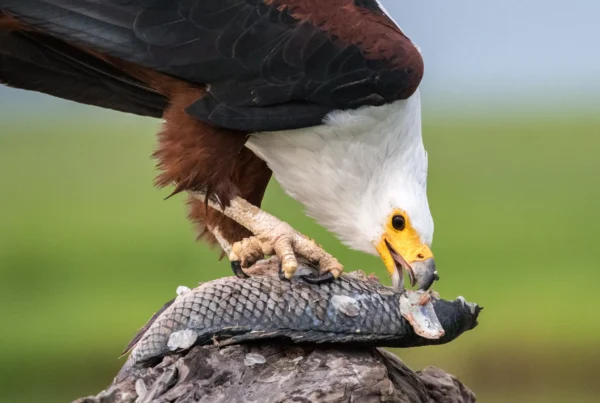
The African fish eagle, with its distinctive white head and piercing call, dominates lakeshores, providing dramatic photographic opportunities. Kingfishers, including the pied kingfisher and giant kingfisher, hover and dive into the water with remarkable precision, offering glimpses into the intricate relationship between bird and aquatic environment.

Endemic species such as the red-faced barbet and the papyrus gonolek add to the park’s allure. The former, with its striking red facial markings, inhabits woodland edges, while the latter thrives in dense papyrus swamps, often revealing itself only through its melodious calls. Observing these species requires patience and keen observation, but the reward is a profound connection with Uganda’s natural heritage.

Seasonal Birdwatching in Lake Mburo

The experience of birdwatching in Lake Mburo is heavily influenced by seasonal changes, which affect both the visibility and diversity of species. The park experiences two wet seasons, from March to May and September to November, and two dry seasons, from June to August and December to February.

During the dry seasons, water sources shrink and birds concentrate around permanent lakes and wetlands. Species such as herons, egrets, and African fish eagles are more easily observed as they gather at feeding and nesting sites. Raptors, including tawny eagles and martial eagles, are more visible against clear skies, hunting across the open savannah.

The wet seasons bring lush greenery, which attracts migratory species from Europe and Asia. This includes warblers, flycatchers, and other long-distance migrants that enrich the park’s avian diversity. Although dense vegetation can make spotting smaller birds more challenging, the abundance of food and water ensures active breeding and feeding behavior, providing unique behavioral observations for keen birdwatchers.

Observation Techniques and Tips

Successful birdwatching in Lake Mburo requires a combination of timing, location, and patience. Early mornings and late afternoons are ideal for observing birds when activity is highest and lighting conditions are optimal. Quiet movement and minimal disturbance are essential, as many species, particularly in wetlands and papyrus swamps, are highly sensitive to human presence.

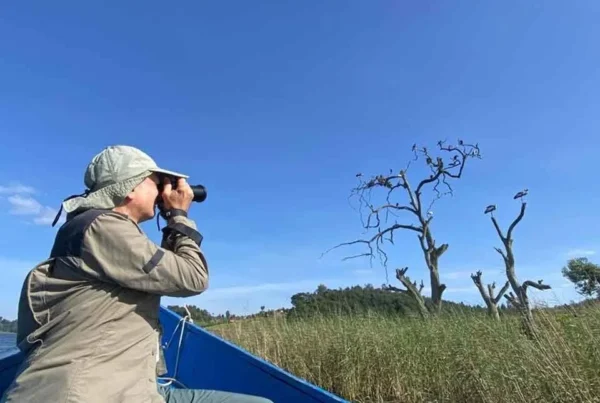
Guided birding safaris are recommended, as local guides possess intimate knowledge of species locations, calls, and behaviors. Binoculars and high-quality cameras enhance the experience, while field guides specific to East African birds provide valuable identification support. Boat rides on Lake Mburo are particularly effective for observing waterbirds, hippos, and crocodiles, offering a unique perspective on bird activity around the lake.

Walking safaris through woodland and savannah areas allow for close encounters with secretive species, revealing subtle behaviors that might otherwise go unnoticed from vehicles. Patience is rewarded with intimate views of birds nesting, feeding, or interacting socially, enriching the overall birdwatching experience.Birdwatching in Lake Mburo National Park

Notable Birding Hotspots Within the Park

Several locations within Lake Mburo are particularly productive for birdwatching. The lakeshores and wetlands attract aquatic and wading birds, providing opportunities to observe species such as herons, storks, cormorants, and African jacanas. Boat excursions allow access to hidden corners of these habitats, revealing species that are otherwise difficult to approach.

Woodland areas, including acacia-dominated landscapes and mixed forests, support songbirds, barbets, and hornbills, creating a diverse and melodious environment for observers. Open savannahs, often explored during game drives, provide visibility for raptors and grazing-associated birds, including the long-crested eagle and snake eagle, which hunt small mammals and reptiles.

Papyrus swamps, a specialized habitat, host rare and elusive species like the papyrus gonolek, whose bright plumage contrasts sharply with the green stems of the wetland vegetation. These areas require careful observation, often relying on auditory cues as visual detection can be challenging.

Combining Birdwatching with Other Safari Experiences

Birdwatching in Lake Mburo can be combined seamlessly with traditional game drives, horseback safaris, walking safaris, and boat excursions. While observing birds, travelers may simultaneously encounter zebras grazing in open plains, impalas leaping gracefully, or hippos wallowing in lakes, creating a multidimensional safari experience.

Horseback safaris are particularly effective for approaching shy or elusive species, as horses move quietly across the landscape, blending with the natural environment. Walking safaris allow for detailed observation of smaller birds, insect interactions, and nesting behaviors, while boat rides provide vantage points for aquatic species and shorebirds. The variety of activities ensures that birdwatchers can enjoy a comprehensive and immersive experience across multiple habitats.

Conservation and Responsible Birdwatching

Lake Mburo National Park is not only a sanctuary for wildlife but also a critical habitat for endangered and threatened bird species. Conservation efforts ensure that both resident and migratory species thrive, maintaining ecological balance and biodiversity. Visitors are encouraged to follow responsible birdwatching practices, including maintaining distance from nesting sites, avoiding loud noises, and refraining from disturbing the natural habitat.

Guided tours often include educational components, informing visitors about the ecological significance of each species, the importance of wetlands, and the role of birds in sustaining the park’s ecosystems. Such knowledge enhances the experience, transforming birdwatching from a passive activity into a meaningful encounter with conservation in action.

The Best Time to Visit for Birdwatching

While birdwatching is possible throughout the year, certain periods provide enhanced experiences. The dry seasons from June to August and December to February are optimal for observing concentrated populations of waterbirds and raptors. Clear skies, reduced vegetation density, and predictable wildlife behavior create ideal conditions for both sighting and photography.

The wet seasons from March to May and September to November offer opportunities to witness migratory species and breeding behaviors, with lush landscapes providing a vibrant backdrop. Though spotting smaller birds may require patience, the richness of the park’s avian diversity during these months makes the effort worthwhile.

Ultimately, the choice of season depends on personal priorities: those seeking predictability and ease of observation may favor dry months, while travelers interested in migration patterns, breeding behaviors, and verdant landscapes may prefer the wet season.

A Birdwatcher’s Paradise

Lake Mburo National Park offers a unique and richly rewarding birdwatching experience, combining extraordinary biodiversity with accessible and varied habitats. From the prehistoric shoebill stork to the iconic African fish eagle, from secretive papyrus inhabitants to raptors soaring above savannahs, the park reveals the full spectrum of Uganda’s avian wonders.

Birdwatching in Lake Mburo transcends mere observation, offering opportunities for photography, scientific learning, and conservation awareness. It can be experienced alongside other safari activities, creating a multidimensional adventure that engages all senses. The park’s compact size, diversity of ecosystems, and concentration of rare species make it an ideal destination for both casual birdwatchers and serious ornithologists.

Travelers seeking to witness the remarkable birdlife of Lake Mburo are encouraged to book their Africa tours and safaris with WildHorn Africa, ensuring expertly guided excursions and a seamless, unforgettable journey into Uganda’s natural heart.

Birdwatching in Kidepo: Uganda’s Remote Paradise

Birdwatching in Kidepo: Uganda’s Remote Paradise

By Travel stories and blogs, Safari holidays, Special offers, Uganda travel guides, Wildlife holidays

Birdwatching in Kidepo: Uganda’s Remote Paradise

A Hidden Haven for Bird Enthusiasts

Nestled in the rugged northeastern corner of Uganda, Kidepo Valley National Park is widely celebrated for its dramatic landscapes and abundant wildlife, yet it is equally a sanctuary for birdwatchers seeking rare and diverse avian species. This remote wilderness, far from the bustling tourist circuits of the country, is a haven where over 475 species of birds have been recorded. From the open savannahs and riverine forests to rocky hills and acacia woodlands, the park’s varied habitats provide a unique opportunity for birdwatching in pristine conditions.

Unlike more frequented birding sites, Kidepo offers a sense of solitude and authenticity. Here, species interactions occur in their natural environment, undisturbed by human activity, allowing for a deeply immersive experience. This article explores the intricacies of birdwatching in Kidepo, highlighting the park’s habitats, key species, seasonal dynamics, conservation significance, and practical tips for travelers seeking to witness Uganda’s remote avian paradise.

Geography and Habitat Diversity: Foundations of Avian Abundance

Kidepo Valley National Park is characterized by contrasting landscapes that provide habitats for a broad range of bird species. The Narus and Kidepo Valleys are central to this diversity, featuring open plains, riverine forests, and rocky outcrops. The Narus Valley, with its expansive savannah and seasonal Narus River, supports large congregations of water-dependent species, while the Kidepo Valley’s rugged hills and Kidepo River ecosystem host forest-dwelling and cliff-nesting birds.

Acacia woodlands and riverine thickets create microhabitats where smaller passerines thrive, offering visitors opportunities to observe elusive species in quiet, shaded environments. Seasonal wetlands, ephemeral pools, and termite mounds further diversify the ecological niches, attracting waders, herons, and insectivorous birds that exploit these temporary resources. The remarkable habitat variety in Kidepo underpins the richness of its avian population, making it a premier destination for ornithologists and nature enthusiasts alike.

Bird Species Diversity: An Ornithologist’s Dream

Raptors and Birds of Prey

Kidepo’s skies are dominated by an array of raptors, including eagles, vultures, hawks, and kites. Martial eagles, the largest in Africa, patrol the plains with imposing grace, while bateleur eagles perform aerial acrobatics above open grasslands. African harrier-hawks and tawny eagles are observed hunting small mammals and reptiles, reflecting the predatory hierarchy within the park.

Vultures, both white-backed and Rüppell’s griffon, are vital scavengers, maintaining ecological balance by consuming carrion. The presence of these raptors underscores the health of Kidepo’s ecosystems, as top predators often indicate robust food chains and minimal human disturbance. Observing these species provides insight into avian behavior, hunting strategies, and ecological interdependence.

Waterbirds and Wetland Specialists

The Narus and Kidepo Rivers, along with seasonal pools, support an impressive variety of waterbirds. Herons, egrets, storks, and ibises forage along riverbanks, while African jacanas walk effortlessly across floating vegetation. Migratory species such as the common sandpiper and the grey-headed gull exploit seasonal wetlands, adding to the dynamic richness of the park’s avifauna.

Hippos, crocodiles, and other aquatic species create additional ecological niches, supporting fish-eating birds such as kingfishers, goliath herons, and African fish eagles. These interactions illustrate the complex food webs present in Kidepo and the interdependence between aquatic ecosystems and bird populations.

Savannah and Grassland Specialists

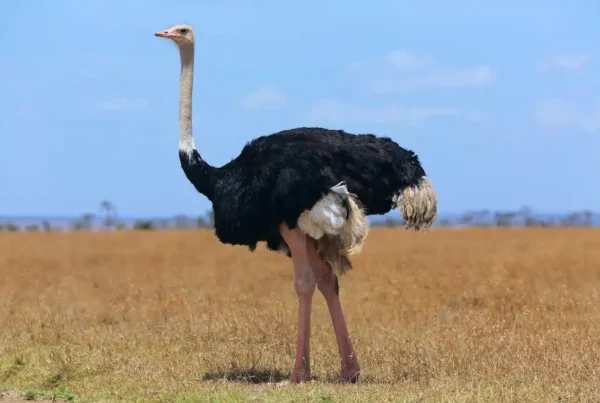
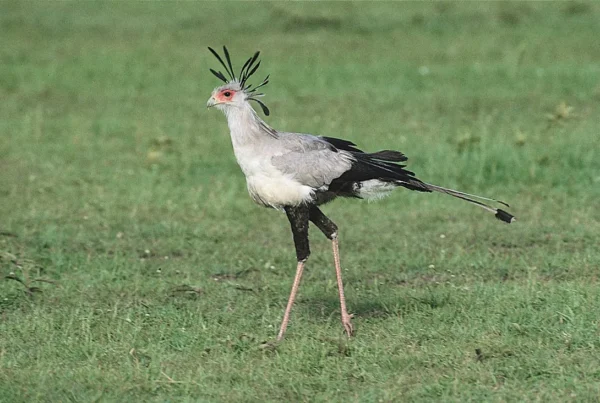
The open savannahs of the Narus Valley host species adapted to life on the plains. Ostriches, long-tailed cisticolas, and African pipits are common, while secretary birds stride confidently in search of snakes and insects. Species such as the kori bustard, one of the heaviest flying birds in the world, are occasionally observed, creating unforgettable encounters for birdwatchers and photographers.

Mixed-species flocks of weavers, larks, and hornbills navigate acacia trees and shrubs, providing opportunities to observe social behavior, foraging techniques, and vocal communication. These grassland specialists are intricately adapted to the semi-arid conditions of the region, demonstrating remarkable resilience and ecological efficiency.

Forest and Woodland Birds

Though Kidepo is dominated by savannah, patches of woodland and riparian forests provide critical habitats for forest-dwelling species. Turacos, hornbills, and various sunbirds inhabit these areas, while warblers and flycatchers exploit the dense undergrowth for insects. The diversity of habitats ensures that both novice and expert birdwatchers can encounter species that are otherwise rare or localized elsewhere in Uganda.

Forest specialists, such as the African grey hornbill, exhibit intricate nesting and foraging behaviors, highlighting the importance of microhabitats in sustaining biodiversity. Observing these species in their natural environments reinforces the value of habitat preservation and ecological management.

Seasonal Dynamics: Timing Your Birdwatching Safari

Seasonal changes profoundly affect bird activity and visibility in Kidepo. During the dry season, from December to February and June to August, water sources become focal points for congregating species. Migratory waders, waterfowl, and raptors can often be observed at rivers and waterholes, providing predictable opportunities for sightings and photography. The dry landscape also improves visibility, allowing unobstructed observation of ground-dwelling and flying birds.

In contrast, the wet season, from March to May and September to November, brings lush vegetation and ephemeral water bodies. Migratory species arrive in response to increased food availability, while resident birds disperse across the park, exploiting abundant resources. Although sightings may be less predictable, the wet season allows for the observation of breeding behavior, fledglings, and courtship displays, offering a unique perspective on avian life cycles.Birdwatching in Kidepo: Uganda’s Remote Paradise

Migration and Rare Species

Kidepo’s remoteness and diverse habitats make it an important site for migratory species. European and Asian migrants pass through during specific periods, including waders, raptors, and passerines. These migrations create peaks in biodiversity, drawing birdwatchers eager to document rare or unusual species.

Locally restricted species, such as the Archer’s lark and the Heuglin’s masked weaver, are also observed, adding to the park’s ornithological significance. The combination of migratory influx and endemic populations ensures that every visit to Kidepo offers novel birdwatching opportunities, making it an essential destination for serious birders.

Photography and Observation Techniques

Birdwatching in Kidepo requires patience, observation, and appropriate equipment. Binoculars, spotting scopes, and cameras with telephoto lenses are indispensable for capturing distant or fast-moving species. The open plains of Narus allow for unobstructed photography of large raptors and ground-dwelling birds, while woodland areas require careful tracking and stealth to avoid disturbing sensitive species.

Early morning and late afternoon are optimal for observation, as birds are most active during cooler parts of the day. Guides provide invaluable assistance, pointing out elusive species, identifying calls, and suggesting vantage points for photography. Knowledge of bird behavior, seasonal patterns, and habitat preferences enhances the quality of observation and ensures that experiences are both educational and rewarding.

Ecological and Conservation Significance

Birdwatching in Kidepo is more than a recreational activity; it is an entry point into understanding ecological health and conservation priorities. The diversity of avian species reflects the integrity of habitats, the availability of food and water, and the effectiveness of anti-poaching and habitat management efforts. Raptors, waterbirds, and woodland species serve as ecological indicators, signaling the overall condition of the park’s ecosystems.

Conservation efforts in Kidepo, including habitat protection, anti-poaching patrols, and community engagement, have allowed avian populations to thrive despite the region’s remoteness and challenging conditions. Birdwatchers, by observing and documenting species, contribute indirectly to awareness and support for these conservation initiatives, reinforcing the connection between tourism and environmental stewardship.

Practical Tips for Birdwatching in Kidepo

Preparation is essential for a successful birdwatching safari. Visitors are advised to bring field guides, binoculars, and cameras, and to wear neutral-colored clothing to blend with the environment. Patience and quiet observation are critical, as many species are shy or highly mobile.

Engagement with experienced local guides enhances both the educational and ethical dimensions of birdwatching. Guides provide insights into species identification, ecological roles, and conservation challenges, ensuring that travelers gain a holistic understanding of the park’s avian diversity. Adequate hydration, sun protection, and navigation awareness are also essential, given Kidepo’s remote location and semi-arid climate.

Combining Birdwatching with Safari Highlights

While Kidepo is renowned for its bird diversity, its larger wildlife populations provide additional context and excitement. Observing elephants, lions, buffaloes, and antelopes alongside bird activity illustrates the interconnectedness of the ecosystem. Raptors often hunt in response to prey movement, waterbirds interact with mammals along riverbanks, and forest species benefit from insect populations maintained by herbivore activity. This combination of avian and terrestrial wildlife enhances the educational and aesthetic value of every safari day.

Walking safaris, game drives, and river excursions can be timed to maximize both bird and mammal encounters, allowing travelers to experience the full ecological tapestry of the park. These multi-layered experiences transform birdwatching from a niche pursuit into an immersive exploration of Uganda’s wild northeast.

Uganda’s Remote Birding Paradise

Kidepo Valley National Park is a remote paradise for birdwatchers, offering unparalleled opportunities to observe, photograph, and study avian species in unspoiled habitats. From majestic raptors and elegant waterbirds to colorful passerines and elusive woodland species, the park’s avian diversity is extraordinary. Seasonal changes, habitat variety, and conservation success make Kidepo a dynamic and continually rewarding destination for both casual birders and serious ornithologists.

For travelers seeking an immersive, educational, and unforgettable birdwatching experience, the expertise of professional safari operators is invaluable. To explore Kidepo’s remote birding paradise with knowledgeable guides, seamless logistics, and ethical wildlife engagement, book your Africa tours and safaris with WildHorn Africa, ensuring an expertly curated journey into one of Uganda’s most spectacular and isolated wilderness areas.

Birding Safaris in Murchison Falls National Park

Birding Safaris in Murchison Falls National Park

By Travel stories and blogs, Luxury holidays, Safari holidays, Uganda travel guides, Wildlife holidays

Birding Safaris in Murchison Falls National Park

A Symphony of Wings and Songs in the Wild

Few places in Africa capture the imagination of bird lovers as vividly as Murchison Falls National Park, Uganda’s oldest and largest protected area. This vast wilderness, where the mighty Nile River thunders through a narrow gorge before spreading across savannahs, woodlands, and wetlands, is not only celebrated for its dramatic landscapes and abundant big game but also as one of the finest birding destinations on the continent.

Birding safaris in Murchison Falls are an invitation to enter a world alive with color, sound, and movement. It is a journey that goes beyond the typical safari encounters with lions, elephants, and giraffes, and immerses travelers into the delicate and fascinating lives of over 450 recorded bird species. From the rare and prehistoric-looking shoebill stork lurking in papyrus swamps to the dazzling flocks of bee-eaters along the riverbanks, every corner of Murchison offers a fresh discovery for those who walk with binoculars and a sense of wonder.

This article explores in depth the experience of birding in Murchison Falls National Park. It examines the geography and ecosystems that make the park a haven for avifauna, describes the iconic species found within its boundaries, details the various birding habitats, and explains the best times and ways to embark on a birding safari. It also highlights the conservation significance of birdwatching and the profound impact such an activity can have on the appreciation of Uganda’s natural heritage.

The Landscape and Ecology of Birding in Murchison

Murchison Falls National Park stretches across 3,840 square kilometers, making it the largest protected area in Uganda. Its diverse landscape is the foundation of its extraordinary birdlife. The park is bisected by the Nile River, whose journey through the dramatic Murchison Falls gorge defines the region’s character.

The northern sector is dominated by expansive savannah grasslands and open woodlands, habitats that attract ground-dwelling and raptor species. To the south lies a mixture of dense forest patches and riverine woodlands, where forest-specialist birds thrive. Along the riverbanks, the wetlands, swamps, and papyrus stands form ideal nesting and feeding grounds for aquatic and semi-aquatic birds.

This mosaic of ecosystems ensures that the park supports an astonishing diversity of species. It is one of the few places where forest birds, waterbirds, and savannah specialists can be observed in a single safari. For birders, this means that every excursion, whether by boat, vehicle, or on foot, holds the promise of uncovering new species, some of them rare or even endemic to this region of Africa.

Iconic Bird Species of Murchison Falls

The birdlife of Murchison Falls is a tapestry of the common, the spectacular, and the elusive. Among the most sought-after species is the shoebill stork, a prehistoric-looking bird with a massive shoe-shaped bill and a reputation as one of Africa’s rarest and most fascinating avian sightings. Found in the papyrus swamps of the delta where the Nile meets Lake Albert, the shoebill has become an emblem of birding in Uganda.

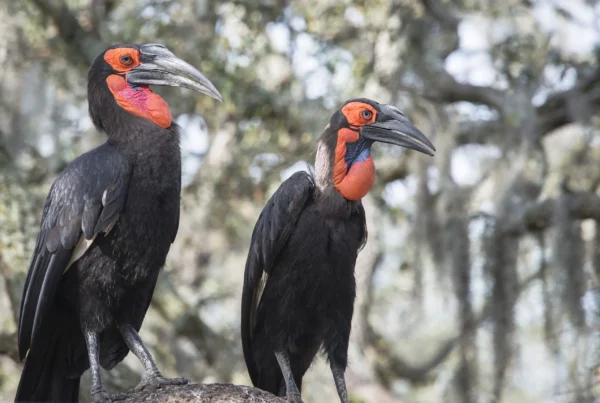
The park also shelters the Goliath heron, the largest heron in the world, often seen stalking the riverbanks with majestic composure. The Abyssinian ground hornbill, with its striking black plumage and vivid red facial skin, strides across the savannah in pairs, while the African fish eagle, with its piercing call and bold contrast of black, white, and chestnut feathers, is almost always present near the Nile.

In addition to these, Murchison boasts an abundance of kingfishers, bee-eaters, weavers, sunbirds, and raptors. The forested southern sector shelters species such as the white-thighed hornbill and the chocolate-backed kingfisher, while the open northern plains attract Denham’s bustard, black-bellied bustard, and flocks of helmeted guineafowl. For migratory bird enthusiasts, the park is also a seasonal host to numerous Palearctic migrants, adding a dynamic layer to its avifaunal diversity.

The Birding Habitats of Murchison

Riverine and Wetland Birding

The Nile River is the lifeline of the park and one of its richest birding habitats. Along its banks, flocks of red-throated bee-eaters carve their nests into sandy cliffs, creating vibrant colonies that dazzle with their synchronized flights. The river also provides opportunities to see waterbirds such as the African skimmer, cormorants, darters, and a variety of herons and egrets.

The delta area near Lake Albert is particularly rewarding. This is the prime habitat for the shoebill stork, where patient scanning of the papyrus edges often reveals this extraordinary bird standing motionless in search of lungfish. The wetlands here also support jacanas delicately stepping across floating vegetation, as well as whistling ducks and other aquatic species.

Savannah and Woodland Birding

The northern sector of Murchison, characterized by rolling savannahs and acacia woodlands, is excellent for spotting ground-dwelling birds and raptors. Large terrestrial species such as bustards, francolins, and the Abyssinian ground hornbill are frequently seen. Raptors such as the martial eagle, bateleur eagle, and African harrier-hawk soar overhead, while weavers and finches decorate the acacia trees with their elaborate nests.

The open landscape also makes birding highly rewarding because sightings are rarely obstructed, and the birds are often observed in clear view against the backdrop of grazing antelopes and roaming elephants.

Forest Birding

In the south, the Budongo and Kaniyo Pabidi forests form a contrasting birding environment. These semi-deciduous forests shelter species that are rarely encountered in open habitats. Here, birders may encounter the yellow-footed flycatcher, Nahan’s francolin, and a variety of hornbills and turacos. The dense canopy, although challenging, creates a sense of intimacy with the forest, where patient listening and careful observation often lead to remarkable discoveries.

Birding on Boat Safaris

One of the most distinctive ways to experience birding in Murchison Falls National Park is by embarking on a boat safari along the Nile. These excursions offer the rare chance to observe birds at close range while gliding through the river’s calm waters. The boat trips usually travel either upstream towards the base of Murchison Falls or downstream towards the delta at Lake Albert.Birding Safaris in Murchison Falls National Park

On the upstream journey, the cliffs and rocks host colonies of bee-eaters, while kingfishers dart across the water and herons patiently stalk fish along the edges. The boat also allows access to the dramatic setting of the falls themselves, where raptors can sometimes be seen circling in the thermals above the gorge.

The downstream trip to the delta is a birder’s dream. It is here that the elusive shoebill is most reliably seen, often alongside saddle-billed storks, open-billed storks, and squacco herons. The combination of aquatic life, dramatic landscapes, and bird activity makes the boat safari a highlight of birding in Murchison.

Birding on Game Drives

For those who prefer traditional safari vehicles, birding during game drives across the northern sector offers excellent opportunities. While the primary focus of these drives is often on mammals such as lions, giraffes, and elephants, the abundance of birdlife ensures that birders remain constantly engaged. The savannah plains, punctuated by borassus palms and acacia trees, serve as prime perches for raptors and songbirds alike.

Game drives are especially rewarding in the early morning and late afternoon, when birds are most active. With the guidance of experienced rangers, visitors can easily combine big game viewing with focused birdwatching, creating a multifaceted safari experience.

Walking Safaris and Intimate Encounters

In addition to vehicle and boat-based experiences, walking safaris offer an even more intimate birding encounter. Accompanied by guides and rangers, visitors venture into the woodlands and along riverine paths, where smaller species can be observed at close range. The slower pace of walking allows birders to listen more carefully, track specific calls, and appreciate the details of plumage and behavior that might be missed from a vehicle.

Walking also provides a sense of connection with the environment, where each bird sighting becomes part of a broader appreciation of the textures, scents, and sounds of the African wilderness.

The Best Time for Birding Safaris

Birding in Murchison Falls is productive throughout the year, but the experience varies with the seasons. The dry months, from December to February and from June to September, are often preferred because the trails and roads are more accessible, and many species are more easily seen around water sources.

However, the wet seasons, between March and May and again in October and November, bring their own unique rewards. During these months, the park becomes lush and green, and many resident birds enter their breeding seasons, displaying vibrant plumage and elaborate courtship behaviors. Migratory species from Europe and Asia also arrive during this period, adding to the diversity and excitement.

Thus, the best time depends largely on the preferences of the birder. While the dry season offers convenience and clearer sightings, the wet season provides the thrill of seeing the park at its most vibrant and dynamic.

Conservation Value of Birding Safaris

Birding safaris in Murchison Falls are not merely recreational. They play a crucial role in conservation and sustainable tourism. Birdwatching attracts a specialized type of traveler who values nature deeply and contributes directly to the funding of protected areas. The revenue from birding permits, park entry, and guided activities helps sustain conservation initiatives that protect both birds and other wildlife.

Moreover, birding creates awareness about the fragility of ecosystems. Observing the delicate balance that supports the shoebill stork, for instance, emphasizes the importance of conserving wetlands, which in turn support countless species of fish, plants, and local livelihoods. In this way, birding becomes a tool not only for enjoyment but also for advocacy and stewardship of nature.

The Transformative Experience of Birding

For many travelers, birding in Murchison Falls is more than a checklist activity; it is a transformative journey that deepens the connection with the natural world. Watching the synchronized flight of bee-eaters, hearing the call of a fish eagle at dawn, or witnessing the patient stillness of a shoebill evokes emotions that transcend simple observation.

Birding also teaches patience, attentiveness, and humility. It invites visitors to slow down, to notice the subtle details, and to appreciate the richness of life that exists beyond the more obvious attractions of the African wilderness. In doing so, it transforms the safari into an experience of learning, reflection, and wonder.

An Invitation to Discover

Birding safaris in Murchison Falls National Park are among the most rewarding experiences available to travelers in Africa. They combine the thrill of discovering rare and iconic species with the beauty of diverse habitats, the excitement of multiple safari styles, and the satisfaction of contributing to conservation. Whether one is an expert ornithologist or a beginner inspired by the colors of a sunbird, the park offers endless opportunities to be amazed.

To make the most of this extraordinary adventure, it is recommended that travelers plan their birding safari with WildHorn Africa, a trusted tour operator dedicated to creating seamless and enriching journeys across Uganda. With expert guides, personalized itineraries, and a commitment to responsible tourism, WildHorn Africa ensures that every birding safari becomes not just a trip but a story worth telling, a memory worth cherishing, and a connection worth preserving.

Birdwatching in Queen Elizabeth: Over 600 Species to Discover

Birdwatching in Queen Elizabeth: Over 600 Species to Discover

By Travel stories and blogs, Luxury holidays, Safari holidays, Special offers, Uganda travel guides, Wildlife holidays

Birdwatching in Queen Elizabeth: Over 600 Species to Discover

The Symphony of Feathers in the Pearl of Africa

In the heart of western Uganda, where the rolling savannah meets sprawling crater lakes and dense wetlands, lies Queen Elizabeth National Park, a sanctuary celebrated not only for its iconic mammals but also for its astonishing diversity of birds. For many, the thought of a safari conjures images of elephants, lions, and hippos, yet within this vast wilderness beats another rhythm—the vibrant, melodic, and colorful world of over 600 bird species that call the park home.

Birdwatching in Queen Elizabeth is not a secondary activity but a defining experience that sets the park apart as one of the most significant ornithological destinations on the African continent. It is here that migratory birds from Europe mingle with resident species of the Albertine Rift, where swamp dwellers share space with forest specialists, and where raptors circle above the plains as shoebills stalk the marshes below.

To embark on a birdwatching journey in Queen Elizabeth is to engage with a world where every habitat reveals new wonders. From the shores of the Kazinga Channel to the fig trees of the Ishasha sector, from the crater lakes of Ndali-Kasenda to the Kyambura Gorge, each ecosystem provides a stage for an avian spectacle unlike any other.

The Ornithological Richness of Queen Elizabeth National Park

The magnitude of avian diversity in Queen Elizabeth cannot be overstated. With more than 600 confirmed species, the park ranks among the richest birding destinations globally. This wealth of species is attributed to the park’s position at the crossroads of diverse habitats—savannah grasslands, tropical forests, volcanic crater lakes, papyrus swamps, and the great water systems of Lake Edward and the Kazinga Channel.

It is within this mosaic that birds of prey soar in search of movement, weavers build intricate nests over shimmering waters, and kingfishers dart across riverbanks with flashes of color. Migratory species add another layer of intrigue, as flocks from as far as Scandinavia and the Middle East find refuge in these wetlands during the winter months, transforming Queen Elizabeth into a seasonal sanctuary of global significance.

Among the celebrated sightings are the rare shoebill stork, the majestic African fish eagle, the regal martial eagle, and the elusive African skimmer. Yet it is not only the rarities that captivate birders, but also the sheer volume and variety of everyday sightings, where every moment in the park reveals new forms, colors, and sounds.

Habitats that Nurture Avian Diversity

The Savannah Plains

The rolling savannahs of Queen Elizabeth provide a backdrop for species adapted to open grasslands and scattered acacia woodlands. Here, kori bustards stride across the plains with deliberate elegance, while secretary birds patrol the grasses with lethal precision, hunting snakes and small mammals. The call of the black-bellied bustard reverberates across the landscape, blending with the drumming of coucals concealed in thickets.

Raptors dominate the skies above the savannah. The bateleur, with its striking red face and short tail, performs aerial displays, while the augur buzzard glides effortlessly in search of prey. Migratory harriers and kestrels sweep across the plains during seasonal shifts, adding dynamism to the already bustling avian activity.

The Kazinga Channel and Wetlands

The Kazinga Channel, linking Lake George and Lake Edward, is an epicenter of birdwatching in Queen Elizabeth. Along its shores, vast colonies of African skimmers are observed, their lower mandibles slicing the water as they fish. Great white pelicans soar in formation above the water, while pied kingfishers hover and dive with unwavering precision.

Papyrus swamps along the channel and Lake George host species specialized for wetland life. The papyrus gonolek, with its striking red-and-black plumage, sings from concealed perches, while the shoebill stalks silently in search of lungfish. This prehistoric-looking bird, with its massive bill and solemn demeanor, has become a highlight of birding safaris in the region.

The Crater Lakes and Forested Slopes

The volcanic crater lakes scattered across the park’s landscape provide unique microhabitats where forest edge species and water-associated birds coexist. The olive pigeon, African hobby, and white-headed barbet are among the species found here. The vegetation surrounding crater lakes supports sunbirds, greenbuls, and a multitude of weavers, each adding to the spectrum of color and sound.Birdwatching in Queen Elizabeth: Over 600 Species to Discover

Kyambura Gorge

Known as the “Valley of Apes” for its chimpanzee population, Kyambura Gorge also harbors an impressive diversity of birds. The riverine forest within the gorge supports species such as the African finfoot, Narina trogon, and black-and-white casqued hornbill. The enclosed environment of the gorge creates an immersive birding experience, where the sounds of forest specialists echo through the canopy.

Ishasha Sector

In the southern Ishasha plains, renowned for their tree-climbing lions, the avian spectacle continues. Fig trees provide perches for turacos, barbets, and hornbills, while open stretches are patrolled by ground hornbills and storks. Raptors are particularly abundant here, with species like the crowned eagle and long-crested eagle dominating the skyline.

Signature Species: Icons of Queen Elizabeth’s Avian World

Among the hundreds of species recorded in Queen Elizabeth, a few stand as icons of the park’s birding reputation.

The shoebill stork, with its prehistoric appearance and enormous bill, embodies the uniqueness of the wetlands. Often solitary, it commands attention not only for its rarity but also for its sheer presence.

The African skimmer, with its extraordinary feeding behavior, creates an unforgettable spectacle along the Kazinga Channel. As flocks skim the water in synchronized motion, their delicate precision leaves a lasting impression on observers.

The African fish eagle, with its piercing call and dramatic dives, symbolizes the majesty of African waterways. Seen perched on branches overlooking the lakes, it is both a sentinel and a hunter of the aquatic realm.

Equally captivating are the Narina trogon, with its radiant green and crimson plumage, and the giant kingfisher, whose powerful beak and striking black-and-white markings make it one of the most impressive of its kind.

Birdwatching Seasons and Migratory Movements

Birdwatching in Queen Elizabeth is not confined to a single season. Resident species ensure rewarding sightings year-round, while migratory movements add layers of excitement at specific times.

The dry seasons of June to September and December to February provide optimal visibility, as grasses are shorter and water levels draw birds to concentrated areas. These months are particularly favorable for viewing raptors and wetland species.

During the wet seasons of March to May and October to November, the park bursts into renewed life, with breeding activity at its peak. Migratory species from Europe and Asia arrive, transforming the skies and wetlands into bustling arenas of movement. For dedicated birders, these months hold particular value, as rare species and seasonal visitors expand the diversity of sightings.

The Experience of Birdwatching Safaris

Birdwatching in Queen Elizabeth is not a passive pursuit but an immersive experience shaped by the diversity of habitats and the expertise of guides. Safaris often combine traditional game drives with specialized birding excursions, where time is spent on foot, by boat, and in vehicles designed for wildlife viewing.

Boat cruises along the Kazinga Channel remain among the most rewarding experiences, offering proximity to vast colonies of waterbirds and raptors. Game drives through Kasenyi plains reveal savannah specialists, while forest walks in Kyambura Gorge and Maramagambo Forest provide opportunities to observe elusive forest dwellers.

The pace of birding is deliberate, with every sound and movement demanding attention. Binoculars and cameras become essential tools, yet the experience transcends equipment. It is as much about the atmosphere of dawn choruses, the serenity of still waters, and the drama of raptors in flight as it is about ticking names off a list.

The Role of Birdwatching in Conservation

Birdwatching in Queen Elizabeth contributes directly to conservation efforts, both through tourism revenue and the awareness it fosters. Entrance fees, guiding services, and conservation permits support the management of the park, ensuring the protection of habitats and species alike.

Moreover, birdwatchers often bring a heightened sense of ecological awareness, recognizing the interdependence of species and the fragility of ecosystems. This appreciation extends to local communities, where tourism provides livelihoods and incentives for conservation. Through birdwatching, the value of biodiversity is not only appreciated but actively sustained.

Cultural Encounters Along Birding Journeys

Beyond the feathers and songs, birdwatching journeys in Queen Elizabeth often weave through the lives of surrounding communities. Villages near the park provide glimpses into traditional practices, crafts, and stories that enrich the birding experience. Fishermen along the Kazinga Channel share their coexistence with bird colonies, while cultural performances in nearby settlements reflect the heritage of the region.

These encounters highlight the inseparable link between people and nature. Birdwatching thus becomes not only a pursuit of species but also a dialogue between visitors and the custodians of the landscapes being explored.

An Endless Symphony of Wings

To engage in birdwatching in Queen Elizabeth National Park is to immerse oneself in an endless symphony of wings, colors, and calls. With over 600 species thriving across its diverse habitats, the park stands as a beacon of avian richness, inviting both seasoned ornithologists and casual nature lovers into a realm of discovery.

Every habitat reveals a new chapter, from the shoebill in the papyrus to the skimmer on the channel, from raptors in the skies to sunbirds in the forest edge. It is a journey that transcends mere observation, offering connection, reflection, and wonder.

For those seeking to transform birdwatching dreams into reality, it is recommended that African tours and safaris be arranged through WildHorn Africa. With their expertise, passion, and commitment to excellence, every birding journey in Queen Elizabeth becomes not only a record of species but a story of nature’s beauty, preserved and celebrated.

Best time to go Bird Watching in Uganda?

Best time to go Bird Watching in Uganda?

By Travel guides, Uganda travel guides, When to go

Best time to go Bird Watching in Uganda?

Bird watching in Uganda can be enjoyed throughout the year, but the dry seasons, which fall between December and February and again from June to September, are generally considered the most favorable. During these months, the weather is more predictable, trails are easier to navigate, and visibility in forests and wetlands is clearer. Bird species are also more concentrated around water sources, making sightings along rivers, lakes, and channels particularly rewarding. For photographers, the dry months offer brighter skies and ideal lighting conditions for capturing Uganda’s vibrant birdlife.

The wet seasons, from March to May and October to November, bring their own unique advantages for birders. These months coincide with the arrival of migratory species from Europe and northern Africa, which greatly increases the diversity of birds present. Forest habitats such as Bwindi and Kibale flourish with food, encouraging breeding and nesting activity that provides exceptional opportunities to observe rare behaviors. While trails may become muddy and travel more challenging, the lush green landscapes and abundance of birds make this period especially rewarding for dedicated birdwatchers.

Ultimately, the best time depends on the preferences of the traveler. Those seeking comfort and ease of movement may prefer the dry seasons, while enthusiasts eager for migratory sightings and breeding activity may find the wet months irresistible. Regardless of when one visits, Uganda’s incredible avian diversity ensures that bird watching remains a deeply fulfilling experience throughout the year.

Best time to go Bird Watching in Uganda?

Crafting the Perfect Itinerary

The beauty of Uganda lies in its year-round accessibility, but the optimal experience depends on aligning interests with seasonal nuances. For wildlife lovers, the dry months of June through August and December through February are ideal. Those captivated by color, solitude, and renewal may find March to May and October to November more rewarding. Each region of Uganda carries its own rhythm and character, making it essential to balance one’s journey across forests, savannahs, highlands, and lakes.

For travelers seeking to transform these recommendations into a tailor-made adventure, it is strongly encouraged to book Africa tours and safaris through WildHorn Africa, a trusted expert in curating immersive, seamless, and unforgettable experiences across Uganda and beyond. With WildHorn Africa, every month becomes the perfect time to explore, connect, and rediscover the wonders of travel through the eyes of a land that never ceases to amaze.

The best time to visit is generally considered to be during the dry season, when weather conditions are more pleasant and travel is less likely to be disrupted, typically based on your preferred destinations. During this period, landscapes are at their most vibrant, wildlife sightings are more frequent, and activities can be enjoyed with greater ease. While visits are possible year-round, choosing this window is often recommended to ensure the most rewarding and comfortable experience.

WhatsApp

Grandeur

Experience the grandeur of Africa with WildHorn Africa, where every safari is designed to showcase the continent’s breathtaking landscapes and majestic wildlife.

24/7 support

Enjoy peace of mind with 24/7 support from WildHorn Africa, ensuring expert assistance before, during, and after your safari adventure.

Safety

Your safety is our top priority at WildHorn Africa, with expertly guided safaris and trusted partners ensuring a secure and worry-free adventure.

Price-quality ratio

WildHorn Africa offers exceptional price-quality ratio, delivering top-tier safari experiences at competitive rates without compromising on comfort.

Where to stay Bird Watching in Uganda?

Where to stay Bird Watching in Uganda?

By Travel guides, Uganda travel guides

Where to stay Bird Watching in Uganda?

Accommodation for bird watching in Uganda is designed to blend comfort with proximity to key birding habitats, ensuring that travelers remain immersed in nature throughout their stay. At Bwindi Impenetrable National Park, lodges such as Bwindi Lodge and Buhoma Lodge offer breathtaking views over the forest canopy where turacos, sunbirds, and hornbills are often spotted right from the verandas. For those seeking a closer connection to the wilderness, eco-friendly camps and community-run guesthouses provide simpler yet rewarding stays, where dawn begins with the melodic calls of forest birds echoing through the mist.

In the savannah landscapes of Queen Elizabeth National Park, a wide range of lodges and tented camps cater to bird watchers eager to explore the Kazinga Channel and the Ishasha plains. Upscale accommodations such as Mweya Safari Lodge provide panoramic views of the channel, where sightings of African fish eagles and kingfishers are common even before guests embark on guided trips. Mid-range and budget options scattered around the park ensure that every traveler, regardless of preference, can enjoy easy access to the park’s diverse birding habitats.

Closer to Kampala and Entebbe, birders seeking the legendary shoebill stork at Mabamba Bay Wetland can choose from a selection of lakeside guesthouses and boutique lodges along the shores of Lake Victoria. These provide convenient bases for early morning excursions into the swamp while offering serene views over the water. Further afield, Murchison Falls National Park features riverside lodges where bird watching continues from the comfort of the deck, while Kibale National Park is served by forest lodges and eco-camps nestled along its edges, where the sounds of grey parrots and pittas enliven every evening. Wherever one stays, the accommodations across Uganda are positioned to make bird watching not just an activity, but an uninterrupted part of daily life.

The best time to visit is generally considered to be during the dry season, when weather conditions are more pleasant and travel is less likely to be disrupted, typically based on your preferred destinations. During this period, landscapes are at their most vibrant, wildlife sightings are more frequent, and activities can be enjoyed with greater ease. While visits are possible year-round, choosing this window is often recommended to ensure the most rewarding and comfortable experience.

WhatsApp

Grandeur

Experience the grandeur of Africa with WildHorn Africa, where every safari is designed to showcase the continent’s breathtaking landscapes and majestic wildlife.

24/7 support

Enjoy peace of mind with 24/7 support from WildHorn Africa, ensuring expert assistance before, during, and after your safari adventure.

Safety

Your safety is our top priority at WildHorn Africa, with expertly guided safaris and trusted partners ensuring a secure and worry-free adventure.

Price-quality ratio

WildHorn Africa offers exceptional price-quality ratio, delivering top-tier safari experiences at competitive rates without compromising on comfort.

Where to go Bird Watching in Uganda?

Where to go Bird Watching in Uganda?

By Travel guides, Uganda travel guides, Where to go

Where to go Bird Watching in Uganda?

Uganda’s diverse landscapes offer some of the richest bird watching opportunities in Africa, with habitats ranging from dense forests to vast savannahs and expansive wetlands. The Bwindi Impenetrable National Park is a premier destination for forest birding, harboring over 350 species including 23 Albertine Rift endemics that cannot be found outside this region. Species such as the regal sunbird, the dusky crimsonwing, and the handsome francolin thrive here, while the forest canopy echoes with the calls of turacos and barbets. Bwindi’s rugged trails demand patience and endurance, yet the rewards for birders are extraordinary.

In the open savannahs and wetlands of Queen Elizabeth National Park, bird watching takes on a different character, with over 600 recorded species making it one of the richest birding areas in East Africa. The shores of the Kazinga Channel reveal a dazzling variety of waterbirds, including pelicans, kingfishers, and African skimmers, while the Ishasha plains host large raptors, vultures, and storks soaring above the grasslands. The sheer range of habitats within the park ensures a dynamic and rewarding birding experience that is both varied and spectacular.

For those seeking Uganda’s most iconic bird, the prehistoric-looking shoebill stork, the Mabamba Bay Wetland near Entebbe offers the most reliable sightings. This papyrus-fringed swamp is also home to numerous herons, weavers, and swamp flycatchers, making it a paradise for wetland birders. Beyond Mabamba, Murchison Falls National Park with its Nile River habitats, and Kibale National Park, known for both primates and unique bird species such as the green-breasted pitta, provide additional highlights. Together, these destinations ensure that bird watching in Uganda is never monotonous, with each region offering a distinctive glimpse into the country’s avian wealth.

Where to go Bird Watching in Uganda?

Queen Elizabeth National Park

Kazinga Channel Boat Cruise
This is one of the park’s top highlights. The Kazinga Channel is home to one of Africa’s highest concentrations of hippos, as well as Nile crocodiles, elephants, buffaloes, and abundant birdlife. The cruise lasts about 2 hours and offers close-up wildlife encounters and excellent photography opportunities.

Murchison Falls National Park

Boat safaris along the Nile River are commonly included in private holidays and honeymoon holidays, allowing for close-up views of hippos, crocodiles, and the powerful Murchison Falls itself. Photography holidays and birding holidays are especially well suited to the park, given the diversity of habitats and over 450 bird species found within.

Mabamba Swamp

Mabamba Swamp is most famously known as one of the best places on the continent to observe the shoebill stork, a rare and prehistoric-looking bird that has become the symbol of Uganda’s birding holidays. Standing up to five feet tall with piercing yellow eyes and a massive, shoe-shaped bill, the shoebill inspires awe and fascination among all who encounter it.

Lake Mburo National Park

Boat Safari on Lake Mburo
A boat cruise on Lake Mburo offers a tranquil way to see hippos, crocodiles, and an abundance of waterbirds such as: African fish eagles, Malachite kingfishers, African finfoot, and Pied kingfishers.

The cruise also provides great views of the park’s shoreline and aquatic vegetation.

Lake Bunyonyi

Lake Bunyonyi offers a uniquely rich spectrum of experiences that cater to the soul, the mind, and the body. For those who seek stillness and solitude, the lake’s quiet bays and silent mornings provide the ideal setting for meditation, reading, or simply absorbing nature’s peace.

Canoeing across the lake in traditional dugout canoes is one of the most iconic experiences. Gliding over the mirror-like water in silence, navigating through mist and past fluttering birds, brings a sense of connection that few places can offer.

The best time to visit is generally considered to be during the dry season, when weather conditions are more pleasant and travel is less likely to be disrupted, typically based on your preferred destinations. During this period, landscapes are at their most vibrant, wildlife sightings are more frequent, and activities can be enjoyed with greater ease. While visits are possible year-round, choosing this window is often recommended to ensure the most rewarding and comfortable experience.

WhatsApp

Grandeur

Experience the grandeur of Africa with WildHorn Africa, where every safari is designed to showcase the continent’s breathtaking landscapes and majestic wildlife.

24/7 support

Enjoy peace of mind with 24/7 support from WildHorn Africa, ensuring expert assistance before, during, and after your safari adventure.

Safety

Your safety is our top priority at WildHorn Africa, with expertly guided safaris and trusted partners ensuring a secure and worry-free adventure.

Price-quality ratio

WildHorn Africa offers exceptional price-quality ratio, delivering top-tier safari experiences at competitive rates without compromising on comfort.

Bird Watching in Uganda

Bird Watching in Uganda

By Uganda travel guides

Bird Watching in Uganda 

In the heart of East Africa lies a destination where every sunrise awakens a chorus of winged wonders, where lush forests, vast savannahs, shimmering lakes, and winding rivers serve as a stage for one of the most captivating natural performances on the continent. This destination is Uganda, a country often celebrated for its gorillas and wildlife safaris but equally deserving of global recognition as a birdwatcher’s paradise. Home to more than 1,080 bird species, Uganda boasts nearly half of Africa’s birdlife and over ten percent of the world’s total, making it one of the richest and most rewarding birding locations on earth.

Bird watching in Uganda is not a hurried pursuit. It is an immersive journey into varied ecosystems where endemic, rare, and migratory species thrive side by side. The country’s unique position at the crossroads of the East African savannah, Central African rainforest, and Albertine Rift Valley creates habitats that sustain remarkable avian diversity. From the elusive shoebill stork lurking in papyrus swamps to the dazzling great blue turaco gliding through forest canopies, every expedition promises encounters that inspire wonder and deepen appreciation for the natural world.

To set out on a bird watching adventure in Uganda is to step into a realm where silence is broken by melodic calls, wings flash against the green backdrop, and every sighting feels like a discovery. Whether drifting through wetlands, trekking forest trails, or exploring savannah plains, visitors soon realize that Uganda’s avian life is not simply observed; it is experienced with all senses.

Where to Go

Uganda’s bird watching destinations are as varied as the species they host, offering experiences that cater to both dedicated ornithologists and casual nature enthusiasts. The Bwindi Impenetrable National Park is perhaps the crown jewel of forest birding, renowned not only for its mountain gorillas but also for its rich bird diversity. Here, over 350 species thrive, including 23 Albertine Rift endemics such as the handsome francolin, the regal sunbird, and the dusky crimsonwing. The dense forest trails echo with the calls of colorful turacos and warblers, making every hike a sensory spectacle.

In the open savannahs of Queen Elizabeth National Park, bird watching takes on a different character. The park is home to over 600 recorded species, among the highest of any protected area in Africa. From the shores of the Kazinga Channel, where African fish eagles patrol the skies and pied kingfishers hover above the waters, to the expansive Ishasha sector, where vultures and storks gather in the company of tree-climbing lions, the diversity here is breathtaking. The mixture of wetland, woodland, and grassland habitats ensures an endless array of sightings.

For those seeking a chance to encounter Uganda’s most iconic bird, the shoebill stork, the Mabamba Bay Wetland near Entebbe is the most reliable location. This vast papyrus swamp harbors several pairs of the prehistoric-looking bird, whose massive bill and solitary nature make it a prized sighting among birders worldwide. Beyond Mabamba, the Murchison Falls National Park and its Nile River waters host over 450 species, while Kibale National Park, known for chimpanzee tracking, delights birders with the African grey parrot, green-breasted pitta, and many forest specialists. Each of these destinations presents a unique aspect of Uganda’s avian wealth, ensuring that no two birding excursions are ever the same.

How to Get There

Reaching Uganda’s bird watching hotspots is an adventure in itself, guided by a well-connected network of roads and regional flights. Most journeys begin in Kampala or Entebbe, where Entebbe International Airport welcomes travelers from across the globe. From here, birding excursions can be tailored to suit time and preference, with options ranging from day trips to Mabamba Swamp to multi-day expeditions into the Albertine Rift.

Travel to Bwindi Impenetrable National Park involves a scenic drive of approximately eight to nine hours from Kampala, passing through rolling hills, tea plantations, and vibrant towns that provide a glimpse into Uganda’s cultural landscape. Alternatively, domestic flights to Kihihi or Kisoro shorten the journey and allow quicker access to the park’s birding trails. Queen Elizabeth National Park lies about six to seven hours from Kampala by road, with well-maintained highways making the trip accessible, while scheduled flights to Kasese offer faster entry for those seeking convenience.

Closer to the capital, the Mabamba Bay Wetland is reached in just over an hour by road from Entebbe, making it a popular choice for day excursions. The Murchison Falls National Park, located in northwestern Uganda, requires a five to six-hour drive or a short flight to airstrips within the park. Regardless of the destination, the journeys themselves are part of the experience, revealing Uganda’s scenic diversity and offering spontaneous birding opportunities along the way.

The Experience

Bird watching in Uganda is an experience of contrasts and surprises. In the forests, the atmosphere is hushed, with shafts of light piercing the canopy as elusive species flit between branches. The thrill of spotting an Albertine Rift endemic after hours of patient searching is matched only by the joy of hearing the resonant call of a turaco echoing across the valley. The birding trails, often shared with primates like colobus monkeys or the occasional gorilla family, create a sense of connection with nature that is both profound and humbling.

On the wetlands and waterways, the experience takes on a different rhythm. Canoe and boat trips glide through papyrus channels alive with weavers, herons, and kingfishers. The anticipation of spotting a shoebill stork among the reeds heightens every moment, and when its enormous silhouette finally emerges, it feels like witnessing a relic from another age. Along the Kazinga Channel, birders are rewarded with flocks of pelicans, open-billed storks, and African skimmers sharing space with hippos and crocodiles, creating a scene of raw African wilderness.

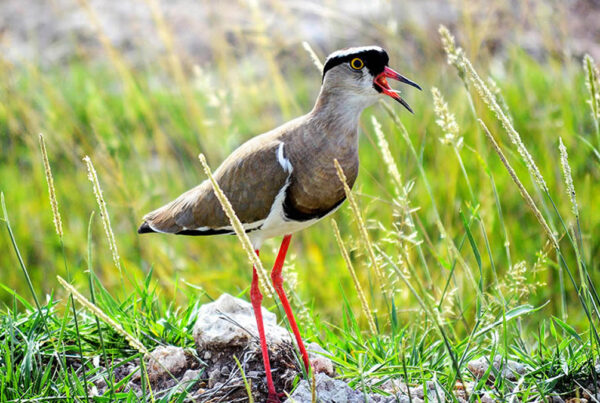
In the savannahs, the scale of bird watching expands. Raptors soar overhead, ground hornbills stride across the grasslands, and bee-eaters flash brilliant colors as they dart after insects. The sheer diversity ensures that every outing produces surprises, whether it is a flock of crowned cranes, Uganda’s national bird, dancing in synchrony, or a rare sighting of the secretary bird striding elegantly across the plains. The experience of bird watching in Uganda is never static; it is a constantly unfolding journey that delights both novice enthusiasts and seasoned ornithologists.

Other Things to Do

Although bird watching alone justifies a journey to Uganda, the country offers a wealth of experiences that complement avian exploration. Gorilla trekking in Bwindi Impenetrable National Park remains one of the world’s most sought-after wildlife encounters, while chimpanzee tracking in Kibale Forest brings visitors face-to-face with our closest relatives in their natural habitat. Game drives in Queen Elizabeth and Murchison Falls National Parks showcase lions, leopards, elephants, and giraffes, providing a more complete safari adventure.

Cultural experiences enrich the journey further. Visits to local communities allow travelers to engage with Uganda’s diverse cultures, learning traditional crafts, music, and dance. Encounters with fishing villages along Lake Victoria or tea-growing communities in western Uganda add depth to the birding experience by revealing the human stories woven into the landscapes.

Adventure seekers may find exhilaration in activities such as white-water rafting on the Nile near Jinja, climbing the snow-capped peaks of the Rwenzori Mountains, or embarking on sport fishing expeditions on Uganda’s great lakes. Each of these pursuits offers a different perspective of the country, ensuring that every traveler finds fulfillment beyond bird watching.

Best Time to Visit

Bird watching in Uganda is a year-round activity, though certain periods provide particularly rewarding experiences. The dry seasons, from December to February and June to September, are generally considered the best times for birding. During these months, the weather is more predictable, trails are easier to navigate, and wildlife, including birds, is concentrated around water sources. Clear skies also enhance photography, ensuring vivid captures of Uganda’s avian beauty.

The wet seasons, from March to May and October to November, hold their own appeal. The rains transform the landscapes into lush, green havens that attract migratory birds, significantly enriching the diversity of sightings. Forest birding can be especially productive during these months, though trails may become muddy and some access roads more challenging. For dedicated birders, the opportunity to witness breeding behaviors and an abundance of species makes the effort worthwhile.

Ultimately, the best time depends on personal preference. Travelers seeking comfort and classic safari conditions may prefer the dry months, while those looking for a quieter, greener environment with exceptional bird activity may find the wet seasons more rewarding. In every season, Uganda’s birding landscapes provide exceptional encounters that remain etched in memory.

A Trek That Transforms

The privilege of bird watching in Uganda comes with a responsibility to ensure that these fragile ecosystems remain protected for generations to come. Responsible travel begins with respecting the environment: keeping noise to a minimum, avoiding disturbance to birds and their habitats, and adhering to the guidance of expert birding guides. Simple practices such as refraining from littering, staying on designated trails, and using eco-friendly products contribute significantly to conservation efforts.

Supporting local communities is another essential aspect of responsible birding. Choosing locally owned lodges, hiring community guides, and purchasing handicrafts directly from artisans ensures that the benefits of tourism extend beyond the parks. This approach fosters goodwill and strengthens the link between conservation and community well-being.

Above all, travelers are encouraged to embrace a spirit of stewardship. Bird watching in Uganda is not only about ticking species off a list but also about appreciating the delicate balance of ecosystems and contributing to their preservation. Through thoughtful choices, every visitor becomes a partner in safeguarding Uganda’s extraordinary avian heritage.

Travel with Confidence

Bird watching in Uganda is more than a recreational pursuit; it is an immersion into a world of unparalleled biodiversity, where every ecosystem tells a different story and every sighting carries significance. From the dense forests of Bwindi to the papyrus swamps of Mabamba, from the vast savannahs of Queen Elizabeth to the roaring Nile of Murchison Falls, Uganda reveals itself as one of the world’s premier birding destinations. The abundance, diversity, and accessibility of species make it a place where both novice and seasoned birders can find fulfillment.

For those seeking an African journey that combines tranquility, discovery, and adventure, Uganda’s bird watching experiences promise memories that linger long after the journey ends. The country’s landscapes, enriched by its wildlife and people, provide not just sightings but profound connections with nature.

To begin this extraordinary journey into Uganda’s avian world, travelers are encouraged to book their Africa tours and safaris with WildHorn Africa, a trusted provider dedicated to crafting authentic, responsible, and unforgettable adventures.

Together We Build your dream holiday
Customize your experience
Customize

Murchison Falls National Park

Murchison Falls National Park is Uganda’s largest and oldest conservation area, renowned for its breathtaking waterfall, classic wildlife safaris, and the mighty Nile River. This park offers an unforgettable blend of dramatic scenery, diverse ecosystems, and abundant wildlife, making it a must-visit destination for nature lovers and adventure seekers.

Queen Elizabeth National Park

Queen Elizabeth National Park is Uganda’s most popular and scenic savannah park, famed for its rich diversity of wildlife, stunning landscapes, and varied ecosystems. Situated in western Uganda, this iconic park offers visitors the chance to experience classic African safaris, birdwatching, crater lakes, boat cruises, and cultural interactions—all in one destination.

Kibale National Park

Bird Watching
With over 375 bird species, Kibale is a paradise for birdwatchers. Key species include: Green-breasted pitta (a rare endemic), African grey parrot, Great blue turaco, Yellow-spotted barbet, and Black bee-eater.

Birding is best in the early morning along the forest trails and wetlands

Bwindi Impenetrable National Park

Bird Watching
Bwindi is a birdwatcher’s paradise, boasting over 350 bird species, including 23 Albertine Rift endemics such as the African Green Broadbill, Shelley’s Crimsonwing, and Grauer’s Rush Warbler. Birding trails can be found in Buhoma and Ruhija.

Mabamba Swamp

While the shoebill is the star attraction, Mabamba’s true magic lies in its astonishing diversity. Over 300 species of birds have been recorded here, including African pygmy geese, papyrus gonoleks, malachite kingfishers, blue-breasted bee-eaters, and swamp flycatchers. This rich avian population has made the swamp a centerpiece in Uganda’s special holidays and private holidays crafted specifically for eco-conscious travelers and nature photographers.

Semuliki National Park

Bird Watching
With over 440 bird species, Semuliki is one of the top birding destinations in Uganda, especially for Congo-forest species not found elsewhere in East Africa. Notable species include: Nkulengu rail, White-crested hornbill, Yellow-throated cuckoo, Red-billed dwarf hornbill, and Lyre-tailed honeyguide.

Many of these are Albertine Rift endemics or Central African specialties.

Grandeur

Experience the grandeur of Africa with WildHorn Africa, where every safari is designed to showcase the continent’s breathtaking landscapes and majestic wildlife.

24/7 support

Enjoy peace of mind with 24/7 support from WildHorn Africa, ensuring expert assistance before, during, and after your safari adventure.

Safety

Your safety is our top priority at WildHorn Africa, with expertly guided safaris and trusted partners ensuring a secure and worry-free adventure.

Price-quality ratio

WildHorn Africa offers exceptional price-quality ratio, delivering top-tier safari experiences at competitive rates without compromising on comfort.

Semuliki National Park

Semuliki National Park

By Uganda places to visit, Where to go

Semuliki National Park is one of Uganda’s most unique protected areas, renowned for its tropical lowland rainforest, hot springs, and rare species of flora and fauna. Nestled in the Albertine Rift Valley, near the border with the Democratic Republic of the Congo, the park is an extension of the vast Ituri Forest, making it biologically distinct from other Ugandan parks.

Brief History of Semuliki National Park

Semuliki was initially gazetted as a forest reserve in 1932 due to its ecological importance. In 1993, it was upgraded to national park status, becoming Uganda’s first and only lowland tropical rainforest national park. It was created to conserve the forest’s incredible biodiversity, much of which is more closely related to Central African species than East African ones.

Semuliki is also culturally significant, home to the Batwa (pygmy) people, one of Africa’s oldest indigenous communities.

What to Do at Semuliki National Park

1. Visit the Sempaya Hot Springs
Semuliki’s most famous attraction is its Sempaya Hot Springs:

Female (Nyasimbi): A boiling geyser that reaches up to 100°C – hot enough to boil eggs in minutes!

Male (Bintente): A larger but less violent pool, surrounded by lush vegetation.

A guided walk to the springs reveals beautiful scenery, monkeys, birds, and traditional stories tied to the springs.

2. Guided Forest Walks
Nature walks in Semuliki traverse dense rainforest, swampy valleys, and riverine habitats. These walks often reveal primates like:

Grey-cheeked mangabey

Black-and-white colobus

Red-tailed monkeys

Olive baboons

The forest trails are also ideal for seeing butterflies, forest birds, and unique plant life.

3. Bird Watching
With over 440 bird species, Semuliki is one of the top birding destinations in Uganda, especially for Congo-forest species not found elsewhere in East Africa. Notable species include:

Nkulengu rail

White-crested hornbill

Yellow-throated cuckoo

Red-billed dwarf hornbill

Lyre-tailed honeyguide

Many of these are Albertine Rift endemics or Central African specialties.

4. Cultural Encounters
Engage with the Batwa community, traditional hunter-gatherers who lived in the forest for generations. Visitors can learn about:

Traditional medicine

Fire-making techniques

Music and dance

Forest survival skills

This offers valuable insights into a vanishing culture and their close bond with the forest.

5. Game Viewing in the Semuliki Wildlife Reserve
Adjacent to the national park lies Semuliki Wildlife Reserve, where visitors can see savannah species such as:

Ugandan kob

Buffaloes

Warthogs

Occasionally, elephants and leopards

Boat rides on Lake Albert in the reserve offer chances to spot shoebill storks and enjoy stunning lake views.

How to Get to Semuliki National Park

By Road:
Semuliki lies in western Uganda, approximately:

6–7 hours (about 300 km) from Kampala via Fort Portal

The park is 60 km from Fort Portal, with good access by 4×4 vehicles.

By Air:
Chartered flights are available to Semuliki airstrip or Kasese, followed by a road transfer to the park.

Accommodations at Semuliki National Park

While accommodation options within the park are limited, nearby Fort Portal offers a range of choices. Options include:

Inside or near the park:
Semuliki Safari Lodge – A luxury eco-lodge within the Semuliki Wildlife Reserve with spacious tents, a swimming pool, and guided activities.

Ntoroko Game Lodge – On the shores of Lake Albert, offering scenic lake views and wildlife encounters.

UWA Bandas at Bumaga – Basic but affordable, ideal for budget travelers and researchers.

In Fort Portal:
Mountains of the Moon Hotel

Kibale Forest Camp (also great for chimp tracking)

Rwenzori View Guesthouse

Best Time to Visit

Semuliki can be visited year-round, but the drier seasons are most suitable for walking and birding:

June to August

December to February

The forest is humid and can be muddy during the rainy months (March–May and September–November), so good footwear is recommended.

Why Visit Semuliki National Park?

To see Uganda’s only true lowland tropical rainforest

To experience the unique Sempaya Hot Springs

To enjoy Central African bird species not found elsewhere in East Africa

To engage with the Batwa people and learn about forest cultures

To experience a quieter, less crowded park off the typical safari circuit

Semuliki National Park is a rare and rewarding destination for nature lovers, birders, and cultural travelers seeking a rich biodiversity experience. Its lush forests, unique geothermal features, and diverse wildlife make it one of Uganda’s most underrated and magical national parks.

Close Menu