search
Photography Safari in Kibale National Park

Photography Safari in Kibale National Park

By Travel stories and blogs, Family holidays, Primate holidays, Safari holidays, Special offers, Uganda travel guides

Photography Safari in Kibale National Park

Capturing the Wild Through the Lens

In the heart of western Uganda, Kibale National Park has emerged as a sanctuary not only for wildlife enthusiasts but also for photographers seeking to capture the essence of primate behavior, avian diversity, and tropical forest landscapes. With its dense rainforest, rolling hills, and a high concentration of chimpanzees and other primates, the park presents an unparalleled canvas for nature photography. A photography safari in Kibale offers the opportunity to document intimate moments of wildlife interaction, vibrant forest flora, and the intricate rhythms of a tropical ecosystem.

Photography in Kibale extends beyond aesthetic appreciation; it requires a nuanced understanding of wildlife behavior, ecological patterns, light conditions, and compositional techniques. The park’s dynamic environment challenges photographers to adapt to shifting weather, forest density, and animal movements, transforming a safari into a study of patience, observation, and technical skill. Moreover, ethical considerations regarding human presence, wildlife disturbance, and habitat preservation are central to responsible photographic practices in the park.

This guide explores photography safari opportunities in Kibale National Park, detailing prime subjects, technical strategies, seasonal considerations, logistics, ethical practices, and immersive experiences that enhance both visual storytelling and ecological understanding.

The Photographic Appeal of Kibale

Chimpanzees as Dynamic Subjects

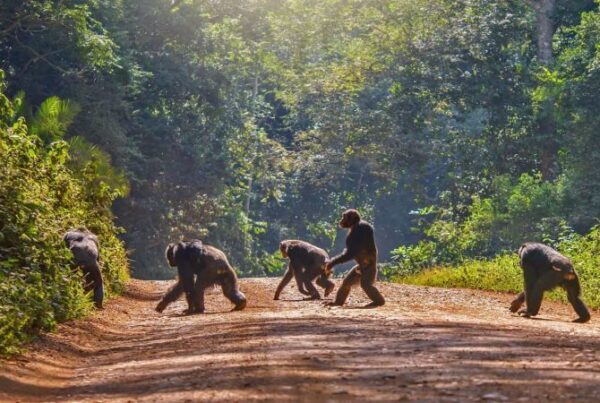
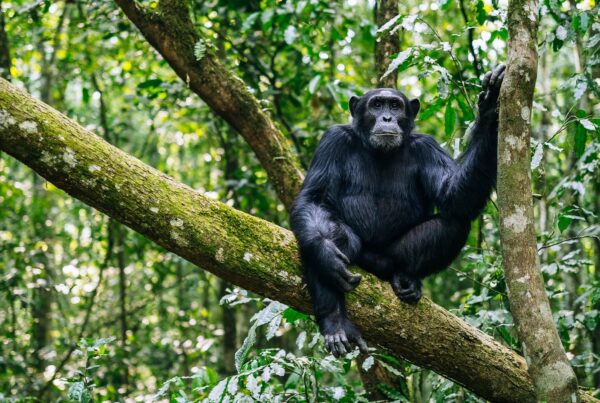
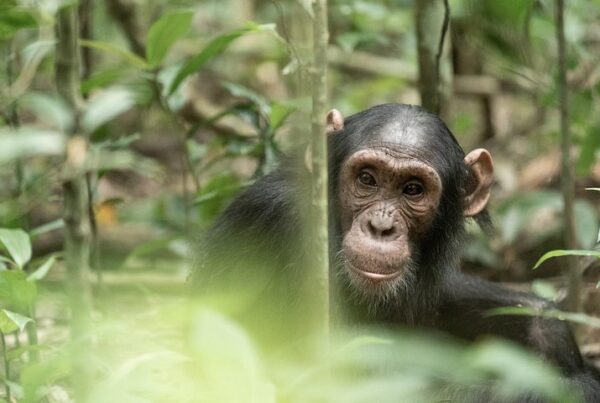
Kibale is home to over 1,500 chimpanzees, many of which are habituated for research and tourism purposes. This habituation allows photographers to approach the primates at reasonable distances, capturing social interactions, grooming behaviors, nest building, and feeding activities. The dense canopy and dappled sunlight create dramatic lighting conditions, adding depth and texture to images.

Chimpanzee photography demands patience and timing. Early morning hours are optimal, as primates are most active and light conditions are soft. Photographers must anticipate movement, employ rapid focusing techniques, and consider lens choice to balance proximity with safety and minimal disturbance. Beyond individual portraits, group dynamics, juvenile interactions, and behavioral nuances offer rich material for storytelling through imagery.

Avian Photography Opportunities

Kibale hosts over 370 bird species, providing an extraordinary opportunity for avian photography. Species such as turacos, hornbills, sunbirds, and kingfishers exhibit vibrant plumage, complex behaviors, and unique vocalizations. Canopy photography is particularly rewarding, requiring long lenses, careful framing, and attention to lighting to capture the intricate details of feathers, beak shapes, and flight patterns.

Birdwatching and photography are often combined, with expert guides assisting in locating rare or elusive species. Photography safaris in Kibale can therefore be tailored to specialized avian interests, offering opportunities to document endemic, migratory, and visually striking species across various microhabitats.

Forest Landscapes and Macro Subjects

Beyond fauna, Kibale’s rainforest, rivers, and swamp areas provide compelling subjects for landscape and macro photography. Mist-laden mornings, sun-dappled clearings, and reflective water bodies create dramatic compositions that convey the forest’s depth and vibrancy. Macro photography is enhanced by the presence of insects, amphibians, flowers, and intricate bark textures, allowing close-up exploration of the forest’s ecological intricacy.

Compositional considerations include framing with natural lines, capturing symmetry in foliage, and exploiting the interplay of light and shadow. Photography in such a dense forest also encourages creativity, experimentation, and a profound awareness of environmental details that may otherwise go unnoticed.

Planning a Photography Safari

Seasonal Considerations

Optimal photography conditions in Kibale vary according to seasonal rainfall, forest density, and wildlife activity. The dry seasons, from December to February and June to August, offer clearer trails, stable light conditions, and predictable wildlife behavior. Conversely, the wet seasons, from March to May and September to November, produce lush foliage, enhanced bird activity, and atmospheric effects such as mist and rain, which can enrich photographic compositions.

Wildlife behavior is also influenced by seasonal factors. Chimpanzee feeding patterns, bird migrations, and flowering cycles alter photographic opportunities. Understanding these patterns is crucial for planning trips that maximize both subject diversity and image quality.

Equipment and Technical Considerations

A successful photography safari in Kibale requires careful equipment selection. Telephoto lenses, macro lenses, and versatile zooms are commonly employed, along with sturdy tripods, gimbals, and stabilizers for low-light or handheld shooting. Protective gear for humidity, rain, and dust is essential to safeguard cameras and lenses.

Technical considerations include understanding forest lighting, adjusting shutter speeds for moving subjects, managing depth of field in dense vegetation, and balancing ISO settings to reduce noise without compromising exposure. Photographers are encouraged to experiment with angles, perspectives, and compositions to capture unique viewpoints of familiar subjects.

Guides and Expert Assistance

Local guides in Kibale are invaluable for locating wildlife, anticipating behaviors, and ensuring safety. Their knowledge of chimpanzee ranging patterns, bird habitats, and forest microclimates enhances photographic outcomes while maintaining ethical engagement with wildlife. Expert guidance allows photographers to focus on creative composition while minimizing disturbance to animals and their habitat.Photography Safari in Kibale National Park

Photographic Subjects in Detail

Chimpanzee Behavior and Social Dynamics

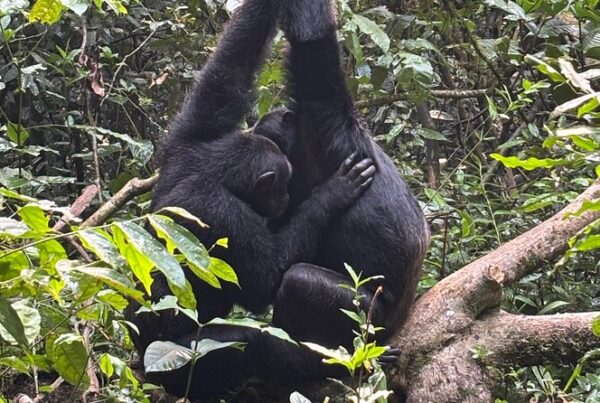
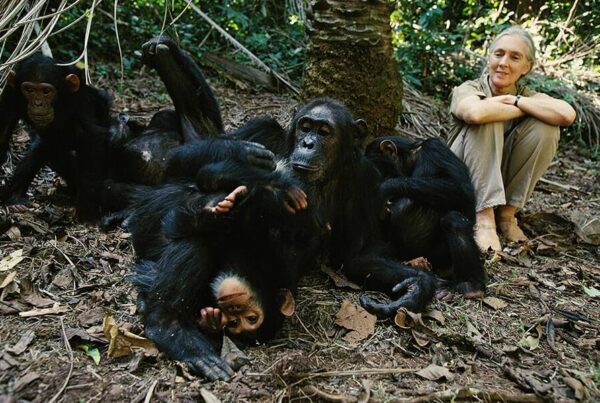
Chimpanzees provide a dynamic range of photographic opportunities. Grooming, play, nesting, and vocalization behaviors offer insight into social structures and individual personalities. Capturing interactions between dominant males, mothers with infants, or adolescent chimpanzees requires careful observation, patience, and ethical proximity.

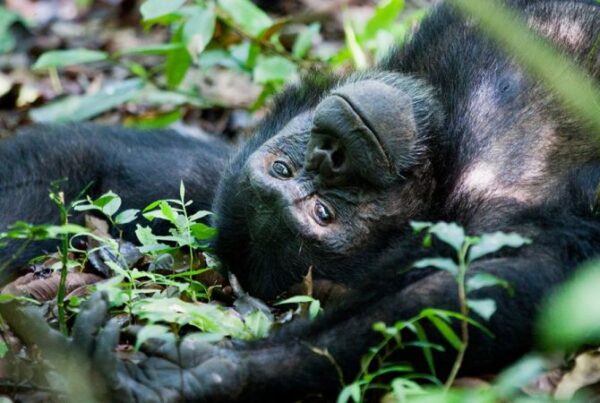
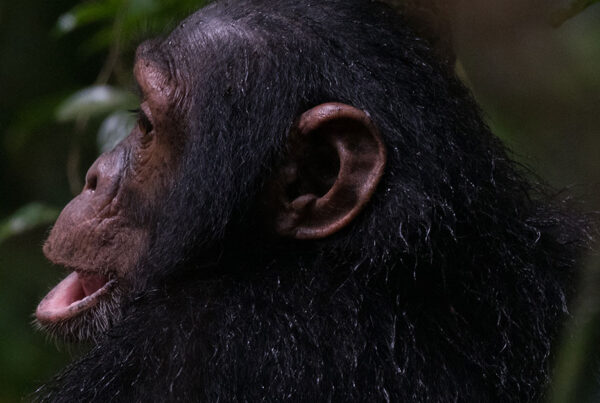
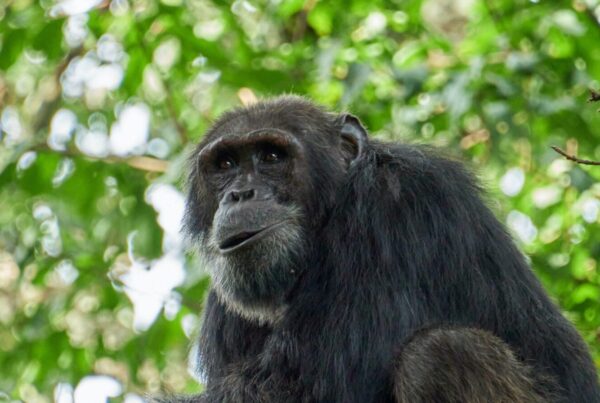
Lighting in dense canopy areas creates natural highlights and shadows, accentuating textures, fur details, and expressive faces. Photographers are often guided to vantage points that optimize visual storytelling while adhering to regulations regarding minimum approach distances and time spent with each group.

Other Primates and Mammals

Kibale’s richness extends beyond chimpanzees. Olive baboons, red-tailed monkeys, black-and-white colobus monkeys, and L’Hoest’s monkeys inhabit various forest strata, offering colorful, active, and challenging subjects. Terrestrial mammals such as bushbucks and duikers, though elusive, can be photographed along forest edges and trails. Photographers are advised to maintain stealth and patience, using natural cover and quiet observation to capture authentic behaviors.

Birds and Insects

Avian species exhibit diverse behaviors including courtship displays, feeding, nesting, and flight patterns. Long lenses, high shutter speeds, and teleconverters enable detailed captures of plumage and motion. Butterflies, beetles, and other insects provide opportunities for macro photography, with attention to composition, background blur, and natural lighting enhancing visual impact.

Ethical Considerations in Wildlife Photography

Minimizing Disturbance

Ethical wildlife photography in Kibale prioritizes animal welfare and habitat preservation. Photographers are instructed to maintain distances, avoid loud noises, and limit flash use to prevent stress or behavioral disruption. Following ranger guidance ensures that encounters are safe, non-intrusive, and aligned with conservation objectives.

Responsible Environmental Practices

Minimizing ecological impact includes staying on established trails, avoiding trampling vegetation, and refraining from littering or altering natural settings. Photography that respects the integrity of the forest reinforces sustainable tourism principles and models responsible engagement for other visitors.

Cultural Sensitivity

Photography of local communities near Kibale requires consent, respect, and awareness of social norms. Capturing village life, rituals, and performances should be approached collaboratively, ensuring that subjects are comfortable and benefits accrue to the community, such as through compensation or collaborative projects.

Accommodations and Safari Logistics

Lodge-Based Photography

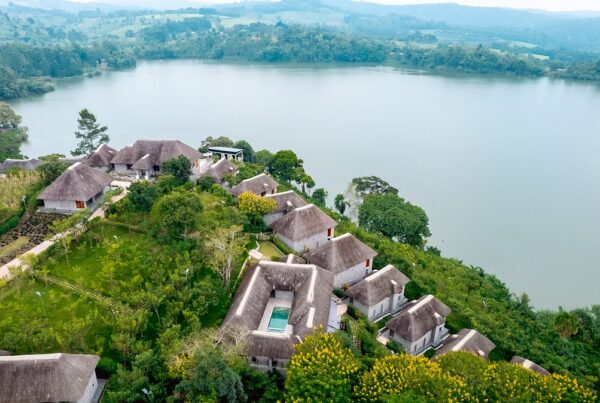
Luxury lodges near Kibale provide strategically located bases for photography safaris, offering immediate access to chimpanzee trails, bird habitats, and forest edges. Lodges often feature observation decks, panoramic viewpoints, and professional support for photographers, enabling pre-dawn departures and extended shooting sessions.

Multi-Day Safari Planning

A multi-day photography safari is recommended to maximize light conditions, wildlife encounters, and subject diversity. Early mornings and late afternoons provide optimal lighting for both landscapes and wildlife, while intermittent breaks in lodges allow for equipment maintenance, image review, and strategy adjustment.

Guided Itineraries

Structured itineraries combine chimpanzee tracking, birdwatching, forest walks, and community visits to create a holistic photographic experience. Expert guides ensure that photographers can anticipate animal movement, access vantage points, and operate ethically, while also providing contextual information for more meaningful visual storytelling.

Advanced Techniques for Forest Photography

Composition in Dense Forests

Forest photography requires attention to depth, layering, and framing. Branches, foliage, and understory elements can be used to create natural frames, leading lines, and textural contrasts. Balancing subject placement, background clarity, and lighting ensures visually compelling images that convey ecological complexity.

Low-Light Adaptation

Kibale’s dense canopy often results in low-light conditions. Photographers are encouraged to utilize fast lenses, high ISO settings, and stabilization tools to maintain image quality. Understanding natural light patterns, such as dappled sunlight filtering through foliage, allows for dramatic and expressive compositions.

Behavioral Anticipation

Predicting animal behavior is essential for compelling wildlife photography. Guides provide cues based on past movements, vocalizations, and feeding patterns, enabling photographers to capture fleeting expressions, interactions, and dynamic moments that might otherwise be missed.

Beyond Wildlife: Integrating Cultural Photography

Photography safaris can be enriched by documenting local community life, including traditional farming, craft making, dance, and music. Ethical engagement ensures that subjects are photographed with consent and respect, capturing both the human dimension of the landscape and the interplay between culture and ecology. Combining cultural and wildlife photography provides a multidimensional narrative of the Kibale region, reflecting both biodiversity and human heritage.

Immersive Visual Storytelling in Kibale

A photography safari in Kibale National Park offers unparalleled opportunities to capture primates, birds, insects, forest landscapes, and cultural elements. With careful planning, expert guidance, and ethical practices, photographers can create compelling visual narratives that convey the beauty, complexity, and interconnectedness of this tropical ecosystem. Kibale’s unique combination of habituated chimpanzees, rich avian life, dense rainforest, and nearby communities allows for both artistic and educational exploration.

For travelers seeking a comprehensive and expertly supported photography safari, it is recommended that tours and accommodations be arranged through WildHorn Africa. Their professional guidance ensures access to prime photographic locations, knowledgeable rangers, ethical practices, and logistical support, transforming a visit into a truly immersive journey of visual discovery and conservation awareness.

How to Combine Kibale with Queen Elizabeth Safaris

How to Combine Kibale with Queen Elizabeth Safaris

By Travel stories and blogs, Family holidays, Luxury holidays, Primate holidays, Safari holidays, Uganda travel guides, Wildlife holidays

How to Combine Kibale with Queen Elizabeth Safaris

A Dual Safari Experience

Uganda’s diverse landscapes provide an unmatched opportunity for multi-dimensional safari experiences, where primate tracking and savannah game viewing can be seamlessly combined. Among these experiences, Kibale National Park and Queen Elizabeth National Park stand out for their unique and complementary wildlife offerings. Kibale is globally renowned for chimpanzee trekking and dense tropical rainforest ecosystems, while Queen Elizabeth provides vast savannah plains, crater lakes, and abundant large mammals, offering classic African game drives and boat safaris.

Combining these two destinations allows travelers to experience the full spectrum of Uganda’s biodiversity, from the intimate encounters with primates in thick forests to the expansive vistas of elephants, lions, buffalo, and hippos in the savannah. The logistical integration of these parks requires careful planning, taking into consideration distances, transportation options, seasonal variations, accommodation, and itinerary sequencing. When executed effectively, a combined safari provides a holistic perspective of Uganda’s ecological richness, while offering cultural insights, photographic opportunities, and immersive wildlife experiences.

This guide provides an in-depth exploration of strategies for combining Kibale with Queen Elizabeth safaris, including practical travel planning, recommended itineraries, wildlife highlights, seasonal considerations, accommodation options, and tips for maximizing both ecological and cultural encounters.

Understanding the Distinctive Features of Each Park

Kibale National Park: Primate Paradise

Kibale National Park covers approximately 795 square kilometers of tropical rainforest, with undulating terrain, rivers, and swamp areas supporting high biodiversity. The park is home to over 1,500 chimpanzees, most of which are habituated for research and tourism purposes, making chimpanzee tracking the central attraction.

Beyond chimpanzees, Kibale hosts 13 other primate species, including red-tailed monkeys, olive baboons, black-and-white colobus monkeys, and L’Hoest’s monkeys. Avian diversity exceeds 370 species, offering opportunities for birdwatching and photography. Trails are well-maintained, and lodges are situated in proximity to trekking starting points, facilitating early morning departures when chimpanzee activity is at its peak.

Kibale’s appeal lies in its immersive forest experience, where visitors observe wildlife at close range, gain insight into primate social dynamics, and experience the lush tropical environment firsthand. Complementary activities include nature walks, cultural interactions with nearby communities, and ecological education, creating a multidimensional safari experience.

Queen Elizabeth National Park: The Savannah Experience

Queen Elizabeth National Park spans 1,978 square kilometers, encompassing savannah plains, tropical forests, wetlands, crater lakes, and the famed Kazinga Channel. The park supports large mammal populations, including elephants, lions, leopards, buffalo, hippos, Uganda kob, and a variety of antelope species. Predator-prey interactions are frequently observed, enhancing the thrill of game drives.

Birdlife in Queen Elizabeth is also exceptional, with over 600 species including herons, kingfishers, African fish eagles, and shoebills in wetland areas. The Kazinga Channel provides opportunities for boat safaris, allowing visitors to observe hippos, crocodiles, and waterbirds in natural habitats.

Queen Elizabeth’s unique features include diverse ecosystems, open savannah for unobstructed wildlife photography, and extensive accommodation options ranging from luxury lodges to safari camps. This combination makes it ideal for visitors seeking classic African safari experiences in tandem with Uganda’s rainforest adventures.

Planning the Combined Safari

Sequencing the Itinerary

The optimal sequencing generally begins with Kibale National Park, allowing travelers to acclimate to Uganda’s western regions and experience the intensive primate tracking before transitioning to the more expansive savannah landscapes of Queen Elizabeth. Morning chimpanzee treks in Kibale are typically followed by cultural visits or nature walks in the afternoon, providing a balanced approach to time and energy management.

Travel to Queen Elizabeth usually occurs via road transfer, covering approximately 3 to 4 hours depending on routes, road conditions, and stops along the way. Early departures from Kibale ensure arrival in Queen Elizabeth with sufficient time for afternoon game drives, sunset boat cruises, or relaxation at lodges. Alternatively, a reverse sequence is feasible for those prioritizing savannah wildlife before immersing in rainforest experiences.

Duration and Recommended Itinerary

A combined safari is often planned over 5 to 7 days, allowing adequate time for both chimpanzee tracking in Kibale and full game drives in Queen Elizabeth. The suggested itinerary includes two full days in Kibale for trekking, nature walks, and cultural engagements, followed by 2 to 3 days in Queen Elizabeth for morning and evening game drives, Kazinga Channel boat cruises, and birdwatching. An additional day can be allocated for travel, lodge relaxation, or optional excursions such as crater lake visits or community interactions.

Careful planning ensures that permits for chimpanzee tracking, lodge bookings, and park entry fees are secured in advance, particularly during peak seasons when visitor numbers increase. Guided itineraries enhance both the efficiency and quality of experiences, as rangers provide ecological insights and assist with wildlife observation techniques.

Wildlife Highlights and Photography Opportunities

Kibale Wildlife Photography

In Kibale, photographers and wildlife enthusiasts focus primarily on chimpanzees and primates, capturing detailed social behaviors, feeding activities, and juvenile interactions. Birdwatching provides secondary opportunities, with colorful species inhabiting canopy layers, riverine corridors, and swamp edges. Macro photography enthusiasts can also explore forest flora, insects, and amphibians, documenting ecological intricacies often overlooked in savannah environments.

Lighting conditions are influenced by dense canopy cover, necessitating careful adjustment of ISO, shutter speed, and lens selection. Early morning hours offer soft light and heightened animal activity, while late afternoons provide golden hues for landscape compositions.How to Combine Kibale with Queen Elizabeth Safaris

Queen Elizabeth Wildlife Photography

Queen Elizabeth provides open landscapes conducive to wide-angle photography, with elephants, buffalo herds, lions, and leopards creating dramatic compositions against savannah backdrops. The Kazinga Channel offers unique perspectives for capturing waterbirds, hippos, crocodiles, and reflective water scenes. Photographers benefit from unobstructed lines of sight, dynamic lighting during sunrise and sunset, and the opportunity to capture predator-prey interactions at relatively close distances.

Combining Kibale and Queen Elizabeth allows photographers to juxtapose intimate forest moments with expansive savannah scenes, producing a diverse portfolio that captures Uganda’s ecological breadth.

Cultural and Community Integration

Interactions Near Kibale

Visits to local communities surrounding Kibale provide insight into Bakiga and Batwa traditions, including agricultural practices, craft making, music, and storytelling. These encounters can be documented ethically, emphasizing cultural respect and collaboration. Cultural photography complements wildlife imagery, offering a holistic narrative of human-nature interactions.

Interactions Near Queen Elizabeth

Communities adjacent to Queen Elizabeth, such as those around the Kyambura Gorge and Ishasha sector, present opportunities to observe pastoralist lifestyles, traditional fishing, and land-use practices. These interactions provide context for understanding human-wildlife coexistence, as residents navigate challenges related to crop-raiding wildlife and conservation regulations. Ethical engagement ensures that photography reflects genuine experiences while respecting privacy and cultural norms.

Logistics and Transportation

Road Transfers

Road transfers between Kibale and Queen Elizabeth are typically conducted via private safari vehicles, providing comfort, flexibility, and opportunities for roadside wildlife observation. Travel duration varies depending on weather, road conditions, and stops at viewpoints or community sites. Adequate preparation for fuel, refreshments, and photographic stops ensures a smooth journey.

Accommodation Options

Luxury lodges, tented camps, and eco-lodges are available in both regions, often integrated with safari packages. Kibale lodges are generally forest-based, offering proximity to trekking trails and immersive nature experiences. Queen Elizabeth lodges provide savannah vistas, river access, and strategic locations for game drives. Selecting accommodations in advance is critical, particularly during peak travel seasons.

Guided Services

Professional guides enhance the combined safari by providing ecological interpretation, wildlife tracking expertise, safety guidance, and cultural insights. Experienced teams ensure that safari permits, park regulations, and ethical photography practices are adhered to, optimizing both enjoyment and conservation outcomes.

Seasonal Considerations

Dry Season Advantages

The dry seasons from December to February and June to August facilitate smoother trekking in Kibale and improved road conditions to Queen Elizabeth. Wildlife visibility is enhanced as animals congregate around water sources, creating excellent game drive and photography opportunities. Trails are more navigable, and early morning and late afternoon light conditions are favorable for both forest and savannah photography.

Wet Season Advantages

The wet seasons from March to May and September to November produce lush vegetation, vibrant bird activity, and dramatic forest landscapes. While travel may be slower and trails muddier, the photographic rewards include misty forest scenes, reflective water surfaces, and active wildlife behaviors. Careful planning and waterproof gear ensure a productive safari despite seasonal challenges.

Maximizing the Combined Safari Experience

Integrated Wildlife Observation

Combining Kibale and Queen Elizabeth allows for a comprehensive wildlife experience, contrasting primate-centric forest encounters with large mammal-focused savannah safaris. Observers can appreciate ecological connectivity, witness species-specific behaviors, and engage in photography across contrasting environments, enriching both scientific understanding and aesthetic appreciation.

Balancing Cultural and Ecological Engagement

Incorporating community interactions alongside wildlife activities ensures that the safari experience is holistic and multidimensional. Visitors gain insights into human adaptation to forest and savannah ecosystems, understand conservation challenges, and participate in responsible tourism initiatives that support local livelihoods and ecological preservation.

Ethical and Responsible Tourism

Ethical considerations guide all aspects of the combined safari. Minimizing disturbance to wildlife, maintaining safe distances during observation, securing consent for cultural photography, and adhering to park regulations ensures sustainable and respectful engagement. These practices support long-term conservation objectives and enhance visitor experience by promoting authentic, undisturbed encounters.

The Ultimate Dual Safari

Combining Kibale National Park and Queen Elizabeth National Park offers a uniquely rewarding Ugandan safari, merging the intimate forest encounters of primate tracking with the expansive wildlife spectacles of the savannah. Thoughtful itinerary planning, guided experiences, and awareness of seasonal and ecological variables maximize both wildlife observation and photographic opportunities. Cultural encounters enrich the safari, bridging human and ecological narratives for a holistic understanding of Uganda’s landscapes.

For travelers seeking a seamless, expertly curated, and ethically responsible combined safari, arrangements through WildHorn Africa are recommended. Their expertise ensures access to prime wildlife locations, knowledgeable guides, logistical coordination, and immersive cultural experiences, transforming a journey across Kibale and Queen Elizabeth into a memorable and comprehensive exploration of Uganda’s ecological and cultural wealth.

Kibale National Park Safari Itineraries

Kibale National Park Safari Itineraries

By Travel stories and blogs, Family holidays, Primate holidays, Safari holidays, Uganda travel guides

Kibale National Park Safari Itineraries

Exploring Uganda’s Primate and Wildlife Haven

In the verdant highlands of western Uganda lies Kibale National Park, a sanctuary renowned for its rich biodiversity, tropical rainforest, and primate populations. Often celebrated as the primate capital of the world, Kibale offers visitors an extraordinary array of experiences ranging from chimpanzee trekking and birdwatching to forest walks and cultural encounters with local communities. The park’s unique ecological composition, including swamp forests, riparian zones, and rolling hills, ensures that every safari is dynamic, immersive, and educational.

A safari itinerary in Kibale is not merely a sequence of activities; it is a meticulously orchestrated journey that balances adventure, ecological insight, and conservation awareness. Optimal itineraries take into account seasonal factors, wildlife activity patterns, logistical accessibility, and visitor interests, allowing for a seamless experience that maximizes observation opportunities and ensures ethical engagement with the forest and its inhabitants.

This guide presents a comprehensive exploration of Kibale National Park safari itineraries, outlining day-to-day possibilities, activity sequences, and complementary experiences. By understanding these elements, travelers can plan visits that provide both unforgettable wildlife encounters and a profound appreciation of Uganda’s ecological and cultural richness.

The Foundation of a Kibale Safari

Ecological Overview

Kibale National Park encompasses approximately 795 square kilometers of tropical rainforest, interspersed with swamp forests, grasslands, and rivers. These diverse habitats support over 13 species of primates, more than 370 recorded bird species, and a host of small mammals, reptiles, and amphibians. The forest canopy offers a complex vertical habitat for chimpanzees, colobus monkeys, and other arboreal species, while the understory and riverine zones provide critical resources for birds, amphibians, and insects.

The park’s location within the Albertine Rift, a recognized biodiversity hotspot, enhances its global conservation significance. Safari itineraries are designed to highlight the interplay between habitat diversity and wildlife presence, ensuring that visitors experience both the ecological context and the behaviors of resident species.

Visitor Considerations

Successful safari itineraries in Kibale are informed by visitor priorities, physical preparedness, and time availability. Chimpanzee trekking is typically scheduled in the early morning when primates are most active, while forest walks, birdwatching excursions, and cultural interactions may be conducted later in the day. Accommodation proximity, seasonal weather, and accessibility from Fort Portal influence itinerary design, balancing convenience with immersive experiences.

Permits for chimpanzee trekking and other guided activities are obtained through the Uganda Wildlife Authority, ensuring regulated access and minimal disturbance to wildlife. Ethical engagement is emphasized throughout all itineraries, with protocols in place for safe observation and conservation support.

Sample Safari Itineraries

Three-Day Safari Itinerary

A three-day safari in Kibale is typically structured to balance chimpanzee trekking, primate observation, and forest exploration. On the first day, visitors are received in Fort Portal, oriented to park protocols, and introduced to guides and rangers. Accommodation is arranged near the park headquarters to facilitate early morning excursions. The afternoon may include a guided nature walk or birdwatching in the forest periphery, allowing travelers to familiarize themselves with the environment and local species.

The second day is devoted to chimpanzee trekking. Departures occur early, with rangers leading groups along established trails to locate habituated chimpanzee communities. Observations focus on feeding behaviors, social interactions, vocalizations, and nest-building activities. Trekking duration varies from 2 to 6 hours depending on chimpanzee movements and trail conditions. Photographic opportunities and interpretive commentary enhance the educational value of the experience.

The final day can incorporate secondary forest trails, birdwatching, and optional cultural visits to nearby Batwa or Bakiga communities. Visitors observe endemic and migratory bird species, explore riparian zones, and gain insights into traditional forest knowledge. The itinerary concludes with transfer to Fort Portal for departure, providing a comprehensive introduction to Kibale’s biodiversity and cultural landscape.

Five-Day Safari Itinerary

A five-day safari allows for deeper immersion and a more diverse range of activities. The first day involves arrival, orientation, and light forest exploration, setting the stage for intensive trekking and observation. The second and third days are dedicated to chimpanzee habituation or trekking experiences, allowing visitors to engage with primates at varying degrees of proximity while learning about their social structures, feeding ecology, and behavior.

Days four and five expand the scope to birdwatching, nature walks, and cultural engagement. Early morning excursions focus on detecting canopy-dwelling species, listening for distinctive calls, and recording observations in collaboration with guides. Swamp forests and riverine zones are explored for water-associated species and amphibians, highlighting ecological variation. Cultural interactions with local communities provide perspectives on human-forest relationships, conservation initiatives, and traditional forest resource management. Extended itineraries afford flexibility for photography, relaxation, and educational sessions with park rangers or researchers.

Week-Long Immersive Safari

A week-long safari is recommended for travelers seeking in-depth exploration and comprehensive exposure to Kibale’s wildlife and cultural heritage. The itinerary can be structured to alternate between chimpanzee trekking, birdwatching, and primate monitoring, allowing for repeated encounters with habituated communities and observation of behavioral variations over multiple days.

Supplementary activities include guided hikes to crater lakes, swamp forest exploration, and visits to community conservation projects, providing both ecological and social perspectives. Long itineraries enable travelers to experience seasonal shifts in wildlife activity, adjust trekking routes according to chimpanzee movements, and observe interactions among multiple primate species. Extended stays foster a profound understanding of ecological interdependence and conservation dynamics in the Albertine Rift.Kibale National Park Safari Itineraries

Seasonal Considerations for Safari Planning

Wet Seasons

During the wet seasons from March to May and September to November, forest vegetation is dense, rivers swell, and trails can be slippery. These conditions demand careful preparation but offer advantages such as increased wildlife activity, lush scenery, and reduced visitor density. Chimpanzees may be more dispersed during peak fruiting periods, providing opportunities to observe varied feeding behaviors and social interactions across multiple groups.

Wet season itineraries are often slower-paced, emphasizing observation, photography, and ecological interpretation. Guides provide instruction on navigating muddy trails, recognizing seasonal food resources, and appreciating the forest’s dynamic biodiversity.

Dry Seasons

Dry periods, occurring from December to February and June to August, provide optimal conditions for trail accessibility, trekking safety, and wildlife visibility. Chimpanzees may travel along predictable feeding routes, enhancing the likelihood of encounters. Forest canopy and understory remain vibrant, though fruit scarcity may influence primate distribution. Dry season itineraries are suited to longer treks, extended photography sessions, and inclusion of additional activities such as birdwatching and crater lake exploration.

Tourist density is higher during dry seasons, necessitating advanced booking of permits, accommodations, and guided excursions. Flexibility in schedule, early departures, and coordination with rangers ensure that safari experiences remain high-quality despite increased visitor numbers.

Complementary Activities Within Safari Itineraries

Birdwatching

Birdwatching is seamlessly integrated into Kibale safari itineraries, with opportunities to observe resident and migratory species across canopy, understory, and riparian habitats. Early morning excursions allow detection of distinctive calls, plumage patterns, and territorial behaviors. Birding enhances ecological understanding, highlighting pollination, seed dispersal, and interspecies interactions that shape forest dynamics.

Cultural and Community Engagement

Visits to nearby Batwa and Bakiga communities complement wildlife-focused activities by providing insights into traditional ecological knowledge, sustainable practices, and local conservation efforts. Observing agricultural techniques, forest resource use, and storytelling traditions enriches the safari experience, linking natural and human history in the Albertine Rift.

Nature Walks and Forest Exploration

Secondary forest trails, swamp exploration, and crater lake hikes provide additional ecological context, allowing observation of smaller mammals, amphibians, insects, and plant diversity. Interpretive guidance from experienced rangers ensures that visitors understand habitat interactions, conservation challenges, and the significance of maintaining ecological integrity.

Conservation and Ethical Considerations

Safari itineraries in Kibale are designed to balance visitor experience with wildlife protection and habitat preservation. Permits for chimpanzee trekking, birdwatching, and guided walks are regulated to minimize human impact. Rangers enforce ethical practices, including maintaining safe distances from wildlife, minimizing noise, and avoiding interference with natural behaviors.

Revenue generated from safari activities supports park management, anti-poaching initiatives, habitat restoration, and community engagement. Local communities benefit from employment, cultural exchange, and participation in conservation programs, reinforcing sustainable tourism principles. Safari itineraries are constructed to ensure that each visitor contributes positively to both wildlife protection and local livelihoods.

Practical Tips for Safari Planning

Successful safari itineraries are informed by preparation, equipment, and flexibility. Sturdy footwear, layered clothing, rain protection, binoculars, cameras, and insect repellent are essential. Hydration and light snacks maintain energy during extended treks, while adherence to ranger guidance ensures safety and ethical engagement.

Early departures, seasonal awareness, and coordination with guides optimize wildlife encounters and observation quality. Extended itineraries allow for immersive experiences, repeated primate observations, and exploration of diverse habitats, creating a balance between adventure, education, and conservation-focused engagement.

Crafting Unforgettable Safari Experiences

Kibale National Park offers unparalleled opportunities for wildlife observation, primate tracking, birdwatching, and cultural exploration. Well-planned safari itineraries balance ecological understanding, adventure, and ethical engagement, allowing travelers to witness chimpanzees, endemic birds, and diverse forest ecosystems in their natural context.

For travelers seeking a seamless, expertly guided experience in Kibale, it is recommended that tours and safaris be arranged through WildHorn Africa. Their expertise ensures access to habituated chimpanzee communities, skilled guides, comprehensive logistics, and sustainable practices, transforming a visit into a transformative journey through one of Uganda’s most ecologically and culturally significant landscapes.

Chimpanzee Habituation Experience in Kibale

Chimpanzee Habituation Experience in Kibale

By Travel stories and blogs, Primate holidays, Safari holidays, Uganda travel guides

Chimpanzee Habituation Experience in Kibale

The Intimate World of Chimpanzees

Deep within the lush rainforests of western Uganda, Kibale National Park harbors a wealth of wildlife, earning its reputation as a haven for primates. Among the park’s most extraordinary offerings is the chimpanzee habituation experience, a rare and immersive opportunity that allows visitors to witness the daily lives of chimpanzees while observing the painstaking process by which wild primates become accustomed to human presence. Unlike conventional chimpanzee tracking, habituation invites participants to spend extended periods in close proximity to these intelligent, socially complex animals, offering profound insights into their behaviors, interactions, and the forest ecosystems that sustain them.

The experience is not only a journey into primatology but also a lens through which conservation, research, and ethical tourism intersect. Chimpanzee habituation in Kibale underscores the delicate balance between human curiosity and wildlife preservation, demanding both respect and patience from visitors. This guide provides an in-depth exploration of the chimpanzee habituation experience, detailing its objectives, processes, ecological context, visitor preparation, and the transformative encounters it facilitates.

Understanding Chimpanzee Habituation

What Habituation Entails

Chimpanzee habituation is a carefully controlled process in which wild chimpanzee communities are gradually accustomed to human presence. This is achieved through consistent, non-threatening interactions conducted by experienced researchers and park rangers. The goal is not to domesticate the animals but to allow them to behave naturally in the presence of humans for observation, research, and eco-tourism.

During the habituation process, chimpanzees are monitored daily, with their movements, feeding habits, social interactions, and nest-building behaviors meticulously recorded. Visitors participating in habituation walks are guided to follow strict protocols, maintaining distances, minimizing noise, and avoiding sudden movements. This approach ensures that the chimpanzees remain wild and that their natural behaviors are not disrupted.

Ecological and Scientific Importance

The habituation of chimpanzees provides invaluable data on primate behavior, cognition, and social structure. Researchers gain insights into communication, tool use, dietary preferences, reproductive strategies, and intergroup dynamics. The knowledge generated contributes to global understanding of primates, informs conservation strategies, and supports efforts to mitigate human-wildlife conflict.

From a tourism perspective, habituation offers a rare, ethical way to witness chimpanzees over prolonged periods, fostering both education and empathy. The practice reinforces the importance of protecting forest habitats, ensuring that chimpanzee populations continue to thrive alongside sustainable human activity.

Location and Accessibility

Kibale National Park is situated near Fort Portal in Uganda’s Kabarole District, approximately 300 kilometers southwest of Kampala. The park encompasses 795 square kilometers of tropical rainforest, grasslands, and swamp forests, providing an ideal environment for chimpanzee communities.

Access to the park is most commonly achieved by road. The journey from Kampala takes roughly 5 to 6 hours, passing through scenic highlands, agricultural landscapes, and local settlements. Fort Portal serves as a logistical hub, offering accommodations, dining options, and transportation services to the park. Upon arrival at the park headquarters, visitors receive briefings, permits, and instructions for the habituation experience, ensuring a smooth and informed start to the day.

Preparing for the Habituation Experience

Physical and Mental Preparation

Participation in chimpanzee habituation requires both physical stamina and mental focus. Trails can be muddy, uneven, and occasionally steep, particularly after rainfall, necessitating sturdy footwear, long-sleeved clothing, and rain gear. Trekking poles are recommended for balance and support, while hydration and light snacks help maintain energy during long forest walks.

Mentally, patience is essential. Habituation involves periods of observation where chimpanzees may remain elusive or move away from human presence. Visitors are encouraged to embrace the unpredictability of the forest, appreciating subtle signs such as vocalizations, footprints, and feeding evidence as part of the immersive experience.

Equipment and Essentials

Binoculars, cameras with zoom lenses, insect repellent, and personal first-aid items are advised. All equipment must be used responsibly to prevent disturbance to the chimpanzees or their habitat. Guides often provide additional support, including educational commentary, identification of flora and fauna, and assistance in navigating challenging terrain.

The Habituation Process: Step by Step

Morning Briefing and Orientation

Each habituation session begins with a morning briefing at the park headquarters. Rangers and researchers outline the objectives, safety measures, and behavioral protocols. Participants are instructed on maintaining distance, minimizing noise, and respecting chimpanzee behavior. Emphasis is placed on ethical engagement, ensuring that visitors understand their role in safeguarding wildlife and the forest ecosystem.

Entering the Forest

Guided by experienced rangers, visitors enter the rainforest along established trails. The forest is dense, with a multilayered canopy, epiphytes, and undergrowth teeming with life. Sounds of birds, insects, and distant chimpanzee calls create a living symphony that heightens the sensory experience. The forest environment provides insight into the complexity of ecosystems in which chimpanzees thrive, highlighting their dependence on diverse habitats and abundant food resources.Chimpanzee Habituation Experience in Kibale

Observing Early Stages of Habituation

Initially, habituated groups may be partially accustomed to human presence, while others remain wary. Visitors witness subtle behavioral adaptations, such as increased tolerance of ranger proximity, gradual acceptance of observers at a safe distance, and normal resumption of feeding and social activities despite nearby humans. These early observations illustrate the careful balance between curiosity, caution, and adaptation that defines habituation.

Extended Observation Periods

Over time, habituation allows for prolonged observation of chimpanzees as they engage in daily routines. Nest-building, foraging, grooming, play, and vocal communication can be observed closely. Researchers and guides interpret behaviors, providing context regarding social hierarchies, alliances, and individual personalities. Visitors gain a rare perspective on chimpanzee cognition and emotional expression, witnessing behaviors that are both familiar and astonishingly complex.

Interpreting Ecological Interactions

Chimpanzee behavior is closely linked to ecological conditions. Feeding patterns reflect fruit availability, insect abundance, and seasonal variations. Movement through the forest illustrates territorial boundaries, predator avoidance, and habitat utilization. Visitors are guided to notice these interactions, fostering an understanding of the dynamic relationship between primates and their environment.

Wildlife Encounters Beyond Chimpanzees

While chimpanzees are the focus of habituation, the forest hosts numerous other species that enrich the experience. Colobus monkeys, red-tailed monkeys, and olive baboons are frequently observed, exhibiting behaviors such as leaping between branches, social grooming, and foraging. Birdlife is abundant, with species like the African broadbill, sunbirds, turacos, and hornbills adding color and motion to the canopy.

Small mammals, amphibians, and insects are also present, contributing to the rainforest’s ecological complexity. Observing these species alongside chimpanzees emphasizes the interconnectedness of the ecosystem, highlighting the importance of habitat conservation and species protection.

Conservation and Research Benefits

Chimpanzee habituation in Kibale directly supports conservation and scientific research. The process generates revenue through permits, which funds park management, ranger patrols, habitat restoration, and anti-poaching initiatives. Continuous monitoring of habituated chimpanzee groups provides data on health, population dynamics, and behavioral ecology, informing global conservation strategies.

Community engagement is integral to habituation programs. Local populations benefit from employment as guides, porters, and lodge staff, while educational initiatives foster awareness of forest conservation. By linking tourism with research and community development, habituation reinforces sustainable practices that safeguard chimpanzee populations and their habitats for future generations.

Practical Considerations for Visitors

Participants in chimpanzee habituation are advised to arrive well-rested and prepared for physical exertion. Early morning departures ensure that treks coincide with peak chimpanzee activity, maximizing observational opportunities. Weather conditions are variable; rain can occur unexpectedly, and temperatures fluctuate between forest floor and canopy levels.

Respect for park rules is paramount. Visitors must maintain safe distances, avoid sudden movements, and refrain from feeding or attempting to touch chimpanzees. Photography should be conducted responsibly, avoiding flash and sudden gestures that could alarm the animals. These measures protect both wildlife and visitor safety, ensuring that habituation remains an ethical and sustainable activity.

The Transformative Experience

Chimpanzee habituation is transformative, providing profound insights into the intelligence, emotional depth, and social complexity of our closest living relatives. Visitors often report heightened appreciation for wildlife, increased awareness of ecological interdependence, and a deep sense of connection with the natural world.

The experience fosters empathy and understanding, highlighting the importance of conservation and responsible tourism. Observing chimpanzees in a state of relative habituation allows for meaningful engagement without compromising their wild nature, creating memories that are both educational and emotionally resonant.

Complementary Activities in Kibale

While habituation is a central activity, visitors can augment their experience with guided nature walks, birdwatching tours, and cultural visits to nearby Batwa or Bakiga communities. Exploration of crater lakes, forest trails, and swamp ecosystems provides additional ecological context, illustrating the diversity of habitats that support chimpanzees and other wildlife. Integration with other nearby national parks, such as Queen Elizabeth, enables a broader safari itinerary that combines primate observation with savannah and wetland wildlife experiences.

Ethical Engagement with Uganda’s Primates

The chimpanzee habituation experience in Kibale National Park is a unique and profound opportunity to observe the intricate lives of primates while contributing to conservation, research, and sustainable tourism. From the rainforest trails to the dynamic social interactions of chimpanzees, every aspect of habituation offers educational, emotional, and ethical rewards.

For travelers seeking to participate in this extraordinary experience responsibly, it is recommended that African tours and safaris be arranged through WildHorn Africa. Their expertise ensures access to habituation programs, seamless logistics, and enriched interpretive guidance, transforming a visit to Kibale into an unforgettable journey of discovery, learning, and conservation engagement.

Best time to go chimpanzee habituation in Uganda?

Best time to go chimpanzee habituation in Uganda?

By Travel guides, Uganda travel guides, When to go

Best time to go chimpanzee habituation in Uganda?

The best time to enjoy chimpanzee habituation in Uganda is during the dry seasons, which typically occur between June to September and December to February. These months are considered the most favorable because the forest trails are drier, making the long treks less strenuous and more enjoyable. With less rain, visibility is also improved, increasing the chances of spotting chimpanzees as they move across the forest canopy. The dry season is also Uganda’s peak tourism period, meaning that facilities and lodges are fully operational, and travelers can combine their habituation adventure with other safari activities across the country.

That said, the wet seasons from March to May and October to November also present unique opportunities for chimpanzee habituation. During these months, the forest is at its most lush and vibrant, offering breathtaking scenery that enriches the trekking experience. Chimpanzees often have abundant food during this time, which reduces their movements and can sometimes make them easier to locate. Fewer tourists visit the parks in the wet season, giving those who do a more exclusive and intimate experience with the forest and its wildlife. The quieter atmosphere allows travelers to feel more connected to nature, despite the added challenge of muddy trails.

Ultimately, chimpanzee habituation is available throughout the year, and the best time to go depends largely on personal preference. Visitors seeking comfort, easier trekking, and broader safari opportunities may prefer the dry seasons, while those who value solitude, lush forest scenery, and unique photographic opportunities may find the wet seasons equally rewarding. Regardless of timing, the experience of spending extended hours with wild chimpanzees as they are gradually accustomed to human presence remains one of the most remarkable wildlife adventures Uganda has to offer.

Best time to go chimpanzee habituation in Uganda?

Crafting the Perfect Itinerary

The beauty of Uganda lies in its year-round accessibility, but the optimal experience depends on aligning interests with seasonal nuances. For wildlife lovers, the dry months of June through August and December through February are ideal. Those captivated by color, solitude, and renewal may find March to May and October to November more rewarding. Each region of Uganda carries its own rhythm and character, making it essential to balance one’s journey across forests, savannahs, highlands, and lakes.

For travelers seeking to transform these recommendations into a tailor-made adventure, it is strongly encouraged to book Africa tours and safaris through WildHorn Africa, a trusted expert in curating immersive, seamless, and unforgettable experiences across Uganda and beyond. With WildHorn Africa, every month becomes the perfect time to explore, connect, and rediscover the wonders of travel through the eyes of a land that never ceases to amaze.

The best time to visit is generally considered to be during the dry season, when weather conditions are more pleasant and travel is less likely to be disrupted, typically based on your preferred destinations. During this period, landscapes are at their most vibrant, wildlife sightings are more frequent, and activities can be enjoyed with greater ease. While visits are possible year-round, choosing this window is often recommended to ensure the most rewarding and comfortable experience.

WhatsApp

Grandeur

Experience the grandeur of Africa with WildHorn Africa, where every safari is designed to showcase the continent’s breathtaking landscapes and majestic wildlife.

24/7 support

Enjoy peace of mind with 24/7 support from WildHorn Africa, ensuring expert assistance before, during, and after your safari adventure.

Safety

Your safety is our top priority at WildHorn Africa, with expertly guided safaris and trusted partners ensuring a secure and worry-free adventure.

Price-quality ratio

WildHorn Africa offers exceptional price-quality ratio, delivering top-tier safari experiences at competitive rates without compromising on comfort.

Where to stay while chimpanzee habituation in Uganda?

Where to stay while chimpanzee habituation in Uganda?

By Travel guides, Uganda travel guides

Where to stay while chimpanzee habituation in Uganda?

Travelers who embark on chimpanzee habituation experiences in Uganda often begin their journey in Kibale Forest National Park, the country’s premier destination for primate encounters. Around Kibale, a variety of lodges and eco-resorts provide convenient access to the park’s starting points for habituation treks. Luxury lodges offer modern comforts and stunning views of the rainforest, while mid-range options blend affordability with warm Ugandan hospitality. Staying close to Kibale not only ensures early access to the forest but also immerses guests in a serene environment where the sounds of primates and tropical birds create an authentic wilderness atmosphere.

For those visiting Budongo Forest Reserve, accommodation is available both within the forest and in nearby towns. Intimate eco-camps located at the edge of Budongo allow guests to feel connected to the rainforest, often with rustic yet comfortable facilities that highlight sustainability. These lodges emphasize low-impact tourism while supporting local communities and conservation initiatives. For travelers preferring more conventional comfort, hotels in Masindi town provide reliable amenities and easy access to Budongo, making them a practical choice for early morning chimpanzee habituation excursions.

Regardless of the location, accommodation during chimpanzee habituation in Uganda is designed to complement the experience by providing comfort while maintaining close ties to nature. Many lodges and camps offer additional activities such as guided forest walks, birdwatching, and cultural interactions with surrounding communities. Choosing the right place to stay not only enhances the habituation adventure but also supports ongoing conservation efforts that protect Uganda’s rainforests and their endangered chimpanzee populations.

The best time to visit is generally considered to be during the dry season, when weather conditions are more pleasant and travel is less likely to be disrupted, typically based on your preferred destinations. During this period, landscapes are at their most vibrant, wildlife sightings are more frequent, and activities can be enjoyed with greater ease. While visits are possible year-round, choosing this window is often recommended to ensure the most rewarding and comfortable experience.

WhatsApp

Grandeur

Experience the grandeur of Africa with WildHorn Africa, where every safari is designed to showcase the continent’s breathtaking landscapes and majestic wildlife.

24/7 support

Enjoy peace of mind with 24/7 support from WildHorn Africa, ensuring expert assistance before, during, and after your safari adventure.

Safety

Your safety is our top priority at WildHorn Africa, with expertly guided safaris and trusted partners ensuring a secure and worry-free adventure.

Price-quality ratio

WildHorn Africa offers exceptional price-quality ratio, delivering top-tier safari experiences at competitive rates without compromising on comfort.

Where to go chimpanzee habituation in Uganda?

Where to go chimpanzee habituation in Uganda?

By Uganda travel guides, Where to go

Where to go chimpanzee habituation in Uganda?

Where to go chimpanzee habituation in Uganda?

Uganda is renowned for offering some of the most immersive chimpanzee habituation experiences in Africa, with Kibale Forest National Park being the top destination. This lush rainforest, often called the primate capital of Africa, is home to a high concentration of chimpanzees and a remarkable diversity of other primate species. In Kibale, habituation programs allow visitors to spend an entire day with chimpanzee communities as they gradually become accustomed to human presence. This extended interaction provides rare opportunities to observe social behavior, tool use, and family dynamics in a natural setting, making the experience both educational and unforgettable.

Further north, Budongo Forest Reserve offers a quieter and equally rewarding habituation experience. Known for its towering mahogany trees and less crowded trails, Budongo allows travelers to engage with chimpanzees in a more intimate and peaceful environment. The habituation process here focuses on carefully acclimating wild chimpanzee groups to human observers, providing unique insights into their daily lives while ensuring minimal disturbance. Alongside chimpanzees, Budongo’s forests are alive with monkeys, birds, and other wildlife, creating a rich and immersive rainforest adventure.

Both Kibale and Budongo present distinct advantages for chimpanzee habituation in Uganda. Kibale offers greater accessibility and higher chances of encountering multiple chimpanzee groups in one day, while Budongo provides a serene setting ideal for travelers seeking solitude and deeper wildlife immersion. Together, these destinations showcase Uganda’s dedication to conservation and responsible wildlife tourism, allowing visitors to contribute to research and habitat protection while forging unforgettable connections with one of our closest primate relatives.

Where to go chimpanzee habituation in Uganda?

Kibale National Park

Kibale National Park is one of Uganda’s premier safari destinations, world-renowned for its dense tropical rainforest, extraordinary biodiversity, and unmatched chimpanzee trekking experiences. Often referred to as the “Primate Capital of the World”, Kibale is a must-visit for nature lovers and wildlife enthusiasts exploring western Uganda.

Budongo Forest

Deep in the heart of northwestern Uganda, where the vast savannah of Murchison Falls National Park meets the lush embrace of the Albertine Rift, lies one of the most biologically rich and ecologically significant rainforests in East Africa—Budongo Forest. Known for its towering mahogany trees, abundant wildlife, and profound scientific history, Budongo remains one of Uganda’s best-kept secrets.

The best time to visit is generally considered to be during the dry season, when weather conditions are more pleasant and travel is less likely to be disrupted, typically based on your preferred destinations. During this period, landscapes are at their most vibrant, wildlife sightings are more frequent, and activities can be enjoyed with greater ease. While visits are possible year-round, choosing this window is often recommended to ensure the most rewarding and comfortable experience.

WhatsApp

Grandeur

Experience the grandeur of Africa with WildHorn Africa, where every safari is designed to showcase the continent’s breathtaking landscapes and majestic wildlife.

24/7 support

Enjoy peace of mind with 24/7 support from WildHorn Africa, ensuring expert assistance before, during, and after your safari adventure.

Safety

Your safety is our top priority at WildHorn Africa, with expertly guided safaris and trusted partners ensuring a secure and worry-free adventure.

Price-quality ratio

WildHorn Africa offers exceptional price-quality ratio, delivering top-tier safari experiences at competitive rates without compromising on comfort.

Chimpanzee trekking and habituation safaris and tours

Chimpanzee trekking and habituation safaris and tours

By Travel guides

Chimpanzee trekking and habituation safaris and tours

Chimpanzee trekking and habituation safaris and tours

Filter

Grandeur

Experience the grandeur of Africa with WildHorn Africa, where every safari is designed to showcase the continent’s breathtaking landscapes and majestic wildlife.

24/7 support

Enjoy peace of mind with 24/7 support from WildHorn Africa, ensuring expert assistance before, during, and after your safari adventure.

Safety

Your safety is our top priority at WildHorn Africa, with expertly guided safaris and trusted partners ensuring a secure and worry-free adventure.

Price-quality ratio

WildHorn Africa offers exceptional price-quality ratio, delivering top-tier safari experiences at competitive rates without compromising on comfort.

The best time to visit is generally considered to be during the dry season, when weather conditions are more pleasant and travel is less likely to be disrupted, typically based on your preferred destinations. During this period, landscapes are at their most vibrant, wildlife sightings are more frequent, and activities can be enjoyed with greater ease. While visits are possible year-round, choosing this window is often recommended to ensure the most rewarding and comfortable experience.

WhatsApp
Chimpanzee Habituation in Uganda

Chimpanzee Habituation in Uganda

By Travel guides

Chimpanzee Habituation in Uganda 

Uganda is widely celebrated as the Pearl of Africa, a land whose wilderness unfolds in dramatic landscapes, lush rainforests, and vast savannahs teeming with wildlife. While gorilla trekking often takes the spotlight, Uganda also offers another extraordinary wildlife encounter that is both immersive and transformative—the Chimpanzee Habituation in Uganda. This rare activity provides more than a fleeting glimpse of chimpanzees; it allows visitors to spend extended hours observing and learning about them as they go about their daily lives in the wild.

Unlike traditional chimpanzee tracking, which typically lasts a couple of hours, chimpanzee habituation invites travelers into a full-day adventure within Uganda’s pristine forests. It is a scientific and conservation-driven process where wild chimpanzee communities are gradually accustomed to human presence without losing their natural behaviors. For travelers, this means an intimate and educational safari experience that deepens understanding of one of humanity’s closest relatives, while supporting conservation initiatives that protect their fragile habitats.

Where to Go

Chimpanzee habituation in Uganda is primarily carried out in Kibale Forest National Park, which is often referred to as the primate capital of Africa. Nestled in the western part of Uganda, this enchanting rainforest stretches over 760 square kilometers and is home to an astonishing array of wildlife, including 13 different primate species. The park boasts the highest density of chimpanzees in East Africa, making it the most reliable and rewarding location for a habituation experience.

In Kibale, visitors are guided into the forest by trained rangers and researchers, who lead them to chimpanzee communities undergoing habituation. The forest itself is a treasure trove of biodiversity, with towering mahoganies and fig trees forming a lush canopy, beneath which butterflies, birds, and small mammals thrive. Walking into its heart feels like entering a natural cathedral, where the air is heavy with the sounds of chattering monkeys, buzzing insects, and the distant calls of chimpanzees.

While Kibale is the most renowned site for this activity, opportunities also exist in the Budongo Forest Reserve near Murchison Falls National Park. Budongo, with its ancient mahogany trees and rich ecosystems, offers a slightly different but equally rewarding experience, though it is less frequented and therefore feels more secluded. Both sites provide excellent chances to spend extended hours with chimpanzees and witness their interactions in a natural setting.

How to Get There

Reaching Kibale Forest National Park is relatively straightforward, as it is situated near the town of Fort Portal in western Uganda. From Kampala, the capital city, the journey by road covers roughly 300 kilometers and takes about five to six hours. The route winds through rolling hills, tea plantations, and vibrant towns, offering a scenic introduction to Uganda’s rural beauty.

For those seeking a faster and more comfortable option, domestic flights can be arranged from Entebbe International Airport or Kajjansi Airstrip to Kasese or Nyakisharara airstrips, followed by a short drive to Kibale. Traveling by air not only saves time but also provides sweeping aerial views of Uganda’s dramatic landscapes, from crater lakes to the distant Rwenzori Mountains.

Budongo Forest Reserve, on the other hand, is located closer to Kampala, approximately a four to five-hour drive along the Kampala–Gulu highway. Its proximity to Murchison Falls National Park makes it an excellent addition to a northern Uganda safari, allowing visitors to combine chimpanzee habituation with game drives and boat safaris along the Nile.

In both cases, transportation is best handled through a professional safari operator such as WildHorn Africa, ensuring smooth logistics, comfortable transfers, and expert guidance throughout the journey.

The Experience

The Chimpanzee Habituation Experience begins early in the morning, often just after dawn, when the forest is alive with sounds and the chimps are beginning to stir in their nests. Visitors join a team of researchers and rangers as they set out to locate the community that is part of the habituation program. Once the chimpanzees are found, the day unfolds in a rhythm dictated by the primates themselves.

The experience can last from four hours to an entire day, offering a rare chance to follow the chimpanzees as they move through the forest, feed, socialize, and display their remarkable intelligence. Unlike tracking, which provides only a limited hour with habituated groups, habituation grants travelers prolonged access to observe behaviors such as grooming, tool use, play, and communication. Witnessing how a dominant male asserts authority, or how a mother gently nurtures her infant, provides a deeper appreciation of the complex social structures within chimpanzee communities.

The process itself is part of a scientific effort to gradually acclimate chimpanzees to human presence. This ensures that future tracking activities can be conducted without stress to the animals while still preserving their wild instincts. Visitors become part of this conservation initiative, contributing directly to research and protection programs through their participation fees.

The forest setting heightens the experience. As the day progresses, chimpanzee calls echo through the canopy, sometimes followed by dramatic displays of power as branches are shaken and hoots fill the air. The intimate proximity allowed during habituation provides incredible photographic opportunities, but beyond pictures, it is the raw connection to the wild that lingers in memory. Few wildlife encounters rival the intensity and authenticity of spending an entire day in the company of these intelligent primates.

Other Things to Do

While chimpanzee habituation is the highlight of a visit to Kibale Forest or Budongo, both destinations offer additional activities that enrich the safari experience. In Kibale, guided forest walks introduce visitors to other primates such as red colobus monkeys, black-and-white colobus, L’Hoest’s monkeys, and grey-cheeked mangabeys. The park is also a paradise for birdwatchers, with more than 370 species recorded, including the rare green-breasted pitta and the striking great blue turaco.

Nearby, the Bigodi Wetland Sanctuary, a community-run conservation area, provides an excellent opportunity to explore swamp habitats teeming with birds, butterflies, and smaller primates. Walking through the wetlands is not only rewarding for wildlife sightings but also supports local community projects that benefit from tourism revenue.

In Budongo Forest, nature walks beneath towering mahoganies immerse visitors in one of Uganda’s most atmospheric forests. Combined with a trip to Murchison Falls National Park, travelers can enjoy classic safari activities such as game drives to see lions, giraffes, elephants, and buffalo, as well as boat safaris to the base of the thunderous falls where the Nile forces its way through a narrow gorge.

These additional experiences complement chimpanzee habituation, ensuring that a trip to Uganda is as diverse as it is unforgettable.

Best Time to Visit

The best time to embark on chimpanzee habituation in Uganda is during the dry seasons, which occur from December to February and from June to September. During these months, the forest trails are more manageable, and the chances of locating chimpanzees are higher as the vegetation is less dense. Weather conditions are also generally more comfortable, with less rainfall to interrupt trekking activities.

However, the rainy seasons, from March to May and October to November, offer their own rewards. The forest is at its most vibrant, bursting with greenery and filled with heightened bird activity. For travelers who do not mind occasional showers and muddy trails, these months provide a more secluded experience, as there are fewer visitors.

Ultimately, chimpanzee habituation is a year-round activity, and each season presents unique advantages. The dry months are most favorable for ease and comfort, while the wet months appeal to those who enjoy lush landscapes and quieter encounters.

A Trek That Transforms

Chimpanzee habituation is not just an adventure; it is a responsibility. By participating in this experience, travelers play a role in conservation and must do so with respect for both the environment and the animals. Guidelines are in place to ensure minimal disturbance to chimpanzees. Visitors are required to maintain a safe distance, avoid direct eye contact, and refrain from behaviors that may stress or endanger the primates.

Conservation fees contribute directly to protecting chimpanzee habitats, funding ranger patrols, and supporting local communities who live alongside these forests. Travelers are encouraged to engage respectfully with community projects, purchase local crafts, and support initiatives that empower residents through sustainable tourism.

Responsible travel also means preparing adequately for the trek. Suitable footwear, long clothing, insect repellent, and a respectful attitude towards nature enhance both safety and experience. The goal is to leave no trace behind except positive contributions to conservation and local livelihoods.

By choosing chimpanzee habituation, travelers become partners in safeguarding Uganda’s unique natural heritage, ensuring that future generations can also share in the wonder of meeting chimpanzees in their wild homes.

Travel with Confidence

Chimpanzee Habituation in Uganda is an unparalleled experience that goes far beyond a simple wildlife sighting. It offers extended time in the company of one of the planet’s most intelligent species, while directly supporting conservation efforts and enriching local communities. Set within the lush forests of Kibale and Budongo, the experience combines adventure, education, and responsibility in equal measure, making it one of the most rewarding safaris in Africa.

For those seeking a journey that blends luxury, wilderness, and purpose, Uganda’s chimpanzee habituation stands as an unmissable highlight. To ensure a seamless and memorable adventure, travelers are encouraged to book their Africa tours and safaris with WildHorn Africa, a trusted operator dedicated to delivering exceptional, conservation-focused journeys across the continent.

Together We Build your dream holiday
Customize your experience
Customize

Kibale National Park

Kibale National Park is one of Uganda’s premier safari destinations, world-renowned for its dense tropical rainforest, extraordinary biodiversity, and unmatched chimpanzee trekking experiences.

Budongo Forest

Deep in the heart of northwestern Uganda, where the vast savannah of Murchison Falls National Park meets the lush embrace of the Albertine Rift, lies one of the most biologically rich and ecologically significant rainforests in East Africa—Budongo Forest.

Grandeur

Experience the grandeur of Africa with WildHorn Africa, where every safari is designed to showcase the continent’s breathtaking landscapes and majestic wildlife.

24/7 support

Enjoy peace of mind with 24/7 support from WildHorn Africa, ensuring expert assistance before, during, and after your safari adventure.

Safety

Your safety is our top priority at WildHorn Africa, with expertly guided safaris and trusted partners ensuring a secure and worry-free adventure.

Price-quality ratio

WildHorn Africa offers exceptional price-quality ratio, delivering top-tier safari experiences at competitive rates without compromising on comfort.

Close Menu