search
Linyanti Wildlife Reserve

Linyanti Wildlife Reserve

By Botswana places to visit, Where to go

Linyanti Wildlife Reserve: The Untamed Majesty of Botswana’s Northern Frontier

Where Wilderness Roams Free and Adventure Begins

Imagine a place where the wild pulses with life, where vast floodplains stretch endlessly beneath expansive skies, and where encounters with nature’s most magnificent creatures feel profoundly intimate. This is the Linyanti Wildlife Reserve, a jewel nestled in the northernmost reaches of Botswana, where the wilderness remains as raw and unspoiled as it was centuries ago.

Linyanti is more than a game reserve; it is a sanctuary of diversity, drama, and discovery. Unlike busier safari destinations, it offers a sense of exclusivity and solitude, where every sighting feels earned and every moment is steeped in nature’s grandeur. It is here that the mighty African elephant traverses pristine floodplains, lions lounge under fever trees, and rare bird species paint the sky with vivid hues.

This article delves deeply into the essence of Linyanti Wildlife Reserve — its geography, ecology, wildlife richness, cultural significance, and why it is rapidly becoming one of Botswana’s most coveted safari experiences. If you seek a journey where raw wilderness meets refined adventure, Linyanti is your destination.

Geography and Location: At the Crossroads of River and Savanna

Linyanti Wildlife Reserve is strategically positioned in Botswana’s northwest, bordering the Chobe National Park to the east and Namibia’s Caprivi Strip to the west. The reserve spans roughly 4,000 square kilometers of largely untouched wilderness, defined by the winding courses of the Linyanti River and the Kwando River floodplains. These waterways are the lifeblood of the reserve, sustaining an ecosystem that thrives on seasonal flooding and the dynamic interplay between land and water.

The landscape is a mosaic of floodplains, dry savannahs, mopane woodlands, and dense forests, creating diverse habitats that support a remarkable array of wildlife. Linyanti’s geographical position forms a critical wildlife corridor between the Okavango Delta and the Chobe National Park, facilitating the seasonal migrations and movement patterns that are vital for ecosystem health.

The reserve’s remote location ensures a low density of tourists, contributing to an unparalleled sense of wilderness. Here, silence is broken only by the rustle of leaves, the calls of birds, or the distant roar of lions — sounds that resonate deeply with those yearning for an authentic African safari.

Ecosystem and Biodiversity: A Symphony of Life in the Floodplains

The Linyanti’s ecosystem is defined by its dynamic floodplain environment. Seasonal rains transform the floodplains into lush wetlands teeming with aquatic plants, fish, and amphibians, which in turn attract a wide variety of birds and mammals. The dry season, conversely, concentrates wildlife around permanent water sources, making game viewing especially rewarding.

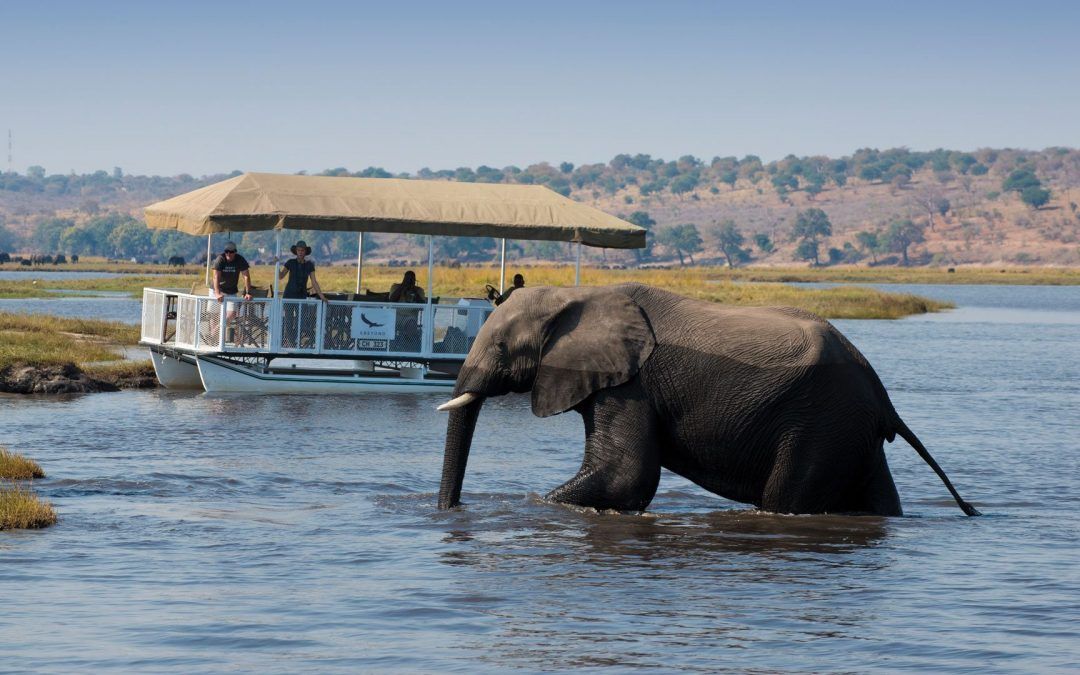
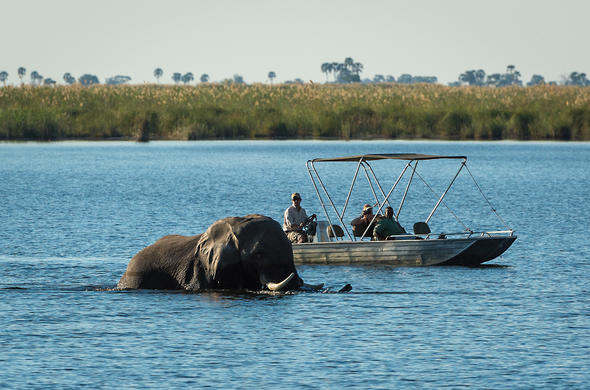
Elephants are among the most iconic residents of Linyanti. Known for their impressive tusks and social complexity, these giants use the reserve as a critical part of their migratory range. Herds move gracefully through the mopane woodlands and open floodplains, often seen bathing in the river or feeding on dense foliage.

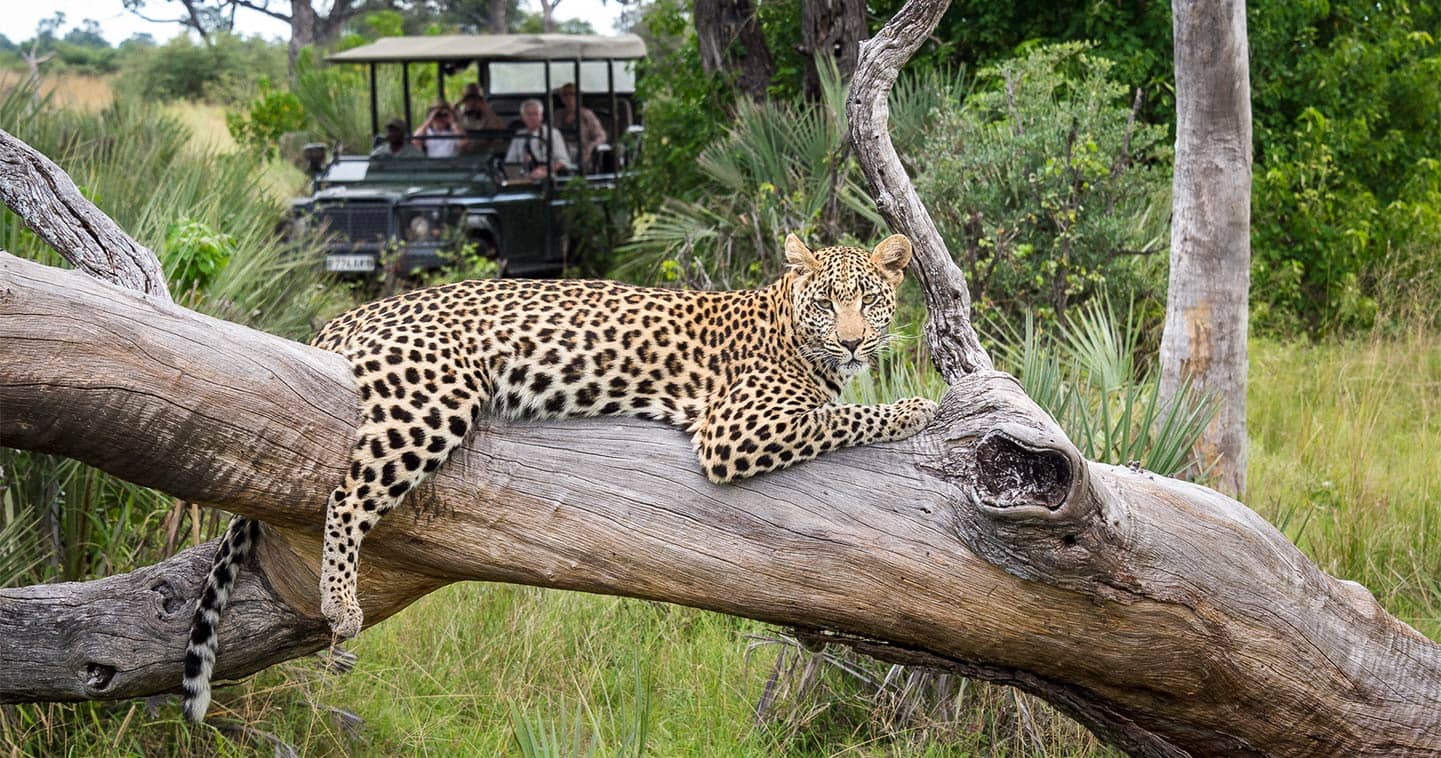
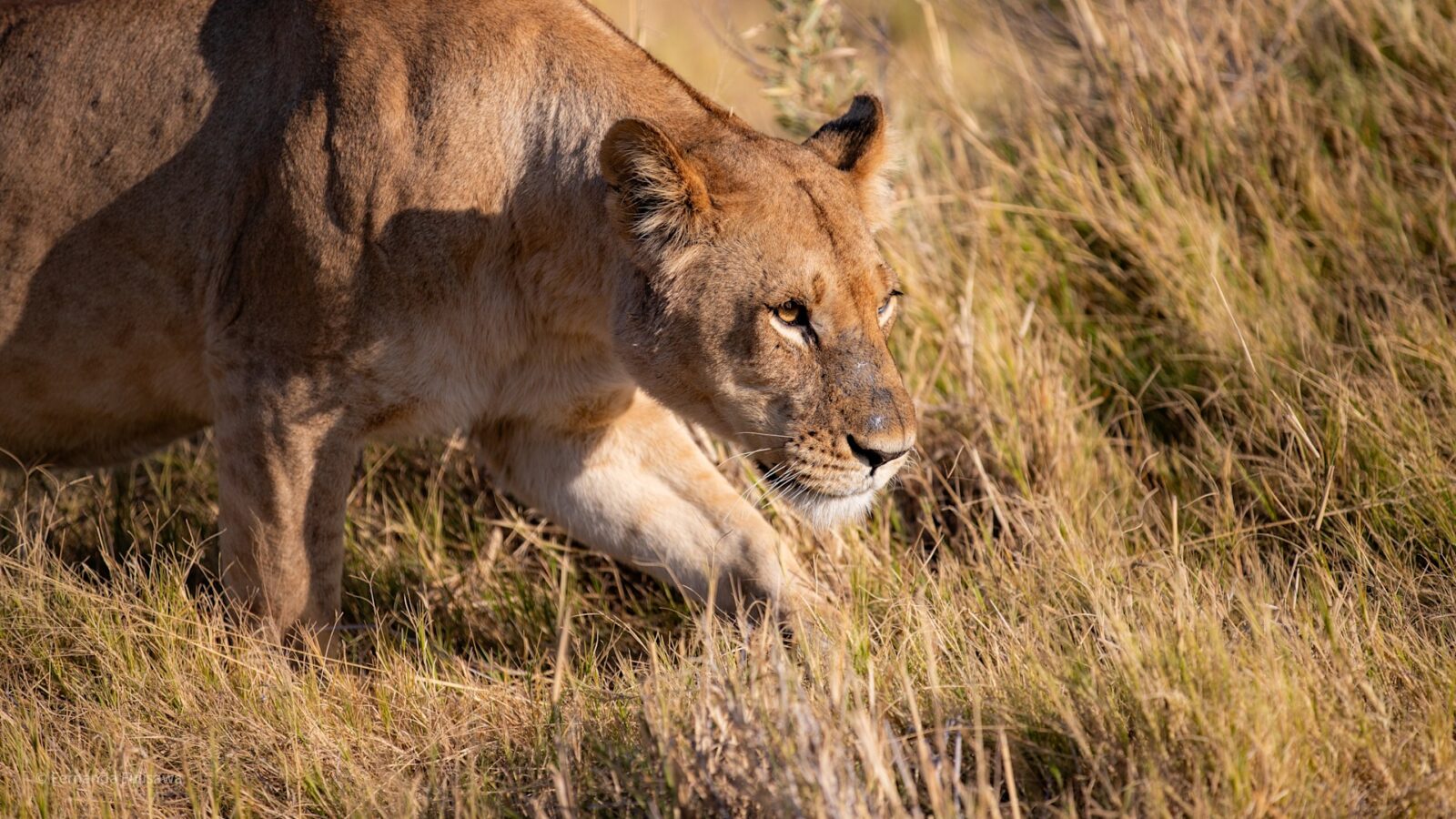
Predators in Linyanti are abundant and diverse. The reserve supports healthy populations of lion, leopard, and African wild dog, making it one of the few places in Botswana where these predators coexist in significant numbers. Lions here are known for their powerful prides and dramatic hunts across the floodplains. Leopards, masters of stealth, stalk quietly through the woodland thickets, while wild dogs — one of Africa’s most endangered carnivores — roam in tight-knit packs, providing thrilling sightings for the fortunate.

The herbivore community is equally impressive. Herds of buffalo, impala, waterbuck, sable antelope, and roan antelope graze the grasslands, while giraffes browse acacia trees and hippos wallow in the river. The wetlands also serve as critical breeding grounds for fish and amphibians, supporting the wider food web.

Birdlife in Linyanti is prolific and varied, with over 400 species recorded. The floodplains attract large flocks of waterbirds such as herons, storks, and pelicans, while raptors like the African fish eagle and bateleur soar overhead. For bird enthusiasts, Linyanti offers an unrivaled kaleidoscope of color and song.Linyanti Wildlife Reserve: The Untamed Majesty of Botswana’s Northern Frontier
Cultural Heritage: A Landscape Shaped by Human History

The lands of Linyanti have been home to various indigenous communities for millennia. The BaTawana and BaYei peoples have lived in harmony with the environment, their livelihoods intricately linked to the rhythms of the river and the migrations of game. Their traditional knowledge and cultural practices continue to influence conservation efforts in the region.

Local communities have long depended on the rivers and floodplains for fishing, gathering, and ceremonial purposes. Efforts to integrate these cultural values into wildlife management have been essential in sustaining the delicate balance between human needs and ecological preservation.

Visitors to Linyanti may have the opportunity to engage with community-based tourism initiatives, where they can learn about traditional lifestyles, crafts, and conservation philosophies, enriching the safari experience with a deeper understanding of place and people.

The Safari Experience: Luxury Meets Wilderness in Perfect Harmony

Linyanti is renowned for offering an extraordinary safari experience that blends luxury and remoteness. Exclusive lodges and tented camps are carefully positioned to minimize environmental impact while maximizing guest immersion in the natural world. From private decks overlooking shimmering floodplains to guided boat safaris along the Linyanti River, the options for exploration are vast and varied.

Game drives here are intimate and personalized, with expert guides skilled in tracking and interpreting animal behavior. Unlike crowded parks, sightings in Linyanti are often solitary and profound — a lion pride resting in the shade, a herd of elephants meandering through the bush, or a wild dog pack on the move, all witnessed with a sense of privilege and quiet awe.

Water-based safaris add a unique dimension. Navigating the waterways by boat or mokoro (traditional dugout canoe) allows visitors to observe hippos, crocodiles, and myriad bird species from a close yet unobtrusive vantage point. The interplay of light on water, the sounds of flowing currents, and the occasional splash of wildlife create moments of serene beauty.

Night safaris and walking excursions reveal the reserve’s nocturnal wonders — the glowing eyes of bush babies, the rustle of porcupines, or the haunting calls of nightjars — reminding guests that Linyanti’s wilderness lives beyond daylight.

Conservation and Future Prospects: Protecting a Crucial Wildlife Corridor

Linyanti’s importance extends beyond its immediate borders. As a critical link between Botswana’s major protected areas, it plays an essential role in sustaining genetic diversity, migration routes, and ecosystem resilience. Conservation efforts here focus on maintaining habitat connectivity, anti-poaching vigilance, and community partnerships that promote sustainable livelihoods.

The reserve faces challenges common to many wild spaces — human-wildlife conflict, climate variability, and pressures from nearby settlements. However, Botswana’s progressive wildlife policies, combined with active community engagement and responsible tourism, are helping to safeguard Linyanti’s future.

By choosing to explore Linyanti, travelers contribute directly to these conservation goals, supporting a model where tourism underpins environmental stewardship and cultural respect.

Embark on a Transformative Journey with WildHorn Africa

The Linyanti Wildlife Reserve offers a safari experience unlike any other — where raw wilderness meets thoughtful luxury, where every encounter feels personal, and where the rhythms of nature unfold with timeless grace. It is a place for those who seek to connect deeply with Africa’s wild heart, to witness the dance of predators and prey across ancient floodplains, and to feel the profound stillness of a landscape alive with possibility.

For discerning travelers ready to explore Botswana’s northern frontier, WildHorn Africa provides expertly guided tours tailored to reveal the best of Linyanti’s magic. With intimate knowledge, sustainable practices, and a passion for authentic experiences, WildHorn Africa ensures your safari is not just a trip, but a journey of discovery.

Book your Africa tours and safaris today with WildHorn Africa, and step into the wild, timeless beauty of Linyanti Wildlife Reserve — where adventure and tranquility meet beneath the vast African sky.
Tutume Game Reserve

Tutume Game Reserve

By Botswana places to visit

Tutume Game Reserve: Botswana’s Untouched Safari Sanctuary

Where Wilderness Whispers and Discovery Awaits

Tucked away in northeastern Botswana lies a rarely spoken name among the world’s safari destinations — a place unspoiled by mass tourism, yet rich in ecological promise and cultural resonance. Welcome to Tutume Game Reserve, a hidden jewel nestled close to the Zimbabwean border, offering a raw and authentic African wilderness experience. In a country known for world-renowned parks like Chobe and the Okavango Delta, Tutume offers something altogether different — a quiet, powerful encounter with nature on its own terms.

Unlike the more famous parks teeming with safari vehicles, Tutume is where solitude reigns. It is a realm of ancestral paths, elusive wildlife, and rolling landscapes shaped by millennia of seasonal rhythms. This is where the soul of Botswana breathes freely, and where travelers in search of depth over spectacle find their truest reward. As conservation and ecotourism slowly unlock its potential, Tutume stands ready to reveal its secrets — not with grandeur, but with genuine, grounding beauty.

This comprehensive exploration dives into the essence of Tutume Game Reserve — its geographical positioning, ecological importance, wildlife composition, cultural legacy, and why it is fast emerging as a must-experience destination for seekers of intimate, meaningful safaris.

Geographic Overview: A Quiet Corner of Conservation

Tutume Game Reserve is situated near the village of Tutume, in Botswana’s Central District, not far from the Zimbabwean border and within the northeastern corridor of the country. Though still developing in terms of infrastructure and global visibility, the reserve plays a crucial role in regional conservation efforts, forming part of a broader ecological network that includes community-managed lands and wildlife corridors.

The terrain is a captivating mosaic of savannah woodlands, mopane forests, open grasslands, and riverine belts, each providing distinct habitats for a range of species. The Tutume River, though often seasonal, lends its name and ecological character to the area, providing a lifeline for both wildlife and communities during wetter months.

Unlike Botswana’s more arid regions to the southwest, Tutume receives a more generous share of rainfall, which supports lush vegetation and higher biodiversity. This natural abundance makes it a biodiversity buffer zone and an important piece in the puzzle of Botswana’s national conservation vision.

Ecosystem and Habitat: A Flourishing Frontier

Tutume’s environment is a study in contrasts. Dry months draw wildlife to permanent waterholes and shaded thickets, while the rainy season triggers an explosion of green — grasses surge, trees bloom, and the air fills with the buzzing, chirping, and rustling of countless life forms.

The savannah biome, interspersed with patches of miombo woodland, allows for high productivity, attracting herbivores, birds, and predators in cycles that follow the rains. The dense acacia and mopane groves provide both forage and cover, making Tutume a haven for browsing species and the carnivores that hunt them.

Though comprehensive scientific studies are still evolving, local monitoring and ranger reports point to a growing population of iconic African species. Antelopes such as kudu, impala, and duiker thrive here, while warthogs, bushbucks, and reedbucks are frequent visitors near the wetlands. Buffalo herds are occasionally seen during the rainy season, and elephants, though not residents, may traverse the area in search of forage and water.

Perhaps the most thrilling presence is that of predators, including leopards, hyenas, jackals, and even lions — apex hunters whose presence signals the health of the ecosystem. Their tracks, sightings, and nocturnal calls are signs of a wilderness reclaiming its natural balance.

The birdlife is equally captivating. Raptors like the martial eagle and African fish eagle dominate the skies, while colorful residents such as lilac-breasted rollers, hornbills, and bee-eaters light up the trees. Wetlands and pans attract storks, herons, and kingfishers, making Tutume a serene paradise for bird enthusiasts.

Cultural and Historical Resonance: Land of the BaKalanga and San

Beyond its ecological allure, Tutume holds a deep cultural significance. The region has been inhabited for centuries by the BaKalanga people, one of Botswana’s oldest ethnic groups with roots that stretch into Zimbabwe. Their history, expressed through language, oral tradition, and artistic expression, is intimately tied to the land and its rhythms.

The area is also linked to the ancient San or Basarwa people, who have long lived in harmony with the land, hunting, foraging, and interpreting nature through signs invisible to most. Remnants of San rock art, tool sites, and sacred groves are testimonies to a coexistence that predates modern conservation, reminding us that the idea of wilderness is not a human invention — it is a memory we must learn to listen to.

Community involvement in conservation has grown in recent years. Local custodians, eco-guides, and heritage interpreters are stepping into new roles as protectors and storytellers of this land, ensuring that Tutume’s natural wealth is preserved not only for visitors, but for future generations of its people.

Safari Experience: An Unfiltered Encounter with the Wild

What sets Tutume apart from better-known safari regions is not a lack of wildlife, but a lack of noise — both literal and figurative. The safari experience here is personal, flexible, and deeply immersive. There are no convoys of tourists, no camera-clicking crowds. Instead, there is space — space to breathe, to listen, and to learn.

Game drives in Tutume are guided by skilled locals who know the land’s signs, seasons, and stories. Each outing is a chance to track elusive predators, watch antelope move through the bushveld, or simply sit beside a waterhole and observe nature unfold on its own schedule. For those with patience, Tutume offers some of Africa’s most soul-stirring safari moments.

Walking safaris are also possible, led by trackers who read the earth like a book — interpreting spoor, droppings, calls, and vegetation patterns. These treks are less about mileage and more about understanding, revealing the finer threads of the ecological web that often go unnoticed from a vehicle.

Camping under the stars is one of the most profound ways to experience Tutume. The sky becomes an endless vault of constellations, and the soundtrack of the bush at night — hyenas whooping, owls calling, frogs chirping — connects you to something ancient, primal, and grounding.

Conservation and Opportunity: A Park in the Making

Tutume Game Reserve is in the early phases of becoming a prominent ecotourism destination, and that’s part of its magic. Development here is slow and thoughtful, shaped by a desire to avoid the pitfalls of over-tourism and to build a model rooted in sustainability and local benefit.

With the support of conservation NGOs and Botswana’s forward-thinking wildlife policies, Tutume is poised to become a beacon of how lesser-known reserves can offer authentic wilderness experiences without compromising ecological integrity. It is also a frontier for conservation research, particularly regarding species migration, climate adaptation, and community engagement.

By visiting Tutume, travelers contribute not only to wildlife preservation but also to a broader vision — one that sees tourism as a vehicle for empowerment, education, and ecosystem protection.

Rediscover the Soul of Safari with WildHorn Africa

Tutume Game Reserve is not for everyone — and that is its greatest strength. It is for the traveler who values silence over spectacle, depth over drama, and connection over convenience. It is for those who seek not just to see animals, but to feel the wildness within themselves rekindled.

In a world of curated experiences, Tutume offers the raw beauty of the real, and every sunrise over its plains is a reminder that nature still has places left where she speaks in her own voice.

WildHorn Africa specializes in curating transformative journeys into Botswana’s most inspiring landscapes — and Tutume is no exception. With expert guides, locally grounded experiences, and a commitment to low-impact travel, WildHorn Africa ensures that your visit to Tutume is not just a trip, but a personal evolution.

Book your African tours and safaris today with WildHorn Africa, and be among the first to explore the uncharted wonder of Tutume Game Reserve — where the future of safari lies in its ability to remain true to the wilderness it protects.

Khutse Game Reserve

Khutse Game Reserve

By Botswana places to visit, Where to go

Khutse Game Reserve: Botswana’s Hidden Desert Jewel

Step Into the Wild Stillness of the Kalahari

Far from the bustle of modern life and the well-trodden paths of traditional safari circuits lies a treasure of understated majesty — Khutse Game Reserve, a place where the desert breathes life into every grain of sand and where nature’s rhythm plays on a slower, deeper beat. Located just a few hours’ drive from Gaborone, Botswana’s capital, Khutse is not just a wildlife destination; it is an immersion into the essence of remote Africa, where silence speaks volumes and every track tells a story.

Khutse, meaning “place where you can kneel and drink” in Setswana, is a remarkable extension of the greater Kalahari ecosystem, directly connected to the vast Central Kalahari Game Reserve. But unlike its larger neighbor, Khutse remains relatively untouched and uncommercialized, offering a more intimate, raw, and profoundly authentic safari experience. This is the land of burning sunsets, timeless pans, elusive predators, and ancient human history woven into the sands.

This in-depth article unpacks the geography, ecology, cultural significance, and unique safari appeal of Khutse Game Reserve — showing why it stands as a must-explore frontier for those who seek meaningful encounters with Africa’s wild soul.

Geography and Location: Gateway to the Kalahari’s Heart

Khutse Game Reserve lies in the southern reaches of Botswana, approximately 240 kilometers northwest of Gaborone. Covering around 2,500 square kilometers, it forms part of the southern boundary of the Central Kalahari Game Reserve, making it a natural extension of one of the world’s largest protected areas. Though smaller in comparison, Khutse holds its own with a striking variety of desert landscapes — from open grasslands and fossil river valleys to expansive salt pans and tree-lined dunes.

Its location at the southern tip of the Kalahari Desert gives Khutse a unique ecological position. It serves as both a transition zone and a refuge, supporting migratory species moving between the arid heartlands of the Kalahari and the surrounding savannas. The terrain is a delicate balance of desolation and diversity, and the relative scarcity of water only enhances its allure, creating pockets of life that are all the more remarkable for their persistence.

Ecosystem and Biodiversity: Survival and Spectacle in the Sands

Despite its desert reputation, Khutse is far from lifeless. It harbors a surprising and often underestimated biodiversity, shaped by its semi-arid environment and seasonal rains. The land, though stark, pulses with life for those willing to look closely and patiently.

Rainfall in Khutse is highly seasonal, peaking between November and March. During these months, the salt pans and riverbeds flood, attracting bursts of green growth and drawing in herds of antelope, birds, and predators. The dry season, by contrast, paints the landscape in golden tones, and game concentrates around remaining water sources, offering excellent opportunities for game viewing.

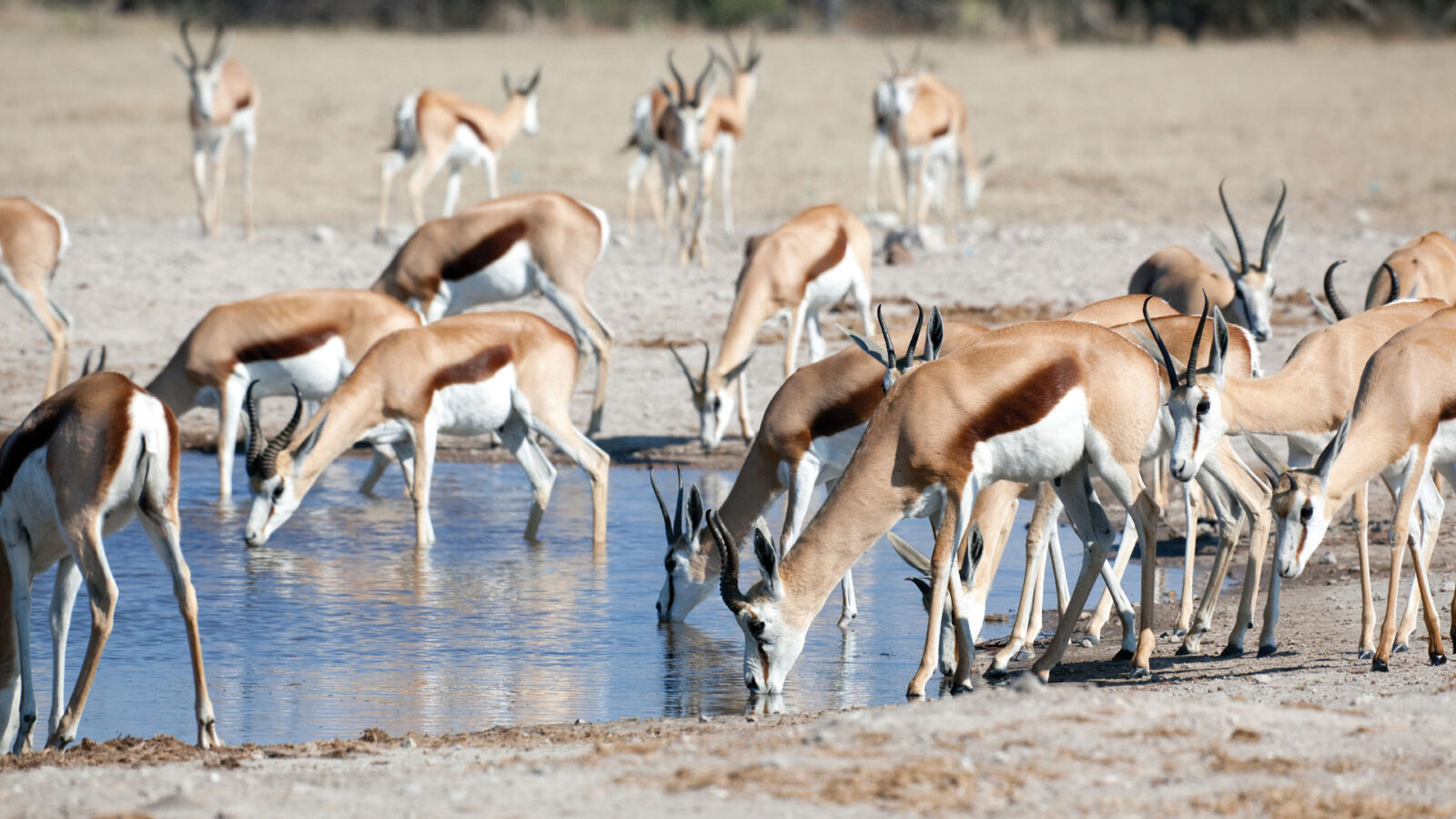
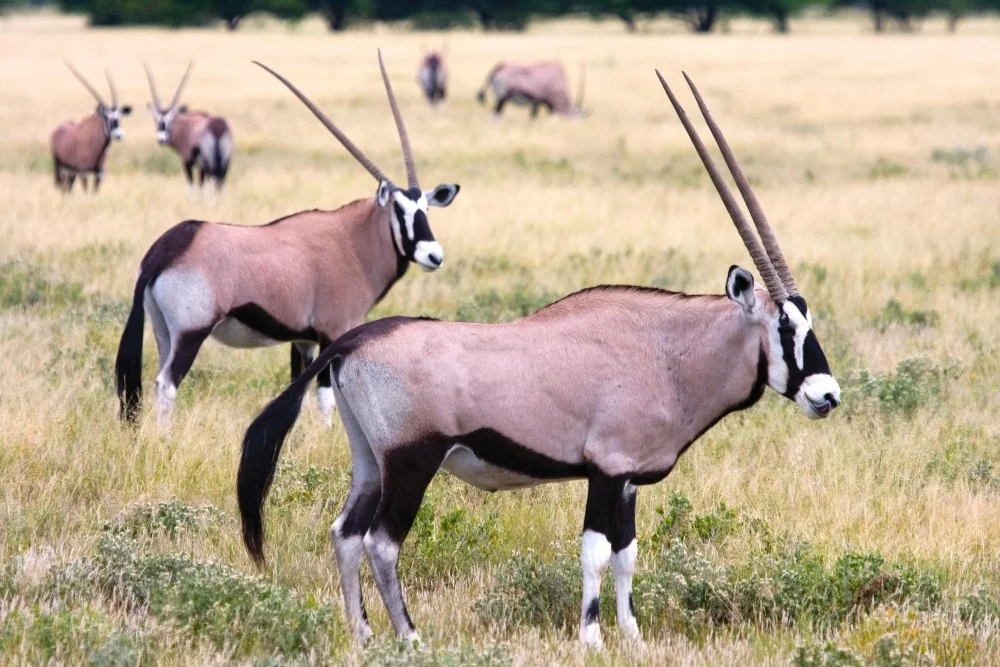
The herbivore population includes springbok, kudu, steenbok, impala, and the regal gemsbok. Giraffes wander the acacia-dotted plains, while wildebeest and hartebeest move in response to shifting resources. Elephants are rare in Khutse but occasionally pass through, adding an element of surprise to the safari experience.

Predators are a vital part of the reserve’s ecological fabric. Lions, especially the iconic black-maned variety, are present and known to patrol the open pans. Cheetahs utilize the open spaces to hunt with speed and precision, while leopards and African wild cats remain more elusive, often seen only by the most patient and fortunate observers. Hyenas — both brown and spotted — are active across the reserve, their eerie calls echoing through the stillness of the night.

Khutse is also a birdwatcher’s haven, with over 150 recorded species. From kori bustards and secretary birds to various eagles and owls, avian life brings movement and color to the desert backdrop. The pans, when filled, attract flamingos, ducks, and waders, transforming barren spaces into temporary wetlands buzzing with activity.

Cultural Significance: The Human Spirit of the Kalahari

The story of Khutse is not only written in sand and paw prints — it is also carved in the traditions of the San people, Botswana’s indigenous hunter-gatherers who have called the Kalahari home for thousands of years. These ancient custodians of the land possess a spiritual and practical understanding of the desert that has enabled them to thrive in what others may perceive as a hostile environment.

Visitors to Khutse can often engage with San guides and communities near the park, offering a rare opportunity to witness their storytelling, traditional tracking, foraging methods, and cosmology. These encounters are not staged performances but deeply rooted expressions of a living culture, one that treats the land not as a resource to be conquered but as a sacred partner.

The San way of life offers invaluable lessons on sustainability, patience, and interconnectedness — values increasingly relevant in our modern, fragmented world.

The Safari Experience: Intimate, Authentic, and Wild

Khutse is not a safari destination of luxury lodges and paved roads. It is for the curious, the patient, and the brave — those who seek to understand nature on its own terms. The reserve’s rustic campsites, unspoiled terrain, and lack of mass tourism make it an ideal destination for self-drive adventurers and those desiring a closer connection to the land.

Game drives in Khutse often involve long, meditative drives across sandy tracks, where wildlife sightings emerge slowly, almost ceremonially. The thrill lies not in the frequency of sightings but in their genuineness. There is no queue of vehicles around a lion; there is only you, the wind, and the desert.

Sunrises and sunsets in Khutse are almost sacred — the skies blaze with color, the light dances on the dunes, and the temperature shifts remind you that this land is alive. Nights in the reserve are magical, with the Milky Way arching across the heavens, unpolluted by city lights. The calls of jackals, hyenas, and owls become your nocturnal soundtrack, reminding you that the wilderness does not sleep.

Bushwalks, guided by knowledgeable San trackers, reveal the finer details of desert life — how to find water from roots, how to interpret animal tracks, and how each element in the ecosystem plays its role. These walks are transformative, offering not only education but a deep reverence for nature’s subtle complexity.

Conservation and Challenges: Preserving the Pulse of the Kalahari

Khutse’s preservation is tied closely to Botswana’s broader conservation philosophy, which emphasizes low-impact, high-value tourism. The reserve’s limited infrastructure is intentional, designed to keep the area wild and ecologically balanced. However, it also presents challenges, especially in terms of managing human-wildlife conflict, maintaining anti-poaching vigilance, and balancing traditional land use with conservation goals.

The park’s connection to the Central Kalahari Game Reserve is crucial. Together, these areas create one of the last truly vast, unfenced ecosystems in Southern Africa. Protecting Khutse means preserving migratory routes, maintaining biodiversity, and safeguarding cultural heritage — goals that require cooperation between government, local communities, and responsible tourism operators.

Why Khutse Belongs on Your Safari Bucket List

Khutse Game Reserve may not make the cover of glossy safari brochures, but that is precisely what makes it special. It is authentic, raw, and real. It does not compete for your attention — it rewards it. For travelers yearning for silence, scale, and soul-stirring connection with untamed nature, Khutse is a revelation.

You come here not to tick animals off a list, but to feel the slow heartbeat of the desert, to see lions emerge from the heat haze, to track antelope across an ancient pan, and to sleep under stars that seem close enough to touch. It is a journey that leaves you quieter, deeper, and more attuned to the wildness both around you and within you.

Begin Your Wild Adventure with WildHorn Africa

For those ready to embrace this unique wilderness, WildHorn Africa offers expertly guided safaris into Khutse Game Reserve, combining deep local knowledge, cultural respect, and a commitment to conservation. Whether you seek the thrill of a predator encounter, the wisdom of a San tracker, or the peace of a desert sunrise, WildHorn Africa will craft your experience with authenticity and care.

Book your African tours and safaris today with WildHorn Africa, and discover Khutse Game Reserve — Botswana’s hidden desert jewel where nature is raw, the stories are ancient, and every moment feels profoundly real.

Central Kalahari Game Reserve

Central Kalahari Game Reserve

By Botswana places to visit, Where to go

Central Kalahari Game Reserve: Into the Soul of Botswana’s Untamed Desert

Where Silence Roars and the Wild Remembers

In the very heart of Botswana’s vast interior lies a land that few have seen and even fewer have truly understood — a realm so profound, so stripped of distraction, it feels like a return to the Earth’s original breath. This is the Central Kalahari Game Reserve (CKGR) — not just one of the largest protected areas in the world, but a sanctuary of solitude, survival, and stunning natural purity.

Here, the golden grasses whisper across ancient sand dunes, the sun rises in absolute silence, and life unfolds at its own unhurried rhythm. In a world that grows increasingly busy and overcrowded, CKGR offers something revolutionary — space, stillness, and deep immersion in wilderness that remains blissfully unspoiled. This is not a place of glitzy lodges and orchestrated game drives. It is raw, real, and utterly unforgettable.

This article journeys through the heart of the Central Kalahari Game Reserve — exploring its immense geography, its unique desert ecosystem, the majestic wildlife that calls it home, and why it remains one of Africa’s greatest hidden treasures. For the traveler who yearns for deep wilderness and transformative experience, CKGR is the ultimate frontier.

Geographic Magnitude: A Desert on a Monumental Scale

Covering over 52,000 square kilometers, the Central Kalahari Game Reserve is the second-largest game reserve on Earth, dwarfed only by Greenland’s Northeast National Park. This colossal expanse occupies nearly 10% of Botswana’s land area and is situated in the central region of the Kalahari Desert — a semi-arid basin that spans multiple Southern African countries.

But while the word “desert” might evoke visions of barren dunes, the CKGR is far more nuanced. Its terrain is a mixture of grassy plains, fossil river valleys, rolling sand dunes, and patches of woodland, shaped over millennia by wind, weather, and wildlife. These varied landscapes create microhabitats that support a surprisingly diverse array of life.

The park’s most iconic features include Deception Valley, Passarge Valley, and Sunday Pan — names that may sound quiet, but hold centuries of ecological drama. These ancient riverbeds are the arteries of the CKGR, where rains bring green growth, attracting herds of antelope and, in turn, the predators that follow.

An Ecosystem of Extremes: Life Thrives Against the Odds

Despite its remoteness and arid reputation, the CKGR hosts one of Southern Africa’s most fascinating ecosystems. Its climate is extreme, with blistering heat in summer, biting cold in winter nights, and erratic rainfall that often determines the movement and behavior of animals.

Yet, life here is ingenious. Plants have evolved to conserve water and flourish quickly after rain, while animals have developed remarkable adaptations to thrive in the heat and survive long dry spells. During the rainy season, usually between December and March, the Central Kalahari transforms. Grasses grow lush and green across the pans, wildflowers bloom, and a spectacular, seasonal influx of wildlife begins.

What’s most striking is the balance — a harsh yet harmonious web of life where every creature plays a role in the survival of the whole.

Wildlife Spectacle: A Secret Stage of Predators and Prey

The Central Kalahari is not just wild in size but in soul. It offers a pure, uncrowded safari unlike any other in Africa. Animals are wild, encounters are earned through patience, and the sense of exclusivity is unmatched.

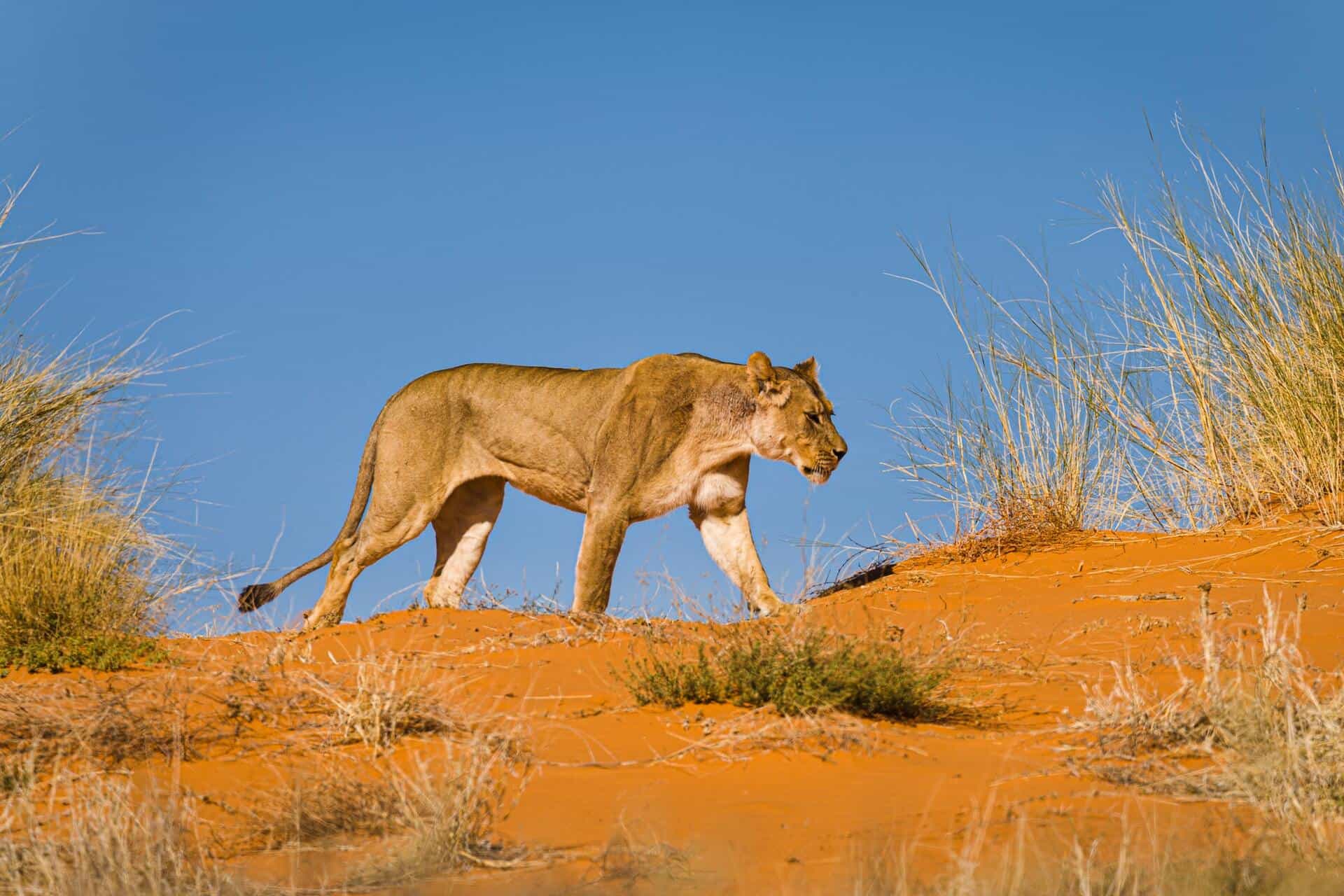
CKGR is home to Africa’s legendary predators, including lions with strikingly dark manes, known as the Kalahari lions. These apex predators are the embodiment of desert power and persistence. They roam vast territories, hunting in the open pans and riverbeds where prey is most abundant.

Leopards are elusive and elegant, often seen at dusk or lounging in shaded thickets. Cheetahs, adapted for speed and open terrain, thrive here in greater numbers than in many other reserves. The park also shelters brown hyenas, jackals, and honey badgers, all desert-adapted scavengers and opportunistic hunters.

Among herbivores, springbok, gemsbok (oryx), hartebeest, kudu, and wildebeest are common. These antelope species are water-independent, capable of deriving moisture from the food they consume. Large herds often gather in the green season, particularly in Deception Valley, creating ideal hunting conditions for predators.

The birdlife is equally captivating. Raptors such as martial eagles, pale chanting goshawks, and secretary birds rule the skies, while kori bustards, sandgrouse, and larks grace the ground. The symphony of bird calls, especially after rains, adds a melodic texture to the desert stillness.

The San People: First Inhabitants of the Kalahari

The Central Kalahari is not only a natural stronghold — it is a cultural homeland. For thousands of years, it has been inhabited by the San people, also known as the Bushmen — one of the world’s oldest surviving cultures.

Their relationship with the land is based on intimate knowledge of animal behavior, plant properties, and seasonal rhythms. They survive not by bending nature to their will, but by moving with it — tracking game with astonishing skill, foraging for edible roots, and telling stories around the fire that preserve knowledge passed down over generations.

Though their lifestyle has been threatened by modern pressures and policy shifts, the spirit of the San remains deeply rooted in the CKGR. Visiting with San trackers today offers a chance to see the desert through their eyes — not as an empty space, but as a living, breathing network of resources, signs, and spirits.

Safari Experience: Wilderness in Its Purest Form

A visit to the Central Kalahari Game Reserve is not for the casual tourist — it’s for the true wilderness seeker. This is safari stripped to its essentials. No tarmac roads, few lodges, no crowds. Just vast skies, distant horizons, and the thrilling possibility of seeing wildlife in its most undisturbed state.

Game drives often cover long distances over sandy tracks, with sightings punctuated by quiet stretches that allow for deep connection with the land. The payoff is not just in the animals you see, but in the way you feel — part of something vast and untamed.

Mobile safaris and fly-in options are available for those who want more comfort, while self-drive camping offers the purest adventure for experienced explorers. Nights under the stars are unforgettable — the Milky Way stretches across the entire sky, and the calls of lions or jackals may serve as your nighttime lullaby.

With few human settlements nearby, the Central Kalahari offers perhaps the greatest sense of space and isolation left in Africa, making it a perfect destination for soul-searchers, writers, photographers, and naturalists.

Conservation and Challenges: Balancing Wilderness and Rights

The Central Kalahari faces unique conservation challenges. While its remoteness has shielded it from the kind of development that plagues other protected areas, its mineral-rich subsoil has attracted interest in diamond exploration and extraction. Controversies over mining, land rights, and San displacement have tested Botswana’s commitment to balancing ecological integrity with economic interests.

However, progress has been made. Environmental advocacy, international attention, and local efforts have helped protect key areas and promote responsible tourism as a sustainable alternative. The success of the CKGR lies in continuing this balance — preserving both its ecological wonder and the rights of its original inhabitants.

Discover Timeless Wilderness with WildHorn Africa

The Central Kalahari Game Reserve is not just a place — it is a revelation. It challenges your assumptions about what a safari should be. It teaches patience, presence, and humility. In its silence, you hear your thoughts more clearly. In its emptiness, you find emotional fullness.

For those ready to walk the untrodden path, WildHorn Africa offers expertly curated journeys into the soul of the Kalahari. With experienced guides, tailored itineraries, and a deep commitment to conservation and culture, WildHorn Africa ensures that your experience is safe, meaningful, and unforgettable.

Book your African tours and safaris today with WildHorn Africa, and let the Central Kalahari Game Reserve show you the wild, timeless beauty that lies beyond the beaten path. Here, under ancient skies and among whispering grasses, you will discover not only Africa — but perhaps, a deeper part of yourself.

Kgalagadi Transfrontier Park

Kgalagadi Transfrontier Park

By Botswana places to visit, Where to go

Kgalagadi Transfrontier Park: A Desert Symphony of Survival and Majesty

Where Red Dunes Meet Roaring Lions

Imagine a place where towering red sand dunes ripple beneath an infinite sky, where black-maned lions stride across sun-baked riverbeds, and where the silence of the desert is broken only by the haunting call of a jackal or the thunder of hooves. Welcome to the Kgalagadi Transfrontier Park, one of Africa’s last great wildernesses and a pioneering example of cross-border conservation. Situated between Botswana and South Africa, this expansive protected area is not just a park—it’s a testament to nature’s resilience, a stronghold of iconic predators, and a canvas painted with extremes.

Unlike lush, water-rich safari destinations, Kgalagadi offers something raw, elemental, and unforgettable. Its drama lies in its contrasts—harsh landscapes brimming with life, a sense of isolation that fosters deeper connection, and wildlife adapted to one of Earth’s most challenging environments. This article explores the geological wonders, wildlife diversity, ecological importance, and unique safari experiences that define Kgalagadi Transfrontier Park, revealing why it’s a must-visit destination for adventurous travelers and conservation enthusiasts alike.

Geography and Scope: A Park Beyond Borders

Kgalagadi Transfrontier Park spans an astounding 38,000 square kilometers, making it one of the largest conservation areas in the world. It was established through a bold vision of international cooperation between Botswana and South Africa in 2000, merging South Africa’s Kalahari Gemsbok National Park with Botswana’s Gemsbok National Park. The result is a seamless wilderness where wildlife roams freely across national boundaries without fences, reflecting a model for future conservation on a global scale.

The park sits in the southwestern corner of Botswana and the northern reaches of South Africa, stretching into the arid Kalahari Desert. Its two ancient fossil riverbeds—the Nossob and Auob—cut through the landscape, flanked by dunes that glow crimson at sunrise and sunset. These dry rivers are the lifeblood of the region’s fauna, concentrating vegetation and attracting game from the surrounding arid plains.

While water is scarce, underground aquifers and sporadic seasonal rains sustain life in astonishing variety. The open terrain, endless sky, and sculpted dunes create a landscape of striking beauty, where every element feels larger than life.

Desert Ecology: Survival Against the Odds

Despite its desert classification, the Kgalagadi supports an incredibly diverse and well-adapted ecosystem. The combination of arid grasslands, sparse savannah, and riverine habitats allows for an astonishing range of species to coexist. Unlike the dramatic seasonal transformations seen in wetter parks, Kgalagadi’s rhythms are more subtle, but no less profound.

Plants here are specialists in endurance. Thorn trees, hardy grasses, and acacia woodlands cling to survival, offering shelter and sustenance to herbivores. These vegetative islands are crucial in maintaining the park’s ecological balance, providing food for browsers and nesting areas for birds.

Wildlife in Kgalagadi has evolved strategies to conserve moisture, forage over long distances, and cope with temperature extremes. It’s a place where life is defined not by abundance, but by adaptability and tenacity, and witnessing this in action is among the most enriching safari experiences imaginable.

Wildlife Highlights: The Realm of Predators and Iconic Species

Kgalagadi is famously known as “the land of the black-maned lion.” These regal predators, unique to the Kalahari, dominate the landscape both visually and acoustically. Their thunderous roars echo across the dunes and valleys, asserting dominance and thrilling those fortunate enough to hear them. Observing these lions against a backdrop of sand and sky is an experience etched in the memory of every visitor.

But lions are not the only stars here. The park is a predator paradise, with frequent sightings of cheetahs, leopards, brown hyenas, and African wild cats. Cheetahs, in particular, are often spotted in the open terrain, where their speed and agility make them formidable hunters of springbok and steenbok.

Hyenas and jackals scavenge and hunt in turn, maintaining the intricate balance of desert life. Raptors soar above—martial eagles, tawny eagles, bateleurs—while vultures circle in the thermals, scanning the dunes for opportunity.

Among the herbivores, the springbok, gemsbok (oryx), and wildebeest are the dominant grazers, uniquely adapted to extract moisture from food and withstand the midday heat. The elegant oryx, with its sweeping horns and pale coloration, epitomizes desert elegance and endurance. Ostriches stride across the plains, while suricates (meerkats) pop up from burrows, delighting travelers with their sentry behavior.

Birdwatchers are rewarded with over 300 bird species, many of which are desert specialists. The park is particularly famous for its birds of prey and for seasonal visitors such as the carmine bee-eater, which brings a burst of color to the arid palette.

Cultural and Historical Footprints: Legacy of the Kalahari

Long before modern borders were drawn, the San (Bushmen) people called the Kalahari home. Their deep understanding of the desert and its cycles formed a spiritual and practical connection to the land, reflected in their storytelling, tracking skills, and traditional knowledge.

Today, cultural excursions and interpretation centers near the park’s periphery offer opportunities to engage with this living heritage. Learning from San guides adds an invaluable human dimension to the natural narrative of Kgalagadi and underscores the importance of preserving both culture and ecology together.

The Safari Experience: Intimate, Remote, and Unfiltered

What sets Kgalagadi apart from other African parks is its raw authenticity. There are no luxury lodges or congested game drives here. Instead, visitors experience solitude, space, and a deep sense of immersion. Camps are remote and basic, often unfenced, allowing for close encounters with wildlife and uninterrupted communion with nature.

Game drives along the Nossob and Auob riverbeds reveal predators at dawn and dusk, as they patrol the sandy channels in search of prey. The open terrain ensures excellent visibility, making it a dream destination for wildlife photographers. Sightings are earned with patience, but are deeply rewarding.

Night skies in Kgalagadi are among the clearest on Earth. Far from light pollution, the Milky Way explodes into brilliance, and the silence of the desert becomes a backdrop for reflection, awe, and perspective.

Self-drive safaris are popular in the park’s South African section, while the Botswana side offers more exclusive, guided wilderness experiences. Both approaches provide access to the same shared ecosystem and the same profound connection with the wild.

Conservation and Cross-Border Vision: A Model for Africa’s Future

Kgalagadi Transfrontier Park is not only a marvel of nature—it is a symbol of international cooperation. By eliminating internal fences and aligning policies, Botswana and South Africa have demonstrated that political borders need not restrict ecological harmony. The park serves as a model for transboundary conservation, where ecosystems are protected based on natural geography rather than national jurisdiction.

Challenges remain, including climate change, poaching pressures, and human-wildlife conflict. But continued collaboration between governments, conservation organizations, and local communities is making Kgalagadi a beacon of possibility in a world where such visions are urgently needed.

Why Kgalagadi Is a Must-Visit Destination

Kgalagadi Transfrontier Park offers a safari experience that goes beyond wildlife—it touches something timeless and deeply personal. It’s a journey into an ancient landscape where the rhythms of life play out in primal beauty, where the absence of crowds allows for a profound sense of stillness and connection, and where each sunrise feels like the beginning of the world.

This park is for those who crave wilderness without filters, where the challenges of the desert are met with awe-inspiring adaptations and where nature writes its own drama on an endless canvas of sand and sky.

Begin Your Journey with WildHorn Africa

For those ready to explore this vast and extraordinary wilderness, WildHorn Africa offers expertly curated safari experiences into the heart of the Kgalagadi. Their knowledge of the region, commitment to sustainability, and personalized approach ensure that your journey is not only comfortable but also deeply meaningful.

Whether you seek encounters with the iconic black-maned lion, stargazing beneath the desert sky, or insight into the culture of the San people, WildHorn Africa crafts safaris that reveal the essence of Kgalagadi with care and passion.

Book your African tours and safaris today with WildHorn Africa, and discover the untamed beauty of Kgalagadi Transfrontier Park — where the soul of the desert comes alive, and every grain of sand tells a story of survival and splendor.

Makgadikgadi Pans National Park

Makgadikgadi Pans National Park

By Botswana places to visit, Where to go

Makgadikgadi Pans National Park: Botswana’s Silent Sea of Stars and Salt

Step Into a Prehistoric Desert Dream

In the heart of Botswana’s wild, sun-baked terrain lies a landscape so surreal it feels like another planet — vast, flat, shimmering white expanses stretching endlessly beneath skies that go on forever. This is Makgadikgadi Pans National Park, one of the world’s largest salt flats and one of Africa’s most enchanting natural marvels. Here, silence dominates, broken only by the distant thunder of migrating herds or the haunting cry of a black-backed jackal under the moonlight. It is a place where time slows, nature speaks in subtle tones, and beauty is found in simplicity.

Makgadikgadi is not about overwhelming density of animals or lush green canopies. Instead, it offers a raw, elemental experience of Africa — a stark and poetic wilderness born from an ancient super lake. For those seeking a deeper connection with the Earth’s ancient rhythms, this national park is a revelation. In this article, we journey through the unique history, landscapes, biodiversity, and safari experiences of Makgadikgadi Pans National Park, revealing why it remains one of Botswana’s most mystical and unforgettable destinations.

Geological Origins: The Ghost of a Giant Lake

Makgadikgadi Pans National Park rests on the remnants of an ancient super lake that once covered much of Botswana thousands of years ago. When this lake eventually dried up, it left behind a mosaic of salt-encrusted pans — flat, barren basins that glisten white under the scorching sun. Today, the Makgadikgadi complex spans over 16,000 square kilometers, with two of its largest pans — Sua and Ntwetwe — forming the hauntingly beautiful centerpieces of the region.

These massive salt flats are among the largest in the world, often compared to Bolivia’s Salar de Uyuni. In the dry season, the pans are desolate, cracking under the heat, with barely a tuft of grass or drop of water in sight. Yet when the rains arrive, they transform dramatically. Shallow lakes form, attracting a sudden explosion of life that turns this barren landscape into one of the most unexpected wildlife stages on the continent.

Seasonal Metamorphosis: From Desolation to Drama

Makgadikgadi’s most dramatic feature is its transformation from a bleached desert to a wetland wonderland. This seasonal cycle defines life in the park and determines the movement of its animals. The dry season, which runs from May to October, is marked by austere beauty — glittering white pans, cloudless skies, and otherworldly sunsets. Wildlife is scarce on the pans themselves during this time, but congregates around the Boteti River, which marks the park’s western boundary and serves as a vital lifeline.

Come November, the rains arrive, and with them a dramatic resurrection. The pans begin to fill, the salt crust softens, and fresh grasses sprout in abundance. Flamingos and pelicans arrive in the tens of thousands to breed in the shallow waters of the Sua Pan, creating one of the most breathtaking avian spectacles in Africa. At the same time, enormous herds of zebra and wildebeest begin to pour into the region, undertaking Southern Africa’s second-largest migration — a remarkable and often underappreciated wildlife phenomenon.

Predators follow in their wake. Lions, cheetahs, and hyenas take advantage of the seasonal abundance, and the usually silent pans echo with the ancient struggle between predator and prey.

Wildlife and Biodiversity: Resilient Life in a Harsh Landscape

While Makgadikgadi is not known for the dense animal concentrations of parks like Chobe or the Okavango Delta, it offers something more profound — the triumph of life over harshness. Its wildlife is seasonal, subtle, and uniquely adapted to the park’s extreme conditions.

The Boteti River is home to a permanent population of elephants, antelope, and hippos, offering year-round wildlife viewing. During the rainy season, the park becomes a haven for large numbers of migratory zebra and wildebeest. These herds are drawn not only by the grasses that flourish in the pans but by the mineral-rich soils that offer essential nutrients.

Birdlife is astounding, particularly in the wet months. Flamingos turn the pans pink with their numbers, while cranes, storks, and waders fill the air and water with motion and color. Raptors circle overhead, scanning the open land for unsuspecting prey.

The park is also one of the few places in Botswana where visitors may encounter the brown hyena, a rare and elusive predator perfectly at home in this barren expanse. Meerkats, or suricates, provide lighter moments of charm and curiosity, often seen standing on their hind legs and scanning the horizon with near-human attentiveness.

Cultural and Historical Roots: An Ancient Human Story

Makgadikgadi’s story is not just geological or ecological — it is deeply human. The salt pans have been inhabited and traversed for thousands of years by the indigenous San people, whose knowledge of the land and survival techniques are legendary. Archaeological evidence, including ancient stone tools and hunting implements, suggests that Makgadikgadi has been part of human history for tens of thousands of years.

Visiting the park today offers opportunities to connect with the San communities that still inhabit the region. Their storytelling, traditional tracking skills, and spiritual relationship with the land add a rich cultural layer to the natural wonders of the pans. In a world where nature and culture are often separated, Makgadikgadi remains a place where the two still walk hand in hand.

The Safari Experience: Stillness, Space, and Solitude

A safari in Makgadikgadi Pans National Park is unlike any other in Africa. Here, the experience is defined not by how many lions you spot, but by the sense of vastness and elemental peace. The silence is profound, the horizons endless, and the connection to nature deeply intimate.

During the dry season, game drives along the Boteti River offer sightings of elephants, lions, and abundant birdlife, particularly around waterholes. The cracked pans themselves provide mesmerizing landscapes for photography, with sunsets that set the sky ablaze and stargazing that is truly unparalleled. Under the unpolluted night sky, the Milky Way spills across the heavens with such clarity that it seems almost touchable.

In the wet season, safaris take on a more adventurous tone. Vehicles venture into the newly flooded pans to witness flamingo breeding grounds and the movement of migratory herds. Encounters with cheetahs and hyenas on the open plains become more frequent, and the landscape feels alive with transformation.

Walking safaris and cultural interactions with San trackers further enrich the experience, offering both insight and grounding in a world that often feels detached from its origins.

Conservation and Sustainability: Protecting a Fragile Giant

Makgadikgadi Pans National Park represents one of Botswana’s most fragile and ecologically sensitive landscapes. Conservation efforts here focus on preserving its unique seasonal dynamics and migratory corridors. The zebra and wildebeest migrations, for example, rely on uninterrupted access to grasslands and water sources, which are increasingly threatened by land development and fencing.

Tourism in the park remains low-impact by design. Camps and lodges operate with strict sustainability practices, ensuring that the environment remains pristine and that local communities benefit economically. The park is also part of the broader Makgadikgadi and Nxai Pan conservation complex, which aims to integrate wildlife protection with regional development.

Discover the Depth of Silence with WildHorn Africa

Makgadikgadi Pans National Park offers something truly rare in today’s fast-paced world: stillness, scale, and soulful encounters with nature. It’s a place that challenges your senses, redefines your idea of wilderness, and invites you to slow down and simply be.

To truly unlock the magic of this extraordinary place, let WildHorn Africa be your guide. With deep local expertise, customized safari experiences, and a commitment to conservation and community, WildHorn Africa takes you beyond the expected and into the unforgettable.

Book your African tours and safaris today with WildHorn Africa, and step into the shimmering, sunlit silence of Makgadikgadi Pans National Park — where every footprint is ancient, and every sunset feels eternal.

Nxai Pan National Park

Nxai Pan National Park

By Botswana places to visit, Where to go

Nxai Pan National Park: Botswana’s Vast Expanse of Salt Pans and Wild Majesty

Step Into the Untamed Heart of the Kalahari

Imagine a place where endless salt pans stretch like vast white mirrors under the blazing African sun, where ancient baobab trees stand as silent sentinels, and where the wilderness bursts into life with spectacular seasonal rains. This is Nxai Pan National Park, one of Botswana’s most striking and lesser-known jewels. Far from the bustling tourist trails, Nxai Pan offers a raw and authentic safari experience, where vast open spaces meet dramatic wildlife spectacles, and the rhythms of nature unfold in breathtaking cycles.

Nxai Pan is more than just a park—it is a testament to nature’s resilience and beauty in the heart of the Kalahari. This article delves deeply into the unique geography, ecology, and wildlife of Nxai Pan National Park, painting a vivid picture of why it should be on every safari enthusiast’s bucket list.

Geography and Landscape: A Canvas of Salt and Sand

Nxai Pan National Park covers approximately 2,600 square kilometers in northern Botswana, situated just north of the famous Makgadikgadi Pans. The park is dominated by enormous salt pans, relics of an ancient lakebed that dried up thousands of years ago. These pans, broad and blindingly white during the dry season, transform dramatically with the arrival of seasonal rains, turning into shallow lakes that attract vast numbers of animals.

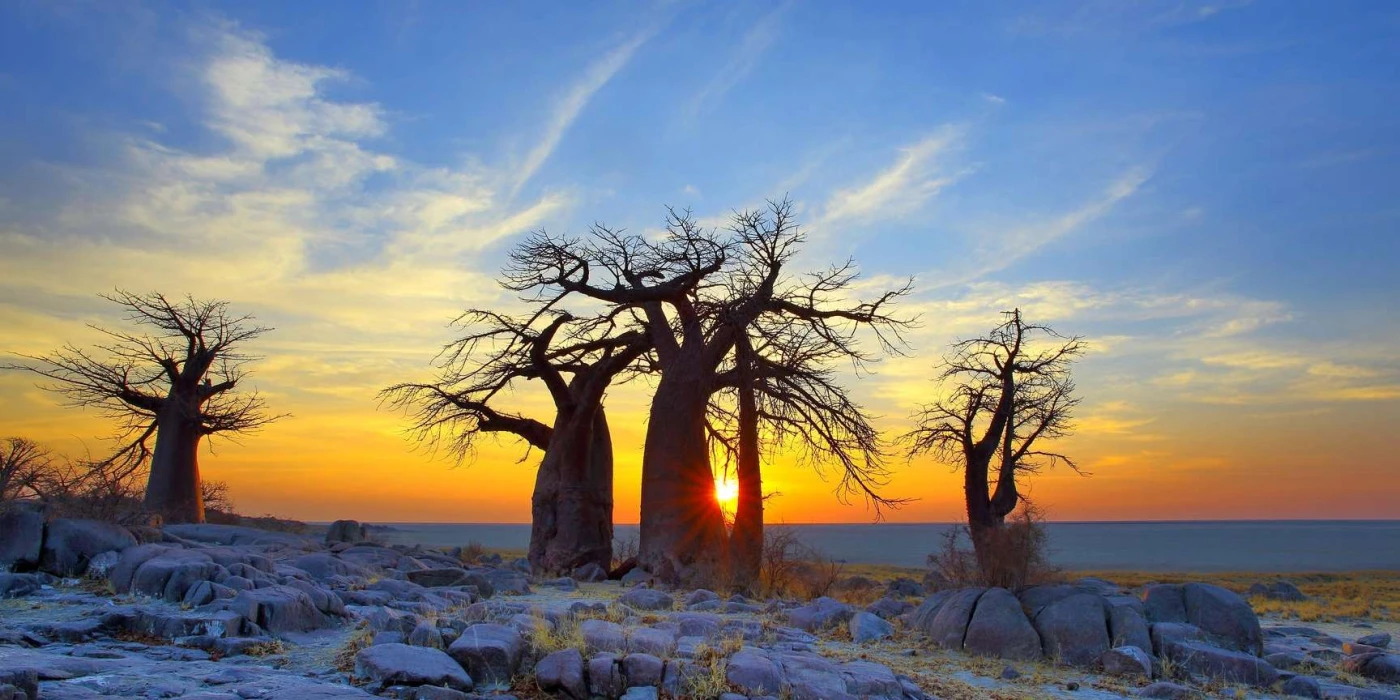
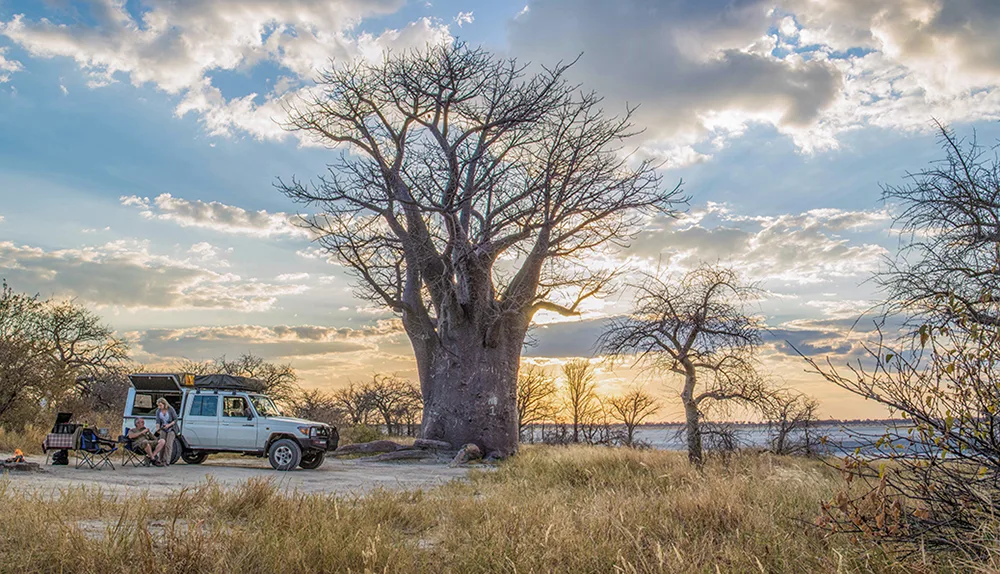
Interspersed among these pans are striking features such as the famous Baines’ Baobabs, a cluster of enormous, ancient baobab trees immortalized in the paintings of the 19th-century explorer Thomas Baines. These baobabs provide not only shade and shelter but also a poignant connection to the region’s historical and cultural heritage.

The terrain is mostly flat and open, offering sweeping vistas and extraordinary opportunities for wildlife viewing and photography. The park’s remote location and minimal development enhance its sense of wildness, making it a sanctuary for both animals and those seeking solitude in nature’s vastness.

Ecological Dynamics: The Pulse of Seasonal Transformation

Nxai Pan’s ecology is defined by its seasonal variability. For much of the year, the park is dry, and life seems scarce across the white salt flats. However, when the rains arrive—usually between November and March—the landscape is transformed. The pans fill with water, and the surrounding grasslands burst into lush green growth.

This seasonal flood stimulates a dramatic influx of wildlife, as herbivores from surrounding regions migrate to Nxai Pan to graze on the fresh grasses and drink from temporary water sources. The park becomes a vibrant hub of activity, with large herds of zebra, wildebeest, and springbok returning annually to exploit this bounty. The migration here may not be as large as the Serengeti’s great migration, but it offers equally compelling scenes of survival and abundance.

Predators such as lions, cheetahs, and wild dogs follow these migrations closely, capitalizing on the concentrated prey. This predator-prey dynamic creates a natural balance and a thrilling spectacle for safari-goers. Unlike more crowded parks, Nxai Pan offers intimate encounters with wildlife, where the drama of the African bush unfolds without the distractions of mass tourism.

Wildlife Richness: A Sanctuary of the Kalahari

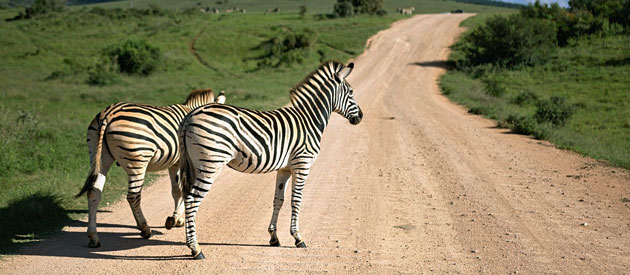
Nxai Pan National Park supports a diverse array of species uniquely adapted to its harsh but rewarding environment. The park is particularly famous for its zebra populations, which gather in large numbers during the wet season, creating stunning visual contrasts against the white pans and green grasslands.

Beyond zebras, the plains support herds of wildebeest and springbok, alongside smaller antelope such as steenbok and kudu. Elephants roam the park, especially in the wooded areas around the pans, while giraffes nibble on acacia trees that dot the landscape.

The carnivore community is robust. Lions, often seen lounging in the shade of the baobabs, are the apex predators here. Cheetahs, with their speed and grace, stalk the open plains, while packs of African wild dogs, one of Africa’s most endangered predators, have been documented within the park, highlighting Nxai Pan’s importance for conservation.

Birdlife is rich and varied, with species ranging from the vibrant lilac-breasted roller to majestic bateleur eagles. The seasonal floods attract large numbers of waterbirds, including flamingos, pelicans, and storks, adding color and life to the shimmering pans.Nxai Pan National Park: Botswana’s Vast Expanse of Salt Pans and Wild Majesty

Cultural and Historical Significance: Echoes Beneath the Baobabs

Nxai Pan’s landscape is steeped in cultural history. The iconic Baines’ Baobabs are not just natural wonders but symbols linking the past with the present. These trees have stood for centuries, witnessing the passage of indigenous peoples, explorers, and the changing African environment.

The park and its surrounds have been home to various indigenous groups, including the San (Bushmen), who have left behind rich rock art and archaeological sites that speak of their deep connection to the land. The San’s intimate knowledge of the harsh Kalahari environment is woven into the fabric of Nxai Pan’s story, reminding visitors that this wilderness has been shaped as much by human history as by natural forces.

Today, efforts are underway to integrate cultural tourism with wildlife conservation, offering visitors the chance to learn about traditional lifestyles while supporting local communities and preserving the environment.

Tourism and Accessibility: An Authentic and Undisturbed Experience

Unlike Botswana’s more famous parks, Nxai Pan National Park remains relatively undisturbed by mass tourism. Its remote location and simple infrastructure mean that visitors are rewarded with a sense of solitude and untouched wilderness. This exclusivity appeals to travelers seeking a more authentic and immersive safari experience.

Game drives across the open pans provide excellent wildlife viewing opportunities, especially during the wet season when animals congregate in large numbers. The vast, open landscapes are ideal for photography, with stunning contrasts and dramatic skies enhancing every shot.

The park’s seasonal nature means that timing your visit is crucial. The wet season offers the most vibrant wildlife displays and lush scenery, while the dry season provides stark beauty and the chance to see animals concentrated around dwindling waterholes.

Accommodations in and around Nxai Pan range from rustic campsites to comfortable lodges, all designed to blend into the environment and minimize impact. This focus on sustainability ensures that tourism benefits conservation and local communities alike.

Conservation Challenges and Opportunities

Nxai Pan National Park faces ongoing challenges typical of protected areas in Africa. Climate variability, human-wildlife conflict, and poaching remain concerns that require vigilant management. However, Botswana’s strong conservation policies and community involvement have helped safeguard the park’s ecosystems.

Collaborative initiatives between government authorities, NGOs, and local communities emphasize sustainable tourism, anti-poaching efforts, and habitat restoration. These efforts are vital to maintaining Nxai Pan’s ecological integrity and ensuring that future generations can experience its wild beauty.

Experience Nxai Pan’s Wild Majesty with WildHorn Africa

Nxai Pan National Park is a unique and compelling destination for those who yearn for the vastness and raw beauty of Africa’s wilderness. Its dramatic salt pans, vibrant wildlife, and cultural heritage offer an unforgettable safari experience far from the crowded trails.

To truly unlock the secrets of Nxai Pan and explore its wild heart responsibly, entrust your journey to WildHorn Africa. With expert guides, tailored itineraries, and a commitment to sustainable travel, WildHorn Africa provides access to the best of Botswana’s wilderness while supporting conservation and local communities.

Book your African tours and safaris today with WildHorn Africa, and discover Nxai Pan National Park — where nature’s cycles create magic in the heart of the Kalahari.

Moremi Game Reserve

Moremi Game Reserve

By Botswana places to visit, Where to go

Moremi Game Reserve: The Jewel of Botswana’s Okavango Delta

Dive Into the Lush Wilderness of Moremi

Nestled within the breathtaking labyrinth of the Okavango Delta lies a sanctuary where wildlife flourishes in one of the most diverse and dynamic ecosystems on Earth — Moremi Game Reserve. Far from the ordinary, Moremi is a sanctuary of life and color, where the dance of water and land creates a paradise unlike any other. This reserve is celebrated for its unique blend of dense mopane woodlands, sweeping floodplains, and winding channels, making it an essential destination for safari lovers seeking the quintessential African wilderness experience.

Moremi is not just another game reserve; it represents a triumph of conservation and community collaboration. It is a place where nature thrives undisturbed, and where visitors can witness the vibrant pulse of Africa’s wildlife tapestry in unparalleled richness. This article delves into the heart of Moremi Game Reserve, exploring its geography, biodiversity, ecological significance, and what makes it a crown jewel in Botswana’s protected areas.

Geographic Majesty: The Heartbeat of the Okavango Delta

Moremi Game Reserve occupies the eastern section of the Okavango Delta, spanning approximately 5,000 square kilometers of wetlands, floodplains, and woodlands. Unlike many other reserves that cover primarily dry land, Moremi’s landscape is shaped profoundly by the annual floodwaters from the Okavango River, which transform the area seasonally into a vast network of islands and waterways.

This dynamic hydrology supports a mosaic of habitats — from permanent lagoons and swamps to dry woodland and savannah — each teeming with distinct flora and fauna. The reserve’s diverse terrain includes the famous mopane forests, lush papyrus fringes, and grassy plains, making it a haven for both aquatic and terrestrial species.

The floodwaters create natural corridors for animals and enable spectacular seasonal migrations, where predators and prey alike follow the rhythms of water and vegetation. This fluidity in the landscape means every visit to Moremi can reveal new sights and experiences, depending on the timing and water levels.

Biodiversity and Wildlife: A Symphony of Life

Moremi Game Reserve boasts some of the richest biodiversity in Southern Africa, making it a premier destination for wildlife enthusiasts. It is home to a remarkable variety of species, including the Big Five — lion, leopard, elephant, buffalo, and rhinoceros — each thriving in the reserve’s unique habitats.

Elephants in Moremi are especially notable for their behavior adapted to the watery environment, often seen wading through channels or feeding on floodplain vegetation. Large herds of buffalo graze the grassy plains, while elusive leopards make use of the dense woodland to stalk their prey. Lion prides roam the floodplains, exhibiting fascinating social dynamics and hunting strategies.

Moremi is also renowned for its exceptional birdlife. Over 400 bird species have been recorded here, including rare and migratory species. Water birds such as the African fish eagle, Pel’s fishing owl, and the colorful malachite kingfisher thrive in the wetlands, while raptors soar above the open plains. Birdwatchers can delight in the vibrant plumage and unique behaviors that the reserve supports throughout the year.

The reserve’s aquatic habitats support hippos, crocodiles, and a myriad of fish species, underscoring the delicate balance between land and water. This blend of terrestrial and aquatic ecosystems creates an extraordinary wildlife spectacle, where every turn reveals a new story of survival and interaction.

Conservation and Community: A Model of Collaborative Stewardship

Moremi Game Reserve’s history is intertwined with one of Africa’s pioneering conservation successes. Established in 1963, it was one of the first reserves in Botswana to incorporate local communities — particularly the BaSarwa (San) people — in its management and protection strategies. This inclusive approach has been vital in balancing conservation goals with the socio-economic needs of the region.

The reserve exemplifies a collaborative stewardship model, where local knowledge and scientific research converge to ensure the sustainable management of natural resources. Anti-poaching efforts, habitat monitoring, and community-based tourism initiatives have helped protect endangered species and maintain the ecological integrity of Moremi.

This partnership between people and nature has not only preserved the wildlife but also fostered cultural pride and economic opportunities for local communities. Visitors to Moremi often have the chance to engage with these communities, gaining insights into traditional lifestyles and conservation philosophies.

The Safari Experience: Immersion in Untamed Beauty

A safari in Moremi Game Reserve offers an unparalleled experience characterized by intimacy with nature and diversity of adventure. Unlike larger parks that may feel more commercialized, Moremi maintains a sense of wildness and exclusivity, with carefully managed camps and lodges that blend seamlessly into the environment.

Game drives reveal a tapestry of animals and landscapes, where the interplay of light and water enhances every encounter. The floodplains offer stunning views of animals congregating at waterholes, while the woodlands provide the thrill of tracking leopards and observing rare antelope species such as the sitatunga and red lechwe.

Water-based safaris add another dimension, allowing visitors to explore the delta’s channels and lagoons by traditional mokoro (dugout canoe) or motorized boat. These excursions provide a tranquil perspective on the ecosystem and unique opportunities to observe birds, hippos, and crocodiles up close.

Walking safaris in Moremi also deliver an intimate connection with the bush, as guides lead guests through tracks and thickets, explaining the nuances of the flora and fauna. These immersive experiences foster a profound respect for the delicate balance of life that defines the reserve.

Why Moremi Stands Apart

Moremi Game Reserve is more than a destination; it is a living mosaic of ecosystem richness, cultural heritage, and conservation triumph. Its location within the Okavango Delta — one of the world’s last great wetland wildernesses — provides a dynamic and ever-changing backdrop for wildlife viewing and discovery.

The reserve’s commitment to community inclusion and ecological preservation makes it a model for sustainable tourism in Africa. It is a place where the visitor’s presence contributes to the protection of a fragile environment and the empowerment of indigenous peoples.

Whether it is the thrill of spotting a rare bird, the awe of witnessing a lion hunt on the floodplain, or the simple peace of drifting silently in a mokoro, Moremi offers experiences that resonate deeply with those who seek authentic and transformative encounters with nature.

Explore With WildHorn Africa

If the vivid landscapes and vibrant wildlife of Moremi Game Reserve call to your adventurous spirit, let WildHorn Africa be your trusted guide. With expert knowledge, personalized itineraries, and a commitment to responsible tourism, WildHorn Africa crafts safaris that bring you face-to-face with the heart of Botswana’s wilderness.

From expertly guided game drives to peaceful water safaris and cultural visits, their tours provide not just sightings but stories — stories of survival, beauty, and connection. By choosing WildHorn Africa, you support conservation efforts and local communities, ensuring that the magic of Moremi endures for generations to come.

Book your African tours and safaris today with WildHorn Africa and step into the living wilderness of Moremi Game Reserve — where every moment is a celebration of life’s extraordinary resilience.

Chobe National Park

Chobe National Park

By Botswana places to visit, Where to go

Chobe National Park: Africa’s Untamed Heart of Wildlife Wonder

Introduction: Enter the Realm of Majestic Giants and Endless Wilds

Imagine a land where the roar of elephants echoes through ancient riverine forests, where vast herds of buffalo thundering across floodplains create an unforgettable spectacle, and where the sunsets paint the sky in fiery hues over a wilderness that pulses with raw, unbridled life. Welcome to Chobe National Park, Botswana’s crown jewel and one of Africa’s most celebrated wildlife sanctuaries. Spanning nearly 11,700 square kilometers, Chobe is a sanctuary of diversity and scale, where the sheer abundance and variety of wildlife define the safari experience in Southern Africa.

Known worldwide for hosting one of the largest concentrations of elephants on the continent, Chobe offers an immersive journey into ecosystems as rich as they are complex. From sweeping savannahs and dense forests to the shimmering waterways of the Chobe River, the park reveals nature’s grandeur in every corner. This article dives deep into Chobe’s landscapes, wildlife, ecological significance, and the unforgettable experiences it offers, while revealing why it remains an essential destination for travelers seeking the true spirit of African wilderness.

Geography and Landscape: A Mosaic of Life-Giving Habitats

Chobe National Park is located in the northern part of Botswana, bordering Namibia, Zambia, and Zimbabwe. It occupies a strategic position in the Chobe River basin, a lifeline that nourishes the park’s rich ecosystems. The landscape is incredibly diverse, combining four distinct ecological zones that together create a vibrant mosaic of habitats.

The southern and western parts of the park are dominated by the Chobe Riverfront, a lush, verdant floodplain lined with towering mahogany and ebony trees. This area supports a dense population of animals, particularly during the dry season when water sources elsewhere dwindle. The riverfront is a magnet for wildlife and the primary location for some of the most iconic safari sightings.

Further inland, the savannah woodland and floodplains provide a contrast of open grasslands dotted with acacias and mopane trees, where large herds of herbivores graze freely. The northern and eastern reaches include dense forests and seasonal wetlands, creating critical habitats for bird species and elusive predators alike.

Water is the key to Chobe’s vitality. Seasonal rains transform the floodplains into sprawling wetlands, supporting a complex food web. The ebb and flow of the river and its tributaries orchestrate life cycles, migrations, and the survival of myriad species — making Chobe a living, breathing testament to nature’s resilience and adaptability.

Wildlife Abundance: The Kingdom of the Elephant and Beyond

Chobe National Park is most famously home to one of Africa’s largest elephant populations, estimated at over 50,000 individuals. These majestic giants gather in extraordinary numbers along the riverfront, providing unrivaled opportunities to observe their social behavior, from matriarch-led herds to playful calves splashing in the water. The sight of elephants wading through the Chobe River, silhouetted by golden sunsets, is an image that captures the essence of African wilderness.

But Chobe’s riches extend far beyond elephants. The park shelters a staggering array of mammals, including massive herds of Cape buffalo, graceful sable antelope, agile impalas, and elusive leopards. Lions reign supreme as apex predators, stalking the grasslands and woodlands in search of prey, while packs of African wild dogs traverse the park’s expanses, exemplifying the park’s ecological balance.

Birdlife enthusiasts will find paradise in Chobe. Over 450 species have been recorded, making it one of the richest birding destinations in Africa. The wetlands attract herons, storks, kingfishers, and the endangered African skimmer, while raptors like the African fish eagle and martial eagle soar overhead. The diversity of habitats supports waterbirds, forest dwellers, and grassland specialists, providing a year-round feast for birdwatchers.

Ecological Importance and Conservation Efforts

Chobe National Park is a cornerstone of the ** Kavango-Zambezi Transfrontier Conservation Area (KAZA TFCA)** — the largest transboundary conservation area in the world, linking parks across five countries. This initiative fosters wildlife corridors and cross-border cooperation, essential for migratory species and genetic diversity.

The park plays a vital role in maintaining the health of regional ecosystems, especially by protecting the Chobe River basin, a critical water source for both wildlife and human communities. Effective anti-poaching efforts and community engagement programs have been central to Chobe’s success in preserving its wildlife populations amidst growing pressures from habitat loss and illegal hunting.

Research projects focused on elephant behavior, predator-prey dynamics, and habitat restoration are ongoing, making Chobe a living laboratory for conservation science. The park exemplifies how sustainable management and local participation can protect biodiversity while supporting economic development through eco-tourism.

The Safari Experience: Immersive Adventures in Wild Africa

A visit to Chobe National Park promises a safari experience unlike any other, defined by the park’s variety and vibrancy. Game drives through the floodplains and woodlands reveal herds of elephants, prides of lions, and elusive leopards moving stealthily in the shade. Guides share expert knowledge of animal behavior, ecology, and local culture, enriching every moment.

Water-based safaris on the Chobe River offer a unique vantage point. Cruising alongside hippos, crocodiles, and waterbirds, visitors witness the park from a perspective both intimate and grand. These boat safaris provide unparalleled photographic opportunities, especially during the golden hours of sunrise and sunset.

Walking safaris add another dimension, allowing visitors to track footprints, listen to the sounds of the bush, and connect with the environment on a primal level. Night drives reveal the park’s nocturnal world — from prowling predators to the glinting eyes of small mammals — painting a fuller picture of the ecosystem’s complexity.

For cultural enrichment, nearby communities offer insights into local traditions, crafts, and sustainable living, creating a holistic safari that embraces nature and people alike.

Why Chobe National Park Should Be on Your Bucket List

Chobe National Park is more than a wildlife sanctuary — it is a place where nature’s power and beauty converge in stunning fashion. The park offers experiences that range from intimate encounters with elephants to panoramic views over vast floodplains, providing something for every kind of traveler.

Whether you are an avid wildlife photographer, a birdwatcher, or someone yearning to witness the authentic African wilderness, Chobe delivers. It balances accessibility with wildness, combining comfort and adventure with a strong conservation ethic.

The scale of its wildlife populations, the diversity of ecosystems, and the richness of its cultural context make Chobe a must-visit destination for anyone seeking the soul of Southern Africa.

Explore Chobe with WildHorn Africa

If Chobe National Park ignites your passion for Africa’s wild heart, the next step is to plan your journey with experts who know the land intimately. WildHorn Africa offers tailor-made tours and safaris that immerse you in Chobe’s stunning landscapes and abundant wildlife, all while supporting sustainable tourism and local communities.

With WildHorn Africa, your safari will be crafted to your interests, whether it’s elephant photography, birdwatching, or cultural exploration. Their commitment to excellence and responsible travel ensures a trip that is memorable, meaningful, and impactful.

Book your African tours and safaris today with WildHorn Africa — and step into the untamed beauty of Chobe National Park, where every moment is a celebration of life in the wild.

Waterberg Plateau Park

Waterberg Plateau Park

By Namibia places to visit, Where to go

Waterberg Plateau Park: Namibia’s Towering Fortress of Wildlife and Wilderness

Discover the Elevated Kingdom of the Wild

Rising abruptly from the arid plains of central Namibia like a natural fortress carved by the gods, the Waterberg Plateau Park is a destination that defies expectation and captures the imagination. This massive sandstone table mountain, rich in color and crowned by lush vegetation, stands in stark contrast to the surrounding savannah — a verdant island in a sea of dust and bush. For centuries, it has been a place of refuge, first for ancient peoples, then for endangered wildlife, and now, for travelers seeking serenity, story, and spectacular biodiversity.

Waterberg is not just a visual marvel; it is a living monument to Namibia’s conservation journey, an ecological stronghold where rare species thrive, history is preserved in red cliffs, and nature unfolds in dramatic fashion. This article will take you on an immersive journey into the heart of Waterberg Plateau Park — exploring its geography, biodiversity, history, and why it stands as one of the most vital and scenic wilderness areas in the entire country.

Geography and Geology: The Red Giant of Namibia

The Waterberg Plateau rises nearly 200 meters above the surrounding plains, creating a natural fortress of red sandstone that stretches over 50 kilometers in length. Its name comes from the spring water that filters through the porous rock, creating unexpected oases and pockets of vegetation even in dry seasons. These water sources feed into lush valleys and ravines, supporting plant and animal life that would otherwise struggle to survive in Namibia’s often harsh environment.

The plateau is geologically ancient, composed primarily of Permian sandstone, shaped by millions of years of wind and water erosion. Its striking red and ochre cliffs stand out vividly against the deep greens of forested slopes and the pale yellows of surrounding grasslands. Atop the plateau, the environment changes dramatically — from thornveld savannah below to dense woodlands and wetlands above. This vertical diversity creates a range of microhabitats that support a surprisingly rich ecological mosaic.

It is this very isolation — both geographically and ecologically — that makes the Waterberg Plateau a perfect natural refuge. The steep cliffs act as barriers, protecting the wildlife on top from human encroachment and allowing endangered species to live and breed in relative safety.Waterberg Plateau Park

A Conservation Stronghold: Protecting the Rare and the Precious

Waterberg Plateau Park was proclaimed a nature reserve in 1972, specifically to provide sanctuary for some of Namibia’s most endangered species. It was one of the first areas in the country where active conservation and wildlife reintroduction efforts were implemented. Today, it serves as both a biodiversity hotspot and a conservation success story, a living example of what targeted environmental protection can achieve.

The park is home to a variety of rare and reintroduced species. These include black and white rhinoceroses, Cape buffalo, sable and roan antelope, and the elusive tsessebe — all thriving within the plateau’s protected heights. These species are difficult to find in other parts of Namibia, making Waterberg a unique location for viewing animals that are both beautiful and ecologically significant.

The park also plays an important role as a genetic reservoir, contributing to Namibia’s broader conservation efforts through breeding programs and the relocation of healthy individuals to other reserves. Its management model combines scientific monitoring with minimal human interference, creating an environment where wildlife can flourish naturally but under expert supervision.

Unlike the open savannah parks, where tourism often dominates, Waterberg remains a place where conservation takes precedence. This makes a visit here not only visually rewarding but ethically inspiring — you are witnessing nature not staged for tourism, but protected for the future.

Flora and Fauna: A Lush Plateau Teeming With Life

The Waterberg Plateau supports an incredible diversity of flora due to its unusual topography and year-round water availability. More than 500 plant species have been recorded here, ranging from aloes and acacias to thick hardwoods and wild figs. The difference in elevation and moisture creates stark ecological contrasts — dry, sunlit plains below give way to cool, shaded forests above, a phenomenon rare in Namibia’s desert-dominated landscape.

Birdlife is equally impressive. Over 200 bird species have been spotted in the park, including raptors like the African hawk-eagle, black eagle, and gymnogene. The plateau’s cliffs offer ideal nesting sites, while the woodlands provide shelter for colorful species like the Hartlaub’s francolin, Rüppell’s parrot, and Monteiro’s hornbill. Birdwatchers and ornithologists find Waterberg an exceptional destination due to the high concentration of endemic and near-endemic species.

The plateau also shelters a range of reptiles, amphibians, and small mammals — from bush babies and rock dassies to snakes and lizards uniquely adapted to life among the rocks. Each organism plays a role in the plateau’s finely balanced ecology, reminding visitors that even in a land of giants, the smallest lives carry immense importance.

Cultural Heritage: A Mountain of Memory and Resistance

Waterberg is not just a sanctuary for wildlife — it is also a place steeped in human history, particularly the legacy of the Herero people. In 1904, the plateau became the site of one of Namibia’s most tragic and defining historical events — the Battle of Waterberg, where German colonial forces attacked the Herero, sparking a genocide that devastated their population and culture.

The steep escarpments and dense bush of the plateau once offered refuge to fleeing Herero families, many of whom perished in the surrounding desert during their flight. Today, memorials and interpretive signage within the park commemorate this dark chapter of Namibia’s past, offering visitors a sobering reminder that the land remembers even when people forget.

Cultural tours in the surrounding communities help keep this history alive, sharing stories of resistance, survival, and the enduring connection between the Herero people and the plateau. By walking these lands, travelers don’t just see a park — they touch the emotional and historical bedrock of a nation.

Experiencing Waterberg: A Wilderness Above the World

A visit to Waterberg Plateau Park offers a unique blend of natural immersion, historical reflection, and personal renewal. Guided hikes to the top of the plateau offer not only jaw-dropping views but also the thrill of encountering rare wildlife in their secluded habitat. The trails wind through forests, along cliff edges, and into hidden valleys where silence reigns and the world below seems far away.

For those less inclined to hike, game drives on the lower slopes reveal abundant wildlife and varied vegetation zones. The park’s natural springs and pans often attract animals during the dry months, allowing for excellent photographic opportunities without the crowds common in larger national parks.

Evenings at the park’s campsites and lodges are tranquil, with the red cliffs glowing in the last light and the night filled with the sounds of nature. Stars shine brighter here, the air feels cleaner, and time itself seems to slow — allowing for a deeper kind of rest that only true wilderness can provide.

Waterberg is not a destination for checklist tourists. It is for those who want to connect, contemplate, and experience Namibia from a higher perspective — physically, emotionally, and ecologically.

Conservation in Action: A Model for the Future

As environmental pressures increase across Africa, Waterberg Plateau Park stands as a beacon of what intelligent, forward-thinking conservation can accomplish. By focusing on species recovery, ecosystem restoration, and limited, responsible tourism, the park shows that protection and access are not mutually exclusive. It is a working model of coexistence, where wildlife thrives and people benefit through education, employment, and cultural exchange.

The Namibian government, along with global conservation partners, continues to invest in the park’s infrastructure and scientific research, ensuring that Waterberg will not just survive, but lead the way in modern ecological guardianship. For travelers, this means that every visit contributes not just to personal enrichment, but to the long-term sustainability of one of Namibia’s most precious places.

Why Waterberg Plateau Park Belongs on Your Journey

In a land of deserts, Waterberg is a miracle of elevation, water, and life. It is a place where rare species are saved, histories are honored, and nature is allowed to simply be. Its towering cliffs, vibrant ecosystems, and cultural resonance create an experience that is not just beautiful, but profound.

Whether you’re a nature lover, a historian, a photographer, or a curious soul, Waterberg offers something more than just another stop on your itinerary — it offers a moment of awe, a space for reflection, and a tangible connection to a land both ancient and enduring.

Experience Waterberg with WildHorn Africa

If the towering splendor of Waterberg Plateau Park has stirred your spirit, let WildHorn Africa guide you into its depths and heights. With expertly curated tours, deep local knowledge, and a passion for conservation, WildHorn Africa ensures that your journey is immersive, responsible, and unforgettable.

From guided hikes to game viewing, historical insights to ecological wonder, their customized safaris open the door to one of Namibia’s most captivating landscapes. Book your African tours and safaris today with WildHorn Africa, and ascend into the heart of Waterberg — where wilderness, wildlife, and wonder converge in unforgettable harmony.

Close Menu