search
Silverback gorilla trekking Mgahinga

Silverback gorilla trekking Mgahinga

By Travel stories and blogs, Luxury holidays, Primate holidays, Safari holidays, Uganda travel guides

Silverback Gorilla Trekking Mgahinga

A Call from the Misty Highlands

At the edge of Uganda’s southwestern frontier, where ancient volcanic peaks rise majestically and clouds weave veils of mystery across the slopes, lies Mgahinga Gorilla National Park, a sanctuary where earth and sky seem to meet in solemn embrace. Within this dramatic landscape, the extraordinary experience of silverback gorilla trekking in Mgahinga awaits—a journey that draws adventurers into the heart of one of nature’s most powerful and moving encounters.

Unlike ordinary wildlife safaris, trekking through Mgahinga is not about observation from a distance. It is about entering the silverback’s domain, following winding trails through bamboo forests, volcanic craters, and montane woodlands until, suddenly, the forest stirs with life and the towering figure of a silverback gorilla emerges. The moment is both humbling and electrifying. It is as though the wilderness itself has opened its arms to reveal its guardian and its heart.

To those who undertake this journey, the silverback is not merely a gorilla. He is a leader, a protector, and a living symbol of resilience. His presence redefines what it means to connect with the wild, blending raw power with profound gentleness. The trek becomes a rite of passage, a test of endurance and spirit, and a reminder of humanity’s place in the greater story of life.

Mgahinga Gorilla National Park: A Jewel of the Virunga Range

Nestled within the Virunga Mountain Range, Mgahinga Gorilla National Park is Uganda’s smallest national park, covering only 33.7 square kilometers. Yet what it lacks in size, it more than compensates for in grandeur and significance. Shared across the borders of Uganda, Rwanda, and the Democratic Republic of Congo, this volcanic chain forms one of the most biologically rich and visually striking landscapes in Africa.

The park’s terrain is dominated by three extinct volcanoes—Mount Muhabura, Mount Sabyinyo, and Mount Gahinga—each cloaked in lush vegetation that shifts dramatically with altitude. From lowland forests to bamboo groves, from montane woodlands to Afro-alpine zones, the diversity of habitats supports an astonishing variety of flora and fauna.

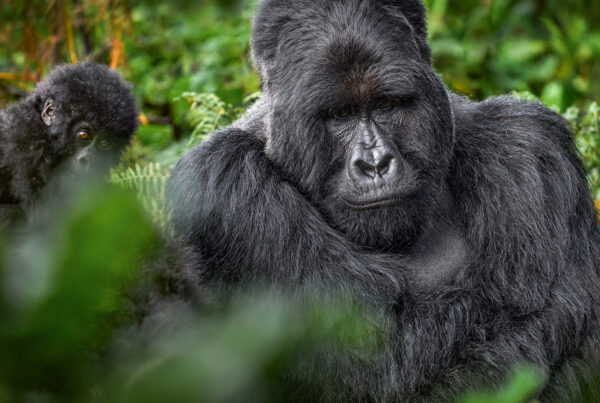
Among these natural wonders, the mountain gorilla reigns supreme. In Mgahinga, trekkers are given the rare privilege of meeting the Nyakagezi gorilla family, a group led by a formidable silverback whose leadership ensures stability and harmony within the troop. The family’s relatively stable home range within the park makes it a particularly rewarding destination for those seeking intimate encounters.

Mgahinga is not just about gorillas. It is a crossroads of nature and culture, home to the Batwa pygmies, an indigenous people whose ancestral ties to the forest stretch back centuries. To trek in Mgahinga is therefore to journey not only into the realm of gorillas but into the living heritage of Africa’s ancient highlands.

The Silverback Gorilla: Master of the Highlands

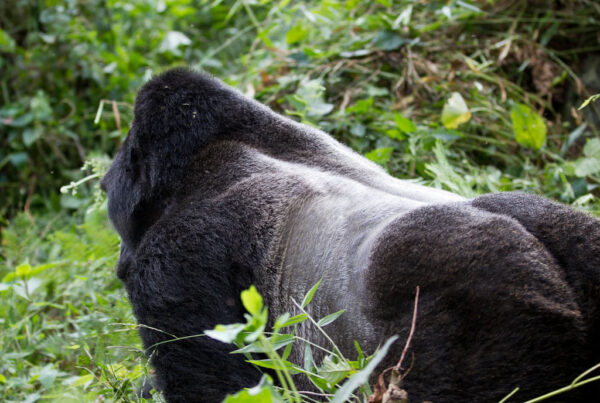
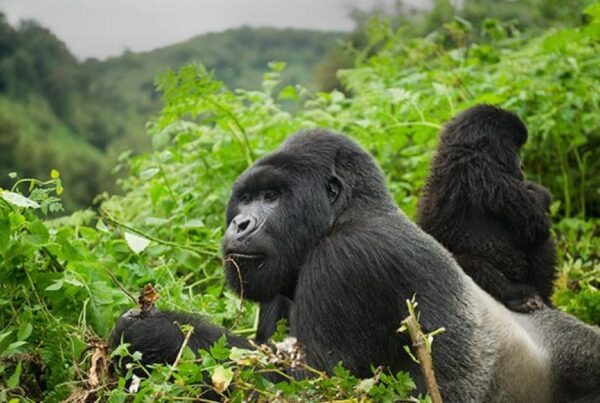
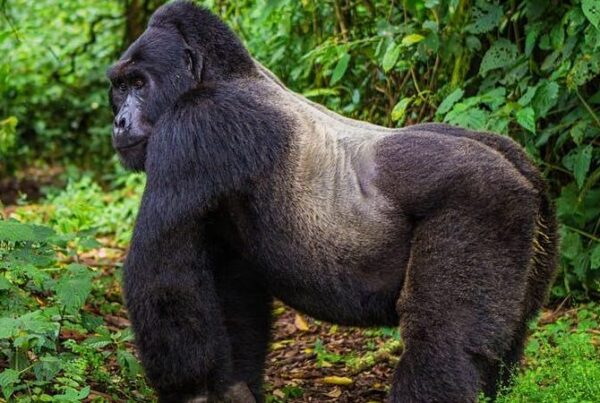
A silverback gorilla is the mature male leader of a gorilla family, distinguished by the silver-gray saddle of hair that adorns his back. Weighing up to 180 kilograms, with a broad chest, muscular arms, and a presence that dominates the forest, the silverback commands attention and respect. His role, however, goes beyond physical power.

The silverback is the family’s protector, strategist, and decision-maker. He leads his group in search of food, safeguards them from threats, and maintains social harmony within the troop. His authority is respected, but it is not absolute. It is earned through acts of care, wisdom, and responsibility.

The paradox of the silverback lies in his dual nature. He can unleash thunderous displays of dominance—beating his chest, roaring, and charging when danger looms—yet he can also be seen gently cradling infants or allowing young gorillas to climb playfully upon him. This balance of strength and tenderness is what makes the silverback not just a leader but a symbol of guardianship and resilience.

For trekkers, to stand in the presence of such a figure is profoundly moving. The gaze of a silverback is deep and unflinching, carrying a recognition that transcends species. It is a moment when the barriers of language and biology seem to fall away, replaced by a silent communion of kinship and respect.

Preparing for the Trek: Anticipation and Readiness

The journey to meet the silverback in Mgahinga begins with careful preparation. A gorilla trekking permit, regulated by the Uganda Wildlife Authority, is required. These permits are limited in number, ensuring that the gorillas are not overwhelmed by human presence and that conservation efforts are maintained at the highest standards.

On the morning of the trek, visitors gather at the park headquarters for a detailed briefing. Rangers outline the rules of conduct, emphasizing the importance of maintaining a safe distance, minimizing noise, and respecting the one-hour time limit allowed with the gorillas. Health precautions are also highlighted, as gorillas are highly susceptible to human-borne diseases.

Physical readiness is essential. The trails in Mgahinga weave through steep volcanic slopes, tangled vegetation, and at times slippery bamboo groves. Altitude adds to the challenge, with the park ranging from 2,227 to over 4,127 meters above sea level. Stamina, patience, and determination become the traveler’s true companions.

Yet the trek is not merely a physical endeavor. It is equally an emotional and spiritual preparation. The anticipation of meeting the silverback stirs excitement, while the solemnity of entering his realm evokes reverence. Each step becomes part of a pilgrimage into one of the last strongholds of the wild.

The Trekking Experience: Into the Silverback’s Domain

The trekking experience in Mgahinga unfolds like a story written by the forest itself. The first chapters are marked by the rhythm of footsteps on soft earth, the rustle of bamboo, and the chorus of birds. The forest is alive with movement and sound—the chatter of golden monkeys, the distant call of a turaco, the flutter of butterflies through shafts of sunlight.

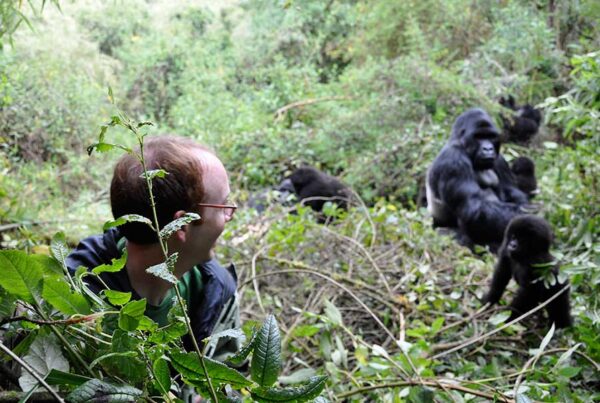
Hours may pass in search, guided by expert trackers who follow signs of the gorillas’ recent presence: bent bamboo shoots, nests from the previous night, or fresh dung. Then, as though scripted by fate, the moment arrives. The trackers signal quietly, and the forest holds its breath.Silverback gorilla trekking Mgahinga

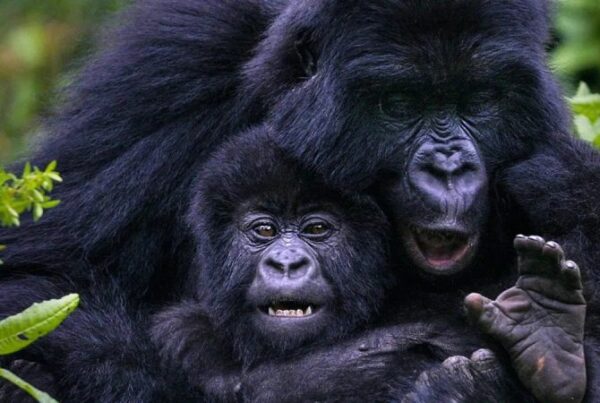
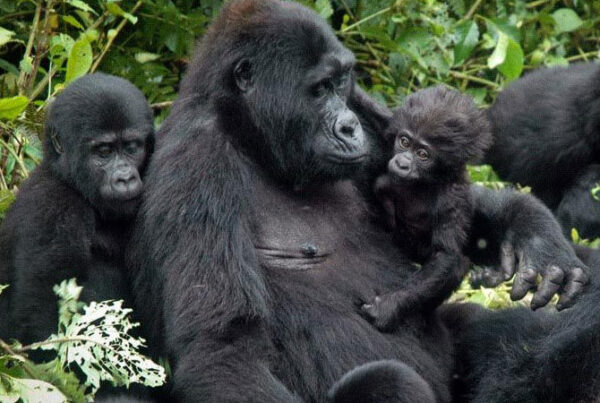
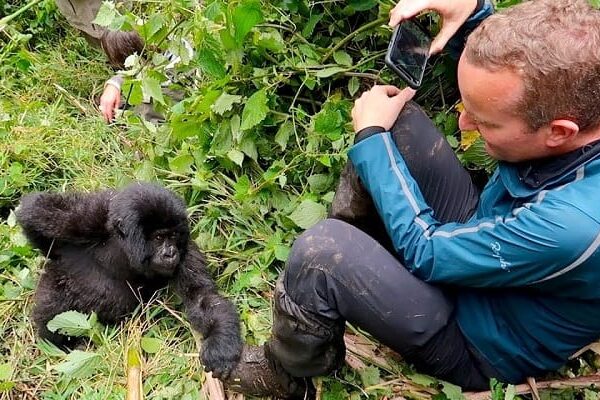
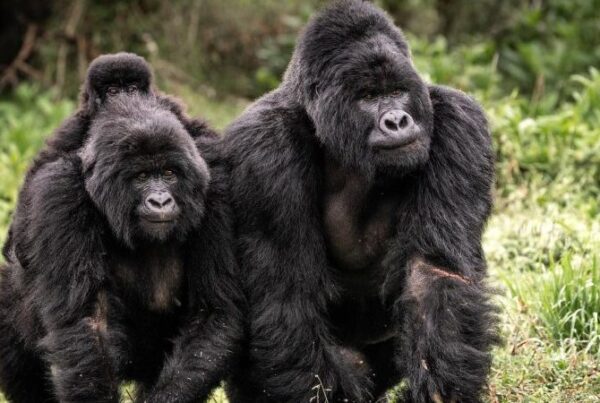
Suddenly, the silverback emerges. His form towers above the undergrowth, his back glistening silver in the filtered light. Around him, the family moves with ease, mothers nursing infants, juveniles tumbling in playful abandon, adolescents mimicking their leader’s gestures. The scene is one of harmony, overseen by the steady authority of the silverback.

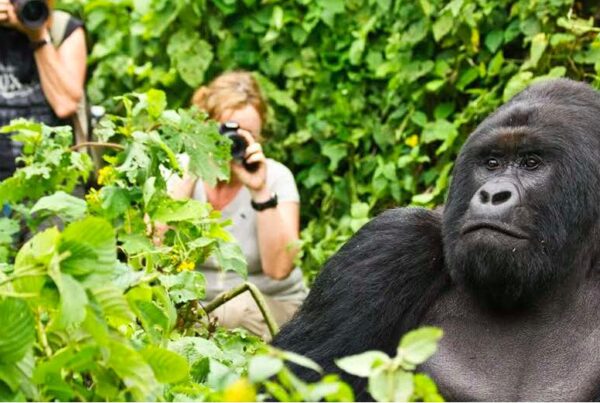
For one unforgettable hour, trekkers are absorbed into this world. The silverback may glance briefly, his eyes holding both caution and calm, acknowledging the presence of visitors without hostility. Cameras may capture images, but no photograph can truly convey the weight of that gaze, the aura of power balanced with serenity. It is a moment that lingers in memory long after the forest is left behind.

Challenges and Rewards of Mgahinga Trekking

Trekking in Mgahinga is not without challenges. The volcanic slopes can be unforgiving, the bamboo forests dense and slippery, and sudden mountain rains capable of transforming paths into rivers of mud. Fatigue, altitude, and the unpredictability of gorilla movements add to the difficulty.

Yet it is precisely these challenges that make the encounter so deeply rewarding. The effort, the endurance, and the perseverance forge a sense of achievement that amplifies the awe of standing before a silverback. The forest itself offers countless rewards along the way—sweeping vistas from volcanic ridges, encounters with rare bird species, and the haunting beauty of a landscape shaped by both fire and time.

The triumph of the trek is not only in seeing the silverback but in earning the encounter. The journey becomes part of the memory, woven into the fabric of the experience.

Conservation: Safeguarding the Future of Silverbacks

The survival of silverback gorillas in Mgahinga is a testament to the success of dedicated conservation efforts. Once pushed to the brink of extinction, mountain gorillas have seen gradual population recovery thanks to the collaboration of governments, conservation organizations, and local communities.

Revenue from trekking permits plays a crucial role. Funds support anti-poaching patrols, veterinary interventions, and habitat protection. Equally important, a portion of the revenue is shared with surrounding communities, ensuring that local people benefit directly from conservation. Schools, clinics, and infrastructure projects testify to the positive impact of gorilla tourism.

Community involvement has been transformative. The Batwa, once forest dwellers, have been integrated into tourism initiatives, offering cultural experiences and sharing their ancestral knowledge with visitors. Former poachers have become guides and porters, their livelihoods now tied to the survival of the gorillas they once threatened.

Despite these achievements, challenges remain. Population growth, habitat encroachment, and the ever-present threat of disease require constant vigilance. The silverback’s survival depends not only on conservation policy but on the continued commitment of humanity to safeguard the natural world.

Cultural and Spiritual Dimensions of Mgahinga

Gorilla trekking in Mgahinga is not only a biological encounter but also a cultural and spiritual journey. To the Batwa, gorillas embody the spirit of the forest, guardians whose presence ensures balance within nature. Traditional stories describe them as wise beings, revered for their strength and resilience.

For visitors, the encounter resonates on a profound emotional level. The silverback becomes more than a gorilla; he becomes a mirror reflecting values of leadership, family, and unity. The trek invites reflection on humanity’s relationship with nature, reminding us of our shared origins and our shared responsibilities.

The misty volcanoes, the silence of the bamboo forests, and the solemn gaze of the silverback create an atmosphere that transcends the ordinary. Many describe the experience as spiritual, a communion with the wild that stirs both reverence and humility.

Best Time to Experience Silverback Trekking in Mgahinga

Mgahinga can be visited year-round, yet the dry seasons—from June to August and from December to February—offer the most favorable conditions. Trails are more accessible during these months, though rain remains a possibility in this highland climate.

During the wetter months of March to May and September to November, trekking becomes more challenging due to muddy conditions, but the forest takes on a lush vibrancy, and the chances of solitude are higher as fewer visitors arrive.

Regardless of the season, the encounter remains unparalleled. The silverback is not bound by weather or calendar, and each trek carries its own unique rewards.

A Journey Beyond Wilderness

Silverback gorilla trekking in Mgahinga is not an ordinary adventure; it is a profound pilgrimage into the heart of the wild. It is a journey across volcanic slopes and bamboo groves, a test of endurance, and an encounter with one of the most powerful yet gentle beings on earth.

At its core lies the silverback, the guardian of the highlands, whose life embodies resilience, leadership, and unity. To meet him is to stand in the presence of nature’s grandeur distilled into a single being, to experience humility in the face of majesty, and to leave with a renewed sense of connection to the living world.

For those who dream of this extraordinary encounter, the path to Mgahinga awaits. To ensure that the journey is guided with expertise, enriched with cultural depth, and carried out with respect for conservation, it is strongly recommended to book African tours and safaris with WildHorn Africa, a trusted partner in unlocking the wonders of the continent and safeguarding the future of its majestic silverbacks.

Gorilla Trekking in Mgahinga: What to Expect

Gorilla Trekking in Mgahinga: What to Expect

By Travel stories and blogs, Luxury holidays, Primate holidays, Safari holidays, Uganda travel guides

Gorilla Trekking in Mgahinga: What to Expect

The Call of the Gorillas

Hidden in the misty folds of southwestern Uganda, where volcanoes kiss the skies and dense montane forests whisper with ancient secrets, lies Mgahinga Gorilla National Park. This small but profound park, part of the great Virunga Conservation Area, is one of the most enchanting places on earth to encounter the endangered mountain gorillas. Trekking in Mgahinga is more than a mere wildlife activity; it is a journey into the soul of nature, an opportunity to stand in the silent presence of giants whose existence is delicately balanced between survival and extinction.

The allure of gorilla trekking here lies in its intimacy and exclusivity. Unlike the more frequented Bwindi Impenetrable Forest, Mgahinga offers a quieter, more personal experience where the trek is not only about finding gorillas but also about immersing oneself in an environment sculpted by fire, time, and life itself. Visitors often arrive with questions: What should be expected? How challenging is the trek? What emotions arise in the company of a gorilla family? The answers lie in the journey itself, and in the stories the forest whispers with each step taken into its shadows.

The Mystique of Mgahinga Gorilla National Park

Mgahinga is Uganda’s smallest national park, covering a modest 34 square kilometers, yet its ecological and cultural significance far surpasses its size. Nestled within the Virunga Mountain Range, the park is crowned by three iconic extinct volcanoes: Mount Muhabura, Mount Gahinga, and Mount Sabyinyo. These towering guardians rise dramatically, their slopes cloaked in bamboo forests, montane woodland, and afro-alpine vegetation, creating a sanctuary not only for gorillas but also for golden monkeys, forest elephants, and a rich variety of birds.

What makes Mgahinga truly distinctive is its position within the tri-border region of Uganda, Rwanda, and the Democratic Republic of Congo. The gorillas that reside here roam freely across these political boundaries, embodying the essence of nature’s disregard for human-made borders. The park is part of the wider Virunga Conservation Area, a transboundary haven that shelters nearly half of the world’s remaining mountain gorillas.

The sense of mystique in Mgahinga arises not just from its wildlife but also from its cultural heritage. For centuries, the Batwa pygmies, one of Africa’s oldest indigenous tribes, lived in these forests as hunter-gatherers. Their knowledge of the land and its spirits adds an almost mythical depth to the trekking experience, as visitors retrace paths that once served as lifelines for these forest dwellers.

Preparing for the Trek: Physical and Emotional Readiness

Before one even sets foot on the trail, the journey to Mgahinga demands a preparation that is both physical and emotional. Trekking through volcanic terrain at high altitudes requires stamina, and though the trek lengths vary, they can extend for hours, depending on the gorilla family’s location on any given day. The park rangers ensure that participants are briefed, emphasizing safety, respect for wildlife, and the environmental ethics of trekking.

The anticipation builds in the early morning hours when trekkers gather at the Ntebeko Visitor Center. It is here that guides explain the day’s trek, the behavior of gorillas, and the regulations that must be followed. One of the most important aspects is the one-hour rule, which allows trekkers to spend no more than sixty minutes with the gorillas once they are located. This limitation is not to deny visitors but to safeguard the gorillas, protecting them from stress and overexposure to human presence.

Emotionally, the trek demands humility and patience. The gorillas may be deep within bamboo thickets or high up on volcanic slopes, and reaching them is never guaranteed. This unpredictability is what transforms the trek from a mere activity into a profound pilgrimage—one where the reward is not only the sighting of gorillas but also the lessons of resilience, silence, and endurance that the forest imparts along the way.

The Trekking Experience: Into the Gorilla Realm

As the trek begins, the forest reveals itself in layers. The lower slopes are dominated by thick bamboo stands, their hollow stems rattling softly in the wind, while higher up, the vegetation transforms into dense afro-montane forest. The air is crisp, scented with earth and moss, and the occasional birdcall pierces the quiet. Each step feels like a movement deeper into a realm where time flows differently, governed not by human schedules but by the rhythms of nature.

The silverback gorilla, the mighty leader of the family, is the primary figure that trekkers long to behold. In Mgahinga, the habituated Nyakagezi family, known for its relatively large size and playful juveniles, provides the most consistent encounters. This family has a fascinating history of wandering across borders, but in recent years it has chosen to make Mgahinga its stable home, offering visitors reliable opportunities for interaction.

The moment of first sighting is transformative. A sudden rustle, the breaking of bamboo stems, and then the unmistakable presence of gorillas appear. The silverback may be seen lounging in a clearing, his immense frame radiating calm authority, while mothers cradle their infants, and youngsters tumble in playful abandon. The forest grows silent except for the sounds of gorillas chewing, communicating through low grunts, or occasionally beating their chests in displays of power.

To stand just meters away from these beings, connected to humanity by 98% of DNA, is to feel a kinship that transcends species. Their eyes, intelligent and expressive, reflect emotions familiar to our own—curiosity, caution, affection, and even mischief. It is in this moment that trekkers often realize the true meaning of conservation, for the survival of gorillas is not merely an ecological duty but a shared responsibility of kinship.

Challenges and Rewards of Gorilla Trekking

Trekking in Mgahinga is not without its challenges. The rugged volcanic terrain can test even seasoned hikers, with steep ascents, slippery trails, and the unpredictability of weather. Mist can descend suddenly, cloaking the forest in near darkness, while rain can turn paths into muddy streams. Yet, these challenges are inseparable from the rewards, for it is through endurance that the experience gains its profound depth.

The greatest reward is not simply in seeing the gorillas but in earning the encounter. Every drop of sweat, every breathless climb, and every stumble on the trail transforms into a memory once the gorillas are finally found. The forest itself becomes a reward too, offering moments of unexpected beauty: a dazzling sunbeam piercing the canopy, the haunting cry of a turaco, or the delicate bloom of an alpine flower.

The reward also carries a sense of purposeful contribution. Gorilla trekking is not an exploitative activity; the permit fees collected directly support conservation and community development. By trekking, visitors contribute to the protection of these endangered giants and the empowerment of local communities whose livelihoods are interwoven with the survival of the forest.

Conservation and Community: The Broader Impact

Gorilla trekking in Mgahinga is inseparable from the larger story of conservation. The mountain gorilla, once on the brink of extinction, has made a slow but steady recovery thanks to dedicated conservation efforts. The Uganda Wildlife Authority, in collaboration with international partners, has implemented strict regulations, anti-poaching patrols, and veterinary interventions to safeguard gorilla populations.

Equally vital is the involvement of local communities. Revenue from trekking permits is shared with communities, funding schools, health clinics, and infrastructure that improve lives and reduce dependence on destructive practices such as logging or poaching. The Batwa community, once evicted from the forest, is now increasingly included in tourism initiatives, offering cultural encounters that preserve their traditions while providing alternative livelihoods.

The broader impact of gorilla trekking extends beyond Uganda. The survival of mountain gorillas is a global victory, a testament to what can be achieved when conservation is prioritized. Each visitor who treks in Mgahinga becomes part of this story, carrying away not just memories but also a deeper awareness of the fragile interconnectedness of life.Gorilla Trekking in Mgahinga: What to Expect

What Awaits Beyond Gorillas: The Diversity of Mgahinga

Though gorillas are the undeniable highlight, Mgahinga offers much more for those willing to explore further. The park is also a sanctuary for the rare golden monkeys, small primates with striking golden-orange fur and playful temperaments. Trekking to see them provides a contrasting experience to gorilla tracking, highlighting the park’s biodiversity.

For adventurous spirits, climbing the park’s volcanoes presents unforgettable challenges and rewards. Mount Muhabura, the highest of the three, rewards climbers with panoramic views stretching to Rwanda and the Democratic Republic of Congo. Mount Sabyinyo, whose jagged peaks form a natural tri-border point, offers the thrill of standing in three countries at once. Each hike unveils landscapes of incredible beauty, from crater lakes to alpine meadows.

Birdwatchers find paradise here too, with over 180 species recorded, including the regal crowned crane, Rwenzori turaco, and handsome francolin. The diversity of habitats ensures that every corner of the park holds a surprise, reinforcing Mgahinga’s identity as more than just a gorilla destination—it is a tapestry of life.

The Spiritual and Emotional Resonance of Trekking

Perhaps the most enduring aspect of gorilla trekking in Mgahinga is not physical but spiritual. Visitors often describe a profound sense of connection, humility, and even transformation after the encounter. In the silence of the forest, with gorillas moving gracefully within their natural world, one realizes the fragility of life and the strength of coexistence.

The trek becomes an inner journey, an act of reflection as much as exploration. The struggles of the gorillas mirror humanity’s own struggles for survival, security, and harmony. The sight of a mother protecting her infant, or a silverback safeguarding his family, resonates with universal values of love, responsibility, and leadership. These lessons endure long after the trek is over, carried home as intangible yet powerful souvenirs.

Best Time to Trek and Practical Considerations

While Mgahinga can be visited year-round, the dry seasons, from June to August and December to February, are generally considered the best times for trekking. Trails are less slippery, visibility is clearer, and the chances of comfortable trekking are higher. However, the forest’s unpredictability means that rain showers can occur even during the dry months, so preparedness is essential.

Permits are limited and must be secured in advance through the Uganda Wildlife Authority or reputable tour operators. Accommodation options range from luxury lodges with stunning volcano views to community-run guesthouses that immerse visitors in local culture. Whatever the choice, the hospitality of the Ugandan people enriches the journey, making every moment welcoming and warm.

A Journey Beyond Expectation

Gorilla trekking in Mgahinga is an experience that transcends the ordinary. It is not simply about seeing gorillas; it is about immersing in a landscape of wonder, engaging with a narrative of survival, and contributing to a cause larger than oneself. The challenges of the trek fade quickly, replaced by memories of gazes exchanged with gorillas, of mist rolling over volcanic peaks, and of the quiet realization that nature’s grandeur is both humbling and uplifting.

What one should expect is not just a wildlife encounter but a life encounter. To walk in Mgahinga’s forests is to step into a story written by time, resilience, and coexistence. The gorillas are its main characters, but every tree, bird, and cloud contributes to the unfolding drama.

For those who dream of experiencing the heart of Africa, where wilderness remains pure and encounters are profoundly intimate, Mgahinga is a destination beyond compare. To ensure that this journey is seamless, enriching, and guided by experts who understand both the land and its spirit, it is highly recommended to book your African tours and safaris with WildHorn Africa, a trusted partner in unlocking the magic of the continent.

silverback gorilla trekking in Bwindi

silverback gorilla trekking in Bwindi

By Travel stories and blogs, Luxury holidays, Primate holidays, Safari holidays, Uganda travel guides

Silverback Gorilla Trekking in Bwindi

Meeting the Kings of the Forest

High in the mist-covered mountains of southwestern Uganda, where the canopy forms an unbroken sea of green and ancient forests guard secrets untold, a once-in-a-lifetime journey awaits—silverback gorilla trekking in Bwindi Impenetrable National Park. This is not merely an adventure; it is an immersion into one of the most extraordinary wildlife encounters on earth, a meeting with the mighty silverback gorillas whose presence embodies both strength and serenity.

To step into Bwindi’s dense rainforest is to enter a world shaped by time, resilience, and coexistence. The thick vegetation, the symphony of birds, the distant calls of primates, and the heavy scent of damp earth prepare the soul for a moment that cannot be forgotten—the instant when a silverback gorilla emerges from the shadows, towering yet composed, leading his family with authority that is both commanding and compassionate.

Visitors arrive with expectations of witnessing gorillas, but what they find is far deeper: an understanding of leadership in its purest form, a connection to one of humanity’s closest relatives, and a profound sense of humility before the guardians of Bwindi’s forests.

Bwindi Impenetrable National Park: The Sanctuary of Giants

Designated a UNESCO World Heritage Site, Bwindi is more than a national park; it is a living relic of Africa’s primeval forests. Covering 331 square kilometers, its terrain is rugged, its slopes steep, and its vegetation astonishingly dense. The park lies within the Albertine Rift, one of the most biologically diverse regions in the world, hosting more than 350 bird species, 120 mammal species, and countless plants found nowhere else on earth.

Among this staggering biodiversity, the mountain gorillas stand as the park’s greatest treasure. Nearly half of the world’s remaining mountain gorillas live here, making Bwindi the epicenter of gorilla trekking tourism. The park is divided into four regions—Buhoma, Ruhija, Rushaga, and Nkuringo—each offering access to habituated gorilla families and each providing a unique gateway into the heart of the forest.

Bwindi’s forest has often been described as impenetrable, and indeed, the word captures its essence. Massive mahoganies, tangled vines, moss-covered rocks, and dense undergrowth create a living labyrinth where only the most patient and resilient can persevere. Yet it is within this labyrinth that the silverback gorilla thrives, and it is here that trekkers are invited to share in a story of survival and majesty.

The Silverback Gorilla: Leader and Protector

The silverback gorilla is not a different species but rather the mature male gorilla who has reached a stage of physical and social dominance. Between the ages of twelve and fifteen, the hair on his back and hips turns to a striking silver-gray, marking his transition into leadership. His size is immense, often reaching up to 180 kilograms, his arms longer than his legs, his chest broad and powerful.

Yet the essence of a silverback lies not only in his strength but in his responsibility. He is the central figure of his troop, the decision-maker and protector who guides his family through the forest. His authority is unquestioned, his every movement followed by mothers, juveniles, and infants who depend on his wisdom for survival.

The silverback embodies a paradox—capable of unleashing fearsome displays of power when threatened, yet equally capable of the gentlest acts of care. Infants are often seen climbing onto his back, young ones play near his protective presence, and females rely on his strength to keep harmony within the group. Leadership among silverbacks is not enforced by fear but by trust and respect, qualities that resonate deeply with those who are privileged to observe them in the wild.

Preparing for the Trek: Readiness of Body and Spirit

The journey to meet a silverback gorilla in Bwindi begins long before entering the forest. Visitors are required to obtain permits, strictly regulated to ensure the protection of the gorillas and to limit human impact. On the morning of the trek, participants gather at the designated trailhead for a briefing led by Uganda Wildlife Authority rangers. Here, rules are emphasized, particularly the one-hour time limit allowed with the gorillas, a measure designed to minimize stress and potential disease transmission.

Physically, the trek demands endurance. Bwindi’s terrain is steep and unpredictable, with trails that may require climbing, sliding, or wading through thick vegetation. The altitude, which ranges from 1,160 to over 2,600 meters, adds to the challenge. Emotionally, the trek requires patience and humility. Gorillas do not move according to human schedules, and reaching them may take hours of determined effort.

It is this unpredictability that transforms the trek from a simple excursion into a true pilgrimage. Each step is a commitment to the journey, each obstacle an initiation, and the eventual encounter a reward of immeasurable worth.

The Trekking Experience: Into the Realm of Gorillas

Once the forest opens and the trackers signal the proximity of a gorilla family, anticipation rises sharply. The sounds of breaking bamboo, the soft grunts of communication, or the sudden glimpse of black fur through the foliage herald the climax of the journey.

Then, without warning, the silverback appears. His presence dominates the clearing, his immense body covered in thick hair, his silvered back glistening in the dappled light. Around him, the family carries on with daily life—mothers cradling infants, juveniles chasing each other in playful abandon, and adolescents mimicking their leader’s chest-beating displays.

For an hour, humans are absorbed into their world. The air is charged with awe, silence often falling as eyes meet across the divide of species. The silverback may glance briefly, his deep gaze holding both curiosity and calm, as though recognizing the kinship that unites primates across millennia. Cameras may capture images, but the true essence of the moment lives in memory and emotion.

This encounter redefines the meaning of wilderness. It is no longer about observation but about communion, about sharing space with beings who mirror human values of family, leadership, and survival.silverback gorilla trekking in Bwindi

The Challenges and Triumphs of Bwindi Trekking

The trek through Bwindi is challenging. Trails are often steep, rains can transform the forest floor into slippery mud, and humidity clings heavily to every breath. Leeches, thorns, and dense undergrowth add to the demands of the journey. Yet it is precisely these challenges that make the eventual encounter so rewarding.

The triumph of the trek is not only in reaching the gorillas but in earning the encounter. The sweat, fatigue, and perseverance become part of the memory, blending into the awe of finally standing before a silverback. Beyond the gorillas themselves, the forest reveals its treasures along the way: a dazzling butterfly, the haunting cry of a turaco, or the sudden flash of a monkey leaping through the canopy.

Each trek is unique, shaped by the forest, the gorillas, and the journey itself. No two experiences are alike, yet all share the common thread of transformation, for those who enter Bwindi rarely leave unchanged.

Conservation: Protecting the Silverback’s Future

The survival of silverback gorillas in Bwindi is the result of intense conservation efforts. Once classified as critically endangered, mountain gorillas have seen gradual population increases thanks to strict protection and community involvement. Gorilla trekking plays a crucial role in this success story. Revenue from permits funds conservation projects, anti-poaching patrols, and veterinary interventions, while a portion is shared with local communities.

Community participation is essential. Villages surrounding Bwindi benefit from tourism, with schools, clinics, and infrastructure developed through shared revenue. Former poachers now serve as guides and porters, their livelihoods transformed by the very gorillas they once hunted.

Despite these successes, challenges remain. Habitat loss, human population pressures, and the threat of disease continue to endanger gorillas. The silverback’s resilience is matched only by the fragility of his existence, reminding humanity that his survival depends on continued vigilance and collective responsibility.

Cultural Significance of Gorillas in Uganda

In Uganda, gorillas are more than wildlife; they are symbols of national pride and cultural heritage. To the communities living near Bwindi, gorillas represent strength, guardianship, and the interconnectedness of life. Traditional stories often describe them as wise beings who embody the spirit of the forest.

On a global scale, silverbacks have become icons of conservation, embodying the struggle to preserve biodiversity in a rapidly changing world. Their image inspires movements, campaigns, and advocacy, reminding humanity of its responsibility to protect the natural wonders that remain.

Best Times for Trekking and Practical Considerations

Bwindi welcomes visitors throughout the year, yet the dry seasons from June to August and from December to February are considered ideal. During these months, trails are more accessible, and trekking is somewhat easier, though the forest’s tropical climate ensures that rain remains a possibility at any time.

Permits are limited to ensure sustainable tourism and must be secured in advance. Accommodation ranges from luxurious lodges with panoramic views of the forest to modest guesthouses run by local communities, each providing a different perspective of life around Bwindi. Regardless of choice, the hospitality of Ugandans ensures warmth and welcome, enriching the journey beyond the forest itself.

The Emotional and Spiritual Dimensions of Trekking

To encounter a silverback gorilla in Bwindi is not merely to witness wildlife but to engage in a profound emotional experience. Visitors often describe feelings of humility, reverence, and even transformation. The gaze of a silverback carries a weight that transcends biology; it is as though the forest itself peers back, reminding humanity of its place within the web of life.

The trek also resonates on a spiritual level. The misty atmosphere, the silence of the gorillas, and the deep connection felt in their presence evoke reflections on leadership, family, and coexistence. The silverback becomes more than a gorilla; he becomes a teacher, offering lessons on strength balanced with compassion and authority guided by care.

A Journey Beyond Expectation

Silverback gorilla trekking in Bwindi is not simply an activity but a transformative experience. It is a journey into one of the last strongholds of wild beauty, a test of endurance, and a communion with beings whose survival mirrors humanity’s responsibility toward nature. The trek challenges the body, stirs the spirit, and leaves memories that endure a lifetime.

At its heart stands the silverback, a leader whose life embodies the values of guardianship, resilience, and unity. To witness him is to glimpse the grandeur of nature distilled into a single being, to understand leadership in its most primal and profound form, and to feel the humility of standing before a giant who protects not only his family but the very spirit of the forest.

For those who dream of this extraordinary encounter, the path to Bwindi awaits. To ensure that the journey is seamless, enriching, and guided by experts who combine knowledge with passion for conservation, it is strongly recommended to book your African tours and safaris with WildHorn Africa, a trusted partner in unlocking the wonders of the continent and safeguarding the future of its majestic silverbacks.

Silverback gorilla trekking in Uganda

Silverback gorilla trekking in Uganda

By Travel stories and blogs, Luxury holidays, Primate holidays, Safari holidays, Uganda travel guides

Silverback Gorilla Trekking in Uganda

A Journey into the Heart of the Wild

Deep in the lush mountains of Uganda, where mist lingers over towering forests and the calls of exotic birds echo across valleys, lies one of the most profound experiences of the natural world. This is the realm of the silverback gorilla, a guardian of the highlands whose presence commands awe and reverence. To embark on silverback gorilla trekking in Uganda is not to take part in an ordinary safari, but to enter a sanctuary where humanity encounters its closest relatives in an atmosphere of quiet wonder.

Uganda, often celebrated as the “Pearl of Africa,” holds nearly half of the world’s remaining mountain gorillas within its borders. The forests of Bwindi Impenetrable National Park and Mgahinga Gorilla National Park serve as havens for these magnificent primates, protecting them within landscapes of breathtaking beauty. Trekking through these forests offers an experience that is both intimate and transformative. It is a journey that demands effort, patience, and respect, yet rewards with memories that linger long after the trek has ended.

The silverback, leader of his family, symbolizes the strength, wisdom, and resilience of the species. To meet his gaze within the shadowed forest is to feel a connection that transcends barriers, reminding humanity of shared origins and mutual vulnerability. This encounter is more than wildlife tourism; it is a moment of reflection on conservation, coexistence, and the fragile harmony of life on earth.

Uganda: The Home of Mountain Gorillas

Uganda is uniquely positioned within the Albertine Rift, a region celebrated for its biodiversity and dramatic landscapes. Within its borders, two parks stand as global strongholds of gorilla conservation. Bwindi Impenetrable National Park, sprawling over more than 330 square kilometers, is a UNESCO World Heritage Site renowned for its ancient montane forests. Its dense vegetation and steep ridges provide sanctuary for multiple gorilla families, each led by a dominant silverback.

To the south lies Mgahinga Gorilla National Park, smaller in size but equally rich in significance. Nestled within the Virunga volcanic range, its bamboo forests and alpine meadows provide a different yet equally enchanting environment for gorillas. Here, the Nyakagezi family, with its charismatic silverbacks, has become one of the highlights of gorilla trekking in Uganda.

These two parks complement each other, offering visitors diverse experiences of landscape, vegetation, and wildlife. Together, they hold a responsibility that is global in scope: the protection of a species that once hovered on the brink of extinction but now shows signs of resilience through dedicated conservation efforts.

The Silverback Gorilla: Leader and Protector

The silverback gorilla stands at the heart of every gorilla family. His name arises from the distinctive silver-gray hair that adorns his back as he reaches maturity, usually at around twelve years of age. Beyond appearance, the silverback embodies authority and guardianship. He is both the decision-maker and protector, guiding his group to feeding grounds, defending them against threats, and maintaining harmony within the family unit.

Physically, the silverback is a figure of immense power, weighing up to 180 kilograms and capable of remarkable strength. Yet his behavior is marked not solely by dominance but by care and restraint. He often tolerates the playful antics of younger gorillas, shows tenderness to infants, and relies on vocalizations and gestures to maintain cohesion. This balance of strength and gentleness makes the silverback a symbol of leadership rooted in responsibility rather than fear.

To encounter such a figure in the wild is to witness nature’s complexity. His watchful gaze, unhurried movements, and commanding presence reveal a creature at once ancient and deeply connected to humanity. In his eyes lies a reflection of human ancestry, a reminder that the distance between species is narrower than often imagined.

Preparing for the Trek: The Journey Before the Encounter

The path to a silverback encounter begins with careful preparation. A gorilla trekking permit, secured through the Uganda Wildlife Authority, is essential. These permits are deliberately limited in number to ensure minimal disruption to the gorillas and to maintain the integrity of their habitat. The investment not only secures access but also contributes directly to conservation and community development.

On the day of the trek, visitors gather at designated park headquarters where rangers conduct an extensive briefing. Guidelines are explained in detail: a minimum distance must be observed, physical gestures must remain calm, and a strict one-hour viewing window is enforced once the gorillas are located. These measures are not arbitrary but are vital for the health and well-being of the gorillas, who remain vulnerable to human-borne diseases.

Physical readiness is emphasized, for the trek can be demanding. Trails wind through steep ridges, slippery slopes, and tangled undergrowth. Elevations ranging from 1,200 to over 2,600 meters add to the challenge, while sudden changes in weather demand endurance. Porters, available to assist, not only ease the burden but also offer meaningful support to local livelihoods, reinforcing the interconnectedness of conservation and community.

The emotional journey begins here as well. Anticipation builds with each passing moment, the forest beckoning with both mystery and promise. It is not only a trek but an immersion into a world where patience and reverence prepare the heart for what lies ahead.

The Trekking Experience: Steps into the Silverback’s World

As the trek begins, the forest opens its secrets slowly. Light filters through dense canopies, the air grows heavy with the scent of earth and vegetation, and every rustle in the undergrowth quickens the pulse. The guides lead with precision, following signs of gorilla presence: broken bamboo, fresh droppings, or nests left from the previous night.

Each step draws the group deeper into the gorilla’s domain, and anticipation rises with every clue. Then, as though revealed by the forest itself, the silverback emerges. His figure towers above the undergrowth, his silver saddle gleaming against the backdrop of green. Around him, his family moves with quiet assurance—mothers nursing infants, juveniles tumbling in playful abandon, and adolescents mimicking the gestures of their leader.Silverback gorilla trekking in Uganda

For one hour, visitors are permitted to remain in their company. Cameras capture images, yet the true essence of the encounter lies beyond photography. It is in the silence that follows the silverback’s gaze, in the recognition of kinship across species, and in the quiet rhythm of a family at peace within its natural world.

The experience transcends the physical trek. It becomes a spiritual journey, an awakening to the fragility and resilience of life. To leave the forest is to carry with it not only memories but also a renewed understanding of humanity’s place within the natural order.

Challenges on the Trail: Trials That Deepen the Reward

The pursuit of silverback gorillas in Uganda is not without its challenges. The dense forests of Bwindi and the steep slopes of Mgahinga demand stamina and determination. Rain can turn trails into slippery paths, while mist can reduce visibility to mere meters. The unpredictability of gorilla movements requires patience, as hours may pass before their location is confirmed.

Yet it is precisely these challenges that elevate the encounter. The silverback is not reached by ease but through perseverance. Every step through mud, every climb over tangled roots, and every pause to catch one’s breath becomes part of a narrative of effort rewarded by revelation. The obstacles of the trail transform into threads woven into the memory of the encounter, making the meeting with the silverback all the more profound.

Conservation: Safeguarding the Future of the Silverback

The survival of mountain gorillas in Uganda has been made possible through extraordinary conservation efforts. Once critically endangered, these primates have seen a gradual increase in numbers due to the combined dedication of governments, conservation organizations, and local communities.

Revenue from gorilla trekking permits provides vital funding. Anti-poaching patrols, veterinary interventions, and habitat preservation are sustained by this income, while a portion is shared with neighboring communities. This ensures that those living closest to the parks view gorilla conservation not as an imposition but as an opportunity. Schools, health facilities, and infrastructure improvements stand as visible testaments to the value of gorilla protection.

Equally significant has been the transformation of community attitudes. Many who once relied on poaching have become rangers, porters, or guides, their livelihoods now intertwined with the well-being of the gorillas. The Batwa, indigenous forest dwellers, share their cultural heritage with visitors, creating a bridge between conservation and tradition.

Nevertheless, challenges endure. Population growth, land pressure, and the risk of disease remain constant threats. The silverback’s survival is a fragile achievement, dependent on vigilance and continued global support. Each trekker plays a role in this legacy, contributing not only financially but also by embodying respect and responsibility within the forest.

The Cultural and Spiritual Dimensions of the Trek

The encounter with the silverback is not confined to the biological or ecological realm. It carries cultural and spiritual significance that deepens its resonance. To the Batwa and other communities, gorillas hold a symbolic place within oral traditions, embodying guardianship of the forest and the interconnectedness of life.

For visitors, the experience often transcends tourism. It becomes a pilgrimage into the wild, a moment of recognition that echoes deeply within. The silverback, in his strength and tenderness, reflects values of leadership, family, and resilience that are both human and universal. The mist, the silence, and the gaze exchanged across species create an atmosphere of reverence, as though the forest itself were a temple and the encounter a sacred communion.

The Best Seasons for Trekking

Uganda offers opportunities for gorilla trekking throughout the year. However, the dry seasons, spanning from June to August and from December to February, are generally considered the most favorable. Trails are more navigable during these months, and vegetation is less dense, facilitating clearer sightings.

The wetter months, from March to May and September to November, present greater challenges as rain renders trails slippery and vegetation thicker. Yet these periods also bestow a unique charm upon the forest, with lush greenery, fewer visitors, and an atmosphere of serene exclusivity. Ultimately, each season carries its own rewards, and the encounter with the silverback transcends the conditions of the trail.

An Encounter That Transforms

Silverback gorilla trekking in Uganda is far more than an adventure. It is a journey into the essence of wilderness, a profound encounter that bridges the gap between humanity and its closest relatives. To stand before a silverback is to witness strength tempered by care, leadership grounded in responsibility, and resilience born of survival.

The experience is humbling, transformative, and unforgettable. It affirms the importance of conservation, the value of cultural connection, and the beauty of nature preserved through effort and respect. Uganda, with its mist-covered forests and resilient communities, stands as a beacon of hope for the future of mountain gorillas.

For those who dream of this encounter, the opportunity awaits in the highlands of Uganda. To ensure that the journey is guided with expertise, enriched with cultural depth, and undertaken with respect for nature, it is strongly recommended that African tours and safaris be booked with WildHorn Africa, a trusted partner dedicated to delivering experiences that honor both people and wildlife while safeguarding the treasures of the continent.

Silverback gorilla trekking Bwindi

Silverback gorilla trekking Bwindi

By Travel stories and blogs, Luxury holidays, Primate holidays, Safari holidays, Uganda travel guides

Silverback Gorilla Trekking Bwindi

Into the Heart of the Mist

In the ancient forests of southwestern Uganda, where rolling hills meet impenetrable green canopies and mist clings to the treetops, lies one of the world’s greatest wildlife encounters—silverback gorilla trekking in Bwindi Impenetrable National Park. This UNESCO World Heritage Site, often described as “the place of darkness” because of its thick vegetation, is home to nearly half of the world’s remaining mountain gorillas. Within this dense wilderness lives the legendary silverback gorilla, the dominant leader of gorilla families and a figure both feared and revered for his strength, wisdom, and guardianship.

To embark on a trek in Bwindi is to step into a world where time slows down, where each step on a forest trail draws one closer to an encounter that transcends the ordinary. It is not simply about seeing gorillas; it is about immersing oneself in the rhythm of the forest, surrendering to the unpredictability of nature, and finally standing in awe before a silverback who commands his troop with silent authority. The trek itself is challenging, the terrain rugged and unforgiving, yet the rewards are profound. The anticipation of encountering a silverback and his family fills the air with a tension that can only be described as electric, for few experiences in life compare to being in the presence of such majestic beings.

Bwindi Impenetrable National Park: The Sanctuary of Giants

Bwindi stretches across 331 square kilometers of montane rainforest, occupying steep ridges and valleys that form part of the Albertine Rift. Unlike any other forest in East Africa, Bwindi’s vegetation is so dense and ancient that it earned the name “Impenetrable.” Its biodiversity is staggering, harboring over 120 species of mammals, 350 species of birds, and more than 200 species of butterflies. Yet among all these, the mountain gorillas stand supreme, drawing thousands of visitors who seek a glimpse of their elusive lives.

The park is divided into four trekking regions: Buhoma, Ruhija, Rushaga, and Nkuringo. Each region offers unique access to habituated gorilla families, and each has its own charm. Whether one begins in the lively village atmosphere of Buhoma or the rugged, remote slopes of Nkuringo, the ultimate destination remains the same—the gorillas themselves.

Bwindi’s altitude ranges between 1,160 and 2,607 meters, creating a variety of microclimates. Trails snake through tangled vines, moss-draped trees, and fern-filled valleys, offering trekkers not just a wildlife encounter but also an immersion into one of the most pristine ecosystems left on earth.

The Silverback Gorilla: King of Bwindi

Within each gorilla family in Bwindi, the silverback reigns supreme. His role as protector, leader, and father makes him the cornerstone of gorilla society. The transformation from a blackback (a younger male) to a silverback occurs between the ages of 12 and 15, when the black hair on his back turns to a striking silver-gray. This change is more than physical—it is symbolic of maturity, authority, and responsibility.

The silverback is entrusted with every decision that ensures the survival of his troop. He determines where the group feeds, when it rests, and where it nests at night. In times of danger, he is the shield, placing himself between his family and threats. Despite his towering size, often weighing over 180 kilograms, his leadership is not defined by violence but by restraint. He nurtures infants, allows juveniles to play on his back, and ensures harmony within the group.

To encounter a silverback in Bwindi is to meet the essence of gorilla existence. His calm eyes reflect wisdom, his chest-beating resonates with authority, and his presence commands respect from all members of the troop and from the humans who are privileged to watch him.

The Trekking Experience: Journey Through the Forest

Trekking in Bwindi begins in the early morning. Trekkers gather at designated trailheads for a briefing conducted by Uganda Wildlife Authority rangers. This briefing explains the rules, safety precautions, and etiquette required in the forest. The most important guideline is the one-hour rule, which limits the time spent with a gorilla family to sixty minutes, safeguarding the gorillas from stress and overexposure to human contact.

As the trek commences, the forest swallows trekkers whole. The air is cool, heavy with the scent of damp earth, and alive with bird calls and the rustling of primates in the canopy. Trails may rise sharply up ridges or descend steeply into valleys, often slippery with moss and rain. The journey can last from one hour to several, depending on where the gorillas are located that day. Each step demands perseverance, yet the environment offers countless rewards: sunlight piercing through the canopy, the colorful flutter of butterflies, or the haunting cry of a turaco echoing across the forest.

When the trackers signal the nearness of gorillas, anticipation rises. The sounds of snapping bamboo and low grunts fill the air. Suddenly, there he is—the silverback, perhaps lounging in a clearing or feeding on foliage. His massive form radiates dominance, yet his movements are deliberate, measured, and calm. Around him, mothers cradle their infants, juveniles tumble in playful chases, and adolescents mimic chest-beating with endearing clumsiness.

The hour spent in their presence passes swiftly, leaving behind a mixture of awe, humility, and gratitude. No photograph or video can fully capture the intensity of locking eyes with a silverback, of recognizing in him the deep kinship that links humanity and gorillas.Silverback gorilla trekking Bwindi

Challenges and Rewards of Trekking in Bwindi

The journey into Bwindi is not for the faint-hearted. The steep terrain, unpredictable weather, and dense vegetation test one’s endurance. Rain can fall suddenly, turning trails into muddy paths, while mist may obscure visibility. For some, the altitude brings additional challenges, slowing their pace and testing their stamina.

Yet every challenge deepens the reward. The moment the gorillas are found, the struggles of the trail fade into insignificance. The hardship endured becomes part of the memory, enriching the sense of achievement. Beyond the gorillas, the forest itself rewards trekkers with moments of breathtaking beauty—giant mahogany trees towering above, delicate orchids clinging to moss, or the flash of a colorful bird darting through the undergrowth.

The greatest reward, however, is intangible. It is the emotional impact of being near gorillas, of feeling their presence in the silence of the forest. It is the realization that these creatures, so strong yet so vulnerable, continue to survive because of the conservation efforts supported by visitors who trek into their world.

Conservation and the Future of Silverbacks in Bwindi

The silverbacks of Bwindi are survivors of a fragile legacy. Once on the brink of extinction, mountain gorilla numbers have risen slowly thanks to intensive conservation measures. Strict protection, continuous monitoring, and international support have safeguarded their future. Gorilla trekking plays a vital role in this conservation success. The permits purchased by visitors generate significant revenue, which directly funds conservation initiatives and supports local communities.

Local involvement has proven essential. A portion of the revenue is shared with nearby communities, funding schools, health centers, and infrastructure. This system transforms gorillas from vulnerable wildlife into valued neighbors whose survival brings tangible benefits. Communities that once depended on hunting or logging now find livelihoods in tourism, guiding, and hospitality.

Nevertheless, threats persist. Habitat loss, climate change, and disease remain pressing challenges. The survival of silverbacks depends on continued commitment to conservation and the recognition that their fate is intertwined with humanity’s responsibility to protect biodiversity.

Cultural Significance of Silverbacks in Uganda

The silverback gorilla holds deep symbolic meaning in Uganda and the wider Great Lakes region. To local communities, the gorilla represents strength, protection, and unity. Stories and legends passed down through generations often portray gorillas as guardians of the forest, beings of wisdom and resilience.

Modern conservation has further elevated the silverback into an icon of Uganda’s natural heritage. Today, the gorilla is not only a biological treasure but also a cultural ambassador, drawing global attention to the richness of Ugandan landscapes and traditions. The silverback has become a bridge between nature and humanity, embodying the spirit of guardianship and survival.

Practical Considerations: Best Times and Preparation

Bwindi can be visited year-round, but the dry seasons—from June to August and from December to February—are generally preferred for trekking. During these months, trails are more navigable, though occasional rain showers remain possible in this tropical environment. The wetter months, while more challenging, also offer lush greenery and fewer tourists, creating a sense of deeper intimacy with the forest.

Permits for trekking are limited and must be booked well in advance through the Uganda Wildlife Authority or reputable operators. Accommodation near the trekking regions ranges from luxury lodges to community guesthouses, each offering unique perspectives on the park and its surroundings. Regardless of the choice, Ugandan hospitality ensures warmth and welcome throughout the journey.

Beyond Gorillas: Bwindi’s Rich Diversity

Though silverback gorilla trekking is the pinnacle of Bwindi’s attractions, the park offers much more for those who linger. Birdwatchers are enthralled by the presence of over 350 species, including Albertine Rift endemics such as the Rwenzori turaco and the handsome francolin. Butterflies, some endemic to the forest, add flashes of color along trails.

Cultural encounters with the Batwa community provide insight into the ancient relationship between humans and the forest. The Batwa, once forest dwellers, share their traditions, dances, and stories, offering visitors a deeper understanding of the land’s heritage. For those seeking further adventure, forest walks, waterfall trails, and scenic hikes unveil the park’s many layers of beauty.

The Emotional and Spiritual Resonance of Trekking

Perhaps the greatest impact of silverback gorilla trekking in Bwindi lies in the emotional resonance it creates. Visitors often leave with a profound sense of humility, having stood in the presence of creatures whose lives mirror human values of family, protection, and care. The silverback, with his strength and tenderness, embodies leadership in its purest form.

The experience also carries a spiritual dimension. The mist-laden forest, the silence of the gorillas, and the deep gaze of a silverback awaken reflections on humanity’s place in nature. The trek becomes not just an adventure but a pilgrimage, a reminder of the interconnectedness of life and the responsibility to protect it.

A Journey Worth Taking

Silverback gorilla trekking in Bwindi is more than a wildlife encounter. It is a journey of discovery, a test of endurance, and an immersion into one of the last great strongholds of wild beauty. To expect only gorillas is to underestimate the experience, for Bwindi offers far more—an exploration of resilience, of culture, and of the timeless connection between humans and nature.

The silverback stands at the heart of this journey, a guardian of the forest whose strength ensures the survival of his family and whose presence inspires reverence. To see him is to witness nature’s grandeur distilled into a single being, and to be reminded of the fragile yet enduring bond between people and the wild.

For travelers who dream of experiencing this extraordinary encounter, it is essential to journey with guides who combine expertise, care, and a deep respect for conservation. To make this dream seamless and unforgettable, it is highly recommended to book your African tours and safaris with WildHorn Africa, a trusted partner dedicated to unveiling the wonders of the continent while ensuring that the magic of Bwindi and its silverbacks endures for generations to come.

Gorilla Trekking in Uganda

Gorilla Trekking in Uganda

By Travel guides, Uganda travel guides

Gorilla Trekking in Uganda 

In a world increasingly defined by speed and screens, there still exist corners of the Earth where time slows, silence speaks, and the gaze of another species reveals something profoundly human. Gorilla trekking in Uganda is not simply an excursion; it is a journey into a living Eden. It is where the dense mist rises from emerald valleys, and ancient rainforests pulse with secrets whispered by the wind through leaves. Here, amidst towering trees and tangled vines, one of the rarest encounters in the natural world awaits: standing mere meters away from a family of wild mountain gorillas.

Uganda is one of only three countries on the planet where these endangered creatures live in their natural habitat, and it is the only country that combines high biodiversity, cultural richness, and accessibility with such profound ecological integrity. Gorilla trekking in this East African gem is more than a bucket-list item—it is a life-altering experience etched in the minds of those privileged enough to share in it.

Why Go

The mountain gorilla, known scientifically as Gorilla beringei beringei, teeters on the brink of extinction, with just over 1,000 individuals remaining globally. Uganda is home to more than half of this population, spread across the thick forests of Bwindi Impenetrable National Park and Mgahinga Gorilla National Park. These protected areas are part of the Virunga Massif and the Albertine Rift—regions recognized as some of the most biologically diverse ecosystems on Earth.

What draws travelers from across the globe to Uganda’s jungles is not simply the act of seeing a gorilla. It is the depth of the encounter. After hours of guided trekking through challenging terrain, often involving steep inclines, slippery paths, and dense undergrowth, visitors are rewarded with a precious 60-minute window in which to quietly observe a habituated gorilla family. It is a sacred silence, broken only by the sounds of the forest and the gentle grunts or playful gestures of a species whose emotional expressions so closely mirror our own.

Unlike traditional safaris where distance is often a barrier, gorilla trekking places one face-to-face with emotion, intelligence, and primal connection. Infants tumble through the ferns, juveniles test their strength, and dominant silverbacks command presence with dignified calm. There is no fence, no glass, only the raw, unscripted reality of shared space.

This intimacy is made possible by decades of careful conservation, where selected gorilla families have undergone habituation—an extensive process whereby these wild animals gradually learn to tolerate human presence without losing their natural behaviors. The result is an encounter that feels authentic yet deeply respectful, orchestrated not for spectacle but for stewardship.

How to Get There

Reaching the gorilla trekking parks of Uganda is part of the adventure. Most international travelers arrive through Entebbe International Airport, situated near the capital city, Kampala. From there, travelers can choose between domestic flights to nearby airstrips such as Kisoro or Kihihi, or embark on a scenic road trip spanning 8 to 10 hours to reach the trekking regions.

The roads, while winding and occasionally rugged, weave through some of Uganda’s most stunning landscapes: lush tea plantations, mist-shrouded hills, bustling rural towns, and vibrant markets. The journey itself becomes a cultural and sensory immersion, offering insight into Uganda’s soul long before the trek even begins.

Once at the park, orientation begins early in the morning at designated visitor centers. Guests are grouped into small parties of no more than eight, each assigned to a specific gorilla family. Accompanied by armed rangers and skilled trackers, the trek begins—its length and difficulty determined by the gorillas’ location that day. Some encounters may take just an hour of hiking, while others require up to five.

Regardless of the path taken, the anticipation builds with every step. Each bend in the trail carries the possibility of discovery, and when the trackers finally signal the presence of a gorilla family, a silence settles in, almost reverent. Cameras are drawn. Hearts quicken. And then the forest parts to reveal beings of such stature and soul that the world momentarily stops.

Other Things to Do

Though gorilla trekking is undeniably the centerpiece, Uganda is not a one-note destination. Within proximity to both Bwindi and Mgahinga, travelers can delve into an array of other remarkable experiences. Birdwatchers will find paradise here, with Bwindi alone hosting over 350 bird species, many of them endemic to the Albertine Rift.

Cultural encounters enrich the region’s appeal. Visits to the Batwa pygmy communities, the original forest dwellers of the area, provide insight into ancient lifestyles, storytelling traditions, and music that echo through generations. Such experiences deepen the connection between people, place, and conservation.

For the adventurous, hiking the Virunga volcanoes in Mgahinga or exploring the Bwindi forest trails opens up breathtaking views, hidden waterfalls, and botanical wonders. Lake Bunyonyi, just a short drive from the trekking zones, offers serene respite with canoe rides, island hopping, and cultural immersions along its terraced shores.

Meanwhile, Uganda’s other national parks—Queen Elizabeth, Murchison Falls, and Kidepo Valley—offer traditional game drives where elephants, lions, leopards, and countless other species roam free. Thus, a trip centered on gorilla trekking easily transforms into a comprehensive East African safari, diverse in experience and rich in reward.

Best Time to Visit

Gorilla trekking in Uganda is available year-round, but the best conditions are typically found during the dry seasons, which span December to February and June to August. During these months, the trails are less muddy, visibility improves, and the overall trekking experience becomes more manageable.

However, traveling in the shoulder months of March to May or September to November also has its merits. Fewer visitors mean more intimate group sizes and greater permit availability. The forests during these times are particularly lush and photogenic, with frequent sightings of young gorilla infants born during the previous wet season.

Importantly, Uganda’s equatorial climate means that rain is always a possibility. Trekkers should come prepared with proper gear, sturdy boots, and a willingness to embrace the unpredictable nature of true wilderness travel. It is precisely this unpredictability that makes the experience so authentic and fulfilling.

A Trek That Transforms

To describe gorilla trekking in Uganda as a tourist activity is to diminish its essence. It is, in truth, a pilgrimage—one that awakens a sense of humility and wonder. The sight of a silverback gently cradling its infant, the knowing eyes of a mother gorilla meeting yours across a curtain of leaves, the laughter that erupts as a juvenile tumbles through the undergrowth—these are not fleeting moments. They are markers of a deeper understanding.

In an age where humanity often feels detached from the natural world, trekking through Uganda’s forests becomes a bridge—connecting not just species but souls. It is a reminder that preservation is not about numbers or laws alone. It is about relationships, respect, and the will to protect what is precious.

For those who seek meaning in their journeys, Uganda delivers not only memories but purpose.

Travel with Confidence

For those ready to answer the call of the wild and witness one of Earth’s most extraordinary spectacles, the path leads to Uganda. And the best way to walk it is with those who know it intimately. Book your Africa tours and safaris with WildHorn Africa, where every trek is thoughtfully curated, every guide deeply knowledgeable, and every encounter crafted to echo for a lifetime.

Let the forest speak to you. Let Uganda change you. Let WildHorn Africa lead the way.

Together We Build your dream holiday
Customize your experience
Customize

Bwindi gorilla trekking

Hidden within the misty embrace of southwestern Uganda lies Bwindi Impenetrable National Park, a mystical realm where

Mgahinga gorilla trekking

Mgahinga Gorilla National Park. Though modest in size compared to its renowned neighbor, Bwindi, this park is a crown jewel of conservation

Grandeur

Experience the grandeur of Africa with WildHorn Africa, where every safari is designed to showcase the continent’s breathtaking landscapes and majestic wildlife.

24/7 support

Enjoy peace of mind with 24/7 support from WildHorn Africa, ensuring expert assistance before, during, and after your safari adventure.

Safety

Your safety is our top priority at WildHorn Africa, with expertly guided safaris and trusted partners ensuring a secure and worry-free adventure.

Price-quality ratio

WildHorn Africa offers exceptional price-quality ratio, delivering top-tier safari experiences at competitive rates without compromising on comfort.

Gorilla Trekking Tours

Gorilla Trekking Tours

By Travel guides

Gorilla Trekking Tours: A Life-Changing Encounter in the Heart of Africa

Step Into the Wild (Gorilla Trekking Tours)

A few experiences in the world compare to the raw, emotional, and awe-inspiring moment when your eyes meet those of a mountain gorilla in the wild. Hidden deep within the mists of central Africa’s ancient rainforests, gorilla trekking tours offer a rare and powerful connection with nature that is both humbling and transformative. This is not just a wildlife encounter—it is a journey into one of the planet’s most untouched and captivating ecosystems, where primates rule the canopy and the rhythm of the forest guides your every step.

For adventurers, conservationists, photographers, and nature lovers alike, gorilla trekking is a must-do experience that combines thrilling exploration, deep cultural immersion, and a meaningful contribution to the preservation of one of the world’s most endangered species. It is the perfect fusion of eco-tourism and adventure, waiting for you in the heart of Africa.

Gorilla Trekking Tours #Gorilla Trekking Tours Gorilla Trekking Tours

Where the Adventure Begins: Prime Gorilla Trekking Destinations

The only places in the world where you can track wild mountain gorillas are the Virunga Mountains and the Bwindi Impenetrable Forest, straddling the borders of Uganda, Rwanda, and the Democratic Republic of Congo. Each destination offers a unique blend of landscape, accessibility, and cultural depth, but all promise the same unforgettable encounter with these majestic primates.

In Uganda, the iconic Bwindi Impenetrable National Park is home to nearly half of the world’s remaining mountain gorillas. Trekking here is physically demanding but incredibly rewarding, taking you through dense jungle, misty hillsides, and ancient trees draped in vines. The country also offers gorilla trekking in Mgahinga Gorilla National Park, which lies within the greater Virunga conservation region and provides a less crowded but equally magical experience.

Rwanda’s Volcanoes National Park, made famous by the conservation work of Dian Fossey, is known for its well-organized trekking experience and relatively easier access to gorilla families. The treks are shorter due to the park’s higher elevation and open terrain, making it a great option for those with limited time or physical constraints.

The Democratic Republic of Congo, though less traveled due to its political instability, offers a truly wild and remote experience in Virunga National Park. This is Africa at its most untamed, and for seasoned adventurers, it is a chance to trek in landscapes few have witnessed.

What to Expect on a Gorilla Trek (Gorilla Trekking Tours)

Gorilla trekking tours are carefully controlled to ensure both visitor safety and gorilla conservation. Each day, only a limited number of tourists are allowed to visit a specific gorilla group. This strict regulation protects the gorillas from disease transmission and stress, while preserving the authenticity of the experience.

The trek begins early in the morning with a briefing from park rangers, who will assign you to a gorilla group based on your physical fitness, interest, and group size. Some groups live near the forest edge, while others require more strenuous hikes deep into the jungle. Regardless of your assigned group, you’ll be accompanied by armed rangers and experienced guides, who not only ensure your safety but also enrich the journey with insights into the forest’s ecology and gorilla behavior.

The trek itself can range from 30 minutes to 8 hours, depending on the location of the gorilla group. The terrain is rugged and sometimes steep, often slippery and muddy, especially during the rainy seasons. But every step is worth the effort. The moment you come face to face with a 500-pound silverback or watch a baby gorilla tumble through the underbrush, all physical exhaustion disappears, replaced by sheer wonder.

You are allowed one hour in the presence of the gorillas, during which time you can observe, photograph, and marvel—silently and respectfully—at their behavior. You’ll witness them feeding, grooming, playing, and sometimes even curiously observing you in return. That silent communion with a species so close to our own is an experience that imprints itself on your soul.

The Importance of Gorilla Conservation

Participating in a gorilla trekking tour is not only a personal adventure—it is a direct investment in the conservation of endangered species. With fewer than 1,100 mountain gorillas remaining in the wild, their survival depends heavily on sustainable tourism and community involvement.

The permit fees you pay—often ranging from $400 to $1,500 depending on the country—go directly toward habitat protection, anti-poaching efforts, and local community development. These funds provide livelihoods for rangers, guides, and porters, and help build schools, health clinics, and infrastructure for surrounding villages. In essence, gorilla tourism has turned the mountain gorilla from a species on the brink of extinction into one of conservation’s greatest success stories.

Additionally, the involvement of local communities ensures long-term protection. By benefiting directly from gorilla tourism, communities become invested in protecting the gorillas and their habitat, making the entire ecosystem more resilient against external threats.

Preparing for Your Trek: What You Need to Know

While gorilla trekking is suitable for most travelers in good health, it does require some preparation. Physical fitness is important, as treks can be long and strenuous. Good hiking boots, rain gear, and layered clothing are essential, as weather can change rapidly in the high-altitude forests.

Travelers should also be aware of altitude changes—most gorilla habitats are located between 2,000 and 3,000 meters above sea level. If you’re not accustomed to such elevations, it’s advisable to spend a day acclimatizing before the trek.

Most importantly, emotional readiness is key. You are entering a sacred space, a living, breathing world untouched by modern chaos. Respect, patience, and silence are your most valuable tools. Follow the guide’s instructions, maintain a safe distance from the gorillas, and avoid sudden movements. It is a privilege to be a guest in their world—treat it as such.

Why Gorilla Trekking is a Once-in-a-Lifetime Experience

No two gorilla treks are the same. The ever-changing forest, the unpredictable behavior of the gorillas, and the sheer uniqueness of the setting make each encounter entirely personal and unique. It’s more than a wildlife sighting—it’s a spiritual journey, a reawakening of your connection to the Earth.

Whether you’re drawn to the thrill of the hike, the beauty of the rainforest, or the emotion of locking eyes with a gorilla, the experience leaves you changed. For many, it inspires a renewed sense of environmental responsibility, a deeper appreciation of the planet’s biodiversity, and a commitment to conservation long after the trek ends.

Plan Your Gorilla Trekking Tour with WildHorn Africa

If you’re ready to make your dream of gorilla trekking a reality, choosing the right tour operator is crucial. You need experts who understand the terrain, respect conservation ethics, and are deeply rooted in local communities.

That’s why we recommend booking your Africa tours and safaris through WildHorn Africa. With years of experience in organizing tailored trekking adventures, ethical wildlife safaris, and luxury eco-travel, WildHorn Africa ensures every detail of your journey is professionally handled. From permit arrangements and accommodations to expert guides and seamless logistics, they go the extra mile to make your gorilla trekking experience safe, immersive, and unforgettable.

Book your life-changing gorilla trekking tour with WildHorn Africa today—where wild encounters meet world-class adventure. Gorilla Trekking Tours

Gorilla Trekking Tours #Gorilla Trekking Tours Gorilla Trekking Tours

Recommended Tour Packages

Gorilla trekking tours.

3-Day Rwanda Gorillas and Golden Monkeys Tour
3 Days+ from $3,575
https://www.africawildlifesafaris.net/destinations/rwanda/3-day-rwanda-gorillas-and-golden/
3-Day Bwindi National Park Luxury Safari
3 Days+ from $3,287
https://www.africawildlifesafaris.net/destinations/uganda/3-day-bwindi-luxury-safari/
4-Day Luxury Gorilla & Golden Monkey Mgahinga
4 Days+ from $7,662
https://www.africawildlifesafaris.net/destinations/uganda/4-day-luxury-gorilla-golden-monkey/
4-Day Rwanda Gorilla and Golden Monkey Trekking Tour
4 Days+ from $2,387
https://www.africawildlifesafaris.net/destinations/rwanda/4-day-rwanda-gorilla-and-golden/
5-Day Rwanda Gorillas and Chimpanzee Tour
5 Days+ from $3,410
https://www.africawildlifesafaris.net/destinations/rwanda/5-day-rwanda-gorillas-and-chimpanzee/
11-Day Primates of the Great Rift Valley Safari, Uganda
11 Days+ from $16,999
https://www.africawildlifesafaris.net/destinations/uganda/11-day-primates-of-the-great-rift/
Customize Your Visit To Africa
Close Menu