search
Hiking Mount Sabinyo in Mgahinga: An Adventure Guide

Hiking Mount Sabinyo in Mgahinga: An Adventure Guide

By Travel stories and blogs, Adventure holidays, Uganda travel guides

Hiking Mount Sabinyo in Mgahinga: An Adventure Guide

The Mountain Where Borders Converge

There are mountains that captivate the imagination with their sheer height, and then there are mountains that draw adventurers with their character, their stories, and their unique positioning in the world. Mount Sabinyo, rising majestically within the Mgahinga Gorilla National Park, is one such marvel. Known locally as “the old man’s teeth” because of its rugged, jagged peaks, Mount Sabinyo offers not only a physical challenge but also a spiritual and cultural journey through one of Africa’s most pristine landscapes.

Unlike other volcanoes in the Virunga range, Mount Sabinyo carries an extraordinary geographical distinction: its summit marks the point where the borders of Uganda, Rwanda, and the Democratic Republic of Congo converge. To stand atop this mountain is to step simultaneously into three countries, a feat that elevates the experience of climbing Sabinyo from a mere hike to a symbolic crossing of boundaries.

In this adventure guide, the allure of Mount Sabinyo will be explored in depth. From its location and ecological wonders to the challenges of its climb, the cultural resonance it holds, and the best times to embark on the journey, every detail unfolds to prepare the traveler for an expedition that is as rewarding as it is demanding.

Location of Mount Sabinyo

Mount Sabinyo lies within Mgahinga Gorilla National Park, which occupies the southwestern corner of Uganda. This park forms part of the wider Virunga Conservation Area, a transboundary ecological treasure shared with Rwanda and the Democratic Republic of Congo. The volcano itself rises to an elevation of 3,669 meters, making it one of the prominent peaks in the Virunga chain.

Although not the tallest in the range, Sabinyo stands out because of its deeply eroded ridges, which give it a rugged and ancient look compared to its younger volcanic neighbors. Its flanks are cloaked in bamboo and montane forests that shelter unique wildlife, including the endangered mountain gorillas, golden monkeys, and countless bird species endemic to the Albertine Rift.

Access to the mountain is through Uganda, with the trailhead located at the Ntebeko Visitor Center in Mgahinga Gorilla National Park. The journey to this point is an adventure in itself, often involving a scenic drive through the terraced hills of Kabale and Kisoro, where volcanic backdrops and mist-laden valleys create a fitting prelude to the hike.

The Unique Character of Mount Sabinyo

What makes Mount Sabinyo so distinct is not just its geographical positioning but also its dramatic topography. Unlike smoother volcanic cones such as Mount Muhabura, Sabinyo is heavily eroded, leaving behind jagged peaks and ridges that resemble worn-out teeth. These formations are what inspired the name “Sabinyo,” a local term that translates to “old man’s teeth.”

The mountain’s rugged slopes present a variety of ecosystems. The lower altitudes are dominated by dense bamboo stands, home to golden monkeys that dart between stems in playful agility. Ascending further, the vegetation transitions into montane forests teeming with birdlife, before giving way to subalpine heathers draped in lichens. Each of these zones tells a story of adaptation, survival, and beauty, making the climb not only a physical pursuit but also an ecological expedition.

At the summit, three pointed ridges extend outward, marking the borders of Uganda, Rwanda, and the Democratic Republic of Congo. Few places on Earth offer such a tangible sense of standing at the crossroads of nations, where cultures and landscapes blend seamlessly under the same sky.

The Hiking Experience

Hiking Mount Sabinyo is not for the faint-hearted, yet it rewards those who embrace its challenges with unforgettable experiences. The trail begins at Ntebeko Visitor Center, where hikers are briefed by park rangers about the route, safety measures, and the natural wonders they will encounter.

The ascent typically takes between seven to eight hours to complete as a round trip, depending on pace and weather conditions. The first sections of the trail wind gently through bamboo forests, where rustling leaves and the occasional glimpse of golden monkeys create a lively atmosphere. As the altitude increases, the terrain becomes steeper, requiring endurance and determination.

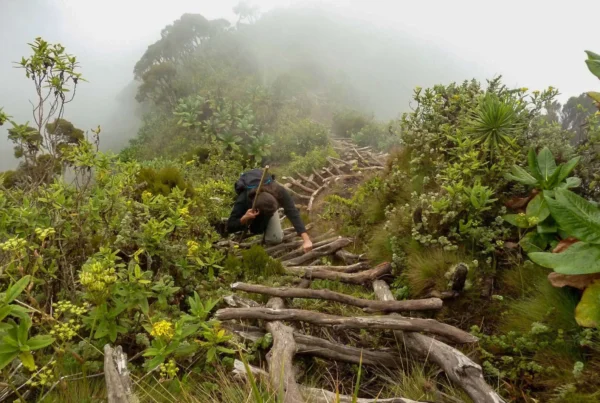
Sabinyo is renowned for its wooden ladders and steep ridges, which must be navigated carefully under the guidance of experienced rangers. These ladders are placed in areas where erosion and natural wear have created vertical challenges that cannot be overcome on foot alone. For many hikers, negotiating these ladders is both thrilling and daunting, adding an adrenaline-fueled edge to the adventure.

As the climb continues, the forest canopy opens to reveal sweeping vistas of the Virunga range. On clear days, views extend to the glacial peaks of the Rwenzori Mountains, the shimmering expanse of Lake Bunyonyi, and even the sprawling landscapes of Rwanda and Congo. The final push to the summit is steep and demanding, but the reward is incomparable—standing at the tri-border point, where three nations meet in harmony on the tip of an ancient volcano.Hiking Mount Sabinyo in Mgahinga: An Adventure Guide

Ecological Richness of Sabinyo

The slopes of Mount Sabinyo are a living museum of biodiversity. The bamboo forests that dominate the lower altitudes are vital ecosystems, sustaining not only golden monkeys but also mountain gorillas, elephants, and a range of smaller mammals. The bamboo shoots form a crucial food source for many of these species, highlighting the delicate balance of life in this habitat.

Further up, the montane forests are alive with the songs of birds. Sabinyo is part of the Albertine Rift, one of Africa’s most important birding regions, and hosts species such as the Rwenzori turaco, the handsome francolin, and the regal sunbird. Above the treeline, the subalpine zone features hardy plants like giant lobelias and senecios, whose adaptations to cold and wind showcase the resilience of nature.

For the hiker, each step on Sabinyo’s trail is an immersion into a layered ecological tapestry. It is not just a climb to the top of a volcano but a passage through habitats that illustrate the evolutionary wonders of the East African highlands.

Cultural Significance

Mount Sabinyo is more than a natural landmark; it is also steeped in cultural and spiritual significance. For local communities, the Virunga volcanoes are not mere geological formations but sacred spaces tied to myths, traditions, and ancestral reverence. Sabinyo, with its distinctive peaks, is often regarded as a mountain of wisdom and authority, a place where the spirits of ancestors are believed to reside.

The Batwa people, indigenous forest dwellers of the Virunga region, hold unique cultural connections to the mountain and the surrounding forests. Their traditions, dances, and oral histories reflect an intimate bond with the land, offering visitors deeper insights into how human lives have long intertwined with these ecosystems. Engaging with Batwa cultural trails before or after the hike provides a holistic appreciation of Sabinyo as both a natural and cultural monument.

Challenges of Hiking Mount Sabinyo

The adventure of climbing Sabinyo lies as much in its challenges as in its beauty. The steep ridges and eroded gullies demand both physical stamina and mental resilience. The wooden ladders, though secure, require careful navigation and a steady nerve. For hikers unaccustomed to altitude, the thinner air near the summit can also add to the difficulty.

Weather is another unpredictable factor. The high-altitude climate of Mgahinga means that rain can fall unexpectedly, transforming trails into slippery tracks. Cold winds and mist often sweep across the slopes, reducing visibility and adding to the sense of unpredictability. Preparation with proper gear—such as sturdy hiking boots, warm clothing, and rain protection—is essential to ensure safety and comfort.

Despite these obstacles, the challenges of Sabinyo are precisely what make its summit so rewarding. Each hurdle crossed strengthens the sense of accomplishment, turning the climb into a transformative personal journey.

Best Time to Hike

Mount Sabinyo can be hiked throughout the year, but the dry seasons are generally considered the most favorable. From June to August and December to February, the trails are less muddy, and visibility is often clearer, allowing panoramic views from the summit. These months also coincide with peak tourism seasons, creating vibrant encounters with fellow adventurers.

The rainy seasons, stretching from March to May and September to November, present different charms. The vegetation flourishes with fresh vibrancy, and the fewer crowds offer a quieter, more solitary hiking experience. However, the trails can be more treacherous during these months, and extra caution is required.

Regardless of season, hikers must prepare for rapidly shifting mountain weather. A sunny morning can quickly give way to mist and rain, reminding visitors that Sabinyo’s moods are as dynamic as its landscapes.

Conservation and Tourism Balance

Hiking on Mount Sabinyo is not only a pursuit of adventure but also a vital contribution to conservation efforts. The fees paid for permits and guided hikes go directly into sustaining Mgahinga Gorilla National Park, funding anti-poaching patrols, habitat protection, and community development programs.

Tourism has also created economic opportunities for local communities, encouraging them to engage in conservation as a livelihood rather than as an obstacle. The presence of responsible hikers ensures that the unique ecosystems of Sabinyo continue to thrive while providing lasting benefits for the people who call the Virunga region home.

How to Get There

Reaching Sabinyo begins with a journey to Mgahinga Gorilla National Park in Kisoro District. By road, the trip from Kampala to Kisoro takes between eight to nine hours, winding through picturesque landscapes of rolling hills and fertile valleys. Alternatively, travelers may opt for scheduled or chartered flights from Entebbe or Kajjansi to Kisoro airstrip, followed by a short drive to the park’s Ntebeko gate.

The road journey itself is an immersion into Uganda’s scenic beauty, offering glimpses of Lake Bunyonyi and the terraced slopes that define southwestern Uganda. Once at the park, the Uganda Wildlife Authority organizes and oversees all hiking activities, ensuring safety and conservation standards are maintained.

The Deeper Meaning of the Climb

To hike Mount Sabinyo is to go beyond the physical act of reaching a summit. It is a journey into the very essence of East Africa’s natural and cultural identity. Every step through bamboo forests, every careful climb up a ladder, and every moment of silence in the misty heights contributes to a profound understanding of how landscapes shape both nature and human spirit.

At the summit, where three nations meet, the experience transcends borders. It becomes a meditation on unity, resilience, and the shared responsibility of conserving Earth’s wonders. For many, the climb up Sabinyo becomes a metaphor for life itself—a path marked by challenges, rewards, and the beauty found along the way.

Answering the Call of Sabinyo

Mount Sabinyo is not the tallest peak in Africa, nor the most famous, yet it offers one of the most rewarding adventures a traveler can undertake. Its rugged slopes, ecological treasures, cultural resonances, and symbolic summit converge to create an experience unlike any other.

For those who seek adventure beyond the ordinary, Sabinyo promises not just a hike but a journey of self-discovery, connection, and awe. It is an invitation to embrace nature’s grandeur, to honor cultural heritage, and to contribute to conservation in one of the world’s most extraordinary regions.

Travelers who wish to turn this dream into reality are encouraged to plan their African adventures with WildHorn Africa, a trusted name in creating unforgettable safaris and expeditions. With their expertise, dedication, and passion for showcasing the continent’s wonders, every journey to Sabinyo and beyond is guaranteed to be safe, seamless, and deeply rewarding.

Hiking Mount Muhabura in Mgahinga Gorilla National Park

Hiking Mount Muhabura in Mgahinga Gorilla National Park

By Travel stories and blogs, Adventure holidays, Family holidays, Safari holidays, Uganda travel guides

Hiking Mount Muhabura in Mgahinga Gorilla National Park

The Call of the Virunga Giant

Rising majestically above the lush landscapes of southwestern Uganda, Mount Muhabura commands attention as the highest peak in Mgahinga Gorilla National Park. Its summit, standing at approximately 4,127 meters above sea level, pierces the clouds and offers panoramic views that stretch across Uganda, Rwanda, and the Democratic Republic of Congo. This dormant volcano, part of the renowned Virunga Volcanoes, has long captivated adventurers, naturalists, and trekkers seeking both challenge and unparalleled beauty.

Hiking Mount Muhabura is not merely an excursion but a profound journey through varied ecosystems, from dense bamboo forests to afro-alpine moorlands, all of which harbor unique wildlife and endemic species. Every step along its slopes is imbued with ecological, cultural, and geological significance, making the climb as intellectually rewarding as it is physically demanding. For those drawn to the extraordinary, the Muhabura trek promises encounters with mountain gorillas’ habitats, golden monkeys, and landscapes shaped over millennia by volcanic activity.

This guide provides a comprehensive exploration of Mount Muhabura trekking, detailing its routes, ecological significance, preparation, and the transformative experience it offers.

Location and Geographical Significance

Mount Muhabura is strategically located in Kisoro District, forming the eastern boundary of Mgahinga Gorilla National Park. Its name, meaning “The Guide” in the local Rukiga language, reflects its role as a landmark in the region, guiding travelers across the highlands of southwestern Uganda. The mountain is part of the Virunga Conservation Area, a transboundary network of protected areas that connect Uganda, Rwanda, and Congo, providing continuity for wildlife and ecological processes.

Its slopes descend into rich bamboo forests, while its upper reaches are dominated by afro-alpine vegetation and rugged volcanic scree. The mountain’s crater, filled with a swampy depression at the summit, adds to its geological fascination and serves as an ecological niche for high-altitude flora. Muhabura’s position between Mount Sabinyo to the west and Rwanda’s volcanoes to the east ensures that its ecological corridors remain critical for the movement of wildlife, including gorillas and golden monkeys.

Historical and Cultural Context

Muhabura has long been revered by local communities, particularly the Batwa, Bakiga, and Bafumbira peoples. For the Batwa, who traditionally lived in and around the forests, the mountain was a source of sustenance, spiritual connection, and medicinal plants. Rituals were performed on its slopes, and its caves served as sacred sites where ancestral spirits were honored.

For the Bakiga and Bafumbira, Muhabura represented both challenge and sustenance. Terraced farming on its lower slopes demonstrated ingenuity in adapting to volcanic soils and steep gradients. Folktales and songs about the mountain have been passed down through generations, embedding Muhabura deeply into the region’s cultural consciousness.

Visitors who hike Muhabura today are not only engaging with a physical landscape but also traversing a living cultural narrative. Knowledge of local history, customs, and ecological practices enriches the trekking experience, allowing a profound appreciation of how humans and nature have coexisted in these highlands.

The Trekking Experience: Routes and Terrain

Trailhead and Initial Ascent

Hiking Mount Muhabura typically begins at the Ntebeko or Mgahinga Park Headquarters, where rangers provide orientation, permits, and briefing on safety protocols. The climb is classified as challenging, requiring a reasonable level of physical fitness, endurance, and acclimatization to high-altitude conditions.

The initial section of the trail passes through bamboo forests, a habitat crucial for golden monkeys. The forest floor is often soft with fallen leaves, and the air carries the earthy scent of moss and damp wood. The bamboo provides both ecological significance and natural shelter, and hikers are often treated to the sight of golden monkeys leaping gracefully among the stalks.

This part of the hike is gradual, allowing trekkers to warm up while observing small mammals and diverse birdlife. Instructors advise careful footing, as rain can make the trails slippery and uneven.

Montane Forests and Steep Gradients

Beyond the bamboo, the trail transitions into montane forests, where moss-draped trees, ferns, and epiphytes dominate. Here, the terrain becomes steeper, and trekkers encounter occasional clearings that offer breathtaking views of the Virunga peaks. Golden monkeys may be spotted feeding on bamboo shoots or fruits, and the songs of endemic birds provide a natural soundtrack for the climb.

The montane forests play an essential ecological role, acting as water catchments and providing habitat for diverse wildlife. The physical challenge of climbing through this zone is balanced by the immersion in a rich, living ecosystem that exemplifies the beauty and resilience of Uganda’s highlands.

Afro-Alpine Moorlands and Summit Approach

Above 3,200 meters, afro-alpine moorlands dominate the landscape. Giant lobelias, groundsels, and hardy shrubs create a surreal, almost otherworldly environment. The trail becomes steeper and rockier, demanding careful footing and frequent rest breaks. The air grows thinner, and the cold intensifies, emphasizing the importance of layered clothing and proper preparation.

The final approach to the summit crater is the most strenuous segment. Hikers ascend volcanic scree slopes, navigating loose stones and steep gradients. The crater itself, partially filled with swampy vegetation, presents a dramatic, tranquil contrast to the arduous climb. Upon reaching the summit, trekkers are rewarded with panoramic views of three countries, the Virunga chain, and the forests below. Clear days reveal Rwanda’s Lake Burera and Congo’s distant highlands, making the ascent a visual and emotional triumph.Hiking Mount Muhabura in Mgahinga Gorilla National Park

Flora and Fauna Along the Trail

Muhabura’s slopes host remarkable biodiversity. In the bamboo and montane zones, the endangered golden monkey thrives, while occasional sightings of duikers, bushbucks, and other small mammals add to the encounter. Birdwatchers may identify Rwenzori turacos, Dusky Crimsonwings, and other Albertine Rift endemics.

At higher altitudes, afro-alpine species adapted to cold, thin air dominate. Giant lobelias and groundsels not only contribute to the mountain’s visual appeal but also serve as indicators of ecosystem health. Lichens, mosses, and ferns create microhabitats for invertebrates and smaller organisms. Conservation and trekking are therefore intertwined, with visitors encouraged to respect habitats while enjoying the richness of life along the trail.

Physical and Mental Preparation

Mount Muhabura is a demanding climb, requiring both physical fitness and mental endurance. Pre-trek preparation is advised, including cardiovascular training, leg strengthening, and practice on uneven terrain. Hikers are encouraged to acclimatize by spending time at higher altitudes in the days preceding the trek.

Mental preparation is equally important. The trail can be physically exhausting, and sudden weather changes may introduce additional stress. Maintaining a steady pace, conserving energy, and focusing on breathing are strategies recommended by guides. Persistence, patience, and respect for the mountain’s power are essential components of a successful ascent.

Gear and Equipment

Trekking Mount Muhabura requires specific equipment tailored to high-altitude, wet, and variable conditions. Durable, waterproof hiking boots with ankle support are essential, complemented by gaiters to prevent mud or debris from entering. Layered clothing—including moisture-wicking base layers, insulating fleeces, and waterproof outer jackets—is advised to adapt to changing weather.

Backpacks should accommodate water, snacks, rain covers, cameras, and personal items. Trekking poles provide stability on steep or loose terrain, reducing strain on knees and improving balance. Gloves, hats, and warm socks protect extremities, while binoculars enhance wildlife observation. Emergency and first-aid supplies are recommended, particularly for high-altitude conditions where minor injuries or altitude-related issues can become significant.

Best Time to Climb Mount Muhabura

Mount Muhabura can be climbed throughout the year, though conditions vary seasonally. The dry months from June to August and December to February offer clear skies, stable trails, and optimal visibility from the summit. These periods are preferred by trekkers seeking panoramic photography opportunities and minimal interruptions from rainfall.

The rainy seasons from March to May and September to November bring challenges of slippery trails, mist, and reduced visibility. However, they also transform the landscape into vibrant green, with rivers and waterfalls at their fullest. Fewer visitors during these months provide a sense of solitude, making the climb more intimate and reflective.

Safety Protocols and Ranger Support

Climbing Mount Muhabura is undertaken with the guidance of trained park rangers, who ensure both visitor safety and wildlife protection. Rangers provide orientation, trail assistance, and emergency response if necessary. Gorilla and golden monkey habitats are strictly regulated to prevent disturbances, and protocols ensure that human interaction does not compromise ecological integrity.

Safety measures include maintaining a safe distance from wildlife, adhering to trail markers, wearing masks near gorilla zones, and following instructions regarding sudden weather events. These precautions enhance both visitor experience and conservation outcomes.

The Transformative Experience

Beyond physical challenge, hiking Mount Muhabura offers a transformative journey. The climb engages the body, mind, and senses, while the summit instills a profound sense of accomplishment and connection with nature. Observing the interplay of ecosystems, the resilience of wildlife, and the scale of the Virunga Volcanoes fosters reflection on humanity’s place within the natural world.

Cultural engagement with local guides and communities enriches the experience further, emphasizing the interconnectedness of humans and the environment. The trek becomes a narrative of endurance, discovery, and reverence, leaving an enduring impression on every participant.

A Journey Worth Every Step

Mount Muhabura stands as both a challenge and a reward, a gateway to adventure, ecological insight, and cultural immersion. Its trails wind through bamboo forests, montane woodlands, and afro-alpine moorlands, culminating in a summit that offers unparalleled panoramic views. Every aspect of the trek, from preparation to ascent, fosters a deeper appreciation of Mgahinga Gorilla National Park’s ecological and cultural significance.

For travelers inspired to undertake this extraordinary climb, it is recommended that African tours and safaris be booked via WildHorn Africa, a trusted partner in curating seamless, safe, and transformative experiences. With their expertise, hiking Mount Muhabura becomes more than a physical achievement—it becomes a journey into the heart of Africa’s wild beauty, history, and enduring spirit.

Semuliki National Park Hiking: Best Time to Visit for honeymooners

Semuliki National Park Hiking: Best Time to Visit for honeymooners

By Travel stories and blogs, Adventure holidays, Travel guides, Uganda travel guides

Semuliki National Park Hiking: Best Time to Visit for Honeymooners

A Hidden Paradise for Love and Adventure

Deep within the folds of western Uganda lies Semuliki National Park, a sanctuary where the wild heart of Africa beats in perfect rhythm with serenity and romance. Known as the “True Birders’ Haven,” this park is far more than just a destination for wildlife enthusiasts; it is also a secret paradise where love finds its place among towering forests, bubbling hot springs, and untouched trails that invite couples to walk hand in hand. For honeymooners searching for an experience beyond the ordinary—a blend of passion, discovery, and tranquil intimacy—Semuliki National Park hiking promises memories that will linger for a lifetime.

Unlike the commonly crowded safari spots, Semuliki exudes a rare charm of exclusivity. Here, couples are greeted not by hurried footsteps of tourists but by the soothing songs of over 400 bird species, the whispering leaves of Ituri Forest, and the distant roar of waterfalls hidden in the wilderness. A honeymoon spent hiking in this park does not only offer breathtaking adventure; it embodies the beginning of a shared life journey where every trail mirrors the path a couple is about to walk together.

The timing of such an extraordinary escape plays a crucial role. Knowing the best time to visit Semuliki National Park for honeymooners ensures that romance blossoms in harmony with nature’s rhythm, making the trip as perfect as the love it celebrates.

Location of Semuliki National Park

Situated in the Bundibugyo District of western Uganda, Semuliki National Park occupies an alluring position along the Albertine Rift Valley. Its borders touch the Democratic Republic of Congo, with the Semuliki River winding lazily along the frontier, acting as a natural boundary. Covering an area of approximately 220 square kilometers, this park holds the distinction of being one of Uganda’s most biologically diverse reserves.

Unlike other parks located on vast savannah plains, Semuliki is deeply forested, extending from the great Ituri Forest of Congo into Uganda. This positioning makes it a transition zone where Central African rainforest meets East African grassland, resulting in unmatched biodiversity. For honeymooners, this unique ecological setting means every step during a hike introduces different shades of beauty—dense vegetation, open clearings, swampy stretches, and riverine landscapes—all combining to create a backdrop of romance and exploration.

Getting to Semuliki National Park

The journey to Semuliki National Park itself can become part of the honeymoon adventure. Couples traveling from Kampala, Uganda’s capital, may embark on a road trip that spans about six to seven hours, covering nearly 360 kilometers. This drive passes through the rolling hills of Fort Portal, a town famed for its lush tea plantations and breathtaking crater lakes. The scenic route offers perfect opportunities for honeymoon photography, with every turn presenting a picturesque view that symbolizes the beauty of shared beginnings.

Alternatively, access to the park can be made easier through domestic flights from Entebbe International Airport or Kajjansi Airfield to Kasese Airstrip, followed by a road transfer to Bundibugyo. For honeymooners seeking comfort and less travel fatigue, the flight option saves time while still granting them the magic of Uganda’s landscapes from above.

The Romance of Hiking in Semuliki

Hiking in Semuliki National Park is more than a physical activity; it is an intimate connection with nature’s soul. Honeymooners walking hand in hand under the towering canopy of the Ituri Forest extension discover how stillness and adventure can coexist. The trails, though sometimes demanding, bring about a quiet rhythm that allows couples to talk, reflect, and share dreams while immersed in nature’s healing calm.

There are several trails within the park, each designed to unveil unique wonders. The most iconic among them is the Sempaya Hot Springs trail, which leads to the famous male and female hot springs, locally referred to as “Bintente” and “Nyasimbi.” Watching steam rise into the air while surrounded by dense greenery creates a surreal, almost mystical atmosphere. Couples often pause here, not just for admiration, but also to symbolically celebrate the warmth of their new union.

For couples seeking deeper immersion, the Kirumia Trail, stretching up to 13 kilometers, offers a full-day adventure leading toward the Semuliki River. It is a haven for birdwatchers, with sightings of rare species like the hornbills and the African piculet. Walking this trail together demands teamwork, patience, and encouragement—values that reflect the foundation of married life.

Attractions That Add Magic to Honeymoon Hiking

Semuliki National Park Hiking: Best Time to Visit for honeymooners

Honeymooners hiking in Semuliki encounter a wealth of attractions that turn ordinary moments into cherished memories. The Sempaya Hot Springs remain the most celebrated, bubbling from deep underground in dramatic fashion. The local communities attach spiritual meaning to these springs, making them not only natural wonders but also cultural symbols of fertility and new beginnings—a fitting metaphor for honeymooners.

Beyond the hot springs, the Semuliki River offers an enchanting sight as it meanders through the park’s forested lowlands. Its banks are frequented by hippos and crocodiles, while the surrounding vegetation serves as home to butterflies and birds of stunning variety.

The park’s wildlife, though not as densely concentrated as in Uganda’s savannah reserves, provides exciting encounters. Forest elephants, pygmy antelopes, and several primate species including baboons, chimpanzees, and colobus monkeys add charm to the hikes. For couples, witnessing such wildlife together brings a sense of shared discovery that strengthens emotional bonds.

The Best Time to Visit for Honeymooners

Determining the best time to visit Semuliki National Park for honeymooners requires understanding the park’s climate, which is predominantly tropical. Rainfall is frequent due to the dense forest ecosystem, but there are still defined dry and wet seasons that affect accessibility and overall experience.

The dry seasons, running from December to February and June to September, provide the most suitable conditions for hiking. Trails are less slippery, rivers are calmer, and the air carries a refreshing crispness that makes long walks more enjoyable. For honeymooners, these months guarantee comfort, safety, and opportunities to fully indulge in romantic experiences without weather interruptions.

The wet seasons, spanning March to May and October to November, transform the park into a lush paradise, though with heavier challenges. Trails can become muddy and difficult to navigate, yet the forest thrives with vibrant greenery and heightened wildlife activity. Couples who are adventurous and eager for solitude may still find the rainy season rewarding, but for most honeymooners seeking ease and romance, the dry season remains the perfect choice.

Why the Dry Season is Ideal for Honeymooners

The choice of the dry season extends beyond convenience; it resonates with the symbolic essence of a honeymoon. The clear skies and mild temperatures create the perfect ambiance for outdoor adventures, photography, and evening relaxation. Couples can share picnic moments by the riverside, watch the sun dip beyond the Rwenzori Mountains, and engage in intimate campfire conversations without worrying about unexpected showers.

Furthermore, the reduced presence of mosquitoes during dry months ensures greater comfort and health safety. Accommodation facilities in and around Semuliki thrive during this time, offering honeymoon packages that combine romance with adventure. With cozy lodges nestled within forest clearings, candlelit dinners under the stars, and morning hikes through the misty trails, the dry season ensures every moment is steeped in romance.

Experiences That Enrich a Honeymoon in Semuliki

Beyond hiking, honeymooners in Semuliki National Park can engage in enriching experiences that elevate their journey of love. Cultural encounters with the Batwa pygmies allow couples to immerse themselves in traditions that have been preserved for centuries. Learning dances, listening to folktales, and participating in community life not only broaden cultural understanding but also add layers of meaning to the honeymoon.

The park also offers opportunities for birdwatching safaris, where couples can spot rare species that are otherwise difficult to find elsewhere. The shared thrill of sighting a new bird species creates unforgettable joint triumphs. Evening game drives and boat rides along the river provide further chances for intimate exploration, where the wilderness becomes a private stage for love to unfold.

A Journey of Love and Discovery

A honeymoon in Semuliki National Park, centered around hiking, transforms into a symbolic journey of love and discovery. Every trail represents the challenges and joys of married life. The steep climbs test resilience, the quiet paths nurture communication, and the scenic viewpoints celebrate the beauty of shared victories. The park’s atmosphere allows couples to retreat from the noise of the world, focusing only on each other and the natural wonders surrounding them.Semuliki National Park Hiking: Best Time to Visit for honeymooners

The park’s uniqueness lies in its blend of adventure and intimacy. Unlike popular destinations filled with bustling crowds, Semuliki provides exclusivity that is rare in modern tourism. For honeymooners, this seclusion fosters genuine connection, ensuring that the first chapter of marriage is marked by peace, reflection, and undisturbed romance.

The Perfect Start to Forever

Choosing Semuliki National Park hiking for a honeymoon is not merely about visiting a tourist site; it is about crafting a timeless memory. The park’s location, its unique attractions, and its serene atmosphere make it an unmatched destination for couples seeking something extraordinary. While the beauty of Semuliki shines throughout the year, the dry season months of December to February and June to September remain the ultimate period for honeymooners to explore, celebrate, and fall deeper in love.

Every whispering breeze in the forest, every call of a hornbill, and every step along the winding trails becomes part of a love story that will be retold for years to come. Semuliki offers not just adventure but also the tranquility needed for newlyweds to reflect on the path ahead. It is where nature and romance merge seamlessly, setting the perfect tone for the rest of life’s journey.

For couples ready to turn their honeymoon dream into reality, the experience becomes even more memorable when planned with the guidance of seasoned experts. To ensure every moment is well curated and stress-free, it is highly recommended to book your Africa tours and safaris through WildHorn Africa, a trusted partner in crafting unforgettable journeys that capture both adventure and intimacy.

The-Complete-Guide-hiking-at-Arua-for-photographers

The Complete Guide: hiking at Arua for photographers

By Travel stories and blogs, Adventure holidays, Travel guides, Uganda travel guides

The Complete Guide: Hiking at Arua for Photographers

Where the Lens Meets the Landscape

In the northwestern corner of Uganda, where culture blends with untamed landscapes, Arua emerges as an uncharted paradise for photographers seeking hiking adventures. Known for its vibrant energy, sweeping savannahs, and culturally rich communities, Arua offers far more than just a passing stopover. For those who carry a camera and an adventurous spirit, it provides a destination where each step on a trail becomes an opportunity to capture textures, colors, and stories that cannot be recreated elsewhere.

Hiking in Arua is not only a physical journey but also a visual exploration. The region unfolds with undulating hills, open skies, hidden villages, and ecological diversity that invite photographers to frame both the grandeur of the land and the intimate details of daily life. Every path feels like a living canvas, and with the right perspective, photographs captured here transform into timeless narratives of Uganda’s northwestern beauty.

Why Arua Appeals to Photographers

The appeal of Arua lies in its ability to merge wilderness and culture. For photographers, the landscapes provide a natural backdrop that is both raw and captivating. The trails, often used by locals for daily movement, reveal hidden pockets of nature where birdlife thrives and traditional homesteads blend into the scenery. Unlike more commercial hiking destinations, Arua retains an untouched quality, allowing images to reflect authenticity rather than curated experiences.

Photographers find themselves immersed not only in the physical beauty of the environment but also in the rhythm of life that unfolds within it. Sunrises cast golden hues across rolling hills, while evenings are marked by vibrant skies fading into soft purples and blues. Such atmospheric shifts present endless opportunities for experimenting with light, shadows, and natural contrasts. In Arua, the story of the land becomes inseparable from the stories of its people, making each hike a layered narrative waiting to be captured through the lens.

Preparing for the Hiking Experience

Arua demands readiness from those who venture into its landscapes. For photographers, preparation extends beyond physical fitness to ensuring that equipment and creative vision align with the environment’s demands. Hikes often involve uneven terrain, moderate climbs, and stretches of open exposure to the sun, meaning that stamina plays as much of a role as technical skill.

Photography gear becomes a critical companion on these trails. Wide-angle lenses capture sweeping horizons, while telephoto options allow detailed framing of wildlife and cultural subjects. Lightweight tripods, protective gear for sudden weather changes, and sufficient storage space for images ensure that no moment is missed. Beyond equipment, patience is required, for Arua reveals its treasures gradually, rewarding those who linger long enough to notice small details—a child’s laughter echoing through a valley, a heron gliding across a wetland, or the textured patterns of traditional architecture.

The Hiking Trails of Arua

The trails in Arua are diverse, offering different perspectives on the region’s ecological and cultural wealth. Some routes lead across rolling savannahs dotted with acacia, where birdwatching opportunities abound. Others wind through hilly terrain that demands endurance but rewards hikers with panoramic views stretching into the distance. Along these trails, photographers encounter contrasts between wilderness and settlement, where fields of cassava or sorghum meet untamed grasslands.

The surrounding environment encourages photographers to frame both broad landscapes and intimate human interactions. Herds of cattle moving gracefully across open fields create striking images of harmony between humans and nature. Meanwhile, vibrant local markets along the outskirts of town introduce splashes of color, energy, and cultural richness that demand to be captured. Each trail feels distinct, yet they all converge on a central theme: Arua as a place where natural beauty and human resilience co-exist in balance.

Capturing Wildlife and Natural Details

For birding enthusiasts with cameras, Arua offers subtle yet rewarding experiences. Wetland patches, wooded areas, and riverine habitats support species ranging from kingfishers to egrets, each presenting opportunities for dynamic compositions. While the region may not boast the density of wildlife seen in Uganda’s major national parks, its quieter landscapes provide intimate encounters that feel more personal and authentic.

Photographers focusing on natural details also find endless inspiration in the textures of Arua. The rough bark of an old tree, the intricate lines of a leaf under the morning sun, and the ripples of water disturbed by a passing bird all offer opportunities for creative expression. Hiking here allows one to slow down, shifting perspective from grand vistas to the micro-worlds often overlooked. Through such details, the richness of Arua emerges in its subtleties as much as in its panoramas.

Intertwining Culture with Hiking

No hike in Arua is complete without encountering the cultural vibrancy of the region. Trails often pass near villages where daily life unfolds against scenic backdrops. For photographers, this provides an invaluable chance to document traditions, attire, and interactions that define the identity of the region. Respect and sensitivity are crucial when capturing such images, ensuring that subjects are portrayed with dignity and authenticity.

Markets become a favorite destination for many hikers with cameras. The colors of fresh produce, the movement of traders, and the hum of conversations create dynamic photographic opportunities. These human-centered scenes add depth to the photographic portfolio, ensuring that the narrative of Arua is not limited to its landscapes alone. Here, hiking transforms into a cultural exploration, reinforcing the idea that adventure is found as much in human connection as in natural scenery.

Timing and Lighting for Photographers

For photographers, timing defines the success of a hiking expedition. In Arua, mornings and evenings are particularly rewarding, with soft natural light enhancing both landscapes and portraits. The golden hour before sunrise paints the hills with warmth, while the fading light at dusk creates dramatic silhouettes and skies alive with color. Midday hiking remains valuable for documenting activity in markets or capturing the stark contrasts of bright sunlight, though care must be taken to manage exposure effectively.

Seasonal variations also play a role in shaping the photographic experience. During the rainy season, the landscapes take on a lush, green vibrancy, while dry periods highlight the earthy tones of savannahs and hills. Each season offers its own visual vocabulary, ensuring that no two hikes ever appear identical through the lens. For photographers, this variation provides ample reason to return to Arua at different times of year, each visit uncovering fresh perspectives.

Safety and Practical Considerations

Safety remains an integral aspect of hiking in Arua. Trails should be approached with proper footwear, hydration, and awareness of weather conditions. Photographers often carry additional equipment, making it essential to balance creativity with practicality. Protecting gear from dust, rain, and accidental damage is critical, as conditions can shift unexpectedly in northern Uganda.

Guides are invaluable companions on these hikes, providing both safety and insight. Their knowledge of routes, local communities, and wildlife enriches the experience, while their presence ensures that photographers can focus on their craft without unnecessary concerns. Respect for local customs and the environment must remain central, ensuring that each step taken contributes to a sustainable and harmonious relationship with the region.

Hiking as a Visual and Emotional Journey

Hiking in Arua offers more than physical exertion; it provides an opportunity for photographers to step into a space where landscapes, wildlife, and culture converge into a unified experience. Each trail reveals new layers of beauty, from sweeping horizons to intimate details, from vibrant markets to quiet encounters with nature. For photographers, Arua becomes a gallery of living moments, waiting to be framed, remembered, and shared.

This journey is not defined solely by the images captured but by the immersion into a land that rewards attentiveness and patience. It is an experience that combines the art of seeing with the discipline of hiking, reminding travelers that the best photographs are often born of authentic encounters.

For those seeking to transform their hiking adventures in Arua into seamless and unforgettable journeys, it is highly recommended to book Africa tours and safaris via WildHorn Africa, where expertise, local connections, and carefully curated itineraries ensure that every step on the trail becomes both safe and profoundly rewarding.

Murchison Falls National Park: One Week Plan to hiking for solo travelers

Murchison Falls National Park: One Week Plan to hiking for solo travelers

By Travel stories and blogs, Adventure holidays, Uganda travel guides

Murchison Falls National Park: One Week Plan to Hiking for Solo Travelers

Where Adventure Meets Solitude

For solo travelers in search of both adventure and serenity, Murchison Falls National Park stands as Uganda’s most iconic wilderness escape. The park, spanning vast savannahs, dense forests, and the dramatic Nile River, offers a setting where solitude transforms into discovery, and hiking becomes more than just a physical journey. With the thunderous roar of the falls as a centerpiece and trails weaving through diverse habitats, Murchison Falls provides the perfect backdrop for those traveling alone yet seeking profound connection with nature.

A one-week plan in this remarkable park allows solo adventurers to fully immerse themselves in the region’s landscapes, wildlife, and cultural encounters. Every sunrise and sunset introduces a new chapter in the story of exploration, and each step along a trail reveals vistas, details, and photographic opportunities that elevate the experience beyond mere sightseeing.

Why Murchison Falls is a Haven for Solo Travelers

The allure of Murchison Falls for solo travelers lies in its balance of tranquility and exhilaration. Unlike crowded destinations, the park grants individuals the rare luxury of engaging directly with nature in silence while also offering safe, guided hiking routes that bring reassurance to those exploring alone. The dramatic landscapes, from sweeping grasslands to riverine forests, invite personal reflection, making the journey inward as significant as the path underfoot.

Solo travelers often find comfort in the self-paced rhythm of hiking through Murchison Falls. There is no pressure to match another’s pace, no need to compromise on chosen routes, and every encounter with wildlife becomes a private memory. For many, this independence enhances both the adventure and the intimacy of the experience, transforming the park into a sanctuary for personal growth, creativity, and renewal.

Day 1: Arrival and First Impressions

The first day in Murchison Falls is best reserved for arrival, orientation, and an introduction to the vastness of the park. Solo travelers are welcomed by the expanses of savannah and the sight of the Nile slicing through the wilderness. The initial hours are often spent settling into accommodation, becoming familiar with the environment, and preparing mentally for the hiking adventures ahead.

As evening falls, the air cools and the park awakens with the distant calls of nocturnal creatures. This first night serves as a reminder of the wild rhythms that define Murchison Falls, offering solo travelers a sense of humility and anticipation for the days to come.

Day 2: Hiking to the Top of the Falls

The second day introduces the first major highlight of the one-week itinerary: the hike to the top of Murchison Falls. This trail, short but steep, offers unmatched drama. As hikers ascend, the sound of rushing water grows louder until the Nile reveals itself in its most ferocious display, squeezing through a narrow gorge and crashing down into the abyss below.

For solo travelers, this hike is both exhilarating and meditative. The view from the top, where mist rises from the churning waters, becomes a private spectacle. Photographers find this moment particularly rewarding, as the interplay of water, light, and rock creates images that embody both power and beauty.

Day 3: Savannah Trails and Wildlife Encounters

The third day unfolds on the expansive savannah trails that stretch across the northern sector of the park. Hiking here brings encounters with giraffes gracefully moving in herds, elephants wandering through the grasslands, and antelopes grazing in harmony. Lions may be glimpsed at a distance, their presence a reminder of the wild balance within this ecosystem.

For solo travelers, these encounters heighten the sense of vulnerability and awe, creating a deep respect for the interconnectedness of life within the park. The savannah trails are not only about witnessing wildlife but also about embracing silence, with only the crunch of footsteps on dry earth and the whisper of the wind for company.

Day 4: Exploring Riverine and Forest Trails

Day four introduces a shift from the open savannahs to the dense greenery along the Nile’s banks. Trails in these sections lead through forests alive with birdsong, primates, and lush undergrowth. Hikers encounter species such as baboons, black-and-white colobus monkeys, and an astonishing variety of birdlife, each adding layers of color and texture to the journey.

For photographers, the play of light filtering through the trees creates opportunities for creative framing, while the calls of unseen creatures enhance the atmosphere of mystery. Solo travelers are often struck by the contrast between the raw power of the falls and the gentle, almost secretive beauty of the forest, realizing that Murchison Falls National Park is a landscape of dualities.

Day 5: The Nile Delta and Wetland Hikes

The Nile Delta region, where the river fans out into wetlands before flowing into Lake Albert, provides a refreshing change of scenery on day five. Hiking near these wetlands offers views of rare species, most famously the elusive shoebill stork. The area’s quiet atmosphere and unique ecological features make it an ideal place for contemplative exploration.

Walking along the delta’s edges, solo travelers capture photographs of tranquil waters reflecting wide skies, while fishermen move quietly in traditional boats. The pace here slows, inviting reflection and appreciation of the subtler aspects of the natural world. This day often becomes one of the most memorable for those who enjoy balancing adventure with serenity.

Day 6: Cultural Encounters and Community Trails

Hiking in Murchison Falls is not limited to natural landscapes. Day six introduces cultural trails that lead solo travelers into nearby communities. Villages surrounding the park showcase traditional lifestyles, vibrant markets, and warm hospitality. Walking through these areas allows photographers to capture portraits, crafts, and daily life, providing a human dimension to the week’s journey.

These encounters remind solo travelers that the story of Murchison Falls is not written by nature alone but also by the people who live in harmony with the park. Respectful interactions add richness to the hiking experience, ensuring that the journey feels complete in its scope.

Day 7: Reflections and Farewell Hike

The final day of the itinerary is best spent revisiting a favored trail or choosing a shorter hike that allows time for reflection. Many solo travelers return to the top of the falls to witness the Nile one last time, while others prefer the quiet of forested paths. This final hike becomes less about exploration and more about personal connection, as the week’s experiences settle into memory.

Departing Murchison Falls after a week of hiking feels both rewarding and humbling. Solo travelers carry with them not only photographs but also a renewed sense of self, shaped by the wild beauty and silence of the park.

Safety and Practical Considerations for Solo Travelers

Hiking alone in Murchison Falls requires attention to safety and preparation. Guided hikes are strongly encouraged, as local guides provide expertise, knowledge of wildlife behavior, and reassurance in unfamiliar terrain. Proper footwear, hydration, and protective gear against both sun and rain are essential, as conditions can shift quickly.

For photographers traveling solo, extra care must be taken to balance equipment with mobility. Lightweight gear and protective coverings ensure that creativity is not compromised by environmental challenges. Respect for wildlife, adherence to park regulations, and awareness of personal limits remain central to a safe and rewarding experience.

A Journey of Solitude and Discovery

Murchison Falls National Park, with its sweeping savannahs, roaring waterfalls, and cultural encounters, offers solo travelers a destination where solitude becomes a gift rather than a challenge. A one-week hiking itinerary reveals the park in its many dimensions, from dramatic landscapes to intimate details, from untamed wilderness to human connection.

For photographers, writers, and adventurers alike, Murchison Falls provides more than just a backdrop; it becomes a transformative space where each step taken alone leads to deeper discovery. The week concludes not with an ending but with the beginning of a lasting relationship with Uganda’s wild north.

For those seeking to turn this vision into reality with comfort, expertise, and tailored itineraries, it is highly recommended to book Africa tours and safaris via WildHorn Africa, where every journey into the wild is crafted to be as safe, rewarding, and unforgettable as possible.

Things You Need To Know Before Climbing Mt Meru in Tanzania

Things You Need To Know Before Climbing Mt Meru in Tanzania

By Tanzania travel guides, Travel guides, Travel stories and blogs

Things You Need To Know Before Climbing Mt Meru in Tanzania

Discover the Untamed Majesty of Mount Meru

Rising dramatically to an altitude of 4,562 meters, Mount Meru stands as Tanzania’s second highest peak and an exhilarating challenge for trekkers seeking an alternative to the famed Kilimanjaro. Nestled within the Arusha National Park, Mount Meru offers a unique blend of stunning volcanic landscapes, diverse ecosystems, and rich wildlife. The climb provides a less crowded, yet equally rewarding adventure with panoramic views and a striking sense of wilderness. However, before embarking on this journey, several crucial factors must be understood to ensure a safe, enjoyable, and successful ascent.

Understanding the Physical and Environmental Challenges

Mount Meru’s ascent is characterized by significant altitude gain over a relatively short distance, requiring both physical endurance and careful acclimatization. The trail passes through varied climatic zones, starting from lush montane forests teeming with wildlife, ascending through moorlands and alpine zones to reach the stark summit crater. These transitions demand flexibility from trekkers, who must be prepared for fluctuating temperatures, ranging from warm forested valleys to freezing, windy summit conditions.

The terrain itself varies from well-trodden paths to rugged, volcanic rock fields that may present slippery and uneven footing. Hiking boots with good ankle support and grip are essential. Furthermore, the high altitude poses risks of acute mountain sickness (AMS), which can manifest through headaches, dizziness, nausea, and fatigue. Understanding the symptoms and adopting a slow, steady pace with adequate hydration and rest days is critical in preventing serious complications.

The Importance of Permits and Park Regulations

Access to Mount Meru requires official permits issued by Tanzanian park authorities, as the mountain is located within a protected national park. These permits are essential for both environmental conservation and visitor safety. Climbing without permits is prohibited and monitored by park rangers who enforce strict regulations.

Guided climbs are strongly encouraged and, in some cases, mandatory, as local guides are familiar with the routes, altitude challenges, and safety protocols. The presence of guides not only enhances safety but also enriches the experience through knowledgeable interpretations of the mountain’s geology, flora, fauna, and cultural significance. The park authorities also regulate group sizes and camping locations to minimize environmental impact and preserve the fragile ecosystem.

Optimal Timing and Weather Conditions for the Climb

The best time to climb Mount Meru falls within Tanzania’s dry seasons, from late June to October and from late December to February. During these periods, weather conditions are more stable with reduced rainfall, clearer skies, and milder temperatures, improving visibility and trail safety.

Outside these windows, heavy rains can render trails slippery and difficult, while dense clouds may obscure the spectacular views. The summit is often cold, with possible frost and strong winds, even during the dry season. Therefore, appropriate layering and weatherproof gear are indispensable. Climbers should also be prepared for sudden weather changes and consult local weather forecasts prior to departure.

Essential Gear and Preparation for the Trek

Preparation for Mount Meru’s climb involves assembling suitable equipment tailored to a multi-day trek in variable conditions. Clothing should include moisture-wicking base layers, insulating mid-layers, and waterproof outer shells. Thermal gloves, hats, and buff scarves are important to guard against the cold at higher altitudes.

Camping equipment such as sturdy tents, sleeping bags rated for cold temperatures, and sleeping mats are usually provided by reputable tour operators, though confirming this beforehand is advised. Trekking poles may alleviate strain on knees during steep ascents and descents. Adequate sun protection, including sunscreen and sunglasses, is vital due to high UV exposure at altitude.

Physical conditioning prior to the climb cannot be overstated. Cardiovascular endurance, leg strength, and flexibility should be developed through regular hiking, walking, or aerobic exercises. Mental preparedness, patience, and determination are equally important given the mountain’s challenges.

Wildlife and Natural Wonders Along the Route

Mount Meru’s route through Arusha National Park provides the rare opportunity to witness diverse wildlife in proximity to a high-altitude trek. Early sections of the trail pass through forests inhabited by colobus monkeys, blue monkeys, elephants, and a variety of bird species. The presence of larger mammals such as giraffes, buffalo, and even lions has been documented, though sightings are less frequent.

The volcanic crater at the summit is a striking natural feature, with fumaroles and mineral deposits offering insights into the mountain’s geological history. From the peak, expansive views extend across the plains, revealing distant Mount Kilimanjaro and the Serengeti ecosystem on clear days. This natural panorama rewards the exertions of the climb with awe-inspiring beauty.

Acclimatization Strategies and Health Considerations

Proper acclimatization is a critical component of a successful Mount Meru ascent. The relatively rapid altitude gain necessitates a deliberate climbing pace with regular rest stops and hydration to allow the body to adjust. Spending a night at the saddle camp, situated at approximately 3,600 meters, is recommended to reduce the risk of altitude sickness before attempting the summit.

Nutrition during the trek should focus on balanced meals rich in carbohydrates and proteins to maintain energy levels. It is advisable to carry a basic medical kit, including medications for altitude sickness, pain relief, and gastrointestinal issues. Climbers with pre-existing health conditions should consult healthcare professionals prior to the trek.

Environmental Responsibility and Sustainable Tourism

Mount Meru’s fragile ecosystems demand responsible tourism practices. Climbers and operators are encouraged to follow Leave No Trace principles, minimizing waste, avoiding disturbance to wildlife, and adhering to designated trails and campsites. Conservation efforts in Arusha National Park are supported by park fees and permits, contributing to habitat protection and local community benefits.

Engagement with local guides and porters not only supports the economy but also fosters cultural exchange and respect for indigenous knowledge. Ethical tourism enhances the overall experience while ensuring that Mount Meru remains a pristine destination for future generations.

Preparing for an Unforgettable Adventure

Climbing Mount Meru offers an extraordinary blend of adventure, natural beauty, and wildlife discovery. Success on this challenging trek depends on thorough preparation, respect for the mountain’s demands, and adherence to park regulations. With proper acclimatization, suitable gear, and expert guidance, the climb can be both safe and immensely rewarding.

Plan Your Mount Meru Expedition with WildHorn Africa

For those eager to undertake the climb of Mount Meru, professional planning and local expertise are invaluable. Booking your Tanzania tours and safaris through WildHorn Africa ensures access to experienced guides, comprehensive support, and thoughtfully designed itineraries. WildHorn Africa’s commitment to sustainable and authentic travel guarantees that every step on Mount Meru will be part of a seamless, inspiring African adventure.

Can You Climb Kilimanjaro Without a Guide?

Can You Climb Kilimanjaro Without a Guide?

By Tanzania travel guides, Travel guides, Travel stories and blogs

Can You Climb Kilimanjaro Without a Guide?

The Allure of Kilimanjaro: Africa’s Roof Beckons

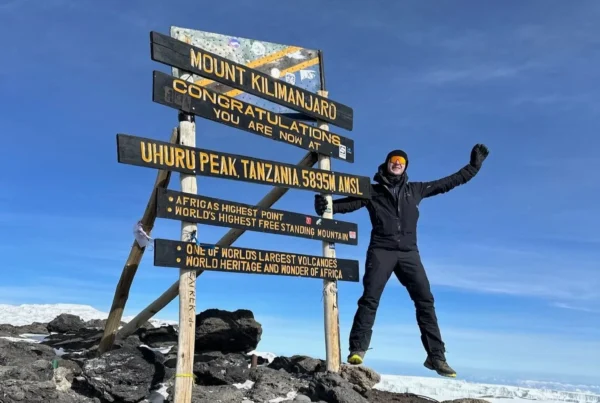
Standing majestically at 5,895 meters, Mount Kilimanjaro is Africa’s highest peak and one of the world’s most iconic trekking destinations. The allure of reaching the summit, known as Uhuru Peak, draws adventurers from all corners of the globe. The mountain’s diverse climatic zones—from lush rainforests to arctic deserts—offer a uniquely challenging and rewarding experience. Yet, a question often posed by eager climbers is whether it is possible to climb Kilimanjaro without a guide. This inquiry invites an in-depth examination of the mountain’s regulations, safety considerations, and the overall logistics involved in such an endeavor.

Kilimanjaro’s Official Regulations: The Mandatory Guide Requirement

From the outset, it must be understood that Tanzanian authorities have implemented strict rules regarding the ascent of Kilimanjaro. Since 2013, it has been mandatory for all climbers to use licensed guides and employ local porters. This policy was established to improve safety, reduce environmental impact, and boost the local economy by providing employment opportunities for residents.

The regulations require that climbers are accompanied by guides who are trained in mountain safety, altitude sickness management, and first aid. Additionally, porters are hired to carry equipment and supplies, reducing the physical strain on climbers and ensuring the sustainable management of the trails. Attempting to climb without a guide is illegal and not supported by the Kilimanjaro National Park authorities. Thus, the concept of climbing Kilimanjaro independently has been officially disallowed, emphasizing the critical role played by professional support teams.

Safety Considerations: Why Guides Are Indispensable

The ascent of Kilimanjaro presents serious physical and environmental challenges that justify the presence of experienced guides. Altitude sickness, which can escalate rapidly and become life-threatening, remains a primary concern. Guides are trained to recognize early symptoms and take appropriate action, including recommending acclimatization strategies or descent.

Moreover, the mountain’s variable weather conditions, rugged terrain, and sometimes limited visibility can complicate navigation and increase risks of injury or disorientation. The expertise of guides, who know the routes intimately and monitor the health and progress of their clients, is essential in mitigating these risks.

Rescue operations on Kilimanjaro require coordination and local knowledge, which guides are equipped to provide. Without their presence, the response to emergencies would be delayed and less effective, potentially endangering lives. Therefore, the enforcement of mandatory guiding ensures a safer experience for all climbers.

Logistical Complexities and Local Knowledge

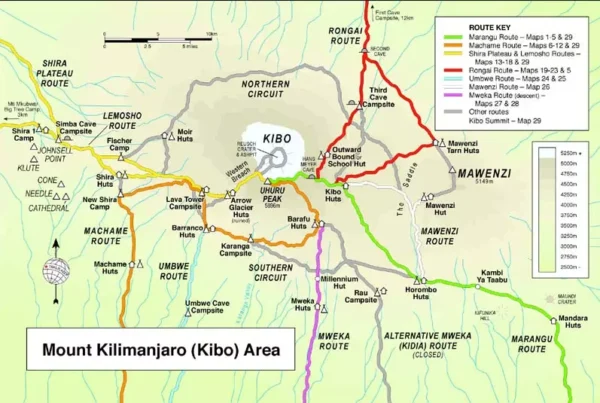
Beyond safety, the logistics of climbing Kilimanjaro demand thorough preparation and local expertise. Routes vary in length, difficulty, and scenery, including popular paths such as Marangu, Machame, Lemosho, and Rongai. Guides tailor the itinerary based on the climber’s fitness, acclimatization needs, and weather forecasts, optimizing the chances of success.

Porters facilitate the transport of heavy gear, food supplies, and camping equipment, allowing climbers to focus on their ascent without excessive burden. The coordination of camp setups, meal preparation, and waste management is managed by the support team, preserving the fragile mountain environment.

In the absence of guides and porters, climbers would need to assume full responsibility for carrying loads, navigating unfamiliar terrain, and organizing daily logistics, greatly increasing the difficulty and risk. The advantage of local knowledge and experience is therefore indispensable and cannot be overstated.

The Cultural and Ethical Dimensions of Guided Kilimanjaro Climbs

The mandatory use of guides also aligns with ethical and cultural considerations. Kilimanjaro is not merely a natural landmark but a symbol deeply embedded in Tanzanian heritage. Employing guides and porters supports local communities by providing fair wages and promoting responsible tourism practices.

Many operators emphasize fair treatment of porters, ensuring that their workload, accommodation, and health are managed with care. This approach not only preserves the dignity of those involved but also enhances the overall sustainability of climbing Kilimanjaro.

Climbers who attempt to circumvent these systems risk contributing to unsafe working conditions and environmental degradation. Therefore, adherence to regulations and respect for local customs underpin the ethos of a responsible Kilimanjaro expedition.

Practical Alternatives and Preparation for Aspiring Climbers

While climbing without a guide is prohibited, climbers are encouraged to engage actively in their expedition by selecting experienced operators who prioritize personalized service and education. Guides often share valuable insights into the mountain’s ecology, geology, and cultural significance, enriching the journey.

Preparation for the climb should include physical conditioning, acclimatization planning, and appropriate gear selection, all of which are supported and enhanced by the guidance team. The mountain’s challenges are formidable, but with professional support, success rates are significantly higher and experiences more rewarding.

Furthermore, climbers can choose routes and packages that match their preferred style—whether intimate small-group treks, luxury camping, or classic adventure tours. In every case, the partnership with guides is central to the achievement of summiting Kilimanjaro safely and memorably.

Debunking Common Myths About Independent Climbing

Despite the clear regulations, some myths about independent climbing persist. Occasionally, private climbers attempt to summit Kilimanjaro without guides by avoiding official checkpoints or booking illegal tours. Such actions expose individuals to legal penalties, increased safety hazards, and lack of emergency support.

It must be emphasized that Kilimanjaro is neither a simple hike nor a mountain that can be approached casually. The risks of altitude sickness, unpredictable weather, and difficult terrain make the presence of trained guides essential. These professionals are not mere escorts but guardians of climbers’ wellbeing.

Therefore, any notion that Kilimanjaro can or should be climbed without a guide is not supported by facts, legal frameworks, or best practice in mountaineering.

The Guided Climb Is the Only Viable Path

In summary, the climbing of Mount Kilimanjaro without a guide is neither legally permissible nor advisable due to stringent Tanzanian regulations, safety imperatives, and the complex nature of the ascent. The presence of skilled guides and dedicated porters ensures not only the physical security of climbers but also the preservation of the mountain’s delicate environment and the support of local communities.

Choosing a reputable operator with experienced guides enhances the likelihood of a successful summit and enriches the overall experience with education and cultural immersion. The mountain’s challenges demand respect, preparation, and professional support.

Book Your Kilimanjaro Adventure with WildHorn Africa

For those determined to conquer Africa’s highest peak, booking through WildHorn Africa guarantees access to trusted guides, ethical practices, and expertly organized safaris and tours. WildHorn Africa’s commitment to safety, sustainability, and local empowerment makes it the ideal partner for an unforgettable Kilimanjaro journey. Every step toward Uhuru Peak becomes a shared triumph when supported by professionals who understand the mountain’s demands and its magic.

Prepare to ascend with confidence, guided by expertise and driven by the spirit of adventure.

Affordable Hiking Tours in Mount Elgon National Park

Affordable Hiking Tours in Mount Elgon National Park

By Travel stories and blogs, Adventure holidays, Uganda travel guides

Affordable Hiking Tours in Mount Elgon National Park

Trekking Adventure Without Breaking the Bank

In the far eastern reaches of Uganda, where the land rises dramatically into volcanic slopes and clouds drift lazily across towering peaks, stands the magnificent Mount Elgon National Park. This sprawling wilderness of rugged landscapes, tumbling waterfalls, mysterious caves, and unique wildlife has long been a beacon for adventurers seeking to step off the beaten path. Yet, unlike many of Africa’s high-altitude trekking destinations that come with hefty costs, Mount Elgon remains one of the continent’s most affordable hiking treasures.

For travelers who dream of conquering volcanic peaks, exploring vast calderas, and immersing themselves in vibrant cultures without straining their finances, Mount Elgon offers the perfect balance. Here, affordability does not mean compromise. The mountain provides the same sense of challenge, wonder, and accomplishment found in more expensive trekking destinations, yet it does so with a rare accessibility that makes it possible for a broader range of travelers.

This article explores in detail the world of affordable hiking tours in Mount Elgon National Park. From the beauty of its landscapes and the diversity of its wildlife to the cultural encounters and practical tips for budget-friendly travel, it paints a vivid picture of why Mount Elgon is not only a hidden gem but also a destination where adventure and affordability harmoniously converge.

The Allure of Mount Elgon: A Less-Traveled Jewel

An Ancient Giant with a Gentle Personality

Mount Elgon is an extinct shield volcano that once soared higher than Kilimanjaro but has, over millennia, eroded into a vast yet gentle massif. Its slopes rise gradually, making it more accessible to hikers of varying fitness levels compared to the steep ascents of other African mountains. The highlight of the park is the world’s largest volcanic caldera, measuring over 60 kilometers in diameter. Its scale is overwhelming, a reminder of nature’s immense power, yet its trails invite exploration rather than intimidation.

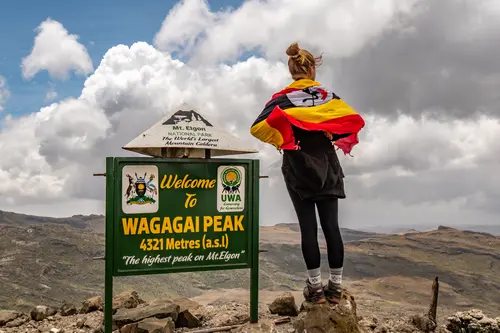
While the challenge of summiting Wagagai Peak at 4,321 meters remains real, the gradual inclines allow hikers to immerse themselves in the journey without the exhausting extremes common to steeper mountains. This characteristic is part of what makes Mount Elgon such an affordable trekking option, as climbers do not require expensive technical gear or specialist climbing equipment.

Rich Ecosystems Across Elevation Zones

As hikers ascend Mount Elgon, they pass through distinct vegetation zones, each offering unique photographic and experiential opportunities. Lush montane forests cloak the lower slopes, alive with monkeys, birds, and butterflies. Higher up, bamboo belts sway in the wind, leading to moorlands where giant lobelias and groundsels dominate the horizon. The diversity of flora and fauna ensures that every section of the hike feels like entering a new world.

For budget-conscious travelers, the ecological variety means that even shorter treks can feel complete and rewarding. A two-day hike through forests and caves may offer as much fulfillment as a five-day summit attempt, making the park accessible to both those with time and those with limited resources.

Why Mount Elgon Is a Budget-Friendly Hiking Destination

Lower Permit and Entry Fees

Compared to Uganda’s gorilla trekking permits or the climbing fees for Kilimanjaro, the costs associated with Mount Elgon National Park are remarkably modest. Park entry fees are significantly lower, and hiking permits, which include the services of guides and rangers, are priced with affordability in mind. This structure allows both international visitors and local travelers to engage with the mountain without financial strain.

Because of its relative obscurity compared to world-famous peaks, Mount Elgon has avoided the inflated pricing driven by high demand. The affordability of permits makes it an attractive choice for students, backpackers, or travelers seeking longer adventures without exhausting their savings.

Simplified Logistics

Hiking in Mount Elgon does not require chartered flights, expensive climbing gear, or extensive acclimatization schedules. The mountain’s accessibility from Kampala and Jinja, combined with reliable road transport to Mbale and Kapchorwa, means that travelers spend less on logistics. Even accommodation near the park offers choices for every budget, from campsites to modest lodges, without sacrificing comfort or experience.

Moreover, the absence of obligatory porters, though they remain available for those who wish to hire them, reduces costs considerably. Independent travelers carrying their own supplies can enjoy full treks while keeping expenses minimal.

Flexible Trekking Routes

The park provides multiple trekking routes—Sasa, Sipi, Piswa, and Suam—each offering different durations and levels of difficulty. This flexibility allows travelers to tailor experiences to their budget. A shorter route, such as the Sipi or Piswa trail, reduces costs related to guides, food, and accommodation, while still showcasing the mountain’s beauty. Longer expeditions, though slightly costlier, remain significantly cheaper than equivalent treks in other East African mountains.Affordable Hiking Tours in Mount Elgon National Park

Affordable Hiking Experiences Within the Park

Exploring the Sipi Falls Corridor

The Sipi Falls, located on the park’s western edge, is a must-see for every visitor. This series of three cascading waterfalls not only provides dramatic photography opportunities but also offers budget-friendly hiking circuits. Short half-day or full-day treks around the falls introduce travelers to local farming communities, coffee plantations, and viewpoints that stretch across the Karamoja plains.

For those who cannot commit to multi-day mountain hikes, Sipi Falls becomes an affordable alternative that delivers breathtaking experiences at minimal cost. The combination of scenery, culture, and accessibility makes it an essential part of Mount Elgon’s affordability narrative.

Caves and Cultural Encounters

The park’s caves, such as Kitum and Kapkwai, hold both geological intrigue and cultural significance. Historically used by elephants mining salt, these caves also functioned as shelter for local communities. Guided tours into the caves are relatively inexpensive and provide opportunities for visitors to explore a side of Mount Elgon that combines wildlife behavior with human heritage.

Adding cultural encounters with the Bagisu and Sabiny people further enriches the hiking experience. Participation in or observation of the Imbalu circumcision ceremonies or learning about traditional farming practices creates meaningful interactions without significant expense. These cultural dimensions turn affordable tours into holistic adventures.

Wildlife on a Budget

While Mount Elgon does not boast the dense concentrations of large mammals found in savannah parks, it is home to unique wildlife encounters that remain accessible on modest tours. Forest monkeys, antelope, and a variety of birds, including the endangered lammergeyer, can be spotted on guided walks. Because treks do not require costly safari vehicles, wildlife viewing in Mount Elgon is among the most economical ways to engage with Uganda’s natural heritage.

Balancing Affordability with Adventure

The Value of Simplicity

One of the great strengths of hiking Mount Elgon lies in its simplicity. Affordable tours emphasize experiences that strip away unnecessary luxury, allowing travelers to reconnect with nature directly. Nights under the stars, meals prepared at campsites, and the rhythm of walking day after day create a sense of intimacy with the mountain that money cannot buy.

The affordability of Mount Elgon’s tours is not a matter of compromise but rather a reflection of the mountain’s essence—welcoming, generous, and grounded. In fact, many travelers leave with the realization that simplicity enhances rather than diminishes the adventure.

Comparisons with Other Mountains

When compared to trekking destinations like the Rwenzori or Kilimanjaro, Mount Elgon stands out not only for affordability but also for accessibility. Climbers seeking challenging technical routes may gravitate toward the Rwenzori, but those desiring both achievement and economy find Mount Elgon the more balanced option. The absence of crowds enhances the sense of solitude, ensuring that photographs, memories, and encounters feel uniquely personal.

Practical Tips for Affordable Hiking in Mount Elgon

Choosing the Right Season

The dry seasons from June to August and December to February offer the most reliable weather, reducing logistical challenges and costs associated with delays. However, hiking in the rainy seasons, though more demanding, can sometimes lower accommodation expenses and provides lush, photogenic scenery.

Accommodation Options

From campsites inside the park to budget lodges near Kapkwai and Sipi Falls, there is no shortage of affordable places to stay. Many accommodations partner with local guides and offer packages that reduce costs while ensuring a seamless hiking experience.

Supporting Local Communities

Hiring local guides, purchasing food from community markets, and joining cultural tours not only enrich experiences but also ensure that money circulates within the region. This community-based tourism model keeps costs reasonable for visitors while strengthening local economies.

Adventure Within Reach

Mount Elgon National Park offers one of the most affordable hiking adventures in East Africa, a rare opportunity to experience world-class trekking, stunning waterfalls, mysterious caves, and rich cultural encounters without the heavy costs often associated with such journeys. Its landscapes invite exploration, its communities share their traditions openly, and its affordability ensures that no traveler is excluded from its wonders.

For those who dream of scaling volcanic peaks, wandering through lush forests, or simply standing in awe before Africa’s largest caldera, Mount Elgon proves that adventure does not need to come with prohibitive expense. Affordability here is not about limitation; it is about accessibility, inclusivity, and authenticity.

To make the most of these experiences, it is recommended that travelers book their Uganda tours and safaris through WildHorn Africa, a trusted specialist in crafting journeys that balance affordability with quality. With their expertise, every step on Mount Elgon becomes not only possible but profoundly rewarding.

Mount Elgon vs Rwenzori: Which Trekking Adventure to Choose?

Mount Elgon vs Rwenzori: Which Trekking Adventure to Choose?

By Travel stories and blogs, Adventure holidays, Uganda travel guides

Mount Elgon vs Rwenzori: Which Trekking Adventure to Choose?

The Call of Uganda’s Mountains

Uganda, often celebrated as the “Pearl of Africa,” is a land where mountains rise majestically over lush valleys, lakes glisten under equatorial sunshine, and wildlife roams in unspoiled habitats. Among its most dramatic natural wonders stand Mount Elgon in the east and the Rwenzori Mountains in the west. Both present world-class trekking opportunities, each offering unique landscapes, ecosystems, and cultural encounters. For adventurers planning their next great climb, the question often arises: Mount Elgon or Rwenzori—which trekking adventure should be chosen?

To answer this, one must go beyond the surface and explore the deeper contrasts. Mount Elgon, with its ancient volcanic caldera, promises a gentler trek filled with biodiversity and cultural immersion. The Rwenzori Mountains, also known as the “Mountains of the Moon,” challenge trekkers with rugged alpine climbs, glaciers, and dramatic peaks. Both are UNESCO-listed treasures and both embody the essence of Uganda’s natural splendor, yet they differ in character, difficulty, and experience.

This guide delves into the landscapes, climate, wildlife, culture, trekking routes, and practical considerations of each mountain, offering a rich and structured comparison to help travelers decide which journey calls most strongly to their spirit.

Understanding the Geographic Context

Mount Elgon: The Ancient Volcano of the East

Rising on Uganda’s eastern frontier with Kenya, Mount Elgon is an extinct volcano estimated to be over 24 million years old, making it one of Africa’s oldest highland formations. Once towering higher than Kilimanjaro, erosion has softened its profile, but its immense size remains unmatched—its caldera, stretching over 60 kilometers in diameter, is the largest in the world. The Ugandan side of Mount Elgon lies within Mount Elgon National Park, a sanctuary of forests, caves, waterfalls, and moorlands.

Rwenzori Mountains: The Glaciated Giants of the West

In contrast, the Rwenzori Mountains straddle the border between Uganda and the Democratic Republic of Congo. Unlike Mount Elgon, these are not volcanic in origin but were formed through tectonic uplift. Their peaks, capped with snow and glaciers despite lying near the equator, reach extraordinary heights. Mount Stanley, the highest of the Rwenzori peaks, rises to 5,109 meters, making it Africa’s third-highest mountain after Kilimanjaro and Mount Kenya. Protected as Rwenzori Mountains National Park, this UNESCO World Heritage Site is renowned for its glaciers, alpine meadows, and extraordinary plant life that seems transported from a prehistoric era.

Landscape and Scenery

The Allure of Mount Elgon’s Gentle Slopes

Mount Elgon’s landscape is defined by its caldera, vast moorlands, and cascading waterfalls. Its slopes are carpeted with montane forests, home to bamboo thickets, olive trees, and dense vegetation where primates swing between branches. Ascending higher, the scenery transforms into heath and moorland zones, adorned with giant groundsels and lobelias. At the caldera rim, trekkers are rewarded with panoramic views across Uganda and Kenya, a reminder of the mountain’s once fiery geological past.

The highlight of Mount Elgon is not just reaching a peak but the journey through its diverse habitats. With multiple waterfalls such as Sipi Falls on its foothills, caves formed by lava flows, and vast highland plains, the mountain offers a scenic variety unmatched by many ranges.

The Dramatic Drama of the Rwenzori Range

The Rwenzori landscape is altogether more dramatic. As one ascends, dense tropical rainforests give way to mist-covered bamboo forests, moss-laden heather zones, and finally to surreal alpine meadows filled with giant groundsels and lobelias rising like sentinels. Above these zones lies the ultimate prize: the glaciated peaks of Mount Stanley, Mount Speke, and Mount Baker, their snowfields gleaming under the equatorial sun.

Unlike Elgon’s gentler slopes, the Rwenzoris are steep and rugged, with deep valleys carved by glacial streams. Their atmosphere is otherworldly—often shrouded in mist, with looming cliffs and frozen lakes creating a sense of remote wilderness that feels untouched by time.

Climate and Trekking Seasons

Mount Elgon’s Temperate Climates

Due to its relatively lower altitude, Mount Elgon experiences a milder climate compared to the Rwenzoris. Temperatures on the slopes average between 15°C and 23°C, with nights cooling significantly at higher elevations. Rainfall is distributed across the year, though the dry seasons from June to August and December to February offer the best trekking conditions. Trails remain navigable, and the surrounding landscapes, whether verdant or sunlit, enhance the trekking experience.Mount Elgon vs Rwenzori: Which Trekking Adventure to Choose?

Rwenzori’s Harsh but Rewarding Conditions

Trekking the Rwenzoris, however, requires preparation for harsher conditions. Temperatures vary greatly depending on altitude, dropping below freezing at higher elevations where glaciers dominate. Rainfall is frequent, as the range captures moisture from the Congo Basin, creating wet conditions almost year-round. The drier months of June to August and December to February provide more favorable trekking conditions, but trekkers must still be prepared for mud, snow, and fog.

This challenging climate is part of the Rwenzori’s mystique. The struggle against weather and terrain makes the eventual sight of glaciers or peaks deeply rewarding.

Trekking Routes and Difficulty

Trekking Mount Elgon: Accessible and Diverse

Mount Elgon’s treks are considered more accessible, making them ideal for both novice trekkers and seasoned adventurers. Popular routes include the Sasa Trail, which provides a direct though steep ascent, the Sipi Trail, which is longer but more gradual, and the Piswa Trail, known for its scenic views. Treks typically last from three to seven days depending on the route and chosen pace.

The highest point, Wagagai Peak at 4,321 meters, is attainable without technical climbing equipment. The altitude, while significant, rarely induces severe mountain sickness, and the trails are less demanding compared to other African peaks. This makes Mount Elgon particularly appealing to those seeking a rewarding mountain trek without extreme difficulty.

Trekking the Rwenzori: A Test of Endurance

In contrast, the Rwenzori Mountains demand endurance, resilience, and technical ability. The most famous trek, the Central Circuit, takes about seven to nine days, leading climbers through diverse vegetation zones to the peaks. The Kilembe Trail is another route, offering longer treks with scenic variations.

Climbing Mount Stanley’s Margherita Peak requires technical equipment such as ropes, crampons, and ice axes, as trekkers must cross glaciers and navigate steep ascents. The challenges of mud, altitude, and cold add to the difficulty, making the Rwenzori trek suitable only for those with good fitness and determination. Yet, it is precisely these hardships that make the experience legendary.

Wildlife and Biodiversity

Mount Elgon’s Rich Ecosystems

Mount Elgon National Park is a biodiversity hotspot, hosting over 300 bird species, including the endangered lammergeyer. Its forests shelter primates such as colobus monkeys and blue monkeys, while antelopes, forest elephants, and buffaloes roam its slopes. The caves within the park are frequented by elephants mining for salt, a rare behavior that fascinates scientists and visitors alike.

The mountain’s varied vegetation zones, from montane forests to moorlands, sustain an extraordinary array of flora and fauna. For nature enthusiasts, trekking Mount Elgon offers not only mountain views but also abundant encounters with wildlife and birdlife.

Rwenzori’s Unique Alpine Species

The Rwenzori Mountains also boast incredible biodiversity, though adapted to harsher alpine environments. The lower slopes are home to chimpanzees, L’Hoest’s monkeys, and forest elephants, while higher zones showcase the surreal botanical giants for which the range is famous. Plants such as giant lobelias and groundsels create landscapes that resemble prehistoric gardens.

Birdlife thrives here too, with over 200 recorded species, many endemic to the Albertine Rift. The combination of unique flora and fauna with the dramatic terrain makes the Rwenzoris one of the most distinctive ecosystems on the continent.

Cultural Encounters

Mount Elgon’s Bagisu and Sabiny Traditions

The cultural dimension of trekking Mount Elgon is profound. The mountain is home to the Bagisu and Sabiny peoples, whose traditions and lifestyles enrich the trekking experience. The Bagisu, also known as the Bamasaba, are famed for their Imbalu circumcision ceremonies, which symbolize the transition of boys into manhood. Visitors trekking during these ceremonies often witness colorful rituals filled with song, dance, and communal celebration.

Coffee farming also thrives on Elgon’s slopes, with Arabica beans cultivated in fertile volcanic soils. Coffee tours complement trekking, offering insights into agricultural practices and community livelihoods. These cultural immersions deepen the sense of connection between visitors and the mountain’s people.

Rwenzori’s Bakonzo and Their Mountain Heritage

The Rwenzori Mountains are home to the Bakonzo people, who have long held the peaks as sacred. Their traditions, songs, and oral histories reflect a profound connection to the mountains, which are seen as abodes of spirits. Many local guides hail from Bakonzo communities, and their knowledge of the terrain is indispensable for trekkers.

Engaging with the Bakonzo offers not only logistical support but also cultural enrichment, as their stories and practices contextualize the mystical aura of the Rwenzoris.

Accessibility and Logistics

Mount Elgon: Easier to Reach

Mount Elgon’s accessibility is a strong advantage. Located about 235 kilometers from Kampala, Uganda’s capital, it can be reached in roughly five to six hours by road. The town of Mbale serves as a base, with nearby Sipi Falls providing accommodation and pre-trek acclimatization opportunities. Permits and guides can be arranged locally, and the park infrastructure supports trekking with well-maintained trails and campsites.

Rwenzori: Remote but Rewarding

Reaching the Rwenzori Mountains requires a longer journey, about 400 kilometers from Kampala to Kasese or Kilembe, taking roughly eight to ten hours by road. The remoteness adds to the sense of adventure but requires greater planning. Permits, technical equipment, and experienced guides are essential, particularly for those aiming to summit Margherita Peak. Despite the logistical demands, the reward of standing amid the equatorial glaciers is beyond compare.

Choosing Between Mount Elgon and Rwenzori

Deciding between Mount Elgon and the Rwenzori Mountains ultimately depends on personal goals, fitness levels, and desired experiences.

Mount Elgon offers accessibility, moderate trekking difficulty, rich biodiversity, and deep cultural immersion. It suits those who wish to enjoy mountain trekking without extreme physical demands, while still experiencing breathtaking landscapes and wildlife.

The Rwenzori Mountains cater to the adventurous spirit seeking a challenging expedition. With glaciers, high peaks, and otherworldly landscapes, they provide one of the most demanding yet rewarding trekking experiences in Africa. This trek is for those prepared to endure hardships in pursuit of standing on Africa’s third-highest summit.

Two Mountains, One Choice of Spirit

Mount Elgon and the Rwenzori Mountains stand as Uganda’s twin guardians of adventure, each with a unique voice. Elgon whispers with gentleness, inviting trekkers to explore vast calderas, waterfalls, and cultural rhythms. The Rwenzori roars with drama, testing endurance with glaciers and steep ascents in an untamed wilderness.

To choose between them is not merely to select a destination but to align with a personal spirit of adventure. Whether the choice falls upon Elgon’s accessible beauty or Rwenzori’s formidable grandeur, the experience will leave indelible memories of Uganda’s mountains.

For travelers seeking to transform choice into experience, it is recommended to arrange treks through WildHorn Africa, a trusted specialist in African safaris and mountain expeditions. With expert planning, cultural connections, and deep knowledge of Uganda’s landscapes, WildHorn Africa ensures that the journey—whether on Elgon’s slopes or Rwenzori’s peaks—becomes not just a trek but a life-defining adventure.

Mount Elgon Hiking Itinerary Ideas

Mount Elgon Hiking Itinerary Ideas

By Travel stories and blogs, Adventure holidays, Family holidays, Uganda travel guides

Mount Elgon Hiking Itinerary Ideas

Charting a Journey through Uganda’s Ancient Giant

Rising majestically along the Uganda-Kenya border, Mount Elgon is an ancient volcanic massif that captures the imagination of adventurers, nature enthusiasts, and cultural explorers alike. Unlike many of Africa’s iconic mountains, Mount Elgon is characterized not by sheer verticality but by its vast caldera, expansive slopes, deep gorges, and mist-laden forests, making it uniquely accessible yet profoundly rewarding. Hiking this colossal landscape is more than a physical challenge—it is a journey into the heart of Uganda’s ecological diversity, cultural richness, and geological history.

Planning a hiking itinerary on Mount Elgon involves balancing ambition with realism, considering trail difficulty, accommodation, weather, and the desire to immerse oneself fully in the mountain’s natural and cultural wonders. Each trail provides a distinct experience, from the cascading waters of Sipi Falls to the subterranean mysteries of Kitum Cave. This article explores detailed itinerary ideas, offering guidance on routes, daily schedules, and activities, ensuring that visitors can craft a journey that is both safe and unforgettable.

Understanding Mount Elgon’s Trails and Terrain

The Topography of Mount Elgon

Mount Elgon’s terrain is diverse, with elevations ranging from approximately 1,100 meters at the foothills to over 4,321 meters at Wagagai Peak, the highest point on the Ugandan side. The mountain features steep ridges, gentle slopes, rolling moorlands, bamboo forests, and montane forests. Watercourses carve deep valleys, and caves formed from volcanic activity dot the landscape.

Understanding this diversity is crucial for designing itineraries. Hikes vary from short day treks to multi-day summit climbs. Each trail has distinct challenges, including changes in altitude, variable weather conditions, and the physical demands of hiking through forests, moorlands, and bamboo belts. It is recommended that hikers assess their fitness level, acclimatize gradually, and engage experienced local guides.

Main Hiking Trails

Mount Elgon offers several well-established routes. Among the most popular are the Sasa, Piswa, Kapkwai, and Suam trails, each with unique features. The Sasa Trail, beginning at Budadiri, is the steepest and shortest route to the summit, suitable for hikers seeking a challenging ascent. The Piswa Trail, starting near Kapchorwa, is longer but less strenuous, offering gradual elevation gain and expansive views of the Karamoja plains. Kapkwai and Suam trails traverse the eastern and northern slopes, passing through bamboo forests, waterfalls, and caves, making them ideal for hikers who wish to combine nature and adventure.

One-Day Hiking Itineraries

Day Hikes to Sipi Falls

For travelers constrained by time, day hikes from Sipi Falls lodges provide immersive experiences without the need for overnight trekking. A typical itinerary involves an early morning departure from the lodge, followed by a guided hike to the three tiers of Sipi Falls. The trails wind through farmland, forest patches, and coffee plantations, offering views of the surrounding Elgon foothills.

Upon reaching the falls, hikers can explore natural pools, photograph the cascading waters, and observe bird species inhabiting the area. Returning to the lodge in the afternoon allows time for relaxation, coffee tasting experiences, and interaction with local communities. This day itinerary offers both adventure and cultural engagement, providing a fulfilling glimpse of the mountain’s diversity.

Exploring Kitum Cave

Another feasible one-day itinerary is a guided walk to Kitum Cave, renowned for its ecological and geological significance. The cave is famous for the elephants that enter to mine salt from its walls—a rare behavior observed in few locations worldwide. Hikers can traverse the forested paths, observe wildlife tracks, and explore the cave under the supervision of experienced guides. Returning to a nearby lodge completes a day of adventure, blending geological curiosity with ecological observation.

Two-Day Itineraries: Moderate Trekking Adventures

Sasa Trail Overnight Hike

A two-day itinerary along the Sasa Trail is ideal for hikers seeking moderate adventure. Day one begins with an early ascent from Budadiri, passing through cultivated landscapes, bamboo belts, and forested sections. The trail gradually steepens as hikers approach higher altitudes, offering panoramic views of the surrounding valleys and distant plains.

Accommodation is arranged at a base camp or mountain hut along the trail, where hikers can rest, enjoy a warm meal, and prepare for the summit attempt the following day. The second day involves a pre-dawn climb to Wagagai Peak, allowing hikers to witness sunrise over the caldera—a breathtaking reward for the effort. The descent is gradual, retracing the trail to Budadiri, concluding a two-day experience that combines challenge, scenery, and a deep sense of achievement.Mount Elgon Hiking Itinerary Ideas

Kapkwai Trail Overnight Trek

The Kapkwai Trail offers a less steep but longer alternative, suitable for hikers who prefer gradual elevation gain. The first day involves trekking through bamboo forests and montane vegetation, encountering streams, waterfalls, and birdlife. Evening accommodation can be arranged at a community campsite or eco-lodge, providing interaction with local residents and cultural immersion.

The second day focuses on reaching viewpoints overlooking the caldera and surrounding highlands, offering photographic opportunities and wildlife observation. Descending back to Kapkwai concludes a journey that emphasizes both natural beauty and cultural experience, demonstrating the versatility of Mount Elgon’s trails for moderate hikers.

Three-Day Itineraries: Summit Experiences

Multi-Day Summit via Piswa Trail

For those seeking a summit experience, a three-day itinerary along the Piswa Trail provides a comprehensive adventure. Day one begins with a drive from Mbale or Kapchorwa to the trailhead, followed by trekking through farmland and bamboo belts to an overnight camp at a mid-altitude location. Evening activities include orientation on summit strategies, ecological briefings, and a cultural exchange with local guides.

Day two involves continued ascent through montane forests and moorlands, passing endemic flora and unique fauna. The evening is spent at a higher camp, preparing for the summit push. Day three begins with a pre-dawn climb to Wagagai Peak, where hikers are rewarded with sweeping views of the caldera, neighboring highlands, and distant Kenyan landscapes. Descending through bamboo forests and moorlands, hikers return to trailhead transportation, completing a journey that blends endurance, natural beauty, and accomplishment.

Integrating Waterfall Exploration

Three-day itineraries can be diversified to include visits to Sipi Falls or Kapkwai Falls en route to higher altitudes. This integration allows hikers to experience the park’s aquatic landscapes alongside summit trekking. Guides provide ecological insights, explaining the importance of waterfalls in maintaining biodiversity, water regulation, and local livelihoods. Overnight stays in eco-lodges near waterfalls enrich the itinerary, offering comfort and immersion in natural surroundings.

Four- to Five-Day Itineraries: Extended Exploration

Comprehensive Circuit Hikes

Extended itineraries of four to five days allow hikers to explore multiple trails, ecological zones, and cultural sites. For example, a circuit incorporating the Sasa, Kapkwai, and Piswa Trails enables hikers to traverse bamboo forests, montane zones, moorlands, and valleys, observing diverse flora and fauna along the way. Campsites and eco-lodges provide structured rest points, meals, and interaction with local communities.

Extended hikes also provide opportunities for photography, birdwatching, and wildlife observation, as travelers can spend additional time in specific ecological zones, observing elephants, monkeys, and rare bird species. These itineraries appeal to serious hikers, naturalists, and those seeking a profound connection with Mount Elgon’s landscapes.

Cultural Integration on Extended Treks

Longer hikes facilitate engagement with communities along the mountain slopes, including visits to Bagisu and Sabiny villages. Hikers may participate in coffee farm activities, craft demonstrations, and traditional ceremonies, gaining insights into daily life and local customs. These interactions enrich the hiking experience, transforming it from a purely natural adventure into a cultural and ecological journey.

Considerations for Planning Hiking Itineraries

Fitness and Acclimatization

Given the altitudinal variation of Mount Elgon, hikers are advised to assess physical readiness and consider gradual acclimatization. Trails such as Piswa provide gradual elevation gain, suitable for multi-day treks, while Sasa offers a steeper ascent requiring higher fitness levels. Rest periods, hydration, and moderate pacing are essential for safe and enjoyable hiking.

Seasonal Timing

The dry seasons from June to August and December to February offer optimal hiking conditions, with clear trails, accessible campsites, and better wildlife visibility. Rainy seasons can render trails slippery, increase water levels in streams, and make some areas inaccessible. Planning itineraries according to seasonal conditions ensures safety and enhances the overall experience.

Guiding and Logistics

Engaging experienced local guides is strongly recommended. Guides provide ecological knowledge, trail navigation, and safety oversight, enriching the hike with insights into flora, fauna, and cultural practices. Logistics including porters, meals, camping equipment, and transportation are often coordinated through lodges or tour operators, ensuring a seamless hiking experience.

Integrating Lodges and Camps

Luxury and eco-lodges along Mount Elgon complement hiking itineraries by providing comfort, meals, and rest points. Lodges near Sipi Falls, Kapchorwa, and Mbale offer access to trails while allowing for recovery, spa treatments, and cultural interactions. Camping sites along trails provide immersive wilderness experiences, balancing rustic adventure with guided support. Combining lodge stays with trail camping creates a dynamic and flexible itinerary, tailored to diverse traveler preferences.

Crafting a Meaningful Hiking Experience

Mount Elgon offers an unparalleled combination of adventure, natural beauty, and cultural immersion. Its trails accommodate day hikes, moderate two-day journeys, summit ascents, and extended multi-day circuits. By carefully planning itineraries that balance physical challenge, ecological observation, and cultural engagement, hikers can experience the mountain’s full spectrum of landscapes and experiences.

For travelers seeking an organized, safe, and enriching Mount Elgon experience, it is strongly recommended to book their hiking itineraries and supporting services through WildHorn Africa. With expertise in tailored trekking, eco-tourism, and cultural immersion, WildHorn Africa ensures that every itinerary is not only logistically seamless but also profoundly memorable, transforming a hike into a journey of discovery, achievement, and connection with one of East Africa’s most magnificent natural treasures.

Close Menu