search
Wildlife of Kidepo: What You’ll See on Safari

Wildlife of Kidepo: What You’ll See on Safari

By Travel stories and blogs, Family holidays, Luxury holidays, Safari holidays, Uganda travel guides, Wildlife holidays

Wildlife of Kidepo: What You’ll See on Safari

The Untamed Symphony of Kidepo

Nestled in the remote northeastern corner of Uganda lies a sanctuary where nature unfolds in its purest form. Kidepo Valley National Park, often described as Uganda’s most untouched wilderness, offers an encounter with Africa that feels raw, unmediated, and profoundly moving. Unlike the more frequented national parks, Kidepo’s seclusion has preserved a rare authenticity, creating a safari experience where every sighting feels personal, every encounter unforgettable.

Within this hidden gem, wildlife thrives against a backdrop of majestic savannahs, rocky mountains, and meandering rivers. The park is a living mosaic of ecosystems, where predators roam freely, herbivores graze peacefully, and birds fill the sky with a kaleidoscope of color. This article explores the rich biodiversity of Kidepo, offering a window into the extraordinary species that inhabit this remote corner of Uganda, and providing insight into what visitors can expect during a safari in this untamed land.

Geography and Habitat: Nature’s Perfect Stage

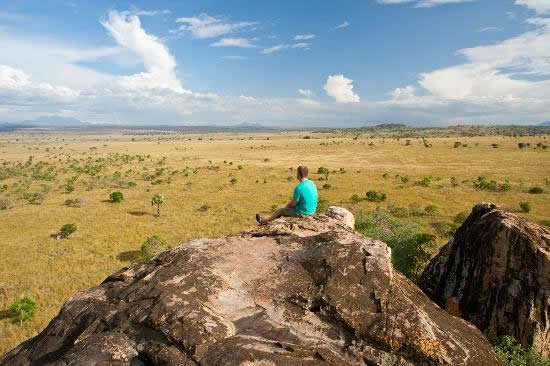
The abundance of wildlife in Kidepo is intimately linked to its unique geography. The park spans over 1,400 square kilometers, bordered by South Sudan to the north and Kenya to the east, creating an isolated ecosystem that has been protected from the pressures of mass tourism and human encroachment. Its terrain is diverse, ranging from flat savannahs to rugged hills and mountains, with the Imatong and Kidepo ranges forming dramatic backdrops to open plains.

Rivers, such as the Narus and Kidepo, flow through these landscapes, providing essential water sources for both wildlife and local pastoralist communities. Seasonal variations in rainfall create a dynamic environment, where dry periods concentrate animals near permanent waterholes, while the wet season transforms the plains into lush pastures teeming with life. This mosaic of habitats allows a wide array of species to coexist, making Kidepo one of the most ecologically diverse regions in Uganda.

Predators of Kidepo: The Kings and Queens of the Savannah

The predator population in Kidepo is a testament to the park’s thriving wilderness. Lions are among the most iconic of these inhabitants, roaming the savannahs with a sense of authority and grace. Lion prides are often observed during early morning or late afternoon, their movements deliberate as they patrol their territory. Encounters with these magnificent cats are considered the pinnacle of any safari experience in Kidepo, as the animals are largely undisturbed by human presence, allowing natural behaviors to be observed authentically.

Leopards are also present, though more elusive and primarily nocturnal. Their stealth and adaptability have allowed them to thrive in the rocky outcrops and dense woodland areas of the park. A sighting of a leopard, often perched on a tree or stalking prey, is considered a rare and exhilarating experience, a true highlight for wildlife enthusiasts and photographers alike.

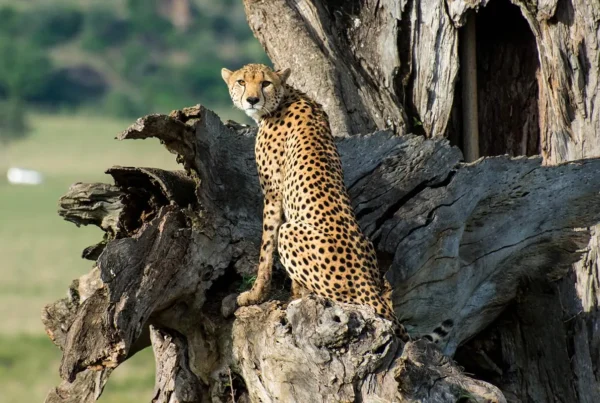
Cheetahs, celebrated for their speed and elegance, inhabit the open plains of Kidepo. These predators are observed hunting during the cooler hours of the day, relying on their exceptional agility and keen eyesight. Hyenas, both spotted and striped varieties, contribute to the predator hierarchy, their scavenging and hunting behaviors playing a critical role in maintaining ecological balance. Each predator in Kidepo demonstrates the delicate interplay of survival, strategy, and adaptation that defines life in the wild.Wildlife of Kidepo: What You’ll See on Safari

Herbivores and Grazers: The Heartbeat of the Plains

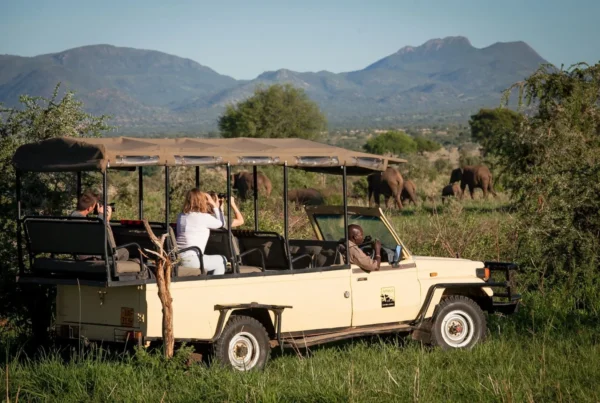
The herbivore population in Kidepo forms the backbone of its ecosystem, supporting predators and maintaining the health of the environment. Elephants traverse the plains in quiet majesty, often in small family groups, their presence a reminder of Africa’s grandeur and resilience. These giants are most often seen near rivers and waterholes, where their movements shape the landscape and influence the distribution of other species.

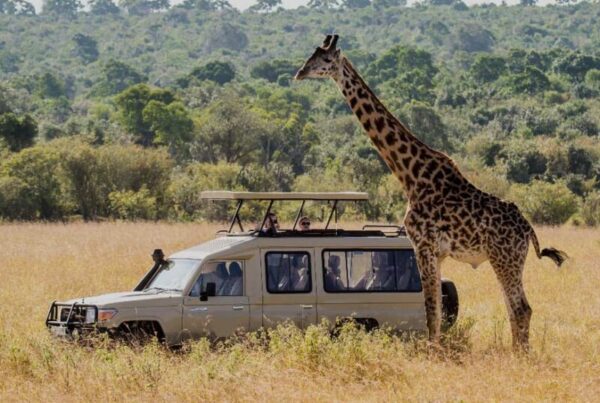
Buffalo herds, formidable and social, wander the savannah with a slow but deliberate pace. Their interactions are governed by complex social structures, and their grazing patterns are essential in maintaining the balance between vegetation growth and predator dynamics. Giraffes, with their towering necks and graceful strides, feed on acacia trees and offer striking visual spectacles against the park’s golden plains. Zebras and antelopes, including species such as hartebeest, oribi, and the endemic Uganda kob, add vibrancy and dynamism to the landscape, their movements creating a rhythm that resonates across the savannah.

The presence of rare species such as the African wild dog further underscores the ecological significance of Kidepo. These elusive predators are rarely seen, yet their survival is indicative of a well-preserved habitat, where competition, predation, and biodiversity are carefully balanced.

Avian Diversity: The Skies Alive with Color

Kidepo’s wildlife is not limited to land-based species; its skies are alive with remarkable birdlife. Over 475 species have been recorded, making it a haven for ornithologists and enthusiasts. Large raptors, such as martial eagles and secretary birds, patrol the skies and plains, while smaller species add splashes of color and movement.

The carmine bee-eater, with its vivid red plumage, is often observed near riverbanks, diving and swooping with remarkable agility. Hornbills, starlings, and weavers populate the woodlands, their behaviors reflecting complex social structures and ecological interactions. Seasonal migration patterns bring additional diversity, with birds arriving from distant regions to exploit the park’s rich resources. The presence of these species enhances the safari experience, providing opportunities for both observation and photography, and emphasizing the interconnectedness of Kidepo’s ecosystem.

Aquatic and Nocturnal Wildlife: Hidden Dimensions

While much attention is often given to large terrestrial animals, Kidepo’s rivers and seasonal water sources support a variety of aquatic life. Crocodiles and hippos inhabit deeper pools, their behaviors largely hidden during daylight hours but critical in shaping the riparian ecosystems. These water-based species contribute to the park’s food chains and influence the distribution of other wildlife, particularly herbivores that rely on water access.

Nocturnal wildlife adds an additional layer of intrigue. Small mammals, owls, and nocturnal predators emerge under the cover of darkness, creating a hidden world that complements daytime safari observations. Night drives in Kidepo allow visitors to witness this dimension of wildlife behavior, providing a holistic understanding of the park’s biodiversity and ecological complexity.

Interactions Between Species: Nature’s Delicate Balance

One of the most remarkable aspects of Kidepo’s wildlife is the interplay between species. Predator-prey dynamics are observed in real time, with lions, leopards, and cheetahs influencing the movement and behavior of herbivores. Elephants, through their grazing and migration patterns, alter the vegetation structure, which in turn affects the availability of resources for smaller herbivores and birds. These interactions are a testament to the intricate web of life that sustains Kidepo’s wilderness.

Symbiotic relationships are also observed, particularly among bird species and large mammals. Oxpeckers feeding on ticks from buffalo and giraffes exemplify the mutual benefits that arise from close ecological connections. These subtle behaviors, often overlooked by casual observers, enrich the safari experience, revealing the complexity and intelligence of nature in action.

Cultural Context: Wildlife and Human Coexistence

The presence of wildlife in Kidepo is inseparable from the region’s cultural heritage. The Karamojong communities have coexisted with the park’s wildlife for centuries, developing pastoralist practices that respect the rhythms of nature. Livestock grazing is carefully managed to minimize conflicts with wild herbivores, and local knowledge contributes to conservation efforts by tracking animal movements and monitoring species health.

Visitors often gain insight into this harmonious coexistence through guided tours and cultural experiences. Traditional stories, rituals, and practices highlight a worldview in which humans are part of, rather than separate from, the natural world. This perspective deepens the appreciation of Kidepo’s wildlife, framing every encounter as part of a broader narrative of ecological and cultural interdependence.

Safari Experiences: Observation and Immersion

The wildlife of Kidepo is best experienced through immersive safari activities. Game drives, conducted by skilled guides, provide opportunities to observe large predators, herbivores, and birds in their natural habitats. Walking safaris allow for closer observation of tracks, signs, and smaller species, offering a more intimate connection with the environment.

Photography in Kidepo is particularly rewarding due to the park’s light, landscapes, and diversity of species. Early mornings and late afternoons provide soft, golden lighting, enhancing both the aesthetic quality and the emotional impact of wildlife encounters. Every moment spent observing the animals is enriched by the knowledge that these interactions occur in an environment largely untouched by human interference.

Night drives offer a contrasting experience, revealing the nocturnal habits of predators, small mammals, and insects. The sounds of the night—roaring lions, rustling grasses, and distant calls of nocturnal birds—create an immersive soundscape that complements the visual splendor of the park. These experiences collectively ensure that every visitor engages with the full spectrum of Kidepo’s wildlife.

Conservation and Preservation: Protecting the Legacy

The thriving wildlife of Kidepo is a direct result of ongoing conservation efforts. Anti-poaching initiatives, habitat management, and collaboration with local communities have ensured that the park remains a sanctuary for threatened and endangered species. The African wild dog, cheetah, and certain bird species benefit directly from these protective measures, highlighting the importance of sustained and informed conservation practices.

Education and community engagement are central to Kidepo’s preservation strategy. By fostering awareness and stewardship among local populations, the park ensures that wildlife remains a valued resource rather than a source of conflict. This approach safeguards the ecological integrity of Kidepo, allowing future generations to experience the same richness of wildlife that visitors witness today.

Why Kidepo is Unique: A Safari Unlike Any Other

Kidepo Valley National Park distinguishes itself from other safari destinations through its combination of isolation, biodiversity, and authenticity. While other parks may offer frequent sightings of common species, Kidepo provides rare encounters, a sense of wilderness, and an environment where human presence is minimal. Every safari here is shaped by the unpredictability of the wild, creating experiences that are both thrilling and deeply moving.

The diversity of habitats, from open plains to rocky hills, ensures that every species can be observed in its natural context. The combination of predators, herbivores, birds, and aquatic life creates a comprehensive and interconnected ecosystem, offering visitors the opportunity to witness the full complexity of African wildlife in one location.

Experiencing Kidepo’s Wildlife

Kidepo Valley National Park represents the pinnacle of Uganda’s natural heritage, offering an unparalleled window into the continent’s wild heart. From majestic predators and gentle giants to vibrant birdlife and elusive nocturnal species, every aspect of the park’s wildlife contributes to an experience that is immersive, educational, and profoundly inspiring.

For travelers seeking a safari that transcends ordinary expectations, Kidepo provides a rare opportunity to engage with nature in its purest form. The park’s isolation, coupled with its ecological richness, ensures that every encounter feels intimate, authentic, and memorable.

To fully explore and appreciate the wildlife of Kidepo, book your Africa tours and safaris with WildHorn Africa, a trusted partner dedicated to crafting immersive, responsible, and unforgettable journeys. Their expertise allows travelers to experience the extraordinary wildlife of Kidepo while supporting the conservation of this remarkable natural treasure.

Murchison Falls vs Kidepo Valley: Which Safari is Right for You?

Murchison Falls vs Kidepo Valley: Which Safari is Right for You?

By Travel stories and blogs, Family holidays, Luxury holidays, Safari holidays, Uganda travel guides, Wildlife holidays

Murchison Falls vs Kidepo Valley: Which Safari is Right for You?

The Ultimate Ugandan Safari Dilemma

Uganda, often referred to as the Pearl of Africa, is home to some of the continent’s most spectacular wildlife destinations. Among these, Murchison Falls National Park and Kidepo Valley National Park stand out for their unique ecosystems, diverse wildlife populations, and immersive safari experiences. Yet choosing between these two iconic parks is not always straightforward. Each offers distinct landscapes, wildlife encounters, and adventure opportunities, and the decision hinges on personal preferences, travel style, seasonal considerations, and desired intensity of experience.

Murchison Falls, dominated by the mighty Nile River and its cascading falls, combines riverine and savannah ecosystems, creating a dramatic backdrop for game drives, boat cruises, birdwatching, and photography. Kidepo Valley, in contrast, is a remote, untamed wilderness, characterized by arid savannahs, rugged mountains, and intimate wildlife encounters far from crowds. Understanding the differences, advantages, and unique features of each park is essential for crafting an itinerary that aligns with both expectations and interests.

This guide examines the landscape, wildlife, accessibility, accommodation, and safari experiences offered by Murchison Falls and Kidepo Valley, providing readers with a comprehensive comparison to determine which safari destination best suits their aspirations.

Landscapes and Ecosystems

Murchison Falls National Park is defined by diverse terrain. The northern savannah plains stretch across rolling hills, punctuated by woodland patches and seasonal waterholes. The River Nile carves a dramatic gorge, culminating in the spectacular Murchison Falls, where water is forced through a narrow seven-meter-wide channel before plunging into a mist-filled pool. Wetlands, riverine forests, and escarpments provide additional habitats, supporting a wide range of wildlife species. This variety of ecosystems allows for multi-faceted safari experiences, from boat-based wildlife viewing to traditional game drives and walking excursions.

Kidepo Valley National Park, by contrast, is defined by remoteness and rugged wilderness. Located in northeastern Uganda, it is composed of open savannahs, grassy plains, acacia-studded hills, and the dramatic peaks of the Imatong Mountains. Seasonal rivers, ephemeral wetlands, and rocky outcrops shape the landscape, creating distinct microhabitats for wildlife. The park’s isolation from major urban centers and minimal tourist infrastructure results in a sense of untouched wilderness, where wildlife roams freely with little human interference.

The landscapes of the two parks dictate the type of photographic opportunities, game drive experiences, and overall safari ambiance. Murchison Falls offers dramatic river vistas and dense wildlife clusters, while Kidepo Valley provides expansive, open vistas and intimate encounters with fewer tourists.

Wildlife Diversity and Viewing Opportunities

Wildlife is the centerpiece of any safari, and both parks excel in unique ways. Murchison Falls supports an abundant and diverse population of large mammals. Elephants, lions, giraffes, buffaloes, and Uganda kobs populate the northern savannahs, while hippos and crocodiles dominate the Nile River and wetlands. Predators, including lions and leopards, are regularly encountered, particularly near water sources. Birdlife is equally impressive, with over 450 species recorded, ranging from raptors and waterfowl to the elusive shoebill stork.

Kidepo Valley, though smaller and more remote, offers exceptionally intimate wildlife encounters. Large herds of elephants, buffaloes, and oribi graze peacefully in the open plains, while predators such as lions, cheetahs, and leopards can be spotted hunting or resting in secluded areas. Kidepo is renowned for its populations of African wild dogs, a species rarely seen elsewhere in Uganda. Birdwatchers also benefit from the park’s diversity, with over 400 species recorded, including raptors and unique arid-zone birds.

The key difference lies in density and accessibility. In Murchison Falls, wildlife is often concentrated near water sources, making sightings frequent and predictable. In Kidepo Valley, wildlife is dispersed across vast plains, offering fewer but more exclusive and undisturbed encounters, ideal for travelers seeking solitude and authenticity.

Safari Experiences and Activities

Murchison Falls offers a wide range of safari activities that appeal to diverse interests. Game drives in the northern savannahs allow for the observation of large herds and predator-prey interactions, while boat cruises along the Nile provide unique perspectives of the falls, riverine wildlife, and bird species. Walking safaris and guided nature walks allow for detailed study of flora, smaller mammals, and birdlife, while hot air balloon safaris offer panoramic aerial views of the Nile, the falls, and surrounding landscapes. The combination of water-based and land-based experiences ensures a dynamic and varied safari.Murchison Falls vs Kidepo Valley: Which Safari is Right for You?

Kidepo Valley emphasizes remote exploration and adventure. Game drives are conducted across wide plains and rugged hills, often without encountering other tourists. Walking safaris offer the chance to track wildlife on foot, observe birds in their natural habitats, and experience the park’s landscapes intimately. Cultural visits to local Karamojong communities can be incorporated, providing insights into traditional lifestyles, rituals, and crafts. The remoteness of Kidepo creates a sense of untamed wilderness, where encounters with wildlife feel personal and unmediated.

For photographers, Murchison Falls provides dramatic compositions of waterfalls, rivers, and abundant wildlife, while Kidepo Valley offers pristine landscapes, uninterrupted vistas, and candid wildlife behavior. Both parks demand patience and attentiveness, but the resulting images differ in style—Murchison emphasizing grandeur and dynamism, Kidepo emphasizing intimacy and authenticity.

Accessibility and Travel Considerations

Accessibility is a significant factor when choosing between the two parks. Murchison Falls is relatively easy to reach from Kampala, with a drive of approximately 5-6 hours or short domestic flights to nearby airstrips. Roads within the park are generally navigable, particularly in the dry season, allowing for organized game drives and boat excursions with minimal logistical challenges.

Kidepo Valley, in contrast, is remote and rugged, located over 500 kilometers from Kampala. Access requires domestic flights to Moroto or via long overland journeys on rough roads, making it less accessible for travelers with limited time or preference for comfort. The remoteness, however, enhances its appeal for adventurous travelers seeking isolation, uninterrupted wilderness, and authentic encounters with wildlife and local communities.

Seasonal considerations also affect access. During the wet season, certain roads in Kidepo may become difficult to navigate, while Murchison Falls remains largely accessible due to established infrastructure and proximity to major towns.

Accommodation Options

Murchison Falls offers a wide range of accommodation choices, from luxury lodges overlooking the Nile and falls to mid-range lodges and tented camps. Many lodges provide inclusive safari packages, guided excursions, and amenities designed for comfort and convenience. This accessibility enhances the appeal for families, first-time safari-goers, and photographers seeking multiple vantage points.

Kidepo Valley’s accommodations are fewer and more rustic, consisting primarily of tented camps and lodges integrated into the natural landscape. These lodges prioritize eco-friendly design, seclusion, and proximity to wildlife, offering an immersive experience at the expense of certain comforts. Travelers to Kidepo must be prepared for simpler infrastructure, limited connectivity, and self-sufficiency, making it ideal for those seeking adventure rather than luxury.

Seasonal and Wildlife Timing Considerations

Both parks offer distinct experiences depending on the season. In Murchison Falls, the dry season (December–February, June–September) concentrates wildlife near permanent water sources, improving visibility and photographic opportunities. The wet season brings lush greenery, flowing rivers, and migratory birds, enhancing birdwatching and landscape photography but potentially complicating access to some areas.

Kidepo Valley’s wildlife is highly visible during the dry season, when animals gather near water points, while the wet season disperses wildlife across the plains and increases vegetation density. The dry season also ensures that roads and trails remain passable, crucial for both game drives and walking safaris.

Comparing the Safari Experience: Luxury vs Wilderness

Murchison Falls is often described as a versatile safari destination, offering adventure, comfort, and photographic opportunities. The combination of riverine and savannah landscapes allows for a variety of activities suitable for families, photographers, and first-time safari-goers. Its infrastructure, lodges, and guided experiences provide a structured yet immersive safari.

Kidepo Valley, by contrast, embodies untamed wilderness and solitude. Its remoteness, sparse tourism, and expansive landscapes appeal to travelers seeking an authentic African experience, where wildlife encounters are intimate, and the sense of adventure is heightened. Kidepo demands adaptability and resilience, rewarding those who prioritize raw experiences over luxury or convenience.

Choosing the Right Safari

The choice between Murchison Falls and Kidepo Valley ultimately depends on personal preferences, time availability, and desired safari style. Murchison Falls is ideal for travelers seeking a balance of comfort, diverse activities, and concentrated wildlife encounters, with opportunities for photography, boat excursions, and cultural experiences. Kidepo Valley appeals to those seeking solitude, adventure, and intimate encounters with wildlife in a pristine, remote wilderness.

For travelers who wish to explore either or both parks while ensuring a seamless and responsible safari experience, booking through WildHorn Africa is highly recommended. Their expertise in itinerary planning, guided excursions, and sustainable tourism practices ensures that visitors maximize wildlife encounters, capture unforgettable moments, and contribute positively to Uganda’s conservation efforts. By choosing WildHorn Africa, every safari becomes not only an adventure but a meaningful connection with Uganda’s natural and cultural heritage.

7-Day Murchison Falls & Kidepo National Park Wildlife

7-Day Murchison Falls & Kidepo National Park Wildlife

By Off the beaten track holidays, Safari holidays, Uganda trip ideas, Wildlife holidays
From $2,365  per person  (USD)

7-Day Murchison Falls & Kidepo National Park Wildlife

7-Day Murchison Falls & Kidepo National Park Wildlife

This tour is specially crafted for wildlife enthusiasts eager to explore the remote, arid, and pristine Kidepo Valley National Park in North-Western Uganda, a spectacular destination waiting to be discovered. Rather than driving straight to the park, which is 575 km from Kampala, this package includes planned stops at Zziwa Rhino Sanctuary and Gulu town, allowing for a more comfortable journey and ample time to recover from travel fatigue.

Embark on an unforgettable 7-day adventure that showcases the extraordinary wildlife and breathtaking landscapes of Murchison Falls and Kidepo National Parks.

This carefully curated journey is designed to immerse travelers in the heart of Uganda’s most iconic natural reserves, where diverse ecosystems and abundant wildlife are experienced at their finest. From the roaring cascade of Murchison Falls to the rugged wilderness of Kidepo Valley, every moment of this safari is planned to reveal the raw beauty and unique biodiversity that define these protected areas.

Throughout the seven days, a variety of activities and sightings are facilitated to maximize wildlife encounters and scenic appreciation. Game drives, boat safaris, and guided walks are arranged to provide comprehensive exploration of the parks’ rich fauna, including elephants, lions, giraffes, and rare bird species. Comfortable accommodations are selected strategically to enhance the safari experience, allowing travelers to rest fully while staying close to nature. This itinerary ensures that the journey between the two parks is seamless, offering both adventure and relaxation in an unforgettable wildlife expedition.

7-Day Murchison Falls & Kidepo National Park Wildlife

itinerary

Arrival in Kampala

Upon arrival at Entebbe International Airport, a guide/driver will welcome you and transfer you to Kampala Acactus Hotel or any other accommodation of your preference in Kampala. After a brief rest, the guide will take you on a city tour to explore Kampala’s historical and cultural landmarks. Highlights of the tour may include the Uganda Parliament Building, Kabaka’s Palace, Kabaka’s man-made lake, Uganda Museum, Kasubi Tombs, religious cathedrals, and the Bahai Temple, among others, before returning to the hotel for dinner and overnight stay.

Kampala to Gulu

Following breakfast, a transfer will be arranged to Gulu town for an overnight stay. Along the way, a stop will be made at Ziwa Rhino and Wildlife Ranch in Nakasongola district for a rhino tracking experience. Lunch will be enjoyed at the ranch before continuing the journey to the northern hub of Gulu city. After spending the night in Gulu, an early morning departure to Kidepo Valley National Park will be undertaken.

Following an early morning breakfast, you will be transferred to Kidepo Valley National Park, with an expected arrival in the afternoon. After lunch, an afternoon game drive will be undertaken to spot wildlife such as zebras, giraffes, caracals, lesser kudus, and mountain reedbucks, among others. Later, you will return to your accommodation for an overnight rest, preparing for the full days of activities ahead.

Traversed by large sandy rivers, Kidepo Valley National Park is famous for its unique blend of wildlife thriving alongside dry mountain forests and open savannah. The park is home to over 77 mammal species and nearly 500 bird species. Consequently, the diversity of animals in the park is remarkable, including several species found nowhere else in Uganda, such as the cheetah. On day four, extensive game drives will be conducted throughout the park to observe as many animal and bird species as possible, including rare and endemic ones like the cheetah, which cannot be seen elsewhere in the country.

Transfer to Murchison Falls National Park

In the morning, the journey to Murchison Falls National Park, Uganda’s most popular park, will begin. Upon arrival, an evening game drive will be undertaken. Exploring the Buligi game tracks on the northern bank offers an excellent opportunity to observe and photograph a variety of wildlife in the Nile Valley, including lions, hyenas, elephants, giraffes, and leopards.

Morning Game drive, Boat cruise and top of the falls

After breakfast in the morning, a morning game drive will be embarked upon to spot any wildlife that may have been missed during the previous evening’s drive. This game drive will last approximately four hours before a lunch break is taken. Following lunch, a boat cruise to the base of the falls will be undertaken. During the boat trip, numerous wild animals can be seen along the riverbanks, along with a variety of bird species. From there, a hike to the top of Murchison Falls will be made, allowing you to experience and witness the power of the world’s strongest waterfall. The summit also offers ample opportunities for capturing stunning photographs.


Transfer back to Kampala/Entebbe

After breakfast, you will check out and begin the return journey to Entebbe International Airport, if departing, or to any other preferred location within the city. The drive takes approximately four hours. This will mark the conclusion of the 7-day adventure. Thank you for choosing Wildhorn Africa.

Included

  • Park fees(For non-residents)
  • All activities(Unless labeled as optional)
  • All accommodation(Unless listed as upgrade)
  • A professional driver/guide
  • All transportation(Unless labeled as optional)
  • All Taxes/VAT
  • Roundtrip airport transfer
  • Meals(As specified in the day-by-day section)
  • Drinking water(On all days)

Excluded

  • International flights(From/to home)
  • Additional accommodation before and at the end of the tour
  • Tips(Tipping guideline US$10.00 pp per day)
  • Personal items(Souvenirs, travel insurance, visa fees, etc.)
  • Government imposed increase of taxes and/or park fees

The best time to visit is generally considered to be during the dry season, when weather conditions are more pleasant and travel is less likely to be disrupted, typically based on your preferred destinations. During this period, landscapes are at their most vibrant, wildlife sightings are more frequent, and activities can be enjoyed with greater ease. While visits are possible year-round, choosing this window is often recommended to ensure the most rewarding and comfortable experience.

WhatsApp

Featured Headlines

AllAboutAbout UsAdventure holidaysBotswanaBotswana places to visitBotswana travel guidesBucket list holidaysCongoCongo places to visitCongo travel guidesContact UsDestinationsEco-friendly accommodationsEgyptEgypt travel guidesEthiopiaEthiopia travel guidesExperiencesFamily holidaysGabonGabon travel guidesGet inspiredGroup holidaysHoliday typesHoneymoon holidaysJoin our teamKenyaKenya travel guidesKenya trip ideasLuxury holidaysMadagascarMadagascar travel guidesMalawiMalawi travel guidesMozambiqueMozambique travel guidesNamibiaNamibia accommodationsNamibia places to visitNamibia travel guidesNamibia trip ideasOff the beaten track holidaysPrimate holidaysRefer a friendResponsible travel tipsRwandaRwanda travel guidesRwanda trip ideasSafari holidaysSouth AfricaSouth Africa best time to visitSouth Africa travel guidesSouth Africa trip ideasSouth SudanSouth Sudan places to visitSpecial offersSustainable travelTanzaniaTanzania places to visitTanzania travel guidesTanzania trip ideasTravel guidesTravel safetyTravel stories and blogsUgandaUganda accommodationsUganda best time to visitUganda places to visitUganda travel guidesUganda trip ideasWhen to goWhere to goWildlife holidaysYour first safariZambiaZambia places to visitZambia travel guidesZimbabweZimbabwe places to visitZimbabwe travel guides
Apoka Safari Lodge

Apoka Safari Lodge

By Eco-friendly accommodations, Uganda accommodations

Apoka Safari Lodge: Where the Wilderness Whispers and Luxury Listens

There exists a corner of Africa so pristine, so untouched by time, that it feels like stepping into the pages of a forgotten legend. In the remote expanse of northern Uganda, where golden savannahs melt into distant horizons and wildlife still roams without the interruptions of mass tourism, lies Apoka Safari Lodge—a secluded masterpiece nestled within the heart of Kidepo Valley National Park. Here, luxury is not a distraction from the wild, but a lens through which one sees it more vividly.

Apoka Safari Lodge is not just a place to stay—it is a front-row seat to nature’s theatre, framed by the silence of the plains and the raw power of Africa’s most authentic game park. The lodge beckons those seeking not crowds, but solitude; not imitation, but immersion. It is a place where the wild flows through the walls as easily as the wind, where elephant paths are closer than paved roads, and where serenity is not a concept, but a constant presence.

On the Edge of the Unknown: Location

Located deep within Kidepo Valley National Park, Apoka Safari Lodge occupies one of the most dramatic landscapes in East Africa. The park, often described as Uganda’s most remote and unspoiled national park, stretches across over 1,400 square kilometers of savannah, rocky outcrops, and acacia-dotted plains. It borders South Sudan to the north and Kenya’s Turkana region to the east—making it a true frontier land.

Despite its remoteness, the lodge’s isolation is its greatest luxury. Kidepo is among the least visited of Uganda’s protected areas, not because it lacks wildlife, but because its sheer remoteness preserves its integrity. This means that guests of Apoka Safari Lodge enjoy a private and undisturbed safari experience, far removed from the more trafficked circuits of East Africa.

The surrounding terrain is wild and wide open—a dramatic blend of rugged hills and flat-bottomed valleys, with the distant Morungole Mountains forming a poetic backdrop. Wildlife freely roams this seemingly endless wilderness, creating an experience that feels more like being part of nature rather than an observer of it.

Where Comfort Meets the Call of the Wild: Facilities and Design

While the wilderness outside is raw and boundless, the interiors of Apoka Safari Lodge are defined by thoughtful elegance and warm, earthy sophistication. The lodge’s architecture draws inspiration from the natural surroundings, incorporating local stone, wood, and thatch to blend seamlessly into the landscape. The result is a structure that feels both luxurious and rooted in place.

Each of the lodge’s spacious cottages is built on raised platforms, offering panoramic views of the savannah and nearby watering holes. These cottages are anything but ordinary—they are large, breezy, and open to the landscape, with canvas walls that can be folded back entirely, bringing guests into intimate contact with the wilderness. Hand-hewn furniture, oversized beds draped in soft linen, and traditional Ugandan decor create interiors that are at once luxurious and deeply authentic.

The en-suite bathrooms feature natural stone bathtubs, and outside, open-air showers allow guests to bathe beneath the African sky. Most notable, perhaps, is the private outdoor rock pool, carved into the terrace of select cottages, where guests can cool off while gazing across the savannah, often in the company of zebras or buffaloes meandering nearby.

At the heart of the lodge is a communal lounge and dining area, tastefully appointed with hand-woven rugs, comfortable sofas, and African art. The lodge kitchen serves gourmet meals crafted from local ingredients, tailored to individual dietary preferences, and served with warm, attentive hospitality.

Untamed Adventures Await: Things to Do

From the moment one arrives at Apoka Safari Lodge, the boundaries between guest and nature begin to dissolve. The lodge serves as a base for game drives across Kidepo Valley and Narus Valley, two regions within the park teeming with wildlife and breathtaking landscapes.

These drives often yield sightings of lions lounging atop rocky outcrops, elephants grazing peacefully, herds of cape buffalo stretching to the horizon, and cheetahs slicing through the grasses in a blur of motion. Kidepo is also the only place in Uganda where ostriches, aardwolves, and caracals are found, making it a dream for wildlife connoisseurs.

Guided walks provide a slower, more sensory exploration of the bush. Accompanied by expert guides and armed rangers, guests can trace ancient animal paths, examine footprints in the dust, and learn about the medicinal uses of indigenous plants. It is in these quiet moments, often overlooked in traditional safaris, that the full rhythm of the land reveals itself.

Equally enriching is the cultural component. Visits to the Karamojong communities, semi-nomadic pastoralists who inhabit the region, offer a rare window into one of East Africa’s most resilient and proud indigenous cultures. Through storytelling, music, and ritual, guests witness a way of life shaped by the land and passed through generations. Apoka Safari Lodge is deeply committed to community engagement and sustainable tourism, ensuring these encounters are respectful and mutually beneficial.

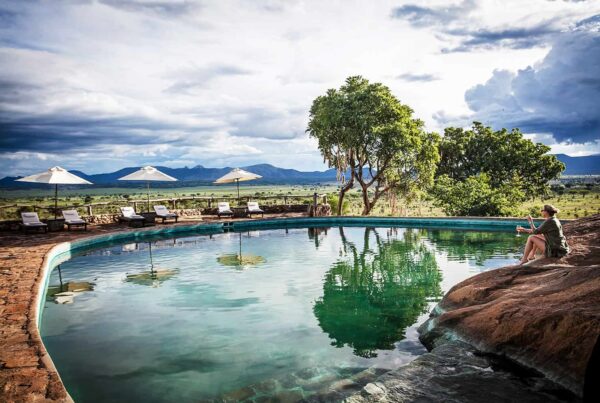
For those seeking rest between safaris, the lodge itself offers a haven of tranquility. Days can be spent by the pool, in a hammock with a book, or enjoying sundowners on the veranda as the golden light sweeps across the plains. The silence here is not empty; it is rich with presence.

When to Step Into the Wild: Best Time to Visit

The ideal time to visit Apoka Safari Lodge falls within the dry seasons, which stretch from December to March and from June to September. During these months, game viewing is at its peak, as animals congregate around water sources, and the vegetation thins to allow clearer visibility. The days are sunny and warm, and the skies open and blue.

However, the so-called wet seasons—from April to May and October to November—bring their own subtle beauty. The landscape bursts into green, birdlife becomes even more prolific, and the park takes on a lush, rejuvenated feel. While access can be more challenging during the rains, guests who make the journey during this time are rewarded with dramatic skies, fewer tourists, and a deeper connection to the cycles of the land.

What makes Apoka stand out is that it is magical all year round. Its elevation keeps temperatures comfortable, and its remoteness ensures solitude regardless of the season. The rhythm of nature continues unbroken, and the wildlife knows no off-season.

A Destination Beyond Comparison

Apoka Safari Lodge offers more than a vacation. It is a pilgrimage into authenticity, a return to the elemental truths of existence that urban life often dulls. It is not about hurried checklists or Instagram stories—it is about presence, silence, awe, and reconnection. The vastness of Kidepo Valley, the undisturbed herds, the ancient culture of the Karamojong, and the attentive luxury of the lodge converge to create a tapestry of experiences that linger long after departure.

Few places in the world feel this untouched, and even fewer are accessible in such comfort. Apoka is for the traveler who desires meaning over convenience, and mystery over familiarity. It is for those who yearn to remember what it means to feel small in the face of something vast and eternal.

Book With Confidence: Choose WildHorn Africa

A journey to Apoka Safari Lodge is no ordinary trip—it is a safari of the soul. And such a rare expedition deserves to be guided by those who understand Africa not as a destination, but as a story. That is why it is strongly recommended that travelers book their safari through WildHorn Africa—a premier travel company known for curating bespoke, ethically grounded, and immersive African journeys.

WildHorn Africa ensures that every element—from transport logistics and park permits to private game drives and cultural encounters—is executed with precision, integrity, and a passion for conservation and community empowerment.

Close Menu