search
Frequently Asked Questions: Ziwa Rhino Sanctuary chimpanzee tracking for weekenders

Frequently Asked Questions: Ziwa Rhino Sanctuary chimpanzee tracking for weekenders

By Travel stories and blogs, Primate holidays, Safari holidays, Travel guides, Uganda travel guides

Frequently Asked Questions: Ziwa Rhino Sanctuary Chimpanzee Tracking for Weekenders

Where Wilderness Meets Curiosity

The call of the wild often stirs a unique sense of wonder, and few places in Uganda capture this spirit more vividly than Ziwa Rhino Sanctuary. Widely celebrated as the only place where rhinos are being reintroduced to the Ugandan wilderness, the sanctuary also surprises many visitors with experiences that go beyond rhino tracking. Among these lesser-known adventures lies the opportunity for chimpanzee tracking, an activity that gives weekenders a chance to connect with primates while immersing themselves in the sanctuary’s diverse ecosystem.

For those planning a short escape from the bustle of city life, questions often arise about the experience, its accessibility, and what it entails. This guide seeks to provide clarity by addressing the most pressing questions through detailed insights, ensuring that travelers are well-prepared for a weekend of discovery. By the end, it becomes clear that Ziwa Rhino Sanctuary is not simply about rhinos; it is a holistic encounter with Uganda’s wildlife that enriches both the spirit and the camera roll.

Is Chimpanzee Tracking Really Possible at Ziwa Rhino Sanctuary?

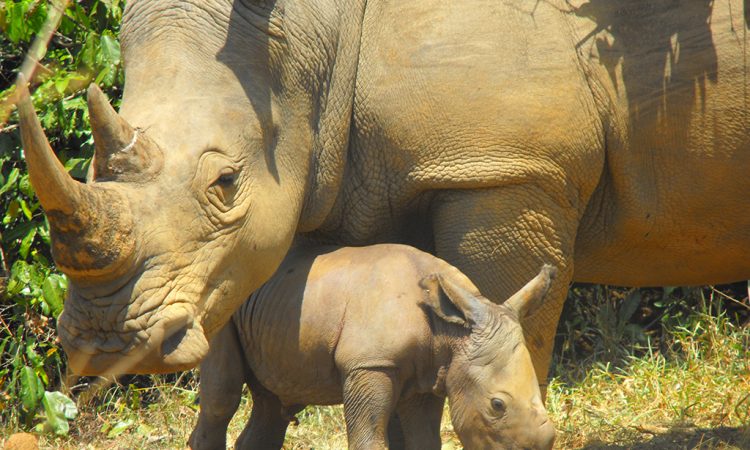
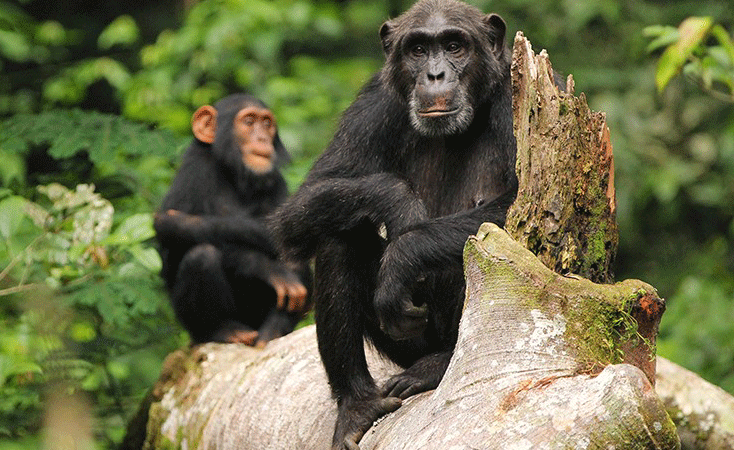
Many visitors assume that Ziwa offers rhino tracking alone. However, the sanctuary, covering over 70 square kilometers, has evolved into a multi-faceted conservation haven. Chimpanzees, though not present in the same densities as in Kibale or Budongo forests, have gradually become part of the sanctuary’s narrative. Their presence highlights the sanctuary’s diversity, where wetlands, woodlands, and savannahs create a complex mosaic of habitats.

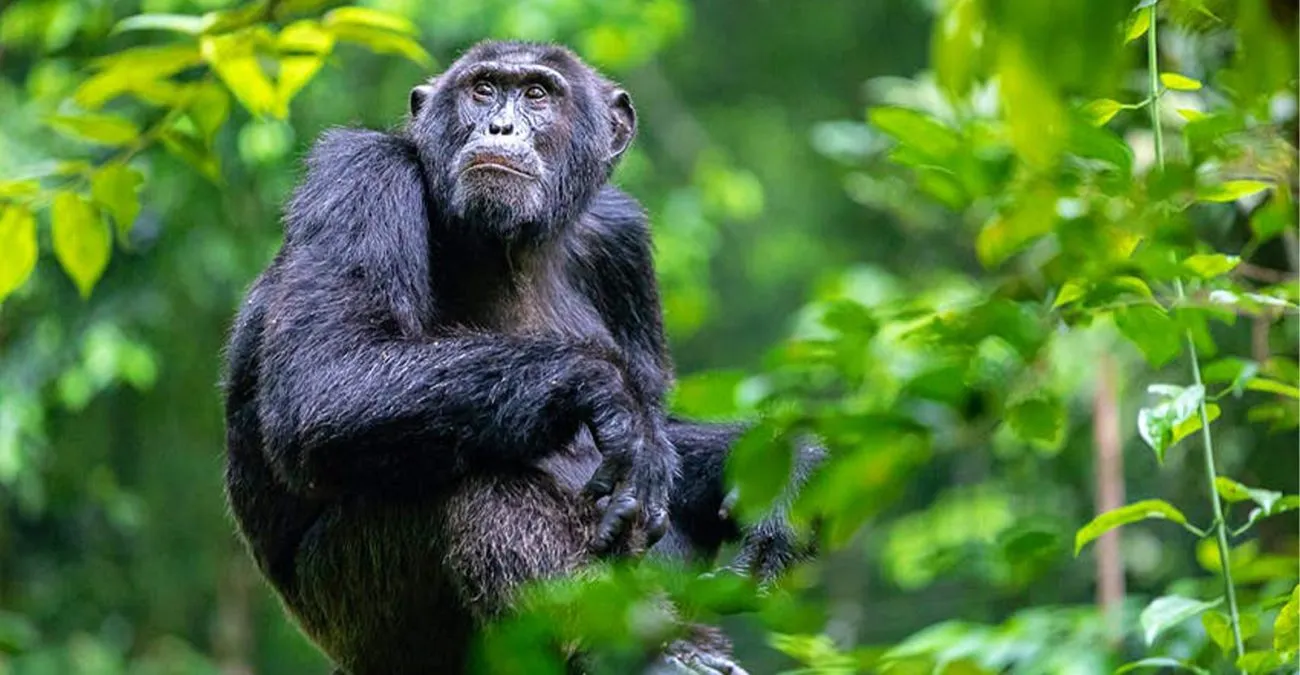
Chimpanzee tracking here may not match the scale of larger primate reserves, but it offers something unique. It is intimate, quiet, and personalized, allowing weekenders to encounter primates in a space that is far less crowded than Uganda’s more famous chimpanzee destinations. This makes Ziwa an unexpected gem for those wishing to combine the thrill of rhino conservation with the playful energy of primates.

How Challenging Is Chimpanzee Tracking for Weekenders?

A common concern among weekend travelers is whether chimpanzee tracking requires significant physical endurance. In Ziwa, the activity is designed with accessibility in mind. Trails meander through manageable woodlands and gentle terrain, making the experience approachable for most visitors, including families and older travelers.

Unlike gorilla trekking, which can be physically demanding and lengthy, chimpanzee tracking at Ziwa is comparatively lighter. Walks generally last between one to three hours, depending on the location of the chimps and the pace of the group. For weekenders seeking to balance relaxation with adventure, the activity provides just the right blend of exertion and enjoyment.

When Is the Best Time to Track Chimpanzees at Ziwa?

Chimpanzee tracking is an activity that thrives on timing. The early mornings are particularly rewarding, as primates are more active during the cooler hours of the day. Weekenders are advised to plan their tracking experiences around sunrise when chimps engage in social interactions, foraging, and playful antics that create unforgettable photographic opportunities.

Seasonal variations also play a role. During the dry seasons between December and February, and again from June to September, trails are easier to navigate and visibility within the forest is clearer. However, the wet seasons between March and May or October and November have their own charm, with lush greenery and dramatic forest backdrops adding depth to the experience. Weekenders with flexible schedules may find these quieter months rewarding, as fewer visitors mean more personalized encounters.

What Wildlife Encounters Complement Chimpanzee Tracking?

One of the frequently asked questions revolves around what else can be seen beyond chimpanzees. Ziwa Rhino Sanctuary is, after all, a conservation stronghold where multiple species thrive. While the highlight is undeniably the chance to see rhinos in their natural environment, the sanctuary is also home to over 300 species of birds, countless reptiles, antelopes, and smaller mammals.

Chimpanzee tracking often brings unexpected encounters with vervet monkeys, red-tailed monkeys, or even the shy bushbucks grazing quietly in the undergrowth. The sanctuary’s wetland areas, including the Lugogo swamp, also offer the chance to spot the elusive shoebill stork, a bird prized by ornithologists worldwide. For weekenders seeking to diversify their safari photography, these additional sightings enrich the portfolio of memories created within the sanctuary.

Is It Suitable for Families or Children?

Weekenders traveling with children often wonder if chimpanzee tracking is appropriate for younger explorers. Ziwa has cultivated a reputation for being family-friendly, and this extends to primate tracking as well. While certain minimum age requirements may apply to ensure safety and reduce disturbance to the primates, families with older children often find the experience deeply rewarding.

Children have the unique ability to engage with the playful nature of chimpanzees, often showing a natural fascination with their behaviors. Guides at Ziwa are trained to keep groups safe, patient, and informed, which ensures that younger participants are both entertained and educated. For families wishing to combine wildlife adventure with environmental learning, the sanctuary offers a balanced weekend escape.

What Should Be Carried for the Experience?

Though chimpanzee tracking at Ziwa is relatively short and accessible, preparation remains essential. Sturdy footwear is recommended due to uneven trails, while lightweight clothing in neutral colors allows for comfort and better blending with the environment. Water, insect repellent, and sun protection are indispensable, especially during the dry seasons.

Photography enthusiasts are encouraged to carry cameras with adequate zoom capabilities. The woodlands often present opportunities where light filters beautifully through the canopy, demanding thoughtful composition. However, even simple smartphones can capture powerful moments when paired with patience and creativity. Weekenders need not invest heavily in gear to enjoy meaningful photographic keepsakes.

How Do Chimpanzee Encounters Compare with Other Destinations?

Visitors familiar with Kibale or Budongo may wonder whether Ziwa’s chimpanzee encounters stand up to these larger sanctuaries. While Ziwa does not boast the same population density, what it offers is intimacy and exclusivity. Fewer groups mean less disturbance and more space to observe primates behaving naturally. For weekenders with limited time, this becomes an advantage, as there is less logistical complexity and more focus on the actual experience.

Moreover, combining chimpanzees with rhino tracking creates a dual adventure that is unavailable elsewhere in Uganda. The sanctuary thus stands out as a destination where weekend travelers can immerse themselves in two flagship species within the same landscape, all while remaining close to Kampala and major road networks.

Why Choose Ziwa for a Weekend Escape?

The essence of Ziwa Rhino Sanctuary lies in its balance between conservation and accessibility. Weekenders often face the challenge of finding meaningful wildlife encounters within short timeframes, and Ziwa fulfills this need with grace. The chance to see rhinos, track chimpanzees, and explore rich biodiversity all within a single weekend sets the sanctuary apart.

Accommodation options around the sanctuary cater to varying budgets, ensuring that visitors can enjoy a comfortable stay without excessive expense. Local guides and rangers bring depth to the experience through their knowledge, stories, and commitment to conservation, transforming each encounter into both an adventure and a lesson.

A Sanctuary of Discovery for Weekenders

Ziwa Rhino Sanctuary remains more than a destination for rhino conservation. For weekend travelers seeking to expand their horizons, the opportunity to track chimpanzees introduces a refreshing layer of diversity. Questions about accessibility, timing, and family suitability find reassuring answers in the sanctuary’s thoughtful design and welcoming spirit.

By merging the thrill of rhinos with the intimacy of primate encounters, Ziwa crafts an experience that is immersive yet manageable within the short span of a weekend. The sanctuary stands as a reminder that Uganda’s wildlife treasures are not reserved for lengthy safaris alone; they can also be embraced in quick, rewarding escapes.

To make the most of such unique adventures, it is advised that travelers plan with experts who understand both the sanctuary and its surrounding attractions. Booking African tours and safaris with WildHorn Africa ensures that every weekend journey is enriched with expertise, comfort, and unforgettable encounters with Uganda’s wild heritage.
The One Week Plan: game drive at Jinja for first-time visitors

The One Week Plan: game drive at Jinja for first-time visitors

By Travel stories and blogs, Adventure holidays, Safari holidays, Travel guides, Uganda travel guides, Your first safari

The One Week Plan: Game Drive at Jinja for First-Time Visitors

Where the Nile Meets Adventure

For those setting foot in Uganda for the very first time, the city of Jinja unfolds as a destination that is both enthralling and timeless. Resting on the northern shores of Lake Victoria, Jinja is famously celebrated as the Source of the River Nile and often referred to as the adventure capital of East Africa. Yet, beneath its reputation for adrenaline-filled activities lies a treasure of serene landscapes, cultural encounters, and thrilling wildlife experiences that can be savored through a carefully structured one-week plan. For first-time visitors, a game drive in Jinja and its surroundings becomes a gateway to understanding Uganda’s rich biodiversity while absorbing the rhythmic pace of life that makes this town unique.

A week-long stay in Jinja does not simply mean filling days with activities; it represents an immersion into the land’s heartbeat. It is a chance to explore lush game sanctuaries, marvel at rolling hills by the riverbanks, and appreciate encounters with both wildlife and people. The following structured plan brings together a well-rounded experience of game drives, excursions, and cultural immersion that makes Jinja not just a stopover but a true highlight of an African safari.

Understanding Jinja’s Unique Safari Appeal

When compared to Uganda’s famed national parks such as Queen Elizabeth or Murchison Falls, Jinja may not immediately spring to mind as a game drive hub. However, its surrounding reserves and sanctuaries offer wildlife encounters that are accessible yet deeply rewarding. The proximity to Kampala and Entebbe makes it an ideal choice for first-time travelers who seek both wildlife experiences and urban comfort. The landscapes here are defined by green plains, acacia-dotted savannahs, and riverbanks where birdlife flourishes, making the region ideal for both exploration and relaxation.

Visitors soon discover that Jinja offers more than thrill-seeking sports; it also provides a slower rhythm through which nature can be observed in its pristine form. Wildlife reserves around Jinja are habitats for giraffes, zebras, antelopes, and several primate species, while the skies are often alive with the calls of kingfishers, herons, and African fish eagles. This balance of land and water life elevates a game drive here into a multifaceted experience.

The First Encounter: Settling Into Jinja

The first day of arrival in Jinja often carries with it a sense of anticipation. The town’s atmosphere is defined by colonial-era architecture, bustling markets, and views of the River Nile as it journeys from Lake Victoria. Settling into a riverside lodge or a luxury camp becomes the beginning of a week that promises both adventure and tranquility.

Travelers are introduced to the town’s essence through guided evening walks or boat rides on the Nile. These early hours create a necessary bridge between urban life and the wilderness that awaits in the coming days. The gentle sound of the river, combined with glimpses of hippos and vibrant birdlife, sets the tone for the safari adventure.

Immersion Through Game Drives

The following days of the week are designed around structured game drives into nearby wildlife sanctuaries and community-managed reserves. The morning drives are particularly rewarding, with wildlife most active at sunrise. First-time visitors are often struck by the stillness of the plains, broken only by the movement of giraffes feeding on acacia leaves or zebras grazing in herds.

Afternoons are ideal for drives that weave closer to the riverbanks, where the fusion of water and land habitats creates sightings of crocodiles, monitor lizards, and a dazzling range of bird species. The calls of the African grey parrot and the sight of bee-eaters hovering over riverbanks add a distinct charm to these drives. The presence of local guides enriches the experience, as stories of conservation and community coexistence bring meaning to each sighting.

Night drives, though optional, introduce an entirely different perspective. With the aid of spotlights, nocturnal animals such as civets, bush babies, and even leopards can be encountered. This immersion completes the rhythm of safari life, ensuring that wildlife is appreciated in all its diurnal cycles.

The Cultural Tapestry of Jinja

A week in Jinja is not limited to game drives alone. The cultural backdrop of the region adds layers of depth to the visitor’s journey. The Basoga people, indigenous to the Busoga Kingdom, form an essential part of Jinja’s identity. Engaging in cultural experiences, whether through traditional dance performances or visits to community projects, offers an insight into the local way of life.

Markets in Jinja reveal Uganda’s agricultural richness, with stalls brimming with bananas, pineapples, cassava, and spices. The aroma of street foods, especially roasted plantain and tilapia freshly caught from Lake Victoria, creates a sensory experience that remains etched in memory. A game drive in Jinja is thus not only about wildlife but also about appreciating the harmony between people and the land.

A Balance of Adventure and Serenity

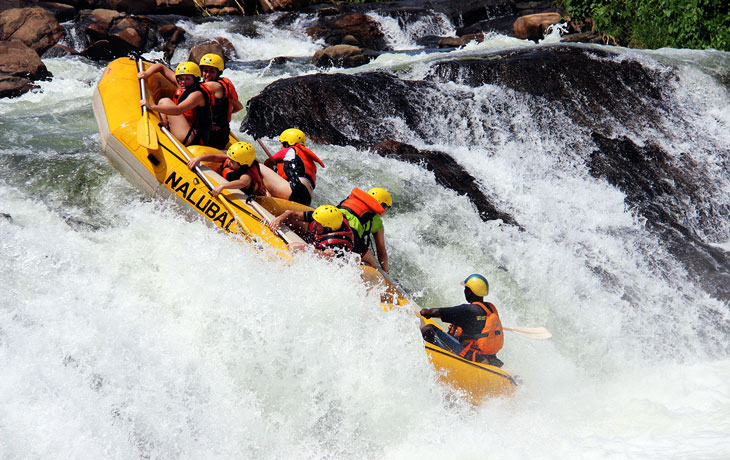
While the core of this one-week plan emphasizes game drives, Jinja’s reputation as an adventure hub cannot be overlooked. Days between wildlife excursions can be balanced with white-water rafting on the Nile, kayaking, or bungee jumping for the daring. Conversely, visitors seeking calm may indulge in sunset cruises, bird-watching walks, or meditation by the riverbanks.

This rhythm of alternating between adrenaline and serenity ensures that the week remains dynamic without overwhelming the traveler. Each day unfolds like a page in a storybook, with the Nile as a constant companion weaving through all experiences.

Reflections on the Final Days

As the week draws to a close, there is often a shift in the visitor’s perspective. What once seemed like a simple destination on the map now becomes a mosaic of impressions: the gentle gaze of giraffes during game drives, the laughter of children in village paths, the thunder of the Nile’s rapids, and the quiet glow of sunset over Lake Victoria.

The final day allows for reflective boat rides, a leisurely city tour, or a return to favorite spots discovered earlier in the week. Jinja, in its subtle yet powerful way, imprints a lasting connection with the traveler, preparing them for future journeys into Uganda’s broader landscapes.

Best Time to Embark on the Jinja Safari Plan

For first-time visitors, the timing of this one-week plan carries importance. The dry seasons, typically between June to September and December to February, are the most favorable for game drives. Wildlife sightings become easier as vegetation thins, and roads are more accessible. However, the green seasons, with their lush vegetation and fewer tourists, create equally rewarding experiences for those who prefer a quieter journey.

Jinja’s temperate climate ensures that, regardless of the month, the region remains welcoming. Even during the rainy months, the showers are often brief, leaving behind fresh landscapes and an atmosphere of renewal.

Crafting Memories in Jinja

A one-week plan in Jinja for first-time visitors is far more than a checklist of activities. It is an orchestrated journey that combines wildlife, culture, adventure, and reflection. Game drives form the backbone of this experience, while the town’s character and its people weave around it to create a complete narrative.

Every moment, from the quiet of dawn drives to the vibrancy of local markets, builds towards an experience that is both memorable and transformative. For those stepping into Uganda for the first time, Jinja becomes the perfect prologue to Africa’s greater story.

To ensure that every detail of such a journey is thoughtfully arranged, it is highly recommended to plan and book African tours and safaris through WildHorn Africa, a trusted partner in curating unforgettable experiences across the continent.

How to wildlife photography tips in Mabira Forest — Top Restaurants for honeymooners

How to wildlife photography tips in Mabira Forest — Top Restaurants for honeymooners

By Travel stories and blogs, Travel guides, Uganda travel guides

How to Wildlife Photography Tips in Mabira Forest — Top Restaurants for Honeymooners

Where Romance Meets the Wilderness

In the heart of Uganda, where lush canopies whisper ancient secrets and sunlight filters through dense greenery, the Mabira Forest emerges as a sanctuary for both nature lovers and dreamers. For couples seeking a honeymoon that transcends the conventional, this destination offers an intoxicating mix of adventure and intimacy. Beyond the enchanting walks and wildlife encounters, it is the art of wildlife photography that becomes the tool to preserve those magical memories. In Mabira, every photograph tells a love story written against the backdrop of untamed wilderness.

Yet, the allure of the forest extends beyond its biodiversity. After the exploration of hidden trails and moments spent in silence waiting for the perfect shot, the experience is completed by visits to top restaurants nearby, where local and international cuisines nourish both body and soul. This seamless blend of photography and culinary delight elevates a honeymoon into an unforgettable celebration of love, art, and taste.

The Enchanting Landscape of Mabira Forest

Stretching across more than 300 square kilometers, Mabira Forest is one of the largest remaining rainforests in Uganda, located conveniently between Kampala and Jinja. Its towering trees, meandering streams, and dense undergrowth create a dramatic setting where nature’s grandeur is on full display. For honeymooners, the forest’s atmosphere resonates with mystery and romance, offering a perfect escape from the hurried pace of daily life.

Within this vibrant ecosystem reside over 300 bird species, numerous butterflies, and a variety of primates, including the endangered Ugandan mangabey. Such biodiversity transforms Mabira into a paradise for photographers, where each walk into the forest holds the potential for remarkable captures. Couples find themselves not only exploring together but also pausing in reverence as the forest reveals its subtle wonders.

Wildlife Photography as a Honeymoon Activity

While some honeymoons may revolve around beaches or luxury resorts, Mabira offers something profoundly unique: the chance to practice wildlife photography as a shared experience. Photographing elusive birds, playful monkeys, or the delicate wings of butterflies becomes a metaphor for love itself—requiring patience, attentiveness, and the joy of discovery.

For couples, the act of waiting together in silence for that perfect moment sharpens the bond between them. The photograph captured becomes more than an image; it becomes a tangible memory of time shared in harmony with nature. The challenges of low light under the canopy or the fleeting movements of animals are overcome through teamwork, where one partner may focus on spotting while the other adjusts the lens. In this way, wildlife photography becomes not only a hobby but also a celebration of partnership.

Practical Photography Tips for Couples in Mabira

The dense and shaded environment of Mabira presents both challenges and rewards for photographers. The forest demands careful attention to detail, but it offers unmatched opportunities for those who take the time to master its nuances.

Couples are encouraged to adapt to low-light conditions by using higher ISO settings and steady tripods, which help capture sharp images beneath the canopy. The use of longer lenses allows for unobtrusive photography of primates and birds without disturbing their natural behaviors. Honeymooners often find joy in experimenting with angles and perspectives, capturing not only wildlife but also each other immersed in the forest’s beauty.

Close-up photography of butterflies, leaves, and forest textures adds variety to the portfolio, ensuring that the photographic story of Mabira is diverse and vibrant. Beyond technical adjustments, patience remains the greatest tool—waiting quietly for moments when wildlife appears naturally, rewarding the couple with candid scenes that reflect the soul of the forest.

The Romantic Dimension of Photography in the Forest

Photography in Mabira is not only about wildlife documentation but also about romance. Couples often turn the camera on each other, capturing tender moments framed by the grandeur of nature. A walk along the forest trails becomes a gallery of portraits set against emerald backdrops, while canoe rides along streams offer chances for reflective photographs where love and landscape merge seamlessly.

These images become more than souvenirs; they are eternal reminders of a honeymoon spent not in staged luxury but in genuine encounters with the wild. The process of capturing these moments together fosters intimacy, as each photo carries the story of patience, collaboration, and discovery.

Culinary Pleasures After the Forest Adventure

After a day of trekking through the forest and waiting for wildlife sightings, couples find themselves drawn to the warmth of top restaurants near Mabira. These establishments complement the adventure with culinary indulgence, transforming the honeymoon into a holistic experience.

Many restaurants along the Jinja Highway and in nearby towns offer menus that celebrate both Ugandan flavors and international delicacies. Couples savor fresh tilapia caught from Lake Victoria, tender goat stews infused with spices, or plates of matoke served with rich groundnut sauce. For those seeking lighter fare, fruit platters featuring tropical mangoes, pineapples, and passion fruits provide refreshing sweetness after the exertion of photography.

International options also abound, ensuring that couples can enjoy pastas, grilled meats, or continental breakfasts while still basking in the atmosphere of the region. Dining after photography sessions not only nourishes the body but also creates a rhythm of reflection, where the day’s images are reviewed and memories recounted over candlelit tables.

Why Restaurants Near Mabira Are Perfect for Honeymooners

The charm of dining near Mabira lies not only in the food but in the ambiance. Many restaurants are surrounded by lush greenery, offering open-air seating where couples can continue to feel connected to nature even as they dine. The gentle evening breezes, the sounds of crickets, and the distant rustle of leaves create an atmosphere that feels both wild and intimate.

Some establishments take pride in crafting romantic settings specifically tailored for honeymooners. Private corners, soft lighting, and attentive service ensure that couples feel celebrated. Meals become more than sustenance; they turn into rituals of love, marking the end of adventurous days with flavors that linger long after the plates are cleared.

The Perfect Blend of Adventure and Indulgence

What makes Mabira such a compelling honeymoon destination is the seamless balance between adventure and indulgence. The days are filled with the thrill of discovery—tracking birds, photographing primates, and walking hand in hand along forest trails. The evenings, however, are reserved for indulgence, as top restaurants present feasts that reflect the region’s abundance. This balance allows couples to experience both the raw energy of the wild and the soothing pleasures of fine dining.

The harmony of these experiences ensures that the honeymoon remains both exciting and restorative. Every photograph captured and every meal shared adds another layer to the memory, transforming a week in Mabira into a narrative of romance, exploration, and culinary delight.

Sustainability and Responsible Travel

Engaging with Mabira through photography and dining also encourages responsible travel practices. By choosing local restaurants, couples support communities around the forest, ensuring that conservation and development proceed hand in hand. Practicing ethical photography, where animals are observed without intrusion, preserves the integrity of the ecosystem.

For honeymooners, this dimension of responsibility enriches the experience. Their journey is not only about love for each other but also about respect for the land that hosts them. Such mindfulness ensures that Mabira remains a haven for future couples seeking romance in the wild.

Begin Your Journey with WildHorn Africa

The Mabira Forest offers honeymooners a rare opportunity to merge adventure with intimacy, where wildlife photography becomes a shared art and dining becomes a romantic celebration. The forest’s majesty provides endless subjects for the camera, while nearby restaurants complete the experience with flavors that nourish love as deeply as they satisfy appetite.

For couples seeking a honeymoon that is distinctive, immersive, and unforgettable, it is highly recommended to plan and book their African tours and safaris with WildHorn Africa. With their expertise, every detail—from guided photography sessions to curated dining experiences—is seamlessly arranged, ensuring that love and adventure are celebrated in perfect harmony.

Weekend Escape at Ziwa Rhino Sanctuary: Solo Traveler Guide with kids

Weekend Escape at Ziwa Rhino Sanctuary: Solo Traveler Guide with kids

By Travel stories and blogs, Safari holidays, Uganda travel guides, Wildlife holidays

Weekend Escape at Ziwa Rhino Sanctuary: Solo Traveler Guide with Kids

The Sanctuary Where Adventure and Tranquility Meet

There are few destinations in Uganda that balance conservation, adventure, and family-friendly experiences quite like Ziwa Rhino Sanctuary. Nestled along the Kampala–Gulu highway, this conservation haven is not only a refuge for Uganda’s endangered rhinos but also a perfect retreat for travelers seeking peace in the wild. For solo travelers, it promises a rare opportunity to step into a safe yet thrilling wilderness, while for those accompanied by children, it offers a rich blend of education, recreation, and unforgettable encounters with nature. The sanctuary becomes more than just a stopover for rhino tracking—it transforms into a weekend escape that rejuvenates the spirit, teaches valuable lessons, and strengthens bonds with nature’s wonders.

Location and Accessibility: A Convenient Wilderness Gateway

The sanctuary is strategically located about 180 kilometers north of Kampala, making it easily accessible within three to four hours of road travel. Its position along the highway leading to Murchison Falls National Park gives it added importance as both a stopover and a destination in itself. For the solo traveler, this proximity ensures convenience and security, while for families with children, the relatively short travel time allows for an enjoyable journey without fatigue. The road trip itself is scenic, with rolling landscapes, roadside markets, and glimpses of rural Uganda offering context to the adventure awaiting at Ziwa.

Experiencing the Sanctuary: A Haven of Rhinos and More

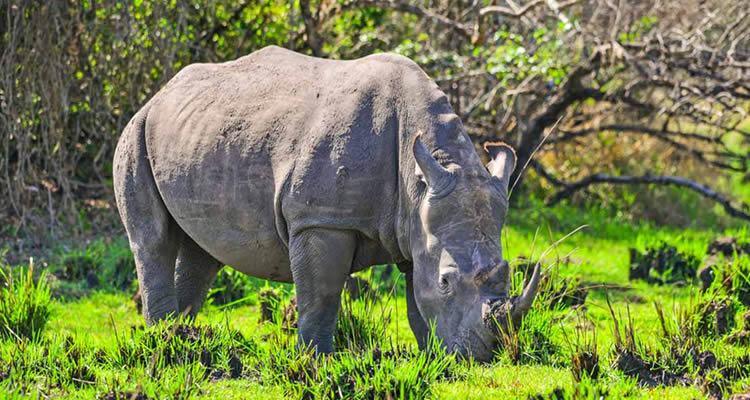
At the heart of Ziwa lies its greatest treasure: the white rhinoceros, reintroduced after decades of extinction in Uganda. Walking safaris led by trained rangers provide close-up encounters with these gentle giants, an experience that resonates differently with every traveler. Solo adventurers often find themselves mesmerized by the majesty of these animals in silence, while children are enthralled by the rangers’ engaging stories of rhino behavior, adaptation, and conservation.

Beyond the rhinos, the sanctuary reveals a landscape alive with other forms of wildlife. Bird enthusiasts are often delighted by the presence of the rare shoebill stork, among more than 300 bird species recorded in the sanctuary. Antelopes grazing peacefully, monitor lizards basking in the sun, and smaller mammals such as bushbucks and oribis enrich the photographic opportunities. For those traveling with children, the diversity of animals becomes a living classroom, turning each walk into an immersive nature lesson.

Activities Tailored for Solo Travelers

For the solo traveler, Ziwa Rhino Sanctuary is an arena where independence is balanced with safety and companionship. The guided rhino tracking walks offer both solitude and structure, allowing moments of quiet reflection in nature while still benefiting from the expertise of trained guides. Canoe rides through the Lugogo Swamp present a serene opportunity for wildlife photography, birdwatching, and mindfulness as the waters glide silently under the paddle.

Evenings at the sanctuary are particularly enchanting for the solo traveler. As dusk falls, the sounds of nature become more pronounced, with crickets, frogs, and distant animal calls composing a natural symphony. Whether seated in a lodge garden or taking a quiet stroll under the starlit sky, solitude is enriched by a sense of connection to the earth. For many solo travelers, it is these tranquil moments—far from the bustle of modern life—that remain the most treasured memories of their weekend escape.

Experiences Designed for Kids and Families

While solo travelers find peace and reflection, children discover excitement, curiosity, and joy. Ziwa Rhino Sanctuary has been deliberately developed as a safe environment for families. Rhino tracking becomes an adventure filled with questions, laughter, and awe as children encounter one of the “Big Five” animals in a close but controlled environment. The guides are skilled in tailoring their explanations to young audiences, ensuring that every encounter is not only entertaining but also educational.

Canoe rides and nature walks further enhance the family experience, offering chances to spot colorful birds and smaller wildlife. Many families also find joy in simply exploring the sanctuary grounds, where children can run freely within secure areas and play against the backdrop of nature’s beauty. Lodges and campsites within the sanctuary provide family-friendly amenities, ensuring that parents and children alike feel comfortable and cared for. Even meal times become part of the adventure, with outdoor dining experiences bringing families closer together under open skies.

A Balance of Conservation and Education

What sets Ziwa apart is not only its role in protecting rhinos but also its mission to educate visitors about conservation. For solo travelers, the sanctuary provides insight into the delicate balance of ecosystems and the immense efforts required to protect endangered species. For children, the lessons are more tangible—seeing a rhino up close, understanding why it must be protected, and learning how human actions impact wildlife. These experiences nurture a sense of responsibility and empathy that extends beyond the sanctuary visit.

The rangers themselves become storytellers, weaving together tales of resilience, conservation battles, and the sanctuary’s future goals. For families, these narratives often spark meaningful conversations long after the trip, leaving children inspired by the possibility of becoming protectors of nature.

Best Time to Visit: When the Sanctuary Shines Brightest

Though Ziwa Rhino Sanctuary welcomes visitors year-round, the experience is significantly shaped by seasonal rhythms. The dry seasons, stretching from December to February and again from June to September, provide the most favorable conditions for tracking rhinos and exploring trails with children. The grass is shorter, visibility is better, and walking paths remain firm, making family excursions safer and more enjoyable.

During the wet seasons, from March to May and October to November, the sanctuary bursts into lush greenery, and wildlife viewing becomes more intimate against the backdrop of fresh landscapes. For families, this period provides cooler temperatures and fewer crowds, though it may also demand greater preparedness for muddy trails. Solo travelers often find the wet season appealing for the solitude it offers, as fewer visitors mean more time to linger in silence and reflection.

Accommodation and Luxury Comforts

Ziwa Rhino Sanctuary caters to a range of travelers, from budget-conscious adventurers to those seeking luxury comfort. Lodges and guesthouses located within or near the sanctuary provide well-furnished rooms, secure environments, and attentive service that ensures a stress-free stay. Solo travelers benefit from the peace of private rooms and serene settings, while families enjoy spacious accommodations designed to host both adults and children.

Evenings are often enriched by campfires, storytelling, and the shared company of fellow travelers, though privacy remains respected for those who desire it. For children, these evenings often become magical experiences—listening to stories of wildlife under a starlit African sky while the gentle sounds of the bush echo in the distance.

A Weekend to Remember at Ziwa

A weekend escape at Ziwa Rhino Sanctuary is more than just a getaway; it is a holistic journey where conservation, adventure, and family bonding merge into one. For the solo traveler, it becomes a sanctuary of reflection, solitude, and personal discovery. For families with children, it evolves into a playground of nature where education, laughter, and awe blend seamlessly. The rhinos, the landscapes, the guided experiences, and the serene accommodations together form a mosaic of memories that remain etched in the hearts of visitors long after they have returned home.

Every moment spent at Ziwa reminds travelers of the fragility and strength of nature, as well as the responsibility each individual holds in protecting it. Choosing this sanctuary for a weekend escape ensures not just entertainment, but participation in a greater story of wildlife conservation.

For those inspired to embark on this remarkable adventure, the experience can be elevated further through the expertise of seasoned safari professionals. Booking your African tours and safaris through WildHorn Africa guarantees not only comfort and safety but also a meticulously curated journey that ensures every moment at Ziwa Rhino Sanctuary is treasured.

Weekend Itinerary: Fort Portal wildlife photography tips for families

Weekend Itinerary: Fort Portal wildlife photography tips for families

By Travel stories and blogs, Travel guides, Uganda travel guides

Weekend Itinerary: Fort Portal Wildlife Photography Tips for Families

Capturing Memories in the Pearl of Africa

In the lush highlands of western Uganda, Fort Portal stands as a jewel of beauty and adventure, renowned for its verdant landscapes, captivating wildlife, and breathtaking views of the Rwenzori Mountains. For families who cherish travel, the town offers far more than scenic charm; it is a gateway to wildlife-rich reserves and cultural encounters that promise unforgettable moments. When approached with a camera in hand, a weekend in Fort Portal becomes not only an excursion but a creative journey where memories are preserved through the art of photography.

Wildlife photography here is not restricted to professionals. Families with varying levels of experience are welcomed into a setting where curiosity and patience are rewarded. The itinerary is crafted to guide families through a balanced blend of exploration, relaxation, and practical photography tips that ensure each moment is transformed into a timeless image.

Day 1: Arrival and Introduction to Fort Portal

The weekend itinerary begins with the family’s arrival in Fort Portal, a town often described as the cleanest and most serene in Uganda. Surrounded by crater lakes, tea plantations, and rolling hills, the journey to Fort Portal is itself a photographic opportunity, with roadside markets, children playing in villages, and expansive greenery framing the route. Families are encouraged to settle into accommodations that blend comfort with proximity to nature, setting the stage for an immersive experience.

The first afternoon is best spent exploring the town’s vibrant atmosphere. Markets filled with colorful produce, crafts, and traditional attire provide both cultural encounters and photographic inspiration. Families are encouraged to capture candid moments of daily life, practicing composition and lighting techniques in less demanding conditions before venturing into wildlife reserves. As evening descends, the setting sun behind the Rwenzori Mountains creates a dramatic canvas, ideal for experimenting with silhouettes and golden-hour photography.

Day 2 Morning: Wildlife Exploration in Kibale National Park

The second day brings the heart of the itinerary—a family wildlife adventure in Kibale National Park, located just outside Fort Portal. The park is celebrated for its population of chimpanzees, alongside colobus monkeys, red-tailed monkeys, and countless bird species. For families, this environment offers both adventure and learning opportunities, as rangers guide them through dense forests while explaining the behaviors and habitats of its inhabitants.

Wildlife photography in Kibale requires patience and attentiveness. Families are advised to maintain quiet observation, allowing animals to behave naturally while adjusting camera settings to capture movement under the dim forest canopy. Children can be introduced to simple tips such as steadying hands, focusing on the eyes of the subject, and appreciating the interplay between light and shadow. The challenge of photographing chimpanzees as they swing through trees becomes a thrilling game that both adults and children can enjoy, each click of the shutter preserving a fleeting moment of energy and grace.

Day 2 Afternoon: Birding and Landscape Photography

As the family exits Kibale, the afternoon presents opportunities for bird photography and wide-angle shots of crater lakes and surrounding landscapes. The Fort Portal region is known as a paradise for birders, with species such as the great blue turaco, African grey parrot, and sunbirds frequently sighted. Capturing birds requires patience, yet families often find joy in waiting together, watching quietly as colors flash between branches. The act of birding becomes both a recreational activity and a lesson in attentiveness for children, reinforcing the value of observation in photography and life.

The crater lakes, with their mirror-like reflections of surrounding hills, provide opportunities for landscape photography. Families can experiment with framing foreground elements, such as flowers or trees, to add depth to their images. These sessions not only improve photographic skills but also encourage families to see the landscape as more than scenery—it becomes a canvas of shapes, textures, and contrasts waiting to be preserved.

Day 2 Evening: Cultural Experiences and Low-Light Photography

Evenings in Fort Portal often bring cultural performances and culinary experiences. Traditional music and dance provide lively scenes where families can practice capturing motion in low-light conditions. The vibrancy of costumes and the energy of drumming create images that burst with color and rhythm. For children learning photography, this is a chance to understand how slower shutter speeds or higher ISO settings can preserve moments of movement without losing the essence of the scene.

Dinner, often prepared with local ingredients such as matoke, groundnut sauce, and fresh tilapia, becomes another opportunity to practice photography before eating. Families can document meals together, preserving not only the taste of the food but the shared joy of dining in a new cultural context. These simple, shared acts of photographing and reflecting elevate the evening from a routine to an artistic and communal moment.

Day 3 Morning: Safari Adventure in Semuliki National Park

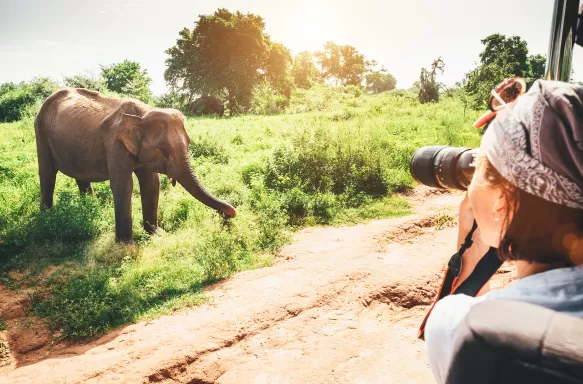
The third day of the itinerary introduces families to Semuliki National Park, accessible from Fort Portal and famed for its diverse ecosystems and unique wildlife. The game drive through Semuliki offers sightings of elephants, buffalo, and smaller mammals, alongside countless bird species and butterflies. This is a moment where families can practice long-range photography, using zoom lenses to capture animals at a respectful distance.

The open landscapes and savannah-like environments create natural lighting conditions that are more forgiving than the forest, making it easier for children and beginners to capture sharp, vibrant images. Tips such as framing animals against the horizon, waiting for natural behavior, and using the rule of thirds are introduced during these drives, turning the safari into both an adventure and a photography workshop.

Day 3 Afternoon: Hot Springs and Final Reflections

After the game drive, a visit to Sempaya Hot Springs offers a different photographic challenge. The steaming pools and bubbling water provide dramatic imagery, with mist rising against the backdrop of forested hills. Families often experiment with macro photography here, focusing on textures, colors, and close-up details. The springs also serve as a place of cultural significance, with stories shared by guides about their role in local traditions. Capturing these moments blends natural wonders with cultural storytelling, ensuring that the family’s photo album reflects the full depth of their experience.

As the afternoon fades, families are encouraged to review their photographs together, reflecting on their favorite images and the stories behind them. This collective reflection transforms the weekend into more than a trip; it becomes a narrative of shared learning, discovery, and creativity.

Practical Photography Insights for Families

Photography in Fort Portal is most rewarding when approached with patience and mindfulness. Families are advised to focus on storytelling rather than perfection, capturing not only wildlife but also the emotions, interactions, and candid expressions that define the trip. Simple techniques, such as using natural light effectively, keeping cameras steady, and waiting for subjects to move naturally, allow even beginners to produce meaningful images. For children, the emphasis on storytelling rather than technical precision ensures that photography remains fun and accessible.

Photography also becomes a tool for bonding. Parents and children can compare images, share tips, and encourage one another, turning the act of documenting into an act of connection. The camera thus becomes more than an instrument; it becomes a medium through which families communicate, reflect, and create lasting memories.

The Transformative Role of Photography in Family Travel

A weekend in Fort Portal demonstrates that photography is not merely about images but about perspective. By viewing wildlife, landscapes, and culture through the lens of a camera, families are encouraged to slow down, observe more deeply, and appreciate the subtleties of the world around them. Each photograph becomes a moment of mindfulness, a pause in time that preserves both the beauty of Uganda and the emotions of the family members who experienced it.

The act of photography enriches the journey, turning every walk, drive, and meal into an opportunity for creativity and expression. For children, it fosters attentiveness and patience; for parents, it offers reflection and artistic fulfillment. Together, these elements transform the trip into a family experience that is remembered not only in memory but also in tangible images that can be shared for years to come.

Begin Your Family Adventure with WildHorn Africa

The Weekend Itinerary in Fort Portal offers families an unforgettable combination of wildlife, culture, and photography. From the forests of Kibale to the crater lakes and the savannah of Semuliki, each moment provides opportunities for discovery and artistic expression. Families return home not only with photographs but with stories, skills, and connections that extend the impact of the journey beyond its duration.

To ensure that these experiences are seamless, safe, and enriching, it is highly recommended to book tours and safaris with WildHorn Africa. Their expertise in designing family-friendly itineraries, combined with professional guidance in both wildlife and cultural encounters, guarantees that every family adventure in Fort Portal becomes a celebration of togetherness, creativity, and the timeless beauty of Uganda.

Chimpanzee Tracking at Source of the Nile: Solo Traveler Guide for foodies

Chimpanzee Tracking at Source of the Nile: Solo Traveler Guide for foodies

By Travel stories and blogs, Primate holidays, Travel guides, Uganda travel guides

Chimpanzee Tracking at Source of the Nile: Solo Traveler Guide for Foodies

A Journey Beyond the Ordinary

The allure of Uganda is often whispered through its lush landscapes, its ancient rivers, and the extraordinary wildlife that roams freely across its national parks. Among the many wonders that the country offers, chimpanzee tracking at the Source of the Nile stands out as an immersive experience that transcends ordinary travel. For the solo traveler with a passion for culinary discovery, this journey is uniquely enchanting, offering an interplay between adventure, wildlife, and gastronomy that few destinations can rival. The experience is not merely a safari; it is a complete sensory journey, a combination of heart-stopping encounters with our closest primate relatives and the rich flavors of local Ugandan cuisine.

The Source of the Nile: A Scenic Starting Point

The adventure begins at the Source of the Nile in Jinja, a site steeped in history and natural beauty. Here, the mighty Nile emerges from the vast Lake Victoria, flowing onward in a journey that has fascinated explorers and scientists for centuries. The location, framed by verdant landscapes and gentle rolling hills, sets the perfect stage for solo travelers seeking both reflection and adventure. The area is tranquil yet vibrant, offering quiet moments along the riverbanks as well as opportunities to engage with local culture and gastronomy. Cafes and small eateries along the river serve fresh fish and local delicacies, allowing travelers to fuel themselves with flavors unique to Uganda before venturing into the forested trails where chimpanzees reside.

The Chimpanzee Encounter: Immersion in the Wild

Chimpanzee tracking in Budongo Forest Reserve or the nearby Mabira Forest is an unforgettable component of the journey. These forests, characterized by dense canopies, towering mahogany trees, and vibrant undergrowth, provide the perfect habitat for chimpanzees, whose social structures and playful behaviors captivate observers. Solo travelers are often advised to maintain a respectful distance while remaining observant, allowing the chimpanzees to reveal their natural behaviors without disruption. The tracking experience is guided by trained rangers whose deep understanding of chimpanzee habits ensures both safety and enrichment. Every rustle in the underbrush and every distant call brings anticipation, transforming the forest into a stage where the drama of wildlife unfolds intimately for the observer.

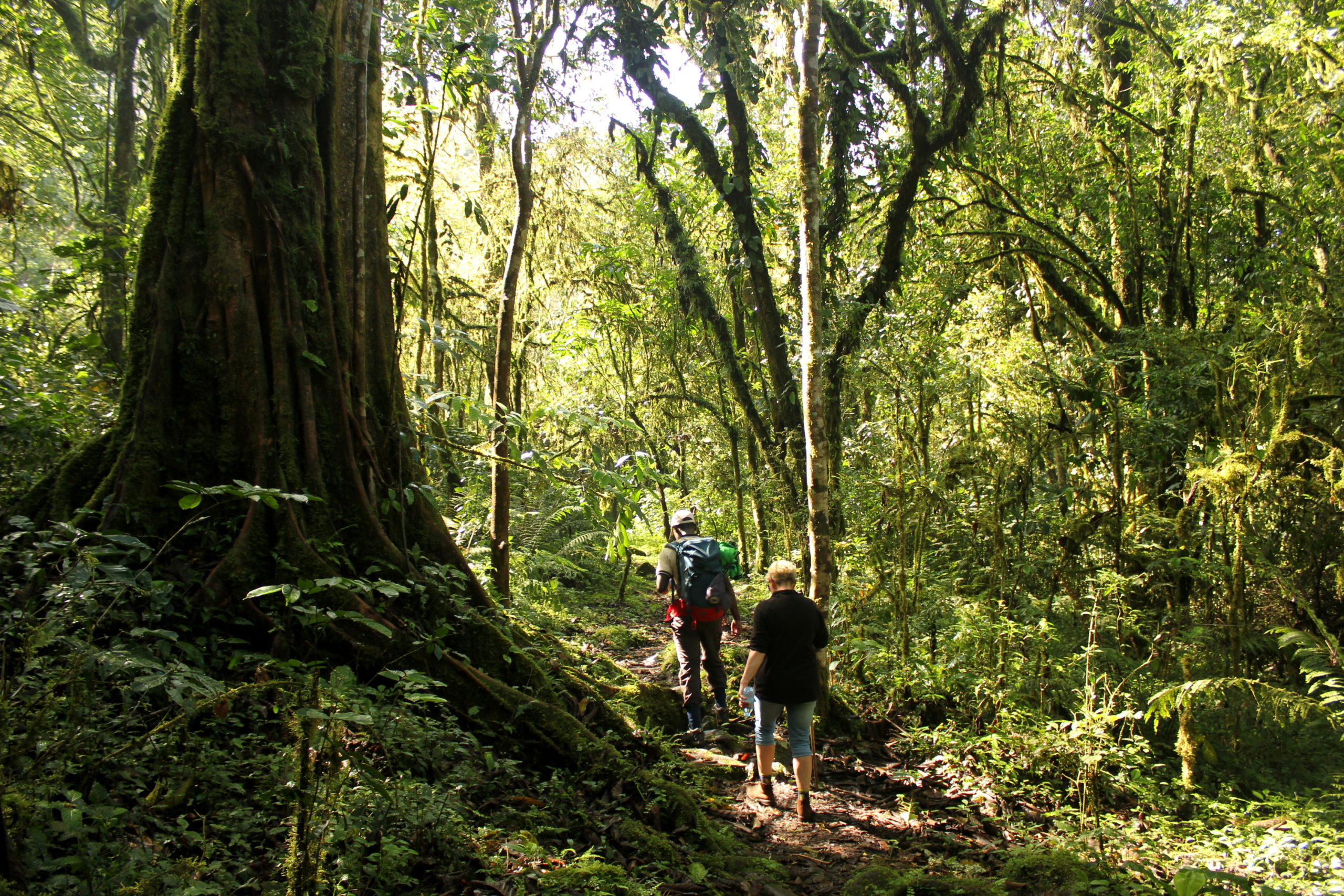
The journey through these forests demands both physical stamina and patience. Trekking paths wind through uneven terrain, often dampened by the rainforest’s frequent rains, requiring travelers to be prepared with appropriate gear. Yet, the reward of observing chimpanzees in their natural habitat is unmatched. Young chimpanzees swing effortlessly from branch to branch, while elders navigate the forest floor with deliberate movements. Solo travelers are given time to reflect on the intelligence and emotional depth of these creatures, forging a connection that resonates far beyond the jungle.

Gastronomic Delights for Solo Travelers

While the forest provides a feast for the eyes and the spirit, Uganda’s culinary landscape satisfies the palate. In Jinja and its surrounding areas, food markets brim with an array of fresh produce, from tropical fruits like jackfruit and passion fruit to freshly caught Nile perch. Local dishes such as matoke—steamed green bananas mashed with spices—and luwombo, a traditional dish cooked in banana leaves, provide solo travelers with an authentic taste of Ugandan culture. Street-side vendors and small cafes offer opportunities to engage with local chefs, who often share stories about their ingredients and cooking techniques, creating a sense of connection beyond the simple act of eating. For the solo traveler, these meals are more than sustenance; they are a gateway into understanding the daily rhythms and cultural nuances of Ugandan life.

The integration of food into the travel experience becomes particularly vivid after a morning of strenuous trekking. Many lodges and riverside restaurants offer farm-to-table experiences, where ingredients are sourced from local farmers and prepared with care. This focus on freshness and sustainability enhances the overall experience, merging adventure with culinary indulgence. Solo travelers are encouraged to sample the wide range of flavors, from mildly spiced stews to freshly pressed fruit juices, allowing the journey to engage all senses simultaneously.

Cultural Interactions Along the Nile

Solo travel in Uganda offers more than natural and culinary delights. Along the Nile, communities remain deeply connected to the river and its resources. Local artisans craft jewelry and pottery, often reflecting symbols of wildlife and historical narratives. Markets bustle with vibrant colors and aromas, creating a sensory tapestry that solo travelers can explore at a leisurely pace. Engaging with local vendors and community members often results in unexpected learning moments, revealing the interplay between Uganda’s natural environment and the daily lives of its people. These interactions are not mere tourist encounters; they offer insights into the resilience, creativity, and hospitality that define Ugandan society.

Planning the Solo Adventure

Preparation for chimpanzee tracking and the associated culinary exploration demands careful consideration. Solo travelers are advised to schedule their visits during the dry season, when trekking paths are less slippery and wildlife sightings are optimal. Lightweight, moisture-wicking clothing and sturdy trekking boots are essential, while insect repellent and a reliable rain jacket ensure comfort in the unpredictable rainforest climate. Solo travelers are encouraged to travel lightly but thoughtfully, balancing the need for preparedness with the desire for spontaneity. The guidance of local rangers is invaluable, offering insights into both chimpanzee behavior and safe navigation through the dense forest.

In addition to trekking gear, planning should incorporate culinary exploration. Identifying eateries known for authentic local cuisine ensures that each meal contributes meaningfully to the solo travel experience. Engaging with chefs and vendors not only enhances the gastronomic journey but also supports local businesses, fostering sustainable tourism practices that benefit both visitors and host communities.

The Reflective Solo Experience

Perhaps the most profound aspect of this journey lies in its potential for introspection. Solo travelers, unbound by the dynamics of a group, can move at a self-determined pace, lingering at moments of natural beauty or pausing to savor the flavors of a freshly prepared meal. The solitude allows for reflection on the interconnectedness of humans, wildlife, and the environment, creating a travel experience that resonates deeply long after the trek is completed. Observing chimpanzees in their natural habitat becomes a mirror, highlighting both the similarities and differences between human and primate societies, and inspiring a renewed appreciation for the natural world.

Embark on a Transformative Journey

Chimpanzee tracking at the Source of the Nile offers a unique convergence of adventure, culinary exploration, and personal reflection. For the solo traveler with an appetite for both discovery and flavor, this experience is unparalleled. Uganda’s lush landscapes, vibrant cultures, and rich culinary traditions provide a backdrop for an immersive journey where each step and each bite contributes to a story of connection, wonder, and self-discovery. Solo travel here transcends mere sightseeing, transforming into a holistic experience that engages mind, body, and spirit.

For travelers seeking to embark on this remarkable journey, it is highly recommended to book tours and safaris with WildHorn Africa, whose expertise ensures safe, seamless, and enriching experiences across Uganda’s most iconic landscapes. Their guided chimpanzee tracking excursions and curated culinary experiences offer solo travelers the perfect balance of adventure, culture, and flavor, creating memories that last a lifetime.

Festival Guide at Mgahinga Gorilla National Park: Top Restaurants for culture lovers

Festival Guide at Mgahinga Gorilla National Park: Top Restaurants for culture lovers

By Travel stories and blogs, Primate holidays, Travel guides, Uganda travel guides

Festival Guide at Mgahinga Gorilla National Park: Top Restaurants for Culture Lovers

Where Gastronomy Meets Tradition

Tucked within the misty slopes of the Virunga Mountains lies Mgahinga Gorilla National Park, a haven known for its majestic gorillas, golden monkeys, and breathtaking volcanic landscapes. Beyond its natural allure, the park is increasingly becoming a space where cultural festivals and culinary experiences converge. For the culture lover, a visit to Mgahinga during festival times offers more than encounters with wildlife; it opens the door to a rich blend of food, music, dance, and storytelling.

What makes this destination particularly enchanting is the way that food is woven into the celebration of heritage. Dining becomes an act of cultural immersion, where every dish narrates history and every flavor preserves identity. For the visitor eager to combine wildlife encounters with cultural indulgence, knowing which restaurants and eateries to explore adds depth to the overall journey.

Mgahinga Festivals: A Cultural and Culinary Window

Festivals at Mgahinga are designed not merely as celebrations but as windows into the lives of the Batwa and Bakiga communities who inhabit the surrounding regions. Traditional dances, drumming, and storytelling provide the rhythm, while culinary traditions set the stage for sensory journeys. Local delicacies made from millet, beans, and bananas are often served during these festivals, creating an atmosphere where culture is tasted as much as it is seen or heard.

Restaurants in and around the park seize this opportunity to amplify cultural dining. Menus are often crafted to reflect local celebrations, with chefs paying homage to regional ingredients. The dining spaces become more than places to eat; they are cultural theaters where food complements the vibrancy of festival life.

The Role of Food in Cultural Exploration

For the cultural traveler, food is never a passive element. It is a storytelling tool, an archive of traditions passed down through generations. In Mgahinga, local dishes connect visitors to the land through flavors derived directly from fertile volcanic soils. Sweet potatoes, beans, and smoked meats speak of agricultural practices, while banana-based drinks tell stories of social gatherings and rituals.

When paired with the rhythms of festival drumming or the movements of traditional dances, dining becomes part of the cultural performance. Restaurants around Mgahinga elevate this experience by providing settings where authentic flavors and cultural narratives intertwine seamlessly.

Dining Inside the Park: Immersion at Its Purest

Inside Mgahinga Gorilla National Park itself, accommodation lodges often host cultural dining experiences, especially during festival seasons. Meals served in these lodges draw upon both local and international influences, allowing culture lovers to enjoy regional delicacies without sacrificing comfort.

A stay inside the park ensures that festival evenings flow naturally into cultural feasts. Campfires often become the centerpiece of dining, where visitors gather for freshly prepared dishes while local performers showcase songs and dances. In such settings, food ceases to be an isolated experience and instead becomes part of a communal celebration of heritage.

Culinary Experiences at the Park’s Edge

For travelers wishing to explore more structured dining, the restaurants located at the periphery of Mgahinga present themselves as gateways to cultural immersion. These establishments are typically family-owned, meaning that recipes reflect generations of tradition. Meals are prepared slowly, with an emphasis on authenticity rather than convenience.

Here, culture lovers can expect to be guided through the dining experience, with hosts often explaining the origins of dishes, the significance of certain ingredients, and the customs surrounding their preparation. During festivals, the atmosphere in these restaurants heightens, as live music and storytelling performances often accompany the meals. It is not uncommon for guests to be invited to join dances or sample locally brewed drinks as part of the overall cultural engagement.

Festival-Inspired Dining Themes

During major cultural festivals, restaurants around Mgahinga curate special menus inspired by the festivities. These themes may highlight traditional Batwa foods, such as roasted roots and wild honey, or Bakiga staples like millet bread and local vegetables. Chefs work closely with community elders to ensure that these meals not only taste authentic but also carry the symbolic meaning intended during cultural rituals.

For culture lovers, this thematic dining provides an educational opportunity. Every dish becomes a lesson in resilience, adaptation, and celebration. By partaking in these festival-inspired feasts, visitors gain insights into how food plays a central role in shaping identity and community life.

The Interplay Between Local and Global Flavors

Interestingly, restaurants around Mgahinga also experiment with fusion cuisine, blending global techniques with local ingredients. During festivals, this interplay becomes especially evident, as international visitors inspire chefs to craft menus that speak to diverse palates while retaining cultural integrity. For example, traditional plantain may be paired with modern sauces, or locally sourced fish may be prepared using international grilling methods.

Such innovation ensures that while the dining experience remains rooted in culture, it also evolves to meet contemporary expectations. Culture lovers thus find themselves enjoying meals that feel both timeless and modern, much like the festivals themselves.

The Social Aspect of Festival Dining

Food at festivals in Mgahinga is rarely consumed in isolation. It is a social glue, binding together communities and visitors in shared celebration. Restaurants echo this communal aspect by creating dining spaces that encourage interaction. Long wooden tables, communal serving bowls, and shared drinks symbolize the interconnectedness of cultural life.

For the culture lover, this communal dining becomes as significant as the meals themselves. Conversations with locals over roasted meats, laughter shared while sipping banana beer, and stories exchanged during dessert embody the very essence of cultural immersion. In these spaces, barriers dissolve, and authentic connections flourish.

Cultural Lessons Learned Through Dining

Each restaurant visit around Mgahinga during festival time functions as a cultural classroom. One learns that the use of sorghum flour reflects historical adaptations to the volcanic soils, or that banana wine has long symbolized friendship and hospitality. The act of tasting becomes inseparable from the act of learning, making dining a holistic cultural education.

Restaurants often complement this educational aspect with performances, exhibits, or talks, ensuring that every meal enriches the traveler not just physically but intellectually and emotionally. Such layers of meaning transform dining from a necessity into an act of cultural preservation and appreciation.

Why Restaurants Matter for Culture Lovers at Mgahinga

In a landscape dominated by wildlife encounters and scenic hikes, restaurants around Mgahinga play a unique role. They anchor the cultural dimension of the journey, ensuring that travelers engage not only with the forest’s biodiversity but also with its human heritage. For culture lovers, these dining experiences are not secondary to the gorilla treks or golden monkey sightings; they are complementary, adding flavor and depth to the adventure.

A Feast Beyond the Plate

Mgahinga Gorilla National Park offers more than trekking trails and wildlife wonders; it presents an immersive tapestry of food, culture, and celebration. For culture lovers, the festival atmosphere, combined with carefully curated dining experiences, ensures that every meal becomes a story, every flavor a memory, and every restaurant a gateway to deeper understanding.

Choosing where to dine during festival times is not simply about satisfying hunger but about entering into the heart of cultural heritage. The restaurants in and around Mgahinga embody this philosophy, turning each dish into an act of storytelling and each gathering into a communal celebration.

To ensure that these rich experiences are seamlessly woven into an itinerary, travelers are encouraged to book their cultural safaris with WildHorn Africa, a trusted partner in designing journeys that combine wildlife exploration with authentic cultural immersion. With their expertise, every festival, every flavor, and every story at Mgahinga becomes a timeless memory.

Top 10 Experiences: Mgahinga Gorilla National Park seasonal guide for birders

Top 10 Experiences: Mgahinga Gorilla National Park seasonal guide for birders

By Travel stories and blogs, Travel guides, Uganda travel guides

Top 10 Experiences: Mgahinga Gorilla National Park Seasonal Guide for Birders

Where the Skies Sing with Life

Tucked away in the extreme southwest corner of Uganda lies a mystical wilderness where mountains pierce the clouds, bamboo forests whisper with the wind, and vibrant birdcalls echo through the valleys. Mgahinga Gorilla National Park, though smaller than many of Uganda’s protected areas, is a sanctuary of unmatched richness for birders. Its diverse habitats—ranging from montane forests to alpine zones—create a paradise where birdlife flourishes in every season.

For birdwatchers, Mgahinga is not simply a destination but a living stage where some of Africa’s most fascinating avian performers can be seen against dramatic volcanic backdrops. With more than 180 recorded bird species, including Albertine Rift endemics, the park offers opportunities that shift with the turning of the seasons. This seasonal guide unveils ten experiences that birders should not miss, ensuring that every visit—whether in the lush rains or the bright dry months—becomes a deeply rewarding adventure.

January to March: The Season of Clear Skies and Vibrant Song

At the start of the year, Mgahinga greets visitors with cool mornings and clear views of the Virunga volcanoes. For birders, these months bring an abundance of activity, as the park resonates with the calls of species marking their territories. Forest trails reveal Rwenzori turacos, their crimson wings flashing vividly as they glide from branch to branch.

The dry conditions make trekking easier, and birders often find themselves rewarded with sightings of the Dusky Crimsonwing, one of the most sought-after Albertine Rift endemics. The interplay of bright sunshine and lush greenery sets the perfect stage for bird photography, allowing birders to capture species in striking detail. For groups, this season creates harmony, as sightings are frequent and energy levels are sustained without the challenge of heavy rain.

April to May: The Reign of the Rains

As April arrives, so do the rains, transforming Mgahinga into a carpet of green. For birders, this is a season of patience and resilience. The trails grow slippery, and mist often rolls through the valleys, yet the reward lies in the sheer abundance of life. Birds respond to the rains with heightened breeding activity, making their plumage brighter and their calls more pronounced.

The elusive Kivu Ground Thrush is often encountered during these months, and the Mountain Yellow Warbler becomes a familiar sight in the forest undergrowth. Although the weather may test determination, this season is one of discovery, as rarer species emerge, less disturbed by heavy tourist numbers. For serious birders, April and May offer unmatched opportunities to deepen field records and observe behaviors that remain hidden during drier months.

June to August: The Golden Season for Birders

With the rains subsiding, Mgahinga ushers in its most popular birding season. Clear skies, moderate temperatures, and manageable trails combine to create near-perfect conditions. Birders find the forests alive with movement, as both resident species and migratory birds fill the canopy with activity.

This period often reveals the striking Blue-headed Sunbird, feeding actively among flowering plants, while the Collared Apalis moves nimbly through the mid-canopy. Treks to higher altitudes, though challenging, reward birders with sightings of the Scarlet-tufted Sunbird, which frequents the alpine zones near the summit of Mount Gahinga and Mount Sabinyo. The combination of accessibility and abundance makes this season ideal for both casual observers and professional ornithologists.

September to November: The Return of Rains and Rare Encounters

As the short rains arrive, Mgahinga shifts once more into a realm of mist and renewal. Birders visiting during these months are greeted by fresh foliage and heightened breeding activity, particularly among smaller forest birds. The rains, though less intense than those in April, still demand careful preparation, yet they enrich the birding experience with sightings of species less commonly observed in other months.

The Ruwenzori Batis, with its sharp black-and-white plumage, is often encountered in the mid-altitude forests, while the White-starred Robin adds a splash of color to the undergrowth. The quieter tourist season ensures that birders enjoy more intimate encounters with both the birds and the solitude of the park, making this time particularly attractive for those seeking a more meditative experience.

December: A Month of Celebration and Abundance

December brings with it the drier season once again, coinciding with holiday periods when many travelers make their way to Mgahinga. For birders, this is a time when the park becomes a festive stage, with mixed flocks of species moving together in search of food. Trails are easily navigated, and opportunities for photography abound.

Notable sightings often include the Olive Pigeon perched in the high branches and the Yellow-crowned Canary singing cheerfully from open glades. The vibrancy of December birding, combined with the festive energy of the season, makes it a particularly rewarding time for groups and families seeking shared experiences in the wild.

Trekking Through Habitats: From Bamboo to Alpine Zones

Across all seasons, Mgahinga’s unique habitats shape the birding experience. The bamboo forests are home to the Dusky Turtle Dove and the Striped Breasted Tit, while the montane woodlands harbor rarities like the Red-throated Alethe. Higher up, alpine vegetation provides opportunities to spot species rarely seen elsewhere, such as the Lagden’s Bush-shrike.

For birders, each habitat becomes a world of its own, with seasonal changes influencing which species dominate the scene. This variety ensures that no two visits to Mgahinga are ever the same, as the interplay of weather, vegetation, and migration constantly reshapes the avian tapestry.

The Role of Seasons in Migratory Patterns

One of the great rewards of birding in Mgahinga lies in observing not just resident species but also migratory patterns. During certain months, Palearctic migrants join the resident birdlife, creating moments of surprise for keen observers. Species such as the Black Kite and European Bee-eater make seasonal appearances, adding diversity to checklists.

The timing of these migrations highlights the importance of planning visits with seasonal awareness. Birders who align their trips with migratory windows not only increase their chances of varied sightings but also gain deeper insight into the interconnectedness of global ecosystems.

Cultural Layers: Birding Beyond Birds

While the primary attraction may be the birds themselves, Mgahinga also offers cultural dimensions that enrich the birding experience. The Batwa community, once forest dwellers, share knowledge of the land that deepens the understanding of bird habitats. Local guides, often raised in the shadow of the Virunga volcanoes, bring cultural narratives that connect bird behavior to broader ecological and social stories.

Seasonal festivals and community markets in the Kisoro area add another layer to birding trips, as travelers find themselves immersed not only in the calls of birds but also in the rhythms of local life. This fusion of culture and ecology ensures that birding at Mgahinga is never a narrow pursuit but part of a broader journey into heritage and identity.

Practical Insights for Seasonal Birding

Though each season brings distinct advantages, preparation remains the thread that unites successful birding experiences. Dry months favor lightweight clothing and wide-brimmed hats, while rainy months require waterproof boots and ponchos. Insect repellent, binoculars, and cameras are essentials regardless of the time of year.

Group dynamics also play an important role, as the pace and enjoyment of birding are determined by collective preparedness. Guides recommend early starts, as mornings often present the most active bird activity. Regardless of season, patience, attentiveness, and respect for the environment remain the core essentials for birders seeking meaningful encounters.

Seasons of Endless Song

Every season at Mgahinga Gorilla National Park unveils a different chapter in the story of birdlife. From the vibrant calls of January to the lush breeding activity of April, from the golden clarity of June to the festive abundance of December, birders are assured that their journey will always reveal something extraordinary. The park is not merely a destination but a timeless stage where the skies themselves seem to sing.

For those eager to transform birdwatching dreams into reality, careful planning with a trusted safari expert is the key to unlocking these seasonal wonders. To ensure that every trek, every sighting, and every moment is guided with expertise, travelers are encouraged to book their African adventures with WildHorn Africa. With their commitment to detail and authenticity, each season at Mgahinga becomes not just a visit, but an unforgettable story etched in the memory of every birder.

Luxury Picks: Ziwa Rhino Sanctuary budget travel guide for groups

Luxury Picks: Ziwa Rhino Sanctuary budget travel guide for groups

By Travel stories and blogs, Luxury holidays, Safari holidays, Travel guides, Uganda travel guides, Wildlife holidays

Luxury Picks: Ziwa Rhino Sanctuary Budget Travel Guide for Groups

Discovering Affordable Luxury in the Wild

There is a certain magic that unfolds when a group embarks on a journey together. Laughter becomes louder, memories multiply, and each shared experience deepens the bonds of friendship and kinship. In Uganda, this magic reaches its peak at the Ziwa Rhino Sanctuary, a unique conservation haven where endangered white rhinos roam freely across vast savannah plains. For those traveling in groups, the sanctuary provides a chance not only to witness the majesty of these creatures but also to do so in comfort and affordability.

What surprises many is that the sanctuary, often celebrated as a luxury pick for wildlife enthusiasts, also lends itself to budget-conscious travelers. Groups find themselves immersed in the richness of Uganda’s biodiversity without compromising their financial plans. The journey to Ziwa proves that luxury and affordability are not contradictions but can exist in harmony, offering unforgettable moments at a fraction of the expected cost. This guide explores the sanctuary through the lens of budget travel for groups, revealing how shared experiences can transform into a tapestry of luxury woven with simplicity.

The Unique Appeal of Ziwa Rhino Sanctuary

Situated approximately 180 kilometers from Kampala along the Gulu Highway, Ziwa Rhino Sanctuary holds a distinct position in Uganda’s conservation story. It stands as the sole home of wild rhinos in the country, marking a critical step in the reintroduction of these magnificent animals after decades of absence. For groups visiting the sanctuary, the narrative is not just about rhinos but also about resilience, renewal, and collective responsibility.

The sanctuary’s landscapes extend beyond rhinos alone. Its mosaic of savannah woodlands, wetlands, and grasslands creates a haven for more than 300 bird species and numerous mammals. The opportunity to observe shoebill storks in their natural wetlands or antelopes grazing alongside warthogs makes the experience dynamic and layered. Group travelers find this diversity particularly rewarding, as it ensures that every individual discovers something memorable, whether their passion lies in wildlife tracking, photography, or simply the quiet beauty of the wilderness.

Group Travel, The Blend of Budget and Luxury

Traveling in groups has long been recognized as a cost-effective approach to exploration. Shared accommodation, transport, and guided tours allow expenses to be distributed, lowering the overall cost per traveler. At Ziwa Rhino Sanctuary, this principle works beautifully. Lodges and camps within and around the sanctuary offer accommodation that caters to both comfort and affordability, ensuring that groups can enjoy spacious settings without straining their budget.

The notion of luxury in budget travel emerges not from opulence but from experience. Walking side by side with an armed ranger while tracking rhinos on foot offers an intimacy with nature that no high-end lodge can replicate. For groups, the sense of exclusivity comes not from lavish facilities but from the privilege of sharing extraordinary moments together. Watching rhinos graze calmly, feeling the ground vibrate with their movements, and capturing photographs at close range create an emotional richness that outshines material luxury.

The Immersive Rhino Tracking Experience

At the heart of every visit to Ziwa lies the rhino tracking experience, an activity that transforms into a profound adventure when shared in groups. Guided by expert rangers, travelers are led into the sanctuary’s open plains, where rhinos are tracked on foot. The careful whispers of the ranger, the rustle of grass underfoot, and the sudden appearance of these colossal creatures in their natural element produce a thrill that is both humbling and exhilarating.

For groups, this tracking adventure fosters unity. Every step becomes a shared heartbeat, every sighting a collective triumph. The group dynamic also ensures that each traveler sees the encounter through different eyes—some may focus on the grandeur of the rhinos, others on the delicate balance of the ecosystem around them. Together, these perspectives weave a fuller, richer narrative of the sanctuary’s significance.

Beyond Rhinos, Activities that Enrich the Group Experience

While rhino tracking forms the core of the sanctuary’s appeal, groups discover that Ziwa’s offerings extend further. Guided birdwatching excursions introduce visitors to rare species such as the shoebill stork, a prized sighting for any birder. Canoe rides through wetlands reveal the subtler beauty of aquatic plants and hidden wildlife, while night walks allow adventurers to listen to the nocturnal symphony of the wild.

The sanctuary’s strategic location also makes it a perfect stopover en route to Murchison Falls National Park, enabling groups to create itineraries that blend multiple experiences. In this way, the sanctuary serves as both a destination and a bridge, linking travelers to Uganda’s broader treasures. Each of these activities, while modestly priced, offers a richness of engagement that elevates the entire journey, making it feel luxurious despite its accessibility.

Accommodation Choices, Comfort on a Budget

The concept of accommodation at Ziwa Rhino Sanctuary is guided by simplicity and sustainability. Lodges and bandas offer clean, comfortable rooms where groups can rest after days filled with exploration. Campsites provide a closer-to-nature alternative, where evenings around the fire are spent sharing stories under the brilliance of Uganda’s night skies.

What groups soon realize is that luxury resides not in marble floors or ornate furnishings but in the atmosphere created. The hospitality of local staff, the meals prepared with care, and the opportunity to awaken to the sounds of birdsong or the distant calls of nocturnal animals define the sanctuary’s charm. These accommodations, though modest in design, fulfill the essential promise of travel: comfort, safety, and immersion in the environment.

The Social Bond of Shared Exploration

One of the most profound rewards of group travel at Ziwa is the strengthening of social bonds. Tracking rhinos together, celebrating sightings, or sharing meals creates moments of laughter and connection. Around a campfire, under the glow of lantern light, conversations flow freely as the day’s experiences are relived. Friendships deepen, families grow closer, and teams build a collective memory that lingers long after the journey ends.

These shared encounters embody the essence of luxury—intangible treasures that no material possession can match. Group dynamics transform the sanctuary from a destination into an experience layered with camaraderie, unity, and discovery.

Sustainability, Traveling with Purpose

Budget travel at Ziwa Rhino Sanctuary does not imply compromise; it instead reflects a responsible choice. The funds contributed by visitors directly support the sanctuary’s conservation efforts, ensuring the protection of rhinos and the ecosystems they inhabit. Groups are reminded that their presence contributes to a larger mission, turning their adventure into an act of stewardship.

This realization adds a deeper dimension to the experience. Observing a rhino grazing peacefully becomes more than a thrill—it becomes a testament to the success of conservation and the shared responsibility of humanity to safeguard nature. For groups, the understanding that their affordable journey carries such impact is perhaps the greatest luxury of all.

Begin Your Affordable Luxury Journey with WildHorn Africa

The Ziwa Rhino Sanctuary reveals itself as a destination where luxury and budget coexist, creating opportunities for groups to engage deeply with wildlife, culture, and conservation without stretching their resources. The sanctuary proves that true richness is found not in extravagance but in the profound simplicity of shared encounters with nature. From rhino tracking to birdwatching, from evenings around campfires to the unspoken unity of a group standing together in awe, the experiences at Ziwa are woven into memories of timeless value.

For groups eager to embark on such a journey, it is highly recommended to book tours and safaris with WildHorn Africa. Their expertise ensures that every detail—from transport and accommodation to guided adventures—is seamlessly arranged. With WildHorn Africa, the path to Ziwa becomes more than a trip; it becomes a carefully curated experience where budget-conscious choices lead to unforgettable luxury in the wild.

Seasonal Highlights for gorilla trekking in Toro Kingdom for foodies

Seasonal Highlights for gorilla trekking in Toro Kingdom for foodies

By Travel stories and blogs, Primate holidays, Travel guides, Uganda travel guides

Seasonal Highlights for Gorilla Trekking in Toro Kingdom for Foodies

When Wildlife Meets Culinary Journeys

Few experiences capture the imagination quite like gorilla trekking in the Toro Kingdom, where misty forests embrace ancient hills and the call of the wild harmonizes with the rhythms of culture. For many, the thrill of standing within arm’s reach of a mountain gorilla is reason enough to journey into this remote corner of Uganda. Yet for food lovers, the experience is made even richer when combined with the seasonal culinary delights of Toro, a kingdom that has long been celebrated for its fertile soils, flavorful produce, and deeply rooted traditions in food preparation.

Travelers who arrive in search of gorillas often leave with more than memories of wildlife encounters; they leave with a palate filled with the tastes of a kingdom that treats food as both nourishment and heritage. This guide explores the seasonal highlights that make Toro a destination where gorilla trekking and food culture intertwine seamlessly.

The Seasonal Rhythm of Gorilla Trekking

The forests of Toro, particularly those stretching into the foothills of the Rwenzori Mountains, host an ever-changing landscape shaped by the cycles of rain and sunshine. Gorilla trekking here is deeply tied to these seasons, as the movements of gorilla families often respond to the abundance of fruit, vegetation, and nesting conditions.

During the rainy seasons, which occur from March to May and again from September to November, the forests grow lush and food becomes plentiful for gorillas. These months see gorilla families moving shorter distances, often lingering in areas of dense fruiting trees, making encounters slightly easier for trackers. The trekking trails, however, become slippery and challenging, requiring determination and endurance from visitors.

In contrast, the dry seasons from December to February and from June to August present clearer trails and easier hikes. Although gorillas may roam further in search of food, the chances of sighting remain high, as experienced guides follow their movements with skill. The drier weather also appeals to food lovers, as harvests during these times provide a colorful array of ingredients that define Toro’s culinary identity.

A Food Lover’s Kingdom: Why Toro Stands Out

The Toro Kingdom, with its capital in Fort Portal, has long been a fertile heartland where volcanic soils nourish an abundance of crops. Known as Uganda’s food basket, this region provides fresh produce throughout the year, ensuring that every season presents a distinct culinary palette. Travelers arriving for gorilla trekking are often astonished to discover that local cuisine is as captivating as the wildlife encounters they came to witness.

Food in Toro is never just about eating; it is about community, tradition, and cultural pride. Meals are often served in communal settings, with dishes crafted from recipes passed down through generations. From the staple matoke bananas to aromatic groundnut stews, from roasted tilapia fresh from crater lakes to vibrant seasonal fruits, the kingdom invites every visitor to embark on a parallel journey of flavors alongside their wildlife adventures.

The Wet Season: A Harvest of Comfort and Abundance

For food lovers, the wet season in Toro coincides with harvest periods that bring forth an abundance of starchy staples and leafy greens. Bananas, a cultural and culinary cornerstone of the Toro people, ripen in great numbers during this season. Steamed in banana leaves and served with richly seasoned sauces, matoke becomes the emblematic dish for travelers returning from forest treks.

This period also offers hearty groundnut stews, often prepared to accompany fresh beans or sweet potatoes. Warm and comforting, these meals are especially cherished after long treks in damp and misty conditions. The wet season is also the time for wild mushrooms, foraged from forest edges and transformed into earthy dishes that highlight the connection between Toro’s people and their environment.

The combination of gorilla trekking in rain-drenched forests and evenings spent enjoying abundant local feasts creates a sense of richness that few destinations can rival.

The Dry Season: A Celebration of Light and Flavor

When the rains subside and the skies clear, the dry season transforms Toro into a landscape of sunlit hills and easy trails. For trekkers, this is the most convenient time to navigate the forest. For food lovers, it is equally a season of joy. Markets burst with tropical fruits such as pineapples, passion fruits, and mangoes, their sweetness a refreshing contrast to the earthy flavors of traditional staples.

Barbecued meats become a central highlight during this time, with goat and beef roasted over open flames in lively gatherings. Visitors often find themselves welcomed into communal feasts where the smoky aroma of roasted meat blends with the laughter of shared experiences. This season also favors lighter meals, from millet bread paired with vegetable stews to tilapia dishes flavored with local herbs, reflecting the brighter, more celebratory mood of the dry months.

Pairing Trekking with Culinary Discovery

A remarkable aspect of gorilla trekking in Toro lies in the ability to combine morning treks with afternoon or evening culinary experiences. Travelers often begin the day in dense forests, following guides through vines and undergrowth until they stand face to face with a gorilla family. After hours spent in awe, the return to civilization is rewarded with meals that express the kingdom’s hospitality.

Food tours in Fort Portal provide opportunities for visitors to learn about Toro’s culinary traditions directly from local chefs and households. Many travelers take part in cooking demonstrations, where they discover the artistry of steaming matoke, grinding millet, or preparing groundnut paste from scratch. These encounters make the culinary journey participatory, allowing foodies to immerse themselves in the culture as much as the cuisine.

Seasonal Festivals and Community Gatherings

Toro’s cultural calendar is also punctuated by festivals that celebrate both the land and its people. During harvest periods, communal feasts and cultural performances highlight the interconnectedness of food, music, and identity. For weekend visitors, these events provide a window into Toro’s heart, where gorilla trekking is complemented by evenings of dance, storytelling, and shared dishes.

The dry season is often a time of cultural gatherings when roads are more accessible, and community events become easier to organize. Travelers fortunate enough to visit during these months often find themselves included in celebrations that showcase Toro’s enduring traditions of generosity and culinary artistry.

Conservation and the Culinary Connection

An overlooked yet significant dimension of Toro’s seasonal highlights is the relationship between conservation and food. The same fertile soils that sustain local agriculture also nurture the forests where gorillas thrive. Communities surrounding gorilla habitats have increasingly embraced sustainable farming practices, ensuring that cultivation does not come at the expense of forest preservation.

By supporting local markets, tasting traditional foods, and engaging with farming communities, travelers indirectly contribute to the conservation of gorilla habitats. This interdependence between culinary culture and wildlife preservation underscores why Toro is more than just a trekking destination; it is a place where every meal tells a story of survival, resilience, and coexistence.

Practical Reflections for Long-Term Memories

For food lovers, the key to appreciating Toro’s seasonal highlights lies in embracing the rhythm of both the forest and the kitchen. Wet seasons provide abundant comfort foods that warm both body and spirit after challenging treks, while dry seasons offer light, celebratory dishes that mirror the ease of hiking under clear skies. Together, these experiences transform a journey into something deeply memorable, where gorilla trekking and culinary exploration merge seamlessly.

The richness of Toro lies in its ability to offer diversity. No two seasons are alike, and no two meals are ever exactly the same. Whether it is the smoky sweetness of roasted bananas in June or the earthy richness of mushroom stews in October, every bite becomes part of a traveler’s memory, forever linked to the gorillas and the kingdom that protected them.

A Kingdom of Seasons and Flavors

The Toro Kingdom invites adventurers and food lovers alike to embark on a journey where gorilla trekking and culinary traditions flow together with the rhythm of the seasons. Each time of year offers something distinct, from the misty abundance of the wet months to the sunlit feasts of the dry ones. What remains constant is the kingdom’s ability to transform a short visit into a lifelong memory.

For travelers eager to weave the thrill of gorilla encounters with the richness of culinary discovery, the Toro Kingdom offers a destination that rewards both the spirit of adventure and the love of flavor. To ensure a seamless journey filled with both wildlife wonder and cultural immersion, visitors are encouraged to arrange their safaris through WildHorn Africa, whose expertise in crafting authentic itineraries ensures that every season in Toro becomes an unforgettable story of food, culture, and wildlife.

Close Menu