search
What wildlife conservation challenges are facing Uganda and how can travellers help?

What wildlife conservation challenges are facing Uganda and how can travellers help?

By Travel stories and blogs, Uganda travel guides

Wildlife Conservation Challenges in Uganda and How Travellers Can Help | WildHorn Africa

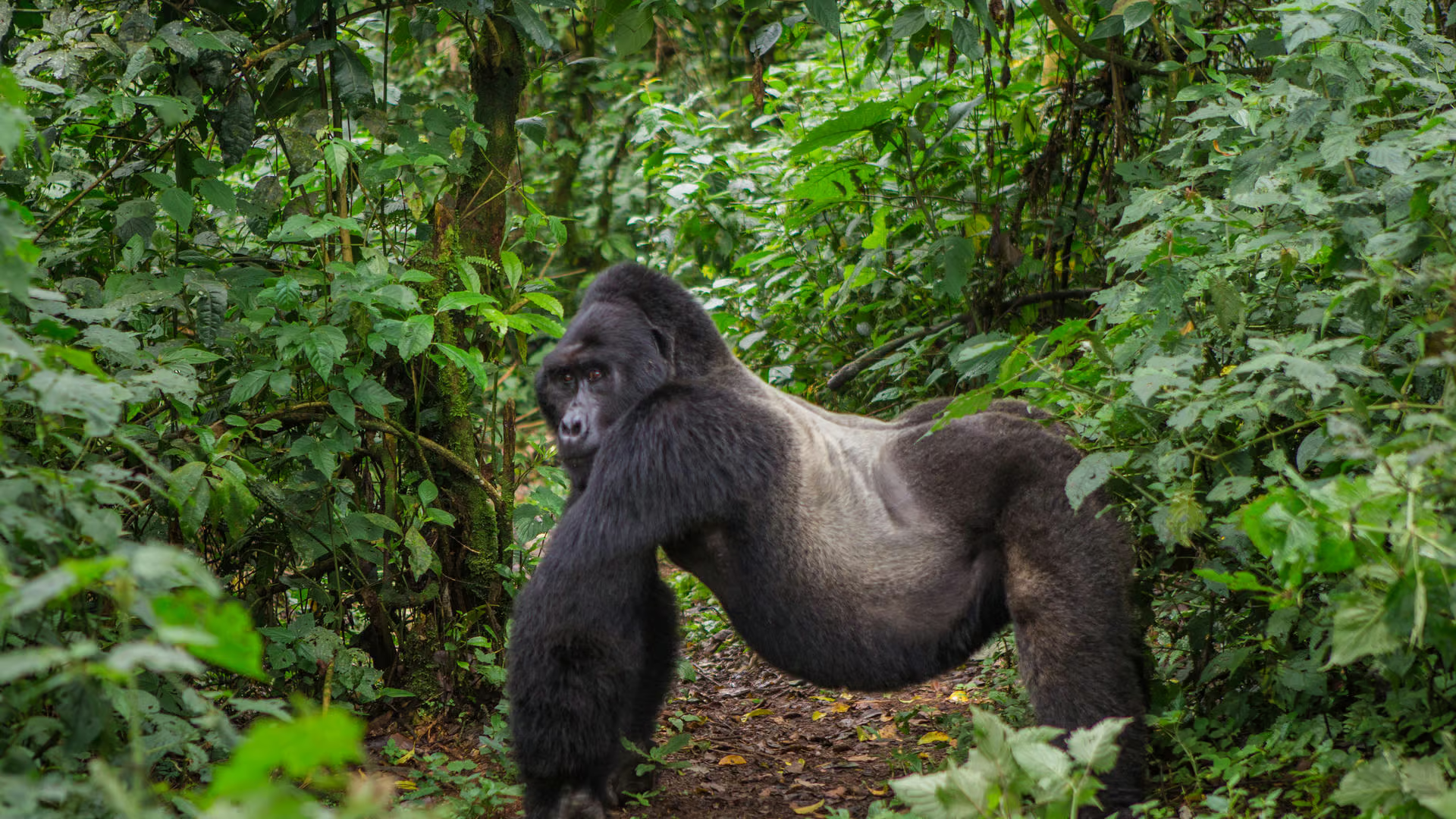
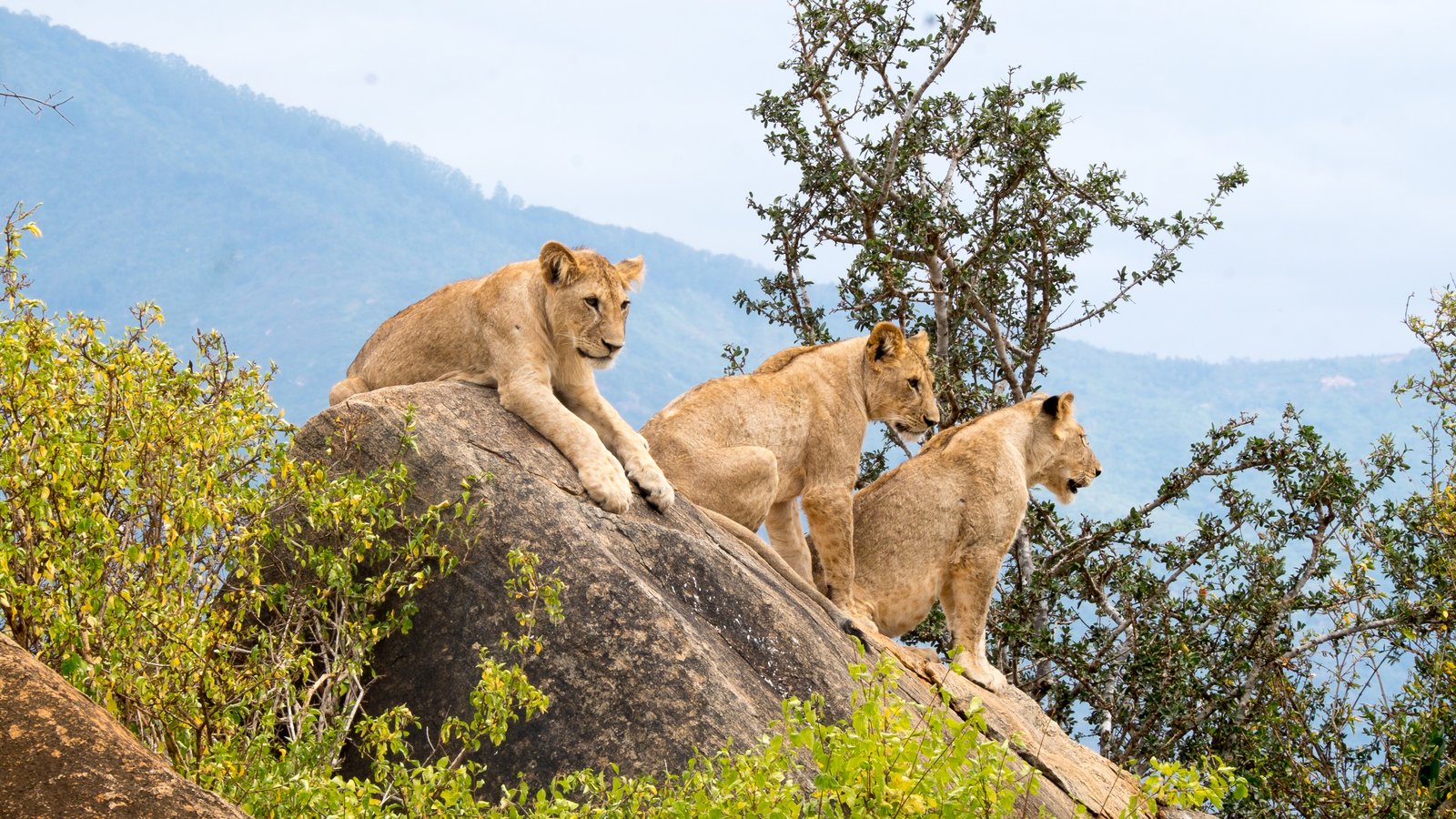
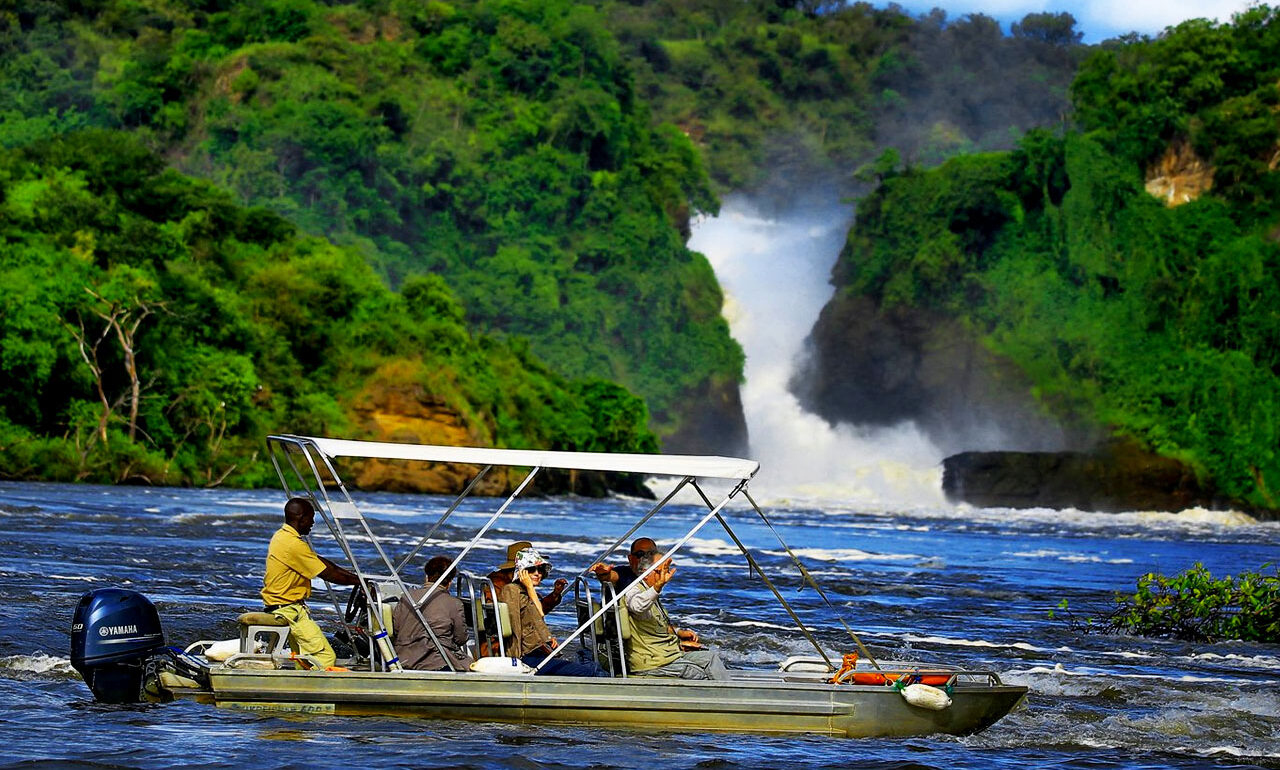
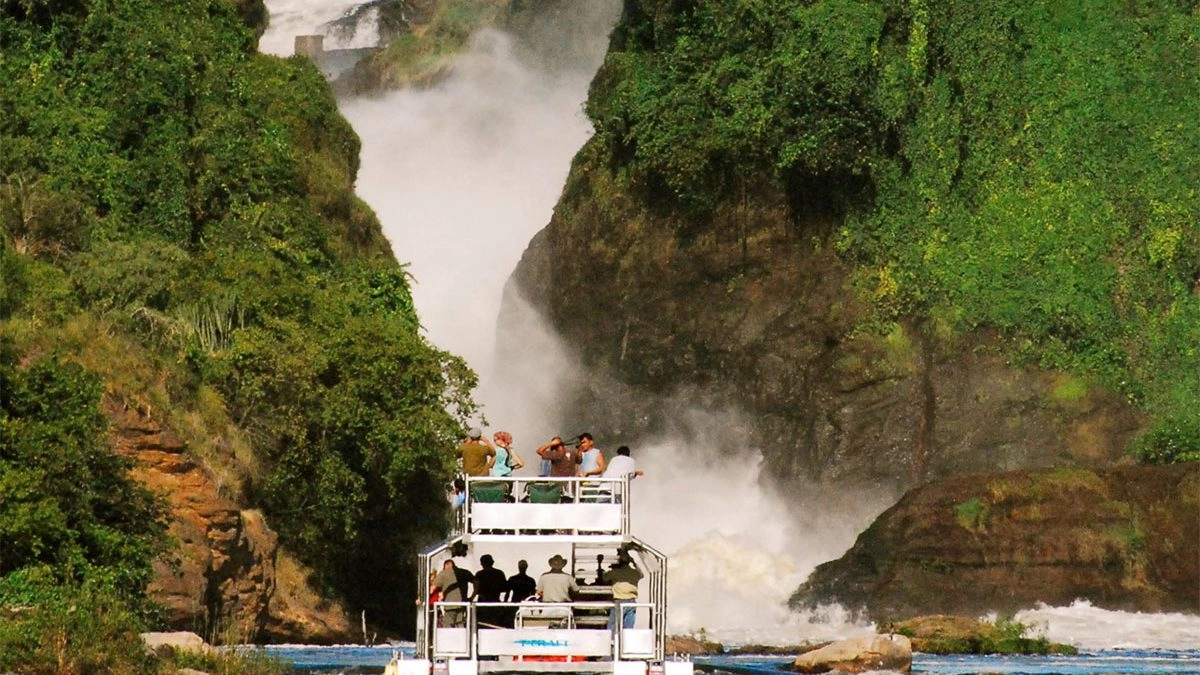
Uganda, the “Pearl of Africa,” sits at the heart of East Africa’s biodiversity, where lush rainforests, sprawling savannahs, and shimmering lakes converge into one of the richest wildlife landscapes on the continent. From the majestic mountain gorillas of Bwindi Impenetrable National Park to the roaring lions of Queen Elizabeth and the thundering Murchison Falls on the Nile, Uganda’s ecosystems sustain an extraordinary range of life. Yet beneath this natural splendour lies a pressing reality — Uganda’s wildlife is under increasing threat. The delicate balance between people and nature faces unprecedented challenges driven by human pressures, climate change, and limited resources.

This article explores the key conservation challenges facing Uganda and the meaningful role travellers can play in safeguarding this precious heritage. It offers a deeper, structured perspective that merges factual depth, conservation insight, and practical awareness, ensuring readers understand not just what is at stake, but how their journeys can be part of the solution.

The Fragile Beauty of Uganda’s Natural Heritage

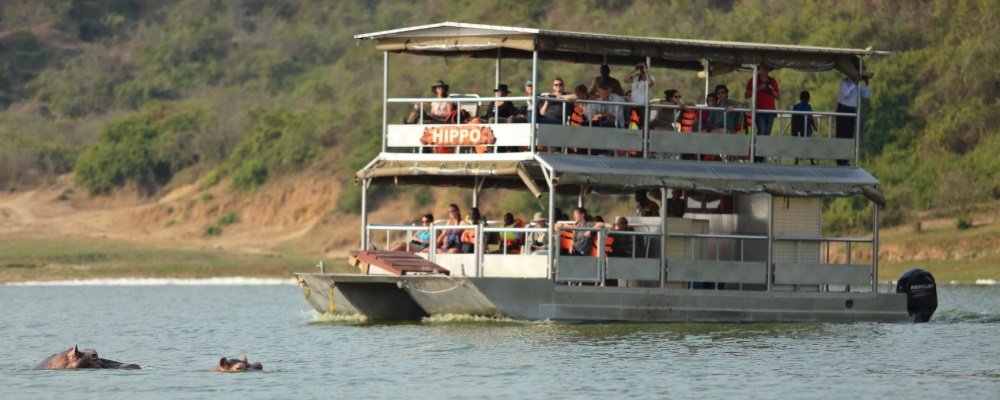
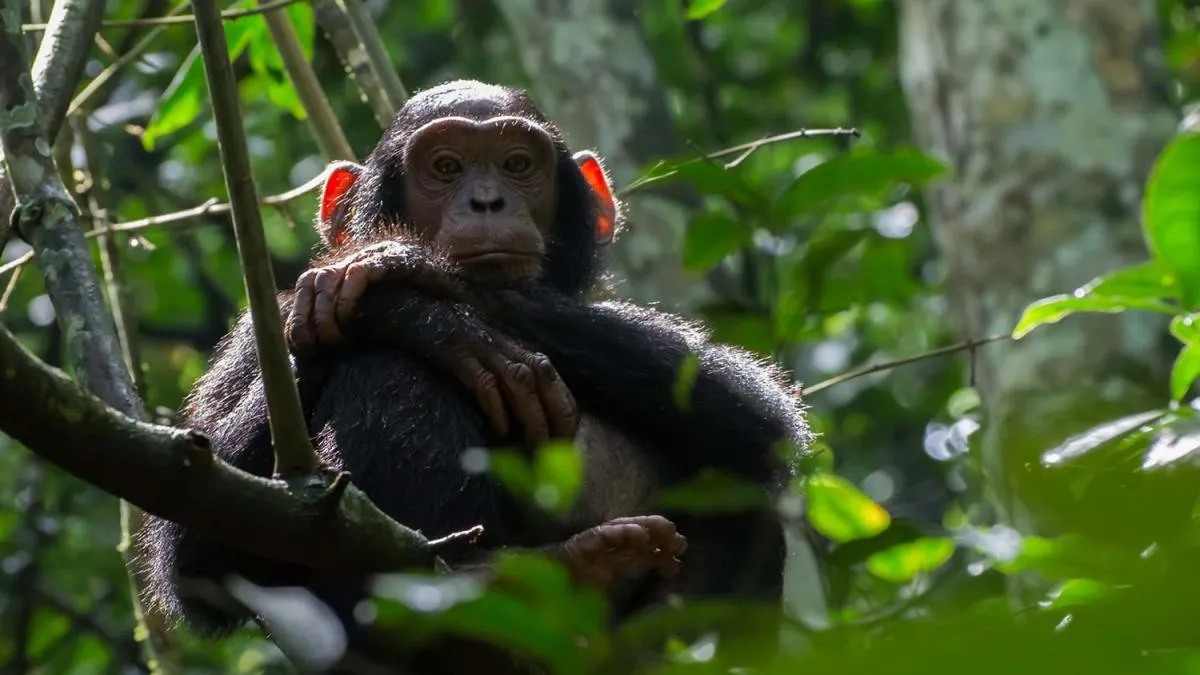
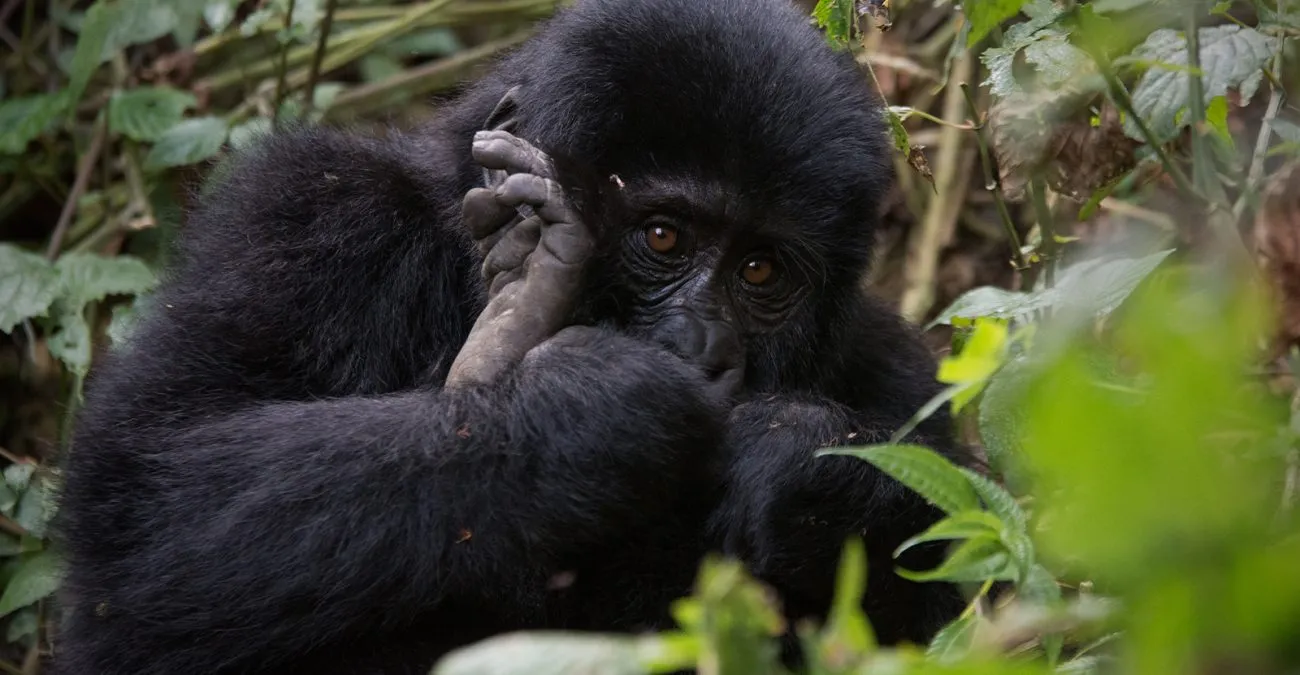
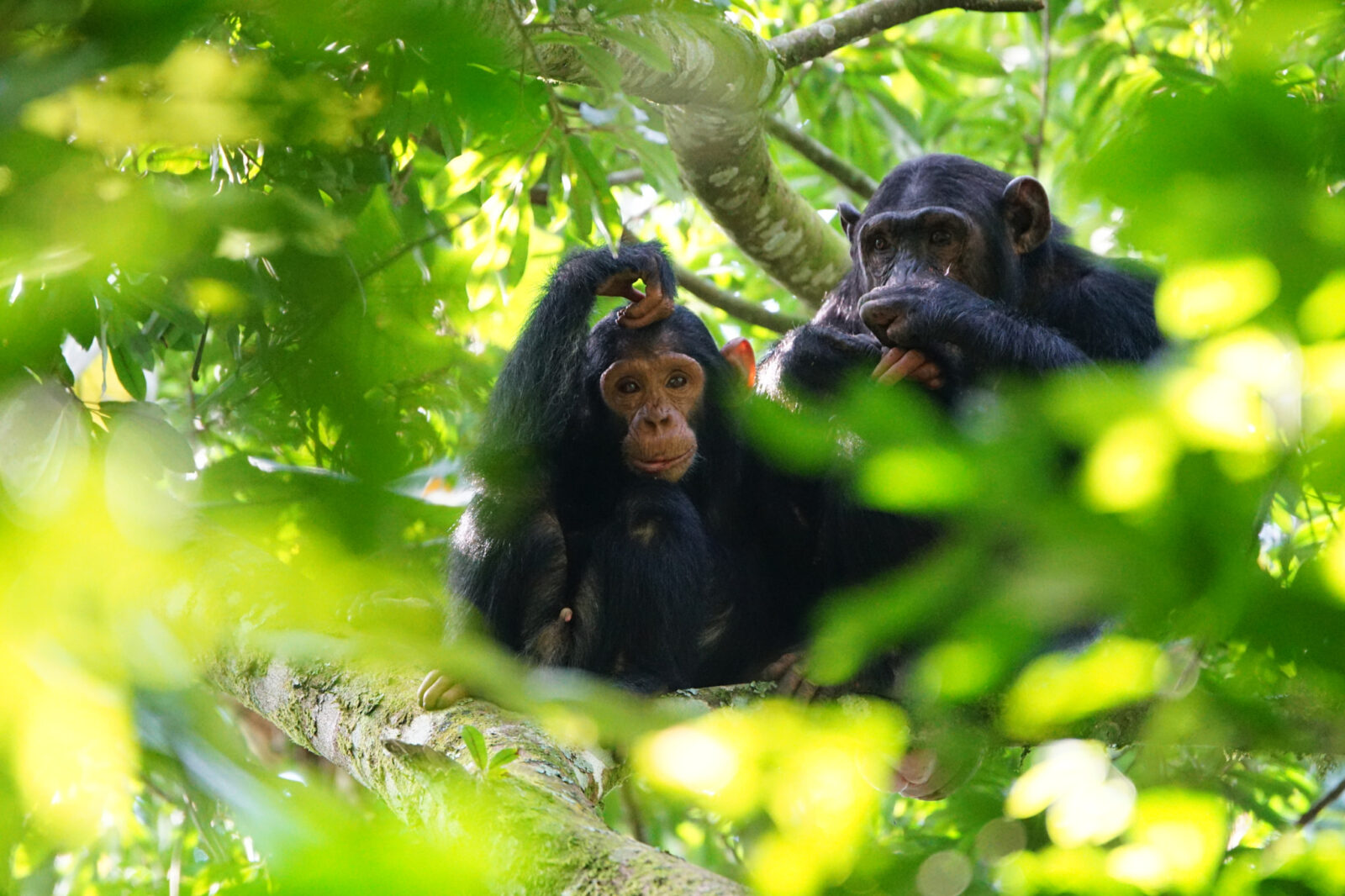
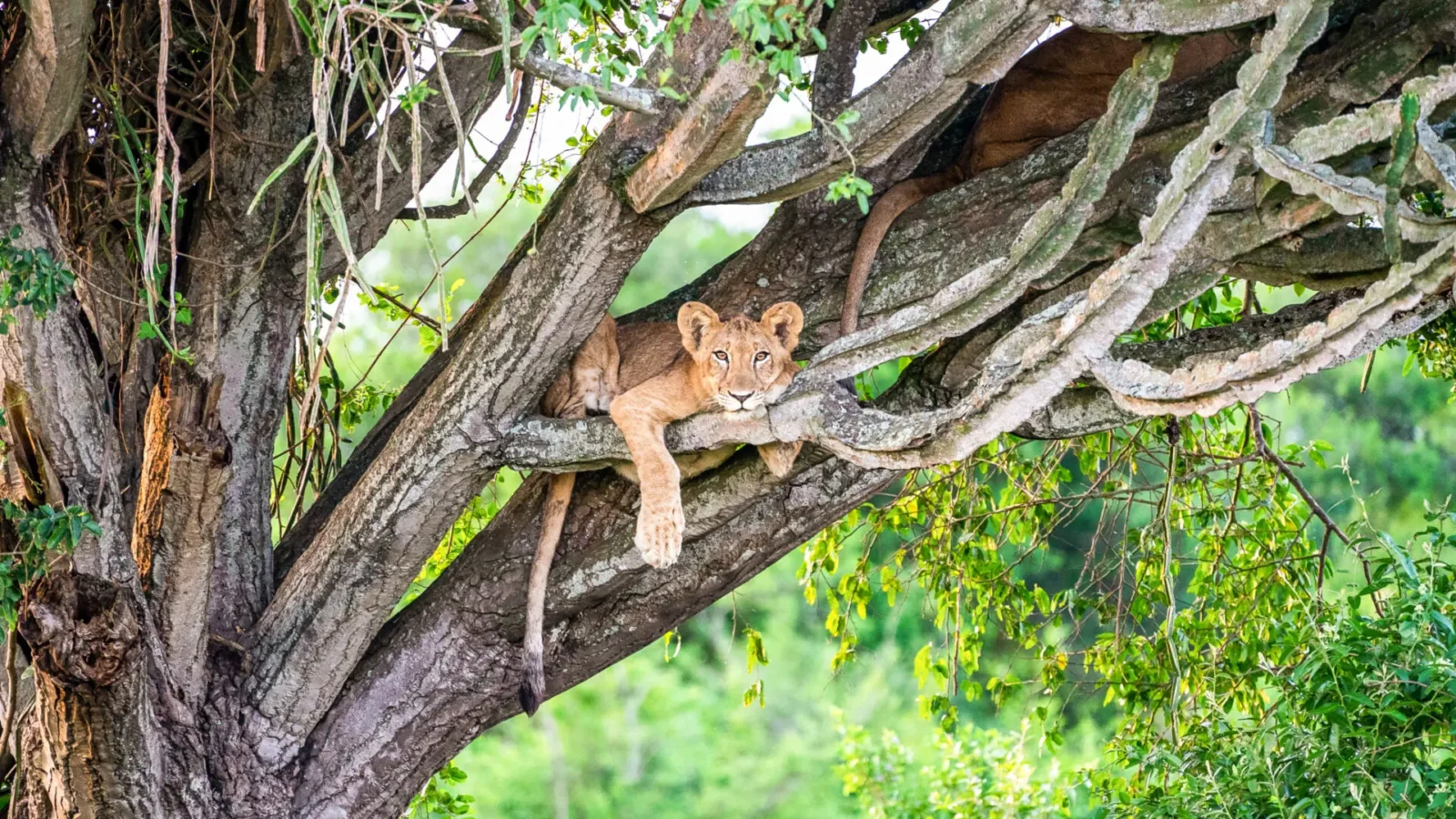
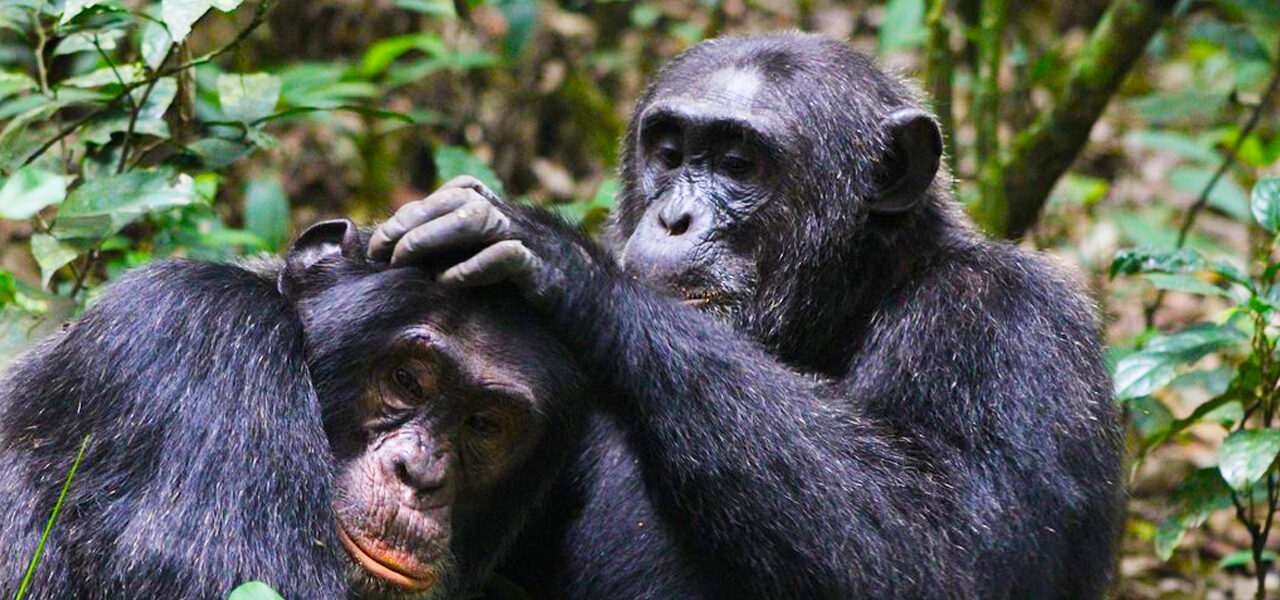
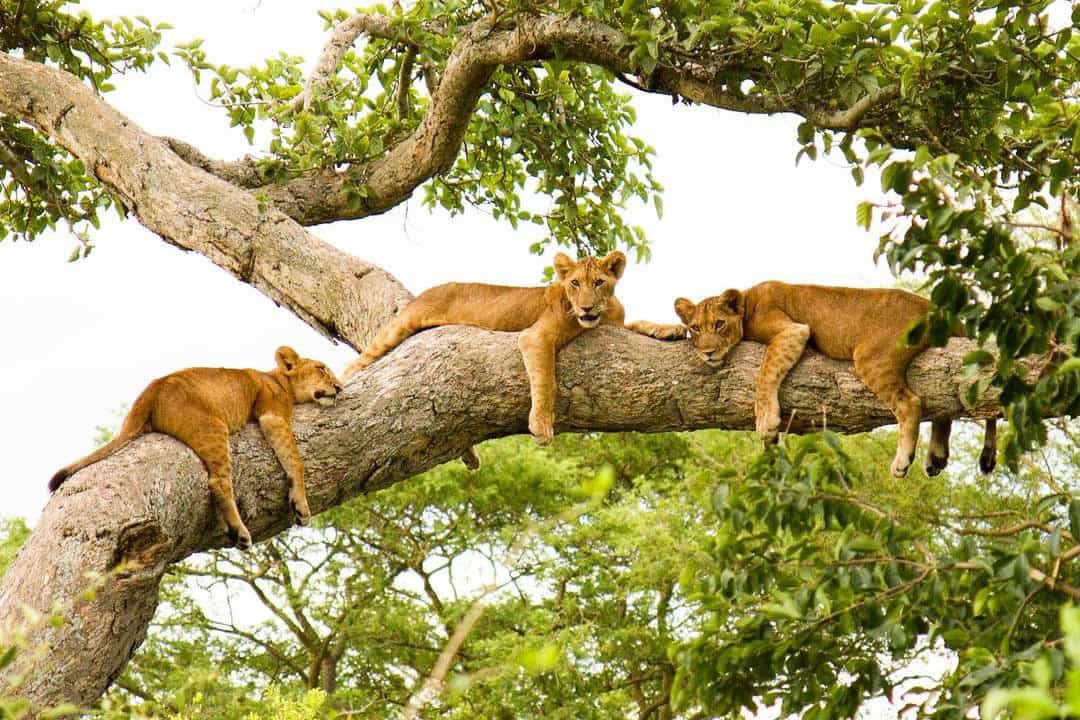
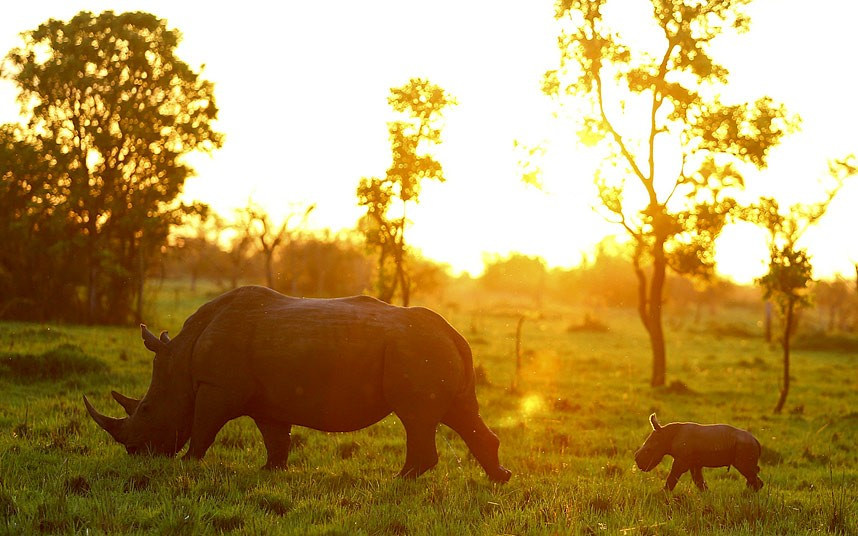
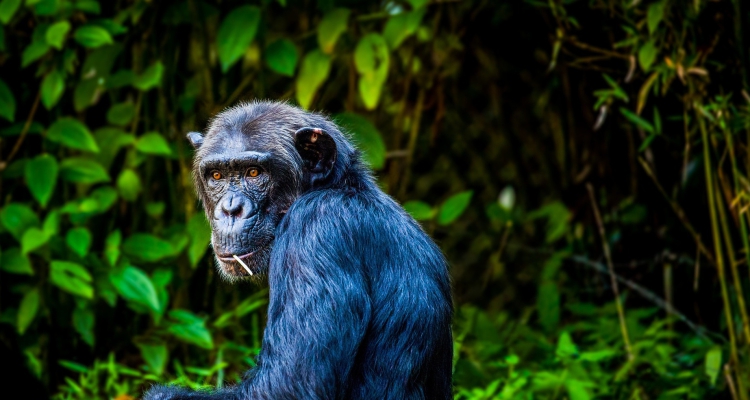
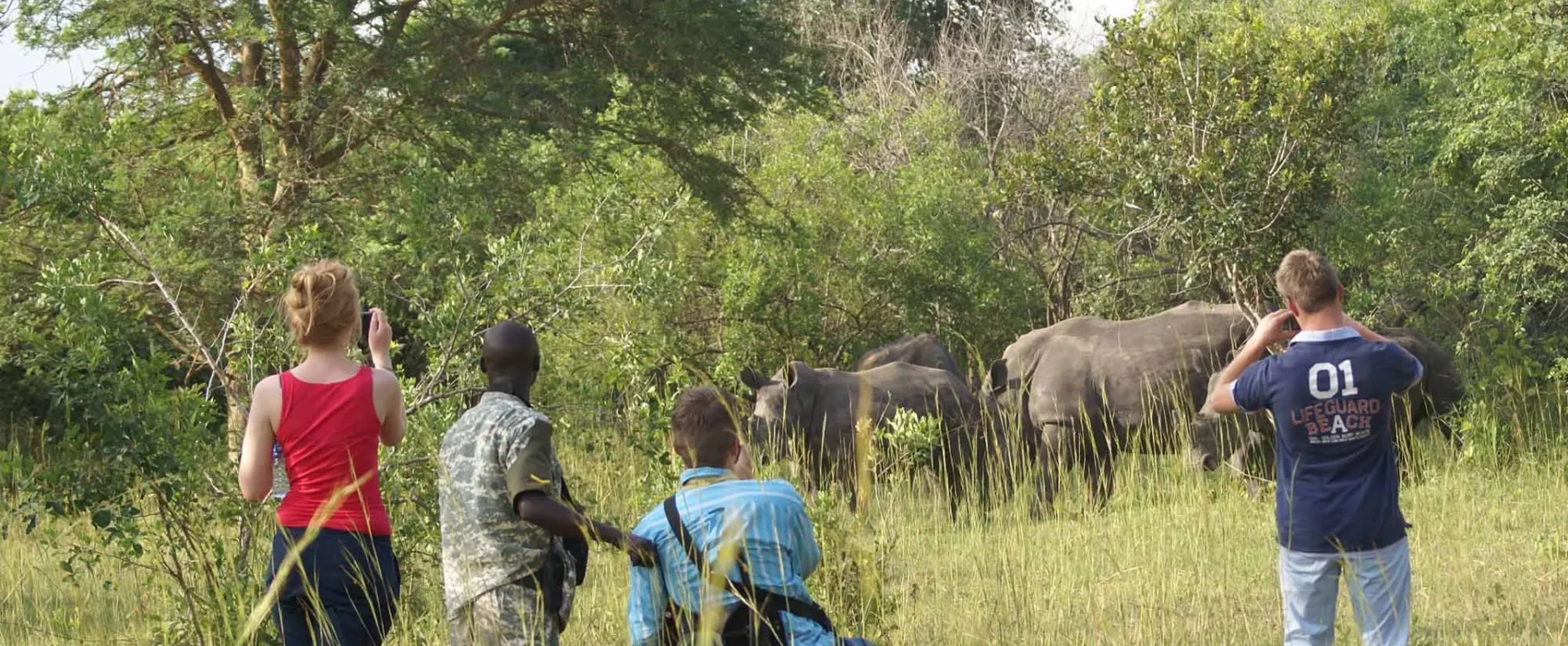
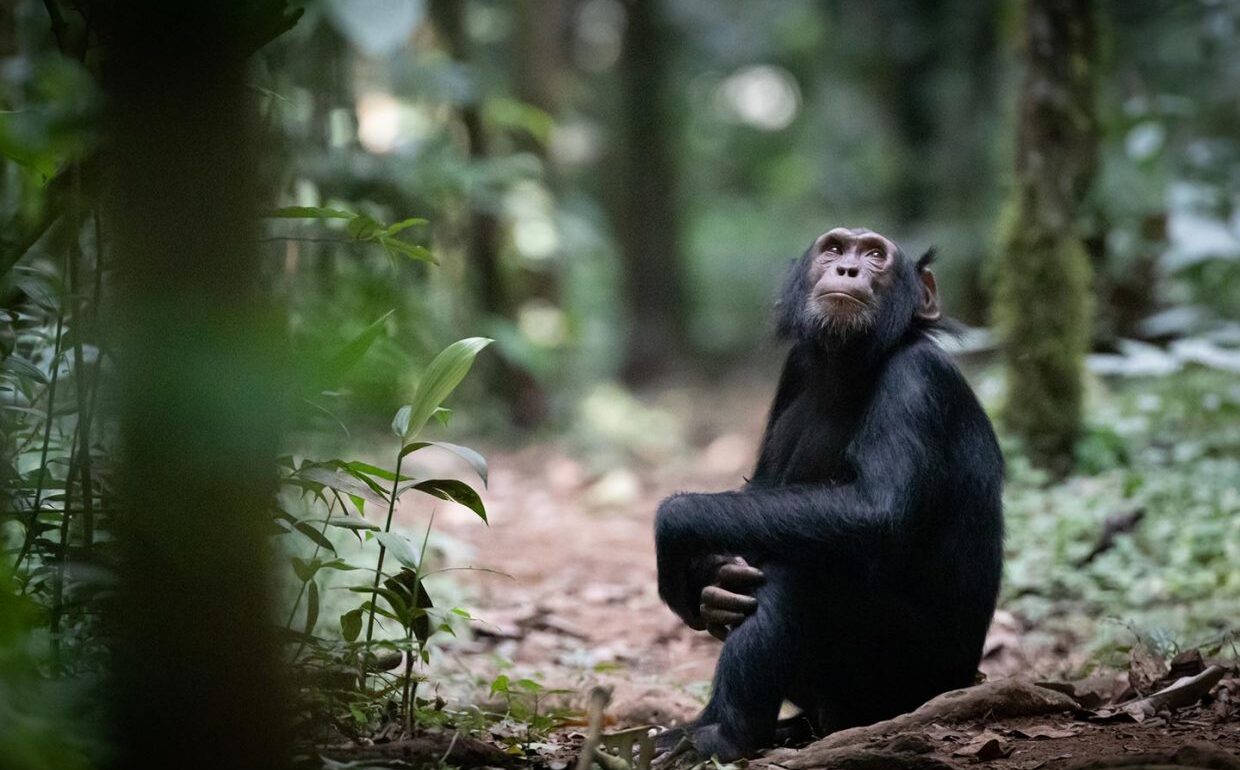
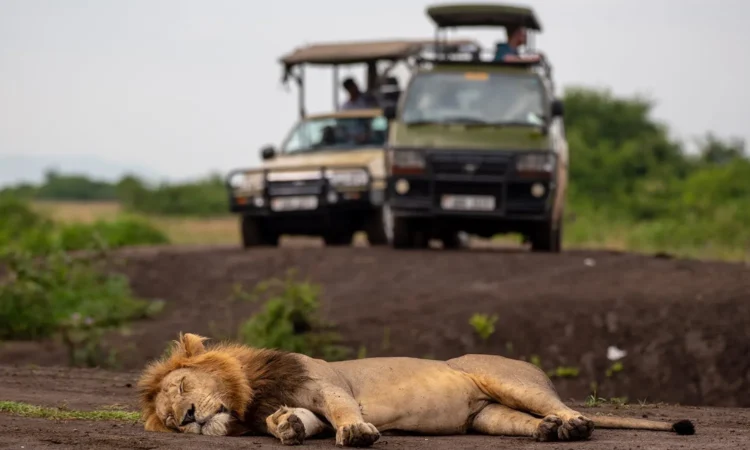
Uganda is home to more than half of the world’s remaining mountain gorillas, over 1,000 species of birds, and a diverse range of mammals including elephants, leopards, chimpanzees, and hippos. These species live across a mosaic of ecosystems—from tropical forests like Bwindi and Kibale to wetlands such as the Mabamba Swamp, and the great savannah plains of Murchison Falls and Kidepo Valley.

Each region plays a critical ecological role, serving as a reservoir of life, a carbon sink, and a source of livelihoods for local communities. However, this intricate web is increasingly strained by human expansion, illegal wildlife trade, and environmental degradation. The paradox is clear: as Uganda grows economically and demographically, its wild places are shrinking.

To understand how travellers can help, one must first examine the deep-seated challenges facing conservation in Uganda today.

1. Habitat Loss and Fragmentation

One of the gravest threats to Uganda’s wildlife is habitat loss. Expanding farmlands, urban sprawl, and infrastructural development continue to encroach upon forests, wetlands, and grasslands. The country’s population has soared past 48 million, and with this growth comes an increasing demand for agricultural land and settlement space.

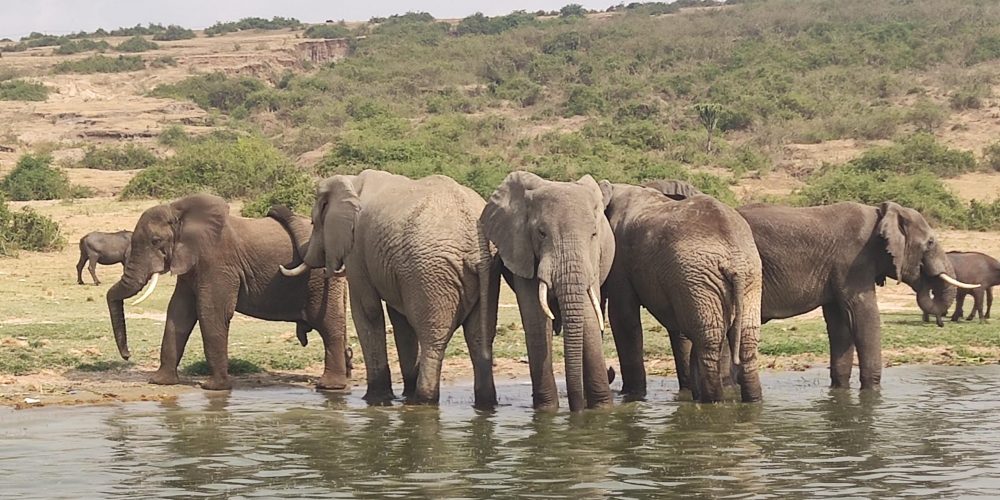
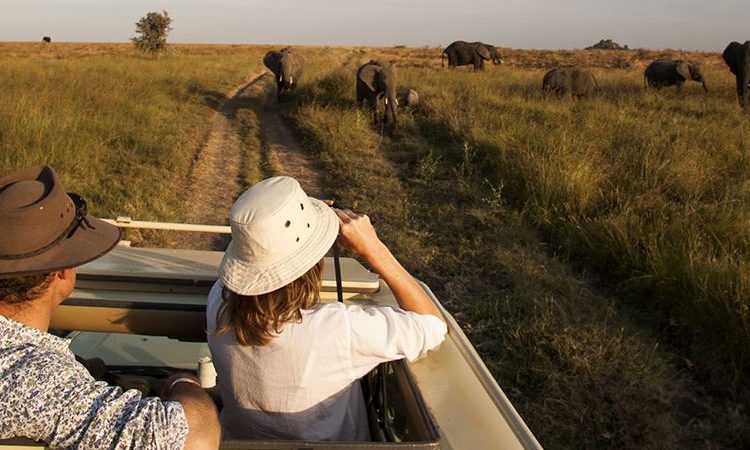
National parks and reserves, once vast and connected, are now fragmented into isolated patches. This fragmentation prevents animal migration and breeding, reducing genetic diversity and increasing human-wildlife conflicts. For example, elephants migrating from Queen Elizabeth National Park to Kyambura Gorge often encounter farms, resulting in crop destruction and retaliatory killings.

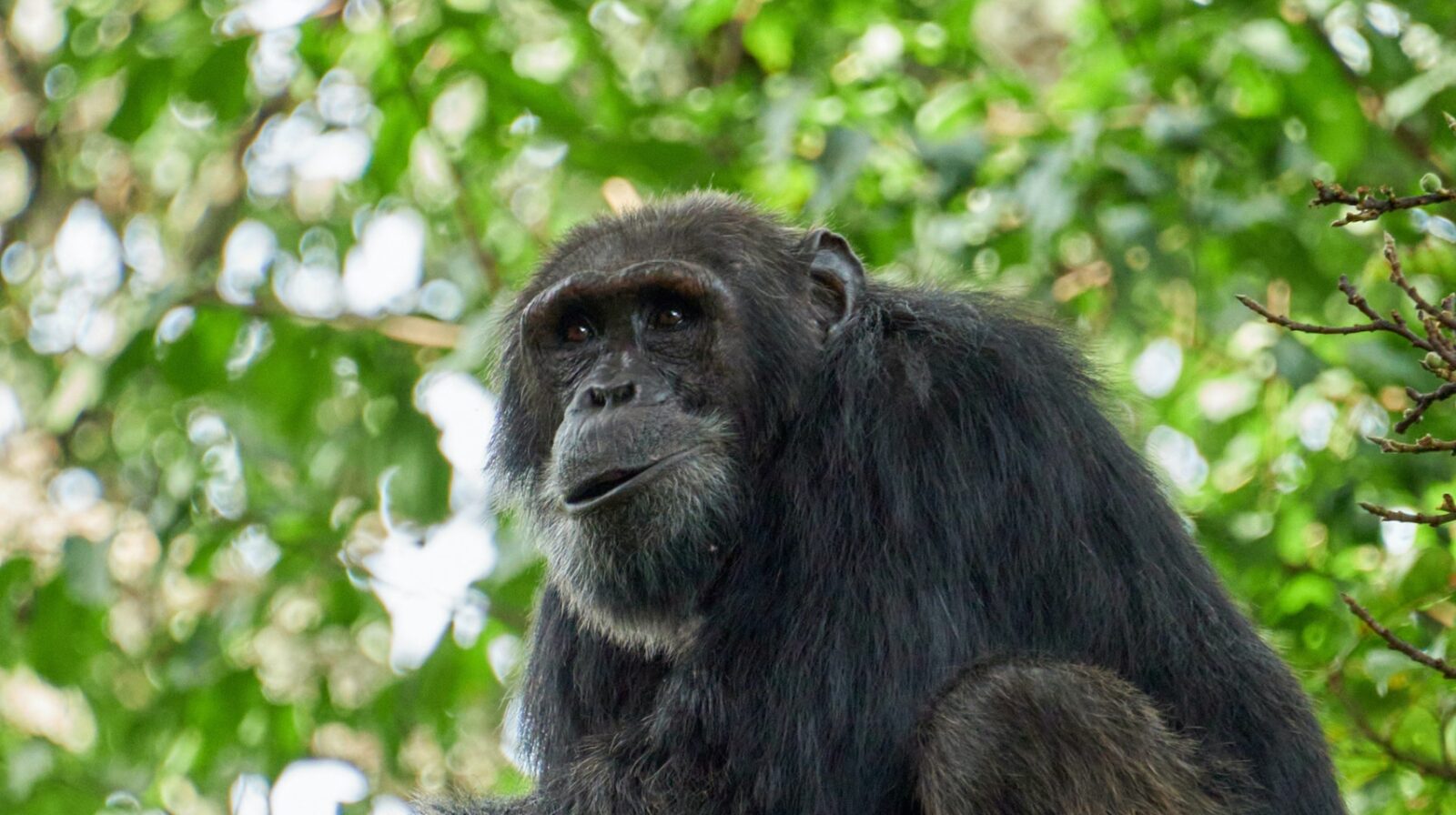
In forested regions such as Bwindi and Kibale, local communities rely heavily on the forests for fuelwood, honey, and building materials. As the forests shrink, wildlife like chimpanzees and gorillas find themselves in closer contact with humans, heightening the risk of disease transmission and further conflict.

Without sustainable land-use planning, Uganda risks losing critical wildlife corridors that connect parks and reserves, which are essential for the long-term survival of many species.

2. Poaching and Illegal Wildlife Trade

Despite stringent laws, poaching remains a pervasive threat to Uganda’s wildlife. Although large-scale elephant poaching has decreased since the 1980s, bushmeat hunting and the illegal trade in wildlife products continue to thrive. In some communities, bushmeat is seen as a source of protein and income, making enforcement a challenge in rural areas.

Species such as pangolins, grey parrots, and leopards are especially vulnerable to trafficking. The global demand for exotic pets, traditional medicine, and ornamental products drives this trade underground. Even protected areas like Queen Elizabeth National Park and Murchison Falls National Park are not immune, with poachers exploiting porous borders and limited ranger patrols.

The Uganda Wildlife Authority (UWA) has made commendable efforts, from increasing ranger training to deploying surveillance drones, yet the fight remains uphill. Weak penalties, corruption, and inadequate funding undermine enforcement. Until communities view wildlife as an economic asset rather than competition or prey, poaching will remain difficult to eliminate.

3. Human-Wildlife Conflict

Uganda’s human-wildlife conflict is a complex and emotional issue. In regions bordering national parks, people and animals often compete for space and resources. When elephants raid crops, lions prey on livestock, or hippos trample gardens, families face devastating economic losses.

This tension fosters resentment toward conservation authorities and sometimes leads to retaliatory killings. Such conflicts have been particularly severe in areas adjacent to Queen Elizabeth, Kidepo, and Murchison Falls national parks. For subsistence farmers, one night’s raid by elephants can erase an entire season’s income.

Efforts to mitigate conflict — such as community fencing, chilli deterrent programs, and compensation schemes — have shown promise but require consistent funding and engagement. Conservation success in Uganda will ultimately depend on creating coexistence models where people benefit from protecting wildlife, not suffer from it.

4. Climate Change and Environmental Degradation

Climate change poses a silent but escalating threat to Uganda’s biodiversity. The country’s ecosystems are finely tuned to predictable weather patterns, but rising temperatures and erratic rainfall are altering that balance.

Wetlands are drying up, forest fires are increasing, and droughts are becoming more frequent. Species that depend on specific habitats — like the shoebill stork in marshlands or mountain gorillas in misty forests — are being forced to adapt or relocate.

For example, Lake Mburo and Queen Elizabeth National Parks have recorded fluctuations in water levels, impacting hippos and crocodiles. In highland areas like Rwenzori and Bwindi, the changing climate affects plant species that serve as key food sources for gorillas.

Climate-induced habitat shifts also drive people into conservation areas seeking fertile land, amplifying pressures on fragile ecosystems. The cumulative impact of climate change may not be as visible as poaching, but it is equally destructive and far more insidious.

5. Limited Funding and Institutional Capacity

Conservation in Uganda is expensive and underfunded. The Uganda Wildlife Authority relies heavily on tourism revenue, which collapsed during the COVID-19 pandemic. This financial strain led to staff layoffs, reduced patrols, and a spike in illegal activities.

Even in recovery, funding remains inconsistent. Many parks lack adequate equipment, vehicles, and monitoring technology. Rangers, who risk their lives daily, often work under difficult conditions with limited resources.

International NGOs and donor programs have been instrumental in supporting projects, but long-term sustainability depends on domestic investment and community-driven initiatives. Without predictable funding streams, conservation remains vulnerable to external shocks.

6. Population Pressure and Land Use Conflicts

Uganda’s rapidly growing population exerts enormous pressure on natural resources. Rural communities, dependent on agriculture, continue to expand into wildlife habitats. The tension between conservation goals and human needs is particularly evident in Albertine Rift regions, where fertile soils attract settlers but overlap with biodiversity hotspots.

As farmlands push deeper into forest zones, protected areas like Budongo and Kibale face encroachment. Unregulated charcoal burning and deforestation compound the problem. The challenge lies in balancing human development with environmental protection — a balance that requires inclusive planning, education, and economic alternatives.

If unchecked, the encroachment could isolate Uganda’s parks, reducing them to biological “islands” unable to support viable wildlife populations in the long term.

7. Disease Transmission Between Humans and Wildlife

Another emerging concern is zoonotic disease transmission, especially in regions where humans and primates coexist closely. Gorillas and chimpanzees share over 98% of their DNA with humans, making them highly susceptible to respiratory infections and viruses.

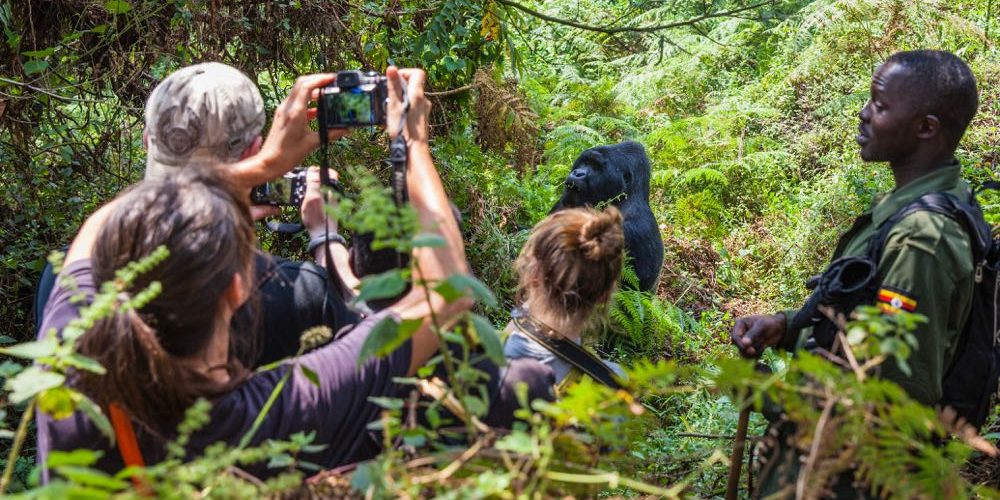
Tourism brings immense conservation funding, but it also introduces the risk of disease spread if guidelines are ignored. During the pandemic, Uganda’s gorilla parks temporarily closed to protect the apes, underscoring the fragility of this coexistence.

Sustainable tourism practices — maintaining a safe distance, wearing masks, and limiting visitor numbers — have been implemented to mitigate risk. Yet as tourism rebounds, vigilance remains vital to prevent outbreaks that could decimate primate populations.
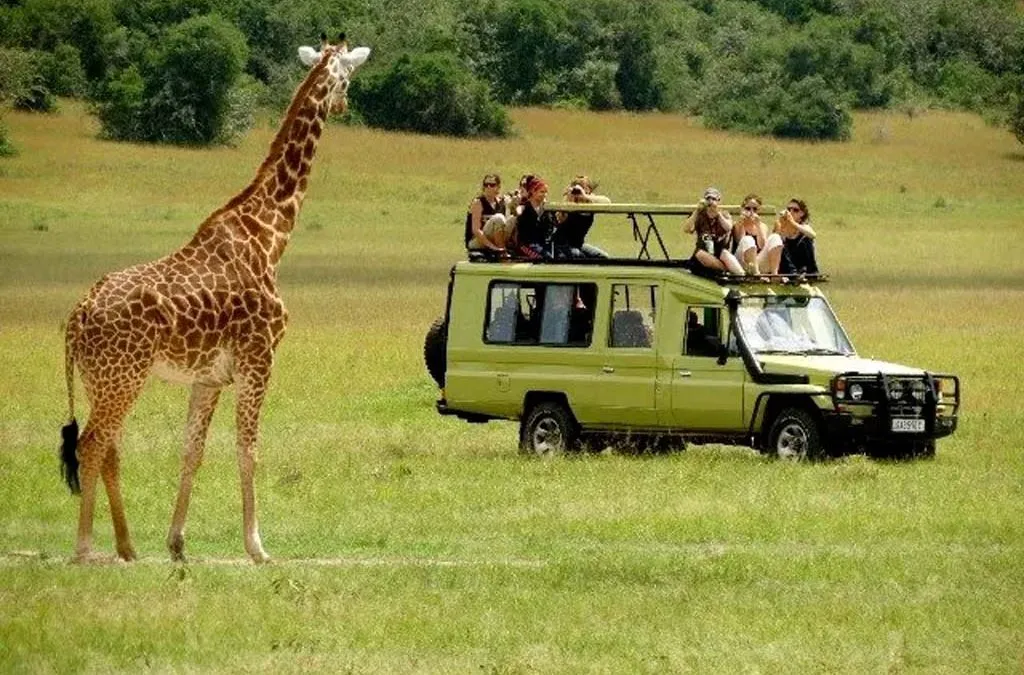
What wildlife conservation challenges are facing Uganda and how can travellers help?8. Weak Community Involvement and Benefit Sharing

For conservation to succeed, local communities must benefit from it. Historically, many people living around parks have felt excluded from decision-making processes and revenue distribution. This exclusion fuels resentment and non-cooperation.

Community-based conservation projects, such as revenue-sharing programs, eco-tourism ventures, and village tourism associations, are reshaping this dynamic. However, implementation gaps persist. Some communities still receive minimal benefits compared to the economic value tourism generates.

Where people see tangible returns — through jobs, infrastructure, or education — they become active stewards of conservation. Uganda’s future lies in expanding these inclusive models, ensuring that conservation is not perceived as an external imposition but as a shared livelihood.

9. Infrastructure Development and Industrial Pressure

Uganda’s development agenda includes large-scale projects such as road expansions, hydroelectric dams, and the oil extraction program in the Albertine Graben. While essential for economic growth, these projects pose significant environmental risks if not carefully managed.

Roads fragment habitats, pipelines disrupt wetlands, and oil exploration threatens sensitive ecosystems like Murchison Falls National Park. Environmental impact assessments are sometimes overlooked or inadequately enforced, resulting in long-term ecological damage.

Balancing national development and conservation requires transparent governance, rigorous oversight, and sustainable alternatives that prioritize both nature and progress.

How Travellers Can Help Safeguard Uganda’s Wildlife

While the challenges are immense, travellers play a crucial role in shaping the future of conservation. Every responsible journey has the potential to create a ripple effect — supporting local economies, financing conservation, and inspiring global awareness.

Choosing Responsible Tour Operators

Travellers can amplify their impact by booking with eco-conscious tour operators who prioritize sustainability, community involvement, and conservation ethics. Responsible companies invest directly in local initiatives, support anti-poaching efforts, and employ community guides who serve as ambassadors for wildlife protection.

By selecting trusted partners such as WildHorn Africa, visitors ensure that their travel dollars contribute to positive conservation outcomes rather than exploitation.

Supporting Community Tourism

Community tourism initiatives allow travellers to experience Uganda authentically while empowering local people. Home stays, cultural encounters, and community walks not only enrich the visitor experience but also provide alternative incomes that reduce reliance on poaching or deforestation.

When local communities earn through conservation, wildlife becomes their shared treasure rather than a threat.

Respecting Wildlife and Park Regulations

Responsible travel extends beyond financial support — it includes ethical behaviour. Maintaining safe distances, avoiding noise disturbances, not feeding animals, and following park guidelines help minimize human impact on wildlife.

Travellers who adhere to these principles contribute to the wellbeing of species like mountain gorillas and chimpanzees, ensuring minimal stress and maximum protection during encounters.

Offsetting Carbon Footprints

As global travel contributes to carbon emissions, visitors can reduce their ecological footprint by choosing carbon offset programs, supporting tree planting projects, or opting for low-impact travel modes within Uganda.

Contributing to reforestation efforts around Bwindi, Kibale, or Murchison Falls not only offsets emissions but also helps restore degraded habitats vital to wildlife survival.

Spreading Awareness and Advocacy

Tourists can become ambassadors for Uganda’s wildlife. Sharing authentic stories, photographs, and conservation messages helps educate others and inspire responsible travel choices. The ripple effect of informed advocacy can influence global attitudes and generate lasting support for Uganda’s conservation agenda.

The Role of Government and International Partnerships

While travellers play a significant role, sustainable conservation requires collaboration between governments, NGOs, researchers, and communities. Uganda’s policies, such as the Wildlife Act and the Community Conservation Strategy, provide a strong foundation, but implementation depends on sustained partnerships and funding.

International alliances with organizations like the World Wildlife Fund (WWF), Conservation Through Public Health (CTPH), and Jane Goodall Institute continue to provide technical expertise and resources. However, the long-term success of conservation efforts rests on Uganda’s ability to localize these strategies, empowering citizens as active custodians of nature.

A Shared Future Between Humans and Nature

Uganda’s story is one of resilience and rebirth. Decades of poaching and deforestation have taken their toll, yet the country has shown extraordinary recovery through community empowerment, gorilla tourism, and international collaboration.

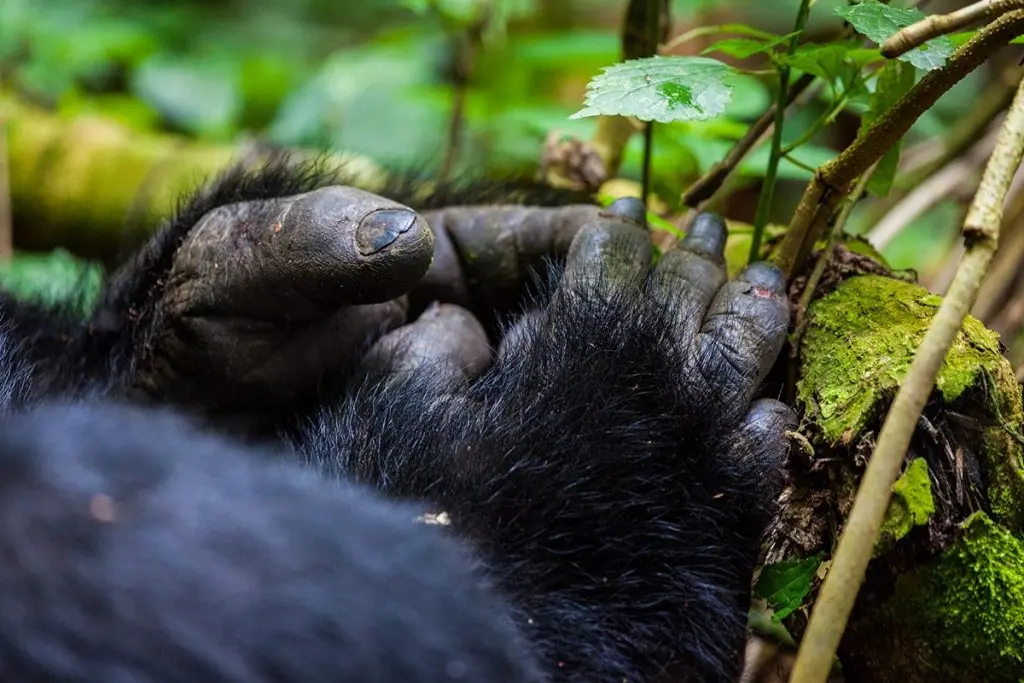
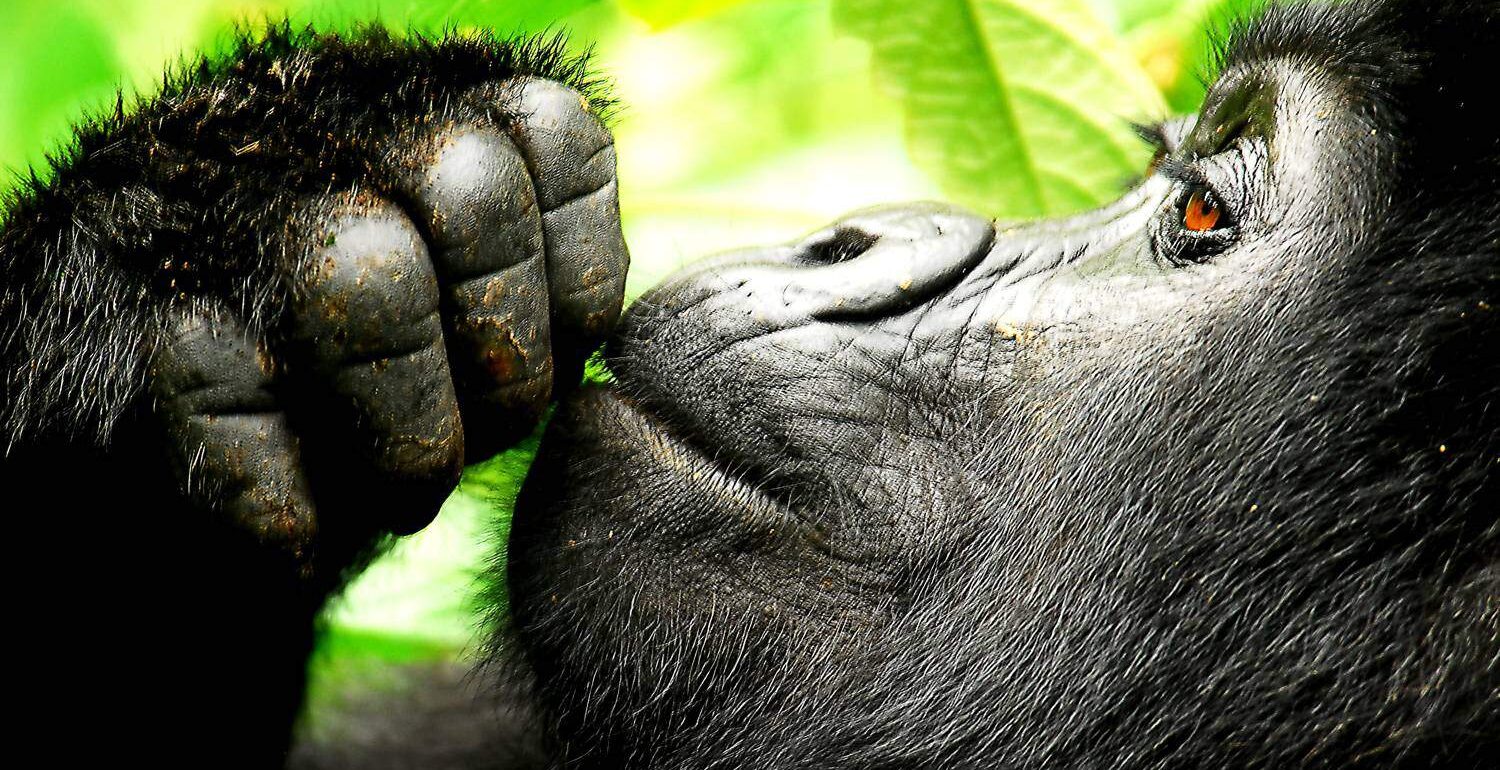
The sight of a mountain gorilla mother cradling her infant in the misty hills of Bwindi or a herd of elephants crossing the Kazinga Channel at sunset remains a symbol of hope — proof that when nature is protected, humanity thrives too.

The future depends not on whether Uganda can save its wildlife, but whether people — both Ugandans and travellers — can see themselves as part of the same ecological family. Each visit, each conscious choice, becomes an act of preservation for generations yet to come.

The Call to Action

Uganda’s wildlife is not merely a national treasure; it is a global legacy. Protecting it requires empathy, awareness, and shared responsibility. As travellers explore the Pearl of Africa, their decisions shape the future of its forests, rivers, and plains.

By choosing to travel responsibly, support conservation-focused operators, and engage with local communities, visitors become part of a movement that transcends borders. Every safari becomes more than an adventure—it becomes a commitment to ensuring that Uganda’s wild beauty endures.

For those inspired to witness this wonder firsthand while contributing to its preservation, the journey begins with a choice — a choice to book your African tours and safaris with WildHorn Africa, where every expedition supports conservation, uplifts communities, and honours the wild heart of Africa.

What health clinics/facilities exist for tourists in Uganda?

What health clinics/facilities exist for tourists in Uganda?

By Travel stories and blogs, Uganda travel guides

What Health Clinics and Facilities Exist for Tourists in Uganda? | WildHorn Africa Safari Health Guide

Visiting Uganda for a safari adventure means immersing oneself in some of the most beautiful and wild places on Earth. From the mist-wrapped slopes of the gorilla forests to the wide African savannahs, every corner offers unforgettable experiences. Yet, amidst the excitement of exploration, one question quietly but importantly arises: what happens to your health when you’re far from home? In Uganda, preparing for health contingencies is as vital as packing binoculars or booking lodges. Knowing what health clinics and facilities are available for tourists can make the difference between a minor setback and a manageable incident.

This article presents a detailed exploration of the health infrastructure in Uganda relevant to travellers and safari visitors. It examines the major clinics and hospitals in urban areas, the health support in safari regions and national parks, the standard of care, evacuation-issues, how to choose a facility in a remote location, and practical advice for staying healthy before, during and after your Uganda journey. At the end you will be guided toward trusted safari support by WildHorn Africa, recognising that the best health preparation often begins with working with safari specialists who understand Uganda’s terrain and services.

The Health Landscape for Tourists in Uganda

Uganda’s health system is a mix of public and private facilities. In major cities such as Kampala and Entebbe, one will find well-equipped hospitals and private clinics offering high-quality care. However, many safari locations and national parks are remote, with limited access to advanced medical facilities. What this means for travellers is that preparation and awareness become paramount.

In practical terms, this means that if you fall ill or are injured in a remote location you may need evacuation to a major hospital. Having a clear understanding of the facilities available, and how to access them, therefore becomes part of responsible safari planning.

In addition to emergencies, the routine health concerns that affect travellers (such as malaria, diarrhoea, insect-borne illnesses, and accidents) must be managed before departure and during the trip. This is where clinics offering travel health services, vaccinations and pre-travel consultations become very relevant.

Major Clinics and Hospitals Accessible to Tourists

When you arrive in Kampala or travel through Uganda’s primary safari corridors, you will find several health facilities that are suitable for travellers. While no guarantee exists that every remote lodge has equivalent availability, knowing a few names and what they provide helps build confidence.

Norvik Hospital

Norvik Hospital, based in Kampala, is considered one of Uganda’s leading private hospitals. It offers advanced diagnostics and specialist care with departments such as intensive care, cardiology, paediatrics, internal medicine and surgery. For serious medical issues encountered while in Uganda’s more accessible zones, Norvik provides a strong option for treatment and referral.

St. Francis Hospital Nsambya

St. Francis Hospital Nsambya is a long-established faith-based hospital in Kampala. It provides emergency services, inpatient and surgical care, and also functions as a teaching hospital. For travellers staying in or passing through Kampala, Nsambya represents a reliable point of care.

Clinics Specialising in Travel Medicine and Vaccinations

Facilities such as Travel Clinic International and City Medicals Limited provide services tailored to travellers — including pre-travel consultations, vaccinations (for yellow fever, hepatitis, typhoid), and travel health advice. These clinics are important because they allow visitors to address health risks before venturing into remote areas.

Health Facilities in or near Safari and Remote Regions

When your safari leads you to national parks, forested areas, or remote lodges, you must be aware that the level of medical infrastructure will be lower. Many safari lodges may include first-aid facilities, and national parks often have ranger medical kits, but for serious care you may need to travel out of the park.

For example, some parks have modest clinics or health camps, but they may lack full emergency surgical capability, intensive care or specialist services. In such contexts, safari operators often arrange for rapid transport (by 4×4 or charter flight) to a larger hospital in Kampala or Entebbe. Thus travellers should plan evacuation contingencies into their health preparation.

When selecting a safari operator or lodging, one that communicates clearly about medical access, evacuation protocols, and nearest referral hospitals demonstrates higher standards of care and risk management. Knowing which hospital is reachable, how long the drive or flight is, and whether the lodge or operator has contracts or relationships in place is a mark of informed travel.

What Tourists Should Expect: Standard of Care and Practicalities

While the health sector in Uganda has many good facilities, tourists must set realistic expectations.

In urban centres, private hospitals offer relatively high standards of care, though still differing from those in developed countries in terms of speed, technology, and resources. Delays may occur and infrastructure constraints such as power supply or medicine shortages can sometimes arise.

In remote safari locations the care may initially be basic — first aid, stabilisation, and evacuation if required. Travellers needing advanced care such as intensive treatment or specialist surgery will likely be transported out of the park region.

Payment for healthcare is usually required up front or at time of admission, particularly for private facilities. Visitors should ensure they have travel insurance with coverage for treatment and evacuation abroad. It is also wise to carry photocopies of your passport, insurance details, emergency contacts, and a summary of medical conditions or medications.

English is widely used in most hospitals and clinics frequented by foreigners, but in remote areas communication may require assistance from your guide or lodge staff.

For safari companies, a good risk-management protocol includes the establishment of emergency contacts, ambulance or charter flight services, and clear communication to guests on how medical issues will be handled.

Pre-Trip Health Preparation: Clinics and Vaccination Services

Before travelling to Uganda for safari, it is wise to engage with a travel medicine clinic. These facilities provide not only required and recommended vaccinations but also advice on malaria prophylaxis, insect protection, traveller’s diarrhoea kits, and general health screening.

Travel Clinic International and City Medicals offer full ranges of travel vaccines and provide certificates of vaccination necessary for travel. Travellers are advised to visit such clinics four to six weeks before departure so that vaccinations can take effect.

Vaccinations recommended for Uganda include yellow fever (mandatory for most travellers), hepatitis A and B, typhoid, meningitis, polio, and tetanus/diphtheria. Getting travel health advice early gives time to complete vaccine courses, arrange any required prescription medication (for malaria or allergies), and adopt preventive hygiene practices.

In the safari context, pre-trip clinics become as important as the safari booking itself — they reduce the risk of illness impacting your journey and help ensure you arrive in Uganda healthy and ready.

What health clinics/facilities exist for tourists in Uganda?Managing Health During Safari

While on safari in Uganda, several health-related practices will enhance your safety and comfort. Carry a basic first-aid kit with essentials such as antiseptics, plasters, medicine for diarrhoea, pain relief, and any personal medication. Ensure that your travel insurance covers medications and care abroad.

Stay up to date with prescribed antimalarial medication, use mosquito-repellent, wear long sleeves and trousers in the early morning and evening, and stay in accommodation with screened windows or mosquito nets.

Food and water hygiene are also important: drink bottled or treated water, avoid raw vegetables if uncertain of washing standards, and eat in reputable lodges.

If you fall ill — especially in a remote location — notify your guide or lodge as soon as possible. Professional safari operators have protocols for transporting guests out of the park to the nearest medical facility. Time can be crucial in wilderness regions.

Always carry identification, insurance certificates, emergency contacts, and a list of medications or conditions. Lodges often ask for this information upon check-in to facilitate a faster response in case of emergencies.

When Illness or Injury Occurs: Clinics and Evacuation

Despite best preparation, accidents or illness may still occur. The key to handling them in Uganda is rapid action, clear communication with your safari operator or lodge staff, and being insured.

If the incident is minor and near a major town, you might be referred to a private hospital such as Norvik or Nsambya where diagnostics and treatment are available. If the incident happens deep in the bush, the first step is stabilisation and evacuation. Safari companies coordinate this process; professional lodges and operators often include evacuation clauses or have medical liaisons.

When using a private hospital, be prepared to pay up front or provide a guarantee from your insurance company. Keep all receipts, diagnostic reports, and medication details — these documents facilitate a later claim.

Your travel insurance must cover medical evacuation — transport by road or air to a fully equipped hospital if necessary. Without it, travellers may face large unplanned costs or delays in treatment.

After initial treatment, follow-up care may be required. Your safari operator can help coordinate logistics, accommodation changes and return travel as needed.

Limitations Tourists Should Understand

While Uganda offers solid health service options, tourists should understand the limitations. Rural areas may have extremely limited facilities: no specialist surgeons, no intensive care units, and minimal diagnostics. Electricity or supply issues can occur. Ambulance services and emergency vehicles may be delayed in remote terrain.

Emergency response in remote parks depends on fixed access roads, charter flights, or helicopter evacuation — all at significant cost if not pre-arranged. Even in urban hospitals, standards may differ from those in your home country.

Seasonal diseases such as malaria, dengue, cholera, and typhoid can occur. Up-to-date traveller health advice and preventive action are essential.

Tourists must take responsibility for their health preparation — vaccinations, travel insurance, personal medication, and preventive hygiene. Relying solely on local services without prior planning increases risk.

Choosing the Right Facility for Your Travel Needs

Selecting the right health facility involves matching your itinerary, risk level, and medical history with available services.

If your safari concentrates in Kampala or other urban centres, access to major private hospitals is likely. If your safari takes you into forests, remote reserves, or rural drives, then your health plan must include a remote response strategy.

Before booking, ask your operator: which hospital is contracted for guests in case of emergencies, how far is it from my lodge, what is the evacuation plan, does the lodge have first-aid and medical care, which clinic handles non-emergency issues, and is there 24-hour medical support? Choose an operator that communicates these details clearly.

Identify a travel clinic before departure for vaccinations and a health review. Confirm that your insurance includes medical evacuation and that the clinics you might use in Uganda can coordinate with your policy.

Maintain a backup plan: keep your insurance details, emergency contacts, and a summary of your medications and conditions. In some cases, tele-medicine consultations can also provide quick support; check whether your operator or clinic offers this service.

Staying Healthy in Uganda: A Tourist’s Approach

Beyond knowing where clinics are, staying well during your trip is essential. Travellers should adopt a mindset of prevention and proactivity. Have a travel health check-up before departure, ensure all recommended vaccinations are complete, stock a small first-aid kit, and inform your tour operator of any health conditions.

During the safari, stay hydrated, rest sufficiently, avoid exhaustion, wear insect repellent and protective clothing, and pay attention to food hygiene. If you feel unwell, seek care early — early intervention in remote zones prevents major complications.

After your safari, continue monitoring for signs of illness such as fever or stomach discomfort. Keep the contact information for your clinic or operator in case you need follow-up.

The Role of Safari Operators in Health Safety

A key partner in managing health risks is your safari operator. A competent company like WildHorn Africa offers much more than game drives and accommodation — it provides logistics, emergency planning, health risk management, evacuation coordination and access to local medical networks.

When you book through an experienced operator, you gain something close to a “safari healthcare safety net”: knowledge of the nearest hospitals, communication protocols, staff trained in first-aid, transport links, and backup plans for medical evacuation. Operators often liaise with clinics beforehand, arrange guest briefings on health risks, and provide assistance if medical support is required.

Choosing a safari operator that treats health preparedness as integral to the tour is a hallmark of professionalism and ensures peace of mind throughout your travels.

Stories and Scenarios: Why Familiarity with Clinics Matters

Imagine you are on a gorilla trek in the dense forest of Bwindi and slip, injuring your ankle. The lodge’s first-aid kit stabilises you, your guide radios ahead, and an evacuation vehicle or helicopter is dispatched to a referral hospital competent for orthopaedic care. Because you booked through an operator familiar with emergency logistics and you had the correct travel insurance, you arrive at the hospital in Kampala within hours and receive treatment promptly.

In another scenario, a tourist visiting Lake Victoria falls ill with severe malaria. The lodge arranges emergency transport to a private clinic in Kampala. The clinic requires payment; the traveller presents their insurance certificate, the bills are processed later, and treatment prevents long-term complications.

These examples demonstrate that in Uganda, being able to access and choose the right clinic or hospital is part of responsible and safe travel.

Final Thoughts: Health Preparedness Unlocks Confidence

Travelling through Uganda is an extraordinary experience that demands respect not just for the wilderness but also for personal safety and health. Knowing which clinics and hospitals exist, which travel-health services to utilise before your trip, how to manage medical and evacuation risk, and how to partner with a reliable safari operator all work together to ensure your adventure remains smooth and secure.

The key message is this: health readiness is not optional; it is foundational to memorable, worry-free safari travel. By investing in pre-travel health checks, selecting the right operator, verifying evacuation protocols, carrying your medicines, understanding available clinics, and purchasing robust travel insurance, you set the stage for an adventure where your focus is the wildlife, landscapes and cultural richness — not anxiety about emergencies.

When you plan your safari, consider aligning yourself with a partner who not only knows Uganda’s wildlife but also understands the local health infrastructure and traveller risk profile. WildHorn Africa stands out in this regard, offering travel planning that integrates adventure, comfort, logistics and health preparedness.

Book your Africa tours and safaris via WildHorn Africa — where safe, supported, unforgettable experiences in Uganda become reality, backed by thoughtful health infrastructure awareness and local expertise.

What is the tipping culture in Uganda?

What is the tipping culture in Uganda?

By Travel stories and blogs, Uganda travel guides

What Is the Tipping Culture in Uganda? | Uganda Safari Etiquette Guide by WildHorn Africa

Uganda, the Pearl of Africa, welcomes every visitor with a smile that feels genuine, warm, and deeply human. Its landscapes are breathtaking — from mist-covered mountain ranges and shimmering lakes to savannah plains alive with wildlife — yet what captures most travelers’ hearts is not just the scenery but the people. Ugandans are known for their hospitality, humility, and kindness. Whether it’s a lodge attendant offering you a cold drink after a long drive, a ranger guiding you safely through gorilla terrain, or a driver who navigates winding roads to remote parks, the Ugandan travel experience thrives on service and personal care.

In such a context, visitors often wonder: what is the tipping culture in Uganda? Is it expected, optional, or customary? How much is appropriate, and who should receive it?

Tipping, though voluntary, plays a significant role in Uganda’s tourism ecosystem. It expresses gratitude for good service, supplements the incomes of those who make your safari experience seamless, and connects cultures through appreciation. But understanding how and when to tip requires sensitivity, knowledge, and cultural awareness.

This article offers a deep, structured exploration of Uganda’s tipping culture — its origins, expectations, etiquette, and impact — helping you engage meaningfully and respectfully during your journey through this remarkable country.

Understanding the Spirit of Gratitude in Ugandan Society

Before discussing tipping itself, it is important to understand the Ugandan spirit of gratitude and service. Hospitality in Uganda is not merely professional; it is cultural. People take pride in hosting guests, whether at home, in a local eatery, or in a safari lodge. Visitors are regarded as blessings, and the act of serving them is treated with dignity and warmth.

Traditionally, Ugandans express gratitude not always through money but through words, gestures, and reciprocity. A heartfelt “webale nyo” (thank you very much) in Luganda, or “apwoyo matek” in Acholi, carries deep meaning. It acknowledges not just the service but the humanity of the person providing it.

However, with the rise of tourism and hospitality industries, tipping has gradually become part of Uganda’s modern appreciation culture — influenced by global practices yet shaped by local values. It remains voluntary, but it is increasingly recognized as a polite and generous way of showing appreciation for good service.

In Uganda, tipping is not demanded but welcomed. It is seen as an act of kindness rather than obligation. The way one tips — with sincerity, discretion, and respect — often matters more than the amount itself.

The Evolution of Tipping in Uganda’s Tourism Industry

The concept of tipping in Uganda evolved alongside the growth of international tourism, especially from the 1990s onwards, when gorilla trekking, wildlife safaris, and cultural expeditions began drawing travelers from around the world.

In earlier years, Uganda’s tourism infrastructure was minimal. Rangers, porters, and lodge staff earned modest wages, often relying on tips as supplementary income. Over time, as the industry professionalized, tipping became a recognized standard of appreciation, particularly in safari settings.

Yet unlike in Western countries where tipping percentages are fixed, in Uganda the practice is flexible and context-driven. It depends on the traveler’s satisfaction, the type of service, and the duration of engagement.

A ranger leading you through the dense forests of Bwindi, ensuring your safety amid unpredictable terrain, provides a very different level of service from a restaurant waiter in Kampala or a porter carrying luggage to your safari tent. Understanding these distinctions is key to appreciating Uganda’s nuanced tipping culture.

The Cultural Meaning Behind Tipping in Uganda

In Ugandan culture, every gesture of giving is wrapped in humility and gratitude. The act of tipping is not a transaction but a relationship of respect. It says, “I recognize your effort, and I value your care.”

To tip in Uganda is to participate in a cultural rhythm of appreciation that transcends money. It reinforces the communal ethic — the understanding that everyone contributes to a shared experience. Whether it’s the gardener maintaining the lodge grounds or the ranger interpreting wildlife behavior, each person’s effort sustains the traveler’s journey.

When a visitor tips, they affirm that relationship. It becomes not a show of wealth but a sign of connection. Ugandans often respond with genuine warmth, sometimes even embarrassment, not because they undervalue the tip, but because they view it as a token of friendship rather than entitlement.

Therefore, tipping in Uganda carries emotional weight — it’s a reflection of gratitude grounded in respect for human dignity.

Who Typically Receives Tips in Uganda’s Tourism Setting

Uganda’s safari industry involves a diverse team of individuals working behind the scenes to make your experience exceptional. Understanding who benefits from tips helps ensure your appreciation is fairly shared.

At the forefront are tour guides and drivers. They are often the heartbeat of your journey — the storytellers, problem-solvers, and navigators who make your safari memorable. Their role extends far beyond transportation; they are interpreters of landscapes and guardians of safety.

Next are rangers and trackers, particularly in activities such as gorilla trekking or chimpanzee tracking. These professionals dedicate years of training to protect both wildlife and tourists, guiding visitors through challenging terrain while ensuring ethical encounters with primates. Their expertise and patience make tipping both customary and well-deserved.

At lodges and camps, porters, waiters, housekeepers, and kitchen staff contribute quietly to comfort and cleanliness. Many travelers choose to leave a collective tip for staff in a central tip box rather than giving individually, ensuring equitable distribution.

Community guides, boat captains, and cultural performers also appreciate tips when their services are part of your itinerary. In remote areas, such gestures often have a profound economic impact, helping support families and community projects.

The Social and Economic Impact of Tipping

In Uganda, the tourism industry is a vital source of livelihood. Many employees in parks, lodges, and tour operations earn modest base salaries due to the seasonal nature of tourism. Tips therefore represent a meaningful supplement to income.

However, beyond economics lies a deeper social dimension. Tipping directly rewards effort and excellence, reinforcing a culture of quality service. It creates pride in work, motivation for professionalism, and a sense of connection between visitors and hosts.

When tipping is done thoughtfully — with awareness of local costs of living and fairness — it strengthens the symbiotic relationship that sustains responsible tourism. It allows communities to view tourism not as exploitation but as empowerment.

In villages surrounding Bwindi or Kibale, a single day’s tip can help a family pay school fees or purchase food. This ripple effect extends far beyond individual employees, enriching entire communities that rely on conservation-based tourism.

When and How to Tip in Uganda

Timing and manner are crucial elements of tipping etiquette in Uganda. The culture values discretion and sincerity over formality.

Tipping is usually done at the end of a service period rather than daily, particularly for guides or drivers who accompany you for several days. At lodges, a common practice is to tip upon check-out, using the provided tip box or envelope. In restaurants, tips can be given directly to waiters after the meal.

Handing over a tip with both hands is a gesture of respect, mirroring broader Ugandan etiquette. Public displays of tipping — such as handing cash in front of others — are generally avoided, as humility is valued over showmanship.

For community visits or cultural performances, tips can be offered through the guide or community leader to ensure fair distribution.

Ultimately, tipping should feel natural, never forced. It is a reflection of appreciation, not obligation. The best tip is one that carries genuine gratitude.

Understanding Appropriate Amounts and Context

While Uganda has no fixed tipping rules, travelers often appreciate general guidance to avoid under- or over-tipping. The principle is to align generosity with satisfaction and context.

For safari guides or drivers who accompany guests for several days, tips are typically given per group rather than per person, adjusted according to service quality and trip duration. For lodge staff, a smaller pooled amount shared among workers is common.

In restaurants, rounding up the bill or leaving a modest amount is customary. For porters, especially those assisting in gorilla trekking or mountain climbing, tipping reflects not just service but physical endurance and reliability.

The key is balance — tipping enough to express genuine gratitude without creating dependency or social discomfort. As Uganda’s tourism infrastructure grows, travelers are encouraged to consult trusted operators like WildHorn Africa for up-to-date recommendations tailored to their specific itinerary and accommodation type.

Regional Variations and Cultural Sensitivities

Uganda’s tipping customs can vary slightly across regions due to differences in culture, exposure to tourism, and economic conditions. In highly visited areas such as Bwindi, Kibale, and Queen Elizabeth National Park, tipping is familiar and widely accepted. Staff are accustomed to receiving gratuities and manage them with professionalism.

In less touristic areas, however, tipping may be less expected. Some locals might even feel shy accepting money directly. In such cases, small gestures — like offering a meal, sharing photos, or saying thank you in the local language — can be equally meaningful.

Visitors are advised to approach each situation with cultural empathy, remembering that Uganda’s diversity includes communities with distinct values regarding generosity, pride, and humility.

Regardless of region, what remains constant is that appreciation expressed respectfully always strengthens bonds between guest and host.

What is the tipping culture in Uganda?Avoiding Cultural Misunderstandings

Though tipping is appreciated in Uganda, certain behaviors may unintentionally cause discomfort. It is therefore important to approach the act with sensitivity.

Overt displays of money, excessive tipping that appears patronizing, or tipping selectively in front of others can be misinterpreted. The goal should always be equality and humility. When in doubt, asking your safari guide for advice ensures that your gesture aligns with local expectations.

It is also advisable to tip in Uganda shillings rather than foreign currency, as local denominations are easier for recipients to use. If tipping in U.S. dollars, ensure the notes are clean and issued after 2009, as older bills are often rejected by banks.

Above all, tipping in Uganda should be guided by authenticity. When given from the heart, it is always received with grace.

The Role of Tour Operators in Guiding Tipping Practices

Professional tour operators such as WildHorn Africa play a crucial role in helping travelers navigate Uganda’s tipping culture smoothly. Their guides and managers provide clear, updated advice based on current economic realities, service standards, and regional customs.

By handling gratuities transparently and ethically, operators prevent confusion or exploitation. Some tours even include recommended tipping guidelines in their pre-departure documents, ensuring travelers understand expectations well in advance.

When guests book with reputable operators, tipping becomes a structured part of a responsible tourism model. It maintains fairness, protects travelers from misinformation, and ensures that gratitude reaches those who deserve it most.

The Emotional Power of a Thoughtful Tip

In Uganda, a simple tip can carry emotional resonance far beyond its monetary value. For a lodge cleaner or porter, it symbolizes recognition. For a driver, it represents appreciation of long hours and dedication. For a ranger, it is a thank-you for both expertise and courage.

Many Ugandans in the tourism sector work tirelessly behind the scenes — often in remote areas far from their families — driven by pride in their work and love for their country. When travelers acknowledge that commitment through tipping, they validate that effort and affirm human connection.

In this sense, tipping becomes an exchange of gratitude between cultures. The traveler expresses appreciation for the warmth of Ugandan hospitality, and the Ugandan responds with a sense of shared achievement. It transforms a service interaction into something deeply human and memorable.

Balancing Generosity and Responsibility

Like all gestures of giving, tipping in Uganda must balance generosity with responsibility. Over-tipping, though well-intentioned, can distort local expectations and create inequality between visitors and residents. Under-tipping, conversely, can undervalue hard work and diminish morale.

Responsible tipping involves awareness — knowing the local context, recognizing effort, and contributing fairly without excess. It aligns with Uganda’s broader philosophy of sustainable tourism, which seeks to benefit communities while preserving authenticity.

Travelers who practice mindful generosity ensure that their contributions enhance lives without altering cultural integrity. This is where the true beauty of tipping in Uganda lies — in finding harmony between gratitude and balance.

Tipping Beyond Money: Words, Gestures, and Connection

While financial tips are significant, Uganda’s culture of appreciation values verbal acknowledgment and personal connection just as deeply. Taking a moment to thank someone sincerely, learning their name, or writing a positive review about their service can have lasting impact.

Some visitors choose to express gratitude through shared experiences — perhaps by buying a drink for their guide at the end of a safari or sending a follow-up message of thanks. These gestures build lasting relationships rooted in respect rather than currency.

In the Ugandan context, the smile and sincerity behind a tip matter as much as the amount itself. It is the emotional exchange — the human recognition — that lingers long after the journey ends.

The Broader Ethical Dimension of Tipping in Uganda

Tipping also plays a subtle but vital role in Uganda’s ethical tourism framework. Every gratuity contributes, however indirectly, to conservation and community welfare. Guides and rangers often use part of their earnings to support local schools or family farms. Lodge staff circulate money within local economies, sustaining small markets and cooperatives.

When visitors tip responsibly, they reinforce a system in which tourism uplifts rather than exploits. It demonstrates that travel can be a partnership — where appreciation flows both ways, ensuring that those who protect Uganda’s natural and cultural treasures are supported and respected.

Conclusion: The True Essence of Tipping in Uganda

The tipping culture in Uganda reflects the essence of the country itself — warm, genuine, and rooted in gratitude. It is not a mechanical transaction but a cultural exchange, a meeting point of generosity and respect.

Understanding when, how, and why to tip allows visitors to participate meaningfully in Uganda’s economy of kindness. It ensures that those who make your journey unforgettable — the guides, the porters, the rangers, and the silent workers behind the scenes — are recognized and valued.

When you travel with heart, every gesture of appreciation becomes part of a larger story — one of shared humanity, cross-cultural connection, and ethical tourism.

And when planning your Ugandan adventure, it helps to have partners who understand this balance perfectly. WildHorn Africa, a trusted name in East African safaris, ensures that every aspect of your journey — from gorilla encounters to cultural immersions — is conducted with respect, transparency, and authentic engagement.

By booking your safari with WildHorn Africa, you join a movement of travelers who explore not only with their eyes but with empathy. Every experience is curated to celebrate Uganda’s people, wildlife, and timeless spirit.

Book your Africa tours and safaris via WildHorn Africa — where appreciation, adventure, and authenticity meet in perfect harmony.

What are some lesser-known destinations in Uganda beyond the major parks?

What are some lesser-known destinations in Uganda beyond the major parks?

By Travel stories and blogs, Uganda travel guides

Lesser-Known Destinations in Uganda Beyond the Major Parks | WildHorn Africa Travel Guide

Uganda, often described as the Pearl of Africa, has long captured the imagination of travelers drawn to its natural beauty, abundant wildlife, and warm hospitality. For many visitors, the journey begins and ends with its world-famous national parks — Bwindi Impenetrable, Queen Elizabeth, Murchison Falls, and Kibale Forest — each offering unforgettable encounters with gorillas, chimpanzees, lions, and breathtaking landscapes. Yet, beyond these celebrated names lies another Uganda — a quieter, more mysterious world of hidden gems waiting to be discovered.

This is the Uganda that lives off the main tourist circuit — the land of crater lakes hidden among rolling hills, ancient cultural kingdoms, volcanic plains that shimmer under the equatorial sun, and vibrant communities that tell stories of tradition and resilience. These lesser-known destinations offer a more intimate and authentic experience, allowing travelers to connect deeply with both nature and culture.

In this in-depth exploration, we journey beyond the beaten track to uncover Uganda’s secret corners — places of astonishing beauty and cultural richness that remain largely untouched by mass tourism. These destinations are where adventure and tranquility meet, and where Uganda’s true spirit shines brightest.

Discovering Uganda’s Hidden Heart

While Uganda’s major parks showcase the grandeur of African wilderness, it is in the lesser-visited regions that one feels the pulse of the country’s natural and cultural diversity. From the misty highlands of the far southwest to the volcanic slopes of the east, from quiet island retreats on Lake Victoria to sun-baked savannahs of Karamoja, the country’s hidden landscapes reveal new dimensions of its identity.

Travelers who venture into these areas find not just beauty, but solitude and authenticity. They encounter communities that have preserved centuries-old traditions and wilderness areas that feel untouched by time. Visiting such places deepens one’s understanding of Uganda, providing context to the landscapes and people that define it.

These destinations remind us that Uganda’s magic is not confined to its national parks. It extends into its culture, its mountains, its lakes, and its stories — each destination a living chapter of a nation still unfolding.

Lake Bunyonyi — The Lake of Little Birds

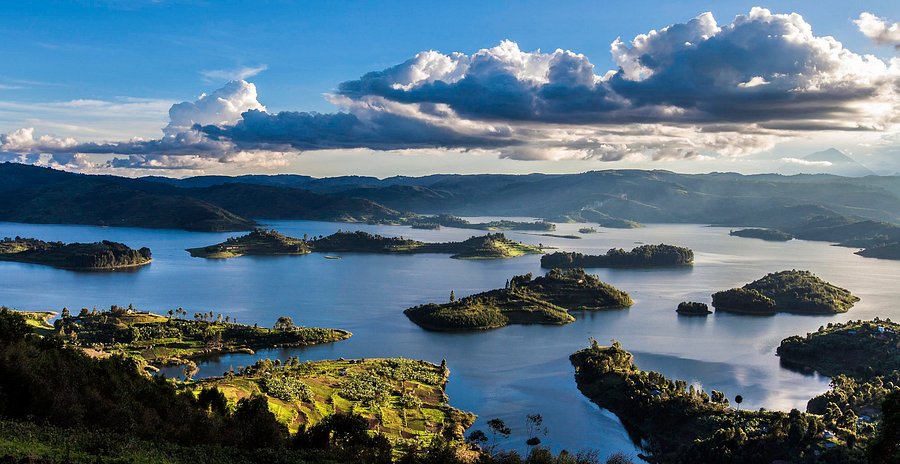
Among Uganda’s hidden treasures, Lake Bunyonyi stands out as a poetic masterpiece of nature. Nestled between Kabale and Kisoro in the country’s southwest, this enchanting lake lies like a blue gem cradled between terraced hills. Its name, “Bunyonyi,” meaning “place of many little birds,” aptly reflects its tranquil beauty and ecological richness.

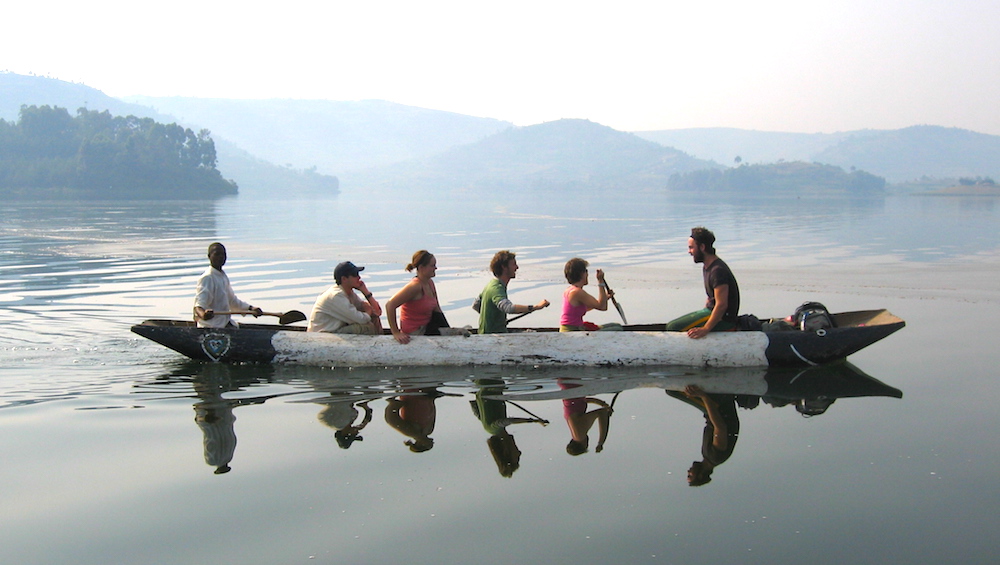
Unlike many of Africa’s great lakes, Bunyonyi is free of hippos and crocodiles, making it a peaceful haven for swimming, canoeing, and kayaking. Over 29 small islands rise from its surface, each shrouded in legend. One such island, Akampene — the “Punishment Island” — tells a haunting story of cultural tradition, where unmarried pregnant girls were once abandoned.

The lake’s calm waters mirror a landscape of tranquility, dotted with traditional dugout canoes and small lodges that blend seamlessly into the natural surroundings. For travelers seeking serenity, Bunyonyi offers a retreat into reflection and quiet beauty. It’s also a perfect stopover before or after gorilla trekking in nearby Bwindi or Mgahinga, offering a softer side of Uganda’s adventure.

The Sipi Falls — Uganda’s Cascading Crown

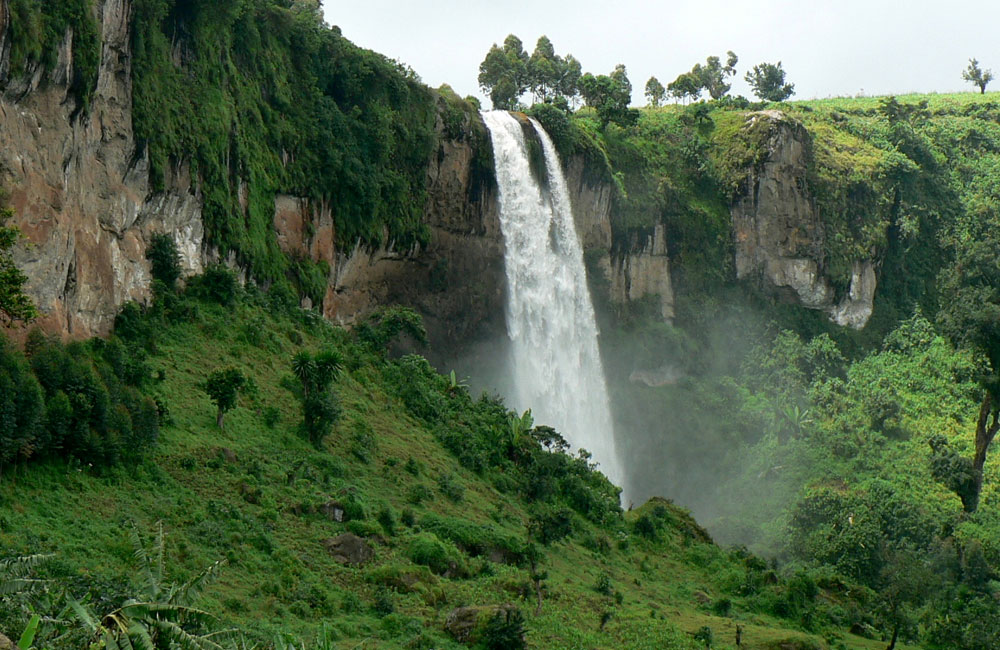
High in the foothills of Mount Elgon, where fertile farmlands meet misty mountain ridges, lies Sipi Falls, a series of three spectacular waterfalls that tumble from the cliffs of the Elgon range. The largest of the three cascades drops over 100 meters into a lush valley, surrounded by coffee plantations and rolling hills.

Sipi is more than a scenic wonder; it is an experience that awakens every sense. The sound of the waterfalls mingles with birdsong, and the cool mist refreshes travelers as they hike through villages and fields. The area’s coffee — famously grown on volcanic soils — offers another layer of cultural immersion, as visitors are invited into homes to learn about coffee farming and traditional processing.

Hiking around Sipi reveals not just natural beauty but also a window into rural Ugandan life. The trails wind through landscapes of ancient caves, banana groves, and panoramic viewpoints where the plains of Karamoja stretch endlessly below. At sunset, when golden light filters through the falling spray, Sipi Falls embodies the quiet majesty that defines Uganda’s hidden gems.

What are some lesser-known destinations in Uganda beyond the major parks?Lake Mutanda — The Mirror of the Volcanoes


Southwest Uganda holds yet another secret in Lake Mutanda, a serene high-altitude lake nestled against the backdrop of the Virunga Volcanoes. Located near Kisoro, it lies just outside Mgahinga Gorilla National Park — but unlike the dense forests where gorillas dwell, Mutanda radiates calmness and contemplation.

The lake is fringed by papyrus swamps and small islands, many home to traditional fishermen who navigate its waters by dugout canoe. On a clear day, the distant peaks of Muhabura, Gahinga, and Sabyinyo rise dramatically beyond the horizon, reflecting perfectly on the still surface of the water.

Visitors often describe Lake Mutanda as “a dream painted in silence.” It is ideal for travelers seeking peace after gorilla trekking or for photographers chasing the morning light over the volcanic chain. Few places in Uganda so perfectly capture the balance between adventure and tranquility.

Staying at lodges perched above the lake, guests witness sunrises that ignite the mist and sunsets that bathe the volcanoes in fiery gold. It is Uganda’s best-kept secret for those who crave the feeling of being suspended between heaven and earth.

The Crater Lakes of Fort Portal and Ndali

Just outside the town of Fort Portal lies a landscape of surreal beauty — rolling hills punctuated by dozens of crater lakes, remnants of ancient volcanic eruptions. This region, part of the greater Toro Kingdom, feels like a painting of contrasts: deep blue water, emerald vegetation, and soft mountain air.

Each lake has its own charm. Some, like Lake Nyinambuga and Lake Kyaninga, are bordered by eco-lodges that overlook the calm waters. Others, hidden deeper in the countryside, are visited only by local fishermen and wandering herds.

Exploring the crater lake region introduces travelers to rural Uganda at its most picturesque. Walking trails weave between banana plantations and small villages, where locals greet visitors with warmth and curiosity. It is an area rich in culture and mythology, where every hill seems to have a story and every lake is said to hold a spirit.

Beyond its beauty, Fort Portal has grown into a cultural hub with coffee estates, artisan markets, and organic farms. The crater lakes form its soul — a peaceful alternative to the adrenaline of game drives and trekking expeditions.

The Karamoja Region — Uganda’s Untamed Frontier

In Uganda’s far northeast, beyond the reach of mainstream tourism, lies Karamoja, a land of vast savannahs, rugged mountains, and resilient people. This is one of Uganda’s least explored yet most rewarding destinations.

Home to the Karamojong, a semi-nomadic pastoralist community with traditions stretching back centuries, the region embodies both raw wilderness and deep culture. The Karamojong live in manyattas — traditional homesteads constructed from wood and thatch — and their dances, dress, and cattle-centered way of life reflect ancient African heritage.

Karamoja’s landscapes are vast and cinematic. The Morungole Mountains rise in the east, offering sweeping views into Kenya and South Sudan. Wildlife roams freely, especially around Kidepo Valley National Park, which is considered Uganda’s most remote and wild safari destination. But Karamoja’s beauty lies not only in its wildlife but in its soul — its people, its traditions, and its untouched natural rhythm.

Traveling through Karamoja feels like stepping back in time. It is a region for those seeking authenticity — where connection with people and place takes precedence over comfort or convenience.

The Ssese Islands — Uganda’s Secret Archipelago

Hidden in the gentle waters of Lake Victoria, the Ssese Islands are Uganda’s answer to tropical escape. This archipelago of over 80 islands is a sanctuary of palm-lined beaches, forested trails, and serene lakeside villages.

For travelers seeking rest and solitude after long safaris, Ssese offers a soothing rhythm of life. The main islands, such as Bugala, provide small lodges and resorts, while the lesser-inhabited islands remain tranquil and largely untouched.

The beaches of Ssese may surprise first-time visitors — soft sand, swaying palms, and water lapping gently at the shore. Inland, dense forests harbor monkeys and colorful birds, while the waters teem with tilapia and Nile perch.

Cultural encounters here are gentle and genuine. Fishermen mend their nets as children play by the lakeside; evenings bring the scent of grilled fish and the laughter of local music drifting through the trees. The islands’ slow tempo invites introspection — a reminder that Uganda’s beauty is not confined to its highlands or savannahs, but extends deep into the waters that cradle it.

The Amabere Caves and Nyakasura Falls

Just a short distance from Fort Portal, beneath the shadow of the Rwenzori Mountains, lies one of Uganda’s most intriguing natural and cultural sites — the Amabere ga Nyina Mwiru caves. The name translates to “the breasts of Nyina Mwiru,” tied to a local legend about a forbidden princess who defied her father’s will. The limestone formations within the caves drip with milky-white stalactites, said to represent the princess’s tears and milk.

Visitors to the caves are guided through a lush forest trail, where the roar of Nyakasura Falls echoes nearby. It is a setting that combines myth and nature, making it a profound cultural experience as well as a scenic one.

The caves and waterfalls reflect the deep intertwining of Ugandan geography and folklore. Every stone and stream seems alive with story, and local guides bring these tales vividly to life. For travelers seeking a fusion of legend, nature, and adventure, the Amabere Caves stand among Uganda’s most atmospheric hidden destinations.

Lake Mburo and Its Surroundings — The Whispering Plains

While Lake Mburo National Park is often mentioned among Uganda’s main parks, few realize the cultural and ecological wonders that surround it. The park’s smaller size compared to others has preserved its charm as a quiet haven of plains, acacia woodlands, and serene lakeshores.

Around the park, the Ankole cattle herders continue a pastoral way of life that blends seamlessly with the wilderness. Visitors may encounter long-horned cattle grazing against a backdrop of golden savannah. The community’s traditional homesteads and respect for the land make this one of Uganda’s most culturally integrated conservation zones.

Beyond wildlife, Lake Mburo’s region invites horseback safaris, boat rides at sunset, and birdwatching among papyrus swamps. It is a microcosm of Uganda’s larger beauty — accessible, authentic, and timelessly captivating.

The Rwenzori Foothills — Mountains of the Moon

While many travelers gaze upon the Rwenzori Mountains from afar, only a few venture into their foothills to experience their cultural and ecological magic. Known as the Mountains of the Moon, the Rwenzoris are a UNESCO World Heritage site and one of Africa’s most extraordinary landscapes.

Yet, beyond the glaciers and high-altitude trails lies a world of coffee farms, small villages, and scenic walks through terraced hills. The Rwenzori foothills offer a glimpse of mountain life without the intensity of the full trek.

Local communities welcome visitors into their homes for storytelling, coffee tasting, and cultural performances. The Rwenzoris’ mystique has captivated explorers for centuries — their cloud-covered peaks inspiring legends of the source of the Nile. Standing beneath their shadow, one feels part of that timeless myth.

The Hidden Wetlands of Mabamba Bay

Near Entebbe, the Mabamba Wetlands provide a final gem for bird lovers and nature enthusiasts. Though not far from the capital, this Ramsar-protected site feels wonderfully remote. Its labyrinth of papyrus channels and lagoons shelters one of Uganda’s most sought-after birds — the Shoebill Stork.

Paddling through Mabamba in a small canoe is a serene experience. Fishermen silently navigate the waterways, and the air vibrates with calls of kingfishers, egrets, and herons. Spotting a Shoebill — tall, prehistoric-looking, and patient as stone — is often the highlight of a birder’s journey.

Beyond its avian treasures, Mabamba embodies Uganda’s conservation story: a place where communities and wildlife coexist in delicate balance. It is both a gateway and a farewell to Uganda’s natural wonders, reminding travelers that beauty can be found even on the doorstep of its cities.

Experiencing Uganda Beyond the Obvious

Exploring Uganda’s lesser-known destinations is not just about discovering new landscapes — it is about experiencing the country’s soulful diversity. These places offer something that the major parks, for all their magnificence, sometimes cannot: quiet connection, cultural intimacy, and the feeling of being part of something truly local.

When travelers choose to go beyond the familiar, they contribute to community development and sustainable tourism, spreading the benefits of travel to areas often overlooked by mainstream itineraries. In return, they receive something profound — not just photographs, but stories, friendships, and memories that linger long after the journey ends.

Uganda’s hidden corners whisper rather than shout. They invite you to slow down, listen, and see the country through the eyes of its people.

Conclusion: Discover Uganda’s Hidden Magic with WildHorn Africa

Uganda’s lesser-known destinations are not distant or unreachable — they are simply waiting for curious travelers willing to look beyond the obvious. They remind us that adventure lies not only in the famous trails of gorilla forests or the roaring might of Murchison Falls, but also in the quiet grace of crater lakes, waterfalls, and untouched cultural landscapes.

Exploring these secret havens requires insight, respect, and the right guidance. That is where WildHorn Africa steps in — a travel partner that understands both Uganda’s iconic attractions and its hidden treasures. Their carefully crafted journeys go beyond conventional routes, weaving cultural immersion, nature, and comfort into seamless safari experiences.

Whether it’s a canoe ride across Lake Mutanda, a hike to Sipi Falls, or an evening among the crater lakes of Fort Portal, WildHorn Africa ensures that every moment reflects the heart of Uganda — wild, welcoming, and wonderfully alive.

Book your Africa tours and safaris via WildHorn Africa — where exploration meets authenticity, and Uganda’s best-kept secrets unfold in unforgettable harmony.

What are recommended travel insurance options for Uganda safari travel?

What are recommended travel insurance options for Uganda safari travel?

By Travel stories and blogs, Uganda travel guides

Recommended Travel Insurance Options for Uganda Safari Travel | WildHorn Africa

Every safari to Uganda begins with a promise — one of breathtaking landscapes, rare wildlife, and timeless adventure. Yet, before the first sunrise over the savannah or the first trek into the misty forest of Bwindi, the journey must begin with preparation. Among the most important of all preparations is travel insurance.

In Uganda, where safaris traverse remote terrain, winding roads, and pristine but unpredictable wilderness, travel insurance is not just a safety net — it is a necessity. It safeguards your health, your finances, and your peace of mind. Whether you are embarking on a gorilla trekking expedition, a luxury wildlife safari, or a cultural tour through local communities, comprehensive travel insurance ensures that your once-in-a-lifetime experience remains worry-free.

This in-depth guide explores why travel insurance is essential for Uganda safari travel, what types of coverage are recommended, how to choose a policy that fits the unique demands of an African safari, and why planning with experienced operators such as WildHorn Africa can help ensure both safety and serenity throughout your journey.

Understanding Why Travel Insurance Is Essential for a Uganda Safari

Uganda’s safari experience is unlike any other. Its national parks — from Murchison Falls to Queen Elizabeth, from Kidepo Valley to Bwindi Impenetrable Forest — are raw, wild, and magnificent. However, their remoteness means that access to advanced medical facilities can be limited.

Travel insurance provides essential protection against the unpredictable: sudden illness, accidents, cancelled flights, lost luggage, or emergencies that may require evacuation. Medical evacuation from a remote park to a city hospital or neighboring country can cost thousands of dollars, and without insurance, such expenses fall entirely on the traveler.

A comprehensive policy ensures that every stage of your safari, from your flight arrival in Entebbe to your final lodge departure, is supported by coverage that bridges the gap between adventure and security.

Core Coverage Areas for Uganda Safari Travel

The nature of travel insurance for a Uganda safari must reflect the country’s geography, terrain, and activity level. Not all policies are equal — a standard travel policy designed for city vacations may not suffice. For Uganda, a safari-specific policy is recommended, focusing on six key coverage areas.

Emergency Medical Treatment

Medical coverage is the foundation of any safari insurance. Should you fall ill or sustain an injury during trekking, game drives, or boat excursions, medical expenses can escalate quickly. A solid policy should cover hospitalization, consultations, prescription medication, and emergency care both in Uganda and, if necessary, in neighboring countries.

Because rural clinics in Uganda often lack advanced facilities, the ability to access treatment in major hospitals or through international networks becomes crucial.

Emergency Medical Evacuation and Repatriation

Uganda’s national parks are beautiful but isolated. During gorilla trekking or wildlife drives, you could be many miles from the nearest hospital. Evacuation by air ambulance can cost anywhere between USD 20,000 and 50,000. Comprehensive safari insurance should cover emergency evacuation, repatriation, and air transportation to a suitable medical facility in Kampala, Nairobi, or even your home country.

This coverage provides not only practical support but peace of mind — knowing that professional assistance will be dispatched swiftly in case of a serious emergency.

Trip Cancellation, Curtailment, and Interruption

Safari travel involves significant upfront investment. Non-refundable costs such as gorilla permits, domestic flights, and lodge bookings can represent thousands of dollars. If illness, family emergencies, or unforeseen travel restrictions cause cancellations, your insurance should reimburse these prepaid expenses.

Similarly, if your trip is interrupted — for instance, if you need to return home early — curtailment coverage ensures that your financial losses are minimized.

Personal Belongings and Equipment Coverage

Safaris often involve valuable personal items: professional camera gear, binoculars, travel documents, and mobile equipment. Travel insurance that includes baggage protection guards against loss, theft, or damage during flights, transfers, or lodge stays.

Photographers especially should ensure that their camera gear is fully covered, as many standard policies limit compensation for expensive equipment unless declared separately.

Personal Liability and Legal Expenses

Accidents in remote environments can sometimes involve third parties or property damage. Liability coverage protects you in case of accidental harm or damage caused to others during your safari. This component, often overlooked, can save travelers from substantial legal or compensation costs abroad.

Adventure and Activity Coverage

Uganda’s safaris are active and immersive. From gorilla trekking and chimpanzee tracking to white-water rafting on the Nile or mountain hiking in Rwenzori, activities involve physical exertion and inherent risk. Many standard travel insurance policies exclude “adventure” or “high-risk” activities.

Ensure your policy explicitly includes coverage for the specific activities in your itinerary. Without it, claims related to these pursuits might be denied.

The Importance of Sufficient Coverage Limits

Ugandan safaris take travelers far from major cities, so the potential costs of medical care and evacuation are higher than in urban settings. A robust policy should include at least:

  • Emergency Medical Coverage: USD 100,000 to 250,000

  • Evacuation and Repatriation Coverage: Minimum USD 1,000,000

  • Trip Cancellation and Curtailment Coverage: Equal to the full value of your prepaid safari expenses

  • Baggage and Personal Effects Coverage: Around USD 2,000 to 5,000

  • Personal Liability Coverage: At least USD 100,000

While these figures are guidelines rather than fixed rules, choosing higher limits ensures you remain fully protected in all circumstances.

What to Examine in Policy Details

Reading the fine print of an insurance policy is vital. Many travelers purchase coverage only to later discover exclusions that leave them exposed. For Uganda safari travel, there are several key details to verify:

Pre-existing Medical Conditions

Most policies exclude pre-existing medical conditions unless declared and accepted. If you have ongoing health concerns, disclose them to your insurer. Failure to do so could invalidate your claim.

Activity Exclusions

Adventure activities — such as trekking, balloon rides, or rafting — must be specifically listed in your policy to ensure coverage. Check that “gorilla trekking” and similar activities are named.

Excess and Deductibles

Understand what amount you are required to pay out of pocket before insurance takes effect. Low deductibles may increase premiums but provide better protection.

Direct Settlement Agreements

Some insurers pay hospitals directly, while others require you to pay upfront and claim later. Direct payment arrangements are more practical in emergencies, especially in remote areas where large sums are difficult to access.

24-Hour Assistance

A reliable insurance provider offers round-the-clock assistance, including international helplines and multilingual support. This ensures quick communication during crises.

Geographical Validity

If your safari itinerary includes neighboring countries like Rwanda, Kenya, or Tanzania, confirm that your policy covers multiple East African destinations under one plan.

What are recommended travel insurance options for Uganda safari travel?When to Purchase Travel Insurance

The timing of purchase is critical. Travel insurance should be bought as soon as you make your first non-refundable booking — ideally within two weeks of paying your initial deposit. Early purchase activates pre-departure benefits such as cancellation coverage and ensures you are protected against unforeseen events before your trip begins.

Buying insurance at the last minute or after arrival in Uganda limits your options and may exclude certain benefits.

Uganda-Specific Insurance Considerations

Uganda’s safari landscape introduces particular challenges that travelers from developed nations might underestimate. Understanding these realities helps you choose appropriate insurance.

Medical Infrastructure

While cities like Kampala have modern hospitals, rural and park areas often rely on small clinics. For serious conditions, evacuation to regional centers or neighboring countries is usually required. Adequate evacuation coverage is therefore indispensable.

Wildlife Encounters and Remote Terrain

Game drives, walking safaris, and primate trekking take travelers into wild habitats. Though safety standards are excellent, minor injuries or insect bites are possible. A comprehensive insurance policy ensures rapid medical attention if needed.

High Prepaid Costs

Gorilla trekking permits alone can cost hundreds of dollars, and they are strictly non-refundable. Missing your trek due to illness or travel delays could result in a significant loss without proper cancellation coverage.

Political and Environmental Factors

Like any destination, Uganda can experience political demonstrations, flooding, or sudden weather disruptions. Insurance that includes trip interruption or natural disaster coverage provides flexibility when itineraries must change.

How to Choose a Reliable Travel Insurance Provider

Choosing the right provider is about more than finding the lowest premium. The best safari insurance providers combine strong financial stability, global emergency partnerships, and clear communication. When assessing a policy, consider the following attributes:

  • Proven reputation in covering safari or adventure destinations

  • 24/7 multilingual emergency assistance

  • Clear, transparent documentation

  • Direct billing agreements with hospitals in East Africa

  • Flexible policy customization to include specific activities

  • Fast, fair claims handling processes

Travelers are encouraged to select insurers with international networks and positive reviews from previous Africa-bound clients. For most safari travelers, it is advisable to consult with your tour operator, who often partners with insurers familiar with East Africa’s logistics.

Common Mistakes Travelers Make About Insurance

Even experienced travelers sometimes overlook important aspects of their coverage. Some assume that their credit card insurance is sufficient — yet such policies often exclude high-risk activities or offer limited evacuation cover. Others fail to read exclusions carefully, only to find their claim rejected due to undeclared conditions or non-covered adventures.

Another common mistake is purchasing insurance that covers only basic medical costs but excludes trip interruption or lost baggage. Given the remote and expensive nature of Uganda safaris, every coverage layer plays an important role in the overall safety net.

Responsible Travel and Insurance Ethics

Insurance is also an ethical component of responsible travel. It ensures that in emergencies, visitors do not burden local communities or wildlife authorities with unexpected costs. It aligns with Uganda’s broader conservation principles, where sustainable tourism means protecting both nature and the welfare of those who serve it.

By traveling insured, you demonstrate accountability — to yourself, your hosts, and the ecosystems that welcome you.

The Role of Tour Operators in Insurance Preparedness

A reputable safari operator like WildHorn Africa does more than plan itineraries; it also helps clients navigate logistical and safety requirements. WildHorn Africa understands Uganda’s unique terrain, the evacuation networks available in different regions, and the insurance specifications needed for trekking, wildlife safaris, and community tours.

When booking with such experienced partners, travelers gain not just access to extraordinary adventures but also peace of mind. Operators can help verify that your insurance matches your activities, provide assistance in emergencies, and ensure that proper documentation is shared with medical responders if required.

This collaboration between traveler, operator, and insurer creates a seamless framework of protection that allows you to enjoy your safari fully.

The Emotional Value of Being Insured

Insurance does not only protect money; it protects moments. It allows you to focus on the call of a distant hornbill, the rustle of elephants through the grass, or the quiet wonder of standing before a gorilla family — without the shadow of “what if.”

When you know you are covered, every sunrise in Uganda feels freer, every trek lighter, and every experience more profound. True adventure thrives in the presence of preparation.

Conclusion: Protecting the Journey, Honoring the Experience

Uganda’s beauty is raw, immersive, and transformative. It draws travelers into landscapes that awaken the spirit and into encounters that redefine human connection with nature. Yet, this very wildness demands respect — and part of that respect lies in responsible planning.

Comprehensive travel insurance is not an afterthought; it is a silent companion that safeguards your journey from uncertainty. It ensures that when the unexpected happens — whether a missed flight, a sudden illness, or a lost camera — help is at hand.

When planning your Uganda safari, work with professionals who understand both the art of adventure and the science of safety. WildHorn Africa stands as one of those trusted partners, offering personalized itineraries, logistical expertise, and a deep commitment to traveler well-being.

From gorilla tracking in Bwindi to the savannahs of Murchison Falls, from lake cruises to cultural immersions, every journey crafted by WildHorn Africa honors both excitement and security.

Book your Africa tours and safaris via WildHorn Africa — where experience meets expertise, and every safari begins with confidence, care, and the promise of unforgettable discovery.

What permits are needed for special activities (gorilla trekking, chimpanzee tracking) in Uganda?

What permits are needed for special activities (gorilla trekking, chimpanzee tracking) in Uganda?

By Travel stories and blogs, Uganda travel guides

What Permits Are Needed for Special Activities (Gorilla Trekking, Chimpanzee Tracking) in Uganda? | What Permits Are Needed for Gorilla Trekking and Chimpanzee Tracking in Uganda? | WildHorn Africa

Uganda — the Pearl of Africa — holds one of the most intimate wildlife encounters on earth: standing face to face with a mountain gorilla in its natural forest home or watching a chimpanzee troop swing through the canopy with human-like grace. These moments are deeply transformative, yet they are also tightly protected by one of Africa’s most sophisticated wildlife permit systems.

Every traveler who dreams of these encounters must first understand one crucial step — the permits. Without them, access to Uganda’s most exclusive wildlife experiences is simply impossible. But what exactly are these permits? How are they acquired? Why are they so essential, and what rules govern their use?

This article dives deeply into those questions, explaining everything you need to know about gorilla trekking and chimpanzee tracking permits in Uganda — from how they are issued to what they mean for conservation, tourism, and your overall safari experience.

Understanding the Concept of Permits in Uganda’s Conservation Model

Uganda’s tourism is structured on a model that balances visitor experience with wildlife preservation. Unlike mass tourism destinations, Uganda’s national parks protect some of the world’s rarest and most vulnerable species, including the endangered mountain gorilla and chimpanzee populations.

To manage human impact, the Uganda Wildlife Authority (UWA) introduced a strict permit system — not as a barrier, but as a conservation safeguard. Permits control the number of people who can enter fragile habitats each day, ensuring that wildlife encounters remain both intimate and sustainable.

Each permit serves as official authorization to participate in a specific activity — whether it is gorilla trekking in Bwindi Impenetrable National Park, chimpanzee tracking in Kibale Forest, or habituation experiences that allow more extended time with primates.

These permits are not just tickets; they are keys to one of nature’s most sacred experiences, backed by rigorous scientific and conservation standards.

The Significance of Gorilla Trekking in Uganda

Few wildlife experiences compare to gorilla trekking in Uganda. The country shelters over half of the world’s remaining mountain gorillas, residing in two primary destinations: Bwindi Impenetrable National Park and Mgahinga Gorilla National Park.

Each park is governed by specific conservation zones, and within them, only a limited number of gorilla families are habituated — meaning they are accustomed to human presence through years of careful, ethical exposure.

To visit one of these families, a traveler must hold a Gorilla Trekking Permit, issued by UWA. Each family can be visited by a maximum of eight people per day, and every trek is conducted under the supervision of professional rangers and guides.

This structure ensures minimal stress to the gorillas and prevents ecological disruption. It also makes each permit extraordinarily valuable — not just financially, but symbolically — as it represents your participation in the protection of one of humanity’s closest relatives.

Gorilla Trekking Permits: The Essential Details

A Gorilla Trekking Permit is an official document issued by the Uganda Wildlife Authority, granting access to a guided trek to see a habituated gorilla family. It is non-transferable, date-specific, and valid for one person per trek.

Permits can be obtained through authorized tour operators such as WildHorn Africa or directly from UWA’s head office in Kampala. However, because of high demand and limited daily slots, most travelers rely on tour operators who pre-book permits as part of a safari package.

Each permit includes park entry, ranger guidance, and an hour with the gorillas once they are located. The treks themselves vary in difficulty, lasting anywhere from 30 minutes to several hours, depending on where the gorillas have moved.

The price of a gorilla trekking permit reflects the exclusivity of the experience and the immense conservation effort required to maintain it. As of recent years, the cost for a Uganda gorilla trekking permit stands at around USD 800 per person, though rates are periodically reviewed by UWA.

The revenue from these permits directly funds wildlife protection, ranger patrols, veterinary interventions, and community projects surrounding the parks. In this way, every traveler becomes part of the gorilla’s survival story.

Gorilla Habituation Experience Permits: Extended Encounters for the Passionate Explorer

For those seeking a deeper, more scientific encounter, Uganda offers the Gorilla Habituation Experience (GHE) — a unique opportunity found only in Bwindi Impenetrable National Park.

Unlike a standard trek, which allows one hour with fully habituated gorillas, the GHE allows visitors to spend up to four hours observing a gorilla family still in the process of habituation. This process is part of UWA’s broader conservation program, where researchers gradually acclimate wild gorillas to human presence through careful daily contact.

Only four visitors per day are permitted for this experience, making these permits extremely limited. The Gorilla Habituation Permit currently costs around USD 1500 per person, reflecting the exclusivity and extended duration of the encounter.

Holding this permit places you alongside researchers and trackers — not as a tourist, but as an observer in one of the most intimate conservation efforts on Earth. It is an experience rooted in science, ethics, and reverence.

The Chimpanzee Tracking Experience in Uganda

If gorillas are the silent giants of Uganda’s forests, chimpanzees are their lively cousins — intelligent, vocal, and astonishingly human in behavior. Tracking them through Uganda’s rainforests is a thrilling, sensory experience filled with hoots, drumming, and bursts of movement among the trees.

Chimpanzee tracking takes place primarily in Kibale National Park, often referred to as the Primate Capital of the World, as it hosts over 1500 chimpanzees. Other parks where chimpanzee tracking is possible include Budongo Forest (in Murchison Falls National Park), Kalinzu Forest Reserve, and Kyambura Gorge in Queen Elizabeth National Park.

However, just like with gorillas, chimpanzee tracking is regulated through permits. The Chimpanzee Tracking Permit authorizes participation in guided tracking sessions that last about 2–3 hours, with one hour spent observing a habituated chimpanzee group.

These permits are issued by UWA and must be secured in advance, as daily visitor numbers are restricted to reduce stress on the animals and preserve natural behavior patterns.

Chimpanzee Habituation Experience: Learning with the Researchers

For travelers seeking more than observation, Uganda offers a Chimpanzee Habituation Experience (CHE), available primarily in Kibale National Park. This experience allows visitors to spend an entire day with a chimpanzee group undergoing habituation.

Participants accompany researchers and field trackers from early morning until late afternoon, observing feeding, nesting, grooming, and social dynamics as the chimps go about their natural routines.

Because of the immersive nature of this activity, only a few visitors are allowed per day, and permits are booked well in advance. The Chimpanzee Habituation Permit costs around USD 250, a modest fee considering the length and exclusivity of the encounter.

This experience is ideal for photographers, wildlife enthusiasts, and conservation-minded travelers who wish to contribute to primate research while enjoying a profound wilderness immersion.

What permits are needed for special activities (gorilla trekking, chimpanzee tracking) in Uganda?Why Permits Are So Strictly Controlled

Uganda’s permit system may seem restrictive at first, but it represents one of the world’s most successful models of wildlife conservation through tourism. Each rule and limit exists to protect fragile species from overexposure, disease, and human interference.

Mountain gorillas share over 98% of human DNA, making them highly susceptible to human-borne illnesses. A single infection outbreak could devastate entire families. This is why rules such as maintaining a seven-meter distance and limiting daily visitors are strictly enforced.

Similarly, chimpanzees live in complex social hierarchies, and too much human presence could alter their natural behaviors. By regulating numbers through permits, UWA ensures that encounters remain natural, educational, and sustainable.

The revenue generated from permits also supports anti-poaching patrols, habitat restoration, and veterinary care through the Gorilla Doctors initiative. Moreover, a significant percentage of permit revenue is shared with surrounding communities — a model known as Community-Based Conservation — fostering harmony between humans and wildlife.

Thus, every permit is more than a piece of paper; it is a tool of balance between tourism and preservation.

The Process of Acquiring Permits in Uganda

Securing a gorilla or chimpanzee permit is a process that requires planning and precision. Permits are limited and sell out months in advance, particularly during the high travel seasons from June to September and December to February.

The most reliable way to obtain a permit is through an authorized tour operator such as WildHorn Africa, which handles reservations directly with the Uganda Wildlife Authority. Travelers can also contact UWA offices in Kampala or through official communication channels, but tour operators are usually preferred due to the complexities of coordination with park schedules and logistics.

Once booked, permits are assigned specific tracking sectors — such as Buhoma, Ruhija, Rushaga, or Nkuringo in Bwindi — and specific trekking dates. This information determines your lodging location and travel routes.

It is recommended that travelers secure permits at least three to six months in advance, though WildHorn Africa often manages last-minute arrangements when cancellations occur.

Regulations and Conditions for Permit Holders

Holding a permit comes with responsibilities. Visitors must adhere to UWA’s strict guidelines, not only for their safety but for the welfare of the primates. Before each trek, a detailed briefing is conducted by park rangers covering essential rules such as maintaining silence, avoiding flash photography, not feeding wildlife, and keeping distance during encounters.

Only individuals aged 15 years and above are allowed to trek gorillas or chimpanzees, and anyone showing symptoms of illness such as flu or cough may be restricted from participating. This ensures that no diseases are transmitted to the primates.

Trekking days begin early in the morning, often with small groups assembled at the park headquarters. Rangers then allocate visitors to specific gorilla or chimp families based on fitness levels, interest, and current animal locations.

Each trek is accompanied by guides, trackers, and armed guards for safety. Once the primates are found, the clock begins on your observation time — one hour for trekking and up to four for habituation experiences.

The entire process is governed by discipline, respect, and a sense of shared responsibility toward conservation.

Economic and Conservation Impact of the Permit System

Uganda’s gorilla and chimpanzee permits are not only tools of access; they are engines of conservation and community development. A large portion of permit revenue goes directly into park management and wildlife protection — funding ranger patrols, anti-poaching operations, and infrastructure within the parks.

In surrounding communities, revenue-sharing schemes ensure that local people benefit from conservation. Portions of permit income are invested in schools, clinics, clean water projects, and livelihood initiatives. This model transforms wildlife into a valuable shared asset rather than a threat.

Through this approach, Uganda has turned eco-tourism into a force for peace and prosperity, fostering coexistence between humans and wildlife. Each permit purchased contributes to this legacy — a practical example of how ethical tourism can sustain biodiversity.

Differences Between Gorilla and Chimpanzee Permits

While both gorilla and chimpanzee permits function under similar principles, they differ in cost, duration, and ecological sensitivity.

Gorilla trekking is more expensive due to the rarity of the species and the higher cost of maintaining their habitats and ranger programs. Chimpanzee tracking, while also exclusive, involves larger populations and more frequent access, hence the lower price.

The physical challenges also vary: gorilla trekking often takes place in steep, densely vegetated terrain, while chimpanzee tracking usually involves shorter, forested walks. Yet both require reasonable fitness, proper gear, and respect for park regulations.

In both cases, permits are the only legal way to engage in these activities, and no alternative access is permitted outside the official UWA framework.

Why Booking Through a Trusted Operator Matters

While travelers can theoretically apply for permits directly, in practice, working with a trusted and experienced operator such as WildHorn Africa provides immense advantages. Tour operators not only handle the administrative process but also ensure coordination of accommodations, transport, and guided services in line with your permit schedule.

They monitor permit availability, manage payment logistics with UWA, and confirm allocations to specific tracking regions — a process that can be complex for first-time travelers.

Furthermore, established operators offer expert safari guides who provide educational context throughout your journey, helping you understand the ecology, behavior, and conservation challenges surrounding gorillas and chimpanzees.

By booking through a reputable company, travelers also contribute to transparent tourism practices that align with Uganda’s national conservation policies.

The Emotional and Ethical Dimension of a Permit

A gorilla or chimpanzee trekking permit is not merely a document — it is an invitation into a sacred ecological relationship. It grants access to a world few humans ever see, where every heartbeat, rustle, and gaze connects two species separated by millions of years yet bound by deep kinship.

Standing before a gorilla family or watching a chimpanzee cradle its young is profoundly humbling. It reminds us of our place within nature, not above it. The permit is your covenant of respect — a promise to enter, observe, and leave without harm.

Each encounter made possible by these permits reinforces a global message: that conservation thrives when tourism is guided by responsibility, empathy, and education.

Conclusion: Experience Uganda’s Primate Wonders the Right Way

Uganda’s primate experiences are not simply tourist attractions; they are windows into our shared ancestry and living proof that conservation and tourism can coexist when guided by ethics and knowledge.

Whether it is a silent hour among gorillas in Bwindi or a vibrant day with chimpanzees in Kibale, the journey begins with a permit — a symbol of permission, protection, and purpose.

Understanding and respecting the permit system ensures that every visitor becomes a guardian of Uganda’s natural heritage. By trekking responsibly, travelers help safeguard these forests for generations yet to come.

To make your experience seamless, ethical, and unforgettable, book your Africa tours and safaris through WildHorn Africa. With professional expertise, personalized planning, and deep respect for conservation, WildHorn Africa ensures that every step of your journey honors the land, the people, and the wildlife that make Uganda one of the world’s most profound destinations.

Your adventure awaits — guided by passion, protected by purpose, and remembered for a lifetime.

What’s the etiquette when visiting local communities in Uganda?

What’s the etiquette when visiting local communities in Uganda?

By Travel stories and blogs, Uganda travel guides

What’s the Etiquette When Visiting Local Communities in Uganda? | Cultural Safari Guide by WildHorn Africa

Uganda, affectionately known as the Pearl of Africa, is not only a sanctuary of breathtaking wildlife and emerald landscapes but also a nation of rich cultures, warm hospitality, and deep-rooted traditions. Beyond its national parks and scenic wonders lies the heartbeat of its identity — the local communities. From the highlands of Kigezi to the pastoral plains of Karamoja, from the fishing villages of Lake Victoria to the traditional homesteads of Buganda, each community tells a story of heritage, resilience, and connection.

Visiting these communities is more than just a cultural excursion; it is an opportunity to experience the soul of Uganda. Yet, such experiences demand sensitivity, understanding, and respect. Every smile shared, every hand extended, and every home entered carries social meaning, guided by customs that shape Ugandan life.

For travelers seeking authenticity, learning the etiquette of engaging with Ugandan communities is not merely polite — it is essential. This detailed guide explores how visitors can interact with local people respectfully and meaningfully, ensuring that cultural visits become bridges of understanding rather than moments of intrusion.

Understanding the Cultural Heart of Uganda

Uganda is a tapestry woven with over 50 ethnic groups, each with distinct languages, dress, traditions, and values. Despite this diversity, a profound sense of community, generosity, and humility runs through all.

The Ugandan way of life revolves around ubuntu — the belief in shared humanity and mutual respect. In Uganda, one is not an island; one belongs to a collective. This philosophy manifests in how people greet each other, share food, host guests, and resolve conflicts.

To truly understand Ugandan etiquette, a visitor must first appreciate that relationships matter more than transactions. Whether in rural villages or urban neighborhoods, social harmony is maintained through courtesy, patience, and empathy.

Thus, when a visitor steps into a local community, they are not merely entering a space — they are being invited into a way of life. How one behaves reflects not just on themselves but on the values they carry.

The Power of Greetings: The First Step Toward Respect

In Uganda, greetings are sacred. They are not rushed formalities but genuine gestures of acknowledgment. A greeting opens every conversation and sets the tone for mutual respect.

Upon arrival in a village or household, it is customary to greet elders first, using both words and gestures. A handshake, often accompanied by a gentle bow or lowering of the head, signifies humility. In some regions like Buganda, younger people may even kneel slightly when greeting their elders, a sign of reverence deeply rooted in tradition.

Visitors are expected to show interest — to ask how the other person is doing, how their family is, or how the day has been. These exchanges are more than pleasantries; they reaffirm bonds.

Rushing through greetings or ignoring them can be interpreted as arrogance. Taking time to greet sincerely shows that you honor not only the person but also the rhythm of Ugandan social life.

In communities across Ankole, Toro, and Acholi, greetings extend beyond words; they carry warmth, smiles, and body language that reflect openness. To greet a Ugandan is to say, “I see you, and I value your presence.”

Dressing Respectfully: Modesty as a Sign of Cultural Awareness

Clothing in Uganda communicates respect and belonging. While urban centers like Kampala have adopted modern fashion, rural and traditional communities remain conservative.

When visiting local communities, travelers should dress modestly — not out of restriction but as a gesture of cultural sensitivity. For men, this means trousers and shirts that cover the shoulders; for women, skirts or dresses that fall below the knee and tops that are not revealing.

Bright colors and patterns are welcome, reflecting Uganda’s vibrancy, but overly casual or tight clothing may be perceived as disrespectful, especially during cultural ceremonies or church visits.

In places like Karamoja, where pastoral traditions dominate, clothing choices carry symbolic meaning tied to age and social status. Similarly, in Buganda or Busoga, traditional attire such as the gomesi for women or kanzu for men is often worn during important gatherings.

Wearing appropriate attire signals not only good manners but also genuine appreciation for local customs. When in doubt, it is always polite to ask your guide or host what would be considered appropriate for a particular visit.

The Role of Elders and Hierarchy in Ugandan Society

Every Ugandan community holds elders in the highest esteem. Age is synonymous with wisdom, and elders are regarded as the keepers of knowledge, tradition, and moral guidance.

When entering a homestead or participating in a cultural visit, acknowledging the elders first is essential. Conversations are best initiated with them, and their opinions are to be listened to with patience and attention. Interrupting an elder or contradicting them publicly is considered deeply disrespectful.

In traditional settings, younger people often wait to be invited to sit or to speak. Visitors should follow these cues. Offering a small token of appreciation, such as fruit or tea, when meeting a respected elder or community leader is seen as thoughtful.

Understanding hierarchy also extends to how decisions are made. In many Ugandan communities, matters affecting the group are discussed communally under the guidance of local leaders or clan heads. Engaging respectfully with such structures demonstrates awareness and humility.

Through these interactions, visitors learn that Ugandan etiquette is not about rigid formality but about honoring relationships built on respect and dialogue.

Photography and Privacy: Seeking Permission Before the Lens

Uganda’s villages and cultural sites are deeply photogenic — children playing by banana groves, women weaving mats, elders gathered under fig trees. Yet, taking photographs requires mindfulness.

In Ugandan culture, people are not objects of curiosity. Before taking a photograph, especially of individuals or homesteads, it is essential to ask for permission. A smile, a greeting, and a simple question can turn a cautious moment into a shared exchange.

Some communities, especially among the Batwa, Karimojong, or Bagisu, have experienced exploitative photography from tourists in the past. Thus, sensitivity is key. When permission is granted, taking the photo becomes an act of connection rather than intrusion.

In cultural performances or ceremonies, photographs are often allowed but should be taken discreetly without flash, as bright light can distract participants or animals in traditional settings.

Ugandans are proud of their heritage, and when visitors show respect through permission, they reciprocate with genuine hospitality and openness.

Giving and Receiving Gifts: Symbolism Over Substance

Gift-giving in Uganda is an art of generosity and gratitude. It is rarely about value but about thought.

When visiting a household or community, small gestures — perhaps tea, sugar, or fruit — are deeply appreciated. Gifts are often presented with both hands, accompanied by words of thanks or blessings. Likewise, when offered something, it is polite to receive it with both hands, showing appreciation regardless of its size.

Refusing a gift outright can be seen as prideful, though gently declining for cultural or dietary reasons is acceptable if done with kindness.

When participating in community tours, visitors should avoid giving money or items directly to children, as this can create dependency or distort local expectations. Instead, contributions should be channeled through guides or community leaders, who ensure that they benefit everyone.

The essence of Ugandan gift culture lies in reciprocity — the understanding that giving binds people together. It is not what is given but how it is given that carries meaning.

Visiting Homes and Villages: Conduct and Custom

Being invited into a Ugandan home is a privilege. Visitors are considered blessings, and hospitality is extended generously. Yet this welcome carries unspoken expectations of etiquette and decorum.

When entering a home, it is customary to wait until invited to sit. In many rural households, shoes are removed before entering the main living area. Conversations begin with greetings and expressions of gratitude for the welcome.

Meals, if offered, are a gesture of honor. Declining them abruptly can be misinterpreted. Even if not hungry, tasting a small portion is considered polite. Food in Uganda is not merely sustenance but a language of care.

While dining, using the right hand to eat or receive items is the norm, as the left hand is traditionally reserved for less clean tasks. Speaking softly, avoiding direct interruptions, and waiting to be addressed by elders during discussions demonstrate good manners.

At the end of a visit, expressing appreciation is essential. A simple “webale nyo” in Luganda or “apwoyo matek” in Acholi communicates gratitude far deeper than words alone.

What’s the etiquette when visiting local communities in Uganda?Respecting Cultural Ceremonies and Beliefs
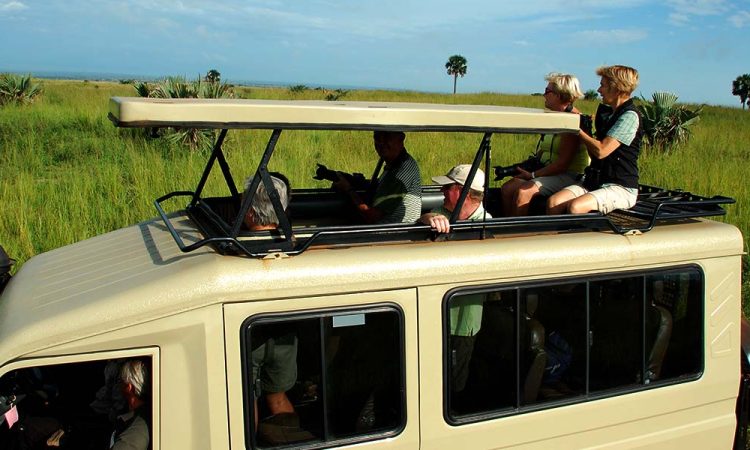
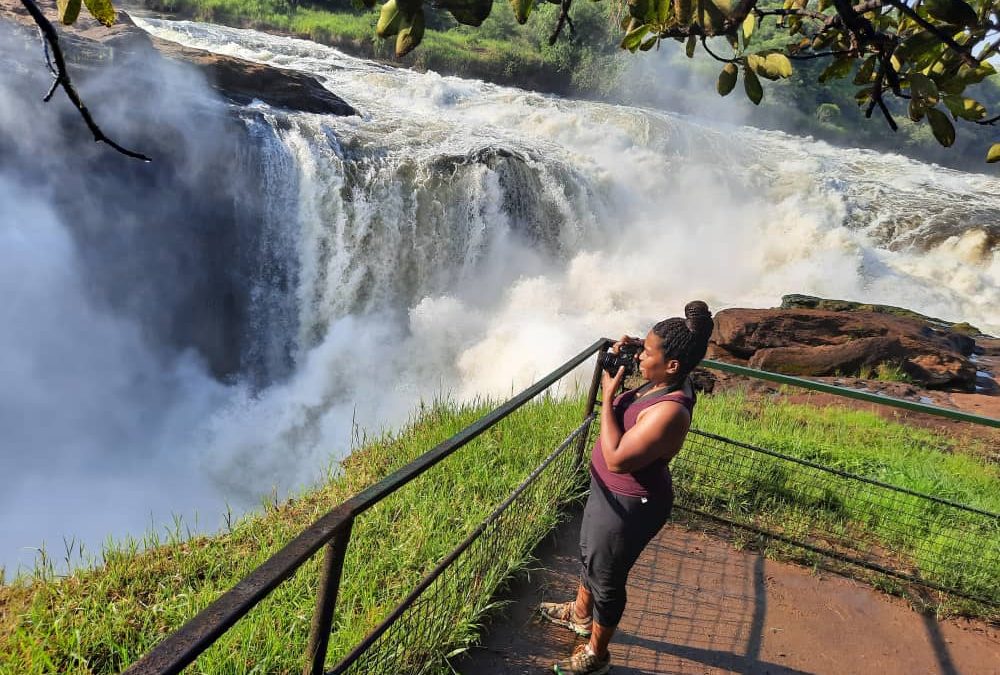
Cultural ceremonies in Uganda — from weddings and harvest festivals to traditional dances and initiation rites — are expressions of identity and continuity. They are also moments when visitors must tread with humility.

Participation is often welcomed, but only when invited. Observing quietly before joining in ensures that boundaries are respected. In spiritual or ancestral rituals, visitors should follow the lead of their hosts, as these moments are sacred.

Taking photographs or recording videos during rituals without prior consent is discouraged. Many traditions hold spiritual significance that should be preserved with dignity.

If a traveler is invited to participate — perhaps in a dance, a blessing, or a communal meal — accepting graciously is a way of honoring the community’s hospitality. However, if unsure of the customs, it is perfectly acceptable to ask your guide for guidance.

Cultural respect extends to religious spaces as well. Uganda is a country of diverse faiths — Christianity, Islam, and traditional spirituality coexist harmoniously. In all places of worship, modest dress, silence, and respect for rituals are expected.

Understanding that every gesture, drumbeat, or song carries meaning allows visitors to connect authentically rather than superficially.

Language: The Bridge to Hearts

Though English and Swahili are official languages, Uganda’s soul is spoken in its local tongues. Learning a few words or greetings in the language of the community you visit can transform an encounter.

A traveler who says “Mirembe!” (peace) in Luganda or “Agandi?” (how are you?) in Runyankore instantly earns a smile. Effort matters more than perfection. Even a single word in the local language signals respect for culture and identity.

Ugandans deeply appreciate visitors who show interest in their language. It demonstrates humility and curiosity — values held in high regard. When unsure, using your guide to interpret ensures that messages are conveyed accurately and respectfully.

Supporting Local Livelihoods Responsibly

Cultural tourism in Uganda has become an essential source of income for rural communities. When managed ethically, it uplifts livelihoods and reinforces cultural pride.

Visitors can support artisans by purchasing locally made crafts, baskets, carvings, or jewelry directly from community cooperatives. Paying fair prices and avoiding haggling excessively shows appreciation for the artistry and effort behind each piece.

Engaging respectfully in traditional experiences, such as banana beer brewing in western Uganda or bark cloth making in Buganda, allows income to flow directly to families.

It is important to avoid treating communities as attractions. Ethical tourism values participation and learning over observation. Through respectful interaction, travelers contribute not just economically but socially — affirming that cultural heritage has intrinsic worth beyond entertainment.

Behavior in Public and Private Spaces

Public behavior in Uganda is guided by politeness and restraint. Loud arguments, public displays of affection, or gestures of impatience are frowned upon. The Ugandan temperament values calmness and courtesy, even in disagreement.

Using polite words such as “please,” “thank you,” and “excuse me” resonates deeply in local interactions. Patience is a virtue — things move at a human pace, guided by relationships rather than rigid schedules.

Visitors are encouraged to engage with curiosity but also mindfulness, remembering that they are guests in a culture defined by grace and moderation.

Environmental and Cultural Respect: Leaving No Trace

In Ugandan communities, the land is sacred — a living gift passed from ancestors to future generations. Littering, damaging vegetation, or disrespecting natural features is seen as a violation of communal responsibility.

When visiting natural or sacred sites such as waterfalls, caves, or ancestral grounds, following local guidance is vital. Some areas may require removing shoes or avoiding loud noise. Others might be accessible only through designated paths to protect both environment and spiritual sanctity.

Respecting these spaces ensures that their beauty endures, allowing future generations — both local and global — to continue drawing meaning from them.

The Human Connection: What Etiquette Truly Means

Ultimately, etiquette in Ugandan communities is not about rigid rules but about emotional intelligence. It is about being present, observant, and kind. It is about understanding that your presence carries weight — that you are not just witnessing culture but entering into it.

When travelers show humility, ask questions respectfully, and participate sincerely, communities open their hearts in return. What begins as a visit transforms into an exchange of humanity — laughter shared over matoke, stories told by the fire, and songs that bridge language and history.

Such moments remind us that travel is not about crossing distances but about crossing into understanding. Uganda’s people teach that respect is not demanded but earned through connection.

Experience Uganda’s Communities Authentically with WildHorn Africa

To navigate Uganda’s diverse cultures with sensitivity and authenticity, it is invaluable to travel with those who understand its nuances. WildHorn Africa specializes in crafting cultural and wildlife experiences that honor both the traveler and the host community.

From the Batwa forest communities near Bwindi to the pastoral Karimojong villages and the traditional Buganda homesteads around Lake Victoria, WildHorn Africa ensures that every interaction is guided by respect, education, and genuine engagement.

By booking your journey with WildHorn Africa, you participate in ethical tourism that uplifts local people, supports conservation, and preserves Uganda’s living heritage.

Discover Uganda not as a spectator but as a welcomed guest — one who listens, learns, and leaves footprints of friendship.

Book your Africa tours and safaris via WildHorn Africa and experience the heart of Uganda through its people, their stories, and their timeless hospitality.

Can I visit Uganda’s national parks independently, or do I need a guide?

Can I visit Uganda’s national parks independently, or do I need a guide?

By Travel stories and blogs, Uganda travel guides

Can I Visit Uganda’s National Parks Independently or Do I Need a Guide? | WildHorn Africa Safari Insights

Uganda, the Pearl of Africa, is a land where wild beauty meets raw adventure — a country that humbles and thrills in equal measure. From the mist-shrouded slopes of Bwindi Impenetrable National Park, home of the endangered mountain gorilla, to the open savannas of Queen Elizabeth and Murchison Falls, where lions prowl and hippos grunt beneath fiery African sunsets, Uganda’s wilderness is as varied as it is unforgettable.

It’s natural that many travelers, drawn by this allure, ask one fundamental question: Can I explore Uganda’s national parks independently, or do I need a guide?

The short answer? You can visit some parts independently — but Uganda’s national parks are best experienced, most safely navigated, and most meaningfully understood with a guide. Yet this answer only scratches the surface. To fully understand why, one must look deeper into the nature of Uganda’s wilderness, its infrastructure, its regulations, and the cultural and conservation context that shapes every safari experience.

This comprehensive guide explores all of that and more — providing not only clarity but also practical, experience-based insight to help you make the right decision for your adventure in Uganda.

Understanding Uganda’s National Parks: A Wilderness Beyond the Ordinary

Uganda’s network of ten national parks is unlike those in more commercialized safari destinations. Each park is a world of its own — vast, raw, and often remote. These protected areas are managed by the Uganda Wildlife Authority (UWA), whose mission balances conservation, tourism, and community benefit.

The parks are diverse in landscape and wildlife: from Rwenzori Mountains National Park, where glaciers crown equatorial peaks, to Kidepo Valley, one of Africa’s most isolated yet spectacular wildernesses. Murchison Falls holds the mighty Nile squeezing through a narrow gorge before plunging into thunderous whitewater, while Queen Elizabeth teems with lions, elephants, and hippos basking along the Kazinga Channel.

Yet unlike in smaller or more open destinations, Uganda’s parks are not easily navigated alone. Most of the tracks are unpaved; GPS coverage can be unreliable, and mobile network signals often vanish once you enter the wild heart of the parks. This combination of remoteness and rich biodiversity means that exploring Uganda’s national parks demands not just enthusiasm, but knowledge, preparedness, and situational awareness — things that an experienced guide provides naturally.

The Reality of Independent Travel in Uganda’s National Parks

Traveling independently across Uganda’s national parks might sound adventurous — and indeed, for some seasoned travelers with a 4×4 vehicle, a good map, and a deep love for raw nature, it’s possible. The roads between the parks are navigable, and some parks like Lake Mburo or Queen Elizabeth are accessible to self-drivers.

However, independent travel here is not like self-driving in Kruger National Park in South Africa or Etosha in Namibia. Uganda’s wilderness is wilder, and its infrastructure less structured. Entry gates are not always near towns; fuel stations are sparse; road signs are minimal, and sudden weather changes can turn a dry track into a muddy trap in minutes.

Wildlife can be close — sometimes too close. Elephants block roads, buffalo wander near camps, and even lions may cross your path without warning. Without experience, understanding animal behavior, knowing when to stop or move, or how to interpret warning signs becomes not just a matter of curiosity but of safety.

Moreover, Uganda’s park system emphasizes guided conservation tourism, meaning that even if you drive yourself in, you will often need to hire a ranger or guide at the gate to accompany you. This is particularly true in parks with denser vegetation, such as Kibale National Park (for chimpanzee tracking) or Bwindi Impenetrable National Park (for gorilla trekking), where visitors are strictly required to be accompanied by certified guides.

Why Uganda Encourages Guided Experiences

Uganda’s conservation model recognizes that wildlife tourism must balance protection with participation. Allowing visitors to explore without guidance in delicate ecosystems could risk not only safety but also ecological disturbance.

Guides and rangers in Uganda are not merely escorts; they are the bridge between humans and nature. They interpret animal behavior, track wildlife using decades of field experience, and ensure that visitor activities remain safe and sustainable. Many have grown up near the parks, carrying traditional ecological knowledge and cultural insights that no map or app can replicate.

Moreover, the presence of guides deters poaching and reinforces conservation ethics. Every guided trek or game drive indirectly contributes to the protection of Uganda’s biodiversity, as part of the park fees goes toward ranger patrols, anti-poaching operations, and community development programs.

By choosing to explore with a guide, you are not only enhancing your safety and understanding — you are actively participating in Uganda’s larger conservation success story.

The Safety Factor: Why a Guide Can Be a Lifesaver

Uganda’s national parks, though stunning, are truly wild. The landscape demands respect — not fear, but deep awareness. There are no fences separating human paths from animal territory.

In Murchison Falls, lions, elephants, leopards, and crocodiles move freely across the park. In Kidepo Valley, herds of buffalo numbering in the thousands traverse open plains. In Bwindi, thick forests echo with the calls of chimpanzees and the subtle movements of gorillas.

These are unforgettable sights — but they come with risks that only experience can mitigate. Guides are trained to read signs that an untrained eye would miss: a faint pawprint in the dust, a rustle that signals the presence of a predator, or the direction of wind that determines how close you can safely approach wildlife.

Medical emergencies are also best handled under professional supervision. Guides carry first-aid kits and know the nearest medical evacuation protocols. In remote parks, a delay of even one hour can be critical — and having someone who knows the terrain could mean the difference between safety and danger.

When it comes to safety, Uganda’s park authorities strongly recommend guided travel not as a restriction, but as a form of assurance and protection.

Navigating Permits and Regulations: The Role of Licensed Operators

Uganda’s park entry and activity system is governed by permits. Each park has specific fees, and certain activities — especially gorilla and chimpanzee trekking — require advance booking through UWA or a licensed tour operator.

Independent travelers often underestimate the complexity of obtaining and managing these permits, particularly during peak seasons when gorilla trekking slots sell out months in advance. Guides and tour operators such as WildHorn Africa are licensed to streamline this process, ensuring your itinerary aligns with permit availability and park schedules.

Beyond permits, there are park regulations that must be strictly observed. Speed limits on game tracks, designated viewing distances, and rules on noise, waste disposal, and photography are enforced rigorously. A guide ensures that these are followed seamlessly, not only to avoid penalties but to maintain the dignity of the wild environment.

In many parks, even self-drive visitors are obliged to take a UWA ranger guide for certain activities. This means that, whether you plan to drive independently or not, your experience will involve guidance at critical stages.

The Deeper Experience: What a Guide Adds to Your Safari

A safari in Uganda is more than a journey through wildlife; it is a dialogue with the living landscape. And that dialogue deepens immeasurably when led by someone who knows its language.

A skilled guide turns every rustle, footprint, and birdsong into a story. They identify not just animals but individual personalities — that elephant herd that always drinks at a certain bend of the river, that leopard whose cubs are hidden in a fig tree. They recognize bird calls, explain the medicinal uses of local plants, and share legends woven into the land by ancestral communities.

In gorilla trekking, guides and trackers are indispensable. They rise at dawn to locate gorilla families and communicate via radio to ensure visitors are led to them safely and efficiently. The terrain is steep and dense, and without guidance, the forest could feel impenetrable.

What might seem like a simple walk becomes a profound encounter — a moment of shared breathing with one of the planet’s most intimate species.

Even in open savanna parks, guides are storytellers of ecology, linking every sighting to a broader narrative: predator-prey dynamics, seasonal migrations, and conservation challenges. They turn your safari from sightseeing into understanding — and that is where the soul of travel lies.Can I visit Uganda’s national parks independently, or do I need a guide?

Independent Travel vs. Guided Safaris: A Comparative Look

Traveling independently in Uganda’s national parks can be liberating but also demanding. It offers freedom and flexibility but requires significant planning, navigation skills, and local knowledge. For photographers, researchers, or repeat travelers familiar with East Africa, self-driving may be rewarding.

However, for most visitors — especially first-timers — a guided safari delivers incomparable value. It removes logistical stress, ensures access to restricted areas, and provides interpretive depth that transforms the journey into an education in ecology and culture.

A guide handles accommodation coordination, park entry timing, and route optimization. They know the best hours for sightings, the quietest corners of popular parks, and the most scenic viewpoints for sunrise photography.

In contrast, independent travelers often spend hours lost in the maze of dirt roads, missing key wildlife opportunities and expending energy on logistics rather than immersion.

Therefore, while Uganda does not legally prohibit independent park visits, a guided safari remains the wisest and most rewarding option for those who wish to truly understand the land and its creatures.

Cultural Interactions: The Human Element You Might Miss Without a Guide

Beyond wildlife, Uganda’s national parks are surrounded by vibrant communities with rich cultural traditions. The Batwa people near Bwindi, for example, hold ancestral knowledge of the forest — its plants, healing secrets, and spiritual rhythms. In Kidepo, the Karimojong live in harmony with the rhythms of cattle and savanna.

Guides serve as cultural interpreters, bridging visitors with local people respectfully and ethically. They facilitate visits to homesteads, explain customs, and ensure that tourism supports local livelihoods rather than exploiting them.

Independent travelers might miss this nuance. Without cultural mediation, encounters risk misunderstanding or intrusion. A guide ensures that cultural tourism remains mutual, authentic, and beneficial, enriching both guest and host.

Environmental Ethics and Sustainable Impact

Uganda’s approach to tourism emphasizes responsibility and conservation impact. Every visitor contributes to community-based projects through park fees and conservation levies. However, to ensure that your visit has a truly positive footprint, guidance is essential.

Guides enforce low-impact practices such as maintaining distance from wildlife, minimizing waste, and respecting silence in sensitive habitats. They discourage off-road driving, which can destroy fragile vegetation and compact soils.

Through guided experiences, travelers also learn about Uganda’s broader conservation efforts — from anti-poaching patrols to reforestation and wildlife research. Many guides participate directly in these initiatives, making your safari not just a holiday but a contribution to a living legacy.

This level of environmental integrity is difficult to uphold without professional guidance. Independent exploration, while possible, risks unintentional harm to habitats if visitors are unaware of ecological sensitivities.

By choosing guided safaris, travelers help sustain Uganda’s ecological balance and empower local communities to continue protecting their natural heritage.

The Legal and Practical Realities: What the Regulations Say

Uganda Wildlife Authority regulations allow both guided and self-guided entry, but under clear conditions. Visitors must pay park entry fees and adhere strictly to designated tracks and times. Driving at night without authorization is prohibited.

For gorilla and chimpanzee tracking, guided accompaniment is mandatory — it is impossible to attempt these activities independently. Similarly, hiking in Rwenzori Mountains or Mount Elgon requires park rangers and porters for both safety and preservation.

Even in self-drive-friendly parks like Lake Mburo, UWA encourages visitors to hire an on-site guide for game drives. The rule is not about control; it is about ensuring that every guest has the best possible experience while maintaining park integrity.

Therefore, while independence is technically permitted, guidance is institutionally integrated into Uganda’s conservation philosophy.

Why Most Travelers Choose Guided Tours

Most visitors who explore Uganda’s national parks do so through organized safaris. This is not a coincidence but a reflection of practical wisdom. Guided safaris simplify everything: transportation, permits, accommodation, and park access.

A good tour operator, like WildHorn Africa, curates itineraries that align seamlessly with your interests — be it photography, birding, adventure, or luxury relaxation. Vehicles are customized for safaris, equipped with pop-up roofs for unobstructed viewing, and driven by guides who understand not just routes but the rhythm of the wild.

Guided safaris also allow you to focus entirely on the experience — the sights, sounds, and sensations of the African wilderness — without worrying about logistics or navigation. It is the difference between visiting and experiencing.

The Economics of a Guided Safari: Value Beyond Cost

Some travelers assume that hiring a guide or booking through an operator inflates costs unnecessarily. In reality, it often saves money and maximizes value.

Independent travel entails hidden expenses: vehicle rental, fuel, park fees, ranger fees, accommodation coordination, and potential mechanical breakdowns. When added up, these often surpass the cost of a professionally guided package that already includes expert services, fuel, and logistics.

Moreover, guides know where to find reasonably priced lodges, when to avoid peak rates, and how to combine multiple parks efficiently. They prevent costly mistakes like buying unnecessary permits or missing entry cutoffs.

Beyond financial value, guided safaris provide emotional value — the reassurance of safety, companionship, and insight. It is an investment in peace of mind, not merely a service.

The Emotional and Spiritual Dimension of Guided Travel

There is something transformative about being guided through Uganda’s wild heart by someone who loves it deeply. Guides do not just point out animals; they reveal meanings. They see in each sunrise the renewal of nature’s covenant, in every footprint the continuity of life.

Through their eyes, the wilderness becomes a story — one where you, too, are a participant. This shared discovery forges bonds that often outlast the journey itself. Many travelers leave Uganda not just with photographs, but with friendships and newfound reverence for nature’s quiet intelligence.

Independent travel may grant solitude, but guided exploration grants connection — the essence of meaningful travel.

So, Can You Visit Uganda’s National Parks Independently?

Yes, you can. But should you? That depends on your goals, experience, and spirit of adventure. If your intent is to connect deeply, travel safely, and learn authentically, then guidance is not a limitation — it is liberation.

Uganda’s national parks are not theme parks to be consumed; they are living ecosystems, complex and sacred. To traverse them without guidance is to skim their surface; to travel with a guide is to dive into their soul.

The best journeys in Uganda are those shaped by respect — for nature, for people, and for the delicate balance that keeps both thriving. Guided safaris embody that respect, ensuring that your experience enriches not only you but the land that welcomes you.

Experience the Pearl of Africa the Right Way — With WildHorn Africa

When planning your Ugandan adventure, choose partners who understand that a safari is not just about seeing wildlife, but about experiencing Africa’s untamed beauty responsibly and profoundly. WildHorn Africa embodies this philosophy, offering tailor-made safaris led by experienced naturalist guides who reveal the continent’s wonders with authenticity and care.

From the misty gorilla forests of Bwindi to the thunderous cascades of Murchison Falls, from the remote valleys of Kidepo to the shimmering lakes of Queen Elizabeth, WildHorn Africa crafts journeys that honor both adventure and ethics.

If your dream is to explore Uganda’s national parks not as a spectator but as a participant in its living story, your path begins here — guided, safe, and unforgettable.

Book your Africa tours and safaris through WildHorn Africa — where every journey is guided by expertise, inspired by nature, and remembered for a lifetime.

Best time to go boat safaris in Uganda?

Best time to go boat safaris in Uganda?

By Travel guides, Uganda travel guides

Best time to go boat safaris in Uganda?

The best time to enjoy boat safaris in Uganda is during the dry seasons, which run from December to February and again from June to September. These months provide the most reliable weather, with less rainfall and sunnier skies that make boat rides more comfortable. Wildlife viewing is also particularly rewarding at this time, as animals are drawn to rivers, lakes, and channels in search of water. Along the Kazinga Channel or the Nile River, visitors are more likely to encounter large herds of elephants, buffalo, and antelope gathering along the banks, creating dramatic scenes for photography and observation.

The wet seasons, occurring from March to May and October to November, bring heavier rains but also transform the landscapes into lush, green havens. For birdwatchers, this period is especially rewarding since migratory species join the already rich resident bird population. The wet months may bring challenges such as slippery roads and occasional disruptions to scheduled boat trips, yet they also provide a more tranquil experience with fewer crowds and vibrant scenery. Travelers willing to embrace the rains often find that the freshness of the atmosphere and the abundance of birdlife more than compensate for the inconveniences.

Ultimately, Uganda’s boat safaris remain year-round experiences, each season offering its own unique charm. The dry months favor classic wildlife encounters and easier travel logistics, while the wet seasons highlight the richness of Uganda’s ecosystems and the solitude of its waterscapes. Whether drifting along the Kazinga Channel under clear skies or approaching Murchison Falls against a backdrop of mist and rain, every season unveils a distinctive perspective on Uganda’s waterways. The choice of timing depends on personal preferences, but in every case, the beauty and drama of a Ugandan boat safari remain timeless.

Best time to go boat safaris in Uganda?

Crafting the Perfect Itinerary

The beauty of Uganda lies in its year-round accessibility, but the optimal experience depends on aligning interests with seasonal nuances. For wildlife lovers, the dry months of June through August and December through February are ideal. Those captivated by color, solitude, and renewal may find March to May and October to November more rewarding. Each region of Uganda carries its own rhythm and character, making it essential to balance one’s journey across forests, savannahs, highlands, and lakes.

For travelers seeking to transform these recommendations into a tailor-made adventure, it is strongly encouraged to book Africa tours and safaris through WildHorn Africa, a trusted expert in curating immersive, seamless, and unforgettable experiences across Uganda and beyond. With WildHorn Africa, every month becomes the perfect time to explore, connect, and rediscover the wonders of travel through the eyes of a land that never ceases to amaze.

The best time to visit is generally considered to be during the dry season, when weather conditions are more pleasant and travel is less likely to be disrupted, typically based on your preferred destinations. During this period, landscapes are at their most vibrant, wildlife sightings are more frequent, and activities can be enjoyed with greater ease. While visits are possible year-round, choosing this window is often recommended to ensure the most rewarding and comfortable experience.

WhatsApp

Grandeur

Experience the grandeur of Africa with WildHorn Africa, where every safari is designed to showcase the continent’s breathtaking landscapes and majestic wildlife.

24/7 support

Enjoy peace of mind with 24/7 support from WildHorn Africa, ensuring expert assistance before, during, and after your safari adventure.

Safety

Your safety is our top priority at WildHorn Africa, with expertly guided safaris and trusted partners ensuring a secure and worry-free adventure.

Price-quality ratio

WildHorn Africa offers exceptional price-quality ratio, delivering top-tier safari experiences at competitive rates without compromising on comfort.

Chimpanzee trekking and habituation safaris and tours

Chimpanzee trekking and habituation safaris and tours

By Travel guides

Chimpanzee trekking and habituation safaris and tours

Chimpanzee trekking and habituation safaris and tours

Filter

Grandeur

Experience the grandeur of Africa with WildHorn Africa, where every safari is designed to showcase the continent’s breathtaking landscapes and majestic wildlife.

24/7 support

Enjoy peace of mind with 24/7 support from WildHorn Africa, ensuring expert assistance before, during, and after your safari adventure.

Safety

Your safety is our top priority at WildHorn Africa, with expertly guided safaris and trusted partners ensuring a secure and worry-free adventure.

Price-quality ratio

WildHorn Africa offers exceptional price-quality ratio, delivering top-tier safari experiences at competitive rates without compromising on comfort.

The best time to visit is generally considered to be during the dry season, when weather conditions are more pleasant and travel is less likely to be disrupted, typically based on your preferred destinations. During this period, landscapes are at their most vibrant, wildlife sightings are more frequent, and activities can be enjoyed with greater ease. While visits are possible year-round, choosing this window is often recommended to ensure the most rewarding and comfortable experience.

WhatsApp
Close Menu