search
Visiting Uganda in March

Visiting Uganda in March

By Travel guides, Travel stories and blogs, Uganda best time to visit, Uganda travel guides, When to go

Visiting Uganda in March

A Gateway to Green: Where Rain Awakens the Wild and Culture Flourishes

March does not whisper in Uganda—it announces itself with bold skies, earthy scents, and the unmistakable rhythm of renewal. As the equator sun softens and clouds begin to gather, the landscape transforms from golden to green. Uganda in March emerges as a transitional masterpiece, where nature sheds its dry-season dust and replaces it with vitality and growth. It is a time when travelers seeking authenticity over predictability find themselves rewarded at every turn.

The third month of the year brings more than just a shift in weather; it brings life. The rains do not dampen the experience—they enhance it. Forests throb with birdsong, rivers swell with urgency, and traditional communities prepare for planting, guided by generations of ecological wisdom. This is the Uganda few speak of but many remember most vividly—raw, refreshing, and reverberating with soul.

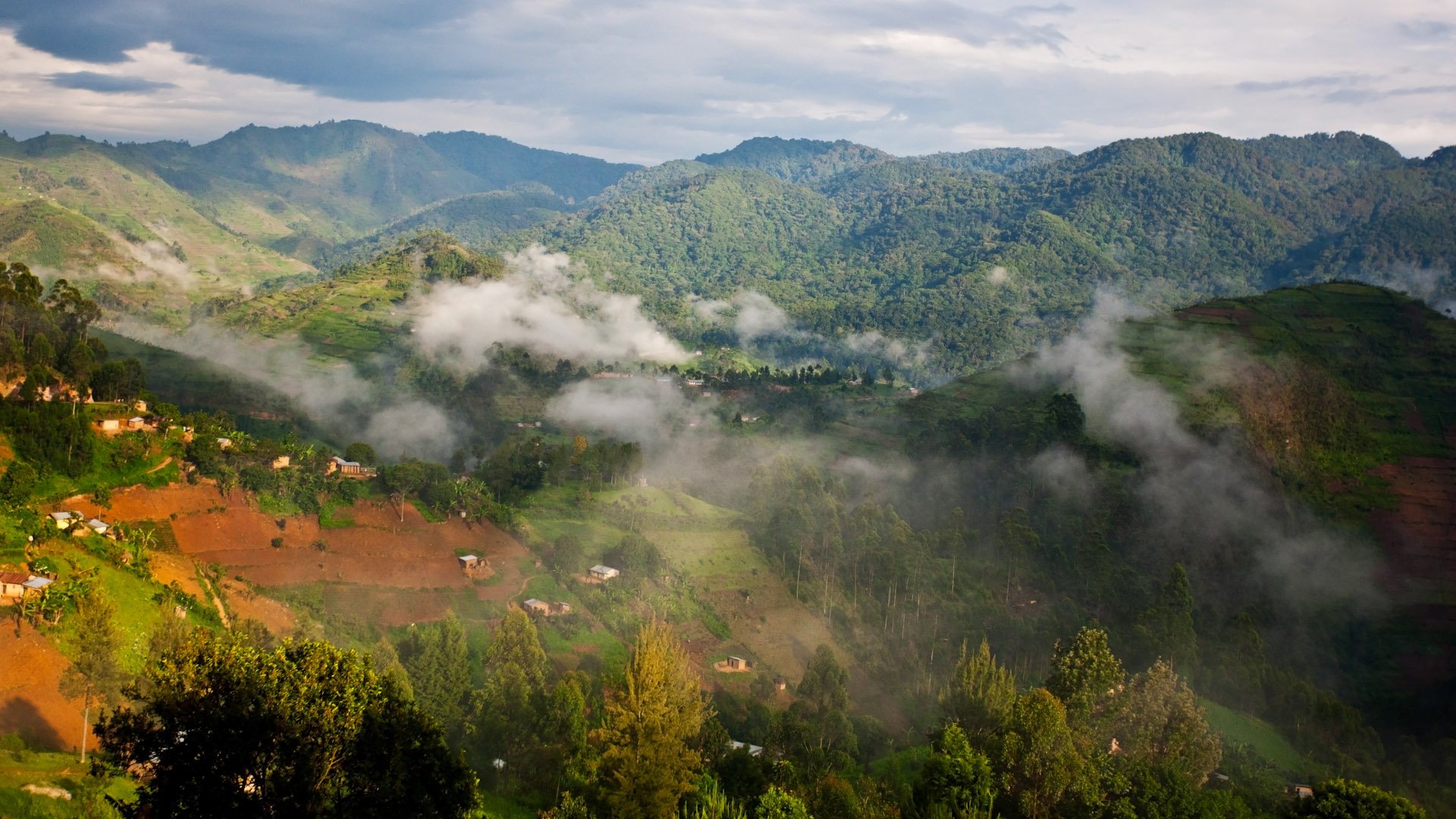
For those unafraid of light rains and drawn to the subtler, deeper stories of the land, March is a poetic time to visit. It is less about clear skies and polished lodges, and more about immersion, intimacy, and insight. From gorilla trails shrouded in mist to coffee hills bursting with blossoms, Uganda in March invites the curious and the courageous.

The March Climate: A Season of Renewal

March marks the beginning of Uganda’s first rainy season, particularly in the southern and central regions. The showers are not constant downpours but rather intermittent, often falling in the early morning or late afternoon and quickly giving way to sunshine. This pattern creates a dynamic, moody atmosphere in the landscape, where lush vegetation returns in full force, water sources refill, and wildlife movements become intriguing to observe.

Temperatures remain warm and pleasant, with daytime averages ranging from 24°C to 28°C (75°F to 82°F), while nights cool comfortably. In elevated areas such as Kabale and Fort Portal, the breeze is noticeably crisp, adding a refreshing touch to evenings spent around a fire or on a veranda overlooking the mountains.

The rain may make some roads muddier and more difficult to navigate in remote regions, especially in the north and along the Albertine Rift. However, well-maintained routes to key parks and urban centers remain passable, and seasoned local guides ensure safe passage where needed. The rain does not close Uganda—it opens a different door.

Nature’s Awakening: Wildlife and Landscapes in March

While many safari-goers aim for the dry months, those who venture into Uganda’s national parks in March are met with a different kind of reward. The landscape comes alive in full color, the air carries the scent of blooming flora, and the soundscape is rich with birds, frogs, and distant primates calling through the canopy.

In Bwindi Impenetrable National Park, the famous mountain gorillas remain accessible, and the forest becomes even more enchanting under a gentle mist. Trails may be more slippery, but they lead through a storybook of biodiversity. The added challenge often results in more personal, less crowded treks, where one feels like a true explorer rather than a guest on a path well-worn.

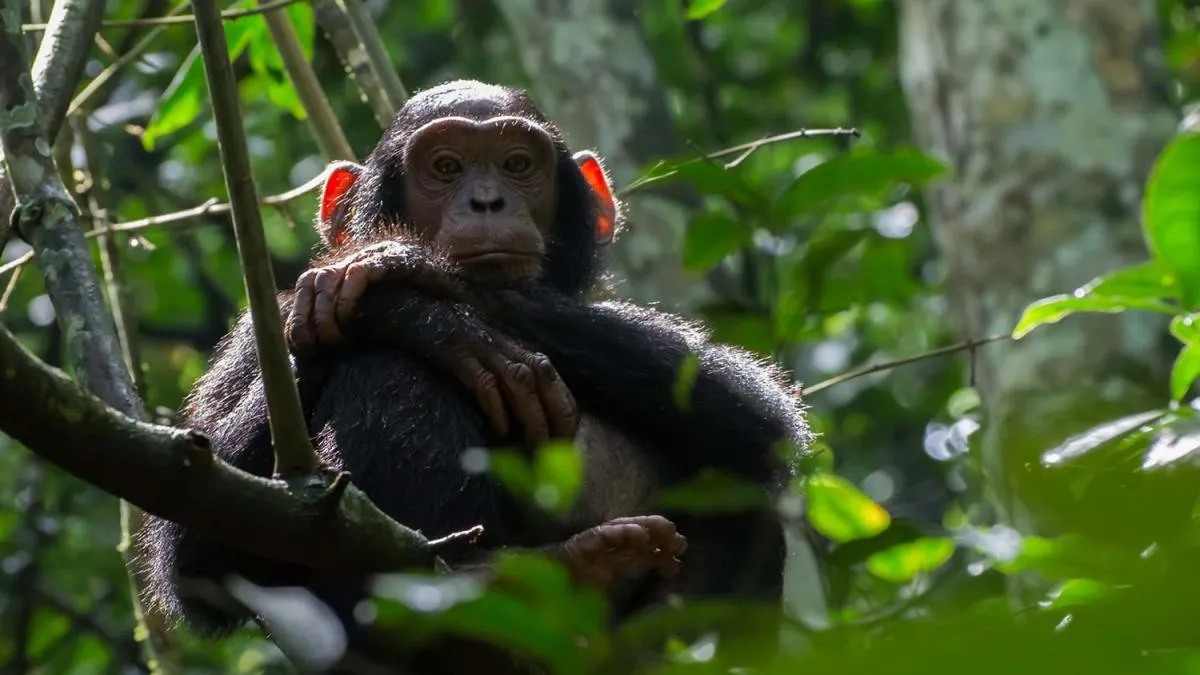
Chimpanzee trekking in Kibale Forest is also active in March, though sightings can be slightly more unpredictable due to the abundance of fruit and forest coverage. However, the behavioral richness of the troops is on full display, with mating rituals, foraging, and social dynamics easily observable during this period.

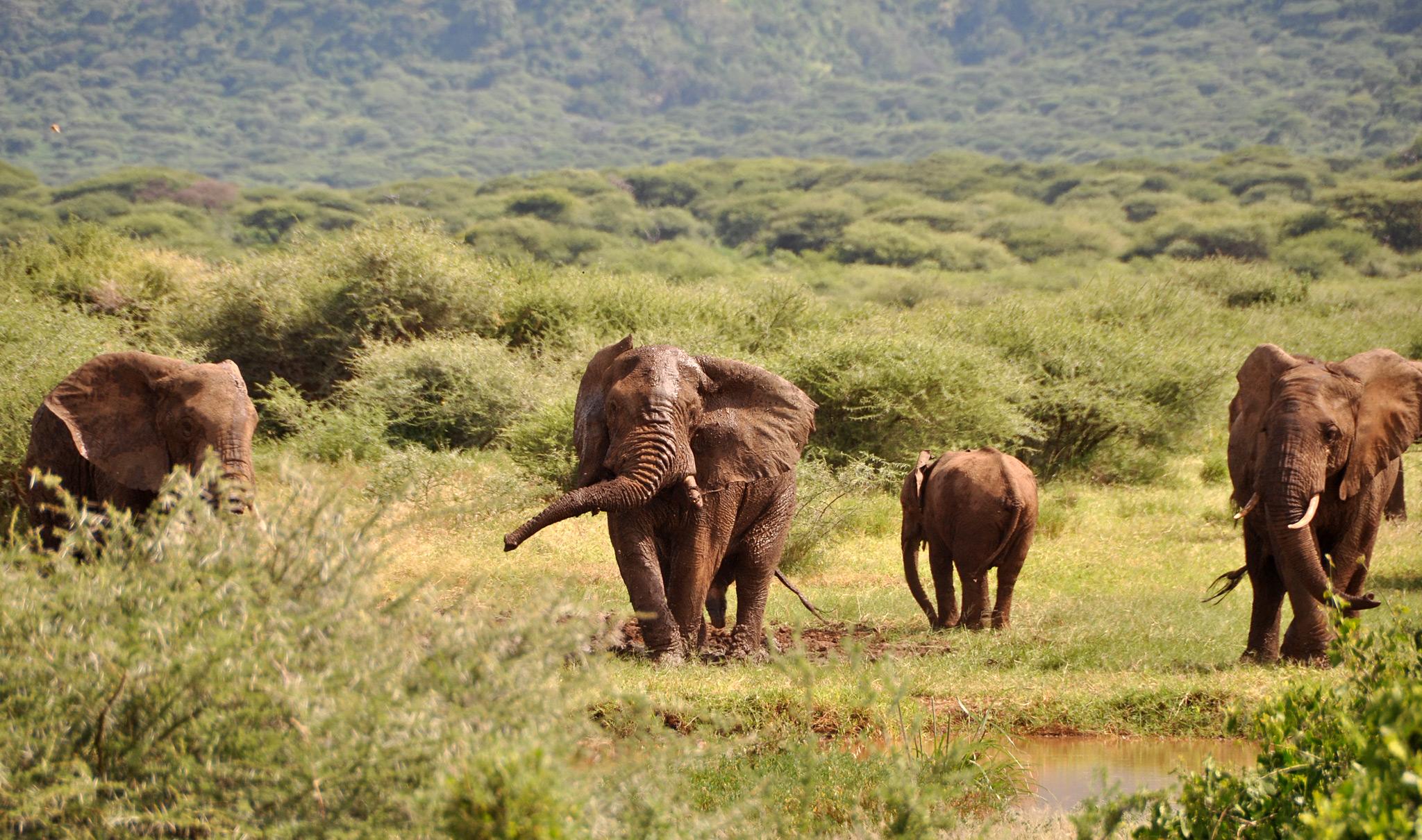
In the savannah parks like Queen Elizabeth and Murchison Falls, the rains coax new grass from the earth, attracting grazers like antelope, elephants, and buffalo. Predators follow close behind, creating a theater of survival visible from safari vehicles and boat cruises. Birdwatchers, in particular, thrive during March, as both migratory and resident species display their vibrant plumage in courtship and nesting activities.

The iconic Nile River, running through Murchison Falls, becomes even more dramatic, with swollen waters rushing through narrow gorges and creating a powerful spectacle. The boat cruises to the base of the falls are especially scenic during this time, as waterfalls, hippos, and crocodiles form a tableau that is nothing short of cinematic.

Cultural Pulse: Agriculture, Tradition, and Spiritual Reflection

Uganda’s cultural fabric is closely tied to its seasons, and March plays a significant role in agricultural and spiritual life. With the onset of rains, farmers prepare their fields for planting, especially in rural areas where subsistence agriculture remains vital. The land is tilled, seeds are sown, and rituals are performed to honor the ancestors and ask for blessings.

Travelers visiting villages during this time often find themselves welcomed into these seasonal rhythms, whether by observing a planting ceremony, helping prepare local dishes from the first harvests, or simply listening to elders speak of rains past and the lessons they carried.

The spiritual atmosphere is equally rich. For Christian communities, March may include the observance of Lent or Easter preparations, depending on the calendar. Church services become more introspective, and communal prayers blend seamlessly with the sounds of rain on rooftops. For Muslims, the month occasionally overlaps with the sacred period of Ramadan, adding another layer of devotion and hospitality.

Urban areas such as Kampala and Entebbe do not slow down in March. The city streets pulse with energy, rain or shine, and cultural institutions begin unveiling new art exhibitions, theatre shows, and literary events as part of the year’s early programming. The fusion of tradition and modernity is most visible here, where ancestral drumming may be heard not far from electronic music and spoken word poetry.

Landscapes Reimagined: Highlands, Lakes, and Rain-Kissed Views

The natural beauty of Uganda, already legendary, reaches a unique crescendo in March. The Rwenzori Mountains, often called the “Mountains of the Moon,” become increasingly verdant, with moss-covered paths and alpine streams creating scenes reminiscent of tropical fairy tales. While multi-day treks may be more demanding due to rain, the experience is intensified in drama and isolation—ideal for seasoned hikers seeking solitude.

The Sipi Falls area near Mount Elgon becomes a cascading marvel during this season. The waterfalls are in full flow, their roar echoing across coffee farms and forest trails. Guided hikes through the surrounding hills reveal terraced gardens, vibrant flora, and panoramic views where clouds dance across valleys.

Lake Bunyonyi, often praised for its peaceful waters and hilly backdrop, takes on an ethereal quality in March. Early morning mists roll across the lake, revealing island silhouettes and birdlife in dramatic contrast. The tranquility of canoe rides and lakeside strolls is amplified in this season of rebirth.

Even the often-overlooked wetlands and papyrus swamps come alive with amphibians, insects, and a medley of birds that thrive in the flooded conditions. These ecosystems, vital to Uganda’s biodiversity, are best appreciated in the green months, when they show their full ecological complexity.

Practical Insights: Travel, Health, and Preparation

Visiting Uganda in March requires a slightly more flexible and prepared traveler’s mindset, but the rewards are deeply personal. While some lodges offer reduced rates during the shoulder season, the quality of service remains high, and popular attractions are less crowded, allowing for a more intimate and unhurried exploration.

Travelers are advised to bring lightweight rain gear, waterproof hiking boots, and insect repellent, especially for visits to forested areas. Medical precautions, including a yellow fever vaccination and malaria prophylaxis, remain essential.

Domestic travel within Uganda remains feasible and reliable in March. Major highways connecting Kampala to national parks and towns remain accessible, although some rural roads may become slippery. Experienced tour operators, especially those familiar with seasonal challenges, provide vehicles and guides equipped to handle the changing conditions with ease.

March in Uganda: A Journey for the Soul

To travel to Uganda in March is to step into a country that is alive with change, growth, and emotion. This is a month of listening—to the earth as it drinks the rain, to the farmers as they share their hopes, and to the forest as it breathes new life. It is not always neat, nor always convenient, but it is always real.

What March offers is more than scenic beauty—it offers meaning. The kind found in muddy boots after a trek, in the quiet moments before the rain begins, or in the eyes of a local child eager to tell their story. The experiences may be less predictable, but they are more profound.

The traveler who visits Uganda in March returns not only with photographs but with understanding. Not only with souvenirs, but with stories that stir long after departure. For those seeking more than just a vacation—for those seeking connection, rhythm, and revelation—this month stands apart.

Discover Uganda with WildHorn Africa

To uncover the hidden truths and timeless wonders of Uganda in March, one must travel with a partner that honors the land and its people. WildHorn Africa, a premier provider of custom African safaris and tours, offers deep local knowledge, responsible practices, and a commitment to unforgettable journeys.

Whether navigating the misty trails of Bwindi, cruising beneath the thunder of Murchison Falls, or sharing a fireside story in a remote village, WildHorn Africa ensures that each moment is safe, immersive, and meaningful. With experienced guides, tailored itineraries, and a love for authentic adventure, WildHorn Africa invites you to step beyond the ordinary.

Let March be your moment of discovery. Book your Ugandan journey today with WildHorn Africa—and walk into the wild with confidence and wonder.

A travel guide to visiting Uganda during the elections.

A travel guide to visiting Uganda during the elections.

By Travel guides, Travel safety, Travel stories and blogs, Uganda best time to visit, Uganda travel guides, When to go

A Travel Guide to Visiting Uganda During the Elections

Where Politics Meets the Pearl of Africa

At the confluence of adventure and democracy lies a unique experience: visiting Uganda during its election period. While many travelers might hesitate at the thought, those who choose to explore this East African nation at such a pivotal time are often rewarded not just with its natural wonders, but also with a deeper understanding of its people, culture, and the dynamics that shape its national identity.

Uganda’s elections are not mere administrative events—they are deeply emotional and transformative periods, often characterized by heightened political activity, civic engagement, and widespread debate across regions. For the discerning traveler, this presents both an opportunity and a challenge. On one hand, it offers a rare lens into the soul of a nation striving toward democratic maturity; on the other, it demands a measured, well-informed approach to travel.

This guide has been crafted to provide a comprehensive and factual roadmap for anyone intending to visit Uganda during an election season. It combines an understanding of security, cultural awareness, transportation logistics, and local interaction with the goal of ensuring that your experience remains both memorable and safe.

Understanding the Electoral Landscape

Uganda holds general elections every five years, with presidential, parliamentary, and local government leaders elected through a national vote organized by the Electoral Commission (EC). These elections are typically held in January or February, although political activity ramps up several months prior, especially in urban centers like Kampala, Jinja, Mbarara, Gulu, and Mbale.

Travelers will likely encounter campaign posters, rallies, and discussions among locals. These are not just signs of political campaigning—they are expressions of a population actively engaged in the future of their country. While most Ugandans are incredibly hospitable, it is important to understand that elections can stir strong emotions, especially among youth and politically active communities.

Although Uganda has enjoyed relative political stability for decades under the leadership of President Yoweri Museveni, elections often come with tensions, especially in areas where opposition support is strong. These tensions are usually localized and short-lived, but it remains important to stay informed and exercise discretion during interactions.

Safety and Security: Staying Informed, Staying Aware

Traveling to Uganda during the elections is not inherently dangerous, but it does require heightened awareness and preparation. The presence of security personnel, checkpoints, and increased military visibility is often noted during this time. While these measures are primarily intended to maintain order, travelers unfamiliar with the region may find them intimidating.

The situation on the ground can shift quickly, particularly around election day and during the announcement of results. Internet shutdowns, curfews, and spontaneous demonstrations have occurred in past cycles, particularly in Kampala and other politically active towns. These are typically aimed at preventing unrest or information manipulation, but they can also disrupt travel plans and communication.

It is advisable for travelers to remain updated through reliable sources, including international news outlets, hotel staff, or travel agencies with a strong local presence. Engaging in political discourse or attending rallies is strongly discouraged, not only for safety but to maintain respect for the local context. Photography at sensitive locations such as polling stations or government buildings should also be avoided unless permitted.

In remote areas and national parks, however, the election atmosphere is usually much calmer. Most game reserves, wildlife sanctuaries, and tourism hubs continue to operate normally, even during peak political periods. Travelers planning safaris or mountain treks will find that the wilderness remains untouched by political noise, offering serenity amidst national transition.

Travel Logistics During Election Season

Movement across Uganda during elections is generally possible, but some routes may be affected by political activity or traffic congestion, especially near urban centers. It is common for roads in and out of major towns to be periodically blocked or patrolled, especially if campaign events are taking place.

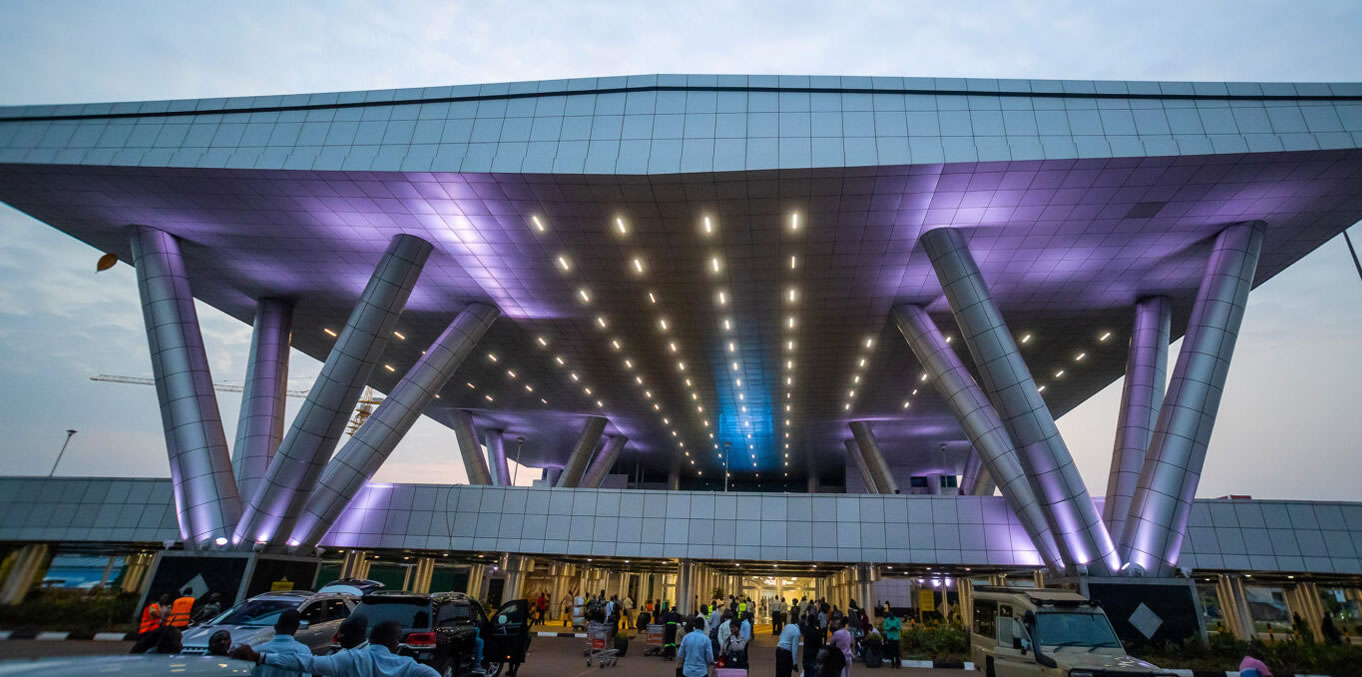
Booking transport through reliable, experienced tour operators is highly recommended, as these companies are more likely to receive updates about route changes or political hotspots. Air travel into and out of Entebbe International Airport usually remains unaffected, though international flights might experience additional security screenings.

Car rental, fuel access, and domestic flights may face minor delays depending on local conditions. It is not unusual for hotels to increase security during this time, and many will have internal protocols to assist guests in case of disruptions. Travelers are advised to share their itineraries with trusted contacts and check in regularly with guides or accommodation providers.

The use of mobile money and cash transactions might be affected during internet shutdowns. Carrying some local currency in cash form, ideally smaller denominations, is advised. While credit card usage is growing, especially in upmarket hotels and restaurants, cash remains the dominant medium in rural and semi-urban areas.

Cultural Sensitivities and Local Engagement

Uganda is known for its warmth, hospitality, and rich cultural diversity. During election periods, these values are often magnified, as political discourse becomes a central part of community life. Travelers may be invited into conversations or asked about their views on the elections. While curiosity is natural, offering political opinions—particularly those favoring or criticizing a specific party—should be avoided.

Maintaining neutrality and showing respect for local perspectives is the most respectful approach. Listening attentively and asking open-ended questions without judgment is often appreciated. Dress modestly, particularly in rural areas and near government institutions, and always ask before taking photographs of individuals or cultural ceremonies.

It should be remembered that elections are deeply personal in Uganda, especially in communities that have historically experienced marginalization or political exclusion. As such, empathy, humility, and discretion should guide every interaction.

Benefits of Visiting Uganda During Elections

While election periods may seem tense, there are aspects of this timing that can enhance the travel experience. The country is often vibrant with cultural expression, traditional dances, public dialogues, and intergenerational conversations about leadership and history. It offers a window into the civic identity of Uganda that is rarely visible during regular tourist seasons.

Furthermore, travel during election months often coincides with Uganda’s dry season, particularly in January and February. This is an ideal time for gorilla trekking, game viewing, and exploring the scenic beauty of regions like Bwindi Impenetrable Forest, Murchison Falls, Lake Bunyonyi, and Queen Elizabeth National Park. Many lodges and camps continue to operate uninterrupted and offer promotions due to reduced international travel during political cycles.

With proper planning and local support, travelers can explore Uganda with confidence, discovering not only its wildlife and landscapes but also its political heartbeat. The contrast between a lion’s roar in the savannah and a campaign speech in a village square creates a uniquely Ugandan symphony—one that few destinations can offer.

Why You Shouldn’t Miss Uganda—Even During Elections

To overlook Uganda during its election period is to miss an extraordinary convergence of civic identity and natural majesty. From the source of the Nile to the summit of the Rwenzoris, from the historic kingdoms of Buganda and Bunyoro to the rainforests where gorillas roam, the country beckons with its untamed beauty and powerful stories.

Traveling responsibly, with cultural respect and situational awareness, opens doors to deeper human connection. Visitors willing to look beyond headlines will find a nation alive with dialogue, hospitality, and hope. The energy of an election is not something to be feared—it is a sign of a people taking ownership of their future.

Of course, traveling at such a time should not be done without expert guidance. This is where trusted travel partners become invaluable—helping you navigate with ease, ensuring your safety, and allowing you to immerse yourself fully in the experience.

Travel With Confidence Through WildHorn Africa

For those ready to explore Uganda even during its most transformative moments, there is one name that stands out. WildHorn Africa has established itself as a premier travel and safari company, deeply rooted in the region and committed to delivering authentic, safe, and unforgettable African adventures.

With an expert team on the ground, WildHorn Africa provides personalized itineraries that adapt to local contexts, especially during sensitive periods such as elections. From airport pickups to secure transport and insider access to Uganda’s hidden gems, every journey is tailored for comfort and cultural insight.

Let your Ugandan experience be more than a trip—let it be a story of discovery, respect, and awe. Book your safari, cultural tour, or gorilla trek through WildHorn Africa and let them guide you through the Pearl of Africa with wisdom and care.

Travel safety in Uganda

Travel safety in Uganda

By Travel guides, Travel safety, Travel stories and blogs, Uganda travel guides

Travel Safety in Uganda
Exploring the Pearl of Africa with Confidence and Peace of Mind

An Inviting Destination with Precautions in Place

Uganda, often called the “Pearl of Africa,” continues to captivate travelers with its extraordinary landscapes, diverse wildlife, and rich cultural tapestry. The allure of gorilla trekking in Bwindi, the grandeur of the Nile, and the vast savannahs of Murchison Falls beckon visitors from across the globe. While Uganda offers incredible experiences, the question of travel safety naturally arises. Understanding the realities on the ground and being prepared contributes significantly to a secure and enjoyable journey.

It is important to recognize that Uganda is a stable and welcoming country where tourism is supported by local authorities and communities alike. Yet, like any destination, travel safety depends on awareness, good planning, and respect for local customs. By embracing informed strategies, visitors are empowered to navigate Uganda’s diverse environments—from bustling cities to remote wildernesses—confidently and comfortably.

Political Stability and General Security

Over recent decades, Uganda has maintained relative political stability, especially compared to some neighboring countries. The government has invested in improving infrastructure, security services, and tourism facilities, aiming to provide a safe environment for visitors. Tourist areas, including national parks and major towns, are generally well-policed and secure.

Incidents of violent crime targeting tourists are rare, though petty crimes such as pickpocketing and opportunistic theft can occur, particularly in crowded markets, transport hubs, and urban centers. Vigilance in public spaces is advised, as is the prudent use of personal belongings and valuables. Travelers who exercise standard caution, such as avoiding poorly lit or isolated areas at night and securing belongings, typically experience trouble-free visits.

Public demonstrations and political rallies are uncommon but may happen. These events are usually peaceful, but it is wise for travelers to avoid any large gatherings or protests to minimize risk.

Health and Hygiene Safety

Health safety is a critical aspect of travel in Uganda. The country lies in a tropical region where diseases such as malaria are endemic. Travelers are advised to take prescribed antimalarial medication and follow preventive measures against mosquito bites.

Waterborne illnesses may also present risks, particularly in rural areas where access to clean water is limited. Safe drinking water should always be consumed, and food hygiene practices should be observed. Eating freshly cooked meals and avoiding raw or street foods where hygiene cannot be guaranteed are advisable precautions.

Medical facilities are available in Kampala and other major towns, including private hospitals offering high-quality care. However, remote areas might lack immediate medical access, making comprehensive travel insurance with evacuation coverage essential. Medical emergencies are rare but should be planned for in advance.

Road Travel and Transportation Safety

Road travel constitutes the primary mode of transport for many visitors exploring Uganda’s parks and regions. While recent investments have improved the condition of major highways, some rural roads can remain challenging, particularly during the rainy season when mud and flooding affect accessibility.

Road safety protocols, such as seatbelt use and adherence to speed limits, are enforced, though enforcement levels vary. Drivers may encounter unpredictable road conditions and differing driving habits compared to Western countries. Hiring experienced, professional drivers or using established tour operators who provide reliable transport is strongly recommended.

Public transport options such as buses and minibuses operate extensively but are less suited to tourists unfamiliar with local systems due to variable safety and comfort standards. Using private or company-arranged vehicles remains the safer choice.

Wildlife and Nature Safety

One of Uganda’s greatest attractions—its wildlife—also requires awareness and caution. National parks and reserves have established safety guidelines to protect both visitors and animals. Approaching wildlife without proper guidance is discouraged, as wild animals can be unpredictable.

Gorilla trekking, a highlight for many visitors, is conducted under strict supervision by trained guides who ensure safety protocols are followed, minimizing risk to both humans and gorillas. Similarly, game drives and nature walks should always be done with authorized guides familiar with the terrain and animal behavior.

Natural hazards such as uneven terrain, insects, and potential exposure to tropical weather must also be considered. Wearing appropriate footwear, carrying insect repellent, and staying hydrated enhance safety during outdoor excursions.

Cultural Respect and Personal Conduct

Uganda’s population is characterized by warmth and hospitality, yet cultural norms and traditions vary widely across regions and ethnic groups. Respecting local customs, dress codes, and social etiquette is vital to positive interactions and personal safety.

Visitors are encouraged to seek permission before photographing individuals or cultural sites and to engage openly and respectfully with community members. Sensitivity towards religious beliefs, gender roles, and community values fosters goodwill and helps avoid misunderstandings.

In some rural areas, behaviors considered acceptable in Western countries might be frowned upon or misunderstood. Being aware of such differences and adapting behavior accordingly ensures a respectful and safe travel experience.

Practical Tips for Safe Travel in Uganda

While the safety landscape in Uganda is generally positive, preparation remains key. Having reliable communications, including mobile phones with local SIM cards, can be invaluable. Registering travel plans with embassies or consulates, particularly for longer stays or remote expeditions, is advisable.

Travelers are often advised to carry photocopies of important documents, limit cash on hand, and use hotel safes for valuables. Engaging with reputable tour operators guarantees professional support, local knowledge, and swift assistance in case of unforeseen events.

Flexibility and patience are virtues, especially when encountering delays or changes in plans caused by weather or logistics. The unexpected often adds to the richness of travel in Uganda, provided safety is prioritized.

Navigating Safety with WildHorn Africa

The experience of Uganda’s splendor is best enjoyed with confidence and expert guidance. WildHorn Africa has earned a reputation for exceptional professionalism, safety-first practices, and intimate local knowledge. Their team provides not only expertly planned itineraries but also prioritizes traveler security at every step.

From airport pickups and secure accommodations to trained guides and vetted transport, WildHorn Africa ensures that your exploration of Uganda is seamless and safe. Emergency support, health advice, and personalized care form the foundation of their service, allowing travelers to focus on what truly matters—immersing themselves in the wonder of Uganda.

Book your African safari with WildHorn Africa, and journey into the Pearl of Africa with assured safety, expert support, and unforgettable memories awaiting you.

Visiting Uganda in May

Visiting Uganda in May

By Travel guides, Travel stories and blogs, Uganda best time to visit, Uganda travel guides, When to go

Visiting Uganda in May

Discovering the Pearl of Africa in Its Most Lush and Authentic Season

To step into Uganda in May is to enter a country in full bloom—verdant, pulsating, and alive with contrast. While some may hesitate to travel during the rainy months, it is in May that the raw, unedited beauty of Uganda comes to life, revealing a version of the country that is both mesmerizing and deeply moving. Rain does not wash away Uganda’s appeal—it amplifies it. This is a time when the skies dramatize, the land breathes deeply, and travelers willing to explore beyond the polished brochure version of Africa are richly rewarded.

Far from being a period of stillness, May is a dynamic month where Uganda’s landscapes evolve daily, its communities engage in ancient agricultural rhythms, and its wildlife roams freely across newly nourished plains. For those seeking an immersive, uncrowded, and photographically rich journey, May offers a unique portal into the heart of East Africa’s most diverse nation.

The Climate of May: Uganda’s Second Green Heartbeat

May is considered part of Uganda’s first major rainy season, and it offers a similar climate to April, though with subtly changing patterns. Rainfall is common across central and southern Uganda, especially in regions like Kampala, Entebbe, Fort Portal, and Bwindi. In the north and northeast, such as Kidepo Valley, the rains are lighter and more dispersed.

Typically, rains arrive in the late afternoon or evening, leaving clear, temperate mornings that are perfect for exploration. Temperatures hover between 18°C (64°F) and 28°C (82°F), maintaining a pleasant range that accommodates both hiking in the highlands and game drives across the savannah.

This climate creates a painter’s palette of greens, with banana plantations, tea estates, and wetlands displaying every imaginable hue. The air smells cleaner, the landscapes look richer, and the experience of simply being in Uganda becomes more sensory and alive.

Wildlife Experiences: A Different Kind of Safari

While the rainy season may affect some unpaved roads and alter animal behavior slightly, safari experiences remain exceptional throughout May. The advantage of this season is not just in the reduced number of tourists, but in the intimacy it offers. Game drives feel personal, animal encounters feel unfiltered, and each moment becomes yours alone.

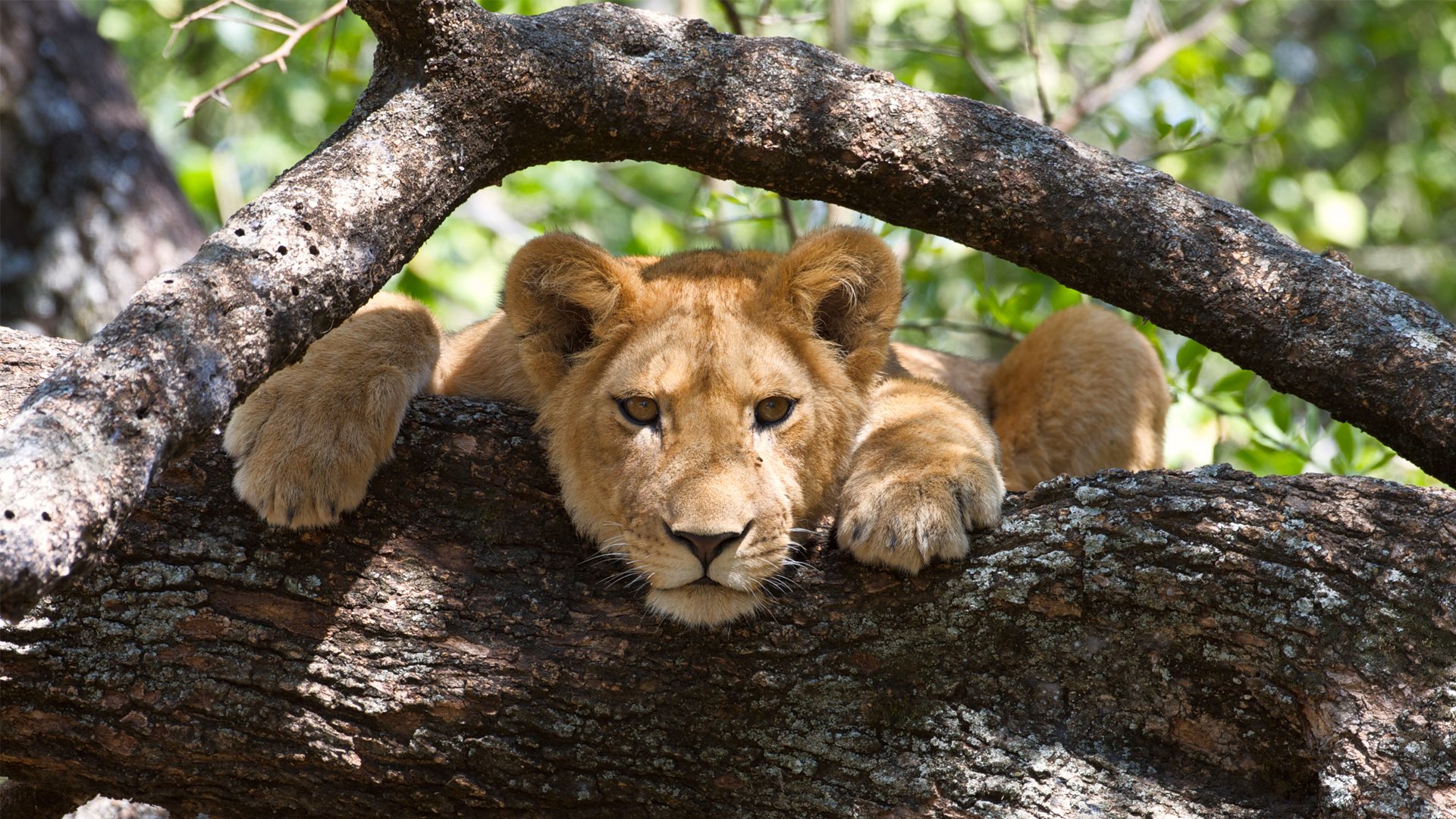
In Queen Elizabeth National Park, the Kazinga Channel teems with hippos, crocodiles, and birdlife that flourishes during the rains. Elephants, buffalo, and antelopes continue to roam freely, especially in the Ishasha sector, where the elusive tree-climbing lions are still seen lounging in fig trees.

Murchison Falls National Park remains a stronghold for classic game viewing. The Nile, which surges with new life in May, magnifies the power of the iconic falls, creating a dramatic spectacle of force and mist that defines the park’s essence.

Kibale Forest offers superb chimpanzee tracking even during the green season. Trails can be muddy, but the density of the forest, the echoing primate calls, and the glimpses of red-tailed monkeys and blue monkeys turn each trek into an unforgettable, layered experience.

For gorilla trekking in Bwindi Impenetrable Forest, May is particularly rewarding. The rainforests are lush and vibrant, and the mountain gorillas remain active and visible. Treks may be slightly more physically demanding due to wet trails, but the serenity and privacy of these encounters in the absence of tourist crowds more than compensate.

Cultural Rhythms and Rural Life in May

Uganda’s strength lies not only in its wildlife but in its people and cultural traditions. May is deeply tied to the land—a month of planting, storytelling, and spiritual connection with the soil. Across the countryside, from the rolling hills of Kabale to the red-earth villages of Buganda and Teso, farmers rise early to till the softened earth and plant maize, beans, millet, and groundnuts.

Visitors during this time are welcomed into a more intimate Uganda—one where hospitality is offered under rain-washed verandas and where local traditions are not performed but lived. Traditional dances, oral folktales, communal meals, and cooperative farming groups provide a window into Uganda’s deep-rooted agrarian culture.

In urban centers such as Kampala, May unfolds with a mix of modern and traditional energies. The arts scene remains vibrant, with craft markets, art galleries, and music performances continuing uninterrupted. Rainy evenings often bring people together in cafes, lounges, and homes, creating chances for travelers to engage in authentic dialogue and reflection.

The Beauty of Uganda’s Landscapes in May

Uganda’s natural wonders become more striking in May. From the crater lakes of Fort Portal to the escarpments of Lake Albert and the volcanic peaks of Mount Elgon, landscapes appear sculpted by the hands of rain and time. The wet season enhances contrasts: red dirt against green foliage, mist over lake surfaces, and rainbows dancing above valleys.

Sipi Falls, nestled in the foothills of Mount Elgon, becomes a cascading spectacle, its three-tiered waterfalls rushing more powerfully than during the dry months. Hiking trails are wetter but more atmospheric, and every viewpoint offers photo opportunities made richer by dramatic skies and rushing water.

Lake Bunyonyi, often called the Switzerland of Africa, feels especially magical in May. The lake’s calm waters reflect the green terraces of surrounding hills, and morning mists give the islands a surreal, floating quality. This is the perfect place for canoeing, cultural interactions, and peaceful contemplation.

The Rwenzori Mountains, also known as the Mountains of the Moon, pose a greater challenge during the rainy season but reward experienced trekkers with an otherworldly atmosphere. The snow-capped peaks and moss-draped forests feel untouched, ancient, and alive with mystery.

Travel Conditions and Logistics

Traveling in May requires planning, but it is far from impossible. Major roads between cities and national parks remain accessible, and many tour operators adjust itineraries to ensure safety and comfort. While some lodges reduce their occupancy or undergo maintenance during this season, others offer exclusive discounts and upgraded services, allowing travelers to enjoy luxury at more affordable rates.

With proper gear—including waterproof clothing, durable boots, insect repellent, and weather-resistant bags—most excursions can be comfortably undertaken. Domestic flights continue to operate normally, connecting Entebbe to destinations like Kidepo, Kasese (near Queen Elizabeth), and Kisoro (for Bwindi).

Health precautions remain the same as throughout the year: malaria prophylaxis, yellow fever vaccination, and general hygiene practices. Local tour guides are particularly valuable during May, as their knowledge of changing conditions ensures a smooth and enriching experience.

The Rewards of Traveling in May

Those who choose to visit Uganda in May are rewarded with more than just scenery and solitude. They are granted access to a country that is open, unhurried, and sincere. Without the pressure of peak-season schedules, travelers have the freedom to linger longer, to listen more deeply, and to experience more fully.

Every aspect of the journey—whether a game drive under silver skies, a conversation with a farmer over lunch, or a walk through a quiet forest—is richer when approached with patience and humility. May in Uganda teaches travelers that the essence of adventure is not found in perfect weather or postcard settings, but in moments of truth and connection.

Travel with WildHorn Africa

For a seamless, meaningful, and personalized journey through Uganda in May, WildHorn Africa stands as the trusted companion of discerning travelers. With years of local expertise, a commitment to sustainable tourism, and a passion for crafting transformational experiences, WildHorn Africa guides visitors through the heart of Uganda’s green season with professionalism and care.

Their bespoke itineraries take full advantage of the season’s gifts—quiet gorilla treks, wildlife-rich boat safaris, cultural exchanges in farming villages, and scenic drives through blooming landscapes. Lodges and camps are carefully selected for comfort and ambiance, and local guides share not only facts, but stories that bring each place to life.

By choosing WildHorn Africa, travelers move beyond sightseeing into the realm of meaningful exploration. Every step is supported, every moment is elevated, and every journey becomes part of a larger story—one of discovery, reverence, and connection.

Book your Uganda adventure with WildHorn Africa and let May’s rain reveal the soul of the Pearl of Africa.

Parks and Reserves in Uganda

Parks and Reserves in Uganda

By Travel stories and blogs, Uganda travel guides, Where to go

Parks and Reserves in Uganda: Exploring the Untamed Pearl of Africa

NATIONAL PARKS

WILDLIFE RESERVES

A Land Where Wilderness Roars Loudest

Tucked away in the heart of East Africa lies Uganda, a country of astonishing biodiversity, raw natural beauty, and a magnetic allure for nature lovers. Often overshadowed by its more famed neighbors, Uganda remains one of Africa’s best-kept safari secrets. Its national parks and reserves, though lesser known, host some of the most captivating wildlife spectacles and diverse landscapes found anywhere on the continent. From the snow-capped peaks of the Rwenzori Mountains to the roaring waterfalls of Murchison and the primal depths of Bwindi Impenetrable Forest, Uganda’s protected areas offer a mosaic of life that is both pristine and soul-stirring.

Uganda’s Conservation Network: A Vision Rooted in Wilderness

The story of Uganda’s parks and reserves is not just one of tourism, but of deep conservation values and ecological importance. The country is home to ten national parks and over a dozen wildlife reserves, each managed to preserve the region’s endangered ecosystems, protect native flora and fauna, and support sustainable tourism that benefits local communities.

This network of protected lands plays a pivotal role in maintaining regional biodiversity. Uganda lies at the crossroads of East African savannahs and Central African rainforests, creating a unique ecological overlap that hosts a remarkable range of species. In these habitats thrive over 1,000 bird species, nearly 350 mammal species, including half of the world’s remaining mountain gorillas, chimpanzees, lions, elephants, and a plethora of smaller creatures.

The Iconic Parks That Define Uganda’s Wilderness

Among Uganda’s vast conservation lands, certain parks stand out—not just for their wildlife, but for their awe-inspiring settings, cultural heritage, and the life-changing experiences they offer.

Bwindi Impenetrable National Park, a UNESCO World Heritage Site, is arguably Uganda’s crown jewel. Known globally for its population of mountain gorillas, it draws primate enthusiasts and researchers alike. Trekking through the ancient misty forest, visitors are led by expert trackers deep into the undergrowth where gorilla families go about their day, unbothered by human presence. Few experiences on Earth match the intensity and intimacy of locking eyes with a wild silverback in his domain. The forest is also a stronghold of biodiversity, teeming with rare butterflies, endemic birds, and ancient tree species.

In the north, Murchison Falls National Park boasts an entirely different spectacle. The Nile, Africa’s longest river, thunders through a narrow gorge only seven meters wide, exploding into a cascade of mist and rainbow-hued spray. Below the falls, the river fans out into a delta that nourishes a rich plain, attracting herds of elephants, giraffes, and buffaloes, as well as hippos and crocodiles in its waters. Game drives here are complemented by river safaris that bring visitors remarkably close to the wildlife.

Queen Elizabeth National Park, stretching along the Albertine Rift Valley, is a mosaic of grassland savannah, crater lakes, and swampy channels. This diversity makes it one of the most species-rich parks in East Africa. Tree-climbing lions in Ishasha, a rare and curious behavior, are a highlight. The Kazinga Channel, which connects Lake George and Lake Edward, offers boat cruises that glide past dense concentrations of hippos, water birds, and shoreline-dwelling mammals.

A Haven for Primates and Predators

Uganda’s allure extends beyond its megafauna. The country is one of the few in the world where it is possible to track chimpanzees in the wild. In Kibale National Park, travelers embark on forest treks through tangled fig trees and echoing canopies to observe the complex social lives of chimpanzee troops. These intelligent primates, closely related to humans, are known for their vocalizations, tool use, and expressive behavior.

Meanwhile, Kidepo Valley National Park, lying far to the northeast, offers a wilder, more remote safari experience. Here, the wilderness remains largely untouched by mass tourism. The open plains and rugged mountains resemble a timeless Eden where cheetahs, lions, and leopards roam freely. It is also the best place in Uganda to see ostriches and large herds of Cape buffalo, often set against fiery sunsets and golden grasses.

Reserves and Wetlands: The Unsung Sanctuaries

Beyond the national parks, Uganda’s wildlife reserves and wetland systems contribute immensely to its conservation ethos. These lesser-known sites offer solitude, birdwatching opportunities, and immersion in untouched landscapes.

Semuliki Wildlife Reserve and the adjoining Semuliki National Park represent a transition zone between the dense Congo Basin forests and the East African grasslands. The reserve is one of Uganda’s most important areas for birdlife, hosting species rarely seen elsewhere on the continent, including the elusive shoebill stork.

Ziwa Rhino Sanctuary, though not a natural reserve in the traditional sense, plays a crucial role in Uganda’s rhino reintroduction efforts. After being wiped out in the 1980s due to poaching and conflict, white rhinos are now being bred and protected here, with hopes of re-establishing wild populations in national parks in the future. Walking safaris through Ziwa allow visitors to observe these prehistoric-looking giants on foot, under expert guidance.

Uganda’s Wetlands and Birding Havens

Uganda is also globally recognized as a birding paradise, with sites like Mabamba Swamp, Echuya Forest Reserve, and the Sango Bay area drawing ornithologists from around the world. Mabamba, in particular, is revered as a top location to spot the shoebill, a prehistoric-looking bird that is both mysterious and captivating. These wetlands are not just vital for biodiversity—they play a key role in flood regulation, climate balance, and the livelihoods of local fishing communities.

Community Involvement and Cultural Heritage

One of the most distinguishing features of Uganda’s conservation strategy is its emphasis on community participation. Protected areas are often managed with input from indigenous groups, including the Batwa, who once lived in the forests of Bwindi and Mgahinga. These communities are now engaged in eco-tourism, guiding services, and cultural conservation programs, offering visitors a deeper understanding of the human-nature connection that defines this region.

Cultural tourism has grown alongside wildlife tourism, allowing travelers to interact with traditional villages, witness local dances, and learn ancestral practices that have long coexisted with nature. This blend of wildlife experiences and cultural immersion makes Uganda a multi-dimensional destination, where conservation and culture walk hand in hand.

The Timeless Allure of Uganda’s Wild Heart

To journey through Uganda’s parks and reserves is to take a step back into a world where nature dominates, where silence is broken only by the trumpet of elephants or the haunting calls of chimpanzees. It is a world where every dawn promises adventure and every dusk, a new story etched into the fabric of the wild.

Uganda doesn’t overwhelm with commercialism or crowded vistas. Instead, it humbles with authenticity, inviting those who seek true wilderness to come and listen—not just with ears, but with the soul. Each park tells its own story, each reserve guards its own secret. And those who venture here leave not just with photographs, but with a changed perspective.

Start Your Journey with WildHorn Africa

For travelers ready to experience the full spectrum of Uganda’s natural wonders, choosing the right guide is essential. WildHorn Africa, with its deep local knowledge, responsible safari ethics, and personalized service, is the ideal partner for your African adventure. Whether you dream of gorilla trekking, lion tracking, birdwatching, or simply soaking in the serenity of a sunset over the savannah, WildHorn Africa will craft a journey as unforgettable as the land itself.

Book your African safari through WildHorn Africa and step into the wilderness with confidence, wonder, and respect for the untamed beauty that is Uganda.

The weather and climate in Uganda

The weather and climate in Uganda

By Travel guides, Travel stories and blogs, Uganda travel guides

The Weather and Climate in Uganda
Unveiling the Skies of the Pearl of Africa

A Country Where the Sun Warms and the Rains Renew

In the very heart of Africa lies a land where the sun shines generously and the rains fall rhythmically to nourish a landscape of surreal beauty. Uganda, affectionately known as the “Pearl of Africa,” owes much of its natural richness and biodiversity to its stable, tropical climate. Here, the weather is not an obstacle but a co-creator of life—shaping ecosystems, guiding migration patterns, and sustaining both wildlife and human culture. For travelers, understanding the climate in Uganda is essential, not just for packing the right gear, but for unlocking a deeper appreciation of the land and its rhythms.

What distinguishes Uganda from many of its East African neighbors is its remarkable climatic moderation. Unlike the sweltering deserts of the north or the temperamental coastlines of the east, Uganda offers consistently warm days, cool nights, and a refreshing seasonal balance. This equatorial country does not suffer from extreme heat or bitter cold. Instead, it thrives in a zone of natural harmony where altitude, topography, and rainfall combine to create one of the most hospitable climates in all of Africa.

Understanding Uganda’s Tropical Climate

Uganda’s location astride the equator would suggest a hot and humid environment year-round. However, the reality is far more nuanced. The country’s elevation, with much of the land lying between 1,000 to 2,400 meters above sea level, moderates the climate significantly. This altitude, especially in the southwest and central regions, keeps temperatures pleasantly mild while still allowing for vibrant seasonal changes.

Average daytime temperatures typically range from 25°C to 29°C (77°F to 84°F) in lower altitudes, such as the shores of Lake Victoria, while the highland areas around Kabale, Fort Portal, and the Rwenzori Mountains can be cooler, particularly at night. In these regions, night temperatures can dip to around 10°C (50°F), especially during the dry months. Such variation gives Uganda a range of microclimates that cater to everything from dense rainforests to open savannahs, from alpine meadows to papyrus swamps.

The Two Rainy Seasons: Life’s Rhythmic Pulse

Rainfall in Uganda follows a predictable and vital cycle, which splits the year into two main wet seasons and two dry periods. The primary rainy seasons occur from March to May and again from October to November. During these months, showers tend to be brief but intense, often occurring in the afternoon or evening, and typically followed by periods of clear skies.

These rains play a crucial ecological role. They reinvigorate the landscape, replenish rivers and wetlands, and trigger migratory movements and breeding behaviors in both wildlife and birds. Forests become denser and more vibrant, with the undergrowth teeming with new life. For farmers, the rains mark planting and harvesting seasons, anchoring rural livelihoods to natural rhythms passed down through generations.

While the rains can make some roads in remote areas more difficult to navigate, they rarely disrupt travel entirely. For those who embrace nature’s unpredictability, these months offer lush scenery, fewer tourists, and the chance to witness Uganda in its most fertile and dramatic form.

The Dry Seasons: Golden Light and Clear Skies

The dry months from June to September and December to February are generally considered the most favorable times for travel. During these periods, the skies remain predominantly clear, the air is dry and fresh, and the trails in national parks are more accessible. These months are especially ideal for gorilla and chimpanzee trekking, as the forest floors are less slippery, and the visibility within the thick vegetation improves greatly.

In the savannah parks such as Queen Elizabeth, Murchison Falls, and Kidepo Valley, the dry season concentrates wildlife around permanent water sources, dramatically increasing the chances of successful sightings during game drives. The grass is shorter, and the dustier environment adds a golden filter to the landscape, enhancing the cinematic quality of sunrise and sunset experiences.

Temperatures during these months remain moderate, making outdoor activities comfortable and long days of exploration enjoyable. This is also the peak season for international tourism, especially between June and August and again in December, as many travelers escape the winter months of the Northern Hemisphere to bask in Uganda’s inviting climate.

Regional Climate Variation: A Country of Contrasts

While Uganda may be small in size, it holds within its borders a surprising range of climatic zones, each shaped by altitude, vegetation, and geographic features. Along the northern frontier, particularly in Kidepo Valley, the climate is semi-arid, receiving less rainfall than the rest of the country and experiencing hotter conditions, especially in the dry season. This gives the region its rugged, sun-drenched appeal, ideal for those seeking a rawer, less manicured safari experience.

In contrast, the southwestern highlands around Bwindi, Mgahinga, and the Virunga range tend to receive heavy rainfall throughout the year due to their altitude and dense forest cover. Trekking here is possible year-round, but the most comfortable conditions are still found during the drier months. The Lake Victoria basin, including Entebbe and Kampala, maintains a humid climate with occasional showers throughout the year, largely influenced by the massive lake’s microclimate.

Moving westward into the Rwenzori Mountains, visitors enter a montane climate zone where temperatures plummet with elevation and permanent glaciers crown the highest peaks. Climbing expeditions here require preparation for cold, wet conditions regardless of season. In the Albertine Rift, with its chain of lakes and forests, misty mornings and steady humidity are the norm, creating an otherworldly atmosphere rich in flora and fauna.

How Uganda’s Climate Shapes Its Wildlife Encounters

The diversity of Uganda’s climate directly influences the abundance and visibility of wildlife. In the dry seasons, herbivores and predators alike become more active and visible, drawn to shrinking water sources. This leads to exceptional game viewing opportunities. Meanwhile, the wet seasons trigger births, migrations, and dramatic behavioral shifts that reveal the intimate workings of nature. For bird enthusiasts, the wet months are the most rewarding, bringing both resident breeding activity and the arrival of migratory species from as far as Europe and Asia.

Each park and ecosystem responds uniquely to the seasons. Murchison Falls becomes a sanctuary for waterbirds and basking crocodiles. Queen Elizabeth’s Kazinga Channel buzzes with hippos and fishing raptors. Bwindi’s gorilla families remain in their forest territories year-round, but the ease of access and viewing improves with drier conditions. Understanding these patterns helps travelers align their interests with the optimal times for wildlife experiences.

Packing for Uganda’s Weather: Preparedness is Key

Because of the generally pleasant temperatures and varied climates, packing for Uganda requires a flexible wardrobe. Light clothing for the day, layers for cooler nights, and rain gear for sudden downpours are all essentials. Sturdy footwear, especially for forest trekking, becomes invaluable, particularly during or shortly after the rainy season. Sun protection is important year-round, and insect repellent is advised, especially in wetter regions where mosquitoes are more prevalent.

Regardless of the time of year, a well-prepared traveler will find Uganda welcoming and comfortably navigable. The weather rarely presents a barrier to discovery; rather, it adds texture, color, and richness to every journey.

A Climate That Invites, A Land That Transforms

Uganda’s weather and climate do not simply accommodate travel—they enhance it. The gentle warmth, the cleansing rains, the misty mornings and sunlit plains all serve to create a sensory environment that is both rejuvenating and inspiring. Whether one arrives in the freshness of June, the lushness of April, or the golden glow of January, Uganda always opens its arms in welcome.

This is not a land of extremes, but of balance. A country where nature is still given space to thrive, and where the seasons still follow ancient rhythms that feed the land, the animals, and the soul of the people. Understanding Uganda’s climate is not just a matter of planning; it is an invitation to tune into the living heartbeat of the wild.

Travel with the Experts: Choose WildHorn Africa

For those who dream of immersing themselves in Uganda’s natural wonders, timing is important—but so is expert guidance. WildHorn Africa offers travelers not just a trip, but a well-orchestrated experience, aligned with the climate, tailored to your interests, and grounded in sustainability.

Whether it’s the dry-season thrill of gorilla tracking or the green-season beauty of bird migration, WildHorn Africa ensures that your safari is seamless, informed, and unforgettable. With local expertise, ethical practices, and a passion for Uganda’s beauty, WildHorn Africa is your gateway to a journey shaped by weather, wildlife, and wonder.

Book your African safari with WildHorn Africa, and let the skies of Uganda guide you into the adventure of a lifetime—season after season, memory after memory.

10 Best-value Luxury Bwindi Safari Lodges & Camps

10 Best-value Luxury Bwindi Safari Lodges & Camps

By Travel guides, Travel stories and blogs, Uganda travel guides

10 Best-Value Luxury Bwindi Safari Lodges & Camps: Experience Gorilla Trekking in Unmatched Comfort

Where Luxury Meets Pristine Wilderness

Bwindi Impenetrable Forest, located in southwestern Uganda, is renowned worldwide for its rare mountain gorillas and awe-inspiring biodiversity. As one of Africa’s most coveted safari destinations, Bwindi offers travelers the once-in-a-lifetime opportunity to trek alongside these gentle giants, witnessing intimate moments of wildlife behavior in their natural habitat. This extraordinary experience is increasingly sought by discerning travelers who expect not only unforgettable wildlife encounters but also luxury accommodations that provide comfort, exclusivity, and immersive cultural interactions.

In recent years, Bwindi has seen a remarkable development of lodges and camps that successfully combine high-end hospitality with sustainable tourism practices. The balance of ecological responsibility and world-class service ensures that visitors can experience the magic of the forest without compromising the delicate environment or local communities. The concept of “best-value luxury” in Bwindi captures this dual promise: opulence that respects nature, all while maintaining accessibility to a broader range of travelers.

This article explores ten of the best-value luxury lodges and camps in Bwindi, providing deeper insights into what sets each apart, how they harmonize with the forest’s rhythms, and why they represent a compelling choice for travelers in 2025 and beyond.

1. Mahogany Springs Lodge: Elevated Elegance in the Heart of Bwindi

Mahogany Springs Lodge exemplifies elevated luxury nestled within the forest’s embrace. Perched on the edge of the impenetrable forest, the lodge offers panoramic views of the surrounding hills and valleys. The accommodation is crafted with local materials, blending seamlessly into the environment while providing modern comforts such as en-suite bathrooms, fine dining, and personalized service.

Guests are treated to an array of activities beyond gorilla trekking, including guided forest walks, birdwatching, and cultural visits to nearby Batwa communities. Mahogany Springs’ commitment to community empowerment and conservation enhances its appeal, making it a lodge where luxury is harmonized with purpose.

2. Clouds Mountain Gorilla Lodge: Boutique Luxury Amidst Nature

Clouds Mountain Gorilla Lodge is recognized for its intimate, boutique-style hospitality. Located at the forest’s edge, the lodge offers an exclusive atmosphere with just a handful of cottages designed to maximize privacy and connection to nature. The décor combines rustic charm with contemporary elegance, ensuring that comfort is never sacrificed.

The culinary experience at Clouds is noteworthy, featuring locally sourced ingredients and a variety of international dishes. The lodge’s expert guides are deeply knowledgeable about Bwindi’s ecology and wildlife, enriching every moment of the safari. This lodge stands out as an exceptional value for travelers seeking personalized, luxury immersion.

3. Buhoma Lodge: A Family-Friendly Luxury Escape

Buhoma Lodge is renowned for its warm hospitality and spacious accommodations that cater especially to families and groups. Its location near the Buhoma Gorilla Tracking sector makes it ideal for those looking to combine convenience with comfort. The thatched cottages offer privacy and a cozy atmosphere, enhanced by wooden decks overlooking lush gardens.

The lodge facilitates a variety of activities designed for all ages, from gorilla trekking to community visits and cultural performances. Buhoma Lodge’s approach to blending luxury with accessibility provides an excellent value proposition for families embarking on a Bwindi safari.

4. Engagi Lodge: A Secluded Sanctuary of Sophistication

Engagi Lodge sits within a private forest reserve adjacent to Bwindi, offering guests a more secluded and exclusive experience. The architectural style reflects modern African aesthetics, with spacious tents and stone cottages that incorporate natural elements. Each accommodation features luxurious en-suite facilities, private verandas, and views of the verdant forest.

A standout feature of Engagi is its dedication to conservation education, with guests invited to participate in tree planting and wildlife monitoring initiatives. This lodge offers a refined, tranquil setting where the luxury of privacy meets the authenticity of ecological stewardship.

5. Clouds Bwindi Lodge: Luxury Reimagined in the Forest Canopy

Distinct from its similarly named counterpart, Clouds Bwindi Lodge is perched high above the forest floor, offering a dramatic vantage point over Bwindi’s mist-shrouded valleys. Elevated walkways and treehouse-style rooms make this lodge an architectural marvel, enabling guests to feel enveloped by the forest.

The design merges comfort with adventure, featuring modern amenities while encouraging guests to connect deeply with the environment. Luxury is expressed here through unique spatial experiences and impeccable service, making it an unforgettable place to stay during gorilla safaris.

6. Silverback Lodge: An Eco-Conscious Luxury Experience

Silverback Lodge prides itself on being both luxurious and environmentally conscious. Located near Buhoma village, the lodge integrates eco-friendly technologies such as solar power and rainwater harvesting, minimizing its ecological footprint. Its spacious rooms offer comfort with local craftsmanship decorating the interiors.

The lodge promotes cultural exchanges with the local communities and supports gorilla conservation projects. Visitors can expect a rich blend of luxury, learning, and environmental respect, all at a value that reflects ethical travel priorities.

7. Gorilla Safari Lodge: Comfort with Cultural Connection

Situated near the Buhoma sector, Gorilla Safari Lodge offers comfortable accommodations coupled with immersive cultural experiences. Guests are invited to engage with the Batwa pygmy community, learning about their traditions and challenges. The lodge’s setting in lush gardens provides a peaceful retreat after intensive trekking days.

With emphasis on personalized service and educational programming, Gorilla Safari Lodge provides an excellent balance of comfort, culture, and conservation focus, making it a great value for travelers who want more than just wildlife sightings.

8. Nkuringo Bwindi Gorilla Lodge: Exclusive Luxury at the Forest’s Edge

Nkuringo Bwindi Gorilla Lodge is located at the forest’s southwestern edge and is often praised for its exclusivity and intimate atmosphere. The lodge offers stunning views of the forest and the surrounding hills, with elegantly furnished cottages that blend local architectural styles and modern amenities.

This lodge is ideal for travelers who seek a peaceful sanctuary after their gorilla treks and who appreciate high standards of service and fine dining. Nkuringo stands as a strong contender in Bwindi’s best-value luxury category due to its combination of privacy, comfort, and immersion.

9. Rushaga Gorilla Camp: Wilderness Meets Comfort

Rushaga Gorilla Camp is a luxury tented camp situated near the Rushaga sector, known for its spacious tents and exceptional comfort. The camp’s location deep in the forest region offers guests a sense of adventure coupled with the amenities expected of a high-end safari.

Guests can expect attentive service, gourmet meals, and expert-guided activities. The camp’s rustic elegance appeals to travelers looking to combine the romance of camping with the reassurance of luxury standards. It offers one of the best values for travelers seeking an authentic forest experience without sacrificing comfort.

10. Clouds Lodge Bwindi: Elevated Luxury with Environmental Stewardship

Another gem in the Bwindi landscape is Clouds Lodge Bwindi, which emphasizes environmental stewardship and cultural sensitivity while providing luxurious accommodations. The lodge’s structure harmonizes with the forest canopy, offering spectacular views and a calming atmosphere.

With a strong commitment to sustainable tourism, this lodge incorporates solar energy, waste reduction programs, and community engagement projects. It represents a luxury safari experience that honors the environment and supports local livelihoods, making it an exceptional value choice.

Secure Your Bwindi Luxury Safari with WildHorn Africa

Bwindi’s unparalleled beauty and the profound experience of gorilla trekking demand accommodations that reflect the significance of the journey. These ten best-value luxury lodges and camps embody the fusion of comfort, ecological responsibility, cultural respect, and unforgettable wildlife encounters. Choosing one of these properties ensures that your safari will be not only luxurious but also meaningful and sustainable.

To unlock the full potential of a Bwindi safari, expert guidance and personalized planning are essential. For travelers ready to embark on this extraordinary adventure, WildHorn Africa offers bespoke safari packages tailored to individual needs and aspirations. With WildHorn Africa’s deep local knowledge and commitment to responsible tourism, your journey into Bwindi’s magical forest will be seamlessly orchestrated, allowing you to focus entirely on the wonder of the wild.

Wildlife in Uganda

Wildlife in Uganda

By Travel guides, Travel stories and blogs, Uganda travel guides

Wildlife in Uganda: Where Nature Reigns Supreme

A Tapestry of Untamed Life in the Pearl of Africa

Uganda, often referred to as the “Pearl of Africa,” holds a wildlife heritage that is nothing short of extraordinary. Straddling the equator and nestled between the Congo Basin rainforests and the East African savannahs, the country stands as a beacon of ecological richness and biodiversity. Its landscapes are as varied as its species—lush rainforests, rolling savannahs, crater lakes, papyrus-fringed wetlands, snow-capped mountains, and semi-arid plains all weave together to create one of Africa’s most diverse natural environments. Here, wildlife is not just seen—it is experienced, felt, and remembered.

Uganda’s position at the convergence of multiple ecological zones makes it a wildlife sanctuary unlike any other. It is a land where gorillas beat their chests in misty forests, elephants roam freely across golden plains, and rare birds call from ancient canopies. In every corner of this East African nation, life pulses wildly and profoundly, offering a powerful reminder of the earth’s raw beauty.

A Sanctuary of Mammalian Wonders

The mammalian diversity in Uganda is astounding, with over 340 recorded species ranging from towering giants to elusive primates. The country’s forests and national parks are particularly known for being one of the last safe havens for the critically endangered mountain gorilla, a majestic and intelligent species whose populations survive only in a few locations globally.

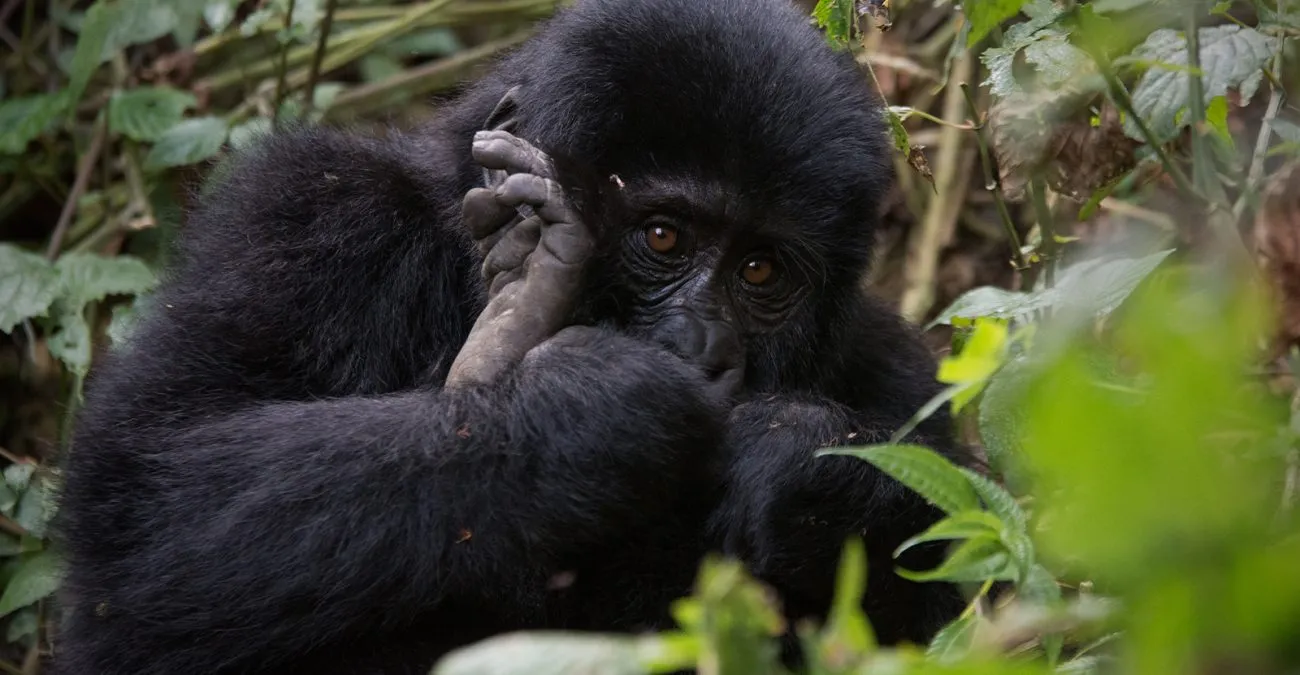
In the depths of Bwindi Impenetrable Forest and the slopes of Mgahinga Gorilla National Park, these gorillas are observed in their natural habitats during regulated treks that allow only brief, but deeply moving encounters. Visitors stand just meters away from a silverback and his family, watching as they groom, forage, and move through the undergrowth with quiet power. This connection—raw and real—leaves an imprint that lasts a lifetime.

Beyond the gorillas, chimpanzees roam the forests of Kibale, Budongo, and Kyambura, where their complex social lives are studied and admired. These primates, sharing over 98% of human DNA, live in dynamic communities and display behaviors that highlight the intricacies of animal intelligence and culture. Tracking them through the underbrush, hearing their hoots echo through the forest, one steps momentarily into a world both ancient and eerily familiar.

Uganda’s savannah parks add yet another layer to this mammalian richness. Lions, some of which exhibit the unique behavior of climbing trees, prowl the grasslands of Queen Elizabeth National Park. Leopards, more elusive but equally captivating, find refuge in forested zones and thickets. The country’s largest park, Murchison Falls, is a stronghold for elephants, buffaloes, giraffes, and a host of antelope species, while the far-flung Kidepo Valley National Park reveals a drier, rugged ecosystem that supports cheetahs, striped hyenas, and massive herds of game in a setting untouched by time.

The Avian Capital of Africa

If mammals dominate the land, then birds rule the skies—and swamps, forests, and riverbanks of Uganda. With over 1,060 bird species recorded, Uganda boasts the highest bird density per square kilometer in Africa, earning its title as the birding capital of the continent. From forest dwellers to water birds, migrants to endemics, the country is a paradise for ornithologists and amateur birders alike.

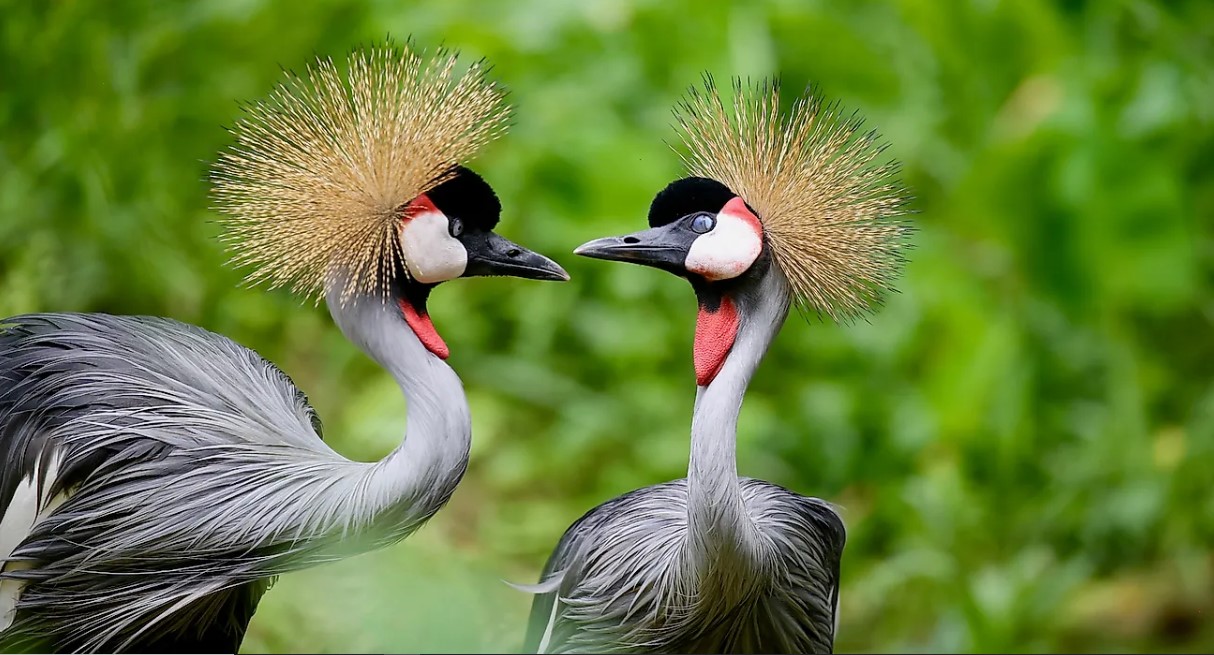
Among the most iconic of these is the shoebill stork, a prehistorically strange yet magnificent bird that inhabits the papyrus swamps of Mabamba Bay and Semuliki. Other remarkable sightings include the green-breasted pitta, African green broadbill, great blue turaco, and the African fish eagle, whose haunting cry is often described as the soundtrack of the African wilderness. The diversity of habitats ensures that birds can be found in nearly every part of Uganda, from alpine zones to lowland wetlands.

Reptiles, Amphibians, and the Lesser-Known Life

While the charismatic megafauna and vibrant birdlife steal the spotlight, Uganda’s reptilian and amphibian diversity adds depth to its ecological character. Nile crocodiles bask along riverbanks, especially in the Nile basin, while monitor lizards and various snake species occupy forests and grasslands. The country’s wetlands support a variety of frog species, some of which are found nowhere else on Earth.

Insects and other invertebrates form a hidden but essential part of the ecosystem. Uganda’s forests are alive with butterflies, beetles, and dragonflies, whose presence signifies the health of the environment. These small creatures form the base of the food chain, supporting larger predators and maintaining the balance that keeps Uganda’s ecosystems thriving.

Wetlands and Waterways: The Liquid Heart of Biodiversity

Uganda’s rivers, lakes, and swamps are lifelines for wildlife. The River Nile, which originates at Jinja, carves its way northward, bringing life to the landscapes of Murchison Falls National Park. At the falls themselves, the river crashes through a narrow gorge with thunderous power, creating both a spectacle of nature and a rich feeding ground for aquatic species.

Lake Victoria, Africa’s largest lake, teems with fish, supports birdlife, and sustains communities. Kazinga Channel, which connects Lake George and Lake Edward, attracts one of the highest concentrations of hippos in the world, along with crocodiles and hundreds of water birds. It is on these waterways that boat safaris offer an intimate glimpse into aquatic life, revealing another dimension of Uganda’s wildlife richness.

The wetlands scattered across the country are not only biodiversity hotspots but also serve critical roles in water filtration, flood control, and carbon storage. These ecosystems are fragile yet vital, supporting species found nowhere else and maintaining the balance of surrounding landscapes.

Conservation Challenges and Ongoing Efforts

While Uganda’s wildlife is vast and awe-inspiring, it is not without its challenges. Poaching, habitat loss, climate change, and human-wildlife conflict pose persistent threats to species survival and ecosystem stability. However, extensive efforts have been made to counter these threats through national policy, community involvement, and international partnerships.

Protected areas are now co-managed with local communities, whose role in conservation and eco-tourism has been transformative. Revenue-sharing models, conservation education, and employment through tourism have made wildlife an asset rather than an adversary to the people who live alongside it. Organizations across Uganda, both governmental and non-governmental, continue to invest in anti-poaching patrols, research, and habitat restoration.

The recovery of species such as the white rhino, which is being reintroduced at Ziwa Rhino Sanctuary, is a testament to Uganda’s commitment to conservation. Protected areas are expanding, and awareness is growing, giving hope that Uganda’s wildlife will not just survive but flourish.

Uganda’s Wild Soul: A Living Legacy

To speak of wildlife in Uganda is to speak of life in its most vibrant, visceral form. Every trail in the forest, every ripple on a lake, and every call echoing through the savannah tells a story millions of years in the making. It is a country where the ancient rhythms of nature still dominate, where the wild is not just preserved—but celebrated.

Here, visitors do not merely observe animals from a distance—they become part of a landscape that breathes, hunts, hides, and thrives. Uganda is not a zoo. It is not a curated collection of animals behind fences. It is a living, breathing wild domain, where nature commands respect, demands patience, and offers moments of pure, unfiltered awe.

Experience Uganda with WildHorn Africa

For those ready to embark on a safari adventure beyond the ordinary, WildHorn Africa offers unmatched expertise and immersive journeys into Uganda’s wild heart. Whether it is gorilla tracking, chimpanzee trekking, game drives, birding safaris, or simply soaking in the serenity of a sunrise over the savannah, WildHorn Africa curates experiences that honor both nature and culture.

With a commitment to sustainable travel, deep local knowledge, and a passion for wildlife, WildHorn Africa ensures that every journey is more than a trip—it is a life-changing exploration. Step into Uganda’s wilderness with confidence, respect, and wonder.

Book your African safari through WildHorn Africa and allow the wild to change you, just as it has shaped the soul of this remarkable land.

The list of wildlife in Uganda

1. Mammals

Primates

  • Mountain Gorilla (Gorilla beringei beringei)

  • Chimpanzee (Pan troglodytes)

  • Olive Baboon (Papio anubis)

  • Black-and-white Colobus Monkey (Colobus guereza)

  • Red-tailed Monkey (Cercopithecus ascanius)

  • Blue Monkey (Cercopithecus mitis)

  • L’Hoest’s Monkey (Cercopithecus lhoesti)

  • Patas Monkey (Erythrocebus patas)

  • Golden Monkey (Cercopithecus kandti)

  • Vervet Monkey (Chlorocebus pygerythrus)

  • Bush Baby (Galago spp.)

Carnivores

  • African Lion (Panthera leo)

  • Leopard (Panthera pardus)

  • Cheetah (Acinonyx jubatus) – rare, mainly in Kidepo

  • Spotted Hyena (Crocuta crocuta)

  • Side-striped Jackal (Canis adustus)

  • Serval Cat (Leptailurus serval)

  • African Civet (Civettictis civetta)

  • Genet (Genetta spp.)

Herbivores

  • African Elephant (Loxodonta africana)

  • Cape Buffalo (Syncerus caffer)

  • Giraffe (Rothschild’s) (Giraffa camelopardalis rothschildi)

  • Hippopotamus (Hippopotamus amphibius)

  • Warthog (Phacochoerus africanus)

  • Bushbuck (Tragelaphus scriptus)

  • Waterbuck (Kobus ellipsiprymnus)

  • Uganda Kob (Kobus kob thomasi)

  • Jackson’s Hartebeest (Alcelaphus buselaphus jacksoni)

  • Oribi (Ourebia ourebi)

  • Topi (Damaliscus lunatus jimela)

  • Duiker species – various forest types

  • Common Eland (Taurotragus oryx) – rare, mostly in Pian Upe

Other Notable Mammals

  • White Rhinoceros (Ceratotherium simum) – reintroduced in Ziwa Rhino Sanctuary

  • African Pangolin (Manis spp.)

  • Aardvark (Orycteropus afer)

  • Porcupine (Hystrix spp.)

  • Bushpig (Potamochoerus larvatus)

2. Birds (Avifauna)

(Over 1,060 species — Uganda is a top birding destination)

Notable and Iconic Birds

  • Shoebill Stork (Balaeniceps rex)

  • African Fish Eagle (Haliaeetus vocifer)

  • Great Blue Turaco (Corythaeola cristata)

  • Green-breasted Pitta (Pitta reichenowi)

  • African Grey Parrot (Psittacus erithacus)

  • Marabou Stork (Leptoptilos crumenifer)

  • Secretary Bird (Sagittarius serpentarius)

  • Yellow-billed Stork (Mycteria ibis)

  • Hammerkop (Scopus umbretta)

  • Ross’s Turaco (Musophaga rossae)

Endemics and Albertine Rift Specials

  • Rwenzori Turaco (Ruwenzorornis johnstoni)

  • Handsome Francolin (Pternistis nobilis)

  • Doherty’s Bushshrike (Telophorus dohertyi)

  • Stripe-breasted Tit (Melaniparus fasciiventer)

3. Reptiles

  • Nile Crocodile (Crocodylus niloticus)

  • African Rock Python (Python sebae)

  • Black Mamba (Dendroaspis polylepis)

  • Boomslang (Dispholidus typus)

  • Monitor Lizards (Varanus spp.)

  • Chameleons – including the Jackson’s Chameleon (Trioceros jacksonii)

4. Amphibians

  • African Bullfrog (Pyxicephalus adspersus)

  • Banded Rubber Frog (Phrynomantis bifasciatus)

  • Western Clawed Frog (Xenopus tropicalis)

  • Uganda Reed Frog (Hyperolius spp.)

5. Fish

  • Nile Perch (Lates niloticus) – Lake Victoria and Nile River

  • Tilapia (Oreochromis spp.)

  • Catfish (Clarias spp.)

  • Lungfish (Protopterus aethiopicus)

  • Electric Catfish (Malapterurus electricus)

6. Insects and Other Invertebrates

Butterflies

  • Over 1,200 species including African Monarch, Forest Mother-of-Pearl, and Green-banded Swallowtail

Beetles and Dragonflies

  • Diverse species including the Goliath Beetle and Emperor Dragonfly

Spiders and Scorpions

  • Forest and savannah-dwelling species, including orb-weavers and bark scorpions

Africa’s Best Safari Country of 2025–2026

Africa’s Best Safari Country of 2025–2026

By Travel guides, Travel stories and blogs

Africa’s Best Safari Country of 2025–2026: Why Uganda Reigns Supreme

A New Chapter in African Safari Excellence

In the ever-evolving world of African safaris, where travelers seek both untamed wilderness and profound personal transformation, a remarkable shift has quietly taken place. While traditional giants like Kenya, Tanzania, Botswana, and South Africa have long dominated safari headlines, the heart of the continent—Uganda—has surged forward to claim a new crown. Named the Best Safari Country of 2025–2026, Uganda has rightfully earned global recognition as the ultimate destination where biodiversity, authenticity, and immersive experience converge with powerful impact.

Unlike destinations that have grown familiar with mass tourism, Uganda offers a raw, yet refined safari experience where every journey feels like an exclusive discovery. The country’s success lies not merely in the numbers of wildlife it protects or the landscapes it harbors, but in its ability to provide something rare in modern travel—a deep emotional connection with the land, its people, and the majestic creatures that call it home.

As the travel world increasingly leans toward meaningful, sustainable, and enriching experiences, Uganda has quietly positioned itself at the intersection of all three. Its recognition as the best safari country is not a fleeting trend but a reflection of years of conservation efforts, infrastructural investment, and the unmatched allure of its natural treasures.

The Pearl of Africa Rediscovered

Winston Churchill once described Uganda as the “Pearl of Africa,” a phrase that captures the country’s lush beauty and radiant soul. Today, that phrase resonates more powerfully than ever, as Uganda reclaims its position on the global safari map—not as an alternative, but as a primary safari destination of unmatched depth and variety.

Nowhere else in Africa can one trek through mist-shrouded mountains to meet endangered mountain gorillas, glide through papyrus-lined channels in search of rare shoebill storks, and witness lions lounging in fig trees—all within the same country. The diversity of ecosystems—from snow-capped peaks to verdant savannahs, dense rainforests to sprawling wetlands—ensures that no two days on safari are ever alike.

What elevates Uganda above other destinations in 2025 and 2026 is not just its variety but the intimacy of the experience. Game drives feel personal, treks are guided by impassioned local experts, and each wildlife encounter is allowed the time and silence to unfold fully. This is safari travel that transcends sightseeing and becomes soul-seeing.

A Gorilla Kingdom: The Soul-Stirring Encounter in Bwindi

While Uganda offers a comprehensive safari portfolio, the experience that defines its global reputation is the mountain gorilla trekking in Bwindi Impenetrable Forest. Recognized as a UNESCO World Heritage Site, Bwindi’s ancient rainforest hosts nearly half of the world’s remaining mountain gorilla population.

The trek through dense vegetation, guided by whispers of birdsong and rustling leaves, culminates in one of the most emotionally charged wildlife encounters on Earth. To lock eyes with a silverback gorilla or watch a young gorilla tumble playfully under its mother’s gaze is to come face to face with our own evolutionary kin. It is an experience that has brought tears, silence, and spiritual awe to even the most seasoned of travelers.

This is not just a wildlife sighting—it is a profound reminder of nature’s fragile power. Uganda’s strict gorilla conservation protocols ensure that this encounter remains low-impact and deeply respectful, with only a limited number of daily permits issued and stringent health guidelines maintained.

It is this level of care and intention that has allowed Uganda to offer the most ethical and enriching gorilla trekking experiences in the world, making it a cornerstone of its safari supremacy.

Queen Elizabeth National Park: Where Savannah Meets Wetland Majesty

Positioned in the western arm of the Great Rift Valley, Queen Elizabeth National Park showcases Uganda’s unique ability to blend classic safari with surprising ecological nuance. Here, one can watch elephants roam beneath the backdrop of the Rwenzori Mountains, cruise along the Kazinga Channel, and observe one of the highest concentrations of hippos and Nile crocodiles in Africa.

Unlike more commercialized parks elsewhere, Queen Elizabeth delivers big-game viewing in a relaxed, uncrowded environment. Tree-climbing lions in the southern Ishasha sector provide one of Africa’s most unique carnivore sightings, while the park’s bird diversity, including over 600 recorded species, makes it a paradise for ornithologists and casual nature lovers alike.

The park’s rich biodiversity—from leopards and buffaloes to chimpanzees and giant forest hogs—is enhanced by the variety of activities offered. Traditional game drives are seamlessly paired with boat safaris, nature walks, and cultural interactions with surrounding communities. The result is a multi-sensory safari journey that engages the mind and spirit as much as the eyes.

Murchison Falls National Park: Power and Wildlife in Perfect Harmony

No safari destination in Africa matches the dramatic spectacle of Murchison Falls, where the mighty Nile River forces itself through a narrow gorge before exploding into thunderous mist. This natural phenomenon is not just visually captivating; it forms the heart of Uganda’s largest and oldest conservation area.

Murchison Falls National Park offers classic big-game viewing alongside unique river-based safaris that bring travelers face-to-face with elephants, giraffes, antelopes, and massive crocodiles. The park’s savannah ecosystem supports strong populations of lions and leopards, while the Nile delta area is a reliable location to spot the elusive shoebill stork—a bucket-list bird species for serious naturalists.

As Uganda’s infrastructure continues to improve in 2025 and 2026, Murchison has emerged as a top-tier destination, not just for its diversity but for its immersive storytelling—where water, wildlife, and wonder collide.

Kibale Forest and Kidepo Valley: The Unexpected Gems

Uganda’s dominance as Africa’s top safari country lies in its capacity to surprise even seasoned safari-goers. In Kibale Forest, chimpanzee tracking experiences rival gorilla treks in intensity and intimacy. Home to over 1,500 chimpanzees, as well as 12 other primate species, the forest provides a vibrant, vocal, and emotional journey into the treetops.

Further north, in the remote reaches of Uganda’s wilderness, lies Kidepo Valley National Park—a stark, open landscape where herds of buffalo stretch to the horizon and cheetahs scan golden grasslands. Often referred to as Africa’s most isolated national park, Kidepo delivers a powerful sense of discovery and solitude, offering wildness in its purest form.

The integration of these contrasting landscapes—jungles and dry savannahs, volcanoes and wetlands—creates a country where the safari narrative constantly shifts, keeping travelers engaged and enchanted at every turn.

A Safari of Purpose, People, and Preservation

Uganda’s rise to the top has not occurred in a vacuum. It has been built upon a foundation of community involvement, where tourism revenue directly supports local development and conservation. Village stays, community-led excursions, and cultural performances are not add-ons, but integral parts of the safari experience.

Unlike destinations where luxury is defined only by opulence, in Uganda, it is defined by connection, authenticity, and presence. Travelers leave not only with photographs but with stories, friendships, and a deeper appreciation of Africa’s heritage and complexity.

This ethos aligns seamlessly with the values of modern travelers in 2025 and 2026, who seek meaning over extravagance, impact over indulgence, and intimacy over mass-market experiences.

Crafting the Ultimate Ugandan Safari with WildHorn Africa

For those ready to experience the safari destination of the decade, WildHorn Africa offers the ideal gateway into Uganda’s awe-inspiring landscapes and experiences. Known for curating tailored, ethical, and immersive safari journeys, WildHorn Africa ensures that each moment in Uganda is optimized for wonder, safety, and storytelling.

From private gorilla treks in Bwindi to off-the-beaten-path expeditions in Kidepo, WildHorn Africa’s deep local knowledge and luxury partnerships provide a seamless journey into the heart of the continent’s most dynamic safari nation.

Travelers seeking transformation, thrill, and meaningful adventure in 2025–2026 will find no greater canvas than Uganda—and no better guide than WildHorn Africa.

Top 10 Best Tourist Attractions and Places To Visit in Uganda

Top 10 Best Tourist Attractions and Places To Visit in Uganda

By Travel guides, Travel stories and blogs, Uganda travel guides

Top 10 Best Tourist Attractions and Places To Visit in Uganda

The Pearl of Africa Unveiled in All Its Splendor

Why Uganda Is Africa’s Most Underrated Treasure

Tucked away in the eastern heart of the African continent, Uganda rises as a country of dramatic contrasts, spectacular beauty, and cultural depth. Often overshadowed by its more publicized neighbours, this landlocked gem quietly houses some of the continent’s most unique natural wonders. From mist-wrapped volcanic ranges to glacial lakes, dense tropical forests to sprawling savannahs, and ancient kingdoms to buzzing urban centres, Uganda is a country that pulses with diversity and soul.

It is a place where travellers can, in a single itinerary, trek endangered mountain gorillas, cruise along hippo-filled rivers, explore UNESCO heritage tombs, and witness the dramatic point where the Nile River begins its epic journey northward. Known to early explorers as “the Pearl of Africa”, Uganda remains one of the few destinations that can truly blend wildlife, culture, and adventure into a seamless travel experience—an experience that is as immersive as it is unforgettable.

Bwindi Impenetrable National Park: Home of the Gentle Giants

High in the Kigezi Highlands of southwestern Uganda, Bwindi Impenetrable National Park stands cloaked in emerald canopies and thick mist, offering an environment that feels both ancient and sacred. It is here that roughly half of the world’s remaining mountain gorilla population resides. Gorilla trekking in Bwindi has been described not just as a wildlife encounter but as a deeply emotional journey—a moment where human and primate lock eyes in a silent exchange of kinship. This UNESCO World Heritage Site also supports a dense network of biodiversity, including rare birds, butterflies, and over a hundred species of ferns and orchids. Every step through Bwindi’s forest floor becomes a dance between ecological discovery and emotional revelation.

Murchison Falls National Park: The Nile’s Thunderous Roar

In the northwestern pocket of Uganda, the Nile River is forced through a narrow rock cleft just seven metres wide before plunging forty-three metres into a frothing cauldron below. This spectacle, known as Murchison Falls, is the thunderous heart of Uganda’s largest and oldest national park. Visitors are regularly stunned by the sheer power and majesty of this natural phenomenon. Yet, beyond the falls themselves, the park offers an expansive savannah teeming with elephants, giraffes, lions, buffalo, and a remarkable concentration of hippos along the riverbanks. Boat cruises to the base of the falls create awe-inspiring encounters with crocodiles, fish eagles, and herons, while early morning game drives across the Borassus palm-dotted plains showcase some of the finest wildlife viewing in East Africa.

Queen Elizabeth National Park: Diversity in Motion

With its mosaic of grasslands, crater lakes, wetlands, and tropical forest, Queen Elizabeth National Park remains one of Uganda’s most biologically diverse landscapes. Nestled between Lakes Edward and George and straddling the equator, it boasts over 600 bird species, making it a paradise for ornithologists. The Kazinga Channel, which links the two lakes, supports large populations of hippos and offers boat safaris with near-guaranteed wildlife encounters. Yet, perhaps the park’s most iconic residents are the tree-climbing lions of Ishasha, seen lounging on fig branches in a spectacle both bizarre and mesmerizing. This park encapsulates Uganda’s essence: unpredictability, colour, and contrast.

Kibale Forest National Park: Into the Realm of Chimpanzees

For those drawn to the intelligence and playfulness of primates, Kibale Forest National Park offers a rare opportunity to track habituated chimpanzee troops in their natural habitat. Revered as one of the best places in Africa for chimpanzee tracking, Kibale also hosts thirteen other primate species, including L’Hoest’s monkeys and red colobus. Walking through its humid, mahogany-filled corridors is a sensory experience—birdsong echoes in the canopy, while flashes of movement hint at the presence of troops navigating the treetops. As the chimps descend to the forest floor, visitors find themselves engulfed in moments that are unscripted, wild, and deeply profound.

Rwenzori Mountains National Park: Africa’s Mystical Mountains

Also known as the “Mountains of the Moon,” the Rwenzori range is Uganda’s answer to alpine magnificence. Stretching along the border with the Democratic Republic of Congo, the Rwenzoris soar above 5,000 metres, often wrapped in cloud and capped with permanent glaciers. Trekking here is unlike any other mountain experience in Africa. Glacial lakes, giant lobelias, moss-covered valleys, and glacier-carved gorges await those who venture along the Central Circuit Trail. Designated as a UNESCO World Heritage Site, Rwenzori Mountains National Park offers both technical climbs and cultural immersion, where indigenous Bakonjo communities share ancient knowledge and stories rooted in the peaks.

Lake Bunyonyi: Tranquillity Among the Terraces

Surrounded by steep terraced hillsides in southwestern Uganda lies Lake Bunyonyi, often called one of Africa’s most beautiful lakes. With its name meaning “place of many little birds”, this freshwater jewel is dotted with 29 small islands, each steeped in lore. Canoe rides across its glassy waters unveil idyllic scenery, while the cool climate makes it a favourite stop for travellers winding down after gorilla trekking. No crocodiles or hippos are found here, making it perfect for swimming, kayaking, and quiet reflection. Its peaceful ambiance contrasts dramatically with the intensity of Uganda’s national parks, offering a different kind of luxury—the luxury of stillness.

Jinja and the Source of the Nile: Adventure Beckons

East of Kampala, the town of Jinja sits proudly along the banks of the world’s longest river. Here, the Nile begins its journey from Lake Victoria, tumbling northward through powerful rapids and serene stretches. Jinja has evolved into the adventure capital of East Africa, offering white-water rafting, bungee jumping, quad biking, horseback riding, and kayaking. The town’s colonial architecture, bustling craft markets, and laid-back cafés only add to its charm. Watching the Nile’s waters thunder beneath your raft or sipping a drink beside its source remains one of Uganda’s most exhilarating and iconic experiences.

Ziwa Rhino Sanctuary: The Return of a Giant

Once extinct in the wild in Uganda, the southern white rhinoceros is making a slow but promising comeback, thanks to the efforts of Ziwa Rhino Sanctuary. Located between Kampala and Murchison Falls, this 7,000-hectare reserve is the only place in Uganda where rhinos can be seen roaming in the wild. Guided walking safaris bring visitors within metres of these prehistoric beasts, offering an unparalleled and safe perspective. Beyond rhinos, the sanctuary is home to bushbucks, waterbucks, and over 300 bird species. It stands not just as an attraction, but as a beacon of hope for conservation.

Sipi Falls: Nature’s Cascading Masterpiece

In eastern Uganda, near Mount Elgon, a trio of waterfalls known as Sipi Falls tumbles gracefully down the verdant escarpment. The tallest of the three drops over 100 metres, creating a veil of mist that feeds lush coffee farms and delicate ferns. Hikes around the falls traverse villages, caves, and ridgelines offering panoramic views of the Karamoja plains. Often described as one of Uganda’s most photogenic landscapes, Sipi offers more than just aesthetics. It is a haven for coffee lovers, hikers, and those in search of a spiritual connection with the natural world.

Kampala: The Pulse of the Pearl

No Ugandan journey would be complete without exploring Kampala, the country’s bustling and spirited capital. Built on seven hills, Kampala is a melting pot of cultures, ideas, and influences. From the historic Kasubi Tombs to the modern Uganda Museum, from the Gaddafi Mosque’s skyline views to the chaotic energy of Owino Market, the city offers a thousand layers to peel back. It is a city where tradition dances with innovation—where bodas zip past art galleries, and gospel choirs rise above the sound of street vendors. Kampala doesn’t ask for attention; it demands it.

A Tapestry of Wonder Awaits

Uganda is not just a destination. It is an emotional journey—a canvas of vivid landscapes, deep history, vibrant culture, and raw, unforgettable encounters. Its attractions are not confined to the postcard-famous; they are found in the spontaneous warmth of its people, in the eyes of a silverback gorilla, and in the thunder of a waterfall against basalt rock. This is a country that changes those who walk its trails, who float its lakes, and who meet its wildlife under rising suns and falling stars.

For those seeking an authentic African experience crafted with attention to detail, depth, and exclusivity, the journey should be entrusted to the experts. It is wholeheartedly recommended that all Uganda tours and safaris be booked through WildHorn Africa, where every itinerary is designed to honour both the traveller and the land. With deep local connections and a passion for delivering experiences that inspire and transform, WildHorn Africa is the ultimate gateway to discovering the Pearl of Africa in all its breathtaking brilliance.

Close Menu