search
What are wildlife migration or seasonal patterns in Uganda?

What are wildlife migration or seasonal patterns in Uganda?

By Travel stories and blogs, Uganda travel guides

Wildlife Migration and Seasonal Patterns in Uganda | WildHorn Africa Safari Guide

Imagine the golden light of dawn stretching across Uganda’s sweeping savannahs, while elephants move slowly toward a waterhole shimmering in the morning haze. Picture great flocks of birds rising over papyrus swamps, or herds of kob grazing against the backdrop of distant hills. These timeless images are not random; they are part of a grand natural rhythm that pulses through Uganda’s ecosystems.

The wildlife migration and seasonal patterns in Uganda reveal much about how this diverse land functions. Every creature, from the smallest butterfly to the largest elephant, is influenced by the country’s alternating wet and dry seasons. These cycles dictate where animals feed, breed, and migrate — shaping the very fabric of Uganda’s wilderness and determining when travelers experience its most breathtaking spectacles.

In this article, we take an in-depth journey into Uganda’s seasonal movements — exploring what drives them, how they shape safari experiences, and why understanding them can transform the way you explore the Pearl of Africa.

Understanding the Pulse of Nature: Rainfall, Vegetation, and Water

At the heart of Uganda’s wildlife patterns lies the interplay between rainfall, vegetation, and water. The country’s equatorial position gives it a unique balance — lush and fertile, yet defined by distinct wet and dry phases that repeat year after year.

Rainfall acts as the primary rhythm-maker. When the rains arrive, grasses sprout, trees fruit, and rivers swell with life. The dry months, on the other hand, bring scarcity and concentration. Water recedes, pastures thin out, and animals must travel further in search of sustenance.

Uganda’s wildlife doesn’t migrate over vast continental distances like the wildebeest of the Serengeti, but many species exhibit localized and seasonal movements. Antelopes shift to follow new grazing areas, elephants travel between watering points, and countless birds traverse wetlands and forests with the changing seasons.

Water is the essence that connects them all. When rivers and wetlands shrink, life converges around what remains. When rains return, the wilderness bursts outward once again in renewal. The pattern is ancient, cyclical, and vital — the true heartbeat of Uganda’s wilderness.

Seasons and Their Influence on Wildlife Movement

Uganda’s climate does not follow harsh winters and summers but rather cycles between two wet seasons and two dry seasons, each shaping the land and its wildlife in remarkable ways.

The Wet Seasons: Renewal and Expansion

The wet seasons — generally from March to May and October to November — are a time of abundance and growth. Rains fall across much of the country, transforming the landscape into a lush paradise of green. Rivers swell, insects multiply, and new vegetation provides food for grazers and browsers alike.

During this time, wildlife disperses widely. Animals move away from permanent water sources and spread across the plains, forests, and hillsides in search of fresh grazing and breeding grounds. The wet season often coincides with breeding and calving, as food is plentiful and conditions favor survival.

Birdlife is especially magnificent during this period. Uganda lies on key migratory flyways, and the rains attract countless migratory species from Europe and Asia. Wetlands such as Mabamba Bay, Lutembe Beach, and the Kazinga Channel become havens of avian diversity, where travelers can witness flamingos, herons, pelicans, and storks in dazzling displays.

For safari-goers, the wet season brings beauty, solitude, and color. The landscapes are lush, skies dramatic, and wildlife vibrant, though travel can be more challenging due to muddy tracks and dense vegetation.

The Dry Seasons: Concentration and Survival

Uganda’s dry seasons — from June to August and December to February — are the moments when the drama of survival takes center stage. With rainfall diminished, grasses wither and watering holes recede. Animals begin to congregate near permanent sources such as the Kazinga Channel, River Nile, and Lake Albert.

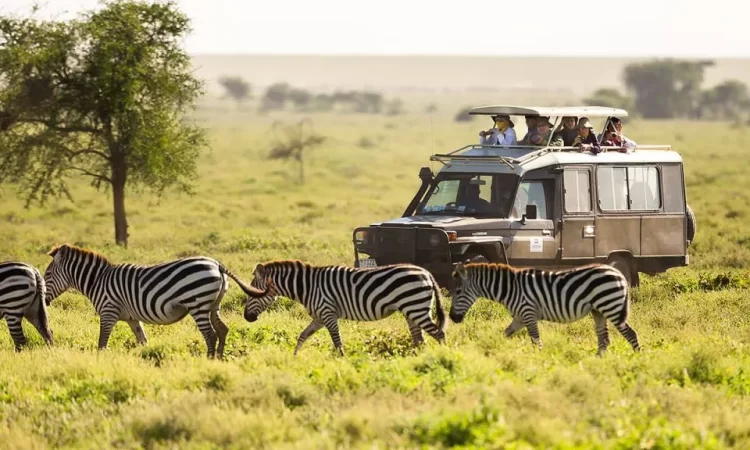
The concentration of wildlife during the dry months creates extraordinary safari opportunities. Lions, leopards, and hyenas linger near water points, awaiting prey. Herds of elephants, buffalo, and antelope gather in great numbers. The scenes can be both beautiful and intense — life clustered around scarcity, yet thriving in resilience.

This is the prime safari season for game viewing, as visibility is higher and animals are more predictable in their movements. Photographers favor this time for the clarity of light and easier access to wildlife sightings.
What are wildlife migration or seasonal patterns in Uganda?Patterns Across Uganda’s Major Ecosystems

Each of Uganda’s ecosystems has its own rhythm and seasonal pattern — shaped by its geography, altitude, and ecology. Understanding these regional nuances deepens the safari experience and reveals how interconnected Uganda’s wilderness truly is.

The Savannah Plains of Queen Elizabeth and Murchison Falls

In Uganda’s great savannah parks — Queen Elizabeth National Park and Murchison Falls National Park — wildlife movements are driven largely by the seasonal fluctuations of the rivers and grasslands.

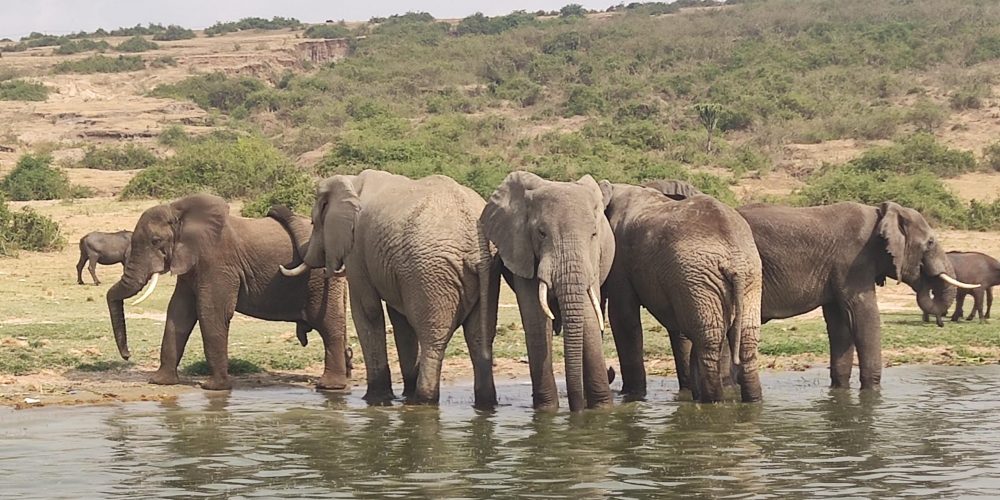
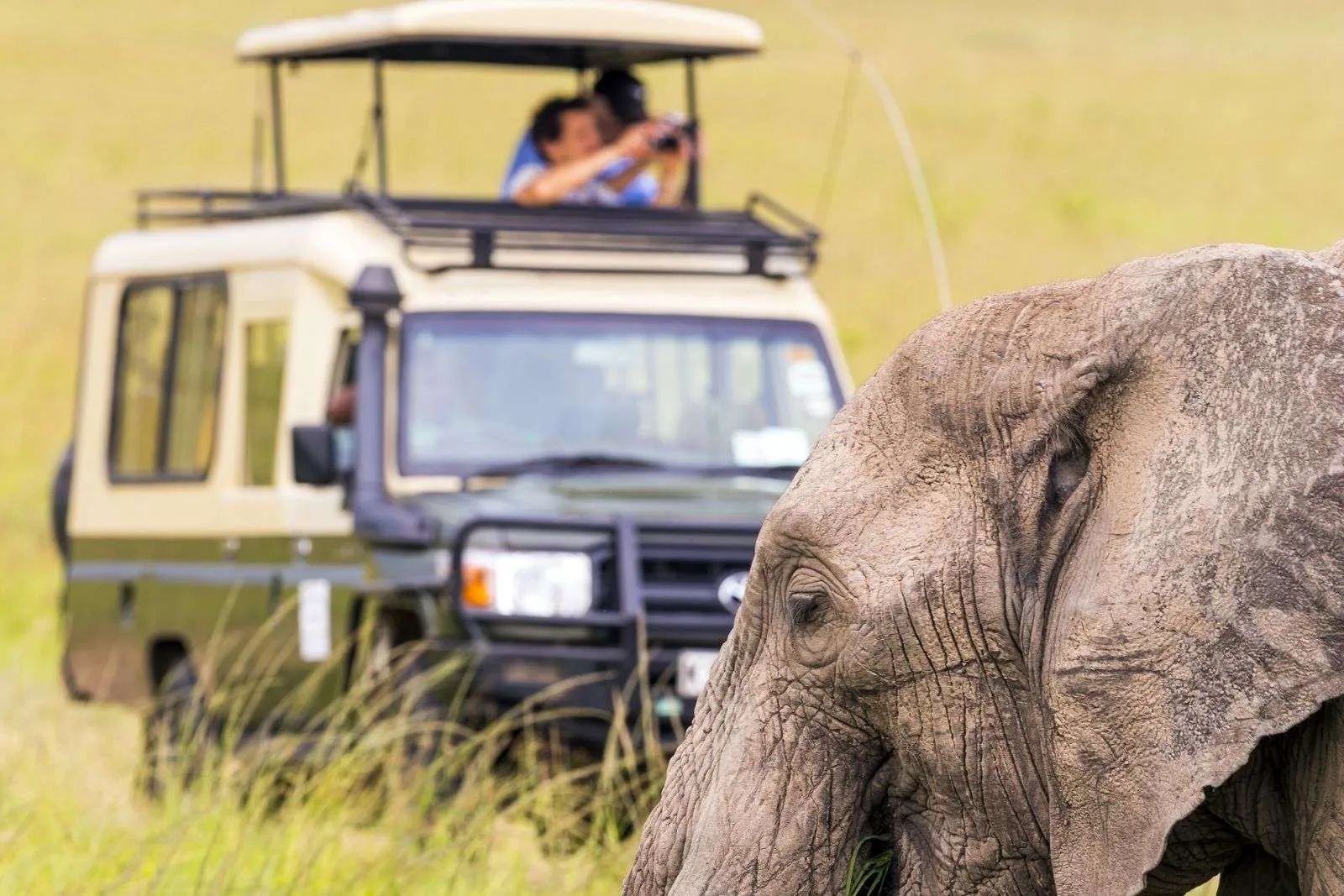
During the dry seasons, the Kazinga Channel, Lake George, and Victoria Nile become lifelines. Elephants, hippos, and antelope gather near these permanent water bodies, while predators such as lions and leopards follow closely.

When the rains return, herds disperse into the wider plains to feed on new vegetation. The once-dry grasslands come alive with vibrant hues, and birdlife flourishes. The cycle of movement here is subtle but powerful — a dance of retreat and expansion that mirrors the ebb and flow of the seasons.

The Forest Ecosystems of Bwindi, Kibale, and Mgahinga

Uganda’s forests are ruled by different rhythms — not vast migrations, but localized, seasonal movements within dense vegetation. In Bwindi Impenetrable Forest, Kibale Forest, and Mgahinga Gorilla National Park, the patterns revolve around fruiting cycles and food availability.

Mountain gorillas, chimpanzees, and monkeys move through their territories in search of ripening fruits, young leaves, and blossoms. Their movements are often influenced by elevation and rainfall: during wetter months, primates may stay higher in the canopy or venture deeper into the forest, while drier periods may draw them closer to lower elevations.

These subtle patterns ensure a constant but shifting mosaic of wildlife activity, making forest trekking a uniquely dynamic experience year-round.

The Wetlands and Lakes of Central Uganda

The wetlands, lakes, and swamps — from Mabamba Bay on Lake Victoria to Lake Kyoga and Lutembe Beach — are sanctuaries of movement. Here, the migration of birds is among the most dramatic wildlife events in Uganda.

Between August and April, Uganda becomes a rest stop and feeding ground for migratory birds from as far as northern Europe and central Asia. The rains replenish fish populations and insect life, attracting herons, sandpipers, kingfishers, and the iconic shoebill stork.

As water levels fluctuate, birds move between shallower and deeper areas, turning the wetlands into living mosaics of motion and sound.

The Dry Valleys of Kidepo and Karamoja

In Uganda’s far northeast, Kidepo Valley National Park and the Karamoja region experience more extreme fluctuations. The dry season here can be harsh, forcing wildlife to migrate along river systems and across borders in search of food and water.

When the rains return, Kidepo’s grasslands burst into life. Buffaloes, elephants, and antelope reclaim the plains, and predators once again roam in abundance. These cycles of scarcity and renewal give Kidepo its untamed beauty — a rhythm as ancient as the land itself.

Bird Migration: The Sky’s Great Symphony

While Uganda’s mammal movements may be localized, its bird migrations are continental in scale. Over 250 migratory species pass through the country annually, joining more than 1,000 resident species to make Uganda one of Africa’s greatest birding destinations.

Bird migration is governed by global seasons and Uganda’s equatorial balance. When northern latitudes cool, flocks of storks, bee-eaters, swallows, and wagtails travel southward to Uganda’s wetlands and forests, where warmth and food abound.

By March and April, as the northern spring begins, these same travelers take wing again, leaving behind a landscape enriched by their temporary presence.

Wetlands like Mabamba Bay, Queen Elizabeth’s crater lakes, and Lake Bunyonyi come alive during this time — a spectacle of color and sound that transforms Uganda’s skies into a living symphony of wings.

The Subtle Migrations of the Great Mammals

Although Uganda does not host a vast transboundary migration like Kenya or Tanzania, it witnesses extraordinary micro-migrations that are vital to its ecosystems.

In Queen Elizabeth National Park, elephants and buffaloes move between the park’s northern and southern sectors depending on rainfall and vegetation cycles. The Ishasha plains see seasonal shifts in both antelope herds and tree-climbing lions, whose behavior may be influenced by prey movements.

In Murchison Falls, elephants and giraffes migrate seasonally between riverine and grassland habitats, while in Lake Mburo, zebra and impala patterns reflect local rainfall and pasture regeneration.

These internal migrations are critical to maintaining ecological balance. They prevent overgrazing, promote vegetation renewal, and sustain predator-prey dynamics — the invisible threads that hold Uganda’s wild tapestry together.

Conservation and the Future of Movement

The beauty of Uganda’s seasonal wildlife movement lies in its fluidity — yet that very fluidity depends on space, habitat, and ecological integrity. Wildlife corridors connecting parks such as Kibale and Queen Elizabeth or Murchison Falls and Karuma are essential to ensure that animals can continue their natural migrations.

As human settlement expands and climate change alters rainfall patterns, these routes face growing pressure. Protecting them means preserving the very essence of Uganda’s natural rhythm.

Conservation programs now focus on restoring connectivity — creating wildlife corridors, reducing conflict with communities, and monitoring climate-driven changes in migration. For travelers, supporting such initiatives through eco-conscious tourism ensures that the pulse of Uganda’s wilderness continues to beat strong.

Timing Your Safari: Following the Rhythms of Nature

Understanding these migration and seasonal patterns allows travelers to plan safaris that align perfectly with nature’s flow.

For those seeking abundant game and clear views, the dry seasons offer unparalleled opportunities. Wildlife gathers near rivers and lakes, visibility improves, and every drive reveals dense clusters of life.

For those who prefer lush landscapes, vibrant colors, and abundant birdlife, the wet seasons provide a feast for the senses. Forest trekking becomes particularly rewarding as primates are active and vegetation thrives.

Transitional months such as September and November often strike a perfect balance — fewer crowds, moderate weather, and wildlife on the move.

Whichever time you choose, aligning your safari with Uganda’s natural rhythm ensures that each moment — whether on a savannah plain, forest trail, or misty lake shore — resonates with authenticity and life.

Experiencing Uganda’s Seasons with WildHorn Africa

To truly connect with Uganda’s wildlife patterns, travelers need not only timing but expertise. This is where WildHorn Africa distinguishes itself. As a leading safari operator deeply attuned to Uganda’s ecosystems, WildHorn Africa crafts experiences that flow with the seasons rather than against them.

Whether it’s positioning guests near the Kazinga Channel during the dry months, organizing gorilla treks when forest conditions are optimal, or curating birding safaris during migration peaks, WildHorn Africa ensures that your journey aligns with the country’s living rhythm.

Through careful planning, knowledgeable guides, and authentic lodges, your safari becomes more than an adventure — it becomes an immersion into the cyclical heartbeat of Uganda’s wilderness.

Book your Africa tours and safaris via WildHorn Africa, and witness how every season tells a different story — from the emerald bloom of the rains to the golden stillness of the dry plains. Here, the land never sleeps, and the wild is always on the move.
How to deal with jet-lag / time-zone when travelling to Uganda?

How to deal with jet-lag / time-zone when travelling to Uganda?

By Travel stories and blogs, Uganda travel guides

How to Deal with Jet-Lag and Time-Zone Change When Travelling to Uganda | WildHorn Africa | time-zone when travelling to Uganda?

Travelling from your home country to the lush wilderness and vibrant life of Uganda is an experience filled with excitement, wonder, and anticipation. Yet along with that excitement comes a challenge that many travelers underestimate: jet-lag and time-zone adjustment. When your internal body clock remains aligned to your home country while the environment around you follows a completely different rhythm, even the most thrilling safari can begin with fatigue and disorientation.

For those heading to Uganda — where early morning game drives, gorilla trekking, and long days of exploration are common — managing jet-lag is not just a comfort issue; it’s an essential part of preparing for a successful safari. In this comprehensive guide, we explore the science behind jet-lag, its impact on your body, and the best ways to minimize its effects before, during, and after your journey. By understanding how to align your internal clock with Uganda’s local time, you’ll arrive refreshed, alert, and ready to fully enjoy the adventure that awaits.

Understanding Jet-Lag and Time-Zone Change

Jet-lag occurs when your circadian rhythm — the body’s internal clock that regulates sleep, alertness, digestion, and hormones — is disrupted by rapid travel across multiple time zones. The body expects daylight, meals, and rest at certain hours, but when those cues change suddenly, your system needs time to recalibrate.

Traveling to Uganda often means crossing several time zones, especially for visitors from Europe, North America, or Asia. Uganda operates on East Africa Time (EAT), which is GMT+3, and does not observe daylight savings. Depending on where you depart from, your arrival could mean jumping ahead several hours, which tricks your body into thinking it’s still nighttime when it’s midday — or vice versa.

Common symptoms include fatigue, insomnia, poor concentration, irritability, loss of appetite, and even mild nausea. For safari travelers, these symptoms can affect performance, alertness, and overall enjoyment. Gorilla trekking or early morning drives in Murchison Falls or Queen Elizabeth National Park require energy, focus, and enthusiasm — none of which thrive under jet-lag.

That is why managing your body’s time adjustment is vital before your journey even begins.

Why Time-Zone Preparation Matters for a Safari

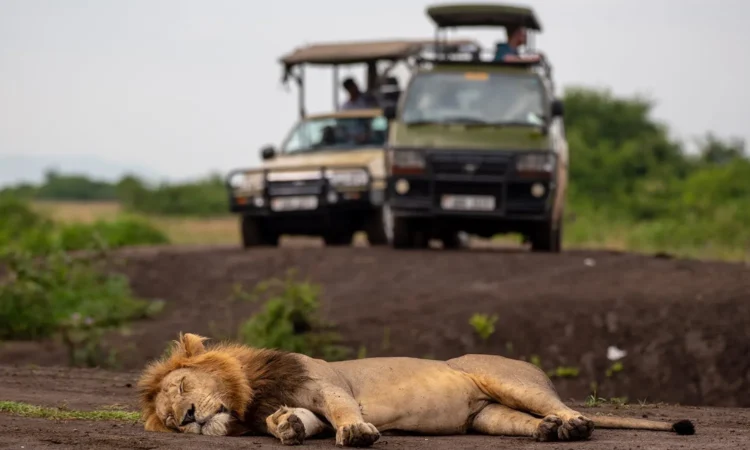
Uganda’s safaris are built around rhythm and timing. Game drives start early, sometimes before sunrise, to catch predators while they are active and to witness the golden glow of dawn across the savannah. Gorilla trekking in Bwindi Impenetrable Forest or Mgahinga Gorilla National Park also begins in the morning, with briefing sessions starting as early as 7:30 AM.

If your internal clock is still six or eight hours behind, these experiences can feel like hiking or driving through the wilderness in the middle of the night. Fatigue reduces awareness and enthusiasm, dulling your senses when you should be alive to every sound and movement.

Jet-lag can also affect your digestion, appetite, and hydration — all of which are critical when you’re active in warm climates or at higher altitudes. Adjusting your rhythm early ensures your energy, mood, and immune system function at their best throughout the safari.

Essentially, preparing for Uganda’s time zone is not a small detail — it is a form of safari conditioning that helps your body adapt to the adventure ahead.

Pre-Trip Preparation: Aligning Before You Fly

The best defense against jet-lag begins before your flight. The idea is to gently guide your body toward Uganda’s schedule a few days in advance.

Start by adjusting your sleep and wake times closer to Uganda’s local time. If you’re traveling eastward, try going to bed and waking up an hour earlier each day for three or four days before departure. This helps your body ease into the new rhythm rather than experiencing a sudden shift upon arrival.

Hydration is another important factor. Dehydration exacerbates jet-lag symptoms, and since airplane cabins are notoriously dry, beginning your journey well-hydrated makes adaptation easier. Avoid alcohol and heavy caffeine consumption before and during your flight, as these can interfere with sleep quality and cause further dehydration.

It is also helpful to schedule meals in alignment with your destination’s time zone. For example, if you know breakfast time in Uganda corresponds to 7 AM local time, start adjusting your eating schedule slightly closer to that pattern a few days before departure.

Finally, get plenty of rest before your journey. Many travelers make the mistake of staying up late packing or working before long-haul travel, arriving already sleep-deprived. Start your safari from a rested state — not an exhausted one — and your body will adjust more smoothly.

Managing Jet-Lag During the Flight

Once onboard, your journey toward time adjustment continues. As soon as you settle into your seat, set your watch to Uganda’s time. This psychological cue helps your body and mind start adapting before you land.

Try to mimic Uganda’s day-night schedule during your flight. If it’s nighttime at your destination, aim to sleep — use earplugs, an eye mask, or noise-cancelling headphones to create darkness and calm. If it’s daytime, stay awake, walk around occasionally, stretch, and drink plenty of water.

Choose light meals and avoid overindulgence; your digestion will thank you. Airplane food, combined with inactivity, can slow metabolism and affect how quickly your body synchronizes to local time. Light, balanced meals make the transition easier.

Most importantly, avoid excessive caffeine or alcohol on board. Both can disturb sleep patterns and dehydrate you. Even one or two drinks can make recovery slower once you land.

During the flight, movement is key. Walk the aisles, flex your legs, and perform gentle stretches. Circulation not only prevents stiffness and swelling but also supports oxygen flow, helping your brain stay alert when you arrive.

The First 24 Hours in Uganda: Syncing to Local Time

The moment you step off the plane in Entebbe, your body begins receiving new environmental cues — sunlight, warmth, local meals, and sounds. These are your allies in adjusting to the time zone.

Spend your first hours outdoors, absorbing natural sunlight. Light exposure is the most powerful way to reset your circadian rhythm. Morning light helps your body understand that it’s daytime, signaling the release of hormones like cortisol that promote wakefulness.

Eat local meals at regular Ugandan times, even if your body isn’t yet hungry. Doing so helps reset your digestion and metabolism to the new time zone.

Avoid long naps during the day, especially after arrival. Short naps of 20 to 30 minutes can help relieve fatigue, but anything longer can confuse your body and delay full adjustment. If you arrive in the morning, try to stay awake until evening local time before going to bed.

When night falls, create a restful environment to encourage quality sleep. Keep the room dark, cool, and quiet. Avoid screens or bright lights before bed, as they can suppress melatonin and delay sleep onset.

By syncing your sleep, meals, and light exposure to Uganda’s natural rhythm, you can significantly shorten the time your body needs to adapt.

How to deal with jet-lag / time-zone when travelling to Uganda?Maintaining Energy and Focus During the Safari
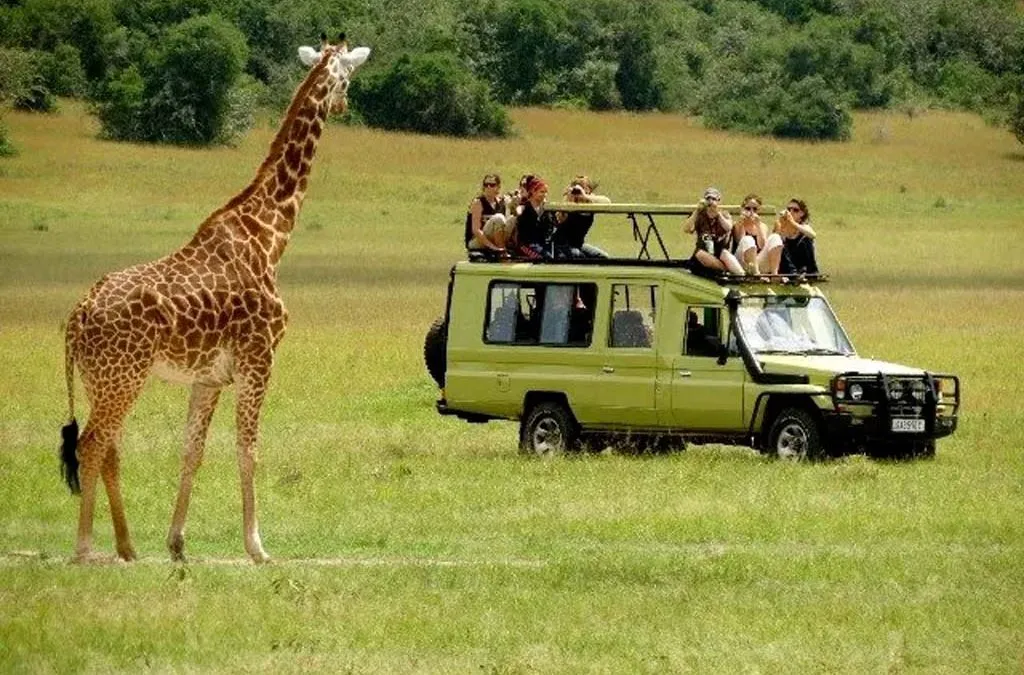
Once your safari begins, maintaining alignment with local time becomes part of the experience. Early mornings in Uganda are magical — the air crisp, the landscapes glowing gold, and wildlife most active. Being in sync allows you to feel that magic fully.

Eat breakfast early, hydrate regularly, and stay active throughout the day. Gentle physical activity, like walking, stretching, or swimming at the lodge, reinforces your body’s new rhythm.

Avoid oversleeping during the day. While a short siesta between game drives can be rejuvenating, long naps will push your bedtime later and slow adjustment.

Evening routines also matter. As darkness falls, minimize bright artificial light, especially from phones or laptops. Spend time outdoors under natural light, enjoying the sounds of the night. This calm, sensory environment helps your body wind down naturally, improving the quality of your sleep.

Remember that your internal rhythm will fully stabilize within two to four days. By keeping a consistent daily routine — waking up at sunrise, eating on schedule, and resting after dark — your body aligns effortlessly with Uganda’s environment.

Avoiding Common Mistakes Travelers Make

Some travelers unknowingly make choices that worsen jet-lag instead of easing it. One frequent mistake is scheduling an intense safari itinerary immediately upon arrival. Jumping straight from a long flight to a gorilla trek or 6 AM game drive leaves little room for recovery.

Another error is indulging in long daytime naps or sleeping immediately after landing. This reinforces your home time zone rather than helping your body adopt Uganda’s local time.

Overconsumption of caffeine or alcohol, especially on the first day, also delays adjustment. These substances may give short-term relief from fatigue but disrupt sleep quality later.

Finally, staying indoors for too long prevents your body from receiving the sunlight cues it needs to reset. Spending your first day in natural light — even if only walking near your lodge — dramatically improves adaptation speed.

The Role of Diet, Hydration, and Exercise

Nutrition and hydration are powerful yet often overlooked tools in managing jet-lag. Balanced meals high in fruits, vegetables, and lean protein provide energy without overloading your digestive system. Avoid heavy or greasy meals, particularly late at night.

Hydration is essential throughout your journey. Uganda’s warm climate and active safari days increase your body’s need for fluids. Drinking water regularly — from the flight to your final day — supports metabolism, temperature regulation, and overall energy.

Light physical activity also helps. Whether it’s a gentle walk in Entebbe’s botanical gardens, a short stretch after long drives, or swimming at a lodge, movement encourages blood flow, reduces stiffness, and promotes better sleep.

Together, these habits allow your body to adjust more quickly and maintain steady energy for the duration of your trip.

Creating a Time-Zone-Friendly Safari Itinerary

A well-structured itinerary can make all the difference in how you adjust to Uganda’s rhythm. Experienced operators like WildHorn Africa understand the importance of pacing your first few days strategically.

Ideally, travelers arrive in Uganda and spend their first night in Entebbe or Kampala, where they can relax, enjoy a leisurely dinner, and sleep early. This buffer day gives the body time to recover before embarking on long journeys to national parks or high-altitude treks.

After this gentle start, the safari can gradually build intensity — game drives, cultural visits, or gorilla tracking — as your body becomes fully attuned to the local schedule.

A time-zone-friendly itinerary balances adventure with recovery. It allows you to experience Uganda’s wilderness at your best — alert, energized, and deeply present.

Emotional Benefits of Overcoming Jet-Lag

When you arrive in Uganda aligned and refreshed, you experience the country with heightened awareness. You notice the pink hues of dawn over Lake Victoria, the rhythm of drumming in a distant village, and the playful chatter of vervet monkeys at sunrise.

Overcoming jet-lag doesn’t just improve comfort; it transforms your perception of travel. You feel grounded in the present, not caught between time zones. The joy of the journey begins from the first sunrise, not several days later when exhaustion fades.

Travel is as much about presence as it is about destination — and managing your rhythm is key to that presence.

Final Thoughts: Begin Your Journey Ready

Uganda’s allure lies in its contrasts — the untamed wildness of its parks and the serenity of its lakes, the rhythm of its people and the heartbeat of its forests. To experience this harmony, travelers must arrive in tune — not just physically, but rhythmically.

Managing jet-lag and time-zone change is part of that preparation. Through gradual sleep adjustments, healthy travel habits, and mindful scheduling, you ensure your body and spirit arrive together, ready to embrace Uganda’s wonders.

And as every experienced traveler knows, preparation is half the journey. By booking your safari with an expert team like WildHorn Africa, you gain not only seamless logistics and local expertise but also thoughtful travel pacing designed to minimize fatigue and maximize immersion.

Whether you’re trekking through Bwindi, gliding across the Kazinga Channel, or standing at the edge of Murchison Falls, your journey deserves clarity, energy, and wonder from the first moment to the last.

Book your Africa tours and safaris via WildHorn Africa — where each journey is designed to begin in perfect rhythm with the heart of Uganda.

What wildlife conservation challenges are facing Uganda and how can travellers help?

What wildlife conservation challenges are facing Uganda and how can travellers help?

By Travel stories and blogs, Uganda travel guides

Wildlife Conservation Challenges in Uganda and How Travellers Can Help | WildHorn Africa

Uganda, the “Pearl of Africa,” sits at the heart of East Africa’s biodiversity, where lush rainforests, sprawling savannahs, and shimmering lakes converge into one of the richest wildlife landscapes on the continent. From the majestic mountain gorillas of Bwindi Impenetrable National Park to the roaring lions of Queen Elizabeth and the thundering Murchison Falls on the Nile, Uganda’s ecosystems sustain an extraordinary range of life. Yet beneath this natural splendour lies a pressing reality — Uganda’s wildlife is under increasing threat. The delicate balance between people and nature faces unprecedented challenges driven by human pressures, climate change, and limited resources.

This article explores the key conservation challenges facing Uganda and the meaningful role travellers can play in safeguarding this precious heritage. It offers a deeper, structured perspective that merges factual depth, conservation insight, and practical awareness, ensuring readers understand not just what is at stake, but how their journeys can be part of the solution.

The Fragile Beauty of Uganda’s Natural Heritage

Uganda is home to more than half of the world’s remaining mountain gorillas, over 1,000 species of birds, and a diverse range of mammals including elephants, leopards, chimpanzees, and hippos. These species live across a mosaic of ecosystems—from tropical forests like Bwindi and Kibale to wetlands such as the Mabamba Swamp, and the great savannah plains of Murchison Falls and Kidepo Valley.

Each region plays a critical ecological role, serving as a reservoir of life, a carbon sink, and a source of livelihoods for local communities. However, this intricate web is increasingly strained by human expansion, illegal wildlife trade, and environmental degradation. The paradox is clear: as Uganda grows economically and demographically, its wild places are shrinking.

To understand how travellers can help, one must first examine the deep-seated challenges facing conservation in Uganda today.

1. Habitat Loss and Fragmentation

One of the gravest threats to Uganda’s wildlife is habitat loss. Expanding farmlands, urban sprawl, and infrastructural development continue to encroach upon forests, wetlands, and grasslands. The country’s population has soared past 48 million, and with this growth comes an increasing demand for agricultural land and settlement space.

National parks and reserves, once vast and connected, are now fragmented into isolated patches. This fragmentation prevents animal migration and breeding, reducing genetic diversity and increasing human-wildlife conflicts. For example, elephants migrating from Queen Elizabeth National Park to Kyambura Gorge often encounter farms, resulting in crop destruction and retaliatory killings.

In forested regions such as Bwindi and Kibale, local communities rely heavily on the forests for fuelwood, honey, and building materials. As the forests shrink, wildlife like chimpanzees and gorillas find themselves in closer contact with humans, heightening the risk of disease transmission and further conflict.

Without sustainable land-use planning, Uganda risks losing critical wildlife corridors that connect parks and reserves, which are essential for the long-term survival of many species.

2. Poaching and Illegal Wildlife Trade

Despite stringent laws, poaching remains a pervasive threat to Uganda’s wildlife. Although large-scale elephant poaching has decreased since the 1980s, bushmeat hunting and the illegal trade in wildlife products continue to thrive. In some communities, bushmeat is seen as a source of protein and income, making enforcement a challenge in rural areas.

Species such as pangolins, grey parrots, and leopards are especially vulnerable to trafficking. The global demand for exotic pets, traditional medicine, and ornamental products drives this trade underground. Even protected areas like Queen Elizabeth National Park and Murchison Falls National Park are not immune, with poachers exploiting porous borders and limited ranger patrols.

The Uganda Wildlife Authority (UWA) has made commendable efforts, from increasing ranger training to deploying surveillance drones, yet the fight remains uphill. Weak penalties, corruption, and inadequate funding undermine enforcement. Until communities view wildlife as an economic asset rather than competition or prey, poaching will remain difficult to eliminate.

3. Human-Wildlife Conflict

Uganda’s human-wildlife conflict is a complex and emotional issue. In regions bordering national parks, people and animals often compete for space and resources. When elephants raid crops, lions prey on livestock, or hippos trample gardens, families face devastating economic losses.

This tension fosters resentment toward conservation authorities and sometimes leads to retaliatory killings. Such conflicts have been particularly severe in areas adjacent to Queen Elizabeth, Kidepo, and Murchison Falls national parks. For subsistence farmers, one night’s raid by elephants can erase an entire season’s income.

Efforts to mitigate conflict — such as community fencing, chilli deterrent programs, and compensation schemes — have shown promise but require consistent funding and engagement. Conservation success in Uganda will ultimately depend on creating coexistence models where people benefit from protecting wildlife, not suffer from it.

4. Climate Change and Environmental Degradation

Climate change poses a silent but escalating threat to Uganda’s biodiversity. The country’s ecosystems are finely tuned to predictable weather patterns, but rising temperatures and erratic rainfall are altering that balance.

Wetlands are drying up, forest fires are increasing, and droughts are becoming more frequent. Species that depend on specific habitats — like the shoebill stork in marshlands or mountain gorillas in misty forests — are being forced to adapt or relocate.

For example, Lake Mburo and Queen Elizabeth National Parks have recorded fluctuations in water levels, impacting hippos and crocodiles. In highland areas like Rwenzori and Bwindi, the changing climate affects plant species that serve as key food sources for gorillas.

Climate-induced habitat shifts also drive people into conservation areas seeking fertile land, amplifying pressures on fragile ecosystems. The cumulative impact of climate change may not be as visible as poaching, but it is equally destructive and far more insidious.

5. Limited Funding and Institutional Capacity

Conservation in Uganda is expensive and underfunded. The Uganda Wildlife Authority relies heavily on tourism revenue, which collapsed during the COVID-19 pandemic. This financial strain led to staff layoffs, reduced patrols, and a spike in illegal activities.

Even in recovery, funding remains inconsistent. Many parks lack adequate equipment, vehicles, and monitoring technology. Rangers, who risk their lives daily, often work under difficult conditions with limited resources.

International NGOs and donor programs have been instrumental in supporting projects, but long-term sustainability depends on domestic investment and community-driven initiatives. Without predictable funding streams, conservation remains vulnerable to external shocks.

6. Population Pressure and Land Use Conflicts

Uganda’s rapidly growing population exerts enormous pressure on natural resources. Rural communities, dependent on agriculture, continue to expand into wildlife habitats. The tension between conservation goals and human needs is particularly evident in Albertine Rift regions, where fertile soils attract settlers but overlap with biodiversity hotspots.

As farmlands push deeper into forest zones, protected areas like Budongo and Kibale face encroachment. Unregulated charcoal burning and deforestation compound the problem. The challenge lies in balancing human development with environmental protection — a balance that requires inclusive planning, education, and economic alternatives.

If unchecked, the encroachment could isolate Uganda’s parks, reducing them to biological “islands” unable to support viable wildlife populations in the long term.

7. Disease Transmission Between Humans and Wildlife

Another emerging concern is zoonotic disease transmission, especially in regions where humans and primates coexist closely. Gorillas and chimpanzees share over 98% of their DNA with humans, making them highly susceptible to respiratory infections and viruses.

Tourism brings immense conservation funding, but it also introduces the risk of disease spread if guidelines are ignored. During the pandemic, Uganda’s gorilla parks temporarily closed to protect the apes, underscoring the fragility of this coexistence.

Sustainable tourism practices — maintaining a safe distance, wearing masks, and limiting visitor numbers — have been implemented to mitigate risk. Yet as tourism rebounds, vigilance remains vital to prevent outbreaks that could decimate primate populations.

What wildlife conservation challenges are facing Uganda and how can travellers help?8. Weak Community Involvement and Benefit Sharing

For conservation to succeed, local communities must benefit from it. Historically, many people living around parks have felt excluded from decision-making processes and revenue distribution. This exclusion fuels resentment and non-cooperation.

Community-based conservation projects, such as revenue-sharing programs, eco-tourism ventures, and village tourism associations, are reshaping this dynamic. However, implementation gaps persist. Some communities still receive minimal benefits compared to the economic value tourism generates.

Where people see tangible returns — through jobs, infrastructure, or education — they become active stewards of conservation. Uganda’s future lies in expanding these inclusive models, ensuring that conservation is not perceived as an external imposition but as a shared livelihood.

9. Infrastructure Development and Industrial Pressure

Uganda’s development agenda includes large-scale projects such as road expansions, hydroelectric dams, and the oil extraction program in the Albertine Graben. While essential for economic growth, these projects pose significant environmental risks if not carefully managed.

Roads fragment habitats, pipelines disrupt wetlands, and oil exploration threatens sensitive ecosystems like Murchison Falls National Park. Environmental impact assessments are sometimes overlooked or inadequately enforced, resulting in long-term ecological damage.

Balancing national development and conservation requires transparent governance, rigorous oversight, and sustainable alternatives that prioritize both nature and progress.

How Travellers Can Help Safeguard Uganda’s Wildlife

While the challenges are immense, travellers play a crucial role in shaping the future of conservation. Every responsible journey has the potential to create a ripple effect — supporting local economies, financing conservation, and inspiring global awareness.

Choosing Responsible Tour Operators

Travellers can amplify their impact by booking with eco-conscious tour operators who prioritize sustainability, community involvement, and conservation ethics. Responsible companies invest directly in local initiatives, support anti-poaching efforts, and employ community guides who serve as ambassadors for wildlife protection.

By selecting trusted partners such as WildHorn Africa, visitors ensure that their travel dollars contribute to positive conservation outcomes rather than exploitation.

Supporting Community Tourism

Community tourism initiatives allow travellers to experience Uganda authentically while empowering local people. Home stays, cultural encounters, and community walks not only enrich the visitor experience but also provide alternative incomes that reduce reliance on poaching or deforestation.

When local communities earn through conservation, wildlife becomes their shared treasure rather than a threat.

Respecting Wildlife and Park Regulations

Responsible travel extends beyond financial support — it includes ethical behaviour. Maintaining safe distances, avoiding noise disturbances, not feeding animals, and following park guidelines help minimize human impact on wildlife.

Travellers who adhere to these principles contribute to the wellbeing of species like mountain gorillas and chimpanzees, ensuring minimal stress and maximum protection during encounters.

Offsetting Carbon Footprints

As global travel contributes to carbon emissions, visitors can reduce their ecological footprint by choosing carbon offset programs, supporting tree planting projects, or opting for low-impact travel modes within Uganda.

Contributing to reforestation efforts around Bwindi, Kibale, or Murchison Falls not only offsets emissions but also helps restore degraded habitats vital to wildlife survival.

Spreading Awareness and Advocacy

Tourists can become ambassadors for Uganda’s wildlife. Sharing authentic stories, photographs, and conservation messages helps educate others and inspire responsible travel choices. The ripple effect of informed advocacy can influence global attitudes and generate lasting support for Uganda’s conservation agenda.

The Role of Government and International Partnerships

While travellers play a significant role, sustainable conservation requires collaboration between governments, NGOs, researchers, and communities. Uganda’s policies, such as the Wildlife Act and the Community Conservation Strategy, provide a strong foundation, but implementation depends on sustained partnerships and funding.

International alliances with organizations like the World Wildlife Fund (WWF), Conservation Through Public Health (CTPH), and Jane Goodall Institute continue to provide technical expertise and resources. However, the long-term success of conservation efforts rests on Uganda’s ability to localize these strategies, empowering citizens as active custodians of nature.

A Shared Future Between Humans and Nature

Uganda’s story is one of resilience and rebirth. Decades of poaching and deforestation have taken their toll, yet the country has shown extraordinary recovery through community empowerment, gorilla tourism, and international collaboration.

The sight of a mountain gorilla mother cradling her infant in the misty hills of Bwindi or a herd of elephants crossing the Kazinga Channel at sunset remains a symbol of hope — proof that when nature is protected, humanity thrives too.

The future depends not on whether Uganda can save its wildlife, but whether people — both Ugandans and travellers — can see themselves as part of the same ecological family. Each visit, each conscious choice, becomes an act of preservation for generations yet to come.

The Call to Action

Uganda’s wildlife is not merely a national treasure; it is a global legacy. Protecting it requires empathy, awareness, and shared responsibility. As travellers explore the Pearl of Africa, their decisions shape the future of its forests, rivers, and plains.

By choosing to travel responsibly, support conservation-focused operators, and engage with local communities, visitors become part of a movement that transcends borders. Every safari becomes more than an adventure—it becomes a commitment to ensuring that Uganda’s wild beauty endures.

For those inspired to witness this wonder firsthand while contributing to its preservation, the journey begins with a choice — a choice to book your African tours and safaris with WildHorn Africa, where every expedition supports conservation, uplifts communities, and honours the wild heart of Africa.

What health clinics/facilities exist for tourists in Uganda?

What health clinics/facilities exist for tourists in Uganda?

By Travel stories and blogs, Uganda travel guides

What Health Clinics and Facilities Exist for Tourists in Uganda? | WildHorn Africa Safari Health Guide

Visiting Uganda for a safari adventure means immersing oneself in some of the most beautiful and wild places on Earth. From the mist-wrapped slopes of the gorilla forests to the wide African savannahs, every corner offers unforgettable experiences. Yet, amidst the excitement of exploration, one question quietly but importantly arises: what happens to your health when you’re far from home? In Uganda, preparing for health contingencies is as vital as packing binoculars or booking lodges. Knowing what health clinics and facilities are available for tourists can make the difference between a minor setback and a manageable incident.

This article presents a detailed exploration of the health infrastructure in Uganda relevant to travellers and safari visitors. It examines the major clinics and hospitals in urban areas, the health support in safari regions and national parks, the standard of care, evacuation-issues, how to choose a facility in a remote location, and practical advice for staying healthy before, during and after your Uganda journey. At the end you will be guided toward trusted safari support by WildHorn Africa, recognising that the best health preparation often begins with working with safari specialists who understand Uganda’s terrain and services.

The Health Landscape for Tourists in Uganda

Uganda’s health system is a mix of public and private facilities. In major cities such as Kampala and Entebbe, one will find well-equipped hospitals and private clinics offering high-quality care. However, many safari locations and national parks are remote, with limited access to advanced medical facilities. What this means for travellers is that preparation and awareness become paramount.

In practical terms, this means that if you fall ill or are injured in a remote location you may need evacuation to a major hospital. Having a clear understanding of the facilities available, and how to access them, therefore becomes part of responsible safari planning.

In addition to emergencies, the routine health concerns that affect travellers (such as malaria, diarrhoea, insect-borne illnesses, and accidents) must be managed before departure and during the trip. This is where clinics offering travel health services, vaccinations and pre-travel consultations become very relevant.

Major Clinics and Hospitals Accessible to Tourists

When you arrive in Kampala or travel through Uganda’s primary safari corridors, you will find several health facilities that are suitable for travellers. While no guarantee exists that every remote lodge has equivalent availability, knowing a few names and what they provide helps build confidence.

Norvik Hospital

Norvik Hospital, based in Kampala, is considered one of Uganda’s leading private hospitals. It offers advanced diagnostics and specialist care with departments such as intensive care, cardiology, paediatrics, internal medicine and surgery. For serious medical issues encountered while in Uganda’s more accessible zones, Norvik provides a strong option for treatment and referral.

St. Francis Hospital Nsambya

St. Francis Hospital Nsambya is a long-established faith-based hospital in Kampala. It provides emergency services, inpatient and surgical care, and also functions as a teaching hospital. For travellers staying in or passing through Kampala, Nsambya represents a reliable point of care.

Clinics Specialising in Travel Medicine and Vaccinations

Facilities such as Travel Clinic International and City Medicals Limited provide services tailored to travellers — including pre-travel consultations, vaccinations (for yellow fever, hepatitis, typhoid), and travel health advice. These clinics are important because they allow visitors to address health risks before venturing into remote areas.

Health Facilities in or near Safari and Remote Regions

When your safari leads you to national parks, forested areas, or remote lodges, you must be aware that the level of medical infrastructure will be lower. Many safari lodges may include first-aid facilities, and national parks often have ranger medical kits, but for serious care you may need to travel out of the park.

For example, some parks have modest clinics or health camps, but they may lack full emergency surgical capability, intensive care or specialist services. In such contexts, safari operators often arrange for rapid transport (by 4×4 or charter flight) to a larger hospital in Kampala or Entebbe. Thus travellers should plan evacuation contingencies into their health preparation.

When selecting a safari operator or lodging, one that communicates clearly about medical access, evacuation protocols, and nearest referral hospitals demonstrates higher standards of care and risk management. Knowing which hospital is reachable, how long the drive or flight is, and whether the lodge or operator has contracts or relationships in place is a mark of informed travel.

What Tourists Should Expect: Standard of Care and Practicalities

While the health sector in Uganda has many good facilities, tourists must set realistic expectations.

In urban centres, private hospitals offer relatively high standards of care, though still differing from those in developed countries in terms of speed, technology, and resources. Delays may occur and infrastructure constraints such as power supply or medicine shortages can sometimes arise.

In remote safari locations the care may initially be basic — first aid, stabilisation, and evacuation if required. Travellers needing advanced care such as intensive treatment or specialist surgery will likely be transported out of the park region.

Payment for healthcare is usually required up front or at time of admission, particularly for private facilities. Visitors should ensure they have travel insurance with coverage for treatment and evacuation abroad. It is also wise to carry photocopies of your passport, insurance details, emergency contacts, and a summary of medical conditions or medications.

English is widely used in most hospitals and clinics frequented by foreigners, but in remote areas communication may require assistance from your guide or lodge staff.

For safari companies, a good risk-management protocol includes the establishment of emergency contacts, ambulance or charter flight services, and clear communication to guests on how medical issues will be handled.

Pre-Trip Health Preparation: Clinics and Vaccination Services

Before travelling to Uganda for safari, it is wise to engage with a travel medicine clinic. These facilities provide not only required and recommended vaccinations but also advice on malaria prophylaxis, insect protection, traveller’s diarrhoea kits, and general health screening.

Travel Clinic International and City Medicals offer full ranges of travel vaccines and provide certificates of vaccination necessary for travel. Travellers are advised to visit such clinics four to six weeks before departure so that vaccinations can take effect.

Vaccinations recommended for Uganda include yellow fever (mandatory for most travellers), hepatitis A and B, typhoid, meningitis, polio, and tetanus/diphtheria. Getting travel health advice early gives time to complete vaccine courses, arrange any required prescription medication (for malaria or allergies), and adopt preventive hygiene practices.

In the safari context, pre-trip clinics become as important as the safari booking itself — they reduce the risk of illness impacting your journey and help ensure you arrive in Uganda healthy and ready.

What health clinics/facilities exist for tourists in Uganda?Managing Health During Safari

While on safari in Uganda, several health-related practices will enhance your safety and comfort. Carry a basic first-aid kit with essentials such as antiseptics, plasters, medicine for diarrhoea, pain relief, and any personal medication. Ensure that your travel insurance covers medications and care abroad.

Stay up to date with prescribed antimalarial medication, use mosquito-repellent, wear long sleeves and trousers in the early morning and evening, and stay in accommodation with screened windows or mosquito nets.

Food and water hygiene are also important: drink bottled or treated water, avoid raw vegetables if uncertain of washing standards, and eat in reputable lodges.

If you fall ill — especially in a remote location — notify your guide or lodge as soon as possible. Professional safari operators have protocols for transporting guests out of the park to the nearest medical facility. Time can be crucial in wilderness regions.

Always carry identification, insurance certificates, emergency contacts, and a list of medications or conditions. Lodges often ask for this information upon check-in to facilitate a faster response in case of emergencies.

When Illness or Injury Occurs: Clinics and Evacuation

Despite best preparation, accidents or illness may still occur. The key to handling them in Uganda is rapid action, clear communication with your safari operator or lodge staff, and being insured.

If the incident is minor and near a major town, you might be referred to a private hospital such as Norvik or Nsambya where diagnostics and treatment are available. If the incident happens deep in the bush, the first step is stabilisation and evacuation. Safari companies coordinate this process; professional lodges and operators often include evacuation clauses or have medical liaisons.

When using a private hospital, be prepared to pay up front or provide a guarantee from your insurance company. Keep all receipts, diagnostic reports, and medication details — these documents facilitate a later claim.

Your travel insurance must cover medical evacuation — transport by road or air to a fully equipped hospital if necessary. Without it, travellers may face large unplanned costs or delays in treatment.

After initial treatment, follow-up care may be required. Your safari operator can help coordinate logistics, accommodation changes and return travel as needed.

Limitations Tourists Should Understand

While Uganda offers solid health service options, tourists should understand the limitations. Rural areas may have extremely limited facilities: no specialist surgeons, no intensive care units, and minimal diagnostics. Electricity or supply issues can occur. Ambulance services and emergency vehicles may be delayed in remote terrain.

Emergency response in remote parks depends on fixed access roads, charter flights, or helicopter evacuation — all at significant cost if not pre-arranged. Even in urban hospitals, standards may differ from those in your home country.

Seasonal diseases such as malaria, dengue, cholera, and typhoid can occur. Up-to-date traveller health advice and preventive action are essential.

Tourists must take responsibility for their health preparation — vaccinations, travel insurance, personal medication, and preventive hygiene. Relying solely on local services without prior planning increases risk.

Choosing the Right Facility for Your Travel Needs

Selecting the right health facility involves matching your itinerary, risk level, and medical history with available services.

If your safari concentrates in Kampala or other urban centres, access to major private hospitals is likely. If your safari takes you into forests, remote reserves, or rural drives, then your health plan must include a remote response strategy.

Before booking, ask your operator: which hospital is contracted for guests in case of emergencies, how far is it from my lodge, what is the evacuation plan, does the lodge have first-aid and medical care, which clinic handles non-emergency issues, and is there 24-hour medical support? Choose an operator that communicates these details clearly.

Identify a travel clinic before departure for vaccinations and a health review. Confirm that your insurance includes medical evacuation and that the clinics you might use in Uganda can coordinate with your policy.

Maintain a backup plan: keep your insurance details, emergency contacts, and a summary of your medications and conditions. In some cases, tele-medicine consultations can also provide quick support; check whether your operator or clinic offers this service.

Staying Healthy in Uganda: A Tourist’s Approach

Beyond knowing where clinics are, staying well during your trip is essential. Travellers should adopt a mindset of prevention and proactivity. Have a travel health check-up before departure, ensure all recommended vaccinations are complete, stock a small first-aid kit, and inform your tour operator of any health conditions.

During the safari, stay hydrated, rest sufficiently, avoid exhaustion, wear insect repellent and protective clothing, and pay attention to food hygiene. If you feel unwell, seek care early — early intervention in remote zones prevents major complications.

After your safari, continue monitoring for signs of illness such as fever or stomach discomfort. Keep the contact information for your clinic or operator in case you need follow-up.

The Role of Safari Operators in Health Safety

A key partner in managing health risks is your safari operator. A competent company like WildHorn Africa offers much more than game drives and accommodation — it provides logistics, emergency planning, health risk management, evacuation coordination and access to local medical networks.

When you book through an experienced operator, you gain something close to a “safari healthcare safety net”: knowledge of the nearest hospitals, communication protocols, staff trained in first-aid, transport links, and backup plans for medical evacuation. Operators often liaise with clinics beforehand, arrange guest briefings on health risks, and provide assistance if medical support is required.

Choosing a safari operator that treats health preparedness as integral to the tour is a hallmark of professionalism and ensures peace of mind throughout your travels.

Stories and Scenarios: Why Familiarity with Clinics Matters

Imagine you are on a gorilla trek in the dense forest of Bwindi and slip, injuring your ankle. The lodge’s first-aid kit stabilises you, your guide radios ahead, and an evacuation vehicle or helicopter is dispatched to a referral hospital competent for orthopaedic care. Because you booked through an operator familiar with emergency logistics and you had the correct travel insurance, you arrive at the hospital in Kampala within hours and receive treatment promptly.

In another scenario, a tourist visiting Lake Victoria falls ill with severe malaria. The lodge arranges emergency transport to a private clinic in Kampala. The clinic requires payment; the traveller presents their insurance certificate, the bills are processed later, and treatment prevents long-term complications.

These examples demonstrate that in Uganda, being able to access and choose the right clinic or hospital is part of responsible and safe travel.

Final Thoughts: Health Preparedness Unlocks Confidence

Travelling through Uganda is an extraordinary experience that demands respect not just for the wilderness but also for personal safety and health. Knowing which clinics and hospitals exist, which travel-health services to utilise before your trip, how to manage medical and evacuation risk, and how to partner with a reliable safari operator all work together to ensure your adventure remains smooth and secure.

The key message is this: health readiness is not optional; it is foundational to memorable, worry-free safari travel. By investing in pre-travel health checks, selecting the right operator, verifying evacuation protocols, carrying your medicines, understanding available clinics, and purchasing robust travel insurance, you set the stage for an adventure where your focus is the wildlife, landscapes and cultural richness — not anxiety about emergencies.

When you plan your safari, consider aligning yourself with a partner who not only knows Uganda’s wildlife but also understands the local health infrastructure and traveller risk profile. WildHorn Africa stands out in this regard, offering travel planning that integrates adventure, comfort, logistics and health preparedness.

Book your Africa tours and safaris via WildHorn Africa — where safe, supported, unforgettable experiences in Uganda become reality, backed by thoughtful health infrastructure awareness and local expertise.

What is the tipping culture in Uganda?

What is the tipping culture in Uganda?

By Travel stories and blogs, Uganda travel guides

What Is the Tipping Culture in Uganda? | Uganda Safari Etiquette Guide by WildHorn Africa

Uganda, the Pearl of Africa, welcomes every visitor with a smile that feels genuine, warm, and deeply human. Its landscapes are breathtaking — from mist-covered mountain ranges and shimmering lakes to savannah plains alive with wildlife — yet what captures most travelers’ hearts is not just the scenery but the people. Ugandans are known for their hospitality, humility, and kindness. Whether it’s a lodge attendant offering you a cold drink after a long drive, a ranger guiding you safely through gorilla terrain, or a driver who navigates winding roads to remote parks, the Ugandan travel experience thrives on service and personal care.

In such a context, visitors often wonder: what is the tipping culture in Uganda? Is it expected, optional, or customary? How much is appropriate, and who should receive it?

Tipping, though voluntary, plays a significant role in Uganda’s tourism ecosystem. It expresses gratitude for good service, supplements the incomes of those who make your safari experience seamless, and connects cultures through appreciation. But understanding how and when to tip requires sensitivity, knowledge, and cultural awareness.

This article offers a deep, structured exploration of Uganda’s tipping culture — its origins, expectations, etiquette, and impact — helping you engage meaningfully and respectfully during your journey through this remarkable country.

Understanding the Spirit of Gratitude in Ugandan Society

Before discussing tipping itself, it is important to understand the Ugandan spirit of gratitude and service. Hospitality in Uganda is not merely professional; it is cultural. People take pride in hosting guests, whether at home, in a local eatery, or in a safari lodge. Visitors are regarded as blessings, and the act of serving them is treated with dignity and warmth.

Traditionally, Ugandans express gratitude not always through money but through words, gestures, and reciprocity. A heartfelt “webale nyo” (thank you very much) in Luganda, or “apwoyo matek” in Acholi, carries deep meaning. It acknowledges not just the service but the humanity of the person providing it.

However, with the rise of tourism and hospitality industries, tipping has gradually become part of Uganda’s modern appreciation culture — influenced by global practices yet shaped by local values. It remains voluntary, but it is increasingly recognized as a polite and generous way of showing appreciation for good service.

In Uganda, tipping is not demanded but welcomed. It is seen as an act of kindness rather than obligation. The way one tips — with sincerity, discretion, and respect — often matters more than the amount itself.

The Evolution of Tipping in Uganda’s Tourism Industry

The concept of tipping in Uganda evolved alongside the growth of international tourism, especially from the 1990s onwards, when gorilla trekking, wildlife safaris, and cultural expeditions began drawing travelers from around the world.

In earlier years, Uganda’s tourism infrastructure was minimal. Rangers, porters, and lodge staff earned modest wages, often relying on tips as supplementary income. Over time, as the industry professionalized, tipping became a recognized standard of appreciation, particularly in safari settings.

Yet unlike in Western countries where tipping percentages are fixed, in Uganda the practice is flexible and context-driven. It depends on the traveler’s satisfaction, the type of service, and the duration of engagement.

A ranger leading you through the dense forests of Bwindi, ensuring your safety amid unpredictable terrain, provides a very different level of service from a restaurant waiter in Kampala or a porter carrying luggage to your safari tent. Understanding these distinctions is key to appreciating Uganda’s nuanced tipping culture.

The Cultural Meaning Behind Tipping in Uganda

In Ugandan culture, every gesture of giving is wrapped in humility and gratitude. The act of tipping is not a transaction but a relationship of respect. It says, “I recognize your effort, and I value your care.”

To tip in Uganda is to participate in a cultural rhythm of appreciation that transcends money. It reinforces the communal ethic — the understanding that everyone contributes to a shared experience. Whether it’s the gardener maintaining the lodge grounds or the ranger interpreting wildlife behavior, each person’s effort sustains the traveler’s journey.

When a visitor tips, they affirm that relationship. It becomes not a show of wealth but a sign of connection. Ugandans often respond with genuine warmth, sometimes even embarrassment, not because they undervalue the tip, but because they view it as a token of friendship rather than entitlement.

Therefore, tipping in Uganda carries emotional weight — it’s a reflection of gratitude grounded in respect for human dignity.

Who Typically Receives Tips in Uganda’s Tourism Setting

Uganda’s safari industry involves a diverse team of individuals working behind the scenes to make your experience exceptional. Understanding who benefits from tips helps ensure your appreciation is fairly shared.

At the forefront are tour guides and drivers. They are often the heartbeat of your journey — the storytellers, problem-solvers, and navigators who make your safari memorable. Their role extends far beyond transportation; they are interpreters of landscapes and guardians of safety.

Next are rangers and trackers, particularly in activities such as gorilla trekking or chimpanzee tracking. These professionals dedicate years of training to protect both wildlife and tourists, guiding visitors through challenging terrain while ensuring ethical encounters with primates. Their expertise and patience make tipping both customary and well-deserved.

At lodges and camps, porters, waiters, housekeepers, and kitchen staff contribute quietly to comfort and cleanliness. Many travelers choose to leave a collective tip for staff in a central tip box rather than giving individually, ensuring equitable distribution.

Community guides, boat captains, and cultural performers also appreciate tips when their services are part of your itinerary. In remote areas, such gestures often have a profound economic impact, helping support families and community projects.

The Social and Economic Impact of Tipping

In Uganda, the tourism industry is a vital source of livelihood. Many employees in parks, lodges, and tour operations earn modest base salaries due to the seasonal nature of tourism. Tips therefore represent a meaningful supplement to income.

However, beyond economics lies a deeper social dimension. Tipping directly rewards effort and excellence, reinforcing a culture of quality service. It creates pride in work, motivation for professionalism, and a sense of connection between visitors and hosts.

When tipping is done thoughtfully — with awareness of local costs of living and fairness — it strengthens the symbiotic relationship that sustains responsible tourism. It allows communities to view tourism not as exploitation but as empowerment.

In villages surrounding Bwindi or Kibale, a single day’s tip can help a family pay school fees or purchase food. This ripple effect extends far beyond individual employees, enriching entire communities that rely on conservation-based tourism.

When and How to Tip in Uganda

Timing and manner are crucial elements of tipping etiquette in Uganda. The culture values discretion and sincerity over formality.

Tipping is usually done at the end of a service period rather than daily, particularly for guides or drivers who accompany you for several days. At lodges, a common practice is to tip upon check-out, using the provided tip box or envelope. In restaurants, tips can be given directly to waiters after the meal.

Handing over a tip with both hands is a gesture of respect, mirroring broader Ugandan etiquette. Public displays of tipping — such as handing cash in front of others — are generally avoided, as humility is valued over showmanship.

For community visits or cultural performances, tips can be offered through the guide or community leader to ensure fair distribution.

Ultimately, tipping should feel natural, never forced. It is a reflection of appreciation, not obligation. The best tip is one that carries genuine gratitude.

Understanding Appropriate Amounts and Context

While Uganda has no fixed tipping rules, travelers often appreciate general guidance to avoid under- or over-tipping. The principle is to align generosity with satisfaction and context.

For safari guides or drivers who accompany guests for several days, tips are typically given per group rather than per person, adjusted according to service quality and trip duration. For lodge staff, a smaller pooled amount shared among workers is common.

In restaurants, rounding up the bill or leaving a modest amount is customary. For porters, especially those assisting in gorilla trekking or mountain climbing, tipping reflects not just service but physical endurance and reliability.

The key is balance — tipping enough to express genuine gratitude without creating dependency or social discomfort. As Uganda’s tourism infrastructure grows, travelers are encouraged to consult trusted operators like WildHorn Africa for up-to-date recommendations tailored to their specific itinerary and accommodation type.

Regional Variations and Cultural Sensitivities

Uganda’s tipping customs can vary slightly across regions due to differences in culture, exposure to tourism, and economic conditions. In highly visited areas such as Bwindi, Kibale, and Queen Elizabeth National Park, tipping is familiar and widely accepted. Staff are accustomed to receiving gratuities and manage them with professionalism.

In less touristic areas, however, tipping may be less expected. Some locals might even feel shy accepting money directly. In such cases, small gestures — like offering a meal, sharing photos, or saying thank you in the local language — can be equally meaningful.

Visitors are advised to approach each situation with cultural empathy, remembering that Uganda’s diversity includes communities with distinct values regarding generosity, pride, and humility.

Regardless of region, what remains constant is that appreciation expressed respectfully always strengthens bonds between guest and host.

What is the tipping culture in Uganda?Avoiding Cultural Misunderstandings

Though tipping is appreciated in Uganda, certain behaviors may unintentionally cause discomfort. It is therefore important to approach the act with sensitivity.

Overt displays of money, excessive tipping that appears patronizing, or tipping selectively in front of others can be misinterpreted. The goal should always be equality and humility. When in doubt, asking your safari guide for advice ensures that your gesture aligns with local expectations.

It is also advisable to tip in Uganda shillings rather than foreign currency, as local denominations are easier for recipients to use. If tipping in U.S. dollars, ensure the notes are clean and issued after 2009, as older bills are often rejected by banks.

Above all, tipping in Uganda should be guided by authenticity. When given from the heart, it is always received with grace.

The Role of Tour Operators in Guiding Tipping Practices

Professional tour operators such as WildHorn Africa play a crucial role in helping travelers navigate Uganda’s tipping culture smoothly. Their guides and managers provide clear, updated advice based on current economic realities, service standards, and regional customs.

By handling gratuities transparently and ethically, operators prevent confusion or exploitation. Some tours even include recommended tipping guidelines in their pre-departure documents, ensuring travelers understand expectations well in advance.

When guests book with reputable operators, tipping becomes a structured part of a responsible tourism model. It maintains fairness, protects travelers from misinformation, and ensures that gratitude reaches those who deserve it most.

The Emotional Power of a Thoughtful Tip

In Uganda, a simple tip can carry emotional resonance far beyond its monetary value. For a lodge cleaner or porter, it symbolizes recognition. For a driver, it represents appreciation of long hours and dedication. For a ranger, it is a thank-you for both expertise and courage.

Many Ugandans in the tourism sector work tirelessly behind the scenes — often in remote areas far from their families — driven by pride in their work and love for their country. When travelers acknowledge that commitment through tipping, they validate that effort and affirm human connection.

In this sense, tipping becomes an exchange of gratitude between cultures. The traveler expresses appreciation for the warmth of Ugandan hospitality, and the Ugandan responds with a sense of shared achievement. It transforms a service interaction into something deeply human and memorable.

Balancing Generosity and Responsibility

Like all gestures of giving, tipping in Uganda must balance generosity with responsibility. Over-tipping, though well-intentioned, can distort local expectations and create inequality between visitors and residents. Under-tipping, conversely, can undervalue hard work and diminish morale.

Responsible tipping involves awareness — knowing the local context, recognizing effort, and contributing fairly without excess. It aligns with Uganda’s broader philosophy of sustainable tourism, which seeks to benefit communities while preserving authenticity.

Travelers who practice mindful generosity ensure that their contributions enhance lives without altering cultural integrity. This is where the true beauty of tipping in Uganda lies — in finding harmony between gratitude and balance.

Tipping Beyond Money: Words, Gestures, and Connection

While financial tips are significant, Uganda’s culture of appreciation values verbal acknowledgment and personal connection just as deeply. Taking a moment to thank someone sincerely, learning their name, or writing a positive review about their service can have lasting impact.

Some visitors choose to express gratitude through shared experiences — perhaps by buying a drink for their guide at the end of a safari or sending a follow-up message of thanks. These gestures build lasting relationships rooted in respect rather than currency.

In the Ugandan context, the smile and sincerity behind a tip matter as much as the amount itself. It is the emotional exchange — the human recognition — that lingers long after the journey ends.

The Broader Ethical Dimension of Tipping in Uganda

Tipping also plays a subtle but vital role in Uganda’s ethical tourism framework. Every gratuity contributes, however indirectly, to conservation and community welfare. Guides and rangers often use part of their earnings to support local schools or family farms. Lodge staff circulate money within local economies, sustaining small markets and cooperatives.

When visitors tip responsibly, they reinforce a system in which tourism uplifts rather than exploits. It demonstrates that travel can be a partnership — where appreciation flows both ways, ensuring that those who protect Uganda’s natural and cultural treasures are supported and respected.

Conclusion: The True Essence of Tipping in Uganda

The tipping culture in Uganda reflects the essence of the country itself — warm, genuine, and rooted in gratitude. It is not a mechanical transaction but a cultural exchange, a meeting point of generosity and respect.

Understanding when, how, and why to tip allows visitors to participate meaningfully in Uganda’s economy of kindness. It ensures that those who make your journey unforgettable — the guides, the porters, the rangers, and the silent workers behind the scenes — are recognized and valued.

When you travel with heart, every gesture of appreciation becomes part of a larger story — one of shared humanity, cross-cultural connection, and ethical tourism.

And when planning your Ugandan adventure, it helps to have partners who understand this balance perfectly. WildHorn Africa, a trusted name in East African safaris, ensures that every aspect of your journey — from gorilla encounters to cultural immersions — is conducted with respect, transparency, and authentic engagement.

By booking your safari with WildHorn Africa, you join a movement of travelers who explore not only with their eyes but with empathy. Every experience is curated to celebrate Uganda’s people, wildlife, and timeless spirit.

Book your Africa tours and safaris via WildHorn Africa — where appreciation, adventure, and authenticity meet in perfect harmony.

What are some lesser-known destinations in Uganda beyond the major parks?

What are some lesser-known destinations in Uganda beyond the major parks?

By Travel stories and blogs, Uganda travel guides

Lesser-Known Destinations in Uganda Beyond the Major Parks | WildHorn Africa Travel Guide

Uganda, often described as the Pearl of Africa, has long captured the imagination of travelers drawn to its natural beauty, abundant wildlife, and warm hospitality. For many visitors, the journey begins and ends with its world-famous national parks — Bwindi Impenetrable, Queen Elizabeth, Murchison Falls, and Kibale Forest — each offering unforgettable encounters with gorillas, chimpanzees, lions, and breathtaking landscapes. Yet, beyond these celebrated names lies another Uganda — a quieter, more mysterious world of hidden gems waiting to be discovered.

This is the Uganda that lives off the main tourist circuit — the land of crater lakes hidden among rolling hills, ancient cultural kingdoms, volcanic plains that shimmer under the equatorial sun, and vibrant communities that tell stories of tradition and resilience. These lesser-known destinations offer a more intimate and authentic experience, allowing travelers to connect deeply with both nature and culture.

In this in-depth exploration, we journey beyond the beaten track to uncover Uganda’s secret corners — places of astonishing beauty and cultural richness that remain largely untouched by mass tourism. These destinations are where adventure and tranquility meet, and where Uganda’s true spirit shines brightest.

Discovering Uganda’s Hidden Heart

While Uganda’s major parks showcase the grandeur of African wilderness, it is in the lesser-visited regions that one feels the pulse of the country’s natural and cultural diversity. From the misty highlands of the far southwest to the volcanic slopes of the east, from quiet island retreats on Lake Victoria to sun-baked savannahs of Karamoja, the country’s hidden landscapes reveal new dimensions of its identity.

Travelers who venture into these areas find not just beauty, but solitude and authenticity. They encounter communities that have preserved centuries-old traditions and wilderness areas that feel untouched by time. Visiting such places deepens one’s understanding of Uganda, providing context to the landscapes and people that define it.

These destinations remind us that Uganda’s magic is not confined to its national parks. It extends into its culture, its mountains, its lakes, and its stories — each destination a living chapter of a nation still unfolding.

Lake Bunyonyi — The Lake of Little Birds

Among Uganda’s hidden treasures, Lake Bunyonyi stands out as a poetic masterpiece of nature. Nestled between Kabale and Kisoro in the country’s southwest, this enchanting lake lies like a blue gem cradled between terraced hills. Its name, “Bunyonyi,” meaning “place of many little birds,” aptly reflects its tranquil beauty and ecological richness.

Unlike many of Africa’s great lakes, Bunyonyi is free of hippos and crocodiles, making it a peaceful haven for swimming, canoeing, and kayaking. Over 29 small islands rise from its surface, each shrouded in legend. One such island, Akampene — the “Punishment Island” — tells a haunting story of cultural tradition, where unmarried pregnant girls were once abandoned.

The lake’s calm waters mirror a landscape of tranquility, dotted with traditional dugout canoes and small lodges that blend seamlessly into the natural surroundings. For travelers seeking serenity, Bunyonyi offers a retreat into reflection and quiet beauty. It’s also a perfect stopover before or after gorilla trekking in nearby Bwindi or Mgahinga, offering a softer side of Uganda’s adventure.

The Sipi Falls — Uganda’s Cascading Crown

High in the foothills of Mount Elgon, where fertile farmlands meet misty mountain ridges, lies Sipi Falls, a series of three spectacular waterfalls that tumble from the cliffs of the Elgon range. The largest of the three cascades drops over 100 meters into a lush valley, surrounded by coffee plantations and rolling hills.

Sipi is more than a scenic wonder; it is an experience that awakens every sense. The sound of the waterfalls mingles with birdsong, and the cool mist refreshes travelers as they hike through villages and fields. The area’s coffee — famously grown on volcanic soils — offers another layer of cultural immersion, as visitors are invited into homes to learn about coffee farming and traditional processing.

Hiking around Sipi reveals not just natural beauty but also a window into rural Ugandan life. The trails wind through landscapes of ancient caves, banana groves, and panoramic viewpoints where the plains of Karamoja stretch endlessly below. At sunset, when golden light filters through the falling spray, Sipi Falls embodies the quiet majesty that defines Uganda’s hidden gems.

What are some lesser-known destinations in Uganda beyond the major parks?Lake Mutanda — The Mirror of the Volcanoes


Southwest Uganda holds yet another secret in Lake Mutanda, a serene high-altitude lake nestled against the backdrop of the Virunga Volcanoes. Located near Kisoro, it lies just outside Mgahinga Gorilla National Park — but unlike the dense forests where gorillas dwell, Mutanda radiates calmness and contemplation.

The lake is fringed by papyrus swamps and small islands, many home to traditional fishermen who navigate its waters by dugout canoe. On a clear day, the distant peaks of Muhabura, Gahinga, and Sabyinyo rise dramatically beyond the horizon, reflecting perfectly on the still surface of the water.

Visitors often describe Lake Mutanda as “a dream painted in silence.” It is ideal for travelers seeking peace after gorilla trekking or for photographers chasing the morning light over the volcanic chain. Few places in Uganda so perfectly capture the balance between adventure and tranquility.

Staying at lodges perched above the lake, guests witness sunrises that ignite the mist and sunsets that bathe the volcanoes in fiery gold. It is Uganda’s best-kept secret for those who crave the feeling of being suspended between heaven and earth.

The Crater Lakes of Fort Portal and Ndali

Just outside the town of Fort Portal lies a landscape of surreal beauty — rolling hills punctuated by dozens of crater lakes, remnants of ancient volcanic eruptions. This region, part of the greater Toro Kingdom, feels like a painting of contrasts: deep blue water, emerald vegetation, and soft mountain air.

Each lake has its own charm. Some, like Lake Nyinambuga and Lake Kyaninga, are bordered by eco-lodges that overlook the calm waters. Others, hidden deeper in the countryside, are visited only by local fishermen and wandering herds.

Exploring the crater lake region introduces travelers to rural Uganda at its most picturesque. Walking trails weave between banana plantations and small villages, where locals greet visitors with warmth and curiosity. It is an area rich in culture and mythology, where every hill seems to have a story and every lake is said to hold a spirit.

Beyond its beauty, Fort Portal has grown into a cultural hub with coffee estates, artisan markets, and organic farms. The crater lakes form its soul — a peaceful alternative to the adrenaline of game drives and trekking expeditions.

The Karamoja Region — Uganda’s Untamed Frontier

In Uganda’s far northeast, beyond the reach of mainstream tourism, lies Karamoja, a land of vast savannahs, rugged mountains, and resilient people. This is one of Uganda’s least explored yet most rewarding destinations.

Home to the Karamojong, a semi-nomadic pastoralist community with traditions stretching back centuries, the region embodies both raw wilderness and deep culture. The Karamojong live in manyattas — traditional homesteads constructed from wood and thatch — and their dances, dress, and cattle-centered way of life reflect ancient African heritage.

Karamoja’s landscapes are vast and cinematic. The Morungole Mountains rise in the east, offering sweeping views into Kenya and South Sudan. Wildlife roams freely, especially around Kidepo Valley National Park, which is considered Uganda’s most remote and wild safari destination. But Karamoja’s beauty lies not only in its wildlife but in its soul — its people, its traditions, and its untouched natural rhythm.

Traveling through Karamoja feels like stepping back in time. It is a region for those seeking authenticity — where connection with people and place takes precedence over comfort or convenience.

The Ssese Islands — Uganda’s Secret Archipelago

Hidden in the gentle waters of Lake Victoria, the Ssese Islands are Uganda’s answer to tropical escape. This archipelago of over 80 islands is a sanctuary of palm-lined beaches, forested trails, and serene lakeside villages.

For travelers seeking rest and solitude after long safaris, Ssese offers a soothing rhythm of life. The main islands, such as Bugala, provide small lodges and resorts, while the lesser-inhabited islands remain tranquil and largely untouched.

The beaches of Ssese may surprise first-time visitors — soft sand, swaying palms, and water lapping gently at the shore. Inland, dense forests harbor monkeys and colorful birds, while the waters teem with tilapia and Nile perch.

Cultural encounters here are gentle and genuine. Fishermen mend their nets as children play by the lakeside; evenings bring the scent of grilled fish and the laughter of local music drifting through the trees. The islands’ slow tempo invites introspection — a reminder that Uganda’s beauty is not confined to its highlands or savannahs, but extends deep into the waters that cradle it.

The Amabere Caves and Nyakasura Falls

Just a short distance from Fort Portal, beneath the shadow of the Rwenzori Mountains, lies one of Uganda’s most intriguing natural and cultural sites — the Amabere ga Nyina Mwiru caves. The name translates to “the breasts of Nyina Mwiru,” tied to a local legend about a forbidden princess who defied her father’s will. The limestone formations within the caves drip with milky-white stalactites, said to represent the princess’s tears and milk.

Visitors to the caves are guided through a lush forest trail, where the roar of Nyakasura Falls echoes nearby. It is a setting that combines myth and nature, making it a profound cultural experience as well as a scenic one.

The caves and waterfalls reflect the deep intertwining of Ugandan geography and folklore. Every stone and stream seems alive with story, and local guides bring these tales vividly to life. For travelers seeking a fusion of legend, nature, and adventure, the Amabere Caves stand among Uganda’s most atmospheric hidden destinations.

Lake Mburo and Its Surroundings — The Whispering Plains

While Lake Mburo National Park is often mentioned among Uganda’s main parks, few realize the cultural and ecological wonders that surround it. The park’s smaller size compared to others has preserved its charm as a quiet haven of plains, acacia woodlands, and serene lakeshores.

Around the park, the Ankole cattle herders continue a pastoral way of life that blends seamlessly with the wilderness. Visitors may encounter long-horned cattle grazing against a backdrop of golden savannah. The community’s traditional homesteads and respect for the land make this one of Uganda’s most culturally integrated conservation zones.

Beyond wildlife, Lake Mburo’s region invites horseback safaris, boat rides at sunset, and birdwatching among papyrus swamps. It is a microcosm of Uganda’s larger beauty — accessible, authentic, and timelessly captivating.

The Rwenzori Foothills — Mountains of the Moon

While many travelers gaze upon the Rwenzori Mountains from afar, only a few venture into their foothills to experience their cultural and ecological magic. Known as the Mountains of the Moon, the Rwenzoris are a UNESCO World Heritage site and one of Africa’s most extraordinary landscapes.

Yet, beyond the glaciers and high-altitude trails lies a world of coffee farms, small villages, and scenic walks through terraced hills. The Rwenzori foothills offer a glimpse of mountain life without the intensity of the full trek.

Local communities welcome visitors into their homes for storytelling, coffee tasting, and cultural performances. The Rwenzoris’ mystique has captivated explorers for centuries — their cloud-covered peaks inspiring legends of the source of the Nile. Standing beneath their shadow, one feels part of that timeless myth.

The Hidden Wetlands of Mabamba Bay

Near Entebbe, the Mabamba Wetlands provide a final gem for bird lovers and nature enthusiasts. Though not far from the capital, this Ramsar-protected site feels wonderfully remote. Its labyrinth of papyrus channels and lagoons shelters one of Uganda’s most sought-after birds — the Shoebill Stork.

Paddling through Mabamba in a small canoe is a serene experience. Fishermen silently navigate the waterways, and the air vibrates with calls of kingfishers, egrets, and herons. Spotting a Shoebill — tall, prehistoric-looking, and patient as stone — is often the highlight of a birder’s journey.

Beyond its avian treasures, Mabamba embodies Uganda’s conservation story: a place where communities and wildlife coexist in delicate balance. It is both a gateway and a farewell to Uganda’s natural wonders, reminding travelers that beauty can be found even on the doorstep of its cities.

Experiencing Uganda Beyond the Obvious

Exploring Uganda’s lesser-known destinations is not just about discovering new landscapes — it is about experiencing the country’s soulful diversity. These places offer something that the major parks, for all their magnificence, sometimes cannot: quiet connection, cultural intimacy, and the feeling of being part of something truly local.

When travelers choose to go beyond the familiar, they contribute to community development and sustainable tourism, spreading the benefits of travel to areas often overlooked by mainstream itineraries. In return, they receive something profound — not just photographs, but stories, friendships, and memories that linger long after the journey ends.

Uganda’s hidden corners whisper rather than shout. They invite you to slow down, listen, and see the country through the eyes of its people.

Conclusion: Discover Uganda’s Hidden Magic with WildHorn Africa

Uganda’s lesser-known destinations are not distant or unreachable — they are simply waiting for curious travelers willing to look beyond the obvious. They remind us that adventure lies not only in the famous trails of gorilla forests or the roaring might of Murchison Falls, but also in the quiet grace of crater lakes, waterfalls, and untouched cultural landscapes.

Exploring these secret havens requires insight, respect, and the right guidance. That is where WildHorn Africa steps in — a travel partner that understands both Uganda’s iconic attractions and its hidden treasures. Their carefully crafted journeys go beyond conventional routes, weaving cultural immersion, nature, and comfort into seamless safari experiences.

Whether it’s a canoe ride across Lake Mutanda, a hike to Sipi Falls, or an evening among the crater lakes of Fort Portal, WildHorn Africa ensures that every moment reflects the heart of Uganda — wild, welcoming, and wonderfully alive.

Book your Africa tours and safaris via WildHorn Africa — where exploration meets authenticity, and Uganda’s best-kept secrets unfold in unforgettable harmony.

What are recommended travel insurance options for Uganda safari travel?

What are recommended travel insurance options for Uganda safari travel?

By Travel stories and blogs, Uganda travel guides

Recommended Travel Insurance Options for Uganda Safari Travel | WildHorn Africa

Every safari to Uganda begins with a promise — one of breathtaking landscapes, rare wildlife, and timeless adventure. Yet, before the first sunrise over the savannah or the first trek into the misty forest of Bwindi, the journey must begin with preparation. Among the most important of all preparations is travel insurance.

In Uganda, where safaris traverse remote terrain, winding roads, and pristine but unpredictable wilderness, travel insurance is not just a safety net — it is a necessity. It safeguards your health, your finances, and your peace of mind. Whether you are embarking on a gorilla trekking expedition, a luxury wildlife safari, or a cultural tour through local communities, comprehensive travel insurance ensures that your once-in-a-lifetime experience remains worry-free.

This in-depth guide explores why travel insurance is essential for Uganda safari travel, what types of coverage are recommended, how to choose a policy that fits the unique demands of an African safari, and why planning with experienced operators such as WildHorn Africa can help ensure both safety and serenity throughout your journey.

Understanding Why Travel Insurance Is Essential for a Uganda Safari

Uganda’s safari experience is unlike any other. Its national parks — from Murchison Falls to Queen Elizabeth, from Kidepo Valley to Bwindi Impenetrable Forest — are raw, wild, and magnificent. However, their remoteness means that access to advanced medical facilities can be limited.

Travel insurance provides essential protection against the unpredictable: sudden illness, accidents, cancelled flights, lost luggage, or emergencies that may require evacuation. Medical evacuation from a remote park to a city hospital or neighboring country can cost thousands of dollars, and without insurance, such expenses fall entirely on the traveler.

A comprehensive policy ensures that every stage of your safari, from your flight arrival in Entebbe to your final lodge departure, is supported by coverage that bridges the gap between adventure and security.

Core Coverage Areas for Uganda Safari Travel

The nature of travel insurance for a Uganda safari must reflect the country’s geography, terrain, and activity level. Not all policies are equal — a standard travel policy designed for city vacations may not suffice. For Uganda, a safari-specific policy is recommended, focusing on six key coverage areas.

Emergency Medical Treatment

Medical coverage is the foundation of any safari insurance. Should you fall ill or sustain an injury during trekking, game drives, or boat excursions, medical expenses can escalate quickly. A solid policy should cover hospitalization, consultations, prescription medication, and emergency care both in Uganda and, if necessary, in neighboring countries.

Because rural clinics in Uganda often lack advanced facilities, the ability to access treatment in major hospitals or through international networks becomes crucial.

Emergency Medical Evacuation and Repatriation

Uganda’s national parks are beautiful but isolated. During gorilla trekking or wildlife drives, you could be many miles from the nearest hospital. Evacuation by air ambulance can cost anywhere between USD 20,000 and 50,000. Comprehensive safari insurance should cover emergency evacuation, repatriation, and air transportation to a suitable medical facility in Kampala, Nairobi, or even your home country.

This coverage provides not only practical support but peace of mind — knowing that professional assistance will be dispatched swiftly in case of a serious emergency.

Trip Cancellation, Curtailment, and Interruption

Safari travel involves significant upfront investment. Non-refundable costs such as gorilla permits, domestic flights, and lodge bookings can represent thousands of dollars. If illness, family emergencies, or unforeseen travel restrictions cause cancellations, your insurance should reimburse these prepaid expenses.

Similarly, if your trip is interrupted — for instance, if you need to return home early — curtailment coverage ensures that your financial losses are minimized.

Personal Belongings and Equipment Coverage

Safaris often involve valuable personal items: professional camera gear, binoculars, travel documents, and mobile equipment. Travel insurance that includes baggage protection guards against loss, theft, or damage during flights, transfers, or lodge stays.

Photographers especially should ensure that their camera gear is fully covered, as many standard policies limit compensation for expensive equipment unless declared separately.

Personal Liability and Legal Expenses

Accidents in remote environments can sometimes involve third parties or property damage. Liability coverage protects you in case of accidental harm or damage caused to others during your safari. This component, often overlooked, can save travelers from substantial legal or compensation costs abroad.

Adventure and Activity Coverage

Uganda’s safaris are active and immersive. From gorilla trekking and chimpanzee tracking to white-water rafting on the Nile or mountain hiking in Rwenzori, activities involve physical exertion and inherent risk. Many standard travel insurance policies exclude “adventure” or “high-risk” activities.

Ensure your policy explicitly includes coverage for the specific activities in your itinerary. Without it, claims related to these pursuits might be denied.

The Importance of Sufficient Coverage Limits

Ugandan safaris take travelers far from major cities, so the potential costs of medical care and evacuation are higher than in urban settings. A robust policy should include at least:

  • Emergency Medical Coverage: USD 100,000 to 250,000

  • Evacuation and Repatriation Coverage: Minimum USD 1,000,000

  • Trip Cancellation and Curtailment Coverage: Equal to the full value of your prepaid safari expenses

  • Baggage and Personal Effects Coverage: Around USD 2,000 to 5,000

  • Personal Liability Coverage: At least USD 100,000

While these figures are guidelines rather than fixed rules, choosing higher limits ensures you remain fully protected in all circumstances.

What to Examine in Policy Details

Reading the fine print of an insurance policy is vital. Many travelers purchase coverage only to later discover exclusions that leave them exposed. For Uganda safari travel, there are several key details to verify:

Pre-existing Medical Conditions

Most policies exclude pre-existing medical conditions unless declared and accepted. If you have ongoing health concerns, disclose them to your insurer. Failure to do so could invalidate your claim.

Activity Exclusions

Adventure activities — such as trekking, balloon rides, or rafting — must be specifically listed in your policy to ensure coverage. Check that “gorilla trekking” and similar activities are named.

Excess and Deductibles

Understand what amount you are required to pay out of pocket before insurance takes effect. Low deductibles may increase premiums but provide better protection.

Direct Settlement Agreements

Some insurers pay hospitals directly, while others require you to pay upfront and claim later. Direct payment arrangements are more practical in emergencies, especially in remote areas where large sums are difficult to access.

24-Hour Assistance

A reliable insurance provider offers round-the-clock assistance, including international helplines and multilingual support. This ensures quick communication during crises.

Geographical Validity

If your safari itinerary includes neighboring countries like Rwanda, Kenya, or Tanzania, confirm that your policy covers multiple East African destinations under one plan.

What are recommended travel insurance options for Uganda safari travel?When to Purchase Travel Insurance

The timing of purchase is critical. Travel insurance should be bought as soon as you make your first non-refundable booking — ideally within two weeks of paying your initial deposit. Early purchase activates pre-departure benefits such as cancellation coverage and ensures you are protected against unforeseen events before your trip begins.

Buying insurance at the last minute or after arrival in Uganda limits your options and may exclude certain benefits.

Uganda-Specific Insurance Considerations

Uganda’s safari landscape introduces particular challenges that travelers from developed nations might underestimate. Understanding these realities helps you choose appropriate insurance.

Medical Infrastructure

While cities like Kampala have modern hospitals, rural and park areas often rely on small clinics. For serious conditions, evacuation to regional centers or neighboring countries is usually required. Adequate evacuation coverage is therefore indispensable.

Wildlife Encounters and Remote Terrain

Game drives, walking safaris, and primate trekking take travelers into wild habitats. Though safety standards are excellent, minor injuries or insect bites are possible. A comprehensive insurance policy ensures rapid medical attention if needed.

High Prepaid Costs

Gorilla trekking permits alone can cost hundreds of dollars, and they are strictly non-refundable. Missing your trek due to illness or travel delays could result in a significant loss without proper cancellation coverage.

Political and Environmental Factors

Like any destination, Uganda can experience political demonstrations, flooding, or sudden weather disruptions. Insurance that includes trip interruption or natural disaster coverage provides flexibility when itineraries must change.

How to Choose a Reliable Travel Insurance Provider

Choosing the right provider is about more than finding the lowest premium. The best safari insurance providers combine strong financial stability, global emergency partnerships, and clear communication. When assessing a policy, consider the following attributes:

  • Proven reputation in covering safari or adventure destinations

  • 24/7 multilingual emergency assistance

  • Clear, transparent documentation

  • Direct billing agreements with hospitals in East Africa

  • Flexible policy customization to include specific activities

  • Fast, fair claims handling processes

Travelers are encouraged to select insurers with international networks and positive reviews from previous Africa-bound clients. For most safari travelers, it is advisable to consult with your tour operator, who often partners with insurers familiar with East Africa’s logistics.

Common Mistakes Travelers Make About Insurance

Even experienced travelers sometimes overlook important aspects of their coverage. Some assume that their credit card insurance is sufficient — yet such policies often exclude high-risk activities or offer limited evacuation cover. Others fail to read exclusions carefully, only to find their claim rejected due to undeclared conditions or non-covered adventures.

Another common mistake is purchasing insurance that covers only basic medical costs but excludes trip interruption or lost baggage. Given the remote and expensive nature of Uganda safaris, every coverage layer plays an important role in the overall safety net.

Responsible Travel and Insurance Ethics

Insurance is also an ethical component of responsible travel. It ensures that in emergencies, visitors do not burden local communities or wildlife authorities with unexpected costs. It aligns with Uganda’s broader conservation principles, where sustainable tourism means protecting both nature and the welfare of those who serve it.

By traveling insured, you demonstrate accountability — to yourself, your hosts, and the ecosystems that welcome you.

The Role of Tour Operators in Insurance Preparedness

A reputable safari operator like WildHorn Africa does more than plan itineraries; it also helps clients navigate logistical and safety requirements. WildHorn Africa understands Uganda’s unique terrain, the evacuation networks available in different regions, and the insurance specifications needed for trekking, wildlife safaris, and community tours.

When booking with such experienced partners, travelers gain not just access to extraordinary adventures but also peace of mind. Operators can help verify that your insurance matches your activities, provide assistance in emergencies, and ensure that proper documentation is shared with medical responders if required.

This collaboration between traveler, operator, and insurer creates a seamless framework of protection that allows you to enjoy your safari fully.

The Emotional Value of Being Insured

Insurance does not only protect money; it protects moments. It allows you to focus on the call of a distant hornbill, the rustle of elephants through the grass, or the quiet wonder of standing before a gorilla family — without the shadow of “what if.”

When you know you are covered, every sunrise in Uganda feels freer, every trek lighter, and every experience more profound. True adventure thrives in the presence of preparation.

Conclusion: Protecting the Journey, Honoring the Experience

Uganda’s beauty is raw, immersive, and transformative. It draws travelers into landscapes that awaken the spirit and into encounters that redefine human connection with nature. Yet, this very wildness demands respect — and part of that respect lies in responsible planning.

Comprehensive travel insurance is not an afterthought; it is a silent companion that safeguards your journey from uncertainty. It ensures that when the unexpected happens — whether a missed flight, a sudden illness, or a lost camera — help is at hand.

When planning your Uganda safari, work with professionals who understand both the art of adventure and the science of safety. WildHorn Africa stands as one of those trusted partners, offering personalized itineraries, logistical expertise, and a deep commitment to traveler well-being.

From gorilla tracking in Bwindi to the savannahs of Murchison Falls, from lake cruises to cultural immersions, every journey crafted by WildHorn Africa honors both excitement and security.

Book your Africa tours and safaris via WildHorn Africa — where experience meets expertise, and every safari begins with confidence, care, and the promise of unforgettable discovery.

Ultimate Uganda Wildlife Safari Itinerary — A 14-Day Journey Through the Wild Heart of the Pearl of Africa

Ultimate Uganda Wildlife Safari Itinerary — A 14-Day Journey Through the Wild Heart of the Pearl of Africa

By Uganda trip ideas

Ultimate Uganda Wildlife Safari Itinerary — A 14-Day Journey Through the Wild Heart of the Pearl of Africa | Uganda Wildlife Safari Itinerary | 14-Day Journey Through Uganda’s National Parks

Few experiences on Earth can match the depth, diversity, and majesty of a Uganda Wildlife Holiday. This 14-day itinerary takes travelers across the country’s most iconic national parks and wildlife reserves—from misty gorilla jungles to the vast savannah plains where lions roam, from the mighty Nile to the remote wilderness of Kidepo Valley. Designed for those who crave an immersive encounter with nature, this journey blends adventure, comfort, and conservation awareness. Every day unfolds a new chapter of discovery, revealing why Uganda truly earns its title as The Pearl of Africa.

Day 1: Arrival in Entebbe – Gateway to the Wild

Arrive at Entebbe International Airport, where you are greeted by your private guide and transferred to your lakeside hotel. Spend the day relaxing in the gentle warmth of Uganda’s climate, surrounded by tropical gardens and views of Lake Victoria, the largest lake in Africa. As you dine under the stars, anticipation builds for the adventure that awaits. Overnight at Hotel No.5 or Latitude 0 Degrees Entebbe, known for luxury and tranquility.

Day 2: Entebbe to Ziwa Rhino Sanctuary – Tracking the Giants

Your journey begins with a scenic drive north toward Ziwa Rhino Sanctuary, the only place in Uganda where wild rhinos can be seen. Accompanied by expert rangers, enjoy a guided walking safari through the bush to observe these magnificent animals up close in their natural environment. It’s an exhilarating introduction to Uganda’s Big Five. The sanctuary is also home to antelope, warthogs, and a wealth of birdlife. Overnight at Amuka Safari Lodge, nestled in acacia woodland near the sanctuary.

Day 3: Ziwa to Murchison Falls National Park – The Thunder of the Nile

After breakfast, continue north to Murchison Falls National Park, Uganda’s largest and oldest conservation area. The drive is scenic, passing through savannah grasslands and small villages before crossing the Nile into the heart of the park.

In the afternoon, embark on your first game drive, watching giraffes, elephants, buffalo, and oribi graze on the open plains. As the sun sets, return to your lodge overlooking the river. Overnight at Nile Safari Lodge or Baker’s Lodge, offering luxury comfort with panoramic Nile views.

Day 4: Murchison Falls – Safari, River Cruise & The Falls

Today you rise early for a dawn game drive across the Buligi plains, where lions hunt and hyenas patrol the grasslands. The soft morning light creates perfect photography conditions. Later, return for a hearty breakfast and some relaxation before your afternoon adventure.

Board a private boat cruise up the Nile River to the base of Murchison Falls, where the mighty river squeezes through a narrow seven-meter gorge and plunges dramatically into the valley below. Along the way, observe hippos, crocodiles, elephants, and countless bird species. Optionally, hike to the top of the falls for breathtaking views and photo opportunities. Return to your lodge for dinner and starlit serenity.

Day 5: Murchison to Kibale Forest – The Primate Kingdom

After breakfast, drive south through scenic countryside to Kibale Forest National Park, home to the highest diversity of primates in East Africa. The journey offers glimpses of Uganda’s rural life, crater lakes, and tea plantations shimmering in the sunlight.

Arrive at Kyaninga Lodge or Papaya Lake Lodge, perched above volcanic lakes and offering elegance amid nature. Spend the evening relaxing, perhaps with a sunset cocktail on your balcony overlooking the Rwenzori Mountains—“the Mountains of the Moon.”

Day 6: Kibale Forest – Chimpanzee Tracking & Nature Walks

Wake to the sound of birdsong and prepare for an extraordinary experience: chimpanzee tracking in Kibale Forest. Accompanied by skilled rangers, trek through lush vegetation until you hear the calls of chimpanzees echoing through the canopy. Observe them feeding, grooming, and socializing—a thrilling display of intelligence and behavior.

After lunch, take a guided nature walk through the Bigodi Wetland Sanctuary, a community-run reserve famous for its birds, butterflies, and monkeys. The day ends with dinner at the lodge, surrounded by the forest’s nocturnal chorus.

Day 7: Kibale to Queen Elizabeth National Park – The Land of Lions and Lakes

Journey south to Queen Elizabeth National Park, Uganda’s most famous safari destination. The route passes the scenic Rwenzori ranges and crater lakes before descending into the vast rift valley plains.

Arrive at Kyambura Gorge Lodge or Mweya Safari Lodge, both offering refined comfort with sweeping views. In the afternoon, enjoy your first game drive, encountering elephants, kob antelope, buffalo, and possibly leopards in the golden grasslands. As twilight paints the sky, return to your lodge for a sumptuous dinner.

Day 8: Queen Elizabeth – Game Drive and Kazinga Channel Cruise

This morning’s safari takes you into the Kaseni sector, where prides of lions and herds of elephants roam freely. With fewer vehicles than other African parks, the experience feels profoundly intimate.

In the afternoon, embark on a boat safari along the Kazinga Channel, a natural waterway connecting Lake George and Lake Edward. The shores are alive with hippos, crocodiles, and buffalo, while African fish eagles and pelicans soar above. As the sun sets, the water turns to gold—an unforgettable African tableau.

Day 9: Ishasha Sector – Home of the Tree-Climbing Lions

Head south to the Ishasha sector of Queen Elizabeth National Park, a region known worldwide for its tree-climbing lions. It is a sight both strange and mesmerizing: lions draped lazily across fig tree branches, scanning the plains below for prey. Game drives here are quiet and secluded, offering rare photographic opportunities.

Spend the night at Ishasha Wilderness Camp, a luxury tented lodge beside the Ntungwe River, where elephants often drink at dusk.

Day 10: Ishasha to Bwindi Impenetrable Forest – The Realm of the Gorillas

A short drive brings you to the magnificent Bwindi Impenetrable National Park, a UNESCO World Heritage Site and home to nearly half of the world’s mountain gorillas. As you ascend into the misty hills, the air cools and the forest deepens into a primeval world.

Arrive at Clouds Mountain Gorilla Lodge or Buhoma Lodge, perched on ridges with sweeping views of volcanoes and valleys. Spend the evening by a fireplace, listening to the forest whisper and anticipating the adventure that awaits.

Day 11: Bwindi – Gorilla Trekking Experience

Rise early for one of life’s greatest wildlife experiences: gorilla trekking. After a briefing by Uganda Wildlife Authority rangers, begin your trek through the dense rainforest. The path winds through mossy vines, streams, and giant ferns until you encounter a gorilla family.

Spend a precious hour observing these gentle giants as they feed, play, and rest under the canopy. It is an intimate, humbling encounter that leaves travelers forever changed. Return to the lodge for relaxation, a hot shower, and a well-deserved dinner beneath the stars.

Day 12: Bwindi to Lake Bunyonyi – Serenity Among the Islands

After breakfast, drive to Lake Bunyonyi, often called the “Switzerland of Africa” for its emerald hills and tranquil waters. Check into BirdNest Resort or Arcadia Cottages, where every room overlooks the lake’s 29 small islands.

Spend the day canoeing, visiting local villages, or simply relaxing as you watch birds skim the lake’s surface. The evening brings a calm sunset mirrored in still waters, a perfect contrast to the intensity of the jungle trek.

Day 13: Lake Mburo National Park – The Gentle Savannah

Journey northeast to Lake Mburo National Park, one of Uganda’s smaller yet most picturesque parks. Unlike the larger reserves, Lake Mburo offers walking safaris and horseback rides among zebra, impala, and eland. The park’s wetlands and acacia woodlands are rich in birdlife, including the rare African finfoot.

Overnight at Mihingo Lodge, a luxury hilltop retreat with an infinity pool overlooking the savannah. Dine under lanterns as the night comes alive with the calls of nocturnal creatures.

Day 14: Return to Entebbe – A Farewell to the Wild

After a leisurely breakfast, enjoy a final morning nature walk or short game drive before heading back to Entebbe. Stop at the Equator line for photographs and souvenir shopping. Arrive in the afternoon and relax at your day hotel before your evening flight home.

As you depart Uganda, the memories linger—the thunder of Murchison Falls, the gaze of a silverback gorilla, the songs of the savannah at dawn. You leave not just with photographs, but with a renewed sense of wonder for the wild.

Why This Itinerary Stands Out

This 14-day wildlife safari captures the essence of Uganda’s natural diversity, from tropical forests to wide savannahs, from rare primates to mighty predators. It is a journey that celebrates not only wildlife but also the landscapes, people, and conservation spirit that define Uganda. Each day is thoughtfully designed to balance adventure and comfort, offering authentic experiences without haste.

For travelers seeking the soul of Africa—raw, beautiful, and deeply moving—Uganda delivers it with grace.

Recommendation

For a seamlessly curated experience that blends adventure, comfort, and responsible travel, it is highly recommended to book your Uganda Wildlife Safari through WildHorn Africa. With expert guides, personalized itineraries, and partnerships with Uganda’s finest lodges, WildHorn Africa ensures that every moment of your journey through the Pearl of Africa is extraordinary, immersive, and unforgettable.

Ultimate Uganda Luxury Safari Itinerary — A 12-Day Journey Through the Pearl of Africa

Ultimate Uganda Luxury Safari Itinerary — A 12-Day Journey Through the Pearl of Africa

By Luxury holidays, Uganda trip ideas

Ultimate Uganda Luxury Safari Itinerary — A 12-Day Journey Through the Pearl of Africa | Uganda Luxury Safari Itinerary | 12-Day Exclusive Journey Through the Pearl of Africa

There are journeys that redefine what travel means—journeys that merge wilderness and indulgence, that move the heart while pampering the senses. A Luxury Safari in Uganda is one such odyssey. It is an experience that transcends sightseeing, weaving together exquisite lodges, private encounters with wildlife, helicopter flights, and candlelit dinners on the banks of the Nile. This 12-day itinerary has been crafted for those who seek elegance in adventure, intimacy in nature, and exclusivity in experience. Every moment—whether in the shadow of a mountain gorilla or the mist of Murchison Falls—is curated for grace, privacy, and soul.

Luxury Highlights of the Journey

  • Private charter flights connecting all destinations for comfort and time efficiency

  • Handpicked 5-star eco-lodges with personal butlers and private chefs

  • Exclusive gorilla trekking permits and guided primate encounters

  • Scenic helicopter flight or Nile cruise experiences

  • Personalized dining with world-class cuisine and curated wine selections

  • Wellness treatments using organic African botanicals

  • Private guides, vehicles, and concierge services throughout the journey

Day 1: Arrival in Entebbe – Welcome to the Pearl of Africa

Your luxury adventure begins the moment you land at Entebbe International Airport, where a private concierge greets you and escorts you to your elegant lakeside retreat. Spend the afternoon unwinding in sophistication at Hotel No.5 or The One Resort, where lush gardens and tranquil views over Lake Victoria set the tone for your journey. In the evening, a gourmet welcome dinner awaits—freshly caught tilapia paired with fine Ugandan wine. As night falls, the soft hum of the lake and the scent of tropical flowers prepare you for the days of magic ahead.

Day 2: Fly to Murchison Falls – The Majesty of the Nile

After breakfast, board a private charter flight to Murchison Falls National Park, Uganda’s largest and most dramatic reserve. Upon arrival, you’re transferred to Nile Safari Lodge, a haven of eco-luxury perched above the legendary River Nile. The afternoon brings your first private game drive across the park’s open plains, where elephants, lions, giraffes, and buffalo roam freely against a backdrop of golden grasslands.

As dusk descends, sip a sundowner on your private deck overlooking the river before a candlelit dinner beneath the stars. The night echoes with distant calls of hippos and the steady rush of the Nile—an orchestration of Africa’s wild luxury.

Day 3: Murchison Falls – Private Safari and Sunset Cruise

This day begins with a dawn game drive, when the park’s predators are most active. Your personal guide leads you through untraveled routes, ensuring intimate sightings and uninterrupted photography opportunities. Mid-morning, return to the lodge for a gourmet brunch served by the infinity pool.

In the afternoon, embark on a private boat cruise up the Nile to the base of Murchison Falls—where the world’s longest river thunders through a seven-meter gorge with immense power. From the boat, watch elephants bathing, crocodiles basking, and colorful kingfishers darting along the banks. For an elevated touch, a helicopter flight over the falls can be arranged, revealing this geological wonder from above. Dinner at the lodge features local flavors reinvented with fine-dining finesse.

Day 4: To Kibale Forest – Primate Luxury in the Wild

After breakfast, a scenic flight takes you south to Kibale Forest National Park, the “Primate Capital of the World.” Your driver transfers you to Kyaninga Lodge, a masterpiece of natural architecture set on the rim of a blue crater lake. The wooden chalets, fine dining, and infinity pool overlooking the Rwenzori Mountains create an ambiance of refined tranquility.

The afternoon invites rest or exploration. Walk through crater lake trails, enjoy a massage in your private suite, or visit nearby tea plantations. As evening settles, a five-course dinner awaits by the fire, accompanied by stories of the forest’s ancient mysteries.

Day 5: Kibale Forest – Chimpanzee Tracking in Comfort

Today’s adventure takes you deep into Kibale Forest, guided by expert rangers in search of chimpanzees. The forest hums with life—tropical birds, butterflies, and primates calling from every canopy layer. Once the chimps are located, spend a full hour observing their intricate social interactions up close.

Return to the lodge for a leisurely lunch on the terrace, followed by a spa treatment using local botanicals. The evening offers a private dining experience by the lakeside, illuminated by lanterns and the gentle sounds of nature.

Day 6: Queen Elizabeth National Park – Luxury on the Savannah

A private transfer leads you to Queen Elizabeth National Park, one of Uganda’s most diverse wildlife havens. Check into Kyambura Gorge Lodge, an eco-luxury retreat that overlooks both the Rift Valley escarpment and the mystical “Valley of the Apes.”

Enjoy an afternoon game drive across the Kasenyi Plains, where lions hunt among herds of Uganda kob and elephants stroll gracefully. Later, unwind with a sunset cocktail on your veranda as the horizon burns gold. Dinner is served with wine pairings, prepared by chefs blending Ugandan ingredients with global sophistication.

Day 7: Queen Elizabeth – Private Safari and Kazinga Channel Cruise

Rise early for a private safari through the park’s remote southern sector of Ishasha, famous for its tree-climbing lions. Watch as these rare predators lounge on fig tree branches, surveying the plains below.

In the afternoon, embark on a private boat cruise along the Kazinga Channel, a breathtaking expanse connecting Lake George and Lake Edward. Hippos, elephants, and buffalo line the banks while flamingos and pelicans wade in shallow waters. As the sun dips, the river glows bronze—one of Africa’s most enchanting sights. Return to the lodge for an evening of relaxation and storytelling by the fireplace.

Day 8: Bwindi Impenetrable Forest – Gateway to the Gorillas

A short flight or scenic drive carries you south to Bwindi Impenetrable Forest National Park, one of the most biologically rich ecosystems on Earth. Arrive at Clouds Mountain Gorilla Lodge, an exclusive retreat perched high on a ridge with views of both Uganda and the Virunga volcanoes.

Your butler welcomes you with fresh juice and a warm towel, while your private villa—complete with a fireplace and panoramic balcony—invites serenity. The evening is spent in quiet anticipation of tomorrow’s life-changing encounter.

Day 9: Bwindi – Gorilla Trekking in Style

After an early breakfast, you are escorted to the park headquarters for a private gorilla trekking experience. Accompanied by expert rangers and porters, you hike through dense jungle until you find one of Bwindi’s habituated gorilla families. The moment you make eye contact with a silverback, time seems to stand still—an encounter both humbling and transcendent.

Return to the lodge for a hot bath and massage using organic oils. Later, enjoy champagne on the terrace as clouds drift through the valley, followed by a fireside dinner prepared by your personal chef.

Day 10: Lake Bunyonyi – A Sanctuary of Peace

After breakfast, travel to Lake Bunyonyi, one of Africa’s most picturesque lakes. Its name means “Place of Little Birds,” and its 29 emerald islands create an atmosphere of serene exclusivity. Check into BirdNest Resort, a boutique lakeside retreat known for its elegance and tranquility.

Spend the afternoon canoeing between islands, visiting local communities, or simply relaxing by the infinity pool with a glass of wine. As night falls, dine al fresco with panoramic views and soft acoustic music under the stars.

Day 11: Return to Entebbe – A Scenic Farewell

After breakfast, fly back to Entebbe aboard a private charter. Upon arrival, check into Hotel No.5 or Latitude 0 Degrees, where luxury blends with contemporary African design. Spend your afternoon at leisure—perhaps visiting the Entebbe Botanical Gardens or indulging in a spa treatment before a final sunset over Lake Victoria.

Your farewell dinner features a degustation menu of Ugandan delicacies and a fine wine selection, a final tribute to the elegance and richness of your journey.

Day 12: Departure – Until We Meet Again

Enjoy a slow breakfast surrounded by tropical gardens before being transferred to Entebbe International Airport for your flight home. As your plane ascends above Lake Victoria, the landscapes below—forests, rivers, mountains, and savannah—remind you that Uganda is more than a destination; it is an emotion, a rhythm, a lasting echo of Africa’s grace.

Why This Itinerary Defines Luxury Travel in Uganda

This 12-day itinerary has been designed not merely as a safari but as an orchestration of emotion, beauty, and refinement. It captures Uganda’s diversity—from misty mountain forests to golden savannahs, from roaring waterfalls to tranquil lakes—and translates it into a symphony of experiences. Every transfer, lodge, and meal has been curated for privacy and perfection, ensuring that luxury is not only seen but felt.

Uganda’s brand of luxury is understated yet profound. It doesn’t dazzle with excess; it enchants with authenticity. Each day reveals a new rhythm, each landscape a new soul, and every encounter a new memory to treasure forever.

Recommendation

For travelers seeking a flawlessly executed journey that balances adventure, intimacy, and world-class hospitality, it is highly recommended to book your Uganda Luxury Safari through WildHorn Africa. With their unmatched expertise, personalized service, and partnerships with Uganda’s most exclusive lodges, WildHorn Africa ensures that your journey through the Pearl of Africa unfolds in the most elegant and unforgettable way possible.

Ultimate Uganda Cultural Holiday Itinerary — A 14-Day Journey Through Heritage, Kingdoms & Traditions

Ultimate Uganda Cultural Holiday Itinerary — A 14-Day Journey Through Heritage, Kingdoms & Traditions

By Bucket list holidays, Family holidays, Uganda trip ideas

Uganda Cultural Holiday Itinerary | 14-Day Tour of Uganda’s Kingdoms, Tribes & Heritage | Ultimate Uganda Cultural Holiday Itinerary

Uganda is not merely a land of mountain gorillas and shimmering lakes—it is a living museum of humanity. This 14-day Uganda Cultural Holiday Itinerary unveils the heartbeat of its people, the pride of its kingdoms, and the grace of its traditions. Designed for travelers who wish to connect deeply with Uganda’s living heritage, this journey traces a circular route from Kampala to the royal palaces of Tooro, the cattle lands of Ankole, the ancestral plains of Bunyoro, the mystical highlands of Kigezi, and the rugged frontiers of Karamoja, before returning to the shores of Lake Victoria. Each destination unfolds a new layer of Uganda’s soul—through dance, music, storytelling, and community interaction.

Summary of Key Cultural Destinations Covered

  • Kampala & Buganda Kingdom – Royal heritage and urban culture

  • Hoima & Bunyoro Kingdom – Ancient empire and traditional regalia

  • Fort Portal & Tooro Kingdom – Crater lakes, folklore, and royal palace

  • Mbarara & Ankole Kingdom – Long-horned cattle and pastoral traditions

  • Kabale & Bakiga Highlands – Highland farming and communal dances

  • Kisoro & Batwa Trail – Forest heritage of Uganda’s first people

  • Jinja & Busoga Kingdom – Source of the Nile and crafts

  • Mbale & Bagisu Culture – Imbalu initiation and coffee traditions

  • Moroto & Karamoja – Warrior life and nomadic culture

  • Gulu & Acholi Land – Storytelling, music, and post-war resilience

Day 1: Arrival in Entebbe – Gateway to the Pearl

Your cultural odyssey begins with a warm Ugandan welcome at Entebbe International Airport. You are greeted by your local guide and transferred to your hotel overlooking Lake Victoria. As the sun sets, a welcome dinner introduces you to Ugandan cuisine—matoke, groundnut stew, and local fruit juices—setting the tone for an authentic journey ahead. Overnight in Entebbe.

Day 2: Kampala – Royal Heritage of Buganda Kingdom

After breakfast, drive to Kampala, Uganda’s capital and cultural hub. The day’s exploration centers on the Buganda Kingdom, one of Africa’s oldest monarchies. Visit the Kabaka’s Palace (Lubiri) and the Bulange Parliament, where Buganda’s governance traditions still thrive. Continue to the Kasubi Tombs, a UNESCO World Heritage Site, to witness the sacred burial grounds of Buganda kings.

In the afternoon, visit the Ndere Cultural Centre, a vibrant showcase of Uganda’s ethnic diversity. As evening descends, enjoy a mesmerizing performance of music and dance representing different tribes across the country—your first immersive glimpse into Uganda’s rhythm of life. Overnight in Kampala.

Day 3: Kampala – Faith, Art, and Modern Culture

Today’s tour explores the spiritual and artistic sides of Uganda’s culture. Begin at the Uganda Martyrs Shrine in Namugongo, a place of immense faith and history commemorating Christian converts martyred in the late 19th century. Proceed to Makerere University Art Gallery, where modern Ugandan creativity meets tradition.

Stroll through Nakasero Market, where traders sell colorful fabrics, spices, and handmade crafts. The day concludes with dinner at a local restaurant featuring a live band playing Afro-fusion music—a beautiful blend of ancestral beats and modern expression. Overnight in Kampala.

Day 4: Hoima – Legacy of the Bunyoro-Kitara Kingdom

Journey northwest to Hoima, the royal seat of the Bunyoro-Kitara Kingdom, once one of the most powerful empires in East Africa. Visit the Mparo Royal Tombs, where Bunyoro kings are buried, and explore the Bunyoro Royal Palace to learn about the Nyoro people’s ancient leadership and their enduring influence on Uganda’s cultural fabric.

In the evening, meet local drummers and storytellers whose performances recount the exploits of the great Omukama (king) Kabalega. Overnight in Hoima.

Day 5: Fort Portal – The Tooro Kingdom & Crater Lakes

Travel to Fort Portal, the heart of the Tooro Kingdom, surrounded by rolling tea estates and scenic crater lakes. Upon arrival, tour the Karuzika Royal Palace, a magnificent hilltop symbol of Tooro pride. Visit the Tooro Cultural Centre, where you’ll learn about traditional courtship, clan systems, and royal etiquette.

Spend the afternoon visiting nearby crater lakes and rural homesteads where you can share a meal with local families. The day ends with the gentle sounds of orunyege dance under the stars. Overnight in Fort Portal.

Day 6: Fort Portal – Local Life and Community Crafts

Dedicate this day to community interaction. Visit a women’s cooperative known for basket weaving, banana-fiber art, and storytelling traditions. Participate in hands-on craft sessions and traditional food preparation. Later, tour Amabere Caves, a natural and mythological wonder tied to Tooro’s ancestral legends.

Return to your lodge for a cultural evening of music, poetry, and oral folklore narrated by local elders. Overnight in Fort Portal.

Day 7: Mbarara – The Ankole Kingdom and Pastoral Traditions

Drive south to Mbarara, cultural capital of the Ankole Kingdom, home to the iconic long-horned Ankole cattle. Stop at the Igongo Cultural Centre, a living museum preserving Ankole heritage. Walk through exhibits showcasing ancient tools, royal regalia, and art pieces that tell the story of Bahima and Bairu communities.

Later, visit a traditional cattle farm to learn milking rituals, herding songs, and the significance of cows in Ankole social life. Enjoy a sunset stroll through the savannah plains dotted with grazing herds—symbols of grace and wealth. Overnight in Mbarara.

Day 8: Kabale – The Bakiga Highlands

Travel southwest into the misty highlands of Kabale, where the Bakiga people reside. Known for their vigor and communal spirit, the Bakiga have preserved dances like ekizino, performed with great energy and drumming. Visit the Bakiga Museum for an introduction to their traditions and farming techniques.

Later, interact with local farmers in the terraced hills and participate in cooking demonstrations featuring Irish potatoes, sorghum porridge, and banana beer (tonto). Overnight in Kabale.

Day 9: Kisoro – The Batwa Pygmies and Forest Culture

Continue to Kisoro, near the borders of Rwanda and the Democratic Republic of Congo. Here, you’ll explore the Batwa Cultural Trail in Mgahinga Gorilla National Park. Guided by Batwa elders, walk through the forest to learn ancient hunting skills, fire-making, medicinal plant use, and sacred songs once used to honor the spirits of the forest.

This encounter is deeply humbling, revealing how the Batwa lived harmoniously with nature before being displaced from their ancestral forests. Overnight in Kisoro.

Day 10: Jinja – Busoga Kingdom and Source of the Nile

Fly or drive eastward to Jinja, the adventure and cultural capital of eastern Uganda. Visit Busoga Kingdom’s traditional sites, including the Kyabazinga’s Palace, and meet local artisans who make colorful crafts from reeds and papyrus.

Later, explore the Source of the Nile, where history and spirituality converge. Boat rides offer serene views as you hear stories about the river’s significance in local legends. Dinner at a riverside lodge features live Lusoga music. Overnight in Jinja.

Day 11: Mbale – The Bagisu and Imbalu Traditions

Proceed to Mbale, home of the Bagisu (Bamasaba) people, famous for their Imbalu circumcision ceremonies, a vibrant initiation rite celebrated with drumming, dancing, and feasting. If traveling during August, you may witness this colorful event firsthand.

Visit the Mutoto Cultural Ground, the birthplace of the ritual, and meet elders who explain its symbolic meaning. Continue to the slopes of Mount Elgon, where Bagisu farmers cultivate Arabica coffee and banana plantations using traditional methods. Overnight in Mbale.

Day 12: Moroto – Karamoja’s Warrior Culture

Venture northeast into Karamoja, a land of vast plains and strong traditions. The Karamojong people are among Uganda’s most distinctive tribes, known for their cattle-based culture and elaborate adornments. Visit a manyatta (traditional homestead) to observe daily life, from milk processing to jewelry crafting.

Join evening dances performed around a communal fire, where warriors share stories of bravery and pastoral pride. This is cultural immersion at its rawest—authentic and unforgettable. Overnight in Moroto.

Day 13: Gulu – Acholi Traditions and Resilience

Travel west to Gulu, the heartland of the Acholi people, known for their storytelling, drumming, and resilience. Visit the Acholi Cultural Institution, where traditional leadership and peace-building practices are preserved. Participate in a drumming workshop and enjoy Acholi folk dances like Bwola and Larakaraka.

Engage with local artists whose crafts and songs have helped heal communities after decades of conflict. Overnight in Gulu.

Day 14: Return to Kampala – Farewell Dinner and Cultural Reflection

Drive back to Kampala through scenic countryside dotted with markets and villages. Upon arrival, visit local craft markets for final souvenirs—handwoven baskets, barkcloth art, and musical instruments.

In the evening, a farewell dinner awaits at Ndere Centre, featuring a grand showcase of Uganda’s cultural diversity. You will dine, dance, and celebrate the memories of your two-week journey across Uganda’s heart and heritage. Overnight or airport transfer for departure.

Optional Extensions:

Travelers may extend their itinerary with:

Why This Itinerary Matters

This Uganda Cultural Holiday Itinerary offers more than a trip—it is a dialogue between traveler and tradition. Every day deepens your understanding of how heritage shapes Uganda’s modern identity. The journey supports community-based tourism, preserves ancient art forms, and allows travelers to become part of the cultural continuum.

For travelers seeking authenticity, connection, and purpose, this itinerary captures the true essence of Uganda—a place where the spirit of Africa beats strongest in the hearts of its people.

Recommended Booking Partner:

To ensure a seamless and meaningful journey, it is highly recommended to book your Uganda Cultural Holiday through WildHorn Africa, a trusted operator specializing in authentic cultural and safari experiences across East Africa. Their expert guides, community collaborations, and personalized itineraries guarantee that every moment is respectful, enriching, and unforgettable.

Close Menu