search
Spring in Uganda (March – May)

Spring in Uganda (March – May)

By Travel guides, Uganda best time to visit

Spring in Uganda (March – May) 

When travelers think of spring, visions of cherry blossoms in Tokyo or the tulip fields of the Netherlands might come to mind. But tucked away in the heart of East Africa lies an equatorial secret where spring unfolds not in petals and pastels, but in vibrant greens, dramatic skies, and untamed beauty. Uganda, known as the “Pearl of Africa,” offers a springtime experience that is far removed from conventional Western ideas of the season, yet equally, if not more, mesmerizing. From March to May, the country enters one of its two annual rainy seasons, a time often overlooked by tourists, but which reveals Uganda in one of its most raw and richly rewarding states.

Spring in Uganda is not merely a seasonal shift; it is a reawakening of the natural world, a celebration of fertility, abundance, and life itself. While many may shy away from the rains, those who embrace this period discover a landscape draped in luscious greenery, skies teeming with drama and color, and a rhythm of life that pulses with authenticity and renewal.

Why This Time?

Unlike the traditional spring characterized by a thaw from winter’s grip, Uganda’s version is shaped by its equatorial geography. March through May marks the long rains, a vital period that nourishes the country’s expansive ecosystems. The frequent showers, often short-lived and followed by clear skies, rejuvenate both flora and fauna, creating an atmosphere of vitality unmatched during the drier months.

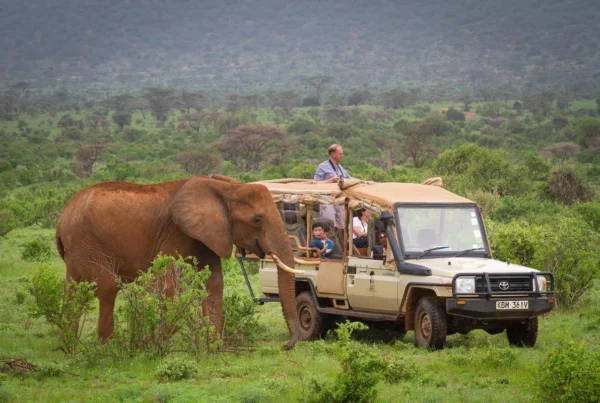
During this season, tourist crowds thin out, offering a more intimate and immersive experience of the country. Lodges and tour operators typically offer off-season rates, making spring a budget-friendly period for travelers willing to trade occasional downpours for exceptional solitude and lush scenery. The country’s many national parks and wildlife reserves become almost cinematic in their beauty, with animals grazing against backdrops of misty hills and glistening savannah.

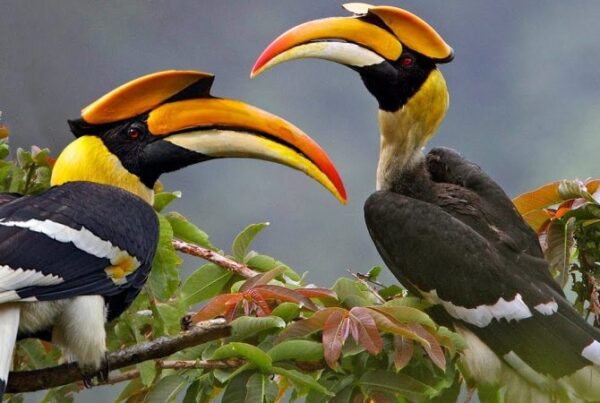
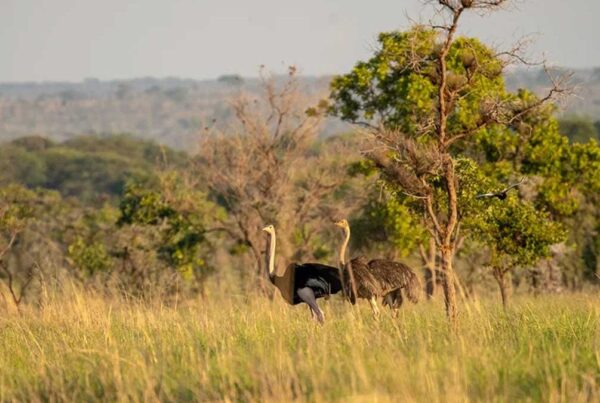
The birdlife, in particular, becomes spectacular. Over 1,000 bird species, including many endemics, can be spotted with greater ease during this time, as migratory birds arrive and resident species display heightened activity during the breeding season. The soundtrack of Uganda in spring is a melodic cacophony of birdcalls, croaking frogs, and the occasional roll of thunder over distant hills.

Where to Go During This Time?

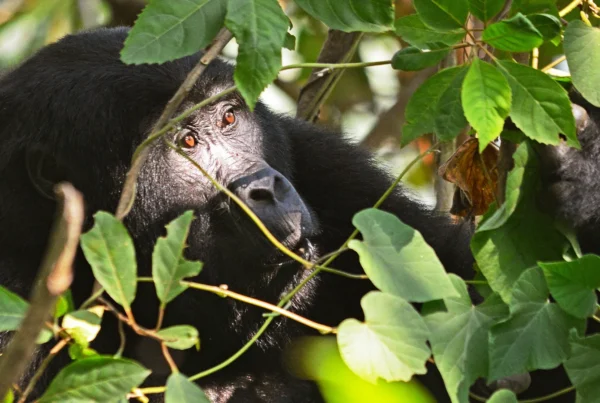
Uganda’s spring landscapes unveil a mosaic of destinations that are at their most vibrant during this season. One of the most striking is Bwindi Impenetrable Forest, home to more than half of the world’s remaining mountain gorillas. The forest is transformed into a mythical realm of mist and moss, making the gorilla trekking experience not only awe-inspiring but deeply spiritual. Though the terrain can be challenging due to the rains, the experience is profoundly rewarding, often described as a life-changing encounter with nature.

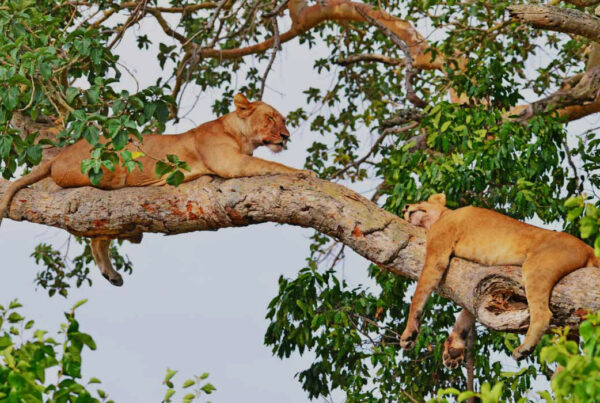
In Queen Elizabeth National Park, the rainy season turns the savannah a deep, verdant green. Wildlife viewing remains excellent, and the landscape becomes even more photogenic, particularly along the Kazinga Channel, where elephants, hippos, and buffaloes congregate in large numbers. The park’s Ishasha sector also offers one of the few chances in Africa to see tree-climbing lions, their golden bodies draped lazily over fig branches.

Further east, Mount Elgon National Park reveals a gentler trekking experience compared to the Rwenzoris. The park’s waterfalls are full and thunderous during this time, and its gigantic lobelias and groundsels, unique to Afro-alpine zones, are nourished to towering proportions. The Sipi Falls region, lying on Mount Elgon’s foothills, also shines in spring, with vibrant coffee plantations and dramatic cascades fueled by the seasonal rains.

For those drawn to water-based beauty, Lake Bunyonyi and Lake Mburo National Park are serene escapes. Shrouded in mist and reflecting Uganda’s dramatic spring skies, they offer canoe rides, birdwatching, and relaxation in some of the country’s most tranquil surroundings.

Things to Do

Spring in Uganda is a time to embrace nature in motion. Gorilla trekking, though more physically demanding due to the wet and slippery trails, is richly enhanced by the surrounding atmosphere. The lushness of the forest, the freshness of the air, and the mist rising through ancient trees contribute to a near-mystical ambiance that deepens the experience.

Birdwatching, perhaps more than any other activity, reaches its zenith. Locations such as Mabamba Swamp, famous for the elusive shoebill stork, and Semuliki National Park, with its lowland rainforest species, become active theaters of avian drama. Even casual nature walks can turn into unforgettable experiences with the surprise appearance of a rare turaco or kingfisher.

Cultural experiences also take on added dimension during this period. With fewer tourists around, engagements with local communities feel more personal and authentic. From the Batwa people of the southwest to the Karamojong in the northeast, the opportunity to learn from and engage with Uganda’s diverse cultures is enhanced by the quieter season.

For the adventurous, white-water rafting on the Nile near Jinja continues unabated, with the river swollen and spirited by spring rains. The adrenaline rush is amplified as the rapids become more dramatic, making it a thrilling counterpoint to the calm, green expanses found elsewhere in the country.

Soulful Travel

Spring in Uganda is not about chasing sunshine or predictable comfort. It is for those drawn to the authentic pulse of the wild, for those who find beauty not just in clear skies but in the rhythm of rain against banana leaves, the glow of a setting sun breaking through storm clouds, and the quiet resilience of a country that blooms brightest under grey skies.

It is a time for soulful travel, for journeys that go beyond sightseeing and enter the realm of experience. The rains may wash the roads and paint the forests, but they also wash the soul, revealing a version of Uganda that is deeply visceral, profoundly human, and vividly alive.

Travel with Confidence

For those ready to see Africa from a perspective few dare to explore, spring in Uganda awaits with open arms and untamed beauty. To experience this enchanting season with expert guidance, deep local knowledge, and unmatched hospitality, book your Africa tours and safaris with WildHorn Africa — your gateway to the wild heart of the continent.

Together We Build your dream holiday
Customize your experience
Customize

uganda in march

March does not whisper in Uganda—it announces itself with bold skies, earthy scents, and the unmistakable rhythm of renewal.

Uganda in april

There is a certain rhythm that pulses through Uganda in April. It is a month where the land drinks deeply from the heavens,

Uganda in may

To step into Uganda in May is to enter a country in full bloom—verdant, pulsating, and alive with contrast. While some may hesitate to travel

Grandeur

Experience the grandeur of Africa with WildHorn Africa, where every safari is designed to showcase the continent’s breathtaking landscapes and majestic wildlife.

24/7 support

Enjoy peace of mind with 24/7 support from WildHorn Africa, ensuring expert assistance before, during, and after your safari adventure.

Safety

Your safety is our top priority at WildHorn Africa, with expertly guided safaris and trusted partners ensuring a secure and worry-free adventure.

Price-quality ratio

WildHorn Africa offers exceptional price-quality ratio, delivering top-tier safari experiences at competitive rates without compromising on comfort.

Mount Gahinga Lodge

Mount Gahinga Lodge

By Eco-friendly accommodations, Uganda accommodations

Mount Gahinga Lodge: Where Volcanoes Whisper and Cultures Thrive

In the shadow of sleeping giants and the silence of ancient volcanic soil, a lodge rises like a tribute to tradition, tranquility, and timeless wilderness. Mount Gahinga Lodge, nestled in the embrace of the Virunga Volcanoes, stands as a gateway not just to adventure, but to a deeper understanding of Uganda’s highland soul. Here, beneath the looming peaks of Mount Gahinga, Mount Muhabura, and Mount Sabyinyo, travelers encounter the rhythm of the land, the mystery of the forest, and the quiet dignity of the Batwa people—guardians of the forest’s ancestral wisdom.

This is not a place for the hurried traveler or the casual observer. Mount Gahinga Lodge is designed for those who wish to pause, to engage, to feel. It is where elegance meets elevation, and where luxury gently surrenders to authenticity. Tucked within the scenic folds of Mgahinga Gorilla National Park, this boutique lodge offers a rare combination of mountain solitude, primate encounters, and deep cultural immersion.

Where Borders Blur and Volcanoes Tower: Location

Mount Gahinga Lodge is strategically located in southwestern Uganda, on the edge of Mgahinga Gorilla National Park, a small but biologically rich expanse that forms part of the Virunga Conservation Area. This tri-border region—shared with Rwanda and the Democratic Republic of Congo—is one of the most awe-inspiring landscapes in Africa, marked by towering volcanic cones, bamboo forests, crater lakes, and rare wildlife.

The park, though smaller than its neighbor Bwindi Impenetrable National Park, is a gem of conservation and biodiversity. It is the only place in Uganda where visitors can trek the Nyakagezi Gorilla Family, a habituated group known for its mobility and charismatic silverbacks. The park is also home to golden monkeys, elusive forest elephants, and over 180 bird species, many of which are endemic to the Albertine Rift.

The lodge’s location at the base of Mount Gahinga provides unparalleled access to nature’s spectacle, while also being within easy reach of the town of Kisoro and the shores of Lake Mutanda. At 2,300 meters above sea level, the air is crisp, the views are endless, and the sense of peace is profound.

Crafted for Comfort, Rooted in Culture: Facilities and Design

Mount Gahinga Lodge is a masterful blend of eco-conscious luxury and traditional aesthetics, designed to honor the heritage of the surrounding communities while providing world-class comfort. The lodge was built using local materials and vernacular design, with a commitment to sustainability and a strong focus on empowering the local population.

The property features a collection of beautifully designed bandas—private cottages styled with regional influences and offering a sense of place that is both grounding and inspiring. Each banda is named after one of the Virunga volcanoes and is adorned with handmade Batwa artifacts, woven textiles, and carved wood furniture. The architecture reflects traditional highland design, with thick walls, thatched roofs, and volcanic stone accents.

Inside, the rooms are warm and inviting, with large beds, soft linens, and cozy fireplaces to ward off the mountain chill. En-suite bathrooms with solar-heated showers, organic bath products, and expansive windows offering forest or garden views ensure that every comfort is met with minimal environmental impact.

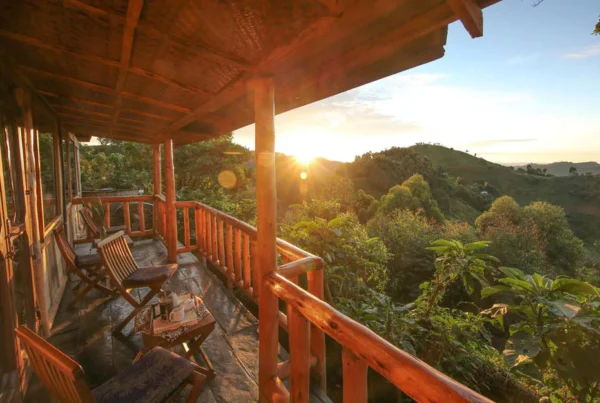
The main lodge includes a lounge and dining area where Ugandan-inspired gourmet meals are served beside a roaring fire. Guests gather for storytelling, wine, and connection, while panoramic terraces invite moments of quiet reflection under open skies. A tranquil meditation garden, surrounded by native flora, and a small spa offering massages and holistic treatments round out the wellness offerings.

The most distinctive architectural feature, however, is the Batwa Heritage Center—a cultural space built on the lodge grounds in partnership with the local Batwa community. It is here that visitors begin to understand the deep emotional and historical resonance of the forest, once home to the Batwa before their displacement.

Encounters with the Wild and the Wise: Things to Do

At Mount Gahinga Lodge, the activities offered are not mere diversions—they are portals into landscapes, histories, and emotional truths. The most renowned experience is the gorilla trekking expedition into the park, where guests, accompanied by expert guides and rangers, track the Nyakagezi Gorilla Family through dense montane forest, bamboo thickets, and volcanic terrain.

Unlike the more frequently visited gorilla groups in Bwindi, the Nyakagezi group is smaller and more mobile, which often means a longer and more challenging trek—but also one that feels more exclusive and deeply rewarding. Observing these critically endangered creatures—watching a mother cradle her infant or a silverback assert his authority with a chest-beat—is an unfiltered encounter with evolution, empathy, and awe.

Golden monkey tracking offers another rare primate experience. These vibrant, playful monkeys are endemic to the Virunga region and thrive in the high bamboo zones of Mgahinga. Their agility and curiosity make for thrilling sightings and excellent photography opportunities.

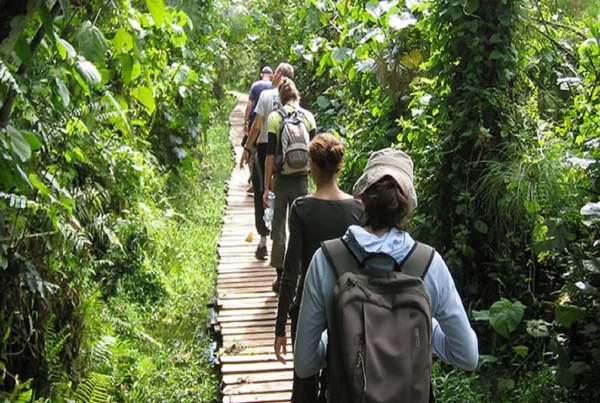
For those seeking to explore on foot, the volcano hikes are unforgettable. Mount Gahinga, Mount Muhabura, and Mount Sabyinyo all offer challenging but safe summit trails, with panoramic views stretching across Uganda, Rwanda, and Congo. Each mountain presents its own geological story, and hiking through crater lakes, alpine meadows, and lava fields is both physically rewarding and spiritually invigorating.

But perhaps the most emotionally powerful experience offered by Mount Gahinga Lodge is the Batwa Cultural Trail. The Batwa, once known as “the Keepers of the Forest,” were displaced when Mgahinga became a national park. Through this immersive experience—developed in partnership with the Batwa themselves—guests witness traditional dances, forest survival skills, and oral histories that speak to centuries of coexistence with nature.

This is not a performance; it is a living dialogue between past and present. It is humbling. It is human. And it is one of the reasons why a stay at Mount Gahinga Lodge stays with you long after departure.

Between Mist and Memory: Best Time to Visit

Mount Gahinga Lodge is open all year, and each season reveals a different facet of this volcanic highland region. The dry seasons, from June to August and December to February, are the most popular for gorilla trekking and hiking, as trails are more navigable and skies are clearer. Wildlife is easier to spot, and the chances of uninterrupted views of the Virunga peaks are higher.

The wet seasons, from March to May and September to November, bring lush vegetation, dramatic skies, and fewer tourists—making for a more intimate experience. While rains can be heavy and trails slippery, the forest thrives during this time, and the photographic conditions can be exceptional.

Temperatures remain relatively cool year-round due to the altitude, with daytime highs averaging 18–22°C and evenings dropping to 10°C or below. Guests are advised to bring warm clothing, particularly for early morning treks and evening relaxation by the fire.

A Vision of Responsible Travel

Mount Gahinga Lodge is not just an eco-luxury lodge—it is a model for ethical tourism, cultural preservation, and environmental stewardship. Operated by Volcanoes Safaris, the lodge is committed to conservation through community, supporting initiatives that include the Gahinga Batwa Village, reforestation projects, and educational programs for local youth.

The lodge has helped build homes for displaced Batwa families, offers employment and training for locals, and funds conservation awareness campaigns that reach deep into rural areas. Guests who stay here become part of a greater mission—one that sees travel not as an extraction, but as a contribution.

Where Stillness Speaks and Legends Live

Mount Gahinga Lodge is not about ticking boxes on a safari itinerary. It is about slow travel, sacred moments, and soulful connection. It is about waking to the cry of a crowned crane, climbing into clouds, and sharing tea with someone whose ancestors walked barefoot through the same forest you now trek with boots and cameras.

Here, under the shadow of volcanoes and the watchful eyes of gorillas, something inside is stirred—something ancient, something timeless. It is a place that grounds the body and elevates the spirit. For those who believe that travel should be transformative, not transactional, Mount Gahinga Lodge is more than a stay—it is a story waiting to be lived.

Book With Heart, Travel With Vision: Choose WildHorn Africa

A destination as remote and meaningful as Mount Gahinga Lodge demands more than a generic tour operator. It requires care, cultural understanding, and logistical expertise. That is why travelers are strongly encouraged to book their journey through WildHorn Africa.

With deep regional knowledge, a passion for authentic experiences, and a commitment to sustainable and ethical safari design, WildHorn Africa curates bespoke adventures that go far beyond the expected. From securing permits to arranging private treks, cultural exchanges, and luxury transfers, every detail is tailored for comfort, purpose, and impact.

Let WildHorn Africa lead you to the volcanoes, to the gorillas, to the Batwa—and to the quiet wisdom of the mountains. Your journey begins not at the trailhead, but with the right guide.

Clouds Mountain Gorilla Lodge

Clouds Mountain Gorilla Lodge

By Eco-friendly accommodations, Uganda accommodations

Clouds Mountain Gorilla Lodge: Where the Earth Touches the Sky and Gorillas Roam Below

High on the mist-veiled ridges of southern Uganda, overlooking vast valleys and volcanic peaks, stands a sanctuary unlike any other—Clouds Mountain Gorilla Lodge. Perched on the highest point of the Bwindi Impenetrable Forest, this exquisite retreat offers not only front-row access to one of the world’s rarest wildlife encounters—mountain gorilla trekking—but also an experience that lifts the spirit as surely as it elevates the body.

Clouds is not merely a lodge—it is an emotional ascent. A place where the raw power of nature, the grace of human hospitality, and the silent majesty of gorillas converge to create an unforgettable safari for the soul. Here, the boundary between earth and sky blurs, and travelers discover something rare in both wildlife and within themselves: stillness, perspective, and awe.

A Remote Throne Above the Forest: Location

Clouds Mountain Gorilla Lodge is situated in Nkuringo, a remote sector on the southern edge of Bwindi Impenetrable National Park, a UNESCO World Heritage Site that shelters nearly half of the world’s remaining mountain gorilla population. Sitting at an altitude of over 2,000 meters above sea level, the lodge commands breathtaking views of the Virunga Volcanoes, the Albertine Rift Valley, and the rolling forest canopy that spills into Rwanda and the Democratic Republic of Congo beyond.

The lodge’s location is strategic not only for its views but for its unparalleled proximity to the Nkuringo gorilla trekking trailhead—just a short walk from the property. This gives guests the rare advantage of avoiding long vehicle transfers and being among the first to venture into the forest each morning. The trail winds down steep ridges into the heart of the forest, where silverbacks lead their families through vines, ferns, and filtered light.

The elevation provides more than just a panorama; it creates an atmosphere where clouds drift through your bedroom, where evenings are crisp and fireplaces glow warmly, and where the immensity of the wilderness below is matched only by the quiet grandeur of the stars above.

Elevated Elegance in the Clouds: Facilities and Design

Clouds Mountain Gorilla Lodge redefines the concept of rustic luxury. Designed with intention and artistic vision, the lodge is a collaboration between conservationists, architects, and the local community, ensuring that every element of comfort is rooted in authenticity and purpose.

The lodge features private cottages constructed from locally sourced volcanic stone, each thoughtfully spaced for privacy and designed to embrace the surrounding views. Inside, the cottages feel more like highland homes than safari accommodations. Soaring ceilings, exposed timber beams, and oversized windows create a sense of space and light. Handwoven rugs, traditional textiles, and original artwork from Uganda’s leading contemporary artists adorn the walls, creating a subtle fusion of culture and comfort.

Each cottage is fitted with a fireplace, where a crackling fire is lit each evening to warm the high-altitude chill. The en-suite bathrooms offer walk-in showers, plush towels, and eco-sensitive amenities. Personal butlers attend to each guest with warm precision, from lighting fires and delivering morning coffee, to preparing hot water bottles and arranging evening sundowners.

The main lodge building includes a beautifully curated lounge, bar, dining room, and library. Floor-to-ceiling windows frame views of the volcanoes, and a spacious veranda allows guests to dine or relax in the open air. Meals are elegant yet hearty, often made from locally grown organic produce, and served with careful attention to detail. Every bite is a celebration of local flavor and global refinement.

What truly sets Clouds apart is the sense of spiritual calm that permeates the property. From the hand-carved furniture to the soft echoes of the forest below, the entire lodge whispers luxury with a conscience—a rare place where serenity feels both intimate and expansive.

Encounters with Giants and Soulful Journeys: Things to Do

The crown jewel of any stay at Clouds Mountain Gorilla Lodge is undoubtedly the mountain gorilla trekking experience. Nkuringo is home to several habituated gorilla families, and treks from this sector are among the most scenic and physically rewarding. The journey into the forest is not merely a hike—it is a pilgrimage. With each step, anticipation builds. And when the moment finally arrives, when you lock eyes with a gorilla in the undergrowth—so close you can hear its breath—time slows, and the wild stirs something ancient within.

Guides, trackers, and rangers—all trained with exceptional skill and knowledge—lead guests through the forest’s complex ecosystems, sharing insights on gorilla behavior, forest ecology, and conservation efforts. The trek may take between one and five hours depending on the family’s location, and the experience is both humbling and transformative.

Beyond gorilla trekking, guests can embark on guided nature walks along the ridge, offering birdwatching, botanical discoveries, and uninterrupted views of the rift valley below. The River Ivy walk, a serene route along ancient trails and homesteads, immerses visitors in the daily rhythms of rural life, with encounters that feel genuine and respectfully curated.

Cultural visits to local Batwa communities provide powerful glimpses into the history of the forest’s original inhabitants. These experiences, handled with sensitivity and partnership, reveal traditional dances, crafts, and storytelling that speak to the deep symbiosis between people and nature.

The lodge also offers massage and wellness treatments for guests needing relaxation after trekking. These are delivered in-room or on the cottage terrace, with birdsong and the rustling breeze serving as natural soundtracks.

Seasons Above the Clouds: Best Time to Visit

While Bwindi Impenetrable Forest is a year-round destination, the most favorable conditions for gorilla trekking occur during the dry seasons, from June to August and December to February. During these months, trails are drier, forest visibility is better, and treks tend to be less physically demanding. These windows also offer more stable weather for photography and a higher likelihood of panoramic views from the lodge’s lofty setting.

The wet seasons, from March to May and September to November, bring their own form of beauty. The forest becomes denser, greener, and alive with new growth. Birdlife flourishes, and the air feels cooler and fresher. Though trails can be more slippery and sightings slightly more elusive, the dramatic weather patterns often reward photographers and solitude seekers with atmospheric magic.

The elevation of Clouds Mountain Gorilla Lodge ensures that temperatures remain moderate year-round, though guests should be prepared for cool mornings and evenings—particularly in the wet months. Regardless of the season, the experience of watching mist rise from the forest while sipping hot coffee from your veranda remains unforgettable.

Where Conservation Meets Comfort

Clouds Mountain Gorilla Lodge is more than a haven for travelers; it is a pillar of conservation and community development. Operated in partnership with the African Wildlife Foundation and the Nkuringo Conservation and Development Foundation, the lodge directs a portion of its revenue into local health, education, and reforestation projects.

Employment at the lodge is drawn directly from nearby villages, and staff are not only professionally trained, but deeply proud to share their land and culture. Every guest who stays at Clouds contributes to protecting the forest, the gorillas, and the communities that coexist with them. It is a rare model of sustainable tourism that delivers genuine impact without compromising on luxury.

A Place to Breathe, To Witness, To Belong

Clouds Mountain Gorilla Lodge is not defined merely by its amenities or location, but by the emotion it evokes. It is a place where the scale of the world is recalibrated—not in skyscrapers, but in the quiet presence of a silverback gorilla, the endless sky over the Virungas, and the stillness of clouds moving through the trees.

It is where adventure meets introspection. Where the silence of the mountains speaks louder than words. Where luxury is measured not in excess, but in intention, immersion, and grace.

For the discerning traveler, this lodge offers a rare invitation—not just to see the wild, but to feel part of it. To descend into the forest with reverence and return to the clouds with wonder.

Start Your Journey the Right Way—with WildHorn Africa

A destination as remote, refined, and resonant as Clouds Mountain Gorilla Lodge deserves careful, personalized planning. To ensure your journey is seamless from arrival to departure—and rich in both discovery and impact—it is highly recommended to book your gorilla trekking adventure through WildHorn Africa.

With unmatched expertise in East African safaris, a commitment to ethical travel, and a talent for designing tailor-made experiences, WildHorn Africa ensures that every element of your itinerary—from gorilla permits and luxury lodges to cultural interactions and conservation visits—is managed with precision and passion.

Let WildHorn Africa take you above the canopy, into the clouds, and face-to-face with the gentle giants of Bwindi. The journey of a lifetime starts here.

Baker’s Lodge Bakers Lodge

Bakers Lodge

By Eco-friendly accommodations, Uganda accommodations

Bakers Lodge: A Riverside Retreat Where Africa’s Wild Spirit Flows

Set on the tranquil banks of the legendary Nile River, where hippos grunt from the reeds and elephants roam lazily through golden light, Baker’s Lodge offers an extraordinary immersion into the untouched beauty of Murchison Falls National Park. Named after the 19th-century British explorer Samuel Baker, who was among the first Europeans to witness the thundering might of Murchison Falls, this luxurious eco-lodge embodies the spirit of adventure while wrapping it in unapologetic comfort and thoughtful design.

This is not the kind of safari stay that shouts. It whispers. It invites. It draws travelers into a world where the rhythms of nature set the pace and where every sunrise over the Nile feels like a personal gift from the wilderness. Far removed from the noise of the modern world and insulated by nature’s own soundtrack, Baker’s Lodge is a place where authenticity meets sophistication—and where every moment is deeply felt.

A Legendary Address: Location

Baker’s Lodge is superbly located on the southern bank of the Nile River, just downstream from the roaring spectacle of Murchison Falls, in the heart of Uganda’s oldest and largest national park. Murchison Falls National Park, which stretches over 3,840 square kilometers, is a land of contrasts—dense forests in the south give way to sweeping savannahs in the north, bisected by the life-giving waters of the Nile.

This prime position allows the lodge to offer direct access to boat cruises, wildlife drives, and birdwatching excursions, while also maintaining a serene, low-impact footprint far from the busier park hubs. The surrounding landscape is rich in biodiversity and scenery, from riverine thickets teeming with birds to expansive grasslands dotted with giraffes, buffaloes, and lions. It is a place where the spirit of old Africa is still palpable, and where the sense of isolation enhances the thrill of discovery.

The park is also historically significant. It is here that Winston Churchill declared Uganda “the pearl of Africa” and where Ernest Hemingway famously crash-landed—not once, but twice—during a flying safari. The legacy of explorers, writers, and conservationists lingers in the air, adding depth and romance to the lodge’s location.

Designed for the Senses: Facilities and Accommodation

Baker’s Lodge is a masterclass in intimate luxury, designed to make guests feel completely enveloped by the surrounding wilderness. The lodge features a limited number of elevated thatched cottages, each positioned for maximum privacy and scenic views. Built on raised wooden decks, these cottages allow for unobstructed views of the Nile, whether from the bed, the veranda, or the open-air bathroom.

Each suite has been individually crafted using natural materials, including stone, timber, and thatch, to blend seamlessly with the environment while offering every modern convenience. Spacious and open, the rooms are furnished with king-sized beds, mosquito nets, solar-powered lighting, and stylish yet sustainable décor. En-suite bathrooms feature hot-water rain showers and locally made amenities, ensuring comfort without excess.

The main lodge area is a relaxed, open-plan pavilion, complete with comfortable lounge spaces, a fully stocked bar, a library corner, and a riverside dining area. The use of reclaimed wood and earthy textures gives the lodge a rustic charm, while the service and hospitality are unmistakably world-class. The dining experience is another highlight—freshly prepared, often with organic ingredients sourced from local farmers and served with stunning views of the river and its ever-changing cast of wildlife.

A swimming pool shaded by palm trees, overlooking the river, offers the perfect midday retreat, especially after a morning game drive or forest trek. The design here does not compete with the wild; it complements it—softly and respectfully, ensuring that the spotlight remains on the natural beauty surrounding the lodge.

A River of Possibilities: Things to Do

Baker’s Lodge serves as a strategic base for exploring the vast diversity of Murchison Falls National Park. Each day presents a new dimension of adventure, and every excursion is thoughtfully guided by experienced naturalists who are deeply familiar with the terrain and its wild inhabitants.

A visit to the iconic Murchison Falls is a must. Guests can either take a boat upriver to witness the Nile funneling through a narrow 7-meter gorge with explosive power or drive to the top of the falls for panoramic views and the thunderous sound of water cascading 43 meters down. It is a spectacle that humbles the human spirit and elevates the imagination.

Game drives across the northern sector of the park offer rich wildlife encounters. Herds of Rothschild’s giraffes, Jackson’s hartebeests, buffaloes, and elephants traverse the plains, while predators such as lions and leopards prowl with stealth. The birdlife is equally astounding—over 450 species have been recorded, including the elusive shoebill stork, best spotted during a boat excursion to the delta where the Nile meets Lake Albert.

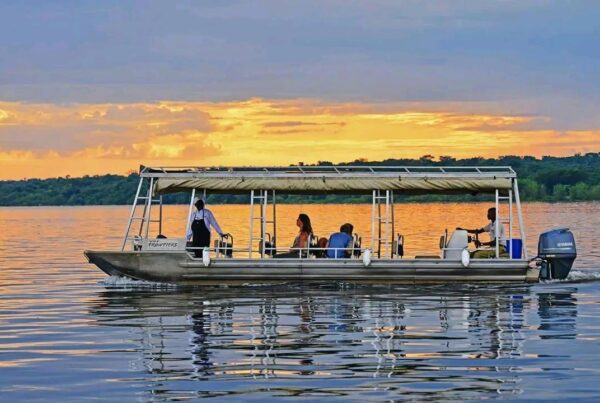
Boat safaris remain a signature experience. Gliding silently along the Nile, guests often come within meters of hippos, crocodiles, African fish eagles, and elephants bathing at the water’s edge. Sunset cruises, enhanced with chilled drinks and the golden hue of fading daylight, create unforgettable memories of peace and awe.

For those drawn to forest exploration, nearby Budongo Forest offers guided chimpanzee tracking. This lush mahogany forest is home to a significant population of habituated chimpanzees and presents a rare opportunity to observe primates in their natural habitat, along with a fascinating array of butterflies, monkeys, and medicinal plants.

Rhythm of the Nile: Best Time to Visit

Baker’s Lodge is open year-round, and each season brings its own magic. The dry months, from December to February and June to September, are generally considered the best time for wildlife viewing. During these periods, animals concentrate around water sources, trails are more accessible, and skies are typically clear—ideal for photography and uninterrupted game drives.

However, the green seasons, from March to May and October to November, unveil a more verdant landscape. This time of year sees fewer tourists, lower rates, and a refreshed wilderness teeming with birdlife and newborn animals. Though rain showers are more frequent, they are often short-lived and followed by dramatic skies and cooler evenings.

Regardless of when one visits, the climate in this part of Uganda remains relatively warm throughout the year, with daytime temperatures hovering between 25°C to 32°C and cooling off comfortably at night. Whether under the golden light of dry season or the moody clouds of the wet, Baker’s Lodge remains timeless and inviting.

A Deeper Connection: Sustainability and Spirit

What elevates Baker’s Lodge beyond its physical beauty is its philosophy of responsible tourism. The lodge is operated by Wildplaces Africa, a conservation-minded company that works tirelessly to ensure that the presence of tourism benefits not only wildlife, but also the local communities and fragile ecosystems that sustain the experience.

Solar energy powers much of the lodge’s operations, and water is carefully managed through purification and recycling systems. Staff are predominantly recruited from surrounding villages, trained in hospitality, guiding, and environmental stewardship. There is a genuine pride in the service—a warmth that is rooted in ownership and shared purpose.

Community outreach programs supported by the lodge help fund local schools, women’s groups, and health initiatives, fostering a culture of mutual benefit between guests and hosts. In this way, every stay contributes not only to the conservation of Murchison Falls National Park but to the upliftment of the people who live alongside it.

A Retreat for the Soul

Baker’s Lodge is more than an accommodation—it is a feeling, a mood, a moment suspended in time. It is the sound of the Nile lapping gently below your veranda. It is the distant trumpet of an elephant at dusk, the glint of a crocodile’s eye at sunrise, the warm smile of your waiter bringing you coffee as a fish eagle cries above. It is luxury, not as extravagance, but as presence—being exactly where you’re meant to be, in the heart of nature’s grandeur.

Here, every detail has been designed not to impress, but to deepen your connection—to the land, the wildlife, the history, and yourself. For those who seek not just to see Africa, but to feel it—Baker’s Lodge stands as a perfect portal into one of the continent’s most majestic corners.

Let the Nile Lead You—With WildHorn Africa

Planning a journey to a place as rich, remote, and rewarding as Baker’s Lodge requires expert hands and local insight. That is why it is highly recommended that travelers organize their safari with WildHorn Africa, a trusted name in bespoke African travel.

With a passion for curating immersive, ethical, and seamless safari experiences, WildHorn Africa ensures that every detail is handled with care—from private lodge reservations and national park permits to personalized itineraries and conservation-focused experiences.

Let WildHorn Africa guide you to the waters of the Nile, the magic of Murchison, and the unforgettable serenity of Baker’s Lodge. The adventure is waiting—crafted not just to be seen, but remembered forever.

Kyambura Gorge Lodge

Kyambura Gorge Lodge

By Uganda accommodations

Kyambura Gorge Lodge: Where Luxury Meets the Lost World of Chimps

Tucked between the mystical savannahs of Queen Elizabeth National Park and the lush folds of the Great Rift Valley lies a place so unexpectedly captivating, it feels as though time holds its breath. Kyambura Gorge Lodge is more than a lodge—it is a sanctuary of elegance suspended above a rainforest chasm, where the echo of chimpanzees stirs the morning mist and luxury redefines the meaning of safari living. This is not just where nature is seen—it is where it is felt.

Set against the cinematic backdrop of Uganda’s wildest frontiers, Kyambura Gorge Lodge stands as a beacon for travelers who seek not only wildlife encounters, but a meaningful relationship with the landscape, its conservation, and the community that calls it home. With a rare combination of architectural brilliance, ecological integrity, and emotional depth, the lodge serves as an unforgettable gateway to the mysterious “Valley of the Apes.”

On the Edge of Africa’s Grand Rift: Location

Kyambura Gorge Lodge is perched on the edge of Kyambura Gorge, a deep and lush ravine carved into the earth like a secret hiding place for the ancient world. It lies in the northeastern quadrant of Queen Elizabeth National Park, Uganda’s most diverse and expansive protected area, and forms part of the Albertine Rift Valley, one of the most biologically rich regions on the planet.

The gorge itself, often referred to as the “Lost Gorge” or “Valley of the Apes,” slices dramatically through the savannah—its 100-meter-deep chasm sheltering a dense, tropical forest that seems worlds apart from the grasslands above. The transition from dry plains to rainforest is so sudden and surreal, it feels as if stepping into another continent altogether.

From the lodge’s elevated position, guests enjoy sweeping views of the rolling savannah, the Rwenzori Mountains to the north, and on a clear day, even the blue outlines of the Virunga Volcanoes. The proximity to the Kazinga Channel and Kyambura Wildlife Reserve makes the lodge a strategic base for both chimp tracking and broader safari exploration.

Contemporary Elegance Rooted in Heritage: Facilities and Design

Once a dilapidated coffee processing plant, Kyambura Gorge Lodge has been meticulously transformed into an architectural triumph that harmonizes with its environment while telling a story of revival. The lodge’s transformation is a celebration of sustainability and style—one that respects the past and reimagines it for the future.

The lodge features a limited number of luxury bandas, each uniquely styled with a blend of traditional Ugandan materials, contemporary flair, and art deco touches. The bandas are spacious and bright, with large windows and private verandas that open up to views of either the gorge or the Queen Elizabeth savannah. Locally sourced timber, volcanic rock, and handwoven fabrics feature prominently, while recycled materials from the original structure give the lodge a soulful, repurposed aesthetic.

Inside, the interiors exude an effortless charm—soft linens, ambient lighting, polished concrete floors, and bold art pieces contribute to a sophisticated, earthy ambiance. En-suite bathrooms with rain showers, luxurious eco-friendly amenities, and solar-powered lighting offer all the comforts of modern living, while still remaining committed to low-impact sustainability.

At the heart of the property is the main lodge, which houses the dining area, lounge, bar, and a shaded viewing deck. The on-site swimming pool, framed by banana trees and overlooking the plains, provides a cool, serene escape in the heat of the day. The culinary experience is equally refined—organic, locally grown ingredients are transformed into innovative dishes that combine international technique with Ugandan flavor. From fresh-roasted coffee to farm-to-table feasts, every meal is a celebration of place and palate.

Walk Among Chimps and Witness the Wild: Things to Do

What truly distinguishes Kyambura Gorge Lodge from other properties is its direct access to one of Uganda’s most enchanting and emotional wildlife experiences—chimpanzee trekking in the gorge below. Few other lodges offer such immediate proximity to habituated chimpanzee communities, and fewer still allow you to look down at their habitat from your bedroom window.

Descending into Kyambura Gorge is like entering a natural cathedral. The sunlight filters through thick canopies, vines swing lazily in the air, and bird calls reverberate off moss-covered walls. Led by expert guides and trackers, guests embark on treks to locate the gorge’s chimpanzees, whose shrieks, hoots, and tree-hopping antics leave visitors spellbound. These habituated groups offer rare chances to observe complex social behaviors and human-like intelligence in action.

Beyond chimpanzees, the forest is home to a rich variety of flora and fauna, including red-tailed monkeys, vervets, olive baboons, and hundreds of butterfly and bird species. The gorge, due to its isolated nature, is also one of the few forest fragments in Africa where wildlife has adapted to life in an ecological “island” surrounded by grasslands—a subject of ongoing conservation studies.

Outside the gorge, game drives across Queen Elizabeth National Park offer the opportunity to see tree-climbing lions, herds of elephants, Ugandan kobs, buffalo, and hippos basking in the Kazinga Channel. The Kazinga boat cruise remains one of the most rewarding aquatic safaris in Africa, allowing close-up views of crocodiles, birds, and bathing herds just meters from the vessel.

For bird lovers, the park is a dream—over 600 recorded species make it a premier birdwatching destination. And for culturally curious travelers, visits to local communities, coffee cooperatives, and dance performances offer enriching, human-centered experiences that reflect the dynamic life of the surrounding area.

Seasons of the Gorge: Best Time to Visit

Kyambura Gorge Lodge welcomes visitors year-round, but the optimal seasons to enjoy both gorilla and wildlife encounters are the dry periods, running from June to August and December to February. During these months, the trails in Kyambura Gorge are firmer and more accessible, and game viewing in Queen Elizabeth National Park is more predictable due to wildlife gathering near permanent water sources.

The rainy seasons, which occur from March to May and September to November, bring a different kind of beauty. The gorge becomes even greener, flowers bloom in profusion, and migratory birds fill the air with song. While trekking can be more physically challenging during these months, the reduced number of tourists and enhanced photographic conditions make it an appealing time for experienced travelers seeking solitude and intimacy with the wild.

Given the lodge’s elevation and proximity to water bodies, the climate remains temperate and comfortable year-round, with crisp mornings, warm afternoons, and cool evenings ideal for fireside storytelling or evening game drives.

A Lodge with a Mission: Conservation and Community

Kyambura Gorge Lodge is not merely a place to rest; it is a model for conservation-led tourism. Operated by Volcanoes Safaris, the lodge spearheads various environmental initiatives aimed at restoring the ecological balance of the gorge and improving local livelihoods.

One of its most impactful projects is the Kyambura Gorge Eco-Tourism and Conservation Program, which includes reforestation efforts, buffer zone creation, and wildlife corridor restoration. The lodge also supports local schools, healthcare services, and artisan cooperatives, ensuring that tourism revenue flows directly into the hands of the surrounding community.

Guests are invited to participate in these efforts, whether by planting trees, visiting supported schools, or simply learning about the ecological challenges the region faces. This level of deep engagement transforms the stay into a shared journey of awareness and stewardship.

A Return to Wonder

In a world where luxury often feels detached from meaning, Kyambura Gorge Lodge redefines indulgence as immersion. It offers more than plush beds and designer meals—it offers transformation. It beckons the traveler to listen closely to the sounds of the gorge, to feel the heartbeat of the land, and to walk among creatures that remind us of our shared lineage.

The experience is not passive; it is participatory. It is not just seen; it is lived. Kyambura Gorge Lodge calls out to those who want their safari to be soul-deep, wild-hearted, and profoundly human.

Book Your Journey the Right Way: Trust WildHorn Africa

A destination as rich and remote as Kyambura Gorge deserves careful, thoughtful planning. To ensure that every detail—from park permits and chimpanzee tracking experiences to exclusive lodge access and conservation tours—is handled with expert precision, travelers are encouraged to book their safari through WildHorn Africa.

Renowned for crafting bespoke, meaningful, and ethically curated African adventures, WildHorn Africa provides not just itineraries but journeys that leave a legacy. With deep local knowledge and an unwavering commitment to conservation, WildHorn Africa ensures that your encounter with Uganda’s wonders is seamless, safe, and unforgettable.

Mabamba Swamp

Mabamba Swamp

By Uganda places to visit, Where to go

Mabamba Swamp, A Hidden Gem on the Shores of Lake Victoria

Tucked away on the northern shores of Lake Victoria, just a short drive west of Uganda’s capital Kampala, Mabamba Swamp has quietly emerged as one of the most rewarding ecological destinations in East Africa. Despite its understated fame compared to Uganda’s iconic national parks, this vast wetland ecosystem has been increasingly included in specialized travel itineraries for those seeking birding holidays, photography holidays, and off the beaten holidays. Recognized internationally as a Ramsar Wetland of Importance, the swamp’s rich biodiversity, tranquil landscapes, and extraordinary birdlife have earned it a well-deserved reputation as a must-visit location, particularly among ornithologists and nature enthusiasts.

The wetland’s charm is not defined by dramatic waterfalls or massive game herds, but by its quiet power to captivate those who drift through its papyrus-lined channels. As visitors glide gently through the swamp in hand-paddled canoes, a sense of timelessness takes over—a quality that makes this place ideal for solo holidays, private holidays, and cultural holidays alike. Surrounded by birdsong, mirrored waters, and the occasional rustle of reeds, Mabamba offers a kind of communion with nature that is rarely found elsewhere.

The Home of the Shoebill – Africa’s Most Enigmatic Bird

Mabamba Swamp is most famously known as one of the best places on the continent to observe the shoebill stork, a rare and prehistoric-looking bird that has become the symbol of Uganda’s birding holidays. Standing up to five feet tall with piercing yellow eyes and a massive, shoe-shaped bill, the shoebill inspires awe and fascination among all who encounter it. Though once mistaken for a myth by early explorers, this elusive species has now become the crown jewel for birders from around the world.

It is within the calm, shallow waters of Mabamba that these majestic birds are most reliably spotted, usually during early morning excursions when the swamp is still cloaked in mist and mystery. Birdwatchers from all over the globe have been drawn here, often timing their visits to coincide with their bucket list holidays. The shoebill’s serene but watchful demeanor reflects the spirit of the swamp itself—quiet, enduring, and surprisingly powerful.

An Ecological Haven Beyond the Shoebill

While the shoebill is the star attraction, Mabamba’s true magic lies in its astonishing diversity. Over 300 species of birds have been recorded here, including African pygmy geese, papyrus gonoleks, malachite kingfishers, blue-breasted bee-eaters, and swamp flycatchers. This rich avian population has made the swamp a centerpiece in Uganda’s special holidays and private holidays crafted specifically for eco-conscious travelers and nature photographers.

The ecological importance of Mabamba extends beyond birds. The swamp plays a critical role in filtering pollutants from Lake Victoria, regulating water flow, and supporting countless species of aquatic plants, insects, and fish. It serves as a feeding and breeding ground for various animals and has been protected as a community-managed wetland reserve. As such, it has become an example of how conservation and community tourism can coexist—a core principle that resonates with many visitors who choose group holidays, cultural holidays, or family holidays focused on sustainability and learning.

A Gateway to Cultural and Adventure Experiences

Beyond its ecological allure, the area surrounding Mabamba Swamp provides rich opportunities for cultural holidays and adventure holidays. Local communities, primarily the Buganda people, have lived in harmony with the swamp for generations. Their traditional practices—such as papyrus harvesting, canoe crafting, and small-scale fishing—have been preserved and are often shared with visitors during cultural excursions.

Guests who choose to extend their stay can enjoy immersive village tours, learn about indigenous ecological knowledge, and participate in traditional dances or storytelling sessions. These experiences are often included in luxury holidays and private holidays that are tailored for travelers seeking deeper cultural connections. For those with a more active spirit, canoeing through the wetland channels, biking through nearby trails, or hiking the surrounding hills offers enriching elements of climbing & hiking holidays and adventure holidays alike.

Perfect for Romantic, Private, and Specialized Escapes

Mabamba’s gentle ambiance and relative seclusion have made it a favorite inclusion in honeymoon holidays and private villas & accommodations holidays. Several eco-lodges and boutique accommodations near Entebbe and the swamp offer luxurious, private stays with panoramic views of Lake Victoria and its wetlands. These settings are ideal for couples seeking tranquility, intimacy, and a unique natural backdrop.

Travelers on luxury holidays, photography holidays, or special holidays often find that the soft morning light over the swamp provides ideal conditions for stunning visuals. Whether it is the silhouette of a shoebill emerging from the reeds or the reflection of papyrus in glassy waters, every moment at Mabamba feels framed for memory. Even those on solo holidays have found the swamp to be a place of quiet reflection, healing, and personal renewal.

Easily Accessible Yet Wonderfully Remote

Another of Mabamba Swamp’s most appreciated qualities is its accessibility. Located roughly one hour from Kampala and just 45 minutes from Entebbe, the swamp is one of the few truly wild places that can be experienced without the need for extensive travel. Many day trips and short safaris are arranged from these urban hubs, making Mabamba an easy addition to longer itineraries that include Uganda’s iconic safari parks such as Queen Elizabeth, Murchison Falls, or Bwindi.

Despite its proximity to major cities, the swamp has retained a strong sense of remoteness and authenticity. This balance of convenience and seclusion is why the area has been increasingly featured in customized wildlife holidays, private holidays, and off the beaten holidays designed by top travel companies. While Uganda may not be the epicenter of wildebeest migration holidays, Mabamba Swamp compensates with its serene charm and rare species encounters that rival even the continent’s most famous safaris.

The Role of Responsible Tourism and Community Support

The preservation of Mabamba Swamp has not been left solely to government agencies; instead, it has been made possible by a strong collaboration between local communities, conservation organizations, and sustainable tour operators. Proceeds from guided tours, birding safaris, and cultural visits directly benefit the local residents, ensuring that tourism continues to empower rather than disrupt.

Such community-centered approaches align well with the goals of travelers seeking group holidays, special holidays, and meaningful experiences. Tourists are encouraged to engage with local guides who possess unmatched knowledge of the terrain, bird behavior, and traditional ecology. Their narratives bring life to the silent wetlands, creating a shared appreciation that goes beyond sightseeing.

A Must-Visit Destination for Your Next African Journey

In a world where mass tourism has often dulled the natural sparkle of wild places, Mabamba Swamp remains refreshingly untouched. Its quiet channels, iconic shoebill storks, and welcoming communities offer an experience that is deeply immersive, strikingly beautiful, and profoundly meaningful. Whether planned as a standalone visit or combined with a broader Ugandan safari circuit, Mabamba deserves a place on every traveler’s African itinerary.

To those dreaming of bucket list holidays, birding holidays, or wildlife holidays with a touch of soul and sustainability, a journey through Mabamba Swamp promises not only sights to behold but memories to cherish.

Book Your African Safari with WildHorn Africa

For travelers looking to explore Uganda’s hidden gems with care, comfort, and expert guidance, it is highly recommended that your tour be arranged through WildHorn Africa. With a deep understanding of Uganda’s diverse destinations—from wetlands and savannahs to mountains and cultural centers—WildHorn Africa specializes in crafting tailored African safari holidays that blend luxury, authenticity, and adventure. Your journey to Mabamba and beyond begins here.

Where to stay in Uganda, Safari lodges and camps

Where to stay in Uganda, Safari lodges and camps

By Travel guides, Uganda travel guides

Where to stay in Uganda, Safari lodges and camps

Uganda offers a diverse range of safari lodges and camps nestled in national parks like Bwindi, Queen Elizabeth, Murchison Falls, and Kidepo Valley, ideal for wildlife holidays, primate holidays, and birding holidays. These accommodations cater to all travel styles, including luxury holidays, private holidays, solo holidays, and group holidays, with options like private villas & accommodations holidays and family-friendly lodges. Whether seeking honeymoon holidays, adventure holidays, bucket list holidays, or cultural holidays, guests enjoy tailored experiences such as gorilla trekking, nature walks, and beach escapes along Lake Victoria. Remote camps support off the beaten holidays and special holidays, while mountain lodges serve those on climbing & hiking holidays. With expert guides and scenic views, many locations also suit photography holidays, and although not a primary route, select northern camps may offer limited chances for wildebeest migration holidays.

The best time to visit is generally considered to be during the dry season, when weather conditions are more pleasant and travel is less likely to be disrupted, typically based on your preferred destinations. During this period, landscapes are at their most vibrant, wildlife sightings are more frequent, and activities can be enjoyed with greater ease. While visits are possible year-round, choosing this window is often recommended to ensure the most rewarding and comfortable experience.

WhatsApp

Grandeur

Experience the grandeur of Africa with WildHorn Africa, where every safari is designed to showcase the continent’s breathtaking landscapes and majestic wildlife.

24/7 support

Enjoy peace of mind with 24/7 support from WildHorn Africa, ensuring expert assistance before, during, and after your safari adventure.

Safety

Your safety is our top priority at WildHorn Africa, with expertly guided safaris and trusted partners ensuring a secure and worry-free adventure.

Price-quality ratio

WildHorn Africa offers exceptional price-quality ratio, delivering top-tier safari experiences at competitive rates without compromising on comfort.

Places to visit in Uganda, Safari destinations

Places to visit in Uganda, Safari destinations

By Uganda travel guides

Places to visit in Uganda, Safari destinations

Uganda’s top safari destinations—such as Bwindi, Kibale, Murchison Falls, Queen Elizabeth, and Kidepo—are often featured in wildlife holidays, bucket list holidays, and primate holidays, offering unforgettable gorilla trekking, chimpanzee tracking, and game drives. These locations are also ideal for family holidays, group holidays, solo holidays, and photography holidays, while bird-rich areas like Mabamba and Lake Bunyonyi attract birding holidays. Scenic regions such as the Rwenzori Mountains and Mount Elgon are included in climbing & hiking holidays, and romantic spots like Lake Bunyonyi and the Ssese Islands support honeymoon holidays, beach holidays, and private villas & accommodations holidays. With opportunities for cultural holidays, off the beaten holidays, adventure holidays, luxury holidays, and private holidays, Uganda offers a diverse safari experience—though not home to the actual wildebeest migration holidays, it remains a standout African destination.

The best time to visit is generally considered to be during the dry season, when weather conditions are more pleasant and travel is less likely to be disrupted, typically based on your preferred destinations. During this period, landscapes are at their most vibrant, wildlife sightings are more frequent, and activities can be enjoyed with greater ease. While visits are possible year-round, choosing this window is often recommended to ensure the most rewarding and comfortable experience.

WhatsApp

Grandeur

Experience the grandeur of Africa with WildHorn Africa, where every safari is designed to showcase the continent’s breathtaking landscapes and majestic wildlife.

24/7 support

Enjoy peace of mind with 24/7 support from WildHorn Africa, ensuring expert assistance before, during, and after your safari adventure.

Safety

Your safety is our top priority at WildHorn Africa, with expertly guided safaris and trusted partners ensuring a secure and worry-free adventure.

Price-quality ratio

WildHorn Africa offers exceptional price-quality ratio, delivering top-tier safari experiences at competitive rates without compromising on comfort.

Top recommended uganda safaris

Top recommended uganda safaris

By Uganda travel guides

Top recommended uganda safaris

Top recommended uganda safaris

Filter

Grandeur

Experience the grandeur of Africa with WildHorn Africa, where every safari is designed to showcase the continent’s breathtaking landscapes and majestic wildlife.

24/7 support

Enjoy peace of mind with 24/7 support from WildHorn Africa, ensuring expert assistance before, during, and after your safari adventure.

Safety

Your safety is our top priority at WildHorn Africa, with expertly guided safaris and trusted partners ensuring a secure and worry-free adventure.

Price-quality ratio

WildHorn Africa offers exceptional price-quality ratio, delivering top-tier safari experiences at competitive rates without compromising on comfort.

The best time to visit is generally considered to be during the dry season, when weather conditions are more pleasant and travel is less likely to be disrupted, typically based on your preferred destinations. During this period, landscapes are at their most vibrant, wildlife sightings are more frequent, and activities can be enjoyed with greater ease. While visits are possible year-round, choosing this window is often recommended to ensure the most rewarding and comfortable experience.

WhatsApp
26 DAY UGANDA’S GRAND HIKING TOUR

26 Day Uganda’s Grand Hiking Tour

By Adventure holidays, Uganda trip ideas
From $3,850  per person  (USD)

12-Day Gorillas Chimps Wildlife Epic Uganda Safari

26 Day Uganda’s Grand Hiking Tour: From Volcanic Highlands to Glacial Peaks

This unforgettable hiking adventure takes you through Uganda’s most iconic highland and mountain landscapes, including the glacier-capped Rwenzori Mountains, the vast caldera of Mount Elgon, the scenic waterfalls of Sipi, the volcanic peaks of Mgahinga, and the rugged ranges of Moroto, Napak, and Kadam in Karamoja. Best experienced during the dry seasons from June to August or December to February, the journey begins and ends at Entebbe International Airport, offering a seamless start to one of East Africa’s most diverse trekking expeditions.

Designed for avid trekkers and lovers of rugged landscapes, the 26-Day Uganda’s Grand Hiking Tour: From Volcanic Highlands to Glacial Peaks offers a rare and immersive journey through East Africa’s most dramatic terrain.

Over nearly four weeks, participants are guided through a curated circuit of Uganda’s iconic mountain ranges—where ancient volcanoes, cascading waterfalls, and untamed wilderness meet cultural depth. Each leg of the tour has been carefully paced to balance physical challenge with moments of rest and local immersion. From the vast caldera of Mount Elgon and the misty trails of Sipi Falls, to the remote, untamed ridgelines of Moroto, Napak, and Kadam in the Karamoja region, trekkers are led through a lesser-traveled yet profoundly rewarding side of the country.

The journey is brought to a powerful climax with a multi-day ascent into the glacial Rwenzori Mountains—Africa’s legendary “Mountains of the Moon”—culminating at Margherita Peak, the continent’s third-highest summit. Throughout the expedition, accommodations are arranged in lodges, guesthouses, and mountain huts, while logistics, guiding, and park entry are seamlessly managed by local experts. Offered during Uganda’s optimal dry seasons, the route has been crafted for those seeking not only physical adventure, but also the raw beauty and quiet remoteness of East Africa’s highlands. This is a trail where footprints are few, but the rewards are immense.

26 Day Uganda’s Grand Hiking Tour

Arrival for Best of Uganda Safari

Upon arrival at Entebbe International Airport, a warm welcome will be extended by a professional guide from WildHorn Africa, followed by a comfortable transfer to your hotel in either Entebbe or Kampala. The soothing breeze from Lake Victoria, Africa’s largest lake, will offer a refreshing introduction to Uganda. A restful evening will be enjoyed in preparation for the thrilling journey that begins the following day.

Rhino Tracking at Ziwa Rhino Sanctuary

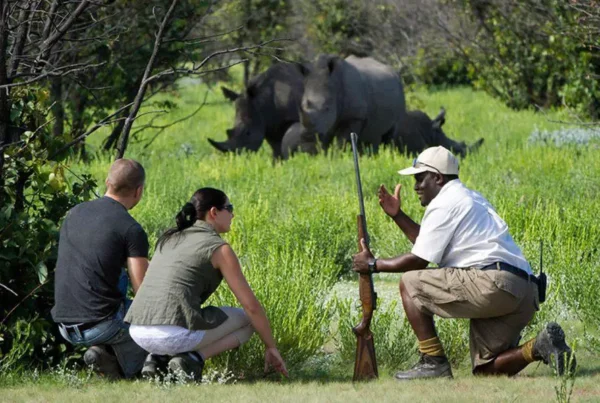
An early breakfast will be followed by a scenic drive to Murchison Falls National Park, marking the beginning of an exciting adventure. Along the way, a stop will be made at Ziwa Rhino Sanctuary to enjoy an unforgettable rhino tracking experience. The journey will then continue toward the park, culminating in a visit to the top of Murchison Falls, where the mighty Nile River dramatically squeezes through a narrow 7-meter gorge, creating a powerful and awe-inspiring cascade right before your eyes. This experience is seamlessly arranged by WildHorn Africa.

Murchison Falls National Park Game Drive

Murchison Falls National Park, Uganda’s largest and most expansive conservation area, offers some of the most rewarding game viewing experiences in the country. Following an early breakfast, the day will begin with a game drive along the northern banks of the Nile River, where sightings of giraffes, elephants, hartebeests, buffaloes, lions, leopards, and an array of bird species can be anticipated. Witnessing wildlife in their natural environment—feeding, nurturing their young, and interacting within their herds—is a truly remarkable experience.

Later in the afternoon, the adventure continues with a tranquil boat safari along the River Nile. This relaxing cruise presents additional chances to observe wildlife and birds from a unique perspective. The journey culminates at the base of the spectacular Murchison Falls, famously known as the ‘Devil’s Cauldron,’ where the river explodes through a narrow gorge with immense power. Such a dramatic and exclusive river safari experience can only be encountered in Uganda and is thoughtfully organized by WildHorn Africa.

Transfer to Kibale Forest National Park

The journey today will lead to Kibale National Park, widely regarded as the primate capital of East Africa and the renowned home of chimpanzees. This lush forest sanctuary shelters 13 different primate species, with chimpanzee tracking being the highlight of the experience. As the drive unfolds, breathtaking scenery will be enjoyed, including glimpses of charming rural villages, bustling local markets, and abundant birdlife along the way. The day’s travel will be accompanied by a packed lunch or a meal stop in a town en route, all thoughtfully arranged by WildHorn Africa.

Chimpanzee Trekking in Kibale Forest National Park

Kibale National Park, celebrated as the primate capital of East Africa, offers a truly enriching chimpanzee trekking experience. This adventure leads deep into the heart of a vibrant tropical forest, crossing gentle streams and winding trails. Along the way, encounters with red-tailed monkeys, black-and-white colobus monkeys, colorful butterflies, and a chorus of birds calling from the treetops may be enjoyed. With expert guidance from a professional WildHorn Africa guide, chimpanzees will be carefully located, allowing for memorable photography and the chance to observe their natural behavior as they interact, feed, and play.

Following the trek and a refreshing lunch, an optional visit to Bigodi Village and its renowned swamp may be arranged, time permitting. This wetland area is celebrated for its remarkable diversity of bird species and primates, adding another layer of ecological richness to the day’s experience.

Transfer to Queen Elizabeth National Park

After breakfast, the journey will proceed to Queen Elizabeth National Park, offering scenic views of crater lakes and the majestic Rwenzori Mountain Ranges along the way. Upon entering the park, a brief game drive will be enjoyed en route to the lodge, setting the stage for an afternoon filled with remarkable wildlife encounters.

Following lunch, a serene boat cruise along the Kazinga Channel will be experienced, providing a relaxed yet immersive opportunity to observe wildlife. The channel’s banks are teeming with birdlife, while crocodiles and elephants are often seen along the shoreline. This scenic excursion, arranged by WildHorn Africa, also presents excellent opportunities for photography in the heart of Uganda’s most biodiverse landscape.

Wildlife Safari in Queen Elizabeth National Park

As the day begins, wildlife can be observed in their natural social structures—families, clans, and groups—moving freely through the vast landscapes, offering a striking contrast to those seen in confined zoo environments. A guided game drive across the Kasenyi plains will be undertaken in open-roof safari vehicles, allowing unobstructed views of the park’s rich biodiversity.

The journey will then continue to the Ishasha sector, famously known for its unique population of tree-climbing lions. With the assistance of experienced rangers, efforts will be made to locate these elusive predators lounging in fig or acacia trees. Lunch will be enjoyed as a picnic in the wild or served at the lodge, depending on the day’s timing and conditions, with all arrangements seamlessly managed by WildHorn Africa.

Expedition To Bwindi Impenetrable Forest National Park

The journey today will lead to the majestic home of the gentle giants—Bwindi Impenetrable Forest. This rewarding drive winds through the stunning Kigezi Highlands, renowned for their dramatic terraced hills and breathtaking scenery. Depending on the arrival time, lunch will either be enjoyed en route or served at the lodge upon check-in.

Accommodation will be provided within or near the boundaries of the dense forest, offering a peaceful and immersive environment ideal for rest and rejuvenation. This serene setting, arranged by WildHorn Africa, provides the perfect atmosphere to unwind and prepare for the unforgettable gorilla trekking experience awaiting the following day.

Gorilla Trekking in Uganda

The most anticipated moment of the safari will unfold with an encounter with the magnificent mountain gorillas in Bwindi Impenetrable National Park. This ancient rainforest, teeming with biodiversity, is home to a wide variety of birds, butterflies, primates, and other forest-dwelling mammals. Accompanied by an experienced guide and park ranger from WildHorn Africa, the trek will lead deep into the lush terrain in search of these rare and powerful creatures.

Eventually, a face-to-face meeting with the gorillas will be experienced—an awe-inspiring and emotional connection with one of the world’s most endangered primates. The trek can vary in duration, ranging from one to eight hours, depending on the gorillas’ location. However, once located, visitors are granted one unforgettable hour to observe and photograph these gentle giants in their natural habitat. For those who opt not to participate in gorilla tracking, optional activities such as a cultural village walk or a short guided forest excursion may be arranged to ensure an enriching day.

Golden Monkey trekking in Mgahinga national park

An early morning departure from Bwindi will lead to Mgahinga Gorilla National Park, a scenic journey of approximately two hours. Upon arrival, golden monkey trekking will commence—a unique experience offering the chance to encounter this rare and endemic primate species found only in the Virunga volcanic region. The trek winds through the lush bamboo forests and diverse vegetation of Mgahinga, including distinctive flora such as giant lobelia.

Guided by an experienced ranger from WildHorn Africa, insights into the park’s ecological significance, history, and rich biodiversity will be shared throughout the trek. The entire experience typically lasts between two to three hours, after which a return to your reserved accommodation will provide a comfortable and restful overnight stay.

Lake Mburo National Park for Wildlife

The journey to Lake Mburo National Park will unfold through scenic countryside marked by rolling landscapes, plantations, and rural farms. Along the way, a visit will be made to a cultural museum showcasing the traditional lifestyles and heritage of the local communities in the region. Lunch or a picnic will be enjoyed at a selected restaurant en route.

Arrival at the park is expected later in the afternoon, followed by a peaceful boat excursion on Lake Mburo. This experience, thoughtfully arranged by WildHorn Africa, provides an ideal opportunity to take in the park’s natural beauty from the water while observing its vibrant birdlife and aquatic wildlife.

Transfer to Entebbe

Following an early breakfast, a game drive will be conducted within Lake Mburo National Park, offering one last chance to spot wildlife in this picturesque savannah setting. The journey will then continue toward Entebbe, including a stop at the iconic Equator line for a brief visit and photo opportunity. Lunch will be enjoyed along the way before proceeding to the airport, with arrival scheduled for the afternoon. All arrangements will be smoothly handled by WildHorn Africa.

Included

  • Park fees (For non-residents)
  • Gorilla permits (One per person, non-resident)
  • Chimp permits (One per person, non-resident)
  • All activities (Unless labeled as optional)
  • All accommodation (Unless listed as upgrade)
  • A professional driver/guide
  • All transportation (Unless labeled as optional)
  • All Taxes/VAT
  • Roundtrip airport transfer
  • Meals (As specified in the day-by-day section)
  • Drinking water(On all days)

Excluded

  • International flights (From/to home)
  • Additional accommodation before and at the end of the tour
  • Tips (Tipping guideline US$10.00 pp per day)
  • Personal items (Souvenirs, travel insurance, visa fees, etc.)
  • Government imposed increase of taxes and/or park fees

The best time to visit is generally considered to be during the dry season, when weather conditions are more pleasant and travel is less likely to be disrupted, typically based on your preferred destinations. During this period, landscapes are at their most vibrant, wildlife sightings are more frequent, and activities can be enjoyed with greater ease. While visits are possible year-round, choosing this window is often recommended to ensure the most rewarding and comfortable experience.

WhatsApp

General Climate

  • Southern Africa is hot and wet—great for lush landscapes but not ideal for wildlife spotting.

  • East Africa is dry and sunny—excellent for safaris and beach holidays.

  • North Africa (e.g., Egypt) is pleasantly cool.

Why: Peak of the dry season; excellent for wildlife viewing, especially in the Maasai Mara and Amboseli. Also great beach weather along the coast.

General Climate

  • Similar to January. East Africa remains dry and ideal for travel.
  • Southern Africa continues to experience summer rains.

Why: Calving season in the southern Serengeti; predators are active. Good weather in Zanzibar for beach lovers.

General Climate

  • Wettest month in East Africa; not ideal for safaris.

  • Southern Africa is still rainy, but the tail end of the wet season.

  • North Africa heats up quickly.

Why: Warm but not oppressively hot. Ideal for exploring ancient sites like Luxor, Aswan, and the Pyramids.

General Climate

  • Rain begins in East Africa.
  • Southern Africa starts to transition, with some rains still occurring.
  • Egypt begins warming up.

Why: Great for gorilla trekking in Bwindi before the heavier rains. Cooler weather in the mountains and fewer crowds.

General Climate

  • Peak dry season in East and Southern Africa—excellent for game viewing.

  • Nights can be cold in desert regions.

Why: Outstanding game viewing in the Okavango Delta during the annual flood. Dry and comfortable weather.

General Climate

  • Dry season in most regions of East and Southern Africa.

  • Cooler temperatures and clearer skies.

Why: Prime safari season begins. Victoria Falls is still in full flow, and wildlife viewing improves as vegetation thins out.

General Climate

  • Prime dry season continues in East and Southern Africa.

  • Cooler temperatures in the highlands.

Why: Cool, dry, and clear. Perfect time for dramatic desert landscapes, wildlife viewing in Etosha, and exploring Sossusvlei.

General Climate

  • End of rainy season in East Africa—landscapes are lush.

  • Southern Africa becomes cooler and drier—a sign of great safaris to come.

Why: Dry season begins; ideal time to see lemurs and other endemic wildlife. Also good for trekking and photography.

General Climate

  • Dry season continues but temperatures start to rise.

  • Wildlife congregates around water sources.

Why: One of the best months for game viewing in Hwange National Park and visiting Victoria Falls with good flow and visibility.

General Climate

  • Hot and dry across most of Africa.

  • Late dry season—excellent for spotting wildlife.

Why: Great for safaris in Kruger and start of wildflower bloom in the Western Cape. Also good time for whale watching along the coast.

General Climate

  • Rain returns to East Africa (short rains).

  • Southern Africa sees rising temperatures.

  • Still good wildlife viewing in some places before the rains fully begin.

Why: Short rainy season, but still accessible for gorilla trekking. Lush green scenery and fewer tourists.

General Climate

  • Warm and wet in Southern Africa.

  • East Africa enjoys another dry spell (short dry season).

  • North Africa is cool and dry.

Why: Dry season starts; ideal for historical sites, Simien Mountains trekking, and experiencing Timket preparations.

Featured Headlines

AllAboutAbout UsAdventure holidaysBotswanaBotswana places to visitBotswana travel guidesBucket list holidaysCongoCongo places to visitCongo travel guidesContact UsDestinationsEco-friendly accommodationsEgyptEgypt travel guidesEthiopiaEthiopia travel guidesExperiencesFamily holidaysGabonGabon travel guidesGet inspiredGroup holidaysHoliday typesHoneymoon holidaysJoin our teamKenyaKenya travel guidesKenya trip ideasLuxury holidaysMadagascarMadagascar travel guidesMalawiMalawi travel guidesMozambiqueMozambique travel guidesNamibiaNamibia accommodationsNamibia places to visitNamibia travel guidesNamibia trip ideasOff the beaten track holidaysPrimate holidaysRefer a friendResponsible travel tipsRwandaRwanda travel guidesRwanda trip ideasSafari holidaysSouth AfricaSouth Africa best time to visitSouth Africa travel guidesSouth Africa trip ideasSouth SudanSouth Sudan places to visitSpecial offersSustainable travelTanzaniaTanzania places to visitTanzania travel guidesTanzania trip ideasTravel guidesTravel safetyTravel stories and blogsUgandaUganda accommodationsUganda best time to visitUganda places to visitUganda travel guidesUganda trip ideasWhen to goWhere to goWildlife holidaysYour first safariZambiaZambia places to visitZambia travel guidesZimbabweZimbabwe places to visitZimbabwe travel guides
Close Menu