search
Kasubi Tombs: Family-Friendly Activities to off the beaten path for foodies

Kasubi Tombs: Family-Friendly Activities to off the beaten path for foodies

By Off the beaten track holidays, Travel stories and blogs, Uganda travel guides

Kasubi Tombs: Family-Friendly Activities Off the Beaten Path for Foodies

Where Heritage Meets Flavor

In the heart of Kampala, Uganda’s bustling capital, lies a site that holds both cultural prestige and spiritual significance—the Kasubi Tombs. Known as the burial grounds of the Buganda kings, or Kabakas, this UNESCO World Heritage Site is often described as the soul of Buganda culture. It is revered for its traditional architecture, rich oral histories, and its embodiment of cultural identity. Yet beyond its sacred significance, the Kasubi Tombs have evolved into a destination that speaks to more than history. For travelers seeking authentic, family-friendly adventures, the site opens a window into an extraordinary blend of culture, community, and even culinary traditions.

For families traveling with children, the experience of visiting Kasubi Tombs can be both educational and engaging, revealing a side of Uganda that is often hidden behind mainstream attractions. At the same time, for food lovers, the destination offers an immersive gateway into Buganda’s traditional cuisine, making it a unique point of interest off the beaten path. Here, history and gastronomy intertwine, creating opportunities for storytelling, tasting, and exploration that unite generations.

Kasubi Tombs is therefore not just a heritage site—it is a living, breathing space where culture is celebrated through rituals, crafts, and meals. Families can journey through its spiritual corridors while simultaneously savoring its culinary heart, making it a destination that embodies both reverence and delight.

Understanding the Significance of Kasubi Tombs

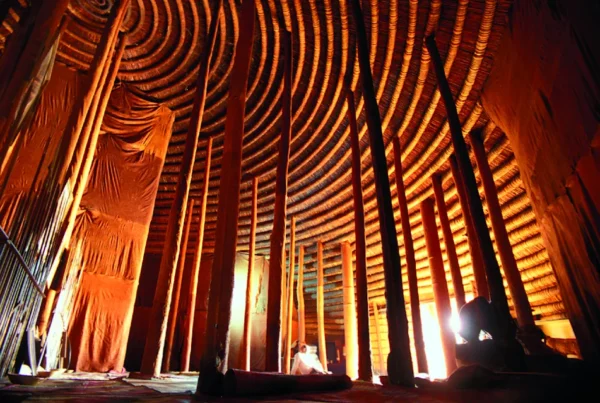
The Kasubi Tombs are more than a burial site; they are the ultimate symbol of Buganda identity. Constructed originally in 1882 as a palace for Kabaka Muteesa I, the site was later converted into the royal burial grounds and has since hosted the remains of four Kabakas. The central building, known as Muzibu Azaala Mpanga, is built entirely from natural materials such as thatch, reeds, and wood, showcasing traditional Ganda architecture in its most authentic form.

For families, the visit is an opportunity to connect with Uganda’s past in ways that transcend textbooks. Children can see and feel the construction techniques, listen to oral histories shared by local guides, and understand the profound respect Buganda society holds for its monarchs. It is a place where architecture becomes storytelling, and rituals become living lessons.

At the same time, the site functions as a cultural and spiritual hub for the community. Rituals, ceremonies, and traditional practices are still carried out here, offering visitors the chance to experience Buganda culture not as something preserved in a museum but as a thriving heritage. This atmosphere of authenticity makes it particularly enriching for families traveling together, as each member, from parent to child, can find meaning in the shared exploration.

A Family-Friendly Experience in a Sacred Space

One might assume that a royal burial ground would be too solemn for children, but the Kasubi Tombs provide a surprisingly engaging experience for younger visitors. Guides at the site are often skilled storytellers who bring Buganda legends to life through tales of kings, queens, and traditional rituals. These stories capture children’s imaginations, creating both entertainment and education.

The spacious grounds and traditional huts offer children the opportunity to move around freely while still respecting the sanctity of the site. Families often find that their visit naturally becomes a shared journey of discovery, with parents and children learning side by side. The sense of curiosity that comes with stepping into a sacred, centuries-old site blends beautifully with the wonder of hearing stories rooted in oral tradition.

The hands-on nature of the experience also appeals to children. The intricate thatching, the reed decorations, and the crafts displayed at the site provide opportunities for close observation and interactive learning. It becomes less of a history lesson and more of an immersive family adventure.

Off the Beaten Path: The Culinary Connection

What many visitors overlook is that the Kasubi Tombs are situated within a community deeply tied to Buganda traditions, including its culinary heritage. For foodies traveling with families, this becomes an added dimension of exploration. The area around Kasubi introduces visitors to local markets, roadside eateries, and community kitchens that reveal the authentic flavors of Buganda cuisine.

Traditional foods such as matoke, a staple made from steamed green bananas, are often served in banana leaves, enhancing their flavor while preserving cultural authenticity. Families can also sample luwombo, a traditional dish where meat, groundnut paste, or beans are slow-cooked in banana leaves, creating a rich and smoky taste. For adventurous eaters, sampling katogo, a hearty breakfast dish combining bananas with beef or beans, becomes a memorable experience.Kasubi Tombs: Family-Friendly Activities to off the beaten path for foodies

Children are often delighted by the novelty of tasting foods prepared in ways so different from what they may know, while adults appreciate the depth of tradition embodied in each dish. Food becomes the medium through which culture is tasted and remembered. This culinary angle ensures that a visit to Kasubi Tombs is not confined to historical exploration but extends into sensory delight.

Culinary Demonstrations and Storytelling Through Food

Families who arrange guided experiences often find that culinary demonstrations can be included as part of their visit. Local women sometimes showcase the process of preparing traditional Buganda meals, turning cooking into a cultural performance. The use of banana leaves, the grinding of groundnuts, or the steaming of matoke becomes a visual narrative, connecting food to identity.

For food lovers, such experiences deepen the appreciation of how meals are tied to rituals, celebrations, and even mourning practices within Buganda culture. Children, too, are captivated by the interactive process, whether through tasting small portions, watching the wrapping of food, or learning how certain ingredients are grown and harvested.

In this sense, Kasubi Tombs becomes more than a place of history—it transforms into a holistic cultural classroom where architecture, rituals, and food intersect. It is a place where stories are not only told but tasted, turning cultural preservation into a multi-sensory adventure.

The Atmosphere of Community and Family Engagement

The community surrounding the Kasubi Tombs is as integral to the experience as the site itself. Families visiting are often welcomed into an atmosphere of warmth and hospitality. Vendors nearby sell crafts, foods, and drinks, allowing visitors to engage directly with locals who maintain these traditions.

Children can interact with local artisans, observing basket weaving, pottery making, and even simple craft demonstrations. Parents, meanwhile, often find joy in conversations with elders who share their memories of the site, enriching the visit with lived experiences. These interactions ground the experience in everyday life, offering perspectives that cannot be gained from guidebooks alone.

For foodies, these community connections open doors to authentic meals prepared in local kitchens rather than commercial restaurants. Eating alongside community members becomes a way of not just tasting but also belonging, even if only for a short while.

Practical Considerations for Families Visiting Kasubi Tombs

Visiting a sacred site with children naturally raises questions about appropriateness and practicality. The Kasubi Tombs, however, are highly accommodating to families. Clear pathways, guided tours, and open grounds ensure that families can move around comfortably.

Respect for cultural norms is essential. Families are advised to dress modestly, particularly when entering the sacred areas, and to encourage children to listen attentively to guides. Photography is often allowed but should always be done with respect, particularly in ritual spaces.

Food experiences around the site are generally safe and family-friendly. Local vendors take pride in preparing meals fresh, and guides often recommend trusted locations where families can enjoy authentic Buganda dishes without concern. With these practicalities considered, the visit becomes smooth, enjoyable, and enriching for all ages.

The Blend of Education, Culture, and Gastronomy

What sets Kasubi Tombs apart from many other attractions in Kampala is its ability to combine multiple layers of experience into one visit. For families, it becomes an educational excursion where children encounter Uganda’s history not as a static narrative but as a living culture. For food lovers, it is a culinary adventure that reveals the flavors of Buganda cuisine in its most authentic forms.

This blend creates a holistic travel experience that resonates deeply with travelers seeking off-the-beaten-path journeys. Unlike commercialized tourist spots, Kasubi Tombs and its surrounding community offer authenticity, intimacy, and the sense of stepping into a world that is both sacred and welcoming.

A Journey of Flavor and Heritage

The Kasubi Tombs stand as a symbol of Uganda’s cultural soul, but they also offer far more than historical significance. For families, it is a destination that combines education with wonder, turning storytelling and exploration into shared memories. For food lovers, it is a gateway into Buganda’s culinary traditions, where every dish becomes an expression of history and identity. Together, these elements make Kasubi Tombs a unique place where heritage and flavor meet.

To experience this journey in a way that is seamless and enriching, travelers are encouraged to plan their visit with experts who understand both the cultural significance and the culinary depth of the site. WildHorn Africa, with its dedication to creating meaningful African travel experiences, ensures that visitors to Kasubi Tombs enjoy not only the sacred stories but also the unforgettable flavors of Buganda life. Booking your tours and safaris through WildHorn Africa guarantees that your family adventure is guided by expertise, authenticity, and care.

7-Day Murchison Falls & Kidepo National Park Wildlife

7-Day Murchison Falls & Kidepo National Park Wildlife

By Off the beaten track holidays, Safari holidays, Uganda trip ideas, Wildlife holidays
From $2,365  per person  (USD)

7-Day Murchison Falls & Kidepo National Park Wildlife

7-Day Murchison Falls & Kidepo National Park Wildlife

This tour is specially crafted for wildlife enthusiasts eager to explore the remote, arid, and pristine Kidepo Valley National Park in North-Western Uganda, a spectacular destination waiting to be discovered. Rather than driving straight to the park, which is 575 km from Kampala, this package includes planned stops at Zziwa Rhino Sanctuary and Gulu town, allowing for a more comfortable journey and ample time to recover from travel fatigue.

Embark on an unforgettable 7-day adventure that showcases the extraordinary wildlife and breathtaking landscapes of Murchison Falls and Kidepo National Parks.

This carefully curated journey is designed to immerse travelers in the heart of Uganda’s most iconic natural reserves, where diverse ecosystems and abundant wildlife are experienced at their finest. From the roaring cascade of Murchison Falls to the rugged wilderness of Kidepo Valley, every moment of this safari is planned to reveal the raw beauty and unique biodiversity that define these protected areas.

Throughout the seven days, a variety of activities and sightings are facilitated to maximize wildlife encounters and scenic appreciation. Game drives, boat safaris, and guided walks are arranged to provide comprehensive exploration of the parks’ rich fauna, including elephants, lions, giraffes, and rare bird species. Comfortable accommodations are selected strategically to enhance the safari experience, allowing travelers to rest fully while staying close to nature. This itinerary ensures that the journey between the two parks is seamless, offering both adventure and relaxation in an unforgettable wildlife expedition.

7-Day Murchison Falls & Kidepo National Park Wildlife

itinerary

Arrival in Kampala

Upon arrival at Entebbe International Airport, a guide/driver will welcome you and transfer you to Kampala Acactus Hotel or any other accommodation of your preference in Kampala. After a brief rest, the guide will take you on a city tour to explore Kampala’s historical and cultural landmarks. Highlights of the tour may include the Uganda Parliament Building, Kabaka’s Palace, Kabaka’s man-made lake, Uganda Museum, Kasubi Tombs, religious cathedrals, and the Bahai Temple, among others, before returning to the hotel for dinner and overnight stay.

Kampala to Gulu

Following breakfast, a transfer will be arranged to Gulu town for an overnight stay. Along the way, a stop will be made at Ziwa Rhino and Wildlife Ranch in Nakasongola district for a rhino tracking experience. Lunch will be enjoyed at the ranch before continuing the journey to the northern hub of Gulu city. After spending the night in Gulu, an early morning departure to Kidepo Valley National Park will be undertaken.

Following an early morning breakfast, you will be transferred to Kidepo Valley National Park, with an expected arrival in the afternoon. After lunch, an afternoon game drive will be undertaken to spot wildlife such as zebras, giraffes, caracals, lesser kudus, and mountain reedbucks, among others. Later, you will return to your accommodation for an overnight rest, preparing for the full days of activities ahead.

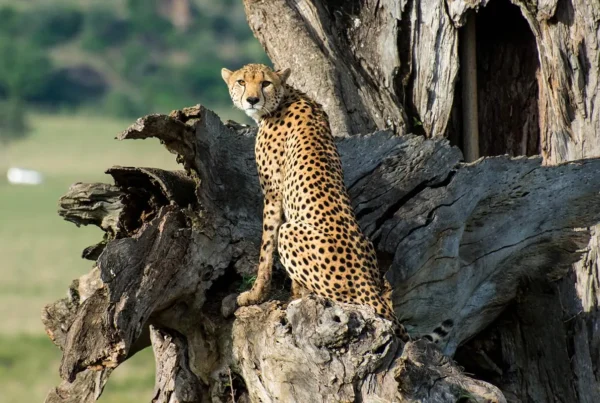
Traversed by large sandy rivers, Kidepo Valley National Park is famous for its unique blend of wildlife thriving alongside dry mountain forests and open savannah. The park is home to over 77 mammal species and nearly 500 bird species. Consequently, the diversity of animals in the park is remarkable, including several species found nowhere else in Uganda, such as the cheetah. On day four, extensive game drives will be conducted throughout the park to observe as many animal and bird species as possible, including rare and endemic ones like the cheetah, which cannot be seen elsewhere in the country.

Transfer to Murchison Falls National Park

In the morning, the journey to Murchison Falls National Park, Uganda’s most popular park, will begin. Upon arrival, an evening game drive will be undertaken. Exploring the Buligi game tracks on the northern bank offers an excellent opportunity to observe and photograph a variety of wildlife in the Nile Valley, including lions, hyenas, elephants, giraffes, and leopards.

Morning Game drive, Boat cruise and top of the falls

After breakfast in the morning, a morning game drive will be embarked upon to spot any wildlife that may have been missed during the previous evening’s drive. This game drive will last approximately four hours before a lunch break is taken. Following lunch, a boat cruise to the base of the falls will be undertaken. During the boat trip, numerous wild animals can be seen along the riverbanks, along with a variety of bird species. From there, a hike to the top of Murchison Falls will be made, allowing you to experience and witness the power of the world’s strongest waterfall. The summit also offers ample opportunities for capturing stunning photographs.


Transfer back to Kampala/Entebbe

After breakfast, you will check out and begin the return journey to Entebbe International Airport, if departing, or to any other preferred location within the city. The drive takes approximately four hours. This will mark the conclusion of the 7-day adventure. Thank you for choosing Wildhorn Africa.

Included

  • Park fees(For non-residents)
  • All activities(Unless labeled as optional)
  • All accommodation(Unless listed as upgrade)
  • A professional driver/guide
  • All transportation(Unless labeled as optional)
  • All Taxes/VAT
  • Roundtrip airport transfer
  • Meals(As specified in the day-by-day section)
  • Drinking water(On all days)

Excluded

  • International flights(From/to home)
  • Additional accommodation before and at the end of the tour
  • Tips(Tipping guideline US$10.00 pp per day)
  • Personal items(Souvenirs, travel insurance, visa fees, etc.)
  • Government imposed increase of taxes and/or park fees

The best time to visit is generally considered to be during the dry season, when weather conditions are more pleasant and travel is less likely to be disrupted, typically based on your preferred destinations. During this period, landscapes are at their most vibrant, wildlife sightings are more frequent, and activities can be enjoyed with greater ease. While visits are possible year-round, choosing this window is often recommended to ensure the most rewarding and comfortable experience.

WhatsApp

Featured Headlines

AllAboutAbout UsAdventure holidaysBotswanaBotswana places to visitBotswana travel guidesBucket list holidaysCongoCongo places to visitCongo travel guidesContact UsDestinationsEco-friendly accommodationsEgyptEgypt travel guidesEthiopiaEthiopia travel guidesExperiencesFamily holidaysGabonGabon travel guidesGet inspiredGroup holidaysHoliday typesHoneymoon holidaysJoin our teamKenyaKenya travel guidesKenya trip ideasLuxury holidaysMadagascarMadagascar travel guidesMalawiMalawi travel guidesMozambiqueMozambique travel guidesNamibiaNamibia accommodationsNamibia places to visitNamibia travel guidesNamibia trip ideasOff the beaten track holidaysPrimate holidaysRefer a friendResponsible travel tipsRwandaRwanda travel guidesRwanda trip ideasSafari holidaysSouth AfricaSouth Africa best time to visitSouth Africa travel guidesSouth Africa trip ideasSouth SudanSouth Sudan places to visitSpecial offersSustainable travelTanzaniaTanzania places to visitTanzania travel guidesTanzania trip ideasTravel guidesTravel safetyTravel stories and blogsUgandaUganda accommodationsUganda best time to visitUganda places to visitUganda travel guidesUganda trip ideasWhen to goWhere to goWildlife holidaysYour first safariZambiaZambia places to visitZambia travel guidesZimbabweZimbabwe places to visitZimbabwe travel guides
Close Menu