search
5-Day Itinerary for game drive in Arua with limited time

5-Day Itinerary for game drive in Arua with limited time

By Travel stories and blogs, Safari holidays, Travel guides, Uganda travel guides, Wildlife holidays

5-Day Itinerary for Game Drive in Arua with Limited Time

Tucked away in the far northwestern corner of Uganda, where the Nile bends and the horizon stretches into golden savannahs, lies a region of raw beauty and undiscovered adventureArua. Often known as the “Gateway to the West Nile,” Arua sits between Uganda’s lush heartlands and the vast, untamed wilderness bordering the Democratic Republic of Congo and South Sudan. For travellers with a passion for wildlife and nature but limited time, Arua offers a uniquely compact safari experience that blends authentic encounters, rich culture, and scenic tranquility within just a few days.

Unlike Uganda’s more commercial safari circuits around Queen Elizabeth or Murchison Falls, Arua’s charm lies in its off-the-beaten-path atmosphere. The surrounding reserves, rivers, and rural landscapes remain largely untouched, offering a sense of intimacy and solitude rarely found elsewhere. A 5-day game drive itinerary here allows visitors to enjoy thrilling wildlife encounters, soak in local culture, and unwind amid Uganda’s sunlit highlands — all without feeling rushed.

This guide explores a carefully designed 5-day itinerary for a game drive in Arua — a journey crafted for those with limited time yet limitless curiosity. It dives deep into each day’s experience, revealing not only where to go but how it feels to be part of this extraordinary corner of Africa.

Why Arua

Arua is more than a geographical location; it’s an experience shaped by nature, culture, and community. Its landscape is a blend of rolling plains, thick bush, and distant hills, forming a natural transition between Uganda’s savannah ecosystems and Central Africa’s tropical zones.

The city itself is lively — filled with markets, vibrant street life, and a cultural rhythm that reflects the resilience of Uganda’s northwestern people. But just beyond its edges, the wilderness opens wide. The Ajai Wildlife Reserve, White Rhino corridors, and Albert Nile floodplains provide a setting that is both wild and wondrous.

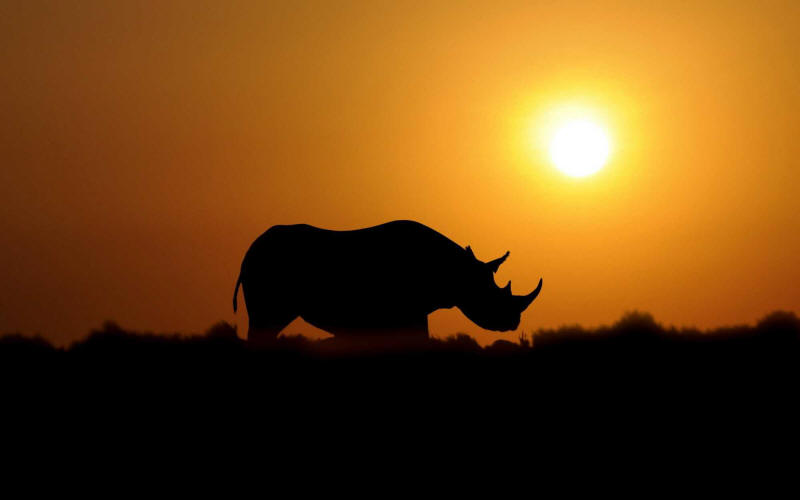
For travellers constrained by time but eager for immersion, Arua’s proximity to these natural treasures makes it ideal. Within a few hours’ drive, you can move from the bustling markets of Arua town to the serene, animal-filled grasslands of Ajai — a landscape still echoing with the footsteps of the once-thriving white rhinos that roamed here.

Detailed itinerary

Day 1: Arrival in Arua and Sunset Drive into the Savannah

Your adventure begins with arrival in Arua town, either by road from Kampala or a short domestic flight from Entebbe. Upon arrival, the air feels lighter — fresher — carrying whispers of acacia leaves and distant rain. The town’s atmosphere is calm yet energetic, a blend of modern life and rural authenticity.5-Day Itinerary for Game Drive in Arua with Limited Time
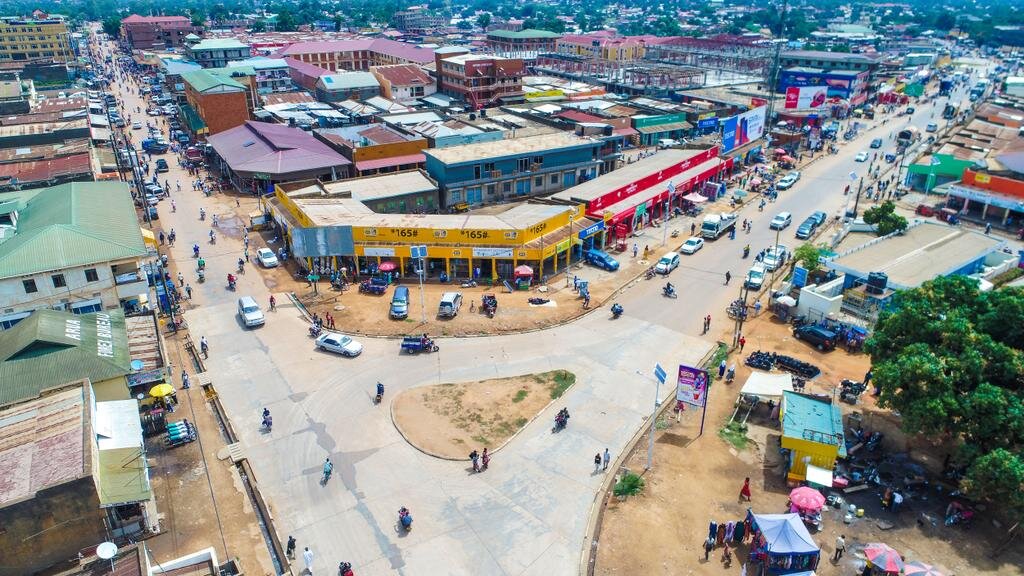
After settling into your lodge, the first afternoon is best spent getting acquainted with the land. The journey heads toward the outskirts, following red-dirt roads that twist through open fields and homesteads. As you leave the urban heartbeat behind, Uganda’s timeless countryside unfolds — green banana groves, scattered grass-thatched huts, and children waving as your safari vehicle passes.

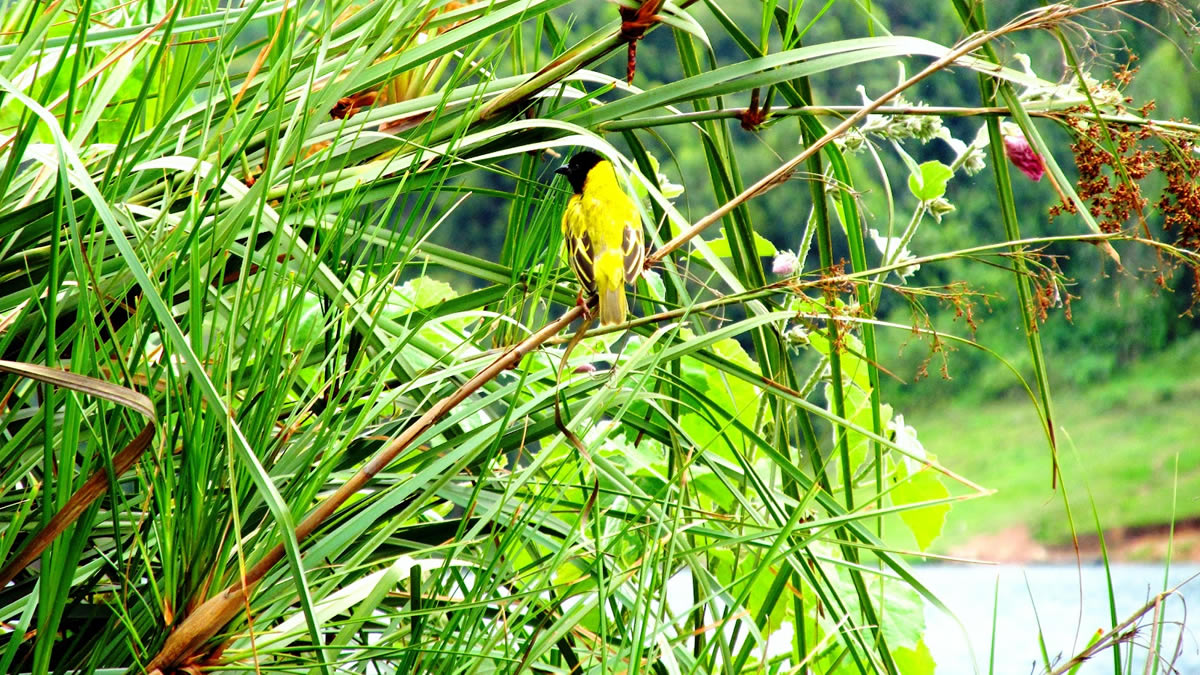
The evening brings your first short game drive or sunset exploration around the outskirts of Ajai Wildlife Reserve. Here, golden light spills across the savannah, igniting the tall grasses in warm hues of amber and gold. Antelopes emerge to graze as the day cools, and birds — weavers, bee-eaters, and fish eagles — return to their nests.

It is not the rush of a crowded park but the serenity of a forgotten Eden. The stillness is profound. You feel the pulse of the wilderness and sense that this journey, though short, will be deeply immersive. The day ends at a lodge on the edge of the reserve, with a hearty dinner served under a canopy of stars.

Day 2: Game Drive in Ajai Wildlife Reserve — Heart of the West Nile

At dawn, as the mist rises off the wetlands, the day’s true adventure begins. Ajai Wildlife Reserve, located southeast of Arua along the Nile’s banks, spans over 16,000 hectares of savannah, woodland, and riverine plains. Though smaller than Uganda’s major parks, it offers a distinctive ecosystem shaped by the Albert Nile and its seasonal floodplains.

The reserve is a place of revival. Once home to the now-extinct wild white rhinos of northern Uganda, Ajai is being restored through community-driven conservation initiatives. The modern reserve shelters Uganda kob, waterbuck, bushbuck, warthogs, and hippos, as well as diverse birdlife such as African fish eagles, crowned cranes, and herons.5-Day Itinerary for Game Drive in Arua with Limited Time
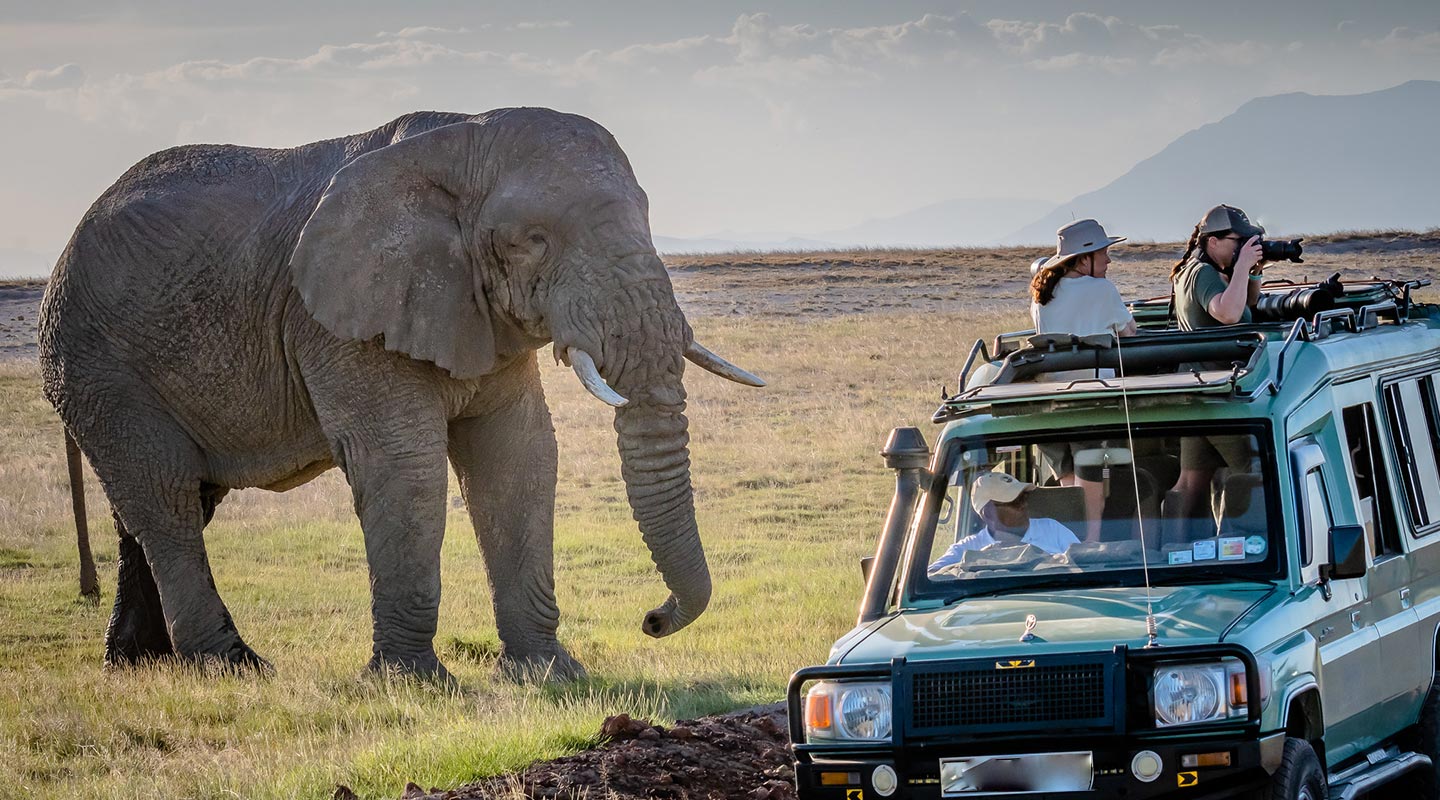
Your guide leads the way through narrow tracks where dew glistens on the grass. The light is soft, and every turn reveals something new — a pair of hartebeests grazing by the riverbank, a troop of baboons crossing the road, or an eagle perched atop a termite mound.

As the day warms, the drive pauses near the wetlands for a picnic breakfast. The soundscape fills with life — frogs croaking, birds calling, and wind rustling through reeds. Watching the river shimmer beneath the sun, it becomes clear that Ajai’s beauty lies not just in sightings, but in its silence and solitude.

The afternoon can be spent exploring deeper trails, visiting the community conservation outposts, and learning how local efforts sustain this fragile ecosystem. The relationship between people and nature here is intertwined — every restored habitat, every protected corridor tells a story of resilience and coexistence.

Evening descends gently over the plains as you drive back toward your lodge. Dinner is accompanied by the sounds of crickets and the distant laughter of villagers, followed by a peaceful rest in the cool night air.

Day 3: Albert Nile Exploration and Local Encounters

Day three opens with the golden reflection of dawn over the Albert Nile — a spectacular stretch of the great river as it winds north from Lake Albert. This day focuses on riverine exploration and cultural connection, blending wildlife encounters with local insight.

A short drive from Arua brings you to the Nile corridor, where boat rides and riverside walks unveil another dimension of the region’s ecology. Hippos grunt lazily in the shallows, while fishermen cast nets from traditional canoes, their silhouettes mirrored in the water.

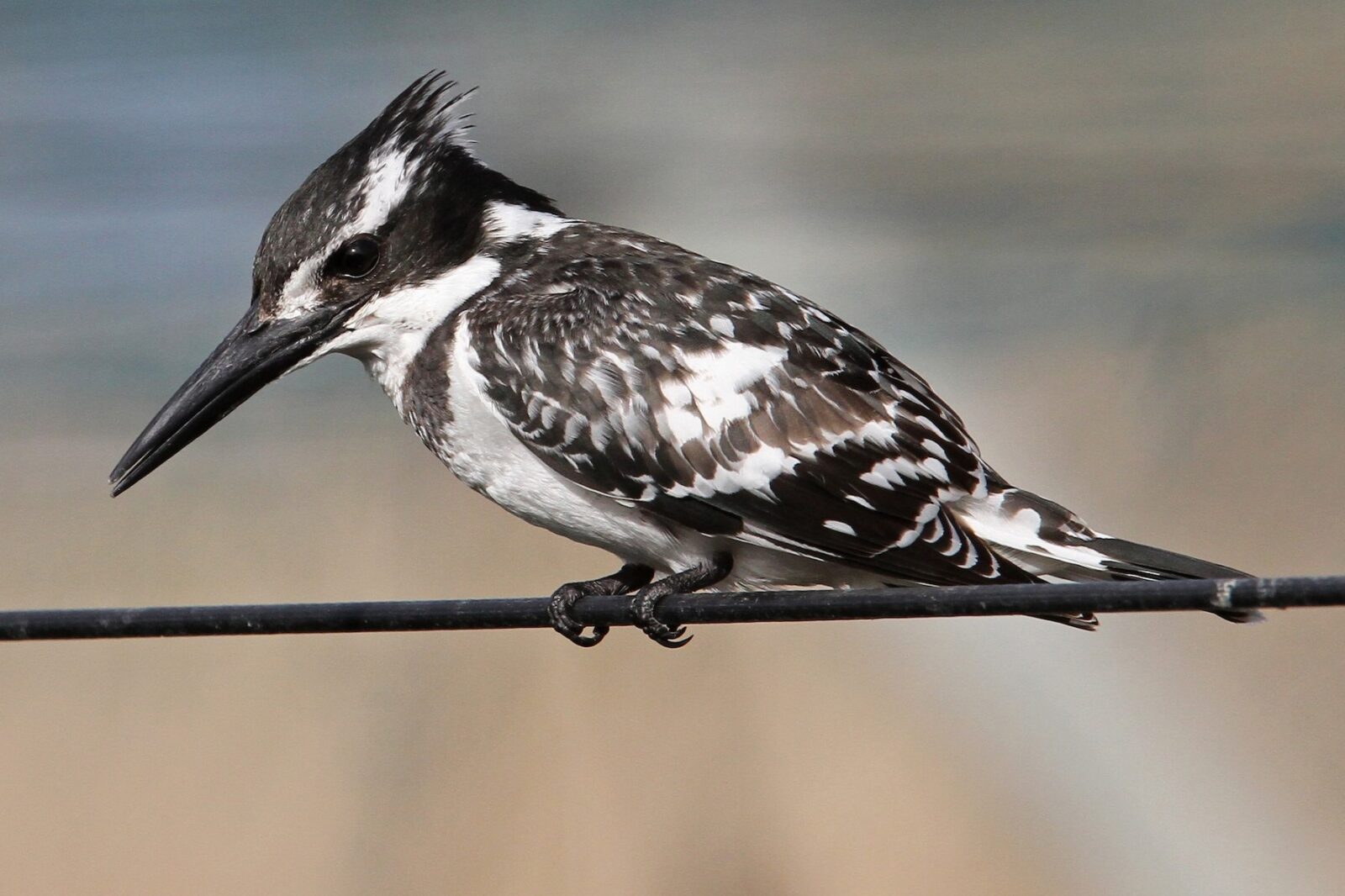
As you move along the riverbanks, the landscape shifts from open plains to lush greenery. Birdlife flourishes here — kingfishers dart like blue sparks, herons wade patiently, and fish eagles glide overhead. The atmosphere feels timeless, untouched by the rush of modern tourism.5-Day Itinerary for Game Drive in Arua with Limited Time
By midday, the journey turns inland toward nearby communities. Arua’s people are known for their warmth, creativity, and resilience. Visiting local artisans or traditional homesteads offers a glimpse into daily life — from handwoven crafts to farming practices that have sustained generations. Honeymooners and travellers alike often find these encounters deeply meaningful, as they reflect the heartbeat of real Uganda beyond the safari lens.

Later in the afternoon, a short evening drive along the Arua–Madi Okollo road offers a chance to spot antelopes, monkeys, and bird species preparing for dusk. As the sun lowers, painting the sky in pinks and violets, you return to your lodge for dinner under lantern light, the river whispering softly nearby.

Day 4: Scenic Hills, Cultural Trails, and Evening Drive

On the fourth day, the itinerary transitions from pure wilderness to scenic and cultural exploration. Arua’s surrounding hills, particularly those toward Rhino Camp and Terego, offer breathtaking panoramas and small wildlife corridors frequented by baboons, monkeys, and bushbucks. The trails are dotted with small villages and farmlands, where the pace of life feels gracefully unhurried.

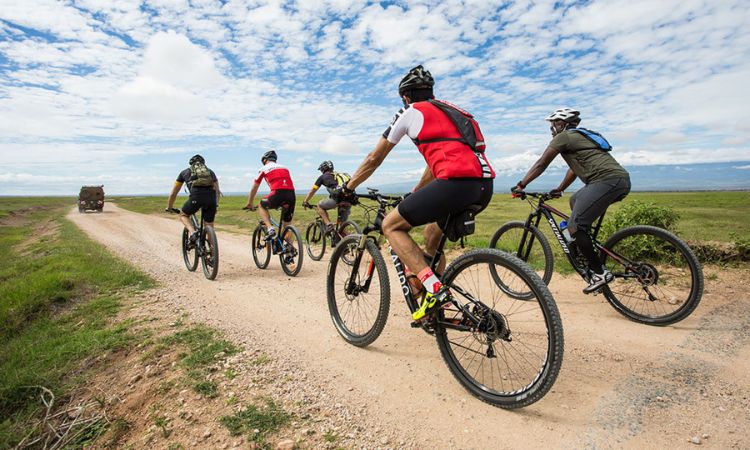
The morning is spent hiking or biking gently through these rolling landscapes, guided by a local expert who shares insights about flora, fauna, and the history of the region. This is also the perfect opportunity for couples or friends to share quiet moments in nature — a picnic beneath acacia trees, a shared laugh while crossing a stream, or simply gazing out over the valley in stillness.5-Day Itinerary for Game Drive in Arua with Limited Time
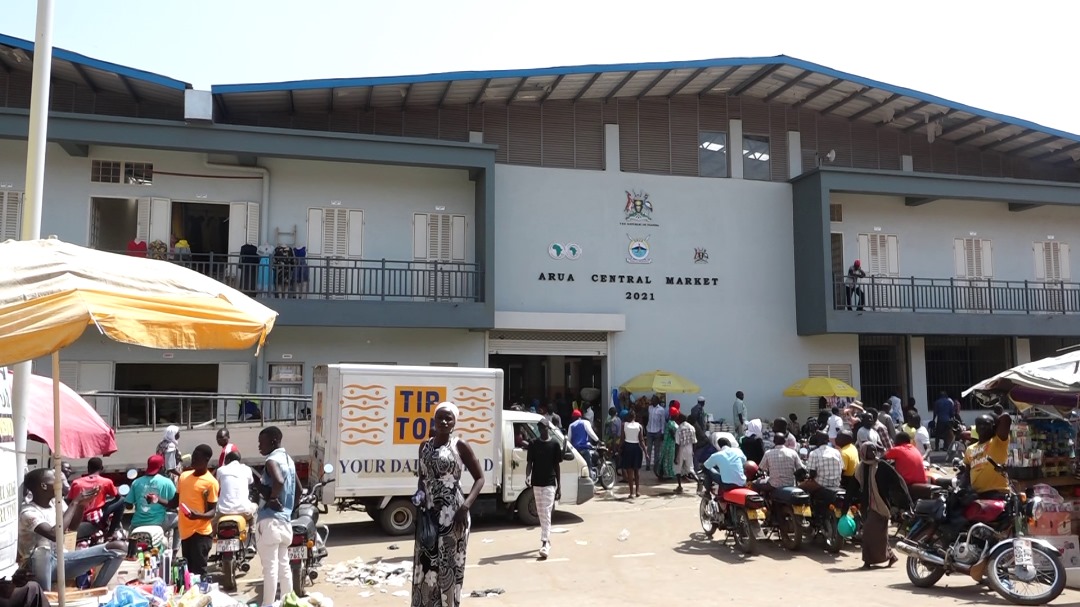
In the afternoon, the itinerary includes a community visit or market exploration. The Arua Central Market and nearby craft stalls showcase vibrant local produce, fabrics, and woodcarvings. The people here speak with pride about their heritage and are often eager to share stories about their land and wildlife.

As the evening approaches, a short game drive or sunset walk can be arranged within one of the nearby conservation areas or riverine plains. The fading light casts an ethereal glow over the grasslands, and the air fills with the scent of earth after a day’s warmth. You may encounter bush duikers darting into thickets, birds settling on treetops, or the first stars flickering through twilight.

The night ends in tranquil comfort — perhaps with a fireside conversation about the journey so far, a reflection of how five days can hold the essence of an entire adventure.

Day 5: Farewell to the Wild and Return to Arua Town

The final day arrives quietly, with morning light filtering through the curtains and the sounds of distant birds announcing dawn. After breakfast, there’s time for one last nature walk or short drive — a chance to breathe in the wilderness before returning to town.

The journey back to Arua feels reflective. The road winds through landscapes now familiar, each hill and river carrying memories of discovery. For those with a later flight or bus, the day allows for exploration of the city itself. Arua’s charm lies in its mix of old and new — colonial-era buildings stand beside lively markets, and cafes offer aromatic Ugandan coffee brewed to perfection.

As your safari draws to a close, a sense of connection lingers — connection to the land, to its people, and to the quiet beauty that defines northern Uganda. Arua may not boast the crowds or grandeur of larger parks, but its authenticity, solitude, and sincerity make it a destination of the heart.

The Spirit of Arua: More Than Just a Game Drive

A five-day itinerary in Arua offers more than a series of excursions; it offers an immersion into a way of life. The game drives, river tours, and cultural encounters create a rhythm of exploration that mirrors Uganda’s diversity in miniature. Within these few days, travellers witness both the majesty of nature and the grace of human resilience — two forces that have coexisted here for centuries.

In every moment — whether watching antelopes grazing, sharing laughter with a local family, or standing by the Nile as the sun melts into gold — Arua reveals itself as a place where time slows and meaning deepens.

The Hidden Jewel of Northern Uganda

What makes Arua truly special is its ability to surprise. It stands at the crossroads of wilderness and civilization, offering an experience that feels both remote and personal. For those with limited time, this region provides a condensed yet deeply fulfilling safari alternative — a journey that captures the essence of Uganda’s landscapes without the long transfers or crowded lodges.

Arua’s natural beauty, combined with its cultural richness, makes it a destination of quiet transformation. The simplicity of the experience — the rhythm of the road, the songs of birds at dawn, the warmth of the people — leaves a lasting impression that endures long after departure.

The Call to Experience Arua

Every journey begins with a choice — the choice to go beyond the familiar, to discover what lies off the main path. Arua, with its understated charm and untouched wilderness, invites travellers to embrace this spirit of exploration. It is a place for those who seek authentic connection — with nature, with people, and with themselves.

For travellers with limited time but endless curiosity, this 5-day game drive itinerary offers the perfect balance of adventure and ease. It is a reminder that even in a few days, one can live deeply, see vividly, and feel profoundly.

When you are ready to experience Uganda’s hidden north — its golden plains, its Nile reflections, and its quiet, soulful rhythm — choose to book your Africa tours and safaris with WildHorn Africa. With deep expertise, local insight, and a passion for authentic exploration, WildHorn Africa crafts journeys that go beyond sightseeing. Every route, every stop, every sunset is curated to capture the essence of discovery.

Let Arua surprise you. Let the wild call you. And let WildHorn Africa lead you there — where adventure and tranquility meet beneath the wide, unbroken skies of northern Uganda.
Murchison Falls National Park Game Drive: Complete Guide for groups

Murchison Falls National Park Game Drive: Complete Guide for groups

By Travel stories and blogs, Safari holidays, Travel guides, Uganda travel guides, Wildlife holidays

Murchison Falls National Park Game Drive: Complete Guide for Groups

Where the Nile Meets the Wild

There are few places in Africa where nature’s raw power collides so dramatically with untamed wilderness as it does in Murchison Falls National Park. Located in northwestern Uganda, this park is the country’s largest and oldest protected area, a crown jewel that has drawn adventurers, nature enthusiasts, and wildlife lovers from across the globe. For groups traveling together, whether as friends, families, or organized tours, the allure of a game drive here lies not only in the abundance of wildlife but also in the shared experience of discovering the rhythm of the African bush. Every sighting, every turn of the wheel, and every moment by the Nile becomes amplified when experienced collectively. This is more than a safari; it is a complete immersion into Uganda’s wild heart, guided by the roars of lions, the trumpets of elephants, and the thunderous cascade of the falls themselves.

Understanding the Park: A Wilderness of Grandeur

Murchison Falls National Park stretches over 3,840 square kilometers of savanna, riverine woodland, and wetlands, divided by the majestic Nile River as it plunges through a narrow gorge to form the dramatic Murchison Falls. Its landscapes vary from rolling grasslands in the north to dense forests in the south, creating habitats that sustain an impressive diversity of wildlife. For groups, this means that every drive unfolds as a journey through different ecosystems, each holding its own secrets and spectacles.

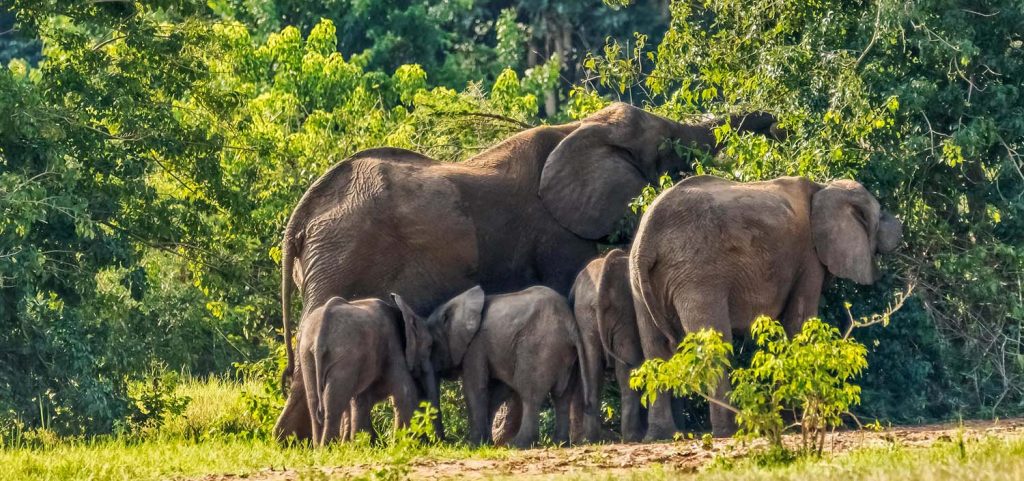
The northern savanna plains, in particular, are the park’s heart for game drives, where herds of elephants, giraffes, buffalos, and antelopes roam freely. Lions and leopards prowl these plains, and the thrill of spotting them together as a group creates moments that become lifelong memories. The southern section, covered largely by Budongo Forest, adds a layer of primate encounters, particularly chimpanzees, for those who extend their exploration beyond the plains. At the riverbanks, hippos wallow lazily, crocodiles lie in wait, and countless bird species soar overhead, reminding visitors that Murchison is as much a paradise for birdwatchers as it is for big game enthusiasts.

The Game Drive Experience: Shared Adventures in the Wild

Embarking on a game drive in Murchison Falls National Park is to step into a world where every moment holds the possibility of wonder. For groups, the experience is magnified by the collective anticipation that builds with each rustle in the grass or distant animal call. As the safari vehicle winds through the vast savannas, the sense of camaraderie deepens, with laughter, gasps, and shared silences binding travelers together.

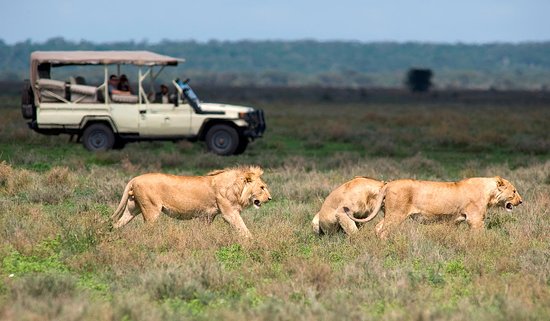
Morning game drives often begin just as the sun rises over the horizon, casting golden light across the plains. It is in these cool hours that predators such as lions are most active, stalking their prey or returning from nocturnal hunts. Herds of Uganda kob, Jackson’s hartebeest, and oribi move gracefully through the grasses, providing both the predator and prey spectacle that defines the African wilderness. Afternoon game drives, on the other hand, reveal a softer side of the savanna, with elephants gathering near watering holes, giraffes stretching for acacia leaves, and hippos emerging from the riverbanks as the heat of the day subsides.

Night game drives, though less common, provide a different layer of excitement for groups willing to extend their exploration. The darkness comes alive with nocturnal species such as hyenas, bushbabies, and servals, offering an entirely new perspective on the park’s diverse wildlife. The experience of listening to the wild in the quiet of the night, broken only by the calls of unseen creatures, is one that binds groups in awe and exhilaration.

Best Time for Game Drives: Seasons of Splendor

While Murchison Falls National Park offers year-round opportunities for wildlife viewing, the dry seasons from December to February and from June to September are particularly favorable for group game drives. The grasses remain shorter, waterholes attract concentrations of animals, and the open plains increase the chances of spotting predators. For groups, this ensures more rewarding drives, with less challenge in navigating muddy roads or thick vegetation.

The wet seasons from March to May and from October to November bring lush green landscapes and fewer crowds, creating a different kind of beauty. For groups who appreciate solitude and vibrant scenery, these months provide a more intimate safari experience, although trails can be muddy and wildlife sometimes disperses into denser cover. Birdwatching, however, reaches its peak in the wet season, with migratory species enhancing the park’s avian diversity, which exceeds 450 recorded species.

Group Dynamics: Why Shared Safaris Enrich the Experience

One of the greatest joys of a game drive in Murchison Falls National Park is the way it strengthens connections within groups. Shared safaris encourage interaction, as every sighting is accompanied by excitement, stories, and discussions. Spotting a lion lounging under an acacia tree or witnessing elephants crossing the Nile is exhilarating in itself, but the joy is multiplied when shared with companions. These moments become group narratives, retold long after the journey ends, turning travel companions into lifelong friends.

The structure of group game drives also provides practical advantages. Costs are shared, making access to experienced guides, well-equipped vehicles, and extended drives more affordable. Larger safari vehicles are designed to accommodate groups comfortably, ensuring that no traveler feels excluded from the action. Guides tailor their commentary and driving routes to match the collective interests of the group, creating a customized experience where everyone feels engaged.

Beyond the Drive: Complementary Activities for Groups

While the game drive remains the centerpiece of a visit to Murchison Falls National Park, groups often enrich their safari with complementary activities that reveal other facets of the park’s beauty. A boat cruise along the Nile, leading up to the base of Murchison Falls, provides a striking contrast to the savanna drives. From the water, crocodiles, hippos, and elephants are viewed at eye level, while the thunder of the falls grows louder with each bend.

For groups seeking physical activity, hikes to the top of Murchison Falls offer a dramatic perspective of the river forcing itself through a narrow seven-meter gorge before exploding into a thunderous cascade. This experience, when shared among friends or family, becomes an exhilarating triumph as the spray of the falls cools weary hikers. In the southern sector, chimpanzee tracking in Budongo Forest adds a primate dimension to group itineraries, while birdwatching excursions ensure that avian enthusiasts within the group also find fulfillment.

The Role of Guides: Unlocking the Secrets of the Park

No group safari in Murchison Falls National Park would be complete without the expertise of skilled guides. Their deep knowledge of animal behavior, ecology, and cultural history transforms a game drive from a mere excursion into an educational adventure. For groups, guides also serve as mediators of excitement, ensuring that everyone has the chance to spot wildlife, ask questions, and engage meaningfully with the environment. Their ability to anticipate animal movements and position vehicles for optimal viewing ensures that groups experience the park not as passive observers but as active participants in the unfolding drama of the wild.

Accommodation for Groups: Comfort in the Wilderness

The park and its surrounding areas offer a range of accommodation options tailored to groups, from luxury lodges perched on the banks of the Nile to budget-friendly campsites that foster camaraderie around campfires. Lodges often provide family rooms or group cottages, ensuring that members remain close together while enjoying comfort and convenience. Evenings in these lodges are often as memorable as the game drives, with shared meals, storytelling, and the sounds of the wild forming the perfect backdrop for group bonding.

A Shared Journey into the Wild Heart of Uganda

A game drive in Murchison Falls National Park is more than a safari; it is a shared journey into one of Africa’s most vibrant wildernesses. For groups, the experience transcends wildlife viewing to become a tapestry of memories woven from anticipation, discovery, and collective awe. The roar of Murchison Falls, the sight of giraffes silhouetted against the setting sun, and the laughter shared in safari vehicles remain etched in the minds of travelers long after they have left the park’s gates.

The complete guide for groups reveals not only the best times, activities, and dynamics for a visit but also the essence of what makes Murchison Falls National Park unforgettable. It is the merging of wild landscapes with human connection, where the spirit of adventure is magnified by companionship.

For those inspired to embark on this extraordinary group safari, the assurance of a seamless and enriching journey lies in choosing expert organizers. Booking African tours and safaris through WildHorn Africa guarantees professional planning, knowledgeable guides, and curated experiences that transform a group visit to Murchison Falls National Park into an unparalleled adventure.

Luxury Picks: Source of the Nile wildlife photography tips for luxury travelers

Luxury Picks: Source of the Nile wildlife photography tips for luxury travelers

By Travel stories and blogs, Travel guides, Uganda travel guides, Wildlife holidays

Luxury Picks: Source of the Nile Wildlife Photography Tips for Luxury Travelers

Capturing the Pulse of Africa’s Lifeline

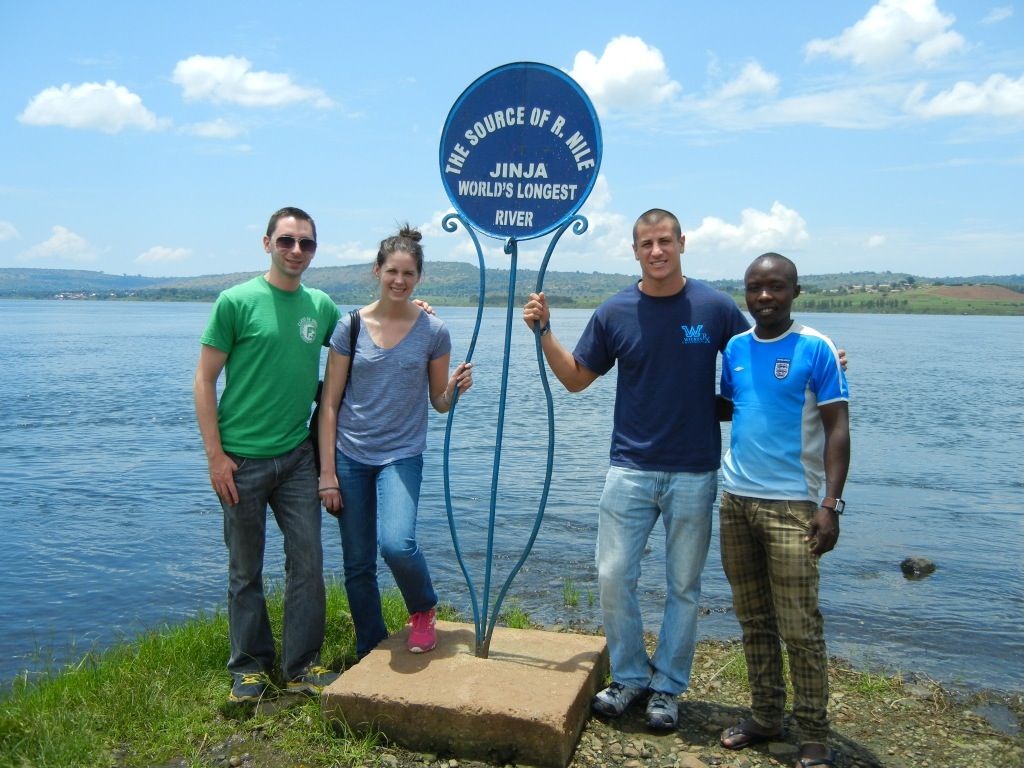
Few destinations in Africa embody timeless allure quite like the Source of the Nile in Jinja, Uganda. Revered not only as the cradle of the world’s longest river but also as a sanctuary where water, wildlife, and history converge, the Source has become a magnetic point for discerning travelers seeking both luxury and adventure. Beyond its historical significance, it offers a paradise for photographers—especially those whose passion lies in capturing wildlife within landscapes that blend opulence and nature’s raw authenticity. For luxury travelers, every frame must echo elegance, and every moment spent on the banks of the Nile is an opportunity to immortalize Africa’s untamed beauty in its most refined form. Understanding the best approaches, techniques, and timing for wildlife photography at this celebrated landmark transforms a visit into an unforgettable expedition, where art and travel merge seamlessly.

The Source of the Nile: A Luxury Gateway to Nature’s Canvas

The Source of the Nile is more than a geographical marvel; it is an exquisite setting where wildlife thrives in harmony with flowing waters, islands, and lush vegetation. For the luxury traveler, it represents an arena of curated experiences where relaxation on premium lodges and exclusive cruises is coupled with encounters that bring the wild within reach. While many come to marvel at the river’s origin, true connoisseurs discover that the region is also alive with avian diversity, aquatic species, and terrestrial wildlife that make every camera click purposeful.

Luxury lodges and boutique resorts positioned along the river offer exclusive vantage points, ensuring that guests do not merely visit the Source but rather live within its rhythm. Infinity pools overlooking the Nile, private decks where birds gather at dusk, and guided excursions by expert naturalists create settings where wildlife photography is not rushed but carefully orchestrated. In such environments, photography becomes less about chance encounters and more about immersing in a curated wilderness experience where the comfort of luxury meets the thrill of the unexpected.

Timing: The Art of Capturing Wildlife in the Nile’s Rhythm

The heart of wildlife photography lies in the mastery of light and timing, and nowhere is this more evident than at the Source of the Nile. Luxury travelers who seek to refine their photographic collections soon discover that early mornings and late afternoons are when the Nile reveals its most enchanting wildlife spectacles. The soft golden light caressing the river at dawn not only highlights the mist dancing above the waters but also enhances the plumage of kingfishers, the silhouette of fish eagles, and the gentle movement of monitor lizards along the banks.

Evenings, on the other hand, bring a dramatic interplay of light and shadow, as hippos surface to graze and the horizon glows with fiery hues. The contrast between wildlife activity and the golden backdrop becomes a canvas that few places in the world can rival. Unlike hurried safari environments, the Nile allows the luxury traveler time to linger, observe, and frame each image with patience—an indulgence that transforms casual snapshots into masterful compositions worthy of display.

Mastering Wildlife Photography at the Source

Wildlife photography at the Source of the Nile demands both technical precision and creative vision. Luxury travelers, often equipped with sophisticated cameras and lenses, benefit from a deliberate approach that emphasizes composition, perspective, and storytelling. Wide-angle shots capture the grandeur of the river landscape with wildlife as part of the scene, while telephoto lenses allow for intimate portraits of the creatures that dwell along its banks.

The river’s birdlife is especially rewarding to photograph, with species such as pied kingfishers, malachite kingfishers, and African fish eagles offering constant opportunities for action shots. Patience, often cultivated in the comfort of private boat cruises, allows photographers to anticipate behaviors—whether a bird diving for fish, a monitor lizard basking on a rock, or otters playfully surfacing near the reeds. Each image becomes more than a depiction of an animal; it becomes a narrative of life along the Nile, told with clarity, detail, and emotion.

Macro photography also finds its place here, particularly in the lush flora and smaller wildlife such as butterflies, dragonflies, and amphibians. The intimacy of such shots, when taken against the backdrop of the world’s most iconic river, elevates the artistic depth of a traveler’s photographic collection. The deliberate use of natural light, reflective water surfaces, and even occasional mist amplifies the drama of each capture.

The Role of Luxury in Crafting Unforgettable Photography Moments

What distinguishes the experience of a luxury traveler at the Source of the Nile is not merely the ability to take photographs but the curated environment in which these photographs are taken. Exclusive lodges arrange private photography sessions with professional guides who understand animal behavior and lighting conditions. Customized river cruises, often limited to a handful of guests, ensure unhurried opportunities to frame shots without distraction. Sundowner experiences on boats, where champagne flutes sparkle alongside the flash of kingfishers in flight, epitomize the fusion of indulgence and adventure.

Luxury also guarantees access to equipment care and convenience. Spacious suites with charging stations, secure storage for lenses, and even on-site assistance with editing or printing ensure that the photography journey is seamless. By removing logistical burdens, luxury allows photographers to focus solely on the art of capturing the Nile, transforming fleeting encounters into timeless memories.

Seasonal Variations: When the Nile Offers Its Finest Frames

Seasonal rhythms at the Source of the Nile play a crucial role in wildlife photography. During the dry months, typically from December to February and June to September, the banks of the river are more accessible, vegetation thins out, and wildlife is more concentrated around the water sources. Photographers find this period particularly rewarding, as visibility improves and the likelihood of spotting larger animals such as monitor lizards and hippos increases.

In contrast, the wet seasons from March to May and from late September to November imbue the landscape with lush greenery and dramatic skies, creating spectacular backdrops for photography. The rains attract migratory birds, enhancing the diversity of avian subjects, while storm-lit skies add drama to wide-angle shots of the river. For luxury travelers, the wet season also means fewer crowds, granting greater exclusivity and tranquility, which are essential for patient and thoughtful photography.

Storytelling Through the Lens: Beyond Simple Images

Wildlife photography at the Source of the Nile is not solely about recording what is seen; it is about crafting visual stories that communicate the soul of Africa’s greatest river. Luxury travelers, who often value depth and artistry, find that their photographic collections tell tales of contrasts—of tranquility and movement, of timeless landscapes and fleeting wildlife moments, of luxury and wilderness existing in harmony.

Each image has the potential to reflect the grandeur of the journey itself: the champagne glass on a boat deck as a fish eagle dives into the waters below, the play of sunset light on a hippo’s back, or the juxtaposition of opulent accommodations against the wild chorus of cicadas at dusk. The result is not just a photo album but an intimate diary, crafted in light and shadow, that transcends mere travel documentation.

Immortalizing Luxury in the Wild Heart of the Nile

The Source of the Nile stands as a rare destination where history, nature, and luxury intertwine. For avid photographers traveling in style, it presents an unmatched opportunity to blend indulgence with artistry. Mastery of light, timing, composition, and seasonality transforms photography from a casual activity into a refined pursuit, where every captured frame is a testament to Africa’s magnificence. The experience goes beyond the thrill of seeing wildlife; it is the creation of timeless images that echo the essence of the river and the exclusivity of the journey itself.

To ensure that every moment at the Source of the Nile is as seamless and enriching as possible, travelers are encouraged to place their journey in expert hands. Booking African tours and safaris through WildHorn Africa guarantees a curated luxury experience, where every detail is refined, every encounter thoughtfully arranged, and every opportunity for photography elevated into a lifelong memory.

Mountain Biking at Ziwa Rhino Sanctuary: Packing Essentials for luxury travelers

Mountain Biking at Ziwa Rhino Sanctuary: Packing Essentials for luxury travelers

By Travel stories and blogs, Adventure holidays, Travel guides, Wildlife holidays

Mountain Biking at Ziwa Rhino Sanctuary: Packing Essentials for Luxury Travelers

A Thrill Wrapped in Luxury and Wilderness

Nestled within the rolling savannah plains of central Uganda, Ziwa Rhino Sanctuary has become more than just a conservation haven for the endangered southern white rhinoceros. While most travelers associate this sanctuary with guided rhino trekking on foot, a new dimension of adventure is steadily carving its place into the luxury safari circuit—mountain biking through the sanctuary’s enchanting trails. The thrill of riding amidst wildlife, where rhinos, antelopes, and countless bird species command the natural stage, evokes an adrenaline-filled yet serene connection with nature. For the luxury traveler, this experience is not simply an activity but a rare union of exclusivity, adventure, and refined comfort.

However, before the wheels meet the dirt paths, the essence of this indulgent journey lies in preparation. Mountain biking in such a pristine conservation area calls for meticulous attention to what one carries. While minimalist packing may suffice for a casual cyclist, the luxury adventurer seeks a curated selection of essentials that elevate the journey into a seamless blend of exploration and elegance.

Why Mountain Biking at Ziwa is Extraordinary

Mountain biking at Ziwa Rhino Sanctuary is not merely about physical exercise or adventure; it is a privilege to witness conservation in action while immersed in the wild. The sanctuary’s mission to protect and breed rhinos back into Uganda’s ecosystem has attracted global recognition, making each ride a contribution to conservation awareness. The terrain is equally captivating, with its mix of open grasslands, wooded areas, and marshy stretches that offer both challenges and awe-inspiring views.

Unlike traditional safari vehicles, a bicycle creates a whisper-quiet passage, enabling the rider to experience wildlife in its raw authenticity. The crunch of tires on the soil, the distant call of birds, and the occasional sight of rhinos grazing in their guarded freedom unfold in moments that feel untouched by time. Luxury travelers find this particularly enriching, as exclusivity and intimacy with the environment remain uncompromised.

The Art of Packing for a Luxury Biking Adventure

When embarking on a biking safari in Ziwa, the art of packing takes on profound importance. Luxury travelers often seek to combine comfort with function, ensuring that style, safety, and convenience intertwine seamlessly. Essentials for this experience are not chosen casually; they are curated for elegance and purpose.

Clothing becomes a starting point. Lightweight, breathable fabrics are indispensable, allowing the body to adapt to the sanctuary’s shifting temperatures. In the golden hours of early morning or late evening, a stylish yet functional jacket or cycling jersey designed for comfort and moisture control proves invaluable. Neutral tones, blending effortlessly with the wilderness, are preferred, both for environmental sensitivity and for maintaining a polished appearance even in rugged surroundings.

Equally significant are the cycling shoes. A luxury traveler would not simply settle for any pair; precision-crafted shoes with strong grip and flexibility, often complemented by elegant design, ensure that every ride feels as refined as it is secure. Matching this with well-fitted gloves adds not only protection but a subtle touch of sophistication.

Luxury Meets Practical Gear

At the heart of the adventure lies the bicycle itself. While Ziwa Sanctuary provides reliable bikes suited for its trails, discerning travelers may prefer to carry or request customized high-end mountain bikes. These bikes, designed with state-of-the-art suspension and ergonomic features, ensure comfort even on the sanctuary’s uneven paths. For the luxury adventurer, it is not merely a ride but an immersive journey that must flow smoothly, without mechanical interruptions.

Hydration remains vital, and here, elegance is often expressed through reusable, high-quality stainless-steel bottles or insulated flasks that keep beverages refreshingly cool. The image of sipping from a well-crafted water container, while overlooking the sanctuary’s serene wetlands, adds an understated charm to the experience. For longer rides, hydration packs designed with sleek finishes become indispensable, merging convenience with sophistication.

Equally important are protective accessories. Helmets, crafted with safety-certified technology, are selected not only for security but also for style. Sunglasses with polarized lenses shield the eyes while adding a polished finish to the cycling attire. Luxury travelers appreciate that practicality does not have to overshadow aesthetics, and in Ziwa, every detail of gear enhances the journey.

The Subtle Essentials of Comfort and Care

Beyond clothing and gear, luxury travelers understand that true indulgence lies in the finer details. Sunscreen of premium quality, enriched with natural ingredients, offers protection while maintaining skin health during extended exposure to the African sun. Moisturizers and insect repellents, often sourced from eco-friendly brands, become part of the invisible essentials that ensure comfort throughout the ride.

For documentation of the adventure, compact yet powerful cameras are favored, often carried in lightweight, water-resistant pouches designed for active travelers. Whether capturing the grandeur of a grazing rhino or the play of light through acacia trees, these moments deserve preservation in the finest clarity.

Small indulgences also hold value. A silk scarf for a quick cover from dust, a light luxury snack bar for energy renewal, or even a fine fragrance kept discreetly in a travel atomizer—these details distinguish the experience of a luxury traveler from the ordinary adventurer.

Navigating the Ziwa Experience with Poise

Packing essentials serve not only functionality but also enhance the narrative of the journey. In Ziwa, biking trails often weave through varied landscapes, sometimes requiring short pauses for safety checks when wildlife is near. Having essentials at hand ensures that such pauses feel deliberate and enriching, not inconvenient. A well-prepared rider glides through the experience with grace, reflecting a deep understanding of both the sanctuary and personal comfort.

Luxury travelers often choose to complement the biking excursion with guided nature walks, rhino tracking sessions, and exclusive sundowners set within the sanctuary. Packing, therefore, extends beyond the biking hours, covering needs for an immersive day of wilderness engagement. Clothing that transitions seamlessly from rugged biking to relaxed dining at a lodge becomes invaluable, emphasizing both utility and elegance.

Sustainability in Luxury Packing

In recent years, the essence of luxury travel has evolved to embrace sustainability as a hallmark of sophistication. At Ziwa, where conservation lies at the heart of every activity, travelers are encouraged to align their packing choices with eco-conscious values. Reusable containers, biodegradable toiletries, and ethically sourced fabrics represent a higher standard of luxury—one that respects the sanctuary’s purpose.

A refined traveler no longer views sustainability as a compromise but as an elevation of experience. The ability to enjoy a mountain biking adventure while leaving no ecological footprint becomes an extension of the sanctuary’s ethos, ensuring that indulgence harmonizes with preservation.

Best Time for the Experience

Ziwa Rhino Sanctuary, with its central Ugandan climate, offers year-round access. However, the dry seasons, typically stretching from June to August and December to February, create optimal conditions for biking. During these months, trails are less slippery, visibility is clearer, and wildlife encounters are more pronounced. Luxury travelers who seek seamless adventures often plan their itineraries around these windows, ensuring that comfort aligns with nature’s rhythm.

Morning and late afternoon rides are especially recommended, as the golden light bathes the sanctuary in a cinematic glow, creating unforgettable scenes for both memory and photography.

A Journey Beyond Adventure

Mountain biking at Ziwa Rhino Sanctuary is more than the convergence of sport and wildlife; it is a journey where luxury and wilderness converge effortlessly. The careful curation of packing essentials transforms the experience from a mere ride into a story of elegance, comfort, and respect for conservation. Every detail, from the cut of a cycling jacket to the sleekness of a hydration bottle, plays a role in weaving together a narrative of refined adventure.

For those who seek to explore Uganda in ways that transcend the conventional, mountain biking at Ziwa stands as an invitation to step into the wild with style. The sanctuary offers a landscape of freedom, conservation, and discovery, waiting to be embraced by the discerning traveler.

Your Gateway to Exclusive African Adventures

For the most enriching and well-curated experiences across Uganda and beyond, discerning travelers are encouraged to entrust their journeys to WildHorn Africa. With unmatched expertise in crafting luxury safaris and adventure itineraries, WildHorn Africa ensures that every moment, from the packing essentials to the final sunset ride, reflects sophistication and authenticity. Booking through WildHorn Africa transforms a biking excursion at Ziwa into a seamless chapter in a greater African story, where elegance meets the untamed.

Wildlife Photography Tips at Lake Bunyonyi: 7-Day Itinerary for birders

Wildlife Photography Tips at Lake Bunyonyi: 7-Day Itinerary for birders

By Travel stories and blogs, Safari holidays, Uganda travel guides, Wildlife holidays

Wildlife Photography Tips at Lake Bunyonyi: 7-Day Itinerary for Birders

Where Water Meets Wings

Tucked away in the rolling highlands of southwestern Uganda lies the enchanting Lake Bunyonyi, a mystical haven often celebrated as one of the most beautiful lakes in Africa. Its name, meaning “place of many little birds,” is a true reflection of the extraordinary biodiversity that thrives around its shores. For birders, photographers, and travelers seeking both inspiration and tranquility, Lake Bunyonyi is more than a destination—it is a living canvas where nature performs against a backdrop of emerald hills, terraced farms, and over twenty spectacular islands.

Photography in this region is not only about pointing the camera at the famous birds but about learning to work with the moods of the lake, the interplay of light and mist, and the cultural rhythms of the communities living along its shores. A week spent here, structured thoughtfully, offers countless opportunities to refine photographic skills while immersing deeply in the rhythms of Uganda’s natural heritage. This guide outlines a 7-day itinerary tailored for birders with a strong focus on wildlife photography tips, ensuring that every day becomes a moment to capture, preserve, and celebrate.

Understanding Lake Bunyonyi as a Birding Haven

The lake is a sanctuary of serenity, with no hippos or crocodiles disturbing its calm waters, making it one of the safest and most inviting water bodies in East Africa. Beyond its safety, the highlight remains its avian diversity. More than 200 bird species have been recorded here, from the regal grey crowned cranes to the delicate malachite kingfishers. The shoreline vegetation, papyrus swamps, and island forests provide excellent nesting grounds, which means that keen birders always find a subject to focus their lenses upon.

For photographers, the secret to Bunyonyi lies in patience and perspective. Birds are often best captured during early mornings or late afternoons when the sun softens and the lake becomes painted in gold and silver hues. The water’s reflections create a natural frame, giving photographs depth and mood that cannot be replicated in harsher light.

Day 1: Arrival and Setting the Lens

The first day is best spent acclimatizing to the tranquil environment. Travelers arriving at Lake Bunyonyi after a journey from either Kampala or Kabale are usually greeted by the calm expanse of water dotted with islands, each carrying a unique story. Settling into a lakeside lodge offers the perfect opportunity to begin exploring settings and adjusting camera equipment to the surrounding light conditions.

Even without venturing far, the lake’s immediate surroundings introduce an array of bird species such as herons, egrets, and swallows skimming the surface. Photographers are encouraged to begin with wide-angle shots that capture both birdlife and landscapes, emphasizing the relationship between the subjects and their habitats. The first evening often gifts dramatic sunsets over the water, a reminder that Lake Bunyonyi is as much about atmospheric photography as it is about bird portraits.

Day 2: Early Morning Canoe Excursion

Lake Bunyonyi is best appreciated from the water. A guided canoe ride in the early hours of the morning not only reveals the birds perched in papyrus reeds but also introduces travelers to the iconic sounds of the lake as fish eagles call overhead. The mist rising off the water at dawn creates perfect silhouettes for photographers, while the stillness of the lake reflects birds in sharp detail.

The day is most rewarding when approached with a zoom lens ready to capture kingfishers in action as they dive into the water, and patience allows for moments when shy species emerge from papyrus stands. Midday often provides time to review shots, rest, and prepare for an afternoon excursion along the shoreline, where more terrestrial species reveal themselves.

Day 3: Island Hopping for Birding Diversity

Lake Bunyonyi is home to 29 islands, each with its own ecological and cultural story. A full-day excursion to selected islands provides photographers with opportunities to encounter new species while engaging with the communities that depend on the lake. On islands such as Bushara, nature walks open trails where birders find species like the pied wagtail or the great cormorant.

Photography on this day benefits from experimenting with angles. Birds can be framed against dramatic backdrops of terraced hills, while low shooting angles near the waterline help capture reflections. Conversations with local guides add another layer of knowledge, revealing where migratory birds may be hiding and how best to approach them without causing disturbance.

Day 4: Exploring Terraced Highlands

Birding at Lake Bunyonyi is not restricted to the water. The hills surrounding the lake are terraced for farming, and these landscapes are alive with bird activity. Early hikes into the highlands not only provide panoramic views of the lake but also present unique opportunities for photographing birds in farmland settings.

Species such as weavers and sunbirds thrive here, creating colorful opportunities for close-range shots. The human-environment interaction can also be captured—children herding animals, farmers tending crops, and birds feeding in fields—all blending to tell a deeper story of coexistence. Photographers are encouraged to include these cultural elements in their work, creating images that carry both ecological and human narratives.

Day 5: Papyrus Swamp Birding

The papyrus swamps around Lake Bunyonyi are crucial habitats for some of the most sought-after bird species. Spending a dedicated day in these wetlands allows for specialized photography of reed-dwelling birds such as papyrus gonoleks and elusive swamp flycatchers. These habitats require patience and silence, as many species are shy and easily disturbed.

For photography, long lenses become essential, allowing clear shots without intruding into the birds’ space. Lighting in the swamps can be tricky, with shadows and sudden bursts of sunlight creating contrasts. Adjusting exposure and being prepared for fleeting appearances of birds are crucial techniques for success here.

Day 6: Cultural Encounters and Photography

Wildlife photography at Lake Bunyonyi cannot be fully appreciated without acknowledging the people who live around its shores. The Batwa and Bakiga communities offer cultural experiences that enhance the storytelling capacity of photography. Participating in a guided cultural visit introduces traditional dances, crafts, and ways of life that have remained closely linked to the lake.

Photographers benefit by blending wildlife images with cultural portraits, creating a holistic narrative of Lake Bunyonyi as a space of both nature and culture. This day often inspires creativity, encouraging shots that combine birds in flight with villages in the background, or traditional canoes floating alongside fishing birds.

Day 7: Reflections and Farewell Shots

The final day at Lake Bunyonyi is best spent revisiting favorite spots or simply allowing the lake to dictate the pace. Many travelers choose another canoe ride or a quiet walk along the shoreline to capture final photographs. It is a day to reflect on the collection of images accumulated throughout the week, focusing on perfecting compositions and creating a cohesive photographic story.

As the journey draws to an end, sunset once again plays its role, draping the lake in soft light and marking the conclusion of a week immersed in both birding and photography.

Practical Photography Tips for Birders at Lake Bunyonyi

The success of wildlife photography at Lake Bunyonyi depends not only on equipment but also on attitude. Patience is paramount, as many bird species demand long waits before emerging from their cover. Respecting the natural environment ensures that birds continue to thrive without feeling threatened, while experimenting with angles and light transforms ordinary sightings into extraordinary compositions.

Long-stay travelers find that the advantage lies in time. By spending a week, the chance to revisit sites and practice techniques ensures steady improvement and a richer portfolio of images.

The Perfect Blend of Birds and Beauty

Lake Bunyonyi offers more than a birding destination—it is a place where landscapes, culture, and wildlife converge to create a photographer’s dream. Through a carefully planned seven-day itinerary, birders find themselves not only photographing birds but also capturing the moods of the lake, the warmth of its communities, and the serenity of its setting. The result is a collection of memories that reflect both ecological diversity and cultural depth.

For those seeking to experience Lake Bunyonyi in a seamless and fulfilling manner, it is recommended that travel arrangements be entrusted to professionals with an understanding of Uganda’s natural and cultural treasures. Booking Africa tours and safaris through WildHorn Africa ensures that every day spent at the “place of many little birds” becomes an unforgettable step into the heart of beauty, wilderness, and heritage.

How to Get There: Mgahinga Gorilla National Park wildlife photography tips for first-time visitors

How to Get There: Mgahinga Gorilla National Park wildlife photography tips for first-time visitors

By Travel stories and blogs, Primate holidays, Travel guides, Uganda travel guides

How to Get There: Mgahinga Gorilla National Park Wildlife Photography Tips for First-Time Visitors

An Introduction to a Photographer’s Paradise

Hidden within the mist-covered highlands of southwestern Uganda lies a place where wilderness and wonder converge. Mgahinga Gorilla National Park, though often overshadowed by its more famous neighbor—Bwindi Impenetrable Forest—offers a truly intimate and rare experience for travelers who dream of capturing Africa’s untamed beauty. For first-time visitors with a camera in hand, this park becomes more than just a destination; it transforms into a living studio of light, movement, and raw nature.

The journey to this remote Eden is not merely about reaching a location; it is a passage into the heart of Africa’s oldest landscapes, home to endangered mountain gorillas, golden monkeys, and a kaleidoscope of birdlife. Yet before one even begins photographing these creatures, understanding how to get there, what to expect, and how to maximize the photographic potential is essential.

Location and Access to Mgahinga Gorilla National Park

Navigating Uganda’s Highlands

Mgahinga Gorilla National Park lies in Kisoro District, at Uganda’s southwestern frontier where it shares borders with Rwanda and the Democratic Republic of Congo. The park is nestled within the dramatic Virunga Mountain Range, a chain of extinct volcanoes whose rugged slopes form a breathtaking backdrop for any photograph.

Reaching the park is an experience of its own. Travelers arriving from Kampala or Entebbe often embark on a long but scenic road journey, covering nearly 500 kilometers of rolling hills, terraced farmlands, and tranquil lakeshores. For those who prefer swifter travel, domestic flights from Entebbe to Kisoro airstrip provide a convenient gateway, reducing travel time significantly while still rewarding visitors with sweeping aerial views of Uganda’s lush countryside.

Upon arrival in Kisoro town, the park is a short drive away, its entrance marked by a landscape that already seems to invite the lens. This remoteness ensures fewer crowds, granting photographers the chance to capture wildlife in an atmosphere that feels almost untouched by time.

The Wildlife Spectacle Awaiting Your Lens

The Endangered Mountain Gorillas

The highlight of any photographic journey to Mgahinga is the mountain gorilla trek. With only a handful of habituated families, gorilla encounters in this park are intimate and deeply moving. For a first-time photographer, the experience demands patience and adaptability. Gorillas are often found in dense bamboo forests or on the misty slopes of the volcanoes, where light conditions constantly shift. Every glance, every gesture, every interaction within the gorilla family becomes a potential masterpiece for the lens.

Golden Monkeys and Avian Riches

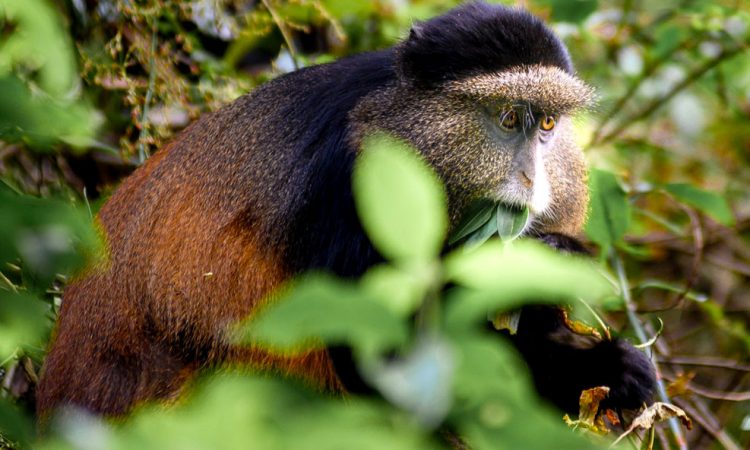
Beyond the gorillas, Mgahinga is famed for its rare golden monkeys, playful primates that leap through the bamboo forests with unmatched agility. Their golden-orange fur glistens in the filtered forest light, offering striking contrasts that challenge yet reward the camera.

Bird photographers, too, are never disappointed. The park hosts over 180 species, many of which are endemic to the Albertine Rift. Brightly colored sunbirds, turacos, and the regal crowned crane all provide endless subjects to frame against the emerald canopy and volcanic backdrop.

Wildlife Photography Tips for First-Time Visitors

Mastering the Light of the Virungas

One of the greatest challenges for photographers in Mgahinga is light. The forest canopy often filters sunlight into scattered beams, creating a dramatic but unpredictable environment. Cameras must be adjusted constantly, with higher ISO settings and wide apertures being essential. It is in these fleeting moments—when a gorilla’s eyes catch a sliver of golden light—that truly unforgettable images are made.

Patience as the Silent Tool

Wildlife photography in this park is less about speed and more about patience. Subjects rarely pose; instead, they exist in their natural rhythms. For a first-time visitor, it becomes crucial to blend observation with readiness, waiting silently until movement or behavior unveils itself. The reward is often an unguarded expression, a tender family moment, or a fleeting play of golden monkey fur through bamboo shadows.

Capturing the Landscape with Wildlife

Mgahinga is not only about close-up portraits of animals. The towering **Virunga volcanoes—Muhabura, Gahinga, and Sabinyo—**form an unparalleled backdrop. By positioning wildlife within this vast terrain, photographers capture not just a subject but also the story of its habitat. Wide-angle shots that frame a gorilla within a forest clearing, or a monkey leaping with volcanic slopes beyond, give context and depth that elevate wildlife photography into visual storytelling.

Preparing for the Experience

Physical and Mental Readiness

A gorilla trek or golden monkey encounter requires a level of stamina, as trails ascend steep volcanic slopes that can test even seasoned travelers. For a first-time visitor, preparing both mentally and physically ensures not only an enjoyable experience but also the ability to focus on photography rather than fatigue. Camera gear must be minimized to essentials—light yet reliable equipment that can withstand humidity and occasional rainfall.

Respect for Wildlife and Environment

The opportunity to photograph such rare creatures carries with it a responsibility. Ethical photography within Mgahinga means respecting distance, avoiding flash, and ensuring that each click of the shutter contributes to conservation rather than disturbance. In this delicate balance between photographer and subject, one begins to feel less like an observer and more like a participant in the preservation of a fragile ecosystem.

The Best Time to Visit for Photography

Seasons of the Virungas

Photography in Mgahinga Gorilla National Park is shaped by the rhythms of Uganda’s climate. The **dry seasons—December to February and June to September—**are considered most favorable. Trails remain accessible, light conditions more predictable, and wildlife encounters less hampered by heavy rains. Yet even in the wetter months, mist rolling over the volcanoes creates an ethereal canvas, rewarding the persistent photographer with images that shimmer with atmosphere.

The choice of season ultimately depends on the mood one wishes to capture. Dry months may bring clarity and color, while rainy periods lend a sense of mystery and dramatic texture to both landscapes and portraits.

Mgahinga Gorilla National Park is not merely a destination for wildlife photography; it is an initiation into a world where nature reveals itself in raw, unfiltered truth. For a first-time visitor, the journey begins with the challenge of reaching this remote corner of Uganda, but the reward is immeasurable: moments of profound connection with gorillas, playful dances of golden monkeys, and landscapes that stretch into legend.

Every photograph taken here becomes more than an image—it becomes a memory etched in mist and mountain. To experience Mgahinga with both heart and lens is to step into a story that is as ancient as the volcanoes themselves, yet as immediate as the gaze of a gorilla meeting your own.

Book Your African Adventure

For those who dream of making these experiences their own, the path is best taken with guidance and expertise. To ensure that your journey into Mgahinga Gorilla National Park, and beyond, is seamless and unforgettable, it is recommended that you book your African tours and safaris through WildHorn Africa, where every detail is crafted to turn travel into a timeless story.

Local's Guide: Ziwa Rhino Sanctuary family holiday with limited time

Local’s Guide: Ziwa Rhino Sanctuary family holiday with limited time

By Family holidays, Travel guides, Travel stories and blogs, Uganda travel guides

Local’s Guide: Ziwa Rhino Sanctuary Family Holiday with Limited Time

Where Conservation Meets Family Adventure

Tucked away in the heart of Uganda, just a few hours from Kampala, lies Ziwa Rhino Sanctuary, a haven where endangered southern white rhinoceroses are given a safe refuge to thrive. For many families, the sanctuary offers a rare opportunity to witness these majestic creatures in the wild, while at the same time enjoying a holiday filled with education, bonding, and adventure. For those with limited time, this destination provides the perfect balance between accessibility and immersion, ensuring that even a short visit feels rich and rewarding.

Unlike lengthy safaris that require days of travel, Ziwa has become a convenient escape for families eager to experience Uganda’s wildlife without straying too far from the capital. It is a place where children can marvel at their first sightings of rhinos, where parents can relax amidst serene landscapes, and where the family as a whole can reconnect with nature while learning about the importance of conservation. This guide presents insights drawn from a local’s perspective, offering a practical yet profound way to experience a family holiday at Ziwa with limited time.

Why Ziwa Rhino Sanctuary is Ideal for Families

Ziwa Rhino Sanctuary is unique in that it blends conservation with accessibility. It is the only place in Uganda where rhinos can be observed in their natural habitat, and unlike other wildlife reserves where viewing is often from vehicles, Ziwa allows families to walk on foot with trained rangers, creating a truly personal experience.

For children, this proximity to nature leaves a lasting impression. The sheer size and calm majesty of a rhino grazing nearby sparks awe, while the rangers’ explanations about rhino behavior, conservation, and threats provide an educational element that feels alive rather than abstract. Parents appreciate that the sanctuary is safe, well-managed, and designed to accommodate shorter stays, making it possible to visit in a day or over a weekend without compromising on depth of experience.

The sanctuary is not limited to rhinos alone. It also shelters a wealth of other wildlife, from antelopes and monkeys to a diverse array of bird species. This diversity ensures that even younger members of the family remain engaged, as there is always something new to spot or learn. With its relatively compact setting, Ziwa is approachable for families who may find longer safaris overwhelming for children.

Crafting a Family Holiday with Limited Time

When time is limited, every moment must be thoughtfully planned to maximize enjoyment without rushing. A family holiday at Ziwa Rhino Sanctuary unfolds best when structured around the sanctuary’s core experiences while leaving space for relaxation and bonding.

Arrival is often best timed in the morning, allowing families to begin with a rhino tracking session. Guided by experienced rangers, families are led into the savannah landscapes where rhinos roam freely. This activity is carefully tailored to different age groups, ensuring that children feel engaged and secure. For families, this is the heart of the experience—the opportunity to walk quietly together, listening to the rustle of grass, spotting birds in the trees, and then finally encountering rhinos at close range. The wonder in a child’s eyes at such a sight often becomes the highlight of the entire trip.

After rhino tracking, families may spend time exploring the sanctuary’s birding trails, particularly rewarding for those who enjoy photography. The sanctuary is home to more than 300 bird species, including the rare shoebill stork, a sight that captures the imagination of both adults and children alike. Even if birding is not a primary interest, the walk itself offers a chance for families to stretch, converse, and enjoy the sanctuary’s quiet beauty.

Meals can be enjoyed at the sanctuary’s lodge or picnic areas, where parents can relax while children play in safe surroundings. With limited time, afternoons are best spent either on a second guided activity, such as a nature walk to discover smaller wildlife, or simply unwinding as a family while absorbing the peaceful rhythm of the sanctuary.

Balancing Education and Adventure

For families, Ziwa Rhino Sanctuary is more than just a sightseeing trip—it is a chance to instill values of conservation and respect for wildlife. Children are often fascinated by the rangers’ stories, whether about how rhinos communicate, why they graze the way they do, or how poaching once brought them to the brink of extinction in Uganda. These lessons are absorbed more vividly when experienced in the field than when read in a classroom, and they often spark questions that lead to deeper conversations within the family.

At the same time, adventure remains a core theme of the holiday. Walking on foot through wild terrain gives children a sense of exploration, while the unpredictability of spotting animals keeps everyone engaged. The sanctuary provides just enough challenge to feel adventurous while maintaining the safety and supervision necessary for families with younger children.

Packing Essentials for a Family with Limited Time

Packing for a short family holiday at Ziwa is not about carrying excess luggage but rather ensuring comfort and readiness for a few key experiences. Lightweight, breathable clothing in natural tones is best, especially since rhino tracking often takes place in open savannah where sun exposure can be strong. Comfortable walking shoes are essential for both adults and children, as the terrain can vary.

Protection from the elements is equally important. Sunscreen, hats, and insect repellent should always be included, while reusable water bottles ensure hydration during guided walks. For families with young children, small snacks, wipes, and light jackets for cooler mornings or evenings add convenience. A camera or binoculars, while not essential, enhances the experience, allowing families to capture memories or observe birds and wildlife more closely.

By packing thoughtfully, families can focus less on discomfort and more on the joy of discovery, ensuring that even with limited time, the holiday feels seamless and enjoyable.

When to Visit with the Family

The sanctuary is open year-round, yet certain times provide a more rewarding experience for families with limited time. The dry seasons, from December to February and June to August, are particularly favorable, as the trails remain firm and wildlife viewing is more predictable. During these months, the comfort of walking is enhanced, making rhino tracking easier for children and older family members alike.

The wet seasons, though more challenging, also bring lush greenery and unique photographic opportunities. Families visiting during this period are advised to prepare with waterproof clothing and appropriate footwear. Regardless of the season, mornings and late afternoons remain the most ideal times for activities, as temperatures are cooler and wildlife is more active.

Why a Short Visit Still Matters

Families often assume that limited time might restrict the depth of a safari experience, yet Ziwa Rhino Sanctuary proves otherwise. Even a day trip can provide meaningful wildlife encounters, educational insights, and opportunities for family bonding. The sanctuary’s compact design allows key activities to be enjoyed without the need for extensive travel or long itineraries.

More importantly, a short visit introduces children to conservation in a tangible way, planting seeds of awareness that may grow for a lifetime. For parents, the joy lies in watching their children connect with nature while creating shared memories that extend beyond the holiday.

Creating Lasting Family Memories with WildHorn Africa

For families eager to enjoy Ziwa Rhino Sanctuary without the stress of planning, WildHorn Africa offers the perfect solution. With expertise in curating family-friendly experiences, WildHorn Africa ensures that even limited time is transformed into a journey of discovery and connection. From arranging guided rhino tracking sessions tailored to families, to providing comfortable transport and well-thought-out itineraries, every detail is managed with precision.

By booking with WildHorn Africa, families are assured that their holiday will be both enriching and seamless, allowing them to focus entirely on enjoying the sanctuary’s wonders together. Whether it is a single day escape from Kampala or a weekend retreat, WildHorn Africa crafts experiences that balance adventure, education, and relaxation, creating memories that endure long after the journey ends.

Packing Essentials — Queen Elizabeth National Park wildlife photography tips for adventure seekers

Packing Essentials — Queen Elizabeth National Park wildlife photography

By Travel stories and blogs, Safari holidays, Travel guides, Uganda travel guides, Wildlife holidays

Packing Essentials — Queen Elizabeth National Park Wildlife Photography Tips for Adventure Seekers

A Thrill Where Nature Meets the Lens

In the heart of western Uganda lies Queen Elizabeth National Park, a wilderness famed for its sprawling savannahs, shimmering crater lakes, and unparalleled wildlife diversity. To the adventure seeker, it is more than a destination—it is a stage where stories of the wild unfold in real time. And for the wildlife photographer, whether seasoned or aspiring, this park is a living gallery waiting to be captured.

The experience of photography in such a pristine wilderness is unlike any other. It demands patience, precision, and above all, preparation. Every photograph taken becomes not just an image but a testimony to a fleeting encounter—be it the stealth of a leopard in a fig tree, the intensity of a lion’s gaze, or the elegance of elephants crossing the Kazinga Channel’s banks. Yet the success of such an expedition is often determined not only by skill but also by what has been carried along. The essence of packing essentials cannot be overstated, for they form the unseen foundation upon which every image is built.

Why Queen Elizabeth National Park is a Photographer’s Haven

Queen Elizabeth National Park stretches over 1,978 square kilometers, boasting one of the most diverse ecosystems in Africa. The Kazinga Channel teems with hippos and crocodiles, while the open Kasenyi plains burst into life with antelope herds and their ever-watchful predators. The dense Maramagambo forest whispers secrets of rare birds and primates, while the Ishasha sector remains the iconic home of the famous tree-climbing lions.

Such ecological variety ensures that the photographer’s lens never rests idle. With over 95 mammal species and 600 recorded bird species, the park offers a subject at every turn. The shifting landscapes, from golden savannahs to lush wetlands, present constant changes in light, texture, and mood. A trip here is not just a safari but an artistic pilgrimage, where the wilderness becomes both muse and masterpiece.

The Philosophy of Packing for the Wild

The art of packing for a wildlife photography safari is not about excess but about intention. Adventure seekers must understand that every item carried into the park should serve a purpose, balancing practicality with the demands of creativity. It is not merely about filling a bag; it is about curating a set of tools that allow the story of the wild to be told in its truest form.

Clothing forms the first layer of preparation. Breathable, lightweight fabrics in neutral tones blend seamlessly into the environment, avoiding unnecessary attention from wildlife while offering comfort in Uganda’s equatorial climate. The mornings can be crisp and cool, while midday stretches into dry heat, making layered attire a subtle necessity. A wide-brimmed hat provides protection against the harsh sun, while sturdy boots ensure stability in uneven terrain.

Adventure seekers know that protection against elements is not negotiable. Sunscreen, lip balm, and eco-friendly insect repellent create an invisible shield, allowing the photographer to focus on the subject rather than discomfort. A scarf or lightweight shawl often doubles as both dust protection on game drives and a versatile wrap for sudden weather changes. These details may appear small, yet they form the backbone of endurance during long hours in the wild.

The Camera as a Companion

At the core of every packing list lies the camera. In Queen Elizabeth National Park, where opportunities appear suddenly and unpredictably, the camera is not merely equipment—it is a companion. Adventure seekers often prefer DSLR or mirrorless systems equipped with telephoto lenses, which capture distant predators without intrusion. A lens in the range of 100–400mm or beyond ensures that subjects remain close even when distance must be respected.

Yet flexibility remains key. A wide-angle lens allows the landscape to speak as powerfully as the animals themselves. The crater lakes, the Kazinga Channel, and the vast Kasenyi plains deserve frames that celebrate their grandeur. Carrying extra batteries and memory cards is equally critical, as power outlets in the field are scarce and the regret of a missed shot can be profound.

A sturdy tripod or monopod proves invaluable for stabilizing long lenses, particularly during low-light hours when wildlife becomes most active. Early mornings and late evenings, known as golden hours, cast enchanting hues across the landscape, and stability ensures that every frame emerges sharp and professional. The adventure seeker must remember that photography here is not a passive act; it is a pursuit that demands readiness at every turn.

Luxury Meets Practicality in Photography Gear

While functionality guides most packing decisions, luxury adventure seekers often pursue gear that balances high performance with refined design. Camera bags designed with weather-resistant materials, padded compartments, and sleek finishes not only protect valuable equipment but also maintain a sense of style. Reusable stainless-steel water bottles, discreet hydration packs, and compact high-protein snacks elevate the comfort of long drives, ensuring stamina without sacrificing elegance.

Binoculars, often overlooked, complement the camera perfectly. While the camera captures the image, binoculars allow observation, anticipation, and framing before the shutter is pressed. For bird photography, particularly along the Kazinga Channel or in Maramagambo Forest, this pairing becomes indispensable.

Essentials Beyond Photography

Photography is only one part of the adventure. Packing for Queen Elizabeth National Park also requires consideration for the full safari experience. Travel documents, permits, and personal identification must always be accessible. A small journal or notebook, though seemingly old-fashioned, allows reflections and notes that enrich the storytelling process when images are later curated.

Health and safety items form an unseen yet crucial part of packing. A personal first-aid kit, rehydration salts, and prescribed medications create a layer of preparedness against the unexpected. Wet wipes and hand sanitizers, particularly in the dusty or humid conditions of the park, offer small comforts that prevent distractions from the creative process.

The Art of Staying Ready in the Field

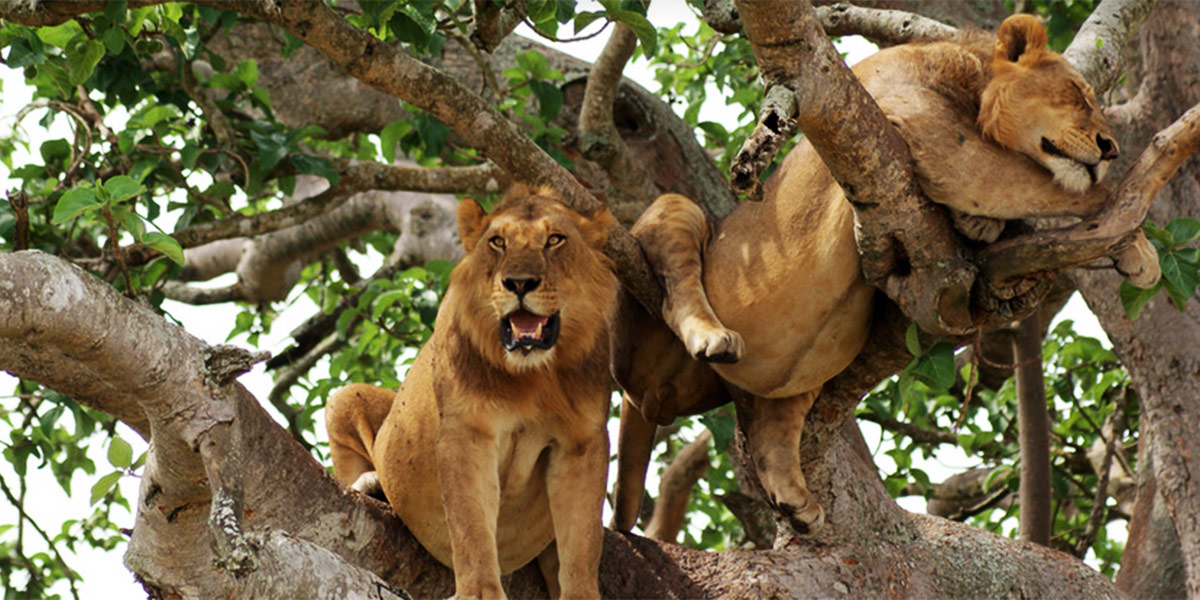
Even with the most carefully packed items, success in wildlife photography at Queen Elizabeth National Park depends on the art of staying ready. Game drives move at unpredictable rhythms. A lion may appear lounging on a tree branch in Ishasha or a herd of elephants may suddenly cross the track near Mweya. Adventure seekers must carry essentials in a manner that allows instant access—cameras at the ready, lenses prepared, and personal items organized for quick retrieval.

The ability to transition smoothly from photographing hippos in the Kazinga waters to capturing the delicate flight of a bee-eater requires not only technical skill but also logistical foresight. Packing, therefore, is not just about carrying things; it is about organizing them into a workflow that allows creativity to flourish without interruption.

When to Pack for the Perfect Light

Timing defines much of the photographic journey in Queen Elizabeth National Park. The dry seasons from June to August and December to February are often favored, as wildlife congregates around water sources, creating concentrated opportunities for photography. Clearer skies and manageable road conditions enhance both game drives and camera stability.

Yet the wet seasons, while more challenging, provide lush backdrops of vibrant green, dramatic cloudscapes, and the possibility of capturing rare behavioral scenes. For the adventure seeker, each season offers distinct photographic rewards, and packing must reflect the chosen time. Waterproof covers for cameras, quick-drying clothing, and protective cases become more critical during the rains, while breathable fabrics and dust protection dominate the dry months.

The Narrative Beyond Equipment

At its core, wildlife photography in Queen Elizabeth National Park is about narrative. Packing essentials ensure readiness, but the soul of the experience lies in the patience to wait for the perfect frame, the humility to observe without intrusion, and the awareness that every image captured is part of a larger conservation story.

Adventure seekers are not merely visitors but custodians of memory, using their images to inspire others about the value of protecting these landscapes. Each packed item, whether as simple as sunscreen or as advanced as a telephoto lens, contributes to this mission, enabling the photographer to stand at the intersection of art, adventure, and advocacy.

Crafting a Journey of Elegance and Discovery with WildHorn Africa

A journey into Queen Elizabeth National Park, whether for photography or pure adventure, becomes most rewarding when guided by experts who understand both wilderness and luxury. This is where WildHorn Africa steps in, curating experiences that allow travelers to focus solely on the beauty of the wild while every detail of logistics and comfort is seamlessly handled.

By entrusting the journey to WildHorn Africa, adventure seekers are assured that their photographic safari will unfold as a narrative of sophistication, safety, and authenticity. From the moment the first bag is packed to the final image captured against an African sunset, WildHorn Africa ensures that no detail is overlooked.

The call of Queen Elizabeth National Park is one that resonates deeply with those who crave both adventure and artistry. To answer it fully, the essentials must be chosen with intention, the camera must be wielded with passion, and the journey must be entrusted to those who craft memories with precision. With WildHorn Africa, every frame becomes not just a picture but a timeless story of Africa itself.

Best Time to Visit for game drive in Kibale National Park for avid hikers

Best Time to Visit for game drive in Kibale National Park for avid hikers

By Travel stories and blogs, Primate holidays, Travel guides, Uganda travel guides

Best Time to Visit for Game Drive in Kibale National Park for Avid Hikers

The Call of Kibale’s Wilderness

The heart of Uganda beats strongest in its wilderness, and nowhere is this more evident than in Kibale National Park, a lush haven renowned for its primate population, vibrant birdlife, and breathtaking landscapes. For the avid hiker and passionate safari-goer, Kibale is more than just a park; it is an immersive journey into one of Africa’s most treasured ecosystems. While chimpanzee tracking has long been the park’s signature activity, its enchanting game drives and forest trails offer remarkable opportunities to experience both wildlife encounters and the tranquility of untouched nature. Yet, like any destination that depends heavily on seasonal rhythms, the timing of a visit is a decisive factor that shapes the entire experience. Understanding the best time to embark on a game drive and hiking adventure in Kibale National Park is therefore crucial for travelers eager to maximize every moment of their expedition.

The Climate and Seasonal Rhythms of Kibale

The climatic rhythm of Kibale National Park mirrors that of most equatorial forests, defined not by dramatic temperature swings but by alternating wet and dry seasons. Nestled in western Uganda, near Fort Portal, the park experiences warm daytime temperatures ranging between 24 to 30 degrees Celsius, with cooler evenings that dip to around 14 to 18 degrees Celsius. This pleasant climate makes hiking feasible almost year-round, but the degree of comfort, accessibility of trails, and density of wildlife sightings vary greatly with the rains.

The dry seasons, stretching from December to February and again from June to September, are often considered the most favorable periods for hiking and game drives. The forest floor remains relatively firm, the trails are less slippery, and the tall grasses that sometimes obscure wildlife thin out, making animal sightings more frequent. Conversely, the wet seasons, occurring from March to May and from late September to November, drench the park with heavy rains that breathe life into its lush vegetation but also complicate the logistics of exploration. While this time may pose challenges for trekkers, it reveals a different kind of charm in Kibale, with verdant growth, blooming flowers, and increased bird activity.

Hiking in the Dry Season, A Time of Ease and Discovery

For hikers seeking ease and safety on the trails, the dry season is often regarded as the golden window. The footpaths meandering through Kibale’s forests remain more navigable, allowing for long hours of exploration without the constant risk of slipping in mud. The sunlight filtering through the canopies illuminates the forest floor, creating a spectacular play of shadows and light that heightens the immersive experience. Game drives conducted during these months are often rewarded with increased wildlife visibility, as animals such as forest elephants, buffalos, and bushbucks emerge more openly in search of waterholes that remain accessible.

The dry months are also ideal for avid hikers who intend to extend their treks beyond the usual chimpanzee tracking trails. The Kibale crater lakes region, with its rolling hills and scenic volcanic formations, can be explored more thoroughly in this season. Long treks across this landscape become less exhausting when not compounded by the humidity and challenges of wet, sticky mud. The presence of primates, particularly red colobus monkeys, grey-cheeked mangabeys, and black-and-white colobus, is heightened by their greater activity in the warmth of clear mornings.

The Wet Season, A Wilderness in Full Bloom

While many travelers instinctively shy away from wet-season travel, Kibale offers a unique invitation for those who wish to experience the forest in its most intimate and authentic state. The rains breathe vigor into the park’s vegetation, turning the forest into an emerald sanctuary of thick foliage and cascading streams. Hikers who brave this season encounter a setting that is raw and deeply enchanting, albeit more physically demanding. The trails become slick, requiring careful navigation, and game drives may demand greater patience due to animals retreating into the thick undergrowth.

Yet for the passionate hiker, this challenge is matched by rare rewards. The wet season marks the arrival of migratory birds, making it an excellent period for ornithologists and photography enthusiasts. The vibrant plumage of species like the African pitta and great blue turaco adds color to the misty green backdrop. Furthermore, primates remain highly active, and the chimps—though sometimes elusive—can still be tracked with the guidance of skilled rangers. For those who seek a deeper connection with nature, the solitude offered by fewer tourists in the wet season creates a more personal and meditative hiking experience.

Balancing Wildlife Sightings with Hiking Comfort

Choosing the best time to visit Kibale National Park ultimately depends on whether the visitor values comfort in hiking conditions or the richness of seasonal biodiversity. The dry season guarantees better conditions for long hikes and more accessible game drives, ensuring less fatigue and greater safety. The wet season, though more demanding, reveals an intensity of ecological beauty unmatched by any other time, with flourishing vegetation, abundant birdlife, and a sense of exclusivity.

For hikers who are avid explorers of both wildlife and landscapes, the June to September period is often regarded as the optimal balance, offering a compromise between accessibility and abundance of sightings. This time coincides with Uganda’s broader tourism peak, ensuring that accommodations and safari services are fully operational. However, those who seek solitude, unhurried exploration, and a chance to witness the forest’s renewal may find the months of April and November unexpectedly rewarding, despite the challenges presented by rains.

The Role of Game Drives in a Hiker’s Journey

Although Kibale is most celebrated for its primate encounters on foot, game drives play a complementary role in completing the hiker’s journey. The savanna-forest mosaic on the park’s fringes provides a landscape where terrestrial animals thrive. Buffaloes, duikers, and occasionally elephants can be sighted, while the birdlife along swampy stretches enhances the diversity of the experience. When conducted in the dry season, these drives unfold seamlessly, as the roads remain firm and traversable. In the wet months, they transform into more unpredictable adventures, often requiring skilled guiding and a flexible schedule.

For hikers who wish to combine strenuous forest treks with more relaxed wildlife viewing, game drives act as a counterbalance, allowing time for recovery while still immersing in the park’s rich biodiversity. Understanding the best time to engage in these drives is therefore as essential as planning for the hikes themselves, and aligning them with seasonal conditions ensures that no aspect of Kibale’s beauty is missed.

A Timeless Call to the Wild

Kibale National Park is a place where the rhythm of nature dictates the traveler’s journey, and the decision of when to visit shapes every memory created along its trails. For avid hikers, the dry season presents the most reliable and comfortable conditions, while the wet season offers unmatched vibrancy and solitude. Both periods hold unique treasures, and the choice between them lies in the balance between physical comfort and the desire for raw, untamed encounters with nature.

Whichever season is chosen, one truth remains constant: Kibale’s forest is alive with secrets waiting to be discovered. The whispering canopies, the calls of primates echoing through the trees, and the thrill of a game drive through its mosaic landscapes form a tapestry of experiences that linger long after the journey ends.

For travelers ready to embark on this unforgettable adventure, the expertise of a trusted safari operator ensures that every detail is seamlessly arranged. Booking your African tours and safaris through WildHorn Africa guarantees not only professional guidance but also the opportunity to experience Kibale National Park at its fullest, in whichever season you choose to heed the forest’s timeless call.

Kampala Game Drive: Hidden Gems for adventure seekers

Kampala Game Drive: Hidden Gems for adventure seekers

By Travel stories and blogs, Safari holidays, Travel guides, Uganda travel guides, Wildlife holidays

Kampala Game Drive: Hidden Gems for Adventure Seekers

Where Urban Life Meets Untamed Wilderness

In the heart of Uganda, Kampala thrives as a vibrant capital city defined by bustling markets, historical landmarks, and cultural rhythms that draw countless visitors each year. Yet beyond the urban tapestry of this lively hub lies a side of Kampala often overlooked—hidden gems of wildlife experiences that combine the thrill of a safari with the convenience of a city escape. For the curious traveler who longs to embrace both modern adventure and nature’s call, a Kampala game drive opens the gateway to a world where savannahs, forests, and waterways unfold in striking harmony.

The idea of embarking on a game drive without venturing far from the capital may appear surprising, yet Kampala’s strategic position provides effortless access to sanctuaries, reserves, and landscapes teeming with life. Here, adventure seekers are rewarded not only with sightings of wild animals but also with experiences that immerse them in Uganda’s identity as the Pearl of Africa. The hidden gems surrounding Kampala are not just about game drives; they are about discovery, reflection, and the exhilaration of connecting with unspoiled nature only steps away from city life.

The Proximity of Wilderness to Kampala

Kampala’s appeal as a starting point for wildlife exploration lies in its accessibility. From the city’s core, a short journey leads to landscapes where elephants roam freely, birds decorate the skies, and antelopes graze peacefully on open plains. Unlike the extended travel required to reach some of East Africa’s most famous reserves, Kampala provides adventure seekers with the unique privilege of quick access to untamed spaces without compromising the authenticity of the experience.

The surrounding game reserves and sanctuaries combine both diversity and intimacy. These settings allow travelers to avoid the crowds often associated with larger parks while still enjoying moments of closeness with wildlife. In these hidden corners, the drama of predator and prey, the stillness of wetlands, and the symphony of bird calls create an environment where each drive is transformed into a story.

The Thrill of Game Drives Beyond the Ordinary

The experience of a game drive near Kampala differs from that of well-known safari circuits. Here, the emphasis is on intimacy rather than scale. The landscapes, while less expansive, provide concentrated opportunities for sightings and photography. Adventure seekers can witness a herd of buffalo crossing a dusty path, a troop of playful monkeys leaping from tree to tree, or the elegant stride of giraffes silhouetted against a golden horizon.

Every turn of the track holds a surprise. The unpredictability of wildlife ensures that no two drives are alike. Families may encounter curious warthogs grazing near the roadside, while birdwatchers delight in spotting rare species that thrive in Uganda’s tropical environment. The magic lies in the fact that such moments unfold within reach of Kampala, allowing visitors to immerse themselves in the raw beauty of nature without days of travel.

Hidden Gems for Wildlife Enthusiasts

One of the greatest treasures near Kampala is Mabira Forest, a lush sanctuary located on the route toward Jinja. Known for its thick canopy, it offers sightings of primates such as grey-cheeked mangabeys and red-tailed monkeys. Birders discover endless fascination here, with vibrant species like the Nahan’s francolin and purple-throated cuckoo-shrike adding bursts of color to the green backdrop.

Further afield, Lake Mburo National Park emerges as another hidden gem accessible from Kampala. Its mix of wetlands, woodlands, and savannahs provides habitats for zebras, elands, hippos, and a remarkable array of birdlife. The park’s compact size allows for rewarding game drives where wildlife encounters are frequent, offering photographers and nature lovers endless opportunities to capture iconic images.

For those intrigued by the conservation journey, Ziwa Rhino Sanctuary stands as a testament to Uganda’s commitment to reviving species once lost. Here, rhinos are observed in their natural habitat, providing an unforgettable experience that blends adventure with education. These encounters, set within serene landscapes, remind adventure seekers that a game drive near Kampala is not solely about recreation—it is also about understanding the delicate balance of wildlife preservation.

The Role of Adventure in Cultural Discovery

A Kampala game drive is not limited to wildlife alone; it is also a journey into Uganda’s cultural heartbeat. The communities surrounding these natural sanctuaries offer glimpses into traditional life, music, and cuisine. After a drive, travelers may find themselves welcomed into a village for storytelling or dance, extending their adventure beyond nature and into the realm of human connection.

These cultural experiences enhance the meaning of the journey, grounding the thrill of wildlife encounters in the context of Uganda’s heritage. The photographs captured along the way—children waving by the roadside, artisans crafting handmade wares, or families preparing meals—add depth to the adventure, revealing that the hidden gems near Kampala are as much about people as they are about animals.

Photography and the Art of Capturing the Wild

For adventure seekers, the camera often becomes a faithful companion during game drives. The hidden gems near Kampala are particularly suited for photography, offering light conditions and landscapes that range from dense forest canopies to open savannah plains. The golden light of dawn and dusk accentuates textures, while the reflections on crater lakes and wetlands add layers of drama to every image.

The challenge of photographing wildlife is part of the adventure. Birds in mid-flight, elephants in motion, or the still gaze of a lion demand patience, precision, and attentiveness. Each successful shot becomes a reward not only for technical skill but also for the traveler’s willingness to immerse themselves fully in the environment. For families traveling together, photography transforms into a shared activity, where every member contributes their perspective, ensuring that the collective memory of the adventure is preserved in diverse and colorful ways.

Sustainability and the Future of Game Drives

The hidden gems accessible from Kampala also embody a larger narrative—the story of conservation and sustainable tourism. Sanctuaries and parks near the city are part of a broader effort to balance the growing need for economic development with the urgent necessity of protecting ecosystems. Each traveler who embarks on a game drive contributes to this mission, as park fees and guided tours directly support conservation initiatives.

For adventure seekers, there is comfort in knowing that their pursuit of excitement has a lasting impact. Observing a herd of impalas or the slow movement of a monitor lizard becomes not only a personal thrill but also a contribution to the survival of species and habitats that define Uganda’s natural wealth. In this way, a game drive near Kampala is more than an escape—it is participation in the protection of one of Africa’s greatest treasures.

The Transformative Nature of Hidden Adventures

Adventure seekers who step away from the familiar rhythms of Kampala’s urban life find themselves transformed by the hidden gems that surround the city. The thrill of discovery, the serenity of nature, and the richness of cultural encounters combine to create an experience that resonates long after the journey ends. What begins as a simple game drive often becomes a story of renewal, where travelers reconnect with the natural world and discover a deeper sense of belonging to the landscapes they explore.

The sense of wonder is amplified by the knowledge that these experiences are accessible without venturing far from the capital. It is the unexpected proximity of wilderness to city life that defines Kampala’s hidden gems, proving that adventure is never out of reach.

Begin Your Kampala Game Drive with WildHorn Africa

The Kampala Game Drive experience offers a rare blend of convenience, adventure, and discovery. From Mabira’s dense forests to Lake Mburo’s open plains and Ziwa’s conservation sanctuary, the hidden gems around the city reveal themselves as sanctuaries of both wildlife and cultural heritage. For the traveler who seeks excitement beyond the ordinary, these adventures redefine what it means to explore Uganda.

To fully embrace the richness of this experience, it is highly recommended to book tours and safaris with WildHorn Africa. With their expertise in crafting seamless journeys, commitment to responsible travel, and ability to reveal the best-kept secrets of Uganda’s wilderness, WildHorn Africa ensures that every game drive near Kampala becomes more than an adventure—it becomes a memory preserved for a lifetime.

Close Menu