search
Travel safety in Uganda

Travel safety in Uganda

By Travel guides, Travel safety, Travel stories and blogs, Uganda travel guides

Travel Safety in Uganda
Exploring the Pearl of Africa with Confidence and Peace of Mind

An Inviting Destination with Precautions in Place

Uganda, often called the “Pearl of Africa,” continues to captivate travelers with its extraordinary landscapes, diverse wildlife, and rich cultural tapestry. The allure of gorilla trekking in Bwindi, the grandeur of the Nile, and the vast savannahs of Murchison Falls beckon visitors from across the globe. While Uganda offers incredible experiences, the question of travel safety naturally arises. Understanding the realities on the ground and being prepared contributes significantly to a secure and enjoyable journey.

It is important to recognize that Uganda is a stable and welcoming country where tourism is supported by local authorities and communities alike. Yet, like any destination, travel safety depends on awareness, good planning, and respect for local customs. By embracing informed strategies, visitors are empowered to navigate Uganda’s diverse environments—from bustling cities to remote wildernesses—confidently and comfortably.

Political Stability and General Security

Over recent decades, Uganda has maintained relative political stability, especially compared to some neighboring countries. The government has invested in improving infrastructure, security services, and tourism facilities, aiming to provide a safe environment for visitors. Tourist areas, including national parks and major towns, are generally well-policed and secure.

Incidents of violent crime targeting tourists are rare, though petty crimes such as pickpocketing and opportunistic theft can occur, particularly in crowded markets, transport hubs, and urban centers. Vigilance in public spaces is advised, as is the prudent use of personal belongings and valuables. Travelers who exercise standard caution, such as avoiding poorly lit or isolated areas at night and securing belongings, typically experience trouble-free visits.

Public demonstrations and political rallies are uncommon but may happen. These events are usually peaceful, but it is wise for travelers to avoid any large gatherings or protests to minimize risk.

Health and Hygiene Safety

Health safety is a critical aspect of travel in Uganda. The country lies in a tropical region where diseases such as malaria are endemic. Travelers are advised to take prescribed antimalarial medication and follow preventive measures against mosquito bites.

Waterborne illnesses may also present risks, particularly in rural areas where access to clean water is limited. Safe drinking water should always be consumed, and food hygiene practices should be observed. Eating freshly cooked meals and avoiding raw or street foods where hygiene cannot be guaranteed are advisable precautions.

Medical facilities are available in Kampala and other major towns, including private hospitals offering high-quality care. However, remote areas might lack immediate medical access, making comprehensive travel insurance with evacuation coverage essential. Medical emergencies are rare but should be planned for in advance.

Road Travel and Transportation Safety

Road travel constitutes the primary mode of transport for many visitors exploring Uganda’s parks and regions. While recent investments have improved the condition of major highways, some rural roads can remain challenging, particularly during the rainy season when mud and flooding affect accessibility.

Road safety protocols, such as seatbelt use and adherence to speed limits, are enforced, though enforcement levels vary. Drivers may encounter unpredictable road conditions and differing driving habits compared to Western countries. Hiring experienced, professional drivers or using established tour operators who provide reliable transport is strongly recommended.

Public transport options such as buses and minibuses operate extensively but are less suited to tourists unfamiliar with local systems due to variable safety and comfort standards. Using private or company-arranged vehicles remains the safer choice.

Wildlife and Nature Safety

One of Uganda’s greatest attractions—its wildlife—also requires awareness and caution. National parks and reserves have established safety guidelines to protect both visitors and animals. Approaching wildlife without proper guidance is discouraged, as wild animals can be unpredictable.

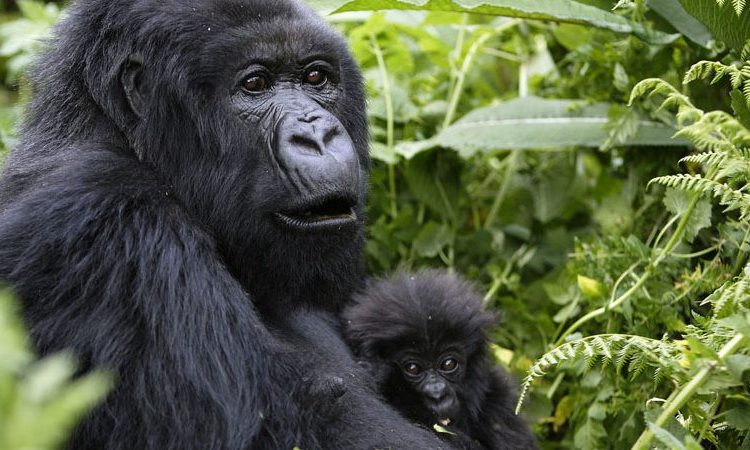
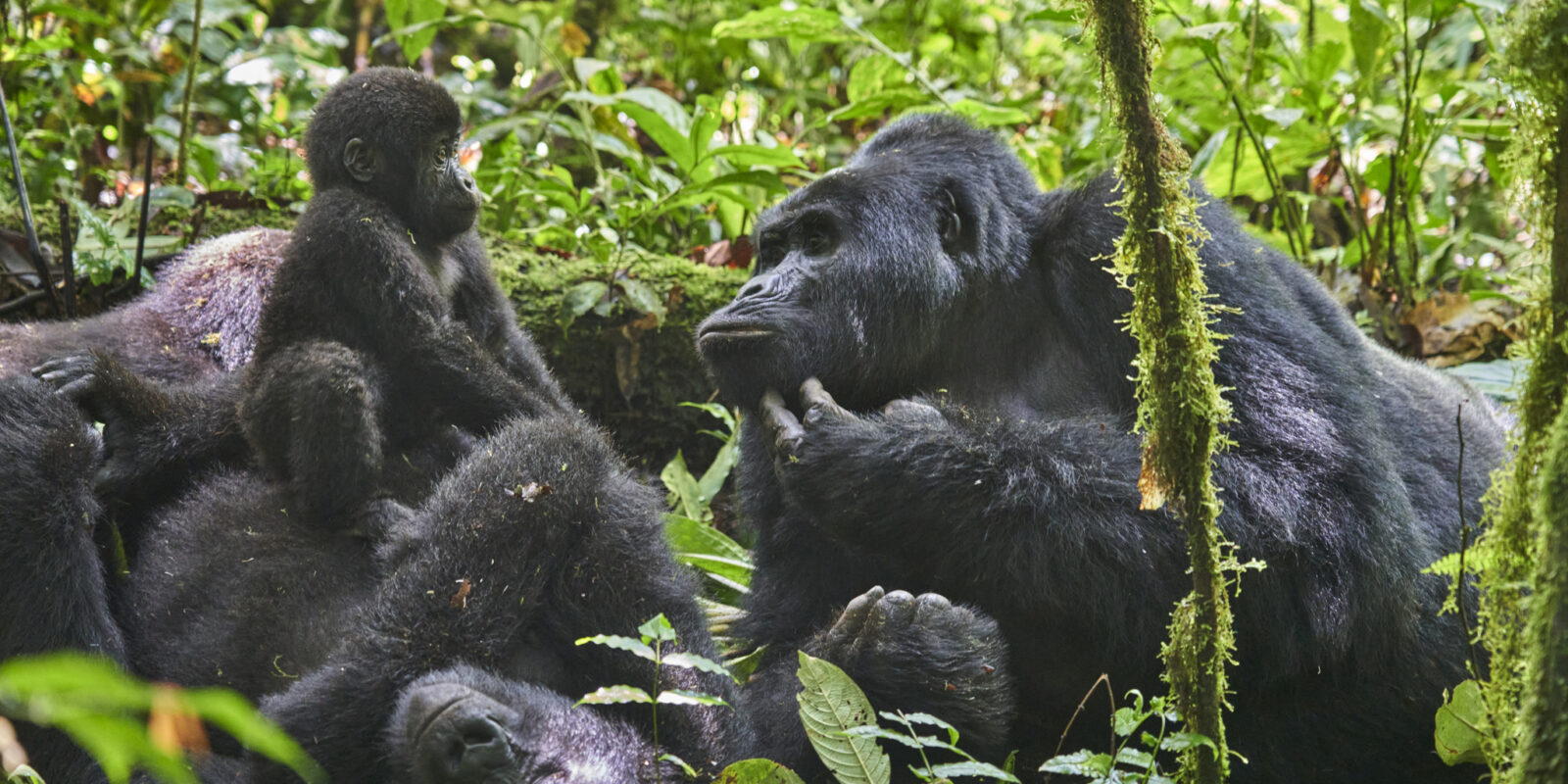
Gorilla trekking, a highlight for many visitors, is conducted under strict supervision by trained guides who ensure safety protocols are followed, minimizing risk to both humans and gorillas. Similarly, game drives and nature walks should always be done with authorized guides familiar with the terrain and animal behavior.

Natural hazards such as uneven terrain, insects, and potential exposure to tropical weather must also be considered. Wearing appropriate footwear, carrying insect repellent, and staying hydrated enhance safety during outdoor excursions.

Cultural Respect and Personal Conduct

Uganda’s population is characterized by warmth and hospitality, yet cultural norms and traditions vary widely across regions and ethnic groups. Respecting local customs, dress codes, and social etiquette is vital to positive interactions and personal safety.

Visitors are encouraged to seek permission before photographing individuals or cultural sites and to engage openly and respectfully with community members. Sensitivity towards religious beliefs, gender roles, and community values fosters goodwill and helps avoid misunderstandings.

In some rural areas, behaviors considered acceptable in Western countries might be frowned upon or misunderstood. Being aware of such differences and adapting behavior accordingly ensures a respectful and safe travel experience.

Practical Tips for Safe Travel in Uganda

While the safety landscape in Uganda is generally positive, preparation remains key. Having reliable communications, including mobile phones with local SIM cards, can be invaluable. Registering travel plans with embassies or consulates, particularly for longer stays or remote expeditions, is advisable.

Travelers are often advised to carry photocopies of important documents, limit cash on hand, and use hotel safes for valuables. Engaging with reputable tour operators guarantees professional support, local knowledge, and swift assistance in case of unforeseen events.

Flexibility and patience are virtues, especially when encountering delays or changes in plans caused by weather or logistics. The unexpected often adds to the richness of travel in Uganda, provided safety is prioritized.

Navigating Safety with WildHorn Africa

The experience of Uganda’s splendor is best enjoyed with confidence and expert guidance. WildHorn Africa has earned a reputation for exceptional professionalism, safety-first practices, and intimate local knowledge. Their team provides not only expertly planned itineraries but also prioritizes traveler security at every step.

From airport pickups and secure accommodations to trained guides and vetted transport, WildHorn Africa ensures that your exploration of Uganda is seamless and safe. Emergency support, health advice, and personalized care form the foundation of their service, allowing travelers to focus on what truly matters—immersing themselves in the wonder of Uganda.

Book your African safari with WildHorn Africa, and journey into the Pearl of Africa with assured safety, expert support, and unforgettable memories awaiting you.
10 of the Safest Places To Visit in Africa in 2025 - 2026

10 of the Safest Places To Visit in Africa in 2025 – 2026

By Travel guides, Travel safety, Travel stories and blogs

10 of the Safest Places To Visit in Africa in 2025 – 2026

Explore the Continent Without Fear — Where Beauty and Security Coexist

Africa Awaits: Safe, Stunning, and More Inviting Than Ever (Safest Places To Visit in Africa)

There’s a common misconception that traveling to Africa is inherently risky—a narrative largely shaped by outdated headlines and exaggerated myths. But the truth is that Africa is not just safe to visit—it’s one of the most welcoming and awe-inspiring destinations in the world. With 54 countries spanning mountains, deserts, jungles, beaches, and savannahs, the continent offers a tapestry of cultures, languages, and natural wonders that can’t be matched anywhere else.

As the world moves into 2025, travel across Africa is more secure, accessible, and enjoyable than ever before. Many countries have significantly invested in their tourism infrastructure, enhancing both safety and sustainability. Whether you’re a solo traveler, a family with children, or an adventure seeker craving unique experiences, you can find safe and spectacular places in Africa that offer both peace of mind and heart-pounding adventure.

In this article, we reveal ten of the safest and most captivating destinations across the continent. Each place combines low crime rates, political stability, well-developed tourism systems, and remarkable natural or cultural attractions. And yes—Uganda, the Pearl of Africa, proudly takes its place among them.

Safest Places To Visit in Africa #Safest Places To Visit in Africa Safest Places To Visit in Africa

1. Rwanda – The Rising Star of African Safety and Sustainability

Once scarred by history, Rwanda has transformed itself into one of Africa’s safest and most organized nations. With its clean cities, strict anti-corruption policies, and strong community policing, Rwanda is a beacon of progress in Central Africa. Kigali, the capital, is praised for its cleanliness and order, offering vibrant culture, thoughtful memorials, and friendly locals.

Outside the city, Rwanda’s Volcanoes National Park offers life-changing gorilla trekking in a setting of volcanic peaks and dense forests. The country’s dedication to conservation and tourism safety is unmatched, making Rwanda a serene and secure destination for eco-conscious travelers.

2. Botswana – Peaceful Wilderness and Responsible Tourism

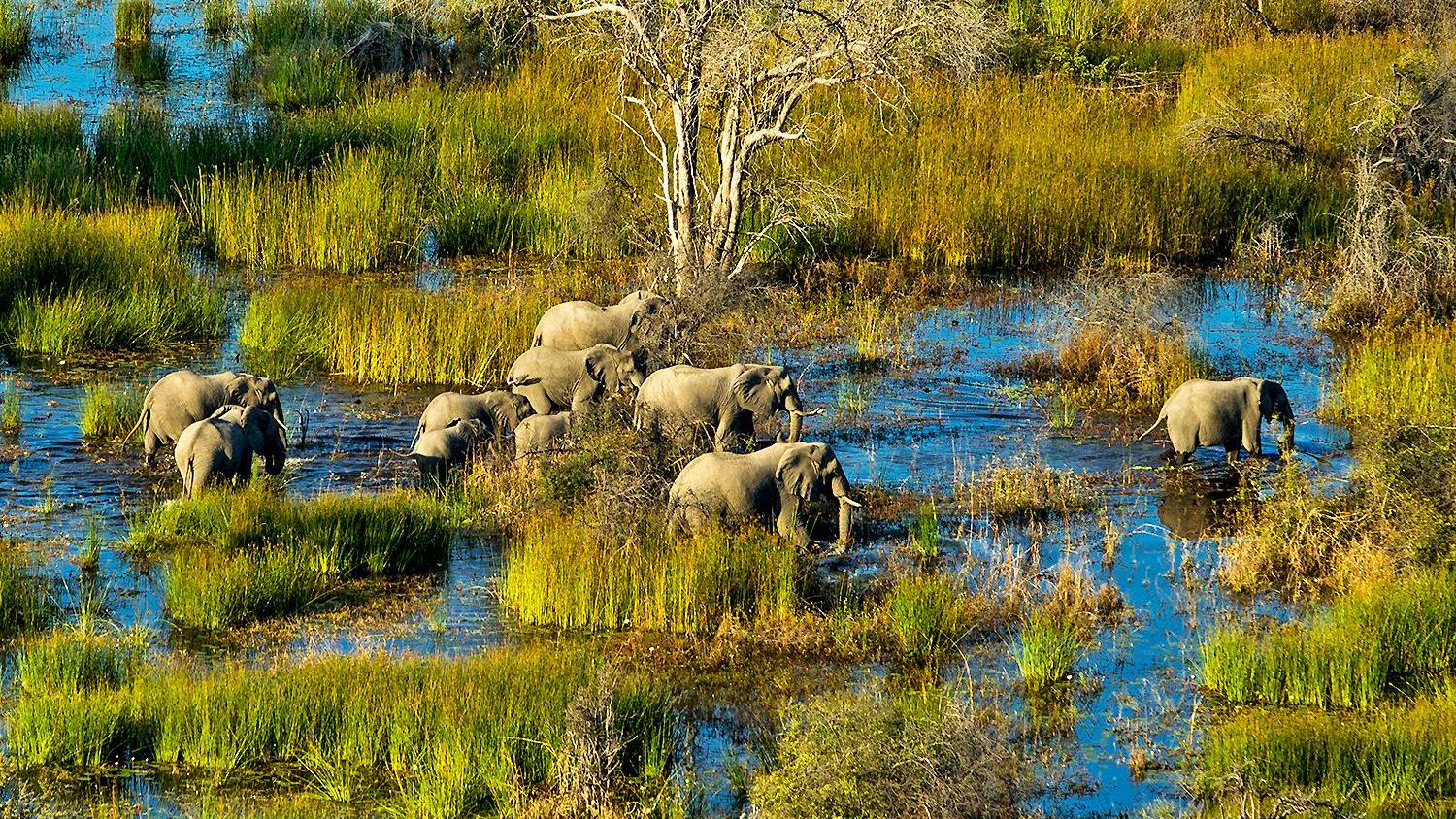
In the heart of Southern Africa lies Botswana, a country widely regarded as one of the most stable and secure nations on the continent. It boasts a long-standing democracy, low crime rates, and exceptional conservation efforts, particularly in areas like the Okavango Delta and Chobe National Park.

Botswana limits mass tourism in favor of high-quality, low-impact travel. This ensures not only a more exclusive safari experience but also safer conditions for visitors. Whether you’re exploring the salt pans of Makgadikgadi or gliding silently through the Delta’s channels, you’ll find both tranquility and security in every moment.

3. Mauritius – Island Safety with a Touch of Paradise

Set in the turquoise waters of the Indian Ocean, Mauritius is more than a postcard-perfect island—it’s one of the safest and most harmonious places to visit in Africa. With a diverse population, efficient transport systems, and an extremely low crime rate, Mauritius is perfect for families, honeymooners, and solo travelers alike.

The island offers a blend of cultures, tropical beaches, lush interiors, and warm hospitality. Whether you’re snorkeling off coral reefs, hiking in Black River Gorges, or exploring bustling markets in Port Louis, Mauritius provides peace of mind with every wave and breeze.

4. Namibia – Vast Landscapes and Quiet Confidence

For travelers seeking space, solitude, and silence, few destinations rival Namibia. This Southwestern African country is famous for its striking deserts, coastal dunes, and unique wildlife, but it’s also known for being one of Africa’s most politically stable and safest nations.

The capital, Windhoek, and other towns like Swakopmund are orderly and tourist-friendly. Crime is minimal, and the roads are among the best maintained in Africa. From the eerie beauty of Deadvlei to the wild terrain of Etosha National Park, Namibia invites you to explore nature’s grandeur without worry.

5. Ghana – West Africa’s Gateway of Peace and Culture

Ghana is a shining star in West Africa, known not only for its rich cultural heritage and coastal castles but also for its peaceful political climate and welcoming society. With a long tradition of democratic governance and active civil society, Ghana has become a model for stability in the region.

Accra, the lively capital, pulses with music, art, and cuisine, while Cape Coast tells stories of Africa’s history and resilience. Inland, national parks like Mole offer safari opportunities without crowds. Ghana’s warmth isn’t just in the climate—it’s in the smiles of its people and the ease of moving through a country that feels like home.10 of the Safest Places To Visit in Africa in 2025 - 2026

6. Uganda – The Pearl of Africa Shining Brighter Than Ever

Winston Churchill once called Uganda the Pearl of Africa, and today it continues to live up to that name. With its incredible biodiversity, verdant landscapes, and friendly locals, Uganda is also one of the safest and most welcoming destinations in East Africa.

Tourism in Uganda is tightly regulated, especially in national parks where gorilla and chimpanzee trekking are among the most sought-after experiences in the world. Security is high in areas like Bwindi Impenetrable Forest, Queen Elizabeth National Park, and Murchison Falls, where tourists can safely enjoy breathtaking wildlife and natural spectacles.

Kampala, the capital, is a buzzing metropolis with growing infrastructure and a dynamic cultural scene. With its mix of adventure, culture, and genuine hospitality, Uganda provides a travel experience that is both enriching and secure.

7. Morocco – Gateway to Africa with a Safe, Exotic Flair

Positioned in North Africa, Morocco has long been a favorite among global travelers for its exotic cities, dramatic mountains, and sweeping deserts. It is also widely recognized as one of Africa’s safest travel destinations, thanks to well-developed tourism infrastructure and effective policing in key areas.

Wander through the labyrinthine souks of Marrakesh, ride camels across the Sahara, or surf along the Atlantic coast—all in the knowledge that Morocco takes the safety of its guests seriously. The country also ranks high in global travel advisories, with low levels of violent crime and a strong emphasis on tourism security.

8. Seychelles – Serenity in the Indian Ocean (Safest Places To Visit in Africa)

A tropical haven of 115 islands, Seychelles is known for its idyllic beaches, coral reefs, and peaceful ambiance. As a politically stable and economically prosperous island nation, it offers travelers a worry-free environment where natural beauty reigns supreme.

Mahé, Praslin, and La Digue islands are the most popular, with eco-luxury resorts and pristine marine parks attracting visitors from around the globe. Crime is virtually nonexistent, and the country’s small population contributes to its peaceful and safe atmosphere. In Seychelles, the only thing you need to worry about is which beach to explore next.

9. Tanzania – Safe Safari Paradise with a Cultural Soul

Home to the Serengeti, Mount Kilimanjaro, and Zanzibar, Tanzania is one of Africa’s most iconic safari destinations. It also enjoys a strong reputation for traveler safety, with stable governance and effective tourism regulation, especially in national parks and coastal resorts.

From the annual wildebeest migration to the spice-scented streets of Stone Town, Tanzania offers a diversity of experiences in a secure environment. Locals are famously warm and respectful, and tourism professionals take pride in providing a smooth and safe journey. For those seeking both thrill and peace of mind, Tanzania offers the best of both worlds.

10. Zambia – Remote Luxury with a Peaceful Core

Zambia may not be the first name that comes to mind when planning a trip to Africa, but it is increasingly recognized as a hidden gem of peace and beauty. With stable politics, low crime rates in tourist zones, and one of the warmest populations on the continent, Zambia is a joy to explore.

The country’s crown jewel is the Lower Zambezi and South Luangwa National Parks, where intimate lodges and authentic safaris abound. Visitors can also witness the grandeur of Victoria Falls, known locally as Mosi-oa-Tunya, in a setting that is both thrilling and carefully managed for safety. In Zambia, adventure and tranquility flow together like the mighty Zambezi River.

Explore Africa Safely and Stylishly with WildHorn Africa

Africa in 2025 is not only a dream destination—it is a safe, vibrant, and life-affirming continent that welcomes the curious traveler with open arms. From the misty forests of Uganda to the golden deserts of Namibia and the sparkling shores of Mauritius, each destination offers more than beauty. It offers confidence, comfort, and security.

At WildHorn Africa, we understand that your travel experience is not just about where you go—it’s how you get there, who guides you, and how protected and pampered you feel every step of the way. Our tailor-made safaris, cultural experiences, and coastal escapes are built on years of expertise and local partnerships, ensuring you travel not only safely but meaningfully.

Whether you dream of walking with gorillas, lounging on a hidden island beach, or riding across sunlit plains, let WildHorn Africa design your journey—a journey that is safe, seamless, and spectacular.

Safest Places To Visit in Africa #Safest Places To Visit in Africa Safest Places To Visit in Africa

Top 8 Best Malaria-free Game Reserves in South Africa

Top 8 Best Malaria-free Game Reserves in South Africa

By South Africa travel guides, Travel guides, Travel safety, Travel stories and blogs

Top 8 Best Malaria-Free Game Reserves in South Africa

Discover Wild Africa Without the Worry (Malaria-Free Game Reserves in South Africa)

Experience the Thrill of Safari, Without the Risk of Malaria

South Africa has long been a top-tier safari destination, celebrated for its diverse ecosystems, spectacular wildlife, and world-class hospitality. Yet for many travelers—especially families with children, the elderly, or those seeking a more relaxed health-conscious experience—one factor often creates hesitation: malaria. Fortunately, South Africa offers a unique advantage compared to many other African nations. It is home to several malaria-free game reserves, allowing you to fully enjoy the safari of your dreams without the need for anti-malarial medication or the concern of mosquito-borne illness.

These regions not only offer safety from malaria but also provide exceptional wildlife viewing, Big Five encounters, luxurious lodges, and varied landscapes—from rugged mountains to wide-open plains. Whether you’re a first-time safari-goer or a seasoned wildlife enthusiast, South Africa’s malaria-free reserves ensure you don’t have to sacrifice thrill for comfort. Each destination is a testament to conservation, safety, and immersive wilderness experiences.

Below, we explore the top eight best malaria-free game reserves in South Africa. These are the wild places where you can feel completely at ease, knowing that the only thing buzzing around your head will be excitement.

Malaria-Free Game Reserves in South Africa #Malaria-Free Game Reserves in South Africa Malaria-Free Game Reserves in South Africa

Madikwe Game Reserve – The Ultimate Malaria-Free Big Five Safari

Located on the border with Botswana in South Africa’s North West Province, Madikwe Game Reserve is one of the country’s largest and most prestigious malaria-free reserves. Spanning over 75,000 hectares, it offers an exceptional safari experience with the full Big Five—lion, leopard, elephant, rhino, and buffalo—thriving in a rich ecosystem. What sets Madikwe apart is not only its biodiversity but also its commitment to sustainable tourism and community development.

The reserve was once farmland and has been successfully restored into an ecologically balanced wilderness through one of the largest game relocation projects in Africa. Visitors can expect intimate safari experiences, expert rangers, and luxurious lodges with family-friendly accommodations. Its remote location ensures low tourist density, making Madikwe a haven for those seeking both exclusivity and malaria-free exploration.

Pilanesberg National Park – Safari Meets Accessibility

Just a few hours’ drive from Johannesburg and adjacent to the famous Sun City resort, Pilanesberg National Park offers a thrilling safari within a malaria-free zone. Situated in an ancient volcanic crater, its unique geology supports a dramatically diverse range of habitats, from bushveld to rocky outcrops and open grasslands.

The park is home to over 7,000 animals including the Big Five, cheetah, hyena, and a wide array of antelope and bird species. Pilanesberg is particularly appealing to families and first-time visitors, thanks to its accessibility, well-maintained infrastructure, and a variety of accommodations that range from rustic camps to luxury lodges. Guided drives, hot-air balloon safaris, and birding excursions make this one of South Africa’s most dynamic malaria-free options.

Waterberg Biosphere – Untamed Beauty in Limpopo

Recognized as a UNESCO Biosphere Reserve, the Waterberg region in Limpopo Province offers one of South Africa’s most scenic and unspoiled malaria-free safari experiences. The area is characterized by rugged mountains, sprawling savannahs, and hidden valleys teeming with wildlife, creating a dramatic backdrop for game viewing.

The biosphere includes several private reserves, each offering personalized, off-the-beaten-path safari adventures. Notable among them is the Welgevonden Game Reserve, which is home to the Big Five and known for its conservation-first philosophy. The Waterberg’s remoteness ensures an authentic wilderness experience, where travelers can explore on foot, by vehicle, or horseback—all without concern for malaria. It’s a destination that blends adventure with tranquility, perfect for those who want to immerse themselves in nature without compromise.

Addo Elephant National Park – Eastern Cape Excellence

In the heart of the Eastern Cape, just a short distance from the coastal city of Port Elizabeth (Gqeberha), lies the Addo Elephant National Park—a conservation marvel and one of the country’s most successful malaria-free safari parks. Originally established to protect the dwindling elephant population, Addo is now home to over 600 elephants, along with lion, black rhino, buffalo, leopard, and even the Great White Shark and Southern Right Whale—making it one of the few places in the world where you can potentially see the “Big Seven.”

The park is well-suited for self-drive safaris as well as guided tours, and it offers a wide range of accommodation styles. Addo is especially attractive to families and self-guided travelers who seek a safe, flexible, and immersive safari experience in a malaria-free environment.

Shamwari Private Game Reserve – Luxury and Conservation in Harmony

Also located in the Eastern Cape, Shamwari Private Game Reserve is a flagship destination for malaria-free safaris that combine luxurious accommodation with meaningful conservation efforts. The reserve spans 25,000 hectares and is home to the Big Five as well as cheetahs, zebras, hippos, and a stunning variety of birds.

Shamwari has won numerous awards for both its eco-tourism and wildlife conservation initiatives. Its lodges are world-class, with options tailored to families, couples, and luxury seekers. Guests can also visit the Born Free Big Cat Sanctuary and the Wildlife Rehabilitation Centre to learn more about the reserve’s impactful work. Shamwari proves that malaria-free safaris can still deliver the thrill of the wild with the comforts of refined hospitality.

Kariega Game Reserve – Coastal Wilderness and River Adventures

Situated near Kenton-on-Sea, Kariega Game Reserve is a family-owned, malaria-free private reserve that stretches across lush valleys, grassy plains, and two major rivers—the Kariega and Bushman. This rare combination of ecosystems makes Kariega an excellent location for both land and water-based wildlife experiences, including river cruises, canoeing, and fishing alongside traditional game drives.

Kariega is home to the Big Five and prides itself on intimate safari encounters, knowledgeable guides, and a wide range of lodges from rustic to luxurious. Its proximity to the coast also means that you can pair a safari adventure with a beach holiday, all without ever entering a malaria-risk zone.

Sanbona Wildlife Reserve – Safari with a Sense of Solitude

Nestled in the Little Karoo of the Western Cape, Sanbona Wildlife Reserve offers an otherworldly landscape that blends semi-desert terrain with rare wildlife and profound silence. Once farmland, this massive reserve has been transformed into a sanctuary for free-roaming wildlife, including white lions, elephants, rhinos, and various antelope species.

Sanbona’s focus on conservation and low-impact tourism makes it an ideal choice for those seeking a malaria-free wilderness experience steeped in solitude and reflection. With only a few exclusive lodges spread across 58,000 hectares, guests are guaranteed privacy and uninterrupted views of the majestic mountains and wide open plains. Sanbona is where silence is golden, and nature speaks in whispers.

Tswalu Kalahari Reserve – Desert Luxury at Its Finest

In the vast reaches of the Northern Cape lies Tswalu Kalahari Reserve, South Africa’s largest privately owned game reserve. Spanning over 110,000 hectares of arid savannah, red dunes, and rocky escarpments, Tswalu offers a completely unique malaria-free safari experience.

This is not a place for the typical safari—it’s a destination for those seeking rare species, private guides, and ultra-luxurious lodges with personalized service. Wildlife sightings include black-maned Kalahari lions, aardvarks, pangolins, and meerkats. With an emphasis on conservation science and exclusivity, Tswalu represents a safari on your terms—safe, secluded, and deeply transformative.

Your Malaria-Free Safari Begins with WildHorn Africa

Traveling to Africa shouldn’t be about worrying over vaccinations or medication—it should be about experiencing a continent of awe-inspiring beauty, culture, and wildlife with absolute peace of mind. South Africa’s malaria-free game reserves prove that safety and adventure can go hand-in-hand, offering some of the most diverse and luxurious safari options in the world.

At WildHorn Africa, we specialize in curating tailor-made safari experiences that match your dreams with your lifestyle. Whether you’re a family looking for a child-friendly adventure, a honeymooner chasing luxury under the stars, or a solo explorer seeking connection with the wild, we guide you every step of the way.

From the rugged cliffs of the Waterberg to the river valleys of the Eastern Cape and the red sands of the Kalahari, let WildHorn Africa help you discover the magic of malaria-free safari travel—safely, seamlessly, and spectacularly.

Malaria-Free Game Reserves in South Africa #Malaria-Free Game Reserves in South Africa Malaria-Free Game Reserves in South Africa

How to Travel Responsibly for luxury escape in Arua for long-stay travelers

How to Travel Responsibly for luxury escape in Arua for long-stay travelers

By Travel stories and blogs, Luxury holidays, Responsible travel tips, Uganda travel guides

How to Travel Responsibly for Luxury Escape in Arua for Long-Stay Travelers

A New Dawn in Luxury Travel

In the far northwestern corner of Uganda, where rolling landscapes meet vibrant culture and timeless traditions, Arua emerges as a destination quietly redefining the notion of luxury escape. Once seen merely as a transit hub linking Uganda to South Sudan and the Democratic Republic of Congo, Arua has grown into a sophisticated retreat where modern travelers can indulge in exclusivity while immersing themselves in authentic local experiences. Yet, for long-stay visitors, the question is no longer just about luxury itself but how it can be pursued responsibly — ensuring indulgence aligns harmoniously with sustainability, culture, and community.

Responsible travel is no longer a niche concept. It has become the gold standard for today’s luxury adventurers, who seek to balance their enjoyment with a positive contribution to the places they explore. In Arua, this ethos takes on a deeper meaning, for here the journey extends beyond beautiful landscapes and refined accommodations into the rich heart of a region that thrives on its resilience, heritage, and hospitality. Arua’s luxury escapes demand not only comfort but also mindfulness, especially for long-stay travelers whose presence shapes the rhythm of local life.

This guide unravels how to travel responsibly in Arua, blending sophistication with accountability, indulgence with empathy, and adventure with preservation.

Why Arua Appeals to Long-Stay Luxury Travelers

Arua’s magnetic pull lies in its dual nature. On one hand, it is cosmopolitan in character, with lively streets, bustling markets, and a growing infrastructure that welcomes international visitors. On the other, it remains deeply rooted in tradition, with cultural practices, ancestral lands, and ways of life that have endured for centuries.

Long-stay travelers are increasingly drawn here because Arua offers space to slow down. Unlike destinations that demand whirlwind exploration, Arua invites visitors to linger, observe, and immerse. The climate, milder than much of Uganda, makes extended stays comfortable, while its location near the Nile and the great Albertine Rift ensures access to extraordinary natural beauty.

Luxury in Arua is not about grand ostentation but about subtlety — boutique lodges, curated experiences, and the freedom to engage with local culture at an unhurried pace. For travelers staying longer, this slower rhythm amplifies the importance of responsible engagement. The longer one resides in a community, the deeper the responsibility to ensure that presence enriches rather than depletes.

The Philosophy of Responsible Luxury

The very idea of responsible luxury rests on balance. It does not deny indulgence but refines it, shaping experiences that are pleasurable yet conscious of their impact. In Arua, responsible luxury for long-stay travelers can be understood through three interwoven dimensions: sustainability, cultural respect, and economic inclusivity.

Sustainability ensures that the natural environment remains pristine. From the forests to the rivers, Arua’s natural wealth requires stewardship. Cultural respect emphasizes the recognition and celebration of local traditions, ensuring they are engaged with authenticity rather than exploitation. Economic inclusivity underlines the importance of empowering local communities by ensuring that the benefits of luxury tourism extend to them directly.

When practiced together, these values transform a long stay in Arua from an individual indulgence into a shared journey where the traveler and the host community both thrive.How to Travel Responsibly for luxury escape in Arua for long-stay travelers

Sustainable Practices in a Northern Paradise

The landscapes around Arua are delicate yet resilient. Hills roll gently into fertile plains, while forests provide habitat to birds, primates, and countless plant species. For long-stay luxury travelers, sustainability begins with an awareness of one’s footprint. Choosing eco-conscious accommodations, where energy is harnessed responsibly and waste is minimized, becomes a powerful first step.

Many luxury lodges around Arua now incorporate solar power, water harvesting systems, and waste management strategies into their design. Long-stay travelers benefit from the serenity of staying in places that harmonize with the environment rather than disrupt it. The architecture itself often mirrors local design, using natural materials that blend with the landscape while maintaining refined comfort.

Sustainability also extends into daily living. The use of reusable water bottles, energy-efficient appliances, and mindful consumption of local resources ensures that one’s stay does not strain the delicate balance of the ecosystem. For luxury travelers who remain for weeks or even months, these practices are not trivial; they are essential. They symbolize respect for Arua’s natural heritage and commitment to preserving its integrity.

Cultural Immersion with Respect and Elegance

The heart of responsible travel in Arua lies in the embrace of culture. The Lugbara people, who form the majority in this region, carry traditions that span centuries. Their music, dance, storytelling, and craftsmanship are not performances staged for tourists but lived realities that shape their identity.

For long-stay travelers, immersion in this cultural wealth requires sensitivity. Attending community ceremonies, visiting local markets, and learning traditional crafts must be done with humility and respect. Photography, for instance, should always follow consent, as images capture not just faces but dignity. Conversations with elders, artisans, and community leaders become pathways to genuine understanding rather than superficial engagement.

Luxury travelers can also deepen their connection through culinary exploration. Arua’s cuisine reflects its agricultural richness, with cassava, millet, beans, and groundnuts forming staple meals. Tasting local dishes, prepared with authenticity, offers both nourishment and insight into the community’s relationship with land and tradition. Sharing meals with locals transforms the act of dining into a cultural exchange, where flavors and stories intertwine.

The Role of Long-Stay Travelers in Economic Empowerment

Responsible luxury is not only about minimizing harm but actively creating benefit. For long-stay travelers in Arua, the opportunity to contribute economically to local communities is profound. Each purchase, each service used, and each experience chosen shapes the livelihood of those who call this region home.

By selecting accommodations that employ local staff, sourcing crafts directly from artisans, and engaging guides from the community, luxury travelers ensure that wealth circulates locally. This empowerment strengthens cultural preservation, as artisans and performers find value in sustaining their traditions. It also builds resilience, ensuring that communities thrive alongside tourism rather than being overshadowed by it.

Extended stays amplify this impact. Over weeks or months, the relationships formed with local service providers become more personal. The exchange transcends transaction and becomes a partnership, where the traveler recognizes the humanity and dignity behind every service rendered. In this way, luxury transforms from indulgence into a force for shared prosperity.

Wellness and Slow Living in Arua

One of the hallmarks of long-stay luxury travel is the cultivation of wellness. Arua offers a landscape where slow living is not a trend but a way of life. The calm pace of local communities, the rhythms of farming cycles, and the simplicity of rural routines create a grounding contrast to urban chaos.

For travelers, wellness manifests in multiple forms. Morning walks through the countryside, yoga sessions under wide African skies, and meditation by riversides provide opportunities to reconnect with oneself. The forested hills and open plains create natural sanctuaries where silence speaks louder than words.

Wellness is also nurtured through diet. Access to fresh, organic produce allows travelers to nourish their bodies with meals that are as healthy as they are flavorful. For long-stay visitors, this dietary rhythm becomes an integral part of the luxury escape, supporting both physical vitality and mental clarity.How to Travel Responsibly for luxury escape in Arua for long-stay travelers

Responsible Exploration of Surrounding Landscapes

While Arua itself is captivating, its surroundings extend the invitation to explore responsibly. The nearby Nile River offers opportunities for serene boat rides, where birdlife and riverine vegetation create a mesmerizing tableau. The West Nile landscapes, with their rolling hills and cultural villages, provide pathways for guided hikes that emphasize low-impact exploration.

For luxury travelers, the principle of responsible exploration applies. Motorized excursions are balanced with walking tours, and wildlife is observed respectfully, ensuring minimal disturbance. Guides from local communities provide knowledge that enriches the experience while ensuring that benefits are equitably distributed. Every outing becomes a learning journey rather than mere entertainment.

Long-Stay Responsibility — A Deeper Commitment

Unlike short-term visitors, long-stay travelers shape the social and cultural fabric of their host communities more significantly. With weeks or months in Arua, luxury travelers become temporary residents, sharing space, resources, and daily rhythms. This proximity demands a deeper sense of responsibility.

Engagement should be marked by consistency in respecting local norms, sensitivity in interactions, and humility in participation. Long-term presence offers opportunities to support community initiatives, such as contributing to conservation projects, educational programs, or local enterprises. Responsible long-stay travel in Arua thus becomes not just about consumption but about meaningful contribution.

This deeper commitment transforms the luxury escape into a legacy — one where travelers leave not only with memories but also with an imprint of positive change.

Redefining Luxury in the Context of Arua

In global narratives, luxury is often associated with excess, exclusivity, and detachment. In Arua, however, luxury takes on a different meaning. It is defined not by what is consumed but by what is experienced responsibly. The serenity of untouched landscapes, the authenticity of cultural encounters, and the satisfaction of contributing positively form the pillars of luxury here.

This redefinition is crucial for long-stay travelers. Over time, the allure of material excess fades, while the richness of relationships, cultural immersion, and environmental harmony deepens. Luxury in Arua becomes a lived philosophy rather than a passing indulgence.

The Lasting Legacy of Responsible Luxury Travel

When the time comes to leave Arua, long-stay travelers often find that their journey has reshaped their understanding of travel itself. What began as an escape becomes a transformative passage — where indulgence was balanced with mindfulness, and where every choice echoed responsibility.

The legacy of such travel is twofold. For the traveler, it is the enrichment of soul and spirit, carrying memories of landscapes, faces, and moments that resonate with meaning. For the host community, it is the tangible and intangible benefits left behind — economic empowerment, cultural respect, and environmental preservation.

In this balance, the true essence of responsible luxury is found, not as a fleeting idea but as a lived reality.

Experience Arua with WildHorn Africa

For those who aspire to embrace Arua in this refined and responsible way, partnering with WildHorn Africa ensures the journey is elevated to its fullest potential. Specialists in curating long-stay luxury escapes across East Africa, WildHorn Africa designs itineraries that blend indulgence with responsibility. Every detail — from eco-luxury accommodations to guided cultural immersions — is crafted with precision and empathy.

By booking with WildHorn Africa, travelers gain more than access; they gain assurance. Assurance that their stay in Arua will not only fulfill personal desires for comfort and adventure but also honor the principles of sustainability and cultural respect. Assurance that their luxury escape will leave behind a positive legacy, enriching both themselves and the communities they engage with.

In Arua, responsible luxury is not an option but the path itself. And with WildHorn Africa, every long-stay journey becomes a chapter of elegance, mindfulness, and timeless connection.

Conservation Efforts in Mgahinga Gorilla National Park

Conservation Efforts in Mgahinga Gorilla National Park

By Travel stories and blogs, Primate holidays, Responsible travel tips, Uganda travel guides

Conservation Efforts in Mgahinga Gorilla National Park

Guardians of a Pristine Wilderness

In the southwestern reaches of Uganda, where the Virunga Volcanoes pierce skies of mist and cloud, lies Mgahinga Gorilla National Park, a sanctuary of extraordinary ecological and cultural significance. Though the park is Uganda’s smallest, encompassing only 33.7 square kilometers, it serves as a critical haven for endangered species, rare flora, and communities whose livelihoods are intertwined with the land. Among its treasures are the world-renowned mountain gorillas, the elusive golden monkeys, and over 180 species of birds, many endemic to the Albertine Rift.

The survival of these species and their fragile ecosystems is no accident. Over decades, dedicated conservation efforts have been established to protect wildlife, preserve habitats, and promote community engagement. Mgahinga stands as a testament to the fact that effective conservation requires not only the enforcement of rules and policies but also the integration of local communities, sustainable tourism, and scientific research.

Understanding these efforts provides travelers, scholars, and enthusiasts with a deeper appreciation of the park. Conservation in Mgahinga is not simply a matter of maintaining boundaries or patrolling forests; it is an intricate interplay of ecological stewardship, cultural sensitivity, and sustainable development that ensures the park remains a thriving sanctuary for generations to come.

The Ecological Significance of Mgahinga

Mgahinga Gorilla National Park occupies a unique position within the Virunga Conservation Area, forming a transboundary ecosystem that connects Uganda with Rwanda and the Democratic Republic of Congo. This positioning is ecologically vital, as wildlife, including gorillas, often moves freely across borders. Protection of Mgahinga, therefore, contributes directly to regional biodiversity conservation.

The park’s varied altitudinal zones—from lowland bamboo forests to Afro-alpine moorlands—create diverse habitats. Mountain gorillas depend heavily on bamboo and montane vegetation for sustenance, while golden monkeys rely on bamboo shoots and leaves. Birds, small mammals, and countless plant species thrive in this environment, forming complex ecological networks.

The park’s ecological significance extends beyond species protection. Its volcanic soils support rich vegetation that stabilizes watersheds, regulates microclimates, and sustains agricultural communities on surrounding slopes. Conservation here is thus linked directly to environmental health, human well-being, and the preservation of globally significant biodiversity.

Mountain Gorilla Conservation: The Flagship Initiative

At the heart of Mgahinga’s conservation efforts lies the protection of mountain gorillas, whose populations faced near extinction during the 20th century due to poaching, habitat loss, and disease. Early conservation efforts recognized that preserving these primates required an integrated approach that combined strict protection, community involvement, and scientific monitoring.

Gorilla tracking and research are central to this strategy. Each gorilla family is habituated to human observers under carefully controlled conditions, allowing rangers and researchers to monitor health, behavior, and social dynamics without causing stress or disruption. This approach not only aids in understanding gorilla ecology but also supports tourism, which in turn funds conservation programs.

Anti-poaching patrols have been intensified over the years. Rangers, often trained in specialized wildlife protection techniques, patrol trails and forest edges to deter illegal hunting and prevent encroachment. Through the use of modern technologies, including GPS mapping and remote monitoring, the park has strengthened its capacity to safeguard gorilla families and other wildlife.

Disease prevention is another critical component. Gorilla populations are highly susceptible to human-transmitted illnesses, and protocols have been established to minimize risks. Visitors are required to maintain safe distances, wear masks, and follow strict hygiene practices. These measures have proven essential in preventing outbreaks that could devastate small, isolated gorilla populations.

Golden Monkey Protection: Safeguarding an Endangered Species

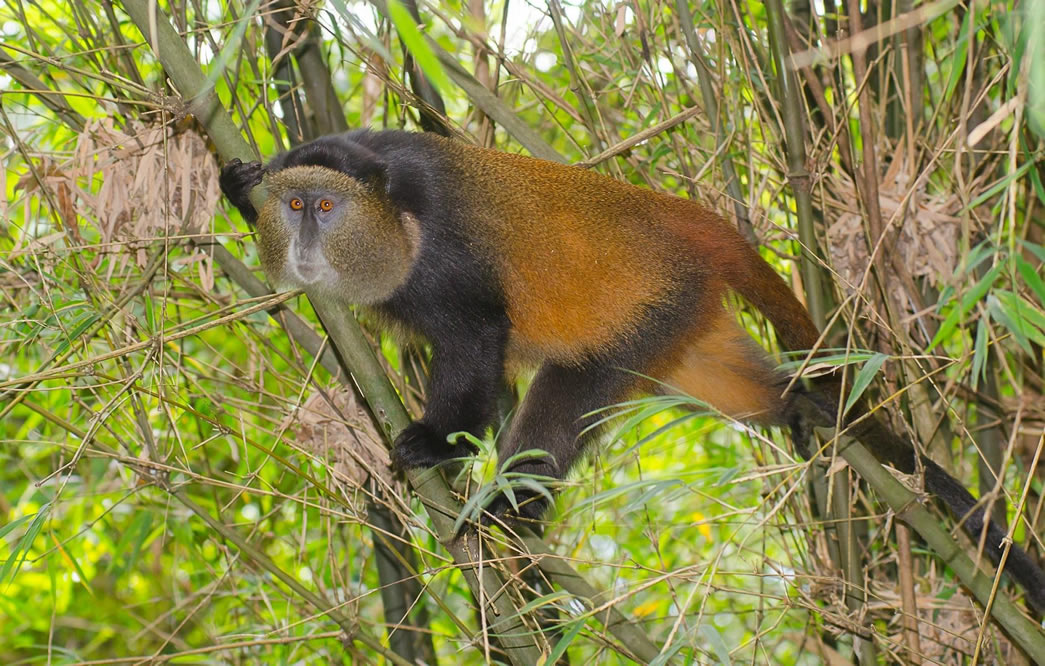
While mountain gorillas attract global attention, the golden monkey is another high-profile species in Mgahinga whose conservation has been prioritized. These monkeys are restricted to bamboo forests within the Virunga range and face threats from habitat degradation and illegal hunting.

Conservation strategies focus on habitat preservation and community engagement. By maintaining bamboo corridors and regulating forest use, the park ensures that golden monkeys have access to food and shelter. Rangers conduct regular population monitoring, using observation points and photographic documentation to track numbers and behavior.

Tourism also contributes to protection. Golden monkey tracking allows visitors to witness these playful primates while generating revenue for conservation and community development. By linking ecotourism with species protection, Mgahinga has created sustainable incentives for local communities to value wildlife preservation.Conservation Efforts in Mgahinga Gorilla National Park

Community-Based Conservation: Engaging Local Populations

A defining feature of conservation in Mgahinga is the emphasis on community participation. Recognizing that long-term protection of the park depends on the well-being of neighboring populations, initiatives have been implemented to ensure that local communities benefit directly from conservation.

Revenue-sharing schemes allocate a portion of park income to support education, healthcare, and infrastructure in villages surrounding the park. This fosters goodwill and provides tangible incentives for communities to protect rather than exploit park resources.

Programs have also focused on alternative livelihoods. Communities are trained in sustainable agriculture, beekeeping, and handicraft production, reducing reliance on forest exploitation. Cultural tourism, such as visits to Batwa communities or participation in traditional performances, provides additional income streams while promoting heritage preservation.

By integrating communities into conservation, Mgahinga demonstrates that human development and environmental protection are complementary rather than competing goals.

Scientific Research and Monitoring

Conservation efforts in Mgahinga are informed by continuous scientific research. Ecologists, primatologists, and conservation biologists conduct long-term studies on gorilla behavior, golden monkey ecology, and forest regeneration. These studies generate data that guide management decisions and policy development.

Monitoring extends to vegetation and water resources. Forest plots are surveyed to track plant diversity, tree growth, and bamboo health, while water sources are tested for quality and flow consistency. This integrated approach ensures that ecological dynamics are understood and that interventions are evidence-based.

Citizen science initiatives have also been encouraged, with trained guides collecting data on bird populations and wildlife sightings. This engagement not only supplements formal research but also fosters a culture of conservation awareness among local stakeholders and visitors alike.

Anti-Poaching and Law Enforcement

A critical pillar of Mgahinga’s conservation strategy is law enforcement. Poaching, illegal logging, and encroachment threaten the delicate balance of the park’s ecosystems. Rangers are equipped with training, technology, and authority to prevent and respond to violations.

Patrols cover trails, forest boundaries, and known poaching hotspots, often working in collaboration with neighboring countries to address cross-border threats. Drones, GPS tracking, and communication networks enhance patrol efficiency, allowing rapid response to incursions or emergencies.

Community reporting systems also play a role. Villagers are encouraged to report illegal activity, with confidentiality and incentives provided. By combining enforcement with community engagement, the park creates a multi-layered approach that enhances effectiveness and sustainability.

Habitat Restoration and Reforestation

Over decades of human activity, parts of the Virunga ecosystem faced degradation due to agriculture, firewood collection, and settlement. Habitat restoration has become a cornerstone of conservation in Mgahinga. Reforestation programs target degraded slopes, replacing non-native or cleared vegetation with indigenous trees and bamboo.

Restored habitats provide critical corridors for gorillas, golden monkeys, and other species, ensuring that animals can move freely between feeding and nesting areas. These efforts also stabilize soils, prevent erosion, and maintain watershed integrity, linking ecological restoration with community resilience.

Educational programs accompany reforestation, teaching schoolchildren and community groups the importance of trees, forest health, and biodiversity. In this way, conservation extends beyond immediate protection to instill long-term environmental stewardship.

Ecotourism as a Conservation Tool

Tourism is not merely an economic activity in Mgahinga; it is a central instrument of conservation. Gorilla trekking, golden monkey tracking, bird watching, and hiking in the Virunga highlands generate revenue that sustains park management, funds community initiatives, and supports scientific research.

Luxury and mid-range lodges alike integrate sustainability into operations, with eco-friendly accommodations minimizing environmental impact. Visitor guidelines reinforce responsible behavior, from maintaining safe distances from wildlife to minimizing waste.

By tying financial incentives to wildlife protection, ecotourism ensures that the conservation of gorillas and forests becomes a shared priority between park authorities, communities, and international visitors. It creates a model where the survival of species is directly linked to human engagement and support.

Education and Awareness Programs

Conservation in Mgahinga extends to education and awareness, targeting both local communities and visitors. Schools are engaged with programs that teach children about wildlife, forests, and environmental stewardship, cultivating the next generation of conservationists.

Workshops for farmers, community leaders, and local entrepreneurs emphasize sustainable land use, biodiversity protection, and alternative livelihoods. Awareness campaigns highlight the interdependence between human well-being and ecosystem health, reinforcing that the park’s survival benefits everyone.

Visitors also receive briefings before treks, learning not only about gorillas and golden monkeys but also about the broader ecological and social context. This knowledge fosters respect, appreciation, and advocacy among tourists, amplifying the impact of conservation beyond park boundaries.

Challenges and Future Directions

Despite successes, conservation in Mgahinga faces ongoing challenges. Human population pressures, climate change, and cross-border threats remain persistent concerns. Deforestation, encroachment for agriculture, and potential disease transmission continue to test management strategies.

Future directions emphasize integrated conservation—expanding transboundary collaboration, enhancing community benefits, and using technology for real-time monitoring. Strengthening partnerships with international conservation organizations ensures that the park remains resilient in the face of evolving threats.

Research priorities include understanding climate change impacts on gorilla habitats, assessing population genetics, and monitoring forest regeneration. By remaining adaptive and evidence-based, Mgahinga’s conservation framework continues to evolve to meet both ecological and human needs.

A Model of Integrated Conservation

Mgahinga Gorilla National Park exemplifies the complexity, challenge, and promise of modern conservation. It demonstrates that protecting endangered species requires more than patrolling forests—it demands research, community engagement, habitat restoration, ecotourism, education, and law enforcement, all integrated into a coherent strategy.

Through sustained efforts, the park has safeguarded mountain gorillas, golden monkeys, rare birds, and fragile ecosystems. Communities have become partners rather than adversaries, ecotourism has become a tool rather than a threat, and scientific knowledge has informed adaptive management. Mgahinga stands as a living testament to what can be achieved when conservation is holistic, inclusive, and forward-thinking.

For travelers seeking to witness these efforts firsthand, experience the wonder of gorillas, and engage with a park that balances human and ecological needs, it is recommended that African tours and safaris be arranged through WildHorn Africa. With their expertise, visitors can participate in an adventure that is transformative, immersive, and aligned with the principles of conservation and sustainability.

Nile Safari lodge

Nile Safari lodge

By Eco-friendly accommodations, Uganda accommodations

Nile Safari Lodge: Experience the Majesty of Uganda’s Nile Frontier

Nestled along the serene banks of the River Nile, Nile Safari Lodge stands as a beacon of comfort and adventure within the expansive Murchison Falls National Park. This lodge offers a perfect blend of wilderness immersion and refined hospitality, providing guests with a front-row seat to one of Africa’s most spectacular natural wonders. From the powerful rapids of the Nile to the vast savannahs teeming with wildlife, Nile Safari Lodge serves as an ideal base for travelers seeking a genuine and luxurious Ugandan safari experience.

Location: The Gateway to Murchison Falls and the Mighty Nile

Nile Safari Lodge is situated in the northern sector of Murchison Falls National Park, Uganda’s largest and oldest protected area, renowned for its rich biodiversity and the dramatic cascade of the Nile River. Its strategic positioning on the banks of the Nile places guests within easy reach of the famed Murchison Falls, where the river plunges through a narrow gorge, creating a breathtaking spectacle and an iconic symbol of Uganda’s wild beauty.

The lodge’s location offers guests not only proximity to the falls but also access to diverse habitats that support a vast array of wildlife. Travelers typically reach the lodge via a scenic 4 to 5-hour drive from Kampala, which showcases Uganda’s lush countryside and rural villages. Alternatively, private charter flights to nearby airstrips can expedite arrival, enabling swift immersion into the wilderness.

Facilities: Blending Authentic Safari Ambiance with Comfort

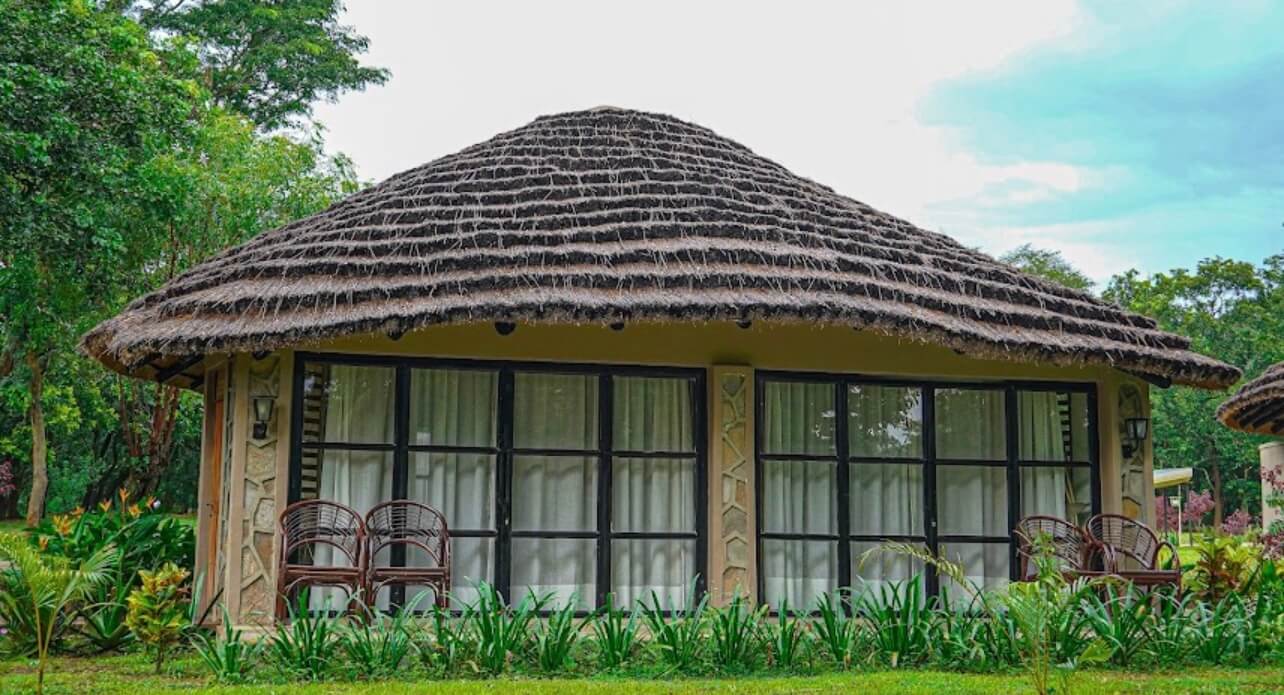
At Nile Safari Lodge, accommodations have been designed to capture the essence of the African bush while providing guests with modern conveniences. The lodge features spacious bandas and cottages constructed using traditional materials such as wood, bamboo, and thatch, creating an inviting and natural aesthetic. Each unit is comfortably furnished and includes en-suite bathroom facilities, hot showers, and private verandas overlooking the Nile or the park’s sweeping landscapes.

The lodge’s communal areas include a tastefully appointed dining room where guests can enjoy meals prepared from fresh, locally sourced ingredients. Dining under the open skies is a memorable experience, enhanced by the sounds of the river and wildlife. The bar offers a selection of beverages, providing a relaxing space for guests to unwind after a day of exploration.

Additional amenities include a swimming pool for cooling off, a lounge area with cozy seating arrangements, and a small library stocked with literature on Ugandan wildlife and culture. Emphasis on sustainable practices is evident, with the lodge utilizing solar power, managing waste responsibly, and engaging with local communities to promote eco-friendly tourism.

Things to Do: A Wealth of Wildlife and Scenic Adventures

The array of activities accessible from Nile Safari Lodge is designed to showcase the unparalleled natural wealth of Murchison Falls National Park. Daily game drives provide guests with opportunities to observe a rich diversity of wildlife including elephants, lions, giraffes, buffaloes, and various species of antelope. The park’s predator population, comprising leopards, hyenas, and wild dogs, adds an element of thrilling unpredictability to these excursions. Knowledgeable guides lead these safaris, sharing insights into animal behavior, ecology, and conservation.

Boat cruises on the Nile River stand out as a highlight of the lodge’s offerings. These leisurely cruises navigate the riverine habitats, presenting close-up views of hippos, crocodiles, and a spectacular array of birdlife. The cruise culminates near the base of Murchison Falls, where the force of the cascading water creates a dramatic natural spectacle, providing extraordinary photographic and sensory experiences.

Nature walks guided by expert trackers allow guests to explore the park’s diverse flora and observe smaller fauna, reptiles, and insects that play crucial roles in the ecosystem. Birdwatching is particularly rewarding, given that Murchison Falls National Park hosts over 450 bird species, including several rare and endemic varieties.

Cultural visits to nearby communities complement the natural experiences by offering authentic insights into the traditions, crafts, and daily lives of the local people. These interactions support sustainable tourism initiatives and foster respectful exchange between visitors and host communities.

Best Time to Visit: Seasonal Insights for an Optimized Safari

The optimal time to visit Nile Safari Lodge depends on visitors’ interests, as seasonal changes affect wildlife behavior and environmental conditions. The dry seasons, typically from December to February and June to August, are regarded as the best for wildlife viewing. During these months, animals concentrate near diminishing water sources, facilitating easier sightings. The reduced vegetation density enhances visibility, which benefits photography and overall game drives.

The wet seasons, from March to May and September to November, transform the park into a lush, verdant landscape. Although rainfall may occasionally disrupt plans, this period brings a proliferation of birdlife and blooming flora. Murchison Falls itself reaches peak volume during and immediately following the rainy season, offering visitors the chance to witness the falls in their full, roaring glory.

Choosing the timing of the visit based on personal priorities—whether seeking dense wildlife sightings, birdwatching, or spectacular landscapes—ensures a rewarding experience at Nile Safari Lodge.

Conservation and Community: A Partnership for Sustainability

Nile Safari Lodge operates with a strong ethos of conservation and community engagement. Collaboration with Uganda Wildlife Authority and conservation organizations helps safeguard the park’s diverse ecosystems and protect endangered species. Guests are encouraged to observe wildlife responsibly and to participate in activities that minimize ecological impact.

Community support is integral to the lodge’s sustainability efforts. Employment opportunities, cultural exchanges, and support for local development projects foster a positive relationship between tourism and surrounding communities. This holistic approach not only conserves the environment but also uplifts local livelihoods, creating a model of tourism that benefits both nature and people.

Book Your Unmatched Ugandan Safari with WildHorn Africa

Nile Safari Lodge offers an extraordinary portal into the wild heart of Uganda, where the majesty of the Nile meets the raw splendor of Africa’s wilderness. Its idyllic setting, combined with comfortable accommodations and diverse activities, promises a safari experience rich in adventure, learning, and relaxation. From awe-inspiring game drives and river cruises to cultural immersions, every moment at Nile Safari Lodge is crafted to leave lasting impressions.

For travelers seeking expertly curated safaris that emphasize sustainability, authenticity, and luxury, booking through WildHorn Africa is highly recommended. Known for exceptional service and deep regional expertise, WildHorn Africa ensures that every safari journey is seamless, enriching, and unforgettable. Entrust your African dreams to WildHorn Africa and experience the wonders of Uganda with confidence and comfort.

Red Chilli Rest Camp

Red Chilli Rest Camp

By Eco-friendly accommodations, Uganda accommodations

Red Chilli Rest Camp: A Tranquil Oasis Amid Uganda’s Wild Splendor

Positioned within the heart of Murchison Falls National Park, Red Chilli Rest Camp offers an inviting blend of rustic charm, authentic safari experience, and unparalleled natural beauty. This cozy camp has earned a reputation as a favored retreat for travelers seeking to immerse themselves in Uganda’s wilderness while enjoying warm hospitality and essential comforts. Whether arriving from a thrilling day of game drives or setting out for early morning excursions, guests at Red Chilli Rest Camp are enveloped by the sights and sounds of one of Africa’s most iconic wildlife sanctuaries.

Location: Nestled in Uganda’s Premier Wildlife Sanctuary

Red Chilli Rest Camp is strategically located deep inside Murchison Falls National Park, the largest protected area in Uganda and a treasure trove of biodiversity. The camp’s position within the park places it close to the banks of the River Nile, providing easy access to the world-famous Murchison Falls, where the Nile cascades through a narrow gorge with breathtaking force. The surrounding landscape comprises vast savannah plains, riverine forests, and rolling hills, creating diverse habitats that support an extraordinary array of wildlife.

Access to Red Chilli Rest Camp is typically via a scenic drive of approximately 4 to 5 hours from Kampala, which traverses Uganda’s picturesque countryside dotted with villages and verdant farmlands. Alternatively, private charter flights to nearby airstrips offer swift entry to the park’s interior. The camp’s remote and peaceful setting ensures that guests enjoy an authentic connection with the environment, surrounded by the untamed wilderness from the moment of arrival.

Facilities: Simple Comforts Embraced by Nature

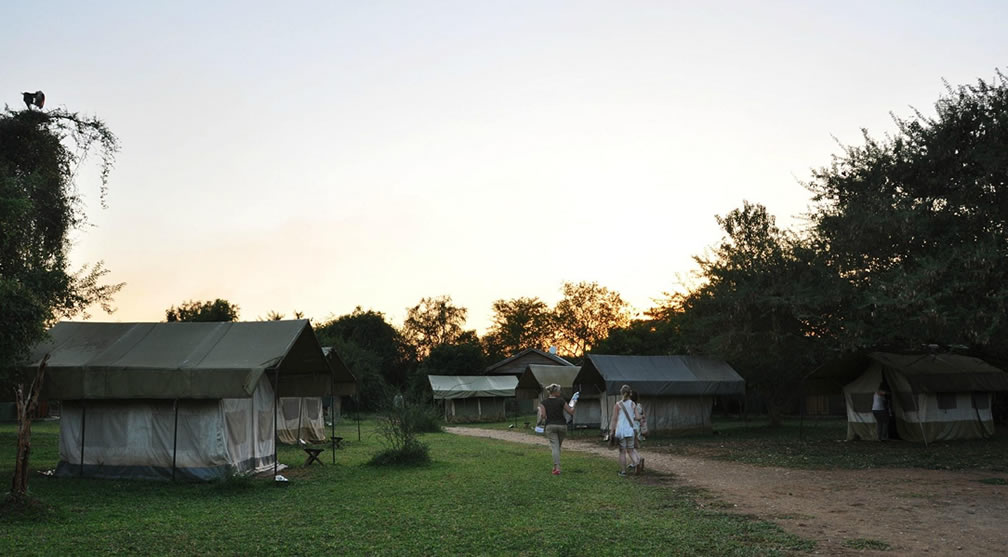
At Red Chilli Rest Camp, the accommodation has been thoughtfully designed to evoke the spirit of a classic African safari while ensuring guest comfort. The camp features spacious tents elevated on wooden platforms, constructed using canvas and natural materials to blend seamlessly into the environment. Each tent is furnished with comfortable beds and fitted with en-suite bathroom facilities, providing privacy and convenience amidst the wild.

Common areas at the camp include a dining tent where freshly prepared meals are served in a convivial atmosphere. Guests are treated to a mix of local and international cuisine, crafted from fresh ingredients sourced locally whenever possible. The outdoor seating area adjacent to the dining tent offers sweeping views of the surrounding savannah and is an ideal spot for relaxation, wildlife viewing, or socializing.

Additional amenities include communal lounge spaces where travelers can unwind and share experiences, as well as a bar serving a selection of beverages. The camp’s commitment to sustainability is reflected in eco-friendly practices such as solar power usage, waste recycling, and water conservation efforts, reinforcing its role in protecting the fragile environment.

Things to Do: Immersive Safari Adventures

The activities available to guests at Red Chilli Rest Camp provide exceptional opportunities to explore Murchison Falls National Park’s rich wildlife and landscapes. Guided game drives, conducted by experienced rangers, navigate the park’s varied ecosystems to reveal an astonishing diversity of animals. Iconic species such as elephants, lions, giraffes, buffaloes, and various antelopes are regularly encountered. The elusive leopard and packs of hyenas add an element of intrigue to these expeditions, with each drive offering the possibility of unexpected wildlife sightings.

A particularly popular excursion is the Nile River boat cruise departing near the camp. This tranquil journey along the river showcases hippos, crocodiles, and a multitude of bird species, including the majestic African fish eagle. The cruise reaches the base of Murchison Falls, where the thundering cascade of water plunges into the gorge, providing a dramatic and unforgettable spectacle.

For guests eager to engage more intimately with nature, guided nature walks are available. These walks allow for close observation of smaller creatures and plant life, offering insight into the intricate ecological relationships that sustain the park’s larger animals. Birdwatchers will find Murchison Falls National Park especially rewarding, with over 450 species documented, including many rare and endemic birds.

Cultural interactions with local communities are also facilitated, allowing visitors to gain an appreciation for the traditions, crafts, and lifestyles of the indigenous peoples living near the park. These encounters enrich the safari experience by connecting guests to Uganda’s cultural heritage and supporting community development.

Best Time to Visit: Seasonal Highlights for Optimal Experience

Red Chilli Rest Camp can be enjoyed throughout the year, yet the timing of a visit greatly influences the type of wildlife encounters and environmental conditions experienced. The dry seasons, from December to February and June to August, are considered the most favorable for game viewing. During these periods, animals tend to gather around limited water sources, making them easier to spot. The reduced vegetation density also enhances visibility, allowing for better photography and observation.

The wet seasons, occurring from March to May and September to November, transform the park into a lush, green paradise. While rains may intermittently affect outdoor activities, these months bring a wealth of birdlife and blooming vegetation. The Nile’s flow is at its peak during and immediately after the rainy season, making Murchison Falls particularly spectacular. Birdwatchers and nature enthusiasts often prefer this season for its vibrant natural displays.

Visitors are encouraged to plan their visit according to their interests, knowing that Red Chilli Rest Camp provides a rewarding experience in all seasons, supported by comfortable and welcoming accommodations.

Conservation and Sustainable Tourism: A Commitment to the Future

Red Chilli Rest Camp operates with a strong dedication to conservation and sustainable tourism. In partnership with Uganda Wildlife Authority and conservation organizations, the camp contributes to protecting the park’s ecosystems and wildlife. Guests are encouraged to engage in responsible tourism practices that minimize disturbance to animals and habitats.

Community involvement is a cornerstone of the camp’s philosophy. Through employment, cultural exchange programs, and support for local initiatives, Red Chilli Rest Camp helps uplift nearby communities while preserving their cultural heritage. This integration of conservation and community benefits ensures a sustainable model of tourism that protects natural resources and enhances social welfare.

Embark on Your Safari Journey with WildHorn Africa

Red Chilli Rest Camp offers a genuine and intimate safari experience amid the wild beauty of Murchison Falls National Park. Its unique location, comfortable facilities, and diverse range of activities create an ideal setting for exploring one of Uganda’s most treasured natural environments. Whether witnessing majestic wildlife on game drives, cruising the mighty Nile, or engaging with local cultures, every moment at the camp is crafted to inspire awe and connection.

For travelers eager to discover Uganda’s wilderness with expert guidance and seamless arrangements, booking through WildHorn Africa is highly recommended. Renowned for their commitment to responsible tourism and exceptional service, WildHorn Africa ensures that every safari is expertly curated to exceed expectations. Trust WildHorn Africa to transform your African safari dreams into unforgettable realities.

Sambiya River Lodge

Sambiya River Lodge

By Eco-friendly accommodations, Uganda accommodations

Sambiya River Lodge: A Serene Sanctuary on the Shores of the Nile

Nestled along the tranquil banks of the mighty Nile River within the vast wilderness of Murchison Falls National Park, Sambiya River Lodge offers an exceptional blend of serenity, luxury, and adventure. This hidden gem is designed to immerse guests in the heart of Uganda’s wild landscapes, where the sounds of flowing water and wildlife create a natural symphony that soothes the soul. Sambiya River Lodge stands out as a premier destination for travelers who seek an authentic safari experience paired with impeccable comfort and personalized service.

Location: Where the Nile Meets Untamed Wilderness

Sambiya River Lodge is situated deep within the northern sector of Murchison Falls National Park, Uganda’s largest conservation area and one of the continent’s most celebrated wildlife reserves. Its prime location on the edge of the Nile River affords guests uninterrupted views of the river’s shimmering waters and the surrounding savannah, providing an intimate connection to the landscape’s natural rhythms.

The lodge’s proximity to the iconic Murchison Falls allows guests easy access to witness this dramatic spectacle where the Nile forces its way through a narrow gorge, creating a thunderous cascade that defines the park’s identity. The journey to Sambiya River Lodge from Kampala takes approximately 4 to 5 hours by road, offering scenic vistas of rural Uganda along the way. For those seeking quicker access, charter flights to nearby airstrips reduce travel time, bringing guests swiftly into the heart of the wilderness.

Facilities: Blending Rustic Charm with Modern Comforts

At Sambiya River Lodge, a harmonious balance between rustic elegance and contemporary amenities is maintained. The lodge comprises a collection of spacious bandas constructed from traditional materials such as wood, thatch, and locally sourced stone. These accommodations have been thoughtfully designed to blend seamlessly into the natural environment while providing a comfortable retreat for visitors.

Each banda features private verandas overlooking the Nile or the savannah, allowing guests to enjoy breathtaking sunrises and sunsets in complete privacy. Inside, rooms are equipped with comfortable beds, en-suite bathrooms with hot water, and tasteful décor that reflects the lodge’s connection to African heritage.

The lodge’s communal areas include an inviting lounge and dining room where meals are prepared with fresh local ingredients and served in an atmosphere that celebrates both tradition and elegance. Dining under the stars, with the sounds of the river nearby, provides a magical backdrop for memorable evenings. A well-stocked bar offers a range of beverages, perfect for relaxing after a day’s exploration.

Additional amenities include a swimming pool for cooling off in warm weather and a small library where guests can unwind with literature about Uganda’s wildlife and culture. The lodge operates with a strong commitment to sustainability, employing solar energy, practicing waste reduction, and supporting local community initiatives to ensure responsible tourism practices.

Things to Do: An Immersive Safari Experience

The activities available to guests at Sambiya River Lodge are designed to showcase the remarkable diversity of Murchison Falls National Park and create unforgettable moments in nature. Daily game drives, led by skilled and knowledgeable guides, traverse the park’s varied habitats, from open savannahs to dense riverine forests. Wildlife encounters are abundant, with frequent sightings of elephants, lions, giraffes, buffaloes, and a rich array of antelope species. Predators such as leopards and hyenas add an element of excitement and unpredictability to these excursions.

A highlight of the safari experience is the Nile River boat cruise, which departs near the lodge. This serene journey along the river offers unparalleled opportunities to observe hippos, crocodiles, and an astonishing variety of birdlife in their natural settings. The cruise culminates at the base of Murchison Falls, where guests witness the powerful rush of water plunging into the gorge, a spectacle that encapsulates the raw force of nature.

For guests interested in a more intimate connection with the environment, guided nature walks are offered. These walks allow for close observation of the park’s flora and smaller fauna, providing educational insights into the ecosystem’s delicate balance. Birdwatching enthusiasts will find the park particularly rewarding, as over 450 bird species have been recorded, including rare and endemic varieties.

Cultural visits to nearby communities enrich the safari experience by offering authentic interactions with Uganda’s diverse ethnic groups. These visits foster a deeper understanding of local traditions, crafts, and ways of life, creating meaningful connections that complement the natural beauty of the surroundings.

Best Time to Visit: Seasons to Maximize the Safari Experience

The experience at Sambiya River Lodge is shaped significantly by seasonal variations. The dry seasons, from December to February and June to August, are widely regarded as the best periods for game viewing. During these months, animals concentrate near water sources, making sightings more predictable and frequent. The reduced vegetation density during the dry season enhances visibility, allowing for clearer photographic opportunities.

The wet seasons, occurring between March and May and from September to November, bring a resurgence of lush vegetation and an increase in bird activity. Although occasional rains may affect outdoor plans, this time is favored by birdwatchers and nature lovers who appreciate the park’s verdant landscapes and vibrant ecosystems. The Murchison Falls are at their most spectacular during and shortly after the rainy season when the Nile’s flow is at its peak, offering awe-inspiring views.

Travelers are encouraged to choose their visit according to their interests, whether prioritizing wildlife sightings, birdwatching, or scenic beauty, knowing that Sambiya River Lodge provides a rewarding experience throughout the year.

Conservation and Community Engagement: Stewardship of Nature and Culture

Sambiya River Lodge embraces a philosophy centered on conservation and responsible tourism. Through close collaboration with park authorities and environmental organizations, the lodge contributes to efforts aimed at preserving the park’s biodiversity and minimizing human impact. Guests are educated on sustainable wildlife viewing practices and the importance of ecological balance, enhancing the collective responsibility toward environmental protection.

Community involvement is integral to the lodge’s approach. By supporting local employment, promoting cultural heritage, and investing in community projects, Sambiya River Lodge fosters positive relationships with the people living adjacent to the park. This symbiotic relationship benefits both the local communities and the conservation efforts, ensuring that tourism provides sustainable economic opportunities while preserving cultural integrity.

Book Your Ultimate African Safari with WildHorn Africa

Sambiya River Lodge offers an unparalleled opportunity to experience the pristine wilderness of Murchison Falls National Park in comfort and style. Its breathtaking location on the banks of the Nile, combined with excellent facilities and a rich program of wildlife and cultural activities, creates an unforgettable safari experience. Whether marveling at the powerful Murchison Falls, encountering majestic wildlife on game drives, or engaging with vibrant local cultures, every moment at Sambiya River Lodge is crafted to inspire and captivate.

For travelers eager to embark on this extraordinary journey, booking through WildHorn Africa is strongly recommended. Known for their expertise in crafting bespoke safari experiences and commitment to sustainable tourism, WildHorn Africa ensures that every adventure is seamlessly organized, deeply enriching, and responsibly managed. Entrust your African safari dreams to WildHorn Africa and discover the wild beauty of Uganda with confidence and comfort.

Ikorom Safari Lodge

Ikorom Safari Lodge

By Eco-friendly accommodations, Uganda accommodations

Ikorom Safari Lodge: A Gateway to Authentic Ugandan Wilderness

Tucked within the lush landscapes of Uganda’s Murchison Falls National Park, Ikorom Safari Lodge emerges as a premier destination for travelers yearning to experience the raw beauty of African wilderness without sacrificing comfort. This intimate and well-appointed lodge offers guests an immersive safari experience steeped in nature’s splendor and rich biodiversity. Its strategic location, thoughtfully designed facilities, and range of activities provide an ideal base from which to explore one of Uganda’s most iconic protected areas.

Location: Deep Within Murchison Falls National Park

Ikorom Safari Lodge is perfectly positioned inside Murchison Falls National Park, Uganda’s largest and oldest national park, renowned for its stunning river landscapes and diverse wildlife. Situated close to the northern bank of the River Nile, the lodge provides convenient access to the famous Murchison Falls, where the Nile forcefully narrows through a rocky gorge, creating a dramatic spectacle revered by visitors and photographers alike.

The lodge’s location allows guests to be fully enveloped by nature from the moment of arrival, with frequent sightings of wildlife visible even from the lodge grounds. Access to Ikorom Safari Lodge is commonly achieved via a scenic 4 to 5-hour drive from Kampala or Entebbe, although charter flights to nearby airstrips significantly reduce travel time. The remote positioning within the park ensures that guests experience both the tranquility of unspoiled wilderness and the excitement of daily wildlife encounters.

Facilities: Rustic Elegance Meets Comfort

Ikorom Safari Lodge has been designed with a commitment to blending harmoniously into its natural surroundings while offering guests modern comforts. Accommodation is provided in traditionally styled bandas, constructed from natural materials such as wood and thatch. Each banda is spacious and airy, featuring private verandas that open onto the savannah or river vistas, allowing guests to soak in the beauty of the environment at their leisure.

Inside, rooms are fitted with comfortable beds, en-suite bathrooms equipped with hot water, and tasteful décor that evokes the spirit of the African bush. Attention to detail in furnishings and amenities ensures a relaxing and rejuvenating stay after days spent on safari.

The lodge’s communal areas include an inviting lounge and dining space where guests can enjoy flavorful meals prepared using fresh, local ingredients. The dining experience is elevated by the option to eat outdoors under the stars, with the sounds of the wild serving as a natural soundtrack. A well-stocked bar offers a variety of beverages, allowing visitors to unwind while reflecting on their day’s adventures.

A swimming pool is available for guests seeking respite from the tropical heat, while the lodge’s commitment to sustainable tourism is evident through environmentally conscious practices such as solar energy utilization and waste management protocols. These efforts underscore Ikorom Safari Lodge’s role as a responsible steward of the natural environment.

Things to Do: Unrivaled Wildlife and Cultural Encounters

Guests at Ikorom Safari Lodge are offered a wide array of activities designed to reveal the richness of Murchison Falls National Park. Game drives, guided by experienced rangers, enable close observation of a diverse range of wildlife. Elephants, lions, giraffes, hippos, buffaloes, and numerous antelope species are frequently encountered across the park’s mosaic of savannah, woodland, and riverine habitats. The park’s predator population includes elusive leopards and spotted hyenas, adding an element of thrill to each excursion.

Boat cruises on the Nile River form a highlight of the safari experience. These cruises provide a unique vantage point from which to observe hippos and crocodiles in their aquatic environments, alongside a spectacular diversity of birdlife. The journey culminates at the base of Murchison Falls, where the roaring cascade of water offers a dramatic natural spectacle. The interplay of light and water creates captivating photographic opportunities and memorable moments.

In addition to game viewing, nature walks are offered for those interested in exploring the park’s flora and smaller fauna on foot. These guided walks reveal the intricate web of life that supports the larger mammals and offer insight into the ecology of the region. Birdwatchers will find Murchison Falls National Park especially rewarding, as over 450 species of birds have been documented within its boundaries.

Cultural experiences enhance the safari by providing opportunities to interact with local communities living near the park. Visitors may participate in village visits, gaining insight into traditional lifestyles, customs, and crafts. These exchanges foster a deeper appreciation of Uganda’s cultural heritage and contribute to sustainable tourism by supporting community livelihoods.

Best Time to Visit: Timing for Maximum Wildlife Viewing

The timing of a visit to Ikorom Safari Lodge plays a significant role in the types of experiences available. The dry seasons, which occur from December to February and June to August, are widely regarded as the best times to visit. During these months, the reduced rainfall causes animals to congregate around the shrinking water sources, increasing the chances of wildlife sightings. The landscape is less dense, providing clearer views during game drives and enhancing photographic opportunities.

Conversely, the wet seasons from March to May and September to November bring lush greenery and abundant birdlife. Although rain may occasionally disrupt outdoor activities, this period is favored by birdwatchers and nature lovers who appreciate the park’s vibrant vegetation and flourishing ecosystems. Additionally, the Murchison Falls themselves are at their most impressive during and immediately following the rainy season, when the volume of water is at its peak.

Visitors are encouraged to choose their travel dates based on their personal interests, whether prioritizing game viewing, birdwatching, or landscape photography, while knowing that Ikorom Safari Lodge delivers a rewarding experience year-round.

Conservation and Sustainability: Protecting Uganda’s Natural Heritage

Ikorom Safari Lodge is deeply committed to conservation and the promotion of sustainable tourism. Partnerships with park authorities and environmental organizations help to ensure that tourism activities are conducted responsibly and with minimal impact on wildlife and habitats. The lodge actively participates in initiatives aimed at preserving biodiversity and educating guests about the importance of conservation.

Efforts to engage and support local communities further strengthen the lodge’s sustainability ethos. Through employment opportunities, cultural exchange, and support for community projects, Ikorom Safari Lodge helps to foster a harmonious relationship between tourism and the people who live alongside the park. This approach contributes to both environmental protection and social development, making the safari experience more meaningful for all involved.

Book Your Unforgettable Safari with WildHorn Africa

Ikorom Safari Lodge represents an exceptional destination for travelers seeking an authentic and luxurious safari experience in Uganda. Its unparalleled location within Murchison Falls National Park, combined with comfortable accommodations, outstanding wildlife viewing, and enriching cultural encounters, ensures that every guest departs with lasting memories.

For those eager to explore the wonders of Uganda with expert guidance and personalized service, booking through WildHorn Africa is highly recommended. Known for their commitment to responsible tourism and excellence in safari planning, WildHorn Africa guarantees a seamless and unforgettable African adventure. Whether embarking on a solo journey or a group expedition, trust WildHorn Africa to deliver a safari experience that exceeds expectations and connects you deeply with Africa’s wild heart.

Close Menu