search
Kyambura Gorge

Kyambura Gorge

By Uganda places to visit, Where to go

Kyambura Gorge

Kyambura Gorge is more than a geographical marvel; it is a sanctuary of unique ecosystems, a vital conservation area, and a magnet for travelers seeking intimate encounters with Uganda’s most fascinating wildlife. Understanding its location, best visiting times, activities, and surrounding attractions reveals why it remains one of Uganda’s hidden gems.
Kyambura Gorge

packages

Get inspired by our trip ideas to Kyambura Gorge

Where is Kyambura Gorge located?

Kyambura Gorge is situated in the eastern sector of Queen Elizabeth National Park, one of Uganda’s premier wildlife reserves. Stretching nearly 100 kilometers across western Uganda, the park is celebrated for its vast savannahs, volcanic craters, and shimmering lakes. Within this diverse landscape, Kyambura Gorge emerges as a remarkable contrast—a deep fissure formed by ancient geological activity and erosion from the Kyambura River.

The gorge itself extends for about 16 kilometers, plunging to depths of nearly 100 meters. It is covered in a dense tropical forest, nourished by the river that meanders through its base. Its location in the heart of Queen Elizabeth National Park makes it easily accessible to travelers exploring the region, while still maintaining an atmosphere of seclusion and mystery. From the gorge, panoramic views extend to the Rwenzori Mountains, often shrouded in mist, and to the volcanic craters scattered across the savannah plains, creating an otherworldly setting for exploration.

When is the best time to go to Kyambura Gorge?

The best time to visit Kyambura Gorge is largely dictated by Uganda’s climate, which is generally warm and tropical, with two distinct rainy and dry seasons. The dry seasons, occurring between December to February and June to September, are considered ideal for exploration. During these months, the forest trails within the gorge are more manageable, and chimpanzee tracking experiences tend to be more rewarding, as the primates are easier to locate in the drier vegetation.

The rainy seasons, spanning March to May and October to November, transform the gorge into a lush green paradise, with intensified bird activity and a vibrant atmosphere. However, trails can become slippery and challenging, requiring more physical stamina. For travelers seeking the most comfortable conditions for trekking and wildlife viewing, the dry months are highly recommended. Yet, the rainy seasons offer equally unique opportunities for those who enjoy verdant landscapes and fewer tourist crowds.

Things to do while at Kyambura Gorge?

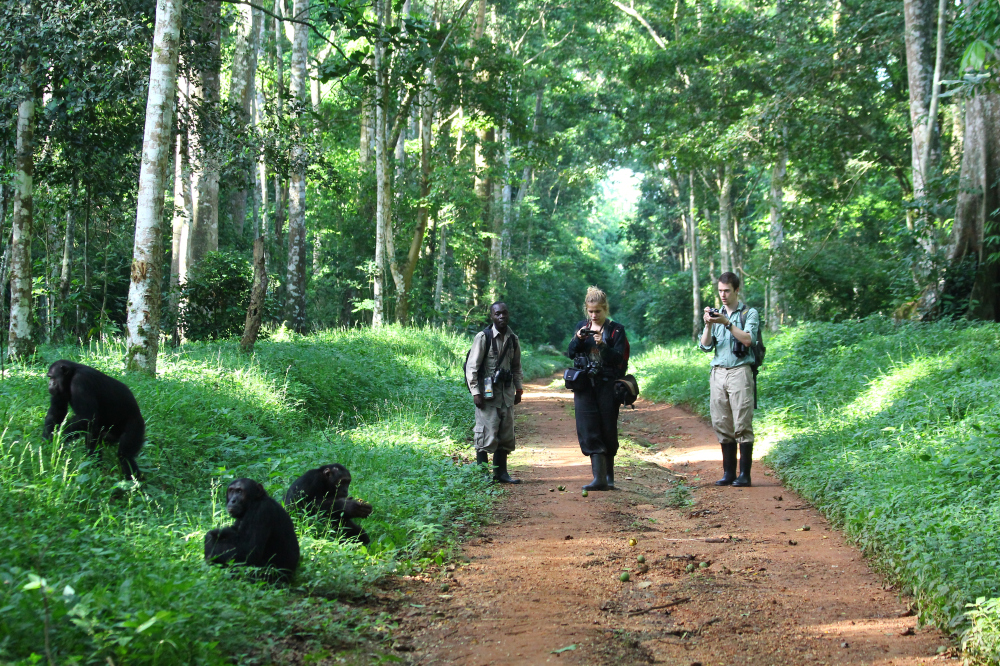
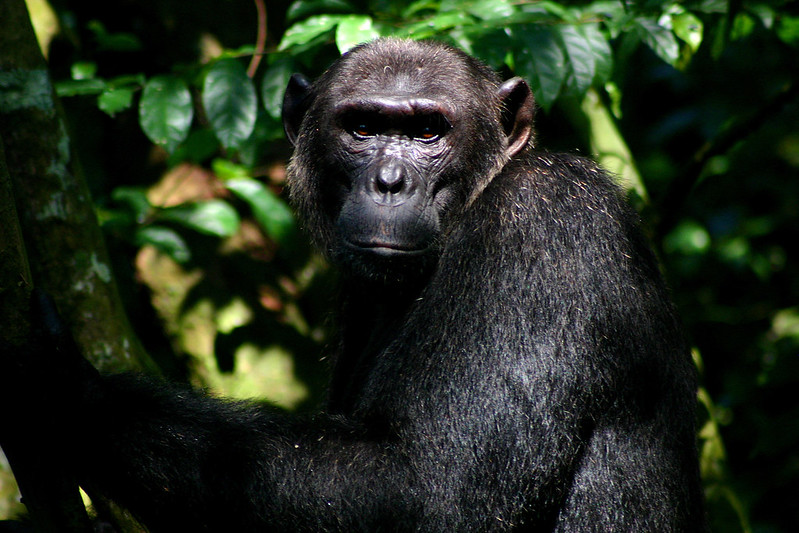
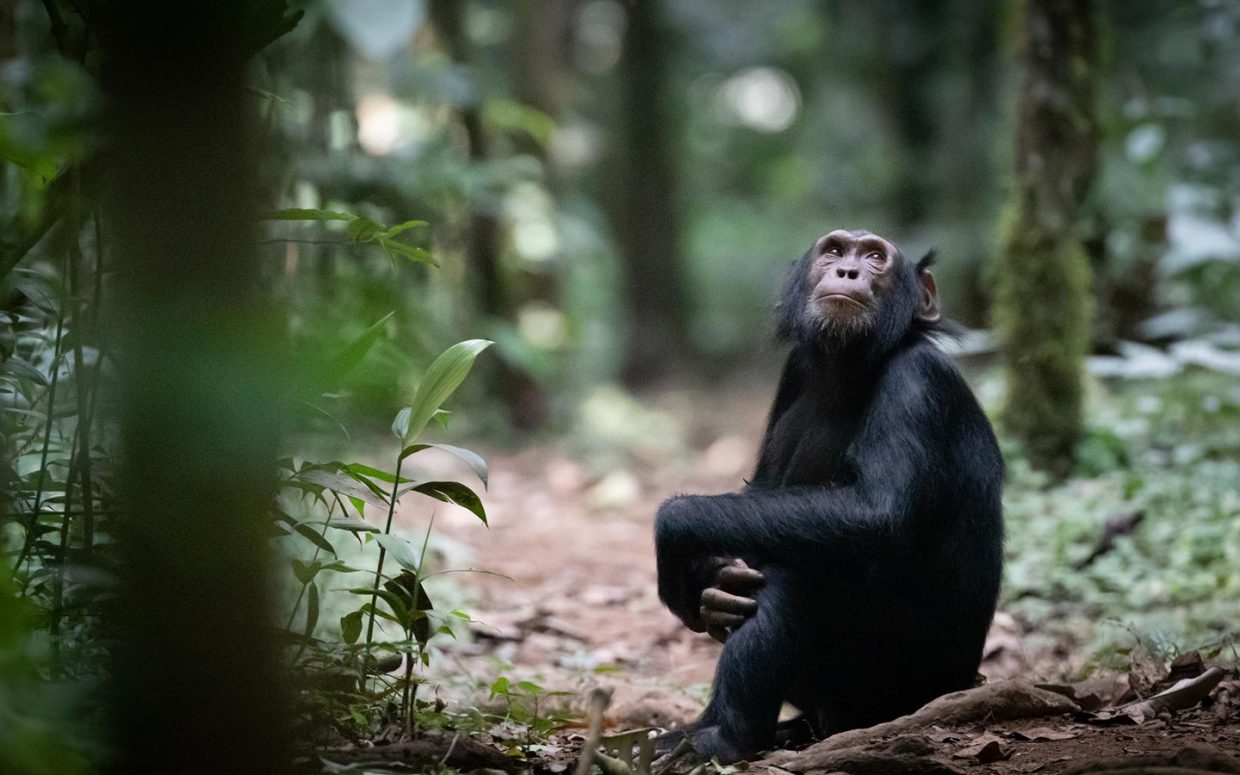
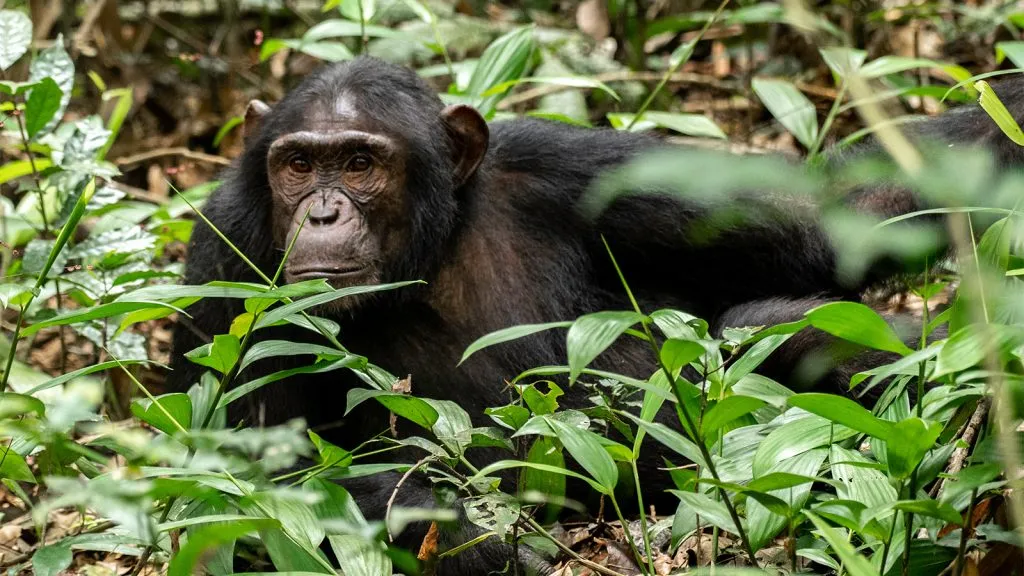
A journey into Kyambura Gorge is often described as a descent into a lost world, and the activities available allow visitors to immerse themselves in both adventure and discovery. The most renowned experience in the gorge is chimpanzee tracking, a thrilling expedition where trekkers follow expert guides into the forest to locate habituated chimpanzee groups. Unlike the open savannah safaris of the rest of Queen Elizabeth National Park, the gorge offers a more intimate, up-close wildlife experience. Observing chimpanzees as they feed, groom, and communicate provides a rare glimpse into the behavioral complexity of our closest relatives.

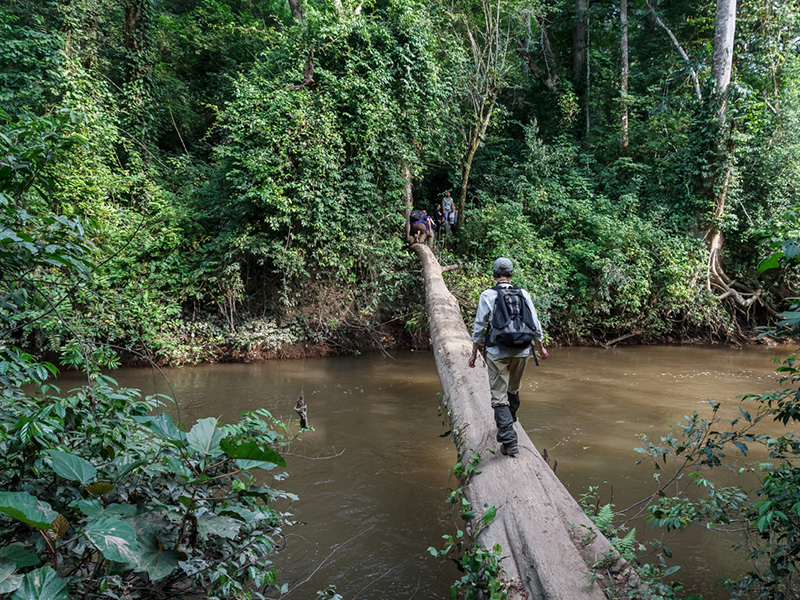
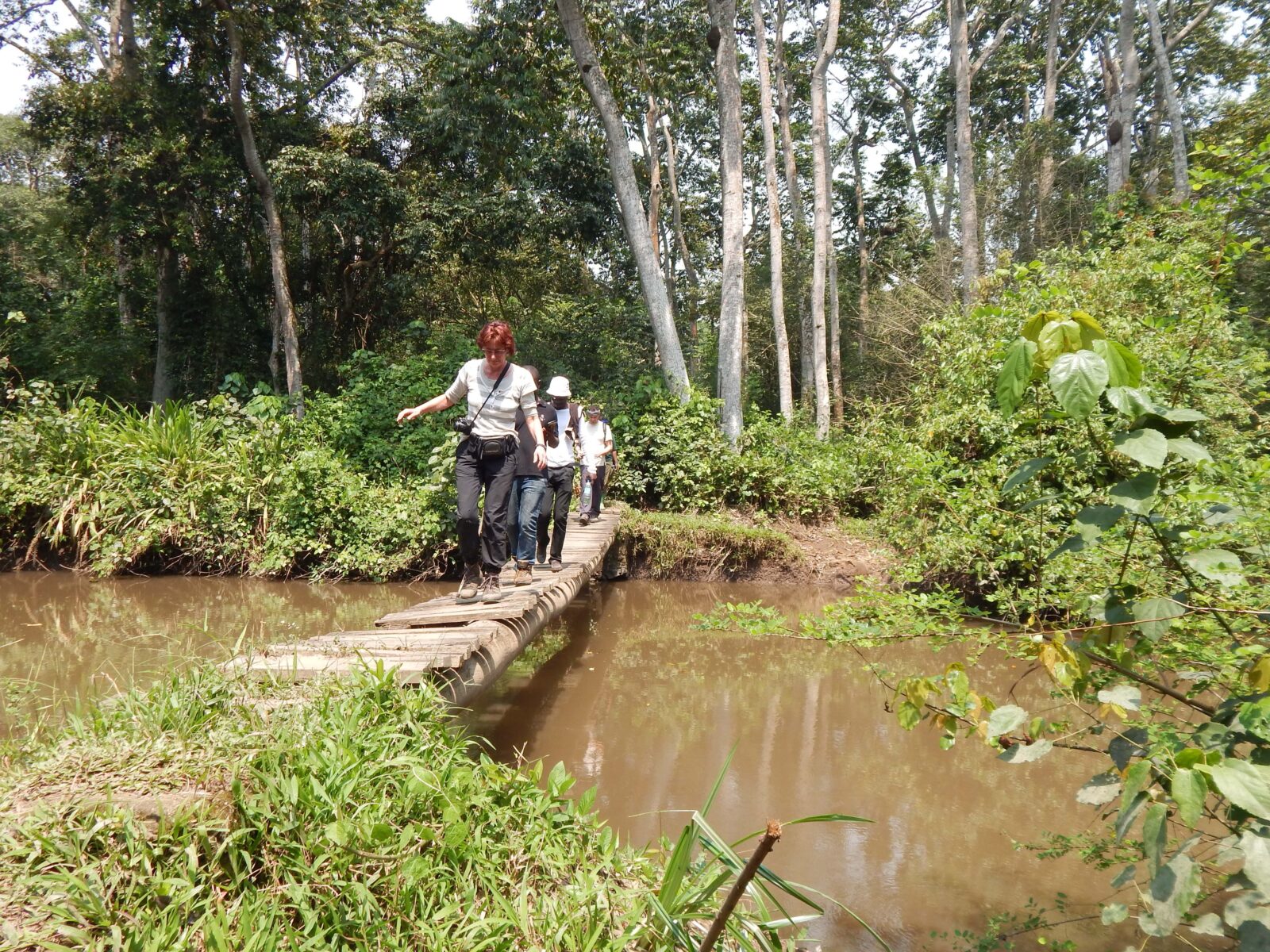
Beyond chimpanzees, nature walks through the gorge are equally captivating. The winding trails reveal hidden waterfalls, scenic river crossings, and towering tree canopies. The gorge is also a haven for bird enthusiasts, with species such as the African finfoot, kingfishers, and bee-eaters thriving along the riverbanks. Every corner of the gorge seems alive with movement and sound, creating a sensory safari unlike any other in Uganda.

Photography is another rewarding pursuit within Kyambura Gorge. The play of light filtering through the dense forest canopy, combined with the contrast between the gorge and the surrounding savannah, creates striking visuals. Visitors often find themselves pausing simply to absorb the atmosphere, where every detail feels untouched and timeless.

Where to stay while at Kyambura Gorge?

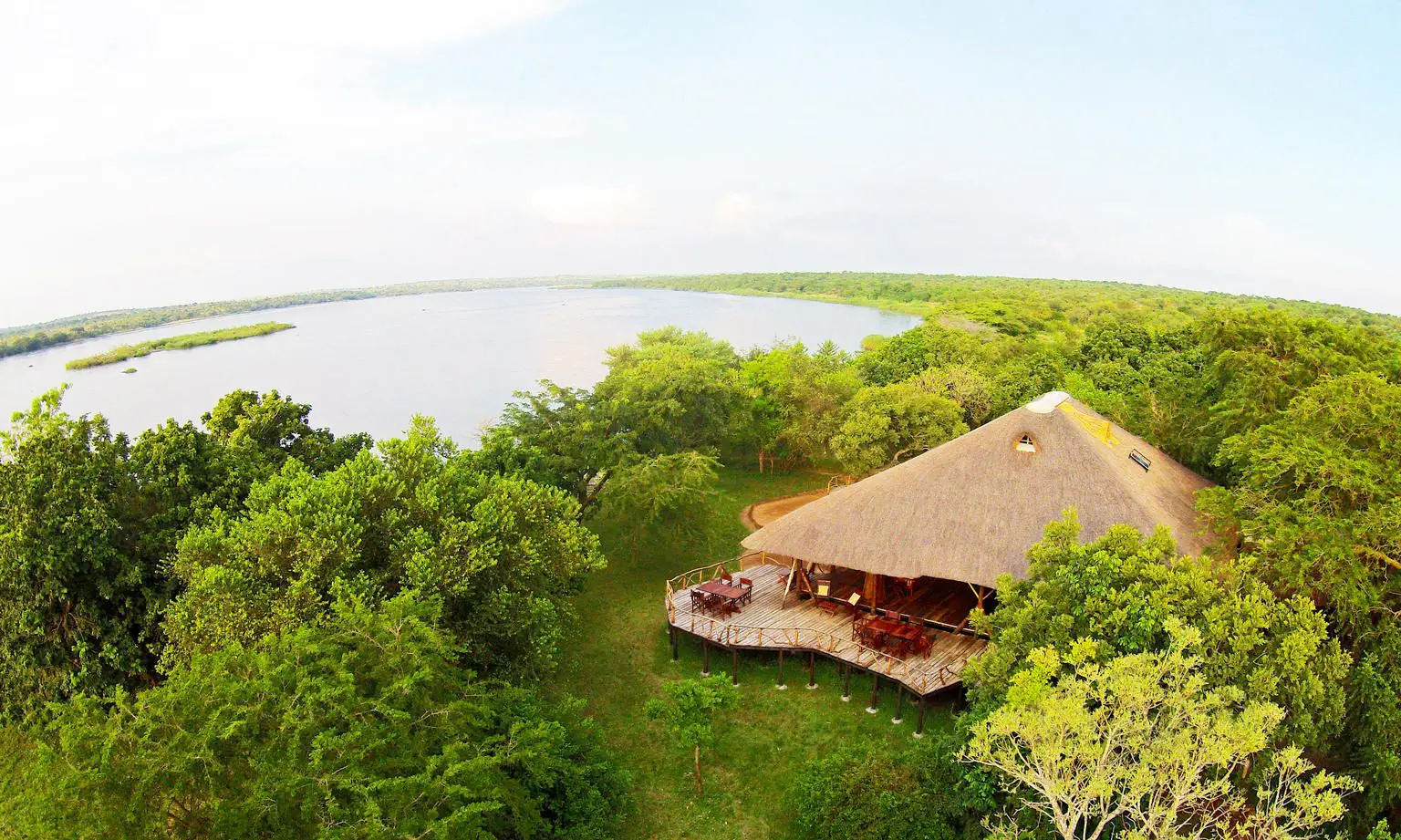
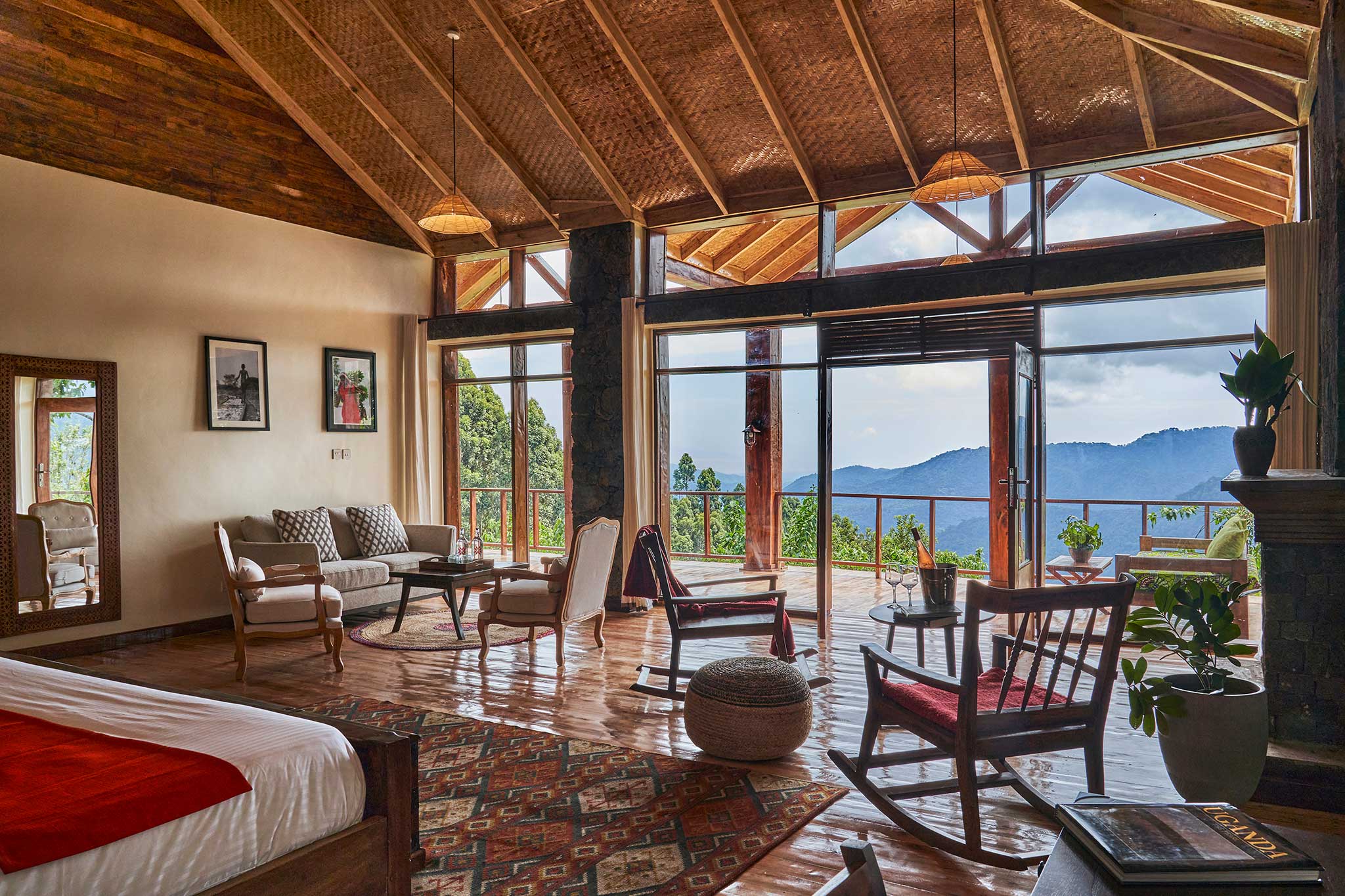
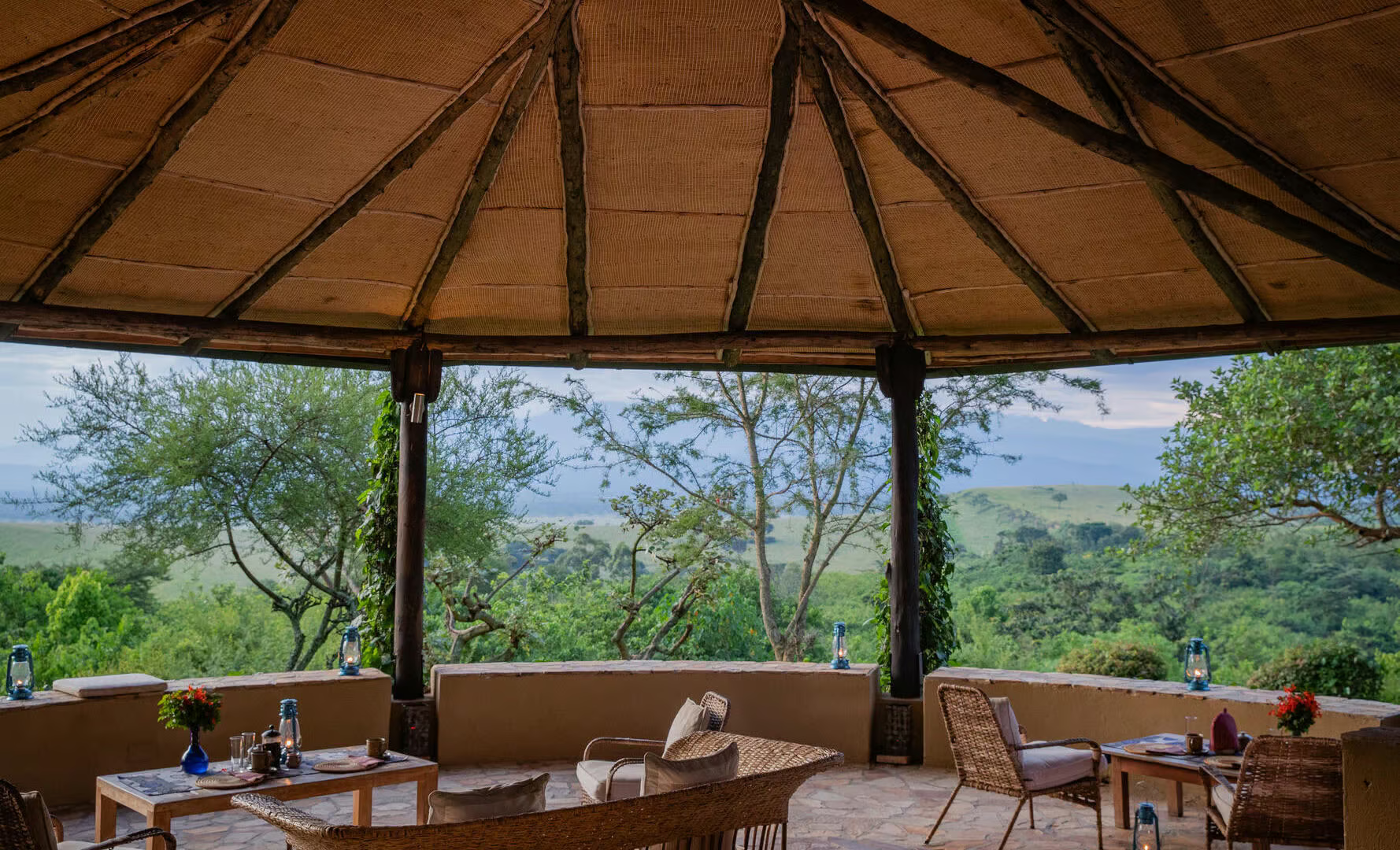
The area surrounding Kyambura Gorge offers a range of accommodations that complement the natural beauty of Queen Elizabeth National Park. Luxury lodges provide breathtaking views of the Rift Valley escarpment, crater lakes, and the expansive savannahs, while mid-range and budget options allow travelers to enjoy comfortable stays closer to the park’s attractions.

Notably, eco-lodges situated near the gorge emphasize conservation and sustainability, blending seamlessly into the environment while offering modern amenities. Staying within or around the gorge area enhances the safari experience, as early morning excursions and evening relaxation unfold against the dramatic backdrop of the Rift Valley and the sounds of nocturnal wildlife. The choice of accommodation adds an important dimension to the journey, allowing visitors to connect more deeply with the wilderness.

How to get to Kyambura Gorge?

Reaching Kyambura Gorge is relatively straightforward, as it lies within Queen Elizabeth National Park, one of Uganda’s most accessible safari destinations. From Kampala, Uganda’s capital, the drive to the park takes approximately six to seven hours, covering around 400 kilometers via the Kampala–Mbarara–Kasese highway. Along the way, travelers are treated to picturesque scenery, including rolling hills, plantations, and glimpses of Lake Mburo National Park.

For those seeking quicker access, domestic flights are available from Entebbe International Airport to Kasese Airstrip, which lies close to Queen Elizabeth National Park. From there, a short drive leads to the gorge. Once inside the park, well-maintained roads connect the gorge to other attractions, making it an easy addition to a broader safari itinerary. The combination of accessibility and remoteness ensures that while the gorge is not difficult to reach, it retains a sense of exclusivity and adventure.

Wildlife and attractions at Kyambura Gorge

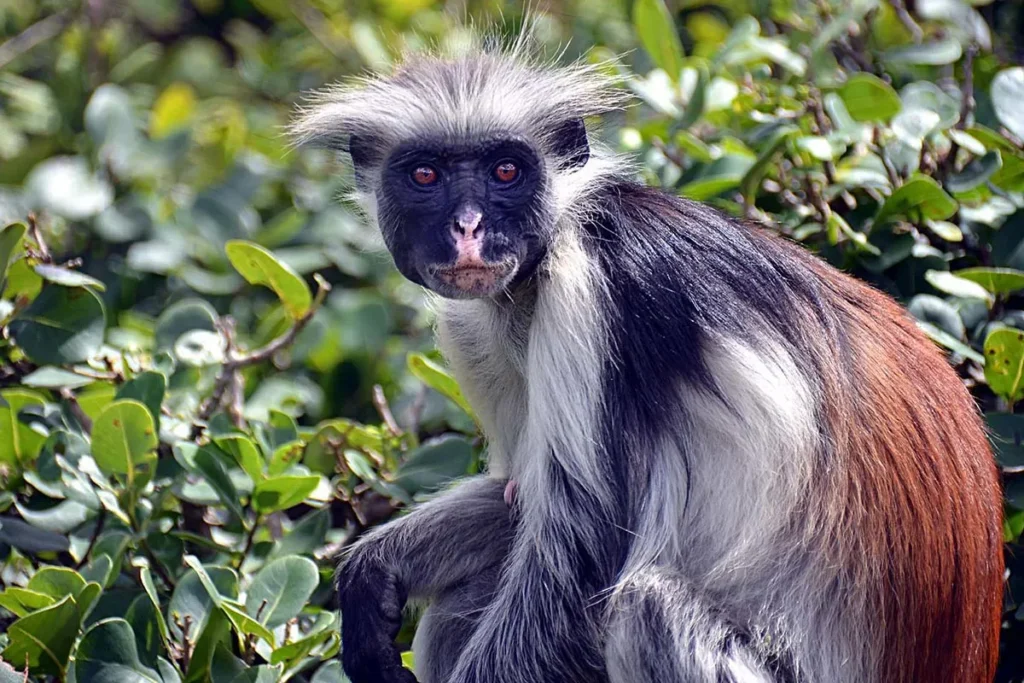
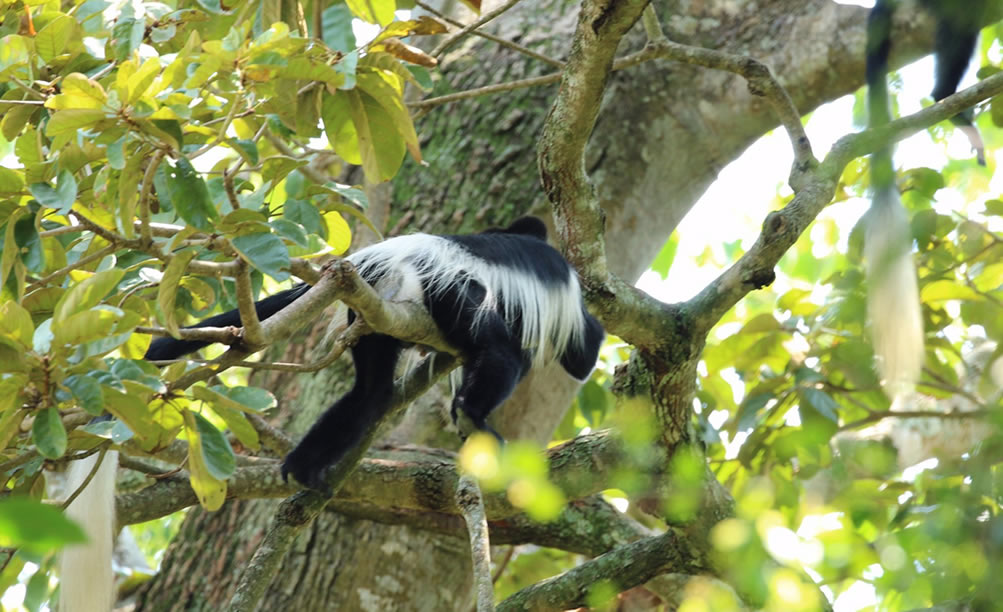
While chimpanzees are the crown jewel of Kyambura Gorge, the canyon teems with an extraordinary variety of wildlife. Troops of red-tailed monkeys, black-and-white colobus monkeys, and baboons can often be seen navigating the canopy and riverbanks. The gorge also shelters hippos that wallow in the river’s pools, as well as antelopes that occasionally venture into the forest.

Birdlife is another highlight, with over 300 recorded species. From the majestic crowned eagle soaring above the cliffs to the delicate sunbirds hidden among the blossoms, birdwatching here is as rewarding as in any part of the park.

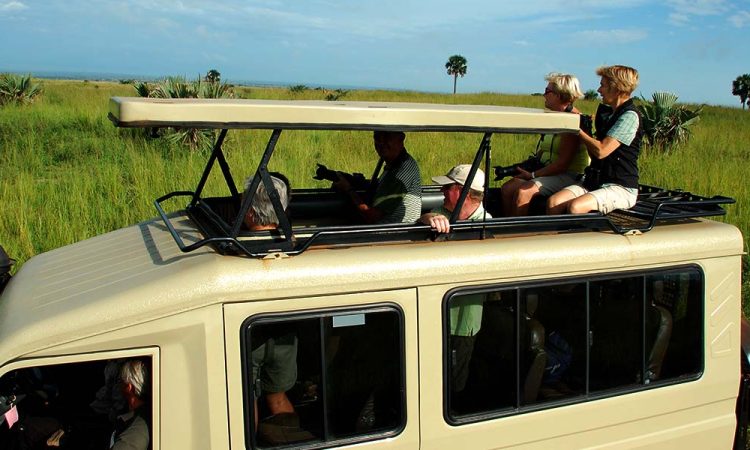
Beyond the gorge, Queen Elizabeth National Park offers a wealth of attractions. Game drives on the Kasenyi plains reveal lions, elephants, and Uganda kob grazing on the vast savannah. The Kazinga Channel, linking Lake Edward and Lake George, provides one of the best boat safari experiences in Africa, with enormous congregations of hippos and crocodiles. Crater lakes scattered across the park add geological intrigue, while the backdrop of the Rwenzori Mountains enhances the park’s dramatic scenery. Visiting Kyambura Gorge in combination with these attractions ensures a diverse and comprehensive safari experience.

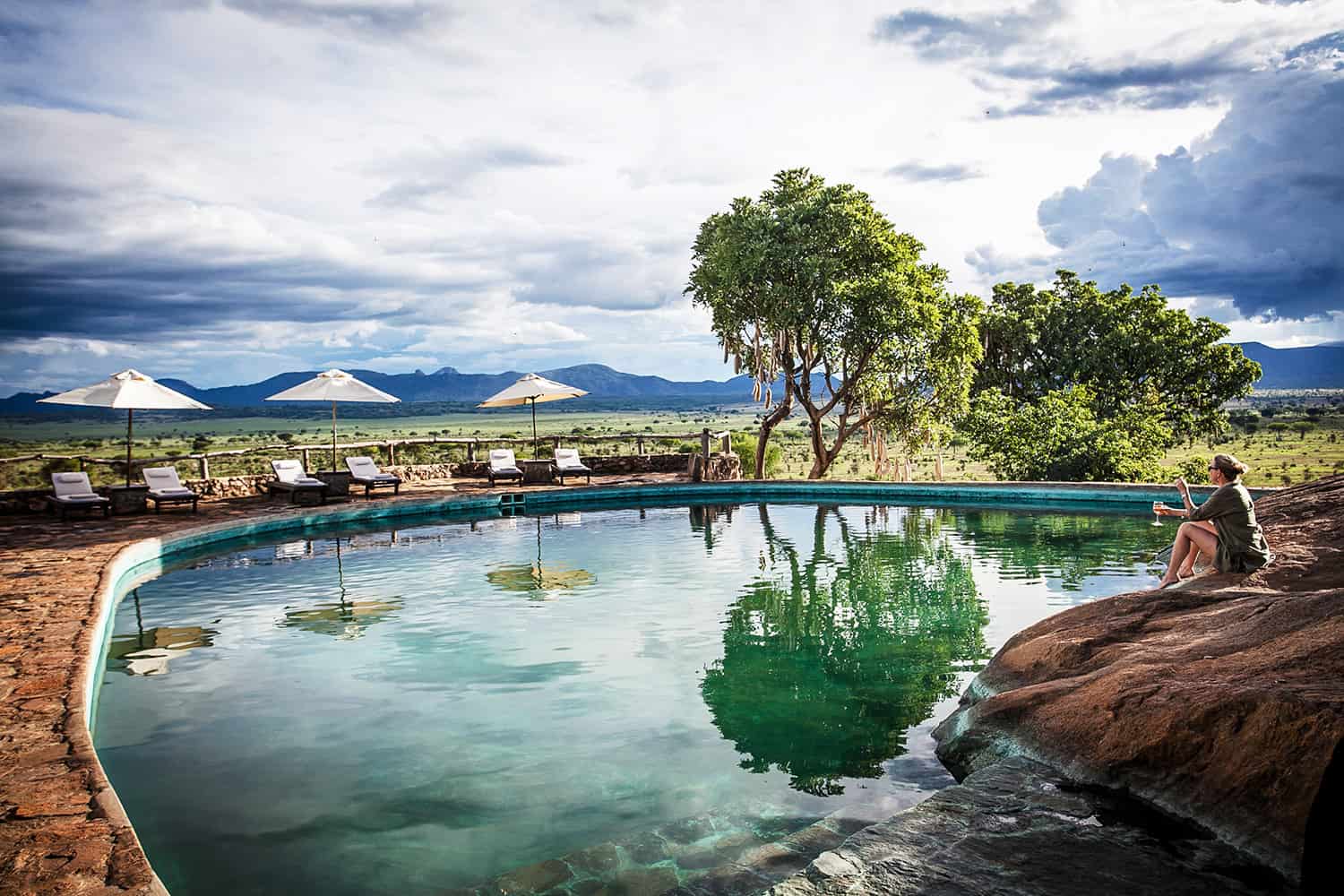
destination ad like package to kyambura
Together We Build your dream holiday
Customize your experience
Customize

Kyambura Gorge

lodges

Where to stay on your trip to Kyambura Gorge?

Kyambura Gorge

monthly guide

General Climate

January in Kyambura Gorge is warm and dry, with plenty of sunshine and minimal rainfall. The trails are firm and easy to navigate.

This is one of the peak times for chimpanzee tracking, as visibility in the forest is excellent and wildlife tends to be more concentrated near the river.
General Climate

February continues the dry season, with high daytime temperatures but cooler evenings. Rainfall is rare, keeping conditions favorable for trekking.

It is a great month for photographers, as clear skies and bright light enhance the contrast between the lush gorge and the golden savannah above.
General Climate

March marks the start of the long rainy season, with heavier showers and humid conditions inside the gorge. Trails may become slippery.

Despite the rain, the gorge becomes vibrantly green, and birdwatchers enjoy heightened activity, with many migratory species present.
General Climate

April is typically the wettest month, with persistent rains and high humidity. Temperatures remain warm but the forest is at its lushest.

For travelers who enjoy solitude, April offers fewer crowds and a chance to experience the gorge in its most pristine, rain-nourished state.
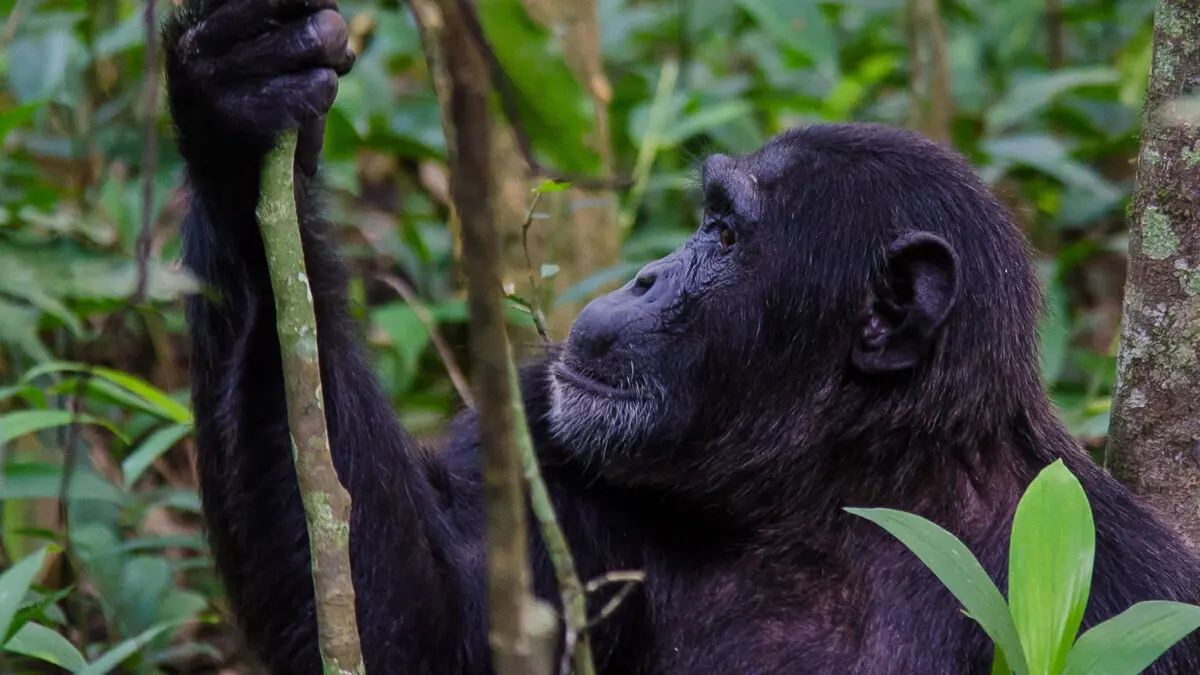
General Climate

Rainfall remains frequent in May, though showers are often shorter and interspersed with sunshine. The gorge is still very green and full of life.

Chimpanzee tracking is possible, and the dense vegetation creates a dramatic atmosphere, ideal for nature lovers seeking raw wilderness.
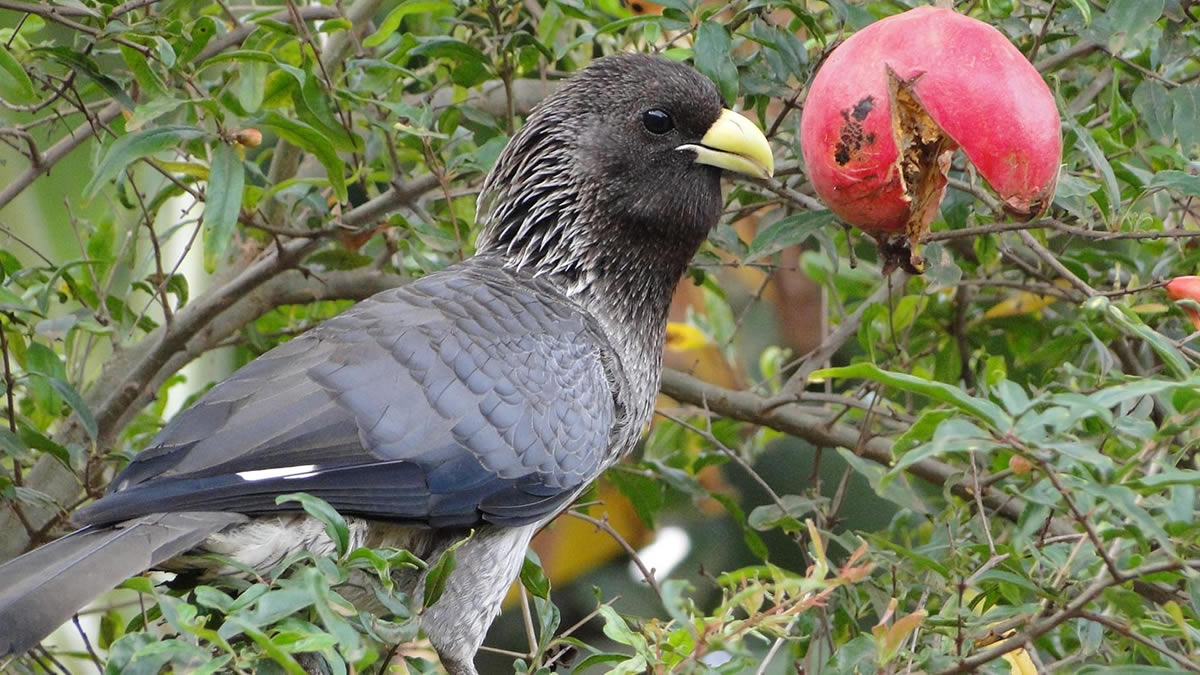
General Climate

June ushers in the dry season, with cooler, drier weather and reduced humidity. Trails are easier to walk, and the gorge feels refreshing.

This is an excellent time for trekking and wildlife viewing, as animals are more predictable in their movements around water sources.
General Climate

July remains dry, with pleasant daytime temperatures and cool mornings. The forest is less dense, offering better visibility.

Travelers enjoy one of the best times for chimpanzee tracking, and the likelihood of seeing them is very high. Safari conditions across Queen Elizabeth National Park are also at their best.
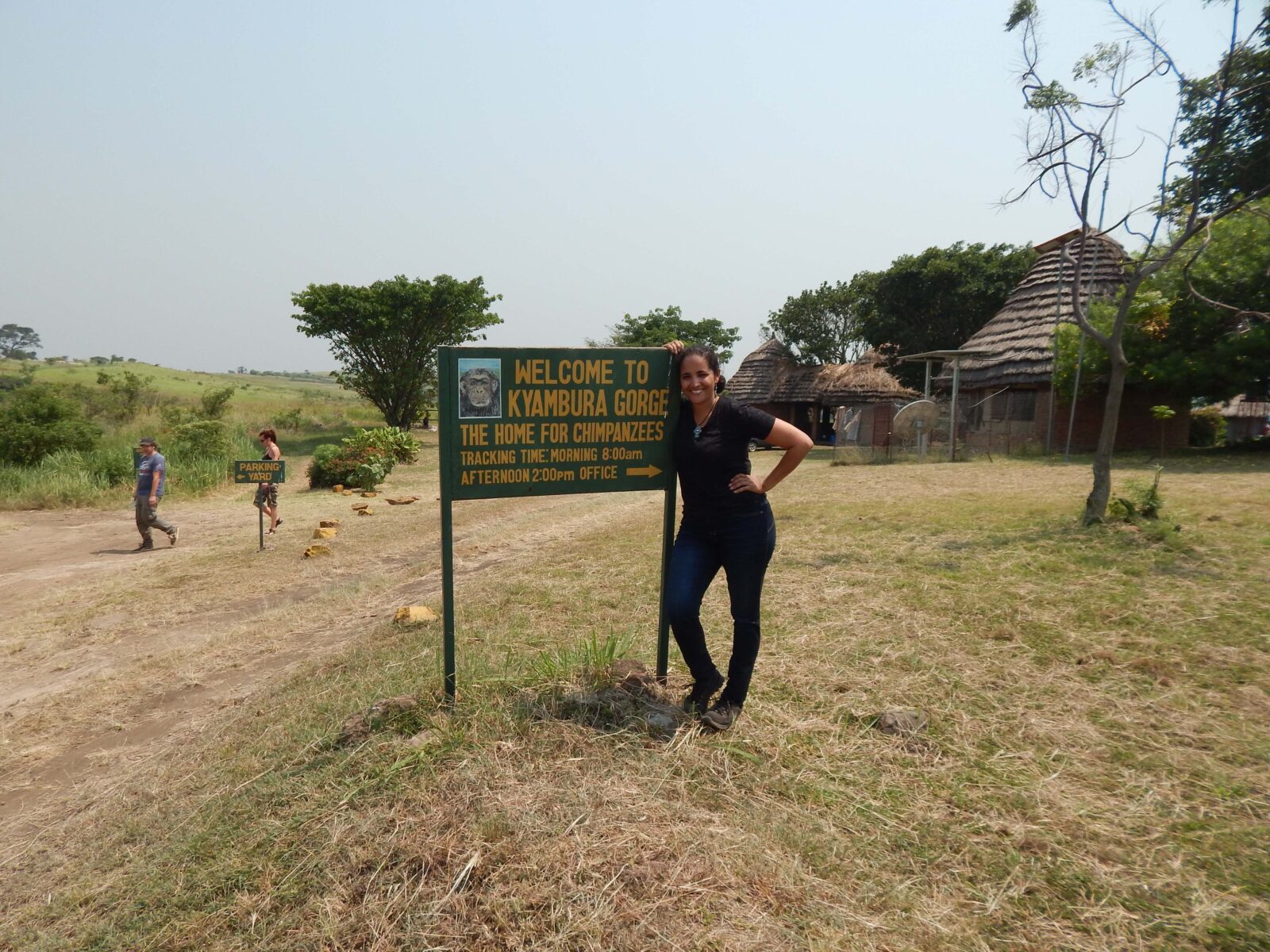
General Climate

August stays dry, with comfortable temperatures and very little rainfall. The forest canopy is more open, and the gorge is easy to explore.

It is a prime month for combining chimpanzee tracking in the gorge with game drives on the Kasenyi plains, making it perfect for longer safari itineraries.
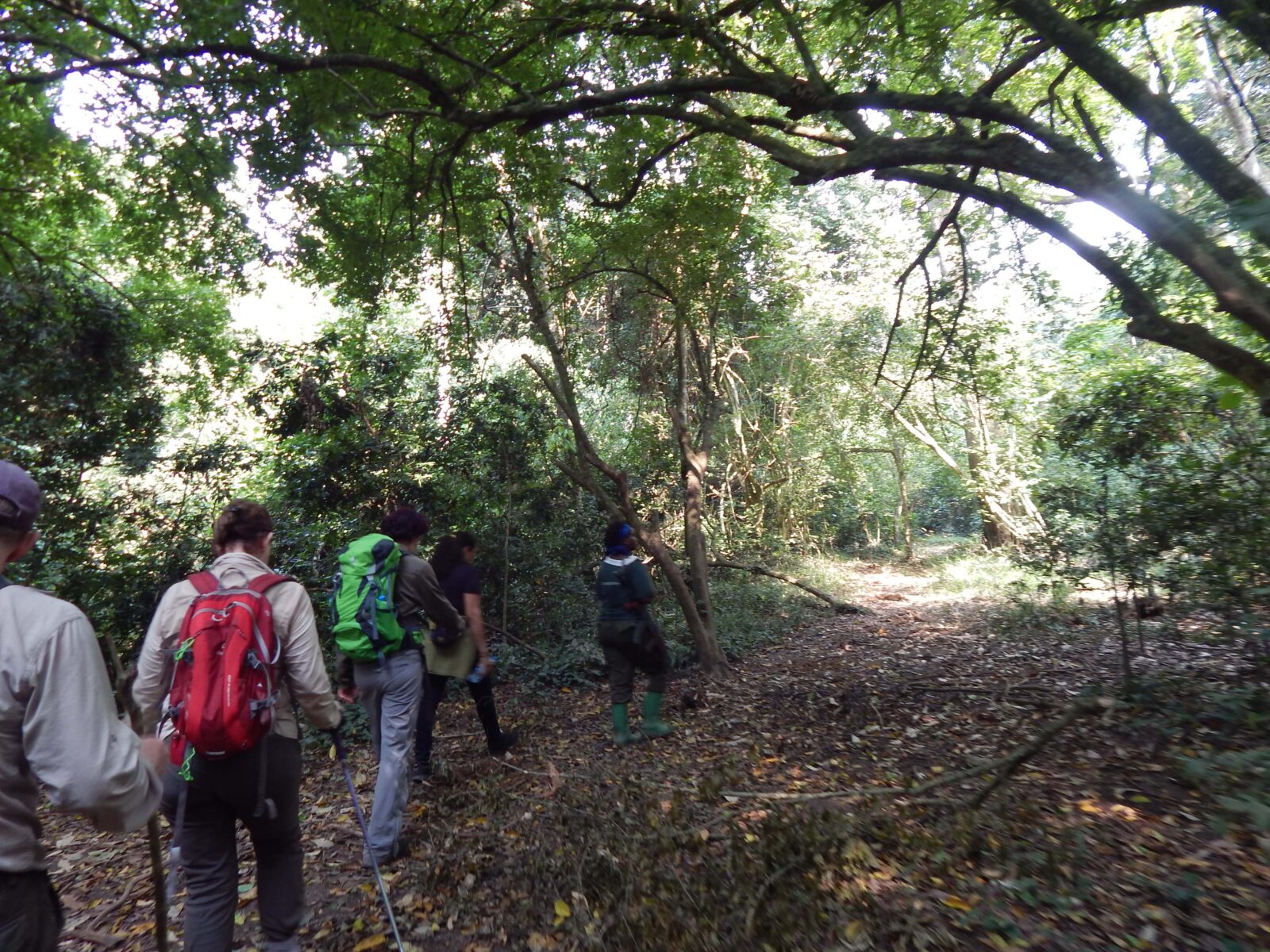
General Climate

September is still part of the dry season, though light showers may begin towards the end of the month. Temperatures remain warm.

This is one of the most reliable months for chimpanzee sightings, while bird activity remains strong, giving travelers a well-rounded safari experience.
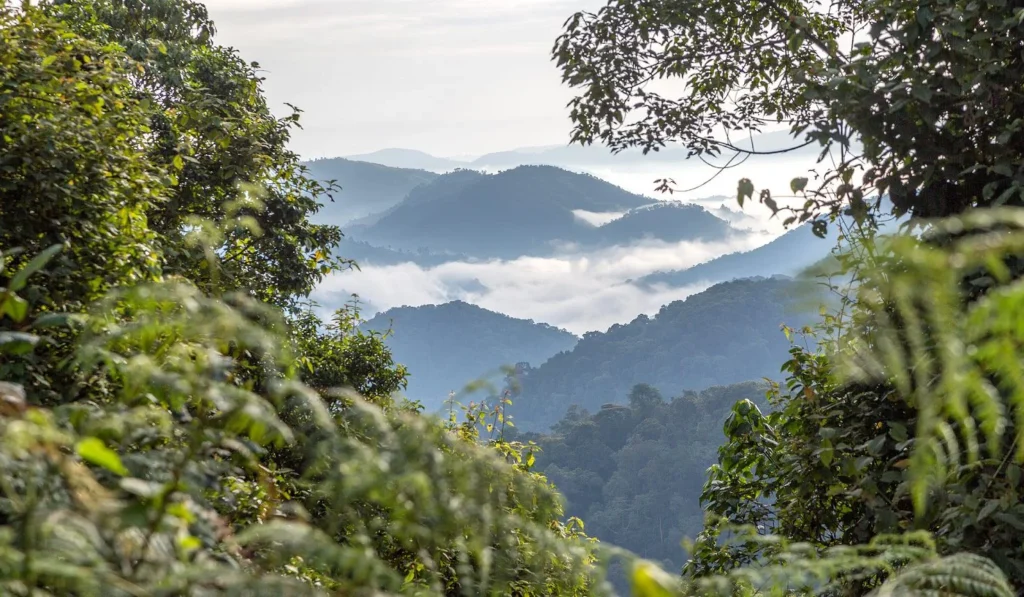
General Climate

October signals the return of the short rains, with increased humidity and more frequent showers, though not as intense as in April.

The gorge is revitalized by the rains, creating a fresh, green landscape. It is a rewarding time for birdwatchers and those seeking fewer crowds.
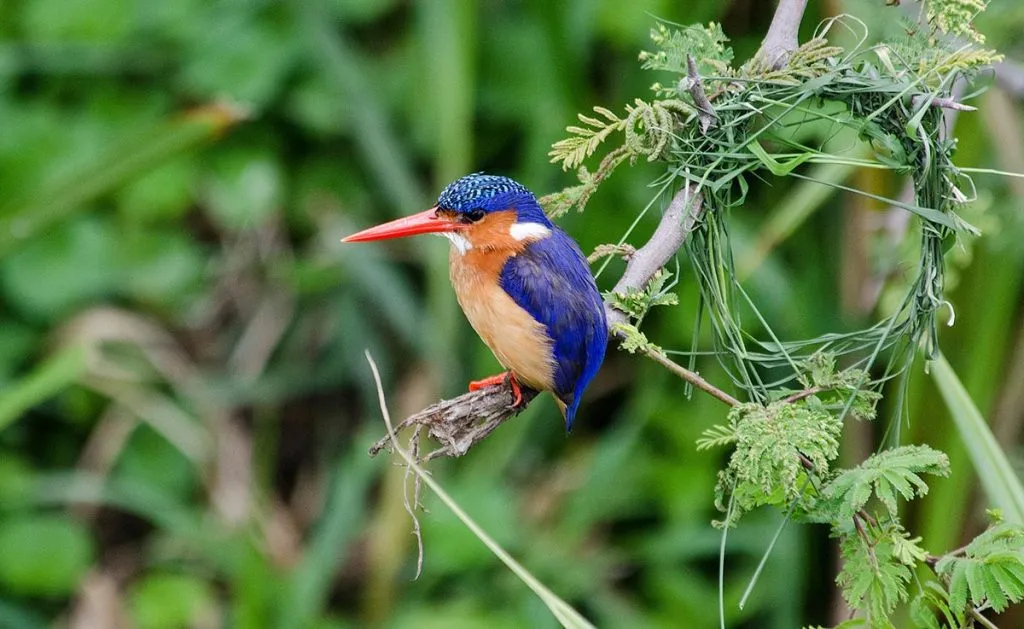
General Climate

November experiences moderate rainfall, with alternating showers and sunshine. The forest is thick and buzzing with life.

This month offers beautiful, dramatic scenery and a quieter atmosphere, making it ideal for travelers who want a more personal, immersive experience.
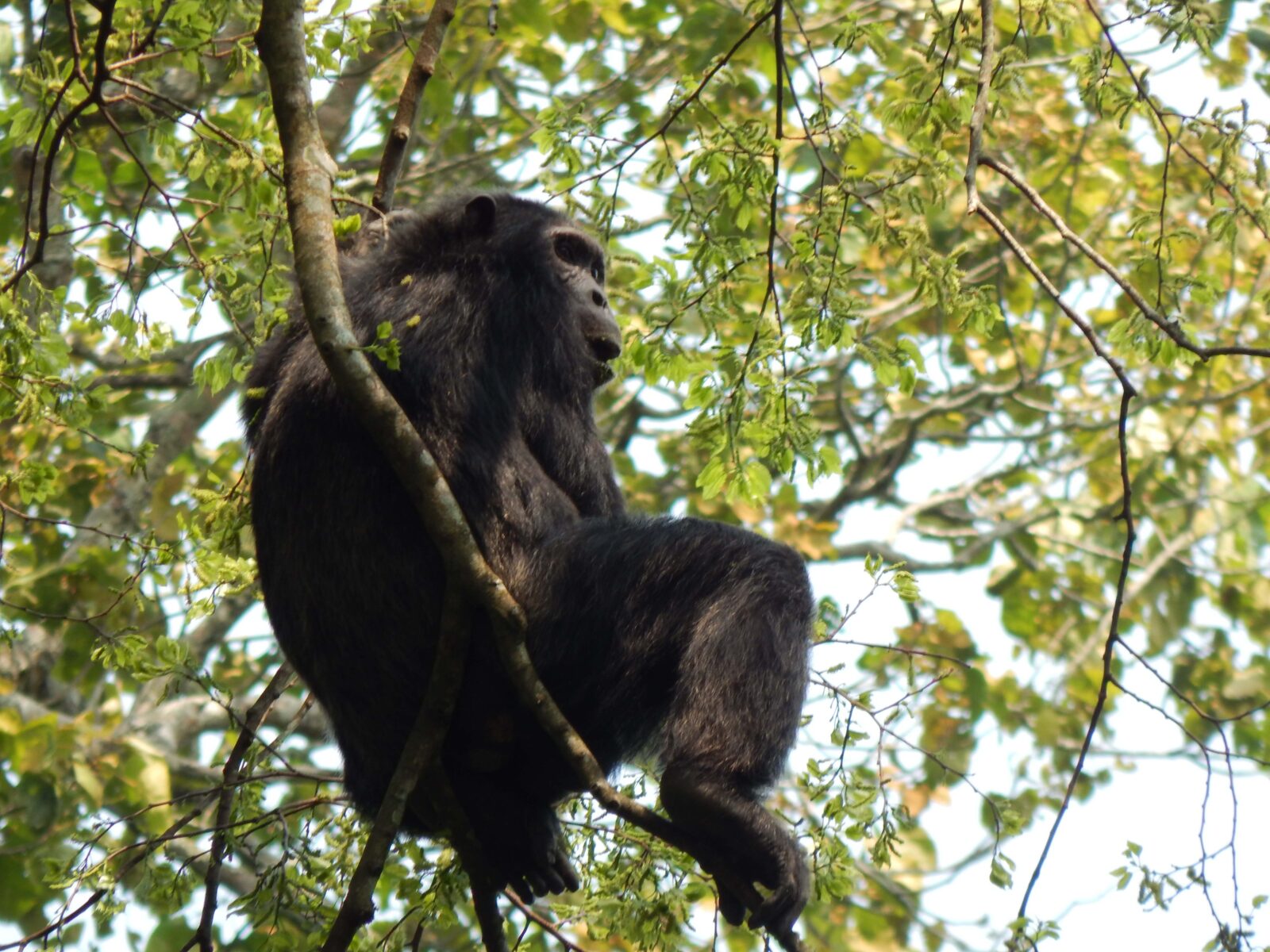
General Climate

December is the beginning of the short dry season, with warm days, clear skies, and occasional light showers.

The festive season attracts travelers, making it a lively time to visit. Conditions are perfect for trekking, wildlife photography, and combining the gorge with other attractions in Queen Elizabeth National Park.

Grandeur

Experience the grandeur of Africa with WildHorn Africa, where every safari is designed to showcase the continent’s breathtaking landscapes and majestic wildlife.

24/7 support

Enjoy peace of mind with 24/7 support from WildHorn Africa, ensuring expert assistance before, during, and after your safari adventure.

Safety

Your safety is our top priority at WildHorn Africa, with expertly guided safaris and trusted partners ensuring a secure and worry-free adventure.

Price-quality ratio

WildHorn Africa offers exceptional price-quality ratio, delivering top-tier safari experiences at competitive rates without compromising on comfort.

Mgahinga gorilla trekking

Mgahinga gorilla trekking

By Travel guides, Uganda travel guides

Mgahinga Gorilla Trekking

Introduction

Tucked away in the far southwestern corner of Uganda, where the borders of Uganda, Rwanda, and the Democratic Republic of Congo converge, lies a small but remarkable sanctuary—Mgahinga Gorilla National Park. Though modest in size compared to its renowned neighbor, Bwindi, this park is a crown jewel of conservation and eco-tourism, offering one of the most intimate and exclusive gorilla trekking experiences in Africa.

The park’s slogan, “Where Gold Meets Silver,” captures its essence perfectly. Here, the lush slopes of the Virunga Volcanoes shelter not only the legendary mountain gorillas but also the rare and beautiful golden monkeys. This dual treasure gives Mgahinga a unique charm—an experience that combines the thrill of gorilla tracking with the allure of another endangered primate species.

For travelers seeking a less crowded, equally magical alternative to Bwindi, Mgahinga offers a serene immersion into nature, where towering volcanic peaks, thick bamboo forests, and sweeping cloud-draped landscapes form the backdrop for one of the most extraordinary wildlife encounters on Earth.

Where to Go

Mgahinga Gorilla National Park is part of the greater Virunga Conservation Area, a transboundary ecosystem encompassing eight volcanoes across three countries. Within the Ugandan portion, the park covers only 33.7 square kilometers, yet its compact size belies its extraordinary biodiversity and breathtaking scenery.

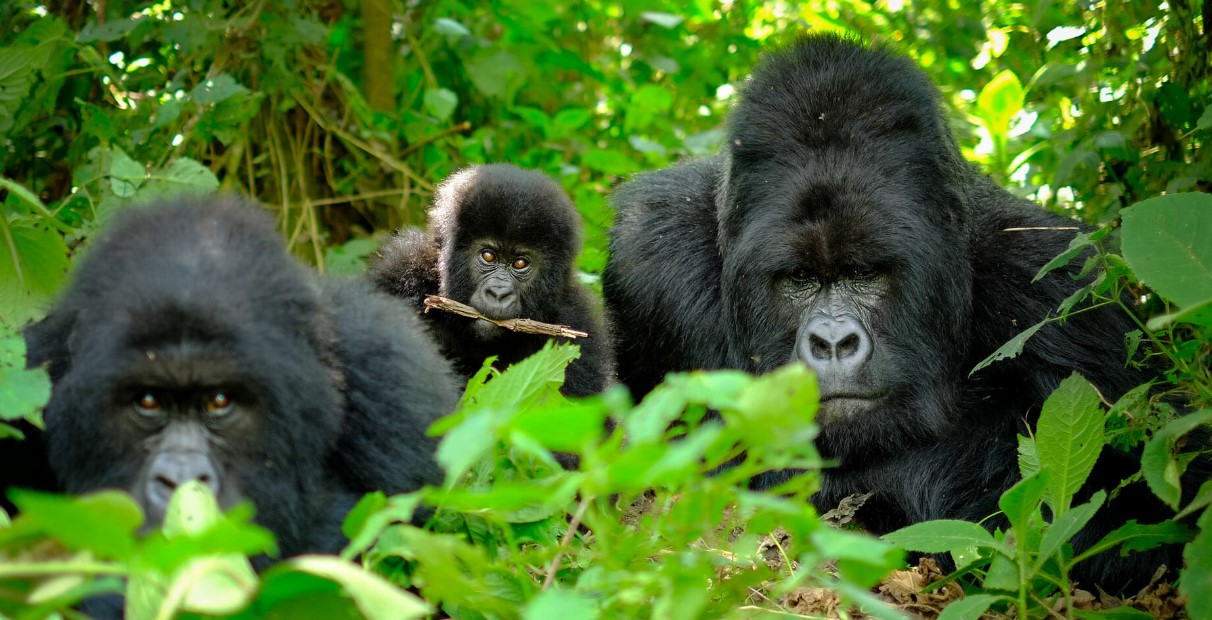
The park’s gorilla trekking revolves around the Nyakagezi Gorilla Family, the sole habituated group in Mgahinga. Known for its calm nature and sometimes playful interactions, this family offers visitors an intimate opportunity to observe gorilla behavior without the large crowds often encountered elsewhere. The group’s home ranges include bamboo zones, montane forests, and alpine meadows, making the trek as scenic as it is rewarding.

Beyond the gorillas, the park is a gateway to the Virunga peaks—Mount Gahinga, Mount Muhabura, and Mount Sabyinyo—whose slopes and ridges dominate the horizon. Each trek begins at the Ntebeko Visitor Centre, the heart of park operations, where visitors meet their guides, receive briefings, and prepare for their adventure into the forested wilderness.

How to Get There

Reaching Mgahinga Gorilla National Park requires a journey into the scenic highlands of southwestern Uganda. By road, the park is approximately 8–10 hours from Kampala or Entebbe, with the route passing through towns such as Mbarara, Kabale, and Kisoro. The final stretch from Kisoro to the Ntebeko gate offers dramatic views of terraced hills and volcanic silhouettes, hinting at the beauty awaiting within the park.

For those seeking to minimize travel time, domestic flights from Entebbe International Airport or Kajjansi Airfield to Kisoro Airstrip provide a faster option, cutting the journey to just over an hour in the air. From the airstrip, the park is a short drive away, allowing travelers to settle into nearby lodges the same day.

The park’s location near international borders also makes it accessible from Rwanda’s Volcanoes National Park and the DR Congo’s Virunga National Park, making it a convenient addition to regional gorilla trekking itineraries. This cross-border proximity adds an element of cultural richness, as the region blends the traditions, cuisines, and languages of its neighboring countries.

The Gorilla Trekking Experience

Trekking in Mgahinga begins with an early morning gathering at the Ntebeko Visitor Centre, where Uganda Wildlife Authority rangers provide a detailed briefing on trekking etiquette, gorilla behavior, and conservation guidelines. Groups are small—often fewer than eight trekkers—ensuring a quiet, personalized experience.

The trek’s duration depends on the gorillas’ location, which changes daily as they forage across their range. It may last between one and four hours, winding through bamboo groves, montane forests, and open clearings. The higher altitude and steep volcanic slopes add a degree of challenge, but the journey is enriched by sightings of other wildlife, including forest elephants, bushbucks, and over 180 bird species.

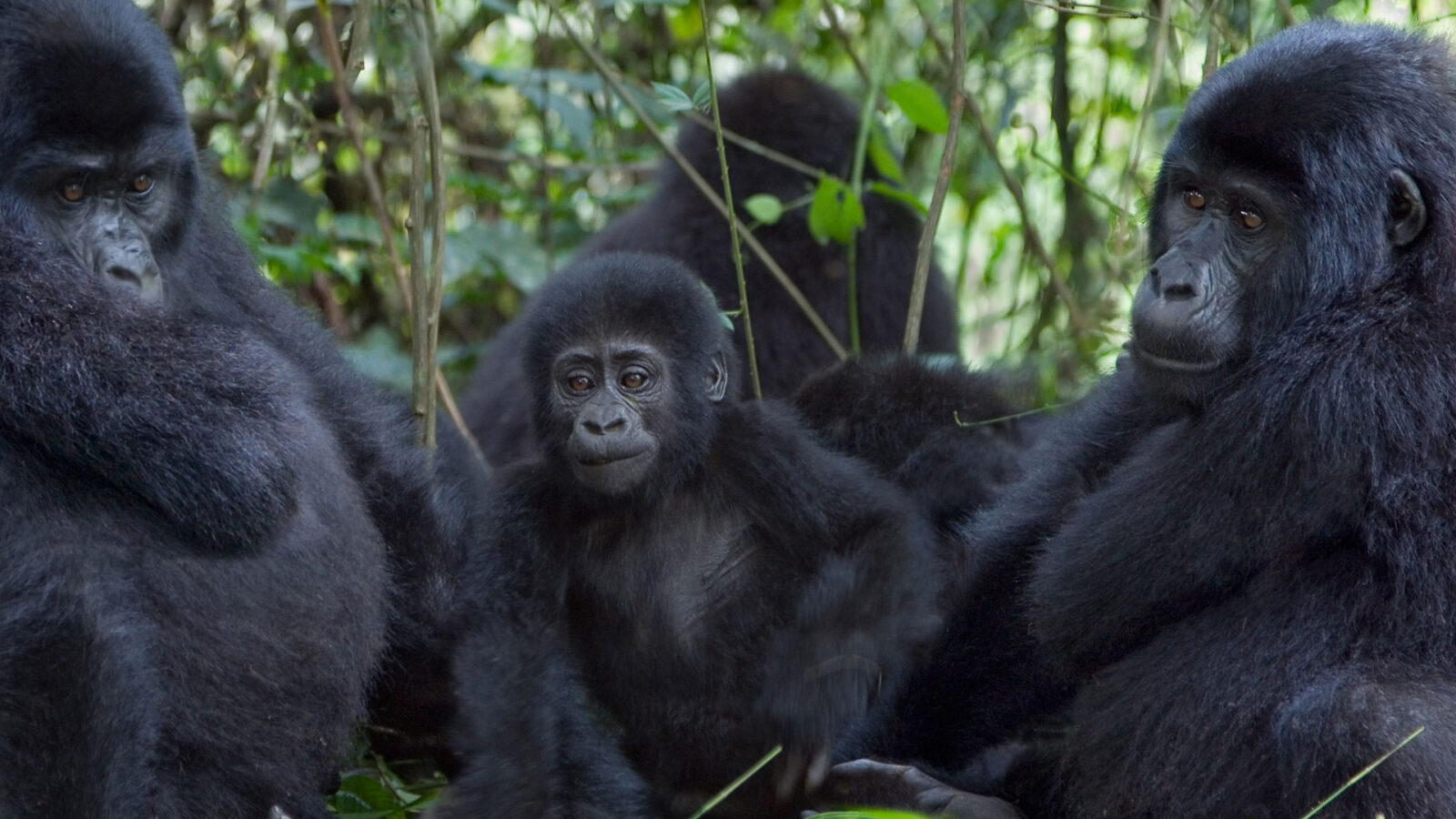
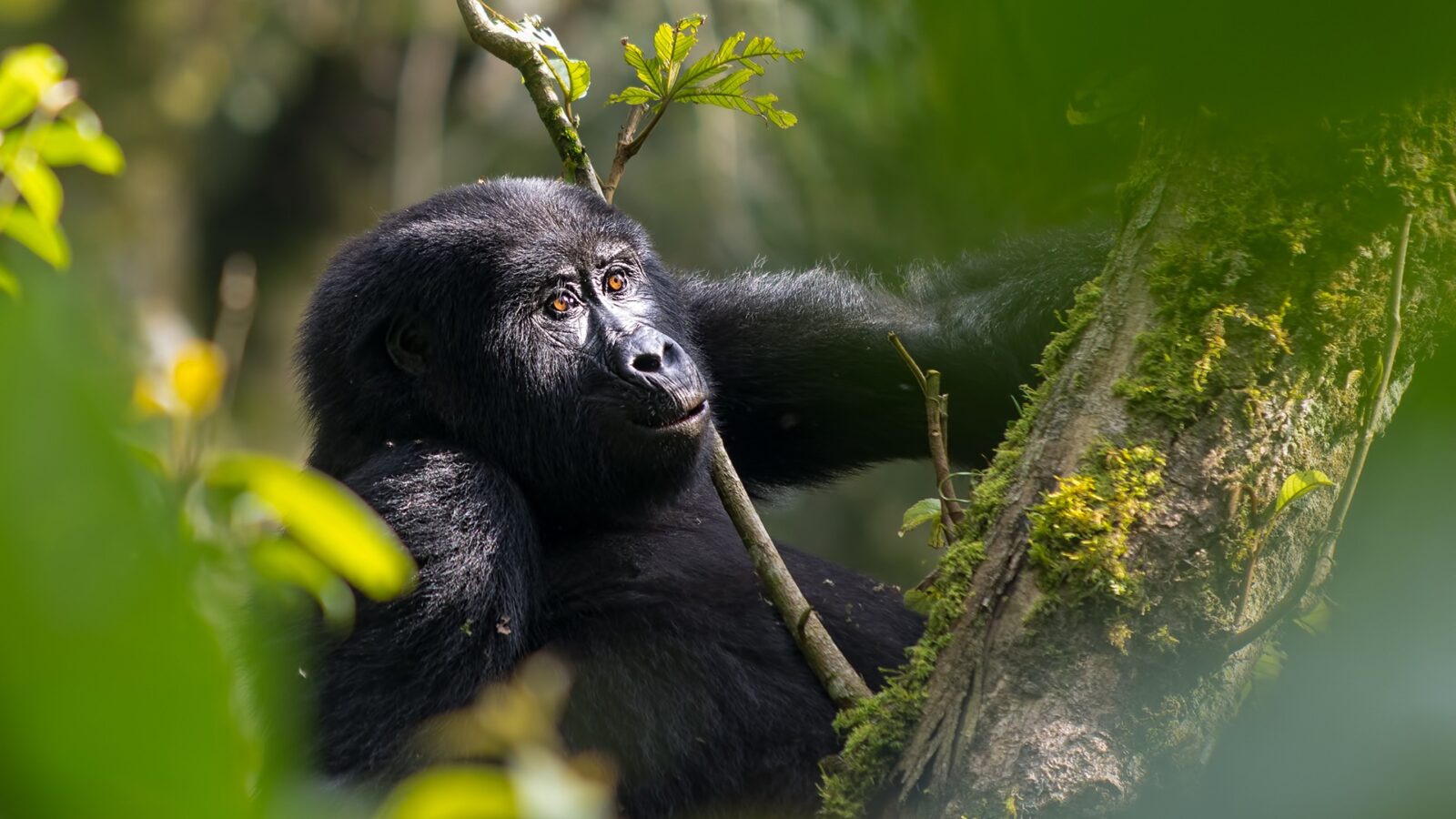
Upon locating the Nyakagezi family, a strict one-hour viewing period begins. In this golden hour, time seems to slow. The silverback’s steady gaze conveys both power and calm, while the younger gorillas swing between bamboo stalks or tumble in mock wrestling matches. Mothers groom their infants tenderly, and soft grunts and chest beats punctuate the quiet rustle of the forest.

The intimacy of Mgahinga’s gorilla trekking comes not only from the smaller group sizes but also from the deep quiet of the forest, which allows visitors to truly absorb the moment. It is a meeting not just between species, but between two worlds—one human, one wild—bound together by shared ancestry and fragile survival.

Other Things to Do in Mgahinga

Although gorilla trekking is the park’s centerpiece, Mgahinga offers a rich menu of activities for those wishing to explore further. The park is one of the few places in the world where the golden monkey trekking experience is available, giving visitors a chance to track and observe these lively primates with their distinctive golden-orange fur and playful antics.

For hiking enthusiasts, the park’s volcanic peaks present challenging yet rewarding climbs. Ascending Mount Muhabura rewards climbers with sweeping views over the Virunga range and even glimpses of Lake Edward and the Rwenzori Mountains on clear days. Mount Sabyinyo, whose jagged summit marks the meeting point of three countries, offers a symbolic and scenic triumph for determined hikers. Mount Gahinga, with its sprawling bamboo forest, is the gentlest of the three climbs and perfect for those seeking a less strenuous adventure.

Cultural encounters also add depth to the Mgahinga experience. The Batwa Cultural Trail allows visitors to walk alongside members of the Batwa community, the forest’s original inhabitants, learning about their ancient hunter-gatherer lifestyle, medicinal plant knowledge, and spiritual traditions tied to the volcanic landscape. This experience is not staged tourism but a genuine exchange of stories, skills, and perspectives.

Best Time to Visit

Mgahinga Gorilla National Park can be visited year-round, but the dry seasons from June to September and December to February are generally preferred for trekking. During these months, the trails are less slippery, the skies are clearer, and the trekking conditions are more predictable.

The wet seasons, from March to May and October to November, bring heavier rainfall, making the terrain muddier and more challenging to navigate. However, the park is quieter during these times, offering more solitude and an even greater sense of exclusivity. The rains also transform the landscape into a vibrant tapestry of green, with blooming wildflowers and thriving vegetation providing a lush backdrop for photographs.

Regardless of the season, the park’s high-altitude climate means temperatures remain cool, and weather can change rapidly. Dressing in layers, wearing waterproof gear, and bringing sturdy trekking boots are essential for a comfortable and safe experience.

A Journey Beyond the Ordinary

Mgahinga gorilla trekking is more than an adventure—it is an immersion into one of Africa’s most remarkable landscapes, a meeting with one of the world’s most endangered species, and a reminder of the delicate balance between human activity and wildlife survival. The smaller scale of the park, the exclusivity of the Nyakagezi family, and the dramatic volcanic setting combine to create a gorilla trekking experience unlike any other.

Here, every step on the trail is part of a larger story of conservation, community empowerment, and cross-border cooperation. Every permit purchased contributes directly to protecting the gorillas, preserving their habitat, and supporting the livelihoods of the local people who share this land. For those seeking not only to see but to connect, Mgahinga offers a rare and unforgettable invitation.

For travelers ready to answer the call of the Virunga and meet the gentle giants of Mgahinga, it is highly recommended to book your Africa tours and safaris through WildHorn Africa, a trusted leader in creating responsible, immersive, and life-changing travel experiences across the continent.

Bwindi gorilla trekking

Bwindi gorilla trekking

By Travel guides, Uganda travel guides

Bwindi Gorilla Trekking

Introduction

Hidden within the misty embrace of southwestern Uganda lies Bwindi Impenetrable National Park, a mystical realm where ancient forests cloak steep hills and deep valleys. This UNESCO World Heritage Site is one of the most biologically diverse landscapes on Earth, but it is most celebrated for hosting more than half of the world’s remaining mountain gorillas. Trekking here is not just a wildlife excursion—it is a profound, almost spiritual journey into the heart of one of Africa’s last untouched wildernesses. The air is rich with the scent of damp earth and foliage, and every footstep carries the thrill of knowing that at any moment, the forest may reveal its most majestic inhabitants.

Bwindi’s gorilla trekking experience has been described as life-changing by countless travelers. The sheer intimacy of standing a few meters away from a wild gorilla family, watching the silverback’s commanding presence, the mothers’ gentle care, and the infants’ playful mischief, creates a deep connection that transcends ordinary tourism. Here, conservation is not a distant concept—it is felt in every heartbeat of the jungle and in every careful step taken along its ancient trails.

Where to Go

Bwindi Impenetrable National Park covers more than 321 square kilometers of dense rainforest, bamboo stands, and montane vegetation. It is divided into four main sectors: Buhoma, Ruhija, Rushaga, and Nkuringo. Each sector offers distinct trekking routes, landscapes, and gorilla families to track, ensuring that no two experiences are exactly alike.

The Buhoma sector, located in the northern part of the park, is the original trailhead where gorilla trekking began in Uganda in 1993. It is renowned for its accessibility and its proximity to well-established lodges and cultural encounters with the Bakiga and Batwa communities. Ruhija, situated in the east, offers a quieter and more remote experience, favored by those seeking less crowded trails and spectacular birdwatching opportunities. Rushaga, in the south, boasts the highest number of habituated gorilla families, making it a popular choice for those hoping to secure a permit even during peak seasons. Nkuringo, also in the south, is known for its physically demanding treks, rewarding adventurers with panoramic views of the Virunga Volcanoes and the lush Bwindi valleys.

Each trekking location within Bwindi is carefully managed to ensure the well-being of the gorillas and the quality of the visitor experience. Only eight permits per gorilla family are issued daily, underscoring the exclusivity and conservation-minded approach of Uganda’s gorilla tourism.

How to Get There

Reaching Bwindi Impenetrable National Park is part of the adventure itself. The park lies about 8–10 hours by road from Kampala or Entebbe, with routes winding through the scenic highlands of southwestern Uganda. The journey offers glimpses of terraced hills, banana plantations, and bustling rural towns, providing a rich cultural backdrop even before arrival at the park’s gates.

Travelers seeking a faster option can opt for domestic flights from Entebbe International Airport or Kajjansi Airfield to Kihihi or Kisoro airstrips, which are located near the park’s northern and southern sectors respectively. These flights cut travel time to about 1–2 hours, offering stunning aerial views of the Albertine Rift Valley and the surrounding landscapes. From the airstrips, short road transfers lead directly to the trekking trailheads.

Whether arriving by road or air, visitors are required to report to the Uganda Wildlife Authority offices for a briefing before the trek begins. This ensures that every participant understands the trekking guidelines, the behavior expected around the gorillas, and the importance of maintaining the park’s delicate ecological balance.

The Gorilla Trekking Experience

The trek into Bwindi’s forest begins early in the morning, guided by experienced rangers and trackers who have spent years studying the movements and behaviors of the gorilla families. The trails may range from gentle slopes to steep, slippery inclines, often requiring hours of hiking through thick vegetation. The unpredictability of the trek—both in distance and terrain—adds to the sense of adventure and anticipation.

When the gorillas are finally encountered, a strict one-hour observation period begins. This rule, enforced to protect the gorillas from human-borne diseases and undue stress, transforms every moment into something precious. The silverback may sit calmly, observing the visitors with wise, deep-set eyes, while juveniles tumble playfully in the undergrowth. Infants cling to their mothers, occasionally casting curious glances toward the human guests. Every rustle of leaves, every grunt or chest beat, feels like a piece of the forest’s living heartbeat.

Gorilla trekking in Bwindi is not only a thrilling encounter but also a direct contribution to conservation. A significant portion of the permit fees goes toward the protection of the gorillas, the preservation of their habitat, and the support of surrounding communities. This integrated approach has helped increase gorilla populations and fostered a spirit of shared guardianship among local people.

Other Things to Do in Bwindi

While gorilla trekking is undoubtedly the highlight of any visit to Bwindi, the park and its surroundings offer a wealth of additional experiences. Nature walks through the forest unveil hidden waterfalls, centuries-old fig trees, and a chorus of bird calls from over 350 recorded species. Bwindi is also a sanctuary for rare primates such as the L’Hoest’s monkey and the black-and-white colobus.

Cultural encounters with the Batwa people, the forest’s original inhabitants, provide a deeper understanding of the land’s history and traditions. Visitors can learn about traditional hunting techniques, medicinal plant use, and ancient songs and dances that echo the Batwa’s intimate connection to the forest.

For those seeking panoramic vistas, guided hikes to the Nkuringo or Ruhija ridges reveal sweeping views of the Virunga Volcanoes and the shimmering expanse of Lake Edward. In the evenings, the cool mountain air and the forest’s symphony of nocturnal sounds create an atmosphere of pure serenity.

Best Time to Visit

Gorilla trekking in Bwindi is possible throughout the year, but the dry seasons, from June to September and December to February, are generally considered the best times to visit. During these months, the trails are less muddy and easier to navigate, and the weather is more predictable.

The wet seasons, occurring from March to May and October to November, present a different kind of beauty, as the forest bursts into lush, vibrant growth. Although trekking may be more challenging due to slippery trails, the reward is a quieter experience with fewer tourists and a heightened sense of intimacy with the forest.

No matter the season, Bwindi’s weather can be unpredictable due to its altitude and dense vegetation. Visitors are advised to dress in layers, carry waterproof clothing, and wear sturdy trekking boots to ensure comfort and safety throughout the adventure.

A Journey Worth Taking

Bwindi gorilla trekking is more than a wildlife experience—it is an encounter that leaves a lasting mark on the heart and mind. The sight of a silverback leading his family through the undergrowth, the gentle sounds of gorilla infants at play, and the awe of standing within arm’s reach of one of humanity’s closest relatives create a memory that defies time.

Every permit purchased, every respectful step taken in the forest, contributes to the survival of these magnificent creatures and the preservation of one of the planet’s most precious ecosystems. For travelers seeking a truly transformative adventure, few experiences rival the call of Bwindi’s misty hills and the gaze of its mountain gorillas.

For those ready to embark on this unforgettable journey, it is highly recommended to book your Africa tours and safaris through WildHorn Africa, a trusted expert in crafting immersive, responsible, and life-changing travel experiences across the continent.

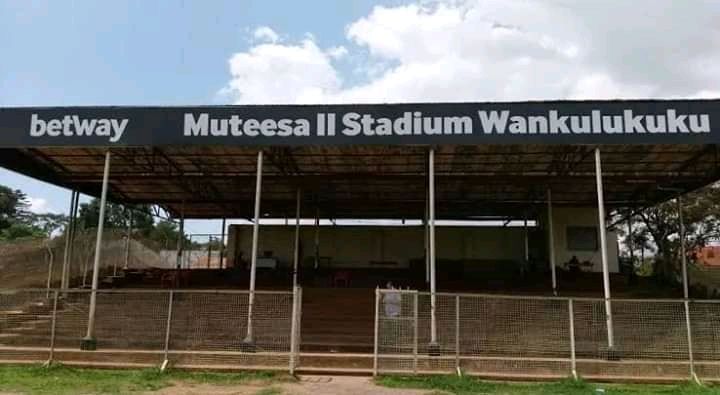
Muteesa II Stadium Wankulukuku

Muteesa II Stadium Wankulukuku

By Uganda places to visit, Where to go

Muteesa II Stadium Wankulukuku: The Pulse of Buganda’s Football Heartbeat

In the vibrant theater of Ugandan sports, culture, and tradition, Muteesa II Stadium Wankulukuku stands as a monument of historical reverence and athletic passion. Reverberating with the chants of loyal football fans, steeped in the legacy of Buganda’s monarchy, and intimately connected to the evolution of Uganda’s sports culture, this stadium is more than a mere venue—it is a sanctuary where the identity of a people is expressed in vibrant, communal harmony.

Named in honor of Sir Edward Muteesa II, the 35th Kabaka of Buganda and the first President of Uganda, the stadium reflects not only the region’s royal lineage but also the unbreakable bond between sport, sovereignty, and national pride. Within its walls, generations have gathered to witness not just games, but moments that have shaped Uganda’s contemporary identity.

Location: Rooted in the Cultural Soil of Kampala’s Suburbs

Muteesa II Stadium is located in Wankulukuku, a densely populated suburb in Rubaga Division, on the western outskirts of Kampala, Uganda’s capital. Nestled within a tapestry of residential homes, bustling markets, and grassroots football academies, the stadium is a central fixture in a community that breathes sport and tradition in equal measure.

Its location is symbolic, for Rubaga Division is also home to some of Uganda’s most important cultural and religious sites, including Rubaga Cathedral and Kabaka’s Lake. This proximity to Buganda’s heritage further enriches the stadium’s significance as a hub not only of sports but of identity and communal belonging. In the shadow of regal hills and royal memories, Wankulukuku offers an authentic connection to Uganda’s past and present.

How to Get There: Traversing the Path to a Legendary Arena

Reaching Muteesa II Stadium is relatively straightforward for both locals and international visitors. The journey typically begins from Kampala City Centre, located approximately 8 kilometers away. Several routes lead to Wankulukuku, but the most common is via Nakawuka Road or Kabusu Road, both of which connect to Wankulukuku Road, guiding travelers directly to the stadium gates.

Public transport options are widely available, especially commuter taxis (matatus) operating from New Taxi Park or Kisenyi Bus Terminal, which travel toward the Rubaga-Mutundwe area. Motorbike taxis (boda-bodas) provide a quicker, more direct route, particularly during peak hours when traffic congestion becomes a factor.

For those arriving from Entebbe International Airport, the drive to the stadium spans roughly an hour, depending on traffic conditions. The route offers a glimpse of Kampala’s urban rhythm, from high-rise business centers to the vibrant neighborhoods that cradle the capital city.

Attractions: A Stadium Steeped in Royalty and Roars

What distinguishes Muteesa II Stadium is not merely its concrete seating or grass-covered pitch—it is the rich tapestry of Buganda heritage and Uganda’s football history that animates every match, chant, and celebration that takes place within its boundaries. The stadium was inaugurated in the early 1990s and has since served as a sacred home ground for Express FC, one of Uganda’s oldest and most decorated football clubs.

Express FC, affectionately known as the “Red Eagles,” draws thousands of fans every season, many of whom share generational ties with the club. The stadium has therefore become a spiritual home for supporters whose allegiance to their team is akin to a sacred duty. The atmosphere during match days is one of euphoric energy, rich in songs, drums, vuvuzelas, and the unmistakable scent of fried street food that drifts through the stands.

The naming of the stadium after Sir Edward Muteesa II adds another layer of reverence. As a Kabaka and former President, Muteesa II represents a bridge between monarchical traditions and modern statehood. His legacy continues to inspire both political thought and cultural pride, making the stadium not only a sports ground but also a cultural shrine.

Beyond football, the stadium has also hosted political rallies, religious gatherings, youth festivals, and charity tournaments, reinforcing its role as a versatile arena for community development and national dialogue.

Things to Do: Immersive Engagement with Local Life

A visit to Muteesa II Stadium offers more than the thrill of football—it provides a profound encounter with Uganda’s grassroots culture. On match days, the environment becomes a lively carnival. Vendors line the streets selling roasted maize, grilled meats, cold drinks, and club merchandise. Traditional drummers, dancers, and enthusiastic fans contribute to an atmosphere that is festive, raw, and intensely real.

Attending a live game immerses visitors in the unfiltered passion of Ugandan football. The rhythmic chants of the fans, the vibrant club colors, and the palpable tension on the field create an emotional crescendo unmatched by more commercial stadium experiences. It is here that sport returns to its elemental form—a communal expression of joy, struggle, hope, and identity.

During non-match days, visitors often find the surrounding area bustling with training sessions, community sports initiatives, and informal matches by youth teams. Observing or participating in these activities allows travelers to witness how football in Uganda is not just entertainment—it is a way of life.

For the culturally curious, Wankulukuku’s proximity to traditional landmarks in Rubaga presents an opportunity to deepen one’s understanding of Buganda’s royal institutions. A day spent exploring Rubaga Cathedral, Kabaka’s Palace, and Muteesa II Stadium provides a holistic narrative of faith, royalty, and resilience.

Best Time to Visit: Timing the Roar of the Red Eagles

The optimal time to visit Muteesa II Stadium aligns with Uganda’s football season, which typically runs from September to May. These months see frequent league matches, local derbies, and regional tournaments, ensuring that the stadium pulses with activity. The Express FC vs SC Villa derby, in particular, is among the most anticipated fixtures and draws massive crowds with electric energy.

For the most comfortable visit, the dry seasons—spanning December to February and June to August—offer ideal weather conditions. These months provide clear skies, easier transportation, and greater visibility for those seeking to explore the stadium grounds and neighboring attractions.

Visitors aiming to experience cultural events or religious gatherings held within the stadium should consult local schedules, as these vary throughout the year but often align with public holidays and community celebrations.

A Living Legacy of Sport and Sovereignty

Muteesa II Stadium is more than a venue; it is an emblem of Buganda’s pride and Uganda’s sporting soul. It is a place where the voices of the people converge, not only to celebrate goals scored but to affirm shared values of community, heritage, and unity. Its walls, though made of brick and steel, resonate with stories of passion, loyalty, and leadership.

In an age of hyper-commercialized sports, Wankulukuku remains authentic and human, reminding every visitor that the true spirit of sport lies not in luxury boxes or digital screens, but in the collective heartbeat of the fans and the community that surrounds it.

Explore Uganda with WildHorn Africa

To experience places like Muteesa II Stadium—where history, culture, and raw passion collide—travel must be guided by more than maps. It requires the insight of those who understand the rhythm of Uganda’s soul.

That is why WildHorn Africa is the ideal companion for your African journey. From cultural heritage tours in Kampala to wild safaris across the savannah, WildHorn Africa crafts bespoke travel experiences that capture the continent’s depth and diversity.

Book your Africa tours and safaris through WildHorn Africa, and let the power, pride, and people of Uganda welcome you into stories that will stay with you for a lifetime. Whether you’re standing at the edge of a football pitch or gazing across the Nile, your adventure begins here—with purpose, with wonder, and with WildHorn.

Namboole stadium

Namboole stadium

By Uganda places to visit, Where to go

Namboole Stadium: Uganda’s Colossal Arena of National Pride and Sporting History

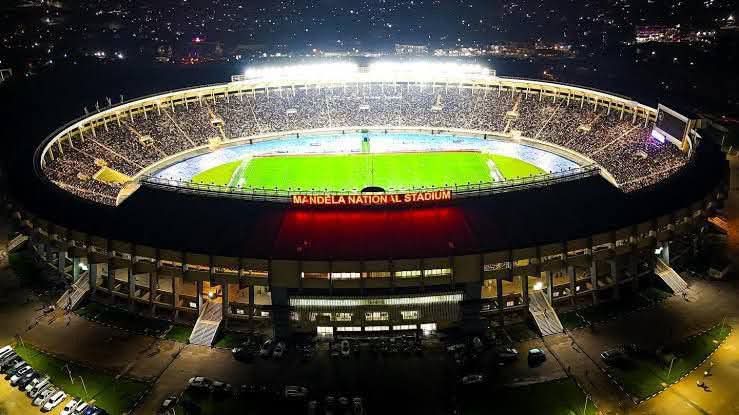
In the very heart of Uganda’s sporting and cultural tapestry stands a structure so vast, so symbolic, and so alive with the pulse of the nation that it commands attention even from afar. Namboole Stadium, officially known as Mandela National Stadium, is not merely a sports ground—it is a living monument of national resilience, athletic achievement, political symbolism, and public unity. It echoes with the roars of victories, the solemnity of remembrance, and the vibrant rhythms of Ugandan celebrations.

Constructed as a beacon of modern infrastructure and a tribute to African greatness, Namboole has stood for decades as a multifaceted space that serves far beyond its core purpose. It is a venue where football legends are born, where political leaders have addressed the masses, and where citizens from all walks of life gather in a shared sense of national identity. Its presence marks not only Uganda’s commitment to sports and entertainment but also its connection to Pan-African values, embodied by its dedication to the late Nelson Mandela, one of Africa’s greatest icons.

Location: Kampala’s Eastern Gateway to National Grandeur

Namboole Stadium is situated in Bweyogerere, a prominent suburb in the eastern part of Kampala, along the Kampala–Jinja Highway. It occupies a strategic location within Wakiso District, acting as both a landmark and a connector between Uganda’s capital and the country’s eastern corridor.

The stadium sits atop elevated ground, allowing its towering structure to dominate the surrounding skyline. This elevated position enhances its visibility and symbolic stature, making it a constant presence for locals and travelers moving in and out of the capital city.

Its proximity to key urban zones like Nakawa, Kyambogo, and Mukono makes it not just a sports venue but a critical part of Kampala’s broader cultural and commercial network. From here, one can feel the transition between the dynamic cityscape and the expanding outer districts—a reminder of Uganda’s evolving infrastructure and national aspirations.

How to Get There: Accessing the Stadium of Legends

Reaching Namboole Stadium is an experience that feels both ceremonial and accessible. The main access route is via the Kampala–Jinja Highway, which connects central Kampala to the eastern regions of Uganda. From the City Centre, a drive of approximately 12 to 15 kilometers leads directly to the stadium gates.

Private vehicles, taxis, and boda-bodas (motorcycle taxis) frequently ply this route. Public transportation is also readily available, with commuter vans (matatus) heading towards Bweyogerere making regular stops near the stadium. During major events, traffic control is typically provided by local police to streamline the flow and ensure safe access for thousands of attendees.

For international visitors, Entebbe International Airport serves as the main port of arrival. From the airport, a scenic drive through Kampala’s core leads to the stadium within about an hour, depending on traffic conditions.

Attractions: A Stage for National and Continental Moments

What makes Namboole Stadium an unmatched attraction is not merely its capacity, but the legacy it carries. Completed in 1997 through funding from the Chinese government, it was envisioned as a gift to Uganda, marking a new chapter in the country’s post-independence growth. Named in honor of Nelson Mandela, it remains one of the largest stadiums in East Africa, with a seating capacity exceeding 45,000.

The stadium’s architectural design reflects both function and symbolism. Its circular form fosters unity, while its open roof allows the sky to bear witness to every goal, every concert, and every rally held within. The vast pitch has hosted numerous Africa Cup of Nations qualifiers, World Cup matches, and local league finals, serving as the main home ground for the Uganda Cranes, the national football team.

Beyond sports, the stadium has also been a platform for massive concerts, religious crusades, military parades, and state events. It has witnessed performances from renowned African artists, visits from heads of state, and spiritual gatherings that draw tens of thousands.

Its grounds also house training facilities, a gymnasium, hospitality services, and ample space for exhibitions and festivals. As such, Namboole is not just a single-purpose arena but a multipurpose complex, capable of transforming to meet the demands of various social, cultural, and political functions.

Things to Do: Immersing in the Pulse of National Culture

Visitors to Namboole Stadium are offered a variety of experiences that delve deeper than the mere spectacle of sport. Guided tours of the stadium are often available, allowing guests to explore the inner workings of Uganda’s most prestigious sports complex. Walking through the player tunnels, standing on the edge of the pitch, or sitting in the VIP stands provides an intimate encounter with the energy that surges through this arena during match day.

During sports seasons, attending a live football match becomes an unforgettable experience. The crowd, united by drums, chants, vuvuzelas, and flag-waving, creates a sensory symphony that no stadium in the region can quite replicate. The pride of watching the Uganda Cranes in action, especially during a decisive qualifier, ignites a feeling of unity and shared ambition that transcends tribal, political, or generational divides.

In quieter times, the surrounding grounds are used for jogging, cycling, and community fitness programs. Locals often gather here in the mornings and evenings, turning the stadium’s periphery into a health and wellness hub. A visit during these times offers a more relaxed perspective on the space—one of community engagement and peaceful leisure.

Furthermore, vendors around the stadium provide opportunities to taste Ugandan street food, purchase souvenirs, or engage in spontaneous conversations with passionate sports fans, adding layers of social interaction and cultural insight to the visit.

Best Time to Visit: Aligning with Sporting and Cultural Seasons

Namboole Stadium is a dynamic venue that can be visited throughout the year, though the experience varies significantly depending on the timing. The dry seasons, from December to February and June to August, are most favorable for visiting, particularly for those attending outdoor events or seeking guided tours.

Football seasons, including CAF qualifiers and domestic league finals, typically take place during these months, filling the stadium with unmatched excitement. Planning a visit around a scheduled match or concert ensures that the full spectrum of Namboole’s energy can be witnessed.

Religious and cultural gatherings also tend to be organized during the dry season to avoid disruptions due to rain. During these events, the stadium transforms into a spiritual and musical epicenter, offering a completely different but equally compelling experience.

Visitors interested in fitness activities or casual exploration may prefer the early morning or late afternoon hours when the sun is less intense and the atmosphere is calm.

A Symbol Beyond Steel and Concrete

Namboole Stadium is more than just a structure of seats and turf. It is a monument of identity, a space where Ugandans rally around shared causes, be it sports, culture, faith, or national development. Its dedication to Nelson Mandela is a deliberate statement—a recognition of Africa’s interconnected struggles and triumphs, and a reminder that greatness is not only measured by goals scored but by values upheld.

In a rapidly transforming Kampala, where buildings rise and fall with economic tides, Namboole remains constant—a beacon of pride and unity, drawing people together in moments of passion, reflection, and celebration.

Discover Uganda with WildHorn Africa

To fully appreciate the essence of places like Namboole Stadium—and the vibrant mosaic that is Uganda—one must embark on a journey guided by expertise, cultural sensitivity, and a spirit of discovery. That’s where WildHorn Africa excels.

Whether it’s stadium tours, cultural landmarks, wildlife safaris, or off-the-beaten-path adventures, WildHorn Africa curates experiences that are deeply rooted in the stories, people, and places that define the continent. With a commitment to authenticity and personalized service, your tour becomes not just a trip—but a transformation.

Book your Africa tours and safaris through WildHorn Africa, and let your footsteps follow the heartbeat of Uganda. From roaring stadiums to whispering savannas, your African adventure awaits—with meaning, memory, and magnificence.

kabakas lake kabakas lake

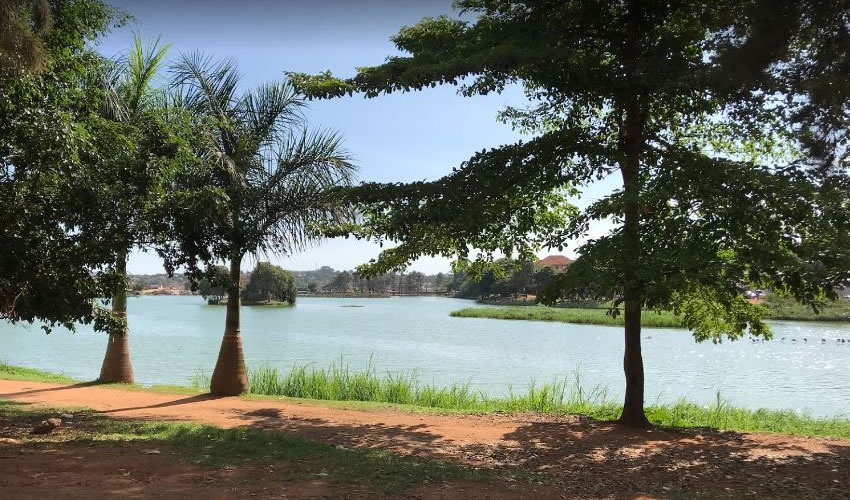
kabaka’s lake

By Uganda places to visit, Where to go

Kabaka’s Lake: Africa’s Largest Man-Made Cultural Lake and the Legacy of a Visionary King. kabakas lake

Tucked quietly within the heart of Uganda’s capital, Kampala, lies a shimmering body of water that is far more than a scenic retreat. The Kabaka’s Lake, as it is widely known, is a mirror to the soul of the Buganda Kingdom—a historical, cultural, and spiritual marvel conceived by royalty and crafted by communal devotion. Though it may appear as a peaceful basin surrounded by reeds and trees, this lake tells a story of royal ambition, colonial defiance, spiritual symbolism, and communal identity that continues to ripple across generations.

This is not just a lake; it is a monument to indigenous ingenuity and the powerful symbolism of water in African royal tradition. Constructed under the directive of Kabaka Mwanga II in the late 19th century, the lake remains one of Uganda’s most historically significant landmarks. For travelers seeking an authentic connection with the country’s cultural heart, the Kabaka’s Lake offers a journey through time, politics, ecology, and royal heritage, all wrapped in serene natural beauty.

Location: Royal Waters in the Heart of Kampala. kabakas lake

The Kabaka’s Lake is located in Ndeeba, a suburb of Kampala, just a short distance from the royal seat at Lubiri (Mengo Palace). It lies southwest of the central business district, easily accessible from most parts of the city. Surrounded by urban development, the lake remains a tranquil enclave in the bustle of modern Kampala, offering a breath of quietude and reflection.

What makes this location particularly significant is its proximity to the political and spiritual center of Buganda. The lake was intentionally positioned near the Kabaka’s palace and adjacent to key ceremonial sites, reinforcing its connection to kingship and statecraft. In this location, the lake served as a private royal retreat, a spiritual reservoir, and a defiant gesture in a time of mounting colonial pressure.

How to Get There: A Short Ride to History

Reaching Kabaka’s Lake is simple and convenient. From Kampala’s city center, a 10 to 15-minute drive via Rubaga Road or Kabaka Anjagala Road leads directly to Ndeeba, where the lake quietly rests. The roads are well-paved and signposted, though local guidance or navigation apps can assist in pinpointing the entrance.

Visitors may choose to arrive by private vehicle, boda-boda (motorcycle taxi), or local matatu taxis that serve the Ndeeba route. Once on site, parking is available in nearby lots or designated areas.

The area surrounding the lake is increasingly urban, but once visitors arrive at the shoreline, they are transported into a realm where time slows and tradition whispers through the reeds.

Attractions: Layers of Legacy Beneath the Surface

While many lakes across Africa boast ecological or geological significance, Kabaka’s Lake is unmatched in its cultural and historical richness. It was carved—by hand—under the supervision of Kabaka Mwanga II around 1885, during a period of heightened tension between the Buganda Kingdom and encroaching British colonial forces.

Initially, the Kabaka envisioned the lake as part of a grand canal project that would connect it to Lake Victoria, allowing for both leisure boating and royal escape in the event of political threats. Though the canal was never completed, the lake itself became a powerful symbol of self-sufficiency, resistance, and the unity of the Buganda people.

The lake is entirely man-made, dug by subjects of the Kabaka using rudimentary tools. The effort demonstrated not only loyalty to the king but the collective strength of a kingdom determined to preserve its sovereignty.

Its waters are now flanked by green banks, cultural shrines, and pathways ideal for scenic walking. Several species of birds and aquatic life make the lake their home, adding ecological interest to its historical significance.

Also notable is the Kabaka’s Island, a small patch of land within the lake believed to have been used by the king for meditation, ceremonies, and private counsel. Its presence adds mystique and symbolism to the lake’s calm surface.

In addition, several markers and monuments around the lake offer insights into Buganda’s royal lineage, showcasing portraits, plaques, and local artwork that celebrate the legacy of Kabaka Mwanga II and his successors.

Things to Do: Immersive Encounters with Royal Heritage

Visitors to Kabaka’s Lake are not simply observers; they become participants in an unfolding narrative of cultural endurance and spiritual reflection. The lake offers guided cultural walks led by knowledgeable historians and local custodians who delve into the origins of the lake, the leadership of Kabaka Mwanga, and the lake’s evolution through pre-colonial, colonial, and post-independence eras.

Photography is encouraged, particularly during early morning or late afternoon, when the lake’s mirror-like surface captures the changing skies in breathtaking reflections. Artists often frequent the lake for inspiration, and its surroundings offer ample opportunity for sketching, journaling, or simply quiet contemplation.

Locals can often be seen engaging in light recreational activities such as fishing, canoeing, or bird watching. Visitors are welcome to join, under supervision, to experience the peaceful rhythm of life around the lake.

Traditional ceremonies are occasionally held at or near the lake, especially during cultural festivals like Buganda’s “Kabaka’s Birthday Run” or other national heritage events. During such times, the lake becomes a vibrant hub of music, dance, and cultural storytelling—offering travelers a chance to witness authentic Buganda culture in motion.

The nearby Lubiri Palace and Bulange (Buganda Parliament) can also be explored in conjunction with the lake, creating a seamless cultural itinerary rooted in royalty and governance.

Best Time to Visit: Catching the Calm and the Cultural Rhythm

While the lake is open to visitors year-round, the dry seasons of December to February and June to August are ideal for exploration. During these months, the weather is stable, the lake’s pathways remain accessible, and the scenery is at its most photogenic.

The early mornings offer the quietest and most serene atmosphere, ideal for peaceful walks or guided cultural talks. The evening golden hours are perfect for photography, as the lake reflects the sinking sun in rich, golden hues.

For those wishing to combine cultural observation with community interaction, planning a visit during Buganda’s cultural week or national holidays offers a vibrant, festive atmosphere with traditional dance performances, speeches from cultural leaders, and historical exhibitions.

Kabaka’s Lake: A Testament to Cultural Sovereignty

Kabaka’s Lake stands today not just as a water body, but as a living archive of indigenous resilience and royal vision. It is a site where engineering meets spirit, where natural beauty intertwines with the political history of Uganda’s most prominent kingdom.

The lake’s still waters may seem unassuming, but beneath their surface lie centuries of struggle, symbolism, and strength. They reflect a time when a king dared to resist colonialism with creativity, and when a people rose together to dig—not just a lake—but a legacy.

As Kampala’s skyline expands and modernity rushes in, Kabaka’s Lake remains an anchor to identity, a gentle yet powerful reminder that royalty, culture, and community are not relics—but roots.

Explore the Kingdom with WildHorn Africa

To truly grasp the meaning and magic of Kabaka’s Lake—and Uganda’s cultural landscape as a whole—one must travel with those who understand the depths of tradition, the nuance of heritage, and the rhythm of Africa.

That is why it is highly recommended to book your Africa tours and safaris with WildHorn Africa. With a deep respect for cultural authenticity and a passion for immersive storytelling, WildHorn Africa curates journeys that go beyond the ordinary, guiding travelers through the living heart of Uganda.

Whether it’s royal lakes, ancient tombs, sacred forests, or thrilling wildlife encounters, WildHorn Africa ensures that every expedition is thoughtfully crafted and meaningfully delivered.

Naggalabi coronation site

Naggalabi coronation site

By Uganda places to visit, Where to go

Naggalabi Coronation Site: The Sacred Cradle of Buganda Royalty and Tradition

Amid the lush green hills just outside of Kampala lies a historic site steeped in royal grandeur, cultural symbolism, and ancestral reverence. The Naggalabi Coronation Site—a sacred ground where the Kings of Buganda have been crowned for centuries—stands as one of Uganda’s most profound cultural landmarks. This is not merely a geographical location, but a spiritual and political heartland of the Buganda Kingdom, the largest and most influential traditional monarchy in Uganda.

Unlike monuments built of stone and steel, Naggalabi breathes with oral history, ancestral memory, and ceremonial ritual. It is here that every Kabaka (King) of Buganda is enthroned following elaborate traditional ceremonies that date back over 700 years. While Uganda’s modern identity continues to evolve, this hilltop sanctuary remains a firm anchor in the country’s cultural fabric, offering a window into one of Africa’s most enduring royal institutions.

For anyone seeking to understand Uganda beyond the surface, a journey to the Naggalabi Coronation Site is not just recommended—it is essential.

Location: The Hill Where Kingdoms Are Born

The Naggalabi Coronation Site is located on Buddo Hill, about 16 kilometers southwest of Kampala in Wakiso District. The hill itself rises modestly above the surrounding landscape, yet it holds monumental significance in the Buganda Kingdom. Set amidst a countryside of rolling green and dotted homesteads, Buddo Hill exudes a sense of timeless dignity.

This location is not accidental. It was chosen centuries ago by Buganda’s forefathers, believed to be a spiritually charged site—where royal legitimacy meets ancestral blessing. Its quiet seclusion lends itself perfectly to sacred rituals, secretive deliberations, and regal ceremony. Although rural in character, Buddo Hill is conveniently close to urban life, making it both accessible and immersive for cultural visitors.

How to Get There: A Scenic Drive into the Past

Reaching the Naggalabi Coronation Site is both easy and rewarding. From Kampala city center, travelers can access Buddo Hill via Masaka Road, turning off at the Nsangi junction and following the signs that lead toward Buddo. The entire journey by car typically takes about 40 to 50 minutes, depending on traffic conditions.

The road winds through semi-urban centers, leafy neighborhoods, and finally into the quieter, greener regions of Wakiso District. The last stretch features village scenery—banana plantations, terraced gardens, and thatched houses—that quietly transition the visitor from modernity into the realm of tradition.

Public transport is also available in the form of matatus (minibuses) that head toward Nsangi or Buddo, from where a short motorcycle ride can complete the journey to the coronation site.

While the route is unassuming, it is layered with historical resonance, for it is along this path that the Kabaka himself travels on the day of his enthronement, flanked by royal guards, traditional dancers, and loyal subjects.

Attractions: A Royal Narrative Carved into Landscape

What makes the Naggalabi Coronation Site truly unique is that it is not defined by towering monuments or glittering palaces, but by sacred landmarks, shrines, and groves that are interwoven with centuries of ritual. Every corner of this hilltop estate tells a story.

The most revered section is the actual coronation ground, a sacred spot where the Kabaka kneels before the royal elders, receives blessings from the ancestral spirits, and is handed the symbols of authority—most notably, the royal drum and spear. These items are not mere props; they represent the spiritual and temporal power that the Kabaka inherits during the rite.

Nearby is the Nakibinge’s Tree, named after Kabaka Nakibinge, a pivotal 16th-century ruler who fought to expand and consolidate Buganda’s influence. This ancient tree is believed to hold the spirits of past kings and is often honored with offerings and whispered prayers.

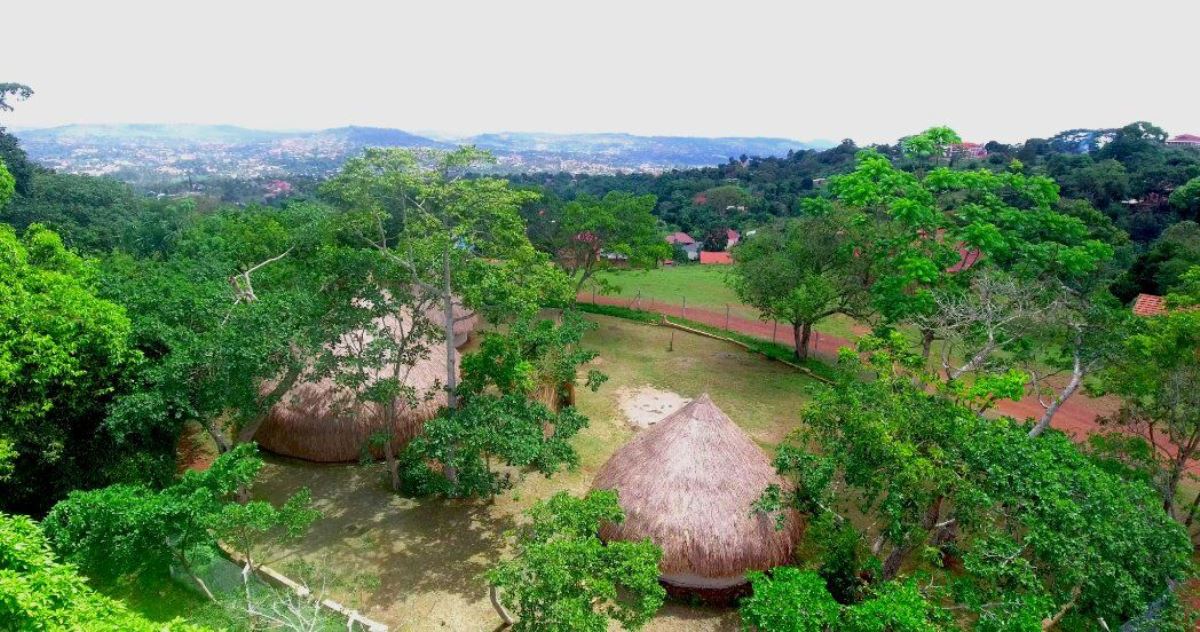
The site also includes ceremonial huts, each with its own purpose in the coronation process. One hut houses the royal regalia, while another is designated for the Katikkiro (Prime Minister) who plays a central role in preparing the king for his enthronement.

The simplicity of these structures belies their power. They are built using traditional materials—grass thatch, timber, and mud—to reflect the authenticity of Buganda heritage and to honor the kingdom’s ancestral way of life. There is no extravagance here, only sacred symbolism.

Surrounding the site are trails shaded by indigenous trees, where historical events were once whispered into the ears of successors, alliances were forged, and judgment was pronounced. These spaces serve both a ceremonial and meditative function, connecting past and present.

Things to Do: Engage, Learn, and Reflect

Visitors to the Naggalabi Coronation Site are welcomed not only with visual beauty but with deep cultural education and personal introspection. Guided tours are typically led by royal custodians or cultural historians, whose oral narration brings the site to life with passion and precision. They explain how each ritual unfolds during a coronation, how the Kabaka is prepared spiritually and physically, and how each step is anchored in centuries of sacred tradition.

Photography is permitted in designated areas, and visitors are encouraged to walk through the grounds quietly, engaging with the environment in a reflective manner. Some choose to leave symbolic offerings or write in the guestbook, paying their respects to the kings who were crowned here and to the continuity of the kingdom itself.

Students, researchers, and cultural scholars can request deeper access to the archives and oral accounts preserved by Buganda’s royal custodians. These narratives delve into pre-colonial leadership systems, traditional conflict resolution, succession struggles, and Buganda’s unique integration of political governance and spiritual authority.

During special occasions—such as royal anniversaries or national heritage festivals—the coronation site becomes alive with traditional dances, drumming, storytelling, and ceremonial reenactments, offering an unforgettable immersion into the living culture of Buganda.

Best Time to Visit: Seasons of Ceremony and Serenity

The Naggalabi Coronation Site can be visited at any time of the year, though the dry months of December to February and June to August are ideal. During these periods, the trails remain dry, and the open-air nature of the site is best enjoyed under clear skies.

Morning visits offer the most serene experience. The hill is typically cloaked in a soft mist, the sunlight filters through ancient trees, and the air is filled with the quiet reverence that only sacred places can possess. This is when the site feels most alive in its silence.

Visitors hoping to witness or participate in public cultural events should plan their trip around Buganda’s official calendar, especially in years when a new Kabaka is enthroned or when the kingdom celebrates historic milestones. These rare moments transform the site into a stage for regal spectacle, spiritual unity, and pan-Ugandan celebration.

Naggalabi’s Enduring Relevance in Uganda’s Identity

To walk the grounds of the Naggalabi Coronation Site is to walk through the spiritual and political soul of Buganda. It is a space where history is not read in books but felt underfoot. In a nation as diverse and modern as Uganda, the endurance of such a sacred space is remarkable—a powerful reminder that culture, when rooted deeply, cannot be eroded by time.

Here, amidst the wind-stirred trees and earth-colored shrines, the essence of African monarchy and indigenous governance is preserved and honored. The coronation site is not simply about past glories. It is a living emblem of sovereignty, legitimacy, and continuity—one that continues to shape identity, community, and memory in Uganda.

For those who wish to understand Uganda not only as a destination of wildlife and scenery but as a land of rich traditions and enduring kingdoms, Naggalabi offers the most profound insight.

Experience Uganda’s Heritage with WildHorn Africa

A journey to the Naggalabi Coronation Site is a profound encounter with Africa’s regal past—but it is only the beginning of what Uganda has to offer. To truly explore the depths of Uganda’s culture, history, and natural wonders, travelers need expert guidance and insightful storytelling.

That is why it is highly recommended to book your African tours and safaris through WildHorn Africa. As specialists in immersive, ethical, and customized travel experiences, WildHorn Africa goes beyond the ordinary, curating journeys that honor tradition, ignite discovery, and celebrate the true spirit of the continent.

Whether you are drawn to royal sites, remote wildlife reserves, or vibrant cultural festivals, WildHorn Africa ensures that every step of your journey is meaningful and unforgettable.

Namirembe Cathedrale

Namirembe Cathedral

By Uganda places to visit, Where to go

Namirembe Cathedral: Uganda’s Timeless Beacon of Anglican Faith and Colonial Heritage

Rising gently above the heartbeat of Kampala, nestled among eucalyptus trees and surrounded by panoramic views, stands Namirembe Cathedral—the oldest Anglican cathedral in Uganda and a deeply revered monument of faith, resilience, and cultural identity. With its commanding presence atop Namirembe Hill, this historic sanctuary transcends mere brick and timber; it is a profound symbol of Christian perseverance, colonial legacy, and indigenous spiritual transformation.

Known officially as St. Paul’s Cathedral Namirembe, this majestic house of worship is far more than an architectural jewel. It is the beating heart of the Anglican Church of Uganda and a spiritual compass for generations of believers. Constructed during the turbulent days of missionary expansion and political upheaval, the cathedral has witnessed—and shaped—Uganda’s evolution from a kingdom ruled by Buganda monarchs to a modern republic anchored in religious diversity. Whether visited by pilgrims, history enthusiasts, architecture lovers, or casual tourists, Namirembe Cathedral offers a story that is both deeply personal and universally powerful.

Location: Where History and Holiness Overlook the City

Namirembe Cathedral sits proudly atop Namirembe Hill, one of Kampala’s original seven hills and arguably its most spiritually significant. The word Namirembe, derived from Luganda, loosely translates to “peace,” and it is fitting that such a tranquil name is linked to one of Uganda’s most peaceful and sacred places. The hill rises gently above the city, offering panoramic views of Kampala’s ever-changing skyline while preserving a quiet solemnity within its grounds.

This location is not incidental. In the late 19th century, as the Church Missionary Society (CMS) sought a permanent foothold in Uganda, Namirembe Hill was chosen as the seat of Anglican influence, a symbolic elevation of Christian presence above the political and cultural landscapes of the time. Since then, the cathedral has remained a spiritual stronghold—calm yet commanding.

How to Get There: Ascending the Hill of Peace

Reaching Namirembe Cathedral is a straightforward and enriching journey. It lies just a few kilometers west of Kampala’s central business district, well-connected by major city roads. From Entebbe International Airport, a smooth drive of about 45 minutes leads directly to the cathedral gates, passing through landmarks that prepare the visitor for an encounter with history.

Visitors using public transport can board a matatu heading towards Mengo or Lubaga, disembarking near Namirembe Road, from where a gentle walk up the hill begins. Boda-bodas (motorcycle taxis) are also readily available and offer a fast, if adventurous, ascent. Along the way, travelers pass through a blend of old colonial buildings, local shops, schools, and health centers, gradually transitioning from the urban rhythm of Kampala to the serene calm of Namirembe’s sacred slopes.

As one approaches the cathedral gates, the ambient noise diminishes. The cool breeze carries with it a quiet reverence, and the red-brick silhouette of the cathedral emerges as both a landmark and a promise of spiritual reflection.

Attractions: A Living Chronicle of Faith and Craftsmanship

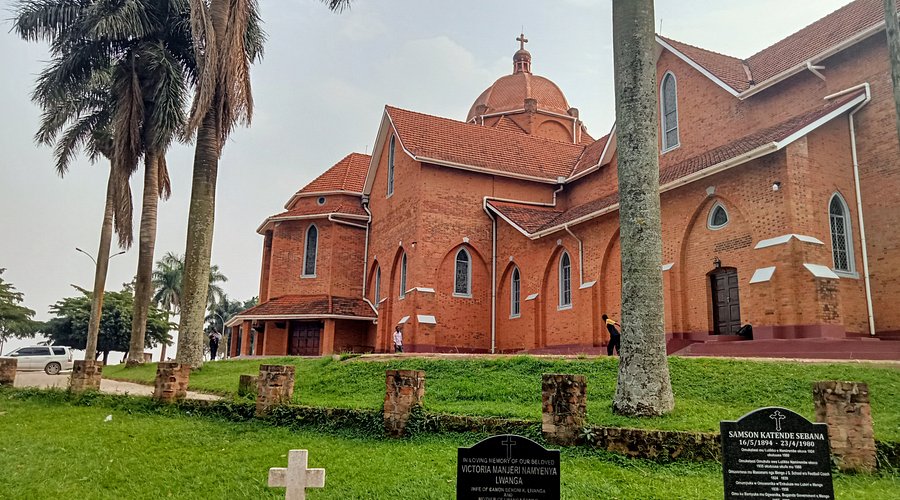
The most striking feature of Namirembe Cathedral is its architectural elegance, a unique fusion of English ecclesiastical design and local craftsmanship. Built primarily from red bricks and timber, the cathedral was completed in 1919, replacing earlier church structures that were either too small or had succumbed to the elements. Its current design, with a steep-pitched roof and buttressed walls, reflects both practical and symbolic intentions—resilience against Uganda’s climate and visual strength against spiritual adversity.

Inside the cathedral, one is immediately drawn to its expansive nave, wooden beams, and open ceilings that give the sanctuary a cathedral-like grandeur while retaining a deeply personal atmosphere. The altar is adorned modestly, reflecting the Anglican tradition, but each pulpit, plaque, and stained-glass window tells a story—of bishops, missionaries, kings, and martyrs who shaped the Anglican presence in Uganda.

Notably, Namirembe is the final resting place of several influential Anglican bishops, including Bishop Alfred Tucker, one of the pioneers of the CMS movement in East Africa. His tomb lies in the cathedral’s courtyard, shaded by tall trees and remembered in inscriptions that testify to his unwavering missionary zeal. The pipe organ, still in use today, was imported from England and remains one of the finest in the region, a testament to the musical and liturgical traditions that the cathedral has preserved over generations.

Beyond the building itself, the cathedral’s surroundings are equally captivating. The well-maintained gardens, stone pathways, and view terraces allow visitors to linger, reflect, and absorb both spiritual peace and historical insight.

Things to Do: More Than Worship, A Journey into Uganda’s Soul

While Namirembe Cathedral remains an active house of worship, its doors are open to a broader experience—spiritual, educational, historical, and cultural. Visitors often begin with a guided tour, which can be arranged through the church office or local heritage guides. These tours reveal intricate details about the cathedral’s construction, missionary foundations, and evolution as Uganda transitioned through colonialism, independence, and modernization.

Attending a Sunday service is a deeply moving experience. Hymns in Luganda and English echo beneath the wooden rafters, while the congregation, adorned in traditional wear and Western attire, gathers in harmonious devotion. The blend of local and global liturgical practices offers a vivid picture of how Christianity in Uganda has matured into a fully indigenous expression of faith.

Photography is permitted in most areas, and visitors are encouraged to explore the cathedral’s historical library and archive rooms, where manuscripts, baptismal records, and missionary correspondences are preserved. Scholars of African Christianity or colonial history will find Namirembe an invaluable resource, offering unfiltered access to Uganda’s early Christian journey.

Many visitors also use the cathedral as a starting point for exploring Kampala’s religious and cultural landmarks, including the nearby Rubaga Cathedral, Kabaka’s Palace, and the Kasubi Tombs. This strategic location makes Namirembe not just a destination, but a gateway.

Best Time to Visit: When Tranquility and Culture Align

Namirembe Cathedral can be visited throughout the year, but the most pleasant experiences are enjoyed during Uganda’s dry seasons, which span from June to August and December to February. These months offer clearer skies, cooler temperatures, and ideal conditions for both indoor reflection and outdoor photography.

The early morning and late afternoon hours are particularly magical. As the sun rises or sets behind the cathedral’s wooden spires, golden light floods the sanctuary, casting long shadows and bathing the interior in a quiet, sacred glow. It is during these hours that many visitors find moments of profound introspection and stillness.

Festive occasions such as Christmas, Easter, and Uganda Martyrs Day see the cathedral come alive with choral music, pageantry, and communal celebrations. These events provide immersive opportunities for cultural engagement and worshipful observation.

Namirembe Cathedral’s Enduring Legacy

To step into Namirembe Cathedral is to step into the narrative of Uganda itself—a story of kings and missionaries, of colonization and resistance, of suffering and redemption. It stands not only as a house of God but as a museum of memories, a lighthouse for faith, and a cornerstone of national identity.

Here, brick and belief come together to tell a story that is both ancient and immediate. In a time when modernity often threatens to erase the past, Namirembe quietly resists—with its hymns, its headstones, its heritage, and its hope.

For Ugandans, the cathedral is not only a place to be married, baptized, or mourned—it is a place to belong, to remember, and to believe. For international visitors, it offers a rare window into how faith took root in Africa, not as an imposed structure, but as a lived, localized, and enduring presence.

Begin Your Ugandan Journey with WildHorn Africa

A visit to Namirembe Cathedral is a step into Uganda’s sacred heart, but to truly experience the breadth of this nation’s wonders—from spiritual monuments to wildlife sanctuaries, volcanic mountains to traditional villages—a guided journey is essential.

That’s why seasoned travelers trust WildHorn Africa to craft immersive and meaningful African experiences. With expertise in culture, history, safari adventures, and personalized travel, WildHorn Africa ensures that each tour is more than a vacation—it’s a transformation.

Whether your path leads you to the sacred hills of Kampala or the savannahs of Queen Elizabeth National Park, your journey deserves the care, insight, and passion that WildHorn Africa offers.

Rubaga Cathedral

Rubaga Cathedral

By Uganda places to visit, Where to go

Rubaga Cathedral: A Towering Symbol of Uganda’s Catholic Heritage and Spiritual Majesty

Overlooking the bustling capital of Uganda from the serene heights of Rubaga Hill stands one of the country’s most iconic religious and architectural treasures—Rubaga Cathedral. Officially known as St. Mary’s Cathedral Rubaga, this grand basilica is not merely a place of worship; it is a monument to the endurance of faith, the spread of Christianity in East Africa, and the cultural transformation of a nation. Its red-brick towers and cruciform layout have become deeply embedded in the spiritual and historical identity of Uganda, drawing pilgrims, tourists, and scholars alike.

As the headquarters of the Roman Catholic Archdiocese of Kampala, Rubaga Cathedral serves not only as the spiritual center for millions of Ugandan Catholics but also as a beacon of national unity, architectural splendor, and religious history. Its story is intricately woven into the narrative of colonial contact, missionary zeal, martyrdom, and the eventual indigenization of Christianity in Uganda. Every brick, every statue, every stained-glass window in the cathedral tells a story—one of sacrifice, hope, and the enduring power of belief.

Location: Elevated in Spirit and Setting

Rubaga Cathedral is majestically perched on Rubaga Hill, one of the original seven hills of Kampala. This elevated location grants it commanding views over the capital city and beyond, symbolically reflecting its lofty spiritual and cultural stature. The hill itself is steeped in royal history—it was once the site of a palace belonging to Kabaka Mutesa I, the 19th-century king of Buganda. After his death, the land was donated to Catholic missionaries by his successor, Kabaka Mwanga II, marking the beginning of the site’s religious transformation.

The surrounding area, now known as Rubaga, has evolved into a vibrant suburb that blends ecclesiastical heritage with urban dynamism. The cathedral’s prominence on the hilltop ensures that it remains visible from multiple vantage points across Kampala, a striking reminder of the nation’s deeply rooted Christian identity.

How to Get There: A Journey into the Heart of Kampala’s Sacred Past

Located just a few kilometers west of Kampala’s central business district, Rubaga Cathedral is easily accessible to both local and international visitors. Those arriving from Entebbe International Airport can reach the site in approximately 45 minutes by car, depending on traffic conditions. The most direct route typically involves taking Entebbe Road into the city, then connecting through the city center towards Rubaga Road, which winds upward to the cathedral.

Public transportation options are plentiful. Commuter taxis heading towards Mengo or Rubaga offer affordable access, while boda-bodas provide swift navigation through the city’s often congested roads. Visitors may choose to arrive early to avoid peak traffic and fully appreciate the calm, reflective atmosphere that the hill and its surroundings offer.

The approach to the cathedral becomes increasingly serene as the urban noise fades, replaced by birdsong, bell chimes, and the soft rustle of wind through the trees that line the avenue leading up the hill. By the time one reaches the compound gates, the journey has already begun to take on a spiritual tone.

Attractions: A Masterpiece of Faith, Art, and Ugandan History

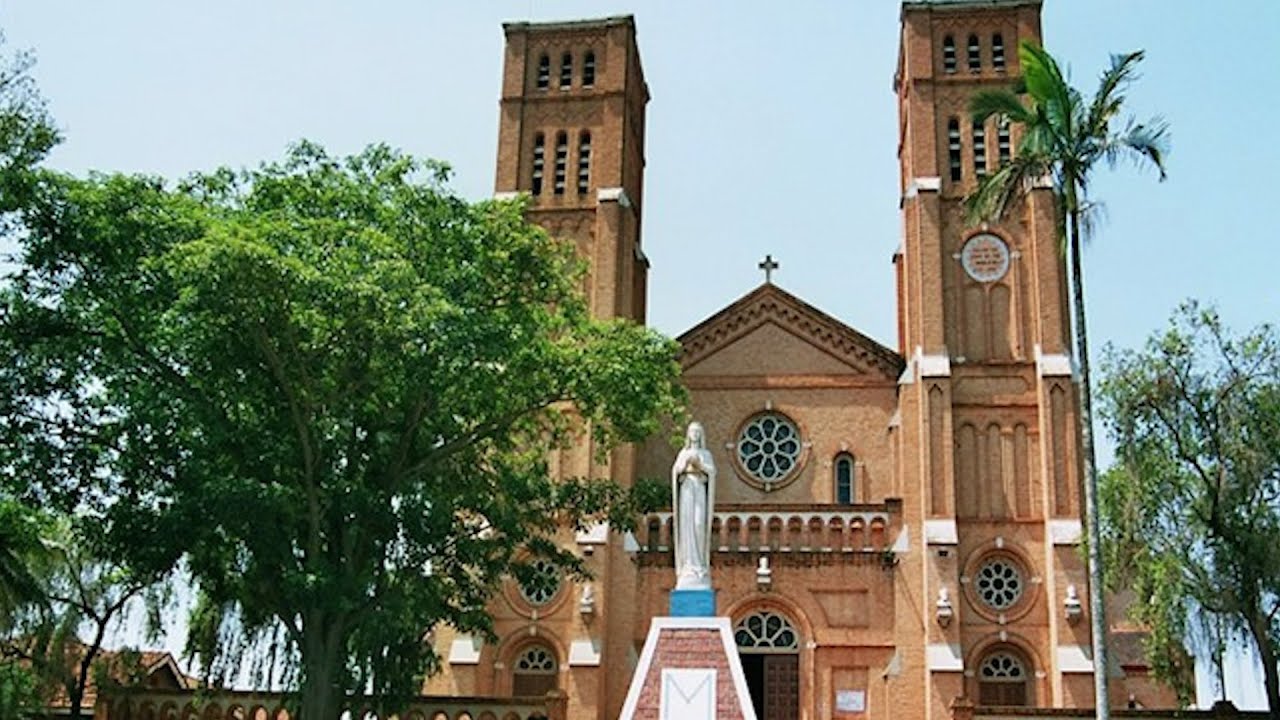
Rubaga Cathedral is an architectural marvel, a fusion of Romanesque and early Gothic styles adapted to the African landscape. Construction began in 1914, under the guidance of French Catholic missionaries, and was completed in 1925. Since then, it has stood as the oldest Roman Catholic cathedral in Uganda and one of the most impressive ecclesiastical buildings in East Africa.

Its striking red-brick façade, twin bell towers, and massive arched entryways immediately command attention. The interior is equally captivating. The high vaulted ceilings, carved wooden pews, intricate altars, and mosaic-tiled floors all work in harmony to evoke a sense of divine grandeur. Natural light filters in through stained-glass windows depicting biblical scenes and Ugandan martyrs, casting colorful shadows that dance across the stone walls during morning Mass.

A focal point of spiritual and national pride is the tomb of Archbishop Joseph Kiwanuka, the first African Archbishop of Kampala, who was interred within the cathedral. His legacy, representing the indigenization of Christianity and the empowerment of African leadership within the Church, is honored throughout the cathedral grounds. Numerous plaques, sculptures, and inscriptions pay homage to Uganda’s Catholic martyrs and pioneering missionaries, making Rubaga a living museum of East African religious history.

Surrounding the cathedral is a beautifully maintained compound with sweeping gardens, grottos dedicated to the Virgin Mary, and contemplative spaces shaded by jacaranda trees. The entire setting encourages reflection, prayer, and historical contemplation, far removed from the pace of modern Kampala.

Things to Do: A Pilgrimage of Faith and Discovery

A visit to Rubaga Cathedral offers more than architectural admiration—it is a spiritual encounter, cultural immersion, and historical exploration wrapped into one experience. Visitors can attend daily Mass, where the melodies of Luganda hymns and Latin liturgies rise together in reverent harmony. Sunday services, in particular, draw large congregations and offer an opportunity to witness the vibrancy of Uganda’s Catholic community.

Guided tours can be arranged, led by cathedral staff or local guides familiar with both the site’s religious significance and historical context. These tours often include access to the Archbishop’s crypt, the chapel of St. Joseph, and the memorials dedicated to the early Ugandan martyrs who laid the foundation for Christianity in the region.

Photography is permitted in most parts of the cathedral compound, allowing visitors to capture the inspired geometry of the architecture, the symbolism embedded in sculptures, and the peaceful beauty of the surrounding landscape. Students of history, theology, and African studies will find Rubaga an invaluable site for research and learning, offering insights into colonial religious dynamics, missionary enterprise, and African spiritual leadership.

Outside the cathedral, the Rubaga neighborhood offers additional points of interest, including religious bookshops, local cafés, and markets where cultural curios and handcrafted goods can be found.

Best Time to Visit: When Faith Meets the Beauty of Season

Rubaga Cathedral welcomes visitors throughout the year, but the most pleasant and rewarding visits occur during Uganda’s dry seasons, from December to February and June to August. During these months, the skies remain clear, the gardens are lush, and walking conditions are ideal for exploring both the cathedral interior and its grounds.

Morning visits are particularly recommended, as the soft sunlight enhances the architectural details and casts a peaceful glow over the sanctuary. Attending a morning Mass during the week offers a more intimate experience, while Sunday and feast days reveal the community’s deep-rooted devotion and the Church’s ceremonial splendor.

Major Catholic feast days such as Christmas, Easter, and Uganda Martyrs Day (celebrated on June 3rd) bring the cathedral to life with processions, music, and special liturgies. These events offer visitors a unique cultural and spiritual immersion, connecting faith with festive expression.

Rubaga Cathedral’s Place in Uganda’s Soul

In a country often celebrated for its wildlife, natural beauty, and cultural diversity, Rubaga Cathedral stands as a spiritual lighthouse and historical cornerstone. It tells the story of Uganda’s transformation from a kingdom ruled by traditional beliefs, to a nation enriched by the teachings of Christianity, carried on the backs of missionaries and baptized in the blood of martyrs.

Its presence continues to inspire, educate, and unite. It is a place where faith rises with the sun, history echoes in stone, and hope resonates through every liturgy sung within its ancient walls. For Ugandans, Rubaga is not merely a cathedral—it is a symbol of identity, perseverance, and divine grace.

Begin Your Journey with WildHorn Africa

Exploring Rubaga Cathedral is a gateway into Uganda’s deeper soul, but it is only one of the many profound experiences awaiting travelers in this vibrant nation. To fully discover the spiritual, natural, and cultural wonders of East Africa, it is essential to journey with experts who understand the land, its people, and its sacred spaces.

That’s why discerning travelers are encouraged to book their African tours and safaris through WildHorn Africa. With its deep commitment to ethical tourism, immersive storytelling, and personalized service, WildHorn Africa crafts unforgettable journeys across Uganda and beyond. From cathedrals to national parks, islands to mountain trails, your trip will be designed to reveal the heart of Africa in all its richness.

Old Kampala Mosque

Old Kampala Mosque

By Uganda places to visit, Where to go

Old Kampala Mosque: A Towering Symbol of Faith, Culture, and Pan-African Vision

Amidst the undulating hills and lively streets of Uganda’s capital stands a monumental edifice that commands both reverence and awe—the Old Kampala Mosque, officially known as the Uganda National Mosque. More than just a place of worship, this towering masterpiece represents faith, resilience, culture, and political legacy, seamlessly blending spiritual identity with historical depth. Visible from almost every corner of central Kampala, its commanding minaret and grand golden dome dominate the skyline, offering both a spiritual center and a panoramic gateway into Uganda’s dynamic soul.

Constructed with vision, inspired by history, and sustained by devotion, the Old Kampala Mosque is one of Africa’s largest and most iconic Islamic landmarks. It does not only serve Muslims in prayer—it also welcomes curious travelers, architectural enthusiasts, historians, and interfaith visitors seeking to explore the intersection between Uganda’s cultural diversity and its religious harmony. This is a space where Africa’s Islamic heritage is etched into modern city life, and where silence, prayer, and reflection coexist with education, tourism, and dialogue.

Location: A Spiritual Crown on the Hill of Kings

The Old Kampala Mosque is majestically located atop Old Kampala Hill, a historic site deeply entwined with the origins of the city itself. It was on this very hill that Kabaka Mutesa I first established his palace in the 19th century, setting the foundation upon which the city of Kampala would later grow. Today, the hill remains sacred—not just for historical reasons but also because it houses this grand mosque that symbolizes both Uganda’s Islamic growth and its place in global religious networks.

Rising over the city like a sentinel of faith, the mosque’s location provides unmatched 360-degree views of Kampala, including its seven hills, busy markets, colonial remnants, and modern sprawl. It is centrally situated, making it easily accessible and visible from various vantage points within the city.

How to Get There: In the Heart of Kampala’s Urban Flow

Located just a short distance from Kampala’s central business district, the Old Kampala Mosque is effortlessly reachable from any part of the city. Visitors arriving from Entebbe International Airport can reach the mosque within an hour by car, passing through Entebbe Road, then connecting to the heart of the capital via Queen’s Way and then to Old Kampala Hill.

Public transportation is also viable. Kampala’s matatu (commuter taxi) network offers frequent rides to and from downtown. One can alight near the Old Kampala Police Station and walk a few minutes uphill to the mosque’s main entrance. Boda-bodas (motorcycle taxis) offer an even faster ascent, especially during busy traffic hours.

Despite being in a bustling neighborhood, the mosque compound is serenely insulated from the city’s chaotic rhythms, offering an immediate transition from noise to calm.

Attractions: A Marvel of Islamic Art, Architecture, and Heritage

The Old Kampala Mosque captivates visitors long before they cross its threshold. Constructed under the patronage of Libyan leader Muammar Gaddafi—hence often referred to as the “Gaddafi Mosque”—this architectural marvel was officially completed and opened in 2007. Built to accommodate over 15,000 worshippers, it is currently the largest mosque in East Africa.

The mosque’s architectural features combine classical Arabic, North African, and modern Islamic styles, forming a powerful visual and symbolic presence. The colossal golden dome, crowned by an intricate crescent finial, gleams under the equatorial sun. Surrounding it is a symphony of stained glass windows, floral mosaics, arabesque patterns, and expansive marble courtyards that echo both tradition and grandeur.

Perhaps the most commanding feature is the 50-meter-high minaret. A climb to the top—up a winding staircase of over 300 steps—is rewarded by breathtaking panoramic views of the entire city, including the famous hills of Namirembe, Kololo, Makerere, and Lubaga. It is a photographic and emotional high point for many visitors.

Inside, the prayer hall exudes sanctity and elegance. Vast Persian carpets cover the floor; carved wooden pulpits and calligraphic panels adorn the walls. The hall’s cavernous ceiling and meticulously placed pillars foster a sense of expansiveness, inviting silence and introspection.

The compound also includes an Islamic cultural center, library, Quranic school, and administrative offices, making the mosque not only a religious site but a center for education, dialogue, and Muslim community affairs.

Things to Do: A Journey Beyond Worship

A visit to the Old Kampala Mosque offers multi-dimensional experiences, bridging spirituality, history, and urban exploration. Guests, whether Muslim or not, are welcomed warmly—provided respectful dress is observed—and are often given guided tours by knowledgeable local guides who passionately narrate the story of the mosque’s construction, its symbolic features, and its role in Ugandan society.

One of the most rewarding experiences is the ascent to the minaret’s viewing platform, where the city’s evolution—from colonial vestiges to modern high-rises—can be visually absorbed. This activity is particularly favored by photographers and first-time visitors hoping to understand Kampala’s topography and layout from above.

Inside the mosque, non-Muslim guests are allowed to witness prayers from designated viewing areas, offering a respectful glimpse into daily Islamic devotion. The mosque is especially vibrant during Jum’ah (Friday prayers) and during Islamic festivals like Eid al-Fitr and Eid al-Adha, when the grounds overflow with worshippers in celebration.

The cultural center on site offers more than spiritual literature. Exhibits and occasional lectures address topics such as Islam in Africa, the legacy of Arab-African relations, and the history of Uganda’s Muslim communities. Students of religion, history, or political science will find much to contemplate in the mosque’s layered narratives.

Surrounding the mosque are a number of local eateries and shops that reflect Uganda’s diverse Islamic culinary traditions, offering dishes from Somali, Swahili, Sudanese, and Indian Muslim cuisines—an added sensory delight for visiting food lovers.

Best Time to Visit: When the Light and Spirit Align

While the mosque is open to visitors year-round, the **dry seasons—between June to August and December to February—**offer the most comfortable conditions for outdoor activities like climbing the minaret or walking the expansive grounds. During these periods, the air is clearer, making city views from the top more spectacular.

Morning hours and late afternoons are ideal for photography, thanks to the soft lighting and cooler temperatures. Friday afternoons are bustling due to congregational prayers, creating an opportunity to witness the mosque in its full spiritual rhythm, though it may not be the quietest time for sightseeing.

Ramadan, the holy month of fasting, transforms the mosque into a center of nightly worship, community meals, and charitable acts, offering a rare opportunity to experience the social depth of Islamic practice in Uganda.

A Testament to Uganda’s Plural Identity and Pan-African Aspirations

What distinguishes the Old Kampala Mosque from other religious landmarks is not only its scale and splendor but the broader narratives it encapsulates. It serves as a beacon of religious freedom in Uganda, a country where Islam, Christianity, traditional beliefs, and other faiths coexist in remarkable harmony.

Its construction, funded by Libya, also ties the mosque to Africa’s Pan-Islamic and Pan-African movements, representing not just spiritual outreach, but also geopolitical alliances and the vision of continental unity. It stands as a convergence point of faith and politics, architecture and diplomacy, heritage and future aspirations.

As the city of Kampala continues to expand and evolve, the Old Kampala Mosque remains a steadfast landmark—a reminder of the capital’s historical roots, spiritual diversity, and architectural grace.

Crafting Your African Journey with WildHorn Africa

Exploring the Old Kampala Mosque is not merely a visit—it is a portal into Uganda’s spiritual soul, architectural majesty, and cultural intersections. Yet to fully appreciate the breadth of experiences that Uganda offers—from sacred landmarks to wild landscapes, vibrant cities to tranquil villages—a thoughtfully curated journey is essential.

This is why travelers are encouraged to book their African tours and safaris through WildHorn Africa, a trusted name in bespoke travel across East Africa. Known for its immersive cultural experiences, knowledgeable guides, and ethical tourism standards, WildHorn Africa designs journeys that connect you not just with places, but with people, history, and meaning.

Whether your path leads to spiritual exploration, thrilling wildlife safaris, or cultural discovery, WildHorn Africa ensures every journey is deeply personal, richly informative, and profoundly memorable.

Close Menu