search
Best time to go Nature Walks & Hiking in Uganda?

Best time to go Nature Walks & Hiking in Uganda?

By Travel guides, Uganda travel guides, When to go

Best time to go Nature Walks & Hiking in Uganda?

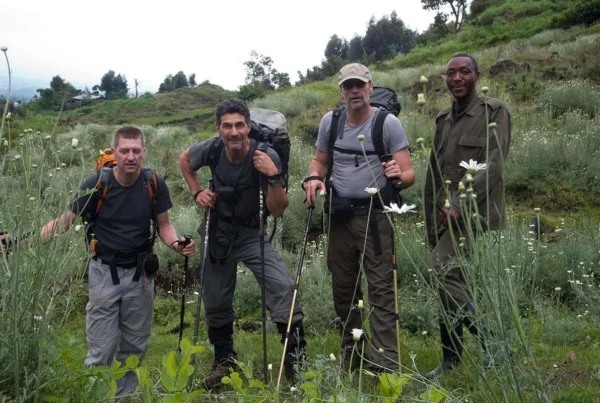
The best time to enjoy nature walks and hiking in Uganda largely depends on the country’s two main rainy seasons, as trails can become slippery and some park roads may be challenging to navigate during heavy rainfall. Generally, the dry seasons, from December to February and June to August, are ideal for trekking and forest walks. During these months, trails in places like Rwenzori Mountains, Mount Elgon, and Queen Elizabeth National Park are more accessible, visibility is high, and wildlife sightings are easier. The dry weather also allows for safer and more enjoyable multi-day hikes, especially in highland areas where rainfall can make paths muddy and treacherous.

For forest hikes and primate tracking in Kibale National Park or Bwindi Impenetrable Forest, the dry periods are particularly favorable because the forest trails are less slippery, and wildlife activity is more predictable. Birdwatchers also find these months ideal, as migratory birds are easier to spot, and the lush but manageable vegetation makes hiking comfortable. Even in Mabira Forest, morning walks are best undertaken during dry months when the risk of sudden downpours is lower, making it easier to enjoy birdwatching, primate sightings, and the serene forest atmosphere.

While the wet seasons (March to May and September to November) bring heavier rains, they also transform Uganda’s landscapes into vibrant green scenery, with flowing waterfalls and blooming flora. Experienced hikers and nature enthusiasts who don’t mind a little mud can still enjoy trekking during these months, but it’s essential to prepare with proper gear, including waterproof clothing and sturdy boots. Overall, for a balance of comfort, accessibility, and wildlife visibility, the dry seasons remain the most recommended times to plan nature walks and hiking adventures across Uganda.

Best time to go Nature Walks & Hiking in Uganda?

Crafting the Perfect Itinerary

The beauty of Uganda lies in its year-round accessibility, but the optimal experience depends on aligning interests with seasonal nuances. For wildlife lovers, the dry months of June through August and December through February are ideal. Those captivated by color, solitude, and renewal may find March to May and October to November more rewarding. Each region of Uganda carries its own rhythm and character, making it essential to balance one’s journey across forests, savannahs, highlands, and lakes.

For travelers seeking to transform these recommendations into a tailor-made adventure, it is strongly encouraged to book Africa tours and safaris through WildHorn Africa, a trusted expert in curating immersive, seamless, and unforgettable experiences across Uganda and beyond. With WildHorn Africa, every month becomes the perfect time to explore, connect, and rediscover the wonders of travel through the eyes of a land that never ceases to amaze.

The best time to visit is generally considered to be during the dry season, when weather conditions are more pleasant and travel is less likely to be disrupted, typically based on your preferred destinations. During this period, landscapes are at their most vibrant, wildlife sightings are more frequent, and activities can be enjoyed with greater ease. While visits are possible year-round, choosing this window is often recommended to ensure the most rewarding and comfortable experience.

WhatsApp

Grandeur

Experience the grandeur of Africa with WildHorn Africa, where every safari is designed to showcase the continent’s breathtaking landscapes and majestic wildlife.

24/7 support

Enjoy peace of mind with 24/7 support from WildHorn Africa, ensuring expert assistance before, during, and after your safari adventure.

Safety

Your safety is our top priority at WildHorn Africa, with expertly guided safaris and trusted partners ensuring a secure and worry-free adventure.

Price-quality ratio

WildHorn Africa offers exceptional price-quality ratio, delivering top-tier safari experiences at competitive rates without compromising on comfort.

Where to stay Nature Walks & Hiking in Uganda?

Where to stay Nature Walks & Hiking in Uganda?

By Travel guides, Uganda travel guides

Where to stay Nature Walks & Hiking in Uganda?

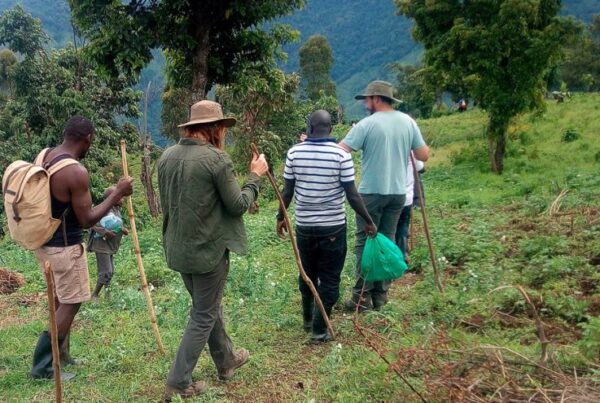
When planning a nature walk or hiking trip in Uganda, choosing the right place to stay can greatly enhance the experience. Many lodges, camps, and eco-resorts are strategically located near national parks and popular hiking trails, allowing easy access to early morning treks and wildlife encounters. For instance, near Rwenzori Mountains National Park, several lodges offer cozy accommodations with mountain views, providing hikers with a comfortable base before tackling challenging trails. Similarly, in Mount Elgon National Park, visitors can stay in guesthouses or eco-lodges that blend with the natural surroundings, offering both convenience and a serene environment to relax after a day of hiking.

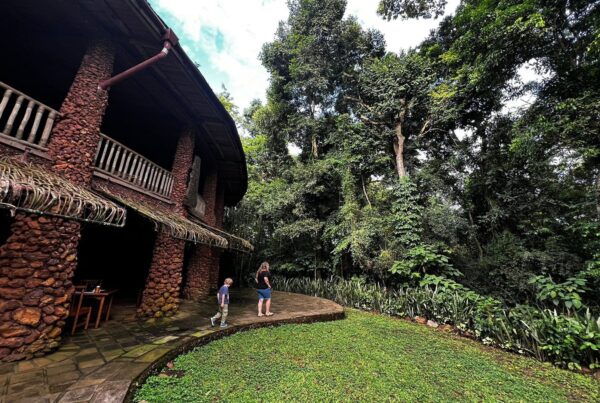
For those exploring Uganda’s forest reserves and primate habitats, there are numerous forest lodges and camps that cater specifically to nature enthusiasts. In Kibale National Park, lodges like the Primate Lodge Kibale place guests right at the forest edge, making early morning chimpanzee tracking and forest walks more accessible. Mabira Forest also has eco-lodges and picnic camps nearby, which provide simple yet comfortable accommodation for those looking to enjoy guided walks and birdwatching excursions. Staying close to these natural habitats allows travelers to experience the sights and sounds of the forest at dawn and dusk, enhancing the sense of immersion in Uganda’s diverse ecosystems.

For wildlife and savannah hikes, lodges in Queen Elizabeth National Park and Bwindi Impenetrable Forest provide unique opportunities to combine comfort with adventure. In Queen Elizabeth, safari lodges and tented camps along the Mweya Peninsula or near the Ishasha sector allow guests to explore hiking trails, crater lakes, and primate-filled forests. Bwindi lodges, often offering spectacular views of gorilla habitats, are perfect for trekkers aiming for gorilla tracking or forest walks. Across Uganda, these accommodations range from luxury lodges to budget-friendly campsites, ensuring that every hiker and nature enthusiast can find a suitable base to rest, rejuvenate, and prepare for the next day of adventure.

The best time to visit is generally considered to be during the dry season, when weather conditions are more pleasant and travel is less likely to be disrupted, typically based on your preferred destinations. During this period, landscapes are at their most vibrant, wildlife sightings are more frequent, and activities can be enjoyed with greater ease. While visits are possible year-round, choosing this window is often recommended to ensure the most rewarding and comfortable experience.

WhatsApp

Grandeur

Experience the grandeur of Africa with WildHorn Africa, where every safari is designed to showcase the continent’s breathtaking landscapes and majestic wildlife.

24/7 support

Enjoy peace of mind with 24/7 support from WildHorn Africa, ensuring expert assistance before, during, and after your safari adventure.

Safety

Your safety is our top priority at WildHorn Africa, with expertly guided safaris and trusted partners ensuring a secure and worry-free adventure.

Price-quality ratio

WildHorn Africa offers exceptional price-quality ratio, delivering top-tier safari experiences at competitive rates without compromising on comfort.

Where to go Nature Walks & Hiking in Uganda?

Where to go Nature Walks & Hiking in Uganda?

By Travel guides, Uganda travel guides, Where to go

Where to go Nature Walks & Hiking in Uganda?

Uganda, often referred to as the “Pearl of Africa,” is blessed with diverse landscapes that make it an excellent destination for nature walks and hiking. From lush rainforests and rolling savannahs to towering volcanic peaks, the country offers something for every level of adventurer. Popular hiking spots include the Rwenzori Mountains, also known as the “Mountains of the Moon,” where trekkers can experience snow-capped peaks and alpine vegetation. For those seeking a moderate adventure, Mount Elgon National Park provides scenic trails leading to waterfalls, caves, and the world’s largest caldera. These treks not only challenge the body but also reward hikers with stunning panoramas and unique ecosystems.

In addition to mountain treks, Uganda is home to many scenic nature walks that bring travelers closer to its rich biodiversity. The Mabira Forest Reserve, located between Kampala and Jinja, offers guided forest walks where visitors can spot rare bird species, butterflies, and primates. In the western part of the country, Kibale National Park is famous for chimpanzee tracking, but it also offers tranquil forest walks where you can experience the beauty of one of Africa’s richest primate habitats. Meanwhile, Lake Mburo National Park provides guided walking safaris that allow visitors to encounter zebras, antelopes, and giraffes on foot—an experience that connects you deeply with nature.

For travelers looking for a mix of culture and scenery, Mount Moroto and the Karamoja region in northeastern Uganda present unique hiking opportunities. Treks here not only traverse rugged mountains and savannah landscapes but also introduce visitors to the traditional lifestyles of the Karamojong people. Similarly, nature walks around Bwindi Impenetrable Forest offer breathtaking experiences as you explore dense jungle trails, often used for gorilla trekking. Whether you seek challenging climbs or gentle guided walks, Uganda’s trails promise unforgettable encounters with wildlife, culture, and landscapes that are as diverse as they are beautiful.

Where to go Nature Walks & Hiking in Uganda?

Rwenzori Mountains National Park

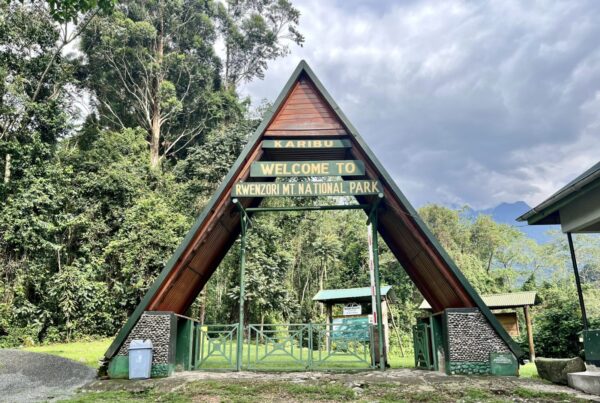
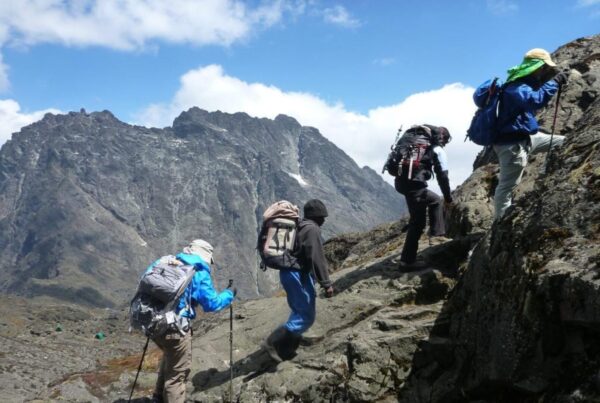
Hiking in Rwenzori Mountains National Park is a thrilling adventure through snow-capped peaks, glacier valleys, and unique alpine vegetation. Trekkers can conquer Africa’s third-highest peak, Mount Stanley, or enjoy shorter scenic routes showcasing waterfalls and rare plant species. The park offers an unforgettable blend of challenging trails, breathtaking landscapes, and rich biodiversity.

Mount Elgon National Park

Mount Elgon National Park is a hiker’s paradise, famous for its vast landscapes, waterfalls, caves, and the world’s largest volcanic caldera. Trails here range from gentle nature walks to multi-day treks that lead to Wagagai Peak (4,321m), rewarding climbers with sweeping views of Uganda and Kenya. Along the way, adventurers encounter diverse wildlife, bird species, and lush vegetation, making it a perfect destination for both nature lovers and mountaineers.

Queen elizabeth national park

Queen Elizabeth National Park offers more than just game drives—it is also a wonderful place for guided nature walks and hiking. Visitors can explore the Kyambura Gorge, often called the “Valley of Apes,” where treks lead through lush forests home to chimpanzees and colorful birds. Other popular walking spots include the Mweya Peninsula and the Maramagambo Forest, where hikers enjoy close encounters with primates, butterflies, and crater lakes set against stunning savannah backdrops.

Kibale National Park

Kibale National Park is renowned as the primate capital of the world, making its nature walks and hikes truly exceptional. The park’s guided forest walks (Bigodi wetland) take visitors deep into lush tropical rainforest, where they can track chimpanzees and spot up to 13 different primate species alongside hundreds of bird species. With its serene trails, rich biodiversity, and opportunities for cultural encounters in nearby villages, Kibale offers one of Uganda’s most immersive hiking and nature walk experiences.

Mabira Forest

Mabira Forest is a serene rainforest located between Kampala and Jinja, ideal for nature walks and day hikes. Its well-marked trails wind through dense forest, where visitors can spot a variety of bird species, butterflies, and primates in their natural habitat. The forest also features streams, picnic spots, and viewpoints, making it a perfect escape for those seeking a peaceful walk close to nature.

The best time to visit is generally considered to be during the dry season, when weather conditions are more pleasant and travel is less likely to be disrupted, typically based on your preferred destinations. During this period, landscapes are at their most vibrant, wildlife sightings are more frequent, and activities can be enjoyed with greater ease. While visits are possible year-round, choosing this window is often recommended to ensure the most rewarding and comfortable experience.

WhatsApp

Grandeur

Experience the grandeur of Africa with WildHorn Africa, where every safari is designed to showcase the continent’s breathtaking landscapes and majestic wildlife.

24/7 support

Enjoy peace of mind with 24/7 support from WildHorn Africa, ensuring expert assistance before, during, and after your safari adventure.

Safety

Your safety is our top priority at WildHorn Africa, with expertly guided safaris and trusted partners ensuring a secure and worry-free adventure.

Price-quality ratio

WildHorn Africa offers exceptional price-quality ratio, delivering top-tier safari experiences at competitive rates without compromising on comfort.

Rwenzori hiking tours

Rwenzori hiking tours

By Travel guides, Uganda travel guides

Rwenzori Hiking Tours: Conquer the Mystical Mountains of the Moon

Where Legends Rise with the Mist (Rwenzori hiking tours)

Hidden in the heart of East Africa, on the border between Uganda and the Democratic Republic of Congo, stands one of Africa’s most spellbinding natural wonders—the Rwenzori Mountains, often referred to as the “Mountains of the Moon.” Unlike the more frequently visited volcanic peaks of Mount Kilimanjaro or Mount Kenya, the Rwenzoris are shrouded in an aura of mystery, enchantment, and raw, untamed wilderness. Rwenzori hiking tours are not ordinary treks—they are epic journeys through Afro-alpine zones, glacier-capped summits, and a UNESCO World Heritage Site that feels almost otherworldly.

The Rwenzori range is Africa’s third highest mountain massif, home to Margherita Peak, which towers at 5,109 meters above sea level. What sets these mountains apart is not just their altitude, but their unique biodiversity, rare vegetation zones, and the sense that you are venturing into an ancient, living realm. To hike the Rwenzori is to follow in the footsteps of explorers, naturalists, and adventurers seeking the sublime, the remote, and the transcendent.

Rwenzori hiking tours #Rwenzori hiking tours Rwenzori hiking tours

A Distinctive Wilderness Unlike Any Other

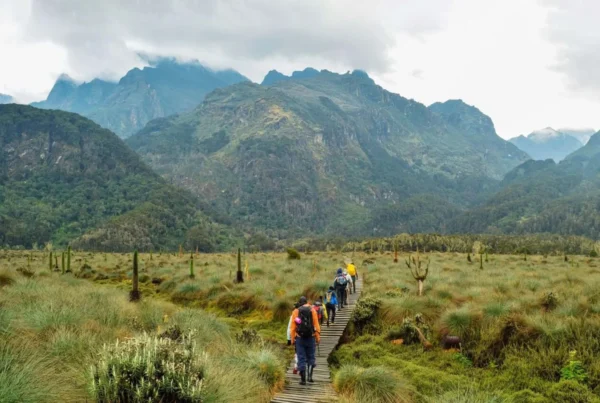
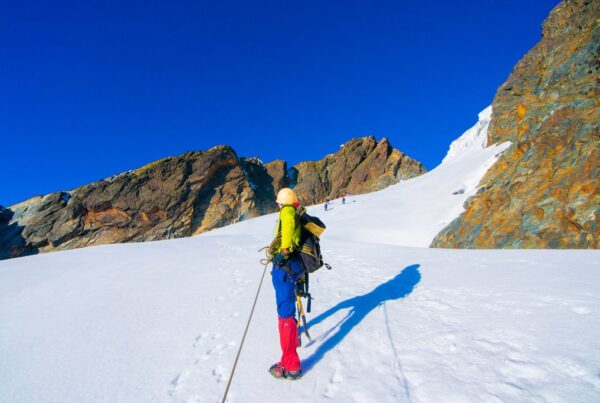
The Rwenzori Mountains National Park is a sanctuary of dramatic contrasts. As you ascend, the landscape morphs dramatically from tropical rainforest to bamboo forest, heather zones, moss-draped moorlands, and finally to icy alpine glaciers. This vertical diversity creates a rich ecological tapestry teeming with endemic plant species, exotic birds, and elusive wildlife.

Unlike most mountains that boast a singular summit or a linear climb, the Rwenzoris are a labyrinth of peaks, valleys, lakes, and glaciers, offering a multi-day trekking experience that is as mentally engaging as it is physically challenging. Trails wind through pristine environments barely touched by modern civilization, providing solitude and serenity rarely found elsewhere.

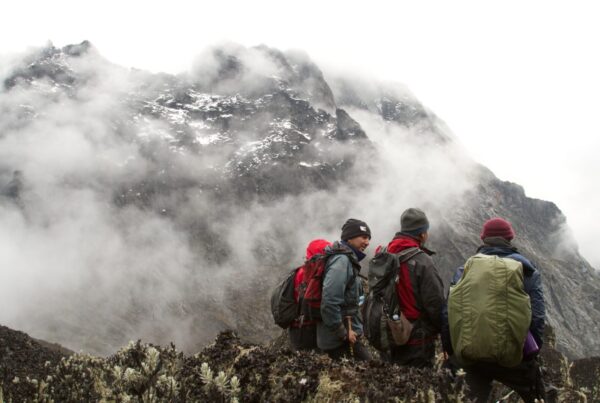
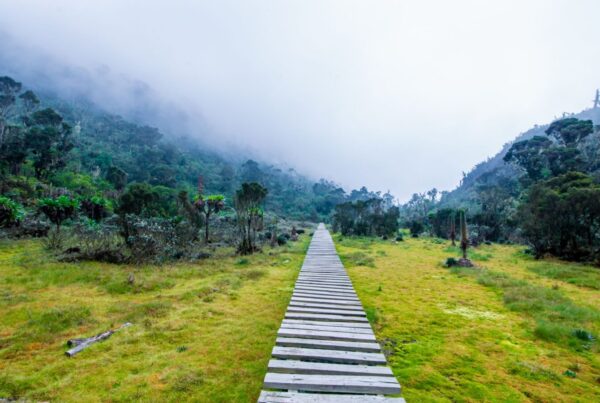
The unique plant life is one of the most striking features of the Rwenzoris. Giant lobelias, towering heathers, and massive groundsel trees dominate the higher altitudes, creating an almost alien-like scenery. The mist that often cloaks the mountains adds an ethereal, almost mystical dimension to every step of the hike.

The Adventure of Altitude and Endurance

A Rwenzori hiking tour is an endurance challenge that rewards the determined with awe-inspiring views and profound self-discovery. Most treks range from 6 to 10 days, depending on the route and pace. The most popular route, the Central Circuit Trail, offers a comprehensive loop through the heart of the mountain range, culminating at Margherita Peak for those who wish to summit.

This trek is not just about reaching the top; it is a pilgrimage through elemental forces. One day you’re navigating slippery boardwalks through boggy valleys, the next you’re clambering over rock outcrops as alpine mist swirls around your boots. Each camp along the route provides a place to rest and reconnect with fellow trekkers, all united by the shared rhythm of the trail.

Altitude acclimatization is essential. The climb is rigorous and demands a combination of physical fitness, mental fortitude, and proper preparation. But for those who commit, the Rwenzori offers an experience that is more rewarding, more secluded, and more spiritually enriching than most mainstream mountain adventures.

An Ecological Wonderland (Rwenzori hiking tours)

The Rwenzori Mountains are recognized as one of the most significant biodiversity hotspots in Africa. The range supports over 70 mammal species and 217 bird species, including several that are endemic or endangered. From the shy Rwenzori turaco to the playful blue monkey, life thrives in surprising and resilient forms across the altitudinal zones.

The region’s glaciers and alpine wetlands also play a crucial role in sustaining water systems across Uganda and beyond. These mountains are a vital natural resource for both ecological balance and local communities. Hiking here is more than just recreation—it is a journey through a fragile, invaluable ecosystem that deserves reverence and protection.

For conservation-conscious travelers, the Rwenzoris present an opportunity to witness firsthand the impacts of climate change, particularly the melting glaciers, which are diminishing year by year. Trekking with awareness becomes an act of solidarity with the environment, a reminder of our shared responsibility to protect such natural marvels.

Cultural Immersion and Community Impact

Beyond the natural beauty, the Rwenzori region is home to the Bakonzo people, a resilient and culturally rich community with a deep connection to the mountains. As you begin and end your trek in villages such as Kilembe or Nyakalengijo, you’ll encounter the warm hospitality and storytelling traditions that are integral to this region.

Participating in a Rwenzori hiking tour provides not only adventure for travelers but tangible benefits for local communities. Many trekking operations collaborate directly with village cooperatives, employing local guides, porters, and cooks. Your journey contributes to sustainable development by supporting education, healthcare, and conservation efforts across the region.

Travelers often leave with more than memories of peaks and passes—they gain insight into mountain life, traditional farming, local folklore, and the symbiotic relationship between people and the land.

The Best Time to Trek the Rwenzori Mountains

Timing your Rwenzori adventure is essential for a successful experience. The dry seasons, typically from December to February and June to August, are the most favorable for hiking. During these periods, trails are less slippery, river crossings are safer, and visibility improves dramatically, especially near the peaks.

However, the unpredictable nature of mountain weather means you should always be prepared for sudden rain, cold winds, and mist. Proper gear and expert guidance are critical. Partnering with a knowledgeable and reputable tour operator ensures that your safety, comfort, and enjoyment are maximized throughout the hike.

Why the Rwenzori Experience is Worth Every Step

The Rwenzori Mountains are not about flashy tourism or easy triumphs. They are about authentic, soul-stirring exploration. They ask something of you—your energy, your focus, your humility—but they give so much more in return. Every ridgeline offers a new perspective. Every waterfall echoes with timelessness. Every glacier, still clinging to the equator, speaks of nature’s paradoxes and power.

This is not a destination for the casual sightseer. This is a place for those who want to test themselves against nature, who want to walk ancient paths in silence and reverence, who want their breath taken not only by the altitude but by the sheer majesty of what surrounds them.

Begin Your Rwenzori Adventure with WildHorn Africa

To fully appreciate the challenge, beauty, and soul of the Rwenzori Mountains, you need more than a map—you need a dedicated team of professionals who know these mountains intimately. That is why your journey should begin with WildHorn Africa, a trusted name in African adventure travel.

With years of experience, expert guides, carefully designed itineraries, and a strong commitment to ethical tourism, WildHorn Africa ensures your Rwenzori hiking tour is seamless, safe, and unforgettable. Whether you’re a seasoned trekker or a passionate explorer seeking your next big adventure, WildHorn Africa customizes every detail to meet your needs and exceed your expectations.

Choose to travel with purpose, hike with heart, and discover the true spirit of Africa’s Mountains of the Moon. Book your Rwenzori hiking tour and other Africa safaris through WildHorn Africa today, and step into a world where nature’s wonders and human resilience meet at the highest peaks.

Rwenzori hiking tours #Rwenzori hiking tours Rwenzori hiking tours

Packages

Recommended Tour Packages

Rwenzori Hiking Tours

3-Day Honeymoon Fly in Zanzibar Ndutu with Hot Balloon
3 Days+ from $2,585
https://www.africawildlifesafaris.net/destinations/tanzania/3-day-honeymoon-fly-in-zanzibar/
5-Day Great Migration Fly in from Zanzibar
5 Days+ from $2,800
https://www.africawildlifesafaris.net/destinations/tanzania/5-day-great-migration-fly-in/
6-Day Serengeti National Park & Zanzibar
6 Days+ from $1,881
https://www.africawildlifesafaris.net/destinations/tanzania/6-day-serengeti-national-park/
8-Day Beach Safari Zanzibar and Lake Manyara
8 Days+ from $2,393
https://www.africawildlifesafaris.net/destinations/tanzania/8-day-beach-safari-zanzibar/
9-Day Best of Tanzania Safari and Zanzibar Beaches
9Days+ from $2,574
https://www.africawildlifesafaris.net/destinations/tanzania/9-day-best-of-tanzania-safari-and/
10-Day Stone Town & Zanzibar Sand & Selous Safari
10 Days+ from $2,066
https://www.africawildlifesafaris.net/destinations/tanzania/10-day-stone-town-zanzibar-sand/
10-Day Nyerere National Park and Zanzibar Adventure
10 Days+ from $4,799
https://www.africawildlifesafaris.net/destinations/tanzania/10-day-nyerere-national-park-and/
11-Day Tanzania Safari with Zanzibar Beach Break
11 Days+ from $12,299
https://www.africawildlifesafaris.net/destinations/tanzania/11-day-tanzania-safari-with-zanzibar/
Customize Your beach vacation
Mount Elgon National Park

Mount Elgon National Park

By Uganda places to visit, Where to go

Mount Elgon National Park is a captivating destination located on the eastern border of Uganda and Kenya, centered around the extinct volcanic mountain, Mount Elgon. Known for its vast caldera, scenic waterfalls, and biodiversity, the park is a hidden gem for hikers, birdwatchers, and nature lovers. It is home to Wagagai Peak (4,321 m), Uganda’s second-highest peak and one of East Africa’s most accessible climbs.

Brief History of Mount Elgon National Park

Mount Elgon is believed to have erupted over 24 million years ago, making it one of the oldest volcanoes in East Africa. It was once Africa’s highest mountain before erosion reduced its height.

The Ugandan side of the park was declared a Forest Reserve in 1929 and upgraded to National Park status in 1992 to protect its rich biodiversity and prevent encroachment. The park is shared between Uganda and Kenya, though each country manages its portion separately.

Mount Elgon is sacred to the Bagisu people, who call it Masaba, and holds significant cultural importance tied to their origin myths and initiation ceremonies.

What to Do at Mount Elgon National Park

1. Mountain Climbing & Trekking
Mount Elgon is ideal for trekkers looking for a less strenuous alternative to Kilimanjaro or the Rwenzoris. Popular trekking routes include:

Sasa Trail (4 days, starts at Budadiri – the shortest and steepest route)

Sipi Trail (longer, gentler ascent from Kapchorwa)

Piswa Trail (less crowded, scenic route from the north)

The summit features the largest volcanic caldera in the world, stretching 40 km in diameter, with dramatic peaks and stunning views.

2. Visit the Sipi Falls
Located on the foothills of Mount Elgon, the Sipi Falls are a series of three majestic waterfalls and one of Uganda’s top natural attractions. Visitors can enjoy:

Guided hikes to all three falls

Abseiling and rock climbing

Coffee tours in nearby villages

3. Bird Watching
Mount Elgon National Park is home to over 300 bird species, including:

Jackson’s francolin

Black-collared apalis

African blue flycatcher

Lammergeier (bearded vulture)

The park’s varied altitude and vegetation zones make it a prime birding spot for Albertine Rift and montane species.

4. Wildlife Viewing
While not known for large mammals, the park harbors diverse wildlife such as:

Bushbuck

Blue monkey

Colobus monkey

Elephants and buffaloes (mostly in the forested slopes)

Caves like Kitum Cave and Chepnyali Cave are used by elephants and other animals to extract salt.

5. Cultural Experiences
Visitors can explore the traditions of the Bagisu and Sabiny people, including:

The Imbalu circumcision ceremony

Local food and farming practices

Coffee-growing tours in the Sipi region

These experiences offer a deeper connection to the people who have lived with the mountain for generations.

How to Get to Mount Elgon National Park

By Road:
Mount Elgon is approximately 235 km from Kampala, Uganda’s capital. The drive takes about 4–5 hours via Jinja and Mbale to Kapchorwa or Budadiri, depending on your trekking route.

By Public Transport:
Regular buses and taxis run from Kampala to Mbale and Kapchorwa, but private transport is recommended for park access and flexibility.

Accommodations at Mount Elgon National Park

There are accommodations near all major park entry points, particularly around Sipi Falls, Kapchorwa, and Mbale.

Budget to Mid-Range Options:
Sipi River Lodge – A popular lodge near the falls with cabins and spectacular views.

Lacam Lodge – Rustic banda accommodation with views of the Sipi Falls.

Crow’s Nest Camp – A great budget option for backpackers and hikers.

Noah’s Ark Hotel (Kapchorwa) – Comfortable and convenient for Sipi-based excursions.

Camping:
Several campsites are available along the mountain trails, maintained by Uganda Wildlife Authority (UWA).

Best Time to Visit

The best months to visit Mount Elgon are:

June to August

December to March

These are the drier seasons, which are ideal for trekking and sightseeing. However, Mount Elgon receives less rainfall than other mountainous areas in Uganda, making it accessible year-round with proper preparation.

Why Visit Mount Elgon National Park?

To trek a majestic volcano with scenic trails and fewer crowds

To explore the largest volcanic caldera in the world

For birding, waterfalls, and breathtaking landscapes

To enjoy rich cultural experiences with local communities

To participate in sustainable coffee tourism and agro-tourism

Mount Elgon National Park is a perfect destination for eco-tourists, hikers, and cultural explorers seeking adventure in a serene, off-the-beaten-path location. Whether you’re climbing to Wagagai Peak, exploring ancient caves, or standing beneath the misty Sipi Falls, Mount Elgon promises an unforgettable Ugandan experience.

Close Menu