search
Hiking Mount Elgon: A Complete Trekking Guide

Hiking Mount Elgon: A Complete Trekking Guide

By Travel stories and blogs, Adventure holidays, Uganda travel guides

Hiking Mount Elgon: A Complete Trekking Guide

The Call of Africa’s Forgotten Giant

Hidden in the eastern reaches of Uganda and stretching across the border into Kenya lies Mount Elgon, an ancient and often overlooked volcanic giant that rises above the landscape with quiet majesty. Though less famous than Kilimanjaro or Mount Kenya, Mount Elgon holds an allure of its own, marked by its vast caldera, enchanting forests, and a trekking experience that is at once wild, intimate, and rewarding. Those who venture onto its slopes are not drawn by record-breaking heights or crowded trails but by the opportunity to immerse themselves in nature’s raw elegance and cultural depth.

To hike Mount Elgon is to embrace a journey into the past—into a mountain so old that erosion has softened its once-dramatic volcanic features into gentle rolling plateaus, sweeping valleys, and waterfalls cascading through thick montane forests. It is a trek that reveals not just geographical beauty but also the cultural heritage of the Bagisu and Sabiny peoples who live at its foothills. This is not a hurried race to the top; rather, it is a contemplative exploration of a living landscape, one that rewards patience with serenity and wonder.

Location and Geographical Significance

Mount Elgon straddles the border of eastern Uganda and western Kenya, its vast base sprawling far wider than any other mountain in East Africa. Unlike the conical peaks of Kilimanjaro or Mount Kenya, Elgon is defined by its massive caldera, considered one of the largest in the world, spanning approximately 60 kilometers in diameter. At its summit, known as Wagagai Peak on the Ugandan side, the mountain rises to 4,321 meters above sea level, a height that commands respect but remains accessible even to those who are not seasoned climbers.

Geologically, Mount Elgon is among the oldest extinct volcanoes on the continent. Its origins date back more than 24 million years, making it significantly older than its more famous East African cousins. Over time, relentless erosion has carved out deep gorges, sculpted towering cliffs, and created an ecological haven that harbors countless plant and animal species. Its location on the Uganda-Kenya border has also imbued it with cultural significance, forming a natural boundary while uniting communities through shared traditions tied to its slopes.

The Allure of Mount Elgon National Park

To trek Mount Elgon is to enter Mount Elgon National Park, a protected sanctuary of remarkable biodiversity. On the Ugandan side, the park covers 1,110 square kilometers, while on the Kenyan side it extends over 169 square kilometers. The Ugandan section in particular is celebrated for its varied ecosystems, ranging from lowland forest and bamboo zones to high-altitude heath and moorlands.

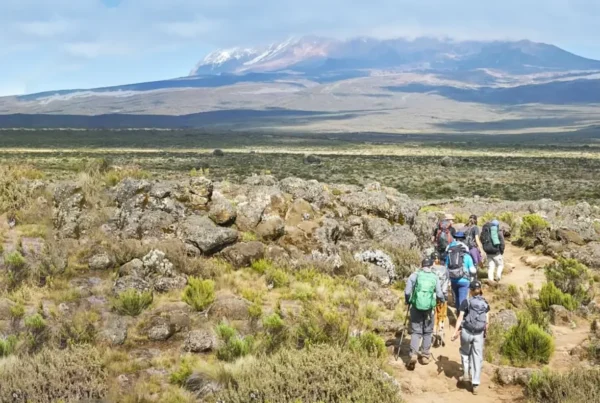
As trekkers ascend, they pass through distinct vegetation belts, each offering unique encounters. The lower slopes teem with lush montane forests filled with primates such as blue monkeys, black-and-white colobus monkeys, and countless bird species. Higher up, bamboo belts sway in the cool mountain breeze before giving way to moorland plateaus covered in giant lobelias and groundsels, plants adapted to extreme altitudes and striking in their otherworldly forms. The sheer diversity ensures that the climb is never monotonous but constantly shifting, each zone a new discovery.

The park is also home to wildlife such as elephants, buffaloes, bushbucks, and forest hogs. While these animals are more elusive, their presence adds to the wild character of the trek. For bird enthusiasts, Mount Elgon is a true paradise, with more than 300 recorded bird species, including the rare Jackson’s francolin, the endangered lammergeyer, and vibrant sunbirds that flit among the alpine flora.Hiking Mount Elgon: A Complete Trekking Guide

Routes to the Summit: Pathways into the Wild

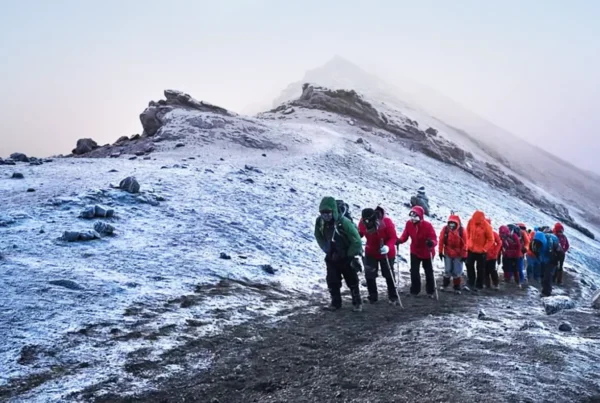
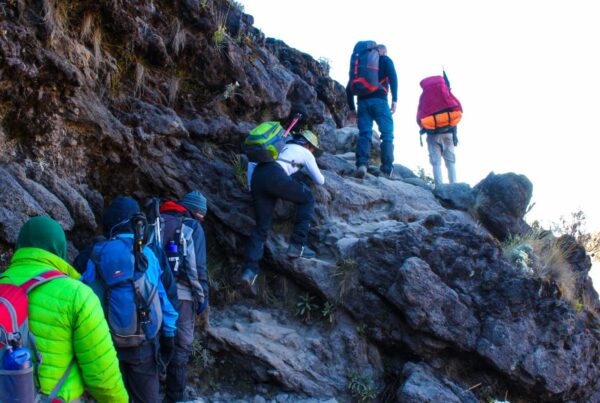
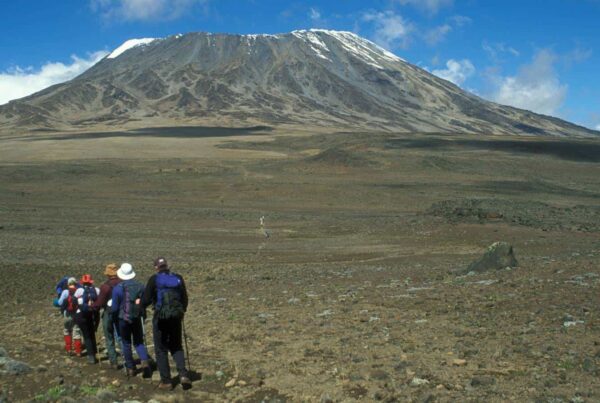
There are several trekking routes to Mount Elgon’s summit, each offering unique perspectives and challenges. While all paths lead to the caldera and Wagagai Peak, the journey varies depending on the chosen trail, shaping the experience in profound ways.

The Sasa Trail: The Classic Ascent

The Sasa Trail, starting from Budadiri town, is the shortest yet most demanding route. It is often described as a direct gateway to the summit, requiring trekkers to ascend steeply through farmlands, bamboo forests, and montane vegetation. The rapid gain in altitude can be strenuous, but the reward is immediate immersion into the heart of Elgon’s wilderness. Along the way, the trail passes by the stunning Mude Cave, a traditional campsite for climbers that carries echoes of centuries of use by locals and explorers alike.

The Sipi Trail: Scenic and Gradual

The Sipi Trail begins near the picturesque Sipi Falls, a series of three dramatic waterfalls that tumble from the slopes of Mount Elgon into the valley below. This route is longer and more gradual, offering trekkers the chance to ease into the ascent while savoring breathtaking views of cascading water, fertile farmlands, and distant plains. For those seeking a balanced blend of cultural immersion and natural beauty, this is a favored option.

The Piswa Trail: Remote and Untouched

The Piswa Trail, accessed from Kapkwata village, is known for its remoteness and solitude. It winds through less frequented paths, taking climbers past spectacular bamboo forests, open moorlands, and rare wildlife habitats. It is longer than the Sasa Trail but gentler in its ascent, making it appealing for those who wish to immerse themselves in Elgon’s quieter corners.

The Trans-Border Trek: Crossing Uganda into Kenya

For the adventurous, Mount Elgon offers the rare experience of a trans-boundary trek, starting from Uganda and ending in Kenya—or vice versa. This route allows trekkers to explore both national parks and experience the unique perspectives each side of the mountain provides. Crossing the caldera from one country to the other adds an extra dimension to the adventure, blending natural wonder with cross-cultural encounters.

The Summit Experience: Wagagai and Beyond

Reaching the summit of Mount Elgon is not marked by sharp, icy ridges or treacherous climbs but by a gradual arrival at the expansive Wagagai Peak, perched at 4,321 meters. The experience is characterized by quiet triumph rather than adrenaline-driven conquest. Standing at the summit, trekkers gaze into the vast caldera below, a depression so wide and ancient that it feels like stepping into a geological time capsule.

From the rim, views stretch across the rolling Ugandan plains and, on clear days, into western Kenya. Unlike the often-crowded summits of other African peaks, Wagagai offers space for reflection, solitude, and the opportunity to absorb the profound silence of the highlands. Around the summit, unique plant species thrive in the moorland environment, their resilience a reminder of nature’s adaptability in extreme conditions.

Cultural Significance of Mount Elgon

Mount Elgon is not only a natural wonder but also a cultural landmark deeply woven into the traditions of the Bagisu and Sabiny communities. The Bagisu people, also known as the Bamasaba, regard the mountain as a sacred entity. Its slopes provide fertile land for farming, and its caves have historically served as shelters and ceremonial sites. One of the most famous cultural practices of the Bagisu is the imbalu circumcision ritual, a rite of passage into manhood that takes place in the foothills of Elgon. This ceremony, accompanied by music, dance, and vibrant community gatherings, draws visitors from across Uganda and beyond.

The Sabiny, residing on the eastern side, have their own cultural traditions tied to the mountain, including agricultural practices and folklore that connect their identity to the land. For trekkers, the cultural encounters along the lower slopes enrich the journey, transforming the hike into more than a physical adventure—it becomes a passage into the living heritage of Uganda.

Attractions Along the Way

Hiking Mount Elgon is never limited to the summit alone. The mountain offers a wealth of attractions that unfold along the trek, each adding depth to the experience.

The Sipi Falls, perhaps the most famous of Elgon’s features, cascade dramatically from the cliffs, creating misty rainbows and opportunities for rest and reflection before or after the climb. The caves of Elgon, such as Kapkwai and Tutum caves, carry both geological intrigue and cultural stories, having been used as shelters by both wildlife and early human inhabitants.

High on the slopes, trekkers encounter spectacular valleys carved by ancient glaciers, such as the Simu Gorge, whose steep walls rise like cathedral pillars. The hot springs at higher elevations provide another highlight, offering warmth in the cool mountain air and a sense of the volcanic forces that once shaped the landscape. Each of these features transforms the climb into an unfolding story, where every step reveals a new chapter of natural and cultural wonder.

Preparing for the Trek: Physical and Practical Considerations

Though Mount Elgon is considered one of the more accessible high-altitude climbs in East Africa, preparation remains essential. The trek may not demand technical climbing skills, but the physical challenge of multiple days of hiking at increasing elevations cannot be underestimated. Trekkers are advised to build endurance through regular walking or hiking before embarking on the journey.

In terms of equipment, the mountain’s varied environments require careful packing. Warm clothing is necessary for the cold nights at higher altitudes, while light gear is suitable for the warmer forest zones. Reliable trekking boots, rain protection, and sleeping gear are indispensable. Because Mount Elgon is less commercialized than other African peaks, trekkers can expect a more rustic experience, with campsites rather than lodges along the trail.

Acclimatization is another key factor. While Elgon’s altitude is not as extreme as Kilimanjaro’s, its summit still exceeds 4,000 meters, a height where altitude sickness can occur. Choosing a longer route, such as the Sipi or Piswa trail, allows climbers to ascend more gradually, reducing risks and enhancing the experience.

Best Time to Hike Mount Elgon

The climate of Mount Elgon is shaped by Uganda’s equatorial location, which brings two rainy seasons: from March to May and October to December. During these months, trails can become slippery and more challenging, though the mountain remains open to trekkers. The best periods for climbing are the dry seasons, from June to August and December to February, when conditions are more stable, skies clearer, and views more rewarding.

Even during the dry months, temperatures at higher altitudes can drop significantly, particularly at night, requiring trekkers to be well-prepared for the cold. Lower down, the forests remain lush and green year-round, ensuring that the mountain never loses its beauty regardless of season.

The Experience: A Journey of Reflection

To trek Mount Elgon is not merely to conquer a peak but to engage in a dialogue with nature and culture. The mountain encourages a slower pace, one that prioritizes discovery over speed. Days on the trail are marked by encounters with hidden waterfalls, glimpses of shy wildlife, and quiet moments in vast landscapes where silence feels sacred. Unlike more commercialized climbs, Elgon allows trekkers to feel part of the wilderness rather than visitors passing through.

The intimacy of the experience is heightened by the cultural connections forged in the foothill communities, where hospitality is generous, and traditions are shared openly. Every step on Mount Elgon feels like a step into a deeper understanding—not only of nature’s grandeur but also of humanity’s enduring bond with the land.

Answering the Call of Mount Elgon

Mount Elgon may not boast the fame of Africa’s tallest peaks, but in its quiet way, it offers one of the continent’s most profound trekking experiences. Its ancient caldera, diverse ecosystems, cultural heritage, and relative solitude create a journey that is both physically rewarding and spiritually enriching. It is a mountain that does not rush its visitors but welcomes them to walk gently upon its slopes, to listen to the whispers of its forests, and to stand in awe upon its summit.

For travelers seeking not just a climb but an immersive encounter with Africa’s wilderness and culture, Mount Elgon stands as an unforgettable destination. To fully experience its wonders with expert guidance and seamless arrangements, it is highly recommended to book treks and wider African adventures through WildHorn Africa, a trusted provider of tours and safaris that ensures every journey becomes a cherished memory.

Where to stay Nature Walks & Hiking in Uganda?

Where to stay Nature Walks & Hiking in Uganda?

By Travel guides, Uganda travel guides

Where to stay Nature Walks & Hiking in Uganda?

When planning a nature walk or hiking trip in Uganda, choosing the right place to stay can greatly enhance the experience. Many lodges, camps, and eco-resorts are strategically located near national parks and popular hiking trails, allowing easy access to early morning treks and wildlife encounters. For instance, near Rwenzori Mountains National Park, several lodges offer cozy accommodations with mountain views, providing hikers with a comfortable base before tackling challenging trails. Similarly, in Mount Elgon National Park, visitors can stay in guesthouses or eco-lodges that blend with the natural surroundings, offering both convenience and a serene environment to relax after a day of hiking.

For those exploring Uganda’s forest reserves and primate habitats, there are numerous forest lodges and camps that cater specifically to nature enthusiasts. In Kibale National Park, lodges like the Primate Lodge Kibale place guests right at the forest edge, making early morning chimpanzee tracking and forest walks more accessible. Mabira Forest also has eco-lodges and picnic camps nearby, which provide simple yet comfortable accommodation for those looking to enjoy guided walks and birdwatching excursions. Staying close to these natural habitats allows travelers to experience the sights and sounds of the forest at dawn and dusk, enhancing the sense of immersion in Uganda’s diverse ecosystems.

For wildlife and savannah hikes, lodges in Queen Elizabeth National Park and Bwindi Impenetrable Forest provide unique opportunities to combine comfort with adventure. In Queen Elizabeth, safari lodges and tented camps along the Mweya Peninsula or near the Ishasha sector allow guests to explore hiking trails, crater lakes, and primate-filled forests. Bwindi lodges, often offering spectacular views of gorilla habitats, are perfect for trekkers aiming for gorilla tracking or forest walks. Across Uganda, these accommodations range from luxury lodges to budget-friendly campsites, ensuring that every hiker and nature enthusiast can find a suitable base to rest, rejuvenate, and prepare for the next day of adventure.

The best time to visit is generally considered to be during the dry season, when weather conditions are more pleasant and travel is less likely to be disrupted, typically based on your preferred destinations. During this period, landscapes are at their most vibrant, wildlife sightings are more frequent, and activities can be enjoyed with greater ease. While visits are possible year-round, choosing this window is often recommended to ensure the most rewarding and comfortable experience.

WhatsApp

Grandeur

Experience the grandeur of Africa with WildHorn Africa, where every safari is designed to showcase the continent’s breathtaking landscapes and majestic wildlife.

24/7 support

Enjoy peace of mind with 24/7 support from WildHorn Africa, ensuring expert assistance before, during, and after your safari adventure.

Safety

Your safety is our top priority at WildHorn Africa, with expertly guided safaris and trusted partners ensuring a secure and worry-free adventure.

Price-quality ratio

WildHorn Africa offers exceptional price-quality ratio, delivering top-tier safari experiences at competitive rates without compromising on comfort.

Nature Walks & Hiking in Uganda

Nature Walks & Hiking in Uganda

By Travel guides, Uganda travel guides

Nature Walks & Hiking in Uganda 

In the landscapes of East Africa lies a country where rolling hills, mist-covered mountains, ancient forests, and shimmering savannahs invite travelers to slow down and experience nature with every step. That country is Uganda, often hailed as the Pearl of Africa for its immense natural beauty and biodiversity. While most visitors are drawn to gorilla trekking or game drives, another deeply rewarding way to discover Uganda’s wild treasures is through nature walks and hiking. Unlike faster-paced safaris, walking immerses travelers in the heart of the landscape, allowing the sights, sounds, and scents of the wild to unfold intimately.

To walk in Uganda is to experience a land that is both raw and gentle. Every trail offers a narrative, whether it winds through the dense foliage of a rainforest alive with bird calls, ascends the dramatic slopes of the Rwenzori Mountains, or meanders across golden savannah dotted with acacia trees. Nature walks and hikes here create encounters that cannot be replicated by vehicle: the rustling of monkeys overhead, the sudden flash of a turaco’s wings, or the distant rumble of elephants echoing across the plains. In such moments, the traveler becomes not just an observer but a participant in the rhythms of the wild.

Where to Go

Uganda’s hiking and nature walk destinations are as diverse as its ecosystems. In the Bwindi Impenetrable National Park, famed for its mountain gorillas, nature walks reveal a different perspective of this dense and ancient forest. Trails such as the Munyanga River Walk and the Ivy River Trail lead through verdant undergrowth, where rare birds, butterflies, and primates flourish. While gorilla trekking commands global attention, these quieter walks expose the richness of Bwindi’s biodiversity beyond its famous primates.

The Rwenzori Mountains, often referred to as the Mountains of the Moon, represent Uganda’s most dramatic hiking destination. Rising to snow-capped peaks that soar above 5,000 meters, the Rwenzoris are a UNESCO World Heritage Site renowned for their unique alpine flora, glacial lakes, and rugged terrain. Multi-day treks, such as the Central Circuit or Kilembe Trail, challenge adventurers with steep climbs and unpredictable weather, yet reward them with breathtaking scenery unmatched elsewhere in Africa. For less demanding experiences, shorter hikes around the foothills introduce visitors to the cultural landscapes and stunning vistas of the region.

In Murchison Falls National Park, nature walks offer the chance to explore savannah plains, riverine forests, and the dramatic gorge carved by the Nile. Guided walks here reveal giraffes grazing on acacias, warthogs scurrying through the grass, and an impressive variety of birdlife. Similarly, Lake Mburo National Park is one of the few parks where guided walks into the wild are permitted, creating opportunities to encounter zebra, impala, and hippos at eye level. Beyond the national parks, the trails of Mount Elgon National Park on Uganda’s eastern border lead to the world’s largest volcanic caldera, with diverse vegetation zones ranging from montane forests to Afro-alpine moorlands. Each location presents its own distinctive atmosphere, ensuring that hiking in Uganda remains endlessly varied and rewarding.

How to Get There

Most nature walk and hiking destinations in Uganda are accessible from Kampala or Entebbe, where Entebbe International Airport serves as the main entry point for international travelers. From here, road journeys lead into the heart of the country, with travel times ranging from a few hours to nearly a day depending on the park.

For those heading to Bwindi Impenetrable National Park, the drive takes between eight and nine hours, passing through scenic highlands and rural communities. Alternatively, domestic flights to Kihihi or Kisoro shorten the journey significantly, allowing faster access to the park’s trailheads. The Rwenzori Mountains are reached through Kasese town, about a six to seven-hour drive from Kampala, with charter flights available for travelers preferring speed and convenience.

Closer to the capital, Lake Mburo National Park can be reached within four hours by road, making it one of the most accessible hiking destinations. Murchison Falls National Park, located in the northwest, requires a five to six-hour drive but rewards travelers with diverse landscapes en route. Mount Elgon National Park, on the eastern frontier near Mbale, involves a drive of roughly five hours, with the added charm of passing through lush farmland and cultural landscapes. Regardless of the route chosen, the journeys themselves are enriched by Uganda’s scenic diversity and frequent glimpses of daily life along the way.

The Experience

The essence of nature walks and hiking in Uganda lies in the closeness it affords to the natural environment. Unlike safaris from vehicles, walking allows the senses to tune into the subtleties of the wilderness. The soft crunch of leaves beneath one’s feet, the sudden alarm calls of monkeys, or the distant echo of waterfalls create moments of deep connection.

In the forests of Bwindi and Kibale, every step reveals a microcosm of life. Orchids cling to ancient trees, butterflies dance in shafts of sunlight, and troops of colobus monkeys leap gracefully overhead. Birdlife, too, thrives in these habitats, from the great blue turaco with its striking plumage to the African green broadbill, one of Uganda’s rarest species. The intimacy of walking trails allows travelers to pause, observe, and reflect in ways that vehicles cannot replicate.

On the slopes of the Rwenzoris or Mount Elgon, the experience is marked by challenge and grandeur. The ascent through different ecological zones—from montane forest to bamboo stands, then to Afro-alpine vegetation—unfolds like a journey through climates compressed into a single mountain. The sight of giant lobelias and everlasting flowers thriving in the high-altitude environment evokes a sense of wonder at nature’s adaptability. The culmination of these treks, whether reaching a glacial lake or standing on a windswept summit, leaves an indelible mark of achievement and awe.

Other Things to Do

While hiking and nature walks form the core of these experiences, Uganda offers an abundance of complementary activities. In Bwindi, the highlight remains gorilla trekking, where intimate encounters with endangered mountain gorillas are life-changing. In Kibale Forest, chimpanzee tracking allows visitors to observe the complex behaviors of our closest relatives. Queen Elizabeth National Park, often combined with hikes around the Rwenzoris, offers classic game drives and boat cruises along the Kazinga Channel, where hippos, elephants, and crocodiles thrive.

Cultural encounters enrich these natural experiences. In the foothills of the Rwenzoris and Mount Elgon, communities welcome visitors to learn about traditional farming practices, local crafts, and music. The Bagisu people near Mount Elgon are renowned for their imbalu circumcision ceremonies, while communities near Bwindi share their Batwa heritage through storytelling and performances. These cultural dimensions create a fuller picture of Uganda, blending natural beauty with human history and tradition.

For adventure seekers, Uganda extends beyond walking trails. White-water rafting on the Nile at Jinja, sport fishing on Lake Victoria, and mountain biking around crater lakes provide thrilling alternatives. Each activity complements the slower rhythm of hiking, ensuring that Uganda appeals to both those seeking serenity and those craving excitement.

Best Time to Visit

Nature walks and hiking in Uganda are possible throughout the year, though the experience is shaped by the country’s alternating dry and wet seasons. The dry seasons, which span from December to February and from June to September, are considered the most favorable for hiking. Trails remain more manageable, river crossings are easier, and mountain routes such as those in the Rwenzoris are less treacherous. Wildlife viewing is also enhanced during this time, as animals gather around remaining water sources.

The wet seasons, occurring from March to May and October to November, transform Uganda into a lush, green paradise. While rain showers can make trails slippery and mountain ascents more challenging, these months reward visitors with vibrant scenery, abundant birdlife, and fewer crowds. Forest walks during the rains are particularly atmospheric, with mist drifting through the trees and the forest alive with the calls of breeding birds.

Ultimately, the choice of timing depends on the traveler’s priorities. Those seeking easier treks and classic safari conditions may prefer the dry months, while those drawn to lush landscapes and solitude may find the wet seasons equally rewarding. Uganda’s varied ecosystems ensure that hiking and walking experiences remain memorable in every season.

A Trek That Transforms

The privilege of hiking through Uganda’s fragile ecosystems brings with it the responsibility of practicing responsible travel. Respecting wildlife is paramount, which means observing animals from safe distances, keeping noise to a minimum, and refraining from disrupting their natural behaviors. Staying on designated trails prevents erosion and protects sensitive habitats, particularly in montane and forest environments.

Environmental awareness extends to simple but impactful actions, such as reducing single-use plastics, carrying reusable water bottles, and supporting eco-friendly lodges that prioritize sustainability. Travelers are encouraged to respect local customs and communities by engaging with cultural experiences thoughtfully and purchasing locally made products, thereby ensuring that tourism benefits extend directly to the people who live alongside Uganda’s parks.

By traveling responsibly, visitors contribute to the long-term preservation of Uganda’s landscapes and wildlife. Each step taken mindfully strengthens the connection between tourism, conservation, and community empowerment, ensuring that the wonders of Uganda’s trails remain intact for generations to come.

Travel with Confidence

Nature walks and hiking in Uganda open a door to experiences that go beyond the surface of safari adventures. They immerse travelers in the country’s varied ecosystems, from the dense forests of Bwindi to the lofty peaks of the Rwenzoris, from the volcanic slopes of Mount Elgon to the golden savannahs of Lake Mburo. Every step on these trails reveals something new—an unexpected bird call, a hidden waterfall, a cultural story shared by local guides. These journeys are not simply about reaching destinations but about embracing the journey itself, with all the richness and surprises it offers.

For those seeking an African adventure that combines intimacy, discovery, and a sense of connection with both nature and people, Uganda’s hiking and walking trails are unmatched. They offer tranquility and challenge, immersion and perspective, ensuring that every traveler leaves with memories carved deeply into their spirit.

To embark on such extraordinary adventures, travelers are encouraged to book their Africa tours and safaris with WildHorn Africa, a trusted partner committed to creating authentic, responsible, and unforgettable journeys across Uganda and beyond.

Together We Build your dream holiday
Customize your experience
Customize

Rwenzori Mountains National Park

Hiking at Rwenzori Mountains National Park offers a thrilling adventure through misty forests, alpine meadows, and rugged glacier peaks. Trekkers encounter diverse wildlife, rare plants, and breathtaking scenery along the trails. The challenging routes, including the climb to Margherita Peak, reward hikers with some of Africa’s most stunning views.

Murchison Falls National Park

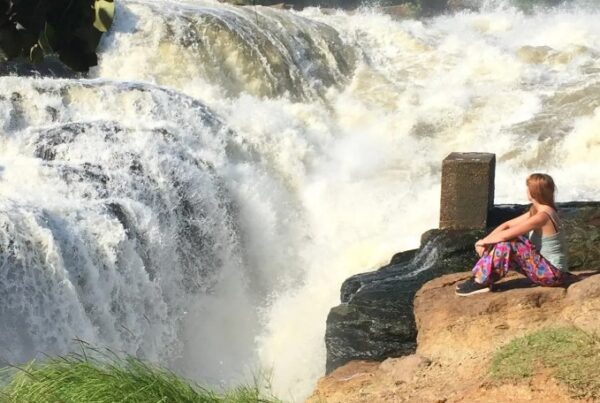
Hiking to the top of Murchison Falls remains one of the most thrilling experiences in the park, and it is often included in bucket list holidays and climbing & hiking holidays. The dramatic force of the Nile surging through the narrow gorge is a sight to behold and is frequently sought out by those on special holidays or solo holidays seeking unforgettable moments in nature.

Queen Elizabeth National Park

Queen Elizabeth National Park offers rewarding hiking opportunities that immerse visitors in its diverse landscapes, from savannah plains to the dramatic Kyambura Gorge. Guided walks reveal close encounters with primates, birds, and unique vegetation often missed on game drives. These hikes provide a slower, more intimate way of experiencing one of Uganda’s most iconic parks.

Ziwa Rhino Sanctuary

Ziwa Rhino Sanctuary is not only famed for rhino tracking but also offers enriching nature walks that unveil its broader ecosystem. Accompanied by experienced guides, visitors explore woodlands, swamps, and savannah plains where abundant birdlife, antelopes, and small primates thrive. These walks create a peaceful yet educational experience, showcasing the sanctuary’s vital role in conservation while allowing travelers to connect deeply with Uganda’s natural heritage.

Mount Elgon National Park

Mount Elgon National Park is a captivating destination located on the eastern border of Uganda and Kenya, centered around the extinct volcanic mountain, Mount Elgon. Known for its vast caldera, scenic waterfalls, and biodiversity, the park is a hidden gem for hikers, birdwatchers, and nature lovers. It is home to Wagagai Peak (4,321 m), Uganda’s second-highest peak and one of East Africa’s most accessible climbs.

Grandeur

Experience the grandeur of Africa with WildHorn Africa, where every safari is designed to showcase the continent’s breathtaking landscapes and majestic wildlife.

24/7 support

Enjoy peace of mind with 24/7 support from WildHorn Africa, ensuring expert assistance before, during, and after your safari adventure.

Safety

Your safety is our top priority at WildHorn Africa, with expertly guided safaris and trusted partners ensuring a secure and worry-free adventure.

Price-quality ratio

WildHorn Africa offers exceptional price-quality ratio, delivering top-tier safari experiences at competitive rates without compromising on comfort.

26 DAY UGANDA’S GRAND HIKING TOUR

26 Day Uganda’s Grand Hiking Tour

By Adventure holidays, Uganda trip ideas
From $3,850  per person  (USD)

12-Day Gorillas Chimps Wildlife Epic Uganda Safari

26 Day Uganda’s Grand Hiking Tour: From Volcanic Highlands to Glacial Peaks

This unforgettable hiking adventure takes you through Uganda’s most iconic highland and mountain landscapes, including the glacier-capped Rwenzori Mountains, the vast caldera of Mount Elgon, the scenic waterfalls of Sipi, the volcanic peaks of Mgahinga, and the rugged ranges of Moroto, Napak, and Kadam in Karamoja. Best experienced during the dry seasons from June to August or December to February, the journey begins and ends at Entebbe International Airport, offering a seamless start to one of East Africa’s most diverse trekking expeditions.

Designed for avid trekkers and lovers of rugged landscapes, the 26-Day Uganda’s Grand Hiking Tour: From Volcanic Highlands to Glacial Peaks offers a rare and immersive journey through East Africa’s most dramatic terrain.

Over nearly four weeks, participants are guided through a curated circuit of Uganda’s iconic mountain ranges—where ancient volcanoes, cascading waterfalls, and untamed wilderness meet cultural depth. Each leg of the tour has been carefully paced to balance physical challenge with moments of rest and local immersion. From the vast caldera of Mount Elgon and the misty trails of Sipi Falls, to the remote, untamed ridgelines of Moroto, Napak, and Kadam in the Karamoja region, trekkers are led through a lesser-traveled yet profoundly rewarding side of the country.

The journey is brought to a powerful climax with a multi-day ascent into the glacial Rwenzori Mountains—Africa’s legendary “Mountains of the Moon”—culminating at Margherita Peak, the continent’s third-highest summit. Throughout the expedition, accommodations are arranged in lodges, guesthouses, and mountain huts, while logistics, guiding, and park entry are seamlessly managed by local experts. Offered during Uganda’s optimal dry seasons, the route has been crafted for those seeking not only physical adventure, but also the raw beauty and quiet remoteness of East Africa’s highlands. This is a trail where footprints are few, but the rewards are immense.

26 Day Uganda’s Grand Hiking Tour

Arrival for Best of Uganda Safari

Upon arrival at Entebbe International Airport, a warm welcome will be extended by a professional guide from WildHorn Africa, followed by a comfortable transfer to your hotel in either Entebbe or Kampala. The soothing breeze from Lake Victoria, Africa’s largest lake, will offer a refreshing introduction to Uganda. A restful evening will be enjoyed in preparation for the thrilling journey that begins the following day.

Rhino Tracking at Ziwa Rhino Sanctuary

An early breakfast will be followed by a scenic drive to Murchison Falls National Park, marking the beginning of an exciting adventure. Along the way, a stop will be made at Ziwa Rhino Sanctuary to enjoy an unforgettable rhino tracking experience. The journey will then continue toward the park, culminating in a visit to the top of Murchison Falls, where the mighty Nile River dramatically squeezes through a narrow 7-meter gorge, creating a powerful and awe-inspiring cascade right before your eyes. This experience is seamlessly arranged by WildHorn Africa.

Murchison Falls National Park Game Drive

Murchison Falls National Park, Uganda’s largest and most expansive conservation area, offers some of the most rewarding game viewing experiences in the country. Following an early breakfast, the day will begin with a game drive along the northern banks of the Nile River, where sightings of giraffes, elephants, hartebeests, buffaloes, lions, leopards, and an array of bird species can be anticipated. Witnessing wildlife in their natural environment—feeding, nurturing their young, and interacting within their herds—is a truly remarkable experience.

Later in the afternoon, the adventure continues with a tranquil boat safari along the River Nile. This relaxing cruise presents additional chances to observe wildlife and birds from a unique perspective. The journey culminates at the base of the spectacular Murchison Falls, famously known as the ‘Devil’s Cauldron,’ where the river explodes through a narrow gorge with immense power. Such a dramatic and exclusive river safari experience can only be encountered in Uganda and is thoughtfully organized by WildHorn Africa.

Transfer to Kibale Forest National Park

The journey today will lead to Kibale National Park, widely regarded as the primate capital of East Africa and the renowned home of chimpanzees. This lush forest sanctuary shelters 13 different primate species, with chimpanzee tracking being the highlight of the experience. As the drive unfolds, breathtaking scenery will be enjoyed, including glimpses of charming rural villages, bustling local markets, and abundant birdlife along the way. The day’s travel will be accompanied by a packed lunch or a meal stop in a town en route, all thoughtfully arranged by WildHorn Africa.

Chimpanzee Trekking in Kibale Forest National Park

Kibale National Park, celebrated as the primate capital of East Africa, offers a truly enriching chimpanzee trekking experience. This adventure leads deep into the heart of a vibrant tropical forest, crossing gentle streams and winding trails. Along the way, encounters with red-tailed monkeys, black-and-white colobus monkeys, colorful butterflies, and a chorus of birds calling from the treetops may be enjoyed. With expert guidance from a professional WildHorn Africa guide, chimpanzees will be carefully located, allowing for memorable photography and the chance to observe their natural behavior as they interact, feed, and play.

Following the trek and a refreshing lunch, an optional visit to Bigodi Village and its renowned swamp may be arranged, time permitting. This wetland area is celebrated for its remarkable diversity of bird species and primates, adding another layer of ecological richness to the day’s experience.

Transfer to Queen Elizabeth National Park

After breakfast, the journey will proceed to Queen Elizabeth National Park, offering scenic views of crater lakes and the majestic Rwenzori Mountain Ranges along the way. Upon entering the park, a brief game drive will be enjoyed en route to the lodge, setting the stage for an afternoon filled with remarkable wildlife encounters.

Following lunch, a serene boat cruise along the Kazinga Channel will be experienced, providing a relaxed yet immersive opportunity to observe wildlife. The channel’s banks are teeming with birdlife, while crocodiles and elephants are often seen along the shoreline. This scenic excursion, arranged by WildHorn Africa, also presents excellent opportunities for photography in the heart of Uganda’s most biodiverse landscape.

Wildlife Safari in Queen Elizabeth National Park

As the day begins, wildlife can be observed in their natural social structures—families, clans, and groups—moving freely through the vast landscapes, offering a striking contrast to those seen in confined zoo environments. A guided game drive across the Kasenyi plains will be undertaken in open-roof safari vehicles, allowing unobstructed views of the park’s rich biodiversity.

The journey will then continue to the Ishasha sector, famously known for its unique population of tree-climbing lions. With the assistance of experienced rangers, efforts will be made to locate these elusive predators lounging in fig or acacia trees. Lunch will be enjoyed as a picnic in the wild or served at the lodge, depending on the day’s timing and conditions, with all arrangements seamlessly managed by WildHorn Africa.

Expedition To Bwindi Impenetrable Forest National Park

The journey today will lead to the majestic home of the gentle giants—Bwindi Impenetrable Forest. This rewarding drive winds through the stunning Kigezi Highlands, renowned for their dramatic terraced hills and breathtaking scenery. Depending on the arrival time, lunch will either be enjoyed en route or served at the lodge upon check-in.

Accommodation will be provided within or near the boundaries of the dense forest, offering a peaceful and immersive environment ideal for rest and rejuvenation. This serene setting, arranged by WildHorn Africa, provides the perfect atmosphere to unwind and prepare for the unforgettable gorilla trekking experience awaiting the following day.

Gorilla Trekking in Uganda

The most anticipated moment of the safari will unfold with an encounter with the magnificent mountain gorillas in Bwindi Impenetrable National Park. This ancient rainforest, teeming with biodiversity, is home to a wide variety of birds, butterflies, primates, and other forest-dwelling mammals. Accompanied by an experienced guide and park ranger from WildHorn Africa, the trek will lead deep into the lush terrain in search of these rare and powerful creatures.

Eventually, a face-to-face meeting with the gorillas will be experienced—an awe-inspiring and emotional connection with one of the world’s most endangered primates. The trek can vary in duration, ranging from one to eight hours, depending on the gorillas’ location. However, once located, visitors are granted one unforgettable hour to observe and photograph these gentle giants in their natural habitat. For those who opt not to participate in gorilla tracking, optional activities such as a cultural village walk or a short guided forest excursion may be arranged to ensure an enriching day.

Golden Monkey trekking in Mgahinga national park

An early morning departure from Bwindi will lead to Mgahinga Gorilla National Park, a scenic journey of approximately two hours. Upon arrival, golden monkey trekking will commence—a unique experience offering the chance to encounter this rare and endemic primate species found only in the Virunga volcanic region. The trek winds through the lush bamboo forests and diverse vegetation of Mgahinga, including distinctive flora such as giant lobelia.

Guided by an experienced ranger from WildHorn Africa, insights into the park’s ecological significance, history, and rich biodiversity will be shared throughout the trek. The entire experience typically lasts between two to three hours, after which a return to your reserved accommodation will provide a comfortable and restful overnight stay.

Lake Mburo National Park for Wildlife

The journey to Lake Mburo National Park will unfold through scenic countryside marked by rolling landscapes, plantations, and rural farms. Along the way, a visit will be made to a cultural museum showcasing the traditional lifestyles and heritage of the local communities in the region. Lunch or a picnic will be enjoyed at a selected restaurant en route.

Arrival at the park is expected later in the afternoon, followed by a peaceful boat excursion on Lake Mburo. This experience, thoughtfully arranged by WildHorn Africa, provides an ideal opportunity to take in the park’s natural beauty from the water while observing its vibrant birdlife and aquatic wildlife.

Transfer to Entebbe

Following an early breakfast, a game drive will be conducted within Lake Mburo National Park, offering one last chance to spot wildlife in this picturesque savannah setting. The journey will then continue toward Entebbe, including a stop at the iconic Equator line for a brief visit and photo opportunity. Lunch will be enjoyed along the way before proceeding to the airport, with arrival scheduled for the afternoon. All arrangements will be smoothly handled by WildHorn Africa.

Included

  • Park fees (For non-residents)
  • Gorilla permits (One per person, non-resident)
  • Chimp permits (One per person, non-resident)
  • All activities (Unless labeled as optional)
  • All accommodation (Unless listed as upgrade)
  • A professional driver/guide
  • All transportation (Unless labeled as optional)
  • All Taxes/VAT
  • Roundtrip airport transfer
  • Meals (As specified in the day-by-day section)
  • Drinking water(On all days)

Excluded

  • International flights (From/to home)
  • Additional accommodation before and at the end of the tour
  • Tips (Tipping guideline US$10.00 pp per day)
  • Personal items (Souvenirs, travel insurance, visa fees, etc.)
  • Government imposed increase of taxes and/or park fees

The best time to visit is generally considered to be during the dry season, when weather conditions are more pleasant and travel is less likely to be disrupted, typically based on your preferred destinations. During this period, landscapes are at their most vibrant, wildlife sightings are more frequent, and activities can be enjoyed with greater ease. While visits are possible year-round, choosing this window is often recommended to ensure the most rewarding and comfortable experience.

WhatsApp

General Climate

  • Southern Africa is hot and wet—great for lush landscapes but not ideal for wildlife spotting.

  • East Africa is dry and sunny—excellent for safaris and beach holidays.

  • North Africa (e.g., Egypt) is pleasantly cool.

Why: Peak of the dry season; excellent for wildlife viewing, especially in the Maasai Mara and Amboseli. Also great beach weather along the coast.

General Climate

  • Similar to January. East Africa remains dry and ideal for travel.
  • Southern Africa continues to experience summer rains.

Why: Calving season in the southern Serengeti; predators are active. Good weather in Zanzibar for beach lovers.

General Climate

  • Wettest month in East Africa; not ideal for safaris.

  • Southern Africa is still rainy, but the tail end of the wet season.

  • North Africa heats up quickly.

Why: Warm but not oppressively hot. Ideal for exploring ancient sites like Luxor, Aswan, and the Pyramids.

General Climate

  • Rain begins in East Africa.
  • Southern Africa starts to transition, with some rains still occurring.
  • Egypt begins warming up.

Why: Great for gorilla trekking in Bwindi before the heavier rains. Cooler weather in the mountains and fewer crowds.

General Climate

  • Peak dry season in East and Southern Africa—excellent for game viewing.

  • Nights can be cold in desert regions.

Why: Outstanding game viewing in the Okavango Delta during the annual flood. Dry and comfortable weather.

General Climate

  • Dry season in most regions of East and Southern Africa.

  • Cooler temperatures and clearer skies.

Why: Prime safari season begins. Victoria Falls is still in full flow, and wildlife viewing improves as vegetation thins out.

General Climate

  • Prime dry season continues in East and Southern Africa.

  • Cooler temperatures in the highlands.

Why: Cool, dry, and clear. Perfect time for dramatic desert landscapes, wildlife viewing in Etosha, and exploring Sossusvlei.

General Climate

  • End of rainy season in East Africa—landscapes are lush.

  • Southern Africa becomes cooler and drier—a sign of great safaris to come.

Why: Dry season begins; ideal time to see lemurs and other endemic wildlife. Also good for trekking and photography.

General Climate

  • Dry season continues but temperatures start to rise.

  • Wildlife congregates around water sources.

Why: One of the best months for game viewing in Hwange National Park and visiting Victoria Falls with good flow and visibility.

General Climate

  • Hot and dry across most of Africa.

  • Late dry season—excellent for spotting wildlife.

Why: Great for safaris in Kruger and start of wildflower bloom in the Western Cape. Also good time for whale watching along the coast.

General Climate

  • Rain returns to East Africa (short rains).

  • Southern Africa sees rising temperatures.

  • Still good wildlife viewing in some places before the rains fully begin.

Why: Short rainy season, but still accessible for gorilla trekking. Lush green scenery and fewer tourists.

General Climate

  • Warm and wet in Southern Africa.

  • East Africa enjoys another dry spell (short dry season).

  • North Africa is cool and dry.

Why: Dry season starts; ideal for historical sites, Simien Mountains trekking, and experiencing Timket preparations.

Featured Headlines

AllAboutAbout UsAdventure holidaysBotswanaBotswana places to visitBotswana travel guidesBucket list holidaysCongoCongo places to visitCongo travel guidesContact UsDestinationsEco-friendly accommodationsEgyptEgypt travel guidesEthiopiaEthiopia travel guidesExperiencesFamily holidaysGabonGabon travel guidesGet inspiredGroup holidaysHoliday typesHoneymoon holidaysJoin our teamKenyaKenya travel guidesKenya trip ideasLuxury holidaysMadagascarMadagascar travel guidesMalawiMalawi travel guidesMozambiqueMozambique travel guidesNamibiaNamibia accommodationsNamibia places to visitNamibia travel guidesNamibia trip ideasOff the beaten track holidaysPrimate holidaysRefer a friendResponsible travel tipsRwandaRwanda travel guidesRwanda trip ideasSafari holidaysSouth AfricaSouth Africa best time to visitSouth Africa travel guidesSouth Africa trip ideasSouth SudanSouth Sudan places to visitSpecial offersSustainable travelTanzaniaTanzania places to visitTanzania travel guidesTanzania trip ideasTravel guidesTravel safetyTravel stories and blogsUgandaUganda accommodationsUganda best time to visitUganda places to visitUganda travel guidesUganda trip ideasWhen to goWhere to goWildlife holidaysYour first safariZambiaZambia places to visitZambia travel guidesZimbabweZimbabwe places to visitZimbabwe travel guides
Uganda Climbing & Hiking Holidays

Uganda Climbing & Hiking Holidays

By Uganda travel guides

Uganda Climbing & Hiking Holidays

Uganda, famously dubbed the “Pearl of Africa,” conceals some of the continent’s most dramatic and untamed landscapes. For lovers of the outdoors, this East African gem offers more than just gorilla tracking and wildlife safaris. It invites adventure seekers into its soaring highlands, mist-draped mountains, and ancient volcanic peaks. Climbing and hiking holidays in Uganda are immersive, soul-stirring journeys that lead travelers off the beaten path and into the very heart of Africa’s raw beauty.

read more

Unlike typical wildlife experiences, Uganda’s hiking and climbing adventures offer an intimate exploration of its geological marvels. Trails lead through primeval forests, up rugged volcanic cones, and across glacier-capped summits, revealing unspoiled terrain where silence speaks and nature reigns. Each destination presents unique challenges and unmatched rewards, leaving trekkers transformed by both the ascent and the land itself.

Uganda Climbing & Hiking Holidays Destinations

Towering along Uganda’s western border with the Democratic Republic of Congo, the Rwenzori Mountains—often called the “Mountains of the Moon”—are a mountaineer’s dream. This UNESCO World Heritage Site is renowned for its otherworldly beauty, with snow-capped peaks, giant lobelias, and glacial valleys offering an experience unmatched on the continent.

Rwenzori Mountains

Trip Ideas

Treks to the Rwenzori ranges usually begin from the town of Kasese and proceed into the park via several trail systems. The Central Circuit is the most well-known route, providing a complete loop of the range over a 7-to-10-day trek. Expeditions take climbers up to Margherita Peak, Uganda’s highest point at 5,109 meters. With well-maintained huts, guided services, and porters organized by WildHorn Africa, the journey remains arduous yet rewarding.

Best Time to Visit

The dry seasons, from June to August and December to February, are the most favorable for Rwenzori climbs. During these periods, trail conditions are more stable, and clearer skies provide breathtaking views of the alpine scenery.

What to Pack

Proper mountain gear is essential. Waterproof hiking boots, thermal clothing, rain jackets, trekking poles, and high-energy snacks are critical for safety and comfort. Camera equipment should be well protected, as moisture is constant, even in the dry season.

Situated on Uganda’s eastern border with Kenya, Mount Elgon is an extinct shield volcano offering a vastly different climbing experience. Though less rugged than the Rwenzoris, Elgon offers exceptional biodiversity, ancient caves, and the world’s largest volcanic caldera, making it ideal for both seasoned hikers and novice climbers.

Mount Elgon

Trip Ideas

Trekking expeditions typically start from Mbale or Sipi Falls and offer several route options, including the Sasa, Sipi, and Piswa trails. These treks, organized by WildHorn Africa, allow climbers to reach Wagagai Peak, the highest point at 4,321 meters. Cultural interactions with the Bagisu community, famous for their Imbalu circumcision rituals, often complement the mountain experience.

Best Time to Visit

The months between June and August, as well as December to March, offer the most favorable hiking conditions. During these months, trail visibility is better, and rain interruptions are minimal.

What to Pack

Day packs, light layers for warmth, waterproof clothing, insect repellent, and hydration gear are essential. For those extending their journey to Sipi Falls, swimming gear and extra leisure wear are recommended.

Located in southwestern Uganda, Mgahinga is part of the Virunga Mountain range and features three extinct volcanoes: Mount Sabinyo, Mount Gahinga, and Mount Muhabura. These peaks, though not as tall as the Rwenzoris or Elgon, offer dramatic landscapes and thrilling day hikes.

Mgahinga Gorilla National Park Hikes and climbs

Trip Ideas

Day climbs to each of the volcanoes can be arranged, with the most popular being Mount Sabinyo, known for its tri-border summit that connects Uganda, Rwanda, and the DRC. These treks are short but steep and rewarding, often combined with gorilla tracking experiences curated by WildHorn Africa.

Best Time to Visit

June to August and December to February are the ideal months, as trails are less muddy and mountain views are more likely to be unobstructed by mist.

What to Pack

Since hikes here are often single-day treks, a good daypack, layered clothing, waterproof boots, a walking stick, and binoculars for birdwatching are sufficient. Snacks and at least two liters of water are also vital.

In Uganda’s remote northeastern region lies Mount Moroto, an off-the-grid hiking destination within the Karamoja sub-region. Rich in both ecological and cultural interest, it offers a rare blend of raw adventure and anthropological immersion.

Mount Moroto

Trip Ideas

Treks to Mount Moroto can span one to three days, often including cultural encounters with the Tepeth and Karamojong communities. These guided expeditions, led by experts from WildHorn Africa, focus not only on hiking but on understanding the coexistence between indigenous culture and nature.

Best Time to Visit

The dry season from November to March is optimal for hiking in this region. During these months, vegetation is thinner, and temperatures are more manageable.

What to Pack

Comfortable hiking shoes, a headlamp, sun protection, and personal first aid supplies are key. Cultural sensitivity items such as modest clothing and small gifts for community hosts are also encouraged.

Less frequented but equally captivating are Mount Kadam and Mount Napak, located near Mount Elgon and within the Karamoja plateau, respectively. These challenging ascents offer sweeping views and an untouched hiking experience.

Kadam and Mount Napak

Trip Ideas

Though trails here are less developed, bespoke itineraries offered by WildHorn Africa cater to experienced trekkers seeking solitude and rugged beauty. Local guides from surrounding villages are included to ensure safety and cultural connection.

Best Time to Visit

Visits between November and February are recommended, when trails are accessible and weather is stable.

What to Pack

Navigation tools, all-weather gear, packed food, and sleeping equipment may be needed, depending on trek duration. These are true wilderness experiences requiring self-sufficiency and guided support.

Together We Build your dream holiday

Customize your experience

Customize

Step Into the Untamed with WildHorn Africa

Uganda’s climbing and hiking holidays are not just about conquering peaks; they are transformative journeys that reveal the country’s soul through its landscapes, cultures, and untouched trails. From snow-capped summits to volcanic ridges and remote highlands, each step is a testament to Uganda’s astonishing diversity.

Whether you’re drawn to the glacial peaks of the Rwenzoris, the expansive caldera of Mount Elgon, or the mystical Virunga volcanoes, the adventure is best experienced with a dedicated team that understands both the terrain and the traveler. For an expertly guided, safe, and immersive experience into Uganda’s wild highlands, it is highly recommended that all expeditions be booked through WildHorn Africa — where every climb becomes a story worth telling.

Uganda Climbing & Hiking Holidays

What are the best hiking and climbing destinations in Uganda?

Uganda offers diverse hiking and climbing experiences. The top destinations include:

  • Rwenzori Mountains (Mount Stanley – 5,109m): Ideal for multi-day alpine climbs and glacier trekking.

  • Mount Elgon (4,321m): Great for moderate trekkers, featuring caldera walks, waterfalls, and wildlife.

  • Mgahinga Gorilla National Park – Mounts Gahinga, Muhabura, and Sabyinyo: Short, scenic volcano hikes with views of the Virunga ranges.

  • Sipi Falls (on Mount Elgon slopes): Popular for scenic day hikes and cultural experiences.

  • Lake Bunyonyi Highlands: Ideal for nature walks, birdwatching, and soft trekking.

When is the best time to go hiking or mountain climbing in Uganda?

The best time for hiking and climbing in Uganda is during the dry seasons:

  • June to August and December to February: Trails are more accessible, especially in mountainous areas like the Rwenzoris and Mount Elgon.

  • Avoid heavy rain months (March–May and September–November) due to slippery trails, flooding, and limited visibility.

Do I need a guide or permit for hiking and climbing in Uganda?

Yes. Most hikes and climbs require a licensed guide and a permit, especially in national parks:

  • Rwenzori & Mount Elgon: Entry permits are mandatory, and treks must be organized through Uganda Wildlife Authority (UWA) or registered operators.

  • Volcano hikes in Mgahinga also require permits and a park ranger.

  • Local guides are essential not only for safety but for route navigation and cultural insight.

How physically demanding are Uganda's hiking and climbing experiences?

The physical challenge varies widely:

  • Rwenzori Mountains: Very challenging; multi-day treks with glacier crossings, altitude sickness risk, and rugged terrain.

  • Mount Elgon: Moderate difficulty; long but gradual climbs.

  • Virunga Volcanoes: Short but steep hikes, typically done in a day.

  • Sipi Falls & nature trails: Easy to moderate day hikes suitable for most fitness levels.

Training and acclimatization are essential for higher-altitude climbs.

What should I pack for a climbing or hiking trip in Uganda?

Essentials include:

  • Clothing: Waterproof layers, warm clothes (especially for high altitudes), hiking boots, gloves, and gaiters.

  • Gear: Backpack, headlamp, trekking poles, sleeping bag (for multi-day treks), and personal first aid.

  • Other: Water purification tablets, energy snacks, sunscreen, insect repellent, and a camera.

  • Important: Travel insurance covering high-altitude trekking and emergency evacuation is highly recommended.

Packing for Uganda Climbing & Hiking Holidays

Packing for Uganda Climbing & Hiking Holidays requires careful preparation due to the country’s diverse landscapes, weather variations, and the physical demands of trekking at different altitudes. Whether you’re tackling the glacier-capped Rwenzori Mountains, scaling the volcanic peaks of Mgahinga, or enjoying scenic hikes around Sipi Falls or Mount Elgon, packing smartly ensures safety, comfort, and a more enjoyable experience. Uganda’s terrain can be rugged, and conditions change quickly, so having the right gear is essential for handling rain, cold, mud, and high elevations.

26 Day Uganda’s Grand Hiking Tour

To the glacier-capped Rwenzori Mountains, the vast caldera of Mount Elgon, the scenic waterfalls of Sipi, the volcanic peaks of Mgahinga, and the rugged ranges of Moroto.

View ItineraryINQUIRE NOW
  • Sturdy, waterproof hiking boots

  • Rain jacket and waterproof trousers

  • Layered clothing (base, mid, and outer layers)

  • Warm hat and gloves

  • Backpack (30–60L)

  • Headlamp with extra batteries

  • Sleeping bag (rated for cold temperatures)

  • Trekking poles

  • Water bottles or hydration system

  • Water purification tablets or filter

  • High-energy snacks

  • First aid kit and personal medications

  • Insect repellent and sunscreen

Why book with us

Grandeur

Experience the grandeur of Africa with WildHorn Africa, where every safari is designed to showcase the continent’s breathtaking landscapes and majestic wildlife.

24/7 support

Enjoy peace of mind with 24/7 support from WildHorn Africa, ensuring expert assistance before, during, and after your safari adventure.

Safety

Your safety is our top priority at WildHorn Africa, with expertly guided safaris and trusted partners ensuring a secure and worry-free adventure.

Price-quality ratio

WildHorn Africa offers exceptional price-quality ratio, delivering top-tier safari experiences at competitive rates without compromising on comfort.

Climb Mount Kilimanjaro

Climb Mount Kilimanjaro

By Responsible travel tips, Travel guides

Climb Mount Kilimanjaro: Conquer Africa’s Roof and Embrace the Journey of a Lifetime

Introduction: A Legendary Ascent to the Sky (Climb Mount Kilimanjaro)

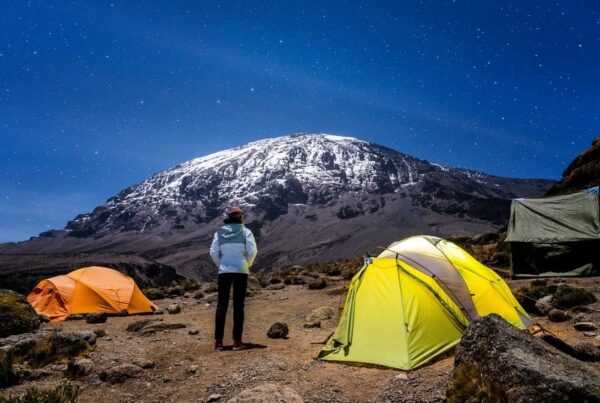
Rising majestically from the savannahs of northern Tanzania, Mount Kilimanjaro is more than just Africa’s highest peak—it is a towering symbol of resilience, challenge, and awe. Known as the “Roof of Africa,” Kilimanjaro soars to a staggering 5,895 meters (19,341 feet) above sea level, standing as the tallest freestanding mountain in the world. But beyond its statistics lies an experience that captures the hearts of adventurers, dreamers, and explorers from around the globe.

To climb Mount Kilimanjaro is to step into a realm where nature’s raw beauty and human determination intertwine. Unlike many high-altitude mountains that require technical climbing skills, Kilimanjaro is a non-technical climb, making it accessible to many. Yet, it demands more than just physical stamina—it calls for mental strength, perseverance, and a deep respect for the journey ahead.

From equatorial forests to arctic glaciers, the trail to the summit is a walk through five distinct ecological zones, each more breathtaking than the last. For those who seek an unforgettable adventure, summiting Kilimanjaro is not merely about reaching the peak—it’s about embracing a personal transformation along the way.

Climb Mount Kilimanjaro #Climb Mount Kilimanjaro Climb Mount Kilimanjaro

The Enigmatic Beauty of Kilimanjaro

Mount Kilimanjaro is not just a mountain—it is an icon cloaked in mystery and allure. Situated entirely within Tanzania, this dormant stratovolcano is composed of three volcanic cones: Kibo, Mawenzi, and Shira. Of the three, only Kibo remains capped with glacial ice and is home to Uhuru Peak, the highest point in Africa.

What makes Kilimanjaro truly extraordinary is its unique position near the equator, yet crowned with snow. This contrast creates a dynamic ascent where climbers experience shifting climates and stunning scenery that ranges from lush rainforests and alpine deserts to glacial fields and snow-dusted plateaus.

As you ascend, the mountain unveils an ever-changing panorama of landscapes. The dense lower forests echo with the calls of colobus monkeys and the rustling of ancient trees. As elevation increases, the vegetation thins, revealing surreal high-altitude flora like giant senecios and lobelias. Higher still, the air thins, the ground hardens, and the surreal silence of the arctic zone prepares you for the final push to the summit.

Each step forward is not only a step higher but a deepening immersion into Africa’s natural majesty and spiritual intensity.

Choosing Your Route: Multiple Paths to Glory

One of Kilimanjaro’s most distinctive features is the variety of trekking routes, each offering a unique perspective of the mountain. Climbers can choose from several established paths, including the Marangu, Machame, Lemosho, Rongai, Northern Circuit, and Umbwe routes.

Each route varies in length, scenery, acclimatization profile, and level of difficulty. The Marangu Route, often referred to as the “Coca-Cola Route,” is the only path with hut accommodations and is known for its gentler gradient. The Machame Route, or “Whiskey Route,” is more challenging and scenic, offering dramatic ridgelines and stunning views. The Lemosho and Northern Circuit routes are prized for their remoteness and excellent acclimatization opportunities, while Umbwe is the steepest and most direct route, recommended only for experienced trekkers.

Regardless of the chosen path, all lead to the same profound reward: standing atop Uhuru Peak, where the sunrise spills golden light over the African plains far below.

Altitude, Acclimatization, and Endurance

Though Kilimanjaro is a non-technical mountain, the climb is not without challenges. The greatest obstacle for most trekkers is altitude sickness, caused by rapid elevation gain and reduced oxygen levels. Successful summiting depends not on speed but on careful acclimatization.

“Pole pole”—Swahili for “slowly, slowly”—becomes your guiding mantra. Slow pacing, adequate hydration, proper nutrition, and planned rest days are all critical to adjust the body and increase the chances of success. Each camp along the ascent brings a different altitude and terrain, serving as natural benchmarks on the way to the top.

Climbers should be physically fit, but mental preparation is equally important. The final summit attempt often begins around midnight, with climbers making a grueling push in darkness to reach the peak in time for sunrise. It’s cold, it’s steep, and oxygen is thin—but the reward is indescribable. When the first light touches the glacier’s edge, and Uhuru Peak’s sign emerges from the mist, all fatigue dissolves into a euphoria few words can capture.

An Ecological Treasure and Climate Beacon

Kilimanjaro is more than a climber’s challenge—it is also a fragile ecological treasure. Designated a UNESCO World Heritage Site, the Kilimanjaro National Park protects diverse ecosystems, from montane forests to moorlands and glacial caps. Wildlife sightings are common at lower elevations, including elephants, buffaloes, monkeys, and dozens of bird species.

However, Kilimanjaro is also a symbol of climate change. Its iconic glaciers have been receding at alarming rates over the past century, and some scientists estimate they could vanish entirely within decades. As such, each climb carries a message—reminding us of the importance of conservation and the urgency to protect our natural world.

By choosing eco-conscious tour operators, reducing waste, and respecting park regulations, climbers become ambassadors of sustainability, preserving Kilimanjaro for future generations to experience.

Cultural Encounters and Local Impact (Climb Mount Kilimanjaro)

The climb is also a journey through Tanzanian culture. Most expeditions are supported by local Chagga guides and porters, whose strength, expertise, and warmth enrich the trek profoundly. From carrying gear to preparing meals, their contributions are central to the Kilimanjaro experience.

Climbers often forge lasting friendships with their trekking crew, sharing songs, stories, and laughter under star-filled skies. Responsible trekking ensures fair wages, ethical treatment, and community development—making the climb not just a personal victory, but a socially impactful experience.

Engaging with local communities before or after your climb, exploring the nearby town of Moshi, or visiting cultural projects and coffee farms adds depth to your journey, connecting you more intimately with the people of the mountain.

Prepare with Purpose, Climb with Confidence

Preparation is essential for a safe and rewarding climb. Physical training, proper gear, and mental readiness are non-negotiable. Climbers must be equipped for cold, wind, and potential altitude-related discomfort. Choosing a reputable tour operator is crucial—one that prioritizes safety, provides experienced guides, maintains ethical practices, and understands the mountain’s rhythms.

With the right planning and the right team, Kilimanjaro becomes a life-affirming achievement. It’s not just a summit—it’s a statement of courage, perseverance, and the timeless allure of wild places.

Climb Kilimanjaro with WildHorn Africa

For a journey as monumental as Kilimanjaro, you deserve a partner who brings expertise, integrity, and passion to every detail. WildHorn Africa offers meticulously designed Kilimanjaro expeditions that blend adventure with safety, comfort with authenticity, and wilderness with purpose.

With knowledgeable local guides, personalized support, ethical trekking practices, and a deep respect for both nature and culture, WildHorn Africa ensures your Kilimanjaro experience exceeds expectations. Whether you’re seeking a private climb, a group expedition, or a tailored itinerary that includes wildlife safaris and cultural encounters, WildHorn Africa crafts unforgettable African adventures from the foothills to the summit.

Your mountain is waiting. Book your Kilimanjaro climb and African safari with WildHorn Africa today—and let your greatest adventure begin. Climb Mount Kilimanjaro 

Climb Mount Kilimanjaro #Climb Mount Kilimanjaro Climb Mount Kilimanjaro

Packages

make Kilimanjaro np page parent

Rwenzori hiking tours

Rwenzori hiking tours

By Travel guides, Uganda travel guides

Rwenzori Hiking Tours: Conquer the Mystical Mountains of the Moon

Where Legends Rise with the Mist (Rwenzori hiking tours)

Hidden in the heart of East Africa, on the border between Uganda and the Democratic Republic of Congo, stands one of Africa’s most spellbinding natural wonders—the Rwenzori Mountains, often referred to as the “Mountains of the Moon.” Unlike the more frequently visited volcanic peaks of Mount Kilimanjaro or Mount Kenya, the Rwenzoris are shrouded in an aura of mystery, enchantment, and raw, untamed wilderness. Rwenzori hiking tours are not ordinary treks—they are epic journeys through Afro-alpine zones, glacier-capped summits, and a UNESCO World Heritage Site that feels almost otherworldly.

The Rwenzori range is Africa’s third highest mountain massif, home to Margherita Peak, which towers at 5,109 meters above sea level. What sets these mountains apart is not just their altitude, but their unique biodiversity, rare vegetation zones, and the sense that you are venturing into an ancient, living realm. To hike the Rwenzori is to follow in the footsteps of explorers, naturalists, and adventurers seeking the sublime, the remote, and the transcendent.

Rwenzori hiking tours #Rwenzori hiking tours Rwenzori hiking tours

A Distinctive Wilderness Unlike Any Other

The Rwenzori Mountains National Park is a sanctuary of dramatic contrasts. As you ascend, the landscape morphs dramatically from tropical rainforest to bamboo forest, heather zones, moss-draped moorlands, and finally to icy alpine glaciers. This vertical diversity creates a rich ecological tapestry teeming with endemic plant species, exotic birds, and elusive wildlife.

Unlike most mountains that boast a singular summit or a linear climb, the Rwenzoris are a labyrinth of peaks, valleys, lakes, and glaciers, offering a multi-day trekking experience that is as mentally engaging as it is physically challenging. Trails wind through pristine environments barely touched by modern civilization, providing solitude and serenity rarely found elsewhere.

The unique plant life is one of the most striking features of the Rwenzoris. Giant lobelias, towering heathers, and massive groundsel trees dominate the higher altitudes, creating an almost alien-like scenery. The mist that often cloaks the mountains adds an ethereal, almost mystical dimension to every step of the hike.

The Adventure of Altitude and Endurance

A Rwenzori hiking tour is an endurance challenge that rewards the determined with awe-inspiring views and profound self-discovery. Most treks range from 6 to 10 days, depending on the route and pace. The most popular route, the Central Circuit Trail, offers a comprehensive loop through the heart of the mountain range, culminating at Margherita Peak for those who wish to summit.

This trek is not just about reaching the top; it is a pilgrimage through elemental forces. One day you’re navigating slippery boardwalks through boggy valleys, the next you’re clambering over rock outcrops as alpine mist swirls around your boots. Each camp along the route provides a place to rest and reconnect with fellow trekkers, all united by the shared rhythm of the trail.

Altitude acclimatization is essential. The climb is rigorous and demands a combination of physical fitness, mental fortitude, and proper preparation. But for those who commit, the Rwenzori offers an experience that is more rewarding, more secluded, and more spiritually enriching than most mainstream mountain adventures.

An Ecological Wonderland (Rwenzori hiking tours)

The Rwenzori Mountains are recognized as one of the most significant biodiversity hotspots in Africa. The range supports over 70 mammal species and 217 bird species, including several that are endemic or endangered. From the shy Rwenzori turaco to the playful blue monkey, life thrives in surprising and resilient forms across the altitudinal zones.

The region’s glaciers and alpine wetlands also play a crucial role in sustaining water systems across Uganda and beyond. These mountains are a vital natural resource for both ecological balance and local communities. Hiking here is more than just recreation—it is a journey through a fragile, invaluable ecosystem that deserves reverence and protection.

For conservation-conscious travelers, the Rwenzoris present an opportunity to witness firsthand the impacts of climate change, particularly the melting glaciers, which are diminishing year by year. Trekking with awareness becomes an act of solidarity with the environment, a reminder of our shared responsibility to protect such natural marvels.

Cultural Immersion and Community Impact

Beyond the natural beauty, the Rwenzori region is home to the Bakonzo people, a resilient and culturally rich community with a deep connection to the mountains. As you begin and end your trek in villages such as Kilembe or Nyakalengijo, you’ll encounter the warm hospitality and storytelling traditions that are integral to this region.

Participating in a Rwenzori hiking tour provides not only adventure for travelers but tangible benefits for local communities. Many trekking operations collaborate directly with village cooperatives, employing local guides, porters, and cooks. Your journey contributes to sustainable development by supporting education, healthcare, and conservation efforts across the region.

Travelers often leave with more than memories of peaks and passes—they gain insight into mountain life, traditional farming, local folklore, and the symbiotic relationship between people and the land.

The Best Time to Trek the Rwenzori Mountains

Timing your Rwenzori adventure is essential for a successful experience. The dry seasons, typically from December to February and June to August, are the most favorable for hiking. During these periods, trails are less slippery, river crossings are safer, and visibility improves dramatically, especially near the peaks.

However, the unpredictable nature of mountain weather means you should always be prepared for sudden rain, cold winds, and mist. Proper gear and expert guidance are critical. Partnering with a knowledgeable and reputable tour operator ensures that your safety, comfort, and enjoyment are maximized throughout the hike.

Why the Rwenzori Experience is Worth Every Step

The Rwenzori Mountains are not about flashy tourism or easy triumphs. They are about authentic, soul-stirring exploration. They ask something of you—your energy, your focus, your humility—but they give so much more in return. Every ridgeline offers a new perspective. Every waterfall echoes with timelessness. Every glacier, still clinging to the equator, speaks of nature’s paradoxes and power.

This is not a destination for the casual sightseer. This is a place for those who want to test themselves against nature, who want to walk ancient paths in silence and reverence, who want their breath taken not only by the altitude but by the sheer majesty of what surrounds them.

Begin Your Rwenzori Adventure with WildHorn Africa

To fully appreciate the challenge, beauty, and soul of the Rwenzori Mountains, you need more than a map—you need a dedicated team of professionals who know these mountains intimately. That is why your journey should begin with WildHorn Africa, a trusted name in African adventure travel.

With years of experience, expert guides, carefully designed itineraries, and a strong commitment to ethical tourism, WildHorn Africa ensures your Rwenzori hiking tour is seamless, safe, and unforgettable. Whether you’re a seasoned trekker or a passionate explorer seeking your next big adventure, WildHorn Africa customizes every detail to meet your needs and exceed your expectations.

Choose to travel with purpose, hike with heart, and discover the true spirit of Africa’s Mountains of the Moon. Book your Rwenzori hiking tour and other Africa safaris through WildHorn Africa today, and step into a world where nature’s wonders and human resilience meet at the highest peaks.

Rwenzori hiking tours #Rwenzori hiking tours Rwenzori hiking tours

Packages

Recommended Tour Packages

Rwenzori Hiking Tours

3-Day Honeymoon Fly in Zanzibar Ndutu with Hot Balloon
3 Days+ from $2,585
https://www.africawildlifesafaris.net/destinations/tanzania/3-day-honeymoon-fly-in-zanzibar/
5-Day Great Migration Fly in from Zanzibar
5 Days+ from $2,800
https://www.africawildlifesafaris.net/destinations/tanzania/5-day-great-migration-fly-in/
6-Day Serengeti National Park & Zanzibar
6 Days+ from $1,881
https://www.africawildlifesafaris.net/destinations/tanzania/6-day-serengeti-national-park/
8-Day Beach Safari Zanzibar and Lake Manyara
8 Days+ from $2,393
https://www.africawildlifesafaris.net/destinations/tanzania/8-day-beach-safari-zanzibar/
9-Day Best of Tanzania Safari and Zanzibar Beaches
9Days+ from $2,574
https://www.africawildlifesafaris.net/destinations/tanzania/9-day-best-of-tanzania-safari-and/
10-Day Stone Town & Zanzibar Sand & Selous Safari
10 Days+ from $2,066
https://www.africawildlifesafaris.net/destinations/tanzania/10-day-stone-town-zanzibar-sand/
10-Day Nyerere National Park and Zanzibar Adventure
10 Days+ from $4,799
https://www.africawildlifesafaris.net/destinations/tanzania/10-day-nyerere-national-park-and/
11-Day Tanzania Safari with Zanzibar Beach Break
11 Days+ from $12,299
https://www.africawildlifesafaris.net/destinations/tanzania/11-day-tanzania-safari-with-zanzibar/
Customize Your beach vacation
Hiking

Hiking

By Travel guides

Hiking in Africa: Explore Nature One Step at a Time

Hiking in Africa offers a unique and immersive way to experience the continent’s breathtaking landscapes, rich biodiversity, and cultural heritage. Whether you’re walking through ancient rainforests, scaling volcanic peaks, or following wildlife trails across savannahs, hiking allows you to connect with nature in a raw and intimate way.

Why Go Hiking in Africa?

Unlike game drives or boat safaris, hiking puts you directly in nature. You feel the terrain underfoot, hear the calls of birds up close, and move at a pace that allows for deeper appreciation of your surroundings. Many African parks and reserves offer guided hiking trails led by knowledgeable rangers or local guides, making the experience both safe and educational.

Top Hiking Experiences in Africa

1. Rwenzori Mountains – Uganda
Known as the “Mountains of the Moon,” the Rwenzori range offers some of Africa’s most spectacular alpine hiking.

Highlights:

Snow-capped peaks and glacier valleys

High-altitude vegetation like giant lobelias and heathers

Multi-day treks with huts and guided support

2. Nyungwe Forest – Rwanda
This ancient montane rainforest is home to diverse wildlife and well-maintained hiking trails.

Highlights:

Chimpanzee tracking and birdwatching

Waterfall trails and a treetop canopy walk

Over 130 km of trails ranging from easy to challenging

3. Mount Kilimanjaro – Tanzania
Africa’s highest mountain is a bucket-list destination for hikers and climbers around the world.

Highlights:

Non-technical summit (no climbing experience needed)

Several scenic routes with varying durations

Reach Uhuru Peak at 5,895 meters

4. Simien Mountains – Ethiopia
This dramatic highland area features steep cliffs, deep valleys, and rare wildlife like the gelada monkey.

Highlights:

Multi-day treks in a UNESCO World Heritage Site

Stunning views and unique rock formations

Opportunities to spot Ethiopian wolves and ibex

5. Drakensberg Mountains – South Africa
These mountains offer some of the best hiking in Southern Africa with routes for all skill levels.

Highlights:

Towering basalt cliffs and rolling hills

Tugela Falls, one of the world’s tallest waterfalls

Ancient San rock art

What to Expect During a Hike

Wildlife Encounters: You may see birds, monkeys, antelope, or even elephants in some areas.

Changing Terrain: From dense forests and rocky slopes to open savannahs and wetlands.

Cultural Insights: Some hikes pass through or near local villages, allowing cultural interaction.

Expert Guidance: Most parks offer guided hikes with trained rangers to ensure safety and enrich your experience.

What to Pack for a Hike

Sturdy hiking boots or trail shoes

Lightweight, breathable clothing (plus layers for cooler areas)

Rain jacket or poncho

Hat, sunglasses, and sunscreen

Insect repellent

Daypack with water, snacks, and camera

Walking stick or trekking poles (optional)

First aid essentials

Best Time for Hiking in Africa

Region Best Hiking Season
East Africa (Uganda, Rwanda, Tanzania) Dry seasons: Dec–Feb & Jun–Sep
Southern Africa (South Africa, Namibia) May–Sep (cooler and dry)
Ethiopia Oct–Mar

Go Hiking with WildHorn Africa

Whether you’re looking for a scenic nature walk, a challenging mountain trek, or a cultural hiking experience, WildHorn Africa offers guided hiking adventures across the continent. Our team handles everything—from trail permits and logistics to expert local guides—so you can focus on the journey.

Contact WildHorn Africa today to start planning your African hiking adventure!

Close Menu