search
10 Best-value Luxury Serengeti Safari Lodges & Camps

10 Best-value Luxury Serengeti Safari Lodges & Camps

By Tanzania travel guides, Travel guides, Travel stories and blogs

10 Best-Value Luxury Serengeti Safari Lodges & Camps

Where Wild Beauty Meets Refined Indulgence

Unveiling the Serengeti: Africa’s Crown Jewel of Safari

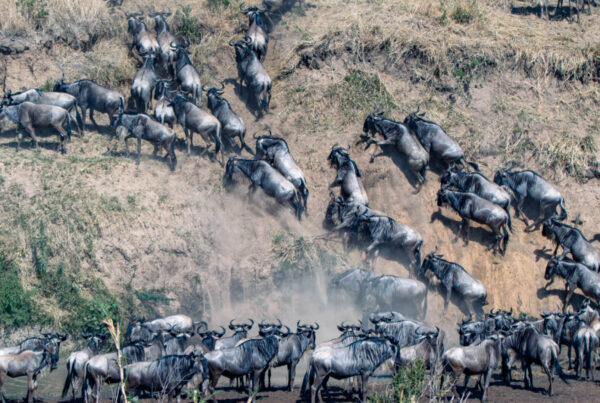
There exists a place in East Africa where time is measured not by clocks, but by the movement of wildebeest across ancient plains. This is the Serengeti, Tanzania’s most iconic national park and a living masterpiece of life in its rawest and most majestic form. It is here, across endless golden savannahs, acacia-dotted landscapes, and dramatic kopjes, that nature displays its grandest performance—the Great Migration, where over two million wildebeest, zebras, and gazelles move in cyclical pursuit of rainfall and fresh grass.

Yet beyond the thrilling wildlife spectacles and cinematic scenery, the Serengeti offers something equally profound: a sanctuary for those seeking exclusive, immersive, and meaningful safari experiences. It is not just the presence of the Big Five or the thunder of hooves across the Mara River that defines this destination, but the crafted elegance of its luxury camps and lodges, each positioned to bring guests into the very heart of Africa’s soul.

The following are the 10 best-value luxury lodges and camps in the Serengeti—places where authenticity and indulgence intersect, where sustainability is prioritized without sacrificing comfort, and where every sunrise is a front-row seat to the drama of the wild.

Singita Sabora Tented Camp – Timeless Elegance on the Plains

At the edge of the Grumeti Reserve, within a private concession inaccessible to most, Singita Sabora Tented Camp rises as a tribute to the classic romance of safari. Here, canvas suites echo the charm of 1920s exploration, yet deliver 21st-century luxury in its finest form. Each tent is adorned with Persian rugs, leather-bound trunks, and four-poster beds, while private decks open out onto expansive grasslands teeming with wildlife.

The experience is curated to perfection—from guided game drives that explore untouched corners of the Serengeti to wine tastings and spa treatments that celebrate leisure. It is a destination that evokes nostalgia without ever feeling dated, offering unrivaled access to wildlife with unparalleled style.

Four Seasons Safari Lodge – Elevated Comfort in the Wild

Set within the central Serengeti, Four Seasons Safari Lodge blends the prestige of a global luxury brand with the rawness of the surrounding bush. Perched on a series of elevated platforms, this lodge overlooks a watering hole frequently visited by elephants and other game, providing incredible wildlife viewing directly from its infinity pool and sun terraces.

Guests are cocooned in comfort, with beautifully appointed rooms, personalized service, and world-class dining. The lodge also houses a dedicated Discovery Center for cultural and ecological learning. Despite its opulence, the lodge remains deeply respectful of its setting, implementing solar energy systems and local community outreach as core components of its mission.

Lamai Serengeti – The Art of Seamless Integration

Carved into the granite outcrops of the Kogakuria Kopje, Lamai Serengeti offers a rare and breathtaking perspective of the northern Serengeti’s vast expanse. It is a lodge that seems to have grown organically from the rock itself, with stone paths winding through the terrain and suites that mirror the colors and textures of the land.

From July through October, the camp becomes one of the premier locations for witnessing the Mara River crossings during the Great Migration. Even outside of migration season, the surrounding areas boast an impressive density of game. The lodge’s design philosophy is one of harmony—elegance is delivered through simplicity, space, and scenery, making it one of the most spiritually rewarding stays in the region.

Namiri Plains – Predator Paradise Reimagined

On the eastern fringes of the Serengeti, far from the crowds and traditional safari routes, Namiri Plains sits on land once closed for over 20 years to protect cheetah populations. Now reopened to select guests, this former research area has been reimagined into a striking and innovative camp that balances ultra-modern architecture with immersive wilderness.

Suites feature floor-to-ceiling glass, private soaking tubs, and sweeping panoramic decks. Yet the highlight remains the incredible density of predators—cheetahs, lions, leopards, and even servals roam the short grasslands just beyond the canvas walls. This is a camp that champions conservation-led tourism, delivering world-class wildlife experiences in an environment of bold design and deep ethical commitment.

Mwiba Lodge – Exclusive Seclusion in a Private Wilderness

Nestled in a 130,000-acre private reserve on the southern boundary of the Serengeti, Mwiba Lodge is a true gem for those who value exclusivity, flexibility, and cultural immersion. With only ten luxurious suites, the lodge guarantees privacy and bespoke safari experiences, including off-road game drives, night safaris, and walking expeditions.

The lodge itself is a sanctuary of style—stone, wood, and leather come together in harmonious balance, offering views over spring-fed pools where elephants gather at dusk. The connection to local tribes, particularly the Hadzabe and Datoga people, adds a cultural richness that deepens the sense of place. Mwiba is not just a lodge—it is a curated celebration of East African heritage and wildlife.

Serian’s Serengeti Mobile Camp – Follow the Migration in Style

For those who seek to move with the rhythm of the migration, Serian’s Serengeti Mobile Camp provides a rare and fluid experience. Shifting between the southern Ndutu area in the calving season and the north near the Mara River during crossings, the camp ensures proximity to wildlife action year-round.

While mobile in concept, the experience is anything but rugged. Each suite is elegantly furnished with campaign-style décor, flushing toilets, and hot bucket showers. The guiding is exemplary, with private vehicles and the freedom to explore off the beaten track. Guests are drawn not only by the game but by the camp’s old-school authenticity and personalized atmosphere.

Sanctuary Kichakani Serengeti Camp – Nomadic Luxury Perfected

The spirit of the great African expedition lives on at Sanctuary Kichakani, a camp that moves across three locations annually to track the Great Migration. Designed with colonial-era flair and modern refinement, its luxury tents feature wood-burning stoves, handcrafted furnishings, and en-suite bathrooms with copper basins.

Dining beneath lanterns, storytelling by firelight, and mornings that begin with wildebeest thundering across nearby plains create a safari rhythm that is both primal and polished. The camp’s focus on eco-conscious design and carbon-neutral operations reinforces its role as a model for responsible tourism in the Serengeti.

One Nature Nyaruswiga – Serengeti Sophistication in Its Purest Form

Located in the heart of the central Serengeti, One Nature Nyaruswiga offers an experience that is simultaneously regal and rooted. The camp’s oversized canvas suites resemble five-star hotel rooms under canvas, complete with chandeliers, mahogany floors, freestanding bathtubs, and private viewing decks.

The main lounge, adorned with leather armchairs and vintage safari gear, evokes an atmosphere of aristocratic adventure. Yet beyond the refined interiors, it is the all-season game viewing, attention to personalized service, and environmentally sensitive operations that elevate One Nature to a class of its own.

Elewana Serengeti Migration Camp – Gateway to Endless Drama

Positioned near the Grumeti River, this permanent luxury camp serves as a front-row seat to one of the most dramatic migration corridors in the Serengeti. Raised platforms provide expansive views over rolling hills, while tented suites deliver a perfect balance of wilderness immersion and plush amenities.

The sound of hippos in the river at night and lions calling across the plains creates an atmosphere that is profoundly evocative. Whether observing crocodiles lying in wait at the riverbanks or giraffes browsing the treetops, every moment feels connected to a grand and eternal wilderness story.

Immersing in the Serengeti’s Soul, with Style

The Serengeti is more than just a national park—it is a living, breathing theatre of nature, where life and death, beauty and brutality, coexist in their most honest forms. The lodges and camps scattered across its vast landscape are not mere places to sleep—they are gateways to wonder, each offering a distinct window into this world-renowned ecosystem.

What unites these properties is their balance between luxury and authenticity—places where service, comfort, and sustainability are not separate ideals, but interwoven into every detail. They represent the best of African hospitality, conservation-focused travel, and experiential richness.

Book Your Safari with WildHorn Africa

To navigate the sheer breadth of options and ensure a safari that aligns perfectly with your expectations, preferences, and dreams, it is strongly recommended that journeys to the Serengeti be arranged through WildHorn Africa. Known for crafting bespoke, high-end safari experiences, WildHorn Africa works with passion, precision, and deep expertise to connect travelers with the continent in its most awe-inspiring form.

With WildHorn Africa, every detail is curated—from your choice of camp to your expert guide, from bush flights to private game drives—allowing you to surrender fully to the rhythm of the wild.

Let WildHorn Africa be your compass on a journey where luxury meets legacy, and adventure meets elegance.

Comparing Kidepo with Serengeti: Why Uganda’s Wild North Stands Out

Comparing Kidepo with Serengeti: Why Uganda’s Wild North Stands Out

By Travel stories and blogs, Family holidays, Luxury holidays, Safari holidays, Tanzania travel guides, Uganda travel guides, Wildlife holidays

Comparing Kidepo with Serengeti: Why Uganda’s Wild North Stands Out

Two Giants of the Safari World

In the realm of African safaris, few names are as celebrated as the Serengeti, a park whose vast plains have become synonymous with the classic safari experience. Yet, tucked away in the remote northeastern corner of Uganda lies another wilderness, the Kidepo Valley National Park, a place often described as the country’s most dramatic and least disturbed safari destination. While the Serengeti is famous for its sweeping savannahs and the annual wildebeest migration, Kidepo is revered for its isolation, authenticity, and unspoiled landscapes that offer visitors an experience of raw wilderness unmatched elsewhere in East Africa.

The comparison between these two destinations is not a matter of superiority, but rather of highlighting distinct qualities that appeal to different kinds of travelers. Serengeti may embody the grandeur and scale of Africa’s wildlife spectacles, but Kidepo offers something rare in modern safari tourism: intimacy, solitude, and immersion in a truly wild landscape.

This article delves into the landscapes, wildlife, culture, and visitor experience of both parks, and explains why Uganda’s wild north, though less famous, often stands out as the hidden jewel of African safaris.

Geographical Identity of the Two Parks

The Expansive Plains of Serengeti

The Serengeti in northern Tanzania is globally renowned for its size and diversity. Covering nearly 30,000 square kilometers when combined with adjacent conservation areas, it stretches endlessly, providing habitats for vast herds and apex predators. Its terrain is defined by open savannah grasslands, dotted with acacia woodlands and rocky outcrops, offering one of the most iconic safari backdrops in the world. The park has been recognized as a UNESCO World Heritage Site, cementing its place among the world’s natural wonders.

The Remote Wilderness of Kidepo

In contrast, Kidepo Valley National Park, though much smaller at 1,442 square kilometers, embodies a rugged beauty that sets it apart. Nestled between the borders of South Sudan and Kenya, it lies far from Uganda’s mainstream safari circuits. Its terrain is a dramatic combination of savannah plains, acacia woodlands, and mountainous backdrops, with the Morungole ranges framing the park’s northern boundary. The remoteness of Kidepo ensures that its landscapes remain unspoiled, while the valleys of Narus and Kidepo serve as lifelines for both wildlife and visitors, offering some of the most rewarding safari opportunities in Africa.

While Serengeti impresses through sheer size and scale, Kidepo’s appeal lies in its geographical seclusion and raw beauty, where every landscape feels untouched and every encounter seems deeply personal.

Wildlife Abundance and Diversity

The Serengeti’s Spectacle of Scale

The Serengeti is justly famous for the Great Migration, where over a million wildebeest, accompanied by zebras and gazelles, move in a circular journey across its plains in search of fresh grazing. This spectacle, visible from the ground and air, is unmatched in its scale and drama. It attracts not only tourists but also predators such as lions, leopards, cheetahs, and hyenas, creating one of the greatest predator-prey dynamics on earth. The Serengeti is also home to elephants, giraffes, buffaloes, and numerous antelope species, ensuring that game drives rarely lack activity.

Kidepo’s Unique Assemblage of Species

Kidepo, on the other hand, offers wildlife diversity that cannot be easily replicated elsewhere. While smaller in scale, it supports over 77 mammal species and more than 470 bird species. The Narus Valley is known for large herds of elephants, buffaloes, and antelopes, while predators such as lions, cheetahs, and leopards roam freely. Unlike Serengeti, certain species unique to arid and semi-arid habitats thrive here, including the greater kudu, cheetah populations adapted to dry grasslands, and bird species that are rare in other parts of Uganda.

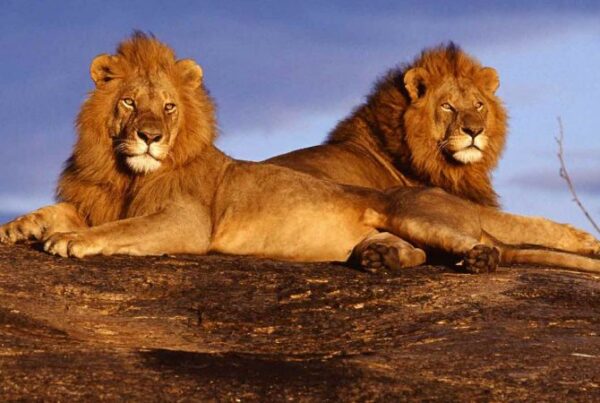
What makes Kidepo particularly distinctive is the quality of wildlife encounters. With fewer tourists, sightings often feel exclusive, with lions lounging on rocky outcrops or giraffes crossing golden plains in complete silence, interrupted only by the sounds of the wild. It is not the scale of numbers that defines Kidepo’s wildlife, but the intimacy and authenticity of the experience.Comparing Kidepo with Serengeti: Why Uganda’s Wild North Stands Out

Visitor Experience: Solitude versus Spectacle

The Serengeti’s Popular Appeal

The Serengeti is undoubtedly one of Africa’s busiest safari destinations, attracting thousands of visitors each year. Game drives are often accompanied by convoys of safari vehicles, particularly during the migration season. The infrastructure is well developed, with a wide range of lodges, camps, and airstrips, ensuring accessibility and comfort. While this popularity ensures accessibility for travelers of all types, it also means that experiences can sometimes feel shared rather than private. The scale and spectacle are unforgettable, but they come with the trade-off of crowds and commercialized safari logistics.

The Solitary Charm of Kidepo

By contrast, Kidepo’s isolation ensures that safaris remain deeply personal. Game drives are often conducted with no other vehicles in sight, allowing visitors to feel completely immersed in the wilderness. The lack of crowds means that every sighting feels intimate, every sound of wildlife resonates more deeply, and every sunset over the Narus or Kidepo Valleys feels untouched by human interference.

Accommodation in Kidepo ranges from luxury lodges to tented camps, but all are fewer in number compared to Serengeti, reinforcing the sense of exclusivity. While the journey to Kidepo may be longer and less straightforward, the reward lies in experiencing a truly wild safari that feels private and authentic, something increasingly rare in modern tourism.

Cultural Dimension: Beyond Wildlife

Serengeti and the Maasai

The Serengeti is home to the Maasai people, whose pastoral traditions and colorful attire have become iconic symbols of East Africa. Many cultural tours include visits to Maasai villages, where travelers learn about their cattle-keeping heritage, traditional dances, and community structures. This cultural layer adds depth to the safari experience, connecting wildlife encounters with human history and identity.

Kidepo and the Karamojong

Kidepo offers its own cultural richness through interactions with the Karamojong people, pastoralists whose customs and traditions remain deeply tied to the land. Their lifestyle of cattle herding, traditional architecture, and ceremonial practices provide a fascinating glimpse into a culture that has resisted modern influences. Visiting a Karamojong manyatta (homestead) allows guests to witness rituals, hear stories, and understand a worldview that has shaped the landscape for centuries.

The cultural dimension in Kidepo enhances the safari by offering a rare combination of wildlife and authentic human heritage, a reminder that wilderness and culture are intertwined.

Accessibility and Infrastructure

Ease of Travel to Serengeti

The Serengeti is easily accessible from Arusha, Tanzania’s safari hub. A network of well-maintained roads and airstrips allows for both overland and air transfers. This ease of access has fueled its popularity, making it a favored destination for first-time safari travelers and large-scale tour operators.

The Journey into Kidepo

In comparison, Kidepo is less accessible, a reality that both challenges and rewards the traveler. Reaching the park from Kampala by road requires a journey of nearly twelve hours, passing through diverse landscapes and rural communities. Alternatively, charter flights provide faster access, landing directly at the park’s airstrip. While the journey requires more planning and resilience, the very act of reaching Kidepo reinforces the sense of adventure and sets the stage for an unparalleled wilderness experience.

Conservation and Sustainability

Serengeti’s Conservation Challenges

The Serengeti faces immense conservation pressures due to its size and popularity. Tourism revenue supports anti-poaching and habitat management, but challenges such as human-wildlife conflict, infrastructure development, and mass tourism remain persistent. The balance between conservation and commercialization is delicate, requiring ongoing global attention.

Kidepo’s Preservation through Isolation

Kidepo, though less visited, benefits from its isolation, which has kept its ecosystems largely intact. Fewer visitors reduce ecological pressures, while conservation initiatives supported by Uganda Wildlife Authority focus on maintaining the integrity of the park. Community-based projects with the Karamojong also help to align local livelihoods with conservation, ensuring that the park’s wilderness is preserved for future generations.

The contrast is clear: while Serengeti’s conservation relies heavily on global attention and tourism revenue, Kidepo’s sustainability rests on its remoteness and careful integration with local communities.

Why Kidepo Stands Out

While Serengeti captivates with its grandeur and the drama of migration, Kidepo offers something increasingly rare: silence, solitude, and raw wilderness. It is not a park for those seeking crowds or convenience but for travelers yearning for authenticity and unfiltered encounters with nature. The sense of being alone on a vast savannah, with only the wind and the calls of wildlife breaking the silence, is an experience that elevates Kidepo above many of Africa’s more commercialized safari circuits.

Kidepo stands out because it provides not only wildlife and landscapes but also a feeling of discovery, of stepping into a world that has resisted change, where the rhythms of nature remain untouched and the visitor becomes part of something timeless.

Choosing the Right Safari Experience

The decision between Serengeti and Kidepo is not about one being better than the other, but about the kind of safari one seeks. Serengeti represents scale, drama, and accessibility, while Kidepo embodies intimacy, seclusion, and authenticity. For travelers who seek exclusivity, cultural depth, and the thrill of a truly wild frontier, Kidepo Valley National Park emerges as the place where Africa’s wilderness remains in its purest form.

For those inspired to explore Uganda’s wild north and immerse themselves in the beauty of Kidepo, it is highly recommended to entrust the journey to professionals who understand the terrain, logistics, and cultural connections. To ensure a seamless and unforgettable adventure, travelers are encouraged to book their Africa tours and safaris with WildHorn Africa, a trusted name in crafting journeys that capture the essence of Uganda’s most remarkable wilderness.

6-Day Serengeti National Park & Zanzibar

6-Day Serengeti National Park & Zanzibar

By Safari holidays, Tanzania trip ideas, Wildlife holidays
From $1,881  per person  (USD)

6-Day Serengeti National Park & Zanzibar

6-Day Serengeti National Park & Zanzibar

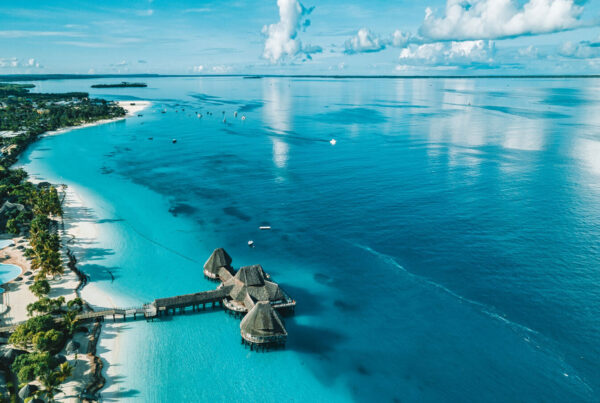
This safari is crafted for travelers eager to experience the very best of Tanzania. The journey combines time on the mainland with a stay on the enchanting island of Zanzibar. While on safari, you’ll explore Tanzania’s rich wildlife before unwinding on Zanzibar’s pristine, white-sand beaches. Expect thrilling encounters with abundant game in the wilderness, followed by days of pure relaxation by the Indian Ocean. For your convenience, pick-up can be arranged from either the airport or your hotel.

6-Day Serengeti National Park & Zanzibar

itinerary

Book this tour or craft your own experience

    Had a great trip with wild horn Africa when I visited volcano National park for 3days the experience was unforgettable,great memories and all thanks goes to our guide #Guma Kenny from Wildhorn Africa

    Neymar Imran

    I enjoyed my time with wildhorn Africa in kenya at Naivasha National part for 4 days had a great experience with different wild life with a help of our guide Juma

    Butumwa Djarumuzi

    Included

    • Park fees(For non-residents)
    • All activities(Unless labeled as optional)
    • All accommodation(Unless listed as upgrade)
    • A professional driver/guide
    • All transportation(Unless labeled as optional)
    • All Taxes/VAT
    • Meals(As specified in the day-by-day section)
    • Drinks(As specified in the day-by-day section)

    Excluded

    • International flights(From/to home)
    • Round-trip airport transfer
    • Additional accommodation before and at the end of the tour
    • Tips(Tipping guideline US$10.00 pp per day)
    • Personal items(Souvenirs, travel insurance, visa fees, etc.)
    • Some meals(As specified in the day-by-day section)

    The best time to visit is generally considered to be during the dry season, when weather conditions are more pleasant and travel is less likely to be disrupted, typically based on your preferred destinations. During this period, landscapes are at their most vibrant, wildlife sightings are more frequent, and activities can be enjoyed with greater ease. While visits are possible year-round, choosing this window is often recommended to ensure the most rewarding and comfortable experience.

    WhatsApp

    Featured Headlines

    AllAboutAbout UsAdventure holidaysBotswanaBotswana places to visitBotswana travel guidesBucket list holidaysCongoCongo places to visitCongo travel guidesContact UsDestinationsEco-friendly accommodationsEgyptEgypt travel guidesEthiopiaEthiopia travel guidesExperiencesFamily holidaysGabonGabon travel guidesGet inspiredGroup holidaysHoliday typesHoneymoon holidaysJoin our teamKenyaKenya travel guidesKenya trip ideasLuxury holidaysMadagascarMadagascar travel guidesMalawiMalawi travel guidesMozambiqueMozambique travel guidesNamibiaNamibia accommodationsNamibia places to visitNamibia travel guidesNamibia trip ideasOff the beaten track holidaysPrimate holidaysRefer a friendResponsible travel tipsRwandaRwanda travel guidesRwanda trip ideasSafari holidaysSouth AfricaSouth Africa best time to visitSouth Africa travel guidesSouth Africa trip ideasSouth SudanSouth Sudan places to visitSpecial offersSustainable travelTanzaniaTanzania places to visitTanzania travel guidesTanzania trip ideasTravel guidesTravel safetyTravel stories and blogsUgandaUganda accommodationsUganda best time to visitUganda places to visitUganda travel guidesUganda trip ideasWhen to goWhere to goWildlife holidaysYour first safariZambiaZambia places to visitZambia travel guidesZimbabweZimbabwe places to visitZimbabwe travel guides
    Close Menu