search
Africa's Best Safari Country of 2025 - 2026

Africa’s Best Safari Country of 2025 – 2026

By Travel guides, Travel stories and blogs

Africa’s Best Safari Country of 2025 – 2026

Africa’s Best Safari Country

The Hidden Pearl of Safari Adventure

When one thinks of iconic African safaris, the mind often races to the endless plains of Kenya, the lion-dotted savannahs of Tanzania, or the roaring thunders of elephants in South Africa. Yet, nestled in the very heart of the continent lies a land of such breathtaking diversity and untamed beauty that it quietly eclipses many of its neighbors. Uganda, often referred to as the “Pearl of Africa,” is arguably Africa’s best-kept safari secret, a place where the raw beauty of nature remains largely untouched by mass tourism and where authentic wilderness encounters reign supreme.

What makes Uganda stand apart is not only its sheer range of ecosystems but the way these ecosystems seamlessly blend into each other—from misty mountain rainforests to sun-drenched savannahs, from glacial peaks to papyrus-lined lakes. This geographical fusion creates a biodiversity so rich and varied that it challenges the imagination. Uganda is not merely a destination; it is an immersion into the very soul of Africa’s wild.

A Biodiversity Hotspot Like No Other (Africa’s Best Safari Country)

Uganda boasts an astounding variety of flora and fauna that puts it in the league of top global biodiversity hotspots. Home to more than half of the world’s remaining mountain gorillas, Uganda offers one of the most intimate and powerful wildlife experiences on Earth: gorilla trekking in the Bwindi Impenetrable National Park. This UNESCO World Heritage site is not only a sanctuary for gorillas but also harbors over 120 mammal species, 220 butterfly species, and more than 350 bird species, making it a haven for naturalists and adventurers alike.

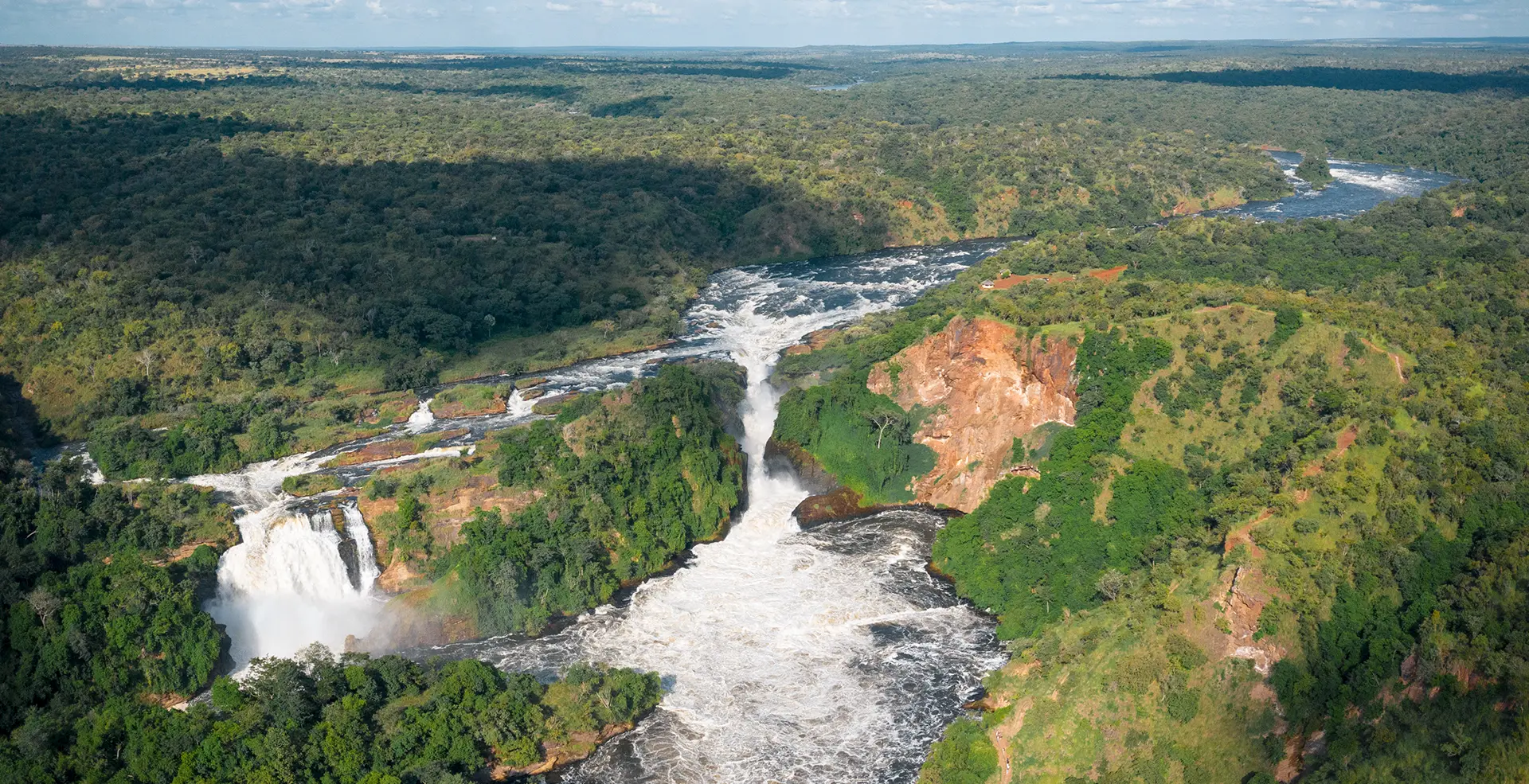
In contrast to the dark forests of Bwindi lie the golden savannahs of Queen Elizabeth National Park, a region famed for its tree-climbing lions, large herds of elephants, and massive pods of hippos along the Kazinga Channel. The park also supports an incredible number of bird species, earning Uganda the well-deserved title of a birdwatcher’s paradise. Murchison Falls National Park, meanwhile, offers thrilling game drives complemented by boat cruises to the dramatic waterfall where the Nile explodes through a narrow gorge. The park is teeming with giraffes, buffaloes, crocodiles, and leopards, each playing its part in Uganda’s symphony of the wild.

Gorilla and Chimpanzee Encounters: Primate Capital of the World

Nowhere else in Africa can you encounter such a rich concentration of primates as in Uganda. The crown jewel, of course, is the majestic mountain gorilla, but beyond the highland forests, the country’s lower elevation reserves are teeming with our closest relatives in the animal kingdom. Kibale Forest National Park is the undisputed capital of chimpanzee trekking. Here, habituated chimpanzee families offer unparalleled viewing opportunities, often in groups that number over a hundred individuals.

These encounters go beyond mere sightseeing. They are deeply moving experiences that offer insights into the social behaviors, communication patterns, and intelligence of primates. Researchers, photographers, and casual travelers alike are drawn to Uganda not just for the thrill of seeing these creatures in the wild, but for the deep connection such experiences evoke. Uganda’s commitment to ethical wildlife tourism ensures that these interactions are both sustainable and respectful to the animals.

Diverse Landscapes and Natural Marvels

Uganda’s landscapes are a mesmerizing blend of opposites, where volcanic ranges like the Virunga Mountains pierce the sky, and vast lakes such as Victoria, Albert, and Edward dominate the lowlands. These shifting terrains create unique habitats that support vastly different species, making Uganda one of the most ecologically varied countries in Africa.

For those drawn to high-altitude adventure, the Rwenzori Mountains, also known as the “Mountains of the Moon,” provide snow-capped challenges complete with glaciers and alpine meadows. The source of the mighty Nile River begins its long journey in Jinja, a region now famed for white-water rafting, kayaking, and other adrenaline-filled exploits. Meanwhile, Lake Bunyonyi, with its emerald islets and tranquil waters, offers a perfect retreat for relaxation after a demanding gorilla trek.

Such diversity ensures that no two days in Uganda feel the same. The terrain continually shifts, revealing new shades of Africa’s natural brilliance. Uganda, therefore, becomes more than just a safari destination; it is a continuous unfolding of nature’s theatre.

Warm Hospitality and Rich Culture

What truly elevates Uganda to the pinnacle of safari excellence is not just its wildlife or landscapes but its people. Ugandans are known for their warmth, resilience, and welcoming spirit. The country is a tapestry of cultures with over 50 tribes, each with its own language, music, traditions, and culinary delights. From the rhythmic drumbeats of the Baganda to the cattle-herding customs of the Banyankole, Uganda’s cultural experiences are as enriching as its natural wonders.

Visitors often find themselves invited to traditional dance ceremonies, local markets, or village walks, which provide a deeper understanding of the harmony between people and the land. This integration of culture into the safari experience is rare and lends an authenticity to Ugandan travel that many destinations struggle to offer.

Conservation Commitment and Sustainable Tourism

Uganda’s safari industry is underpinned by a strong commitment to conservation and sustainable tourism. Through community-based tourism initiatives, revenue from park fees directly supports local development projects, education, and healthcare. Gorilla trekking permits, for instance, fund anti-poaching efforts and forest preservation programs, ensuring that both people and wildlife benefit from tourism.

The Uganda Wildlife Authority has worked diligently to maintain ecological integrity while opening up the country to responsible tourism. Carefully regulated visitor numbers, well-trained guides, and ethical wildlife viewing practices have become standard. This responsible approach ensures that Uganda remains a sanctuary not only for the wildlife it protects but also for future generations of travelers seeking meaningful encounters with nature.

Discover the Magic of Uganda with WildHorn Africa

To experience Uganda in its fullest glory requires more than just a camera and a checklist; it demands knowledgeable guides, carefully curated routes, and a deep respect for the land and its people. WildHorn Africa delivers precisely that. With a reputation for excellence and a passion for authentic safari experiences, WildHorn Africa crafts journeys that go beyond ordinary travel. From the moment you set foot in the misty highlands of Bwindi to the golden plains of Murchison, every moment is designed to inspire wonder, connection, and awe.

Choosing WildHorn Africa means choosing a safari that is immersive, ethical, and unforgettable. Whether you’re tracking primates through ancient forests, cruising down the Nile, or simply watching the sunrise over the savannah, your Ugandan safari will be a story worth telling.

Book your African journey with WildHorn Africa and discover why Uganda is not just Africa’s best safari country—it is its beating, untamed heart.

Africa’s Best Safari Country #Africa’s Best Safari Country Africa’s Best Safari Country

10 Insights on What To Expect on Safari

10 Insights on What To Expect on Safari

By Travel guides, Travel stories and blogs


10 Insights on What To Expect on Safari

Ready to leave behind the ordinary and step into the untamed? A safari is more than just a vacation—it’s a breathtaking immersion into raw wilderness, a heart-pounding journey through iconic landscapes, and a soul-stirring encounter with the wildest animals on Earth. But what really awaits when you head out on a safari in Africa? Here are 10 powerful insights that will prepare and excite you for this once-in-a-lifetime experience.

1. The Wildlife Experience is Unpredictable and Real

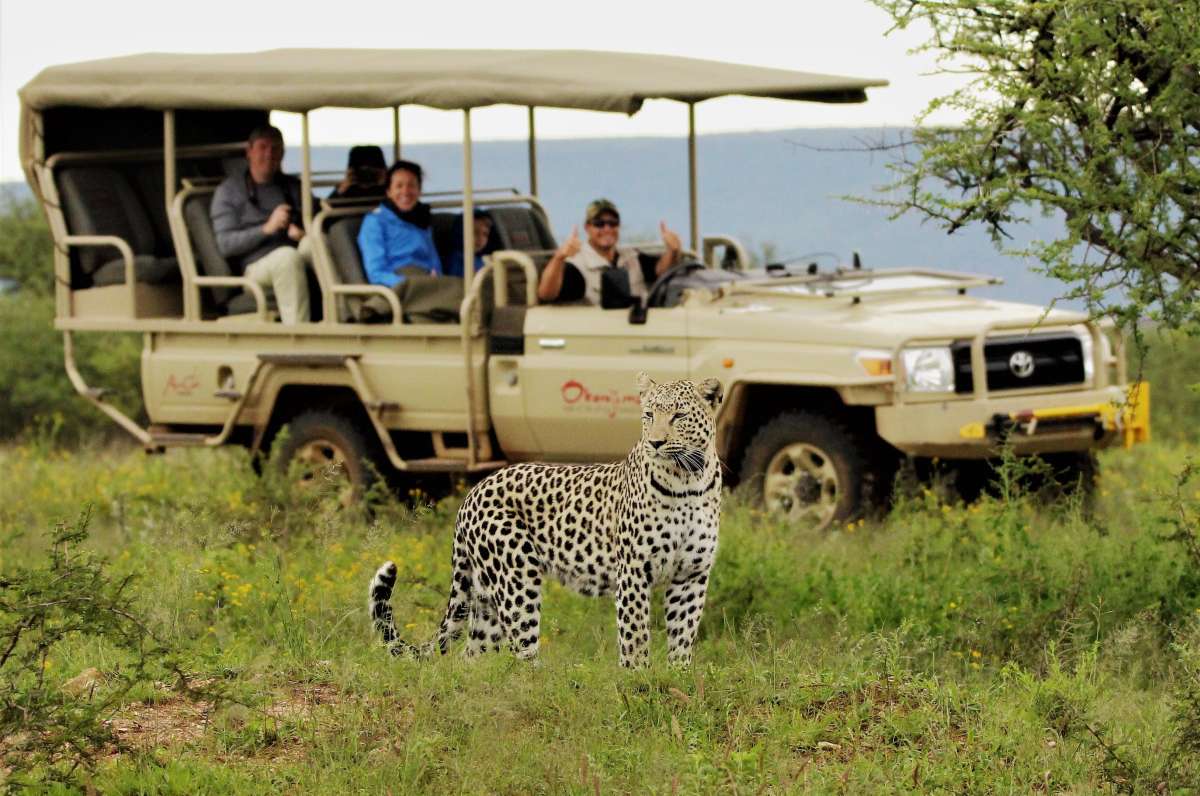
One of the most thrilling elements of an African safari is its unfiltered authenticity. You are not in a zoo or a curated exhibit—you are on the animals’ turf. Sightings depend on nature’s rhythm. Some days you’ll encounter a pride of lions lazing in golden grass; other times, you may patiently wait an hour to catch a glimpse of a rare rhino.

This unpredictability is what makes every safari unique and captivating. No two game drives are ever the same.

2. Early Mornings and Late Evenings Are Prime Game Viewing Hours

Most wildlife is most active in the cooler hours—at dawn and dusk. Be prepared for early wake-up calls and twilight drives that reveal animals as they start or end their day. The African sky during sunrise or sunset is a spectacle on its own—rich with oranges, purples, and gold.

3. Guides Are Invaluable Storytellers and Protectors

Your safari guide is more than just a driver. They are highly trained experts with deep knowledge of animal behavior, botany, and local cultures. Their instincts, tracking skills, and passion for the wild elevate your safari from a simple ride into a transformational learning experience.

Listen closely—you’ll hear fascinating tales of how a leopard hunts, how elephants communicate, or how to read footprints in the sand.

4. The “Big Five” Is Just the Beginning of What To Expect on Safari

While everyone hopes to tick off the legendary Big Five—lion, leopard, elephant, buffalo, and rhino—the safari delivers so much more. From elegant cheetahs sprinting across the savanna to flocks of flamingos painting lakes pink, and comical meerkats popping from burrows, the diversity is stunning.

Don’t forget the smaller creatures and incredible birdlife—each with a role in Africa’s complex ecosystem.

5. Different Parks Offer Different Safari Styles

Africa is a continent of safari-rich destinations, each with distinct landscapes and wildlife patterns.

Choose a destination that aligns with your wildlife interests and travel style.

6. Comfortable Yet Conscious Lodging

Safari accommodations range from luxurious tented camps to eco-lodges and mobile camps. Expect stunning locations, personalized service, and immersive design that blends with the environment.

Many camps are also champions of conservation and community development, giving you a chance to travel responsibly and contribute to sustainable tourism.

7. You’ll Disconnect to Reconnect

Don’t expect full bars of cellular service or 24/7 Wi-Fi. And that’s the point. A safari nudges you away from constant digital noise and invites you to reconnect with nature, your thoughts, and your travel companions.

The stars are brighter. The silence is deeper. The experience, richer.

8. Your Camera Will Be Your Best Companion

Safari photography is a feast of moments. From towering giraffes against acacia trees to predator-prey showdowns, have your camera ready. Bring extra batteries and memory cards.

Not a pro? No problem. Guides help position vehicles for the best angles, and many lodges offer photography workshops. Even with a smartphone, you’ll capture memories of a lifetime.

9. It’s Not All Game Drives

While game drives are the cornerstone of a safari, there’s more to explore:

  • Walking safaris led by armed guides deepen your connection with the terrain.
  • Hot air balloon rides offer jaw-dropping aerial views of the savanna.
  • Cultural visits to nearby communities open a window into local life and traditions.

These experiences round out your journey into one of diversity and depth.

10. You’ll Leave Changed

A safari isn’t just a journey through Africa. It’s a journey through yourself. The raw, untamed beauty, the ancient rhythms of nature, the stillness of the wild—these stay with you.

You’ll come back with more than photos—you’ll return with perspective, humility, and awe. It’s not uncommon to hear travelers say, “My heart stayed in Africa.”

Ready to Begin Your Wild African Chapter?

Whether you’re dreaming of lions in the Serengeti, elephants in Amboseli, or sunsets in the Kalahari, your journey deserves to be unforgettable, personal, and expertly crafted.

Let the wild call you. Book your Africa safari with WildHorn Africa—the trusted name in curated wildlife adventures, eco-conscious travel, and deeply local expertise.

Explore Tours & Safaris at WildHorn Africa

What To Expect on Safari #What To Expect on Safari What To Expect on Safari

All-inclusive Safari: Getting It All

All-inclusive Safari: Getting It All

By Travel guides, Travel stories and blogs

All-Inclusive Safari: Getting It All

Discover the Ultimate Safari Experience

Imagine standing on the sun-drenched plains of the Serengeti, witnessing a lioness stalk her prey, or drifting silently past a herd of elephants bathing in the Chobe River. Now, imagine doing all this without worrying about logistics, unexpected costs, or where your next meal is coming from. This is the all-inclusive safari experience — the ultimate blend of adventure, luxury, and peace of mind.

An all-inclusive safari goes beyond just sightseeing. It wraps your entire African journey into a seamless, immersive package. From your first airport pickup to your final sunset over the savanna, it ensures that every detail is handled with precision and care.

What Is an All-Inclusive Safari?

An all-inclusive safari is a travel package that bundles together accommodation, meals, transport, activities, park fees, and often guided tours into one price. It’s a comprehensive travel solution that minimizes stress, maximizes value, and elevates your experience.

What It Typically Covers:

  • Luxury or mid-range lodges/camps with amenities
  • Three meals daily, often with drinks
  • Game drives and other guided activities (e.g., walking safaris, boat rides)
  • Airport transfers and in-country transport
  • Park and conservation fees
  • Expert guides and rangers

Many providers also include extras like laundry services, cultural experiences, and even spa treatments depending on the package.

Why Choose an All-Inclusive Safari?

1. Stress-Free Planning

Safari travel can be complicated. From figuring out park entry costs to coordinating flights and finding reliable guides, the logistics can overwhelm even seasoned travelers. All-inclusive safaris eliminate this complexity.

With one booking, everything is arranged. You know where you’re staying, what you’re eating, and what you’ll be doing each day. This allows you to focus solely on the experience.

2. Better Budgeting

It may seem more expensive at first glance, but an all-inclusive safari is often more economical in the long run. You avoid unexpected costs like transport between lodges or surprise park fees. What you see upfront is typically what you pay.

3. Time Optimization

Time is precious on safari. Every hour matters. All-inclusive packages are designed by experts who understand local distances, wildlife behaviors, and the best times to explore. This means more game viewing and less guesswork.

4. Access to Prime Experiences

Top safari operators have established relationships with the best lodges, rangers, and parks. This gives you access to:

  • Private reserves with fewer crowds
  • Night game drives (not always allowed in national parks)
  • Off-the-beaten-path adventures others might miss

5. Personalized Service

All-inclusive doesn’t mean cookie-cutter. Many packages are customizable based on interests (photography, birding, big cats, cultural visits) and travel style (family-friendly, honeymoon, solo travel).

Types of All-Inclusive Safaris

1. Luxury Lodge Safaris

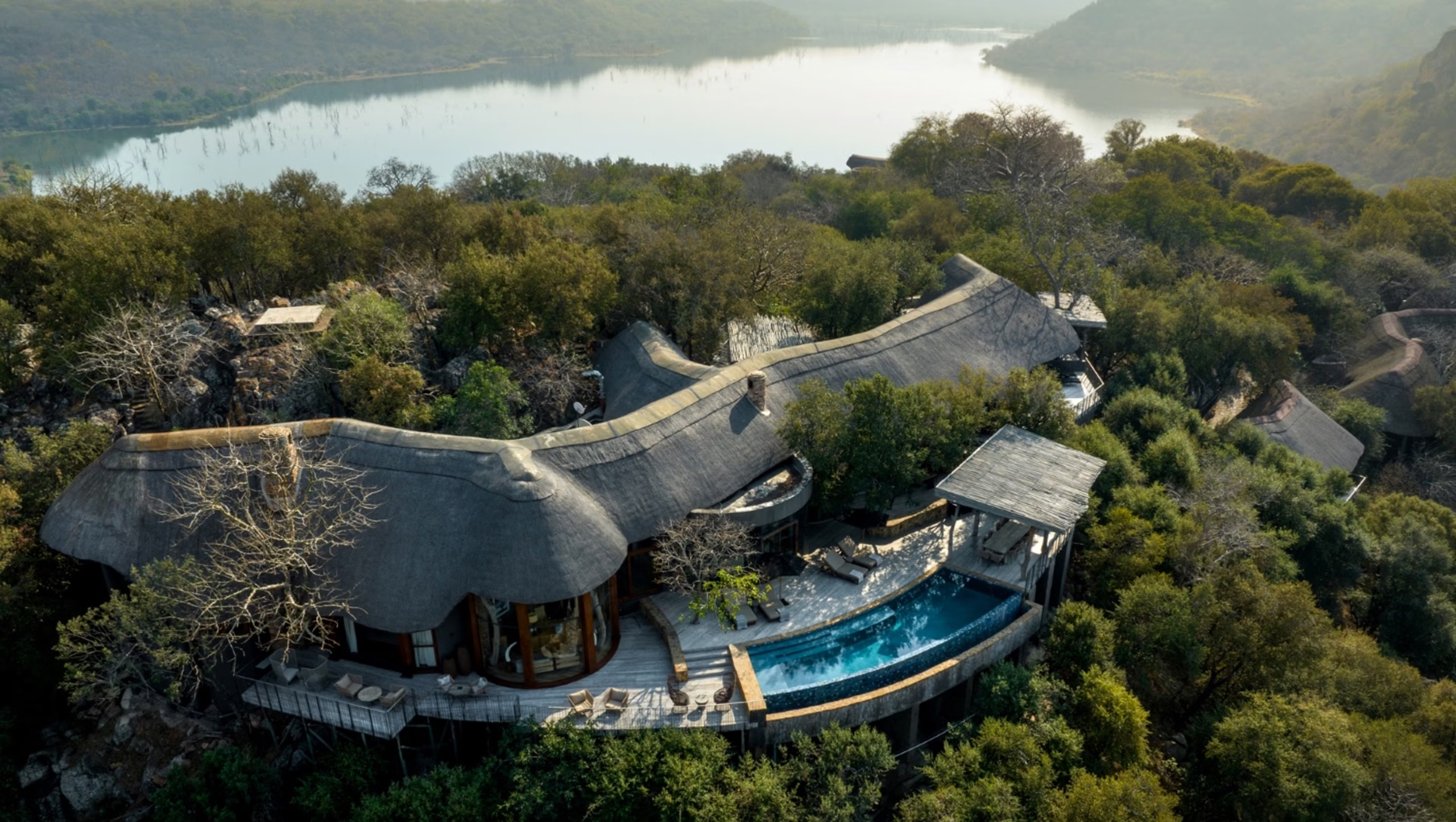
Stay in 5-star accommodations with private decks, gourmet meals, and personal butlers. Think air-conditioned suites in the bush, infinity pools with views of grazing zebras, and fine wines at sunset.

2. Mobile Tented Safaris

For those who want intimacy with nature without sacrificing comfort. These safaris involve fully furnished tents with real beds, en-suite bathrooms, and a dedicated team that moves your camp as you explore different regions.

3. Fly-In Safaris

Ideal for covering vast distances. Skip the bumpy roads and fly between top destinations like the Masai Mara, Okavango Delta, and Victoria Falls. Often more expensive, but ideal for time-limited or high-end travelers.

4. Group Safaris

Great for social travelers or those on a tighter budget. Share costs and experiences with like-minded adventurers. These often include set itineraries, but still offer plenty of quality and comfort.

Destinations That Shine with All-Inclusive Safaris

1. Tanzania

  • Serengeti National Park for the Great Migration
  • Ngorongoro Crater for dense wildlife populations
  • Tarangire and Lake Manyara for elephants and flamingos

2. Kenya

  • Masai Mara for big cats and wildebeest crossings
  • Amboseli for elephants and Mount Kilimanjaro views
  • Samburu for rare species like Grevy’s zebra and gerenuk

3. Botswana

  • Okavango Delta for water safaris and pristine beauty
  • Chobe National Park for massive elephant herds
  • Moremi Reserve for predator sightings

4. South Africa

  • Kruger National Park with luxury lodges and Big Five game
  • Sabi Sands for premium private reserves
  • Addo Elephant Park for family-friendly options

Key Considerations Before Booking

1. Seasonality

Africa’s wildlife varies with the seasons. For example, the Great Migration in the Serengeti peaks between June and October, while the Okavango Delta is best visited in the dry season, May to October.

2. Health & Safety

Make sure your tour operator includes:

  • Emergency evacuation coverage
  • First-aid trained guides
  • COVID-19 safety protocols
  • Advice on necessary vaccinations and medications

3. Group Size and Travel Style

Do you want a private, intimate experience, or are you open to group travel? All-inclusive packages come in all sizes and formats.

4. Conservation Impact

Choose operators that are committed to sustainability and local communities. A good all-inclusive safari should contribute to conservation, employ locals, and minimize environmental footprints.

Conclusion: The Smart, Stress-Free Way to Safari

An all-inclusive safari is more than just convenience — it’s a passport to the most exhilarating, transformative, and luxurious African adventures. From the moment you land, every detail is handled, leaving you free to watch the drama of nature unfold.

Whether you’re chasing the Big Five, photographing flamingos at dawn, or listening to hyenas under a star-lit sky, you deserve a safari that lets you fully immerse in the magic of the wild.

Book with Confidence – Choose WildHorn Africa

When you’re ready to embark on the journey of a lifetime, trust the experts. WildHorn Africa specializes in crafting unforgettable, all-inclusive safari experiences tailored to your interests and budget. With deep local knowledge, elite partnerships, and a passion for conservation, WildHorn Africa ensures that your safari is not just a trip – it’s a story you’ll tell forever.

Book your African adventure today with WildHorn Africa – and get it all.

10 Things You Must Pack for Your Safari

10 Things You Must Pack for Your Safari

By Travel guides, Travel stories and blogs


10 Things You Must Pack for Your Safari

Heading to the African wild? Whether you’re exploring the sun-drenched savannas of the Serengeti, drifting through the Okavango Delta, or witnessing the Great Migration in the Masai Mara—one thing is clear: your packing list can make or break your safari experience.

This is no ordinary trip. On safari, you’re exposed to unique climates, terrain, and wildlife. You need to be prepared for early mornings, intense midday heat, dusty roads, and maybe even a surprise thunderstorm. But don’t worry—we’ve compiled the ultimate, no-fluff guide on the 10 essential things you must pack for your safari to ensure you’re comfortable, safe, and fully ready for the adventure of a lifetime.

1. Neutral-Colored Clothing: Blend In, Stay Comfortable

Leave the flashy reds, blues, and whites at home. Earth tones like khaki, olive, brown, and beige help you blend with your surroundings and avoid drawing unwanted attention from wildlife (and biting insects).

Opt for lightweight, breathable, and moisture-wicking fabrics. Pack:

  • Long-sleeved shirts (for sun and insect protection)
  • Convertible cargo pants or trousers
  • Shorts for camp downtime
  • A light fleece or jacket for chilly mornings

Remember: some game drives start before sunrise, and temperatures can vary drastically.

2. Sturdy Walking Shoes or Safari Boots {Pack for Your Safari}

Whether you’re in a game drive vehicle or on a guided walking safari, your feet need support. Choose closed-toe, breathable hiking shoes or boots with good grip.

Don’t forget to break them in before the trip to avoid blisters. Also bring a pair of comfortable sandals or slip-ons for evenings at the lodge or tented camp.

3. Sun Protection: Hat, Sunglasses, Sunscreen

The African sun is intense. Prolonged exposure can ruin your experience if you’re not protected. Pack:

  • A wide-brimmed hat (preferably one with a chin strap to stay secure during drives)
  • Polarized sunglasses to reduce glare and improve wildlife visibility
  • High-SPF sunscreen that’s sweat- and water-resistant

Protect your skin, protect your eyes—enjoy the landscape without discomfort.

4. Binoculars: Your Window to the Wild

A quality pair of binoculars can transform your safari. Spotting a leopard lounging in a tree or identifying bird species perched far away becomes possible.

Don’t rely solely on your guide’s equipment—pack your own. Look for 8×42 or 10×42 binoculars for the best balance between magnification and field of view.

5. Camera Gear (or Smartphone with Zoom)

You’ll want to capture those once-in-a-lifetime moments. Whether you’re a DSLR user or prefer smartphones, here’s what to pack:

  • A camera with optical zoom (300mm+ is ideal)
  • Extra memory cards and backup batteries
  • A soft camera bag to protect gear from dust

And yes—modern smartphones with quality zoom can take incredible photos too, especially during golden hour. Just don’t forget to bring a power bank!

6. Insect Repellent and Anti-Malarial Medication

Malaria and other insect-borne illnesses are risks in many safari regions. Consult your doctor before travel about vaccinations and malaria prophylaxis.

Bring a strong DEET-based insect repellent (or natural alternative with citronella/eucalyptus oil), and apply it religiously at dusk and dawn. You’ll also want:

  • Anti-itch cream (like hydrocortisone)
  • Anti-histamines
  • Travel-size mosquito net (if not provided by your lodge)

7. Daypack or Soft Duffel Bag

Luggage restrictions on safari flights are no joke—often just 15kg per person in soft-sided bags. Choose a durable, soft duffel bag with minimal structure for your main gear.

You’ll also need a lightweight daypack to carry your essentials on game drives:

  • Water bottle
  • Snacks
  • Camera/binoculars
  • Notebook/journal

8. Travel Documents and Copies

Before heading off the grid, make sure you’ve packed:

  • Passport (with at least 6 months’ validity)
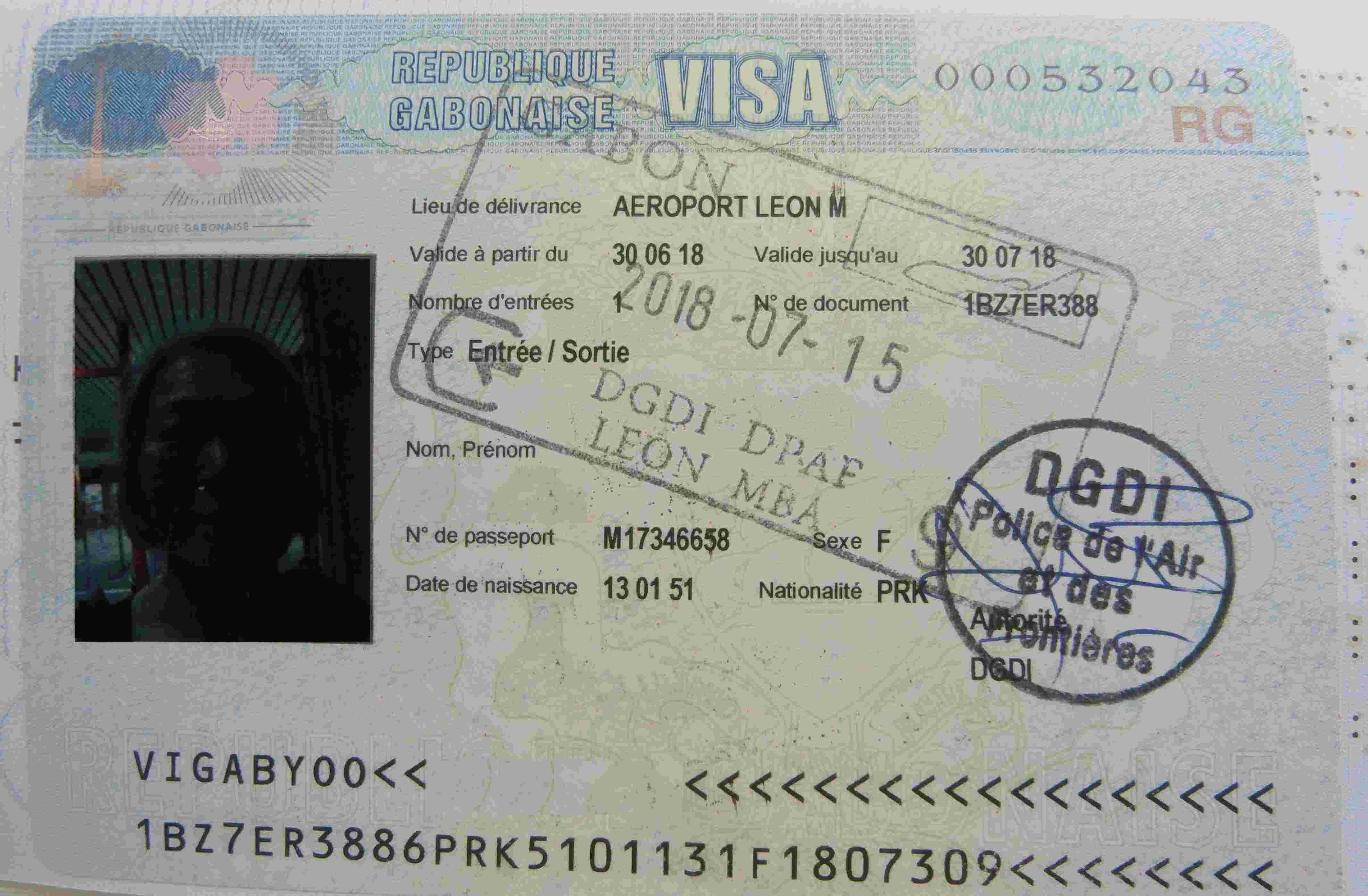
  • Visa documents (depending on destination)
  • Yellow fever certificate (some countries require it)
  • Travel insurance papers

Pro tip: Keep digital copies of all documents stored securely online and a printed backup in your bag.

9. Personal Medications and First Aid Essentials

Pharmacies may be few and far between in the bush. Always carry:

  • Prescription medication (with original labels)
  • Anti-diarrheal tablets and rehydration salts
  • Painkillers (ibuprofen/paracetamol)
  • Band-aids, antiseptic wipes, tweezers

Also useful: motion sickness tablets if you’re prone to bumpy drives.

10. Sense of Adventure and Respect for Nature

The most important thing you can pack? An open heart and curious spirit. A safari isn’t just a sightseeing trip—it’s an immersion into one of Earth’s last great wildernesses.

Respect animals’ space, listen to your guides, and engage with the local communities you meet. The memories you create will be as wild and vast as the savanna itself.

Make Every Moment Count—Travel with WildHorn Africa

Now that you know what to pack, it’s time to choose the right team to take you into the heart of Africa’s wild. WildHorn Africa specializes in curated, immersive safari experiences across East and Southern Africa.

Whether you’re seeking budget-friendly bush adventures or five-star luxury lodges, they craft journeys that are authentic, sustainable, and unforgettable.

Book Your Safari with WildHorn Africa Today

Pack for Your Safari #Pack for Your Safari Pack for Your Safari

Malawi Travel Advice

Malawi Travel Advice

By Malawi travel guides

Malawi Travel Advice

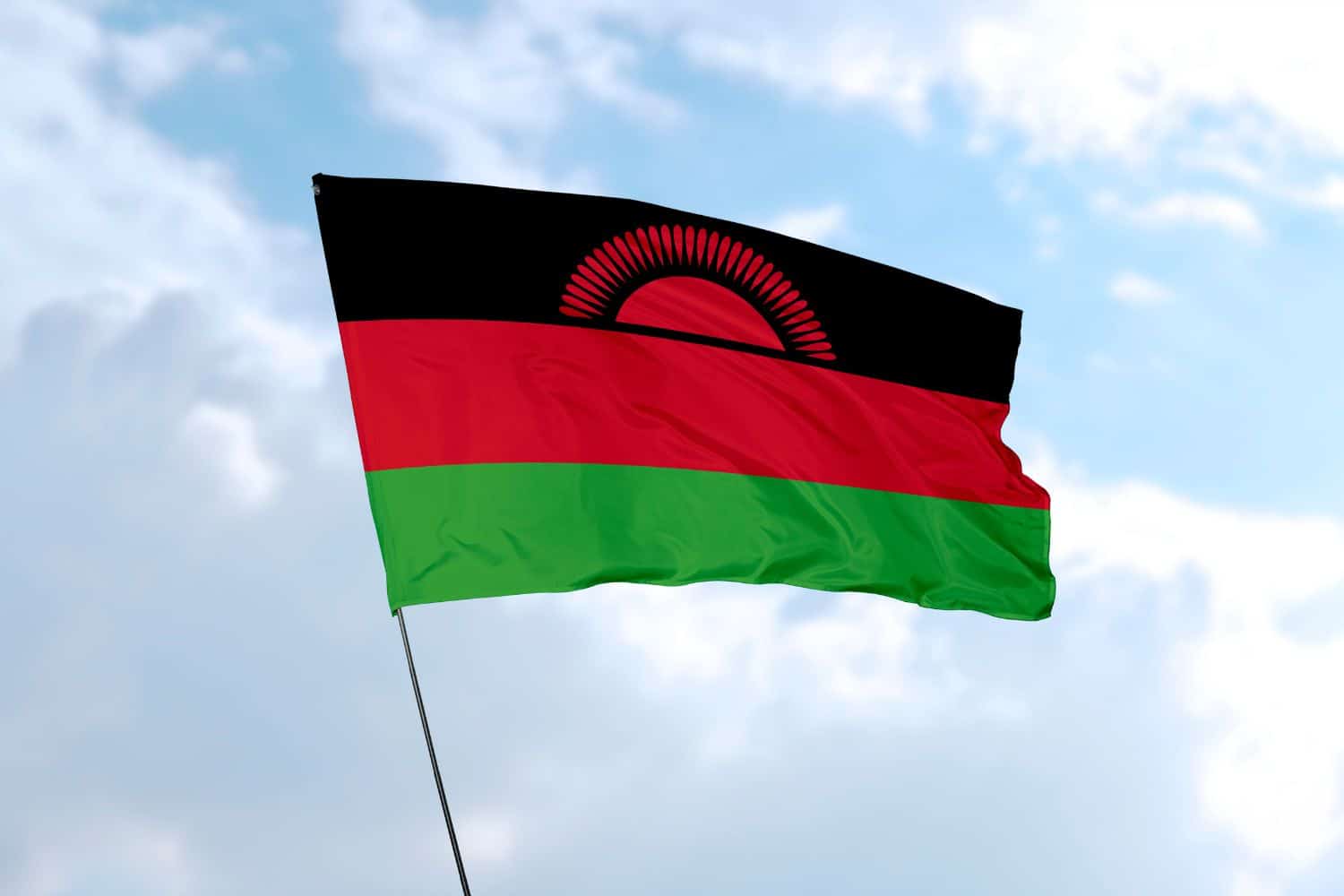
Malawi has long been regarded as one of Africa’s most peaceful, welcoming, and naturally beautiful destinations, offering travellers a gentle introduction to the continent while revealing a depth of landscapes, wildlife, and culture that feels both intimate and profoundly rewarding. Known as the “Warm Heart of Africa,” Malawi’s reputation is built upon the hospitality of its people, whose friendliness is often remarked upon by visitors who discover that connections form easily here—whether in small villages, bustling markets, or relaxed lakefront communities. Malawi’s terrain varies dramatically from its northern mountains and sweeping plateaus to the fertile valleys and undulating hills of the centre, before descending into the eastern escarpment that leads to one of the most extraordinary bodies of water in Africa: Lake Malawi. This vast freshwater lake, often mistaken for an inland sea because of its scale and clarity, has shaped the country’s identity for centuries, sustaining communities, fostering tourism, and supporting one of the richest collections of freshwater fish found anywhere in the world.

Travellers arriving in Malawi often describe the experience as grounding. The quiet rhythm of life, the understated beauty of the landscape, and the ease of interacting with local communities create a sense of closeness and accessibility rarely felt in many other destinations. Malawi’s tourism industry remains modest in scale compared to neighbouring countries, allowing travellers to explore its national parks, reserves, and lakeshore villages without the crowds associated with more commercial safari circuits. Places such as Liwonde National Park, Majete Wildlife Reserve, Nyika Plateau, and Likoma Island provide unforgettable experiences defined by natural immersion, cultural authenticity, and ecological restoration. The country has undergone a remarkable conservation revival over the past decade, with the reintroduction of endangered species and the revitalisation of parks that now offer world-class wildlife viewing. This article has been written to provide travellers with extensive, accurate, and experience-grounded advice, ensuring that journeys through Malawi unfold safely, meaningfully, and in harmony with the landscapes and people who make this country such a compelling destination.

Quick Facts

Malawi is a landlocked country located in southeastern Africa, bordered by Tanzania to the north, Mozambique along the east and south, and Zambia to the west. Its population exceeds nineteen million people, most of whom live in rural areas connected to deeply rooted agricultural traditions. Lilongwe serves as the capital and political centre, while Blantyre remains the economic and commercial heart of the country. English and Chichewa are the official national languages, though many local dialects and regional languages are spoken throughout the country, reflecting Malawi’s cultural diversity. The national currency is the Malawi Kwacha, which is used for transactions across all major sectors of daily life.

Malawi operates on Central Africa Time and does not observe daylight savings. Christianity is the predominant religion, though traditional beliefs remain woven into many cultural practices. The country has built a reputation for stability and community-centred development, with conservation playing an increasingly significant role in national identity. Although one of Africa’s smaller nations geographically, Malawi’s landscapes range from high-altitude plateaus to lush forests and lakefront villages, offering travellers a diversity of experiences within relatively short travel distances.

Geography and Climate

Malawi’s geography is shaped by the dramatic presence of the East African Rift Valley, which runs through the length of the country and defines much of its natural character. The Rift Valley creates deep escarpments, fertile plains, and long, sweeping views of Lake Malawi, which dominates the eastern part of the nation. This lake, stretching more than 560 kilometres from north to south, is one of the deepest and clearest freshwater lakes in the world. It supports fishing communities, freshwater reefs, and beaches that appear almost tropical with their white sands and turquoise shallows. The contrast between the lake and the surrounding highlands creates landscapes that shift from serene shorelines to rugged mountains within hours of travel.

The central and northern regions are dominated by elevated plains and plateaus. The Nyika Plateau, rising more than 2,000 metres above sea level, offers rolling hills, montane grasslands, and pine forests that resemble the landscapes of East African highlands more than the tropical regions of southern Africa. The Shire Highlands in the south provide another layer of dramatic topography with tea estates, waterfalls, forests, and peaks such as Mount Mulanje. This granite massif, often shrouded in mist, rises sharply from the surrounding plains and attracts trekkers from all over the world.

Malawi’s climate varies by elevation and season. The rainy season typically stretches from November to April, when the country experiences warm temperatures and lush scenery. The dry season occurs between May and October, bringing cooler temperatures, clearer skies, and conditions that are favourable for wildlife viewing and trekking. June and July offer particularly cool evenings in the highlands, while October can become hot and humid, especially along Lake Malawi’s shoreline. Understanding Malawi’s climatic rhythms helps travellers plan itineraries that align with their preferred style of travel and comfort.

Passports and Visas

Travellers entering Malawi must hold a valid passport with at least six months remaining from the date of arrival, as well as adequate blank pages to accommodate entry stamps. Malawi has updated its visa policies in recent years, and most nationalities now require a visa to enter the country. The government offers both e-visas and visas on arrival for eligible travellers, although the e-visa system is often recommended to streamline the entry process. The e-visa can be obtained through the official Malawian government portal, and applicants may be required to provide accommodation details, passport scans, proof of return travel, and other documentation depending on their nationality.

Visa-on-arrival services remain available at major ports of entry, including Kamuzu International Airport in Lilongwe and Chileka International Airport in Blantyre. Fees vary based on visa type and duration. Travellers planning to visit Malawi as part of a broader southern African itinerary should verify policies regarding multiple entries, as Malawi does not share a unified visa system with neighbouring countries. Immigration officers may request supporting documents such as hotel confirmations, return tickets, or proof of sufficient funds. Carrying printed copies can help ensure a smooth arrival. Visitors intending to stay longer than the validity of their visa must apply for an extension at immigration offices within Malawi.

Health

Health considerations are essential when preparing for travel to Malawi, particularly because of the country’s tropical climate and the presence of certain infectious diseases. Travellers are advised to consult a travel health specialist at least six weeks before departure to discuss recommended vaccinations and region-specific health advice. Typical vaccinations include hepatitis A, typhoid, tetanus, and other routine immunisations depending on the traveller’s medical history. Yellow fever vaccination is required for travellers arriving from countries where yellow fever is present, although it is not mandatory for visitors arriving directly from non-endemic regions.

Malaria is prevalent in Malawi, especially in lowland areas and along the lakeshore. Anti-malarial medication, insect repellent, long-sleeved clothing during evening hours, and sleeping under treated mosquito nets are strongly recommended. Private lodges and camps typically provide nets, but travellers should bring personal repellent for additional protection. Tap water is not recommended for drinking unless purified, and travellers should rely on bottled or filtered water. Malawi’s food culture is rich and varied, but hygiene standards may differ between urban restaurants and rural communities. It is advisable to eat freshly cooked foods and avoid raw vegetables unless prepared in trusted establishments.

Travellers with medical conditions should bring all necessary medications in original packaging and carry personalised documentation. Private clinics and hospitals provide reliable care in major cities, but remote areas may have limited facilities. Dehydration can occur quickly in hot or humid weather, particularly during long hikes or activities along the lakeshore, making hydration and sun protection important. Malawi’s varied terrain—from rocky plateaus to forested reserves—requires proper footwear to avoid injuries while trekking.

Insurance

Comprehensive travel insurance is strongly recommended for visitors to Malawi due to the country’s diverse landscapes, remote parks, and potential for unexpected travel disruptions. Insurance should cover emergency medical care, evacuation, repatriation, trip cancellations, and lost luggage. Many of Malawi’s most rewarding travel experiences occur in locations far from major hospitals, such as Liwonde, Majete, Nyika, or Likoma Island, making evacuation coverage essential in case of serious illness or injury.

Travellers who plan to engage in activities such as trekking, cycling, diving, kayaking, or boat travel should ensure their policies cover adventure-based activities. Delays during the rainy season or longer road travel times between rural destinations can occasionally affect domestic schedules, so having insurance that includes coverage for disruptions is advantageous. A well-structured policy provides peace of mind and allows travellers to focus fully on experiencing Malawi’s extraordinary beauty and cultural richness.

Money

Malawi’s currency is the Malawi Kwacha, which is used across the country for daily transactions. ATMs are available in major towns such as Lilongwe, Blantyre, Mzuzu, and Zomba, though availability becomes limited in remote areas and along national parks. Travellers should ensure they carry enough cash when venturing outside urban centres. Credit cards are accepted in many hotels, lodges, and upscale restaurants but are rarely used in smaller establishments, markets, or villages.

Foreign currency can be exchanged at banks, authorised currency exchange bureaus, and select hotels. US dollars are widely recognised in Malawi’s tourism sector for certain payments such as park fees, but the local currency remains the primary method for daily purchases. Carrying small denominations of Kwacha is helpful for transport, snacks, and local purchases. Travellers should store money securely and avoid carrying large amounts, especially when using public transport or markets. Mobile banking and digital payment options are developing but are not yet reliable for foreign visitors.

Tipping

Tipping is appreciated throughout Malawi and is seen as an important gesture of gratitude. While not obligatory, tipping is welcomed in hotels, lodges, restaurants, and among guides, drivers, and service staff. Many Malawians working in tourism rely on tips as part of their income, especially in rural areas where economic opportunities may be limited. Tipping is typically given in Malawi Kwacha or, in some cases, in US dollars for safari guides or lodge staff. Having small denominations available ensures tipping can be done easily and respectfully.

Travel Destinations

Malawi’s travel destinations are diverse and often surprisingly varied given the country’s relatively compact size. The most famous attraction is Lake Malawi, a UNESCO World Heritage Site known for its white sandy beaches, crystal-clear waters, and extraordinary underwater biodiversity. The lake offers travellers opportunities for swimming, snorkelling, diving, kayaking, and village visits. Islands such as Likoma and Chizumulu remain among the most enchanting lake destinations, featuring historic cathedrals, quiet beaches, and lodge settings that blend relaxation with cultural authenticity.

Liwonde National Park has become a leading safari destination in Malawi after undergoing significant wildlife restoration efforts. It now offers travellers sightings of elephants, hippos, crocodiles, antelopes, and predators, as well as a thriving birdlife population. Boat safaris along the Shire River provide a peaceful way to observe wildlife and scenery. Majete Wildlife Reserve, once heavily poached, has become a conservation success story, now home to the “Big Five” and providing travellers with a rare opportunity to experience wildlife in a setting that feels remote and untouched.

Nyika National Park in the north stands in striking contrast to Malawi’s lowland parks. Its high-altitude grasslands, rolling hills, wildflowers, and cool climate create landscapes reminiscent of European highlands but filled with African wildlife such as eland, zebra, hyena, and numerous bird species. The misty mornings and vast open views make Nyika one of Malawi’s most visually evocative destinations.

Mount Mulanje, the highest mountain in Malawi and one of Africa’s greatest granite massifs, lies in the southern region and attracts trekkers seeking challenging ascents, forested trails, and panoramic views. The surrounding tea estates create beautiful scenery, while the mountain itself holds cultural significance for local communities.

Zomba Plateau, once the colonial capital, offers travellers a combination of forests, waterfalls, and viewpoints overlooking valleys and towns. The plateau’s cool climate and scenic drives make it a relaxing complement to safari and lake itineraries.

Malawi’s towns and cities also offer experiences that reveal the cultural life of the country. Lilongwe combines the administrative centre with lively markets, while Blantyre is known for its history, architecture, and economic activity. Smaller towns such as Nkhata Bay and Cape Maclear provide lakeside atmospheres rich in music, handicrafts, and community connection.

How to Get There

Malawi is accessible primarily through Kamuzu International Airport in Lilongwe and Chileka International Airport in Blantyre. These airports receive flights from regional hubs such as Johannesburg, Addis Ababa, Nairobi, Lusaka, and Dar es Salaam, as well as periodic international connections. Travellers from outside Africa typically reach Malawi through connecting flights in regional hubs.

Domestic flights are available but less frequent, making road travel the most common method of moving between destinations. Malawi’s road network varies in condition, with major routes generally improved while rural roads may be unpaved. Travel times can be long due to terrain but offer scenic journeys through villages, valleys, and highlands. Private drivers, tour operators, and lodge transfers are widely used.

Boat transportation is sometimes used along Lake Malawi, particularly between islands, though schedules may vary. Public transport is available but is often slow and less reliable for travellers with strict timelines. Working with experienced operators ensures smoother logistics, especially in rural or remote regions.

Best Time to Visit

The best time to visit Malawi is generally during the dry season, from May to October, when temperatures remain moderate, skies are clear, and wildlife viewing is excellent. June and July offer particularly pleasant conditions, with cooler nights in the highlands and comfortable temperatures across the country. The later dry months, especially September and October, bring hotter temperatures but intensify wildlife sightings near rivers and waterholes.

The rainy season, from November to April, transforms Malawi into a lush, green landscape. While rain can make some roads difficult to navigate and may limit access to certain parks, the green season offers exceptional botanical interest, fewer travellers, and vibrant scenery. Birdwatching also reaches its peak during these months due to migratory species.

Travellers planning beach holidays on Lake Malawi can visit year-round, although humidity increases during the rainy months. Trekking conditions on Mount Mulanje and the highlands are best outside the rainy season when trails remain dry and visibility improves.

Madagascar Travel Advice

Madagascar Travel Advice

By Madagascar travel guides

Madagascar Travel Advice

Madagascar is one of the most remarkable and biologically unique destinations on Earth, drawing travellers with its extraordinary landscapes, ancient cultural traditions, and rare wildlife that exists nowhere else in the world. The island’s separation from mainland Africa over eighty million years ago created an evolutionary haven where lemurs, chameleons, baobab trees, spiny forests, and hundreds of endemic bird species developed in isolation. As a result, journeys through Madagascar offer travellers the opportunity to witness ecosystems and species that do not resemble anything found elsewhere. From the enchanting rainforest canopies of Andasibe to the dramatic limestone pinnacles of Tsingy de Bemaraha, the serene beaches of Nosy Be, and the windswept savannahs of the south, Madagascar presents a continent within an island, layered with scientific, cultural, and ecological depth.

Travel to Madagascar is often described as transformative, not simply because of its biodiversity, but because of the gentle pace of life and the warmth of its people. Each region possesses a distinct identity shaped by centuries of trade, migration, and tradition. The Malagasy people speak a language derived from Austronesian roots, practise customs influenced by African and Asian cultural exchanges, and live according to values grounded in ancestral honour and community. Markets overflow with spices, woven crafts, and traditional medicines. Villages remain deeply connected to ancestral lands, while vibrant cities reveal a blend of modern life and historic heritage. For many travellers, Madagascar offers an escape into nature and culture that feels untouched by modern global influence, yet completely welcoming.

Quick Facts

Madagascar is located in the Indian Ocean off the southeastern coast of Africa and is considered the world’s fourth-largest island. Its population exceeds twenty-eight million people, representing eighteen major ethnic groups that share a common Malagasy identity. Antananarivo, often referred to simply as “Tana,” serves as the capital and cultural heart of the country. Malagasy and French are the official languages, with French widely used in government, education, and tourism sectors, while English is spoken in select hotels and by guides but not widely used in rural areas.

The national currency is the Malagasy Ariary, which remains a primarily cash-based currency used across cities, towns, and villages. Madagascar operates within the East Africa Time zone without daylight savings adjustments. The country’s cultural fabric is shaped by diverse influences, including African, Southeast Asian, Arab, and European heritage. Spiritual traditions focused on honouring ancestors remain important, and travellers often notice rituals, ceremonies, and daily customs that reflect this connection. These foundational facts help travellers understand the social, linguistic, and cultural context in which their journey will unfold.

Geography and Climate

Madagascar’s geography is extraordinarily diverse, shaped by millions of years of evolutionary isolation. The island stretches more than 1,500 kilometres from north to south, creating a mosaic of distinct geological, ecological, and climatic zones. Central highlands dominate much of the island’s interior, featuring terraced rice fields, volcanic formations, and cool upland climates that contrast sharply with the lowlands. These highlands are home to many of Madagascar’s major cities, including Antananarivo, Antsirabe, and Fianarantsoa. East of the highlands, steep escarpments give way to humid rainforests that receive some of the country’s highest rainfall. Destinations such as Andasibe-Mantadia National Park and Ranomafana offer dense canopies, lush vegetation, and habitats for many species of lemurs, reptiles, and amphibians.

In stark contrast, the western side of the island contains dry deciduous forests, baobab-lined plains, and the surreal geological wonder of Tsingy de Bemaraha. The Tsingy, with its towering limestone spires and deep canyons, is one of the island’s most dramatic natural formations and a UNESCO World Heritage Site. The southern regions, including the spiny forests near Ifaty and Anakao, reveal landscapes shaped by drought-resistant flora, unique reptiles, and distinct cultural groups. To the north, volcanic islands such as Nosy Be and the mountainous region of Diego Suarez blend tropical beaches with dense forests and striking coastal views.

Madagascar’s climate varies significantly between regions. The east coast experiences high humidity and heavy rainfall, especially between December and March. The central highlands enjoy temperate weather with cooler evenings, while the west remains comparatively dry. The south, influenced by semi-arid conditions, experiences hotter and drier climates throughout the year. Cyclones occasionally affect the northeast and east coast during the rainy season. Understanding these climatic variations is essential for travellers planning wildlife experiences, coastal holidays, hiking routes, or multi-region itineraries, as seasonal conditions can influence accessibility and comfort.

Passports and VisasMadagascar Travel Advice

Travellers entering Madagascar must hold a passport with at least six months of validity from the date of arrival and have adequate blank pages for entry stamps. Most visitors require a visa to enter the country, but Madagascar has made the process relatively straightforward. Tourist visas are available on arrival at international airports such as Ivato International Airport in Antananarivo and at certain seaports. Travellers may also apply for an e-visa before departure through the government portal to streamline the arrival process. Visas are typically valid for either thirty or sixty days, depending on the traveller’s preference.

Upon arrival, immigration authorities may request proof of accommodation, return or onward travel, and documentation confirming sufficient funds for the duration of the stay. Visa fees vary depending on the length of stay. Travellers planning to remain in Madagascar for extended periods must apply for a visa extension through local immigration offices. Those travelling through land borders from neighbouring countries, such as Comoros or Mozambique by sea, should confirm specific entry requirements before undertaking such journeys. Ensuring documents are organised and printed helps facilitate a smooth arrival.

Health

Health preparation is an important aspect of travelling to Madagascar, particularly due to the island’s varied ecosystems and the prevalence of tropical diseases. Travellers should consult a travel health specialist several weeks before departure to review vaccination needs and personal medical considerations. Recommended vaccinations often include hepatitis A, typhoid, tetanus, and routine immunisations. Yellow fever vaccination is required only for travellers arriving from countries where yellow fever is present, but carrying a vaccination certificate remains advisable for border consistency.

Malaria is present throughout much of Madagascar, particularly in coastal regions, lowlands, and areas outside the central highlands. Anti-malarial medication, mosquito nets, and appropriate insect repellent are important. Travellers visiting rainforest regions should take additional precautions due to the higher presence of insects. Although Madagascar has a cooler highland region, malaria prevention remains essential unless confirmed otherwise by health professionals.

Tap water is generally not safe for drinking, and travellers should rely on bottled, filtered, or boiled water. Food hygiene varies between establishments, and travellers should choose cooked foods from reliable sources. Fresh fruits should be washed with purified water or peeled before consumption. Madagascar’s cuisine is diverse, but travellers with sensitive stomachs may wish to introduce new foods gradually.

In remote regions and national parks, medical facilities may be limited. Travellers with specific medical needs should pack necessary medications in original containers along with relevant documentation. Heat, humidity, and long travel distances between destinations require attention to proper hydration and pacing. Madagascar’s forests contain insects and plants that may cause irritation, making long sleeves and closed shoes beneficial during treks.

Insurance

Comprehensive travel insurance is strongly recommended for all travellers visiting Madagascar. Many of the country’s most iconic destinations, such as Tsingy de Bemaraha, Masoala National Park, and the west coast, are located in remote regions where medical assistance may not be readily available. Insurance should include medical care, emergency evacuation, and repatriation, as well as coverage for trip cancellations, lost luggage, and delays. Because Madagascar’s infrastructure varies widely, travel disruptions may occur during the rainy season or in regions affected by cyclones, making cancellation coverage valuable.

Those planning adventure activities such as trekking, wildlife expeditions, diving, or boat travel should ensure their policy includes coverage for these experiences. Travellers walking along sharp limestone areas in the Tsingy or visiting rugged coastal regions benefit greatly from evacuation insurance. Policies that include medical transportation to Antananarivo or another regional medical hub provide meaningful reassurance. Insurance remains a key component of responsible travel planning in Madagascar due to the island’s geographic diversity and logistical realities.

Money

Madagascar’s official currency is the Malagasy Ariary, and it is used throughout the country for most transactions. ATMs are available in major cities such as Antananarivo, Nosy Be, Antsirabe, and Tulear, although availability becomes scarce in rural regions and national parks. Credit cards are accepted in many hotels, tour companies, and upscale restaurants but are far less common in local markets, small guesthouses, or remote communities. Travellers should carry sufficient cash, especially when journeying into rural areas where electronic payment systems may be unavailable.

Foreign currencies such as euros and US dollars may be exchanged at authorised banks, exchange offices, and some hotels. Exchange rates vary, and it is advisable to compare rates where possible. Travellers should keep money secure and avoid carrying large sums during transfers or market visits. Budget considerations should account for park entry fees, domestic transport, meals, craft purchases, and optional tours, which can accumulate depending on itinerary style.

Tipping

Tipping is welcomed in Madagascar and reflects appreciation for good service, although it is not strictly mandatory. In hotels, restaurants, and with guides or drivers, tipping is an important gesture that supports local livelihoods. Many tourism professionals work in demanding environments, particularly those involved in wildlife tracking, forest guiding, or navigating remote regions. Having small denominations of local currency makes tipping easier, and travellers often find that even modest contributions are warmly received.

Travel Destinations

Madagascar offers an extraordinarily wide range of travel destinations, each representing a distinct ecological, cultural, or scenic identity. The rainforests of Andasibe-Mantadia remain among the most visited destinations due to their accessibility from Antananarivo and the presence of the indri, the largest of all lemur species. Their haunting calls resonate through the forest each morning, creating an atmosphere unmatched elsewhere. Ranomafana National Park, located in the southeastern highlands, offers lush rainforest trails, endemic birds, and numerous lemur species, including the rare golden bamboo lemur.

The west of Madagascar is dominated by dry forests, baobab woodlands, and the remarkable Tsingy de Bemaraha. Travellers exploring the Tsingy navigate suspended bridges, narrow canyons, and limestone spires that create one of the most visually stunning geological landscapes in the world. Near Morondava, the Avenue of the Baobabs provides one of Madagascar’s most iconic sunset scenes, where towering baobabs line a dirt road illuminated by warm golden light.

To the north, the island of Nosy Be and its surrounding archipelago attract travellers seeking beaches, marine wildlife, and relaxed island life. Whale watching, diving, and snorkelling flourish in the region’s clear waters. Inland from the coast, the city of Diego Suarez (Antsiranana) provides access to dramatic landscapes such as the Red Tsingy, Montagne d’Ambre National Park, and the emerald waters of the Three Bays.

The south reveals an entirely different character defined by spiny forests, semi-arid landscapes, and cultural traditions that differ from those of the central highlands. Ifaty, Tulear, and Anakao offer coastal retreats, while the interior regions introduce travellers to communities whose livelihoods revolve around cattle herding and traditional fishing. The southeast, home to Fort Dauphin (Taolagnaro), combines beaches, mountains, and rainforests in a single region.

Madagascar’s cities each have their own rhythm. Antananarivo blends history, markets, architecture, and contemporary life. Antsirabe is known for its cooler climate and artisanal workshops. Fianarantsoa serves as a cultural corridor connecting the highlands with the south. These destinations create a tapestry of experiences that reveal Madagascar as a multidimensional island with endless potential for exploration.

How to Get There

Madagascar is primarily accessed through Ivato International Airport in Antananarivo, which receives flights from Africa, Europe, and the Indian Ocean region. Airlines from Paris, Johannesburg, Nairobi, Addis Ababa, and Mauritius operate regular routes to the island. Nosy Be also receives international flights from select destinations, primarily catering to beach and resort travellers.

Within Madagascar, domestic flights play an essential role due to the island’s size and the length of overland journeys. Air transport links Antananarivo to major hubs such as Nosy Be, Tulear, Fort Dauphin, Antsiranana, and Morondava. While domestic flights simplify travel, schedules may vary, and delays can occur, making flexible planning advisable.

Overland travel is possible but often demanding. Roads vary widely in condition, with some modern highways between key cities and other routes that become challenging during the rainy season. Four-wheel-drive vehicles are essential for reaching many national parks, and journeys can take longer than expected due to terrain or weather. Rail services exist but are limited and primarily serve local communities rather than tourists. Boat travel is common between islands in the north and for coastal excursions.

Best Time to Visit

The best time to visit Madagascar depends on the desired experiences and the regions being explored. The dry season, from April to November, is generally considered the most favourable period for travel. During these months, wildlife viewing improves, road conditions stabilise, and trekking becomes more comfortable across parks and reserves. The peak months for lemur activity, birdwatching, and forest exploration fall between June and September, when temperatures are mild and landscapes remain vibrant.

The rainy season, which typically spans December to March, brings heavy rainfall to many regions, particularly the east coast. Cyclones may affect coastal areas, making travel difficult in some regions. However, the rainy season also brings lush vegetation, active wildlife, and excellent opportunities for botanical exploration. The west and south remain comparatively drier even during these months, though roads may still be affected.

Travellers seeking marine experiences, such as whale watching, should plan for specific seasons. Humpback whales migrate near the east coast between June and September, especially around Sainte Marie Island. Nosy Be remains a year-round destination, though humidity increases during the rainy season. Understanding Madagascar’s seasonal rhythms helps travellers plan according to their priorities, whether focused on wildlife, trekking, beaches, or cultural immersion.

Kenya Travel Advice

Kenya Travel Advice

By Kenya travel guides

Kenya Travel Advice

Kenya has long held a place of honour among the world’s most captivating travel destinations, drawing visitors with its extraordinary wildlife, diverse cultures, sweeping savannahs, tropical coastlines, and a sense of adventure that has become synonymous with East African travel. The country is celebrated internationally for its iconic safari experiences, particularly in the Maasai Mara, where the Great Migration unfolds annually in scenes of remarkable scale and drama. Yet Kenya offers far more than its wildlife spectacles; it is a nation layered with contrasts, where high-altitude forests meet dusty plains, where historic Swahili settlements line the Indian Ocean, and where pastoralist communities continue to practise traditions rooted in centuries of cultural continuity. Urban centres like Nairobi introduce travellers to a modern, dynamic Kenya defined by creativity, entrepreneurship, and cultural expression that blends the past and present into a tapestry of daily life.

Travellers who explore Kenya often speak of a sense of openness and warmth felt throughout the country. Kenyan hospitality is shaped by an ethos of connection, storytelling, and community that welcomes visitors with ease. Whether sharing tea in a highland village, watching fishermen cast nets in Lamu, or listening to the rhythmic songs of Samburu warriors, travellers quickly discover that Kenya’s cultural richness extends far beyond its natural beauty. The country’s tourism infrastructure is among the most developed on the continent, offering a wide range of safari lodges, boutique camps, resorts, eco-lodges, cultural tours, and adventure activities. From luxury tented camps to mountain treks, hot-air balloon rides, and dhow sailing excursions, Kenya caters to travellers seeking both comfort and immersion.

Quick Facts

Kenya is located in East Africa and shares borders with Uganda, Tanzania, Ethiopia, Somalia, and South Sudan, as well as the Indian Ocean to the southeast. Its population exceeds fifty million people, representing more than forty ethnic groups, each contributing unique languages, customs, and cultural practices. Swahili and English serve as the country’s official languages, making communication accessible for international travellers. Nairobi, the capital city, is a major hub for commerce, travel, and international diplomacy, often serving as the first point of arrival for visitors. Kenya’s economy is driven by agriculture, tourism, services, and technology, and it has earned a reputation as one of Africa’s leading innovators in digital finance and mobile connectivity.

Kenya operates within the East Africa Time zone, remaining consistent throughout the year as the country does not observe daylight savings. The currency used is the Kenyan shilling, which is widely available throughout the country, although digital payments and bank cards are increasingly common in urban centres. Kenya is known not only for its wildlife and coastlines but also for its role in global conservation, research, and environmental leadership. These quick facts help set the foundation for a deeper understanding of Kenya as both a travel destination and a cultural landscape.

Geography and Climate

Kenya’s geography is strikingly varied, contributing to the country’s immense ecological diversity. The Great Rift Valley runs through the heart of the nation, creating dramatic escarpments, fertile highlands, volcanic formations, and a series of lakes that support vibrant birdlife and unique ecosystems. The central and western highlands offer cooler temperate climates, with Mount Kenya rising as the second-highest mountain in Africa, its snow-capped peaks watched over by surrounding forests, moorlands, and glacial valleys. These highlands support tea and coffee plantations, agricultural communities, and forest reserves where wildlife and indigenous species thrive in cooler conditions.

To the south and east, the landscape shifts into classic savannahs and open plains that form the heart of Kenya’s safari regions. The Maasai Mara, Amboseli, Tsavo, and Samburu ecosystems each present distinct landscapes shaped by altitude, vegetation, and water sources. Amboseli is framed by Mount Kilimanjaro’s iconic silhouette, while Samburu’s semi-arid landscapes feature rocky outcrops, riverine forests, and species uniquely adapted to drier climates. In the north, landscapes merge into desert, rugged mountains, and volcanic formations, where pastoralist communities live according to seasonal migratory patterns tied to grazing and rainfall.

Kenya’s coastline, stretching for more than five hundred kilometres along the Indian Ocean, offers a tropical counterpart to the inland wilderness. Palm-fringed beaches, coral reefs, mangrove forests, and historic Swahili towns provide an atmosphere that blends African, Arab, and Indian Ocean cultural influences.

The climate varies significantly by region. Coastal areas experience warm, humid conditions year-round, while inland lowlands tend to be hot and dry. The central highlands enjoy cooler temperatures, particularly at night. Kenya has two rainy seasons: the long rains typically occur from March to May, while the short rains appear around October and November. Although travel remains possible throughout the year, understanding these climatic patterns allows travellers to plan trips that align with comfort, wildlife behaviour, and regional accessibility.

Passports and VisasKenya Travel Advice
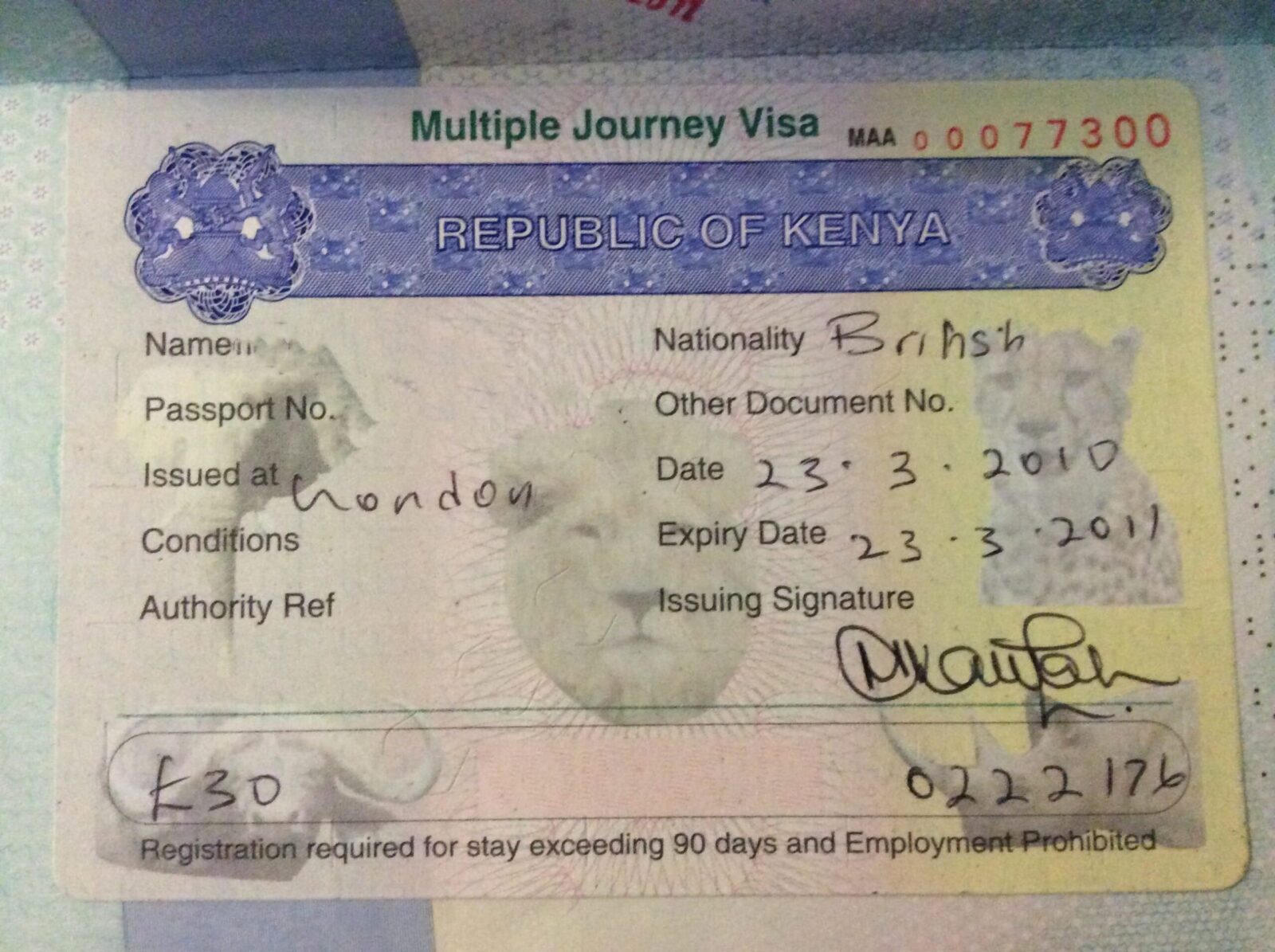
Travellers entering Kenya must hold a passport with at least six months of validity from the date of entry and sufficient blank pages for immigration stamps. Kenya formally transitioned to an e-visa system, requiring most international visitors to obtain an electronic visa before arrival. Applications are submitted through the official online portal, and visitors should take care to use only authenticated government sites to avoid fraudulent intermediaries. The e-visa is typically valid for tourism stays of up to ninety days, with extensions available through immigration offices inside the country.

Travelers from certain countries may be exempt from visa requirements, while others must apply in advance depending on diplomatic agreements and regional policies. Those travelling to Kenya as part of a multi-country East African itinerary may consider the East Africa Tourist Visa, which allows entry into Kenya, Uganda, and Rwanda on a single visa. Immigration officers may request proof of accommodation, return or onward travel, and sufficient financial resources. It is advisable to carry printed copies of all travel confirmations to ensure a smooth arrival process. While Nairobi’s Jomo Kenyatta International Airport handles most entries, land borders and regional airports implement similar procedures.

Health

Health preparedness is essential when travelling to Kenya, particularly due to its diverse ecosystems, varying altitudes, and tropical climate. Travellers are encouraged to consult a travel health specialist six weeks prior to departure for personalized advice. Yellow fever vaccination is required for travellers arriving from countries where yellow fever is present, and a certificate may be requested upon arrival. Standard recommended vaccinations often include hepatitis A, tetanus, typhoid, and other routine immunizations depending on personal health history.

Malaria is present in many lowland and coastal regions, particularly in western Kenya, the Maasai Mara, the coast, and certain parts of the Rift Valley. Anti-malarial medication, mosquito repellent, and protective clothing during evening hours help mitigate risk. Areas with higher altitudes, such as Nairobi and the central highlands, have lower malaria transmission due to cooler temperatures.

Food safety is an important consideration. Travellers should drink bottled or purified water, avoid ice unless certain of its source, and choose cooked foods or fruits that can be peeled. Kenya’s cuisine is diverse and delicious, but those with sensitive stomachs may prefer to introduce new foods gradually.

Altitude sickness may affect travellers in high-elevation destinations such as Mount Kenya or the Aberdares. Proper acclimatization and hydration help reduce symptoms. Kenya’s private hospitals, particularly in Nairobi, offer excellent medical care, though rural facilities may be basic. Travellers requiring prescription medication should bring an adequate supply in original packaging.

Insurance

Comprehensive travel insurance is highly advisable for anyone visiting Kenya. Safari activities, adventure excursions, long-distance travel, and visits to remote national parks require coverage that includes medical care, evacuation, and repatriation. Many safari camps are located far from major hospitals, making evacuation coverage essential for emergency situations. Insurance should also cover trip cancellations, lost luggage, flight delays, and adventure-related activities such as hot-air ballooning, hiking, horse riding, and water sports along the coast.

Travellers embarking on mountain treks, particularly Mount Kenya, should ensure their insurance specifically covers high-altitude trekking. Those planning scuba diving or deep-sea fishing along the coast should confirm that their policy includes marine activities. Comprehensive coverage offers peace of mind and ensures that travellers can enjoy Kenya’s diverse landscapes without undue concern for unexpected circumstances.

Money

The Kenyan shilling is the country’s official currency and is widely used across all regions. ATMs are common in cities, airports, and towns, and most accept international bank cards. Digital payments have also become widespread, particularly through mobile platforms such as M-Pesa, which is used throughout the country for everyday transactions. Visitors may find it convenient to use cash for minor purchases, local markets, and rural services, while major hotels, safari lodges, and restaurants accept credit and debit cards.

Foreign currency can be exchanged at banks, hotels, or licensed exchange bureaus. It is advisable to carry small denominations of Kenyan shillings for ease of payment in markets or during travel between remote destinations. While US dollars may be accepted for certain tourism services, reliance on foreign currency should be limited to avoid potential confusion. Travellers should store money securely and remain aware of their belongings in crowded areas.

Tipping

Tipping is customary in Kenya and is appreciated across the tourism industry. While not mandatory, tipping reflects gratitude for good service and contributes meaningfully to the incomes of guides, porters, hotel staff, and service workers. Safari guides and trackers work under demanding conditions, and tipping is often a valued acknowledgment of their expertise. In restaurants, hotels, and camps, tipping is welcomed according to the traveller’s discretion. Travellers should carry small denominations of local currency to facilitate tipping throughout their journey.

Travel Destinations

Kenya’s travel destinations are extraordinarily diverse, offering travellers an opportunity to explore wildlife-rich savannahs, volcanic landscapes, tropical islands, bustling cities, and cultural centres. The Maasai Mara remains one of the world’s most celebrated safari regions, known for its abundant wildlife and its role as the northern extension of the Serengeti ecosystem. The Great Migration, where millions of wildebeest and zebra move across the plains, stands as one of nature’s greatest spectacles. Even outside migration season, the Mara’s landscapes and predator populations provide world-class safari experiences.

Amboseli National Park, located at the foot of Mount Kilimanjaro, offers dramatic views of Africa’s highest mountain and is known for its large herds of elephants. Lake Nakuru National Park, situated within the Rift Valley, is famous for its flamingo populations (when conditions allow), rhino sanctuary, and picturesque lake surroundings. Tsavo East and Tsavo West form one of the largest protected ecosystems in East Africa, offering vast landscapes, rugged terrain, and a wilder, less commercial safari experience.

In northern Kenya, Samburu National Reserve introduces travellers to distinctive wildlife species such as Grevy’s zebra, reticulated giraffe, and the gerenuk, while providing opportunities to engage with Samburu communities whose traditions remain deeply rooted in pastoralist culture. The Turkana region offers desert landscapes, ancient archaeological sites, and a sense of isolation that appeals to adventurous travellers seeking uncharted terrain.

Kenya’s coastline offers a different type of beauty altogether. Mombasa, Lamu, Watamu, Diani, and Malindi provide pristine beaches, coral reefs, and a vibrant Swahili cultural heritage shaped by centuries of trade across the Indian Ocean. Lamu Island, a UNESCO World Heritage Site, captivates travellers with its narrow alleyways, traditional dhow boats, Islamic architecture, and slow pace of life. Watamu and Malindi attract divers, snorkelers, and marine researchers due to their rich underwater life and protected coral gardens.

Nairobi, often overlooked by travellers in a hurry to reach safari destinations, stands as a cultural and historical hub with museums, craft markets, wildlife sanctuaries, and modern dining experiences. Nairobi National Park provides the unique opportunity to view wildlife against a city skyline, while the Karen Blixen Museum and the National Museum of Kenya illuminate the country’s historical and cultural narratives.

How to Get There

Kenya is well connected to international destinations through Jomo Kenyatta International Airport (NBO) in Nairobi and Moi International Airport (MBA) in Mombasa. Nairobi serves as the primary gateway for most international travellers, receiving flights from Europe, the Middle East, Africa, and a growing number of destinations in Asia and North America. Domestic flights connect Nairobi to major safari hubs such as the Maasai Mara, Amboseli, Samburu, Diani Beach, Malindi, Lamu, and Kisumu. Wilson Airport in Nairobi is the centre for regional safari flights, offering a network of scheduled and charter services to airstrips across the country.

Overland travel is common between many destinations, although distances can be long. Road conditions vary widely, with highways between major cities improving while some rural and remote areas remain accessible only by four-wheel-drive vehicles. Safari operators often organise private transfers for travellers heading to lodges in remote parks. Kenya also shares land borders with Tanzania, Uganda, and Ethiopia, though travellers should confirm visa requirements and safety considerations before crossing.

Rail travel between Nairobi and Mombasa has become increasingly popular due to the modern Standard Gauge Railway (SGR) system, offering a comfortable and efficient way to reach the coast. Boat travel is generally limited to coastal excursions and inter-island transportation in Lamu.

Best Time to Visit

Kenya remains a year-round destination, but certain seasons offer ideal conditions depending on interests. The dry seasons, from June to October and from December to March, are considered the best periods for safari travel due to clear skies, moderate temperatures, and excellent wildlife viewing. During these months, animals gather around water sources, vegetation thins for increased visibility, and road access improves in most parks.

The Great Migration typically reaches the Maasai Mara between July and October, though patterns vary based on rainfall in the Serengeti. These months attract travellers seeking dramatic river crossings and predator action. The second dry season, between December and March, offers warm temperatures and superb game viewing, particularly in the Mara and Tsavo ecosystems.

The rainy seasons, particularly April and May, bring lush landscapes, fewer crowds, and ideal conditions for birdwatching. Although some roads may become muddy and certain lodges may close temporarily, the scenery becomes vibrant, and wildlife remains abundant. The coastal region is pleasant year-round, though humidity increases during the rainy months, and the period between December and March is especially attractive for beach travel.

Understanding seasonal patterns helps travellers plan experiences that best suit their interests, whether focused on safaris, trekking, photography, cultural immersion, or coastal relaxation.


Gabon Travel Advice

Gabon Travel Advice

By Gabon travel guides

Gabon Travel Advice

Gabon stands as one of Africa’s last great wilderness frontiers, a country where dense equatorial rainforests meet sweeping savannahs, mangrove-lined coasts, and remote national parks teeming with wildlife rarely encountered elsewhere on the continent. Travellers who arrive in Gabon are often struck by the country’s extraordinary quietness, the abundance of untouched landscapes, and the sense of discovery that characterises nearly every journey. Much of Gabon remains forested and sparsely populated, allowing nature to dominate both visually and ecologically. It is a country where endangered species such as forest elephants, lowland gorillas, giant pangolins, and mandrills still roam vast protected regions, where leatherback turtles nest on wild Atlantic beaches, and where whales migrate along the coast during specific months of the year. This natural wealth has shaped Gabon’s emerging identity as a conservation-driven destination, with a tourism model centred around sustainability, science, and immersive wilderness experiences.

Gabon offers something rare in modern tourism: a feeling of stepping into landscapes that have remained largely untouched for thousands of years. National parks such as Loango, Ivindo, Lopé, and Pongara create opportunities for travellers to witness unique ecosystems that cannot be found elsewhere. Loango’s now-famous “surfing hippos,” forest buffalo grazing near the ocean, and the possibility of encountering gorillas in pristine forests have captured global fascination. Yet beyond its wildlife, Gabon’s cultural rhythms offer another dimension to travel. Traditional communities, coastal villages, and urban centres such as Libreville provide insight into the country’s artistic traditions, music, cuisine, and contemporary lifestyle. Travellers soon discover that Gabon blends wild landscapes with modern comforts, creating a destination suited for those curious about conservation, tropical biodiversity, and culturally grounded exploration.

Quick Facts

Gabon is located on the west coast of Central Africa, bordered by Equatorial Guinea, Cameroon, and the Republic of the Congo. The country spans an area of approximately 267,000 square kilometres, much of which is covered by dense equatorial forest that forms part of the wider Congo Basin. The population remains relatively small compared to the landmass, contributing to Gabon’s sense of space and natural dominance. Libreville serves as the capital and largest city, situated along the Atlantic coastline. The official language is French, although indigenous languages such as Fang, Myene, and Bapounou are widely spoken across different regions. The country operates using the Central African CFA franc, which is shared with several neighbouring nations and stabilised through a regional monetary arrangement.

Gabon is often described as a stable and peaceful country within Central Africa, known for its commitment to protecting natural habitats. Over ten percent of its landmass is designated as national parks, a unique achievement in African conservation. The nation’s population is concentrated primarily in urban areas, while much of the interior remains wild and lightly inhabited. These foundational facts allow travellers to better understand Gabon’s geographical, linguistic, and cultural framework before exploring its diverse landscapes.

Geography and Climate

Gabon’s geography is dominated by its equatorial rainforest, representing one of the most pristine sections of the Congo Basin. These forests are critical to global biodiversity and climate regulation, containing vast carbon stocks and serving as habitats for countless species of plants and animals. Coastal plains stretch along the Atlantic Ocean, where lagoons, estuaries, and mangroves create important breeding grounds for fish, turtles, and migratory birds. Inland, the terrain rises into forested hills, plateaus, and savannah zones, with the Ogooué River flowing across the country as its major waterway. The river and its tributaries form lifelines for both wildlife and local communities, shaping ecosystems that vary dramatically from one region to another.

Gabon experiences an equatorial climate, characterised by high humidity, abundant rainfall, and consistent temperatures throughout the year. The average daytime temperature ranges from twenty-four to thirty degrees Celsius, although coastal breezes often moderate the heat near Libreville and Port-Gentil. The country has two main rainy seasons and two dry seasons. The long rainy season typically spans from February to May, bringing heavy downpours that refresh the forests and raise river levels. The short rainy season occurs around October and November. The dry seasons run from June to September and from December to January. The long dry season is considered the most comfortable for travel, offering reduced humidity and easier access to remote regions. These climatic patterns are essential for travellers to understand, particularly when planning wildlife-focused journeys or exploring forested areas where seasonal conditions influence accessibility, wildlife behaviour, and logistical arrangements.

Passports and VisasGabon Travel Advice

Travellers entering Gabon are required to hold a passport with at least six months of validity from the date of entry and at least one or two blank pages for stamps. Visa requirements apply to most international travellers, although Gabon has implemented an e-visa system designed to simplify the arrival process. The e-visa can be obtained online prior to travel and is generally valid for thirty days, with extensions possible through local immigration offices. Travellers should ensure that their e-visa approval letter is printed and carried during travel, as it may be requested by immigration officials. Some nationalities are exempt from visa requirements or may obtain visas upon arrival, but such policies are subject to change, making it prudent to verify all regulations before departure.

Proof of onward travel, hotel reservations, and financial means for the duration of the stay may be requested at border control. Travellers entering Gabon through Libreville’s Léon-Mba International Airport generally find immigration procedures orderly, although processing times can vary depending on arrival volume. Those crossing into Gabon by land from neighbouring countries should ensure they are familiar with the specific requirements of the entry point they plan to use, as visa-on-arrival services may not be available everywhere.

Health

Health preparation is an important part of travelling to Gabon, particularly because of its equatorial climate, dense forests, and presence of tropical diseases. A yellow fever vaccination is mandatory for entry, and travellers must carry their vaccination certificate, as it is frequently checked at immigration. Beyond this requirement, travellers should consult a travel health specialist before departure to determine recommended vaccinations, which may include hepatitis A, typhoid, tetanus, and hepatitis B. Depending on the travel itinerary, additional vaccines or precautionary medications may be advised.

Gabon is a malaria-risk region, especially in forested and coastal areas, making preventative medication and insect protection essential. Mosquito nets, long-sleeved clothing for evenings, and insect repellent form important components of personal protection. Drinking bottled, purified, or filtered water is recommended, and care should be taken when consuming raw foods unless from trusted sources. Facilities in Libreville and Port-Gentil provide modern medical care, but remote destinations such as national parks or rural communities may have limited healthcare options. Travellers with ongoing medical conditions should bring all necessary medication in original pharmacy packaging along with prescriptions or physician letters to avoid complications during customs or in case of replacement needs.

Heat and humidity can affect travellers unaccustomed to equatorial conditions. Hydration, sun protection, and pacing activities are important, especially during wildlife walks or forest treks where shade may be limited. Gabon is also home to stinging insects, tropical plants, and wildlife species whose habitats may overlap with trekking routes. Travellers are advised to follow guide instructions closely during forest excursions, as guides possess extensive knowledge of safe pathways, wildlife behaviour, and environmental hazards.

Insurance

Comprehensive travel insurance forms a vital component of planning a trip to Gabon, given the country’s remote wilderness areas, the potential challenges of forest terrain, and the limited medical infrastructure outside major cities. Insurance should cover emergency medical care, evacuation, and repatriation, especially for travellers visiting national parks where the nearest medical facilities may be far away. Gabon’s tourism experiences often involve activities such as forest treks, boat excursions, and extended wildlife viewing in challenging environments, making it essential that insurance policies include adventure or nature-based travel.

Insurance should also cover travel delays, lost baggage, and trip cancellations, as flights to and within Gabon sometimes experience schedule changes due to weather, operational adjustments, or seasonal factors. Visitors engaging in gorilla trekking, whale watching, and coastal excursions should ensure that their policies explicitly cover these experiences. A well-chosen insurance plan provides peace of mind and ensures that travellers can enjoy Gabon’s extraordinary wilderness without undue concern over unforeseen circumstances.

Money

Gabon uses the Central African CFA franc (XAF), a stable currency shared with several Central African countries. The currency is readily accessible in cities through banks, ATMs, and currency exchange offices. While ATMs are available in Libreville, Port-Gentil, and some regional centres, travellers should not rely exclusively on them when exploring remote areas, particularly national parks where banking facilities are limited or nonexistent. Cash remains important for local purchases, small vendors, tips, and rural expenses. Credit cards are accepted in major hotels, upscale restaurants, and some service providers, but many mid-range and local establishments prefer cash.

It is recommended to carry a combination of CFA francs in small and medium denominations, especially when travelling outside urban centres. Foreign currencies such as US dollars or euros may be accepted by certain tourism operators, though travellers should verify these arrangements in advance. Exchanging money at authorised banks ensures compliance with local regulations and avoids potential issues with unofficial exchange services. Budgeting for national park entry fees, guided tours, transport, and meals is essential, particularly in destinations where tourism services operate in specialized formats that require advance planning and structured payments.

Tipping

Tipping is appreciated in Gabon and serves as a meaningful way to acknowledge high-quality service from guides, hotel staff, drivers, and boat operators. While not obligatory, tipping forms part of the hospitality culture and contributes to the livelihoods of many individuals in the tourism industry. Travellers who spend time in national parks or remote camps will find that staff work diligently to provide comfortable and safe experiences under challenging environmental conditions. Tipping guides and wildlife trackers is particularly common, as these professionals possess specialized skills that enhance the quality of wildlife encounters. Having small denominations of CFA francs readily available helps facilitate tipping throughout the journey.

Travel Destinations

Gabon’s travel destinations offer extraordinary depth and variety, ranging from pristine rainforests to Atlantic beaches, savannahs, and riverine landscapes. Loango National Park is perhaps the most renowned of Gabon’s parks, celebrated for its rich wildlife, including elephants, buffalo, and primates that roam freely between forest and coastline. Its beaches serve as nesting grounds for leatherback turtles, while offshore waters attract humpback whales during migration season. Loango’s unusual combination of forest and ocean makes it one of the most distinctive wildlife destinations in Africa, providing safari experiences unlike those found elsewhere.

Ivindo National Park is another major attraction, home to the spectacular Kongou Falls and Langoué Bai, a natural forest clearing where elephants, gorillas, and other species gather. These bais offer travellers a rare opportunity to observe wildlife from specially designed platforms that allow for quiet, prolonged viewing. The park’s rivers, dense forests, and rich biodiversity make it a favourite destination for naturalists and adventurous travellers.

Lopé National Park represents a transitional zone where forest meets savannah, creating a mosaic of ecosystems that support both forest and savannah species. The region is notable for mandrill migrations, one of the most impressive primate phenomena in Africa. The Lopé region also contains archaeological sites that reveal ancient patterns of human settlement.

Pongara National Park, situated near Libreville, provides easier access to mangroves, forest landscapes, and beaches where turtles nest. Its proximity to the capital makes it a popular destination for short excursions, while still offering a wild and peaceful environment. In addition to the parks, Libreville itself serves as a vibrant introduction to Gabonese urban culture, with its markets, coastal promenades, art scenes, and restaurants offering insight into modern Gabonese life.

How to Get There

Most international travellers arrive in Gabon through Léon-Mba International Airport in Libreville, which serves as the country’s primary aviation gateway. The airport receives flights from regional and international carriers, connecting Gabon to Europe, North Africa, and other African nations. Port-Gentil also has an airport that receives domestic flights and limited international connections. Once in Gabon, domestic flights, road transfers, and boat services provide access to various destinations, although travel logistics often require careful planning due to the remoteness of many national parks.

Travel between parks such as Loango, Ivindo, or Lopé typically involves multi-stage transfers combining road, river, and air transport. Operators and lodges usually arrange these logistics due to the complexity of accessing wilderness regions. Roads in urban areas are generally paved, while rural roads may be affected by seasonal rains and require four-wheel-drive vehicles. Boats remain an essential mode of transportation within certain parks, particularly those accessible only by river.

Travellers arriving overland from neighbouring countries should ensure they enter through designated border crossings with the necessary documents. Domestic travel in Gabon is greatly enhanced by working with experienced tour operators who understand the terrain, park regulations, cultural considerations, and transportation requirements unique to the country.

Best Time to Visit

The best time to visit Gabon depends on the type of experience travellers seek. The long dry season, from June to September, is considered the optimal period for most journeys. During this time, humidity decreases, wildlife becomes more visible, and travel conditions improve across forest trails, roads, and waterways. This period also aligns with the whale-watching season along Gabon’s coastline, when humpback whales migrate through the area. Travellers exploring Loango may also have improved opportunities to see forest elephants and other wildlife at clearings or along beaches.

The short dry season, occurring around December and January, also offers favourable travel conditions. The rainy seasons, particularly the long rains from February to May, bring heavy downpours that intensify the beauty of Gabon’s forests but may limit accessibility in certain regions. Nonetheless, the rainy season presents superb opportunities for birdwatching and for appreciating the full vibrancy of equatorial forests. Travel during the rainy months is possible with proper planning, though itineraries may require flexibility.

Understanding seasonal changes helps travellers select the period that best aligns with their interests, whether focused on wildlife, photography, festival travel, or coastal experiences. Gabon remains a compelling destination year-round for those drawn to wild, atmospheric landscapes and authentic ecological immersion.

Ethiopia Travel Advice

Ethiopia Travel Advice

By Ethiopia travel guides

Ethiopia Travel Advice

Ethiopia is a country unlike any other on the African continent, offering travellers a journey through landscapes, cultures, and historical epochs that feel both ancient and timeless. As one of the world’s oldest continuously inhabited regions, Ethiopia carries a sense of depth that is felt in its monumental highland churches, centuries-old traditions, archaeological sites that reveal early human origins, and a culture that has preserved its individuality despite waves of global change. A journey through Ethiopia is shaped by its extraordinary diversity. Highland plateaus stretch across much of the country, providing cool climates and dramatic scenery, while deep river valleys carve through landscapes that shift from volcanic formations to lowland deserts. Travellers may walk among rock-hewn churches that have stood since the 12th century, explore markets filled with spices, crafts, and ritual objects, or encounter pastoral communities whose livelihoods are tied to ancient agricultural rhythms.

Ethiopia’s travel experience is enriched by its people, whose warmth and hospitality are recognised by visitors from around the world. The country’s cultural identity has been shaped by a unique calendar, script, cuisine, and Orthodox Christian heritage that has remained independent for centuries. The Ethiopian highlands are often referred to as the “Roof of Africa,” not only because of their elevation but also because of their imposing natural beauty. In addition, Ethiopia’s role as the birthplace of coffee has given rise to rituals that reflect both community and tradition, allowing travellers to experience hospitality through the shared ceremony of roasting, grinding, and brewing. Whether arriving to trek in the Simien Mountains, trace human history in the Rift Valley, witness ancient religious festivals, or experience the surreal volcanic landscapes of the Danakil Depression, visitors quickly realise that Ethiopia is a place of layers and contrasts that requires time and curiosity to fully appreciate.

Quick Facts

Ethiopia is located in the Horn of Africa and is bordered by Eritrea, Djibouti, Somalia, Kenya, South Sudan, and Sudan. With a population surpassing one hundred million, it is one of Africa’s most populous countries and one of the fastest-growing economies on the continent. The capital city, Addis Ababa, stands near the centre of the country at an elevation of over 2,300 meters, making it one of the highest capital cities in the world. Ethiopia’s official language is Amharic, although the country is home to more than eighty ethnic groups and a wide array of local languages such as Oromo, Tigrinya, and Somali. English is commonly taught in schools and is widely used in business, tourism, and higher education.

The Ethiopian calendar differs from the Gregorian system by approximately seven to eight years and features twelve thirty-day months followed by a shorter thirteenth month. Timekeeping also follows a unique cultural pattern where the day begins at sunrise rather than midnight. The currency used is the Ethiopian birr, which should be obtained locally upon arrival for ease of payment. Ethiopia maintains its own script, known as Ge’ez, and has preserved many cultural traditions that reflect a strong sense of historical continuity. These quick facts offer essential context for travellers preparing for a journey into a country where modernity and ancient identity blend seamlessly in daily life.

Geography and Climate

Ethiopia’s geography is among the most varied and dramatic in Africa, shaped by high mountain ranges, deep valleys, active volcanoes, fertile plateaus, and sprawling lowlands. The Ethiopian Highlands dominate much of the country, giving rise to temperate climates and fertile agricultural zones. These highlands are bisected by the Great Rift Valley, a geological feature of immense scientific significance that extends across East Africa. Lakes such as Lake Tana, Lake Awasa, and Lake Shala occupy sections of the Rift Valley, each contributing unique ecosystems and cultural importance. Lake Tana, the source of the Blue Nile, is particularly notable for its monasteries and religious heritage.

To the north, the Simien and Bale mountain ranges rise dramatically with peaks that exceed 4,000 meters, offering some of the most impressive trekking environments on the continent. These areas serve as habitats for endemic species such as the gelada monkey, the Ethiopian wolf, and the walia ibex. In stark contrast, the Danakil Depression in the northeast sits below sea level and is considered one of the hottest places on Earth. Its colourful sulphur springs, salt flats, and active volcanoes such as Erta Ale create landscapes that appear almost extraterrestrial. The lowland regions in the south and east transition into semi-arid and pastoralist zones inhabited by communities whose livelihoods depend on mobility, cattle herding, and ancient traditions.

The climate varies significantly depending on altitude. The highlands enjoy mild temperatures throughout much of the year, while the lowlands can experience intense heat, particularly during the dry season. Ethiopia has two primary seasons: the dry season, which runs from October to May, and the rainy season, which peaks between June and September. A shorter rainy period occurs in March and April in some regions. Understanding these climatic patterns helps travellers plan appropriate clothing, itinerary timing, and expectations regarding weather-related changes in travel conditions.

Passports and VisasEthiopia Travel Advice

Travellers entering Ethiopia must hold a passport with at least six months of validity from the date of arrival and sufficient blank pages for visa stamps. Ethiopia’s visa policies have become increasingly streamlined, particularly for tourism. Many nationalities can obtain an e-visa through the official Ethiopian government portal prior to travel. The e-visa is typically valid for thirty or ninety days depending on the option selected. Visitors may also apply for a visa on arrival at Addis Ababa Bole International Airport, though pre-arranged visas tend to expedite the arrival process and reduce waiting times.

Those arriving overland through border posts should verify whether visa-on-arrival services are available at their chosen crossings, as regulations differ depending on the entry point. Travellers staying beyond their visa validity may be subject to fines or delays when exiting the country, making it essential to renew visas in advance if extending the trip. Immigration officers may request proof of onward or return travel, hotel reservations, or evidence of adequate funds for the duration of the stay. Ensuring that all travel documents match booking details and that printed copies of essential reservations are carried helps facilitate a smooth entry process.

Health

Health preparedness is an important component of any trip to Ethiopia, particularly given its varied altitudes, climates, and urban-rural divides. Travellers are advised to consult a travel health specialist six weeks prior to departure to review vaccination needs and personal medical considerations. Routine vaccinations such as tetanus, measles, and hepatitis A are commonly recommended. Additional vaccinations may be suggested depending on the region of travel. Yellow fever vaccination is required for travellers arriving from countries where yellow fever transmission is present and may be requested at entry points.

Malaria is present in many lowland and moderate-altitude areas, including parts of the Rift Valley and southern Ethiopia, making anti-malarial medication, insect repellent, and protective clothing essential for travellers visiting those regions. The highlands offer reduced malaria risk due to cooler temperatures and elevation. Tap water is not recommended for drinking in most parts of Ethiopia, and travellers should rely on bottled, boiled, or purified water. Care should be taken when consuming raw vegetables, salads, or street food unless the source is trusted and hygiene visibly maintained.

Altitude sickness can affect travellers visiting high-altitude destinations such as the Simien Mountains or Addis Ababa. Symptoms may include headaches, shortness of breath, fatigue, or nausea. Ascending gradually, staying hydrated, and avoiding strenuous activity upon immediate arrival at high elevations can help manage symptoms. Those with respiratory or heart conditions should consult a medical professional before finalising travel plans. Private hospitals in Addis Ababa provide reputable care, while rural areas may have limited facilities. Travellers with medical conditions should bring prescribed medications in original containers and carry documentation if required by airport security.

Insurance

Comprehensive travel insurance is considered essential for travel in Ethiopia. The geographic diversity, climatic variations, and long travel distances between major destinations mean travellers may encounter unexpected circumstances requiring medical or logistical support. Insurance should cover emergency medical care, evacuation, trip cancellations, lost baggage, and adventure activities. Travellers visiting high-altitude trekking regions, desert environments, remote communities, or wildlife reserves benefit significantly from policies that include medical evacuation to Addis Ababa or an international medical facility. Many trekking routes and rural regions have limited access to advanced medical care, making insurance critical.

Insurance also protects against flight delays, unexpected schedule changes, or cancellations that may occur due to weather conditions, seasonal challenges, or regional events. Given Ethiopia’s expansive geography, a reliable insurance policy provides peace of mind and allows travellers to explore confidently and safely.

Money

The Ethiopian birr is the official currency, and it is best obtained within the country through banks, ATMs, or currency exchange bureaus. Credit cards are accepted in major hotels, high-end restaurants, and certain stores in Addis Ababa, but cash remains the primary mode of transaction in most parts of the country. ATMs are generally available in larger towns, though travellers should not rely on them exclusively, as machine availability and card compatibility can vary. Exchanging foreign currency at authorised locations ensures better security and compliance with Ethiopian regulations.

Most travellers find that carrying moderate amounts of cash is necessary for purchasing food, transport, souvenirs, and local services. International currencies such as US dollars may be accepted for certain tourism-related expenses, but reliance on foreign currency should be minimal outside major hotels or tour operators. Bargaining is common in markets and among local vendors, although fixed prices are often observed in large establishments. Care should be taken to store money securely, particularly in crowded areas.

Tipping

Tipping is widely practised in Ethiopia and is appreciated as a gesture of gratitude for services rendered. It is customary to offer tips to guides, drivers, hotel staff, and restaurant servers. While not compulsory, tipping acknowledges the efforts of individuals who contribute to a traveller’s experience and often supplements livelihoods in the tourism sector. Tipping practices may vary depending on the location, type of service, and length of stay, but even modest contributions are valued. Travellers carrying small denominations of the Ethiopian birr will find tipping easier and more seamless during their journey.

Travel Destinations

Ethiopia offers an astonishing variety of travel destinations that reflect its cultural, historical, and ecological diversity. Addis Ababa serves as the gateway to the country, offering museums such as the National Museum of Ethiopia, where fossils like Lucy provide insight into human origins. The city’s lively markets, coffee ceremonies, and vibrant neighbourhoods provide an introduction to contemporary Ethiopian life.

The northern historical circuit remains a highlight for many travellers. In Lalibela, rock-hewn churches carved into volcanic tuff stand as masterpieces of medieval engineering and spiritual devotion. These churches, some connected by tunnels and passages, remain active places of worship, creating an atmosphere that blends centuries-old traditions with present-day religious life. Axum, another historical city, is associated with the ancient Aksumite Kingdom, renowned for its obelisks, archaeological sites, and churches connected with Ethiopia’s long tradition of Christianity. Gondar, known for its castle complex and royal enclosure, offers travellers a glimpse into Ethiopia’s imperial history.

The Simien Mountains provide some of Africa’s most dramatic mountain scenery, with jagged peaks, deep gorges, and high-altitude plateaus. The region is known for its endemic wildlife, most notably the gelada monkey, which is often observed in large groups near cliff edges. The Bale Mountains in the southeast offer another highland landscape with unique flora and fauna, including the Ethiopian wolf, one of the most endangered carnivores in the world.

The Rift Valley introduces a contrasting environment of lakes, birdlife, and agricultural landscapes. Towns such as Hawassa offer lakeside retreats, while the area supports significant biodiversity. The south of Ethiopia brings travellers into contact with communities whose cultural traditions remain integral to daily life. Regions such as the Omo Valley are home to groups such as the Hamar, Mursi, and Karo, whose ways of life reflect ancient pastoral traditions intertwined with modern influences.

To the northeast, the Danakil Depression offers one of the most surreal landscapes on Earth. Its colourful sulphur springs, salt mining operations, and volcanic craters provide travellers with an entirely different vantage point on Ethiopia’s geological significance. Although challenging, journeys to the Danakil reward travellers with sights found nowhere else on the continent.

How to Get There

Ethiopia is well connected through Addis Ababa Bole International Airport, one of Africa’s busiest hubs and the operational centre of Ethiopian Airlines, a globally recognised carrier. International flights link Addis Ababa to cities across Africa, Europe, North America, Asia, and the Middle East. Domestic flights provide efficient access to major destinations such as Lalibela, Gondar, Axum, Bahir Dar, Dire Dawa, and Arba Minch. Given Ethiopia’s vast size and mountainous terrain, domestic flights are the most time-effective way to explore multiple regions.

Overland travel is possible through road networks that connect major cities and towns, although travel times may be long due to mountainous terrain and regional variations in infrastructure. Guided tours and private transport are common for accessing remote areas such as the Simien Mountains or the southern cultural regions. Railway services operate between Addis Ababa and Djibouti, primarily for freight but also offering passenger services on certain schedules. Boats are used in limited regions, particularly around Lake Tana.

Best Time to Visit

The best time to visit Ethiopia generally falls between October and April, when the dry season offers cooler temperatures, clearer skies, and more comfortable travel conditions. These months are ideal for exploring historical sites, trekking in the highlands, or enjoying urban experiences without the interference of heavy rainfall. The landscape remains vibrant after the rainy season, making conditions particularly pleasant during the months following September.

The rainy season from June to September brings agricultural richness but may hinder travel in remote areas due to muddy conditions or reduced road access. Nonetheless, some travellers appreciate the green season for its lush landscapes, fewer crowds, and opportunities for photography. The Danakil Depression, due to its extreme heat, is best visited between November and February when temperatures are less intense. Festivals such as Timkat and Meskel attract travellers seeking to experience Ethiopia’s spiritual traditions and cultural heritage, making these months especially enriching for cultural tourism.

Egypt Travel Advice

Egypt Travel Advice

By Egypt travel guides

Egypt Travel Advice

Egypt has long held a magnetic appeal for travellers drawn to ancient wonders, desert landscapes, and the timeless flow of the River Nile. As one of the world’s most historically significant destinations, it captures the imagination with its monumental pyramids, ornate temples, and millennia-old archaeological sites that continue to shape global understanding of early civilization. Yet Egypt is far more than the ancient world preserved in stone. It is a living, modern nation animated by vibrant cities, rich culinary traditions, coastal resorts, and communities that maintain traditions passed down through generations. From the cosmopolitan energy of Cairo to the tranquillity of the Nile Valley, the sun-washed shores of the Red Sea, and the quiet expanses of the Western Desert, Egypt unfolds as a land of contrasts, complexity, and cultural depth.

Travellers visiting Egypt quickly discover that its appeal lies not only in history, but also in the cultural warmth and hospitality of its people. Daily life is interwoven with storytelling, craftsmanship, traditional music, bustling markets, and customs shaped by centuries of cultural exchange. The sounds of prayer echo over cities, fishermen cast nets along the Nile, and artisans carve, paint, or weave with skill refined over countless generations. Egypt’s tourism landscape has grown to accommodate diverse travel interests ranging from adventure and archaeology to beach holidays, desert expeditions, and luxury river cruises. Despite its popularity, Egypt still provides unique and personal experiences for those who venture beyond iconic sites. This travel advice has been prepared to give travellers a detailed understanding of what to expect and how to plan with confidence, ensuring a journey that is safe, enriching, and grounded in respect for Egypt’s heritage and contemporary life.

Quick Facts

Egypt is located in the northeastern corner of Africa and is bordered by the Mediterranean Sea to the north and the Red Sea to the east, along with regional neighbours such as Sudan, Libya, Israel, and the Gaza Strip. It is home to more than one hundred million people, making it one of Africa’s most populous nations. Arabic is the official language, although English is widely spoken within the tourism sector, hotels, and major cities. The currency is the Egyptian pound, which fluctuates periodically and should be monitored before travel. The country operates on Eastern European Time, remaining consistent throughout the year without daylight savings adjustments in recent years.

Egypt has a deeply stratified cultural history influenced by ancient Egyptian civilization, Greco-Roman heritage, Islamic dynasties, Coptic Christian traditions, and Ottoman and European influences. Cairo is the capital and largest city, known for its blend of ancient districts, modern neighbourhoods, and the Nile cutting through its heart. Alexandria adds a Mediterranean character shaped by Greek and Egyptian history, while Luxor and Aswan serve as gateways to the ancient world preserved along the Nile Valley. These foundational details provide essential context for understanding Egypt’s identity before exploration begins.

Geography and Climate

Egypt’s geography is defined by the contrast between the lush Nile Valley and Delta, which support the majority of the population, and the vast arid deserts that dominate most of the country’s landmass. The Nile River, flowing from south to north, is more than a geographical feature; it is the historical lifeline of Egypt, shaping agriculture, commerce, and settlement patterns for thousands of years. The fertile riverbanks remain central to local livelihoods, with fields of sugarcane, wheat, and vegetables standing in stark contrast to the surrounding desert. To the east, the rugged Sinai Peninsula rises with dramatic mountains and coastal stretches, offering religious significance and adventure opportunities. To the west lies the expansive Western Desert, home to oases such as Siwa, Bahariya, and Dakhla, where traditional life continues at a gentle pace amidst palm groves and mineral springs.

The climate in Egypt is predominantly desert-like, characterised by long, dry summers and mild winters. Temperatures vary dramatically between day and night, and between northern coastal regions and inland desert areas. Cairo experiences warm to hot temperatures throughout the year, while Upper Egypt, including Luxor and Aswan, becomes significantly hotter during summer months. The Red Sea coast enjoys warm weather year-round, with temperatures moderated by coastal breezes. Rainfall is minimal across the country, except for the Mediterranean coastline where occasional winter rains occur. Sandstorms, known as khamsin, may appear in spring and can reduce visibility. Understanding these climatic variations is essential for planning an itinerary that aligns with comfort levels, sightseeing priorities, and seasonal travel preferences.

Passports and VisasEgypt Passports and Visas

Travellers visiting Egypt must hold a passport with at least six months of validity from their date of arrival. Most international visitors require a visa to enter the country, although the process has become increasingly streamlined over the past decade. Many nationalities can obtain an e-visa before arrival through the official Egyptian government portal, which offers both single-entry and multiple-entry options. Others may acquire a visa on arrival at major airports such as Cairo, Hurghada, Sharm El Sheikh, and Luxor, though policies vary depending on nationality. The visa on arrival is typically valid for thirty days and can be extended at local immigration offices for those wishing to stay longer.

It is advisable to verify the latest visa regulations prior to departure, as requirements occasionally change based on diplomatic agreements or internal policies. Travellers should carry printed copies of travel itineraries, hotel reservations, and return or onward flight tickets, as immigration officers may request them. Those embarking on Nile cruises or multi-city journeys should also ensure passport details match all travel documents to avoid delays during domestic transitions. With proper preparation, the visa process is generally efficient and straightforward.

Health

Health preparedness plays a crucial role in ensuring a smooth journey through Egypt, particularly when travelling between urban centres, desert regions, and the Nile Valley. Travellers are encouraged to consult a travel health specialist at least six weeks before departure to review vaccination needs and receive personalised medical advice. Routine vaccinations such as tetanus, measles, and hepatitis A are commonly recommended, while additional vaccines may be advised depending on the traveller’s medical history and itinerary. Egypt does not require proof of yellow fever vaccination unless travellers arrive from or transited through countries where the disease is present. Health risks in Egypt are generally manageable with proper awareness, although precautions should be taken regarding food, water, and climate.

Drinking bottled or purified water is strongly recommended, and travellers should avoid ice in beverages unless certain of its source. Street food is a cherished part of Egyptian culture, but travellers with sensitive stomachs may prefer to choose establishments with high turnover and visible hygiene practices. The desert heat can be intense, especially in summer, making hydration and sun protection essential. Those visiting archaeological sites should be prepared for extended periods outdoors with limited shade. Sand and dust may affect travellers with respiratory sensitivities, particularly during the khamsin season. Egypt has high-quality private hospitals in major cities, but facilities in remote regions may offer limited services. Travellers should bring any necessary prescription medications in their original packaging along with a doctor’s note to avoid complications during customs checks.

Insurance

Given the varied landscapes, climate conditions, and types of travel experiences offered in Egypt, comprehensive travel insurance is strongly advised. Insurance coverage should include emergency medical care, evacuation, trip cancellations, lost luggage, and any adventure activities planned during the journey. Travellers embarking on desert excursions, Red Sea diving trips, Nile cruises, or archaeological tours benefit significantly from having insurance that covers unexpected circumstances such as injuries, cancellations, or delays. Medical care in private facilities is generally of good quality but must be paid for upfront without insurance coverage, making preparation essential.

Insurance that includes emergency evacuation is particularly valuable for travellers visiting remote desert regions or diving locations where medical services are not immediately accessible. Mobility within major destinations is relatively easy, but long distances between archaeological sites or coastal resorts can complicate access to healthcare during emergencies. A well-structured insurance policy provides peace of mind and allows travellers to focus on enjoying Egypt’s rich experiences without unnecessary concern.

Money

The Egyptian pound (EGP) is the country’s official currency, and it is accepted widely across all sectors. ATMs are common in major cities, airports, and tourist hubs such as Luxor, Aswan, and coastal resorts. International credit and debit cards are accepted in hotels, restaurants, large shops, and reputable tourism establishments, although smaller vendors, markets, taxis, and rural areas prefer cash. It is advisable for travellers to carry a combination of cash and cards to ensure flexibility in all environments. Currency exchange services are available at banks, official bureaus, and major hotels, though exchange rates vary.

Travellers should be aware that cash remains important in many parts of the tourism economy, especially when purchasing souvenirs, paying local guides, or using transportation services. Carrying small denominations is useful for daily transactions, and it is recommended to keep money secure and divided between different storage locations when moving through busy markets or crowded public areas. Budget planning should include entrance fees for archaeological sites, transport costs, meals, accommodation, and optional tours, as these can add up depending on the style of travel chosen.

Tipping

Tipping is a well-established custom in Egypt and is appreciated across the tourism sector. It reflects gratitude for good service and acknowledges the efforts of individuals working in hospitality, guiding, transportation, and site maintenance. While tipping is not mandatory, it has become an expected component of the service industry and contributes to the livelihoods of many workers. Travellers typically offer tips in restaurants, hotels, Nile cruise boats, and during guided tours. Even small amounts are appreciated and help reinforce positive interactions with those who assist travellers throughout their journey.

Tipping practices may differ between urban and rural areas, and travellers may find that service providers rely on tips as a meaningful part of their income. Although travellers unfamiliar with the custom may initially find it confusing, it becomes easier to navigate once immersed in the local ecosystem of hospitality. Maintaining small denominations of local currency allows travellers to tip appropriately and with ease.

Travel Destinations

Egypt offers a wealth of travel destinations that appeal to diverse interests, from archaeology and history to beach holidays, spiritual journeys, and outdoor adventures. Cairo stands as the gateway to the country, offering a blend of ancient heritage and modern life. The nearby Giza Plateau is home to the iconic Pyramids of Giza and the Great Sphinx, structures that continue to intrigue historians and travellers alike. The Egyptian Museum, the Grand Egyptian Museum, and the historic quarters of Islamic Cairo and Coptic Cairo provide deeper insight into Egypt’s layered history and cultural richness.

Further south, the Nile Valley unveils a sequence of ancient cities and temples that narrate the story of pharaonic civilization. Luxor is often described as the world’s greatest open-air museum, with the temples of Karnak and Luxor, the Valley of the Kings, and the Valley of the Queens stretching across both sides of the Nile. Aswan offers a quieter rhythm, shaped by Nubian culture, the Philae Temple, and the serene waters of Lake Nasser. Sailing along the Nile by traditional felucca or luxury cruise remains one of Egypt’s most timeless and evocative experiences.

To the east, the Red Sea region presents some of the best diving and snorkelling opportunities in the world. Sharm El Sheikh, Hurghada, Marsa Alam, and Dahab attract travellers seeking sun, marine life, and water sports. Coral reefs flourish in clear waters, providing vibrant underwater environments for explorers. On Egypt’s Mediterranean coast, Alexandria offers a blend of modernity and ancient history, where Roman ruins and cultural institutions reflect the city’s storied past as a centre of scholarship.

Inland deserts reveal another side of Egypt. The Western Desert is adorned with oases where traditional life continues with minimal change. Siwa Oasis, perhaps the most distinctive, offers a tranquil retreat with natural springs, ancient temples, and unique Berber traditions. The White Desert and the Black Desert present surreal rock formations and geological wonders that feel like stepping into another world. The Sinai Peninsula blends rugged landscapes with spiritual significance, drawing pilgrims and travellers to Mount Sinai and St. Catherine’s Monastery.

How to Get There

Egypt is well connected to international destinations through major entry points such as Cairo International Airport, Sharm El Sheikh International Airport, and Hurghada International Airport. Flights operate from Europe, the Middle East, Africa, Asia, and North America, offering numerous connections for travellers arriving from distant regions. Once inside Egypt, domestic flights make it easy to reach Luxor, Aswan, Abu Simbel, and coastal resorts. The efficiency of domestic flight networks allows travellers to explore the vast distances between Egypt’s major destinations without requiring long overland journeys.

Road travel within Egypt is extensive, though traffic conditions differ between major cities and rural regions. The road network along the Nile Valley is particularly well developed, connecting Cairo, Luxor, and Aswan. Many travellers move between destinations as part of guided tours or private transfers arranged through reputable operators. Train travel is available between Cairo and Upper Egypt, offering an alternative transport method for those seeking a slower journey along the Nile. Water transport is central to Nile Valley tourism, with river cruises offering a comfortable way to explore archaeological sites while experiencing life along the river.

Best Time to Visit

The best time to visit Egypt is typically between October and April, when temperatures are cooler and more comfortable for sightseeing, especially in Luxor, Aswan, and the desert regions. These months align with peak tourism season due to milder weather and minimal rainfall. Travellers exploring ancient temples, pyramids, and archaeological sites benefit from cooler conditions that make full-day excursions more enjoyable. The Red Sea coast also thrives during this period, with clear waters, pleasant sea breezes, and optimal diving visibility.

The summer months from May to September bring much higher temperatures, especially in Upper Egypt and the desert. Coastal areas remain more temperate, making the Red Sea region a year-round destination, though inland regions may feel extremely hot during the peak of summer. Cultural travel remains possible throughout the year as long as travellers prepare for heat, early morning departures, and appropriate hydration. The best time ultimately depends on personal preference, travel goals, and seasonal availability of specific experiences. With proper planning, Egypt can be enjoyed throughout the year, each season offering unique aspects of its ancient and modern allure.

Close Menu