search
How to get to Uganda

How to get to Uganda

By Travel guides, Travel stories and blogs, Uganda travel guides

How to Get to Uganda
Unlocking the Pearl of Africa: Seamless Journeys to East Africa’s Best-Kept Secret

A Gateway to Wild Wonder

Uganda, often celebrated as the “Pearl of Africa,” is a land brimming with natural majesty, diverse cultures, and unforgettable wildlife experiences. From the mist-shrouded forests of Bwindi to the powerful cascades of Murchison Falls, Uganda beckons travelers with its raw beauty and unfiltered charm. However, before these breathtaking moments can be savored, an essential question arises for every potential traveler: how does one get to Uganda?

This question is more than a logistical inquiry—it is the first step in an unfolding adventure. Reaching Uganda is not simply about flights and highways; it is about entering a realm where nature reigns and culture thrives, where each arrival is the beginning of a transformative journey. With increasing global connectivity, improved infrastructure, and the dedication of local tourism partners, accessing Uganda has become more efficient, reliable, and immersive than ever.

International Entry Points: The Skyward Arrival

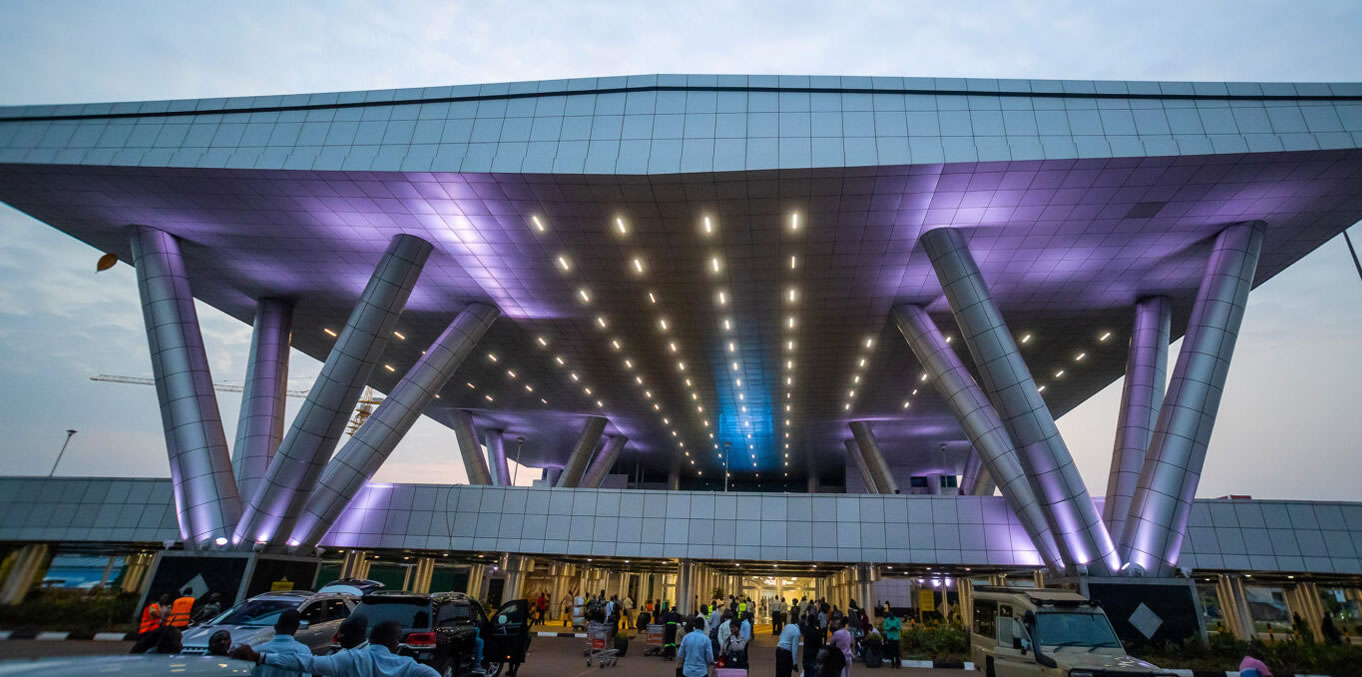
The most common and convenient way to reach Uganda is by air. The country’s primary international gateway is Entebbe International Airport (EBB), situated on the scenic shores of Lake Victoria, approximately 40 kilometers southwest of the capital city, Kampala. This airport has evolved into a well-equipped and modern facility, serving as the point of entry for the vast majority of international visitors.

A number of international carriers operate regular flights to Entebbe from major global hubs. Connections are available through prominent cities such as Amsterdam, Istanbul, Doha, Dubai, Addis Ababa, Nairobi, Kigali, Johannesburg, and Cairo. As a result, travelers from North America, Europe, the Middle East, and Asia can often reach Uganda with just one or two layovers.

Flights into Uganda typically land at Entebbe at various times throughout the day, offering flexible arrival windows. Upon landing, travelers are welcomed by a well-organized immigration and customs process. The atmosphere of the airport immediately reflects the country’s warm hospitality, with friendly staff and clear signage ensuring that visitors feel at ease.

Visa Requirements and Entry Formalities

For most travelers, a visa is required to enter Uganda. Fortunately, the process has been simplified through an electronic visa system that allows applicants to secure entry permits online prior to arrival. The Uganda e-Visa portal offers options for single-entry, multiple-entry, and even the East Africa Tourist Visa, which allows seamless movement between Uganda, Kenya, and Rwanda.

All travelers must present a valid passport with at least six months’ validity, along with confirmation of their visa approval (if pre-applied). Proof of yellow fever vaccination is also mandatory and is checked upon arrival. These measures ensure both safety and efficiency while reinforcing Uganda’s commitment to responsible tourism.

The entire entry experience at Entebbe International Airport is marked by professionalism and an eagerness to assist. For those arriving late at night, nearby airport hotels and dedicated meet-and-greet services are readily available, further easing the transition into the country.

Domestic Transfers and Getting Around

After entering Uganda, travelers will find a variety of transportation options for reaching their onward destinations. Given the diverse and widespread attractions across the country, internal travel is often a combination of domestic flights, road transfers, and guided tours.

Domestic air travel has become increasingly popular, particularly for those visiting remote regions such as Bwindi Impenetrable Forest or Kidepo Valley National Park. Regional airlines operate scheduled and charter flights from Entebbe and Kajjansi Airstrip (near Kampala) to smaller airstrips across the country. These flights drastically reduce travel time and offer spectacular aerial views of Uganda’s verdant landscape.

Alternatively, many travelers opt to explore Uganda by road, a mode of transport that allows for deeper immersion into local life and scenery. Roads have improved significantly over the years, especially those connecting major cities and national parks. Travel by 4×4 safari vehicles is common, with guided tours providing both comfort and expert narration. While certain rural routes can be rough, the sense of adventure and the sights along the way more than compensate for any bumps.

Public transport options such as buses and minibuses exist, but they are primarily suited for experienced or budget travelers familiar with the local environment. For those seeking a more structured experience, relying on a reputable tour operator is strongly recommended.

Land Borders and Regional Connections

While air travel remains the most efficient method of arrival, Uganda also shares borders with Kenya, Tanzania, Rwanda, South Sudan, and the Democratic Republic of Congo, making it accessible to overland travelers. Several official border crossings are open to tourists and cater to those journeying through East Africa on extended adventures.

From Kenya, the Busia and Malaba border posts are commonly used, linking travelers from Nairobi to Kampala via well-serviced roads. The southern border with Rwanda is accessible through Gatuna and Cyanika, often used by visitors traveling between the gorilla parks of both nations. From Tanzania, the Mutukula border in the southwest provides access to Uganda’s southern highlands, while the Elegu border post connects Uganda to South Sudan to the north.

Cross-border bus services operate between Uganda and its neighbors, providing affordable and scenic routes. The East African Tourist Visa further simplifies regional travel by allowing multiple entries into Uganda, Kenya, and Rwanda for a single fee, streamlining the logistics for adventurous travelers.

Preparing for the Journey: Health, Safety, and Customs

Uganda is a safe and welcoming destination, but certain travel preparations are necessary. As noted, yellow fever vaccination is mandatory, and travelers are also encouraged to consult health professionals regarding other vaccinations such as hepatitis A and B, typhoid, and malaria prophylaxis.

The country’s customs regulations are straightforward, with allowances for personal effects and duty-free items within reasonable limits. Import restrictions apply to firearms, certain medications, and prohibited substances. Travelers should ensure that they declare any valuables or large sums of currency to avoid complications.

Security at entry points is robust yet unobtrusive, with Ugandan authorities maintaining a visible but friendly presence. Tourist assistance desks at the airport provide useful information and can assist with onward transport or lodging inquiries.

Why the Journey is Part of the Experience

While reaching Uganda may involve multiple steps, every stage of the journey is imbued with anticipation and discovery. Whether arriving from the skies above Lake Victoria, crossing into the hills from Rwanda, or driving through the plains from Kenya, travelers are gradually immersed in a land that balances serenity with vitality.

The journey itself becomes a vital part of the Ugandan experience. The slow reveal of landscapes, the changing rhythms of culture, and the genuine warmth of the people serve as powerful introductions to what lies ahead. For many, this first encounter with Uganda forms a vivid memory long before the safaris or the gorilla treks even begin.

Traveling with Confidence Through WildHorn Africa

For those seeking to explore Uganda with comfort, efficiency, and insight, the importance of a trusted travel partner cannot be overstated. Navigating entry requirements, booking domestic flights, coordinating road transfers, and selecting the best routes requires local expertise and a deep understanding of traveler needs.

WildHorn Africa, a premier tour operator with years of experience, specializes in tailor-made safari experiences and seamless travel logistics. From airport pickups to park permits, from expert guides to luxury accommodations, WildHorn Africa ensures that your journey into Uganda is smooth, safe, and unforgettable.

With personalized itineraries designed around your interests and schedule, WildHorn Africa turns the question of “how to get to Uganda” into an easy decision—and your arrival into the beginning of an extraordinary adventure.

Book your African safari with WildHorn Africa today, and let your journey to the Pearl of Africa begin with clarity, ease, and excitement.
Birds in Uganda

Birds in Uganda

By Travel guides, Travel stories and blogs, Uganda travel guides

Birds in Uganda: Symphony of Wings in the Pearl of Africa

Where Feathers Paint the Skies of a Wild Paradise

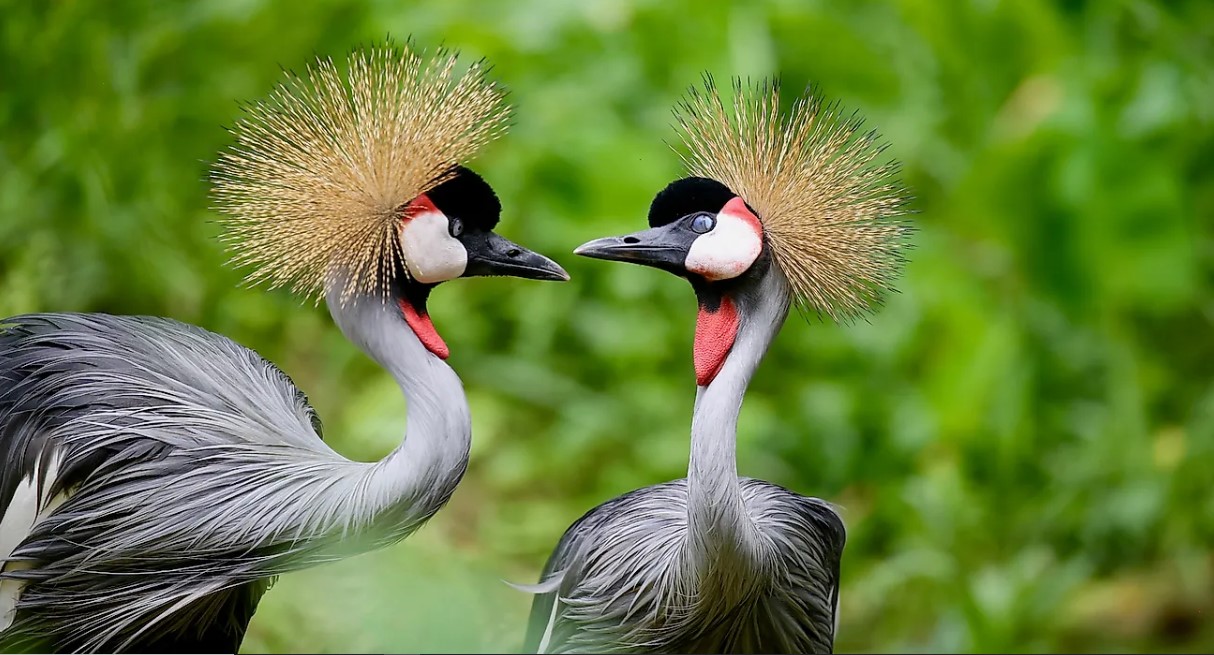
In the heart of East Africa lies a land where the skies come alive with an astonishing diversity of birds. Uganda, aptly known as the “Pearl of Africa,” is not only home to lush landscapes and iconic wildlife, but also hosts one of the richest avian populations found anywhere on Earth. For passionate birders, conservationists, and travelers in search of rare and exotic sightings, Uganda is an unmissable destination. With over 1,060 recorded bird species, this small yet ecologically rich country has earned its title as Africa’s birding capital.

What makes Uganda so special for birdlife is its unique geographic position. It straddles the meeting point of the East African savannah, the West African tropical rainforest, and the Afro-montane ecosystems of the Albertine Rift. These overlapping ecological zones allow a staggering variety of birds to thrive across an impressive range of habitats—from misty mountains and deep rainforests to swamps, savannahs, crater lakes, and papyrus wetlands. Whether in flight above the Nile or perched deep in a forest canopy, birds here are not just abundant—they are magnificent.

A Sanctuary for Rare and Endemic Birds

Uganda’s birdlife includes some of the most sought-after and mysterious species in the world. The country’s forests and wetlands are home to birds found nowhere else on the planet, particularly those of the Albertine Rift Valley, a region known for its high levels of endemism. Birders travel from across the globe hoping to glimpse elusive species such as the African Green Broadbill, Rwenzori Turaco, or the shimmering Green-breasted Pitta, all of which can be found only in the montane forests of western Uganda.

In the swampy lowlands, the legendary Shoebill Stork rules the wetlands. This massive, prehistoric-looking bird, with its enormous shoe-shaped bill and piercing eyes, is one of Uganda’s most iconic avian attractions. Often spotted in places like Mabamba Swamp near Lake Victoria or in the Nile delta of Murchison Falls, the Shoebill is as strange as it is majestic. Its rarity and peculiar appearance make it one of the most prized sightings for birdwatchers visiting Africa.

Avian Richness in Uganda’s Protected Areas

The vast network of national parks, forest reserves, and wetlands in Uganda serves as prime birding territory. Each region presents a different avian dimension, shaped by its landscape and ecological character.

In Bwindi Impenetrable National Park, a UNESCO World Heritage Site, the dense afro-montane forest teems with over 350 bird species, including 23 Albertine Rift endemics. Here, birders find themselves immersed in an orchestra of calls and colors, with species such as the Short-tailed Warbler, Black Bee-eater, and Western Green Tinkerbird flitting through ancient canopies.

Queen Elizabeth National Park, known for its vast savannahs and crater lakes, offers a contrasting avifauna, where open skies reveal raptors, waterbirds, and savannah specialists. Along the Kazinga Channel, massive flocks of pelicans, African skimmers, and yellow-billed storks congregate, while overhead, the mighty African Fish Eagle lets out its unmistakable cry—an anthem to the wild.

Meanwhile, Murchison Falls National Park, bisected by the Nile, features a range of ecosystems that support an impressive diversity of birdlife. The riverbanks, forests, and dry plains echo with the calls of kingfishers, hornbills, and sunbirds, with the possibility of spotting the Shoebill along the Nile delta.

In the remote and untouched Kidepo Valley National Park, birding takes on an arid beauty. Here, species typically associated with the Horn of Africa and Sahel regions, such as the Karamoja Apalis, can be found. Kidepo also offers sightings of ostriches, vultures, and Secretary Birds, adding to its wild and isolated charm.

Wetlands: The Breeding Grounds of Avian Abundance

Uganda’s wetlands are perhaps the most underrated birding treasure in the country. Vast swamps and marshes act as critical breeding and feeding grounds for a multitude of birds, both resident and migratory. The Mabamba Swamp, a Ramsar-listed wetland west of Kampala, has become famous for its accessibility and its reputation as one of the most reliable places to spot the Shoebill.

Other wetlands, such as the Lutembe Bay Wetland System, Lake Opeta, and Lake Bisina, provide sanctuary to birds like the Papyrus Gonolek, White-winged Warbler, and Papyrus Canary—species that are tightly bound to these unique habitats. These fragile ecosystems play a vital role in both conservation and local livelihoods, making them key areas for community-based ecotourism and environmental awareness.

Bird Migration: Uganda as a Global Flyway Stopover

Uganda is also a significant hub for migratory birds, serving as a wintering ground for species escaping the cold of Europe and Asia. During the migration seasons, large numbers of waders, ducks, and passerines descend on Uganda’s wetlands and lakeshores. Species such as the Common Sandpiper, Eurasian Marsh Harrier, and Barn Swallow add to the already rich birdlist, turning the country into a global birdwatching hotspot during peak seasons.

These migratory patterns not only emphasize Uganda’s international conservation importance, but also its potential to support birding tourism year-round, with different seasons offering different sightings and behaviors.

Birding as a Tool for Conservation and Community Development

Birding in Uganda goes beyond observation—it has evolved into a powerful conservation and economic tool. Local communities around protected areas have embraced bird tourism as a sustainable livelihood. Trained local bird guides, many of whom come from indigenous backgrounds, now lead birding excursions and contribute valuable knowledge to both tourists and researchers.

Conservation organizations and national authorities have worked hand in hand to establish Important Bird Areas (IBAs), promote bird habitat protection, and train birding professionals, ensuring that Uganda remains not just a birdwatcher’s paradise, but a model for community-inclusive biodiversity protection.

This synergy between conservation and livelihood empowers communities to protect bird habitats, turning species like the Shoebill and African Green Broadbill into ambassadors for environmental stewardship.

Birding Infrastructure and Accessibility

Uganda’s growing birding infrastructure now includes birding trails, canopy walks, observation hides, and boat safaris, making birdwatching more accessible to travelers of all levels. From casual nature lovers to hardcore “twitchers,” Uganda provides safe, organized, and professional birding experiences.

Many lodges near protected areas now cater specifically to birders, offering early morning services, knowledgeable staff, and eco-friendly operations. Regions like Kibale, Budongo Forest, and Semuliki have established reputations as key birding destinations, often combining seamlessly with wildlife safaris and cultural tourism.

Uganda Offers a Birding Experience Like No Other

Few countries can match Uganda’s blend of bird diversity, habitat variety, and natural beauty. Here, birding does not occur in isolation—it is part of a broader journey through pristine rainforests, across dramatic landscapes, and among cultures that have coexisted with nature for centuries.

From the alpine moorlands of the Rwenzori Mountains to the lush wetlands of Lake Victoria, every moment in Uganda reveals a new winged wonder. Some birds dazzle with color, others with song, and still others with sheer rarity—but all contribute to an experience that feels deeply connected to the rhythms of the Earth.

Explore Uganda’s Avian Wonders with WildHorn Africa

For those ready to embark on a birding journey of a lifetime, the right partner makes all the difference. WildHorn Africa, a leader in curated African experiences, offers expertly guided birding safaris in Uganda that combine deep field knowledge with responsible travel practices.

Whether tracking Albertine Rift endemics in Bwindi, gliding through papyrus swamps in search of the Shoebill, or joining a multi-day birding circuit through Uganda’s diverse ecosystems, WildHorn Africa tailors each journey to suit both amateur enthusiasts and seasoned birders. Their commitment to conservation tourism ensures that every trip contributes to the protection of Uganda’s avian heritage.

Book your African tour and birding safari with WildHorn Africa, and witness Uganda’s skies unfold in a dazzling spectacle of wings, colors, and calls. Here, every bird sighting becomes a story—and every journey, a lifelong memory.

A travel guide to visiting Uganda during the elections.

A travel guide to visiting Uganda during the elections.

By Travel guides, Travel safety, Travel stories and blogs, Uganda best time to visit, Uganda travel guides, When to go

A Travel Guide to Visiting Uganda During the Elections

Where Politics Meets the Pearl of Africa

At the confluence of adventure and democracy lies a unique experience: visiting Uganda during its election period. While many travelers might hesitate at the thought, those who choose to explore this East African nation at such a pivotal time are often rewarded not just with its natural wonders, but also with a deeper understanding of its people, culture, and the dynamics that shape its national identity.

Uganda’s elections are not mere administrative events—they are deeply emotional and transformative periods, often characterized by heightened political activity, civic engagement, and widespread debate across regions. For the discerning traveler, this presents both an opportunity and a challenge. On one hand, it offers a rare lens into the soul of a nation striving toward democratic maturity; on the other, it demands a measured, well-informed approach to travel.

This guide has been crafted to provide a comprehensive and factual roadmap for anyone intending to visit Uganda during an election season. It combines an understanding of security, cultural awareness, transportation logistics, and local interaction with the goal of ensuring that your experience remains both memorable and safe.

Understanding the Electoral Landscape

Uganda holds general elections every five years, with presidential, parliamentary, and local government leaders elected through a national vote organized by the Electoral Commission (EC). These elections are typically held in January or February, although political activity ramps up several months prior, especially in urban centers like Kampala, Jinja, Mbarara, Gulu, and Mbale.

Travelers will likely encounter campaign posters, rallies, and discussions among locals. These are not just signs of political campaigning—they are expressions of a population actively engaged in the future of their country. While most Ugandans are incredibly hospitable, it is important to understand that elections can stir strong emotions, especially among youth and politically active communities.

Although Uganda has enjoyed relative political stability for decades under the leadership of President Yoweri Museveni, elections often come with tensions, especially in areas where opposition support is strong. These tensions are usually localized and short-lived, but it remains important to stay informed and exercise discretion during interactions.

Safety and Security: Staying Informed, Staying Aware

Traveling to Uganda during the elections is not inherently dangerous, but it does require heightened awareness and preparation. The presence of security personnel, checkpoints, and increased military visibility is often noted during this time. While these measures are primarily intended to maintain order, travelers unfamiliar with the region may find them intimidating.

The situation on the ground can shift quickly, particularly around election day and during the announcement of results. Internet shutdowns, curfews, and spontaneous demonstrations have occurred in past cycles, particularly in Kampala and other politically active towns. These are typically aimed at preventing unrest or information manipulation, but they can also disrupt travel plans and communication.

It is advisable for travelers to remain updated through reliable sources, including international news outlets, hotel staff, or travel agencies with a strong local presence. Engaging in political discourse or attending rallies is strongly discouraged, not only for safety but to maintain respect for the local context. Photography at sensitive locations such as polling stations or government buildings should also be avoided unless permitted.

In remote areas and national parks, however, the election atmosphere is usually much calmer. Most game reserves, wildlife sanctuaries, and tourism hubs continue to operate normally, even during peak political periods. Travelers planning safaris or mountain treks will find that the wilderness remains untouched by political noise, offering serenity amidst national transition.

Travel Logistics During Election Season

Movement across Uganda during elections is generally possible, but some routes may be affected by political activity or traffic congestion, especially near urban centers. It is common for roads in and out of major towns to be periodically blocked or patrolled, especially if campaign events are taking place.

Booking transport through reliable, experienced tour operators is highly recommended, as these companies are more likely to receive updates about route changes or political hotspots. Air travel into and out of Entebbe International Airport usually remains unaffected, though international flights might experience additional security screenings.

Car rental, fuel access, and domestic flights may face minor delays depending on local conditions. It is not unusual for hotels to increase security during this time, and many will have internal protocols to assist guests in case of disruptions. Travelers are advised to share their itineraries with trusted contacts and check in regularly with guides or accommodation providers.

The use of mobile money and cash transactions might be affected during internet shutdowns. Carrying some local currency in cash form, ideally smaller denominations, is advised. While credit card usage is growing, especially in upmarket hotels and restaurants, cash remains the dominant medium in rural and semi-urban areas.

Cultural Sensitivities and Local Engagement

Uganda is known for its warmth, hospitality, and rich cultural diversity. During election periods, these values are often magnified, as political discourse becomes a central part of community life. Travelers may be invited into conversations or asked about their views on the elections. While curiosity is natural, offering political opinions—particularly those favoring or criticizing a specific party—should be avoided.

Maintaining neutrality and showing respect for local perspectives is the most respectful approach. Listening attentively and asking open-ended questions without judgment is often appreciated. Dress modestly, particularly in rural areas and near government institutions, and always ask before taking photographs of individuals or cultural ceremonies.

It should be remembered that elections are deeply personal in Uganda, especially in communities that have historically experienced marginalization or political exclusion. As such, empathy, humility, and discretion should guide every interaction.

Benefits of Visiting Uganda During Elections

While election periods may seem tense, there are aspects of this timing that can enhance the travel experience. The country is often vibrant with cultural expression, traditional dances, public dialogues, and intergenerational conversations about leadership and history. It offers a window into the civic identity of Uganda that is rarely visible during regular tourist seasons.

Furthermore, travel during election months often coincides with Uganda’s dry season, particularly in January and February. This is an ideal time for gorilla trekking, game viewing, and exploring the scenic beauty of regions like Bwindi Impenetrable Forest, Murchison Falls, Lake Bunyonyi, and Queen Elizabeth National Park. Many lodges and camps continue to operate uninterrupted and offer promotions due to reduced international travel during political cycles.

With proper planning and local support, travelers can explore Uganda with confidence, discovering not only its wildlife and landscapes but also its political heartbeat. The contrast between a lion’s roar in the savannah and a campaign speech in a village square creates a uniquely Ugandan symphony—one that few destinations can offer.

Why You Shouldn’t Miss Uganda—Even During Elections

To overlook Uganda during its election period is to miss an extraordinary convergence of civic identity and natural majesty. From the source of the Nile to the summit of the Rwenzoris, from the historic kingdoms of Buganda and Bunyoro to the rainforests where gorillas roam, the country beckons with its untamed beauty and powerful stories.

Traveling responsibly, with cultural respect and situational awareness, opens doors to deeper human connection. Visitors willing to look beyond headlines will find a nation alive with dialogue, hospitality, and hope. The energy of an election is not something to be feared—it is a sign of a people taking ownership of their future.

Of course, traveling at such a time should not be done without expert guidance. This is where trusted travel partners become invaluable—helping you navigate with ease, ensuring your safety, and allowing you to immerse yourself fully in the experience.

Travel With Confidence Through WildHorn Africa

For those ready to explore Uganda even during its most transformative moments, there is one name that stands out. WildHorn Africa has established itself as a premier travel and safari company, deeply rooted in the region and committed to delivering authentic, safe, and unforgettable African adventures.

With an expert team on the ground, WildHorn Africa provides personalized itineraries that adapt to local contexts, especially during sensitive periods such as elections. From airport pickups to secure transport and insider access to Uganda’s hidden gems, every journey is tailored for comfort and cultural insight.

Let your Ugandan experience be more than a trip—let it be a story of discovery, respect, and awe. Book your safari, cultural tour, or gorilla trek through WildHorn Africa and let them guide you through the Pearl of Africa with wisdom and care.

Travel safety in Uganda

Travel safety in Uganda

By Travel guides, Travel safety, Travel stories and blogs, Uganda travel guides

Travel Safety in Uganda
Exploring the Pearl of Africa with Confidence and Peace of Mind

An Inviting Destination with Precautions in Place

Uganda, often called the “Pearl of Africa,” continues to captivate travelers with its extraordinary landscapes, diverse wildlife, and rich cultural tapestry. The allure of gorilla trekking in Bwindi, the grandeur of the Nile, and the vast savannahs of Murchison Falls beckon visitors from across the globe. While Uganda offers incredible experiences, the question of travel safety naturally arises. Understanding the realities on the ground and being prepared contributes significantly to a secure and enjoyable journey.

It is important to recognize that Uganda is a stable and welcoming country where tourism is supported by local authorities and communities alike. Yet, like any destination, travel safety depends on awareness, good planning, and respect for local customs. By embracing informed strategies, visitors are empowered to navigate Uganda’s diverse environments—from bustling cities to remote wildernesses—confidently and comfortably.

Political Stability and General Security

Over recent decades, Uganda has maintained relative political stability, especially compared to some neighboring countries. The government has invested in improving infrastructure, security services, and tourism facilities, aiming to provide a safe environment for visitors. Tourist areas, including national parks and major towns, are generally well-policed and secure.

Incidents of violent crime targeting tourists are rare, though petty crimes such as pickpocketing and opportunistic theft can occur, particularly in crowded markets, transport hubs, and urban centers. Vigilance in public spaces is advised, as is the prudent use of personal belongings and valuables. Travelers who exercise standard caution, such as avoiding poorly lit or isolated areas at night and securing belongings, typically experience trouble-free visits.

Public demonstrations and political rallies are uncommon but may happen. These events are usually peaceful, but it is wise for travelers to avoid any large gatherings or protests to minimize risk.

Health and Hygiene Safety

Health safety is a critical aspect of travel in Uganda. The country lies in a tropical region where diseases such as malaria are endemic. Travelers are advised to take prescribed antimalarial medication and follow preventive measures against mosquito bites.

Waterborne illnesses may also present risks, particularly in rural areas where access to clean water is limited. Safe drinking water should always be consumed, and food hygiene practices should be observed. Eating freshly cooked meals and avoiding raw or street foods where hygiene cannot be guaranteed are advisable precautions.

Medical facilities are available in Kampala and other major towns, including private hospitals offering high-quality care. However, remote areas might lack immediate medical access, making comprehensive travel insurance with evacuation coverage essential. Medical emergencies are rare but should be planned for in advance.

Road Travel and Transportation Safety

Road travel constitutes the primary mode of transport for many visitors exploring Uganda’s parks and regions. While recent investments have improved the condition of major highways, some rural roads can remain challenging, particularly during the rainy season when mud and flooding affect accessibility.

Road safety protocols, such as seatbelt use and adherence to speed limits, are enforced, though enforcement levels vary. Drivers may encounter unpredictable road conditions and differing driving habits compared to Western countries. Hiring experienced, professional drivers or using established tour operators who provide reliable transport is strongly recommended.

Public transport options such as buses and minibuses operate extensively but are less suited to tourists unfamiliar with local systems due to variable safety and comfort standards. Using private or company-arranged vehicles remains the safer choice.

Wildlife and Nature Safety

One of Uganda’s greatest attractions—its wildlife—also requires awareness and caution. National parks and reserves have established safety guidelines to protect both visitors and animals. Approaching wildlife without proper guidance is discouraged, as wild animals can be unpredictable.

Gorilla trekking, a highlight for many visitors, is conducted under strict supervision by trained guides who ensure safety protocols are followed, minimizing risk to both humans and gorillas. Similarly, game drives and nature walks should always be done with authorized guides familiar with the terrain and animal behavior.

Natural hazards such as uneven terrain, insects, and potential exposure to tropical weather must also be considered. Wearing appropriate footwear, carrying insect repellent, and staying hydrated enhance safety during outdoor excursions.

Cultural Respect and Personal Conduct

Uganda’s population is characterized by warmth and hospitality, yet cultural norms and traditions vary widely across regions and ethnic groups. Respecting local customs, dress codes, and social etiquette is vital to positive interactions and personal safety.

Visitors are encouraged to seek permission before photographing individuals or cultural sites and to engage openly and respectfully with community members. Sensitivity towards religious beliefs, gender roles, and community values fosters goodwill and helps avoid misunderstandings.

In some rural areas, behaviors considered acceptable in Western countries might be frowned upon or misunderstood. Being aware of such differences and adapting behavior accordingly ensures a respectful and safe travel experience.

Practical Tips for Safe Travel in Uganda

While the safety landscape in Uganda is generally positive, preparation remains key. Having reliable communications, including mobile phones with local SIM cards, can be invaluable. Registering travel plans with embassies or consulates, particularly for longer stays or remote expeditions, is advisable.

Travelers are often advised to carry photocopies of important documents, limit cash on hand, and use hotel safes for valuables. Engaging with reputable tour operators guarantees professional support, local knowledge, and swift assistance in case of unforeseen events.

Flexibility and patience are virtues, especially when encountering delays or changes in plans caused by weather or logistics. The unexpected often adds to the richness of travel in Uganda, provided safety is prioritized.

Navigating Safety with WildHorn Africa

The experience of Uganda’s splendor is best enjoyed with confidence and expert guidance. WildHorn Africa has earned a reputation for exceptional professionalism, safety-first practices, and intimate local knowledge. Their team provides not only expertly planned itineraries but also prioritizes traveler security at every step.

From airport pickups and secure accommodations to trained guides and vetted transport, WildHorn Africa ensures that your exploration of Uganda is seamless and safe. Emergency support, health advice, and personalized care form the foundation of their service, allowing travelers to focus on what truly matters—immersing themselves in the wonder of Uganda.

Book your African safari with WildHorn Africa, and journey into the Pearl of Africa with assured safety, expert support, and unforgettable memories awaiting you.

Top 10 Best Places To Locate Cheetah on Safari

Top 10 Best Places To Locate Cheetah on Safari

By Travel guides, Travel stories and blogs

Top 10 Best Places to Locate Cheetah on Safari

Follow the World’s Fastest Predator Across Africa’s Finest Wildlife Destinations

An Icon of Speed, Grace, and Survival

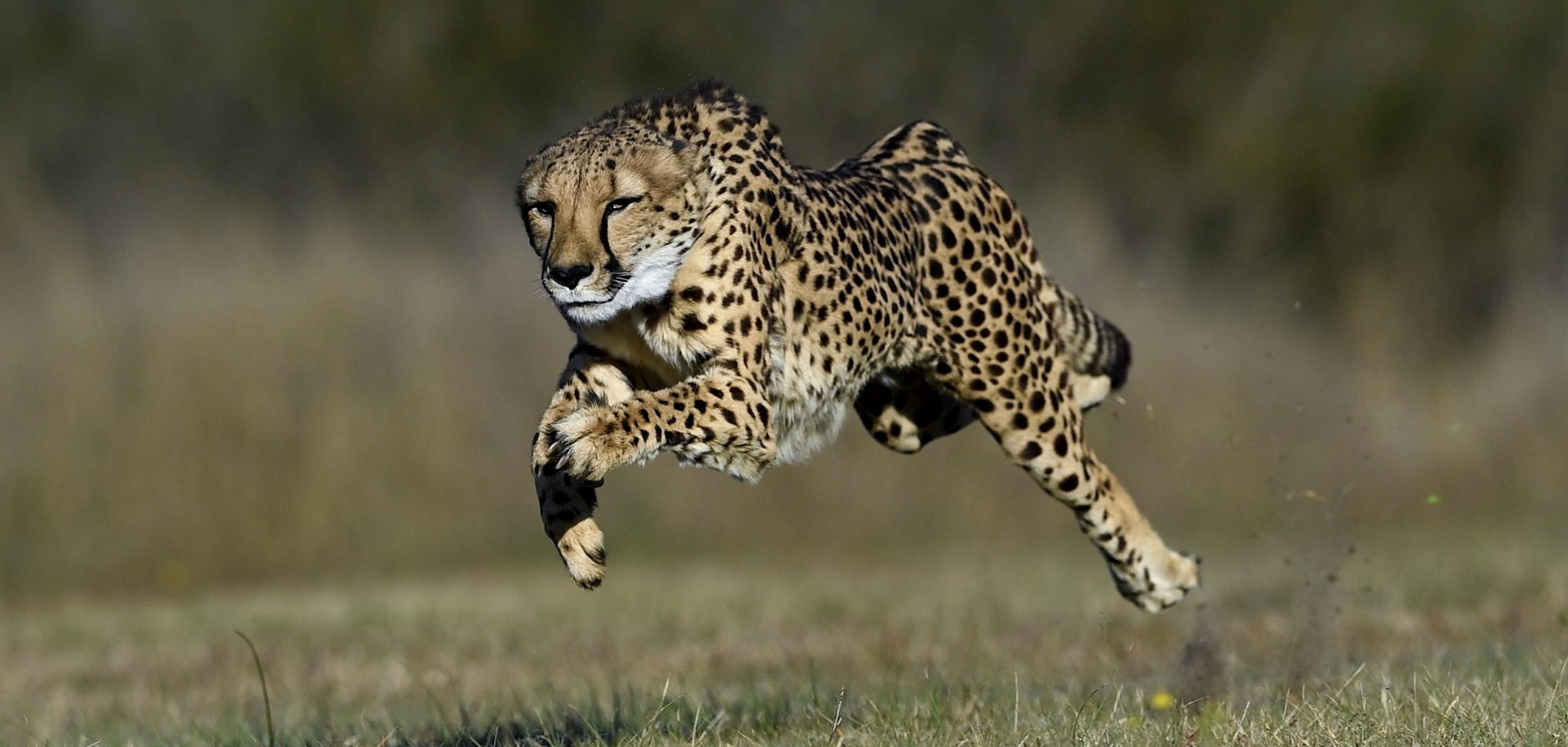
Few creatures evoke the spirit of the African wilderness quite like the cheetah. Sleek, elegant, and built for speed, it reigns as the fastest land mammal on Earth, capable of reaching speeds up to 70 miles per hour in short bursts. Yet despite its fame, the cheetah remains a relatively elusive predator in the wild. Unlike lions, which dominate with power and pride, or leopards, which rule through stealth and seclusion, the cheetah lives a life of delicate balance—navigating territories marked by larger carnivores, habitat loss, and ever-shifting ecosystems.

To encounter this iconic animal in its natural environment is to witness not just a chase, but a story of resilience, vulnerability, and astonishing adaptation. Cheetahs are not only hunters—they are mothers raising cubs alone, males forming coalitions in hostile territory, and solitary nomads traveling across vast savannahs in search of survival.

For travelers and wildlife photographers alike, locating cheetahs on safari represents a profound reward. But their success hinges on more than just luck. It depends on knowing where the odds are highest, understanding their habits, and accessing the most productive ecosystems through expert guidance.

Presented below are the top 10 best places in Africa to locate cheetahs in the wild—regions where the landscape, prey density, and conservation management align to create optimal conditions for viewing these remarkable cats. Each destination offers not only sightings, but deep immersion in the environment that sustains the cheetah’s delicate life.

Serengeti National Park – Tanzania’s Predator Playground

Within the boundless plains of northern Tanzania, the Serengeti emerges as one of the most iconic and reliable places on Earth to spot cheetahs in the wild. Its open savannahs and abundant prey, particularly Thomson’s gazelles, provide ideal hunting grounds for cheetahs to exercise their blistering speed. The short-grass plains of the southern Serengeti, especially during the calving season, are particularly renowned for cheetah sightings.

Cheetahs are frequently seen scanning the horizon from termite mounds, stalking silently through golden grass, or accelerating into a chase that lasts mere seconds yet ends in breathtaking success or failure. The Serengeti’s predator density is exceptional, and with skilled guides and proper timing, travelers are granted front-row access to the drama of the hunt.

Masai Mara National Reserve – Kenya’s Theatre of the Chase

Just across the border from the Serengeti, Kenya’s Masai Mara provides a continuation of the same ecosystem, but with its own distinct charm. Its relatively compact geography, open plains, and high concentration of prey make it one of the most accessible and productive areas to locate cheetahs on safari.

Cheetahs in the Mara have become renowned for their confidence and visibility. Some individuals have grown accustomed to vehicles, allowing for prolonged and intimate observation. In particular, the Mara is known for its charismatic coalitions—groups of male cheetahs who defend territory and hunt in coordinated movements across the savannah.

The interaction between these cheetahs and other predators like lions and hyenas adds another layer to the experience, showcasing the constant risk-reward calculations cheetahs must make to survive.

Okavango Delta – Botswana’s Mosaic of Predatory Beauty

Though better known for its lion prides and leopard sightings, Botswana’s Okavango Delta is increasingly recognized as a prime destination for cheetah tracking—especially in the drier outer fringes of the delta. Areas such as the Selinda Reserve, Linyanti, and the eastern reaches of the delta offer open woodlands and savannahs that suit the cheetah’s hunting style.

The sparse vegetation in these drier zones gives cheetahs room to spot prey and space to accelerate. The ecosystem’s low density of lions and hyenas—compared to denser areas of the delta—provides critical breathing space for cheetah survival. Sightings here may feel more exclusive, as the remoteness of the region ensures that encounters are often experienced in solitude.

Kgalagadi Transfrontier Park – Southern Africa’s Hidden Cheetah Gem

Stretching across Botswana and South Africa, the Kgalagadi Transfrontier Park is one of the most underrated yet remarkable cheetah-viewing destinations on the continent. Its red dunes, dry riverbeds, and sparse vegetation offer unparalleled visibility, turning even distant cheetah movements into striking scenes.

In the Kgalagadi, cheetahs have adapted to arid environments, often relying on ambush techniques and traveling long distances in search of prey. The harshness of the land only amplifies the respect one feels when watching a cheetah make its move across the sand.

This is a destination for the true safari purist—those who seek extended hours in the bush, fewer vehicles, and encounters that feel deeply personal and unfiltered.

Ndutu Area – Tanzania’s Seasonal Cheetah Sanctuary

During the calving season from December to March, the Ndutu area in the southern Serengeti becomes a temporary haven for cheetahs. Drawn by the explosion of newborn wildebeest and gazelle, cheetahs take advantage of the easy pickings, often focusing on young and inexperienced prey.

It is during this time that the chances of seeing cheetahs hunting increase dramatically. The open landscape and abundance of targets make Ndutu a photographer’s dream, offering the rare chance to capture full hunting sequences in excellent light and proximity.

Here, nature’s theater plays out daily—often beginning in the cool hours before dawn and continuing into the golden hues of early evening, when cheetahs are most active.

Central Kalahari Game Reserve – Botswana’s Desert Enigma

The Central Kalahari, one of the largest protected areas in Africa, is often misunderstood as a barren wasteland. Yet beneath its quiet façade lies one of the most intriguing cheetah habitats on the continent. Its open pans, dry riverbeds, and expansive grasslands provide a perfect setting for cheetah pursuits.

Cheetahs here are known for their remarkable adaptability, surviving in a semi-desert climate with scattered prey and little cover. Spotting them often requires patience, sharp eyes, and expert tracking, but the reward is immense. Watching a cheetah emerge from mirage-like heatwaves and begin a slow, calculated stalk across a salt pan is an experience as haunting as it is beautiful.

Ruaha National Park – Tanzania’s Wild Frontier

In the remote southern region of Tanzania lies Ruaha, a lesser-known park that delivers surprisingly high cheetah densities, especially in its dry-season months. This vast and rugged park is defined by baobabs, dry riverbeds, and golden plains that stretch into the horizon.

Cheetahs in Ruaha navigate a predator landscape dominated by lions and wild dogs, making their behavior more cautious and strategic. Sightings can feel more dramatic due to the raw, untamed nature of the park and its minimal tourist footprint.

Ruaha remains one of East Africa’s best-kept secrets, offering encounters that feel far removed from the well-traveled safari routes—intimate, unhurried, and unforgettable.

Namib-Naukluft and Greater Namib Region – Survival Against All Odds

While not traditionally associated with big cat sightings, the Namib Desert and surrounding regions in Namibia support a population of desert-adapted cheetahs that have developed extraordinary survival techniques in one of the planet’s harshest environments.

The open terrain can make spotting easier, but cheetahs in this region are incredibly wary, as their survival depends on isolation, stealth, and endurance. Guided tracking expeditions—often led by conservation-focused lodges and organizations—provide an opportunity to learn about the conservation challenges facing this fragile population, while offering rare and rewarding encounters.

This is not a typical cheetah safari, but one that emphasizes conservation education, ethical tracking, and respect for the cheetah’s struggle in a rapidly changing world.

Lewa Wildlife Conservancy – Kenya’s Model for Cheetah Coexistence

Located in northern Kenya, Lewa Conservancy offers one of the best examples of private land conservation supporting a thriving cheetah population. With low tourist density, highly trained guides, and a carefully managed ecosystem, Lewa allows for longer, deeper, and more informative cheetah sightings.

Guests here are offered insight not just into cheetah behavior, but into the collaborative model that supports their continued survival—engaging with community-driven conservation efforts, anti-poaching strategies, and long-term monitoring programs. Every encounter becomes part of a broader narrative of hope and resilience.

Witness the Speed and Soul of the Wild

To locate a cheetah on safari is to find a symbol—of speed, yes, but also of fragility and grace. It is a reminder that beauty in the wild is never guaranteed, and that every sighting is a gift born of protection, patience, and presence.

From the rolling plains of the Serengeti to the quiet sands of the Kalahari, Africa offers countless landscapes where cheetahs continue to chase both prey and survival. For travelers, these moments offer not just photographs but connection—to nature, to stillness, and to the quiet intelligence of the world’s most agile hunter.

Book Your Cheetah Safari with WildHorn Africa

To elevate the chances of experiencing cheetahs in their natural element—and to do so with care, comfort, and conservation in mind—it is highly recommended that safaris be arranged through WildHorn Africa. With unmatched expertise in tailor-made wildlife experiences, WildHorn Africa ensures travelers are placed in the right locations, at the right times, with the right guides.

Whether the goal is to witness the Great Migration with cheetahs in pursuit, track desert-adapted cats across Namibia’s ancient lands, or photograph rare hunts on the Mara’s golden plains, WildHorn Africa crafts journeys that bring dreams to life.

Travel deeper. Travel smarter. Travel wild—with WildHorn Africa.

Best Safari Parks & Game Reserves Near Dar es Salaam

Best Safari Parks & Game Reserves Near Dar es Salaam

By Tanzania travel guides, Travel guides, Travel stories and blogs

Best Safari Parks & Game Reserves Near Dar es Salaam: Tanzania’s Untamed Wilderness Within Reach

Discover Africa’s Hidden Safari Gateway

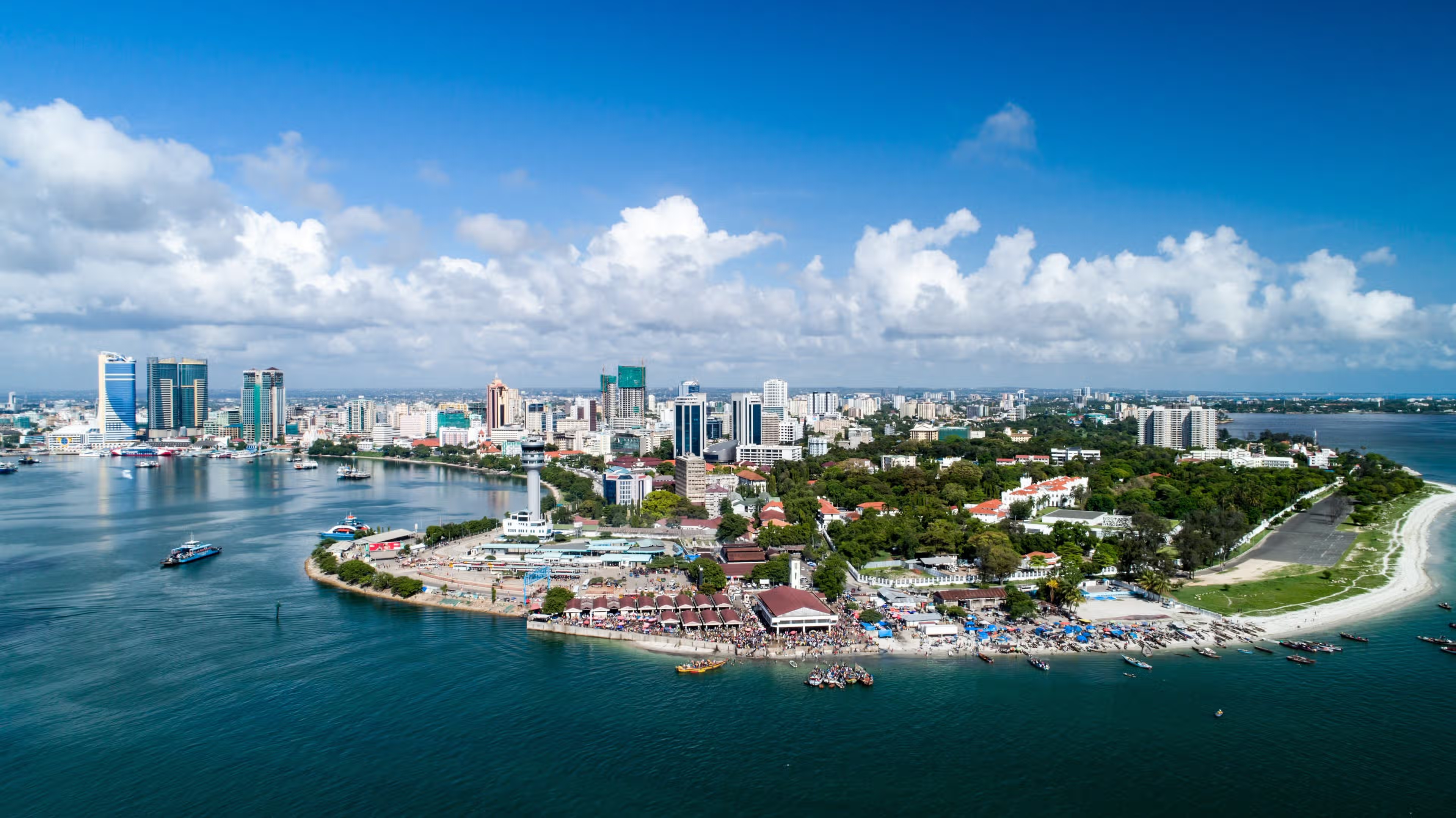
Just beyond the bustling streets, white-sand beaches, and vibrant culture of Dar es Salaam lies a safari experience as rich and untamed as any in Africa. Often overshadowed by its more famous northern counterparts such as the Serengeti or Ngorongoro Crater, the southern and coastal regions near Tanzania’s largest city hold within them some of the continent’s most underrated safari treasures. These parks and game reserves offer raw, authentic, and less crowded encounters with Africa’s iconic wildlife—without the need for long-haul travel across the country.

Dar es Salaam, being both a commercial hub and a coastal escape, is uniquely positioned as a gateway to remarkable safari experiences. For travelers pressed for time, seeking off-the-beaten-path adventures, or simply desiring a more tranquil alternative to the tourist-heavy northern circuit, the national parks and reserves near Dar es Salaam promise a seamless blend of accessibility and wilderness.

Within a few hours’ journey—by road, rail, or short bush flight—one may find themselves immersed in the sights and sounds of the African bush, where lions stalk through the savannah, elephants graze under ancient baobab trees, and crocodiles sun themselves along riverbanks teeming with birdlife. This article delves into the finest of these protected areas, offering a comprehensive exploration of the best safari parks and game reserves near Dar es Salaam, each holding its own allure, biodiversity, and signature experiences.

Mikumi National Park: The Southern Serengeti’s Secret Twin

One of the most accessible parks from Dar es Salaam is Mikumi National Park, located roughly 280 kilometers west of the city. Often dubbed the “Southern Serengeti”, Mikumi shares an ecosystem with the larger Selous (now Nyerere National Park) and features vast floodplains, golden savannah, and mountain backdrops that bear a striking resemblance to more famous northern landscapes.

Mikumi’s proximity to Dar es Salaam—just a five- to six-hour drive—makes it one of the top choices for a short safari escape. Within its boundaries, an impressive variety of wildlife can be observed, including lion prides, giraffes, herds of buffalo, zebras, elephants, wildebeest, and an astonishing number of bird species.

The Mkata floodplain, in particular, serves as a stunning focal point for wildlife viewing. With fewer safari vehicles than found in northern parks, Mikumi offers a serene and intimate game viewing experience, allowing for longer, uninterrupted sightings. The park’s infrastructure is well-developed, with lodges, tented camps, and budget accommodations ensuring that every traveler can enjoy the area’s natural wonders in comfort.

Nyerere National Park (Formerly Selous Game Reserve): A Vast and Wild Wonderland

Formerly known as Selous Game Reserve and now renamed Nyerere National Park, this is one of Africa’s largest protected areas, spanning over 30,000 square kilometers. Located just south of Dar es Salaam, Nyerere can be accessed by a short charter flight or an adventurous full-day drive. This vast, lesser-known gem offers a raw and unfiltered safari experience, drawing those who seek solitude and immersion in the untouched wilderness.

Nyerere is home to large populations of elephants, lions, leopards, wild dogs, hippos, and crocodiles, with the Rufiji River weaving through the park, providing a lifeline for its inhabitants. The river not only supports a flourishing ecosystem but also sets the stage for unique boat safaris, allowing visitors to witness hippos grunting in the shallows and elephants crossing the waters at sunset.

Because of its remoteness and sheer size, Nyerere offers adventure-driven safaris that include walking safaris with armed rangers, fly camping under the stars, and explorations of uncharted terrain. The atmosphere is wild and unpredictable, ideal for those drawn to the thrill of the unknown. The exclusivity of this park ensures that each sighting feels deeply personal and untouched by mass tourism.

Saadani National Park: Where the Bush Meets the Beach

Saadani National Park stands out as Tanzania’s only wildlife sanctuary bordering the ocean, offering a rare chance to blend a traditional safari with a coastal retreat. Located just north of Dar es Salaam along the Indian Ocean, this park presents a unique ecosystem where lions might roam sand dunes and buffalo graze near palm-fringed beaches.

Visitors can reach Saadani by road or via a brief flight, and once inside the park, the diversity of landscapes—from grasslands and mangroves to salt flats and beaches—creates an array of habitats for both land and marine life. Elephants, lions, giraffes, warthogs, and hartebeest are commonly seen, while the Wami River invites hippos, crocodiles, and flocks of aquatic birds.

Saadani’s charm lies not only in its distinct ecology but also in its ability to offer a dual experience: the excitement of game drives and the serenity of the Indian Ocean. After a morning tracking wildlife, guests may find themselves sunbathing on a private stretch of beach or enjoying a sundowner cruise along the river—a luxury combination unmatched by any other Tanzanian park.

Udzungwa Mountains National Park: A Haven of Biodiversity and Hiking Adventures

For those who seek a wilder, more biodiverse escape from the city, the Udzungwa Mountains National Park presents an alluring alternative to the more traditional big-game parks. Though it lacks large carnivores, Udzungwa is known for its exceptional hiking trails, endemic primate species, and lush montane forests. Located approximately 350 kilometers from Dar es Salaam, it is easily reachable by road, often paired with visits to Mikumi or Ruaha.

Udzungwa is part of the Eastern Arc Mountains and contains several ecosystems ranging from lowland forest to alpine meadows. The park is a hotspot for endemic flora and fauna, with rare monkeys like the Sanje mangabey and the Udzungwa red colobus found nowhere else on Earth. The highlight for many is the hike to Sanje Waterfalls, where travelers can stand in awe of cascading water tumbling down nearly 200 meters into a forest basin teeming with life.

The park’s uniqueness lies in its fusion of conservation and culture, where hiking becomes a journey through both natural and human heritage. While large mammals may be sparse, the immersive forest treks and opportunities for ecological discovery make it a compelling destination near Dar es Salaam for nature lovers and hiking enthusiasts alike.

Ruaha National Park: A Remote Jewel Worth the Journey

Though farther from Dar es Salaam than the other parks mentioned, Ruaha National Park remains accessible via connecting flights or extended overland safaris and offers a wild, majestic experience that rewards those who make the journey. As the second-largest national park in Tanzania, Ruaha is home to enormous elephant populations, massive baobab trees, and predator-rich savannahs.

Its remoteness has preserved its authenticity. Game drives in Ruaha often take place without encountering another vehicle all day, providing a level of solitude that enhances the safari experience. The Great Ruaha River attracts animals throughout the dry season, creating dramatic predator-prey interactions that rival any in Africa.

With luxurious camps perched along riverbanks and experienced guides offering deep bush knowledge, Ruaha is a crown jewel for seasoned safari-goers seeking a true wilderness immersion. While it requires more time to reach, the experience is unforgettable and stands among the finest in East Africa.

Let WildHorn Africa Craft Your Dar es Salaam Safari Adventure

The regions surrounding Dar es Salaam unveil a lesser-known yet equally compelling side of Tanzania’s wildlife legacy. From the untamed vastness of Nyerere to the coastal charm of Saadani, and the mountain mystique of Udzungwa to the classic savannahs of Mikumi and Ruaha, the southern safari circuit offers diversity, accessibility, and exclusivity rarely found elsewhere on the continent.

For travelers yearning for authenticity without sacrificing comfort, and for those seeking both seclusion and adventure, these parks and reserves deliver exceptional value and lasting memories. Whether it’s your first African safari or one of many, the ecosystems near Dar es Salaam provide a rich tapestry of wildlife encounters, landscapes, and cultural insights.

To ensure that every moment of your journey is curated with care, professionalism, and insider expertise, WildHorn Africa stands ready as your trusted safari planner. Specializing in personalized safari itineraries across East Africa, WildHorn Africa brings your vision of adventure to life, transforming dreams into immersive experiences. Choose WildHorn Africa to explore Tanzania’s hidden gems and embark on a safari that’s as bold, beautiful, and boundless as Africa itself.

Top 5 Best Game Reserves for Safaris Near Cape Town

Top 5 Best Game Reserves for Safaris Near Cape Town

By South Africa travel guides, Travel guides, Travel stories and blogs

Top 5 Best Game Reserves for Safaris Near Cape Town

Where Urban Sophistication Meets Untamed Wilderness

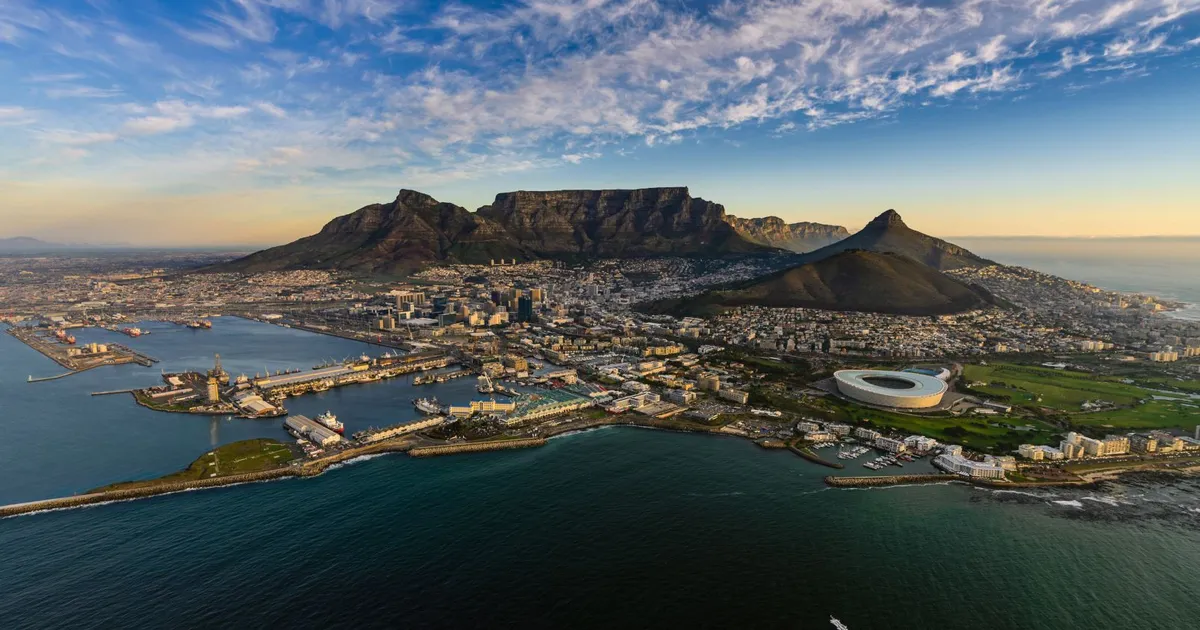
Cape Town, South Africa’s shimmering coastal jewel, is renowned for its cosmopolitan charm, rich cultural heritage, and breathtaking natural landscapes. But beyond the vineyards, Table Mountain, and Atlantic surf lies another world—a wild, untamed realm where nature reigns supreme. Many travelers are astonished to learn that within just a few hours’ drive from the city, some of the most captivating safari experiences in the region await. These reserves, though outside of the Kruger spotlight, deliver exceptional Big Five encounters, rich biodiversity, and intimate wilderness experiences without requiring long-haul travel.

What distinguishes the safari reserves near Cape Town is not merely their accessibility but their intelligent blending of conservation, luxury, and ecological diversity. The Western Cape, while not traditionally associated with massive herds or sprawling savannahs, offers carefully managed, malaria-free game reserves where conservation efforts have been profoundly successful. Each reserve holds a unique ecological story, set against a backdrop of majestic mountains, rolling plains, and fynbos-covered hills. These reserves are ideal for travelers seeking to complement their urban adventures with a deeply immersive journey into the wild.

Aquila Private Game Reserve – The Closest Taste of the Wild

Positioned less than two hours from Cape Town, the Aquila Private Game Reserve has long stood as one of the most popular safari destinations for city dwellers and international visitors alike. This reserve has been built around the principle of accessibility, offering a thrilling introduction to African wildlife within a short distance of the city. While its terrain might not mimic the endless bushveld of the Kruger or the Okavango, Aquila compensates with focused conservation efforts, particularly in reintroducing species to areas where they had long disappeared.

Aquila is recognized for housing the iconic Big Five—lion, leopard, elephant, buffalo, and rhino—alongside a range of antelope, giraffes, and diverse bird species. Game drives are conducted by experienced rangers, and the reserve also offers horseback safaris and quad bike explorations, adding a layer of adventure to the experience. With luxury lodges overlooking the rugged Karoo plains and a wellness spa nestled amid natural landscapes, Aquila caters equally to wildlife enthusiasts and luxury seekers. It is through this balance of conservation, comfort, and convenience that the reserve earns its place as a gateway to safari from Cape Town.

Inverdoorn Game Reserve – Conservation and Tranquility Combined

Situated approximately 2.5 hours northeast of Cape Town in the vast reaches of the Klein Karoo, Inverdoorn Game Reserve provides a more intimate and conservation-focused alternative. What makes this reserve stand out is its dedication to the rehabilitation of cheetahs, through its connection to the Western Cape Cheetah Conservation. Visitors are not only offered the chance to see these elusive predators but are also educated on the critical conservation work being carried out to ensure their survival.

Inverdoorn is home to a diverse ecosystem that includes the Big Five and an array of smaller species. The reserve’s arid beauty, punctuated by acacia trees and semi-desert landscapes, serves as a magnificent setting for sunrise and sunset game drives, during which wildlife sightings are plentiful and often accompanied by thoughtful ecological commentary. The luxury lodges at Inverdoorn exude understated elegance, with panoramic views and design elements that harmonize with the surrounding wilderness. This is a place where silence speaks, where the rhythm of nature can be felt with every breath of dry Karoo air.

Gondwana Game Reserve – Where Fynbos Meets Safari

Located along the picturesque Garden Route near Mossel Bay, Gondwana Game Reserve is a unique gem within the Western Cape. Its setting within the Cape Floral Kingdom, one of the richest biodiversity hotspots in the world, makes it the only Big Five reserve located in a fynbos biome. This rare ecological confluence creates a visually and biologically rich environment, where elephants meander through wild proteas, and lions prowl across flowering plains.

Gondwana offers a truly immersive safari experience with game drives led by passionate rangers who are well-versed in both animal behavior and botany. The landscape here offers dramatic scenery—rolling hills, distant mountains, and sweeping grasslands—providing the perfect habitat for predators and prey alike. The reserve’s accommodations range from high-end safari lodges to eco-camps, each offering a refined wilderness experience. The harmony between conservation and comfort here is palpable, positioning Gondwana as a top-tier destination for those seeking an authentic safari immersed in natural beauty, all within reach of Cape Town.Top 5 Best Game Reserves for Safaris Near Cape Town

Sanbona Wildlife Reserve – Vast, Untouched, and Timeless

Farther inland, nestled at the foot of the Warmwaterberg Mountains in the Little Karoo, lies Sanbona Wildlife Reserve, one of South Africa’s largest private reserves. Spanning over 58,000 hectares, Sanbona is a vast expanse of untamed wilderness, where nature unfolds at its own pace. The reserve’s deep commitment to ecological restoration and biodiversity protection sets it apart. Once an overgrazed farmland, the land has been lovingly rewilded, with species reintroduced and natural systems rejuvenated under the guidance of passionate conservationists.

Sanbona is one of the few places in the Western Cape where self-sustaining populations of the Big Five can be encountered, alongside rarer species such as the riverine rabbit and white lions. The reserve’s geography is striking—dramatic mountains, open plains, and ancient rock formations etched with San rock art. Here, safaris are not rushed; they are experiences shaped by stillness, storytelling, and observation. The luxury lodges blend seamlessly with the landscape, offering panoramic views and serene solitude. Time slows down at Sanbona, offering guests the profound luxury of space and silence.

Buffelsfontein Game & Nature Reserve – A Rustic Gateway

Less than ninety minutes from Cape Town, Buffelsfontein Game & Nature Reserve provides a rustic, down-to-earth safari experience. While it may not boast the grandeur of more remote reserves, it compensates with its welcoming atmosphere, accessibility, and affordability. Ideal for families or day-trippers, Buffelsfontein offers sightings of several large mammals, including buffalo, lion, giraffe, and zebra, along with numerous bird species that thrive in the fynbos-rich terrain.

The reserve’s landscape is quintessentially West Coast—open plains bordered by shrubland and distant hills, punctuated by watering holes and shaded thickets. Game drives are informal yet informative, conducted by guides who speak candidly about the animals and local ecology. The accommodations range from simple chalets to traditional bush camps, appealing to those who value authenticity over opulence. Buffelsfontein represents the soul of grassroots safari, where every sighting is celebrated, and the beauty of the wild is appreciated for its simplicity and immediacy.

Crafting the Perfect Cape Town Safari Getaway

The proximity of these remarkable game reserves to Cape Town allows travelers to experience the best of both worlds—urban sophistication and raw wilderness adventure. Whether one seeks the opulence of Gondwana, the ecological depth of Sanbona, or the intimate charm of Inverdoorn, the Western Cape’s safari offerings are as diverse as its landscapes. Each reserve presents a unique interpretation of African safari, shaped by geography, conservation ethos, and the rhythm of the wild.

In an age when time is a luxury and authentic experiences are prized above all, these safari destinations near Cape Town offer an ideal escape into nature without the need for extended travel or compromise. They showcase Africa not only in its grandeur but in its subtleties—in the flick of a lion’s tail, the rustle of dry grass, and the silent stare of a giraffe at dusk.

For travelers seeking expertly curated journeys into these magnificent regions, WildHorn Africa emerges as the trusted name in bespoke safari experiences. With a deep understanding of Africa’s hidden gems and a commitment to sustainable travel, WildHorn Africa designs itineraries that are both enriching and unforgettable. From the heart of Cape Town to the vast wilderness beyond, your journey into the wild is best undertaken with WildHorn Africa as your guide—where every safari becomes a story worth telling.

The weather and climate in Uganda

The weather and climate in Uganda

By Travel guides, Travel stories and blogs, Uganda travel guides

The Weather and Climate in Uganda
Unveiling the Skies of the Pearl of Africa

A Country Where the Sun Warms and the Rains Renew

In the very heart of Africa lies a land where the sun shines generously and the rains fall rhythmically to nourish a landscape of surreal beauty. Uganda, affectionately known as the “Pearl of Africa,” owes much of its natural richness and biodiversity to its stable, tropical climate. Here, the weather is not an obstacle but a co-creator of life—shaping ecosystems, guiding migration patterns, and sustaining both wildlife and human culture. For travelers, understanding the climate in Uganda is essential, not just for packing the right gear, but for unlocking a deeper appreciation of the land and its rhythms.

What distinguishes Uganda from many of its East African neighbors is its remarkable climatic moderation. Unlike the sweltering deserts of the north or the temperamental coastlines of the east, Uganda offers consistently warm days, cool nights, and a refreshing seasonal balance. This equatorial country does not suffer from extreme heat or bitter cold. Instead, it thrives in a zone of natural harmony where altitude, topography, and rainfall combine to create one of the most hospitable climates in all of Africa.

Understanding Uganda’s Tropical Climate

Uganda’s location astride the equator would suggest a hot and humid environment year-round. However, the reality is far more nuanced. The country’s elevation, with much of the land lying between 1,000 to 2,400 meters above sea level, moderates the climate significantly. This altitude, especially in the southwest and central regions, keeps temperatures pleasantly mild while still allowing for vibrant seasonal changes.

Average daytime temperatures typically range from 25°C to 29°C (77°F to 84°F) in lower altitudes, such as the shores of Lake Victoria, while the highland areas around Kabale, Fort Portal, and the Rwenzori Mountains can be cooler, particularly at night. In these regions, night temperatures can dip to around 10°C (50°F), especially during the dry months. Such variation gives Uganda a range of microclimates that cater to everything from dense rainforests to open savannahs, from alpine meadows to papyrus swamps.

The Two Rainy Seasons: Life’s Rhythmic Pulse

Rainfall in Uganda follows a predictable and vital cycle, which splits the year into two main wet seasons and two dry periods. The primary rainy seasons occur from March to May and again from October to November. During these months, showers tend to be brief but intense, often occurring in the afternoon or evening, and typically followed by periods of clear skies.

These rains play a crucial ecological role. They reinvigorate the landscape, replenish rivers and wetlands, and trigger migratory movements and breeding behaviors in both wildlife and birds. Forests become denser and more vibrant, with the undergrowth teeming with new life. For farmers, the rains mark planting and harvesting seasons, anchoring rural livelihoods to natural rhythms passed down through generations.

While the rains can make some roads in remote areas more difficult to navigate, they rarely disrupt travel entirely. For those who embrace nature’s unpredictability, these months offer lush scenery, fewer tourists, and the chance to witness Uganda in its most fertile and dramatic form.

The Dry Seasons: Golden Light and Clear Skies

The dry months from June to September and December to February are generally considered the most favorable times for travel. During these periods, the skies remain predominantly clear, the air is dry and fresh, and the trails in national parks are more accessible. These months are especially ideal for gorilla and chimpanzee trekking, as the forest floors are less slippery, and the visibility within the thick vegetation improves greatly.

In the savannah parks such as Queen Elizabeth, Murchison Falls, and Kidepo Valley, the dry season concentrates wildlife around permanent water sources, dramatically increasing the chances of successful sightings during game drives. The grass is shorter, and the dustier environment adds a golden filter to the landscape, enhancing the cinematic quality of sunrise and sunset experiences.

Temperatures during these months remain moderate, making outdoor activities comfortable and long days of exploration enjoyable. This is also the peak season for international tourism, especially between June and August and again in December, as many travelers escape the winter months of the Northern Hemisphere to bask in Uganda’s inviting climate.

Regional Climate Variation: A Country of Contrasts

While Uganda may be small in size, it holds within its borders a surprising range of climatic zones, each shaped by altitude, vegetation, and geographic features. Along the northern frontier, particularly in Kidepo Valley, the climate is semi-arid, receiving less rainfall than the rest of the country and experiencing hotter conditions, especially in the dry season. This gives the region its rugged, sun-drenched appeal, ideal for those seeking a rawer, less manicured safari experience.

In contrast, the southwestern highlands around Bwindi, Mgahinga, and the Virunga range tend to receive heavy rainfall throughout the year due to their altitude and dense forest cover. Trekking here is possible year-round, but the most comfortable conditions are still found during the drier months. The Lake Victoria basin, including Entebbe and Kampala, maintains a humid climate with occasional showers throughout the year, largely influenced by the massive lake’s microclimate.

Moving westward into the Rwenzori Mountains, visitors enter a montane climate zone where temperatures plummet with elevation and permanent glaciers crown the highest peaks. Climbing expeditions here require preparation for cold, wet conditions regardless of season. In the Albertine Rift, with its chain of lakes and forests, misty mornings and steady humidity are the norm, creating an otherworldly atmosphere rich in flora and fauna.

How Uganda’s Climate Shapes Its Wildlife Encounters

The diversity of Uganda’s climate directly influences the abundance and visibility of wildlife. In the dry seasons, herbivores and predators alike become more active and visible, drawn to shrinking water sources. This leads to exceptional game viewing opportunities. Meanwhile, the wet seasons trigger births, migrations, and dramatic behavioral shifts that reveal the intimate workings of nature. For bird enthusiasts, the wet months are the most rewarding, bringing both resident breeding activity and the arrival of migratory species from as far as Europe and Asia.

Each park and ecosystem responds uniquely to the seasons. Murchison Falls becomes a sanctuary for waterbirds and basking crocodiles. Queen Elizabeth’s Kazinga Channel buzzes with hippos and fishing raptors. Bwindi’s gorilla families remain in their forest territories year-round, but the ease of access and viewing improves with drier conditions. Understanding these patterns helps travelers align their interests with the optimal times for wildlife experiences.

Packing for Uganda’s Weather: Preparedness is Key

Because of the generally pleasant temperatures and varied climates, packing for Uganda requires a flexible wardrobe. Light clothing for the day, layers for cooler nights, and rain gear for sudden downpours are all essentials. Sturdy footwear, especially for forest trekking, becomes invaluable, particularly during or shortly after the rainy season. Sun protection is important year-round, and insect repellent is advised, especially in wetter regions where mosquitoes are more prevalent.

Regardless of the time of year, a well-prepared traveler will find Uganda welcoming and comfortably navigable. The weather rarely presents a barrier to discovery; rather, it adds texture, color, and richness to every journey.

A Climate That Invites, A Land That Transforms

Uganda’s weather and climate do not simply accommodate travel—they enhance it. The gentle warmth, the cleansing rains, the misty mornings and sunlit plains all serve to create a sensory environment that is both rejuvenating and inspiring. Whether one arrives in the freshness of June, the lushness of April, or the golden glow of January, Uganda always opens its arms in welcome.

This is not a land of extremes, but of balance. A country where nature is still given space to thrive, and where the seasons still follow ancient rhythms that feed the land, the animals, and the soul of the people. Understanding Uganda’s climate is not just a matter of planning; it is an invitation to tune into the living heartbeat of the wild.

Travel with the Experts: Choose WildHorn Africa

For those who dream of immersing themselves in Uganda’s natural wonders, timing is important—but so is expert guidance. WildHorn Africa offers travelers not just a trip, but a well-orchestrated experience, aligned with the climate, tailored to your interests, and grounded in sustainability.

Whether it’s the dry-season thrill of gorilla tracking or the green-season beauty of bird migration, WildHorn Africa ensures that your safari is seamless, informed, and unforgettable. With local expertise, ethical practices, and a passion for Uganda’s beauty, WildHorn Africa is your gateway to a journey shaped by weather, wildlife, and wonder.

Book your African safari with WildHorn Africa, and let the skies of Uganda guide you into the adventure of a lifetime—season after season, memory after memory.

10 Considerations for Families Going on Safari

10 Considerations for Families Going on Safari

By Travel guides, Travel stories and blogs

10 Considerations for Families Going on Safari

Embarking on a Family Safari: A Journey Beyond the Ordinary

For families seeking a transformative travel experience, a safari in Africa offers an unparalleled opportunity to connect not only with the natural world but also with each other. The idea of witnessing majestic wildlife roaming free, exploring vast landscapes, and immersing in vibrant cultures creates a compelling narrative for family adventures. Yet, embarking on a safari with children or multiple generations demands thoughtful planning and special considerations to ensure the experience is safe, enjoyable, and enriching for all members involved.

Unlike traditional vacations, a safari introduces unique dynamics—such as long game drives, varying accommodations, and wildlife encounters—that require preparation and flexibility. The goal is not merely to witness Africa’s iconic species but to craft an experience that nurtures curiosity, respect for nature, and lasting memories across age groups.

Below are ten deeper considerations that families embarking on a safari should weigh carefully. These considerations are rooted in practical wisdom, conservation ethics, and the realities of travel across diverse African landscapes. They serve as a framework to help families transform the safari from a dream into a seamless and meaningful reality.

Understanding the Appropriate Age for Children

One of the foremost factors to address is the suitability of the safari experience for children. Many lodges and reserves impose minimum age restrictions, often ranging from six to twelve years old, based on safety and the nature of the terrain. These restrictions are set not merely for liability but to ensure that young guests can fully appreciate the environment and adhere to safari protocols designed to protect both visitors and wildlife.

Families with very young children may find the extended periods of sitting during game drives and the need for quiet observation challenging. However, when children are of appropriate age, the safari becomes a profoundly educational experience that instills early conservation values and ignites a lifelong passion for wildlife.

Choosing Child-Friendly Lodges and Camps

Accommodation choices are crucial when traveling with family. Certain lodges specialize in family safaris, offering spacious suites, child-centric amenities, and programs tailored to younger guests. These may include dedicated game drives for children, educational activities, and safe play areas that balance relaxation with adventure.

The design and atmosphere of the accommodation influence the overall experience. Properties that offer child-friendly dining options, pools, and interactive guides create a supportive environment where children can feel both comfortable and engaged. Meanwhile, family-oriented lodges often have staff trained to cater to the varied needs of all ages, facilitating a harmonious safari rhythm.

Health and Safety Protocols in Remote Areas

The health and safety dimension cannot be overstated. Safaris often take place in remote regions where medical facilities may be limited. It is essential that families consult healthcare providers well in advance to discuss necessary vaccinations, malaria prophylaxis, and travel insurance.

Safety briefings provided by guides are typically thorough but require attentiveness from all participants, especially children. Understanding wildlife behavior, respecting boundaries, and following rules during game drives and walks are fundamental to minimizing risks. Carrying a well-stocked first aid kit and having a plan for emergencies provide additional layers of security and peace of mind.

Managing the Pace and Structure of Safari Activities

Safaris, by nature, involve early mornings, extended periods outdoors, and intermittent downtime. When traveling as a family, managing the pace of activities becomes a balancing act. Over-scheduling can lead to fatigue and diminished enjoyment, particularly for younger members.

It is beneficial to select lodges and operators that offer flexible itineraries, allowing families to alternate between game drives, guided walks, cultural visits, and relaxation. Ensuring that rest periods are built into the day helps maintain energy levels and enthusiasm, making the experience sustainable and pleasurable for all.

Preparing Children for Wildlife Encounters

Wildlife encounters form the heart of any safari, but they also require respect and understanding. Preparing children beforehand with age-appropriate educational materials about animal behavior, the importance of quiet observation, and conservation ethics greatly enhances their engagement and safety.

Children benefit from understanding the ecological roles of animals they may see—lions, elephants, rhinos, and smaller species alike—and from learning about the delicate balance that sustains the ecosystems they visit. This preparation transforms passive viewing into active learning, fostering empathy and curiosity.

Packing Considerations for the Whole Family

Effective packing is often an underestimated component of safari success. Families must prepare for variable weather conditions, ranging from warm days to chilly mornings and evenings. Layered clothing made of breathable, neutral-colored fabrics is ideal for blending into the environment and maintaining comfort.

Sun protection is critical, with hats, sunglasses, and high-SPF sunscreen being essential. Additionally, insect repellents should be included to reduce the risk of bites. For children, carrying familiar comfort items, such as favorite toys or books, can help ease transitions and create a sense of security in unfamiliar surroundings.

Engaging Children with Interactive Experiences

Beyond passive wildlife viewing, many safari lodges and camps now offer interactive experiences designed specifically for families. These may include junior ranger programs, guided bush walks tailored to children, night drives, and cultural visits to local communities.

Such activities engage young minds actively, transforming the safari into a hands-on classroom. By participating in tracking animals, learning survival skills, or crafting with local artisans, children deepen their appreciation for the environment and the people who live alongside wildlife. This interaction enriches the overall safari narrative and creates meaningful family bonding.

Balancing Technology Use and Nature Immersion

While the urge to capture every moment digitally is natural, balancing technology use with immersion in the natural environment is critical. Encouraging children to put away devices during game drives and engage all their senses fosters a richer connection with the surroundings.

Many lodges provide digital detox options or guided mindfulness activities that gently redirect focus from screens to the sights, sounds, and smells of the wild. Facilitating this balance helps families savor the rare gift of being fully present in a world increasingly dominated by technology.

Choosing Ethical and Responsible Safari Operators

Safari travel today carries a responsibility to the wildlife, ecosystems, and local communities involved. Families should prioritize operators and lodges that demonstrate strong conservation ethics, community engagement, and sustainable practices.

This includes supporting reserves that work to protect endangered species, respect local cultures, and minimize environmental footprints. By aligning with ethical operators, families contribute to the preservation of Africa’s wild heritage and ensure that future generations can enjoy the same marvels.

Creating Lasting Memories Through Storytelling and Reflection

Finally, the safari experience can be deepened by intentional reflection and storytelling. Encouraging family members to share their observations, feelings, and discoveries during and after the safari cements the experience in the collective memory.

Guides often play a vital role by recounting local myths, animal stories, and conservation challenges, weaving a narrative tapestry that enhances understanding and wonder. Families who dedicate moments to these shared stories find their safari journey transformed into a lasting legacy of connection—to each other and to the wild.

Crafting the Perfect Family Safari With WildHorn Africa

The complexities and wonders of a family safari call for a travel partner who understands the nuances of multi-generational adventure. WildHorn Africa, renowned for its bespoke safari experiences, specializes in crafting journeys tailored to the needs and desires of families. With a focus on safety, comfort, education, and ethical travel, WildHorn Africa ensures that every family member, from the youngest child to the seasoned elder, is embraced and inspired.

By entrusting your family safari to WildHorn Africa, a seamless fusion of luxury, authenticity, and meaningful adventure is guaranteed—transforming your African dream into an unforgettable reality.

Top 5 Aberdare Lodges & Camps

Top 5 Aberdare Lodges & Camps

By Kenya travel guides, Travel guides, Travel stories and blogs

Top 5 Aberdare Lodges & Camps

Where Misty Forests, Mountain Peaks, and Wildlife Converge in Untamed Majesty

A Hidden Eden in the Highlands of Kenya

Nestled within the central highlands of Kenya, the Aberdare Range emerges like a lost world—shrouded in mist, crowned with ancient trees, and teeming with elusive wildlife. Unlike the golden plains of the Maasai Mara or the dry drama of Amboseli, Aberdare National Park presents a very different spectacle. Here, the air is cool and crisp. The forest hums with the songs of rare birds. Waterfalls crash down jagged cliffs, and cloud-shrouded valleys hold secrets of African wilderness untouched by time.

This highland ecosystem is rich in biodiversity and history, offering a lush retreat for travelers seeking solitude, romance, and raw beauty. It is the land where black leopards prowl under the cover of dense canopy, where the rare bongo antelope hides in bamboo thickets, and where elephants silently wander through moss-covered glades.

Yet, it is not only the natural drama that defines Aberdare—it is also the experience of staying within it. The lodges and camps that serve as entry points into this remote paradise have been designed with a deep understanding of place. They do not dominate the land; they blend with it. They are built to frame the forest, not replace it. The best of them combine sustainability, character, and comfort, offering more than a bed—they offer immersion.

Below are the Top 5 Lodges and Camps in Aberdare, each chosen for its value, uniqueness, and ability to bring travelers into close harmony with this unforgettable region.

The Ark Lodge – Watching Wilderness Unfold from Above

Perched deep within the forest, designed to resemble the biblical ark, The Ark Lodge offers one of the most distinctive safari accommodations in Africa. Built above a salt lick and floodlit waterhole, this multi-level wooden structure allows guests to witness wildlife in silence—without ever leaving the comfort of their rooms.

From the panoramic decks and viewing lounges, one can observe elephants, buffalo, giant forest hogs, hyenas, and even leopards, especially during the still hours of night. The lodge is built on stilts, and its various levels are equipped with floor-to-ceiling windows and observation hides, creating the sense of floating above the forest while remaining deeply within it.

The experience here is unlike anywhere else in Kenya. Wildlife viewing becomes an almost meditative act—slow, quiet, patient—mirroring the pace of the forest itself. The Ark is not just a lodge; it is a living observatory, suspended in the heart of the wilderness. With a unique buzzer system installed in the rooms to notify guests of special animal sightings at night, the connection to nature remains constant and immersive.

Meals are shared in the main dining hall, which features views over the treetops and the waterhole, while naturalists offer insights into the behavior and history of the animals frequently visiting the lodge. This is a place where the line between lodge and landscape disappears—a sanctuary within a sanctuary.

Aberdare Country Club – Colonial Elegance on the Ridge

Serving as a gateway to The Ark, and a destination in its own right, the Aberdare Country Club stands on the slopes of Mweiga Hill, overlooking the rolling valleys below. Originally a private residence, this charming estate has been preserved with care, offering colonial-era architecture, manicured gardens, and views stretching across the Aberdare Ranges to Mount Kenya.

Guests are welcomed into cottages and suites filled with classic touches—wooden floors, open fireplaces, and antique furnishings—while the expansive grounds play host to zebras, warthogs, and peacocks that roam freely. The atmosphere evokes a slower era, when safaris were grand and unhurried, and nature was appreciated through morning walks, tea on the veranda, and storytelling around a roaring fire.

The Country Club also operates as a departure point for game drives to The Ark and Aberdare National Park, as well as for horseback riding, golfing, and bush walks, making it an excellent option for travelers who desire both comfort and variety. Despite its traditional ambiance, the lodge remains deeply connected to the natural world around it, offering a luxurious yet grounded safari experience.

Treetops Lodge – A Legendary Vantage Point

Immortalized in history as the place where Princess Elizabeth became Queen following the death of King George VI, Treetops Lodge holds a unique place in both British royal lore and African safari heritage. Elevated above a forest clearing and a frequently visited waterhole, this lodge has long offered guests one of the best vantage points in the Aberdares for observing wildlife.

The structure—built on stilts high among the trees—was designed to offer an immersive, treehouse-like experience, with rooms and lounges overlooking salt licks and elephant trails. While its historical ambiance is preserved through wood-paneled interiors and nostalgic decor, Treetops has evolved to accommodate the modern traveler, offering warm hospitality and panoramic views that remain as captivating as they were decades ago.

What makes Treetops enduring is not just its past, but its ability to deliver meaningful experiences in the present. Each evening is marked by hushed excitement as guests gather to observe elephants gathering silently at dusk, hyenas skirting the shadows, and leopards emerging under moonlight. In this lodge, history and wilderness intertwine, offering a safari that is both reflective and vividly alive.

Rhino Watch Safari Lodge – A Conservation Retreat Near the Park

Situated near the Aberdare and Solio Reserves, Rhino Watch Safari Lodge offers a uniquely conservation-focused experience. While technically outside the national park boundaries, the lodge’s location makes it ideal for accessing both rhino sanctuaries and Aberdare National Park, offering a multi-dimensional safari opportunity in Kenya’s central highlands.

The lodge is known for its intimate atmosphere, with a limited number of cottages and luxury tents surrounded by indigenous trees and flowering gardens. Designed with eco-principles in mind, Rhino Watch places emphasis on sustainability, community engagement, and rhino conservation education.

Its proximity to Solio Ranch, a private conservancy known for its population of both black and white rhinos, provides guests with an opportunity to view these magnificent creatures in a protected yet semi-wild environment. Coupled with guided tours into Aberdare’s forests and waterfalls, the lodge presents a holistic safari experience, one rooted not only in viewing, but in learning and stewardship.

Meals here are lovingly prepared, often incorporating local produce, and the staff cultivate a warm, familial atmosphere that reinforces the lodge’s identity as a home for nature lovers, conservationists, and mindful travelers.

Fishing Lodge – The Quiet Soul of Aberdare’s Highlands

Tucked away in the moody mist of the moorlands, Fishing Lodge offers an experience unlike the other more luxurious lodges on this list—but one that is equally valuable for those seeking immersion, solitude, and authenticity. Managed by the Kenya Wildlife Service, this self-catering stone cottage sits beside a high-altitude river known for its trout, offering a rare chance to fish, hike, and relax amid the alpine wilderness.

What it lacks in five-star amenities, it makes up for with location. Situated at an elevation of nearly 10,000 feet, Fishing Lodge is enveloped by montane forest, moorland heaths, and panoramic vistas that extend across valleys and ridgelines. Here, guests live within the rhythm of the forest—starting mornings with mist-covered hikes and ending days by the fireplace with the sound of the river in the background.

Its rustic charm is matched by access to one of the park’s least explored ecosystems, making it ideal for photographers, anglers, and naturalists. Encounters with eland, bushbuck, Colobus monkeys, and the occasional lion or elephant add an edge of wild unpredictability, anchoring the experience in the pulse of true wilderness.

Begin Your Aberdare Journey with WildHorn Africa

To venture into the mist-veiled majesty of Aberdare National Park is to step into one of Africa’s last remaining enclaves of raw, alpine wilderness. It is a place where rainclouds drift silently across the valleys, where waterfalls cut deep into stone, and where animals move in rhythm with a forest shaped by centuries of evolution and myth.

The lodges and camps that welcome travelers into this extraordinary world are more than places to stay—they are vessels for immersion, for inspiration, and for transformation.

For those seeking the perfect blend of curated luxury, authentic wilderness, and expert planning, there is no better partner than WildHorn Africa. Renowned for crafting tailor-made African journeys, WildHorn Africa ensures every detail of the Aberdare experience—from lodge selection to guided excursions—is refined, personal, and seamless.

With WildHorn Africa, your Aberdare adventure becomes more than a safari—it becomes a story of elevation, exploration, and enchantment.

Close Menu