search
Top 10 Best Beaches in Madagascar

Top 10 Best Beaches in Madagascar

By Madagascar travel guides, Travel guides, Travel stories and blogs

Top 10 Best Beaches in Madagascar
Where Untamed Nature Meets Oceanic Serenity

An Island Like No Other 

Madagascar, the world’s fourth-largest island, floats off the southeast coast of Africa like a forgotten dream. Here, the rhythms of nature are untamed and eternal. This is not merely a beach destination—it is a world apart, where biodiversity rivals the Galápagos, and where coastlines remain untouched by time. From the vibrant reefs of the northwest to the whispering mangroves of the east, Madagascar’s beaches tell tales of ancient oceans, lost worlds, and infinite wonder. The Indian Ocean wraps around the island in a dazzling embrace, offering shorelines that range from sun-bleached elegance to wild, windswept solitude.

Luxury and isolation, adventure and serenity—they all exist here in harmony. And while the country remains less trodden compared to its continental neighbors, its beaches offer some of the most pristine and captivating coastal experiences in the entire Indian Ocean region. In this detailed exploration, the ten best beaches in Madagascar will be revealed—not as places to merely visit, but as destinations to be deeply felt.

Nosy Iranja: The Queen of the Sea

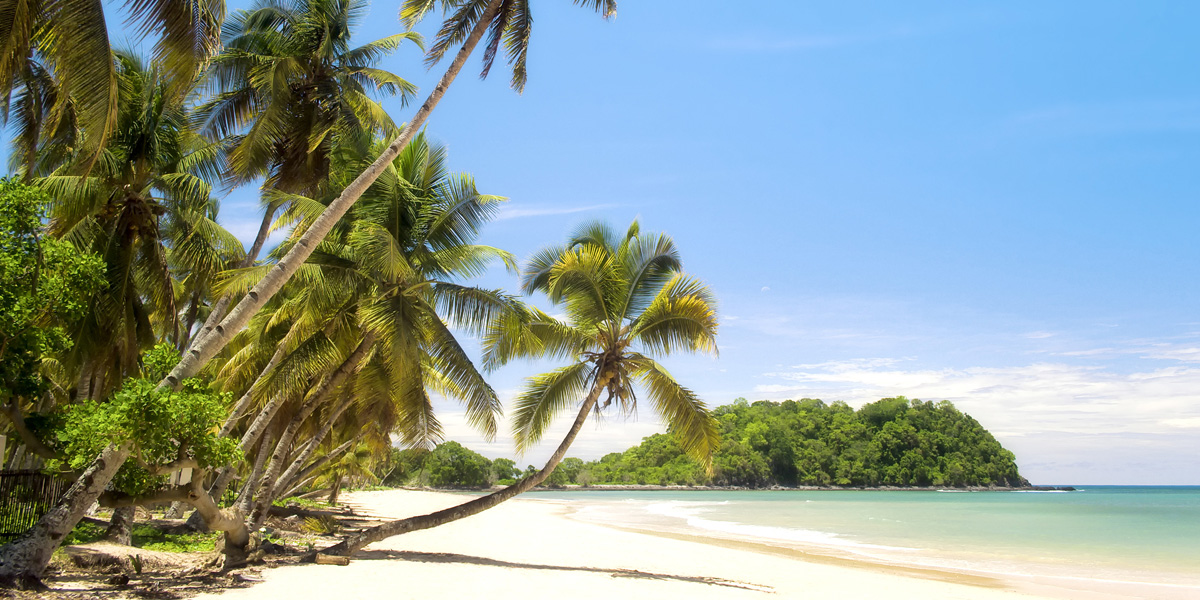
Located off the northwest coast of Madagascar, Nosy Iranja is where tropical fantasy becomes tangible. Comprising two islands connected by a narrow sandbar that disappears with the tide, this beach exudes a cinematic perfection that borders on surreal. Powder-white sands contrast with the translucent blues of the ocean, while coconut palms sway in rhythm with the breeze. It is not simply a beach—it is an experience of shifting landscapes and eternal sunlight. Sea turtles come ashore to nest, adding to its ethereal sense of life unfolding gently and rhythmically. Visitors are often left awestruck, their footsteps washed away before the memory can fade.

Ifaty: The Shores of Coral Magic

On the southwest coast lies Ifaty, a region where Madagascar’s oldest coral reef frames the coastline in kaleidoscopic brilliance. Here, the beach stretches endlessly, with soft sands welcoming fishermen’s pirogues as they return at dawn. The waters are calm and crystalline, protected by the barrier reef, making this coastline a natural lagoon. While the beach remains uncrowded and peaceful, it is also a gateway to the diverse marine ecosystems that lie just offshore. Snorkeling and diving reveal a world alive with clownfish, parrotfish, and rare corals. And beyond the waters, the dry spiny forest of the interior whispers of ancient baobabs and the endemic wildlife that has called this place home for millennia.

Nosy Be: The Island of Perfume and Paradise

Nosy Be may be Madagascar’s most famous island, and its beaches justify every accolade. Known as the “Perfumed Island” for its ylang-ylang plantations and spice markets, it is also home to some of the most luxurious beachfronts in the country. Ambatoloaka Beach offers a lively atmosphere with beachside cafés and sunset cruises, while Andilana Beach seduces with its calm, clear waters and refined seclusion. Despite its popularity, Nosy Be retains a laid-back charm that appeals to both romantics and adventurers. Inland, lemur sanctuaries and crater lakes offer diversions, but the real magic remains by the sea, where each wave seems to carry an invitation to stay a little longer.

Anakao: The Beach of Cultural Rhythms

South of Toliara on the southwestern coast lies Anakao, a remote and soulful fishing village where the beach reflects not just nature, but culture. The Vezo people, traditional fishermen of Madagascar, have lived in harmony with these waters for centuries. Their sailboats dot the horizon at dawn, creating a tableau that feels lifted from another century. The beach itself is wide, sandy, and fringed with rustic charm. Here, the ocean is not only a spectacle but a way of life. Nearby islands such as Nosy Ve offer excellent snorkeling, while the inland dunes echo with the sounds of wind and hidden birdsong. Anakao’s beauty lies in its authenticity—it is a place where time slows, and life returns to elemental simplicity.

Île Sainte-Marie: Romance on the Horizon

Off Madagascar’s east coast, Île Sainte-Marie (or Nosy Boraha) emerges as a slender, green jewel surrounded by sapphire waters. Historically a pirate hideaway, today it beckons as a tranquil escape for honeymooners and dreamers. Its beaches are serene, shaded by palms, and washed by the warm waters of the Mozambique Channel. Between June and September, humpback whales gather in the surrounding seas to breed, adding a layer of majesty and seasonal spectacle to the island. There is a softness here—of light, of breeze, of sound—that invites deep rest and reflection. The island’s modest villages and colonial relics enhance the feeling of timelessness, making each beach moment feel both tender and eternal.

Mahavelona (Foulpointe): Eastern Coast Elegance

On the east coast, Mahavelona, often referred to by its colonial name Foulpointe, presents a gentler side of Madagascar’s wilder shoreline. Protected by an offshore coral reef, the waters here are calm and ideal for family swimming, while the beach itself is broad, inviting, and blessed with cooling trade winds. The scent of nearby clove plantations drifts in on the breeze, and historic sites like Fort Manda speak to the town’s colonial past. Local markets offer flavorsome Malagasy cuisine, and the relaxed vibe allows travelers to engage with everyday life while soaking up natural beauty. It is a place that blends history, leisure, and scenery in soft harmony.

Manafiafy: The Wild East Unveiled

Far less known yet breathtakingly beautiful, Manafiafy Beach on the southeastern coast is a place for those who seek Madagascar in its most raw and secluded form. Surrounded by rainforest and mangrove forests, the bay opens onto a curve of golden sand that appears untouched by tourism. The waters are calm, the beach unspoiled, and the backdrop alive with wildlife. This region is a sanctuary not only for the traveler but also for lemurs, rare birds, and the whispering trees of the littoral forest. Lodges here have embraced eco-conscious design, offering luxury that treads lightly and honors its surroundings. Each sunrise in Manafiafy feels sacred—an act of creation repeating itself with grace.

Tsarabanjina: The Emerald of the Mitsio Archipelago

In the northwestern Mitsio Archipelago lies Tsarabanjina, an island beach that redefines remote opulence. Surrounded by emerald sea and crowned by forested hills, the island’s white-sand beach curves gently like a sleeping crescent. Tsarabanjina is best known for its exclusive eco-resort, where guests are enveloped in silence, scenery, and subtle luxury. The coral reefs offshore teem with marine life, while the beach itself becomes a theater for glowing sunsets and moonlit reflections. With limited accommodation and absolute seclusion, Tsarabanjina offers an experience not just of nature, but of renewal—a rare harmony of untouched beauty and elevated comfort.

Ambila-Lemaitso: Between River and Sea

Where the Pangalanes Canal meets the Indian Ocean, Ambila-Lemaitso presents a unique beachscape shaped by both river and sea. The beach stretches endlessly, framed by tall pines and soft dunes, while inland waterways create an ecosystem unlike any other in Madagascar. The rhythmic lull of waves is joined by the trickle of the canal, forming a symphony of water in motion. Life here is slow, deeply rooted in fishing traditions and river travel. For those seeking quiet communion with nature, Ambila offers a meditative escape, untouched by commercial development and blessed by both the sunrise and the moonlight.

The Heartbeat of Madagascar’s Coastline

Madagascar’s beaches are not uniform—they are as diverse as the island’s endemic species, and as varied as its microclimates and cultures. From the cinematic drama of Nosy Iranja to the quiet mystery of Manafiafy, these shores offer more than vacation—they offer transformation. In their sands are written ancient stories; in their waters, reflections of another world.

While global beach destinations often come with crowds and compromise, Madagascar’s coast remains raw, respectful, and real. These are places where one does not simply relax, but remembers—remembers what the earth feels like when left in peace, and what the soul feels like when allowed to breathe freely.

Craft Your Journey with WildHorn Africa

To navigate Madagascar’s wonders with expertise, depth, and comfort, a trusted partner is essential. WildHorn Africa offers not just travel—it offers curated encounters with the extraordinary. With deep knowledge of Madagascar’s regions, cultures, and conservation ethos, WildHorn Africa crafts personalized itineraries that ensure each moment is meaningful, seamless, and unforgettable.

Begin your Madagascar exploration with WildHorn Africa—and let the island’s most magical beaches become part of your life’s most cherished memories.
10 Best-value Luxury Uganda Safari Lodges & Camps

10 Best-value Luxury Uganda Safari Lodges & Camps

By Travel guides, Travel stories and blogs, Uganda travel guides

10 Best-Value Luxury Uganda Safari Lodges & Camps
Where Wild Adventure Meets Affordable Elegance

The Pearl of Africa’s Secret Luxury Awaits

In the heart of East Africa, nestled among lush highlands, tropical rainforests, and sun-drenched savannahs, Uganda rises as a majestic and often underestimated safari destination. Revered as the Pearl of Africa, this landlocked gem offers one of the richest biodiversity profiles on the continent—home to half of the world’s mountain gorillas, the source of the Nile, and an astonishing array of wildlife ecosystems. Yet, what truly sets Uganda apart is not just its natural grandeur, but the way it delivers luxury experiences with authenticity, intimacy, and remarkable value.

Luxury in Uganda isn’t defined by excess, but by immersion and meaning. The lodges and camps scattered across its national parks and private conservancies are carefully curated sanctuaries—designed to blend seamlessly into the landscape while offering world-class comfort and service. And unlike many destinations where exclusivity comes at a steep cost, Uganda’s best-value luxury lodges offer an unmatched balance of affordability and indulgence, making unforgettable safari experiences more accessible than ever.

Bwindi Lodge: Gorilla Encounters in Refined Tranquility

Overlooking the ancient rainforest of Bwindi Impenetrable National Park, Bwindi Lodge offers an exceptional base for one of the most profound wildlife experiences on Earth—gorilla trekking. Perched on a ridge with sweeping views into the dense jungle canopy, the lodge presents a marriage of eco-conscious design and sophisticated elegance.

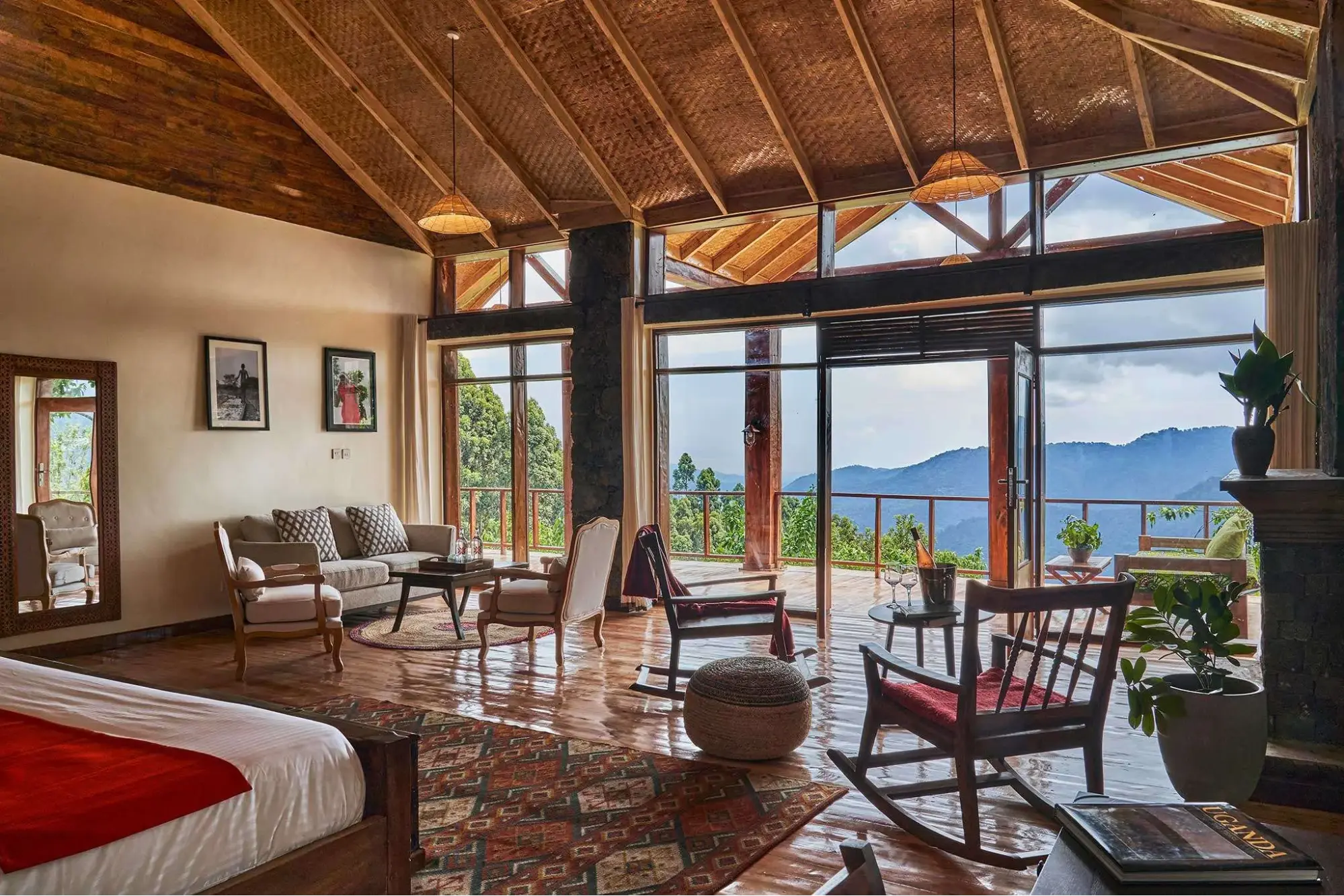
Its bandas are styled with contemporary African aesthetics, combining hardwood interiors, glass-fronted lounges, and private verandas where guests can sometimes witness gorillas and primates from the comfort of their suite. More than just a lodge, Bwindi Lodge is a sensory retreat—offering personalized service, gourmet cuisine, and the soothing soundscape of the rainforest as a backdrop to every moment. While the experience feels priceless, the value offered here remains remarkably compelling for such exclusivity.

Kyambura Gorge Lodge: Where Safari Meets Sustainability

Bordering Queen Elizabeth National Park and overlooking the mystical Kyambura Gorge, this lodge delivers an experience that is both adventurous and grounded in environmental purpose. Once an old coffee store, Kyambura Gorge Lodge has been transformed into a contemporary eco-luxury retreat, combining modern design with traditional Ugandan elements.

Guests find themselves at the crossroads of diverse landscapes—from savannah plains to volcanic craters and the mysterious gorge often called the Valley of the Apes. The lodge offers premium value not only in its striking accommodations and farm-to-table cuisine, but also through its deep commitment to conservation and community empowerment. Chimpanzee trekking, birdwatching, and boat cruises are enhanced by the lodge’s profound sense of place and purpose.

Apoka Safari Lodge: Serenity in the Northern Wilderness

In the far north, within the remote expanse of Kidepo Valley National Park, Apoka Safari Lodge stands as a testament to Uganda’s hidden luxury potential. Here, the savannah stretches endlessly, dotted with acacia trees and herds of buffalo, giraffe, and elephant. It is one of the least visited yet most wildlife-rich parks in Africa, making Apoka an exclusive outpost for true safari purists.

The lodge’s cottages are spacious and luxurious, crafted from natural materials and complete with deep soaking bathtubs, private verandas, and even outdoor stone showers under the stars. But what elevates Apoka beyond expectation is its isolation—where guests are immersed in wild, untamed nature with absolute peace, privacy, and remarkable service. For those seeking a luxury experience off the beaten path, few places deliver such exceptional value.

Buhoma Lodge: Intimacy in the Forest

Located within the boundaries of Bwindi Impenetrable Forest, Buhoma Lodge is one of the few lodges situated inside the park itself—offering both convenience and immersion. Its elevated wooden chalets are tucked into the hillside, each offering uninterrupted views of the forest canopy and the promise of wildlife encounters mere meters away.

Buhoma combines rustic charm with refined hospitality, with thoughtful details like complimentary massages, hot water bottles, and attentive service that makes every guest feel at home. Its proximity to the gorilla trekking trailhead makes it not just an ideal location, but a strategic luxury choice for travelers who want comfort, value, and prime access to one of Uganda’s most iconic experiences.

Ishasha Wilderness Camp: Safari Elegance on the River’s Edge

Nestled beside the Ntungwe River in the southern sector of Queen Elizabeth National Park, Ishasha Wilderness Camp offers a classic tented safari experience with a luxurious twist. This area is famed for its tree-climbing lions, which are often seen lounging in ancient fig trees, and the camp itself offers front-row seats to the surrounding wildlife drama.

Spacious canvas tents, tastefully furnished with locally sourced materials, are positioned under shady trees, allowing guests to fall asleep to the sounds of the river. Dining is communal and candlelit, adding a touch of old-world safari romance. The camp’s commitment to sustainable tourism and its low-impact design enhance its appeal for travelers who seek conscious comfort in the heart of the wild.

Mount Gahinga Lodge: Cultural Luxury at the Foot of the Volcanoes

In Uganda’s southwest corner, at the base of the Virunga volcanoes, Mount Gahinga Lodge offers a unique blend of cultural immersion and mountain adventure. This lodge serves as the ideal base for tracking the rare golden monkeys of Mgahinga Gorilla National Park, hiking the volcanic slopes, or engaging with the local Batwa community through meaningful cultural programs.

The bandas are inspired by traditional design, updated with modern luxuries, and each is named after a nearby volcano. The experience is deeply personal—each guest welcomed as family, with stories shared over fireside dinners and gardens that grow much of the food served. The luxury here lies in connection—to the land, to culture, and to self, all offered at exceptional value.

Bakers Lodge: Riverside Retreat in Murchison Falls National Park

Positioned on the southern bank of the Nile within Murchison Falls National Park, Bakers Lodge offers a tranquil and luxurious base for exploring Uganda’s oldest and largest national park. Named after explorer Samuel Baker, the lodge is a blend of colonial inspiration and African elegance.

Raised thatched cottages provide panoramic views of the river, where hippos grunt and elephants often bathe. Game drives, boat safaris to the base of the falls, and hikes to the top deliver dynamic experiences, while the lodge itself remains a haven of calm. Solar power, locally crafted décor, and gourmet cuisine all contribute to a thoughtful and rewarding luxury experience, offered at rates that impress with their fairness and inclusivity.

Mihingo Lodge: Cliffside Luxury Overlooking Lake Mburo

Overlooking a valley within Lake Mburo National Park, Mihingo Lodge sits dramatically atop a rocky outcrop, offering spectacular panoramic views and seamless wildlife integration. Each of its tented rooms is uniquely perched to maximize privacy and scenery, with open-air bathrooms and decks that seem to float above the landscape.

The lodge is renowned for its horseback safaris, allowing guests to ride alongside zebra and impala through the open plains—a rare and unforgettable safari offering in East Africa. With its infinity pool, impeccable service, and careful environmental practices, Mihingo delivers true luxury infused with originality and access, all while maintaining an excellent price point.

Clouds Mountain Gorilla Lodge: High-End Refuge in the Clouds

Sitting at the highest elevation of any lodge in Uganda, Clouds Mountain Gorilla Lodge lives up to its name—offering guests luxurious solitude among the clouds, right on the edge of Bwindi. This high-altitude hideaway features stone cottages with cozy fireplaces, expansive lounges, and personal butler service, creating an experience that is both opulent and deeply restful.

Guests trek into the forest by day in search of gorillas and return to a fireplace-lit suite with views stretching across to the volcanic peaks of the Congo. It’s a place where every detail speaks of refined comfort, and yet the value remains incredibly strong for the level of exclusivity, location, and service provided.

Uganda: Where Luxury Finds Its Wild Soul

The beauty of Uganda’s luxury safari lodges lies not just in their elegant design or world-class amenities, but in their ability to deliver experiences rooted in authenticity, intimacy, and adventure. These retreats provide far more than a place to rest—they offer portals into Uganda’s diverse landscapes, vibrant cultures, and untamed beauty, all at exceptional value.

Luxury in Uganda is not reserved for the few; it is made accessible through thoughtful hospitality, sustainability, and a genuine desire to share the magic of this country with every visitor. Whether tracking gorillas through mist-covered forests, sailing along the Nile, or stargazing above golden savannahs, travelers discover that the soul of luxury lives where nature is most alive.

Book Your Safari with WildHorn Africa

To unlock the finest experiences across Uganda’s luxury safari lodges and camps, travelers are invited to journey with WildHorn Africayour trusted partner in curating authentic, high-end African adventures. With expert guidance, tailor-made itineraries, and a commitment to sustainable travel, WildHorn Africa crafts moments that matter.

From gorilla encounters to remote savannah escapes, let WildHorn Africa take you beyond the ordinary—into the heart of Uganda’s wild and luxurious soul.

Book your East African safari today with WildHorn Africa—where your story meets the spirit of Africa.

Top 10 Best Tourist Attractions & Places to Visit in Zambia

Top 10 Best Tourist Attractions & Places to Visit in Zambia

By Travel guides, Travel stories and blogs, Zambia travel guides

Top 10 Best Tourist Attractions & Places to Visit in Zambia
Unveiling Africa’s Hidden Gem of Natural Wonders and Raw Adventure

Zambia: Where the Soul of Africa Roars

Zambia remains one of Africa’s most underappreciated treasures—a land of vast wilderness, roaring rivers, and unspoiled beauty. While neighboring nations often steal the spotlight, Zambia quietly boasts some of the continent’s most extraordinary safari destinations and awe-inspiring natural landmarks. It is here that the pulse of Africa beats with unrelenting authenticity, where adventure is found not in manufactured thrills but in nature’s most untamed displays. From the thundering spectacle of Victoria Falls to the silent floodplains of the Zambezi, every journey through Zambia reveals a deep and resonant harmony between wilderness and wonder.

With an abundance of national parks, cultural landmarks, and rare wildlife sightings, Zambia is a sanctuary for those who seek a deeper connection to the wild, away from the commercialized experiences of mainstream tourism. What follows is a thoughtful exploration of the ten most captivating tourist attractions and places to visit in Zambia—each one a testament to the country’s extraordinary allure and raw, magnetic beauty.

Victoria Falls: The Smoke That Thunders

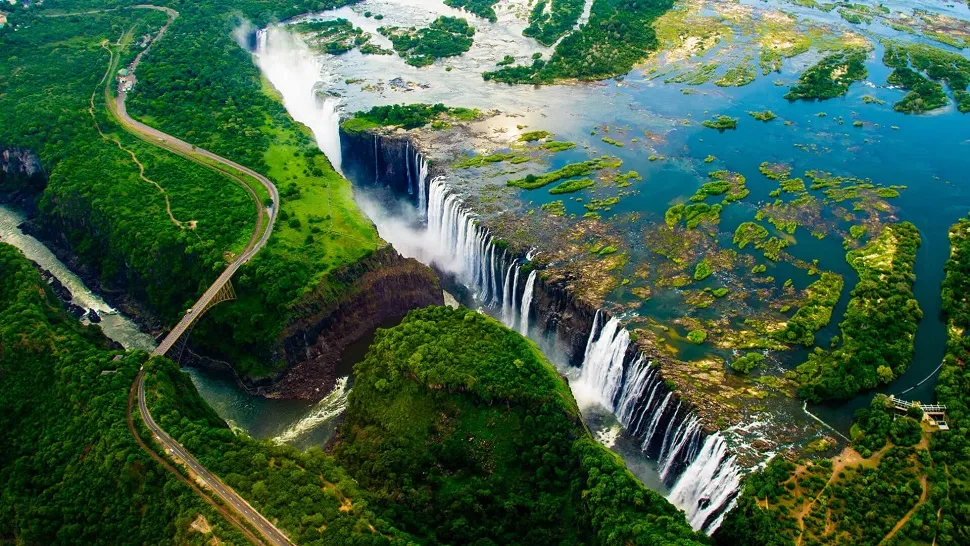
No introduction to Zambia can be made without honoring its most iconic natural wonder—Mosi-oa-Tunya, or “The Smoke That Thunders”, known globally as Victoria Falls. Situated along the mighty Zambezi River at the border with Zimbabwe, this UNESCO World Heritage Site is one of the largest and most spectacular waterfalls on Earth. The falls span over 1.7 kilometers, dropping dramatically into a deep gorge, sending clouds of mist rising hundreds of meters into the sky.

Visitors are often mesmerized by both the visual power and the sound—a continuous roar that echoes through the surrounding rainforest. During the wet season, the spray becomes so intense that rainbows shimmer in the air, turning the landscape into a surreal dreamscape. For thrill-seekers, the Devil’s Pool offers a heart-racing opportunity to swim on the very edge of the falls, while helicopter flights and rainforest trails provide otherworldly perspectives. Beyond its sheer size and drama, Victoria Falls embodies Zambia’s spirit of natural spectacle and emotional intensity.

South Luangwa National Park: The Cradle of Walking Safaris

In the eastern reaches of Zambia lies South Luangwa National Park, often referred to as one of the greatest wildlife sanctuaries in Africa. Here, the concentration of game around the Luangwa River creates an ideal environment for sightings of leopards, lions, elephants, giraffes, and over 400 species of birds. But it is not just the diversity of wildlife that makes South Luangwa special—it is the experience of encountering them.

This is the birthplace of the walking safari, a method of exploration that strips away the vehicle barrier and allows visitors to step directly into the pulse of the bush. Guided by expert rangers and local trackers, each walk becomes an intimate and thrilling interaction with the ecosystem, where every sound, scent, and track tells a story. The untouched wilderness of South Luangwa has remained largely preserved, offering a safari experience that feels both ancient and unspoiled.

Lower Zambezi National Park: Where Rivers Sculpt the Wild

Along the northern banks of the Zambezi River, facing Zimbabwe’s Mana Pools, Lower Zambezi National Park presents one of Zambia’s most mesmerizing landscapes. This park is defined by its aquatic beauty and dramatic contrasts—lush riverbanks teeming with wildlife, backed by rugged escarpments and woodland savannahs. Elephants wade through the shallows, hippos grunt in lagoons, and crocodiles bask on sun-drenched sandbanks.

What distinguishes Lower Zambezi is the diversity of experiences it offers. Canoe safaris glide silently past buffalo herds, boat safaris drift at sunset among fishing eagles and herons, while land-based game drives and walking safaris complete the immersion. The park’s isolation—reachable mainly by small aircraft or long overland journeys—ensures that tourism here is low-impact and deeply personal. In every moment, Lower Zambezi whispers of wild Africa, uninterrupted and eternal.

Kafue National Park: The Hidden Giant

As Zambia’s oldest and largest national park, Kafue remains one of Africa’s best-kept safari secrets. Covering an area of over 22,000 square kilometers, the park is larger than some countries, yet its remoteness has preserved its wilderness in near-pristine condition. Kafue’s landscapes vary dramatically—from open grasslands and seasonal floodplains to dense miombo woodlands—each supporting a rich tapestry of wildlife.

The elusive cheetah, rarely seen elsewhere in Zambia, roams the open Busanga Plains. Lions and leopards stalk antelope herds, while the river systems support pods of hippos and swarms of birdlife. The experience in Kafue is one of silence and space—a true wilderness devoid of crowds, where nature reveals itself slowly and rewardingly. It is an ideal destination for seasoned safari-goers seeking off-the-beaten-path authenticity.

Lake Tanganyika: Africa’s Great Inland Sea

Stretching across four countries, Lake Tanganyika is the world’s longest freshwater lake and one of the deepest. Zambia claims its southern shores, where the lakeside town of Mpulungu serves as a gateway to an aquatic realm of extraordinary clarity and biodiversity. The lake’s waters are home to hundreds of species of cichlid fish found nowhere else, attracting divers and snorkelers from around the world.

The beaches along Zambia’s edge of the lake feel more like tropical islands—white sands, swaying palms, and fishing villages steeped in tradition. Cultural encounters with the local Bemba and Tumbuka people provide insight into lakeside life, while boat excursions unveil hidden coves and cliffside vistas. Lake Tanganyika stands as a tranquil yet compelling complement to Zambia’s wild interior—a place where stillness meets depth.

Kasanka National Park: A Spectacle in the Sky

Though small in size, Kasanka National Park offers one of the most breathtaking wildlife events on Earth—the annual bat migration. Each year, between October and December, over ten million straw-colored fruit bats descend upon a tiny corner of the park, filling the sky with their swirling forms at dusk. It is the largest mammal migration in the world by number, and it unfolds in a relatively compact forest, offering rare proximity to such scale.

Outside of bat season, Kasanka remains a haven for birdwatchers and photographers. The park is laced with rivers, papyrus swamps, and wetlands, attracting sitatunga antelope, rare otters, and hundreds of bird species. The ethereal quality of Kasanka lies not just in its spectacle, but in its quiet resilience—a pocket of biodiversity preserved through conservation partnerships and community commitment.

Siavonga and Lake Kariba: The Manmade Wonder

Lake Kariba, one of the world’s largest manmade lakes, lies along Zambia’s southern border with Zimbabwe. The town of Siavonga offers an inviting base to explore its vast, shimmering waters. While the lake itself was created through human engineering, its beauty is undeniable—a panorama of islands, inlets, and distant hills bathed in golden sunlight.

Houseboat safaris have become a signature experience here, offering leisurely explorations with opportunities to fish, swim, or simply relax under open skies. With fewer large predators, Lake Kariba offers a gentler wildlife experience, while its dramatic sunsets over the water remain unforgettable. The area is ideal for families, romantic escapes, and those seeking a scenic escape from the traditional safari pace.

Lusaka: The Pulse of Urban Zambia

Though often used as a transit hub, Zambia’s capital city, Lusaka, provides a dynamic lens through which to understand the modern Zambian identity. Markets like Soweto buzz with color and commerce, while local restaurants offer everything from traditional nshima dishes to contemporary fusion cuisine. The city’s National Museum presents Zambia’s complex history through art, archaeology, and cultural exhibits.

Lusaka’s open spaces, such as the Lilayi Elephant Nursery, allow for urban conservation encounters, where orphaned elephants are rehabilitated before being released into the wild. While it may not command the wild wonder of Zambia’s national parks, Lusaka contributes to the broader experience—a place where visitors can engage with Zambia’s heart, voice, and evolving story.

Chimfunshi Wildlife Orphanage: A Sanctuary of Compassion

Near the banks of the Kafue River, Chimfunshi Wildlife Orphanage operates as one of the world’s oldest and largest chimpanzee sanctuaries. Founded in the 1980s, it provides a haven for chimpanzees rescued from illegal trade or captivity. Spread over thousands of hectares, the sanctuary allows these primates to live in semi-wild conditions, forming social bonds and regaining natural behaviors.

Visitors are offered guided walks and educational tours, learning about both chimpanzee behavior and the larger conservation challenges facing primates in Africa. The experience is emotionally resonant and thought-provoking—a reminder of humanity’s responsibility to protect and restore. Chimfunshi reflects a quieter, more ethical dimension of wildlife tourism.

Discover Zambia with WildHorn Africa

To fully embrace the vast beauty and deep complexity of Zambia’s landscapes, an expert touch is essential. WildHorn Africa crafts bespoke journeys into Zambia’s most awe-inspiring destinations, ensuring seamless logistics, deeply informed guides, and accommodations that immerse travelers in both comfort and context.

Whether it’s walking beside lions in South Luangwa, canoeing past elephants in the Lower Zambezi, or feeling the mist of Victoria Falls upon your face, WildHorn Africa transforms adventure into artistry. With local knowledge, conservation-minded values, and a commitment to excellence, every journey becomes more than travel—it becomes memory, meaning, and movement.

Begin your Zambian odyssey with WildHorn Africa, and let the heart of Africa speak directly to yours.

Best Places and Tourist Attractions To Visit in and Around Mombasa

Best Places and Tourist Attractions To Visit in and Around Mombasa

By Tanzania travel guides, Travel guides, Travel stories and blogs

Best Places and Tourist Attractions To Visit in and Around Mombasa
Discovering the Coastal Pearl of Kenya Through Its Rich Culture, Coastal Magic, and Timeless Adventures

The Allure of Mombasa: Where Culture Meets the Indian Ocean

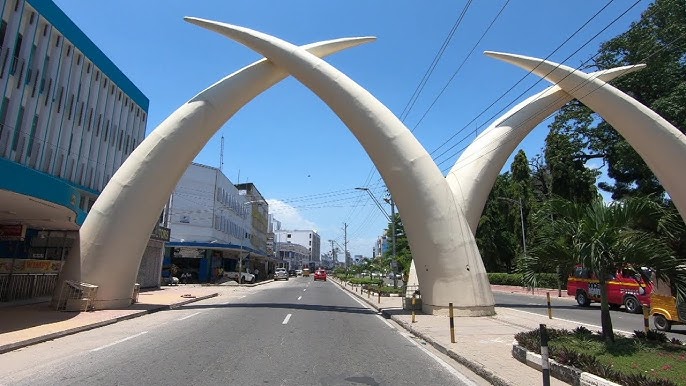
Nestled along the sun-soaked Kenyan coastline, Mombasa stands as a captivating blend of African, Arab, Asian, and European influences. This ancient port city, with its winding alleys, ornate architecture, and vibrant Swahili culture, has for centuries mesmerized travelers, traders, and explorers. Set against the breathtaking backdrop of the Indian Ocean, Mombasa is not merely a destination—it is an experience sculpted by time, tide, and the tenacity of its people.

The city’s unique rhythm is carried in the breeze that rustles through the palms, in the chants of local markets, in the distant calls to prayer echoing from minarets, and in the waves that gently kiss its white sand shores. Rich in history, teeming with life, and blessed with a strategic geographical position, Mombasa is both the heartbeat of coastal Kenya and the gateway to some of East Africa’s most awe-inspiring attractions. From heritage-rich Old Town to stunning marine parks, from sacred forests to luxurious beach resorts, every turn in and around Mombasa reveals a deeper layer of beauty, mystery, and wonder.

Fort Jesus: A Sentinel of Stone and Story

Constructed by the Portuguese in the 16th century, Fort Jesus remains one of Mombasa’s most iconic historical landmarks. With its strategic positioning along the harbor, it once served as a bastion of colonial power and a site of fierce battles between European and Arab forces. Today, its formidable walls house a museum that chronicles Mombasa’s storied past, including its role in the spice trade, slavery, and the wider Swahili Coast’s cultural evolution. Visitors walk through ancient battlements, peer into dungeons, and examine archaeological artifacts that breathe life into centuries of maritime history.

The fort, a UNESCO World Heritage Site, symbolizes more than military strategy; it tells of resistance, convergence, and resilience. Overlooking the turquoise waters of the harbor, it invites travelers to imagine a time when ships laden with goods and stories docked at its feet, shaping the multicultural identity that Mombasa cherishes to this day.

Old Town: A Labyrinth of Culture and Craft

Adjacent to Fort Jesus lies the enigmatic Old Town of Mombasa, a compact maze of narrow streets lined with crumbling coral stone buildings, intricately carved doors, and vibrant balconies. Steeped in Swahili, Arab, Indian, and Portuguese influence, this district is not just an architectural wonder; it is a living museum of cultural symbiosis.

Visitors meander through aromatic spice shops, bustling cafes, curio stores, and mosques that whisper ancient prayers. Every alley and archway holds a secret waiting to be uncovered, whether in the form of an antique Swahili chest, a calligraphed Arabic scripture, or a bowl of steaming biryani served with age-old warmth. The town’s authenticity remains uncompromised, offering an immersive plunge into a way of life that has endured for generations.

Haller Park: A Lush Rebirth from Quarry to Paradise

Once a desolate limestone quarry, Haller Park has been miraculously transformed into a thriving ecological sanctuary, showcasing the power of environmental restoration. Located just north of the city, it serves as a refuge for giraffes, hippos, zebras, and a variety of bird species, offering visitors a tranquil, green escape from Mombasa’s urban buzz.

The park’s shaded trails lead through palm groves, lily-strewn ponds, and rehabilitated woodlands. As monkeys chatter in the canopy and crocodiles bask in the sun, one cannot help but marvel at how desolation has been turned into vibrancy. Educational, serene, and deeply inspiring, Haller Park speaks to the soul of conservation and ecological redemption.

Mombasa Marine National Park: A Submerged Eden

Just off the coast lies the Mombasa Marine National Park, an underwater sanctuary teeming with coral reefs, colorful fish, and seagrass beds. Accessible by traditional dhows or glass-bottom boats, the park opens a window into a world of extraordinary biodiversity and aquatic charm.

Snorkelers and divers are treated to dazzling coral gardens, schools of angelfish and parrotfish, and occasional sightings of dolphins and sea turtles. The gentle waves of the Indian Ocean carry more than marine life—they carry stories of coexistence between people and the sea, of fishermen guided by moonlight and of communities whose lives are intrinsically linked to the ocean’s rhythm.

The protected status of the park ensures that this marine gem remains unspoiled for generations to come, making it a must-visit for eco-conscious travelers and ocean lovers alike.

Nyali and Diani Beaches: Where Luxury Meets Natural Splendor

For those seeking idyllic shores and world-class leisure, the beaches of Nyali and Diani provide unmatched coastal experiences. Nyali, just minutes from central Mombasa, offers a more urban escape, dotted with elegant resorts, fine restaurants, and art galleries that showcase coastal Kenya’s creative spirit. The beach itself is a soft expanse of white sand that glows beneath the tropical sun, inviting both relaxation and adventure.

Further south, Diani Beach emerges as a true paradise on Earth. Its azure waters, swaying palms, and gentle tides make it one of the most celebrated beaches on the continent. Visitors can enjoy kitesurfing, camel rides, sunset cruises, or simply laze in the shade of palm trees while sipping fresh coconut juice. The atmosphere is luxurious yet laid-back, making Diani a perfect blend of serenity and sophistication.

Mamba Village and Bombolulu: Cultural Depth and Community Craftsmanship

To truly grasp the cultural heart of Mombasa, visits to Mamba Village and Bombolulu Workshops offer unparalleled insight. Mamba Village, the largest crocodile farm in East Africa, provides educational tours that delve into the biology and behavior of these fascinating reptiles. Beyond the exhibits, beautifully landscaped gardens and camel rides add to the immersive experience.

Not far from there, Bombolulu Workshops, run by the Association for the Physically Disabled of Kenya, serves as a shining example of inclusive community empowerment through art. Here, skilled artisans with disabilities produce intricate jewelry, textiles, and leather crafts. The center doubles as a cultural complex with traditional homesteads, tribal dances, and storytelling sessions. Visitors leave not just with souvenirs but with a deeper appreciation for Mombasa’s human spirit and social progress.

Shimba Hills National Reserve: Untamed Beauty Beyond the Shoreline

A short drive inland from Mombasa leads to the verdant landscapes of Shimba Hills National Reserve, a hidden gem often overshadowed by Kenya’s more famous parks. Rolling hills, waterfalls, and rich biodiversity make this sanctuary a refreshing contrast to the coast. The rare sable antelope roams freely here, alongside elephants, leopards, and a diverse range of birds and butterflies.

Shimba Hills offers cooler air, panoramic vistas of the coastline, and a deeper connection to Kenya’s wild and untouched side. For travelers seeking a more secluded encounter with nature, this reserve offers an exquisite off-the-beaten-path experience.

Mtwapa Creek and Kilifi: Coastal Secrets Waiting to Be Explored

North of Mombasa, Mtwapa Creek and Kilifi beckon with a more laid-back, bohemian energy. Mtwapa is a vibrant fishing town known for its nightlife, water sports, and mangrove-lined estuaries. The creek is perfect for dhow excursions at sunset, as the sky melts into hues of gold and crimson over still waters.

Kilifi, further north, is emerging as a hub for sustainable tourism and cultural expression. With its colonial architecture, tidal bridge, and the ancient Mnarani Ruins nearby, Kilifi offers both historical intrigue and stunning natural beauty. It is here that the magic of the coast quietly lingers, undisturbed and inviting.

Plan Your Coastal Kenyan Escape with WildHorn Africa

For travelers who yearn to go beyond the brochure and experience Mombasa’s diverse offerings in their most authentic form, WildHorn Africa provides expertly curated safari and coastal itineraries that connect you to the soul of Kenya. Whether it’s navigating the coral reefs of the marine park, tracing Swahili culture through Old Town, or relaxing on a private beachside villa in Diani, WildHorn Africa ensures every journey is enriched with purpose, luxury, and local connection.

From planning seamless logistics to offering access to hidden gems, WildHorn Africa redefines travel across East Africa—not as passive sightseeing, but as an intimate exploration of land, life, and legacy.

Book your African adventure with WildHorn Africa today, and let the magic of Mombasa guide your journey.

Serengeti vs Kruger. Which Is Better for an African Safari?

Serengeti vs Kruger. Which Is Better for an African Safari?

By South Africa travel guides, Tanzania travel guides, Travel guides, Travel stories and blogs

Serengeti vs Kruger: Which Is Better for an African Safari?

Embarking on the Ultimate African Safari Showdown

The quest for the ultimate African safari experience often leads travelers to two iconic destinations: the vast plains of the Serengeti National Park in Tanzania and the sprawling wilderness of Kruger National Park in South Africa. Each park holds a revered place in the hearts of wildlife enthusiasts, boasting exceptional biodiversity and unforgettable landscapes. However, the question arises: which is better for an African safari? This inquiry demands a thorough exploration of their unique attributes, wildlife encounters, accessibility, accommodations, and overall safari experiences.

The Serengeti: A Timeless Wilderness of Endless Horizons

The Serengeti, meaning “endless plains” in the Maasai language, is a symbol of Africa’s wild heart and is celebrated worldwide for its dramatic ecosystems and natural spectacles. The park’s landscape is dominated by sweeping grasslands, scattered acacia trees, and rocky kopjes that punctuate the horizon. The Serengeti’s claim to fame is its role in the legendary Great Migration, an epic annual movement of over a million wildebeest, accompanied by hundreds of thousands of zebras and gazelles, traversing vast distances in search of fresh grazing.

This phenomenon creates a dynamic environment where predators and prey interact in a continuous cycle of survival and renewal. The park’s abundant predator populations—including lions, cheetahs, leopards, and hyenas—offer thrilling safari encounters rarely matched elsewhere. The Big Five are found within the Serengeti, but the park is also home to an astonishing array of other species, from elephants and giraffes to rare African wild dogs.

Kruger National Park: South Africa’s Premier Wildlife Sanctuary

In contrast, Kruger National Park offers a different safari narrative, characterized by its exceptional size, diversity, and accessibility. Spanning nearly 20,000 square kilometers, Kruger is one of Africa’s largest game reserves, with an infrastructure developed for self-drive safaris and a wide range of accommodation options. The park is renowned for the sheer variety of habitats it contains, ranging from dense bushveld to open savannah, supporting an immense variety of flora and fauna.

Kruger’s Big Five populations are well-established and frequently observed by visitors. Beyond the famous five, Kruger is noted for its high numbers of bird species, reptiles, and smaller mammals, offering a comprehensive wildlife experience. Its reputation for excellent visitor facilities and relative ease of access makes it an attractive choice for both first-time and experienced safari travelers.

Wildlife Encounters: A Comparative View

When comparing wildlife sightings, the Serengeti’s advantage lies in its raw wilderness and unparalleled concentrations of migratory animals. The spectacle of the migration, where vast herds cross crocodile-infested rivers and predators hunt in the open, offers dramatic photographic opportunities and intense wildlife viewing. The Serengeti’s vast size means that game drives often involve covering significant distances to locate animals, emphasizing the park’s unspoiled nature.

Kruger, on the other hand, provides consistently reliable game viewing due to its well-distributed water sources and dense network of roads. Game sightings are often more frequent and easier to arrange in Kruger, with animals habituated to the presence of vehicles. The park’s varied habitats allow for observation of a broad range of species, including elusive nocturnal creatures, which can be experienced during guided night drives.

Accessibility and Infrastructure: Convenience Versus Adventure

Accessibility plays a crucial role in the safari experience. The Serengeti, while iconic, is relatively remote, requiring a combination of international flights, domestic transfers, and often light aircraft flights into airstrips within the park. Roads are typically unpaved, and travel times between camps and viewing sites can be lengthy. This remoteness contributes to the Serengeti’s untouched atmosphere but also demands a greater time commitment and budget.

Kruger National Park’s accessibility is facilitated by its proximity to major South African cities such as Johannesburg and Pretoria. Well-maintained tarred roads crisscross the park, allowing visitors to explore via self-drive or guided tours. The availability of various lodging options—from basic campsites to luxury lodges—caters to a wide range of travelers. This infrastructure makes Kruger a convenient destination for shorter safaris and those seeking more comfort.

Accommodation and Safari Styles: Luxury or Rugged Authenticity?

The Serengeti’s lodges and tented camps are often positioned to offer immersive wilderness experiences with stunning views and direct access to prime wildlife viewing areas. Many accommodations emphasize eco-friendly designs that blend into the environment, with an emphasis on exclusivity and personalized service. The sense of being deeply connected to nature is a hallmark of a Serengeti safari.

In Kruger, the accommodation spectrum is broad, ranging from public rest camps managed by the park authority to privately operated luxury lodges. This range ensures that safaris can be tailored to diverse preferences and budgets. The public camps offer essential amenities and easy access to key wildlife areas, while private lodges provide exclusive game drives, gourmet cuisine, and spa services. This versatility appeals to families, solo travelers, and groups alike.

Cultural and Scenic Dimensions: Beyond Wildlife

While both parks are wildlife-centric, the cultural and scenic experiences differ significantly. The Serengeti’s proximity to Maasai communities allows for cultural interactions that enrich the safari narrative. The backdrop of the Ngorongoro Conservation Area, with its dramatic crater and rich biodiversity, adds to the region’s scenic allure.

Kruger is part of the larger Greater Limpopo Transfrontier Park, which encompasses neighboring reserves in Mozambique and Zimbabwe, offering cross-border safari options. The region’s history, from ancient rock art sites to colonial heritage, complements the wildlife experience. Additionally, the surrounding South African tourism infrastructure provides access to other attractions such as the Panorama Route and wine regions.

Conservation and Sustainability Efforts

Both parks have been focal points for conservation, but the approaches reflect their contexts. Serengeti’s conservation emphasizes protection of migratory corridors and preservation of vast ecosystems, with global partnerships playing a key role. Anti-poaching initiatives and community-based conservation are critical in safeguarding species like the rhino and wild dog.

Kruger, governed by South African National Parks, implements advanced technology in anti-poaching efforts, including aerial surveillance and sniffer dogs. Community outreach and employment within the park promote local involvement. Sustainability in tourism operations is a growing priority, ensuring that the park’s natural and cultural resources remain viable for future generations.

Final Considerations: Which Safari Destination Is Better?

The decision between Serengeti and Kruger as the better safari destination depends largely on the traveler’s priorities and expectations. Serengeti appeals to those seeking a wilder, more remote adventure, driven by the spectacle of migration and vast landscapes. The safari experience here is more about the primal rhythms of nature and less about convenience.

Kruger, by contrast, offers a more accessible, versatile, and comfortable safari, suitable for a wide range of travelers, including families and self-drive enthusiasts. The park’s infrastructure, diversity of wildlife, and ease of access make it ideal for those who desire a well-rounded and less logistically complex safari.

Both destinations promise remarkable encounters with Africa’s iconic wildlife, but the choice will ultimately depend on personal preferences for adventure, comfort, wildlife density, and cultural context.

Plan Your Unforgettable African Safari with WildHorn Africa

For those inspired to explore either the Serengeti or Kruger and to immerse themselves in the wonders of Africa’s wildlife, the guidance of expert safari planners is invaluable. Booking tours and safaris through WildHorn Africa guarantees a seamless experience, with carefully crafted itineraries, knowledgeable guides, and a commitment to sustainable tourism. Whether the desire is to witness the thunderous migration of the Serengeti or the abundant game of Kruger, WildHorn Africa offers unparalleled support to ensure that every moment of the journey is extraordinary and responsibly conducted.

Your African safari adventure, rich in memories and wildlife wonders, awaits.

Top 10 Mozambique Luxury Beach Resorts & Hotels

Top 10 Mozambique Luxury Beach Resorts & Hotels

By Mozambique travel guides, Travel guides, Travel stories and blogs

Top 10 Mozambique Luxury Beach Resorts & Hotels
Where Untouched Shores Meet Unrivalled Elegance

The Allure of Mozambique’s Coastline

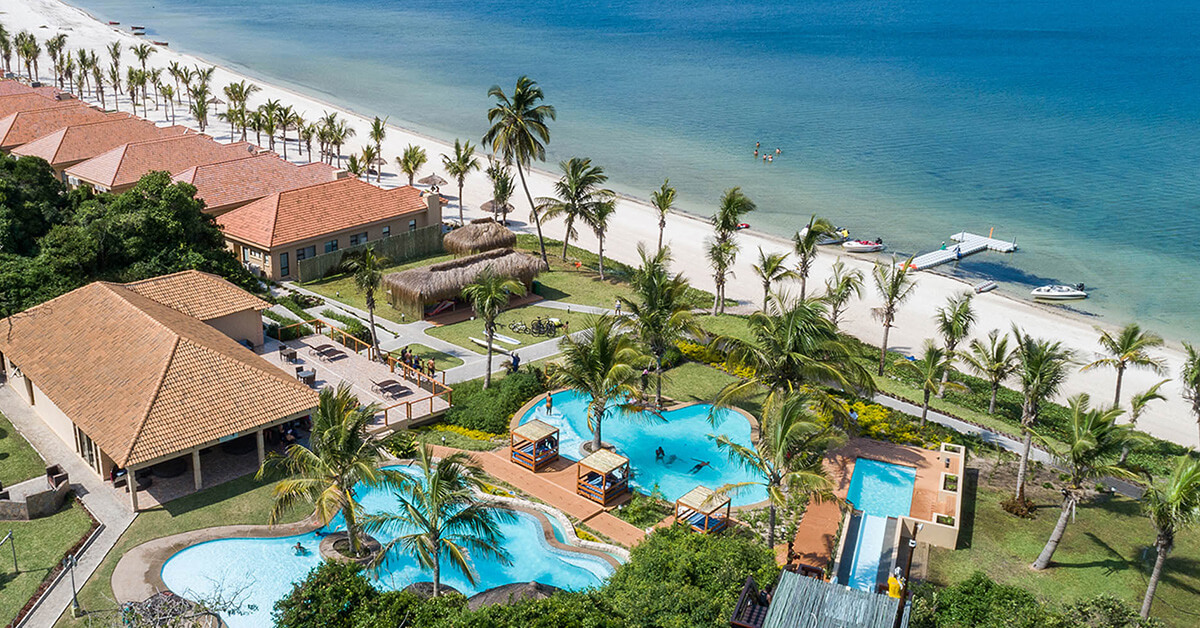
Along the eastern edge of Africa, where the Indian Ocean stretches endlessly into sapphire horizons, Mozambique unveils one of the continent’s best-kept secrets—a coastline carved in perfection, dotted with islands, coral reefs, and beaches so pristine they feel otherworldly. The country’s 2,500 kilometers of unspoiled shoreline remain largely untouched by mass tourism, offering discerning travelers a unique blend of raw natural beauty and discreet luxury.

From the remote islands of the Quirimbas Archipelago to the powder-soft beaches of Bazaruto, Mozambique’s coast hosts some of the most exclusive and enchanting beach resorts in the world. Here, luxury isn’t loud—it’s subtle, soulful, and steeped in intimacy with the environment. The country’s luxury hospitality scene is shaped not only by refined aesthetics but also by a deep respect for nature, local culture, and personalized service. These resorts are not just places to stay—they are sanctuaries of serenity, designed for those who seek to escape the ordinary.

Azura Benguerra Island: Sustainable Luxury in the Bazaruto Archipelago

Set on the shores of Benguerra Island, within a protected marine reserve, Azura Benguerra offers an unparalleled blend of eco-consciousness and indulgence. Crafted by local artisans using sustainable materials, the resort’s beachfront villas embody barefoot luxury. Private plunge pools, butler-hosted service, and direct access to ivory sands define the guest experience.

This island retreat is embraced by turquoise waters teeming with marine life, making it an ideal spot for snorkeling, diving, and dhow sailing at sunset. Yet what elevates Azura beyond the expected is its commitment to conservation and community. Guests are not just visitors—they become participants in a story of preservation, where luxury and legacy walk hand in hand.

Anantara Bazaruto Island Resort: Sophistication with a Wild Edge

On the largest island in the Bazaruto Archipelago lies Anantara Bazaruto, a resort that seamlessly weaves sophisticated elegance with untamed beauty. The thatched-roof villas, spread along the shoreline and hidden among tropical gardens, offer sweeping ocean views and absolute privacy. The architecture pays homage to the land, while the interiors blend coastal calm with refined luxury.

Guests find themselves immersed in experiences that range from horseback riding along the beach to deep-sea fishing and world-class spa therapies. The surrounding waters, part of a protected marine park, promise encounters with dolphins, manta rays, and migrating whales. At Anantara, every moment is designed to awaken the senses, and every detail serves to remind guests of their place within nature’s masterpiece.

White Pearl Resorts Ponta Mamoli: The Jewel of Southern Mozambique

Tucked near the South African border and nestled between lush forest and the Indian Ocean, White Pearl Resorts delivers seclusion wrapped in sophistication. Elevated suites with private decks and plunge pools overlook untouched beachscapes, where the only sounds are the gentle tides and rustling palms.

The resort offers personalized service marked by discretion and warmth, allowing guests to relax into a rhythm dictated by nature. From ocean safaris and turtle nesting excursions to beach picnics and horse rides at sunset, the experiences here evoke both thrill and stillness. It is luxury that listens rather than shouts—crafted not to impress, but to nourish.

Kisawa Sanctuary: Where Architecture Becomes a Love Letter to Nature

Positioned on Benguerra Island, Kisawa Sanctuary stands as one of Mozambique’s newest and most ambitious luxury properties. Designed with cutting-edge sustainability practices and a passion for local craftsmanship, Kisawa brings together innovation, cultural integrity, and natural wonder.

The sprawling private residences feature expansive spaces, shaded courtyards, and seamless indoor-outdoor living. But more than opulence, Kisawa offers purpose-driven luxury—supporting marine research and cultural preservation through its sister organization, the Bazaruto Center for Scientific Studies. It is where architecture surrenders to nature, and where guests are invited not just to witness beauty, but to protect it.

Nkwichi Lodge: Off-the-Grid Paradise on Lake Malawi’s Shores

Though not an oceanfront destination, Nkwichi Lodge on the Mozambican side of Lake Malawi deserves its place among Mozambique’s top luxury beach escapes. Set on secluded, sugar-white beaches and surrounded by ancient baobabs, the lodge offers a freshwater beach experience unlike any other.

Guests arrive by boat, instantly transported to a world without roads, noise, or crowds. The chalets are carved into nature, built with rock, thatch, and timber, and lit by lanterns. Here, luxury is redefined—not by excess, but by purity of experience. The days are filled with kayaking, stargazing, forest hikes, and cultural visits, while the nights are quiet symphonies of lapping water and rustling leaves.

Coral Lodge: Cultural Elegance in Ilha de Moçambique

Near the historic Ilha de Moçambique, a UNESCO World Heritage Site, Coral Lodge invites guests into a setting where history, culture, and luxury intertwine. The lodge’s villas are perched on dunes overlooking pristine beaches and mangroves, each designed to reflect the textures and tones of the surrounding landscape.

Guests are encouraged to explore the island’s colonial architecture, visit centuries-old churches, and discover the blending of African, Arab, and Portuguese heritage. Back at the lodge, the fusion of local flavors and fine cuisine creates a dining experience as rich as the region’s history. Coral Lodge offers more than rest—it offers reconnection through culture and nature.

Mequfi Beach Resort: A Contemporary Haven in Northern Mozambique

On the remote northern coast near Pemba, Mequfi Beach Resort offers modern luxury in a setting of wild serenity. The design is sleek yet unobtrusive, with bungalows and suites opening onto sprawling sands and panoramic ocean views. It is a retreat built for those who value space, silence, and simplicity.

Here, activities unfold gently—sunset dhow cruises, beach yoga, kite surfing, and long, languid swims. The resort’s culinary program combines international techniques with local ingredients, creating meals that are both nourishing and memorable. Mequfi’s elegance lies in its restraint, allowing the landscape to lead and luxury to follow quietly behind.

Ibo Island Lodge: The Romance of the Quirimbas Archipelago

Steeped in history and wrapped in tropical tranquility, Ibo Island Lodge offers a blend of colonial charm and castaway luxury. Located in the Quirimbas Archipelago, the lodge occupies carefully restored 150-year-old mansions with hand-carved doors, coral stone walls, and sweeping verandas.

The experience is equal parts exploration and relaxation. Guided walks reveal the island’s rich Swahili and Portuguese history, while dhow safaris transport guests to secluded sandbars for picnics and snorkeling. At sunset, rooftop terraces come alive with candlelight and conversation. Ibo Island is not just visited—it is felt deeply, leaving an imprint long after departure.

Vamizi Island: Private Indulgence on Mozambique’s Wildest Shores

Though increasingly exclusive, Vamizi Island remains a crown jewel of Mozambique’s luxury beach offerings. Accessible only by private charter, the island’s villas are hidden among the forest, facing one of the most biologically diverse coral reefs in the world.

Each villa is a masterpiece of space, design, and seclusion. Guests enjoy private chefs, personal hosts, and tailor-made activities ranging from diving with reef sharks to yoga on the beach. With only a handful of villas and miles of untouched coastline, Vamizi defines ultimate escapism. It is not just a retreat—it is a reawakening.

Mozambique: A Sanctuary for the Senses

Luxury in Mozambique cannot be confined to thread counts or star ratings. It is measured in the quality of silence, the depth of immersion, and the authenticity of connection. It is where barefoot freedom meets world-class service, and where indulgence is delivered not with grandeur, but with grace. Whether one seeks solitude, adventure, cultural insight, or simply time to breathe, Mozambique’s finest beach resorts provide a canvas upon which unforgettable memories are painted.

Let WildHorn Africa Curate Your Mozambique Escape

For those yearning to explore the serene elegance and coastal wonder of Mozambique, WildHorn Africa stands ready to deliver tailored, immersive, and luxurious travel experiences. With insider knowledge, meticulous planning, and a deep respect for each destination’s essence, WildHorn Africa transforms your holiday into a personalized journey through Africa’s most exquisite hidden gems.

Whether you dream of candlelit dinners under the stars on a private island, diving with dolphins in marine reserves, or waking up to the sound of the sea outside your villa, let WildHorn Africa bring your vision to life.

Book your Mozambique beach holiday with WildHorn Africa—where every detail whispers luxury, and every moment is carved into memory.

10 Best Things to Do in and Around Moshi, Tanzania

10 Best Things to Do in and Around Moshi, Tanzania

By Tanzania travel guides, Travel guides, Travel stories and blogs

10 Best Things to Do in and Around Moshi, Tanzania
Where the Shadows of Kilimanjaro Conceal Endless Wonders

Welcome to Moshi: Tanzania’s Hidden Gem beneath the Great Mountain

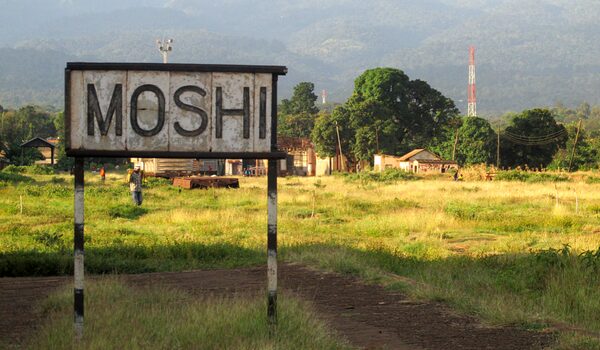
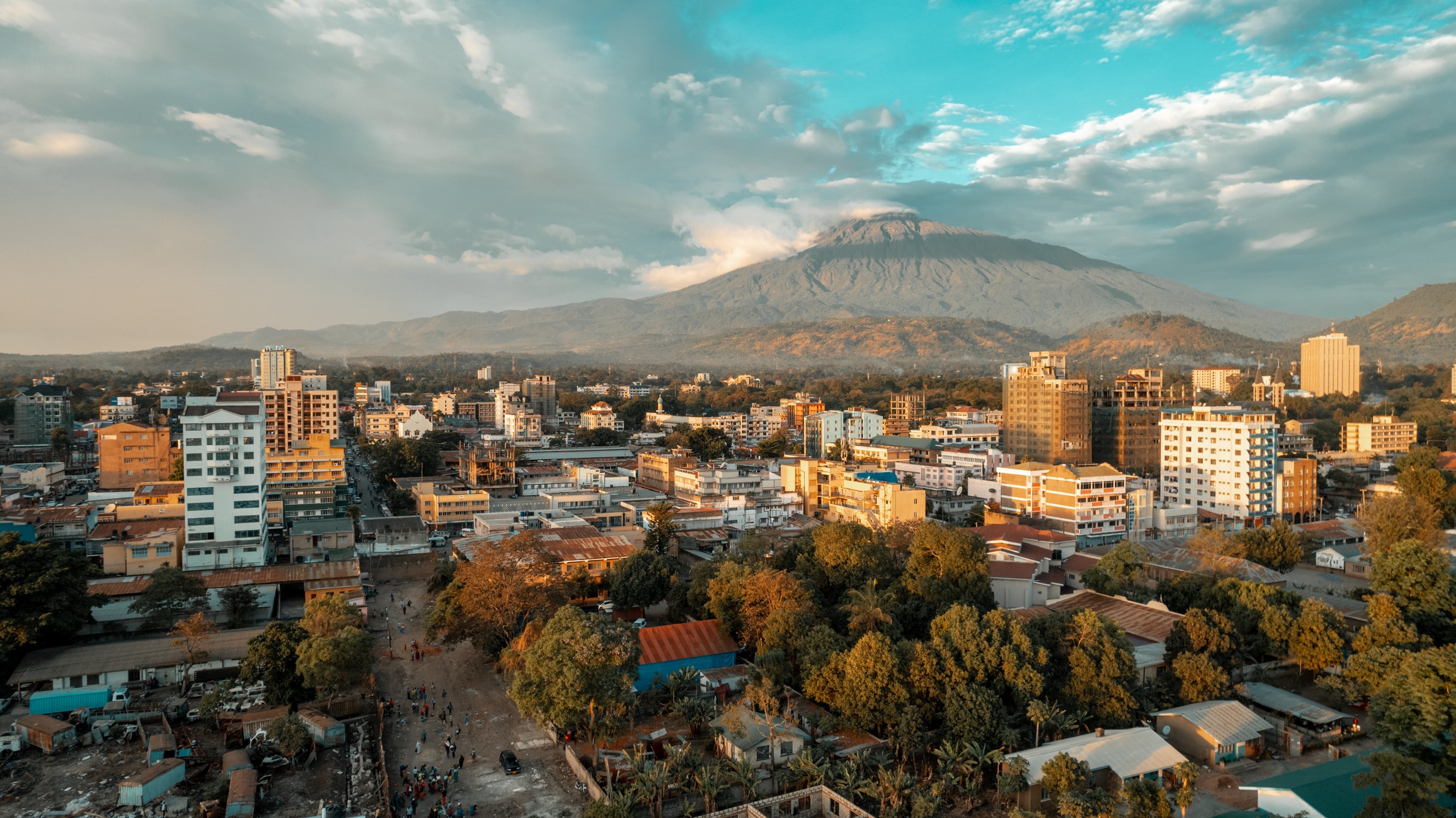
In the northeastern corner of Tanzania, where the fertile plains stretch toward the jagged silhouette of Africa’s tallest mountain, a town both vibrant and understated quietly waits to be explored. Moshi, nestled at the foot of the iconic Mount Kilimanjaro, is far more than just a base camp for climbers. It is a cultural, historical, and natural treasure trove, where every path reveals a new adventure and every experience unfolds with authentic African charm.

Unlike the bustle of Arusha or the chaos of larger cities, Moshi thrives on a more intimate scale. The pace here is measured, the people warmly hospitable, and the surrounding landscapes breathtaking in their variety. From the thrill of volcanic trails to the serenity of hidden waterfalls, from immersive cultural encounters to encounters with untamed wildlife, Moshi offers a spectrum of experiences that surprise and delight even the most seasoned travelers.

As the gateway to Kilimanjaro, it is often hurriedly passed through by those seeking the summit. Yet, those who pause and linger are rewarded with a region rich in character, nature, and tradition. The following are the ten best things to do in and around Moshi—not merely activities, but transformative experiences that etch themselves into memory.

Climbing the Mythical Mount Kilimanjaro

At the heart of every Moshi itinerary lies the magnetic presence of Mount Kilimanjaro, Africa’s highest peak and the world’s tallest free-standing mountain. Rising to 5,895 meters, it dominates not just the skyline, but the spirit of the town itself. While the mountain can be admired from the town’s cafes, gardens, and rooftops, the true essence of Kilimanjaro can only be felt on its trails.

Climbing Kilimanjaro is more than a physical challenge—it is a spiritual undertaking, a test of endurance and willpower, traversing through five ecological zones, from dense rainforest to alpine desert and, finally, to the ice-capped summit. Routes such as Machame, Lemosho, and Marangu have each drawn adventurers seeking the moment when dawn breaks over Uhuru Peak, bathing the world in golden silence.

Even for those not climbing to the summit, shorter hikes on the lower slopes or nature walks through the rainforest offer an intimate taste of the mountain’s majesty, often accompanied by glimpses of monkeys, exotic birds, and towering ancient trees.

Exploring the Culture of the Chagga People

Beneath the grandeur of Kilimanjaro lies the cultural heart of Moshi: the land of the Chagga people, who have inhabited the slopes of the mountain for centuries. Their traditions, customs, and stories are deeply entwined with the environment, and learning about them provides a deeper understanding of life on and around the mountain.

Visits to Chagga villages unveil the intricacies of daily life, from traditional banana farming and coffee cultivation to age-old culinary practices. In these communities, hand-dug caves once used for protection during tribal conflicts still remain, offering insight into the region’s layered past. Guided tours often include storytelling sessions, local dances, and hands-on involvement in coffee preparation—from bean to cup—a process deeply symbolic to the Chagga people.

This cultural immersion is not merely observational; it is participatory, sincere, and profoundly human.

Unwinding at Materuni Waterfalls

Just a short drive from Moshi, tucked within the green folds of the mountain’s foothills, the Materuni Waterfalls cascade with ethereal grace. These falls, nearly 90 meters tall, are surrounded by dense tropical vegetation, creating a natural amphitheater of sound and mist.

The journey to Materuni requires a short trek through Chagga farmlands and lush forest trails. Along the way, travelers are greeted with panoramic views of the Kilimanjaro massif, village children calling cheerfully from fields, and a variety of endemic flora. The reward is an invigorating swim in the crystal-clear plunge pool below the falls—a moment of serenity that contrasts beautifully with the energetic hike.

Nearby coffee farms add another dimension to the experience, offering tastings and stories that further ground visitors in the richness of the land.

Relaxing in the Kikuletwa Hot Springs

Also known as Chemka Hot Springs, these turquoise pools in the middle of a semi-arid landscape provide a surreal escape from the dust and heat. Fed by underground volcanic springs, the waters remain delightfully warm, clear, and inviting year-round.

Surrounded by fig trees and the chatter of monkeys, the Kikuletwa Hot Springs offer both recreation and relaxation. Rope swings, submerged tree roots, and shaded picnic spots create a playful, rejuvenating atmosphere. Despite their off-the-beaten-path location, they have become a cherished detour for those seeking a therapeutic dip in naturally filtered geothermal waters.

The drive itself, through villages and savannah, offers a window into rural Tanzanian life and sets the tone for an unhurried, authentic adventure.

Discovering Local Flavors at Moshi’s Markets

To understand a town’s soul, one must visit its markets—and Moshi’s central market delivers a vivid portrait of Tanzanian life in full color and aroma. The narrow walkways brim with fresh produce, handcrafted wares, spices, and textiles, while vendors call out in Swahili, smiling broadly at foreign curiosity.

Exploring the market is a sensory feast. The scent of ripe mangoes mingles with roasted maize and grilled meat. The hum of commerce fills the air, and the rhythm of life unfolds in its most unfiltered form. Traditional herbalists, cobblers, and seamstresses work side by side in an open-air mosaic of enterprise and community.

Sampling street food—from roasted plantains to beef skewers—completes this deep dive into local identity, ensuring that the flavors of Moshi linger long after departure.

Witnessing Sunrise or Sunset over Kilimanjaro

Few experiences compare to watching the sun break or retreat behind the peak of Mount Kilimanjaro. Whether viewed from a rooftop bar in Moshi town or from the nearby countryside, the mountain’s shifting hues create an atmosphere of reverence and awe.

In the early morning, as the mist lifts and the glaciers catch the first light, Kilimanjaro glows with a quiet majesty. At dusk, its silhouette becomes a shadow against fiery skies. These moments are often accompanied by a stillness that encourages reflection—a rare kind of peace found only in nature’s grandest settings.

These scenes are not curated or scripted. They simply happen, each day, as if reminding travelers that the greatest beauty requires no fanfare.

Biking through Rural Landscapes

Cycling tours around Moshi offer a unique and environmentally friendly way to explore the surrounding region. Winding through coffee plantations, banana groves, and rustic villages, these excursions allow for spontaneous encounters and unfiltered views of rural life.

The trails, often guided by local cyclists, showcase the gentle rhythms of Tanzanian countryside, where goats graze beneath acacia trees and women carry harvests on their heads with effortless grace. Depending on the route, the journey may pass through wildlife corridors, community farms, or even cultural heritage sites.

This slower pace reveals the subtleties that are often missed by cars or buses—moments of real connection with the land and its people.

Visiting Rau Forest Reserve

On the outskirts of Moshi lies the lesser-known but ecologically significant Rau Forest, a remnant of once-vast indigenous woodlands. Though modest in size, the reserve harbors unique biodiversity, including blue monkeys, bush babies, and an array of bird species.

Walking trails weave beneath towering fig trees and strangler vines, occasionally opening into sun-dappled clearings. For those seeking a quieter, more contemplative nature experience, Rau Forest offers a beautiful contrast to the high drama of Kilimanjaro and the savannah.

Educational initiatives within the forest also highlight conservation efforts, local reforestation programs, and the cultural significance of certain sacred trees to the Chagga people.

Adventuring at Lake Chala

Perched on the border between Tanzania and Kenya, Lake Chala is a volcanic caldera filled with sapphire-blue water and surrounded by ancient crater walls. It feels worlds away from the towns and highways of Kilimanjaro.

Swimming in the lake is permitted, though its deep waters demand caution. Kayaking and lakeside hiking are popular alternatives, offering different perspectives of this unique ecosystem. Wildlife, including baboons and monitor lizards, often make appearances along the shore.

The tranquility of Lake Chala, punctuated by bird calls and gentle breezes, provides a perfect finale or retreat from the more strenuous parts of a Tanzanian journey.

Making the Most of Your Moshi Experience with WildHorn Africa

Though Moshi is often seen as merely a gateway to Mount Kilimanjaro, its surroundings offer a rich canvas of adventure, culture, and natural beauty waiting to be explored. From the misty trails of its waterfalls to the ancient traditions of the Chagga people, from geothermal springs to volcanic lakes, this region reveals itself slowly, generously, and with unmistakable authenticity.

For travelers ready to embrace the full depth of Moshi’s experiences, it is recommended that their Tanzanian journey be entrusted to the seasoned professionals of WildHorn Africa. With a deep knowledge of the region and a passion for creating unforgettable, sustainable safaris, WildHorn Africa ensures that each itinerary is more than a trip—it is a story worth telling for a lifetime.

To begin your adventure in Moshi and beyond, booking your African tours and safaris through WildHorn Africa will not only elevate the experience, but also connect you with the soul of Tanzania in a way few others can.

Top 9 Best Things To Do in Arusha

Top 9 Best Things To Do in Arusha

By Tanzania travel guides, Travel guides, Travel stories and blogs

Top 9 Best Things To Do in Arusha
Explore the Beating Heart of Tanzania’s Northern Safari Circuit

The Gateway to Adventure Awaits

Nestled at the foothills of Mount Meru, with the majestic Mount Kilimanjaro watching over from a distance, Arusha is far more than just a stopover for safari-goers. It is a vibrant city rich in culture, brimming with history, and surrounded by awe-inspiring landscapes. Often referred to as the safari capital of Tanzania, Arusha serves as the launchpad into the country’s northern circuit of legendary national parks—Serengeti, Ngorongoro, Tarangire, and Lake Manyara. But to pass through Arusha without truly exploring it would be to miss out on the essence of what Tanzania offers beyond the wilderness.

This energetic city and its lush highland surroundings invite travelers into a world where tradition meets modernity, and where nature and culture coexist harmoniously. From bustling markets to serene coffee plantations, from museums that echo Tanzania’s complex past to natural wonders that ignite the imagination, Arusha delivers a layered and enriching travel experience.

Immersing in the Pulse of Local Life at Arusha Central Market

To understand Arusha, one must first walk through its beating heart: the Arusha Central Market. This sprawling, colorful, and chaotic marketplace is a sensory explosion. Here, the scent of spices mingles with the aroma of fresh tropical fruits, the chatter of vendors rises like song, and handwoven fabrics wave in the breeze like vibrant flags.

It is within this environment that the culture of the city is most vividly felt. Locals haggle and barter not only as a transaction but as an art form. This is the ideal place to discover the rich culinary ingredients of Tanzania, from cassava and maize to fiery chili and aromatic cardamom. But the market offers more than goods—it offers a window into the rhythm of daily life, revealing a city that lives with purpose and passion.

Discovering Tanzania’s Story at the Arusha Declaration Museum

Beyond its economic activity, Arusha holds a pivotal place in Tanzania’s historical and political landscape. Nowhere is this more evident than at the Arusha Declaration Museum, where the legacy of President Julius Nyerere and the country’s struggle for unity and independence is preserved with dignity and depth.

This museum is not a sterile hall of facts; it is a monument to a vision. Exhibits capture the essence of the Arusha Declaration of 1967, which outlined the principles of African socialism, self-reliance, and social justice. Visitors are guided through the formative stages of Tanzania’s identity, gaining a deeper understanding of the philosophies that shaped a nation. It is a thought-provoking experience, reminding guests that travel is not only about the places one sees but also the ideologies and histories that shape them.

A Glimpse into the Wild at Arusha National Park

Just a short drive from the city center lies one of Tanzania’s most underrated treasures: Arusha National Park. While often overlooked in favor of the larger parks to the west, this protected area presents a microcosm of Tanzania’s diverse ecosystems. It is a place where wildlife and mountain scenery converge in breathtaking harmony.

Towering above the park is Mount Meru, Africa’s fifth-highest peak and a striking, lesser-known alternative to Mount Kilimanjaro. The park’s landscapes range from alpine forests and crater lakes to open savannahs dotted with giraffes, zebras, and colobus monkeys. Canoe safaris on Momella Lakes, guided walking safaris with armed rangers, and scenic hikes to waterfalls allow for a more intimate engagement with nature—an experience rooted in serenity and immersion rather than scale.

Wandering Through the Cultural Heritage Centre

Art, identity, and craftsmanship converge at the Cultural Heritage Centre, a landmark that stands as both a gallery and a celebration of Africa’s rich artistic traditions. Shaped like a giant drum and shield, the structure itself is an architectural ode to African heritage. Inside, a curated treasure trove of paintings, sculptures, beadwork, and tribal artifacts awaits.

This is not a conventional tourist shop. It is a cultural journey, with pieces representing the expressions of more than 120 Tanzanian tribes. The center also serves as a vital platform for local and regional artists to showcase and preserve their heritage. Visitors do not merely view art—they connect with stories, legacies, and the deeply personal voices of creators.

Ascending Mount Meru for the Ultimate Climb

For those seeking high-altitude adventure, Mount Meru offers an exhilarating yet often underappreciated trekking experience. Rising to 4,566 meters above sea level, it may not rival Kilimanjaro’s fame, but it boasts its own dramatic beauty and biodiversity. The climb unfolds through dense rainforests, moorlands, and alpine deserts, each ecosystem offering distinct flora and fauna.

Unlike Kilimanjaro, Meru’s trails are quieter, its camps more secluded, and the vistas arguably more dramatic—particularly the sunrise over the crater rim, illuminating the plains far below. Climbers are often rewarded with sightings of buffalos, giraffes, and even leopards on the lower slopes. Beyond the physical challenge, the trek becomes a spiritual ascent, a slow and silent communion with the mountain and one’s inner resilience.

Experiencing the Aroma and Tradition of Arusha’s Coffee Plantations

Arusha’s surrounding highlands are blessed with fertile volcanic soil, making them ideal for growing some of East Africa’s finest Arabica coffee. Hidden among the green hills are numerous family-owned coffee estates, where the journey from bean to cup is revealed in rich, aromatic detail.

Visitors to these plantations are guided through the entire process—from harvesting and roasting to grinding and brewing, often followed by freshly prepared cups enjoyed amidst the plantations. But more than a caffeine fix, these tours offer insight into sustainable farming practices, generational knowledge, and the livelihood of local communities. The coffee tells a story—not just of beans, but of place, patience, and people.

Connecting with Indigenous Traditions at a Maasai Village

While Arusha is modernizing rapidly, its soul remains deeply intertwined with indigenous cultures, particularly the Maasai people, whose presence in the region stretches back generations. A visit to a Maasai boma (village) offers a respectful and meaningful opportunity to understand their way of life, spiritual beliefs, and enduring traditions.

Guests are welcomed with song and dance, led through traditional huts, and introduced to the customs of cattle keeping, beadwork, and oral storytelling. It is an experience that emphasizes cultural exchange over tourism, allowing for authentic conversations and moments of connection that transcend language. The dignity of the Maasai culture remains intact, and visitors leave not just informed, but transformed.

Exploring Meserani Snake Park and the Hidden Wonders of Reptilian Life

One of Arusha’s more unique attractions, the Meserani Snake Park, lies just outside the city and offers a fascinating—and often misunderstood—look at Africa’s reptiles. Home to an array of venomous and non-venomous snakes, crocodiles, lizards, and tortoises, the park educates visitors about the crucial ecological roles these creatures play.

Beyond the reptiles, the park hosts a small but informative Maasai cultural museum, as well as offering camel rides and birdwatching in the surrounding area. It’s a place where fear is replaced by knowledge, and where the intricate web of life—scaly, feathered, or fanged—is celebrated in full.

Unwinding with Local Cuisine and Rooftop Views in Arusha City

After a day of exploration, the best way to conclude is to relax in one of Arusha’s rooftop lounges or garden restaurants, where panoramic views stretch to the mountains and the city hums gently below. Dining in Arusha is an experience in itself, blending Swahili spices, Arab influences, and fresh, locally sourced ingredients.

From grilled nyama choma to fragrant pilau and freshly pressed sugarcane juice, every meal becomes a cultural discovery. Restaurants and cafés in Arusha provide not only sustenance but space to reflect—to absorb the vitality of the city, the memories of adventure, and the quiet excitement of what lies ahead.

Let Arusha Be the Beginning of Your African Story

To explore Arusha is to touch the many faces of Tanzania—its natural grandeur, its historical depth, its cultural pride, and its modern-day vibrancy. It is not merely a departure point for safaris; it is a destination of depth and discovery. Whether standing on the slopes of Meru, sipping coffee on a misty plantation, or exchanging smiles with Maasai elders, one realizes that Arusha holds within it the essence of the African spirit.

Book Your Arusha Adventure with WildHorn Africa

For travelers seeking not just a trip, but a transformative African journey, look no further than WildHorn Africa. With unmatched expertise, tailored experiences, and a passion for authentic exploration, WildHorn Africa turns your dreams into expertly crafted realities.

From Arusha’s soulful streets to the plains of Serengeti, from highland coffee fields to ancient cultural encounters, let WildHorn Africa guide you through every unforgettable moment.

Start your East African adventure with WildHorn Africa—where every journey tells a story.

Top 10 Conservancies in Kenya

Top 10 Conservancies in Kenya

By Kenya travel guides, Travel guides, Travel stories and blogs

Top 10 Conservancies in Kenya
Where Wilderness Thrives Beyond Boundaries

A Land Reimagined: Kenya’s Conservancy Revolution

In the heart of East Africa, where ancient landscapes meet untamed wildlife, Kenya has emerged not just as a classic safari destination but as a global pioneer in community-based conservation. The iconic national parks—from the savannahs of Maasai Mara to the rugged peaks of Mount Kenya—have long drawn travelers seeking Africa’s soul. Yet, beyond these celebrated public lands lies a newer, more progressive story of ecological guardianship: Kenya’s private and community conservancies.

Unlike traditional parks, conservancies are carefully designated tracts of land managed through partnerships between private stakeholders, local communities, and conservation NGOs. Their model redefines how tourism, conservation, and local livelihoods can coexist—offering protection for critical ecosystems while delivering direct economic benefits to the people who live alongside the wildlife.

These conservancies offer far more than just a safari; they promise intimate, crowd-free, deeply immersive experiences, where guests can walk, track, and even engage with local communities without the confines imposed in public parks. It is within these vital conservation corridors that Kenya’s wildlife still flourishes—and where guests are invited not only to observe but to participate in a larger ecological legacy.

Ol Pejeta Conservancy: A Stronghold for Species Survival

Nestled against the backdrop of Mount Kenya’s snow-capped peaks, Ol Pejeta Conservancy stands as a beacon of conservation excellence and innovation. Once a colonial cattle ranch, this 90,000-acre reserve has evolved into one of Africa’s most impactful wildlife sanctuaries. It holds the world’s last two remaining northern white rhinos, protected under 24/7 armed surveillance, while also being home to East Africa’s largest population of black rhinos.

Beyond rhino conservation, Ol Pejeta is famed for its wildlife density, including the Big Five, and a unique blend of cattle ranching and wildlife management. Guests are not limited to game drives but are invited into conservation programs, from lion tracking to visiting the Sweetwaters Chimpanzee Sanctuary. It is a place where science, tourism, and community benefit converge, making every visitor an active participant in Africa’s future.

Lewa Wildlife Conservancy: Where Legacy Meets Landscape

As one of the earliest conservancies in Kenya, Lewa Wildlife Conservancy has played a transformative role in shaping conservation philosophy throughout East Africa. Located in northern Kenya’s Laikipia region, Lewa began as a cattle ranch before being converted into a rhino sanctuary in the 1980s. Today, it encompasses over 60,000 acres of protected land and serves as a UNESCO World Heritage Site.

Its significance lies not only in biodiversity but in community integration. Lewa supports over 60,000 people through healthcare, education, and sustainable agriculture initiatives. Visitors experience unparalleled sightings of Grevy’s zebras, black rhinos, and elephants in landscapes that oscillate between open plains and forested valleys.

Here, wildlife thrives not because of isolation but because of inclusion, and guests leave with more than memories—they leave with understanding.

Naboisho Conservancy: A Sanctuary Born of Partnership

Adjacent to the famed Maasai Mara Reserve lies Naboisho Conservancy, a model of shared stewardship between local Maasai landowners and tourism operators. This 50,000-acre conservancy was carved from community land to reduce the pressures of over-tourism while ensuring that Maasai families directly benefit from wildlife tourism.

The result has been a remarkable success. With controlled visitor numbers and high-caliber lodges, Naboisho offers more exclusive wildlife encounters than the public Mara. Lions roam freely in impressive numbers, and sightings of cheetahs and elephants are common.

Naboisho’s strength is not just in its biodiversity but in its philosophy. It demonstrates that conservation must begin with respect for culture and land ownership, setting a benchmark for what ethical tourism can accomplish.

Mara North Conservancy: The Soul of the Maasai Mara

Forming one of the most wildlife-rich regions in the Greater Mara Ecosystem, Mara North Conservancy is often seen as the Mara’s most prestigious private conservancy. Established as a collective of over 800 Maasai landowners and safari camps, it spreads across 74,000 acres of prime savannah.

Its exclusivity is its hallmark. Only guests staying within the conservancy may traverse its lands, ensuring low vehicle density and serene animal encounters. Night drives, walking safaris, and off-road exploration are permitted here—giving a sense of wild freedom not allowed in the national reserve.

But perhaps what sets Mara North apart is its role in preserving cultural heritage. Income generated supports the Maasai community, while cultural exchanges allow travelers to connect deeply with Kenya’s ancestral rhythms.

Olare Motorogi Conservancy: Privacy and Predator Paradise

Located north of the Maasai Mara Reserve, Olare Motorogi Conservancy is famed for its dramatic landscapes and high concentration of big cats, especially lions. Formed through a partnership between the Maasai landowners and five tourism operators, the conservancy spans 33,000 acres and is known for its elite, low-impact tourism model.

With just a handful of camps operating within it, guests enjoy unrivaled privacy and exclusivity. The ecosystem supports an astounding array of wildlife, from elephants and buffaloes to leopards and cheetahs, often seen in near solitude.

This conservancy has become synonymous with luxury, conservation integrity, and intimate safari experiences, proving that when tourism is done responsibly, the rewards are shared by all.

Borana Conservancy: A Harmonious Landscape of Livestock and Lions

Tucked into the rolling foothills of Mount Kenya, Borana Conservancy is a family-owned conservation success story, balancing wildlife preservation with sustainable livestock farming. Covering over 32,000 acres, Borana is part of the larger Lewa-Borana landscape that forms one of East Africa’s largest continuous rhino habitats.

Borana’s philosophy hinges on harmony: between people, wildlife, and landscape. Visitors here are welcomed into working ranches, community schools, and anti-poaching units—offering a rare look into how conservation works on the ground. Activities extend far beyond game drives to include horse riding, mountain biking, and conservation education.

It is a place where every visit fuels the engine of change, empowering communities while safeguarding nature.

Sera Conservancy: A Landmark in Community-Led Rhino Conservation

Deep in Kenya’s northern frontier, where semi-arid landscapes stretch toward the horizon, Sera Conservancy has made history by becoming the first community conservancy in Africa to reintroduce black rhinos. Established under the Northern Rangelands Trust, this rugged wilderness is owned and managed entirely by local Samburu communities.

Guests can track rhinos on foot—a thrilling and humbling experience guided by expert rangers. The conservancy is also home to elephants, gerenuks, and predators, supported by eco-lodges that pour their earnings directly back into community development.

At Sera, community ownership is not just a principle—it is the very lifeblood of conservation.

Loisaba Conservancy: Innovation in the Wild

Spanning 57,000 acres of pristine wilderness in Laikipia, Loisaba Conservancy combines advanced conservation technology with traditional knowledge systems. Managed by the Nature Conservancy, it’s known for its innovative use of data in wildlife monitoring and its commitment to resilience in a changing climate.

Guests here can spot wild dogs, giraffes, and even elusive leopards, often from luxurious safari tents or the famous Loisaba Star Beds—outdoor platforms where visitors sleep beneath the cosmos. With working ranches, anti-poaching units, and cutting-edge research facilities, Loisaba is not just a safari—it’s a vision of the future.

It offers a rare glimpse into how science and wilderness can collaborate to preserve Africa’s great herds and habitats.

Ol Kinyei Conservancy: The Quiet Heart of the Mara

Often described as the most peaceful corner of the Maasai Mara ecosystem, Ol Kinyei Conservancy covers 18,000 acres of exclusive wilderness, set aside by Maasai landowners for conservation. It remains one of the few areas where guests are guaranteed a crowd-free experience with abundant wildlife.

With only two permanent camps, Ol Kinyei feels deeply personal. Morning walks, sundowners overlooking valleys, and full-day explorations allow travelers to feel as if they are part of the landscape. The conservancy supports Maasai employment and community projects, reinforcing the belief that preservation and prosperity must go hand in hand.

Kenya’s Conservancies: Africa’s Greatest Safari Secret

While Kenya’s national parks continue to dazzle with their scale and splendor, the country’s conservancies reveal a more nuanced, personal, and forward-looking safari experience. These protected areas embody a philosophy that views wildlife as a shared heritage and tourism as a force for good.

They are not merely destinations—they are living ecosystems shaped by the people who depend on them and protected by those who understand their value. Here, safaris go beyond sightseeing to become acts of participation, education, and empowerment.

Embark on the Ultimate Safari with WildHorn Africa

Whether it’s tracking lions on the golden plains of Naboisho, sleeping under the stars in Loisaba, or walking with rhinos in Sera, Kenya’s conservancies promise unmatched adventures that blend exclusivity with purpose. And with WildHorn Africa, those journeys are curated with expert insight, ethical partnerships, and a deep passion for Africa’s landscapes and people.

Book your safari with WildHorn Africa and discover Kenya’s conservancies—not just as a traveler, but as a vital part of Africa’s conservation legacy.

Top 10 Best Zimbabwe Luxury Safari Camps & Lodges

Top 10 Best Zimbabwe Luxury Safari Camps & Lodges

By Travel guides, Travel stories and blogs, Zimbabwe travel guides

Top 10 Best Zimbabwe Luxury Safari Camps & Lodges
Where Untamed Beauty Meets Unmatched Elegance

The Heart of Southern Africa’s Wild Majesty

Nestled in the soul of Southern Africa, Zimbabwe stands as one of the continent’s most captivating safari destinations. Often overshadowed by its more publicized neighbors, it remains an unspoiled gem—a country of vast wilderness, thundering waterfalls, and raw, soulful beauty. Beyond the grandeur of Victoria Falls lies an awe-inspiring world where untamed national parks cradle the most refined expressions of luxury. Here, opulence and wilderness coexist, offering discerning travelers not just comfort, but a deeply immersive journey into Africa’s wild heart.

Luxury safaris in Zimbabwe aren’t defined merely by plush furnishings or gourmet cuisine. Instead, they are shaped by the power of location, exquisite design blending with the natural world, and an unwavering commitment to conservation and authenticity. The top camps and lodges in Zimbabwe don’t just host guests—they awaken them to Africa’s soul, infusing every sunrise, game drive, and silent starlit night with purpose and presence.

Matetsi Victoria Falls: Elegance on the Edge of Thunder

Set on a vast private reserve near the world-famous Victoria Falls, Matetsi Victoria Falls redefines what it means to experience safari luxury on the Zambezi River. Sprawled across 55,000 hectares of private wilderness, this lodge combines contemporary African design with timeless tranquility. The suites, crafted with natural materials and a minimalist ethos, offer floor-to-ceiling views of the river, inviting guests into an intimate dance with the surrounding wild.

While the thunder of the Falls lies just a short drive away, the true rhythm of Matetsi is found in its game drives, river cruises, and guided walks. Here, every moment is steeped in grandeur—not the grandeur of excess, but of elemental beauty. Cuisine, service, and privacy are woven seamlessly into an experience that honors both land and luxury.

Singita Pamushana: Zimbabwe’s Crown Jewel

Deep within the untouched landscapes of Malilangwe Wildlife Reserve, Singita Pamushana Lodge rises like a fortress of refinement. It is not just one of Zimbabwe’s finest luxury lodges—it is a benchmark for safari excellence across Africa. Anchored on sandstone hills above a tranquil lake, the lodge is an ode to Zimbabwean culture, infused with bold colors, traditional patterns, and panoramic views.

The surrounding reserve—home to a thriving population of endangered black rhino, elephant herds, leopards, and African wild dogs—ensures unforgettable wildlife encounters. But what truly sets Pamushana apart is its vision. Managed under a long-term conservation model, this lodge is not only a sanctuary for guests but a guardian of future generations of flora and fauna. It is where lavish living and lasting impact align.

Linkwasha Camp: Contemporary Luxury in Hwange’s Wild Soul

Positioned within Hwange National Park, Zimbabwe’s largest and most wildlife-rich reserve, Linkwasha Camp offers a sleek, modern contrast to its rugged surroundings. Here, a minimalist design ethos meets unfiltered wilderness, with expansive glass and canvas suites giving way to uninterrupted views of Hwange’s plains and pans.

From the shaded comfort of a private plunge pool, elephants are often seen roaming just meters away. The camp’s proximity to a prolific waterhole makes it one of the best locations in the park for in-camp wildlife viewing. Though modern in look, Linkwasha never feels disconnected from its roots. Every meal, every activity, and every interaction is deeply grounded in the heritage of the land and the heartbeat of the bush.

Bumi Hills Safari Lodge: Luxury Overlooking Lake Kariba

Perched high above the shimmering expanse of Lake Kariba, Bumi Hills Safari Lodge offers a safari experience layered with breathtaking water vistas, rich wildlife sightings, and indulgent tranquility. The lodge’s location, elevated on a remote hilltop, ensures panoramic views that stretch endlessly across the lake and into Zambia beyond.

It is a place where traditional game drives are complemented by sunset cruises, fishing excursions, and cultural visits to nearby Tonga communities. The infinity pool seems to spill into the horizon, while suites are adorned with handcrafted details and gentle earthy tones. At Bumi Hills, luxury becomes a reflection of the lake’s eternal calm, offering guests a uniquely aquatic twist on the classic safari.

Somalisa Camp: Hwange’s Eco-Chic Sanctuary

In the heart of Hwange National Park, where ancient acacia trees whisper secrets of centuries past, Somalisa Camp emerges as a trailblazer in eco-conscious luxury. With a design that blends canvas, wood, and copper elements, the camp honors both tradition and innovation. Here, sustainability isn’t a feature—it’s a philosophy. Solar power, water recycling, and locally sourced materials form the foundation of a camp that seeks harmony, not domination.

Its location near a perennial waterhole attracts a constant stream of elephants, often seen up close as they drink and bathe. Game drives delve deep into Hwange’s diverse ecosystems, while evenings at the camp unfold under vast starlit skies, surrounded by silence and storytelling. Somalisa is not just a camp—it is a conversation between man and nature, crafted with integrity and grace.

Amalinda Lodge: A Spiritual Safari in the Matobo Hills

Set amidst the spiritual landscape of the Matobo Hills, a UNESCO World Heritage Site, Amalinda Lodge is unlike any other. Carved into granite boulders that have stood for millennia, the lodge exudes an ancient energy. The rooms, built around natural rock formations, feel like sacred sanctuaries—organic, intimate, and deeply connected to place.

While wildlife sightings include rhinos, leopards, and a rich variety of birds, the true magic of Amalinda lies in its sense of history. Visitors walk in the footsteps of San bushmen, explore ancient cave paintings, and absorb the myths of these revered hills. It is a lodge where luxury is defined not just by comfort, but by meaning—an emotional safari into the past and into oneself.

Verney’s Camp: Classic Safari in a Private Wilderness

Located in a remote concession within Hwange, Verney’s Camp delivers a truly authentic yet refined safari experience. Tented suites are nestled discreetly beneath mopane trees, offering front-row seats to the rhythms of the bush. Elephants dominate the landscape here, and the absence of mass tourism allows for intimate encounters with nature.

The camp reflects classic safari romance, with lantern-lit dinners, crackling fire pits, and thoughtful hospitality. Everything at Verney’s is designed to make guests feel like privileged participants in the story of the land—never intruders, always guests of the wild. It is a timeless retreat, built on the belief that luxury lies in experience, not extravagance.

Zambezi Sands River Camp: Where the River Sings

On the banks of the mighty Zambezi River, inside Zambezi National Park, Zambezi Sands River Camp offers a water-rich safari escape, where the river itself becomes the protagonist. Guests awaken to the call of fish eagles and fall asleep to the symphony of frogs and flowing water. The luxury tents, set on raised decks, allow for immersive views of riverine life.

Activities here are diverse—canoeing, game drives, walking safaris, and romantic sundowners by the water. The camp is a sanctuary for both body and spirit, inviting guests to surrender to the rhythms of the river, while indulging in impeccable service and intimate luxury.

Chilo Gorge Safari Lodge: On the Edge of Gonarezhou’s Wild Heart

Situated on the escarpment overlooking the Save River and the vast wilderness of Gonarezhou National Park, Chilo Gorge Safari Lodge brings travelers to one of Zimbabwe’s last great frontiers. It is a place of immense space, ancient baobabs, and raw, untamed beauty. The lodge, perched high above the valley, offers unmatched views and an almost spiritual sense of isolation.

Gonarezhou, often called the “Place of Elephants,” is Zimbabwe’s most remote and wild park. Chilo Gorge invites guests into this untouched world with respect and reverence. Every suite is designed to reflect the surrounding environment, and every experience—from walking safaris to community visits—is designed to honor the deep, sacred relationship between land, wildlife, and people.

A Journey Into Africa’s Soul, Refined

To explore Zimbabwe through these luxury safari camps and lodges is not simply to visit a country. It is to enter into a living, breathing relationship with Africa itself. Each destination—whether set by a river, hidden in granite hills, or elevated above endless plains—offers more than high-thread-count linens and fine dining. It offers truth. It offers awe. It offers a chance to remember one’s place in the circle of life.

Zimbabwe’s finest lodges don’t attempt to tame the wild. They celebrate it. They whisper it gently into the hearts of their guests, reminding them that true luxury is not in the walls we build, but in the worlds we are allowed to witness.

Let WildHorn Africa Craft Your Luxury Safari Dream

For those ready to step into Zimbabwe’s most exclusive and soulful safari experiences, WildHorn Africa stands ready to guide you. With expertly tailored itineraries, insider knowledge, and a passion for authentic luxury, WildHorn Africa transforms your journey into something unforgettable.

Whether it’s a honeymoon under the stars, a family adventure with legacy, or a solo escape into the wilderness, trust WildHorn Africa to make every moment exceptional. Let the wild call, and let WildHorn answer.

Book your next luxury African safari with WildHorn Africa—where your story meets the heart of Africa.

Close Menu