search
Top 5 Best Game Reserves for Safaris Near Cape Town

Top 5 Best Game Reserves for Safaris Near Cape Town

By South Africa travel guides, Travel guides, Travel stories and blogs

Top 5 Best Game Reserves for Safaris Near Cape Town

Where Urban Sophistication Meets Untamed Wilderness

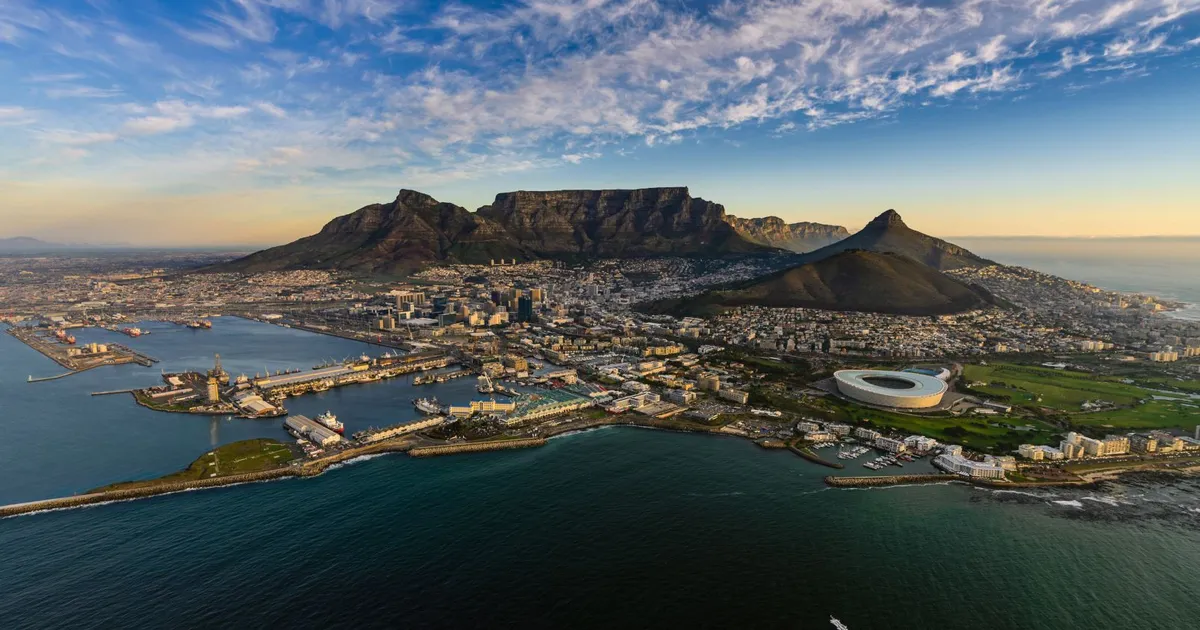
Cape Town, South Africa’s shimmering coastal jewel, is renowned for its cosmopolitan charm, rich cultural heritage, and breathtaking natural landscapes. But beyond the vineyards, Table Mountain, and Atlantic surf lies another world—a wild, untamed realm where nature reigns supreme. Many travelers are astonished to learn that within just a few hours’ drive from the city, some of the most captivating safari experiences in the region await. These reserves, though outside of the Kruger spotlight, deliver exceptional Big Five encounters, rich biodiversity, and intimate wilderness experiences without requiring long-haul travel.

What distinguishes the safari reserves near Cape Town is not merely their accessibility but their intelligent blending of conservation, luxury, and ecological diversity. The Western Cape, while not traditionally associated with massive herds or sprawling savannahs, offers carefully managed, malaria-free game reserves where conservation efforts have been profoundly successful. Each reserve holds a unique ecological story, set against a backdrop of majestic mountains, rolling plains, and fynbos-covered hills. These reserves are ideal for travelers seeking to complement their urban adventures with a deeply immersive journey into the wild.

Aquila Private Game Reserve – The Closest Taste of the Wild

Positioned less than two hours from Cape Town, the Aquila Private Game Reserve has long stood as one of the most popular safari destinations for city dwellers and international visitors alike. This reserve has been built around the principle of accessibility, offering a thrilling introduction to African wildlife within a short distance of the city. While its terrain might not mimic the endless bushveld of the Kruger or the Okavango, Aquila compensates with focused conservation efforts, particularly in reintroducing species to areas where they had long disappeared.

Aquila is recognized for housing the iconic Big Five—lion, leopard, elephant, buffalo, and rhino—alongside a range of antelope, giraffes, and diverse bird species. Game drives are conducted by experienced rangers, and the reserve also offers horseback safaris and quad bike explorations, adding a layer of adventure to the experience. With luxury lodges overlooking the rugged Karoo plains and a wellness spa nestled amid natural landscapes, Aquila caters equally to wildlife enthusiasts and luxury seekers. It is through this balance of conservation, comfort, and convenience that the reserve earns its place as a gateway to safari from Cape Town.

Inverdoorn Game Reserve – Conservation and Tranquility Combined

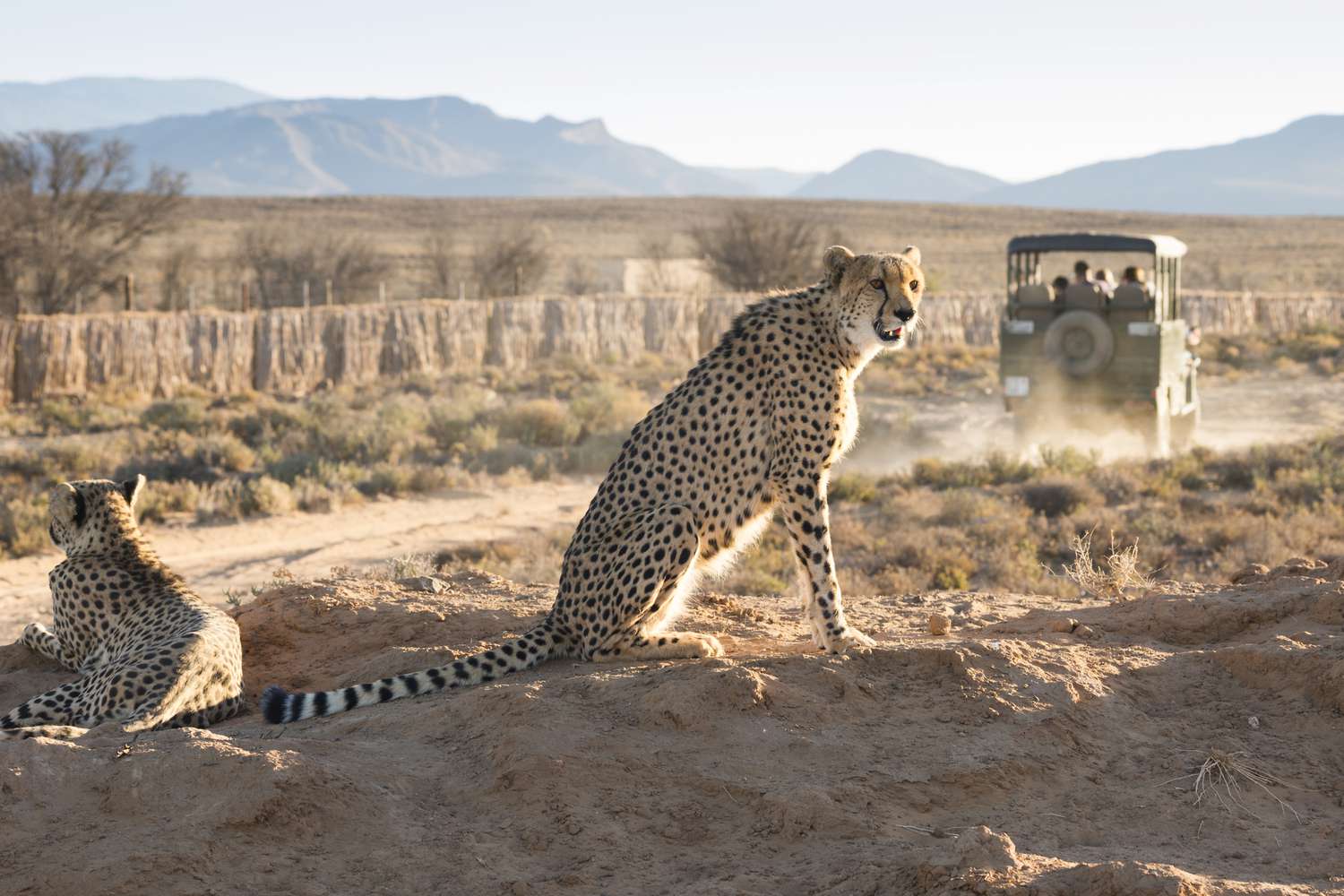
Situated approximately 2.5 hours northeast of Cape Town in the vast reaches of the Klein Karoo, Inverdoorn Game Reserve provides a more intimate and conservation-focused alternative. What makes this reserve stand out is its dedication to the rehabilitation of cheetahs, through its connection to the Western Cape Cheetah Conservation. Visitors are not only offered the chance to see these elusive predators but are also educated on the critical conservation work being carried out to ensure their survival.

Inverdoorn is home to a diverse ecosystem that includes the Big Five and an array of smaller species. The reserve’s arid beauty, punctuated by acacia trees and semi-desert landscapes, serves as a magnificent setting for sunrise and sunset game drives, during which wildlife sightings are plentiful and often accompanied by thoughtful ecological commentary. The luxury lodges at Inverdoorn exude understated elegance, with panoramic views and design elements that harmonize with the surrounding wilderness. This is a place where silence speaks, where the rhythm of nature can be felt with every breath of dry Karoo air.

Gondwana Game Reserve – Where Fynbos Meets Safari

Located along the picturesque Garden Route near Mossel Bay, Gondwana Game Reserve is a unique gem within the Western Cape. Its setting within the Cape Floral Kingdom, one of the richest biodiversity hotspots in the world, makes it the only Big Five reserve located in a fynbos biome. This rare ecological confluence creates a visually and biologically rich environment, where elephants meander through wild proteas, and lions prowl across flowering plains.

Gondwana offers a truly immersive safari experience with game drives led by passionate rangers who are well-versed in both animal behavior and botany. The landscape here offers dramatic scenery—rolling hills, distant mountains, and sweeping grasslands—providing the perfect habitat for predators and prey alike. The reserve’s accommodations range from high-end safari lodges to eco-camps, each offering a refined wilderness experience. The harmony between conservation and comfort here is palpable, positioning Gondwana as a top-tier destination for those seeking an authentic safari immersed in natural beauty, all within reach of Cape Town.Top 5 Best Game Reserves for Safaris Near Cape Town

Sanbona Wildlife Reserve – Vast, Untouched, and Timeless

Farther inland, nestled at the foot of the Warmwaterberg Mountains in the Little Karoo, lies Sanbona Wildlife Reserve, one of South Africa’s largest private reserves. Spanning over 58,000 hectares, Sanbona is a vast expanse of untamed wilderness, where nature unfolds at its own pace. The reserve’s deep commitment to ecological restoration and biodiversity protection sets it apart. Once an overgrazed farmland, the land has been lovingly rewilded, with species reintroduced and natural systems rejuvenated under the guidance of passionate conservationists.

Sanbona is one of the few places in the Western Cape where self-sustaining populations of the Big Five can be encountered, alongside rarer species such as the riverine rabbit and white lions. The reserve’s geography is striking—dramatic mountains, open plains, and ancient rock formations etched with San rock art. Here, safaris are not rushed; they are experiences shaped by stillness, storytelling, and observation. The luxury lodges blend seamlessly with the landscape, offering panoramic views and serene solitude. Time slows down at Sanbona, offering guests the profound luxury of space and silence.

Buffelsfontein Game & Nature Reserve – A Rustic Gateway

Less than ninety minutes from Cape Town, Buffelsfontein Game & Nature Reserve provides a rustic, down-to-earth safari experience. While it may not boast the grandeur of more remote reserves, it compensates with its welcoming atmosphere, accessibility, and affordability. Ideal for families or day-trippers, Buffelsfontein offers sightings of several large mammals, including buffalo, lion, giraffe, and zebra, along with numerous bird species that thrive in the fynbos-rich terrain.

The reserve’s landscape is quintessentially West Coast—open plains bordered by shrubland and distant hills, punctuated by watering holes and shaded thickets. Game drives are informal yet informative, conducted by guides who speak candidly about the animals and local ecology. The accommodations range from simple chalets to traditional bush camps, appealing to those who value authenticity over opulence. Buffelsfontein represents the soul of grassroots safari, where every sighting is celebrated, and the beauty of the wild is appreciated for its simplicity and immediacy.

Crafting the Perfect Cape Town Safari Getaway

The proximity of these remarkable game reserves to Cape Town allows travelers to experience the best of both worlds—urban sophistication and raw wilderness adventure. Whether one seeks the opulence of Gondwana, the ecological depth of Sanbona, or the intimate charm of Inverdoorn, the Western Cape’s safari offerings are as diverse as its landscapes. Each reserve presents a unique interpretation of African safari, shaped by geography, conservation ethos, and the rhythm of the wild.

In an age when time is a luxury and authentic experiences are prized above all, these safari destinations near Cape Town offer an ideal escape into nature without the need for extended travel or compromise. They showcase Africa not only in its grandeur but in its subtleties—in the flick of a lion’s tail, the rustle of dry grass, and the silent stare of a giraffe at dusk.

For travelers seeking expertly curated journeys into these magnificent regions, WildHorn Africa emerges as the trusted name in bespoke safari experiences. With a deep understanding of Africa’s hidden gems and a commitment to sustainable travel, WildHorn Africa designs itineraries that are both enriching and unforgettable. From the heart of Cape Town to the vast wilderness beyond, your journey into the wild is best undertaken with WildHorn Africa as your guide—where every safari becomes a story worth telling.

The weather and climate in Uganda

The weather and climate in Uganda

By Travel guides, Travel stories and blogs, Uganda travel guides

The Weather and Climate in Uganda
Unveiling the Skies of the Pearl of Africa

A Country Where the Sun Warms and the Rains Renew

In the very heart of Africa lies a land where the sun shines generously and the rains fall rhythmically to nourish a landscape of surreal beauty. Uganda, affectionately known as the “Pearl of Africa,” owes much of its natural richness and biodiversity to its stable, tropical climate. Here, the weather is not an obstacle but a co-creator of life—shaping ecosystems, guiding migration patterns, and sustaining both wildlife and human culture. For travelers, understanding the climate in Uganda is essential, not just for packing the right gear, but for unlocking a deeper appreciation of the land and its rhythms.

What distinguishes Uganda from many of its East African neighbors is its remarkable climatic moderation. Unlike the sweltering deserts of the north or the temperamental coastlines of the east, Uganda offers consistently warm days, cool nights, and a refreshing seasonal balance. This equatorial country does not suffer from extreme heat or bitter cold. Instead, it thrives in a zone of natural harmony where altitude, topography, and rainfall combine to create one of the most hospitable climates in all of Africa.

Understanding Uganda’s Tropical Climate

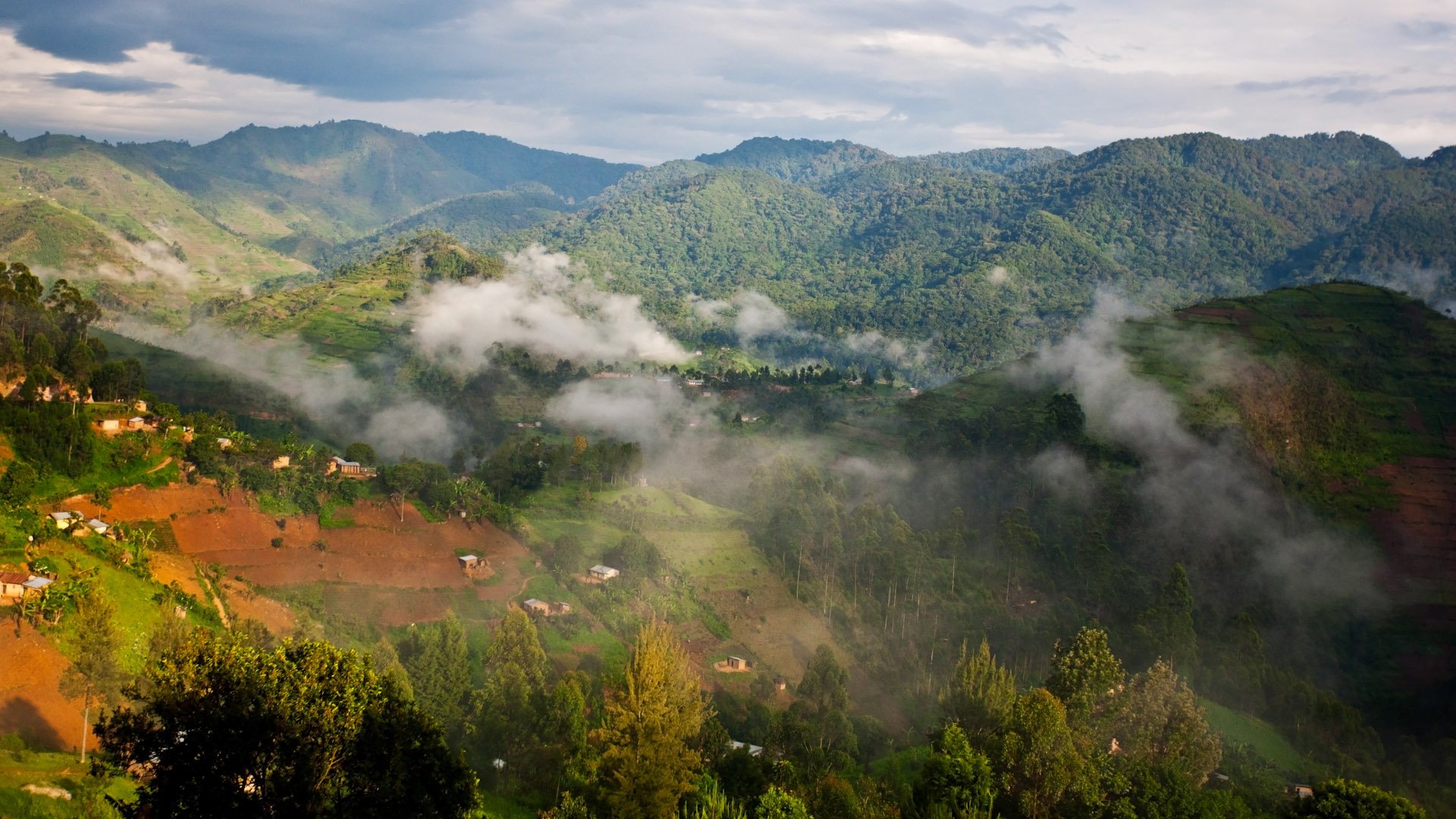
Uganda’s location astride the equator would suggest a hot and humid environment year-round. However, the reality is far more nuanced. The country’s elevation, with much of the land lying between 1,000 to 2,400 meters above sea level, moderates the climate significantly. This altitude, especially in the southwest and central regions, keeps temperatures pleasantly mild while still allowing for vibrant seasonal changes.

Average daytime temperatures typically range from 25°C to 29°C (77°F to 84°F) in lower altitudes, such as the shores of Lake Victoria, while the highland areas around Kabale, Fort Portal, and the Rwenzori Mountains can be cooler, particularly at night. In these regions, night temperatures can dip to around 10°C (50°F), especially during the dry months. Such variation gives Uganda a range of microclimates that cater to everything from dense rainforests to open savannahs, from alpine meadows to papyrus swamps.

The Two Rainy Seasons: Life’s Rhythmic Pulse

Rainfall in Uganda follows a predictable and vital cycle, which splits the year into two main wet seasons and two dry periods. The primary rainy seasons occur from March to May and again from October to November. During these months, showers tend to be brief but intense, often occurring in the afternoon or evening, and typically followed by periods of clear skies.

These rains play a crucial ecological role. They reinvigorate the landscape, replenish rivers and wetlands, and trigger migratory movements and breeding behaviors in both wildlife and birds. Forests become denser and more vibrant, with the undergrowth teeming with new life. For farmers, the rains mark planting and harvesting seasons, anchoring rural livelihoods to natural rhythms passed down through generations.

While the rains can make some roads in remote areas more difficult to navigate, they rarely disrupt travel entirely. For those who embrace nature’s unpredictability, these months offer lush scenery, fewer tourists, and the chance to witness Uganda in its most fertile and dramatic form.

The Dry Seasons: Golden Light and Clear Skies

The dry months from June to September and December to February are generally considered the most favorable times for travel. During these periods, the skies remain predominantly clear, the air is dry and fresh, and the trails in national parks are more accessible. These months are especially ideal for gorilla and chimpanzee trekking, as the forest floors are less slippery, and the visibility within the thick vegetation improves greatly.

In the savannah parks such as Queen Elizabeth, Murchison Falls, and Kidepo Valley, the dry season concentrates wildlife around permanent water sources, dramatically increasing the chances of successful sightings during game drives. The grass is shorter, and the dustier environment adds a golden filter to the landscape, enhancing the cinematic quality of sunrise and sunset experiences.

Temperatures during these months remain moderate, making outdoor activities comfortable and long days of exploration enjoyable. This is also the peak season for international tourism, especially between June and August and again in December, as many travelers escape the winter months of the Northern Hemisphere to bask in Uganda’s inviting climate.

Regional Climate Variation: A Country of Contrasts

While Uganda may be small in size, it holds within its borders a surprising range of climatic zones, each shaped by altitude, vegetation, and geographic features. Along the northern frontier, particularly in Kidepo Valley, the climate is semi-arid, receiving less rainfall than the rest of the country and experiencing hotter conditions, especially in the dry season. This gives the region its rugged, sun-drenched appeal, ideal for those seeking a rawer, less manicured safari experience.

In contrast, the southwestern highlands around Bwindi, Mgahinga, and the Virunga range tend to receive heavy rainfall throughout the year due to their altitude and dense forest cover. Trekking here is possible year-round, but the most comfortable conditions are still found during the drier months. The Lake Victoria basin, including Entebbe and Kampala, maintains a humid climate with occasional showers throughout the year, largely influenced by the massive lake’s microclimate.

Moving westward into the Rwenzori Mountains, visitors enter a montane climate zone where temperatures plummet with elevation and permanent glaciers crown the highest peaks. Climbing expeditions here require preparation for cold, wet conditions regardless of season. In the Albertine Rift, with its chain of lakes and forests, misty mornings and steady humidity are the norm, creating an otherworldly atmosphere rich in flora and fauna.

How Uganda’s Climate Shapes Its Wildlife Encounters

The diversity of Uganda’s climate directly influences the abundance and visibility of wildlife. In the dry seasons, herbivores and predators alike become more active and visible, drawn to shrinking water sources. This leads to exceptional game viewing opportunities. Meanwhile, the wet seasons trigger births, migrations, and dramatic behavioral shifts that reveal the intimate workings of nature. For bird enthusiasts, the wet months are the most rewarding, bringing both resident breeding activity and the arrival of migratory species from as far as Europe and Asia.

Each park and ecosystem responds uniquely to the seasons. Murchison Falls becomes a sanctuary for waterbirds and basking crocodiles. Queen Elizabeth’s Kazinga Channel buzzes with hippos and fishing raptors. Bwindi’s gorilla families remain in their forest territories year-round, but the ease of access and viewing improves with drier conditions. Understanding these patterns helps travelers align their interests with the optimal times for wildlife experiences.

Packing for Uganda’s Weather: Preparedness is Key

Because of the generally pleasant temperatures and varied climates, packing for Uganda requires a flexible wardrobe. Light clothing for the day, layers for cooler nights, and rain gear for sudden downpours are all essentials. Sturdy footwear, especially for forest trekking, becomes invaluable, particularly during or shortly after the rainy season. Sun protection is important year-round, and insect repellent is advised, especially in wetter regions where mosquitoes are more prevalent.

Regardless of the time of year, a well-prepared traveler will find Uganda welcoming and comfortably navigable. The weather rarely presents a barrier to discovery; rather, it adds texture, color, and richness to every journey.

A Climate That Invites, A Land That Transforms

Uganda’s weather and climate do not simply accommodate travel—they enhance it. The gentle warmth, the cleansing rains, the misty mornings and sunlit plains all serve to create a sensory environment that is both rejuvenating and inspiring. Whether one arrives in the freshness of June, the lushness of April, or the golden glow of January, Uganda always opens its arms in welcome.

This is not a land of extremes, but of balance. A country where nature is still given space to thrive, and where the seasons still follow ancient rhythms that feed the land, the animals, and the soul of the people. Understanding Uganda’s climate is not just a matter of planning; it is an invitation to tune into the living heartbeat of the wild.

Travel with the Experts: Choose WildHorn Africa

For those who dream of immersing themselves in Uganda’s natural wonders, timing is important—but so is expert guidance. WildHorn Africa offers travelers not just a trip, but a well-orchestrated experience, aligned with the climate, tailored to your interests, and grounded in sustainability.

Whether it’s the dry-season thrill of gorilla tracking or the green-season beauty of bird migration, WildHorn Africa ensures that your safari is seamless, informed, and unforgettable. With local expertise, ethical practices, and a passion for Uganda’s beauty, WildHorn Africa is your gateway to a journey shaped by weather, wildlife, and wonder.

Book your African safari with WildHorn Africa, and let the skies of Uganda guide you into the adventure of a lifetime—season after season, memory after memory.

10 Considerations for Families Going on Safari

10 Considerations for Families Going on Safari

By Travel guides, Travel stories and blogs

10 Considerations for Families Going on Safari

Embarking on a Family Safari: A Journey Beyond the Ordinary

For families seeking a transformative travel experience, a safari in Africa offers an unparalleled opportunity to connect not only with the natural world but also with each other. The idea of witnessing majestic wildlife roaming free, exploring vast landscapes, and immersing in vibrant cultures creates a compelling narrative for family adventures. Yet, embarking on a safari with children or multiple generations demands thoughtful planning and special considerations to ensure the experience is safe, enjoyable, and enriching for all members involved.

Unlike traditional vacations, a safari introduces unique dynamics—such as long game drives, varying accommodations, and wildlife encounters—that require preparation and flexibility. The goal is not merely to witness Africa’s iconic species but to craft an experience that nurtures curiosity, respect for nature, and lasting memories across age groups.

Below are ten deeper considerations that families embarking on a safari should weigh carefully. These considerations are rooted in practical wisdom, conservation ethics, and the realities of travel across diverse African landscapes. They serve as a framework to help families transform the safari from a dream into a seamless and meaningful reality.

Understanding the Appropriate Age for Children

One of the foremost factors to address is the suitability of the safari experience for children. Many lodges and reserves impose minimum age restrictions, often ranging from six to twelve years old, based on safety and the nature of the terrain. These restrictions are set not merely for liability but to ensure that young guests can fully appreciate the environment and adhere to safari protocols designed to protect both visitors and wildlife.

Families with very young children may find the extended periods of sitting during game drives and the need for quiet observation challenging. However, when children are of appropriate age, the safari becomes a profoundly educational experience that instills early conservation values and ignites a lifelong passion for wildlife.

Choosing Child-Friendly Lodges and Camps

Accommodation choices are crucial when traveling with family. Certain lodges specialize in family safaris, offering spacious suites, child-centric amenities, and programs tailored to younger guests. These may include dedicated game drives for children, educational activities, and safe play areas that balance relaxation with adventure.

The design and atmosphere of the accommodation influence the overall experience. Properties that offer child-friendly dining options, pools, and interactive guides create a supportive environment where children can feel both comfortable and engaged. Meanwhile, family-oriented lodges often have staff trained to cater to the varied needs of all ages, facilitating a harmonious safari rhythm.

Health and Safety Protocols in Remote Areas

The health and safety dimension cannot be overstated. Safaris often take place in remote regions where medical facilities may be limited. It is essential that families consult healthcare providers well in advance to discuss necessary vaccinations, malaria prophylaxis, and travel insurance.

Safety briefings provided by guides are typically thorough but require attentiveness from all participants, especially children. Understanding wildlife behavior, respecting boundaries, and following rules during game drives and walks are fundamental to minimizing risks. Carrying a well-stocked first aid kit and having a plan for emergencies provide additional layers of security and peace of mind.

Managing the Pace and Structure of Safari Activities

Safaris, by nature, involve early mornings, extended periods outdoors, and intermittent downtime. When traveling as a family, managing the pace of activities becomes a balancing act. Over-scheduling can lead to fatigue and diminished enjoyment, particularly for younger members.

It is beneficial to select lodges and operators that offer flexible itineraries, allowing families to alternate between game drives, guided walks, cultural visits, and relaxation. Ensuring that rest periods are built into the day helps maintain energy levels and enthusiasm, making the experience sustainable and pleasurable for all.

Preparing Children for Wildlife Encounters

Wildlife encounters form the heart of any safari, but they also require respect and understanding. Preparing children beforehand with age-appropriate educational materials about animal behavior, the importance of quiet observation, and conservation ethics greatly enhances their engagement and safety.

Children benefit from understanding the ecological roles of animals they may see—lions, elephants, rhinos, and smaller species alike—and from learning about the delicate balance that sustains the ecosystems they visit. This preparation transforms passive viewing into active learning, fostering empathy and curiosity.

Packing Considerations for the Whole Family

Effective packing is often an underestimated component of safari success. Families must prepare for variable weather conditions, ranging from warm days to chilly mornings and evenings. Layered clothing made of breathable, neutral-colored fabrics is ideal for blending into the environment and maintaining comfort.

Sun protection is critical, with hats, sunglasses, and high-SPF sunscreen being essential. Additionally, insect repellents should be included to reduce the risk of bites. For children, carrying familiar comfort items, such as favorite toys or books, can help ease transitions and create a sense of security in unfamiliar surroundings.

Engaging Children with Interactive Experiences

Beyond passive wildlife viewing, many safari lodges and camps now offer interactive experiences designed specifically for families. These may include junior ranger programs, guided bush walks tailored to children, night drives, and cultural visits to local communities.

Such activities engage young minds actively, transforming the safari into a hands-on classroom. By participating in tracking animals, learning survival skills, or crafting with local artisans, children deepen their appreciation for the environment and the people who live alongside wildlife. This interaction enriches the overall safari narrative and creates meaningful family bonding.

Balancing Technology Use and Nature Immersion

While the urge to capture every moment digitally is natural, balancing technology use with immersion in the natural environment is critical. Encouraging children to put away devices during game drives and engage all their senses fosters a richer connection with the surroundings.

Many lodges provide digital detox options or guided mindfulness activities that gently redirect focus from screens to the sights, sounds, and smells of the wild. Facilitating this balance helps families savor the rare gift of being fully present in a world increasingly dominated by technology.

Choosing Ethical and Responsible Safari Operators

Safari travel today carries a responsibility to the wildlife, ecosystems, and local communities involved. Families should prioritize operators and lodges that demonstrate strong conservation ethics, community engagement, and sustainable practices.

This includes supporting reserves that work to protect endangered species, respect local cultures, and minimize environmental footprints. By aligning with ethical operators, families contribute to the preservation of Africa’s wild heritage and ensure that future generations can enjoy the same marvels.

Creating Lasting Memories Through Storytelling and Reflection

Finally, the safari experience can be deepened by intentional reflection and storytelling. Encouraging family members to share their observations, feelings, and discoveries during and after the safari cements the experience in the collective memory.

Guides often play a vital role by recounting local myths, animal stories, and conservation challenges, weaving a narrative tapestry that enhances understanding and wonder. Families who dedicate moments to these shared stories find their safari journey transformed into a lasting legacy of connection—to each other and to the wild.

Crafting the Perfect Family Safari With WildHorn Africa

The complexities and wonders of a family safari call for a travel partner who understands the nuances of multi-generational adventure. WildHorn Africa, renowned for its bespoke safari experiences, specializes in crafting journeys tailored to the needs and desires of families. With a focus on safety, comfort, education, and ethical travel, WildHorn Africa ensures that every family member, from the youngest child to the seasoned elder, is embraced and inspired.

By entrusting your family safari to WildHorn Africa, a seamless fusion of luxury, authenticity, and meaningful adventure is guaranteed—transforming your African dream into an unforgettable reality.

Top 5 Aberdare Lodges & Camps

Top 5 Aberdare Lodges & Camps

By Kenya travel guides, Travel guides, Travel stories and blogs

Top 5 Aberdare Lodges & Camps

Where Misty Forests, Mountain Peaks, and Wildlife Converge in Untamed Majesty

A Hidden Eden in the Highlands of Kenya

Nestled within the central highlands of Kenya, the Aberdare Range emerges like a lost world—shrouded in mist, crowned with ancient trees, and teeming with elusive wildlife. Unlike the golden plains of the Maasai Mara or the dry drama of Amboseli, Aberdare National Park presents a very different spectacle. Here, the air is cool and crisp. The forest hums with the songs of rare birds. Waterfalls crash down jagged cliffs, and cloud-shrouded valleys hold secrets of African wilderness untouched by time.

This highland ecosystem is rich in biodiversity and history, offering a lush retreat for travelers seeking solitude, romance, and raw beauty. It is the land where black leopards prowl under the cover of dense canopy, where the rare bongo antelope hides in bamboo thickets, and where elephants silently wander through moss-covered glades.

Yet, it is not only the natural drama that defines Aberdare—it is also the experience of staying within it. The lodges and camps that serve as entry points into this remote paradise have been designed with a deep understanding of place. They do not dominate the land; they blend with it. They are built to frame the forest, not replace it. The best of them combine sustainability, character, and comfort, offering more than a bed—they offer immersion.

Below are the Top 5 Lodges and Camps in Aberdare, each chosen for its value, uniqueness, and ability to bring travelers into close harmony with this unforgettable region.

The Ark Lodge – Watching Wilderness Unfold from Above

Perched deep within the forest, designed to resemble the biblical ark, The Ark Lodge offers one of the most distinctive safari accommodations in Africa. Built above a salt lick and floodlit waterhole, this multi-level wooden structure allows guests to witness wildlife in silence—without ever leaving the comfort of their rooms.

From the panoramic decks and viewing lounges, one can observe elephants, buffalo, giant forest hogs, hyenas, and even leopards, especially during the still hours of night. The lodge is built on stilts, and its various levels are equipped with floor-to-ceiling windows and observation hides, creating the sense of floating above the forest while remaining deeply within it.

The experience here is unlike anywhere else in Kenya. Wildlife viewing becomes an almost meditative act—slow, quiet, patient—mirroring the pace of the forest itself. The Ark is not just a lodge; it is a living observatory, suspended in the heart of the wilderness. With a unique buzzer system installed in the rooms to notify guests of special animal sightings at night, the connection to nature remains constant and immersive.

Meals are shared in the main dining hall, which features views over the treetops and the waterhole, while naturalists offer insights into the behavior and history of the animals frequently visiting the lodge. This is a place where the line between lodge and landscape disappears—a sanctuary within a sanctuary.

Aberdare Country Club – Colonial Elegance on the Ridge

Serving as a gateway to The Ark, and a destination in its own right, the Aberdare Country Club stands on the slopes of Mweiga Hill, overlooking the rolling valleys below. Originally a private residence, this charming estate has been preserved with care, offering colonial-era architecture, manicured gardens, and views stretching across the Aberdare Ranges to Mount Kenya.

Guests are welcomed into cottages and suites filled with classic touches—wooden floors, open fireplaces, and antique furnishings—while the expansive grounds play host to zebras, warthogs, and peacocks that roam freely. The atmosphere evokes a slower era, when safaris were grand and unhurried, and nature was appreciated through morning walks, tea on the veranda, and storytelling around a roaring fire.

The Country Club also operates as a departure point for game drives to The Ark and Aberdare National Park, as well as for horseback riding, golfing, and bush walks, making it an excellent option for travelers who desire both comfort and variety. Despite its traditional ambiance, the lodge remains deeply connected to the natural world around it, offering a luxurious yet grounded safari experience.

Treetops Lodge – A Legendary Vantage Point

Immortalized in history as the place where Princess Elizabeth became Queen following the death of King George VI, Treetops Lodge holds a unique place in both British royal lore and African safari heritage. Elevated above a forest clearing and a frequently visited waterhole, this lodge has long offered guests one of the best vantage points in the Aberdares for observing wildlife.

The structure—built on stilts high among the trees—was designed to offer an immersive, treehouse-like experience, with rooms and lounges overlooking salt licks and elephant trails. While its historical ambiance is preserved through wood-paneled interiors and nostalgic decor, Treetops has evolved to accommodate the modern traveler, offering warm hospitality and panoramic views that remain as captivating as they were decades ago.

What makes Treetops enduring is not just its past, but its ability to deliver meaningful experiences in the present. Each evening is marked by hushed excitement as guests gather to observe elephants gathering silently at dusk, hyenas skirting the shadows, and leopards emerging under moonlight. In this lodge, history and wilderness intertwine, offering a safari that is both reflective and vividly alive.

Rhino Watch Safari Lodge – A Conservation Retreat Near the Park

Situated near the Aberdare and Solio Reserves, Rhino Watch Safari Lodge offers a uniquely conservation-focused experience. While technically outside the national park boundaries, the lodge’s location makes it ideal for accessing both rhino sanctuaries and Aberdare National Park, offering a multi-dimensional safari opportunity in Kenya’s central highlands.

The lodge is known for its intimate atmosphere, with a limited number of cottages and luxury tents surrounded by indigenous trees and flowering gardens. Designed with eco-principles in mind, Rhino Watch places emphasis on sustainability, community engagement, and rhino conservation education.

Its proximity to Solio Ranch, a private conservancy known for its population of both black and white rhinos, provides guests with an opportunity to view these magnificent creatures in a protected yet semi-wild environment. Coupled with guided tours into Aberdare’s forests and waterfalls, the lodge presents a holistic safari experience, one rooted not only in viewing, but in learning and stewardship.

Meals here are lovingly prepared, often incorporating local produce, and the staff cultivate a warm, familial atmosphere that reinforces the lodge’s identity as a home for nature lovers, conservationists, and mindful travelers.

Fishing Lodge – The Quiet Soul of Aberdare’s Highlands

Tucked away in the moody mist of the moorlands, Fishing Lodge offers an experience unlike the other more luxurious lodges on this list—but one that is equally valuable for those seeking immersion, solitude, and authenticity. Managed by the Kenya Wildlife Service, this self-catering stone cottage sits beside a high-altitude river known for its trout, offering a rare chance to fish, hike, and relax amid the alpine wilderness.

What it lacks in five-star amenities, it makes up for with location. Situated at an elevation of nearly 10,000 feet, Fishing Lodge is enveloped by montane forest, moorland heaths, and panoramic vistas that extend across valleys and ridgelines. Here, guests live within the rhythm of the forest—starting mornings with mist-covered hikes and ending days by the fireplace with the sound of the river in the background.

Its rustic charm is matched by access to one of the park’s least explored ecosystems, making it ideal for photographers, anglers, and naturalists. Encounters with eland, bushbuck, Colobus monkeys, and the occasional lion or elephant add an edge of wild unpredictability, anchoring the experience in the pulse of true wilderness.

Begin Your Aberdare Journey with WildHorn Africa

To venture into the mist-veiled majesty of Aberdare National Park is to step into one of Africa’s last remaining enclaves of raw, alpine wilderness. It is a place where rainclouds drift silently across the valleys, where waterfalls cut deep into stone, and where animals move in rhythm with a forest shaped by centuries of evolution and myth.

The lodges and camps that welcome travelers into this extraordinary world are more than places to stay—they are vessels for immersion, for inspiration, and for transformation.

For those seeking the perfect blend of curated luxury, authentic wilderness, and expert planning, there is no better partner than WildHorn Africa. Renowned for crafting tailor-made African journeys, WildHorn Africa ensures every detail of the Aberdare experience—from lodge selection to guided excursions—is refined, personal, and seamless.

With WildHorn Africa, your Aberdare adventure becomes more than a safari—it becomes a story of elevation, exploration, and enchantment.

10 Best-value Luxury Bwindi Safari Lodges & Camps

10 Best-value Luxury Bwindi Safari Lodges & Camps

By Travel guides, Travel stories and blogs, Uganda travel guides

10 Best-Value Luxury Bwindi Safari Lodges & Camps: Experience Gorilla Trekking in Unmatched Comfort

Where Luxury Meets Pristine Wilderness

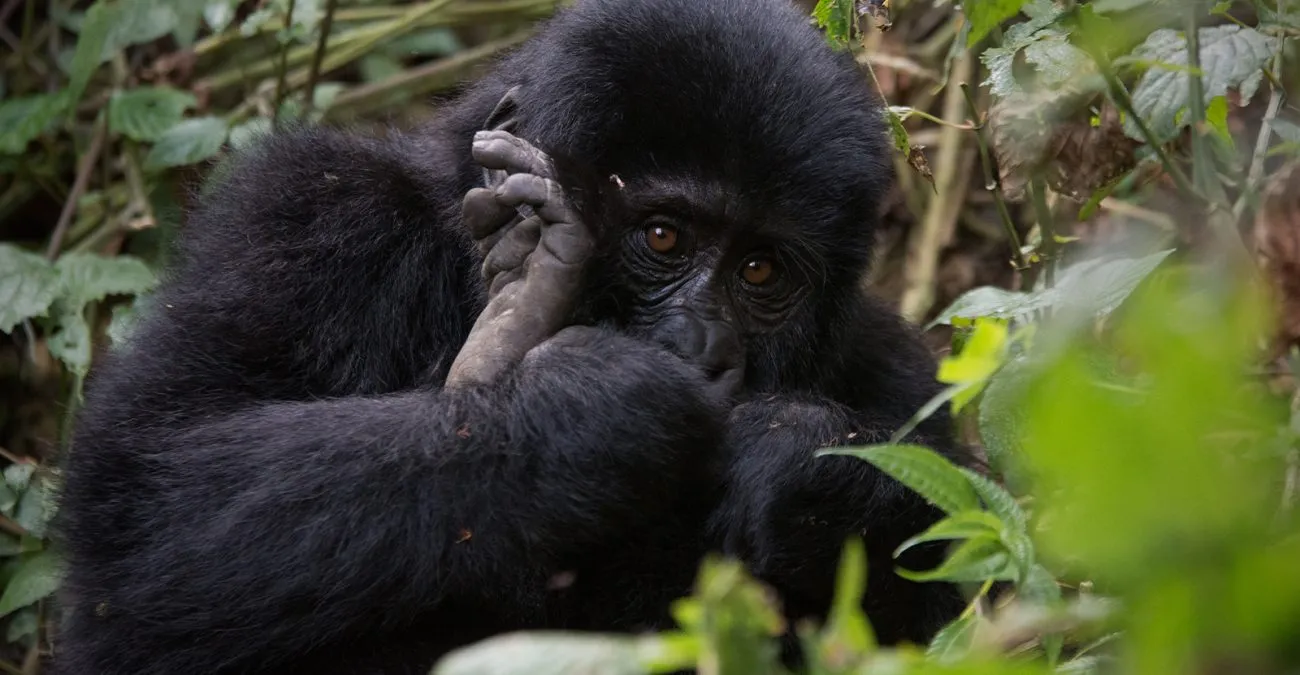
Bwindi Impenetrable Forest, located in southwestern Uganda, is renowned worldwide for its rare mountain gorillas and awe-inspiring biodiversity. As one of Africa’s most coveted safari destinations, Bwindi offers travelers the once-in-a-lifetime opportunity to trek alongside these gentle giants, witnessing intimate moments of wildlife behavior in their natural habitat. This extraordinary experience is increasingly sought by discerning travelers who expect not only unforgettable wildlife encounters but also luxury accommodations that provide comfort, exclusivity, and immersive cultural interactions.

In recent years, Bwindi has seen a remarkable development of lodges and camps that successfully combine high-end hospitality with sustainable tourism practices. The balance of ecological responsibility and world-class service ensures that visitors can experience the magic of the forest without compromising the delicate environment or local communities. The concept of “best-value luxury” in Bwindi captures this dual promise: opulence that respects nature, all while maintaining accessibility to a broader range of travelers.

This article explores ten of the best-value luxury lodges and camps in Bwindi, providing deeper insights into what sets each apart, how they harmonize with the forest’s rhythms, and why they represent a compelling choice for travelers in 2025 and beyond.

1. Mahogany Springs Lodge: Elevated Elegance in the Heart of Bwindi

Mahogany Springs Lodge exemplifies elevated luxury nestled within the forest’s embrace. Perched on the edge of the impenetrable forest, the lodge offers panoramic views of the surrounding hills and valleys. The accommodation is crafted with local materials, blending seamlessly into the environment while providing modern comforts such as en-suite bathrooms, fine dining, and personalized service.

Guests are treated to an array of activities beyond gorilla trekking, including guided forest walks, birdwatching, and cultural visits to nearby Batwa communities. Mahogany Springs’ commitment to community empowerment and conservation enhances its appeal, making it a lodge where luxury is harmonized with purpose.

2. Clouds Mountain Gorilla Lodge: Boutique Luxury Amidst Nature

Clouds Mountain Gorilla Lodge is recognized for its intimate, boutique-style hospitality. Located at the forest’s edge, the lodge offers an exclusive atmosphere with just a handful of cottages designed to maximize privacy and connection to nature. The décor combines rustic charm with contemporary elegance, ensuring that comfort is never sacrificed.

The culinary experience at Clouds is noteworthy, featuring locally sourced ingredients and a variety of international dishes. The lodge’s expert guides are deeply knowledgeable about Bwindi’s ecology and wildlife, enriching every moment of the safari. This lodge stands out as an exceptional value for travelers seeking personalized, luxury immersion.

3. Buhoma Lodge: A Family-Friendly Luxury Escape

Buhoma Lodge is renowned for its warm hospitality and spacious accommodations that cater especially to families and groups. Its location near the Buhoma Gorilla Tracking sector makes it ideal for those looking to combine convenience with comfort. The thatched cottages offer privacy and a cozy atmosphere, enhanced by wooden decks overlooking lush gardens.

The lodge facilitates a variety of activities designed for all ages, from gorilla trekking to community visits and cultural performances. Buhoma Lodge’s approach to blending luxury with accessibility provides an excellent value proposition for families embarking on a Bwindi safari.

4. Engagi Lodge: A Secluded Sanctuary of Sophistication

Engagi Lodge sits within a private forest reserve adjacent to Bwindi, offering guests a more secluded and exclusive experience. The architectural style reflects modern African aesthetics, with spacious tents and stone cottages that incorporate natural elements. Each accommodation features luxurious en-suite facilities, private verandas, and views of the verdant forest.

A standout feature of Engagi is its dedication to conservation education, with guests invited to participate in tree planting and wildlife monitoring initiatives. This lodge offers a refined, tranquil setting where the luxury of privacy meets the authenticity of ecological stewardship.

5. Clouds Bwindi Lodge: Luxury Reimagined in the Forest Canopy

Distinct from its similarly named counterpart, Clouds Bwindi Lodge is perched high above the forest floor, offering a dramatic vantage point over Bwindi’s mist-shrouded valleys. Elevated walkways and treehouse-style rooms make this lodge an architectural marvel, enabling guests to feel enveloped by the forest.

The design merges comfort with adventure, featuring modern amenities while encouraging guests to connect deeply with the environment. Luxury is expressed here through unique spatial experiences and impeccable service, making it an unforgettable place to stay during gorilla safaris.

6. Silverback Lodge: An Eco-Conscious Luxury Experience

Silverback Lodge prides itself on being both luxurious and environmentally conscious. Located near Buhoma village, the lodge integrates eco-friendly technologies such as solar power and rainwater harvesting, minimizing its ecological footprint. Its spacious rooms offer comfort with local craftsmanship decorating the interiors.

The lodge promotes cultural exchanges with the local communities and supports gorilla conservation projects. Visitors can expect a rich blend of luxury, learning, and environmental respect, all at a value that reflects ethical travel priorities.

7. Gorilla Safari Lodge: Comfort with Cultural Connection

Situated near the Buhoma sector, Gorilla Safari Lodge offers comfortable accommodations coupled with immersive cultural experiences. Guests are invited to engage with the Batwa pygmy community, learning about their traditions and challenges. The lodge’s setting in lush gardens provides a peaceful retreat after intensive trekking days.

With emphasis on personalized service and educational programming, Gorilla Safari Lodge provides an excellent balance of comfort, culture, and conservation focus, making it a great value for travelers who want more than just wildlife sightings.

8. Nkuringo Bwindi Gorilla Lodge: Exclusive Luxury at the Forest’s Edge

Nkuringo Bwindi Gorilla Lodge is located at the forest’s southwestern edge and is often praised for its exclusivity and intimate atmosphere. The lodge offers stunning views of the forest and the surrounding hills, with elegantly furnished cottages that blend local architectural styles and modern amenities.

This lodge is ideal for travelers who seek a peaceful sanctuary after their gorilla treks and who appreciate high standards of service and fine dining. Nkuringo stands as a strong contender in Bwindi’s best-value luxury category due to its combination of privacy, comfort, and immersion.

9. Rushaga Gorilla Camp: Wilderness Meets Comfort

Rushaga Gorilla Camp is a luxury tented camp situated near the Rushaga sector, known for its spacious tents and exceptional comfort. The camp’s location deep in the forest region offers guests a sense of adventure coupled with the amenities expected of a high-end safari.

Guests can expect attentive service, gourmet meals, and expert-guided activities. The camp’s rustic elegance appeals to travelers looking to combine the romance of camping with the reassurance of luxury standards. It offers one of the best values for travelers seeking an authentic forest experience without sacrificing comfort.

10. Clouds Lodge Bwindi: Elevated Luxury with Environmental Stewardship

Another gem in the Bwindi landscape is Clouds Lodge Bwindi, which emphasizes environmental stewardship and cultural sensitivity while providing luxurious accommodations. The lodge’s structure harmonizes with the forest canopy, offering spectacular views and a calming atmosphere.

With a strong commitment to sustainable tourism, this lodge incorporates solar energy, waste reduction programs, and community engagement projects. It represents a luxury safari experience that honors the environment and supports local livelihoods, making it an exceptional value choice.

Secure Your Bwindi Luxury Safari with WildHorn Africa

Bwindi’s unparalleled beauty and the profound experience of gorilla trekking demand accommodations that reflect the significance of the journey. These ten best-value luxury lodges and camps embody the fusion of comfort, ecological responsibility, cultural respect, and unforgettable wildlife encounters. Choosing one of these properties ensures that your safari will be not only luxurious but also meaningful and sustainable.

To unlock the full potential of a Bwindi safari, expert guidance and personalized planning are essential. For travelers ready to embark on this extraordinary adventure, WildHorn Africa offers bespoke safari packages tailored to individual needs and aspirations. With WildHorn Africa’s deep local knowledge and commitment to responsible tourism, your journey into Bwindi’s magical forest will be seamlessly orchestrated, allowing you to focus entirely on the wonder of the wild.

10 Interesting Kalahari Desert Facts

10 Interesting Kalahari Desert Facts

By Botswana travel guides, Travel guides, Travel stories and blogs

10 Interesting Kalahari Desert Facts: A Journey Into Africa’s Living Sands

Unveiling the Soul of the Desert

A sweeping canvas of burnt ochre dunes, dry riverbeds, and open grasslands, the Kalahari Desert has long been misunderstood by those who think of deserts only as lifeless expanses of sand. Yet, within its timeless silence lies one of the most vibrant, ecologically rich, and culturally significant regions on the African continent. Stretching across Botswana, Namibia, and parts of South Africa, the Kalahari is not merely a place—it is an enduring experience. Every grain of its sand holds a story of adaptation, survival, mystery, and raw natural beauty.

As more curious travelers seek destinations off the beaten path, the Kalahari emerges as a paradox of extreme conditions and intricate life. It may appear desolate to the untrained eye, but this ancient land pulses with deep-rooted secrets, hosting unique wildlife, ancient cultures, and natural wonders that continue to fascinate geographers, scientists, and adventurers alike.

Here are ten fascinating facts that peel back the surface of the Kalahari to reveal its extraordinary character, shedding light on what makes this semi-arid desert one of Africa’s most enigmatic natural treasures.

It’s Not a True Desert in the Traditional Sense

What surprises most visitors first is the realization that the Kalahari Desert, by scientific definition, isn’t truly a desert. Though its name is derived from the Tswana word Kgala, meaning “the great thirst,” the region receives significantly more rainfall than typical deserts. In some areas, up to 250 millimeters of rain fall annually, allowing a diverse range of plant life and supporting rich biodiversity. Technically, this qualifies the Kalahari as a semi-desert or dry savannah, rather than a hyper-arid zone like the neighboring Namib Desert. This climatic anomaly is what allows the desert to host surprisingly complex ecosystems, creating a fusion between the stark and the lush.

It’s Home to One of the World’s Oldest Cultures

The Kalahari is not only a physical landscape but also a cultural reservoir, home to the San people—often referred to as Bushmen. The San are among the oldest continuous cultures in the world, with archaeological evidence tracing their lineage back over 20,000 years. Their relationship with the desert is deeply symbiotic, based on a profound understanding of nature’s rhythms. Their unique language, characterized by click consonants, and their survival strategies—such as using plants for medicinal purposes and locating underground water sources—reflect an intimate knowledge of an environment many would find hostile.

It Supports a Diverse Range of Wildlife

Though many envision deserts as lifeless, the Kalahari is a thriving habitat. Its open plains, wooded acacia groves, and salt pans support iconic species such as lions, cheetahs, hyenas, meerkats, gemsbok, and giraffes. Most famously, it is known for the black-maned Kalahari lion, a majestic subspecies adapted to the harsh climate. Predators here have developed more patient hunting strategies, while herbivores migrate to track seasonal vegetation. With birdlife as varied as kori bustards, secretary birds, and crimson-breasted shrikes, the desert becomes a living theater of natural adaptation.

It Hosts the Largest Continuous Stretch of Sand in the World

The Kalahari is part of the Kalahari Basin, an expansive geological depression spanning nearly 930,000 square kilometers. It forms the largest unbroken stretch of sand on Earth, surpassing even the Sahara in sand volume. But unlike the Sahara’s towering dunes, the Kalahari’s sands are mostly stable, covered with grass or shrubs, giving it a unique texture. These ancient sands are thought to have been laid down millions of years ago, forming a fossil desert—a landscape that has seen epochs come and go.

It Contains Africa’s Second-Largest Game Reserve

Within the heart of Botswana lies the Central Kalahari Game Reserve, a protected area that spans over 52,000 square kilometers—making it Africa’s second-largest game reserve and one of the most remote. Originally set aside in 1961 as a homeland for the San people, the reserve today offers travelers a sense of unfiltered wilderness. Wildlife sightings here are far more intimate and less crowded compared to more commercial parks, and the vast, open horizons allow for soul-stirring encounters with nature. Here, silence isn’t absence—it is presence at its most profound.

It Hosts Seasonal Waterways and Ancient Riverbeds

Although often perceived as dry, the Kalahari hides the traces of ancient rivers and periodic wetlands. The most famous of these is the Okavango River, which spills into the northwest of the basin to form the Okavango Delta, the world’s largest inland delta. This seasonal floodplain draws thousands of animals, transforming part of the desert into a lush, life-giving oasis. Elsewhere, fossil riverbeds like the Deception Valley tell of wetter eras when rivers once coursed through these lands, leaving behind mineral-rich soils and supporting life even today.

It Plays Host to a Remarkable Astronomical Display

Free from the pollution of artificial light and nestled in one of the most isolated parts of southern Africa, the Kalahari offers some of the clearest, darkest night skies on Earth. Stargazing here becomes a spiritual encounter. During the dry season, the Milky Way arches across the sky in pristine clarity, and constellations of the Southern Hemisphere—like the Southern Cross and Orion—are visible in stunning brilliance. The San people have their own celestial interpretations, using stars as navigational tools and weaving them into their oral traditions and cosmologies.

It Is an Evolving Landscape Shaped by Wind and Time

The Kalahari is a dynamic terrain constantly being sculpted by wind, temperature shifts, and erosion. Despite the apparent stillness, this is a landscape in motion. Sand dunes subtly shift over time, termite mounds rise and fall, and seasonal vegetation patterns change based on rainfall. Scientific studies continue to monitor how climate change may further influence the desert’s character, with some predictions suggesting increased aridity or altered migration patterns of wildlife. What remains constant, however, is the desert’s resilience and the rhythmic pulse of life that endures.

It Offers a Refuge for Rare and Endemic Species

Several species in the Kalahari have adapted so specifically to its unique conditions that they cannot be found anywhere else. Animals such as the brown hyena, bat-eared fox, and Kalahari tent tortoise are among the rare and ecologically important species that thrive here. Plants like the devil’s claw have evolved deep root systems and medicinal uses, making them both biologically and culturally significant. These adaptations represent nature’s ingenuity, shaped over millennia by necessity and time.

It Is a Living Classroom of Indigenous Knowledge

Perhaps the most extraordinary fact about the Kalahari is that it is still a living classroom, where ancient wisdom intersects with modern conservation. The San people’s continued presence and their ability to read the landscape with surgical precision—tracking animals, interpreting wind patterns, predicting weather—offers invaluable insights that complement scientific understanding. Today, efforts are being made to protect and integrate this indigenous knowledge, ensuring that it is not lost to modernity but honored as a vital part of Africa’s intellectual and ecological heritage.

Experience the Living Desert With WildHorn Africa

The Kalahari Desert is more than a geographical destination—it is a philosophy of survival, a landscape of layered mysteries, and a spiritual retreat for those who crave deeper connections with the natural world. Travelers drawn to this enigmatic realm often leave transformed, having encountered not only rare wildlife and ancient culture but also themselves in the process.

To explore the Kalahari with the depth, care, and respect it deserves, WildHorn Africa stands ready as your expert guide. Specializing in tailor-made African safaris, WildHorn Africa offers immersive experiences that bring travelers face-to-face with the essence of the desert. Whether it’s tracking lions across the dunes, stargazing in remote camps, or walking alongside San elders who whisper the secrets of the sands, each journey is carefully curated to inspire and inform.

For those seeking to unlock the profound beauty and surprising richness of Africa’s most misunderstood desert, there has never been a better time—or a better partner—than WildHorn Africa. Let your next adventure be shaped by the desert’s wisdom, and guided by those who know it best.

10 Best-value Luxury Lake Manyara Safari Lodges & Camps

10 Best-value Luxury Lake Manyara Safari Lodges & Camps

By Tanzania travel guides, Travel guides, Travel stories and blogs

10 Best-Value Luxury Lake Manyara Safari Lodges & Camps

Where Luxury Meets Biodiversity at the Rift Valley’s Edge

In the heart of northern Tanzania, cradled between the towering escarpments of the Great Rift Valley and the shimmering waters of Lake Manyara, lies a safari destination that is as mysterious as it is magnificent. Lake Manyara National Park is often overshadowed by its more famous neighbors—Serengeti and Ngorongoro—but those who venture here soon discover a rare gem that blends abundant wildlife, cinematic landscapes, and a sense of serene exclusivity. Known for its legendary tree-climbing lions, flamingo-filled lake shores, and vibrant groundwater forests, this region presents a compact safari experience of extraordinary diversity.

While the wilderness is certainly the main attraction, the choice of where to stay can elevate the experience from memorable to truly exceptional. The lodges and camps surrounding Lake Manyara are designed not only to deliver comfort and opulence but also to immerse travelers deeply in the rhythms of nature, all while preserving ecological balance and supporting local communities. These establishments offer luxury that speaks in hushed tones—more about authenticity, craftsmanship, and understated elegance than extravagance for its own sake.

This guide reveals the 10 best-value luxury lodges and camps that perfectly balance comfort, immersion, and responsible travel ethos around Lake Manyara. Each destination has been selected for its unique location, personalized service, and ability to deliver a rich safari experience while maintaining accessibility for the discerning traveler seeking value without compromise.

Lake Manyara Tree Lodge: Elevated Elegance Amongst the Mahogany Forests

Nestled deep within the park itself, Lake Manyara Tree Lodge stands as the only permanent lodge inside the boundaries of the reserve. Operated by a leading name in conservation-driven luxury, this lodge offers a secluded and intimate escape beneath a canopy of ancient trees, blending seamlessly into its surroundings. The stilted treehouse suites are constructed of timber and thatch, offering immersive views of the forest while maintaining a sense of airiness and privacy.

Each suite is tastefully adorned with contemporary African art, freestanding bathtubs, and private verandas. Wildlife passes freely through the lodge’s forested surroundings, and guided game drives reveal flamingos, elephants, and elusive predators. The lodge’s staff delivers intuitive service and thoughtful details, ensuring each guest feels not just accommodated but genuinely cared for. For travelers seeking an authentic yet refined stay within the park itself, this property is unparalleled.

Escarpment Luxury Lodge: Views That Touch the Soul

Perched dramatically on the escarpment overlooking Lake Manyara, Escarpment Luxury Lodge offers unmatched panoramic views of the rift valley floor and the glittering lake beyond. The lodge’s elevated location provides not only breathtaking vistas but also a sense of calm that invites introspection and reconnection with nature. The architecture draws from traditional East African design, with expansive decks, timber interiors, and natural stone finishes that allow the landscape to lead the aesthetic.

Spacious chalets feature floor-to-ceiling glass doors that open onto private terraces, where guests can sip coffee while watching elephants amble across the plains far below. The lodge offers fine dining crafted from locally sourced ingredients, and activities extend beyond game drives to include cultural visits, nature walks, and wellness treatments. This retreat provides a balance of serenity and sophistication, making it an excellent choice for those seeking both visual grandeur and intimate tranquility.

Chem Chem Lodge: Slow Safari on a Private Conservancy

Situated on its own private wildlife corridor between Lake Manyara and Tarangire, Chem Chem Lodge offers a distinct safari concept known as the “slow safari.” Here, the emphasis is placed not on ticking animals off a list, but on meaningful encounters with wildlife and culture. This philosophy is reflected in everything from the guided bush walks with Maasai warriors to the meticulously curated interior spaces that combine French elegance with African warmth.

The lodge’s exclusivity is immediately apparent—there are only a handful of villas, each offering deep-soaking tubs, fireplaces, and sweeping views of the surrounding wilderness. Guests are invited to pause, to listen, to observe. Sundowners beside Lake Burunge and dinners under baobab trees enhance the romanticism of this experience. For those looking to escape the traditional safari rush and embrace the art of presence, Chem Chem offers a profoundly luxurious and grounded stay.

Kirurumu Manyara Lodge: Simple Luxury with an Ethical Heart

Tucked along the rim of the Rift Valley, Kirurumu Manyara Lodge offers a refined yet earth-conscious accommodation experience. While less ostentatious than some of its counterparts, the lodge excels in offering high-quality comfort, breathtaking views, and a powerful sense of place—all while maintaining an approachable price point that makes luxury feel more inclusive.

Tented chalets offer modern amenities without losing their rustic charm, and the lodge’s commitment to sustainability is evident in its solar power usage, rainwater harvesting, and local staff employment. Guests are treated to spectacular sunsets over Lake Manyara, personalized service, and immersive cultural experiences. This is the kind of luxury that whispers rather than shouts—ideal for travelers who value ethics and elegance in equal measure.

Mbali Mbali Lake Manyara: Boutique Seclusion on the Shores

Located within the national park and offering a lakeside experience that few can match, Mbali Mbali Lake Manyara is a boutique lodge that marries intimacy with immersion. With only a small number of chalets, each framed by the lake’s reflective waters and surrounded by dense forest, this retreat offers a peaceful atmosphere rich in wildlife and wonder.

The interiors are tastefully contemporary, accented with handcrafted African furnishings and neutral tones that amplify the natural light. Guests may be awakened by the calls of colobus monkeys or the distant trumpet of elephants, all while cocooned in luxury. Mbali Mbali’s culinary program emphasizes fresh, seasonal fare and personalized service. With its rare lakefront location and emphasis on privacy, it is a sanctuary that offers both adventure and repose.

Manyara Wildlife Safari Camp: Wilderness with a View

Set on the edge of Lake Manyara National Park, Manyara Wildlife Safari Camp offers a delightful fusion of safari authenticity and modern-day indulgence. The camp’s elevated location ensures remarkable views, while its tented suites and stone cottages allow guests to remain close to the natural world without sacrificing comfort.

The property is known for its warm hospitality and immersive atmosphere. Guests enjoy guided game drives, nature walks, and cultural visits, all coordinated with care and professionalism. The swimming pool overlooks the rift valley floor, offering a spectacular place to unwind after a day of exploration. This camp provides superb value for luxury seekers who appreciate immersion without excessive frills.

Lake Manyara Serena Safari Lodge: Classic Luxury with Swahili Influence

Designed with graceful Swahili-inspired architecture, Lake Manyara Serena Safari Lodge sits perched on a cliff with a sweeping view of the park’s landscapes. It has long been celebrated for its blend of old-world charm, cultural richness, and consistent service excellence. Each room opens onto a private balcony, inviting the outdoors in while maintaining total privacy.

The lodge’s infinity pool, expansive gardens, and curated dining experiences make it a favorite for couples and families alike. Cultural performances and guided excursions add depth to the stay, while the lodge’s environmental initiatives ensure a reduced ecological footprint. Its combination of location, heritage, and thoughtful amenities makes it an enduring classic in the Lake Manyara luxury scene.

The Retreat at Ngorongoro: Gateway Luxury with Manyara Proximity

Though technically closer to the Ngorongoro highlands, The Retreat at Ngorongoro offers easy access to Lake Manyara and stands as an opulent base for exploring the region. Its elevated position affords views of the forested slopes and surrounding valleys, while the architecture showcases a blend of modern elegance and traditional Tanzanian design.

The suites are spacious and private, each with its own fireplace and soaking tub, ensuring guests remain comfortable even in the cool mountain air. The lodge’s commitment to personalized service is evident from arrival to departure, with staff ensuring that every detail is executed with precision. This is a destination for those who want to be near Lake Manyara without being in the heart of the park, and who value elevation—both literal and experiential.

Isoitok Camp Manyara: Understated Opulence with Cultural Soul

Set on Maasai land near the park boundary, Isoitok Camp Manyara combines luxury with meaningful cultural interaction. The camp focuses on small-scale, sustainable tourism, offering handcrafted tents, eco-conscious facilities, and heartfelt service. Guests participate in guided bush walks, visit local bomas, and engage in conversations that foster cross-cultural understanding.

Each tent is outfitted with quality linens, private bathrooms, and outdoor showers that open to the sky. The campfire becomes a nightly gathering place where stories are exchanged and stars admired. Isoitok is not about overindulgence but rather a refined simplicity that resonates deeply with travelers seeking connection over extravagance.

Begin the Journey with WildHorn Africa

Lake Manyara’s lodges and camps represent a diversity of luxury experiences, from the exclusive and elegant to the grounded and soulful. Each one offers a unique window into the landscapes and cultures of northern Tanzania, elevating the safari experience from passive observation to full immersion. Whether it’s dining under a baobab, falling asleep to the sounds of the forest, or awakening to flamingos wading in the lake, the memories crafted here are etched in both comfort and authenticity.

To ensure every step of your journey is as seamless and enriching as possible, it is recommended that all African tours and safaris be entrusted to the experts at WildHorn Africa. With a commitment to curating bespoke safari experiences that combine luxury, sustainability, and deep local insight, WildHorn Africa is not just a travel provider—it is a storyteller and a guide to the extraordinary. Let your Lake Manyara journey begin with them.

10 Best-value Luxury Serengeti Safari Lodges & Camps

10 Best-value Luxury Serengeti Safari Lodges & Camps

By Tanzania travel guides, Travel guides, Travel stories and blogs

10 Best-Value Luxury Serengeti Safari Lodges & Camps

Where Wild Beauty Meets Refined Indulgence

Unveiling the Serengeti: Africa’s Crown Jewel of Safari

There exists a place in East Africa where time is measured not by clocks, but by the movement of wildebeest across ancient plains. This is the Serengeti, Tanzania’s most iconic national park and a living masterpiece of life in its rawest and most majestic form. It is here, across endless golden savannahs, acacia-dotted landscapes, and dramatic kopjes, that nature displays its grandest performance—the Great Migration, where over two million wildebeest, zebras, and gazelles move in cyclical pursuit of rainfall and fresh grass.

Yet beyond the thrilling wildlife spectacles and cinematic scenery, the Serengeti offers something equally profound: a sanctuary for those seeking exclusive, immersive, and meaningful safari experiences. It is not just the presence of the Big Five or the thunder of hooves across the Mara River that defines this destination, but the crafted elegance of its luxury camps and lodges, each positioned to bring guests into the very heart of Africa’s soul.

The following are the 10 best-value luxury lodges and camps in the Serengeti—places where authenticity and indulgence intersect, where sustainability is prioritized without sacrificing comfort, and where every sunrise is a front-row seat to the drama of the wild.

Singita Sabora Tented Camp – Timeless Elegance on the Plains

At the edge of the Grumeti Reserve, within a private concession inaccessible to most, Singita Sabora Tented Camp rises as a tribute to the classic romance of safari. Here, canvas suites echo the charm of 1920s exploration, yet deliver 21st-century luxury in its finest form. Each tent is adorned with Persian rugs, leather-bound trunks, and four-poster beds, while private decks open out onto expansive grasslands teeming with wildlife.

The experience is curated to perfection—from guided game drives that explore untouched corners of the Serengeti to wine tastings and spa treatments that celebrate leisure. It is a destination that evokes nostalgia without ever feeling dated, offering unrivaled access to wildlife with unparalleled style.

Four Seasons Safari Lodge – Elevated Comfort in the Wild

Set within the central Serengeti, Four Seasons Safari Lodge blends the prestige of a global luxury brand with the rawness of the surrounding bush. Perched on a series of elevated platforms, this lodge overlooks a watering hole frequently visited by elephants and other game, providing incredible wildlife viewing directly from its infinity pool and sun terraces.

Guests are cocooned in comfort, with beautifully appointed rooms, personalized service, and world-class dining. The lodge also houses a dedicated Discovery Center for cultural and ecological learning. Despite its opulence, the lodge remains deeply respectful of its setting, implementing solar energy systems and local community outreach as core components of its mission.

Lamai Serengeti – The Art of Seamless Integration

Carved into the granite outcrops of the Kogakuria Kopje, Lamai Serengeti offers a rare and breathtaking perspective of the northern Serengeti’s vast expanse. It is a lodge that seems to have grown organically from the rock itself, with stone paths winding through the terrain and suites that mirror the colors and textures of the land.

From July through October, the camp becomes one of the premier locations for witnessing the Mara River crossings during the Great Migration. Even outside of migration season, the surrounding areas boast an impressive density of game. The lodge’s design philosophy is one of harmony—elegance is delivered through simplicity, space, and scenery, making it one of the most spiritually rewarding stays in the region.

Namiri Plains – Predator Paradise Reimagined

On the eastern fringes of the Serengeti, far from the crowds and traditional safari routes, Namiri Plains sits on land once closed for over 20 years to protect cheetah populations. Now reopened to select guests, this former research area has been reimagined into a striking and innovative camp that balances ultra-modern architecture with immersive wilderness.

Suites feature floor-to-ceiling glass, private soaking tubs, and sweeping panoramic decks. Yet the highlight remains the incredible density of predators—cheetahs, lions, leopards, and even servals roam the short grasslands just beyond the canvas walls. This is a camp that champions conservation-led tourism, delivering world-class wildlife experiences in an environment of bold design and deep ethical commitment.

Mwiba Lodge – Exclusive Seclusion in a Private Wilderness

Nestled in a 130,000-acre private reserve on the southern boundary of the Serengeti, Mwiba Lodge is a true gem for those who value exclusivity, flexibility, and cultural immersion. With only ten luxurious suites, the lodge guarantees privacy and bespoke safari experiences, including off-road game drives, night safaris, and walking expeditions.

The lodge itself is a sanctuary of style—stone, wood, and leather come together in harmonious balance, offering views over spring-fed pools where elephants gather at dusk. The connection to local tribes, particularly the Hadzabe and Datoga people, adds a cultural richness that deepens the sense of place. Mwiba is not just a lodge—it is a curated celebration of East African heritage and wildlife.

Serian’s Serengeti Mobile Camp – Follow the Migration in Style

For those who seek to move with the rhythm of the migration, Serian’s Serengeti Mobile Camp provides a rare and fluid experience. Shifting between the southern Ndutu area in the calving season and the north near the Mara River during crossings, the camp ensures proximity to wildlife action year-round.

While mobile in concept, the experience is anything but rugged. Each suite is elegantly furnished with campaign-style décor, flushing toilets, and hot bucket showers. The guiding is exemplary, with private vehicles and the freedom to explore off the beaten track. Guests are drawn not only by the game but by the camp’s old-school authenticity and personalized atmosphere.

Sanctuary Kichakani Serengeti Camp – Nomadic Luxury Perfected

The spirit of the great African expedition lives on at Sanctuary Kichakani, a camp that moves across three locations annually to track the Great Migration. Designed with colonial-era flair and modern refinement, its luxury tents feature wood-burning stoves, handcrafted furnishings, and en-suite bathrooms with copper basins.

Dining beneath lanterns, storytelling by firelight, and mornings that begin with wildebeest thundering across nearby plains create a safari rhythm that is both primal and polished. The camp’s focus on eco-conscious design and carbon-neutral operations reinforces its role as a model for responsible tourism in the Serengeti.

One Nature Nyaruswiga – Serengeti Sophistication in Its Purest Form

Located in the heart of the central Serengeti, One Nature Nyaruswiga offers an experience that is simultaneously regal and rooted. The camp’s oversized canvas suites resemble five-star hotel rooms under canvas, complete with chandeliers, mahogany floors, freestanding bathtubs, and private viewing decks.

The main lounge, adorned with leather armchairs and vintage safari gear, evokes an atmosphere of aristocratic adventure. Yet beyond the refined interiors, it is the all-season game viewing, attention to personalized service, and environmentally sensitive operations that elevate One Nature to a class of its own.

Elewana Serengeti Migration Camp – Gateway to Endless Drama

Positioned near the Grumeti River, this permanent luxury camp serves as a front-row seat to one of the most dramatic migration corridors in the Serengeti. Raised platforms provide expansive views over rolling hills, while tented suites deliver a perfect balance of wilderness immersion and plush amenities.

The sound of hippos in the river at night and lions calling across the plains creates an atmosphere that is profoundly evocative. Whether observing crocodiles lying in wait at the riverbanks or giraffes browsing the treetops, every moment feels connected to a grand and eternal wilderness story.

Immersing in the Serengeti’s Soul, with Style

The Serengeti is more than just a national park—it is a living, breathing theatre of nature, where life and death, beauty and brutality, coexist in their most honest forms. The lodges and camps scattered across its vast landscape are not mere places to sleep—they are gateways to wonder, each offering a distinct window into this world-renowned ecosystem.

What unites these properties is their balance between luxury and authenticity—places where service, comfort, and sustainability are not separate ideals, but interwoven into every detail. They represent the best of African hospitality, conservation-focused travel, and experiential richness.

Book Your Safari with WildHorn Africa

To navigate the sheer breadth of options and ensure a safari that aligns perfectly with your expectations, preferences, and dreams, it is strongly recommended that journeys to the Serengeti be arranged through WildHorn Africa. Known for crafting bespoke, high-end safari experiences, WildHorn Africa works with passion, precision, and deep expertise to connect travelers with the continent in its most awe-inspiring form.

With WildHorn Africa, every detail is curated—from your choice of camp to your expert guide, from bush flights to private game drives—allowing you to surrender fully to the rhythm of the wild.

Let WildHorn Africa be your compass on a journey where luxury meets legacy, and adventure meets elegance.

10 Best Nyerere (Selous) Luxury Safari Lodges & Camps

10 Best Nyerere (Selous) Luxury Safari Lodges & Camps

By Tanzania travel guides, Travel guides, Travel stories and blogs

10 Best Nyerere (Selous) Luxury Safari Lodges & Camps
A Journey into Tanzania’s Wild Heart of Elegance and Untamed Beauty

Welcome to Nyerere National Park: Tanzania’s Crown Jewel of the South

In the vast wilderness of Southern Tanzania lies a region so rich in wildlife, history, and raw beauty that it has long remained one of Africa’s best-kept secrets. Once known as the Selous Game Reserve, this magnificent territory has been reborn under the name Nyerere National Park—a homage to Tanzania’s founding father, Julius Nyerere. Spanning more than 30,000 square kilometers, it is not only the largest national park in Africa but also one of the most ecologically diverse.

Unlike its northern cousins Serengeti and Ngorongoro, the Nyerere region offers an experience that feels deeply remote, exclusive, and untouched by mass tourism. Here, the Rufiji River carves through thick miombo woodlands, savannahs stretch endlessly into golden horizons, and wildlife thrives undisturbed—elephants, lions, leopards, hippos, wild dogs, and countless bird species roam in abundance.

For those who crave the thrill of authentic safari exploration without sacrificing luxury, Nyerere provides the perfect canvas. A growing constellation of lodges and camps now brings world-class elegance into this rugged terrain, proving that wilderness and comfort can indeed coexist.

Sand Rivers Selous: Where Elegance Meets the Untamed

Situated on the banks of the Rufiji River, Sand Rivers Selous has earned an enviable reputation as one of the most iconic lodges in the park. Designed to blend seamlessly into the landscape, the lodge features open-fronted cottages that allow uninterrupted views of the wild outside. What sets this camp apart is its deep commitment to immersive experiences—guided walking safaris, boating excursions through crocodile-infested channels, and fly-camping under the stars all form part of the unforgettable journey.

The atmosphere remains intimate and relaxed, yet infused with an unmistakable sense of understated sophistication. Guests dine by lantern light as hippos grunt in the background, and private verandas serve as front-row seats to nature’s greatest theater.

Beho Beho: An Elevated Safari Experience

Located in the cooler highlands of the northern Selous, Beho Beho is often described as a home rather than a hotel. Its stone bandas, perched on a hillside, offer sweeping views of the valley below and have become a sanctuary for travelers who value luxury with soul. The interiors are thoughtfully curated with colonial flair, yet each space invites a sense of serenity that encourages reflection and rest.

What makes Beho Beho unique is its reputation for walking safaris, led by some of the most experienced guides in Africa. The proximity to wildlife is deeply personal here, where elephants frequently visit the lodge and leopards are often heard at night. For those seeking the refined essence of safari without losing touch with its primal rhythm, Beho Beho delivers profoundly.

Roho ya Selous: The Spirit of Adventure and Comfort

Translated as “Heart of Selous,” Roho ya Selous captures the very essence of Nyerere’s wild character. This luxury camp is nestled among palm trees and fever trees near a tranquil oxbow lake off the Rufiji River. Its modern safari tents are constructed with canvas and mesh walls that invite breezes and birdsong while offering comfort and seclusion.

Each tent is equipped with en-suite bathrooms, solar-powered hot water, and even air-conditioning systems discreetly concealed. The main area features a swimming pool and library lounge, creating a soothing environment after a day of thrilling game drives. For guests who seek both high-end amenities and a palpable sense of wilderness, Roho ya Selous stands as a perfect bridge between both worlds.

Siwandu Camp: A Riverside Retreat of Old-World Safari Glamour

Strategically located on the shores of Lake Nzerakera, Siwandu Camp is enveloped by water channels and dense woodlands—prime habitat for elephants, crocodiles, and a vast array of birdlife. The camp’s canvas tents sit on wooden platforms, each generously spaced for privacy and equipped with large verandas that overlook the lake.

Designed with classic safari elegance, Siwandu evokes the charm of 1920s exploration with polished wood, brass fittings, and flowing mosquito nets. Game drives, boat safaris, and guided walks are seamlessly integrated into a schedule that allows guests to both explore and exhale. The slow rhythm of water and wildlife forms a meditative backdrop to a truly luxurious stay.

Lake Manze Camp: Unfiltered Wilderness in Classic Style

Lake Manze Camp offers a return to the roots of traditional safari. Though it may not feature the polished opulence of some of its counterparts, it is revered for offering a raw and intimate experience that captures the spirit of early African explorers. Situated on the shores of Lake Manze, the camp’s tented accommodations bring guests face-to-face with wildlife, often without ever needing to leave their verandas.

Elephants are known to roam through the camp, and predators often patrol nearby waterholes. The camp’s charm lies in its ability to immerse guests in unfiltered nature, all while providing exceptional service and thoughtful hospitality.

Kiba Point: Private Safari Redefined

An exclusive-use retreat operated by the same team as Sand Rivers, Kiba Point is ideal for families or small groups seeking absolute privacy. Located further down the Rufiji River, this four-suite luxury villa is staffed with a private guide, chef, and boat captain, offering an experience that is completely personalized.

The lodge’s design echoes the natural surroundings, with open walls, handcrafted furniture, and river-facing decks. Whether enjoying a private bush dinner or a silent sunrise canoe journey, every moment at Kiba Point feels bespoke and unforgettable. It is the epitome of luxury that respects its environment and honors the tradition of safari.

Selous Serena Camp: A Harmonious Blend of Luxury and Accessibility

Managed by the prestigious Serena Hotels group, Selous Serena Camp offers a polished safari experience without compromising on authenticity. Nestled in a forest clearing, the camp provides elegant tents with private viewing decks, claw-foot bathtubs, and fine-dining experiences under the stars.

The location enables easy access to both the river and woodland areas of the park, maximizing wildlife encounters. With its well-rounded offerings, this lodge is particularly suitable for first-time visitors seeking a balanced mix of luxury, safety, and adventure.

Azura Selous: Contemporary Safari on the River’s Edge

Azura Selous has introduced a boutique resort ethos into the heart of the Nyerere wilderness. The lodge is designed with modern flair—think infinity plunge pools, outdoor showers, and interiors inspired by African art. Set along the Great Ruaha River, every suite offers panoramic views and complete seclusion.

The experience is tailored to the guest’s preferences, from gourmet bush dining to riverboat picnics and personalized game drives. The service is discreet yet attentive, creating a seamless fusion of safari adventure and contemporary indulgence.

Impala Camp: Charm and Character by the Rufiji

Impala Camp, operated by Foxes Safari Camps, is known for its down-to-earth charm and prime location near the Rufiji River. Elevated walkways connect canvas tents to a cozy main area where guests share stories over hearty meals. The camp specializes in boat-based safaris, a unique advantage in this riverine environment.

While the decor is simple, the experience is deeply rich, offering guests a chance to connect with nature without distraction or pretension. It remains a favorite among seasoned safari-goers for its authenticity and heartwarming hospitality.

Explore Nyerere National Park with WildHorn Africa

The luxury safari lodges and camps of Nyerere National Park offer more than just a place to sleep—they deliver transformational encounters with nature, guided by experts and hosted with world-class elegance. Whether drawn by the call of the wild, the promise of solitude, or the pursuit of rare animal sightings, Nyerere provides a sanctuary where one can reconnect with the earth and oneself.

To ensure your safari unfolds with precision, depth, and unparalleled beauty, it is recommended that you book your Africa tours and safaris through WildHorn Africa. With their unmatched knowledge of the continent and partnerships with premier camps, WildHorn Africa crafts journeys that celebrate both the grandeur and intimacy of African wilderness.

Step into the heartbeat of Africa. Let WildHorn Africa lead you there.

Wildlife in Uganda

Wildlife in Uganda

By Travel guides, Travel stories and blogs, Uganda travel guides

Wildlife in Uganda: Where Nature Reigns Supreme

A Tapestry of Untamed Life in the Pearl of Africa

Uganda, often referred to as the “Pearl of Africa,” holds a wildlife heritage that is nothing short of extraordinary. Straddling the equator and nestled between the Congo Basin rainforests and the East African savannahs, the country stands as a beacon of ecological richness and biodiversity. Its landscapes are as varied as its species—lush rainforests, rolling savannahs, crater lakes, papyrus-fringed wetlands, snow-capped mountains, and semi-arid plains all weave together to create one of Africa’s most diverse natural environments. Here, wildlife is not just seen—it is experienced, felt, and remembered.

Uganda’s position at the convergence of multiple ecological zones makes it a wildlife sanctuary unlike any other. It is a land where gorillas beat their chests in misty forests, elephants roam freely across golden plains, and rare birds call from ancient canopies. In every corner of this East African nation, life pulses wildly and profoundly, offering a powerful reminder of the earth’s raw beauty.

A Sanctuary of Mammalian Wonders

The mammalian diversity in Uganda is astounding, with over 340 recorded species ranging from towering giants to elusive primates. The country’s forests and national parks are particularly known for being one of the last safe havens for the critically endangered mountain gorilla, a majestic and intelligent species whose populations survive only in a few locations globally.

In the depths of Bwindi Impenetrable Forest and the slopes of Mgahinga Gorilla National Park, these gorillas are observed in their natural habitats during regulated treks that allow only brief, but deeply moving encounters. Visitors stand just meters away from a silverback and his family, watching as they groom, forage, and move through the undergrowth with quiet power. This connection—raw and real—leaves an imprint that lasts a lifetime.

Beyond the gorillas, chimpanzees roam the forests of Kibale, Budongo, and Kyambura, where their complex social lives are studied and admired. These primates, sharing over 98% of human DNA, live in dynamic communities and display behaviors that highlight the intricacies of animal intelligence and culture. Tracking them through the underbrush, hearing their hoots echo through the forest, one steps momentarily into a world both ancient and eerily familiar.

Uganda’s savannah parks add yet another layer to this mammalian richness. Lions, some of which exhibit the unique behavior of climbing trees, prowl the grasslands of Queen Elizabeth National Park. Leopards, more elusive but equally captivating, find refuge in forested zones and thickets. The country’s largest park, Murchison Falls, is a stronghold for elephants, buffaloes, giraffes, and a host of antelope species, while the far-flung Kidepo Valley National Park reveals a drier, rugged ecosystem that supports cheetahs, striped hyenas, and massive herds of game in a setting untouched by time.

The Avian Capital of Africa

If mammals dominate the land, then birds rule the skies—and swamps, forests, and riverbanks of Uganda. With over 1,060 bird species recorded, Uganda boasts the highest bird density per square kilometer in Africa, earning its title as the birding capital of the continent. From forest dwellers to water birds, migrants to endemics, the country is a paradise for ornithologists and amateur birders alike.

Among the most iconic of these is the shoebill stork, a prehistorically strange yet magnificent bird that inhabits the papyrus swamps of Mabamba Bay and Semuliki. Other remarkable sightings include the green-breasted pitta, African green broadbill, great blue turaco, and the African fish eagle, whose haunting cry is often described as the soundtrack of the African wilderness. The diversity of habitats ensures that birds can be found in nearly every part of Uganda, from alpine zones to lowland wetlands.

Reptiles, Amphibians, and the Lesser-Known Life

While the charismatic megafauna and vibrant birdlife steal the spotlight, Uganda’s reptilian and amphibian diversity adds depth to its ecological character. Nile crocodiles bask along riverbanks, especially in the Nile basin, while monitor lizards and various snake species occupy forests and grasslands. The country’s wetlands support a variety of frog species, some of which are found nowhere else on Earth.

Insects and other invertebrates form a hidden but essential part of the ecosystem. Uganda’s forests are alive with butterflies, beetles, and dragonflies, whose presence signifies the health of the environment. These small creatures form the base of the food chain, supporting larger predators and maintaining the balance that keeps Uganda’s ecosystems thriving.

Wetlands and Waterways: The Liquid Heart of Biodiversity

Uganda’s rivers, lakes, and swamps are lifelines for wildlife. The River Nile, which originates at Jinja, carves its way northward, bringing life to the landscapes of Murchison Falls National Park. At the falls themselves, the river crashes through a narrow gorge with thunderous power, creating both a spectacle of nature and a rich feeding ground for aquatic species.

Lake Victoria, Africa’s largest lake, teems with fish, supports birdlife, and sustains communities. Kazinga Channel, which connects Lake George and Lake Edward, attracts one of the highest concentrations of hippos in the world, along with crocodiles and hundreds of water birds. It is on these waterways that boat safaris offer an intimate glimpse into aquatic life, revealing another dimension of Uganda’s wildlife richness.

The wetlands scattered across the country are not only biodiversity hotspots but also serve critical roles in water filtration, flood control, and carbon storage. These ecosystems are fragile yet vital, supporting species found nowhere else and maintaining the balance of surrounding landscapes.

Conservation Challenges and Ongoing Efforts

While Uganda’s wildlife is vast and awe-inspiring, it is not without its challenges. Poaching, habitat loss, climate change, and human-wildlife conflict pose persistent threats to species survival and ecosystem stability. However, extensive efforts have been made to counter these threats through national policy, community involvement, and international partnerships.

Protected areas are now co-managed with local communities, whose role in conservation and eco-tourism has been transformative. Revenue-sharing models, conservation education, and employment through tourism have made wildlife an asset rather than an adversary to the people who live alongside it. Organizations across Uganda, both governmental and non-governmental, continue to invest in anti-poaching patrols, research, and habitat restoration.

The recovery of species such as the white rhino, which is being reintroduced at Ziwa Rhino Sanctuary, is a testament to Uganda’s commitment to conservation. Protected areas are expanding, and awareness is growing, giving hope that Uganda’s wildlife will not just survive but flourish.

Uganda’s Wild Soul: A Living Legacy

To speak of wildlife in Uganda is to speak of life in its most vibrant, visceral form. Every trail in the forest, every ripple on a lake, and every call echoing through the savannah tells a story millions of years in the making. It is a country where the ancient rhythms of nature still dominate, where the wild is not just preserved—but celebrated.

Here, visitors do not merely observe animals from a distance—they become part of a landscape that breathes, hunts, hides, and thrives. Uganda is not a zoo. It is not a curated collection of animals behind fences. It is a living, breathing wild domain, where nature commands respect, demands patience, and offers moments of pure, unfiltered awe.

Experience Uganda with WildHorn Africa

For those ready to embark on a safari adventure beyond the ordinary, WildHorn Africa offers unmatched expertise and immersive journeys into Uganda’s wild heart. Whether it is gorilla tracking, chimpanzee trekking, game drives, birding safaris, or simply soaking in the serenity of a sunrise over the savannah, WildHorn Africa curates experiences that honor both nature and culture.

With a commitment to sustainable travel, deep local knowledge, and a passion for wildlife, WildHorn Africa ensures that every journey is more than a trip—it is a life-changing exploration. Step into Uganda’s wilderness with confidence, respect, and wonder.

Book your African safari through WildHorn Africa and allow the wild to change you, just as it has shaped the soul of this remarkable land.

The list of wildlife in Uganda

1. Mammals

Primates

  • Mountain Gorilla (Gorilla beringei beringei)

  • Chimpanzee (Pan troglodytes)

  • Olive Baboon (Papio anubis)

  • Black-and-white Colobus Monkey (Colobus guereza)

  • Red-tailed Monkey (Cercopithecus ascanius)

  • Blue Monkey (Cercopithecus mitis)

  • L’Hoest’s Monkey (Cercopithecus lhoesti)

  • Patas Monkey (Erythrocebus patas)

  • Golden Monkey (Cercopithecus kandti)

  • Vervet Monkey (Chlorocebus pygerythrus)

  • Bush Baby (Galago spp.)

Carnivores

  • African Lion (Panthera leo)

  • Leopard (Panthera pardus)

  • Cheetah (Acinonyx jubatus) – rare, mainly in Kidepo

  • Spotted Hyena (Crocuta crocuta)

  • Side-striped Jackal (Canis adustus)

  • Serval Cat (Leptailurus serval)

  • African Civet (Civettictis civetta)

  • Genet (Genetta spp.)

Herbivores

  • African Elephant (Loxodonta africana)

  • Cape Buffalo (Syncerus caffer)

  • Giraffe (Rothschild’s) (Giraffa camelopardalis rothschildi)

  • Hippopotamus (Hippopotamus amphibius)

  • Warthog (Phacochoerus africanus)

  • Bushbuck (Tragelaphus scriptus)

  • Waterbuck (Kobus ellipsiprymnus)

  • Uganda Kob (Kobus kob thomasi)

  • Jackson’s Hartebeest (Alcelaphus buselaphus jacksoni)

  • Oribi (Ourebia ourebi)

  • Topi (Damaliscus lunatus jimela)

  • Duiker species – various forest types

  • Common Eland (Taurotragus oryx) – rare, mostly in Pian Upe

Other Notable Mammals

  • White Rhinoceros (Ceratotherium simum) – reintroduced in Ziwa Rhino Sanctuary

  • African Pangolin (Manis spp.)

  • Aardvark (Orycteropus afer)

  • Porcupine (Hystrix spp.)

  • Bushpig (Potamochoerus larvatus)

2. Birds (Avifauna)

(Over 1,060 species — Uganda is a top birding destination)

Notable and Iconic Birds

  • Shoebill Stork (Balaeniceps rex)

  • African Fish Eagle (Haliaeetus vocifer)

  • Great Blue Turaco (Corythaeola cristata)

  • Green-breasted Pitta (Pitta reichenowi)

  • African Grey Parrot (Psittacus erithacus)

  • Marabou Stork (Leptoptilos crumenifer)

  • Secretary Bird (Sagittarius serpentarius)

  • Yellow-billed Stork (Mycteria ibis)

  • Hammerkop (Scopus umbretta)

  • Ross’s Turaco (Musophaga rossae)

Endemics and Albertine Rift Specials

  • Rwenzori Turaco (Ruwenzorornis johnstoni)

  • Handsome Francolin (Pternistis nobilis)

  • Doherty’s Bushshrike (Telophorus dohertyi)

  • Stripe-breasted Tit (Melaniparus fasciiventer)

3. Reptiles

  • Nile Crocodile (Crocodylus niloticus)

  • African Rock Python (Python sebae)

  • Black Mamba (Dendroaspis polylepis)

  • Boomslang (Dispholidus typus)

  • Monitor Lizards (Varanus spp.)

  • Chameleons – including the Jackson’s Chameleon (Trioceros jacksonii)

4. Amphibians

  • African Bullfrog (Pyxicephalus adspersus)

  • Banded Rubber Frog (Phrynomantis bifasciatus)

  • Western Clawed Frog (Xenopus tropicalis)

  • Uganda Reed Frog (Hyperolius spp.)

5. Fish

  • Nile Perch (Lates niloticus) – Lake Victoria and Nile River

  • Tilapia (Oreochromis spp.)

  • Catfish (Clarias spp.)

  • Lungfish (Protopterus aethiopicus)

  • Electric Catfish (Malapterurus electricus)

6. Insects and Other Invertebrates

Butterflies

  • Over 1,200 species including African Monarch, Forest Mother-of-Pearl, and Green-banded Swallowtail

Beetles and Dragonflies

  • Diverse species including the Goliath Beetle and Emperor Dragonfly

Spiders and Scorpions

  • Forest and savannah-dwelling species, including orb-weavers and bark scorpions

Close Menu