search
Where to go to gorilla trekking in Uganda

Where to go to gorilla trekking in Uganda?

By Travel guides, Uganda travel guides

Where to go to gorilla trekking in Uganda?

Where to go to gorilla trekking in Uganda?

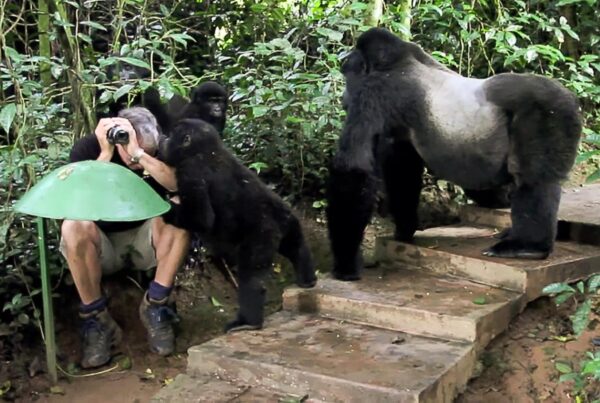
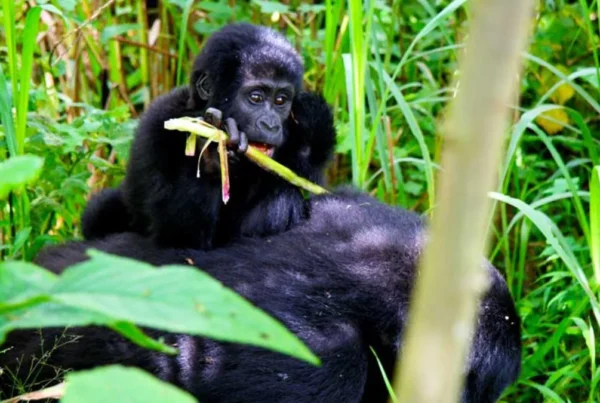
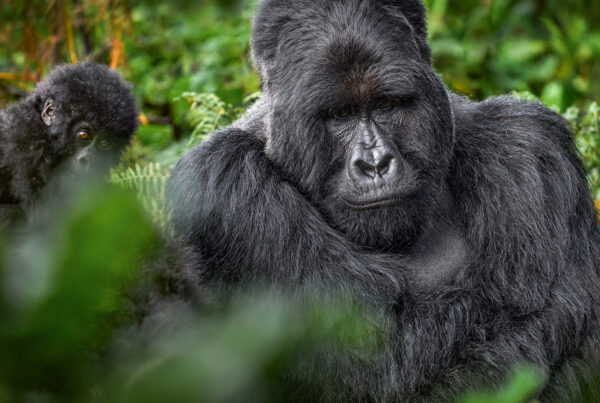
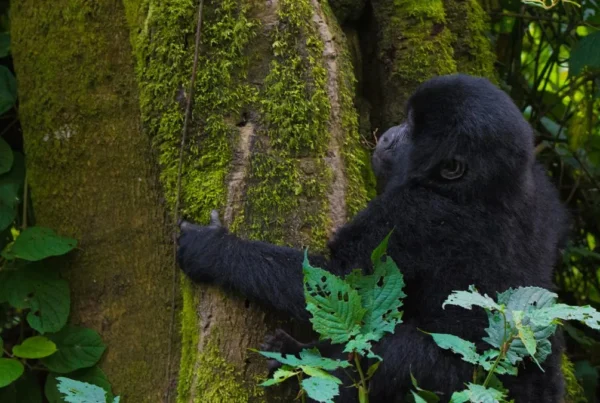
In Uganda, gorilla trekking is carried out in two remarkable destinationsBwindi Impenetrable National Park and Mgahinga Gorilla National Park — both found in the country’s scenic southwestern highlands. These pristine rainforests have been placed among the world’s most coveted bucket list holidays, drawing visitors from across the globe to witness endangered mountain gorillas in their natural habitat. The experience is often incorporated into adventure holidays or wildlife holidays, offering travelers the chance to combine the thrill of trekking with the beauty of Uganda’s landscapes. Whether arranged as private holidays, group holidays, or family holidays, the journey delivers rare encounters and unforgettable memories.

The regions where gorilla trekking is undertaken also provide opportunities to weave in other forms of travel. Many itineraries are designed to combine the trek with cultural holidays in nearby communities, birding holidays in Uganda’s rich avian habitats, or climbing & hiking holidays in the Rwenzori or Virunga ranges. For those seeking extra comfort, luxury holidays and private villas & accommodations holidays offer refined stays, while more adventurous travelers may opt for off the beaten holidays into remote, unspoiled corners of the country. The allure extends to honeymoon holidays, solo holidays, and special holidays, ensuring that each journey is tailored to the traveler’s style and occasion.

Though famous for gorillas, Uganda’s trekking destinations are often paired with other African adventures. Some visitors choose beach holidays along Lake Victoria’s tranquil islands before or after their trek, while others extend their travels to neighboring countries for the legendary wildebeest migration holidays. Photographers are drawn to the region for photography holidays, capturing the drama of wildlife and the lush forest scenery, while primate holidays expand the experience to include chimpanzee and golden monkey tracking. No matter how it is planned, the places chosen for gorilla trekking in Uganda remain at the heart of Africa’s most memorable and transformative travel experiences.

Where to go to gorilla trekking in Uganda?

Bwindi Impenetrable National Park

Nestled in the southwestern corner of Uganda, Bwindi Impenetrable National Park is one of Africa’s most biologically diverse rainforests and a UNESCO World Heritage Site. Famed for being home to almost half of the world’s remaining mountain gorilla population, Bwindi offers an unforgettable experience for nature lovers, adventure seekers, and wildlife enthusiasts.

Mgahinga Gorilla National Park

Tucked away in the southwestern corner of Uganda, Mgahinga Gorilla National Park is a hidden gem for travelers seeking a more intimate and scenic mountain gorilla trekking experience. Although smaller and lesser-known than its neighbor Bwindi, Mgahinga holds its own with its dramatic volcanic landscapes, cultural richness, and unique wildlife encounters.

The best time to visit is generally considered to be during the dry season, when weather conditions are more pleasant and travel is less likely to be disrupted, typically based on your preferred destinations. During this period, landscapes are at their most vibrant, wildlife sightings are more frequent, and activities can be enjoyed with greater ease. While visits are possible year-round, choosing this window is often recommended to ensure the most rewarding and comfortable experience.

WhatsApp

Grandeur

Experience the grandeur of Africa with WildHorn Africa, where every safari is designed to showcase the continent’s breathtaking landscapes and majestic wildlife.

24/7 support

Enjoy peace of mind with 24/7 support from WildHorn Africa, ensuring expert assistance before, during, and after your safari adventure.

Safety

Your safety is our top priority at WildHorn Africa, with expertly guided safaris and trusted partners ensuring a secure and worry-free adventure.

Price-quality ratio

WildHorn Africa offers exceptional price-quality ratio, delivering top-tier safari experiences at competitive rates without compromising on comfort.

Uganda Gorilla trekking safaris

Uganda Gorilla trekking safaris

By Travel guides, Uganda travel guides

Uganda gorilla trekking safaris are regarded as one of the most iconic bucket list holidays, offering travelers the rare privilege of observing endangered mountain gorillas in their natural habitat. Conducted in the lush rainforests of Bwindi Impenetrable and Mgahinga National Parks, these treks are often combined with other wildlife holidays that reveal Uganda’s rich biodiversity. Many journeys are designed as primate holidays, where chimpanzee tracking and monkey encounters complement the gorilla experience, while tailored itineraries can be arranged as private holidays or group holidays, ensuring that every traveler’s preference is met.

These safaris can be woven into broader adventure holidays or off the beaten holidays, where remote landscapes, cultural encounters, and diverse ecosystems are explored. Travelers seeking variety often combine gorilla trekking with birding holidays, cultural holidays, or even climbing & hiking holidays on the Rwenzori Mountains. For those desiring elevated comfort, bespoke journeys are offered as luxury holidays, often paired with stays in private villas & accommodations holidays. Families can enjoy specially crafted family holidays, while couples often choose these safaris as honeymoon holidays, appreciating both the romance and the sense of shared discovery.

While Uganda is not widely known for beach holidays, its proximity to serene lakeshores allows for restful interludes before or after the trek. Many travelers extend their itineraries into neighboring destinations for experiences like the wildebeest migration holidays, or enhance their journey with photography holidays that capture both wildlife and scenery in dramatic light. These adventures can be tailored as solo holidays for independent explorers or curated as special holidays for significant occasions, ensuring that Uganda gorilla trekking safaris remain among the most memorable and meaningful travel experiences in Africa.

Gorilla habituation in Uganda

Gorilla habituation in Uganda

By Travel guides, Uganda travel guides

Gorilla habituation in Uganda 

In the heart of East Africa lies a land of misty mountains, ancient rainforests, and one of the most intimate wildlife experiences in the world — gorilla habituation. Few moments in nature can rival the breathtaking encounter of sitting only meters away from a family of wild mountain gorillas, watching them feed, groom, and interact with one another. In Uganda, this experience goes beyond mere observation; it is a rare opportunity to witness the delicate process of habituation, where gorillas are gradually accustomed to human presence without losing their natural behavior.

Unlike standard gorilla trekking, which offers a single hour with these endangered primates, gorilla habituation allows up to four precious hours in their company, creating an unparalleled immersion into their world. Conducted under the guidance of experienced researchers and rangers, this experience offers not only a closer view but also a deeper understanding of their behavior, social structure, and conservation needs. For wildlife enthusiasts, conservationists, and adventure travelers alike, this is the pinnacle of eco-tourism in Africa.

Where to Go

Gorilla habituation in Uganda takes place in Bwindi Impenetrable National Park, a UNESCO World Heritage Site renowned for its rich biodiversity and thick tropical rainforest. This pristine wilderness is home to nearly half of the world’s remaining mountain gorillas, making it a stronghold for their survival.

The habituation experience is available exclusively in the park’s Rushaga sector, located in the southern part of Bwindi. Here, specially selected gorilla families are slowly introduced to human presence through a careful, years-long process. The setting is nothing short of magical — towering trees draped in vines, tangled undergrowth teeming with birdlife, and mist lingering in the valleys.

Bwindi is more than just a home for gorillas. It is a living, breathing ecosystem, sheltering over 120 species of mammals, more than 350 bird species, and countless butterflies, orchids, and medicinal plants. The richness of this environment not only supports gorilla life but also offers travelers a chance to immerse themselves in one of Africa’s most diverse habitats.

How to Get There

Reaching Bwindi Impenetrable National Park is part of the adventure. The journey typically begins in Entebbe or Kampala, where international travelers land before embarking on either a scenic road trip or a short domestic flight. By road, the trip takes approximately 8 to 10 hours, winding through Uganda’s rolling hills, rural villages, and lush countryside. Though long, the drive offers a vivid glimpse into Uganda’s rural life and landscapes.

Alternatively, travelers may opt for a domestic flight from Entebbe or Kajjansi to Kisoro or Kihihi Airstrip, which are within a few hours’ drive of Bwindi’s southern sector. This option not only saves time but also provides spectacular aerial views of Uganda’s dramatic terrain.

From the nearest towns, visitors are transported into the heart of the park via narrow, winding roads surrounded by thick jungle. The approach itself builds anticipation, with every turn bringing the forest closer until its ancient canopy finally towers above.

The Habituation Experience

The day of a gorilla habituation trek begins early, often before dawn, with a briefing by Uganda Wildlife Authority rangers. Participants are reminded of strict conservation protocols to ensure both their safety and the wellbeing of the gorillas. The trek itself can be physically demanding, lasting several hours and involving steep climbs, slippery trails, and dense vegetation. However, every step deep into the forest brings a heightened sense of wonder.

Upon finding the gorilla group, the clock for the four-hour experience begins. Unlike in standard trekking, where observers remain mostly passive, habituation allows for a more interactive form of observation. Researchers and trackers share real-time insights, identifying individuals, explaining behaviors, and describing the challenges of integrating human presence without disturbing natural routines.

It is not unusual to see young gorillas playing in the branches, mothers gently cradling their infants, or a dominant silverback maintaining watchful order over the group. Every gesture, sound, and interaction is a glimpse into a complex, deeply social species whose survival depends largely on continued protection and understanding.

Other Things to Do

While gorilla habituation is undoubtedly the highlight of a visit to Bwindi, the region offers a wealth of other experiences. Cultural encounters with the Batwa pygmies, the indigenous forest people, reveal a rich history of survival in these dense jungles. Guided village walks allow travelers to witness traditional farming methods, craft-making, and music performances.

Nature lovers can explore Bwindi’s network of forest trails, where birdwatching is a delight thanks to the park’s incredible avian diversity, including rare species like the African green broadbill. For those with energy to spare, hikes to waterfalls, hilltop viewpoints, and tea plantations add further depth to the journey.

Nearby attractions such as Lake Bunyonyi, famous for its scenic islands and calm waters, provide a serene retreat after the intensity of trekking. Combining gorilla habituation with a wider exploration of southwestern Uganda creates a perfectly balanced adventure, blending wildlife encounters with cultural and natural beauty.

Best Time to Visit

Uganda’s equatorial climate makes gorilla habituation possible year-round, but certain periods are more favorable. The dry seasons, from June to September and December to February, are generally considered the best times to visit, as trails are less slippery and trekking conditions are easier. The wet seasons (March to May and October to November) bring heavier rainfall, making the forest muddier, but they also offer lush scenery, fewer tourists, and a more intimate atmosphere in the park.

Since habituation permits are limited and in high demand, securing them well in advance is crucial, especially during peak months. The exclusivity of the experience — with only a handful of visitors allowed daily — ensures a level of intimacy that is increasingly rare in wildlife tourism.

A Trek That Transforms

Beyond the thrill of the encounter, gorilla habituation plays a vital role in conservation. By slowly introducing gorillas to human presence, researchers make it possible for these animals to be monitored for health, safety, and population growth. Habituated groups also generate substantial tourism revenue, which supports local communities and funds conservation projects.

This careful balance between tourism and preservation ensures that mountain gorillas remain one of Africa’s great success stories in wildlife protection. Uganda’s model demonstrates how responsible eco-tourism can both protect a species and improve human livelihoods.

Travel with Confidence

Gorilla habituation in Uganda is more than a wildlife activity — it is a journey into the very soul of the African rainforest. It is about patience, respect, and the privilege of sharing space with one of the planet’s most majestic and endangered creatures. The extended hours with the gorillas, the deep learning from expert trackers, and the raw beauty of Bwindi’s forest make it an unforgettable adventure.

For travelers seeking more than a fleeting glimpse — for those who wish to connect, to understand, and to contribute to conservation — gorilla habituation offers an unmatched experience. It is a reminder that the greatest treasures in nature are not just seen, but felt deeply and remembered for a lifetime.

Book your African safari and gorilla habituation experience with WildHorn Africa, where expert planning, ethical travel, and unforgettable adventures come together to create the trip of a lifetime.

Together We Build your dream holiday
Customize your experience
Customize

Bwindi gorilla trekking

Hidden within the misty embrace of southwestern Uganda lies Bwindi Impenetrable National Park, a mystical realm where

Mgahinga gorilla trekking

Mgahinga Gorilla National Park. Though modest in size compared to its renowned neighbor, Bwindi, this park is a crown jewel of conservation

Grandeur

Experience the grandeur of Africa with WildHorn Africa, where every safari is designed to showcase the continent’s breathtaking landscapes and majestic wildlife.

24/7 support

Enjoy peace of mind with 24/7 support from WildHorn Africa, ensuring expert assistance before, during, and after your safari adventure.

Safety

Your safety is our top priority at WildHorn Africa, with expertly guided safaris and trusted partners ensuring a secure and worry-free adventure.

Price-quality ratio

WildHorn Africa offers exceptional price-quality ratio, delivering top-tier safari experiences at competitive rates without compromising on comfort.

Safari Lodges and Camps in Murchison Falls National Park

Safari Lodges and Camps in Murchison Falls National Park

By Travel guides, Uganda travel guides

Safari Lodges and Camps in Murchison Falls National Park

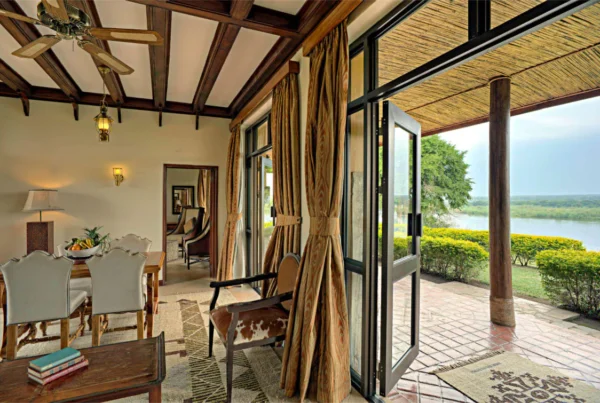
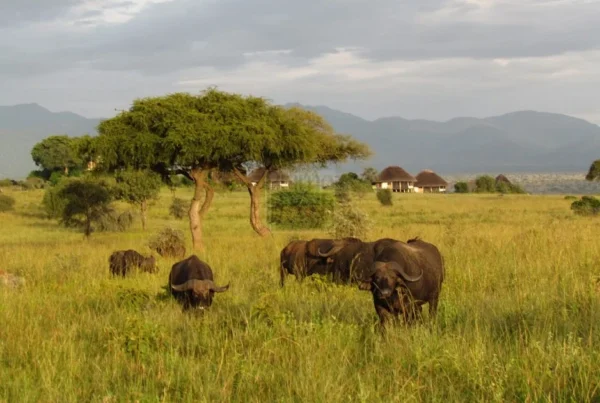
Safari lodges and camps in Murchison Falls National Park are known for offering a diverse range of experiences tailored to various types of holidays. Adventure holidays and wildlife holidays are especially popular due to the park’s abundant animal populations and dramatic landscapes. Birding holidays are also frequently pursued here, as the park supports over 450 species of birds, making it a prime destination for birdwatchers. Many visitors include Murchison Falls on their bucket list holidays, drawn by the promise of witnessing the powerful cascade of the Nile and encountering rare wildlife in an unspoiled environment.

Accommodations within the park cater to different preferences and group sizes, ensuring that family holidays, group holidays, and honeymoon holidays are all comfortably supported. Luxury holidays and private holidays are facilitated by exclusive lodges and private villas & accommodations, which provide privacy and high-end amenities. Off the beaten holidays and solo holidays are equally accommodated, with camps and lodges offering tranquil settings away from the crowds. Additionally, cultural holidays can be enriched through community visits arranged by many safari operators, adding depth to the overall experience.

Various specialized holidays are also promoted within the park’s lodges and camps. Photography holidays are encouraged by the stunning scenery and abundant wildlife, while primate holidays attract visitors eager to track chimpanzees and other primates in nearby forests. Climbing & hiking holidays are possible in designated areas, offering active travelers a chance to explore the terrain on foot. Though the wildebeest migration holidays are more famously associated with other regions, Murchison Falls occasionally experiences its own wildlife movements, enhancing the dynamic safari experience for all types of visitors.

luxury

Safari Lodges and Camps in Murchison Falls National Park

mid-range

Safari Lodges and Camps in Murchison Falls National Park

budget

Safari Lodges and Camps in Murchison Falls National Park

Grandeur

Experience the grandeur of Africa with WildHorn Africa, where every safari is designed to showcase the continent’s breathtaking landscapes and majestic wildlife.

24/7 support

Enjoy peace of mind with 24/7 support from WildHorn Africa, ensuring expert assistance before, during, and after your safari adventure.

Safety

Your safety is our top priority at WildHorn Africa, with expertly guided safaris and trusted partners ensuring a secure and worry-free adventure.

Price-quality ratio

WildHorn Africa offers exceptional price-quality ratio, delivering top-tier safari experiences at competitive rates without compromising on comfort.

Bokora Corridor Wildlife Reserve

Bokora Corridor Wildlife Reserve

By Travel guides, Uganda places to visit, Where to go

Bokora Corridor Wildlife Reserve
Where Wilderness Stretches Beyond the Horizon

There are still places in Africa where silence speaks louder than sound, where landscapes remain untouched by mass tourism, and where the wild holds sovereignty over man. Bokora Corridor Wildlife Reserve, one of Uganda’s most vast and underrated conservation areas, is such a place. Spanning an immense stretch of land in the northeastern Karamoja sub-region, this reserve offers an extraordinary glimpse into raw, unfiltered Africa—where the sun scorches the earth by day and stars flood the skies by night. It is a sanctuary not only for wildlife, but for those seeking the authentic spirit of exploration.

Part of the Karamoja Wildlife Protection Complex, Bokora Corridor lies between two other significant reserves—Pian Upe to the south and Matheniko to the north. Together, they form a triad of protected areas that preserve Uganda’s last remaining semi-arid wilderness. But Bokora is not merely a corridor in name. It is a lifeline for migratory species, a cultural artery for pastoralist communities, and a reservoir of ecological importance. In its broad valleys, dry riverbeds, and volcanic hills, the story of survival unfolds with every passing season.

For the adventurous traveler, conservationist, or nature lover, Bokora Corridor is an untapped frontier—a place where the journey becomes the destination and nature is experienced in its most elemental form.

Location: Uganda’s Hidden Wild Heart

Bokora Corridor Wildlife Reserve is located in Napak District of northeastern Uganda, stretching over an impressive 2,056 square kilometers. It sits strategically between Mount Napak to the west and Mount Kadam to the east, nestled within the broader Karamoja plateau. This positioning makes it a vital ecological link, or “corridor,” for wildlife moving between Pian Upe, Matheniko, and even Kidepo Valley National Park, located farther north.

Unlike many of Uganda’s western parks with lush vegetation and abundant rainfall, Bokora lies in a semi-arid climate zone, characterized by scattered savannahs, thorny bushland, and expansive grasslands. The terrain ranges from open plains to rocky ridges and seasonal wetlands, making it both challenging and captivating to navigate. The starkness of the land does not diminish its beauty—instead, it intensifies it. Bokora’s dramatic scenery, shaped by time and tectonic activity, provides a unique ecological and geological contrast to the rest of Uganda.

How to Get There: A Journey into the Untamed

Reaching Bokora Corridor Wildlife Reserve requires determination, but it is a journey that reveals Uganda’s profound geographical and cultural diversity. The reserve is approximately 470 kilometers from Kampala, the capital city. The most direct route involves traveling through Mbale and Soroti, then heading northeast toward Napak and Lorengechora, which serve as the nearest access towns.

Travel by road is possible with a reliable 4WD vehicle, especially during the dry season when roads are more navigable. The drive, lasting between 9 to 11 hours, winds through various ecological zones—from fertile lowlands and terraced hills to the open vistas of the Karamoja plains. Along the way, travelers encounter Karimojong homesteads, wandering herds of cattle, and traditional kraals—each a living expression of this region’s unique cultural identity.

For those preferring speed and convenience, chartered flights can be arranged to Moroto Airstrip, followed by a road transfer to the reserve. It is highly recommended to travel with a professional tour operator such as WildHorn Africa, whose expertise in navigating Uganda’s remote regions guarantees a seamless and safe experience.

Attractions: Wildness in Every Direction

Despite its remote location and relatively low visitation numbers, Bokora Corridor boasts a surprising biodiversity richness, supported by its diverse habitats and low human interference. It serves as a crucial haven for dryland-adapted wildlife and a safe passage for animals moving across Karamoja’s broader landscape.

Among the mammals that inhabit the reserve are lesser kudu, eland, hartebeest, topi, guenther’s dik-dik, roan antelope, and klipspringers. Large predators such as leopards, spotted hyenas, and jackals are also present but are more elusive due to the low density of tourists and infrastructure. Though sightings can be less frequent than in more developed parks, the experience is far more intimate and unpredictable—true to the spirit of a genuine wilderness.

Birdlife in Bokora is exceptional, particularly for species associated with dry savannah and semi-desert environments. Over 300 bird species have been recorded, including the karamoja apalis, red-fronted warbler, white-headed buffalo weaver, white-bellied go-away bird, and fox kestrel. Birding is especially fruitful around the rocky hills and river valleys, where water and shelter draw both resident and migratory species.

The terrain itself is also an attraction. Towering volcanic mountains such as Mount Napak rise from the plains like forgotten sentinels, offering surreal vistas and challenging hiking opportunities for adventurous souls. These mountains are not only geological marvels but also cultural landmarks, revered by local communities and rich with folklore.

Things to Do: A Reserve for Explorers

Visitors to Bokora Corridor Wildlife Reserve are rewarded not by commercial amenities, but by experiences that are personal, profound, and primitive in the best sense of the word. The reserve remains relatively undeveloped, which only heightens its appeal for those seeking unstructured, immersive safari activities.

Guided walking safaris provide the most authentic way to engage with the land. These low-impact treks allow for up-close encounters with wildlife, tracking of animal footprints, identification of plant species, and interpretation of ecological signs often missed from a vehicle. The silence of walking through this vast landscape—broken only by bird calls and the crunch of dry grass—is a meditative experience that connects visitors to the essence of the wild.

Birdwatching excursions, especially in the early mornings and evenings, are deeply rewarding. The solitude and open space allow for undistracted observation, photography, and appreciation of rare and localized species. The riverine areas, in particular, are magnets for bird activity during the dry season.

Mountain hiking on Mount Napak offers both physical challenge and spiritual reward. The ascent is steep and unmarked, requiring guides and stamina, but the panoramic views from the summit capture the vastness of Karamoja in all its raw beauty. The mountains also hold cultural significance to local people, and with the right guides, visitors can hear traditional legends and gain insight into how the land shapes belief.

Cultural visits to nearby Karimojong communities offer another layer of depth. These are not staged performances, but real-life glimpses into a pastoralist way of life that has survived for centuries. Engaging respectfully with these communities fosters mutual understanding and highlights the important role that indigenous people play in conservation.

Accommodation options within the reserve are minimal, but mobile tented camps can be arranged through operators like WildHorn Africa, offering both comfort and eco-sensitivity. Nights in the reserve are unlike any other—free from light pollution, the skies above Bokora explode with stars, while nocturnal sounds remind visitors they are far from the trappings of civilization.

Best Time to Visit: Seasons of Contrast

The best time to explore Bokora Corridor Wildlife Reserve is during the dry seasons, which occur from December to March and again from June to early September. During these months, roads are passable, wildlife is concentrated around scarce water points, and the skies remain mostly clear. The vegetation thins out, improving visibility for both game viewing and photography.

The wet seasons—April to May and September to November—bring life to the landscape in bursts of green and flowering grasses, but also render many roads muddy and difficult to navigate. While the rainy months are less ideal for general safari logistics, they do offer dramatic cloudscapes, vibrant flora, and an uptick in bird activity, making them attractive to serious birders and landscape photographers.

Regardless of the time of year, visitors should come prepared for intense sunlight during the day and cooler temperatures at night, especially in the higher altitudes near Mount Napak. The climate is one of extremes, much like the landscape itself.

Where Silence Becomes the Guide

Bokora Corridor Wildlife Reserve is not a place of crowds, paved roads, or souvenir shops. It is a place for travelers who want to feel the land beneath their feet, hear the rustle of grass in the wind, and witness life as it has unfolded for millennia. It demands humility, patience, and a love for places that have yet to be shaped by tourism’s heavy hand.

For those seeking a deeper connection to Africa—its nature, its rhythms, its unvarnished beauty—Bokora delivers not a safari, but a soulful expedition. It is a sanctuary for species and a haven for hearts still stirred by the call of the wild.

Book with WildHorn Africa: Your Gateway to Authentic Exploration

To explore the untamed grandeur of Bokora Corridor Wildlife Reserve, entrust your journey to WildHorn Africa. As experts in remote and immersive safaris, WildHorn Africa crafts tailor-made experiences that bring travelers into genuine contact with Uganda’s most remote conservation landscapes.

From seamless logistics and expert guides to sustainable lodging and culturally respectful interactions, WildHorn Africa ensures that every safari is not only memorable but meaningful. With their intimate knowledge of Karamoja and its protected areas, your journey to Bokora will be safe, insightful, and unforgettable.

Nature Walks & Hiking in Uganda

Nature Walks & Hiking in Uganda

By Travel guides, Uganda travel guides

Nature Walks & Hiking in Uganda 

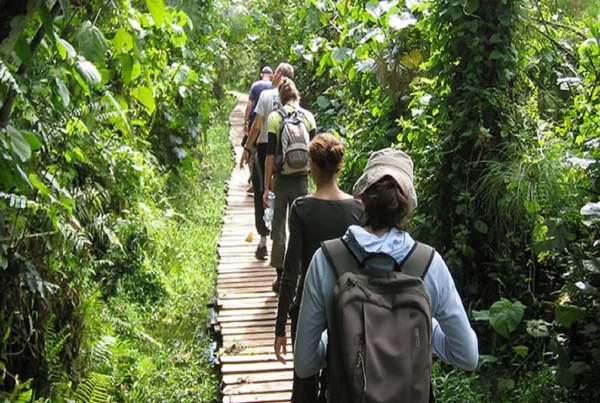
In the landscapes of East Africa lies a country where rolling hills, mist-covered mountains, ancient forests, and shimmering savannahs invite travelers to slow down and experience nature with every step. That country is Uganda, often hailed as the Pearl of Africa for its immense natural beauty and biodiversity. While most visitors are drawn to gorilla trekking or game drives, another deeply rewarding way to discover Uganda’s wild treasures is through nature walks and hiking. Unlike faster-paced safaris, walking immerses travelers in the heart of the landscape, allowing the sights, sounds, and scents of the wild to unfold intimately.

To walk in Uganda is to experience a land that is both raw and gentle. Every trail offers a narrative, whether it winds through the dense foliage of a rainforest alive with bird calls, ascends the dramatic slopes of the Rwenzori Mountains, or meanders across golden savannah dotted with acacia trees. Nature walks and hikes here create encounters that cannot be replicated by vehicle: the rustling of monkeys overhead, the sudden flash of a turaco’s wings, or the distant rumble of elephants echoing across the plains. In such moments, the traveler becomes not just an observer but a participant in the rhythms of the wild.

Where to Go

Uganda’s hiking and nature walk destinations are as diverse as its ecosystems. In the Bwindi Impenetrable National Park, famed for its mountain gorillas, nature walks reveal a different perspective of this dense and ancient forest. Trails such as the Munyanga River Walk and the Ivy River Trail lead through verdant undergrowth, where rare birds, butterflies, and primates flourish. While gorilla trekking commands global attention, these quieter walks expose the richness of Bwindi’s biodiversity beyond its famous primates.

The Rwenzori Mountains, often referred to as the Mountains of the Moon, represent Uganda’s most dramatic hiking destination. Rising to snow-capped peaks that soar above 5,000 meters, the Rwenzoris are a UNESCO World Heritage Site renowned for their unique alpine flora, glacial lakes, and rugged terrain. Multi-day treks, such as the Central Circuit or Kilembe Trail, challenge adventurers with steep climbs and unpredictable weather, yet reward them with breathtaking scenery unmatched elsewhere in Africa. For less demanding experiences, shorter hikes around the foothills introduce visitors to the cultural landscapes and stunning vistas of the region.

In Murchison Falls National Park, nature walks offer the chance to explore savannah plains, riverine forests, and the dramatic gorge carved by the Nile. Guided walks here reveal giraffes grazing on acacias, warthogs scurrying through the grass, and an impressive variety of birdlife. Similarly, Lake Mburo National Park is one of the few parks where guided walks into the wild are permitted, creating opportunities to encounter zebra, impala, and hippos at eye level. Beyond the national parks, the trails of Mount Elgon National Park on Uganda’s eastern border lead to the world’s largest volcanic caldera, with diverse vegetation zones ranging from montane forests to Afro-alpine moorlands. Each location presents its own distinctive atmosphere, ensuring that hiking in Uganda remains endlessly varied and rewarding.

How to Get There

Most nature walk and hiking destinations in Uganda are accessible from Kampala or Entebbe, where Entebbe International Airport serves as the main entry point for international travelers. From here, road journeys lead into the heart of the country, with travel times ranging from a few hours to nearly a day depending on the park.

For those heading to Bwindi Impenetrable National Park, the drive takes between eight and nine hours, passing through scenic highlands and rural communities. Alternatively, domestic flights to Kihihi or Kisoro shorten the journey significantly, allowing faster access to the park’s trailheads. The Rwenzori Mountains are reached through Kasese town, about a six to seven-hour drive from Kampala, with charter flights available for travelers preferring speed and convenience.

Closer to the capital, Lake Mburo National Park can be reached within four hours by road, making it one of the most accessible hiking destinations. Murchison Falls National Park, located in the northwest, requires a five to six-hour drive but rewards travelers with diverse landscapes en route. Mount Elgon National Park, on the eastern frontier near Mbale, involves a drive of roughly five hours, with the added charm of passing through lush farmland and cultural landscapes. Regardless of the route chosen, the journeys themselves are enriched by Uganda’s scenic diversity and frequent glimpses of daily life along the way.

The Experience

The essence of nature walks and hiking in Uganda lies in the closeness it affords to the natural environment. Unlike safaris from vehicles, walking allows the senses to tune into the subtleties of the wilderness. The soft crunch of leaves beneath one’s feet, the sudden alarm calls of monkeys, or the distant echo of waterfalls create moments of deep connection.

In the forests of Bwindi and Kibale, every step reveals a microcosm of life. Orchids cling to ancient trees, butterflies dance in shafts of sunlight, and troops of colobus monkeys leap gracefully overhead. Birdlife, too, thrives in these habitats, from the great blue turaco with its striking plumage to the African green broadbill, one of Uganda’s rarest species. The intimacy of walking trails allows travelers to pause, observe, and reflect in ways that vehicles cannot replicate.

On the slopes of the Rwenzoris or Mount Elgon, the experience is marked by challenge and grandeur. The ascent through different ecological zones—from montane forest to bamboo stands, then to Afro-alpine vegetation—unfolds like a journey through climates compressed into a single mountain. The sight of giant lobelias and everlasting flowers thriving in the high-altitude environment evokes a sense of wonder at nature’s adaptability. The culmination of these treks, whether reaching a glacial lake or standing on a windswept summit, leaves an indelible mark of achievement and awe.

Other Things to Do

While hiking and nature walks form the core of these experiences, Uganda offers an abundance of complementary activities. In Bwindi, the highlight remains gorilla trekking, where intimate encounters with endangered mountain gorillas are life-changing. In Kibale Forest, chimpanzee tracking allows visitors to observe the complex behaviors of our closest relatives. Queen Elizabeth National Park, often combined with hikes around the Rwenzoris, offers classic game drives and boat cruises along the Kazinga Channel, where hippos, elephants, and crocodiles thrive.

Cultural encounters enrich these natural experiences. In the foothills of the Rwenzoris and Mount Elgon, communities welcome visitors to learn about traditional farming practices, local crafts, and music. The Bagisu people near Mount Elgon are renowned for their imbalu circumcision ceremonies, while communities near Bwindi share their Batwa heritage through storytelling and performances. These cultural dimensions create a fuller picture of Uganda, blending natural beauty with human history and tradition.

For adventure seekers, Uganda extends beyond walking trails. White-water rafting on the Nile at Jinja, sport fishing on Lake Victoria, and mountain biking around crater lakes provide thrilling alternatives. Each activity complements the slower rhythm of hiking, ensuring that Uganda appeals to both those seeking serenity and those craving excitement.

Best Time to Visit

Nature walks and hiking in Uganda are possible throughout the year, though the experience is shaped by the country’s alternating dry and wet seasons. The dry seasons, which span from December to February and from June to September, are considered the most favorable for hiking. Trails remain more manageable, river crossings are easier, and mountain routes such as those in the Rwenzoris are less treacherous. Wildlife viewing is also enhanced during this time, as animals gather around remaining water sources.

The wet seasons, occurring from March to May and October to November, transform Uganda into a lush, green paradise. While rain showers can make trails slippery and mountain ascents more challenging, these months reward visitors with vibrant scenery, abundant birdlife, and fewer crowds. Forest walks during the rains are particularly atmospheric, with mist drifting through the trees and the forest alive with the calls of breeding birds.

Ultimately, the choice of timing depends on the traveler’s priorities. Those seeking easier treks and classic safari conditions may prefer the dry months, while those drawn to lush landscapes and solitude may find the wet seasons equally rewarding. Uganda’s varied ecosystems ensure that hiking and walking experiences remain memorable in every season.

A Trek That Transforms

The privilege of hiking through Uganda’s fragile ecosystems brings with it the responsibility of practicing responsible travel. Respecting wildlife is paramount, which means observing animals from safe distances, keeping noise to a minimum, and refraining from disrupting their natural behaviors. Staying on designated trails prevents erosion and protects sensitive habitats, particularly in montane and forest environments.

Environmental awareness extends to simple but impactful actions, such as reducing single-use plastics, carrying reusable water bottles, and supporting eco-friendly lodges that prioritize sustainability. Travelers are encouraged to respect local customs and communities by engaging with cultural experiences thoughtfully and purchasing locally made products, thereby ensuring that tourism benefits extend directly to the people who live alongside Uganda’s parks.

By traveling responsibly, visitors contribute to the long-term preservation of Uganda’s landscapes and wildlife. Each step taken mindfully strengthens the connection between tourism, conservation, and community empowerment, ensuring that the wonders of Uganda’s trails remain intact for generations to come.

Travel with Confidence

Nature walks and hiking in Uganda open a door to experiences that go beyond the surface of safari adventures. They immerse travelers in the country’s varied ecosystems, from the dense forests of Bwindi to the lofty peaks of the Rwenzoris, from the volcanic slopes of Mount Elgon to the golden savannahs of Lake Mburo. Every step on these trails reveals something new—an unexpected bird call, a hidden waterfall, a cultural story shared by local guides. These journeys are not simply about reaching destinations but about embracing the journey itself, with all the richness and surprises it offers.

For those seeking an African adventure that combines intimacy, discovery, and a sense of connection with both nature and people, Uganda’s hiking and walking trails are unmatched. They offer tranquility and challenge, immersion and perspective, ensuring that every traveler leaves with memories carved deeply into their spirit.

To embark on such extraordinary adventures, travelers are encouraged to book their Africa tours and safaris with WildHorn Africa, a trusted partner committed to creating authentic, responsible, and unforgettable journeys across Uganda and beyond.

Together We Build your dream holiday
Customize your experience
Customize

Rwenzori Mountains National Park

Hiking at Rwenzori Mountains National Park offers a thrilling adventure through misty forests, alpine meadows, and rugged glacier peaks. Trekkers encounter diverse wildlife, rare plants, and breathtaking scenery along the trails. The challenging routes, including the climb to Margherita Peak, reward hikers with some of Africa’s most stunning views.

Murchison Falls National Park

Hiking to the top of Murchison Falls remains one of the most thrilling experiences in the park, and it is often included in bucket list holidays and climbing & hiking holidays. The dramatic force of the Nile surging through the narrow gorge is a sight to behold and is frequently sought out by those on special holidays or solo holidays seeking unforgettable moments in nature.

Queen Elizabeth National Park

Queen Elizabeth National Park offers rewarding hiking opportunities that immerse visitors in its diverse landscapes, from savannah plains to the dramatic Kyambura Gorge. Guided walks reveal close encounters with primates, birds, and unique vegetation often missed on game drives. These hikes provide a slower, more intimate way of experiencing one of Uganda’s most iconic parks.

Ziwa Rhino Sanctuary

Ziwa Rhino Sanctuary is not only famed for rhino tracking but also offers enriching nature walks that unveil its broader ecosystem. Accompanied by experienced guides, visitors explore woodlands, swamps, and savannah plains where abundant birdlife, antelopes, and small primates thrive. These walks create a peaceful yet educational experience, showcasing the sanctuary’s vital role in conservation while allowing travelers to connect deeply with Uganda’s natural heritage.

Mount Elgon National Park

Mount Elgon National Park is a captivating destination located on the eastern border of Uganda and Kenya, centered around the extinct volcanic mountain, Mount Elgon. Known for its vast caldera, scenic waterfalls, and biodiversity, the park is a hidden gem for hikers, birdwatchers, and nature lovers. It is home to Wagagai Peak (4,321 m), Uganda’s second-highest peak and one of East Africa’s most accessible climbs.

Grandeur

Experience the grandeur of Africa with WildHorn Africa, where every safari is designed to showcase the continent’s breathtaking landscapes and majestic wildlife.

24/7 support

Enjoy peace of mind with 24/7 support from WildHorn Africa, ensuring expert assistance before, during, and after your safari adventure.

Safety

Your safety is our top priority at WildHorn Africa, with expertly guided safaris and trusted partners ensuring a secure and worry-free adventure.

Price-quality ratio

WildHorn Africa offers exceptional price-quality ratio, delivering top-tier safari experiences at competitive rates without compromising on comfort.

Boat Safaris in Uganda

Boat Safaris in Uganda

By Travel guides, Uganda travel guides

Boat Safaris in Uganda 

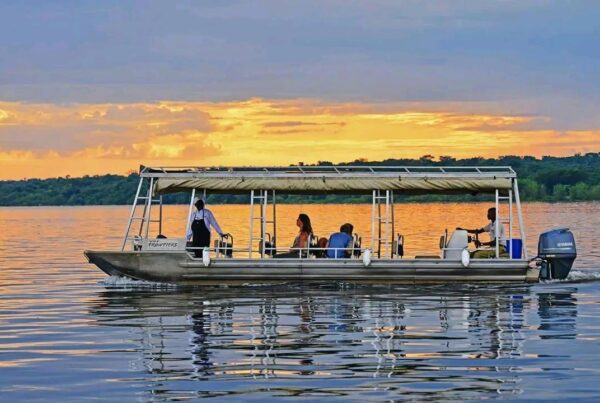
Few experiences in Africa are as enchanting and immersive as a boat safari in Uganda. While game drives across golden savannahs and gorilla trekking in misty highlands often take the spotlight, it is on the glistening waters of Uganda’s lakes and rivers that nature unveils its most tranquil yet dramatic spectacles. The gentle rhythm of the water, the mirrored skies, and the unhurried pace create an encounter that is both intimate and majestic. Uganda, often referred to as the Pearl of Africa, has harnessed its rich waterways to offer visitors a perspective unlike any other—one that combines leisure with an unrivaled display of wildlife. On a boat safari, the world of hippos, crocodiles, elephants, and an extraordinary variety of birds comes alive in ways that land excursions rarely allow.

A journey on the waters of Uganda is never hurried. The boat glides past papyrus swamps, sandy banks, and forested shorelines, where animals gather naturally to drink, feed, and rest. The safari boat becomes more than just transport; it transforms into a moving observatory, immersing travelers in an ecosystem that is vibrant, layered, and profoundly peaceful. In these encounters, the boundaries between observer and the observed dissolve, and the magic of Uganda is felt with remarkable clarity.

Where to Go

Boat safaris in Uganda can be experienced in several iconic destinations, each presenting its own unique character and wildlife richness. The Nile River and the shores of Lake Victoria form the heart of these experiences, yet the diversity extends well beyond them, reaching the great lakes and hidden waterways scattered across the country.

Perhaps the most famous of them all is the Kazinga Channel in Queen Elizabeth National Park, a natural waterway that stretches for nearly 40 kilometers, linking Lake George and Lake Edward. This channel hosts one of the densest concentrations of hippos in the world. On its shores, elephants gather in large herds while buffalo, waterbuck, and crocodiles dominate the landscape. Bird enthusiasts find the Kazinga Channel especially rewarding, as more than 600 species have been recorded in the park, with countless sightings occurring along the channel’s banks.

Equally iconic is the Nile River at Murchison Falls National Park, where the longest river on earth demonstrates both its serenity and its fury. The boat journey upstream toward the base of the falls is nothing short of dramatic. The placid waters are dotted with pods of hippos and sunbathing crocodiles until the river narrows, churns, and roars into a thunderous cataract at the foot of the cliffs. This spectacle offers not only extraordinary wildlife sightings but also one of the most powerful natural displays in Africa.

The tranquil waters of Lake Mburo National Park present a more intimate experience. Smaller and less crowded than the major parks, Lake Mburo offers sightings of hippos, crocodiles, and a remarkable diversity of birds, including the African fish eagle, the pied kingfisher, and the elusive African finfoot. The park’s proximity to Kampala makes it a favored option for travelers seeking a shorter yet equally memorable safari.

Beyond the traditional safari parks, the expanses of Lake Victoria, the world’s largest tropical lake, open another dimension of exploration. Here, boat excursions may combine wildlife encounters with cultural experiences, fishing expeditions, or even journeys to the Ssese Islands, where forested landscapes meet sandy shores. In all these locations, the Ugandan waterscape presents an arena where wildlife, culture, and breathtaking scenery merge seamlessly.

How to Get There

Reaching the boat safari destinations of Uganda is made possible by a network of roads and airstrips that connect the country’s capital, Kampala, and Entebbe International Airport with the national parks and lakes. Most journeys begin in Kampala or Entebbe, from where travelers embark on road trips that range from a few hours to nearly a day, depending on the destination.

To access the Kazinga Channel, travelers typically drive to Queen Elizabeth National Park, located in western Uganda. The journey takes between six and seven hours by road, traversing rolling hills, tea plantations, and scenic landscapes that make the trip as engaging as the destination. Alternatively, domestic flights can be arranged to nearby airstrips such as Mweya or Kasese, significantly reducing travel time.

Murchison Falls National Park, home to the Nile boat safaris, is situated in northwestern Uganda. The drive from Kampala covers approximately 300 kilometers and takes about five to six hours. Along the way, the changing scenery, from bustling towns to lush countryside, offers glimpses of Ugandan daily life. Flights to Pakuba or Bugungu airstrips provide a quicker alternative for those seeking convenience.

Lake Mburo National Park, by contrast, lies just a few hours from Kampala, making it highly accessible. The shorter journey makes it an attractive destination for travelers with limited time, or those wishing to combine multiple experiences within a single itinerary.

For Lake Victoria excursions, the proximity of Kampala and Entebbe to the lake ensures that access is effortless. Boats and ferries depart from several points along the shore, opening opportunities for both short trips and extended lake explorations. In all cases, reaching Uganda’s water safari destinations is a journey through varied landscapes, ensuring that the adventure begins long before the boat departs.

The Experience

The essence of a Ugandan boat safari lies not only in what is seen but in how it is experienced. The gentle hum of the boat engine blends with the calls of fish eagles, the grunts of hippos, and the rustling of reeds along the shoreline. The pace is unhurried, allowing moments to unfold naturally and wildlife encounters to be savored without intrusion.

Wildlife sightings are frequent and often dramatic. Families of elephants can be observed as they drink at the water’s edge, calves splashing playfully under the watchful eyes of their mothers. Buffalo wallow in the mud, crocodiles lie in wait with ancient patience, and hippos surface in rhythmic intervals, exhaling with distinctive snorts. Birds, perhaps the most captivating element of a Ugandan boat safari, transform the skies and banks into a living tapestry. From the dazzling malachite kingfisher to the rare shoebill stork, the diversity of avian life is unparalleled.

The experience of approaching Murchison Falls by boat adds another layer of grandeur. The tranquil river, alive with wildlife, narrows into a dramatic gorge where the Nile crashes through a seven-meter gap in the rock with unrelenting power. The spray, the roar, and the sight of the river exploding into mist create a moment that is both humbling and unforgettable.

On Lake Victoria, the experience expands beyond wildlife. The vastness of the lake, stretching to the horizon, evokes an almost oceanic feeling. Fishing communities dot the shores, offering cultural encounters that enrich the safari. The Ssese Islands, with their tropical charm, introduce an entirely different rhythm, where relaxation and exploration blend harmoniously.

Every boat safari in Uganda is marked by a sense of intimacy. Unlike the sometimes distant views on game drives, animals here are often encountered at close quarters, with the safety of the boat ensuring both proximity and respect for their natural behavior. This intimacy makes the experience deeply memorable, leaving impressions that linger long after the journey ends.

Other Things to Do

While boat safaris form the highlight of many itineraries, Uganda offers a multitude of complementary experiences that enrich a traveler’s journey. Game drives across the savannah plains of Queen Elizabeth and Murchison Falls National Parks reveal lions, leopards, and large herds of antelope. Gorilla trekking in Bwindi Impenetrable National Park provides one of the most profound wildlife encounters on earth, while chimpanzee tracking in Kibale Forest brings visitors face-to-face with our closest relatives.

Cultural experiences further enhance the journey, with opportunities to interact with local communities, learn traditional crafts, or witness performances of music and dance. Uganda’s cultural mosaic is as diverse as its landscapes, and engaging with it provides insight into the heart of the nation.

Adventure seekers may also engage in activities such as white-water rafting on the Nile near Jinja, mountain hiking in the Rwenzori ranges, or sport fishing on the lakes. Each of these activities complements the tranquility of a boat safari, ensuring that Uganda delivers a rounded and unforgettable safari experience.

Best Time to Visit

Boat safaris in Uganda can be enjoyed throughout the year, yet the experience is shaped by the country’s two distinct seasons. The dry seasons, which run from December to February and from June to September, are considered the most favorable. During these months, wildlife congregates around water sources, making sightings along rivers and lakes especially rewarding. Clear skies and calmer waters also enhance the comfort and visibility of the boat excursions.

The wet seasons, from March to May and from October to November, present their own unique charm. The landscapes are lush and vibrant, birdlife flourishes, and the atmosphere carries a freshness that is deeply appealing. While some roads may become more challenging to navigate and occasional rain showers may interrupt excursions, the rewards of fewer crowds and a flourishing ecosystem often outweigh the inconveniences.

Ultimately, the best time depends on personal preferences. Whether one seeks the abundance of wildlife during the dry season or the vibrancy and solitude of the wet months, Uganda’s boat safaris remain captivating year-round.

A Trek That Transforms

The privilege of experiencing Uganda’s waterways and wildlife carries with it a responsibility to protect and preserve them. Responsible travel ensures that the beauty and richness of these ecosystems endure for future generations. Travelers are encouraged to respect wildlife by maintaining safe distances, minimizing noise, and avoiding actions that could disturb natural behaviors.

Environmental sensitivity is equally important. Avoiding single-use plastics, supporting eco-conscious lodges, and participating in conservation initiatives contribute meaningfully to the preservation of Uganda’s natural heritage. Engaging with local communities in respectful and sustainable ways ensures that tourism benefits extend beyond the parks, enriching lives and fostering cultural exchange.

By choosing responsible practices, travelers not only enhance their own experiences but also play a vital role in safeguarding Uganda’s unparalleled natural treasures.

Travel with Confidence

A boat safari in Uganda is more than an excursion; it is an immersion into a world where water, wildlife, and wilderness meet in harmonious splendor. From the hippo-filled channels of Queen Elizabeth National Park to the thunderous Nile at Murchison Falls, from the serene waters of Lake Mburo to the vast horizons of Lake Victoria, Uganda’s waterways reveal the soul of the country in a way that no land safari can fully capture.

For travelers seeking an African journey that is both tranquil and thrilling, intimate and awe-inspiring, Uganda’s boat safaris offer an unforgettable experience. The gentle drift along the water, the close encounters with wildlife, and the immersion in unspoiled landscapes ensure that the memories created will endure for a lifetime.

To embark on this extraordinary adventure, travelers are encouraged to book their Africa tours and safaris with WildHorn Africa, a trusted provider dedicated to crafting authentic and memorable journeys across Uganda and beyond.

Together We Build your dream holiday
Customize your experience
Customize

Murchison Falls National Park

Murchison Falls National Park is Uganda’s largest and oldest conservation area, renowned for its breathtaking waterfall, classic wildlife safaris, and the mighty Nile River. This park offers an unforgettable blend of dramatic scenery, diverse ecosystems, and abundant wildlife, making it a must-visit destination for nature lovers and adventure seekers.

Queen Elizabeth National Park

Queen Elizabeth National Park is Uganda’s most popular and scenic savannah park, famed for its rich diversity of wildlife, stunning landscapes, and varied ecosystems. Situated in western Uganda, this iconic park offers visitors the chance to experience classic African safaris, birdwatching, crater lakes, boat cruises, and cultural interactions—all in one destination.

Lake Mburo National Park

Lake Mburo National Park is a hidden gem among Uganda’s national parks, offering a unique blend of wildlife viewing, scenic landscapes, and cultural experiences. Located in the country’s western region, it is the closest savannah park to Kampala and Entebbe, making it a popular stopover for travelers heading to or from southwestern Uganda.

Mabamba Swamp

Tucked away on the northern shores of Lake Victoria, just a short drive west of Uganda’s capital Kampala, Mabamba Swamp has quietly emerged as one of the most rewarding ecological destinations in East Africa. Despite its understated fame compared to Uganda’s iconic national parks, this vast wetland ecosystem has been increasingly included in specialized travel itineraries for those seeking birding holidaysphotography holidays, and off the beaten holidays.

Lake Bunyonyi

Lake Bunyonyi, the “place of many little birds,” a destination that whispers timeless beauty and carries the gentle pulse of ancient history. As Uganda’s most scenic and tranquil lake, Lake Bunyonyi is a haven for dreamers, adventurers, romantics, and cultural explorers—a place where the air is fresh, the waters still, and the heart feels undeniably at peace.

Grandeur

Experience the grandeur of Africa with WildHorn Africa, where every safari is designed to showcase the continent’s breathtaking landscapes and majestic wildlife.

24/7 support

Enjoy peace of mind with 24/7 support from WildHorn Africa, ensuring expert assistance before, during, and after your safari adventure.

Safety

Your safety is our top priority at WildHorn Africa, with expertly guided safaris and trusted partners ensuring a secure and worry-free adventure.

Price-quality ratio

WildHorn Africa offers exceptional price-quality ratio, delivering top-tier safari experiences at competitive rates without compromising on comfort.

Game Drives & Big Five in Uganda

Game Drives & Big Five in Uganda

By Travel guides, Uganda travel guides

Game Drives & Big Five in Uganda 

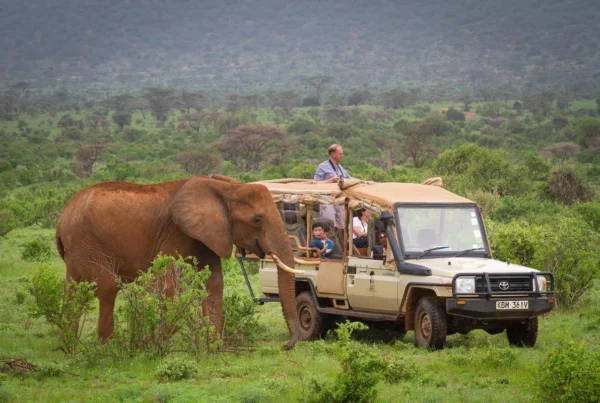
Uganda, often celebrated as the Pearl of Africa, is a land of extraordinary contrasts, where endless savannahs meet lush rainforests and snow-capped mountains rise above shimmering lakes. Among its many attractions, game drives remain one of the most exhilarating ways to explore the country’s wild treasures. The search for the Big Five (lion, leopard, elephant, buffalo, and rhinoceros) has long been a defining feature of African safaris, and Uganda presents unique opportunities to encounter these magnificent animals in their natural habitats. Unlike in some destinations where wildlife is confined to specific regions, Uganda offers a diverse range of ecosystems, ensuring every game drive feels distinct and rewarding. The experience is not only about spotting the Big Five but also about immersing oneself in the breathtaking landscapes and the vibrant biodiversity that defines Uganda’s protected areas.

Game drives in Uganda take travelers beyond mere wildlife sightings; they allow one to witness raw, untamed wilderness unfolding before the eyes. The anticipation of scanning the horizon, the thrill of hearing distant roars or the rustle of a herd in the grass, and the satisfaction of seeing wildlife behavior up close create memories that last a lifetime. The Big Five remain the most sought-after, but Uganda’s parks also offer abundant encounters with antelopes, giraffes, zebras, hippos, and countless bird species. Each drive brings forth the opportunity for surprise, ensuring that no two experiences are ever the same.

Where to Go

Uganda is home to several protected areas that are ideal for game drives, with Murchison Falls National Park standing as the country’s largest and most iconic safari destination. The park’s sweeping savannahs, bisected by the mighty River Nile, offer excellent chances of encountering lions stalking their prey, elephants grazing in herds, and buffalo wandering near the riverbanks. Its dramatic backdrop of the thundering Murchison Falls adds an element of grandeur that few other safari locations can match.

Further south lies Queen Elizabeth National Park, Uganda’s most popular reserve, famed for its varied landscapes ranging from open grasslands to crater lakes and wetlands. It is here that the elusive leopard may be spotted resting on the branches of ancient fig trees, while large herds of elephants and buffalos roam the Kasenyi plains. The Ishasha sector of Queen Elizabeth is particularly renowned for its rare tree-climbing lions, a sight that is both iconic and uniquely Ugandan.

For travelers seeking the full Big Five, Ziwa Rhino Sanctuary completes the experience. Situated conveniently between Kampala and Murchison Falls, it is the only place in Uganda where rhinos can be seen in the wild. Combined with the other parks, it ensures that all five of Africa’s legendary animals can be encountered within Uganda’s borders. Smaller yet rewarding destinations such as Lake Mburo National Park and Kidepo Valley National Park also offer spectacular drives, each with distinct wildlife highlights and landscapes.

How to Get There

Reaching Uganda’s safari destinations is relatively straightforward, with Entebbe International Airport serving as the primary gateway for international visitors. From here, domestic flights operated by regional carriers connect to airstrips near key parks such as Pakuba in Murchison Falls, Kasese for Queen Elizabeth, and Apoka for Kidepo Valley. These flights save time and provide scenic aerial views of Uganda’s diverse terrain.

For those who prefer overland travel, Uganda’s road network offers rewarding journeys, often passing through rural villages and stunning countryside before arriving at the parks. Traveling by road allows one to experience the landscapes gradually, giving a sense of Uganda’s character beyond the national parks. Transfers are usually arranged by tour operators, ensuring comfort and safety while en route to the safari destinations. Whether by road or air, the journey itself often feels like part of the adventure, preparing travelers for the wonders that await on the game drives.

The Experience

Game drives in Uganda typically take place in the early morning or late afternoon, when wildlife is most active. The excitement begins the moment the safari vehicle ventures onto the open savannah, where the golden light of dawn illuminates the grasslands. Each drive is guided by professional rangers whose knowledge of animal behavior and the landscape enriches the experience. The first sight of a lion pride resting under the shade of an acacia tree or elephants moving in stately procession across the plains fills the air with awe.

The Big Five dominate the imagination, yet the experience is made even richer by the countless other animals encountered. Herds of Uganda kob leap gracefully through the grass, giraffes browse at treetops, and warthogs scurry past in comical fashion. Birdlife adds another dimension, with Uganda boasting more than 1,000 species, including fish eagles, kingfishers, and the rare shoebill stork. The sense of unpredictability ensures that every game drive is thrilling, as no one knows what lies just beyond the next bend.

Night drives, offered in select parks, provide an additional layer of excitement. The chance to see nocturnal animals such as leopards on the hunt, hyenas scavenging, or bush babies leaping between trees creates an entirely different atmosphere. The wilderness feels alive in every moment, immersing travelers in the rhythms of nature.

Other Things to Do

While game drives remain central to Uganda’s safari experience, visitors often enrich their journeys by engaging in other activities. Boat safaris on the Kazinga Channel in Queen Elizabeth and the Nile in Murchison Falls offer unique perspectives on wildlife, particularly hippos, crocodiles, and elephants gathering at the water’s edge. These experiences complement the drives, allowing for close encounters in tranquil settings.

Guided nature walks are available in several parks, including Lake Mburo and Kidepo Valley, where the smaller wonders of the ecosystem can be appreciated. Walking safaris provide a more intimate connection with the environment, from tracking animal footprints to discovering medicinal plants used by local communities. Cultural encounters also play an important role, as neighboring communities share traditions, music, and stories that highlight the deep relationship between people and the natural world.

By combining game drives with these other experiences, travelers gain a fuller understanding of Uganda’s rich natural and cultural heritage, ensuring that the safari is both diverse and deeply rewarding.

Best Time to Visit

Uganda’s national parks can be visited year-round, but the dry seasons from June to September and December to February are generally considered the best times for game drives. During these months, wildlife is easier to spot as animals gather around water sources and vegetation is less dense. The dry conditions also make the roads within the parks more accessible, enhancing the overall safari experience.

The rainy seasons, from March to May and October to November, transform the landscape into a lush green paradise. While drives can be more challenging due to muddy tracks, the scenery is breathtaking, and fewer tourists mean quieter, more exclusive encounters with wildlife. Birdwatching is particularly rewarding during the rains, as migratory species flock to Uganda, adding to the country’s already impressive avian diversity.

Ultimately, the choice of when to visit depends on personal preferences. Those who seek easier tracking of the Big Five may prefer the dry months, while those drawn to vibrant landscapes and tranquility may find the wet seasons equally appealing.

A Trek That Transforms

A safari in Uganda is not only about personal enjoyment but also about contributing to conservation and supporting local communities. Visitors are encouraged to travel responsibly by respecting park rules, minimizing environmental impact, and supporting eco-friendly lodges and tour operators. By choosing sustainable options, travelers help protect Uganda’s national parks and the species that inhabit them, ensuring that future generations will also experience their wonder.

Wildlife conservation in Uganda faces challenges such as poaching and habitat loss, but tourism plays a vital role in funding protection and creating incentives for preservation. Engaging with local communities through cultural visits and purchasing locally made crafts also ensures that the benefits of tourism extend beyond the parks. Every responsible choice made by a traveler contributes to the sustainability of Uganda’s wildlife and cultural heritage.

Travel with Confidence

Uganda’s game drives and Big Five safaris offer an unforgettable journey into the heart of Africa’s wilderness. From the sweeping savannahs of Murchison Falls to the dramatic landscapes of Queen Elizabeth and the remote beauty of Kidepo, every park reveals its own unique treasures. The thrill of encountering lions, leopards, elephants, buffalos, and rhinos is amplified by the abundance of other wildlife and the breathtaking scenery that frames the adventure.

For those seeking a safari that combines diverse landscapes, abundant wildlife, and meaningful cultural encounters, Uganda stands as a destination of exceptional beauty and richness. Every game drive tells a new story, and every sighting deepens the connection to nature. To make this journey seamless and unforgettable, travelers are encouraged to book their Africa tours and safaris through WildHorn Africa, whose expertise and passion for the wild ensure that every moment in Uganda becomes a cherished memory.

Together We Build your dream holiday
Customize your experience
Customize

Murchison Falls National Park

Murchison Falls National Park is Uganda’s largest and oldest conservation area, renowned for its breathtaking waterfall, classic wildlife safaris, and the mighty Nile River. This park offers an unforgettable blend of dramatic scenery, diverse ecosystems, and abundant wildlife, making it a must-visit destination for nature lovers and adventure seekers.

Queen Elizabeth National Park

Queen Elizabeth National Park is Uganda’s most popular and scenic savannah park, famed for its rich diversity of wildlife, stunning landscapes, and varied ecosystems. Situated in western Uganda, this iconic park offers visitors the chance to experience classic African safaris, birdwatching, crater lakes, boat cruises, and cultural interactions—all in one destination.

Ziwa Rhino Sanctuary

Hidden within the rolling savannahs of central Uganda lies a conservation success story that resonates far beyond the borders of East Africa. Ziwa Rhino Sanctuary, a 70-square-kilometer haven located in Nakasongola District, is the only place in Uganda where wild rhinos roam freely. More than just a wildlife destination, Ziwa symbolizes hope, resilience, and a national commitment to reversing extinction.

Kidepo Valley National Park

Kidepo Valley National Park is one of Uganda’s most remote and breathtaking safari destinations. Tucked away in the rugged northeastern corner of the country, near the borders with South Sudan and Kenya, this park offers raw wilderness, striking landscapes, and some of Africa’s most elusive wildlife. Its vast savannahs, mountains, and dry riverbeds evoke a sense of untouched Africa rarely found elsewhere.

Grandeur

Experience the grandeur of Africa with WildHorn Africa, where every safari is designed to showcase the continent’s breathtaking landscapes and majestic wildlife.

24/7 support

Enjoy peace of mind with 24/7 support from WildHorn Africa, ensuring expert assistance before, during, and after your safari adventure.

Safety

Your safety is our top priority at WildHorn Africa, with expertly guided safaris and trusted partners ensuring a secure and worry-free adventure.

Price-quality ratio

WildHorn Africa offers exceptional price-quality ratio, delivering top-tier safari experiences at competitive rates without compromising on comfort.

Chimpanzee Tracking in Uganda

Chimpanzee Tracking in Uganda

By Travel guides, Uganda travel guides

Chimpanzee Tracking in Uganda 

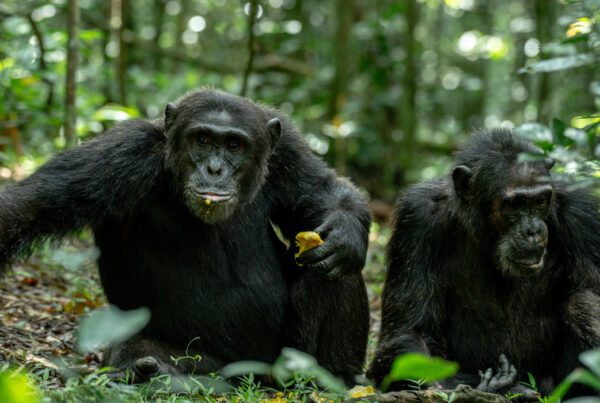
In the mist-laced jungles and sun-dappled canopies of Uganda, a singular thrill awaits those who venture deep into its ancient forests. Chimpanzee tracking is not just an expedition; it is an intimate encounter with our evolutionary relatives, a visceral experience that bridges the human-animal divide. As their eyes meet yours through the tangled green, the connection feels less like observation and more like recognition.

Uganda, often lauded for its mountain gorilla safaris, is equally a sanctuary for one of the world’s most intelligent and expressive primates. In fact, it holds the reputation as East Africa’s premier destination for those seeking chimpanzee encounters in the wild. With its diverse ecosystems and well-managed conservation efforts, the country offers some of the most reliable and ethical primate tracking opportunities found anywhere on the continent.

Why to Go

Chimpanzees (Pan troglodytes) are not just another species to observe; they are beings of remarkable intelligence, emotion, and social complexity. Capable of tool use, problem-solving, and nuanced vocal communication, they exist in communities marked by drama, playfulness, alliances, and even political maneuvering. Observing them in their natural habitat is to witness a mirror of ourselves, shaped not by concrete cities but by ancient trees and the rhythms of the wild.

Uganda is home to over 5,000 chimpanzees, with Kibale Forest National Park considered the beating heart of chimpanzee tracking in Africa. With a tracking success rate above 90%, Kibale is unrivaled in its consistency and biodiversity. The forest, thick with figs, mahoganies, and swampy grasslands, supports thirteen primate species in total, making it the most primate-rich area on the continent.

Also notable are Kyambura Gorge in Queen Elizabeth National Park, Budongo Forest near Murchison Falls, and Kalinzu Forest Reserve. Each location offers its own flavor of experience, from the surreal gorge descents into Kyambura’s sunken rainforest to the drier, towering mahogany trails of Budongo. These varied environments allow travelers to engage not just with chimpanzees, but with the ecological richness and subtle beauty of Uganda’s wilderness.

Key Tracking Destinations

Uganda has earned its reputation as the primate capital of Africa, and chimpanzee tracking is available in several iconic locations:

Kibale National Park stands as the premier destination, often referred to as the world’s primate haven. Home to over 1,500 chimpanzees, the park offers the highest success rate for sightings, making it a favorite among travelers. Guided walks here provide not only encounters with chimpanzees but also opportunities to spot red colobus monkeys, L’Hoest’s monkeys, and countless bird species.

Budongo Forest, located near Murchison Falls National Park, is another remarkable site, known for its towering mahogany trees and large chimpanzee community. The forest’s expansive trails give visitors a sense of immersion in a pristine wilderness, with encounters that feel raw and authentic.

Kyambura Gorge, tucked within Queen Elizabeth National Park, provides a contrasting experience. Nicknamed the “Valley of Apes,” this dramatic gorge is a lush oasis carved into an otherwise savannah-dominated landscape. Tracking chimpanzees here carries an added sense of adventure, as the setting is both unusual and visually stunning.

Each of these destinations has its own charm, and together they ensure that chimpanzee tracking is accessible and diverse across Uganda’s safari circuit.

How to Get There

Chimpanzee tracking begins with access, and in Uganda, that journey is both straightforward and enriching. Entebbe International Airport, located near the capital Kampala, serves as the main gateway. From here, domestic travel branches out via well-maintained road networks or short chartered flights.

To reach Kibale Forest, one can take a scenic drive through the tea-covered highlands of western Uganda to the town of Fort Portal, a cultural and logistical base for most visitors. This road journey, though several hours long, offers views of crater lakes, traditional villages, and the Rwenzori Mountains that rise like ghosts on the horizon.

From Fort Portal, the entrance to Kibale lies a short distance away, and the day begins early. Trekkers gather for a briefing led by Uganda Wildlife Authority rangers, who explain the guidelines, history of the chimpanzee groups, and forest etiquette. Habituated chimpanzee communities are visited under strict regulation to ensure minimal impact, with trackers and researchers often heading out hours before to locate the groups.

The trek itself can range from thirty minutes to several hours, depending on the movement of the chimpanzees. Unlike gorillas, chimps are more dynamic, agile, and elusive. The reward, however, is immense. Suddenly the trees erupt with movement, a chorus of hoots fills the canopy, and you are surrounded by a drama of swinging limbs, alpha calls, maternal tenderness, and juvenile mischief. Cameras click, hearts race, and the air thickens with an unmistakable sense of wonder.

The Tracking Experience

Chimpanzee tracking usually begins with a briefing from park rangers, who explain forest etiquette, safety protocols, and conservation importance. Groups are then guided into the forest, often for two to four hours, depending on the movement of the chimpanzees.

Once the troop is found, visitors spend up to one hour observing them in their natural routines—feeding on fruits, grooming each other, playing, or engaging in vocal communication. The soundscape of a chimpanzee troop is unforgettable: loud hoots, pant-hoots, and drumming on tree trunks reverberate through the forest, creating an atmosphere of vibrant energy.

Unlike other wildlife encounters, chimpanzee tracking is deeply interactive. The primates often react to human presence with curiosity, glances, and sometimes displays, reminding visitors that they are not passive subjects but active participants in the forest drama.

Other Things to Do

While the chimps are the stars, Uganda does not dim the lights elsewhere. In and around Kibale, numerous activities await the curious traveler. The Bigodi Wetland Sanctuary, located just outside the park, offers community-run birding and wildlife walks that reveal over 200 species of birds, otters, monkeys, and rare swamp plants. The sanctuary’s boardwalks and local guides make it an accessible and informative complement to the more rugged forest trek.

Nearby, the crater lakes region provides an almost dreamlike landscape for hiking, canoeing, and cultural tours. Hills rise steeply around ancient volcanic lakes, and the quiet villages nestled along the shores offer authentic hospitality. Guided walks between lakes, banana plantations, and artisanal shops introduce visitors to the slower, reflective rhythms of rural Ugandan life.

For those heading toward Murchison Falls National Park after visiting Budongo Forest, classic savannah safaris come into play. Game drives yield sightings of lions, giraffes, elephants, and buffalo, while a boat cruise to the dramatic falls showcases the power of the Nile. The juxtaposition of chimpanzee tracking and big-game viewing creates a diverse and fulfilling itinerary.

Best Time to Visit

Chimpanzee tracking is available all year, but the optimal times fall within the dry seasons of December to February and June to August. During these periods, trails are less slippery, visibility is higher, and forest treks become more predictable in duration and difficulty.

That said, the wet seasons between March to May and September to November have their own appeal. The forests are at their greenest, and chimpanzees often remain closer to the starting points as fruit becomes more abundant near the forest edge. These months also offer more solitude, as fewer tourists visit, providing a more intimate experience with nature.

Regardless of the season, preparation is essential. Trekkers should wear sturdy boots, long trousers, and carry rain gear. A sense of patience, curiosity, and humility enhances the experience, as the forest is not a zoo but a living world of its own rhythms and rules.

A Trek That Transforms

Chimpanzee tracking in Uganda does not just linger in photographs. It roots itself deeper—in the memory, in the understanding, and in the consciousness. To see such emotion in a creature’s eyes, to witness the delicate bonds of grooming, to hear the collective chorus that echoes across treetops—these are experiences that gently shift how one views the natural world.

Uganda, with its layered ecosystems and deep commitment to conservation, offers more than an escape. It offers a reckoning with what we share with the wild. Each trek helps fund conservation, support local communities, and foster a world where humans and chimpanzees can coexist. In this delicate balance lies the true power of ecotourism: transformation not just for the traveler, but for the land itself.

Travel with Confidence

For those ready to walk beneath cathedral-like forests and meet eyes with beings who reflect our own, Uganda is calling. To experience it at its most immersive and ethically guided, trust those who know the terrain, the people, and the pulse of the jungle. Book your Africa tours and safaris with WildHorn Africa, where every journey becomes a story, and every encounter opens a door to something greater.

Let the forest speak. Let the chimps teach. Let WildHorn Africa lead you there.

Together We Build your dream holiday
Customize your experience
Customize

Kibale National Park

Kibale National Park is one of Uganda’s premier safari destinations, world-renowned for its dense tropical rainforest, extraordinary biodiversity, and unmatched chimpanzee trekking experiences.

Kalinzu Forest

Hidden in the mist-clad highlands of western UgandaKalinzu Forest stands as a mesmerizing testament to the power of nature to heal, awaken, and astonish.

Budongo Forest

Deep in the heart of northwestern Uganda, where the vast savannah of Murchison Falls National Park meets the lush embrace of the Albertine Rift, lies one of the most biologically rich and ecologically significant rainforests in East Africa—Budongo Forest.

Kyambura Gorge

Kyambura Gorge is more than a geographical marvel; it is a sanctuary of unique ecosystems, a vital conservation area, and a magnet for travelers seeking intimate encounters with Uganda’s most fascinating wildlife.

Grandeur

Experience the grandeur of Africa with WildHorn Africa, where every safari is designed to showcase the continent’s breathtaking landscapes and majestic wildlife.

24/7 support

Enjoy peace of mind with 24/7 support from WildHorn Africa, ensuring expert assistance before, during, and after your safari adventure.

Safety

Your safety is our top priority at WildHorn Africa, with expertly guided safaris and trusted partners ensuring a secure and worry-free adventure.

Price-quality ratio

WildHorn Africa offers exceptional price-quality ratio, delivering top-tier safari experiences at competitive rates without compromising on comfort.

Gorilla Trekking in Uganda

Gorilla Trekking in Uganda

By Travel guides, Uganda travel guides

Gorilla Trekking in Uganda 

In a world increasingly defined by speed and screens, there still exist corners of the Earth where time slows, silence speaks, and the gaze of another species reveals something profoundly human. Gorilla trekking in Uganda is not simply an excursion; it is a journey into a living Eden. It is where the dense mist rises from emerald valleys, and ancient rainforests pulse with secrets whispered by the wind through leaves. Here, amidst towering trees and tangled vines, one of the rarest encounters in the natural world awaits: standing mere meters away from a family of wild mountain gorillas.

Uganda is one of only three countries on the planet where these endangered creatures live in their natural habitat, and it is the only country that combines high biodiversity, cultural richness, and accessibility with such profound ecological integrity. Gorilla trekking in this East African gem is more than a bucket-list item—it is a life-altering experience etched in the minds of those privileged enough to share in it.

Why Go

The mountain gorilla, known scientifically as Gorilla beringei beringei, teeters on the brink of extinction, with just over 1,000 individuals remaining globally. Uganda is home to more than half of this population, spread across the thick forests of Bwindi Impenetrable National Park and Mgahinga Gorilla National Park. These protected areas are part of the Virunga Massif and the Albertine Rift—regions recognized as some of the most biologically diverse ecosystems on Earth.

What draws travelers from across the globe to Uganda’s jungles is not simply the act of seeing a gorilla. It is the depth of the encounter. After hours of guided trekking through challenging terrain, often involving steep inclines, slippery paths, and dense undergrowth, visitors are rewarded with a precious 60-minute window in which to quietly observe a habituated gorilla family. It is a sacred silence, broken only by the sounds of the forest and the gentle grunts or playful gestures of a species whose emotional expressions so closely mirror our own.

Unlike traditional safaris where distance is often a barrier, gorilla trekking places one face-to-face with emotion, intelligence, and primal connection. Infants tumble through the ferns, juveniles test their strength, and dominant silverbacks command presence with dignified calm. There is no fence, no glass, only the raw, unscripted reality of shared space.

This intimacy is made possible by decades of careful conservation, where selected gorilla families have undergone habituation—an extensive process whereby these wild animals gradually learn to tolerate human presence without losing their natural behaviors. The result is an encounter that feels authentic yet deeply respectful, orchestrated not for spectacle but for stewardship.

How to Get There

Reaching the gorilla trekking parks of Uganda is part of the adventure. Most international travelers arrive through Entebbe International Airport, situated near the capital city, Kampala. From there, travelers can choose between domestic flights to nearby airstrips such as Kisoro or Kihihi, or embark on a scenic road trip spanning 8 to 10 hours to reach the trekking regions.

The roads, while winding and occasionally rugged, weave through some of Uganda’s most stunning landscapes: lush tea plantations, mist-shrouded hills, bustling rural towns, and vibrant markets. The journey itself becomes a cultural and sensory immersion, offering insight into Uganda’s soul long before the trek even begins.

Once at the park, orientation begins early in the morning at designated visitor centers. Guests are grouped into small parties of no more than eight, each assigned to a specific gorilla family. Accompanied by armed rangers and skilled trackers, the trek begins—its length and difficulty determined by the gorillas’ location that day. Some encounters may take just an hour of hiking, while others require up to five.

Regardless of the path taken, the anticipation builds with every step. Each bend in the trail carries the possibility of discovery, and when the trackers finally signal the presence of a gorilla family, a silence settles in, almost reverent. Cameras are drawn. Hearts quicken. And then the forest parts to reveal beings of such stature and soul that the world momentarily stops.

Other Things to Do

Though gorilla trekking is undeniably the centerpiece, Uganda is not a one-note destination. Within proximity to both Bwindi and Mgahinga, travelers can delve into an array of other remarkable experiences. Birdwatchers will find paradise here, with Bwindi alone hosting over 350 bird species, many of them endemic to the Albertine Rift.

Cultural encounters enrich the region’s appeal. Visits to the Batwa pygmy communities, the original forest dwellers of the area, provide insight into ancient lifestyles, storytelling traditions, and music that echo through generations. Such experiences deepen the connection between people, place, and conservation.

For the adventurous, hiking the Virunga volcanoes in Mgahinga or exploring the Bwindi forest trails opens up breathtaking views, hidden waterfalls, and botanical wonders. Lake Bunyonyi, just a short drive from the trekking zones, offers serene respite with canoe rides, island hopping, and cultural immersions along its terraced shores.

Meanwhile, Uganda’s other national parks—Queen Elizabeth, Murchison Falls, and Kidepo Valley—offer traditional game drives where elephants, lions, leopards, and countless other species roam free. Thus, a trip centered on gorilla trekking easily transforms into a comprehensive East African safari, diverse in experience and rich in reward.

Best Time to Visit

Gorilla trekking in Uganda is available year-round, but the best conditions are typically found during the dry seasons, which span December to February and June to August. During these months, the trails are less muddy, visibility improves, and the overall trekking experience becomes more manageable.

However, traveling in the shoulder months of March to May or September to November also has its merits. Fewer visitors mean more intimate group sizes and greater permit availability. The forests during these times are particularly lush and photogenic, with frequent sightings of young gorilla infants born during the previous wet season.

Importantly, Uganda’s equatorial climate means that rain is always a possibility. Trekkers should come prepared with proper gear, sturdy boots, and a willingness to embrace the unpredictable nature of true wilderness travel. It is precisely this unpredictability that makes the experience so authentic and fulfilling.

A Trek That Transforms

To describe gorilla trekking in Uganda as a tourist activity is to diminish its essence. It is, in truth, a pilgrimage—one that awakens a sense of humility and wonder. The sight of a silverback gently cradling its infant, the knowing eyes of a mother gorilla meeting yours across a curtain of leaves, the laughter that erupts as a juvenile tumbles through the undergrowth—these are not fleeting moments. They are markers of a deeper understanding.

In an age where humanity often feels detached from the natural world, trekking through Uganda’s forests becomes a bridge—connecting not just species but souls. It is a reminder that preservation is not about numbers or laws alone. It is about relationships, respect, and the will to protect what is precious.

For those who seek meaning in their journeys, Uganda delivers not only memories but purpose.

Travel with Confidence

For those ready to answer the call of the wild and witness one of Earth’s most extraordinary spectacles, the path leads to Uganda. And the best way to walk it is with those who know it intimately. Book your Africa tours and safaris with WildHorn Africa, where every trek is thoughtfully curated, every guide deeply knowledgeable, and every encounter crafted to echo for a lifetime.

Let the forest speak to you. Let Uganda change you. Let WildHorn Africa lead the way.

Together We Build your dream holiday
Customize your experience
Customize

Bwindi gorilla trekking

Hidden within the misty embrace of southwestern Uganda lies Bwindi Impenetrable National Park, a mystical realm where

Mgahinga gorilla trekking

Mgahinga Gorilla National Park. Though modest in size compared to its renowned neighbor, Bwindi, this park is a crown jewel of conservation

Grandeur

Experience the grandeur of Africa with WildHorn Africa, where every safari is designed to showcase the continent’s breathtaking landscapes and majestic wildlife.

24/7 support

Enjoy peace of mind with 24/7 support from WildHorn Africa, ensuring expert assistance before, during, and after your safari adventure.

Safety

Your safety is our top priority at WildHorn Africa, with expertly guided safaris and trusted partners ensuring a secure and worry-free adventure.

Price-quality ratio

WildHorn Africa offers exceptional price-quality ratio, delivering top-tier safari experiences at competitive rates without compromising on comfort.

Close Menu