search
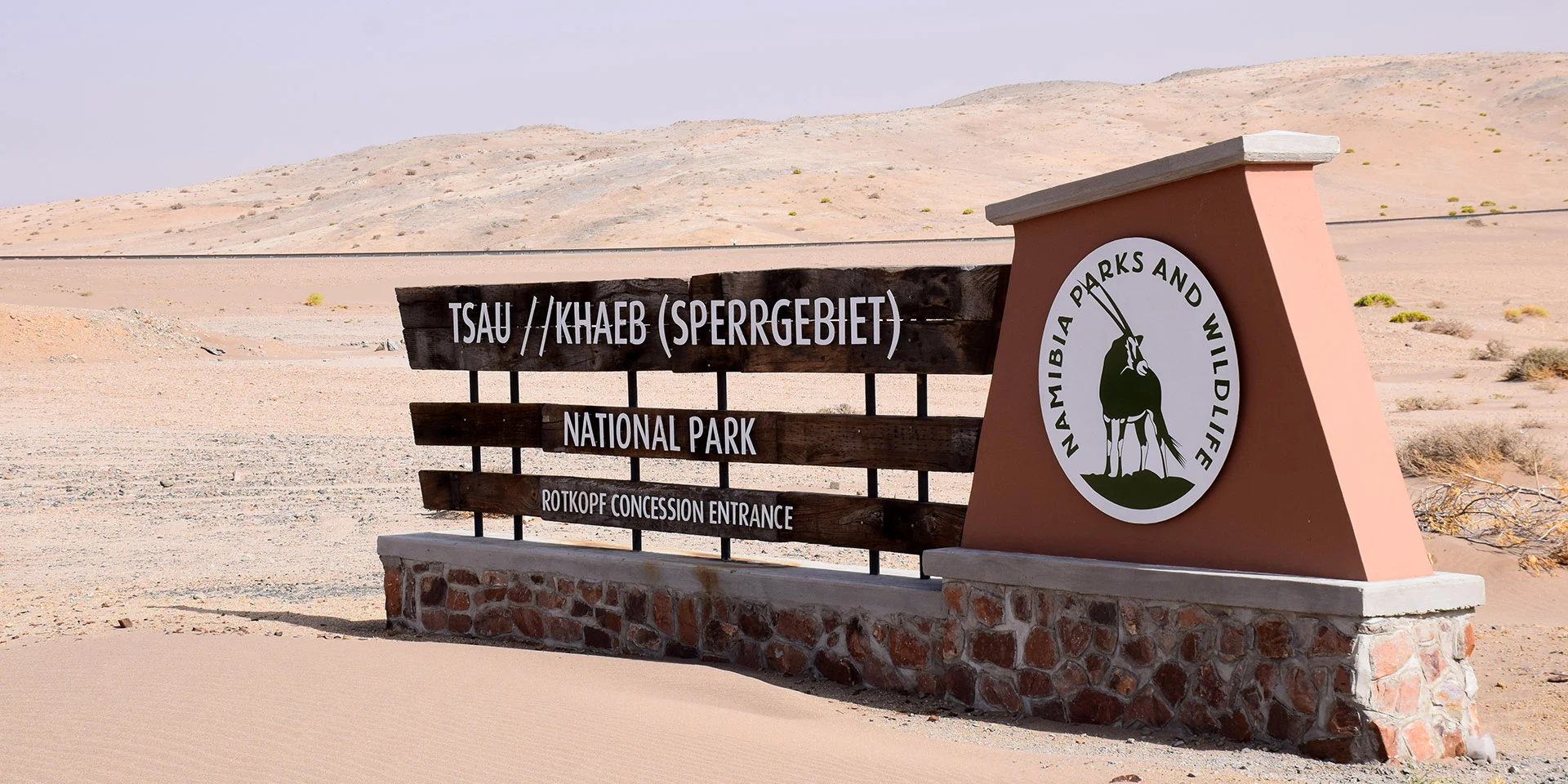
Tsau //Khaeb (Sperrgebiet) National Park

Tsau //Khaeb (Sperrgebiet) National Park

By Namibia places to visit, Where to go

Tsau //Khaeb (Sperrgebiet) National Park

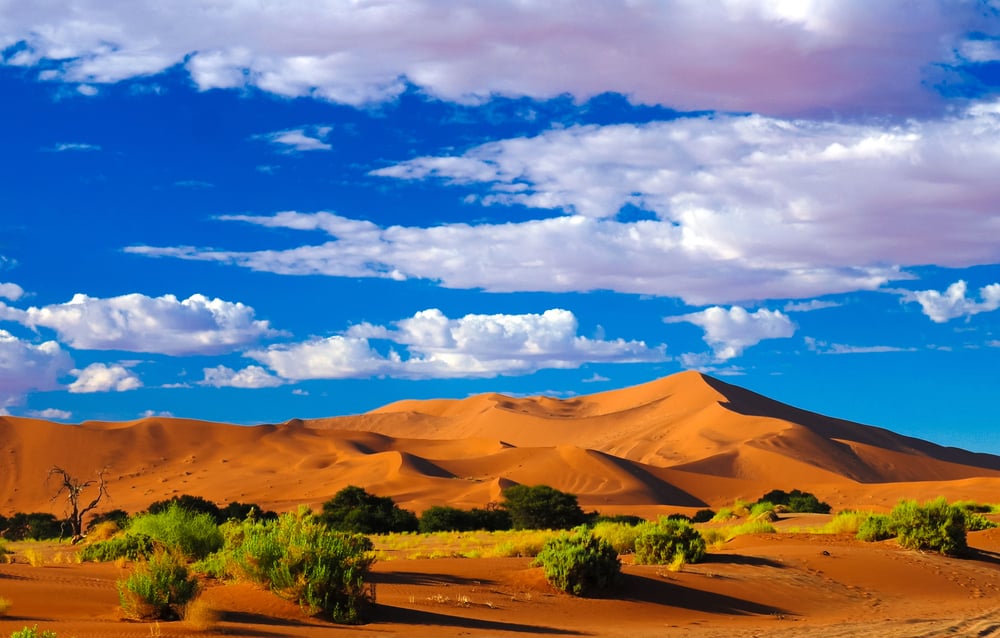
Tsau //Khaeb (Sperrgebiet) National Park: Stretching across Namibia’s remote south-western coastline, the park now known as Tsau//Khaeb (formerly the Sperrgebiet, or “forbidden area”) carries a name that translates from the local Khoekhoegowab language roughly as “deep sandy soils” — a fitting description for a place of sweeping desert, ancient dunes, and hidden life.

Tsau //Khaeb (Sperrgebiet) National Park packages

Get inspired by our trip ideas to Tsau //Khaeb (Sperrgebiet) National Park
View More

Tsau //Khaeb (Sperrgebiet) National Park

Together We Build your dream holiday
Customize your experience
Customize
Tsau //Khaeb (Sperrgebiet) National Park monthly guide

General Climate

January ushers in the Namibian summer with warm to hot daytime temperatures ranging between 25°C and 33°C inland, though the coastal areas near Lüderitz remain cooler due to Atlantic breezes. Early mornings and evenings are often blanketed in fog, feeding moisture to the desert plants that depend on condensation rather than rain. The air is dry inland but humid near the coast, and days are long with brilliant sunlight.

This month offers a vivid, high-contrast landscape ideal for photography. The dunes glow in shades of amber and red, the Atlantic gleams silver, and the ghost towns of Kolmanskop appear surreal under the bright summer light. The atmosphere feels energetic — alive with colour and warmth. For travellers seeking dramatic desert imagery or quiet coastal walks before the midday heat, January is both bold and beautiful.

General Climate

February continues the summer pattern but introduces denser fog and slightly higher humidity, especially in coastal zones. Temperatures hover between 24°C and 30°C, while inland areas may rise higher. The mornings often begin with thick mist that slowly dissipates into bright blue skies.

February’s fog creates an ethereal, dreamlike mood. The light is softer, giving the dunes and ghost towns a painterly tone. It’s a wonderful time for atmospheric photography, particularly near Bogenfels Arch and the coastline, where mist, sand, and sea merge in haunting beauty. Desert wildlife — small mammals and reptiles — becomes more active as moisture levels rise, offering subtle but meaningful encounters for patient observers.

General Climate

March marks a transition from the intense heat of summer to more moderate temperatures. Daytime averages range between 20°C and 28°C, with coastal breezes offering comfort. Winds begin to calm, and visibility improves as summer haze fades. Nights grow cooler but remain pleasant.

March is a month of balance and tranquillity in Tsau//Khaeb. It’s ideal for travellers seeking milder weather for exploration and photography. The desert’s colours deepen, the air feels cleaner, and sunsets over the dunes are breathtaking. Roads remain firm and dry, and fog less frequent, allowing longer days for 4×4 excursions into the park’s interior.

General Climate

April brings the onset of autumn in Namibia, marked by calmer winds and comfortable temperatures between 18°C and 28°C. The heat softens, humidity drops, and skies are crystal clear. Early mornings can be cool, while afternoons remain warm enough for exploration.

April is one of the most comfortable and visually rewarding months to visit. The absence of strong wind makes it perfect for photography and guided drives. The light quality is exceptional, casting long golden shadows across the dunes and rocky hills. It’s a month when travellers can fully appreciate both the park’s stillness and its subtle palette of desert hues.

General Climate

May signals the start of Namibia’s winter, with temperatures cooling to 16°C–25°C during the day and dropping below 10°C at night. Winds are gentle, skies are cloudless, and fog along the coast continues to feed the unique desert flora.

May’s crisp air and golden light make it ideal for travellers who prefer cooler conditions. It’s an excellent time for long desert drives and panoramic photography, as visibility is outstanding. The succulents are at their healthiest, thriving on fog moisture, and the stark clarity of the landscape creates breathtaking images at sunrise and sunset.

General Climate

June falls in the heart of the cool, dry winter season. Morning temperatures can be chilly, dropping to 8°C or lower, while afternoons reach 22°C–26°C. Coastal fog is still frequent but light, and the winds that dominate summer are mostly absent. The air is remarkably clear, and the desert sky turns a deep cobalt blue.

This is one of the best months to experience Tsau//Khaeb’s quiet majesty. The low sun angle enhances the desert’s sculpted contours, and the lack of wind creates perfect conditions for photography. Night skies are crystal-clear, making stargazing unforgettable. Travellers who love solitude and serenity will find June a poetic time to explore this untamed landscape.

General Climate

July continues the cool, dry conditions of winter. Days are mild, averaging 20°C–25°C, and nights can be quite cold, sometimes dipping near 5°C. Fog rolls inland from the coast in the mornings, retreating by midday to reveal a landscape crisp and golden.

July offers some of the most comfortable travel conditions in Namibia. The stillness of the desert at this time is extraordinary, and the cool air allows for extended exploration. This is also a great month for travellers who appreciate solitude — visitor numbers are low, and the ghost towns feel truly timeless under the winter sun.

General Climate

August is Namibia’s driest and windiest month in some regions, but in Tsau//Khaeb the coastal influence softens the extremes. Temperatures range between 18°C and 26°C, with chilly mornings and evenings. Winds pick up intermittently but bring little discomfort due to the moderate climate.

August is ideal for those who love a sense of adventure and wide-open horizons. The dunes appear sharper under the crisp winter light, and the dramatic shadows create breathtaking visuals. Clear skies dominate, making it perfect for travellers interested in night photography and celestial observation. It’s also a time when desert wildlife is easiest to spot as animals cluster around scarce water sources.

General Climate

September marks the transition from winter to spring, bringing gradually warmer days and milder nights. Average temperatures rise to 24°C–28°C, with clear mornings and gentle afternoon winds. The fog remains, though less dense, providing life-sustaining moisture to the succulents and lichen fields.

September is a photographer’s dream. The desert begins to stir again after winter’s quiet, and early signs of plant activity appear. This is an excellent month for travellers who wish to explore both the coast and interior without extreme heat or cold. The balance of light, temperature, and calm weather makes September one of the most inviting months of the year.

General Climate

October brings warmer and drier conditions, marking the start of the pre-summer period. Daytime temperatures rise to 30°C inland, though the coast remains cooler. Winds can increase slightly, particularly in the afternoons, but mornings and evenings remain tranquil and photogenic.

October offers striking contrasts — bright light, long days, and intense colours. The desert’s reds and golds come alive again, and it’s a prime time for capturing the vastness of Tsau//Khaeb in all its raw glory. Travellers looking for a balance of adventure and comfort will find this month perfect for both exploration and relaxation.

General Climate

November reintroduces the early heat of summer, with daytime highs between 28°C and 34°C inland. Coastal fogs intensify once again, feeding the unique desert ecosystems. Winds may rise intermittently, especially in the afternoons, but mornings remain still and serene.

This is the beginning of the dramatic light season, when the contrast between fog and sunlight transforms the dunes into luminous canvases. The coastal belt feels otherworldly, and the inland areas shimmer under a golden haze. For travellers drawn to atmospheric beauty and striking photography, November’s interplay of mist and heat creates extraordinary conditions.

General Climate

December is the height of summer in Namibia, with daytime temperatures averaging 30°C–35°C, though the coastal fog moderates heat significantly near Lüderitz. Days are long and bright, while evenings bring cool ocean breezes that soften the warmth.

December offers a vibrant, cinematic version of the desert. The air is filled with movement — shifting sands, seabird calls, and soft winds off the Atlantic. It’s an excellent month for travellers seeking vivid colour, long daylight hours, and solitude. While some days can be hot inland, the evenings are magical, with sunsets that set the desert ablaze in hues of fire and rose gold.
Why choose us

Grandeur

Experience the grandeur of Africa with WildHorn Africa, where every safari is designed to showcase the continent’s breathtaking landscapes and majestic wildlife.

24/7 support

Enjoy peace of mind with 24/7 support from WildHorn Africa, ensuring expert assistance before, during, and after your safari adventure.

Safety

Your safety is our top priority at WildHorn Africa, with expertly guided safaris and trusted partners ensuring a secure and worry-free adventure.

Price-quality ratio

WildHorn Africa offers exceptional price-quality ratio, delivering top-tier safari experiences at competitive rates without compromising on comfort.

Dorob National Park

Dorob National Park

By Namibia places to visit, Where to go

Dorob National Park: Where Desert Meets Ocean in a Dance of Life

Introduction: Discover Namibia’s Coastal Wilderness Wonder

Imagine a land where dunes kiss the sea, where wind-sculpted sands stretch into the horizon only to be interrupted by the wild crash of Atlantic waves. A land where life emerges from extremes, and where birds, jackals, and even desert-adapted plants thrive against all odds. This is Dorob National Park, one of Namibia’s most intriguing and geographically dramatic protected areas, bridging the rugged Namib Desert and the tempestuous Atlantic coastline.

Dorob National Park is not your typical safari destination. It is not about lions stalking prey across grasslands or elephants drinking from riverbanks — though wildlife is certainly present. Instead, Dorob’s magic lies in its haunting landscapes, coastal ecosystems, and delicate interplay between earth, sky, and sea. It is a park that challenges your understanding of life in the desert, offering an immersive experience that is visual, atmospheric, and deeply meditative.

This article takes you on a journey through the heart of Dorob National Park — exploring its unique geography, fragile ecology, surprising wildlife, and why this park represents a critical frontier in modern conservation. Welcome to Namibia’s lesser-known jewel, where adventure is as much about silence and scenery as it is about species.

Geography and Landscape: A Confluence of Elements

Spanning over 107,540 square kilometers, Dorob National Park stretches along Namibia’s central coast, between the Swakop River in the south and the Ugab River in the north. It is a narrow but expansive coastal strip, sandwiched between the more well-known Skeleton Coast National Park and Namib-Naukluft Park, forming a contiguous conservation corridor that stretches from inland desert to oceanfront dunes.

The terrain of Dorob is shaped by both wind and water. Towering dunes, dry gravel plains, ephemeral riverbeds, rocky outcrops, and salt pans define the interior. Along the coast, cliffs and sandy beaches create vital breeding and feeding grounds for thousands of marine and coastal birds. The Atlantic Ocean — cold, wild, and nutrient-rich — adds a powerful contrast to the arid land, bringing in fog that sustains life where rain does not.

Dorob’s proximity to towns like Swakopmund and Walvis Bay makes it accessible, yet its vastness ensures that solitude is always within reach. You can drive for hours and encounter nothing but shifting light, whispering winds, and tracks in the sand. It is a land that lives in subtlety, revealing its wonders only to those willing to slow down and observe.

A Park of Modern Purpose: Conservation for People and Nature

Unlike many national parks that exclude human activity, Dorob National Park was established in 2010 with a modern conservation philosophy. It recognizes that humans are part of the ecosystem, and therefore accommodates controlled, sustainable use alongside ecological preservation. The park allows for tourism, sport fishing, photography, and scientific research, while strictly regulating activities that might harm the environment.

This multi-use approach reflects a bold shift in protected area management — one that sees conservation not as isolation, but integration. Dorob protects critical habitats for migratory birds and coastal species, while also ensuring that local economies benefit through tourism and responsible natural resource use. Its establishment brought together stakeholders from government, communities, tourism operators, and conservationists to create a blueprint for inclusive environmental stewardship.

Yet this model is not without challenges. Balancing ecological sensitivity with growing tourism demand requires constant monitoring, adaptive strategies, and public education. The park’s success is a reminder that protecting wild places in the 21st century is as much about policy and participation as it is about fences and patrols.

Ecology and Biodiversity: Fragile Life in Harsh Beauty

At first glance, Dorob may appear lifeless — an expanse of sand and stone under an unforgiving sky. But this illusion quickly dissolves as one tunes into the subtle signs of life. The park’s biodiversity is astonishing, precisely because it thrives under extreme constraints.

Along the coast, estuaries and salt pans like the Walvis Bay Lagoon and Swakopmund Salt Works teem with avian life. These wetlands are globally recognized as Ramsar Sites, hosting tens of thousands of flamingos, pelicans, cormorants, and other migratory waterbirds. During certain seasons, these areas become a spectacle of color and movement, as birds feed and rest before continuing their transcontinental journeys.

Further inland, specially adapted desert creatures live out quiet, resourceful lives. The fog-basking beetle, unique to the Namib, positions its body in such a way as to harvest condensation from ocean mists. Jackals and brown hyenas roam the dunes at night, while reptiles like the shovel-snouted lizard and Peringuey’s adder slither silently across sun-baked sand.

Plant life, though sparse, is equally impressive. Lithops, known as “living stones,” mimic the rocks around them to avoid herbivory. Succulents and desert shrubs draw moisture from the fog, anchoring the dunes and supporting miniature ecosystems below their shade. In Dorob, every living thing is a story of adaptation, endurance, and evolutionary brilliance.

Human Presence and Historical Echoes

Dorob is not just a landscape of natural wonder — it is also a place rich with cultural and historical significance. The region’s early inhabitants, the Khoisan, once roamed these coasts, hunting seals and gathering shellfish. Their rock engravings, tools, and archaeological traces can still be found in select areas of the park, hinting at a long and intimate human relationship with the sea and sand.

More recently, the coastal towns that border the park — particularly Swakopmund and Walvis Bay — have become hubs of both heritage and tourism. Swakopmund’s colonial architecture, German-inspired charm, and adventurous spirit provide a fascinating contrast to the raw desert just outside its limits. Walvis Bay, with its deep-water harbor, bird sanctuary, and kayaking opportunities, offers a rare convergence of commerce and conservation.

Visitors to Dorob can explore shipwrecks marooned along the coast, remnants of past maritime disasters caused by fog, shifting currents, and unpredictable tides. These ghostly relics tell the story of how harsh and unforgiving this coastline has always been — and how it continues to challenge those who venture too carelessly.

Experiences in Dorob: A Safari of a Different Kind

Dorob National Park invites exploration not through dense game drives, but through a diverse array of outdoor adventures that touch both land and sea. It is a safari of elements — where you swap savannah for sand and lions for flamingos, but the thrill of wild discovery remains.

One of the most iconic experiences is a guided tour into the dune belt, where naturalists reveal the secrets of desert survival. Here, you’ll learn to identify beetle trails, uncover geckos hiding under the sand, and witness how the tiniest creatures make a living in the harshest terrain. The dunes themselves are mesmerizing — sculpted by wind into shapes that shift daily, they create a dreamscape of gold and red that reflects the ever-changing light.

Adventure seekers can venture out on quad bikes or sandboards, feeling the rush of movement across an ancient landscape. Kayaking in Walvis Bay provides an up-close encounter with dolphins, Cape fur seals, and marine birds, while photography tours offer the chance to capture Dorob’s dramatic contrasts — from stark dunes to shimmering salt flats.

And for those who prefer stillness, Dorob offers one of Namibia’s most ethereal sunsets. As the sun dips below the Atlantic, the sand glows amber, the wind softens, and the world grows quiet — a moment where nature offers not spectacle, but peace.

Conservation Challenges and Responsibilities

Despite its protected status, Dorob is a fragile ecosystem facing real threats. Illegal off-road driving damages sensitive lichen fields and disrupts wildlife corridors. Pollution, especially from plastic waste and oil spills along the coast, endangers marine life and bird populations. Invasive plant species, urban sprawl, and increasing tourism pressure all require vigilant, ongoing management.

The park’s success depends not just on government enforcement but on visitor responsibility and community engagement. Every footprint, tire track, or discarded bottle leaves a mark in an ecosystem that takes decades to recover. Dorob asks us not only to admire its beauty but to act as conscious stewards of its future.

Why Dorob National Park Is an Essential Destination

Dorob National Park offers a safari of soul rather than spectacle. It challenges visitors to rethink what wilderness means, to look beyond the obvious, and to find awe in subtle complexity and silent resilience. It is a place of contrasts — between land and ocean, barrenness and abundance, solitude and vibrant life.

In a single visit, you can explore ancient dunes, paddle alongside marine mammals, witness a thousand flamingos rise in unison, and walk alone through silence so profound it becomes spiritual. Dorob is not just a destination — it is an experience of perspective, humility, and rediscovery.

Explore Dorob with WildHorn Africa

If Dorob National Park stirs your imagination and speaks to your wild spirit, it’s time to experience it for yourself. To ensure your journey is insightful, seamless, and unforgettable, trust the experts at WildHorn Africa.

With a passion for authentic travel and deep knowledge of Namibia’s unique environments, WildHorn Africa offers personalized tours that allow you to explore Dorob’s wonders while honoring its delicate ecosystems. Whether you seek photography, adventure, or reflection, they’ll craft the perfect journey into this coastal masterpiece.

Book your African tours and safaris with WildHorn Africa today — and step into the timeless magic of Dorob National Park, where desert dreams meet the rhythm of the sea.

Mangetti National Park

Mangetti National Park

By Namibia places to visit, Where to go

Mangetti National Park: Namibia’s Emerging Jewel of Conservation and Culture

A Journey Into the Future of African Wilderness

In a world where protected areas are often centuries-old legacies, Mangetti National Park stands as a beacon of modern conservation — a relatively new but powerful expression of Namibia’s commitment to sustainable wildlife protection and community-driven tourism. Tucked away in the northeastern part of the country, Mangetti is a small but significant national park, offering an immersive safari experience rich in biodiversity, cultural heritage, and ecological innovation.

Mangetti may not yet carry the international fame of Namibia’s Etosha or the mystique of the Zambezi parks, but that is precisely its charm. It is a place not yet crowded, still breathing in its natural rhythm, and waiting to reward those bold enough to explore its quiet strength. This article takes you deep into the landscapes, stories, and significance of Mangetti National Park — revealing why this rising star deserves a place on every African explorer’s itinerary.

Geography and Setting: Where Woodlands Meet Conservation Vision

Mangetti National Park spans approximately 420 square kilometers and is located within the eastern part of the Oshikoto Region. Its position is strategically important — bordering community land and lying within one of Namibia’s innovative conservancy corridors. The park forms part of the larger vision for integrated land use, where conservation and local livelihoods are not competing interests but mutually reinforcing goals.

The terrain of Mangetti is primarily characterized by dense Kalahari woodlands, made up of mopane trees, silver cluster-leaf, camel thorn, and other drought-tolerant species. These woodlands provide an ideal habitat for a diverse array of wildlife, creating a canopy that shelters both large and small creatures while sustaining unique plant species endemic to this part of Southern Africa.

Unlike the open plains of Namibia’s larger parks, Mangetti’s wooded nature gives the area an almost mysterious quality — you often hear the rustle of movement before you see the source. This makes every safari through Mangetti a thrilling encounter with the unexpected, whether it’s a herd of antelope darting through the brush or the subtle shadow of a predator stalking in silence.

A Model for Modern Conservation: Balancing Ecology and Community

Mangetti National Park is not just a haven for wildlife; it is a blueprint for future conservation models. Unlike many traditional parks that were created by fencing off land from local people, Mangetti was developed as a joint venture between the Namibian government and local communities, with a vision that marries biodiversity protection with social and economic empowerment.

This approach means that local communities are not seen as intruders or threats to conservation, but rather as co-guardians of the landscape. They participate in park management, benefit from tourism revenues, and are actively involved in anti-poaching and wildlife monitoring efforts. This model reduces conflict and creates powerful incentives for sustainable stewardship.

For visitors, this community-based model adds a meaningful layer to the safari experience. It is not just about observing wildlife but also about understanding the intricate social fabric that keeps the ecosystem thriving. You’re witnessing a park that functions both as a conservation area and as a source of dignity and opportunity for the people who live near it.

Wildlife and Biodiversity: Hidden Riches of the Kalahari Forest

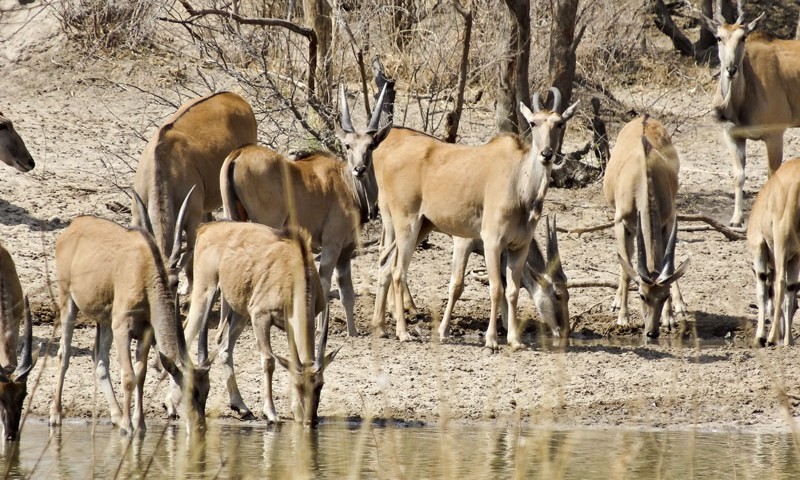
Despite its smaller size, Mangetti National Park boasts a surprisingly rich variety of wildlife. It is home to several antelope species including kudu, eland, impala, and blue wildebeest, which roam freely through the woodlands. The dense cover of trees makes spotting game a challenge, but it also means that sightings are intimate and rewarding — every encounter feels like a secret revealed.

Carnivores also inhabit Mangetti’s woodlands. Leopards, jackals, and caracals are known to move through the park, often unseen but ever-present. The area is increasingly being monitored as a corridor for wild dogs and lions, which may occasionally pass through as part of broader regional wildlife movements.

Birdlife in Mangetti is particularly enchanting. The mixture of open savanna patches and woodland habitats supports a variety of species, including hornbills, francolins, raptors, and several species of colorful bee-eaters and rollers. For birdwatchers, Mangetti is a treasure trove that offers both common and rare species in peaceful settings.

What adds to the biodiversity significance of Mangetti is that it lies within a transition zone between dry savanna and wetter woodland ecosystems, creating a unique overlap of species not commonly found together elsewhere in Namibia. This makes the park ecologically important not just for today but for long-term environmental resilience.

Cultural Significance: Landscapes That Speak With Human Memory

Mangetti’s surrounding regions are rich in cultural history, particularly tied to the Owambo-speaking communities who have lived in harmony with these landscapes for generations. Their traditions are rooted in respect for nature, spiritual reverence for ancestral lands, and practical knowledge of living sustainably off the land.

Many of the plants within the park are still used today for medicinal purposes or as sources of food, and visitors may have opportunities to learn about these traditions through guided community experiences. The integration of cultural tourism within the park adds depth to the visit, providing insights into the symbiotic relationship between people and place.

Engaging with the local culture does more than enrich your trip; it reminds us that conservation is not just about wildlife and forests. It is also about preserving indigenous knowledge, honoring human history, and creating futures where tradition and progress coexist.

The Safari Experience: Quiet Roads, Deep Encounters

A safari in Mangetti is an exercise in patience, subtlety, and reward. Because the park is not yet heavily developed, visitors can expect uncrowded trails, uninterrupted views, and a deep sense of immersion in nature. The tracks are sandy, the camps are basic, and the luxury lies not in the lodges but in the authenticity of the experience.

Game drives wind through thick woodlands and clearings, each corner holding the possibility of a rare sighting. The birdcalls echo through the trees, and often the only sounds you hear are the whispers of wind and wildlife. The stillness here is profound — not empty, but pregnant with life waiting to reveal itself.

For travelers seeking more than a checklist of animal sightings, Mangetti offers a safari that is meditative, surprising, and deeply connected to the land. It is a place to slow down, listen, and truly witness the rhythms of the African bush.

Conservation Challenges and Future Outlook

Despite its success story, Mangetti faces challenges like any protected area. Climate change, encroachment from nearby farming activities, and the threat of illegal poaching remain concerns. However, its strong community involvement model provides a layer of resilience not found in many other parks.

Continued investment in sustainable infrastructure, ecotourism development, and youth education are crucial to ensure that Mangetti’s promise is not only sustained but expanded. Its role as a conservation corridor and a model for community partnership gives it a critical place in Namibia’s environmental future.

With proper management and responsible tourism, Mangetti can evolve into a flagship example of how newer parks can integrate human development with wildlife protection, offering both ecological and social returns.

Why Mangetti National Park Deserves Your Visit

Mangetti National Park is not about grandeur or spectacle. It is about discovery, authenticity, and transformation. It represents what conservation can look like when guided by inclusivity, foresight, and respect for both people and planet.

This park is a living classroom, a conservation prototype, and an intimate sanctuary for wildlife — all at once. For those looking for a safari that goes deeper than snapshots and souvenir shops, Mangetti offers an experience grounded in purpose, natural beauty, and quiet inspiration.

Discover Mangetti with WildHorn Africa

If Mangetti National Park calls to the part of you that longs for untouched beauty and meaningful travel, it’s time to answer that call. To ensure you explore this remarkable destination with knowledge, safety, and connection, trust your journey to WildHorn Africa.

As leaders in African safari experiences, WildHorn Africa curates immersive, ethical, and personalized tours that bring you face-to-face with Africa’s most inspiring landscapes and people. Their expert guides, cultural awareness, and passion for conservation ensure that your visit to Mangetti will be more than a trip — it will be a journey of the soul.

Book your African tours and safaris today with WildHorn Africa, and become part of the new chapter in Africa’s wild legacy — starting in the heart of Mangetti National Park.

Khaudum National Park

Khaudum National Park

By Namibia places to visit, Where to go

Khaudum National Park: Namibia’s Last True Wilderness

Introduction: Enter the Wild Frontier of Khaudum National Park

Venture far off the beaten path into a world where nature dictates the laws of survival, and human presence is rare and respectful. Khaudum National Park, nestled in the remote northeast of Namibia, is not for the casual traveler or the faint of heart — it is for those who seek the pure essence of wilderness. Known as one of the wildest and most unspoiled national parks in Africa, Khaudum offers a safari experience unlike any other, defined by raw beauty, rugged terrain, and true solitude.

In an age where many safari destinations are carefully curated and heavily trafficked, Khaudum remains an authentic refuge for wildlife and a paradise for intrepid adventurers. This is not the Africa of postcards and polished lodges — it is the Africa of ancient rhythms, primal landscapes, and real encounters with nature’s fiercest and most graceful creatures. This article takes a deep dive into the unique character of Khaudum National Park, examining its geography, ecosystems, wildlife, cultural value, and why it stands as a must-visit for those craving a deeper connection to Africa’s untamed soul.

Geography and Environment: The Land That Lives on Its Own Terms

Khaudum National Park stretches over 3,800 square kilometers of remote and rugged terrain, located in Namibia’s Kavango East Region. Bordered by Botswana to the east, the park is defined by its deep Kalahari sands, thick woodlands, and ephemeral rivers. Unlike many parks shaped by perennial water sources, Khaudum’s ecosystem is driven by seasonal changes — its landscape transforms dramatically with the rains, breathing new life into its dry channels and dormant grasses.

The park is dominated by dense Kalahari woodlands, primarily consisting of acacia, baobab, terminalia, and silver cluster-leaf trees. These woodlands form thick canopies that provide shelter to countless species and support intricate ecological networks. The environment is harsh and wild, with no permanent rivers but rather omurambas — ancient riverbeds that fill with water during the rainy season and serve as vital lifelines for wildlife.

Unlike other parks, Khaudum was intentionally left undeveloped. There are only a handful of sand tracks cutting through the landscape, and infrastructure is minimal by design. This deliberate lack of development has helped preserve the park’s wild authenticity, allowing nature to remain untouched and self-governing.

Wildlife: A Sanctuary for Namibia’s Untamed Inhabitants

Khaudum National Park is home to some of the most elusive and impressive wildlife species in Southern Africa. Because of its remote location and low visitor numbers, the animals here exhibit natural behavior, untainted by excessive human presence. The park is especially important for large mammals, hosting significant populations of elephants, lions, African wild dogs, and roan antelope.

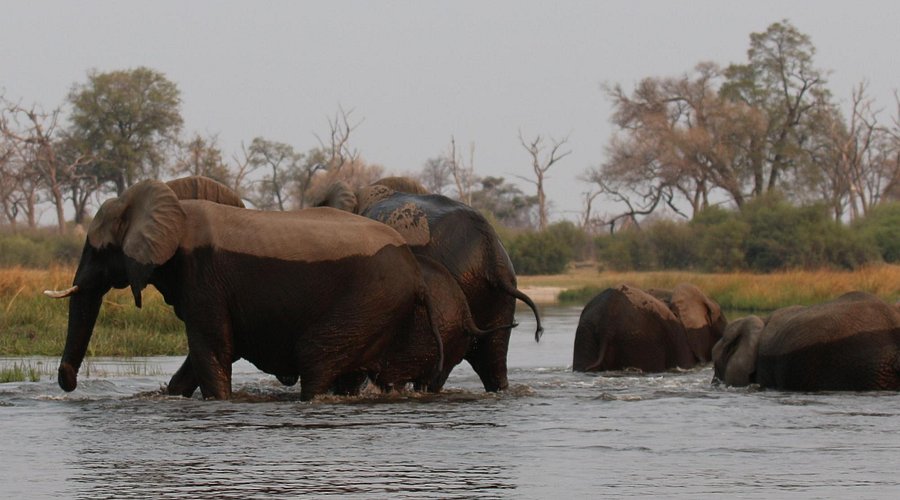
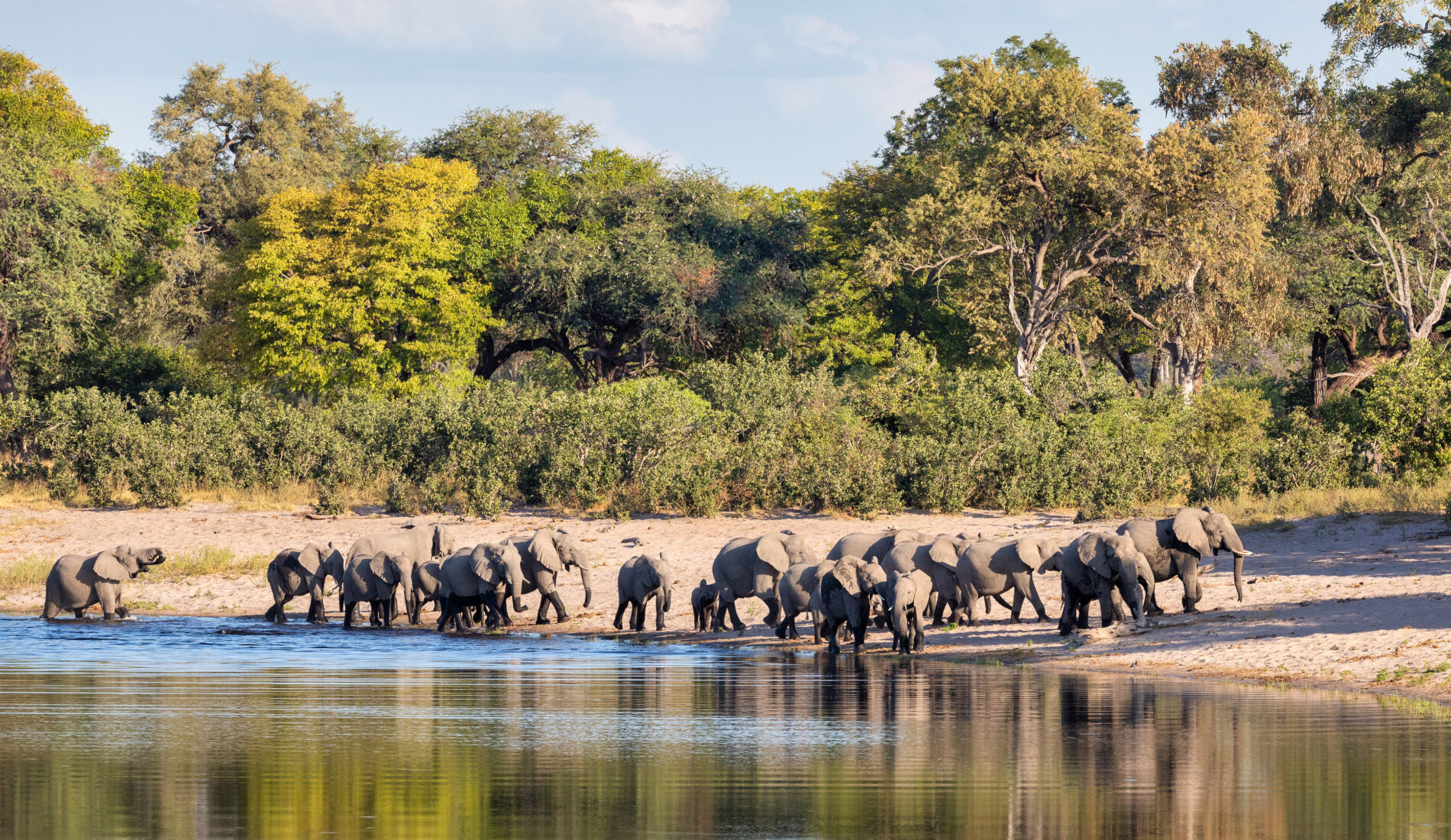
The elephant herds of Khaudum are among the largest in Namibia, with these gentle giants often moving in from Botswana during the dry season in search of water. Their presence defines the park, as they carve trails through the forest and congregate at seasonal waterholes. Alongside the elephants roam majestic lions, often seen stalking prey or resting in the tall grasses, their roars echoing through the silence of the bush.

Khaudum is also a crucial habitat for African wild dogs, one of the continent’s most endangered predators. Here, they thrive in the undisturbed environment, forming packs that roam vast distances in search of food. Leopards, hyenas, jackals, and cheetahs add to the predator profile, making every game drive a thrilling and unpredictable experience.

For herbivores, the park shelters a wide range of species including kudu, eland, reedbuck, and giraffe. The rare roan and sable antelope, known for their elegance and strength, can often be spotted in the more open woodland areas. With over 320 recorded bird species, Khaudum is also a birder’s paradise. Migratory species and rare residents such as the Rüppell’s parrot, ground hornbill, and bateleur eagle fill the skies and tree canopies with vibrant life and color.

A Cultural Crossroads: The San People and Traditional Heritage

Khaudum is not only a natural stronghold but also a cultural landmark, home to the indigenous San people — one of the oldest continuous cultures on earth. The San have lived in harmony with the Kalahari for thousands of years, mastering the art of survival in an environment that many would find inhospitable. Their deep knowledge of tracking, hunting, and plant use is not only awe-inspiring but also critical to understanding the intricate balance of this ecosystem.

Visitors to Khaudum often have the opportunity to engage with local communities and learn about the traditional lifestyles, languages, and philosophies of the San people. These cultural encounters add a profound dimension to the safari experience, emphasizing the deep interconnection between people and nature. The San’s stories, rituals, and intimate understanding of the land serve as living testimony to a way of life that honors the earth and its rhythms.

The Safari Experience: For the Brave and the Curious

A journey into Khaudum is not your average safari — it is a self-reliant expedition into one of the most remote protected areas in Africa. Traveling through the park requires preparation, endurance, and an adventurous spirit. With no tarred roads and very limited facilities, only 4×4 vehicles can navigate the deep sands and rough tracks that wind through the wilderness.

But for those who dare to venture into this untamed territory, the rewards are immense. You are not just observing nature — you are immersed in it. You may go hours without seeing another human, allowing for a deeply personal connection with the environment. Watching elephants cross an omuramba at dawn, hearing lions roar under a sky filled with stars, or sharing a campfire with no sounds but the crackling flames and distant calls of the wild — these are the experiences that define Khaudum.

Camping in Khaudum is as raw as it gets. Campsites are unfenced, often shared with the wildlife. The thrill of hearing a hyena’s laugh or an elephant’s rumble in the night heightens the sense of wonder and respect for the natural world. Each day in the park is shaped not by schedules, but by instinct, exploration, and the ancient pulse of the land.

Conservation and Challenges: Preserving the Last Wild Places

Khaudum plays a critical role in regional conservation, acting as a key link in the Kavango-Zambezi Transfrontier Conservation Area (KAZA TFCA), the largest transboundary conservation initiative on the continent. It connects to neighboring reserves in Botswana, allowing for the free movement of wildlife across borders and supporting long-term species survival.

However, the park faces significant challenges. Poaching, though reduced, remains a threat, particularly for elephants. Human-wildlife conflict continues to impact neighboring communities, especially as elephants and predators sometimes cross into agricultural lands. The Namibian government, along with conservation NGOs and local partners, works diligently to balance protection efforts with community involvement.

Education, anti-poaching patrols, sustainable tourism initiatives, and San community empowerment projects are ongoing. These efforts ensure that Khaudum remains not only a sanctuary for wildlife but also a source of pride and benefit for the people who call the region home.

Why Khaudum is an Essential Destination for True Safari Seekers

Khaudum National Park is not about luxury lodges or curated game sightings. It is about wilderness in its most honest and humbling form. For seasoned travelers, conservationists, adventurers, and nature lovers, Khaudum offers a chance to reconnect with what it truly means to be in the wild. It demands patience, resilience, and curiosity — but gives back something rare and transformative in return.

In a world increasingly shaped by comfort and convenience, Khaudum stands as a testament to the power of unfiltered nature. It’s a place that doesn’t just show you wildlife, but invites you to live alongside it, even if only for a few days.

Explore the Untamed with WildHorn Africa

If your soul is stirred by the call of the wild and you long to explore the unexplored, Khaudum National Park awaits you. It is not for everyone — but for those who answer its call, it offers one of the most rewarding journeys imaginable.

To ensure your safari into Khaudum is safe, insightful, and unforgettable, trust the experts at WildHorn Africa. Their deep regional expertise, respect for local culture, and commitment to sustainable travel make them the perfect guide to this raw corner of Namibia.

Book your African tours and safaris with WildHorn Africa, and let them lead you into the heart of Khaudum — where the true spirit of the wild still roams free.

Mudumu National Park

Mudumu National Park

By Namibia places to visit, Where to go

Mudumu National Park: The Untamed Heart of Namibia’s Caprivi Strip

Introduction: Step Into the Wild Pulse of Mudumu National Park

Imagine a place where the wilderness is alive with the thunderous roar of elephants, the whisper of ancient trees, and the intricate dance of water and land. Mudumu National Park, located in the far northeastern corner of Namibia’s Caprivi Strip, stands as one of the country’s most vibrant and ecologically significant protected areas. It is a wild sanctuary that combines sprawling floodplains, dense riverine forests, and rich biodiversity, offering an authentic African safari experience far from the beaten path.

Unlike many parks famed for commercial tourism, Mudumu captivates with its raw, unspoiled charm and a thriving ecosystem that nurtures some of Southern Africa’s most spectacular wildlife. This article explores the deeper essence of Mudumu National Park — its geography, wildlife, cultural significance, and the vital role it plays in regional conservation. Prepare to be transported to a world where nature reigns supreme, and the spirit of the wild beats strong.

Geography and Ecological Importance: A Landscape Sculpted by Water

Mudumu National Park covers approximately 737 square kilometers within the Kwando River floodplains, where seasonal waters shape the landscape dramatically. The park’s terrain is dominated by vast wetlands, riparian forests, and lush grasslands, creating a rich mosaic of habitats that support an extraordinary variety of life. Its position within the Kavango-Zambezi Transfrontier Conservation Area (KAZA TFCA) links it ecologically to neighboring parks and reserves across Namibia, Botswana, Zambia, and Angola, forming one of the largest conservation complexes in Africa.

The Kwando River is the lifeblood of Mudumu, bringing vital nutrients and moisture that sustain its floodplains and forests. During the rainy season, the floodwaters swell and spread, transforming the park into a watery paradise. This seasonal pulse drives the park’s ecological cycles, providing breeding grounds for fish and amphibians and attracting a wealth of animals to its shores.

The park’s vegetation is dominated by dense riverine forests, featuring species like the ebony tree and mahogany, which provide critical shelter and food sources for wildlife. Beyond the forests lie open grasslands and mopane woodlands, each harboring distinct wildlife communities. This diversity of landscapes makes Mudumu a biodiversity hotspot and a vital refuge for many species.

Wildlife Richness: A Sanctuary for Diverse and Majestic Species

Mudumu National Park is renowned for its diverse wildlife populations, many of which depend on the park’s wetlands and woodlands for survival. The park offers an unparalleled opportunity to see elephants in their natural floodplain habitat, where herds move gracefully through the lush vegetation. Mudumu is considered one of Namibia’s key elephant strongholds, with numbers sustained by the expansive habitat and protection efforts.

Apart from elephants, the park shelters predators like lions, leopards, and spotted hyenas, all of which play a crucial role in maintaining the ecological balance. Wild dogs, a rare and endangered species, also roam the park’s woodlands, adding to Mudumu’s conservation significance.

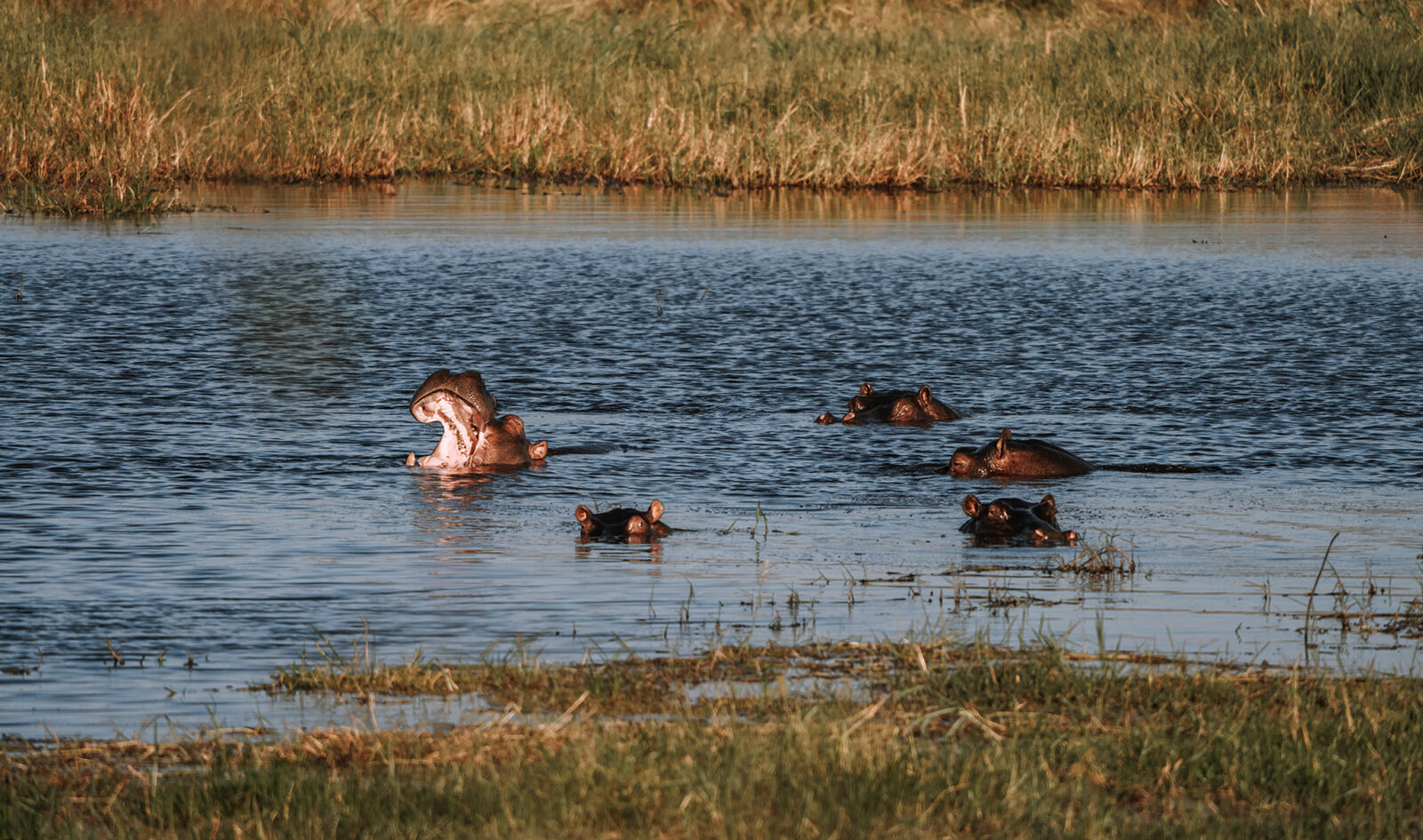
The aquatic environment teems with life, hosting hippos, crocodiles, and an abundance of fish species. These waters attract an impressive diversity of birds, making Mudumu a prime destination for birdwatchers. Over 400 bird species have been recorded, including the magnificent African fish eagle, the elusive Pel’s fishing owl, and the endangered wattled crane. This avian richness provides a spectacular spectacle for visitors and contributes to the park’s global ecological value.

Cultural Heritage: Living with the Land

Mudumu is more than a natural treasure; it is a land intertwined with the cultures of indigenous communities who have lived here for centuries. These communities hold a profound respect for the environment and have traditionally depended on the natural resources for their livelihoods. Their customs, folklore, and conservation practices have helped sustain the delicate balance between humans and wildlife in the region.

Visitors to Mudumu have the unique opportunity to engage with local people, learning about their cultural traditions and how these influence wildlife conservation. This human dimension enriches the safari experience, highlighting the importance of community-based conservation initiatives that empower locals while protecting the park’s natural wealth.

The Safari Experience: Immersing in Raw and Untamed Nature

Traveling through Mudumu National Park offers a true wilderness adventure. Unlike heavily commercialized parks, Mudumu provides a more secluded and personal safari, where encounters with wildlife feel intimate and genuine. The park’s network of waterways allows for unique boat safaris, giving visitors a chance to see hippos and crocodiles up close and observe waterbirds in their element.

Game drives and walking safaris reveal the park’s rich diversity on land. Guides skilled in tracking and wildlife behavior lead guests through dense forests and open plains, uncovering the secrets of the floodplains. Watching a pride of lions emerge from the thicket or witnessing elephant herds bathing in the river creates memories that last a lifetime.

Mudumu’s relative remoteness and limited infrastructure contribute to its allure, offering a back-to-nature experience that feels authentic and untouched. For photographers and nature lovers seeking to capture wildlife in their natural setting without the interference of crowds, Mudumu is a priceless destination.

Conservation Challenges and Regional Cooperation

Despite its protected status, Mudumu faces ongoing challenges. Poaching remains a threat, particularly for elephants targeted for their ivory. Human-wildlife conflicts arise as local communities expand into wildlife corridors. Climate change poses additional risks, altering rainfall patterns and affecting the delicate hydrology that sustains the park’s floodplains.

However, Mudumu benefits from strong regional cooperation through the Kavango-Zambezi Transfrontier Conservation Area. This multi-national initiative fosters collaborative management, sharing resources and strategies to protect wildlife and habitats across borders. Community-based conservation projects aim to involve local people as custodians of the land, offering economic benefits through sustainable tourism and conservation incentives.

The park is a shining example of how integrated conservation efforts can preserve biodiversity while supporting human development, proving that coexistence is possible when respect and responsibility guide action.

Why Mudumu National Park is a Must-Visit

Mudumu National Park is an extraordinary destination for those seeking a deep connection with Africa’s wild heart. Its unspoiled landscapes, rich biodiversity, and cultural heritage make it a standout among Southern African parks. The blend of wetlands, forests, and floodplains creates a unique ecosystem where rare and majestic wildlife thrive.

Visitors leave with a profound appreciation of nature’s complexity and resilience, having experienced the thrill of seeing elephants roam free, hearing the calls of fish eagles echo through the trees, and witnessing a landscape shaped by the rhythms of water and life.

For travelers who crave a safari beyond the ordinary, where adventure meets conservation and culture, Mudumu offers an unforgettable journey into the soul of Africa.

Experience Mudumu with WildHorn Africa

If Mudumu National Park’s wild beauty and profound wilderness spirit call to you, the next step is to turn that call into reality. To fully explore and appreciate this exceptional corner of Namibia and the greater Southern African region, expert guidance and reliable travel arrangements are essential.

For an expertly crafted safari experience that respects and celebrates the integrity of Mudumu’s environment, book your African tours and safaris with WildHorn Africa. Their in-depth knowledge, commitment to sustainable tourism, and personalized service ensure your adventure is seamless, enriching, and unforgettable.

Let WildHorn Africa be your gateway to the wild wonders of Mudumu National Park — where nature’s grandeur awaits your discovery.

Nkasa Rupara National Park

Nkasa Rupara National Park

By Namibia places to visit, Where to go

Nkasa Rupara National Park: A Hidden Gem of Untamed Wilderness

Introduction: Discover the Untouched Wilderness of Nkasa Rupara National Park

Imagine stepping into a realm where nature thrives in its purest form — vast floodplains, winding rivers, and dense woodlands that stretch as far as the eye can see. Nkasa Rupara National Park, formerly known as Mamili National Park, is one of Southern Africa’s most spectacular and least disturbed ecosystems. Nestled in the remote corner of Namibia’s Caprivi Strip, this national park is a sanctuary for wildlife enthusiasts, photographers, and travelers seeking an authentic and immersive safari experience away from the crowds.

Nkasa Rupara is not just another wildlife reserve; it is a living canvas where the rhythms of the wild dictate the flow of life, where rare species thrive, and where the untouched landscape beckons adventurers to explore its secrets. This article delves deep into the natural wonder that is Nkasa Rupara, revealing its unique ecological importance, rich biodiversity, and the captivating experiences it offers.

The Geographical and Ecological Marvel of Nkasa Rupara National Park

Located in the northeasternmost part of Namibia, Nkasa Rupara covers approximately 1,000 square kilometers of pristine wilderness. It lies within the lush floodplains of the Kwando River, a tributary that plays a critical role in the park’s ecology. The region is characterized by a mosaic of wetlands, seasonally inundated floodplains, dense mopane woodlands, and open grasslands, creating a habitat that supports an extraordinary diversity of flora and fauna.

What sets Nkasa Rupara apart from other parks in Namibia is its wetland ecosystem, which is rare in the otherwise arid region. These wetlands are crucial breeding and feeding grounds for many aquatic and terrestrial species. During the rainy season, the floodplains transform into vast watery landscapes that sustain large populations of wildlife. The interplay between water and land in Nkasa Rupara creates a dynamic environment that changes dramatically with the seasons, making every visit unique.

A Sanctuary for Rare and Endangered Wildlife

Nkasa Rupara is a haven for wildlife, hosting some of the most iconic and endangered species in Africa. Unlike the more popular parks that often feature the “Big Five,” Nkasa Rupara offers a different but equally thrilling wildlife experience. It is home to the rare sitatunga antelope, a semi-aquatic species perfectly adapted to swampy environments. The elusive lechwe, another water-loving antelope, also thrives here in large numbers, making the park one of the few places in Namibia where these species can be found.

The park’s waters teem with hippos and crocodiles, while the skies are alive with an impressive array of birdlife, including the majestic African fish eagle and the endangered wattled crane. Nkasa Rupara’s rich biodiversity extends to predators as well, with populations of lions, leopards, hyenas, and wild dogs roaming its woodlands and floodplains. For the avid birder, the park is a paradise, with over 400 bird species recorded, including many rare and migratory birds.

The Cultural Tapestry Surrounding Nkasa Rupara

Nkasa Rupara is not only a natural sanctuary but also a region rich in cultural heritage. The local communities living around the park have a deep connection with the land and its wildlife. Their traditional knowledge and respect for nature contribute significantly to the conservation efforts that have kept Nkasa Rupara relatively pristine. Visitors to the park often have the opportunity to learn about the indigenous cultures, their customs, and how they coexist harmoniously with the wilderness.

This cultural dimension enriches the safari experience, allowing travelers to gain insights into the symbiotic relationship between humans and nature in this part of Africa. The interaction with local communities adds a human story to the wild landscape, emphasizing the importance of sustainable tourism and conservation.

The Unique Safari Experience at Nkasa Rupara

Unlike the heavily commercialized safari destinations, Nkasa Rupara offers an intimate and authentic encounter with the wild. The park is less frequented, which means visitors often have vast stretches of wilderness all to themselves. Safaris here can be tailored to include boat excursions along the waterways, walking safaris through the mopane woodlands, and traditional game drives that unveil the secrets of the floodplains.

The boat safaris are particularly enchanting, providing a front-row seat to observe hippos, crocodiles, and water birds in their natural habitat. As the sun sets, the reflections on the water create a magical atmosphere that is unforgettable. Walking safaris allow adventurers to engage with the environment on foot, learning to track animals and understand the intricate web of life that sustains the park.

For photographers and wildlife lovers, Nkasa Rupara presents endless opportunities to capture intimate wildlife moments away from the tourist rush. The park’s remoteness means that every sighting feels personal and special, fostering a deep connection between visitors and the natural world.

Conservation Efforts and Challenges

Nkasa Rupara’s remoteness and relatively low human footprint have helped preserve its natural beauty and biodiversity. However, like many protected areas in Africa, it faces challenges such as poaching, climate change, and human-wildlife conflict. Conservation organizations, local communities, and the Namibian government work together to protect this fragile ecosystem through anti-poaching patrols, environmental education, and sustainable tourism initiatives.

The park is part of the Kavango-Zambezi Transfrontier Conservation Area (KAZA TFCA), a cross-border conservation effort that promotes biodiversity protection and community development across five countries. This collaborative framework enhances the park’s conservation potential and ensures that Nkasa Rupara remains a sanctuary for future generations.

Why Nkasa Rupara National Park Should Be on Every Safari Enthusiast’s Bucket List

Nkasa Rupara National Park embodies the essence of raw, unspoiled Africa. It offers an unparalleled experience that combines breathtaking landscapes, extraordinary wildlife, rich cultural encounters, and a profound sense of solitude. For those yearning to escape the crowds and immerse themselves in an ecosystem where nature reigns supreme, Nkasa Rupara is the ultimate destination.

Its combination of wetlands and woodlands, rare species, and unique safari activities make it a truly special place. Visitors leave with memories etched in their hearts — moments of watching a sitatunga gracefully navigate swampy waters, listening to the haunting calls of the African fish eagle, or experiencing the warm hospitality of local communities deeply connected to the land.

Final Thoughts and Recommendation

If you are ready to embark on a journey to one of Africa’s most pristine and remarkable wilderness areas, Nkasa Rupara National Park awaits your discovery. Whether you are a seasoned safari traveler or a first-time explorer, this hidden gem offers a transformative experience unlike any other.

To fully embrace the wonders of Nkasa Rupara and explore the rich diversity of Africa’s wild landscapes, it’s best to book your tours with trusted and experienced operators who understand the region intimately. For those looking to immerse themselves in an unforgettable African safari adventure, WildHorn Africa offers expertly crafted tours and safaris tailored to your preferences. Their deep knowledge of Namibia and the greater Southern African region ensures a seamless, authentic, and exhilarating safari experience.

Book your next Africa tour with WildHorn Africa and step into the wild heart of Nkasa Rupara — a world where nature’s beauty and mystery unfold in every moment.

Bwabwata National Park

Bwabwata National Park

By Namibia places to visit, Where to go

Bwabwata National Park

Where Wilderness and Humanity Thrive Together

A Hidden Jewel in Namibia’s Caprivi Strip (Bwabwata National Park)

Tucked away in the lush, river-fed corner of northeastern Namibia lies one of Africa’s most remarkable conservation success stories—Bwabwata National Park. It is not just a place of natural wonder, but a powerful symbol of coexistence between humans and wildlife. Stretching across over 6,100 square kilometers within the famed Caprivi Strip—a narrow corridor of land connecting Namibia to Angola, Zambia, and Botswana—Bwabwata embodies the spirit of Africa’s untamed beauty, while also pioneering a model of sustainable living and ecological harmony.

What sets Bwabwata apart from other national parks is its unique duality. It is both a sanctuary for endangered species and a home to local communities, making it one of the few parks in Africa where conservation and livelihood are so integrally linked. Named after a local term meaning “the sound of bubbling water,” Bwabwata is a place where rivers breathe life into vast floodplains, woodlands, and savannahs, attracting some of the richest wildlife in the southern African region.

Travelers who venture here are not just tourists; they become witnesses to a landscape shaped by ancient rhythms, traditional knowledge, and the daily dance between human survival and natural balance. Bwabwata isn’t a spectacle—it’s an immersion. It draws you in not with grandstanding, but with authenticity, biodiversity, and a deep sense of place.

Bwabwata National Park #Bwabwata National Park Bwabwata National Park

Geography and the Vital Flow of Life

Bwabwata National Park occupies a strategic ecological corridor that lies between the Kavango and Zambezi Rivers, both of which are lifelines in this verdant region. These rivers flood seasonally, rejuvenating wetlands and nourishing vast tracts of riparian forests, open grasslands, and acacia woodlands. It is this abundance of water, rare in much of Namibia, that gives the park its exceptional biodiversity.

Unlike Namibia’s arid central deserts, Bwabwata enjoys a tropical climate, with summer rains transforming the landscape into a vibrant paradise. This diversity of habitats—ranging from mopane shrublands and papyrus swamps to seasonal pans—creates ideal conditions for a multitude of species, many of which are endangered or migratory.

The park is divided into two main areas: the Kavango core area in the west, and the Kwando core area in the east. These areas serve as crucial wildlife corridors connecting Angola’s Luiana Reserve with Botswana’s Okavango Delta, forming part of the broader Kavango-Zambezi Transfrontier Conservation Area (KAZA TFCA)—the largest transboundary conservation zone in the world. This geographical connectivity allows for natural migration patterns of elephants, antelope, and predators, preserving genetic diversity and strengthening ecosystem resilience.

Biodiversity Beyond Imagination (Bwabwata National Park)

Bwabwata National Park is a haven for over 35 large mammal species, hundreds of bird varieties, and countless reptiles and amphibians. It is one of Namibia’s few remaining strongholds for African elephants, which migrate seasonally in large herds through the park’s wooded corridors. Watching these giants move silently between trees, or gather at the river’s edge to drink and bathe, is an experience both humbling and unforgettable.

The park is also home to buffalo, hippos, crocodiles, leopards, lions, wild dogs, and an impressive array of antelope species including roan, sable, and the striking red lechwe. Because of the relatively dense vegetation and presence of permanent water sources, the park supports high densities of wildlife year-round, offering consistently rewarding game viewing.Bwabwata National Park

Bwabwata is a birder’s paradise as well, with over 400 recorded bird species, including the African fish eagle, Pel’s fishing owl, wattled cranes, and the rare African skimmer. The birdlife is especially vibrant along the riverbanks and floodplains, where seasonal fluctuations create perfect feeding and nesting conditions.

What makes this ecosystem even more compelling is its relatively low human footprint in tourism, meaning that safaris here offer an intimate, off-the-beaten-path experience. You won’t find heavy vehicle traffic or crowds here—just you, the wild, and the rhythm of nature.

A Conservation Model Where People Are the Guardians

One of the defining features of Bwabwata National Park is that people live within its boundaries—a rarity in African conservation areas. Around 5,500 residents, primarily from the Khwe San and Mbukushu communities, reside in villages scattered throughout the park. But far from being a conflict, this shared space has become a groundbreaking model for community-based conservation.

Instead of being displaced, local communities have been made active stakeholders in the park’s management and ecological future. Under Namibia’s innovative conservancy model, residents are empowered to benefit from tourism and conservation through employment, sustainable harvesting of natural resources, and direct participation in wildlife protection.

Eco-tourism ventures, community lodges, and conservation education initiatives have transformed local perceptions of wildlife from threat to asset. The result has been a dramatic decrease in poaching and habitat destruction, and a rise in community pride and stewardship.

This approach recognizes that the future of Africa’s wild spaces cannot exclude the people who depend on them. Bwabwata has become a living proof that conservation and culture can thrive together—and that long-term environmental sustainability is inseparable from social equity.

The Safari Experience: Quiet Luxury and Wild Authenticity

Bwabwata offers a safari experience that is rich in authenticity and low in crowds. Unlike the busy safari circuits of East Africa or South Africa, this is a place for those who seek solitude, serenity, and deeper connection. The park is best explored through guided game drives, boat safaris along the Kwando River, birdwatching excursions, and cultural visits to nearby villages.

Accommodations range from rustic bush camps to elegant river lodges, all designed to blend seamlessly into the natural environment. Many lodges operate on eco-conscious principles, using solar energy, water conservation systems, and sustainable sourcing to ensure minimal impact on the land.

What sets a Bwabwata safari apart is its immersive pace and tranquil atmosphere. There are no rushes here. Dawn breaks slowly across the river, wildlife comes into view naturally, and every game drive feels personal and unscripted. You are not a spectator but a participant—moving in rhythm with the land, guided by experts who know its moods and secrets.

Whether tracking elephants on foot, listening to birdsong from your riverside deck, or sharing stories around a campfire under stars unspoiled by light, your journey in Bwabwata is one of both exploration and introspection.

When to Visit: Seasons of Contrast and Color

The best time to visit Bwabwata depends on the kind of experience you seek. The dry season, from May to October, is ideal for wildlife viewing, as animals congregate around permanent water sources and visibility is higher due to sparser vegetation. Temperatures are mild, and days are clear—perfect for game drives and photography.

The green season, from November to April, brings lush landscapes, dramatic skies, and the arrival of migratory birds. Though wildlife may be more dispersed, the scenery is nothing short of spectacular. Rivers swell, flowers bloom, and the park becomes a painter’s palette of greens, yellows, and blues.

Each season has its rewards, and both offer opportunities for life-changing experiences grounded in nature and cultural richness.

Bwabwata’s Legacy: A Park for the Future

Bwabwata National Park represents a vision for the future of conservation—one where biodiversity protection is intertwined with human dignity, where ancient traditions inform modern stewardship, and where every traveler becomes part of a living narrative.

It challenges us to rethink the boundaries between human and wild, between protector and protected. It invites us into a space where every footstep, every rustle of leaves, every bird call tells a story that is both ancient and ongoing.

For those seeking a safari that goes beyond the surface, that touches the soul and inspires the mind, Bwabwata is not just a destination—it is a revelation.

Book Your Bwabwata Safari with WildHorn Africa

At WildHorn Africa, we believe that travel should illuminate, empower, and protect. That’s why our curated journeys to Bwabwata National Park are designed not just for luxury and adventure, but for impact and authenticity. With deep local partnerships, expert naturalist guides, and a commitment to sustainable tourism, we take you beyond the ordinary into the heart of one of Africa’s most compelling conservation landscapes.

Whether you’re a wildlife enthusiast, cultural explorer, or simply a traveler seeking meaning in your journey, WildHorn Africa will craft an unforgettable experience that celebrates both the beauty of nature and the strength of community.

Book your Bwabwata safari with WildHorn Africa today—and become part of a story that is as wild, resilient, and extraordinary as Africa itself.

Bwabwata National Park #Bwabwata National Park Bwabwata National Park

Skeleton Coast National Park

Skeleton Coast National Park

By Namibia places to visit, Where to go

Skeleton Coast National Park

Africa’s Most Hauntingly Beautiful Wilderness

Welcome to the Edge of the World (Skeleton Coast National Park)

Along Namibia’s remote northwestern coast lies a land as unforgiving as it is unforgettable—a place where the desert meets the sea in a swirling dance of mist, bone-dry sand, and timeless isolation. Skeleton Coast National Park is more than just a name; it’s a legend. A stretch of wild, wind-lashed coastline that has earned its ominous title from the whale bones and shipwrecks that litter its shores, bearing silent witness to centuries of treacherous sea journeys and survival against the odds. But beneath the surface of this haunting landscape is a world of startling beauty, rich biodiversity, and profound mystery.

Covering over 16,000 square kilometers, Skeleton Coast National Park is one of the most unique protected areas in the world. It represents a rare meeting point of extremes—the icy Benguela Current flowing along the Atlantic Ocean slams into the Namib Desert, one of the driest and oldest deserts on Earth. This collision creates a fog-shrouded coastline and an ecosystem that has, against all odds, evolved to support life. From the ghostly shipwrecks to the desert-adapted elephants and hardy lichens, Skeleton Coast is a place that defies expectations and reveals the resilience of life in the harshest environments.

Skeleton Coast National Park #Skeleton Coast National Park Skeleton Coast National Park

The Legendary Name: Death, Survival, and Myth

The Skeleton Coast has been called “The Land God Made in Anger” by early explorers and “The Gates of Hell” by stranded sailors. For centuries, ships navigating these waters were often engulfed by dense fog, struck by violent Atlantic swells, or marooned by shifting sandbanks. With the cold ocean on one side and the deadly desert on the other, survivors of wrecks often found themselves with nowhere to go and nothing to sustain them. Many perished; some were rescued. Their stories linger in the rusting remains scattered along the shoreline, remnants that evoke both awe and melancholy.

Yet the coast is not solely a place of death and decay—it is also a living museum of natural history, layered with fossils, old whaling stations, and the bones of countless whales and seals. It is this eerie, evocative combination of natural grandeur and tragic history that gives the Skeleton Coast its name and its allure. The atmosphere here is not just scenic—it is cinematic.

A Landscape of Stark Contrasts and Raw Power

Visually, Skeleton Coast National Park is like no other place on Earth. Its terrain is shaped by wind, time, and the meeting of elemental forces. Sand dunes roll endlessly into the ocean; salt pans shimmer under the relentless sun; rocky outcrops burst from the earth like fossilized waves. This is a place where monotony is a myth. Every curve of the coastline tells a different story.

The skies above are often cloaked in fog—born from the cold Benguela Current—and this mist brings critical moisture inland, supporting life in a desert that otherwise receives less than 20 millimeters of rainfall annually. The fog not only sustains unique plant and animal life, but it also adds a ghostly ambiance to the entire experience, making every sunrise and sunset feel like a scene from another planet.

Inland, the park features rivers that seldom reach the sea, instead vanishing into sand and gravel. The Hoanib, Huab, and Ugab riverbeds may appear dry but are vital wildlife corridors, harboring underground water that sustains flora and fauna. These ephemeral rivers snake through dramatic canyons and gravel plains, offering surprising oases in a world of stone and sand.

Wildlife in the Shadows of Sand and Sea

Despite its harsh conditions, Skeleton Coast National Park is home to an astonishing variety of wildlife, specially adapted to thrive in its arid and coastal extremes. The park’s most celebrated residents are the desert-adapted elephants—gentle giants that have learned to navigate the rocky terrain, survive on sparse vegetation, and travel vast distances to find water.

Lions, hyenas, giraffes, springbok, oryx, and even rare brown hyenas can be found roaming the interior, particularly along the ephemeral river valleys. These predators and herbivores have developed unique behavioral adaptations, often traveling under the cover of fog and resting during the heat of the day.

Along the coast, massive colonies of Cape fur seals occupy rocky outcrops, with some colonies numbering in the tens of thousands. These seals attract predators like black-backed jackals and brown hyenas, creating dramatic scenes of survival amid the sands and surf. Overhead, raptors such as lappet-faced vultures and African fish eagles patrol the skies, while smaller birds gather around isolated water sources or coastal upwellings rich in nutrients.

This delicate web of life proves that even the most inhospitable-looking environments can nurture thriving, interconnected ecosystems—if only we know where to look.

The Cultural Tapestry: Ancient People of the Namib

Beyond the wildlife and shipwrecks, the Skeleton Coast is also a land of ancient human heritage. The indigenous Himba and San peoples have long inhabited regions bordering the park, their traditional knowledge offering valuable insight into desert survival, plant use, and animal behavior.

The Himba, with their distinctive ochre-covered skin and intricate hairstyles, continue to practice semi-nomadic pastoralism, raising livestock and maintaining cultural traditions in an environment many would consider unlivable. Their connection to the land is not just one of survival, but of spiritual and ancestral identity.

Scattered throughout the region are petroglyphs and archaeological sites, some dating back thousands of years. These cultural artifacts serve as silent reminders that long before it was a park or a tourist destination, this land was someone’s home, someone’s story.

Exploring Skeleton Coast National Park: A Journey Like No Other

Access to Skeleton Coast National Park is strictly regulated to preserve its fragile environment and cultural heritage. The southern section of the park is more accessible, reachable by self-drive from towns like Swakopmund and Henties Bay. However, the northern sections—from Torra Bay to the Kunene River—are accessible only by permit or via exclusive guided safaris, making them among the most pristine and untouched wilderness areas in Africa.

Travelers who venture here are rewarded with an unmatched sense of remoteness and raw natural beauty. Whether you’re watching fog roll across dunes at sunrise, standing beside a beached ship’s skeleton, or following elephant tracks along a dry riverbed, every moment is rich in atmosphere and authenticity.

Accommodations within and around the park range from rustic camps to luxurious eco-lodges. Many of the high-end lodges offer fly-in safaris, guided 4×4 expeditions, cultural visits to Himba villages, and educational nature walks. These experiences are deeply immersive, focusing not just on scenery but on storytelling—unraveling the mysteries of a landscape where every grain of sand holds a secret.

Conservation Challenges and Triumphs (Skeleton Coast National Park)

Skeleton Coast National Park is not without its challenges. Climate change, illegal fishing, mining interests, and unregulated tourism threaten the fragile ecosystems that define this region. However, Namibia’s government, working alongside conservation organizations and local communities, has taken a strong stance to protect this unique landscape.

The establishment of transfrontier conservation areas and marine reserves, along with community conservancies, has empowered indigenous populations to take part in wildlife monitoring and anti-poaching efforts. These initiatives represent a new model of conservation, one that blends environmental protection with social inclusion and economic opportunity.

By supporting sustainable travel and ethical tour operators, visitors to Skeleton Coast play a direct role in preserving one of Earth’s last great wildernesses.

Begin Your Journey with WildHorn Africa

Skeleton Coast National Park is not for the casual traveler. It is for the seeker, the dreamer, the one who yearns for solitude, mystery, and a communion with nature that transcends the ordinary. It’s a place that humbles and awakens, that whispers stories of ancient seas, lost sailors, and creatures who dance with the dunes.

At WildHorn Africa, we specialize in crafting bespoke journeys into the most remote and inspiring corners of the continent. Our expert guides, conservation partnerships, and curated itineraries ensure that your experience of Skeleton Coast is safe, enlightening, and unforgettable.

When you choose WildHorn Africa, you choose more than a safari—you choose to explore with purpose, to travel with depth, and to support the protection of Africa’s wild heritage. Let us take you beyond the edges of the map and into a place where the Earth speaks in waves, wind, and wonder.

Book your Skeleton Coast adventure with WildHorn Africa—and discover where the desert meets the sea, and where silence becomes the loudest story ever told.

Skeleton Coast National Park #Skeleton Coast National Park Skeleton Coast National Park

Namib-Naukluft National Park

Namib-Naukluft National Park

By Namibia places to visit, Where to go

Namib-Naukluft National Park

Where the Earth Touches Eternity

Step Into the Heart of Earth’s Oldest Desert (Namib-Naukluft National Park)

In the silent, sweeping landscapes of southwestern Namibia lies a place so otherworldly, so profoundly vast and visually dramatic, that it feels like a dream carved into the fabric of time. Namib-Naukluft National Park, the largest protected area in Namibia and one of the most awe-inspiring in Africa, is a landscape of extremes. Towering ochre dunes rise like waves of fire, shimmering salt pans stretch endlessly into the horizon, and rugged mountain ranges cut through the land like ancient veins. This is not just a national park—it is a masterpiece of geological wonder, a sanctuary of silence, and a place where the boundaries between land, sky, and imagination vanish into the desert wind.

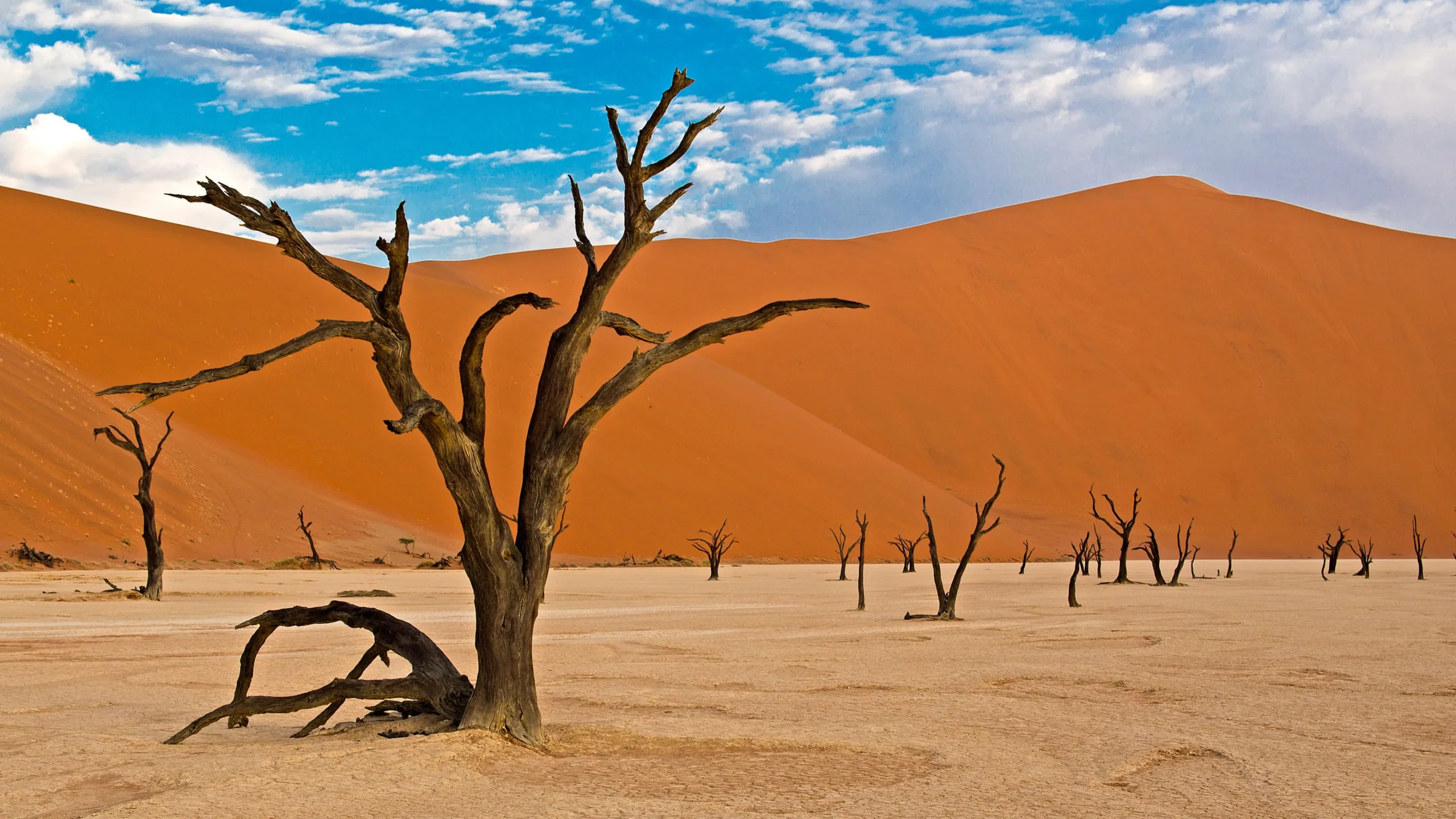
Spanning nearly 50,000 square kilometers, Namib-Naukluft National Park is home to the oldest desert on Earth—the Namib Desert, estimated to be over 55 million years old. Yet despite its arid reputation, the park supports a surprising and resilient array of life. From oryx and springbok to mysterious welwitschia plants and elusive desert-adapted creatures, this park is a living, breathing paradox. It is here that you will find some of the most photographed and iconic landscapes in Africa, including the glowing dunes of Sossusvlei, the surreal salt-clay pan of Deadvlei, and the haunting solitude of the Naukluft Mountains.

Namib-Naukluft is a place that invites contemplation and rewards the curious. It’s not just a destination to visit, but a story to walk into—a story written in sand, stone, and the whisper of desert winds.

Namib-Naukluft National Park #Namib-Naukluft National ParkNamib-Naukluft National Park

A Park of Immense Scale and Unforgettable Contrasts

Namib-Naukluft National Park stretches from the Atlantic Ocean inland to the Great Escarpment, and from the Swakop River in the north to the Kuiseb River in the south. This massive expanse encompasses a variety of ecosystems, each contributing to the park’s unique biodiversity and haunting beauty.

At its western edge lies the Skeleton Coast, named for the shipwrecks that dot its fog-shrouded shores. Here, the cold Benguela current collides with the warm desert air, creating a stark and mysterious coastline that has both terrified and fascinated sailors for centuries. Moving inland, the scenery shifts dramatically to seas of red dunes, some of which tower over 300 meters high, making them among the tallest on Earth.

To the east, the rugged Naukluft Mountains rise like an island in a sea of sand, offering a stark contrast to the flat expanses of desert. These mountains serve as a critical refuge for wildlife and provide water through natural springs, supporting flora and fauna that have adapted to this tough environment over millennia.

This juxtaposition of sand, stone, and sky makes Namib-Naukluft a visual symphony of elemental forces, where every hour of the day brings new light, new shadows, and new opportunities to witness the soul of the desert unfold.Namib-Naukluft National Park

Sossusvlei: The Fiery Heart of the Desert

One of the park’s most famous and mesmerizing attractions is Sossusvlei, a salt and clay pan surrounded by towering red dunes that seem to defy gravity and time. These dunes are sculpted by wind into sweeping curves and sharp ridges, and during sunrise and sunset, they glow in brilliant shades of orange, gold, and crimson.

Climbing Dune 45 or the formidable Big Daddy, one of the tallest dunes in the world, is an unforgettable experience. From the summit, the view of endless sand valleys and neighboring dunes forms an ocean of rolling desert that stretches to the horizon. The silence is absolute, the beauty otherworldly.

At the base of these dunes lies Deadvlei, a stark white clay pan dotted with the skeletons of ancient camelthorn trees, some believed to be over 900 years old. These blackened, lifeless trunks stand against the white earth and red dunes like an artist’s surreal vision, offering one of the most hauntingly beautiful landscapes on the planet.

Sossusvlei is not just a visual wonder; it is a testament to the eternal dance between life, death, and the forces of nature that shape and reshape this land with patient elegance.

The Naukluft Mountains: Desert Refuge and Geological Marvel

In stark contrast to the flat desert plains, the Naukluft Mountains rise ruggedly to form a highland region rich in geological and ecological interest. These mountains are a haven for wildlife and offer some of the most rewarding hiking opportunities in Namibia. Craggy cliffs, shaded gorges, and hidden water pools give shelter to baboons, klipspringers, mountain zebras, and a range of bird species including the elusive Verreaux’s eagle.

The area’s ancient rock formations are part of the Damara Orogeny, a geological process that dates back hundreds of millions of years. As you hike through these mountains, you’re walking across some of the oldest exposed rock on Earth, shaped by time and tectonics into a breathtaking natural fortress.

Water sources found here feed the arid desert below and sustain flora like the endemic welwitschia plant, which can live for more than a thousand years despite its desolate surroundings. The Naukluft region underscores how even the harshest environments can nurture extraordinary life forms, given just a hint of water and time.

Desert Wildlife: Adaptation, Resilience, and Survival

While Namib-Naukluft may appear barren at first glance, it is a thriving ecosystem populated by creatures specially adapted to its extreme climate. The park supports a variety of species that survive through behavioral and physiological ingenuity, proving that life can thrive even under the harshest conditions.

The oryx, with its striking black and white facial markings and long, straight horns, is the undisputed icon of the Namib Desert. These antelope can survive without direct water for extended periods, drawing moisture from the plants they consume and minimizing activity during the hottest parts of the day.

Other remarkable desert dwellers include springbok, bat-eared foxes, Cape foxes, and elusive leopards that prowl the rocky outcrops of the Naukluft. Bird species such as the Rüppell’s korhaan and lark are commonly seen, and reptiles like the sidewinding adder and sand geckos leave trails in the dunes.

Insects and smaller creatures also play vital roles, including the fog-basking beetle, which collects moisture from morning fog using its back, channeling water straight to its mouth—a miraculous survival tactic emblematic of the desert’s ingenious biodiversity.

Climate, Light, and the Ethereal Magic of the Namib

What makes Namib-Naukluft so deeply enchanting is not just its wildlife or scale, but its light and atmosphere. The quality of sunlight in the desert transforms the landscape into an ever-shifting canvas. Mornings bring long shadows and crisp hues. Midday intensifies the brightness to a glaring whiteness. Evenings dissolve the desert into burnt orange and purple tones before unveiling a sky ablaze with stars, unspoiled by light pollution.

The Namib’s unique climate also contributes to its mystery. The cold Benguela current from the Atlantic Ocean regularly creates dense fog banks that drift inland, providing essential moisture to an otherwise bone-dry environment. These fogs have shaped local ecosystems and are as vital as rainfall in other parts of the world.

Each day in Namib-Naukluft feels like a ritual, marked not by the ticking of clocks but by the shifting of shadows, the movement of wind, and the silence of an ancient land that remembers the world before man.

A Testament to Namibia’s Conservation Vision (Namib-Naukluft National Park)

Namib-Naukluft National Park is not just a showcase of natural grandeur—it is a symbol of Namibia’s progressive environmental stewardship. As one of the first countries in the world to include conservation in its constitution, Namibia has established community-based programs and eco-tourism initiatives that empower local populations while protecting its natural heritage.

The park stands as a beacon of how tourism, conservation, and cultural respect can coexist harmoniously, ensuring that future generations can experience the same awe and wonder that captivates visitors today.

Your Desert Adventure Begins with WildHorn Africa

To truly grasp the magic of Namib-Naukluft, one must walk its sands, climb its dunes, and listen to the silence that speaks volumes. It is a destination for those who seek more than just a vacation—it is for those who seek transformation, solitude, and an encounter with Earth’s primal beauty.

WildHorn Africa offers expertly curated journeys into the heart of this magnificent park, blending comfort with exploration, and insight with adventure. Our tailor-made tours allow you to connect with Namibia’s wilderness on your terms—whether through sunrise dune hikes, stargazing from remote camps, or learning about desert ecology with seasoned guides.

When you’re ready to trade noise for silence, speed for stillness, and chaos for clarity, let WildHorn Africa be your guide to the timeless splendor of Namib-Naukluft National Park. Here, the desert does not just whisper—it teaches, inspires, and forever changes the way you see the world.

Namib-Naukluft National Park #Namib-Naukluft National Park Namib-Naukluft National Park

Etosha National Park

Etosha National Park

By Namibia places to visit, Where to go

Etosha National Park

Namibia’s Shimmering Safari Gem of the Desert (Etosha National Park)

A Wildlife Wonderland in the Heart of Southern Africa

In the remote northern reaches of Namibia, where the arid savannah stretches endlessly beneath sunlit skies, lies one of Africa’s most extraordinary wildlife sanctuaries—Etosha National Park. This isn’t your typical safari destination. It’s a surreal, shimmering expanse defined by vast salt pans, scattered waterholes, and an incredible array of wildlife uniquely adapted to life in an arid environment. Unlike the dense bush of East Africa or the lush deltas of the south, Etosha stands apart as an ethereal landscape that feels as if it belongs on another planet—and yet, it teems with life.

Spanning over 22,000 square kilometers, Etosha is one of the largest and most accessible national parks in Africa. It offers an unbeatable combination of biodiversity, scenic variety, and consistent game viewing. But beyond its physical allure lies a story of resilience, ecological uniqueness, and Namibia’s enduring commitment to conservation. Etosha is not just a destination—it is an experience that awakens every sense and etches itself into memory.

Etosha National Park #Etosha National Park Etosha National Park

The Salt Pan That Shapes a Kingdom

At the heart of Etosha lies the Etosha Pan, a massive salt flat so large it can be seen from space. Stretching over 4,800 square kilometers, this dry, silvery basin transforms into a shallow lake during the rainy season, attracting thousands of flamingos and migratory birds. For much of the year, however, it remains a shimmering mirage, reflecting the Namibian sun and casting an almost surreal glow over the surrounding plains.

This salt pan is more than just a spectacle—it plays a central ecological role. It concentrates wildlife activity around the park’s network of waterholes, making Etosha one of the easiest places in Africa to spot large animals. Whether during the dry season, when animals gather in droves to quench their thirst, or after the rains, when the landscape bursts into color, the pan remains a defining and unmissable feature of the park.

Wildlife Encounters Beyond Expectations

Etosha National Park is a sanctuary for an astonishing diversity of species. With over 100 mammal species and 340 bird species, it offers some of the most rewarding game-viewing experiences on the continent. The park is home to four of the Big Five—lion, elephant, leopard, and rhino—as well as a host of other remarkable creatures such as giraffe, cheetah, hyena, zebra, wildebeest, kudu, and the rare black-faced impala.

Perhaps Etosha’s most iconic residents are its white elephants, named for the pale hue they take on from rolling in the park’s light-colored dust. Towering and ghost-like, they move silently across the savannah, a symbol of strength, endurance, and Etosha’s mystical charm.

Of particular note is the population of black rhino, one of the largest and most stable in the wild today. These critically endangered giants are a major highlight for conservation-minded travelers, offering a rare chance to observe them in their natural habitat without the constraints of fences or sanctuaries.

Birdwatchers will find paradise during the wet season, when the temporary pans become an avian haven. From fish eagles and hornbills to flamingos and secretary birds, Etosha turns into a canvas painted with wings.

Waterholes: Nature’s Theaters of Survival

One of Etosha’s most celebrated features is its network of natural and man-made waterholes, strategically scattered throughout the park. These are not just sources of water—they are dramatic stages where life and death unfold daily.

Visitors can park at designated viewing areas and quietly observe the unfolding drama as predators and prey gather in a delicate dance of survival. At any given waterhole, you may witness lions stalking zebra, elephants socializing, or herds of antelope cautiously approaching for a drink. Some waterholes are even floodlit at night, allowing for mesmerizing nocturnal viewing—an experience few safari destinations can offer.

Because the wildlife in Etosha is concentrated around these oases, game viewing is often more reliable and rewarding than in denser, more forested parks. It’s a photographer’s dream and an animal lover’s haven.

Landscapes That Tell Ancient Stories

Etosha’s scenery is as captivating as its wildlife. The park encompasses a variety of ecosystems, from the stark beauty of the salt pan to mopane woodlands, golden grasslands, and thorn scrub. This diversity supports the park’s rich fauna and creates a changing backdrop that adds texture and contrast to every game drive.

The terrain tells a story that dates back millions of years, to a time when tectonic shifts and ancient rivers shaped the land. Fossil beds, dry river channels, and ancient sinkholes give the landscape a haunting beauty. Each turn in the road reveals something new—an unexpected herd of springbok, a silent owl hidden in a tree, or a distant mirage that blurs the line between land and sky.

Safari on Your Terms: Accessibility and Comfort

One of Etosha’s greatest advantages is its accessibility. Unlike some remote safari destinations, it is connected by excellent road infrastructure and can be reached via self-drive or guided tours. This makes it particularly appealing for travelers seeking flexibility and independence without sacrificing safety or comfort.

The park features several well-equipped rest camps, including Okaukuejo, Halali, Namutoni, Dolomite, and Onkoshi. These camps offer a range of accommodations, from rustic chalets and budget-friendly bungalows to exclusive luxury lodges with panoramic views of active waterholes. Facilities often include restaurants, swimming pools, shops, and even museums.

Whether you choose to explore Etosha on your own or as part of a guided safari, you will find that the park caters to both seasoned adventurers and first-time visitors, ensuring that every traveler leaves with a sense of awe and satisfaction.

A Model of Conservation in Action (Etosha National Park)

Etosha’s success as a conservation hub is rooted in Namibia’s visionary approach to wildlife management. As the first African country to enshrine environmental protection into its constitution, Namibia has pioneered community-based conservation models that empower local populations to benefit from tourism and wildlife protection.

This forward-thinking strategy has resulted in increased wildlife populations, reduced poaching, and a greater emphasis on sustainable tourism. Etosha stands as a beacon of what can be achieved when governments, communities, and travelers work together to protect nature.

Visitors to Etosha are not just observers—they become participants in a broader mission to preserve one of the planet’s most precious ecosystems. Your park fees and responsible travel choices contribute directly to maintaining this fragile, beautiful landscape for future generations.

When to Visit: Seasons of Contrast

Etosha offers dramatically different experiences across its two main seasons. The dry season, from May to October, is ideal for game viewing, as animals congregate at waterholes and vegetation thins out, making wildlife easier to spot. This period is also cooler and more comfortable for travel.

The wet season, from November to April, brings rejuvenation. The parched land transforms into a lush, green expanse, attracting migratory birds and birthing season for many mammals. Though wildlife may be more dispersed, the scenery is stunning and the photographic opportunities are unmatched.

Each season has its charm, and your choice will depend on whether you seek dense wildlife concentrations or dramatic landscape contrasts.

Etosha Awaits: Begin Your Safari with WildHorn Africa

Few places in the world can match the majesty and mystery of Etosha National Park. It is a place where nature reigns supreme, where survival plays out in raw and poetic beauty, and where travelers reconnect with something greater than themselves. Etosha invites you to witness not only its wildlife, but also its silence, its sunsets, its stars, and its spirit.

When you’re ready to embark on this journey, choose the experts who understand the land, the culture, and the rhythm of the wild. WildHorn Africa offers personalized, sustainable, and unforgettable safari experiences tailored to your interests, comfort, and sense of adventure.

Let us take you beyond the brochures and into the heartbeat of Namibia. Book your Etosha safari with WildHorn Africa, and walk the shimmering edges of the pan where elephants roam, lions prowl, and the soul finds its wildness once more.

Etosha National Park #Etosha National Park Etosha National Park

Close Menu