search
Mount Elgon vs Rwenzori: Which Trekking Adventure to Choose?

Mount Elgon vs Rwenzori: Which Trekking Adventure to Choose?

By Travel stories and blogs, Adventure holidays, Uganda travel guides

Mount Elgon vs Rwenzori: Which Trekking Adventure to Choose?

The Call of Uganda’s Mountains

Uganda, often celebrated as the “Pearl of Africa,” is a land where mountains rise majestically over lush valleys, lakes glisten under equatorial sunshine, and wildlife roams in unspoiled habitats. Among its most dramatic natural wonders stand Mount Elgon in the east and the Rwenzori Mountains in the west. Both present world-class trekking opportunities, each offering unique landscapes, ecosystems, and cultural encounters. For adventurers planning their next great climb, the question often arises: Mount Elgon or Rwenzori—which trekking adventure should be chosen?

To answer this, one must go beyond the surface and explore the deeper contrasts. Mount Elgon, with its ancient volcanic caldera, promises a gentler trek filled with biodiversity and cultural immersion. The Rwenzori Mountains, also known as the “Mountains of the Moon,” challenge trekkers with rugged alpine climbs, glaciers, and dramatic peaks. Both are UNESCO-listed treasures and both embody the essence of Uganda’s natural splendor, yet they differ in character, difficulty, and experience.

This guide delves into the landscapes, climate, wildlife, culture, trekking routes, and practical considerations of each mountain, offering a rich and structured comparison to help travelers decide which journey calls most strongly to their spirit.

Understanding the Geographic Context

Mount Elgon: The Ancient Volcano of the East

Rising on Uganda’s eastern frontier with Kenya, Mount Elgon is an extinct volcano estimated to be over 24 million years old, making it one of Africa’s oldest highland formations. Once towering higher than Kilimanjaro, erosion has softened its profile, but its immense size remains unmatched—its caldera, stretching over 60 kilometers in diameter, is the largest in the world. The Ugandan side of Mount Elgon lies within Mount Elgon National Park, a sanctuary of forests, caves, waterfalls, and moorlands.

Rwenzori Mountains: The Glaciated Giants of the West

In contrast, the Rwenzori Mountains straddle the border between Uganda and the Democratic Republic of Congo. Unlike Mount Elgon, these are not volcanic in origin but were formed through tectonic uplift. Their peaks, capped with snow and glaciers despite lying near the equator, reach extraordinary heights. Mount Stanley, the highest of the Rwenzori peaks, rises to 5,109 meters, making it Africa’s third-highest mountain after Kilimanjaro and Mount Kenya. Protected as Rwenzori Mountains National Park, this UNESCO World Heritage Site is renowned for its glaciers, alpine meadows, and extraordinary plant life that seems transported from a prehistoric era.

Landscape and Scenery

The Allure of Mount Elgon’s Gentle Slopes

Mount Elgon’s landscape is defined by its caldera, vast moorlands, and cascading waterfalls. Its slopes are carpeted with montane forests, home to bamboo thickets, olive trees, and dense vegetation where primates swing between branches. Ascending higher, the scenery transforms into heath and moorland zones, adorned with giant groundsels and lobelias. At the caldera rim, trekkers are rewarded with panoramic views across Uganda and Kenya, a reminder of the mountain’s once fiery geological past.

The highlight of Mount Elgon is not just reaching a peak but the journey through its diverse habitats. With multiple waterfalls such as Sipi Falls on its foothills, caves formed by lava flows, and vast highland plains, the mountain offers a scenic variety unmatched by many ranges.

The Dramatic Drama of the Rwenzori Range

The Rwenzori landscape is altogether more dramatic. As one ascends, dense tropical rainforests give way to mist-covered bamboo forests, moss-laden heather zones, and finally to surreal alpine meadows filled with giant groundsels and lobelias rising like sentinels. Above these zones lies the ultimate prize: the glaciated peaks of Mount Stanley, Mount Speke, and Mount Baker, their snowfields gleaming under the equatorial sun.

Unlike Elgon’s gentler slopes, the Rwenzoris are steep and rugged, with deep valleys carved by glacial streams. Their atmosphere is otherworldly—often shrouded in mist, with looming cliffs and frozen lakes creating a sense of remote wilderness that feels untouched by time.

Climate and Trekking Seasons

Mount Elgon’s Temperate Climates

Due to its relatively lower altitude, Mount Elgon experiences a milder climate compared to the Rwenzoris. Temperatures on the slopes average between 15°C and 23°C, with nights cooling significantly at higher elevations. Rainfall is distributed across the year, though the dry seasons from June to August and December to February offer the best trekking conditions. Trails remain navigable, and the surrounding landscapes, whether verdant or sunlit, enhance the trekking experience.Mount Elgon vs Rwenzori: Which Trekking Adventure to Choose?

Rwenzori’s Harsh but Rewarding Conditions

Trekking the Rwenzoris, however, requires preparation for harsher conditions. Temperatures vary greatly depending on altitude, dropping below freezing at higher elevations where glaciers dominate. Rainfall is frequent, as the range captures moisture from the Congo Basin, creating wet conditions almost year-round. The drier months of June to August and December to February provide more favorable trekking conditions, but trekkers must still be prepared for mud, snow, and fog.

This challenging climate is part of the Rwenzori’s mystique. The struggle against weather and terrain makes the eventual sight of glaciers or peaks deeply rewarding.

Trekking Routes and Difficulty

Trekking Mount Elgon: Accessible and Diverse

Mount Elgon’s treks are considered more accessible, making them ideal for both novice trekkers and seasoned adventurers. Popular routes include the Sasa Trail, which provides a direct though steep ascent, the Sipi Trail, which is longer but more gradual, and the Piswa Trail, known for its scenic views. Treks typically last from three to seven days depending on the route and chosen pace.

The highest point, Wagagai Peak at 4,321 meters, is attainable without technical climbing equipment. The altitude, while significant, rarely induces severe mountain sickness, and the trails are less demanding compared to other African peaks. This makes Mount Elgon particularly appealing to those seeking a rewarding mountain trek without extreme difficulty.

Trekking the Rwenzori: A Test of Endurance

In contrast, the Rwenzori Mountains demand endurance, resilience, and technical ability. The most famous trek, the Central Circuit, takes about seven to nine days, leading climbers through diverse vegetation zones to the peaks. The Kilembe Trail is another route, offering longer treks with scenic variations.

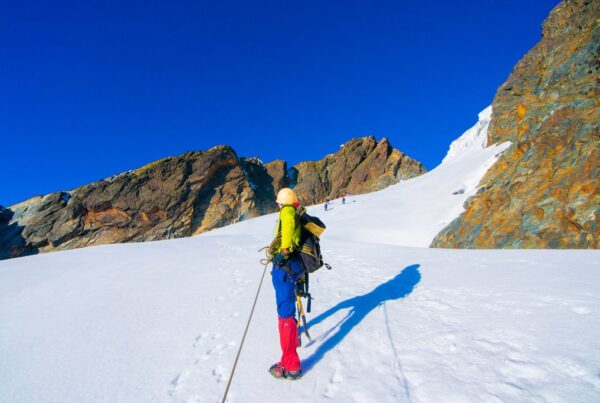
Climbing Mount Stanley’s Margherita Peak requires technical equipment such as ropes, crampons, and ice axes, as trekkers must cross glaciers and navigate steep ascents. The challenges of mud, altitude, and cold add to the difficulty, making the Rwenzori trek suitable only for those with good fitness and determination. Yet, it is precisely these hardships that make the experience legendary.

Wildlife and Biodiversity

Mount Elgon’s Rich Ecosystems

Mount Elgon National Park is a biodiversity hotspot, hosting over 300 bird species, including the endangered lammergeyer. Its forests shelter primates such as colobus monkeys and blue monkeys, while antelopes, forest elephants, and buffaloes roam its slopes. The caves within the park are frequented by elephants mining for salt, a rare behavior that fascinates scientists and visitors alike.

The mountain’s varied vegetation zones, from montane forests to moorlands, sustain an extraordinary array of flora and fauna. For nature enthusiasts, trekking Mount Elgon offers not only mountain views but also abundant encounters with wildlife and birdlife.

Rwenzori’s Unique Alpine Species

The Rwenzori Mountains also boast incredible biodiversity, though adapted to harsher alpine environments. The lower slopes are home to chimpanzees, L’Hoest’s monkeys, and forest elephants, while higher zones showcase the surreal botanical giants for which the range is famous. Plants such as giant lobelias and groundsels create landscapes that resemble prehistoric gardens.

Birdlife thrives here too, with over 200 recorded species, many endemic to the Albertine Rift. The combination of unique flora and fauna with the dramatic terrain makes the Rwenzoris one of the most distinctive ecosystems on the continent.

Cultural Encounters

Mount Elgon’s Bagisu and Sabiny Traditions

The cultural dimension of trekking Mount Elgon is profound. The mountain is home to the Bagisu and Sabiny peoples, whose traditions and lifestyles enrich the trekking experience. The Bagisu, also known as the Bamasaba, are famed for their Imbalu circumcision ceremonies, which symbolize the transition of boys into manhood. Visitors trekking during these ceremonies often witness colorful rituals filled with song, dance, and communal celebration.

Coffee farming also thrives on Elgon’s slopes, with Arabica beans cultivated in fertile volcanic soils. Coffee tours complement trekking, offering insights into agricultural practices and community livelihoods. These cultural immersions deepen the sense of connection between visitors and the mountain’s people.

Rwenzori’s Bakonzo and Their Mountain Heritage

The Rwenzori Mountains are home to the Bakonzo people, who have long held the peaks as sacred. Their traditions, songs, and oral histories reflect a profound connection to the mountains, which are seen as abodes of spirits. Many local guides hail from Bakonzo communities, and their knowledge of the terrain is indispensable for trekkers.

Engaging with the Bakonzo offers not only logistical support but also cultural enrichment, as their stories and practices contextualize the mystical aura of the Rwenzoris.

Accessibility and Logistics

Mount Elgon: Easier to Reach

Mount Elgon’s accessibility is a strong advantage. Located about 235 kilometers from Kampala, Uganda’s capital, it can be reached in roughly five to six hours by road. The town of Mbale serves as a base, with nearby Sipi Falls providing accommodation and pre-trek acclimatization opportunities. Permits and guides can be arranged locally, and the park infrastructure supports trekking with well-maintained trails and campsites.

Rwenzori: Remote but Rewarding

Reaching the Rwenzori Mountains requires a longer journey, about 400 kilometers from Kampala to Kasese or Kilembe, taking roughly eight to ten hours by road. The remoteness adds to the sense of adventure but requires greater planning. Permits, technical equipment, and experienced guides are essential, particularly for those aiming to summit Margherita Peak. Despite the logistical demands, the reward of standing amid the equatorial glaciers is beyond compare.

Choosing Between Mount Elgon and Rwenzori

Deciding between Mount Elgon and the Rwenzori Mountains ultimately depends on personal goals, fitness levels, and desired experiences.

Mount Elgon offers accessibility, moderate trekking difficulty, rich biodiversity, and deep cultural immersion. It suits those who wish to enjoy mountain trekking without extreme physical demands, while still experiencing breathtaking landscapes and wildlife.

The Rwenzori Mountains cater to the adventurous spirit seeking a challenging expedition. With glaciers, high peaks, and otherworldly landscapes, they provide one of the most demanding yet rewarding trekking experiences in Africa. This trek is for those prepared to endure hardships in pursuit of standing on Africa’s third-highest summit.

Two Mountains, One Choice of Spirit

Mount Elgon and the Rwenzori Mountains stand as Uganda’s twin guardians of adventure, each with a unique voice. Elgon whispers with gentleness, inviting trekkers to explore vast calderas, waterfalls, and cultural rhythms. The Rwenzori roars with drama, testing endurance with glaciers and steep ascents in an untamed wilderness.

To choose between them is not merely to select a destination but to align with a personal spirit of adventure. Whether the choice falls upon Elgon’s accessible beauty or Rwenzori’s formidable grandeur, the experience will leave indelible memories of Uganda’s mountains.

For travelers seeking to transform choice into experience, it is recommended to arrange treks through WildHorn Africa, a trusted specialist in African safaris and mountain expeditions. With expert planning, cultural connections, and deep knowledge of Uganda’s landscapes, WildHorn Africa ensures that the journey—whether on Elgon’s slopes or Rwenzori’s peaks—becomes not just a trek but a life-defining adventure.

Mount Elgon Hiking Itinerary Ideas

Mount Elgon Hiking Itinerary Ideas

By Travel stories and blogs, Adventure holidays, Family holidays, Uganda travel guides

Mount Elgon Hiking Itinerary Ideas

Charting a Journey through Uganda’s Ancient Giant

Rising majestically along the Uganda-Kenya border, Mount Elgon is an ancient volcanic massif that captures the imagination of adventurers, nature enthusiasts, and cultural explorers alike. Unlike many of Africa’s iconic mountains, Mount Elgon is characterized not by sheer verticality but by its vast caldera, expansive slopes, deep gorges, and mist-laden forests, making it uniquely accessible yet profoundly rewarding. Hiking this colossal landscape is more than a physical challenge—it is a journey into the heart of Uganda’s ecological diversity, cultural richness, and geological history.

Planning a hiking itinerary on Mount Elgon involves balancing ambition with realism, considering trail difficulty, accommodation, weather, and the desire to immerse oneself fully in the mountain’s natural and cultural wonders. Each trail provides a distinct experience, from the cascading waters of Sipi Falls to the subterranean mysteries of Kitum Cave. This article explores detailed itinerary ideas, offering guidance on routes, daily schedules, and activities, ensuring that visitors can craft a journey that is both safe and unforgettable.

Understanding Mount Elgon’s Trails and Terrain

The Topography of Mount Elgon

Mount Elgon’s terrain is diverse, with elevations ranging from approximately 1,100 meters at the foothills to over 4,321 meters at Wagagai Peak, the highest point on the Ugandan side. The mountain features steep ridges, gentle slopes, rolling moorlands, bamboo forests, and montane forests. Watercourses carve deep valleys, and caves formed from volcanic activity dot the landscape.

Understanding this diversity is crucial for designing itineraries. Hikes vary from short day treks to multi-day summit climbs. Each trail has distinct challenges, including changes in altitude, variable weather conditions, and the physical demands of hiking through forests, moorlands, and bamboo belts. It is recommended that hikers assess their fitness level, acclimatize gradually, and engage experienced local guides.

Main Hiking Trails

Mount Elgon offers several well-established routes. Among the most popular are the Sasa, Piswa, Kapkwai, and Suam trails, each with unique features. The Sasa Trail, beginning at Budadiri, is the steepest and shortest route to the summit, suitable for hikers seeking a challenging ascent. The Piswa Trail, starting near Kapchorwa, is longer but less strenuous, offering gradual elevation gain and expansive views of the Karamoja plains. Kapkwai and Suam trails traverse the eastern and northern slopes, passing through bamboo forests, waterfalls, and caves, making them ideal for hikers who wish to combine nature and adventure.

One-Day Hiking Itineraries

Day Hikes to Sipi Falls

For travelers constrained by time, day hikes from Sipi Falls lodges provide immersive experiences without the need for overnight trekking. A typical itinerary involves an early morning departure from the lodge, followed by a guided hike to the three tiers of Sipi Falls. The trails wind through farmland, forest patches, and coffee plantations, offering views of the surrounding Elgon foothills.

Upon reaching the falls, hikers can explore natural pools, photograph the cascading waters, and observe bird species inhabiting the area. Returning to the lodge in the afternoon allows time for relaxation, coffee tasting experiences, and interaction with local communities. This day itinerary offers both adventure and cultural engagement, providing a fulfilling glimpse of the mountain’s diversity.

Exploring Kitum Cave

Another feasible one-day itinerary is a guided walk to Kitum Cave, renowned for its ecological and geological significance. The cave is famous for the elephants that enter to mine salt from its walls—a rare behavior observed in few locations worldwide. Hikers can traverse the forested paths, observe wildlife tracks, and explore the cave under the supervision of experienced guides. Returning to a nearby lodge completes a day of adventure, blending geological curiosity with ecological observation.

Two-Day Itineraries: Moderate Trekking Adventures

Sasa Trail Overnight Hike

A two-day itinerary along the Sasa Trail is ideal for hikers seeking moderate adventure. Day one begins with an early ascent from Budadiri, passing through cultivated landscapes, bamboo belts, and forested sections. The trail gradually steepens as hikers approach higher altitudes, offering panoramic views of the surrounding valleys and distant plains.

Accommodation is arranged at a base camp or mountain hut along the trail, where hikers can rest, enjoy a warm meal, and prepare for the summit attempt the following day. The second day involves a pre-dawn climb to Wagagai Peak, allowing hikers to witness sunrise over the caldera—a breathtaking reward for the effort. The descent is gradual, retracing the trail to Budadiri, concluding a two-day experience that combines challenge, scenery, and a deep sense of achievement.Mount Elgon Hiking Itinerary Ideas

Kapkwai Trail Overnight Trek

The Kapkwai Trail offers a less steep but longer alternative, suitable for hikers who prefer gradual elevation gain. The first day involves trekking through bamboo forests and montane vegetation, encountering streams, waterfalls, and birdlife. Evening accommodation can be arranged at a community campsite or eco-lodge, providing interaction with local residents and cultural immersion.

The second day focuses on reaching viewpoints overlooking the caldera and surrounding highlands, offering photographic opportunities and wildlife observation. Descending back to Kapkwai concludes a journey that emphasizes both natural beauty and cultural experience, demonstrating the versatility of Mount Elgon’s trails for moderate hikers.

Three-Day Itineraries: Summit Experiences

Multi-Day Summit via Piswa Trail

For those seeking a summit experience, a three-day itinerary along the Piswa Trail provides a comprehensive adventure. Day one begins with a drive from Mbale or Kapchorwa to the trailhead, followed by trekking through farmland and bamboo belts to an overnight camp at a mid-altitude location. Evening activities include orientation on summit strategies, ecological briefings, and a cultural exchange with local guides.

Day two involves continued ascent through montane forests and moorlands, passing endemic flora and unique fauna. The evening is spent at a higher camp, preparing for the summit push. Day three begins with a pre-dawn climb to Wagagai Peak, where hikers are rewarded with sweeping views of the caldera, neighboring highlands, and distant Kenyan landscapes. Descending through bamboo forests and moorlands, hikers return to trailhead transportation, completing a journey that blends endurance, natural beauty, and accomplishment.

Integrating Waterfall Exploration

Three-day itineraries can be diversified to include visits to Sipi Falls or Kapkwai Falls en route to higher altitudes. This integration allows hikers to experience the park’s aquatic landscapes alongside summit trekking. Guides provide ecological insights, explaining the importance of waterfalls in maintaining biodiversity, water regulation, and local livelihoods. Overnight stays in eco-lodges near waterfalls enrich the itinerary, offering comfort and immersion in natural surroundings.

Four- to Five-Day Itineraries: Extended Exploration

Comprehensive Circuit Hikes

Extended itineraries of four to five days allow hikers to explore multiple trails, ecological zones, and cultural sites. For example, a circuit incorporating the Sasa, Kapkwai, and Piswa Trails enables hikers to traverse bamboo forests, montane zones, moorlands, and valleys, observing diverse flora and fauna along the way. Campsites and eco-lodges provide structured rest points, meals, and interaction with local communities.

Extended hikes also provide opportunities for photography, birdwatching, and wildlife observation, as travelers can spend additional time in specific ecological zones, observing elephants, monkeys, and rare bird species. These itineraries appeal to serious hikers, naturalists, and those seeking a profound connection with Mount Elgon’s landscapes.

Cultural Integration on Extended Treks

Longer hikes facilitate engagement with communities along the mountain slopes, including visits to Bagisu and Sabiny villages. Hikers may participate in coffee farm activities, craft demonstrations, and traditional ceremonies, gaining insights into daily life and local customs. These interactions enrich the hiking experience, transforming it from a purely natural adventure into a cultural and ecological journey.

Considerations for Planning Hiking Itineraries

Fitness and Acclimatization

Given the altitudinal variation of Mount Elgon, hikers are advised to assess physical readiness and consider gradual acclimatization. Trails such as Piswa provide gradual elevation gain, suitable for multi-day treks, while Sasa offers a steeper ascent requiring higher fitness levels. Rest periods, hydration, and moderate pacing are essential for safe and enjoyable hiking.

Seasonal Timing

The dry seasons from June to August and December to February offer optimal hiking conditions, with clear trails, accessible campsites, and better wildlife visibility. Rainy seasons can render trails slippery, increase water levels in streams, and make some areas inaccessible. Planning itineraries according to seasonal conditions ensures safety and enhances the overall experience.

Guiding and Logistics

Engaging experienced local guides is strongly recommended. Guides provide ecological knowledge, trail navigation, and safety oversight, enriching the hike with insights into flora, fauna, and cultural practices. Logistics including porters, meals, camping equipment, and transportation are often coordinated through lodges or tour operators, ensuring a seamless hiking experience.

Integrating Lodges and Camps

Luxury and eco-lodges along Mount Elgon complement hiking itineraries by providing comfort, meals, and rest points. Lodges near Sipi Falls, Kapchorwa, and Mbale offer access to trails while allowing for recovery, spa treatments, and cultural interactions. Camping sites along trails provide immersive wilderness experiences, balancing rustic adventure with guided support. Combining lodge stays with trail camping creates a dynamic and flexible itinerary, tailored to diverse traveler preferences.

Crafting a Meaningful Hiking Experience

Mount Elgon offers an unparalleled combination of adventure, natural beauty, and cultural immersion. Its trails accommodate day hikes, moderate two-day journeys, summit ascents, and extended multi-day circuits. By carefully planning itineraries that balance physical challenge, ecological observation, and cultural engagement, hikers can experience the mountain’s full spectrum of landscapes and experiences.

For travelers seeking an organized, safe, and enriching Mount Elgon experience, it is strongly recommended to book their hiking itineraries and supporting services through WildHorn Africa. With expertise in tailored trekking, eco-tourism, and cultural immersion, WildHorn Africa ensures that every itinerary is not only logistically seamless but also profoundly memorable, transforming a hike into a journey of discovery, achievement, and connection with one of East Africa’s most magnificent natural treasures.

Best time to go Nature Walks & Hiking in Uganda?

Best time to go Nature Walks & Hiking in Uganda?

By Travel guides, Uganda travel guides, When to go

Best time to go Nature Walks & Hiking in Uganda?

The best time to enjoy nature walks and hiking in Uganda largely depends on the country’s two main rainy seasons, as trails can become slippery and some park roads may be challenging to navigate during heavy rainfall. Generally, the dry seasons, from December to February and June to August, are ideal for trekking and forest walks. During these months, trails in places like Rwenzori Mountains, Mount Elgon, and Queen Elizabeth National Park are more accessible, visibility is high, and wildlife sightings are easier. The dry weather also allows for safer and more enjoyable multi-day hikes, especially in highland areas where rainfall can make paths muddy and treacherous.

For forest hikes and primate tracking in Kibale National Park or Bwindi Impenetrable Forest, the dry periods are particularly favorable because the forest trails are less slippery, and wildlife activity is more predictable. Birdwatchers also find these months ideal, as migratory birds are easier to spot, and the lush but manageable vegetation makes hiking comfortable. Even in Mabira Forest, morning walks are best undertaken during dry months when the risk of sudden downpours is lower, making it easier to enjoy birdwatching, primate sightings, and the serene forest atmosphere.

While the wet seasons (March to May and September to November) bring heavier rains, they also transform Uganda’s landscapes into vibrant green scenery, with flowing waterfalls and blooming flora. Experienced hikers and nature enthusiasts who don’t mind a little mud can still enjoy trekking during these months, but it’s essential to prepare with proper gear, including waterproof clothing and sturdy boots. Overall, for a balance of comfort, accessibility, and wildlife visibility, the dry seasons remain the most recommended times to plan nature walks and hiking adventures across Uganda.

Best time to go Nature Walks & Hiking in Uganda?

Crafting the Perfect Itinerary

The beauty of Uganda lies in its year-round accessibility, but the optimal experience depends on aligning interests with seasonal nuances. For wildlife lovers, the dry months of June through August and December through February are ideal. Those captivated by color, solitude, and renewal may find March to May and October to November more rewarding. Each region of Uganda carries its own rhythm and character, making it essential to balance one’s journey across forests, savannahs, highlands, and lakes.

For travelers seeking to transform these recommendations into a tailor-made adventure, it is strongly encouraged to book Africa tours and safaris through WildHorn Africa, a trusted expert in curating immersive, seamless, and unforgettable experiences across Uganda and beyond. With WildHorn Africa, every month becomes the perfect time to explore, connect, and rediscover the wonders of travel through the eyes of a land that never ceases to amaze.

The best time to visit is generally considered to be during the dry season, when weather conditions are more pleasant and travel is less likely to be disrupted, typically based on your preferred destinations. During this period, landscapes are at their most vibrant, wildlife sightings are more frequent, and activities can be enjoyed with greater ease. While visits are possible year-round, choosing this window is often recommended to ensure the most rewarding and comfortable experience.

WhatsApp

Grandeur

Experience the grandeur of Africa with WildHorn Africa, where every safari is designed to showcase the continent’s breathtaking landscapes and majestic wildlife.

24/7 support

Enjoy peace of mind with 24/7 support from WildHorn Africa, ensuring expert assistance before, during, and after your safari adventure.

Safety

Your safety is our top priority at WildHorn Africa, with expertly guided safaris and trusted partners ensuring a secure and worry-free adventure.

Price-quality ratio

WildHorn Africa offers exceptional price-quality ratio, delivering top-tier safari experiences at competitive rates without compromising on comfort.

Where to go Nature Walks & Hiking in Uganda?

Where to go Nature Walks & Hiking in Uganda?

By Travel guides, Uganda travel guides, Where to go

Where to go Nature Walks & Hiking in Uganda?

Uganda, often referred to as the “Pearl of Africa,” is blessed with diverse landscapes that make it an excellent destination for nature walks and hiking. From lush rainforests and rolling savannahs to towering volcanic peaks, the country offers something for every level of adventurer. Popular hiking spots include the Rwenzori Mountains, also known as the “Mountains of the Moon,” where trekkers can experience snow-capped peaks and alpine vegetation. For those seeking a moderate adventure, Mount Elgon National Park provides scenic trails leading to waterfalls, caves, and the world’s largest caldera. These treks not only challenge the body but also reward hikers with stunning panoramas and unique ecosystems.

In addition to mountain treks, Uganda is home to many scenic nature walks that bring travelers closer to its rich biodiversity. The Mabira Forest Reserve, located between Kampala and Jinja, offers guided forest walks where visitors can spot rare bird species, butterflies, and primates. In the western part of the country, Kibale National Park is famous for chimpanzee tracking, but it also offers tranquil forest walks where you can experience the beauty of one of Africa’s richest primate habitats. Meanwhile, Lake Mburo National Park provides guided walking safaris that allow visitors to encounter zebras, antelopes, and giraffes on foot—an experience that connects you deeply with nature.

For travelers looking for a mix of culture and scenery, Mount Moroto and the Karamoja region in northeastern Uganda present unique hiking opportunities. Treks here not only traverse rugged mountains and savannah landscapes but also introduce visitors to the traditional lifestyles of the Karamojong people. Similarly, nature walks around Bwindi Impenetrable Forest offer breathtaking experiences as you explore dense jungle trails, often used for gorilla trekking. Whether you seek challenging climbs or gentle guided walks, Uganda’s trails promise unforgettable encounters with wildlife, culture, and landscapes that are as diverse as they are beautiful.

Where to go Nature Walks & Hiking in Uganda?

Rwenzori Mountains National Park

Hiking in Rwenzori Mountains National Park is a thrilling adventure through snow-capped peaks, glacier valleys, and unique alpine vegetation. Trekkers can conquer Africa’s third-highest peak, Mount Stanley, or enjoy shorter scenic routes showcasing waterfalls and rare plant species. The park offers an unforgettable blend of challenging trails, breathtaking landscapes, and rich biodiversity.

Mount Elgon National Park

Mount Elgon National Park is a hiker’s paradise, famous for its vast landscapes, waterfalls, caves, and the world’s largest volcanic caldera. Trails here range from gentle nature walks to multi-day treks that lead to Wagagai Peak (4,321m), rewarding climbers with sweeping views of Uganda and Kenya. Along the way, adventurers encounter diverse wildlife, bird species, and lush vegetation, making it a perfect destination for both nature lovers and mountaineers.

Queen elizabeth national park

Queen Elizabeth National Park offers more than just game drives—it is also a wonderful place for guided nature walks and hiking. Visitors can explore the Kyambura Gorge, often called the “Valley of Apes,” where treks lead through lush forests home to chimpanzees and colorful birds. Other popular walking spots include the Mweya Peninsula and the Maramagambo Forest, where hikers enjoy close encounters with primates, butterflies, and crater lakes set against stunning savannah backdrops.

Kibale National Park

Kibale National Park is renowned as the primate capital of the world, making its nature walks and hikes truly exceptional. The park’s guided forest walks (Bigodi wetland) take visitors deep into lush tropical rainforest, where they can track chimpanzees and spot up to 13 different primate species alongside hundreds of bird species. With its serene trails, rich biodiversity, and opportunities for cultural encounters in nearby villages, Kibale offers one of Uganda’s most immersive hiking and nature walk experiences.

Mabira Forest

Mabira Forest is a serene rainforest located between Kampala and Jinja, ideal for nature walks and day hikes. Its well-marked trails wind through dense forest, where visitors can spot a variety of bird species, butterflies, and primates in their natural habitat. The forest also features streams, picnic spots, and viewpoints, making it a perfect escape for those seeking a peaceful walk close to nature.

The best time to visit is generally considered to be during the dry season, when weather conditions are more pleasant and travel is less likely to be disrupted, typically based on your preferred destinations. During this period, landscapes are at their most vibrant, wildlife sightings are more frequent, and activities can be enjoyed with greater ease. While visits are possible year-round, choosing this window is often recommended to ensure the most rewarding and comfortable experience.

WhatsApp

Grandeur

Experience the grandeur of Africa with WildHorn Africa, where every safari is designed to showcase the continent’s breathtaking landscapes and majestic wildlife.

24/7 support

Enjoy peace of mind with 24/7 support from WildHorn Africa, ensuring expert assistance before, during, and after your safari adventure.

Safety

Your safety is our top priority at WildHorn Africa, with expertly guided safaris and trusted partners ensuring a secure and worry-free adventure.

Price-quality ratio

WildHorn Africa offers exceptional price-quality ratio, delivering top-tier safari experiences at competitive rates without compromising on comfort.

Climb Mount Kilimanjaro

Climb Mount Kilimanjaro

By Responsible travel tips, Travel guides

Climb Mount Kilimanjaro: Conquer Africa’s Roof and Embrace the Journey of a Lifetime

Introduction: A Legendary Ascent to the Sky (Climb Mount Kilimanjaro)

Rising majestically from the savannahs of northern Tanzania, Mount Kilimanjaro is more than just Africa’s highest peak—it is a towering symbol of resilience, challenge, and awe. Known as the “Roof of Africa,” Kilimanjaro soars to a staggering 5,895 meters (19,341 feet) above sea level, standing as the tallest freestanding mountain in the world. But beyond its statistics lies an experience that captures the hearts of adventurers, dreamers, and explorers from around the globe.

To climb Mount Kilimanjaro is to step into a realm where nature’s raw beauty and human determination intertwine. Unlike many high-altitude mountains that require technical climbing skills, Kilimanjaro is a non-technical climb, making it accessible to many. Yet, it demands more than just physical stamina—it calls for mental strength, perseverance, and a deep respect for the journey ahead.

From equatorial forests to arctic glaciers, the trail to the summit is a walk through five distinct ecological zones, each more breathtaking than the last. For those who seek an unforgettable adventure, summiting Kilimanjaro is not merely about reaching the peak—it’s about embracing a personal transformation along the way.

Climb Mount Kilimanjaro #Climb Mount Kilimanjaro Climb Mount Kilimanjaro

The Enigmatic Beauty of Kilimanjaro

Mount Kilimanjaro is not just a mountain—it is an icon cloaked in mystery and allure. Situated entirely within Tanzania, this dormant stratovolcano is composed of three volcanic cones: Kibo, Mawenzi, and Shira. Of the three, only Kibo remains capped with glacial ice and is home to Uhuru Peak, the highest point in Africa.

What makes Kilimanjaro truly extraordinary is its unique position near the equator, yet crowned with snow. This contrast creates a dynamic ascent where climbers experience shifting climates and stunning scenery that ranges from lush rainforests and alpine deserts to glacial fields and snow-dusted plateaus.

As you ascend, the mountain unveils an ever-changing panorama of landscapes. The dense lower forests echo with the calls of colobus monkeys and the rustling of ancient trees. As elevation increases, the vegetation thins, revealing surreal high-altitude flora like giant senecios and lobelias. Higher still, the air thins, the ground hardens, and the surreal silence of the arctic zone prepares you for the final push to the summit.

Each step forward is not only a step higher but a deepening immersion into Africa’s natural majesty and spiritual intensity.

Choosing Your Route: Multiple Paths to Glory

One of Kilimanjaro’s most distinctive features is the variety of trekking routes, each offering a unique perspective of the mountain. Climbers can choose from several established paths, including the Marangu, Machame, Lemosho, Rongai, Northern Circuit, and Umbwe routes.

Each route varies in length, scenery, acclimatization profile, and level of difficulty. The Marangu Route, often referred to as the “Coca-Cola Route,” is the only path with hut accommodations and is known for its gentler gradient. The Machame Route, or “Whiskey Route,” is more challenging and scenic, offering dramatic ridgelines and stunning views. The Lemosho and Northern Circuit routes are prized for their remoteness and excellent acclimatization opportunities, while Umbwe is the steepest and most direct route, recommended only for experienced trekkers.

Regardless of the chosen path, all lead to the same profound reward: standing atop Uhuru Peak, where the sunrise spills golden light over the African plains far below.

Altitude, Acclimatization, and Endurance

Though Kilimanjaro is a non-technical mountain, the climb is not without challenges. The greatest obstacle for most trekkers is altitude sickness, caused by rapid elevation gain and reduced oxygen levels. Successful summiting depends not on speed but on careful acclimatization.

“Pole pole”—Swahili for “slowly, slowly”—becomes your guiding mantra. Slow pacing, adequate hydration, proper nutrition, and planned rest days are all critical to adjust the body and increase the chances of success. Each camp along the ascent brings a different altitude and terrain, serving as natural benchmarks on the way to the top.

Climbers should be physically fit, but mental preparation is equally important. The final summit attempt often begins around midnight, with climbers making a grueling push in darkness to reach the peak in time for sunrise. It’s cold, it’s steep, and oxygen is thin—but the reward is indescribable. When the first light touches the glacier’s edge, and Uhuru Peak’s sign emerges from the mist, all fatigue dissolves into a euphoria few words can capture.

An Ecological Treasure and Climate Beacon

Kilimanjaro is more than a climber’s challenge—it is also a fragile ecological treasure. Designated a UNESCO World Heritage Site, the Kilimanjaro National Park protects diverse ecosystems, from montane forests to moorlands and glacial caps. Wildlife sightings are common at lower elevations, including elephants, buffaloes, monkeys, and dozens of bird species.

However, Kilimanjaro is also a symbol of climate change. Its iconic glaciers have been receding at alarming rates over the past century, and some scientists estimate they could vanish entirely within decades. As such, each climb carries a message—reminding us of the importance of conservation and the urgency to protect our natural world.

By choosing eco-conscious tour operators, reducing waste, and respecting park regulations, climbers become ambassadors of sustainability, preserving Kilimanjaro for future generations to experience.

Cultural Encounters and Local Impact (Climb Mount Kilimanjaro)

The climb is also a journey through Tanzanian culture. Most expeditions are supported by local Chagga guides and porters, whose strength, expertise, and warmth enrich the trek profoundly. From carrying gear to preparing meals, their contributions are central to the Kilimanjaro experience.

Climbers often forge lasting friendships with their trekking crew, sharing songs, stories, and laughter under star-filled skies. Responsible trekking ensures fair wages, ethical treatment, and community development—making the climb not just a personal victory, but a socially impactful experience.

Engaging with local communities before or after your climb, exploring the nearby town of Moshi, or visiting cultural projects and coffee farms adds depth to your journey, connecting you more intimately with the people of the mountain.

Prepare with Purpose, Climb with Confidence

Preparation is essential for a safe and rewarding climb. Physical training, proper gear, and mental readiness are non-negotiable. Climbers must be equipped for cold, wind, and potential altitude-related discomfort. Choosing a reputable tour operator is crucial—one that prioritizes safety, provides experienced guides, maintains ethical practices, and understands the mountain’s rhythms.

With the right planning and the right team, Kilimanjaro becomes a life-affirming achievement. It’s not just a summit—it’s a statement of courage, perseverance, and the timeless allure of wild places.

Climb Kilimanjaro with WildHorn Africa

For a journey as monumental as Kilimanjaro, you deserve a partner who brings expertise, integrity, and passion to every detail. WildHorn Africa offers meticulously designed Kilimanjaro expeditions that blend adventure with safety, comfort with authenticity, and wilderness with purpose.

With knowledgeable local guides, personalized support, ethical trekking practices, and a deep respect for both nature and culture, WildHorn Africa ensures your Kilimanjaro experience exceeds expectations. Whether you’re seeking a private climb, a group expedition, or a tailored itinerary that includes wildlife safaris and cultural encounters, WildHorn Africa crafts unforgettable African adventures from the foothills to the summit.

Your mountain is waiting. Book your Kilimanjaro climb and African safari with WildHorn Africa today—and let your greatest adventure begin. Climb Mount Kilimanjaro 

Climb Mount Kilimanjaro #Climb Mount Kilimanjaro Climb Mount Kilimanjaro

Packages

make Kilimanjaro np page parent

Rwenzori hiking tours

Rwenzori hiking tours

By Travel guides, Uganda travel guides

Rwenzori Hiking Tours: Conquer the Mystical Mountains of the Moon

Where Legends Rise with the Mist (Rwenzori hiking tours)

Hidden in the heart of East Africa, on the border between Uganda and the Democratic Republic of Congo, stands one of Africa’s most spellbinding natural wonders—the Rwenzori Mountains, often referred to as the “Mountains of the Moon.” Unlike the more frequently visited volcanic peaks of Mount Kilimanjaro or Mount Kenya, the Rwenzoris are shrouded in an aura of mystery, enchantment, and raw, untamed wilderness. Rwenzori hiking tours are not ordinary treks—they are epic journeys through Afro-alpine zones, glacier-capped summits, and a UNESCO World Heritage Site that feels almost otherworldly.

The Rwenzori range is Africa’s third highest mountain massif, home to Margherita Peak, which towers at 5,109 meters above sea level. What sets these mountains apart is not just their altitude, but their unique biodiversity, rare vegetation zones, and the sense that you are venturing into an ancient, living realm. To hike the Rwenzori is to follow in the footsteps of explorers, naturalists, and adventurers seeking the sublime, the remote, and the transcendent.

Rwenzori hiking tours #Rwenzori hiking tours Rwenzori hiking tours

A Distinctive Wilderness Unlike Any Other

The Rwenzori Mountains National Park is a sanctuary of dramatic contrasts. As you ascend, the landscape morphs dramatically from tropical rainforest to bamboo forest, heather zones, moss-draped moorlands, and finally to icy alpine glaciers. This vertical diversity creates a rich ecological tapestry teeming with endemic plant species, exotic birds, and elusive wildlife.

Unlike most mountains that boast a singular summit or a linear climb, the Rwenzoris are a labyrinth of peaks, valleys, lakes, and glaciers, offering a multi-day trekking experience that is as mentally engaging as it is physically challenging. Trails wind through pristine environments barely touched by modern civilization, providing solitude and serenity rarely found elsewhere.

The unique plant life is one of the most striking features of the Rwenzoris. Giant lobelias, towering heathers, and massive groundsel trees dominate the higher altitudes, creating an almost alien-like scenery. The mist that often cloaks the mountains adds an ethereal, almost mystical dimension to every step of the hike.

The Adventure of Altitude and Endurance

A Rwenzori hiking tour is an endurance challenge that rewards the determined with awe-inspiring views and profound self-discovery. Most treks range from 6 to 10 days, depending on the route and pace. The most popular route, the Central Circuit Trail, offers a comprehensive loop through the heart of the mountain range, culminating at Margherita Peak for those who wish to summit.

This trek is not just about reaching the top; it is a pilgrimage through elemental forces. One day you’re navigating slippery boardwalks through boggy valleys, the next you’re clambering over rock outcrops as alpine mist swirls around your boots. Each camp along the route provides a place to rest and reconnect with fellow trekkers, all united by the shared rhythm of the trail.

Altitude acclimatization is essential. The climb is rigorous and demands a combination of physical fitness, mental fortitude, and proper preparation. But for those who commit, the Rwenzori offers an experience that is more rewarding, more secluded, and more spiritually enriching than most mainstream mountain adventures.

An Ecological Wonderland (Rwenzori hiking tours)

The Rwenzori Mountains are recognized as one of the most significant biodiversity hotspots in Africa. The range supports over 70 mammal species and 217 bird species, including several that are endemic or endangered. From the shy Rwenzori turaco to the playful blue monkey, life thrives in surprising and resilient forms across the altitudinal zones.

The region’s glaciers and alpine wetlands also play a crucial role in sustaining water systems across Uganda and beyond. These mountains are a vital natural resource for both ecological balance and local communities. Hiking here is more than just recreation—it is a journey through a fragile, invaluable ecosystem that deserves reverence and protection.

For conservation-conscious travelers, the Rwenzoris present an opportunity to witness firsthand the impacts of climate change, particularly the melting glaciers, which are diminishing year by year. Trekking with awareness becomes an act of solidarity with the environment, a reminder of our shared responsibility to protect such natural marvels.

Cultural Immersion and Community Impact

Beyond the natural beauty, the Rwenzori region is home to the Bakonzo people, a resilient and culturally rich community with a deep connection to the mountains. As you begin and end your trek in villages such as Kilembe or Nyakalengijo, you’ll encounter the warm hospitality and storytelling traditions that are integral to this region.

Participating in a Rwenzori hiking tour provides not only adventure for travelers but tangible benefits for local communities. Many trekking operations collaborate directly with village cooperatives, employing local guides, porters, and cooks. Your journey contributes to sustainable development by supporting education, healthcare, and conservation efforts across the region.

Travelers often leave with more than memories of peaks and passes—they gain insight into mountain life, traditional farming, local folklore, and the symbiotic relationship between people and the land.

The Best Time to Trek the Rwenzori Mountains

Timing your Rwenzori adventure is essential for a successful experience. The dry seasons, typically from December to February and June to August, are the most favorable for hiking. During these periods, trails are less slippery, river crossings are safer, and visibility improves dramatically, especially near the peaks.

However, the unpredictable nature of mountain weather means you should always be prepared for sudden rain, cold winds, and mist. Proper gear and expert guidance are critical. Partnering with a knowledgeable and reputable tour operator ensures that your safety, comfort, and enjoyment are maximized throughout the hike.

Why the Rwenzori Experience is Worth Every Step

The Rwenzori Mountains are not about flashy tourism or easy triumphs. They are about authentic, soul-stirring exploration. They ask something of you—your energy, your focus, your humility—but they give so much more in return. Every ridgeline offers a new perspective. Every waterfall echoes with timelessness. Every glacier, still clinging to the equator, speaks of nature’s paradoxes and power.

This is not a destination for the casual sightseer. This is a place for those who want to test themselves against nature, who want to walk ancient paths in silence and reverence, who want their breath taken not only by the altitude but by the sheer majesty of what surrounds them.

Begin Your Rwenzori Adventure with WildHorn Africa

To fully appreciate the challenge, beauty, and soul of the Rwenzori Mountains, you need more than a map—you need a dedicated team of professionals who know these mountains intimately. That is why your journey should begin with WildHorn Africa, a trusted name in African adventure travel.

With years of experience, expert guides, carefully designed itineraries, and a strong commitment to ethical tourism, WildHorn Africa ensures your Rwenzori hiking tour is seamless, safe, and unforgettable. Whether you’re a seasoned trekker or a passionate explorer seeking your next big adventure, WildHorn Africa customizes every detail to meet your needs and exceed your expectations.

Choose to travel with purpose, hike with heart, and discover the true spirit of Africa’s Mountains of the Moon. Book your Rwenzori hiking tour and other Africa safaris through WildHorn Africa today, and step into a world where nature’s wonders and human resilience meet at the highest peaks.

Rwenzori hiking tours #Rwenzori hiking tours Rwenzori hiking tours

Packages

Recommended Tour Packages

Rwenzori Hiking Tours

3-Day Honeymoon Fly in Zanzibar Ndutu with Hot Balloon
3 Days+ from $2,585
https://www.africawildlifesafaris.net/destinations/tanzania/3-day-honeymoon-fly-in-zanzibar/
5-Day Great Migration Fly in from Zanzibar
5 Days+ from $2,800
https://www.africawildlifesafaris.net/destinations/tanzania/5-day-great-migration-fly-in/
6-Day Serengeti National Park & Zanzibar
6 Days+ from $1,881
https://www.africawildlifesafaris.net/destinations/tanzania/6-day-serengeti-national-park/
8-Day Beach Safari Zanzibar and Lake Manyara
8 Days+ from $2,393
https://www.africawildlifesafaris.net/destinations/tanzania/8-day-beach-safari-zanzibar/
9-Day Best of Tanzania Safari and Zanzibar Beaches
9Days+ from $2,574
https://www.africawildlifesafaris.net/destinations/tanzania/9-day-best-of-tanzania-safari-and/
10-Day Stone Town & Zanzibar Sand & Selous Safari
10 Days+ from $2,066
https://www.africawildlifesafaris.net/destinations/tanzania/10-day-stone-town-zanzibar-sand/
10-Day Nyerere National Park and Zanzibar Adventure
10 Days+ from $4,799
https://www.africawildlifesafaris.net/destinations/tanzania/10-day-nyerere-national-park-and/
11-Day Tanzania Safari with Zanzibar Beach Break
11 Days+ from $12,299
https://www.africawildlifesafaris.net/destinations/tanzania/11-day-tanzania-safari-with-zanzibar/
Customize Your beach vacation
Hiking

Hiking

By Travel guides

Hiking in Africa: Explore Nature One Step at a Time

Hiking in Africa offers a unique and immersive way to experience the continent’s breathtaking landscapes, rich biodiversity, and cultural heritage. Whether you’re walking through ancient rainforests, scaling volcanic peaks, or following wildlife trails across savannahs, hiking allows you to connect with nature in a raw and intimate way.

Why Go Hiking in Africa?

Unlike game drives or boat safaris, hiking puts you directly in nature. You feel the terrain underfoot, hear the calls of birds up close, and move at a pace that allows for deeper appreciation of your surroundings. Many African parks and reserves offer guided hiking trails led by knowledgeable rangers or local guides, making the experience both safe and educational.

Top Hiking Experiences in Africa

1. Rwenzori Mountains – Uganda
Known as the “Mountains of the Moon,” the Rwenzori range offers some of Africa’s most spectacular alpine hiking.

Highlights:

Snow-capped peaks and glacier valleys

High-altitude vegetation like giant lobelias and heathers

Multi-day treks with huts and guided support

2. Nyungwe Forest – Rwanda
This ancient montane rainforest is home to diverse wildlife and well-maintained hiking trails.

Highlights:

Chimpanzee tracking and birdwatching

Waterfall trails and a treetop canopy walk

Over 130 km of trails ranging from easy to challenging

3. Mount Kilimanjaro – Tanzania
Africa’s highest mountain is a bucket-list destination for hikers and climbers around the world.

Highlights:

Non-technical summit (no climbing experience needed)

Several scenic routes with varying durations

Reach Uhuru Peak at 5,895 meters

4. Simien Mountains – Ethiopia
This dramatic highland area features steep cliffs, deep valleys, and rare wildlife like the gelada monkey.

Highlights:

Multi-day treks in a UNESCO World Heritage Site

Stunning views and unique rock formations

Opportunities to spot Ethiopian wolves and ibex

5. Drakensberg Mountains – South Africa
These mountains offer some of the best hiking in Southern Africa with routes for all skill levels.

Highlights:

Towering basalt cliffs and rolling hills

Tugela Falls, one of the world’s tallest waterfalls

Ancient San rock art

What to Expect During a Hike

Wildlife Encounters: You may see birds, monkeys, antelope, or even elephants in some areas.

Changing Terrain: From dense forests and rocky slopes to open savannahs and wetlands.

Cultural Insights: Some hikes pass through or near local villages, allowing cultural interaction.

Expert Guidance: Most parks offer guided hikes with trained rangers to ensure safety and enrich your experience.

What to Pack for a Hike

Sturdy hiking boots or trail shoes

Lightweight, breathable clothing (plus layers for cooler areas)

Rain jacket or poncho

Hat, sunglasses, and sunscreen

Insect repellent

Daypack with water, snacks, and camera

Walking stick or trekking poles (optional)

First aid essentials

Best Time for Hiking in Africa

Region Best Hiking Season
East Africa (Uganda, Rwanda, Tanzania) Dry seasons: Dec–Feb & Jun–Sep
Southern Africa (South Africa, Namibia) May–Sep (cooler and dry)
Ethiopia Oct–Mar

Go Hiking with WildHorn Africa

Whether you’re looking for a scenic nature walk, a challenging mountain trek, or a cultural hiking experience, WildHorn Africa offers guided hiking adventures across the continent. Our team handles everything—from trail permits and logistics to expert local guides—so you can focus on the journey.

Contact WildHorn Africa today to start planning your African hiking adventure!

Close Menu