search
Congo Travel Advice

Congo Travel Advice

By Congo travel guides

Congo Travel Advice

Travel to the Congo offers a rare and rewarding opportunity to explore one of Africa’s most biodiverse, culturally rich, and ecologically significant regions. The country, formally known as the Republic of the Congo, lies at the heart of Central Africa and is shaped by dense rainforests, sweeping river systems, thriving wildlife populations, and communities that have preserved centuries-old traditions. It is distinct from its larger neighbour, the Democratic Republic of the Congo, and is considered a more accessible, tourism-friendly environment. As a destination still largely untouched by mass tourism, the Congo appeals to travellers who seek unexplored landscapes, scientific richness, and encounters with nature that feel deeply immersive and authentic. From the primate-rich jungles of Odzala-Kokoua National Park to the tranquil coastal region of Pointe-Noire and the cultural pulse of Brazzaville, the Congo reveals a world that has remained wild, alive, and wonderfully unrefined.

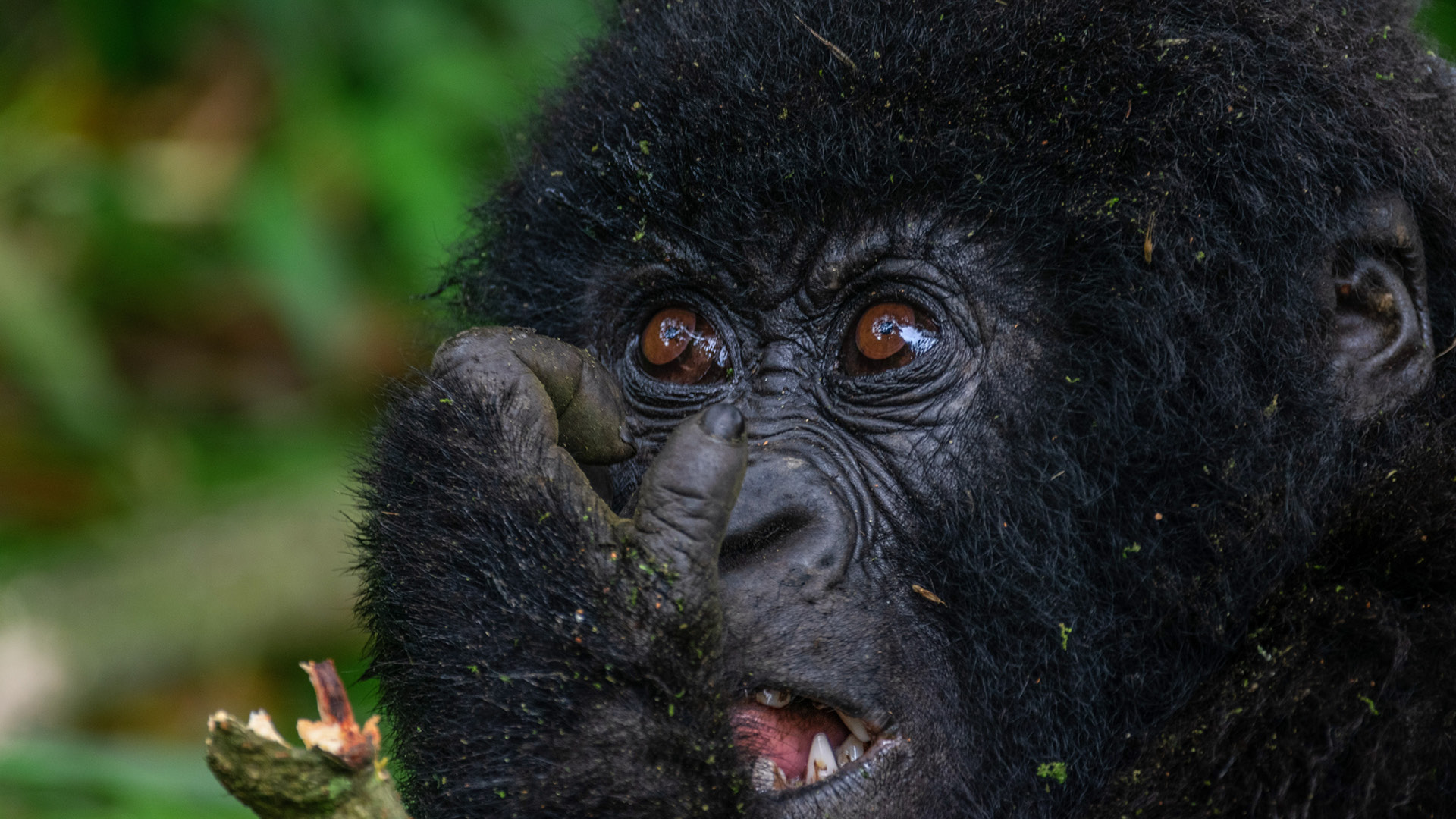
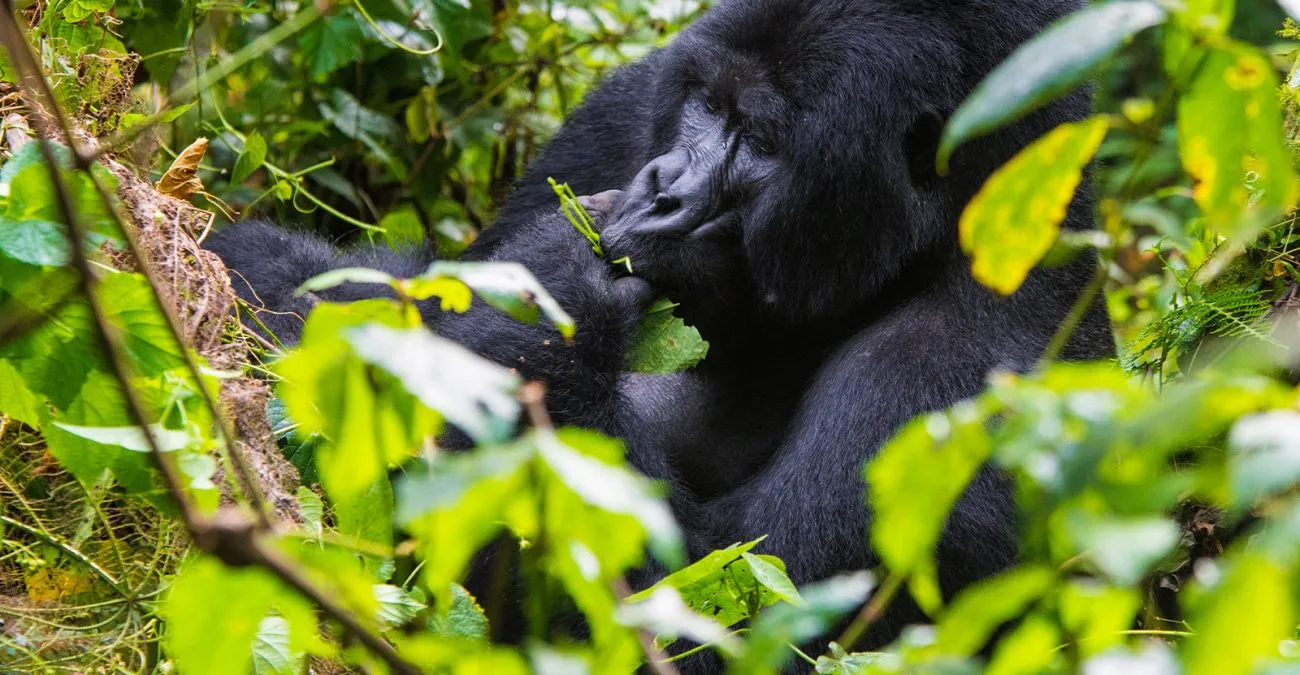
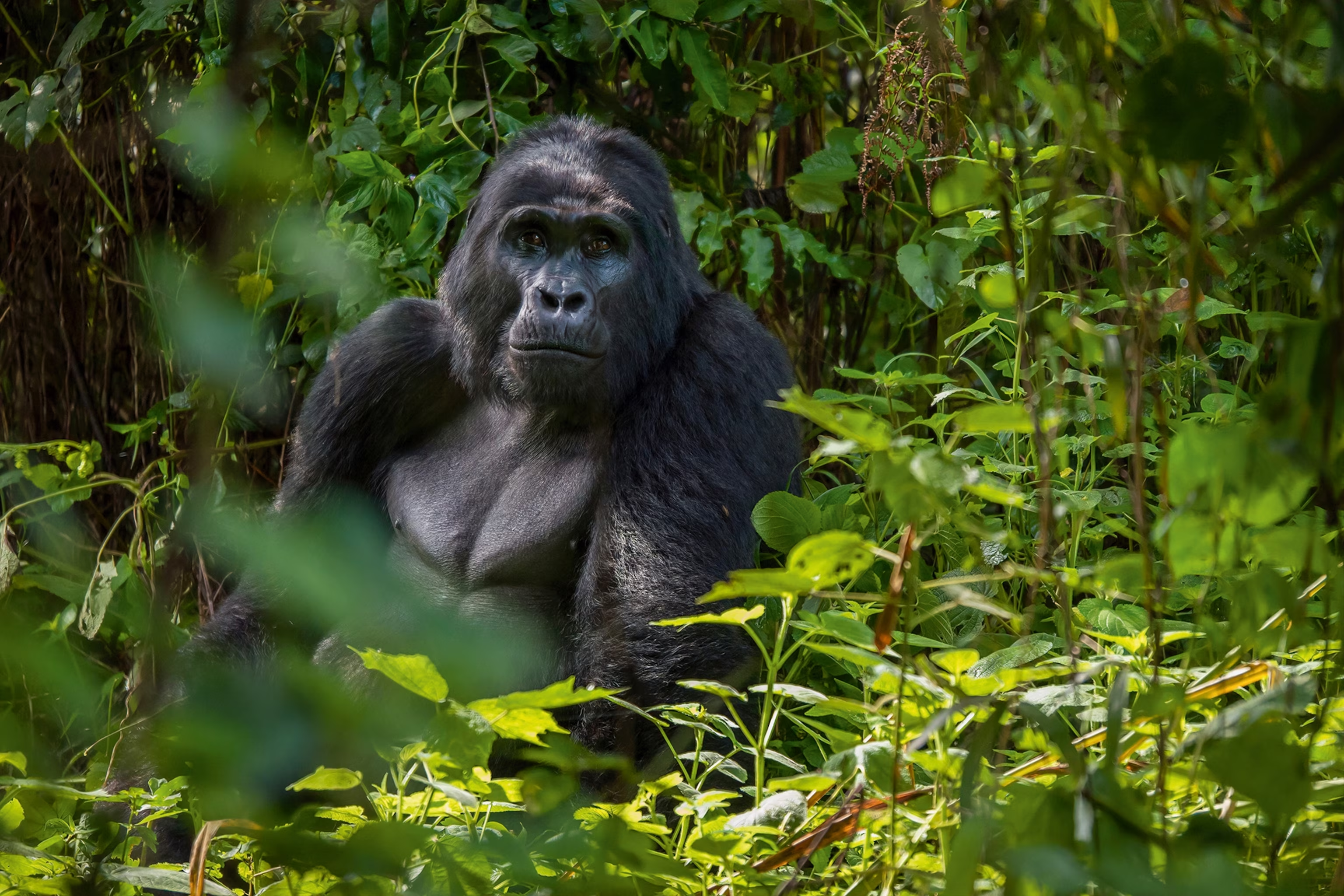
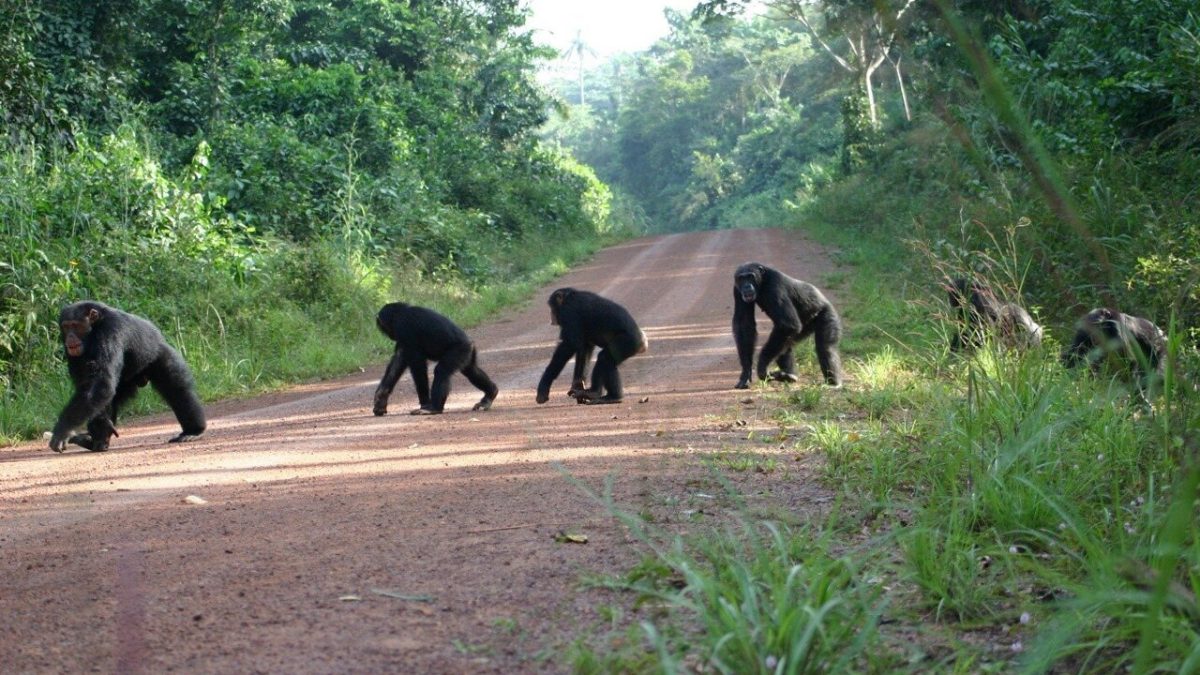
Travellers who arrive in the Congo often describe the experience as an awakening—a journey into environments that appear almost prehistoric in their depth and density. The lowland rainforests, which form part of the Congo Basin, are among the most important ecological systems on Earth, producing vast amounts of the planet’s oxygen and supporting some of the world’s most endangered species, including western lowland gorillas, forest elephants, and a wide variety of endemic birds and plants. Rivers wind like silver arteries through the forest, villages sit harmoniously beside the water, and ancient traditions continue to shape the rhythm of daily life. The Congo offers travellers not only a deep sense of adventure, but also a profound appreciation for the cultural and environmental heritage that makes this region essential to global conservation. This article provides comprehensive Congo travel advice designed to help travellers navigate the country with confidence, clarity, and respect for the landscapes and communities they will encounter.

Quick Facts

The Republic of the Congo is located in Central Africa, bordering Gabon, Cameroon, the Central African Republic, Angola (Cabinda exclave), and the Democratic Republic of the Congo. The capital city, Brazzaville, is positioned along the Congo River directly across from Kinshasa, making the two capitals the closest pair of national capitals in the world. The official language of the Congo is French, reflecting the country’s colonial history, while indigenous languages such as Lingala and Kituba are widely spoken and deeply rooted in daily communication. The country’s population is relatively small compared to its geographic size, creating a sense of space and tranquility across its landscapes, especially in rural regions.

The currency used is the Central African CFA Franc, which is shared with several neighbouring countries. The national economy relies on oil production, forestry, agriculture, and small but growing tourism sectors linked to conservation areas. Time in the Congo follows West Africa Time (WAT), remaining consistent year-round without daylight savings adjustments. Although urban areas exhibit modern infrastructure, much of the country remains heavily forested and sparsely populated, preserving a sense of remoteness and ecological purity. These foundational facts provide the grounding needed to understand more detailed aspects of travelling within the Congo.

Geography and Climate

Geographically, the Congo is dominated by its vast forest systems, which cover a significant portion of the country and form part of the Congo Basin—one of the most expansive tropical rainforests on the planet. The terrain alternates between dense jungle, rolling savannah, river floodplains, and coastal stretches along the Atlantic Ocean. The mighty Congo River, the second-largest river in the world by water volume, shapes much of the country’s hydrology and cultural identity. Its tributaries weave through deep equatorial forests, creating environments that support astonishing levels of biodiversity. Odzala-Kokoua National Park, one of Africa’s oldest reserves, protects millions of hectares of untouched forest and serves as a sanctuary for rare species and ecological research. Other significant natural regions include Nouabalé-Ndoki National Park, Conkouati-Douli National Park, and the coastal plains near Pointe-Noire.

The climate in the Congo is typically equatorial, marked by high humidity, warm temperatures, and substantial seasonal rainfall. The country experiences two main seasons: a rainy season and a dry season. The rainy season generally runs from September to December and again from February to May, with heavy downpours that support lush vegetation, enhance river levels, and intensify the vibrancy of the rainforest. The dry season occurs between June and September and again in January, though temperatures remain warm year-round. The equatorial climate nurtures dense vegetation and supports an abundance of wildlife, but travellers should be prepared for humidity, rain showers, and variable conditions depending on the season. Understanding the climate helps travellers plan their journeys with realistic expectations and a deeper appreciation for the ecological mechanisms that shape this unique environment.

Passports and VisasCongo Travel Advice
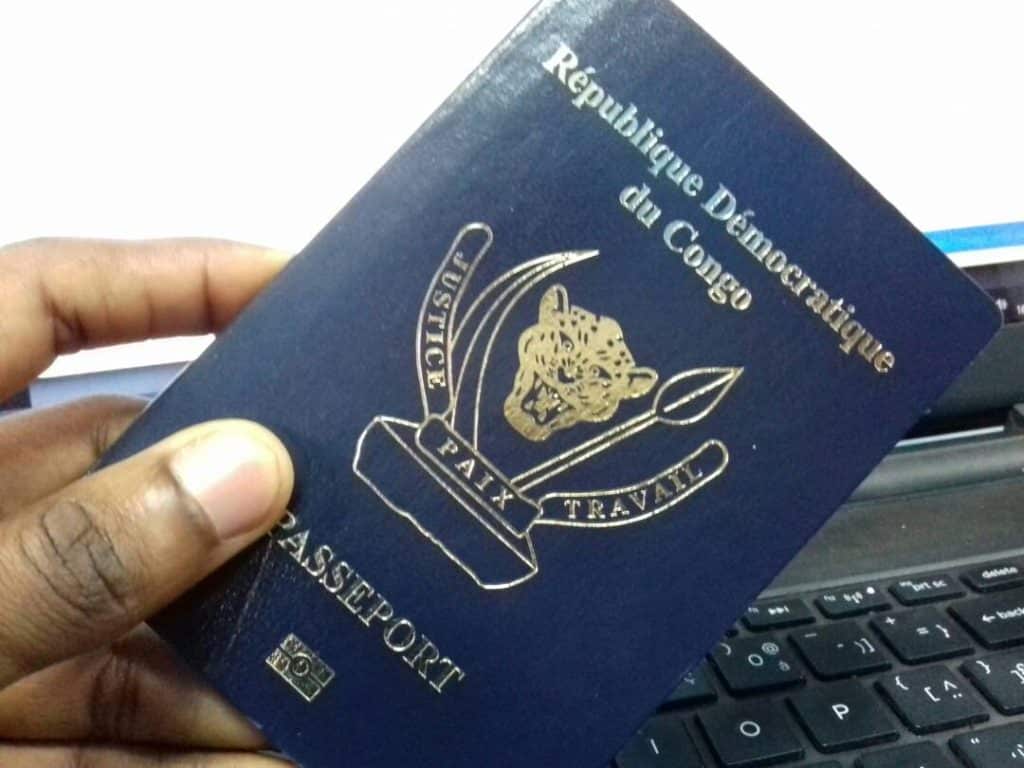
Entry into the Republic of the Congo requires a valid passport with at least six months of remaining validity from the date of entry, along with sufficient blank pages for stamps. Most international travellers, including those from Europe, North America, and many other countries, require a visa to enter the Congo. Visas must typically be obtained in advance from a Congolese embassy or consulate, although in recent years, certain entry ports have begun offering simplified or pre-arranged systems to accommodate tourism growth. Nonetheless, travellers are advised to complete visa arrangements well before departure to avoid delays and complications.

In many cases, visa applicants may be asked to provide invitation letters, confirmed hotel reservations, proof of onward travel, or evidence of sufficient funds for the duration of their stay. It is advisable to contact the nearest embassy directly for precise requirements, as regulations may change periodically. For travellers exploring multiple countries in Central Africa, it is important to note that visa policies vary significantly between nations within the region, making careful planning essential. Immigration officers may also request proof of yellow fever vaccination, as the Congo is classified as a region where yellow fever transmission is possible. It is therefore prudent to carry both passport and vaccination card at all times, especially when crossing borders.

Health

Health considerations in the Congo are an essential part of travel preparation, particularly due to the country’s location within the tropical rainforest zone. Travellers should consult a travel health specialist several weeks before departure to ensure they receive up-to-date medical advice tailored to their itinerary. Yellow fever vaccination is mandatory for entry and proof of vaccination must be presented at immigration. Additional recommended vaccinations may include hepatitis A, hepatitis B, typhoid, meningitis, and routine immunisations such as tetanus and measles if not already up to date. Malaria is present throughout the country, making anti-malarial medication, insect repellent, mosquito nets, and proper clothing extremely important for reducing risk.

Water and food safety should be taken seriously in both urban and rural areas. Bottled, boiled, or purified water is recommended for drinking, brushing teeth, and preparing food whenever possible. Travellers staying in remote forest camps will usually be provided with purified water and safe meals prepared by trained kitchen staff. Heat, humidity, and exposure to the rainforest environment can also influence health, so hydration and sun protection are essential. Travellers with pre-existing medical conditions should bring all necessary medications, as specific prescriptions may not be available in local pharmacies. Medical facilities in Brazzaville and Pointe-Noire are comparatively well equipped, but remote regions rely on more basic health services, making preparation crucial.

Insurance

Comprehensive travel insurance is strongly recommended for all travellers visiting the Congo due to the remote nature of many destinations, particularly wildlife reserves and forest-based camps. Insurance should cover medical care, emergency evacuation, trip cancellations, lost luggage, and any adventure activities included in the itinerary. Emergency evacuation is particularly important in regions such as Odzala-Kokoua National Park or Nouabalé-Ndoki, where the nearest fully equipped medical facilities may be many hours or even days away by road. Many safari lodges and tour operators require proof of evacuation insurance prior to guests’ arrival as part of their safety protocols.

Travel insurance also offers vital protection against unexpected disruptions that may arise from flight delays, missed connections, or schedule changes. Although the Congo’s main airports are functional and efficient, flights to and from remote areas can be affected by weather conditions, logistical challenges, and seasonal road conditions. Comprehensive insurance ensures peace of mind and supports travellers who may need to adjust their plans unexpectedly while exploring this remarkable destination.

Money

The Republic of the Congo uses the Central African CFA Franc (XAF), a currency shared with several countries in the Central African region and backed by the French Treasury. In urban centres such as Brazzaville and Pointe-Noire, credit and debit cards are accepted in major hotels, restaurants, and some retail establishments. However, rural areas and national parks operate largely on a cash-based system, making it necessary for travellers to carry enough local currency to cover expenses during remote journeys. ATMs can be found in major cities but may not always be reliable, so travellers often obtain local currency upon arrival or exchange foreign money at reputable banks or bureaus.

US dollars and euros are sometimes accepted in higher-end establishments, though this depends on individual operators. When carrying foreign currency, it is advisable to bring clean, undamaged notes, as torn or worn bills may not be accepted. Budgeting realistically for tips, lodge payments, domestic transport, and incidental expenses ensures a smoother travel experience, especially when exploring remote rainforest regions where ATM access is limited or nonexistent.

Tipping

Tipping is appreciated throughout the Congo as a gesture of gratitude for good service, although it is not mandatory. Local hospitality teams, guides, trackers, and camp staff work diligently to ensure travellers enjoy safe, comfortable, and enriching experiences in areas that often require enormous logistical effort. The amount tipped is left to the traveller’s discretion, influenced by the nature of the service, the duration of the stay, and the type of experience. Many lodges and camps offer guidance on tipping norms and may provide communal tip boxes to ensure that gratuities are shared fairly among staff. Tipping contributes to local livelihoods and supports the broader tourism economy in a country where hospitality employment is an important source of income for communities near parks and reserves.

Travel Destinations

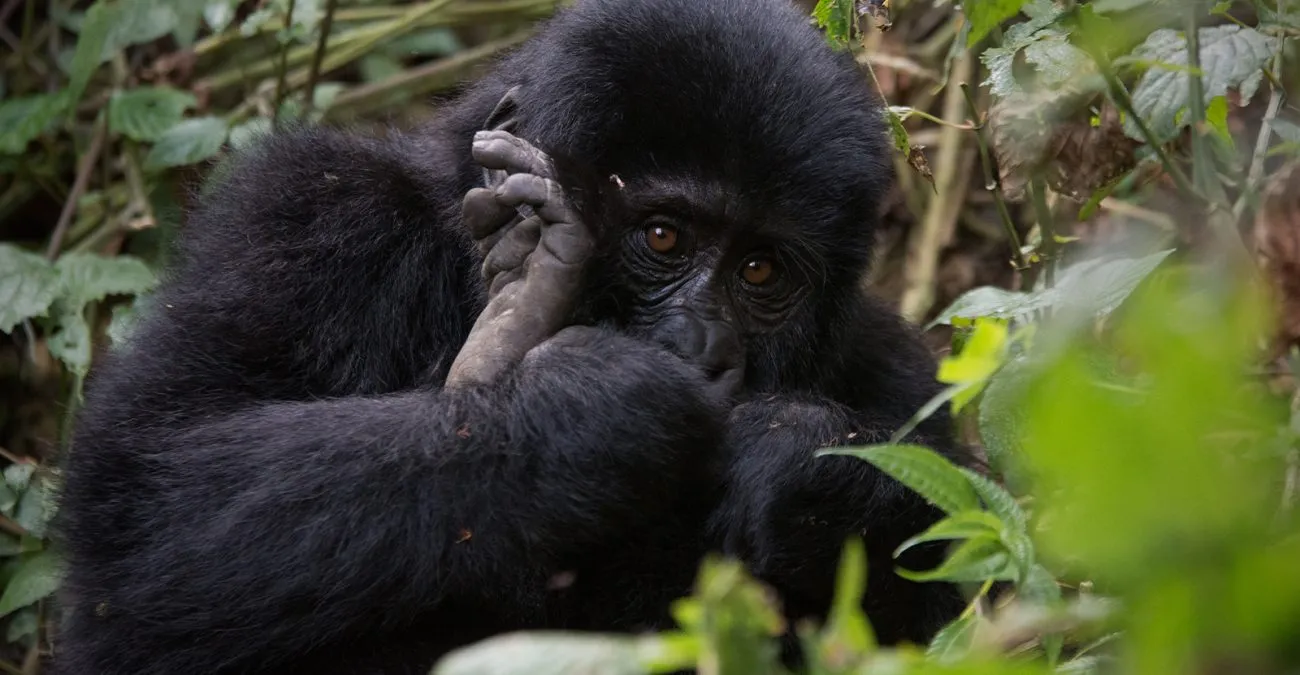
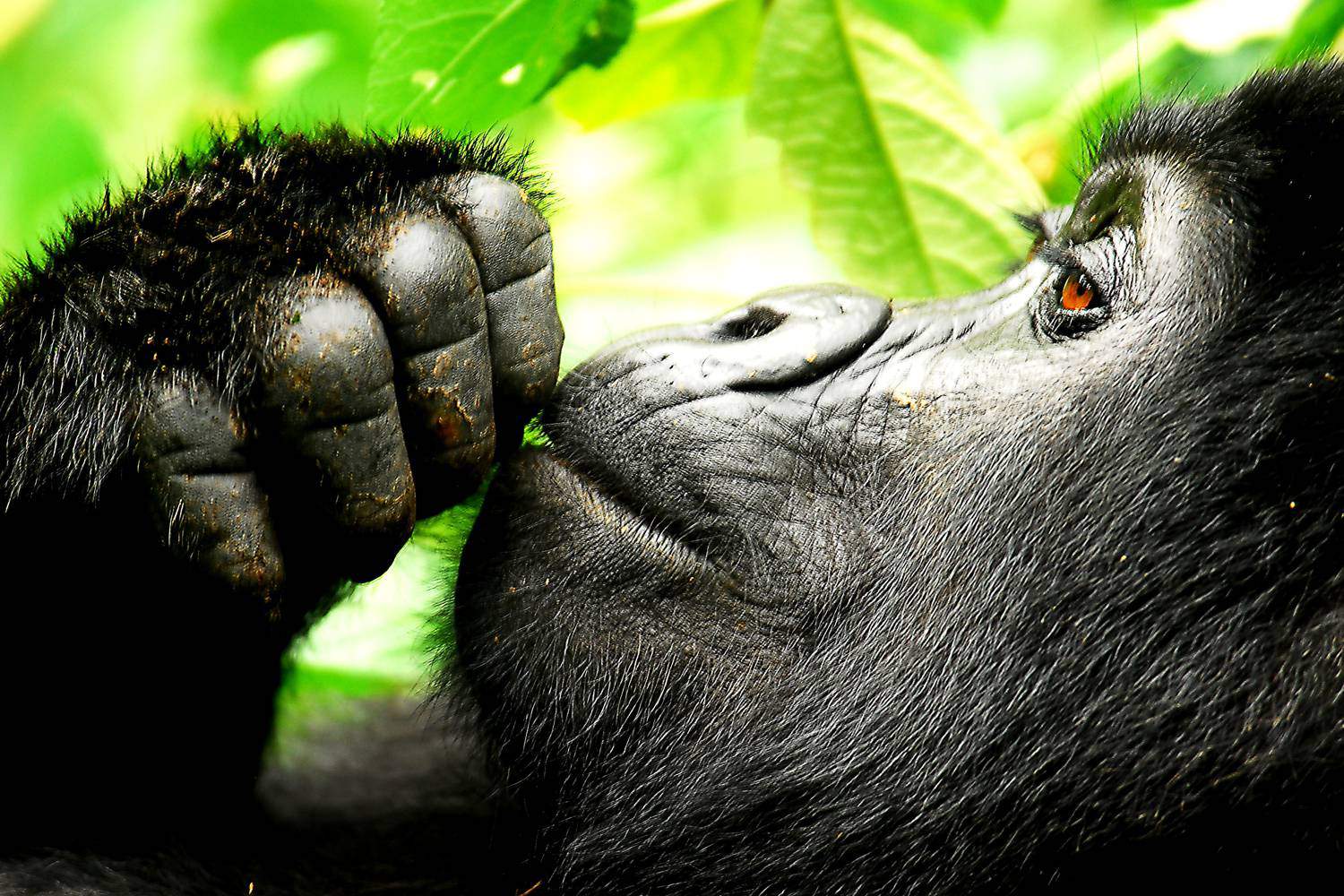
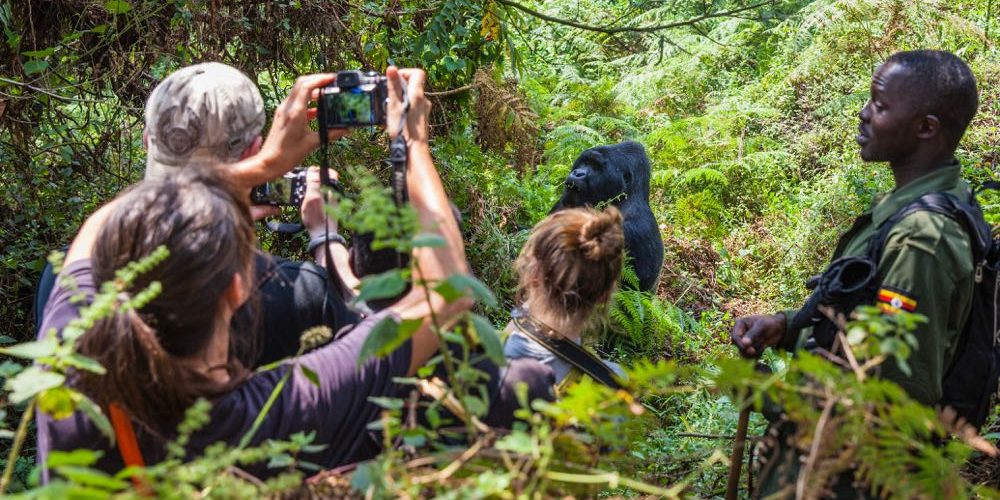
The Republic of the Congo offers an extraordinary range of travel destinations, each contributing to the country’s emerging reputation as a premier destination for conservation-driven adventure tourism. Odzala-Kokoua National Park stands out as the crown jewel of Congolese tourism, attracting travellers from around the world who come to track western lowland gorillas, explore dense jungles, walk through forest bais, and immerse themselves in one of the most biodiverse habitats on Earth. The park’s remote camps provide a deep sense of wilderness immersion, offering guided walks, river excursions, and extraordinary wildlife encounters with species such as forest elephants, sitatunga antelope, and countless bird species. Nouabalé-Ndoki National Park, another vital protected area, forms part of the tri-national Sangha Trinational landscape and is known for its pristine forests and rich primate diversity.

Beyond the rainforests, travellers find cultural vibrancy and urban charm in Brazzaville, where colourful markets, riverside promenades, and architectural landmarks mingle with modern cultural expressions. Pointe-Noire offers a coastal atmosphere shaped by Atlantic breezes, sandy beaches, and a slower pace that contrasts beautifully with the dense interior forests. Conkouati-Douli National Park combines marine, coastal, and forest ecosystems, allowing travellers to explore mangroves, beaches, and inland landscapes in a single journey. This variety of destinations gives travellers the flexibility to design deeply personalized journeys—whether focused on wildlife, culture, coastal relaxation, or scientific exploration.

How to Get There

The Republic of the Congo is accessible through two international airports: Maya-Maya International Airport in Brazzaville and Agostinho-Neto International Airport in Pointe-Noire. Most international travellers arrive via regional hubs such as Addis Ababa, Nairobi, Casablanca, Paris, Istanbul, or Johannesburg. Flight schedules vary depending on the season and airline routes, making it important to plan international connections well in advance. Once in the Congo, domestic flights connect Brazzaville with Pointe-Noire, and charter flights are often used to reach remote safari regions, particularly those within or near Odzala-Kokoua National Park.

Road travel is common within cities and between some neighbouring regions, although infrastructure varies widely. In remote areas, four-wheel-drive vehicles are essential due to forest conditions, unpaved roads, and seasonal changes that affect road quality. Water travel is also part of the country’s transport network, particularly along sections of the Congo River. Most travellers exploring national parks work with established tour operators or lodges that organize all transfers, ensuring safer and more efficient movement between destinations. Due to the remote nature of many attractions, planning transportation in advance helps avoid delays and maximizes time spent exploring.

Best Time to Visit

The best time to visit the Congo depends on the experiences travellers seek. The dry seasons, especially from June to September, offer easier travel conditions, reduced humidity, lighter rains, and improved accessibility to remote park regions. Wildlife viewing is generally more predictable during these months, as animals are easier to track and vegetation is less dense. Gorilla tracking in Odzala-Kokoua is possible year-round, but many travellers prefer the dry season for the comfort of walking through forest paths with less mud and rainfall. The green seasons bring heavier rainfall, particularly from September to December and March to May, but they also transform the rainforest into a lush, vibrant environment ideal for birdwatching, photography, and appreciating the full ecological richness of the Congo Basin.

Travellers interested in cultural experiences may visit at any time of year, as major cultural rhythms and ceremonies occur throughout different seasons. Climate patterns are generally consistent, but local variations can influence specific destinations, especially coastal or riverine regions. The best time to visit ultimately aligns with personal interests, travel style, and tolerance for humidity or rain. With proper preparation, the Congo remains a year-round destination that rewards travellers with profound natural beauty and rare wildlife experiences.
Botswana Travel Advice

Botswana travel advice

By Botswana travel guides

Botswana Travel Advice

Botswana has long been regarded as one of Africa’s most exclusive, pristine, and conservation-driven safari destinations, shaped by a deep commitment to protecting wilderness landscapes that remain untouched by mass tourism. The country’s carefully managed low-impact tourism model has allowed vast ecosystems to flourish naturally, ensuring that wildlife thrives across protected areas that span millions of hectares. Travellers who journey through Botswana quickly discover that the experience is defined by space, silence, and a sense of immersion that is rarely achieved in other parts of the world. The Okavango Delta, the Kalahari Desert, the Makgadikgadi Pans, and the Chobe River are destinations that capture the imagination of travellers who value authenticity, raw beauty, and a genuine sense of remoteness. A visit to Botswana never feels rushed, crowded, or commercial; instead, it unfolds like a quiet, deeply personal journey into Africa’s last remaining untouched frontiers.

The nation’s reputation for stability, friendliness, and warm hospitality complements its natural richness. The rhythm of life in Botswana moves gently, reflecting the local ethos of respect for nature, community, and tradition. Visitors often remark on how connected they feel to the land and how easily they can disconnect from modern pressures once they arrive. The sound of lions calling in the night, the sight of elephants crossing a river at sunset, the glow of lantern-lit camps deep in the delta, and the unbroken horizons of the Kalahari shape memories that stay with travellers long after they return home. This article provides comprehensive Botswana travel advice, offering in-depth guidance for planning a safe, rewarding, and well-informed journey while maintaining accuracy, insight, and a tone that speaks to travellers seeking more than a standard safari.

Quick Facts

Botswana is a landlocked country in Southern Africa known for its remarkable commitment to wildlife conservation and low-volume luxury tourism. The population is relatively small compared to the size of the land, resulting in a sense of spaciousness and tranquility that defines the country’s identity. English is the official language used throughout government, education, and tourism, making communication seamless for most international travellers, while Setswana is widely spoken in daily life. The currency is the Botswana Pula, which reflects national pride and stability. Botswana is politically stable, democratic, and ranked among the safest destinations in Africa. Its economy is bolstered by diamond mining, tourism, and beef exports, contributing to strong national infrastructure and well-maintained protected areas. Time in Botswana follows Central Africa Time (CAT), which remains consistent throughout the year, as the country does not observe daylight savings.

Botswana’s travel experience is heavily shaped by its abundant wildlife, vast national parks, pristine wetlands, and arid deserts. The government’s conservation policies have created strong populations of elephants, predators, and endangered species, making the country a sanctuary for anyone interested in wildlife-focused travel. The culture is rooted in tradition, hospitality, and community values, offering travellers a calm, grounded introduction to Southern Africa. These quick facts help build a foundational understanding of Botswana and frame the deeper advice offered throughout the article.

Geography and Climate

Botswana’s geography is defined by remarkable contrasts, encompassing both one of the world’s largest inland deltas and one of the most expansive deserts in Africa. Much of the country sits on the Kalahari Basin, creating landscapes dominated by sandy soil, arid plains, ancient pans, and sparse vegetation that adapts beautifully to low rainfall. Despite its desert character, Botswana is also home to the Okavango Delta, a UNESCO World Heritage Site and one of the planet’s most extraordinary ecosystems. The delta is created by seasonal floodwaters from Angola that spread into a network of channels, lagoons, islands, papyrus reeds, and floodplains that support an extraordinary diversity of wildlife. The presence of water within an otherwise semi-arid environment sets Botswana apart from typical safari destinations and creates the dramatic wildlife concentrations for which the country is famous.

The climate in Botswana is primarily semi-arid, shaped by hot summers and cooler, dry winters. The dry season, from May to October, is characterized by clear skies, comfortable days, cool nights, and minimal rainfall. This is the peak safari season, as vegetation thins and animals gather near permanent water sources, creating exceptional viewing conditions. The green season, often referred to as the rainy season, runs from November to April. During this time, afternoon thunderstorms refresh the landscape, transforming the plains into lush green expanses. Wildlife disperses more widely, migratory birds arrive, and the atmosphere becomes calmer and more atmospheric. While some remote areas may become inaccessible after heavy rains, the green season offers photographers and nature lovers a chance to witness a softer, more colourful side of Botswana. Understanding the geography and climate provides travellers with realistic expectations and informed decision-making regarding when and where to travel.

Passports and VisasBotswana travel advice

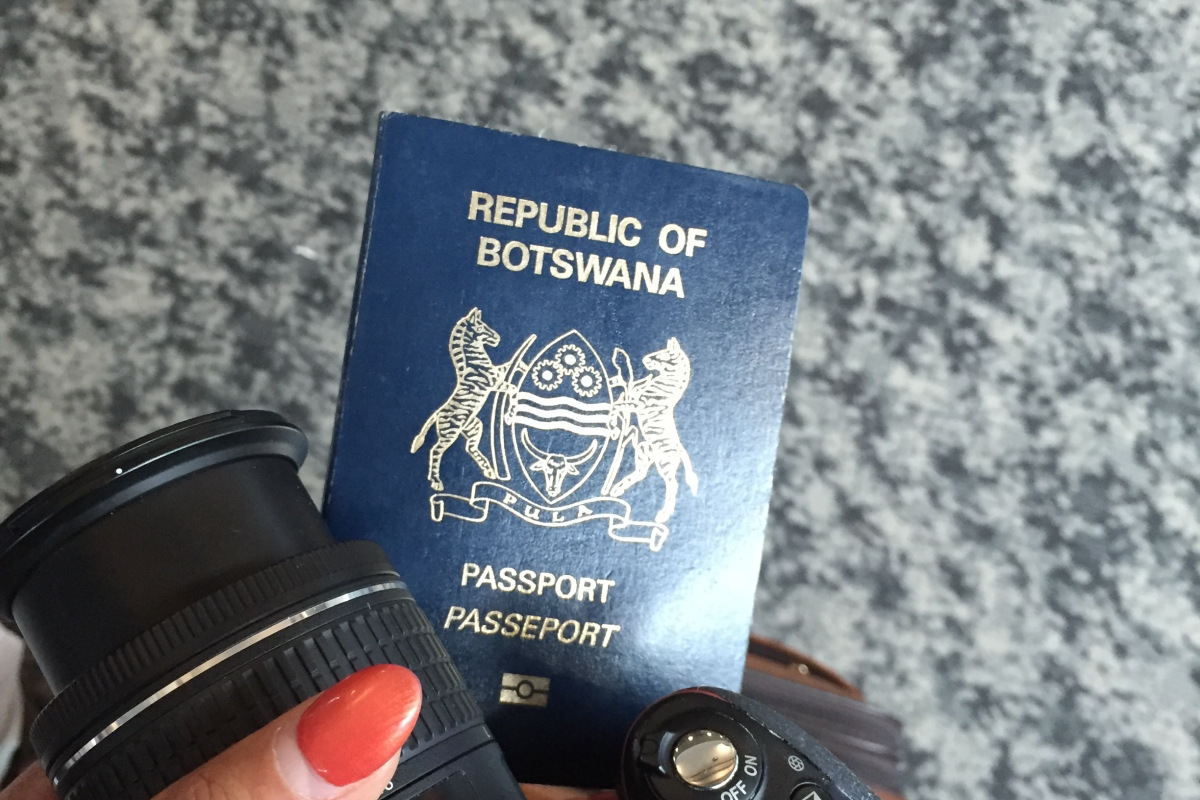
Most travellers find Botswana’s entry requirements straightforward and traveler-friendly, although it remains essential to verify the latest regulations before departure. A valid passport with at least six months of remaining validity from the date of entry is required for all visitors. Several nationalities, including those from the United States, Canada, the United Kingdom, the European Union, and many Commonwealth countries, do not require a visa for stays of up to ninety days. Travellers who do require visas must obtain them through Botswana’s diplomatic missions or designated online application systems when available. Immigration officers may request proof of onward or return travel, adequate financial means for the duration of the stay, and proof of accommodation, so carrying printed or digital confirmations is recommended.

For travellers crossing into Botswana with children under eighteen years of age, additional requirements may apply, such as producing unabridged birth certificates or parental consent documents. These rules are designed to protect minors and reflect broader Southern African regulations. Border crossings between Botswana and neighbouring countries, such as South Africa, Namibia, Zambia, and Zimbabwe, are generally efficient, though peak holiday periods may result in longer waits. It is always advisable to ensure travellers have multiple copies of all key documents stored separately for added security.

Health

Health considerations in Botswana vary depending on the region and type of travel, but the country overall is considered safe and well-equipped with reputable medical facilities in larger towns such as Gaborone, Maun, and Kasane. Travellers are advised to consult a travel health professional before departure to discuss any recommended vaccinations. Standard travel vaccinations, including hepatitis A, tetanus, and typhoid, may be advised depending on a traveller’s medical history and itinerary. Botswana is a malaria-risk area in several northern regions, particularly during the rainy season, with the Okavango Delta, Chobe National Park, and parts of the Makgadikgadi region being the most affected. Anti-malarial medication, insect repellent, long clothing during evenings, and well-screened accommodations can help minimize risk significantly.

Water in major towns is treated and generally safe to drink, although many travellers prefer bottled water or purified water provided by lodges in remote destinations. Warm temperatures during the day may lead to dehydration, so travellers are encouraged to drink water regularly. Sunscreen, hats, and protective clothing are essential due to the strong African sun. Travellers with prescription medications should bring enough for the entire journey, along with official documentation, as pharmacies in remote areas may not stock specialized medications. Health awareness forms part of responsible travel, helping ensure a safe and enjoyable stay.

Insurance

Travel insurance should be considered essential for any trip to Botswana, particularly because safari regions are remote and medical evacuation costs can be extremely high. Comprehensive coverage that includes medical care, emergency evacuation, trip delays, cancellations, and lost baggage is highly advised. Many high-end safari lodges require guests to have evacuation insurance before arrival, as accessing advanced medical care typically involves air transport to major towns or neighbouring countries. Insurance that covers international flights, personal belongings, and unexpected itinerary changes offers peace of mind and financial security. Travellers planning adventurous activities such as mokoro excursions, helicopter flights, or walking safaris should confirm that their insurance provider includes adventure-travel coverage.

Money

The Botswana Pula (BWP) is the official currency, and it is widely accepted in towns, national parks, and local establishments. Credit and debit cards are commonly used in hotels, lodges, and larger shops, but cash remains useful in markets, fuel stations, and small rural settlements. ATMs are available in major towns such as Maun, Gaborone, Kasane, and Francistown, although travellers heading into remote safari camps should carry enough cash for incidental expenses. Many luxury lodges operate on a cashless model, allowing guests to settle bills electronically at the end of their stay. Currency exchange services are available at banks, airports, and foreign-exchange bureaus, although rates may vary. US dollars are accepted in some tourism settings, particularly for park fees or cross-border visas, but it is best to confirm beforehand to avoid misunderstandings.

Tipping

Tipping in Botswana is appreciated and encouraged as a way to acknowledge excellent service, although it is not compulsory. The tourism sector is structured around hospitality teams that work diligently to create smooth and memorable travel experiences. Guests typically tip guides, trackers, lodge staff, and camp personnel at the end of their stay. The amount varies depending on personal discretion, level of luxury, and length of visit, but tips are generally given in Botswana Pula or US dollars when acceptable. Some lodges provide communal tip boxes designed to ensure that gratuities are distributed fairly among staff, reflecting the cooperative nature of safari camp operations. Tipping remains a personal gesture, and travellers should feel comfortable adjusting to their own preferences.
Travel Destinations

Botswana offers an array of destinations that appeal to travellers seeking sweeping natural beauty, remarkable wildlife, and a sense of remote wilderness. The Okavango Delta is often considered the heart of the safari experience, where seasonal floodwaters create a mosaic of lagoons, islands, and grasslands that draw immense concentrations of wildlife. Mokoro rides, guided walks, boat excursions, and photographic safaris reveal the delta’s quiet magic. Chobe National Park contrasts beautifully with the delta, offering riverfront safaris where elephants gather in astonishing numbers to drink, bathe, and cross the water at sunset. Chobe is renowned for its predator populations, birdlife, and dramatic scenes played out along the riverbanks.

Further south, the Makgadikgadi Pans and Nxai Pan National Park provide otherworldly desert landscapes filled with salt pans that glitter in the sunlight, ancient baobabs, and seasonal zebra migrations that create powerful scenes of movement and survival. The Kalahari Desert, spanning an immense portion of Botswana, offers a quieter safari experience shaped by extraordinary desert-adapted wildlife, San cultural encounters, and endless horizons. Central Kalahari Game Reserve is particularly known for its sense of isolation and the dramatic transformation of its landscapes during the rainy season. Linyanti, Selinda, and the private reserves surrounding the Okavango Delta provide exclusive safari experiences that combine luxury, conservation, and privacy.

How to Get There

Botswana can be accessed through several international gateways, with most travellers entering via South Africa, Namibia, Zambia, or Zimbabwe. Maun serves as the main safari hub, connecting visitors to the Okavango Delta and surrounding reserves through light aircraft transfers. International travellers typically fly into Johannesburg’s OR Tambo International Airport before connecting to Maun or Kasane. Kasane is an excellent entry point for travellers visiting Chobe National Park or combining Botswana with Victoria Falls in Zambia or Zimbabwe. Gaborone, the capital, also serves as an international entry airport, though it is less commonly used by safari travellers. Road transfers between Botswana and neighbouring countries are efficient, particularly for those arriving from Namibia’s Caprivi Strip or Zambia’s Kazungula border.

Within Botswana, air travel is often necessary due to vast distances between safari regions. Light aircraft transfer guests directly into remote airstrips, offering a scenic introduction to the landscape while minimizing environmental impact. Scheduled domestic flights operate between major towns, while private charter flights may be arranged for travellers seeking flexible or time-sensitive travel. Self-driving is possible in several regions but requires experience, proper equipment, and awareness of remote driving conditions.

Best Time to Visit

The best time to visit Botswana depends on the type of experience sought. The dry season, from May to October, is widely regarded as the prime safari months due to cooler temperatures, clearer skies, and exceptional wildlife visibility. Animals congregate around permanent water sources during this time, making sightings frequent and dramatic. The Okavango Delta is in full flood from June to August, transforming the landscape into a shimmering water world ideal for mokoro excursions and boat safaris. September and October tend to be hotter but offer intense wildlife action as water sources dwindle.

The green season, from November to April, brings lush vegetation, colourful birdlife, dramatic skies, and quieter lodges. While some remote areas may become inaccessible after heavy rainfall, the green season remains a photographer’s dream due to vibrant colours and atmospheric conditions. Calving season occurs during the rains, drawing predators and adding a different layer of excitement to safaris. The best time to visit ultimately depends on personal preferences, but Botswana remains compelling throughout the year thanks to its diversity of ecosystems and seasonal personalities.

Best time to go Bird Watching in Uganda?

Best time to go Bird Watching in Uganda?

By Travel guides, Uganda travel guides, When to go

Best time to go Bird Watching in Uganda?

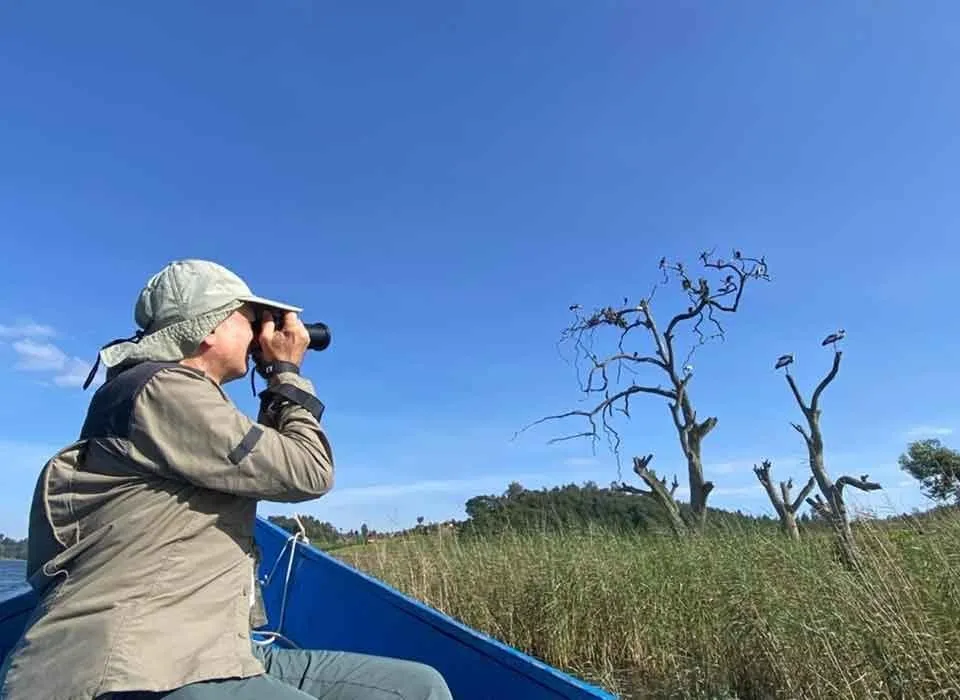
Bird watching in Uganda can be enjoyed throughout the year, but the dry seasons, which fall between December and February and again from June to September, are generally considered the most favorable. During these months, the weather is more predictable, trails are easier to navigate, and visibility in forests and wetlands is clearer. Bird species are also more concentrated around water sources, making sightings along rivers, lakes, and channels particularly rewarding. For photographers, the dry months offer brighter skies and ideal lighting conditions for capturing Uganda’s vibrant birdlife.

The wet seasons, from March to May and October to November, bring their own unique advantages for birders. These months coincide with the arrival of migratory species from Europe and northern Africa, which greatly increases the diversity of birds present. Forest habitats such as Bwindi and Kibale flourish with food, encouraging breeding and nesting activity that provides exceptional opportunities to observe rare behaviors. While trails may become muddy and travel more challenging, the lush green landscapes and abundance of birds make this period especially rewarding for dedicated birdwatchers.

Ultimately, the best time depends on the preferences of the traveler. Those seeking comfort and ease of movement may prefer the dry seasons, while enthusiasts eager for migratory sightings and breeding activity may find the wet months irresistible. Regardless of when one visits, Uganda’s incredible avian diversity ensures that bird watching remains a deeply fulfilling experience throughout the year.

Best time to go Bird Watching in Uganda?

Crafting the Perfect Itinerary

The beauty of Uganda lies in its year-round accessibility, but the optimal experience depends on aligning interests with seasonal nuances. For wildlife lovers, the dry months of June through August and December through February are ideal. Those captivated by color, solitude, and renewal may find March to May and October to November more rewarding. Each region of Uganda carries its own rhythm and character, making it essential to balance one’s journey across forests, savannahs, highlands, and lakes.

For travelers seeking to transform these recommendations into a tailor-made adventure, it is strongly encouraged to book Africa tours and safaris through WildHorn Africa, a trusted expert in curating immersive, seamless, and unforgettable experiences across Uganda and beyond. With WildHorn Africa, every month becomes the perfect time to explore, connect, and rediscover the wonders of travel through the eyes of a land that never ceases to amaze.

The best time to visit is generally considered to be during the dry season, when weather conditions are more pleasant and travel is less likely to be disrupted, typically based on your preferred destinations. During this period, landscapes are at their most vibrant, wildlife sightings are more frequent, and activities can be enjoyed with greater ease. While visits are possible year-round, choosing this window is often recommended to ensure the most rewarding and comfortable experience.

WhatsApp

Grandeur

Experience the grandeur of Africa with WildHorn Africa, where every safari is designed to showcase the continent’s breathtaking landscapes and majestic wildlife.

24/7 support

Enjoy peace of mind with 24/7 support from WildHorn Africa, ensuring expert assistance before, during, and after your safari adventure.

Safety

Your safety is our top priority at WildHorn Africa, with expertly guided safaris and trusted partners ensuring a secure and worry-free adventure.

Price-quality ratio

WildHorn Africa offers exceptional price-quality ratio, delivering top-tier safari experiences at competitive rates without compromising on comfort.

Where to stay Bird Watching in Uganda?

Where to stay Bird Watching in Uganda?

By Travel guides, Uganda travel guides

Where to stay Bird Watching in Uganda?

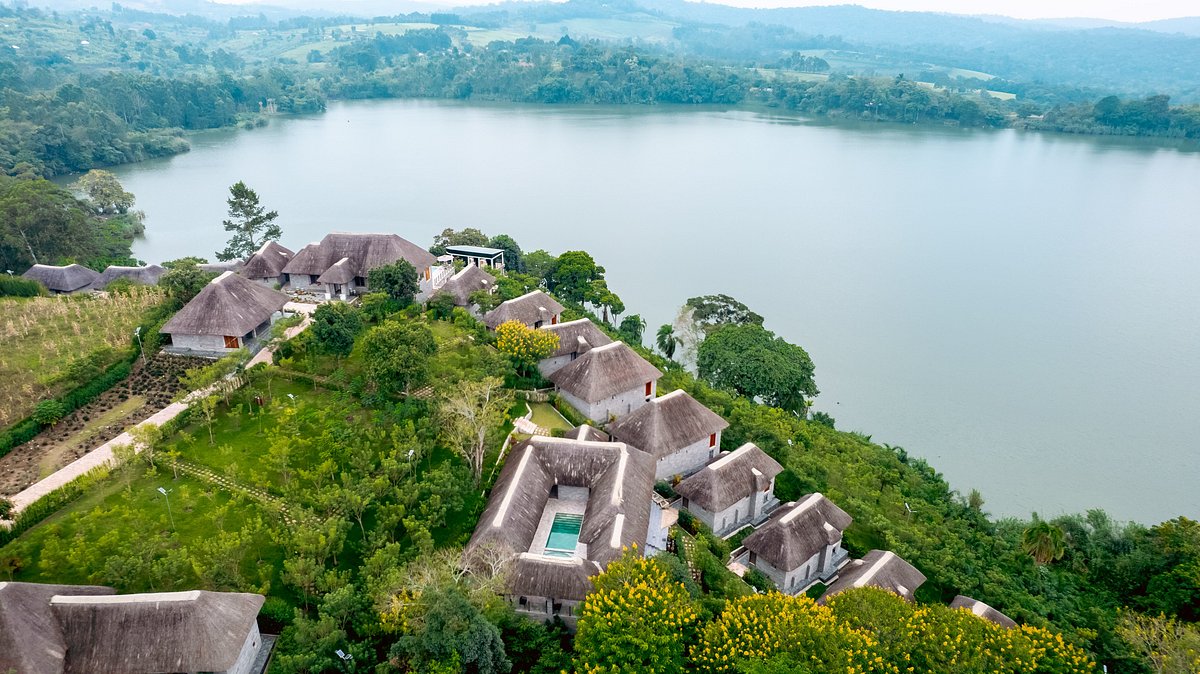
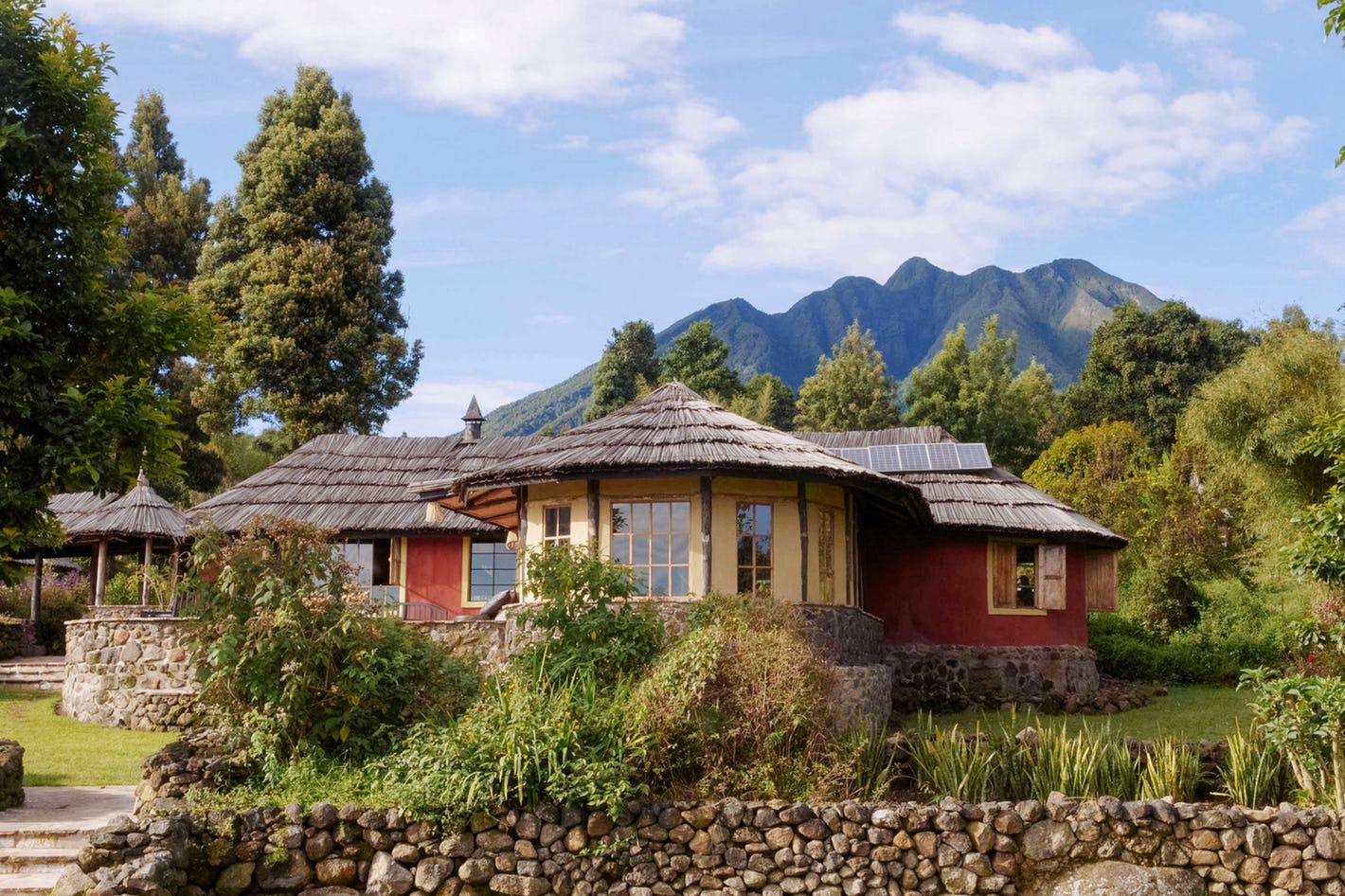
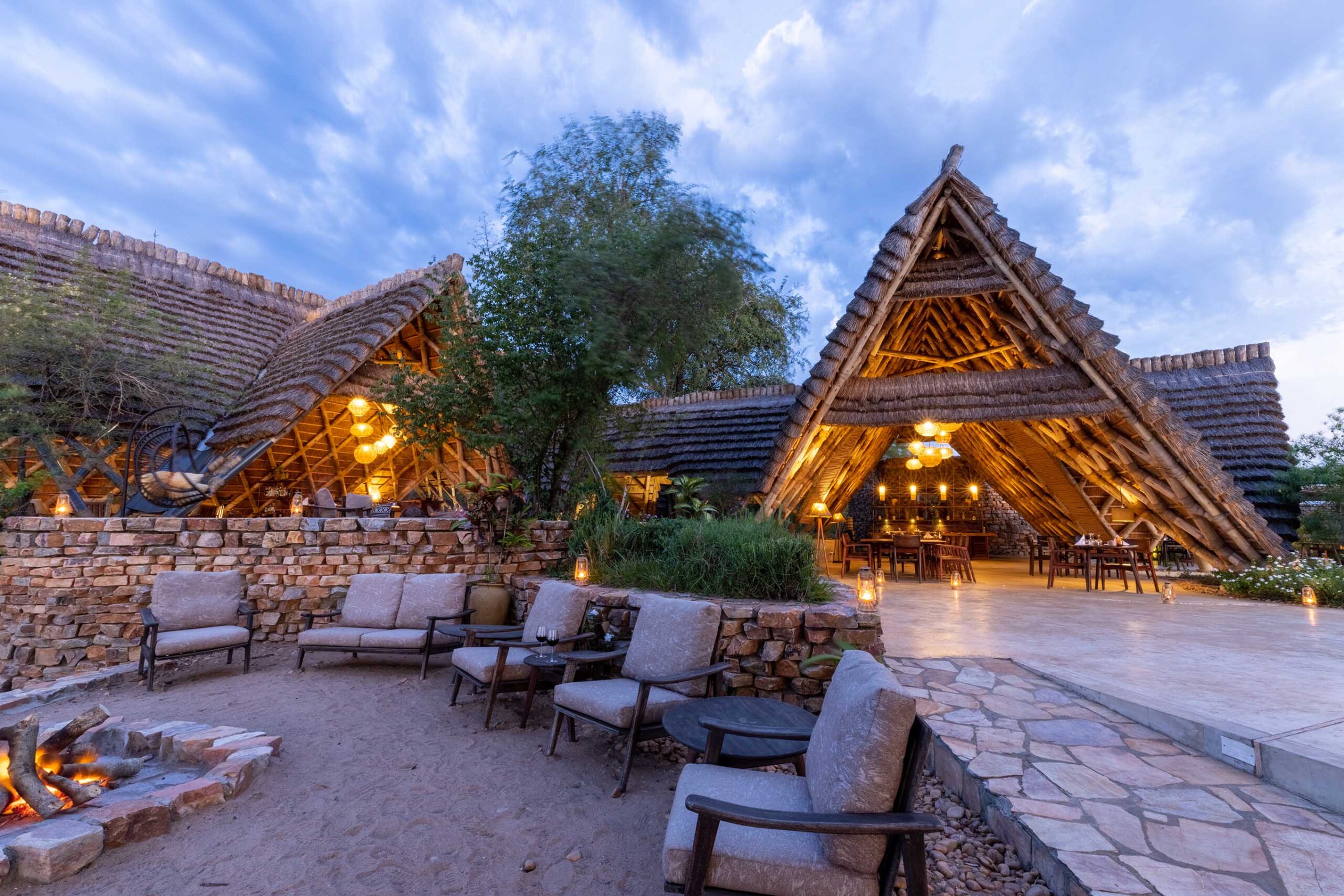
Accommodation for bird watching in Uganda is designed to blend comfort with proximity to key birding habitats, ensuring that travelers remain immersed in nature throughout their stay. At Bwindi Impenetrable National Park, lodges such as Bwindi Lodge and Buhoma Lodge offer breathtaking views over the forest canopy where turacos, sunbirds, and hornbills are often spotted right from the verandas. For those seeking a closer connection to the wilderness, eco-friendly camps and community-run guesthouses provide simpler yet rewarding stays, where dawn begins with the melodic calls of forest birds echoing through the mist.

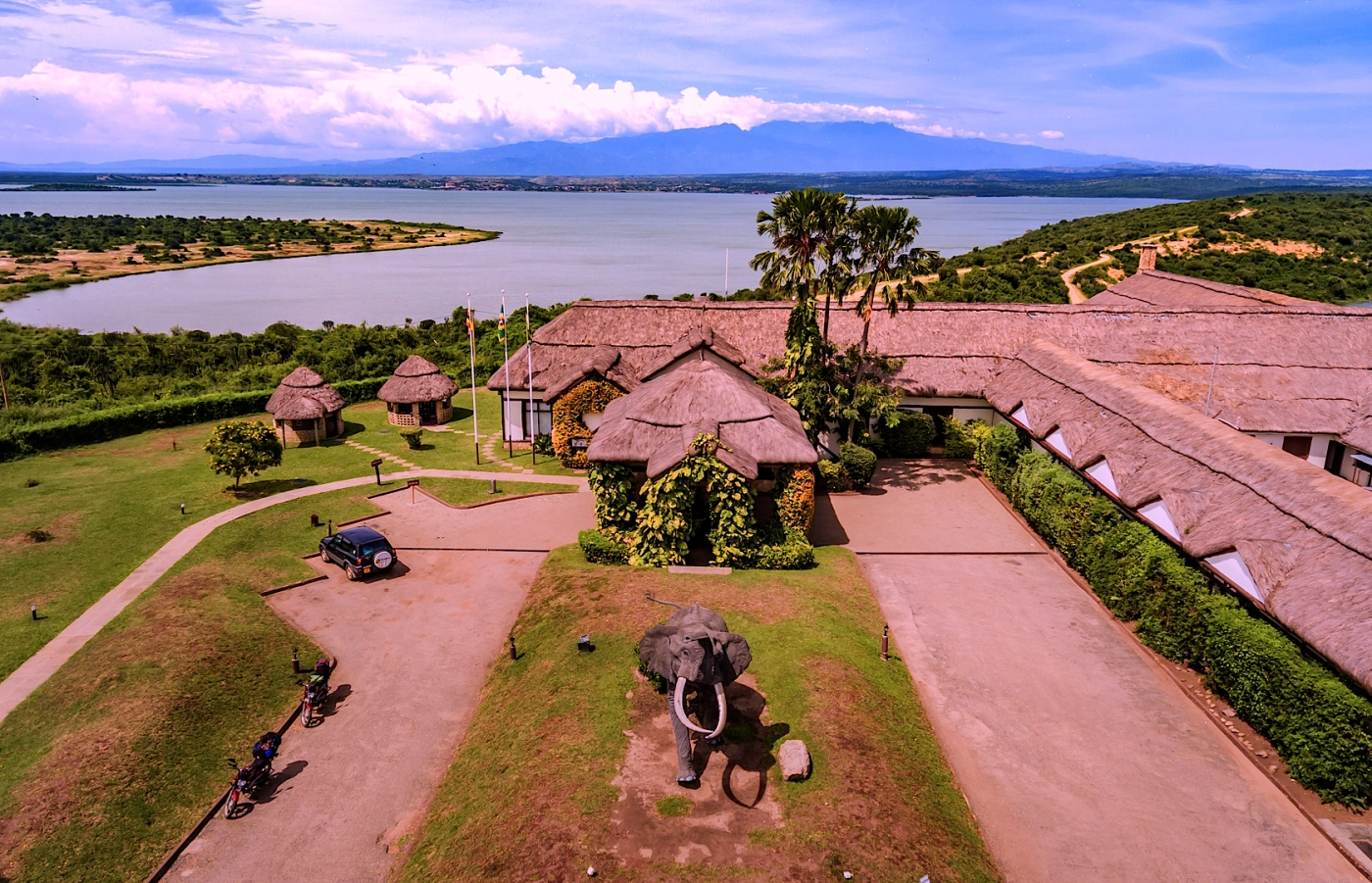
In the savannah landscapes of Queen Elizabeth National Park, a wide range of lodges and tented camps cater to bird watchers eager to explore the Kazinga Channel and the Ishasha plains. Upscale accommodations such as Mweya Safari Lodge provide panoramic views of the channel, where sightings of African fish eagles and kingfishers are common even before guests embark on guided trips. Mid-range and budget options scattered around the park ensure that every traveler, regardless of preference, can enjoy easy access to the park’s diverse birding habitats.

Closer to Kampala and Entebbe, birders seeking the legendary shoebill stork at Mabamba Bay Wetland can choose from a selection of lakeside guesthouses and boutique lodges along the shores of Lake Victoria. These provide convenient bases for early morning excursions into the swamp while offering serene views over the water. Further afield, Murchison Falls National Park features riverside lodges where bird watching continues from the comfort of the deck, while Kibale National Park is served by forest lodges and eco-camps nestled along its edges, where the sounds of grey parrots and pittas enliven every evening. Wherever one stays, the accommodations across Uganda are positioned to make bird watching not just an activity, but an uninterrupted part of daily life.

The best time to visit is generally considered to be during the dry season, when weather conditions are more pleasant and travel is less likely to be disrupted, typically based on your preferred destinations. During this period, landscapes are at their most vibrant, wildlife sightings are more frequent, and activities can be enjoyed with greater ease. While visits are possible year-round, choosing this window is often recommended to ensure the most rewarding and comfortable experience.

WhatsApp

Grandeur

Experience the grandeur of Africa with WildHorn Africa, where every safari is designed to showcase the continent’s breathtaking landscapes and majestic wildlife.

24/7 support

Enjoy peace of mind with 24/7 support from WildHorn Africa, ensuring expert assistance before, during, and after your safari adventure.

Safety

Your safety is our top priority at WildHorn Africa, with expertly guided safaris and trusted partners ensuring a secure and worry-free adventure.

Price-quality ratio

WildHorn Africa offers exceptional price-quality ratio, delivering top-tier safari experiences at competitive rates without compromising on comfort.

Where to go Bird Watching in Uganda?

Where to go Bird Watching in Uganda?

By Travel guides, Uganda travel guides, Where to go

Where to go Bird Watching in Uganda?

Uganda’s diverse landscapes offer some of the richest bird watching opportunities in Africa, with habitats ranging from dense forests to vast savannahs and expansive wetlands. The Bwindi Impenetrable National Park is a premier destination for forest birding, harboring over 350 species including 23 Albertine Rift endemics that cannot be found outside this region. Species such as the regal sunbird, the dusky crimsonwing, and the handsome francolin thrive here, while the forest canopy echoes with the calls of turacos and barbets. Bwindi’s rugged trails demand patience and endurance, yet the rewards for birders are extraordinary.

In the open savannahs and wetlands of Queen Elizabeth National Park, bird watching takes on a different character, with over 600 recorded species making it one of the richest birding areas in East Africa. The shores of the Kazinga Channel reveal a dazzling variety of waterbirds, including pelicans, kingfishers, and African skimmers, while the Ishasha plains host large raptors, vultures, and storks soaring above the grasslands. The sheer range of habitats within the park ensures a dynamic and rewarding birding experience that is both varied and spectacular.

For those seeking Uganda’s most iconic bird, the prehistoric-looking shoebill stork, the Mabamba Bay Wetland near Entebbe offers the most reliable sightings. This papyrus-fringed swamp is also home to numerous herons, weavers, and swamp flycatchers, making it a paradise for wetland birders. Beyond Mabamba, Murchison Falls National Park with its Nile River habitats, and Kibale National Park, known for both primates and unique bird species such as the green-breasted pitta, provide additional highlights. Together, these destinations ensure that bird watching in Uganda is never monotonous, with each region offering a distinctive glimpse into the country’s avian wealth.

Where to go Bird Watching in Uganda?

Queen Elizabeth National Park

Kazinga Channel Boat Cruise
This is one of the park’s top highlights. The Kazinga Channel is home to one of Africa’s highest concentrations of hippos, as well as Nile crocodiles, elephants, buffaloes, and abundant birdlife. The cruise lasts about 2 hours and offers close-up wildlife encounters and excellent photography opportunities.

Murchison Falls National Park

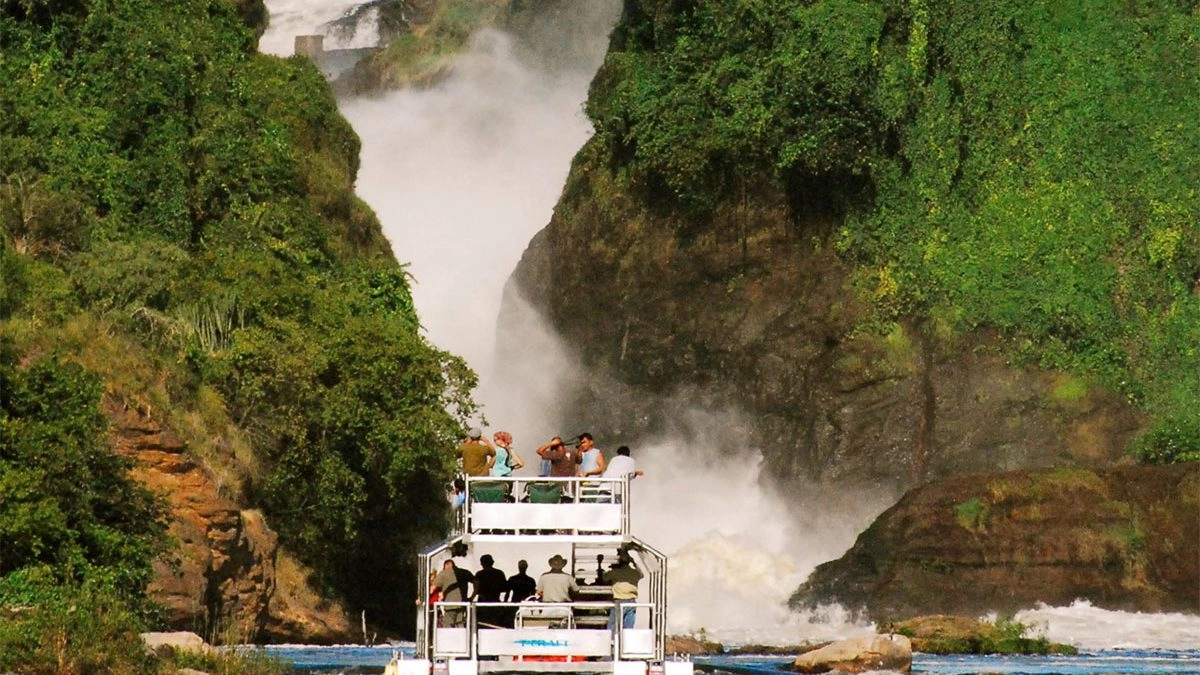
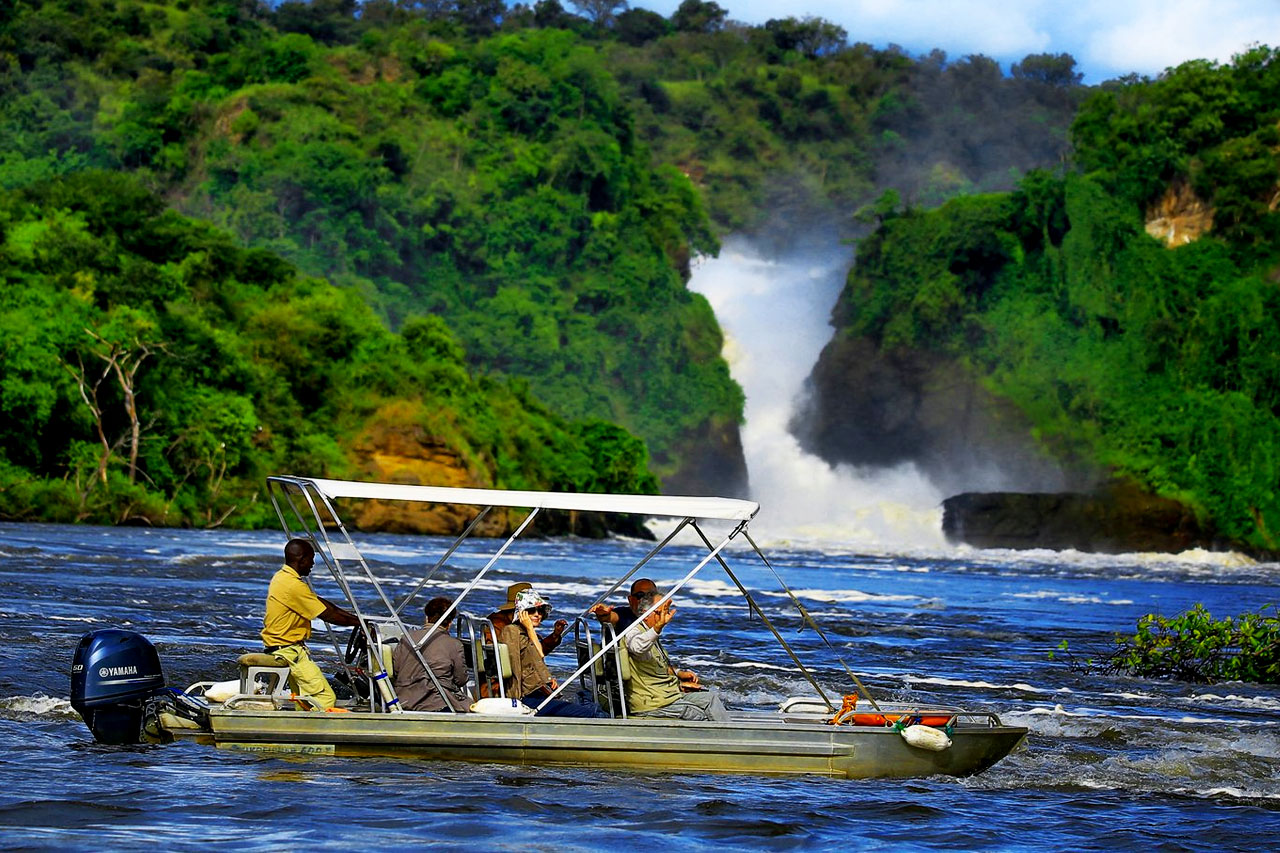
Boat safaris along the Nile River are commonly included in private holidays and honeymoon holidays, allowing for close-up views of hippos, crocodiles, and the powerful Murchison Falls itself. Photography holidays and birding holidays are especially well suited to the park, given the diversity of habitats and over 450 bird species found within.

Mabamba Swamp

Mabamba Swamp is most famously known as one of the best places on the continent to observe the shoebill stork, a rare and prehistoric-looking bird that has become the symbol of Uganda’s birding holidays. Standing up to five feet tall with piercing yellow eyes and a massive, shoe-shaped bill, the shoebill inspires awe and fascination among all who encounter it.

Lake Mburo National Park

Boat Safari on Lake Mburo
A boat cruise on Lake Mburo offers a tranquil way to see hippos, crocodiles, and an abundance of waterbirds such as: African fish eagles, Malachite kingfishers, African finfoot, and Pied kingfishers.

The cruise also provides great views of the park’s shoreline and aquatic vegetation.

Lake Bunyonyi

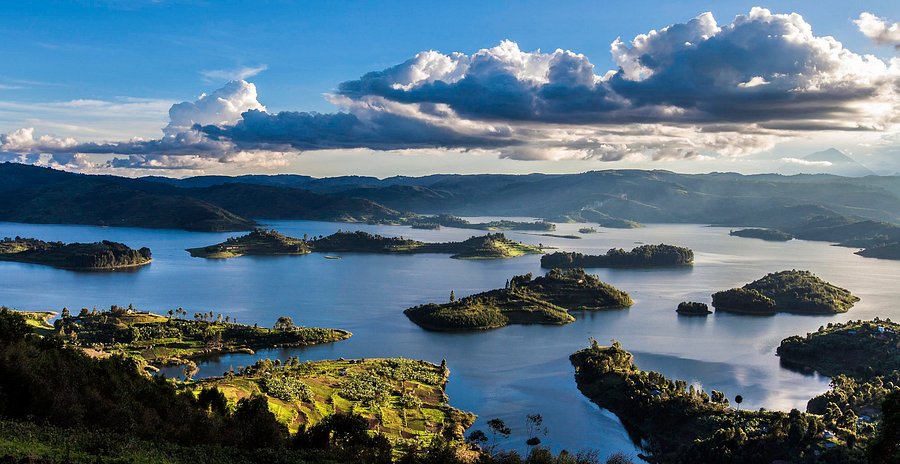
Lake Bunyonyi offers a uniquely rich spectrum of experiences that cater to the soul, the mind, and the body. For those who seek stillness and solitude, the lake’s quiet bays and silent mornings provide the ideal setting for meditation, reading, or simply absorbing nature’s peace.

Canoeing across the lake in traditional dugout canoes is one of the most iconic experiences. Gliding over the mirror-like water in silence, navigating through mist and past fluttering birds, brings a sense of connection that few places can offer.
The best time to visit is generally considered to be during the dry season, when weather conditions are more pleasant and travel is less likely to be disrupted, typically based on your preferred destinations. During this period, landscapes are at their most vibrant, wildlife sightings are more frequent, and activities can be enjoyed with greater ease. While visits are possible year-round, choosing this window is often recommended to ensure the most rewarding and comfortable experience.

WhatsApp

Grandeur

Experience the grandeur of Africa with WildHorn Africa, where every safari is designed to showcase the continent’s breathtaking landscapes and majestic wildlife.

24/7 support

Enjoy peace of mind with 24/7 support from WildHorn Africa, ensuring expert assistance before, during, and after your safari adventure.

Safety

Your safety is our top priority at WildHorn Africa, with expertly guided safaris and trusted partners ensuring a secure and worry-free adventure.

Price-quality ratio

WildHorn Africa offers exceptional price-quality ratio, delivering top-tier safari experiences at competitive rates without compromising on comfort.

Where to stay on boat safaris in Uganda?

Where to stay on boat safaris in Uganda?

By Travel guides, Uganda travel guides

Where to stay on boat safaris in Uganda?

Accommodation options for boat safari destinations in Uganda range from luxury lodges perched on the water’s edge to mid-range camps and budget-friendly stays, all designed to immerse visitors in the natural beauty of their surroundings. At the Kazinga Channel in Queen Elizabeth National Park, travelers can choose from upscale lodges such as Mweya Safari Lodge, which offers panoramic views over the channel, as well as more intimate tented camps that bring guests closer to the sounds of the wild. Staying near the channel ensures that boat trips can be easily arranged at sunrise or sunset, the most rewarding times for wildlife sightings.

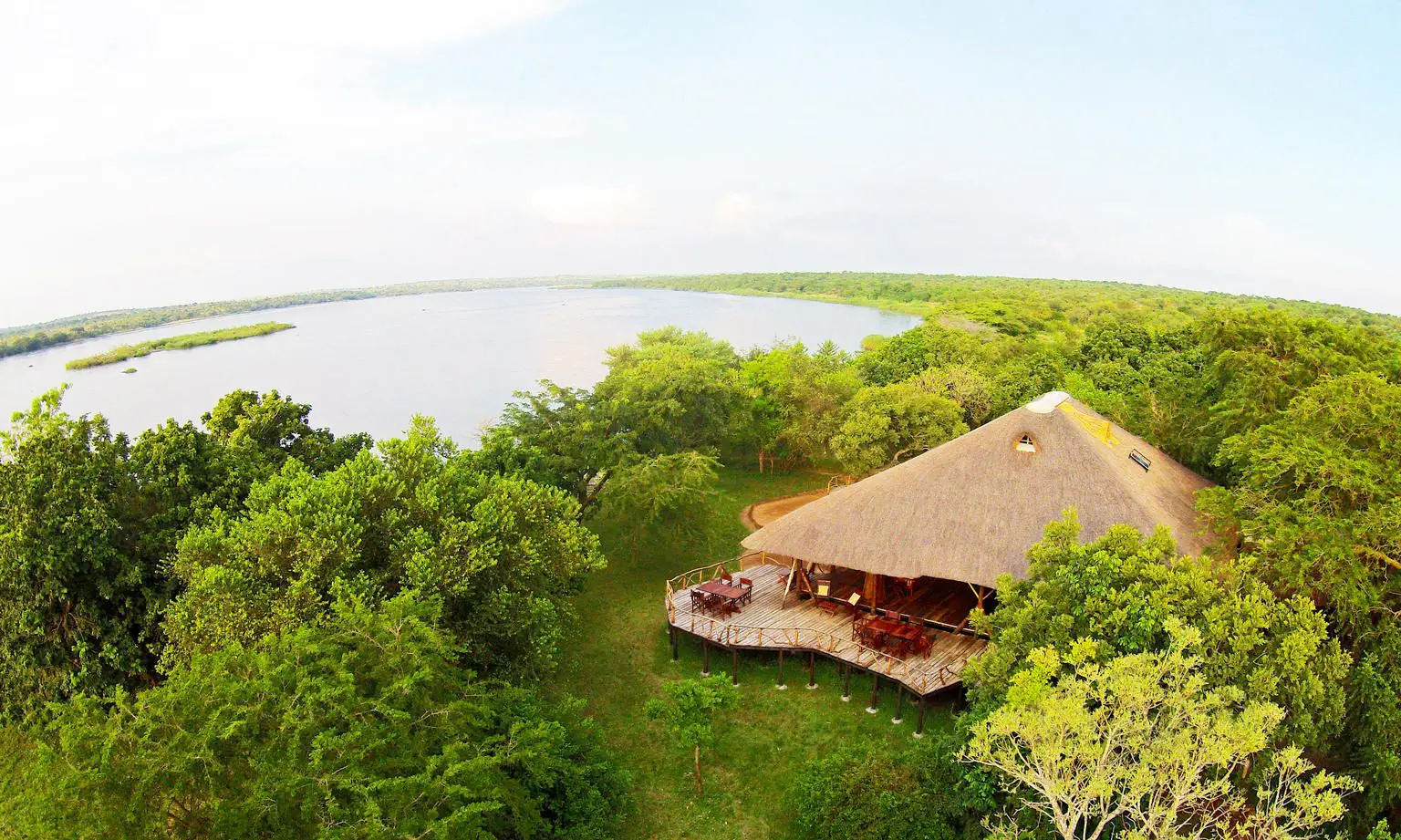
Near the Nile River in Murchison Falls National Park, accommodation choices combine comfort with breathtaking views of the river. Luxury options like Paraa Safari Lodge sit along the banks of the Nile, offering easy access to boat launches while providing modern amenities amidst a wild setting. For travelers seeking mid-range or budget stays, a variety of lodges and camps outside the park gates provide cozy alternatives without compromising on the proximity to the river and the falls. The choice of lodging here enhances the experience of drifting along the Nile, with many visitors able to spot wildlife even before stepping onto the boat.

At Lake Mburo National Park, smaller eco-lodges and tented camps dominate the accommodation scene, blending seamlessly with the park’s intimate scale and tranquil environment. Lakeside retreats here create a serene atmosphere, allowing guests to listen to hippos grunting in the water at night and to enjoy uninterrupted stargazing. On Lake Victoria, visitors can find a wide range of options from luxury island resorts on the Ssese Islands to charming guesthouses along the shorelines near Entebbe. Each of these settings complements the boat safari experience, ensuring that whether one seeks luxury, seclusion, or cultural immersion, Uganda provides a perfect place to stay by the water.

The best time to visit is generally considered to be during the dry season, when weather conditions are more pleasant and travel is less likely to be disrupted, typically based on your preferred destinations. During this period, landscapes are at their most vibrant, wildlife sightings are more frequent, and activities can be enjoyed with greater ease. While visits are possible year-round, choosing this window is often recommended to ensure the most rewarding and comfortable experience.

WhatsApp

Grandeur

Experience the grandeur of Africa with WildHorn Africa, where every safari is designed to showcase the continent’s breathtaking landscapes and majestic wildlife.

24/7 support

Enjoy peace of mind with 24/7 support from WildHorn Africa, ensuring expert assistance before, during, and after your safari adventure.

Safety

Your safety is our top priority at WildHorn Africa, with expertly guided safaris and trusted partners ensuring a secure and worry-free adventure.

Price-quality ratio

WildHorn Africa offers exceptional price-quality ratio, delivering top-tier safari experiences at competitive rates without compromising on comfort.

Best time to go Game Drives & Big Five in Uganda?

Best time to go Game Drives & Big Five in Uganda?

By Travel guides, Uganda travel guides, When to go

Best time to go Game Drives & Big Five in Uganda?

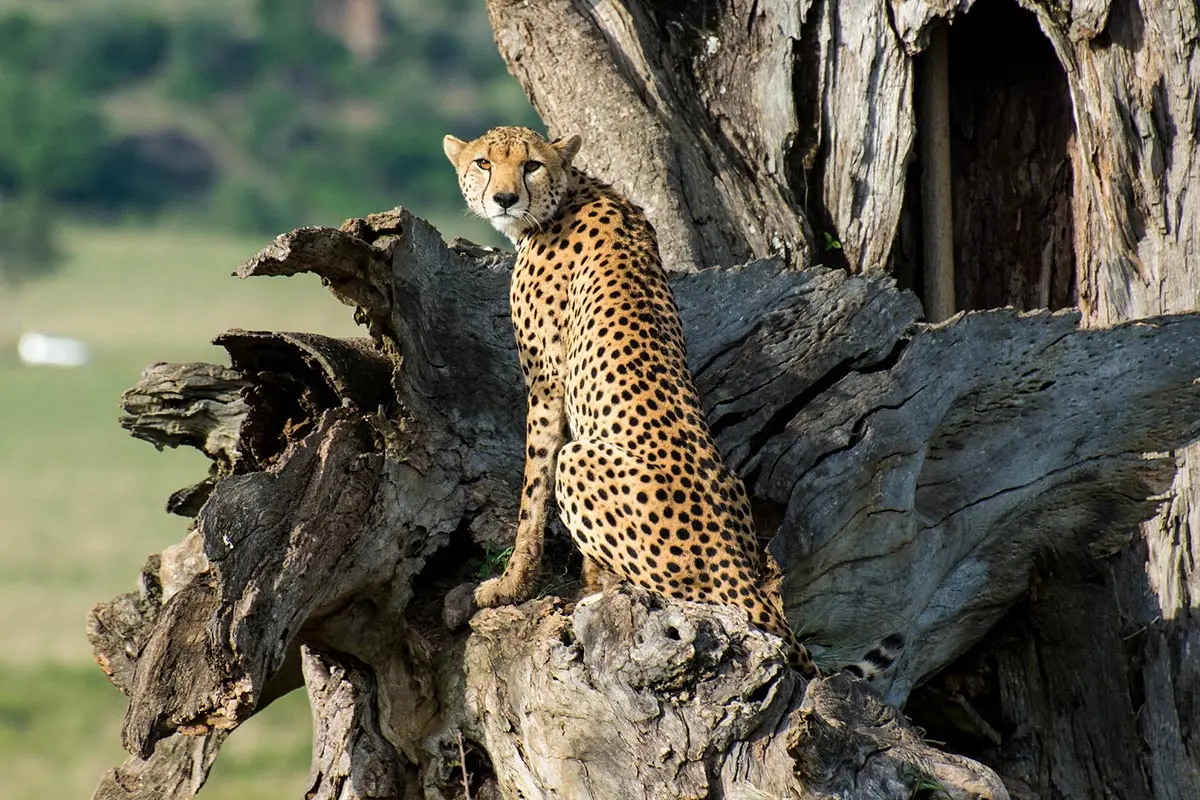
The Best time to go Game Drives & Big Five in Uganda is generally during the dry seasons, which fall between December and February, and again from June to September. During these months, the vegetation is less dense, and animals tend to gather around permanent water sources, making them easier to spot on the open savannahs. Roads within the national parks are also more accessible, ensuring that game drives are smoother and more rewarding. This period is particularly ideal for spotting large herds of elephants, buffalo, and antelope, as well as predators like lions and leopards that take advantage of the abundance of prey.

The rainy seasons, which stretch from March to May and October to November, create a different kind of safari experience. While game drives can be more challenging due to muddy tracks and thicker vegetation, the landscapes are beautifully lush, and birdlife is at its peak. For travelers who do not mind the occasional downpour, this season can be equally rewarding, as many animals give birth during this period, offering unique sightings of young wildlife. Photographers especially favor the rainy months, when the parks are at their greenest and dramatic skies enhance the beauty of the landscapes.

Ultimately, the choice of when to go depends on the type of safari experience a traveler seeks. The dry season guarantees easier game viewing and a higher chance of spotting all members of the Big Five, while the rainy season offers tranquility, fewer crowds, and a more immersive connection to Uganda’s wilderness. Regardless of the season, Uganda’s national parks such as Murchison Falls, Queen Elizabeth, and Kidepo Valley never fail to deliver extraordinary game drive adventures.

When to visit Uganda

Best time to go Game Drives & Big Five in Uganda?

Crafting the Perfect Itinerary

The beauty of Uganda lies in its year-round accessibility, but the optimal experience depends on aligning interests with seasonal nuances. For wildlife lovers, the dry months of June through August and December through February are ideal. Those captivated by color, solitude, and renewal may find March to May and October to November more rewarding. Each region of Uganda carries its own rhythm and character, making it essential to balance one’s journey across forests, savannahs, highlands, and lakes.
For travelers seeking to transform these recommendations into a tailor-made adventure, it is strongly encouraged to book Africa tours and safaris through WildHorn Africa, a trusted expert in curating immersive, seamless, and unforgettable experiences across Uganda and beyond. With WildHorn Africa, every month becomes the perfect time to explore, connect, and rediscover the wonders of travel through the eyes of a land that never ceases to amaze.

The best time to visit is generally considered to be during the dry season, when weather conditions are more pleasant and travel is less likely to be disrupted, typically based on your preferred destinations. During this period, landscapes are at their most vibrant, wildlife sightings are more frequent, and activities can be enjoyed with greater ease. While visits are possible year-round, choosing this window is often recommended to ensure the most rewarding and comfortable experience.

WhatsApp

Grandeur

Experience the grandeur of Africa with WildHorn Africa, where every safari is designed to showcase the continent’s breathtaking landscapes and majestic wildlife.

24/7 support

Enjoy peace of mind with 24/7 support from WildHorn Africa, ensuring expert assistance before, during, and after your safari adventure.

Safety

Your safety is our top priority at WildHorn Africa, with expertly guided safaris and trusted partners ensuring a secure and worry-free adventure.

Price-quality ratio

WildHorn Africa offers exceptional price-quality ratio, delivering top-tier safari experiences at competitive rates without compromising on comfort.

Best time to go chimpanzee habituation in Uganda?

Best time to go chimpanzee habituation in Uganda?

By Travel guides, Uganda travel guides, When to go

Best time to go chimpanzee habituation in Uganda?

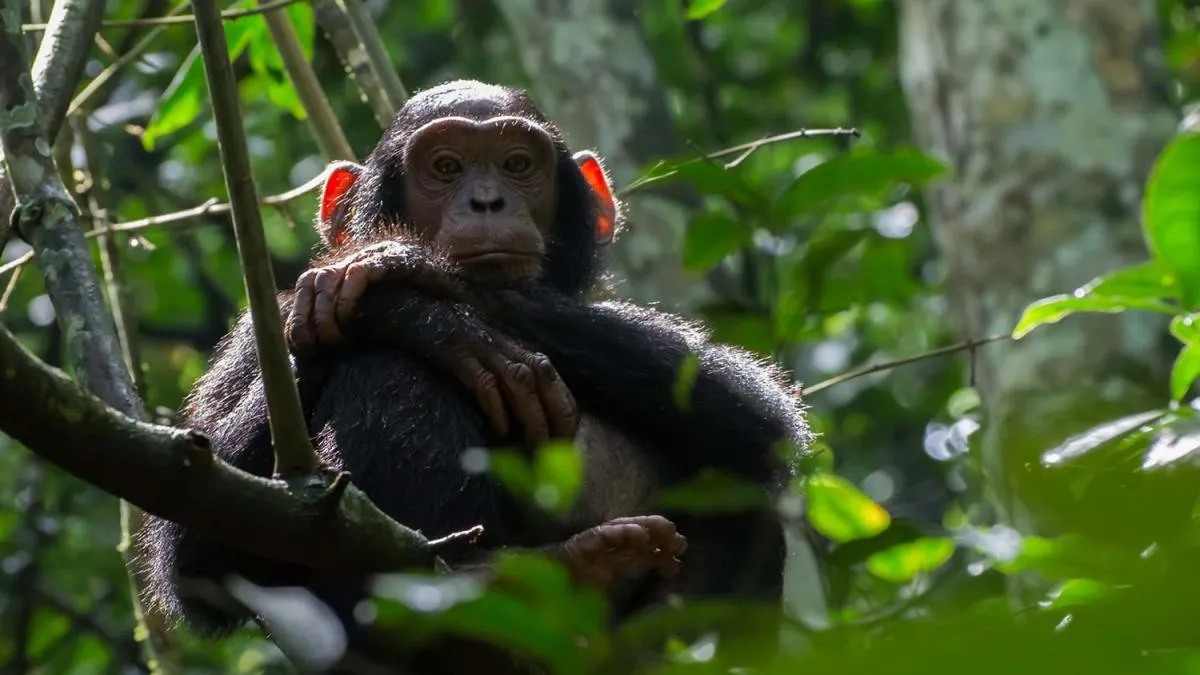
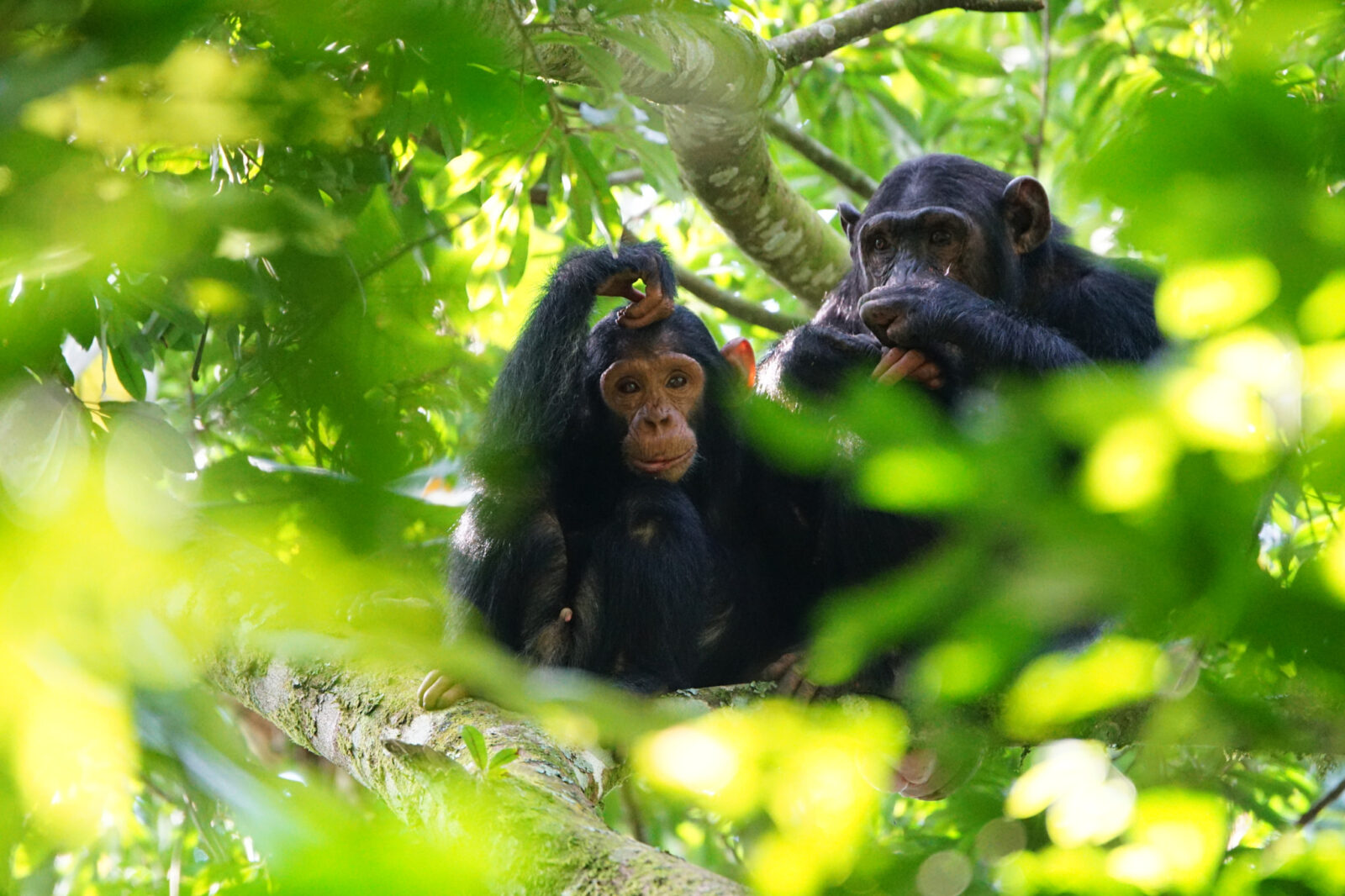
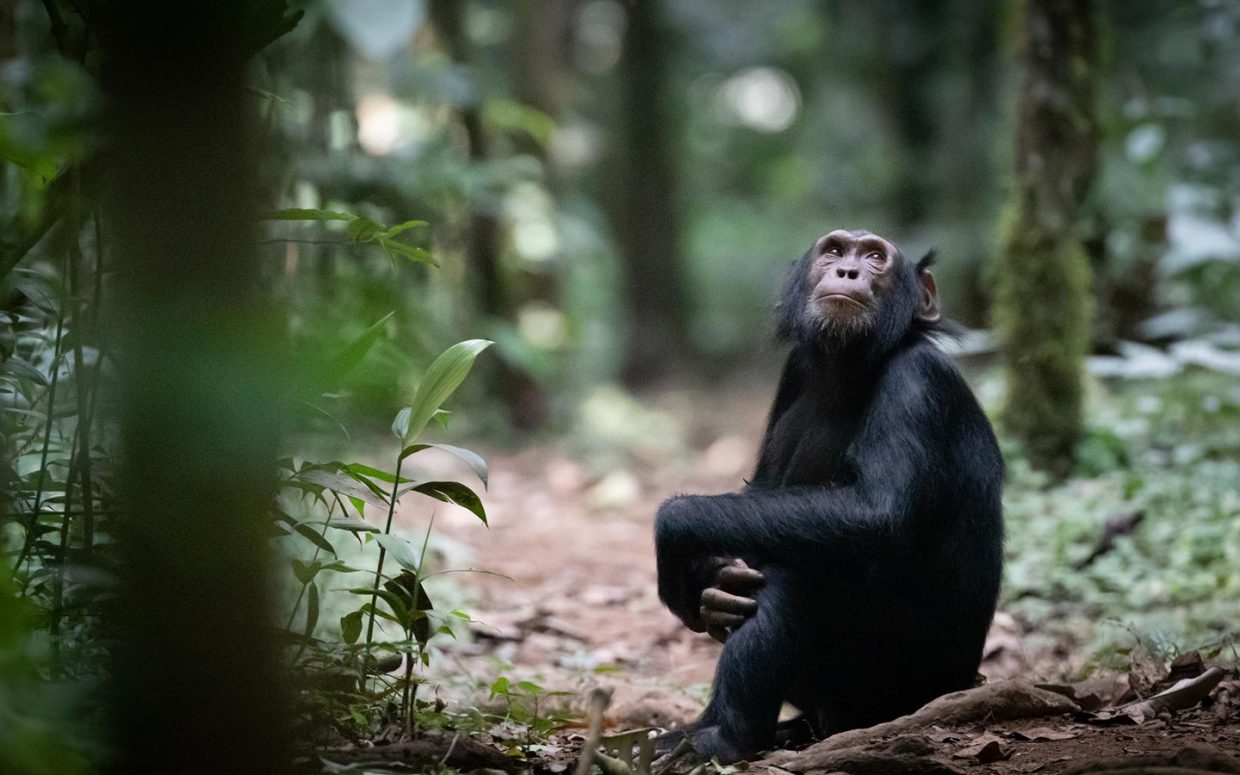
The best time to enjoy chimpanzee habituation in Uganda is during the dry seasons, which typically occur between June to September and December to February. These months are considered the most favorable because the forest trails are drier, making the long treks less strenuous and more enjoyable. With less rain, visibility is also improved, increasing the chances of spotting chimpanzees as they move across the forest canopy. The dry season is also Uganda’s peak tourism period, meaning that facilities and lodges are fully operational, and travelers can combine their habituation adventure with other safari activities across the country.

That said, the wet seasons from March to May and October to November also present unique opportunities for chimpanzee habituation. During these months, the forest is at its most lush and vibrant, offering breathtaking scenery that enriches the trekking experience. Chimpanzees often have abundant food during this time, which reduces their movements and can sometimes make them easier to locate. Fewer tourists visit the parks in the wet season, giving those who do a more exclusive and intimate experience with the forest and its wildlife. The quieter atmosphere allows travelers to feel more connected to nature, despite the added challenge of muddy trails.

Ultimately, chimpanzee habituation is available throughout the year, and the best time to go depends largely on personal preference. Visitors seeking comfort, easier trekking, and broader safari opportunities may prefer the dry seasons, while those who value solitude, lush forest scenery, and unique photographic opportunities may find the wet seasons equally rewarding. Regardless of timing, the experience of spending extended hours with wild chimpanzees as they are gradually accustomed to human presence remains one of the most remarkable wildlife adventures Uganda has to offer.

Best time to go chimpanzee habituation in Uganda?

Crafting the Perfect Itinerary

The beauty of Uganda lies in its year-round accessibility, but the optimal experience depends on aligning interests with seasonal nuances. For wildlife lovers, the dry months of June through August and December through February are ideal. Those captivated by color, solitude, and renewal may find March to May and October to November more rewarding. Each region of Uganda carries its own rhythm and character, making it essential to balance one’s journey across forests, savannahs, highlands, and lakes.
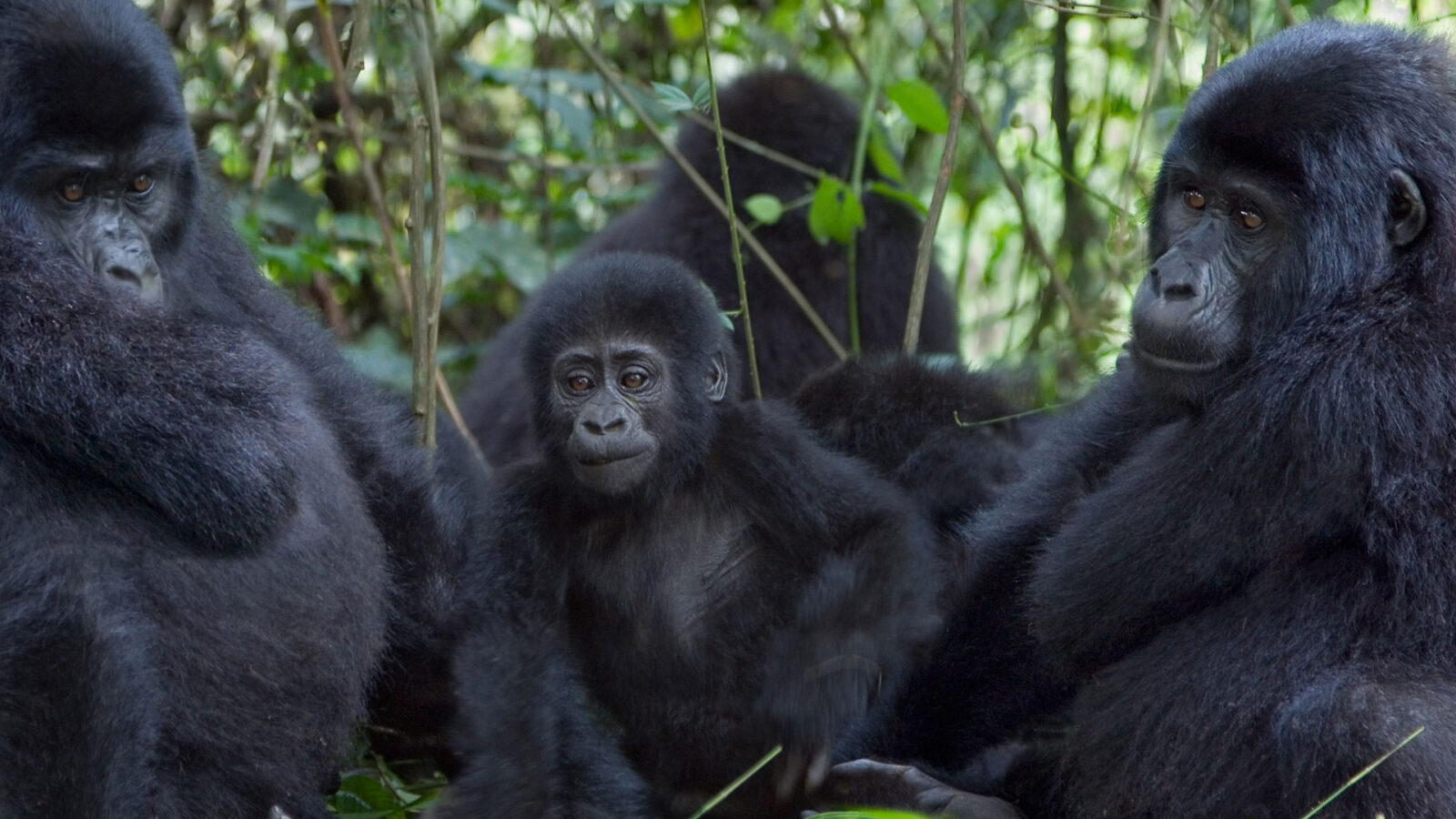
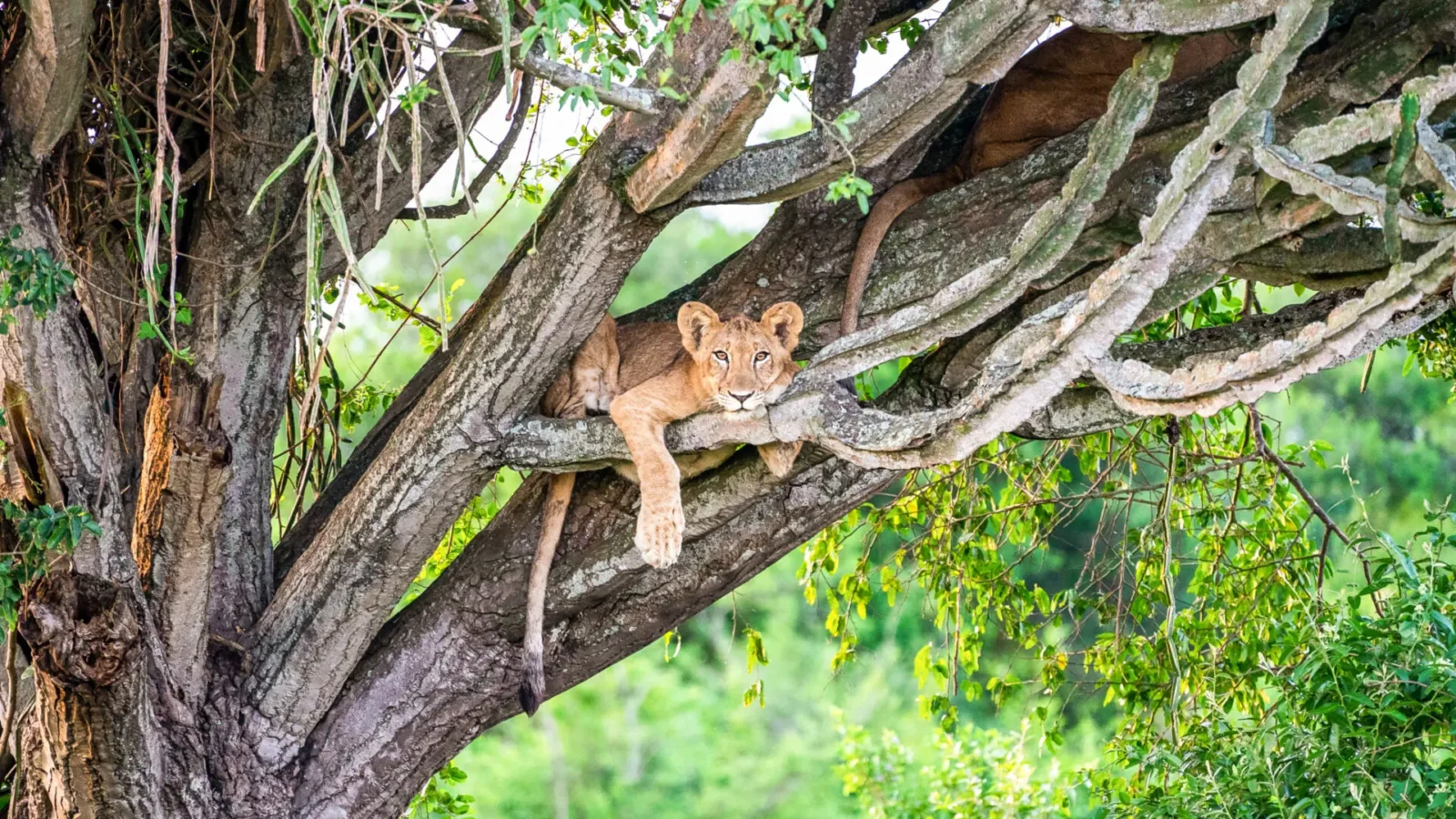
For travelers seeking to transform these recommendations into a tailor-made adventure, it is strongly encouraged to book Africa tours and safaris through WildHorn Africa, a trusted expert in curating immersive, seamless, and unforgettable experiences across Uganda and beyond. With WildHorn Africa, every month becomes the perfect time to explore, connect, and rediscover the wonders of travel through the eyes of a land that never ceases to amaze.

The best time to visit is generally considered to be during the dry season, when weather conditions are more pleasant and travel is less likely to be disrupted, typically based on your preferred destinations. During this period, landscapes are at their most vibrant, wildlife sightings are more frequent, and activities can be enjoyed with greater ease. While visits are possible year-round, choosing this window is often recommended to ensure the most rewarding and comfortable experience.
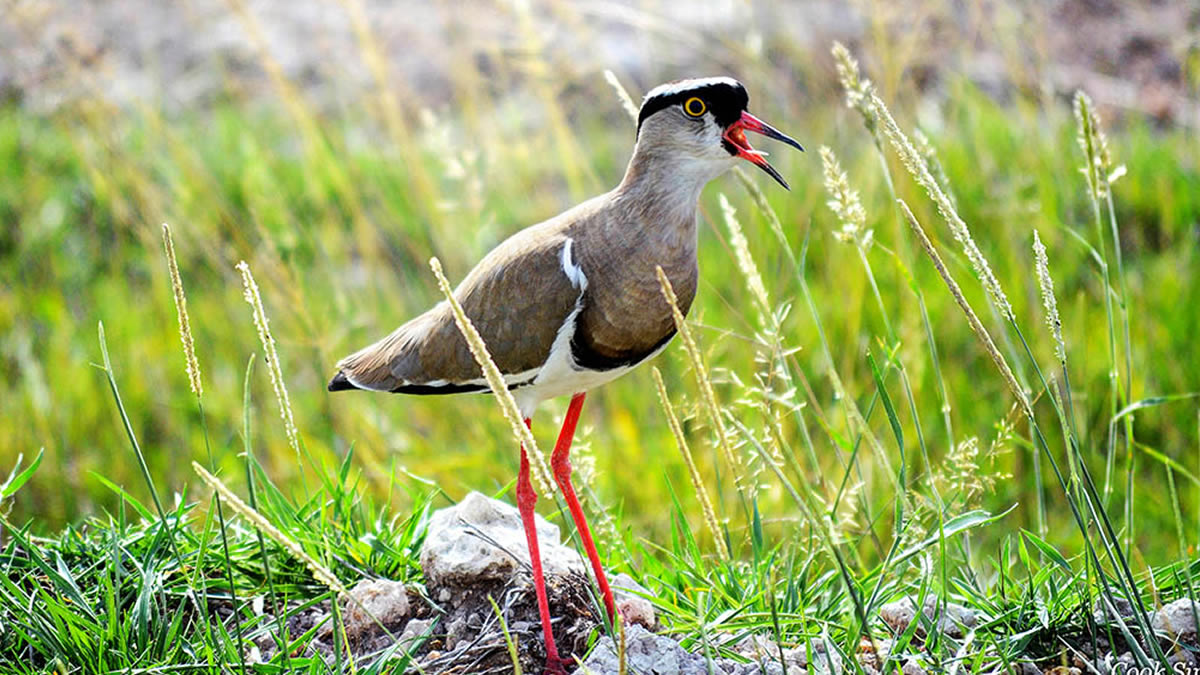
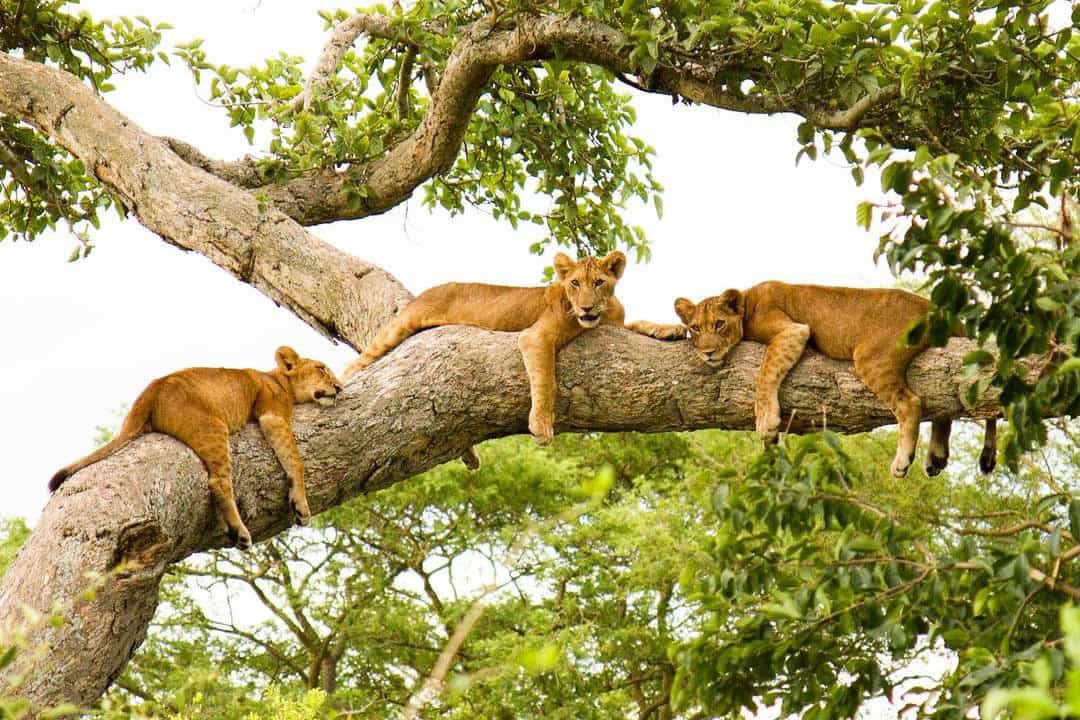
WhatsApp

Grandeur

Experience the grandeur of Africa with WildHorn Africa, where every safari is designed to showcase the continent’s breathtaking landscapes and majestic wildlife.

24/7 support

Enjoy peace of mind with 24/7 support from WildHorn Africa, ensuring expert assistance before, during, and after your safari adventure.

Safety

Your safety is our top priority at WildHorn Africa, with expertly guided safaris and trusted partners ensuring a secure and worry-free adventure.

Price-quality ratio

WildHorn Africa offers exceptional price-quality ratio, delivering top-tier safari experiences at competitive rates without compromising on comfort.

Where to stay while chimpanzee habituation in Uganda?

Where to stay while chimpanzee habituation in Uganda?

By Travel guides, Uganda travel guides

Where to stay while chimpanzee habituation in Uganda?

Travelers who embark on chimpanzee habituation experiences in Uganda often begin their journey in Kibale Forest National Park, the country’s premier destination for primate encounters. Around Kibale, a variety of lodges and eco-resorts provide convenient access to the park’s starting points for habituation treks. Luxury lodges offer modern comforts and stunning views of the rainforest, while mid-range options blend affordability with warm Ugandan hospitality. Staying close to Kibale not only ensures early access to the forest but also immerses guests in a serene environment where the sounds of primates and tropical birds create an authentic wilderness atmosphere.

For those visiting Budongo Forest Reserve, accommodation is available both within the forest and in nearby towns. Intimate eco-camps located at the edge of Budongo allow guests to feel connected to the rainforest, often with rustic yet comfortable facilities that highlight sustainability. These lodges emphasize low-impact tourism while supporting local communities and conservation initiatives. For travelers preferring more conventional comfort, hotels in Masindi town provide reliable amenities and easy access to Budongo, making them a practical choice for early morning chimpanzee habituation excursions.

Regardless of the location, accommodation during chimpanzee habituation in Uganda is designed to complement the experience by providing comfort while maintaining close ties to nature. Many lodges and camps offer additional activities such as guided forest walks, birdwatching, and cultural interactions with surrounding communities. Choosing the right place to stay not only enhances the habituation adventure but also supports ongoing conservation efforts that protect Uganda’s rainforests and their endangered chimpanzee populations.

The best time to visit is generally considered to be during the dry season, when weather conditions are more pleasant and travel is less likely to be disrupted, typically based on your preferred destinations. During this period, landscapes are at their most vibrant, wildlife sightings are more frequent, and activities can be enjoyed with greater ease. While visits are possible year-round, choosing this window is often recommended to ensure the most rewarding and comfortable experience.

WhatsApp

Grandeur

Experience the grandeur of Africa with WildHorn Africa, where every safari is designed to showcase the continent’s breathtaking landscapes and majestic wildlife.

24/7 support

Enjoy peace of mind with 24/7 support from WildHorn Africa, ensuring expert assistance before, during, and after your safari adventure.

Safety

Your safety is our top priority at WildHorn Africa, with expertly guided safaris and trusted partners ensuring a secure and worry-free adventure.

Price-quality ratio

WildHorn Africa offers exceptional price-quality ratio, delivering top-tier safari experiences at competitive rates without compromising on comfort.

When is the best time to go chimpanzee tracking in Uganda?

When is the best time to go chimpanzee tracking in Uganda?

By Uganda best time to visit, When to go

When is the best time to go chimpanzee tracking in Uganda?

The best time to go chimpanzee tracking in Uganda is generally during the dry seasons, which run from June to September and December to February. During these months, the forest trails are less muddy and easier to navigate, making trekking more comfortable and enjoyable. Visibility is also better as the forest is less dense, allowing for clearer views of chimpanzees moving through the trees. These dry months coincide with Uganda’s peak tourism season, so trekkers can expect lively safari destinations and a wider range of complementary activities such as game drives and boat cruises.

While the dry season offers ideal trekking conditions, the wet seasons from March to May and October to November also have their unique advantages. Though trails can become slippery and more challenging, the forests are at their most lush and vibrant, creating breathtaking scenery. Food is more abundant during these months, and chimpanzees tend to stay closer to the trail networks, increasing the likelihood of closer encounters. For travelers who prefer quieter experiences with fewer crowds, the wet season provides a more intimate connection with Uganda’s rainforests and their wildlife.

Ultimately, chimpanzee tracking in Uganda can be enjoyed throughout the year, as the activity is not restricted by season. The choice of when to visit depends on personal preference for comfort, scenery, and crowd levels. Dry seasons guarantee easier trekking and broader safari options, while wet seasons deliver rich landscapes, fewer tourists, and sometimes more rewarding sightings. Regardless of timing, the opportunity to observe chimpanzees in their natural habitat is always a remarkable and unforgettable experience.

When to visit Uganda

When is the best time to go chimpanzee tracking in Uganda?

Crafting the Perfect Itinerary

The beauty of Uganda lies in its year-round accessibility, but the optimal experience depends on aligning interests with seasonal nuances. For wildlife lovers, the dry months of June through August and December through February are ideal. Those captivated by color, solitude, and renewal may find March to May and October to November more rewarding. Each region of Uganda carries its own rhythm and character, making it essential to balance one’s journey across forests, savannahs, highlands, and lakes.

For travelers seeking to transform these recommendations into a tailor-made adventure, it is strongly encouraged to book Africa tours and safaris through WildHorn Africa, a trusted expert in curating immersive, seamless, and unforgettable experiences across Uganda and beyond. With WildHorn Africa, every month becomes the perfect time to explore, connect, and rediscover the wonders of travel through the eyes of a land that never ceases to amaze.

The best time to visit is generally considered to be during the dry season, when weather conditions are more pleasant and travel is less likely to be disrupted, typically based on your preferred destinations. During this period, landscapes are at their most vibrant, wildlife sightings are more frequent, and activities can be enjoyed with greater ease. While visits are possible year-round, choosing this window is often recommended to ensure the most rewarding and comfortable experience.

WhatsApp

Grandeur

Experience the grandeur of Africa with WildHorn Africa, where every safari is designed to showcase the continent’s breathtaking landscapes and majestic wildlife.

24/7 support

Enjoy peace of mind with 24/7 support from WildHorn Africa, ensuring expert assistance before, during, and after your safari adventure.

Safety

Your safety is our top priority at WildHorn Africa, with expertly guided safaris and trusted partners ensuring a secure and worry-free adventure.

Price-quality ratio

WildHorn Africa offers exceptional price-quality ratio, delivering top-tier safari experiences at competitive rates without compromising on comfort.

Close Menu