search
Summer in Uganda (June – August)

Summer in Uganda (June – August)

By Travel guides, Uganda best time to visit

Summer in Uganda (June – August)

When the Sun Awakens the Soul of Africa

There are destinations that grow louder in the heat of summer, and there are those that quietly bloom with majesty. Uganda in summer falls into the latter category, standing as a testament to what nature can unveil when the sky clears, the earth dries, and life steps into the open with bold clarity. From June to August, this East African nation steps into its dry season, a time that is highly favored by travelers and wildlife enthusiasts alike. While some may equate summer with tourist traps and burning heat, Uganda offers something more refined—a season of golden opportunity, where adventure, serenity, and discovery meet in remarkable balance.

This is a country not merely seen but felt through its rhythm, where every sunrise brings new movement across its savannahs, every dusk echoes with life in the forests, and every breeze whispers of ancient lands, still untouched and uncrowded. Uganda’s summer is not just weather. It is a revelation.

Why This Time: The Reign of the Dry Season

The summer months mark a transition into clarity for Uganda. The long rains of spring have passed, leaving the landscape refreshed and alive, yet firm and navigable. From June to August, the skies stretch clear over Uganda’s varied topography, from the swamp-lined shores of Lake Victoria to the volcanic slopes of the Virunga range. The season provides a predictable, stable climate that supports travel logistics, open-road adventures, wildlife visibility, and treks through some of Africa’s most challenging yet rewarding terrain.

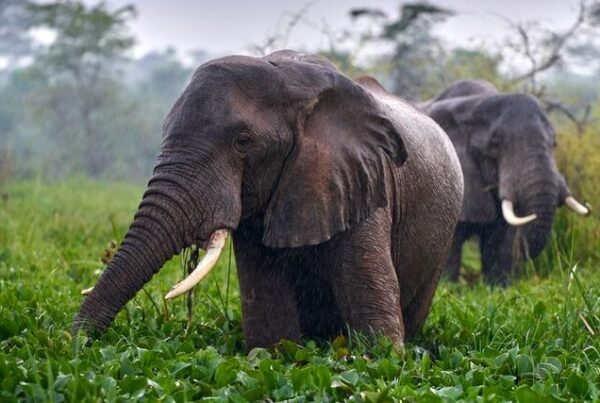
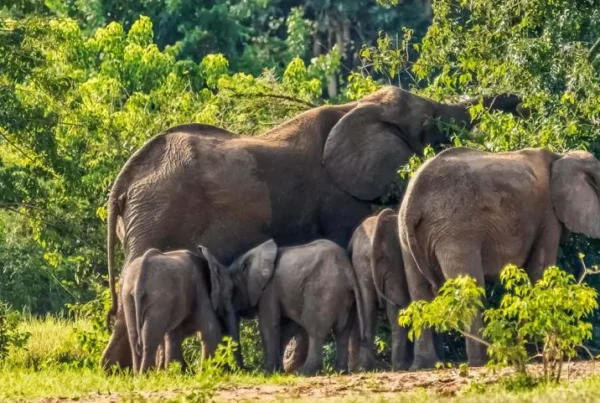
The dry season is not simply a matter of ease for tourists; it is a crucial period for wildlife behavior. Water sources become fewer, concentrating animal activity around lakes, rivers, and seasonal pools. This natural gathering makes Uganda’s game parks especially productive for viewing elephants, lions, leopards, giraffes, and antelope, as well as the vivid tapestry of birdlife the country is famous for.

This season is also prime time for gorilla trekking and chimpanzee tracking, not because the animals are more abundant, but because the conditions for reaching them improve. Trails in Uganda’s mountainous and forested areas can be difficult during wetter months, but in summer they remain more stable, offering better access and safer, more comfortable hikes. Photography is elevated under the golden light and wide skies, allowing each moment to be preserved in striking visual detail.

Where to Go During This Time: The Country Unfolds Its Wonders

Summer invites travelers to witness Uganda at its most expressive. In the southwest, the ancient rainforests of Bwindi Impenetrable National Park provide sanctuary to nearly half of the world’s remaining mountain gorillas. This UNESCO World Heritage Site, covered in dense foliage and steep slopes, becomes more accessible and photogenic in the dry months. The mist that clings to its canopy at dawn gives way to clearer skies, allowing for more immersive treks and often more prolonged encounters with these majestic primates.

To the northwest, Murchison Falls National Park serves as a showcase of power and beauty. The Nile River surges through a narrow gorge, crashing with unrelenting force to form the park’s centerpiece. Wildlife roams the open grasslands, and boat safaris along the Nile offer some of the best vantage points for viewing elephants, hippos, and crocodiles.

In the west, Queen Elizabeth National Park transforms into a landscape of soft savannah and volcanic features, hosting vast populations of mammals and over 600 bird species. The Ishasha sector remains one of the few places on Earth to witness tree-climbing lions, their golden bodies draped lazily across branches as if posing for a painter’s canvas. The Kazinga Channel, a narrow waterway connecting Lakes Edward and George, bustles with wildlife activity and is best explored in summer’s calm conditions.

Further northeast, Kidepo Valley National Park, often referred to as Uganda’s most remote and untouched wilderness, reaches its most impressive form during these dry months. Here, the open plains stretch into eternity, framed by dramatic mountain backdrops. With fewer visitors and minimal human interference, it is a place where one can feel the raw pulse of the African wild in its purest state.

For highland beauty, Mgahinga Gorilla National Park, nestled on the slopes of the Virunga Mountains, offers unmatched views and encounters not only with gorillas but also with golden monkeys. The park, less trafficked than Bwindi, reveals a serenity made even more poignant in summer’s embrace.

Things to Do: The Soul of Exploration

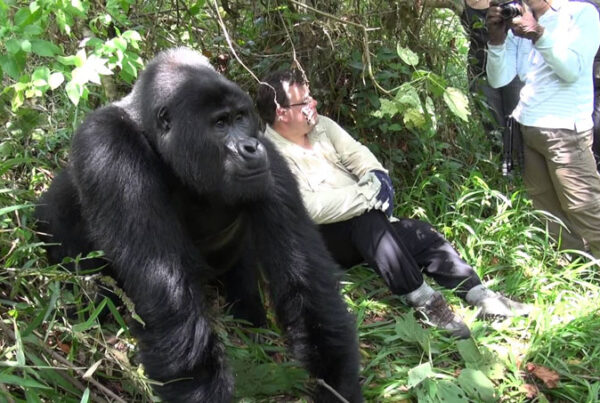
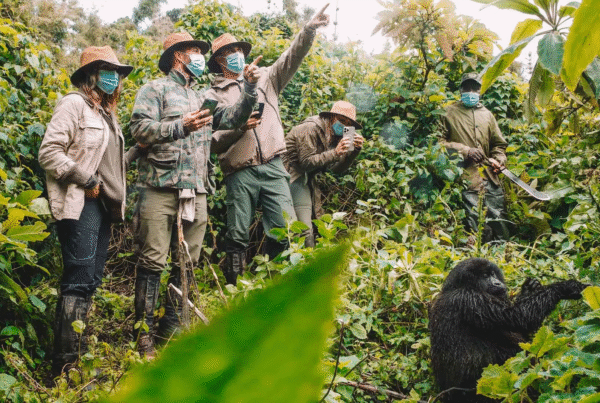
The summer dry season becomes a stage for unforgettable activities. Gorilla trekking remains the crown jewel of Uganda’s tourism. Early morning treks, guided by experienced rangers and trackers, lead small groups through the thick jungle until the moment of discovery: face to face with a gorilla family, moving, resting, and interacting in their natural habitat. There is no barrier, no enclosure, only a deeply humbling connection that visitors carry for life.

Chimpanzee tracking, particularly in Kibale Forest, becomes equally compelling during this time. Known as the primatologist’s paradise, the park teems with thirteen primate species, and its habituated chimp groups can be observed up close as they swing through the canopy, forage, and play. The sounds of the forest—calls, rustles, and bird songs—come alive under the drier climate.

For those seeking a classic African safari experience, game drives in Murchison, Queen Elizabeth, and Kidepo offer high chances of predator sightings, particularly during the cooler morning and late afternoon hours. Alongside the big mammals, the attention often shifts to Uganda’s remarkable birdlife. With over 1,000 species recorded, including the prehistoric-looking shoebill stork, the summer season offers unparalleled opportunities for ornithologists and photographers alike.

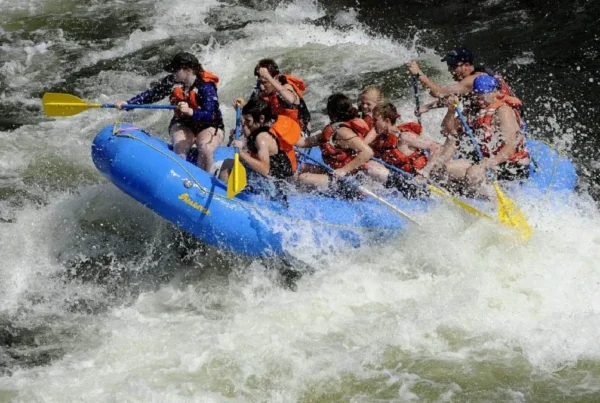
Away from the wilderness, summer also welcomes exploration of Uganda’s cultural heart. In Kampala, traditional dance, music, and storytelling thrive. Along the Nile in Jinja, the adventure capital of East Africa, white-water rafting, kayaking, and bungee jumping provide a different flavor of excitement. Lake Bunyonyi, Africa’s second-deepest lake, offers peaceful canoe rides, island hikes, and cultural visits to surrounding communities. These waters remain calm and clear under the sun, a perfect counterpoint to the rugged wilds beyond.

A Season That Gives More Than It Takes

Summer in Uganda is not only about pleasant weather and increased wildlife sightings. It is about redefining what travel can be. It is a moment when nature opens its doors wide and allows you to step into something real and untamed, without the rush of crowds or the artificial comforts that dull experience.

There is a reason why researchers, filmmakers, conservationists, and wildlife lovers choose this time of year to conduct their work or pursue their passions in Uganda. The land speaks more clearly in summer. The animal movements are more revealing. The silence is more profound. There is a rhythm to the dry season that lends itself to reflection, exploration, and emotional resonance.

Whether it is in the brush of elephant skin against acacia bark, the gaze of a silverback gorilla, or the gleam of sunrise over Lake Albert, Uganda in summer leaves an imprint that goes beyond mere memory. It leaves a change.

Book Your Journey Through the Wild

To experience this golden season at its finest, guided by professionals who know the land, its rhythms, and its secrets, trust in those who have dedicated themselves to the wild. Book your Africa tours and safaris with WildHorn Africa, where every journey is a story, every stop a discovery, and every moment tailored to meet the heart of adventure.

Spring in Uganda (March – May)

Spring in Uganda (March – May)

By Travel guides, Uganda best time to visit

Spring in Uganda (March – May) 

When travelers think of spring, visions of cherry blossoms in Tokyo or the tulip fields of the Netherlands might come to mind. But tucked away in the heart of East Africa lies an equatorial secret where spring unfolds not in petals and pastels, but in vibrant greens, dramatic skies, and untamed beauty. Uganda, known as the “Pearl of Africa,” offers a springtime experience that is far removed from conventional Western ideas of the season, yet equally, if not more, mesmerizing. From March to May, the country enters one of its two annual rainy seasons, a time often overlooked by tourists, but which reveals Uganda in one of its most raw and richly rewarding states.

Spring in Uganda is not merely a seasonal shift; it is a reawakening of the natural world, a celebration of fertility, abundance, and life itself. While many may shy away from the rains, those who embrace this period discover a landscape draped in luscious greenery, skies teeming with drama and color, and a rhythm of life that pulses with authenticity and renewal.

Why This Time?

Unlike the traditional spring characterized by a thaw from winter’s grip, Uganda’s version is shaped by its equatorial geography. March through May marks the long rains, a vital period that nourishes the country’s expansive ecosystems. The frequent showers, often short-lived and followed by clear skies, rejuvenate both flora and fauna, creating an atmosphere of vitality unmatched during the drier months.

During this season, tourist crowds thin out, offering a more intimate and immersive experience of the country. Lodges and tour operators typically offer off-season rates, making spring a budget-friendly period for travelers willing to trade occasional downpours for exceptional solitude and lush scenery. The country’s many national parks and wildlife reserves become almost cinematic in their beauty, with animals grazing against backdrops of misty hills and glistening savannah.

The birdlife, in particular, becomes spectacular. Over 1,000 bird species, including many endemics, can be spotted with greater ease during this time, as migratory birds arrive and resident species display heightened activity during the breeding season. The soundtrack of Uganda in spring is a melodic cacophony of birdcalls, croaking frogs, and the occasional roll of thunder over distant hills.

Where to Go During This Time?

Uganda’s spring landscapes unveil a mosaic of destinations that are at their most vibrant during this season. One of the most striking is Bwindi Impenetrable Forest, home to more than half of the world’s remaining mountain gorillas. The forest is transformed into a mythical realm of mist and moss, making the gorilla trekking experience not only awe-inspiring but deeply spiritual. Though the terrain can be challenging due to the rains, the experience is profoundly rewarding, often described as a life-changing encounter with nature.

In Queen Elizabeth National Park, the rainy season turns the savannah a deep, verdant green. Wildlife viewing remains excellent, and the landscape becomes even more photogenic, particularly along the Kazinga Channel, where elephants, hippos, and buffaloes congregate in large numbers. The park’s Ishasha sector also offers one of the few chances in Africa to see tree-climbing lions, their golden bodies draped lazily over fig branches.

Further east, Mount Elgon National Park reveals a gentler trekking experience compared to the Rwenzoris. The park’s waterfalls are full and thunderous during this time, and its gigantic lobelias and groundsels, unique to Afro-alpine zones, are nourished to towering proportions. The Sipi Falls region, lying on Mount Elgon’s foothills, also shines in spring, with vibrant coffee plantations and dramatic cascades fueled by the seasonal rains.

For those drawn to water-based beauty, Lake Bunyonyi and Lake Mburo National Park are serene escapes. Shrouded in mist and reflecting Uganda’s dramatic spring skies, they offer canoe rides, birdwatching, and relaxation in some of the country’s most tranquil surroundings.

Things to Do

Spring in Uganda is a time to embrace nature in motion. Gorilla trekking, though more physically demanding due to the wet and slippery trails, is richly enhanced by the surrounding atmosphere. The lushness of the forest, the freshness of the air, and the mist rising through ancient trees contribute to a near-mystical ambiance that deepens the experience.

Birdwatching, perhaps more than any other activity, reaches its zenith. Locations such as Mabamba Swamp, famous for the elusive shoebill stork, and Semuliki National Park, with its lowland rainforest species, become active theaters of avian drama. Even casual nature walks can turn into unforgettable experiences with the surprise appearance of a rare turaco or kingfisher.

Cultural experiences also take on added dimension during this period. With fewer tourists around, engagements with local communities feel more personal and authentic. From the Batwa people of the southwest to the Karamojong in the northeast, the opportunity to learn from and engage with Uganda’s diverse cultures is enhanced by the quieter season.

For the adventurous, white-water rafting on the Nile near Jinja continues unabated, with the river swollen and spirited by spring rains. The adrenaline rush is amplified as the rapids become more dramatic, making it a thrilling counterpoint to the calm, green expanses found elsewhere in the country.

Soulful Travel

Spring in Uganda is not about chasing sunshine or predictable comfort. It is for those drawn to the authentic pulse of the wild, for those who find beauty not just in clear skies but in the rhythm of rain against banana leaves, the glow of a setting sun breaking through storm clouds, and the quiet resilience of a country that blooms brightest under grey skies.

It is a time for soulful travel, for journeys that go beyond sightseeing and enter the realm of experience. The rains may wash the roads and paint the forests, but they also wash the soul, revealing a version of Uganda that is deeply visceral, profoundly human, and vividly alive.

Travel with Confidence

For those ready to see Africa from a perspective few dare to explore, spring in Uganda awaits with open arms and untamed beauty. To experience this enchanting season with expert guidance, deep local knowledge, and unmatched hospitality, book your Africa tours and safaris with WildHorn Africa — your gateway to the wild heart of the continent.

Together We Build your dream holiday
Customize your experience
Customize

uganda in march

March does not whisper in Uganda—it announces itself with bold skies, earthy scents, and the unmistakable rhythm of renewal.

Uganda in april

There is a certain rhythm that pulses through Uganda in April. It is a month where the land drinks deeply from the heavens,

Uganda in may

To step into Uganda in May is to enter a country in full bloom—verdant, pulsating, and alive with contrast. While some may hesitate to travel

Grandeur

Experience the grandeur of Africa with WildHorn Africa, where every safari is designed to showcase the continent’s breathtaking landscapes and majestic wildlife.

24/7 support

Enjoy peace of mind with 24/7 support from WildHorn Africa, ensuring expert assistance before, during, and after your safari adventure.

Safety

Your safety is our top priority at WildHorn Africa, with expertly guided safaris and trusted partners ensuring a secure and worry-free adventure.

Price-quality ratio

WildHorn Africa offers exceptional price-quality ratio, delivering top-tier safari experiences at competitive rates without compromising on comfort.

Where to stay in Uganda, Safari lodges and camps

Where to stay in Uganda, Safari lodges and camps

By Travel guides, Uganda travel guides

Where to stay in Uganda, Safari lodges and camps

Uganda offers a diverse range of safari lodges and camps nestled in national parks like Bwindi, Queen Elizabeth, Murchison Falls, and Kidepo Valley, ideal for wildlife holidays, primate holidays, and birding holidays. These accommodations cater to all travel styles, including luxury holidays, private holidays, solo holidays, and group holidays, with options like private villas & accommodations holidays and family-friendly lodges. Whether seeking honeymoon holidays, adventure holidays, bucket list holidays, or cultural holidays, guests enjoy tailored experiences such as gorilla trekking, nature walks, and beach escapes along Lake Victoria. Remote camps support off the beaten holidays and special holidays, while mountain lodges serve those on climbing & hiking holidays. With expert guides and scenic views, many locations also suit photography holidays, and although not a primary route, select northern camps may offer limited chances for wildebeest migration holidays.

The best time to visit is generally considered to be during the dry season, when weather conditions are more pleasant and travel is less likely to be disrupted, typically based on your preferred destinations. During this period, landscapes are at their most vibrant, wildlife sightings are more frequent, and activities can be enjoyed with greater ease. While visits are possible year-round, choosing this window is often recommended to ensure the most rewarding and comfortable experience.

WhatsApp

Grandeur

Experience the grandeur of Africa with WildHorn Africa, where every safari is designed to showcase the continent’s breathtaking landscapes and majestic wildlife.

24/7 support

Enjoy peace of mind with 24/7 support from WildHorn Africa, ensuring expert assistance before, during, and after your safari adventure.

Safety

Your safety is our top priority at WildHorn Africa, with expertly guided safaris and trusted partners ensuring a secure and worry-free adventure.

Price-quality ratio

WildHorn Africa offers exceptional price-quality ratio, delivering top-tier safari experiences at competitive rates without compromising on comfort.

Uganda Safari Lodges and Camps Based on Destinations.

Uganda Safari Lodges and Camps Based on Destinations

By Travel guides, Uganda travel guides

Uganda Safari Lodges and Camps Based on Destinations

Experience Comfort and Wilderness in Perfect Harmony

The safari experience in Uganda transcends wildlife viewing. It is a deeply immersive journey into some of Africa’s most untouched and breathtaking landscapes. Yet, what truly defines the memory of a safari is not just what is seen on game drives or forest treks, but also where the traveler retreats at the end of each day. Uganda’s safari lodges and camps are more than just places to sleep — they are integral to the journey, each offering a unique blend of comfort, location, hospitality, and connection to nature. With options ranging from ultra-luxurious lodges to charming mid-range stays and well-managed budget camps, Uganda’s national parks cater to every traveler’s preference and budget. This article explores the best safari accommodations, thoughtfully categorized by destination and tier, offering a detailed guide to finding the ideal base for exploring each corner of the Pearl of Africa.

Bwindi Impenetrable National Park

Luxury

High in the Nkuringo hills, Clouds Mountain Gorilla Lodge stands as Uganda’s premier luxury gorilla tracking base, offering panoramic views of the Virunga Volcanoes and elegant stone cottages with personal fireplaces. Nearby, Sanctuary Gorilla Forest Camp provides a deep immersion in the forest itself, with tented suites set beneath towering trees and exclusive access to gorilla trekking routes. Bwindi Lodge by Volcanoes Safaris blends modern design with authentic cultural accents, sitting right at the forest edge and offering spa treatments and guided community walks. Gorilla Heights Lodge offers private villas, sweeping views, and high-end amenities that make each guest feel wrapped in comfort while surrounded by wilderness.

Mid-range

At the mid-level, Mahogany Springs Lodge provides spacious suites and excellent access to the Buhoma trailhead, all complemented by personalized service and elegant communal spaces. Gorilla Mist Camp, located in Ruhija, gives a blend of comfort and accessibility, ideal for those trekking from the eastern sector. Ichumbi Gorilla Lodge near Rushaga offers modern convenience with stunning forest views and attentive hospitality. Engagi Lodge combines rustic charm with forest proximity, featuring cottages built with local stone and wood, set within a private tract of rainforest.

Budget

Ruhija Community Rest Camp offers simple, clean accommodation with the advantage of local guides and cultural interaction. Broadbill Forest Camp caters to backpackers and budget-conscious travelers who seek forest access at an affordable price, with tents nestled in a tranquil, forested environment. Rushaga Gorilla Camp provides basic amenities but prime location, close to the southern trailhead. Buhoma Community Rest Camp remains one of the most accessible and community-driven options in the northern sector, offering budget bandas and a welcoming atmosphere.

Queen Elizabeth National Park

Luxury

Kyambura Gorge Lodge, an artistic haven, offers sweeping views over the savannah and gorge, with uniquely styled bandas and spa services. Mweya Safari Lodge sits on a peninsula overlooking the Kazinga Channel, combining colonial elegance with modern luxury, and an unforgettable infinity pool. Elephant Plains Lodge, perched on a ridge, grants panoramic views over the park and Lake George, with luxurious cottages and excellent game viewing opportunities. Ishasha Wilderness Camp, located in the southern sector, offers exclusive tented luxury and easy access to tree-climbing lion territory.

Mid-range

Enganzi Game Lodge balances comfort and value, with its elevated views over the park and cozy cottages designed for privacy. Parkview Safari Lodge, close to Katunguru, offers convenience and panoramic vistas along with good food and hospitable service. Marafiki Safari Lodge features open-air cottages with expansive views and a connection to the surrounding environment through sustainably built structures. The Bush Lodge by Nature Lodges, located near the Kazinga Channel, offers comfortable tented camps and thatched cottages with close proximity to both game drives and boat safaris.

Budget

Pumba Safari Cottages offer budget travelers friendly service and easy access to park entrances, set against a scenic backdrop. Simba Safari Camp provides dorms, budget rooms, and tents with a view over Lake George, ideal for backpackers and groups. Queen Elizabeth Bush Lodge’s non-self-contained tents allow for affordable yet immersive bush experiences. Tembo Safari Lodge near Katunguru offers basic rooms and local charm, giving visitors a simple but warm base for their adventures.

Murchison Falls National Park

Luxury

Baker’s Lodge on the Nile River banks delivers elegance with spacious thatched cottages, gourmet cuisine, and views of hippos basking nearby. Chobe Safari Lodge, part of the Marasa group, is a five-star resort offering luxurious suites, a three-tiered swimming pool, and proximity to the park’s northern reaches. Nile Safari Lodge presents high-end eco-luxury with sweeping decks overlooking the river, personalized service, and a strong conservation ethic. Paraa Safari Lodge, near the ferry crossing, combines history, comfort, and excellent location with views of the Nile and direct access to game drives.

Mid-range

Pakuba Safari Lodge provides an excellent balance of comfort and access, with wildlife often roaming right past the rooms. Murchison River Lodge offers family-friendly charm with thatched cottages and eco-tents, overlooking the Nile. Fort Murchison by Nature Lodges, inspired by Swahili-Arab architecture, offers spacious rooms and towers that provide sunset views over the savannah. Twiga Safari Lodge offers large en-suite safari tents on raised platforms, offering comfort with a touch of adventure.

Budget

Red Chilli Rest Camp near Paraa is known for its communal vibe, bar, and affordable bandas and campsites. Heritage Safari Lodge provides basic but clean accommodation just outside the Tangi Gate, giving access to the northern bank. Global Village Guest House in Pakwach offers an economical base with essential amenities and local hospitality. Hornbill Bush Lodge provides budget-conscious travelers with simple safari tents and proximity to the Nile.

Kibale National Park

Luxury

Kyaninga Lodge, perched above a crater lake, offers breathtaking views, luxurious log cabins, and high-end service in close proximity to the park. Ndali Lodge, set on a ridge between two crater lakes, provides refined colonial charm and proximity to both chimp tracking and cultural encounters. Papaya Lake Lodge combines luxury with artistic design and culinary excellence in a serene crater lake setting. Crater Safari Lodge offers elegant cottages with lake views and easy access to Kibale’s primate tracking activities.

Mid-range

Turaco Treetops brings modern comfort with a touch of wilderness, offering canopy-level cottages and nature trails. Isunga Lodge provides a friendly atmosphere, great views, and well-furnished cottages on the edge of the park. Kibale Forest Camp delivers value with forest-facing tents and welcoming service ideal for chimp trekking. Chimpanzee Forest Guesthouse offers a colonial-style main house and cottages surrounded by tea plantations and tranquility.

Budget

Rweetera Safari Park provides basic facilities for travelers looking to explore on a budget, with lake and forest access. Lake Nyamirima Cottages offer self-contained budget options with rustic charm and natural views. Nyinabulitwa Country Resort provides basic chalets and camping near a beautiful crater lake. Chimpanzee Guest House (budget section) caters to travelers seeking simplicity and affordability close to park activities.

Kidepo Valley National Park

Luxury

Apoka Safari Lodge is the crown jewel of Kidepo, offering ultra-luxurious rooms with outdoor stone bathtubs, private verandas, and unmatched savannah views. Adere Safari Lodge, located near the park gate, combines high-end finishes with traditional inspiration, giving a boutique feel amidst the wilderness. Kidepo Savannah Lodge’s luxury tents provide comfort and an immersive bush atmosphere with uninterrupted views of the Narus Valley. Nga’Moru Wilderness Camp offers high-end tented accommodation and a front-row seat to Kidepo’s untouched splendor.

Mid-range

Kidepo Savannah Lodge’s safari tents and thatched rooms offer a perfect balance between affordability and comfort, with great food and game viewing. Zebra Safari Lodge in Karenga gives access to the park and a mid-tier experience with warm service. Savannah Guest House provides clean rooms and basic amenities for travelers seeking both value and adventure. Karenga Safari Lodge offers mid-range accommodation just outside the park, popular among domestic and international visitors alike.

Budget

UWA Bandas at Apoka offer basic accommodation inside the park at unbeatable rates, providing the rawest form of Kidepo immersion. Apoka Rest Camp offers budget facilities managed by the Uganda Wildlife Authority with direct park access. Karenga Guest Houses in the nearby town offer simple yet welcoming stays for those on tight budgets. Kaabong Resort Hotel provides an urban alternative for budget travelers who plan to explore Kidepo as a day trip.

Mgahinga Gorilla National Park

Luxury

Mount Gahinga Lodge, operated by Volcanoes Safaris, offers luxury bandas, organic gardens, and Batwa cultural immersion at the base of the Virunga Volcanoes. Gahinga Safari Lodge provides high-end service in a remote setting with panoramic views and personalized experiences. Lake Mutanda Resort, though closer to Bwindi, serves as a luxury base for exploring Mgahinga’s golden monkeys and gorillas. Chameleon Hill Lodge offers colorful architecture and lakefront elegance, appealing to luxury seekers.

Mid-range

Mutanda Lake Resort features comfortable bungalows with volcano views and access to Mgahinga and Bwindi alike. Mucha Hotel in Kisoro offers clean rooms and good service for mid-tier travelers. Kisoro Tourist Hotel provides a solid base with a balance of comfort and location. Amajambere Iwacu Camp offers more affordable mid-range rooms with rich cultural surroundings near the park gate.

Budget

Golden Monkey Guest House in Kisoro is a simple, welcoming choice for backpackers and solo travelers. Virunga Campsite offers camping and basic rooms with walking access to park activities. Mgahinga Community Camp provides grassroots accommodation supporting local conservation. Kisoro Travelers Rest Hotel (budget section) caters to those wanting basic comfort in a historic location.

Planning the Perfect Stay

Uganda’s safari accommodations offer more than beds — they offer experiences, encounters, and emotions. Whether it is the elegance of a private villa above the Nile or the rustic charm of a community-run camp near a gorilla trail, each lodge and camp tells its own story. Choosing the right place to stay is as important as choosing where to go.

For travelers who wish to experience Uganda with both depth and comfort, it is highly recommended to book Africa tours and safaris through WildHorn Africa, whose expertise in crafting unforgettable journeys ensures that every lodge and every destination is not just visited, but truly lived.

Month by Month Guide to the Best Time to Visit Uganda

Month by Month Guide to the Best Time to Visit Uganda

By Travel guides, Uganda best time to visit

Month by Month Guide to the Best Time to Visit Uganda

Unlocking the Secrets of Uganda’s Year-Round Splendor

Uganda is not merely a destination; it is a year-round invitation to discover raw beauty, abundant wildlife, and unforgettable cultural depth. Often described as the Pearl of Africa, Uganda presents a rare climatic advantage that few countries enjoy — it can be visited at any time of the year. However, the experiences, landscapes, and moods vary month by month, offering travelers a constantly changing yet always rewarding palette of adventures. Whether drenched in the lush greenery of the rainy seasons or bathed in the golden glow of the dry months, Uganda retains its charm and allure. What follows is a carefully detailed month-by-month exploration of when to visit, what to expect, and where to go in Uganda, providing invaluable insight into planning an enriching, unforgettable journey through one of Africa’s most magnificent destinations.

January

The year begins in Uganda with one of the most favorable climates. January sits firmly in the short dry season, with warm temperatures and limited rainfall, making it ideal for safaris and outdoor activities. Wildlife viewing is particularly rewarding during this period as animals gather around water sources, especially in Queen Elizabeth National Park and Murchison Falls National Park. The roads remain accessible, and the skies are often clear, offering exceptional conditions for photography and bird watching. Gorilla trekking in Bwindi Impenetrable Forest and chimpanzee tracking in Kibale Forest are highly recommended during this time due to the manageable forest trails and increased primate activity. This month also sees a vibrant cultural buzz in Kampala and other major towns as communities continue to celebrate the New Year.

February

February extends the dry spell, maintaining the ideal conditions for travelers seeking uninterrupted exploration. The landscape, though drier, still retains much of its beauty. Wildlife encounters remain vivid and dramatic, especially in the savannah parks where predators and prey engage in their timeless dance. It is an excellent month for visiting Lake Mburo National Park, known for its zebras, antelopes, and acacia-dotted scenery. The calm waters of Lake Bunyonyi also provide a perfect retreat for those seeking peace and scenic charm. February’s relative quietness on the tourist front enhances the sense of intimacy and immersion for travelers. The Rwenzori Mountains offer favorable conditions for high-altitude trekking, with minimal rain interference.

March

March marks the beginning of Uganda’s long rainy season. While some may shy away from travel during this period, those who do venture out are rewarded with lush vegetation and fewer crowds. Though certain rural roads may become muddy and challenging, the central and western parts of the country remain accessible. The rain breathes new life into the landscape, making this an extraordinary time for photography. Bwindi’s forests shimmer with renewed vibrancy, and waterfalls across the country swell with beauty and force. Although some safari activities may be weather-dependent, bird watching flourishes during this season, as migratory species add to Uganda’s already impressive list.

April

April continues with substantial rainfall, turning Uganda into a green paradise. It is the least busy month in terms of tourism, allowing for an unhurried and tranquil exploration of the country. National parks remain open, and while game drives may face occasional interruptions due to weather, the animal sightings are still rewarding. This is a deeply rewarding time for those who enjoy solitude and the poetic ambiance of mist-covered hills and rain-kissed forests. Lodges and tour operators may offer discounted rates during April, making it appealing for budget-conscious travelers seeking luxury experiences at a lower cost. For cultural enthusiasts, this is a time to dive deeper into local life and traditions as communities remain closely knit during the rainier periods.

May

May marks the tail-end of the long rains, as the skies begin to clear and the land responds with a burst of life. The scenery is at its most dramatic, with rolling green hills and crystal-clear lakes reflecting the new season. Safari destinations begin to dry out, offering improved accessibility while retaining the lush vegetation that enhances wildlife spotting. The cooler temperatures make hiking more comfortable, and treks to Mount Elgon or the crater lakes in Fort Portal are particularly recommended. Gorilla permits are often more available during this shoulder month, and the forest trails, while still damp, are less crowded. Uganda in May feels alive and abundant, with nature showing off its full potential.

June

As the dry season returns, June is widely regarded as one of the best months to visit Uganda. Conditions are optimal for virtually every type of activity, from game drives and gorilla trekking to mountain hiking and cultural experiences. The highlands remain cool and inviting, and the lowlands offer clear visibility for wildlife enthusiasts. Murchison Falls becomes particularly dramatic, with the Nile crashing through the narrow gorge in full view. Kibale Forest is alive with chimpanzee activity, and bird watchers continue to find joy in the rich variety of species. June marks the beginning of the peak tourist season, so advanced bookings are often necessary for popular accommodations and permits.

July

July deepens the dry spell and strengthens Uganda’s appeal as a safari destination. Wildlife congregates more predictably around water sources, and visibility remains excellent. This month is especially popular for travelers wishing to combine gorilla trekking with big game safaris. The Ishasha sector of Queen Elizabeth National Park, known for its tree-climbing lions, becomes a must-visit. Meanwhile, Jinja continues to attract thrill-seekers with white-water rafting, bungee jumping, and kayaking on the Nile. The absence of rain also means that road travel is smoother, allowing deeper exploration into remote parks such as Kidepo Valley, which offers rugged landscapes and undisturbed wildlife scenes.

August

August sustains the dry season’s allure, offering perfect safari conditions and unforgettable nature experiences. The days are sunny, the landscapes are open, and animals are easily spotted against the dry terrain. Gorilla and chimpanzee tracking continue to flourish, while Lake Victoria and the Ssese Islands present their most inviting faces for relaxation and waterside activities. Cultural festivals may dot the calendar in various regions, adding color and rhythm to the travel experience. Kidepo Valley National Park, often difficult to reach in the rainy season, becomes fully accessible, revealing its dramatic beauty and unmatched wildlife scenes.

September

As Uganda transitions into the short rainy season, September offers a nuanced travel experience. The rains are usually light and intermittent, allowing for most activities to continue unhindered. The landscape begins to green once more, and the renewed freshness breathes new life into the flora and fauna. Bwindi and Mgahinga forests regain their lushness, enhancing the trekking experience. Safari drives remain fruitful, and birdwatchers benefit from the shift in seasons. For those who prefer to avoid crowds but still enjoy decent weather, September serves as a sweet spot between peak season and rainy resurgence.

October

October experiences more consistent rainfall, but the temperatures remain pleasant and the travel experience becomes uniquely immersive. The vegetation flourishes, and the skies often display dramatic cloud formations that add depth and mood to landscapes. Although road conditions may vary, tour operators remain fully functional, and guided experiences continue to provide safe and enriching encounters. Waterfalls such as Sipi Falls gain renewed volume, offering spectacular photo opportunities and invigorating treks. The cultural atmosphere becomes more pronounced in rural areas, making October an excellent month for community-based tourism and experiential travel.

November

November remains under the influence of the short rains, but by no means should it be overlooked. The rains tend to fall mainly in the afternoons, leaving the mornings clear for exploration. This allows for more relaxed travel pacing and deeper immersion in Uganda’s serene, rain-washed beauty. Forest activities continue, and national parks remain open, albeit with slightly more effort required to navigate the terrain. Photographers particularly favor this time for the rich contrast in colors and moods. Lodges may offer promotions during this quieter season, enabling travelers to enjoy luxury at accessible rates. In Uganda, even the rainy days hold magic.

December

December brings back dry weather and a festive spirit that sweeps across the country. It is a time when Uganda opens itself with warmth, both in weather and hospitality. Families travel, events unfold, and the national parks buzz with life. This month is perfect for experiencing a little of everything — wildlife safaris, mountain hikes, cultural immersion, and lake-side relaxation. Gorilla trekking sees high demand, as does travel to Queen Elizabeth and Murchison Falls national parks. Kampala becomes a hub of celebration, with music, markets, and street food enlivening the urban spirit. December offers not just an escape, but a joyful embrace of all Uganda has to offer.


When to visit Uganda

Month by Month Guide to the Best Time to Visit Uganda

Crafting the Perfect Itinerary

The beauty of Uganda lies in its year-round accessibility, but the optimal experience depends on aligning interests with seasonal nuances. For wildlife lovers, the dry months of June through August and December through February are ideal. Those captivated by color, solitude, and renewal may find March to May and October to November more rewarding. Each region of Uganda carries its own rhythm and character, making it essential to balance one’s journey across forests, savannahs, highlands, and lakes.

For travelers seeking to transform these recommendations into a tailor-made adventure, it is strongly encouraged to book Africa tours and safaris through WildHorn Africa, a trusted expert in curating immersive, seamless, and unforgettable experiences across Uganda and beyond. With WildHorn Africa, every month becomes the perfect time to explore, connect, and rediscover the wonders of travel through the eyes of a land that never ceases to amaze.

The best time to visit is generally considered to be during the dry season, when weather conditions are more pleasant and travel is less likely to be disrupted, typically based on your preferred destinations. During this period, landscapes are at their most vibrant, wildlife sightings are more frequent, and activities can be enjoyed with greater ease. While visits are possible year-round, choosing this window is often recommended to ensure the most rewarding and comfortable experience.

WhatsApp

Grandeur

Experience the grandeur of Africa with WildHorn Africa, where every safari is designed to showcase the continent’s breathtaking landscapes and majestic wildlife.

24/7 support

Enjoy peace of mind with 24/7 support from WildHorn Africa, ensuring expert assistance before, during, and after your safari adventure.

Safety

Your safety is our top priority at WildHorn Africa, with expertly guided safaris and trusted partners ensuring a secure and worry-free adventure.

Price-quality ratio

WildHorn Africa offers exceptional price-quality ratio, delivering top-tier safari experiences at competitive rates without compromising on comfort.

Other Amazing Things to Do in Uganda

Uganda Safari Activities: Things to Do in Uganda

By Travel guides, Uganda travel guides

Uganda Safari Activities: Things to Do in Uganda

Uganda, often described as the Pearl of Africa, is a destination that embodies the very essence of wilderness, culture, and breathtaking natural beauty. For travelers in search of experiences that go beyond ordinary sightseeing, Uganda offers a profound and immersive journey into the heart of Africa. From encounters with endangered mountain gorillas in the misty forests of Bwindi to thrilling game drives across savannah plains, from tranquil cruises along the Nile to cultural exchanges with vibrant local communities, Uganda has carved a place among the world’s most treasured safari destinations.

A safari in Uganda is not merely about witnessing wildlife but about embracing a living, breathing land where every corner unveils a different narrative. Each activity carries with it a sense of discovery, a connection to history, and a promise of adventure that lingers long after the journey has ended. The country’s diversity of landscapes—from lush rainforests to golden grasslands and snow-capped peaks—creates opportunities for activities that suit both the avid adventurer and the contemplative traveler.

The best time to visit is generally considered to be during the dry season, when weather conditions are more pleasant and travel is less likely to be disrupted, typically based on your preferred destinations. During this period, landscapes are at their most vibrant, wildlife sightings are more frequent, and activities can be enjoyed with greater ease. While visits are possible year-round, choosing this window is often recommended to ensure the most rewarding and comfortable experience.

WhatsApp

Grandeur

Experience the grandeur of Africa with WildHorn Africa, where every safari is designed to showcase the continent’s breathtaking landscapes and majestic wildlife.

24/7 support

Enjoy peace of mind with 24/7 support from WildHorn Africa, ensuring expert assistance before, during, and after your safari adventure.

Safety

Your safety is our top priority at WildHorn Africa, with expertly guided safaris and trusted partners ensuring a secure and worry-free adventure.

Price-quality ratio

WildHorn Africa offers exceptional price-quality ratio, delivering top-tier safari experiences at competitive rates without compromising on comfort.

Africa Safaris and Tours

Africa Safaris and Tours

By Travel guides, Your first safari

Africa Safaris and Tours

Uganda Travel Guides

Uganda Travel Guides

By Travel guides

Uganda Travel Guides

All you need to know before visiting and while in Uganda

A journey through Uganda unfolds slowly, like mist over its lush hills and silent lakes. Here, travel isn’t rushed — it’s absorbed. Stories are found in the rustle of Bwindi’s forests, in the rhythm of a Kampala street, in the quiet gaze of a mountain gorilla, and in the warmth of a village welcome.

Through these travel guides, a deeper Uganda is revealed, not just through maps and tips, but through real experiences, voices, and discoveries. Whether it’s your first visit or your fifth, each story offers a new way to see the Pearl of Africa — vibrant, layered, and alive.

The soul of Uganda is shaped by its landscapes — dramatic and varied, yet bound by a quiet harmony. From the savannah plains of Queen Elizabeth National Park to the snow-capped Rwenzori Mountains, every corner holds a sense of wonder. Travel here means more than sightseeing. It invites reflection, connection, and moments of awe. These guides don’t just describe what’s there — they open a window into how it feels to be there.

Uganda’s wildlife encounters are among the most intimate on the continent. To trek through dense forest and lock eyes with a wild gorilla is to experience something beyond tourism — something humbling. Safari drives, boat cruises, and nature walks bring travelers face-to-face with elephants, lions, and hundreds of bird species, yet the memories linger not because of checklists, but because of the closeness and stillness that define them.

Cultural depth is felt in the day-to-day rhythm of Ugandan life. Markets pulse with energy, filled with color and conversation. Traditional music and dance echo through ceremonies and casual gatherings alike. A visit becomes personal through shared meals, guided walks with local elders, and moments where cultures meet with genuine curiosity and respect. It’s not only places that are discovered here — it’s people, histories, and perspectives.

Adventure flows through Uganda like the Nile itself. From white-water rafting in Jinja to hiking remote trails, every path carries a thrill — not of danger, but of discovery. These are not adventures designed for spectacle, but for immersion. Off-the-beaten-track doesn’t mean inaccessible; it means unspoiled, waiting, and deeply rewarding for those willing to go a little further.

Each guide and story shared here is a step closer to understanding what makes Uganda unforgettable. Not because it demands attention, but because it stays with you, long after the journey ends.

Note

Uganda is a safe and welcoming destination open to visitors all year round, offering unique travel experiences in every season. Whether it’s the sun-drenched landscapes of the dry months or the lush, green vibrance brought by the rains, each period reveals a different charm of the country. Wildlife remains abundant and accessible throughout the year, while roads and major tourist areas stay open and secure. With a stable tourism environment and warm hospitality at every turn, travelers can explore Uganda confidently, no matter when they choose to visit.

Uganda Travel Guides

What is the tipping culture in Uganda?

What is the tipping culture in Uganda?

What Is the Tipping Culture in Uganda? | Uganda Safari…

Talk to an expert. Let's craft you a memorable holiday package.

Grandeur

Experience the grandeur of Africa with WildHorn Africa, where every safari is designed to showcase the continent’s breathtaking landscapes and majestic wildlife.

24/7 support

Enjoy peace of mind with 24/7 support from WildHorn Africa, ensuring expert assistance before, during, and after your safari adventure.

Safety

Your safety is our top priority at WildHorn Africa, with expertly guided safaris and trusted partners ensuring a secure and worry-free adventure.

Price-quality ratio

WildHorn Africa offers exceptional price-quality ratio, delivering top-tier safari experiences at competitive rates without compromising on comfort.

The Wildebeest Migration

The Wildebeest Migration

By Travel guides
The Wildebeest Migration: Nature’s Most Dramatic Journey, The Great Wildebeest Migration

A Spectacle Like No Other (The Wildebeest Migration)

In the vast, untamed heartlands of East Africa, where golden savannahs stretch to the horizon and acacia trees pierce the endless skies, one of the world’s most remarkable natural phenomena unfolds with rhythmic regularity. The Wildebeest Migration is not simply a movement of animals—it is the heartbeat of the African wild, an ancient, unbroken cycle that has shaped ecosystems, defined landscapes, and mesmerized travelers for generations. Over two million wildebeest, joined by hundreds of thousands of zebras, gazelles, and elands, embark on an epic journey across the Serengeti-Mara ecosystem, forging one of the most powerful illustrations of survival, adaptation, and instinct-driven endurance in the natural world.

The Wildebeest Migration #The Wildebeest Migration The Wildebeest Migration

Understanding the Great Migration

At the core of the wildebeest migration lies a profound and instinctive search for life-sustaining resources. This continuous, circular trek follows seasonal rainfall patterns, guiding the herds through an expansive range covering both Tanzania’s Serengeti National Park and Kenya’s Masai Mara National Reserve. The migration is dictated by the availability of fresh grazing lands and water, making it a perpetual pursuit of survival in an environment both generous and merciless.

The journey begins in the southern Serengeti plains, where from January to March, hundreds of thousands of wildebeest calves are born within a short window. This mass birthing is synchronized and breathtaking, with nearly 500,000 calves entering the world in just a few weeks. But this is not merely a moment of beauty—it is also a time of danger. The presence of so many vulnerable young animals attracts predators in large numbers. Lions, hyenas, cheetahs, and jackals stalk the plains, giving rise to intense scenes of predation that are as dramatic as they are essential to the ecological balance.

A Journey of Trials and Triumph

By April, as the southern grasslands begin to wither under the dry season, the massive herds begin their slow and determined northward movement. This phase of the migration carries them through central Serengeti, traversing wide valleys and woodlands, offering a rich viewing experience of diverse wildlife and ever-shifting group dynamics. The herds are constantly on the move, dictated by rainclouds and the green flush of new grass. They travel not in a single mass, but in waves—one group trailing another, spreading across a mosaic of terrain.

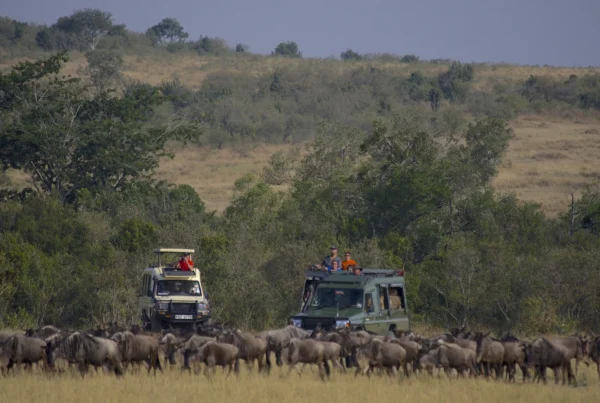
As they press onward into the western corridor by May and June, the landscape becomes more challenging. The wildebeest must cross the Grumeti River, a lesser-known but formidable obstacle patrolled by enormous crocodiles lying in ambush. The river crossings, whether at Grumeti or the famed Mara River, are among the most riveting experiences of the migration. These events peak between July and September, when the herds reach the northern Serengeti and Masai Mara, and thousands surge into the turbulent river waters.

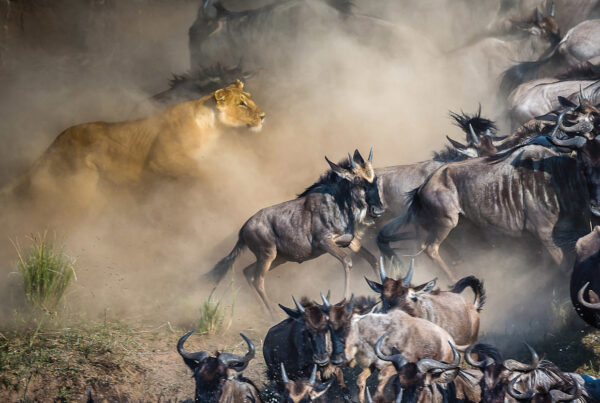
The Mara River crossings are where chaos and courage collide. Panicked wildebeest leap from steep banks into murky waters, their hooves thrashing in fear and desperation. Crocodiles, some over 20 feet long, lie silently before erupting in a frenzied attack. Many animals perish—trampled, drowned, or caught—but for those who survive, the reward is rich grazing land on the other side. This spectacle, raw and unfiltered, defines the very essence of life in the wild: brutal, beautiful, and deeply moving.

The Return South: Completing the Circle

As October and November approach, the Masai Mara begins to dry out, prompting the herds to begin their return journey. The grasses in the southern Serengeti are once again lush, renewed by seasonal rains. With the same instinctual drive that pulled them north, the wildebeest begin to migrate southward. Their journey comes full circle as they arrive once more in the southern plains by December, just in time for the next calving season, and the cycle continues without pause, as it has for millennia.

Beyond the Wildebeest: An Ecosystem in Harmony

While wildebeest are the central characters in this great drama, they are far from alone. The migration includes vast numbers of Burchell’s zebras, who often lead the herds due to their excellent memory for routes, and Thomson’s and Grant’s gazelles, whose agility adds grace to the rugged march. These grazers form a dynamic balance in how they consume the vegetation, ensuring the ecosystem regenerates and supports life throughout the year.

The presence of so many herbivores naturally sustains one of the densest populations of predators on Earth. Lions prowl the plains in large prides, often targeting the weak and young. Cheetahs use their speed to outrun fleeing antelope. Hyenas, both cunning and relentless, follow closely behind the herds, while scavengers like vultures and jackals clean up what the hunters leave behind. This entire food web—interconnected, interdependent, and intricately timed—demonstrates the delicate equilibrium of nature at its most spectacular.

Cultural Connections and Human Stories

Amidst this natural theater, the Maasai communities have lived for centuries, maintaining a way of life that honors the land and its creatures. Visiting these communities during a migration safari offers a deeper layer of understanding—about resilience, coexistence, and cultural heritage. The Maasai are not only stewards of this ecosystem but storytellers of its ancient rhythms. Their wisdom, passed down through generations, enriches the travel experience with meaning and authenticity.

Interactions with local communities also reflect the growing movement of community-based conservation, where tourism revenue supports schools, healthcare, and sustainable resource management. This human dimension reminds us that the wildebeest migration is not just a natural event, but part of a larger, living heritage that binds people, wildlife, and landscapes together.

Why The Wildebeest Migration Matters 

To witness the wildebeest migration is to witness a primal force of nature—one that transcends borders, outlasts generations, and defines the essence of wild Africa. It’s a lesson in movement, resilience, and unity. It humbles the observer and awakens a profound respect for the laws of the natural world. In a time when human footprints often threaten wilderness, the survival of this ancient journey offers hope and a reason to protect what remains unspoiled.

Every dusty trail, every trembling riverbank, and every echoing roar on the plains tells a story older than humanity itself. And every traveler who experiences the migration becomes a part of that story—carrying its message home, remembering what it means to be alive in a world still ruled by nature’s rhythm.

Experience the Migration with WildHorn Africa

If you’re seeking more than a holiday—if you’re yearning for a life-changing journey—then it’s time to let WildHorn Africa guide you into the heart of the migration. With unmatched expertise in East African safari planning, intimate knowledge of the Serengeti and Masai Mara, and a deep commitment to sustainable travel, WildHorn Africa curates experiences that go far beyond the ordinary.

From placing you at the perfect vantage point for a river crossing, to arranging immersive cultural interactions with Maasai warriors, WildHorn Africa ensures every moment is tailored to your interests and comfort. Whether you’re a photographer, a wildlife enthusiast, or a family seeking wonder together, the team’s attention to detail, safety, and local connection makes your migration safari both seamless and unforgettable.

Book your wildebeest migration adventure today with WildHorn Africa—and let nature’s greatest journey transform the way you see the world.

The Wildebeest Migration #The Wildebeest Migration The Wildebeest Migration

Wildebeest migration trips

Wildebeest migration trips

By Travel guides

Wildebeest Migration Trips: Nature’s Greatest Show Unfolds

Introduction: Witness the Pulse of the Wild (Wildebeest migration trips)

In the heart of East Africa, across the golden savannas of Kenya and Tanzania, a breathtaking spectacle unfolds each year—the Great Wildebeest Migration. Often called the Eighth Wonder of the Natural World, this phenomenon sees over two million wildebeest, accompanied by hundreds of thousands of zebras, gazelles, and other herbivores, moving in a vast, cyclical journey that defines the rhythm of life on the Serengeti and Masai Mara plains. To embark on a wildebeest migration trip is to step into a timeless dance of survival, instinct, and raw wilderness—a journey that offers unmatched wildlife encounters and awe-inspiring beauty.

For travelers who seek more than just sightseeing, who yearn to feel the Earth’s pulse beneath their feet, and who wish to witness nature’s grandeur unfiltered, a migration safari is the ultimate African adventure. It’s not merely a vacation—it’s a privilege to witness the raw spectacle of predator versus prey, the endurance of life under harsh conditions, and the ecological wonder of synchronized movement across vast landscapes.

Understanding the Migration: A Cycle of Survival

The Great Wildebeest Migration is not a singular event but a year-long cycle of movement dictated by seasonal rains and the promise of fresh grazing land. The journey begins in southern Serengeti where wildebeest calves are born in astonishing numbers—sometimes up to 8,000 a day during peak calving season. This event, typically between January and March, brings not just new life but an influx of predators. Lions, hyenas, cheetahs, and leopards exploit this vulnerability, creating scenes that are dramatic and often heart-wrenching, yet vital to the ecological balance.

By April and May, as the southern plains dry up, the herds begin their northward journey, traversing central Serengeti and heading towards the western corridor. It is during the months of June to August that the migration gains momentum, reaching its climactic chapter at the Mara River crossings. Here, panic-stricken herds plunge into crocodile-infested waters, risking everything in pursuit of the greener pastures of the Masai Mara in Kenya.

This moment, often depicted in wildlife documentaries, is perhaps the most iconic scene of the entire migration. It is chaotic, suspenseful, and primal. Watching thousands of wildebeest and zebras leap into treacherous waters, while crocodiles snap their jaws and predators lie in wait on the far banks, is an experience that engraves itself on the soul.

After reaching the Masai Mara by September and October, the herds eventually begin their southern journey again, retreating to the Serengeti as rains fall in the south by November and December, completing the ancient loop of survival.

Where to Experience the Migration

The Serengeti National Park in Tanzania and Masai Mara National Reserve in Kenya are the two major regions where the migration unfolds. Each offers distinct perspectives and experiences depending on the time of year. The Serengeti, with its vast open plains, is ideal for witnessing calving season and the early movements, while the Masai Mara is the place to be during the river crossings.

Travelers looking to capture the most action-packed moments of the migration often aim for the Mara River crossings, which are best seen from late July through September. However, choosing the right time and location depends on what aspect of the migration you wish to witness—be it the tender birth of calves, the drama of predation, or the mass movement of herds under open skies.

The vastness of the ecosystem allows for both intimate encounters in private conservancies and sweeping vistas in national parks. Each setting offers its own magic, with expert guides bringing the unfolding drama to life through their knowledge, passion, and storytelling.

The Wildlife Beyond the Wildebeest (Wildebeest migration trips)

While the migration centers on wildebeest, the supporting cast of animals enriches the experience. Thousands of zebras accompany the herds, creating stunning black-and-white patterns against the green and gold of the savannah. Graceful Thomson’s and Grant’s gazelles weave through the larger animals, while imposing elephants, towering giraffes, and elusive leopards remind you that the Serengeti-Mara ecosystem is among the most biodiverse on Earth.

Predators play a crucial role in maintaining the ecological balance. Lions, often seen in prides, dominate the food chain, while cheetahs use their speed to hunt in the open plains. Hyenas and jackals clean the remains of hunts, and vultures circle overhead in anticipation of nature’s inevitabilities. The presence of these animals makes every game drive feel like a living documentary.

Cultural Enrichment: Meeting the Maasai and Local Communities

A wildebeest migration trip is not only about wildlife but also about connecting with the rich cultures that inhabit these lands. The Maasai people, known for their vibrant attire, traditional lifestyles, and deep-rooted respect for nature, are custodians of this wilderness. Visiting Maasai villages allows travelers to witness ancient customs, hear oral histories, and understand the delicate balance between wildlife conservation and human livelihood.

The presence of community-owned conservancies and eco-tourism initiatives helps sustain the region both economically and environmentally. Many safaris include cultural exchanges that enrich the travel experience, grounding it in the realities and heritage of East Africa.

Planning the Ideal Migration Safari

Embarking on a migration safari requires thoughtful planning. The sheer size of the Serengeti-Mara ecosystem means that movement of the herds can vary slightly each year depending on rainfall patterns. Travelers benefit immensely from the insights of experienced local operators who understand the rhythms of the migration and can position you in the right place at the right time.

Accommodation options range from mobile tented camps that move with the herds to luxurious lodges offering panoramic views and elevated service. Game drives are typically conducted in open-roof vehicles, led by knowledgeable guides who track the movements of animals with astonishing precision. Some operators even offer hot-air balloon safaris, allowing you to drift silently above the herds at sunrise—an experience of surreal beauty.

Whether you seek luxury, adventure, or photography-focused safaris, every detail of the journey can be tailored to your preferences, ensuring an unforgettable African escape.

A Journey That Transforms

The Great Migration is not just a marvel of biology—it is a symbol of resilience, unity, and the deep interdependence of ecosystems. Witnessing the migration firsthand leaves a lasting impression, one that transcends the visuals of animals in motion. It awakens a sense of humility, reminding us of our place in the vast tapestry of life.

Travelers often describe their wildebeest migration trip as transformative, returning home with a greater respect for nature, a deeper awareness of conservation, and memories that linger long after the dust has settled on the savannah.

Book Your Migration Adventure with WildHorn Africa

If you’re ready to embark on one of the world’s most spectacular wildlife journeys, let WildHorn Africa be your trusted guide. With years of experience crafting tailor-made African safaris, an unwavering commitment to ethical travel, and deep partnerships across East Africa’s top parks and lodges, WildHorn Africa ensures your wildebeest migration trip is seamless, exhilarating, and deeply meaningful.

From planning the perfect itinerary to offering personalized service in the wild, WildHorn Africa elevates your safari experience to extraordinary heights. Whether you wish to see the drama of the Mara River, the serenity of the calving season, or the grandeur of the endless Serengeti plains, your journey will be crafted with care and guided by passion.

Book your Africa tour today with WildHorn Africa—and let the call of the wild lead you to the adventure of a lifetime.

Wildebeest migration trips #Wildebeest migration trips Wildebeest migration trips

Make wildebeest migration page parent

packages

Close Menu