search
Masai Mara Safaris

Masai Mara Safaris

By Travel guides, Your first safari

Masai Mara Safaris: Journey into Africa’s Untamed Heart

Introduction: Enter the Wild Majesty of Masai Mara (Masai Mara Safaris)

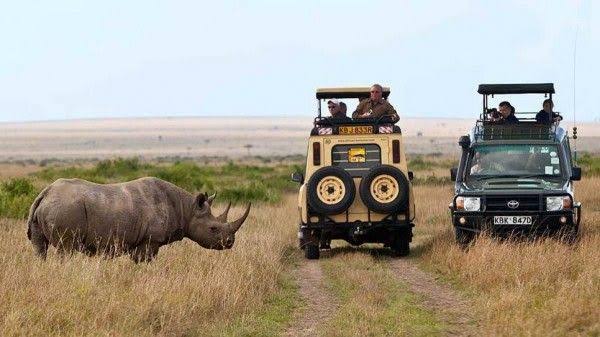
Imagine waking up to the distant roar of a lion, the rhythmic hum of wildebeest hooves pounding the earth, and the golden light of dawn spilling across a seemingly endless savannah. This is not a dream—it is the reality of a Masai Mara Safari, an experience that defines the essence of Africa’s raw and majestic wilderness. Located in southwestern Kenya, the Masai Mara National Reserve is one of the most celebrated wildlife conservation areas on the planet, revered for its exceptional biodiversity, dramatic landscapes, and unparalleled game-viewing opportunities.

To embark on a safari in the Masai Mara is to step into a world where the natural order remains beautifully undisturbed. Here, every sunrise unveils a new story—a lioness stalking her prey through tall grass, a cheetah sprinting across the plains, or a herd of elephants calmly making their way to a watering hole. Whether you are a first-time traveler to Africa or a seasoned adventurer, the Masai Mara offers a profound, soul-stirring encounter with the continent’s untamed soul.

Masai Mara Safaris #Masai Mara Safaris Masai Mara Safaris

The Landscape: A Living Tapestry of Nature’s Grandeur

The Masai Mara forms the northern extension of Tanzania’s Serengeti National Park, together creating the ecosystem that plays host to the Great Migration—one of the world’s most remarkable wildlife spectacles. But even outside this migration period, the Mara is a treasure trove of scenic wonder. Sprawling over 1,500 square kilometers of open grassland, acacia woodlands, and gently rolling hills, the reserve is a portrait of African beauty at its most unspoiled.

Rivers like the Mara and Talek snake through the reserve, attracting an abundance of wildlife and setting the stage for dramatic crossings during the migration. The open savannahs, dotted with iconic flat-topped acacia trees, make for optimal game viewing, with visibility stretching for miles and no barrier between you and the wild inhabitants of this land.

Wildlife Abundance: A Safari Like No Other

The Masai Mara is synonymous with the Big Five—lion, leopard, elephant, buffalo, and rhino—though its appeal extends far beyond. It boasts over 95 species of mammals and more than 570 bird species, making it one of the most diverse ecosystems on Earth. Sightings of predators are frequent and spectacular, particularly the lions, which are often seen in prides of impressive size, lounging in the sun or engaging in thrilling hunts.

Leopards are also a common sight here, draped elegantly over tree branches, while cheetahs race across the plains with unmatched speed. Hyenas, jackals, and bat-eared foxes are ever-present, contributing to the dynamic predator-prey balance that makes each safari outing a suspenseful journey.

Giraffes, zebras, wildebeest, topi, elands, and gazelles roam in immense herds, while hippos and crocodiles dominate the riverine ecosystems. The diversity and density of wildlife in the Mara are unmatched, promising an encounter at every turn and ensuring that no two game drives are ever the same.

The Great Migration: Nature’s Grandest Show

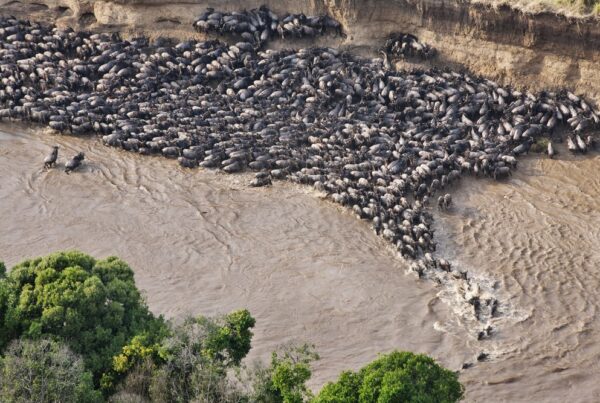
From July to October, the Masai Mara becomes the stage for the Great Wildebeest Migration, a phenomenon often dubbed the “Eighth Wonder of the World.” During this period, over two million wildebeest, zebras, and gazelles traverse the Mara River in search of fresh grazing lands. The spectacle of these animals crossing crocodile-infested waters, pursued by predators from land and air, is nothing short of mesmerizing.

Witnessing the migration is a powerful reminder of the instinctual rhythms that govern life in the wild. It’s not only the scale of the movement that astounds, but also the sheer drama—the battles for survival, the strategic movements of lions, the patience of crocodiles lying in wait, and the resilience of the migrating herds.

For photographers, nature lovers, and anyone drawn to the primal forces of the natural world, there is no greater theater than the Masai Mara during migration season.

Cultural Encounters: The Spirit of the Maasai People

No journey to the Masai Mara is complete without meeting the Maasai people, the semi-nomadic pastoralists who have lived in harmony with this land for centuries. Known for their distinctive red attire, intricate beadwork, and remarkable jumping dances, the Maasai offer more than just cultural immersion—they offer a glimpse into a way of life deeply connected to nature.

Many safaris include visits to traditional Maasai villages where travelers can learn about their customs, herding practices, and oral traditions. The Maasai play a vital role in the conservation of the Mara ecosystem, and engaging with them enriches the safari experience with authenticity, context, and a deeper appreciation for the human-wildlife relationship.

Luxury in the Wild: Safari Lodges and Camps

While the wilderness may be rugged, the accommodation in the Masai Mara is anything but. The reserve and surrounding conservancies offer an array of luxurious safari lodges and tented camps, each blending comfort with immersion in nature. Wake up to the sound of birdsong in a canvas tent with panoramic views, or enjoy a candle-lit dinner under the stars with the distant roar of lions echoing across the plains.

These camps and lodges often feature eco-friendly designs, gourmet cuisine, attentive service, and expert guides who lead personalized game drives. Many are situated in private conservancies adjacent to the main reserve, allowing for off-road driving, walking safaris, and exclusive wildlife experiences away from the crowds.

For those seeking romance, adventure, or family memories, the Masai Mara offers accommodations that turn a safari into a once-in-a-lifetime retreat.

Conservation and Sustainability: Protecting Paradise

With its incredible biodiversity and delicate ecosystem, the Masai Mara faces ongoing conservation challenges, including poaching, land pressure, and climate change. Thankfully, many of the lodges and tour operators in the region work hand-in-hand with conservation initiatives aimed at preserving wildlife corridors, supporting anti-poaching efforts, and empowering local communities through tourism.

Travelers who choose ethical safari providers directly contribute to these efforts, ensuring that the natural beauty and wildlife richness of the Masai Mara are safeguarded for generations to come. By practicing sustainable tourism, you become part of the solution, not just a spectator.

Plan Your Safari with WildHorn Africa (Masai Mara Safaris)

If you’re ready to transform your dream safari into a reality, trust the experts who know Africa best. WildHorn Africa offers bespoke Masai Mara safari experiences that combine luxury, authenticity, and deep respect for nature. Whether you seek the drama of the Great Migration, the tranquility of a private game drive, or a meaningful cultural exchange, WildHorn Africa curates each journey to your desires.

With a team of passionate guides, access to top-tier lodges, and a commitment to ethical travel, WildHorn Africa ensures that every detail of your adventure is thoughtfully handled. From your first sunset over the Mara to your last morning game drive, your safari will be more than a trip—it will be a memory etched in your heart.

Book your Masai Mara safari with WildHorn Africa today, and let the call of the wild guide you to the adventure of a lifetime.

Masai Mara Safaris #Masai Mara Safaris Masai Mara Safaris

Packages

make masai mara np page parent

Climb Mount Kilimanjaro

Climb Mount Kilimanjaro

By Responsible travel tips, Travel guides

Climb Mount Kilimanjaro: Conquer Africa’s Roof and Embrace the Journey of a Lifetime

Introduction: A Legendary Ascent to the Sky (Climb Mount Kilimanjaro)

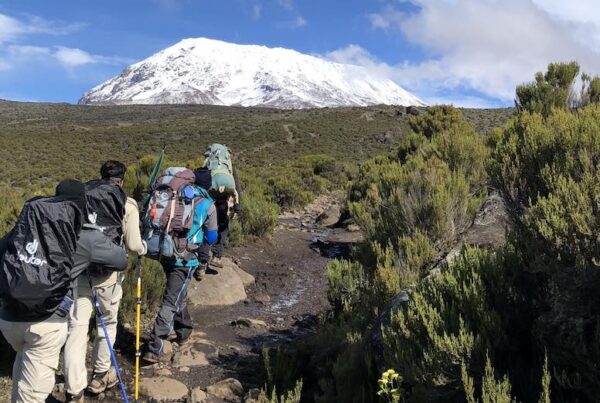
Rising majestically from the savannahs of northern Tanzania, Mount Kilimanjaro is more than just Africa’s highest peak—it is a towering symbol of resilience, challenge, and awe. Known as the “Roof of Africa,” Kilimanjaro soars to a staggering 5,895 meters (19,341 feet) above sea level, standing as the tallest freestanding mountain in the world. But beyond its statistics lies an experience that captures the hearts of adventurers, dreamers, and explorers from around the globe.

To climb Mount Kilimanjaro is to step into a realm where nature’s raw beauty and human determination intertwine. Unlike many high-altitude mountains that require technical climbing skills, Kilimanjaro is a non-technical climb, making it accessible to many. Yet, it demands more than just physical stamina—it calls for mental strength, perseverance, and a deep respect for the journey ahead.

From equatorial forests to arctic glaciers, the trail to the summit is a walk through five distinct ecological zones, each more breathtaking than the last. For those who seek an unforgettable adventure, summiting Kilimanjaro is not merely about reaching the peak—it’s about embracing a personal transformation along the way.

Climb Mount Kilimanjaro #Climb Mount Kilimanjaro Climb Mount Kilimanjaro

The Enigmatic Beauty of Kilimanjaro

Mount Kilimanjaro is not just a mountain—it is an icon cloaked in mystery and allure. Situated entirely within Tanzania, this dormant stratovolcano is composed of three volcanic cones: Kibo, Mawenzi, and Shira. Of the three, only Kibo remains capped with glacial ice and is home to Uhuru Peak, the highest point in Africa.

What makes Kilimanjaro truly extraordinary is its unique position near the equator, yet crowned with snow. This contrast creates a dynamic ascent where climbers experience shifting climates and stunning scenery that ranges from lush rainforests and alpine deserts to glacial fields and snow-dusted plateaus.

As you ascend, the mountain unveils an ever-changing panorama of landscapes. The dense lower forests echo with the calls of colobus monkeys and the rustling of ancient trees. As elevation increases, the vegetation thins, revealing surreal high-altitude flora like giant senecios and lobelias. Higher still, the air thins, the ground hardens, and the surreal silence of the arctic zone prepares you for the final push to the summit.

Each step forward is not only a step higher but a deepening immersion into Africa’s natural majesty and spiritual intensity.

Choosing Your Route: Multiple Paths to Glory

One of Kilimanjaro’s most distinctive features is the variety of trekking routes, each offering a unique perspective of the mountain. Climbers can choose from several established paths, including the Marangu, Machame, Lemosho, Rongai, Northern Circuit, and Umbwe routes.

Each route varies in length, scenery, acclimatization profile, and level of difficulty. The Marangu Route, often referred to as the “Coca-Cola Route,” is the only path with hut accommodations and is known for its gentler gradient. The Machame Route, or “Whiskey Route,” is more challenging and scenic, offering dramatic ridgelines and stunning views. The Lemosho and Northern Circuit routes are prized for their remoteness and excellent acclimatization opportunities, while Umbwe is the steepest and most direct route, recommended only for experienced trekkers.

Regardless of the chosen path, all lead to the same profound reward: standing atop Uhuru Peak, where the sunrise spills golden light over the African plains far below.

Altitude, Acclimatization, and Endurance

Though Kilimanjaro is a non-technical mountain, the climb is not without challenges. The greatest obstacle for most trekkers is altitude sickness, caused by rapid elevation gain and reduced oxygen levels. Successful summiting depends not on speed but on careful acclimatization.

“Pole pole”—Swahili for “slowly, slowly”—becomes your guiding mantra. Slow pacing, adequate hydration, proper nutrition, and planned rest days are all critical to adjust the body and increase the chances of success. Each camp along the ascent brings a different altitude and terrain, serving as natural benchmarks on the way to the top.

Climbers should be physically fit, but mental preparation is equally important. The final summit attempt often begins around midnight, with climbers making a grueling push in darkness to reach the peak in time for sunrise. It’s cold, it’s steep, and oxygen is thin—but the reward is indescribable. When the first light touches the glacier’s edge, and Uhuru Peak’s sign emerges from the mist, all fatigue dissolves into a euphoria few words can capture.

An Ecological Treasure and Climate Beacon

Kilimanjaro is more than a climber’s challenge—it is also a fragile ecological treasure. Designated a UNESCO World Heritage Site, the Kilimanjaro National Park protects diverse ecosystems, from montane forests to moorlands and glacial caps. Wildlife sightings are common at lower elevations, including elephants, buffaloes, monkeys, and dozens of bird species.

However, Kilimanjaro is also a symbol of climate change. Its iconic glaciers have been receding at alarming rates over the past century, and some scientists estimate they could vanish entirely within decades. As such, each climb carries a message—reminding us of the importance of conservation and the urgency to protect our natural world.

By choosing eco-conscious tour operators, reducing waste, and respecting park regulations, climbers become ambassadors of sustainability, preserving Kilimanjaro for future generations to experience.

Cultural Encounters and Local Impact (Climb Mount Kilimanjaro)

The climb is also a journey through Tanzanian culture. Most expeditions are supported by local Chagga guides and porters, whose strength, expertise, and warmth enrich the trek profoundly. From carrying gear to preparing meals, their contributions are central to the Kilimanjaro experience.

Climbers often forge lasting friendships with their trekking crew, sharing songs, stories, and laughter under star-filled skies. Responsible trekking ensures fair wages, ethical treatment, and community development—making the climb not just a personal victory, but a socially impactful experience.

Engaging with local communities before or after your climb, exploring the nearby town of Moshi, or visiting cultural projects and coffee farms adds depth to your journey, connecting you more intimately with the people of the mountain.

Prepare with Purpose, Climb with Confidence

Preparation is essential for a safe and rewarding climb. Physical training, proper gear, and mental readiness are non-negotiable. Climbers must be equipped for cold, wind, and potential altitude-related discomfort. Choosing a reputable tour operator is crucial—one that prioritizes safety, provides experienced guides, maintains ethical practices, and understands the mountain’s rhythms.

With the right planning and the right team, Kilimanjaro becomes a life-affirming achievement. It’s not just a summit—it’s a statement of courage, perseverance, and the timeless allure of wild places.

Climb Kilimanjaro with WildHorn Africa

For a journey as monumental as Kilimanjaro, you deserve a partner who brings expertise, integrity, and passion to every detail. WildHorn Africa offers meticulously designed Kilimanjaro expeditions that blend adventure with safety, comfort with authenticity, and wilderness with purpose.

With knowledgeable local guides, personalized support, ethical trekking practices, and a deep respect for both nature and culture, WildHorn Africa ensures your Kilimanjaro experience exceeds expectations. Whether you’re seeking a private climb, a group expedition, or a tailored itinerary that includes wildlife safaris and cultural encounters, WildHorn Africa crafts unforgettable African adventures from the foothills to the summit.

Your mountain is waiting. Book your Kilimanjaro climb and African safari with WildHorn Africa today—and let your greatest adventure begin. Climb Mount Kilimanjaro 

Climb Mount Kilimanjaro #Climb Mount Kilimanjaro Climb Mount Kilimanjaro

Packages

make Kilimanjaro np page parent

Rwenzori hiking tours

Rwenzori hiking tours

By Travel guides, Uganda travel guides

Rwenzori Hiking Tours: Conquer the Mystical Mountains of the Moon

Where Legends Rise with the Mist (Rwenzori hiking tours)

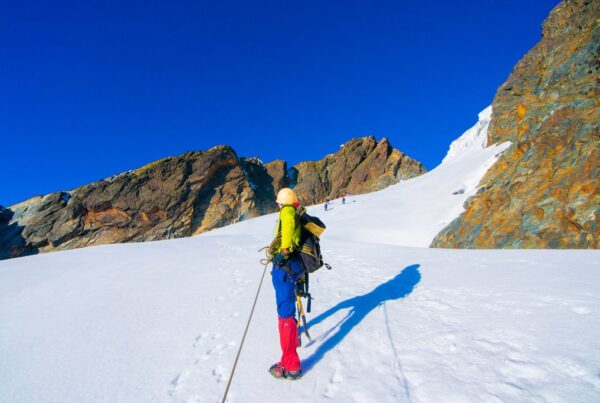
Hidden in the heart of East Africa, on the border between Uganda and the Democratic Republic of Congo, stands one of Africa’s most spellbinding natural wonders—the Rwenzori Mountains, often referred to as the “Mountains of the Moon.” Unlike the more frequently visited volcanic peaks of Mount Kilimanjaro or Mount Kenya, the Rwenzoris are shrouded in an aura of mystery, enchantment, and raw, untamed wilderness. Rwenzori hiking tours are not ordinary treks—they are epic journeys through Afro-alpine zones, glacier-capped summits, and a UNESCO World Heritage Site that feels almost otherworldly.

The Rwenzori range is Africa’s third highest mountain massif, home to Margherita Peak, which towers at 5,109 meters above sea level. What sets these mountains apart is not just their altitude, but their unique biodiversity, rare vegetation zones, and the sense that you are venturing into an ancient, living realm. To hike the Rwenzori is to follow in the footsteps of explorers, naturalists, and adventurers seeking the sublime, the remote, and the transcendent.

Rwenzori hiking tours #Rwenzori hiking tours Rwenzori hiking tours

A Distinctive Wilderness Unlike Any Other

The Rwenzori Mountains National Park is a sanctuary of dramatic contrasts. As you ascend, the landscape morphs dramatically from tropical rainforest to bamboo forest, heather zones, moss-draped moorlands, and finally to icy alpine glaciers. This vertical diversity creates a rich ecological tapestry teeming with endemic plant species, exotic birds, and elusive wildlife.

Unlike most mountains that boast a singular summit or a linear climb, the Rwenzoris are a labyrinth of peaks, valleys, lakes, and glaciers, offering a multi-day trekking experience that is as mentally engaging as it is physically challenging. Trails wind through pristine environments barely touched by modern civilization, providing solitude and serenity rarely found elsewhere.

The unique plant life is one of the most striking features of the Rwenzoris. Giant lobelias, towering heathers, and massive groundsel trees dominate the higher altitudes, creating an almost alien-like scenery. The mist that often cloaks the mountains adds an ethereal, almost mystical dimension to every step of the hike.

The Adventure of Altitude and Endurance

A Rwenzori hiking tour is an endurance challenge that rewards the determined with awe-inspiring views and profound self-discovery. Most treks range from 6 to 10 days, depending on the route and pace. The most popular route, the Central Circuit Trail, offers a comprehensive loop through the heart of the mountain range, culminating at Margherita Peak for those who wish to summit.

This trek is not just about reaching the top; it is a pilgrimage through elemental forces. One day you’re navigating slippery boardwalks through boggy valleys, the next you’re clambering over rock outcrops as alpine mist swirls around your boots. Each camp along the route provides a place to rest and reconnect with fellow trekkers, all united by the shared rhythm of the trail.

Altitude acclimatization is essential. The climb is rigorous and demands a combination of physical fitness, mental fortitude, and proper preparation. But for those who commit, the Rwenzori offers an experience that is more rewarding, more secluded, and more spiritually enriching than most mainstream mountain adventures.

An Ecological Wonderland (Rwenzori hiking tours)

The Rwenzori Mountains are recognized as one of the most significant biodiversity hotspots in Africa. The range supports over 70 mammal species and 217 bird species, including several that are endemic or endangered. From the shy Rwenzori turaco to the playful blue monkey, life thrives in surprising and resilient forms across the altitudinal zones.

The region’s glaciers and alpine wetlands also play a crucial role in sustaining water systems across Uganda and beyond. These mountains are a vital natural resource for both ecological balance and local communities. Hiking here is more than just recreation—it is a journey through a fragile, invaluable ecosystem that deserves reverence and protection.

For conservation-conscious travelers, the Rwenzoris present an opportunity to witness firsthand the impacts of climate change, particularly the melting glaciers, which are diminishing year by year. Trekking with awareness becomes an act of solidarity with the environment, a reminder of our shared responsibility to protect such natural marvels.

Cultural Immersion and Community Impact

Beyond the natural beauty, the Rwenzori region is home to the Bakonzo people, a resilient and culturally rich community with a deep connection to the mountains. As you begin and end your trek in villages such as Kilembe or Nyakalengijo, you’ll encounter the warm hospitality and storytelling traditions that are integral to this region.

Participating in a Rwenzori hiking tour provides not only adventure for travelers but tangible benefits for local communities. Many trekking operations collaborate directly with village cooperatives, employing local guides, porters, and cooks. Your journey contributes to sustainable development by supporting education, healthcare, and conservation efforts across the region.

Travelers often leave with more than memories of peaks and passes—they gain insight into mountain life, traditional farming, local folklore, and the symbiotic relationship between people and the land.

The Best Time to Trek the Rwenzori Mountains

Timing your Rwenzori adventure is essential for a successful experience. The dry seasons, typically from December to February and June to August, are the most favorable for hiking. During these periods, trails are less slippery, river crossings are safer, and visibility improves dramatically, especially near the peaks.

However, the unpredictable nature of mountain weather means you should always be prepared for sudden rain, cold winds, and mist. Proper gear and expert guidance are critical. Partnering with a knowledgeable and reputable tour operator ensures that your safety, comfort, and enjoyment are maximized throughout the hike.

Why the Rwenzori Experience is Worth Every Step

The Rwenzori Mountains are not about flashy tourism or easy triumphs. They are about authentic, soul-stirring exploration. They ask something of you—your energy, your focus, your humility—but they give so much more in return. Every ridgeline offers a new perspective. Every waterfall echoes with timelessness. Every glacier, still clinging to the equator, speaks of nature’s paradoxes and power.

This is not a destination for the casual sightseer. This is a place for those who want to test themselves against nature, who want to walk ancient paths in silence and reverence, who want their breath taken not only by the altitude but by the sheer majesty of what surrounds them.

Begin Your Rwenzori Adventure with WildHorn Africa

To fully appreciate the challenge, beauty, and soul of the Rwenzori Mountains, you need more than a map—you need a dedicated team of professionals who know these mountains intimately. That is why your journey should begin with WildHorn Africa, a trusted name in African adventure travel.

With years of experience, expert guides, carefully designed itineraries, and a strong commitment to ethical tourism, WildHorn Africa ensures your Rwenzori hiking tour is seamless, safe, and unforgettable. Whether you’re a seasoned trekker or a passionate explorer seeking your next big adventure, WildHorn Africa customizes every detail to meet your needs and exceed your expectations.

Choose to travel with purpose, hike with heart, and discover the true spirit of Africa’s Mountains of the Moon. Book your Rwenzori hiking tour and other Africa safaris through WildHorn Africa today, and step into a world where nature’s wonders and human resilience meet at the highest peaks.

Rwenzori hiking tours #Rwenzori hiking tours Rwenzori hiking tours

Packages

Recommended Tour Packages

Rwenzori Hiking Tours

3-Day Honeymoon Fly in Zanzibar Ndutu with Hot Balloon
3 Days+ from $2,585
https://www.africawildlifesafaris.net/destinations/tanzania/3-day-honeymoon-fly-in-zanzibar/
5-Day Great Migration Fly in from Zanzibar
5 Days+ from $2,800
https://www.africawildlifesafaris.net/destinations/tanzania/5-day-great-migration-fly-in/
6-Day Serengeti National Park & Zanzibar
6 Days+ from $1,881
https://www.africawildlifesafaris.net/destinations/tanzania/6-day-serengeti-national-park/
8-Day Beach Safari Zanzibar and Lake Manyara
8 Days+ from $2,393
https://www.africawildlifesafaris.net/destinations/tanzania/8-day-beach-safari-zanzibar/
9-Day Best of Tanzania Safari and Zanzibar Beaches
9Days+ from $2,574
https://www.africawildlifesafaris.net/destinations/tanzania/9-day-best-of-tanzania-safari-and/
10-Day Stone Town & Zanzibar Sand & Selous Safari
10 Days+ from $2,066
https://www.africawildlifesafaris.net/destinations/tanzania/10-day-stone-town-zanzibar-sand/
10-Day Nyerere National Park and Zanzibar Adventure
10 Days+ from $4,799
https://www.africawildlifesafaris.net/destinations/tanzania/10-day-nyerere-national-park-and/
11-Day Tanzania Safari with Zanzibar Beach Break
11 Days+ from $12,299
https://www.africawildlifesafaris.net/destinations/tanzania/11-day-tanzania-safari-with-zanzibar/
Customize Your beach vacation
Gorilla and wildlife safaris

Gorilla and wildlife safaris

By Travel guides

Gorilla and Wildlife Safaris: Africa’s Most Powerful Encounters

Where the Wild Still Reigns (Gorilla and wildlife safaris)

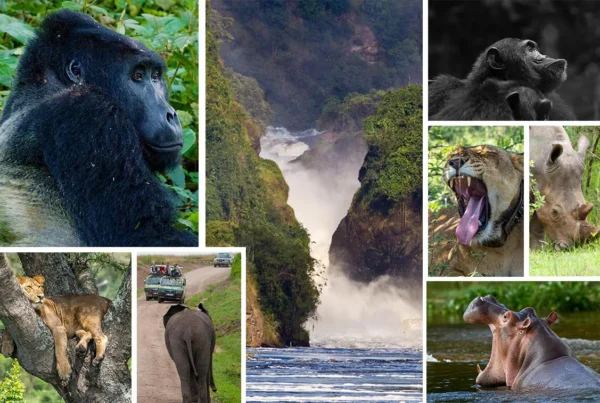
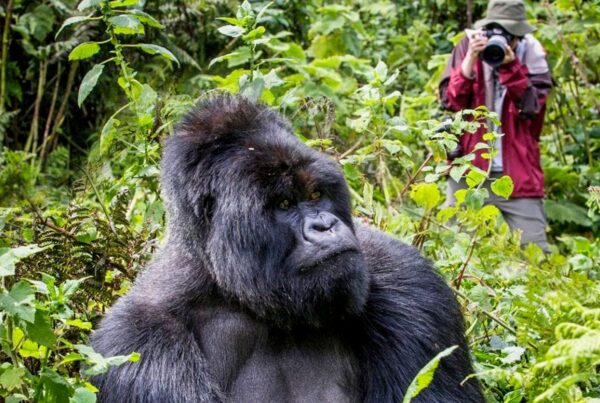
Imagine standing in silence, heart pounding, eyes locked with a 500-pound silverback gorilla, its presence commanding and gentle all at once. Now picture yourself on an open plain, the sun dipping below the horizon as a pride of lions stirs to life. Gorilla and wildlife safaris offer the ultimate African adventure—a rare combination of primate encounters deep in the rainforest and the iconic big game spectacles of the savannah. These journeys blend the raw, emotional intimacy of gorilla trekking with the expansive thrill of tracking elephants, leopards, and buffalo under vast African skies.

This isn’t a typical vacation. It’s a calling for those who crave the untamed. For those who seek something primal, personal, and real. It’s a journey across ecosystems and species, through rainforests and grasslands, where every moment pulses with life and every encounter leaves a permanent mark on your soul. Gorilla and wildlife safaris aren’t just trips—they are transformations.

Gorilla and wildlife safaris #Gorilla and wildlife safaris Gorilla and wildlife safaris

The Unmatched Experience of Gorilla Trekking

Deep in the montane forests of Uganda, Rwanda, and the Democratic Republic of Congo, mountain gorillas live free, wild, and protected. Found nowhere else on Earth, these critically endangered great apes share nearly 98% of our DNA. They live in tightly bonded families, led by dominant silverbacks, whose wisdom and power guide their troop’s every move. Watching them is like peering into a forgotten mirror of ourselves.

The experience begins long before you meet them. After an early morning briefing, you’ll enter the forest with an expert team of rangers and trackers. These guides follow signs most would never notice—a broken twig, a fresh nest, distant vocalizations—until you reach the gorilla family. The trek itself may take minutes or hours, through thick vines, slippery slopes, and dense foliage. But every step brings you closer to an unforgettable connection.

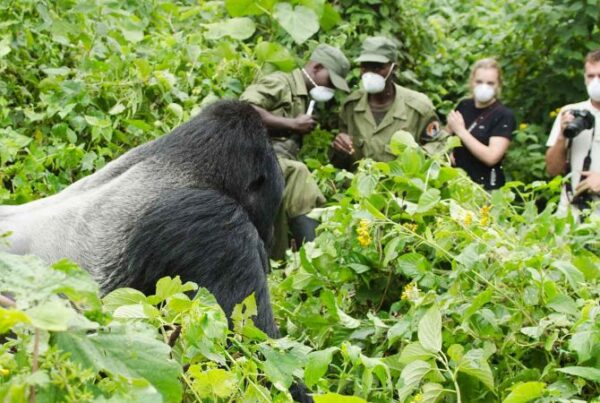
When the moment comes and the gorillas emerge, everything else fades. For a full hour, you’re a guest in their world. You’ll witness mothers tenderly nursing their young, juveniles tumbling in play, and the silverback surveying all with calm authority. There is no cage, no glass, no barrier. Just you, the forest, and these magnificent beings. The silence shared in that space speaks more than words ever could.

The Thrill of Classic African Safaris (Gorilla and wildlife safaris)

After the intimacy of the rainforest, the savannah awaits with its epic drama. Africa’s great plains, from Uganda’s Queen Elizabeth National Park to Tanzania’s Serengeti, offer a different kind of spectacle—open, vast, and breathtaking in scale. Here, your senses are ignited not by quiet stillness but by motion, color, and sound. Herds of elephants move in unison across golden plains. Giraffes stretch toward acacia trees. Lions prowl in the tall grass while zebras and antelopes remain alert to every sound.

What makes a wildlife safari so exhilarating is the unpredictability. Every game drive is a new adventure, guided by the rhythm of nature. One day you may follow leopard tracks at dawn, and the next, watch hippos wallow in muddy pools beneath a blazing sunset. Your vehicle becomes a moving observatory, your camera an extension of your awe, and your guide a storyteller, reading the landscape with unmatched expertise.

Uganda, often called the Pearl of Africa, is unique in its ability to offer both gorilla trekking and classic safari experiences in a single itinerary. One day you’re eye-to-eye with a gorilla in Bwindi Impenetrable Forest; the next, you’re cruising the Kazinga Channel watching elephants drink as crocodiles sunbathe nearby. It’s this blend of intimacy and scale, forest and savannah, that makes gorilla and wildlife safaris the most complete adventure on the continent.

The Conservation Story Behind the Adventure

What sets gorilla and wildlife safaris apart is not just their grandeur, but their purpose. These experiences are rooted in conservation, sustainability, and community empowerment. Every permit purchased to track gorillas contributes directly to protecting these endangered animals and the ecosystems they call home. It funds anti-poaching patrols, veterinary interventions, and long-term research vital to their survival.

Beyond gorillas, wildlife tourism fuels the protection of Africa’s iconic species—elephants, rhinos, lions, and more—by creating financial incentives for their survival. Where wildlife thrives, tourism flourishes. Where tourism flourishes, communities benefit. Schools are built, jobs are created, and local people become guardians of the very ecosystems tourists come to see.

In Uganda and Rwanda especially, conservation success stories are unfolding. Gorilla populations are increasing, thanks to the responsible tourism model that limits visitor numbers, enforces strict behavior guidelines, and channels income back into the community. By choosing to go on a gorilla and wildlife safari, you become a part of this story—not just a witness to nature’s wonders, but a participant in their preservation.

Cultural Connections Along the Way

A true African safari is not just about the animals—it’s about the people. Throughout your journey, you’ll meet communities that have lived in harmony with the wild for generations. From the Batwa pygmies, the original forest dwellers of southwestern Uganda, to village artisans and traditional dancers, cultural encounters add rich context to your adventure.

These are not staged performances, but genuine moments of exchange, where storytelling, music, and craftsmanship reveal the human side of Africa’s wild places. By engaging with local culture, you gain a deeper appreciation for the land and a clearer understanding of the challenges and triumphs of conservation in action.

Planning Your Safari: Choosing the Right Path

Organizing a gorilla and wildlife safari requires careful planning and the guidance of experienced professionals. Permits for gorilla trekking are limited and must be secured months in advance. National parks and game reserves vary in their ecosystems, wildlife density, and travel logistics. Understanding the best times to visit, the physical demands of each trek, and the accommodations available is crucial to crafting a journey that matches your interests and comfort level.

Uganda offers perhaps the most versatile itinerary, combining gorilla trekking in Bwindi or Mgahinga with game drives in Queen Elizabeth, Murchison Falls, and Kidepo Valley National Parks. Rwanda, with its luxury-focused approach, allows travelers to pair gorilla trekking in Volcanoes National Park with wildlife viewing in Akagera National Park. Each destination has its strengths, and the best safaris are those tailored to your desires—whether you seek rugged adventure, photographic opportunities, or immersive cultural experiences.

Why This Journey Changes You Forever

What separates gorilla and wildlife safaris from other forms of travel is the depth of impact they leave behind. It’s not just about seeing animals; it’s about feeling something ancient stir within you. When you walk through the same forest paths as gorillas or hear a lion’s roar ripple through the night air, you remember that we are not separate from nature—we are part of it.

These encounters invite humility, curiosity, and gratitude. They reconnect us to a world that still breathes on its own terms. They open our eyes to beauty, our hearts to wonder, and our minds to responsibility. And once you’ve seen Africa in this way, it never really leaves you.

Book Your Unforgettable Safari with WildHorn Africa

To experience the true magic of gorilla and wildlife safaris, trust your journey to those who know the land intimately. WildHorn Africa specializes in crafting exceptional, responsible, and deeply personal African travel experiences. With their expert knowledge, passion for conservation, and commitment to local communities, WildHorn Africa ensures that every step of your adventure is meaningful, seamless, and unforgettable.

From securing your permits to arranging world-class guides and accommodations, WildHorn Africa takes care of the details so you can focus on the moments that matter most. Whether you’re dreaming of a quiet hour with a mountain gorilla or the heart-racing excitement of tracking lions across the plains, your perfect safari begins here.

Book your Africa tours and safaris with WildHorn Africa today—and step into a world where the wild is still truly wild, and every encounter is a story worth telling. Gorilla and wildlife safaris

Gorilla and wildlife safaris #Gorilla and wildlife safaris Gorilla and wildlife safaris

Recommended Tour Packages

Gorillas and Wildlife Safaris

6-Day Volcanoes, Bwindi, Lake Bunyonyi, Queen and Kibale
6 Days+ from $2,717
https://www.africawildlifesafaris.net/destinations/uganda/6-day-volcanoes-bwindi-lake-bunyo/
7-Day Rwanda Wild Safari, Akagera, Volcanoes & Lake Kivu
7 Days+ from $2,998
https://www.africawildlifesafaris.net/destinations/rwanda/7-day-rwanda-wild-safari-akagera/
7-Day Volcanoes National Park Adventure
7 Days+ from $5,500
https://www.africawildlifesafaris.net/destinations/rwanda/7-day-volcanoes-national-park/
10-Day Uganda & Rwanda – Gorillas, Wildlife & Volcanoes
10 Days+ from $3,399
https://www.africawildlifesafaris.net/destinations/rwanda/10-day-uganda-rwanda-gorillas/
5-Day Bwindi, Lake Bunyonyi & Queen Elizabeth Safari
5 Days+ from $2,132
https://www.africawildlifesafaris.net/destinations/uganda/5-day-bwindi-lake-bunyonyi-queen/
6-Day Bwindi NP, Queen Elizabeth, Kibale & Lake Bunyonyi
6 Days+ from $2,526
https://www.africawildlifesafaris.net/destinations/uganda/6-day-bwindi-np-queen-elizabeth/
7-Day Bwindi, Kibale & Queen Elizabeth NP Mid-Range Tour
7 Days+ from $3,058
https://www.africawildlifesafaris.net/destinations/uganda/7-day-bwindi-kibale-queen/
8-Day Bwindi National Park, L Bunyonyi, Queen Elizabeth
8 Days+ from $3,586
https://www.africawildlifesafaris.net/destinations/uganda/8-day-bwindi-national-park-bunyonyi/
Customize Your Visit To Africa
Primate tracking tours

Primate tracking tours

By Travel guides

Primate Tracking Tours: A Journey into the Wild Heart of Africa

Face to Face with the Wild

There are few experiences on Earth as profoundly moving and intellectually enriching as coming face to face with a wild primate in its natural habitat. Primate tracking tours are not just about observing animals—they are about reconnecting with our evolutionary cousins in some of the planet’s most biodiverse and untouched environments. As you follow expert guides through ancient rainforests and misty mountain slopes, each footstep brings you closer to extraordinary encounters with gorillas, chimpanzees, golden monkeys, and other rare primates that call Africa home.

This is not a zoo visit. It is an expedition that requires patience, respect, and an adventurous spirit. It is a sensory immersion into a living world where primates swing through the trees, vocalize their presence, and live complex social lives, mirroring our own in astonishing ways. Whether you’re tracking gorillas in Uganda, chimpanzees in Tanzania, or golden monkeys in Rwanda, every moment spent in their presence leaves a permanent mark on the soul.

Primate tracking tours #Primate tracking tours Primate tracking tours

The Diversity of Africa’s Primates: More Than Just Gorillas

When most people think of primate tracking in Africa, their minds immediately go to mountain gorillas, and for good reason. These great apes, found only in the high-altitude forests of Uganda, Rwanda, and the Democratic Republic of Congo, are the crown jewel of African primate tourism. But Africa’s primate diversity extends far beyond gorillas, offering a rich tapestry of species, each with its own ecological story and behavioral intrigue.

In Uganda’s Kibale Forest National Park, you can track chimpanzees, our closest living relatives, whose expressive faces and complex social dynamics provide a striking mirror into human evolution. Trekking through the forest, you’ll hear their loud hoots and screeches echo through the canopy before catching sight of them grooming, playing, or skillfully cracking nuts with tools.

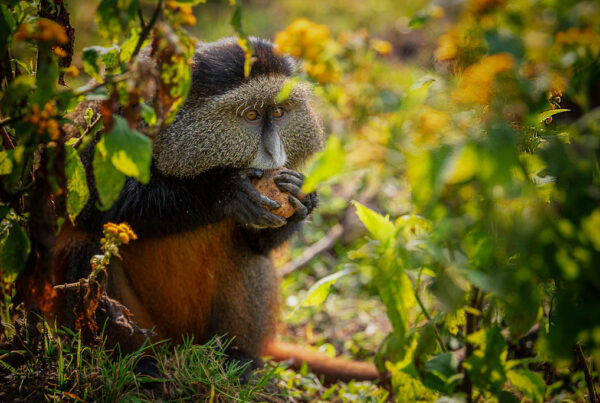
Rwanda’s Volcanoes National Park not only offers world-famous gorilla tracking but also the opportunity to observe golden monkeys, vibrant and acrobatic creatures that leap through the bamboo forests in coordinated groups. These endangered primates, found only in the Virunga massif, provide an enchanting and more playful contrast to the somber majesty of the gorillas.

In Tanzania’s Gombe Stream and Mahale Mountains, the names synonymous with Jane Goodall’s pioneering research, chimpanzees live freely in one of the most pristine natural laboratories in the world. Here, the tracking experience is as much about retracing scientific history as it is about watching the primates themselves.

The Primate Tracking Experience: Trekking Through Untamed Beauty

Primate tracking tours are far more than safaris; they are deep jungle expeditions guided by skilled trackers and rangers with intimate knowledge of the forest and its inhabitants. Every morning begins with a briefing, where you’ll learn about the particular species you’ll be tracking, the safety protocols, and the unique behaviors to look out for. From there, you set out—sometimes on footpaths, often off-trail—into the dense rainforest ecosystems that have sheltered primates for millennia.

The trek can range from a gentle walk to an intense climb, depending on the location of the group and the terrain. These forests are alive with sound—bird calls, rustling leaves, distant primate chatter—and the air is rich with the scent of earth, vegetation, and moisture. This environment is not just a backdrop but an active part of the experience. You’ll pass towering fig trees, vines hanging like natural bridges, and the occasional evidence of elephant or buffalo activity.

Eventually, after navigating slopes, mud, and the unpredictability of the wild, you reach the primate group. Whether it’s a family of gorillas relaxing in the underbrush, a chimpanzee troop hunting or foraging, or golden monkeys darting above you, the feeling is indescribable. You are a guest in their world, and for one sacred hour, you get to observe them up close—free, intelligent, and emotionally expressive.

Why Primate Tracking Matters: Conservation Through Connection

Primate tracking is not just a recreational activity—it is a crucial pillar of primate conservation. Every permit purchased supports national park operations, anti-poaching units, veterinary teams, and community outreach programs. In regions where economic opportunities are scarce, the revenue generated by responsible tourism provides local communities with sustainable income and an incentive to protect wildlife habitats.

For many local communities, the value of a living gorilla, chimpanzee, or monkey has become far greater than any short-term gain from logging or hunting. Schools, clinics, clean water projects, and jobs all benefit directly from primate tourism. This model of conservation works because it links environmental protection with human development—a win for people and wildlife alike.

Moreover, primate tracking plays an essential role in raising global awareness. Visitors return home as ambassadors for conservation, deeply moved by what they’ve witnessed and motivated to support preservation efforts through donations, advocacy, or further engagement.

Planning the Perfect Primate Tracking Tour (Primate tracking tours)

A successful primate tracking experience begins with thoughtful planning. Choosing the right destination is crucial. If your heart is set on gorillas, Bwindi Impenetrable National Park or Volcanoes National Park are ideal. For those fascinated by chimps, Kibale Forest, Gombe Stream, or Nyungwe Forest are top choices. Each destination has its own climate, trekking difficulty, and wildlife diversity, so understanding your own preferences and fitness level helps match you to the best experience.

Permits are limited and must be booked in advance. The cost varies by country, with Rwanda’s gorilla permits being the highest, reflecting its investment in high-end, low-impact tourism. Regardless of cost, the experience is invaluable, and the funds are essential to maintaining conservation integrity.

Timing also matters. The dry seasons—typically from June to September and December to February—offer the best trekking conditions, with less mud and better visibility. However, the rainy seasons can be magical too, as forests become lush, and crowds are fewer, offering a more intimate experience.

Packing appropriately is key. Waterproof hiking boots, rain jackets, long trousers, gloves, and insect repellent are all necessities. But perhaps more important than any gear is your mindset. Patience, respect, and a deep sense of curiosity will carry you further than any hiking pole.

Why Primate Tracking Will Change You

People often speak of Africa changing them, and nowhere is this more true than in the quiet presence of a wild primate. Their eyes, so filled with intelligence and emotion, reflect something ancient and shared. Watching a gorilla cradle her infant, a chimpanzee solve a problem, or a monkey leap from branch to branch with joyful abandon is to witness life in its most authentic and undisturbed form.

You leave the forest not only with memories and photographs but with a renewed perspective. You become more attuned to the fragility of ecosystems, more aware of your place in the natural world, and more committed to preserving the beauty and complexity of life on Earth. This is the deeper gift of primate tracking tours—not just the thrill of the moment, but the lifelong transformation they inspire.

Book Your Primate Adventure with WildHorn Africa

If you’re ready to embark on the journey of a lifetime, there’s no better partner to guide your primate tracking adventure than WildHorn Africa. With an unwavering commitment to ethical tourism, conservation, and personalized service, WildHorn Africa offers expertly curated experiences across Uganda, Rwanda, Tanzania, and beyond.

From securing permits and arranging luxury or mid-range accommodations, to providing knowledgeable guides and seamless logistics, WildHorn Africa ensures that your tour is not only unforgettable but also responsible. Their deep local partnerships and conservation-forward ethos make them a trusted choice for travelers who care about impact as much as experience.

Book your Africa tours and safaris with WildHorn Africa today—and take the first step toward an encounter that will change your life forever. Primate tracking tours

Primate tracking tours #Primate tracking tours Primate tracking tours

Recommended Tour Packages

Primate tracking tours.

3-Day Rwanda Gorillas and Golden Monkeys Tour
3 Days+ from $3,575
https://www.africawildlifesafaris.net/destinations/rwanda/3-day-rwanda-gorillas-and-golden/
3-Day Bwindi National Park Luxury Safari
3 Days+ from $3,287
https://www.africawildlifesafaris.net/destinations/uganda/3-day-bwindi-luxury-safari/
4-Day Luxury Gorilla & Golden Monkey Mgahinga
4 Days+ from $7,662
https://www.africawildlifesafaris.net/destinations/uganda/4-day-luxury-gorilla-golden-monkey/
4-Day Rwanda Gorilla and Golden Monkey Trekking Tour
4 Days+ from $2,387
https://www.africawildlifesafaris.net/destinations/rwanda/4-day-rwanda-gorilla-and-golden/
5-Day Rwanda Gorillas and Chimpanzee Tour
5 Days+ from $3,410
https://www.africawildlifesafaris.net/destinations/rwanda/5-day-rwanda-gorillas-and-chimpanzee/
11-Day Primates of the Great Rift Valley Safari, Uganda
11 Days+ from $16,999
https://www.africawildlifesafaris.net/destinations/uganda/11-day-primates-of-the-great-rift/
Customize Your Visit To Africa
Gorilla Trekking Tours

Gorilla Trekking Tours

By Travel guides

Gorilla Trekking Tours: A Life-Changing Encounter in the Heart of Africa

Step Into the Wild (Gorilla Trekking Tours)

A few experiences in the world compare to the raw, emotional, and awe-inspiring moment when your eyes meet those of a mountain gorilla in the wild. Hidden deep within the mists of central Africa’s ancient rainforests, gorilla trekking tours offer a rare and powerful connection with nature that is both humbling and transformative. This is not just a wildlife encounter—it is a journey into one of the planet’s most untouched and captivating ecosystems, where primates rule the canopy and the rhythm of the forest guides your every step.

For adventurers, conservationists, photographers, and nature lovers alike, gorilla trekking is a must-do experience that combines thrilling exploration, deep cultural immersion, and a meaningful contribution to the preservation of one of the world’s most endangered species. It is the perfect fusion of eco-tourism and adventure, waiting for you in the heart of Africa.

Gorilla Trekking Tours #Gorilla Trekking Tours Gorilla Trekking Tours

Where the Adventure Begins: Prime Gorilla Trekking Destinations

The only places in the world where you can track wild mountain gorillas are the Virunga Mountains and the Bwindi Impenetrable Forest, straddling the borders of Uganda, Rwanda, and the Democratic Republic of Congo. Each destination offers a unique blend of landscape, accessibility, and cultural depth, but all promise the same unforgettable encounter with these majestic primates.

In Uganda, the iconic Bwindi Impenetrable National Park is home to nearly half of the world’s remaining mountain gorillas. Trekking here is physically demanding but incredibly rewarding, taking you through dense jungle, misty hillsides, and ancient trees draped in vines. The country also offers gorilla trekking in Mgahinga Gorilla National Park, which lies within the greater Virunga conservation region and provides a less crowded but equally magical experience.

Rwanda’s Volcanoes National Park, made famous by the conservation work of Dian Fossey, is known for its well-organized trekking experience and relatively easier access to gorilla families. The treks are shorter due to the park’s higher elevation and open terrain, making it a great option for those with limited time or physical constraints.

The Democratic Republic of Congo, though less traveled due to its political instability, offers a truly wild and remote experience in Virunga National Park. This is Africa at its most untamed, and for seasoned adventurers, it is a chance to trek in landscapes few have witnessed.

What to Expect on a Gorilla Trek (Gorilla Trekking Tours)

Gorilla trekking tours are carefully controlled to ensure both visitor safety and gorilla conservation. Each day, only a limited number of tourists are allowed to visit a specific gorilla group. This strict regulation protects the gorillas from disease transmission and stress, while preserving the authenticity of the experience.

The trek begins early in the morning with a briefing from park rangers, who will assign you to a gorilla group based on your physical fitness, interest, and group size. Some groups live near the forest edge, while others require more strenuous hikes deep into the jungle. Regardless of your assigned group, you’ll be accompanied by armed rangers and experienced guides, who not only ensure your safety but also enrich the journey with insights into the forest’s ecology and gorilla behavior.

The trek itself can range from 30 minutes to 8 hours, depending on the location of the gorilla group. The terrain is rugged and sometimes steep, often slippery and muddy, especially during the rainy seasons. But every step is worth the effort. The moment you come face to face with a 500-pound silverback or watch a baby gorilla tumble through the underbrush, all physical exhaustion disappears, replaced by sheer wonder.

You are allowed one hour in the presence of the gorillas, during which time you can observe, photograph, and marvel—silently and respectfully—at their behavior. You’ll witness them feeding, grooming, playing, and sometimes even curiously observing you in return. That silent communion with a species so close to our own is an experience that imprints itself on your soul.

The Importance of Gorilla Conservation

Participating in a gorilla trekking tour is not only a personal adventure—it is a direct investment in the conservation of endangered species. With fewer than 1,100 mountain gorillas remaining in the wild, their survival depends heavily on sustainable tourism and community involvement.

The permit fees you pay—often ranging from $400 to $1,500 depending on the country—go directly toward habitat protection, anti-poaching efforts, and local community development. These funds provide livelihoods for rangers, guides, and porters, and help build schools, health clinics, and infrastructure for surrounding villages. In essence, gorilla tourism has turned the mountain gorilla from a species on the brink of extinction into one of conservation’s greatest success stories.

Additionally, the involvement of local communities ensures long-term protection. By benefiting directly from gorilla tourism, communities become invested in protecting the gorillas and their habitat, making the entire ecosystem more resilient against external threats.

Preparing for Your Trek: What You Need to Know

While gorilla trekking is suitable for most travelers in good health, it does require some preparation. Physical fitness is important, as treks can be long and strenuous. Good hiking boots, rain gear, and layered clothing are essential, as weather can change rapidly in the high-altitude forests.

Travelers should also be aware of altitude changes—most gorilla habitats are located between 2,000 and 3,000 meters above sea level. If you’re not accustomed to such elevations, it’s advisable to spend a day acclimatizing before the trek.

Most importantly, emotional readiness is key. You are entering a sacred space, a living, breathing world untouched by modern chaos. Respect, patience, and silence are your most valuable tools. Follow the guide’s instructions, maintain a safe distance from the gorillas, and avoid sudden movements. It is a privilege to be a guest in their world—treat it as such.

Why Gorilla Trekking is a Once-in-a-Lifetime Experience

No two gorilla treks are the same. The ever-changing forest, the unpredictable behavior of the gorillas, and the sheer uniqueness of the setting make each encounter entirely personal and unique. It’s more than a wildlife sighting—it’s a spiritual journey, a reawakening of your connection to the Earth.

Whether you’re drawn to the thrill of the hike, the beauty of the rainforest, or the emotion of locking eyes with a gorilla, the experience leaves you changed. For many, it inspires a renewed sense of environmental responsibility, a deeper appreciation of the planet’s biodiversity, and a commitment to conservation long after the trek ends.

Plan Your Gorilla Trekking Tour with WildHorn Africa

If you’re ready to make your dream of gorilla trekking a reality, choosing the right tour operator is crucial. You need experts who understand the terrain, respect conservation ethics, and are deeply rooted in local communities.

That’s why we recommend booking your Africa tours and safaris through WildHorn Africa. With years of experience in organizing tailored trekking adventures, ethical wildlife safaris, and luxury eco-travel, WildHorn Africa ensures every detail of your journey is professionally handled. From permit arrangements and accommodations to expert guides and seamless logistics, they go the extra mile to make your gorilla trekking experience safe, immersive, and unforgettable.

Book your life-changing gorilla trekking tour with WildHorn Africa today—where wild encounters meet world-class adventure. Gorilla Trekking Tours

Gorilla Trekking Tours #Gorilla Trekking Tours Gorilla Trekking Tours

Recommended Tour Packages

Gorilla trekking tours.

3-Day Rwanda Gorillas and Golden Monkeys Tour
3 Days+ from $3,575
https://www.africawildlifesafaris.net/destinations/rwanda/3-day-rwanda-gorillas-and-golden/
3-Day Bwindi National Park Luxury Safari
3 Days+ from $3,287
https://www.africawildlifesafaris.net/destinations/uganda/3-day-bwindi-luxury-safari/
4-Day Luxury Gorilla & Golden Monkey Mgahinga
4 Days+ from $7,662
https://www.africawildlifesafaris.net/destinations/uganda/4-day-luxury-gorilla-golden-monkey/
4-Day Rwanda Gorilla and Golden Monkey Trekking Tour
4 Days+ from $2,387
https://www.africawildlifesafaris.net/destinations/rwanda/4-day-rwanda-gorilla-and-golden/
5-Day Rwanda Gorillas and Chimpanzee Tour
5 Days+ from $3,410
https://www.africawildlifesafaris.net/destinations/rwanda/5-day-rwanda-gorillas-and-chimpanzee/
11-Day Primates of the Great Rift Valley Safari, Uganda
11 Days+ from $16,999
https://www.africawildlifesafaris.net/destinations/uganda/11-day-primates-of-the-great-rift/
Customize Your Visit To Africa
Gorilla Trekking

Gorilla Trekking

By Travel guides

Step Into the Mist: Face to Face With Giants of the Forest. Deep in the emerald heart of Africa’s ancient rainforests, a rare and humbling encounter awaits—Gorilla Trekking. This is not a typical safari; it’s a life-altering journey into the misty mountains of Uganda, Rwanda, and the Democratic Republic of the Congo, where endangered mountain gorillas dwell in tight-knit family groups. Trekking to see these majestic primates in their natural habitat is both a privilege and a powerful reminder of our connection to the wild.


What is Gorilla Trekking?

Gorilla trekking involves hiking through rugged, often mountainous terrain to locate and spend time with a habituated family of mountain gorillas. These treks are led by experienced guides and rangers who track the gorillas’ movements daily. Once found, visitors are allowed a maximum of one hour to observe and photograph the group—an hour that often leaves a lifelong impression.

Where to Go Gorilla Trekking

Uganda – Bwindi Impenetrable Forest & Mgahinga Gorilla National Park

Uganda is home to nearly half of the world’s remaining mountain gorillas. The Bwindi Impenetrable National Park offers the most trekking routes and habituated families, while Mgahinga provides a more intimate experience within the Virunga Mountains.

Rwanda – Volcanoes National Park

Rwanda’s Volcanoes National Park is renowned for its accessibility, short trek durations, and high-quality trekking infrastructure. It is ideal for travelers seeking a premium, well-organized encounter with the gorillas.

Democratic Republic of the Congo – Virunga National Park

The DRC offers a more adventurous and remote trekking experience in Virunga National Park, Africa’s oldest national park. Though more rugged, it offers the chance to encounter fewer tourists and wilder settings.

Gabon – Loango National Park

Gabon offers a distinct experience with western lowland gorillas in Loango National Park, one of Africa’s best-kept secrets. Here, gorilla trekking combines coastal landscapes, mangrove forests, and savannahs, where gorillas, elephants, and even surfing hippos roam freely. Unlike the Virunga range, Gabon’s gorillas are habituated in flatter, more humid terrain, providing a low-altitude, tropical forest adventure for the intrepid explorer.

Best Time for Gorilla Trekking

Gorilla trekking is possible year-round, but the dry seasons from June to September and December to February are considered the best times. Trails are less muddy and more manageable, though gorilla sightings are excellent in all seasons due to daily tracking.

Gorilla Trekking Permits

A permit is required to participate in a gorilla trek. Permit costs vary by country:

  • Rwanda: $1,500 per person
  • Uganda: $800 per person
  • DR Congo: Around $450 per person

Permits should be booked well in advance, especially during peak travel seasons, as daily availability is limited to ensure minimal disruption to the gorillas.

What to Expect During the Trek

Treks typically begin early in the morning with a briefing at the park headquarters. Visitors are divided into small groups and assigned to different gorilla families based on fitness levels and trekking preferences. The hike may last anywhere from 30 minutes to over 6 hours, depending on the gorillas’ location. Once found, observers are required to maintain a safe distance, remain quiet, and avoid sudden movements. The experience is guided, respectful, and deeply emotional.

Physical Requirements and Preparation

Gorilla trekking demands a moderate level of physical fitness. The terrain is steep, slippery, and often at high altitudes. Good hiking boots, long trousers, gloves, rain gear, and a walking stick are essential. Porters are available and highly recommended—they assist with backpacks and help navigate the difficult terrain, while also supporting local communities.

Why Gorilla Trekking Matters

Mountain gorillas are critically endangered, with fewer than 1,100 individuals left in the wild. Tourism plays a vital role in their protection. Revenue from permits funds conservation, anti-poaching patrols, veterinary care, and community projects that reduce human-wildlife conflict. When you trek to see gorillas, you are not only experiencing something extraordinary—you are also helping to preserve one of the world’s rarest species.


Gorilla trekking is more than an adventure—it’s an invitation into the sacred realm of one of our closest relatives, a chance to witness the wild in its most raw and breathtaking form.


The Great Wildebeest Migration

The Great Wildebeest Migration

By Travel guides

A Living River of Wildlife Across Africa’s Wildest Lands. Every year, over two million wildebeest thunder across the African savannah in one of the planet’s most astonishing natural phenomena—the Great Wildebeest Migration.

This breathtaking event unfolds between the Serengeti National Park in Tanzania and the Maasai Mara National Reserve in Kenya, driven by the eternal quest for greener pastures and fresh water. It is not merely a journey—it is a cyclical drama of survival that captivates wildlife enthusiasts, filmmakers, and travelers from around the globe.


What is the Great Wildebeest Migration?

The Great Wildebeest Migration is an annual movement of over 1.5 million wildebeest, accompanied by hundreds of thousands of zebras, gazelles, and elands. These herbivores follow seasonal rain patterns in a massive loop covering approximately 3,000 kilometers. This is not a single event but a continuous cycle of movement, reproduction, and survival.

Where Does the Migration Take Place?

The migration spans two of East Africa’s most iconic wildlife regions: Serengeti National Park in northern Tanzania and Maasai Mara National Reserve in southern Kenya. The animals move in a clockwise path across plains, rivers, and woodlands, navigating landscapes that are both spectacular and treacherous.

The Annual Migration Cycle

January to March – Calving Season

In the southern Serengeti, the migration begins with the calving season. Thousands of calves are born each day, drawing predators such as lions, hyenas, and cheetahs. This is a time of both new life and constant danger.

April to June – The Long Journey North

As rains cease, the herds start their journey northwest toward the Grumeti River. This leg is filled with hardships—thirst, exhaustion, and predation shape their slow but steady advance.

July to September – Mara River Crossings

The most dramatic stage of the migration is the crossing of the Mara River. Wildebeest plunge into crocodile-infested waters, creating heart-pounding scenes that define the migration. Many perish, but many more survive to reach the Maasai Mara.

October to December – Return to the Serengeti

As the dry season ends and short rains fall, the herds make their way back into Tanzania. The cycle continues, each phase fueled by the never-ending search for food and water.

Perils and Predators

The Great Migration is as much about danger as it is about movement. Wildebeest face numerous predators including lions, leopards, hyenas, crocodiles, and wild dogs. Disease, injury, and exhaustion also claim thousands. Yet this brutal journey is essential to maintaining the balance of the ecosystem.

Best Time to Witness the Migration

While the migration is a year-round event, the most dramatic spectacles—especially the Mara River crossings—occur between July and September. The calving season (January–March) is ideal for those interested in predator-prey interactions and newborn wildlife. The timing varies each year depending on rainfall, so flexible travel plans are essential.

How to See the Great Migration

To truly experience the migration, travelers can choose from guided safari tours, hot air balloon rides, and mobile tented camps that follow the herds. Knowledgeable local guides are crucial for positioning you at the right place at the right time. Both Kenya and Tanzania offer excellent safari infrastructure, with world-class lodges and national park services.

Why the Migration Matters

Beyond its visual impact, the Great Wildebeest Migration is a cornerstone of the East African ecosystem. It supports the survival of predator species, shapes vegetation patterns, and helps distribute nutrients across the plains. It is also a major pillar of eco-tourism, providing vital income to conservation efforts and local communities.


Witnessing the Great Wildebeest Migration is not just a safari—it is an unforgettable immersion in the rhythms of life and death on the African savannah.


Hunting

Hunting

By Special offers, Travel guides

Hunting in Africa: What You Need to Know

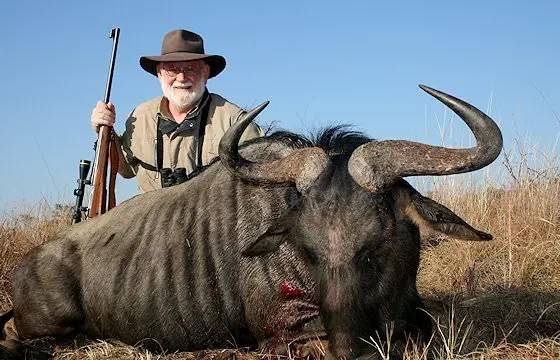
Hunting in Africa has long been a controversial and complex topic. While some travelers seek out legal, regulated hunting safaris, others strongly oppose the practice on ethical or conservation grounds. It’s important to understand the distinctions between trophy hunting, subsistence hunting, and poaching, and how these impact Africa’s wildlife, ecosystems, and local communities.

In this article, we explore the realities of hunting in Africa, the countries where it’s legal and regulated, how it ties into conservation efforts, and what alternatives exist for travelers who want an up-close wildlife experience without harming animals.

Types of Hunting in Africa

1. Trophy Hunting
Involves wealthy clients paying large sums to hunt specific species, often including “Big Five” animals like lions, elephants, buffalo, leopards, and rhinos.

Legal in some countries when done under strict regulation and quota systems.

Animals hunted are typically older males past their breeding prime.

2. Subsistence Hunting
Practiced by rural communities for survival, using traditional tools or techniques.

Usually targets smaller game like antelopes or wild pigs.

Often unregulated, but deeply rooted in indigenous culture.

3. Illegal Hunting / Poaching
Involves unauthorized killing of animals, often for the illegal trade in ivory, horns, skins, or bushmeat.

Has devastating effects on endangered species and ecosystems.

Combated by anti-poaching units and conservation programs.

Countries Where Trophy Hunting Is Legal (With Regulations)

South Africa: Home to a significant trophy hunting industry with ranches that breed animals specifically for hunting. Regulated by the government.

Namibia: Offers legal hunting with a focus on sustainable use. Community-based conservancies benefit from income.

Zimbabwe: Known for controversial cases, but also has regulated hunting programs tied to conservation funding.

Tanzania: Allows big game hunting in designated hunting blocks. Government issues licenses and quotas.

Mozambique: Growing as a legal hunting destination, especially for buffalo and antelope species.

Conservation Arguments For and Against Hunting

In Favor:

Generates significant revenue for wildlife reserves and communities.

Creates financial incentive to conserve wild habitats and species.

Hunting fees can fund anti-poaching efforts, research, and ranger salaries.

Against:

Ethical concerns about killing wild animals for sport.

Potential mismanagement and corruption can lead to overhunting or illegal practices.

Tourism alternatives like photographic safaris can bring equal or greater income without killing wildlife.

Popular Game Species in African Hunting Safaris

Plains Game: Impala, kudu, wildebeest, springbok, warthog

Big Five: Lion, elephant, buffalo, leopard, rhino (note: rhino hunting is highly restricted)

Dangerous Game: Hippos, crocodiles, hyenas

Alternatives to Hunting Safaris

If you’re interested in wildlife and nature-based experiences without contributing to animal harm, consider:

Photographic safaris in national parks and private game reserves.

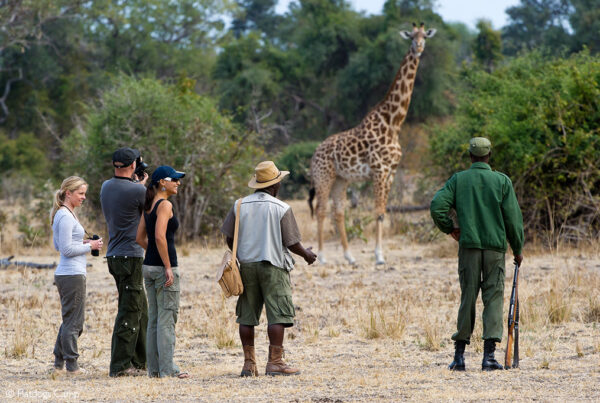
Walking safaris led by trained guides and trackers.

Conservation safaris where you assist researchers or rangers in wildlife monitoring.

Wildlife rehabilitation visits to sanctuaries or rescue centers.

Community tourism that supports locals without wildlife exploitation.

Final Thoughts
Hunting in Africa is a divisive issue. While legal trophy hunting under strict regulation can contribute to conservation and local economies, it remains a deeply personal and ethical decision. As a traveler, you have the power to choose experiences that reflect your values, whether that includes hunting or not.

Want a Wildlife Experience Without Hunting?
WildHorn Africa offers ethical safaris and conservation-based travel that immerse you in Africa’s rich ecosystems—without the need for hunting. Our tailor-made safaris allow you to track big game, explore on foot, and connect with nature in a way that protects it for future generations.

Get in touch with WildHorn Africa to plan your unforgettable, wildlife-friendly adventure today.

Experiential

Experiential

By Travel guides

Experiential Travel in Africa: Go Beyond Sightseeing

Experiential travel is all about immersing yourself in meaningful, hands-on experiences that connect you deeply with a destination’s people, landscapes, and way of life. In Africa, this type of travel goes far beyond traditional safaris—it allows you to live the culture, taste the flavors, walk with wildlife, and feel the rhythm of the continent.

Whether you’re cooking with locals in Uganda, learning beadwork from the Maasai in Kenya, helping track rhinos with conservationists in Namibia, or hiking with a Batwa guide in the rainforest, Africa offers transformative experiences that stay with you long after the journey ends.

What Is Experiential Travel?

Experiential travel focuses on:

Active participation: Engaging directly in local traditions, conservation, or crafts.

Cultural connection: Spending time with locals and learning about their daily lives.

Sustainability: Supporting communities and environments through low-impact tourism.

Personal transformation: Gaining perspective and meaning from your travel experience.

Top Experiential Travel Experiences in Africa

🌿 Gorilla Trekking & Habituation – Uganda & Rwanda
Trek through lush rainforests with expert guides to observe endangered mountain gorillas in their natural habitat.

Go beyond the standard trek with a habituation experience—spend 4 hours with a gorilla group undergoing acclimatization to human presence.

👣 Nature Walks with Indigenous Guides – Rwanda, Kenya, Botswana
Learn medicinal plant uses, animal tracking, and ancient survival skills from Batwa, San, or Maasai guides.

Walk the land like locals do—on foot, slowly, and with respect.

🧶 Crafting with Communities – East Africa & South Africa
Weave baskets with women’s groups in Uganda.

Make your own Maasai bead bracelet.

Learn traditional dyeing and fabric techniques.

🍽 Farm-to-Table Cooking in Africa
Visit a local farm, harvest fresh produce, and cook traditional meals in village homes or eco-lodges.

Learn to prepare chapati, matoke, or injera from local chefs.

🐾 Conservation Experiences – Namibia, Zambia, Kenya
Join anti-poaching patrols or wildlife monitoring programs.

Track endangered species like rhinos or wild dogs with rangers.

Help with camera trap placement or data collection.

🪘 Music, Dance & Storytelling – West & Central Africa
Participate in drum circles or dance workshops.

Hear folktales from griots and village elders.

Learn the cultural meaning behind music and movement.

🛖 Stay in Community-Based Lodges or Homestays
Sleep in eco-friendly accommodations built and run by local communities.

Share meals and daily routines with your hosts.

Contribute directly to local livelihoods through your visit.

Why Choose Experiential Travel in Africa?

Connect more deeply: Move beyond being a tourist to becoming part of the story.

Create lasting memories: The most memorable moments often come from interaction, not observation.

Support local impact: Choose experiences that uplift communities and protect nature.

Learn something new: Gain hands-on skills and fresh perspectives.

Tips for Experiential Travel

Be open-minded and flexible

Travel slowly—give yourself time to absorb and reflect

Engage respectfully with local cultures

Ask questions, but also listen


Let WildHorn Africa Craft Your Experiential Safari
At WildHorn Africa, we specialize in creating journeys that connect you to Africa’s people, places, and purpose. Whether you’re looking for cultural immersion, conservation experiences, or meaningful adventure, we’ll build a tailor-made itinerary just for you.

Contact WildHorn Africa today to start planning an experiential safari that will change the way you see the world—and how you travel through it.

Close Menu